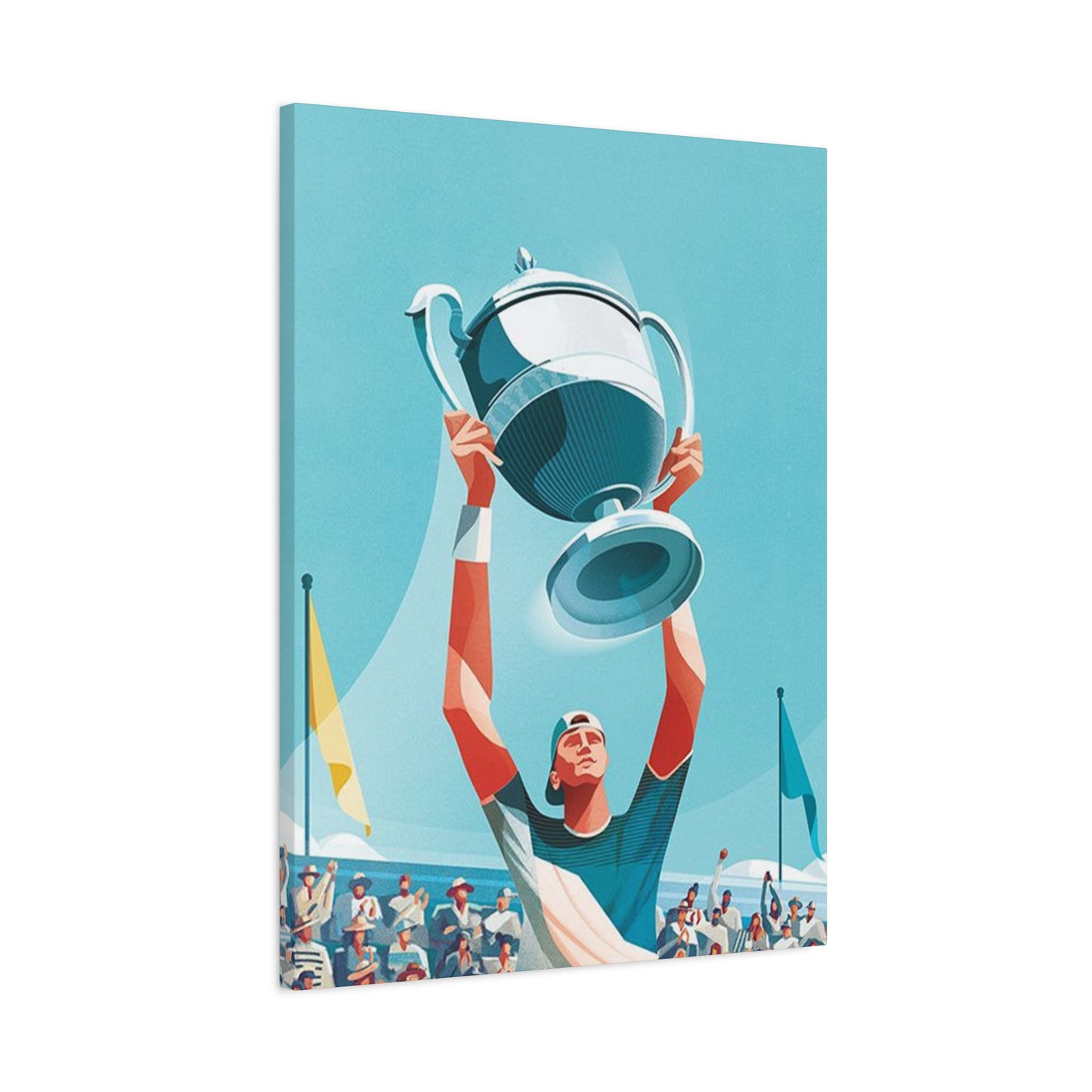
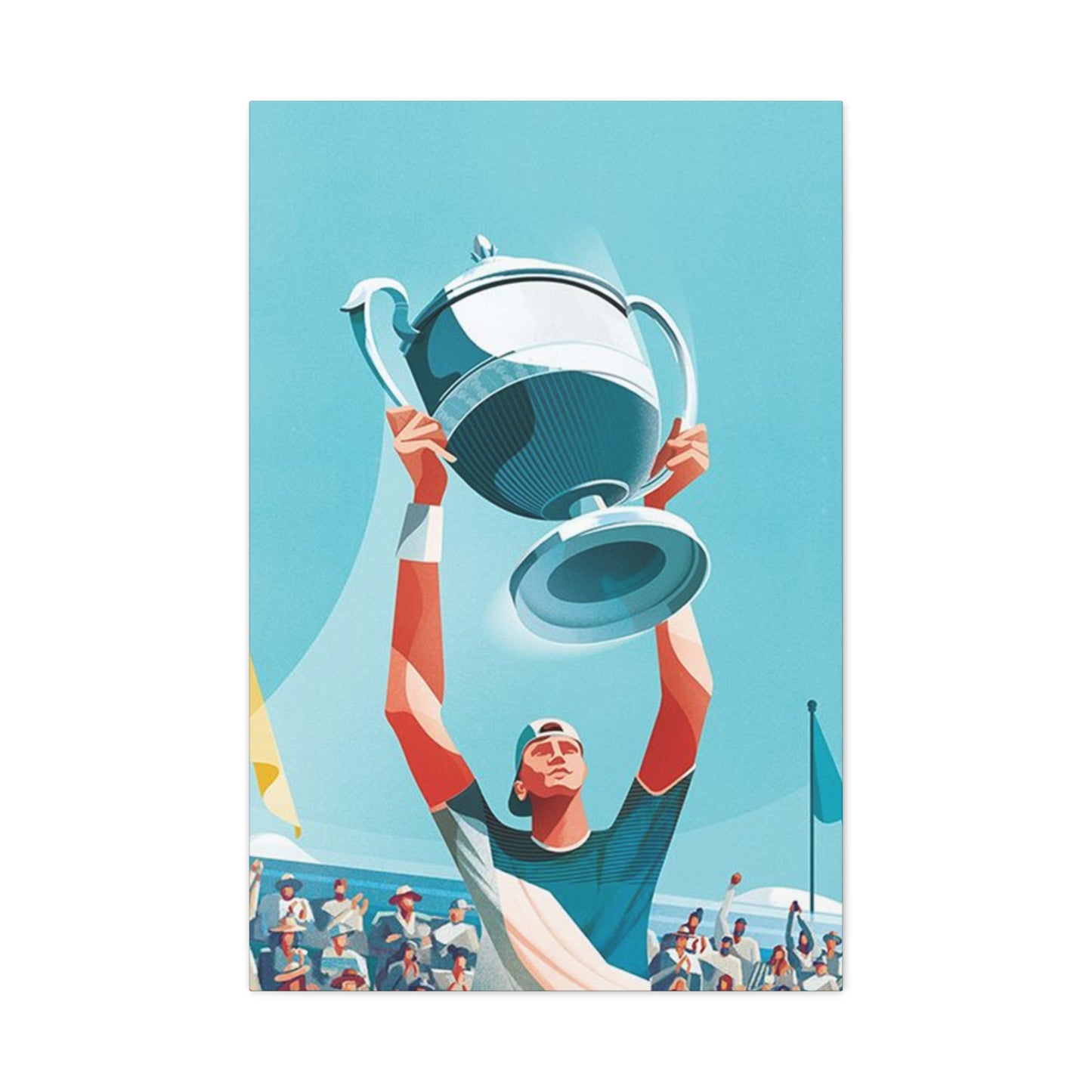
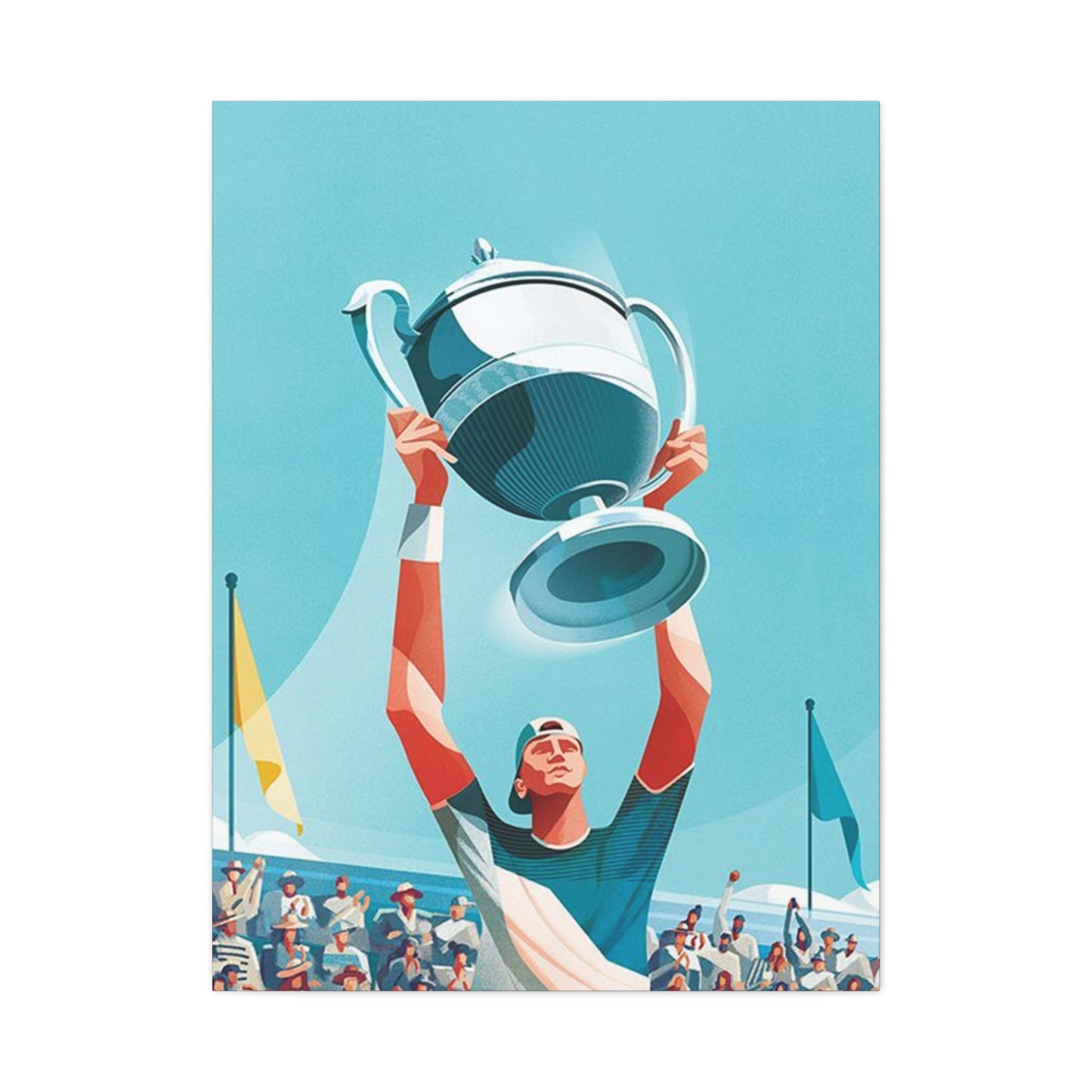
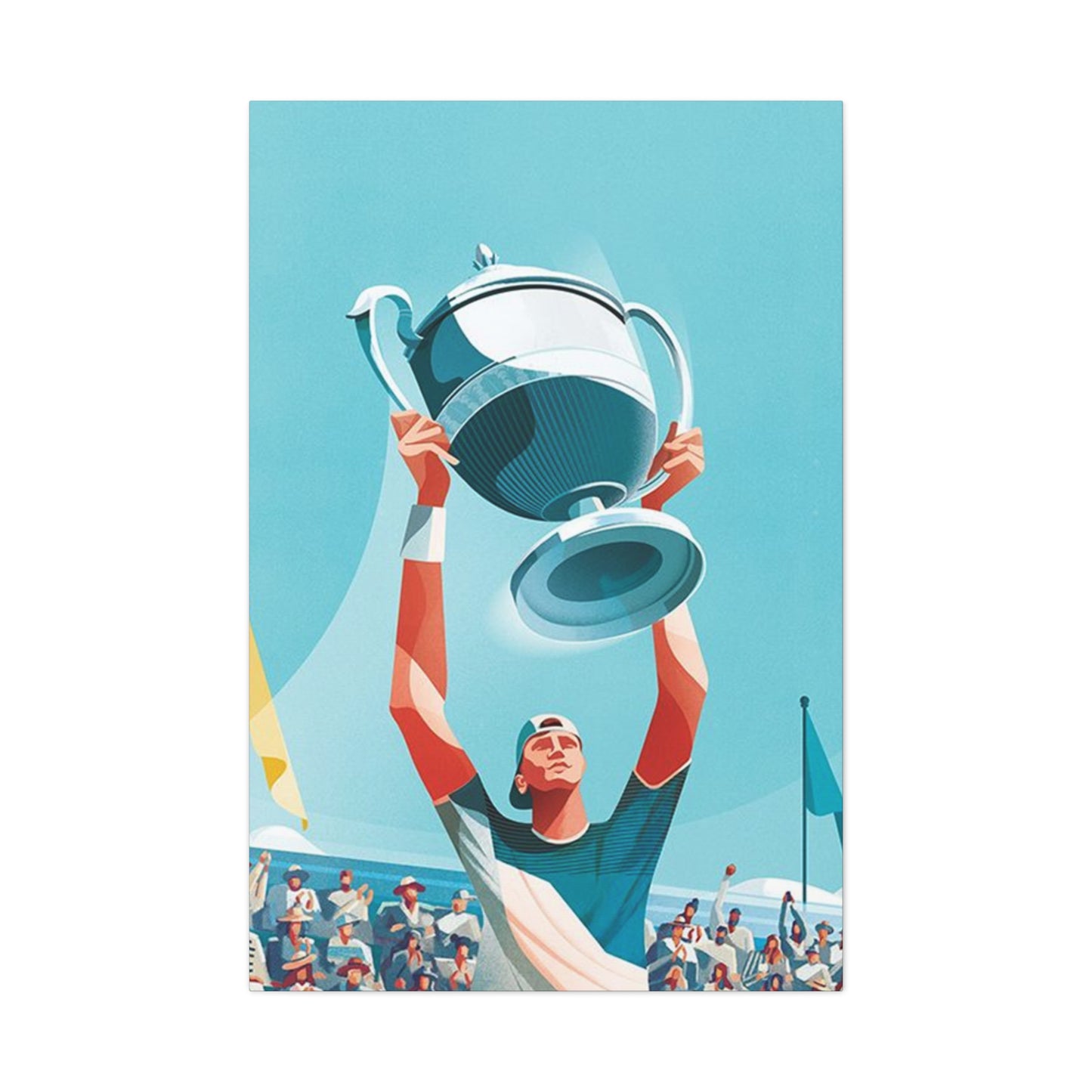
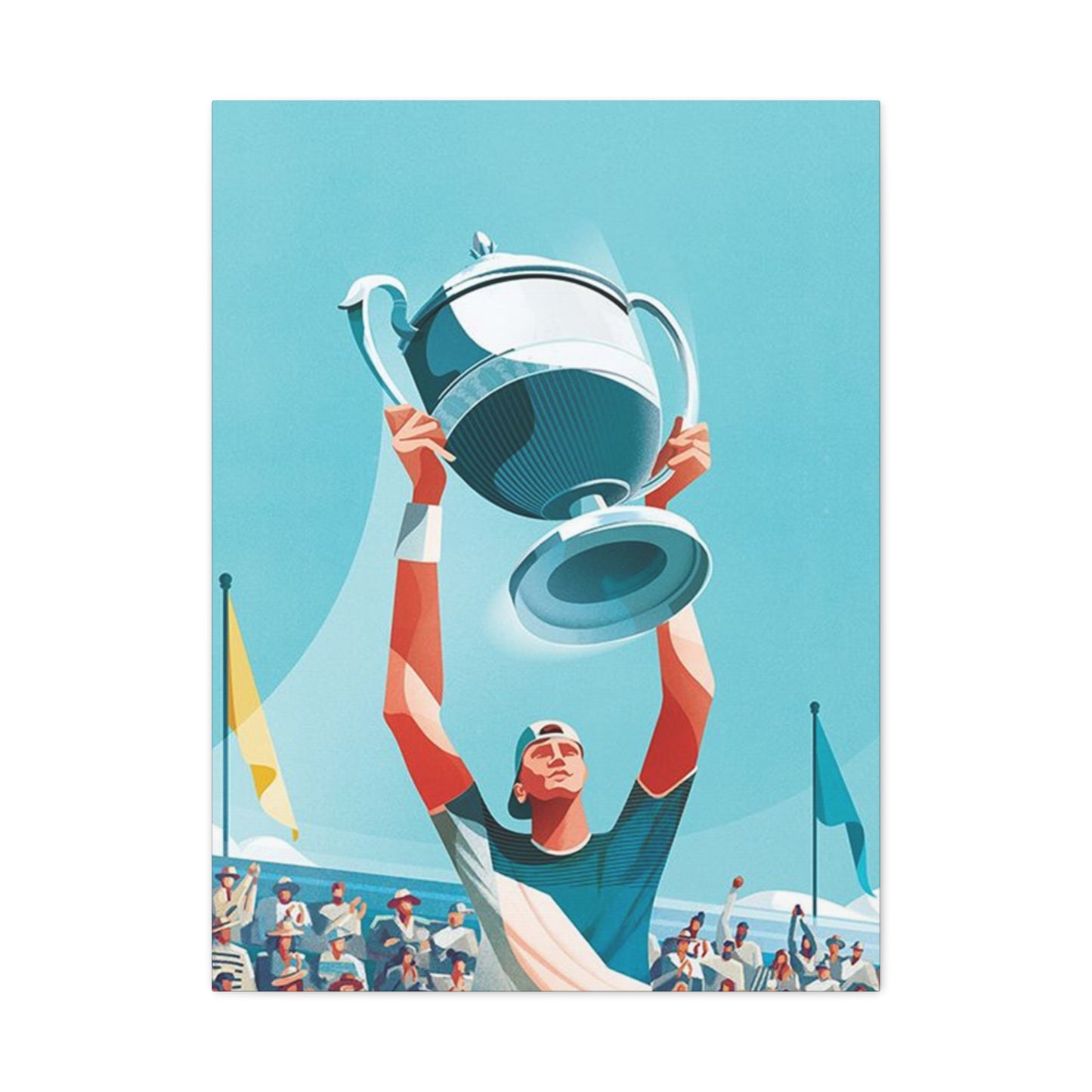
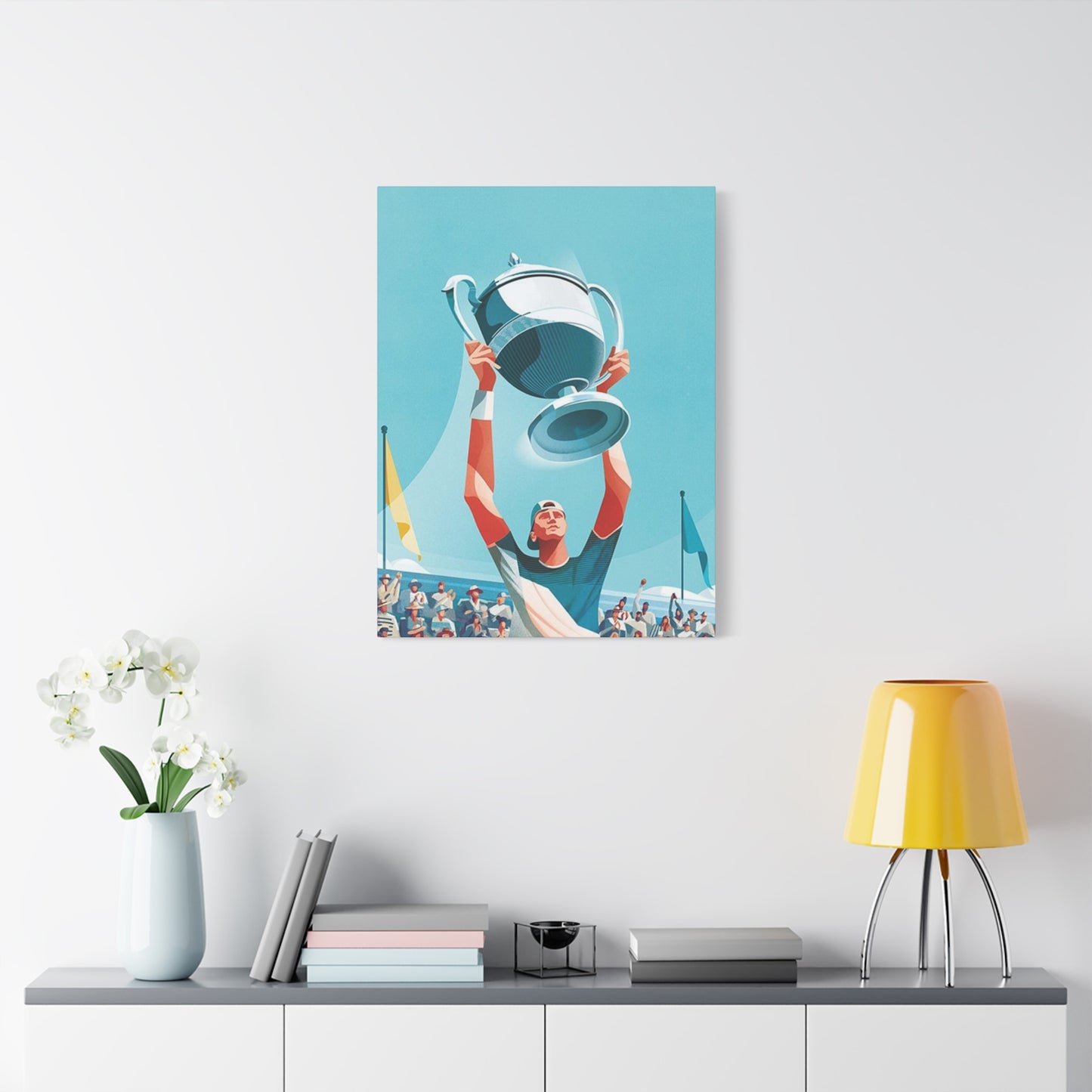
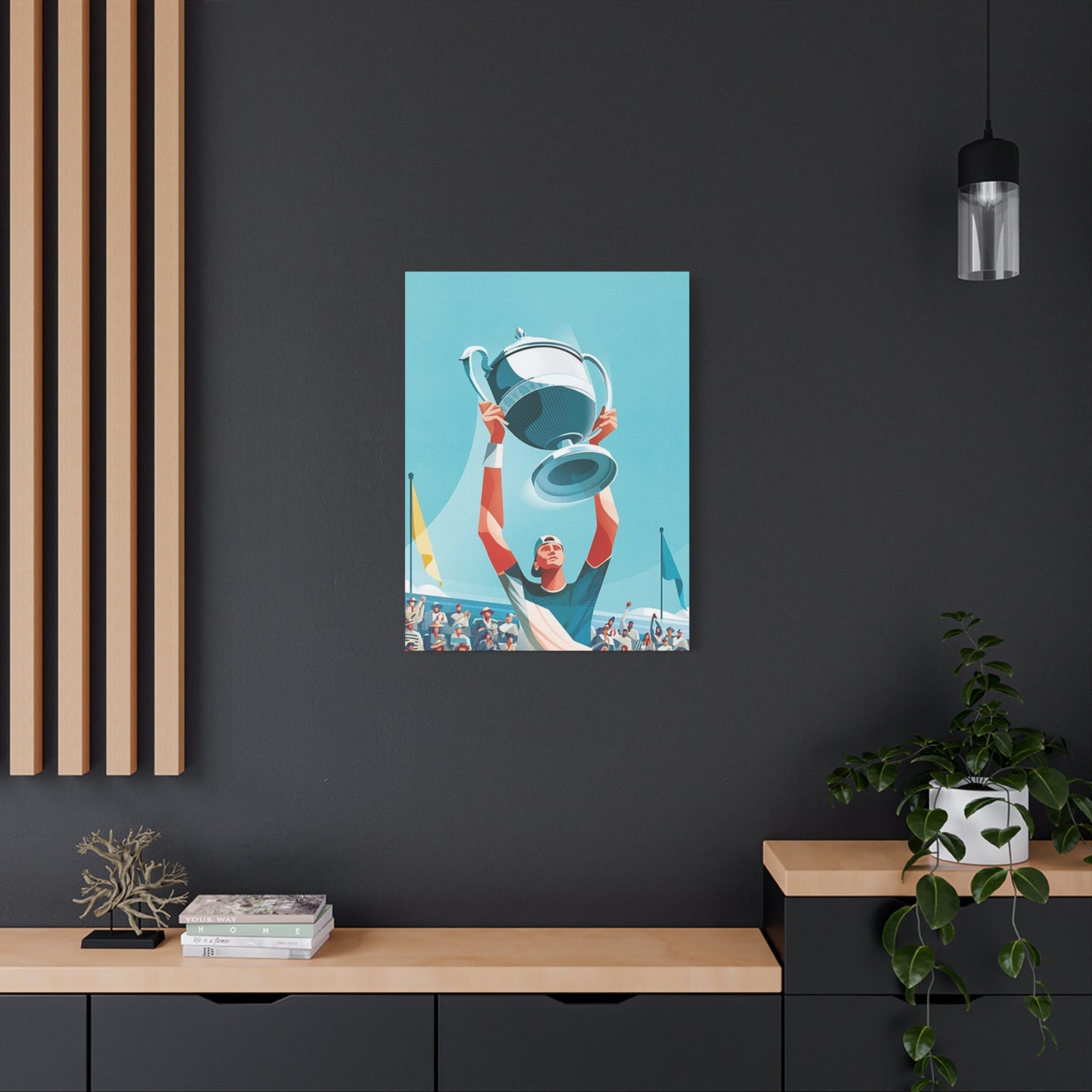
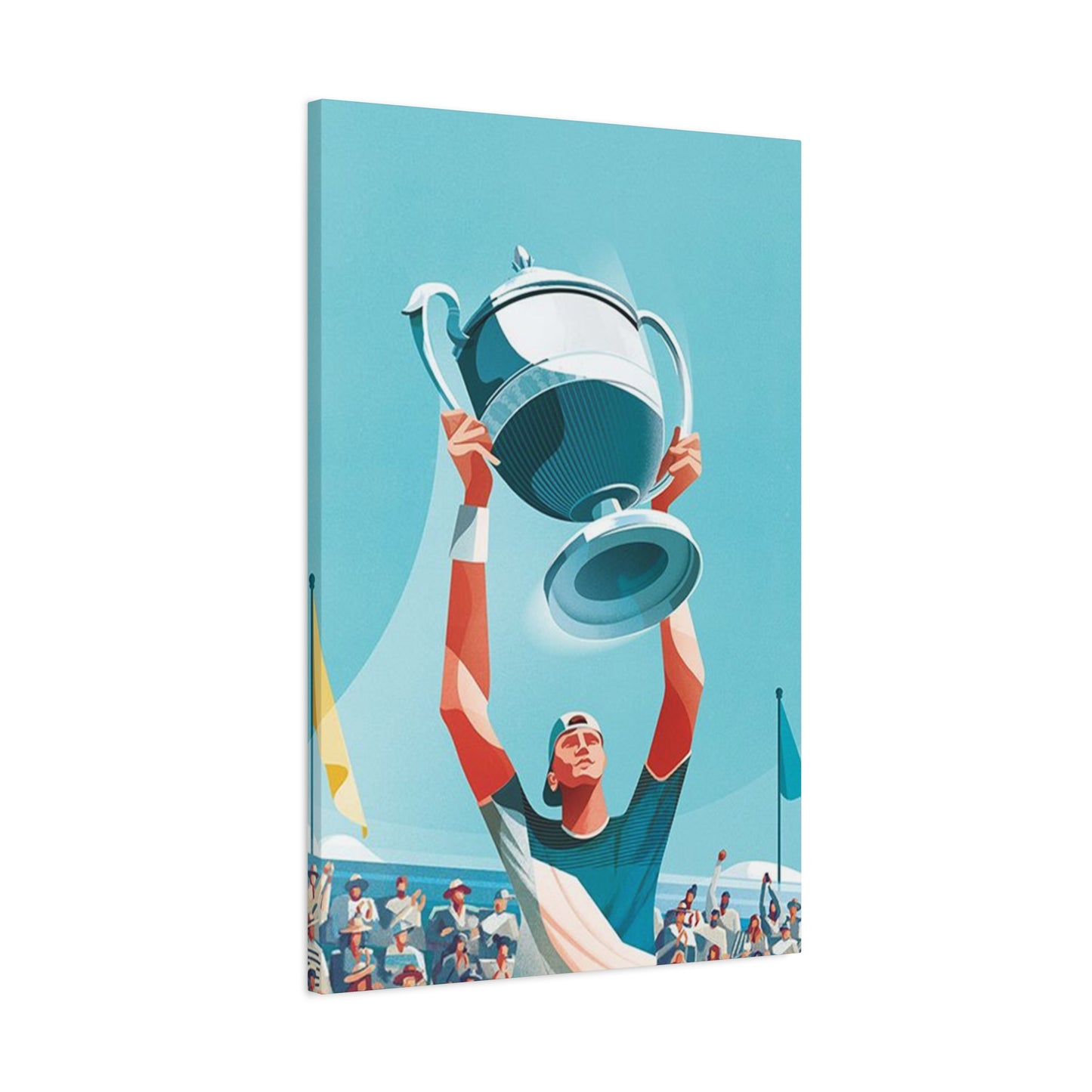
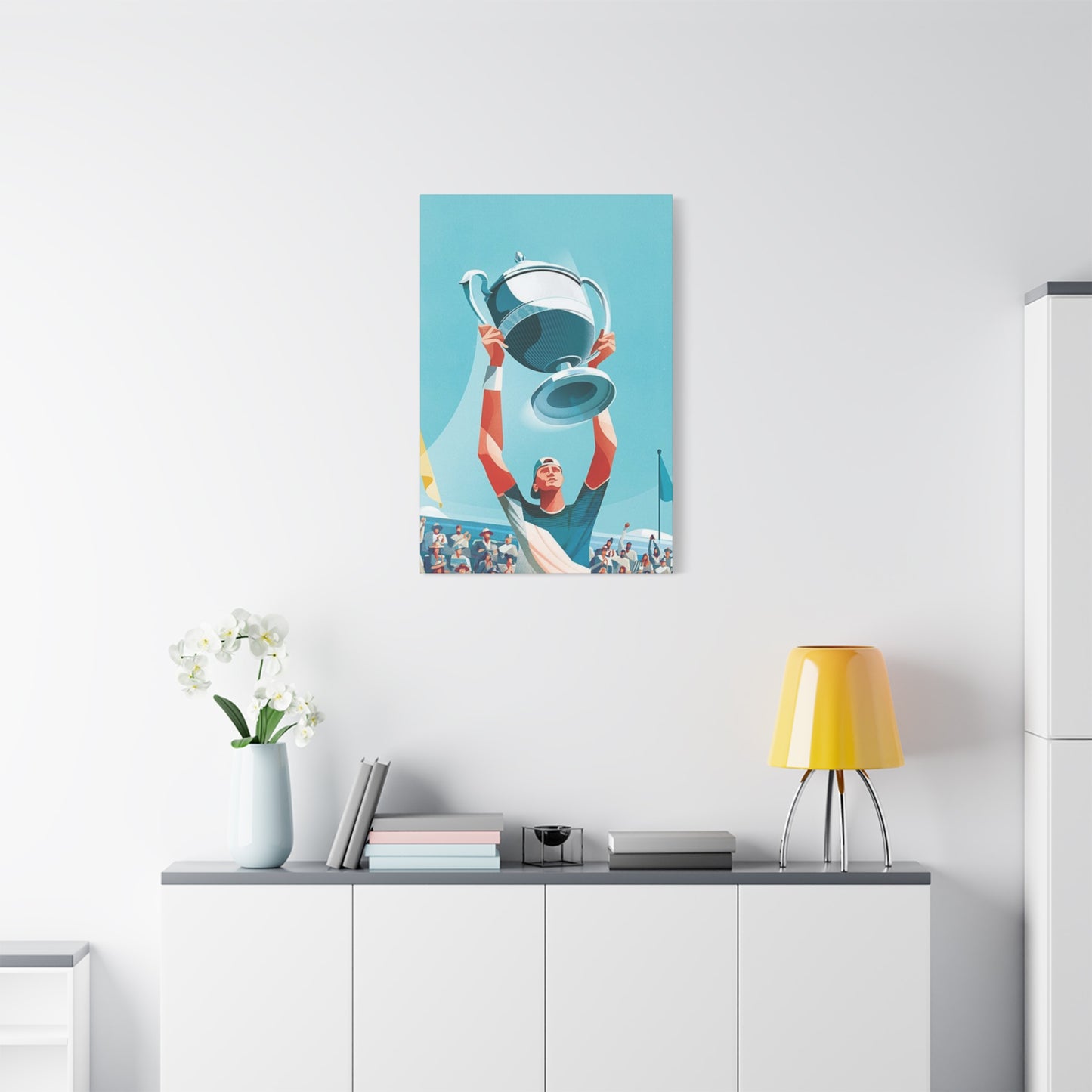
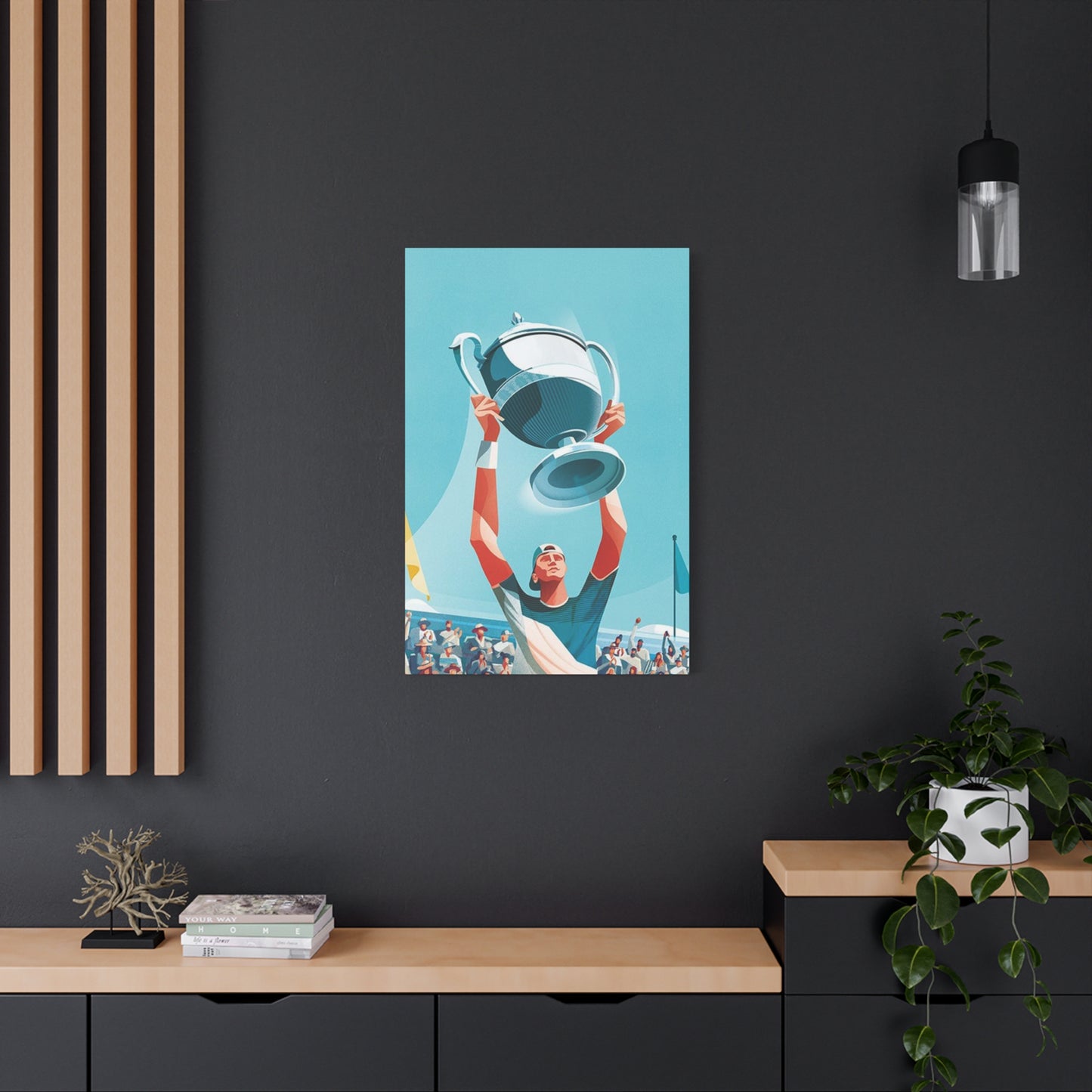
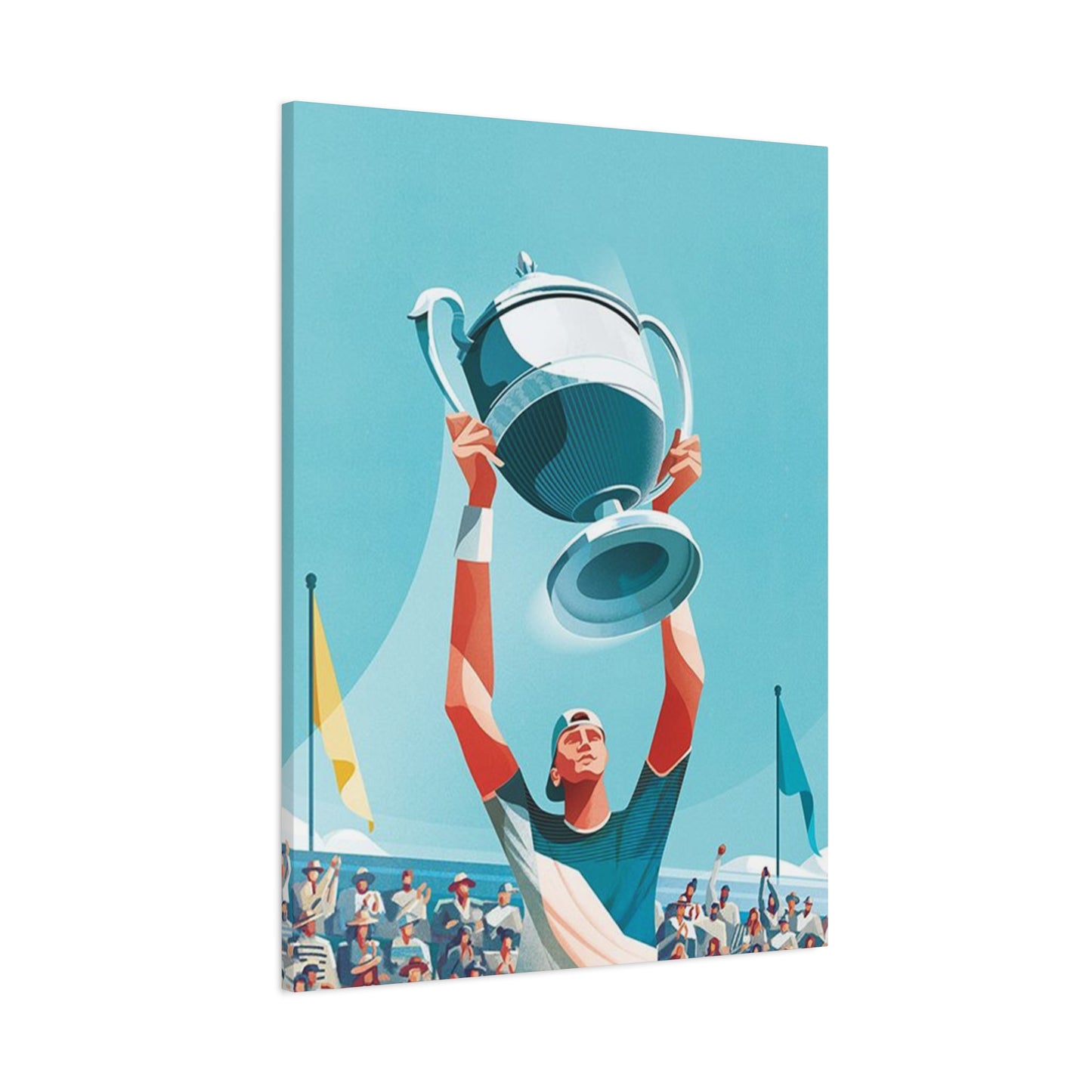
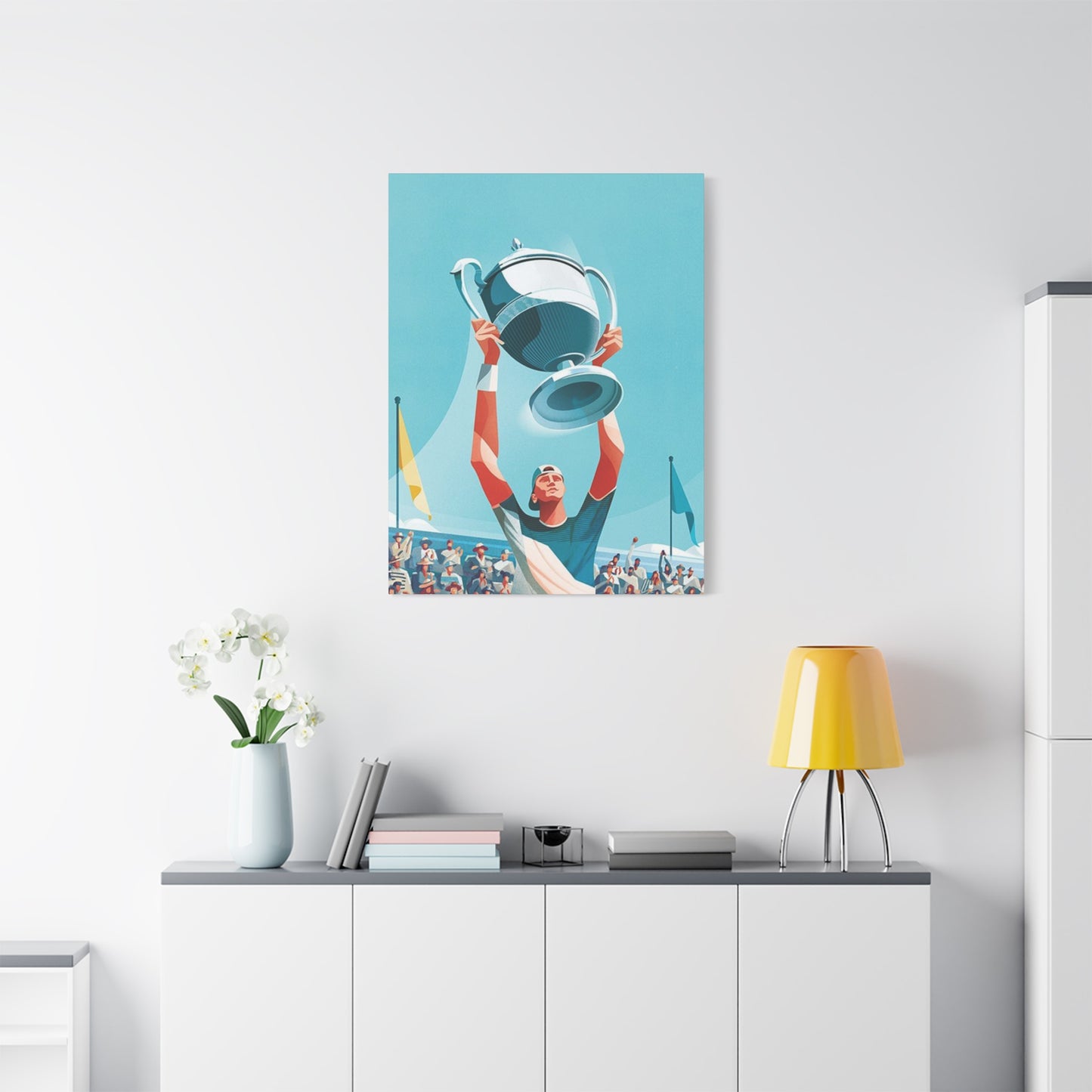
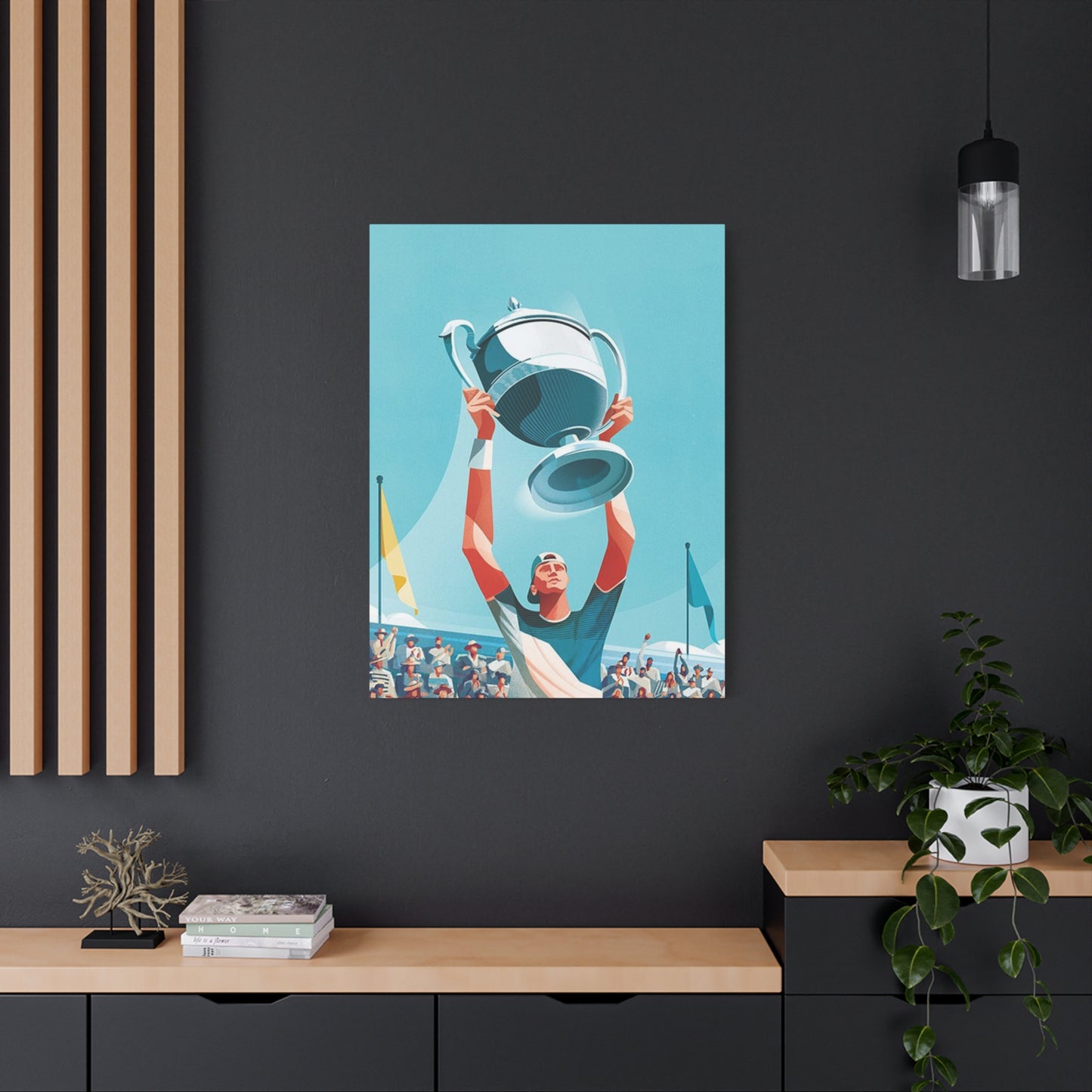
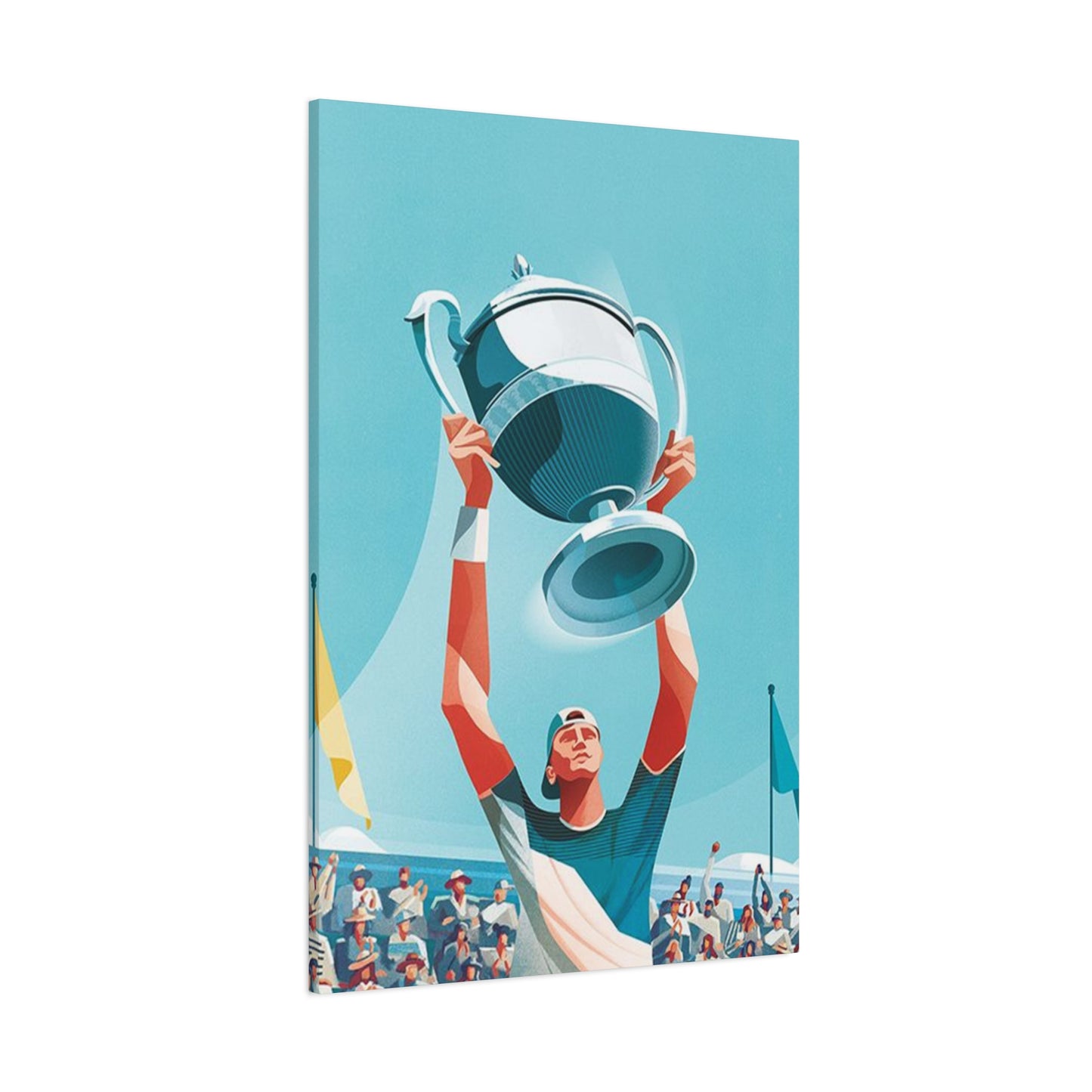
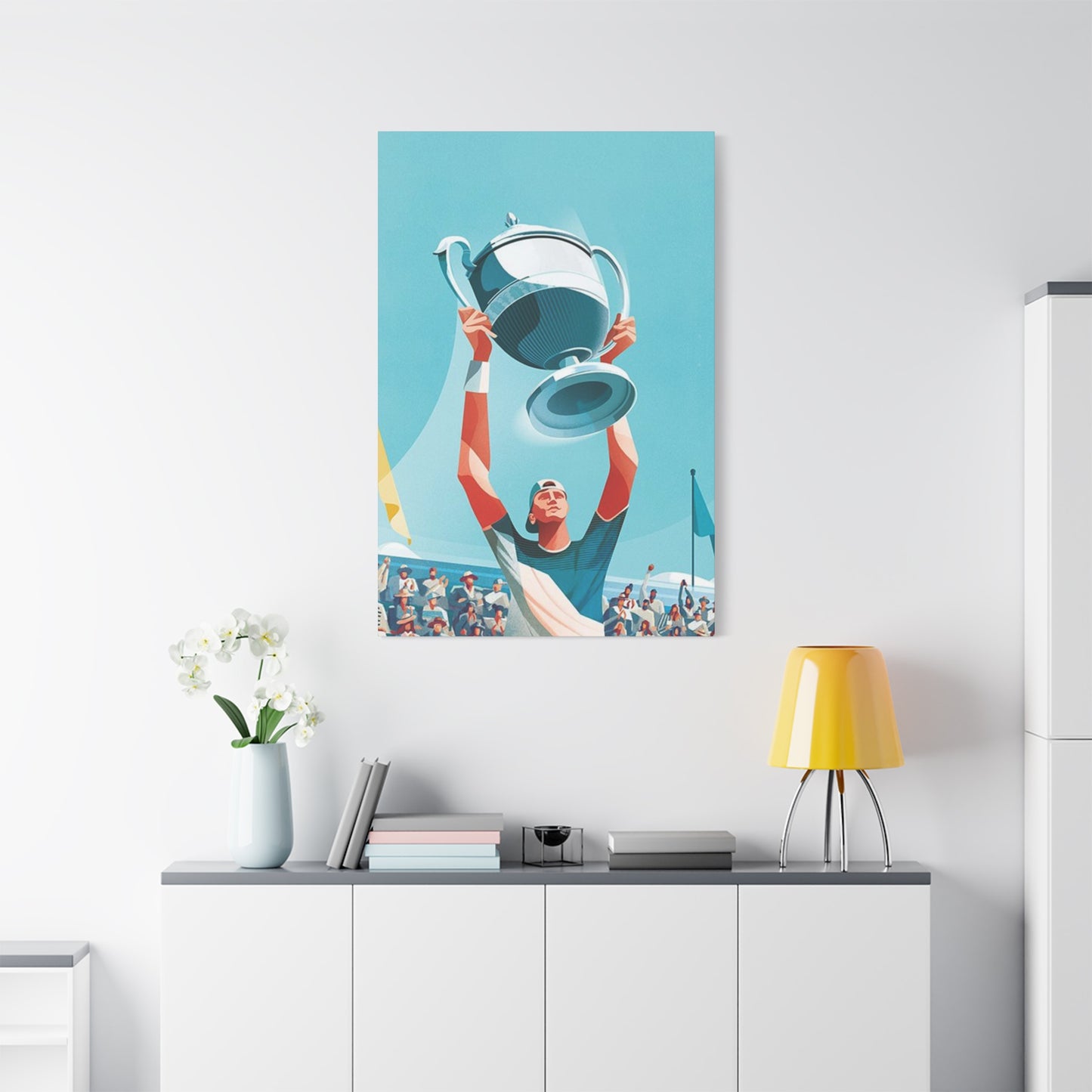
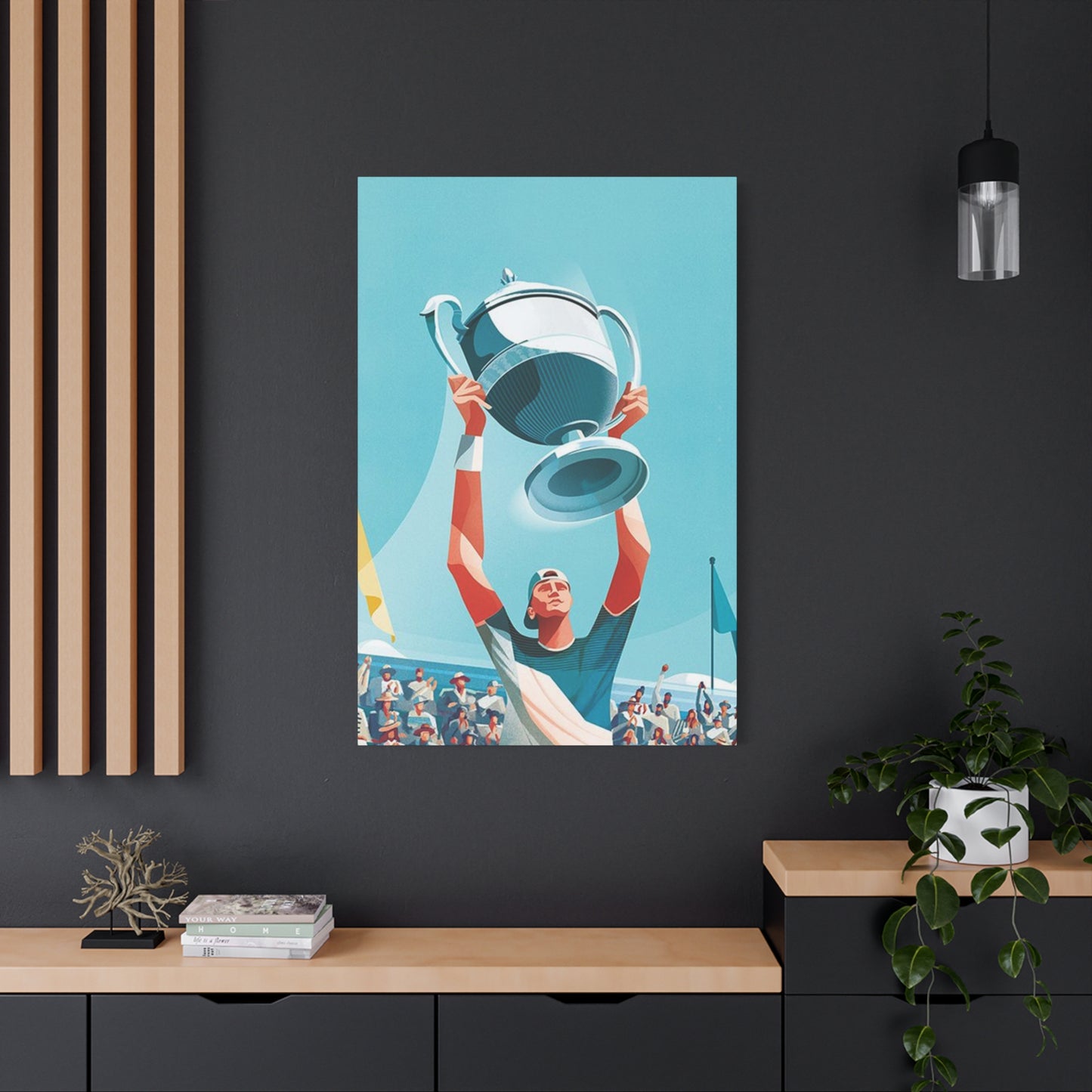
Champion Poster Wall Art & Canvas Prints
Champion Poster Wall Art & Canvas Prints
Couldn't load pickup availability
Champion Poster Wall Art: Creating Stunning Visual Displays That Elevate Your Living Spaces and Reflect Personal Style
The world of interior decoration has witnessed a remarkable transformation with the rising popularity of champion poster wall art. These striking visual pieces have become essential elements in modern homes, offices, and commercial spaces, offering an unparalleled blend of aesthetic appeal and personal expression. Whether you're a sports enthusiast, music lover, or art collector, understanding how to select, arrange, and maintain these decorative pieces can dramatically enhance your environment's atmosphere and character.
Why Champion Poster Wall Art Has Become an Essential Element in Contemporary Interior Design
The surge in popularity of champion poster wall art stems from its unique ability to communicate personal interests while simultaneously serving as a sophisticated decorative element. Unlike traditional artwork that often requires substantial financial investment, these versatile pieces offer accessibility without compromising visual impact. The contemporary design landscape has embraced this medium as a legitimate form of artistic expression, moving far beyond its humble origins as simple printed matter.
Modern manufacturing processes have revolutionized the quality and durability of poster art, allowing for museum-grade reproduction that rivals traditional canvases. The pigmentation technologies employed today ensure vibrant colors that resist fading, while advanced printing substrates provide textures ranging from matte finishes to glossy surfaces that catch and reflect light dramatically. This evolution has positioned champion poster wall art as a credible alternative to more expensive decorative options.
The psychological impact of surrounding oneself with imagery that resonates personally cannot be overstated. Visual stimuli in our immediate environment significantly influence mood, productivity, and overall mental wellbeing. When individuals choose champion poster wall art that reflects their passions—whether athletic achievements, musical legends, or cinematic moments—they create spaces that feel authentically representative of their identity and values.
Furthermore, the flexibility inherent in poster art allows for seasonal rotation and thematic changes without the commitment required by permanent installations. This adaptability appeals particularly to younger demographics who value the ability to refresh their surroundings as their tastes evolve. The relatively modest investment required means that experimenting with different styles, colors, and arrangements becomes financially feasible for most households.
Exploring Various Categories and Styles Available in Champion Poster Wall Art Collections
The diversity within the realm of champion poster wall art is truly staggering, encompassing countless genres, styles, and subjects that cater to virtually every imaginable interest. Sports enthusiasts can select from action-packed images capturing pivotal moments in athletic history, while music aficionados might gravitate toward iconic performance shots or album cover reproductions that defined entire musical eras.
Vintage-inspired designs have experienced a significant resurgence, with many collectors seeking reproductions of classic advertisements, travel posters, and propaganda art from the early twentieth century. These pieces often feature bold typography, limited color palettes, and compositional elements that evoke nostalgia while maintaining contemporary relevance. The aesthetic qualities of these retro designs complement both modernist interiors and eclectic bohemian spaces with equal effectiveness.
Abstract compositions represent another substantial category within champion poster wall art, offering geometric patterns, color field explorations, and minimalist designs that function as visual focal points without imposing specific narrative content. These versatile pieces work particularly well in professional settings where the goal involves creating sophisticated ambiance without introducing potentially polarizing subject matter.
Photographic prints constitute a rapidly growing segment, ranging from breathtaking landscape imagery to intimate portrait studies and urban documentation. The crisp detail achievable through contemporary printing methods allows these photographs to showcase remarkable tonal range and textural subtlety. Black and white photography continues to hold particular appeal for those seeking timeless elegance, while vibrant color photography can inject energy and vitality into neutral spaces.
Typography-based designs have carved out their own niche, featuring inspirational quotations, witty observations, or simply beautifully rendered letterforms that serve as both decoration and daily affirmation. These pieces often incorporate creative layout solutions, mixing fonts, sizes, and orientations to create dynamic visual interest while communicating meaningful messages that resonate with viewers on intellectual and emotional levels.
Strategic Placement Methods That Maximize the Visual Impact of Champion Poster Wall Art
The effectiveness of champion poster wall art depends heavily on thoughtful placement that considers room dimensions, lighting conditions, furniture arrangement, and overall design objectives. A common mistake involves hanging artwork too high, creating a disconnected feeling between the piece and the living space it occupies. The ideal hanging height positions the center of the artwork approximately fifty-seven to sixty inches from the floor, which aligns with average eye level for most adults.
Creating gallery walls has become an increasingly popular approach for displaying multiple pieces of champion poster wall art simultaneously. This arrangement style allows for mixing different sizes, orientations, and even frame styles to generate visual interest and narrative coherence. When planning a gallery wall, laying out the entire arrangement on the floor first helps visualize spacing and balance before committing to nail holes. Maintaining consistent spacing between frames—typically two to three inches—creates cohesion while preventing the arrangement from appearing cluttered or chaotic.
Scale considerations prove crucial when selecting champion poster wall art for specific spaces. Large, dramatic pieces work beautifully above substantial furniture like sofas or beds, anchoring the room and providing a strong focal point. Conversely, smaller works might feel lost in expansive wall areas but excel in intimate spaces like hallways, bathrooms, or stairway landings where their details can be appreciated from closer viewing distances.
Lighting dramatically affects how champion poster wall art appears and should be factored into placement decisions. Natural light can beautifully illuminate artwork but also poses risks of fading over time, particularly for pieces printed with light-sensitive inks. When positioning artwork near windows, consider using UV-protective glass or acrylic in frames to mitigate damage while still benefiting from natural illumination. Artificial lighting options include picture lights mounted directly on frames, track lighting systems that can be adjusted to highlight multiple pieces, and strategically placed floor or table lamps that cast indirect illumination.
Symmetrical arrangements convey formality and order, making them ideal for traditional interiors or professional environments where projecting authority and organization matters. Asymmetrical layouts, conversely, feel more dynamic and contemporary, allowing for creative expression and visual movement that guides the eye through the space. Neither approach is inherently superior; the choice depends on the desired atmosphere and the architectural characteristics of the room.
Selecting Appropriate Frames and Mounting Solutions for Champion Poster Wall Art
The framing choices made for champion poster wall art profoundly influence its presentation and longevity. While frameless mounting options exist and can create a modern, minimalist aesthetic, proper framing offers protection from environmental factors while enhancing the artwork's visual impact. Understanding the various framing options available helps ensure selections that complement both the artwork and the surrounding decor.
Traditional wooden frames remain popular due to their versatility and warmth. Available in countless finishes from natural woods to painted surfaces, these frames can be matched to existing furniture or used to introduce contrasting elements. Wider frames create a substantial, gallery-quality appearance suitable for important pieces, while narrower profiles maintain focus on the artwork itself. The frame's color should either complement the dominant hues within the poster or provide deliberate contrast that makes the piece pop visually.
Metal frames offer sleek, contemporary aesthetics that work particularly well with modern and industrial design schemes. Aluminum frames are lightweight yet durable, available in brushed, polished, or powder-coated finishes. Their clean lines and minimal visual weight prevent overwhelming delicate artwork while providing structural support. Metal frames also excel in humid environments like bathrooms or kitchens where wooden frames might warp or deteriorate.
Matting serves multiple purposes beyond mere decoration. A well-chosen mat creates visual breathing room between the artwork and frame, preventing the composition from feeling cramped. Mats also provide physical separation that keeps the poster surface from contacting the glass, which prevents moisture damage and adhesion. Standard mat widths range from two to four inches, though wider mats can create dramatic gallery-style presentations. Mat colors should generally remain neutral—white, cream, or black—to avoid competing with the artwork, though occasionally a colored mat that picks up a minor hue from the poster can create striking effects.
Glass or acrylic glazing protects champion poster wall art from dust, moisture, and physical damage while allowing unobstructed viewing. Standard glass works adequately for most situations but adds considerable weight and risks shattering if dropped. Museum-quality glass offers superior clarity and UV protection but carries a significant price premium. Acrylic alternatives weigh substantially less than glass and resist breaking, making them ideal for large pieces or installations in homes with children. However, acrylic scratches more easily and can develop static charges that attract dust.
Mounting techniques for unframed champion poster wall art include adhesive poster strips, magnetic hanging systems, and clip frames. Adhesive strips allow damage-free mounting on walls without nails but limit repositioning options. Magnetic systems use thin metal strips adhered to wall and poster corners, creating a floating appearance with the artwork suspended slightly away from the wall surface. Clip frames sandwich posters between a backing board and glass or acrylic, held together by spring-loaded clips at the corners—an economical option that allows easy artwork swapping.
Color Coordination Principles That Harmonize Champion Poster Wall Art With Existing Room Decor
Achieving visual harmony between champion poster wall art and surrounding interior elements requires understanding fundamental color theory principles and their practical implications. The colors within selected artwork should relate meaningfully to the existing palette while potentially introducing accent hues that enliven the space without creating jarring dissonance.
Analogous color schemes utilize hues adjacent on the color wheel, creating harmonious, serene environments. If your room features predominantly blue tones, selecting champion poster wall art incorporating blues, greens, and violets maintains this cohesive feel while adding visual interest through slight variations. This approach works particularly well in bedrooms, bathrooms, and other spaces designed for relaxation.
Complementary color relationships pair opposites from the color wheel—orange and blue, red and green, yellow and purple—generating vibrant, energetic contrasts. Champion poster wall art featuring these bold juxtapositions can inject excitement into neutral spaces, serving as the primary color source in otherwise monochromatic rooms. This strategy works particularly effectively in living areas, dining rooms, and creative workspaces where stimulating atmosphere enhances the room's purpose.
Monochromatic approaches utilize varying shades, tints, and tones of a single hue, creating sophisticated, unified environments. Black and white champion poster wall art exemplifies this concept beautifully, offering dramatic contrast without introducing competing colors. These pieces work universally across color schemes, making them valuable for spaces where flexibility matters or when the surrounding palette might change seasonally.
Neutral spaces benefit enormously from champion poster wall art that introduces bold color splashes. Gray, beige, white, and taupe backdrops allow vibrant artwork to become the room's focal point without competing against patterned textiles, colorful furniture, or busy architectural details. This approach also simplifies future redecorating, as changing artwork proves far easier than replacing major furnishings or repainting walls.
Consider the psychological associations different colors evoke when selecting champion poster wall art. Warm hues like reds, oranges, and yellows generate energy, excitement, and appetite, making them suitable for social spaces like dining rooms and entertainment areas. Cool colors including blues, greens, and purples promote calmness, concentration, and relaxation, ideally suited to bedrooms, home offices, and meditation spaces. Understanding these psychological impacts helps create environments that support their intended functions.
The proportional representation of colors matters significantly. A poster where vibrant red comprises merely ten percent of the composition affects a space differently than one dominated by that same hue. When coordinating with existing decor, identify whether the artwork will echo dominant room colors, accent secondary tones, or introduce entirely new chromatic elements. Each strategy produces distinct atmospheric effects worth considering before finalizing selections.
Practical Guidelines for Hanging Champion Poster Wall Art Without Damaging Walls or Artwork
Properly mounting champion poster wall art protects both your walls and your investment while ensuring pieces remain securely positioned. Understanding various hanging methods and their appropriate contexts prevents frustration and potential damage to walls or artwork.
Traditional picture hanging wire attached to frame backs allows flexibility in positioning since hooks can be placed anywhere along the wire's length. However, this method sometimes results in frames hanging slightly crooked, requiring periodic adjustment. For larger, heavier framed pieces, use braided steel wire rated to support at least twice the frame's actual weight, providing a safety margin that prevents catastrophic failures.
D-ring hangers mounted on frame backs offer more stable hanging than wire alone, as frames sit flush against walls with minimal shifting. Installing two D-rings at equal heights near upper frame corners allows using two separate wall hooks, distributing weight more evenly and preventing the tilting that single-point hangers sometimes cause. This method works particularly well for medium to large champion poster wall art.
Sawtooth hangers integrate directly into frame backs, featuring serrated metal strips that hook over nails or screws. These work best for lightweight pieces under ten pounds, as they concentrate hanging stress on a single point. Proper installation requires centering the hanger on the frame back and ensuring it sits perfectly level to prevent crooked hanging.
French cleats provide the most secure hanging method for heavy champion poster wall art, distributing weight across long horizontal strips. This system uses two interlocking pieces—one mounted to the wall, one to the frame back—that hook together, creating incredibly stable installations capable of supporting substantial weight. While requiring more effort to install than simple picture hooks, French cleats excel for valuable pieces where security matters most.
Wall anchor selection depends entirely on wall construction materials. Drywall requires hollow-wall anchors that expand behind the surface, distributing weight across a larger area than simple nails. Various anchor types exist, including plastic expansion anchors, self-drilling anchors, and toggle bolts for heavier pieces. Plaster walls often necessitate drilling pilot holes before inserting anchors to prevent cracking. Brick, concrete, and masonry walls require specialized masonry anchors and appropriate drill bits designed for these dense materials.
Adhesive mounting solutions have improved dramatically, offering damage-free alternatives to nails and screws. Command strips and similar products utilize removable adhesive technology that bonds strongly to walls and frames yet removes cleanly without damaging paint or leaving residue. Weight limits vary by product, so carefully check ratings before trusting these solutions with valuable champion poster wall art. These work particularly well in rental properties where preserving wall integrity matters greatly.
Measuring and marking before hanging prevents costly mistakes. Use a pencil to mark desired hook positions, checking measurements multiple times before committing to holes. A level ensures marks sit perfectly horizontal or vertical as intended. For gallery walls involving multiple pieces, creating paper templates matching each frame's dimensions allows arranging the entire layout on the wall with painter's tape, visualizing the final result before making any permanent holes.
Protecting and Preserving Champion Poster Wall Art for Long-Term Enjoyment
Proper preservation techniques significantly extend the lifespan of champion poster wall art, maintaining its visual appeal and protecting your investment. Understanding factors that contribute to deterioration helps implement preventative measures that keep pieces looking fresh for years.
Light exposure represents the primary threat to poster longevity, with both natural sunlight and certain artificial lighting causing gradual fading. Ultraviolet radiation breaks down the molecular bonds in printing inks and paper fibers, resulting in color shifts and overall dulling. Positioning champion poster wall art away from direct sunlight minimizes this exposure, while UV-filtering window films on nearby windows provide additional protection without sacrificing natural light. When using artificial lighting, opt for LED bulbs that emit minimal UV radiation compared to older incandescent or fluorescent options.
Humidity fluctuations cause paper to expand and contract, potentially leading to warping, buckling, or adhesive failure in mounted prints. Ideal conditions maintain relative humidity between forty and fifty percent, achievable through dehumidifiers in damp climates or humidifiers in arid regions. Avoid hanging champion poster wall art in bathrooms, kitchens, or other areas prone to moisture extremes unless properly sealed behind glass or acrylic glazing.
Temperature stability matters nearly as much as humidity control. Extreme heat accelerates chemical deterioration in paper and inks, while cold temperatures can make materials brittle. Maintain consistent temperatures between sixty-five and seventy-five degrees Fahrenheit, avoiding placement near heating vents, radiators, fireplaces, or air conditioning units that create localized temperature fluctuations.
Regular dusting prevents accumulation that can embed into poster surfaces or frame crevices. For framed pieces behind glass or acrylic, use a soft, lint-free cloth slightly dampened with water or glass cleaner, avoiding excessive liquid that might seep behind glazing. Unframed posters require gentler treatment using a soft brush or compressed air to remove surface dust without physical contact that might damage delicate paper fibers.
Archival mounting materials significantly impact preservation. Acid-free backing boards prevent acidic compounds from migrating into poster paper, which causes yellowing and brittleness over time. Similarly, acid-free mats maintain their white appearance rather than developing the yellowish cast that acidic mats exhibit as they age. When framing valuable champion poster wall art, specify archival materials to ensure maximum longevity.
Periodic inspection helps identify emerging issues before they become irreparable. Check quarterly for signs of insect damage, mold growth, adhesive failure, or frame deterioration. Early detection allows for corrective measures like improving ventilation, adjusting environmental controls, or reframing before damage becomes extensive.
Professional conservation services can restore damaged champion poster wall art, though prevention remains far more cost-effective than remediation. For particularly valuable or sentimental pieces showing signs of deterioration, consulting a paper conservation specialist provides expert assessment and treatment options. These professionals can clean, deacidify, repair tears, and rehouse artwork using museum-standard materials and methods.
Sourcing Authentic and High-Quality Champion Poster Wall Art From Reputable Sources
Navigating the marketplace for champion poster wall art requires discernment to distinguish quality reproductions from inferior products while avoiding counterfeit items that violate intellectual property rights. Understanding where and how to purchase ensures satisfaction with both the product quality and the transaction ethics.
Licensed merchandise bearing official authentication marks guarantees that artists, photographers, and rights holders receive appropriate compensation for their work. When purchasing sports-related champion poster wall art featuring team logos or player images, official licensing indicates permission from relevant leagues and players' associations. Similarly, music posters should carry proper licensing from record labels, artist management, or photography rights holders.
Print quality varies enormously across vendors, with factors including paper weight, ink type, and printing method dramatically affecting final appearance and durability. Museum-quality giclée prints utilize archival inks and heavyweight paper stocks, producing exceptional color accuracy and longevity suitable for long-term display. Digital prints on lighter paper cost less but may show reduced detail and faster fading. Examining product descriptions for specifications like paper weight (measured in pounds or grams per square meter) and ink types helps assess quality before purchasing.
Reputable online retailers typically offer detailed product images, customer reviews, and clear return policies that protect buyers from receiving substandard merchandise. Reading reviews from previous purchasers provides insight into actual print quality, shipping packaging adequacy, and seller responsiveness to issues. Be wary of prices dramatically lower than comparable items elsewhere, as these often indicate inferior quality or unauthorized reproductions.
Limited edition prints signed and numbered by artists carry inherent value beyond standard reproductions, though they command premium prices. These pieces often include certificates of authenticity documenting the edition size and the artist's signature. Collectors particularly prize these items, which may appreciate over time depending on the artist's reputation and market demand.
Vintage original posters from earlier decades carry historical significance and collector appeal that reproductions cannot match. Sourcing these requires patience and often higher budgets, with specialized dealers, auction houses, and estate sales serving as primary acquisition channels. Condition assessment becomes crucial for vintage pieces, as age-related wear, fading, and damage significantly affect value. Professional authentication services help verify provenance for expensive acquisitions, protecting against sophisticated forgeries.
Print-on-demand services allow creating custom champion poster wall art from personal photographs or original artwork. These platforms offer flexibility in sizing and finishing options, though quality varies by provider. Requesting sample prints before placing large orders helps evaluate whether output meets expectations. Ensure uploaded images possess sufficient resolution—typically three hundred dots per inch at intended print size—to prevent pixelation or blurriness in final products.
Local frame shops often maintain relationships with poster suppliers and can special-order specific titles while providing framing services simultaneously. This approach offers the convenience of complete project handling by a single vendor who stakes their reputation on both product quality and craftsmanship. While potentially more expensive than separately sourcing posters and frames online, the expertise and accountability these professionals provide often justify the premium.
Thematic Arrangement Strategies That Create Cohesive Visual Narratives With Champion Poster Wall Art
Beyond simply hanging attractive images, thoughtful curation of champion poster wall art creates compelling visual stories that reflect personal interests while achieving sophisticated aesthetic impact. Developing thematic coherence transforms random collections into meaningful assemblages that reward repeated viewing.
Chronological arrangements trace subjects through time, perhaps documenting an athlete's career progression, a musician's stylistic evolution, or architectural developments within a city. This narrative approach works particularly well in hallways or along staircases where viewers naturally move past pieces sequentially, experiencing the progression as a visual timeline. Including subtle date labels enhances comprehension without overwhelming the artistic presentation.
Color-based groupings organize champion poster wall art according to shared chromatic qualities regardless of subject matter. A wall featuring exclusively black-and-white imagery creates striking visual unity despite potentially depicting unrelated subjects. Alternatively, arranging pieces in a gradient from warm to cool hues generates movement and energy as the eye travels across the display. This strategy allows combining disparate subjects into cohesive arrangements that function as singular artistic statements.
Subject matter groupings celebrate specific passions by concentrating related imagery. Sports enthusiasts might dedicate wall space to a favorite team, athlete, or sporting discipline, creating shrine-like displays that communicate deep devotion. Music lovers could assemble collections featuring jazz legends, punk pioneers, or hip-hop icons, depending on personal preferences. These focused collections work particularly well in dedicated spaces like home theaters, game rooms, or music studios where thematic intensity enhances the room's purpose.
Stylistic consistency provides another organizing principle, grouping champion poster wall art according to aesthetic characteristics rather than subject. A collection of vintage-style pieces featuring retro color palettes and typography creates cohesive visual impact even when depicting unrelated subjects like automobiles, travel destinations, and food products. Similarly, minimalist compositions sharing clean lines and negative space combine effectively despite diverse content.
Scale variation within unified themes prevents monotony while maintaining coherence. Mixing large anchor pieces with smaller supporting images creates visual hierarchy that guides viewer attention deliberately. The largest, most impactful champion poster wall art typically occupies central positions, with smaller pieces arranged symmetrically or asymmetrically around this focal point depending on desired formality.
Mixing orientations—portrait and landscape—adds dynamic interest to gallery walls while accommodating different compositional formats. This requires careful planning to achieve balance, as orientation significantly affects visual weight. Generally, larger landscape pieces anchor lower portions of arrangements while portrait orientations work well at edges or in upper regions.
Personal milestone documentation transforms champion poster wall art into autobiographical narratives. Commemorating concert attendance, sporting event participation, or travel experiences creates deeply meaningful displays that spark conversations and preserve memories. These collections evolve continually as new experiences accumulate, making them living records of personal journeys rather than static decorative elements.
Understanding Different Printing Methods and Their Impact on Champion Poster Wall Art Quality
The technical aspects of how champion poster wall art gets produced profoundly influence its appearance, durability, and value. Familiarity with various printing methodologies helps consumers make informed decisions when selecting pieces for their collections.
Offset lithography has dominated poster production for decades, using aluminum plates to transfer ink onto paper through a series of rollers. This method excels at reproducing photographs and complex images with subtle tonal gradations. Modern offset printing achieves remarkable color accuracy through four-color process printing (CMYK) or expanded gamut printing using additional ink colors. The primary advantages include consistency across large production runs and relatively economical per-unit costs when printing quantities exceed several hundred copies.
Digital printing has revolutionized short-run and custom champion poster wall art production, eliminating the setup costs and minimum quantities that offset lithography requires. Wide-format inkjet printers capable of producing poster-sized prints have become increasingly affordable, enabling even small operations to offer high-quality output. The best digital prints rival offset lithography in quality while providing flexibility for one-off custom pieces or limited editions. Variable data printing capabilities allow personalization, such as including individual names or dates on otherwise identical designs.
Screen printing (serigraphy) creates distinctive poster art characterized by bold, saturated colors and occasionally deliberate textural qualities. This method forces ink through mesh screens onto paper, with separate screens required for each color. While laborious and limiting in color complexity compared to photographic processes, screen printing produces vibrant hues and allows special effects like metallic inks, fluorescent colors, and dimensional varnishes. Many contemporary artists working in champion poster wall art specifically choose screen printing for its unique aesthetic qualities and handcrafted appeal.
Giclée printing represents the premium standard for fine art reproduction, using archival pigment inks and museum-quality papers or canvas. The term derives from French, meaning "to spray," referencing the inkjet technology employed. Giclée prints exhibit exceptional color gamut, subtle tonal transitions, and remarkable detail resolution. Most importantly, the pigment-based inks used resist fading dramatically better than dye-based alternatives, with properly displayed pieces maintaining color integrity for decades or even centuries. This method predominates for limited edition champion poster wall art signed by artists.
Relief printing techniques including woodblock, linoleum cut, and letterpress create distinctive aesthetic qualities appreciated by collectors. These methods produce slightly irregular ink coverage and occasionally visible texture from the printing surface, qualities that confer authenticity and artistic character. While less common for mass-produced posters, relief printing appears frequently in limited edition champion poster wall art created by contemporary printmakers.
Ink types significantly affect both immediate appearance and long-term durability. Dye-based inks produce vibrant colors with excellent saturation but fade relatively quickly when exposed to light and atmospheric pollutants. Pigment-based inks suspend microscopic solid particles in liquid carriers, creating more stable colorants that resist fading. However, pigment inks historically showed narrower color gamut than dyes, though recent formulations have largely closed this gap. For champion poster wall art intended for long-term display, pigment inks represent the clearly superior choice despite typically higher costs.
Paper selection impacts both aesthetic qualities and preservation characteristics. Coated papers with glossy or satin finishes enhance color vibrancy and produce sharper detail reproduction, making them popular for photographic champion poster wall art. Uncoated papers offer more subdued, sophisticated appearances with minimal glare, often preferred for typography-focused designs or artwork emulating vintage aesthetics. Paper weight indicates thickness and durability, with heavier stocks feeling more substantial and resisting handling damage better than lightweight alternatives.
Incorporating Champion Poster Wall Art Into Various Room Types Throughout Your Home
Each room within a residence presents unique opportunities and challenges for displaying champion poster wall art effectively. Understanding how different spaces function guides appropriate selection and placement decisions.
Living rooms serve as primary gathering spaces where champion poster wall art makes powerful impressions on residents and visitors alike. These areas accommodate larger pieces or extensive gallery walls that command attention without overwhelming conversation. Consider arranging seating to facilitate viewing artwork comfortably, ensuring primary pieces sit within easy sightlines from sofas and chairs. Living rooms typically support bolder, more conversation-starting imagery than private spaces, making them ideal locations for pieces with striking colors, dramatic subjects, or thought-provoking content.
Bedrooms benefit from champion poster wall art that promotes relaxation and reflects personal interests without overstimulation. Positioning pieces where they're visible from the bed allows enjoyment during quiet moments while avoiding placement directly over headboards where falling frames could pose safety hazards. Bedroom artwork can be more personal and quirky than public space selections, expressing individual tastes without concern for universal appeal. Calming color schemes and subjects typically work better than jarring imagery that might interfere with sleep quality.
Home offices and study spaces profit from champion poster wall art that inspires productivity while avoiding excessive distraction. Motivational imagery, representations of professional achievements, or subjects related to one's work field create environments that reinforce career focus. Position pieces where they're visible during brief breaks from computer screens rather than directly in primary sightlines that might compete for attention during concentration-intensive tasks. Consider rotating artwork periodically to maintain freshness and renewed inspiration.
Dining areas welcome champion poster wall art that stimulates appetite and conversation without dominating the eating experience. Food-related imagery works naturally here, though any pieces that spark discussion enhance social dining. Ensure artwork hangs securely with substantial margins above furniture to prevent accidental contact during serving or animated dinner conversation. Lighting deserves particular attention in dining rooms, as artwork should remain visible during evening meals typically illuminated by softer ambient lighting.
Kitchens present challenging environments for champion poster wall art due to heat, moisture, and airborne cooking oils that accelerate deterioration. If including artwork here, frame pieces behind glass or acrylic and position them away from stoves and sinks. Vintage food advertising, botanical prints, or cheerful compositions work thematically while tolerating the room's functional demands. Alternatively, consider laminated prints or easily cleanable materials specifically designed for humid environments.
Bathrooms similarly challenge preservation but can accommodate champion poster wall art with proper protection. Sealing pieces in frames with glazing prevents moisture damage, though still avoid positioning directly above tubs or showers where steam exposure concentrates. Powder rooms without bathing facilities prove more hospitable. Bathroom art selections often embrace humor, vintage advertising, or nature imagery that complements the room's relaxing functions.
Children's bedrooms benefit from champion poster wall art featuring age-appropriate subjects that encourage their interests and development. Rather than investing heavily in character licensing that children quickly outgrow, consider more timeless imagery like animals, space exploration, or inspirational messages that remain relevant longer. Involve children in selection processes to ensure pieces resonate with their preferences while gently guiding toward options that won't become embarrassing as they mature.
Hallways and stairways offer overlooked opportunities for champion poster wall art, transforming transitional spaces into gallery-like experiences. These narrow areas accommodate vertical arrangements particularly well, with pieces ascending alongside stairs or marching down corridors. Hallway lighting often challenges visibility, so ensure adequate illumination that allows appreciating artwork while navigating safely. Smaller pieces work effectively here since viewing distances remain close, allowing detail appreciation impossible in larger rooms.
Entryways and foyers make crucial first impressions where champion poster wall art sets atmospheric tones for entire homes. Welcoming yet striking pieces introduce personal style immediately while avoiding potentially polarizing controversial imagery that might discomfort visitors. Consider how entryway art appears from outside when doors open, ensuring the first glimpse creates positive anticipation for the interior beyond.
Creating Seasonal Rotations That Keep Champion Poster Wall Art Displays Fresh and Engaging
Treating champion poster wall art as dynamic elements rather than permanent fixtures prevents visual stagnation while allowing creative expression to evolve with changing seasons, moods, and interests. Establishing rotation strategies keeps environments feeling fresh without requiring constant acquisition of new pieces.
Seasonal swaps align displays with natural cycles and holidays, introducing thematic variations that acknowledge passing time. Spring might feature floral imagery, pastel color palettes, or renewal themes, while autumn brings warmer tones, harvest imagery, or Halloween-appropriate subjects. These transitions need not involve complete overhauls; even substituting one or two key pieces within existing arrangements provides sufficient variation to refresh the space noticeably.
Holiday-specific champion poster wall art adds festive atmosphere without resorting to overtly commercial or kitschy decorations. Vintage travel posters featuring winter destinations complement December displays, while patriotic imagery suits summer months around national celebrations. Maintaining sophisticated aesthetic standards ensures holiday decor enhances rather than cheapens the environment. Store seasonal pieces carefully in acid-free archival boxes or folders to preserve them during off-season storage.
Mood-based rotations respond to personal emotional landscapes, acknowledging that static environments sometimes conflict with psychological states. Periods of high energy and optimism might call for vibrant, dynamic champion poster wall art with bold colors and action-oriented subjects. Conversely, stressful times might benefit from calming imagery featuring serene landscapes, minimalist compositions, or soothing color schemes. This responsive approach treats living spaces as supportive environments that adapt to residents' evolving needs.
Project-based displays temporarily showcase champion poster wall art related to current endeavors, such as featuring travel imagery during trip planning, fitness motivation during renewed exercise commitments, or subject-specific material during learning pursuits. These focused installations create environmental support for goals while naturally rotating as projects conclude and new interests emerge.
Archival storage systems facilitate rotations by keeping non-displayed champion poster wall art in pristine condition awaiting their next turn. Flat storage in shallow drawers or large portfolios prevents creasing, while vertical storage in hanging file systems works for smaller pieces. Clearly label stored items to enable quick identification without excessive handling. Climate-controlled storage areas protect valuable pieces from the humidity fluctuations and temperature extremes that attics, basements, and garages often experience.
Documentation through photographs of previous arrangements provides reference material for recreating successful displays or avoiding previously attempted combinations that didn't work. Maintaining a simple spreadsheet noting acquisition dates, rotation history, and condition observations helps manage larger collections systematically. This organizational approach transforms casual collecting into intentional curation.
Guest curator arrangements invite friends or family members to temporarily organize your champion poster wall art collection according to their aesthetic sensibilities. This playful approach often yields surprising combinations while creating social activities around shared interest in visual culture. Hosting small gallery opening events when implementing major rotations elevates the experience while strengthening social connections.
Conclusion
Professional framing services deliver excellent results but often carry price tags that strain budgets, especially when building substantial champion poster wall art collections. Learning basic DIY framing techniques provides considerable cost savings while offering creative control over materials and finishes.
Standard-sized frames available at craft stores, home improvement centers, and online retailers cost dramatically less than custom framing while accommodating many poster dimensions. Common sizes include eleven by seventeen inches, eighteen by twenty-four inches, and twenty-four by thirty-six inches, which match numerous poster formats. When purchasing champion poster wall art, selecting standard dimensions whenever possible maximizes access to affordable off-the-shelf framing solutions.
Frame assembly kits allow customization of colors and finishes while maintaining economic advantages over custom framing. These kits typically include pre-cut frame molding pieces with hardware and assembly instructions. Basic tools suffice for assembly—usually just a screwdriver and possibly a hammer. Following instructions carefully produces professional-looking results, though imperfections inherent in DIY efforts add handcrafted character some people appreciate.
Cutting custom mats at home requires more skill and specialized equipment but opens possibilities for perfectly personalized presentations. Mat cutters range from simple handheld tools costing under twenty dollars to professional-grade systems exceeding several hundred dollars. Practice on scrap mat board before attempting final cuts on expensive materials. Achieving perfectly clean, beveled edges requires steady hands and patience, but results rival professional mat cutting once basic competency develops.
Building frames from scratch using raw molding purchased by the foot represents the most economical approach while demanding the most skill. This method requires a miter saw for cutting accurate forty-five-degree corners, plus corner clamps, wood glue, and fasteners. Painting or staining raw wood allows perfect color matching to existing decor. While requiring significant time investment initially as skills develop, scratch frame building becomes increasingly efficient with practice and yields tremendous pride in completely handcrafted presentations.
Floating frame installations create modern presentations where champion poster wall art appears suspended within frames with visible borders surrounding the image. These dramatic displays work particularly well with contemporary interiors. DIY floating frames can be constructed using deep shadow box frames with the poster mounted on a backing board set behind the glass plane. This technique particularly suits posters with interesting edges or deckled borders that warrant showcasing rather than hiding beneath mats.
Clipboards, pants hangers, and magnetic poster rails offer alternative hanging solutions that bypass traditional framing entirely while still elevating champion poster wall art above bare tacks or tape. These casual presentations suit certain aesthetic sensibilities, particularly in youth bedrooms, studios, or intentionally eclectic spaces. Wooden or metal clipboards particularly complement industrial or Scandinavian minimalist design schemes.
Share