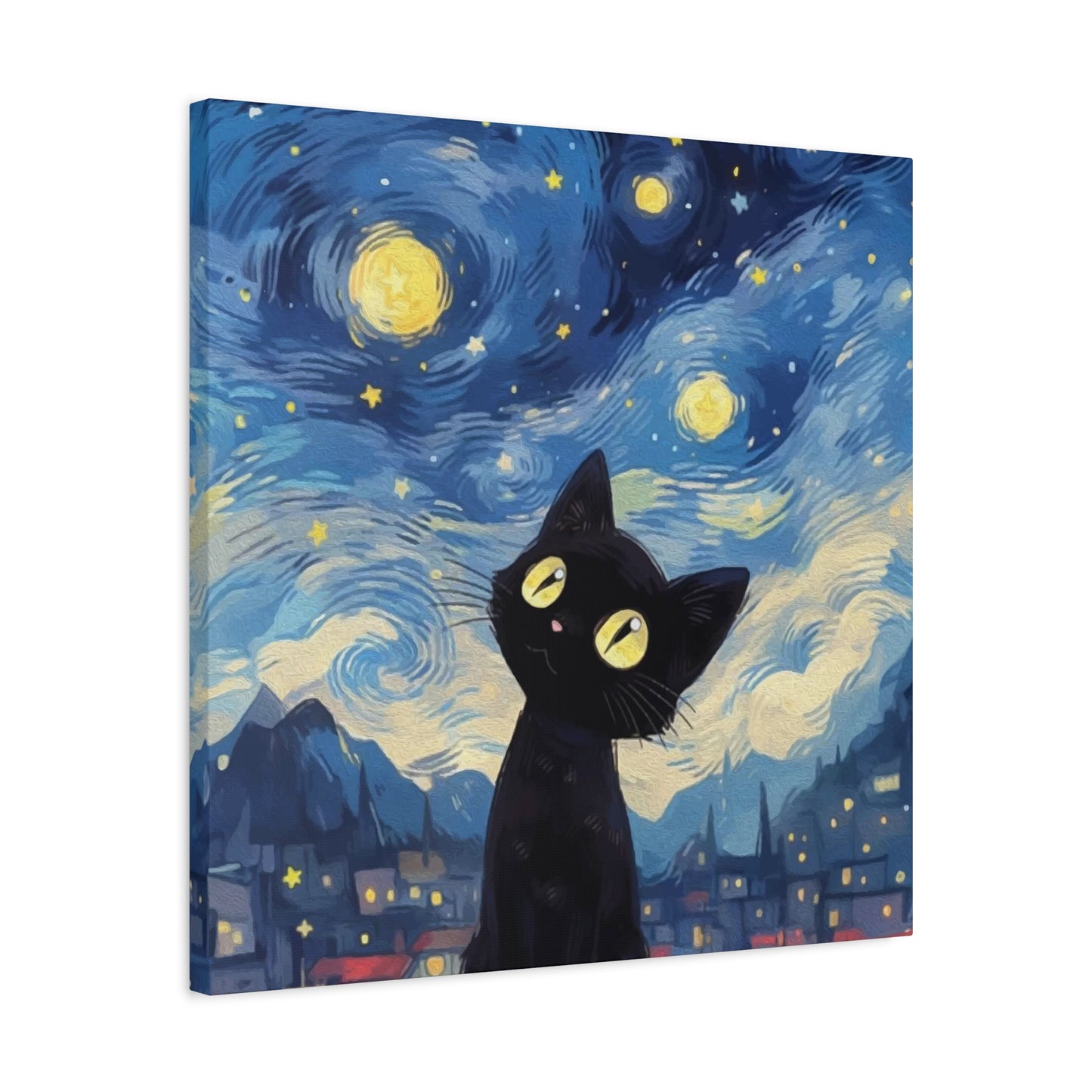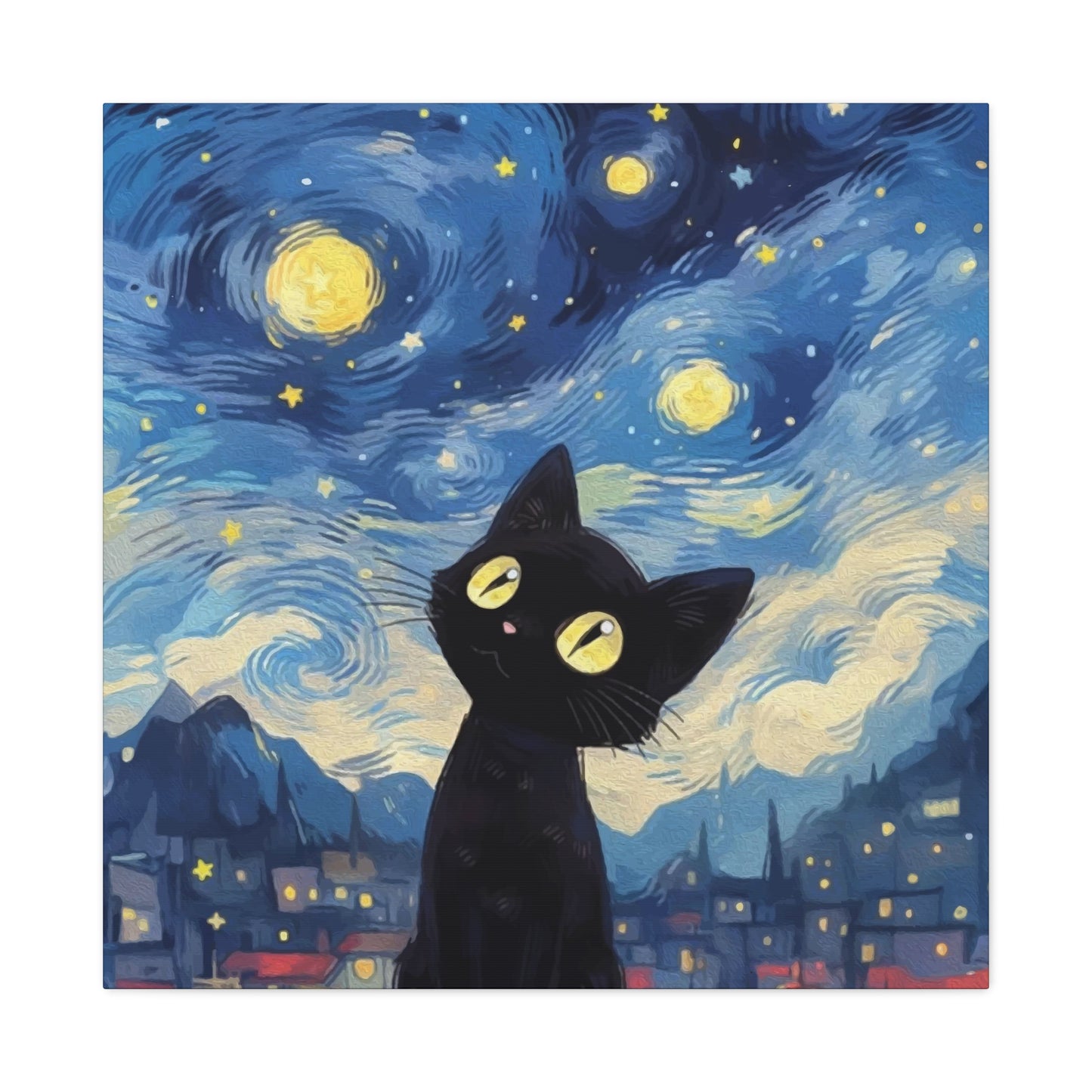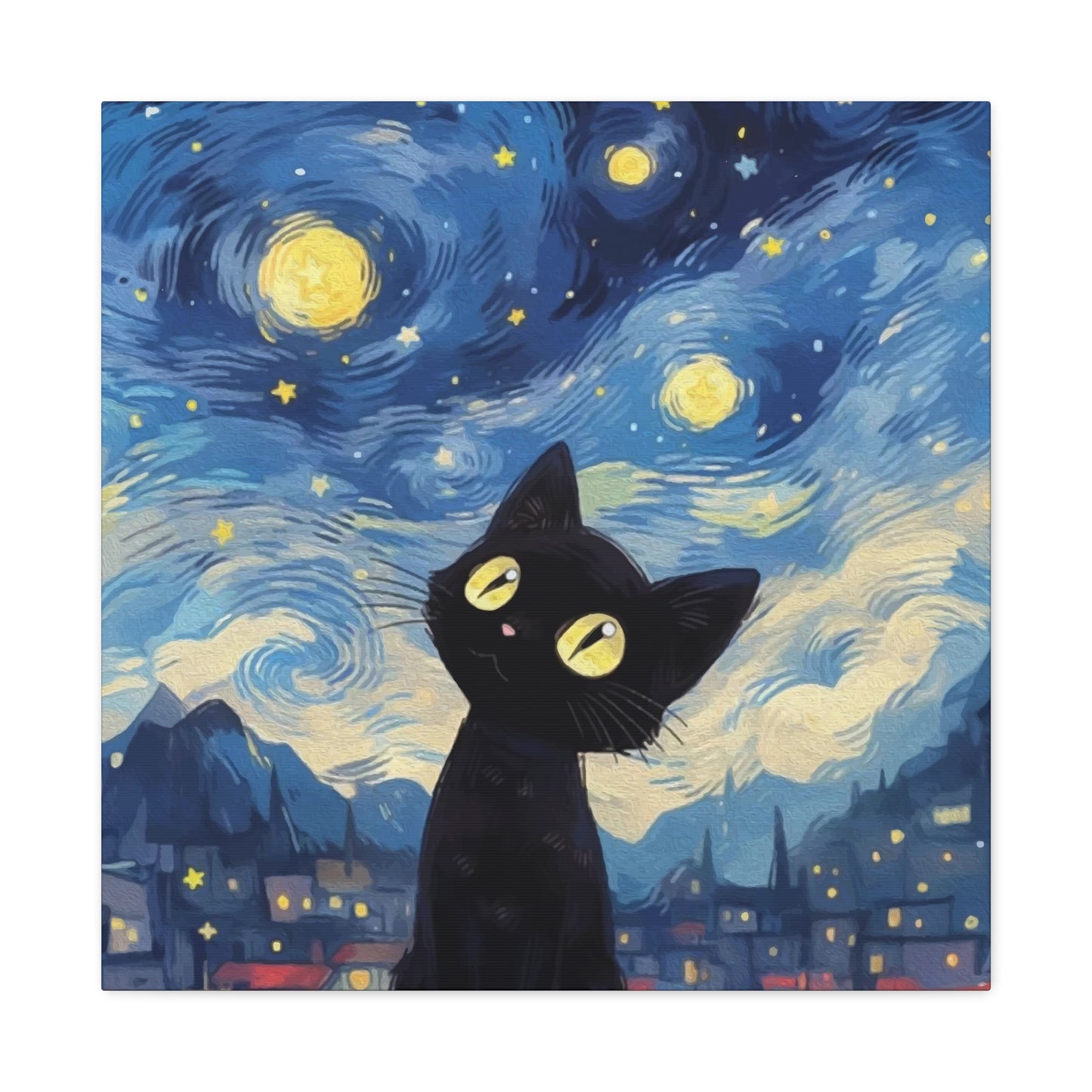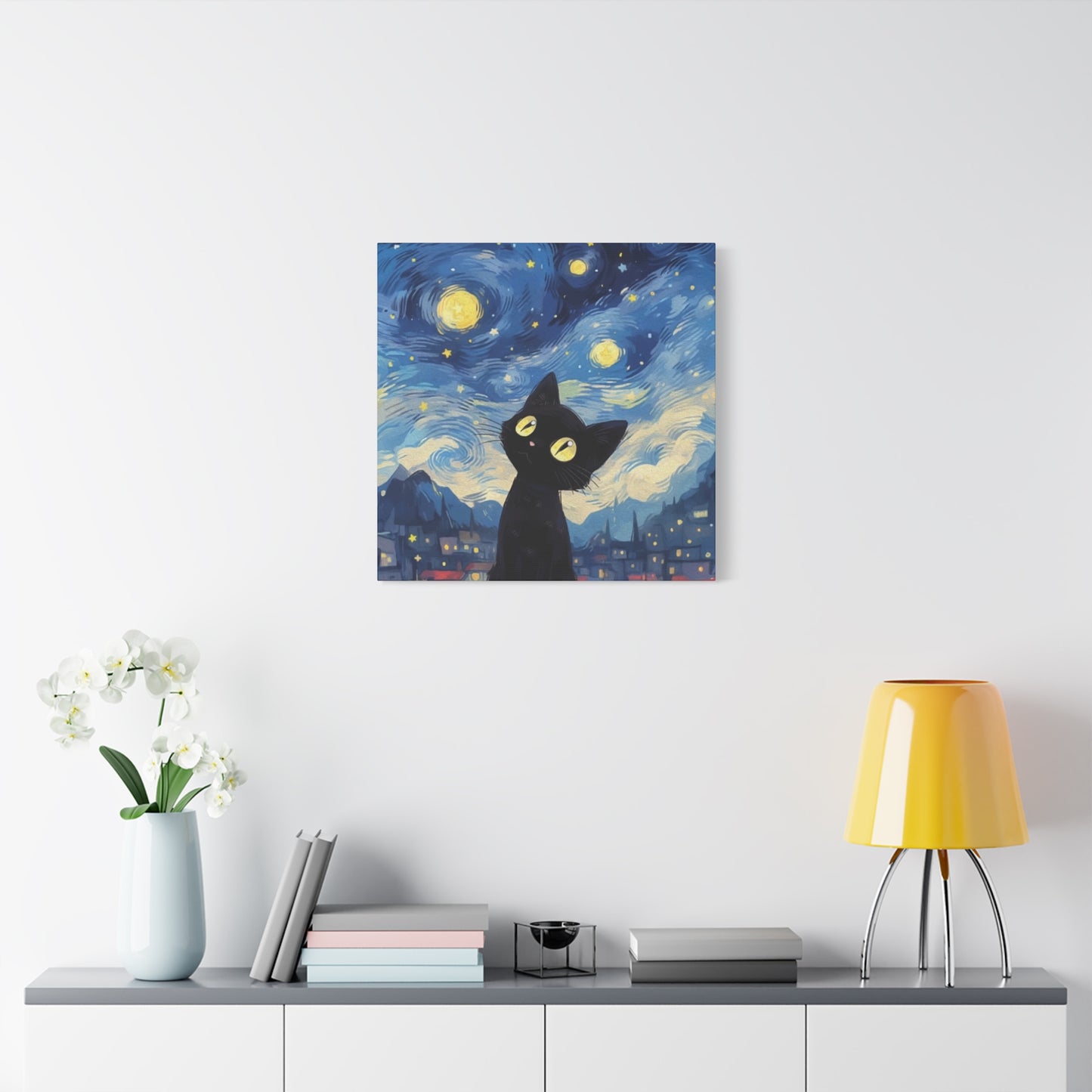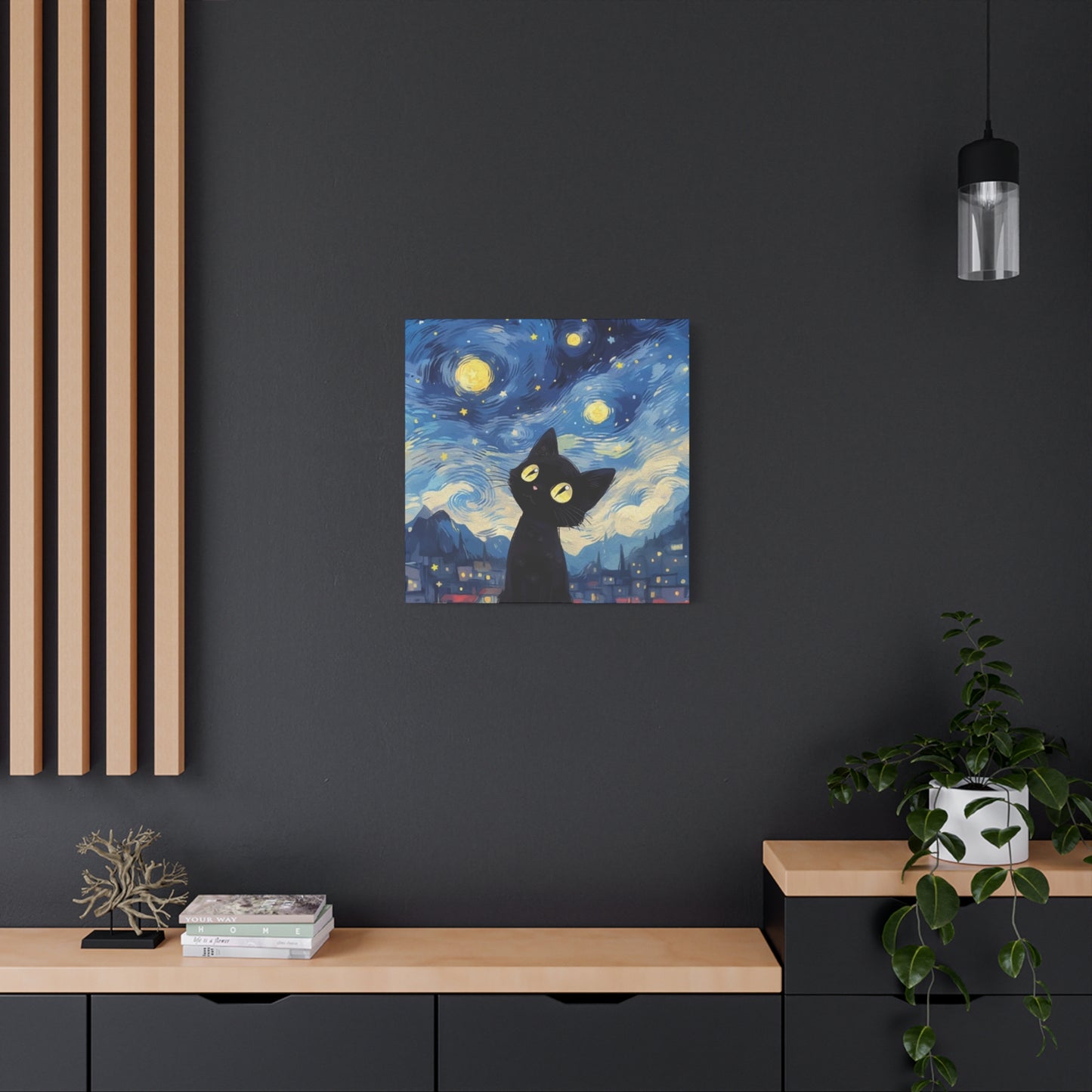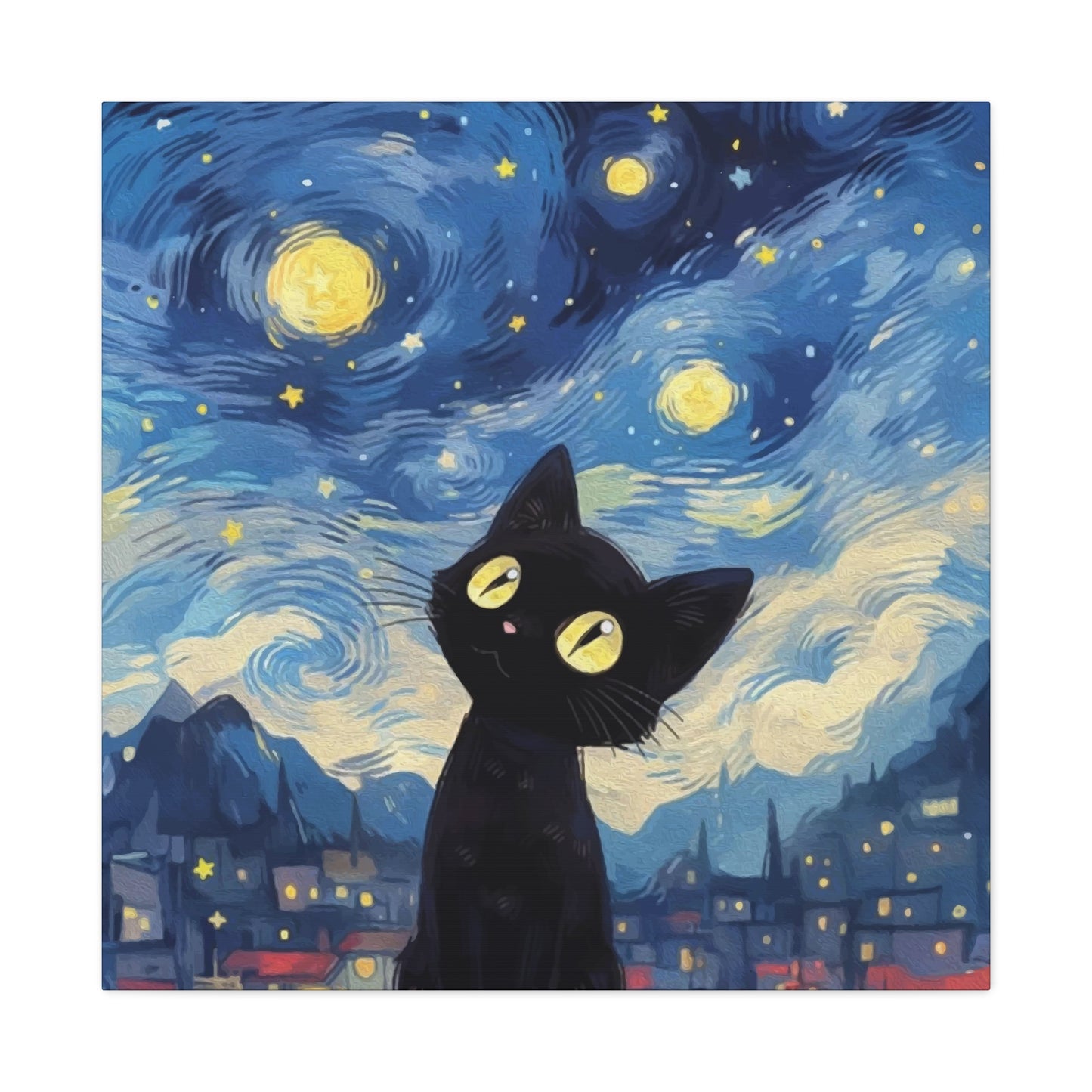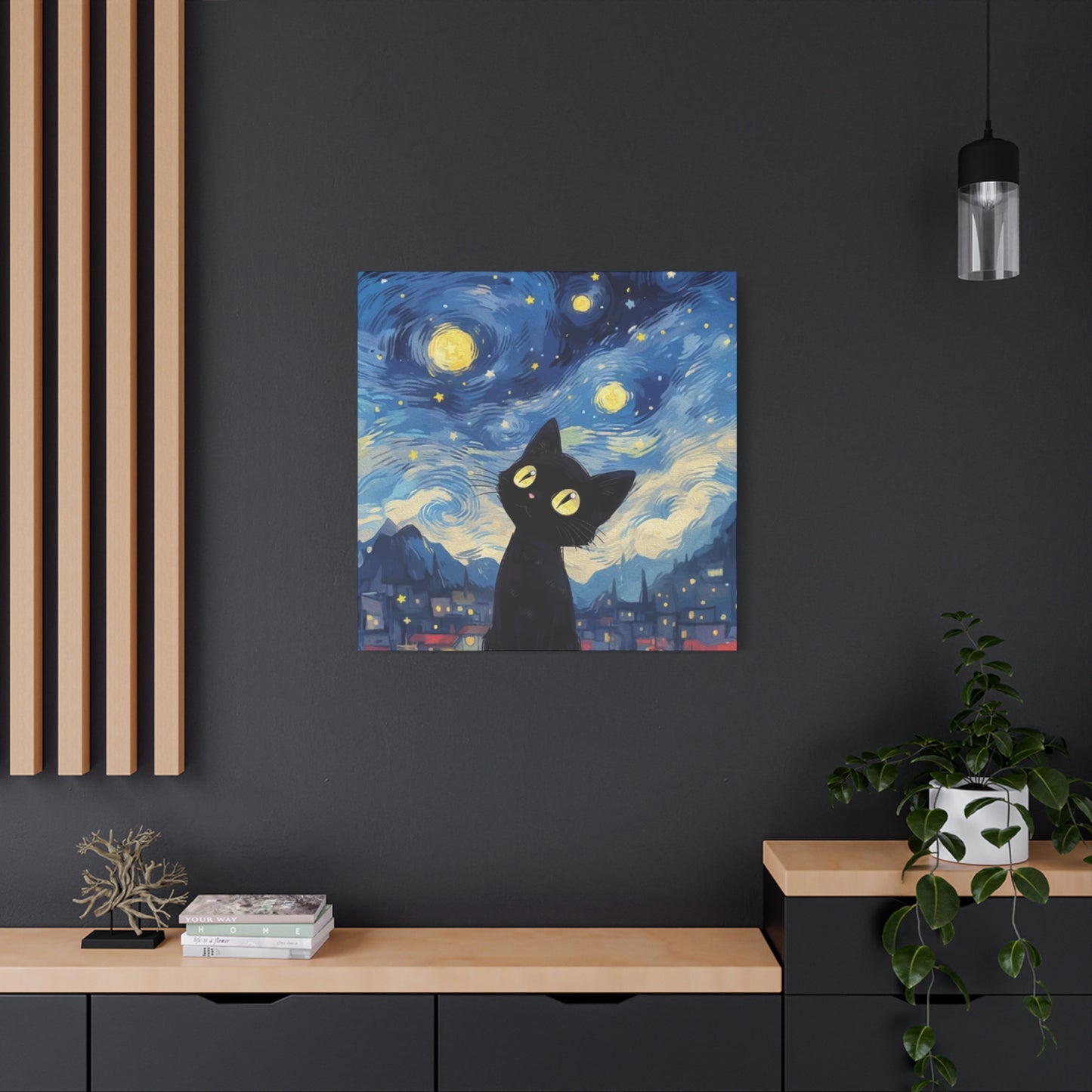


Cat at Night Wall Art & Canvas Prints
Cat at Night Wall Art & Canvas Prints
Couldn't load pickup availability
Transform Your Walls with Enchanting Cat at Night Wall Art: The Ultimate Guide to Feline Nocturnal Décor
The mystique of felines prowling through moonlit landscapes has captivated humanity for millennia. When darkness descends and shadows lengthen, cats reveal their truest nature as creatures of the night, their eyes gleaming with an otherworldly luminescence that has inspired countless artists throughout history. Cat at night wall art represents more than mere decoration; it embodies the enigmatic essence of these mysterious creatures during their most active hours, transforming ordinary living spaces into galleries that celebrate the profound connection between humans and their feline companions.
The Mesmerizing Appeal of Nocturnal Feline Imagery in Contemporary Home Decoration
Nocturnal feline imagery possesses an undeniable magnetism that transcends conventional decorative trends. The silhouette of a cat against a moonlit sky, the piercing glow of reflective eyes in darkness, or the graceful posture of a prowling hunter creates visual narratives that resonate deeply with viewers. These artistic representations tap into primordial human fascinations with both predators and the night itself, combining two powerful symbolic elements into singular, compelling compositions.
The popularity of cat at night wall art stems from multiple converging factors. Felines themselves carry rich symbolic weight across cultures, representing independence, mystery, wisdom, and supernatural awareness. When depicted in nocturnal settings, these associations intensify, creating layered meanings that appeal to collectors and casual decorators alike. The dramatic contrast between light and shadow inherent in nighttime scenes provides natural visual tension that draws the eye and maintains interest over extended viewing periods.
Furthermore, the color palettes associated with nocturnal scenes—deep blues, purples, blacks, and silvers punctuated by warm amber or green eye-glow—offer sophisticated alternatives to traditional artwork color schemes. These tones complement modern interior design trends favoring moody, atmospheric environments while remaining versatile enough to enhance various decorating styles from minimalist contemporary to eclectic bohemian.
Cat at night wall art also provides emotional comfort to feline enthusiasts. For cat owners, these pieces serve as tributes to beloved pets, capturing the essence of behaviors witnessed during evening hours when domesticated cats exhibit their wild ancestry. The artwork becomes a celebration of the dual nature of cats—simultaneously companions and creatures of mystery—honoring both aspects of their complex personalities.
Diverse Artistic Styles Bringing Nocturnal Feline Scenes to Life
The realm of cat at night wall art encompasses remarkable stylistic diversity, ensuring options exist for every aesthetic preference and interior design scheme. Realistic approaches capture felines with photographic precision, rendering individual whiskers, fur textures, and the complex reflections within eyes that make nighttime cat portraits so compelling. These pieces often feature domestic breeds or wild species in natural nocturnal settings, emphasizing anatomical accuracy and environmental detail that appeals to naturalists and photography enthusiasts.
Impressionistic interpretations take a different approach, using loose brushwork and atmospheric color blending to evoke the dreamlike quality of nighttime encounters with cats. These works prioritize mood and emotional resonance over precise detail, often incorporating exaggerated moonlight effects and stylized silhouettes that suggest feline forms rather than delineating them explicitly. The soft-focus quality of impressionistic cat at night wall art creates soothing visual experiences suitable for bedrooms and meditation spaces.
Abstract representations push boundaries further, deconstructing feline forms into geometric shapes, color fields, or symbolic elements that convey the essence of cats and night through non-representational means. These pieces might feature fragmented cat eyes hovering against dark backgrounds, angular representations of seated felines, or completely non-objective compositions using colors and forms associated with nocturnal feline experiences. Abstract cat at night wall art appeals to collectors seeking conversation pieces that challenge conventional representation while maintaining thematic connection to cats and darkness.
Vintage and retro styles harken back to specific artistic movements or historical periods. Art nouveau cat illustrations featuring flowing lines and decorative elements, mid-century modern simplifications with bold colors and clean shapes, or Victorian-era romantic depictions of cats in moonlit gardens each bring distinct period flavors. These nostalgic approaches satisfy collectors drawn to specific eras while introducing timeless design elements that remain relevant across decades.
Contemporary digital art opens entirely new possibilities for cat at night wall art. Artists working in digital media create surreal compositions impossible through traditional means—cats composed of constellation patterns, felines surrounded by bioluminescent elements, or psychedelic interpretations featuring kaleidoscopic colors and impossible perspectives. Digital techniques also facilitate mixed-media approaches combining photography, illustration, and graphic design elements into cohesive, visually striking compositions.
Street art aesthetics bring urban edge to cat at night wall art through graffiti-inspired techniques, stencil work, and bold graphic treatments. These pieces often feature high-contrast imagery, limited color palettes, and the raw energy associated with urban art movements. The rebellious spirit of street art aligns naturally with the independent nature of cats, creating thematically coherent works that appeal to younger demographics and urban dwellers.
Minimalist interpretations strip nocturnal feline imagery to essential elements—perhaps a single curved line suggesting a cat's back, two glowing circles representing eyes, or a simple silhouette against a gradient background. This restraint allows cat at night wall art to function in spaces where visual complexity would overwhelm, providing subtle feline presence without demanding attention. Minimalist approaches also facilitate larger-scale installations where simple forms maintain impact at considerable size.
Symbolic Significance and Cultural Meanings Behind Nighttime Feline Representations
Throughout human history, cats have occupied unique positions in cultural mythologies and belief systems, with nocturnal associations intensifying their symbolic power. Ancient Egyptian civilization venerated cats as sacred creatures connected to the goddess Bastet, who embodied protection, fertility, and the moon's mysteries. The Egyptian reverence established lasting associations between cats, femininity, and lunar cycles that persist in contemporary symbolic interpretation.
European medieval folklore cast cats, particularly black ones, in darker roles as witches' familiars and supernatural entities. These associations, while rooted in superstition and fear, contributed to the mystique surrounding cats in nighttime contexts. Cat at night wall art sometimes deliberately references this Gothic heritage, creating pieces with deliberately eerie or supernatural atmospheres that play with historical anxieties while celebrating feline beauty.
Asian cultures developed different symbolic frameworks for cats. Japanese tradition honors cats through the iconic maneki-neko figure and numerous folklore tales featuring supernatural feline spirits called bakeneko or nekomata. These creatures often possess magical abilities that manifest during nighttime hours, connecting cats to transformation, mystery, and the boundary between mundane and supernatural realms. Cat at night wall art incorporating Asian aesthetic elements draws on these rich mythological traditions.
Native American tribes developed diverse relationships with wild felines like mountain lions and bobcats, often viewing them as powerful spirit guides associated with leadership, courage, and solitary strength. While these traditions primarily concerned wild species rather than domestic cats, the symbolic framework influences contemporary interpretations of feline independence and dignity captured in nocturnal artistic representations.
Modern symbolic interpretation of cats emphasizes their liminal nature—creatures that inhabit both domestic and wild spheres, that transition seamlessly between affectionate companionship and aloof independence. Nighttime settings amplify this liminality, as cats during dark hours most clearly exhibit their predatory heritage while remaining within human environments. Cat at night wall art capturing this duality resonates with viewers who appreciate the complex, contradictory nature of feline companions.
The moon itself carries profound symbolic weight in human consciousness, representing cycles, change, femininity, intuition, and the unconscious mind. Artwork combining cats with lunar imagery creates powerful symbolic syntheses suggesting hidden knowledge, psychic awareness, and connection to natural rhythms. These pieces often appeal to individuals drawn to mystical philosophies, paganism, or simply those who feel deep resonance with nighttime's special atmosphere.
Color symbolism within cat at night wall art adds additional layers of meaning. Black cats against night skies might represent mystery, elegance, or defiance of superstition. Golden or green eye-glow suggests supernatural awareness or predatory vigilance. Silver moonlight evokes purity, clarity, and illumination of darkness. Understanding these symbolic dimensions allows collectors to select pieces that align with personal meanings and values beyond purely aesthetic considerations.
Material Considerations and Medium Selection for Optimal Display Results
The physical materials and mediums used to produce cat at night wall art significantly impact both aesthetic presentation and practical durability. Canvas prints remain among the most popular choices, offering textured surfaces that lend artistic legitimacy to reproductions while providing relatively lightweight, easy-to-hang formats. Gallery-wrapped canvas, where the image continues around frame edges, creates frameless presentations that suit contemporary interiors, while traditionally framed canvas adds formal elegance.
Metal prints have gained considerable popularity for cat at night wall art, particularly for pieces featuring dramatic contrast or vibrant colors. The printing process infuses dyes directly into specially coated aluminum, creating luminous, durable images with exceptional detail retention and color saturation. The reflective quality of metal surfaces enhances the glow effect of cat eyes in nighttime scenes, adding literal luminescence that increases visual impact. Metal prints resist fading, moisture, and scratching, making them ideal for high-traffic areas or challenging environmental conditions.
Acrylic glass prints provide another premium option, suspending images between clear acrylic layers for depth and dimensional quality. The glossy surface creates brilliant color rendition and enhances light effects crucial to effective cat at night wall art. Acrylic prints project contemporary sophistication suitable for modern interiors while offering excellent durability and easy maintenance through simple wipe-cleaning.
Traditional framed prints behind glass remain classic choices offering maximum protection for valuable original artwork or limited-edition reproductions. Frame selection significantly impacts overall presentation—sleek metal frames suit contemporary pieces, ornate gilded frames enhance vintage-style works, and simple wood frames provide versatile neutrality. UV-protective glass prevents fading while maintaining visual clarity, essential for preserving artwork in sunny locations.
Wood-mounted prints create rustic, organic presentations particularly suitable for cabin, farmhouse, or nature-inspired interiors. The wood grain visible through or around the image adds texture and warmth that complements the natural subject matter. Wood mounting works especially well for cat at night wall art featuring outdoor nocturnal scenes, creating thematic coherence between medium and content.
Tapestries and fabric wall hangings offer soft alternatives to rigid surfaces, introducing textile warmth into spaces. These pieces work beautifully in bohemian or eclectic interiors, and their inherent flexibility facilitates installation in challenging spaces like curved walls or areas where traditional hanging methods prove difficult. Fabric presentations also provide acoustic benefits, softening sound in rooms where echo might otherwise present problems.
Neon signs and illuminated artwork create unique presentations for cat at night wall art by incorporating actual light sources into the pieces themselves. LED-backlit silhouettes of cats, neon outline drawings, or fiber-optic-enhanced paintings introduce literal illumination that references the artwork's nocturnal theme. These light-based pieces function as both artwork and ambient lighting, serving dual purposes in interior design schemes.
Original paintings on canvas or board represent the pinnacle of collectible cat at night wall art, offering unique pieces with inherent value beyond mass-produced reproductions. Original works carry the energy and intention of individual artists, often featuring visible brushstrokes, texture, and subtle color variations impossible to fully capture in reproduction. For serious collectors, originals provide investment potential and the satisfaction of owning irreplaceable artistic expressions.
Strategic Placement Strategies for Maximum Aesthetic Impact Throughout Living Spaces
The positioning of cat at night wall art within rooms dramatically affects both the artwork's impact and the overall spatial atmosphere. Living rooms and main gathering areas benefit from statement pieces sized appropriately for viewing distances and wall dimensions. Large-scale cat at night wall art above sofas or mantels creates focal points that anchor room design while providing conversation-starting visual interest. The dramatic nature of nocturnal feline imagery suits these prominent placements, as the artwork can command attention without overwhelming spaces through intrusive brightness or busy composition.
Bedroom placement requires more nuanced consideration. Cat at night wall art featuring calm, contemplative scenes with muted color palettes promotes restful atmospheres conducive to sleep. Positioning artwork opposite beds allows for meditative viewing from reclining positions, while placement above headboards creates subtle presence without demanding active engagement. The symbolic associations between cats and nocturnal mystery make bedrooms natural environments for this artwork genre, as the bedroom itself represents private nighttime sanctuary.
Home office spaces gain character and inspiration from well-selected cat at night wall art. Pieces featuring alert, focused cats model the attention and independence ideal for productive work environments. The sophisticated color palettes common in nocturnal scenes maintain professional atmospheres while preventing sterility. Positioning artwork at eye level when seated ensures regular visual contact during work sessions, providing brief mental breaks that refresh focus without requiring prolonged disengagement.
Hallways and transitional spaces often suffer from decorative neglect despite offering excellent opportunities for art display. Cat at night wall art in these areas transforms utilitarian passages into gallery experiences, rewarding movement through homes with sequential visual interest. Gallery wall arrangements combining multiple cat-themed pieces at various scales create dynamic compositions that maintain engagement along hallway lengths. The vertical orientation common in hallways suits standing cat portraits or vertical compositional arrangements.
Dining areas present unique contexts where cat at night wall art must coexist with eating activities and social interaction. Moderately sized pieces prevent distraction during meals while contributing to overall ambiance. Artwork featuring elegant, poised cats enhances the sophisticated atmosphere appropriate for dining, while avoiding overly predatory or intense imagery that might create unintended tension during meals. Placement should account for seated viewing angles, as diners will primarily view artwork from lowered positions.
Bathroom spaces, often overlooked in decorative planning, can accommodate smaller-scale cat at night wall art pieces that inject personality into purely functional rooms. Moisture-resistant materials like metal or acrylic prints suit bathroom humidity while maintaining image quality. Playful or whimsical cat imagery works particularly well in bathrooms, where the informal context allows for less serious artistic statements.
Stairwell walls provide dramatic vertical canvases ideal for showcasing multiple related pieces or single large-scale works. The changing viewing angles as one ascends or descends stairs adds dimensionality to art appreciation, revealing new aspects of compositions from different heights and distances. Cat at night wall art arranged ascending a stairwell can create narrative sequences or thematic progressions that enhance the spatial journey.
Children's rooms and nurseries benefit from gentler interpretations of cat at night wall art featuring softer colors, friendlier expressions, and less intense atmospheres. Artwork in youth spaces should inspire imagination and comfort rather than unease, suggesting the magical rather than mysterious aspects of nocturnal cats. Positioning pieces within children's sightlines when lying in bed provides comforting visual companions during nighttime hours.
Exterior spaces like covered patios or screened porches can accommodate cat at night wall art when appropriate weather-resistant materials are selected. Outdoor placement connects the artwork's nocturnal theme directly with actual nighttime experiences in these spaces, creating thematic resonance between art and environment. Weather-resistant metal or specially treated outdoor canvas withstands environmental exposure while maintaining visual quality.
Comprehensive Color Palette Coordination with Existing Interior Design Schemes
Successfully incorporating cat at night wall art into established room designs requires thoughtful color coordination that either harmonizes with or deliberately contrasts existing palettes. Nocturnal feline artwork naturally features darker base tones—deep blues, purples, blacks, and grays—that provide opportunities for both integration and contrast depending on surrounding colors and desired effects.
Rooms dominated by neutral palettes—whites, beiges, grays, and tans—provide blank canvases where cat at night wall art introduces dramatic visual punctuation. The darker tones of nocturnal scenes create striking contrast against light walls, immediately drawing attention and establishing clear focal points. This contrast approach works particularly well in minimalist or Scandinavian-inspired interiors where limited decorative elements carry increased visual weight. The artwork's darker palette prevents monotony while maintaining overall tonal restraint.
Conversely, darker room schemes benefit from cat at night wall art featuring prominent lighter elements—bright moons, starlight, or illuminated architectural elements within scenes. These lighter components prevent artwork from visually disappearing into dark walls while maintaining thematic coherence with nocturnal subjects. Rooms with navy, charcoal, or black walls create immersive environments where properly selected cat at night wall art enhances rather than fights against the enveloping darkness.
Jewel-tone interiors—rich emeralds, sapphires, rubies, and amethysts—pair beautifully with cat at night wall art that incorporates similar saturated hues. Matching teal-toned night skies to teal upholstery or coordinating purple sunset atmospheres with plum accent walls creates sophisticated color dialogues that unify rooms. The inherent drama of jewel tones complements the mysterious atmosphere of nocturnal feline imagery, creating cohesive environments rich in visual interest.
Earth-tone schemes featuring browns, rusts, olives, and warm grays provide grounding contexts for cat at night wall art, particularly pieces depicting outdoor nocturnal scenes. The natural color connections between earth-toned interiors and nature-focused artwork create thematic as well as visual coherence. Warm undertones in both furniture finishes and artwork prevent coldness despite the nighttime subject matter, maintaining inviting atmospheres.
Monochromatic room designs, built around variations of single colors, accommodate cat at night wall art through value rather than hue coordination. Black-and-white artwork complements grayscale interiors, while sepia-toned nocturnal scenes suit brown-focused spaces. The tonal unity creates sophisticated, gallery-like environments where subtle variations in shade and value provide visual interest without chromatic complexity.
Accent color strategies use cat at night wall art to introduce controlled pops of color into otherwise neutral spaces. If the artwork features prominent golden-yellow eye-glow or moon illumination, repeating that yellow in throw pillows, vases, or other accessories creates intentional color threading that unifies the room. This technique allows for bold artwork incorporation while maintaining overall design control and preventing visual chaos.
Complementary color schemes, based on opposite positions on the color wheel, create maximum visual vibrancy. Cat at night wall art featuring orange-lit scenes against blue darkness naturally employs this complementary relationship, generating inherent visual excitement. Rooms designed around complementary pairs benefit from artwork that reinforces these relationships, intensifying the dynamic energy that complementary schemes provide.
Analogous color approaches use colors adjacent on the color wheel—like blues, purples, and greens—creating harmonious, low-contrast environments. Cat at night wall art featuring twilight skies with blue-to-purple gradients fits seamlessly into analogous schemes, adding visual interest through compositional and textural elements rather than chromatic contrast. These harmonious approaches suit spaces designed for relaxation and contemplation.
Seasonal color rotation offers opportunities to refresh spaces without permanent commitment. Cooler-toned cat at night wall art suits fall and winter months, while warmer nocturnal scenes depicting summer evenings feel appropriate during warmer seasons. This rotational approach maintains visual freshness while allowing collections to grow beyond what can be simultaneously displayed.
Curating Personalized Collections That Reflect Individual Tastes and Values
Building a meaningful cat at night wall art collection requires more than random acquisition; thoughtful curation creates coherent assemblages that reflect personal aesthetics, values, and the specific felines that populate collectors' lives. Beginning collectors should first identify personal preferences regarding artistic style, color palette, and emotional tone. Do realistic depictions resonate more strongly than abstract interpretations? Does vintage charm appeal more than contemporary edge? Answering these questions establishes collecting parameters that prevent scattered, incoherent accumulations.
Theme-based collecting provides organizational frameworks that give collections conceptual unity beyond visual consistency. Collectors might focus exclusively on specific cat breeds depicted in nocturnal settings, creating breed-specific galleries that honor particular feline varieties. Others might collect based on geographic settings—urban rooftop cats, rural barn cats, or wild felines in natural habitats—each category offering distinct atmospheric and compositional characteristics.
Artist-focused collecting involves selecting multiple works by individual creators whose vision and execution resonate personally. Following specific artists allows collectors to appreciate stylistic development over time while supporting creative practitioners directly. Many artists working in the cat at night wall art niche develop signature approaches—particular color palettes, compositional structures, or thematic focuses—that create visual continuity across their bodies of work.
Scale variation within collections prevents monotony and allows for flexible display arrangements. Combining large statement pieces with smaller supporting works creates visual hierarchies and enables gallery wall configurations that maintain interest through size contrast. Mixed-scale collections also accommodate different hanging locations, as smaller pieces suit confined spaces where larger works would overwhelm.
Medium diversity adds textural interest to collections dominated by single subjects and color ranges. Pairing canvas prints with metal pieces, incorporating textile works alongside framed prints, or including three-dimensional sculptural elements creates tactile variety that enhances visual diversity. Different materials also respond uniquely to lighting conditions, so mixed-medium collections provide changing appearances as natural and artificial light shifts throughout days and seasons.
Emotional range within collections prevents atmospheric sameness. While maintaining thematic focus on nocturnal cats, collectors can gather pieces spanning emotional registers—mysterious, playful, serene, energetic, melancholic, or triumphant. This emotional variety allows for mood-responsive display rotation, as different pieces suit different states of mind and situational contexts.
Personal cat portraiture represents the most intimate form of cat at night wall art collecting. Commissioning artists to create custom nocturnal portraits of actual pet cats transforms generic feline appreciation into specific personal tribute. These commissioned pieces carry emotional weight beyond artistic merit, serving as permanent memorials to beloved companions and capturing unique personalities in ways generic artwork cannot achieve.
Limited edition and signed pieces appeal to collectors who value exclusivity and potential investment appreciation. Numbered prints with artist signatures create scarcity that may enhance future value while providing current satisfaction of owning restricted works. Certificate documentation accompanying limited editions verifies authenticity and edition position, important considerations for serious collectors building valuable assemblages.
Provenance and artist biography research enriches collecting experiences beyond surface aesthetics. Understanding artists' backgrounds, inspirations, and creative processes deepens appreciation for individual works. Some collectors prioritize supporting particular artist communities—women artists, artists from specific regions, or practitioners using certain techniques—allowing collecting activities to align with broader social values.
Budget-conscious collecting remains viable through strategic approaches emphasizing quality over quantity. Fewer carefully selected pieces create more powerful impacts than numerous mediocre works. Patient collectors waiting for exactly right pieces rather than impulsively acquiring acceptable alternatives build more satisfying collections over time. Print-on-demand services and online marketplaces have democratized art collecting, making cat at night wall art accessible across price points from affordable reproductions to investment-grade originals.
Preservation Best Practices Ensuring Long-Term Artwork Integrity and Beauty
Proper care dramatically extends the lifespan and maintains the visual quality of cat at night wall art regardless of medium or price point. Environmental factors pose the primary threats to artwork longevity, with light exposure, humidity fluctuations, and temperature extremes causing cumulative damage that gradually degrades images and materials.
Light exposure presents the most significant preservation challenge, particularly damaging to prints, photographs, and any artwork featuring pigments or dyes. Ultraviolet radiation causes fading, yellowing, and material breakdown even in pieces not directly illuminated by sunlight. Positioning cat at night wall art away from direct sun exposure provides basic protection, while UV-filtering glass or acrylic for framed pieces blocks harmful wavelengths without compromising visibility. Window treatments filtering incoming sunlight protect entire rooms while still admitting natural illumination. LED lighting for artificial illumination minimizes heat and UV output compared to incandescent or fluorescent alternatives, reducing artwork stress during evening hours.
Humidity control prevents moisture-related damage including mold growth, paper warping, and metal corrosion. Maintaining relative humidity between forty and sixty percent creates stable conditions suitable for most artwork types. Dehumidifiers in damp climates and humidifiers in arid environments regulate ambient moisture levels. Avoiding cat at night wall art placement in bathrooms, kitchens, or other high-moisture areas prevents direct exposure to steam and humidity spikes. If bathroom installation is desired, selecting moisture-resistant materials like sealed metal prints or acrylic-covered works provides necessary protection.
Temperature stability matters nearly as much as absolute temperature values. Dramatic temperature swings cause expansion and contraction cycles that stress materials and may crack protective coatings or cause substrate warping. Maintaining consistent indoor temperatures through proper HVAC function protects artwork while providing human comfort. Avoiding placement near heat sources like radiators, fireplaces, or heating vents prevents localized temperature extremes that could damage nearby cat at night wall art pieces.
Regular cleaning prevents dust accumulation and surface contamination that mars appearance and may cause long-term damage. Cleaning requirements vary by medium. Canvas prints benefit from gentle brushing with soft, dry brushes to remove surface dust without abrading fibers. Glass or acrylic surfaces tolerate damp-cloth wiping using distilled water or specialized art-safe cleaners, though harsh chemicals and abrasive materials must be avoided. Metal prints generally require only occasional dry dusting, as their sealed surfaces resist contamination. Textile works benefit from periodic vacuuming using brush attachments on low suction settings.
Physical damage from impacts, punctures, or abrasion necessitates careful handling during installation and any subsequent repositioning. Using appropriate hanging hardware rated for artwork weight prevents falls that could crack frames, tear canvas, or dent metal substrates. Corner protectors during moving or storage protect vulnerable edges from impact damage. Keeping cat at night wall art out of high-traffic areas where accidental contact might occur reduces risk of physical harm.
Professional conservation services become necessary when damage occurs or when dealing with valuable original artwork requiring expert care. Conservators possess specialized knowledge and materials for repairing tears, removing stains, stabilizing deteriorating materials, and performing other interventions beyond amateur capabilities. For significant pieces, periodic professional assessment identifies developing problems before they become severe, allowing for preventive treatment that avoids major restoration expenses.
Documentation including purchase receipts, artist information, provenance records, and condition photographs protects investment values while providing reference information for insurance purposes. Digital photographs showing artwork condition immediately after acquisition establish baseline documentation valuable for tracking changes over time or substantiating insurance claims following damage. This documentation should be stored securely separate from the artwork itself to ensure survival even if pieces are damaged or destroyed.
Rotating displayed pieces prevents uneven exposure effects while allowing collections to remain fresh and interesting. Artwork periodically moved into storage undergoes reduced light and environmental exposure, extending longevity. Rotation also distributes risk, so catastrophic events affecting displayed pieces don't destroy entire collections. Climate-controlled storage with stable conditions preserves non-displayed works without deterioration.
Insurance coverage specifically addressing art collections provides financial protection for valuable assemblages. Standard homeowner's policies often inadequately cover art, applying blanket limits or requiring individual item documentation that owners neglect. Specialized art insurance offers agreed-value coverage based on professional appraisals, ensuring adequate compensation if loss occurs. Regular appraisal updates maintain accurate valuations reflecting market changes and collection growth.
Exploring Commissioning Possibilities for Truly Unique Personal Artwork
While commercially produced cat at night wall art offers convenience and affordability, commissioned custom pieces provide unmatched personalization and exclusive ownership. Commissioning allows collectors to realize specific visions perfectly aligned with their aesthetic preferences, spatial requirements, and emotional intentions. The process begins with artist identification—researching creators whose existing portfolios demonstrate style compatibility and technical proficiency suitable for the envisioned work.
Communication clarity during commissioning proves essential for satisfactory outcomes. Providing reference images, detailed written descriptions, and specifications regarding size, color preferences, and compositional elements helps artists understand client visions. Discussing the intended display location, surrounding décor, and desired emotional atmosphere ensures the finished piece integrates seamlessly into its designated space. Many artists offer preliminary sketches or digital mockups allowing clients to approve concepts before substantial work begins, reducing risks of disappointing final results.
Budget establishment early in commissioning processes prevents misunderstandings and wasted effort. Custom artwork pricing varies tremendously based on artist reputation, piece size, medium complexity, and timeline constraints. Original paintings command higher prices than drawn works, while digital pieces often cost less than traditional media requiring physical materials. Rushed timelines may incur premium charges, whereas flexible deadlines sometimes yield price reductions. Clear budget communication ensures both parties understand financial parameters before commitment.
Depicting specific pets in commissioned cat at night wall art transforms generic feline appreciation into personal tribute. Providing artists with multiple reference photographs capturing pets from various angles and in different lighting enables accurate representation. Discussing distinctive personality traits, favorite behaviors, and unique physical characteristics helps artists capture essence beyond mere physical likeness. The resulting artwork becomes irreplaceable documentation of beloved companions, carrying emotional significance far exceeding generic commercial pieces.
Style negotiation allows clients to request approaches combining elements from different artistic traditions or pushing artists beyond their typical work. Perhaps a client admires an artist's realistic technique but prefers more vibrant colors than typically employed, or desires compositional elements borrowed from another genre. Respectful discussion about stylistic modifications often yields enthusiastic artist cooperation, as many creators welcome opportunities to experiment within the security of commissioned projects.
Licensing and reproduction rights deserve clarification before commissioning begins. Most commissioned artwork arrangements grant clients ownership of physical pieces while artists retain reproduction rights for promotional purposes. Clients desiring exclusive rights to reproduce images—perhaps for personal merchandise or gifts—must negotiate these permissions explicitly, often paying premium fees for commercial reproduction exclusivity. Understanding these rights prevents future conflicts if clients discover commissioned pieces appearing in artists' portfolios or promotional materials.
Timeline expectations require realistic assessment of artistic production requirements. Complex original paintings may require weeks or months depending on size and detail levels, while simpler digital works might complete within days. Artists balancing multiple projects may have queued commission timelines before new projects begin. Rush fees can expedite production but dramatically increase costs and may compromise quality if artists feel pressured beyond comfortable working paces.
Revision policies should be established upfront, specifying how many modification rounds are included in quoted prices and what additional revision charges might apply. While preliminary approval processes minimize revision needs, minor adjustments to finished works occasionally prove necessary. Clear revision policies prevent disputes while protecting artists from endless modification demands that prevent project completion.
Delivery logistics including shipping methods, insurance during transit, packaging quality, and installation assistance require advance planning. Large or fragile pieces need professional packaging and shipping services specializing in artwork transport. Insurance during shipment protects against damage or loss, with costs typically borne by clients but sometimes included in overall project fees. Some local artists offer personal delivery and installation services, ensuring proper hanging while allowing final in-situ adjustments.
Satisfaction guarantees vary by artist, with some offering limited money-back provisions if clients are genuinely unsatisfied despite good-faith efforts, while others maintain strict no-refund policies once work begins. Understanding these terms before commissioning prevents unfortunate situations where clients feel trapped paying for unsatisfactory results. Reviewing artists' portfolios carefully before commissioning reduces risks of style mismatches that might lead to disappointment.
Affordable Alternatives and Budget-Conscious Approaches to Art Acquisition
Building impressive cat at night wall art collections doesn't require substantial financial resources thanks to numerous affordable alternatives delivering aesthetic impact without premium price tags. Print-on-demand services allow customers to select from vast digital image libraries and order prints in various sizes and materials at remarkably low costs. While these mass-produced reproductions lack originality and investment value, they provide visually appealing décor accessible to budget-conscious decorators.
Digital downloads purchased from online marketplaces enable buyers to obtain high-resolution artwork files for personal printing at local print shops or through home printing equipment. This approach offers maximum flexibility regarding final size and medium while minimizing costs to digital file prices plus printing expenses. The same digital file can be reprinted if originals become damaged or if relocations necessitate different sizing, providing long-term value beyond single physical pieces.
Thrift stores, estate sales, and secondhand marketplaces occasionally yield surprising discoveries including original artwork or limited prints at fraction-of-retail prices. Diligent hunting through these venues rewards patient seekers with unique finds unavailable through conventional retail channels. The treasure-hunt aspect of secondhand shopping adds excitement to acquisition processes while dramatically reducing expenditures.
Library art lending programs in some communities allow residents to borrow artwork for extended periods, enabling artwork display without ownership costs. These programs provide rotating art access that prevents visual staleness while supporting local artists through institutional purchases that stock lending libraries. Though not all libraries offer such programs, those that do provide remarkable resources for budget-conscious art appreciators.
DIY creation of cat at night wall art represents the ultimate affordable approach for individuals possessing artistic inclinations. Even limited artistic ability suffices for creating meaningful personal pieces using simple techniques like silhouette painting, stenciling, or mixed-media collage. Handmade artwork carries unique charm and personal significance regardless of technical proficiency, often surpassing professionally produced pieces in emotional resonance despite aesthetic limitations.
Student artists and emerging creators often offer significantly lower pricing than established professionals while delivering comparable quality. Art schools, university gallery shows, and student exhibitions provide access to talented artists building portfolios and reputations. Purchasing from emerging artists supports their development while acquiring quality pieces at accessible prices that may appreciate substantially if artists achieve later recognition.
Poster-quality reproductions of famous artworks from museum collections provide recognizable imagery at minimal cost. While lacking originality, museum reproduction posters offer exposure to historically significant works that might otherwise remain inaccessible. Framing elevates these affordable reproductions into respectable decorative elements suitable for most residential contexts.
Art rental services in some urban areas allow temporary artwork display with options to purchase after trial periods. This try-before-buying approach reduces acquisition risks while providing flexibility to change artwork seasonally or as tastes evolve. Rental fees typically apply toward purchase prices if buyers elect to acquire pieces permanently.
Print exchanges and art swaps within communities enable artwork acquisition without monetary expenditure through trading pieces with other collectors or artists. These arrangements work particularly well within artistic communities where participants value artwork access over commercial profit. Even outside formal exchange programs, friendly swaps with neighbors or friends who've tired of their current displays can refresh multiple homes simultaneously.
Gifting Considerations When Selecting Cat Night Artwork for Others
Cat at night wall art makes thoughtful gifts for feline enthusiasts, but successful gifting requires careful consideration of recipients' tastes, existing décor, and the symbolic messages artwork conveys. Unlike generic gifts, artwork becomes permanent environmental fixtures in recipients' homes, making compatibility essential. Observing recipients' current home decoration styles provides crucial guidance—noting whether they favor traditional, contemporary, eclectic, or minimalist aesthetics indicates appropriate artistic approaches.
Scale appropriateness proves critical, as oversized pieces may overwhelm small spaces while tiny works disappear in large rooms. Without measuring exact wall dimensions where gifts might hang, erring toward moderate sizes provides safer options. Multi-piece sets offer flexibility, as recipients can display elements together or separately depending on available space. Alternatively, gift certificates to favorite art vendors allow recipients to select preferred sizes themselves.
Color coordination challenges increase when gifting for spaces the giver hasn't personally observed. If uncertain about recipients' color schemes, selecting cat at night wall art with predominantly neutral palettes—blacks, whites, grays—provides safer options likely to coordinate with various décor approaches. Alternatively, choosing pieces featuring multiple colors increases odds that some hues will complement recipients' existing schemes.
Personal relevance dramatically enhances gift appropriateness. If recipients own specific cat breeds, selecting artwork depicting those breeds demonstrates thoughtful personalization. Similarly, if recipients have mentioned particular artists, styles, or themes they admire, incorporating this knowledge into selections shows attentive gift-giving. For extremely close relationships where commissioning remains feasible, custom portraits of recipients' actual cats create unmatched personal significance.
Framing decisions impact both presentation and convenience. Pre-framed pieces arrive ready for immediate display, eliminating recipient effort and expense. However, frame styles must align with recipients' aesthetic preferences—what gift-givers find attractive may clash with recipients' tastes. Unframed pieces offer complete framing flexibility but require additional recipient investment and effort. Gallery-wrapped canvas or frameless mounting options provide middle-ground solutions delivering finished appearances without imposing specific frame styles.
Occasion appropriateness influences selection criteria. Cat at night wall art suits numerous gift-giving contexts including housewarmings, birthdays, holidays, or sympathy expressions following pet loss. Memorializing departed felines requires particular sensitivity, with choices emphasizing celebration and peaceful repose rather than imagery that might trigger grief. Joyful occasions allow more playful or whimsical selections, while formal contexts suggest sophisticated, elegant approaches.
Cultural sensitivity matters when gifting across different backgrounds. While Western cultures generally view black cats neutrally or positively today, some traditions retain superstitious associations that might make such imagery unwelcome. Understanding recipients' cultural backgrounds prevents inadvertently offensive selections. Similarly, awareness of any relevant personal superstitions or beliefs ensures comfortable gifting.
Final Thoughts
In conclusion, captivating cat at night wall art offers a unique and enchanting way to bring the mysterious allure of felines and the beauty of the nighttime into your home décor. Combining the enigmatic elegance of cats with the serene or moody ambiance of night, these artworks create a captivating focal point that resonates with both cat lovers and interior design enthusiasts. Whether you're looking to add a touch of whimsy, mystery, or sophistication to your space, feline-themed nocturnal art can elevate the atmosphere of any room.
The appeal of cats, with their graceful movements and independent nature, is timeless. When paired with the allure of night—represented through shadows, moonlight, or starry skies—the result is a mesmerizing blend that captures both the tranquility and the subtle drama of the nocturnal world. For many people, cats symbolize curiosity, independence, and comfort, making them ideal subjects for artwork that seeks to create a relaxing and contemplative environment. Adding cat-themed wall art to your home can evoke feelings of calm and wonder, transforming an ordinary room into an oasis of peaceful reflection.
Moreover, the choice of medium and artistic style plays a crucial role in how these artworks enhance your space. From watercolor renditions of cats roaming under the moonlight to more abstract interpretations that blend soft colors and intricate patterns, there is an abundance of styles to suit any taste. The juxtaposition of the cat's sleek form with the tranquil or vibrant night sky can create an emotional and visual balance that draws the eye and invites conversation. Whether you're drawn to realistic depictions or prefer modern, stylized interpretations, there's a cat-at-night piece that can perfectly complement your interior design.
For interior designers, cat at night wall art offers versatile design opportunities. The contrast of dark, moody colors with the soft glow of moonlight or stars can add depth and dimension to any room, making it ideal for bedrooms, living rooms, or even offices. These artworks fit seamlessly into various décor themes, from cozy and rustic to contemporary and minimalist. The sense of mystery and calm that a cat-themed nocturnal piece brings makes it an excellent choice for creating a relaxing, soothing environment—perfect for winding down after a long day.
Another significant advantage of this art genre is its ability to evoke a sense of nostalgia and warmth. Cats are often seen as comfort animals, and pairing their presence with the peacefulness of the night can create a nostalgic atmosphere reminiscent of quiet evenings spent at home or cozy moments with a beloved pet. For cat owners, this art can serve as a tribute to their feline companions, capturing the spirit of their cats as they curl up for the night, whether perched by the window or resting in a favorite spot.
Additionally, cat at night wall art serves as a beautiful way to incorporate the natural world into your home. The night sky, with its stars, moon, and celestial elements, often holds symbolic meaning, representing mystery, dreams, and the infinite possibilities of the universe. Combined with the grace and playfulness of cats, these artworks offer a unique perspective on nature’s beauty, reminding us of the subtle harmony between the earth and the cosmos. Whether you're drawn to the moonlit silhouettes of cats or prefer the dreamy, surreal interpretations of nighttime landscapes, these pieces encourage a deeper connection with the natural world, evoking both wonder and tranquility.
One of the exciting aspects of this genre of art is the ability to personalize it to suit your home’s vibe. Whether you opt for a minimalist black-and-white illustration or a colorful, abstract interpretation, you can find the perfect piece that complements the existing elements of your décor. For more eclectic or bohemian spaces, vibrant and bold interpretations of cats at night can add a pop of color and energy, while more subdued, monochromatic works might blend seamlessly into a neutral-toned room. The flexibility of the medium allows for a wide range of creative expression, ensuring that your cat-themed nocturnal art piece fits effortlessly within your interior design.
In addition to its aesthetic qualities, this type of artwork also holds cultural significance. Cats have long been associated with various myths, legends, and symbolism throughout history. In ancient Egypt, cats were revered as sacred creatures, believed to bring protection and good fortune. Similarly, in many cultures, cats are seen as mysterious and magical animals, often linked to the night and its unknown mysteries. Incorporating these themes into your home with cat-at-night art can not only beautify your space but also connect you with deeper cultural and spiritual meanings, adding layers of depth and significance to your décor.
As with any form of art, cat at night wall art allows you to reflect your personal style and values. For cat lovers, these pieces provide a tangible way to express their admiration for these fascinating creatures, while also celebrating the timeless beauty of the nighttime. Whether you are drawn to the simplicity of a black cat silhouetted against the moon or prefer a more detailed and fantastical design that incorporates starry skies and glowing eyes, this genre of art gives you the opportunity to showcase your unique connection to both animals and the night.
Finally, supporting artists who specialize in feline-themed nocturnal art is an excellent way to contribute to the creative community. Many independent artists and illustrators offer one-of-a-kind pieces, often crafted with great attention to detail and passion for the subject matter. Purchasing original art or limited-edition prints directly from the artist not only supports their craft but also ensures that your art piece is a unique, personal expression that cannot be found elsewhere. In this way, your choice of cat at night wall art can become a treasured and meaningful part of your home, adding personality and individuality to your space.
In summary, captivating cat at night wall art offers a perfect blend of charm, mystery, and elegance, making it an ideal choice for transforming your living space. Whether you're a cat lover, an admirer of the night, or simply someone seeking to add a touch of whimsy to your décor, this genre of art creates an atmosphere of peacefulness and reflection. Its ability to evoke both nostalgia and wonder, coupled with its versatility in style and medium, ensures that there's a cat-at-night piece that can elevate any space. With its timeless appeal and emotional resonance, this type of artwork has the power to enhance not only the aesthetic of your home but also your connection to the natural world and the mysterious beauty of the night.
Share