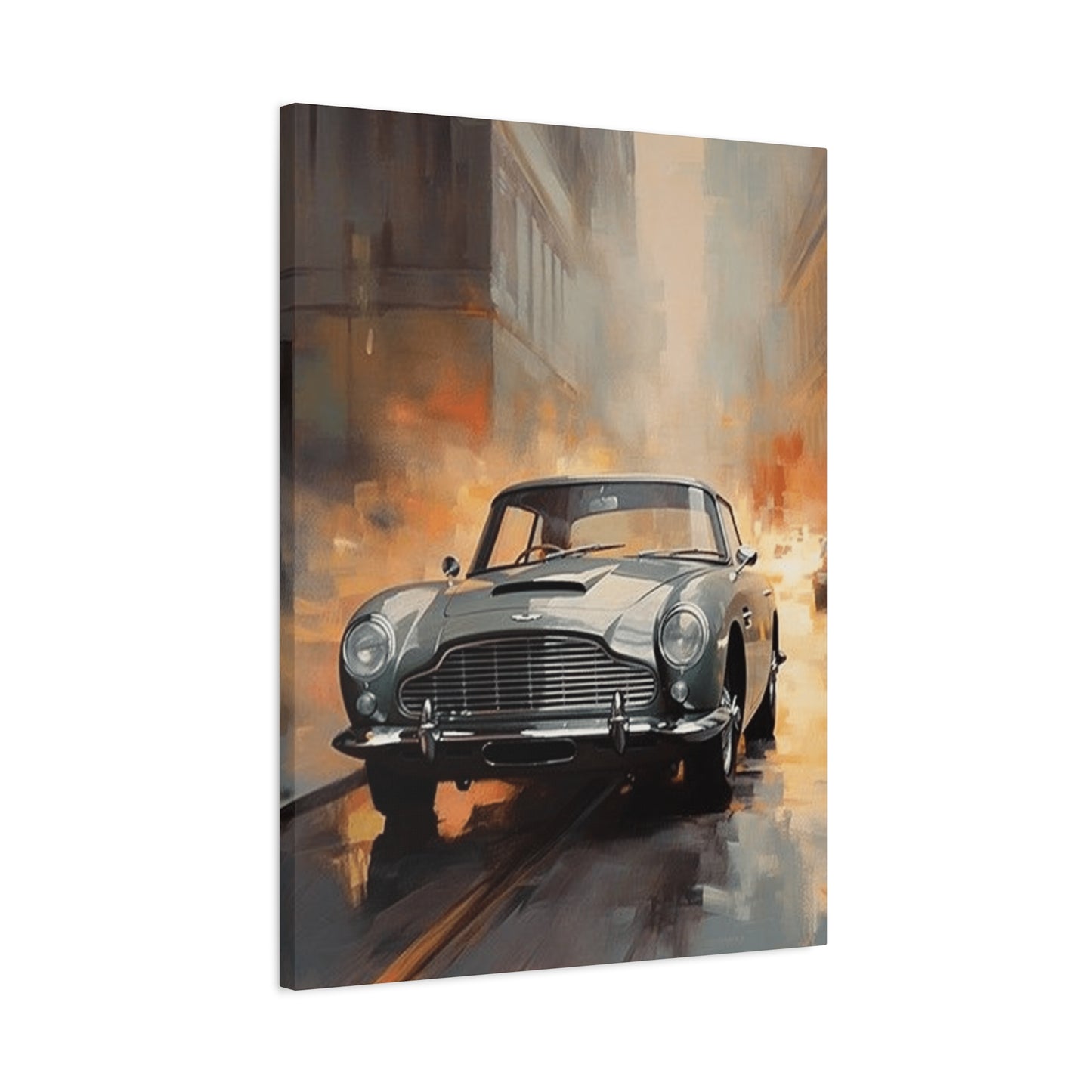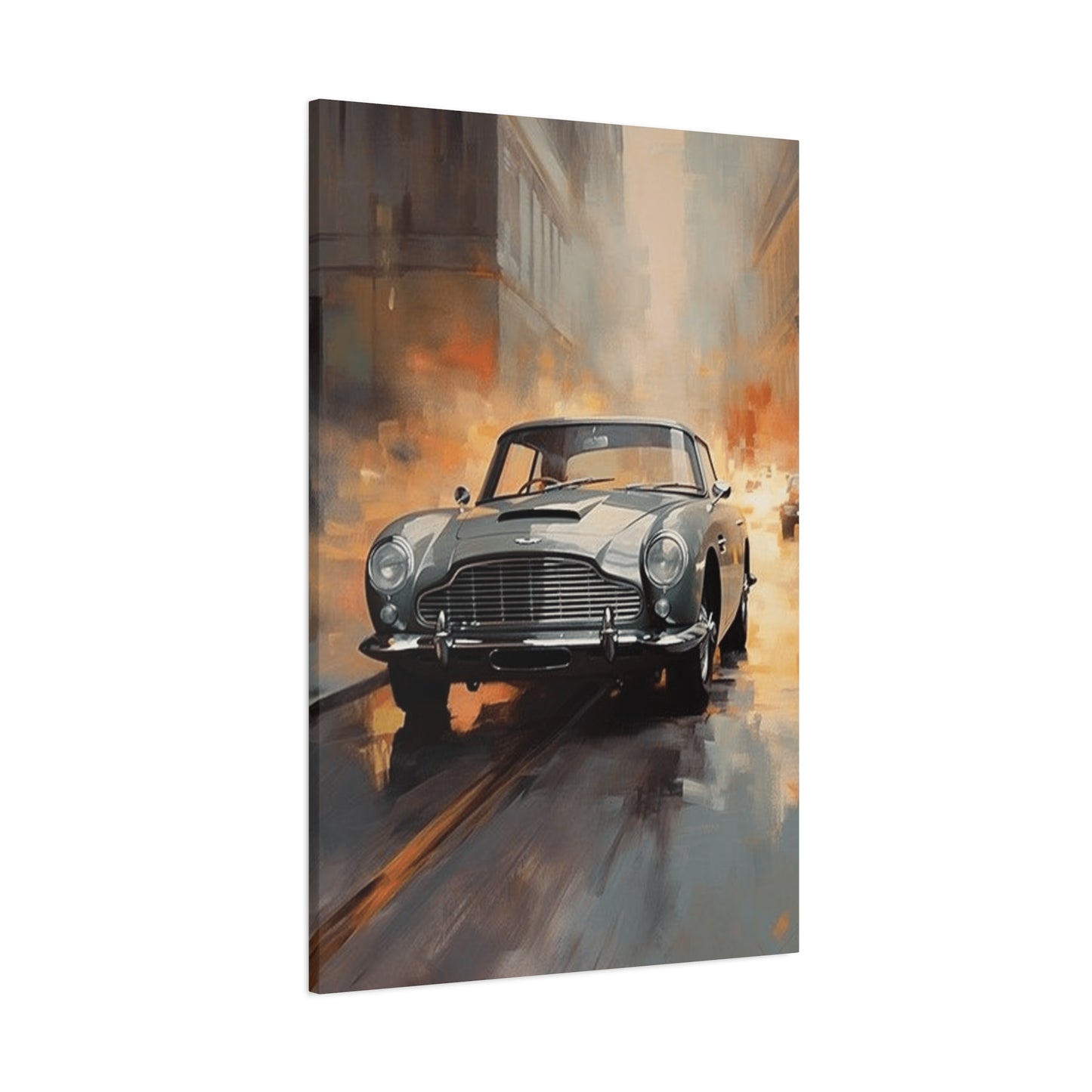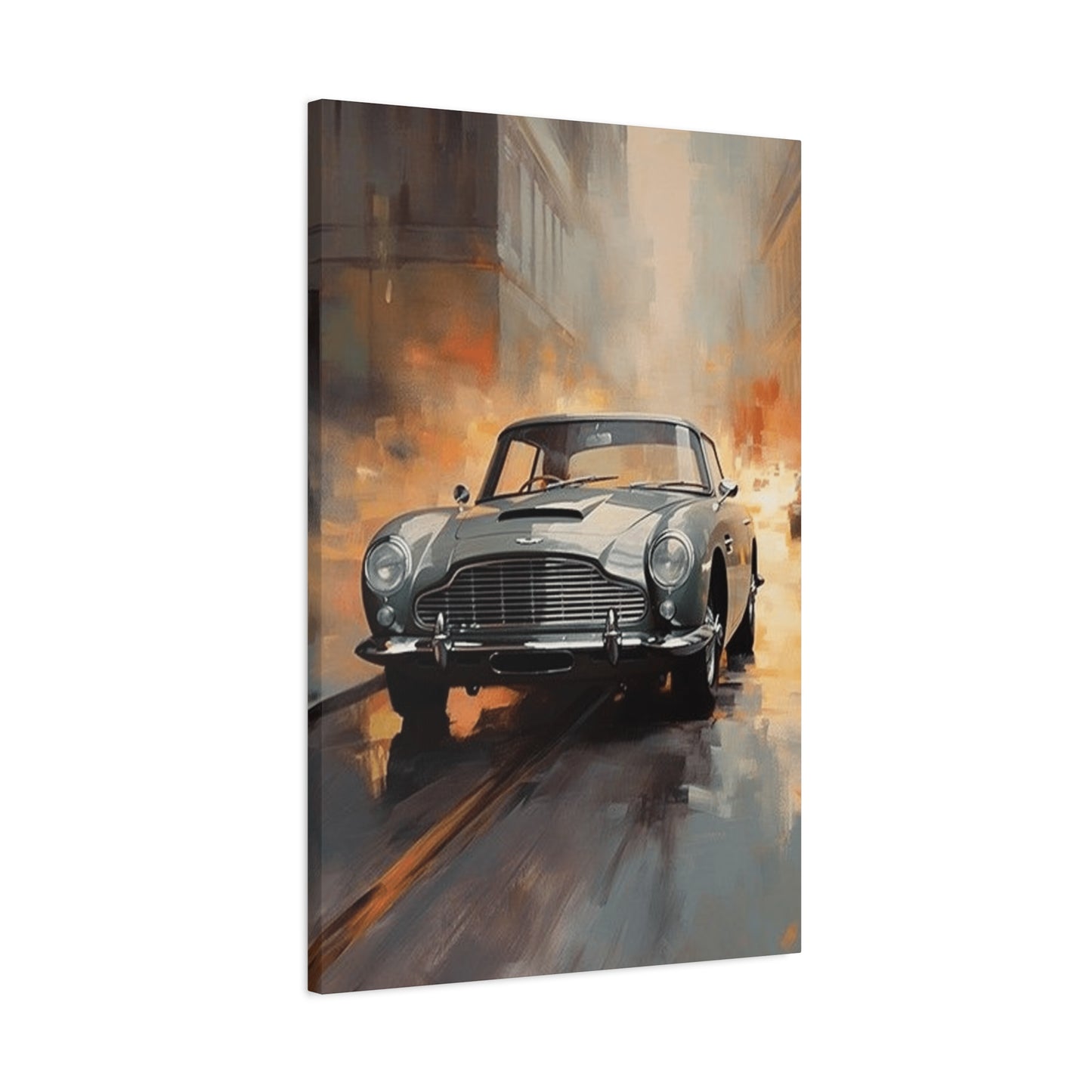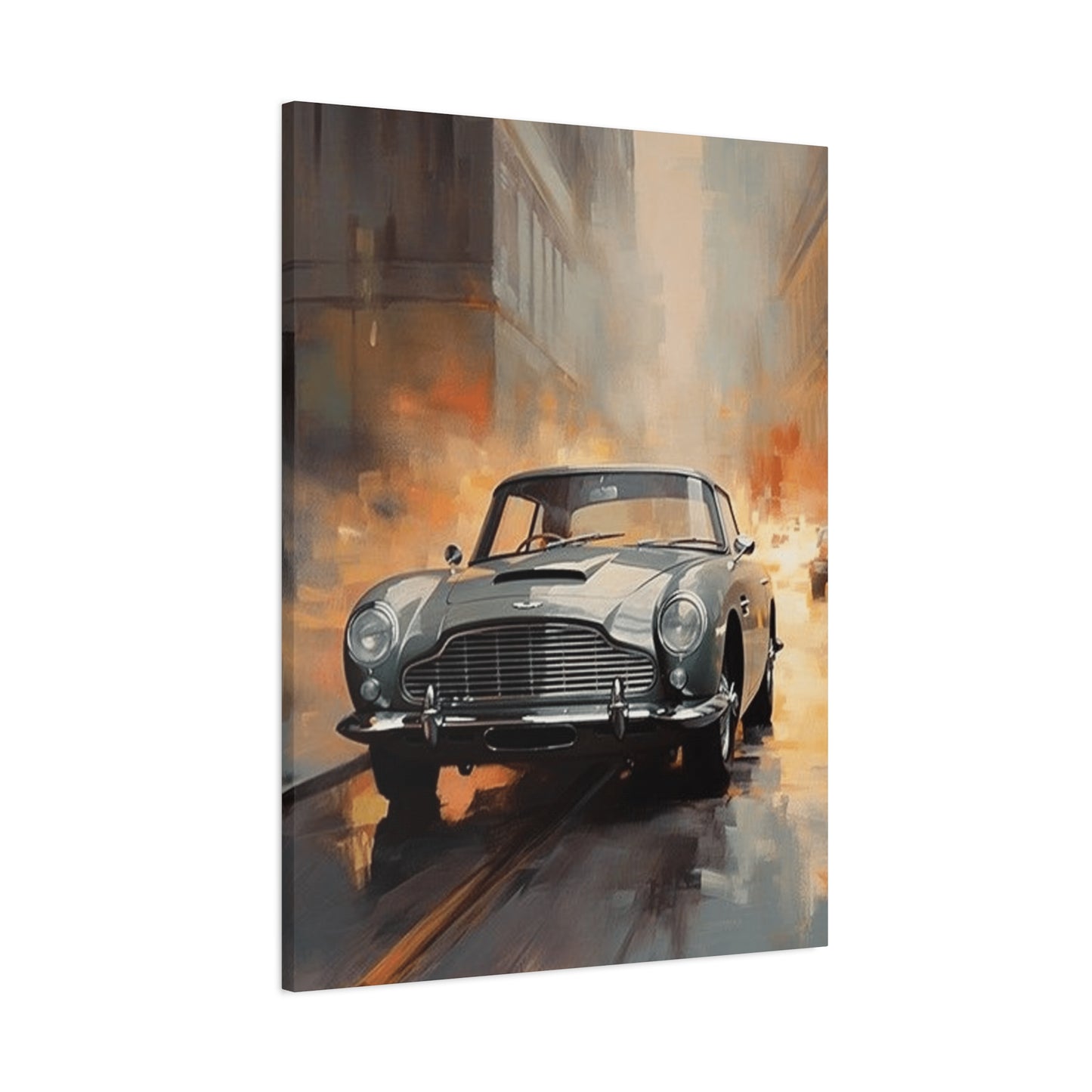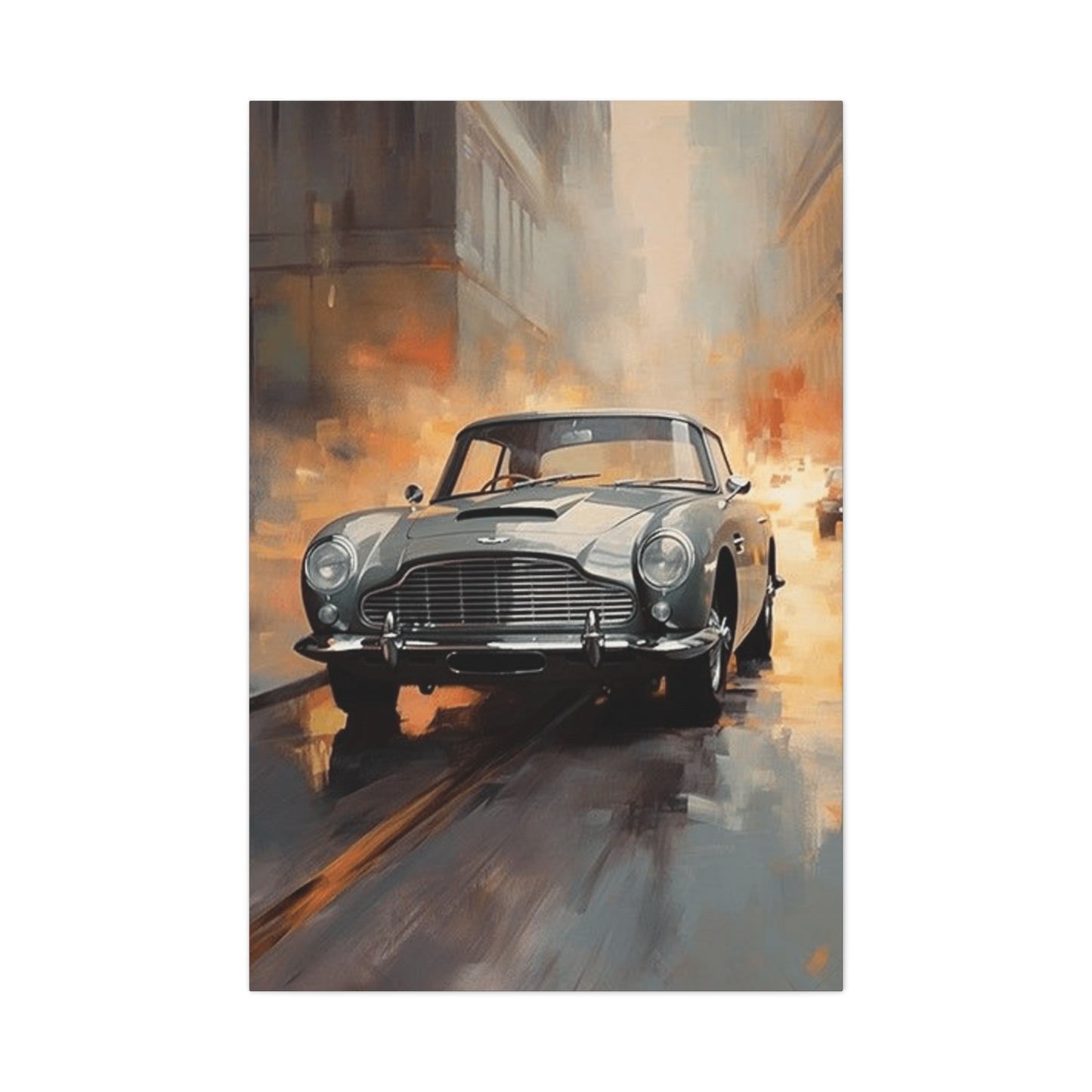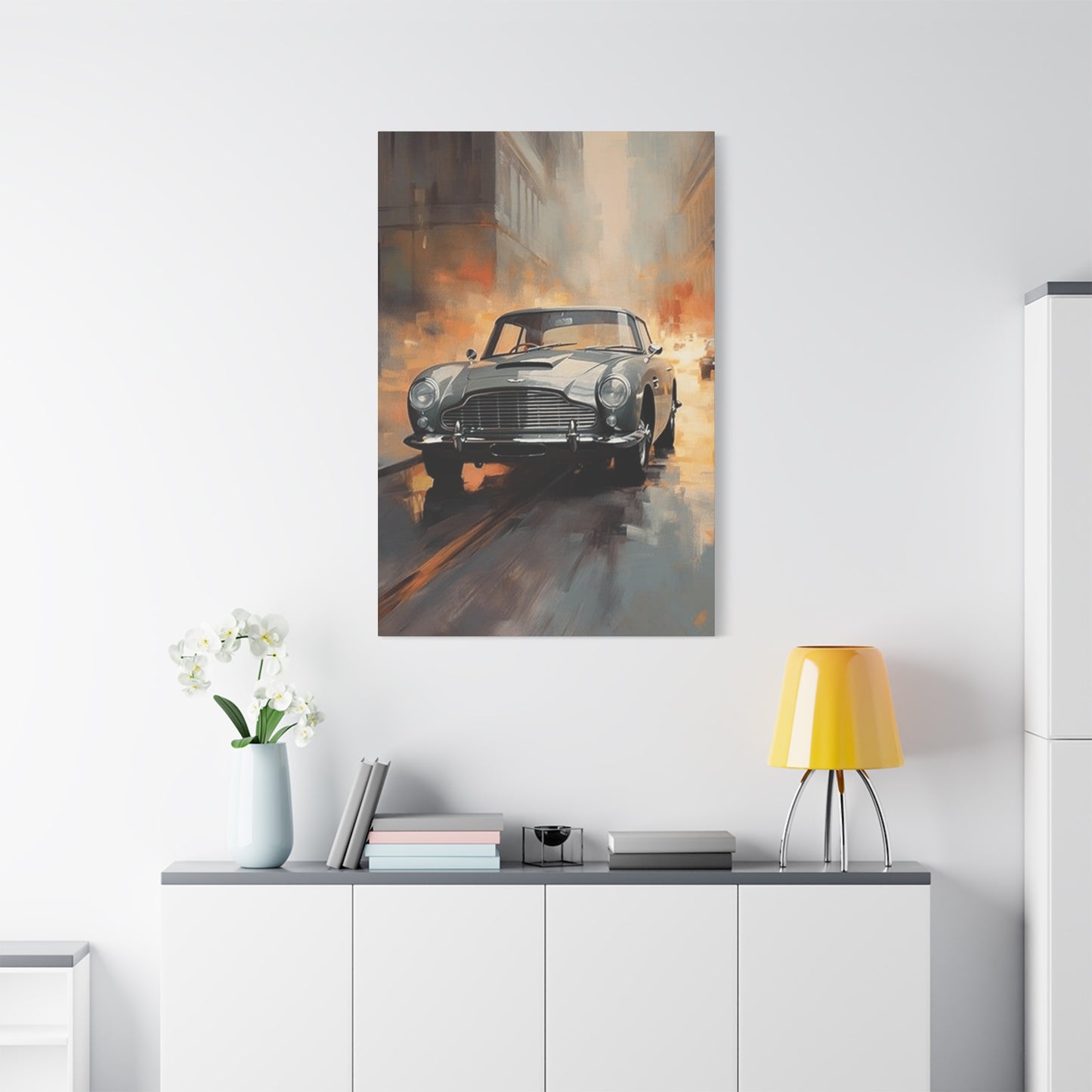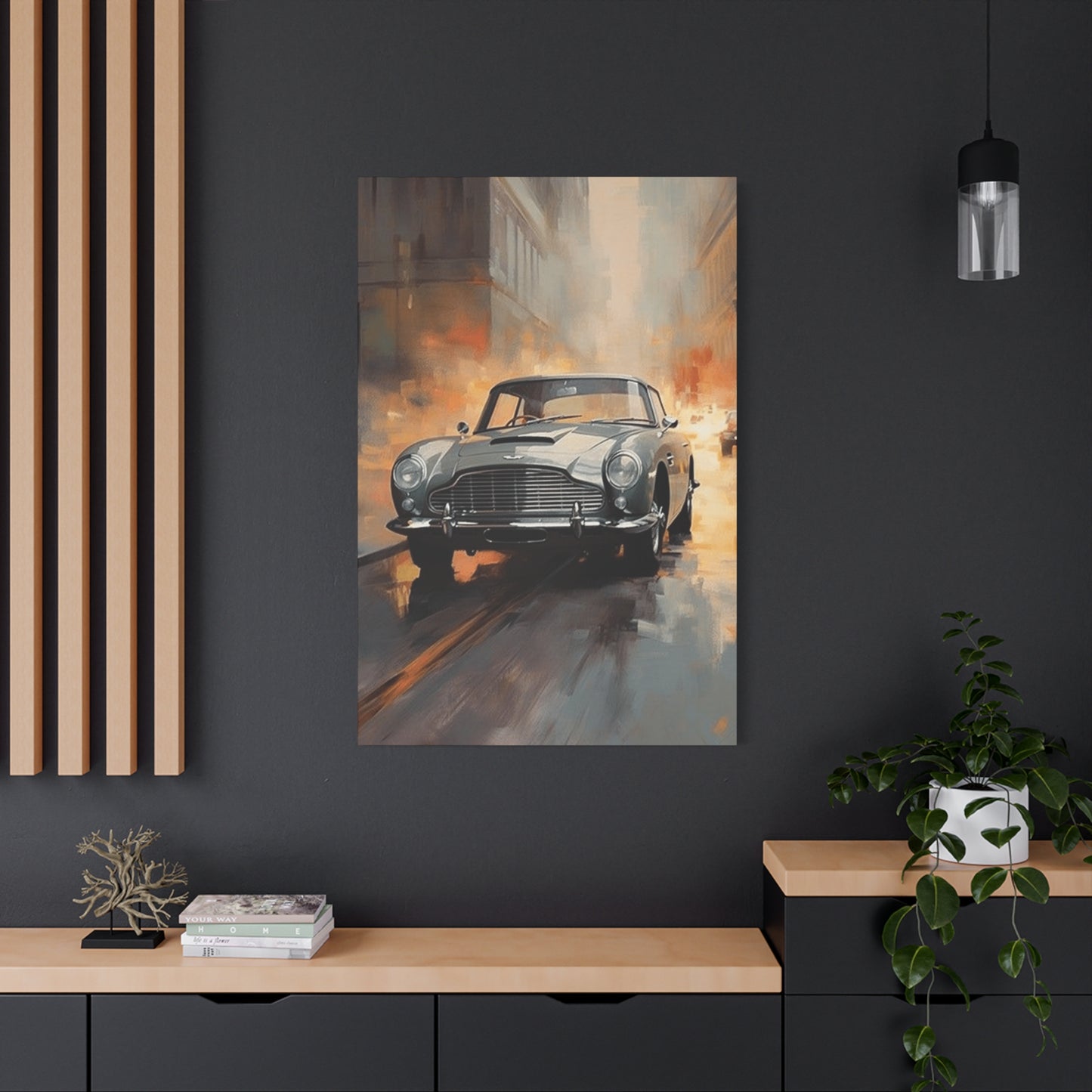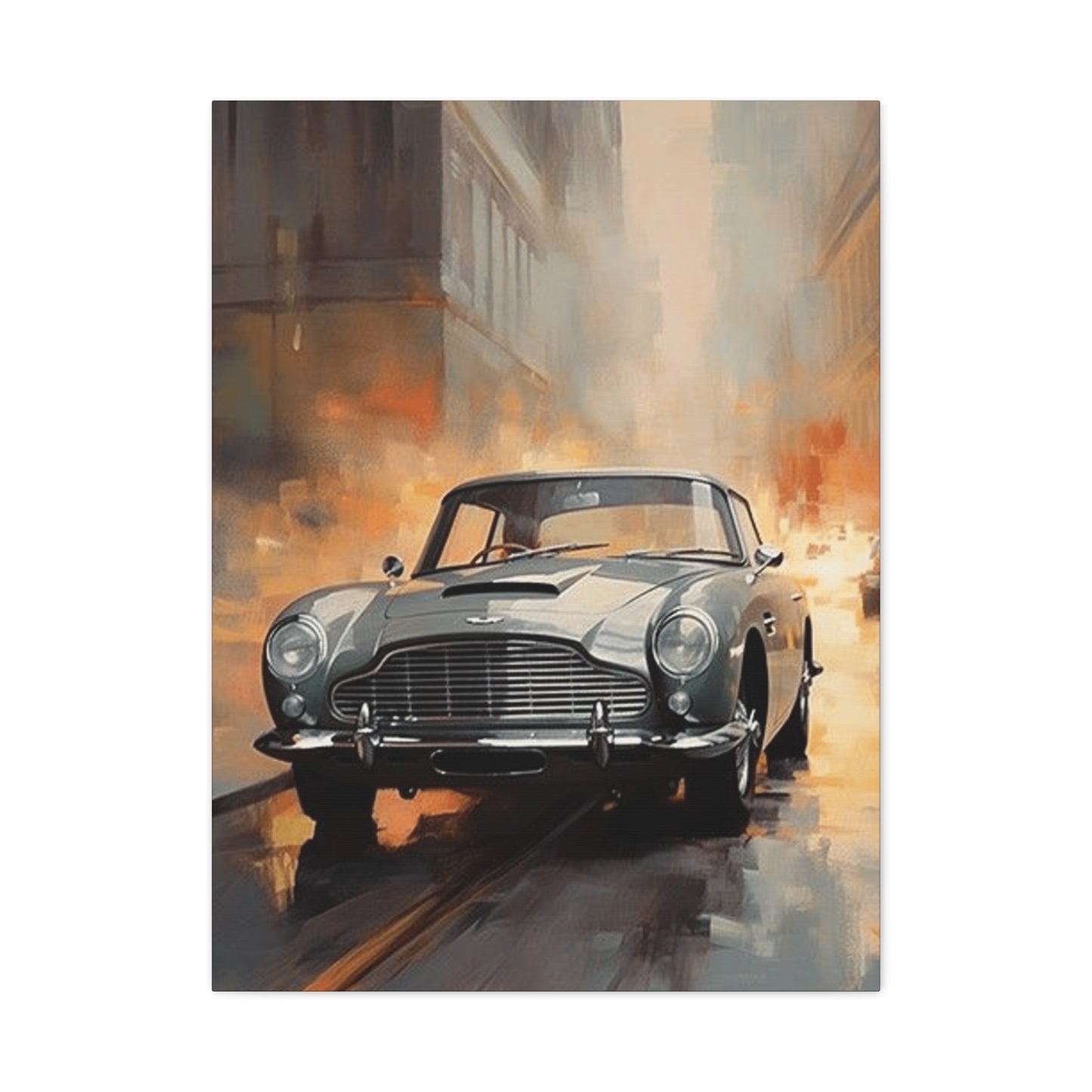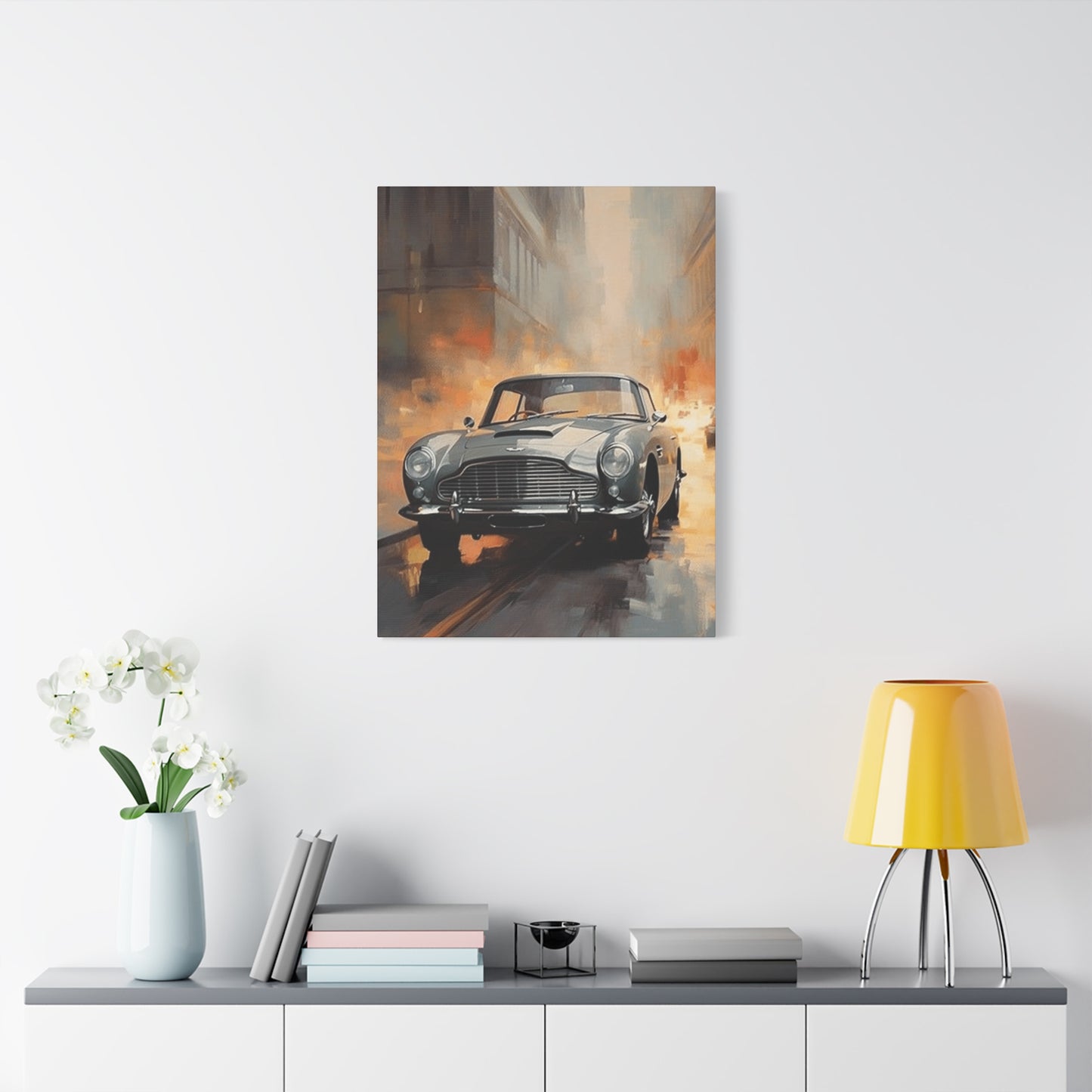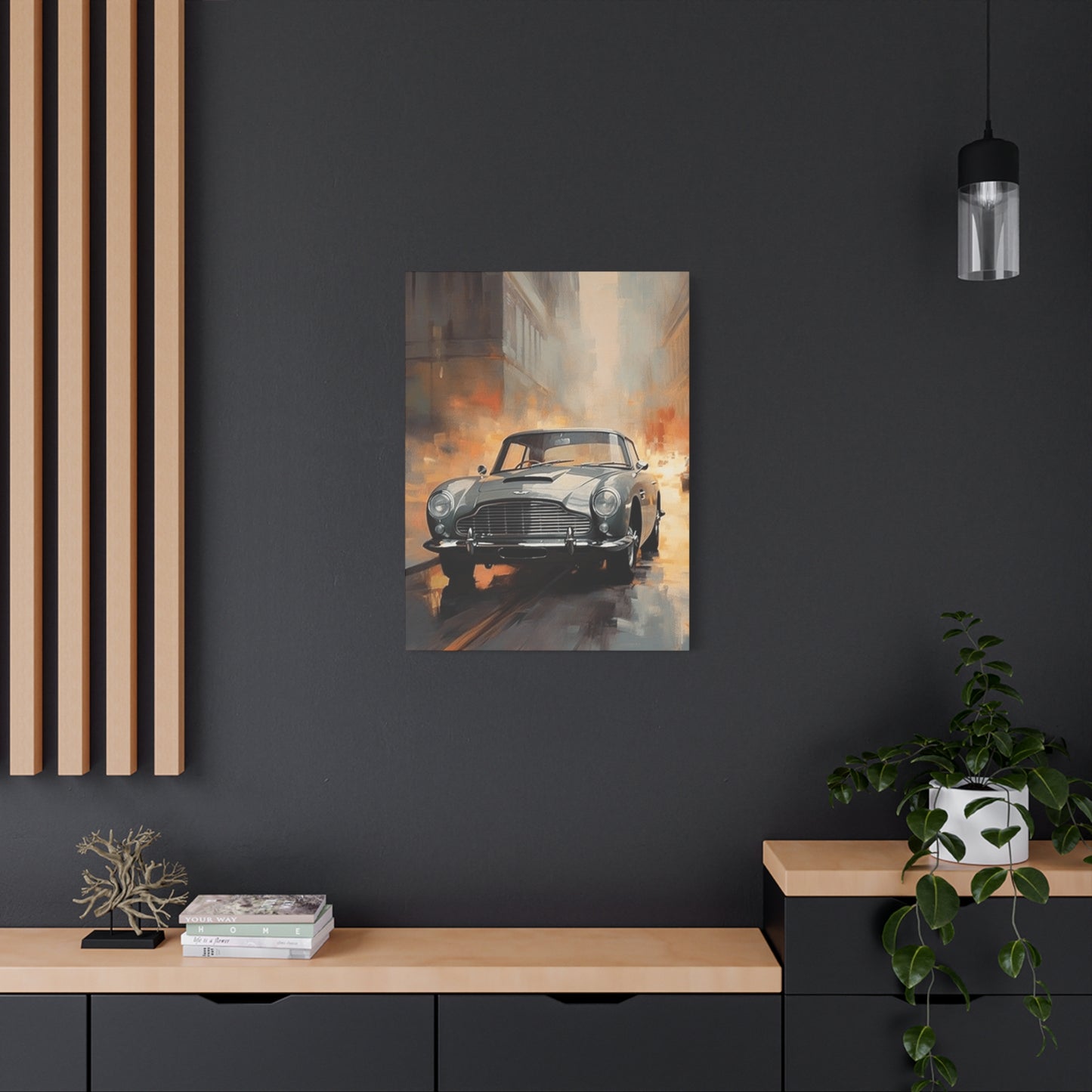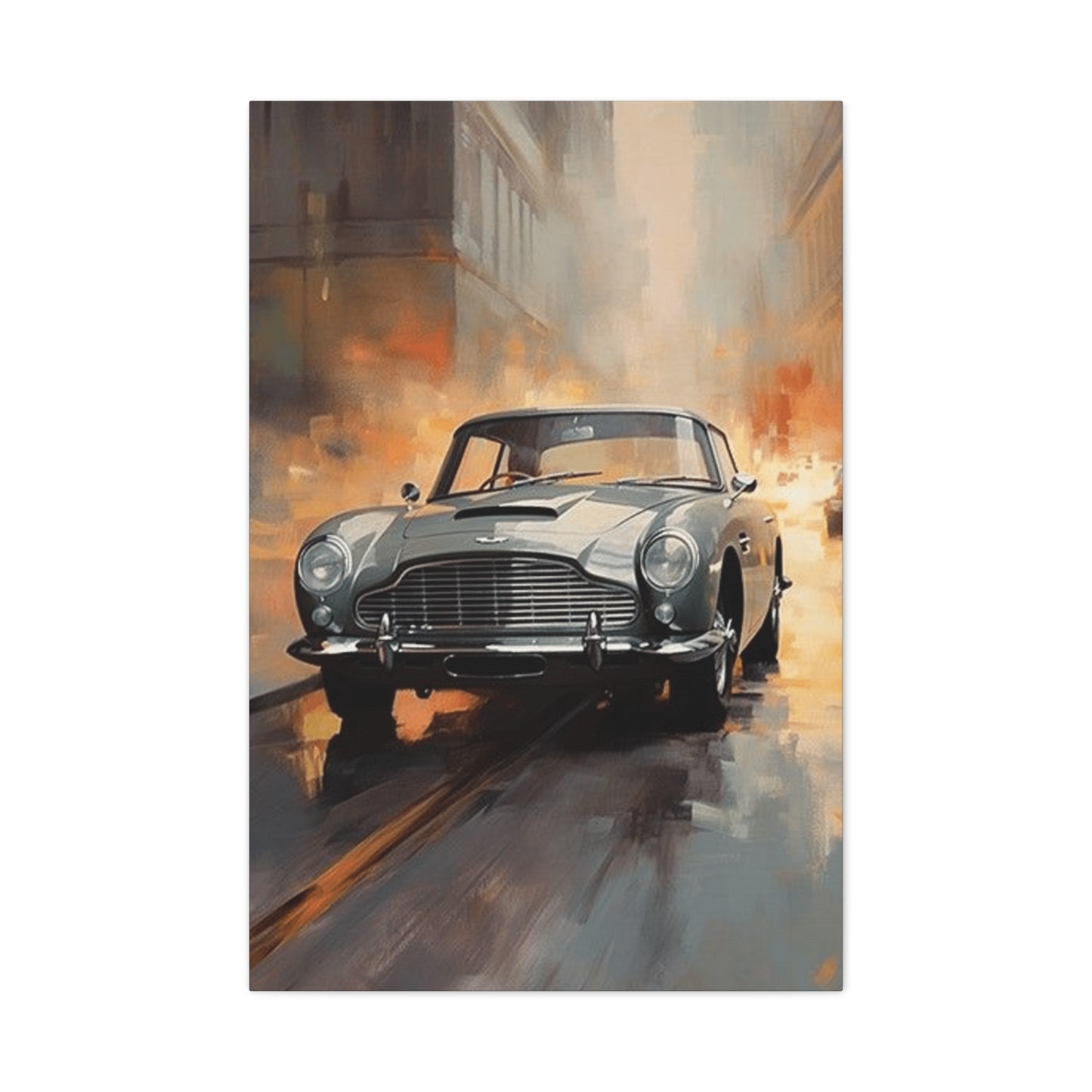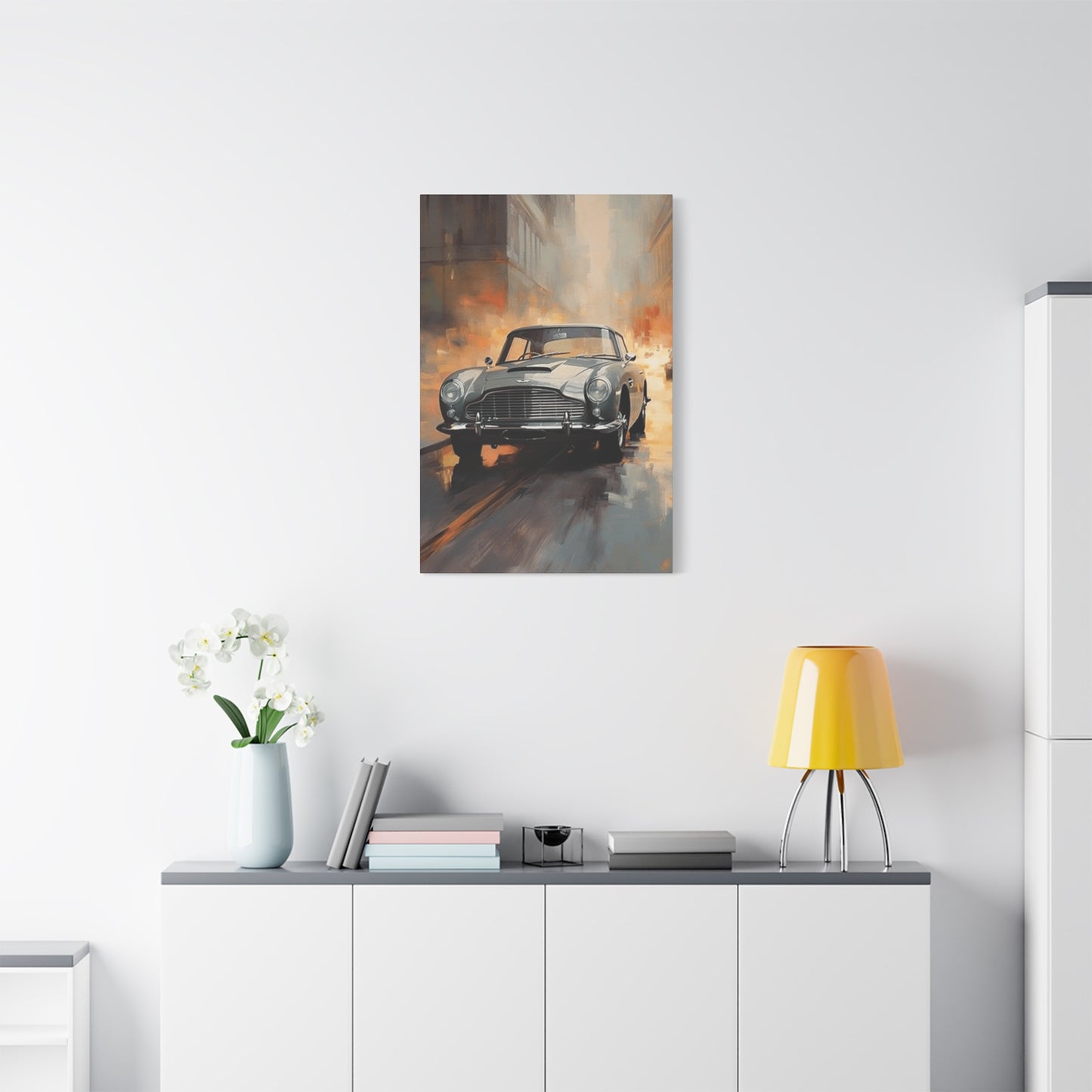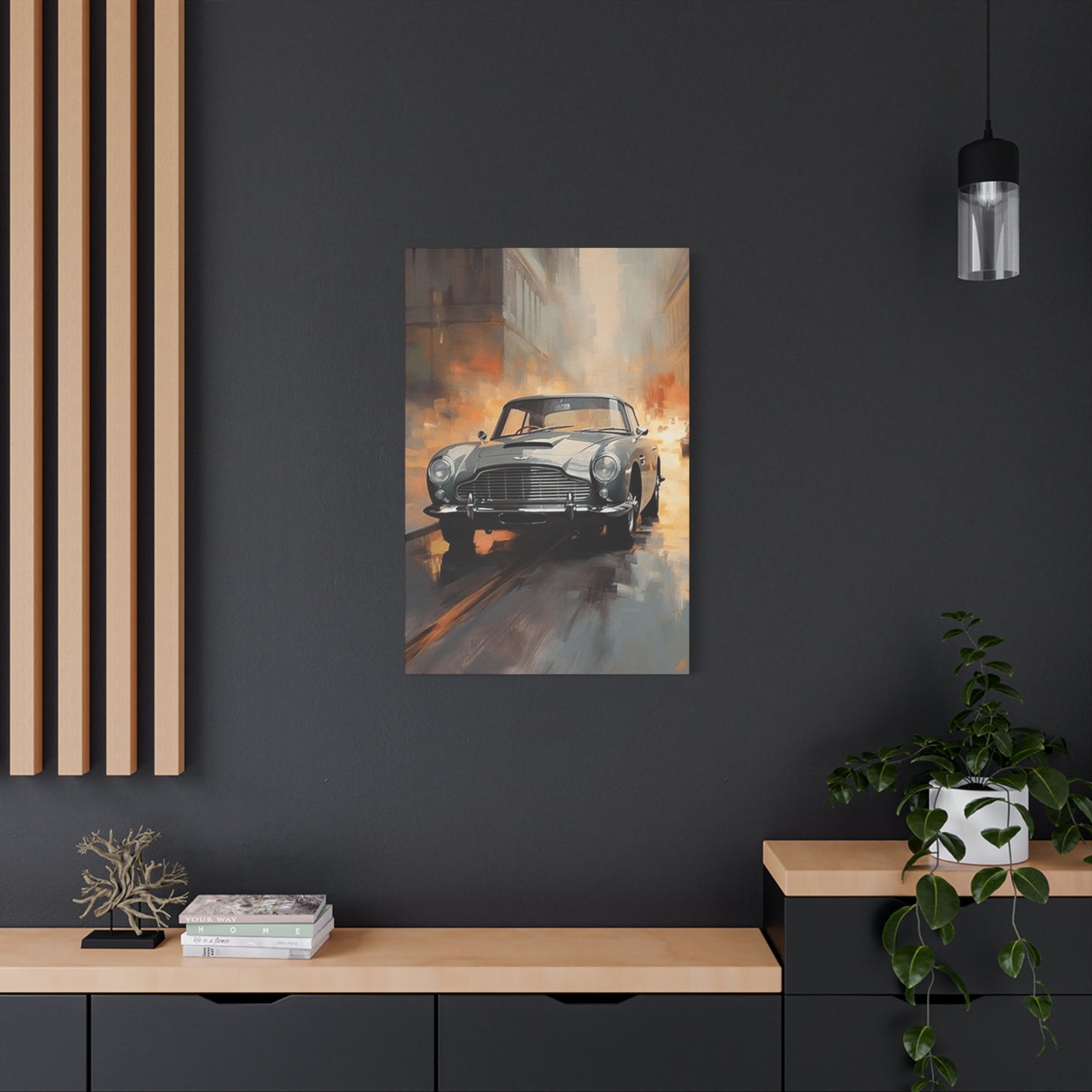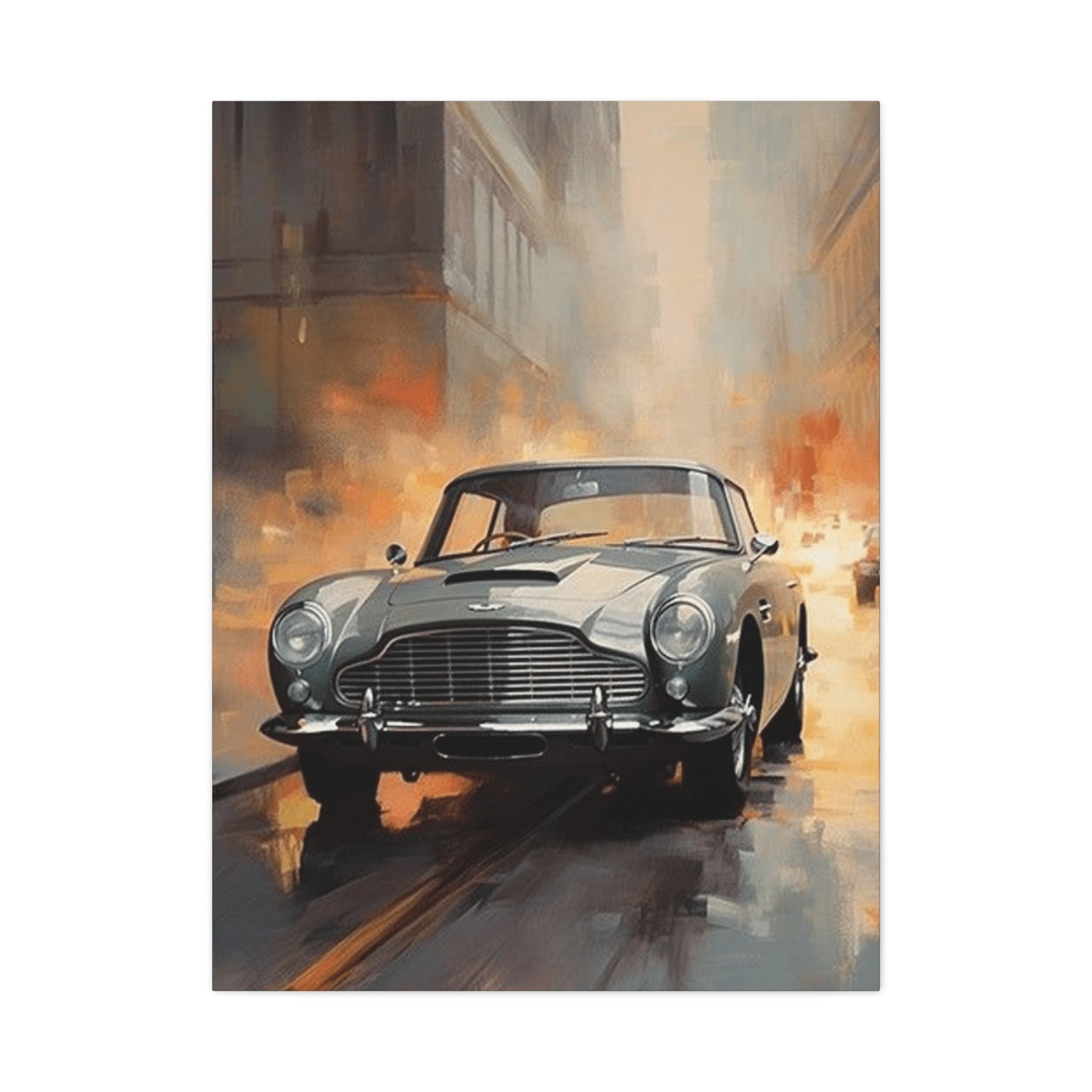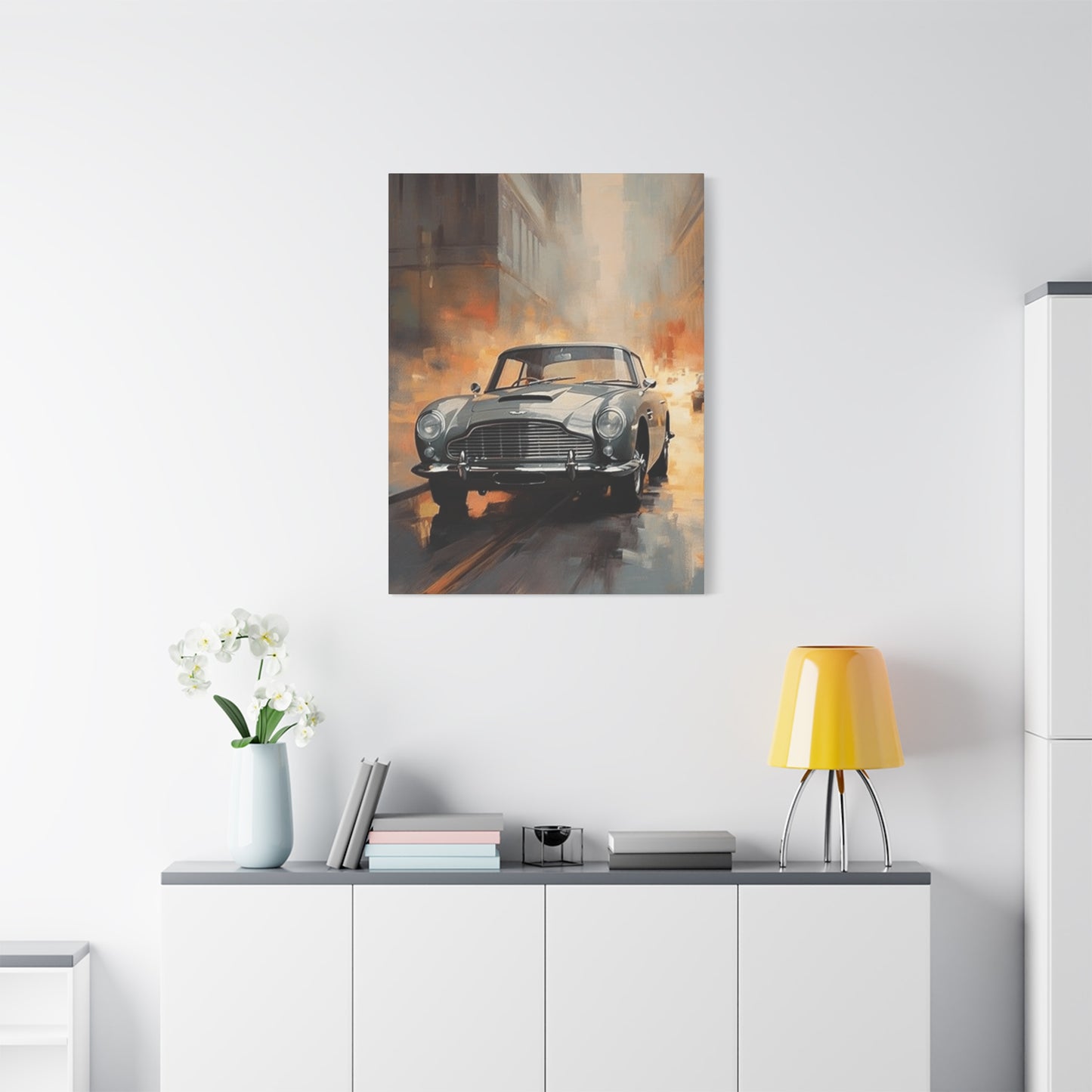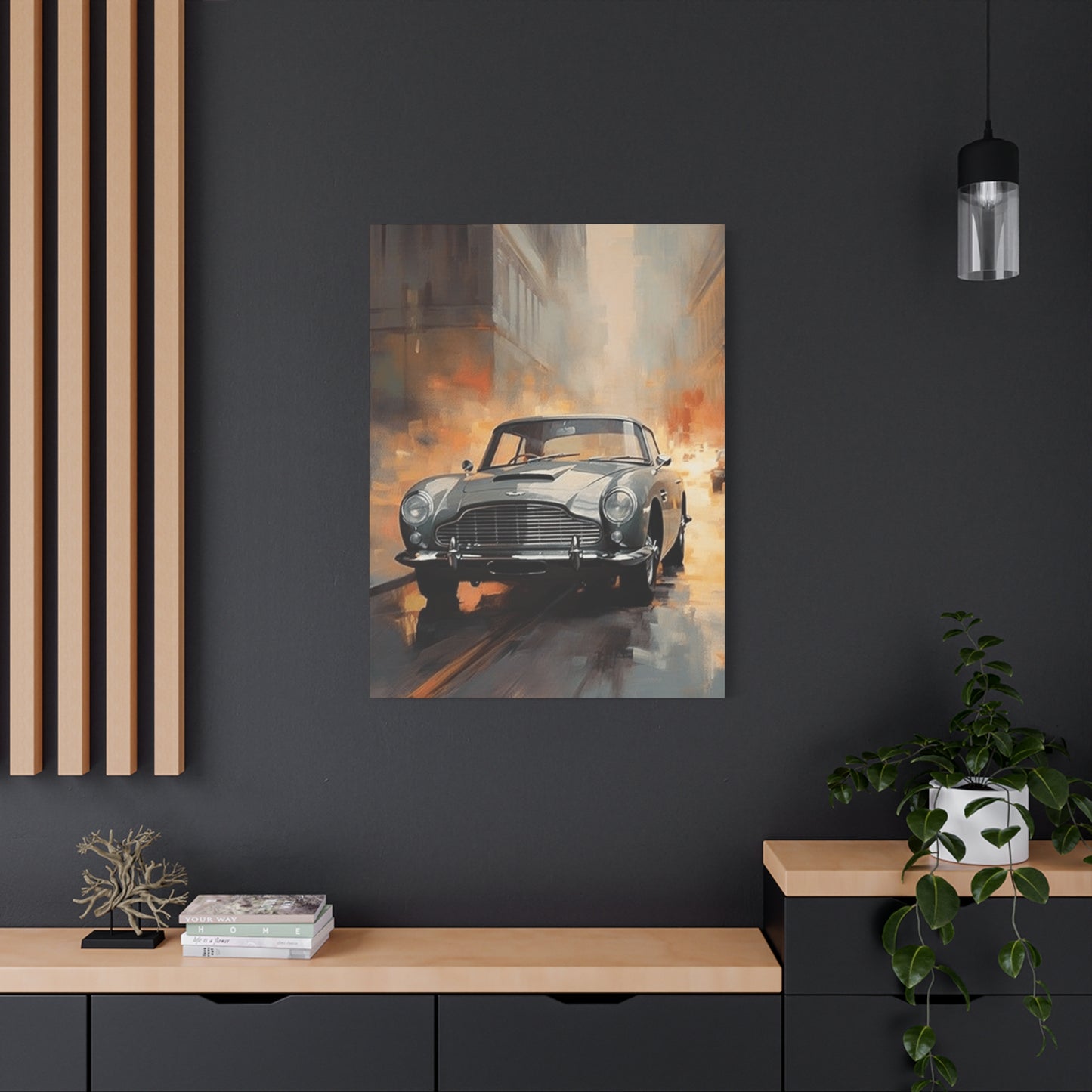
Car Wall Art & Canvas Prints
Couldn't load pickup availability
Enhance Your Home Decor with Dynamic Car Wall Art: A Thorough Exploration for Automotive Fans
The intersection of automotive passion and interior design has created an exciting niche that allows vehicle lovers to showcase their enthusiasm within their personal spaces. Automotive-themed decorative pieces have evolved from simple posters into sophisticated artistic expressions that capture the essence of speed, engineering excellence, and timeless design. Whether you're a collector of vintage automobiles, a racing aficionado, or simply someone who appreciates the aesthetic beauty of well-crafted machinery, incorporating vehicular imagery into your home décor offers endless possibilities for personalization and style enhancement.
This comprehensive exploration delves into every aspect of automotive-themed decorative pieces, from understanding different artistic styles and materials to selecting pieces that complement your existing décor and reflect your unique personality. We'll examine how these artistic expressions can transform ordinary rooms into extraordinary showcases of automotive heritage, discuss the various forms and formats available, and provide guidance on creating cohesive displays that celebrate your passion for automobiles.
Understanding the Aesthetic Appeal of Automotive Imagery in Home Décor
The visual magnetism of automobiles extends far beyond their functional purpose as transportation devices. These mechanical marvels represent human ingenuity, aesthetic evolution, and cultural significance spanning more than a century. When translated into artistic representations for residential spaces, automotive imagery brings dynamic energy and personality to any environment.
The curves, lines, and proportions of classic and contemporary vehicles offer endless inspiration for artistic interpretation. From the elegant flowing fenders of pre-war luxury vehicles to the aggressive aerodynamic profiles of modern supercars, each design era presents distinct visual characteristics that can dramatically influence the atmosphere of a room. The interplay of light and shadow across metallic surfaces, the intricate details of chrome trim and distinctive grilles, and the powerful stance of performance vehicles all contribute to compelling visual narratives that engage viewers and spark conversation.
Automotive-themed decorative pieces serve multiple purposes beyond mere ornamentation. They function as conversation starters, personal statements, and reflections of individual taste and interests. For many enthusiasts, these artistic pieces represent connections to cherished memories—perhaps a first vehicle, a dream machine, or a memorable road trip. The emotional resonance of automotive imagery adds depth and meaning to living spaces, creating environments that feel authentically personal rather than generically decorated.
The versatility of automotive-themed artwork allows it to complement various interior design schemes, from industrial lofts and minimalist apartments to traditional homes and eclectic creative spaces. The key lies in selecting pieces that harmonize with existing décor elements while adding distinctive character and visual interest. Whether displayed prominently as focal points or arranged in carefully curated collections, these decorative elements can enhance the aesthetic appeal of virtually any room.
Exploring Different Artistic Styles and Interpretations of Vehicular Imagery
The world of automotive-themed decorative pieces encompasses an remarkable diversity of artistic approaches, each offering unique visual characteristics and emotional impact. Understanding these different styles helps collectors and enthusiasts make informed decisions that align with their personal preferences and interior design goals.
Photorealistic representations capture vehicles with stunning accuracy and detail, showcasing every line, reflection, and texture with precision that rivals actual photographs. These pieces appeal to purists who appreciate the authentic appearance of specific models and want to celebrate the original design vision of automotive creators. High-resolution imagery of iconic vehicles frozen in perfect lighting conditions can create dramatic visual impact, particularly when printed in large formats that command attention and showcase intricate details.
Abstract interpretations deconstruct automotive forms into geometric shapes, bold colors, and expressive compositions that emphasize mood and emotion over literal representation. These pieces work exceptionally well in contemporary interiors where they can serve as striking focal points that stimulate visual interest without overwhelming other design elements. Abstract automotive artwork might focus on specific details—the curve of a fender, the pattern of a grille, or the sweep of a roofline—amplifying these elements into powerful graphic statements.
Vintage-inspired designs evoke nostalgia and celebrate the golden eras of automotive history. These pieces often incorporate period-appropriate typography, color palettes, and composition styles that reference classic advertising posters, racing programs, and automotive publications from decades past. The charm of vintage-style artwork lies in its ability to transport viewers to different eras while maintaining relevance in contemporary spaces. Distressed finishes, retro color schemes, and classic design motifs create authenticity that resonates with collectors who appreciate automotive heritage.
Minimalist approaches strip vehicular imagery down to essential elements, using clean lines, limited color palettes, and simplified forms to create sophisticated visual statements. These pieces excel in modern interiors where simplicity and restraint guide design decisions. A silhouette of an iconic vehicle rendered in monochromatic tones can deliver powerful visual impact through restraint rather than complexity, proving that sometimes less truly is more.
Impressionistic interpretations capture the feeling and energy of automotive subjects rather than their precise details. These pieces might depict motion blur, dramatic lighting effects, or painterly brushwork that conveys speed, power, and excitement. Impressionistic automotive artwork brings dynamic energy to spaces and works particularly well in areas where movement and vitality align with the room's purpose and atmosphere.
Pop art treatments transform automotive subjects into bold, colorful statements that celebrate consumer culture and iconic design. Drawing inspiration from movements that elevated everyday objects into subjects worthy of artistic celebration, pop art-style vehicular imagery uses bright colors, repetition, and graphic simplification to create eye-catching displays that add playful energy to residential spaces.
Discovering the Wide Variety of Materials and Production Methods
The materials and production methods used to create automotive-themed decorative pieces significantly influence their appearance, durability, and suitability for different spaces. Understanding these options empowers collectors to select pieces that meet their specific requirements for quality, longevity, and visual impact.
Canvas prints remain among the most popular choices for automotive imagery, offering versatility, affordability, and excellent visual appeal. Gallery-wrapped canvas stretched over wooden frames creates a finished appearance that requires no additional framing, making these pieces ready to hang immediately upon arrival. The textured surface of canvas adds depth and dimension to printed images, particularly photographic reproductions that benefit from the slight grain and texture. Canvas prints work well in virtually any room and can withstand normal household conditions without special protection.
Metal prints represent a contemporary approach that delivers stunning visual impact and exceptional durability. The dye-sublimation process infuses imagery directly into specially coated aluminum panels, creating vibrant colors, incredible depth, and a luminous quality that makes subjects appear almost three-dimensional. Metal prints resist fading, scratches, and moisture damage, making them ideal for high-traffic areas or spaces with challenging environmental conditions. The sleek, modern appearance of metal prints complements contemporary interiors particularly well, though their versatility allows them to enhance various design schemes.
Acrylic panels provide another modern option that creates impressive visual depth and clarity. When imagery is printed directly onto acrylic or mounted behind clear acrylic layers, the resulting piece displays remarkable color saturation and dimensional quality. Light passes through acrylic differently than it reflects off traditional prints, creating a luminous effect that makes subjects appear to glow from within. Acrylic pieces work exceptionally well in spaces with good lighting where their unique properties can be fully appreciated.
Wood prints offer rustic charm and organic warmth that complement particular interior styles beautifully. Imagery printed or transferred directly onto natural wood surfaces creates unique pieces that incorporate the wood grain and texture into the overall aesthetic. Each wood print becomes truly one-of-a-kind as variations in the wood grain interact differently with the printed imagery. These pieces work wonderfully in spaces with rustic, farmhouse, or organic design elements where natural materials predominate.
Framed prints provide classic elegance and protection for valuable artwork. High-quality framing with archival materials, UV-protective glazing, and professional matting elevates automotive imagery into gallery-worthy displays suitable for formal spaces. The frame selection dramatically influences the overall aesthetic—sleek modern frames emphasize contemporary style, while ornate traditional frames add gravitas and formality. Professional framing also protects artwork from environmental damage, ensuring longevity and preservation of visual quality.
Textile-based options like tapestries and fabric panels offer softness and texture that distinguish them from rigid materials. These pieces can add warmth to spaces while showcasing automotive imagery in unexpected ways. Fabric-based decorative elements work particularly well in bedrooms, casual living areas, and spaces where acoustic dampening benefits room acoustics.
Three-dimensional elements including metal sculptures, wooden cutouts, and mixed-media assemblages add physical depth to automotive displays. These pieces cast shadows, create interesting silhouettes, and provide tactile interest that flat artwork cannot match. Dimensional pieces work exceptionally well as focal points or when arranged in groupings that create layered, visually complex displays.
Selecting the Perfect Automotive Imagery for Different Rooms and Purposes
Strategic placement of automotive-themed decorative pieces throughout your home maximizes their visual impact while ensuring each room maintains its intended atmosphere and functionality. Different spaces present unique opportunities and considerations for displaying vehicular imagery effectively.
Living rooms and family gathering spaces provide excellent venues for showcasing statement pieces that reflect your personality and interests. These social areas benefit from larger-scale artwork that commands attention and serves as conversation starters when entertaining guests. Consider positioning a dramatic image of a classic sports vehicle or racing scene above the sofa or fireplace mantel where it naturally draws the eye and anchors the room's design scheme. In living areas, balance is essential—the automotive imagery should enhance rather than overwhelm the space, complementing existing furnishings and color palettes while adding distinctive character.
Private offices and workspaces allow for more focused displays that inspire and motivate throughout the workday. Automotive imagery in professional environments can reflect ambition, precision, and performance—qualities that align well with productivity and achievement. Consider selecting pieces that feature vehicles known for engineering excellence or racing success, creating visual metaphors for professional goals and standards. Home offices provide opportunities to indulge specific interests without concern for broader household appeal, making them ideal locations for niche collections or highly personalized selections.
Bedrooms offer intimate spaces where automotive passion can be expressed more personally. For adults, sophisticated automotive imagery creates distinctive ambiance without sacrificing the calm atmosphere essential for rest and relaxation. Consider monochromatic or subtly colored pieces that contribute visual interest without excessive stimulation. For younger enthusiasts, bedrooms become perfect showcases for favorite vehicles, racing scenes, or automotive posters that celebrate their growing passion for automobiles.
Garages and workshops represent natural environments for automotive-themed décor, where the connection between decorative imagery and actual vehicles creates perfect thematic alignment. These spaces accommodate more casual, utilitarian displays including vintage advertising signs, racing posters, and nostalgic imagery that celebrates automotive culture and history. Garage spaces also tolerate more experimental arrangements and eclectic collections that might feel overwhelming in formal living areas.
Entertainment rooms and recreational spaces provide excellent settings for dynamic automotive imagery that complements the energetic atmosphere of these areas. Racing scenes, action-oriented compositions, and bold graphic treatments work particularly well in spaces designed for relaxation and enjoyment. Consider creating themed displays that tell visual stories or showcase particular eras, manufacturers, or racing series.
Hallways and transitional spaces benefit from carefully curated series or collections that guide movement through your home while maintaining visual continuity. Gallery-style arrangements featuring multiple complementary pieces create engaging displays that transform otherwise overlooked areas into meaningful expressions of personal interest. Hallways provide opportunities to display extensive collections that might overwhelm single rooms, allowing you to showcase variety while maintaining cohesive themes.
Dining areas can incorporate automotive imagery in ways that feel sophisticated rather than overwhelming. Consider subtle, elegant pieces that add personality without dominating the dining experience. Vintage racing posters, classic vehicle photography, or artistic interpretations that emphasize color and composition over literal representation often work best in dining environments where conversation and connection take priority.
Creating Cohesive Collections and Gallery Displays
Assembling multiple automotive-themed pieces into unified collections requires thoughtful planning and aesthetic consideration. Well-executed groupings create visual impact that exceeds the sum of individual components, transforming walls into compelling displays that showcase your passion and curatorial sensibility.
Thematic consistency provides one approach to creating cohesive collections. Grouping pieces that share common subjects—such as vehicles from a particular era, specific manufacturers, or racing series—establishes clear visual narratives that guide viewer understanding and appreciation. A collection focused exclusively on Italian sports vehicles from the 1960s, for example, creates a focused celebration of a specific moment in automotive history, while a series featuring different racing circuits worldwide tells a geographic story through automotive imagery.
Color coordination offers another strategy for unifying diverse pieces into harmonious displays. Selecting artwork that shares similar color palettes or tonal ranges creates visual continuity even when individual subjects vary significantly. This approach allows for greater subject diversity while maintaining aesthetic coherence that prevents collections from appearing random or disorganized. Consider how dominant colors in your automotive imagery relate to existing room colors, either complementing them harmoniously or providing deliberate contrast for visual interest.
Size and scale relationships significantly influence how grouped pieces interact visually. Gallery walls featuring multiple smaller pieces create busy, energetic displays that reward close examination, while combinations of larger statement pieces with smaller supporting elements establish clear focal hierarchies that guide viewer attention. The spacing between pieces also matters—tighter groupings create unified visual blocks, while more generous spacing allows individual pieces to breathe and maintain distinct identities within the larger collection.
Frame and presentation consistency helps unify collections even when the imagery itself varies. Using identical or complementary frames across multiple pieces creates visual continuity through repetition of materials, colors, and profiles. Alternatively, deliberately varied framing approaches can work when other unifying elements establish coherence, though this strategy requires more careful planning to avoid visual chaos.
Symmetrical arrangements create formal, balanced displays that convey order and intentionality. These layouts work particularly well in traditional interiors or spaces where architectural symmetry guides design decisions. Symmetrical galleries might flank doorways, windows, or furniture pieces with mirrored arrangements that emphasize balance and proportion.
Asymmetrical layouts offer more dynamic, contemporary alternatives that create visual interest through deliberate imbalance and varied spacing. These arrangements often feel more casual and organic while still requiring careful planning to achieve compositions that feel intentional rather than accidental. Asymmetrical galleries work exceptionally well in modern interiors where strict symmetry might feel overly formal or constraining.
Grid patterns provide structured frameworks that organize multiple pieces into orderly displays. These arrangements work particularly well when showcasing series or collections with consistent sizing, creating visual rhythms through repetition and alignment. Grid layouts feel clean and contemporary while accommodating extensive collections in compact spaces.
Salon-style arrangements embrace density and variety, filling walls with eclectic combinations of sizes, subjects, and styles. These maximalist displays celebrate abundance and variety, creating visually rich environments that reward extended viewing and discovery. Salon arrangements require confidence and commitment but can produce spectacular results when executed thoughtfully with attention to color relationships, scale variation, and spatial distribution.
Examining Iconic Automotive Eras and Their Distinctive Visual Characteristics
Different periods in automotive history present unique aesthetic qualities that translate distinctively into decorative imagery. Understanding these eras helps collectors select pieces that resonate personally while appreciating the broader context of automotive design evolution.
The brass era and early automotive period, spanning roughly from the birth of the automobile through the 1920s, presents antique charm and pioneer spirit. Vehicles from this period feature exposed mechanical components, tall proportions, and handcrafted details that reflect their transitional nature between horse-drawn carriages and modern automobiles. Imagery from this era often emphasizes the adventurous nature of early motoring, featuring elegantly dressed passengers and dramatic landscapes that celebrate the freedom these new machines provided. Decorative pieces showcasing brass-era vehicles work wonderfully in traditional interiors or spaces celebrating early twentieth-century aesthetics.
The streamline moderne and art deco period of the 1930s introduced sweeping curves, chrome embellishments, and aerodynamic profiles that defined luxury and progress during a challenging economic era. Vehicles from this period display remarkable artistry in their coachwork, with custom bodies featuring teardrop shapes, pontoon fenders, and lavish ornamentation. Automotive imagery from this era captures the optimism and glamour of the period, often featuring dramatic angles, rich colors, and sophisticated compositions. These pieces complement art deco interiors beautifully while adding elegance to contemporary spaces seeking vintage sophistication.
The post-war boom years of the late 1940s and 1950s unleashed exuberant designs featuring tail fins, chrome excess, and bold color combinations that reflected post-war prosperity and optimism. American vehicles from this era particularly embraced flamboyant styling that celebrated abundance and futurism, while European manufacturers pursued more restrained approaches that emphasized engineering refinement. Imagery celebrating 1950s automobiles brings nostalgic charm and vibrant energy to spaces, working particularly well in retro-themed environments or as cheerful accents in contemporary settings.
The muscle vehicle era of the 1960s and early 1970s produced aggressive, performance-oriented designs that emphasized raw power and straight-line speed. These vehicles featured bold graphics, functional hood scoops, and muscular proportions that communicated their performance capabilities visually. Decorative pieces showcasing muscle vehicles bring testosterone-fueled energy and American automotive swagger to spaces, appealing particularly to enthusiasts who appreciate this brief period when horsepower reigned supreme and practicality took a backseat to performance.
The sports and GT vehicles of the 1960s and 1970s from European manufacturers presented entirely different aesthetic approaches emphasizing low-slung proportions, exotic materials, and track-focused design philosophies. These vehicles pioneered mid-engine layouts, wedge profiles, and aerodynamic experimentation that influenced subsequent decades of performance vehicle design. Imagery featuring classic sports and GT vehicles brings sophistication and international flair to spaces, celebrating engineering excellence and aesthetic refinement.
The emergence of Japanese performance vehicles through the 1980s, 1990s, and beyond created entirely new aesthetic directions that balanced functionality with distinctive styling. These vehicles introduced compact dimensions, forced induction powertrains, and technological sophistication that challenged Western automotive dominance. Decorative pieces celebrating Japanese performance vehicles appeal to enthusiasts who appreciate underdog narratives and the technical innovation these manufacturers brought to global markets.
The modern supercar and hypercar era presents extreme designs that push aesthetic and engineering boundaries to unprecedented levels. Contemporary exotic vehicles feature active aerodynamics, hybrid powertrains, and styling that looks genuinely alien compared to mainstream transportation. Imagery showcasing modern exotic vehicles brings cutting-edge aesthetics and futurism to spaces, celebrating the current pinnacle of automotive achievement.
Investigating Racing Heritage and Motorsport-Themed Imagery
Racing represents the crucible where automotive performance is tested, refined, and celebrated, making motorsport imagery particularly compelling for enthusiasts who appreciate competitive achievement and engineering excellence. The visual vocabulary of racing—action, speed, danger, and triumph—translates powerfully into decorative pieces that energize spaces with dynamic excitement.
Formula One imagery captures the apex of open-wheel racing with its international glamour, technical sophistication, and historic rivalries. Iconic circuits like Monaco, Monza, and Spa-Francorchamps provide dramatic backdrops for imagery that celebrates both the vehicles and the legendary venues where championships are decided. Formula One-themed decorative pieces often feature the distinctive liveries of famous teams, the intense concentration of legendary drivers, or the spectacular action of wheel-to-wheel combat at racing speed. The international nature of Formula One means imagery spans decades of design evolution, from the cigar-shaped racers of the 1960s through the ground-effects monsters of the early 1980s to the ultra-sophisticated hybrid machines competing today.
Endurance racing imagery celebrates a different set of virtues—reliability, strategy, and the ability to maintain punishing pace over extended periods. The 24 Hours of Le Mans, the most prestigious endurance contest, has produced countless iconic moments and legendary vehicles that translate beautifully into decorative pieces. The unique drama of endurance racing, with its day-to-night transitions, weather challenges, and multiple-class competition, provides rich visual variety that appeals to enthusiasts who appreciate the marathon aspect of motorsport. Imagery featuring prototype sports racers, GT vehicles, and the unique challenges of endurance competition brings sophisticated energy to spaces.
American oval racing traditions including IndyCar and stock vehicle racing present distinctively American motorsport aesthetics. The close-quarters action, spectacular multi-vehicle incidents, and tribal loyalties of oval racing create passionate fandom that translates well into decorative imagery. Classic imagery from the golden eras of American racing celebrates legendary drivers, iconic vehicles, and historic venues that defined generations of racing competition. Contemporary oval racing imagery showcases the modern sophistication of purpose-built racing machines competing at incredible speeds in front of massive crowds.
Rally racing imagery captures entirely different visual drama featuring production-based vehicles competing on varied surfaces including gravel, snow, and tarmac. The sideways spectacle of rally vehicles drifting through corners, the dramatic rooster tails of gravel kicked up by racing tires, and the intimate connection between drivers and spectators create unique visual opportunities. Rally imagery often emphasizes the relationship between vehicles and dramatic natural environments, celebrating the adventure and risk inherent in racing through forests, mountains, and countryside at extraordinary speeds.
Historic racing imagery preserves moments from motorsport's golden eras when danger was omnipresent, vehicles were beautiful, and drivers became immortal legends. Black-and-white photography from the 1950s and 1960s captures the romance of racing before corporate sponsorship dominated the sport, when gentleman racers competed for glory rather than commercial reward. These nostalgic pieces appeal to purists who view earlier eras as more authentic and heroic periods in motorsport history.
Drag racing imagery celebrates the pure acceleration contest where enormous horsepower propels specialized vehicles over quarter-mile distances in mere seconds. The violence of launching, the spectacle of wheelstands, and the explosive power of top fuel dragsters create dramatic visual moments that translate effectively into decorative pieces. Drag racing imagery often emphasizes the mechanical extremism of purpose-built machines that prioritize straight-line speed above all other considerations.
Understanding Color Theory and Visual Psychology in Automotive Décor
The colors featured in automotive-themed decorative pieces significantly influence their emotional impact and compatibility with interior design schemes. Strategic color selection ensures your vehicular imagery enhances rather than conflicts with existing décor while creating desired atmospheric effects.
Warm color palettes featuring reds, oranges, and yellows bring energy, passion, and excitement to spaces. These hues naturally draw attention and stimulate emotional responses, making them effective choices for social areas or spaces intended for activity and engagement. Automotive imagery dominated by warm colors—perhaps featuring vehicles in racing red, sunset orange, or golden yellows—creates vibrant focal points that energize rooms and convey dynamism. However, warm colors can feel overwhelming if overused, so balance warm-toned automotive pieces with cooler surrounding elements to prevent visual exhaustion.
Cool color palettes emphasizing blues, greens, and purples create calm, sophisticated atmospheres that encourage relaxation and contemplation. Cool-toned automotive imagery works exceptionally well in private spaces like bedrooms or studies where tranquility supports the room's purpose. Classic vehicles in British racing green, midnight blue, or silver create elegant statements that feel refined rather than aggressive. Cool colors recede visually, making them excellent choices for smaller spaces where you want to avoid overwhelming limited square footage.
Monochromatic and grayscale imagery offers sophisticated neutrality that complements virtually any interior design scheme. Black-and-white automotive photography emphasizes form, light, and composition without the potential distraction of color. These pieces work beautifully in minimalist interiors where simplicity guides design decisions, and they provide flexible foundations that adapt as surrounding décor evolves. Monochromatic automotive imagery also showcases the timeless qualities of vehicle design by eliminating period-specific color trends that might date the piece.
Metallic and reflective surfaces in automotive imagery create visual interest through shifting light and dimensional depth. Chrome details, polished aluminum, and glossy paint finishes catch and reflect light, adding movement and vitality to static images. Metallic elements work particularly well in modern interiors where they complement other reflective surfaces like glass, mirrors, and polished metals used in contemporary furnishings.
Saturated, high-intensity colors create bold, graphic statements that demand attention and establish strong personalities. Automotive imagery featuring vibrant, fully saturated hues works well as focal points in otherwise neutral spaces where they provide concentrated visual interest. However, highly saturated colors can feel juvenile or overwhelming if not balanced carefully with more subdued surrounding elements.
Desaturated and muted color palettes create sophisticated, understated aesthetics that feel refined and timeless. Automotive imagery featuring washed-out colors, faded tones, or vintage color treatments brings nostalgic charm without the visual aggression of fully saturated hues. These pieces work wonderfully in spaces pursuing elegant, sophisticated atmospheres where subtlety trumps boldness.
Complementary color schemes featuring opposites on the color wheel create dynamic tension and visual excitement. Automotive imagery that incorporates complementary pairs—like orange vehicles against blue skies or red racers on green circuits—creates natural visual harmony that feels satisfying and balanced. Understanding complementary relationships helps when selecting automotive imagery to coordinate with existing room colors.
Analogous color schemes using adjacent colors on the color wheel create harmonious, unified aesthetics that feel cohesive and intentional. Automotive imagery featuring analogous color relationships—perhaps blues transitioning through greens or reds flowing into oranges—provides visual variety within a unified palette that prevents monotony while maintaining coherence.
Exploring Different Vehicle Categories and Their Decorative Appeal
The specific types of vehicles featured in decorative imagery significantly influence the emotional character and stylistic impression of the pieces. Different vehicle categories communicate distinct values, histories, and aesthetic qualities that resonate differently with various enthusiasts.
Classic luxury sedans and limousines represent elegance, craftsmanship, and refined taste. These vehicles emphasized comfort, quality materials, and prestigious branding over outright performance, appealing to affluent buyers seeking transportation that reflected their social status. Imagery featuring classic luxury vehicles brings sophisticated elegance to spaces, celebrating an era when automotive purchases represented significant investments in handcrafted quality. These pieces work particularly well in formal settings or traditional interiors where their refined aesthetics complement similar sensibilities in furnishings and architecture.
Sports vehicles emphasizing performance and driver engagement offer entirely different aesthetic appeals. Two-seater roadsters, lightweight coupes, and track-focused specials celebrate the joy of driving and the purity of mechanical connection between driver and machine. Imagery showcasing classic or contemporary sports vehicles brings enthusiasm and passion to spaces, appealing to those who view automobiles as sources of entertainment rather than mere transportation. The sleek lines, purposeful designs, and racing heritage of sports vehicles translate beautifully into decorative pieces that communicate active lifestyles and appreciation for engineering excellence.
Off-road and adventure vehicles represent freedom, capability, and exploration. These utilitarian machines prioritize functionality over aesthetics, celebrating ruggedness and versatility over refinement. Imagery featuring off-road vehicles in dramatic natural settings communicates adventurous spirit and outdoor lifestyle orientation. These pieces work wonderfully in casual spaces, lodges, or homes where outdoor recreation plays central roles in household identity.
Vintage pickup trucks and commercial vehicles offer nostalgic charm and honest functionality. These working vehicles represent simpler eras when transportation served practical purposes without pretension. Imagery featuring vintage trucks brings rustic Americana and honest utility to spaces, working particularly well in farmhouse-style interiors or settings celebrating rural heritage and working-class values.
Exotic supercars and hypercars represent the ultimate expression of automotive excess and engineering ambition. These extreme machines push performance boundaries while showcasing cutting-edge design that appears genuinely alien compared to mainstream transportation. Imagery featuring exotic vehicles brings futurism and aspiration to spaces, celebrating the peak of automotive achievement. These pieces appeal to enthusiasts who appreciate technical extremism and those who dream of owning such extraordinary machines.
Classic touring vehicles and grand tourers emphasize cross-continental capability and refined long-distance comfort. These vehicles balanced performance with luxury, offering speed and handling while maintaining comfort for extended journeys. Imagery celebrating grand touring vehicles brings sophisticated wanderlust to spaces, appealing to those who view driving as adventure rather than commute.
Custom hot rods and modified vehicles represent personal expression and DIY craftsmanship. These unique creations showcase their builders' creativity, technical skills, and willingness to deviate from factory specifications in pursuit of individual vision. Imagery featuring custom vehicles brings rebellious energy and creative spirit to spaces, celebrating the tradition of automotive modification and personal customization that has thrived since the earliest days of motoring.
Examining Frame Styles and Presentation Methods
The presentation of automotive imagery significantly influences its visual impact and compatibility with interior design schemes. Frame selection and mounting approaches transform raw artwork into polished decorative pieces that feel intentional and professionally curated.
Gallery wrap presentations eliminate visible frames entirely by wrapping canvas prints around wooden stretcher bars, with imagery extending around the edges. This frameless approach creates clean, contemporary appearances that work exceptionally well in modern interiors where minimal visual clutter guides design decisions. Gallery-wrapped pieces feel substantial and finished while avoiding the expense and visual weight of traditional framing. The wrap-around imagery creates dimensional interest as wall-mounted pieces reveal different details from various viewing angles.
Traditional wooden frames offer classic elegance and timeless appeal that complements various interior styles. Frame profiles range from simple, narrow moldings that provide subtle definition to substantial, ornate frames that make bold statements. Wood species selection influences overall aesthetic—dark walnut or mahogany frames convey formality and tradition, while lighter maple or pine frames feel more casual and contemporary. Wooden frames protect artwork while adding visual interest through their profiles, finishes, and decorative details.
Metal frames deliver contemporary sophistication and industrial edge. Aluminum, steel, and other metal frames create sleek, modern presentations that complement minimalist and industrial design schemes. Metal frames typically feature clean lines, narrow profiles, and neutral finishes that emphasize the artwork rather than the frame itself. The durability and rigidity of metal frames provide excellent protection while maintaining contemporary aesthetics that suit modern interiors.
Float mounting creates dramatic presentation by suspending artwork within frames, creating visible gaps between the artwork and frame edges. This approach adds dimensional depth and emphasizes the artwork as a precious object worthy of special presentation. Float-mounted pieces cast subtle shadows within frames, creating visual interest that changes with lighting conditions throughout the day. This presentation style works particularly well for important pieces deserving special emphasis.
Shadow box frames create deep recesses that accommodate three-dimensional objects or create dramatic depth for flat artwork. These frames work wonderfully when presenting automotive memorabilia alongside imagery, creating narrative displays that combine visual elements with physical objects. Shadow boxes transform simple artwork into curated installations that tell richer stories through the combination of multiple elements.
Matting adds visual breathing room between artwork and frames while providing color coordination opportunities. Mats create subtle transitions that prevent artwork from feeling cramped within frames while offering opportunities to introduce complementary colors that enhance overall presentations. Multiple mat layers create additional depth and sophistication, though this approach requires careful color coordination to avoid overwhelming the artwork itself.
Frameless mounting systems including magnetic mounts, standoff hardware, and acrylic sandwiches create ultra-contemporary presentations that emphasize artwork over framing elements. These systems virtually disappear, allowing imagery to float against walls without visible support structures. Frameless presentations work beautifully in modern interiors where traditional frames might feel outdated or overly formal.
Ledge and shelf displays offer flexible alternatives to traditional wall mounting, allowing easy rotation of displayed pieces and informal arrangements that can evolve with changing preferences. Picture ledges accommodate multiple pieces in layered arrangements that create casual, collected aesthetics. This approach works particularly well for enthusiasts who enjoy regularly updating their displays or who want flexibility to experiment with different arrangements without permanent mounting solutions.
Creating Thematic Displays Celebrating Specific Manufacturers
Organizing automotive displays around specific manufacturers or marques creates focused collections that celebrate particular automotive philosophies, design languages, and historical narratives. Brand-specific displays resonate particularly strongly with loyal enthusiasts who identify strongly with particular manufacturers.
German manufacturers bring engineering precision, performance heritage, and distinctive design philosophies. Brands from Stuttgart, Munich, and Ingolstadt represent different approaches to automotive excellence—sports vehicle purity, luxury performance, and racing success respectively. Displays celebrating German automotive achievement might showcase evolution of iconic models, racing victories, or design details that define these manufacturers' distinctive characters. The technical sophistication and performance orientation of German vehicles translates well into clean, modern displays that emphasize engineering excellence.
Italian manufacturers offer passionate styling, exotic appeal, and racing heritage spanning decades of motorsport success. Displays celebrating Italian automotive artistry naturally emphasize the emotional, aesthetic dimensions of vehicle design over pure engineering rationality. The dramatic curves, vibrant colors, and racing pedigree of Italian sports and exotic vehicles create visually stunning displays that bring Mediterranean flair and artistic sensibility to spaces. Italian automotive imagery works beautifully in displays that celebrate beauty, passion, and the intersection of art and engineering.
British manufacturers represent tradition, craftsmanship, and understated elegance. Displays focusing on British automotive heritage might celebrate the golden era of British sports vehicles, luxury sedans, or racing success in various series. The distinctive character of British automobiles—combining performance with civility, speed with comfort—creates sophisticated displays that feel refined rather than aggressive. British racing green, classic leather interiors, and traditional craftsmanship provide thematic consistency across varied models and eras.
American manufacturers offer diverse narratives including muscle vehicle performance, luxury innovation, and pickup truck practicality. Displays celebrating American automotive achievement might focus on specific golden eras like the muscle vehicle period, document the evolution of iconic model families, or celebrate American racing heritage. The size, power, and bold styling of classic American vehicles create dramatic displays that communicate confidence and domestic pride.
Japanese manufacturers bring stories of innovation, reliability, and performance value. Displays celebrating Japanese automotive achievement might focus on the emergence of Japanese performance vehicles, document racing success in various series, or showcase the distinctive styling evolution of specific manufacturers. The underdog narrative of Japanese brands challenging Western automotive dominance adds compelling context to these displays.
French manufacturers offer quirky charm, innovative design, and racing heritage. Displays celebrating French automotive creativity embrace unconventional thinking and distinctive aesthetics that separate these manufacturers from more mainstream competitors. The idiosyncratic character of French automobiles creates displays with personality and charm that conversation and curiosity.
Investigating Print Sizes and Spatial Considerations
Selecting appropriate sizes for automotive-themed decorative pieces significantly influences their visual impact and compatibility with specific spaces. Understanding scale relationships helps create balanced displays that feel proportionate to their surroundings.
Statement pieces spanning 40 to 60 inches or larger create dramatic focal points that dominate walls and anchor entire rooms. These oversized presentations work best in spacious areas with substantial wall space, high ceilings, and adequate viewing distances. Large-scale automotive imagery makes powerful visual statements but requires careful placement to avoid overwhelming rooms or creating imbalanced compositions. Consider positioning statement pieces as primary focal points with supporting elements scaled appropriately to create hierarchical relationships.
Medium-sized pieces ranging from 24 to 36 inches offer versatile solutions that work in various spaces without dominating environments. These moderate dimensions provide meaningful visual presence while maintaining flexibility for placement above furniture, in hallways, or as components within larger gallery arrangements. Medium-sized automotive imagery strikes practical balances between impact and adaptability, making these dimensions popular choices for first-time collectors.
Smaller pieces under 20 inches work wonderfully in intimate spaces, as components within larger collections, or in areas where wall space is limited. These compact dimensions allow multiple pieces to be grouped without overwhelming small rooms. Small-format automotive imagery works particularly well in series or collections where variety and quantity create impact through multiplication rather than individual scale.
Panoramic formats emphasizing horizontal dimensions capture sweeping views, racing action, or vehicles within dramatic landscapes. These elongated proportions create distinctive visual rhythms that differ from standard rectangular formats. Panoramic automotive imagery works beautifully above sofas, beds, or other horizontal furniture elements where their proportions naturally complement the underlying forms.
Vertical orientations emphasizing height over width create striking alternatives to typical horizontal automotive imagery. Tall formats work wonderfully in narrow spaces, flanking doorways or windows, or creating visual balance in rooms with tall ceilings. Vertical automotive compositions might emphasize front or rear vehicle perspectives, standing portraits, or architectural elements from racing circuits.
Square formats offer balanced proportions that work well individually or arranged in grids. These even dimensions create calm, stable compositions that feel centered and harmonious. Square automotive imagery works particularly well in modern interiors where geometric simplicity guides design decisions.
Triptychs and multi-panel displays divide single images across multiple panels or combine related images into unified presentations. These segmented approaches create visual interest through separation and repetition while allowing larger overall dimensions to be achieved through multiple smaller components. Multi-panel displays work wonderfully in contemporary interiors where they create sophisticated, gallery-like presentations.
Viewing distance relationships significantly influence appropriate sizing decisions. Pieces viewed from close proximity in hallways or small rooms work well in smaller formats where details remain appreciable, while artwork viewed from greater distances in large rooms benefits from larger dimensions that maintain visual presence across space.
Final Thoughts
In conclusion, car wall art offers automotive enthusiasts a unique and stylish way to showcase their passion for automobiles while elevating the overall aesthetic of their living spaces. Whether you're a collector, a racing fan, or simply someone who admires the sleek design and engineering of cars, car-themed wall art can transform your home into a visually striking tribute to the world of automobiles. From vintage classics and muscle cars to modern sports cars and high-performance machines, these artworks can cater to every taste and style, making them a versatile addition to any room.
One of the key advantages of incorporating car wall art into your space is the wide variety of artistic interpretations available. The art can range from realistic, high-definition prints of your favorite cars to more abstract or minimalist representations, allowing you to select a piece that aligns with your personal preferences. Whether you’re looking for a high-energy, action-packed image of a car speeding down a race track or a serene, classic car parked in a picturesque setting, the choices are endless. This versatility allows you to seamlessly integrate car art into various decor styles, whether you're decorating a modern living room, a garage, a home office, or even a man cave.
Car wall art can also serve as a way to reflect personal stories and experiences. For many automotive enthusiasts, cars are more than just machines; they represent freedom, adventure, and the thrill of the open road. A piece of car wall art can capture these feelings, serving as a constant reminder of memorable road trips, the joy of driving, or the pride in owning a particular vehicle. Whether it’s a vintage car that brings back nostalgic memories or a modern sports car that represents a dream or aspiration, the right artwork can evoke emotions that resonate deeply with the viewer.
The growing popularity of car wall art is also tied to its ability to transcend traditional artistic boundaries. Many car artists combine elements of photography, digital design, and painting to create eye-catching pieces that blur the lines between various art forms. This innovative approach to car art often results in visually dynamic pieces that capture the essence of automotive culture in new and exciting ways. For those who appreciate both cars and art, these hybrid designs provide the perfect way to celebrate both passions in a single piece.
Furthermore, car wall art provides a unique opportunity to support emerging artists or discover new styles. With the rise of online platforms and social media, many talented artists share their car-inspired work, offering limited-edition prints, original paintings, or custom pieces. Purchasing these artworks directly from independent artists not only allows you to acquire one-of-a-kind pieces but also supports the growth of the automotive art community. Whether you're buying a piece from a local artist or an international creator, the personal connection to the artist and their work can make the piece even more meaningful.
For interior designers, car wall art is an excellent way to add personality and flair to spaces that are otherwise difficult to decorate. Whether you’re designing a space in a contemporary style or looking to create a retro vibe, car-themed artwork can serve as a focal point in the room, drawing attention and sparking conversation. In more industrial or masculine spaces, car wall art pairs well with metal furniture, leather accents, and exposed brick, adding a rugged and sophisticated edge to the room. In contrast, for a more playful and vibrant atmosphere, bold, colorful prints of classic cars or abstract car designs can bring an exciting burst of energy to the walls.
Additionally, car wall art is not limited to framed prints or paintings. There are countless ways to display automotive-themed art in your home. From metal wall sculptures and canvas prints to decals, posters, and even 3D art, the possibilities are endless. This variety of formats allows you to mix and match pieces according to your taste and space. A large, bold canvas of a vintage car can dominate one wall, while smaller, framed prints of different vehicles can create a gallery wall effect, giving the space a curated, dynamic feel.
As automotive culture continues to grow and evolve, so too does the influence of car art. Car design is an ever-changing field, with new models and innovative features being introduced every year. This dynamic nature of the automobile industry provides an endless source of inspiration for artists to capture the latest and most iconic cars in their work. From electric vehicles to hypercars, the automotive industry is pushing boundaries, and artists are following suit, creating art that reflects these cutting-edge advancements.
Moreover, car art can also serve as a conversation starter, bringing together people who share a love for cars and design. Whether you have a collection of vintage car art or contemporary automotive photography, the work on your walls can initiate discussions about different car brands, history, racing, or even the future of transportation. This shared appreciation for cars can help you connect with others who have similar interests, making your home not just a place to relax, but also a space for interaction and community.
Ultimately, car wall art offers more than just decoration—it’s an expression of passion and personality. It allows you to bring a piece of automotive culture into your everyday environment, celebrating the beauty, power, and engineering of cars through the lens of art. Whether you’re curating a sophisticated space with sleek, minimalist car designs or filling your home with vibrant, high-energy car illustrations, there’s a piece of car art that can help you create the perfect atmosphere for any room.
In summary, car wall art is a powerful way to express your love for cars, while also enhancing the look and feel of your living space. Its versatility, emotional depth, and ability to transcend traditional artistic forms make it a standout choice for anyone who appreciates the intersection of art, design, and automotive culture. By carefully selecting pieces that resonate with your personal style, you can create a space that is not only visually striking but also rich with meaning and character. Whether you’re an automotive enthusiast, a design lover, or simply someone who appreciates great art, incorporating car wall art into your home is sure to elevate your space and bring your passion for automobiles to life.
Share