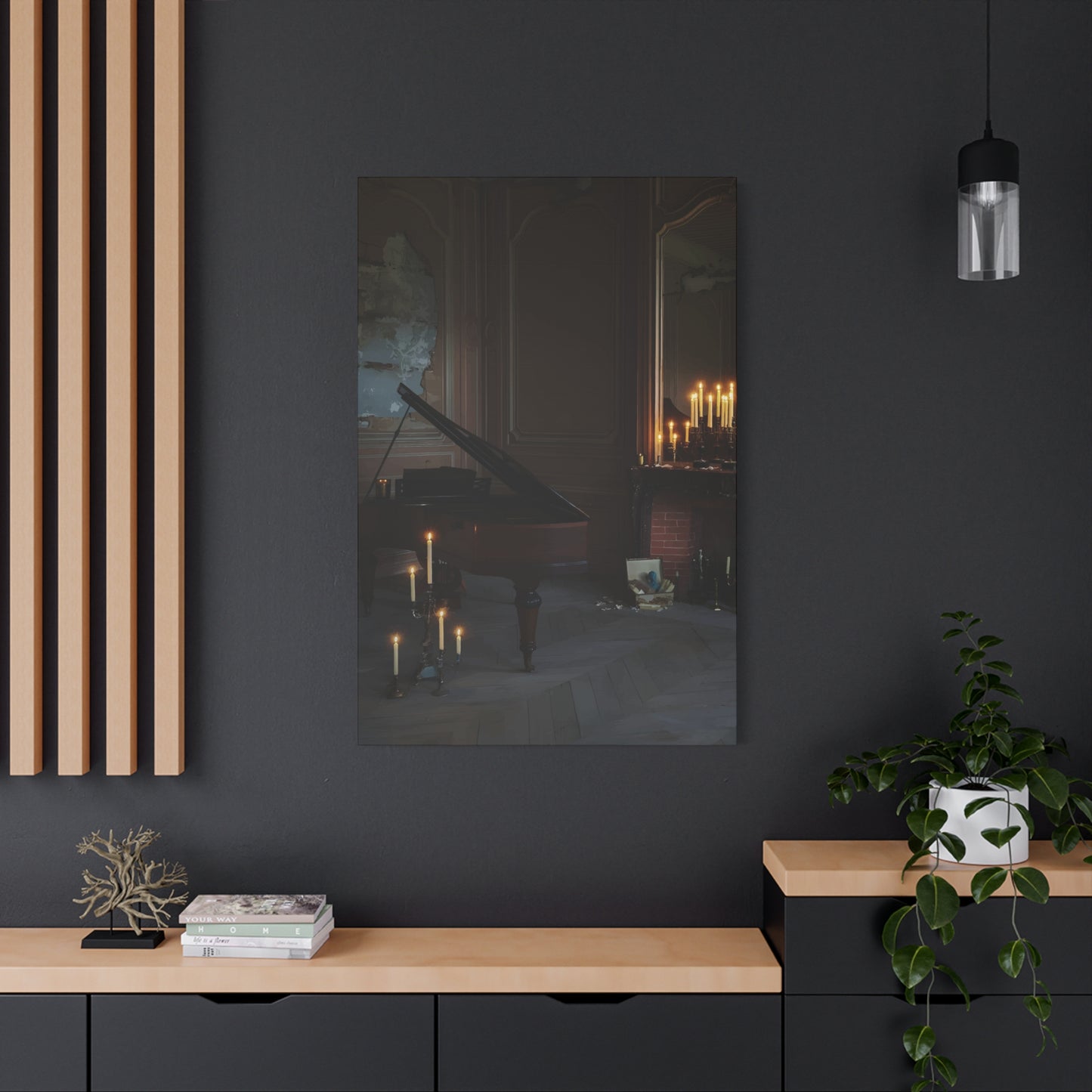


Candlelit Room Wall Art & Canvas Prints
Candlelit Room Wall Art & Canvas Prints
Couldn't load pickup availability
Warm Glow Through Art: Captivating Candlelit Room Wall Art to Illuminate Your Living Space
The allure of candlelit spaces has captivated humanity for centuries, representing warmth, intimacy, and tranquility. When translated into visual art for wall displays, these atmospheric scenes become powerful decorative elements that transform ordinary living spaces into sanctuaries of comfort and aesthetic pleasure. Candlelit room wall art encompasses a diverse range of artistic interpretations, from classical oil paintings depicting intimate chambers bathed in flickering light to contemporary photographic prints capturing the delicate interplay between shadow and illumination.
Discovering the Enchanting World of Illuminated Interior Artwork
The fascination with candlelit imagery in decorative wall pieces stems from humanity's primal connection to fire and light. Throughout millennia, flames have provided not only practical illumination but also symbolic significance representing hope, spirituality, and human resilience. When artists capture these elements within wall-mounted compositions, they create pieces that resonate on both conscious and subconscious levels with viewers.
Contemporary homes benefit tremendously from incorporating such atmospheric artwork. The visual representation of candlelight creates an immediate sense of warmth that cannot be replicated by other decorative choices. Unlike stark modern abstracts or cold minimalist pieces, candlelit room wall art introduces an element of humanity and lived experience into residential and commercial spaces. These works serve as visual anchors that draw the eye while simultaneously creating a sense of narrative within the room.
The spectrum of styles available within this genre ranges from hyperrealistic renderings that meticulously capture every nuance of wax, wick, and flame to impressionistic interpretations that focus on the emotional essence of illuminated spaces. Some pieces emphasize architectural elements bathed in candlelight, showcasing how artificial light interacts with walls, furniture, and decorative objects. Others concentrate on the candles themselves, presenting them as sculptural subjects worthy of detailed examination.
Artists working in this medium must master the challenging task of depicting light sources within their compositions. Unlike natural daylight or electric lighting, candle flames possess unique characteristics—they flicker, cast dancing shadows, and create warm color temperatures that shift between amber, gold, and crimson hues. Translating these ephemeral qualities into static visual media requires exceptional observational skills and technical proficiency.
The Mesmerizing Aesthetic Qualities That Define Luminous Chamber Artwork
When examining candlelit room wall art, several distinguishing aesthetic characteristics emerge that separate exceptional pieces from mundane reproductions. The treatment of chiaroscuro—the dramatic contrast between light and dark—stands as perhaps the most critical element. Master artists understand that shadows are not merely the absence of light but contain subtle gradations of tone and color that give depth and dimension to compositions.
The color palette employed in superior examples typically features warm tonalities that evoke emotional responses associated with comfort and security. Ochres, siennas, umbers, and burnt oranges dominate these pieces, occasionally punctuated by cooler shadows that provide visual balance. The interplay between warm highlights and cooler shadow regions creates visual interest that holds viewer attention far longer than monochromatic or single-temperature compositions.
Compositional arrangements in candlelit artwork often follow classical principles while allowing for contemporary interpretations. Many pieces employ the rule of thirds, positioning the primary light source at strategic intersection points that create natural focal areas. Others utilize radial compositions where illumination emanates from central candle groupings, creating concentric zones of brightness that gradually fade toward darker peripheries.
Textural rendering represents another crucial component that distinguishes masterful works from amateur attempts. The surface quality of depicted objects—whether smooth glass holders, rough-hewn wooden tables, or soft fabric curtains—must be convincingly portrayed through careful attention to how candlelight interacts with different materials. Reflective surfaces capture and multiply flame imagery, creating complex secondary light sources that add layers of visual complexity.
The atmospheric quality achieved through careful manipulation of edges and transitions separates truly immersive pieces from flat, lifeless renderings. Skilled artists employ soft, blended transitions in areas where light gradually fades into shadow, while maintaining sharper edges where objects interrupt light paths. This selective focus creates a sense of three-dimensional space that invites viewers to mentally step into the depicted environment.
Exploring Diverse Artistic Movements Featuring Illuminated Interior Scenes
Throughout art history, numerous movements and individual masters have explored themes of artificial illumination within interior settings. The Dutch Golden Age produced numerous examples of candlelit genre scenes, with artists like Gerrit van Honthorst and Matthias Stom creating intimate domestic tableaux illuminated by single candle sources. These works demonstrated remarkable technical sophistication in rendering complex lighting scenarios while simultaneously conveying narratives about daily life and human relationships.
The Baroque period elevated candlelit compositions to new heights of dramatic intensity. Artists like Georges de La Tour created spiritually charged works where solitary figures contemplated existence by candlelight. These pieces employed extreme tonal contrasts and simplified forms to create powerful emotional statements about mortality, faith, and the human condition. The stark reduction of detail in shadow areas focused attention on illuminated faces and hands, creating psychological intensity through visual economy.
Romantic era painters embraced candlelit scenes as vehicles for exploring mystery, emotion, and the sublime aspects of human experience. Caspar David Friedrich and other northern European artists depicted figures in darkened chambers where candlelight served as metaphorical representations of individual consciousness persisting against overwhelming darkness. These works resonated with contemporary philosophical movements emphasizing individual experience and emotional authenticity.
Impressionist and post-impressionist artists brought new approaches to depicting artificial light sources. Rather than emphasizing precise draftsmanship and smooth tonal gradations, these innovators explored how candlelight could be suggested through broken color and gestural brushwork. James McNeill Whistler's nocturnes, though often depicting exterior scenes, demonstrated principles applicable to interior candlelit compositions—using limited palettes and soft focus to create atmospheric effects.
Contemporary artists working with candlelit room wall art draw upon this rich heritage while incorporating modern sensibilities and materials. Some employ photographic media to capture candlelit environments with unprecedented fidelity, while others utilize digital tools to manipulate and enhance captured images. Mixed media approaches combining painting, photography, and collage elements create novel interpretations of traditional themes.
Selecting Appropriate Luminous Artwork for Various Residential Environments
The process of choosing candlelit room wall art for specific spaces requires consideration of multiple factors beyond simple aesthetic preference. Room size, existing color schemes, furniture styles, and lighting conditions all influence how effectively a piece will function within its intended environment. A massive canvas depicting an elaborate chandelier scene might overwhelm a small bedroom, while a delicate single-candle study could disappear on a large dining room wall.
Living rooms typically benefit from larger, more dramatic candlelit compositions that serve as conversation pieces and focal points. These social spaces accommodate bolder artistic statements, including pieces with stronger color saturation or more complex compositional arrangements. Works depicting multiple candles in elegant holders or elaborate candelabras align well with the formal yet comfortable atmosphere most homeowners seek in primary entertaining areas.
Bedrooms present ideal opportunities for more intimate candlelit scenes that promote relaxation and restfulness. Smaller-scale pieces depicting solitary candles or simple arrangements create soothing visual presences that don't overstimulate before sleep. Muted color palettes emphasizing softer contrasts work better in sleeping quarters than dramatic chiaroscuro pieces that might create visual tension.
Dining areas possess natural affinity for candlelit artwork, as actual candles frequently serve as table centerpieces during meals. Wall art reinforcing this theme creates cohesive design narratives that enhance dining experiences. Pieces depicting table settings with candles or close-up studies of elegant candlesticks complement the room's function while adding sophisticated visual interest.
Home offices and study spaces can benefit from candlelit imagery that evokes contemplation and focused concentration. Works depicting reading figures by candlelight or solitary candles on writing desks create associations with scholarly pursuits and intellectual endeavors. These pieces add warmth to spaces that might otherwise feel sterile or impersonal due to computer equipment and filing systems.
Bathrooms, despite their often-humid conditions, can successfully incorporate candlelit wall art when properly protected and framed. Spa-like atmospheres are enhanced by imagery of candles reflected in mirrors or arranged around bathtubs. These pieces reinforce the bathroom's role as a personal sanctuary while adding decorative refinement to a functional space.
Understanding Materials and Printing Methods for Luminous Artwork Reproductions
The physical substrate and reproduction method significantly impact how effectively candlelit room wall art translates from original creation to wall-ready product. Canvas prints remain among the most popular choices, offering texture that mimics traditional painting surfaces while providing durability and relatively affordable pricing. High-quality canvas reproductions utilize archival inks that resist fading when exposed to ambient light, ensuring decades of enjoyment.
Metal prints represent a contemporary alternative that creates stunning visual impact through a different aesthetic approach. When candlelit imagery is printed on aluminum surfaces, the inherent luminosity of metal enhances the depicted light sources, creating almost three-dimensional effects. Colors appear vibrant and saturated, while shadow areas achieve deep richness that sometimes surpasses paper-based reproductions.
Acrylic mounting provides yet another option that imparts depth and dimensional quality to candlelit compositions. When images are printed on photographic paper and then face-mounted to clear acrylic panels, light interacts with the artwork in unique ways. The transparent acrylic layer creates subtle reflections and refractions that add visual complexity, particularly effective for candlelit subjects where light manipulation forms the central theme.
Traditional framed prints on archival paper stock offer versatility and widespread appeal. Fine art papers specifically formulated for photographic reproduction capture extraordinary detail and tonal nuance essential for rendering subtle candlelight effects. Matte surfaces minimize unwanted reflections that might compete with depicted light sources, while slight textures add tactile interest to flat prints.
Wood-mounted prints introduce rustic or natural elements that complement certain candlelit compositions, particularly those depicting primitive or historical settings. Direct printing on prepared wood surfaces or mounting prints onto wooden substrates creates unique artifacts that feel substantial and permanent. Visible wood grain can enhance rather than detract from imagery when styles are carefully matched.
Examining Color Theory and Emotional Resonance in Flame-Illuminated Artwork
The psychological impact of candlelit room wall art derives partially from carefully orchestrated color relationships within compositions. Warm color dominance—particularly yellows, oranges, and reds associated with flame—triggers autonomic responses connected to safety, comfort, and social bonding. These evolutionary associations stem from millions of years when controlled fire represented security against predators, cold, and darkness.
However, sophisticated artworks avoid monotonous single-temperature palettes by incorporating strategic cool accents. Small touches of blue, green, or violet in shadow areas or reflective surfaces provide visual relief and prevent compositions from becoming cloying or oppressive. These cool notes create chromatic tension that makes warm areas appear even more luminous by contrast.
Color saturation levels critically affect emotional tone and appropriateness for different environments. Highly saturated candlelit compositions project energy and drama suitable for entertainment spaces or commercial installations. Desaturated versions of similar scenes convey subtlety, sophistication, and restraint appropriate for private chambers or professional offices. The same compositional arrangement can serve vastly different purposes depending solely on saturation choices.
Complementary color relationships—particularly orange and blue—frequently appear in masterful candlelit artwork. These opposing hues create maximum visual contrast while maintaining chromatic harmony. When flame-warmed surfaces are juxtaposed against cool blue shadows or distant windows revealing twilight skies, the resulting visual tension energizes compositions without creating discord.
Analogous color schemes utilizing adjacent hue relationships also serve candlelit subjects effectively. Progressions from deep reds through oranges to pale yellows create cohesive palettes that guide viewer attention from shadow zones toward illuminated focal points. These gradual transitions feel natural and unforced, mimicking actual perceptual experiences of moving through variably lit environments.
Positioning and Hanging Strategies for Maximum Visual Impact
Once appropriate candlelit room wall art has been selected, proper positioning transforms good pieces into outstanding design elements. Eye-level placement remains the general guideline, with artwork centers positioned approximately 57-60 inches above floor level—the average human eye height in standing position. However, furniture arrangements and room proportions sometimes necessitate adjustments to this standard recommendation.
Above sofas or beds, artwork should hang with bottom edges positioned 8-10 inches above furniture tops. This spacing creates visual connection between furniture and wall art while preventing pieces from appearing disconnected or floating. For candlelit compositions, this positioning often places depicted flame sources at comfortable viewing heights when seated, creating natural sight lines.
Gallery wall arrangements incorporating multiple candlelit pieces allow for creative storytelling through visual sequencing. Arranging several smaller works depicting progressively dimmer or brighter candlelit scenes creates narrative progression across wall surfaces. Maintaining consistent spacing between pieces—typically 2-3 inches—creates unified presentations that read as cohesive installations rather than random collections.
Lighting directed at candlelit artwork requires careful consideration to avoid ironic undermining of subject matter. Harsh spotlights or overly bright illumination can wash out subtle tonal gradations essential to candlelit compositions. Soft, diffused lighting from adjustable picture lights or strategically placed accent fixtures enhances visibility without overpowering artwork. Some collectors prefer minimal artificial lighting for candlelit pieces, allowing ambient room illumination to approximate the intimate viewing conditions the artwork depicts.
Corner placements offer unique opportunities for candlelit compositions, as these often-neglected spaces benefit from warming visual elements. Angular walls create interesting sightlines that allow artwork to be appreciated from multiple approach vectors. Candlelit scenes positioned in corners can make spaces feel more intimate and enclosed—desirable effects in reading nooks or conversation areas.
Crafting Cohesive Interior Design Schemes Around Illuminated Artwork
Building comprehensive design narratives that incorporate candlelit room wall art requires considering how all room elements interact to create unified aesthetic statements. Rather than treating artwork as afterthoughts added when spaces are otherwise complete, thoughtful designers consider major pieces during initial planning stages, allowing wall art to influence color selections, furniture choices, and accessory decisions.
Complementary textiles echoing colors within candlelit artwork create subtle visual connections that enhance overall coherence. Throw pillows, curtains, or area rugs incorporating burnt orange, deep amber, or chocolate brown hues found in candlelit compositions link disparate room elements into harmonious wholes. These connections need not be literal matches—slight variations in tone or saturation often create more sophisticated effects than exact duplications.
Actual candles and candleholders positioned around rooms containing candlelit wall art create obvious thematic reinforcement, though execution requires restraint to avoid heavy-handed results. Select real candles in styles and colors that complement rather than duplicate those depicted in artwork. Varying heights, widths, and holder designs adds visual interest while maintaining thematic consistency.
Furniture selections in rooms featuring candlelit artwork benefit from warm wood tones and traditional profiles that harmonize with the timeless quality most candlelit compositions possess. While contemporary furnishings can certainly coexist with candlelit wall art, pieces with overtly industrial or ultra-modern characteristics may create jarring aesthetic conflicts. Mid-century modern furniture often bridges this gap successfully, offering clean lines with warm materials.
Metallic accents throughout rooms provide opportunities for reinforcing the reflective qualities often depicted in candlelit artwork. Bronze, copper, and antique brass finishes on hardware, light fixtures, or decorative objects echo the warm metallic tones created when candlelight strikes reflective surfaces. These small details cumulatively enhance thematic unity without requiring major investment or commitment.
Preserving and Protecting Your Luminous Wall Art Investment
Proper conservation practices ensure candlelit room wall art retains its visual impact and monetary value across decades of display. Environmental control represents the first line of defense against deterioration. Relative humidity between 40-50% prevents paper-based prints from becoming brittle while discouraging mold growth. Avoiding temperature extremes and fluctuations prevents expansion and contraction that can crack paint layers or warp substrates.
Direct sunlight represents perhaps the gravest threat to candlelit artwork, ironically undermining pieces celebrating light itself. Ultraviolet radiation breaks down pigments and binders, causing irreversible fading and discoloration. Position artwork away from windows receiving direct sun, or install UV-filtering window films and glazing materials. Even indirect bright light gradually damages susceptible materials, making rotation and periodic rest periods advisable for particularly valuable pieces.
Cleaning protocols must be gentle and infrequent to avoid causing more harm than accumulated dust. For framed pieces behind glass, microfiber cloths slightly dampened with distilled water suffice for glass surfaces. Frames themselves can be dusted with soft brushes, always working away from artwork edges to avoid driving particles under mats or into frame channels. Never use commercial glass cleaners near artwork, as aerosol overspray can contaminate surfaces.
Canvas and unglazed artworks require even more cautious approaches. Light dusting with clean, soft bristle brushes removes surface accumulation without applying pressure that might abrade paint layers. Professional conservation cleaning should be performed every several years for valuable pieces, as conservators possess specialized knowledge and materials unavailable to general collectors.
Framing choices significantly affect preservation outcomes. Acid-free mats and backing boards prevent harmful chemicals from migrating into artwork. Spacers that create gaps between artwork and glazing prevent condensation contact and allow air circulation. Conservation-grade glazing with UV filtering provides crucial protection while maintaining visual clarity. These premium materials require higher initial investment but dramatically extend artwork lifespans.
Commissioning Custom Candlelit Compositions for Personalized Spaces
While mass-produced candlelit room wall art serves many collectors admirably, commissioning original works offers unparalleled satisfaction and unique results perfectly tailored to specific spaces and preferences. Working with contemporary artists creates opportunities for incorporating personal elements—favorite room configurations, meaningful objects, or specific color requirements—into candlelit compositions that literally cannot be duplicated.
The commission process typically begins with consultation meetings where patrons describe their vision, preferences, and intended placement locations. Bringing room photographs, color swatches, and measurement specifications helps artists understand contextual requirements. Discussing budget ranges early prevents misunderstandings and allows artists to propose appropriate media and scale options within financial parameters.
Many artists create preliminary sketches or digital mockups before beginning final works. These previews allow patrons to request adjustments to composition, color balance, or specific elements before artists invest substantial time in execution. Approval processes vary, but clear communication at this stage prevents disappointment and ensures finished works meet expectations.
Timeline discussions should account for both creation time and patron schedules. Rushed commissions rarely yield optimal results, as candlelit compositions require careful layer building and often necessitate drying periods between work sessions. Allowing 2-4 months for completion represents realistic expectations for moderately complex pieces, while larger or more detailed works may require 6-8 months or longer.
Pricing structures for commissioned candlelit artwork vary based on artist reputation, piece size, medium complexity, and regional market conditions. Emerging artists may charge $50-200 per square foot for original works, while established names command significantly higher rates. Clearly understanding what fees include—framing, shipping, insurance, reproduction rights—prevents confusion during final transactions.
Discovering Emerging Artists Specializing in Illuminated Interior Scenes
The contemporary art world includes numerous talented creators exploring candlelit themes through fresh perspectives and innovative techniques. Seeking out these emerging voices offers collectors opportunities to acquire significant works at accessible prices while supporting artistic careers. Online portfolios, social media platforms, and virtual gallery exhibitions provide unprecedented access to global talent pools.
Identifying promising artists requires developing discernment about technical proficiency, conceptual sophistication, and stylistic consistency. Examine multiple works from candidates to assess whether quality remains consistent or varies wildly. Review artist statements and interviews to understand intentions and philosophical approaches underlying surface aesthetics. Strong conceptual foundations typically correlate with sustained creative development across career trajectories.
Regional art fairs and open studio events offer invaluable opportunities for direct artist interactions and firsthand artwork examination. Viewing pieces in person reveals textural qualities, scale impacts, and color accuracies that digital reproductions cannot adequately convey. Conversations with artists provide insights into working methods, influences, and future directions that deepen appreciation and inform collecting decisions.
Emerging artist works often represent excellent investment potential beyond their immediate decorative value. As artists gain recognition and their works enter museum collections or prominent private holdings, earlier pieces appreciate substantially. While art should primarily be acquired for personal enjoyment rather than speculative investment, the possibility of appreciation adds dimension to collecting activities.
Supporting emerging artists through commissions, gallery purchases, or direct studio sales contributes meaningfully to cultural ecosystems. Many talented creators struggle financially despite producing significant work, and collector patronage literally enables continued artistic production. This relationship benefits both parties—artists gain financial support and validation, while collectors acquire meaningful works at favorable prices.
Incorporating Candlelit Wall Art Into Commercial and Hospitality Environments
Beyond residential contexts, candlelit room wall art serves important functions in commercial spaces where atmosphere and emotional resonance significantly impact customer experiences and business outcomes. Restaurants, hotels, spas, and retail establishments strategically deploy candlelit imagery to shape perceptions and influence patron behavior through environmental psychology principles.
Restaurant interiors particularly benefit from candlelit compositions that prime diners for intimate, leisurely experiences. Large-scale pieces in entry areas or above bar backs create immediate emotional tone, signaling refinement and attentiveness to ambiance. Smaller works in dining areas reinforce themes without overwhelming conversational spaces. Consistency across multiple pieces creates branded environments that become recognizable elements of restaurant identity.
Boutique hotels and bed-and-breakfast establishments utilize candlelit wall art to differentiate themselves from corporate chain properties. Carefully curated artwork collections that include candlelit pieces communicate authenticity, warmth, and attention to guest comfort. Varying artwork between rooms allows properties to create distinct identities for different accommodations while maintaining overall aesthetic coherence.
Spa and wellness facilities employ candlelit imagery as part of comprehensive sensory strategies designed to promote relaxation and stress reduction. Waiting areas, treatment rooms, and relaxation lounges benefit from gentle candlelit scenes that lower arousal levels and prepare clients for therapeutic services. Artwork selections should emphasize tranquility over drama, favoring soft contrasts and muted palettes.
Professional offices and corporate environments increasingly recognize the benefits of incorporating art that humanizes workspaces and reduces stress. Candlelit compositions in reception areas, conference rooms, or private offices soften institutional atmospheres while maintaining professional appearance. These pieces signal that organizations value employee and client wellbeing beyond mere functional efficiency.
Retail establishments selling home goods, luxury products, or lifestyle brands use candlelit wall art to create aspirational environments that encourage purchasing decisions. When products are displayed against backdrops featuring refined candlelit compositions, merchandise absorbs positive associations by proximity. This subtle psychological influence can significantly impact sales performance, particularly for higher-margin discretionary items.
Pairing Candlelit Artwork With Complementary Decorative Elements
Creating visually rich environments requires thoughtfully combining candlelit room wall art with compatible decorative objects, textiles, and architectural features. Rather than viewing artwork in isolation, consider how it participates in broader compositional arrangements encompassing entire walls or room sections. Three-dimensional objects placed on surfaces below wall art create visual conversations between flat and sculptural elements.
Console tables or sideboards positioned beneath candlelit artwork offer opportunities for creating curated vignettes. Arrange actual candleholders of varying heights alongside books, small sculptures, or natural elements like driftwood or stones. These compositions echo themes within the artwork while adding depth and layered interest. Maintain visual balance by varying object sizes and avoiding symmetrical arrangements that feel static.
Mirrors strategically placed near candlelit artwork multiply visual impact through reflection while reinforcing light-related themes. Antique or ornate frames complement traditional candlelit compositions, while sleek contemporary mirrors pair well with modern interpretations. Position mirrors to reflect artwork at angles rather than creating straight-on duplications, which can feel redundant rather than enriching.
Drapery and window treatments near candlelit artwork should enhance rather than compete with wall pieces. Heavy, light-blocking curtains in warm neutrals create cocoon-like environments that complement intimate candlelit scenes. Sheer fabrics that filter daylight soften harsh contrasts and create gentle, diffused lighting conditions similar to actual candlelight. Avoid busy patterns that create visual chaos when placed adjacent to detailed artwork.
Architectural elements including crown molding, chair rails, or decorative wall panels frame and contextualize candlelit artwork when color and material choices support cohesive design narratives. Painting these elements in colors drawn from artwork palettes creates subtle connections. Alternatively, neutral treatments allow colorful artwork to dominate while architectural features provide structure without distraction.
Greenery and living plants introduce organic counterpoints to candlelit room wall art's typically interior-focused compositions. The juxtaposition of living, growing elements with static representations of human-created light creates pleasing tensions between natural and artificial, living and preserved. Select plants with warm-toned foliage—burgundy, bronze, or deep green—that harmonize with candlelit palettes rather than introducing jarring color notes.
Exploring Symbolism and Deeper Meanings Within Candlelit Imagery
Beyond surface aesthetics, candlelit room wall art often carries layered symbolic meanings that add intellectual and emotional depth to decorative function. Understanding these dimensions enriches appreciation and can guide selection toward pieces resonating on multiple levels. Candles themselves possess rich symbolic associations accumulated across millennia of human cultural production.
Light persisting within darkness represents perhaps the most universal symbolic reading of candlelit imagery. This fundamental metaphor encompasses hope during difficult circumstances, human consciousness persisting despite mortality, and spiritual illumination penetrating material ignorance. Artwork emphasizing solitary flames within vast dark spaces amplifies these existential themes, creating contemplative pieces suitable for spaces dedicated to reflection.
The transitory nature of flame—constantly consuming itself, requiring continuous replenishment—symbolizes life's impermanence and the passage of time. Candlelit compositions depicting partially burned candles with dripping wax reference memento mori traditions reminding viewers of mortality. Such pieces carry philosophical weight appropriate for study spaces or private contemplation areas.
Multiple candles grouped together symbolize community, shared human experience, and collective illumination. Artwork depicting dinner tables surrounded by conversing figures lit by candelabras celebrates social bonds and the importance of gathering. These compositions suit communal spaces where people regularly assemble for meals or conversation.
Candlelight's warm quality versus the cold clarity of electric illumination represents humanity, authenticity, and connection to pre-industrial ways of living. In contemporary contexts saturated with digital screens and artificial lighting, candlelit artwork offers visual respite and reconnection with slower, more contemplative modes of existence. Pieces emphasizing this contrast appeal to those seeking balance between modern convenience and timeless human needs.
Religious and spiritual dimensions permeate much candlelit imagery, reflecting candles' ceremonial roles across numerous faith traditions. Votive candles represent prayers, wishes, and sacred intentions. Sabbath candles mark time as holy. Candlelit processions honor deities and commemorate events. Artwork incorporating these dimensions can serve contemplative or devotional functions within homes while retaining aesthetic merit for secular viewers.
Seasonal and Holiday Themes in Candlelit Wall Art
While candlelit room wall art serves year-round decorative purposes, certain pieces emphasize seasonal or holiday associations that create opportunities for rotating displays attuned to changing calendar cycles. This approach keeps interiors fresh and responsive to seasonal moods while allowing collectors to build diverse artwork portfolios that each receive featured display periods.
Winter-themed candlelit compositions naturally dominate holiday markets, depicting snow-covered windows with candles glowing inside frosty panes, or elaborate holiday table settings illuminated by candles among evergreen boughs and festive decorations. These pieces capture winter's unique quality of extended darkness broken by warm interior light sources—a contrast particularly resonant during cold months. Beyond strictly holiday imagery, winter candlelit scenes depicting people gathered around hearths or reading by firelight evoke universal winter experiences.
Autumn candlelit artwork often incorporates harvest themes—candles among pumpkins, gourds, and fall foliage, or rustic farmhouse settings with candlelight reflecting off preserves and root vegetables stored for winter. These pieces celebrate abundance and preparation rituals marking summer's end. Color palettes heavy on rust, amber, and chocolate tones naturally complement fall decorating schemes.
Spring and summer candlelit compositions are less common but no less evocative. Open windows admitting balmy evening breezes while candles flicker on nearby tables capture the pleasure of transitional weather. Garden party scenes with candles illuminating outdoor dining tables extend candlelit themes beyond interior boundaries. These lighter, airier interpretations suit warm-weather decorating preferences.
Holiday-specific candlelit artwork allows collectors to dramatically transform spaces seasonally without major furniture rearrangements. Swapping candlelit wall art creates focal point changes that signal seasonal transitions while requiring minimal effort. This approach particularly suits those living in regions with subtle climate variation where external seasonal cues may be limited.
Collecting seasonal variations on candlelit themes across years builds meaningful personal archives documenting collectors' evolving aesthetic sensibilities. Comparing newly acquired pieces with earlier selections reveals how tastes develop and preferences mature. These collections become visual diaries of aesthetic journeys while providing practical decorating flexibility.
Digital Versus Physical Media in Contemporary Candlelit Artwork
The digital revolution has fundamentally transformed how candlelit room wall art is created, distributed, and consumed. Understanding distinctions between digitally-originated works and those created through physical media helps collectors make informed decisions aligned with their values and preferences. Neither approach inherently surpasses the other—each offers distinct advantages and limitations.
Digital creation tools enable effects difficult or impossible to achieve through traditional media. Layers can be endlessly adjusted, colors precisely calibrated, and elements seamlessly combined from multiple sources. Digital artists can create hyperrealistic candlelit scenes incorporating photographs, rendered 3D objects, and painted elements within single compositions. These hybrid works expand creative possibilities while raising questions about authorship and originality.
Traditional physical media—oil paint, watercolor, charcoal, or pastels—create unique artifacts bearing traces of their creation processes. Brushstroke textures, paint buildups, and subtle surface variations distinguish originals from reproductions. Many collectors value these qualities as essential artwork characteristics, preferring pieces with physical histories and handmade authenticity. Even when reproduced as prints, works originated in physical media often retain distinct aesthetic qualities reflecting their creation methods.
Limited edition digital prints occupy middle ground between mass-produced reproductions and unique originals. When digital works are printed in small, numbered editions with artist signatures, they acquire scarcity and collectibility while remaining more accessible than one-of-a-kind pieces. Authentication certificates and edition limitations protect value by preventing unlimited reproduction.
NFTs and blockchain-based art ownership represent emerging frontiers in digital art collection, though applications to candlelit imagery remain relatively undeveloped compared to other contemporary art genres. These technologies potentially solve longstanding digital art problems around provenance and authentic ownership, though practical and environmental concerns continue generating debate.
Projection-based and screen-displayed digital art offers alternatives to static prints. High-resolution screens can display rotating collections of candlelit imagery, allowing collectors to vary displayed works daily or seasonally without physical storage concerns. However, the electronic presentation fundamentally alters viewing experiences, introducing screen glare, refresh rates, and power consumption considerations absent from traditional works.
Photographing and Documenting Your Candlelit Art Collection
Proper documentation of candlelit room wall art collections serves multiple purposes—insurance records, estate planning, online sharing, and personal memory keeping. However, photographing artwork that depicts complex lighting scenarios presents technical challenges requiring specific approaches and equipment for satisfactory results.
Lighting represents the primary hurdle when photographing candlelit compositions. The artwork already depicts dramatic contrasts between light and dark, and improper photographic lighting easily creates glare, washes out subtle gradations, or introduces color casts that misrepresent original pieces. Diffused, even illumination from multiple angles minimizes these problems. Professional copy stands with balanced lighting systems deliver superior results compared to handheld photography under room lighting.
Eliminating reflections from glazed or glossy artwork surfaces requires polarizing filters or carefully angled lighting. Cross-polarization techniques using polarized light sources and polarized lens filters can completely eliminate surface reflections, revealing artwork without interference. This professional technique produces documentation-quality images suitable for insurance purposes or high-end reproduction.
Color accuracy matters tremendously when documenting artwork, as candlelit pieces depend on subtle warm tones and shadow nuances. Using gray cards or color checkers within initial frames provides reference points for color correction during image processing. Shooting in RAW format preserves maximum color information for correction, while JPEG files' baked-in processing limits adjustment possibilities.
Resolution and file size considerations balance image quality against storage requirements and intended uses. Insurance documentation requires sufficient resolution to reveal condition details and signatures—typically minimum 3000 pixels on the longest dimension. Online sharing benefits from lower resolutions that load quickly while discouraging unauthorized reproduction. Maintaining master high-resolution files allows creating appropriately-sized versions for specific purposes.
Photographing installed artwork within room contexts captures how pieces function decoratively and interact with surrounding elements. These environmental shots complement close-up detail photographs in comprehensive documentation. Include room overviews showing artwork in relation to furniture, subsequent images from viewing distances where artwork is typically experienced, and finally close details revealing textures and fine points.
Insurance, Appraisal, and Value Assessment for Fine Art Collections
As candlelit room wall art collections grow in size and value, proper insurance coverage and professional appraisals become important protective measures. Understanding valuation principles and insurance options ensures collections receive adequate protection while avoiding overpayment for unnecessary coverage.
Replacement value versus market value represents a crucial distinction in artwork appraisal. Replacement value calculates what replacing identical or comparable pieces would cost at current market prices. Market value estimates what pieces might fetch if sold under normal conditions to willing buyers. These figures often differ substantially, with replacement values typically exceeding market values for all except the most exceptional pieces.
Professional appraisers specializing in fine art bring essential expertise to valuation processes. Qualified appraisers hold credentials from recognized organizations, demonstrate expertise in relevant artistic periods and media, and maintain professional indemnity insurance. They produce written reports documenting condition, provenance, comparable sales, and final valuations with supporting rationale. These formal appraisals satisfy insurance company and tax authority requirements while providing independent expert opinions.
Insurance options for art collections range from scheduling high-value pieces as riders on homeowners policies to obtaining dedicated fine art insurance policies. Scheduled items receive specified coverage amounts protecting against various perils. Dedicated art policies often provide broader coverage including mysterious disappearance, worldwide coverage, and market value appreciation provisions that standard policies exclude. Comparing options relative to collection size and value helps determine appropriate coverage levels.
Maintaining detailed inventory records including photographs, purchase receipts, provenance documentation, and appraisals creates essential foundations for insurance claims and estate planning. Digital databases with cloud backups ensure records survive the same catastrophes that might destroy collections. Update inventories regularly as acquisitions add to collections and market conditions affect values.
Security measures influence insurance costs and availability. Collections maintained in homes with monitored alarm systems, secure mounting hardware, and appropriate environmental controls may qualify for premium reductions. Conversely, inadequate security or poor environmental conditions might trigger coverage exclusions or higher premiums. Understanding insurer requirements before acquiring significant pieces prevents unpleasant surprises during claims processes.
The Role of Candlelit Imagery in Film, Theater, and Narrative Visual Media
Beyond static wall art, candlelit imagery plays crucial roles in cinema, theater, and other narrative visual forms, influencing how audiences experience stories and characters. Understanding these broader contexts enriches appreciation for candlelit still images while revealing why such imagery resonates so powerfully across media forms.
Historical and period dramas necessarily feature candlelight as primary illumination sources, grounding narratives in accurate period details while creating atmospheric visual signatures. Cinematographers working on period films face challenges similar to those confronting painters—how to create convincing candlelight effects while maintaining visibility of crucial visual information. Many films combine actual candles with supplemental controlled lighting that mimics candlelight characteristics without its unpredictability.
Horror and thriller genres exploit candlelit environments' inherent ambiguity and capacity for concealing threats just beyond illuminated circles. Flickering shadows create movement in supposedly empty rooms, while limited light ranges force characters into vulnerable positions where dangers might lurk invisibly nearby.
Final Thoughts
Captivating candlelit room wall art is a remarkable way to infuse your living space with an ambiance of warmth, serenity, and sophistication. The gentle glow of candlelight has long been associated with intimacy, calm, and relaxation, making it a perfect motif for transforming any room into a tranquil sanctuary. By bringing this imagery into your home through artistic expression, you create more than just a decorative element—you craft a mood, an atmosphere, and a feeling of timeless elegance that can redefine the way you experience your space.
Candlelit room wall art often conveys a sense of quiet contemplation and peacefulness. The soft flicker of flames, whether captured in the form of a still-life painting, a photographic image, or a stylized graphic design, evokes a sense of calm, inviting the viewer to pause and reflect. The beauty of candlelight, with its gentle, warm hues, can soften the mood of a room, creating a peaceful retreat from the fast-paced world outside. Whether it’s a lone candle on a windowsill, an elaborate candelabra, or an intimate gathering of candles illuminating a room, this type of artwork can transport you to a world of quiet solace, allowing you to unwind and recharge.
One of the most powerful aspects of candlelit room art is its ability to set the tone of a space. When displayed in living rooms, bedrooms, or dining areas, the depiction of candles can instantly create a cozy, welcoming environment, making it ideal for spaces meant for relaxation or socializing. It’s particularly effective in areas where you want to foster a sense of intimacy and warmth, such as reading corners, meditation spaces, or areas designated for conversation and connection. The imagery of candlelight also pairs beautifully with soft textiles, warm-toned furnishings, and dim lighting to accentuate its natural glow.
What makes candlelit room wall art so versatile is its ability to blend seamlessly with various interior design styles. In a modern minimalist space, the depiction of a single candle or a series of abstract candle flames can add a touch of elegance and simplicity without overwhelming the room. In contrast, in a more rustic or vintage-inspired space, a detailed painting of an old-fashioned candelabra or candle-lit chandelier can complement the room’s nostalgic, timeless charm. Whether you prefer a contemporary or traditional aesthetic, candlelit art offers the flexibility to enhance your décor with a touch of warmth and personality.
Beyond its visual appeal, candlelit room art also carries symbolic meaning. Candles have long been associated with light in darkness, offering hope, comfort, and guidance. This symbolism makes candle-themed artwork especially meaningful for creating spaces of reflection or meditation. The flicker of a candle often represents a source of inner strength, calm, and even spiritual illumination. Whether you interpret it as a symbol of peace, hope, or the quiet beauty of the simple things in life, the candle’s soft light is universally recognized as a comforting presence.
Candlelit room wall art can also play a role in enhancing the atmosphere of a space depending on the time of day or the season. For instance, during the colder months or the evening, the presence of candlelight art can evoke a sense of coziness and warmth, making the room feel inviting and safe. In contrast, during the warmer months, it can add a touch of romanticism or understated luxury to a space, perfect for evening gatherings or moments of solitude. The changing light of day and night, coupled with the art’s portrayal of flickering flames, mirrors the natural rhythms of life, adding another layer of depth to the art’s aesthetic and emotional impact.
Another layer of magic comes from the interplay of light and shadow in candlelit artwork. The visual effect of candlelight casting shadows on nearby walls or objects is one of the most intriguing aspects of the imagery. This interplay between light and dark can add a sense of depth and texture to the artwork, making it feel almost alive. The soft glow of candlelight contrasts beautifully with the surrounding darkness, creating a dynamic visual experience that feels warm, inviting, and peaceful. This effect can be particularly captivating when the art is placed in a room with soft, ambient lighting, where the artwork itself seems to come to life and radiate warmth.
For those who enjoy customizing their space, candlelit room wall art can easily be tailored to suit personal tastes and preferences. There are countless styles to explore, from hyper-realistic renderings of flickering candles in a darkened room to more abstract representations that focus on the warm tones and fluid shapes of candlelight. These pieces can range from simple, minimalist works to intricate, detailed compositions. With a variety of framing options, you can choose to highlight the art with dark, moody frames to intensify the sense of drama or light-colored frames to keep the focus on the art itself and evoke a softer feel.
Candlelit room wall art also works wonderfully as a gift. Whether it’s for a housewarming, an anniversary, or just to brighten someone’s space, a piece that celebrates the serene beauty of candlelight is an excellent choice. Its universal appeal and emotive qualities make it a thoughtful and timeless gift, one that can add both beauty and meaning to a loved one’s home.
In conclusion, captivating candlelit room wall art offers a sophisticated way to elevate your living spaces by creating a sense of warmth, tranquility, and elegance. The imagery of candlelight, with its association to peace, hope, and intimate gatherings, can transform any room into a calm, inviting retreat. Whether you choose a minimalist depiction of a single candle or an elaborate painting of a candle-lit room, this art style will breathe life into your space, infusing it with both light and beauty. Beyond its aesthetic qualities, candlelit art encourages reflection, evoking emotions of peace and comfort. By incorporating this kind of wall art into your home, you not only enhance your décor but also invite the calming, illuminating power of candlelight into your daily life.
Share