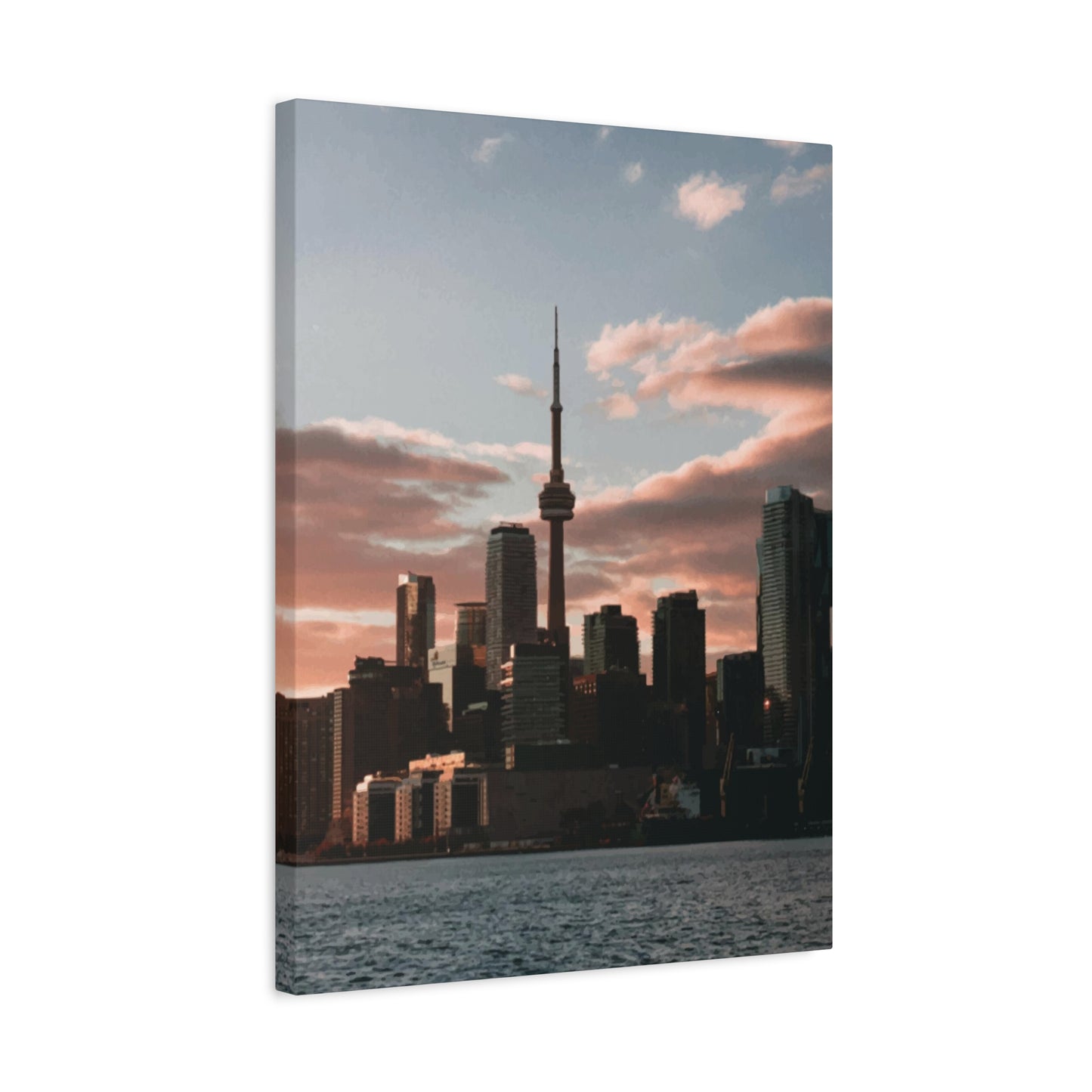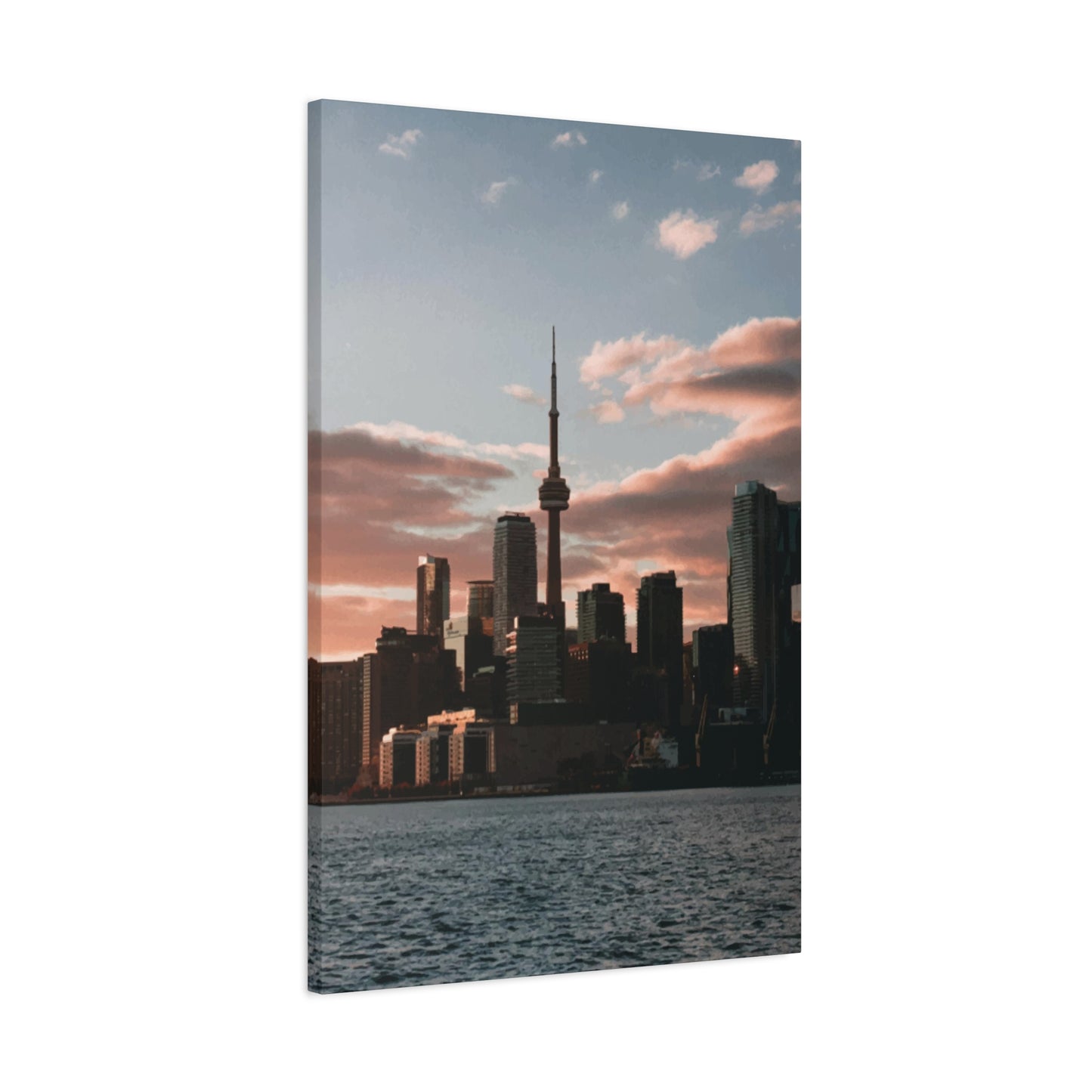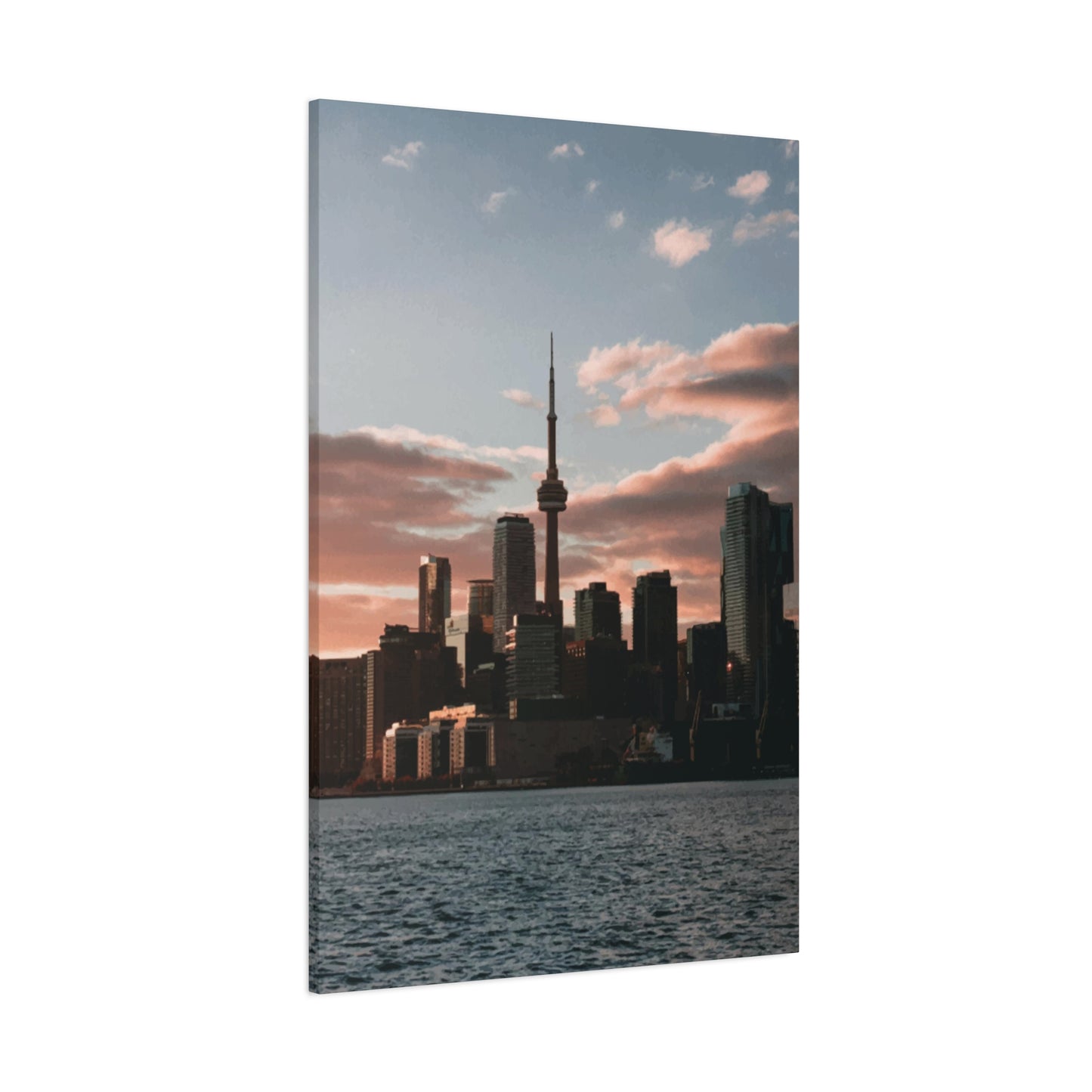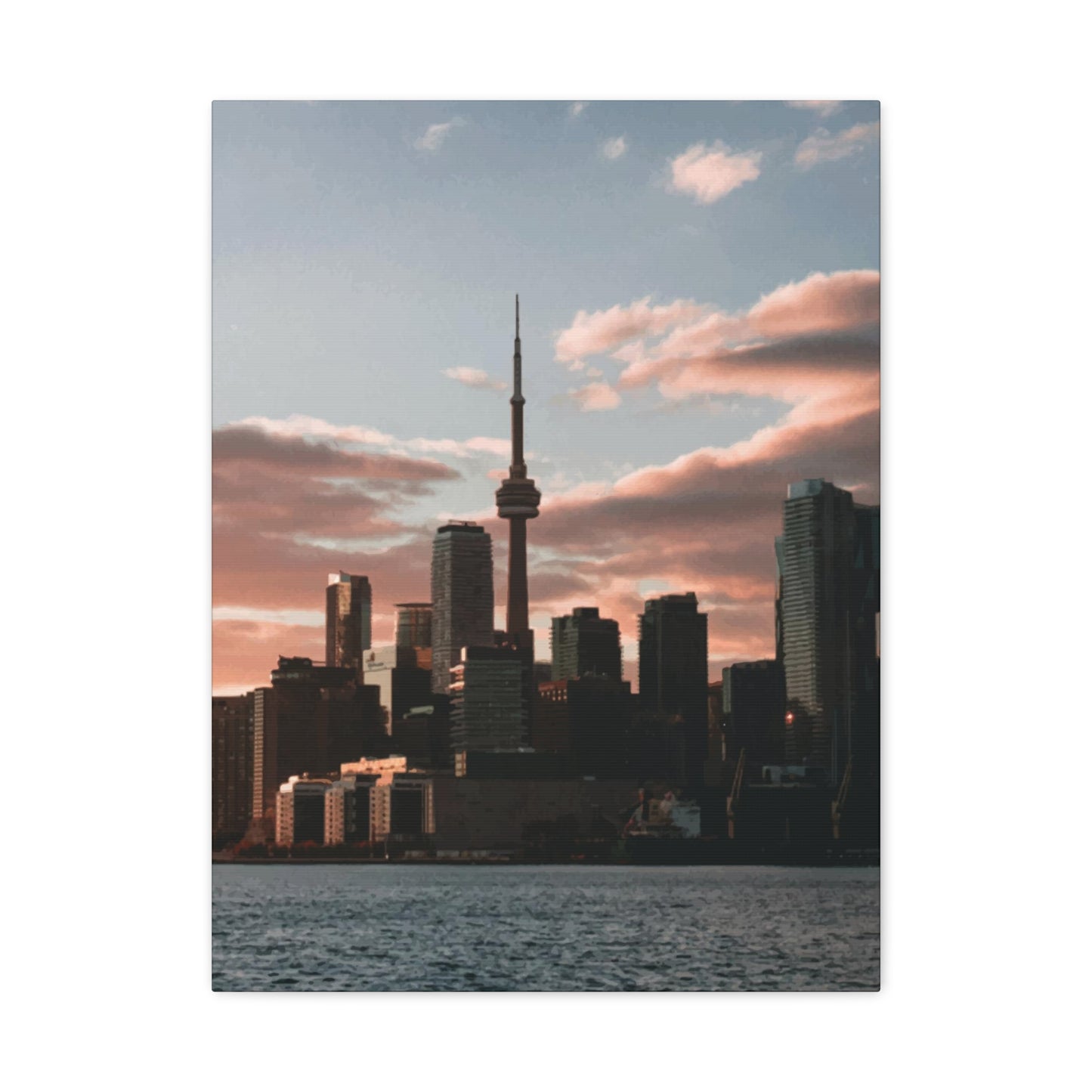


Canada Wall Art & Canvas Prints
Canada Wall Art & Canvas Prints
Couldn't load pickup availability
Experience the Natural Elegance of Canada Wall Art to Bring Canada’s Beauty to Your Home
The allure of Canadian landscapes, wildlife, and cultural symbols has captivated interior designers and homeowners alike for generations. When considering ways to breathe new life into residential or commercial spaces, incorporating Canada wall art offers an exceptional opportunity to celebrate the natural grandeur and cultural richness of the Great White North. From the majestic Rocky Mountains stretching across British Columbia and Alberta to the vibrant autumn forests of Quebec and Ontario, Canadian imagery provides endless inspiration for creating captivating visual displays that resonate with both locals and admirers from around the globe.
The concept of adorning interior walls with Canadian-themed artwork transcends mere decoration; it represents a profound connection to the land, its people, and the countless stories woven throughout this vast nation's geography. Whether you're a proud Canadian seeking to showcase your heritage, an expatriate longing for familiar sights, or simply someone who appreciates the raw, untamed beauty that characterizes Canada's diverse ecosystems, selecting the right pieces can dramatically alter the atmosphere of any room.
Contemporary interior design increasingly emphasizes the importance of creating spaces that reflect personal identity and values. In this context, Canada wall art serves multiple purposes simultaneously. It functions as a conversation starter, drawing guests into discussions about travel experiences, natural wonders, or cultural heritage. It acts as a daily reminder of cherished memories, whether that's a family vacation to Banff National Park, a memorable trip to see the Northern Lights in Yukon Territory, or simply an appreciation for the country's commitment to preserving wilderness areas.
The market for Canadian-themed decorative pieces has expanded significantly in recent years, driven by growing interest in locally-inspired design elements and a broader cultural movement toward celebrating regional identity. This surge in popularity has resulted in an impressive variety of artistic styles, mediums, and price points, making it possible for virtually anyone to find pieces that align with their aesthetic preferences and budget constraints.
The Diverse Range of Artistic Styles Available in Canadian-Themed Interior Decoration
When embarking on the journey to select Canada wall art for your space, understanding the breadth of available styles proves invaluable. The Canadian artistic landscape encompasses everything from traditional Indigenous art forms that predate European contact to cutting-edge contemporary pieces that challenge conventional notions of representation. This remarkable diversity ensures that regardless of your existing décor scheme or personal taste, you'll discover options that harmonize beautifully with your vision.
Photographic representations of Canadian scenery constitute one of the most popular categories within this genre. Professional photographers spend countless hours in remote locations, waiting for optimal lighting conditions to capture images that do justice to Canada's spectacular natural environments. These photographs range from grand panoramic vistas showcasing the scale of Canadian wilderness to intimate close-ups highlighting the delicate details of native flora and fauna. The advantage of photographic pieces lies in their ability to transport viewers to specific locations, evoking the sensory experience of actually being present in these remarkable settings.
Paintings and illustrated works offer a different dimension to Canadian-themed decoration. Artists working in oils, acrylics, watercolors, and mixed media bring their unique interpretations to familiar Canadian subjects. Some painters favor realistic approaches that closely mirror photographic accuracy, while others embrace impressionistic, abstract, or expressionistic techniques that prioritize emotional resonance over literal representation. The Group of Seven, a collective of Canadian landscape painters active in the early twentieth century, established a distinctly Canadian artistic tradition that continues to influence contemporary creators. Their bold use of color and emphasis on the rugged character of the Canadian wilderness set a precedent that many modern artists still reference and reinterpret.
Indigenous artistic traditions represent another crucial dimension of Canada wall art. First Nations, Inuit, and Métis artists have developed sophisticated visual languages over millennia, creating works that encode cultural knowledge, spiritual beliefs, and historical narratives. Contemporary Indigenous artists often blend traditional motifs and techniques with modern materials and concepts, producing pieces that honor ancestral practices while speaking to current realities. Incorporating Indigenous artwork into your space not only adds visual interest but also demonstrates respect for the original inhabitants of the land and their ongoing cultural contributions.
Vector-based designs and minimalist interpretations have gained considerable traction among younger demographics and those favoring contemporary aesthetics. These pieces typically feature simplified representations of Canadian symbols—stylized maple leaves, geometric mountain ranges, or abstracted wildlife silhouettes—rendered in bold colors or monochromatic palettes. The clean lines and uncluttered compositions characteristic of this style complement modern architectural elements and furnishings, creating cohesive visual environments that feel fresh and current.
Vintage-inspired and retro designs tap into nostalgia for mid-century travel posters and advertisements that promoted Canadian destinations and attractions. These pieces often feature distinctive typography, limited color palettes dominated by saturated hues, and simplified illustrations that evoke a sense of optimism and adventure associated with post-war prosperity. For individuals decorating spaces with mid-century modern furniture and accessories, vintage-style Canadian artwork provides perfect thematic continuity.
Selecting Subject Matter That Resonates with Your Personal Connection to Canada
The subject matter you choose for your Canada wall art plays a crucial role in determining how effectively the pieces integrate into your space and contribute to the overall ambiance you wish to create. Canadian imagery encompasses an enormous range of potential subjects, each carrying distinct associations and emotional valences. Thoughtful consideration of which themes and subjects resonate most deeply with your personal experiences and aesthetic preferences will guide you toward selections that provide lasting satisfaction.
Landscape imagery remains perennially popular, and for good reason. Canada's geographical diversity offers seemingly infinite variations on natural beauty. The towering peaks of the Rockies, with their snow-capped summits and pristine alpine lakes, evoke feelings of grandeur and sublime majesty. Coastal scenes from British Columbia, featuring dramatic rocky shorelines and temperate rainforests, communicate a different sort of power—the relentless energy of the Pacific Ocean meeting the stability of ancient forest ecosystems. The vast prairies of Saskatchewan and Manitoba, with their endless horizons and expansive skies, suggest freedom, possibility, and the pioneering spirit that shaped the nation's development. Maritime provinces offer rugged Atlantic coastlines, charming fishing villages, and the distinctive red cliffs of Prince Edward Island. Northern territories present otherworldly landscapes where permafrost, tundra, and dramatic seasonal light variations create environments unlike any other on Earth.
Wildlife subjects provide another compelling category for Canada wall art. The country's fauna includes numerous iconic species that have become synonymous with Canadian identity. Moose, with their impressive antlers and seemingly awkward yet perfectly adapted bodies, represent the boreal forest ecosystem that covers much of the country. Bears—both grizzly and black varieties—embody the wild, untamed character of Canadian wilderness. Wolves, functioning as apex predators in many ecosystems, symbolize the complex ecological relationships that maintain environmental balance. Caribou, performing their epic migrations across Arctic and subarctic regions, demonstrate the remarkable adaptations that enable life in extreme conditions. Beavers, having served as a driving force behind early European exploration and settlement, appear on the Canadian nickel and various official emblems. Birds ranging from the common loon, whose haunting call defines the soundscape of Canadian lakes, to majestic eagles and migrating waterfowl, offer additional subject possibilities.
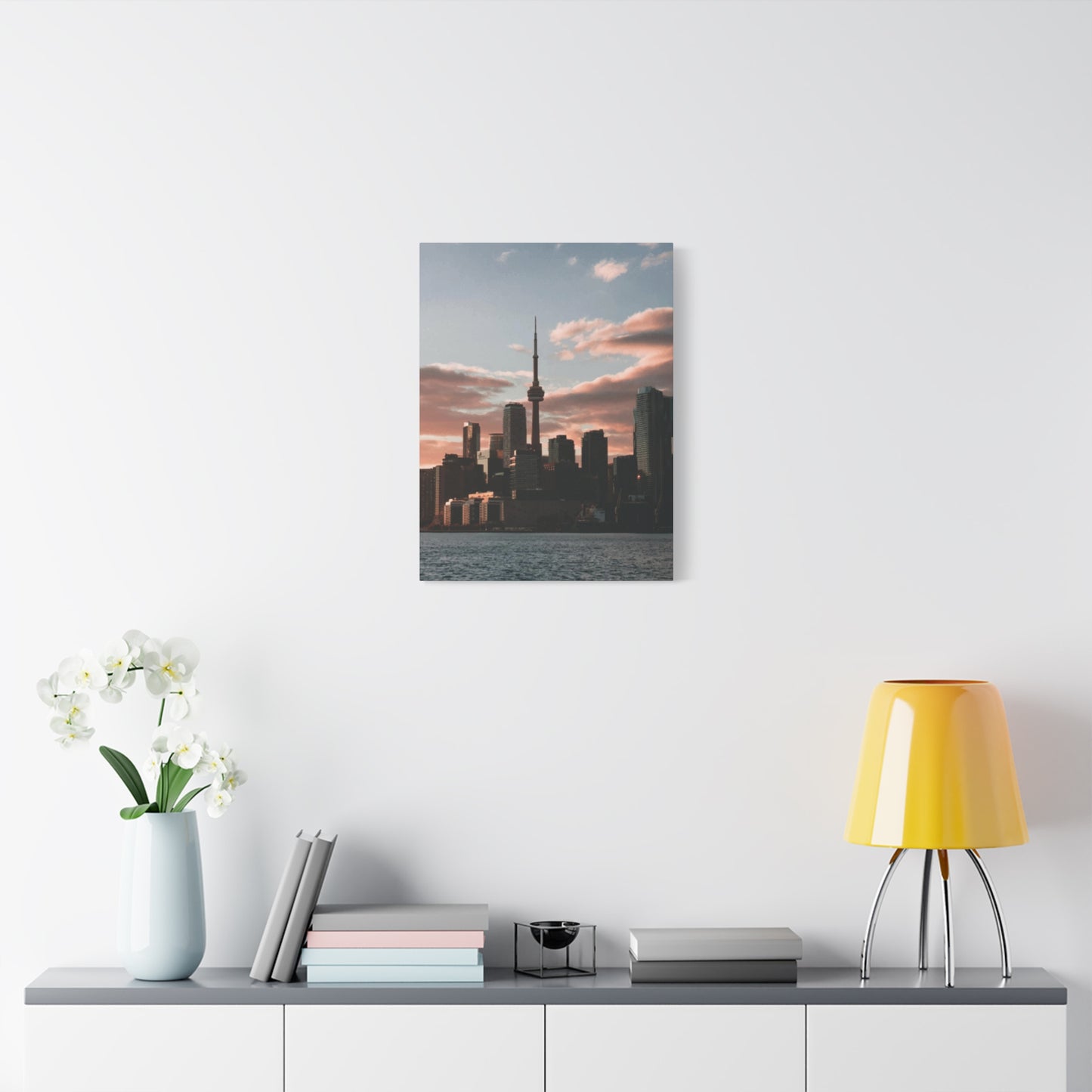
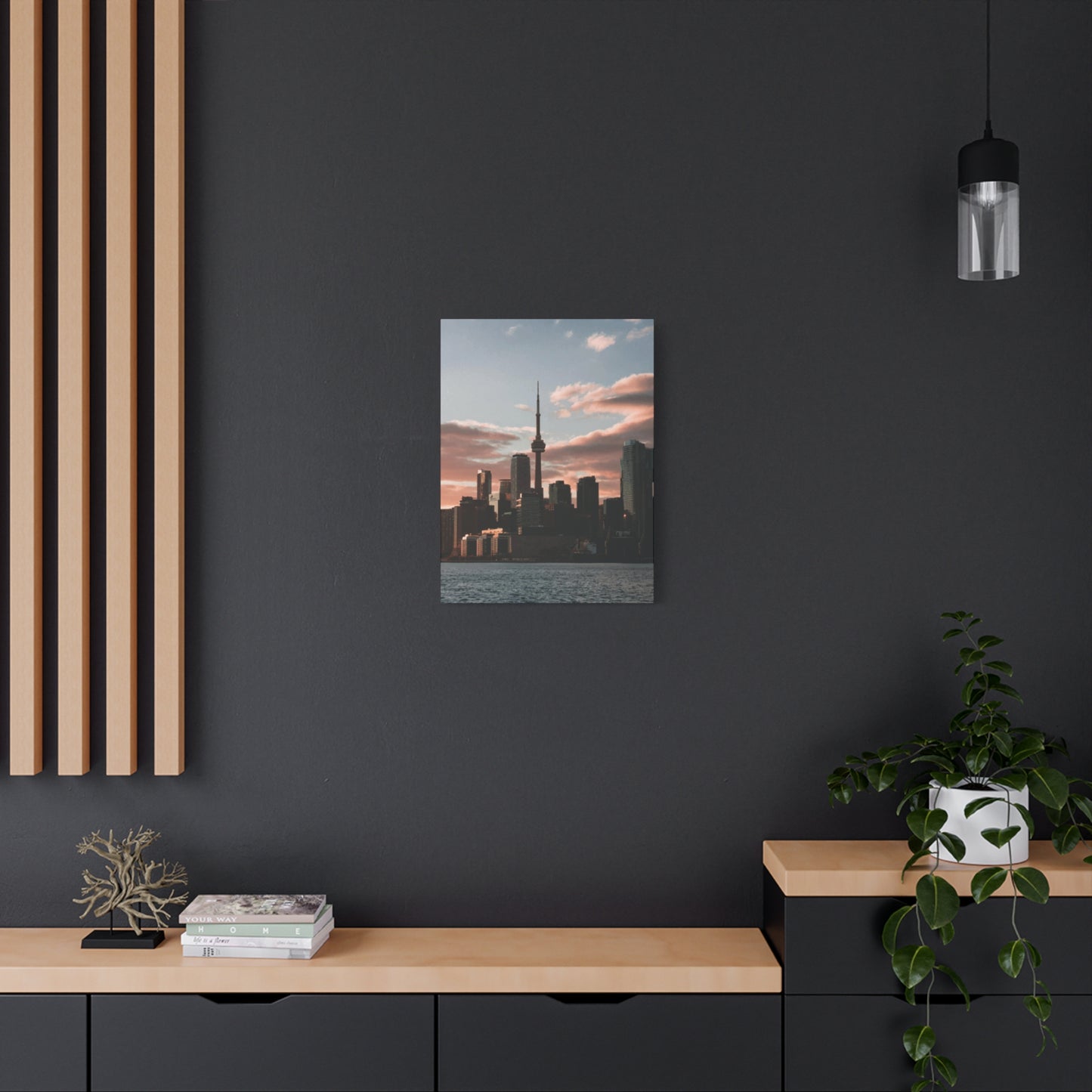
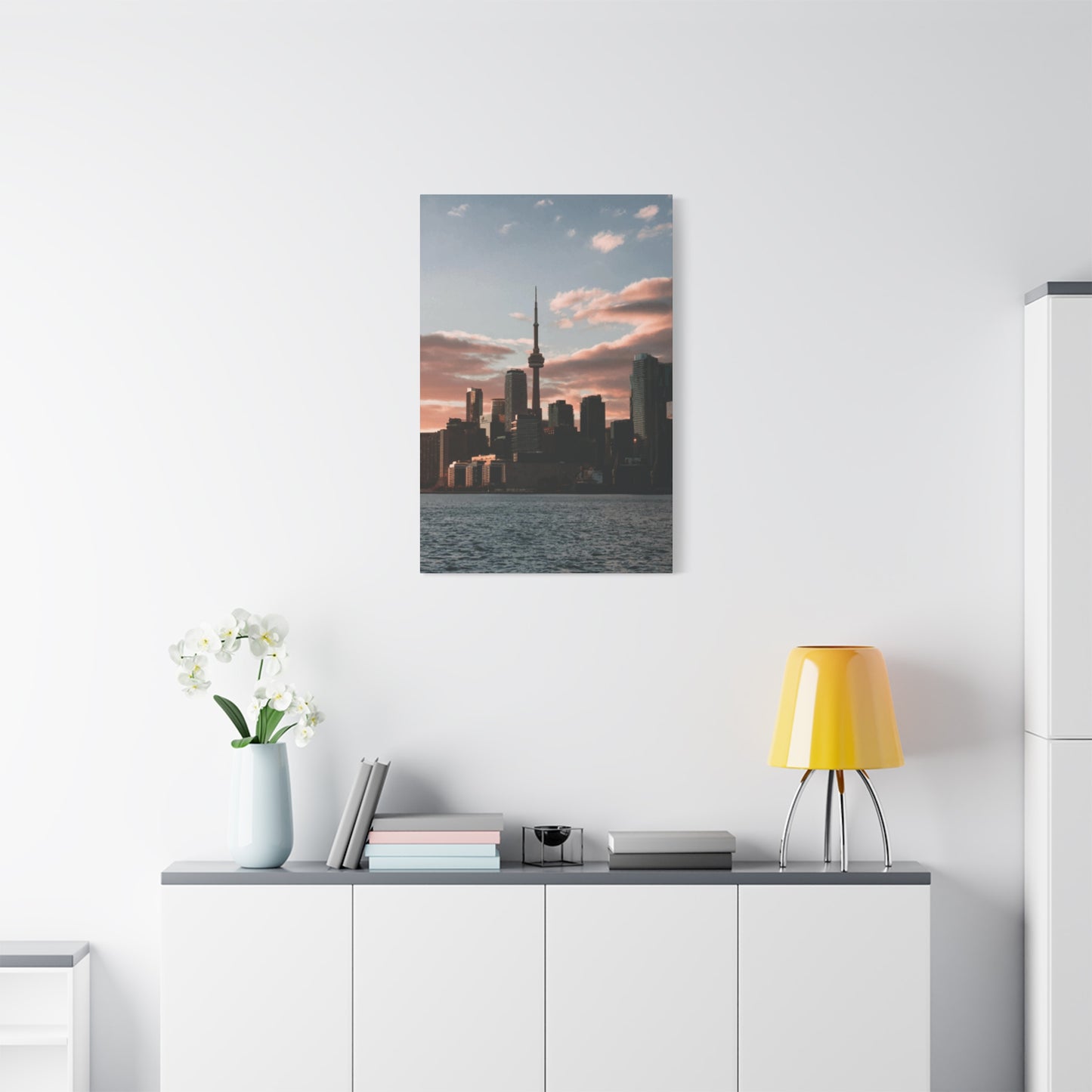
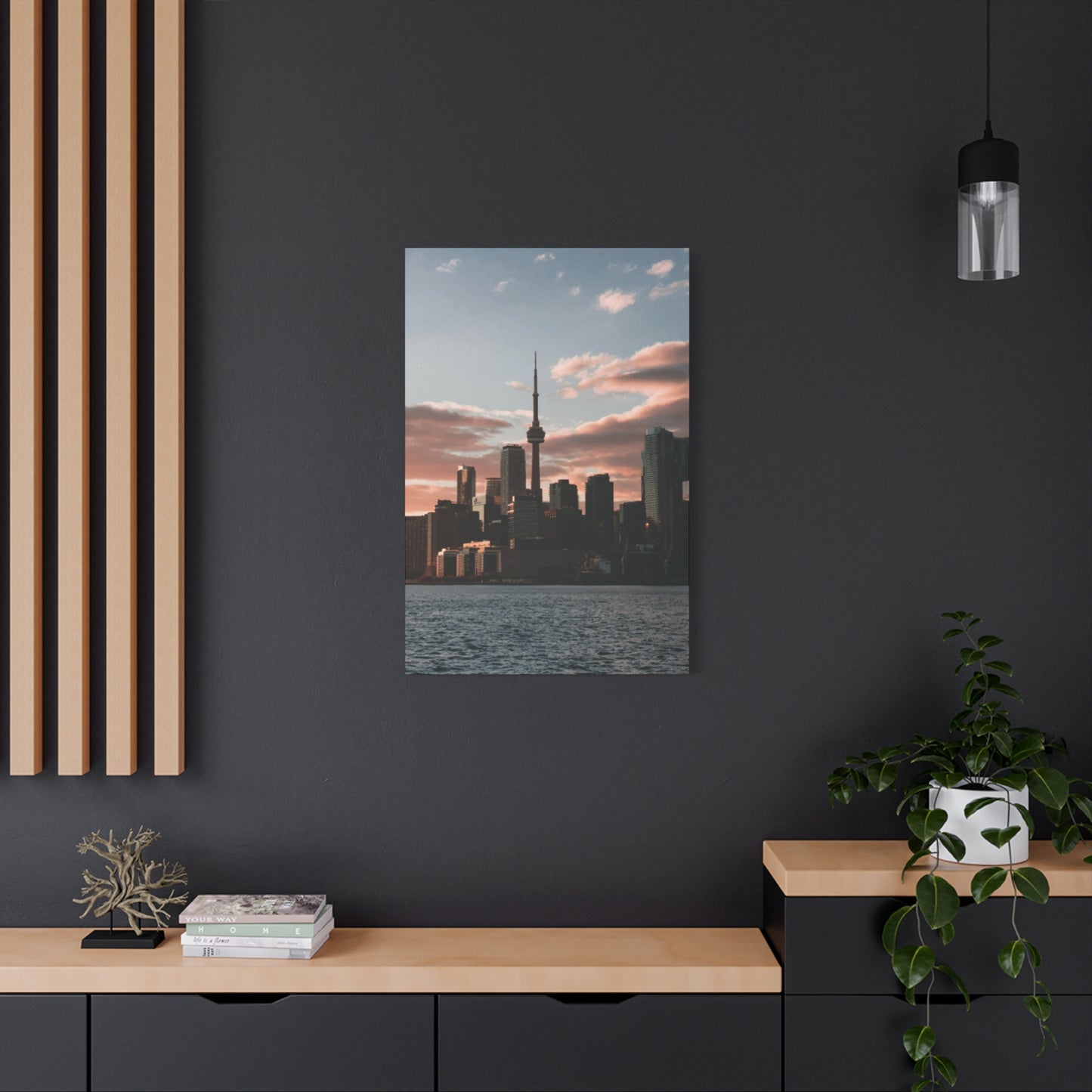
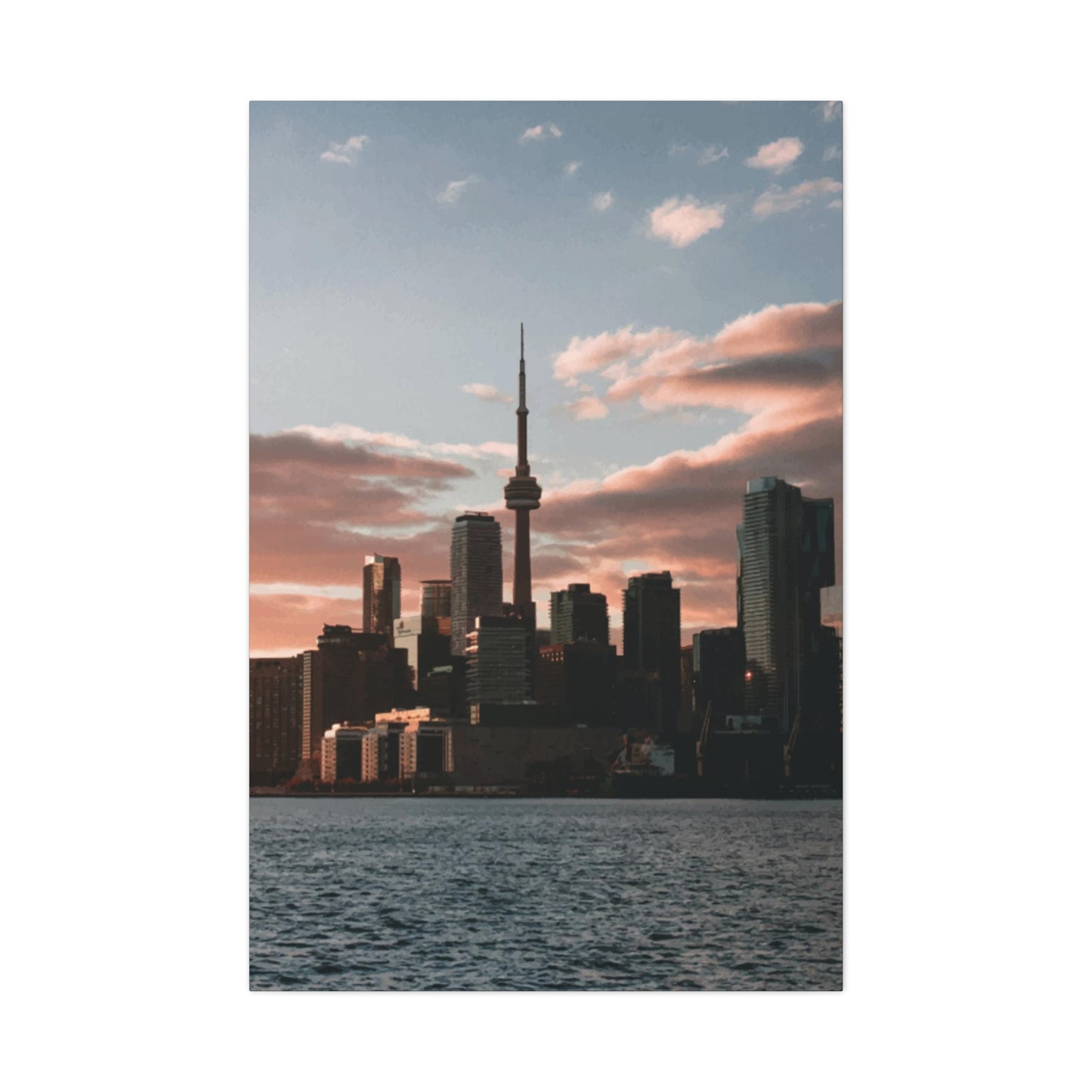
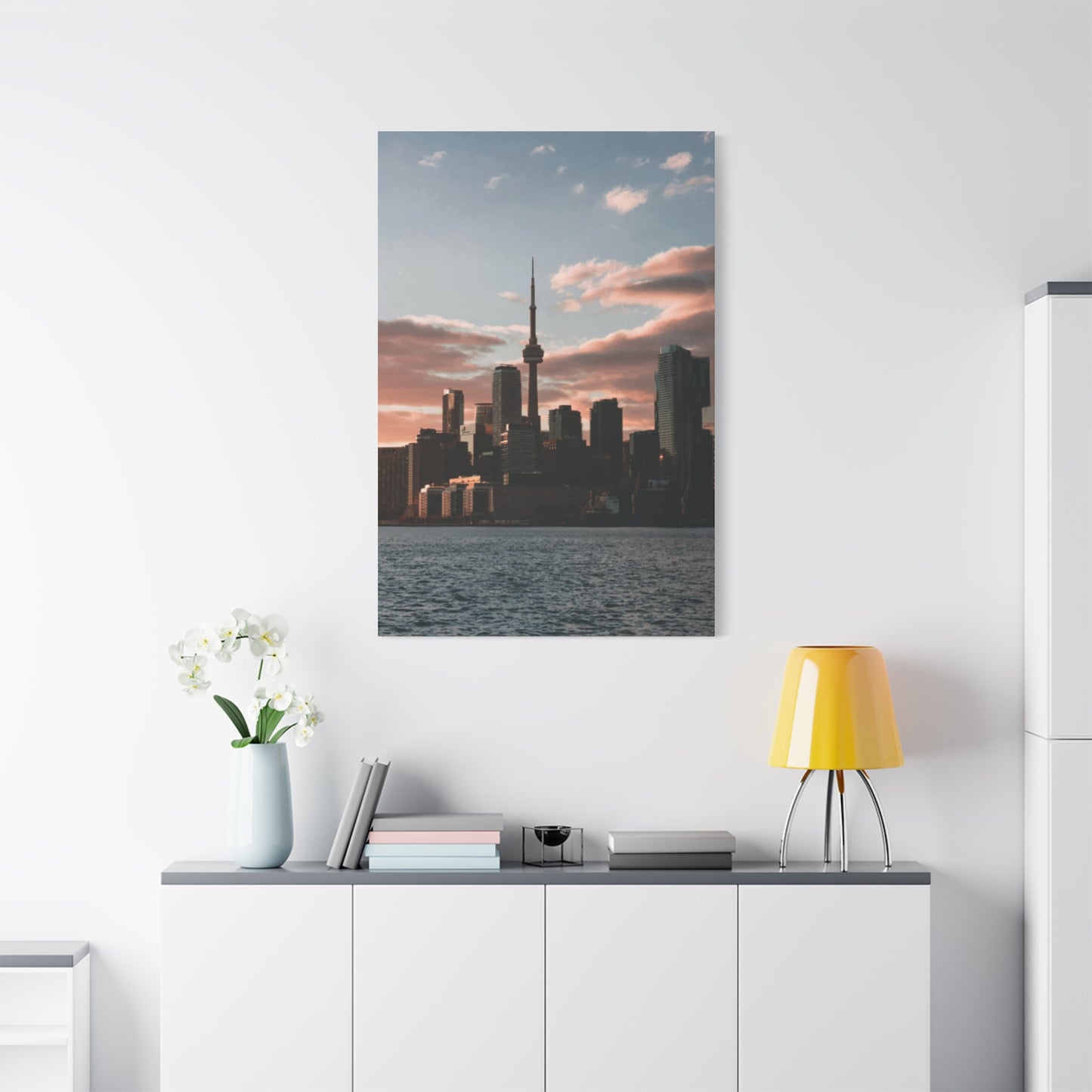
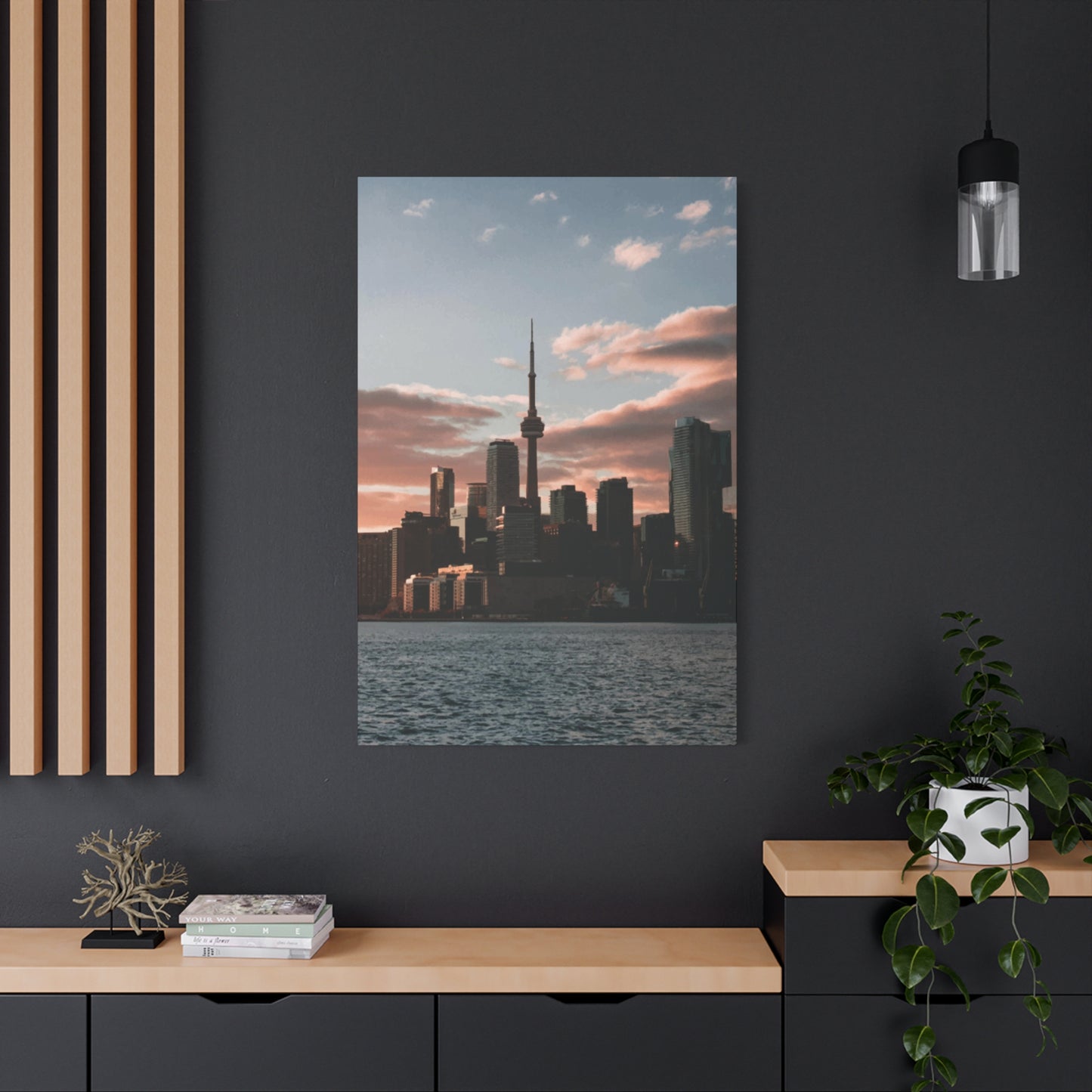
Urban and architectural subjects provide alternatives to purely natural themes. Canada's cities each possess distinctive characters and landmark structures worth celebrating through visual art. Toronto's skyline, dominated by the CN Tower, represents cosmopolitan diversity and economic vitality. Montreal's blend of European-influenced architecture and modern development reflects Quebec's unique cultural position. Vancouver's setting, with mountains rising behind the city and water on multiple sides, creates one of the world's most visually striking urban environments. Historic buildings, from Maritime lighthouses to Prairie grain elevators to Indigenous longhouses, document architectural heritage and regional building traditions.
Cultural symbols and emblems offer more abstract representations of Canadian identity. The maple leaf, appearing on the national flag and countless other official and unofficial contexts, serves as an instantly recognizable shorthand for all things Canadian. Hockey imagery—whether vintage equipment, iconic arenas, or action shots from memorable games—celebrates the sport that many consider inseparable from national identity. References to Canadian multiculturalism, bilingualism, and values like peacekeeping and environmental stewardship can be encoded into artistic compositions in various ways, creating pieces that communicate ideas as well as aesthetics.
Seasonal imagery allows you to emphasize particular times of year that hold special significance. Autumn foliage displays in Eastern Canada rank among the world's most spectacular, with sugar maples and other deciduous species creating landscapes ablaze with red, orange, and yellow hues. Winter scenes featuring snow-covered landscapes, frozen lakes suitable for skating, or Northern Lights dancing across dark skies capture the magic and challenge of Canadian winters. Spring subjects might focus on ice breaking up on rivers, wildflowers emerging in alpine meadows, or the return of migratory birds. Summer imagery celebrates long days, lush vegetation, and outdoor recreation opportunities that draw people to lakes, mountains, and coastlines.
Understanding Different Materials and Production Methods for Canadian Artwork Displays
The physical characteristics of Canada wall art—the materials used in its production and the methods by which images are transferred to those materials—significantly impact both aesthetic qualities and practical considerations like durability, maintenance requirements, and cost. Gaining familiarity with common production methods empowers you to make informed decisions that balance visual appeal with practical constraints.
Canvas prints represent one of the most popular options for reproducing photographic and painted images. This method involves printing an image onto canvas material, which is then stretched over a wooden frame structure. Canvas offers several advantages that explain its widespread popularity. The texture of canvas adds depth and visual interest that flat prints on paper cannot match, creating a more dynamic viewing experience as light plays across the textured surface. Canvas prints successfully mimic the appearance of original paintings, lending an artistic quality to photographic images. The material proves remarkably durable, resisting tears and damage better than paper-based alternatives. Canvas also offers flexibility in sizing, easily accommodating everything from modest pieces suitable for small wall sections to expansive installations that dominate entire walls.
Metal prints have emerged as an increasingly popular choice, particularly for contemporary and photographic Canadian imagery. This production method infuses dyes directly into specially coated aluminum sheets through a heat transfer process. The resulting images exhibit exceptional clarity, with brilliant colors and remarkable detail resolution. Metal's inherent properties provide unique aesthetic qualities—colors appear more vibrant and saturated than on other materials, and the surface can range from glossy to matte depending on the coating used. Metal prints offer practical advantages as well, being virtually waterproof, resistant to fading, and easy to clean. The sleek, modern appearance of metal prints complements contemporary décor schemes particularly well, though they can be successfully incorporated into a variety of design contexts.
Acrylic prints represent another premium option for displaying Canadian imagery. This method involves mounting a print behind a clear acrylic panel, which serves as both a protective covering and a lens that intensifies colors and adds exceptional depth to images. Looking at an acrylic print creates an almost three-dimensional viewing experience, as if you could step through the surface into the scene depicted. The glossy finish characteristic of acrylic enhances color vibrancy and creates striking light reflection effects. Like metal prints, acrylic pieces convey a distinctly modern aesthetic that appeals to those favoring contemporary design sensibilities. The material's durability and ease of maintenance make it practical for high-traffic areas or spaces where pieces might be exposed to moisture or temperature fluctuations.
Framed prints offer the most traditional approach to displaying Canada wall art. This category encompasses enormous variety, from simple black or white frames holding basic paper prints to elaborate custom framing featuring museum-quality matting, UV-protective glass, and handcrafted frames made from premium materials. The frame selection profoundly impacts the overall appearance and how well the piece integrates with surrounding décor. Rustic wooden frames complement cabin or lodge aesthetics and reinforce connections to natural subjects. Sleek metal frames suit modern spaces and urban subjects. Ornate, traditional frames might be appropriate for certain vintage-inspired pieces or in rooms decorated with classic furnishings. Matting—the border between the image and frame—provides opportunities for additional customization, with color choices that either blend subtly or create deliberate contrast.
Wood-mounted prints combine the rustic appeal of natural wood with the clarity of modern printing. Images are transferred directly onto finished wood panels, allowing the wood grain to show through in certain areas or around the edges. This technique creates a distinctly organic appearance that works beautifully with nature-focused Canadian subjects. The natural variations in wood grain ensure that each piece possesses unique characteristics, even when produced from the same source image. Wood mounting suits a range of décor styles, from rustic and farmhouse aesthetics to certain contemporary approaches that emphasize natural materials.
Poster prints, while often considered a budget-friendly option, have evolved considerably beyond the thin paper products of previous decades. High-quality poster prints now utilize archival papers and inks that resist fading and deterioration. When properly framed and displayed, premium posters can rival more expensive production methods in visual impact. This option works particularly well for those who enjoy changing their décor periodically, as the lower investment makes rotation more financially feasible. Posters also offer advantages when decorating larger spaces, as their lower cost per square foot makes covering substantial wall areas more affordable.
Textile-based options beyond traditional canvas include printing on linen, cotton, and synthetic fabrics. These materials can be mounted on frames similar to canvas, or displayed as tapestries and hangings. Fabric prints introduce softness and texture that hard materials cannot provide, contributing to acoustic properties in rooms and creating a warmer, more intimate atmosphere. This approach suits Canadian subjects that emphasize cultural elements or more decorative, pattern-based designs.
Determining Appropriate Sizing and Proportions for Maximum Visual Impact
The dimensions and proportions of your Canada wall art dramatically influence its impact within a space and its success in achieving your decorative objectives. Selecting appropriate sizes requires considering multiple factors, including wall dimensions, room scale, viewing distances, and the relationship between individual pieces when creating grouped displays.
For significant wall expanses, large-scale pieces measuring four feet or more in width command attention and serve as focal points that anchor entire rooms. These substantial works prove particularly effective above major furniture pieces like sofas, beds, or console tables, where they balance the visual weight of the furnishings below. Large Canadian landscape images, whether depicting mountain ranges, forest scenes, or coastal vistas, benefit enormously from generous sizing that allows viewers to appreciate fine details and feel immersed in the scene. The expansive scale mirrors the grandeur of the subjects themselves, creating harmonious relationships between content and presentation.
Medium-sized pieces, typically ranging from two to four feet in width, offer tremendous versatility. They work effectively as standalone features on moderately sized walls or as components within gallery-style arrangements. Medium dimensions suit most Canadian subjects, from wildlife portraits to urban scenes to cultural symbols. These sizes prove practical for spaces where you want substantial visual presence without overwhelming other design elements. They also represent a middle ground in terms of investment, being more affordable than large-format pieces while offering greater impact than smaller options.
Small-scale artwork, measuring less than two feet in width, excels in specific contexts. Grouped arrangements of small pieces allow you to create dynamic, evolving displays that tell stories or explore themes through multiple related images. Individual small pieces work well in intimate spaces like powder rooms, hallways, or above desks and smaller furniture items. They also enable you to incorporate Canadian imagery into spaces where larger pieces would feel disproportionate. The lower cost of small-scale pieces makes them ideal for those beginning collections or testing different subjects before committing to larger investments.
Proportions—the relationship between width and height—deserve equal consideration alongside overall size. Panoramic formats, where width significantly exceeds height, naturally suit landscape subjects and create strong horizontal lines that can make walls appear wider and rooms feel more expansive. These proportions work particularly well for Canadian subjects featuring extensive horizons, mountain ranges stretching across the frame, or coastal scenes. Vertical orientations, with height exceeding width, draw the eye upward and can make ceilings feel higher. Vertical formats suit certain subjects like tall trees in old-growth forests, cascading waterfalls, or architectural elements of historic buildings. Square formats offer balanced, stable compositions that work in various contexts and often feel less formal than strictly rectangular shapes.
The concept of visual weight—the perceived heaviness or prominence of an artwork—interacts with actual dimensions to determine appropriate placement. Pieces with dark colors, high contrast, or densely detailed compositions carry more visual weight than those featuring light colors, low contrast, or minimalist designs, even at identical dimensions. A dramatic image of a grizzly bear shot at close range might overwhelm a space at sizes where a soft, misty lake scene would feel perfectly proportioned.
Viewing distance significantly impacts optimal sizing choices. In rooms where viewers will typically observe pieces from ten or more feet away—large living rooms, offices, or commercial spaces—you can successfully employ much larger artwork than in smaller rooms where viewing occurs from closer distances. The general principle suggests that optimal viewing distance equals approximately 1.5 to 2 times the diagonal measurement of the artwork. However, this guideline serves as a starting point rather than a rigid rule, as artistic style, subject matter, and personal preference all influence ideal viewing distances.
Creating grouped arrangements opens additional possibilities for sizing strategies. Gallery wall arrangements featuring multiple pieces of varying dimensions allow you to cover substantial wall areas while maintaining flexibility and visual interest. When designing such displays with Canada wall art, you might combine a large central piece depicting a major Canadian landmark with smaller surrounding pieces showing related subjects—regional wildlife, flora details, or different seasonal perspectives of the same location. Grid arrangements featuring identically sized pieces create orderly, structured displays that suit modern aesthetics. Asymmetrical groupings feel more organic and dynamic, allowing you to adjust configurations over time as your collection evolves.
The relationship between artwork size and furniture scale requires attention to maintain visual harmony. A general guideline suggests that art hung above furniture should span two-thirds to three-quarters of the furniture's width, though this rule allows considerable flexibility depending on specific circumstances. Art that's substantially narrower than the furniture beneath it can appear lost or insignificant, while pieces exceeding the furniture width by large margins may look disconnected or create visual imbalance.
Room proportions and ceiling height influence size decisions as well. In rooms with tall ceilings, vertically oriented pieces or stacked arrangements draw the eye upward and help fill the vertical space appropriately. Rooms with lower ceilings generally benefit from horizontal orientations that emphasize width over height. Very large rooms with expansive wall areas can accommodate—indeed, often require—proportionally large artwork to avoid appearing sparse or underfurnished.
Placement Strategies That Enhance Both Artwork and Room Aesthetics
Where and how you position your Canada wall art within a space determines much of its impact and effectiveness in contributing to the desired atmosphere. Strategic placement considers factors including lighting conditions, viewing angles, relationships with architectural features and furnishings, and the human behaviors and traffic patterns characteristic of each space.
Eye level placement represents the fundamental principle for hanging most artwork. The standard guideline positions the center of the piece at approximately 57 to 60 inches from the floor—a height that corresponds to average human eye level in museums and galleries worldwide. This positioning ensures comfortable viewing without requiring viewers to strain their necks looking up or down. However, contextual factors frequently warrant adjustments to this baseline. In rooms where people predominantly experience artwork while seated—dining rooms, living rooms with low furniture arrangements, bedrooms—lowering pieces slightly from standard height creates more natural viewing angles. Conversely, in hallways or spaces where art will be observed primarily while standing and moving, maintaining or slightly increasing the standard height works well.
Above furniture placement requires additional considerations beyond simple height measurements. When hanging Canada wall art above sofas, beds, console tables, or similar pieces, leaving appropriate space between the furniture and artwork prevents the composition from feeling cramped while maintaining visual connection between the elements. A gap of six to twelve inches typically works well, though larger furniture and artwork combinations might expand this spacing. The artwork should relate proportionally to the furniture as previously discussed, but placement height also needs to account for items that might sit on the furniture surface—table lamps, decorative objects, or stacked books that effectively increase the furniture's visual height.
Focal wall designation transforms selected walls into primary visual features within rooms. Choosing which wall receives this emphasis typically involves identifying the first wall visible when entering the space, walls opposite main seating areas, or walls behind beds in sleeping quarters. Canada wall art on focal walls makes powerful statements about your connection to Canadian identity, landscapes, or cultural elements. Creating focal walls might involve single large-scale pieces, carefully curated groupings, or even entire photo walls featuring dozens of related images. The remaining walls in rooms with designated focal walls should maintain comparatively minimal decoration to preserve emphasis on the featured wall.
Lighting conditions dramatically affect how artwork appears and deserves careful consideration during placement decisions. Natural light from windows creates ever-changing illumination that can beautifully showcase certain pieces, particularly those depicting outdoor scenes that feel most alive under sunlight. However, direct sunlight poses risks, as UV radiation degrades inks, dyes, and protective coatings over time, causing fading and material deterioration. Positioning pieces near windows but not in direct sun paths, or using UV-filtering window treatments, mitigates these concerns. Artificial lighting offers more control and can be designed specifically to highlight artwork. Track lighting, picture lights, or directional recessed fixtures allow you to illuminate pieces effectively while adding dramatic emphasis. Avoid positioning artwork where reflective surfaces will create glare—glossy prints, glass-covered frames, and acrylic pieces particularly suffer from glare problems when lights or windows reflect directly into viewing positions.
Relationship to architectural features influences placement success. Positioning artwork to work with rather than against elements like windows, doorways, built-in shelving, and mantels creates cohesive environments. Centering pieces on wall sections between architectural features often yields balanced, harmonious results. In spaces with challenging architectural elements—oddly placed windows, off-center doorways, or uneven wall sections—artwork can help visually balance these irregularities. A large piece on a longer wall section can offset a window or doorway positioned asymmetrically on the opposite wall.
Traffic flow and furniture arrangements affect where people naturally look within spaces and therefore where artwork makes the greatest impact. In living rooms, position significant pieces where they'll be visible from primary seating areas—behind or opposite sofas and chairs rather than on walls that fall outside normal sightlines. In dining spaces, the wall most visible from the table deserves attention, though you might also consider how art appears from the kitchen or adjacent rooms if the dining area connects to other spaces. Bedrooms present unique considerations, as you experience these spaces both while moving through them and during extended periods lying down—artwork visible from the bed takes on special significance in these private retreats.
Hallways and transitional spaces offer opportunities to create gallery-like experiences with Canada wall art. The linear nature of corridors lends itself to sequential arrangements where viewers encounter a series of related images as they move through the space. You might arrange pieces chronologically following a journey through Canadian regions, organize by theme or color, or vary sizes and formats for visual rhythm. Stairways present vertical arrangements where pieces follow the angle of the stairs, creating dynamic compositions that interact with the architectural form.
Unexpected placement locations add interest and personality to spaces. Consider incorporating Canada wall art in areas beyond obvious living room and bedroom locations. Bathrooms increasingly feature artwork, with nature scenes and wildlife subjects creating spa-like atmospheres. Laundry rooms, mudrooms, and utility spaces become more pleasant when decorated thoughtfully. Home offices benefit enormously from inspiring imagery—Canadian mountain scenes might provide mental breaks during intensive work, while cultural imagery reinforces identity and values. Kitchen walls, particularly in dining nooks or breakfast areas, welcome decoration, though you should select pieces and materials that withstand higher humidity and temperature variations associated with cooking activities.
Corner arrangements allow you to wrap artwork around intersecting walls, creating immersive environments particularly effective with landscape subjects. Placing related Canadian imagery on adjacent walls draws attention into corners rather than leaving these spaces visually dead. This approach works well with window corners, where artwork frames and complements views, or in cozy reading nooks where wrapped walls create intimate enclosures.
Vertical stacking of multiple pieces, whether in matching or varied sizes, makes effective use of tall wall sections and draws eyes upward. This arrangement suits narrow wall segments between architectural features or on either side of windows. Stacked Canadian images might follow thematic progressions—mountains to foothills to prairie grasslands moving from top to bottom, or seasonal progressions showing the same location through different times of year.
Color Coordination and Thematic Consistency in Canadian-Themed Interior Design
Successfully integrating Canada wall art into existing décor requires attention to color relationships and thematic consistency that unifies diverse elements into cohesive environments. While artwork should introduce visual interest and even controlled contrast, pieces that clash violently with established color schemes or contradict fundamental design themes create discord rather than harmony.
Color palette consideration begins with analyzing dominant and accent colors already present in your space through painted walls, major furniture pieces, textiles like curtains and area rugs, and significant decorative elements. Canadian imagery naturally incorporates certain color families depending on subject matter and season. Autumn foliage scenes burst with warm tones—reds, oranges, yellows, and browns that pair beautifully with earth-toned, traditional, or rustic interiors. Winter landscapes emphasize cool tones—whites, grays, blues, and muted purples that complement contemporary, minimalist, or Scandinavian-inspired design schemes. Summer images might feature lush greens and bright blue skies suited to fresh, naturalistic spaces. Understanding these natural color tendencies helps you select subjects that reinforce rather than fight against your established palette.
Complementary color strategies intentionally pair artwork with room colors that sit opposite each other on the color wheel, creating vibrant, energetic relationships. A room decorated primarily in blues might feature Canadian autumn imagery with prominent orange and red foliage, generating visual excitement through color tension. This approach suits dynamic spaces like entertainment areas, creative studios, or rooms intended to energize occupants. Complementary relationships work best when one color dominates while the other provides accents, preventing overwhelming visual competition.
Analogous color schemes utilize colors adjacent on the color wheel, creating harmonious, restful environments. A room featuring various shades of blue might incorporate Canadian coastal scenes, lake images, or winter landscapes that extend and vary the blue theme while adding visual interest through subject matter and compositional variety. This approach feels naturally coordinated and works well in spaces intended for relaxation and contemplation—bedrooms, reading rooms, or meditation spaces.
Monochromatic approaches feature artwork within the same color family as the room's dominant hue, varying primarily in value (lightness or darkness) and saturation (intensity or dullness). Black and white photography of Canadian subjects integrates seamlessly into monochromatic schemes, as do certain artistic styles that limit their palettes. This sophisticated approach creates understated elegance particularly appropriate in professional environments, formal living spaces, or anywhere you want décor to feel carefully considered without appearing overly busy.
Accent color strategies use artwork to introduce controlled doses of color largely absent from the broader room scheme
This technique adds visual punctuation and prevents spaces from feeling monotonous. If your room follows a neutral palette—whites, grays, beiges, and blacks—Canada wall art featuring bold colors becomes a primary accent element that energizes the space without requiring extensive redecorating. Repeat the artwork's accent colors in smaller doses through throw pillows, vases, or other accessories to create intentional connections that unify the design.
Neutral artwork provides versatility when color coordination presents challenges or when you want flexibility to change surrounding décor without replacing pieces. Black and white photography, sepia-toned images, and paintings employing limited, muted palettes act as neutral elements that harmonize with virtually any color scheme. Canadian subjects rendered in these neutral approaches maintain their ability to communicate place and theme while remaining accommodating to evolving tastes and décor changes.
Thematic consistency extends beyond color into subject matter and stylistic choices. Rooms decorated in rustic or lodge styles naturally accommodate Canadian wilderness imagery—forests, mountains, wildlife, and outdoor recreation scenes. The subject matter reinforces the design theme while the artwork style (whether realistic photography, painterly interpretations, or even folk art approaches) should harmonize with the overall aesthetic. Modern, minimalist spaces benefit from Canadian imagery that shares their clean, uncluttered sensibility—abstract interpretations of landscapes, minimalist wildlife silhouettes, or graphic representations of Canadian symbols. Traditional, formally decorated rooms might feature more classical artistic approaches to Canadian subjects—realistic paintings in ornate frames, vintage travel posters, or refined wildlife portraits.
Cultural and historical themes create rich opportunities for cohesive design. If your decorating emphasizes Indigenous cultural elements, First Nations art should play a prominent role in your Canada wall art selections, potentially accompanied by traditional crafts, textiles, and artifacts. Heritage-themed spaces might showcase historical photographs, vintage maps, or artwork depicting Canada's settlement era and architectural heritage. Urban, cosmopolitan themes find expression through cityscapes, architectural photography, and artwork reflecting Canada's multicultural character.
Seasonal rotation introduces dynamic variation while maintaining thematic consistency. You might display autumn Canadian imagery during fall months, winter scenes through the coldest season, and spring or summer subjects as weather warms. This practice keeps spaces feeling fresh and current while allowing you to build a larger collection that gets full utilization over annual cycles. Rotating seasonal displays also lets you explore different color palettes throughout the year, potentially influencing supplementary décor changes in textiles and accessories.
Regional focus creates geographic coherence when you have special connections to particular areas. Someone with roots in Atlantic Canada might build collections emphasizing Maritime subjects—coastal scenes, fishing villages, lighthouse imagery, and local wildlife. Western Canada enthusiasts might focus exclusively on Rocky Mountain subjects, Pacific coast imagery, or Prairie landscapes. This approach tells personal stories while maintaining strong thematic unity.
Scale consistency in grouped arrangements maintains visual harmony even when displaying varied subjects. Multiple pieces sharing similar dimensions or following mathematical relationships in their size differences create ordered, intentional appearances. Consistency in framing style, matting approaches, or material choices (all canvas, all metal, all framed prints) also unifies collections, though some designers successfully mix media for added interest—the key lies in doing so intentionally rather than accidentally creating hodgepodge displays.
Caring for and Preserving Your Canadian Artwork Investment Over Time
Canada wall art represents both financial investment and emotional value, making proper care essential for maintaining its appearance and extending its lifespan. Different materials and production methods require specific maintenance approaches, but certain universal principles apply across all types.
Dust accumulation represents the most common threat to artwork appearance, gradually obscuring colors and details while making pieces appear neglected. Regular dusting using appropriate tools prevents buildup from becoming problematic. Soft, clean microfiber cloths work well for most surfaces, gently removing dust without scratching or damaging protective coatings. Canvas pieces benefit from soft brush dusting—camera lens brushes or specialized art dusters with very soft bristles allow you to carefully brush dust from the textured surface. Metal and acrylic pieces tolerate slightly more aggressive cleaning with microfiber cloths, though you should always use gentle, straight strokes rather than circular motions that might create visible scratching patterns. Framed pieces under glass require cleaning both the glass and frame; glass-specific cleaners applied to cloths rather than directly on surfaces prevent liquid from seeping behind glass and damaging prints.
Sunlight exposure poses significant preservation challenges despite the appeal of naturally illuminated artwork. Ultraviolet radiation breaks down inks, dyes, and materials, causing colors to fade and materials to deteriorate. Direct sunlight creates the most severe damage, but even indirect natural light causes gradual degradation over extended periods. Several strategies mitigate sun damage. Position artwork away from windows receiving direct sun, particularly south-facing exposures that receive the most intense light. If window proximity is unavoidable, install UV-filtering window films or treatments that block harmful radiation while allowing visible light to pass through. Choose production methods and materials with greater fade resistance—metal prints and properly coated canvas withstand light exposure better than paper-based prints. Rotate pieces periodically so that no single item bears continuous exposure. Consider seasonal rotations that display more vulnerable pieces during darker months while featuring fade-resistant options during summer's long, bright days.
Humidity and temperature fluctuations damage artwork through multiple mechanisms
High humidity promotes mold and mildew growth, particularly on porous materials like canvas and paper. It can cause warping of wooden frames and stretcher bars, separating canvas from its mounting or creating waves and buckling in paper prints. Low humidity makes materials brittle and prone to cracking. Temperature extremes and rapid fluctuations cause materials to expand and contract at different rates, leading to delamination, cracking, and warping. Maintain consistent environmental conditions whenever possible, ideally with humidity between 40-50% and temperatures between 65-75 degrees Fahrenheit. Avoid hanging artwork in locations subject to extreme conditions—near heating or cooling vents, in poorly insulated exterior walls, in bathrooms where shower steam creates humidity spikes, or in kitchens near cooking areas. Climate control systems that maintain stable conditions protect both artwork and other home furnishings.
Physical damage from impacts, scratches, or mishandling during cleaning requires preventive thinking. When cleaning around artwork, take care with vacuum extensions, mop handles, and furniture during rearrangement. If pieces hang in high-traffic areas, consider their height relative to carried items—vacuum cleaners, laundry baskets, or children's toys that might contact them. Protective glazing with acrylic or glass shields prints from physical contact, though it adds cost and weight. When moving or transporting artwork, wrap pieces carefully in acid-free paper or bubble wrap, avoiding materials that might transfer chemicals or cause surface impressions.
Mounting hardware and hanging mechanisms deserve regular inspection, particularly for heavier pieces. Wall anchors can loosen over time due to wall settling or material degradation. Wires and hanging brackets may corrode, weaken, or detach. Periodically verify that pieces remain securely mounted, checking for warning signs like tilting that wasn't present initially or gaps appearing between artwork and wall. Canvas pieces stretched over wooden frames may eventually require re-stretching as the canvas loosens over time—a process best performed by professional framers who can ensure proper tension without damaging the canvas or printed image.
Professional conservation services become necessary when significant damage occurs or when dealing with particularly valuable pieces. Conservators can restore faded colors, repair torn canvas or damaged papers, replace damaged protective glazing, and correct warping or buckling issues. While these services carry costs, they often prove worthwhile for meaningful or valuable pieces that suffer damage. Prevention through proper care remains more economical than restoration, but knowing that repair options exist provides reassurance when accidents occur.
Storage of artwork not currently displayed requires special attention to prevent degradation. Store pieces flat or upright, never leaning for extended periods at steep angles that might warp frames or stress mounting hardware. Wrap pieces in acid-free tissue or paper, avoiding plastic directly against artwork surfaces as it can trap moisture. Store in climate-controlled areas with stable temperature and humidity, avoiding basements prone to moisture or attics subject to temperature extremes. Periodically inspect stored pieces for signs of pest activity, moisture damage, or other deterioration.
Discovering Sources for Authentic Canadian Artwork That Fits Your Vision
Locating Canada wall art that aligns with your specific aesthetic preferences, quality standards, and budget involves exploring diverse sources, each offering distinct advantages and limitations. The contemporary marketplace provides more options than ever before, from traditional retail venues to digital platforms connecting buyers directly with creators.
Local art galleries and studios represent traditional sources that continue offering unique value despite competition from online alternatives. Visiting physical galleries allows you to experience artwork in person, appreciating true colors, textures, and scales that digital images cannot accurately convey. Gallery staff often possess deep knowledge about artists, regions, and subjects, providing educational context that enhances appreciation and informs decisions. Supporting local galleries strengthens community arts ecosystems, helping sustain spaces that showcase emerging artists alongside established names. Many galleries focus specifically on Canadian artists and subjects, offering curated selections that save you from sorting through thousands of options. Some galleries offer consultation services, helping you select pieces appropriate for specific spaces and design schemes.
Artist studios and cooperative spaces provide direct connections with creators, often at more accessible price points than retail galleries command. Purchasing directly from artists ensures they receive fair compensation for their work while allowing you to learn about their creative processes, inspirations, and techniques. Studio visits might reveal a range of work beyond what artists display publicly, including experimental pieces, smaller studies, or custom commission possibilities. Many artists welcome custom projects, creating pieces tailored to your specifications regarding size, color palette, or subject matter. Artists familiar with specific regions can capture locations meaningful to you, whether that's a family cottage property, a favorite hiking destination, or your hometown's landscape.
Final Thoughts
Canada, with its vast landscapes, diverse wildlife, and rich cultural heritage, provides an endless source of inspiration for wall art that can transform your living space into a sanctuary of natural beauty and artistic expression. Whether you’re drawn to the towering peaks of the Rocky Mountains, the serene beauty of a lakeside view, or the iconic symbols of Canadian identity like maple leaves and moose, Canadian-inspired décor offers a way to celebrate the country’s diverse natural wonders and deeply rooted traditions.
Incorporating Canada wall art into your home is not just about decorating a space—it's about evoking a sense of place and connection to the land. The striking visuals of Canadian landscapes, from the majestic snowy mountains of British Columbia to the tranquil forests of Ontario, serve as a reminder of the country’s breathtaking diversity and the peaceful solitude found within its wilderness. These art pieces act as windows to a world that is both untamed and serene, inviting a sense of calm and inspiration into your home.
One of the key appeals of Canadian wall art is its versatility. Whether your home is contemporary, rustic, or even industrial, Canadian art can complement various interior styles while adding a touch of rugged elegance and nature-inspired beauty. For example, a large canvas print featuring the northern lights or a winter scene can make a striking focal point in a modern living room, while a more rustic, vintage-style print of Canadian wildlife or forests can fit beautifully in a cabin-inspired space. The color palette of Canadian landscapes—rich greens, deep blues, warm browns, and frosty whites—transcends seasons and complements a wide range of home décor, making it easy to blend with other design elements.
Beyond the aesthetic, Canadian wall art also serves as a personal connection to the land and culture. Many people feel a deep emotional bond to the vast expanses of nature that Canada offers, and incorporating this art into your living space is a way of paying homage to that connection. Whether it’s a piece that reminds you of childhood visits to the family cabin, memories of hiking in Banff National Park, or a tribute to Canadian heritage, these artworks evoke a sense of pride and nostalgia, while also inviting a peaceful, contemplative atmosphere.
Canada’s rich history and diversity are also reflected in its art. Indigenous art, with its bold colors and symbolic representations, offers a deeply rooted connection to the country’s cultural and spiritual traditions. Incorporating Indigenous-inspired designs into your home not only brings beauty and history into your space but also promotes cultural awareness and appreciation. These pieces can offer a deeper narrative of the land, its people, and the stories that have shaped Canada’s identity over centuries.
Another unique feature of Canadian wall art is its ability to evoke different moods depending on the season or the subject matter. For example, a summer scene with vibrant wildflowers or a scenic autumn landscape filled with fiery red and orange leaves can bring a burst of color and warmth into your home. In contrast, a winter-themed piece depicting snow-covered trees or a moose trudging through a frosty forest can infuse your space with a serene, calm energy—perfect for creating a cozy, introspective ambiance. This seasonal versatility allows Canadian wall art to create a dynamic environment that changes with your mood, making your space feel alive and adaptable.
In addition to its visual beauty, Canadian-inspired wall art can also act as a reminder of the country’s commitment to environmental conservation and sustainability. Many artists draw inspiration from the natural beauty of Canada’s landscapes, wildlife, and ecosystems, offering a unique opportunity to support eco-conscious art while bringing the outdoors into your home. By choosing art that celebrates the beauty of nature, you contribute to the ongoing conversation about preserving these landscapes for future generations.
Lastly, Canadian wall art also serves as a conversation starter. Guests will naturally be drawn to the stunning visuals of the Canadian wilderness, and these pieces can spark discussions about the landscape, culture, and history of the country. It’s an easy way to invite storytelling into your home, whether it’s about your own personal experiences in Canada or the broader themes of nature, wildlife, and cultural heritage that these artworks often touch upon.
In conclusion, discovering the beauty of Canada wall art is a wonderful way to transform your living spaces with stunning, nature-inspired décor. It brings the breathtaking landscapes, rich culture, and diverse wildlife of Canada into your home, creating a space that feels both peaceful and inspiring. Whether you choose a piece that captures the wild beauty of the Rockies, the tranquility of a Northern Lights scene, or the cultural depth of Indigenous art, these artworks offer a timeless way to celebrate the spirit of Canada. The beauty and versatility of Canadian wall art make it an ideal addition to any home, adding a sense of connection to the land and a deeper appreciation for the natural world. Through its vivid colors, symbolic meanings, and stunning imagery, Canadian art invites you to experience the country’s grandeur and beauty every day.
Share