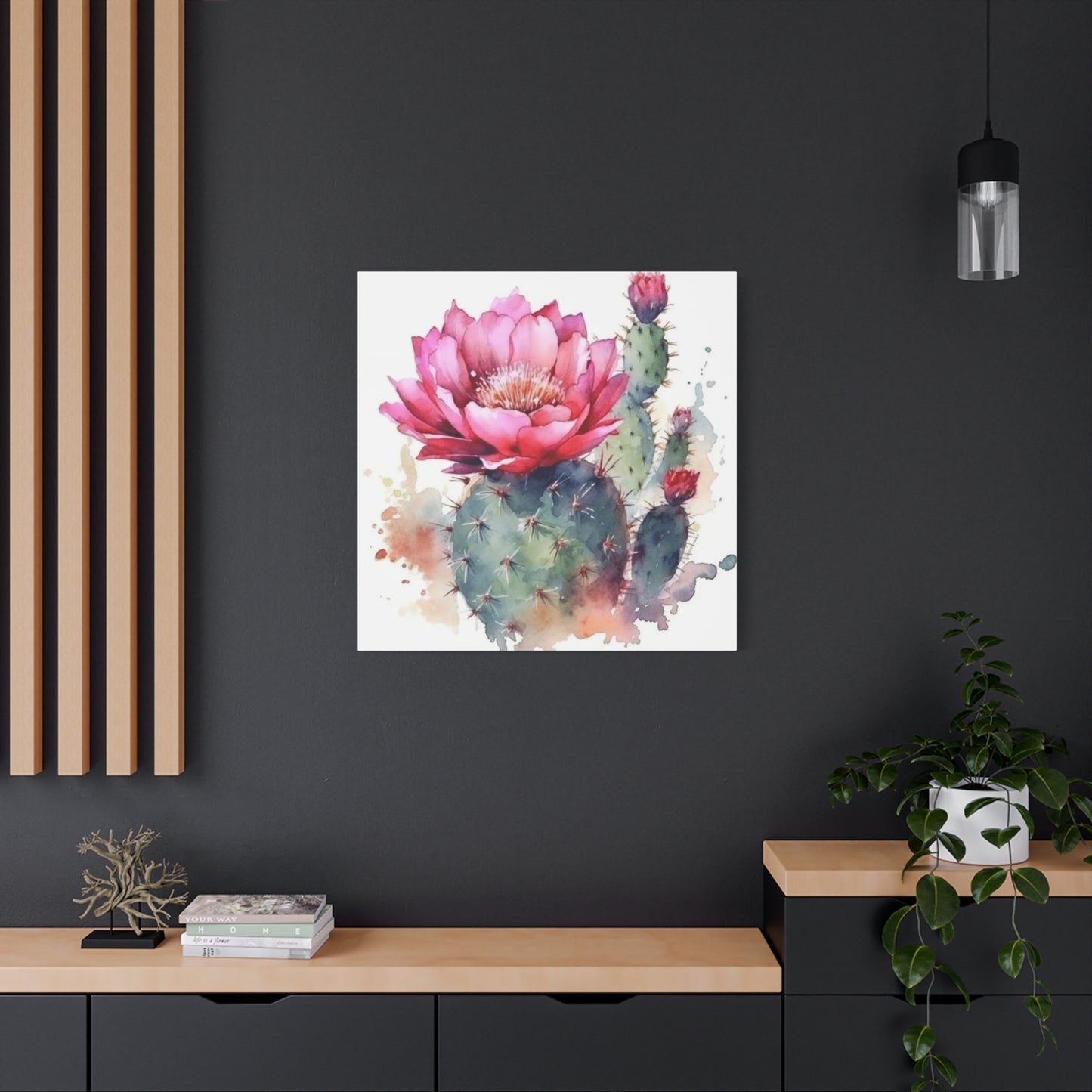
Cactus Wall Art & Canvas Prints
Cactus Wall Art & Canvas Prints
Couldn't load pickup availability
Stunning Cactus Wall Art: Your Path to Desert-Inspired Interior Brilliance and Botanical Décor Mastery
The allure of desert flora has captivated interior designers and homeowners alike, bringing the rugged beauty of arid landscapes into living spaces through carefully curated decorative pieces. Among these botanical treasures, cactus wall art stands as a remarkable choice for those seeking to infuse their environments with natural elegance, southwestern charm, and contemporary sophistication. This comprehensive exploration delves into every facet of incorporating these striking desert-themed adornments into your home, offering insights that extend far beyond basic decoration principles.
Why Desert Flora Imagery Creates Powerful Visual Impact in Modern Living Spaces
Desert plants possess an inherent sculptural quality that translates exceptionally well into artistic representations. The geometric forms, striking silhouettes, and diverse textures of these resilient botanicals create compelling focal points that command attention without overwhelming a room's existing aesthetic. When translated into wall-mounted artworks, these characteristics become even more pronounced, offering viewers an opportunity to appreciate the subtle complexities of xerophytic flora in ways that living specimens cannot always provide.
The minimalist nature of desert vegetation aligns perfectly with contemporary design philosophies that emphasize clean lines, uncluttered spaces, and meaningful decorative choices. Unlike more elaborate botanical subjects that might compete for visual dominance, cactus imagery provides a balanced presence—substantial enough to anchor a space while maintaining an airy, open feeling that modern homeowners increasingly desire. This duality makes such artwork remarkably versatile, capable of complementing everything from industrial lofts to coastal cottages.
Color palettes associated with desert landscapes offer another significant advantage. The earthy tones—sage greens, dusty terracottas, warm beiges, and muted blues—work harmoniously with virtually any existing color scheme. These natural hues create soothing environments that promote relaxation and mental clarity, making them particularly valuable in spaces designated for rest and rejuvenation. Whether your home features bold, saturated colors or neutral, monochromatic schemes, cactus wall art can bridge disparate elements and create cohesive visual narratives throughout your living areas.
Exploring the Remarkable Variety of Desert Plant Artistic Representations Available Today
The marketplace offers an astounding array of cactus-themed wall decorations, each category bringing unique characteristics and aesthetic possibilities. Photographic prints capture the authentic textures and subtle color variations of actual desert specimens, providing viewers with an almost tangible connection to these remarkable plants. High-resolution photography reveals details that might escape casual observation—the intricate patterns of spines, the waxy sheen of protective coatings, the delicate flowers that emerge from seemingly impenetrable exteriors.
Watercolor interpretations bring a softer, more romantic quality to desert flora depictions. The translucent layers and gentle color bleeding characteristic of this medium create ethereal representations that feel both botanical and abstract. These pieces work exceptionally well in spaces where harsh edges and stark contrasts might feel out of place, such as bedrooms, nurseries, or meditation areas. The fluid nature of watercolor also lends itself to larger-scale works that can serve as dramatic statement pieces without visual heaviness.
Vector illustrations and graphic designs offer yet another aesthetic direction, with bold outlines, flat color blocks, and geometric simplification that appeals to those drawn to mid-century modern or Scandinavian-inspired interiors. These stylized representations distill desert plants to their essential forms, creating striking visual impact through simplicity rather than detail. Such pieces often feature limited color palettes, making them ideal for coordinating with specific interior schemes or creating cohesive gallery walls with diverse subject matter.
Mixed media creations combine multiple artistic approaches, perhaps layering photography with hand-painted elements, incorporating textured materials like burlap or canvas, or adding dimensional components that create subtle relief. These hybrid works provide depth and tactile interest that flat prints cannot match, inviting closer inspection and creating conversation-starting focal points. The variety within mixed media pieces means that no two artworks are ever truly identical, offering collectors the satisfaction of owning truly distinctive decorative elements.
Three-dimensional representations take cactus wall art into the realm of sculptural objects. Metal cutouts, wooden reliefs, ceramic tiles, and even fabric constructions bring desert flora off the two-dimensional plane, casting shadows that change throughout the day and creating dynamic visual interest that static prints cannot achieve. These pieces particularly shine in spaces with interesting lighting conditions, where their dimensional qualities can be fully appreciated and exploited for maximum aesthetic impact.
Strategic Placement Considerations for Maximizing Artistic Impact Throughout Your Home
The positioning of cactus wall art significantly influences its effectiveness within a space. In living rooms, these pieces often work best above primary seating arrangements, where they can be easily viewed and appreciated during everyday activities and social gatherings. The scale should correspond to the furniture below—a large sectional sofa demands more substantial artwork or a thoughtfully arranged grouping, while a loveseat might pair beautifully with a single medium-sized piece.
Dining areas present unique opportunities for desert-themed artwork, as these spaces typically benefit from calming, nature-inspired décor that enhances the dining experience without creating distraction. A horizontal arrangement above a buffet or sideboard can mirror the linear quality of the furniture, creating visual harmony. Alternatively, a vertical piece positioned on a perpendicular wall can draw the eye upward, making the room feel more spacious and architecturally interesting.
Bedrooms require particular consideration when selecting and positioning artwork, as these intimate spaces should promote rest and tranquility. Cactus wall art's inherently calming qualities make it an excellent choice for sleeping quarters, particularly when rendered in softer color palettes and gentler artistic styles. Positioning pieces directly above the headboard creates a focal point that grounds the room's design without competing with other elements. Flanking the bed with complementary works can create a sense of symmetry and balance that many find psychologically comforting.
Hallways and transitional spaces often receive insufficient decorative attention, yet these areas offer prime real estate for gallery-style arrangements of cactus artwork. A series of similar pieces in varying sizes can create a dynamic progression that guides movement through the space, while diverse representations united by subject matter can demonstrate your breadth of aesthetic appreciation. The narrower walls typical of hallways actually benefit from vertical arrangements that emphasize the architecture's existing proportions.
Home offices and creative workspaces benefit tremendously from the presence of nature-inspired artwork, with research consistently demonstrating that botanical imagery reduces stress and enhances cognitive function. Positioning cactus wall art within your sightline during work activities provides opportunities for visual breaks that refresh mental resources and maintain focus over extended periods. The resilient nature of desert flora can also serve as symbolic inspiration during challenging projects or difficult professional periods.
Bathrooms, often overlooked in decorative schemes, can be transformed through thoughtfully selected cactus artwork. The humid environment requires consideration of materials and protective measures, but water-resistant prints, sealed canvases, or metal pieces can withstand bathroom conditions beautifully. The spa-like atmosphere enhanced by desert imagery aligns perfectly with the room's rejuvenating purpose, creating cohesive sensory experiences.
Color Coordination Strategies That Amplify Aesthetic Cohesion Across Interior Environments
Harmonizing cactus wall art with existing color schemes requires both technical understanding and intuitive visual sense. When working with neutral-dominated interiors—whites, grays, beiges, and taupes—desert-themed artwork introduces organic color accents that prevent spaces from feeling sterile or impersonal. Even pieces featuring predominantly green cacti bring visual warmth through their earthy undertones, while sunset-inspired backgrounds or terracotta pots add pops of inviting color that feel natural rather than forced.
In rooms featuring bold accent walls or saturated color schemes, selecting artwork with complementary or analogous hues creates visual conversation between surfaces. A deep navy feature wall, for instance, pairs beautifully with cactus art featuring dusky blue-gray backgrounds or twilight desert scenes. Similarly, rust-colored walls find perfect companions in pieces highlighting the warm oranges and reds of desert flowers or the golden tones of sunset-illuminated spines.
Monochromatic schemes benefit from cactus artwork that introduces textural variation while maintaining color consistency. Black and white photography of desert flora, for example, adds visual interest to grayscale interiors without disrupting the established palette. Sepia-toned prints or graphite drawings can bridge the gap between pure monochrome and full color, providing subtle warmth that softens stark contrasts.
For those embracing maximalist or eclectic design philosophies, cactus wall art serves as a grounding element that unifies diverse color stories. The natural palette inherent in desert imagery provides a neutral reference point that allows other, more vivid elements to shine without creating visual chaos. This anchoring quality makes such artwork invaluable in spaces where collecting varied decorative objects from different periods and origins might otherwise result in disconnected, chaotic environments.
Seasonal color rotation presents another consideration for the design-conscious homeowner. While permanent wall installations require careful selection, interchangeable prints in standard frame sizes allow for periodic refreshment of interior color stories. Cooler-toned cactus artwork featuring silvery greens and blue skies might dominate during summer months, while warmer pieces with golden hour lighting and rust accents could take precedence during autumn and winter.
Sizing Principles That Create Balanced, Proportionate Wall Compositions Across Various Room Dimensions
Determining appropriate artwork dimensions requires careful consideration of multiple factors, with wall size serving as the primary constraint. Design professionals often recommend that wall art occupy roughly two-thirds to three-quarters of the available furniture width below it, creating visual connection between horizontal elements. For a standard sofa measuring seventy-two inches wide, this guideline suggests artwork spanning approximately forty-eight to fifty-four inches, either as a single piece or a thoughtfully arranged grouping.
Ceiling height significantly influences vertical dimension choices. In rooms with standard eight-foot ceilings, excessively tall pieces can create visual compression, making spaces feel smaller and more confined. Conversely, rooms boasting nine-foot or higher ceilings can accommodate—and indeed benefit from—more substantial vertical works that fill the available space appropriately and prevent walls from appearing bare or underdressed.
The relationship between artwork size and viewing distance deserves consideration as well. Intimate spaces where viewers stand relatively close to walls require different scaling than expansive rooms where art will be appreciated from greater distances. Smaller, detail-rich pieces reward close inspection in powder rooms, reading nooks, or hallways, while larger, bolder works better serve great rooms, open-concept living areas, or spaces with significant furniture setbacks.
Multi-panel installations, often called diptychs or triptychs depending on the number of components, offer flexibility that single large pieces cannot match. These arrangements can be configured to fit various wall dimensions and architectural features, adjusted to accommodate windows, outlets, or other fixed elements. The visual breaks between panels also prevent monolithic appearance that very large single works sometimes create, particularly in rooms with traditional or cottage-style architecture.
Scale relationships within the room itself require attention beyond just wall-to-artwork proportions. A massive piece of cactus wall art might technically fit a large blank wall but overwhelm delicate furniture or subtle architectural details. Conversely, conservatively sized artwork can disappear in rooms featuring robust furniture, substantial moldings, or dramatic architectural elements. Achieving balance requires considering all visual elements collectively rather than in isolation.
Framing Options That Enhance Desert Plant Artwork While Complementing Existing Décor Elements
Frame selection dramatically influences how cactus wall art integrates into your interior environment. Natural wood frames, particularly those featuring warm tones like oak, walnut, or reclaimed barnwood, create organic connections between artwork and subject matter. The texture and grain patterns in wood frames echo the natural world depicted in the art, creating thematic coherence that feels intentional and sophisticated rather than matchy or contrived.
Metal frames offer an entirely different aesthetic—sleek, contemporary, and often minimalist in profile. Thin black metal frames have become ubiquitous in modern interiors, and for good reason: they provide structure and definition without competing for attention with the artwork itself. For cactus pieces with busy backgrounds or complex compositions, this restraint proves particularly valuable. Brushed brass, copper, or gold-toned metal frames introduce warmth and luxury, elevating desert imagery from casual to refined.
White or cream-colored frames create classic, gallery-like presentations that work beautifully in bright, airy spaces or coastal-inspired interiors. These light frames prevent visual heaviness and maintain the open, spacious feeling that many contemporary homeowners prioritize. When working with particularly colorful cactus artwork, neutral frames ensure the focus remains on the image rather than its presentation.
Floating frames—those that suspend the artwork between two panes of glass or acrylic—offer a modern, sophisticated presentation particularly suited to paper-based works like watercolors, prints, or drawings. The dimensional quality created by the gap between the artwork and backing adds subtle visual interest while the frameless edges maintain clean lines. These presentations work exceptionally well in contemporary or transitional interiors where traditional frame moldings might feel incongruous.
Mat board selection provides yet another layer of customization, with colors and widths dramatically affecting the piece's final appearance. Generous mat borders create breathing room around the artwork, often making pieces feel more substantial and gallery-worthy. The mat color should complement rather than match the artwork—pulling accent colors from within the piece or bridging the gap between artwork colors and surrounding wall tones creates sophisticated, intentional-looking presentations.
Gallery Wall Arrangements Featuring Desert Flora That Transform Blank Spaces Into Curated Exhibitions
Creating cohesive gallery walls requires planning and spatial awareness, but the results transform ordinary walls into personalized museums. When working exclusively with cactus-themed pieces, variation in size, orientation, and artistic style prevents monotony while maintaining thematic unity. Mixing photographic realism with illustrated interpretations, combining vertical and horizontal orientations, and including diverse cactus species ensures visual interest throughout the arrangement.
Grid arrangements offer the most structured approach, with uniform spacing and aligned edges creating orderly, intentional compositions. This symmetrical approach works particularly well in formal spaces or homes with traditional architectural details. For cactus gallery walls employing grid layouts, maintaining consistent frame styles and colors reinforces the organized aesthetic, though artwork styles can vary considerably without disrupting visual cohesion.
Salon-style arrangements embrace organized chaos, with varied frame sizes, mixed orientations, and asymmetrical spacing creating dynamic, collected-over-time aesthetics. This approach allows for ongoing evolution, as new pieces can be incorporated relatively easily and existing arrangements can be reconfigured to accommodate changing tastes. When working with cactus wall art in salon arrangements, maintaining some unifying element—whether matching frame finishes, consistent mat colors, or similar color palettes within the artwork—prevents the collection from appearing haphazard.
Linear arrangements, where pieces are aligned along a central horizontal axis despite varying sizes, create movement that guides the eye along walls. This approach works beautifully in hallways, above furniture pieces, or in rooms with particularly long, unbroken wall expanses. For cactus-themed linear galleries, graduating sizes from smallest to largest (or vice versa) can create intentional progression, while maintaining uniform top edges produces a more formal, architectural quality.
Statement piece arrangements position one large cactus artwork as the focal point, with smaller complementary pieces orbiting around it. This approach provides clear visual hierarchy while allowing for creative expression through satellite selections. The central piece establishes the color palette, style, and mood, while surrounding works can introduce variation without straying too far from the established theme. This arrangement style particularly suits spaces where a clear focal point serves functional purposes, such as above mantels or behind beds.
Material Considerations That Affect Longevity, Maintenance Requirements, and Visual Characteristics of Displayed Pieces
Canvas prints offer texture and dimensionality that paper prints cannot match, with the woven fabric creating subtle depth that changes appearance based on viewing angle and lighting conditions. Gallery-wrapped canvases, where the printed image continues around the stretcher bars, eliminate the need for frames entirely, creating contemporary, minimalist presentations. The durability of canvas makes it suitable for high-traffic areas where accidental contact might damage more delicate paper prints.
Paper-based prints, while requiring protective framing, offer unmatched color accuracy and detail reproduction. The smooth surface allows for precise rendering of fine details—individual spines, subtle color gradations, delicate textures—that give photographic cactus wall art its striking realism. Archival-quality papers resist fading and degradation when protected from direct sunlight and excessive humidity, making them appropriate for most interior locations with reasonable environmental control.
Metal prints create stunning, ultra-modern presentations with unparalleled vibrancy and dimensional depth. The printing process infuses dyes directly into specially coated aluminum sheets, resulting in luminous colors and extraordinary clarity. The metallic substrate adds subtle sheen that changes as viewers move, creating dynamic visual experiences. Metal prints also offer exceptional durability and require only occasional dusting, making them ideal for households with children or pets where maintenance simplicity is valued.
Wood-mounted prints combine the warmth of natural materials with the crispness of modern printing methods. The visible wood grain and edges become part of the aesthetic, adding rustic charm particularly complementary to southwestern, farmhouse, or organic modern décor styles. These pieces often feature coating that protects both the printed image and the wood substrate, though regular dusting and occasional gentle cleaning maintain optimal appearance.
Acrylic or plexiglass-mounted prints create ultra-glossy, gallery-quality presentations with remarkable depth. The clear acrylic layer adds approximately a quarter-inch of thickness, through which the printed image is viewed, creating a luminous, almost three-dimensional quality. The glossy surface amplifies colors and contrasts, making these presentations particularly striking for bold, graphic cactus artwork. The smooth surface also resists dust accumulation and can be easily wiped clean.
Lighting Strategies That Showcase Desert-Themed Artwork While Enhancing Overall Ambient Conditions
Proper illumination transforms good artwork into spectacular focal points, and cactus wall art is no exception. Picture lights—those slim fixtures mounted directly above or below frames—provide dedicated illumination that eliminates glare and shadows while creating gallery-quality presentation. LED picture lights offer energy efficiency and heat reduction compared to traditional incandescent options, protecting artwork from potential damage while maintaining consistent color temperature that doesn't distort the piece's intended appearance.
Track lighting systems provide flexible, adjustable illumination ideal for spaces featuring multiple artworks or evolving gallery walls. Individual fixtures can be precisely aimed, repositioned as needed, and fitted with different beam widths to accommodate various artwork sizes. For cactus wall art arrangements spanning significant wall space, track lighting offers uniform illumination impossible to achieve with fixed ceiling fixtures. Dimmer switches add further flexibility, allowing ambient light levels to be adjusted for different times of day or activities.
Recessed spotlights create dramatic, focused illumination particularly effective for statement pieces. These ceiling-mounted fixtures disappear architecturally while throwing concentrated light onto specific artworks, creating museum-quality drama. When illuminating cactus wall art with recessed lighting, positioning fixtures at approximately thirty-degree angles prevents glare on glass or acrylic surfaces while ensuring even coverage across the entire piece.
Natural daylight offers the most accurate color rendering but requires careful management to prevent fading and damage. Positioning artwork perpendicular to windows rather than directly opposite them minimizes direct sun exposure while maintaining ambient daylight benefits. UV-filtering window treatments or films protect pieces in particularly bright rooms without significantly reducing natural light levels. For valuable or irreplaceable cactus artwork, avoiding direct sunlight exposure entirely through strategic positioning proves the most effective preservation strategy.
Ambient room lighting influences how artwork appears throughout daily cycles. Warm-toned general lighting emphasizes the earthy colors typical of cactus wall art, creating cozy, inviting atmospheres particularly suited to evening hours. Cooler-toned lighting preserves color accuracy and creates crisp, energized environments appropriate for daytime activities. Layered lighting schemes incorporating multiple sources at varied intensities provide flexibility to create different moods while consistently showcasing artwork effectively.
Cultural Significance and Symbolic Meanings Associated With Desert Flora in Residential Spaces
Throughout numerous cultures, cacti symbolize endurance, resilience, and the ability to thrive despite challenging circumstances. Incorporating these plants into home décor through wall art invites these symbolic qualities into daily environments, serving as subtle reminders of personal strength and adaptability. This symbolism resonates particularly during challenging life periods, when visual reminders of nature's remarkable persistence can provide comfort and inspiration.
Southwestern and Mexican cultural traditions view certain cacti as sacred or spiritually significant, with rich folkloric traditions surrounding these remarkable plants. While appreciating these cultural connections, it's essential to approach desert imagery with respect rather than appropriation, understanding the deep relationships indigenous peoples maintain with these landscapes and their flora. Thoughtfully selected cactus wall art can honor these traditions while bringing meaningful beauty into homes.
The minimalist aesthetic associated with desert flora aligns with philosophical movements emphasizing intentional living and mindful consumption. Choosing to decorate with cactus wall art rather than accumulating numerous smaller objects reflects values of quality over quantity, mindful selection over impulsive acquisition. This alignment between décor choices and lifestyle philosophy creates homes that feel authentic to their inhabitants' values and priorities.
Feng shui principles assign various energetic qualities to different plant types and their representations. Some traditions suggest that cactus imagery, due to the protective spines, should be positioned thoughtfully rather than in areas designated for rest or vulnerable activities. Others view the water-storing capacity of desert plants as symbolizing prosperity and resourcefulness. Understanding these diverse perspectives allows homeowners to make informed choices aligned with their personal beliefs and comfort levels.
Biophilic design principles, which emphasize human connection with nature, find perfect expression in botanical artwork including cactus pieces. Research consistently demonstrates that nature imagery reduces stress, lowers blood pressure, and improves overall psychological wellbeing. Bringing desert landscapes indoors through wall art satisfies innate human needs for connection with the natural world, particularly valuable for urban dwellers with limited access to actual desert environments.
Sourcing Quality Pieces From Artists, Retailers, and Online Marketplaces With Confidence
Independent artists offer unique, often one-of-a-kind cactus wall art unavailable through mass-market channels. Purchasing directly from creators supports artistic communities while ensuring originality and quality. Many artists maintain websites showcasing their portfolios, accept commissions for custom sizes or color palettes, and participate in local art fairs or exhibitions where their work can be viewed in person before purchase.
Online marketplaces specializing in handmade goods connect buyers with international artist communities, offering remarkable variety in styles, media, and price points. These platforms typically include customer reviews, detailed material specifications, and return policies that reduce purchasing risk. When selecting cactus wall art through these channels, examining multiple images, reading product descriptions carefully, and reviewing seller ratings ensures satisfaction with the final product.
Print-on-demand services provide affordable access to vast image libraries, with professional printing and shipping handled by the service provider. These platforms allow you to select from thousands of cactus images, choose preferred sizes and materials, and receive finished products shipped directly to your door. While these pieces lack the exclusivity of original artwork or limited editions, they offer unmatched convenience and economy for decorating larger spaces or temporary residences.
Gallery representation indicates an artist has achieved recognition within their field, with their work curated and displayed in formal art spaces. Galleries typically offer authentication, provenance documentation, and expert knowledge about artists and their creative processes. For collectors prioritizing investment potential or seeking significant statement pieces, gallery acquisitions provide confidence and long-term value preservation.
Estate sales, antique shops, and vintage markets occasionally yield remarkable cactus artwork from earlier eras, offering both nostalgic charm and potential investment value. These secondhand finds require more diligent searching but can result in discovering unique pieces with histories and character impossible to replicate in new productions. When purchasing vintage cactus wall art, examining condition carefully, asking about provenance when available, and considering restoration costs for damaged pieces ensures informed decisions.
Budget-Conscious Approaches to Building Impressive Desert-Themed Wall Art Collections Over Time
Creating striking wall displays needn't require substantial upfront investment. Starting with digital downloads—high-resolution files purchased for minimal cost and printed locally—allows for experimentation with different images, sizes, and placements without significant financial commitment. Many artists and photographers offer digital files through online marketplaces, with prices typically ranging from a few dollars to moderate amounts depending on resolution and licensing terms.
DIY framing significantly reduces total project costs compared to professional framing services. Ready-made frames in standard sizes (8x10, 11x14, 16x20, etc.) are widely available at reasonable prices, though they limit flexibility regarding image dimensions. Custom-cut mat board can be obtained from craft suppliers or online retailers for a fraction of professional framing costs, allowing for personalized presentations of standard print sizes. With basic tools and patience, home framers achieve results nearly indistinguishable from professional work.
Phased collecting allows for gradually building impressive gallery walls without straining budgets. Beginning with one or two key pieces establishes the foundation, with additional works added as finances allow. This approach also permits thoughtful selection rather than rushed decisions driven by the desire to complete projects quickly. Many find that gradually assembled collections better reflect their evolving tastes and result in more personally meaningful displays.
Seasonal sales, promotional periods, and discount codes offered by online retailers provide opportunities to acquire quality cactus wall art at reduced prices. Subscribing to favorite artists' newsletters, following retailers on social channels, and monitoring major shopping holidays (Black Friday, post-holiday clearances) can yield substantial savings on identical pieces that would cost significantly more at other times.
Rotating displays maximize value from limited collections, refreshing interiors without purchasing new pieces. Seasonally changing which artworks occupy prominent positions, relocating pieces to different rooms, or periodically storing some works while displaying others maintains visual interest and prevents design fatigue. This strategy proves particularly effective for renters or those anticipating near-future relocations who wish to minimize possessions while maintaining attractive living spaces.
Creating Harmonious Relationships Between Living Desert Plants and Their Artistic Representations on Walls
Pairing actual potted cacti with wall-mounted artwork creates powerful thematic resonance, bridging two-dimensional representation and three-dimensional reality. This combination reinforces biophilic design principles while allowing the artistic interpretations to highlight qualities viewers might overlook in living specimens—intricate spine patterns, subtle color variations, or architectural form. Positioning living plants beneath or adjacent to corresponding artwork creates intentional vignettes that demonstrate attention to detail and design thoughtfulness.
The care requirements of living cacti—primarily neglect tolerance and minimal watering needs—make them ideal companions for wall art in nearly any room. Even those without particularly green thumbs can successfully maintain these resilient plants, ensuring the living and artistic elements remain equally attractive over time. The longevity of both healthy cacti and properly preserved artwork means these pairings can endure for years or even decades with minimal maintenance.
Contrasting the stylized or abstracted qualities of artwork with the authentic forms of living plants creates interesting visual dialogue. A highly stylized, geometric cactus print paired with an organic, beautifully irregular living specimen highlights the interpretive nature of art while celebrating the perfect imperfections of nature. This juxtaposition invites viewers to consider both representation and reality, artistic vision and botanical truth.
Matching pot selections to frame finishes or artwork colors creates cohesive design narratives that feel intentional rather than coincidental. Terracotta pots naturally complement the warm earth tones prevalent in much cactus wall art, while ceramic vessels in specific colors can pull accent hues from artwork, creating visual connections across the space. White or neutral pots maintain minimalist aesthetics that let both living plants and artwork shine without competition.
Considering scale relationships between living plants and artwork prevents either element from diminishing the other's impact. Substantial floor-standing cacti pair well with large statement artwork or extensive gallery walls, creating balanced visual weight. Smaller tabletop specimens complement medium-sized individual pieces or modest groupings, maintaining appropriate proportions that feel natural and considered rather than awkward or accidental.
Seasonal Styling Adjustments That Keep Desert-Themed Décor Feeling Fresh and Relevant Year-Round
While cactus wall art maintains year-round appropriateness, subtle styling adjustments around permanent pieces can create seasonal variation without requiring complete décor overhauls. Spring might see the introduction of fresh greenery in complementary planters, pastel accent pillows that echo desert wildflower colors, or lightweight throws in sage and mint tones that reference new growth and renewal.
Summer styling can emphasize the heat and vibrancy of desert environments, with accent pieces in sunset oranges, warm terracottas, and golden yellows amplifying the seasonal energy. Incorporating natural materials like woven baskets, jute rugs, or wooden bowls creates organic texture that complements cactus artwork while referencing the earthiness of summer landscapes. Light, airy fabrics in natural fibers maintain comfort while visually coordinating with desert themes.
Autumn transitions bring opportunities to emphasize the warmer tones present in many cactus artworks—rust, burnt sienna, amber, and deep sage. Layering cozy textiles in these seasonal hues around permanent wall art creates cohesion while adjusting for cooler weather. Incorporating dried grasses, seed pods, or autumn-harvested botanicals in nearby styling adds seasonal specificity while maintaining the natural, organic feeling established by cactus imagery.
Winter décor around desert-themed artwork might initially seem counterintuitive, but the cool blues, silvery greens, and purple-gray tones present in twilight desert scenes coordinate beautifully with winter palettes. Incorporating metallics, particularly cool-toned silver or pewter, adds seasonal sparkle while the neutral earth tones of cactus art prevent spaces from feeling cold or unwelcoming. Layered textiles in winter whites, soft grays, and muted blues create cozy environments that honor the season while maintaining design consistency.
Removing all seasonal styling periodically allows the cactus wall art itself to shine without distraction, essentially resetting the space. This approach acknowledges that quality artwork needs no additional enhancement to make impact, and sometimes the most powerful presentations are the simplest. These stripped-back periods also provide opportunities to reassess the effectiveness of existing arrangements and consider whether modifications might refresh the space.
Addressing Common Concerns About Incorporating Desert Imagery Into Non-Southwestern Regional Décor Styles
Many hesitate to embrace cactus wall art out of concern that desert imagery exclusively suits southwestern or western regional styles. However, these botanical subjects possess remarkable versatility, adapting successfully to virtually any design aesthetic through thoughtful selection and presentation. Scandinavian minimalism, with its emphasis on natural elements and clean lines, embraces cactus artwork in muted, monochromatic palettes. Mid-century modern spaces incorporate graphic, illustrative cactus prints that echo the era's love of stylized natural forms.
Coastal interiors might seem incompatible with desert themes, but the two biomes share surprising common ground—both feature harsh conditions, specialized flora, dramatic landscapes, and remarkable natural beauty. Selecting cactus artwork in cooler color palettes featuring blues, grays, and silvery greens creates visual bridges between coastal and desert aesthetics. The sculptural qualities of both driftwood and cacti share similar organic geometry, making combinations feel natural rather than forced.
Traditional or classic interiors benefit from cactus wall art presented in formal, classical frames with generous mat borders and refined finishes. Botanical prints rendered in scientific illustration styles—precise line work, careful detail, Latin nomenclature—feel at home in libraries, studies, or formal dining rooms. The historical precedent of botanical collections in European manors and estates provides cultural permission for incorporating desert flora into traditional spaces.
Industrial or urban lofts find perfect counterpoint in the organic softness of cactus imagery, with the juxtaposition of natural subjects against hard architectural finishes (concrete, exposed brick, metal fixtures) creating appealing visual tension. Large-scale photographic prints or dramatic black-and-white compositions match the bold scale and high contrast typical of industrial interiors. Metal-printed cactus artwork specifically suits this style, with the substrate material echoing the architectural finishes.
Eclectic or bohemian interiors, which celebrate mixing diverse influences and periods, naturally accommodate cactus wall art alongside globally-inspired textiles, vintage finds, and handcrafted objects. The free-spirited approach characteristic of boho style means there's no incongruity in pairing desert imagery with Moroccan poufs, Asian textiles, or European antiques—the curated randomness is precisely the point, and quality botanical artwork fits seamlessly into these collected-over-time aesthetics.
Practical Hanging Methods That Ensure Secure Mounting While Preserving Wall Integrity
Picture hanging wire attached to frame backs provides flexible mounting options, though precise leveling can prove challenging. This method works best for lightweight to medium-weight pieces and allows for minor positioning adjustments after hanging. Using two wall-mounted hooks rather than one provides greater stability and prevents artwork from tilting or rotating over time, particularly important for cactus wall art in high-traffic areas where accidental contact might occur.
Sawtooth hangers, those zigzag metal strips typically installed on frame backs, offer simple hanging from single nails or screws. However, they provide no adjustment capability once hung and can allow frames to sit slightly away from walls, creating shadows or permitting tilting. For valuable cactus artwork or pieces requiring precise positioning, more sophisticated mounting methods typically prove worthwhile despite increased complexity.
D-rings positioned on either side of frame backs allow for two-point hanging that maintains perfect leveling and keeps frames flush against walls. This method distributes weight more evenly than single-point hanging, making it appropriate for larger or heavier pieces. The two-point attachment also prevents the swaying or tilting that can occur with single-hook methods, important for maintaining neat appearance in carefully curated gallery walls.
French cleats—interlocking beveled strips, one attached to the frame back and the other mounted on the wall—provide the most secure mounting method for substantial cactus artwork. This system distributes weight across extended wall spans and makes hanging large pieces manageable for single individuals. The interlocking design prevents accidental dislodging while allowing for lateral sliding to adjust positioning. Though requiring more installation effort initially, French cleats offer unmatched security and stability.
Adhesive hanging strips offer damage-free alternatives particularly valuable for renters or those reluctant to put holes in walls. Modern versions support surprising weight loads when properly installed according to manufacturer specifications. These strips work well for lightweight to medium-weight cactus prints in standard frames, though very large or heavy pieces exceed their capacity. The removable nature makes them ideal for temporary arrangements or those who enjoy frequently refreshing their wall displays.
Conclusion
Canvas prints require minimal maintenance, with occasional gentle dusting using soft, dry cloths removing accumulated particles without risking damage. For more thorough cleaning, barely dampened microfiber cloths can be used sparingly, immediately followed by dry cloths to prevent moisture absorption. Avoiding harsh chemicals, excessive water, and abrasive materials preserves the printed surface and prevents canvas degradation. Properly maintained canvas cactus wall art retains its appearance for decades, with gallery-wrapped edges requiring attention to dust accumulation where fabric wraps around stretcher bars.
Framed prints behind glass demand regular cleaning to remove dust, fingerprints, and environmental residue that accumulates over time. Standard glass cleaners work effectively, though ammonia-free formulations prove gentler and less likely to damage frames or mats should overspray occur. Spraying cleaner onto cloths rather than directly onto glass prevents liquid from seeping between frame components where it might damage artwork or matting. Microfiber cloths eliminate streaking while being gentle enough for repeated use without scratching.
Metal prints simply require occasional dusting or wiping with slightly damp cloths to maintain their lustrous appearance. The durable finish resists scratching and degradation far better than paper or canvas, making metal an excellent choice for busy households. Avoiding abrasive cleaners or scrubbing preserves the smooth surface and prevents dulling the finish. The material's inherent durability means properly installed metal cactus artwork requires virtually no ongoing maintenance beyond periodic cleaning.
Wood-mounted pieces benefit from treatments appropriate for finished wood surfaces, with furniture polish or wood conditioning products maintaining the substrate's appearance while protecting against environmental damage. Checking mounting hardware periodically ensures secure attachment remains intact, as wood's natural expansion and contraction with humidity changes can occasionally loosen fasteners. Protecting wood-mounted artwork from direct sunlight and excessive moisture prevents warping, fading, or finish degradation.
Share