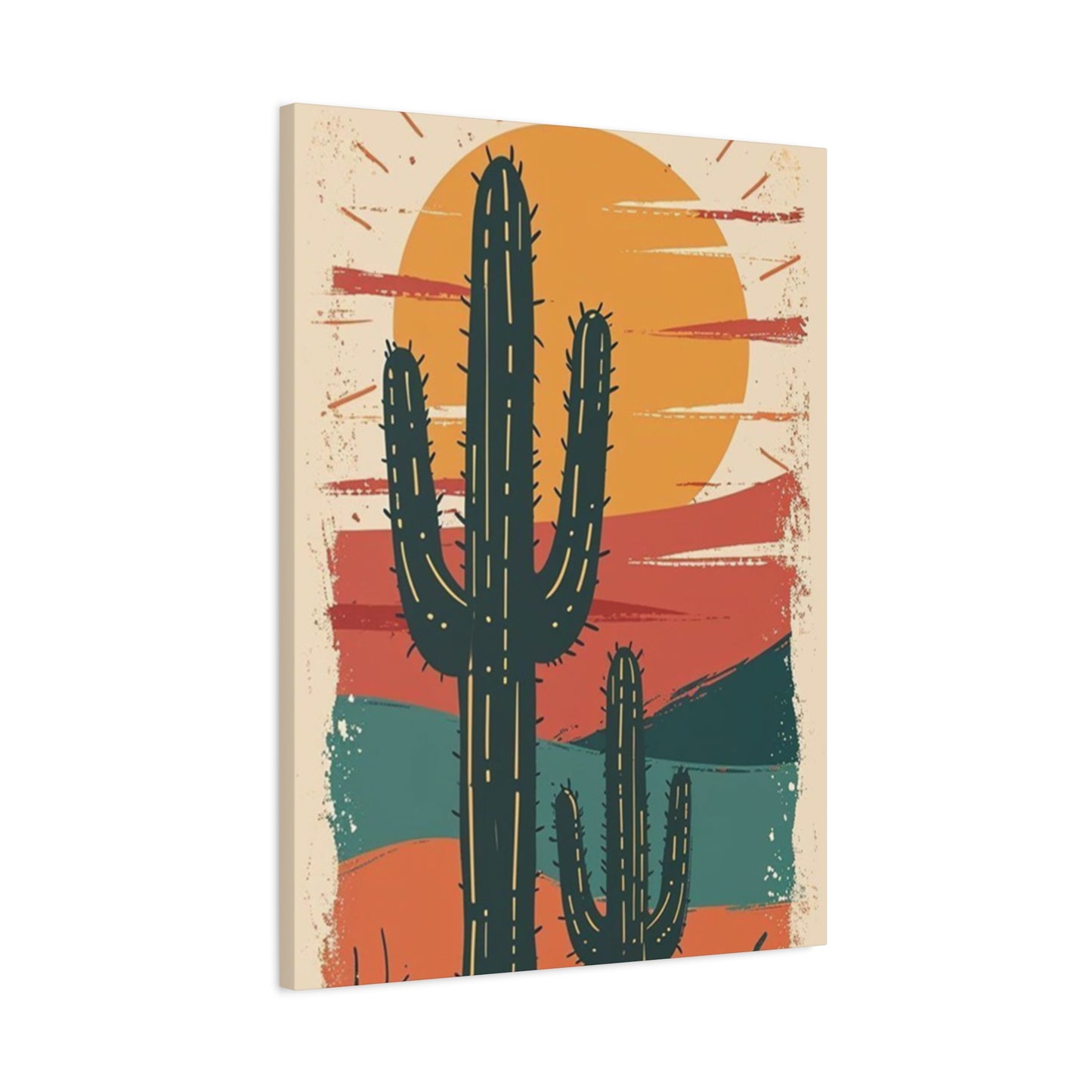
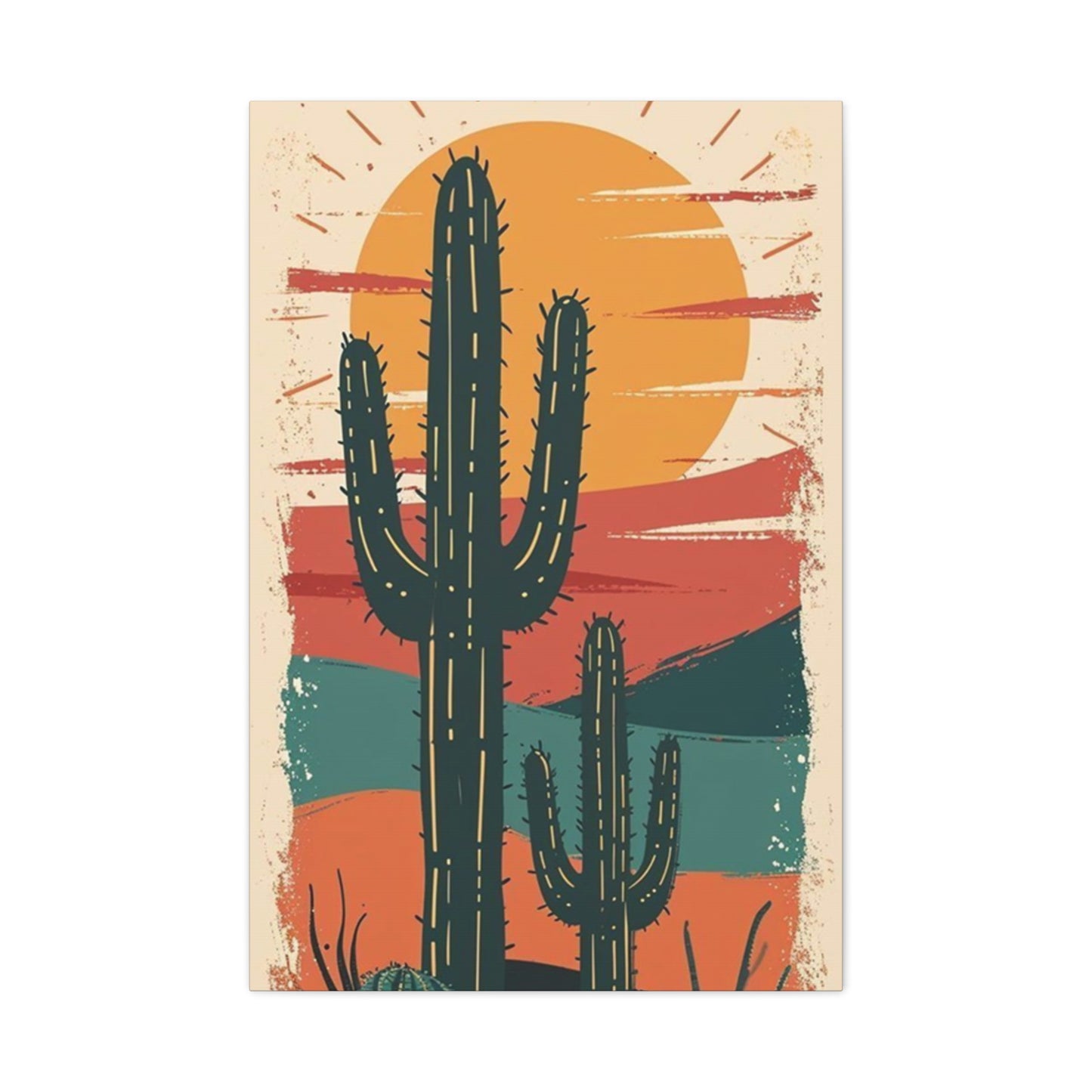
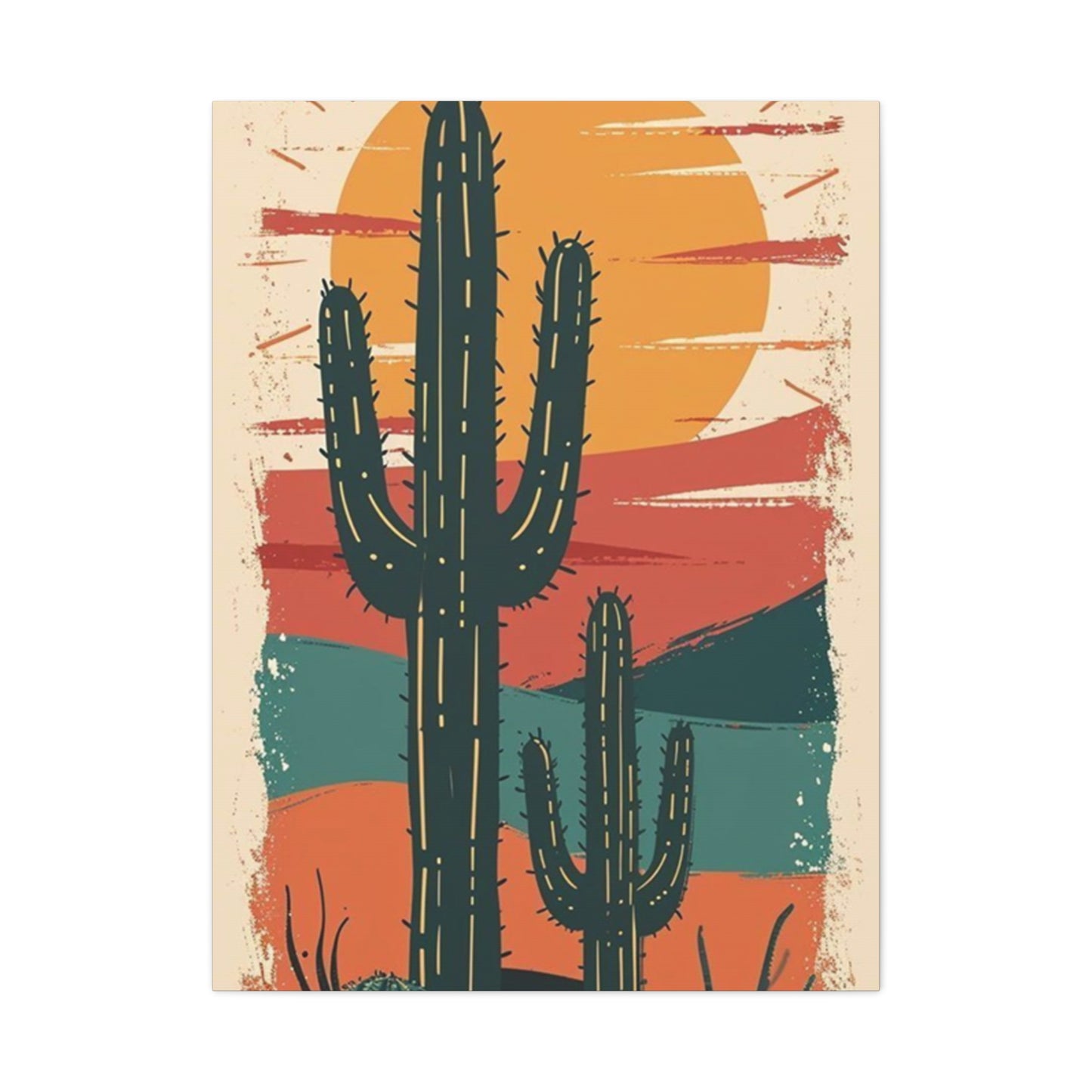
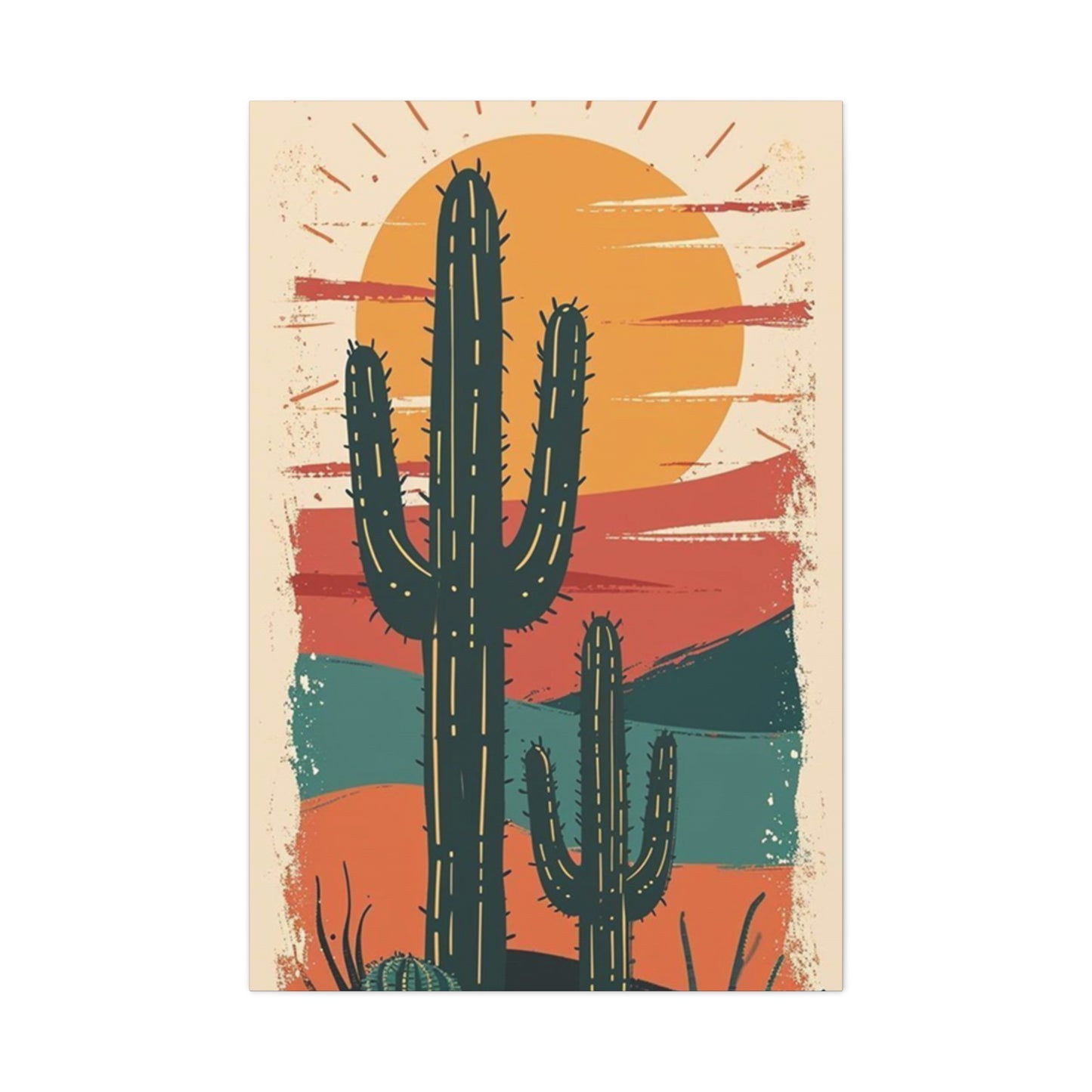
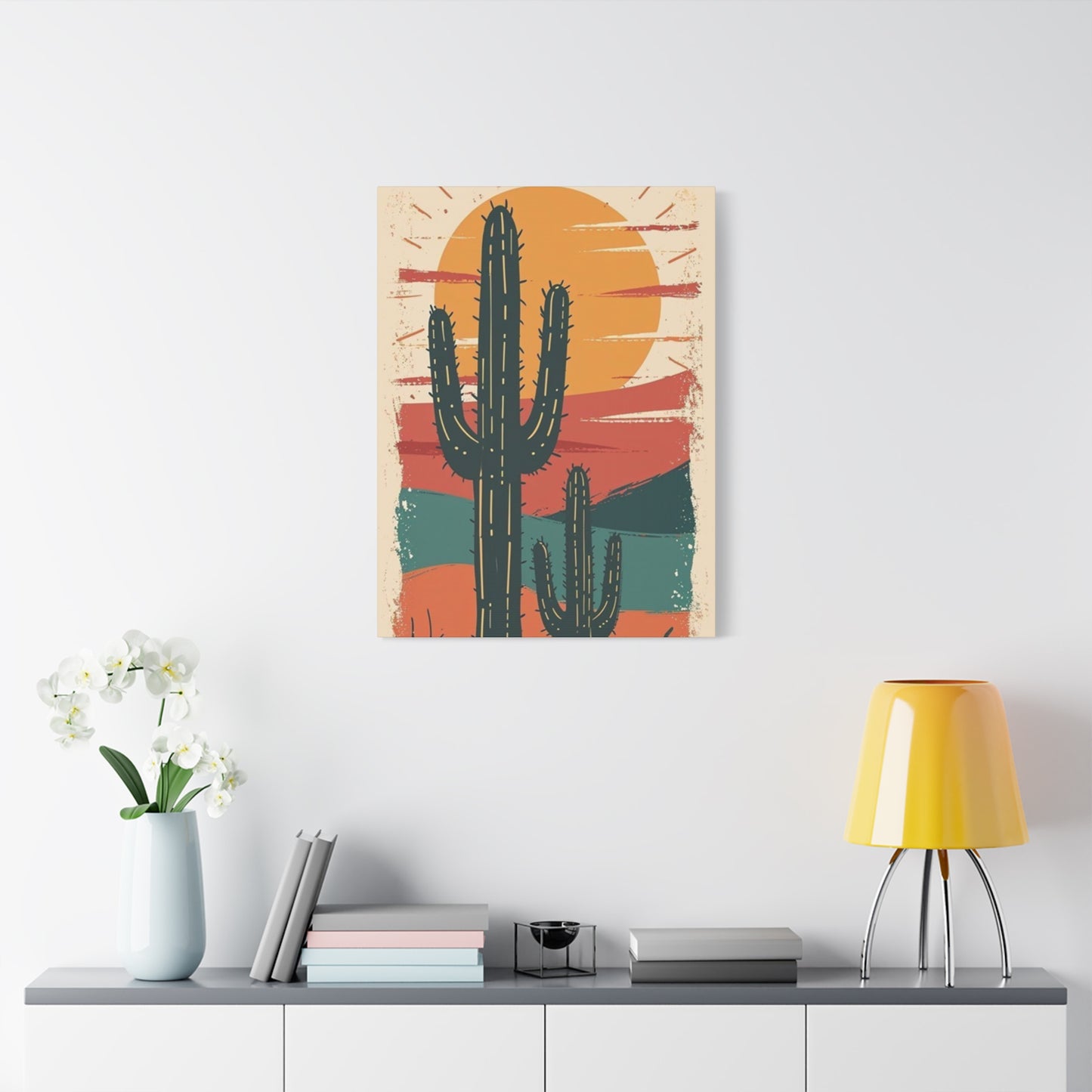
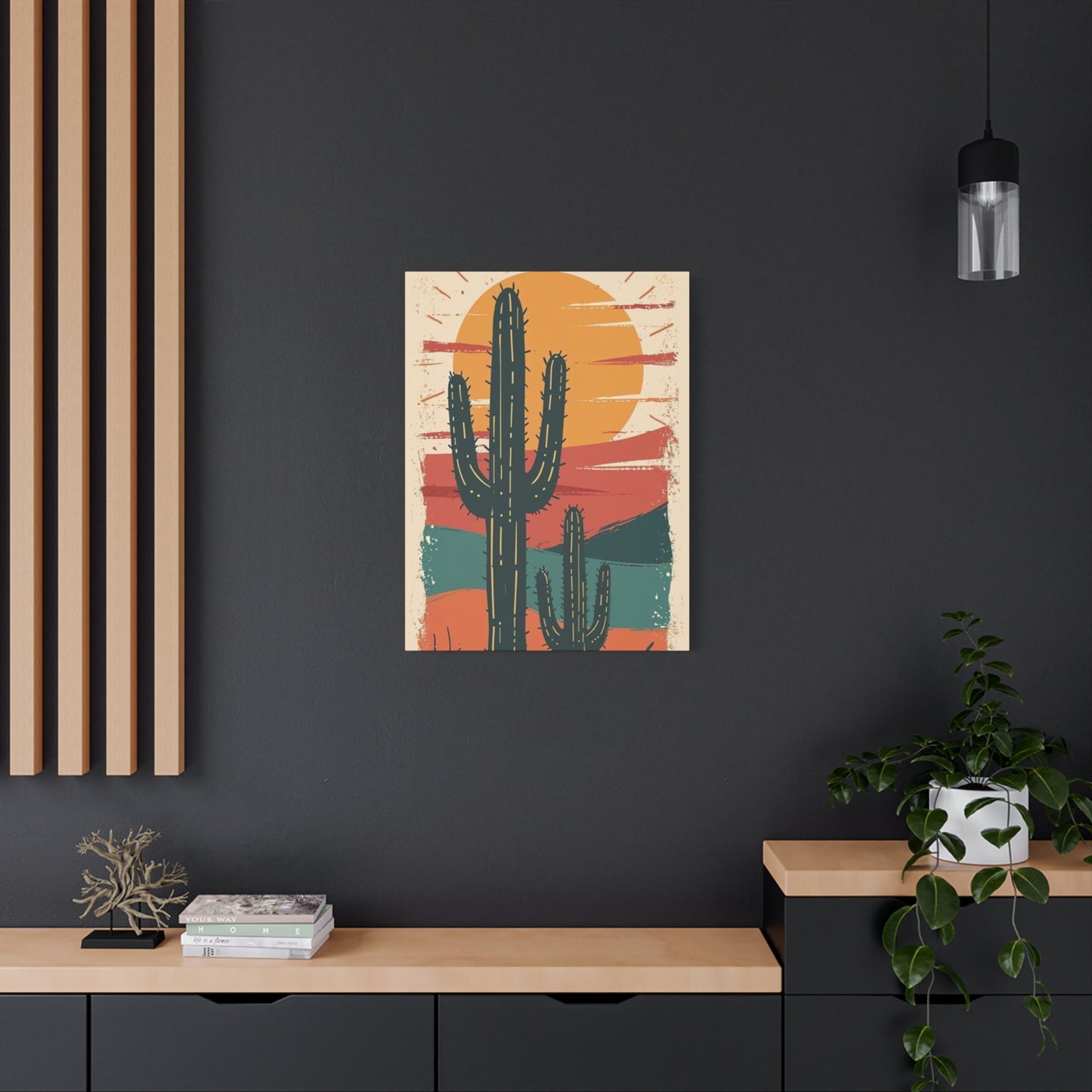
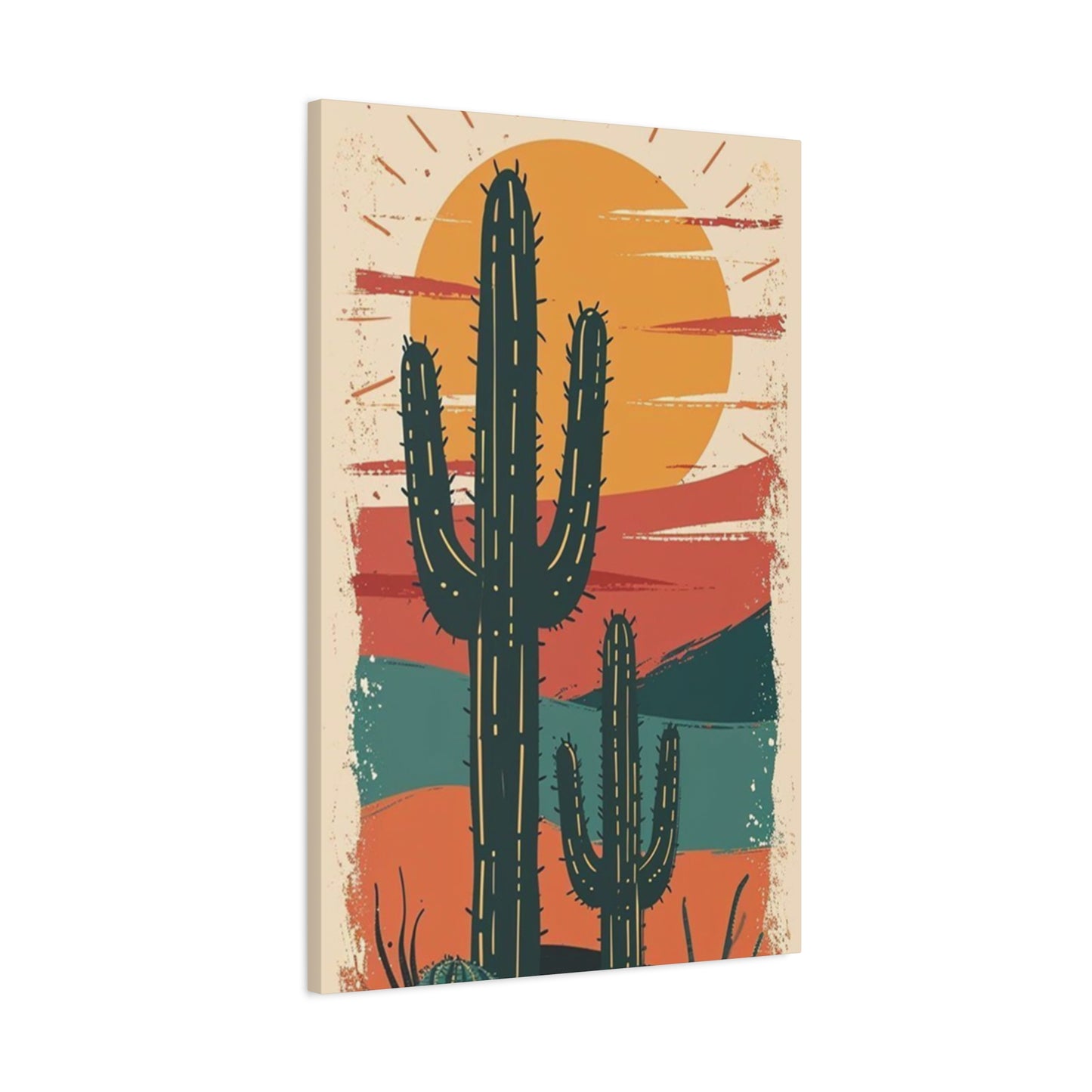
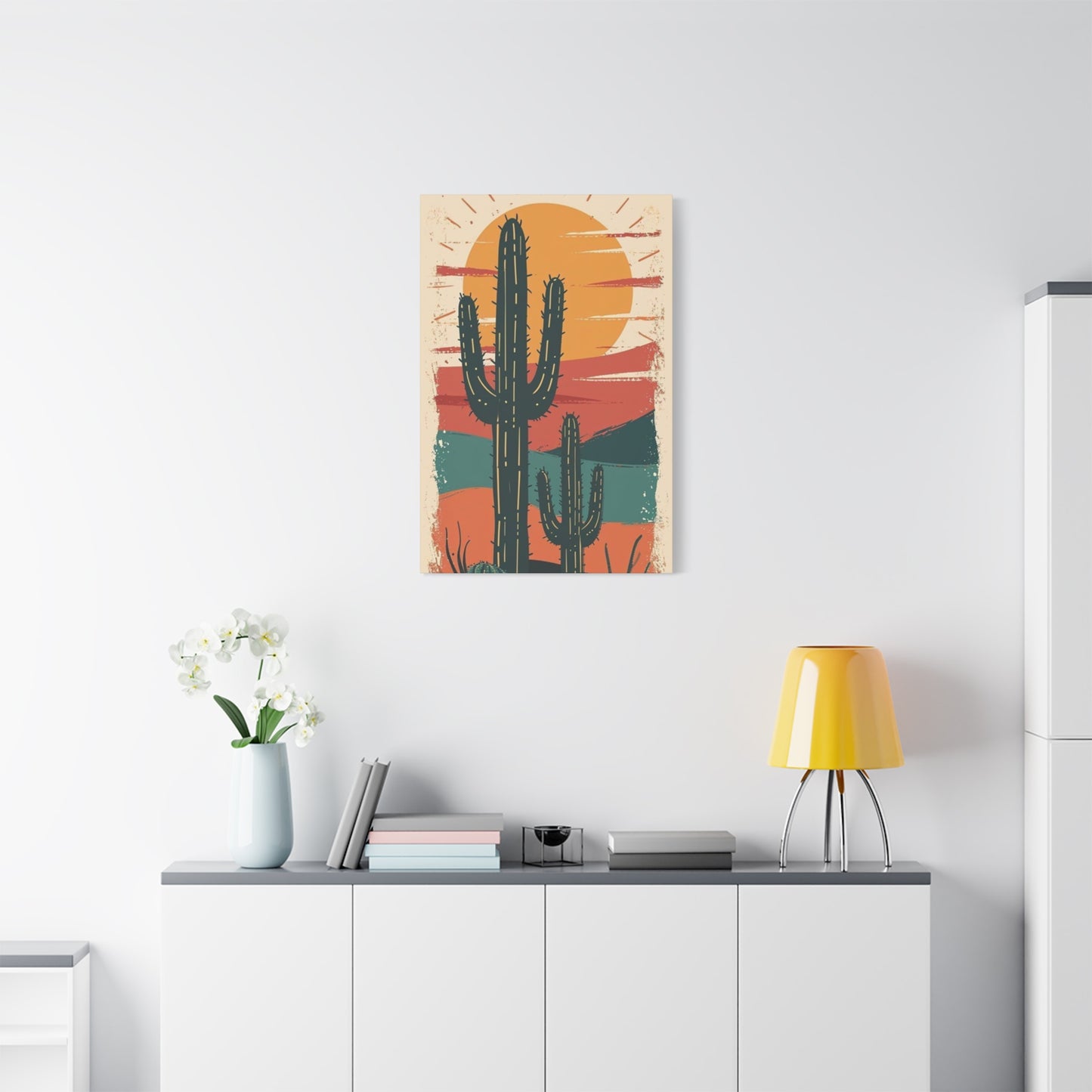
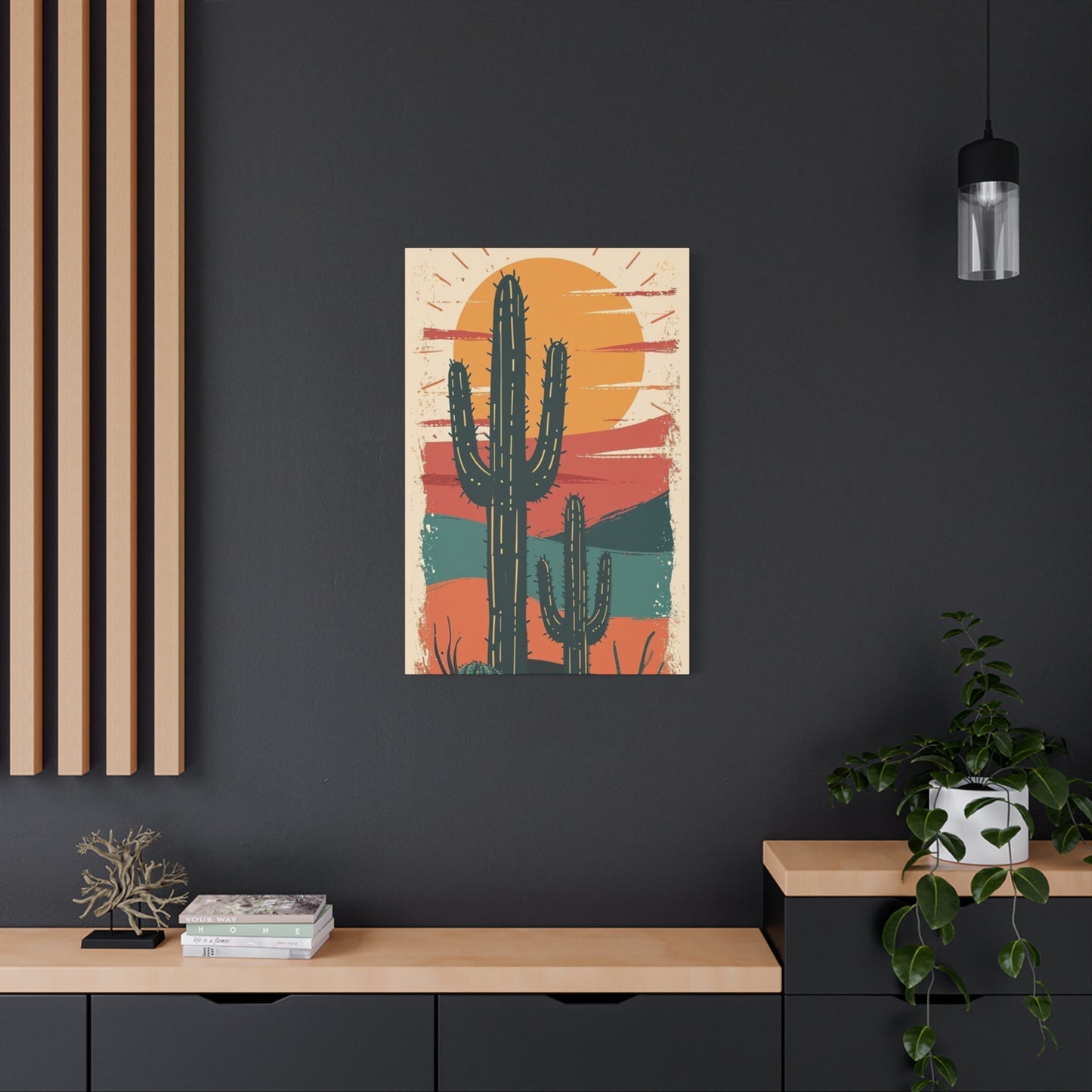
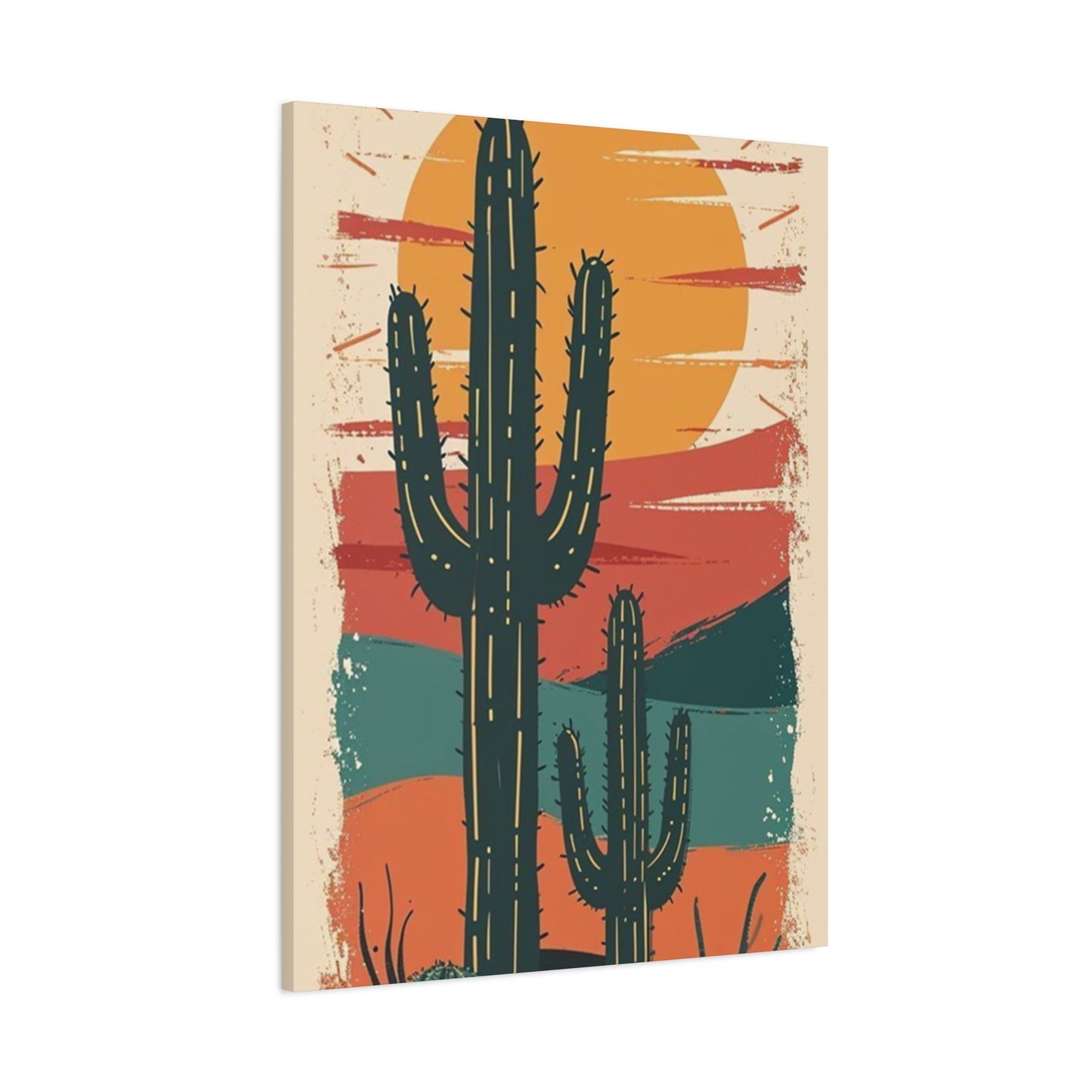
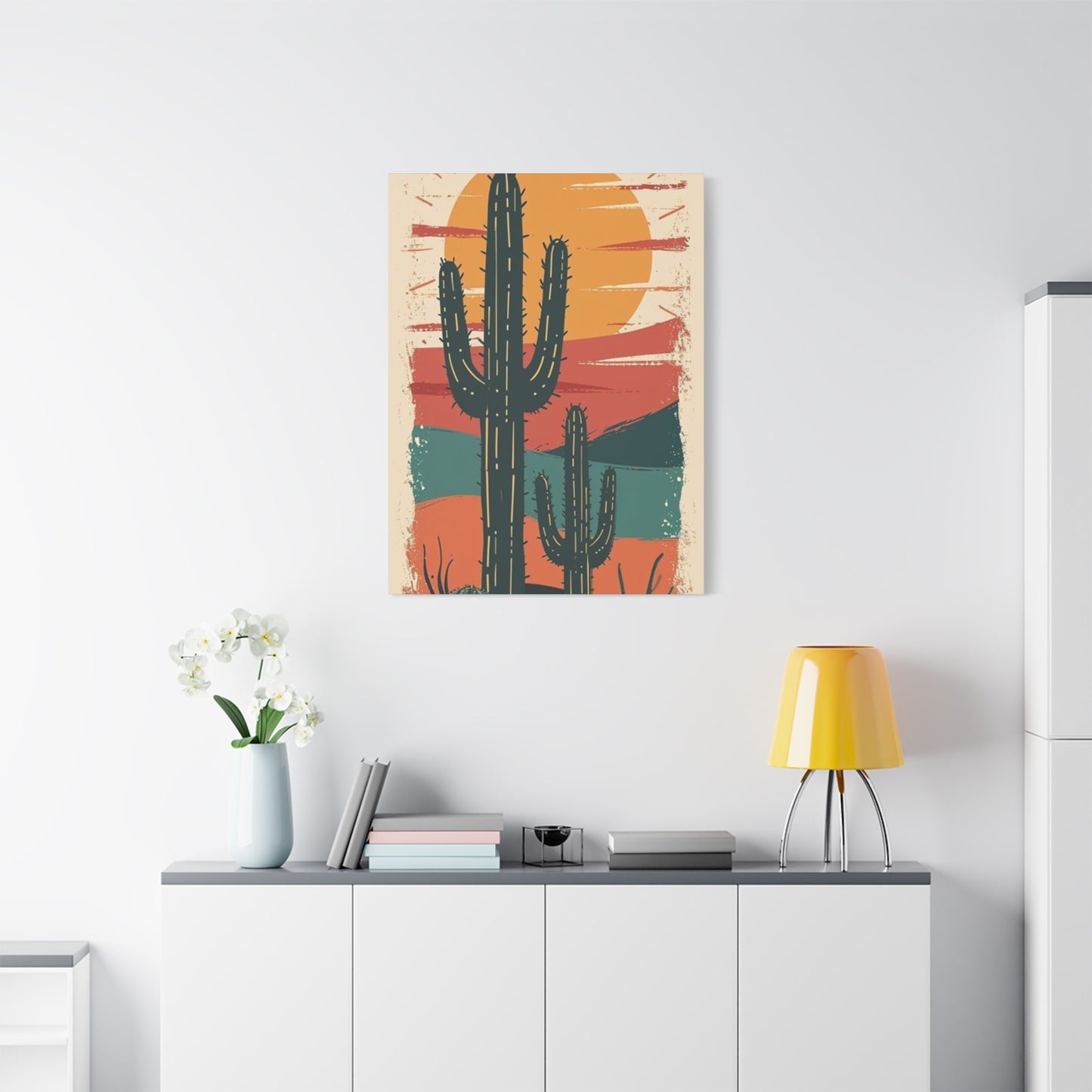
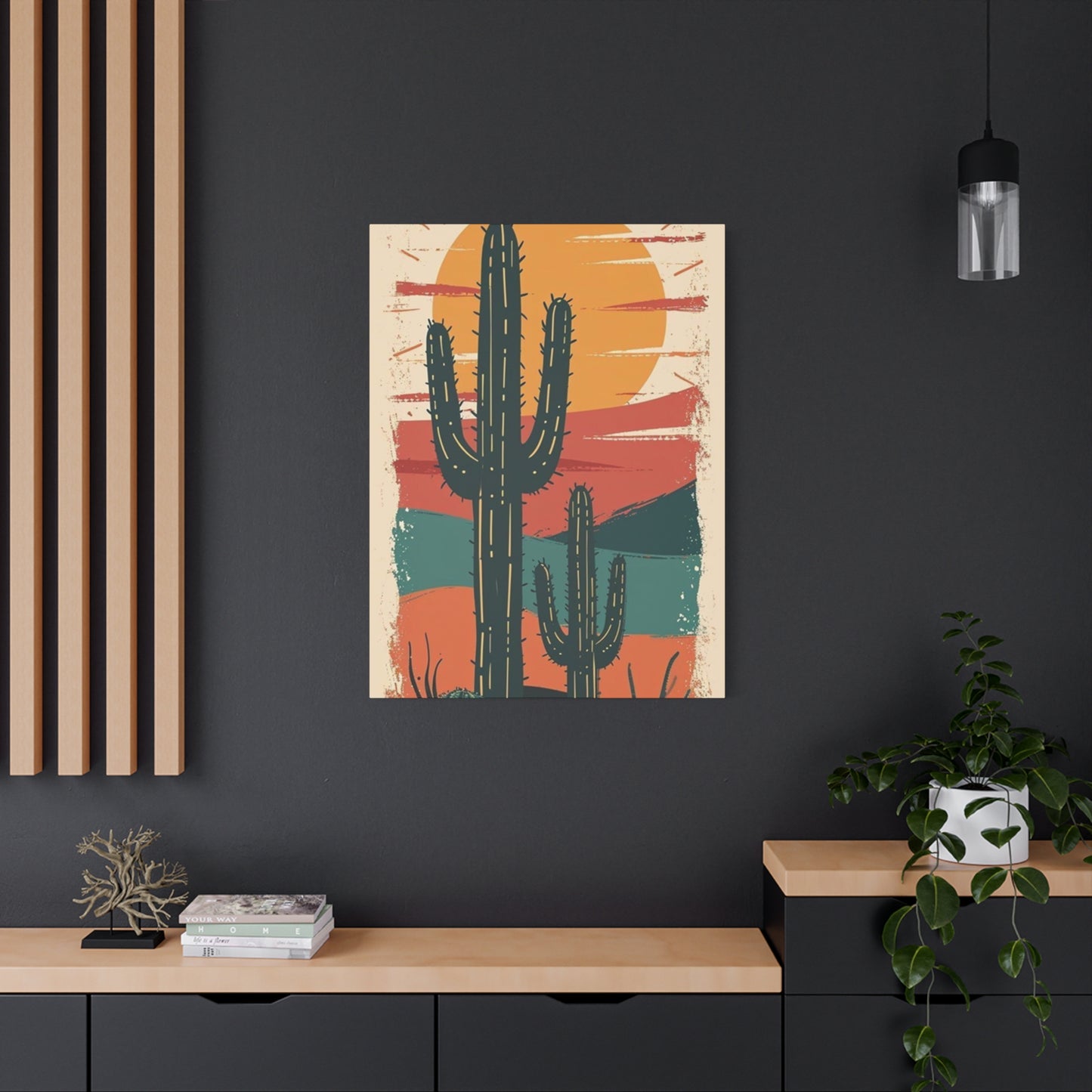
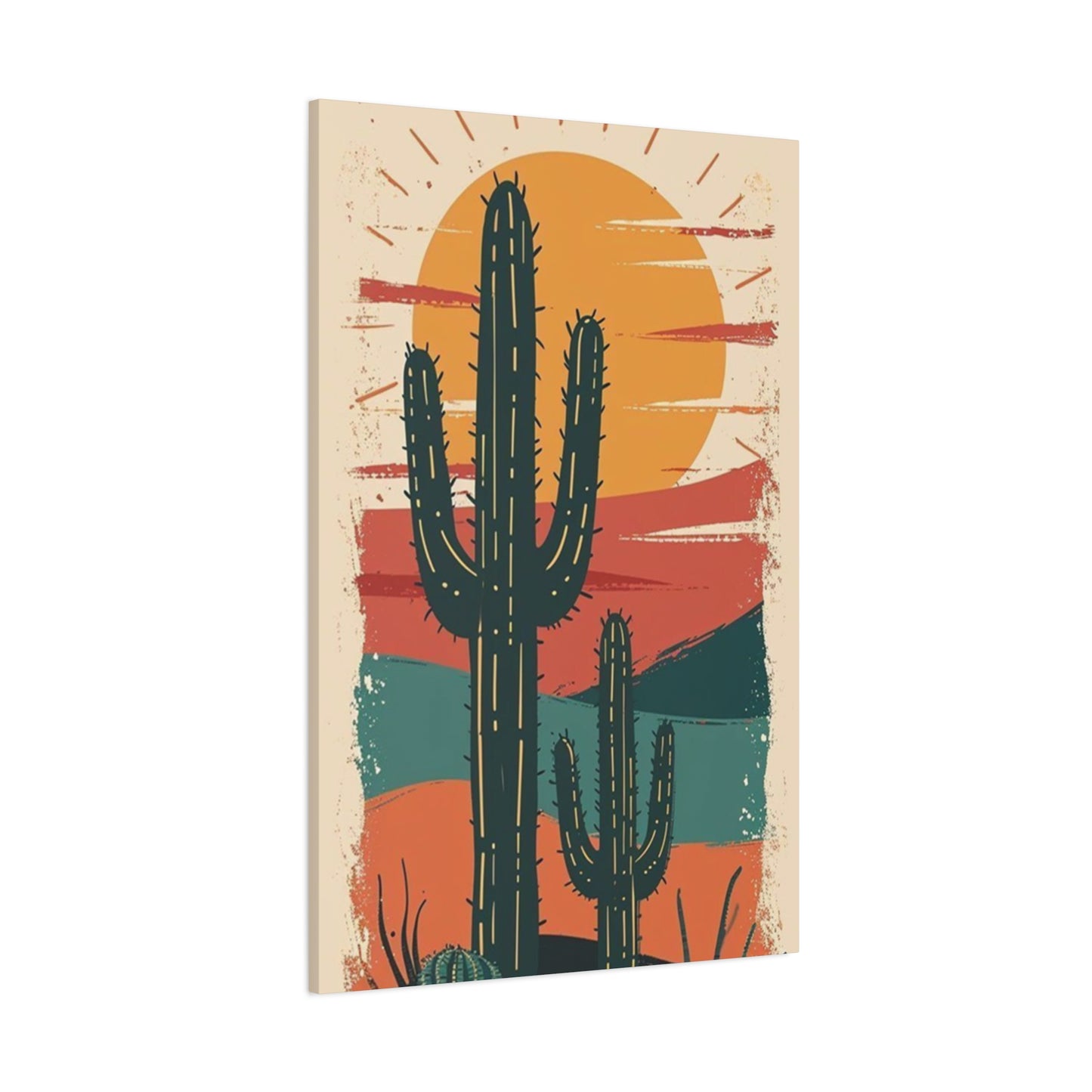
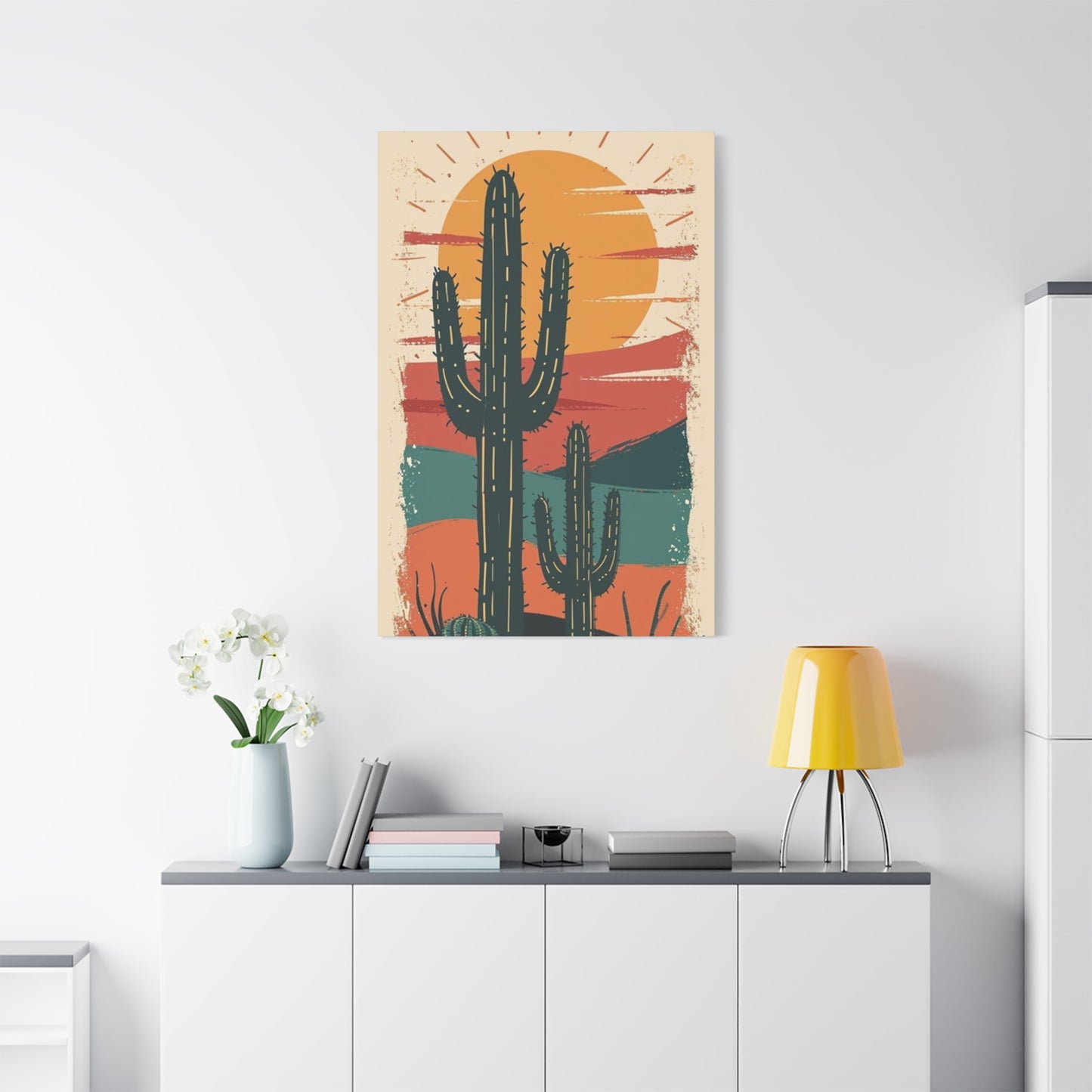
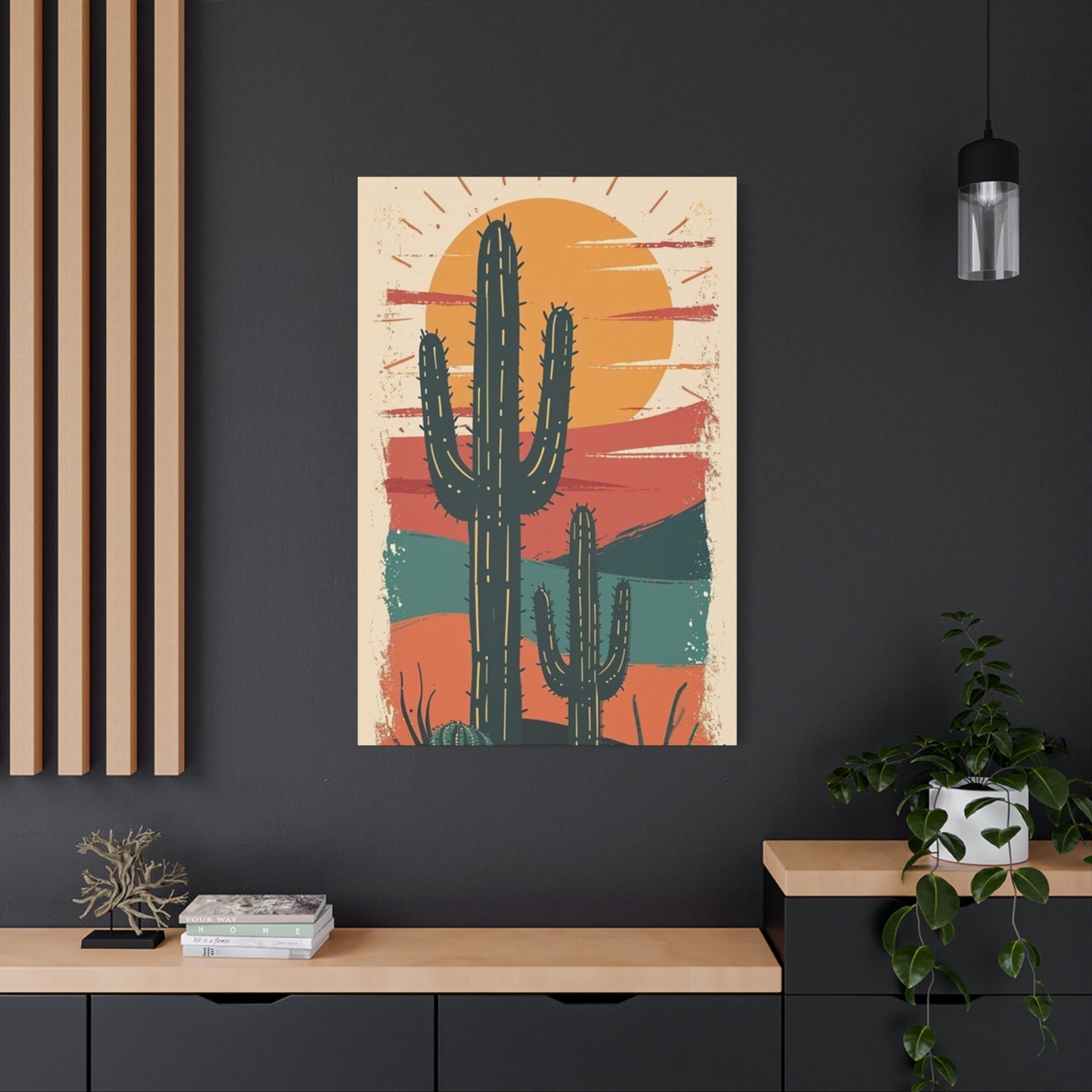
Cacti Wall Art & Canvas Prints
Cacti Wall Art & Canvas Prints
Couldn't load pickup availability
From the Desert to Your Walls: Stunning Cacti Wall Art to Brighten and Beautify Your Living Spaces
The realm of home decoration has witnessed a remarkable surge in botanical-themed aesthetics, with desert flora emerging as a particularly captivating choice for interior enhancement. Among these natural inspirations, cacti wall art stands as a distinctive category that merges the rugged beauty of arid landscapes with contemporary design sensibilities. This form of decorative expression captures the essence of resilience, minimalism, and organic elegance, transforming ordinary walls into captivating visual narratives that speak to both nature enthusiasts and design-conscious individuals alike.
Discovering The Magnetic Appeal Behind Succulent Desert Plant Imagery In Modern Interior Decoration
The fascination with desert plant imagery extends far beyond mere aesthetic preference, tapping into deeper psychological and cultural resonances. Cacti represent survival, endurance, and the ability to thrive in challenging conditions—qualities that resonate profoundly with contemporary audiences navigating complex modern lifestyles. When these symbolic plants transition from their native habitats to artistic representations on walls, they carry with them an entire philosophy of stripped-down beauty and functional elegance.
The visual language of cacti wall art speaks to multiple sensibilities simultaneously. For minimalists, the clean lines and geometric forms of many cactus species provide satisfaction through simplicity. For those drawn to biophilic design principles, these representations satisfy the innate human need to connect with natural elements, even in urban environments where actual desert flora might struggle to survive. The versatility of cacti as artistic subjects allows them to bridge various design styles, from rustic southwestern themes to sleek Scandinavian aesthetics, making them remarkably adaptable decorative elements.
The color palette associated with desert plant imagery typically features soothing earth tones, muted greens, warm terracottas, and sandy neutrals—hues that create calming atmospheres and complement a wide range of existing color schemes. This natural color harmony makes incorporating such artwork into diverse spaces relatively straightforward, reducing the risk of clashing elements while maintaining visual interest. The organic shapes and patterns found in cactus forms also introduce visual texture without overwhelming spaces, striking a balance between presence and subtlety.
Cultural associations further enhance the appeal of these botanical representations. Desert landscapes and their distinctive flora have long captured human imagination, appearing in everything from ancient petroglyphs to contemporary cinema. This cultural familiarity creates an immediate sense of recognition and connection when viewers encounter cacti wall art, while the stylistic interpretation of these familiar forms keeps the experience fresh and engaging.
Exploring Diverse Manifestations Of Desert Plant Artwork For Your Home Environment
The marketplace for botanical wall decorations offers an impressive array of formats, each bringing unique characteristics and advantages to different spaces and design objectives. Understanding these variations helps in selecting pieces that align perfectly with both aesthetic goals and practical considerations.
Canvas prints represent one of the most popular formats for displaying desert plant imagery. These versatile pieces combine affordability with visual impact, offering reproductions of paintings, photographs, or digital artwork stretched over wooden frames. The texture of canvas adds a tactile dimension that enhances the organic subject matter, while the frameless edges create a contemporary gallery-wrapped appearance. Canvas prints come in virtually unlimited size options, from petite accent pieces to statement-making panoramas that dominate entire walls.
Framed photographs bring a different energy to the presentation of succulent subjects. High-quality photographic prints capture the intricate details of actual plants—the patterns of spines, the subtle color variations in flesh, the play of light and shadow across undulating surfaces. When paired with complementary frames, whether sleek metal, rustic wood, or ornate vintage styles, these photographs can shift in character from documentary naturalism to fine art sophistication. The glass or acrylic glazing protects the image while adding a layer of polish and refinement.
Metal prints have emerged as a contemporary favorite for presenting botanical subjects with striking modernity. Through a dye-sublimation process that infuses images directly into specially coated aluminum sheets, these pieces achieve remarkable color vibrancy and depth. The reflective quality of the metal surface adds luminosity to the imagery, making greens appear more vivid and creating an almost three-dimensional effect. The durability of metal prints makes them particularly suitable for spaces with higher humidity or temperature fluctuations where paper-based artwork might deteriorate.
Wood panel prints offer rustic charm and organic authenticity that resonates perfectly with desert themes. Images printed directly onto finished wood surfaces preserve the natural grain patterns, which become part of the artistic composition. This format works exceptionally well for southwestern or bohemian design schemes, where the material itself contributes as much to the aesthetic as the printed image. The lightweight nature of these pieces also makes installation simpler compared to traditionally framed artwork.
Wall decals and removable stickers provide flexibility for renters or those who enjoy frequently refreshing their spaces. These adhesive decorations range from simple silhouettes to detailed photographic reproductions, applied directly to wall surfaces without permanent commitment. The ease of removal and repositioning allows for experimental arrangements and seasonal rotations without damaging underlying paint or wallpaper.
Three-dimensional wall sculptures take the representation of desert flora beyond flat surfaces into tactile territory. These pieces, crafted from materials like ceramic, resin, wood, or metal, create actual depth and shadow play that changes with lighting conditions throughout the day. Sculptural elements can be displayed individually as focal points or arranged in clusters to create dynamic compositions with genuine dimensional variation.
Textile wall hangings, including tapestries and macramé pieces featuring desert plant motifs, introduce softness and texture that counterbalances harder architectural elements. These fabric-based decorations often incorporate multiple materials and techniques, from woven patterns to embroidered details, creating rich tactile experiences. The movement and warmth of textile art provides a welcoming quality particularly suited to bedrooms and living areas where comfort takes priority.
Mastering The Placement And Arrangement Of Botanical Artwork Throughout Your Home
The impact of any decorative element depends significantly on its placement within the space it occupies. Strategic positioning considers factors including viewing angles, lighting conditions, surrounding elements, and the functional purpose of each room.
Living rooms, as primary gathering spaces, benefit from substantial statement pieces that anchor the room and provide conversational focal points. Large-scale cacti wall art positioned above sofas or fireplace mantels creates natural visual anchors that organize surrounding furniture arrangements. In spacious living areas, gallery walls featuring multiple coordinated pieces allow for creative expression while maintaining thematic coherence. The arrangement might follow traditional grid patterns for formal elegance or asymmetrical layouts for dynamic visual energy.
Bedroom environments call for artwork that promotes tranquility and personal connection. Positioning desert plant imagery above the headboard creates a meditative focal point visible upon waking, while the typically calming color palette of such artwork supports restful atmospheres. Smaller accent pieces on flanking walls or above dressers extend the theme without overwhelming the space. The bedroom context allows for more personal and experimental choices, as these private spaces accommodate individual preferences more freely than public areas.
Kitchen and dining spaces increasingly feature decorative elements that reflect the growing recognition of these areas as true living spaces rather than purely functional zones. Cacti wall art in kitchens works particularly well when coordinating with natural materials like wood cutting boards, ceramic dishware, or woven textiles. The connection between plant life and nourishment creates subtle thematic resonance. Smaller pieces or series of prints fit well in the typically limited wall space between cabinets and appliances.
Bathroom environments present unique opportunities for botanical themes, as the connection between plants and water creates natural associations. The humidity levels in bathrooms require selecting artwork specifically suited to moisture exposure—metal prints, sealed wood panels, or properly protected photographs work best. Desert plant imagery in bathrooms creates interesting contrasts between the arid origins of the subjects and the water-rich environment they now inhabit.
Home offices and creative workspaces benefit from artwork that inspires without distracting. The symbolic qualities of desert flora—resilience, persistence, thriving in challenging conditions—provide subtle motivational messaging perfect for productive environments. Positioning such artwork within the line of sight during breaks from screens allows for moments of visual rest while maintaining thematic connection to the work mindset.
Entryways and hallways, often overlooked in decorating schemes, gain character and cohesion when adorned with carefully selected botanical artwork. These transitional spaces benefit from pieces that introduce recurring themes carried throughout the home, creating visual continuity. Narrower hallways particularly suit vertical compositions that draw the eye along the passage without encroaching on limited space.
Coordinating Desert Flora Imagery With Various Interior Design Philosophies And Aesthetic Movements
The remarkable adaptability of cacti wall art allows it to enhance numerous design styles, each time contributing different nuances to the overall aesthetic story.
Southwestern and desert modern styles represent the most intuitive pairing with succulent plant imagery. These design approaches, rooted in the architectural and cultural traditions of arid regions, embrace earthy palettes, natural materials, and the honest expression of functional forms. Within this context, desert plant artwork functions as both decoration and cultural reference, reinforcing the authentic connection to place and tradition. Accompanying elements might include terracotta pottery, woven textiles with geometric patterns, exposed wooden beams, and natural stone surfaces.
Scandinavian minimalism, despite its geographic and climatic opposition to desert environments, pairs surprisingly well with carefully selected cactus imagery. The Scandinavian emphasis on clean lines, functional beauty, and connection to nature finds common ground with the essential forms of desert flora. In this context, the artwork typically features simplified representations, muted color palettes dominated by sage greens and soft grays, and ample surrounding negative space. The resulting aesthetic feels calm, uncluttered, and intentionally composed.
Bohemian eclecticism welcomes desert plant artwork as part of its globally-inspired, layered approach to decoration. Within boho interiors, such pieces mix freely with diverse elements—Moroccan textiles, vintage finds, globally-sourced artifacts, and other botanical specimens. The key to successful incorporation lies in embracing variety while maintaining some unifying threads, whether through color relationships, material choices, or stylistic periods. Desert plant art in bohemian spaces often appears in unexpected formats, perhaps as part of larger gallery walls or paired with seemingly disparate elements that share subtle connections.
Modern farmhouse aesthetics integrate desert flora representations through their emphasis on natural elements and rustic authenticity. The simplified forms of many cactus species complement the clean-lined furniture and neutral palettes characteristic of this style, while the organic subject matter reinforces the agrarian connections. Presentation formats that emphasize natural materials—wood frames, linen matting, or distressed finishes—help bridge the desert origins of the subject with the rural farmhouse context.
Contemporary and urban modern interiors leverage desert plant artwork as organic counterpoints to sleek surfaces and geometric precision. The biomorphic curves and natural irregularity of cactus forms provide visual relief from the straight lines and right angles dominating modern architecture and furniture. Bold, graphic interpretations of desert flora work particularly well in these contexts, with stylized representations or dramatic close-ups creating striking visual moments within otherwise austere spaces.
Tropical and jungle-inspired themes might seem contradictory to desert aesthetics, yet thoughtful integration creates intriguing dialogues between different botanical environments. The key lies in recognizing shared qualities—both themes celebrate plant life, organic forms, and connections to specific landscapes. When combined, they create eclectic botanical collections that span ecosystems, united by their common reverence for natural beauty. Careful attention to color relationships helps disparate plant types coexist harmoniously.
Selecting Appropriate Color Schemes That Enhance Desert Plant Visual Representations
Color relationships profoundly influence how artwork interacts with its surrounding environment, either creating harmonious integration or dynamic contrast depending on strategic choices.
Monochromatic approaches build entire color schemes around variations of a single hue, creating sophisticated unity through subtle gradations. For desert plant subjects, this might involve exploring the full range of greens, from pale sage to deep forest, or working within earthy brown tones spanning from sand to chocolate. Monochromatic schemes feel calm and cohesive, allowing the forms and textures of the subject matter to take center stage without competing color relationships.
Analogous color harmonies utilize hues adjacent on the color wheel, creating gentle transitions and natural-feeling relationships. Desert plant imagery often naturally incorporates analogous schemes—the yellow-greens of certain cacti, the pure greens of paddles and spheres, the blue-greens of some succulent varieties. When surrounding environments echo these adjacent hues through furnishings, textiles, or accent walls, the result feels organically unified, as though all elements emerged from a single natural palette.
Complementary contrasts pair opposite colors on the wheel, creating vibrant energy through tension and balance. The most common complementary relationship for green-dominated cactus imagery involves introducing warm reds, oranges, or terracottas. These warm accents might appear in the artwork itself—capturing sunset light on desert landscapes or the vibrant blooms some cacti produce—or through surrounding elements like throw pillows, pottery, or accent furniture. The resulting visual dynamic feels energizing without becoming overwhelming when proportions favor one color family as dominant and the other as accent.
Triadic harmonies employ three colors equally spaced around the color wheel, creating balanced variety and visual richness. A triadic scheme built around desert plant art might combine the greens of the cacti with purples and oranges, creating a sunset-inspired palette that feels both cohesive and varied. Successfully executing triadic schemes requires attention to color proportions, typically allowing one hue to dominate while the others serve supporting roles.
Neutral foundations provide versatile backdrops that allow desert plant artwork to shine without competing visual noise. Whites, grays, beiges, and taupes create calm environments where the organic colors and forms of the botanical subjects become focal points. This approach works particularly well in smaller spaces where bold color schemes might feel overwhelming, or in contexts where flexibility for future changes remains important. The simplicity of neutral backgrounds also allows seasonal rotations of accent colors through easily changed elements like pillows, throws, or decorative objects.
Earth-tone palettes create natural harmony with desert subjects by drawing from the colors of arid landscapes themselves. Browns, tans, rusts, and ochres provide warm, grounding environments that feel intimately connected to the origins of the depicted flora. These schemes work especially well in spaces seeking to evoke specific geographic regions or in homes featuring natural materials like wood, stone, and clay that share similar color qualities.
Creating Cohesive Gallery Walls That Showcase Multiple Desert Plant Artworks Together
Gallery walls transform collections of individual pieces into unified visual statements greater than the sum of their parts. Success requires balancing unity and variety while considering compositional principles that guide the eye through the arrangement.
Thematic consistency provides the foundation for effective gallery walls, establishing clear connections that justify grouping disparate pieces together. For desert plant collections, this theme might be purely botanical—featuring only cactus and succulent imagery—or more broadly conceptual, perhaps combining desert flora with other arid landscape elements, southwestern cultural artifacts, or abstract pieces sharing similar color palettes. The degree of thematic tightness depends on personal preference and the formality of the space, with more eclectic arrangements suiting casual environments and stricter coherence supporting formal settings.
Frame consistency versus variety represents a key decision point in gallery wall planning. Matching frames in identical styles and colors create orderly, museum-like presentations that feel polished and intentional. This approach works particularly well in formal spaces or when the artwork itself varies significantly in style or color. Conversely, varied frames in different materials, colors, and styles create dynamic, collected-over-time aesthetics that feel personal and evolving. This approach suits eclectic interiors and spaces where perfect polish feels less important than authentic expression. Middle-ground approaches might maintain consistency in frame color while varying styles, or keep materials uniform while exploring different finishes.
Size relationships within the collection require careful consideration to achieve visual balance without monotony. Large anchor pieces provide focal points around which smaller works orbit, creating clear hierarchy and preventing visual chaos. These dominant pieces typically occupy central or near-central positions, though asymmetrical arrangements might place them off-center for dynamic energy. Medium and small pieces fill surrounding areas, with sufficient variety in sizes preventing the grid-like uniformity that can feel institutional rather than residential.
Spacing decisions dramatically impact the character of gallery arrangements. Tight spacing with minimal gaps between frames creates unified, almost single-artwork impressions with cumulative impact. This approach suits themed collections where individual pieces share strong visual connections. Generous spacing emphasizes each piece's individuality while creating a lighter, more open feeling. This treatment works well when incorporating particularly striking pieces that deserve individual attention or in smaller spaces where densely packed arrangements might feel oppressive.
Layout templates provide starting points for arrangement planning, from symmetrical grids to organic clusters. Grid arrangements organize pieces in aligned rows and columns, creating orderly, geometric compositions. These formal layouts suit traditional interiors and collections with pieces of uniform or mathematically related sizes. Salon-style arrangements group pieces of varied sizes in asymmetrical, organic patterns that feel curated and personal. These layouts work well for eclectic collections and informal spaces. Horizontal and vertical line arrangements align pieces along single axes, creating streamlined compositions suited to hallways, above furniture, or flanking architectural features.
Color flow through the arrangement creates visual pathways that guide viewer attention through the collection. This might involve clustering similarly-colored pieces, creating gradual transitions from light to dark, or distributing particular hues throughout to achieve balanced dispersion. Attention to color relationships prevents awkward concentrations of similar tones in one area while other sections feel disconnected, instead creating rhythmic visual movement.
Exploring Various Artistic Styles And Interpretive Approaches To Desert Flora Imagery
The artistic treatment of succulent subjects spans an impressive range of styles, each bringing distinct character and emotional resonance to the depiction of these botanical forms.
Photorealistic renderings prioritize accurate, detailed representation of actual specimens, capturing every spine, texture, and color variation with precision. These works often emerge from high-quality photography or painstaking painted studies, resulting in images that could almost be mistaken for windows onto actual plants. The appeal of photorealism lies in its celebration of nature's inherent beauty without artistic embellishment, allowing viewers to appreciate details they might overlook when encountering actual plants. This style suits spaces where authenticity and natural beauty take precedence over stylistic interpretation.
Watercolor interpretations bring soft, ethereal qualities to desert subjects, creating interesting contrasts between the delicate medium and the hardy subjects. The translucency characteristic of watercolor painting allows colors to blend and bleed in organic ways, resulting in images that feel spontaneous and alive. Watercolor treatments often emphasize the gentler aspects of cacti—their subtle color variations, the play of light across surfaces, the unexpected tenderness of new growth or blooms. This style works beautifully in spaces seeking lightness and organic softness.
Bold graphic designs abstract desert flora into simplified forms with strong colors and clear shapes. These stylized interpretations reduce cacti to essential elements—characteristic silhouettes, geometric patterns, or symbolic representations. The resulting images feel contemporary and accessible, working particularly well in modern interiors where ornate detail might feel incongruous. Graphic treatments also scale effectively, maintaining visual impact from intimate sizes to wall-dominating proportions. The strong shapes and saturated colors typical of this style create energizing visual moments.
Abstract expressionist approaches liberate artists from representational accuracy, using desert plants as inspiration for emotional and compositional exploration rather than documentary recording. These works might capture the feeling of desert landscapes through color and gesture, reference the forms of particular species through suggestive shapes, or explore the symbolic meanings of desert flora through metaphorical imagery. Abstract interpretations invite personal interpretation and emotional response, creating more open-ended viewer experiences. This style suits spaces where conversation-starting pieces and personal expression matter more than universal recognition.
Vintage botanical illustration styles reference historical scientific documentation traditions, featuring precise draftsmanship, muted palettes, and often incorporating text labels or measurement notations. These treatments evoke the aesthetic of 18th and 19th century natural history exploration, carrying associations of discovery, scholarship, and systematic understanding. The nostalgic quality of vintage botanical styles creates sophisticated, library-like atmospheres. Authentic antique prints or modern reproductions of historical illustrations particularly suit traditional, classical, or scholarly interior contexts.
Minimalist line drawings strip desert subjects to their absolute essence, using simple continuous or interrupted lines to suggest forms with maximum economy. This reductive approach creates meditative, zen-like images that feel calm and undemanding. The simplicity of line drawings allows them to integrate into virtually any space without competing with other elements, while their abstract quality invites contemplative viewing. This style aligns perfectly with minimalist, Scandinavian, and Japanese-influenced design philosophies.
Pop art interpretations inject playful energy and cultural commentary into desert plant imagery through bold colors, repetition, and graphic treatments reminiscent of commercial printing and advertising. These works might feature cacti in unexpected neon palettes, multiple versions of the same plant in different color variations, or combinations with text and graphic elements. Pop art treatments create energetic, youth-oriented atmospheres suited to casual, contemporary, or deliberately eclectic spaces.
Understanding Material Choices And Their Impact On Longevity And Visual Presentation
The physical materials used to create and display botanical artwork significantly influence both appearance and durability, making informed material selection essential for satisfaction over time.
Traditional paper and canvas substrates offer time-tested reliability for printed images. High-quality archival papers resist yellowing and degradation when protected from direct sunlight and excessive moisture. The surface texture of fine art papers—from smooth matte to subtly textured—affects how images appear, with different textures suiting different subject treatments. Canvas fabric provides texture that enhances the handcrafted feeling of images, particularly those reproducing paintings or seeking to evoke traditional artistry. Proper stretching over sturdy frames prevents sagging, while gallery-wrapped edges create contemporary presentations without requiring additional framing.
Acrylic and plexiglass presentations create sleek, modern appearances with practical advantages. Mounting prints behind clear acrylic panels protects images while adding depth and luminosity. The space between the image and the protective layer creates subtle dimensional effects, especially when standoffs hold the acrylic away from walls. These presentations resist breakage better than glass while providing comparable clarity and protection. The contemporary aesthetic of acrylic mounting suits modern and minimalist interiors particularly well.
Wood substrates bring organic warmth and textural interest that resonates naturally with botanical subjects. Printing directly onto finished wood panels allows natural grain patterns to remain visible, creating unique variations in each piece. Different wood species offer varied colors and grain patterns—light birch creates crisp, Scandinavian aesthetics while darker walnut provides rich, sophisticated foundations. Wood pieces require protection from excessive moisture and direct sunlight to prevent warping or fading, but with appropriate care, they offer distinctive beauty and longevity.
Metal surfaces create striking contemporary presentations with exceptional durability. Aluminum panels used for dye-sublimation printing provide weatherproof, scratch-resistant surfaces that maintain color vibrancy for decades. The slight reflective quality of metal surfaces adds luminosity that makes colors appear more vivid and dimensional. Metal prints work particularly well in modern spaces, commercial settings, or anywhere durability concerns make traditional materials less practical.
Fabric and textile mediums introduce softness and tactile interest unavailable in rigid materials. Canvas tapestries, printed fabrics, or embroidered pieces add dimension through their inherent texture and the subtle movements created by air circulation. Textile presentations suit spaces seeking warmth and comfort, though they require protection from direct sunlight, which can fade fibers over time. The acoustic properties of fabric also provide subtle sound dampening, beneficial in spaces with hard surfaces that create echoes.
Glass options range from standard glazing to specialized museum-quality treatments. Regular glass provides basic protection while maintaining visual clarity, though it creates reflections that can interfere with viewing under certain lighting conditions. Non-reflective or anti-glare glass treatments minimize these reflections, improving visibility while adding cost. UV-filtering glass protects underlying images from sun damage, extending longevity significantly. Consideration of the space's lighting conditions helps determine whether specialized glass treatments justify their additional expense.
Framing materials and finishes create final presentations that dramatically affect overall appearance. Wood frames offer warmth and traditional appeal, with stain colors and wood species creating varied effects from rustic to refined. Metal frames provide contemporary elegance and durability, with finishes ranging from brushed aluminum to antique bronze. The profile thickness of frames—from slim and subtle to wide and substantial—affects visual weight and presence. Choosing frames that complement both the artwork and surrounding environment creates cohesive integration rather than distracting contrast.
Proper Care And Preservation Methods For Maintaining Artwork Quality Over Extended Periods
Protecting decorative pieces ensures they maintain their beauty and value throughout years of display, requiring attention to environmental factors and handling practices.
Light exposure represents the primary threat to most artwork, causing fading, yellowing, and material degradation over time. Direct sunlight poses particular danger, as its intense UV radiation accelerates deterioration processes. Positioning artwork away from windows that receive direct sun prevents this damage, or when placement near windows proves unavoidable, UV-filtering window films or specialized glass reduce harmful radiation. Even artificial lighting contributes to gradual fading, particularly when fixtures mount very close to artwork or emit high UV content. LED lighting provides the most conservation-friendly option, generating minimal UV radiation and heat compared to incandescent or fluorescent alternatives.
Humidity and temperature fluctuations create expansion and contraction cycles that stress materials, potentially causing warping, cracking, or delamination. Maintaining relatively stable indoor conditions protects artwork more effectively than any other single measure. Target ranges of 40-55% relative humidity and temperatures between 65-75 degrees Fahrenheit provide general guidance, though specific materials might have narrower ideal ranges. Avoiding placement near heating vents, air conditioning registers, or exterior walls that experience temperature extremes helps maintain stability. Dehumidifiers in excessively damp climates or humidifiers in very dry environments help achieve appropriate moisture levels.
Dust accumulation dulls appearance and can become abrasive when rubbed against surfaces during cleaning attempts. Regular gentle dusting with soft, dry microfiber cloths removes particles before they build up. For framed pieces under glass or acrylic, cleaning the protective surfaces with appropriate cleaners maintains clarity without touching the actual artwork. Canvas and unprotected paper require even gentler treatment, perhaps using soft brushes to carefully sweep away dust. Avoiding feather dusters, which can scratch delicate surfaces or shed particles that attract moisture, prevents inadvertent damage.
Proper hanging hardware and mounting techniques prevent falls and material stress. Artwork weight determines appropriate hanging systems, with heavier pieces requiring wall anchors or studs rather than simple picture hooks. D-rings or wire attached to sturdy frame backs distribute weight appropriately, while the hanging hardware on walls should exceed the artwork's weight capacity. Ensuring level installation prevents the visual discomfort of crooked displays while also preventing stress on hanging hardware. For particularly valuable or heavy pieces, consulting professional installers provides peace of mind and optimal results.
Environmental contaminants including cooking fumes, smoke, and airborne chemicals can gradually soil or chemically damage artwork. Kitchens present particularly challenging environments due to grease particles becoming airborne during cooking. Providing adequate ventilation in these spaces reduces contaminant accumulation. In homes with smokers, keeping artwork in smoke-free rooms prevents the yellowing and odor absorption that occurs with regular smoke exposure. Chemical fumes from cleaning products, fresh paint, or new carpeting contain volatile compounds that potentially react with artwork materials, suggesting temporary relocation during periods of high chemical presence.
Handling protocols for when moving or cleaning pieces prevent accidental damage. Always handling frames rather than directly touching artwork surfaces prevents oil transfer from skin. Wearing clean cotton gloves when handling unframed or particularly valuable pieces adds another layer of protection. Moving artwork carefully, avoiding bumping corners or edges against walls or furniture, prevents dents and tears. When storing pieces temporarily, wrapping them in acid-free paper or bubble wrap and storing them flat or properly supported in upright positions prevents warping and pressure damage.
Incorporating Living Desert Plants Alongside Artistic Representations For Layered Botanical Design
Combining actual growing specimens with artistic representations creates rich, multidimensional spaces that celebrate desert flora through multiple expressions. This layered approach satisfies both aesthetic and nurturing impulses while creating interesting dialogues between life and art.
Complementary positioning places living plants near their artistic counterparts, creating visual echoes and thematic reinforcement. A substantial cactus specimen displayed on a console table beneath cacti wall art establishes clear connection through proximity and subject matter. This pairing allows viewers to compare artistic interpretation with living reality, appreciating both the accuracy or creative license of the artwork and the intricate details of actual specimens. Scale relationships between living and depicted plants create interesting dynamics—small actual specimens beneath large-scale artwork create dramatic size contrasts, while similarly-sized living and artistic elements feel harmonious and balanced.
Care considerations for living specimens affect placement options, as cacti and succulents require appropriate light levels to thrive. South-facing windows provide ideal conditions for most species, though some varieties tolerate lower light. When artwork and living specimens must occupy the same general area, ensuring plant health takes precedence, even if this means slightly compromising the ideal positioning of artwork. Alternatively, selecting artwork for areas with good light allows coordination with living specimens, while shadier locations receive only artistic representations.
Species selection for living collections might draw inspiration from artistic pieces, recreating favorite depicted varieties in three-dimensional reality. This approach transforms passive appreciation of artwork into active engagement with actual specimens. Identifying specific species represented in artwork and seeking them out from specialty growers creates an enjoyable collecting hobby that deepens knowledge and connection. Conversely, artwork might be chosen to represent favorite specimens in a living collection, creating portraits of beloved plants.
Container choices for living specimens contribute significantly to overall aesthetic coherence. Pots and planters in materials, colors, and styles that complement surrounding artwork create unified presentations. Terracotta vessels echo the earth tones common in desert plant imagery, while sleek ceramic containers in muted colors suit minimalist presentations. Grouping multiple small specimens in coordinating containers creates collected displays that mirror gallery wall approaches to artwork.
Creating dedicated botanical vignettes combines artwork, living specimens, and complementary decorative objects into curated arrangements. A small table or shelf might feature a potted cactus, a piece of desert plant artwork, a geology specimen like agate or quartz, and perhaps a small decorative object with southwestern styling. These carefully composed arrangements function as three-dimensional still life compositions, combining multiple elements into greater artistic statements.
Seasonal rotation possibilities emerge when maintaining living specimens alongside artwork. As living plants bloom or change appearance through natural cycles, artwork can be rotated to reflect or contrast these changes. Similarly, seasonal decorative updates to surrounding spaces might inspire temporary changes to displayed artwork, creating dynamic environments that evolve rather than remain static.
Crafting Your Own Desert Plant Artwork Through Various Creative Methods And Mediums
Creating original botanical art provides deeply satisfying creative expression while generating completely unique pieces perfectly tailored to personal preferences and specific spaces. Multiple approachable techniques welcome artists of varying skill levels.
Photography of actual specimens offers accessible entry into creating custom artwork. Even smartphone cameras now capture impressive image quality, while attention to composition, lighting, and focus makes the difference between casual snapshots and compelling imagery. Natural light, particularly the diffused illumination of overcast days or shaded areas, provides even, flattering illumination that reveals details without harsh shadows. Experimenting with angles—shooting from above to capture rosette patterns, from the side to emphasize profiles, or very close to abstract forms—creates varied perspectives. Post-processing through photo editing software enhances images through adjustments to exposure, contrast, color saturation, and sharpness. Particularly successful images can be professionally printed on preferred substrates or through local print services.
Painting and drawing enable complete creative freedom in depicting desert subjects. Watercolor's portability and accessibility make it popular for botanical illustration. Beginning with light sketches in pencil establishes accurate forms before applying pigment in transparent layers that build depth and dimension. Acrylic painting offers versatility and quick drying times, allowing rapid layering and corrections. The opacity of acrylics permits working from dark to light, unlike watercolors. Oil painting provides ultimate blending capabilities and richness of color, though slower drying times and necessary solvents present greater logistical challenges. Drawing mediums including graphite pencils, colored pencils, and ink provide detail-oriented approaches perfect for precise botanical documentation or expressive sketching.
Digital illustration through software and drawing tablets removes physical material concerns while offering unlimited undo capability and experimental freedom. Vector-based programs create scalable graphics that maintain quality at any size, perfect for bold, graphic interpretations. Raster-based painting programs simulate traditional media while offering digital conveniences. Procreate and similar tablet applications make digital art increasingly accessible, with intuitive interfaces and rich toolsets. Digital workflows allow exploration of multiple color schemes, compositions, and styles from single drawings, maximizing creative output.
Printmaking techniques including linocut, woodblock printing, and screen printing create distinctive handmade aesthetics with appealing textural qualities. Carving designs into linoleum blocks or wood surfaces, then inking and printing them onto paper produces bold graphics with characteristic texture. Screen printing allows multiple color layers and precise registration. The repetitive nature of printing permits creating limited edition series, while each print retains handmade qualities that distinguish it from mechanically reproduced imagery.
Collage and mixed media approaches combine various materials and techniques into unified compositions. This might involve incorporating actual dried plant materials, combining painted and photographed elements, or layering tissue paper, fabric, and other materials to create textured surfaces. Mixed media's anything-goes philosophy encourages experimentation and problem-solving, often yielding unexpected results more interesting than carefully planned outcomes. The dimensional quality of many mixed media pieces adds physical depth that purely two-dimensional approaches cannot achieve.
Botanical pressing and framing of actual specimens creates authentic natural artifacts. While true cacti present challenges for pressing due to their three-dimensional, water-storing structures, some flattened species and many accompanying desert wildflowers press successfully. Carefully dried specimens mounted on archival papers and framed under glass become permanent preserved examples. This approach requires patience, as proper drying prevents later mold growth, but results in wholly unique pieces impossible to replicate exactly.
Transfer techniques move images from one substrate to another, creating effects unattainable through direct application. Photo transfers onto wood, fabric, or canvas create vintage, distressed aesthetics. Gel medium transfers, image transfer solutions, and other products enable these techniques with varying difficulty levels and required equipment. Transfer methods often yield unpredictable results with appealing irregularities that enhance handmade character.
Exploring Commercial Sources For Acquiring High-Quality Desert Flora Artwork
The marketplace offers numerous avenues for discovering and purchasing botanical artwork, each with distinct advantages, price points, and selection characteristics.
Online marketplaces have revolutionized art accessibility, connecting buyers directly with artists and manufacturers worldwide. These platforms range from mass-market retailers offering affordable prints and reproductions to specialized sites focusing on original works or limited editions. The convenience of browsing extensive inventories from home, reading customer reviews, and comparing prices across sellers makes online shopping attractive. However, the inability to view pieces in person before purchase presents challenges, as screen representations often fail to accurately convey colors, textures, and scale. Careful attention to product descriptions, measurements, and return policies mitigates these risks.
Artist websites and online portfolios allow purchasing directly from creators, often providing the most favorable arrangements for artists while giving buyers access to original works, limited editions, and commissioned pieces. Many artists maintain active social media presences showcasing their work, making discovery and initial contact straightforward. Direct artist relationships often enable customization requests, scale modifications, or color adjustments impossible when purchasing through intermediaries. Supporting individual artists also contributes to creative communities in more meaningful ways than purchasing through large commercial entities.
Gallery and showroom settings provide invaluable opportunities to experience artwork in person before committing to purchases. Seeing actual colors, textures, and scale relationships eliminates uncertainty present in online shopping. Gallery staff often provide valuable context about artists, techniques, and appropriate care. Local galleries focusing on regional art may feature desert plant imagery by artists with authentic connections to arid landscapes. However, gallery representation typically increases prices to cover overhead costs and curator expertise.
Art fairs and markets bring together multiple artists and vendors, creating browsing experiences with diverse options. These events range from juried fine art shows featuring vetted artists to casual outdoor markets with varying quality standards. The temporary nature of these events often encourages vendor flexibility on pricing, particularly near closing times. Direct conversations with artists present offer insights into creative processes and intentions. However, the overwhelming variety at larger events can make focused searching challenging.
Final Thoughts
Vibrant cacti wall art offers a unique opportunity to infuse your living space with the beauty and charm of the desert landscape. With their bold forms, striking colors, and distinctive textures, cacti are more than just plants—they are symbols of resilience, strength, and the ability to thrive in harsh conditions. When translated into stunning wall art, they bring a sense of vitality and natural elegance into a room, transforming ordinary walls into captivating visual statements.
The visual appeal of cacti wall art is undeniable. From the soft greens and purples of the prickly pear to the deep, striking hues of the saguaro, cactus art offers an array of colors that can complement a variety of interior styles. Whether it’s a single, large-scale print of a majestic cactus in full bloom or a series of smaller, more abstract representations, the flexibility of cactus art allows it to seamlessly integrate into a wide range of décor themes—from modern minimalism to boho-chic and rustic desert vibes. These pieces can breathe life into even the most neutral or monochromatic rooms, serving as bold focal points that introduce color and texture without overwhelming the space.
One of the key qualities that makes vibrant cacti wall art so compelling is its versatility. Cacti have a natural, sculptural form that can evoke feelings of calm and serenity while still being visually dynamic. The geometric shapes and spiky, angular lines found in cactus designs can add a contemporary edge to a room, while the organic, natural beauty of the plants keeps the art grounded in a sense of nature and simplicity. The combination of sharp contrasts and soft gradients in the artwork adds a level of complexity that draws the viewer’s eye, making it both an aesthetic and emotional experience.
Symbolically, cacti represent endurance, survival, and adaptability. Growing in the arid, sun-drenched deserts, cacti have learned to thrive in conditions that would seem inhospitable to most other plants. This symbolism can be particularly meaningful for individuals who appreciate the metaphor of perseverance in the face of adversity. Incorporating cactus art into your home can serve as a reminder of personal strength, resilience, and the beauty that can emerge from difficult circumstances. Whether placed in a living room, bedroom, or study, cactus wall art can subtly inspire a sense of confidence, independence, and inner peace.
Beyond their symbolism, vibrant cactus prints offer a striking way to celebrate the aesthetic beauty of the desert. The unique textures and patterns of cacti—whether it’s the prickly spines, the sculptural shapes, or the way light plays off their surfaces—create an interesting visual narrative that reflects the harsh yet mesmerizing beauty of desert landscapes. Artists often capture the nuances of light and shadow on cactus surfaces, highlighting their natural elegance and resilience, making the artwork feel like a window into a desert sanctuary. These visual qualities make cactus art ideal for bringing a touch of nature into an urban or suburban home, especially for those who love the desert’s serene, minimalist beauty.
Vibrant cactus wall art can also be used as a powerful contrast to more traditional or classic home décor. In a room filled with vintage furniture or antique accents, cactus prints can introduce a refreshing burst of modernity and energy, breaking up the formality of the space with a touch of whimsy and contemporary design. Similarly, in more industrial or urban settings, where exposed brick and metal fixtures dominate, cactus art can soften the space, providing organic forms that offset the coldness of raw materials.
When it comes to placement, cactus art’s bold visual presence allows it to shine in a variety of settings. A large canvas print above a couch or bed can serve as a statement piece, drawing attention while grounding the room with a sense of natural beauty. Alternatively, smaller cactus prints in a gallery wall format can create a dynamic, curated look that adds depth and interest to a hallway or entryway. The simplicity of cactus shapes allows for flexibility in framing and size, giving you the freedom to experiment with arrangements that suit the room's layout and aesthetic.
In addition to its beauty, vibrant cactus wall art can also be a source of conversation. It invites curiosity and admiration, allowing guests to engage with the piece and reflect on the significance of the cactus. Whether it sparks discussions about the symbolism of the desert or simply marvels at the artistry involved in capturing the intricate details of a cactus, the art piece becomes a centerpiece that encourages connection and reflection.
For those looking to create a space that feels both energizing and calming, vibrant cacti wall art is an ideal choice. The natural beauty of the desert, combined with the bold visual appeal of cacti, brings a refreshing burst of life into any room. Whether you’re drawn to the serene, neutral tones of the desert or the vibrant colors that pop off the canvas, cactus art adds a touch of nature’s splendor and resilience to your home.
In conclusion, vibrant cacti wall art is a remarkable way to bring the unique beauty and energy of the desert into your living space. Its combination of natural symbolism, striking visual elements, and timeless appeal makes it a perfect choice for anyone looking to elevate their home’s aesthetic while introducing an element of nature’s strength and serenity. Whether you opt for an expansive, detailed piece or a more minimalist, abstract design, cactus art offers endless opportunities to personalize and enhance your space. It invites you to experience the majesty of the desert while connecting with the themes of endurance and beauty that are at the heart of nature’s most remarkable plants.
Share