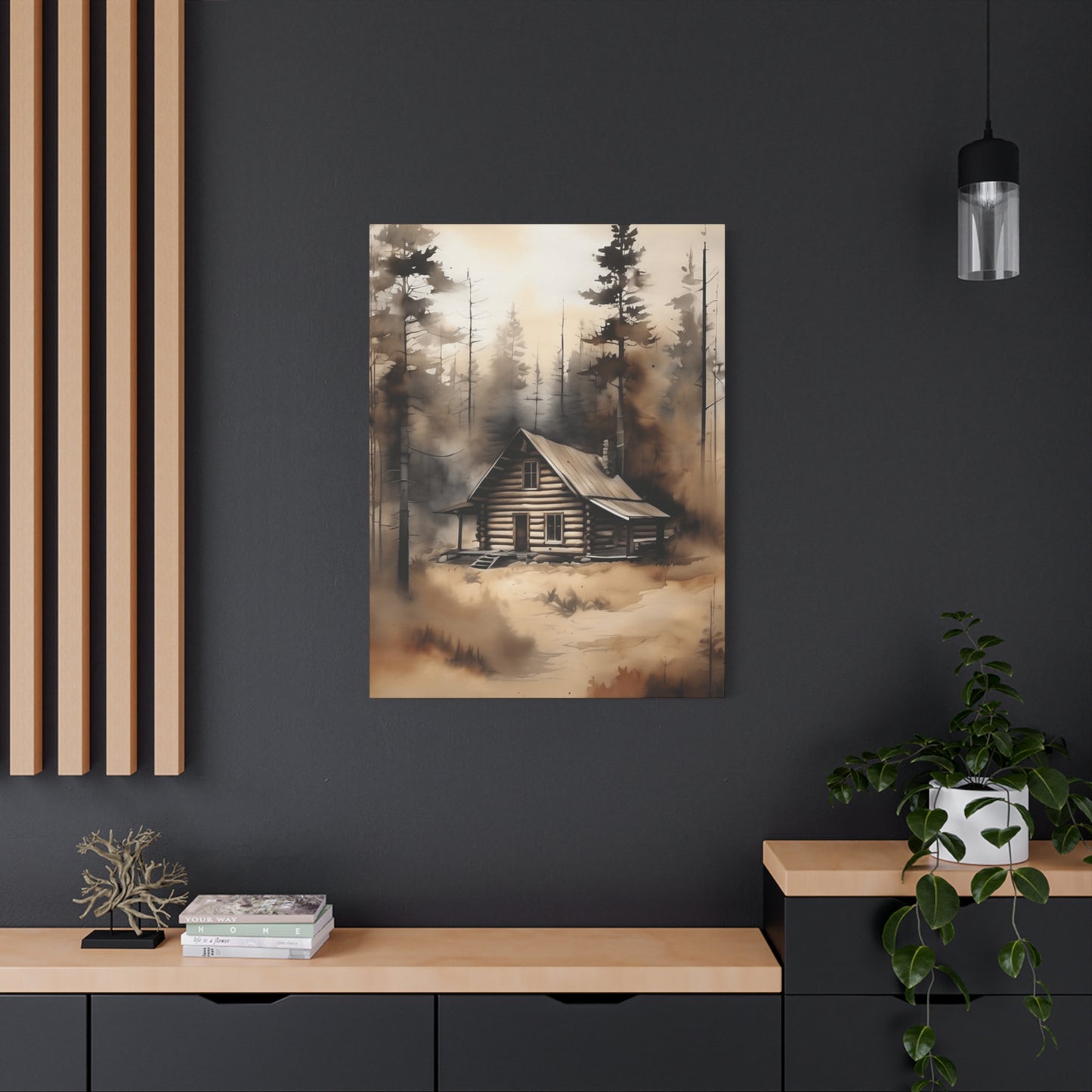


Cabin Wall Art & Canvas Prints
Cabin Wall Art & Canvas Prints
Couldn't load pickup availability
Creative Ways to Enhance Your Living Space with Cabin Wall Art and Rustic Interior Décor Elements
The desire to bring natural warmth and countryside charm into residential spaces has created an unprecedented interest in woodland-inspired decorative pieces. Cabin wall art represents more than simple ornamentation; it embodies a lifestyle choice that connects modern dwellers with simpler times and untamed landscapes. This comprehensive exploration delves into every aspect of selecting, arranging, and appreciating these distinctive artistic expressions that transform ordinary rooms into sanctuaries of comfort and authenticity.
Discovering the Authentic Character Behind Woodland-Inspired Visual Expressions
Rustic artwork designed for mountain retreats carries profound symbolic meaning beyond mere aesthetic appeal. These pieces capture the essence of wilderness living, conveying stories of adventure, solitude, and humanity's enduring relationship with untamed nature. Each canvas, print, or handcrafted wooden piece serves as a portal to memories of crackling fireplaces, morning mist over pine forests, and the profound silence found only in remote locations far from urban chaos.
The visual language of these artistic works speaks directly to something primal within human consciousness. Whether depicting majestic elk standing against twilight skies, weathered barn structures that have witnessed generations pass, or abstract representations of mountain ranges rendered in earthy pigments, each piece connects viewers to landscapes that shaped cultural identity across continents. This connection transcends decorative function, offering daily reminders of values like resilience, simplicity, and harmony with natural cycles.
Collectors and homeowners gravitate toward these artworks because they provide grounding influences in increasingly digitized lifestyles. The textures, colors, and subjects featured in quality rustic pieces create visual anchors that calm overstimulated minds. Unlike trendy contemporary art that may feel cold or intellectually distant, woodland-inspired creations invite emotional engagement through familiar imagery and materials that reference tangible, physical experiences in outdoor settings.
Exploring Various Artistic Styles Within Mountain Lodge Decorative Traditions
The spectrum of styles available within this genre offers remarkable diversity for those seeking to personalize their environments. Photographic renditions capture precise details of wildlife behavior, botanical specimens, and geological formations with scientific accuracy that appeals to nature enthusiasts who appreciate documentary realism. These works often feature dramatic lighting conditions—golden hour illumination filtering through conifer branches, or storm clouds gathering over alpine meadows—that elevate simple subjects into compelling visual narratives.
Illustrative approaches bring different qualities to mountain retreat aesthetics. Hand-drawn wildlife portraits rendered in graphite or colored pencil showcase artistic skill while maintaining naturalistic accuracy. Watercolor landscapes convey atmospheric conditions and seasonal transitions through fluid, expressive techniques that suggest rather than dictate specific interpretations. These softer presentations work particularly well in bedrooms and reading nooks where contemplative moods enhance relaxation.
Abstract interpretations of wilderness themes offer sophisticated alternatives for those who appreciate symbolism over literal representation. These pieces might employ textured layers of paint in forest greens, stone grays, and bark browns to evoke woodland environments without depicting recognizable forms. Geometric patterns inspired by Native American traditions or Scandinavian folk art connect cultural heritage to natural settings, creating bridges between human creativity and environmental inspiration that resonate across generations.
Vintage-style reproductions recreate the aesthetic of early twentieth-century lodge décor, featuring stylized wildlife illustrations reminiscent of national park posters from the 1930s and 1940s. These nostalgic pieces tap into collective memories of family vacations and roadside attractions, imbuing spaces with warmth that newer artwork sometimes struggles to achieve. The deliberately aged appearance of these prints—complete with intentional color fading and paper distressing—adds authenticity that appeals to collectors of Americana and outdoor recreation memorabilia.
Selecting Materials That Complement Wilderness-Themed Visual Narratives
Material choices significantly impact how artistic pieces function within residential environments. Canvas prints stretched over wooden frames remain popular for their lightweight construction and resistance to warping in varying humidity conditions. The textile surface accepts ink beautifully, producing rich color saturation that makes wildlife subjects and landscape vistas appear vibrant without glossy reflections that can interfere with viewing from multiple angles.
Reclaimed wood substrates bring exceptional character to mountain-inspired artwork. Planks salvaged from dismantled barns, abandoned railway trestles, or fallen timber carry histories embedded in their grain patterns, weathering marks, and occasional nail holes. When artists transfer images onto these surfaces through specialized printing methods or hand-painting techniques, the resulting pieces possess dimensional qualities impossible to achieve on flat materials. The wood's natural imperfections become design features rather than flaws, contributing authenticity that mass-produced items cannot replicate.
Metal prints offer contemporary alternatives that maintain rustic sensibilities through careful subject selection and finish choices. Aluminum panels with matte coatings provide exceptional durability while displaying photographic images with striking clarity. These lightweight options work well in moisture-prone environments like bathrooms where traditional materials might deteriorate. The juxtaposition of modern substrate with traditional wilderness imagery creates intriguing contrasts that appeal to homeowners blending multiple design philosophies.
Three-dimensional carved wood pieces elevate wall décor beyond flat surfaces into sculptural territory. Artisans skilled in relief carving transform solid planks into topographical representations of mountain ranges, detailed wildlife portraits with varying depths creating shadows that change throughout the day, or abstract patterns inspired by tree bark textures. These tactile creations invite touch as well as visual appreciation, engaging multiple senses in ways that prints cannot achieve.
Understanding Color Palettes That Define Mountain Retreat Atmospheres
The chromatic language of wilderness-inspired interiors draws heavily from natural environments observed across seasons and times of day. Earth tones form the foundation—rich browns reminiscent of forest soil and aged leather, warm tans echoing sun-dried grasses and weathered stone, deep greens reflecting conifer needles and moss-covered rocks. These hues create grounding effects that psychologically anchor occupants, providing visual stability that counterbalances hectic external lives.
Accent colors derived from wildlife and flora inject vitality into otherwise neutral palettes. The rust-orange of autumn oak leaves, crimson tones found in cardinal plumage or maple foliage, golden yellows suggesting sunlight filtering through aspen groves—these brighter notes prevent spaces from feeling monotonous while maintaining thematic coherence. Strategic placement of these accent hues in artwork draws the eye to focal points, guiding visual flow through carefully composed arrangements.
Cooler tones contribute essential balance to predominantly warm palettes. Slate blues reflecting mountain streams and distant ridges, silvery grays suggesting morning fog or granite outcroppings, and pale aquas evoking high-altitude lakes provide refreshing contrasts. These colors particularly benefit spaces receiving abundant natural light, where warmer tones might otherwise feel overwhelming. The interplay between warm and cool creates dynamic tension that keeps visual interest alive without creating jarring discord.
Monochromatic schemes deserve consideration for minimalist interpretations of mountain aesthetics. Black-and-white wildlife photography emphasizes form, texture, and composition without color's emotional influence. Sepia-toned landscapes evoke nostalgic associations with historical documentation of western expansion and early conservation movements. These restrained palettes allow architectural features and furnishings to claim greater visual prominence while artwork provides subtle thematic reinforcement rather than dominant focal points.
Arranging Multiple Pieces to Create Cohesive Visual Stories
Gallery wall configurations offer opportunities to display collections that tell complex narratives through carefully curated selections. Thematic groupings might trace seasonal progressions—spring wildflowers transitioning to summer meadows, autumn foliage giving way to winter snowscapes—creating temporal journeys that mirror natural cycles. Alternatively, arrangements might focus on specific ecosystems, gathering artwork depicting various inhabitants and features of alpine tundra, deciduous forests, or riparian zones into comprehensive visual ecosystems.
Asymmetrical layouts generate organic, collected-over-time impressions that suit rustic aesthetics better than rigid grid patterns. Varying frame sizes, mixing orientations between portrait and landscape formats, and incorporating three-dimensional elements among flat prints create rhythmic diversity that mirrors nature's resistance to perfect symmetry. This approach allows flexibility as collections grow, with new acquisitions finding places within existing arrangements without requiring complete reorganizations.
Vertical stacking strategies work particularly well in spaces with limited horizontal wall area. Tall, narrow arrangements draw the eye upward, emphasizing vertical dimensions that make rooms feel more spacious. This orientation suits stairwell walls, narrow hallways, and spaces flanking doorways or windows. Subjects featuring vertical elements—towering pines, cascading waterfalls, or standing wildlife—enhance this upward visual movement, creating elegant solutions for challenging architectural spaces.
Symmetrical pairings provide formal balance appropriate for certain rooms and design sensibilities. Matching wildlife portraits flanking fireplaces or doorways create ceremonial impressions befitting dining rooms and entryways. Identical landscape prints on opposite walls establish visual rhythm in rectangular spaces, while paired abstracts incorporating similar color schemes without identical imagery offer subtler coordination that avoids predictability.
Incorporating Handcrafted Elements That Amplify Authenticity
Handmade frames constructed from locally sourced timber add substantial value beyond commercial alternatives. Artisans can incorporate live edges preserving the natural contours of tree trunks, exposed joinery celebrating traditional woodworking techniques, or carved details echoing patterns found in specific regional folk traditions. These custom frames transform artwork into complete sculptural objects where boundaries between picture and presentation dissolve, creating unified aesthetic statements.
Woven textile pieces introduce softness and textural variety to predominantly hard-surfaced walls. Tapestries depicting wilderness scenes through fiber arts techniques bring warmth that wooden and metal elements cannot provide. Macramé creations incorporating natural cordage and driftwood combine sculptural qualities with practical functions as plant hangers or dimensional wall features. These handcrafted textiles particularly benefit bedrooms and sitting areas where comfort and coziness rank as priorities.
Pottery and ceramic installations transition decorative programs from walls to three-dimensional space. Handthrown vessels displaying wildlife motifs through carved, painted, or glazed imagery perch on shelves integrated with artwork arrangements. These functional objects blur distinctions between utility and decoration, embodying principles central to rustic design philosophies that reject artificial separations between beautiful things and useful things.
Metalwork by skilled blacksmiths or jewelry artisans contributes industrial-rustic contrasts. Wrought iron hooks shaped like antlers or pine branches provide mounting points for changeable seasonal displays. Copper or brass wildlife silhouettes create elegant profiles against contrasting wall colors. These durable metal elements withstand decades of use while developing patinas that enhance rather than diminish their appeal over time.
Selecting Subjects That Resonate With Personal Experiences and Aspirations
Wildlife portraits capture the majesty of creatures symbolizing various virtues and characteristics. Bear imagery conveys strength, independence, and protective instincts toward family units. Elk and deer represent grace, alertness, and seasonal rhythms tied to ancient hunting traditions. Wolves embody loyalty, cooperation, and wild freedom that resists domestication. Selecting species that hold personal significance—perhaps animals encountered during memorable outdoor adventures or creatures featured in family legends—creates meaningful connections between decorative choices and individual life narratives.
Landscape compositions immortalize specific geographic regions that shaped personal identities. Mountain ranges where formative camping trips occurred, rivers where fishing skills developed, meadows where contemplative walks provided clarity during difficult periods—these locations merit artistic commemoration that keeps their influences present in daily awareness. Even stylized or abstracted representations maintain emotional potency when they reference personally significant places.
Architectural subjects documenting rustic structures celebrate human ingenuity adapting to harsh environments. Weathered homesteads, covered bridges, water-powered mills, and stone walls constructed by generations of farmers represent perseverance and practical problem-solving. These images honor agricultural heritage and rural lifestyles that provided foundations for contemporary societies, maintaining connections to roots that urbanization threatens to sever completely.
Seasonal imagery allows rotating displays that maintain freshness throughout the year. Spring collections might emphasize renewal through budding branches, newborn wildlife, and rushing snowmelt streams. Summer selections could focus on abundance with wildflower meadows, berry-laden bushes, and long daylight hours. Autumn pieces celebrate harvest and preparation through foliage colors, migrating birds, and gathering activities. Winter artwork embraces dormancy with snow-covered landscapes, hibernating creatures, and stark beauty of bare branches against gray skies.
Lighting Strategies That Enhance Visual Impact While Preserving Artwork
Natural illumination provides ideal conditions for appreciating artwork during daylight hours, but positioning requires careful consideration to prevent damage. Direct sunlight causes fading in prints, photographs, and even some paints over time. Strategic placement perpendicular to windows rather than directly opposite them allows ambient light to illuminate surfaces without concentrated exposure. Sheer curtains or solar screens moderate intensity while maintaining brightness levels adequate for comfortable viewing.
Picture lights mounted above individual pieces provide focused illumination that emphasizes texture and color while creating gallery-quality presentations. LED fixtures generate minimal heat compared to incandescent alternatives, reducing risks of accelerated deterioration in sensitive materials. Adjustable arms allow precise beam direction, accommodating various artwork sizes and mounting heights. Battery-operated versions eliminate wiring concerns for rental properties or spaces where electrical modifications prove impractical.
Track lighting systems offer flexible solutions for gallery walls and evolving collections. Individual fixtures slide along mounted tracks, adapting to configuration changes as new pieces join arrangements or existing works relocate. Directional heads aim light precisely where desired, minimizing spill onto adjacent walls while highlighting specific works. Dimmer controls allow intensity adjustments matching ambient conditions and desired moods—brighter illumination for active hours, subdued lighting for evening relaxation.
Ambient room lighting from ceiling fixtures, lamps, and sconces contributes to overall viewing conditions without spotlighting individual artworks. This diffused illumination prevents harsh shadows while maintaining comfortable brightness levels for activities occurring in decorated spaces. Warm-toned bulbs complement earth-based palettes better than cool white alternatives, which can make brown and tan hues appear muddy or lifeless.
Maintaining Collections to Ensure Longevity and Preserved Aesthetic Quality
Dust accumulation dulls surfaces and obscures fine details in prints and paintings. Regular gentle cleaning using microfiber cloths prevents buildup without scratching delicate finishes. For framed works under glass, commercial glass cleaners applied to cloths rather than sprayed directly prevent moisture seepage behind glazing. Unframed canvas and wood pieces benefit from soft brush attachments on vacuum cleaners set to low suction, removing particulates from textured surfaces without physical contact that might cause damage.
Humidity control prevents warping, mold growth, and adhesive failures in various materials. Excessive moisture causes wood substrates to swell and crack as they cycle between damp and dry conditions. Canvas fabrics develop mildew in persistently humid environments. Dehumidifiers in moisture-prone areas maintain conditions within safe ranges for organic materials. Conversely, extremely dry conditions make wooden components brittle and prone to cracking, suggesting humidifiers for arid climates or winter months when heating systems reduce indoor moisture.
Temperature stability protects against expansion and contraction cycles that stress materials over time. Artwork positioned near heating vents, radiators, or fireplaces experiences repeated thermal fluctuations that gradually cause structural failures. Mounting pieces on interior walls rather than exterior surfaces minimizes exposure to temperature extremes. Climate-controlled environments maintain consistent conditions that dramatically extend lifespans of valuable collections.
Protective glazing shields vulnerable surfaces from environmental hazards while allowing unobstructed viewing. UV-filtering glass or acrylic blocks harmful wavelengths responsible for fading without introducing color casts or reducing clarity. Non-glare treatments eliminate reflections that interfere with visibility from various angles, particularly important for works displayed opposite windows or under bright artificial lighting. Museum-quality materials justify their higher costs for irreplaceable or particularly valuable pieces.
Discovering Sources for Authentic and Ethically Produced Decorative Pieces
Regional artist cooperatives showcase works by local creators whose intimate familiarity with depicted landscapes and wildlife brings authenticity commercial reproductions cannot match. These collaborative venues allow multiple artists to share overhead costs while providing customers access to diverse styles under single roofs. Purchasing directly from makers ensures artists receive fair compensation while buyers gain opportunities to discuss creative processes, request custom commissions, and learn stories behind specific pieces.
Outdoor recreation expos and hunting shows attract vendors specializing in wilderness-themed merchandise. These events gather artists, photographers, and craftspeople whose work appeals specifically to outdoor enthusiasts. Attendees browse extensive selections while attending seminars, demonstrations, and social events that foster community connections among people sharing common interests. Many exhibitors offer show-exclusive discounts or limited editions unavailable through other channels.
Online marketplaces dedicated to handmade goods connect buyers with independent artists worldwide. These platforms facilitate searches filtered by medium, subject, price range, and geographic origin. Customer reviews and artist interviews provide insights into quality and reliability before purchases. Virtual galleries allow detailed examination of works through high-resolution images showing overall compositions plus close-up details revealing textures and techniques.
Estate sales and antique markets yield vintage pieces carrying historical provenance and unique character. Original artwork from mid-century lodges, retired national park visitor center displays, and personal collections assembled over decades occasionally surface through these channels. The thrill of discovery and one-of-a-kind nature of such finds appeal to collectors who prize rarity and backstory as highly as visual qualities.
Commissioning Custom Works That Perfectly Match Individual Visions and Spaces
Collaborative design processes begin with conversations exploring aesthetic preferences, meaningful subjects, and practical requirements. Artists skilled in consultation draw out clients' often inchoate visions through questions about favorite outdoor experiences, color preferences, existing décor elements, and intended emotional tones. Mood boards combining reference images, color swatches, and material samples help translate verbal descriptions into visual concepts that guide creative directions.
Site visits allow artists to assess actual spaces where commissioned works will reside. Observing lighting conditions throughout the day, noting architectural features that artwork should complement or contrast, measuring precise dimensions, and understanding how rooms function inform design decisions. This firsthand familiarity prevents mismatches between conceptual plans and physical realities, ensuring finished pieces integrate seamlessly into intended environments.
Preliminary sketches and digital mockups provide opportunities for refinement before substantial work begins. Clients review proposed compositions, suggest modifications, and approve final designs with confidence that completed works will meet expectations. This iterative process builds trust while allowing flexibility to incorporate evolving ideas that emerge during creative development. Transparent communication about timelines, pricing, and revision policies prevents misunderstandings that could sour otherwise satisfying collaborations.
Documentation of creative processes adds value beyond finished artworks themselves. Progress photographs showing works in various completion stages, artist statements explaining symbolic choices and technique selections, and certificates of authenticity establish provenance for future generations. These supplementary materials transform simple decorative purchases into collected art with documented histories that enhance both monetary and sentimental worth.
Blending Mountain Retreat Aesthetics With Contemporary Design Sensibilities
Minimalist interpretations distill rustic themes to essential elements, eliminating visual clutter while maintaining thematic coherence. A single dramatic landscape photograph commanding an otherwise unadorned wall provides focal intensity impossible in busy arrangements. Monochromatic palettes and clean lines in framing choices bridge traditional subjects with modern presentations. This approach suits open-concept spaces where restrained decoration prevents visual competition between adjacent functional zones.
Industrial-rustic fusions combine raw materials like exposed steel beams and concrete floors with warm wooden elements and nature-inspired artwork. The contrast between harsh manufactured components and organic decorative pieces creates dynamic tension that energizes spaces. Metal frames with visible welds complement rough-sawn lumber substrates, while wildlife imagery in stark black-and-white schemes harmonizes with industrial color palettes dominated by grays, blacks, and raw metal tones.
Scandinavian-influenced hygge principles emphasize coziness, natural materials, and connection to seasonal cycles—values perfectly aligned with mountain lodge aesthetics. Light-colored woods, simple functional designs, and abundant textile layers create welcoming atmospheres enhanced by artwork depicting Nordic landscapes, arctic wildlife, or abstract compositions in ice blues and snow whites. This cross-cultural synthesis produces spaces feeling simultaneously fresh and timeless.
Eclectic maximalist approaches layer diverse elements into richly textured environments where rustic pieces coexist with bohemian textiles, vintage finds, and global handicrafts. Gallery walls might juxtapose wildlife photography with travel souvenirs, family heirlooms, and contemporary abstracts united by complementary color schemes rather than stylistic consistency. This inclusive philosophy celebrates collected histories and wide-ranging interests, creating highly personalized spaces that defy categorization.
Addressing Common Challenges in Displaying Oversized or Unusually Shaped Pieces
Large-scale works make bold statements but present practical complications requiring creative solutions. Weight considerations demand robust mounting systems—heavy-duty picture hangers rated for substantial loads, wall anchors penetrating studs rather than relying on drywall alone, or French cleat systems distributing weight across broader areas. Professional installation services prove worthwhile for particularly massive or valuable pieces where improper mounting risks damage or injury.
Irregularly shaped artworks on natural-edge wood slabs or abstract metal sculptures require custom mounting approaches. Concealed mounting brackets welded or bolted to sculptural backs maintain clean presentations without visible hardware. Wire systems suspended from ceiling-mounted tracks accommodate pieces where conventional wall mounting proves impossible or undesirable. Free-standing floor easels provide alternative display methods for works that change seasonally or move between rooms.
Narrow walls, oddly angled surfaces, and spaces interrupted by windows or doorways challenge conventional hanging strategies. Vertical arrangements maximize limited width, while corner-mounted pieces activate often-neglected transitional zones. Leaning large canvases against walls rather than hanging them creates casual, collected impressions while avoiding mounting complications. This approach particularly suits rental properties where wall penetrations raise concerns about security deposits.
Ceiling-mounted installations transform overlooked overhead surfaces into display areas. Suspended pieces rotate freely, presenting different views as occupants move through spaces. This technique works exceptionally well in lofted areas with high ceilings where traditional wall space remains distant from eye level. Proper anchoring into structural ceiling joists prevents catastrophic failures while pulley systems facilitate lowering pieces for cleaning or seasonal exchanges without requiring ladders.
Exploring Cultural Heritage Reflected in Various Rustic Artistic Traditions
Native American influences pervade much wilderness-themed artwork through symbolic imagery, geometric patterns, and spiritual relationships with natural world. Depictions of eagles, buffaloes, and bears carry meanings extending beyond biological accuracy into realms of cultural identity and cosmological belief systems. Authentic representations created by indigenous artists or works respectfully referencing these traditions with appropriate attribution honor complex heritages while avoiding problematic appropriation.
European settler traditions brought Old World aesthetics that adapted to New World environments. German woodcarving techniques applied to native timber species, Scandinavian rosemaling patterns incorporating local flora, and British landscape painting conventions documenting unfamiliar terrains created hybrid artistic languages. These immigrant influences shaped regional styles still evident in contemporary rustic artwork, particularly in areas with strong ethnic heritage communities maintaining ancestral craft traditions.
Frontier mythology and cowboy romanticism generated distinctive visual vocabularies celebrating rugged individualism and human conquest of wilderness. Images of lone cowboys silhouetted against sunset horizons, cattle drives crossing vast plains, and homesteaders building lives from scratch tap into narratives about self-reliance and manifest destiny. While contemporary perspectives recognize these myths' problematic aspects regarding indigenous displacement and environmental exploitation, the imagery retains powerful cultural resonance requiring thoughtful engagement rather than wholesale rejection.
Conservation movement iconography emerged during early twentieth-century campaigns establishing national parks and wildlife refuges. Artwork from this era often carries educational missions, depicting endangered species and threatened landscapes to build public support for preservation efforts. This tradition continues through contemporary wildlife artists who donate portions of sales to conservation organizations, explicitly linking aesthetic appreciation with environmental stewardship. Displaying such pieces signals value alignments extending beyond decorative preferences into ethical commitments.
Incorporating Natural Found Objects Alongside Manufactured Artwork
Driftwood collected from lakeshores and riverbanks brings organic sculptural qualities that complement two-dimensional artwork. Weathered branches bleached silver by sun and water lean artfully in corners or mount horizontally as natural shelving for smaller pieces. Their irregular forms contrast beautifully with framed works' rectangular geometries while maintaining thematic unity through shared natural origins. Treating collected wood with sealers prevents insect infestations and moisture damage while preserving surface character.
Rock and mineral specimens introduce geological dimensions to nature-inspired displays. Shelves positioned among artwork arrangements showcase quartz crystals, agate slices, petrified wood fragments, and river stones that echo colors appearing in adjacent images. These three-dimensional elements activate depth and provide tactile experiences that flat surfaces cannot offer. Arranging specimens by color gradients or size progressions creates miniature curated exhibitions within broader decorative schemes.
Antler sheds discovered during woodland hikes become striking sculptural elements. Their branching forms create dramatic silhouettes whether mounted directly to walls or incorporated into custom frame designs. The annual shedding and regrowth cycle they represent symbolizes renewal and natural rhythms, adding conceptual layers beyond visual interest. Ethical collection practices ensure wildlife populations remain undisturbed—gathering naturally shed antlers rather than removing them from living or recently deceased animals.
Pressed botanical specimens under glass preserve delicate plant forms in two-dimensional formats compatible with framed artwork. Ferns, leaves displaying spectacular autumn colors, and wildflower blossoms captured at peak beauty create scientific-aesthetic hybrids. These preserved specimens require protection from direct sunlight to prevent further color fading but otherwise maintain their appearance indefinitely. Arranging multiple specimens in shadow box frames generates collections documenting specific ecosystems or seasonal progressions.
Creating Thematic Rooms That Fully Embrace Mountain Lodge Atmospheres
Dedicated retreats within homes allow complete immersion in rustic aesthetics without imposing single design philosophies on entire residences. Library or study spaces benefit from this concentrated approach, surrounding occupants with floor-to-ceiling arrangements of wilderness imagery, natural wood furnishings, and ambient lighting that promotes focused reading or contemplative thought. These sanctuaries provide escapes from modern life's demands into environments explicitly designed for restoration and reflection.
Bedroom sanctuaries employ calming wilderness imagery that promotes restful sleep and peaceful awakenings. Soft landscape scenes depicting misty mountain dawns, tranquil forest clearings, or gentle streams replace stimulating subjects that might interfere with relaxation. Coordinated bedding in natural fibers and earth tones extends thematic coherence while tactile elements like wool throws and wooden furniture create multi-sensory environments conducive to rest.
Entertainment spaces designed around outdoor recreation themes celebrate hobbies and passions. Fishing enthusiasts might display vintage lures alongside artwork depicting favorite angling destinations. Hunters could arrange trophy mounts, historical hunting camp photographs, and custom pieces commemorating successful expeditions. These personalized galleries transform recreational pursuits into design foundations that make spaces feel authentically connected to occupants' identities rather than following generic decorator formulas.
Entryways establish thematic tones immediately upon entering homes. Statement pieces positioned prominently in foyers announce aesthetic preferences and set visitor expectations for what lies beyond. Large-scale landscape panoramas, impressive wildlife portraits, or sculptural wood installations command attention while reinforcing that homes prioritize comfort and natural beauty over formal pretension. These first impressions shape how guests perceive entire properties and their inhabitants' values.
Understanding How Regional Variations Influence Artistic Styles and Subjects
Mountain ranges across continents inspire distinct artistic traditions reflecting local geology, climate, flora, and fauna. Rocky Mountain imagery emphasizes dramatic elevation changes, exposed granite peaks, alpine lakes, and wildlife like bighorn sheep and mountain goats. Appalachian representations feature gentler rounded summits, dense deciduous forests, and species including black bears and white-tailed deer. These geographic particularities give knowledgeable viewers immediate context about depicted locations even without identifying labels.
Coastal wilderness areas where mountains meet oceans generate unique hybrid aesthetics. Pacific Northwest imagery combines towering conifers, mossy undergrowth, and marine subjects like orcas, sea otters, and bald eagles fishing in tidal zones. This distinctive ecosystem supports artistic styles incorporating both terrestrial and aquatic elements within single compositions. The region's perpetual moisture and filtered light influence color palettes dominated by blue-greens, silvery grays, and deep shadows punctuated by occasional brilliant highlights.
Desert mountain environments produce vastly different visual vocabularies despite sharing mountainous terrain. Southwest landscapes feature warm earth tones—terracotta reds, sandy beiges, and sunset oranges—against brilliant blue skies. Vegetation shifts from lush forests to hardy succulents and drought-adapted shrubs. Wildlife subjects include roadrunners, coyotes, and desert bighorn sheep. Adobe-style architectural elements and indigenous cultural influences create regional character distinct from other mountain aesthetics.
International mountain cultures contribute global perspectives to rustic décor traditions. Alpine European chalets inspire architectural details and decorative motifs different from North American lodge styles. Himalayan mountain kingdoms bring Buddhist spiritual elements and Tibetan artistic traditions. Scandinavian mountain regions contribute minimalist sensibilities and specific color palettes adapted to extreme northern latitudes. These international influences enrich available options for homeowners seeking fresh approaches to familiar themes.
Balancing Personal Collections With Cohesive Overall Aesthetic Directions
Acquisitions accumulated over years or decades can lose visual coherence as individual purchases made for various reasons at different life stages coexist awkwardly. Periodic curation sessions allow reassessment of entire collections, identifying pieces that no longer resonate with current preferences or lifestyle directions. Retiring certain works to storage rather than permanent disposal preserves options for future rotation while immediately improving displayed arrangements.
Unifying elements help disparate pieces function as intentional collections rather than random assemblages. Consistent framing styles create visual continuity even when artworks themselves vary widely in subject, medium, or origin. Alternatively, maintaining consistent subjects while varying presentations achieves cohesion through thematic repetition. Strategic color relationships—ensuring dominant hues appearing in one piece recur as accent colors elsewhere—build subtle connections that guide eye movement through arrangements.
Transition zones between different design areas benefit from pieces that bridge aesthetic gaps. Artwork incorporating elements from adjacent spaces helps viewers shift gradually between contrasting styles rather than encountering jarring discontinuities. A piece featuring rustic subjects but rendered in contemporary style might connect traditional mountain lodge areas with modern minimalist zones, allowing distinct design philosophies to coexist peacefully within single residences.
Seasonal rotations keep collections feeling fresh without constant new purchases. Storing portions of collections and rotating displays quarterly or biannually creates recurring anticipation as familiar favorites return like old friends. This practice also prevents specific pieces from becoming invisibly familiar—a phenomenon where constant presence causes occupants to stop consciously noticing artwork. Renewed appreciation accompanies each rotation as rediscovered pieces stimulate fresh observations about compositions, color relationships, and emotional impacts.
Appreciating How Artistic Representations Influence Emotional States and Mental Wellbeing
Biophilic design principles recognize humans' innate needs for connections with natural environments. Artwork depicting wilderness scenes satisfies these evolutionary impulses even when physical access to wild places remains limited. Studies demonstrate that viewing nature imagery reduces stress markers, lowers blood pressure, and improves mood states. Strategic placement in high-stress areas—home offices, study spaces, or meditation rooms—maximizes these therapeutic benefits.
Color psychology explains how specific hues affect emotional responses and cognitive functions. Earth tones promoted throughout rustic palettes generally produce calming, grounding effects that counteract anxiety and restlessness. Warmer browns and oranges stimulate without overwhelming, supporting focus and productivity. Cooler greens and blues soothe and refresh, making them ideal for spaces dedicated to rest and recovery. Understanding these relationships helps optimize artwork selections for specific functional goals within different rooms.
Symbolic associations with particular animals trigger archetypal responses rooted in cultural narratives and personal experiences. Bears might evoke protective instincts and family bonds, while wolves could stimulate pack mentality and loyalty concepts. Birds often symbolize freedom and transcendence, whereas fish represent adaptability and flowing with life's currents. Selecting subjects that reinforce desired emotional states or aspirational qualities allows artwork to function as daily reminders supporting personal growth and value alignment.
Seasonal imagery influences mood through associations with natural cycles and cultural traditions. Spring scenes trigger renewal and optimism as nature awakens from dormancy. Summer landscapes evoke abundance, leisure, and extended daylight's energizing effects. Autumn imagery prompts reflection and preparation as harvest season approaches. Winter compositions embrace rest, introspection, and the stark beauty found in dormancy. Aligning displayed artwork with current seasons deepens connections to natural cycles often lost in climate-controlled modern living.
Examining How Lighting Conditions Throughout Days and Seasons Affect Viewing Experiences
Morning light entering east-facing windows illuminates artwork with cool, energizing qualities perfect for stimulating spaces like kitchens and home offices. The low angle creates distinct shadows that emphasize texture in carved wood pieces and canvas weaves. Artists historically favored this natural north light for studios because its consistency throughout mornings facilitated accurate color assessment. Positioning lighter-toned pieces where morning sun strikes them creates luminous effects as natural brightness amplifies pale backgrounds.
Midday overhead illumination flattens subjects somewhat but provides maximum brightness for detailed examination. This harsh light can wash out subtle gradations in overexposed areas while casting minimal shadows that reduce dimensional perception. South-facing windows receive the most intense midday sun in northern hemisphere locations, requiring careful positioning to prevent fading. Rotating seasonal displays to sun-protected walls during summer months when intensity peaks extends longevity of light-sensitive materials.
Afternoon and evening light shifts toward warmer tones as sun angles lower toward western horizons. Golden hour illumination—the period shortly before sunset—bathes rooms in amber glows that enhance warm earth tones while temporarily cooling grays and blues. This dramatic natural lighting transforms familiar artworks, revealing nuances invisible under neutral conditions. West-facing rooms particularly benefit from sunset displays where changing light creates evolving presentations without human intervention.
Artificial lighting after dark offers consistent conditions unaffected by weather or seasonal variations. Layered lighting schemes combining ambient, task, and accent sources provide flexibility for different activities and moods. Dimmers allow intensity adjustments matching desired atmospheres—brighter illumination for active hours, subdued lighting for evening relaxation. Warm-toned LED bulbs most accurately reproduce incandescent qualities while consuming drastically less energy and generating minimal heat that could damage sensitive artworks.
Protecting Valuable Collections From Environmental Hazards and Physical Damage
Smoke exposure from fireplaces and candles deposits particulate residue that gradually obscures surfaces and penetrates porous materials. Regular cleaning prevents accumulation, but prevention through strategic positioning proves more effective. Maintaining minimum distances from combustion sources and ensuring adequate ventilation protects collections while allowing enjoyment of authentic fireplace ambiance central to rustic aesthetics. Glass-fronted frames provide barriers against airborne contaminants for particularly valuable or vulnerable pieces.
Pet interactions pose risks ranging from accidental impacts to deliberate scratching behaviors. Mounting artwork above typical jumping heights prevents most dog-related incidents, while understanding feline vertical mobility requires higher placements or protective barriers. Textured surfaces particularly attract cats seeking scratching posts, suggesting smooth-finished alternatives for households with active felines. Providing dedicated scratching posts near but not directly beneath artwork redirects destructive behaviors toward appropriate outlets.
Moving and transportation require specialized packing methods preventing damage during relocation. Bubble wrap, foam corner protectors, and sturdy cardboard cartons safeguard against impacts and abrasion. Wrapping framed pieces in blankets creates cushioned layers that absorb shocks. Transporting artwork vertically rather than stacked horizontally prevents weight damage and allows better control during handling. Professional art moving services prove worthwhile for large collections or particularly valuable individual pieces where specialized equipment and expertise justify costs.
Documentation through detailed photographs and written descriptions establishes provenance and facilitates insurance claims should damage or theft occur. Recording dimensions, artist information, purchase dates, and monetary values creates archives supporting accurate loss assessments. Storing these records separately from collections ensures documentation survives events affecting physical artworks. Regular updates reflecting appreciation in valuable pieces' market values keep insurance coverage adequate as collections mature.
Final Thoughts
Cabin wall art and rustic interior décor elements offer an exceptional way to infuse your living space with warmth, character, and a sense of grounded tranquility. The charm of cabin-inspired décor lies in its ability to evoke feelings of comfort, nostalgia, and a connection to the natural world, making it an ideal choice for creating a welcoming, cozy atmosphere in any home. From serene landscapes to rustic wildlife, cabin wall art draws on the timeless appeal of nature’s beauty and integrates it into the heart of your living space. By combining this type of artwork with other rustic décor elements, you can transform your home into a sanctuary that blends the simplicity and charm of a cabin retreat with the sophistication of contemporary design.
One of the most striking features of cabin wall art is its ability to capture the spirit of the outdoors. Whether it’s a majestic mountain scene, a tranquil lakeside, or a dense forest, these artworks evoke a connection to the natural world that transports you away from the hustle and bustle of modern life. Incorporating elements of nature into your interior not only provides visual interest but also fosters a calming and rejuvenating ambiance. It’s the perfect antidote to the fast-paced, technology-driven world we often find ourselves in, offering an escape to a quieter, more peaceful existence. These serene scenes, whether in oil paints, watercolors, or photography, bring the beauty of nature indoors, making your living space feel more connected to the earth.
When paired with other rustic elements like weathered wood, leather accents, or exposed stone, cabin wall art becomes part of a cohesive design that creates a harmonious, natural aesthetic. The rough-hewn texture of reclaimed wood furniture or the earthy tones of a stone fireplace naturally complement the softer hues and detailed brushwork of cabin-inspired art, grounding the space in authenticity. The interplay of textures—smooth, polished finishes juxtaposed with rugged, raw materials—adds depth and visual interest to the room, making it feel both curated and organic.
In addition to its aesthetic appeal, cabin wall art also brings a sense of timelessness to the space. The natural landscapes and wildlife often featured in this style of artwork have universal appeal, connecting people to the larger story of the world around them. A well-placed painting or print of a mountain range or forest can spark feelings of adventure, a love for the outdoors, or even childhood memories of trips to a family cabin. This deep, emotional connection to the artwork adds another layer of meaning to your décor, transforming your living space into a personal sanctuary filled with nostalgia and nature-inspired tranquility.
Cabin wall art also works exceptionally well in combination with functional rustic décor elements, such as woven throws, plaid blankets, and antique lanterns. These elements not only contribute to the atmosphere but also enhance the storytelling aspect of the space. A cozy reading nook featuring cabin art on the walls, a plush armchair, and a soft woolen throw provides the perfect spot to unwind and enjoy a cup of tea or a good book. In the living room, an intricately framed deer print above a stone fireplace, paired with weathered leather furniture and reclaimed wood shelving, can create a sophisticated yet relaxed vibe that invites guests to sit back and enjoy the warmth of the room.
For those looking to customize their cabin-themed space further, the inclusion of personalized art—such as a family crest, a local map, or a custom-designed print—adds a personal touch that transforms the space from simply rustic to uniquely your own. These personalized pieces can serve as conversation starters, while also making the room feel more intimate and lived-in.
As you design your rustic retreat, don’t shy away from mixing and matching different types of cabin art. For example, combining black-and-white photography of vintage cabins with vibrant watercolor paintings of wildlife creates a dynamic contrast between modern minimalism and traditional warmth. Alternatively, a series of smaller prints, such as a set of botanical sketches or wildlife illustrations, can be arranged in a gallery-style display, adding an eclectic yet cohesive look to your wall art.
The beauty of rustic décor, including cabin wall art, is that it remains incredibly adaptable. Whether your space is a cozy country cabin, a modern urban apartment, or a suburban home looking for an outdoor-inspired makeover, the elements of rustic design and cabin art can be tailored to suit a wide range of styles. The natural textures and earthy tones inherent in cabin-inspired décor create a timeless foundation that can evolve with changing tastes while maintaining a sense of grounded elegance.
In conclusion, enhancing your living space with cabin wall art and rustic décor elements not only creates a visually stunning environment but also fosters a deep sense of comfort, warmth, and tranquility. By bringing the outdoors in, you can transform your home into a haven that reflects the beauty of nature and the simplicity of rustic living. Whether it’s the serene mountain landscapes, wildlife prints, or the subtle interplay of natural textures, this style of décor invites you to connect with both nature and yourself, offering a respite from the demands of everyday life. With thoughtful curation and the right combination of rustic art and design elements, your living space can become a true sanctuary that tells your story and reflects your appreciation for the natural world.
Share