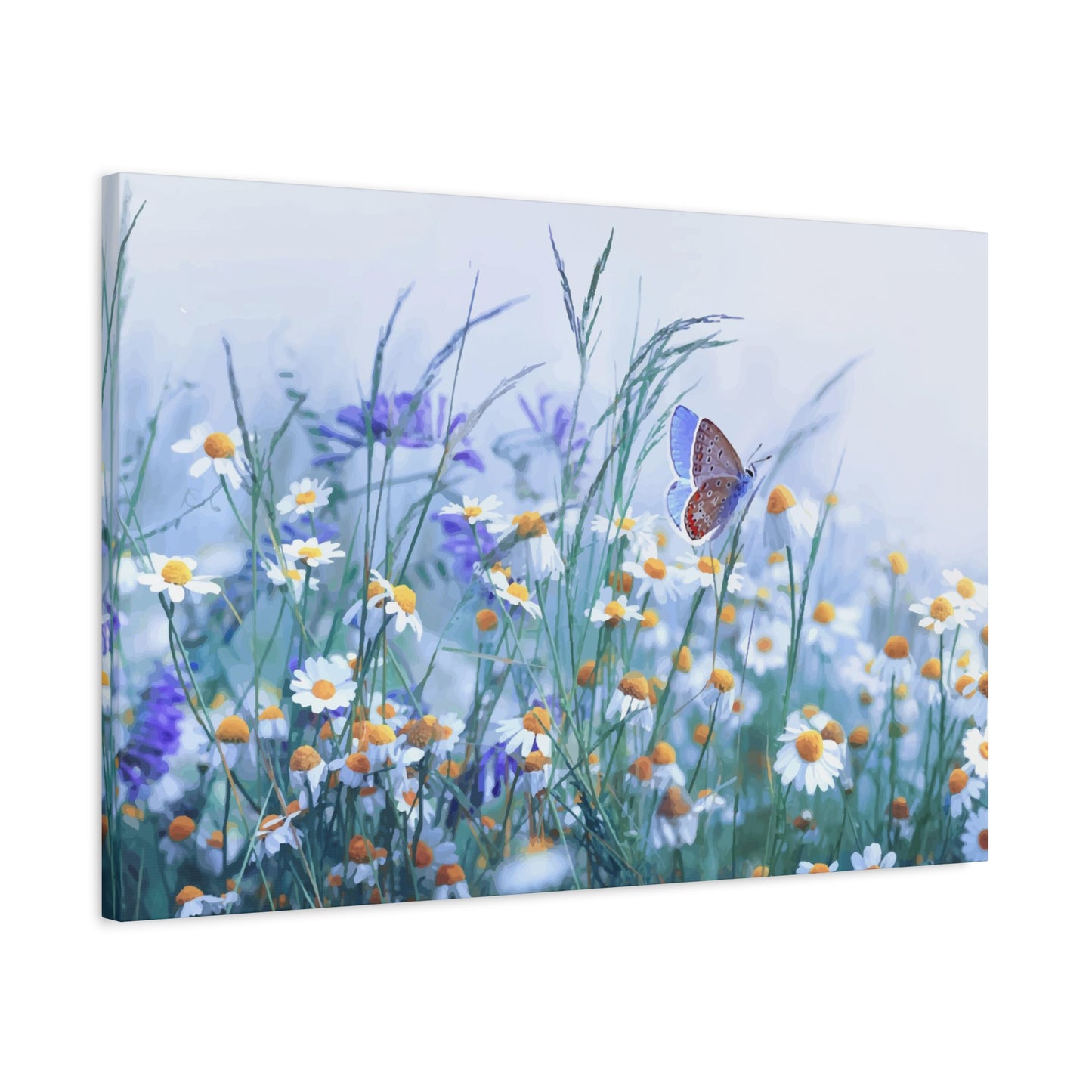
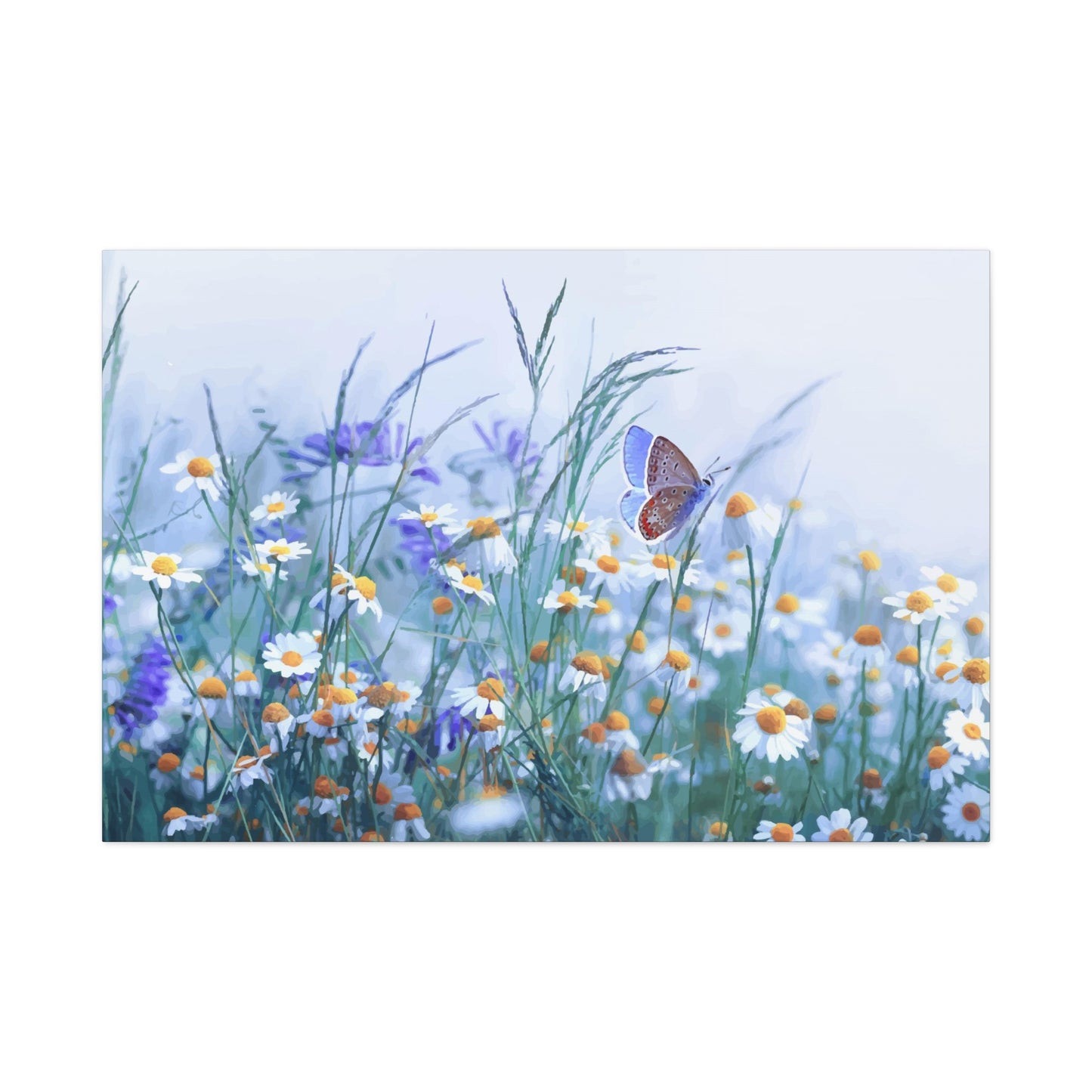
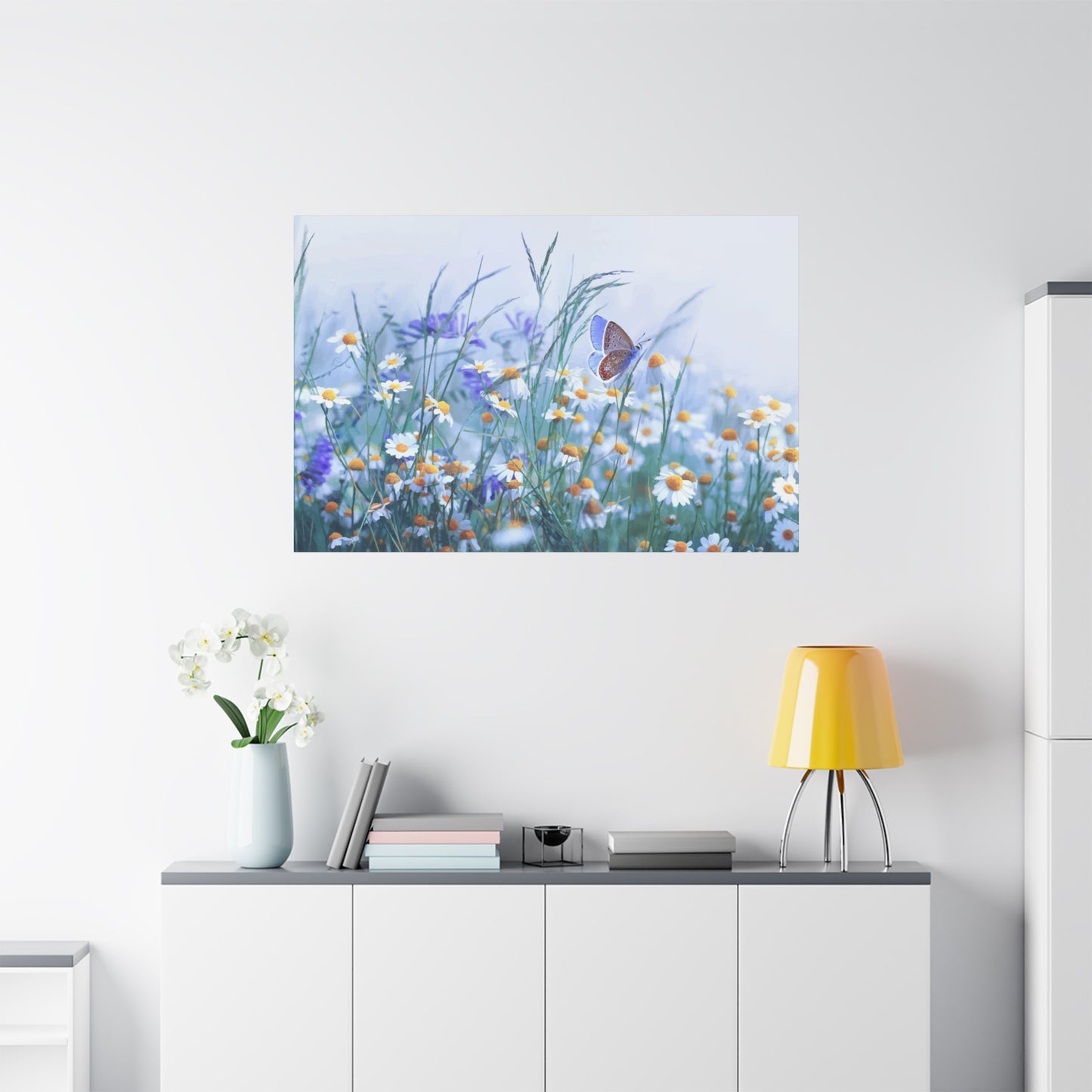
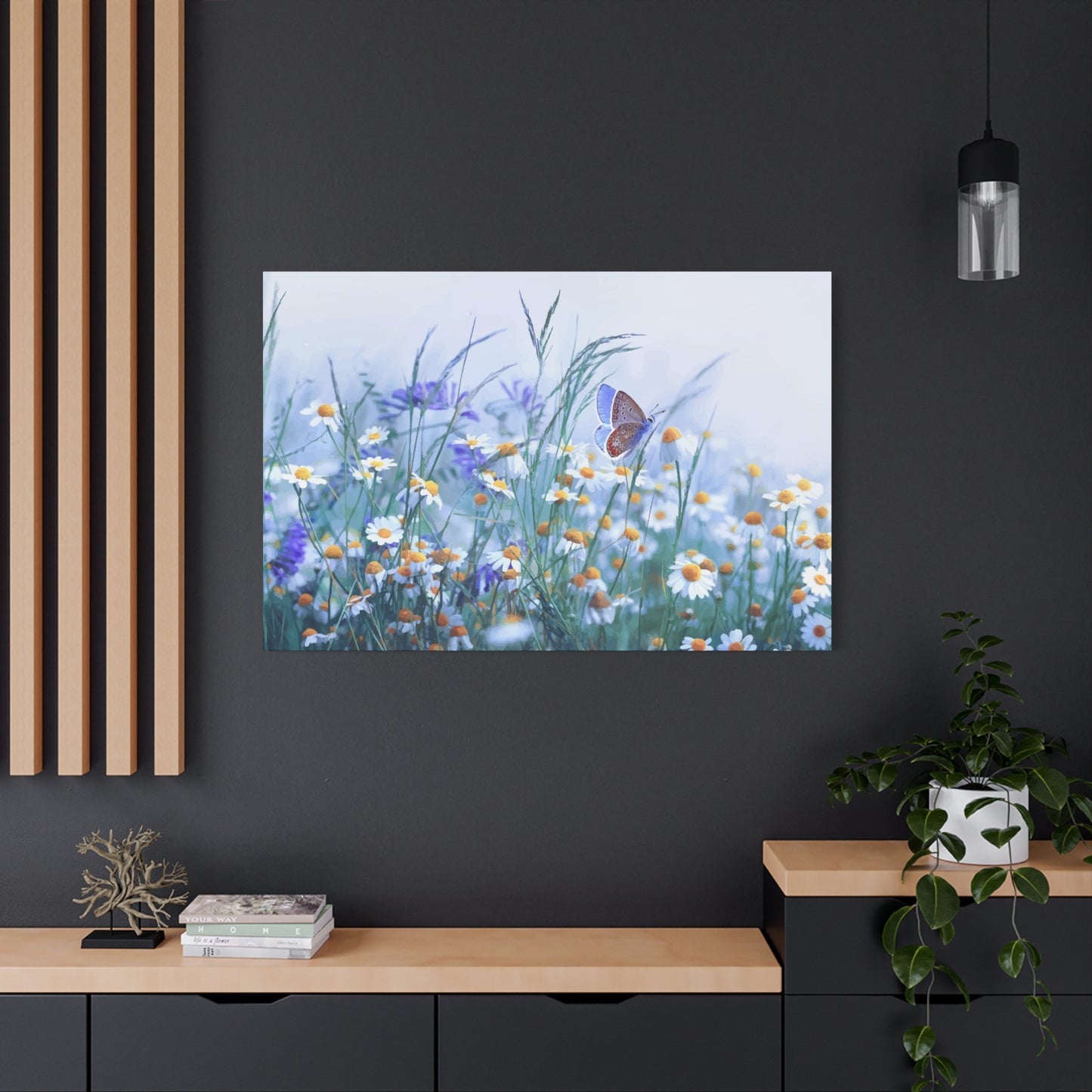
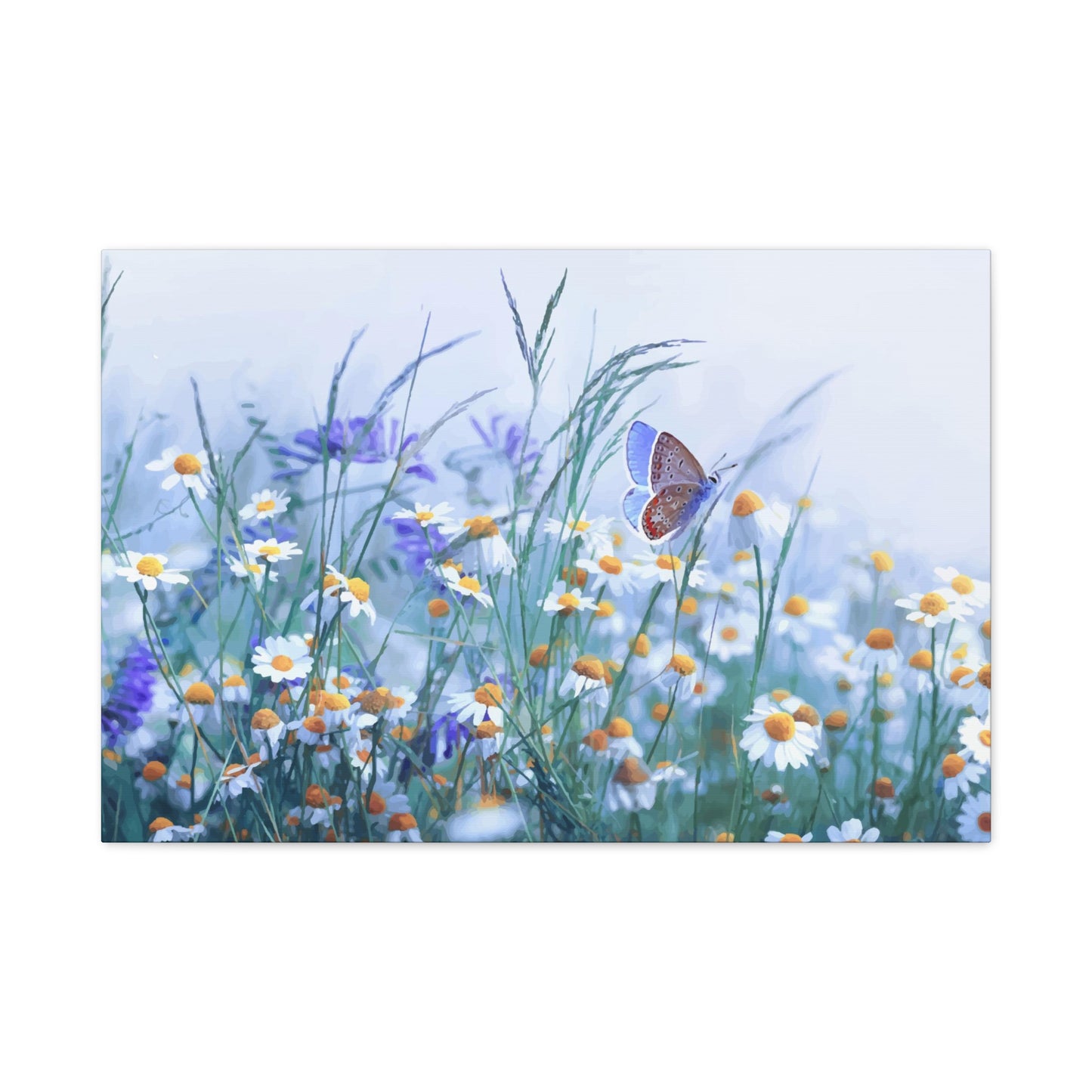
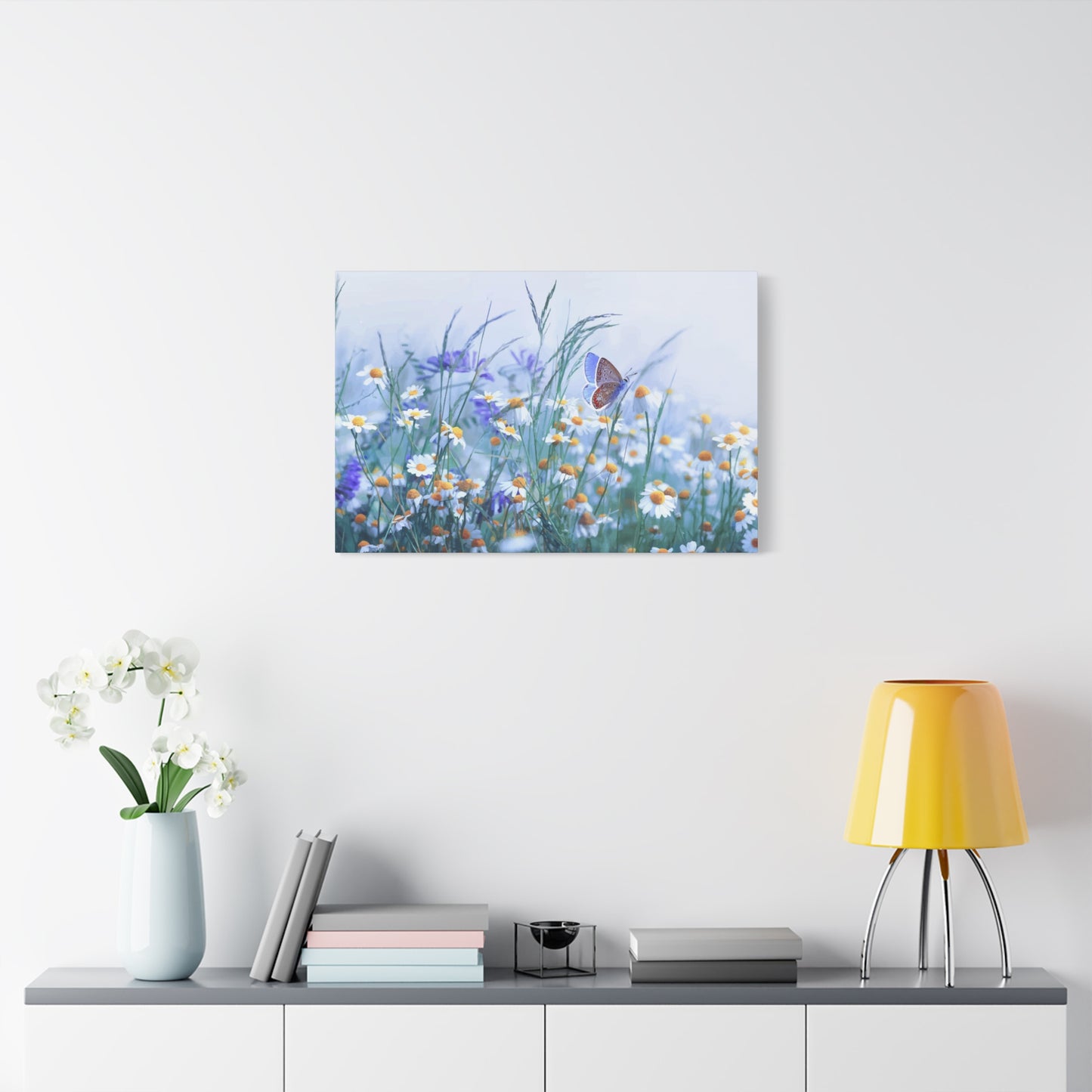
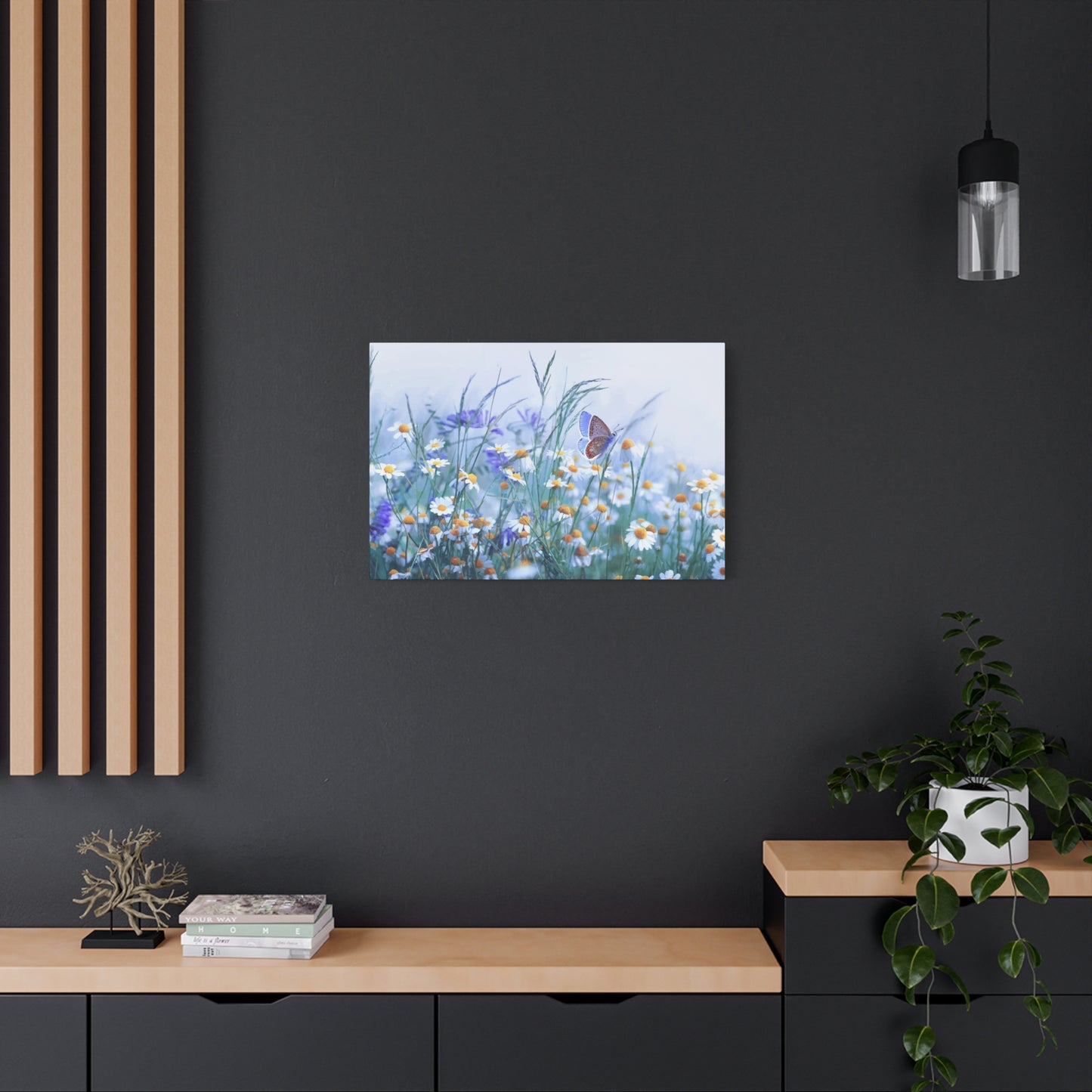
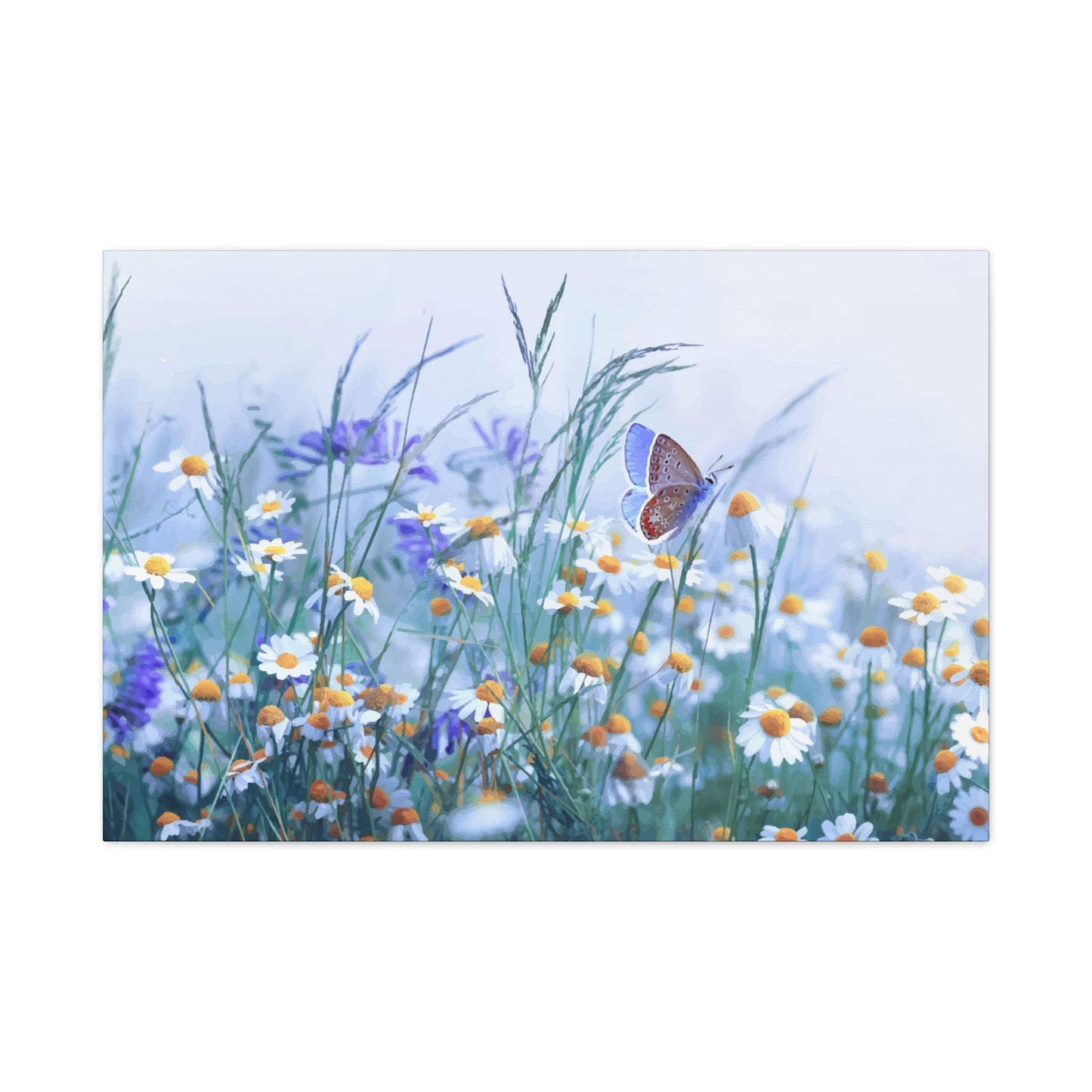
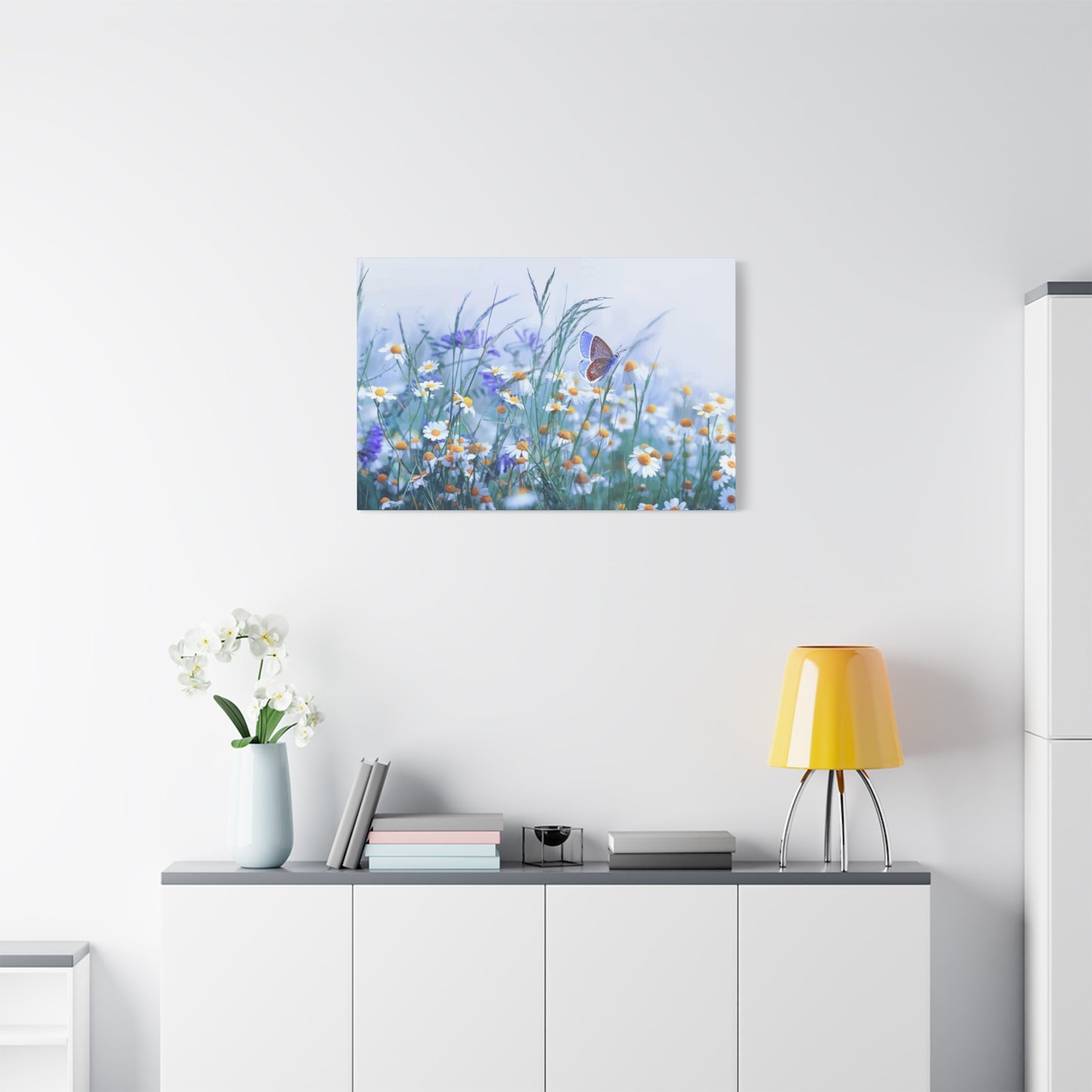
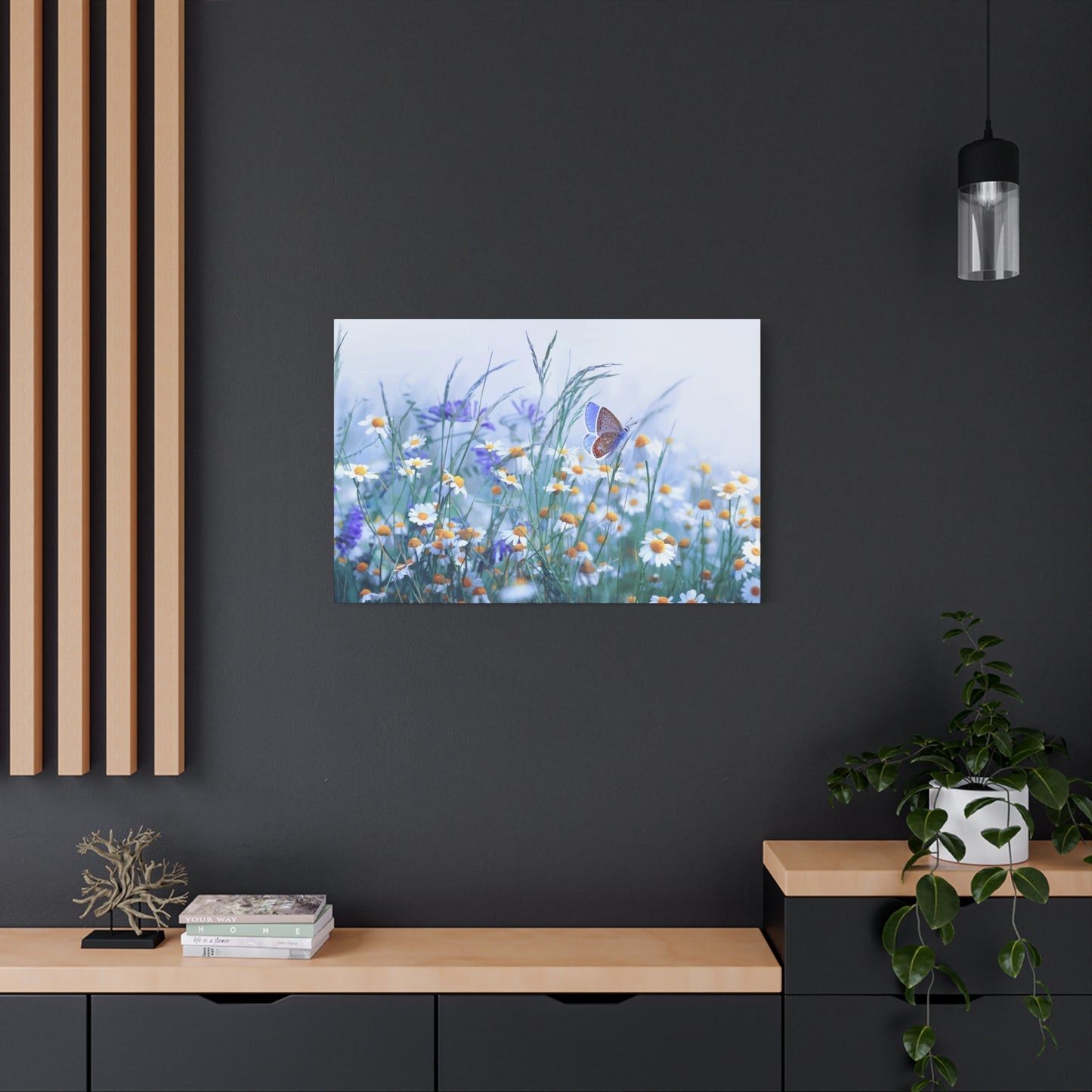
Butterfly Wall Art & Canvas Prints
Butterfly Wall Art & Canvas Prints
Couldn't load pickup availability
Transforming Your Living Spaces with Mesmerizing Butterfly Wall Art: A Comprehensive Exploration
Butterfly wall art represents far more than mere decorative embellishment; it embodies a sophisticated convergence of aesthetic sensibility, natural wonder, and creative expression that resonates across diverse demographic categories and design philosophies. These winged creatures, rendered in multitudinous forms and mediums, have transcended their biological significance to become ubiquitous symbols of metamorphosis, elegance, and liberation within the realm of interior ornamentation. The resurgent fascination with lepidopteran imagery stems from humanity's intrinsic connection to nature and the perpetual yearning to infuse residential and commercial environments with elements that evoke tranquility, sophistication, and visual dynamism.
The phenomenon of incorporating butterfly wall art into living quarters reflects broader contemporary movements toward biophilic design—a paradigm that prioritizes incorporating natural elements into constructed spaces. This approach acknowledges the psychological significance of nature-inspired aesthetics and their demonstrable capacity to ameliorate spatial ambiance, reduce environmental stress, and cultivate atmospheres conducive to intellectual cognition and emotional equilibrium. Butterfly wall art, in its myriad incarnations, serves as a conduit through which individuals can establish meaningful connections with the natural world whilst simultaneously elevating their domestic environments through sophisticated, visually compelling installations.
The versatility of butterfly wall art lies substantially in its chameleonic adaptability to divergent stylistic paradigms, from minimalist contemporary aesthetics to ornate vintage arrangements. Whether one gravitates toward monochromatic palettes, vibrant polychromatic compositions, or mixed-media installations, butterfly-centric artwork accommodates an expansive spectrum of artistic preferences and interior design sensibilities. This flexibility has catalyzed widespread adoption across residential dwellings, commercial establishments, hospitality venues, and therapeutic environments seeking to establish visually harmonious and psychologically beneficial spatial configurations.
Exploring the Rich Historical Dimensions of Lepidopteran Imagery in Artistic Traditions
The representation of butterflies within artistic endeavors traces its genealogy through millennia of human creative expression, with documented instances appearing in ancient civilizations across geographic and temporal boundaries. Archaeological investigations have revealed butterfly motifs adorning Egyptian frescoes, Minoan ceramics, and Byzantine architectural elements, suggesting that these creatures held considerable symbolic resonance within hierarchical societies and religious cosmologies. The fascination with lepidopteran imagery persisted throughout medieval periods, Renaissance epochs, and into contemporary artistic paradigms, evolving in form whilst maintaining its fundamental symbolic associations with transformation, rebirth, and transcendence.
During the Renaissance, naturalistic depictions of butterflies emerged prominently within botanical illustrations and scientific treatises, reflecting the period's burgeoning interest in empirical observation and scientific taxonomy. Renowned artists such as Maria Sibylla Merian revolutionized lepidopteran representation through meticulous documentation and artistic rendering, establishing conventions for depicting these creatures with unprecedented anatomical precision whilst maintaining aesthetic sophistication. These foundational approaches established templates that subsequent generations of artists would employ, adapt, and reinterpret, generating an expansive genealogy of butterfly imagery that extends into contemporary artistic practices.
The nineteenth and twentieth centuries witnessed exponential proliferation of butterfly-themed artworks, coinciding with burgeoning middle-class wealth, expanded leisure opportunities, and democratization of aesthetic consumption. The Art Nouveau movement particularly embraced lepidopteran motifs, incorporating stylized butterfly forms into architectural elements, furniture design, textiles, and decorative accessories. This period witnessed the emergence of butterfly wall art as a distinct genre, with artists and manufacturers responding to escalating consumer demand for nature-inspired ornamentation that conveyed refinement, cultural sophistication, and aesthetic sensibility.
Contemporary butterfly wall art inherits this multifaceted legacy whilst simultaneously embracing innovative materials, production methodologies, and conceptual frameworks that reflect twenty-first-century artistic sensibilities. Modern interpretations range from photorealistic renderings to abstract reinterpretations, digital compositions to three-dimensional assemblages, each contributing to an extraordinarily heterogeneous corpus of lepidopteran artistic expression that continues perpetually to expand and evolve.
Comprehending the Psychological and Symbolic Dimensions of Butterfly Imagery
Butterflies occupy remarkably profound positions within collective human consciousness, serving as vessels for manifold symbolic associations that transcend linguistic and cultural boundaries. The metamorphic lifecycle of lepidopterans—encompassing egg, larval, chrysalis, and imaginal stages—has rendered these creatures emblematic representations of profound transformation, personal evolution, and spiritual transcendence across multifarious cultural contexts and philosophical traditions. This symbolic resonance explains, in substantial part, the magnetic attraction that butterfly imagery exercises upon individuals navigating transitional life phases or seeking visual representations of aspirational ideals and transformative aspirations.
The psychological impact of observing butterfly wall art operates through multifaceted neurological and emotional mechanisms. Exposure to nature-derived imagery precipitates measurable reductions in cortisol concentrations, diminished sympathetic nervous system activation, and enhanced parasympathetic engagement—physiological responses that correlate with subjective experiences of relaxation, contemplative tranquility, and psychological restoration. The chromatic vibrancy characteristic of lepidopteran wing patterns stimulates visual cortical regions whilst simultaneously evoking positive affective responses, contributing to ameliorated mood states and enhanced environmental satisfaction.
Furthermore, butterflies embody qualities that resonate profoundly with contemporary valorizations of resilience, adaptability, and graceful negotiation of existential uncertainties. The creature's ethereal weightlessness, delicate constitution, and paradoxical capacity to traverse vast geographic distances whilst maintaining biological vulnerability engender poignant metaphorical associations with human resilience and transcendence. These symbolic dimensions render butterfly wall art particularly efficacious within therapeutic environments, counseling spaces, and residential settings where inhabitants navigate challenging psychological circumstances or pursue enhanced wellness and personal growth.
The aesthetic composition of butterfly imagery—characterized by symmetrical wing structures, iridescent colorations, and intricate patterning—engages fundamental human preferences for visual harmony, mathematical proportion, and chromatic consonance. Evolutionary psychologists posit that human aesthetic preferences derive substantially from adaptive predispositions favoring patterns and configurations that conveyed survival advantages throughout evolutionary history. Butterfly anatomy, with its bilateral symmetry and intricate ornamentation, aligns remarkably with these foundational aesthetic preferences, explaining its near-universal capacity to provoke positive affective responses across disparate cultural contexts and individual difference variables.
Examining Diverse Manifestations and Material Compositions of Contemporary Lepidopteran Wall Art
The contemporary marketplace encompasses extraordinarily diverse instantiations of butterfly wall art, each employing distinct materials, production methodologies, and conceptual frameworks that yield heterogeneous aesthetic consequences and functional characteristics. Canvas-based paintings constitute one prominent category, ranging from realistic portrayals executed through acrylic or oil mediums to abstract interpretations employing unconventional pigmentation schemes and gestural mark-making approaches. These traditional painted compositions maintain substantial market prevalence attributable to their accessibility, affordability relative to premium alternatives, and alignment with established conventions governing fine art presentation and valorization.
Photographic representations constitute another significant subcategory, wherein lepidopteran subjects are captured through lens-based image acquisition and subsequently reproduced through various print technologies and presentation formats. High-resolution photographic butterfly wall art permits unprecedented anatomical verisimilitude, enabling viewers to appreciate minute structural details and iridescent phenomena whilst enjoying aesthetic contemplation. Contemporary printing methodologies permit reproduction upon diverse substrata—canvas, paper, acrylic, metal—expanding visual possibilities and enabling sophisticated color rendering that approximates natural lepidopteran coloration with remarkable fidelity.
Three-dimensional butterfly wall installations represent increasingly prevalent compositional approaches, wherein sculptural elements, assemblages, or mixed-media constructions extend beyond planar constraints to generate spatial complexity and tactile dimensionality. These configurations frequently incorporate metals, resins, ceramics, woods, and recycled materials, each contributing distinctive textural qualities and reflective properties that interact dynamically with ambient illumination conditions. The dimensional properties of sculptural butterfly installations engender immersive spatial experiences, fostering heightened viewer engagement and generating visual interest that surpasses conventional two-dimensional representations.
Metal butterfly wall art—particularly compositions rendered in copper, steel, aluminum, or bronze—appeals to individuals gravitating toward industrial aesthetics, contemporary minimalism, or sculptural sophistication. These compositions frequently feature geometric abstraction, negative space utilization, and oxidative patination, generating surfaces that evolve temporally in response to environmental conditions. The metallic substrate's reflective properties introduce dynamic luminosity variations, wherein ambient light refraction generates shifting perceptual experiences contingent upon viewing angle, temporal progression, and environmental lighting configurations.
Textile-based butterfly wall art—encompassing embroidered compositions, woven tapestries, fabric collages, and mixed-fiber assemblages—imbues lepidopteran imagery with tactile dimensionality and textile sophistication. These compositions frequently integrate multitudinous fabric types, fiber textures, and chromatic gradations, generating visually complex surfaces that reward extended contemplation and invite tactile exploration. Textile-based approaches prove particularly efficacious within residential environments emphasizing warmth, domesticity, and artisanal craftsmanship sensibilities.
Resin-embedded butterfly compositions represent innovative material explorations wherein actual lepidopteran specimens or their artistic renderings are encapsulated within epoxy or polyurethane substrates, generating crystalline enclosures that protect specimens whilst simultaneously rendering them perpetually visible. These configurations occupy liminal territories between naturalistic preservation and artistic transformation, generating compelling visual and conceptual tensions that intrigue contemplative viewers.
Decal and adhesive-based butterfly wall art provides economical accessibility whilst permitting non-permanent installation configurations. These applications facilitate expeditious environmental modification, particularly within rental properties or temporary installations where permanent structural modification proves prohibitive. Contemporary adhesive technologies enable execution upon diverse wall substrata—painted surfaces, textured wallpapers, tiles—expanding implementation possibilities for individuals possessing constrained alteration permissions or limited spatial permanence expectations.
Considerations Regarding Material Longevity, Preservation Protocols, and Environmental Resilience
The endurance and visual preservation of butterfly wall art across temporal trajectories depends substantially upon material composition, environmental exposure conditions, and implementation protocols. Pigment stability, substrate degradation resistance, and protective coating efficacy constitute paramount considerations for individuals seeking to sustain aesthetic integrity and prevent premature visual deterioration. Understanding these preservation dimensions enables informed purchasing decisions and implementation of maintenance regimens that maximize aesthetic longevity and protect investment value.
Canvas-based compositions exhibit variable durability contingent upon paint formulation, substrate quality, and environmental exposure. Acrylic paintings generally demonstrate commendable longevity, with contemporary formulations resisting fading phenomena across decades provided exposure to ultraviolet radiation remains constrained through judicious utilization of protective window treatments or location selection privileging diffuse illumination over direct solar exposure. Oil-based compositions, whilst traditionally renowned for exceptional temporal endurance, necessitate vigilant environmental humidity regulation and periodic conservation interventions to prevent substrate deterioration, pigment shifting, and protective varnish yellowing phenomena.
Photographic reproductions exhibit vulnerability to photochemical degradation, particularly within installations exploiting traditional photographic printing methodologies. Archival-quality reproductions employing pigmented inks and acid-free substrata demonstrate substantially enhanced longevity, resisting fading phenomena across decades. Conversely, economical alternatives employing conventional photographic papers and reactive dyes evidence accelerated deterioration, particularly within environments characterized by elevated luminosity or thermal fluctuations.
Metal-based butterfly installations require consideration regarding oxidative degradation and corrosion phenomena, particularly within environments featuring elevated atmospheric moisture, salt exposure, or industrial contamination. Protective coating applications—encompassing lacquers, polymeric films, or wax compositions—provide temporary corrosion resistance, necessitating periodic reapplication to sustain protective efficacy. The patination process characteristic of unprotected metal surfaces, whilst potentially yielding aesthetically compelling oxidative colorations, represents irreversible material transformation that progressively compromises structural integrity across extended temporal trajectories.
Textile compositions demonstrate susceptibility to photochemical fading, fungal proliferation, and insect predation, necessitating implementation of protective protocols encompassing controlled humidity regulation, constrained luminosity exposure, and periodic inspection regimens. Natural fibers prove particularly vulnerable to biological degradation, whilst synthetic alternatives evidence superior resistance to environmental contamination and deterioration phenomena.
Resin-embedded compositions maintain exceptional environmental resilience, with encapsulated materials demonstrating protection against humidity-related degradation, photochemical deterioration, and biological contamination. However, resin substrata themselves evidence gradual yellowing phenomena, particularly when exposed to ultraviolet radiation across extended temporal intervals, necessitating protective framing or strategic spatial positioning that minimizes solar exposure whilst preserving visual accessibility.
Environmental positioning decisions profoundly influence preservation trajectories. Locations featuring controlled ambient temperatures, regulated humidity parameters, and constrained luminosity exposure substantially decelerate aesthetic deterioration mechanisms. Conversely, installations adjacent to window apertures, HVAC discharge vents, or moisture-generating environments precipitate accelerated degradation across multitudinous material categories. Thoughtful spatial allocation considerations represent fundamental preservation investments that substantially extend compositional longevity and minimize necessity for premature replacement or restoration interventions.
Exploring Stylistic Versatility and Integration Within Heterogeneous Interior Design Paradigms
Butterfly wall art demonstrates remarkable stylistic flexibility, accommodating integration within extraordinarily diverse interior design conceptualizations, from austere minimalism through maximalist abundance, bohemian eclecticism through contemporary sophistication. This adaptive capacity accounts substantially for widespread adoption across heterogeneous residential and commercial environments, wherein design philosophies and aesthetic preferences evidence considerable variation.
Minimalist interior conceptualizations benefit from restrained butterfly installations featuring limited chromatic palettes, abstract geometric reinterpretations, or single-species representations executed through monochromatic or achromatic mediums. Singular lepidopteran forms rendered in grayscale, charcoal, or metallic substrata generate contemplative visual presence whilst respecting minimalist constraints regarding visual complexity and chromatic saturation. These restrained approaches maintain alignment with foundational minimalist principles whilst simultaneously introducing organic natural imagery that ameliorates potential austerity or affective coldness characteristic of excessively constrained minimalist implementations.
Bohemian and eclectic design frameworks embrace exuberant polychromatic butterfly installations, mixed-media assemblages incorporating multitudinous materials, and heterogeneous size variations that generate visually dynamic compositions celebrating aesthetic diversity and creative eclecticism. Bohemian sensibilities privilege authenticity, individualistic expression, and resistance to homogenizing commercial conventions—values that find consonance with handcrafted butterfly compositions, artisanal mixed-media installations, and deliberately non-uniform assemblages emphasizing creative spontaneity over geometric precision.
Contemporary transitional design paradigms—occupying intermediate positions between traditional and modern aesthetic territories—accommodate mid-spectrum butterfly installations that synthesize naturalistic representation with contemporary aesthetic sensibilities. These approaches frequently employ balanced colorations, sophisticated material combinations, and scale considerations that establish visual dialogue with surrounding environmental features without overwhelming spatial configurations.
Maximalist design philosophies embrace elaborate butterfly installations, extensive gallery wall arrangements featuring multitudinous compositions in varying scales and formats, and statement-making arrangements that constitute dominant focal points within spatial configurations. These comprehensive approaches celebrate abundance, chromatic vitality, and visual exuberance, transforming butterfly-centric compositions into immersive environmental experiences that encompass substantial wall surface area and generate compelling visual spectacle.
Rustic and farmhouse design traditions incorporate butterfly wall art through weathered materials, vintage reproduction compositions, and pastoral imagery evoking agrarian traditions and naturalistic sensibilities. Distressed finishes, antiquarian frames, and bucolic compositional subjects establish aesthetic consonance with foundational farmhouse design principles emphasizing nostalgic authenticity and rural simplicity.
Contemporary Scandinavian design philosophy embraces restrained butterfly compositions executed through neutral colorations, natural material substrata, and functionalist aesthetic principles. These approaches honor minimalist influences whilst introducing organic natural imagery, achieving equilibrium between austere sophistication and naturalistic warmth characteristic of contemporary Nordic design sensibilities.
Industrial aesthetic frameworks incorporate metallic butterfly installations, sculptural compositions featuring visible material construction, and unconventional material utilization that celebrates manufacturing processes and raw material authenticity. These approaches transform lepidopteran imagery into components within broader industrial design narratives emphasizing materiality, exposed construction, and repurposing of unconventional substrata.
Strategic Considerations for Spatial Location Selection and Visual Integration Within Environmental Configurations
Optimal butterfly wall art implementation necessitates deliberate consideration regarding spatial positioning, architectural contextualization, and visual interaction with surrounding environmental features. Strategic location selection substantially influences perceptual impact, functional efficacy, and integration harmony within comprehensive interior environments.
Primary focal points—encompassing walls commanding immediate visual attention upon spatial entry or prominent architectural positions—represent optimal locations for substantial butterfly installations generating commanding visual presence and establishing spatial hierarchy. Living room accent walls, bedroom feature walls, or commercial reception areas constitute ideal contexts for installing statement-making butterfly compositions that establish aesthetic tonality and communicate design intentionality.
Secondary installations within transitional spaces—hallways, stairwells, powder rooms—accommodate smaller butterfly compositions that generate interest without overwhelming spatial configurations or competing with primary focal point emphasis. These strategic placements transform frequently overlooked transitional environments into visually compelling experiences, encouraging exploratory spatial engagement and progressive aesthetic discovery.
Architectural integration considerations necessitate awareness regarding wall construction, existing surface textures, and architectural embellishments. Butterfly installations positioned adjacent to windows, doors, or architectural protrusions require thoughtful compositional framing that establishes visual coherence and avoids awkward spatial relationships. Conversely, expansive uninterrupted wall surfaces provide optimal contexts for assertive butterfly arrangements exploiting available spatial dimensions without navigational impediments or architectural complications.
Lighting considerations profoundly influence butterfly artwork perceptual characteristics. Natural illumination generates dynamic visual effects, particularly with iridescent compositions, whilst simultaneously accelerating photochemical fading phenomena. Strategic positioning that exploits ambient natural light for contemplative daytime appreciation whilst avoiding direct solar exposure enables sustained aesthetic preservation. Supplementary artificial illumination—encompassing directional spotlighting or picture lighting fixtures—permits enhanced nighttime visibility, generates dimensional shadows emphasizing sculptural elements, and facilitates chromatic emphasis through specialized color-temperature lighting configurations.
Color coordination between butterfly installations and surrounding wall colorations, furnishings, and architectural elements requires careful deliberation. Monochromatic wall treatments establish sophisticated visual contrast with polychromatic butterfly imagery, facilitating compositional emphasis and preventing chromatic discord. Conversely, decoratively patterned walls may necessitate restrained butterfly compositions featuring limited chromatic saturation to avoid overwhelming visual complexity. Sophisticated color theory comprehension enables strategic chromatic harmonization that amplifies rather than diminishes butterfly artwork aesthetic efficacy.
Spatial scale relationships between butterfly installations and encompassing environmental dimensions warrant substantial consideration. Diminutive compositions within cavernous commercial environments risk visual insignificance, whilst oversized installations within intimate residential spaces generate oppressive psychological sensations. Proportional equilibrium between compositional dimensions and spatial configurations establishes visual coherence that feels intentional rather than arbitrary or misaligned with environmental proportionality.
Specialized Applications Within Residential Environments and Personalized Dwelling Spaces
Residential butterfly wall art implementations accommodate multitudinous personalized objectives, from aesthetic enhancement through psychological wellness promotion and individualized expression facilitation. Distinct residential contexts benefit from differentiated compositional approaches reflecting functional purposes and inhabitants' particular requirements.
Bedroom environments increasingly incorporate butterfly wall art, recognizing lepidopteran imagery associations with tranquility, metamorphosis, and restorative wellness. Bedside positioning, feature wall installations above headboards, or ceiling-adjacent arrangements create serene contemplative environments conducive to relaxation and psychological restoration. Soft color palettes—encompassing pastels, earth tones, and gentle chromatic variations—prove particularly efficacious within bedroom contexts, promoting restful atmospheres compatible with sleep initiation and maintenance.
Nurseries and children's chambers frequently feature whimsical butterfly compositions incorporating playful colorations, fantastical interpretations, and interactive elements engaging pediatric aesthetic sensibilities. These installations communicate caregiving intentionality, establish developmentally appropriate aesthetic environments, and introduce naturalistic imagery facilitating environmental exploration and imaginative engagement. Butterfly compositions promoting metamorphic symbolism provide subtle messaging regarding growth, transformation, and developmental progression consonant with childhood developmental trajectories.
Home offices and study environments benefit from butterfly wall art installations that simultaneously provide motivational inspiration and psychological wellness promotion. Compositional positioning that permits contemplative viewing during intellectual labor provides psychological restoration opportunities, combating cognitive fatigue and facilitating sustained attentional engagement. Lepidopteran imagery's associations with transformation prove particularly relevant within professional development contexts, establishing visual reminders of potential personal evolution and achievement.
Living room installations frequently emphasize conversational prominence and guest-focused aesthetic communication. Gallery wall arrangements featuring heterogeneous butterfly compositions establish visual sophistication and communicate inhabitants' aesthetic sensibilities. Substantial feature wall installations generate immediate spatial impact, establishing environmental tonality and determining ambient aesthetic character.
Bathroom environments accommodate unexpected butterfly applications, transforming utilitarian spaces into aesthetically refined zones. Moisture-resistant materials prove essential within humid bathroom contexts—metal compositions, sealed canvas reproductions, or laminated decorative elements sustaining integrity despite humidity exposure. These installations convert functional bathroom spaces into contemplative environments, introducing naturalistic elements into typically overlooked personal care zones.
Strategic Applications Within Commercial Environments and Professional Spatial Configurations
Commercial implementations extend butterfly wall art beyond residential contexts, recognizing its capacity to establish welcoming ambiances, communicate organizational identity, and facilitate customer or client psychological engagement. Diverse commercial contexts benefit from specialized butterfly composition approaches reflecting functional objectives and audience demographics.
Hospitality venues—encompassing hotels, resorts, and boutique accommodations—incorporate butterfly wall art creating memorable aesthetic experiences that distinguish establishments within competitive hospitality markets. Lobby installations communicate environmental consciousness and aesthetic sophistication, establishing positive initial impressions that influence subsequent guest satisfaction and environmental perception. Room installations create personalized retreats within otherwise standardized accommodation spaces, generating distinctive aesthetic identity that enhances experiential value and justifies premium pricing strategies.
Medical and therapeutic environments increasingly incorporate butterfly wall art, recognizing wellness promotion and psychological restoration potential. Clinical settings featuring naturalistic imagery demonstrate diminished patient anxiety, accelerated physiological recovery, and improved treatment outcomes relative to austere alternatives. Mental wellness facilities, counseling environments, and rehabilitation centers particularly benefit from lepidopteran imagery's transformational symbolism and calming aesthetic properties, establishing environments conducive to healing and psychological restoration.
Retail establishments exploit butterfly wall art generating visually compelling shopping environments that encourage extended temporal engagement and enhanced purchasing behavior. Fashion boutiques, specialty retailers, and luxury establishments employ butterfly compositions establishing sophisticated brand identity and environmental aesthetic distinction. The imagery's associations with elegance, metamorphosis, and aesthetic refinement align strategically with luxury branding paradigms and premium product positioning.
Corporate offices incorporate butterfly wall art humanizing impersonal professional environments, demonstrating organizational commitment to employee wellness, and communicating environmental consciousness. Reception areas feature butterfly installations creating welcoming impressions, whilst employee work zones benefit from naturalistic imagery promoting psychological restoration and cognitive performance enhancement during occupational demands.
Educational institutions—encompassing schools, universities, and training facilities—utilize butterfly wall art establishing developmentally appropriate learning environments, promoting ecological awareness, and introducing naturalistic elements supporting cognitive performance and attentional engagement. Educational contexts particularly benefit from lepidopteran imagery's symbolic associations with transformation, growth, and developmental progression, establishing visual metaphors aligned with educational objectives and learning aspirations.
Considerations Regarding Economic Factors, Investment Perspectives, and Marketplace Accessibility
Butterfly wall art marketplace encompasses extraordinary price variability, reflecting material composition, artist reputation, production methodology, and market positioning. Economic accessibility encompasses critical considerations influencing purchasing decisions and determining marketplace penetration across heterogeneous demographic categories and socioeconomic strata.
Entry-level butterfly wall art—encompassing printed reproductions, mass-manufactured compositions, and digitally-produced options—provides accessibility at economically constrained price points, typically ranging from minimal investment through moderate expenditures. These options facilitate widespread accessibility, enabling individuals with limited discretionary spending capacity to incorporate butterfly imagery within their environmental configurations. Mass-production methodologies, standardized designs, and economical material choices characterize this market segment, emphasizing affordability over material singularity or artistic distinction.
Mid-market butterfly wall art comprises hand-painted compositions, limited-edition reproductions, and semi-artisanal installations commanding moderate investment commitments. These offerings balance artistic distinctiveness with economic accessibility, appealing to individuals seeking personalized character without premium investment requirements. Limited production runs, signed compositions, and artist recognition generate increased perceived value whilst maintaining relative affordability compared to premium alternatives.
Premium and collectible butterfly wall art encompasses gallery-represented compositions, commission-based installations, museum-quality reproductions, and rare artist-created pieces commanding substantial investment commitments. These acquisitions appeal to collectors, art enthusiasts, and individuals prioritizing aesthetic singularity and investment potential. Artist reputation, material rarity, provenance documentation, and limited availability generate premium valuation reflecting genuine scarcity and artistic achievement recognition.
Investment considerations increasingly influence butterfly wall art purchasing decisions, particularly regarding collectible compositions demonstrating appreciation trajectories. Certain artist's works, limited-edition productions, and historically significant compositions appreciate temporally, generating financial returns exceeding initial investment whilst simultaneously providing aesthetic enjoyment. Collectorship communities, auction house participation, and secondary market dynamics establish butterfly artwork as viable alternative investment vehicles supplementing financial portfolios.
Rental and temporary installation considerations reflect marketplace segments emphasizing non-permanent solutions, removable installations, and economical implementations suitable for transient occupancy situations. These options address specific demographic needs—renters, corporate transferees, temporary exhibitions—expanding butterfly wall art marketplace accessibility beyond permanent residential property ownership contexts.
Promotional and seasonal considerations substantially influence marketplace dynamics, with periodic price reductions, seasonal collections, and limited-time offerings generating purchasing motivation and economic accessibility expansion. Retail strategists exploit psychological phenomena associated with temporal urgency and promotional scarcity, accelerating purchase decisions whilst enabling price-sensitive consumers to access premium alternatives during strategically coordinated promotional windows.
DIY and Artisanal Production: Facilitating Creative Expression and Personalized Creation
The proliferation of DIY culture and artisanal production paradigms has democratized butterfly wall art creation, enabling individuals lacking professional artistic training to fabricate personalized compositions reflecting individual aesthetic preferences and creative visions. Accessible materials, simplified production methodologies, and comprehensive instructional resources have substantially reduced technical barriers to entry, facilitating widespread amateur participation within artistic domains previously perceived as professional specialists' exclusive territory.
Painted butterfly compositions represent foundational DIY approaches, requiring minimal specialized equipment—encompassing brushes, paint media, and suitable substrata—and enabling comprehensive creative autonomy regarding compositional design, color selection, and stylistic interpretation. Acrylic paints particularly facilitate amateur engagement attributable to rapid drying properties, forgiving learning curves, and non-toxic formulations suitable for domestic environments. Detailed instructional resources—encompassing video tutorials, step-by-step guides, and online communities—provide accessible guidance enabling novice painters to execute sophisticated butterfly compositions despite limited prior artistic experience.
Stencil-based approaches simplify painted butterfly creation through pre-designed templates, enabling rapid pattern transfer and simplified execution permitting emphasis upon colorization rather than anatomically demanding representational drawing. Commercially available stencil systems, customizable digital designs, and printable templates accommodate heterogeneous artistic preferences and complexity preferences, from simplistic silhouette applications through detailed multi-layered compositions.
Paper-based butterfly installations—encompassing paper cutting, origami construction, and collage arrangements—provide economical engagement enabling sophisticated aesthetic results through material manipulation rather than representational drawing skill. Intricate paper-cut butterfly silhouettes generate striking visual impact through negative space utilization, whilst origami constructions introduce dimensional sculptural qualities. Collage approaches facilitate artistic expression through material appropriation, color exploration, and compositional improvisation without demanding anatomically precise representation.
Mixed-media assemblages encourage artistic experimentation incorporating heterogeneous materials—fabric scraps, reclaimed wood, metal detritus, natural specimens—facilitating creative expression through material juxtaposition, unconventional substrate utilization, and conceptual innovation. These approaches democratize fine art creation through lowered technical barriers and emphasis upon creative vision over technical proficiency. Community workshops, maker spaces, and crafting communities provide collaborative environments facilitating shared learning and mutual creative encouragement.
Fabric-based DIY approaches—encompassing embroidery, appliqué, and quilting—enable needle-craft practitioners to incorporate butterfly imagery within textile traditions, generating personalized compositions reflecting individual skill levels and creative sensibilities. Digital embroidery technologies democratize complex stitching patterns, permitting amateur practitioners to achieve sophisticated results through technological intermediation. Quilting communities and needle-craft organizations provide mentorship, pattern resources, and creative inspiration facilitating continued skill development.
Photography-based approaches enable individuals with photography capabilities to capture lepidopteran subjects, subsequently processing digital captures through photographic editing software and producing prints through contemporary printing services. This approach privileges documentation, curation, and presentational aesthetics over traditional representational artistry, enabling nature photographers to monetize and exhibit their captured imagery through wall art formats.
Digital design and printing technologies facilitate personalized composition creation through design software utilization, enabling individuals possessing digital design competency to conceptualize original butterfly compositions subsequently produced through professional printing services. Print-on-demand platforms eliminate financial barriers associated with substantial production commitments, enabling economically viable single-unit or limited-run production accommodating highly personalized requirements.
Ecological Consciousness and Sustainable Implementation Considerations
Escalating environmental awareness has precipitated pronounced emphasis upon sustainable butterfly wall art production, consumption, and disposal practices reflecting ecological consciousness and resource conservation imperatives. Sustainability considerations encompass material sourcing, production methodologies, transportation footprints, and end-of-life disposition protocols.
Material sustainability represents foundational consideration, with manufacturers increasingly privileging sustainably-sourced materials, renewable resources, and environmentally-compatible production processes. Certification systems—encompassing Forest Stewardship Council designation, sustainable textile certifications, and recycled content verifications—provide transparency regarding material sourcing and production methodology compliance with environmental sustainability standards. Canvas productions employing organic cotton substrata, paints formulated through non-toxic environmentally-compatible ingredients, and wood frames harvested through sustainable forestry practices demonstrate commitment to ecological minimization.
Recycled and upcycled material utilization represents alternative sustainability approach, wherein post-consumer waste, industrial byproducts, and reclaimed materials constitute primary compositional substrata. These approaches simultaneously reduce waste stream contributions whilst generating distinctive aesthetic qualities celebrating material singularity and creative repurposing. Artists specializing in sustainable practice frequently leverage recycled metals, reclaimed wood, agricultural waste products, and industrial refuse, transforming discarded materials into compelling artistic compositions communicating ecological stewardship messages through material embodiment.
Production methodology sustainability encompasses energy efficiency optimization, waste minimization protocols, and non-toxic production process implementation. Manufacturers prioritizing sustainable production frequently employ renewable energy sources, water conservation systems, and closed-loop production frameworks minimizing environmental degradation throughout manufacturing processes. Cottage industries and artisanal producers frequently demonstrate inherent sustainability advantages relative to industrial manufacturing attributable to reduced production scale, localized material sourcing, and minimal transportation requirements.
Transportation and distribution sustainability constitutes frequently overlooked consideration significantly influencing overall compositional environmental footprint. Local or regional production and distribution dramatically reduce transportation-associated carbon emissions, whilst minimalist packaging design and consolidated distribution reduce packaging waste and shipping frequency requirements. Direct-to-consumer sales models eliminate intermediary distribution stages, reducing transportation duplicity and associated environmental consequences.
End-of-life disposition represents critical sustainability dimension warranting consideration during acquisition deliberation. Compositions incorporating recycled materials, biodegradable substrata, and non-toxic ingredients facilitate ecologically-compatible disposal through compostable or recyclable waste streams. Conversely, compositions featuring synthetic polymers, toxic finishes, or non-recyclable material combinations present substantial disposal challenges and extended environmental persistence consequences. Forward-thinking manufacturers increasingly implement take-back programs, enabling product returns facilitating responsible recycling or refurbishment, mitigating landfill contributions and resource waste.
Longevity considerations constitute fundamental sustainability imperative, wherein durable compositions maintaining aesthetic integrity across extended temporal trajectories substantially outperform ephemeral alternatives requiring frequent replacement. Investment in premium, long-lasting compositions reduces cumulative consumption frequency, minimizes replacement waste generation, and delivers superior environmental outcomes relative to economical alternatives necessitating accelerated replacement cycles. This perspective reframes butterfly wall art acquisition as substantial rather than trivial environmental decision, wherein purchasing choices carry meaningful consequences for aggregate consumption patterns and resource utilization trajectories.
Psychological Wellness Implications and Mental Health Promotion Through Environmental Aesthetics
Contemporary psychological research substantiates robust associations between environmental aesthetics, naturalistic imagery exposure, and psychological wellness promotion, with butterfly wall art occupying advantageous positions within emerging wellness-oriented interior design paradigms. The convergence of aesthetic appreciation, naturalistic connection, and symbolic meaning-making generates multifaceted psychological benefits extending beyond superficial decorative enhancement.
Biophilic design principles—postulating inherent human predispositions toward nature engagement and naturalistic imagery appreciation—provide theoretical foundations explaining butterfly wall art's psychological efficacy. Evolutionary psychology frameworks suggest that human preferences for naturalistic environments reflect adaptive advantages accumulated throughout evolutionary history, creating neurobiological substrata generating positive affective responses to nature-derived imagery. Exposure to butterfly compositions activates neural reward systems, precipitating dopamine release and generating subjective satisfaction experiences reinforcing environmental appreciation.
Attention restoration theory proposes that naturalistic environments facilitate cognitive recovery from sustained attentional demands characteristic of contemporary occupational and educational contexts. Butterfly wall art installations provide accessible naturalistic visual stimuli enabling psychological restoration during work intervals, facilitating sustained cognitive performance through periodically renewed attentional capacity. Clinical investigations demonstrate that brief naturalistic imagery exposure precipitates measurable cognitive performance enhancement, stress reduction, and affective improvement relative to control conditions.
Contemplative engagement with butterfly imagery facilitates psychological introspection and existential meaning-making, particularly regarding transformation symbolism and metamorphic associations. Individuals traversing significant life transitions—occupational changes, relationship reconfiguration, life stage progression—frequently derive psychological benefit from lepidopteran imagery's symbolic communication of transformation possibility and developmental progression. The creature's capacity to undergo profound morphological restructuring whilst maintaining biological continuity provides compelling metaphors for human psychological resilience and adaptive capacity.
Aesthetic preference satisfaction generates intrinsic psychological rewards, with environmental beauty appreciation contributing substantially to subjective wellbeing and life satisfaction trajectories. Butterfly wall art installations specifically reflecting individual aesthetic preferences communicate self-knowledge and intentionality, generating environmental configurations that feel personally congruent and psychologically authentic. This alignment between environmental aesthetics and individual preferences generates enhanced spatial attachment, increased environmental comfort, and psychological wellbeing amplification.
Social connection facilitation represents overlooked psychological benefit, with butterfly wall art frequently stimulating conversational engagement and environmental appreciation discussion among household inhabitants and visitors. These interpersonal interactions strengthen relational bonds and cultivate shared aesthetic appreciation, generating psychological benefits transcending individualistic environmental aesthetics through social connection facilitation and communal meaning-making.
The perceived sense of agency and environmental control associated with personalized butterfly compositions contributes substantially to psychological efficacy. Individuals selecting, positioning, and curating butterfly installations exercise environmental mastery and autonomy, counter-balancing disempowerment experiences frequently accompanying modern occupational contexts and restricted environmental modification permissions. This agential engagement generates psychological empowerment supplementing aesthetic benefits through control restoration and personal autonomy expression.
Aesthetic Evolution and Contemporary Trends Influencing Butterfly Wall Art Marketplace Dynamics
Butterfly wall art marketplace exhibits continuous aesthetic evolution responding to broader design movements, technological innovations, and shifting consumer preferences. Understanding contemporary trends enables strategic purchasing decisions aligning with current aesthetic trajectories whilst avoiding rapidly-obsolescent compositions deprecating in value and relevance.
Maximalist resurgence constitutes pronounced contemporary trend, representing deliberate aesthetic countervailing to minimalist excess and embracing chromatic abundance, pattern complexity, and visual richness. Butterfly wall art incorporating multitudinous species, elaborate backgrounds, and saturated colorization aligns strategically with maximalist sensibilities, enabling dramatic aesthetic statements celebrating diversity and creative exuberance. This trend particularly appeals to individuals employing interior environments for self-expression and rejecting austere aesthetic constraints.
Botanical maximalism specifically emphasizes naturalistic abundance and ecological diversity, with butterfly compositions frequently featuring elaborate floral backgrounds, environmental contextualization, and ecosystem representation. These compositions position lepidopteran imagery within comprehensive naturalistic narratives, establishing visual storytelling dimensions that engage viewers through layered complexity and environmental authenticity.
Final Thoughts
Butterfly wall art holds a timeless allure, offering an effortless way to transform living spaces into serene, dynamic environments. The butterfly, with its symbolism of freedom, transformation, and beauty, brings a sense of grace and elegance to any room. From the fluttering delicate wings to the vibrant, almost ethereal colors, butterfly wall art captures a moment of beauty suspended in time, creating a focal point that invites both admiration and introspection. This type of artwork, rich in both aesthetic appeal and symbolic depth, has the power to breathe life into a room, making it not only more visually captivating but emotionally enriching as well.
The beauty of butterfly wall art lies in its versatility. Its broad appeal ensures that it can be adapted to suit a wide range of interior styles, from modern minimalist to bohemian, rustic, or even vintage-inspired spaces. The use of vivid, lively colors, often ranging from soft pastels to bold, rich hues, makes butterfly artwork a versatile addition that can either brighten a room or complement a more neutral palette. For example, a large butterfly canvas with intricate, detailed designs can create an eye-catching focal point in a living room, while smaller, more subtle butterfly prints work well in bedrooms or even offices, offering a touch of serenity without overwhelming the space.
Beyond its aesthetic charm, butterfly wall art brings deeper, often spiritual symbolism into the home. Butterflies have long been associated with metamorphosis, growth, and renewal, making them a perfect representation of change. Their life cycle—transforming from a caterpillar to a cocoon and ultimately emerging as a butterfly—symbolizes personal growth, resilience, and the beauty of change. For those seeking a daily reminder of life’s potential for transformation, butterfly wall art serves as an inspiring symbol of the continuous ebb and flow of life, reminding us that even in difficult times, change is not only inevitable but a natural and beautiful process.
For individuals who appreciate the emotional connection to their décor, butterflies also have a universal association with hope, freedom, and the lightness of being. In a space where relaxation and reflection are priorities, such as a bedroom or meditation area, butterfly artwork can create a peaceful atmosphere. Its fluid shapes and calming color palettes encourage relaxation, offering a visual escape from the demands of everyday life. Whether it’s the gentle flutter of a butterfly against a calming pastel background or the bold contrast of a butterfly against dark, moody tones, the artwork can evoke a sense of tranquility and lightness, helping to promote well-being in the home.
Butterfly wall art can also act as a conversation starter, sparking discussions about nature, symbolism, or even personal growth. The way each butterfly is depicted—whether in intricate detail or abstract, free-flowing form—can invite unique interpretations from viewers. This open-ended quality gives the artwork an added layer of depth, making it not just a piece of décor, but a conduit for personal reflection or philosophical exploration. Its universal symbolism makes it accessible and meaningful to people of all ages and backgrounds, creating a universal appeal that transcends specific cultural references.
In terms of placement, butterfly wall art can fit into almost any part of a home. A large-scale piece in a living room or hallway creates a stunning focal point, while smaller butterfly prints in clusters can give a subtle, organic flow to a space. In children’s rooms, butterfly-themed art adds a playful touch, sparking creativity and wonder. In more formal settings, like a dining room or office, butterflies can introduce an element of nature that softens the space, breaking up the sterility of formal décor with the vibrant life of nature.
The choice between realistic representations of butterflies and more abstract or stylized interpretations allows for a broad range of artistic expression. For those who prefer hyper-realistic depictions, butterfly wall art can feel almost lifelike, capturing the intricate patterns and delicate details of the insect's wings. On the other hand, more abstract or conceptual butterfly art, which uses geometric shapes, mixed media, or exaggerated colors, offers a modern, sophisticated edge that can complement contemporary, avant-garde interiors. This flexibility ensures that no matter your style preference, butterfly art can be tailored to meet the specific needs of your home.
In conclusion, butterfly wall art is more than just a decorative element—it’s an evocative, transformative addition to any living space. Whether through its vibrant colors, graceful design, or rich symbolism, butterfly wall art enhances the aesthetic beauty and emotional ambiance of a room. It serves as a reminder of life’s constant evolution, offering a sense of peace and inspiration while providing an elegant touch to the home. Its universal appeal, coupled with its versatility in design and placement, makes butterfly art a powerful and enduring choice for anyone seeking to bring nature’s beauty and transformative energy into their living spaces.
Share