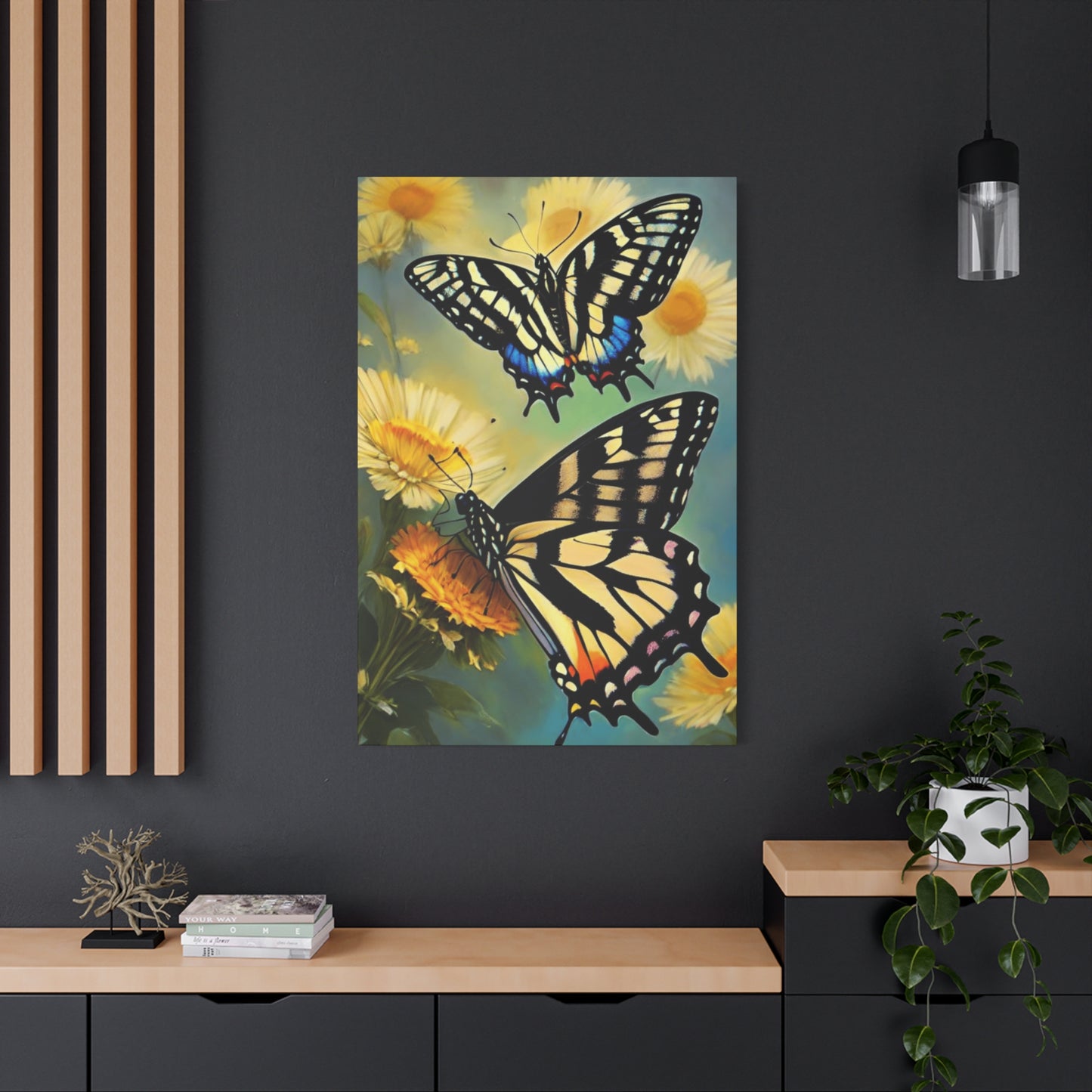


Butterflies on Sunflower Wall Art & Canvas Prints
Butterflies on Sunflower Wall Art & Canvas Prints
Couldn't load pickup availability
The Enchanting Aesthetic and Versatile Dimensions of Butterflies on Sunflower Wall Art in Contemporary Interior Design Spaces
The realm of interior decoration has witnessed an extraordinary metamorphosis over the past several decades, with homeowners and design aficionados continuously seeking innovative methods to infuse their living spaces with personality, vibrancy, and aesthetic sophistication. Among the myriad of decorative possibilities available in today's market, butterflies adorning sunflower compositions have emerged as a particularly compelling choice for individuals who appreciate the convergence of botanical elegance and natural symbolism. This captivating artistic genre represents far more than merely a fleeting fashionable trend; instead, it constitutes a profound expression of individual style that harmoniously bridges the realms of nature-inspired aesthetics with contemporary interior philosophy.
The combination of these delicate winged creatures juxtaposed against the golden magnificence of sunflowers creates a visually arresting tableau that evokes feelings of serenity, optimism, and connection to the natural world. Whether displayed in residential bedrooms, living rooms, kitchens, or professional workspaces, this distinctive art genre possesses an inherent capacity to transform ordinary walls into extraordinary focal points of visual intrigue and emotional resonance.
Unveiling the Historical Significance and Artistic Evolution of Floral Compositions Combined with Lepidopteran Imagery Throughout Centuries
The amalgamation of butterflies and floral motifs represents a venerable artistic convention that traces its lineage back through numerous centuries of human creative endeavor. Throughout the Renaissance period, painters and artisans recognized the profound metaphorical potential embedded within these natural elements, incorporating them into elaborate still-life compositions that adorned the palaces and manors of European nobility. The delicate physiognomy of butterflies, coupled with their ephemeral nature, symbolized the transient quality of existence and the inexorable passage of temporal moments.
Simultaneously, sunflowers maintained their own distinctive symbolic resonance, representing loyalty, longevity, and the perpetual pursuit of luminosity and warmth. As artistic movements evolved through the Baroque, Rococo, and subsequent periods, these botanical and entomological subjects continued to captivate the imagination of creative minds across the European continent and beyond.
The impressionist movement of the nineteenth century witnessed an explosive proliferation of naturalistic imagery, with painters such as Claude Monet and Pierre-Auguste Renoir frequently incorporating sunflowers and butterflies into their revolutionary compositional approaches. This rich historical foundation established an enduring artistic vocabulary that contemporary creators continue to reference, reinterpret, and reimagine through the lens of modern sensibilities and innovative materials.
Comprehending the Multifaceted Psychological and Emotional Ramifications of Displaying Butterflies on Sunflower Wall Art Within Personal Living Quarters
The incorporation of butterflies on sunflower wall art into one's immediate domestic environment extends considerably beyond the superficial pursuit of aesthetic embellishment. Psychological research has consistently demonstrated that exposure to nature-inspired imagery, particularly representations of flora and fauna, engenders measurable improvements in mental well-being, cognitive function, and emotional equilibrium.
When individuals observe these artistic renderings, their minds evoke the tranquil sensations associated with botanical gardens, meadows, and other natural ecosystems, thereby activating neural pathways connected to relaxation and stress reduction. The vibrant golden hues characteristic of sunflower representations trigger the release of serotonin, a neurotransmitter intimately associated with elevated mood and enhanced psychological satisfaction. The graceful, seemingly weightless movements of butterflies, as captured through artistic interpretation, symbolize transformation, renewal, and the perpetual possibility of personal metamorphosis. This profound symbolic resonance permits viewers to contemplate their own potential for growth and positive change, fostering introspection and aspirational thinking.
Moreover, the juxtaposition of these two natural elements within a singular artistic composition creates a harmonious dialogue between stability (the steadfast sunflower) and transience (the fleeting butterfly), thereby reflecting the fundamental dualities inherent within human existence and experience.
Exploring the Remarkable Diversity of Artistic Mediums and Rendering Techniques Employed in Creating Butterflies on Sunflower Wall Art Compositions
Contemporary artisans and manufacturers have engineered an extraordinary proliferation of methodologies and materials through which butterflies on sunflower wall art manifestations are conceptualized, fabricated, and ultimately presented to discerning consumers. Traditional acrylic painting techniques remain perpetually relevant, with skilled painters meticulously applying pigmented substances onto canvas or similar substrates to achieve luminous, textured representations of these natural subjects. The distinctive characteristics of acrylic formulations, including their rapid desiccation properties and vibrant chromatic intensity, render them exceptionally suitable for capturing the resplendent quality of sunflower petals and the intricate venation patterns adorning butterfly wings.
Watercolor methodologies constitute an alternative artistic approach that emphasizes transparency, delicate gradations of tone, and the serendipitous intermingling of pigments to produce ethereal, atmospheric compositions. This venerable tradition imparts a distinctive sensibility of spontaneity and organic fluidity to butterfly and sunflower representations. Oil painting, with its characteristically rich chromatic depth and extended working timeframe, permits artists to engage in meticulous layering procedures and achieve exceptional dimensional verisimilitude. Beyond conventional paint-based approaches, contemporary practitioners increasingly embrace mixed-media configurations that incorporate diverse materials including metallic leaf applications, three-dimensional textile components, and integrated sculptural elements.
Digital artistry and computer-aided design have revolutionized the creation process, enabling artists to experiment with boundless variations and execute precise, reproducible compositions through advanced printing technologies. Photographic methodologies, capturing genuine butterflies in proximity to authentic sunflower specimens, constitute yet another compelling approach that celebrates the unmediated beauty of nature itself. Additionally, ceramic artisans have commenced producing three-dimensional butterfly-sunflower wall installations, introducing tactile dimensionality and sculptural intrigue into what were previously exclusively two-dimensional artistic manifestations.
Analyzing the Diverse Stylistic Variations and Aesthetic Orientations Within the Butterflies on Sunflower Wall Art Genre
The butterflies on sunflower wall art category encompasses an impressively expansive spectrum of stylistic expressions, permitting individuals with varying aesthetic preferences to discover representations that authentically align with their interior design philosophies and personal sensibilities. Photorealistic compositions endeavor to achieve meticulous verisimilitude, rendering every minute anatomical detail of butterfly morphology and floral architecture with precision and fidelity to natural appearance.
These extraordinarily lifelike renderings prove particularly appealing to individuals who seek to introduce unambiguous representations of nature into their residential environments. Conversely, impressionistic interpretations prioritize the conveyance of atmospheric mood and subjective emotional resonance rather than literal anatomical accuracy. Through deliberate looseness of brushwork, chromatic exaggeration, and calculated imprecision, these compositions evoke the ephemeral quality of observed moments in nature.
Abstract and contemporary stylizations deconstruct recognizable forms into geometric configurations, energetic gestural marks, and non-representational chromatic compositions. These avant-garde approaches attract individuals who appreciate intellectual engagement with visual language and who conceptualize interior design as an avenue for experimental aesthetic expression. Minimalist interpretations distill butterflies and sunflowers into their most essential compositional elements, utilizing negative space, restricted chromatic palettes, and simplified silhouettes to create compositions of profound visual quietude and contemplative power. Botanical illustration styles, drawing inspiration from historical scientific documentation and naturalist traditions, emphasize precise delineation, careful anatomical observation, and the presentation of specimens as objects of scholarly inquiry and aesthetic appreciation.
Whimsical and fantastical variations introduce imaginative embellishments, such as butterflies of impossible dimensions or sunflowers inhabiting surreal environments, thereby elevating the compositions into realms of imaginative fantasy and playful creative expression. Vintage and retro-inspired designs deliberately evoke aesthetic sensibilities from previous historical periods, incorporating design elements characteristic of art deco, Victorian aesthetics, or mid-century modern movements into contemporary butterfly-sunflower compositions.
Investigating the Considerations Related to Material Composition, Dimensional Parameters, and Mounting Methodologies for Butterflies on Sunflower Wall Art
The practical aspects of acquiring and installing butterflies on sunflower wall art warrant careful consideration to ensure optimal visual results and enduring satisfaction with one's decorative investment. Canvas substrate materials, ranging from economical synthetic formulations to premium linen composites, profoundly influence both the aesthetic character and longevity of artwork. Acrylic canvases exhibit swift drying characteristics and resist cracking or deterioration, rendering them appropriate for contemporary living environments subjected to fluctuating temperature and humidity conditions.
Wooden frames constructed from hardwood species such as oak or walnut impart gravitas and permanence to artistic compositions, whereas lighter wood varieties or synthetic frame materials cultivate more casual, contemporary aesthetic sensibilities. Glass or acrylic protective coverings shield artworks from environmental contamination and inadvertent physical damage, though these transparent barriers may occasionally introduce optical refraction effects that subtly modify chromatic perception. Paper and textile substrates necessitate supplementary protective measures, including framing arrangements that incorporate UV-filtering materials and specialized mounting techniques. Dimensional considerations assume paramount importance when evaluating the spatial parameters of intended installation locations. Diminutive compositions, perhaps measuring eighteen inches by twenty-four inches, function admirably as intimate focal points within restricted spatial contexts or when deployed as components within asymmetrical groupings of multiple artworks.
Medial-sized pieces, approximating thirty inches by forty inches, constitute versatile selections that harmonize effectively with conventional interior proportions and accommodate prominent wall placements without overwhelming residential spaces. Expansive compositions exceeding five feet in any dimensional parameter command substantial visual attention and function optimally within capacious rooms featuring generous ceiling heights and unobstructed wall surfaces. The mounting methodologies employed to secure butterflies on sunflower wall art significantly influence both the installation's visual presentation and its physical stability. Traditional picture hanging wire attached to rear frame components and suspended from wall-mounted hooks remains the most conventional approach, offering flexibility for positional adjustments and straightforward installation procedures. Adhesive mounting systems, incorporating archival-quality adhesives formulated to resist deterioration and prevent damage to underlying wall finishes, provide cleaner aesthetic presentations by eliminating visible hardware components.
Rail mounting systems, consisting of specialized track mechanisms and adjustable fasteners, accommodate rotational positioning and facilitate exhibition of multiple artworks in coordinated arrangements. Floating frame configurations, wherein the artwork appears suspended within an empty frame aperture, produce sophisticated visual presentations that emphasize the artwork itself whilst minimizing frame intrusiveness.
Recognizing the Chromatic Attributes and Compositional Characteristics That Establish Butterflies on Sunflower Wall Art as Exceptionally Versatile Decorative Elements
The inherent chromatic properties of butterflies on sunflower wall art compositions render them remarkably compatible with diverse interior design schemes and color-coordinated environmental contexts. The unmistakable golden, amber, and ochre tonalities characteristic of sunflower representations possess an inherent warmth that harmonizes seamlessly with earthy interior palettes incorporating terracotta, sienna, and umber hues.
These complementary color relationships generate visually sophisticated environments that evoke the comforting sensations associated with natural materials and organic environments. Simultaneously, the multifaceted chromatic palette exhibited by butterfly specimens—encompassing oranges, yellows, blues, purples, and variegated patterns—permits meaningful color coordination with secondary decorative elements, accent furnishings, and textile components throughout interior spaces. In minimalist environments emphasizing neutral base colors, butterflies on sunflower wall art compositions introduce requisite chromatic vitality and visual intrigue without introducing cacophonous visual discord.
Within maximalist interior schemes incorporating abundant decorative elements and saturated colors, these artworks integrate harmoniously as additional components within richly layered visual landscapes. The compositional geometry of butterflies on sunflower wall art frequently exhibits inherent visual balance and hierarchical arrangement that facilitates spatial coordination with furnishings and architectural features. Vertical compositional orientations accentuate ceiling height and establish visual vectors that direct observer attention toward upper architectural zones. Horizontal arrangements emphasize spatial breadth and establish visual continuity across expansive wall surfaces. Diagonal compositional structures introduce dynamic tension and kinetic energy into otherwise static environments. Asymmetrical arrangements featuring multiple butterflies distributed across sunflower forms create complex visual narratives that reward extended observation and contemplative engagement.
Examining the Contextual Suitability and Spatial Integration Considerations for Butterflies on Sunflower Wall Art Across Diverse Interior Environments
The determination of optimal locations for butterflies on sunflower wall art installation necessitates thoughtful evaluation of spatial characteristics, environmental conditions, and functional requirements inherent to particular interior zones. Bedroom environments, functioning as intimate sanctuaries dedicated to restoration and rejuvenation, benefit profoundly from the serene, nature-inspired aesthetic qualities inherent within butterflies on sunflower compositions. The gentle, non-threatening imagery promotes relaxation, facilitates improved sleep quality, and creates contemplative mental states conducive to restorative nocturnal cycles. Installation positioning above bedroom furnishings or adjacent to windows establishes visual focal points that orient attention toward representations of natural beauty.
Living room configurations, typically functioning as primary social and entertainment zones within residential properties, accommodate larger-scale butterfly-sunflower artworks that command visual attention and generate conversation among visitors. Central wall placements above sofas or entertainment systems establish unequivocal compositional hierarchies that define spatial organization and aesthetic character. Kitchen and dining environments derive considerable aesthetic and emotional benefit from the incorporation of nature-inspired wall art, particularly compositions featuring botanical and zoological subjects. The naturally bright illumination characteristic of culinary spaces enhances the luminous qualities of sunflower representations, whilst the social function of dining areas positions artwork where family members and guests collectively encounter visual imagery during meals and social gatherings.
Children's rooms and nursery environments uniquely benefit from butterflies on sunflower wall art, as these compositions introduce delightful natural imagery whilst avoiding overtly frightening or inappropriate content. The gentle, whimsical character of butterflies engages young imaginations whilst the sunflower imagery promotes positive emotional associations with botanical forms and natural processes. Professional workspace environments, including offices, consultation rooms, and commercial establishments, benefit from incorporating these compositions as subtle environmental enhancements that foster client comfort and cultivate positive psychological responses. The non-threatening, universally appealing character of butterfly-sunflower imagery transcends cultural boundaries and occupational contexts, rendering these compositions suitable for diverse professional settings.
Investigating the Environmental Conditions, Preservation Protocols, and Longevity Considerations Associated With Butterflies on Sunflower Wall Art Curation
The preservation and perpetual enjoyment of butterflies on sunflower wall art acquisitions necessitates implementation of deliberate curation practices and environmental stewardship protocols designed to mitigate deterioration and ensure extended chromatic fidelity. Light exposure constitutes perhaps the most significant environmental variable influencing artwork longevity, as prolonged ultraviolet radiation exposure catalyzes pigment degradation, chromatic fading, and structural compromise of substrate materials. Strategic positioning that avoids direct solar illumination whilst maintaining adequate ambient illumination permits aesthetic appreciation without accelerating deteriorative processes. Installation of window treatments incorporating ultraviolet filtering properties provides supplementary protection against photochemical degradation.
Temperature and humidity fluctuations precipitate material expansion and contraction cycles that culminate in warping, cracking, and separation of layered components. Maintenance of stable environmental conditions through consistent climate regulation proves invaluable for preserving artwork structural integrity. Atmospheric contamination, incorporating airborne particulates, gaseous pollutants, and volatile organic compounds, gradually accumulates upon artwork surfaces, generating discoloration and aesthetic compromise. Periodic gentle cleaning utilizing archival-quality materials and specialized techniques removes accumulated contamination whilst minimizing substrate damage. Pest infestation, including insects and microorganisms that consume organic materials, constitutes an occasionally overlooked preservation threat warranting vigilant monitoring and appropriate remediation.
Physical contact with artwork by individuals possessing inadequate comprehension of handling protocols frequently results in accidental damage through fingerprints, abrasions, and structural trauma. Establishment of clearly delineated boundaries and implementation of behavioral guidelines regarding artwork interaction mitigates these preventable injury mechanisms. Insurance considerations assume significance for individuals maintaining valuable artwork collections, as comprehensive coverage provisions ensure financial recourse following unforeseen losses or catastrophic damage events.
Recognizing the Collaborative Synergies Between Butterflies on Sunflower Wall Art and Contemporary Interior Design Philosophies
Contemporary interior design discourse increasingly emphasizes the integration of biophilic principles—conceptual frameworks acknowledging the inherent human affinity for natural systems and environmental connection—into residential and commercial spaces. Butterflies on sunflower wall art compositions constitute particularly efficacious manifestations of biophilic design philosophy, as these representations directly embody botanical and zoological elements whilst introducing nature-inspired aesthetics into environments that may otherwise lack authentic contact with natural systems.
The deliberate incorporation of these artworks communicates design intentionality and establishes visual narratives celebrating ecological relationships and natural beauty. Sustainable design paradigms, increasingly prevalent within contemporary design discourse, valorize artistic selections emphasizing environmental stewardship and responsible material sourcing. Selecting butterflies on sunflower wall art produced through environmentally conscientious manufacturing processes, utilizing sustainably harvested materials, and incorporating recycled or renewable components aligns aesthetic choices with environmental values.
Eclectic design philosophies, which synthesize elements from diverse stylistic traditions and aesthetic movements into cohesive environmental narratives, benefit from the versatile character of butterfly-sunflower compositions. These artworks successfully integrate within maximalist environments rich in decorative variety, minimal spaces emphasizing essential elements, transitional aesthetic contexts, and virtually any contemporary design orientation.
Wellness-centered design frameworks recognize the therapeutic and restorative potential inherent within nature-inspired environmental modifications. Butterflies on sunflower wall art installations constitute accessible methodology through which individuals enhance their environmental wellness infrastructure without requiring substantial spatial modifications or comprehensive interior renovations.
Exploring the Economic Considerations, Market Accessibility, and Value Propositions Associated With Butterflies on Sunflower Wall Art Acquisitions
The market for butterflies on sunflower wall art encompasses extraordinarily diverse pricing structures, reflecting variations in artist credentials, material compositions, manufacturing methodologies, dimensional parameters, and edition limitations. Mass-produced reproductions generated through large-scale industrial manufacturing processes represent the most economically accessible market segment, offering consumers attractive visual representations at modest financial investment levels. These industrially fabricated options frequently incorporate photographic reproduction methodologies or digital printing processes that achieve acceptable chromatic fidelity and visual presentation at fraction of expenses associated with handcrafted alternatives.
Limited-edition artworks, produced in restricted quantities by established artists through traditional methodologies, occupy intermediate market positions, offering enhanced exclusivity and artistic authenticity whilst remaining financially accessible to conscientious collectors and aesthetically oriented consumers. Original compositions created directly by individual artists constitute the most economically substantial category, commanding premium prices reflecting the artist's technical expertise, creative vision, and market reputation. These acquisitions frequently appreciate in monetary value over temporal intervals, rendering such investments strategically advantageous for individuals maintaining extended temporal investment horizons.
Commissioning bespoke butterflies on sunflower wall art compositions from individual artists offers consumers unique personalization opportunities, permitting integration of specific chromatic preferences, dimensional parameters, and compositional characteristics into customized creations. This approach facilitates profound personal connection between artwork and proprietor, enhancing emotional significance and intrinsic satisfaction derived from ownership.
Online marketplace platforms have democratized artwork acquisition processes, enabling individuals in geographically remote locations to access extraordinary artistic diversity previously available only through limited traditional distribution channels. These digital infrastructures facilitate direct artist-to-consumer transactions, reducing intermediary costs whilst expanding consumer choice substantially. Rental and lease arrangements constitute emerging market segments permitting consumers to experience artwork diversity without permanent ownership commitments, appealing particularly to individuals navigating temporary residential situations or exploring aesthetic preferences prior to substantial financial commitments.
Analyzing the Decorative Applications and Visual Presentation Methodologies for Maximizing the Impact of Butterflies on Sunflower Wall Art Within Interior Spaces
Strategic deployment of butterflies on sunflower wall art within interior environments necessitates deliberate consideration of compositional principles, spatial relationships, and interaction with supplementary decorative elements. Solitary, prominent artwork placement establishes unambiguous focal points that orient spatial organization and define aesthetic character. This approach proves particularly efficacious for expansive compositions or artworks of exceptional visual complexity warranting undivided viewer attention.
Clustered arrangements, incorporating multiple butterfly-sunflower compositions in coordinated groupings, generate visually rich environmental narratives that encourage extended observation and contemplative engagement. Symmetrical grid arrangements impart geometric order and contemporary sophistication, whilst asymmetrical configurations cultivate dynamic visual tension and less formally structured aesthetic presentations. Gallery wall methodologies, synthesizing artworks of varying dimensions, frames, and even stylistic characteristics into unified presentations, represent increasingly prevalent approaches enabling creative expression through curatorial selection and spatial arrangement.
Layered art installations, incorporating multiple artworks at successive spatial depths, introduce environmental complexity and three-dimensional visual intrigue. Pairing butterflies on sunflower compositions with supplementary decorative elements including plants, sculptural forms, and textural materials cultivates multisensory environmental engagement that transcends purely visual engagement. Illumination strategies profoundly influence artwork presentation efficacy, with accent lighting, directional spotlighting, and ambient illumination modifying chromatic perception and emphasizing specific compositional elements. Strategic positioning relative to architectural features including windows, architectural niches, and ceiling configurations optimizes visual presentation and spatial integration.
Understanding the Symbolic and Metaphorical Dimensions Embedded Within Butterflies on Sunflower Wall Art Representations
Beyond their undeniable aesthetic appeal, butterflies on sunflower wall art compositions embody profound symbolic and metaphorical dimensions that resonate with human consciousness on archetypal and psychological levels. Butterflies maintain multivalent symbolic significance across diverse cultural and spiritual traditions, frequently representing metamorphosis, transformation, resurrection, and the perpetual potential for positive personal evolution.
The biological metamorphosis undergone by butterflies—progressing from terrestrial caterpillar forms through intermediate pupal stages toward aerial adult manifestations—constitutes a compelling metaphor for profound personal transformation and spiritual development. Sunflowers, simultaneously, embody aesthetic beauty, loyalty, longevity, and the perpetual pursuit of illumination and warmth. The heliotropic characteristics of juvenile sunflowers, systematically rotating to track solar movement throughout daily cycles, symbolize dedication, constancy, and unwavering commitment toward aspirational objectives. When synthesized within singular artistic compositions, butterflies and sunflowers establish dialogues between impermanence and permanence, dynamism and stability, individual journeys and botanical resilience.
These compositions encourage contemplation of fundamental existential duality and promote philosophical reflection regarding personal trajectory and developmental possibility. The presence of these artworks within daily living environments subtly reminds inhabitants of these profound symbolic dimensions, gently encouraging introspective contemplation and aspirational thinking throughout mundane daily routines.
Investigating Emerging Tendencies and Anticipated Trajectories in the Evolution of Butterflies on Sunflower Wall Art as a Contemporary Design Phenomenon
The butterflies on sunflower wall art genre continues evolving in response to shifting aesthetic preferences, emerging manufacturing methodologies, and evolving consumer consciousness regarding environmental sustainability and artistic authenticity. Augmented reality technologies increasingly integrate with physical artworks, permitting viewers to interact digitally with compositions through specialized applications, accessing artist commentary, compositional narratives, and supplementary content layers. Interactive installations incorporating kinetic elements, responsive lighting systems, and digital components represent frontier developments within the genre, introducing temporal dimensionality and participant engagement previously unachievable through conventional static artworks.
Sustainable material innovations, including biodegradable substrates, environmentally responsible pigmentation systems, and renewable energy-powered manufacturing processes, align artistic production with escalating environmental consciousness pervading contemporary culture. Collaborative artistic projects synthesizing diverse creative perspectives and interdisciplinary approaches generate unprecedented compositional innovations that extend beyond traditional artistic boundaries. Personalization technologies enabling consumer customization of chromatic palettes, compositional configurations, and symbolic elements democratize artistic creation processes, permitting individuals to generate substantially original artworks reflecting intimate personal sensibilities. Global artistic exchange facilitated through digital communications infrastructure introduces unprecedented cultural cross-pollination, enabling artistic traditions and aesthetic sensibilities from geographically distant regions to inform and influence butterfly-sunflower compositions.
Emerging artist communities, particularly those emphasizing underrepresented demographic perspectives and non-Western aesthetic traditions, introduce fresh artistic voices and alternative compositional approaches that challenge established genre conventions and expand aesthetic possibilities. Consciousness regarding mental wellness and environmental psychology continues strengthening, positioning nature-inspired artistic installations including butterflies on sunflower compositions as increasingly recognized therapeutic and wellness interventions within residential, commercial, and institutional environments.
Examining the Intersection of Butterflies on Sunflower Wall Art With Broader Cultural Movements and Societal Values
The prominence of butterflies on sunflower wall art within contemporary design consciousness reflects broader cultural movements emphasizing environmental consciousness, personal wellness, and reconnection with natural systems. The proliferation of urban dwellers experiencing diminished contact with authentic natural environments creates profound psychological hunger for nature-inspired environmental modifications and aesthetic reminders of ecological interconnectedness. Butterflies on sunflower compositions partially satisfy this existential longing, offering accessible vehicles through which individuals cultivate meaningful engagement with natural imagery within domesticated interior environments. Mindfulness and contemplative practice movements increasingly recognize the therapeutic potential of engaging with nature-inspired visual representations, incorporating such artworks into meditation spaces, wellness facilities, and therapeutic environments.
The aesthetic validates contemplative observation and encourages sustained attention to visual details and chromatic nuances characteristic of meditative consciousness cultivation. Feminist artistic movements increasingly valorize botanical and zoological imagery as sites of alternative aesthetic power, rejecting anthropocentric artistic hierarchies that historically marginalized nature-based artistic production. Butterflies on sunflower compositions constitute participatory expressions within these broader artistic reclamations, positioning nature-inspired aesthetics as intellectually rigorous and culturally significant artistic endeavors.
Climate consciousness movements interpret natural imagery, including butterflies and sunflowers, as evocative reminders of ecological fragility and the necessity for environmental stewardship. Displaying such compositions constitutes subtle activist gesture, asserting commitment to ecological preservation and demonstrating alignment with environmental values.
Postcolonial artistic discourse increasingly examines how non-Western aesthetic traditions, botanical symbolism, and zoological imagery have historically sustained suppression within Eurocentric artistic canons. Elevating butterflies on sunflower art from peripheral decorative status toward recognition as significant artistic expressions validates alternative aesthetic systems and contested cultural knowledge.
Exploring Specialized Subgenres, Innovative Variations, and Experimental Approaches Within Butterflies on Sunflower Wall Art Categories
The butterflies on sunflower wall art domain encompasses increasingly sophisticated specialized subgenres and experimental artistic approaches that expand conventional dimensional, material, and conceptual parameters. Triptych and polyptych configurations, organizing compositions across multiple interconnected panels, introduce narrative progression and encourage viewer movement through space, establishing environmental storytelling experiences.
Sequential compositions depicting butterfly metamorphosis in proximity to sunflower seasonal progressions create temporal narratives celebrating natural cyclical processes. Three-dimensional sculptural installations incorporating butterfly and sunflower forms constructed from diverse materials including metal, wood, ceramic, and textile components introduce haptic dimensionality and unconventional spatial occupation. Kinetic installations, incorporating motorized components generating subtle movement patterns, animate representations and introduce temporal dimensionality to otherwise static forms.
Textile art traditions, employing embroidery, weaving, and fabric manipulation methodologies, generate distinctive tactile and chromatic qualities diverging from conventional painting approaches. Digital artworks projected onto wall surfaces through specialized projection systems introduce technological innovation and permit dynamic compositional modifications responsive to environmental conditions and viewer preferences. Generative art approaches, employing algorithmic processes and machine learning methodologies, produce unprecedented compositional variations and challenge conventional notions of artistic authorship and intentionality.
Sound installation integrations, combining visual butterfly-sunflower compositions with accompanying audio elements, engage multisensory perception and deepen emotional impact. Participatory and interactive installations inviting viewer engagement and collaborative artistic contribution establish dialogical relationships between artwork and observer, transcending passive reception modalities. Transgressive and provocative variations deliberately subvert conventional butterfly-sunflower aesthetics through darkened color palettes, grotesque distortions, or juxtaposition with unexpected imagery, generating conceptual complexity and challenging viewer expectations.
Recognizing the Role of Butterflies on Sunflower Wall Art in Establishing Personal Identity Expression and Aesthetic Autobiography
The deliberate selection, acquisition, and display of butterflies on sunflower wall art constitutes profound act of personal identity assertion and aesthetic autobiography, communicating to observers meaningful dimensions of proprietor consciousness, values, and artistic sensibilities. Individual aesthetic preferences, revealed through curation selections, articulate personal narratives regarding beauty, meaning, and environmental relationship. Choices emphasizing naturalistic representation communicate valuation of fidelity to observed reality and botanical/zoological appreciation.
Selections favoring abstract reinterpretation signal openness toward interpretive ambiguity and experimental artistic expression. Preferences regarding color saturation, compositional geometry, and scale communicate nuanced information regarding personality characteristics, emotional dispositions, and cognitive orientations toward environmental stimuli. The deliberate rejection of commercially ubiquitous reproductions in favor of unique or limited-edition compositions expresses individualistic aesthetic conviction and willingness to invest resources toward authentic artistic expression. Commissioning bespoke artworks tailored to personal specifications constitutes particularly emphatic identity statement, asserting unique artistic vision and commitment toward meaningful environmental customization.
The spatial positioning of butterflies on sunflower compositions within particular environmental zones establishes relational geography revealing how individuals prioritize aesthetic enhancement within various life domains. Bedroom positioning emphasizes personal restoration and intimate beauty appreciation, whilst living room placement signals commitment toward cultivating beautiful shared environments and impressing valued observers. The accompanying textual narratives individuals construct regarding their artworks—stories regarding acquisition circumstances, personal significance, and emotional resonance—constitute supplementary layers of aesthetic autobiography that enrich artifacts with biographical resonance. These constructed narratives transform commercial artworks into personally meaningful symbolic objects transcending commodified status.
Professional contexts wherein individuals incorporate butterflies on sunflower compositions within workspace environments communicate subtle messages regarding personal values, creativity orientation, and capacity for environmental enhancement within constrained professional contexts.
Investigating the Multifaceted Relationships Between Butterflies on Sunflower Wall Art and Individual Psychological Well-being, Emotional Resilience
Substantial psychological research has documented correlations between exposure to nature-inspired imagery and measurable improvements in psychological well-being, cognitive function, and emotional resilience. The incorporation of butterflies on sunflower wall art within personal environments facilitates these documented psychological benefits through multiple mechanisms operating simultaneously. Visual engagement with golden sunflower tonalities stimulates neurological responses associated with warmth, safety, and positive affect. These chromatic stimuli activate neural pathways connected to serotonin production and mood elevation, contributing to enhanced psychological states and emotional satisfaction. The symbolic associations embedded within butterfly representations—particularly metamorphosis and transformation—stimulate contemplative reflection regarding personal possibility and developmental trajectory.
Individuals confronting personal challenges or navigating uncertain circumstances derive subtle encouragement from encountering these symbolic narratives of transformation, fostering psychological resilience and forward-looking optimism. The act of aesthetic appreciation itself constitutes psychological intervention, directing attention toward beauty and sensory pleasure in manner that interrupts rumination cycles and anxious thought patterns. Regular engagement with aesthetically compelling environments cultivates mindfulness consciousness, heightening awareness of present-moment sensory experiences and reducing preoccupation with future uncertainties or past regrets. Environmental aesthetics profoundly influence emotional tone pervading personal spaces; deliberately curating aesthetically cohesive environments through artworks including butterflies on sunflower compositions establishes psychological scaffolding supporting emotional well-being. Individuals inhabiting thoughtfully designed environments experience demonstrable reductions in stress hormone production, improved sleep quality, and enhanced psychological resilience. The contemplative pause occasioned by encountering meaningful artwork interrupts perpetual forward momentum characteristic of contemporary existence, facilitating restorative mental states and psychological restoration. The personal significance individuals attribute to acquired artworks generates emotional attachment and meaning-making processes that extend psychological benefits beyond those derivable from aesthetic properties alone.
Comprehensive Synthesis and Concluding Reflections on Butterflies on Sunflower Wall Art as Multidimensional Aesthetic, Psychological, and Cultural Phenomenon
The examination of butterflies on sunflower wall art throughout the preceding sections illuminates the extraordinary complexity, multifaceted significance, and far-reaching implications of this seemingly modest decorative genre. What may superficially appear as uncomplicated aesthetic choice constitutes, upon deeper investigation, sophisticated convergence of artistic tradition, psychological principle, cultural meaning-making, environmental consciousness, and personal identity expression. The persistent prominence of butterflies and sunflowers throughout artistic history, spanning centuries and encompassing diverse geographic regions and cultural traditions, attests to the profound archetypal resonance these natural elements maintain within human consciousness. Their continued prominence within contemporary design discourse demonstrates that these symbols retain undiminished psychological and emotional potency despite dramatic transformations in technological infrastructure, social organization, and cultural priorities.
The incorporation of butterflies on sunflower wall art within personal environments transcends mere aesthetic embellishment, constituting deliberate act of environmental stewardship, psychological self-care, and value assertion. Individuals who consciously select and display these compositions communicate commitment toward beauty, nature connection, and personal well-being. They establish visual reminders of transformation possibility, ecological interconnectedness, and the enduring significance of aesthetic meaning-making in lived experience. The proliferation of artistic approaches, material options, and stylistic variations ensures accessibility for individuals with diverse aesthetic sensibilities, budgetary constraints, and spatial parameters, democratizing engagement with this rewarding artistic genre.
The emerging technological innovations, sustainable material developments, and experimental artistic approaches promise continued evolution and expansion of butterflies on sunflower wall art possibilities, ensuring this genre remains dynamically responsive to shifting cultural values and creative aspirations. As environmental consciousness escalates globally and individuals increasingly prioritize psychological wellness and environmental connection, nature-inspired artistic installations including butterflies on sunflower compositions assume heightened significance. These artworks serve simultaneously as aesthetic interventions, psychological tools, environmental advocates, and personal identity expressions.
The decision to incorporate butterflies on sunflower wall art within one's environment represents commitment toward cultivating beauty, fostering psychological resilience, and maintaining meaningful connection with natural systems despite increasingly urbanized, technologically mediated contemporary existence. Whether displayed within intimate bedroom sanctuaries, welcoming living spaces, professional workplaces, or cherished family gathering areas, these compositions consistently generate psychological benefits, emotional resonance, and aesthetic satisfaction. They remind inhabitants that beauty possesses enduring significance, that personal transformation remains perpetually possible, and that meaningful connection with nature constitutes accessible aspiration even within thoroughly domesticated environments.
As individuals navigate the complexities of contemporary existence—confronting professional demands, personal challenges, environmental uncertainty, and perpetual technological stimulation—the quiet beauty of butterflies adorning sunflower blooms offers solace, inspiration, and contemplative refuge. These artworks serve as visual anchors to fundamentally important human values: appreciation for beauty, commitment to environmental stewardship, recognition of personal transformation possibility, and cultivation of peaceful sanctuaries within chaotic world. The decision to display butterflies on sunflower wall art represents affirmation that beauty matters, that nature connection sustains psychological health, and that deliberately crafted environments communicate profound commitment toward personal well-being and aesthetic meaningful existence. Through these multivalent dimensions, butterflies on sunflower wall art transcends status as mere decorative commodity, assuming significance as meaningful cultural expression, psychological intervention, and personal declaration regarding values and aspirations.
Final Thoughts
Butterflies on sunflower wall art offers a captivating fusion of nature’s delicate beauty and vibrant symbolism, making it a compelling choice for contemporary interior design spaces. The vivid imagery of butterflies fluttering amidst sunflowers—two of nature’s most emblematic creatures—evokes feelings of transformation, hope, and vitality. When used in home décor, this artwork not only enhances the aesthetic appeal of a room but also infuses the space with emotional depth, making it more than just a decorative piece. It becomes a celebration of life, change, and the natural world, offering a sense of balance between whimsy and elegance.
One of the most enchanting aspects of butterflies on sunflower wall art is the harmonious interplay of color, form, and texture. Sunflowers, with their bold, golden-yellow petals, serve as a striking backdrop, exuding warmth, positivity, and abundance. In contrast, the delicate, vibrant butterflies—often depicted in a range of rich hues, from deep blues to fiery oranges—bring an ethereal quality to the composition. This combination of organic shapes and vivid colors creates a visually dynamic scene, inviting the viewer to admire the intricate details of both the flowers and the insects. The fluid motion of the butterflies juxtaposed with the grounded presence of the sunflowers adds a sense of movement and life to the space, making the artwork feel alive and ever-changing.
Butterflies are often seen as symbols of transformation and renewal, reflecting the process of growth and self-discovery. Their graceful flight represents freedom and the fleeting nature of beauty, reminding us of the importance of embracing change and appreciating the present moment. Sunflowers, on the other hand, symbolize positivity, loyalty, and a connection to the earth. Together, these two elements speak to the balance between change and stability, movement and stillness. As a result, butterflies on sunflower wall art serves as a reminder to find joy in life’s transitions while staying grounded in one’s values and roots. This thematic richness makes the artwork particularly meaningful, offering not only visual delight but also emotional resonance.
In terms of versatility, butterflies on sunflower wall art can be seamlessly integrated into a wide variety of contemporary interior design styles. In minimalist or Scandinavian-inspired spaces, the simplicity and elegance of the design complement the clean lines and neutral color palettes of the room. The bright, cheerful tones of the sunflowers and butterflies create a perfect contrast to more subdued furnishings, offering a vibrant pop of color and a natural focal point. In eclectic or bohemian spaces, the artwork can complement an assortment of textures, patterns, and colors, enhancing the organic, free-spirited vibe of the room. Even in more industrial or urban settings, where sharp lines and raw materials dominate, the soft, natural beauty of butterflies on sunflowers can introduce a sense of warmth and life, breaking up the starkness of the space.
The size and placement of the artwork further enhance its versatility. A large, statement piece above a sofa or on a feature wall can serve as the room’s centerpiece, commanding attention while maintaining a sense of lightness and elegance. Alternatively, smaller, framed pieces can be arranged in a gallery-style layout, creating a more intimate and personalized feel. Whether it’s a single print or a series of related artworks, butterflies on sunflower wall art can be used in a variety of arrangements to suit the mood and size of the space.
Additionally, the timeless appeal of butterflies and sunflowers ensures that this type of wall art remains relevant throughout the changing seasons of interior design trends. Its combination of vibrant, nature-inspired imagery and symbolic depth keeps it fresh and engaging, no matter the décor style or time period. The artwork’s universal themes of growth, beauty, and nature transcend specific trends, making it a lasting investment that will continue to enhance your space for years to come.
In conclusion, butterflies on sunflower wall art is a beautiful, versatile addition to any contemporary interior space. Its captivating colors, symbolic meanings, and harmonious design offer a perfect balance of visual appeal and emotional resonance. Whether placed in a living room, bedroom, dining area, or hallway, this artwork adds warmth, energy, and a touch of nature to your home. The fusion of the graceful butterfly and the radiant sunflower reminds us of the beauty of life’s transitions, while grounding us in the positive, life-affirming aspects of nature. In a world filled with constant change, this type of wall art provides a serene yet powerful reminder to embrace transformation while staying rooted in joy and hope.
Share