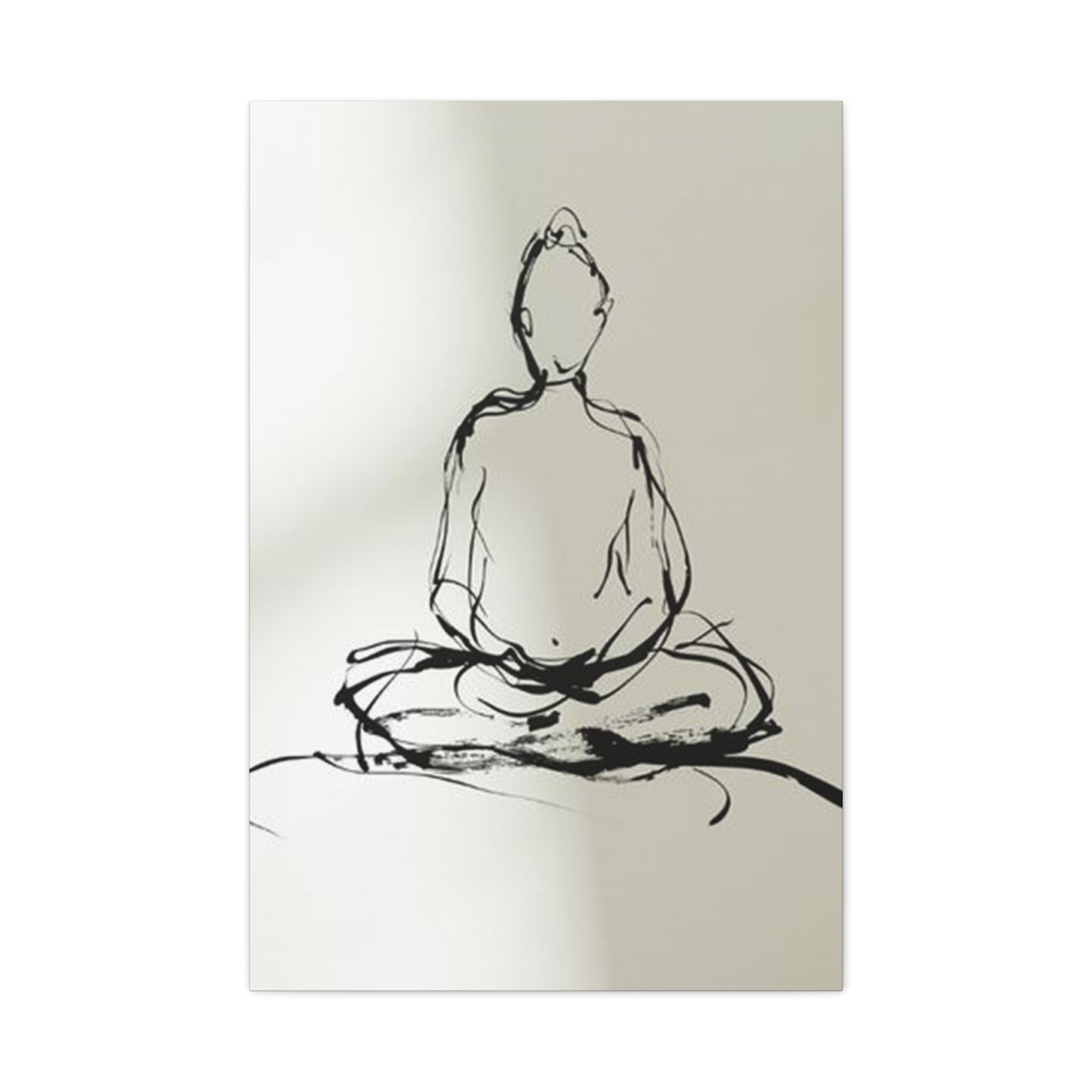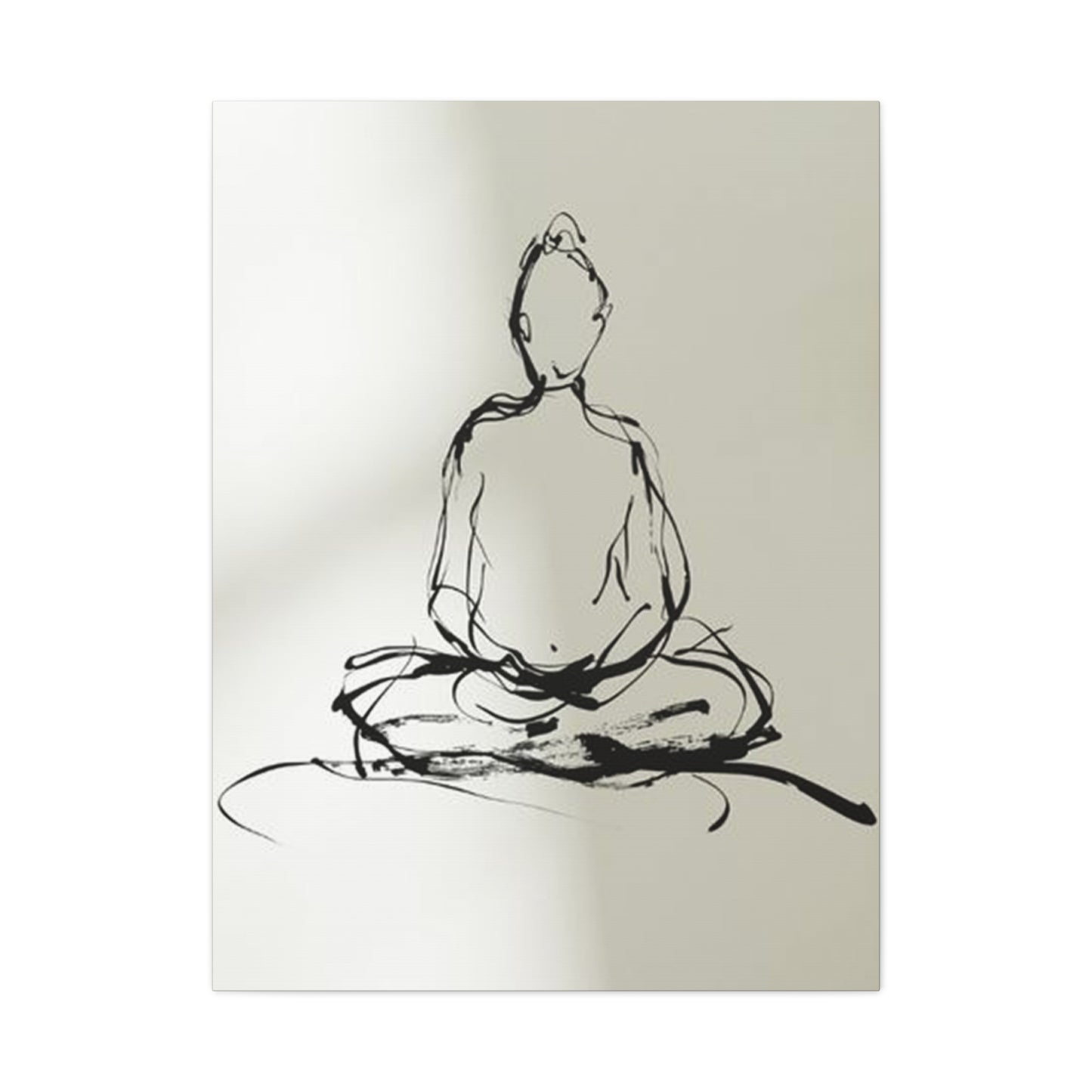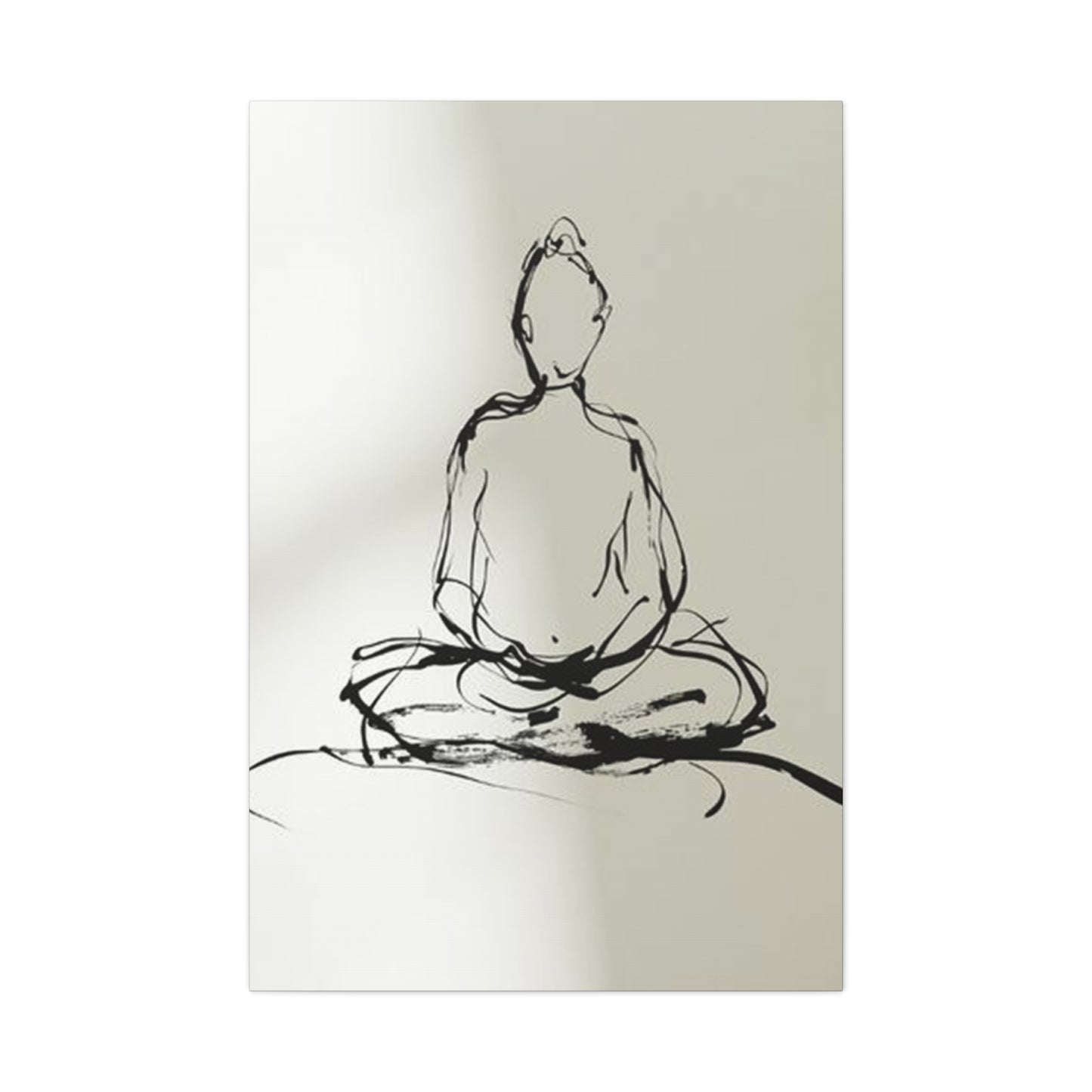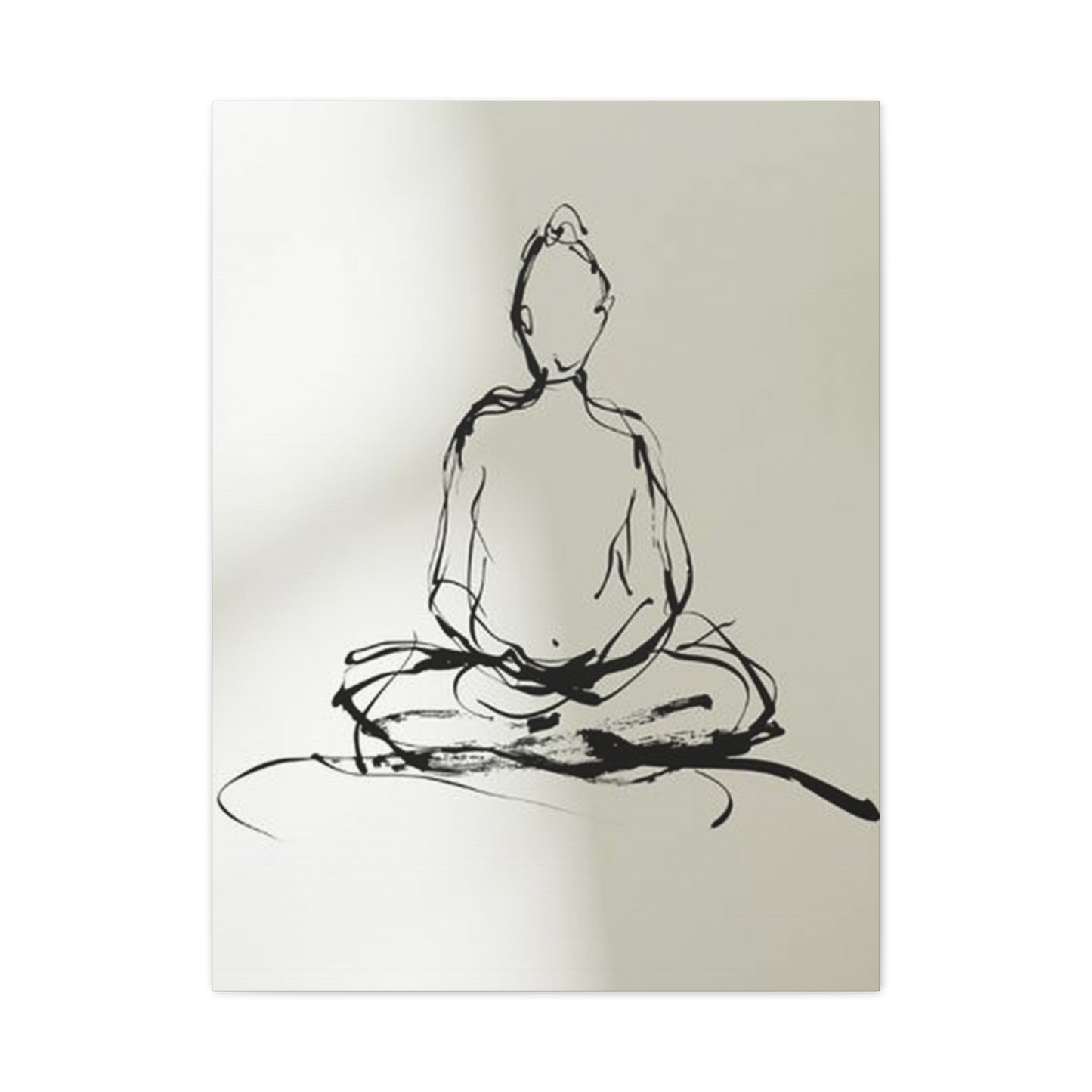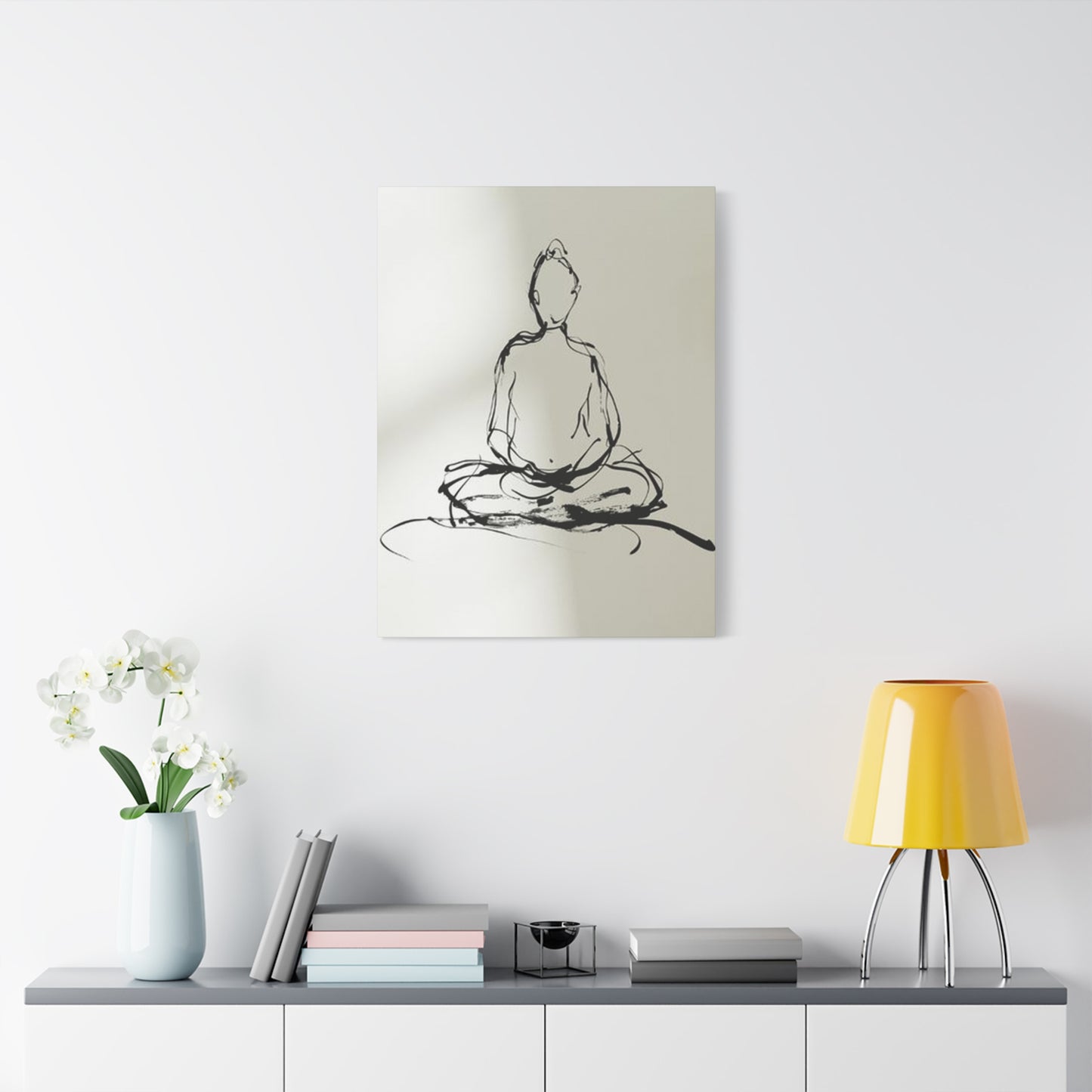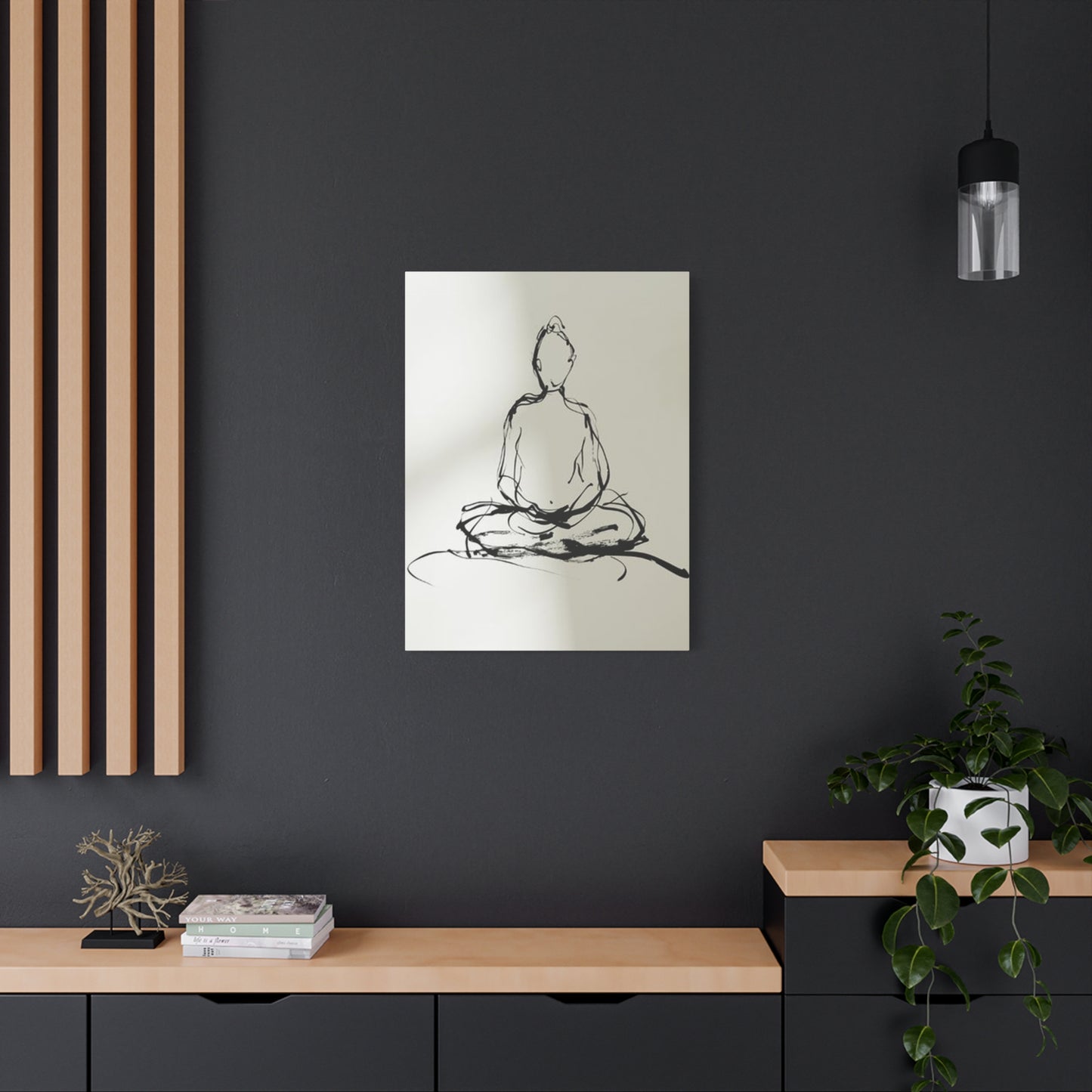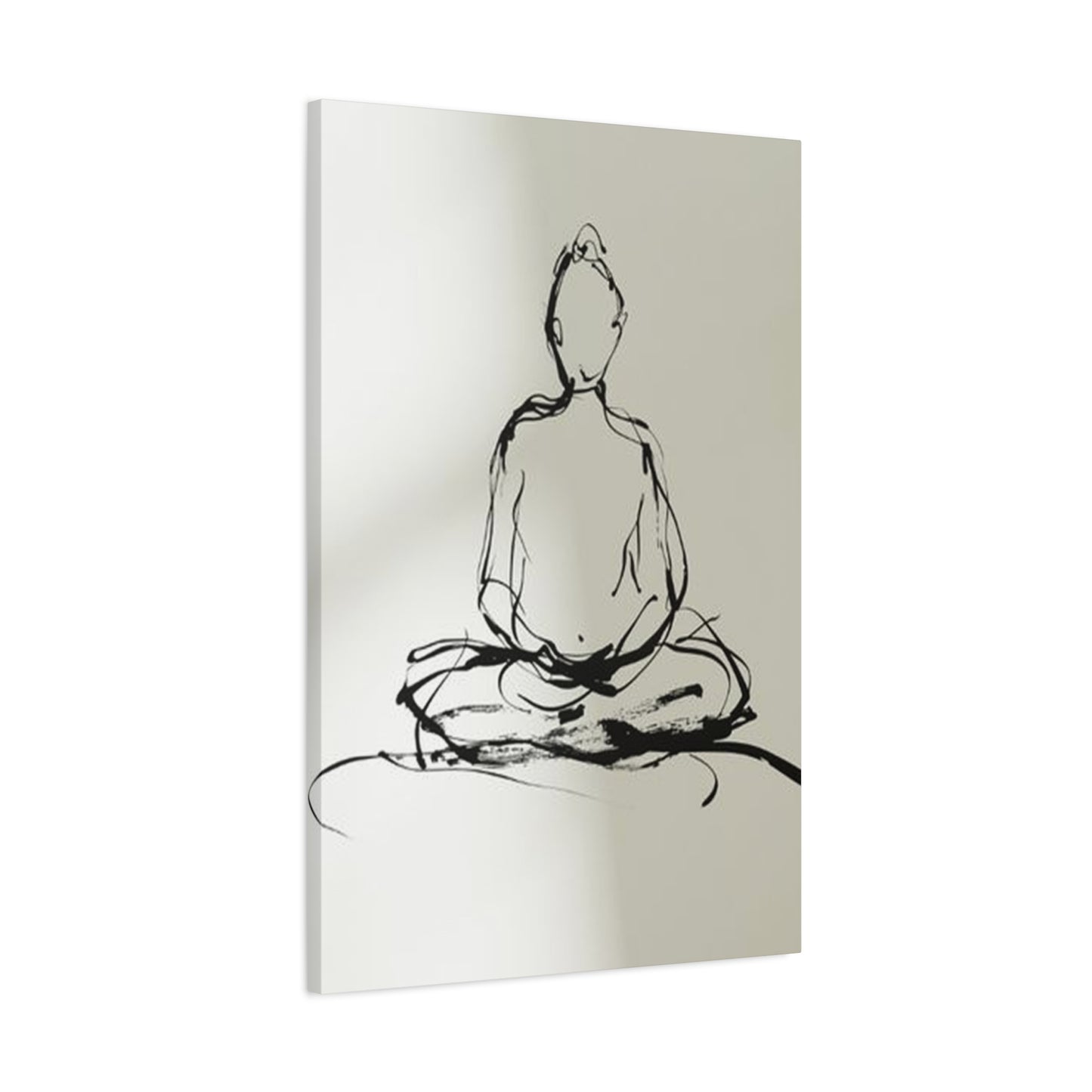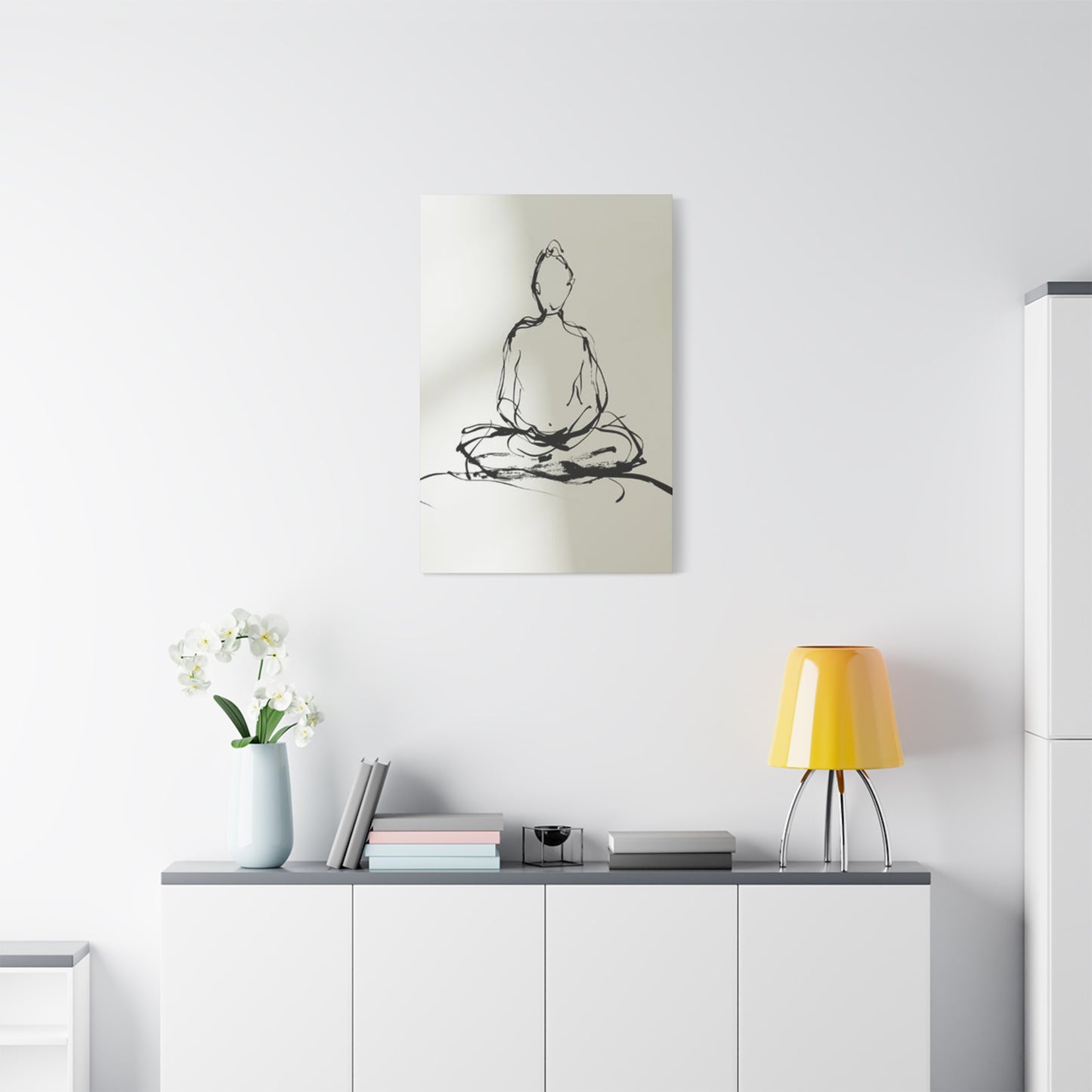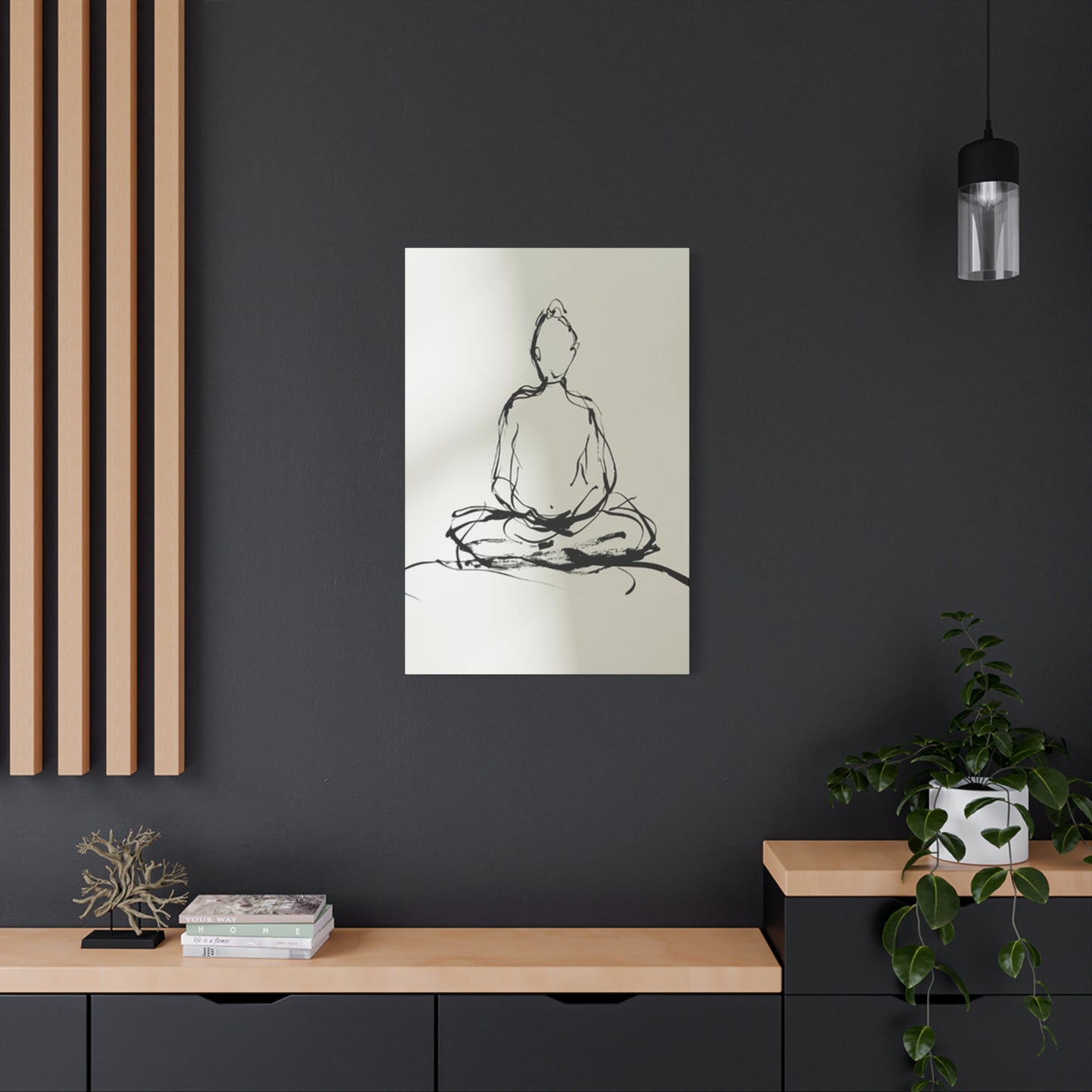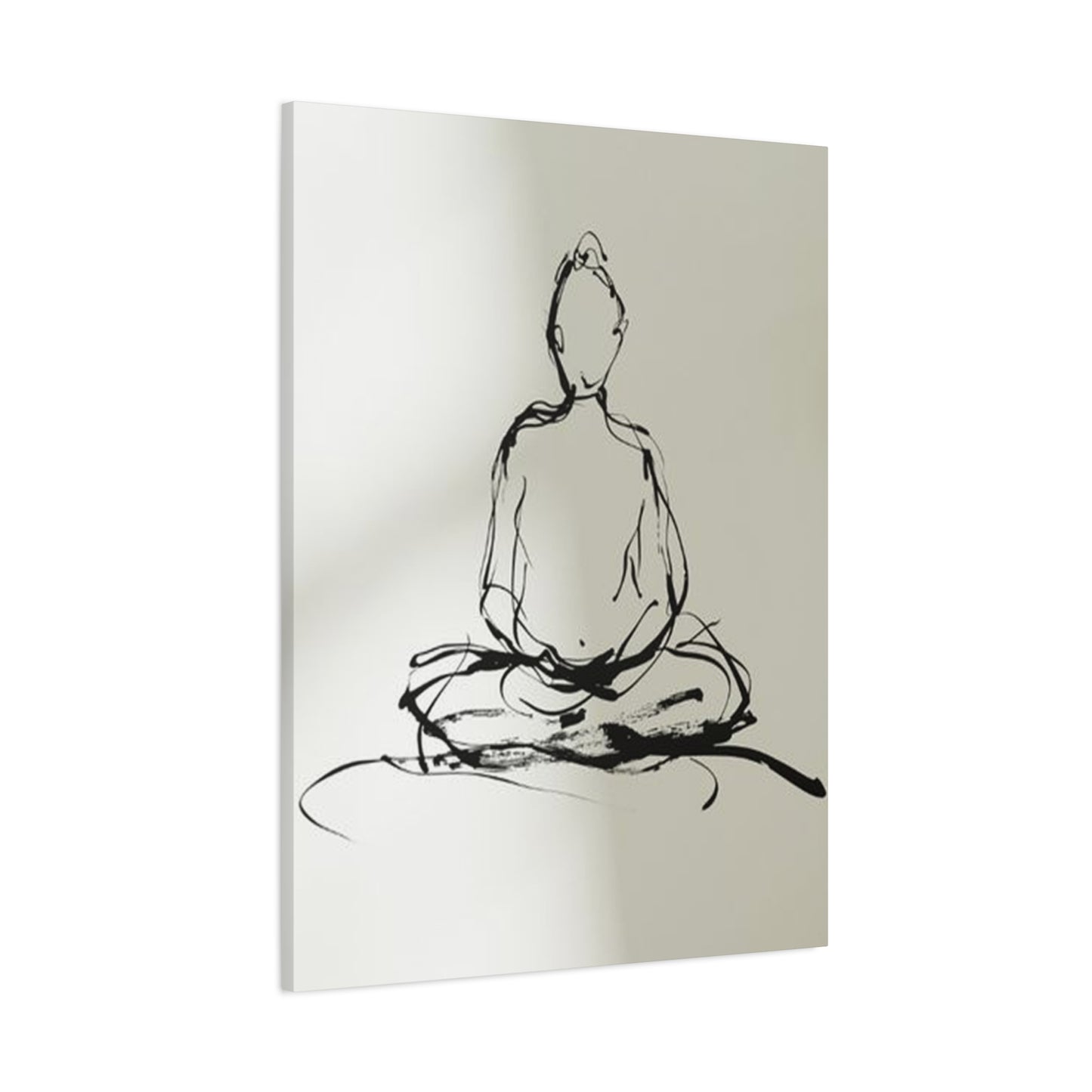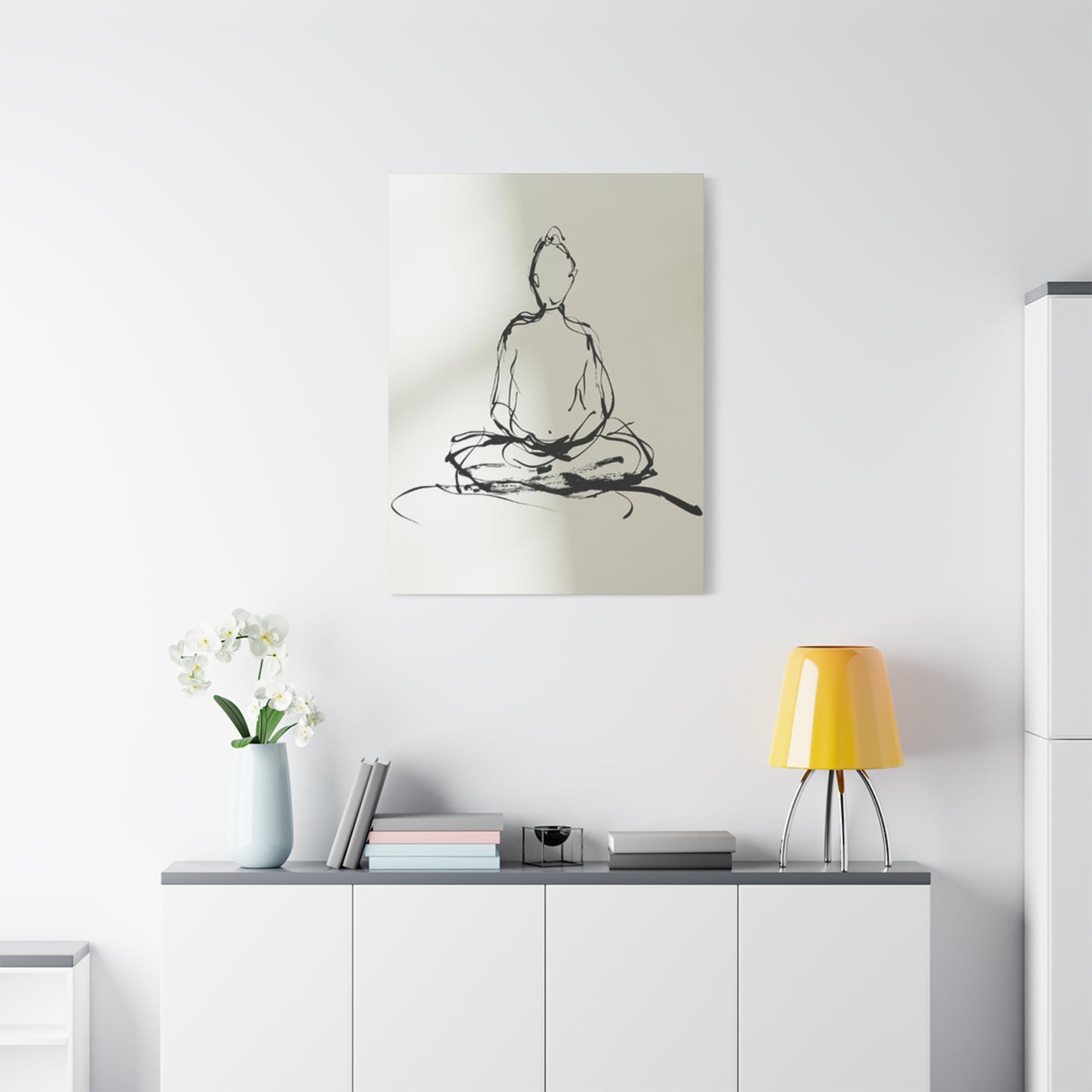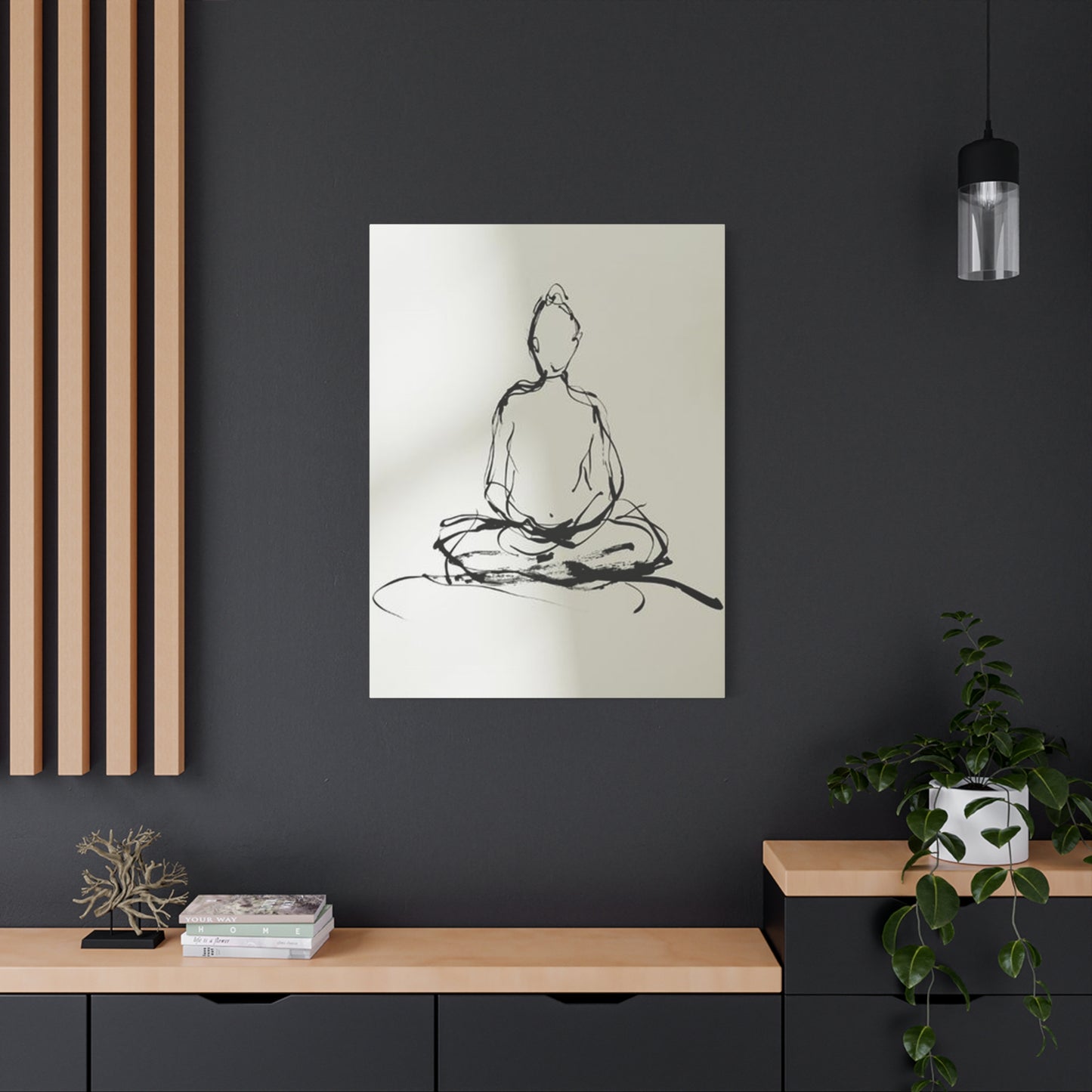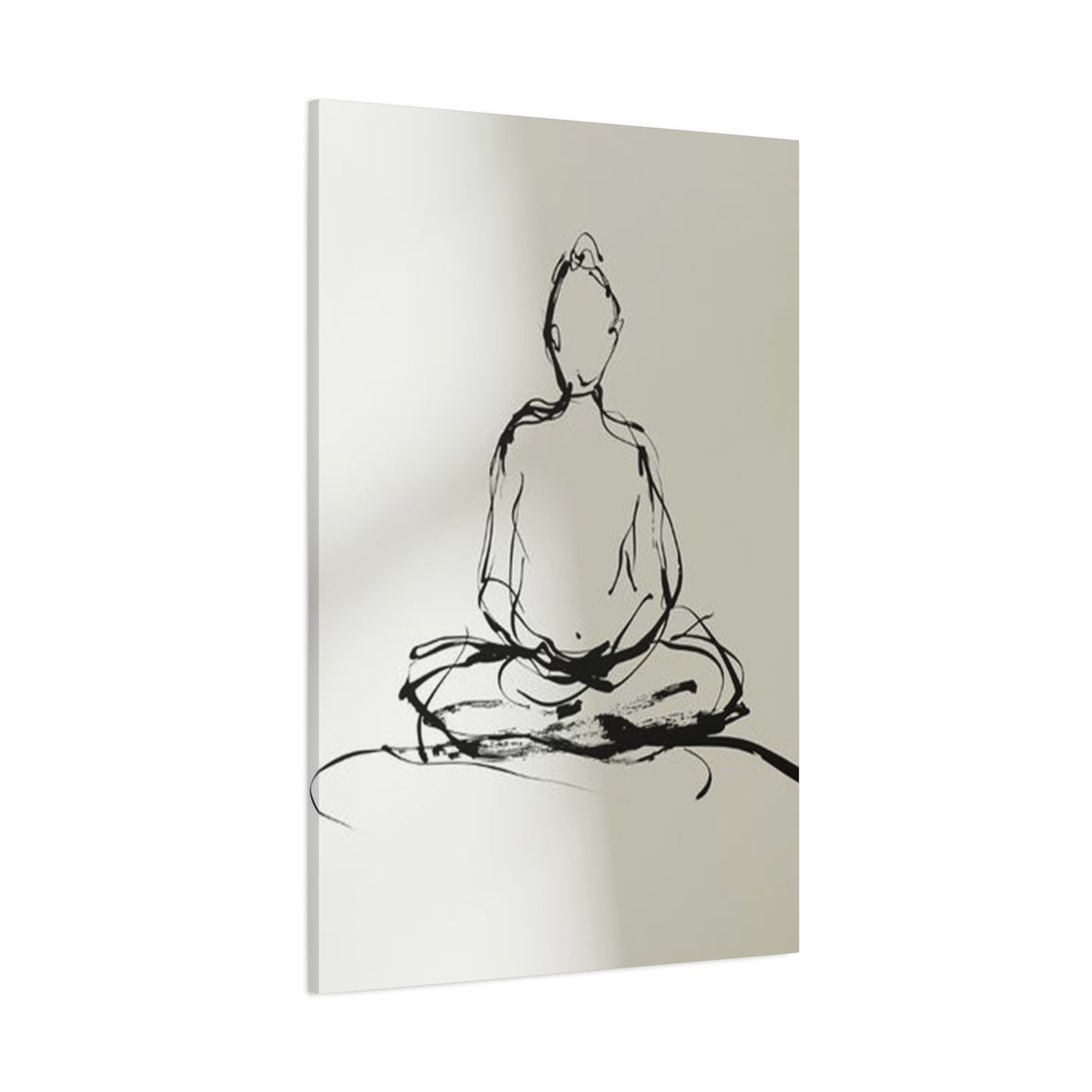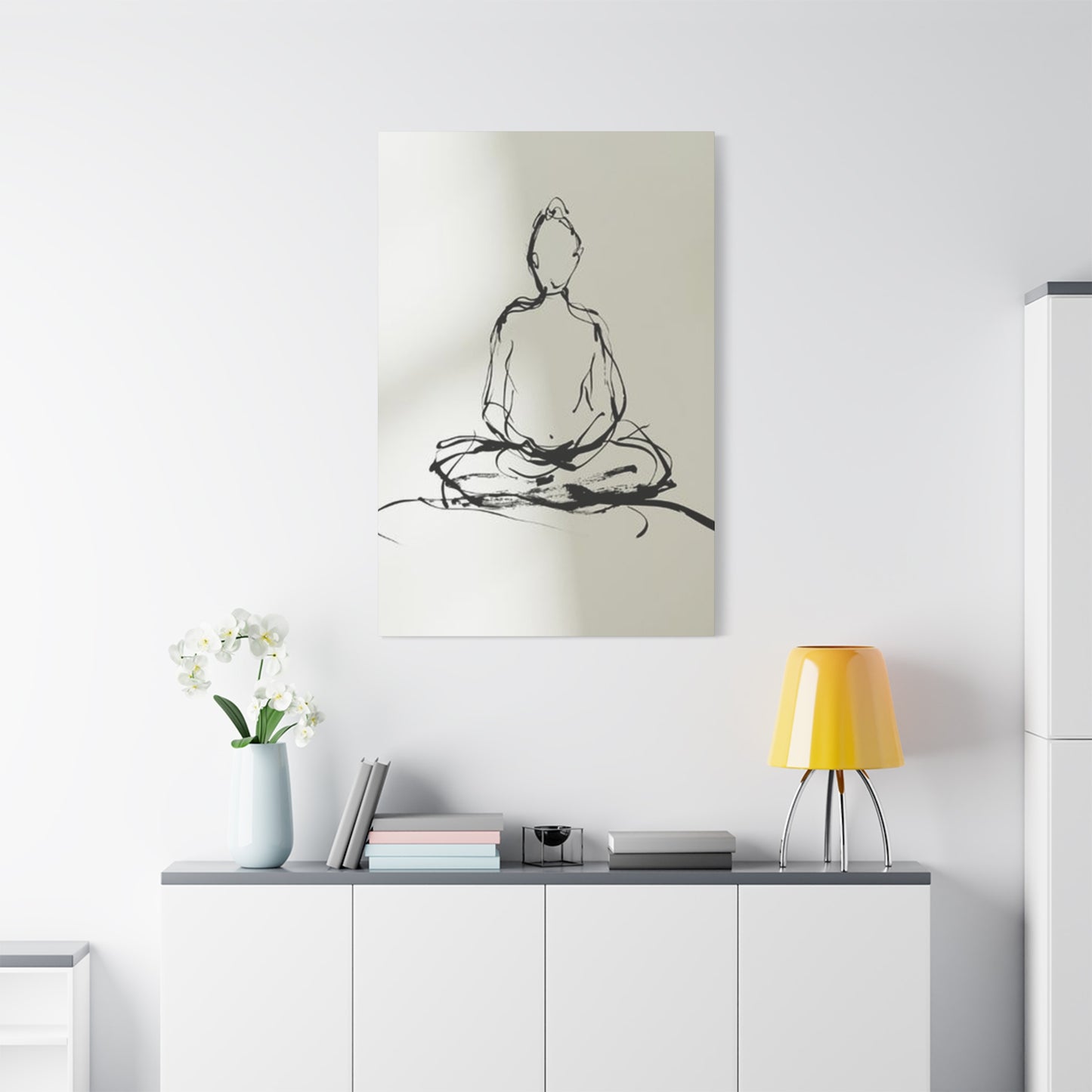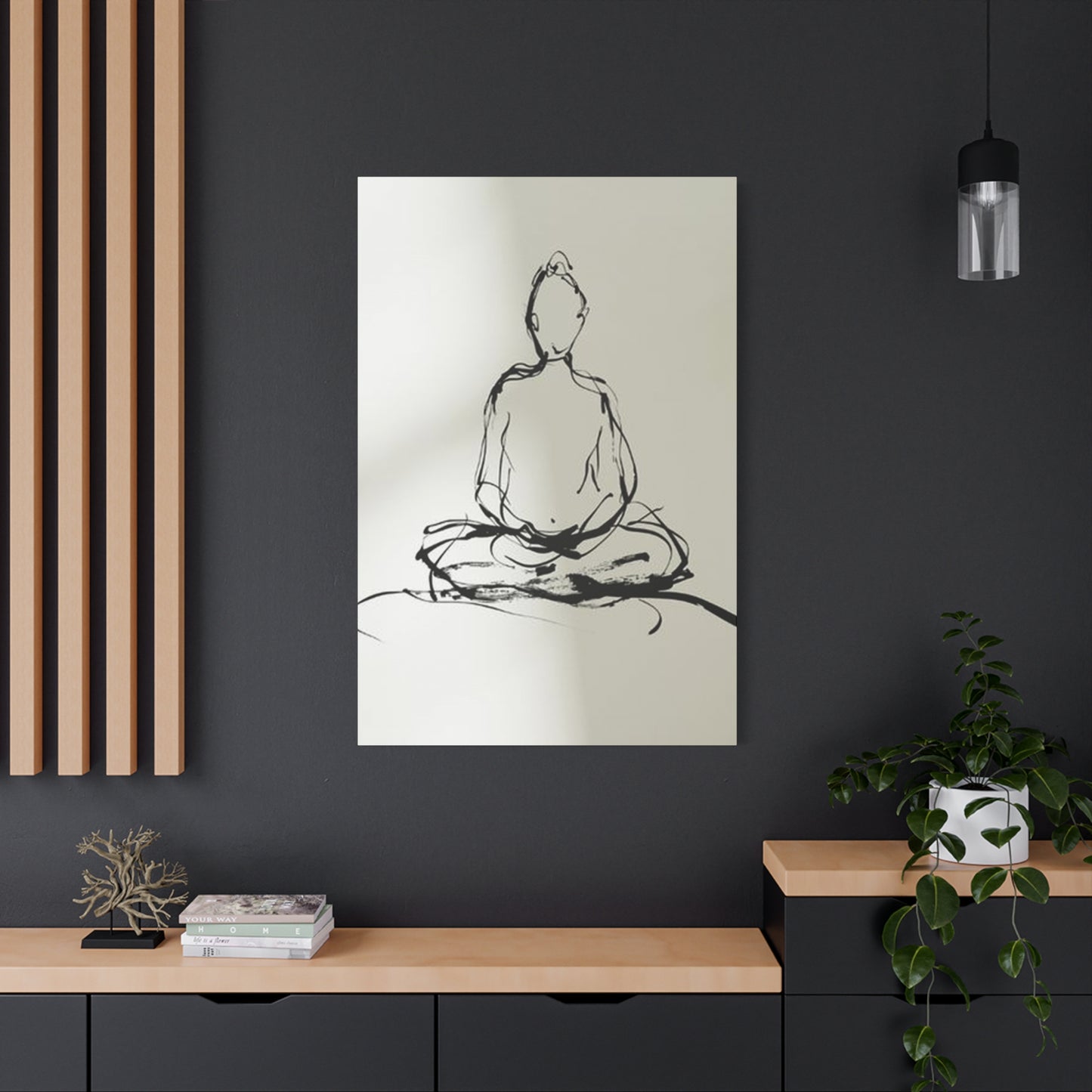


Buddha Yoga Drawing Wall Art & Canvas Prints
Buddha Yoga Drawing Wall Art & Canvas Prints
Couldn't load pickup availability
Creating Tranquil, Sacred Spaces: A Comprehensive Exploration of Buddha Yoga Drawing Wall Art and Its Mindful Aesthetics
The confluence of Buddhist philosophy, yoga practices, and artistic expression has generated a profound aesthetic movement that transcends mere decorative purpose. Buddha yoga drawing wall art represents a sophisticated intersection of ancient spiritual wisdom and modern interior design sensibilities. This distinctive art form emerged from the centuries-old traditions of Eastern spirituality, where visual representations served not merely as ornamentation but as conduits for meditation, contemplation, and spiritual awakening. The practice of adorning living spaces with Buddhist imagery and yoga-inspired illustrations carries profound implications for the inhabitants, creating environments that resonate with tranquility and mindful awareness.
The genesis of this artistic phenomenon can be traced to the earliest representations of Buddha within monasteries and temples across Asia. These sacred depictions evolved over millennia, acquiring symbolic complexity and aesthetic refinement. When yoga traditions became interwoven with Buddhist philosophy, practitioners sought visual representations that could encapsulate both disciplines' essence. Contemporary wall art emerged as a democratized version of these ancient traditions, making profound spiritual imagery accessible to practitioners and enthusiasts worldwide. The intersection of Buddha yoga drawing wall art with modern interior design reflects humanity's perpetual quest for meaning, balance, and visual representations of our innermost aspirations.
Distinguishing Between Varied Artistic Styles and Aesthetic Approaches in Buddha Yoga Wall Compositions
The realm of Buddha yoga drawing wall art encompasses an astonishingly diverse spectrum of stylistic interpretations, each offering unique visual and emotional resonances. Understanding these distinctions enables individuals to select artworks that authentically align with their personal sensibilities and spatial requirements. The minimalist approach strips representations down to essential contours and negative space, creating pieces of understated elegance that speak through absence as much as presence. These compositions often employ monochromatic palettes or restricted color schemes, allowing viewers' consciousness to settle into contemplative states without visual distraction.
Conversely, the ornamental tradition celebrates intricate detailing, elaborate patterns, and jewel-toned chromatic abundance. These pieces draw inspiration from traditional Tibetan thangka paintings, Indian miniature artworks, and Southeast Asian temple decorations. Each element within these compositions carries symbolic meaning, from the lotus flowers beneath seated figures to the aureate halos surrounding enlightened beings. The maximalist aesthetic approach creates immersive visual experiences that reward prolonged observation and contemplative study. Intermediate stylistic territories exist between these poles, including contemporary interpretations that merge traditional iconography with modern artistic vocabulary.
The illustrative realism approach seeks faithful representation of anatomical precision within yoga postures, combining accurate physiological depiction with spiritual symbolism. These artworks often feature detailed rendering of muscular structure, fabric textures, and environmental contexts. Abstract expressionist interpretations, meanwhile, dissolve recognizable forms into emotional gestures conveyed through color, line, and compositional dynamism. These pieces privilege feeling and spiritual essence over representational accuracy. Geometric and sacred geometry-based approaches utilize mathematical proportions and symmetrical configurations to express universal principles underlying both Buddhist philosophy and yogic practice.
The Multifaceted Dimensions of Cultural Significance and Spiritual Meaning Embedded Within Buddha Yoga Wall Art Representations
Buddha yoga drawing wall art transcends superficial aesthetic categories to function as a repository of profound cultural meaning and spiritual significance. These artworks embody centuries of accumulated wisdom, philosophical insight, and contemplative practice crystallized into visual form. The Buddha figure itself represents humanity's potential for awakening, transcendence, and liberation from suffering. When depicted in the context of yoga practice, the Buddha becomes a living exemplar of disciplined spiritual endeavor, demonstrating the synthesis of inner wisdom and physical cultivation. The presence of such imagery within domestic environments creates subtle yet powerful reminders of these transcendent possibilities.
Yoga postures depicted in conjunction with Buddhist imagery represent the embodied dimensions of spiritual practice. The asanas, or physical poses, become visible manifestations of invisible inner states and energetic transformations. Lotus positions connote stability and spiritual elevation, forward folds suggest surrender and introspection, and inversions symbolize perspective shifts and ego dissolution. When rendered with Buddhist iconography, these poses acquire additional layers of meaning, connecting individual bodily practice to universal spiritual principles. The symbolic vocabulary of Buddha yoga wall art includes mudras, or hand gestures, each conveying specific spiritual states and intentions. The gesture of meditation represents inner contemplation, the blessing mudra symbolizes generosity and compassion, while the earth-touching mudra invokes groundedness and authenticity.
The mandala, a circular geometric composition radiating from a central point, frequently appears within Buddha yoga drawing wall art as a representation of cosmic wholeness and the integrated self. Mandalas function as meditation focal points, their symmetrical patterns guiding consciousness toward unified awareness. Chakra systems, the energetic centers described within yogic philosophy, find visual representation through concentric circles of colors and symbolic elements. The integration of chakra imagery with Buddha representations creates multidimensional artworks that simultaneously address physiological, energetic, and spiritual dimensions of human experience. These layers of significance ensure that Buddha yoga wall art functions simultaneously as decorative element, meditation focus, and philosophical statement.
The Transformative Psychological Impact of Surrounding Oneself With Buddha Yoga Drawing Wall Art in Daily Environments
The incorporation of Buddha yoga drawing wall art into domestic or professional spaces generates measurable psychological consequences that extend far beyond initial aesthetic appreciation. Environmental psychology research demonstrates that visual representations of peaceful figures, meditative postures, and spiritual symbolism exert demonstrable effects on nervous system activation, emotional regulation, and cognitive functioning. The presence of Buddha imagery activates neural networks associated with compassion, acceptance, and non-judgmental awareness, subtly recalibrating inhabitants' baseline psychological states toward greater equanimity and inner peace.
The visual reminders of yoga practice embodied within wall art serve as perpetual invitations toward embodied awareness and conscious movement. Individuals dwelling or working within spaces adorned with yoga-inspired imagery report increased consciousness of their own postural alignments, breathing patterns, and bodily sensations. This phenomenon, wherein environmental cues activate corresponding behavioral and cognitive tendencies, reflects the profound interconnectedness between external surroundings and internal psychological states. The consistent presence of these visual reminders creates what researchers term "psychological priming," whereby repeated exposure to certain symbols and imagery unconsciously predisposes individuals toward aligned thoughts, emotions, and behaviors.
Beyond individual psychological impact, Buddha yoga drawing wall art influences collective family or workplace dynamics through the creation of shared symbolic references and communal meaning-making. Spaces decorated with such imagery implicitly communicate values prioritizing contemplation, self-care, and spiritual inquiry. Visitors and inhabitants intuitively perceive these environmental messages, often experiencing shifts toward greater relaxation, mindfulness, and openness. The art becomes a non-verbal facilitator of psychological safety, signaling that the space honors introspection, reduces performance anxiety, and welcomes authentic presence. These environmental effects accumulate over time, gradually reshaping the overall psychological tenor of spaces and their inhabitants' dispositional tendencies.
Comprehensive Analysis of Color Palettes and Their Specific Resonances Within Buddha Yoga Artistic Contexts
The chromatic dimensions of Buddha yoga drawing wall art warrant serious aesthetic and symbolic consideration, as colors exert profound psychological and spiritual effects beyond their visual appearance. Traditional Buddhist art frequently employed limited palettes emphasizing golds, deep reds, and ultramarine blues derived from precious pigments once available only to elite patrons and monastic communities. Gold, representing enlightenment's radiance and the illuminated mind, adorns halos, architectural details, and ornamental elements. The warmth of gold conveys spiritual activation and elevated consciousness. Deep reds symbolize compassionate action, protective energy, and the fire of transformation. These colors create associations with vital life force and purposeful engagement with existence.
Cool blues and indigos connect to vast space, infinite potential, and the tranquility of undisturbed awareness. These hues evoke meditation's spacious consciousness and the boundless sky representing liberation from mental constraints. Contemporary interpretations expand these traditional palettes, incorporating earth tones, soft pastels, and muted neutrals that appeal to modern aesthetic sensibilities while maintaining spiritual authenticity. Greens appear frequently in yoga-focused compositions, symbolizing growth, renewal, healing, and the natural world's vitality. Purple and violet tones reference the crown chakra and spiritual aspiration, their associations with nobility and transformation enriching compositions employing these hues.
The interplay between complementary colors creates visual dynamism and psychological engagement within Buddha yoga wall art. Warm and cool color contrasts generate visual vibration that maintains viewer attention and stimulates neural engagement. Analogous color schemes, utilizing colors adjacent on the chromatic spectrum, generate harmony and visual rest, supporting meditative observation. Monochromatic approaches employing single colors' multiple values create sophisticated, contemplative effects that encourage uncluttered perception. The consideration of color psychology within Buddha yoga wall art transcends aesthetic preference, encompassing recognition that chromatic choices fundamentally influence viewers' emotional responses, cognitive functioning, and spiritual receptivity.
The Essential Role of Compositional Structure and Visual Balance in Creating Harmonious Buddha Yoga Wall Artworks
The architectural skeleton underlying Buddha yoga drawing wall art determines its ultimate efficacy as both aesthetic object and meditative focus. Compositional principles derived from classical artistic traditions, sacred geometry, and contemporary design sensibilities converge within successful pieces. The rule of thirds, an enduring compositional guideline, positions primary focal points at intersections of imaginary lines dividing the composition into thirds both horizontally and vertically. This principle, when applied to Buddha yoga wall art, prevents central placement of primary figures, instead positioning them within more dynamically engaging locations that activate viewers' visual scanning and engagement.
Symmetrical compositions invoke stability, formality, and cosmic order, particularly appropriate for mandala-based works and centralized Buddha representations. Asymmetrical arrangements generate energy, movement, and visual interest, suiting compositions depicting yoga sequences or dynamic practice moments. The balance between positive space, where primary artistic elements exist, and negative space, the surrounding emptiness, fundamentally affects artworks' psychological impact. Generous negative space creates contemplative, spacious sensations supporting meditative observation. Densely packed compositions create richness, stimulation, and visual abundance rewarding detailed study.
The vertical axis' treatment within Buddha yoga wall art carries particular significance, as humans instinctively associate verticality with spiritual ascension, elevation, and transcendence. Artworks emphasizing upward movement, through rising yoga poses or ascending Buddha figures, activate aspirational consciousness and optimistic psychological states. Horizontal axes suggest stability, peace, and grounding security. The diagonal, perhaps the most dynamically charged directional force, creates tension, movement, and engagement. Effective Buddha yoga wall art orchestrates these directional forces purposefully, creating compositions that guide viewers' perceptual journey while supporting specific psychological and spiritual intentions.
Strategic Considerations for Selecting Buddha Yoga Drawing Wall Art Aligned With Individual Spaces and Personal Preferences
The process of selecting appropriate Buddha yoga drawing wall art requires thoughtful consideration of numerous factors extending beyond initial aesthetic attraction. The specific room or environment receiving the artwork fundamentally influences selection criteria, as different spaces serve distinct functions and host varying psychological states. Meditation rooms or yoga studios benefit from art emphasizing internal focus, subtle beauty, and minimal distraction. These spaces typically accommodate pieces featuring simple compositions, restricted palettes, and meditative poses conducive to sustained contemplation. The goal within these environments centers on supporting concentrated awareness and profound inner exploration.
Living spaces and communal areas accommodate greater visual complexity and narrative richness, as inhabitants encounter these artworks during varied psychological states rather than dedicated practice sessions. Pieces featuring greater chromatic variety, intricate detailing, and dynamic postures function effectively within these contexts, maintaining interest across repeated exposures and varied emotional states. Bedroom environments benefit from artwork conveying peace, safety, and restfulness. Soft color palettes, gentle poses, and compositions emphasizing horizontal orientations support sleep and regeneration. Professional workspaces require careful consideration regarding spiritual imagery's appropriateness and potential impact on productivity. Artwork conveying balance, mindfulness, and purposeful engagement typically functions well, while overly meditative pieces might induce relaxation inappropriate during professional responsibilities.
Personal preferences regarding artistic style, color, and spiritual specificity merit serious consideration, as individuals ultimately inhabit spaces containing their chosen artwork. Aesthetic resonance between inhabitants and their environmental elements profoundly influences the artwork's effectiveness. An individual forced to observe aesthetically displeasing or culturally unfamiliar imagery experiences psychological resistance rather than beneficial effects. The consideration of existing room décor, architectural features, and functional requirements ensures that Buddha yoga wall art integrates coherently rather than appearing incongruous. The scale of available wall space, proximity to furniture and viewing positions, and natural lighting conditions all influence which pieces function optimally within specific contexts.
The Significance of Iconographic Elements and Their Layered Symbolic Meanings Within Buddha Yoga Compositions
Buddha yoga drawing wall art proliferates with symbolic imagery, each element contributing specific layers of meaning to the overall composition. Understanding these iconographic conventions deepens appreciation and enhances the artwork's capacity to communicate intentionally with viewers. The Buddha figure itself appears in numerous depictions, from contemplative seated poses representing meditation and enlightenment to reclining postures symbolizing final liberation and transcendence beyond the cycle of rebirth. Standing Buddha representations convey active engagement and compassionate service toward all beings. The expression on Buddha's face, whether smiling gently or gazing inward with equanimity, fundamentally alters the artwork's emotional and spiritual resonance.
Bodhisattvas, enlightened beings who delay their final liberation to assist other sentient creatures, frequently appear alongside Buddha figures, representing compassion's active principle and enlightenment's relational dimension. Avalokiteshvara, the Bodhisattva of compassion, often appears with multiple arms symbolizing the myriad ways beneficent action extends throughout existence. Manjushri, the Bodhisattva of wisdom, carries a sword representing discernment and the cutting away of delusion. These figures, rendered in yoga poses or surrounded by practitioners, bridge ancient spiritual traditions with contemporary wellness culture.
Lotus flowers, emerging pristine from murky water, symbolize spiritual purity, enlightenment's transcendence of worldly suffering, and the Buddha's capacity to remain untouched by the cyclical nature of existence. Lotus flowers frequently appear beneath or around Buddha figures, and yoga practitioners seated in lotus positions incorporate this symbolism through their own bodily configuration. The lotus's progression from muddy depths to radiant surface mirrors human spiritual development, from ignorance toward illuminated understanding. Serpents, particularly nagas or divine serpents, represent kundalini energy, spiritual power, and protection. Fire frequently appears as purifying force, transforming agent, and the radical presence of transformation and change.
The representation of specific chakras through concentric circles of colors and symbolic elements provides visual maps of the body's energetic anatomy as understood within yogic philosophy. The root chakra at the spine's base appears in deep red, representing grounding and foundational security. The sacral chakra glows in orange, conveying creativity and emotional flow. The solar plexus chakra radiates yellow, symbolizing personal power and transformation. The heart chakra shines in green, representing love and emotional centeredness. The throat chakra appears in blue, symbolizing authentic communication. The third eye chakra glows indigo, representing intuition and inner vision. The crown chakra crowns the sequence in violet, symbolizing spiritual connection and universal consciousness.
The Diverse Range of Mediums and Materials Utilized in Creating Buddha Yoga Drawing Wall Art
Buddha yoga drawing wall art manifests across an astonishing spectrum of mediums and materials, each offering distinct aesthetic qualities and durability characteristics. Traditional ink paintings on paper or silk remain enormously popular, honoring centuries-old artistic conventions while maintaining connection to historical practice. These delicate artworks require protective framing and careful environmental controls, necessitating stable temperatures and humidity levels. The transparency and luminosity of ink on silk creates ethereal effects particularly well-suited to meditative compositions. Watercolor paintings, with their characteristic luminous washes and subtle color transitions, frequently feature Buddha figures and yoga poses rendered in contemplative hues.
Acrylic and oil paintings on canvas constitute the most common contemporary medium, offering durability, rich color saturation, and vast stylistic range from photorealistic representation to abstract expressionism. Acrylic's rapid drying time and versatility in applying thin washes or thick impasto strokes make this medium particularly conducive to diverse artistic approaches. Oil paintings maintain tradition while delivering unparalleled color depth and subtlety of blending. Digital art and prints have democratized access to Buddha yoga wall art, enabling reproduction of expensive original paintings at substantially reduced prices. High-quality giclee printing techniques reproduce artwork with remarkable fidelity, though purists occasionally debate digital art's spiritual authenticity.
Mixed media compositions incorporate multiple materials including collage elements, metallic foils, textured papers, and three-dimensional components, creating visually complex and tactilely engaging artworks. Textile arts, from traditional embroidered tapestries to contemporary fiber works, offer tactile dimensions unavailable through purely visual mediums. Sculptural wall installations, whether carved wooden representations or cast bronze figures, introduce three-dimensionality and shadow play absent from flat surfaces. Photographic approaches often combine images of actual yoga practitioners with digital enhancement or traditional art overlays, creating evocative hybrids merging documentation with artistic interpretation.
Practical Guidance for Proper Placement, Display, and Environmental Considerations for Buddha Yoga Wall Art
The successful integration of Buddha yoga drawing wall art into living or working spaces requires thoughtful consideration regarding placement strategy and environmental management. The positioning of artwork relative to seating areas, movement patterns, and natural light sources fundamentally influences both aesthetic impact and practical longevity. Artworks meant to serve as meditation focal points typically occupy wall space directly in front of primary seating positions, positioning them within consistent viewer sight lines without requiring awkward head positioning. Pieces intended to provide environmental ambiance rather than direct engagement benefit from peripheral placement, visible through normal environmental scanning without conscious attention.
Natural light exposure influences color preservation and artwork longevity substantially. Intense direct sunlight, particularly from southern exposures, accelerates pigment fading and can damage delicate materials over extended periods. Indirect, diffuse natural lighting preserves artwork while creating visually appealing presentations. Artificial lighting, when properly calibrated, can enhance artwork visibility and aesthetic qualities. Warm white bulbs typically complement traditional color palettes, while cooler daylight-temperature lighting suits contemporary pieces. Directional spotlighting creates dramatic visual effects and draws attention to specific compositional elements, though excessive contrast between illuminated art and surrounding darkness may create viewing strain.
Humidity and temperature fluctuations present genuine threats to artwork integrity, particularly for paintings on delicate substrates and materials employing traditional pigments. Stable indoor environments between 60-70 degrees Fahrenheit and 45-55 percent relative humidity optimize preservation for most artworks. Excessive humidity promotes mold, mildew, and material deterioration, while aridity causes brittleness and cracking. Proximity to heating and cooling vents should generally be avoided due to associated temperature and humidity fluctuations. Proper framing with archival-quality materials protects artwork from dust, insects, and environmental contaminants while minimizing direct atmospheric contact. Glazing choices significantly impact both visual clarity and conservation, with conservation-grade glass and acrylic providing superior protection compared to standard glazing materials.
The Intersection of Buddha Yoga Drawing Wall Art With Contemporary Wellness Paradigms and Holistic Health Movements
Buddha yoga drawing wall art functions as a tangible manifestation of contemporary wellness philosophy integrating ancient wisdom traditions with modern health science. The wellness movement's recognition of spiritual dimensions alongside physical and mental wellbeing finds visual expression through the presence of such artwork within healing and rejuvenation spaces. Yoga studios, meditation centers, and alternative medicine clinics increasingly incorporate Buddha yoga wall art as core environmental elements supporting practitioners' holistic health objectives. The visual presence of spiritual imagery reinforces these practitioners' intentions toward integrated healing that transcends purely pharmaceutical or mechanistic approaches.
The biophilic design movement, which emphasizes humans' innate psychological connection to natural forms and living systems, finds resonance with Buddha yoga wall art's frequent incorporation of botanical elements, animals, and earth-toned color palettes. These artworks satisfy environments' intrinsic need for organic forms, flowing patterns, and representations of the natural world. Spa environments, yoga retreats, and wellness resorts employ Buddha yoga wall art to create cohesive ambiances supporting guests' relaxation, restoration, and spiritual renewal. The accumulated effect of thoughtfully curated Buddha yoga wall art throughout such spaces generates what designers term "sensory coherence," wherein all environmental elements cohere around unified therapeutic intentions.
The growing recognition of stress-related illness and the consequent emphasis on stress-reduction practices has catalyzed increased interest in environmental modifications supporting parasympathetic nervous system activation. Buddha yoga wall art, through its visual representation of peaceful states and spiritual practice, provides constant gentle prompting toward nervous system relaxation and psychological equilibrium. For individuals navigating demanding professional or personal circumstances, the regular visual encounter with serene Buddha figures and peaceful yoga practitioners serves as repeated invitations toward mental deceleration and emotional recalibration. These environmental interventions, while subtle, accumulate over time to meaningfully influence inhabitants' baseline stress levels and psychological resilience.
The Role of Scale, Proportion, and Spatial Integration in Determining Buddha Yoga Wall Art's Effectiveness
The sizing decisions regarding Buddha yoga drawing wall art dramatically influence both aesthetic impact and practical functionality within spaces. Large-scale artworks command attention, establishing focal points and defining spatial organization through their dominant visual presence. A substantial piece occupying significant wall area creates immersive experiences, particularly when viewers position themselves close enough to observe fine details. These monumental presentations suit gallery contexts, meditation studios, and spacious residences where the artwork becomes a primary environmental element rather than supplementary decoration. The investment required for large-scale original artworks or museum-quality reproductions reflects their significance as primary design elements.
Moderate-scale pieces function well within diverse settings, balancing visual impact against flexibility regarding placement and integration with existing décor. These conventional-sized artworks, typically ranging from 24 to 48 inches in their primary dimensions, function equally effectively as primary focal points or as component elements within eclectic gallery wall arrangements. The proportionality of moderate-scale artwork suits most residential spaces without overwhelming architectural features or creating spatial disproportion. These sizes accommodate easier transportation, installation, and reconfiguration compared to monumental pieces.
Small-scale artworks function as accent elements, contributing visual interest and thematic coherence without dominating spatial perception. Series of small pieces arranged in compositions termed gallery walls create visually complex arrangements that reward sustained observation and accommodate thematic variety. The accessibility and affordability of small-scale prints and original works democratizes ownership of Buddha yoga wall art for individuals with modest budgets or spatial constraints. The proportion between artwork scale and viewing distance fundamentally influences aesthetic success. Oversized artworks positioned excessively close to viewers create oppressive sensations and inhibit comfortable observation, while undersized pieces hung at excessive distances become visually insignificant and fail to achieve intended communication.
Economic and Commercial Dimensions of the Buddha Yoga Drawing Wall Art Market
The expanding global market for Buddha yoga drawing wall art reflects increasing consumer interest in spirituality, wellness, and aesthetically coherent environmental design. Original artworks by established artists command substantial prices reflecting the artist's reputation, technical execution, and conceptual originality. Established Buddhist artists, contemporary illustrators, and mixed-media practitioners whose work incorporates yoga and spiritual themes have cultivated robust collector bases supporting their artistic production. The secondary market for significant pieces demonstrates genuine investment potential, with notable artworks appreciating substantially over time.
Mass-produced reproductions democratize access to compelling Buddha yoga wall art for individuals lacking resources for original acquisitions. High-quality giclee printing, canvas reproductions, and professional framing services deliver satisfactory aesthetic results at consumer-friendly price points. Online marketplaces and e-commerce platforms have dramatically expanded the accessibility and variety of available options, enabling consumers to browse globally without geographic limitation. The proliferation of affordable reproductions has necessarily reduced individual pieces' perceived value while simultaneously expanding the total market through increased consumption volume.
The artisanal marketplace encompasses handcrafted pieces produced by individual artists, small studios, and cooperative networks prioritizing sustainable practices, fair labor compensation, and ethical production standards. These pieces typically command prices intermediate between mass-produced reproductions and high-end original artworks. Emerging artists utilize Buddha yoga drawing wall art to establish professional practices, often employing social media and direct-to-consumer marketing strategies bypassing traditional gallery systems. The democratization of artistic production through digital platforms has enabled previously marginalized artists to reach global audiences and build sustainable creative practices. Simultaneously, this democratization has intensified competitive pressures and challenged artists' capacity to maintain sustainable pricing.
The Symbiotic Relationship Between Buddha Yoga Drawing Wall Art and Interior Design Philosophy
The integration of Buddha yoga drawing wall art within contemporary interior design reflects broader philosophical shifts toward environmentalism, spiritual authenticity, and rejection of purely consumerist approaches to domestic space. Interior designers increasingly recognize that residential and commercial spaces fundamentally shape inhabitants' consciousness, emotional states, and behavioral patterns. The deliberate incorporation of spiritually meaningful imagery constitutes a design strategy supporting inhabitants' higher intentions and aspirations rather than mere superficial aesthetic appeal.
Minimalist design philosophy, emphasizing reduction to essential elements and elimination of extraneous ornamentation, frequently embraces singular Buddha yoga artworks as focal points within spare, uncluttered environments. These pieces become particularly powerful through contrast with surrounding emptiness, their visual and symbolic weight magnified by environmental simplicity. Conversely, maximalist approaches celebrate abundance, complexity, and visual richness through curated collections of Buddha yoga wall art arranged in evolving gallery wall configurations. These assemblages create immersive visual environments reflecting inhabitants' aesthetic preferences and spiritual inclinations.
Eclectic interior design embracing stylistic heterodoxy incorporates Buddha yoga wall art alongside diverse cultural artifacts, contemporary furnishings, and personal mementos, creating visually complex environments reflecting inhabitants' multifaceted identities and global sensibilities. The juxtaposition of ancient spiritual imagery with modern design elements creates productive tensions that enliven spaces and challenge visitors' perceptual assumptions. Bohemian aesthetics frequently emphasize Buddha yoga wall art as essential components of eclectic, artfully assembled environments celebrating individuality, spiritual seeking, and rejection of commercial homogenization. The artistic curation of domestic space becomes self-expression's vehicle, with Buddha yoga wall art functioning as significant communicators of inhabitants' values and aspirations.
Spiritual Authenticity, Cultural Appropriation Considerations, and Respectful Engagement With Buddhist Traditions
The global proliferation of Buddha yoga drawing wall art necessitates serious engagement with questions regarding cultural appropriation, spiritual authenticity, and respectful representation of sacred traditions. The emergence of Buddha imagery within Western secular and commercial contexts represents a significant shift from its historical and contemporary usage within Buddhist communities as conduits for spiritual practice and devotional expression. This disparity between sacred functionality and aesthetic consumption merits thoughtful consideration from both creators and consumers.
The commercialization of Buddhist imagery risks reducing complex philosophical and contemplative traditions to decorative elements devoid of spiritual substance. When Buddha representations become primarily status symbols or trendy décor elements, they lose connection to their original soteriological functions and may represent spiritual traditions inauthentically. Simultaneously, the Western engagement with Buddhism and yoga has catalyzed meaningful dialogues between traditions and enabled millions of individuals to access genuine spiritual practices and philosophical insights previously unavailable in their cultural contexts. The challenge involves maintaining cultural respect, historical accuracy, and spiritual integrity while enabling authentic engagement with traditions originating beyond one's birth culture.
Responsible creation and consumption of Buddha yoga drawing wall art requires awareness regarding appropriate usage of sacred symbols and respect for traditional iconographic conventions. Artworks that combine Buddhist imagery with Western consumer culture symbols or employ sacred imagery in trivializing contexts risk spiritual offense and perpetuate exploitative appropriation. Conversely, thoughtful artistic engagements that honor traditional forms while enabling contemporary practitioners to encounter Buddhist wisdom constitute legitimate cross-cultural dialogue. Supporting artists from Buddhist cultural backgrounds, seeking education regarding tradition's authentic teachings, and maintaining contemplative rather than purely consumerist relationships toward imagery represents responsible engagement. Consumers demonstrating genuine spiritual interest and respect for tradition, rather than merely seeking fashionable décor, participate in authentic cultural exchange enriching both source and recipient communities.
The Practical Therapeutic and Supportive Benefits of Buddha Yoga Drawing Wall Art for Mental and Emotional Wellbeing
Beyond symbolic and aesthetic dimensions, Buddha yoga drawing wall art provides genuine psychological and emotional support for individuals navigating life's challenges and complexities. The consistent visual presence of peaceful figures engaged in spiritual practice subtly validates and normalizes contemplative orientations toward existence. For individuals drawn toward meditative practice, yoga, and spiritual seeking, this environmental affirmation proves particularly meaningful, confirming that their inclinations align with valued traditions and respected wisdom lineages. The regular visual encounter with representations of spiritual aspiration and awakening processes reinforces practitioners' commitment to personal transformation.
For individuals experiencing anxiety, depression, or emotional dysregulation, the calming visual properties of Buddha yoga wall art provide environmental support alongside other therapeutic interventions. The artwork's peaceful aesthetic quality, combined with associations with meditation and yogic practices, creates psychological anchors supporting emotional regulation and stress management. The practice of directing attention toward such imagery during distressing emotional states can facilitate what clinicians term "attentional redeployment," wherein focus shifts from anxiety-generating rumination toward calming sensory stimulus. The artwork essentially functions as a low-cost, always-available environmental intervention supporting mental health and emotional stability.
For individuals in recovery from substance abuse, trauma, or other life challenges, Buddha yoga wall art's representation of transformation and transcendence offers powerful symbolic reminders of changed possibilities. The image of a figure progressing through yoga poses suggests bodily and psychological reorganization, the possibility of becoming different through consistent practice and dedicated effort. Buddha representations, particularly those emphasizing compassion and equanimity, communicate powerful messages regarding acceptance of past suffering and movement toward healing. The artwork becomes a visual manifestation of the possibility of recovery and renewal, supporting residents' perseverance through challenging transformation processes.
Advanced Framing Strategies and Presentational Considerations for Optimizing Buddha Yoga Wall Art Display
The framing and presentation choices surrounding Buddha yoga drawing wall art substantially influence aesthetic impact, longevity, and psychological reception. Traditional framing with matting, frame molding, and glazing remains relevant for many contexts, providing protective functionality while establishing formal presentation conventions. The color and material of framing elements should complement both artwork and surrounding décor, with neutral tones providing versatile compatibility across diverse environments. Mat selection warrants particular attention, as inappropriate mat colors can overwhelm artwork or create jarring color combinations. Conservation-grade matting prevents acid migration that degrades artwork and substrate over extended periods.
Frame styles range from ornate traditional designs to contemporary minimalist presentations. Ornate frames suit traditional artwork, classical spaces, and maximalist interiors, their elaborate detailing complementing corresponding visual complexity within compositions. Contemporary minimal framing, featuring simple molding profiles and minimal visual intervention, suits modern artwork and minimalist settings. The frame's texture, finish, and material properties influence overall aesthetic effects substantially. Warm wooden frames create inviting, organic sensations, while metallic finishes convey sophistication and contemporary elegance. The thickness of frame molding influences perceived artwork importance and spatial presence.
Unconventional presentation strategies include frameless presentations utilizing simple hanging systems, floating mounting creating apparent visual levitation, and salon-style gallery wall arrangements combining numerous pieces into complex compositions. These approaches offer contemporary alternatives to traditional framing, suiting modern sensibilities while enabling greater flexibility regarding piece reconfiguration and rearrangement. Canvas stretching, whereby artworks receive mounting on wooden stretcher bars without framing, creates clean modern presentations particularly suited to acrylic and oil paintings. The selection of presentation approach should reflect both practical durability requirements and aesthetic intentions regarding the artwork's presence within surrounding space.
The Role of Buddha Yoga Drawing Wall Art in Creating Sacred Personal Sanctuaries and Retreat Spaces
Many individuals deliberately cultivate home environments functioning as personal sanctuaries, retreat spaces offering refuge from the demanding external world's pressures and complexities. Buddha yoga drawing wall art plays a central role within these intentional spaces, providing visual anchors supporting introspection, spiritual practice, and regeneration. The thoughtful selection and arrangement of artworks establishes environments communicating permission for deceleration, introspection, and prioritization of inner wellbeing alongside external productivity. These sanctuary spaces become islands of contemplation within busy lives, places where different time-related and cognitive rhythms operate compared to professional or public spaces.
The creation of dedicated meditation areas, yoga studios, or prayer spaces within residences utilizes Buddha yoga wall art as environmental elements supporting focused practice. Artworks positioned to maintain consistent visual presence during practice sessions provide focal points for meditative attention and inspiration during challenging moments when mental discipline wavers. The accumulated effects of regular practice within visually supportive environments substantively influences practitioners' psychological states and spiritual development. Over time, the space itself, through repeated association with meaningful practice, accumulates psychological significance and power, functioning almost as a psychological portal facilitating rapid access to contemplative consciousness.
The aesthetic coherence created through intentional Buddha yoga wall art curation communicates to family members, friends, and visitors that spiritual concerns hold genuine significance within the household. This environmental communication shapes interpersonal dynamics and group consciousness in subtle yet meaningful ways. Visitors encounter implicit messages regarding values prioritizing wellbeing, contemplation, and spiritual authenticity, often experiencing openness and reduced defensive guardedness within such spaces. The accumulated environmental cues transform sanctuary spaces into containers supporting visitors' relaxation and presence regardless of their individual spiritual beliefs or practices.
Contemporary Artistic Innovations and Evolving Approaches to Buddha Yoga Drawing Wall Art Creation
The Buddha yoga wall art field continuously evolves as contemporary artists develop innovative approaches, hybrid styles, and conceptual frameworks expanding tradition's boundaries. Digital artists employ sophisticated software enabling creation of complex compositions impossible through traditional means. Three-dimensional digital models allow artists to render yoga poses and Buddha figures from unlimited perspectives, generating imagery reflecting particular anatomical or spiritual angles. Virtual reality and augmented reality technologies promise to transform how individuals engage with Buddha yoga wall art, potentially enabling immersive experiences transcending static two-dimensional presentations.
Environmental art approaches transform entire rooms into Buddha yoga artistic environments through coordinated color schemes, multiple integrated pieces, and spatial orchestration creating immersive experiences. These installations employ Buddha yoga wall art as components within larger environmental narratives, creating multisensory experiences combining visual imagery with sound, scent, and spatial proportions. Participatory artistic practices invite viewers to contribute to evolving artworks, transforming passive observation toward active co-creation. Socially engaged art approaches utilize Buddha yoga drawing wall art to catalyze community dialogue regarding spirituality, wellness, and contemporary meaning-making.
The intersection of artificial intelligence and artistic creation raises intriguing possibilities regarding generative art approaches creating infinite variations of Buddha yoga imagery. Some contemporary artists employ AI algorithms to generate novel compositions, creating endless variations responding to specific parameters or intentions. While purists occasionally question whether such approaches constitute authentic artistic creation, others recognize genuinely innovative possibilities emerging through human-machine collaboration. The democratization of artistic production through accessible AI tools potentially enables unprecedented participation in Buddha yoga wall art creation, though concerns regarding mass-produced aesthetic homogenization merit consideration.
The Enduring Appeal of Buddha Yoga Drawing Wall Art Across Global Cultures and Demographic Populations
Buddha yoga drawing wall art transcends particular demographic categories or cultural backgrounds, appealing to remarkably diverse populations united primarily by spiritual seeking and aesthetic appreciation. Western practitioners of yoga and meditation constitute a primary audience, individuals often introduced to Buddhist philosophy through yoga training and subsequently drawn toward visual representations of these integrated traditions. Urban professionals navigating stressful employment contexts frequently discover refuge in Buddha yoga wall art's aesthetic qualities and spiritual associations. Suburban residents seeking domestication of contemporary wellness consciousness incorporate such artwork into family homes, creating environments reflecting their wellness commitments.
Practitioners of Buddhism across numerous cultural traditions and lineages engage with Buddha yoga wall art, though specific preferences regarding stylistic interpretation and iconographic representation vary substantially. Tibetan Buddhist practitioners frequently favor intricate thangka paintings with elaborate symbolic detailing reflecting their tradition's visual heritage. Zen Buddhist practitioners often gravitate toward minimalist black ink representations emphasizing simplicity and suggestive abstraction. Southeast Asian Buddhist cultures may prefer artistic styles reflecting their regional aesthetic traditions and iconographic conventions. Hindu practitioners engaging with yoga philosophy may incorporate representations of yoga saints and spiritual masters alongside or instead of Buddha figures.
Final Thoughts
Buddha yoga drawing wall art offers a profound way to merge the beauty of artistic expression with the calming energy of mindfulness and spirituality. The fusion of Buddha's serene imagery and the peaceful practice of yoga creates an environment where inner peace, balance, and spiritual growth can flourish. This type of artwork goes beyond simple decoration—it helps cultivate a sacred space, inviting both physical and mental relaxation. Whether you're drawn to the fluid movements of yoga poses or the tranquility embodied in Buddha’s presence, this art serves as a powerful visual reminder of the transformative power of mindfulness, self-awareness, and connection to the present moment.
Incorporating Buddha yoga drawings into your home can deeply enhance the atmosphere of any room. The soft lines and calming tones of the artwork evoke a sense of serenity and calmness, creating a space where you can pause, reflect, and engage in mindfulness practices. A room adorned with such art becomes a sanctuary—a place where you can reconnect with yourself, practice yoga, meditate, or simply relax. This sacred energy not only influences the physical space but also nurtures the emotional and spiritual well-being of those who inhabit it. The image of Buddha, often shown in deep meditation or in harmony with yoga poses, brings a grounded yet elevated presence into the room, encouraging introspection and peace.
Buddha yoga wall art is also a reminder of the deeper connection between mind, body, and spirit. The practice of yoga, intertwined with Buddha’s teachings of balance, impermanence, and enlightenment, serves as a holistic approach to well-being. By displaying artwork that merges these two elements, you invite the philosophy of both yoga and Buddhism into your space—offering not only aesthetic value but also a constant reminder to live mindfully, embrace change, and nurture your spiritual journey. The art embodies the essence of the teachings—living in harmony with yourself and the world around you, while seeking to deepen your understanding of life's impermanence and beauty.
The versatility of Buddha yoga drawing wall art makes it an ideal addition to a variety of interior design styles. Whether your home leans toward a minimalist, contemporary, or bohemian aesthetic, this type of art can blend seamlessly, enhancing the visual flow and emotional resonance of the space. Its ability to inspire relaxation and mindfulness means it can be placed in any room—be it a living room, yoga studio, meditation space, or even a bedroom. The artwork’s graceful lines and symbolic imagery invite peace without overwhelming the space, adding depth and harmony to your home’s overall atmosphere.
In addition to its aesthetic and symbolic value, Buddha yoga wall art also fosters a sense of personal connection to the practices it represents. For those who practice yoga or meditation, the art can serve as a visual guide, motivating deeper engagement with these practices. For others, it can act as a simple yet profound reminder to embrace stillness, compassion, and mindfulness in daily life. The timeless beauty of the Buddha figure combined with the fluidity of yoga movements brings a sense of balance and tranquility to your space, allowing the energy of mindfulness to permeate your home.
In conclusion, Buddha yoga drawing wall art is more than a decorative piece; it’s a tool for creating sacred, mindful spaces that encourage peace, balance, and spiritual growth. It transforms a room into a sanctuary, offering a serene atmosphere where you can practice yoga, meditate, or simply experience the beauty of stillness. This artwork connects the viewer to deeper spiritual practices, reminding us of the importance of inner peace, physical vitality, and the harmony between body and mind. Whether you're looking to inspire your yoga practice, enhance your meditation space, or simply bring a sense of calm into your home, Buddha yoga wall art is an enriching and beautiful addition to any living space.
Share