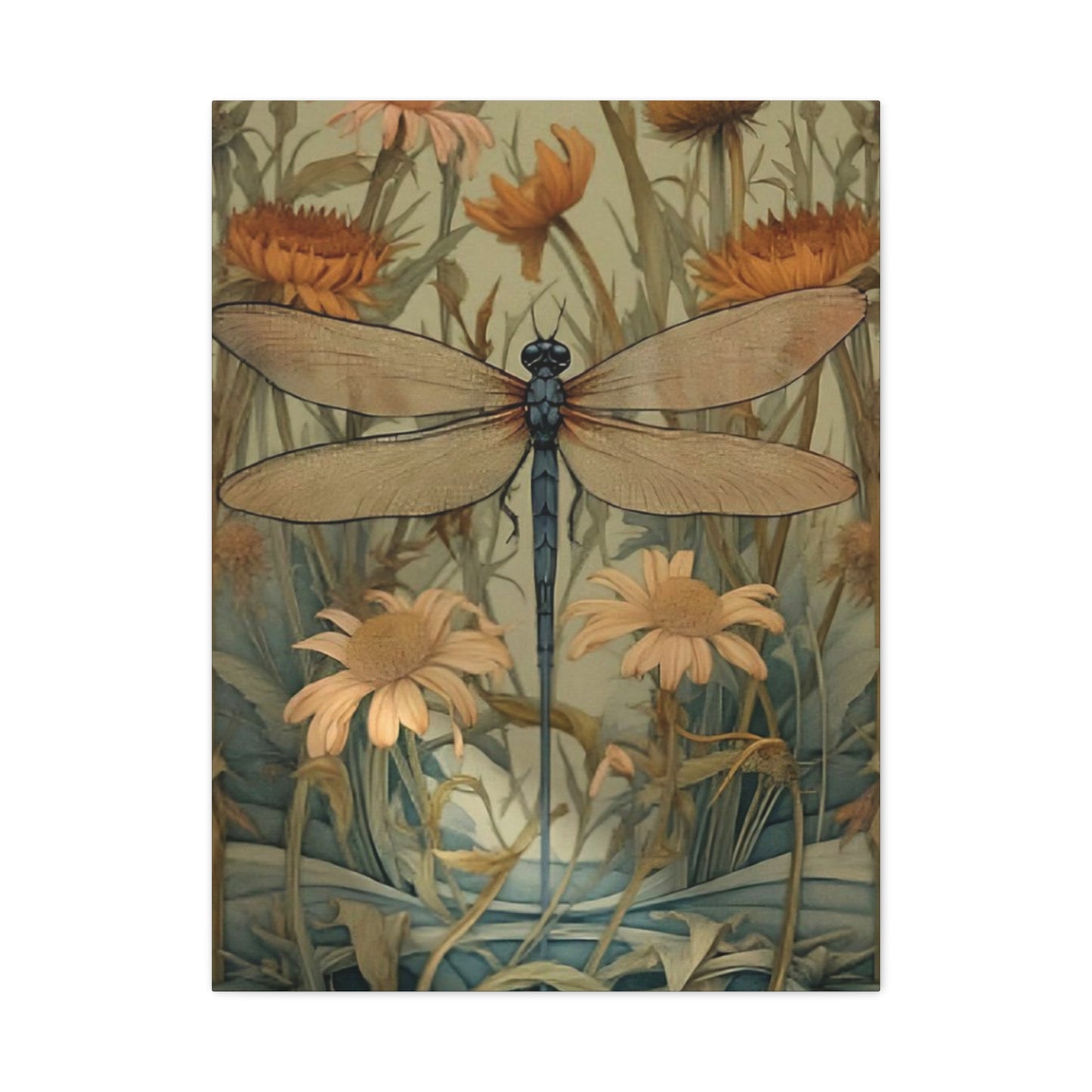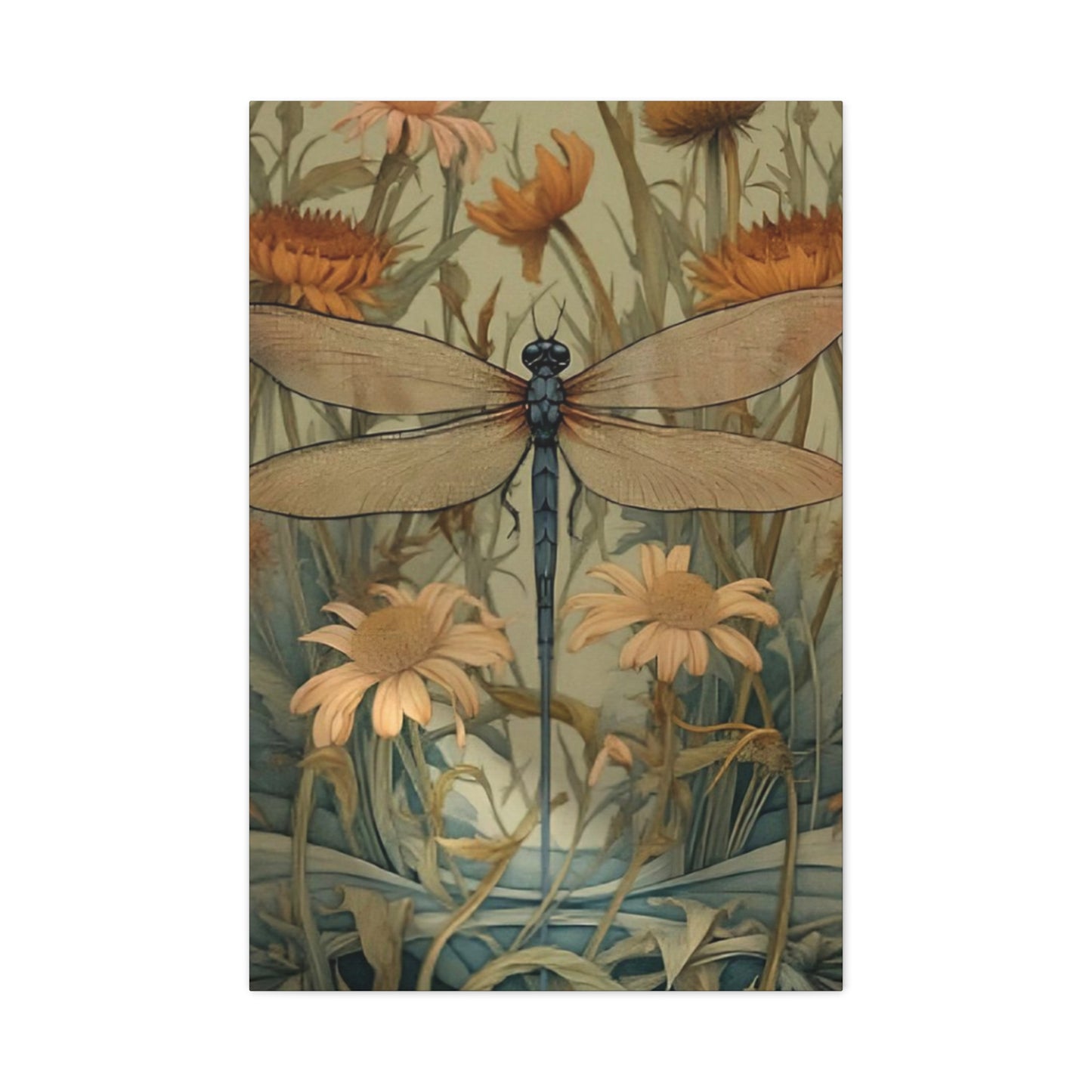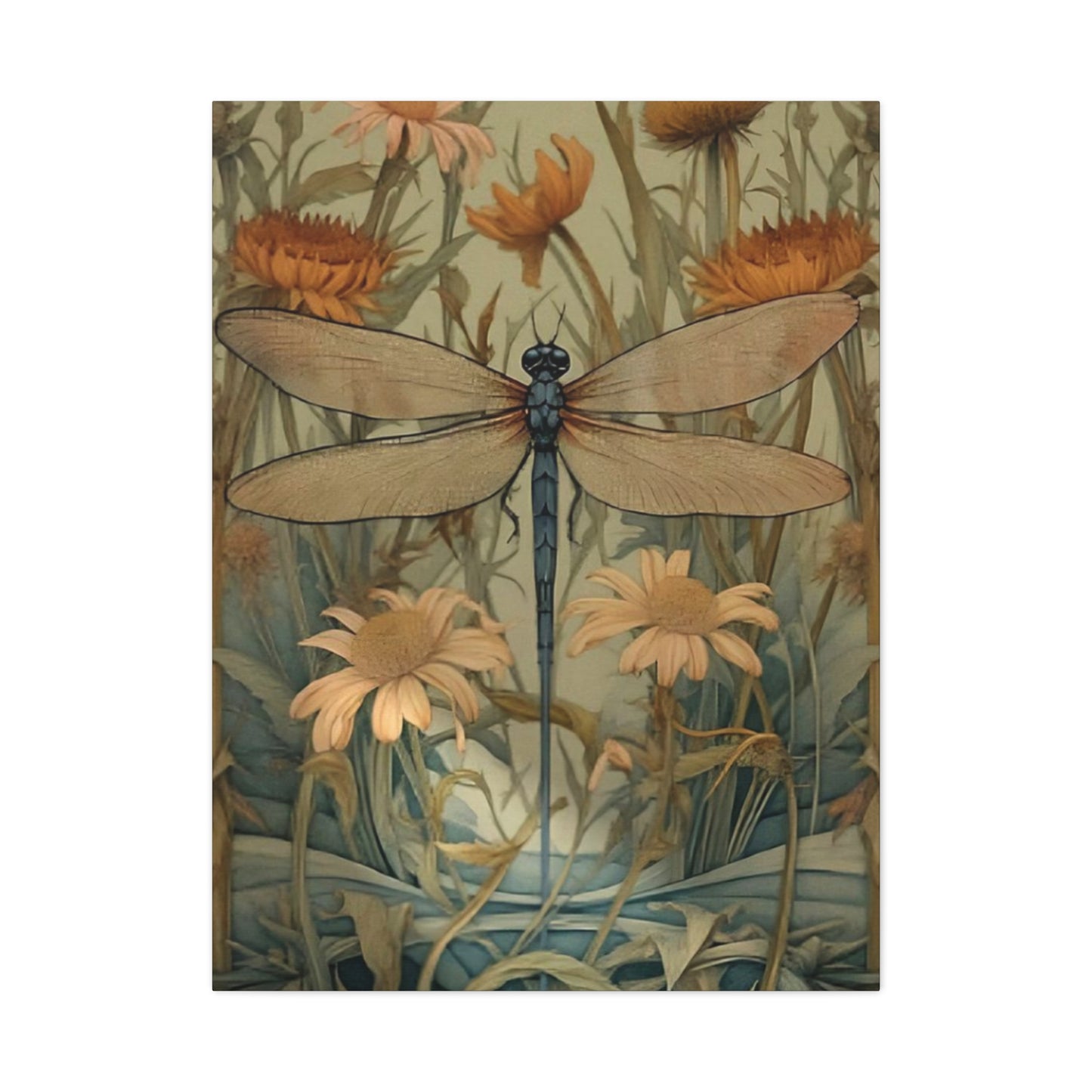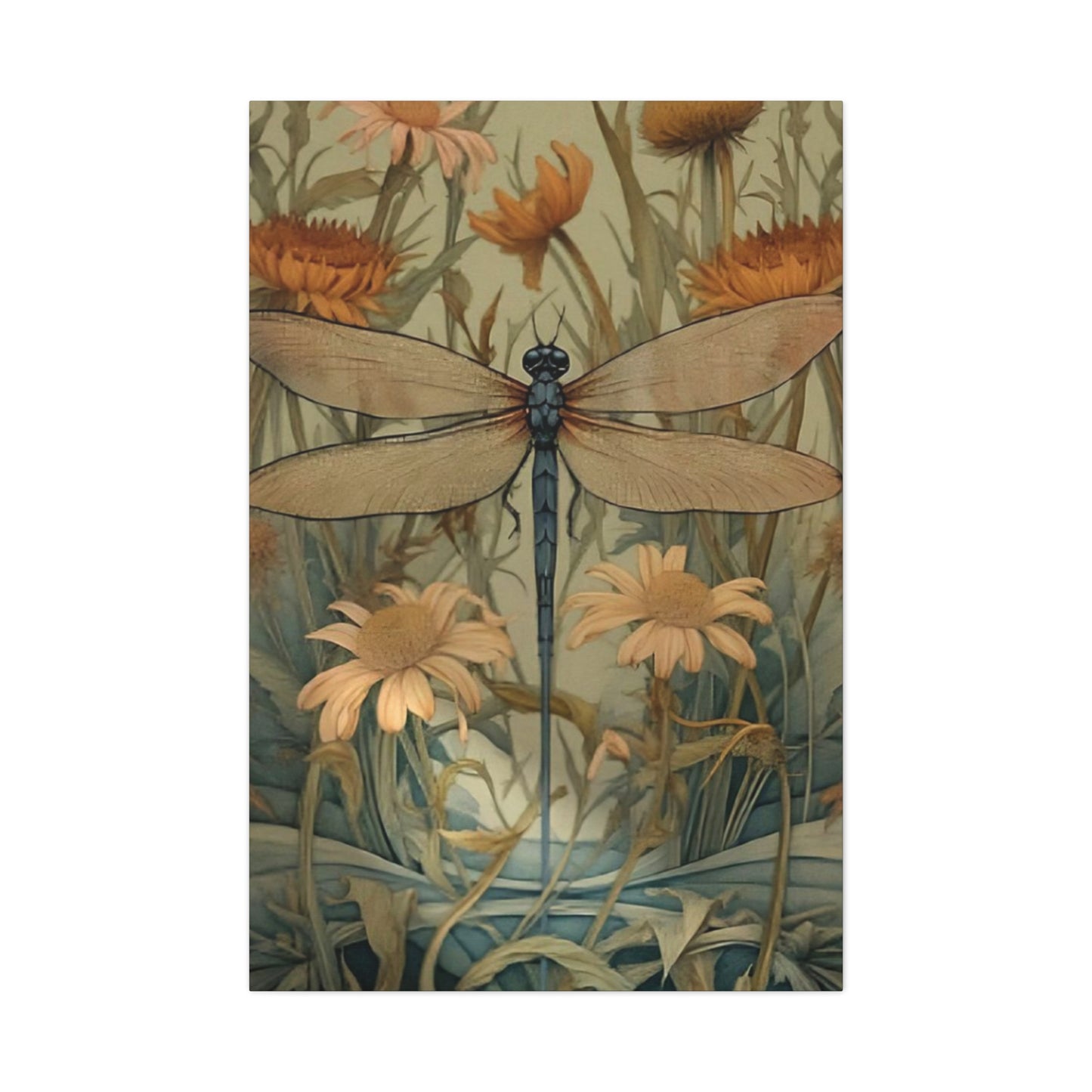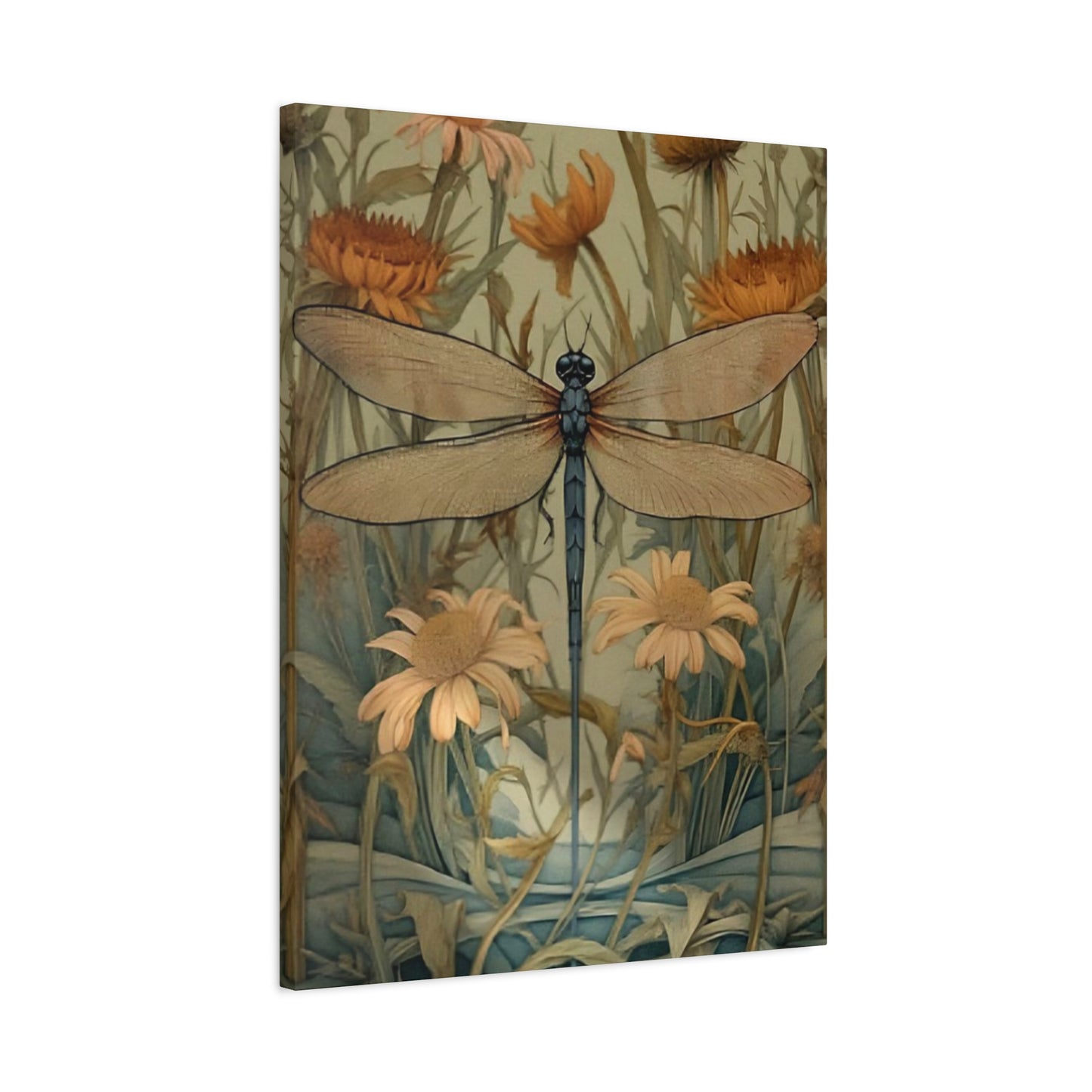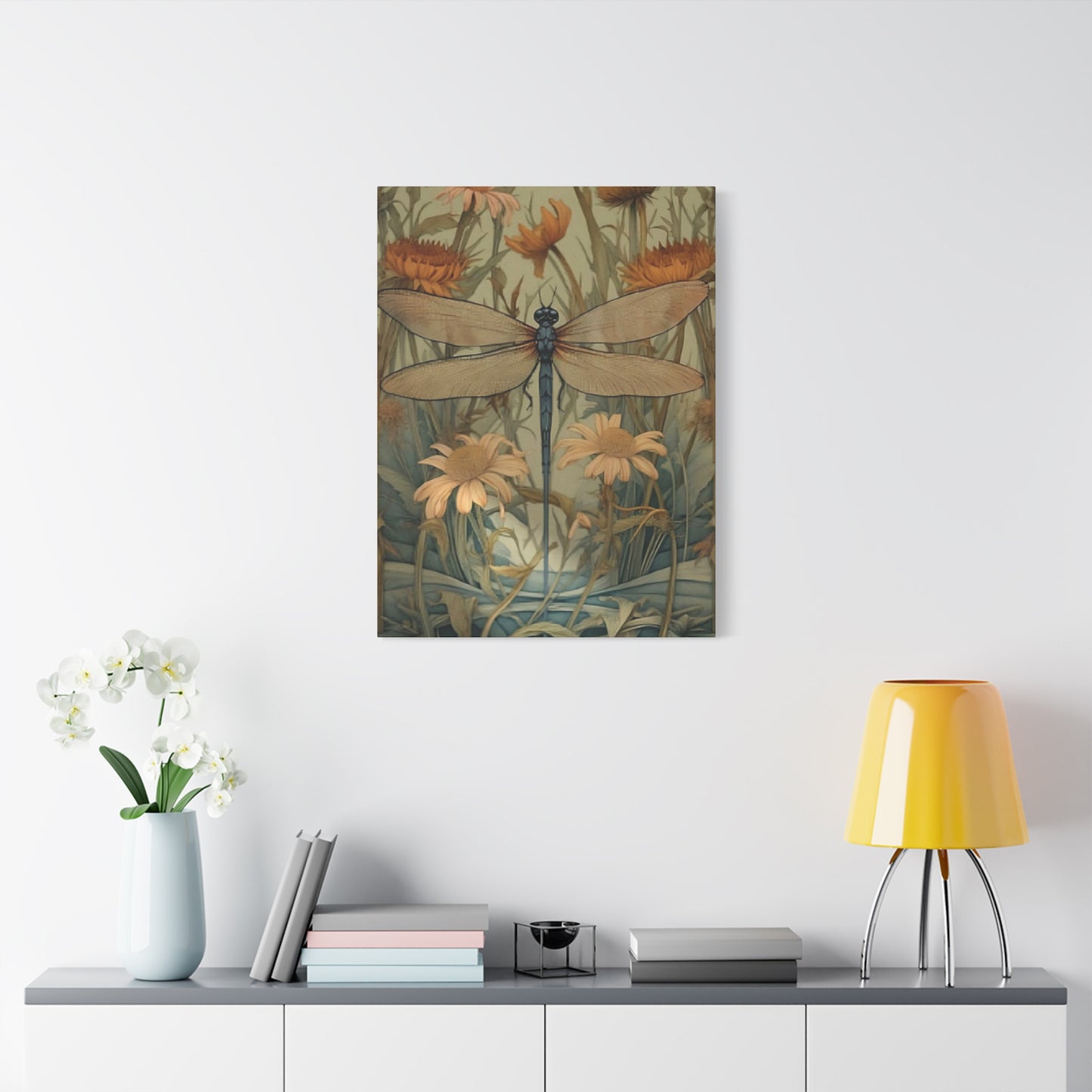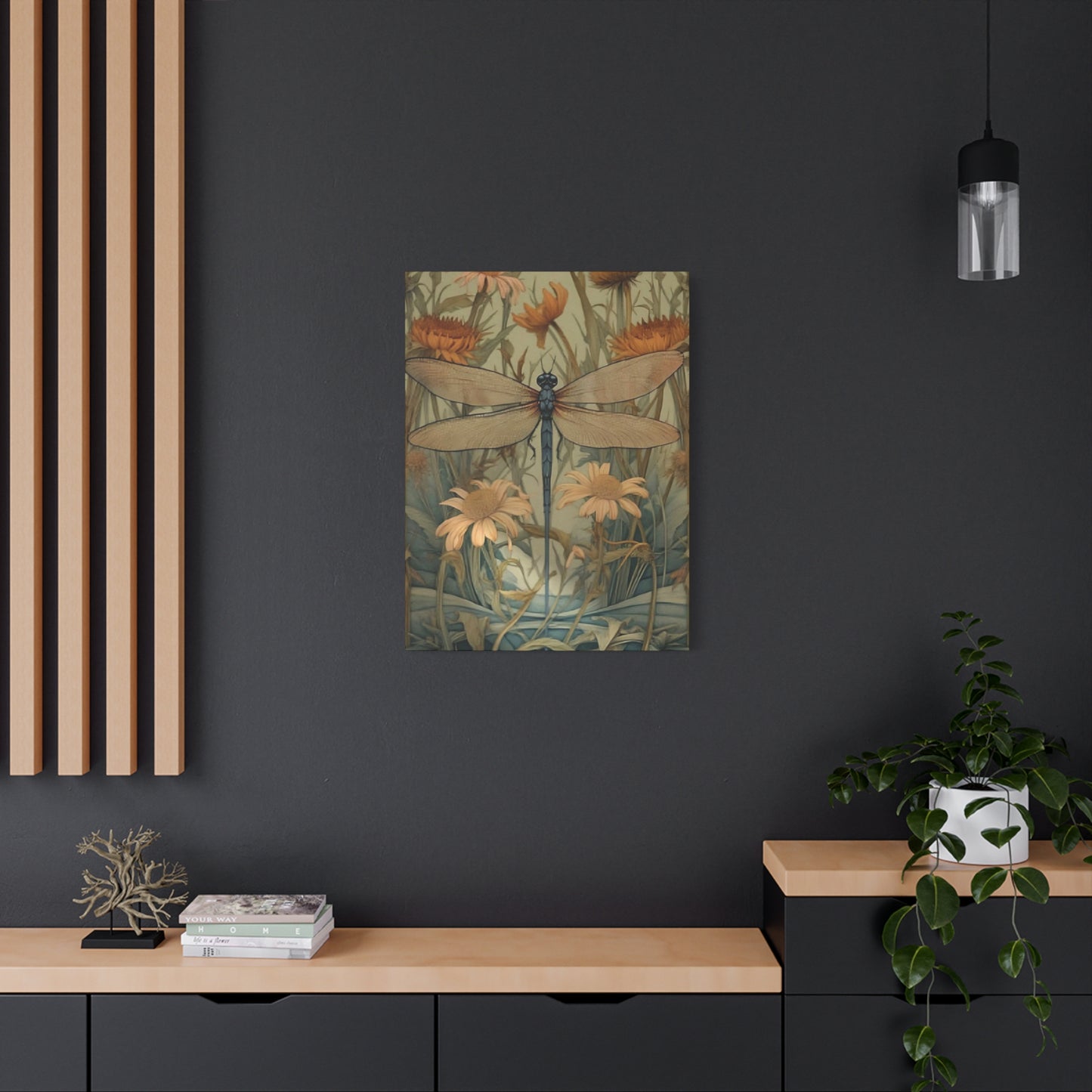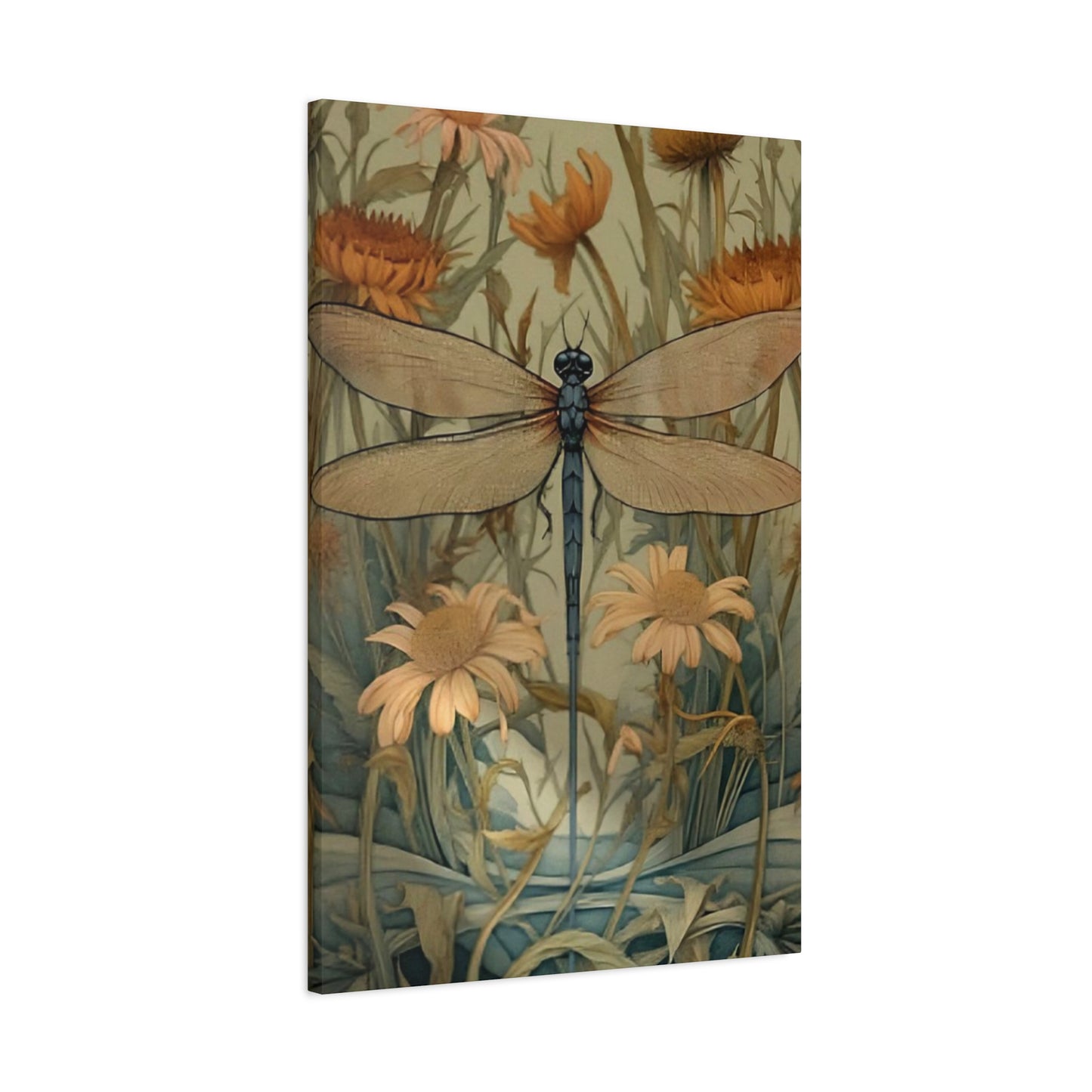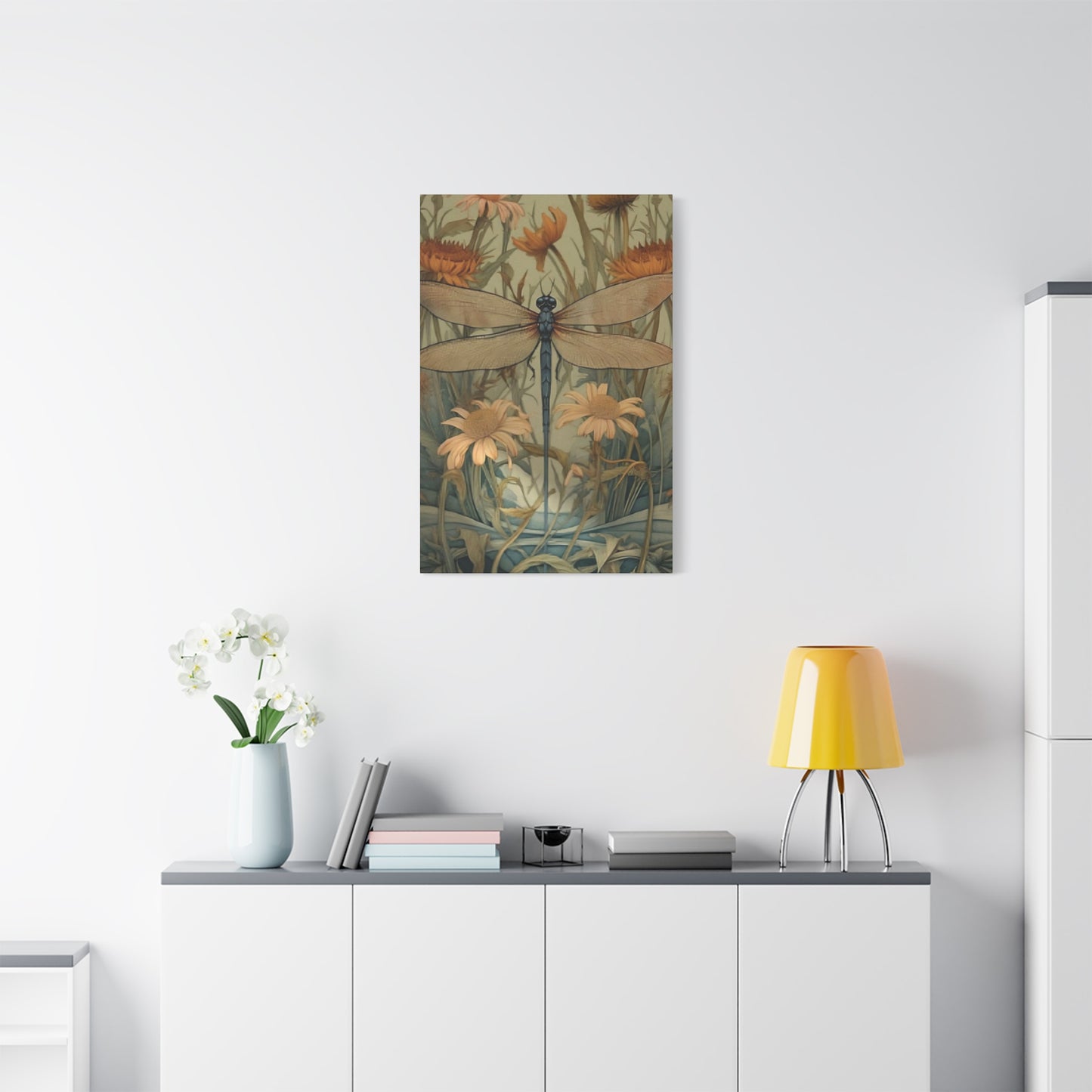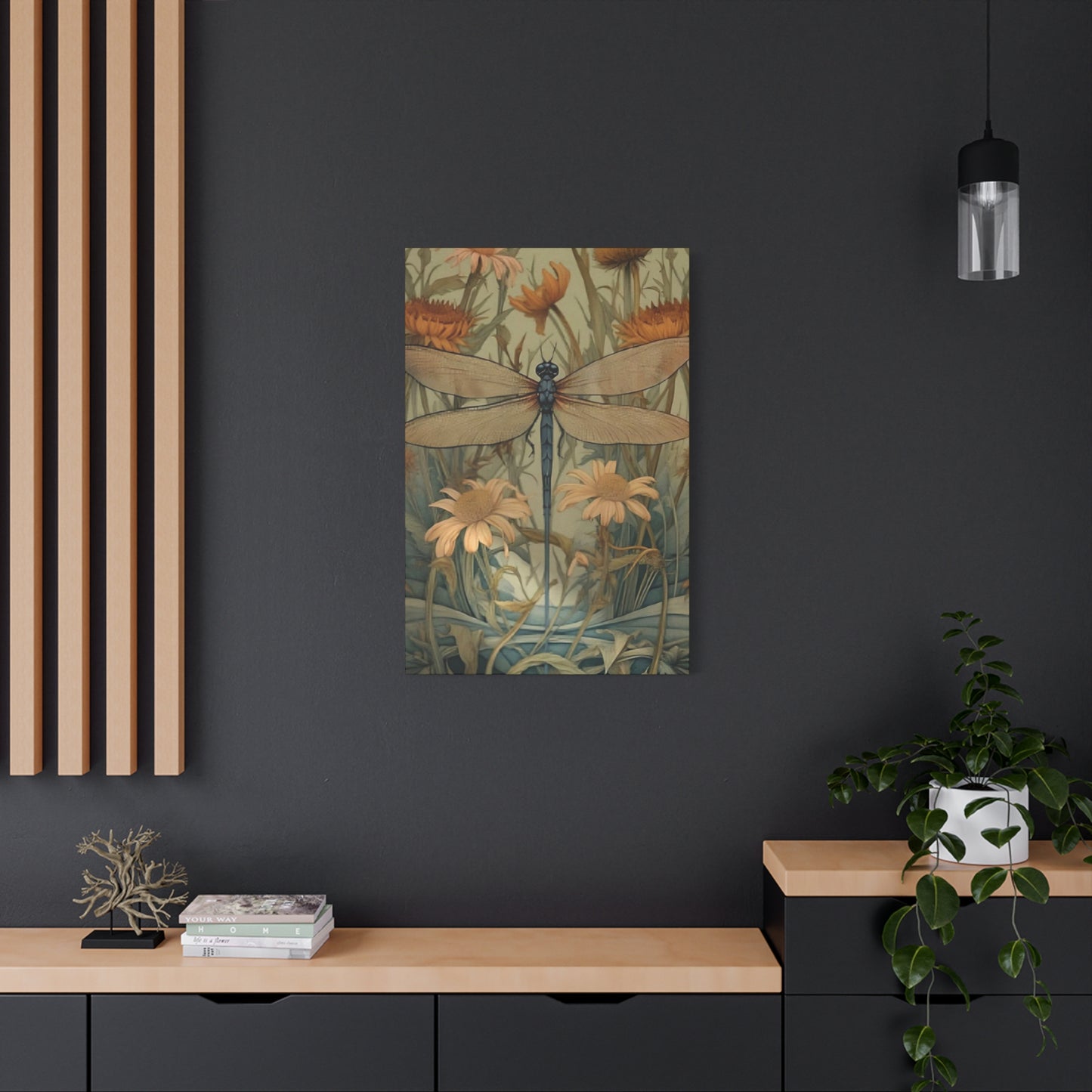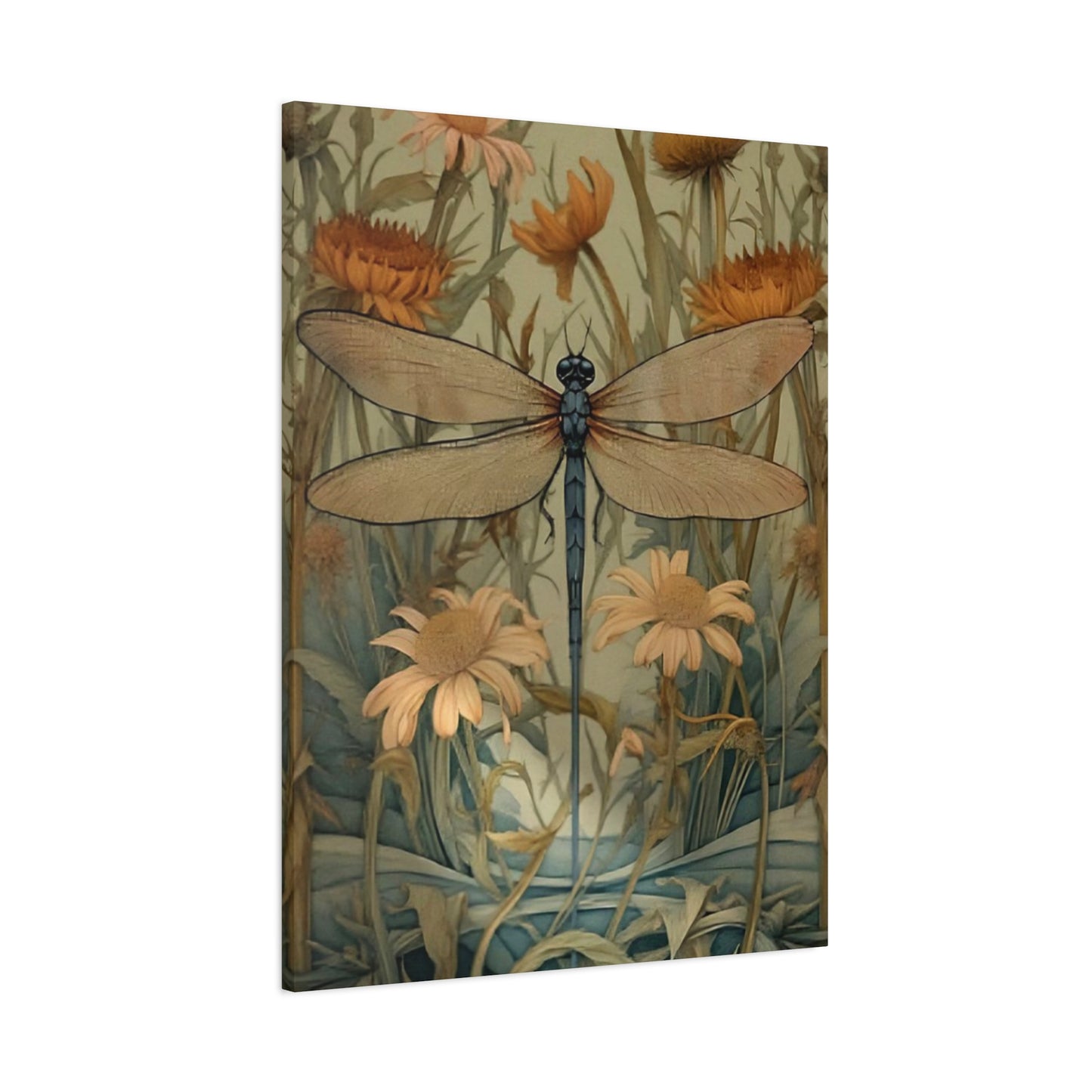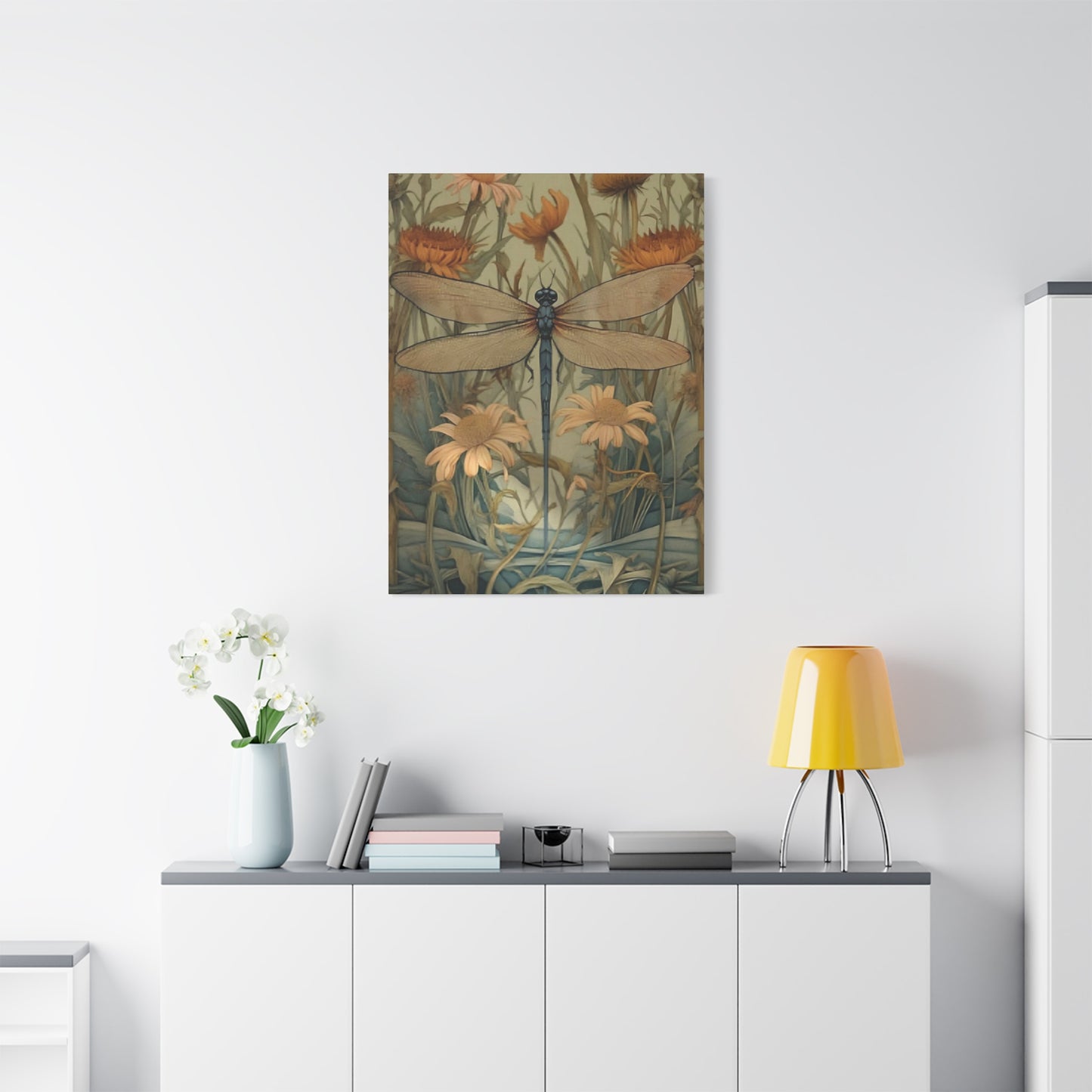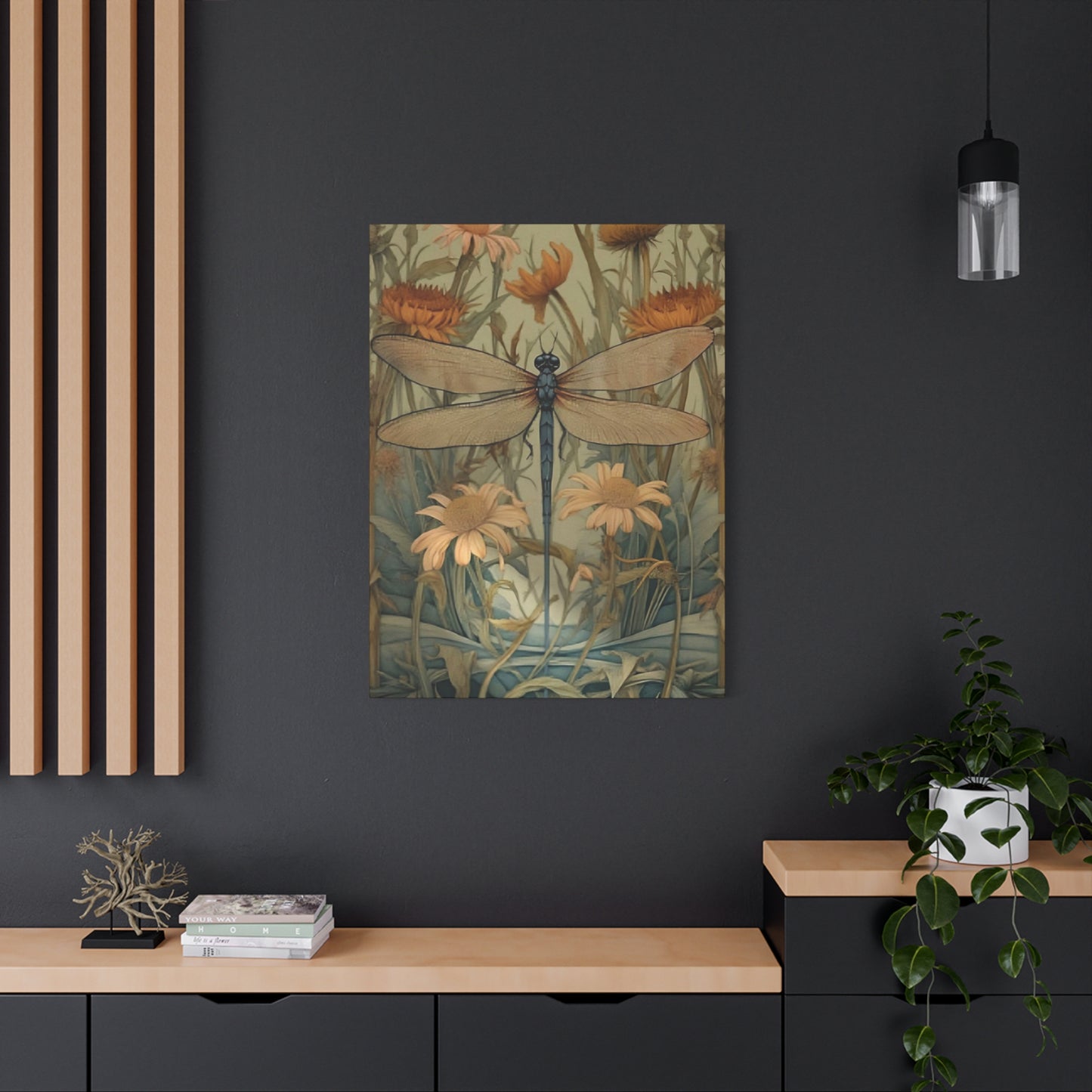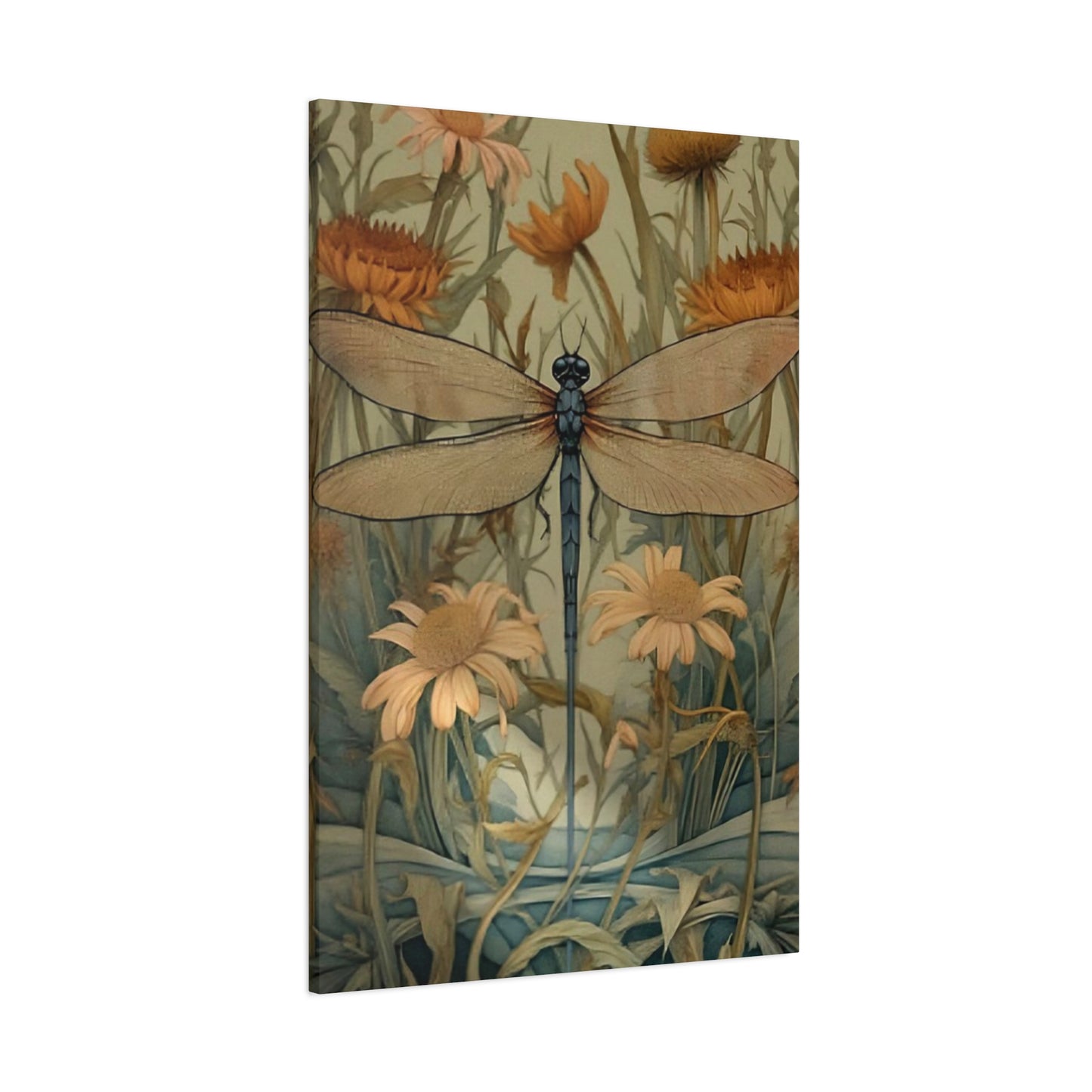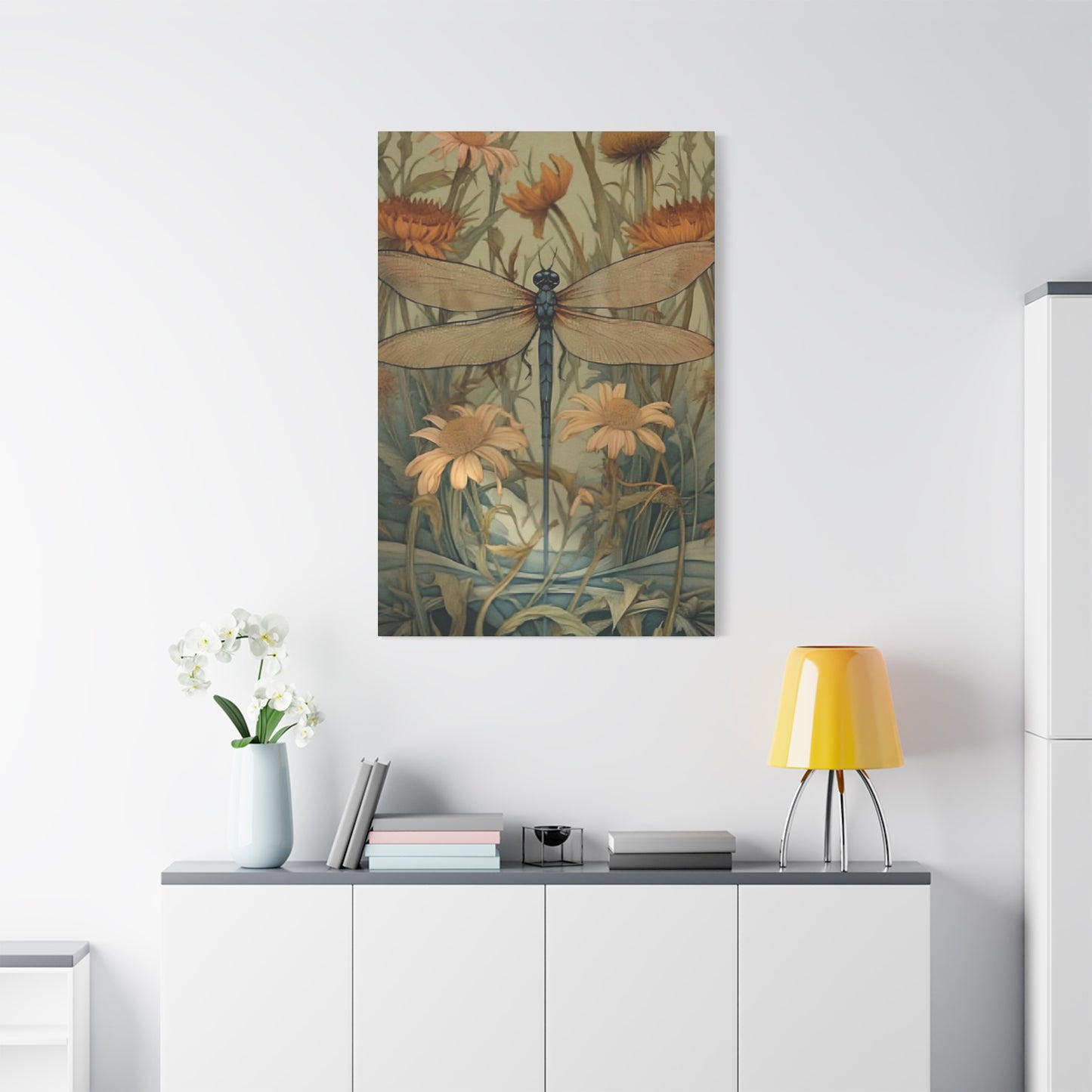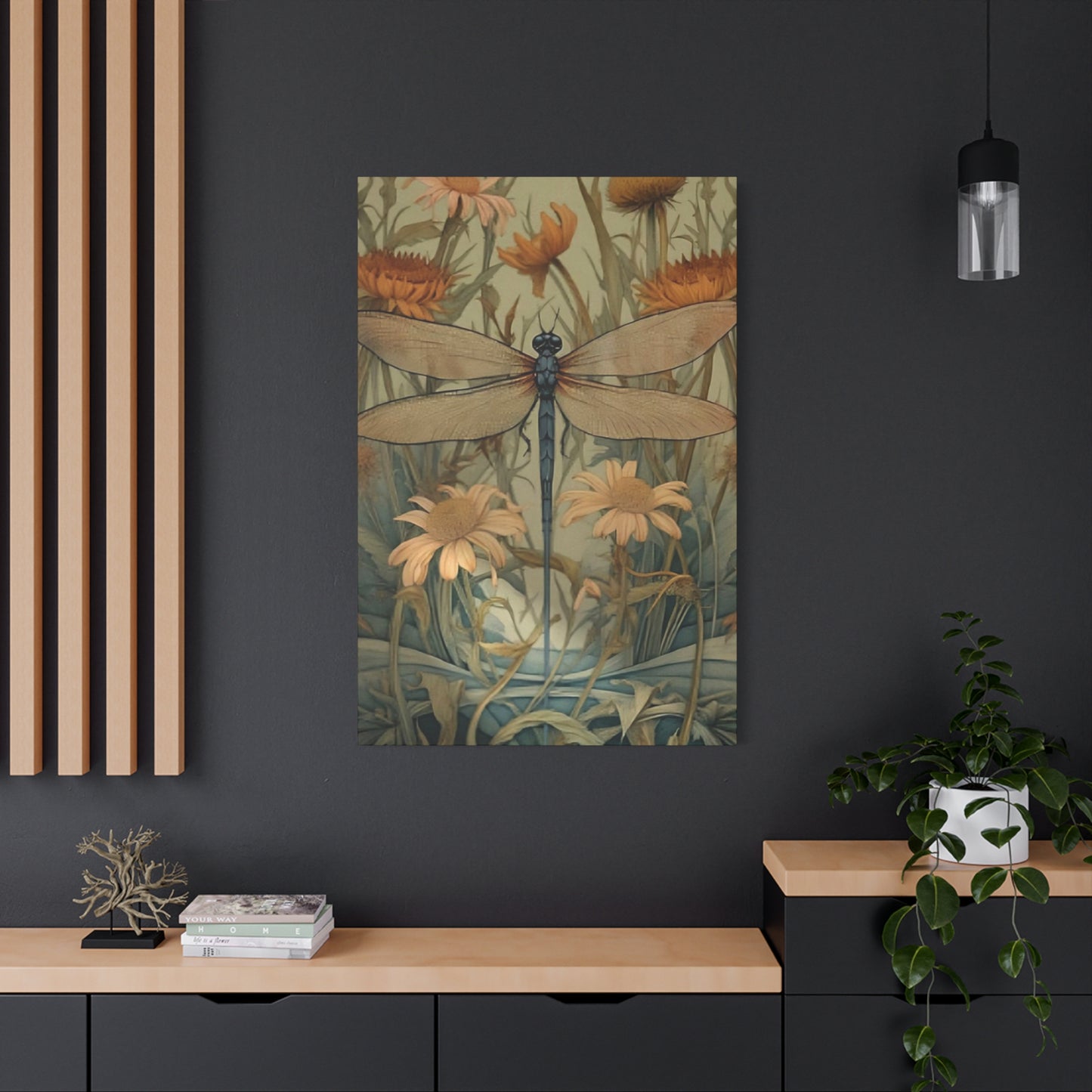


Brown Wing Dragonfly Wall Art & Canvas Prints
Brown Wing Dragonfly Wall Art & Canvas Prints
Couldn't load pickup availability
Immerse Yourself in the Beauty of Brown Wing Dragonfly Wall Art: A Complete Exploration of Nature-Inspired Home Style
The mesmerizing allure of dragonflies has captivated human imagination for centuries, and incorporating these magnificent creatures into interior spaces through brown wing dragonfly wall art creates an extraordinary ambiance that bridges the gap between natural wonder and contemporary design aesthetics. These delicate insects, with their gossamer wings and elegant forms, have become increasingly popular as decorative elements that transform ordinary rooms into sanctuaries of tranquility and visual interest.
The Timeless Appeal of Dragonflies in Artistic Expression Throughout Centuries
Dragonflies have held profound significance across numerous cultures spanning millennia, representing transformation, adaptability, and the ephemeral nature of existence. Ancient Japanese warriors adorned their armor with dragonfly motifs as symbols of courage and victory, while Native American tribes viewed these creatures as emblems of renewal and positive change. The brown-winged varieties, specifically, carry earthy connotations that resonate with grounding energy and connection to terrestrial elements. When translated into wall art, these symbolic meanings infuse living spaces with deeper resonance beyond mere aesthetic pleasure.
The representation of dragonflies in artistic mediums dates back thousands of years, appearing in petroglyphs, pottery, and textile designs across continents. Art Nouveau movement artists like René Lalique and Louis Comfort Tiffany elevated dragonfly imagery to unprecedented heights during the late 19th and early 20th centuries, creating exquisite jewelry and stained glass works that celebrated the insect's natural geometry. Contemporary artists continue this legacy, reimagining dragonfly forms through diverse materials and styles, from photorealistic renderings to abstract interpretations that capture the essence rather than exact likeness.
Exploring Various Artistic Mediums for Brown Wing Dragonfly Wall Art Presentations
The versatility of brown wing dragonfly wall art manifests through countless artistic mediums, each offering distinct visual qualities and textural experiences. Metal sculptures crafted from copper, bronze, or wrought iron provide three-dimensional depth that casts intriguing shadows across walls as daylight shifts throughout the day. These metalwork pieces often feature intricate cutout patterns that mimic the delicate vein structure found in actual dragonfly wings, creating a lace-like effect that appears simultaneously robust and fragile.
Canvas paintings represent another popular medium, ranging from hyperrealistic oil paintings that capture every minute detail of wing transparency and body segmentation to impressionistic watercolors that convey movement and lightness through loose brushstrokes and fluid color transitions. Acrylic paintings offer brilliant color saturation particularly effective for emphasizing the warm brown tones characteristic of certain dragonfly species, while mixed media approaches combining paint with collage elements, metallic leaf, or textured compounds create multi-layered compositions with remarkable visual complexity.
Photographic prints have gained tremendous popularity as more artists and nature enthusiasts capture stunning close-up images of dragonflies in their natural habitats. Macro photography reveals the extraordinary architecture of compound eyes, the intricate wing venation patterns, and the subtle color gradations that distinguish brown-winged species from their more vibrantly colored cousins. These photographic representations can be printed on various substrates including traditional photographic paper, canvas, metal panels, or acrylic sheets, each imparting different aesthetic qualities to the final presentation.
Wood-burned artwork, also known as pyrography, offers a unique rustic charm particularly complementary to brown wing dragonfly subjects. Artists use heated metal tips to literally burn images into wooden surfaces, creating tonal variations through different temperature settings and stroke techniques. The organic nature of wood grain often enhances these compositions, with natural patterns occasionally incorporating themselves into the overall design in serendipitous ways. These pieces exude warmth and authenticity that resonates particularly well in country-style, farmhouse, or nature-themed interiors.
Understanding the Biological Accuracy Behind Brown Wing Dragonfly Artistic Representations
Authentic brown wing dragonfly wall art often draws inspiration from actual species possessing these distinctive coloration patterns. The common whitetail dragonfly (Plathemis lydia) exhibits brown-tinted wings during certain life stages, particularly in immature females before their wings gradually lighten. The widow skimmer (Libellula luctuosa) displays striking brown or amber coloring along wing bases that contrasts beautifully with translucent tips. The amber-winged spreadwing (Lestes eurinus) showcases warm brown coloration throughout its wing surfaces, creating a unified tonal palette that artists frequently reference.
Scientifically accurate representations consider wing venation patterns specific to dragonfly families and genera. The Anisoptera suborder, comprising true dragonflies as opposed to damselflies, features distinctive wing structures with the hindwings broader than forewings near the base. Artists committed to biological fidelity pay attention to these anatomical details, ensuring that vein patterns follow natural arrangements including the pterostigma (a colored cell on the leading edge of each wing), the nodus (a strengthened cross-vein), and the complex network of cross-veins creating cellular compartments throughout the wing membrane.
Body structure accuracy similarly distinguishes high-quality dragonfly art from simplistic representations. Dragonfly bodies consist of three distinct segments: the head with its massive compound eyes, the thorax bearing wing and leg attachments, and the elongated abdomen composed of ten segments. Brown-winged species often display body colors ranging from black through various brown shades to reddish-bronze, sometimes with distinctive markings or pruinescence (a waxy coating creating a frosted appearance). Artists who study these creatures intimately can capture subtle characteristics that make their work resonate with nature enthusiasts who recognize authentic representation.
Strategic Placement Considerations for Maximizing Visual Impact in Living Spaces
The placement of brown wing dragonfly wall art significantly influences its visual effectiveness and the overall atmosphere it creates within a room. Living room installations benefit from positioning artwork at eye level, typically with the center point approximately 57-60 inches from the floor, following standard gallery hanging conventions. However, furniture arrangements may necessitate adjustments—art hung above sofas should maintain 6-8 inches of clearance above the furniture top, creating visual connection without appearing disconnected from the seating area.
Bedroom environments present opportunities for more intimate dragonfly art presentations, particularly above headboards where the imagery can be appreciated from the bed while contributing to a restful atmosphere. The earthy tones of brown wing dragonfly wall art naturally complement neutral bedroom palettes while introducing organic shapes that soften angular furniture lines. Positioning smaller dragonfly pieces on accent walls or creating gallery arrangements incorporating multiple dragonfly images of varying sizes can transform entire walls into focal points that reflect personal interests and aesthetic preferences.
Bathroom spaces, often overlooked for meaningful artwork, provide excellent venues for moisture-resistant dragonfly representations. These aquatic-associated insects feel thematically appropriate in rooms connected to water, and their presence can transform utilitarian spaces into spa-like retreats. Sealed canvas prints, metal artwork, or laminated photographic prints withstand humidity while maintaining their visual appeal. Positioning artwork away from direct water spray ensures longevity while still allowing enjoyment during daily routines.
Home office environments benefit from the symbolic meanings associated with dragonflies—adaptability, focus, and transformation—making brown wing dragonfly wall art particularly meaningful in workspaces. Placing such artwork within the visual field while seated at a desk provides periodic mental breaks and inspirational reminders without creating distracting clutter. The neutral brown tones prevent visual overwhelm while still offering sufficient visual interest to refresh the mind during intensive concentration periods.
Color Palette Harmonization with Brown Wing Dragonfly Artistic Elements
The inherent warm neutrality of brown wing dragonfly wall art creates remarkable versatility across diverse color schemes while offering grounding presence that anchors more vibrant palette selections. Monochromatic approaches pairing brown dragonfly art with varying shades of beige, tan, taupe, and chocolate create sophisticated spaces with depth derived from tonal variations rather than contrasting hues. These schemes exude timeless elegance particularly suited to traditional or transitional interior styles where subtlety trumps bold statements.
Complementary color relationships introduce dynamic tension that energizes spaces without sacrificing sophistication. Blue tones—ranging from soft sky blues to deep navy shades—create natural pairings with brown dragonfly imagery, echoing the aquatic environments these insects inhabit. This combination feels instinctively harmonious while providing sufficient contrast to prevent visual monotony. Turquoise and teal variations introduce slightly more vibrancy while maintaining the blue-brown relationship that feels both grounded and refreshing.
Analogous color schemes incorporating browns alongside oranges, rusts, and gold tones create warm, inviting environments particularly effective in gathering spaces. These combinations evoke autumn landscapes and sunset scenes, reinforcing the natural themes inherent in dragonfly imagery. Metallic gold or copper accents in frames or decorative accessories echo these warm tones while introducing reflective surfaces that catch light similar to dragonfly wings catching sunlight.
Green color pairings acknowledge dragonflies' natural habitats among vegetation and water plants, creating biophilic design schemes that satisfy humans' innate attraction to natural environments. Sage, olive, moss, and forest green shades complement brown dragonfly art while reinforcing organic themes throughout spaces. These combinations work exceptionally well in sunrooms, garden rooms, or any interior space seeking to blur boundaries between indoor and outdoor environments.
Dimensional Variations and Scale Considerations for Different Room Proportions
Brown wing dragonfly wall art manifests across extraordinary size ranges, from delicate miniature pieces suitable for small accent walls to monumental installations dominating entire feature walls. Understanding scale relationships between artwork and surrounding space proves critical for achieving visual balance. Oversized pieces measuring 40 inches or larger create dramatic focal points in spacious rooms with high ceilings, commanding attention while filling vertical space that might otherwise feel empty or overwhelming.
Medium-scale pieces ranging from 16-40 inches suit most residential applications, providing sufficient presence without overwhelming standard room dimensions. These sizes work particularly well in master bedrooms, dining rooms, and living spaces where balanced proportions maintain visual comfort. Pairing medium-scale central pieces with smaller complementary artworks creates layered arrangements that add visual interest while maintaining cohesive themes.
Miniature and small-scale dragonfly art measuring under 16 inches excels in creating intimate moments within larger design schemes. These pieces work beautifully in gallery walls combining multiple small works, in tight spaces like hallways or powder rooms, or as part of vignette arrangements incorporating three-dimensional objects and other decorative elements. Small-scale dragonfly imagery allows for closer viewing distances where intricate details become appreciable—particularly important for photographic prints or detailed illustrations showcasing wing structure complexity.
Three-dimensional sculptural dragonfly art introduces literal depth that flat artworks cannot achieve, casting shadows and changing appearance based on viewing angle and lighting conditions. These pieces project from walls by several inches, creating dramatic presence particularly effective when positioned where natural or artificial light creates shadow play throughout the day. Consideration must be given to projection distance in high-traffic areas where protruding elements might pose collision risks, but properly positioned three-dimensional dragonfly art creates unmatched visual interest.
Material Selections and Their Influence on Aesthetic Character and Longevity
The material composition of brown wing dragonfly wall art fundamentally shapes both its visual character and practical lifespan, making material selection a crucial consideration beyond purely aesthetic preferences. Canvas stretched over wooden frames remains among the most popular substrates for painted or printed dragonfly imagery, offering texture that adds depth while remaining relatively lightweight for easy hanging. Gallery-wrapped canvases where the image continues around frame edges create clean, contemporary presentations requiring no additional framing, while traditionally framed canvas pieces accommodate more ornate or protective framing options.
Metal prints created through dye-sublimation processes infusing ink into specially coated aluminum panels produce extraordinarily vibrant, durable dragonfly images with remarkable clarity and color saturation. The slight metallic sheen inherent to these panels enhances shimmer effects particularly appropriate for dragonfly wing representations, creating subtle iridescence reminiscent of actual insect wings catching light. Metal prints resist fading, moisture damage, and physical wear far better than paper-based prints, making them excellent choices for humid environments or high-traffic areas.
Acrylic prints sandwich photographic images between clear acrylic panels or mount them behind solid acrylic sheets, creating glossy, glass-like presentations with stunning depth and color vibrancy. The refractive properties of acrylic amplify color intensity while providing substantial protection from environmental factors. These mounting methods create contemporary, high-end appearances particularly suited to modern or minimalist interiors where sleek presentation styles complement architectural elements.
Wooden substrates offer rustic charm especially appropriate for brown wing dragonfly subjects given the organic connection between wood and nature-themed imagery. Direct printing on wood panels retains visible grain patterns that interact with dragonfly images in unique ways, while wooden frames around other substrate types introduce warmth and traditional appeal. Reclaimed wood or barn wood options add character through weathered patinas and rustic imperfections that complement cottage, farmhouse, or eclectic design schemes.
Framing Options That Enhance Brown Wing Dragonfly Imagery Presentation
Frame selection dramatically impacts how brown wing dragonfly wall art integrates into surrounding décor, either creating seamless harmony or introducing intentional contrast that emphasizes the artwork. Traditional wooden frames in walnut, oak, or mahogany finishes complement brown dragonfly tones through analogous color relationships, creating unified presentations where frame and image feel interconnected. These frames suit traditional, transitional, and rustic interior styles while providing substantial presence that commands respect for the artwork.
Black frames create striking contrast against most backgrounds while providing neutral borders that don't compete with artwork for attention. Matte black finishes suit contemporary and modern spaces with clean lines and minimal ornamentation, while glossy black frames introduce reflective qualities that can echo the sheen of dragonfly wings. The neutrality of black ensures compatibility across diverse color schemes, making these frames versatile options for spaces that may undergo future color changes.
White and cream frames create light, airy presentations particularly effective in coastal, Scandinavian, or cottage design schemes. These pale frames prevent visual heaviness while still providing definition that separates artwork from walls. Distressed or weathered white finishes introduce vintage character appropriate for shabby chic or romantic interior styles, adding layers of visual interest beyond simple color provision.
Metal frames crafted from brushed steel, bronze, copper, or gold-toned materials echo the metallic qualities often present in three-dimensional dragonfly sculptures while introducing contemporary sophistication. Thin metal profiles suit modern minimalist aesthetics where frame presence should remain subtle, while more substantial metal frames with decorative details accommodate traditional spaces seeking updated flair. Copper and bronze finishes particularly complement brown dragonfly imagery through warm metallic tones that enhance rather than clash with brown wing coloration.
Illumination Strategies for Highlighting Dragonfly Wall Art Features
Proper lighting transforms brown wing dragonfly wall art from simple decorative elements into captivating focal points that draw eyes and anchor room designs. Picture lights mounted directly above artwork frames provide focused illumination that highlights details while creating subtle drama through directed light and shadow. LED picture lights offer energy efficiency and minimal heat generation, important considerations when illuminating artwork over extended periods. Adjustable picture lights allow angle modifications to minimize glare on glazed surfaces while maximizing detail visibility.
Track lighting systems provide flexible illumination capable of highlighting multiple artworks or adjusting focus as artwork arrangements change. Positioning track heads approximately 30 degrees from vertical (measured from the wall) typically provides optimal illumination that minimizes glare while maximizing detail visibility. Dimmable track systems allow lighting intensity adjustments matching different times of day or activities, creating ambient lighting for entertaining or focused illumination for detailed viewing.
Recessed ceiling fixtures with adjustable trim allow discrete lighting that doesn't visually compete with artwork while providing effective illumination. Eyeball or directional trims enable precise aiming toward specific wall locations, while dimming capabilities ensure lighting flexibility. Proper positioning typically places fixtures approximately 3-4 feet from the wall to create relatively even illumination across artwork surfaces without creating harsh shadows or hotspots.
Natural daylight provides the most accurate color rendering for artwork but requires careful management to prevent damage from ultraviolet radiation and heat. Positioning brown wing dragonfly wall art perpendicular to windows rather than directly across from them minimizes direct sunlight exposure while still allowing natural illumination. UV-filtering window treatments or glass glazing protect artwork from harmful radiation while permitting visible light transmission. Monitoring artwork for signs of fading or deterioration allows early intervention before significant damage occurs.
Creating Gallery Wall Arrangements Featuring Dragonfly Thematic Elements
Gallery walls combining multiple brown wing dragonfly wall art pieces with complementary imagery create dynamic visual narratives that express personality while demonstrating sophisticated design sensibilities. Symmetrical grid arrangements with uniformly sized and framed pieces create orderly, calming presentations suited to traditional or formal spaces. These layouts provide predictability and structure that some viewers find comforting, particularly in rooms serving multiple functions where visual coherence helps unify diverse activities.
Asymmetrical organic arrangements incorporating varied sizes, frame styles, and subject matter create energetic, contemporary presentations that feel collected over time rather than purchased as matching sets. These layouts require more planning to achieve visual balance despite apparent randomness. Starting with the largest or most important piece as an anchor point, then building outward while maintaining relatively consistent spacing between pieces typically yields pleasing results. Creating paper templates in artwork shapes and sizes allows experimentation with arrangements before committing to wall mounting.
Salon-style gallery walls densely packed with artwork from floor to ceiling or covering entire walls create maximalist presentations with dramatic impact. These arrangements suit eclectic or bohemian interiors where abundance and variety express personal aesthetic preferences. Mixing brown wing dragonfly art with botanical prints, landscape photography, and other nature-themed works creates cohesive collections united by subject matter rather than stylistic consistency. Varying frame colors, materials, and styles adds visual complexity that rewards extended viewing as eyes discover new details and relationships.
Linear horizontal arrangements of three to five pieces create streamlined presentations appropriate for spaces above furniture like sofas, sideboards, or beds. These layouts work particularly well in rooms with strong horizontal architectural elements where vertical compositions might create visual conflict. Maintaining consistent spacing between pieces while varying artwork sizes within the arrangement prevents monotony while preserving overall linear movement. Aligning artwork centers along a horizontal line creates cohesion even when frame sizes differ.
The Psychological Influence of Nature-Inspired Artwork on Human Well-being
Scientific research increasingly validates what many intuitively sense: exposure to nature imagery including brown wing dragonfly wall art positively impacts human mood, stress levels, and cognitive function. The biophilia hypothesis proposed by Edward O. Wilson suggests humans possess innate tendencies to seek connections with nature and other forms of life, a evolutionary adaptation reflecting our species' development within natural environments. Urban dwelling and modern lifestyles often sever these connections, creating nature deficit that manifests as increased stress, attention difficulties, and emotional dysregulation.
Introducing nature imagery into interior spaces partially remedies this deficit by providing visual access to natural elements even within built environments. Studies measuring physiological responses to nature images document decreased heart rate, lowered blood pressure, reduced cortisol levels, and increased alpha brainwave activity associated with relaxed alertness. While actual nature exposure produces stronger effects, representational imagery including artwork provides meaningful benefits particularly for individuals with limited outdoor access due to mobility limitations, weather constraints, or geographic location.
The specific imagery of dragonflies may carry additional benefits beyond generic nature connections. These creatures' association with water environments evokes subconscious connections to life's origins and essential nature. Their ability to move between aquatic and aerial realms symbolizes adaptability and transformation, potentially inspiring viewers facing personal changes or challenges. The delicate beauty of dragonfly wings juxtaposed with their efficient predatory nature embodies balanced duality—grace and strength, fragility and resilience—that resonates with human experience complexity.
Color choices in brown wing dragonfly wall art contribute distinct atmospheric qualities influencing room feelings and occupant responses. Brown tones generally evoke stability, reliability, warmth, and organic connection. Unlike highly saturated colors that may prove energizing or agitating, brown's neutral warmth creates comfortable environments conducive to relaxation without inducing sleepiness. These qualities make brown dragonfly imagery particularly appropriate for spaces intended for restoration, reflection, or focused work requiring calm alertness.
Seasonal Rotation Strategies for Maintaining Fresh Interior Aesthetics
While brown wing dragonfly wall art possesses timeless appeal transcending seasonal trends, incorporating artwork rotation strategies maintains visual freshness and allows expression of seasonal sensibilities without permanent commitment. Summer months naturally align with dragonfly imagery given these creatures' peak activity during warm weather. Displaying dragonfly art prominently during spring and summer reinforces connections to outdoor activities and nature's abundance, creating thematic consistency between interior spaces and exterior environments.
Autumn transitions might shift focus toward artwork emphasizing warm brown tones while de-emphasizing pieces with cooler color palettes or lighter compositions. Brown wing dragonfly art with rich, saturated coloring or those incorporating autumn landscape backgrounds gain prominence during fall months. Pairing dragonfly pieces with seasonal decorative elements like harvest arrangements, autumn foliage, or warm-toned textiles creates cohesive seasonal vignettes that evolve throughout the year.
Winter months often prompt preferences for cozier, warmer aesthetics as people spend more time indoors. Brown dragonfly artwork maintains relevance through warm earth tones that complement winter decorating schemes. However, some designers prefer rotating to imagery more explicitly winter-themed, storing dragonfly pieces for re-emergence during spring. This approach allows anticipation and renewed appreciation when familiar pieces return after absence, preventing the visual complacency that can develop when artwork remains unchanged for extended periods.
Spring's arrival marks natural timing for prominently featuring brown wing dragonfly wall art as these creatures emerge from winter dormancy and begin their active seasons. Positioning dragonfly artwork centrally during spring months acknowledges nature's awakening and celebrates renewal and regeneration themes. Pairing dragonfly art with fresh flowers, light textiles, and brighter color accents creates jubilant spring atmospheres that lift spirits after winter months.
Sourcing Authentic Handcrafted Brown Wing Dragonfly Wall Art from Artisans
The contemporary renaissance in handcrafted goods has expanded opportunities for acquiring unique brown wing dragonfly wall art directly from makers, supporting individual artisans while obtaining one-of-a-kind pieces with personal stories and superior craftsmanship. Artisan marketplaces and craft fairs provide direct access to creators, allowing conversations about artistic processes, material sources, and customization possibilities. These interactions create meaningful connections between makers and collectors, transforming purchases into relationship-based transactions rather than impersonal commercial exchanges.
Many artists maintain individual websites showcasing their complete bodies of work while providing insights into their creative philosophies and working methods. Commissioning custom pieces allows specifications regarding size, color palette, stylistic approach, and specific dragonfly species representation. Custom commissions typically require longer lead times and higher investments than ready-made pieces but yield artwork perfectly suited to specific spaces and personal preferences. Establishing clear communication regarding expectations, timelines, and pricing prevents misunderstandings while ensuring satisfaction for both artist and collector.
Studio visits offer immersive experiences where potential collectors view artwork in creation contexts, observe works-in-progress, and understand artistic journeys from conception through completion. These visits provide education about specific mediums and techniques while allowing assessment of multiple pieces for comparison. Artists often maintain inventory beyond what they display publicly, and studio visits reveal these options. The personal nature of studio visits builds rapport and trust, often resulting in lasting relationships where collectors return for additional acquisitions or refer friends and family.
Regional art guilds and cooperatives represent collective groups of artists sharing exhibition spaces, marketing efforts, and resource access while maintaining individual artistic identities. These organizations often host regular open studios events inviting public exploration of member spaces. Purchasing through guilds supports entire artistic communities while still acquiring work from individual makers. Guilds frequently curate exhibitions around specific themes, and dragonfly-focused exhibitions present concentrated opportunities to view diverse interpretations of these creatures from multiple artistic perspectives.
Caring for and Preserving Brown Wing Dragonfly Wall Art Across Decades
Proper stewardship ensures brown wing dragonfly wall art remains vibrant and structurally sound for generations, protecting both financial investments and sentimental attachments. Environmental factors pose primary threats to artwork longevity, with light exposure, humidity fluctuations, temperature extremes, and physical contaminants causing cumulative damage over time. Understanding these risk factors enables implementation of protective measures that significantly extend artwork lifespans without requiring extensive interventions.
Light-induced fading represents perhaps the most common and insidious form of artwork deterioration. Ultraviolet radiation breaks down chemical bonds in pigments, dyes, and substrates, gradually bleaching colors and weakening structural integrity. Limiting light exposure through reduced display periods represents the most effective protection but often proves impractical for artwork purchased specifically for enjoyment. Alternatives include UV-filtering glazing for framed pieces, UV-filtering window treatments, positioning artwork away from direct sunlight, and using LED illumination producing minimal UV radiation compared to incandescent or fluorescent sources.
Humidity control prevents mold growth, paper cockled warping, and adhesive failure that can compromise artwork integrity. Maintaining relative humidity between 40-50% provides optimal conditions for most artwork types, though specific materials may have slightly different ideal ranges. Dehumidifiers in humid climates or humidifiers in arid regions help stabilize interior environments. Avoiding artwork placement in bathrooms, laundry rooms, or other high-moisture areas prevents localized humidity problems. Canvas pieces particularly benefit from controlled humidity as excessive dryness causes canvas shrinkage and cracking while excessive moisture promotes mold growth and paint delamination.
Physical cleaning removes accumulated dust and contaminants that can attract moisture, harbor mold spores, and create abrasive particles damaging surfaces during casual contact. Unframed canvas pieces benefit from gentle vacuuming using soft brush attachments held slightly away from surfaces, creating suction that lifts dust without direct abrasive contact. Framed pieces under glass require cleaning only of glass surfaces using appropriate glass cleaners applied to cloths rather than directly on glass to prevent solution seepage behind glazing. Metal sculptures benefit from periodic dusting with microfiber cloths followed by application of metal-appropriate protective coatings if appropriate for the specific metal type.
Combining Dragonfly Wall Art with Live Plants for Biophilic Design Enhancement
Integrating brown wing dragonfly wall art with living plants amplifies biophilic design benefits by engaging multiple senses and incorporating literal living elements that improve air quality while providing visual interest. Positioning dragonfly artwork above or adjacent to plant displays creates thematic unity acknowledging these insects' natural habitats among vegetation and water. Trailing plants like pothos, philodendron, or string-of-pearls positioned on shelves above dragonfly art create cascading greenery that frames artwork while softening architectural lines.
Vertical gardens or living walls near dragonfly artwork create immersive nature experiences transforming walls into living landscapes. These installations require more complex watering and lighting systems but provide unmatched visual impact and biophilic benefits. Selecting plant varieties with interesting textures, varied foliage colors, or those naturally found near waterways enhances thematic connections to dragonfly imagery. Ferns, mosses, and moisture-loving plants particularly complement dragonfly themes given these insects' association with riparian zones.
Tabletop plant arrangements positioned on surfaces below dragonfly wall art create layered compositions engaging multiple sight lines. Varying plant heights, textures, and container styles adds visual complexity while maintaining cohesive nature themes. Incorporating natural materials like driftwood, river rocks, or moss into plant displays reinforces organic aesthetics. Selecting containers in complementary colors—earth tones, blues, or greens—creates color harmony between living and artistic elements.
Terrarium displays containing preserved moss, miniature plants, or desert species create self-contained ecosystems requiring minimal care while providing living components near dragonfly artwork. Glass terrariums introduce transparency and reflective qualities echoing dragonfly wings' translucent character. Positioning terrariums where natural light illuminates them from behind creates glowing effects particularly striking when viewed alongside illuminated dragonfly art. These compact living displays suit small spaces like apartments or offices where large plant installations prove impractical.
The Symbolic Significance of Dragonflies Across Global Cultures and Belief Systems
Understanding the rich symbolic heritage associated with dragonflies deepens appreciation for brown wing dragonfly wall art beyond purely aesthetic considerations. Japanese culture reverts dragonflies, calling them "kachimushi" (victory insect) and viewing them as symbols of success, courage, and martial prowess. Samurai warriors decorated armor and weapons with dragonfly motifs believing these symbols conferred battlefield advantages. This symbolism extended into family crests (kamon) where dragonfly imagery represented strength, agility, and decisive action. Displaying dragonfly art with awareness of these meanings adds intentional symbolism to home environments.
Native American traditions across numerous tribes associate dragonflies with renewal, transformation, and adaptability. Some creation stories feature dragonflies as messengers between human and spirit worlds, while others credit these creatures with bringing life-sustaining water to early peoples. The Navajo people view dragonflies as emblems of pure water and connection to water deities. Zuni tribes associate dragonflies with agricultural abundance, painting them on pottery and incorporating them into ceremonial objects. Recognition of these meanings enriches dragonfly art appreciation while acknowledging indigenous wisdom traditions.
European folklore presents more ambivalent dragonfly symbolism, with some traditions viewing them positively as weather predictors or crop protectors while others considered them sinister creatures associated with deception or evil spirits. Medieval bestiaries sometimes described dragonflies as lesser dragons, while folk names like "devil's darning needle" or "ear sewer" reflected superstitious fears that dragonflies might sew shut the mouths, ears, or eyes of misbehaving children. Contemporary European perspectives have largely abandoned negative associations, embracing dragonflies' natural beauty and ecological importance.
Chinese symbolism associates dragonflies with prosperity, harmony, and good fortune, particularly in matters of love and relationships. Traditional Chinese paintings frequently feature dragonflies among lotus flowers and other aquatic plants, creating compositions celebrating natural beauty and balanced living. The Chinese word for dragonfly, "qingting," contains characters suggesting "clear hearing" or "pure listening," lending contemplative qualities to dragonfly symbolism. Displaying dragonfly art with awareness of these associations can intentionally invite harmonious energies into living spaces for those who value such symbolic dimensions.
Incorporating Brown Wing Dragonfly Motifs Beyond Wall Art into Holistic Design Schemes
Extending dragonfly themes beyond wall art into furniture, textiles, lighting, and accessories creates cohesive design narratives that feel intentional rather than haphazard. Decorative pillows featuring dragonfly embroidery, prints, or appliqué work coordinate with wall art while introducing tactile elements and additional comfort to seating areas. Selecting pillows with complementary color palettes reinforces color schemes while varying textures—velvet, linen, silk—adds dimensional interest. Limiting dragonfly pillows to one or two pieces prevents thematic overload while maintaining clear connections to wall art.
Window treatments incorporating dragonfly motifs frame views while filtering light and providing privacy. Sheer curtains with subtle dragonfly patterns allow diffused natural light while introducing delicate imagery visible primarily when backlit. Heavier draperies with bolder dragonfly designs make stronger statements while providing substantial light control and insulation. Selecting window treatments that complement rather than exactly match wall art prevents matchy-matchy appearances while maintaining thematic relationships. Considering curtain colors, patterns, and hardware finishes ensures these functional elements enhance rather than compete with wall art.
Lighting fixtures shaped like dragonflies or featuring dragonfly decorative elements provide both illumination and sculptural interest. Table lamps with dragonfly-adorned bases or shades create bedside or desk lighting with personality. Chandeliers or pendant lights incorporating dragonfly designs serve as focal points in dining rooms or entryways while referencing wall art in other rooms. Coordinating metal finishes between lighting fixtures and artwork frames creates subtle connections that unify spaces without obvious repetition.
Area rugs featuring dragonfly motifs ground spaces while protecting flooring and providing comfort underfoot. Subtle dragonfly designs integrated into overall patterns create understated references, while bold central dragonfly medallions make stronger statements. Selecting rugs with colors echoing those in wall art creates color flow throughout rooms. Considering rug pile height, fiber content, and care requirements ensures selections suit specific room functions and household needs while contributing to thematic design goals.
Addressing Common Challenges in Displaying Dragonfly Wall Art Successfully
Despite brown wing dragonfly wall art's general versatility, certain display challenges occasionally arise requiring creative problem-solving. Awkward wall spaces like narrow vertical strips flanking doorways or windows, short walls interrupted by architectural features, or expansive walls in open-concept spaces present unique constraints. Tall narrow spaces benefit from vertical arrangements featuring multiple smaller dragonfly pieces stacked rather than single small pieces appearing lost in tall spaces. Short interrupted walls suit smaller artwork or three-dimensional sculptural pieces that work within available space without appearing cramped.
Massive walls in contemporary open-concept homes risk appearing barren if under-decorated or cluttered if over-filled without thoughtful planning. These spaces often benefit from oversized statement pieces that command appropriate presence without requiring numerous smaller pieces that might appear busy. Alternatively, large-scale gallery wall arrangements can successfully fill expansive walls when pieces are selected and arranged with attention to scale relationships and visual weight distribution. Professional space planning or consultations with designers specializing in large-scale residential projects can prevent costly errors when addressing challenging architectural features.
Textured walls including brick, stone, wood paneling, or heavily textured plaster present hanging challenges requiring appropriate hardware beyond standard picture hooks. Masonry requires drill bits and anchors capable of penetrating hard materials without cracking surfaces. Wood paneling benefits from locating studs for secure mounting, while textured plaster may require longer mounting hardware to penetrate textures and reach solid substrates. French cleat systems provide secure mounting for heavier pieces while distributing weight across larger surface areas, particularly important for three-dimensional metal sculptures or heavy framed pieces.
Conflicting architectural features including chair rails, crown molding, baseboards, and other decorative trim elements can interrupt wall spaces in ways that complicate artwork placement. Working with rather than against these features typically yields more harmonious results. Positioning artwork above chair rails or within panels created by trim work acknowledges architectural divisions while using them to organize wall compositions. Selecting artwork sizes that relate proportionally to panel dimensions created by molding prevents pieces appearing either lost within large panels or uncomfortably squeezed into small spaces.
The Environmental Impact of Art Production and Sustainable Sourcing Practices
Increasingly conscientious consumers consider environmental implications of purchases including brown wing dragonfly wall art, seeking products created through sustainable, low-impact methods using responsibly sourced materials. Artists and manufacturers respond to this demand through various approaches reducing ecological footprints while maintaining artistic quality. Understanding these considerations enables values-aligned purchasing supporting environmentally responsible practices.
Reclaimed and recycled material usage significantly reduces environmental impact by diverting waste from landfills while decreasing demand for virgin resource extraction. Barn wood, shipping pallets, and other salvaged lumber provide substrates for pyrography, painting, or printing while offering character and history impossible to replicate with new materials. Reclaimed metal from demolished structures or discarded industrial materials furnishes raw materials for sculptural works, and many artists specifically seek these sources as material economy measures that simultaneously serve environmental and aesthetic goals.
Water-based paints, inks, and coatings eliminate or drastically reduce volatile organic compound emissions compared to traditional solvent-based products, improving air quality during creation and throughout artwork lifespans. Many professional artists have transitioned to low-VOC materials without sacrificing color vibrancy, durability, or archival qualities. These products benefit not only artists who work with them daily but also collectors whose homes benefit from reduced off-gassing from displayed artwork.
Responsible packaging utilizing recycled content, minimal materials, and biodegradable or compostable components reduces waste associated with artwork shipping and storage. Artists increasingly avoid expanded polystyrene (styrofoam) packaging, substituting corrugated cardboard, paper-based bubble wrap alternatives, or biodegradable packing peanuts. Some eliminate packaging entirely when selling locally or delivering personally, though adequate protection remains necessary for shipped items to prevent damage negating environmental benefits through replacement necessity.
Final Thoughts
Brown wing dragonfly wall art is a stunning way to bring the enchanting beauty of nature into your home, infusing any space with grace, serenity, and intricate detail. Dragonflies, known for their delicate wings and captivating movements, symbolize transformation, adaptability, and the beauty of living in the moment. When translated into art, especially in rich brown tones, dragonflies take on a timeless elegance that adds both warmth and sophistication to contemporary interior spaces. The earthy hues of brown provide a grounded, organic feel, making this piece of art a perfect fit for those looking to create a tranquil, nature-inspired ambiance.
The transformative power of brown wing dragonfly wall art lies in its ability to enhance the mood and atmosphere of a room. The dragonfly, often associated with change and personal growth, serves as a gentle reminder to embrace the fluidity of life and the beauty that comes with transformation. Whether the dragonfly is depicted in mid-flight or perched gracefully on a branch, its delicate form and light, airy presence can create a sense of peace and calm in any space. This makes it an ideal piece for a living room, bedroom, or meditation corner—any area where you want to foster introspection, harmony, or renewal.
Moreover, the beauty of brown wing dragonfly art lies in its versatility. The warm, earthy tones of brown, combined with the intricate detailing of the dragonfly's wings, create a visually stunning focal point that can seamlessly blend with a variety of interior design styles. Whether your home leans towards a minimalist aesthetic, rustic charm, or bohemian flair, a dragonfly piece can serve as a cohesive element in your decor. Its fluid and graceful lines bring a sense of movement and lightness to a room, which makes it perfect for spaces that aim to evoke a sense of freedom, beauty, and natural elegance.
For those who appreciate nature-inspired decor, brown wing dragonfly wall art offers an opportunity to connect with the outdoor world, even when indoors. The dragonfly, often found near water, represents balance, and its delicate wings symbolize fragility and resilience at once. The symbolism of the dragonfly—transformation, self-realization, and the beauty of the present moment—can inspire personal growth and a sense of mindfulness. As a result, this type of wall art doesn’t just beautify a space but also enriches the emotional and spiritual energy of the room.
In conclusion, brown wing dragonfly wall art is a beautiful and meaningful addition to any home, offering a touch of nature’s enchantment and elegance. Its delicate design and warm tones make it a perfect complement to modern and traditional interiors alike, while its symbolism invites personal reflection and growth. Whether you are drawn to the intricate detail of the dragonfly’s wings, the calming energy it brings, or the connection to nature it fosters, this piece of art has the power to elevate your living space into a serene, inspiring environment. By incorporating a brown wing dragonfly into your home decor, you invite not only beauty but a deeper connection to nature’s elegance and transformative power.
Share