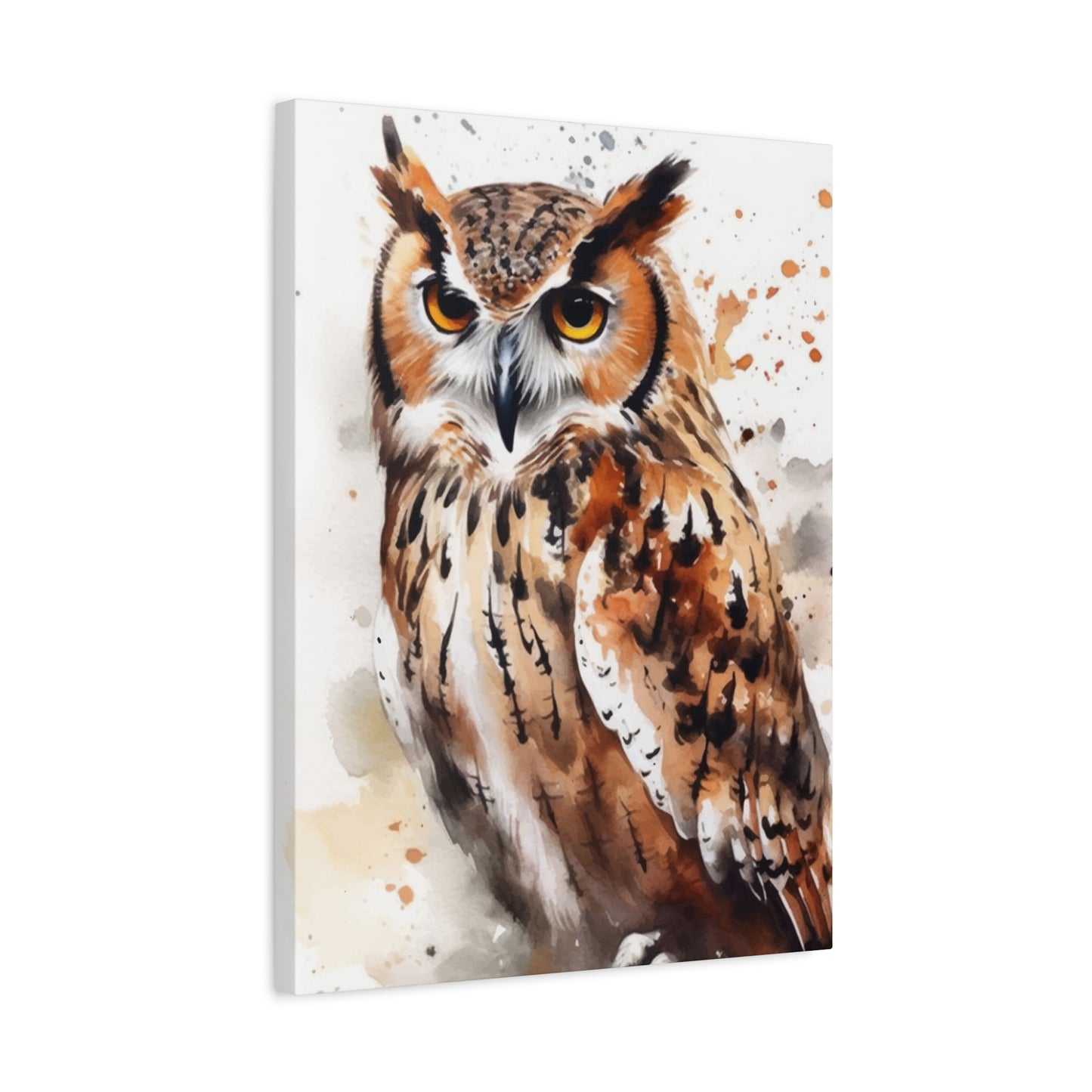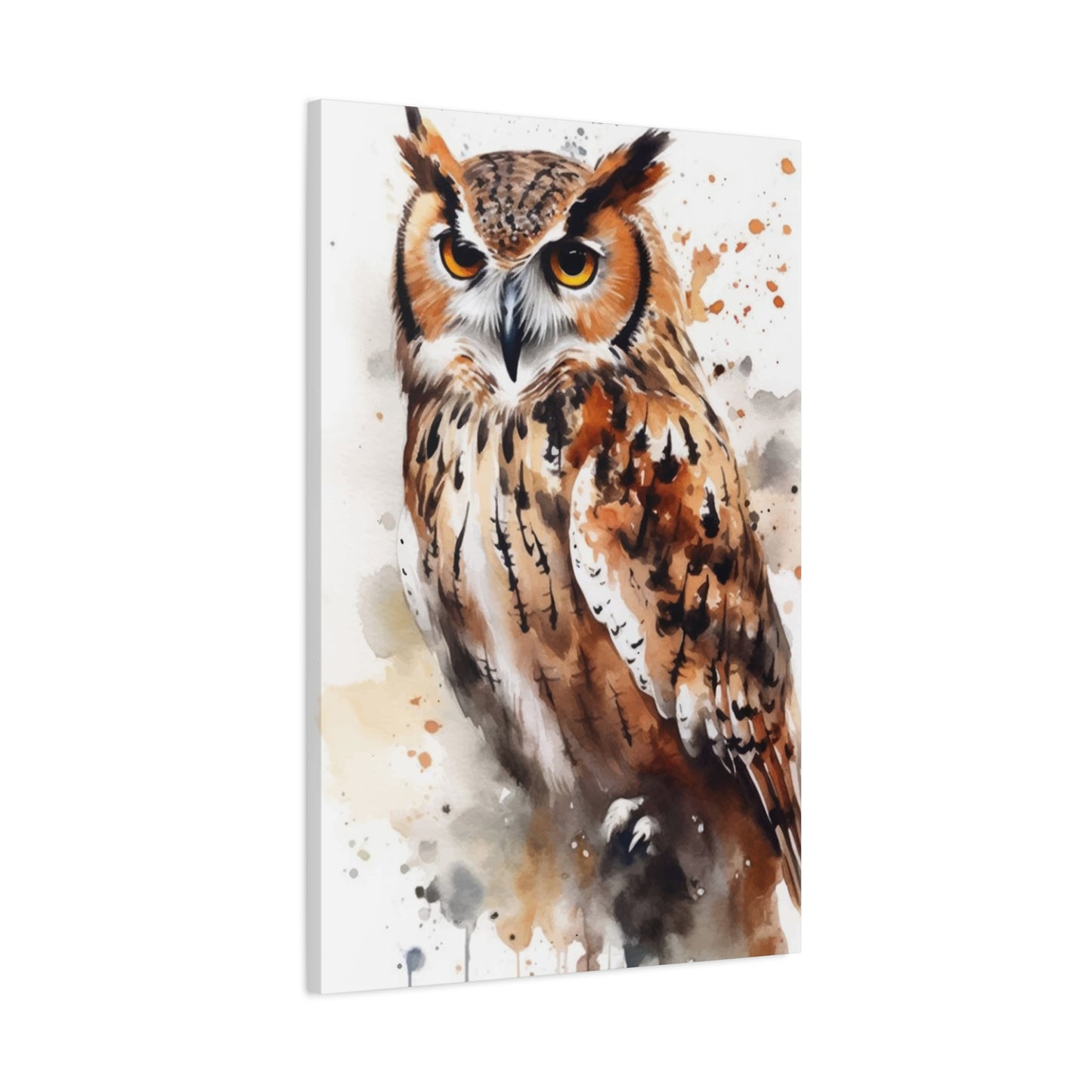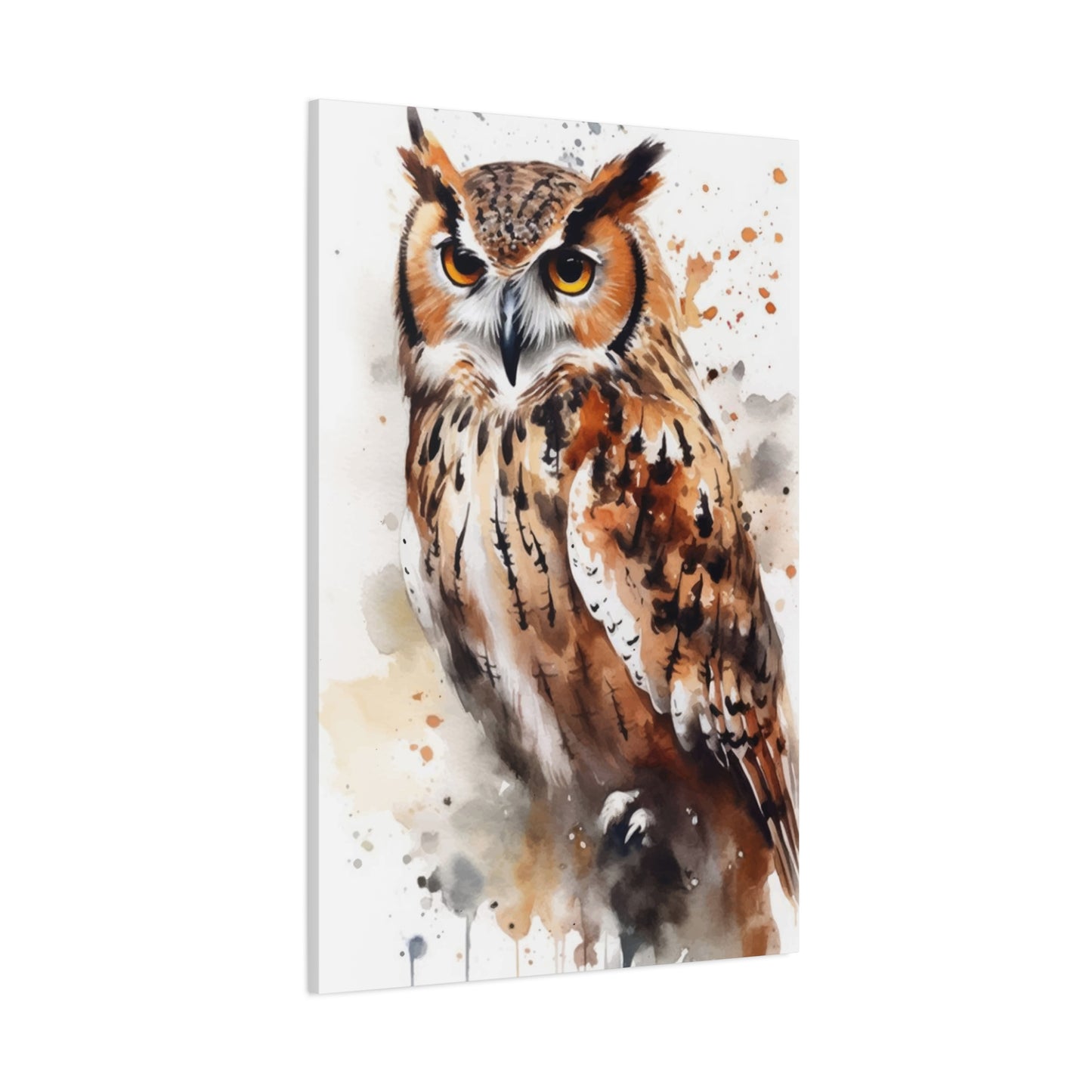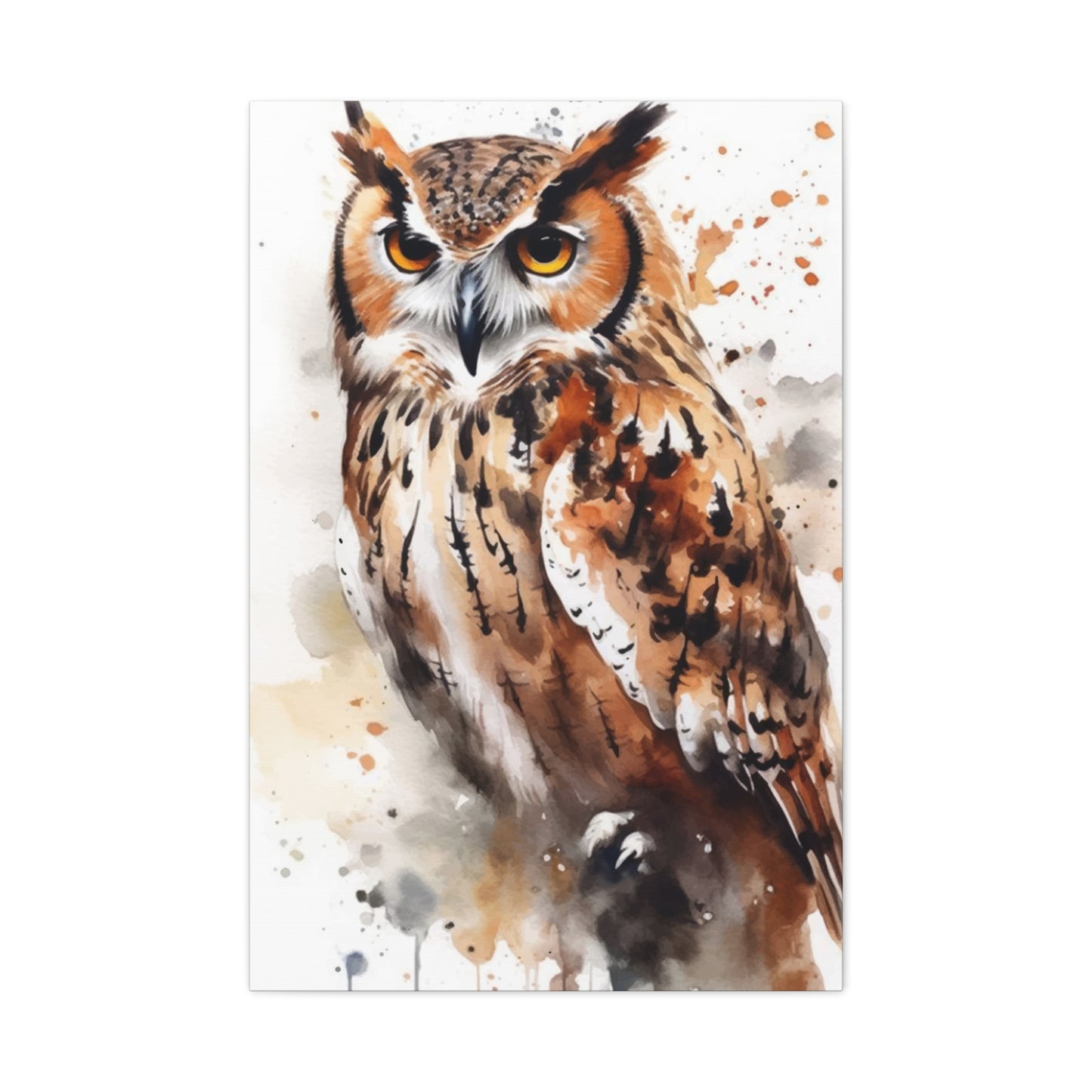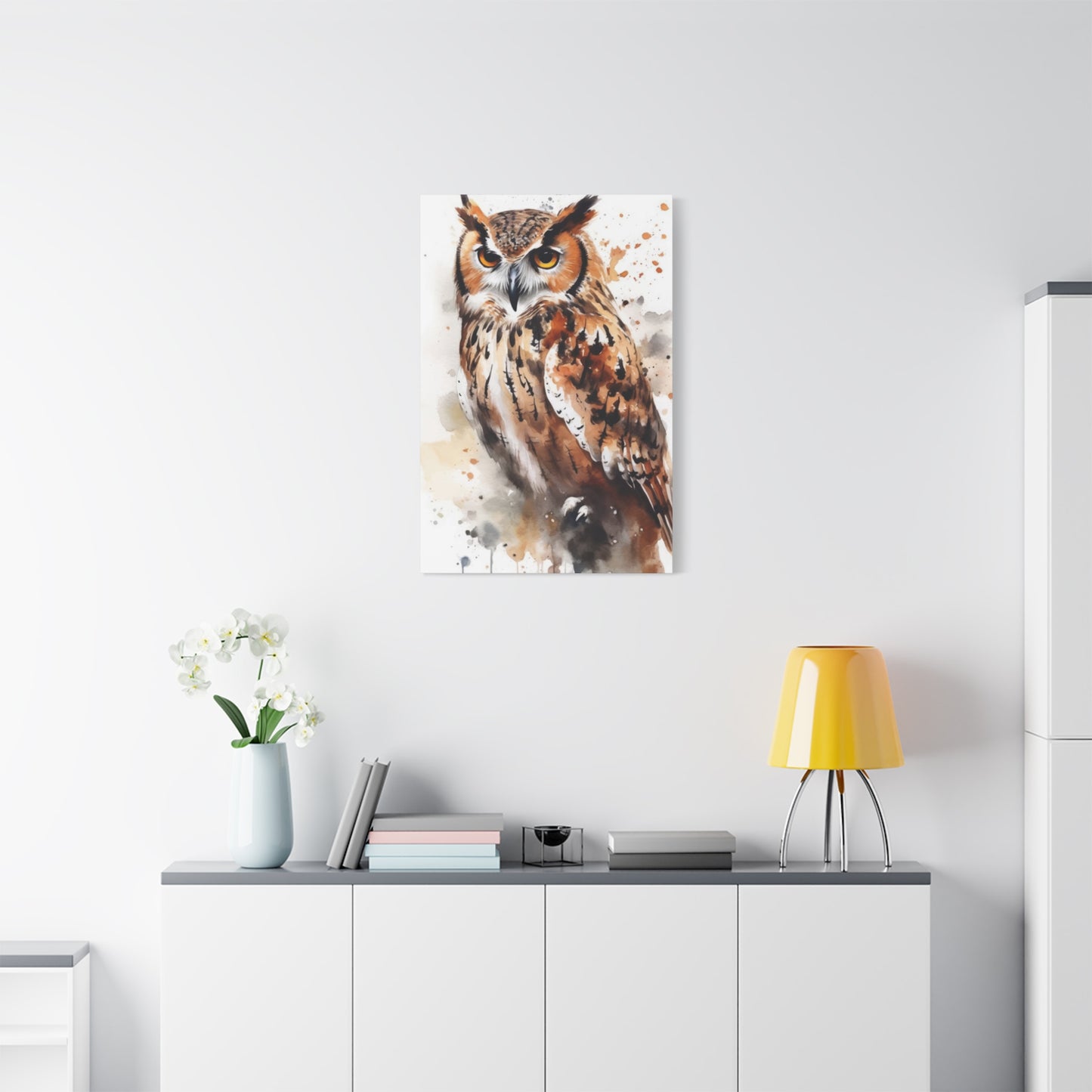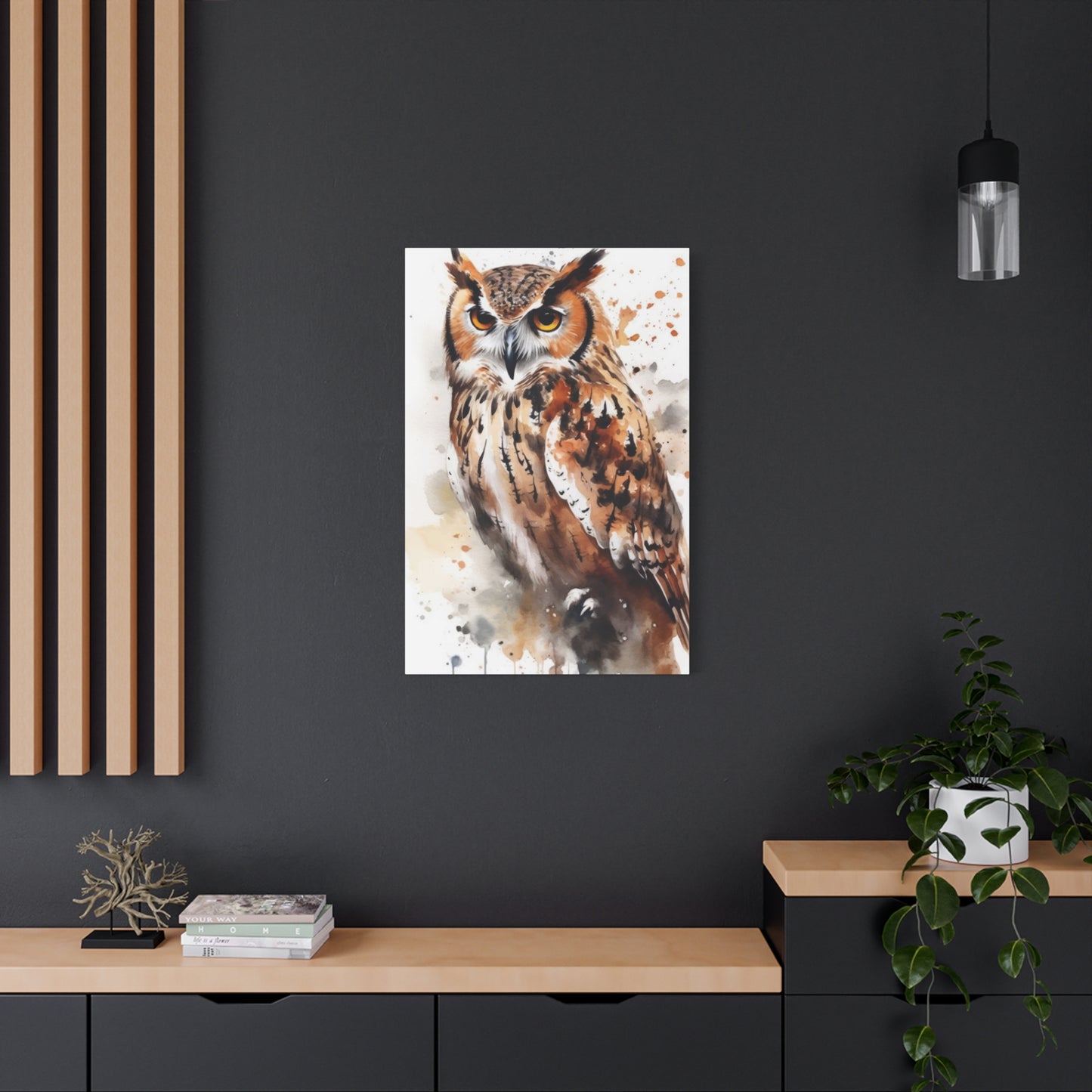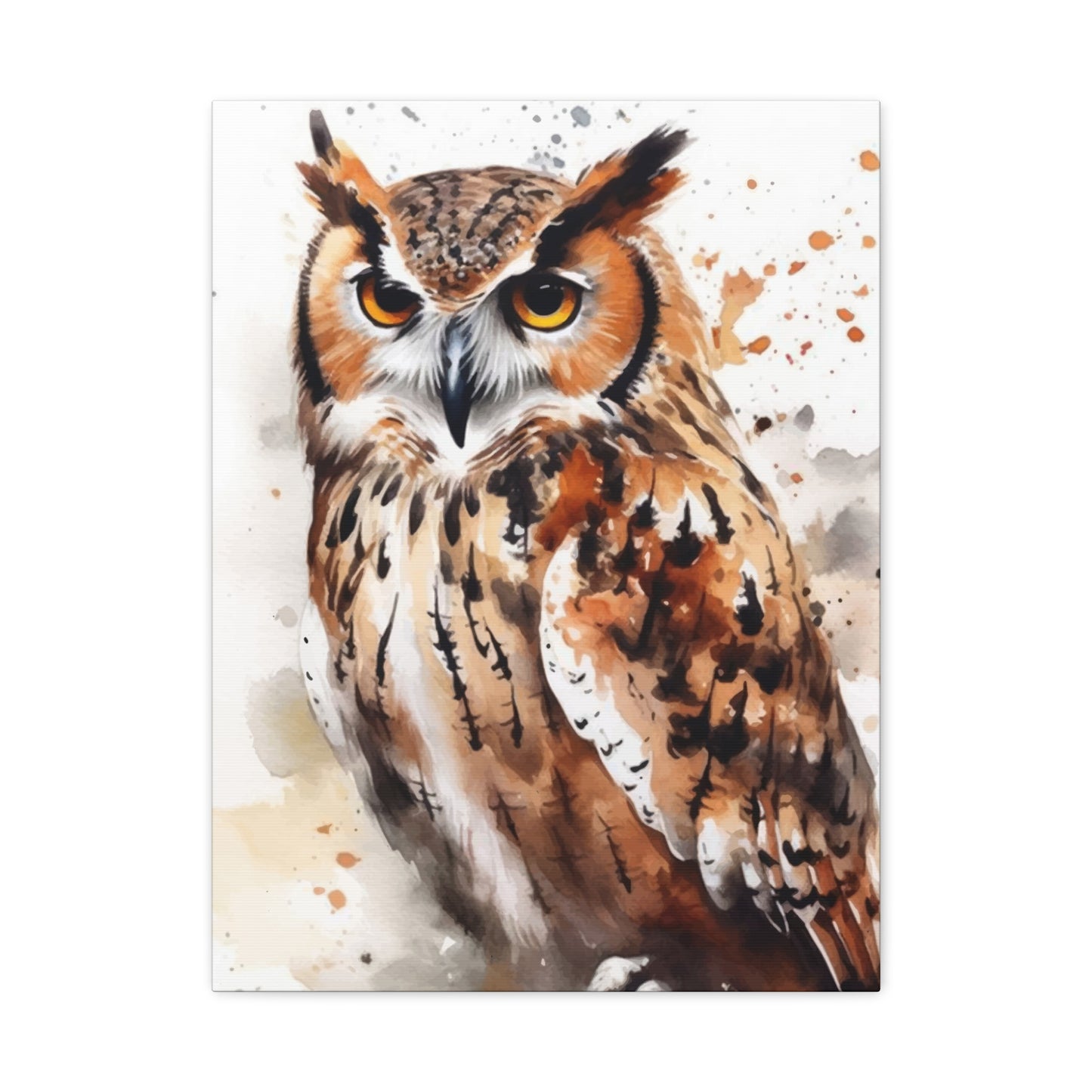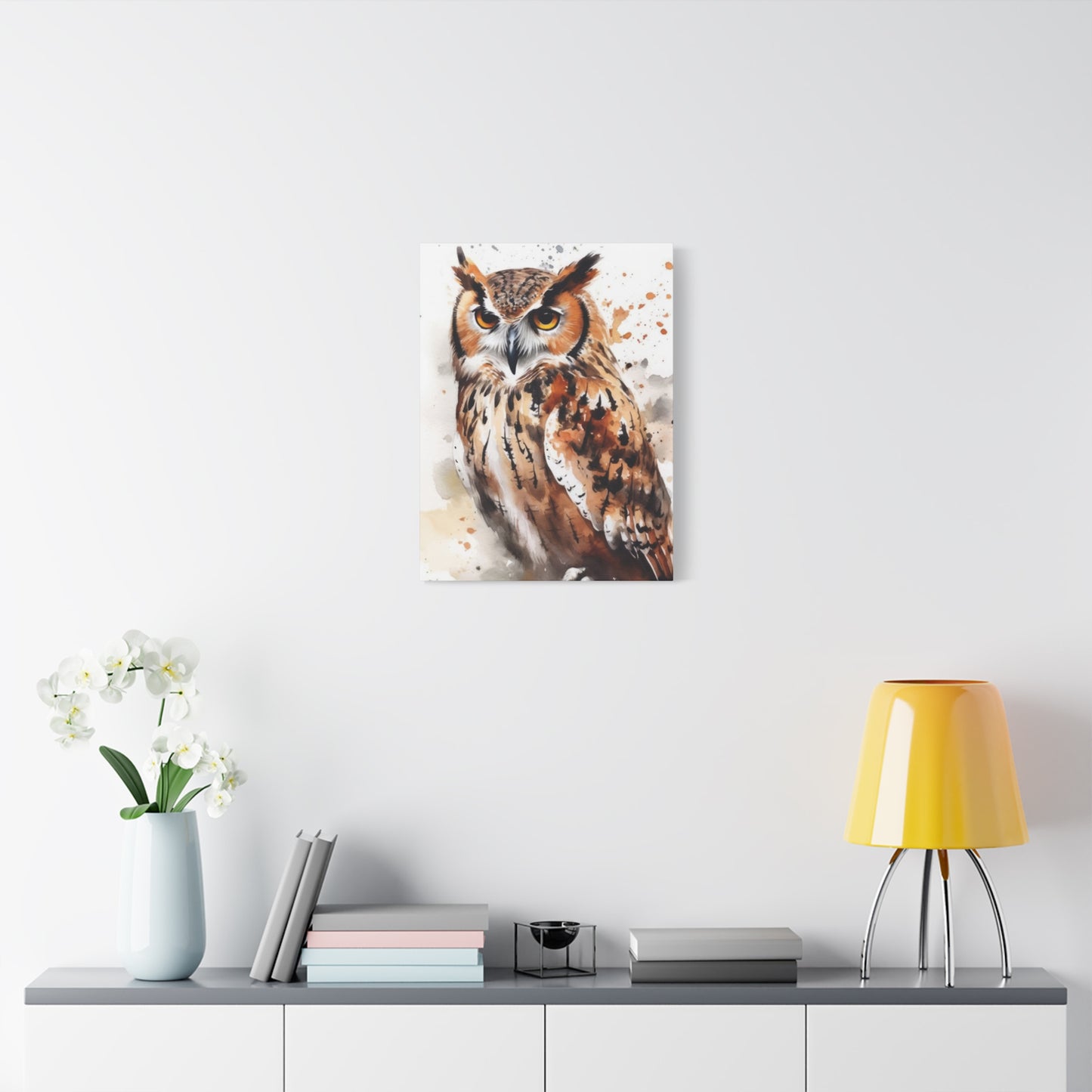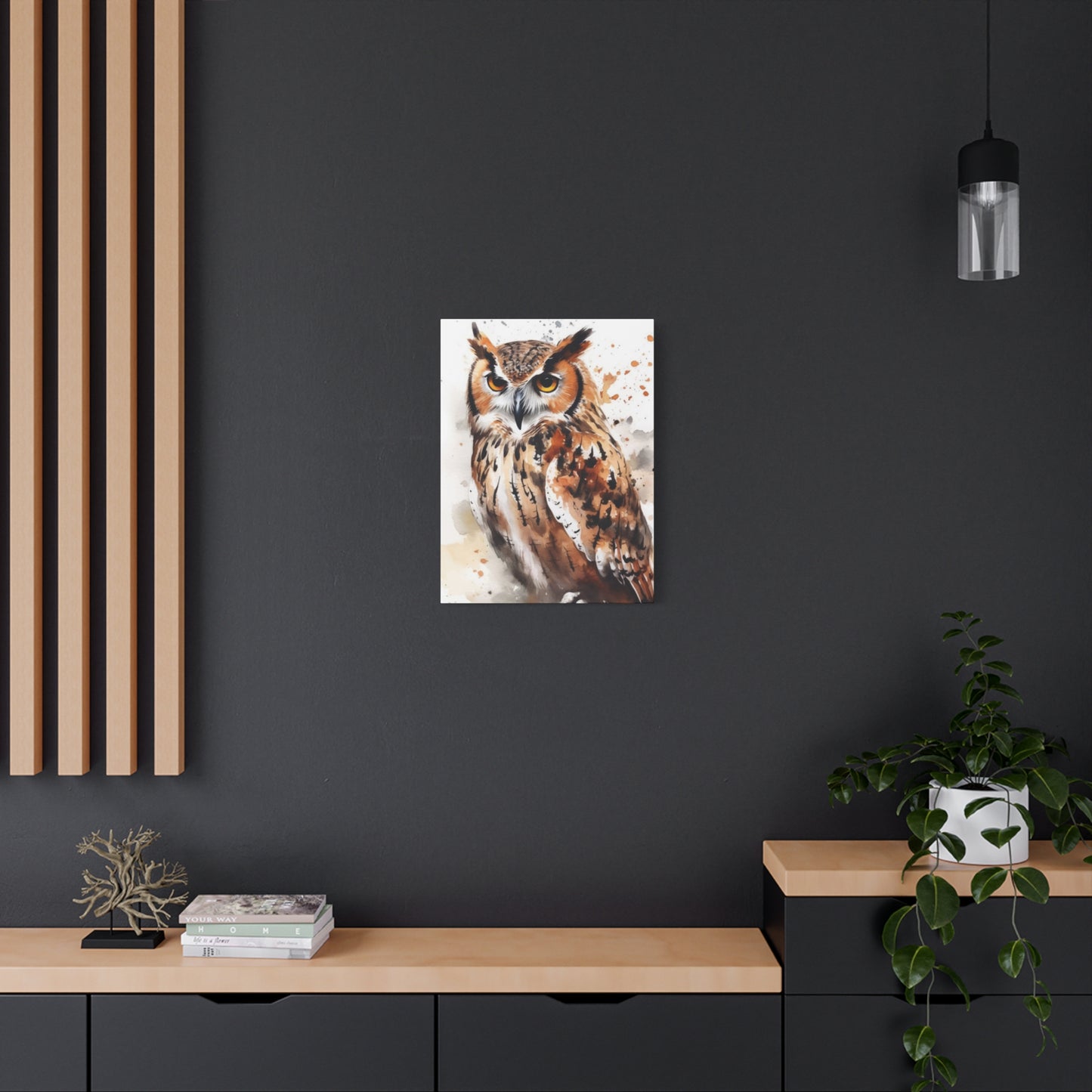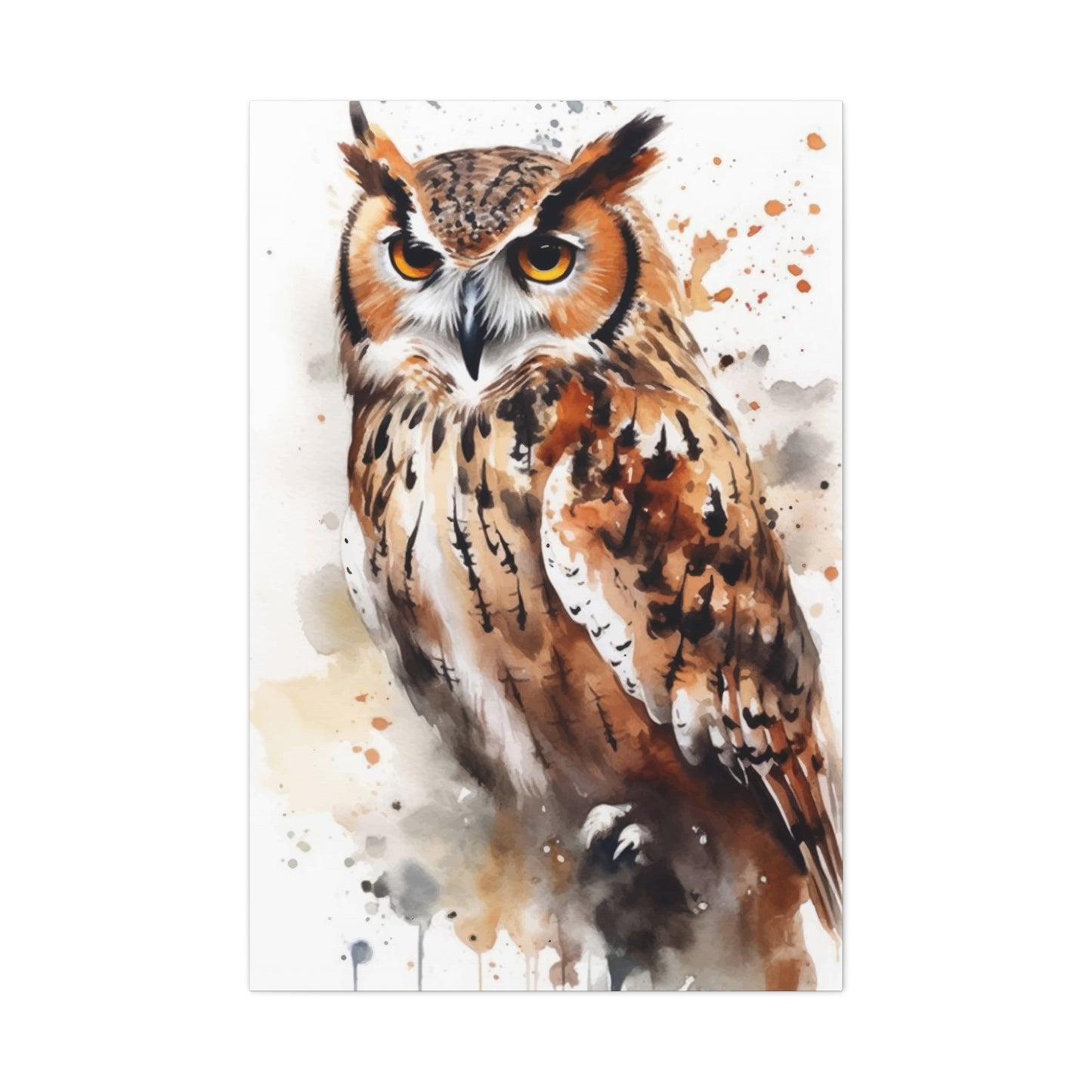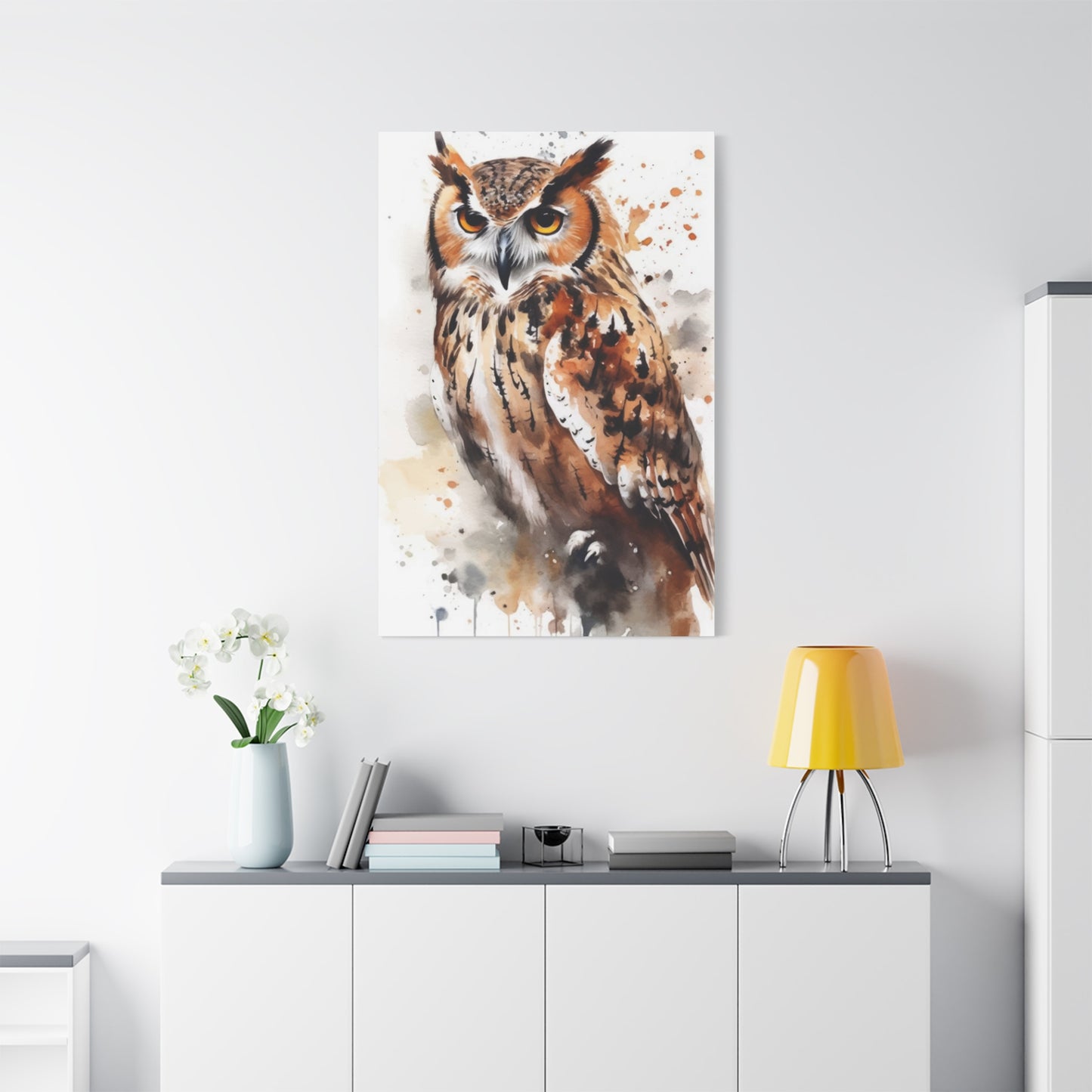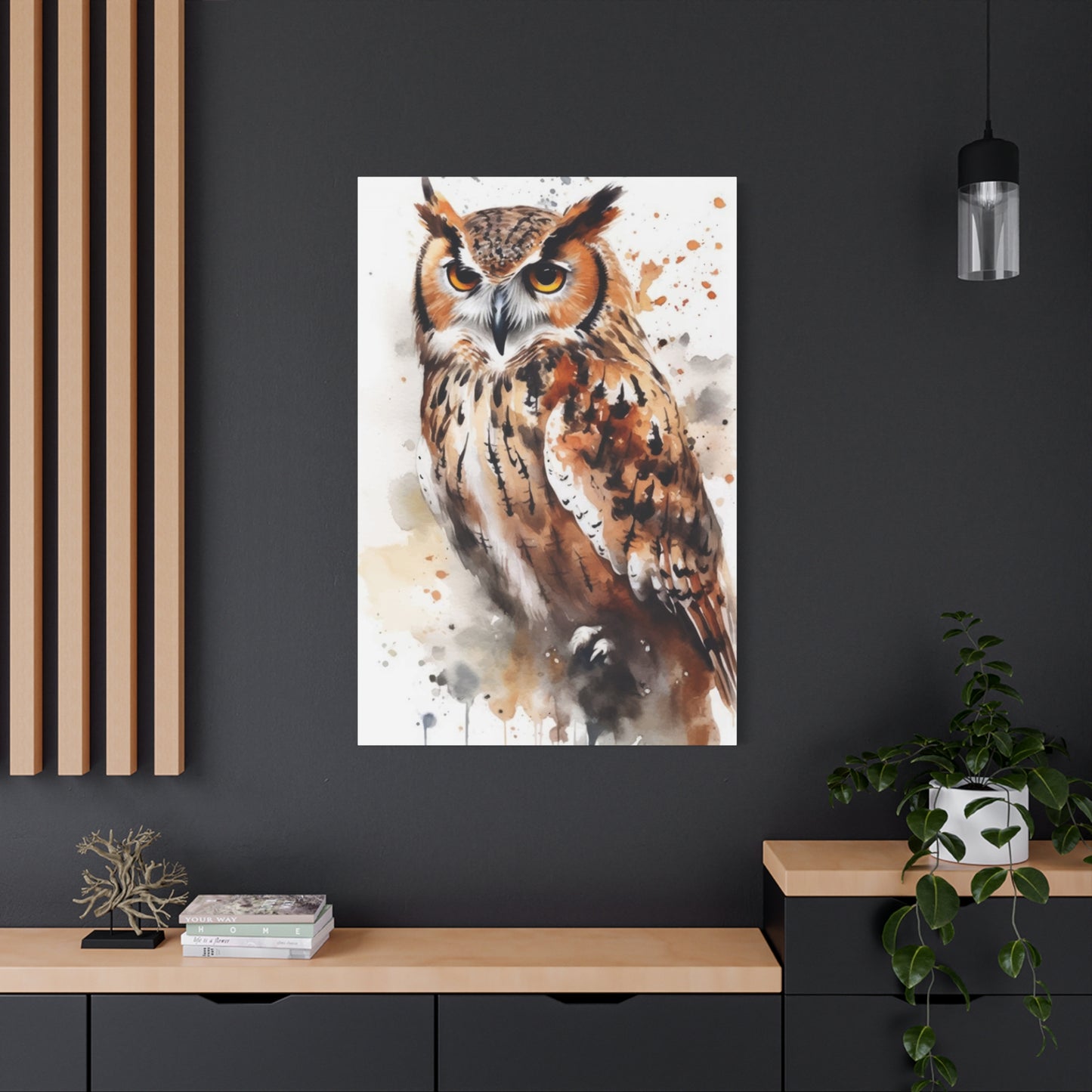


Brown Owl Wall Art & Canvas Prints
Brown Owl Wall Art & Canvas Prints
Couldn't load pickup availability
The Multifaceted World of Brown Owl Wall Art and Its Transformative Impact on Contemporary Interior Spaces
Avian imagery has captivated human imagination for millennia, and among the most enigmatic and revered creatures in artistic representation stands the owl. The brown owl, in particular, possesses a distinctive allure that transcends mere aesthetic appeal, embodying wisdom, mystery, and natural elegance. When translated into wall art compositions, brown owl imagery becomes a powerful decorative element capable of metamorphosing living environments into sanctuaries of sophistication and contemplative beauty. This comprehensive exploration delves into the multifarious dimensions of brown owl wall art, examining its aesthetic qualities, cultural resonance, practical implementation within residential spaces, manufacturing considerations, preservation methodologies, and the profound emotional responses it evokes in observers.
The fascination with owl imagery in domestic settings has experienced remarkable expansion throughout contemporary times, propelled by shifting preferences toward nature-inspired décor and the burgeoning popularity of sustainable, wildlife-themed artistic expressions. Brown owl wall art represents an intersection where artistic sensibility converges with environmental consciousness, creating pieces that simultaneously beautify spaces while celebrating the magnificence of avifauna. Whether rendered through traditional painting techniques, modern digital illustration, photographic mediums, or three-dimensional sculptural forms, brown owl wall art commands attention through its inherent magnetism and capacity to anchor the visual narrative of any interior composition.
Navigating the Aesthetic Dimensions of Brown Owl Wall Art
The visual characteristics that distinguish brown owl wall art transcend conventional categorization, encompassing a spectrum of artistic interpretations and stylistic approaches. The coloration palette inherent to brown owls—ranging from rich auburn and chocolate tones to warm taupe and cream-colored markings—provides inherently harmonious chromatic foundations that complement diverse interior design vocabularies. These natural pigmentations create sophisticated visual depth, enabling artists to construct compositions of considerable complexity without requiring jarring or discordant color schemes that might clash with existing environmental elements.
One of the most remarkable attributes of brown owl imagery resides in its capacity to convey profound emotional resonance while maintaining visual restraint. Unlike more vibrant avian subjects, brown owls embody a quietude and contemplative quality that permeates surrounding spaces, fostering environments conducive to intellectual engagement and peaceful reflection. The characteristic facial structure of owls—particularly their forward-facing ocular arrangement and prominent facial discs—creates compelling compositional focal points that naturally draw observer attention toward wall-mounted installations, establishing them as deliberate visual anchors within room layouts.
The dimensional aspects of brown owl wall art merit considerable contemplation, as these pieces navigate the interplay between two-dimensional and three-dimensional artistic expression. Flat canvas compositions featuring brown owls benefit from nuanced shading methodologies that generate compelling illusions of volumetric presence, while sculptural interpretations provide tactile qualities and genuine spatial projection that fundamentally alter how light interacts with artwork surfaces. This dimensional versatility enables interior designers and homeowners to select representations aligning with their specific spatial parameters and aesthetic predilections.
Exploring the Cultural and Symbolic Resonance of Owl Imagery
Throughout human civilization, owls have occupied prominent positions within mythological frameworks, spiritual practices, and symbolic vocabularies across diverse geographical regions and temporal periods. The brown owl, distinguished by its terrestrial nocturnal existence and pronounced hunting proficiencies, has accumulated associations with sagacity, perspicacity, and introspective contemplation. These symbolic dimensions extend beyond superficial decoration, imbuing brown owl wall art with metaphorical significance that resonates on subconscious psychological registers.
Indigenous societies throughout North America, Europe, and Asia have incorporated owl symbolism into their cultural narratives, frequently positioning these creatures as mediators between material and ethereal realms, possessing supernatural perceptivity and transcendent understanding. This accumulated cultural patrimony transforms brown owl wall art from purely decorative artifacts into conduits of ancestral wisdom and spiritual continuity. Individuals selecting such artwork often unconsciously gravitate toward these symbolic dimensions, seeking environmental expressions that reinforce their own aspirations toward intellectual growth and philosophical sophistication.
The nocturnal nature of owls further contributes to their symbolic potency, as darkness has perpetually represented mystery, the unknown, and the recesses of human consciousness that remain inaccessible to rational scrutiny. By introducing brown owl wall art into domestic spaces, individuals subtly acknowledge and honor these liminal territories of experience, creating visual reminders that existence encompasses dimensions beyond the immediately perceptible. This psychological mechanism operates largely beneath conscious awareness, yet profoundly influences how individuals experience and interact with their environments over extended temporal periods.
Navigating Material Compositions and Artistic Mediums in Brown Owl Wall Art Production
The contemporary marketplace encompasses unprecedented diversity in materials and artistic methodologies employed in brown owl wall art creation, reflecting both technological advancement and renewed appreciation for traditional artisanal practices. Canvas-based paintings represent among the most prevalent formats, utilizing acrylic, oil, or watercolor mediums to render owls with varying degrees of representational fidelity and stylistic interpretation. These classical approaches maintain enduring appeal due to their accessibility, relative affordability, and capacity to integrate harmoniously within established interior design schemes.
Photographic representations of brown owls have proliferated substantially following digital imaging technology refinement, enabling unprecedented clarity and naturalistic detail capture. Professional wildlife photographers now produce exceptional compositions featuring brown owls in natural habitats, rendered through advanced optical systems and post-production enhancement methodologies. These photographic interpretations appeal particularly to individuals prioritizing authentic representation and naturalistic accuracy, seeking to introduce genuine wildlife documentation into their living environments.
Emerging artistic mediums have expanded the conceptual boundaries of brown owl wall art considerably, with contemporary practitioners exploring possibilities through mixed media assemblages, textile-based constructions, and kinetic installations that respond to environmental stimuli. Sculptural interpretations range from minimalist geometric abstractions suggesting owl silhouettes to elaborately detailed representational works capturing anatomical precision. Metalwork incorporating iron, copper, and aluminum creates striking installations possessing substantial visual presence, while wooden constructions celebrate organic materiality through hand-carved or laser-cut techniques.
Digital printing technologies have democratized access to sophisticated brown owl artwork, enabling reproduction of original paintings and illustrations at superior fidelity and accessible price points. Giclée printing processes preserve color saturation and tonal nuance across extended print runs, eliminating traditional limitations inherent to reproduction methodologies. Canvas wrapping, museum-quality framing, and specialization in archival mounting ensure longevity and preservation of these reproductions across decades of environmental exposure.
Ceramic and porcelain representations constitute another significant category within brown owl wall art domains, ranging from decorative plaques and relief sculptures to integrated mural compositions. These clay-based interpretations frequently reference historical pottery traditions while incorporating contemporary design sensibilities, creating compelling juxtapositions between antiquarian craftsmanship and modern aesthetic frameworks. The three-dimensional presence of ceramic work creates distinctive shadow patterns and light interplay unavailable through purely two-dimensional mediums.
Assessing Spatial Considerations and Interior Integration Strategies
Successfully incorporating brown owl wall art into residential environments necessitates sophisticated spatial analysis and consideration of multiple interconnected variables determining optimal placement and contextual compatibility. Room proportions, lighting conditions, existing color schemes, furniture arrangements, and the overall design vocabulary established through architectural elements and supplementary furnishings collectively influence how wall art functions within comprehensive interior compositions.
Larger wall surfaces accommodate expansive brown owl compositions featuring multiple owls or elaborate naturalistic backgrounds, transforming entire wall sections into dominant focal points commanding observer attention upon room entry. Such substantial installations prove particularly efficacious within living rooms, libraries, studies, and professional office environments where visual prominence establishes desired atmospheric qualities. Conversely, more modest spaces benefit from smaller, concentrated owl imagery positioned to complement rather than overwhelm existing spatial relationships.
Lighting constitutes perhaps the most consequential variable influencing brown owl wall art presentation, as illumination quality fundamentally determines color perception, dimensional appearance, and emotional resonance. Natural daylight filtering through windows creates fluctuating lighting conditions that animate artwork throughout diurnal cycles, generating dynamic visual experiences as shadow patterns and chromatic intensity shift continuously. Conversely, artificial illumination through spotlights, track lighting, or directional lamps permits controlled, consistent presentation enabling deliberate highlighting of specific artwork dimensions and atmospheric mood cultivation.
Wall surface color provides essential contextual framework determining whether brown owl artwork achieves visual prominence or integration within broader environmental chromatics. Neutral backgrounds featuring whites, creams, soft grays, or muted earth tones permit owl imagery to emerge as autonomous visual elements without competing chromatic interference. Conversely, more adventurous wall colorations introduce complexity, potentially creating dynamic tension that energizes spaces or, conversely, generates visual discord requiring careful aesthetic consideration. Contemporary interior design increasingly embraces such chromatic experimentation, recognizing how unexpected color juxtapositions cultivate sophisticated, distinctive environmental personalization.
Complementary décor elements substantially influence overall installation success, as surrounding furnishings, accessories, and architectural features collectively construct visual narratives. Wooden furniture, stone accents, natural textile materials, and organic decorative elements synergistically reinforce the naturalistic sensibilities embedded within brown owl artwork. Conversely, minimalist, geometric, or ultramodern furnishings create intriguing stylistic tensions that sophisticated observers may find compelling rather than discordant.
Practical Considerations Regarding Selection Criteria and Acquisition Methodologies
Identifying appropriate brown owl wall art necessitates systematic evaluation of multiple intersecting criteria determining suitability for specific spatial contexts and individual aesthetic preferences. Prospective purchasers should conduct preliminary assessment of desired size parameters, acknowledging that oversized installations may overwhelm modest spaces while diminutive pieces may prove insufficiently impactful within expansive environments. Photographic documentation of intended installation locations provides invaluable reference enabling accurate scale visualization prior to acquisition decisions.
Stylistic compatibility merits equally rigorous evaluation, requiring honest appraisal of personal aesthetic sensibilities and established environmental design vocabularies. Some individuals gravitate toward naturalistic representational accuracy, seeking owl depictions capturing genuine anatomical proportions and behavioral characteristics. Others prefer abstracted, stylized interpretations emphasizing emotional expression or contemporary artistic sensibilities over documentary precision. Still others embrace whimsical, humorous, or fantastical renderings celebrating imaginative interpretation over representational fidelity.
Material composition, construction quality, and production methodology warrant comprehensive examination, particularly regarding longevity projections and maintenance requirements. Canvas works necessitate protection from excessive moisture, direct sunlight, and environmental contaminants that accelerate deterioration. Framing quality profoundly influences artwork longevity, as substandard frames fail to provide adequate structural support or environmental protection. Professional framing utilizing conservation-grade materials ensures archival permanence exceeding decades of environmental exposure. Sculptural installations merit assessment regarding weight distribution, mounting stability, and vulnerability to damage from casual contact or accidental impact.
Budgetary considerations necessitate realistic appraisal of personal financial parameters and corresponding valuation of artwork investment. Original paintings command substantially higher financial expenditure than reproductions, reflecting artist compensation, manufacturing exclusivity, and investment potential appreciating over extended temporal horizons. Reproductions offer comparable aesthetic satisfaction at considerably reduced expense, providing democratized access to exceptional artistic compositions previously restricted through economic limitations. Discerning consumers recognize that value determination transcends simplistic price comparison, encompassing psychological satisfaction, aesthetic resonance, and environmental enhancement quantifiable through subjective experiential assessment.
Sourcing mechanisms for brown owl wall art encompass traditional galleries, contemporary artist studios, online retail platforms, auction venues, and artisan craft markets, each presenting distinct advantages and acquisition considerations. Gallery environments permit in-person artwork evaluation, facilitating precise scale assessment and chromatic fidelity verification under controlled lighting conditions. Online acquisition offers unprecedented selection access and convenience, though photographic representation frequently fails to capture authentic color saturation and dimensional characteristics. Direct artist engagement establishes personal connections and permits customization negotiations, though availability and geographic considerations may impose logistical constraints.
Understanding Manufacturing Processes and Artisanal Craftsmanship Dimensions
Contemporary brown owl wall art production encompasses astonishing diversity in manufacturing approaches, ranging from entirely hand-executed traditional methodologies to sophisticated digital fabrication processes employing advanced technological systems. Traditional painters laboriously hand-render each compositional element, employing accumulated technical knowledge acquired through extensive apprenticeship periods and continuous refinement. This painstaking approach generates inherent variations between compositions, imbuing individual pieces with distinctive character reflecting each artist's unique interpretive sensibilities and technical idiosyncrasies.
Printmaking traditions including lithography, etching, screen-printing, and relief carving maintain enduring significance within artistic communities, offering methodologies that combine technical precision with individualistic artistic expression. These processes necessitate substantial preliminary investment in plate preparation and setup procedures, yet facilitate efficient production of multiple editions maintaining consistent quality parameters. Each printed iteration retains vestiges of human manual intervention, distinguishing them from purely mechanical reproduction while remaining economically accessible compared to original paintings.
Digital artistic creation has fundamentally restructured contemporary artistic production landscapes, permitting artists to construct sophisticated compositions through electronic mediums subsequently translated into physical manifestations. Tablet-based painting applications, three-dimensional modeling software, and vector graphics programs enable unprecedented compositional flexibility and rapid iteration cycles. These digital originals subsequently undergo translation into tangible wall art through various reproduction methodologies, including inkjet printing, vinyl cutting, and laser engraving processes. The transition from digital conception to physical realization frequently introduces nuanced alterations affecting final aesthetic qualities, necessitating artist oversight ensuring technical fidelity to original compositional intent.
Sculptural production methodologies encompass diverse approaches reflecting material characteristics and artistic objectives. Direct carving techniques, employed extensively in wooden sculptural traditions, involve systematic material removal revealing inherent forms existing within substrate materials. Additive methodologies, conversely, construct forms through sequential material accumulation, exemplified through clay modeling and subsequent casting into permanent materials. Contemporary sculptors frequently employ hybrid approaches combining traditional hand-execution with digital fabrication technologies, establishing compelling dialogues between artisanal sensibility and technological precision.
Quality assurance mechanisms within manufacturing contexts establish specifications ensuring consistency and durability across production runs. Canvas preparation protocols, paint composition standardization, and color calibration procedures maintain technical parameters approximating original artwork characteristics. Framing and mounting installation procedures receive equally meticulous oversight, as structural integrity directly influences artwork longevity and display safety. Reputable manufacturers invest substantially in quality control processes, recognizing that production consistency directly impacts customer satisfaction and brand reputation sustainability.
Preservation Methodologies and Extended Longevity Assurance
Sustaining brown owl wall art in optimal condition across extended temporal periods necessitates understanding degradation mechanisms and implementing preventative conservation strategies addressing these deterioration processes. Environmental factors including light exposure, humidity fluctuation, temperature variation, and atmospheric contaminants collectively accelerate material degradation, requiring thoughtful environmental management within domestic contexts.
Ultraviolet radiation represents particularly formidable environmental threat to artwork longevity, as photochemical reactions initiated by UV exposure progressively fade pigments and damage underlying substrate materials. Window filtration through ultraviolet-blocking films or specialized window treatments substantially reduces radiation exposure without significantly compromising visible light transmission. Minimizing direct sunlight exposure through strategic artwork positioning further diminishes photochemical degradation, particularly regarding sensitive mediums prone to rapid fading.
Humidity maintenance within moderate parameters prevents material expansion and contraction cycles that generate stress within artwork structures, particularly affecting canvas-based compositions susceptible to dimensional instability. Excessively humid environments promote mold and mildew proliferation, while arid conditions accelerate material embrittlement and crack formation. Moderate humidity maintenance through environmental controls ensures stable conditions minimizing structural stress.
Dust accumulation represents seemingly minor yet consequential preservation consideration, as particulate matter obscures artwork surface luminosity and harbors contaminants potentially reacting chemically with pigments and substrate materials. Periodic gentle dusting employing soft-bristled implements and appropriate cleaning agents maintains surface clarity without inflicting mechanical abrasion. Framed artwork benefits from regular frame inspection, verifying glass integrity and confirming mounting security.
Pest prevention merits consideration within conservation contexts, as insects and rodents constitute threats to artwork integrity through feeding activities and nesting behaviors. Integrated pest management strategies employing preventative measures including environmental sealing and strategic placement minimize such hazards without requiring toxic pesticide applications potentially damaging artwork.
Structural support maintenance ensures sustained mounting security and prevents damage from gradual deterioration of fastening mechanisms. Regular inspection of hooks, cables, and mounting hardware confirms continued structural integrity, while prompt replacement of compromised components prevents catastrophic failure and potential injury or damage. Professional conservation consultation addresses complex preservation challenges exceeding homeowner expertise, providing specialized knowledge and interventions ensuring optimal long-term outcomes.
Thematic Variations and Stylistic Interpretations Within Brown Owl Wall Art Contexts
The aesthetic universe encompassing brown owl wall art exhibits remarkable stylistic diversity, accommodating virtually infinite interpretative approaches reflecting contemporary artistic sensibilities while honoring traditional representational conventions. Naturalistic interpretations emphasize documentary accuracy, capturing specific owl species characteristics with scientific precision. Such compositions frequently contextualize owls within habitats featuring characteristic perching locations, vegetation elements, and environmental details establishing naturalistic authenticity. Bird enthusiasts and ornithological specialists particularly appreciate these representations, valuing their capacity to communicate genuine ecological knowledge alongside aesthetic appeal.
Impressionistic interpretations prioritize emotional evocation and painterly technique over representational accuracy, employing gestural brushwork and chromatic relationships to convey owl presence through abstracted visual language. These approaches frequently sacrifice anatomical precision, instead emphasizing atmospheric qualities and emotional resonances transcending literal visual documentation. Such compositions resonate with observers valuing artistic expression and subjective interpretation over objective representation.
Contemporary abstraction embraces conceptual experimentation, frequently reducing owl imagery to essential visual elements—circular forms suggesting facial discs, angular geometries suggesting wings—that communicate owl presence through minimalist visual vocabulary. These compositions challenge conventional representation expectations, requiring observer engagement with abstract symbolism and personal interpretive frameworks. Such pieces appeal particularly to aesthetically adventurous individuals embracing artistic innovation and intellectual abstraction.
Whimsical and fantastical interpretations celebrate imaginative liberation, positioning brown owls within surreal contexts or with exaggerated characteristics emphasizing emotional expression and playful sensibility. Such compositions introduce levity and entertainment value, particularly appealing to households prioritizing environmental warmth and approachable aesthetic accessibility. Humorous renderings featuring anthropomorphized owls engaging in human activities generate delighted responses from diverse observer demographics.
Minimalist sculptural interpretations reduce forms to essential silhouettes and geometric foundations, frequently employing monochromatic colorations and restrained artistic vocabulary. Such installations suit contemporary architectural environments featuring clean lines, simplified forms, and minimalist design sensibilities. The resulting visual impact derives from compositional elegance and spatial presence rather than ornamental elaboration or chromatic complexity.
Mixed media constructions incorporate diverse materials including textiles, found objects, and unconventional substrates, creating tactile, multisensory artistic experiences transcending traditional painting and sculpture boundaries. These experimental approaches generate distinctive environmental interactions, as material heterogeneity produces complex light interaction patterns and textural variation engaging multiple sensory modalities.
Psychological and Emotional Dimensions of Environmental Artwork Integration
Beyond superficial aesthetic considerations, brown owl wall art engages psychological and emotional dimensions of human experience, influencing mood, cognitive processing, and environmental perception through mechanisms partially understood within scientific literature yet profoundly experienced by those inhabiting artwork-enriched environments. The presence of naturalistic imagery, particularly featuring wildlife, consistently correlates with reduced stress responses and enhanced cognitive function within research contexts examining environmental influences on human wellbeing.
Owl imagery particularly engages contemplative psychological processing, as these creatures' nocturnal existence and mysterious ecological roles associate with introspective qualities and intellectual engagement. The stabilizing ocular presence characteristic of owl facial structures unconsciously promotes attentional focus and environmental grounding, establishing psychological anchors facilitating meditative states and enhanced concentration. Individuals working within spaces featuring brown owl wall art frequently report heightened intellectual clarity and diminished mental distractibility.
The symbolic associations accumulated throughout human cultural evolution imbue owl imagery with motivational potency, subtly encouraging intellectual aspiration and philosophical engagement. Inhabitants of spaces featuring such artwork unconsciously internalize these symbolic resonances, potentially cultivating aspirations toward greater wisdom and perceptivity. While such psychological mechanisms remain incompletely understood scientifically, qualitative testimony from countless individuals emphasizes profound environmental mood cultivation through deliberate artwork selection.
Environmental familiarity and personalization significantly influence emotional wellbeing within residential contexts, as spaces reflecting individual identity and values generate substantially heightened satisfaction compared to generic, impersonal environments. Artwork selection constitutes primary mechanism through which individuals externalize internal aesthetic preferences and values hierarchies, essentially declaring to oneself and visitors the qualities prioritized within one's consciousness. Brown owl wall art provides vehicle for such meaningful personalization while simultaneously ennobling living environments through association with wisdom, mystery, and natural magnificence.
Architectural Integration and Spatial Design Considerations
Sophisticated interior design requires comprehensive consideration of how selected artwork functions within broader spatial narratives, establishing coherent visual relationships extending beyond individual artwork assessment to encompass integrated environmental compositions. Brown owl wall art demands architectural respect, necessitating conscious deliberation regarding wall selection, spatial context, and synergistic relationship with surrounding architectural elements.
Feature walls particularly benefit from substantial brown owl compositions, as their architectural prominence naturally accommodates focal artwork warranting elevated attention and contemplative engagement. Strategic positioning upon walls directly opposing entry locations ensures viewers encounter artwork during initial environmental engagement, establishing powerful environmental impressions influencing subsequent spatial experience. Such positioning leverages natural human perceptual patterns prioritizing forward-facing visual fields.
Alcove and niche installations offer distinctive opportunities for intimate artwork engagement, creating contained spatial contexts focusing attention exclusively upon selected compositions. Such architectural features generate contemplative environments conducive to extended observation and emotional resonance, fundamentally distinguishing experience from artwork positioned within expansive open wall surfaces receiving fragmentary attention during routine spatial traversal.
Transitional spaces including hallways, entryways, and corridors benefit from smaller or vertically-oriented brown owl compositions that occupy available wall surfaces without overwhelming constrained spatial parameters. Sequential artwork arrangements within corridors establish visual narratives guiding spatial progression, with individual compositions collectively generating coherent thematic arc. Such curatorial strategies transform ordinary circulation spaces into galleries of personal significance.
Professional office environments require careful artwork selection establishing credentials, competence, and refined aesthetic sensibility relevant to client impressions and professional reputation. Brown owl wall art serves particular utility within such contexts, simultaneously conveying intellectual sophistication, stability, and natural earthiness counterbalancing sterile corporate environments. Such installations subtly communicate environmental intention and values emphasis, influencing client perception and establishing qualitative differentiation from generic professional spaces.
Specialized Display Contexts and Curatorial Methodologies
Contemporary residential contexts increasingly feature dedicated gallery walls or salon-style arrangements accommodating multiple artwork pieces within cohesive curatorial frameworks. Brown owl wall art integrates exceptionally effectively within such compositions, offering thematic coherence when combined with complementary pieces celebrating avifauna or naturalistic subject matter. Balanced arrangement strategies distribute visual weight across wall surfaces, preventing compositional imbalance or overwhelming spatial impressions.
Transitional color schemes and tonal gradations across multiple compositions establish sophisticated visual rhythms guiding observer attention across entire wall surfaces rather than fixating upon individual pieces. Strategic spacing between adjacent works permits each composition adequate visual respiration while maintaining compositional unity through overarching thematic coherence.
Lighting strategies substantially influence curatorial impact within gallery contexts, as directional illumination highlights specific artworks while casting others into comparative shadow. Layered lighting approaches employing ambient, task, and accent illumination create dimensional sophistication and atmospheric depth. Adjustable systems permit seasonal illumination modifications and thematic environmental reconfiguration responding to evolving aesthetic preferences or occasion-specific design objectives.
Rotation protocols introduce dynamic variety while protecting artworks from extended light exposure degradation. Seasonal artwork substitution maintains environmental novelty while preventing visual fatigue inherent to static permanent installations. Such curatorial flexibility proves particularly efficacious for collectors maintaining diverse artwork portfolios exceeding simultaneous display capacity.
Collectorship and Investment Potential Considerations
Serious artwork collectors increasingly recognize distinctive investment properties inherent to limited edition prints and original paintings by established artists. Brown owl wall art, particularly when produced by recognized contemporary practitioners or representing heritage artistic traditions, demonstrates appreciating market valuations as historical significance accumulates and creator reputation solidifies. Original paintings frequently appreciate substantially over temporal horizons spanning decades, particularly when artists achieve subsequent recognition or posthumous canonical status.
Provenance documentation and authentication credentials substantially influence investment valuations, as verifiable artistic lineage and creator confirmation establish legitimacy and future salability. Collectors prudently maintain comprehensive acquisition documentation including purchase receipts, artist credentials, and any accompanying certifications or authentication materials.
Market dynamics within contemporary art reflect complex cultural, economic, and aesthetic variables influencing collector demand and corresponding valuations. Artists receiving substantial critical attention and institutional recognition frequently experience dramatic valuation increases as cultural consensus regarding artistic significance strengthens. Conversely, unfashionable artistic approaches may languish in appreciation until revisionist historical reinterpretation rekindling interest.
Artist reputation, educational credentials, exhibition history, and critical reception collectively influence market positioning and investment potential. Collectors navigating these complexities benefit from consultation with art market specialists possessing nuanced understanding of valuation mechanisms and emerging artist identification. Institutional affiliations, museum acquisitions, and gallery representation constitute positive indicators regarding artistic legitimacy and future valuation sustainability.
Emerging Technologies and Contemporary Artistic Innovation
Contemporary artistic practice increasingly incorporates technological innovations including digital projection, interactive components, and responsive environmental elements fundamentally restructuring artwork experience paradigms. Animated projections featuring brown owls moving through simulated environments create immersive experiences transcending traditional static artwork parameters. Such innovations appeal particularly to technologically-engaged audiences and forward-thinking design practitioners embracing artistic experimentation.
Three-dimensional printing technologies enable affordable production of complex sculptural forms previously requiring substantial handcrafting labor. Digital design files translate into tangible objects through additive manufacturing processes, democratizing sculpture production and enabling experimental formal exploration. Contemporary artists increasingly embrace such technologies, recognizing their capacity for iterative refinement and efficient production scaling.
Augmented reality applications create hybrid experiences merging digital content with physical artworks, enabling smartphone-mediated interactions revealing concealed layers of artistic meaning or contextual information. Such innovations engage digitally-native audiences while introducing perpetual artwork reinterpretation through technological intermediaries.
Responsive artworks incorporating sensors detect environmental variables including light intensity, temperature, and observer proximity, generating dynamic interactions between artwork and environment. Such installations require sophisticated technical infrastructure while generating novel environmental engagement possibilities transcending traditional contemplative artwork relationships.
Sustainability Considerations Within Artistic Production and Display
Contemporary environmental consciousness increasingly influences artistic production and consumption choices, as conscientious practitioners and consumers seek to minimize ecological impact associated with artwork creation and maintenance. Sustainable material sourcing ensures that supporting renewable resources and ethically-harvested materials supersedes conventional practices prioritizing economic efficiency over environmental stewardship.
Digital printing technologies minimize water consumption and chemical contamination compared to traditional printmaking methodologies employing substantial processing fluid volumes. Eco-conscious manufacturers increasingly adopt these approaches, recognizing alignment between environmental responsibility and contemporary consumer expectations.
Carbon-neutral production and transportation methodologies address environmental impact across complete artwork lifecycles, from initial material acquisition through final consumer delivery. Progressive manufacturers calculate and offset carbon footprints associated with production processes, demonstrating commitment to environmental sustainability beyond greenwashing superficiality.
Longevity considerations constitute essential sustainability dimensions, as preservation of existing artworks through proper conservation methodologies reduces resource consumption associated with replacement purchases. Selecting durable materials and quality construction ensures extended useful lifespans, minimizing environmental impact attributable to premature deterioration necessitating replacement.
Local artistic community support prioritizes regional creators and manufacturers, reducing transportation-related carbon emissions while strengthening community cultural infrastructure. Such procurement strategies align economic activity with environmental responsibility while establishing meaningful connections between consumers and creative practitioners.
Cultural Traditions and Historical Context Within Owl Artistic Representation
Owl imagery within artistic traditions extends throughout recorded human civilization, appearing within archaeological contexts suggesting symbolic significance transcending mere decorative function. Ancient Egyptian artistic practices frequently incorporated owl figures within sacred compositions, while classical Greek traditions associated owls with Athena, goddess of wisdom and strategic warfare. These accumulated artistic traditions imbue contemporary brown owl wall art with profound historical resonance and cultural continuity.
Medieval European traditions incorporated owl imagery within heraldic systems and ecclesiastical manuscripts, frequently emphasizing nocturnal mysteriousness and supernatural associations. Such historical precedents established lasting conceptual frameworks persisting within contemporary artistic sensibilities, subtly influencing how modern audiences interpret owl imagery regardless of conscious historical awareness.
Indigenous American artistic traditions extensively featured owl symbolism within visual vocabularies conveying cosmological understanding and spiritual knowledge. Pottery, textiles, and carved wooden objects documented throughout archaeological contexts demonstrate sophisticated owl representation traditions developed over centuries of continuous artistic practice. Contemporary brown owl wall art perpetuates these cultural legacies, maintaining connection to ancestral artistic traditions while speaking authentically to contemporary audiences.
Asian artistic traditions, particularly Chinese and Japanese painting practices, developed sophisticated owl representation methodologies emphasizing characterological qualities and symbolic associations. Ink wash paintings (sumi-e) capturing essential owl characteristics through minimal formal means influenced subsequent Western artistic development, introducing contemplative approaches to representation emphasizing spiritual essence over literal documentation.
Selecting Appropriate Brown Owl Wall Art for Varied Spatial Contexts
Residential bedrooms require particular curatorial thoughtfulness, as intimate sleeping environments necessitate atmospheric qualities promoting relaxation and psychological repose. Smaller, gently rendered brown owl compositions featuring soft chromatic palettes encourage restful mental states, while aggressive, overly detailed representations potentially prove distracting or subtly stimulating. Positioning artwork within peripheral visual fields rather than directly confronting sleeping occupants minimizes unconscious psychological engagement during sleep-transition periods.
Living room environments accommodate more substantial, visually commanding compositions, as these multipurpose spaces accommodate extended occupancy periods and social engagement. Family gatherings benefit from accessible, universally appealing artwork communicating warmth and environmental intentionality. Conversation-initiating compositions featuring distinctive stylistic characteristics or unusual subject positioning generate social dialogue and environmental personalization discourse.
Professional office contexts necessitate artistic selections communicating competence, intellectual engagement, and refined aesthetic sensibility without projecting personality-driven idiosyncrasy potentially alienating diverse client demographics. Understated naturalistic brown owl compositions prove particularly efficacious, establishing professional environmental tone while subtly conveying individual cultural sophistication and aesthetic discernment.
Libraries and study areas benefit substantially from brown owl imagery, as these intellectually-oriented spaces align conceptually with owl symbolic associations with wisdom and scholarly pursuit. Literary references to owls within canonical works create additional symbolic resonance, particularly within environments housing impressive personal collections reflecting intellectual commitment.
Children's environments require particular sensitivity regarding artwork selection, as age-appropriate representations avoid potentially frightening imagery while nurturing healthy nature appreciation and environmental consciousness. Whimsical, approachable brown owl interpretations emphasizing endearing characteristics cultivate positive wildlife associations while providing visual interest throughout developmental years.
Commercial Applications and Institutional Integration
Hospitality venues including hotels, restaurants, and leisure facilities increasingly recognize distinctive value inherent to carefully curated artwork selections establishing distinctive environmental character and memorable experiential contexts. Brown owl wall art proves particularly effective within such commercial environments, offering naturalistic visual richness and sophisticated aesthetic qualities elevating baseline environmental expectations.
Boutique hotels particularly benefit from distinctive brown owl installations, as such artwork differentiates accommodations from standardized corporate chains while communicating cultural sophistication and design intentionality. Guest room installations featuring subtle owl imagery create welcoming, personalized environments rather than generic commercial neutrality.
Restaurant and café environments benefit from naturalistic brown owl compositions creating contemplative atmospheres conducive to leisured engagement and social interaction. Larger installations within entrance areas establish immediate environmental impressions communicating establishment aesthetic values and cultural positioning.
Institutional contexts including libraries, educational facilities, and cultural organizations integrate brown owl artwork within curatorial missions celebrating nature appreciation and intellectual pursuit. Museum settings frequently feature brown owl representations within natural history and cultural heritage exhibitions, contextualizing artwork within broader institutional narratives addressing human-nature relationships and artistic traditions.
Corporate office environments increasingly incorporate biophilic design principles emphasizing nature integration and environmental connection. Brown owl wall art serves instrumental functions within such contexts, simultaneously beautifying austere professional spaces while researching demonstrates that naturalistic imagery reduces stress and enhances cognitive function within workplace environments.
Comparative Analysis with Alternative Avian Wall Art Options
While brown owls constitute particularly compelling wall art subjects, comparative assessment with alternative avian representations illuminates distinctive advantages and contextual appropriateness variations. Eagles and hawks, representing power and dominance, project stronger visual intensity potentially overwhelming intimate environments, whereas brown owls communicate quieter, more contemplative qualities. Songbirds introduce vibrant chromatic richness and cheerful emotional associations, though frequently communicate different atmospheric qualities than owl imagery.
Peacocks and pheasants offer elaborate chromatic complexity and baroque aesthetic sensibilities, contrasting with brown owls' restrained elegance and tonal sophistication. Waterbirds including swans and herons convey grace and fluidity, establishing different environmental narratives than sedentary owl perching postures. Comparative selection processes necessitate honest appraisal of desired emotional resonances and environmental narratives, recognizing that specific avian subjects communicate particular atmospheric and psychological dimensions aligned differently with individual preferences.
Hybrid compositions combining brown owls with complementary avian subjects create sophisticated visual diversity while maintaining thematic avifaunal coherence. Such polyphonic approaches appeal to collectors seeking environmental richness and sophisticated aesthetic complexity, though necessitate careful compositional balance preventing visual cacophony or competing focal interests.
Anatomical Characteristics and Species-Specific Considerations
The broad taxonomic diversity encompassing owls encompasses numerous species exhibiting distinctive morphological characteristics influencing artistic representation decisions. Barn owls possess distinctive heart-shaped facial discs and pale colorations contrasting with brown owl species featuring rounded facial characteristics and varied brown plumage. Short-eared owls display characteristic ear tufts and distinctive facial markings, whereas screech owls possess pronounced ocular prominence and fierce expressions communicating predatory intensity.
Artistic representations frequently reference specific species characteristics, establishing visual authenticity resonating with ornithologically-informed observers. Alternatively, somewhat generalized representations suggest owl essence without referencing particular species, offering interpretive flexibility and broader aesthetic accessibility. Contemporary artists increasingly examine photographic field documentation and scientific illustrations, incorporating technical accuracy within artistic compositions while maintaining creative interpretive autonomy.
Understanding species-specific behavioral characteristics enhances artwork symbolic potency, as accurate depictions communicate knowledge and respect toward genuine avian subjects rather than projecting anthropomorphic stereotypes. Artists researching authentic owl ecology develop representations resonating with multiple knowledge registers simultaneously, satisfying both casual observers and sophisticated ornithological enthusiasts.
Pricing Frameworks and Economic Accessibility Considerations
Brown owl wall art occupies diverse market segments accommodating virtually all economic parameters, from budget-conscious consumers seeking affordable decorative additions to serious collectors investing thousands acquiring original paintings by established artists. Mass-produced reproductions on canvas constitute entry-level options providing authentic aesthetic appreciation at minimal financial investment, enabling broad demographic accessibility.
Original paintings command substantially higher valuations reflecting artist compensation, production uniqueness, and investment potential, typically ranging from several hundred to tens of thousands of dollars contingent upon artist recognition and market positioning. Limited edition prints occupy intermediate market segments, offering authenticity and collectibility at substantially reduced expense compared to original paintings.
Sculptural installations present variable pricing structures determined by material composition, dimensional scale, and production complexity. Small ceramic or wooden sculptures may range from affordable hundred-dollar investments to professional-grade installations commanding five-figure valuations. Scale substantially influences pricing, as oversized installations necessitate specialized production equipment and require substantial material input.
Seasonal purchasing patterns and promotional opportunities frequently offer advantageous acquisition timing, as galleries and online retailers employ temporal pricing strategies encouraging consumption during designated periods. Art appreciation events, holiday promotions, and artist anniversary sales provide compelling pricing advantages for patient purchasers possessing flexible temporal parameters.
Artisan Collaboration and Custom Commissioning Opportunities
Direct engagement with creative practitioners enables personalized artwork development reflecting specific individual preferences and environmental parameters. Custom commissioning permits specification of dimensional characteristics, chromatic preferences, stylistic approaches, and subject matter details, generating wholly original compositions aligned precisely with artistic vision. Such collaborations establish meaningful relationships between creators and consumers, transforming artwork acquisition into participatory creative processes rather than passive consumption.
Commissioned works frequently cost substantially more than standardized reproductions, reflecting additional artistic labor and customization complexity. However, resulting pieces generate profound personal significance and environmental integration exceeding mass-produced alternatives. Many collectors discover that commission investment justified through enhanced environmental satisfaction and personalized meaning transcending commodity art experiences.
Direct artist engagement necessitates clear communication regarding expectations, timelines, and budget parameters, ensuring mutual understanding throughout collaborative processes. Preliminary concept discussions, draft presentations, and iterative refinement cycles establish productive foundations enabling genuine artistic realization aligned with commissioning individual preferences.
Emerging markets facilitating artist-consumer connection through online platforms have substantially democratized commissioning access, enabling engagement with international practitioners regardless of geographical proximity. Digital communication technologies permit comprehensive project management across substantial distances, expanding
Final Thoughts
Brown owl wall art is more than just a piece of decor—it’s a captivating addition that brings both mystique and depth to contemporary interior spaces. Owls, with their symbolism of wisdom, mystery, and transformation, have long been revered in various cultures. When translated into art, particularly in warm, earthy tones like brown, these majestic creatures take on a timeless, natural elegance that resonates with the spirit of the room. The subtle, rich hues of brown lend the artwork a grounded, organic feel, which effortlessly complements modern, minimalist, or even rustic interior styles.
The transformative impact of brown owl wall art goes beyond its aesthetic appeal. Owls are known as symbols of knowledge and insight, often associated with introspection and guidance. When incorporated into a living space, the presence of an owl painting serves as a reminder of the value of stillness, reflection, and wisdom. Whether perched majestically on a tree branch or caught mid-flight, the owl’s poised nature can inspire a sense of calm and focused energy. This makes it an ideal piece for spaces meant to foster creativity, concentration, or personal growth, such as home offices, reading nooks, or meditation areas.
Moreover, the versatility of brown owl wall art in contemporary design cannot be overstated. The neutral tones of brown, ranging from soft taupes to deeper mahogany and chestnut, make it an easy piece to integrate into a variety of spaces. Whether you want to add a focal point to an otherwise understated room or complement other nature-inspired artwork, a brown owl painting serves as a versatile element that enhances the overall atmosphere. The owl's intricate details, whether in the texture of its feathers or the intensity of its gaze, provide visual interest that can draw the eye without overwhelming the space.
For many, the owl also represents a deeper connection to nature and the mysterious beauty of the night. The gentle yet powerful presence of a brown owl in your home connects you to the natural world, offering a sense of tranquility and wonder. This connection is especially beneficial in urban environments where it can be easy to lose touch with the natural elements. Owls, often nocturnal creatures, bring a sense of peace and solitude into your living space, creating a calming environment that feels grounded in nature’s quiet wisdom.
In conclusion, brown owl wall art is more than just decoration; it’s a statement of depth, reflection, and connection to the natural world. Its ability to complement a variety of interior styles, combined with its symbolic significance, makes it a transformative element in any home. Whether you’re drawn to the owl for its aesthetic appeal, its associations with wisdom and mystery, or its grounding presence, this wall art adds a sense of refinement, balance, and depth to contemporary spaces. It encourages moments of introspection, offers visual harmony, and creates an environment that feels both peaceful and inspired.
Share