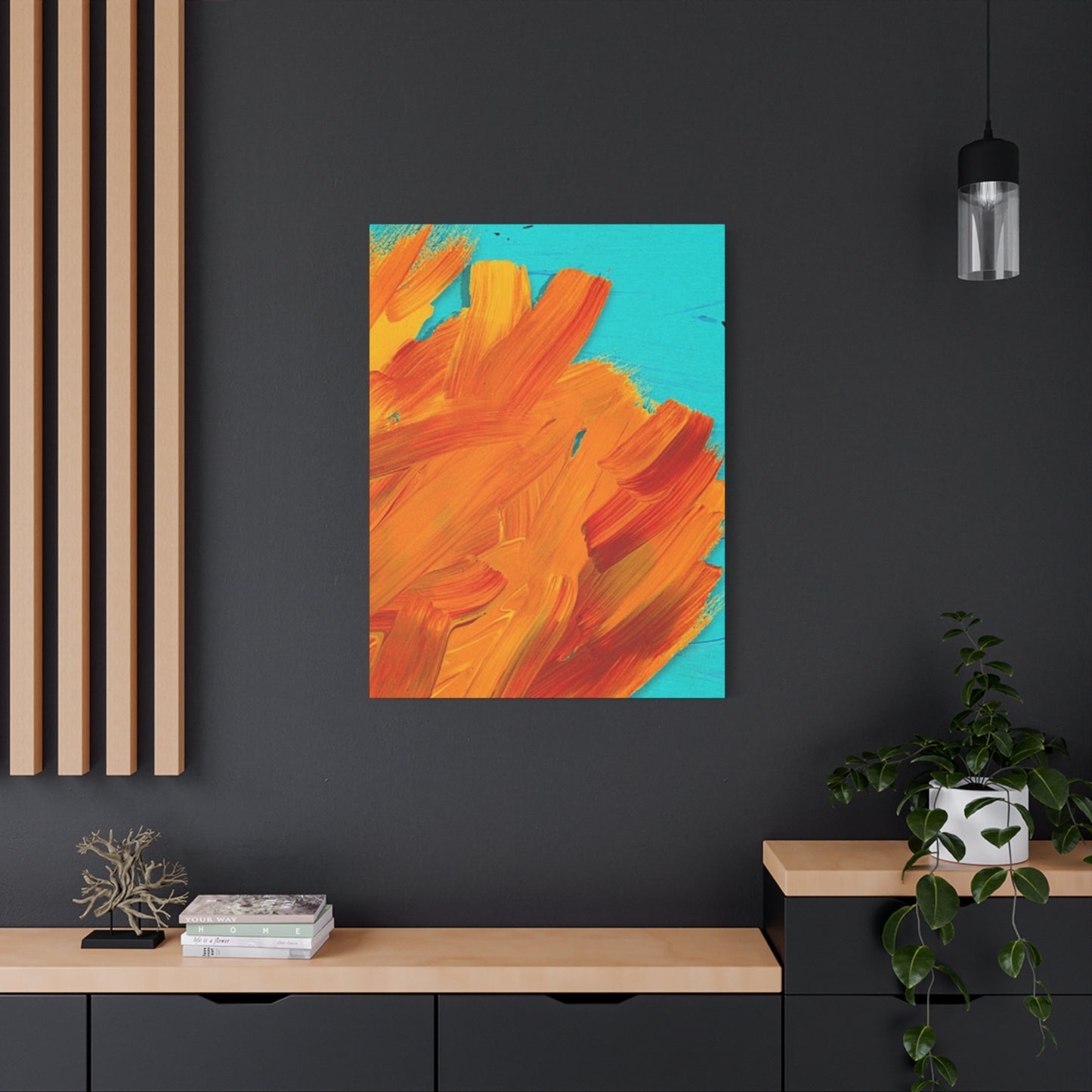
Bright Brush Wall Art & Canvas Prints
Bright Brush Wall Art & Canvas Prints
Couldn't load pickup availability
Transform Your Living Space with Bright Brush Wall Art: A Complete Journey into Modern Home Decor Excellence
The realm of contemporary home decoration has witnessed a remarkable transformation with the emergence of vibrant, hand-crafted pieces that breathe life into mundane spaces. Bright Brush Wall Art represents a pioneering movement in the world of interior aesthetics, combining bold chromatic expressions with masterful stroke work that captivates viewers and transforms ordinary rooms into extraordinary galleries. This artistic phenomenon has revolutionized how homeowners, designers, and art enthusiasts approach the concept of wall decoration, moving beyond traditional framed prints to embrace textured, dimensional pieces that command attention and evoke powerful emotional responses.
The journey into this captivating world begins with understanding the fundamental essence of what makes these creations so compelling. Unlike conventional wall hangings or mass-produced posters, Bright Brush Wall Art embodies a unique fusion of craftsmanship, creativity, and chromatic boldness that sets it apart from every other decorative element available in the market today. Each piece tells a story through its vibrant hues, deliberate brush movements, and the palpable energy that seems to radiate from the canvas itself.
When examining the characteristics that define this artistic genre, we discover a multifaceted approach to visual expression that transcends mere decoration. The term itself encompasses a wide spectrum of styles, from abstract expressionism to contemporary realism, all unified by their commitment to vivid coloration and dynamic brush work. Artists working in this medium demonstrate an exceptional understanding of how pigment interacts with light, creating compositions that appear to shift and transform depending on the time of day, ambient lighting conditions, and viewing angle.
The creation process behind these magnificent pieces involves layers of complexity that casual observers might never appreciate. Master artisans spend countless hours perfecting their technique, learning how different brushes create varied textures, how pigment density affects visual depth, and how color combinations can evoke specific moods or atmospheres. This dedication to craft results in artworks that possess an almost three-dimensional quality, with visible brushstrokes creating tactile surfaces that invite closer inspection and repeated viewing.
One of the most compelling aspects of Bright Brush Wall Art lies in its versatility and adaptability to diverse interior environments. Whether adorning the walls of a minimalist loft apartment, a traditional family home, a corporate office space, or a boutique hotel lobby, these pieces demonstrate an remarkable ability to enhance and complement their surroundings while maintaining their distinctive character. The vibrant color palettes employed by artists working in this genre range from warm, earthy tones that create cozy, inviting atmospheres to cool, electric hues that energize and invigorate spaces.
The psychological impact of surrounding oneself with such vibrant visual stimuli cannot be overstated. Research in environmental psychology has consistently demonstrated that our physical surroundings profoundly influence our mental states, productivity levels, and overall well-being. When we incorporate pieces of Bright Brush Wall Art into our living or working spaces, we're not simply adding decorative elements; we're fundamentally altering the energetic signature of the environment. Vibrant reds and oranges can stimulate creativity and passion, while soothing blues and greens promote tranquility and focus. The dynamic interplay of multiple colors within a single composition can create a balanced environment that supports various activities and moods throughout the day.
Exploring the Diverse Styles and Expressions Found Within Bright Brush Wall Art Collections
The landscape of Bright Brush Wall Art encompasses an astonishing variety of styles, each with its own unique characteristics, aesthetic principles, and emotional resonance. Understanding these different approaches allows collectors and decorators to make informed decisions that align with their personal tastes and the specific requirements of their spaces.
Abstract expressionism represents perhaps the most recognizable and popular category within this artistic movement. Characterized by spontaneous brushwork, emotional intensity, and a rejection of representational accuracy, abstract pieces allow viewers to project their own interpretations and experiences onto the canvas. These works often feature sweeping gestures, energetic splashes of pigment, and dynamic compositions that seem to capture movement frozen in time. The beauty of abstract expressionist Bright Brush Wall Art lies in its ability to mean different things to different people, making each viewing experience unique and personal.
Contemporary realism offers a contrasting approach, combining photographic accuracy with the distinctive texture and vibrancy characteristic of brush-based techniques. Artists working in this style demonstrate extraordinary technical skill, creating images of landscapes, urban scenes, portraits, or still lifes that appear almost lifelike yet retain the unmistakable hand of the creator. The brushstrokes in realistic pieces serve dual purposes: they build recognizable forms while simultaneously adding visual interest through texture and directional movement. This style appeals particularly to those who appreciate representational art but desire something more dynamic and engaging than traditional photography or prints.
Impressionistic interpretations within the Bright Brush Wall Art category draw inspiration from the revolutionary nineteenth-century movement, focusing on capturing the essence and atmosphere of subjects rather than precise details. These pieces often feature visible, deliberate brushstrokes that blend optically rather than physically, creating shimmering effects that change as viewers move or as lighting conditions shift. Color becomes paramount in impressionistic works, with artists carefully selecting hues that interact harmoniously or create intentional contrasts that guide the eye through the composition.
The geometric abstract style has gained considerable momentum in recent years, appealing to those with modern sensibilities and a preference for clean lines and structured compositions. These pieces typically feature bold shapes, sharp edges, and carefully planned color arrangements that create visual harmony through mathematical relationships and proportional balance. Despite their structured nature, geometric Bright Brush Wall Art maintains the textured, hand-crafted quality that distinguishes it from digital or printed alternatives, with visible brushwork adding warmth and humanity to otherwise precise forms.
Mixed media approaches have expanded the possibilities within this artistic realm, incorporating various materials, textures, and techniques into single compositions. Artists might combine traditional painting with collage elements, metallic leaf, textured gels, or even three-dimensional objects that protrude from the canvas surface. These experimental pieces push boundaries and challenge conventional definitions of what wall art can be, offering collectors truly unique statement pieces that spark conversation and admiration.
The color field movement finds vibrant expression within Bright Brush Wall Art, focusing on large areas of solid or subtly modulated color that create immersive visual experiences. These pieces often feature minimalist compositions where color itself becomes the subject, with careful attention paid to hue relationships, saturation levels, and tonal variations. Despite their apparent simplicity, color field works require exceptional technical skill to achieve the smooth, even surfaces or subtle gradations that characterize the style, with brushwork that remains visible upon close inspection but reads as unified fields from a distance.
Expressionistic figurative works combine human or animal forms with the bold, emotional brushwork characteristic of this artistic movement. These pieces often distort or exaggerate their subjects to convey specific feelings or messages, using color and stroke quality as expressive tools rather than merely descriptive ones. The figures in such works might be rendered with loose, gestural marks that suggest form and movement rather than defining every detail, creating powerful images that resonate on an emotional level.
Mastering the Selection Process for Bright Brush Wall Art That Perfectly Complements Your Environment
Choosing the ideal piece of Bright Brush Wall Art for your space involves far more than simply selecting something that catches your eye in a gallery or online catalog. The process requires careful consideration of multiple factors, from practical concerns like size and placement to more subjective elements like personal taste and emotional response.
The dimensions of your chosen artwork play a crucial role in its visual impact and appropriateness for a given space. A common mistake among first-time art buyers involves selecting pieces that are too small for their intended walls, resulting in insignificant accents that fail to make the desired impression. As a general guideline, wall art should occupy between two-thirds and three-quarters of the available wall space above furniture pieces like sofas, beds, or consoles. For standalone walls without furniture, the piece should be large enough to serve as a focal point without overwhelming the room's overall balance.
When working with particularly large or dramatic pieces of Bright Brush Wall Art, consider the viewing distance that will typically separate observers from the artwork. Pieces intended for spacious areas like great rooms, lobbies, or offices should possess sufficient scale to remain visually engaging from across the room, while maintaining interesting details that reward closer inspection. Conversely, artwork destined for intimate spaces like powder rooms, narrow hallways, or reading nooks can be smaller and more detailed, as viewers will naturally be positioned closer to the surface.
The color palette within your selected Bright Brush Wall Art should harmonize with your existing decor while potentially introducing new chromatic elements that elevate the overall scheme. Some decorators prefer artworks that echo the dominant colors already present in the space, creating a cohesive, unified aesthetic. This approach works particularly well in rooms with established color schemes where the artwork serves to reinforce and celebrate existing choices. Alternatively, selecting pieces that introduce complementary or contrasting colors can inject energy and visual interest into neutral or monochromatic spaces, serving as the room's focal point around which other design elements orbit.
The mood and atmosphere you wish to create should heavily influence your selection process. Different styles and color combinations within Bright Brush Wall Art evoke distinct emotional responses and support various activities or functions. Energizing, warm-toned pieces featuring reds, oranges, and yellows work beautifully in social spaces like dining rooms, kitchens, or entertainment areas where you want to promote conversation, appetite, and conviviality. Calming, cool-toned works incorporating blues, greens, and purples prove ideal for bedrooms, bathrooms, or home offices where tranquility and focus are priorities.
Consider the existing architectural features and design elements within your space when selecting Bright Brush Wall Art. Rooms with busy patterns in upholstery, window treatments, or flooring often benefit from simpler, more unified artworks that provide visual relief without adding additional complexity. Conversely, minimalist spaces with clean lines and neutral surfaces can handle and often require more complex, detailed, or vibrant pieces to prevent the environment from feeling sterile or incomplete.
The orientation and composition of your chosen artwork should align with the wall space and surrounding elements. Horizontal pieces naturally complement furniture arrangements, emphasizing width and creating a sense of stability and repose. Vertical works draw the eye upward, making ceilings appear higher and narrow walls seem less constricted. Square formats offer versatility and contemporary appeal, working well in both modern and traditional settings. Some collectors choose to create gallery walls featuring multiple pieces of Bright Brush Wall Art in various sizes, creating dynamic arrangements that tell a more complex visual story.
Lighting considerations deserve careful attention during the selection process, as illumination dramatically affects how artwork appears and changes throughout the day. Natural light brings out the truest colors and reveals subtle textural details in Bright Brush Wall Art, but excessive direct sunlight can cause fading and damage over time. Spaces with limited natural light may benefit from artworks with lighter overall tones or metallic elements that reflect and amplify available illumination. Consider installing dedicated picture lights or adjustable track lighting to properly showcase your investment and ensure optimal viewing conditions regardless of time or weather.
Understanding the Investment Value and Collectibility of Bright Brush Wall Art in Today's Market
The market for Bright Brush Wall Art has experienced remarkable growth over recent years, with collectors, investors, and decorators recognizing both the aesthetic appeal and potential financial value of quality pieces. Understanding the factors that influence pricing and appreciation helps buyers make informed decisions that satisfy both their decorative needs and potential investment objectives.
Original, hand-painted works naturally command premium prices compared to reproductions or prints, with values determined by numerous factors including the artist's reputation, the piece's size, the complexity of execution, and the materials employed. Established artists with exhibition histories, critical recognition, or significant followings can command substantial prices for their work, with values often appreciating steadily over time as their careers progress and their available works become scarcer.
Emerging artists represent an exciting opportunity for collectors willing to trust their own judgment and take calculated risks. Pieces from talented newcomers can often be acquired at accessible price points, with the potential for significant appreciation if the artist's career trajectory follows an upward path. Identifying promising emerging talent requires research, gallery visits, attention to art world trends, and perhaps most importantly, a genuine personal connection to the work itself.
The provenance and exhibition history of individual pieces can significantly affect their value and desirability. Works that have been featured in important exhibitions, published in catalogs or books, or previously owned by notable collectors carry additional prestige that translates to higher valuations. Documentation proving authenticity and ownership history becomes increasingly important for valuable pieces, providing assurance to future buyers and facilitating resale should circumstances require it.
Limited edition pieces occupy an interesting middle ground between unique originals and mass-produced reproductions. Some artists create small runs of hand-finished prints or mixed-media works, each slightly different due to individual embellishments or variations in the creation process. These pieces offer more accessible pricing than one-of-a-kind originals while maintaining a level of exclusivity and handcrafted quality that distinguishes them from unlimited reproductions.
The materials and substrates used in creating Bright Brush Wall Art influence both the initial cost and the work's longevity and stability. Professional-grade canvases, archival paints, and proper preparation techniques ensure that pieces maintain their appearance and structural integrity for decades or centuries. Cheaper materials may result in lower initial prices but can lead to premature deterioration, fading, or damage that diminishes both aesthetic appeal and market value.
Market trends and aesthetic movements influence the collectibility and pricing of different styles within the Bright Brush Wall Art category. Currently, abstract expressionist works and bold, large-scale pieces enjoy strong demand, particularly in urban markets and among younger collectors. However, market preferences shift over time, and truly exceptional works in any style tend to maintain value regardless of temporary trend fluctuations.
Building a cohesive collection of Bright Brush Wall Art requires vision, patience, and often considerable financial resources. Serious collectors typically focus their acquisitions around specific themes, styles, time periods, or artists, creating assemblages that possess greater significance and value than random accumulations of unrelated pieces. This focused approach demonstrates connoisseurship and creates opportunities for scholarly research, exhibition loans, and eventually, significant institutional or private sales.
The secondary market for Bright Brush Wall Art operates through various channels including auction houses, galleries, private dealers, and increasingly, online platforms. Understanding these different venues and their respective advantages helps both buyers and sellers achieve optimal outcomes. Auction houses offer public, transparent sales processes that can generate competitive bidding for desirable works, while private sales through dealers or directly between parties allow for discretion and negotiation flexibility.
Creating Harmonious Interior Schemes by Strategically Incorporating Bright Brush Wall Art
The successful incorporation of Bright Brush Wall Art into existing interior schemes requires thoughtful planning, spatial awareness, and an understanding of design principles that govern visual harmony and balance. Whether starting from scratch with a new space or introducing artwork into an established environment, certain strategies consistently produce pleasing, cohesive results.
Beginning with a focal point approach proves effective in most situations, particularly in living rooms, bedrooms, or dining areas where a single significant piece of Bright Brush Wall Art anchors the room's design. This primary artwork establishes the space's color palette, style direction, and overall aesthetic tone, with subsequent decorating decisions flowing naturally from this central element. Positioning this focal piece at eye level on the room's most prominent wall ensures maximum impact and comfortable viewing.
The concept of visual weight distribution plays a crucial role in achieving balanced, harmonious interiors. Large, dark, or intensely colored pieces of Bright Brush Wall Art possess considerable visual weight and can make walls appear to advance toward viewers. Balancing these substantial elements requires careful attention to the placement of furniture, lighting, and other decorative objects throughout the space. Distributing visual interest evenly prevents rooms from feeling lopsided or uncomfortably weighted toward one area.
Creating rhythm and movement through strategic artwork placement guides the eye through spaces in deliberate, pleasing ways. A series of related pieces or a gallery wall arrangement can establish a visual path that leads viewers from entry points through primary living areas, creating a sense of flow and connection between different zones. The repeated colors, styles, or themes within multiple pieces of Bright Brush Wall Art unify spaces and create cohesive environments that feel intentional rather than haphazard.
Proportion and scale relationships between Bright Brush Wall Art and surrounding furniture require careful consideration. Artwork hung above sofas, beds, or console tables should relate appropriately to the furniture's dimensions, typically spanning fifty to seventy-five percent of the furniture's width. This proportional relationship creates visual connection between elements while maintaining appropriate negative space that prevents the arrangement from feeling cramped or cluttered.
Negative space, or the empty wall area surrounding artwork, serves crucial functions in interior design despite being literally nothing. Adequate breathing room around pieces of Bright Brush Wall Art allows them to stand out clearly, prevents visual confusion, and contributes to an overall sense of spaciousness and sophistication. Overcrowding walls with too many pieces or positioning artwork too close to architectural features like doorways, windows, or ceiling lines creates chaotic, uncomfortable environments that diminish the impact of individual works.
The relationship between Bright Brush Wall Art and window treatments deserves attention during planning phases. Curtains, blinds, or shades that overlap or visually compete with nearby artwork create problematic situations where neither element receives proper appreciation. When possible, position significant pieces on solid wall sections away from windows, or coordinate window covering styles and colors to complement rather than clash with adjacent art.
Symmetrical arrangements create formal, traditional atmospheres well-suited to classic interior styles. Matching pairs of Bright Brush Wall Art flanking a fireplace, bed, or central architectural feature establish order and balance that feels stable and intentional. This approach works particularly well in spaces with existing symmetry in their architecture or furniture placement.
Asymmetrical groupings offer more contemporary, dynamic alternatives that inject energy and visual interest into spaces. These arrangements require more careful planning to achieve balance without symmetry, considering the visual weight, color intensity, and size of each component. Successful asymmetrical displays feel intentionally composed rather than randomly assembled, with elements that clearly relate to one another through shared colors, themes, or styles.
Proper Hanging Methods and Display Considerations for Bright Brush Wall Art
The physical installation of Bright Brush Wall Art involves more complexity than many homeowners initially anticipate, with proper hanging techniques ensuring both optimal visual presentation and long-term preservation of valuable pieces. Understanding these practical considerations prevents damage to both artwork and walls while creating professional-quality displays.
Determining the correct hanging height constitutes the most common challenge in art display, with the standard rule suggesting that the center of the artwork should rest at fifty-seven to sixty inches from the floor. This measurement corresponds to average eye level in galleries and museums, positioning pieces for comfortable viewing by standing observers. However, this guideline requires adjustment in certain situations: artwork intended for viewing primarily while seated should hang slightly lower, while pieces in rooms with unusually high ceilings might benefit from positioning that responds to the room's vertical scale rather than strict adherence to standard measurements.
The hardware and hanging systems employed must provide adequate support for the weight and size of each piece of Bright Brush Wall Art. Lightweight works on stretched canvas can often be supported by simple picture hooks with nails, while heavier pieces, especially those with substantial frames or those created on rigid panels, require more robust solutions. Wall studs provide the strongest anchor points when available, accommodating heavy artworks through the use of wood screws or heavy-duty anchors. In situations where stud placement doesn't align with desired artwork positioning, high-quality wall anchors rated for appropriate weight loads offer secure alternatives in drywall or plaster.
Wire hanging systems offer flexibility and adjustment capabilities that prove valuable when fine-tuning artwork placement. Professional-grade braided wire attached to secure D-rings or eye screws on the back of frames allows for minor leveling adjustments after hanging and distributes weight evenly across attachment points. The wire should be strung tightly enough to remain relatively taut under the artwork's weight but with sufficient slack to accommodate the hook or nail from which it hangs.
French cleat systems represent the gold standard for hanging heavy or valuable pieces of Bright Brush Wall Art, providing maximum security and easy removal when necessary. These two-part systems consist of matching beveled strips mounted to both the wall and the artwork's back, interlocking to create incredibly strong, stable displays. French cleats excel in situations where pieces might need periodic removal for cleaning, lending, or rotation within a collection.
Grouping multiple pieces of Bright Brush Wall Art into gallery walls or clustered arrangements requires advance planning to achieve professional results. Creating templates from paper or cardboard cut to each piece's exact dimensions allows for experimentation with various arrangements without putting unnecessary holes in walls. Laying out the complete arrangement on the floor before hanging helps visualize the final result and make adjustments to spacing, alignment, and composition. When hanging gallery walls, work from the center outward, establishing the core pieces first before adding surrounding elements.
Spacing between multiple pieces in grouped arrangements typically ranges from two to four inches, with tighter spacing creating more unified, contemporary presentations and wider spacing producing traditional, formal effects. Maintaining consistent spacing throughout an arrangement creates visual rhythm and professionalism, while varied spacing can appear unintentional and sloppy unless deliberately composed to create specific effects.
The security of valuable Bright Brush Wall Art merits consideration, particularly in homes with active children, pets, or in earthquake-prone regions. Museum putty or wax applied at frame corners prevents shifting during minor tremors or bumps, while security cables and locks offer protection against theft in high-value collections. Acrylic glazing provides protection from UV damage and physical impacts while being lighter and safer than traditional glass, an important consideration for large pieces or homes with safety concerns.
Lighting specifically designed for artwork illumination dramatically enhances the visual impact and proper appreciation of Bright Brush Wall Art. Picture lights mounted directly to frames or walls above artwork provide focused illumination that reveals colors, textures, and details while creating dramatic nighttime displays. Track lighting systems offer flexibility for illuminating multiple pieces or adjusting light positions as collections evolve. When installing any lighting, ensure that heat output remains minimal and that bulbs don't emit damaging UV radiation that can fade pigments over time.
Preserving and Protecting Your Investment in Bright Brush Wall Art for Generations
Proper stewardship of Bright Brush Wall Art ensures that these valuable pieces maintain their appearance, structural integrity, and market value for decades or even centuries. Understanding the enemies of art preservation and implementing appropriate protective measures safeguards your investment against preventable damage and deterioration.
Environmental conditions within display spaces profoundly affect the longevity of Bright Brush Wall Art. Temperature fluctuations cause expansion and contraction of canvas, wood panels, and frame materials, potentially leading to cracks, warping, or separation of paint layers from their substrates. Maintaining stable temperatures between sixty-five and seventy-five degrees Fahrenheit minimizes these risks, with consistency being more important than achieving a specific target temperature.
Humidity levels require equally careful monitoring, as excessive moisture encourages mold growth, warping, and paint layer swelling, while overly dry conditions cause brittleness and cracking. Relative humidity between forty and fifty-five percent creates optimal preservation conditions for most Bright Brush Wall Art. Hygrometers provide inexpensive monitoring of humidity levels, alerting collectors to situations requiring intervention through humidification or dehumidification.
Light exposure represents perhaps the greatest threat to the long-term preservation of painted artwork, with both natural sunlight and artificial illumination capable of causing irreversible fading and degradation of pigments and binders. UV radiation proves particularly damaging, breaking down chemical structures in paints and causing colors to shift or lose intensity over time. Positioning valuable pieces away from direct sunlight, using UV-filtering window films or glazing, and limiting exposure to artificial light when spaces aren't in use all contribute to preservation objectives.
Physical protection from accidental damage requires vigilance and sometimes physical barriers. High-traffic areas pose risks from bumps, scratches, or impacts that can damage canvases, frames, or paint surfaces. In homes with young children or pets, consider positioning valuable pieces in less accessible locations or behind furniture that provides physical separation from potential accidents. Some collectors choose to protect particularly vulnerable or valuable pieces with glazing, though this decision involves tradeoffs including altered viewing experiences, added weight, and increased costs.
Regular cleaning using appropriate methods and materials prevents accumulation of dust, grime, and pollutants that can become embedded in paint surfaces or cause gradual deterioration. For most Bright Brush Wall Art, gentle dusting using soft, natural-fiber brushes removes surface particles without risking damage to paint layers or canvas surfaces. Avoid using cloths or dusters that might catch on textured brushstrokes or leave lint behind. More substantial cleaning should be entrusted to professional conservators who possess the expertise and materials to safely remove accumulated soiling without damaging the artwork.
Frame maintenance contributes to overall artwork preservation by ensuring that protective and supportive structures remain intact and functional. Inspect frames periodically for loose corners, degraded glazing seals, or failing hardware that might compromise the artwork's protection or stability. Professional reframing might be necessary when original frames deteriorate beyond repair or when updated materials offer superior protection compared to original mounting.
Documentation of your Bright Brush Wall Art collection serves multiple preservation and practical purposes. Detailed photographs capturing the current condition of each piece provide baseline references for insurance purposes, future conservation work, or sales transactions. Recording dimensions, materials, artist information, acquisition details, and any known exhibition or publication history creates valuable provenance records that enhance pieces' significance and value.
Insurance coverage for valuable art collections requires specific policies beyond standard homeowners insurance, which typically provides insufficient coverage limits or excludes fine art entirely. Specialized fine art insurance policies offer agreed-value coverage that pays predetermined amounts in the event of loss or damage, without depreciation or restrictive conditions. Regular appraisals by qualified professionals ensure that coverage amounts reflect current market values and provide documentation required by insurers.
Conservation consultations from qualified professionals prove valuable for significant or valuable pieces of Bright Brush Wall Art, particularly older works or those showing signs of deterioration. Conservators can assess condition, recommend preventive measures, perform stabilization treatments when necessary, and provide guidance on optimal display and storage conditions. Establishing relationships with reputable conservators before problems arise ensures access to expertise when needs occur.
Exploring Current Movements and Emerging Directions in Bright Brush Wall Art Creation
The contemporary landscape of Bright Brush Wall Art continues evolving, with artists exploring new directions, techniques, and conceptual approaches that expand the boundaries of this vibrant medium. Understanding these current movements and emerging trends provides insight into where the form is heading and what tomorrow's collectible masterpieces might look like.
The resurgence of interest in gestural abstraction has brought renewed attention to spontaneous, energetic brushwork that captures movement and emotion rather than representing recognizable subjects. Contemporary artists working in this mode draw inspiration from mid-century abstract expressionists while bringing fresh perspectives shaped by current cultural contexts. These works often feature large-scale formats, bold color combinations, and dynamic compositions that demand attention and create powerful focal points in contemporary interiors.
Minimalist approaches within Bright Brush Wall Art demonstrate that simplicity and restraint can produce equally powerful visual statements. Artists working in minimalist modes reduce compositions to essential elements, focusing on subtle color relationships, refined brushwork, and carefully considered negative space. These pieces appeal to collectors with modern sensibilities who appreciate understated elegance and contemplative viewing experiences over immediate visual drama.
The incorporation of metallic elements has become increasingly prevalent in contemporary Bright Brush Wall Art, with artists using gold, silver, copper, or bronze leaf alongside traditional pigments to create pieces that literally shimmer and change as lighting conditions shift. These metallic components add luxury, visual interest, and a connection to historical art-making traditions while remaining thoroughly modern in their execution and aesthetic impact.
Textural experimentation pushes the boundaries of what paint can do, with artists building up thick impasto surfaces, creating relief effects, or incorporating unconventional materials into painted surfaces. These highly dimensional works blur lines between painting and sculpture, offering tactile qualities that invite close inspection and create dramatic shadows that change throughout the day as light angles shift.
The palette knife has experienced a renaissance as artists discover or rediscover this tool's capacity for creating distinctive marks, textures, and effects impossible to achieve with brushes alone. Palette knife paintings within the Bright Brush Wall Art category feature characteristic flat planes, sharp edges, and built-up ridges of paint that create vigorous, immediate visual impressions. This technique proves particularly effective for landscape, cityscape, and abstract subjects where bold, simplified forms replace detailed rendering.
Digital tools have begun infiltrating the creation process for some Bright Brush Wall Art, not replacing traditional methods but augmenting them through preliminary compositional studies, color testing, or reference image manipulation. This hybrid approach allows artists to experiment extensively before applying paint to canvas, reducing wasted materials and time while maintaining the irreplaceable qualities of hand-painted final works.
Environmental consciousness has influenced both the materials artists choose and the subjects they depict in Bright Brush Wall Art. Many contemporary creators prioritize sustainable, non-toxic paints and materials, while others address environmental themes through their imagery, creating works that celebrate natural beauty or comment on ecological challenges. This consciousness resonates with collectors who seek to align their purchases with personal values.
Cultural diversity and global influences have enriched the vocabulary of Bright Brush Wall Art as artists from varied backgrounds bring unique perspectives, color sensibilities, and compositional approaches to the medium. This diversification has expanded the range of aesthetics available to collectors and introduced motifs, patterns, and symbolic elements from various traditions into contemporary practice.
The accessibility of social media and online galleries has democratized both the creation and collection of Bright Brush Wall Art, allowing emerging artists to build followings and sell work directly to collectors worldwide without traditional gatekeepers. This shift has introduced fresh talent to the market while allowing collectors to discover artists they might never encounter through conventional gallery systems.
Street art and graffiti aesthetics have migrated from urban walls into fine art contexts, with many Bright Brush Wall Art pieces incorporating spray paint techniques, bold typography, or urban imagery that references these vernacular traditions. This crossover brings raw energy and contemporary relevance to works that appeal particularly to younger collectors and those seeking art that feels connected to current cultural moments.
Understanding the Distinct Characteristics That Define Authentic Bright Brush Wall Art Quality
Discerning quality in Bright Brush Wall Art requires developing an educated eye capable of recognizing the hallmarks of skilled craftsmanship, superior materials, and artistic vision that separate exceptional pieces from mediocre ones. Understanding these quality indicators empowers collectors to make confident acquisition decisions and appreciate the work that goes into creating outstanding pieces.
The surface quality of Bright Brush Wall Art immediately reveals much about the level of skill and care invested in its creation. Quality pieces exhibit deliberate, confident brushwork where every stroke serves a purpose within the composition, whether building form, creating texture, or directing the viewer's eye. Hesitant, muddy, or overworked areas suggest inexperience or lack of vision, while surfaces that appear fresh and spontaneous despite requiring substantial time to execute demonstrate true mastery.
Color relationships within quality Bright Brush Wall Art show sophisticated understanding of how hues interact, contrast, and harmonize. Skilled artists select palettes that create desired moods and visual effects, avoiding combinations that create unfortunate optical vibrations or that simply don't work together aesthetically. The ability to mix custom colors rather than relying exclusively on paints straight from tubes allows artists to achieve subtle chromatic nuances that elevate their work above amateur efforts.
Compositional strength provides the underlying structure that makes Bright Brush Wall Art visually successful regardless of style or subject matter. Quality pieces demonstrate clear focal points, balanced distribution of visual weight, and thoughtful arrangements that guide viewers through the picture plane in satisfying ways. Weak compositions feel aimless or awkward, failing to hold attention or deliver coherent visual messages despite potentially attractive color or brushwork.
The quality of materials used in creating Bright Brush Wall Art directly impacts both the immediate appearance and the long-term survival of pieces. Professional-grade stretched canvases maintain proper tension without sagging or warping, while rigid supports made from properly prepared wood panels or other materials provide stable painting surfaces that resist movement and degradation. Artist-quality paints possess higher pigment concentrations, better binders, and superior lightfastness compared to student-grade alternatives, resulting in more vibrant colors that resist fading over time.
Surface preparation, though invisible in finished works, fundamentally affects paint adhesion, color appearance, and longevity. Properly primed canvases or panels provide ideal surfaces for paint application, preventing absorption that would dull colors or cause uneven coverage. The number and quality of primer coats applied before painting begins separate professional practices from shortcuts that compromise finished quality.
Edge treatment on stretched canvas pieces reveals attention to detail and professionalism. Quality Bright Brush Wall Art extends the painted image around canvas edges, eliminating the need for framing while creating finished presentations suitable for immediate display. This gallery-wrap technique requires additional paint and effort but produces far more sophisticated results than unpainted edges or awkward tape lines at canvas margins.
Varnish application provides protection for painted surfaces while enhancing color saturation and creating even sheen across entire pieces. Quality varnishing requires skill to achieve consistent coverage without runs, drips, or cloudy areas, and uses products specifically formulated for fine art that won't yellow or crack over time. Some artists prefer unvarnished surfaces for aesthetic reasons, but when present, varnish quality serves as one indicator of overall craftsmanship.
The back of quality Bright Brush Wall Art often reveals as much about professionalism as the front. Proper labeling including artist names, titles, dates, and materials provides crucial information for future reference. Clean, well-constructed backs with secure hanging hardware demonstrate pride in craft and attention to practical considerations beyond pure aesthetics.
Originality and artistic voice separate derivative work from pieces that genuinely contribute something new to the artistic conversation. While all artists build on traditions and influences, quality Bright Brush Wall Art displays distinctive vision rather than simply copying popular styles or subjects without personal interpretation. This originality makes individual pieces and bodies of work recognizable and gives them lasting significance beyond temporary trend appeal.
The emotional impact and visual presence that quality Bright Brush Wall Art generates cannot be quantified but remains perhaps the most important quality indicator. Exceptional pieces command attention, reward extended viewing, and create emotional resonances that go beyond appreciating technical skill. This ineffable quality separates art that merely decorates from art that genuinely moves viewers and stands the test of time.
Conclusion
The marketplace for Bright Brush Wall Art encompasses numerous venues and platforms, each offering distinct advantages, limitations, and purchasing experiences. Understanding these different acquisition channels helps collectors find pieces that meet their aesthetic preferences, quality standards, and budget constraints while ensuring satisfactory transactions.
Traditional brick-and-mortar galleries remain important sources for quality Bright Brush Wall Art, offering curated selections, expert guidance, and opportunities to view works in person before purchasing. Gallery staff typically possess substantial knowledge about represented artists, can discuss technical aspects of works, and may offer services including professional delivery, hanging, and financing for significant purchases. Established galleries carefully vet artists before representation, providing collectors with confidence regarding quality and authenticity. The gallery experience allows for direct observation of colors, textures, and scale that photographs can never fully convey, making informed decisions easier.
Art fairs and festivals bring together numerous artists and galleries in temporary exhibitions that create unique shopping experiences. These events offer opportunities to compare multiple artists' work side-by-side, discover emerging talent, and sometimes negotiate directly with artists. Major urban art fairs showcase established and mid-career artists, while regional festivals often feature local talent at accessible price points. The concentrated nature of these events allows efficient exposure to vast amounts of work, though the hectic, crowded environments can make careful consideration challenging.
Artist studios provide the most direct acquisition channel, allowing collectors to purchase Bright Brush Wall Art directly from creators. Studio visits offer unparalleled opportunities to view artists' complete bodies of work, see pieces in progress, and develop relationships with the people behind the art. Many artists welcome studio visits by appointment, offering insights into their processes and thinking that deepen appreciation for finished works. Direct purchases often involve lower prices than gallery transactions since artists retain the full sale amount rather than sharing proceeds with representatives.
Online marketplaces have dramatically expanded access to Bright Brush Wall Art, connecting artists and collectors across geographic boundaries through dedicated art platforms, auction sites, and social media. These digital venues provide enormous selection, advanced search and filtering capabilities, and competitive pricing due to reduced overhead compared to physical galleries. However, online purchases involve buying works based on photographs rather than direct observation, requiring trust in accurate representations and carefully worded return policies in case pieces don't meet expectations upon arrival.
Share