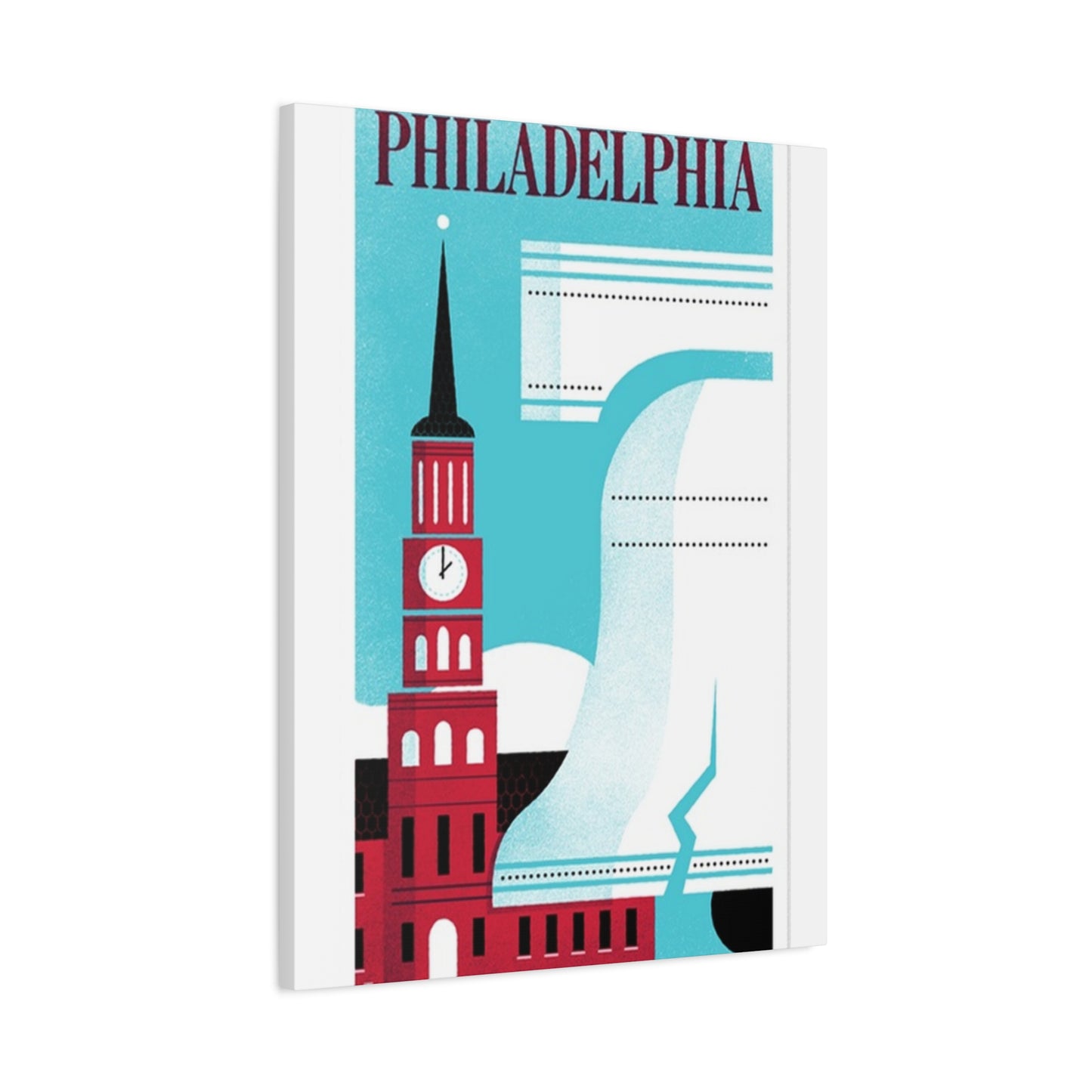
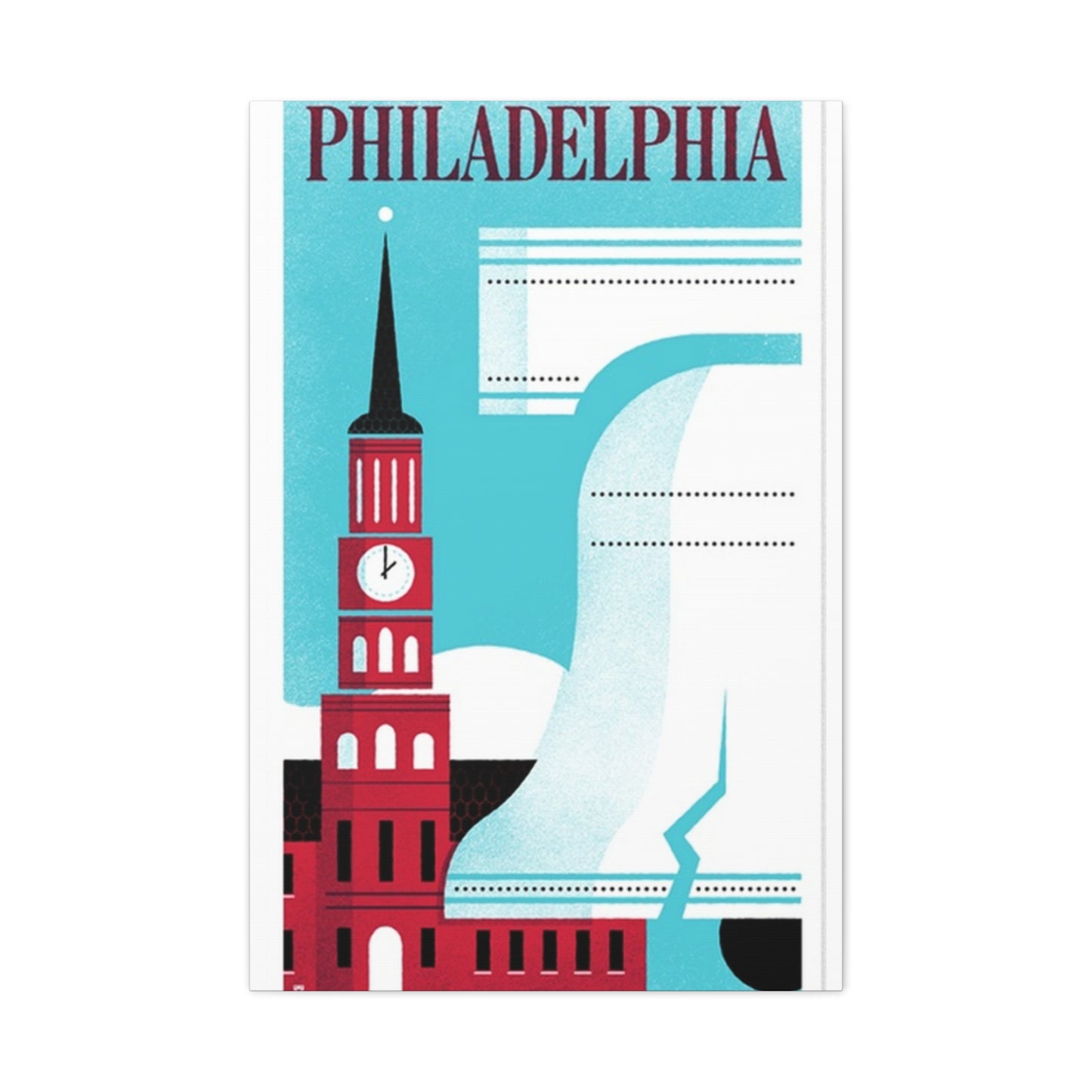
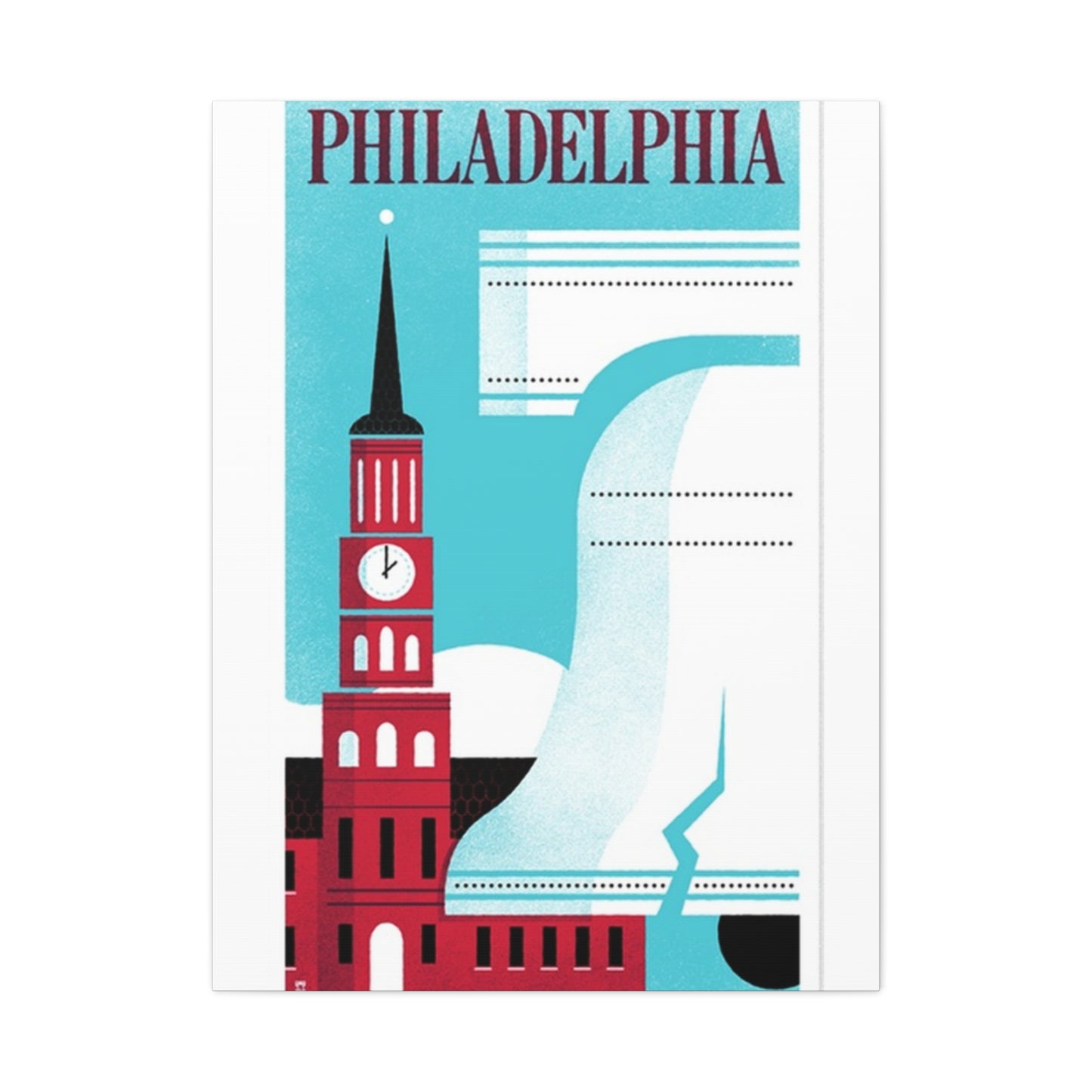
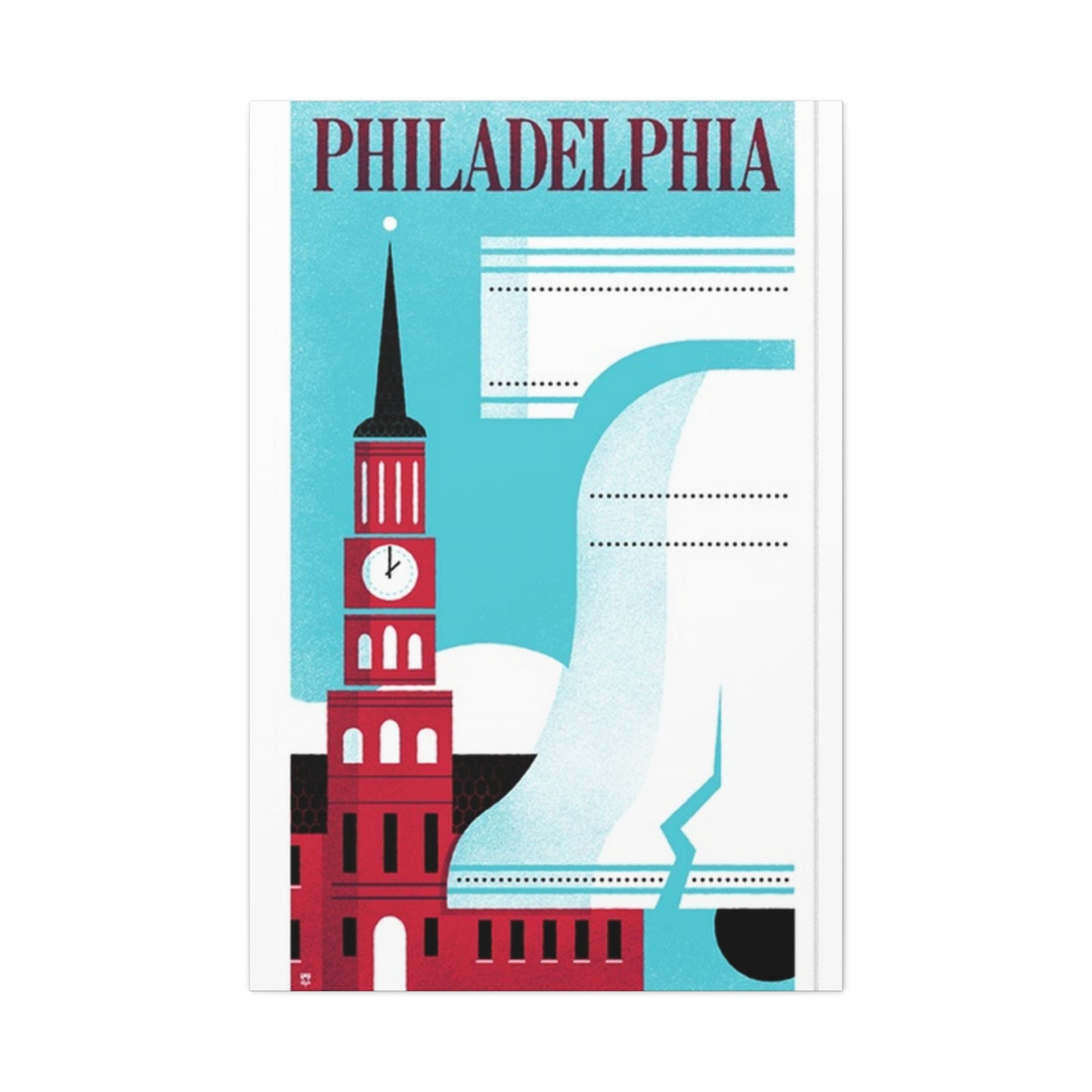
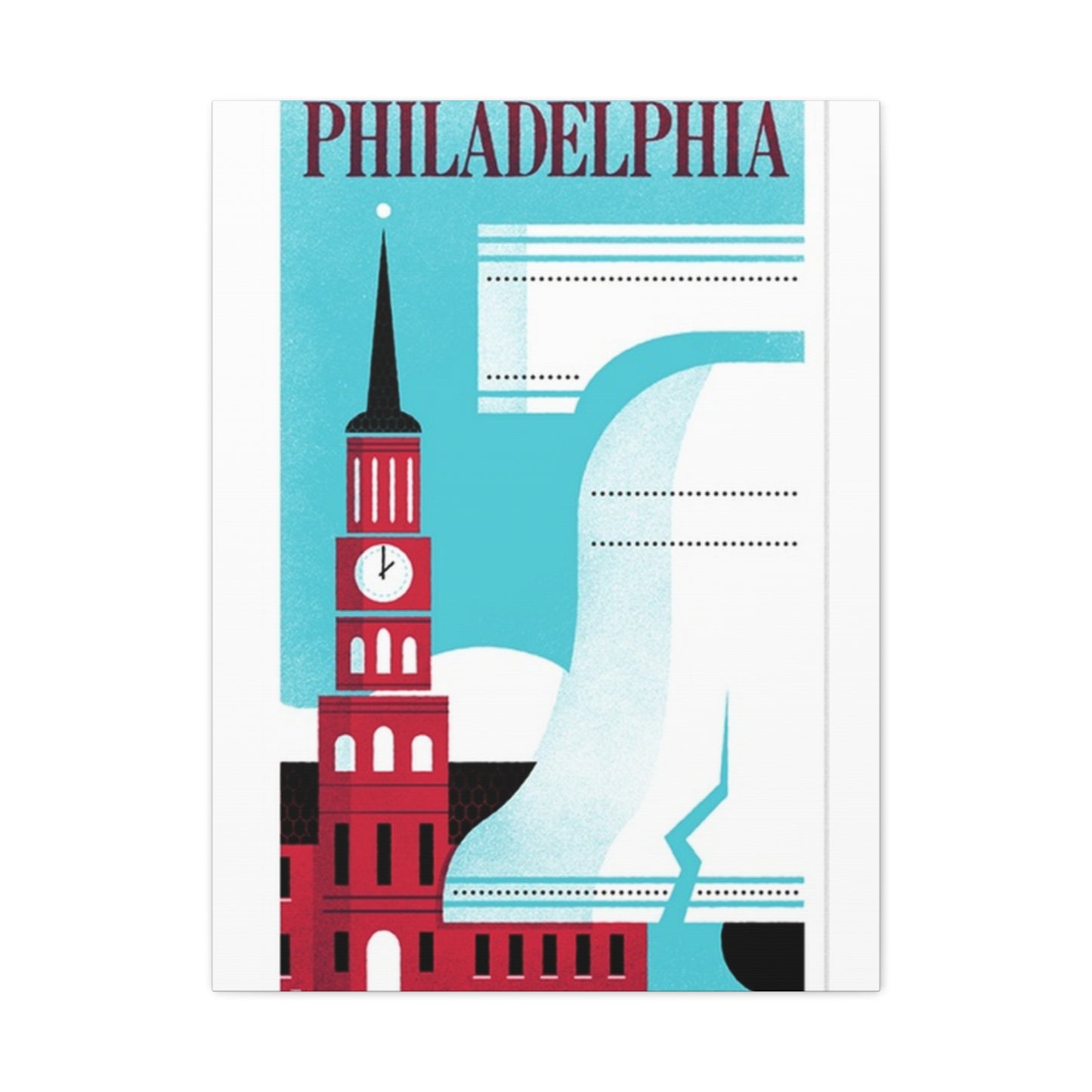
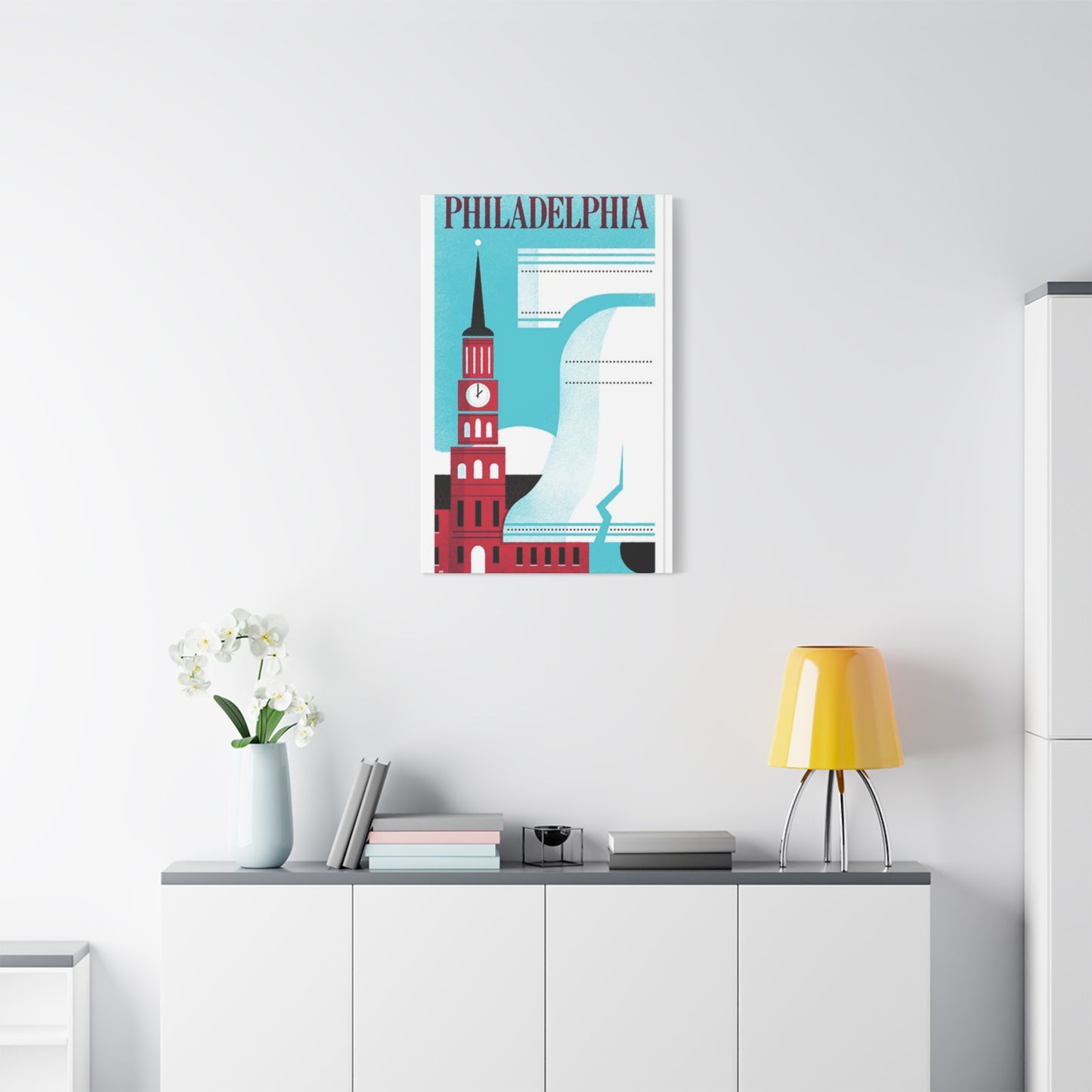
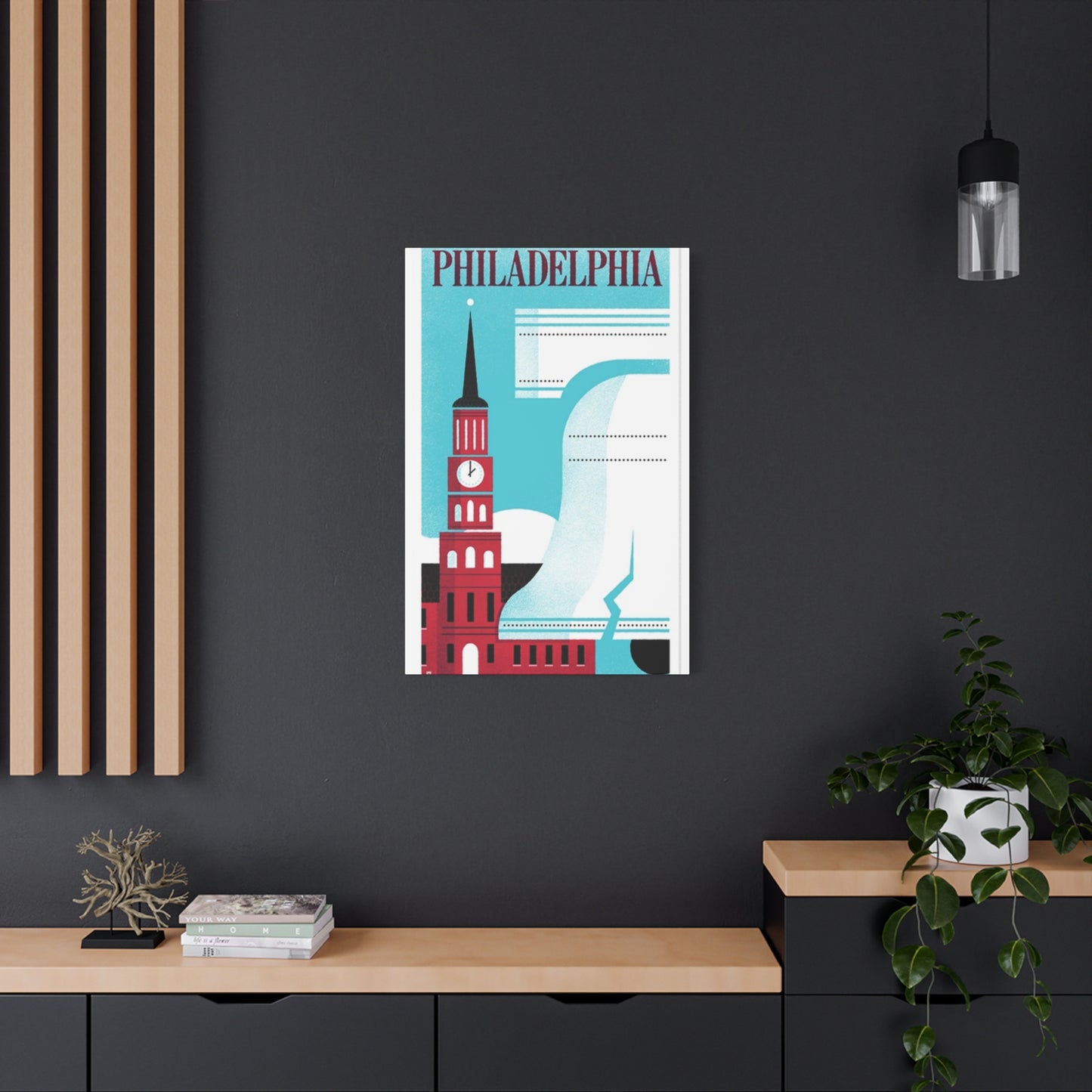
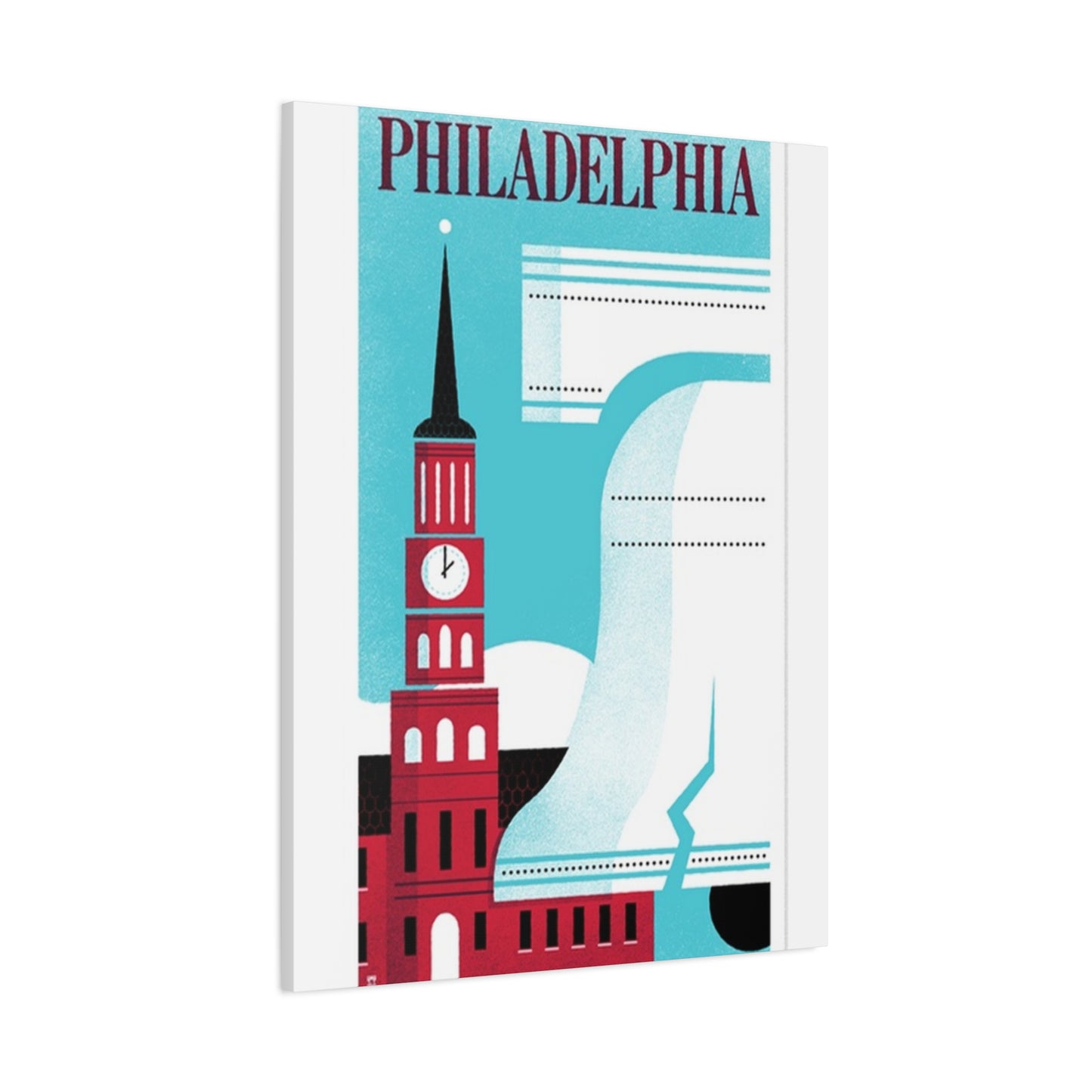
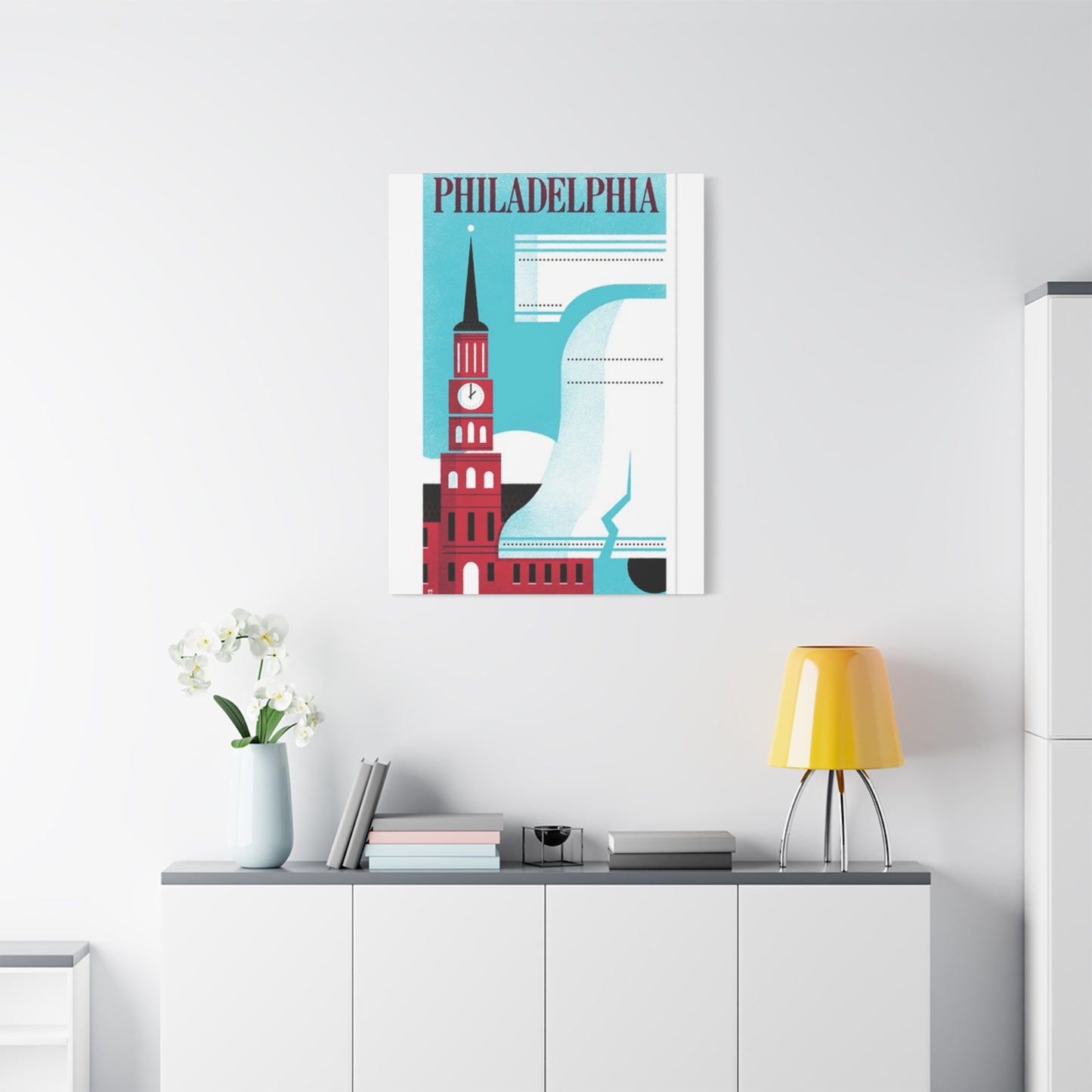
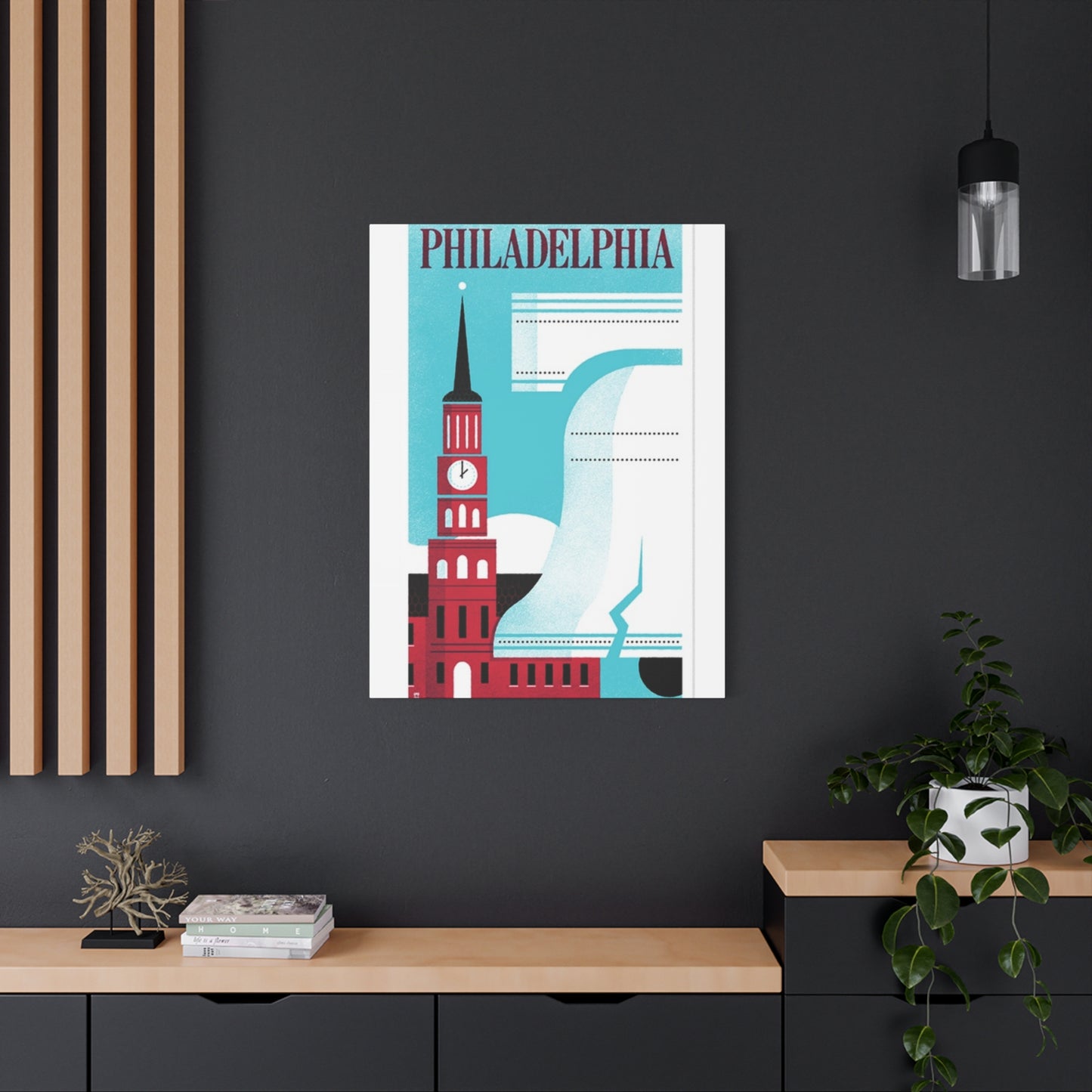
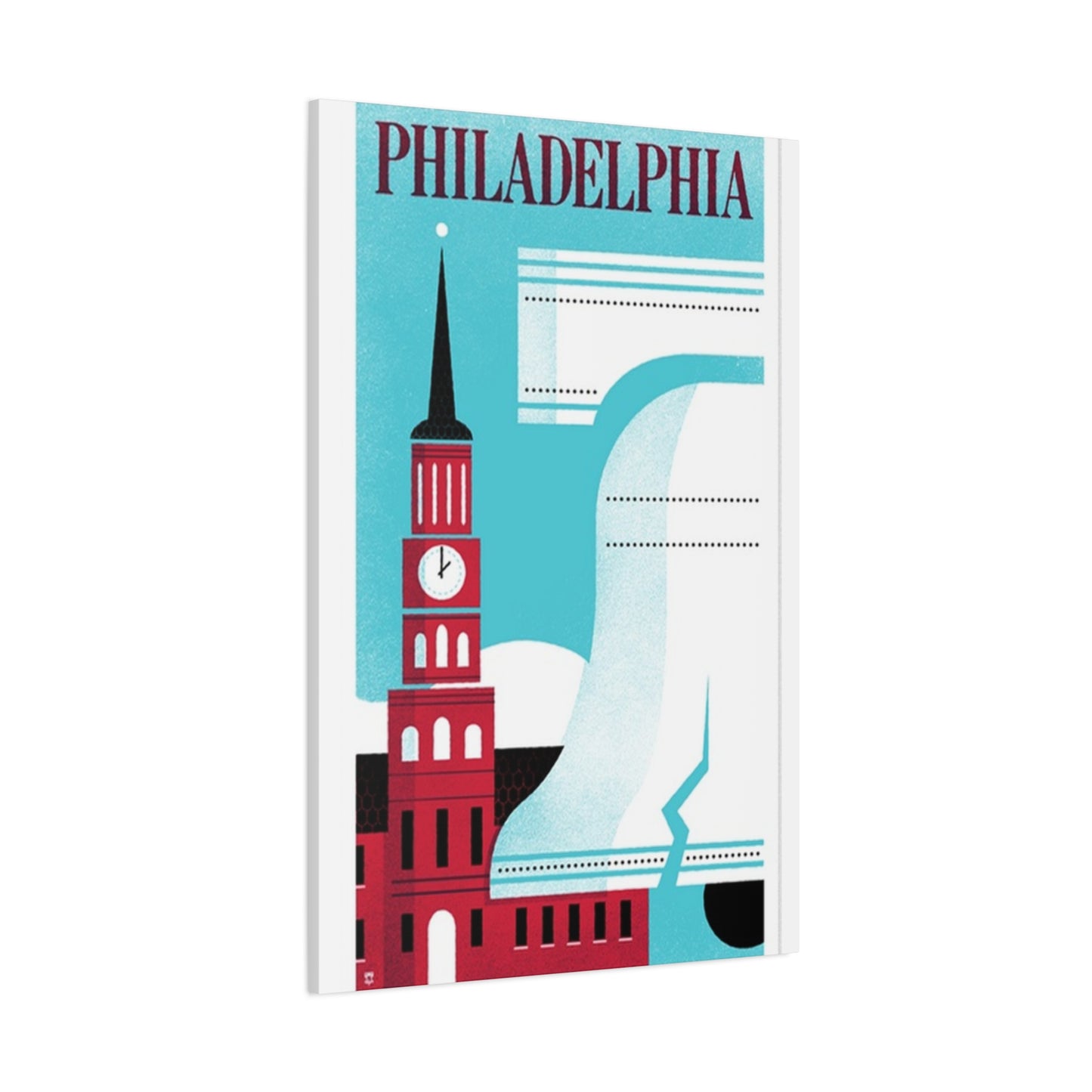
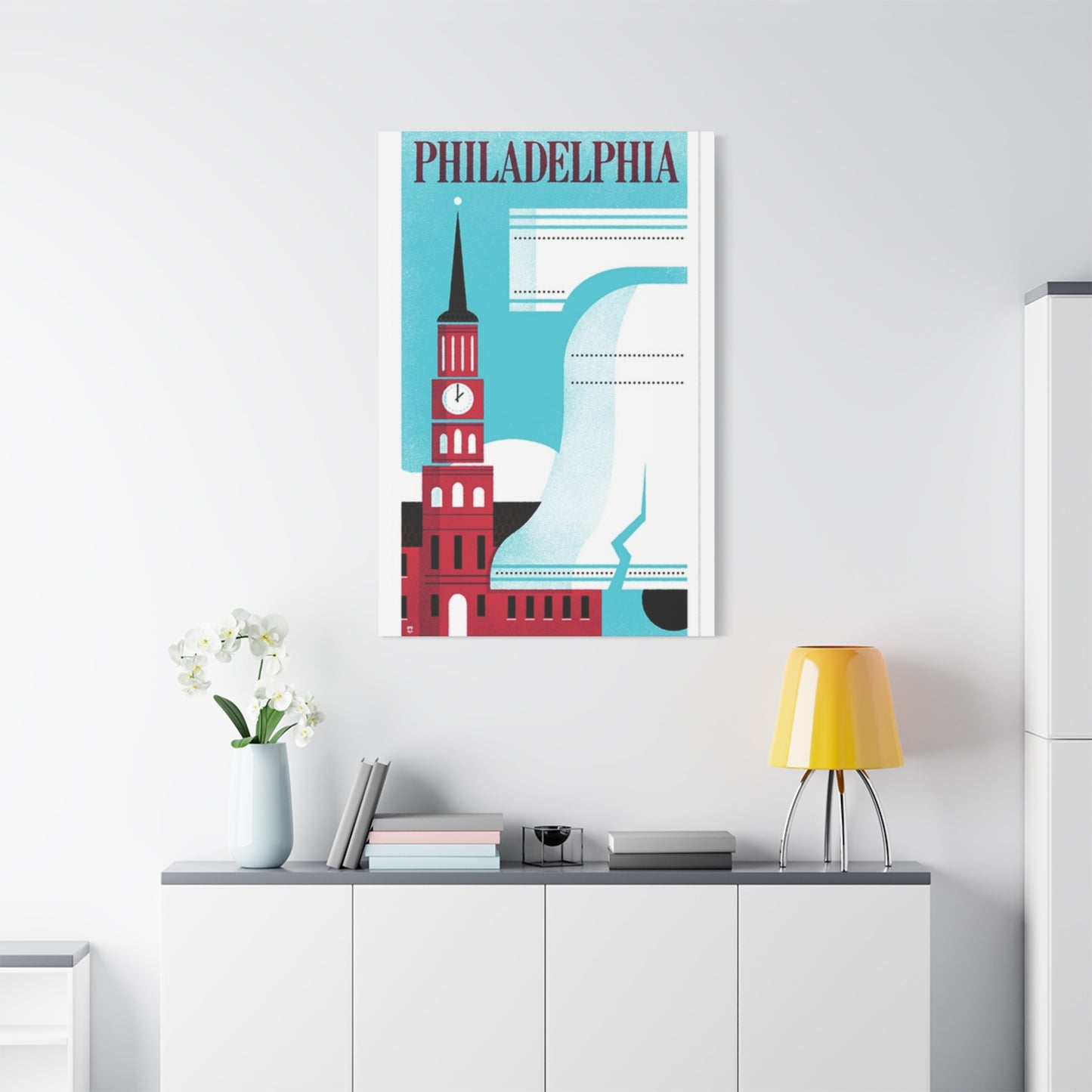
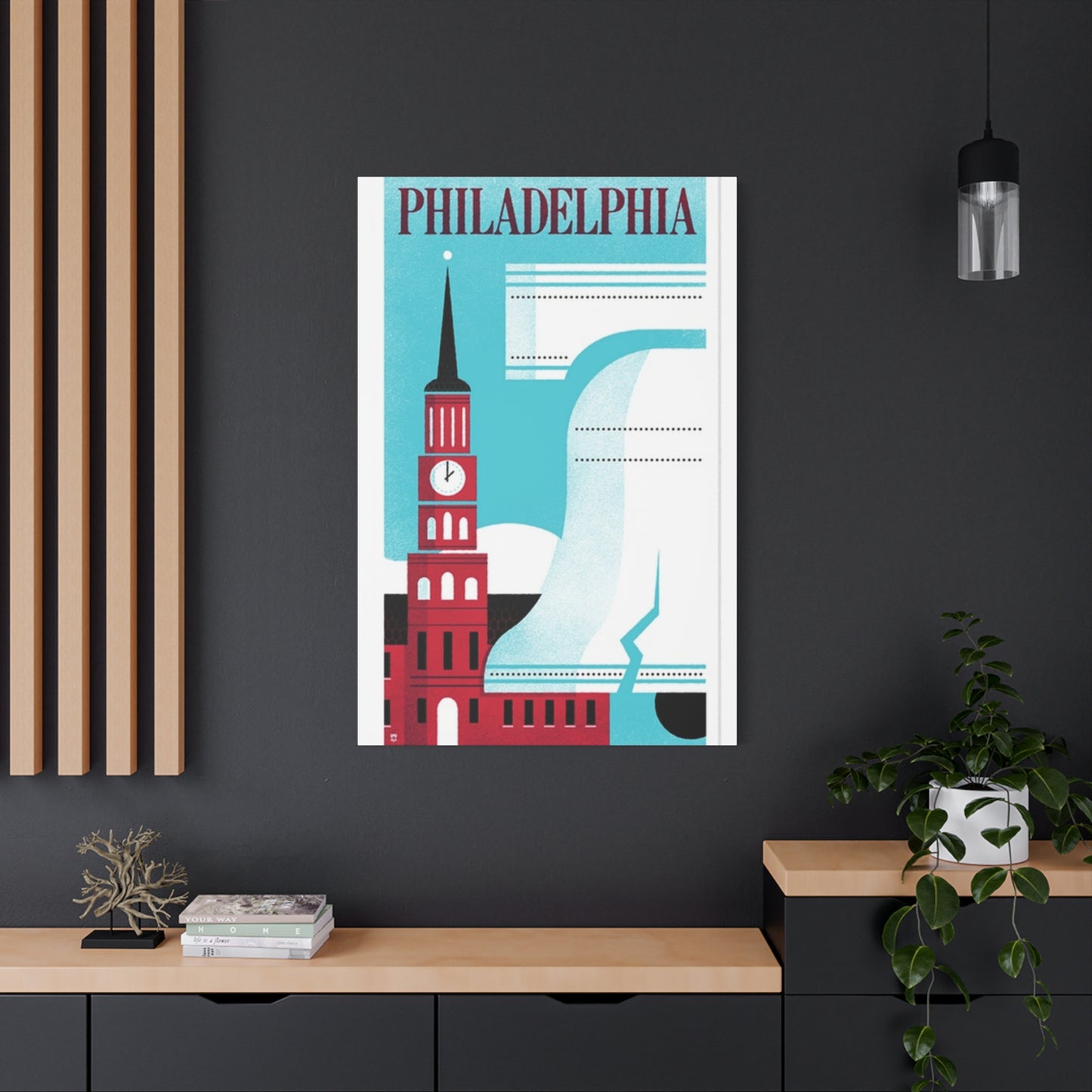
Breathless City Philadelphia Poster Wall Art & Canvas Prints
Breathless City Philadelphia Poster Wall Art & Canvas Prints
Couldn't load pickup availability
Breathless City Philadelphia Poster Wall Art: Your Journey Through Urban Expression and Visual Storytelling
The vibrant streets of Philadelphia have long served as a canvas for artistic expression, where every corner tells a story through visual elements that capture the soul of urban life. When considering wall decorations that embody metropolitan energy, the concept of breathless city imagery emerges as a powerful medium for transforming living spaces into personal galleries. This form of visual representation goes beyond mere decoration, creating an immersive experience that connects viewers with the pulse of urban environments.
Philadelphia stands as one of America's most historically rich cities, where colonial architecture meets modern skyscrapers, creating a unique visual tapestry that inspires countless artists and photographers. The interplay between old and new generates a dynamic energy that translates beautifully into wall-mounted visual pieces. These artistic creations serve as windows into the metropolitan experience, capturing moments of stillness within the chaos, serenity amid the noise, and beauty within the concrete jungle.
The phenomenon of urban-inspired wall decorations has evolved significantly over recent decades, moving from simple photographic prints to sophisticated artistic interpretations that blend multiple mediums and styles. Contemporary creators now employ various techniques to capture the essence of city life, from dramatic lighting that emphasizes architectural details to abstract compositions that convey the emotional impact of metropolitan living. Each piece becomes a conversation starter, a focal point that draws the eye and sparks imagination.
When selecting visual pieces that represent Philadelphia's breathless qualities, one encounters an array of choices that span different artistic movements and stylistic approaches. Some works focus on the iconic landmarks that define the city's skyline, while others capture the intimate moments of street life that give Philadelphia its unique character. The diversity of available options ensures that every enthusiast can find pieces that resonate with their personal aesthetic preferences while celebrating the city's distinctive atmosphere.
Exploring the Visual Language of Metropolitan Landscapes and Their Impact on Interior Spaces
The visual language of urban landscapes speaks to something fundamental in human experience—our relationship with the built environment and the communities we create within it. Philadelphia's unique character, shaped by centuries of history and cultural evolution, provides endless inspiration for artistic interpretation. The city's neighborhoods each possess distinct personalities, from the cobblestone streets of Old City to the vibrant murals adorning South Philadelphia's walls, creating a rich tapestry of visual opportunities.
Understanding how metropolitan imagery affects interior spaces requires consideration of multiple factors, including color psychology, spatial dynamics, and emotional resonance. Large-scale visual pieces depicting cityscapes can dramatically alter the perceived dimensions of a room, creating depth and expansiveness even in compact spaces. The careful selection of hues and tones within these works influences mood and atmosphere, with cool blues and greys evoking tranquility, while warm oranges and reds inject energy and vitality.
The composition of urban-themed visual pieces plays a crucial role in their effectiveness as decorative elements. Photographers and artists who specialize in metropolitan imagery understand the importance of balance, leading lines, and focal points in creating works that capture attention without overwhelming viewers. The strategic placement of architectural elements, human figures, and natural features within the frame guides the eye through the piece, creating a visual journey that mirrors the experience of navigating city streets.
Philadelphia's architectural diversity provides particularly compelling subject matter for visual artists. The juxtaposition of colonial-era buildings against modern glass and steel structures creates visual tension that translates powerfully in two-dimensional representations. Gothic revival churches stand alongside contemporary performance venues, while historic rowhouses line streets that lead to gleaming corporate towers. This architectural eclecticism generates endless compositional possibilities for artists seeking to capture the city's essence.
Transforming Living Environments with Carefully Selected Urban Visual Elements
The process of incorporating metropolitan visual elements into residential or commercial spaces involves more than simply hanging decorations on walls. It requires thoughtful consideration of how these pieces interact with existing design elements, furniture arrangements, and lighting conditions. A well-chosen piece depicting Philadelphia's urban landscape can serve as the anchor for an entire room's design scheme, influencing color choices, material selections, and spatial organization.
Scale considerations prove essential when selecting wall-mounted visual pieces for different spaces. Larger rooms with high ceilings can accommodate expansive works that showcase sweeping panoramic views of city skylines, while more intimate spaces benefit from focused compositions that highlight specific architectural details or street scenes. The relationship between the size of the visual piece and the dimensions of the wall it occupies creates either harmony or discord, making careful measurement and planning crucial steps in the selection process.
The texture and materiality of the substrate upon which urban imagery is presented significantly impacts its visual impact and longevity. Canvas prints offer a traditional aesthetic with subtle texture that adds depth to photographic images, while metal prints provide a contemporary edge with vibrant color reproduction and inherent durability. Paper-based prints mounted behind acrylic or glass create a gallery-quality presentation that protects the image while adding dimensional interest through the layering of materials.
Framing choices further influence how metropolitan visual pieces integrate into interior environments. Simple, clean-lined frames in neutral tones allow the imagery to command attention without distraction, while ornate frames can add a layer of historical context or artistic interpretation. The decision between framed and frameless presentations depends on the overall aesthetic goals and the specific characteristics of the space being decorated.
Navigating the Diverse Styles and Interpretations of Urban Visual Storytelling
Metropolitan imagery encompasses a vast spectrum of artistic styles, each offering unique perspectives on city life and architectural beauty. Photorealistic representations capture specific moments in time with documentary precision, preserving the authentic appearance of streets, buildings, and urban activities. These works appeal to viewers who appreciate the raw honesty of unmanipulated imagery and seek to bring tangible aspects of city life into their personal spaces.
Abstract interpretations of urban environments offer alternative approaches to representing metropolitan energy. Through the manipulation of form, color, and composition, artists create works that evoke the feeling of city life rather than literally depicting it. Blurred motion suggests the constant movement of urban existence, while fragmented architectural elements represent the complexity and layered nature of metropolitan spaces. These abstract pieces often generate stronger emotional responses than literal representations, connecting with viewers on intuitive rather than intellectual levels.
Impressionistic approaches to urban imagery bridge the gap between photorealism and abstraction, capturing the essential character of city scenes while allowing for artistic interpretation. Soft focus, enhanced color saturation, and selective detail emphasis create dreamlike qualities that transform familiar urban landscapes into ethereal visions. Philadelphia's historic districts particularly lend themselves to impressionistic treatment, as the romantic quality of gaslit streets and weathered brick facades naturally evokes nostalgia and sentimentality.
Black and white treatments of metropolitan imagery strip away the distraction of color, focusing attention on form, contrast, and tonal relationships. This classic approach to urban photography has enjoyed enduring popularity, as it emphasizes the graphic qualities of architectural elements and the dramatic interplay of light and shadow that defines city spaces. The timeless quality of monochromatic works ensures they remain visually relevant across changing design trends and personal style evolution.
Examining the Cultural Significance of Philadelphia's Urban Visual Identity
Philadelphia's visual identity extends far beyond its famous landmarks and monuments, encompassing the totality of its urban fabric and the cultural narratives embedded within it. The city's role in American history infuses its streetscapes with layered meaning, where every building and public space potentially connects to significant events or movements. This historical depth adds richness to visual representations of Philadelphia, as viewers recognize not just aesthetic beauty but also cultural significance.
The mural arts movement that transformed Philadelphia's neighborhoods beginning in the late twentieth century established the city as a leader in public visual expression. Thousands of large-scale murals cover building facades throughout the metropolitan area, creating the world's largest outdoor gallery. These works address themes ranging from community pride to social justice, from historical commemoration to contemporary cultural celebration. The influence of this mural tradition extends to all forms of Philadelphia-themed visual works, informing compositional approaches and thematic content.
Neighborhood-specific visual identities within Philadelphia create opportunities for localized artistic expression that resonates with residents and visitors familiar with particular districts. The Italian Market's vibrant street life, Rittenhouse Square's elegant urban park, and the Delaware River waterfront's industrial-meets-recreational character each provide distinct visual vocabularies. Artists who focus on these neighborhood-specific qualities create works that celebrate the diversity and complexity of Philadelphia's urban tapestry.
The relationship between Philadelphia's visual identity and its position within the broader American urban landscape deserves consideration. While cities like New York and Chicago dominate discussions of metropolitan imagery, Philadelphia offers a more approachable, human-scale urban experience that many find more relatable. The city's compact downtown core, walkable neighborhoods, and visible history create visual narratives that differ significantly from those generated by larger, more overwhelming metropolitan centers.
Mastering the Practical Aspects of Selecting and Displaying Urban Visual Works
The journey from initial attraction to a metropolitan visual piece through final placement in a living or working environment involves numerous practical considerations. Understanding the quality markers that distinguish superior works from mediocre reproductions helps ensure satisfaction with purchases. Resolution, color accuracy, and printing precision all contribute to the final appearance of photographic or digitally-created urban imagery.
Source image quality fundamentally determines the potential excellence of any reproduction. Works derived from high-resolution photographs captured with professional equipment under optimal conditions will invariably outperform those based on lower-quality source material. The skill of the photographer or artist who created the original image manifests in compositional excellence, proper exposure, and careful attention to technical details that become apparent in large-format reproductions.
Print quality assessment requires examining several factors, including color fidelity, sharpness across the entire image area, and the absence of banding or other digital artifacts. Professional printing processes using archival inks on appropriate substrates ensure longevity and maintain visual excellence over time. The difference between consumer-grade and professional-quality printing becomes immediately apparent when comparing examples side by side, justifying the premium prices commanded by superior reproductions.
The selection of appropriate wall surfaces for mounting urban visual pieces influences both the ease of hanging and the long-term security of the work. Drywall requires proper anchoring with hardware rated for the weight of the piece, while brick or concrete walls demand specialized mounting solutions. The consideration of environmental factors such as direct sunlight exposure, humidity levels, and temperature fluctuations helps protect valuable visual works from premature degradation.
Understanding the Relationship Between Urban Visual Works and Interior Design Philosophies
Contemporary interior design philosophy embraces the integration of meaningful visual elements that reflect inhabitants' personalities, experiences, and aspirations. Metropolitan imagery serves multiple functions within this framework, providing aesthetic pleasure while also communicating something about the occupants' values and interests. The choice to display urban-themed works signals appreciation for architectural beauty, connection to specific places, or identification with metropolitan culture more broadly.
The concept of creating focal points within interior spaces relies heavily on the strategic placement of visually compelling elements. A carefully selected piece depicting Philadelphia's breathless urban landscapes can anchor an entire room, drawing the eye immediately upon entry and establishing the spatial hierarchy. Other design elements then relate to this dominant feature, creating cohesion and intentional flow throughout the space.
Color coordination between wall-mounted visual pieces and surrounding interior elements requires careful attention to achieve harmonious results. While exact matching often creates sterile, overly-controlled environments, the repetition of key hues throughout a space establishes visual connections that feel organic and intentional. Metropolitan imagery typically contains diverse color palettes that offer multiple coordination opportunities, from the warm tones of brick buildings to the cool greys of concrete and steel.
The layering of visual elements at different scales creates depth and interest within interior environments. Large metropolitan scenes might serve as primary focal points, with smaller complementary pieces arranged nearby to create visual conversations. This approach mimics the experience of exploring city streets, where grand architectural statements exist alongside intimate details that reward closer observation.
Investigating the Emotional and Psychological Impact of Metropolitan Visual Elements
The human response to urban imagery operates on multiple levels, engaging both conscious aesthetic appreciation and unconscious emotional reactions. Images of cities trigger memories of personal experiences, associations with cultural narratives, and complex feelings about modern life. Philadelphia-themed works carry specific emotional valences for those who have lived in or visited the city, evoking nostalgia, pride, or curiosity depending on the viewer's relationship with the place.
The psychological concept of prospect and refuge explains part of the appeal of urban imagery. Humans feel drawn to environments that offer both openness and shelter, visibility and privacy. Cityscape images that balance these elements—showing broad vistas while also suggesting intimate corners and hidden spaces—satisfy deep-seated preferences rooted in evolutionary survival strategies. Philadelphia's neighborhoods, with their mix of open squares and enclosed streets, exemplify this balanced quality.
Visual complexity within metropolitan imagery provides cognitive stimulation without overwhelming viewers. The human brain enjoys processing intricate visual information, finding patterns and making sense of complex scenes. Urban environments offer ideal levels of complexity, containing enough detail to remain interesting across repeated viewings while maintaining overall coherence. This quality makes city-themed visual works particularly suitable for spaces where people spend extended periods.
The phenomenon of vicarious travel through visual engagement with urban imagery serves important psychological functions in an increasingly mobile yet often geographically constrained society. Looking at images of Philadelphia's streets and landmarks allows viewers to mentally transport themselves to those locations, experiencing a mild version of the stimulation and novelty that actual travel provides. This virtual exploration satisfies wanderlust and maintains connections to places that hold personal significance.
Analyzing the Economic Landscape of Urban Visual Works and Market Dynamics
The market for metropolitan-themed visual works encompasses everything from mass-produced prints available at modest prices to limited-edition fine pieces commanding substantial sums. Understanding this economic landscape helps buyers make informed decisions aligned with their budgets and collecting goals. The factors that influence pricing include the reputation of the creator, the scarcity of the edition, the quality of materials and printing, and the size of the finished work.
Limited edition prints maintain their value more effectively than open-edition reproductions because scarcity creates demand among collectors. When an artist or photographer issues a numbered, limited run of a particular image, each piece becomes more valuable due to its rarity. Collectors often seek lower-numbered examples within editions, believing these to be more valuable, though this preference has more to do with psychological factors than actual quality differences.
The rise of online marketplaces has democratized access to urban visual works while simultaneously fragmenting the market. Buyers can now easily compare offerings from numerous sellers, often discovering unique pieces that would never appear in traditional galleries. However, the inability to view works in person before purchase introduces uncertainty about actual appearance and quality. Reading detailed descriptions, examining high-resolution preview images, and researching seller reputations all help mitigate these risks.
Investment potential varies widely among different categories of urban visual works. Pieces by established photographers and artists with strong reputations typically maintain value better than anonymous works, though even respected creators experience market fluctuations. Buyers primarily motivated by aesthetic enjoyment rather than financial return face less pressure to select works with proven investment track records, freeing them to choose based on personal preference.
Delving Into the Process of Creating Exceptional Metropolitan Visual Works
The creation of compelling urban imagery requires more than simply pointing a camera at interesting architecture or city scenes. Skilled photographers and artists invest significant time in location scouting, waiting for optimal lighting conditions, and returning to promising sites across different seasons and times of day. The dramatic quality of light during golden hours—shortly after sunrise and before sunset—elevates ordinary scenes into extraordinary visual experiences.
Compositional mastery separates exceptional urban imagery from mundane snapshots. Understanding principles such as the rule of thirds, leading lines, and framing within the frame enables creators to construct images that guide viewers' eyes through the scene in deliberate ways. The placement of horizon lines, the balance of positive and negative space, and the relationship between foreground and background elements all contribute to compositional success.
Post-processing workflows allow photographers and digital artists to refine their captured images, enhancing desirable qualities while minimizing distractions. Adjustments to exposure, contrast, color balance, and saturation help achieve the creator's artistic vision while maintaining a natural appearance. More extensive manipulations might involve removing unwanted elements, combining multiple exposures to expand dynamic range, or applying stylistic filters that transform photographic reality into artistic interpretation.
The decision-making process regarding which images merit full production as finished works involves critical self-assessment and often input from trusted peers or mentors. Not every captured image deserves to become a final product, and the ability to recognize exceptional moments distinguishes successful creators from those who produce adequate but unremarkable work. Philadelphia's visual richness provides abundant opportunities for capturing memorable images, but selecting the strongest examples requires discernment and objectivity.
Revealing the Stories Behind Iconic Philadelphia Urban Visual Moments
Every compelling urban image contains narratives that extend beyond its immediate visual content. The circumstances surrounding the creation of memorable Philadelphia images—the challenges faced by the photographer, the unexpected moments that resulted in perfect shots, or the historical events occurring in captured locations—add depth and meaning to the finished works. These backstories transform simple decorations into conversation pieces with genuine substance.
Philadelphia's architectural landmarks each carry their own stories that inform visual representations. The Gothic Revival magnificence of City Hall, completed in the late nineteenth century, represents an era when public buildings served as monuments to civic pride and democratic ideals. Images capturing this structure's intricate details and commanding presence connect viewers to this historical narrative, making the building more than just an attractive subject.
Street photography captured in Philadelphia's diverse neighborhoods documents the ongoing story of urban life, preserving moments that might otherwise disappear into the flow of time. A vendor arranging produce at the Italian Market, commuters rushing through Suburban Station, or residents gathering in a neighborhood park—these scenes represent the authentic texture of city living. Visual works preserving such moments become valuable cultural documents in addition to appealing decorations.
The transformation of Philadelphia's waterfront from industrial zone to recreational destination illustrates broader patterns of urban evolution occurring in post-industrial American cities. Images documenting various stages of this transformation tell stories about changing economies, shifting priorities, and communities reimagining their relationships with geographic features. Such works function as visual history lessons that educate while they beautify.
Comprehending the Role of Light and Shadow in Urban Visual Excellence
Light determines the quality and character of all visual imagery, but its importance becomes particularly evident in metropolitan photography and visual creation. The way light interacts with architectural surfaces, creating highlights and shadows that emphasize form and texture, separates merely adequate urban images from genuinely exceptional ones. Philadelphia's varied building materials—brick, stone, glass, and metal—each respond differently to light, creating diverse opportunities for visual interest.
The hard-edged shadows cast by strong sunlight define architectural forms with graphic clarity, emphasizing geometric relationships and creating high-contrast scenes with dramatic visual impact. This quality of light works particularly well for capturing modern structures with clean lines and minimal ornamentation, where form itself provides the primary visual interest. The contrast between brightly lit surfaces and deep shadows creates a sense of sculptural depth that translates powerfully into two-dimensional representations.
Overcast conditions produce soft, diffused light that minimizes shadows and creates even illumination across scenes. While some might consider this lighting less dramatic, it offers advantages for capturing architectural details and colors without the distraction of harsh shadows. The muted quality of light on cloudy days can evoke particular moods—contemplative, melancholic, or serene—that suit certain aesthetic intentions and interior design goals.
The blue hour—the period of twilight when the sun has set but darkness has not fully arrived—provides perhaps the most magical lighting conditions for urban imagery. During this brief window, artificial lights begin to glow against a deep blue sky, creating a balance between natural and human-made illumination. Philadelphia's skyline becomes particularly photogenic during this time, as office buildings, street lights, and landmark structures emerge as brilliant points against the darkening atmosphere.
Exploring the Relationship Between Metropolitan Visual Works and Personal Identity
The visual elements people choose to display in their living and working environments communicate aspects of personal identity, whether consciously intended or not. Selecting urban imagery, particularly works depicting specific cities like Philadelphia, signals geographical connections, aesthetic preferences, and values related to metropolitan culture. These choices become part of the visual language through which individuals express themselves and shape how others perceive them.
For individuals with personal connections to Philadelphia—whether through current residence, childhood memories, or significant life experiences—urban imagery serves as a constant reminder of meaningful places and times. A resident who has relocated elsewhere might display such works as a way of maintaining connection to their former home, while a current inhabitant might choose pieces celebrating neighborhoods they frequent or landmarks they pass daily. These personal associations infuse the works with meaning beyond their aesthetic qualities.
The preference for urban versus natural imagery in home decoration reflects fundamental orientations toward different environments and lifestyles. Those who choose metropolitan visual themes typically identify as city people, appreciating the energy, diversity, and cultural richness that urban areas provide. This identification shapes not just decoration choices but also lifestyle preferences, social connections, and life priorities.
Displaying visual works depicting places one aspires to visit or live represents a form of manifestation or goal-setting. Someone who dreams of relocating to Philadelphia might hang urban imagery depicting the city as a daily reminder of this ambition, keeping the goal visually present and psychologically active. The works function as aspirational talismans, maintaining focus on desired futures.
Examining the Intersection of Urban Visual Works and Contemporary Living Spaces
Contemporary residential design increasingly emphasizes open floor plans that create large, undivided spaces requiring thoughtful visual organization. Metropolitan imagery serves important functions within these environments, helping to define distinct zones within open areas while maintaining overall visual coherence. A large piece depicting Philadelphia's urban landscape might anchor a seating area, establishing it as a distinct space within a larger open-concept room.
The minimalist aesthetic that dominates contemporary interior design philosophy pairs surprisingly well with carefully selected urban imagery. Rather than cluttering walls with numerous small pieces, the minimalist approach favors fewer, larger works that command attention and create strong visual statements. A single expansive canvas depicting a breathless city scene aligns perfectly with this philosophy, providing visual interest without violating minimalist principles.
Industrial design elements—exposed brick, concrete surfaces, metal fixtures—create natural affinities with urban visual themes. Spaces incorporating these materials benefit from wall decorations that reinforce rather than contradict their architectural character. Philadelphia's mix of historic industrial buildings and modern structures provides ideal subject matter for such environments, bridging past and present in ways that complement industrial-inspired interiors.
The challenge of decorating rental spaces, where permanent modifications remain forbidden, makes removable visual elements particularly valuable. High-quality urban imagery mounted without damaging walls provides renters with opportunities to personalize temporary homes without risking security deposits. The portability of these works also accommodates the mobile lifestyles characteristic of contemporary urban dwellers who frequently relocate for employment or personal reasons.
Investigating Color Theory Principles in Metropolitan Visual Works
Color relationships within urban imagery significantly impact both aesthetic appeal and emotional resonance. Understanding basic color theory helps viewers appreciate the sophisticated choices that creators make when capturing or constructing metropolitan scenes. The color wheel's complementary pairs—red and green, blue and orange, yellow and violet—create visual tension and vibrancy when juxtaposed within compositions.
Philadelphia's brick architecture introduces warm red and orange tones that dominate many urban scenes depicting the city. These warm hues convey feelings of comfort, energy, and historical continuity, connecting viewers to the city's colonial heritage. When balanced against cooler tones from sky, glass, or distant elements, these warm colors create harmonious compositions that feel both energetic and stable.
Monochromatic color schemes, where variations of a single hue dominate compositions, create unified, cohesive visual experiences. Urban imagery rendered primarily in blues, for instance, evokes coolness, professionalism, and modernity, while sepia-toned works suggest nostalgia and historical connection. Artists and photographers who consciously employ monochromatic approaches make deliberate statements about how they want viewers to perceive and feel about depicted scenes.
The saturation levels within urban imagery dramatically affect overall appearance and emotional impact. Highly saturated colors appear vibrant and energetic, creating dynamic visual experiences that demand attention. Desaturated or muted colors produce calmer, more contemplative effects that work well in spaces designed for relaxation or focused work. The choice between these approaches depends on both the creator's artistic vision and the functional requirements of spaces where works will ultimately hang.
Understanding the Influence of Viewing Distance on Urban Visual Impact
The relationship between viewers and wall-mounted imagery changes dramatically across different viewing distances, affecting both what they notice and how they experience works. Large metropolitan scenes designed for viewing from across a room function differently than detailed street scenes meant for closer examination. Understanding these relationships helps in selecting works appropriate for specific spatial contexts.
From a distance, bold compositional elements and strong value contrasts command attention, while subtle details disappear. Images intended primarily for distance viewing should emphasize graphic qualities, clear focal points, and strong overall design. A dramatic skyline silhouette or a high-contrast architectural study works well when viewed from ten or fifteen feet away, making immediate visual impact without requiring close scrutiny.
Medium viewing distances, typical of conversational seating areas, allow appreciation of both overall composition and moderate detail. Works designed for this viewing range can incorporate more complexity, rewarding sustained attention while still making sense at first glance. Street scenes with defined foreground, middle ground, and background elements work particularly well at these distances, creating depth that draws viewers into depicted spaces.
Close viewing reveals details invisible from farther away—individual bricks in building facades, pedestrians on distant sidewalks, or subtle tonal variations in sky. Images rich in fine detail reward close examination, offering discoveries that emerge only through sustained attention. Galleries often display photographs at heights and in positions that encourage viewers to approach closely, recognizing that proximity reveals qualities impossible to appreciate from a distance.
Analyzing Seasonal Variations in Philadelphia Urban Visual Character
Philadelphia's distinct seasons create dramatically different visual characteristics throughout the year, each offering unique opportunities for memorable urban imagery. The transformation of the same location across seasons provides variety and allows creators to capture multiple interpretations of familiar places. This seasonal diversity means that collections of Philadelphia urban works can include pieces showing the same landmarks or neighborhoods under completely different conditions.
Winter strips away foliage, revealing architectural structures and urban forms that summer greenery obscures. The stark clarity of leafless trees against buildings, the graphic quality of snow covering city streets, and the cozy glow of interior lights visible through windows all create winter-specific visual opportunities. Monochromatic winter scenes emphasizing blacks, whites, and greys offer particularly striking modern aesthetics that complement contemporary interiors.
Spring's renewal brings fresh color to urban landscapes through blooming trees, flowering plants in parks and gardens, and the return of outdoor activities. Cherry blossoms along the Benjamin Franklin Parkway create iconic Philadelphia spring scenes, while neighborhood street trees soften harsh architectural lines with delicate foliage. The optimistic quality of spring imagery makes such works popular for spaces where uplifting, positive atmospheres are desired.
Summer's intense greens and warm light create lush urban scenes where nature asserts itself against built environments. Full tree canopies transform city streets into verdant corridors, while parks and waterfront areas buzz with activity. The long days and dramatic evening skies of summer provide extended opportunities for golden hour photography, when warm light bathes architectural surfaces in glowing illumination.
Autumn introduces spectacular color transformations as deciduous trees shift from green to brilliant reds, oranges, and yellows. Philadelphia's tree-lined streets and parks become galleries of natural color that contrasts beautifully with the permanent tones of architectural surroundings. The nostalgic quality of autumn light and color makes such imagery popular for creating warm, welcoming atmospheres in residential spaces.
Discovering Lesser-Known Philadelphia Neighborhoods Through Urban Visual Exploration
While iconic landmarks and famous districts dominate much Philadelphia imagery, the city's lesser-known neighborhoods offer equally compelling visual opportunities. Exploring these overlooked areas through visual works provides fresh perspectives on the city's diversity and rewards viewers who appreciate discovering hidden gems. These neighborhood-focused pieces often resonate particularly strongly with residents familiar with depicted locations.
Manayunk's steep streets and converted mill buildings create dramatic compositions where residential life exists within repurposed structures. The neighborhood's hillside location provides elevated vantage points offering expansive views across the Schuylkill River valley. Visual works capturing Manayunk's unique character appeal to those who appreciate how cities evolve by adapting historic structures to contemporary uses.
Northern Liberties has transformed from industrial zone to vibrant residential and entertainment district, exemplifying patterns of urban regeneration occurring throughout American cities. The juxtaposition of old factory buildings against new construction, street art covering former warehouse walls, and renovated spaces housing restaurants and galleries all provide rich visual material. Images documenting this neighborhood tell stories about changing urban economies and cultural evolution.
Chestnut Hill maintains a village-like character despite its location within Philadelphia's city limits, with tree-lined streets, independent shops, and architectural styles ranging from colonial to Victorian. The neighborhood's affluent, residential quality creates different visual opportunities than downtown districts, showing another facet of urban living. Works depicting such areas broaden understanding of what city life can encompass.
Fishtown's working-class roots and recent gentrification create visual tension between old and new, authentic and manufactured. Corner taverns unchanged for decades exist alongside trendy restaurants and boutiques, while artists' studios occupy former industrial spaces. This neighborhood's complex character provides compelling subject matter for photographers and artists interested in documenting urban change.
Comprehending the Role of Perspective and Viewpoint in Urban Visual Storytelling
The position from which urban scenes are photographed or rendered dramatically affects how viewers perceive and interpret them. Eye-level perspectives create relatability and human connection, allowing viewers to imagine themselves within depicted spaces. Elevated viewpoints provide context and spatial relationships, showing how individual elements fit within larger urban systems. Low angles emphasize monumentality and power, making architectural subjects appear imposing and significant.
Bird's-eye perspectives looking straight down at city streets create abstract patterns from urban forms, transforming recognizable elements into graphic compositions. This viewpoint, accessible through tall buildings or aerial platforms, reveals organizational structures and geometric relationships invisible from ground level. Philadelphia's grid street pattern becomes particularly evident from above, creating ordered visual rhythms that contrast with the irregular forms of individual buildings.
Wide-angle perspectives encompass expansive scenes, capturing the breadth of urban environments and showing multiple elements in relationship to each other. These compositions work well for depicting Philadelphia's major squares and public spaces, where the goal is conveying the character of the overall area rather than focusing on specific details. Wide-angle views create immersive quality, making viewers feel present within depicted locations.
Telephoto perspectives compress spatial depth, making distant elements appear closer to foreground subjects than they actually are. This compression creates interesting juxtapositions and allows photographers to isolate specific subjects while including contextual elements. A telephoto view might place City Hall in apparent proximity to modern skyscrapers actually located blocks away, creating compositions impossible to see with natural human vision.
Exploring the Relationship Between Urban Visual Works and Lighting Design
The interaction between displayed visual works and interior lighting deserves careful consideration, as inadequate or inappropriate illumination undermines even the finest imagery. Natural daylight varies constantly throughout the day and across seasons, affecting how colors appear and which details remain visible. Spaces relying primarily on natural light require careful positioning of urban visual works to avoid direct sunlight while ensuring adequate illumination.
Artificial lighting systems offer more control but require planning to achieve optimal results. Track lighting with adjustable spotlights allows precise highlighting of individual pieces, creating gallery-like presentations that emphasize the importance of displayed works. The color temperature of light sources affects apparent hues within imagery, with warm lights enhancing reds and oranges while cool lights favor blues and greens.
Accent lighting specifically directed at displayed visual works creates drama and emphasis, separating featured pieces from surrounding wall surfaces. This approach works particularly well for creating focal points in larger rooms where ambient lighting alone would fail to adequately showcase important works. The angle and intensity of accent lighting require adjustment to avoid glare while providing sufficient illumination to reveal detail and color.
Ambient lighting provides overall illumination without focusing attention on specific elements. In spaces where urban visual works contribute to the overall atmosphere rather than serving as primary focal points, balanced ambient lighting allows the works to integrate naturally into their surroundings. This approach creates comfortable environments where multiple elements share attention rather than competing for dominance.
Investigating the Impact of Mounting Height and Placement on Urban Visual Effectiveness
The vertical positioning of wall-mounted imagery significantly affects both visibility and perceived importance. Standard guidelines suggest hanging works so their centers align approximately with eye level, typically around fifty-seven to sixty inches above the floor. However, this rule requires modification based on viewing circumstances, ceiling heights, and furniture arrangements that might obscure lower portions of works.
In spaces with seating areas where people spend most time seated, lowering mounted works ensures comfortable viewing from sitting positions. A piece hung at standard standing eye level might appear too high when viewed from a sofa or chair, requiring viewers to tilt their heads uncomfortably. Adjusting mounting height based on typical viewing positions shows consideration for how spaces will actually be used.
The relationship between multiple pieces displayed together requires attention to create cohesive arrangements that feel intentional rather than haphazard. Gallery walls combining several urban visual works of different sizes work best when organized around a central alignment line or when following geometric patterns that create visual order. The spacing between individual pieces affects whether they read as a unified composition or as separate elements that happen to share a wall.
Corner placements allow visual works to bridge between perpendicular walls, creating interesting spatial relationships and drawing attention to often-underutilized areas. A large metropolitan scene positioned to wrap around a corner creates an immersive effect, making viewers feel surrounded by the depicted urban environment. This approach works particularly well in narrow hallways or compact rooms where traditional flat wall space is limited.
Revealing the Significance of Edition Sizes and Numbering in Urban Visual Collecting
The concept of limited editions originated in traditional printmaking, where the physical printing plate degraded with use, making later impressions inferior to earlier ones. While photographic and digital processes do not degrade in this way, the artificial scarcity created by limited editions serves legitimate purposes in the visual market. Collectors value knowing their piece is one of a defined, countable number rather than an unlimited reproduction.
Edition numbering typically appears as a fraction—for example, fifteen of one hundred—indicating the specific impression number and the total edition size. The significance of the first number is largely psychological, as modern reproduction methods ensure consistent quality throughout the entire run. However, lower numbers often command premium prices based on the perception that earlier impressions hold greater value.
Artist proofs represent additional impressions beyond the numbered edition, originally created for the artist's personal use or documentation. These proofs, typically marked as AP or EA (épreuve d'artiste), exist outside the numbered sequence and sometimes command higher prices due to their special status. The number of artist proofs should represent a small percentage of the total edition size to maintain the integrity of the limited edition concept.
Open edition prints lack the scarcity that drives collector value but offer advantages for buyers primarily interested in aesthetic qualities rather than investment potential. These unlimited reproductions typically sell at lower prices, making high-quality urban imagery accessible to broader audiences. The choice between limited and open editions reflects priorities regarding exclusivity versus affordability.
Conclusion
The materials and processes involved in creating and displaying metropolitan visual works carry environmental implications worth considering. Conventional photographic printing uses chemical processes that generate waste and consume water, while modern inkjet printing relies on cartridges that often end up in landfills. Eco-conscious buyers may seek works produced using sustainable methods with minimal environmental impact.
Paper sources range from conventional wood pulp to alternative fibers including cotton, bamboo, or recycled materials. Forest Stewardship Council certification indicates paper sourced from responsibly managed forests, providing assurance that production did not contribute to deforestation. Archival papers designed for longevity also serve environmental goals by creating works that endure for generations rather than requiring frequent replacement.
Inks formulated from renewable resources or water-based compositions offer alternatives to petroleum-derived pigments. While color gamut and longevity considerations once limited eco-friendly ink options, improvements in sustainable formulations now allow production of high-quality works without environmental compromise. Professional printers increasingly offer green printing options that maintain quality standards while reducing environmental footprints.
Framing materials contribute significantly to the overall environmental impact of finished pieces. Frames manufactured from reclaimed wood or rapidly renewable bamboo provide more sustainable alternatives to those made from virgin hardwoods. Glass alternatives including acrylic or polycarbonate reduce weight and shipping impacts while offering equivalent protection and clarity.
Share