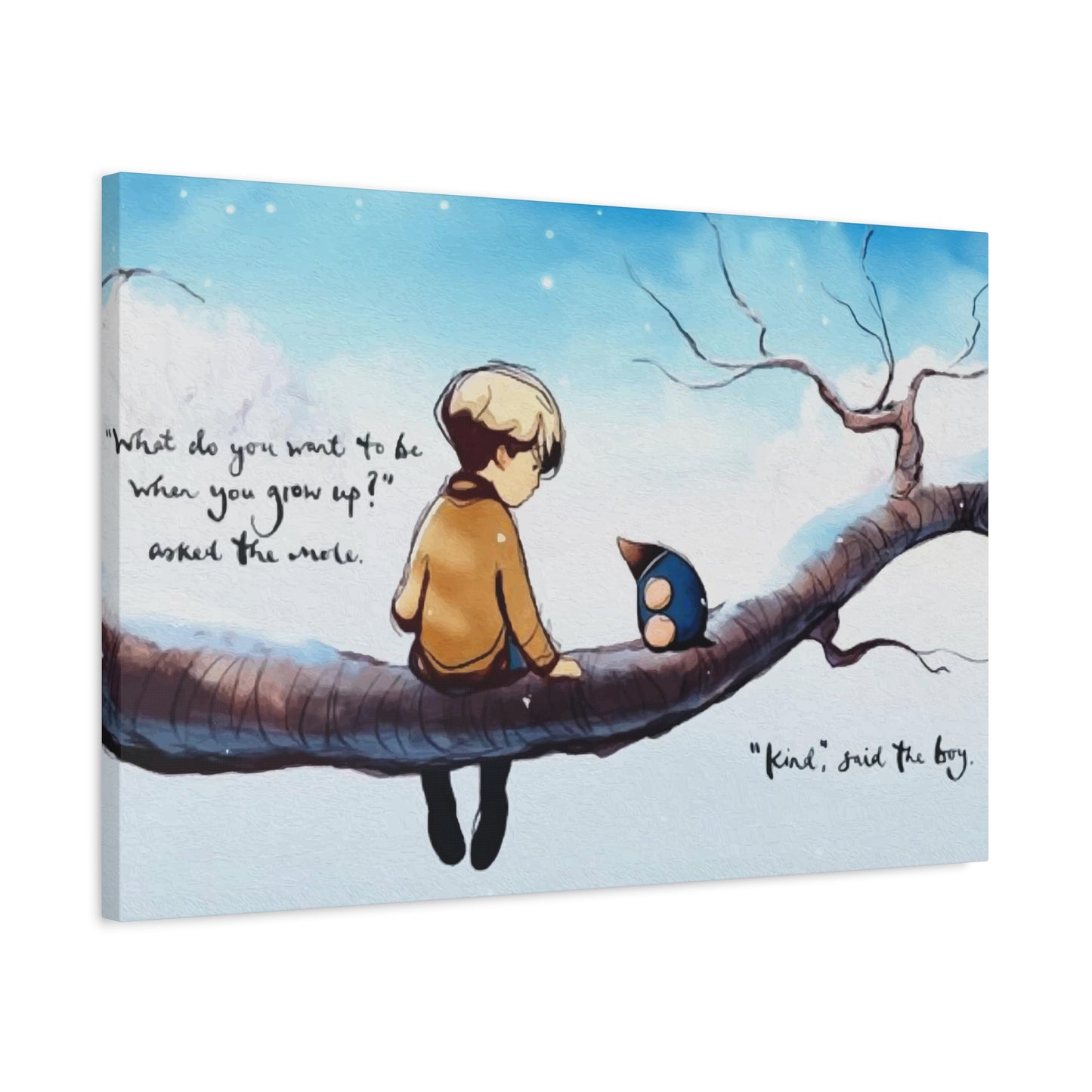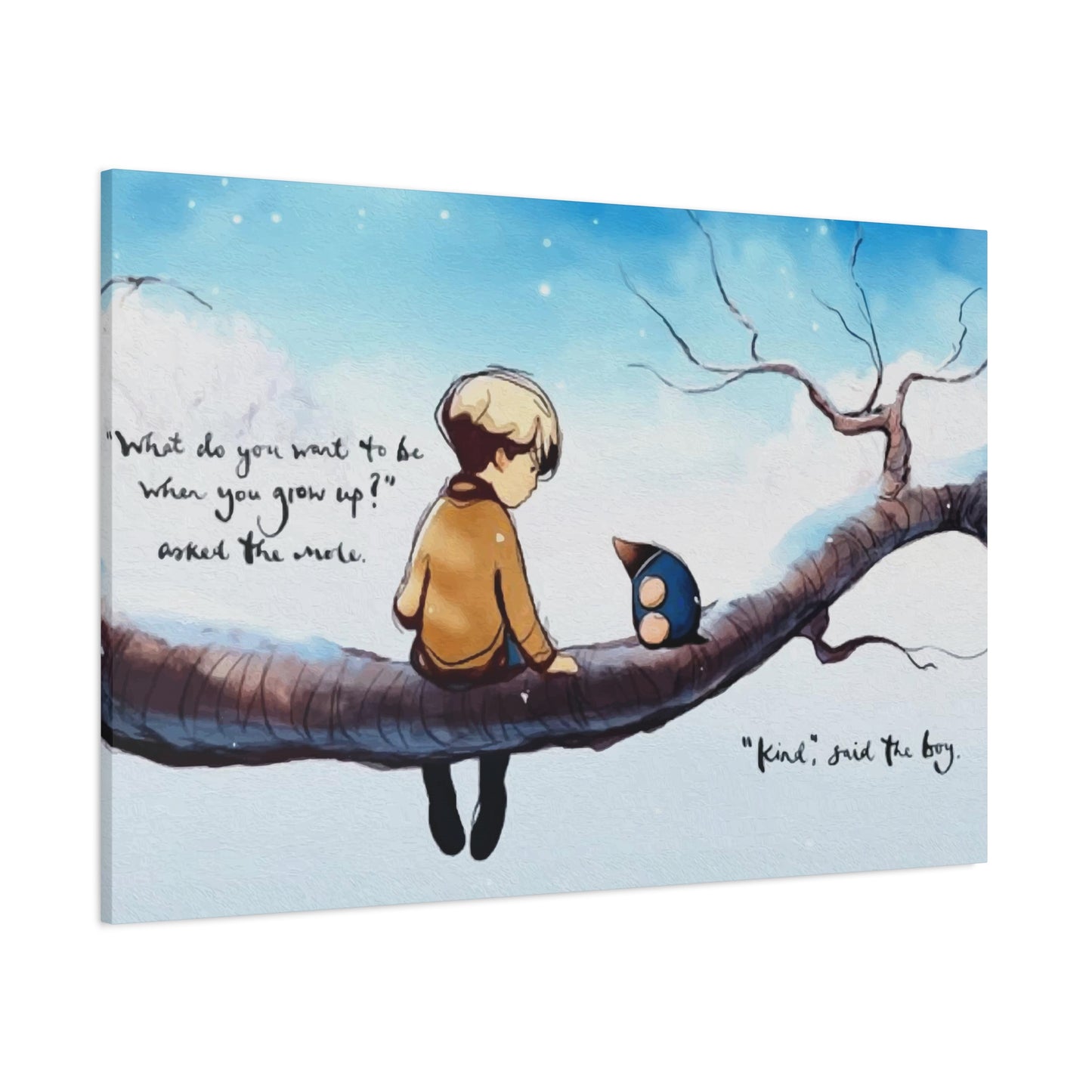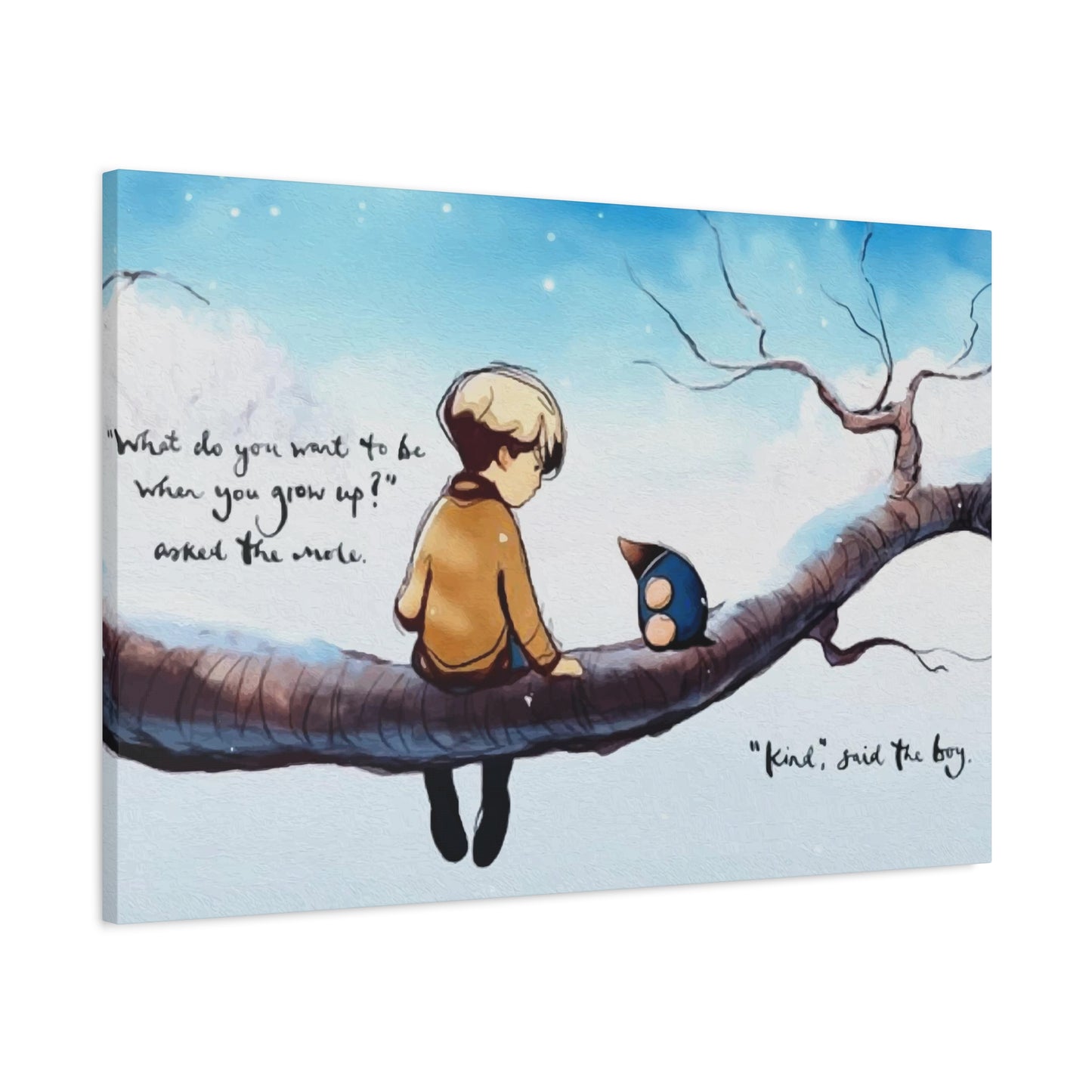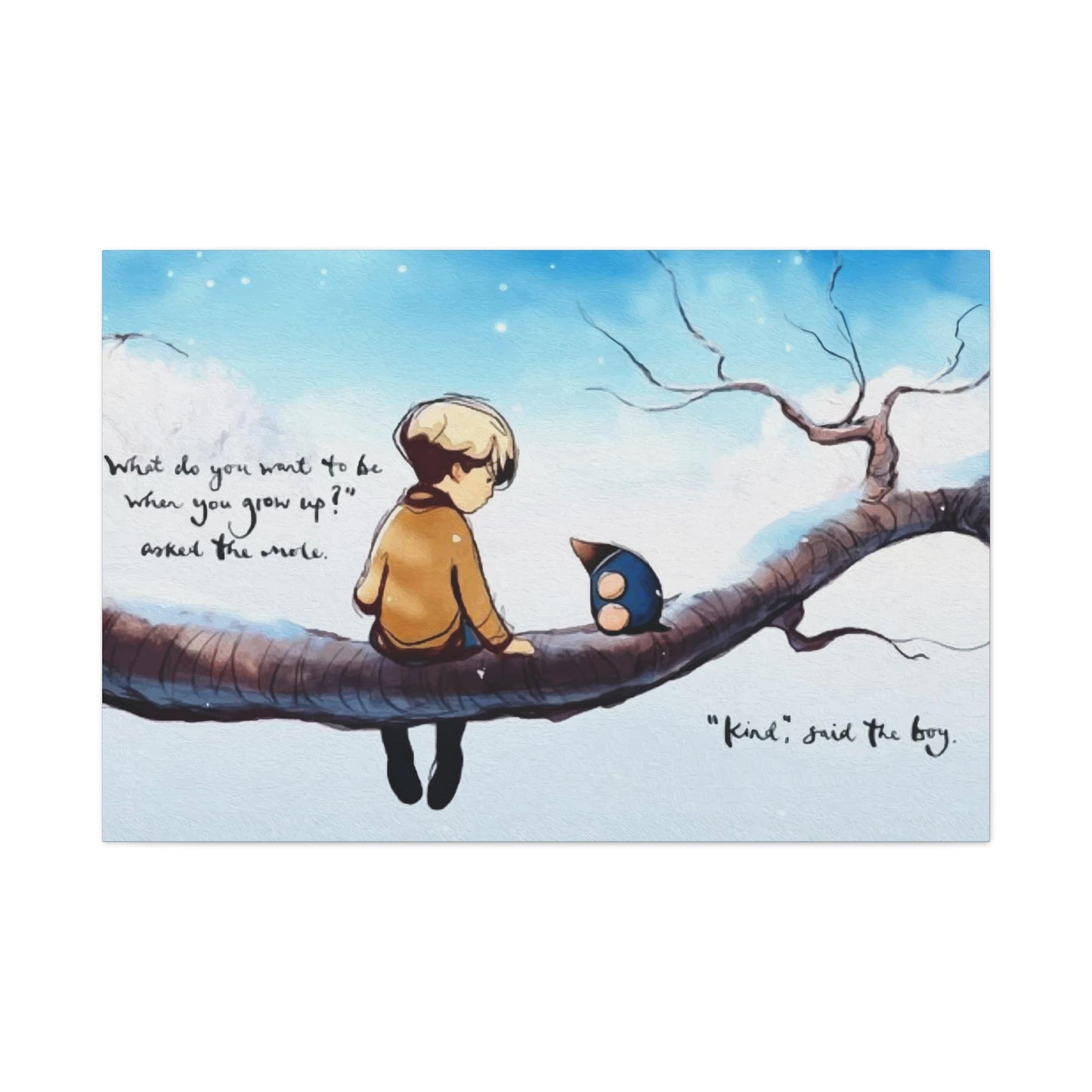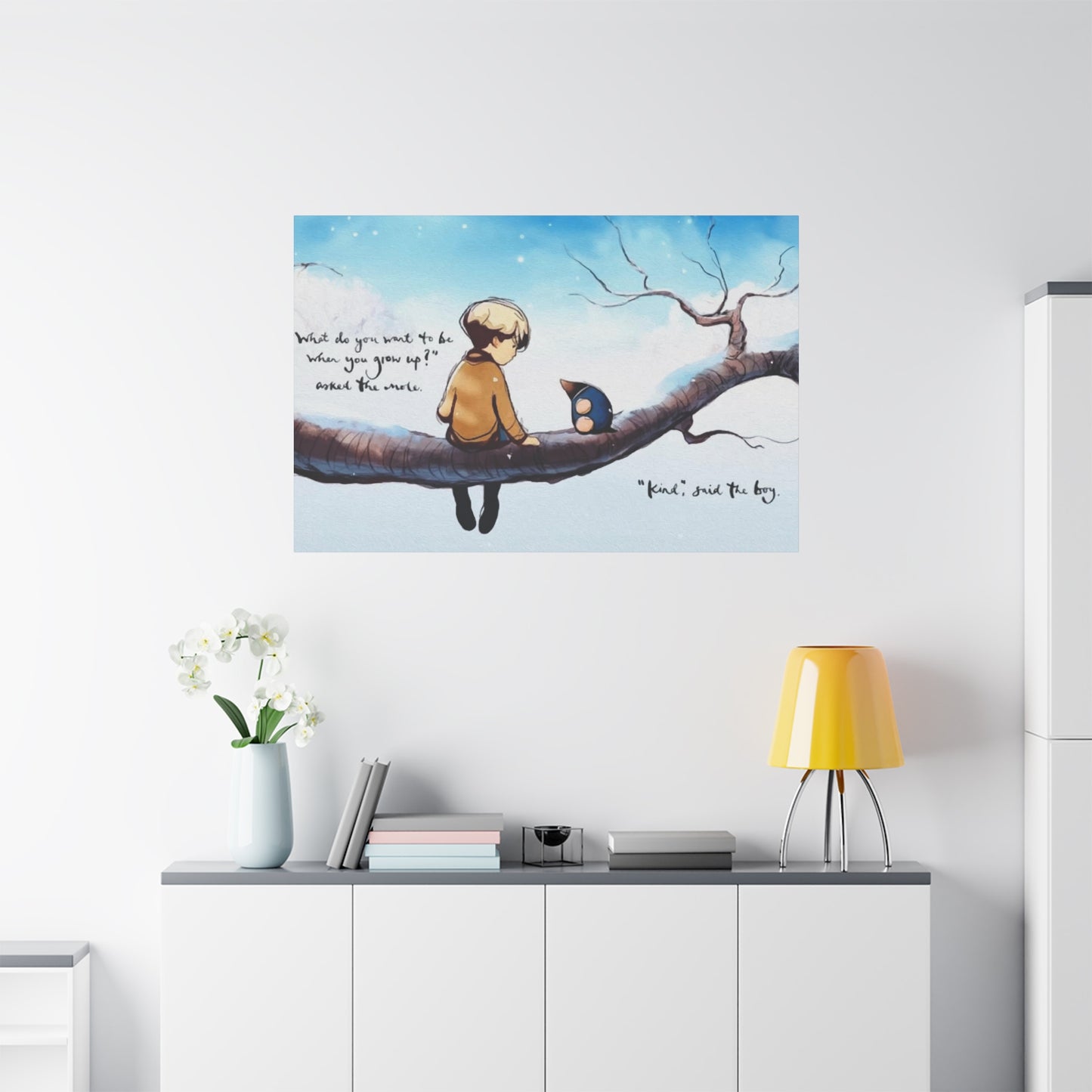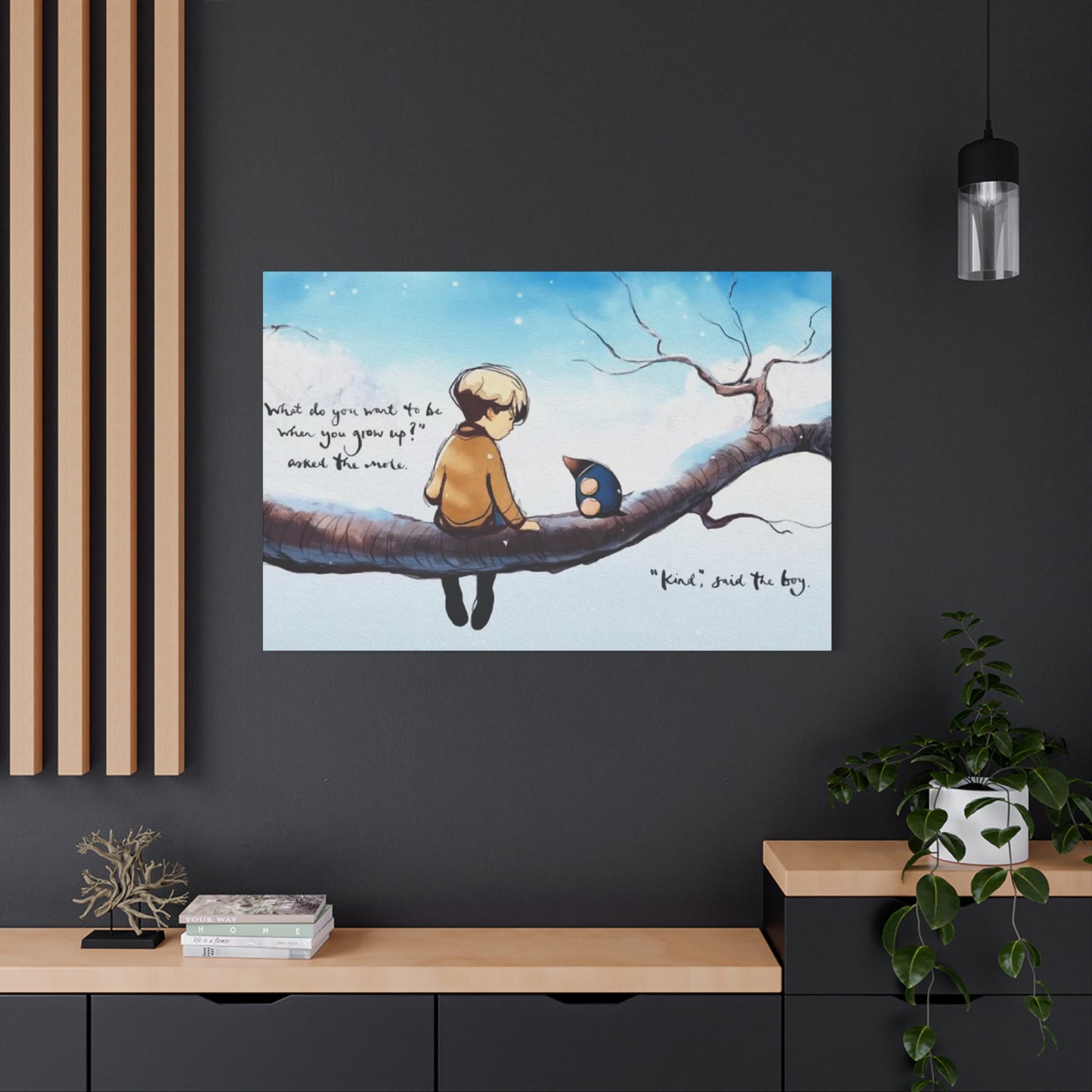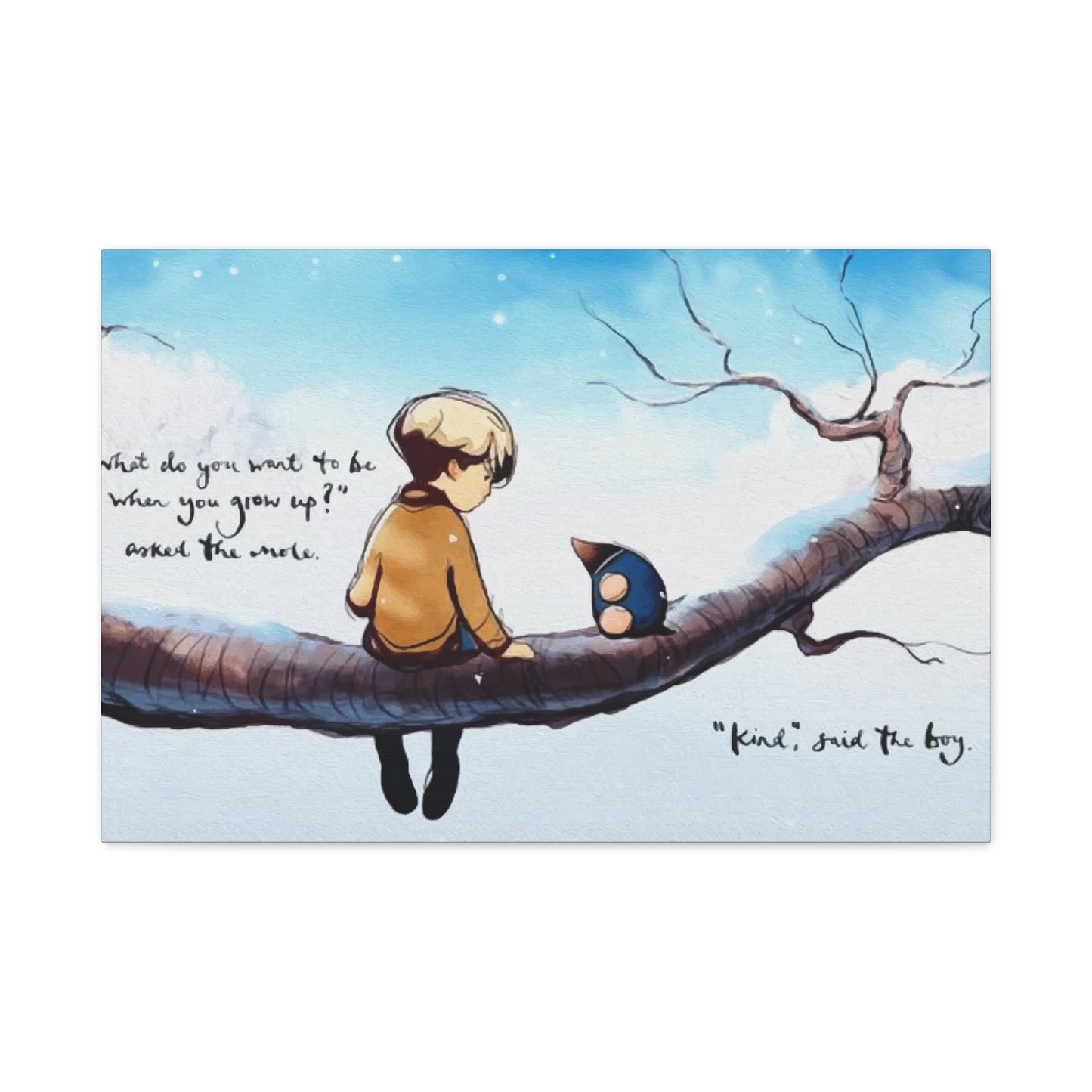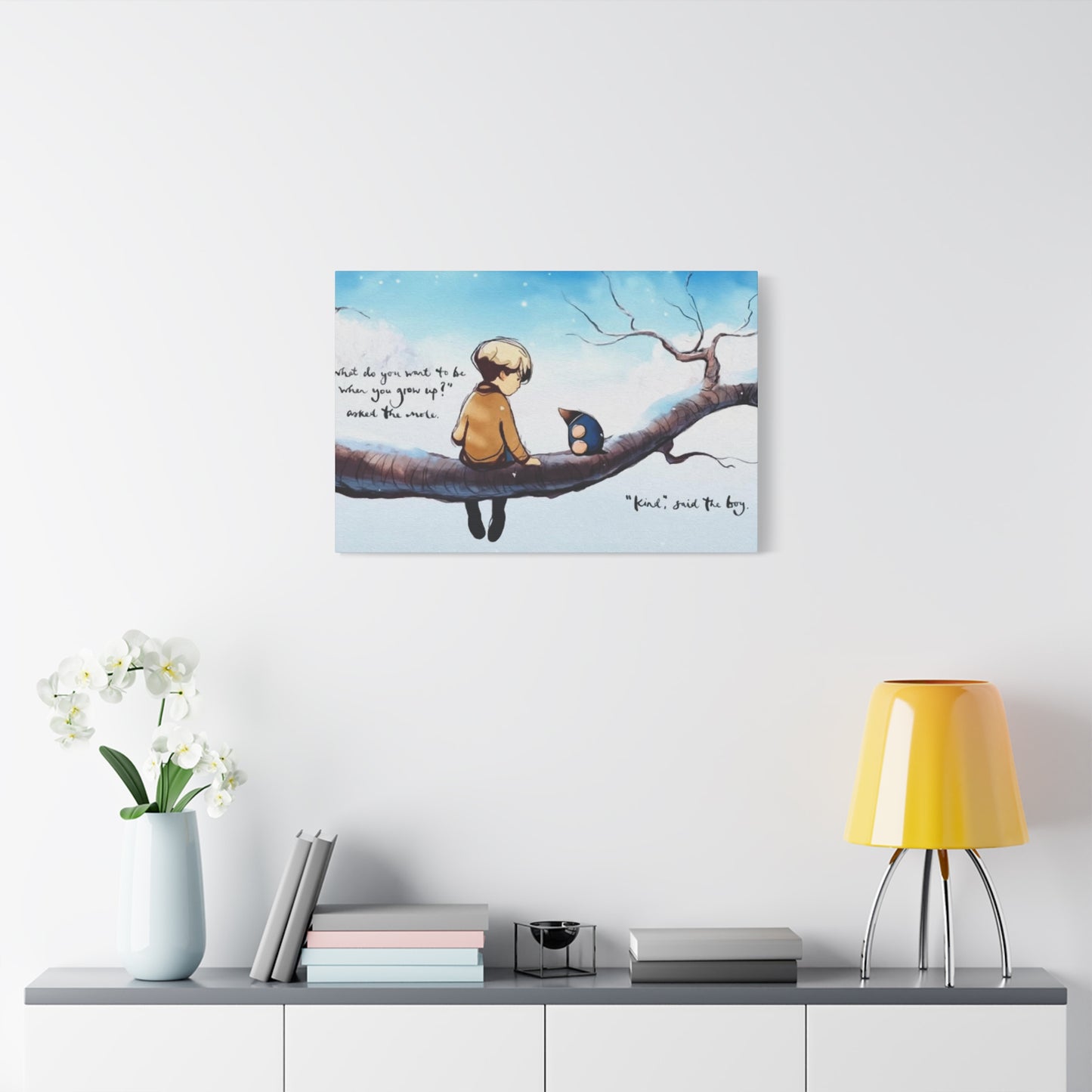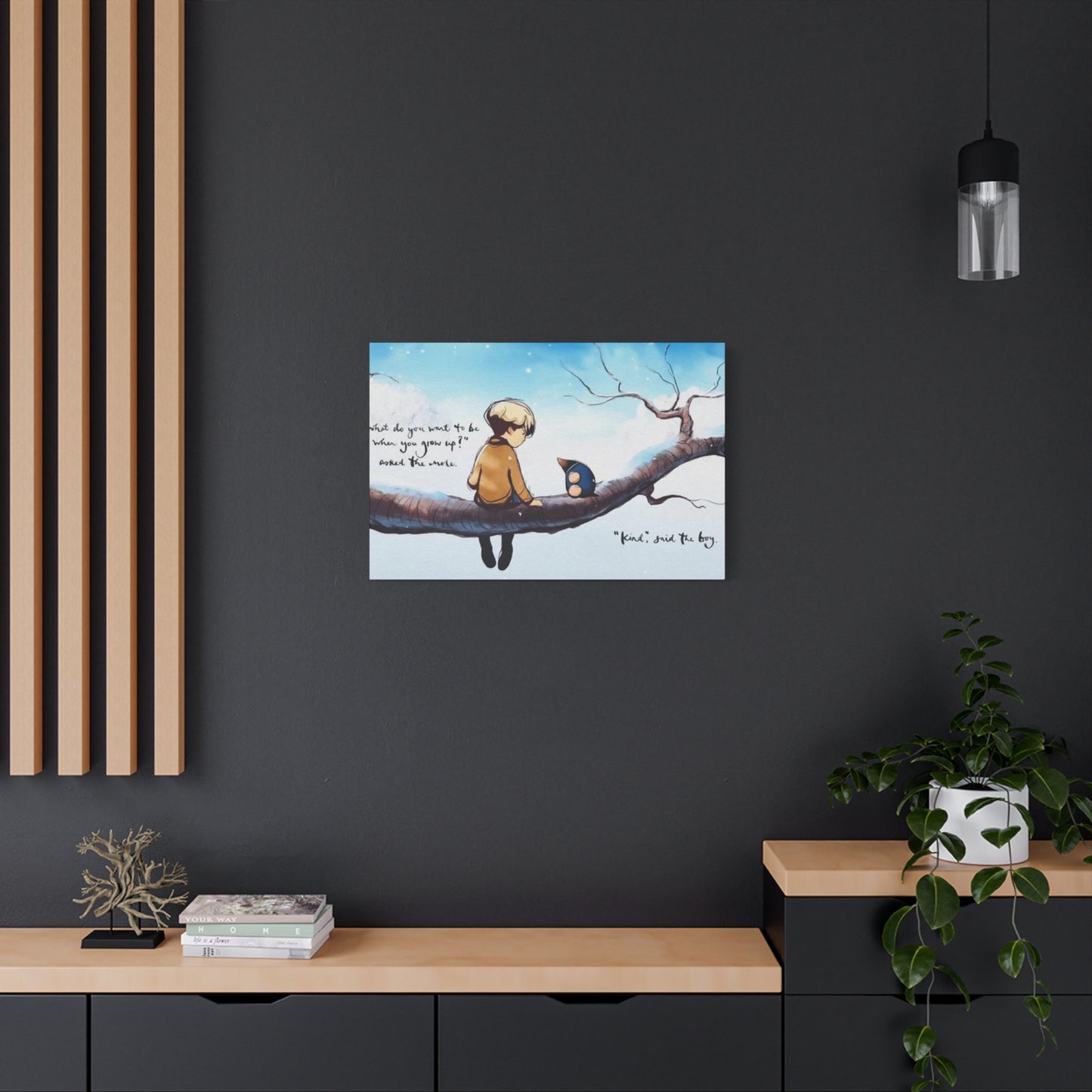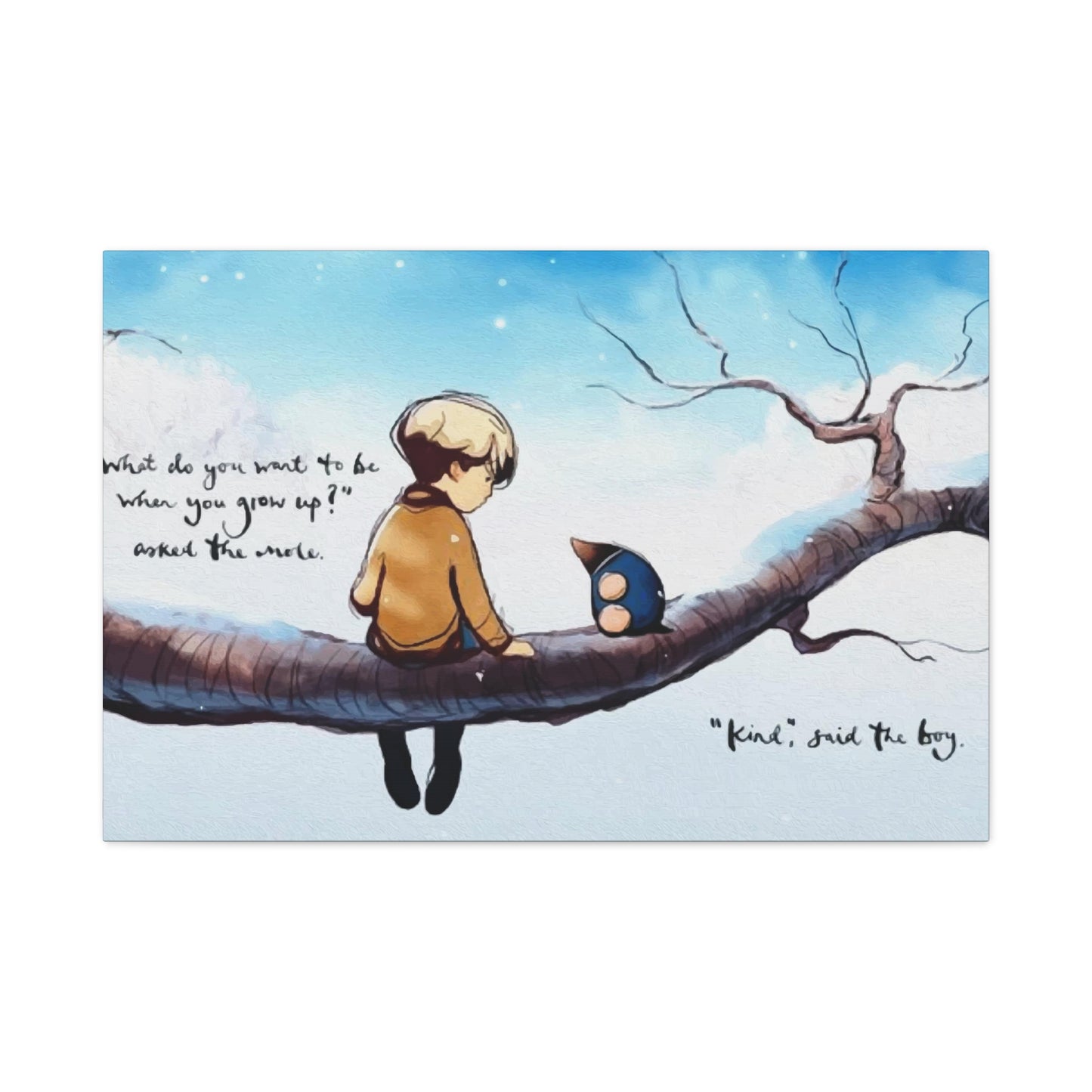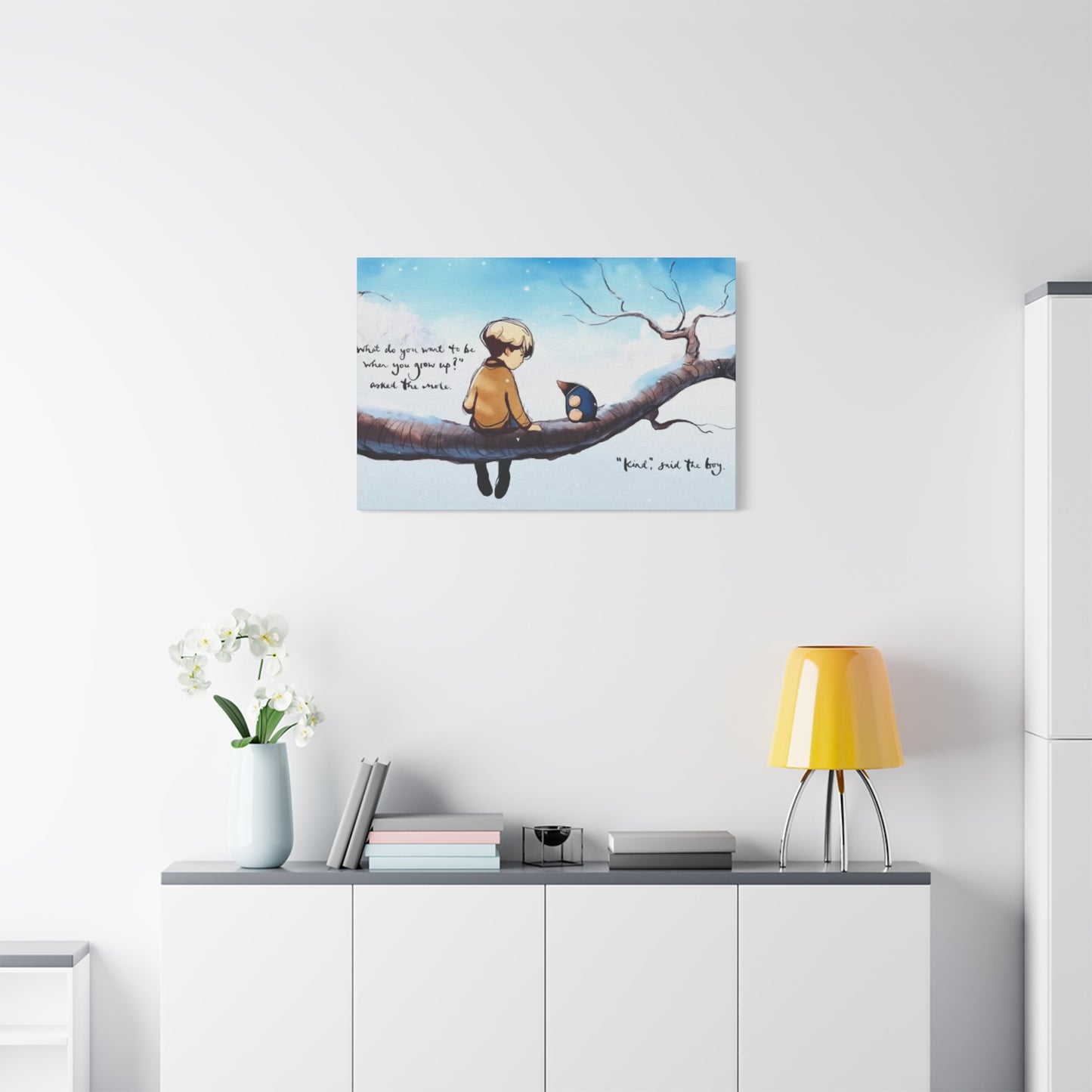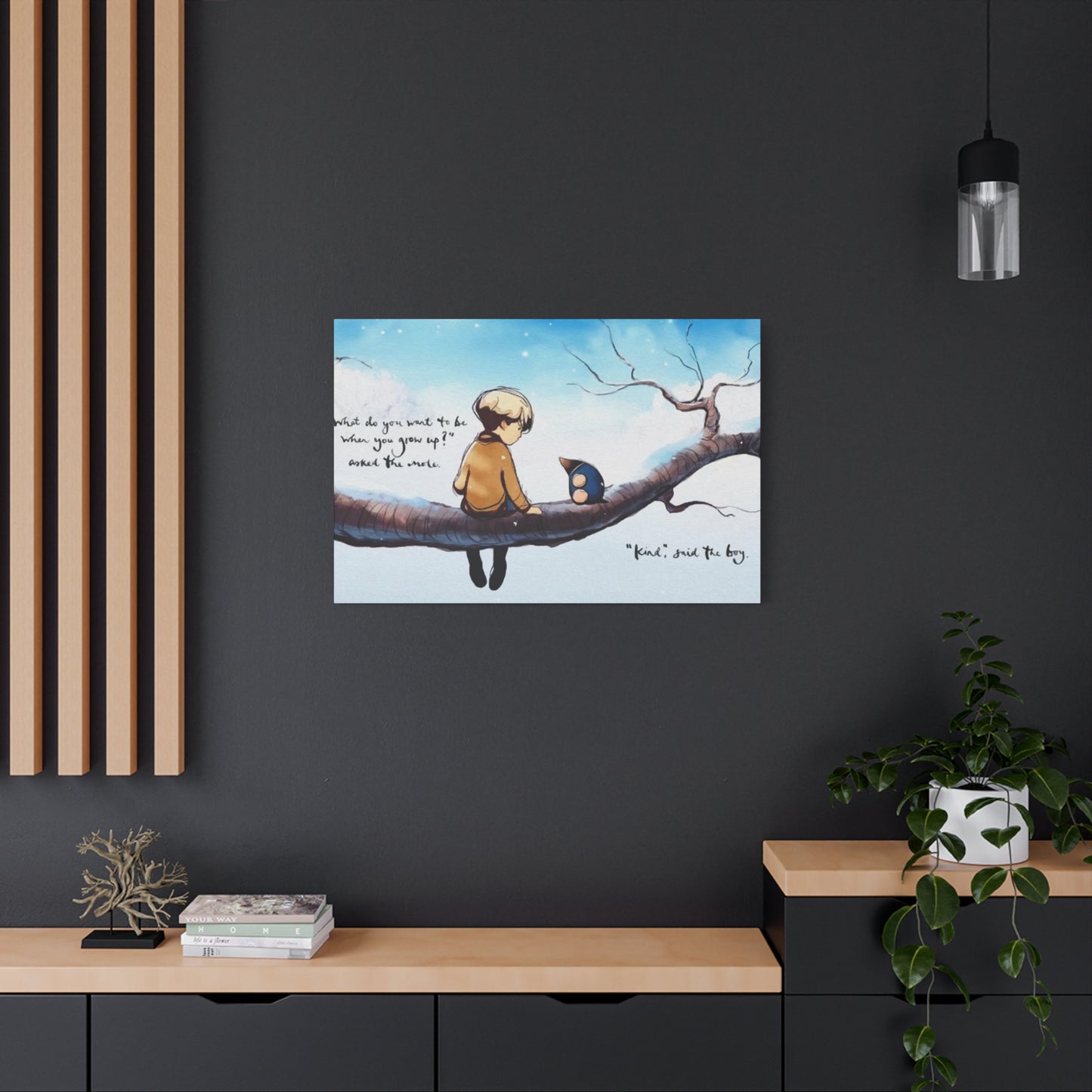


Boy and Bird Wall Art & Canvas Prints
Boy and Bird Wall Art & Canvas Prints
Couldn't load pickup availability
Infuse Your Modern Home with the Beauty of Boy and Bird Wall Art: A Perfect Décor Element
The world of interior decoration has witnessed a remarkable surge in the popularity of thematic artwork that combines innocence with nature's beauty. Among these captivating designs, Boy and Bird Wall Art stands out as a timeless choice that resonates with households seeking to infuse their living spaces with warmth, wonder, and a touch of whimsy. This particular genre of decorative pieces has transcended conventional boundaries, becoming a beloved element in nurseries, children's rooms, living areas, and even sophisticated adult spaces where nostalgia meets contemporary design sensibilities.
The appeal of such artwork lies in its universal ability to evoke emotions and memories. Whether depicting a young child observing a feathered creature with curiosity, a friendship between a lad and his avian companion, or symbolic representations of freedom and childhood wonder, these visual narratives speak to something fundamental in the human experience. They remind us of simpler times, of moments spent in nature, and of the pure joy that comes from observing the world through untainted eyes.
In recent years, homeowners and interior designers alike have embraced this particular style of wall decoration for its versatility and emotional depth. Unlike purely abstract or minimalist designs, Boy and Bird Wall Art carries inherent storytelling qualities that make spaces feel more personal and inviting. The imagery often captures fleeting moments of connection between humanity and the natural world, frozen in time through various artistic mediums ranging from canvas prints to hand-painted murals, from vintage-inspired illustrations to modern digital renderings.
Why Boy and Bird Themed Artwork Captures Hearts Across Generations
The enduring fascination with depictions of young children alongside avian creatures stems from multiple cultural, emotional, and aesthetic factors that converge to create something truly special. Throughout human civilization, birds have symbolized freedom, hope, transcendence, and the human spirit's desire to soar beyond limitations. When paired with the image of a boy—representing innocence, potential, and the beginning of life's journey—the combination creates a powerful visual metaphor that resonates on multiple levels.
From a psychological perspective, these images tap into our collective consciousness about childhood and its fleeting nature. Parents often choose such artwork for their children's spaces as a way of celebrating youth while simultaneously acknowledging the bittersweet reality that childhood passes quickly, much like a bird's swift flight. The artwork becomes a visual reminder to cherish these precious years and to nurture the sense of wonder that characterizes early life.
Furthermore, the naturalistic elements present in Boy and Bird Wall Art serve an important function in our increasingly urbanized existence. As more families live in cities and suburban areas with limited exposure to wilderness, bringing images of nature indoors helps maintain a connection to the natural world. Birds, in particular, are creatures that most children encounter regularly, whether through backyard visits, park excursions, or story books, making them relatable subjects that spark recognition and interest.
The aesthetic appeal cannot be overlooked either. The visual composition of a small human figure alongside delicate feathered creatures creates pleasing proportions and balance. Artists working in this genre often employ soft color palettes, gentle lines, and dreamlike qualities that complement various interior design schemes. Whether rendered in watercolors that blend seamlessly into pastel nurseries, bold graphic styles suited for modern spaces, or realistic depictions perfect for nature-themed rooms, the versatility of this subject matter ensures widespread appeal.
Exploring Various Artistic Styles Within This Decorative Genre
The realm of Boy and Bird Wall Art encompasses an incredibly diverse range of artistic expressions, each offering unique aesthetic qualities and emotional tones. Understanding these different styles helps homeowners select pieces that truly reflect their personal taste and complement their existing decor while maintaining the thematic connection to childhood and nature.
Watercolor interpretations represent perhaps the most popular style within this category. These pieces feature soft, flowing pigments that create ethereal, dreamlike scenes where colors bleed gently into one another. The translucent quality of watercolors lends itself beautifully to depicting both the innocence of childhood and the delicate nature of birds. Artists often use muted palettes—soft blues, gentle greens, warm beiges, and subtle pinks—that create calming environments perfect for restful spaces. The impressionistic quality of watercolor work also leaves room for imagination, allowing viewers to project their own memories and emotions onto the imagery.
Vintage-inspired illustrations draw from earlier eras of children's book artwork, particularly the golden age of illustration from the early to mid-twentieth century. These pieces often feature more defined lines, nostalgic color schemes reminiscent of aged paper, and compositional styles that evoke storybook pages. The charm of vintage-style Boy and Bird Wall Art lies in its ability to transport viewers to a perceived simpler time, creating a sense of continuity across generations. These works might incorporate elements like classic clothing styles, antique toys, or old-fashioned gardens, building a complete narrative world around the central figures.
Contemporary minimalist approaches strip the concept down to essential elements, using clean lines, limited color palettes, and geometric simplifications. This style appeals to those who appreciate the symbolic meaning of the boy and bird pairing but prefer artwork that aligns with modern, uncluttered design principles. Minimalist renditions might feature silhouettes, simple line drawings, or abstract representations that suggest rather than explicitly depict their subjects. Despite their visual simplicity, these pieces carry the same emotional weight as more detailed works, proving that effective storytelling doesn't require elaborate detail.
Realistic and naturalistic portrayals offer yet another avenue for this genre. These works feature carefully rendered details of both human and avian anatomy, accurate depictions of specific bird species, and lifelike environments. Naturalistic Boy and Bird Wall Art appeals particularly to nature enthusiasts and those who value scientific accuracy alongside artistic expression. Such pieces might show a young naturalist observing wildlife, a child feeding garden birds, or quiet moments of interspecies connection rendered with photographic precision. The realism adds gravity and authenticity to the subject matter, emphasizing the real-world possibility of such encounters.
Folk art and naive styles bring a charming, handcrafted quality to the genre. Characterized by deliberately simplified forms, bright colors, and flattened perspectives, folk art approaches create whimsical, approachable imagery that feels personal and handmade. These pieces often incorporate patterns, decorative elements, and stylistic choices that reflect specific cultural traditions, adding layers of meaning beyond the central subject. The unpretentious nature of folk art makes it particularly suitable for casual, family-focused spaces where warmth trumps formality.
Mixed media creations combine multiple artistic techniques and materials to create textured, dimensional works. An artist might pair painted elements with collaged papers, fabric appliqués, embroidery, or even three-dimensional components that extend from the surface. This approach adds tactile interest and visual complexity, making each piece a unique creation that rewards close examination. Mixed media Boy and Bird Wall Art often appeals to collectors who value craft, originality, and the visible evidence of the artist's hand at work.
The Symbolic Language of Birds in Childhood Imagery
Understanding the deeper meanings associated with different avian species enriches the experience of selecting and displaying Boy and Bird Wall Art. Throughout human cultures, birds have accumulated rich symbolic associations that artists consciously or unconsciously draw upon when creating their works. These symbolic layers add depth to what might otherwise be seen as simple decorative choices.
Sparrows frequently appear in this genre due to their ubiquity and humble nature. These small, common birds symbolize simplicity, community, and the beauty found in everyday life. A depiction of a boy with sparrows suggests an appreciation for ordinary wonders, the joy of simple pleasures, and the importance of noticing small things that others might overlook. Sparrows also represent hard work and diligence, qualities that parents hope to instill in their children, making such imagery particularly meaningful in family spaces.
Bluebirds carry associations with happiness, hope, and good fortune across many cultures. Their brilliant plumage has made them symbols of joy and positive transformation. Boy and Bird Wall Art featuring bluebirds often conveys messages of optimism and bright futures, making such pieces popular choices for nurseries and children's bedrooms where parents wish to surround their offspring with uplifting symbolism. The phrase "bluebird of happiness" reflects this bird's cultural significance as a bearer of good tidings.
Robins signal renewal, new beginnings, and the arrival of spring. Their distinctive red breasts make them visually striking subjects, while their role as harbingers of seasonal change connects them to themes of growth and transformation—apt metaphors for childhood itself. Artwork featuring boys alongside robins might symbolize a child's journey through life's seasons, the constant renewal that characterizes growing up, or simply the joy of witnessing nature's cycles.
Owls bring wisdom, knowledge, and nocturnal mystery to the symbolic table. Though less common in purely playful children's art, owls appear frequently in Boy and Bird Wall Art intended for older children or adults who appreciate the intellectual and mystical qualities these creatures represent. A boy depicted with an owl might symbolize curiosity, the pursuit of learning, or a quiet, contemplative nature. The owl's association with nighttime also makes such imagery particularly suitable for bedrooms.
Hummingbirds embody energy, joy, and the ability to find sweetness in life. Their incredible agility and seemingly impossible flight patterns have made them symbols of accomplishing the impossible and maintaining childlike wonder. Boy and Bird Wall Art featuring hummingbirds typically conveys messages about savoring life's pleasures, staying present in the moment, and approaching the world with enthusiasm and curiosity—all qualities we hope children will maintain as they grow.
Swallows and swifts represent loyalty, home, and safe return. These migratory birds' faithful return to the same nesting sites year after year has made them powerful symbols of belonging and homecoming. Imagery pairing boys with these birds might express hopes for a child's safe journeys through life and their ability to always find their way home, both literally and metaphorically. Such pieces carry particular resonance for families who have experienced moves, separations, or who simply want to emphasize the importance of home and family bonds.
Doves universally symbolize peace, innocence, and gentle spirits. Their soft cooing and calm demeanor align perfectly with the innocence represented by childhood. Boy and Bird Wall Art featuring doves creates particularly serene atmospheres, ideal for spaces designed for calm and rest. The religious and cultural significance of doves across many traditions adds additional layers of meaning that may resonate with families from various backgrounds.
Color Palettes That Complement Boy and Bird Artwork
The colors surrounding and within Boy and Bird Wall Art significantly impact the overall mood and effectiveness of the piece within its environment. Understanding color psychology and how different hues interact helps in both selecting appropriate artwork and styling the surrounding space to maximize visual impact and emotional resonance.
Soft, muted palettes dominate much of this genre, particularly in pieces designed for nurseries and young children's spaces. Gentle blues evoke calm skies and peaceful waters, creating soothing environments conducive to rest and relaxation. These blues might range from dusty powder shades to slightly deeper periwinkles, but rarely venture into intense navy territories that might feel too heavy for spaces focused on innocence and lightness. When paired with creamy whites and warm beiges, soft blues create classic, timeless schemes that never feel dated or overwhelming.
Sage greens and muted olive tones bring natural, earthy qualities to spaces featuring this artwork. These colors reference forests, gardens, and the outdoor settings where boy-and-bird encounters naturally occur. Green's psychological associations with growth, harmony, and balance make it particularly appropriate for children's environments. Unlike bright, primary greens that can feel stimulating, the subdued versions commonly found in this artwork style promote calmness while maintaining a connection to the natural world.
Warm neutrals—including tans, taupes, soft grays, and various beige tones—provide versatile foundations that allow Boy and Bird Wall Art to stand out without competing with aggressive background colors. These sophisticated neutral palettes have gained tremendous popularity in contemporary interior design, moving away from stark whites toward warmer, more inviting tones that create cozy, enveloping spaces. Artwork featuring boys and birds rendered primarily in these neutral ranges brings understated elegance while maintaining the emotional core of the imagery.
Blush pinks and peachy corals add gentle warmth and a touch of whimsy without venturing into overly saccharine territory. These colors work particularly well in artwork destined for spaces that serve multiple purposes or that need to transition as children age. Unlike bright, saturated pinks that might feel juvenile, these softer iterations maintain sophistication while still conveying warmth, tenderness, and gentle joy. When boys and birds are depicted in scenes washed with golden-hour lighting or sunset glows, these warm tones feel natural and organic rather than forced.
Unexpected color choices also appear in more contemporary or artistic interpretations of the genre. Deep teals might provide dramatic backdrops that make both boys and birds pop as lighter focal points. Warm terracotta and burnt sienna tones create earthy, grounded feelings while adding visual interest through their relative boldness. Some artists even venture into unexpected combinations like charcoal grays paired with bright yellow accents, creating modern, graphic statements that maintain the thematic connection while appealing to design-forward sensibilities.
The interplay between monochromatic schemes and selective color pops deserves special mention. Some of the most striking Boy and Bird Wall Art renders most of the composition in grayscale or sepia tones while allowing one element—perhaps the bird's plumage or a piece of clothing—to appear in vibrant color. This technique draws the eye powerfully to specific elements while maintaining overall visual restraint, creating pieces that feel both sophisticated and playful simultaneously.
Creating Compelling Gallery Walls Around Central Pieces
When a particularly beloved piece of Boy and Bird Wall Art becomes the focal point of a room, many homeowners choose to build gallery wall arrangements around it, creating cohesive visual stories that amplify the central artwork's themes and emotional impact. Crafting effective gallery walls requires understanding principles of balance, repetition, and thematic coherence while maintaining enough variety to keep the arrangement interesting.
The central placement approach positions the primary Boy and Bird Wall Art piece at eye level in the geometric center of the arrangement, with supporting pieces radiating outward in balanced fashion. This traditional method creates clear hierarchy, ensuring that the main artwork receives primary attention while surrounding pieces enhance rather than compete. Supporting items might include smaller prints featuring individual bird species, botanical illustrations that echo the natural themes, vintage children's book pages, or even three-dimensional elements like small shelves holding bird figurines or natural objects.
Asymmetrical gallery walls offer more dynamic, contemporary alternatives to perfectly balanced arrangements. In this approach, the Boy and Bird Wall Art might anchor one side of the composition, with varying sizes of complementary artwork creating visual weight on the opposite side without mirroring the layout. Asymmetrical arrangements feel more organic and collected-over-time, as though the display evolved naturally rather than being planned entirely in advance. This style works particularly well in casual, lived-in spaces where perfection feels less important than personality.
Thematic expansion takes the core concept of the central artwork and explores related ideas throughout the gallery wall. If the primary piece shows a boy observing a bird's nest, surrounding elements might include egg illustrations, tree branch studies, cloud photographs, and quotes about nature or childhood wonder. This approach creates a rich, layered narrative that rewards extended viewing and contemplation. Each piece contributes to an overarching story while maintaining individual interest.
Monochromatic or limited palette gallery walls use color as the unifying element rather than subject matter alone. When Boy and Bird Wall Art rendered in soft blues and grays serves as the centerpiece, surrounding it with other works in similar tonal ranges—regardless of their specific subjects—creates cohesive, sophisticated displays. A vintage botanical print in matching blues, an abstract watercolor in complementary grays, and a simple text print in coordinating tones all contribute to unified visual impact despite their diverse content.
The salon-style approach draws inspiration from historical art displays where frames nearly touch, creating dense, pattern-like arrangements. While this technique requires more pieces and careful planning, it produces dramatic, museum-quality results. When building a salon-style gallery around Boy and Bird Wall Art, include varied frame styles and sizes to add visual texture, but maintain some unifying element—perhaps all gold frames, all natural wood, or all black—to prevent the arrangement from feeling chaotic.
Practical considerations matter as much as aesthetic ones when planning these displays. Spacing between frames typically ranges from two to four inches, providing enough separation to distinguish individual pieces while maintaining cohesiveness. Using paper templates cut to match frame sizes and temporarily mounted with removable adhesive allows experimentation with arrangements before committing to nail holes. Starting with the central piece and working outward helps maintain balance as the gallery grows.
Sizing Considerations for Different Rooms and Purposes
Selecting appropriately sized Boy and Bird Wall Art requires careful consideration of the specific space where it will hang, the viewing distance, and the desired visual impact. A piece that overwhelms a small nursery might disappear on a large living room wall, while a massive statement piece perfect for a family room could feel oppressive in an intimate bedroom corner.
For nurseries and small children's bedrooms, medium-sized pieces typically work best—generally ranging from eighteen inches to thirty-six inches in their longest dimension. These sizes provide sufficient visual interest and detail to engage young eyes without overwhelming compact spaces. In rooms measuring roughly ten by twelve feet, a single piece around twenty-four by thirty-six inches can serve as a focal point above a crib or changing table, while smaller coordinating pieces might flank it or appear on adjacent walls. The viewing distance in nurseries tends to be relatively close as parents spend time feeding, changing, and soothing children, so artwork needs enough detail to remain interesting during these extended periods without requiring stepping back to appreciate the overall composition.
Living rooms and family spaces typically accommodate larger Boy and Bird Wall Art, often exceeding forty inches and sometimes reaching sixty inches or more in width. These gathering spaces benefit from artwork scaled to match their furniture and architectural features. A piece hanging above a sofa should generally span two-thirds to three-quarters of the furniture's width to achieve pleasing proportions. In open-concept spaces where the artwork needs to hold its own against large expanses of walls and tall ceilings, going even larger prevents the piece from feeling insignificant or lost. However, viewing distance increases in these spaces, so artwork needs bold enough composition and colors to read clearly from across the room while maintaining enough detail to reward closer inspection.
Hallways and narrow spaces present unique challenges that affect sizing decisions. While limited width might suggest smaller artwork, hallways actually benefit from moderately sized pieces—typically between twenty and thirty inches wide—that draw the eye down the corridor and prevent the space from feeling cramped or choppy. Hanging Boy and Bird Wall Art at proper eye level (generally sixty inches to the center of the piece) matters particularly in hallways where viewers pass close to walls. Overly small pieces in hallways create cluttered, insignificant impressions, while appropriately sized works transform transitional spaces into mini galleries worth pausing to appreciate.
Stairway walls offer another specialized context for displaying this artwork. The diagonal line created by ascending or descending stairs allows for creative arrangements that would feel awkward on flat walls. Some homeowners create diagonal progressions of Boy and Bird Wall Art in graduated sizes, with pieces growing larger or smaller as the stairway climbs. Others position a single, substantial piece at the landing where the visual impact benefits from the natural pause point in movement. The key consideration involves ensuring that artwork doesn't interfere with handrail usage while remaining positioned for comfortable viewing from the stairs themselves rather than requiring viewers to stand in unsafe positions.
Bathroom and powder room spaces, often overlooked in decorating plans, actually provide excellent opportunities for smaller Boy and Bird Wall Art pieces. The intimate scale of these rooms suits artwork in the twelve to twenty-inch range that might feel insignificant elsewhere. Because viewing sessions tend to be relatively brief and the spaces typically accommodate only one or two people, the artwork doesn't need to project across distances or compete for attention. Small, charming pieces can transform functional spaces into surprisingly delightful retreats.
Proportion matters as much as absolute size. A thirty-inch square piece appears substantially different from a ten-by-fifty-inch horizontal panel despite similar square footage. Vertical orientations suit walls with limited width, draw eyes upward in rooms with low ceilings, and complement narrow architectural features. Horizontal pieces work well above beds, sofas, and other horizontal furniture, create calming, stable impressions, and help visually widen narrow rooms. Square formats feel balanced and contained, working well in traditional arrangements and providing versatility for various hanging locations.
Frame Selection That Enhances Rather Than Distracts
The frame surrounding Boy and Bird Wall Art significantly impacts the piece's overall impression, either complementing and enhancing the artwork or competing with and diminishing its impact. Understanding frame styles, materials, and how they interact with both artwork and surrounding decor helps create cohesive, polished presentations that elevate the entire space.
Natural wood frames remain perennially popular choices for this genre of artwork, and for good reason. Wood's organic origin aligns naturally with the nature-focused themes present in boy-and-bird imagery, creating harmonious connections between content and presentation. Light woods like oak, birch, and pine provide casual, approachable frames that feel fresh and contemporary, particularly when left in natural finishes that showcase wood grain. These lighter frames work beautifully with soft color palettes and prevent artwork from feeling heavy or dark. Medium-toned woods such as walnut and cherry add richness and warmth without overwhelming delicate imagery, striking balance between presence and restraint. Dark woods like ebony and mahogany create dramatic, sophisticated presentations better suited for realistic or vintage-style artwork where the gravitas of darker frames enhances rather than contradicts the piece's character.
White and off-white frames deliver clean, gallery-like presentations that allow Boy and Bird Wall Art to take absolute center stage. Pure white frames create crisp, modern statements particularly effective with minimalist or graphic artwork styles. Off-whites, creams, and antiques whites soften the presentation slightly, feeling less stark while maintaining the light, airy quality that serves this subject matter well. White frames excel in spaces decorated in Scandinavian, coastal, or farmhouse styles where light colors dominate the overall scheme. They also prove invaluable when coordinating multiple pieces in gallery wall arrangements, as the consistent white framing unifies diverse artwork without imposing a strong stylistic statement.
Black frames command attention and create strong visual boundaries around artwork, making them excellent choices when the goal involves dramatic statements or when the artwork needs to hold its own against busy backgrounds or bold wall colors. However, black frames require careful consideration with Boy and Bird Wall Art since the subject matter's typically gentle, innocent nature can clash with black's weightiness. The technique works best when the artwork itself contains sufficient contrast and visual strength to balance the frame's boldness, or when the surrounding decor follows similar dramatic principles that make black frames feel contextually appropriate rather than jarring.
Metallic frames—including gold, silver, bronze, and rose gold options—introduce decorative elements that range from subtle to statement-making depending on finish and profile. Delicate gold leaf frames with traditional profiles add vintage elegance particularly suited to nostalgic or storybook-style Boy and Bird Wall Art. Sleek, thin metallic frames in brushed or matte finishes provide contemporary alternatives that add just enough refined detail without competing with the artwork. Silver and pewter tones read as cool and modern, while warmer brass and bronze options connect to the natural world through their earthier tones. Rose gold, having surged in popularity in recent years, offers a feminine softness that works beautifully with blush-toned artwork.
The frame profile—referring to its width, depth, and decorative detail—deserves as much consideration as color and material. Wide, substantial frames create traditional, important presentations, essentially announcing "this artwork matters and deserves attention." These work particularly well with realistic or detailed pieces that benefit from substantial boundaries. Narrow, simple profiles take a more understated approach, providing necessary structure while minimizing the frame's visual presence. This approach suits contemporary spaces and allows maximum focus on the artwork itself. Ornate frames with carved details, gilding, or decorative corners make strong stylistic statements best reserved for spaces with complementary decor—a heavily detailed frame looks wrong in a minimalist room, just as a ultra-simple frame might feel insufficient in a space filled with decorative elements.
The mat or mount surrounding the artwork within the frame creates yet another design opportunity. Wide mats—often three to four inches—create breathing room around Boy and Bird Wall Art, preventing the imagery from feeling cramped within its frame and adding to the overall dimensions without increasing the actual artwork size. This proves particularly valuable with smaller original pieces or prints that would otherwise feel insignificant. Mat color choices dramatically affect the artwork's appearance: white or cream mats provide classic, neutral presentations; colored mats that pull specific hues from the artwork create cohesive, designed looks; and darker mats can add drama and sophistication when handled carefully. Double mats, where a thin inner mat in a complementary color shows as a border around the primary mat, add subtle complexity and a custom, gallery-quality finish.
Placement Strategies for Maximum Impact Throughout Homes
Where Boy and Bird Wall Art hangs within a space dramatically affects both its visibility and its emotional impact on the room's inhabitants. Strategic placement considers practical factors like lighting and furniture arrangement alongside less tangible elements like emotional tone and daily interaction patterns.
The focal wall approach positions artwork on the wall that naturally draws attention when entering the room—typically the wall facing the primary entrance or the wall behind the most important furniture piece. In living rooms, this often means the wall behind the sofa; in bedrooms, the wall at the headboard; in dining rooms, the wall visible from the table. Placing Boy and Bird Wall Art in these prime positions ensures maximum visibility and establishes it as a key design element rather than an afterthought. However, focal wall placement comes with expectations—the artwork needs sufficient visual weight and appeal to justify its prominent position.
Eye-level hanging remains the golden rule for most artwork placement, with "eye level" generally defined as fifty-seven to sixty inches from the floor to the artwork's center. This standard emerged from museum practice and represents the average human eye height, ensuring comfortable viewing without craning necks upward or bending downward. However, this guideline requires flexibility based on specific circumstances. In rooms where people primarily sit—living rooms, dining rooms, bedrooms—slightly lower placement often works better, ensuring comfortable viewing from seated positions. In hallways and kitchanes where people stand, standard eye level serves well.
Above furniture positioning requires special consideration to create proper visual relationships between the artwork and the pieces below it. When hanging Boy and Bird Wall Art above a sofa, console table, or bed, leave four to eight inches between the furniture and the frame's bottom edge—enough separation to distinguish them as separate elements while maintaining clear visual connection. The artwork should also relate proportionally to the furniture width, as mentioned earlier, spanning roughly two-thirds to three-quarters of the furniture piece below it. This creates balanced, intentional compositions rather than awkward, arbitrary-feeling placements.
Corner and nook placements transform underutilized spaces into charming moments of discovery. Tucking Boy and Bird Wall Art into a cozy reading corner, above a small desk, or in the angle of an L-shaped room creates intimate vignettes that reward those who venture into less-trafficked areas. These placements work particularly well with smaller pieces that might get lost on expansive walls but shine in contained spaces. Pairing the artwork with complementary elements—a comfortable chair, good lighting, perhaps a small plant or decorative object—transforms corners into destinations rather than dead space.
Unexpected locations offer opportunities for creative expression and surprise. Bathroom walls, though sometimes overlooked, provide excellent display options for Boy and Bird Wall Art, particularly in powder rooms where guests might spend a few moments appreciating thoughtful details. Stairway landings create natural gallery spaces where the pause in movement invites artwork contemplation. Even large closets with good lighting can become delightful surprises when decorated with meaningful artwork. These unconventional choices prevent homes from feeling formulaic while ensuring favorite pieces receive attention in less obvious contexts.
Grouping considerations affect placement decisions when multiple pieces interact. Symmetrical pairings flanking windows, doorways, or central furniture pieces create formal, traditional arrangements with pleasing balance. Asymmetrical groupings feel more casual and collected, requiring careful attention to visual weight distribution—a larger piece on one side might be balanced by two smaller pieces on the other, for instance. Vertical stacks work well in narrow spaces, drawing eyes upward and making ceilings feel higher. Horizontal rows suit spaces above long furniture pieces or in hallways where they emphasize the directional flow.
Lighting dramatically impacts how Boy and Bird Wall Art appears and whether it receives the attention it deserves. Natural light from nearby windows can beautifully illuminate artwork during daytime hours, but consider whether direct sunlight might cause fading over time—UV-protective glass or strategic positioning that avoids direct rays helps preserve the piece. Artificial lighting through picture lights, track lighting, or adjustable spotlights ensures artwork remains visible and impactful during evening hours. Avoid placing artwork directly opposite bright windows where backlighting creates glare and makes details difficult to see. In spaces lacking good natural or existing artificial light, adding dedicated artwork illumination transforms displays from barely visible to properly showcased.
Caring For and Preserving Your Cherished Artwork
Proper care extends the life and maintains the beauty of Boy and Bird Wall Art, protecting the investment and ensuring the piece continues bringing joy for years or even generations. Different mediums and formats require specific approaches, but universal principles apply across most artwork types.
Dust accumulation represents the most common ongoing concern for wall-mounted artwork. Regular, gentle dusting prevents buildup that can eventually bond with surfaces and become difficult to remove. For framed pieces behind glass or acrylic, a slightly dampened microfiber cloth removes dust effectively without scratching surfaces. Spray cleaning products directly on the cloth rather than the frame or glass to prevent liquid from seeping between the glass and artwork, potentially causing staining or moisture damage. For unframed canvases, use only dry methods—soft brushes or specialized artwork dusters that lift dust without grinding it into textured surfaces. Frequency depends on household conditions; every few weeks to monthly cleaning usually suffices in typical environments, while dustier or high-traffic areas might require more frequent attention.
Environmental conditions dramatically affect artwork longevity. Humidity levels significantly impact paper-based Boy and Bird Wall Art, including prints, drawings, and watercolors. Excessive humidity encourages mold growth, causes paper warping and buckling, and can separate inks or paints from their substrates. Conversely, very dry conditions make paper brittle and prone to cracking. Maintaining relative humidity between thirty and fifty percent protects most artwork types. In consistently humid climates, dehumidifiers help; in arid regions, humidifiers prevent excessive dryness. Avoid hanging valuable or delicate artwork in bathrooms where humidity spikes dramatically or in basements prone to dampness unless environmental controls are in place.
Temperature stability matters nearly as much as humidity control. Extreme temperatures rarely affect artwork directly, but frequent or dramatic temperature fluctuations cause expansion and contraction that stresses materials, particularly where different materials meet—paper against matboard, canvas against stretcher bars, artwork against glass. Maintaining consistent temperatures prevents this cyclical stress. Avoid hanging Boy and Bird Wall Art near heat sources like radiators, fireplaces, or heating vents where localized heat creates problematic conditions. Similarly, avoid exterior walls in poorly insulated buildings where seasonal temperature extremes affect wall temperatures.
Light exposure gradually damages most artwork through fading and chemical degradation. Ultraviolet radiation proves particularly harmful, breaking down organic materials and bleaching pigments over time. Direct sunlight represents the worst offender, capable of noticeably fading artwork within months. Even indirect natural light causes gradual damage over years. UV-protective glass or acrylic provides significant protection for framed pieces without noticeably affecting appearance. For particularly valuable or vulnerable pieces, consider conservation-grade UV protection offering even higher filtration rates. Artificial lighting also contributes to fading, though typically less aggressively than natural light. LED bulbs produce minimal UV radiation compared to older incandescent or fluorescent options, making them preferable choices for illuminating artwork.
Handling procedures prevent accidental damage during cleaning, repositioning, or storage. Always hold framed artwork by the frame edges, never by the hanging wire alone, which might not support the full weight or could detach unexpectedly. When moving larger pieces, get assistance rather than struggling alone—trying to maneuver heavy or awkward artwork solo often results in drops or impacts against doorways and furniture. Store artwork vertically rather than stacked horizontally; horizontal stacking places weight on lower pieces and risks scratching surfaces. If stacking becomes necessary, place protective material between each piece and ensure nothing heavy rests on top.
Professional conservation services become necessary for valuable, damaged, or particularly fragile Boy and Bird Wall Art. Conservators possess specialized knowledge and materials to clean, repair, and stabilize artwork using reversible techniques that preserve original materials and don't diminish value. Water damage, tearing, mold growth, failing adhesives, or significant fading warrant professional assessment. Even pieces without obvious damage benefit from periodic professional evaluation, particularly for inherited works where age and storage history remain unknown. The cost of conservation services varies dramatically based on artwork size, damage extent, and required treatments, but represents worthwhile investment for irreplaceable or emotionally significant pieces.
Sourcing Authentic and Meaningful Pieces for Your Collection
Finding Boy and Bird Wall Art that truly resonates requires exploring various sources, each offering distinct advantages regarding selection, price, originality, and the story behind the acquisition. Building a collection that feels personal and meaningful involves understanding these different acquisition pathways and their respective strengths.
Independent artists and makers represent perhaps the most rewarding source for those seeking original or limited-edition pieces with genuine artistic merit. Online platforms connecting artists directly with buyers have democratized the art market, making it possible to discover and purchase from talented creators worldwide. These platforms typically showcase artists' complete portfolios, allowing buyers to understand their style, philosophy, and breadth of work beyond single pieces. Purchasing directly from artists ensures they receive fair compensation for their creativity and labor, supports individual livelihoods rather than corporate profits, and often includes opportunities to commission custom work tailored to specific preferences. The personal connection possible when acquiring artwork directly from its creator adds emotional value that mass-produced alternatives cannot match.
Local art fairs, markets, and festivals provide in-person browsing experiences where Boy and Bird Wall Art can be appreciated in physical form before purchase. Seeing artwork directly reveals details invisible in photographs—texture, true colors, scale, and the subtle qualities that make or break the emotional connection. These events also facilitate conversations with artists about their work, inspirations, and creative processes, enriching understanding and appreciation. Supporting local arts communities strengthens cultural ecosystems within your own region while discovering talents that might not have significant online presence. Mark calendars for annual events in your area, as many cities host multiple art-focused gatherings throughout the year catering to various styles and price points.
Small galleries and boutiques curated by owners with genuine passion often yield treasures that larger retailers overlook. These intimate spaces typically feature carefully selected inventory reflecting the proprietor's aesthetic and values rather than merely following mass-market trends. Building relationships with gallery owners and boutique managers creates access to new acquisitions before they reach the sales floor and ensures you hear about artists whose work aligns with your interests. Many smaller establishments offer layaway or payment plans for higher-priced pieces, making original artwork more accessible than paying full prices upfront would allow.
Large retailers and franchise stores provide convenience, consistency, and broad selection for those seeking Boy and Bird Wall Art that complements existing decor without breaking budgets. While these sources rarely offer original artwork, their print reproductions, canvas transfers, and mass-produced pieces serve perfectly functional purposes at accessible price points. The advantage lies in easy availability—most people live near such retailers and can browse, purchase, and transport artwork home in a single trip. Return policies provide safety nets for pieces that don't work out as hoped. However, recognize that choosing this path means accepting identical artwork exists in countless other homes, sacrificing uniqueness for convenience and affordability.
Online marketplaces aggregate massive selections from numerous sellers, creating vast digital galleries where virtually any imaginable style, size, and price point exists. These platforms excel at filtering and sorting options by specific criteria, helping narrow overwhelming selection to manageable options matching particular requirements. Customer reviews provide insight into print quality, color accuracy, shipping reliability, and seller responsiveness. However, the impersonal nature of mass online retail and inability to see physical pieces before purchase introduce uncertainty. Colors might differ from screen representations; quality might fall short of expectations; and sizes might not translate as envisioned based on measurements alone. Careful attention to return policies mitigates these risks but doesn't eliminate them entirely.
Final Thoughts
Boy and Bird wall art captures a tender and whimsical moment that resonates with all ages. This type of artwork, often depicting a child and a bird in an intimate, joyful interaction, evokes a sense of innocence, wonder, and connection to the natural world. The simplicity and purity of these images bring warmth and character to any modern living space, turning walls into more than just a backdrop—they become an active part of the emotional experience within the home.
The beauty of Boy and Bird wall art lies in its ability to tell a story with minimalism. The bond between the boy and the bird often portrayed in soft, muted tones or watercolor-style brushstrokes, creates a peaceful and nostalgic vibe, offering a sense of calm and simplicity in the midst of our often chaotic modern lives. Whether the boy is gently holding the bird, releasing it into the sky, or simply admiring it, the imagery taps into universal themes of growth, freedom, and connection. This sense of vulnerability and tenderness appeals to those seeking to introduce more warmth, compassion, and organic beauty into their homes.
In terms of design, Boy and Bird wall art is incredibly versatile, effortlessly fitting into a wide range of interior styles. For contemporary spaces, it can act as a soft focal point, injecting both personality and a sense of tranquility into a room. The artwork’s calming color palette works seamlessly with various modern design themes, from minimalist and Scandinavian to bohemian and eclectic. Whether displayed in the living room, bedroom, or even a child’s room, it brings a refreshing sense of serenity and charm that can soften the sharp lines of more industrial or contemporary décor.
What makes Boy and Bird wall art so universally appealing is its timeless nature. The theme of a child’s relationship with nature transcends trends and speaks to the universal desire for connection, exploration, and personal growth. It captures the innocence and awe that we often lose as adults but can reconnect with through art. By showcasing such a beautiful and thought-provoking piece in your home, you invite a sense of wonder and open-heartedness, a quality that’s often missing in the hustle and bustle of everyday life.
The depiction of birds, too, carries symbolic weight, representing freedom, transcendence, and hope. Birds have long been associated with the ability to rise above challenges and view the world from a broader perspective. As such, Boy and Bird wall art can also serve as a subtle reminder of the beauty of liberation—whether in the form of emotional freedom, personal growth, or the simple joy of living in harmony with nature.
Furthermore, the gentle, universal message conveyed by the interaction between the boy and the bird offers an emotional connection that goes beyond mere aesthetics. This art can evoke a sense of nostalgia, inspiring reflection on childhood memories, personal journeys, and the connection we all share with the world around us. It’s the kind of art that can evoke smiles, spark conversations, and even provide moments of introspection, making it a valuable piece for any space.
In conclusion, Boy and Bird wall art is more than just a decorative item; it’s a piece of emotional storytelling that enriches your living space. Its ability to evoke warmth, wonder, and nostalgia makes it an ideal choice for anyone looking to create a peaceful, thoughtful, and inviting atmosphere in their home. Whether as a focal point in the living room, a calming addition to a bedroom, or a playful piece for a child’s room, this artwork infuses your space with beauty, meaning, and the timeless message of connection to the natural world. Through its simple yet profound imagery, Boy and Bird wall art turns your walls into a window of reflection, joy, and heartfelt expression.
Share