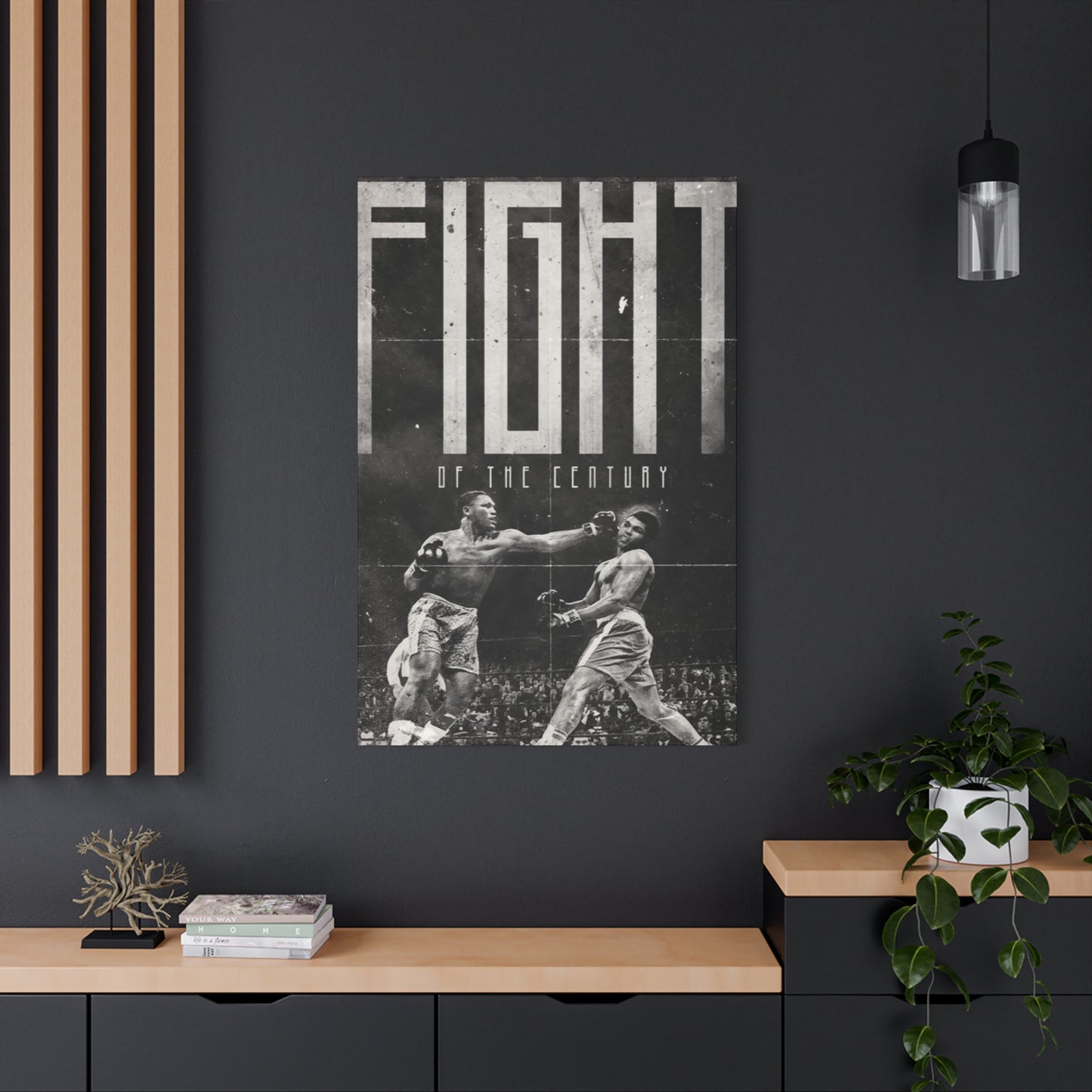


Boxing match Wall Art & Canvas Prints
Boxing match Wall Art & Canvas Prints
Couldn't load pickup availability
Discover the Dynamic World of Boxing Match Wall Art: Your Path to Creating Stunning Fight-Themed Décor
The realm of pugilistic imagery has emerged as one of the most captivating forms of interior decoration, offering enthusiasts and casual admirers alike an opportunity to bring the raw energy and historical significance of combat sports into their living spaces. Boxing match wall art represents more than mere decoration—it embodies the spirit of perseverance, the beauty of athletic prowess, and the cultural impact of one of humanity's oldest competitive endeavors.
Why Pugilistic Imagery Transforms Your Living Spaces Into Statement-Making Environments
The inclusion of combat sports imagery within residential and commercial settings serves multiple purposes beyond aesthetic enhancement. These visual representations create immediate focal points that command attention while simultaneously conveying messages about personal values, interests, and appreciation for athletic achievement. The visceral nature of boxing imagery—captured moments of determination, triumph, defeat, and resilience—resonates on a primal level with viewers, evoking emotional responses that few other decorative elements can match.
When strategically positioned within a room, fight-themed artwork establishes an atmosphere of energy and motivation. Gym spaces benefit particularly from such installations, as they provide visual reminders of dedication and the rewards of persistent effort. Similarly, home offices gain an edge when adorned with imagery depicting legendary confrontations or iconic athletes, subtly reinforcing themes of competition, strategy, and achievement that parallel professional endeavors.
The versatility of pugilistic artwork extends across numerous design schemes. Whether your aesthetic leans toward vintage nostalgia with sepia-toned photographs of early twentieth-century bouts, contemporary minimalism featuring stark black-and-white action shots, or vibrant pop-art interpretations of modern champions, there exists a stylistic approach that harmonizes with virtually any existing décor. This adaptability makes combat sports imagery suitable for diverse settings ranging from masculine bachelor pads to sophisticated living rooms where the artwork serves as conversation-starting centerpieces.
Exploring Various Categories and Styles Within Combat Sports Visual Representations
The spectrum of available styles within this decorative niche spans an impressive range, each offering distinct visual characteristics and emotional tones. Understanding these categories helps collectors and decorators make informed selections that align with their personal preferences and spatial requirements.
Vintage photography and archival prints transport viewers to boxing's golden era, capturing moments from legendary fights that shaped the sport's heritage. These pieces often feature grainy textures and muted color palettes that evoke nostalgia while documenting significant moments in sporting chronicles. Images of bare-knuckle fighters from the nineteenth century, iconic matches from Madison Square Garden's storied past, or training sessions in gritty urban gyms all contribute to this category's appeal.
Contemporary action photography employs modern camera equipment and techniques to freeze moments of explosive power and precise timing. High-speed captures reveal details invisible to the naked eye—the distortion of a glove making contact with flesh, droplets of perspiration suspended in mid-air, the intense focus reflected in an athlete's eyes milliseconds before delivering a decisive blow. These images celebrate the sport's physical demands while showcasing human bodies operating at peak performance levels.
Illustrated and painted interpretations offer artistic freedom unavailable through photographic mediums. Watercolor compositions might emphasize the fluidity of movement between rounds, while oil paintings can capture the dramatic lighting of spotlit rings surrounded by shadowy crowds. Abstract representations reduce combat scenes to their essential elements—color, form, and implied motion—creating pieces that appeal to viewers seeking less literal decorations.
Digital artwork and graphic design approaches blend photography with illustration, typography, and various visual effects to create striking composite images. These pieces frequently incorporate motivational text, date stamps commemorating historic matches, or stylized portraits that transform athletes into iconic symbols. The vibrant colors and bold compositions characteristic of this style make these pieces particularly effective as accent walls or statement pieces in modern spaces.
Silhouette and minimalist representations strip away extraneous details to focus on recognizable poses and gestures. A fighter's raised arms in victory, the distinctive stance before launching a combination, or two opponents circling each other can all be powerfully conveyed through simplified forms. These understated pieces complement contemporary interiors where subtlety and negative space play important roles in overall design schemes.
Selecting the Ideal Dimensions and Formats for Your Display Requirements
Size considerations significantly impact how boxing match wall art functions within a given space. Oversized pieces measuring forty by sixty inches or larger make bold statements suitable for expansive walls in living rooms, lofts, or commercial establishments like sports bars and training facilities. These commanding installations become room-defining elements that draw the eye immediately upon entry.
Medium-sized prints ranging from twenty to thirty inches in either dimension offer versatility for most residential settings. These proportions work well above furniture pieces, within gallery wall arrangements, or as standalone decorations in bedrooms, home offices, and hallways. The moderate scale provides sufficient visual impact without overwhelming surrounding furnishings or architectural features.
Smaller formats, typically under twenty inches, excel in more intimate settings or as components of larger collections. These pieces suit narrow wall spaces, create visual interest in unexpected locations like stairwell walls or bathroom areas, and facilitate frequent rotation if you enjoy regularly refreshing your decorative scheme.
Multi-panel installations, often called triptychs or polyptychs depending on the number of sections, divide single images across multiple canvases or frames. This approach adds dimensional interest while allowing for creative spacing between panels. The fragmented presentation creates visual rhythm and can make standard-sized walls appear larger through the horizontal extension of the composition.
Material Choices and Production Methods That Define Quality and Longevity
The substrate upon which your chosen imagery appears significantly affects both aesthetic qualities and durability. Canvas prints remain the most popular choice, offering texture that adds depth to images while providing a gallery-quality appearance without requiring glass coverage. High-grade canvas stretched over wooden frames creates a professional presentation that works in virtually any setting, from casual dens to upscale offices.
Metal prints represent a modern alternative that delivers exceptional color vibrancy and sharpness. The dye-sublimation process infuses images directly into specially coated aluminum sheets, resulting in waterproof, scratch-resistant pieces with remarkable longevity. The slight metallic sheen adds dimensionality to images, making highlights shimmer and colors appear particularly saturated. This format particularly suits contemporary spaces with industrial or modern design elements.
Acrylic face-mounting involves printing on photographic paper before sandwiching it behind clear acrylic panels, creating extraordinary depth and luminosity. Light refracts through the acrylic layer, making images appear to glow from within. This premium presentation method suits high-end residential and commercial spaces where luxury finishes and museum-quality presentations are priorities.
Traditional paper prints framed behind glass offer classic presentations with numerous customization options through frame selection and matting choices. This approach allows for easy protection while maintaining flexibility for future reframing if tastes or spaces change. Archival-quality papers and acid-free matting ensure colors remain vibrant for decades when properly displayed away from direct sunlight.
Wood panel prints transfer images onto solid wood surfaces, combining rustic charm with photographic imagery. The visible wood grain beneath or around the image adds organic warmth that complements certain interior styles, particularly farmhouse, rustic contemporary, or eclectic designs. These pieces introduce natural materials into spaces while maintaining the visual impact of the printed imagery.
Color Schemes and Tonal Approaches That Complement Diverse Interior Palettes
Color selection within combat sports imagery significantly influences how pieces interact with existing room palettes. Monochromatic black-and-white imagery offers timeless sophistication that transcends temporary trends. These pieces integrate seamlessly into spaces with any color scheme since they function as neutral elements that provide contrast without introducing competing hues. The stark tonal range emphasizes form, composition, and emotional content rather than chromatic impact.
Sepia and vintage-toned prints infuse spaces with nostalgic warmth through their golden-brown color casts. These pieces feel inherently historical, making them natural choices when decorating spaces with traditional furnishings or when creating thematic environments that reference specific eras. The muted palette ensures these pieces remain subtle rather than demanding excessive attention.
Full-color contemporary photographs capture the vivid reality of modern boxing venues—bright ring lights, colorful shorts and robes, sponsor logos, and the diverse skin tones of athletes from around the globe. These pieces bring energy through their chromatic variety, making them suitable for spaces that can accommodate or benefit from additional color injection.
Limited color palettes focusing on specific hues create cohesive looks when coordinating with existing room colors. A piece dominated by reds and blacks might echo accents in a living room, while blue-toned prints complement coastal or nautical themes. This strategic color coordination helps artwork feel intentionally selected rather than arbitrarily placed.
Pop-art treatments employ unnatural, highly saturated colors in the spirit of Warhol or Lichtenstein, transforming athletes into icons through bold chromatic choices. These pieces function as focal points in contemporary spaces, particularly those with minimalist furnishings where a single bold element provides necessary visual interest.
Framing Options and Mounting Solutions That Enhance Presentation Quality
The frame surrounding your boxing match wall art serves both protective and aesthetic functions. Frame selection should consider both the artwork's style and the room's existing furnishings to create harmonious integration.
Traditional wooden frames in classic profiles suit vintage imagery and traditional interior designs. Oak, walnut, cherry, and mahogany options provide warmth and substance, particularly when surrounding prints on paper or canvas. The substantial presence of wood framing adds importance to the artwork while introducing natural material textures into the space.
Metal frames in sleek profiles complement modern and industrial aesthetics. Thin aluminum or steel frames in black, silver, or gold finishes provide definition without competing visually with the artwork itself. These minimalist boundaries work particularly well with contemporary photography and graphic designs where clean lines and uncluttered presentations are priorities.
Floating frames create separation between artwork and frame, introducing shadow gaps that add dimensional interest. This presentation style works beautifully with canvas prints, creating the illusion that the artwork hovers within the frame rather than being pressed against it. The added depth catches light from various angles, creating subtle visual dynamics as lighting conditions change throughout the day.
Frameless presentations allow canvas or mounted prints to exist without boundaries, maximizing the visual impact of the image itself. Gallery-wrapped canvases where the image extends around side edges create finished appearances without frames, while mounted prints on rigid substrates can hang directly from specialized hanging systems. These approaches suit contemporary spaces where minimal frames align with overall design philosophies.
Matting options for framed paper prints provide additional customization opportunities. Single or multiple mats in complementary or contrasting colors create visual breathing room around images while adding layers that increase perceived value. Wider mats suit smaller prints, preventing them from appearing lost within large frames, while narrow mats or no matting at all keeps focus on the imagery in larger formats.
Positioning Strategies That Maximize Visual Impact and Room Harmony
Placement decisions significantly affect how effectively boxing match wall art enhances your space. Eye-level positioning remains the standard guideline, with the center of artwork hanging approximately sixty to sixty-five inches from the floor—roughly the average eye level for standing viewers. This positioning ensures comfortable viewing without requiring awkward head tilting or craning.
Above-furniture placement requires adjusting this guideline to create proper relationships between decorations and underlying furnishings. When hanging artwork above sofas, beds, or console tables, position the bottom edge six to twelve inches above the furniture top. This spacing creates visual connection while preventing the pieces from appearing to float disconnected from the room's furnishings.
Gallery wall arrangements allow multiple smaller pieces to function collectively as a larger installation. These curated collections might focus exclusively on combat sports imagery or incorporate related elements like vintage gloves, championship belts, or other memorabilia. Successful gallery walls balance sizes, frame styles, and image content while maintaining consistent spacing between elements—typically two to four inches works well.
Corner placements make creative use of often-overlooked wall spaces where two perpendicular walls meet. Two pieces forming a corner composition draw attention to these areas while creating cozy, defined zones within larger rooms. This approach works particularly well with wraparound imagery or complementary pieces that form cohesive pairs.
Hallway and corridor installations transform transitional spaces into mini-galleries. These narrow areas often feature continuous wall lengths perfect for sequential arrangements that might chronologically document an athlete's career or present a series of related images. The forced proximity as viewers pass through these spaces ensures close engagement with the artwork.
Stairwell walls present unique challenges and opportunities with their angled lines and varying heights. Ascending or descending arrangements that follow stair angles create dynamic compositions, while horizontal lines that ignore the stair angle establish visual stability. Multiple pieces in graduating sizes can emphasize or counteract the directional movement inherent in stairwell spaces.
Caring for Your Combat Sports Artwork to Ensure Lasting Beauty
Proper stewardship extends the lifespan and maintains the appearance of your boxing match wall art. Understanding potential threats and implementing protective measures preserves your pieces for years or even decades.
Light exposure, particularly direct sunlight, represents the primary enemy of printed imagery. Ultraviolet radiation fades pigments progressively, with cumulative damage occurring whenever prints are illuminated by unfiltered natural light. Position artwork away from windows when possible, utilize UV-filtering glass or acrylic in frames, or install window treatments that block harmful rays while allowing diffused light to enter spaces.
Humidity fluctuations cause materials to expand and contract repeatedly, potentially leading to warping, adhesive failure, or mold growth. Maintain consistent indoor humidity levels between thirty and fifty percent through dehumidifiers or humidifiers as seasonal conditions dictate. Avoid hanging artwork in bathrooms or directly above heating vents where moisture or temperature extremes occur regularly.
Physical damage from impacts, abrasions, or handling mars surfaces and necessitates repair or replacement. When cleaning framed pieces, use microfiber cloths on glass surfaces and frames while avoiding the artwork itself. Canvas pieces tolerate gentle dusting with soft brushes or cloth, but avoid applying pressure or using cleaning solutions that might affect print surfaces.
Smoke and airborne contaminants gradually accumulate on surfaces, creating discoloration and requiring eventual professional cleaning. Cooking grease, fireplace smoke, and tobacco residue particularly threaten artwork displayed in kitchens, near fireplaces, or in smoking areas. Consider these environmental factors when selecting hanging locations.
Periodic inspection allows early detection of problems before they worsen. Check for fading by comparing colors to protected areas occasionally hidden by frames or mats, examine canvas for sagging that might indicate loosening stretcher bars, and look for water stains suggesting roof leaks or humidity problems. Addressing issues promptly prevents minor problems from becoming irreparable damage.
Identifying Authentic Memorabilia and Licensed Reproductions Versus Unlicensed Copies
The marketplace contains varying quality levels and legal statuses worth understanding before purchasing. Original photographs taken by professional sports photographers represent the most valuable category, often accompanied by certificates of authenticity and limited edition numbering. These pieces command premium prices reflecting their unique status and investment potential.
Licensed reproductions feature properly authorized imagery where artists, photographers, or estates receive appropriate compensation. Purchasing licensed products supports creative professionals while ensuring legal compliance. Official licensing typically appears through subtle markings or certificates accompanying pieces, though verifying legitimacy may require research into seller reputations and product origins.
Unlicensed reproductions violate intellectual property rights by reproducing copyrighted imagery without authorization. These products often sell at suspiciously low prices and lack provenance documentation. Beyond legal considerations, these items frequently suffer from inferior print quality, cheap materials, and poor color accuracy compared to legitimate versions.
Custom commissioned pieces from independent artists offer unique alternatives to mass-produced prints. Local artists or online creators can produce original paintings, illustrations, or mixed-media works based on your specifications, resulting in truly one-of-a-kind pieces unavailable elsewhere. This approach supports working artists while acquiring exclusive artwork tailored to your exact preferences.
Public domain imagery depicting early boxing chronicles predating modern copyright protections offers legal alternatives for those seeking historical subjects. Fights and fighters from before the mid-twentieth century often exist in public archives that allow reproduction without licensing requirements, making them accessible sources for DIY printing projects or commissioning reproductions from print services.
Building Thematic Collections That Tell Stories and Showcase Personal Passion
Moving beyond single pieces to curated collections elevates casual interest into devoted enthusiasm. Thematic approaches create cohesive narratives that transform random acquisitions into meaningful assemblages.
Era-focused collections might concentrate on specific periods like the golden age of heavyweights during the 1960s and 1970s, the bare-knuckle era of the nineteenth century, or the contemporary explosion of multiple weight classes and diverse champions. These chronologically bounded collections document how the sport evolved through equipment changes, regulatory developments, and shifting cultural contexts.
Athlete-specific collections celebrate individual careers through imagery spanning their competitive years. Following a single champion from amateur beginnings through professional triumphs and eventual retirement creates biographical narratives told through visual documentation. Including varying image types—action shots, training photographs, weigh-in portraits, and victory celebrations—provides comprehensive perspectives on the athlete's journey.
Venue-based collections honor legendary facilities where countless memorable bouts occurred. Madison Square Garden, Caesars Palace, Wembley Arena, and other iconic locations feature distinctive architectural characteristics and atmospheric qualities that make them recognizable backdrops. Collections focusing on these venues celebrate not just fights but the spaces that hosted them.
Style and division themes organize collections around specific boxing categories—heavyweight clashes emphasizing power, lightweight contests showcasing speed and precision, or women's matches documenting the relatively recent expansion of competitive opportunities. These focused approaches allow deeper exploration of particular aspects within the broader sport.
Cultural impact collections extend beyond sports documentation to examine boxing's influence on broader society. Pieces might explore the sport's role in immigrant communities, its significance within civil rights movements, its presence in popular cinema and literature, or its function as a vehicle for social mobility. These thematically rich collections engage viewers on multiple levels beyond athletic appreciation.
Creating Custom Pieces Through Print-on-Demand Services and DIY Projects
For those seeking specific imagery unavailable through conventional retail channels, creating custom boxing match wall art offers satisfying alternatives. Numerous approaches accommodate varying skill levels and budgets.
Print-on-demand services allow uploading personal images or designs for professional production across various formats and materials. These companies handle printing, stretching, framing, and shipping, essentially functioning as manufacturing partners for your creative visions. This approach works well when you possess high-resolution source images but lack equipment or expertise for physical production.
Local print shops provide similar services with the advantage of in-person consultations. Bringing your ideas to local professionals allows discussing material options, viewing samples, and supporting community businesses. Many shops specialize in large-format printing suitable for wall artwork while offering design assistance for those needing help with file preparation or layout decisions.
DIY framing projects transform purchased prints into finished pieces through your own efforts. This approach requires measuring skills, basic tools, and patience but delivers satisfaction while controlling costs. Pre-assembled frame kits simplify the process, while building custom frames from raw materials offers maximum control over final appearances and dimensions.
Digital art creation through graphic design software enables producing entirely original pieces combining photography, illustration, and text elements. Programs ranging from professional-grade applications to user-friendly online tools accommodate various skill levels. This approach delivers complete creative freedom while developing valuable digital skills applicable to numerous other projects.
Photo printing from personal images captures moments from your own experiences—perhaps attending fights live, meeting athletes, or training in your own boxing journey. These deeply personal pieces hold meaning impossible to replicate through commercial products since they document your unique story rather than famous moments known worldwide.
Incorporating Combat Sports Imagery Into Specific Room Types and Functional Spaces
Different room functions suggest varying approaches to implementing boxing match wall art effectively. Understanding these contextual considerations ensures selections enhance rather than conflict with each space's purpose.
Living rooms as primary entertaining and relaxation spaces benefit from artwork that stimulates conversation while reflecting the inhabitant's personality. Larger statement pieces above sofas or fireplaces anchor these social spaces, while gallery walls on perpendicular surfaces add visual interest without overwhelming. The key involves balancing impact with comfort—dramatic enough to impress visitors but not so intense as to create uncomfortable atmospheres during quiet evenings.
Home gyms and workout spaces find perfect companionship with motivational boxing imagery. These functional areas embrace more aggressive and intense imagery appropriate for cultivating determination and pushing physical limits. Surrounding yourself with images of athletes demonstrating peak performance while you train creates subtle psychological reinforcement of your own fitness goals.
Home offices and studies benefit from combat sports art that subtly reinforces themes of strategy, patience, calculated risk-taking, and persistent effort—all qualities valuable in professional contexts. Sophisticated black-and-white photography or illustrated pieces often suit these environments better than visceral action shots, maintaining professional atmospheres while reflecting personal interests.
Bedrooms typically call for more restrained approaches unless specifically designed around sports themes. Smaller pieces or subtle imagery maintains appropriate restfulness while expressing interests. Vintage photography or artistic interpretations often integrate more successfully into bedroom environments than dynamic action shots that might feel too energizing for spaces meant to promote relaxation.
Recreational spaces like game rooms, home theaters, or bars embrace bolder, more playful approaches to combat sports decoration. These areas dedicated to leisure and entertainment accommodate dramatic imagery, multiple pieces creating immersive environments, and mixing artwork with memorabilia like vintage gloves, robes, or programs from historic matches.
Commercial establishments including sports bars, training facilities, barber shops, and retail spaces serving predominantly male clientele often incorporate boxing imagery to reinforce branding and create atmospheric experiences. These contexts allow more extensive installations than most residential settings, potentially covering entire walls with murals or comprehensive collections that transform spaces into thematic destinations.
Understanding Pricing Structures and Finding Value Across Various Budget Ranges
The financial investment required for boxing match wall art varies dramatically based on numerous factors worth considering when planning purchases.
Budget-friendly options under fifty dollars include mass-produced poster prints, unframed canvas rolls requiring DIY mounting, and smaller formats in standard sizes. These accessible entry points allow experimenting with the decorating style without significant financial commitment, though quality levels and longevity may reflect the economical pricing.
Mid-range selections between fifty and two hundred dollars offer noticeably improved quality through better printing processes, superior materials, and often include framing or professional mounting. This tier provides excellent value for most residential purposes, delivering pieces that appear far more expensive than their actual costs while lasting for years when properly cared for.
Premium offerings exceeding two hundred dollars feature exceptional production quality, exclusive imagery, limited edition status, or larger dimensions. These investments suit collectors serious about building valuable holdings or decorating high-end spaces where budget constraints matter less than achieving specific aesthetic visions. Proper research ensures prices reflect genuine value rather than inflated retail markups.
Auction and secondary markets occasionally offer opportunities to acquire desirable pieces at below-retail prices, though competing against other bidders may drive final costs higher than anticipated. Estate sales, online auction platforms, and consignment shops sometimes yield unexpected discoveries, particularly for vintage items or pieces by lesser-known artists whose reputations may grow over time.
Commissioned original artwork represents the premium investment tier but delivers unique pieces created specifically for you. Prices vary tremendously based on artist reputation, size, complexity, and materials, ranging from hundreds to thousands of dollars. This approach guarantees exclusivity while supporting working artists directly.
Seasonal Considerations and Event-Themed Displays That Keep Décor Fresh
Rotating artwork seasonally or around major sporting events maintains visual interest while preventing spaces from feeling stagnant. This dynamic approach to decoration suits enthusiasts who enjoy frequent changes and possess multiple pieces enabling rotation.
Major fight promotions offer natural opportunities for temporary displays highlighting participating athletes. Installing new pieces featuring upcoming challengers or anticipated matchups builds excitement while demonstrating awareness of current happenings within the sport. Following events, these pieces might return to storage or remain displayed if the results prove memorable.
Anniversary commemorations of historic bouts provide thematic opportunities for rotating displays. The anniversary of iconic matches—legendary confrontations that shaped boxing narratives—offers perfect timing for featuring imagery documenting those specific events. These observances connect current enthusiasts with the sport's rich heritage while educating younger audiences about foundational moments.
Seasonal color schemes influence which pieces work best at different times throughout the year. Warmer-toned images complement autumn and winter décor, while black-and-white pieces maintain appropriateness year-round. Summer might invite more colorful, energetic imagery matching the season's vitality, while winter's shorter days benefit from pieces that don't require extensive natural light to appreciate fully.
Personal anniversary celebrations marking your own involvement with boxing—perhaps the date you began training, attended your first live match, or met an influential coach—personalize the rotation schedule. These privately significant dates give meaning to your display choices beyond what outsiders might recognize, adding intimate layers to your decorating decisions.
Combining Pugilistic Artwork With Related Memorabilia for Comprehensive Displays
Integrating actual fight-related objects alongside visual representations creates multidimensional displays that engage viewers more thoroughly than artwork alone. These combinations tell richer stories while adding textural variety to flat wall surfaces.
Vintage equipment including leather gloves, protective headgear, hand wraps, and mouthguards serves as tangible connections to the sport's physical reality. Displaying these items on shelves near related imagery or mounting gloves directly on walls flanking artwork creates cohesive vignettes. The three-dimensional objects add depth that contrasts effectively with flat printed images.
Championship belts and award replicas introduce gleaming metallics and jewel tones that catch light dramatically. These impressive objects command attention and work beautifully as centerpieces surrounded by photographic documentation of the matches where they were contested. Even replica belts convey the sport's celebratory aspects while their craftsmanship merits appreciation regardless of authenticity.
Fight programs, tickets, and promotional materials from historic bouts offer paper ephemera that frames beautifully alongside related imagery. These artifacts document not just the fights themselves but the commercial and promotional contexts surrounding them. Typography, graphic design, and pricing from different eras provide fascinating glimpses into changing promotional strategies and economic conditions.
Autographed photographs and gear introduce personal connections with athletes. These items typically require secure framing behind UV-protective glass with acid-free matting to preserve signatures indefinitely. Displaying signed pieces prominently honors both the athletes and the personal experiences of meeting them or acquiring their signatures.
Magazine covers and newspaper headlines reporting significant fights contextualize imagery within media coverage of the time. Framing these alongside action photographs shows how events were presented to contemporary audiences, offering perspectives on journalism standards, graphic design trends, and cultural attitudes toward the sport during different periods.
Discovering Reliable Sources and Retailers for Acquiring Quality Pieces
Identifying trustworthy sources ensures satisfactory purchases while avoiding disappointment from poor quality or fraudulent offerings. Multiple channels serve this market, each offering distinct advantages.
Specialty combat sports retailers focusing exclusively on fight-related merchandise typically maintain carefully curated inventories emphasizing authenticity and quality. These businesses understand their products thoroughly and can offer knowledgeable guidance matching pieces to specific needs. Their reputations depend on customer satisfaction, incentivizing honest dealing and accurate product descriptions.
General home décor retailers increasingly include sports-themed sections within broader inventories. While selection may prove more limited than specialty shops, the convenience of shopping alongside other home furnishings simplifies coordination with existing décor. Quality varies significantly across brands and price points within these retail environments.
Online marketplaces aggregate offerings from numerous sellers, creating vast selections spanning every quality and price level imaginable. The challenge involves distinguishing reliable sellers from questionable operators, making customer reviews and seller ratings critical research tools. Filtering by verified purchases and examining detailed feedback helps identify consistently satisfactory vendors.
Artist-direct purchasing through personal websites or portfolio platforms connects buyers with creators without intermediaries taking percentage cuts. This approach often yields better prices for comparable quality while establishing relationships with artists who might accept commission requests for custom pieces. Supporting artists directly helps sustain creative careers while acquiring unique works.
Auction houses occasionally feature sports memorabilia sales including artwork. While these venues primarily attract serious collectors pursuing rare or valuable pieces, they also offer opportunities to discover overlooked items or acquire pieces at favorable prices when competition proves light. Understanding auction mechanics and establishing bidding limits prevents emotional overspending.
Respecting Copyright and Intellectual Property While Building Your Collection
Legal considerations deserve attention when acquiring or creating combat sports artwork. Understanding basic principles protects you from inadvertent infringement while supporting proper compensation for creative work.
Copyright automatically protects original photographs, illustrations, and designs from the moment of creation. Using these works without authorization constitutes infringement regardless of whether the creator registered the copyright formally. This protection extends for the creator's lifetime plus additional decades depending on jurisdiction, meaning even relatively old photographs may remain protected.
Personal use versus commercial use distinctions matter significantly. Purchasing a properly licensed print for home display constitutes legal personal use causing no concerns. However, reproducing imagery yourself for resale, using it in marketing materials, or even displaying it prominently in business settings where it might be photographed and distributed could constitute infringement depending on circumstances.
Fair use doctrine provides limited exceptions allowing copyrighted material usage without permission under specific circumstances including criticism, commentary, news reporting, teaching, scholarship, and research. However, fair use remains legally complex with outcomes depending on multiple factors analyzed case-by-case. Creating artwork for personal enjoyment rarely qualifies as fair use if it reproduces substantial portions of copyrighted works.
Public domain works created before copyright laws took effect, produced by government employees, or whose protections have expired offer legal source material for reproductions. Many historic boxing photographs and illustrations fall into this category, providing rich resources for those interested in vintage imagery without licensing concerns.
Respecting intellectual property supports creative professionals while avoiding legal complications. When uncertain about a particular use, seeking permission or consulting legal counsel prevents potential problems. The modest cost of licensed prints or commission fees for original work proves far less expensive than defending against infringement claims.
Exploring Genre Crossovers Where Boxing Intersects Other Artistic Traditions
Combat sports imagery doesn't exist in isolation but rather intersects with numerous artistic movements and cultural traditions, creating fascinating hybrid expressions worth exploring.
Film noir aesthetics emphasizing dramatic lighting, moral ambiguity, and urban grittiness find natural partnerships with boxing imagery. The sport's association with working-class neighborhoods, its inherent violence, and the morally complex relationships between fighters, managers, and promoters all resonate with noir sensibilities. Black-and-white photography employing high contrast and atmospheric shadows evokes classic noir cinema while documenting pugilistic subjects.
Pop art traditions transforming cultural icons into bold graphic statements naturally embrace famous fighters. The repetition, simplified forms, and vibrant color palettes characteristic of Warhol, Lichtenstein, and their contemporaries translate effectively to combat sports subjects. These treatments elevate athletes into symbolic representations transcending their literal identities, commenting on fame, commercialization, and iconography.
Street art and graffiti aesthetics bring urban authenticity to boxing subjects, reflecting the sport's deep roots in city neighborhoods where murals honor local champions. Spray-painted styles, stenciled images, and mixed-media approaches incorporating text and found materials create raw, energetic pieces that capture boxing's street-level origins and continuing neighborhood significance.
Fine art photography traditions elevating sports documentation to museum-worthy status find compelling subjects in boxing's dramatic visuals. Careful composition, sophisticated printing processes, and thoughtful framing transform action photographs into contemplative pieces examining human form, motion, emotion, and competition through lenses of formal artistic inquiry rather than mere documentation.
Graphic design movements emphasizing typography, geometric forms, and limited color palettes create striking fight-themed posters and prints. These pieces might announce fictional matches, celebrate historic bouts through stylized compositions, or employ fight-related imagery within broader design explorations. The fusion of utilitarian design principles with artistic expression yields accessible yet sophisticated results.
Impacts of Combat Sports Imagery on Mood and Motivation
The visual environment surrounding us influences mental states more profoundly than many realize. Understanding how boxing match wall art affects psychology helps in making intentional decorating decisions aligned with desired outcomes.
Motivational reinforcement occurs when viewing images depicting achievement, determination, and triumph over adversity. For individuals pursuing challenging goals—whether fitness-related or otherwise—surrounding themselves with such imagery creates environmental cues that reinforce beneficial mindsets. The subconscious processing of these visual messages contributes to sustained effort and resilience when facing difficulties.
Aggressive energy present in combat imagery may stimulate or energize some viewers while proving overwhelming for others. Individual differences in personality, stress levels, and context determine whether such stimulation proves beneficial or excessive. Those using imagery specifically to psych themselves up before workouts may welcome intense depictions, while others prefer more restrained representations that acknowledge the sport without emphasizing its violent aspects.
Nostalgic emotional responses to vintage imagery connect viewers with perceived simpler times or link them to personal memories. For older enthusiasts who remember watching featured fighters during their own youth, these pieces trigger reminiscence providing comfort and continuity across life stages. Younger viewers might experience different nostalgia—not for lived experience but for romanticized historical periods they perceive as more authentic or meaningful than current times.
Aesthetic pleasure from well-composed, beautifully produced artwork provides satisfaction independent of subject matter. Even those with minimal interest in boxing itself might appreciate the formal qualities of excellent sports photography—the lighting, composition, decisive moment capture, and technical execution. This purely aesthetic appreciation validates including such pieces in spaces where not all occupants share enthusiasm for the sport specifically.
Identity expression through environmental choices communicates personal values and interests to ourselves and others. Displaying combat sports artwork declares affinity with attributes the sport represents—toughness, determination, strategic thinking, respect for skill development, and appreciation for competitive excellence. These implicit messages shape how occupants view themselves and how visitors perceive them.
Conclusion
While boxing exists as an internationally recognized sport, its representation varies significantly across cultures, revealing fascinating differences in how societies view and celebrate combat sports.
American imagery often emphasizes individual achievement, upward mobility narratives, and spectacular entertainment values. The sport's role in immigrant assimilation stories and its function as a pathway from poverty to prosperity feature prominently. Visual representations frequently highlight glamour, spectacle, and celebrity status achieved by successful fighters, reflecting broader cultural values around individual success and meritocracy.
Latin American representations celebrate boxing's importance within communities where the sport holds profound cultural significance. Mexican fight culture particularly, with its emphasis on warrior spirit and willingness to absorb punishment while pressing forward, appears in artwork featuring distinctive aesthetic elements—vibrant colors, symbolic imagery, and connections to broader cultural traditions. These pieces often incorporate national colors, iconic venues, and beloved local heroes.
British boxing imagery draws upon the sport's long heritage within the United Kingdom, sometimes emphasizing class dynamics and the sport's role bridging aristocratic patronage with working-class participation. Vintage prints depicting bare-knuckle champions, prestigious venues like Albert Hall, and the formal gentleman-boxer tradition all contribute to distinctively British visual approaches.
Eastern European and former Soviet representations sometimes carry different connotations reflecting those regions' sporting traditions emphasizing state support, amateur development systems, and Olympic competition. Imagery might focus more on training discipline, technical precision, and national pride rather than professional spectacle and individual wealth accumulation common in American representations.
African and Caribbean boxing imagery celebrates the continent's and region's significant contributions to the sport while often highlighting boxing's role in national identity formation and anti-colonial resistance. Fighters who achieved international success became powerful symbols of capability, dignity, and achievement at times when broader societies attempted to deny these qualities to people of African descent.
Environmental considerations increasingly influence purchasing decisions across all consumer categories including decorative artwork. Several approaches allow building collections while minimizing ecological impacts.
Sustainable material selection prioritizes substrates and inks with reduced environmental footprints. Bamboo and reclaimed wood frames, canvas made from organic cotton or hemp, and paper from responsibly managed forests all offer alternatives to conventional materials. Water-based inks and solvent-free printing processes eliminate harmful chemicals while producing comparable quality to traditional methods.
Local production reduces transportation emissions associated with shipping products across continents. Seeking artists and print shops within your region supports local economies while minimizing the carbon footprint of your purchases. Even if initial prices appear higher, the total environmental cost often proves lower than importing items from distant manufacturing centers.
Digital artwork displayed through electronic frames eliminates physical materials entirely while allowing unlimited rotation of images. Though these devices consume electricity, their ability to display thousands of pieces over years potentially outweighs the impact of producing numerous physical prints. As display quality improves, this approach becomes increasingly viable for serious collectors.
Second-hand acquisition through vintage shops, estate sales, and online resale platforms extends existing items' useful lives rather than spurring new production. Pre-owned prints, paintings, and memorabilia often carry additional appeal through their aged character and historical providence while generating no new manufacturing impacts.
Share