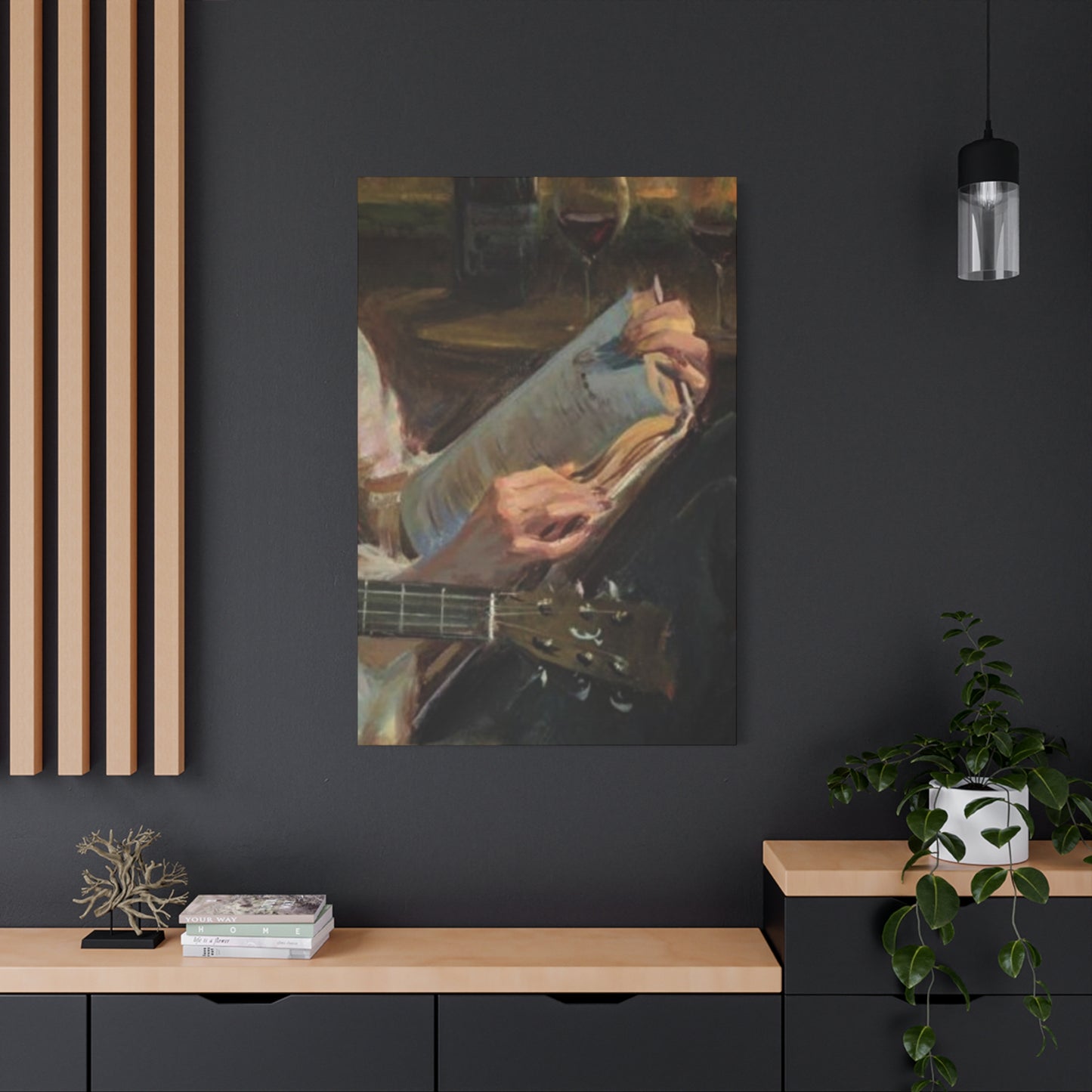


Books And Guitar Wall Art & Canvas Prints
Books And Guitar Wall Art & Canvas Prints
Couldn't load pickup availability
Creative Ways to Display Books And Guitar Wall Art in Your Home Decore
The marriage of literary treasures and stringed instruments creates an extraordinary aesthetic that speaks volumes about personal taste and cultural appreciation. When you position volumes alongside acoustic instruments on vertical surfaces, you craft a narrative that transcends conventional interior decoration. This combination tells stories of quiet evenings spent reading favorite passages while melodies drift through the air, establishing an atmosphere that celebrates both intellectual pursuits and artistic expression.
The visual symphony created by positioning hardbound editions near six-string instruments generates a magnetic focal point within any chamber. Whether you possess vintage volumes from antiquarian shops or contemporary bestsellers, pairing them with acoustic instruments transforms ordinary walls into galleries of personal passion. The contrast between paper and wood, between written words and musical notes, produces a dynamic that resonates with anyone who values creative expression.
Consider the textures at play when you arrange leather-bound tomes beside mahogany instruments. The grain of aged paper complements the finish of polished rosewood, while the metal strings catch light in ways that echo the gilded titles on classic spines. This interplay of materials creates depth and dimension that flat artwork cannot achieve, turning your vertical surfaces into three-dimensional exhibitions.
Establishing Balance Between Literature and Stringed Instruments on Vertical Surfaces
Creating equilibrium in your arrangement requires thoughtful consideration of weight, both physical and visual. Large hardcovers demand substantial presence, while sleek acoustic instruments command attention through their distinctive silhouettes. The key lies in distributing these elements so neither overwhelms the other, allowing each component to enhance rather than compete.
Start by selecting a dominant piece—perhaps a particularly striking instrument with distinctive inlays or a collection of volumes with complementary spines. Position this anchor element first, then build your arrangement around it. Smaller paperbacks can fill gaps between larger items, while compact instruments like ukuleles provide balance without cluttering the composition.
The negative space surrounding your arrangement proves just as crucial as the items themselves. Overcrowding diminishes impact, while strategic spacing allows each element to breathe and capture attention individually. Step back frequently during the arrangement process to assess proportions from various vantage points throughout the chamber.
Color coordination plays a vital role in achieving cohesive aesthetics. If your instrument features warm honey tones, seek out volumes with spines in complementary shades—burnt oranges, deep browns, or muted golds. For instruments with darker finishes, consider volumes with cream-colored pages that peek through, creating contrast that draws the eye.
Vertical and horizontal lines within your arrangement guide the viewer's gaze across the composition. Stacked volumes create strong horizontal elements, while upright instruments establish vertical emphasis. Alternating these orientations prevents monotony and generates visual rhythm that keeps observers engaged.
Selecting Appropriate Mounting Solutions for Combined Displays
The structural integrity of your display depends entirely upon choosing mounting systems that accommodate both literary items and instruments safely. Standard picture hanging methods prove inadequate for the varied weights and shapes involved in these complex arrangements. Instead, investigate specialized mounting solutions designed for heavier, irregularly shaped objects.
Floating shelves provide versatile platforms for creating layered displays. Choose shelves with sufficient depth to support stacked volumes while leaving room for leaning instruments. Ensure the brackets can handle the combined weight—a full shelf of hardcovers plus a solid-body instrument can exceed fifty pounds easily.
Guitar wall mounts come in numerous styles, from simple cradles to elaborate display systems. Cork-lined holders protect instrument finishes while providing secure grip. When positioning these mounts, consider how the instrument's orientation will interact with surrounding volumes. An instrument hung horizontally might create a natural dividing line between groups of titles, while a vertical mount could serve as a bookend.
Shadow boxes offer enclosed spaces perfect for displaying valuable volumes alongside smaller instruments or instrument components. These protective cases keep dust away while creating museum-quality presentations. Custom shadow boxes can accommodate specific dimensions, allowing you to design displays around your unique collection.
Rail systems provide maximum flexibility for evolving displays. These tracks mount along walls, accepting various attachments—hooks for instruments, shelves for volumes, even picture frames for related artwork. As your collection grows or your tastes shift, you can reconfigure elements without creating new mounting holes.
Crafting Thematic Arrangements That Tell Compelling Stories
Transform your display from mere decoration into narrative experiences by grouping items according to themes that resonate with personal interests. A jazz enthusiast might surround an archtop instrument with biographies of legendary musicians, concert programs, and volumes exploring the genre's history. This curated approach invites viewers to engage more deeply with the display, discovering connections between elements.
Travel-themed arrangements might feature instruments acquired during journeys alongside travel memoirs and guidebooks from corresponding regions. A Spanish classical instrument could anchor a collection including works by García Lorca, Cervantes, and contemporary Spanish authors, creating a cultural portrait that transports observers to another place entirely.
Literary movements provide rich thematic material. Surround a vintage instrument from the 1960s with Beat Generation volumes—Kerouac, Ginsberg, Burroughs—alongside concert posters from that era. The counterculture spirit embodied in both the music and literature of that period creates a powerful synergy.
Genre-specific groupings work particularly well for fiction enthusiasts. Mystery novels surrounding a noir-styled instrument evoke smoky jazz clubs and hard-boiled detectives. Fantasy epics beside an instrument adorned with Celtic knots suggest bardic traditions and medieval taverns. Romance collections paired with an elegant instrument conjure images of serenades beneath moonlit balconies.
Seasonal rotations keep displays fresh and relevant. Spring arrangements might emphasize renewal with volumes about gardens and growth alongside bright, cheerful instruments. Autumn displays could feature cozy mysteries and folk instruments in warm, earthy tones. These periodic changes maintain visual interest while celebrating the rhythms of the year.
Incorporating Lighting Schemes to Enhance Visual Drama
Proper illumination transforms good displays into extraordinary ones, revealing textures and creating atmospheric effects that captivate viewers. The interplay between light and shadow adds depth, making flat surfaces appear dimensional while highlighting specific elements you wish to emphasize.
Track lighting offers directional control, allowing you to spotlight particular instruments or volume collections. Adjust individual fixtures to create pools of light that guide the eye through your arrangement. Warm bulbs enhance wooden instrument finishes and create inviting atmospheres, while cooler temperatures bring out details in metallic hardware and page edges.
LED strip lights concealed behind shelves produce subtle backlighting that makes displays appear to float. This technique works especially well for volumes with translucent pages, creating a gentle glow that suggests warmth and invitation. Position strips carefully to avoid creating harsh shadows or overly bright spots.
Picture lights mounted above displays provide focused illumination similar to gallery installations. These fixtures come in various styles, from traditional brass to sleek contemporary designs. Choose finishes that complement your instruments' hardware for cohesive aesthetics.
Natural light presents both opportunities and challenges. While sunlight beautifully illuminates displays during daylight hours, prolonged exposure can damage both paper and wood finishes. Position displays away from direct sun exposure, or use UV-filtering window treatments that protect collections while still admitting beneficial light.
Accent lighting draws attention to specific focal points. Small spotlights can highlight particularly valuable volumes or instruments with exceptional craftsmanship. Use these sparingly—too many accent lights create confusion rather than emphasis.
Protecting Collections from Environmental Damage While Displayed
Displaying treasured items on walls exposes them to environmental factors that can cause gradual deterioration. Understanding these risks and implementing protective measures ensures your collections remain in excellent condition for years to come.
Humidity fluctuations pose significant threats to both paper and wood. Pages absorb moisture, leading to warping and potential mold growth. Instrument woods expand and contract with humidity changes, potentially causing cracks or affecting playability. Maintain consistent humidity levels between forty and fifty percent using dehumidifiers or humidifiers as needed.
Temperature extremes likewise threaten displayed items. Heat causes adhesives in volume bindings to break down, while cold makes wood brittle. Position displays away from heating vents, radiators, and air conditioning units. Avoid exterior walls that might transmit outdoor temperature fluctuations.
Dust accumulation dulls finishes and can scratch surfaces during cleaning. Regular gentle dusting with microfiber cloths prevents buildup. For instruments, use cloths designed specifically for musical equipment that won't leave residue. Volume dusting requires special care—always brush away from the spine to avoid loosening bindings.
Air quality impacts long-term preservation. Pollutants, cooking odors, and tobacco smoke can permeate paper and wood, causing discoloration and degradation. Maintain good ventilation and consider air purifiers in chambers housing valuable collections.
Insect pests threaten both paper and wood. Silverfish devour volume pages, while wood-boring beetles damage instruments. Regular inspection helps catch infestations early. Cedar blocks or lavender sachets placed near displays provide natural deterrents without harmful chemicals.
Mixing Different Musical Instrument Styles with Various Literary Genres
The juxtaposition of contrasting elements creates visual tension that makes displays memorable. Pairing unexpected combinations challenges viewers' expectations while revealing surprising harmonies between disparate items.
A weathered folk instrument surrounded by sleek contemporary fiction creates dialogue between tradition and modernity. The worn patina of vintage wood contrasts with minimalist dust jacket designs, suggesting conversations across time periods. This approach works particularly well for showcasing how timeless themes persist through different artistic expressions.
Classical instruments adorned with ornate inlays find natural companions in volumes featuring decorative endpapers and illustrated plates. The craftsmanship evident in both forms of artistry reinforces shared values of beauty and meticulous attention to detail. Gold-leaf details on instrument bodies echo gilded page edges, creating subtle visual echoes.
Rustic instruments with distressed finishes complement volumes featuring rough-cut pages and cloth bindings. This aesthetic celebrates authenticity and handcrafted quality over mass-produced perfection. Pair these with volumes from small independent publishers or limited edition releases that share similar values.
Colorful painted instruments inject playful energy into displays, particularly when surrounded by volumes with vibrant cover art. This approach suits children's literature collections or graphic novel displays where bold colors and whimsical designs take center stage. The resulting arrangement feels joyful and inviting.
Minimalist instruments with clean lines and simple finishes provide sophisticated backdrops for poetry collections and philosophical works. The restraint evident in both the instrument's design and the sparse text on poetry pages creates contemplative atmospheres conducive to reflection.
Designing Around Architectural Features in Your Chamber
Existing architectural elements present both challenges and opportunities when planning displays. Working with rather than against these features produces integrated designs that feel intentional and cohesive.
Alcoves and recessed spaces provide natural homes for elaborate displays. The surrounding walls create frame-like boundaries that contain and emphasize arrangements. Consider installing built-in shelving within these spaces to maximize capacity while maintaining clean lines.
High ceilings allow for vertical arrangements that draw the eye upward, making chambers feel more spacious. Create ascending displays with instruments positioned at various heights, surrounded by volumes that fill the vertical space. This approach works particularly well for showcasing multiple instruments within a single arrangement.
Corners often go underutilized despite offering prime display real estate. Corner shelving systems or specialized corner mounts transform these awkward spaces into striking focal points. Arrange volumes and instruments in ways that acknowledge the angular geometry rather than fighting against it.
Fireplace mantels provide natural display platforms that already command attention. While you might avoid placing valuable items directly above active fireplaces due to heat concerns, mantels in chambers with gas or decorative fireplaces offer perfect stages for curated arrangements. Layer volumes at varying depths while leaning instruments against the wall behind.
Window surrounds frame displays with natural light, though direct sun exposure requires careful consideration. Position heat-sensitive items away from glass while using the natural illumination to highlight less vulnerable elements. Sheer curtains filter harsh light while maintaining beneficial brightness.
Exposed beams or columns create vertical dividers that naturally separate display zones. Use these structural elements as anchors for related groupings—perhaps separating different genres or time periods. This organizational strategy helps prevent large collections from appearing overwhelming.
Combining Vintage and Contemporary Pieces for Eclectic Appeal
Mixing items from different eras prevents displays from feeling stagnant or overly themed. The contrast between old and new creates dynamic energy while demonstrating how artistic expression transcends temporal boundaries.
Antique volumes with foxed pages and worn bindings gain new relevance when displayed beside contemporary instruments with modern design elements. The conversation between these pieces suggests continuity—how stories and songs persist while their vessels evolve. This approach particularly suits collectors who appreciate both preservation and innovation.
Mid-century modern instruments from the 1950s and 1960s possess distinctive aesthetics that complement both earlier and later pieces. Their clean lines and innovative designs served as bridges between traditional craftsmanship and contemporary approaches. Surround these instruments with volumes from various eras to highlight their transitional nature.
First edition volumes represent specific moments in literary history. Pairing these with instruments from corresponding periods creates time capsules that capture the cultural zeitgeist of particular decades. A first edition Fitzgerald novel beside a 1920s parlor instrument evokes Jazz Age glamour in ways that single items cannot achieve alone.
Contemporary art volumes with striking photography or innovative layouts provide bold contrast to traditional instruments. The glossy pages and avant-garde designs challenge conventional displays while demonstrating how different artistic mediums continue influencing each other.
Handmade or custom instruments created by contemporary luthiers represent modern craftsmanship traditions. These pieces honor historical methods while incorporating personal artistic visions. Pair them with volumes from small independent publishers who similarly balance tradition and innovation.
Creating Visual Hierarchy to Guide Observer Attention
Effective displays control how viewers experience arrangements by establishing clear pathways for the eye to follow. Strategic placement of larger, more visually striking elements creates anchors, while smaller items provide supporting details that reward closer examination.
Primary focal points should capture attention immediately upon entering the chamber. Position your most impressive instrument or most visually distinctive volume collection at eye level in the center of your arrangement. This anchor establishes the display's theme and draws viewers closer to explore supporting elements.
Secondary focal points provide alternative destinations for the wandering eye. After absorbing the primary element, observers naturally seek additional points of interest. Place these strategically around the main focus—perhaps a particularly colorful volume collection to the left and an interesting instrument detail to the right.
Transitional elements guide the eye between focal points. Smaller volumes, decorative objects, or instrument accessories create visual stepping stones that connect major pieces. These supporting players prevent abrupt jumps that might confuse or overwhelm viewers.
Repetition of colors, shapes, or textures throughout the arrangement creates rhythm that feels intentional rather than random. If your primary instrument features warm wood tones, echo these colors in volume spines throughout the display. Repeated circular shapes—perhaps a round sound hole reflected in circular decorative objects—establish visual themes.
Contrast prevents monotony while creating excitement. After establishing patterns through repetition, intentionally break them with contrasting elements. A pop of bright color among neutral tones, or a horizontal line among vertical elements, refreshes the viewer's attention and prevents visual fatigue.
Utilizing Color Theory to Create Harmonious Compositions
Understanding how colors interact allows you to craft displays that feel cohesive rather than chaotic. Strategic color choices can evoke specific moods, emphasize particular elements, or create visual unity across diverse collections.
Monochromatic schemes use variations of a single color family to create sophisticated, cohesive displays. A collection of volumes with blue spines in various shades—from navy to sky blue—surrounding a instrument with cool-toned inlays produces calming, unified aesthetics. This approach works particularly well for minimalist designs or contemporary spaces.
Analogous color schemes employ adjacent colors on the color wheel for harmonious combinations. Instruments with warm wood tones pair beautifully with volumes featuring orange, red, and yellow spines. This approach feels natural and comfortable, evoking organic warmth.
Complementary colors sit opposite each other on the color wheel, creating vibrant contrast. An instrument with blue-green patina surrounded by volumes with orange or rust-colored covers produces dynamic tension that energizes displays. Use this approach when seeking bold, attention-grabbing arrangements.
Triadic color schemes employ three colors evenly spaced around the color wheel. This balanced approach offers visual interest without overwhelming viewers. Combine these colors through careful distribution—perhaps concentrating each color in different areas rather than mixing them uniformly throughout.
Neutral backgrounds allow colorful elements to shine without competition. White or cream-colored walls provide clean canvases that make volumes and instruments appear more vibrant. Conversely, darker walls create dramatic backdrops that lend gravitas to displays.
Metallic accents catch light and add luxury to arrangements. Gold or brass instrument hardware echoes gilded volume titles, while silver elements complement black-and-white photography volumes. Use metallics sparingly as accent notes rather than dominant themes.
Incorporating Personal Memorabilia to Enhance Storytelling
Displays become infinitely more meaningful when they include items with personal significance. Concert tickets, bookstore receipts, handwritten notes, or photographs transform generic arrangements into autobiographical narratives.
Ticket stubs from memorable concerts provide dated evidence of experiences that shaped your musical appreciation. Frame these alongside instruments you played or learned during those periods, with volumes that reflect the philosophical or emotional states you inhabited then. These tangible connections between items create rich layers of meaning.
Bookplates or inscriptions add personal dimensions to volume collections. A volume gifted by someone meaningful, inscribed with a heartfelt message, becomes more than just another title—it represents relationships and moments. Position these prominently where their personal significance can be appreciated.
Photographs of yourself playing instruments or reading in favorite locations bridge past and present. Include images from different life stages to show how your relationship with music and literature has evolved. These visual timestamps remind viewers that collections represent journeys rather than destinations.
Concert programs and signed posters document encounters with artists who influenced your creative development. A poster signed by a favorite musician displayed near instruments they inspired you to play tells powerful stories about artistic lineage and influence.
Postcards or bookmarks from independent bookstores or music shops commemorate places where treasured discoveries occurred. These seemingly minor mementos carry disproportionate emotional weight, reminding you of serendipitous finds and supporting small retailers who nurtured your passions.
Addressing Space Limitations in Compact Living Quarters
Limited square footage need not prevent you from creating impressive displays. Clever strategies and specialized solutions allow even the smallest chambers to showcase meaningful collections without feeling cramped.
Vertical space utilization becomes crucial when floor space is scarce. Install shelving that extends toward ceilings, using upper sections for decorative display while keeping frequently accessed items at reachable heights. Tall, narrow shelving units occupy minimal floor space while providing substantial display capacity.
Multi-functional furniture pieces serve double duty in compact spaces. Bookcases with built-in instrument stands eliminate the need for separate mounting systems. Storage ottomans or benches with display surfaces on top provide seating while showcasing collections.
Door-mounted organizers typically used for shoes or accessories can accommodate paperback collections or sheet music, freeing valuable wall space for instrument displays. These overlooked surfaces provide surprising capacity without requiring additional furniture.
Rotating displays allow you to enjoy your entire collection despite limited simultaneous display capacity. Create several complete arrangements, swapping them seasonally or monthly. This approach prevents visual stagnation while letting every item have its moment.
Minimalist curation forces you to showcase only your most beloved items. Rather than attempting to display everything you own, select pieces that best represent your tastes and tell the most compelling stories. This restraint often produces more impactful results than cluttered, comprehensive displays.
Wall-mounted drop-leaf tables provide temporary surfaces for arrangement changes without permanently occupying floor space. When not in use, they fold flat against walls, but when extended, they offer workspace for rearranging displays or temporarily holding items.
Establishing Proper Spacing Between Individual Elements
The gaps between items prove as important as the items themselves in creating successful compositions. Proper spacing allows each element to maintain individual identity while contributing to the overall arrangement.
The rule of thirds borrowed from photography provides useful guidance for spacing. Imagine your display area divided into a three-by-three grid. Position key elements at the intersections of these lines rather than dead center, creating more dynamic arrangements than symmetrical centering produces.
Similar items require more space between them than dissimilar items to avoid visual confusion. Two instruments positioned side by side need significant separation to register as distinct objects rather than blurring into a single mass. Conversely, volumes and instruments require less separation because their obvious differences prevent confusion.
Graduated spacing creates depth perception even on flat surfaces. Items intended as foreground elements should have generous space around them, while background elements can nestle closer together. This technique mimics how we perceive three-dimensional space, making displays feel more dimensional.
Breathing room around the entire arrangement prevents it from feeling crammed or overwhelming. Leave at least six inches of clear space on all sides of your display before other wall decorations or furniture begin. This buffer zone allows the arrangement to exist as a distinct entity rather than competing with adjacent elements.
Test spacing by photographing your arrangement from various distances and angles. Digital images reveal imbalances and overcrowding that might escape notice during hands-on arrangement. Make adjustments based on these objective viewpoints rather than trusting only your in-person perspective.
Selecting Complementary Wall Colors to Enhance Displays
Background colors dramatically influence how displays appear, either enhancing or diminishing their impact. Thoughtful wall color selection makes collections appear more vibrant and cohesive.
Neutral walls—whites, creams, grays, and taupes—provide versatile backdrops that work with virtually any collection. These safe choices allow your instruments and volumes to command attention without competing with busy backgrounds. This approach particularly suits collections with diverse colors that might clash with more assertive wall choices.
Deep, saturated walls create dramatic settings that lend importance and gravitas to displays. Navy blues, forest greens, or charcoal grays transform ordinary collections into museum-worthy exhibitions. This bold approach works best when your collection includes lighter elements that provide contrast against the dark backgrounds.
Warm earth tones—terracotta, ochre, or burnt sienna—complement wooden instruments beautifully while creating inviting, cozy atmospheres. These colors feel natural and organic, particularly suited to folk or acoustic instrument collections paired with nature writing or rustic volumes.
Cool tones—sage green, powder blue, or lavender—create calming environments appropriate for reading nooks or practice spaces. These colors recede visually, making chambers feel more spacious while providing subtle color interest.
Accent walls allow you to experiment with bolder colors without overwhelming entire chambers. Paint the wall behind your display in a statement color while keeping surrounding walls neutral. This focused approach draws attention to your collection while maintaining overall balance.
Incorporating Textural Variety for Added Visual Interest
Displays that engage multiple senses prove more memorable than those appealing only to vision. Incorporating varied textures creates tactile intrigue that invites closer examination.
Rough-hewn wood shelving provides rustic contrast to smooth instrument finishes and glossy dust jackets. The visible grain and imperfect edges suggest handcrafted authenticity, lending displays earthy, organic character. This approach particularly suits folk or bluegrass instrument collections.
Fabric backgrounds—linen, burlap, or velvet—introduce softness that balances hard surfaces of wood and paper. Stretch fabric over backing boards placed behind displays, or line shelf backs with complementary materials. These textiles absorb rather than reflect light, creating subtle depth.
Metal accents through brackets, bookends, or decorative objects add industrial edge to arrangements. Brushed steel or wrought iron contrasts beautifully with organic materials while providing structural support. Choose finishes that complement instrument hardware for cohesive aesthetics.
Stone or ceramic objects interspersed among volumes and instruments introduce weight and permanence. Smooth river rocks, carved soapstone pieces, or pottery add sculptural elements that break up the linear nature of volumes and instruments.
Glass elements—vases, paperweights, or display cases—catch and refract light, adding sparkle and movement. Position these strategically where they'll interact with both natural and artificial light sources throughout the day.
Natural elements like driftwood, pinecones, or pressed flowers connect displays to the organic world. These items work particularly well with nature writing collections or instruments crafted from exotic woods, emphasizing connections between art and nature.
Maintaining Flexibility for Collection Growth and Change
Static displays rarely satisfy long-term, especially for active collectors whose tastes and collections evolve. Building flexibility into your design allows for painless adjustments as new items arrive or interests shift.
Modular shelving systems accept additional components as collections expand. Start with a basic configuration, then add sections vertically or horizontally as needed. This incremental growth prevents the need for complete redesigns when you acquire new pieces.
Adjustable shelving with movable brackets accommodates items of varying heights. As you add larger volumes or different instrument types, reconfigure shelf spacing without reinstalling entire systems. This adaptability proves invaluable over time.
Open-ended arrangements leave obvious gaps where new items can integrate seamlessly. Rather than filling every available space initially, design displays with built-in expansion capacity. This foresight prevents overcrowding and maintains visual balance as collections grow.
Seasonal rotation plans keep displays fresh while accommodating temporary additions. Designate storage for items not currently displayed, rotating them in periodically to showcase different facets of your collection. This approach works particularly well for extensive collections that exceed display capacity.
Digital catalogs of your collection help plan future displays even before acquiring new items. Photograph your current arrangement, then use image editing software to visualize how potential purchases might integrate. This planning prevents impulse acquisitions that don't suit existing aesthetics.
Removable mounting solutions facilitate rearrangement without wall damage. Command strips, magnetic mounts, or rail systems allow you to relocate elements easily as your vision evolves. This freedom to experiment encourages you to refine arrangements until they feel perfect.
Drawing Inspiration from Professional Gallery and Museum Displays
Studying how institutions present collections provides valuable lessons applicable to residential displays. Professional curators employ sophisticated strategies that translate effectively to personal spaces.
Museum lighting techniques create drama while protecting collections. Track lighting positioned at thirty-degree angles minimizes glare while eliminating shadows. Observe how museums light similar objects, then replicate their approaches at home using consumer-grade equipment.
Gallery spacing standards prevent overcrowding while allowing each item adequate prominence. Professional installations typically place objects at least eighteen inches apart, with larger gaps between significantly different items. This generous spacing feels initially sparse but prevents visual chaos.
Interpretive labels add context without cluttering displays. Small cards identifying instruments, volume first editions, or personal significance help viewers appreciate collections more fully. Keep these labels minimal and consistent in formatting for professional appearance.
Chronological arrangements tell historical stories by grouping items from similar periods. Museums often organize displays temporally, allowing visitors to observe evolution and change over time. Apply this principle by grouping instruments and volumes from corresponding eras.
Thematic groupings around concepts rather than time periods create intellectual connections. Museums might group items by cultural origin, artistic movement, or thematic content. Replicate this approach by organizing your display around ideas that unify diverse pieces.
Conservation principles employed by museums protect collections from damage. Archival materials, climate control, and handling procedures developed by professionals ensure longevity. Adopt scaled-down versions of these practices to preserve your own treasures.
Understanding Weight Distribution for Structural Safety
Improperly supported displays risk catastrophic collapse, potentially damaging valuable collections and creating safety hazards. Understanding structural principles ensures your arrangements remain secure.
Wall stud location determines where heavy items can hang safely. Use stud finders to locate these structural supports before installing brackets or mounts. Whenever possible, anchor mounting hardware directly into studs rather than relying solely on drywall anchors.
Weight calculations should account for maximum capacity, not just current loads. Shelves rated for fifty pounds should hold no more than thirty-five pounds to maintain safety margins. Factor in the cumulative weight of multiple volumes plus any instruments they'll support.
Distributed loads stress structures differently than concentrated weights. Ten pounds distributed across a three-foot shelf creates less stress than ten pounds concentrated in one spot. Spread heavy items across shelf lengths rather than clustering them.
Wall material significantly impacts mounting strength. Brick, concrete, and solid wood support far more weight than drywall or plaster. Know your wall composition before attempting to hang heavy items, and choose appropriate anchors for the material.
Redundant mounting points provide backup security. Use two hooks instead of one for valuable instruments, or extend shelving brackets beyond minimum requirements. This belt-and-suspenders approach prevents single-point failures.
Regular inspection catches problems before they become dangerous. Quarterly checks of mounting hardware, shelf integrity, and wall condition reveal loosening screws, cracking plaster, or other issues requiring attention. Address problems immediately rather than waiting for failures.
Integrating Books And Guitar Wall Art into Broader Interior Design Schemes
Successful displays harmonize with overall chamber aesthetics rather than existing as isolated elements. Considering how your arrangement interacts with surrounding decor creates cohesive environments.
Color schemes should coordinate with existing furniture and accessories. If your chamber features predominantly cool tones, select instruments and volumes that complement rather than clash. This doesn't require perfect matching—subtle harmonies prove more interesting than exact repetition.
Design styles from your arrangement should echo throughout the chamber. A rustic display featuring weathered instruments and vintage volumes pairs naturally with farmhouse furniture and natural fiber textiles. Mixing drastically different styles can work but requires careful execution to avoid confusion.
Scale relationships between your display and surrounding furniture prevent imbalance. Massive arrangements overwhelm small chambers, while tiny displays disappear in large spaces. Aim for your display to occupy roughly fifteen to twenty percent of visible wall space—enough to command attention without dominating.
Traffic flow patterns influence ideal placement locations. Avoid positioning displays where people regularly walk, as proximity increases collision risks. Instead, choose walls adjacent to seating areas where observers can appreciate arrangements comfortably.
Focal point hierarchy establishes primary attention destinations within chambers. Most spaces should have one dominant focal point—perhaps a fireplace or picture window. Your display should support rather than compete with this primary element unless you intend it as the main attraction.
Lighting continuity connects displays to broader lighting schemes. If your chamber uses warm-toned ambient lighting, employ similar temperatures for display illumination. Abrupt shifts in light color or intensity feel jarring rather than harmonious.
Exploring Different Arrangement Styles and Philosophies
Various approaches to arrangement yield dramatically different results. Experimenting with these philosophies helps you discover which resonates most strongly with your aesthetic sensibilities.
Symmetrical arrangements create formal, traditional impressions through balanced compositions. Position matching elements equidistant from a central axis—identical volume stacks flanking a centered instrument, for instance. This approach suits classical or traditional design schemes.
Asymmetrical arrangements feel more casual and contemporary despite requiring equally careful planning. Balance visual weight rather than creating mirror images—a large instrument on one side balanced by several volumes on the other. This approach allows more creative freedom while maintaining equilibrium.
Maximalist displays celebrate abundance through dense, layered arrangements. Every available surface holds volumes, instruments, and related objects, creating rich visual feasts. This approach suits collectors with extensive holdings who want to showcase as much as possible simultaneously.
Minimalist arrangements emphasize restraint, showcasing carefully selected items with abundant negative space. A single instrument surrounded by three or four volumes creates powerful impact through simplicity. This approach highlights the inherent beauty of individual pieces.
Organic arrangements resist rigid organization, instead allowing items to relate naturally. Instruments lean casually against walls, volumes stack in apparently random piles, creating lived-in, approachable aesthetics. This style works well for creative spaces where formality feels out of place.
Grid-based arrangements impose order through strict geometric organization. Volumes align precisely, instruments hang at mathematically calculated intervals, creating satisfying regularity. This systematic approach appeals to those who appreciate structure and predictability.
Dealing with Awkward Wall Shapes and Challenging Spaces
Not every wall offers perfect rectangles for display. Sloped ceilings, irregular alcoves, and other architectural quirks require creative solutions.
Sloped ceiling spaces under stairs or in attics challenge conventional arrangement strategies. Embrace the angular geometry by creating ascending displays that follow the slope. Start with shorter volumes and instruments at the low end, graduating to taller items where headroom permits.
Narrow walls between windows or doors seem too small for substantial displays but offer opportunities for vertical arrangements. Stack volumes floor-to-ceiling, punctuated by small instruments at intervals, creating column-like displays that emphasize height.
Curved walls require flexible mounting solutions. Individual brackets positioned following the curve work better than rigid shelving systems. Lean instruments along curves rather than attempting to hang them perpendicular to curved surfaces.
Irregular alcoves with unusual dimensions benefit from custom solutions. Commission shelving cut to precise measurements, or use adjustable systems that accommodate non-standard spaces. These awkward areas often become favorite display locations once properly addressed.
Low walls beneath windows can't accommodate standard displays but work perfectly for horizontal arrangements. Position instruments lying flat with volumes arranged around them, creating still-life compositions meant for overhead viewing.
Textured walls—brick, stone, or rough plaster—complicate mounting but offer rich visual interest. Special anchors designed for masonry ensure security, while the textured backgrounds add depth and character to displays.
Conclusion
Functional instruments displayed on walls continue affecting chamber acoustics even when not actively played. Understanding these interactions helps you create spaces conducive to both visual appeal and musical performance.
Hard surfaces reflect sound waves, creating bright, lively acoustic environments. Chambers with substantial wood, glass, or plaster amplify sounds, which can enhance musical practice but becomes overwhelming in small spaces. Balance reflective surfaces with sound-absorbing materials.
Displayed instruments absorb certain frequencies while reflecting others. A chamber filled with wooden acoustic instruments creates particular sonic characteristics different from spaces with different contents. Notice how your voice sounds in the display chamber compared to other areas.
Volume collections contribute to acoustic treatment by absorbing sound. Paper absorbs high frequencies particularly effectively, softening harsh echoes. Substantial collections function similarly to acoustic panels, improving chamber sound quality.
Hollow-bodied instruments act as resonators, sympathetically vibrating when nearby sounds match their natural frequencies. This phenomenon can add richness to musical practice but might create unwanted resonance during other activities. Experiment with instrument positions to optimize acoustic effects.
Strategic placement of absorptive materials controls excessive reverberation. Fabric wall hangings, upholstered furniture, or area rugs placed near hard, reflective display walls balance sonic environments. This consideration proves particularly important in chambers used for recording or serious practice.
Isolation from exterior noise protects practice quality and prevents disturbing others. Chambers with substantial wall coverings—including displayed instruments and volumes—provide better sound isolation than bare chambers. Additional measures like weatherstripping doors enhance privacy.
Collections including precious, irreplaceable, or high-value items require additional protective measures beyond standard display techniques.
Locked display cases provide physical security while maintaining visibility. Glass-fronted cabinets with secure locks prevent unauthorized access while allowing full appreciation. This approach particularly suits rare first editions or vintage instruments.
Security mounting systems use special hardware preventing easy removal. Instruments hang on mounts requiring tools to release, deterring casual theft. While not preventing determined criminals, these measures slow theft attempts and encourage thieves to seek easier targets.
Inventory documentation proves invaluable for insurance claims following theft or damage. Photograph every item from multiple angles, recording serial numbers, distinctive features, and appraisals. Store this documentation securely off-site or in cloud storage.
Homeowner's insurance policies often exclude or limit coverage for high-value collections. Review your policy's collectibles coverage, purchasing additional riders if necessary. Maintain current appraisals to ensure adequate coverage.
Alarm systems provide active monitoring and deterrence. Motion sensors in chambers housing valuable collections alert you to unauthorized access. Modern systems allow remote monitoring via smartphone applications.
Strategic placement away from ground-floor windows reduces theft risk. Upper-floor chambers require more effort to access, discouraging opportunistic thieves. Avoid displaying your most valuable items where they're visible from outside.
Share