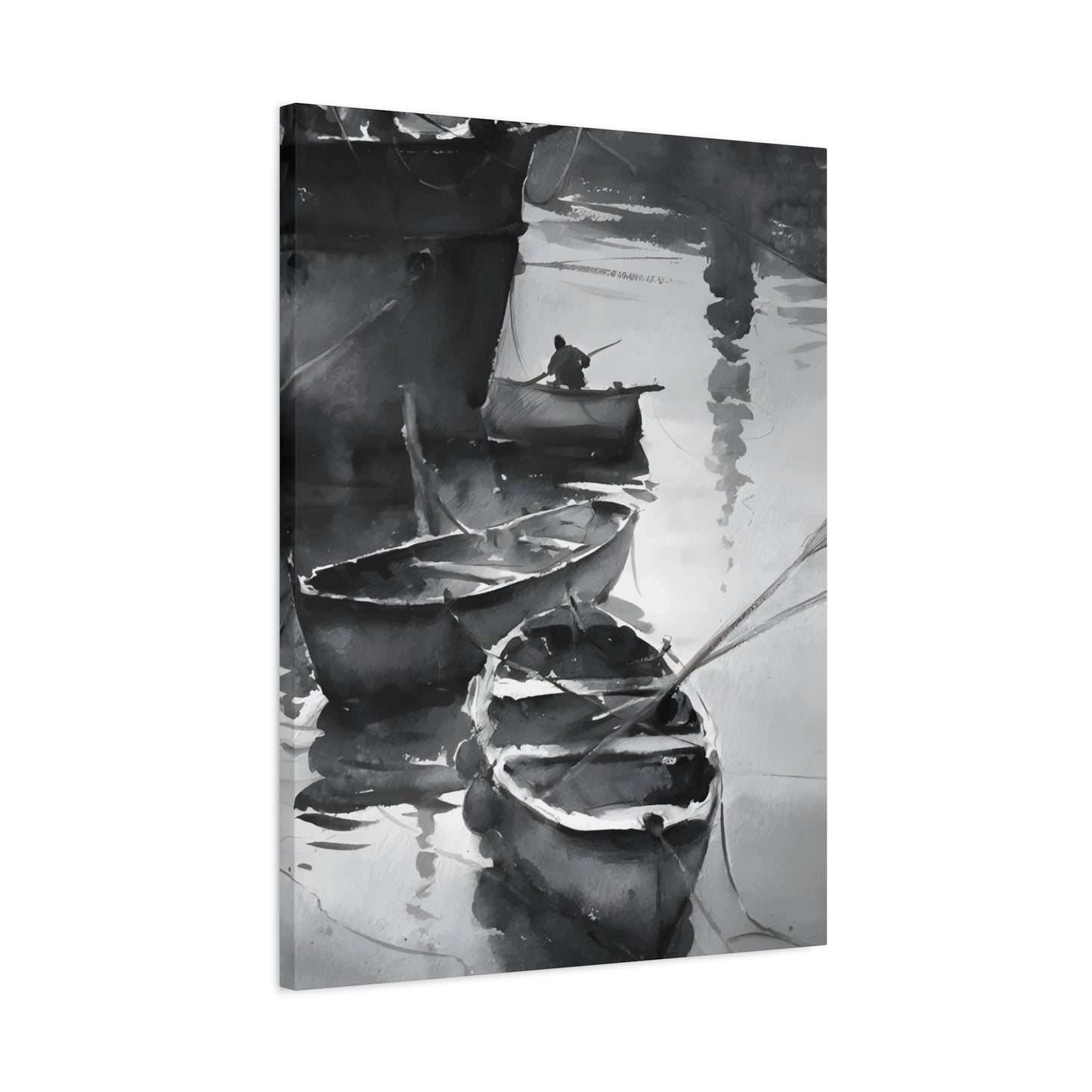
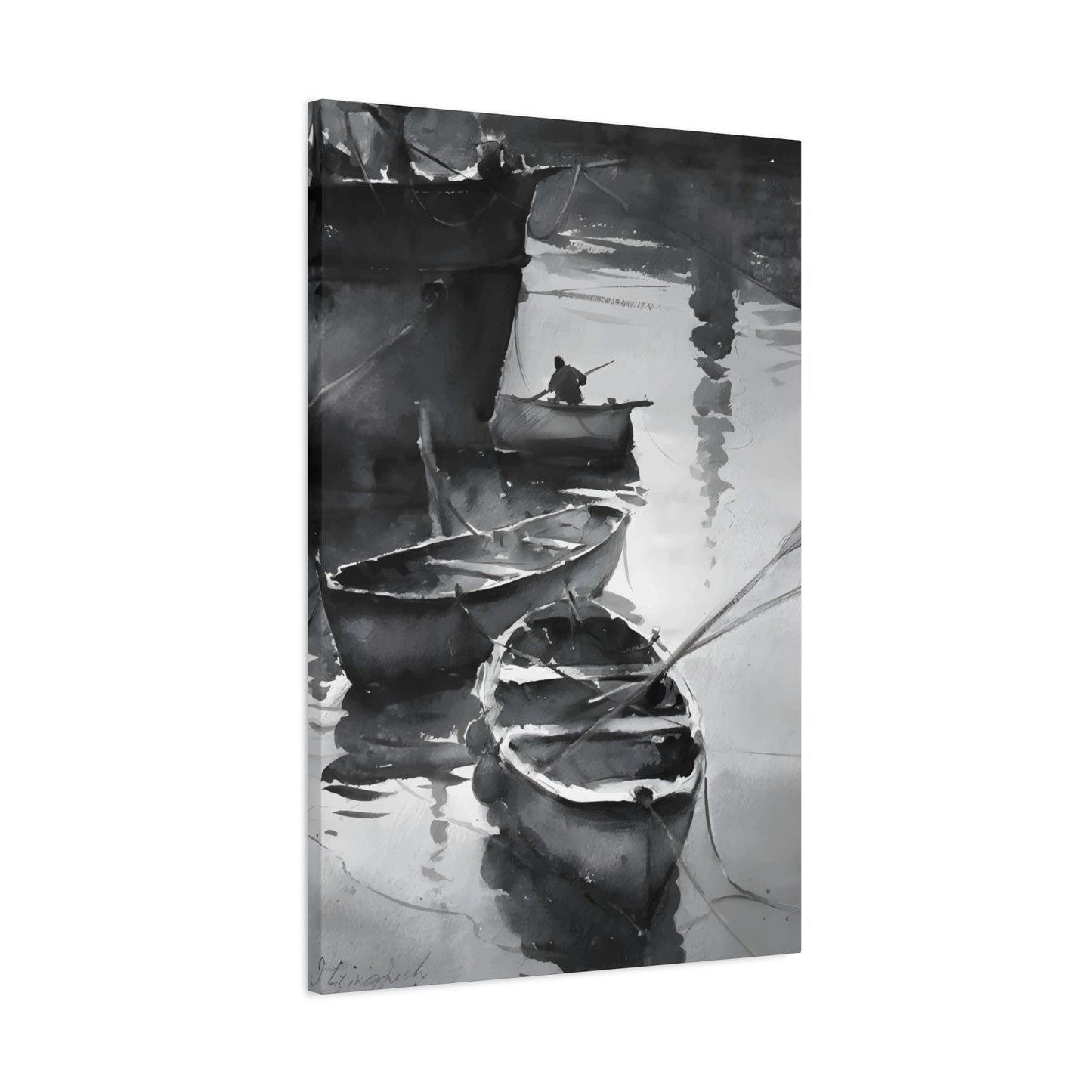
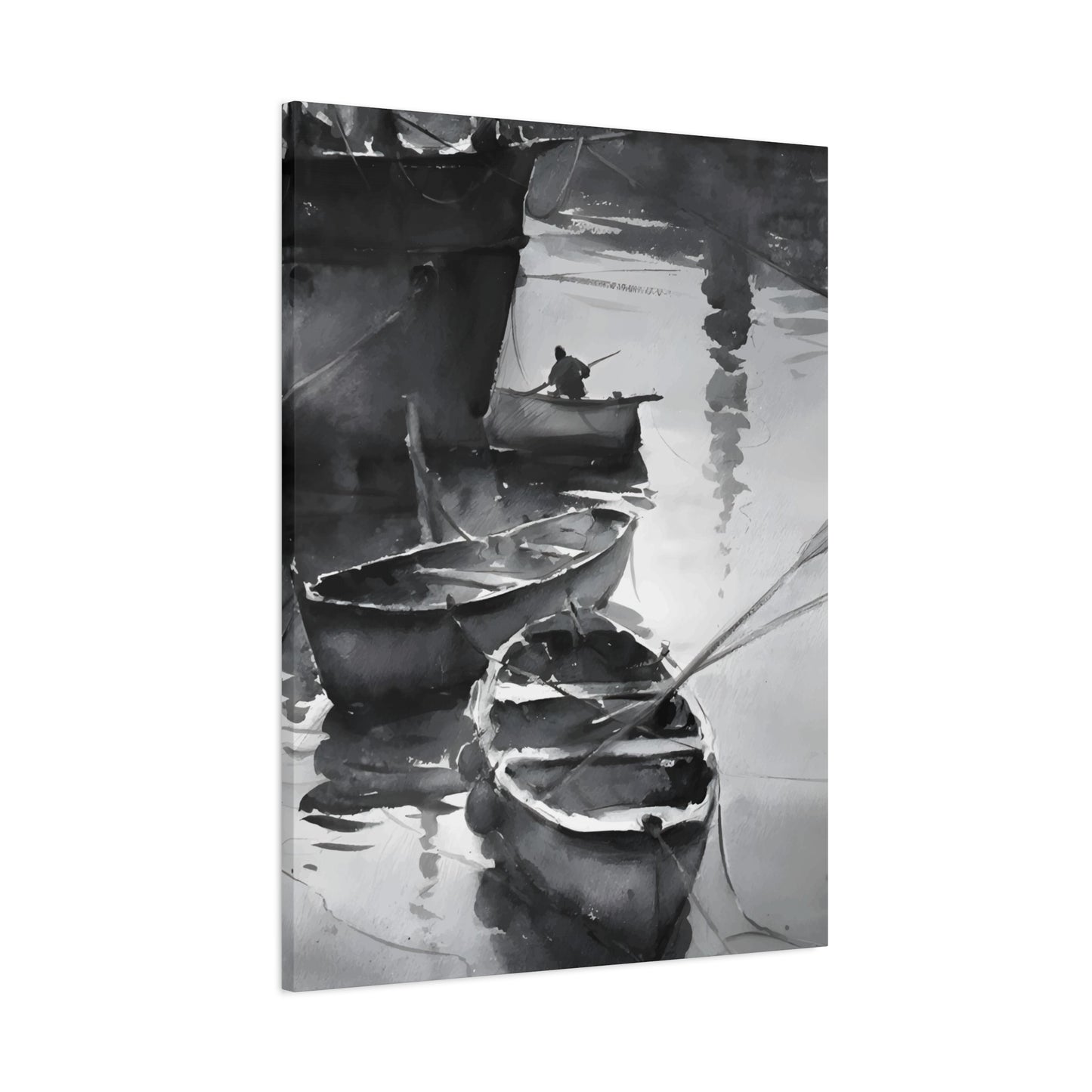
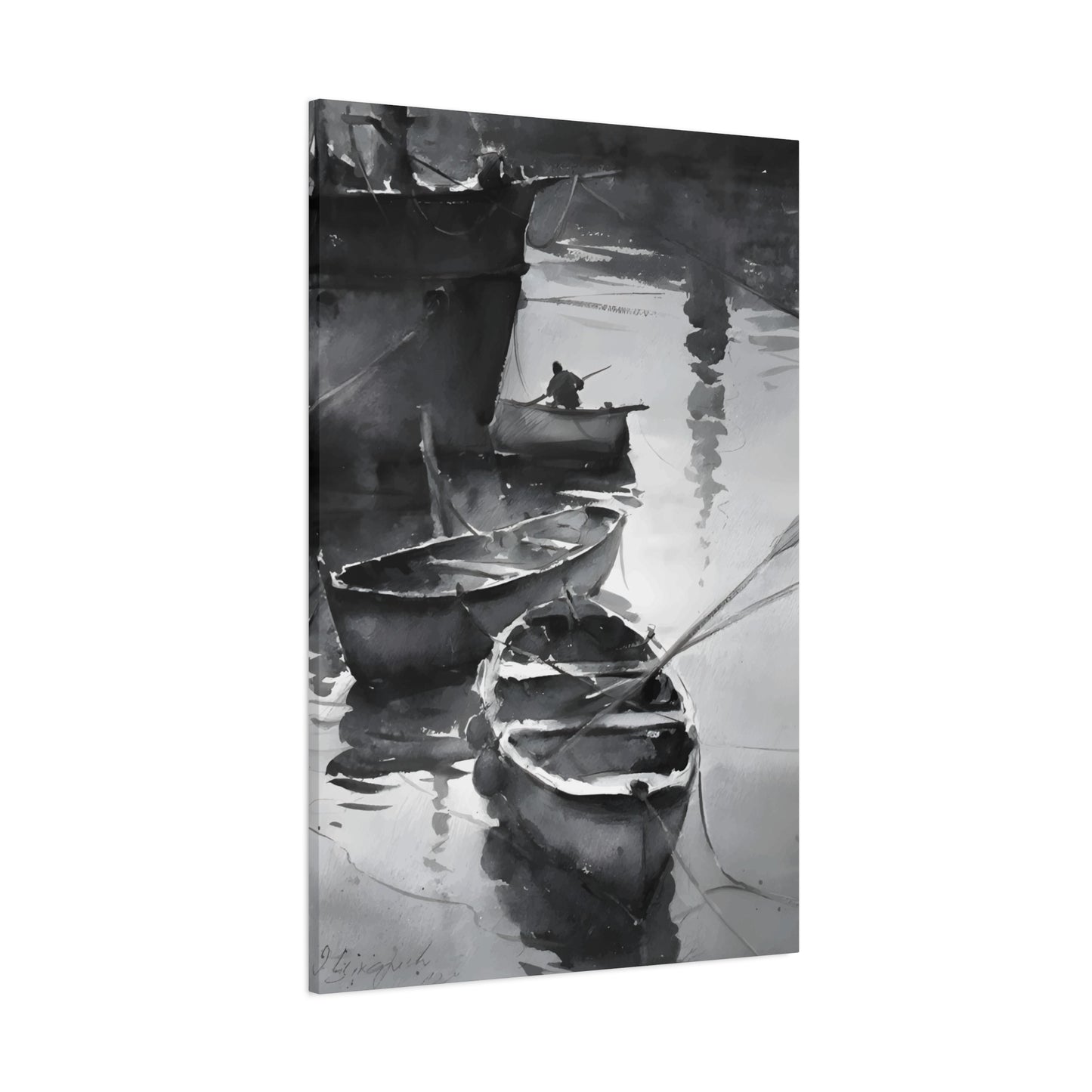
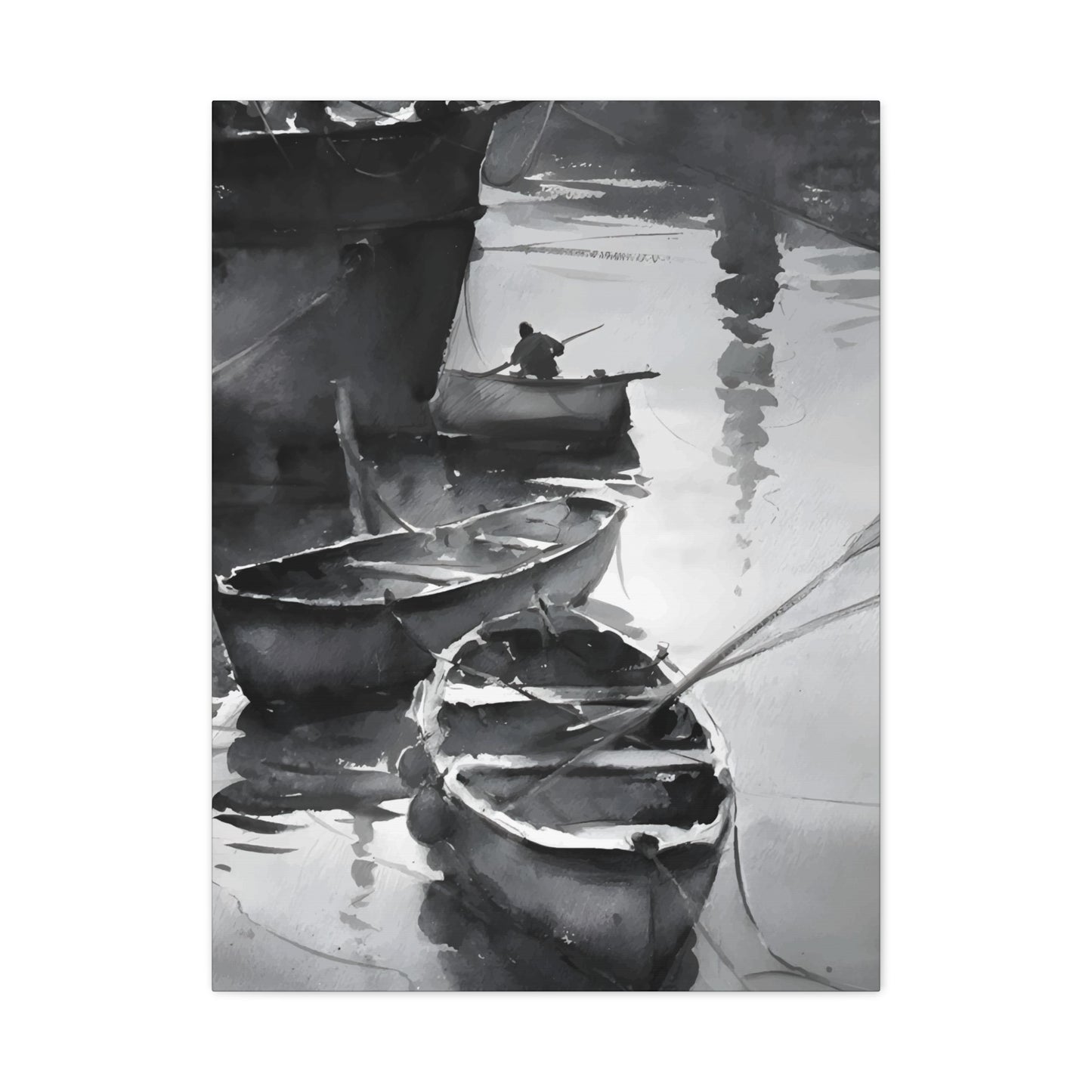
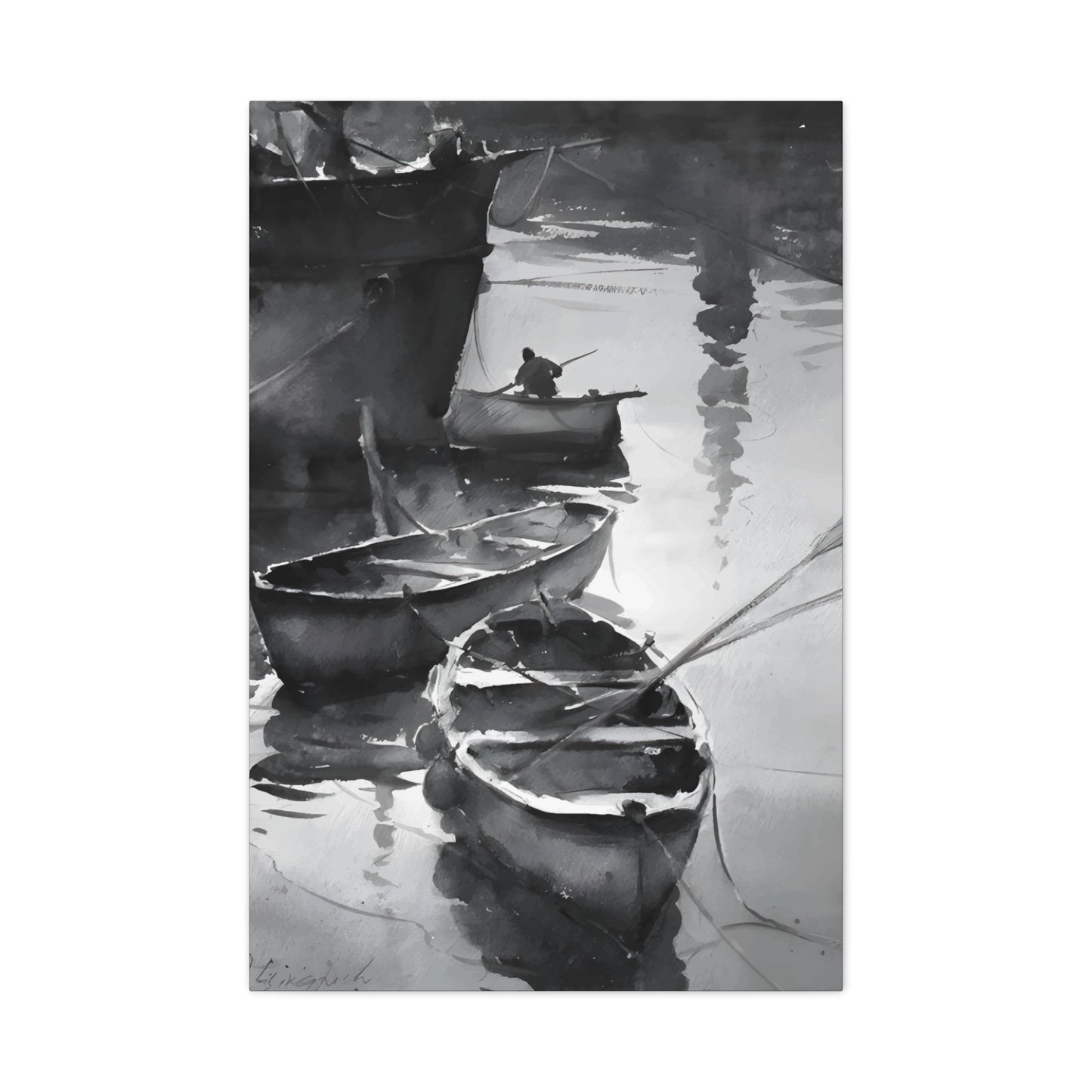
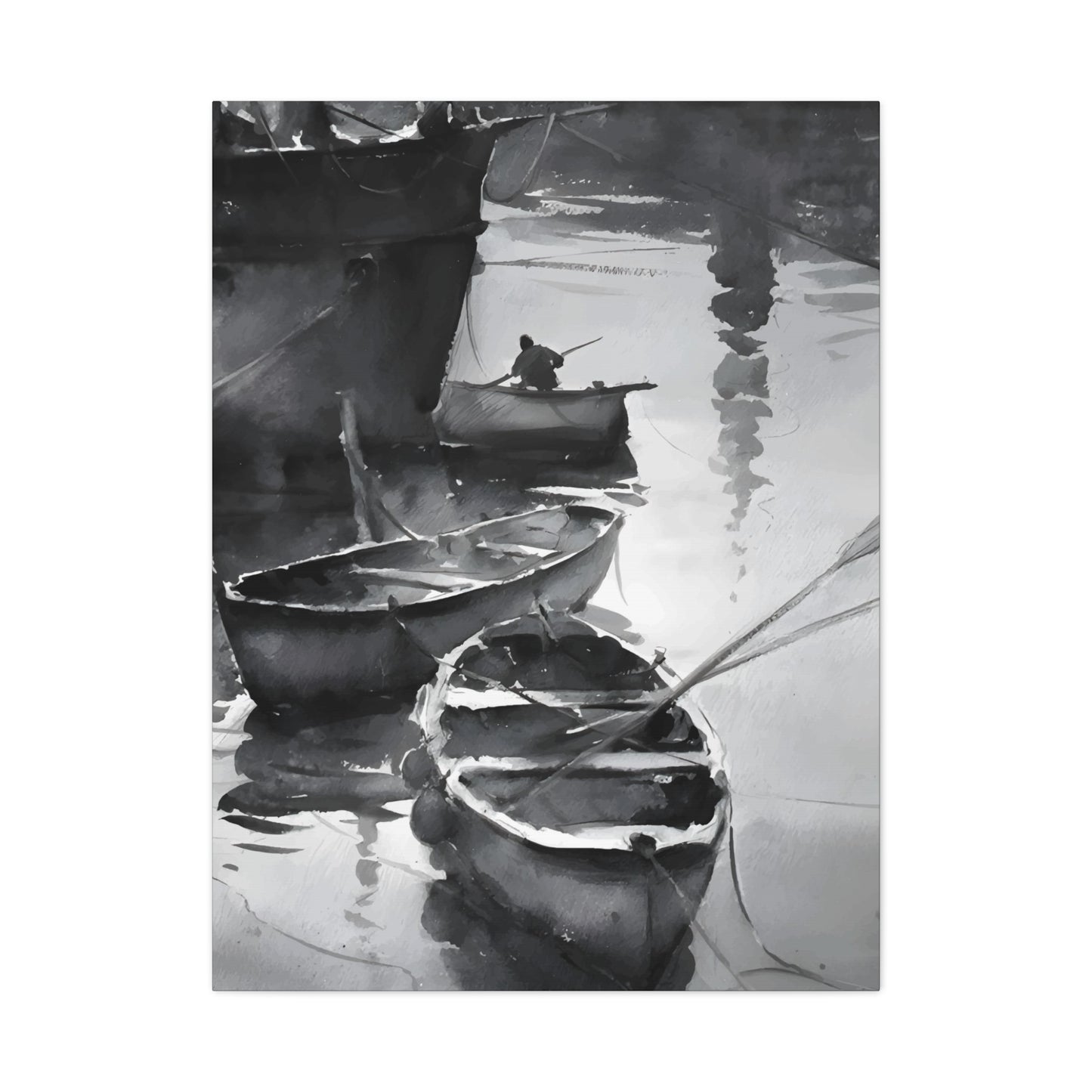
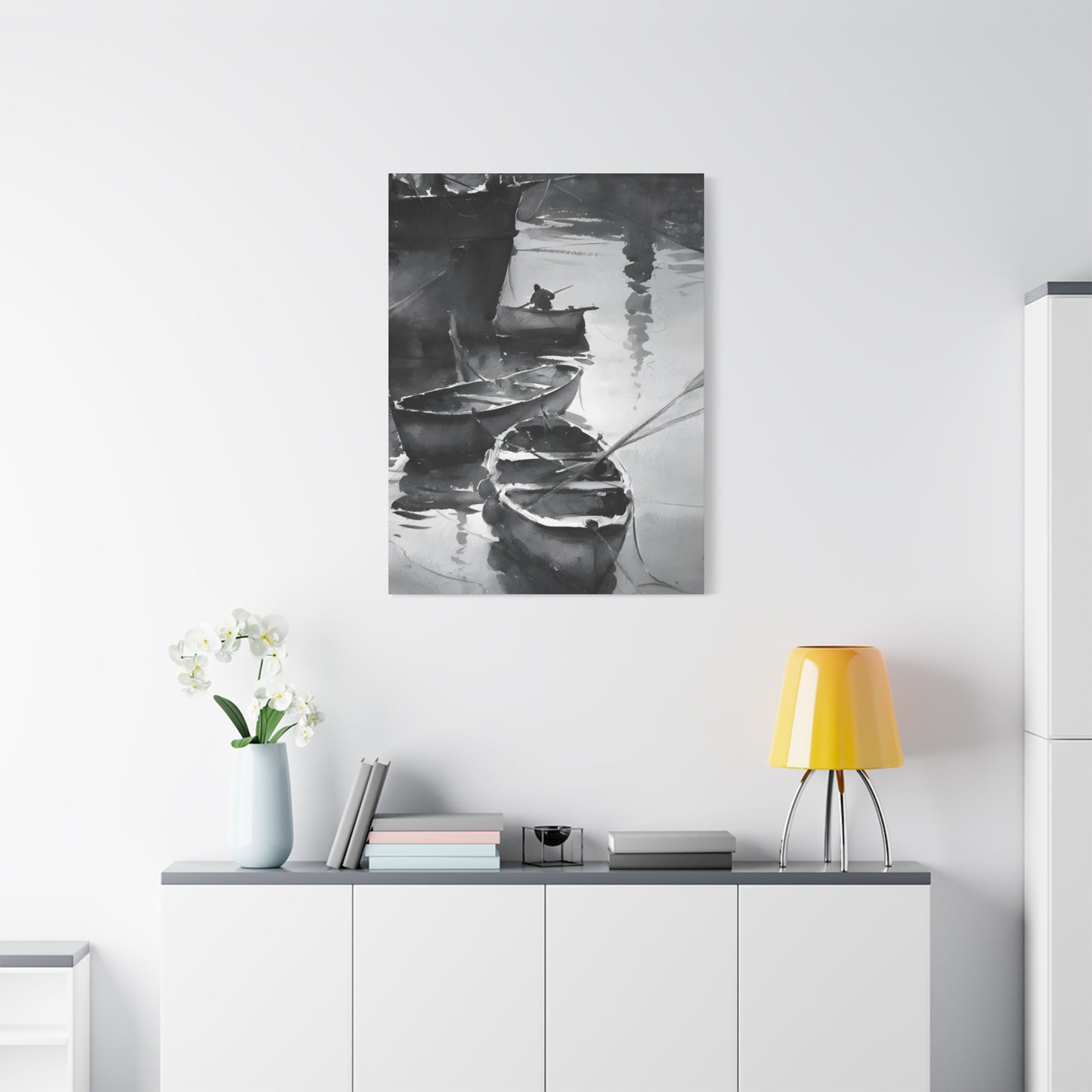
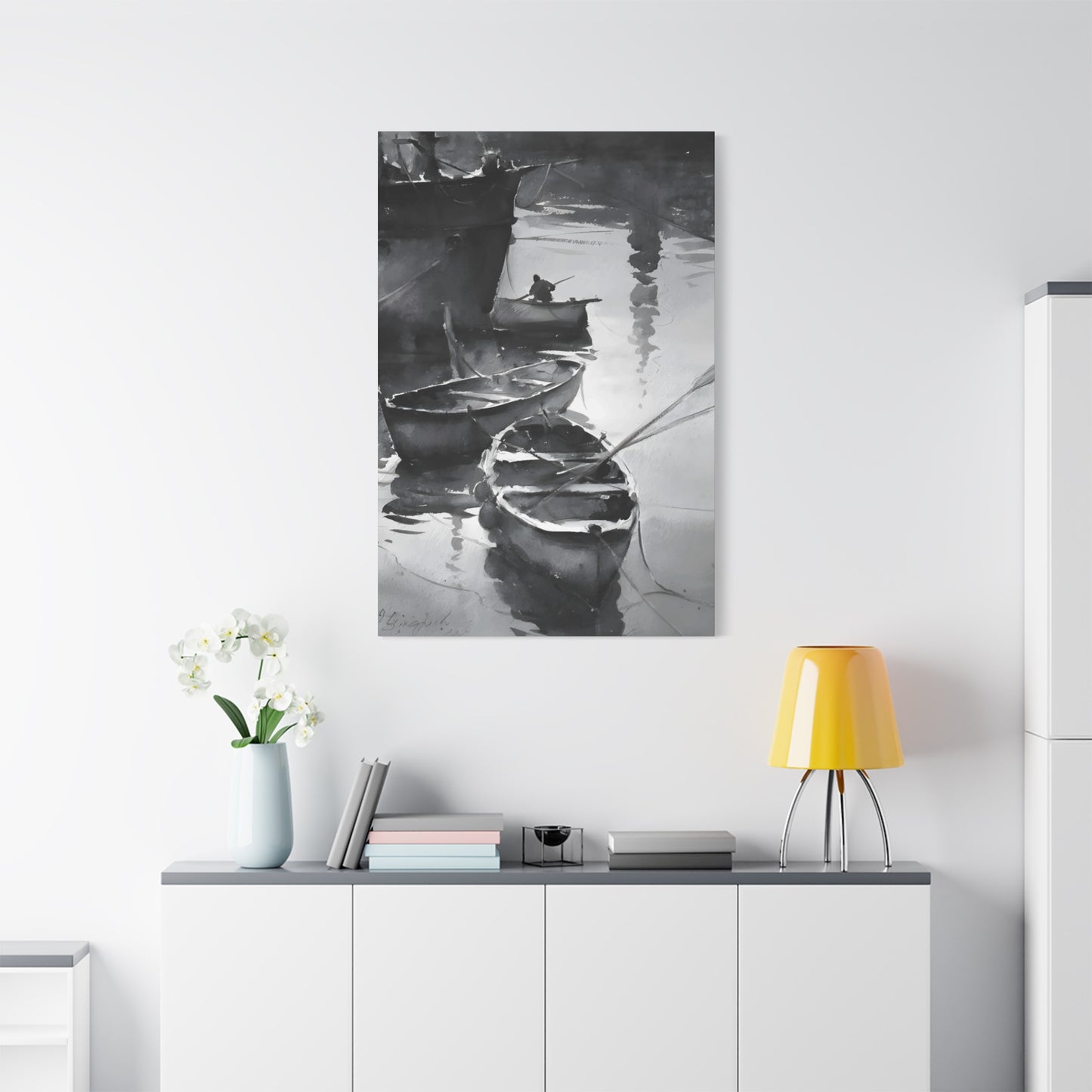
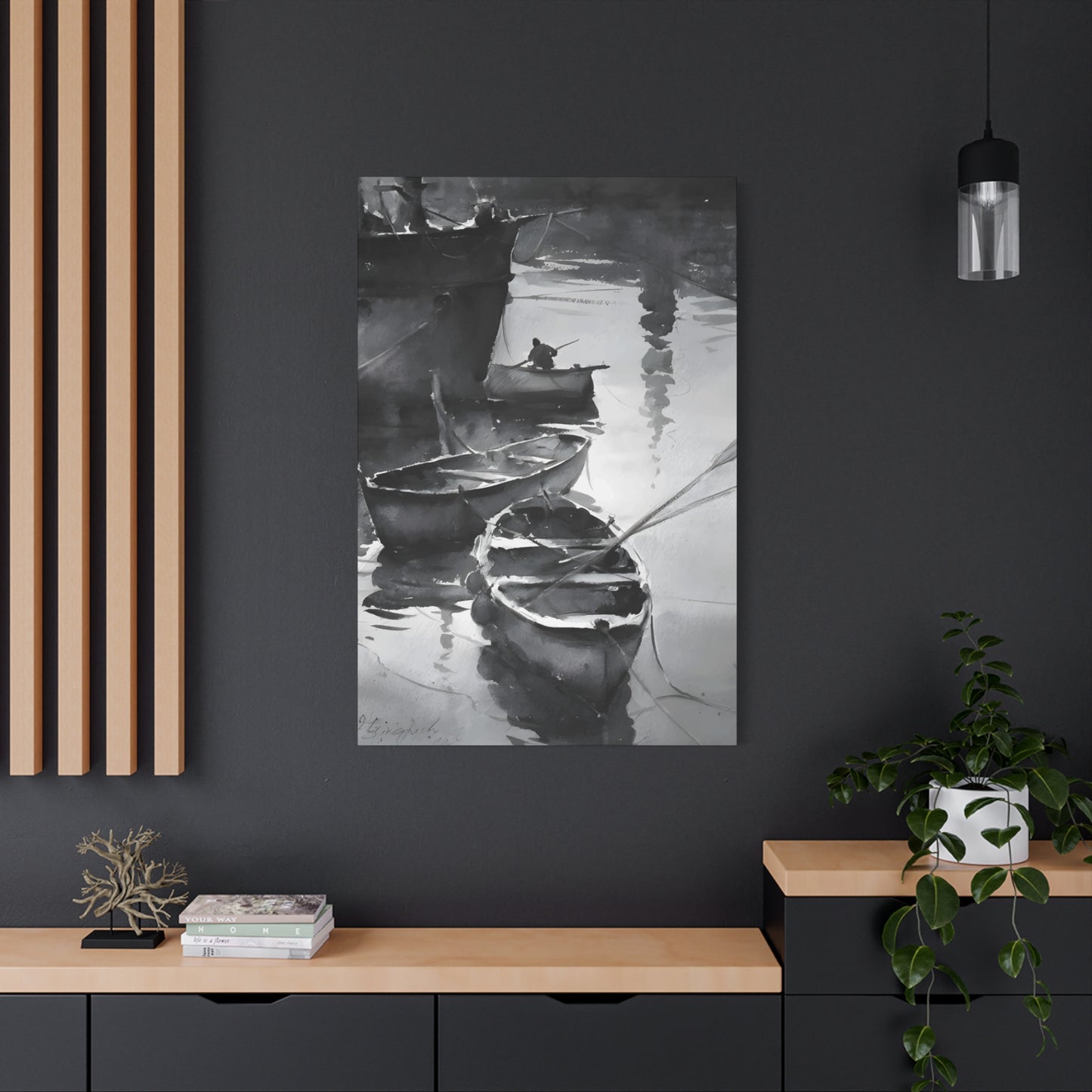
Boat Oil Painting Wall Art & Canvas Prints
Boat Oil Painting Wall Art & Canvas Prints
Couldn't load pickup availability
Sailing Through Canvas: Discovering the Timeless Beauty of Boat Oil Painting Wall Art for Modern Spaces
The allure of maritime imagery has captivated artists and collectors for centuries, with nautical scenes offering a window into humanity's eternal relationship with water. Boat oil painting wall art represents one of the most enduring and versatile forms of decorative expression, combining classical painting methods with subjects that evoke tranquility, adventure, and nostalgia. These artistic creations transform ordinary rooms into spaces filled with character, depth, and storytelling potential.
When examining the world of maritime artwork, boat oil painting wall art stands apart due to its unique ability to capture movement, light, and atmosphere. The thick, luminous quality of oil paints allows artists to render water with remarkable realism, depicting everything from gentle ripples to tempestuous waves. The vessels themselves—whether fishing boats, sailboats, or grand ships—become focal points that draw viewers into narratives of exploration, labor, or leisure.
Why Maritime Scenes Continue Captivating Contemporary Collectors and Interior Designers
The persistent popularity of nautical imagery in home decoration stems from multiple psychological and aesthetic factors. Water has always represented both mystery and familiarity to human consciousness, serving as a source of sustenance, a barrier to overcome, and a pathway to discovery. When rendered in oil on canvas, these aquatic landscapes bring that complex symbolism directly into living spaces.
Boat oil painting wall art offers remarkable versatility in interior design schemes. A weathered fishing vessel against a stormy sky can introduce dramatic tension to a space, while a peaceful sunset scene featuring sailboats at anchor provides calming energy. The color palettes typical of maritime paintings—blues, grays, whites, and earth tones—complement nearly any decorating style, from coastal cottage aesthetics to sophisticated urban interiors.
Collectors appreciate these works for their ability to evoke specific memories or aspirations. Someone who spent childhood summers on the coast might select artwork featuring small rowboats on tranquil bays, while sailing enthusiasts often gravitate toward pieces showcasing vessels in full sail. The personal connection viewers form with boat oil painting wall art extends beyond simple decoration, becoming a reflection of identity and experience.
The tactile quality of oil paint adds another dimension to these works. Unlike prints or digital reproductions, genuine oil paintings possess texture that changes under different lighting conditions. Thick impasto strokes depicting foam and spray create shadows that shift throughout the day, making the artwork feel alive and responsive to its environment. This dynamic quality means that boat oil painting wall art never becomes static or boring, revealing new details with each viewing.
Exploring Various Styles and Approaches Within Maritime Artwork Traditions
The breadth of artistic styles available within the realm of boat oil painting wall art ensures that collectors can find pieces matching their aesthetic preferences. Realism remains perhaps the most popular approach, with artists meticulously rendering every detail of vessel construction, water movement, and atmospheric conditions. These paintings often demonstrate remarkable technical skill, capturing the play of light on wet surfaces and the complex rigging of sailing ships.
Impressionistic maritime works take a different approach, prioritizing mood and atmosphere over precise detail. These paintings use loose brushwork and vibrant color to suggest the essence of a scene rather than documenting it literally. An impressionistic boat oil painting might feature just enough detail to identify the subject while surrounding it with dreamy, abstract representations of water and sky. This style works particularly well in spaces where the goal is creating emotional resonance rather than commanding attention through dramatic realism.
Contemporary artists bring fresh perspectives to traditional maritime subjects, sometimes incorporating abstract elements or unexpected color schemes. A modern boat oil painting wall art piece might feature stylized vessels rendered in bold, non-naturalistic colors or simplified into geometric forms while maintaining recognizable nautical characteristics. These works appeal to collectors who appreciate nautical themes but prefer artwork that aligns with contemporary design sensibilities.
Folk art traditions offer yet another approach to maritime subject matter. Naive or primitive style boat paintings possess charming simplicity and directness, often featuring flattened perspectives and bright, cheerful colors. These works convey warmth and accessibility, making them particularly suitable for casual spaces like kitchens, family rooms, or children's areas.
Tonalist paintings represent a more subdued approach, using limited color palettes to create atmospheric, contemplative scenes. These works often feature boats as small elements within larger compositions emphasizing sky, water, and the interplay of light and shadow. The resulting paintings possess quiet sophistication that works beautifully in bedrooms, studies, or other spaces designed for reflection and relaxation.
Selecting the Perfect Piece for Specific Rooms and Decorating Schemes
Choosing boat oil painting wall art requires consideration of multiple factors beyond personal taste. The scale of the artwork relative to the space it will occupy represents perhaps the most crucial decision. A grand seascape featuring multiple vessels works wonderfully as a focal point above a sofa or fireplace in a spacious room, while smaller paintings depicting single boats suit more intimate spaces or can be grouped in gallery wall arrangements.
Color harmony between the painting and existing decor significantly impacts how successfully the artwork integrates into a space. While boat oil painting wall art naturally contains blues and grays reflecting water and sky, the specific hues vary considerably. A painting dominated by warm sunset tones might clash with a room featuring cool, contemporary grays, whereas a moody, overcast seascape could feel perfect. Examining the painting under lighting conditions similar to those in the intended location helps ensure color compatibility.
The mood or energy level of the artwork should align with the room's purpose. Active, dramatic scenes featuring boats battling rough seas or racing under full sail inject energy and excitement into spaces, making them suitable for entertaining areas or offices where dynamism is welcome. Conversely, peaceful harbor scenes or boats resting at anchor promote tranquility better suited to bedrooms, reading nooks, or meditation spaces.
Architectural considerations also influence artwork selection. Rooms with tall ceilings can accommodate vertical compositions featuring ships with towering masts, while horizontal works depicting boats along distant shorelines complement low, wide walls. The style of the room's furnishings should also inform choices—ornately framed classical maritime paintings suit traditional interiors, while unframed or minimally framed contemporary pieces work better in modern spaces.
Personal connection remains the most important selection criterion. Boat oil painting wall art should resonate emotionally with those who view it daily. Whether the appeal stems from memories of specific places, appreciation for craftsmanship, or simply finding beauty in the subject matter, the strongest choices are those that bring genuine pleasure each time they're seen.
Understanding the Craftsmanship Behind Quality Maritime Paintings
Creating compelling boat oil painting wall art requires considerable skill across multiple domains. Artists must understand vessel anatomy and construction to render boats convincingly, including details like hull shapes, sail configurations, and deck structures. Even stylized or impressionistic works benefit from this foundational knowledge, as it prevents anatomical errors that would distract knowledgeable viewers.
Depicting water convincingly presents one of painting's greatest challenges. Water simultaneously reflects surrounding elements, reveals what lies beneath its surface, and possesses its own color and texture. Skilled artists layer multiple colors to achieve the optical complexity of real water, using cooler tones for depths, warmer hues for light-struck surfaces, and carefully placed highlights to suggest motion and sparkle.
Atmospheric perspective—the way distant objects appear hazier and bluer than foreground elements—is crucial for creating depth in maritime scenes. Artists manipulate color temperature, value, and detail density to establish spatial relationships, making some vessels appear close enough to touch while others fade into distant mists. This technique transforms flat canvas into seemingly three-dimensional space.
Light handling separates exceptional boat oil painting wall art from mediocre examples. Maritime environments feature complex lighting situations, with sunlight both directly illuminating subjects and reflecting off water surfaces to create secondary light sources. Artists must observe and replicate these effects to achieve convincing realism. The translucent quality of oil paint particularly suits this task, allowing artists to build up glazes that capture the luminous quality of light filtering through mist or reflecting off wet surfaces.
Brushwork technique significantly impacts the final appearance of maritime paintings. Smooth, blended strokes create calm, glassy water surfaces, while thick, energetic marks suggest wind-whipped waves. The visible texture of paint application adds vitality to boat oil painting wall art, making the artist's hand and creative process part of the work's appeal.
Caring for and Preserving Oil Paintings in Residential Settings
Proper maintenance ensures boat oil painting wall art retains its beauty for generations. Understanding basic preservation principles helps collectors protect their investments without requiring professional conservation for routine care.
Location selection within the home significantly impacts artwork longevity. Direct sunlight causes oil paints to fade over time, with some pigments more vulnerable than others. Hanging boat oil painting wall art where it receives only indirect natural light prevents this damage. Rooms with consistent temperature and humidity levels also better preserve paintings, as extreme fluctuations can cause canvas and paint to expand and contract, potentially leading to cracking.
Regular dusting prevents accumulation of particulates that can embed in paint texture and dull appearance. Using a soft, clean brush specifically designated for artwork care, gently sweep across the painting surface in one direction. Avoid circular motions that might grind particles into the paint. Never use cleaning solutions, water, or any liquid on oil paintings without professional guidance, as these can cause irreversible damage.
Framing choices impact both aesthetics and preservation. Quality frames with proper backing protect paintings from environmental contaminants and physical damage. Glazing—covering the painting with glass or acrylic—offers additional protection but requires careful consideration. While glazing shields boat oil painting wall art from dust and accidental contact, it can also create glare and prevent viewers from appreciating paint texture. UV-filtering glazing provides protection from light damage without yellowing that affects regular glass.
Periodic professional evaluation helps identify conservation needs before they become critical. A conservator can assess the condition of the paint layer, canvas, and frame, addressing minor issues before they worsen. For valuable pieces, establishing a relationship with a qualified conservator ensures access to expert care when needed.
How Maritime Artwork Reflects Cultural Relationships With Water and Vessels
Boat oil painting wall art carries cultural significance extending beyond pure decoration. Throughout human history, vessels have represented crucial tools for survival, commerce, and exploration. Paintings depicting these craft serve as visual documents of our maritime heritage, preserving knowledge of boat designs, sailing techniques, and waterfront life.
Coastal communities particularly value maritime artwork as connection to their identity and history. Fishing boat paintings might honor the dangerous work that sustained generations, while depictions of working harbors celebrate communal labor and shared purpose. In these contexts, boat oil painting wall art becomes cultural patrimony, preserving memories of ways of life that may have disappeared or evolved beyond recognition.
The romanticization of seafaring life in painting reflects complex cultural attitudes toward maritime existence. While actual sailing and fishing involved brutal labor, danger, and hardship, paintings often emphasize beauty, adventure, and harmony with nature. This selective representation reveals what societies chose to celebrate and remember about their maritime heritage, creating idealized visions that comfort and inspire even as they depart from harsh reality.
Different regions developed distinct maritime painting traditions reflecting local boat types, waters, and conditions. Dutch Golden Age marine paintings showcased the merchant vessels that brought wealth to the Netherlands, while American maritime art often featured whaling ships and clipper ships representing commercial ambition. Collecting boat oil painting wall art from specific traditions allows enthusiasts to explore particular cultural histories through visual means.
Contemporary maritime painting continues this tradition while addressing modern concerns. Some artists use boat imagery to comment on environmental degradation, overfishing, or climate change impacts on coastal communities. Others celebrate recreational sailing and yachting as leisure pursuits, reflecting contemporary relationships with water focused more on enjoyment than survival. These evolving perspectives ensure boat oil painting wall art remains culturally relevant rather than purely nostalgic.
Examining Famous Maritime Artists and Their Lasting Influence
The tradition of maritime painting includes numerous masters whose work established standards for excellence and influenced generations of subsequent artists. While their names may not match the universal recognition of Renaissance painters, their contributions to boat oil painting wall art deserve acknowledgment and study.
Dutch painters of the seventeenth century created some of the most accomplished maritime works in art history. These artists developed techniques for rendering water, sky, and vessels that subsequent painters studied for centuries. Their works balanced accurate ship portraiture with dramatic compositions, creating paintings that served both documentary and aesthetic purposes. The luminous quality they achieved through careful layering of oil paint remains a benchmark for maritime painting.
British maritime painters excelled at depicting naval battles and dramatic seascapes, often working with grand, heroic subjects. These artists mastered the challenge of conveying complex naval engagements with multiple vessels, cannon smoke, and turbulent waters while maintaining compositional clarity. Their works celebrated national maritime supremacy and naval heroism, serving both artistic and patriotic functions.
American maritime painters focused particularly on clipper ships, whaling vessels, and coastal scenes reflecting the nation's maritime heritage. These artists often worked with precise, detailed styles that documented vessel construction while creating compelling visual narratives. Their paintings preserve knowledge of American boat building traditions and maritime commerce during crucial periods of national development.
Impressionist and post-impressionist painters brought fresh approaches to maritime subjects, emphasizing atmospheric effects and personal visual responses over meticulous documentation. These artists demonstrated that boat oil painting wall art could succeed through evocative color and brushwork rather than only through precise rendering. Their influence opened maritime painting to broader stylistic experimentation.
Contemporary maritime painters continue exploring possibilities within this genre, bringing diverse voices and perspectives to traditional subjects. Some focus on small pleasure craft and recreational sailing, reflecting modern relationships with water. Others address environmental themes or explore abstraction while maintaining connections to maritime imagery. This ongoing evolution ensures boat oil painting wall art remains vital and relevant.
Incorporating Nautical Artwork into Various Interior Design Approaches
Boat oil painting wall art adapts to remarkably diverse decorating styles when selected and displayed thoughtfully. Understanding how maritime imagery functions within different aesthetic frameworks helps collectors make choices that enhance rather than conflict with existing decor.
Coastal or beach house styles naturally incorporate maritime paintings, but success requires avoiding cliché or excessive theme coordination. The most sophisticated coastal interiors use boat oil painting wall art as focal points within otherwise restrained spaces, allowing the painting's subject matter to establish the nautical theme without surrounding it with anchors, rope, and seashells. Weathered wood furnishings and natural fiber textiles complement maritime paintings without overwhelming them.
Traditional interiors benefit from classical maritime paintings in ornate frames. These spaces can accommodate formal ship portraits or naval battle scenes that might overwhelm more casual rooms. The rich colors and detailed rendering typical of traditional boat oil painting wall art harmonize with polished wood, oriental carpets, and upholstered furnishings in traditional settings.
Contemporary spaces require more careful selection, as classical maritime paintings can feel incongruous in starkly modern interiors. Solutions include choosing works with contemporary approaches to traditional subjects—perhaps simplified, graphic treatments of boat forms or paintings emphasizing abstract qualities of water and light over precise representation. Minimalist framing or even unframed canvas mounting helps maritime artwork feel at home in modern contexts.
Industrial or loft spaces often successfully incorporate boat oil painting wall art, particularly works with darker palettes or dramatic subjects. The contrast between raw architectural elements—exposed brick, concrete, steel—and refined painting creates visual tension that energizes spaces. Large-scale works particularly suit these environments, matching the generous proportions typical of industrial conversions.
Eclectic interiors mixing furniture styles, periods, and influences can incorporate boat oil painting wall art as one element among diverse visual interests. In these spaces, maritime paintings don't need to coordinate with other elements but should hold their own visually, contributing to the overall richness without being overwhelmed by competing interests.
Discovering Emerging Artists and Building Meaningful Collections
While celebrated masters command high prices, collectors can build satisfying boat oil painting wall art collections by discovering talented emerging artists whose work remains accessible. This approach offers both aesthetic and financial benefits, allowing collectors to surround themselves with quality artwork while potentially acquiring pieces that appreciate in value.
Regional art fairs and coastal gallery shows provide excellent opportunities for discovering maritime painters. Artists living and working in coastal communities often develop authentic connections to their subject matter, bringing firsthand observation and genuine passion to their work. Meeting artists personally allows collectors to understand their processes, influences, and intentions, creating richer appreciation for acquired works.
Online platforms have democratized art discovery, allowing collectors to browse works by artists worldwide without geographic limitations. While examining paintings in person remains ideal, quality photographs allow preliminary assessment of style, subject matter, and skill. Many artists maintain websites or social media profiles showcasing their portfolios, making it easier than ever to find boat oil painting wall art matching specific preferences.
When evaluating emerging artists, collectors should consider technical skill, personal vision, and consistency of output. An artist might demonstrate impressive facility with oil paint and maritime subjects but lack distinctive perspective that distinguishes their work from countless similar paintings. Conversely, a developing artist might show unique vision that compensates for technical limitations that will improve with continued practice.
Building relationships with galleries specializing in maritime art provides access to curatorial expertise and emerging artist discovery. Gallery owners invest time learning about artists' development and can guide collectors toward promising talents. They also often offer services like framing consultation, authentication, and assistance building coherent collections over time.
Some collectors focus on specific subjects within maritime painting—perhaps only sailboats, fishing vessels, or boats of particular regions. This focused approach builds collections with thematic coherence while allowing depth of exploration within chosen parameters. Others prefer diversity, acquiring examples of different styles, periods, and subjects to create varied visual interest.
The Enduring Appeal of Handmade Artwork in an Era of Mass Production
In a world increasingly dominated by digital images and mass-produced decorative items, boat oil painting wall art offers tangible connection to handcraft and individual creativity. Each genuine oil painting represents hours of concentrated labor by a skilled practitioner, making it fundamentally different from reproductions regardless of print quality.
The uniqueness of handmade paintings appeals to collectors weary of seeing identical items in multiple homes. Even when an artist paints the same subject multiple times, variations in brushwork, color mixing, and compositional choices ensure no two pieces are identical. This uniqueness makes boat oil painting wall art personally meaningful in ways that prints never achieve, regardless of their aesthetic appeal.
Oil painting's tactile qualities engage viewers through sight and imagination. The visible texture of paint application invites visual touching, as eyes trace the path of brushes across canvas. This physical presence gives genuine paintings authority in a space that flat reproductions lack. The actual paint possesses depth and luminosity created by light penetrating through multiple layers—an optical effect impossible to replicate in printed form.
Supporting living artists by purchasing original boat oil painting wall art contributes to sustaining artistic practice in an economy that often undervalues creative labor. Collectors who buy directly from artists enable them to continue creating, teaching, and contributing to cultural vitality. This patronage relationship, ancient in origin but sometimes forgotten in modern markets, benefits both parties and enriches communities.
The investment aspect of original artwork, while not the primary motivation for most collectors, adds practical dimension to aesthetic enjoyment. Quality paintings by accomplished artists tend to retain value better than mass-produced decorative items, which typically depreciate immediately after purchase. While not every painting appreciates dramatically, original boat oil painting wall art generally represents wiser financial choice than prints or reproductions.
How Different Framing Choices Transform the Presentation of Maritime Paintings
The frame surrounding boat oil painting wall art significantly impacts how the work appears and integrates into its environment. Understanding framing principles helps collectors make choices that enhance rather than detract from their paintings.
Traditional maritime paintings often receive ornate frames with gilded surfaces that complement the classical painting style. These elaborate frames, while expensive, elevate paintings by signaling their value and importance. In traditional interiors, such frames feel appropriate and harmonious. However, the same ornate frames can appear fussy or pretentious in contemporary or casual spaces.
Simple, clean-lined frames suit both traditional and contemporary boat oil painting wall art, making them versatile choices for collectors uncertain about long-term decorating plans. Wood frames in natural finishes or painted colors work with diverse subjects and styles. Black frames create strong contrast that emphasizes the painting while remaining visually neutral enough to suit many settings.
Some paintings look best with minimal framing or even none at all. Gallery-wrapped canvases—where the painted surface continues around the canvas edges—can hang without frames, creating contemporary, unfussy presentations. This approach particularly suits larger works and contemporary painting styles, though it leaves canvases vulnerable to damage along edges.
Float frames hold paintings slightly away from the frame edge, creating a shadow gap that emphasizes the artwork's status as an object rather than just an image. This presentation style works beautifully with boat oil painting wall art, drawing attention to paint texture and canvas edge while providing protection and finished appearance.
Matting—placing a border of paper or fabric between the painting and frame—rarely suits oil paintings. This technique, common with works on paper, creates unnecessary distance between viewer and painted surface in oil paintings. Most boat oil painting wall art displays best with the painted surface meeting the frame directly.
The frame width relative to painting size requires careful consideration. Small paintings can be overwhelmed by wide frames, while narrow frames may look inadequate for large works. Generally, frame width should increase proportionally with painting size, though personal preference and specific design contexts influence these decisions.
Exploring Commissioned Work for Personalized Maritime Artwork
Commissioning boat oil painting wall art allows collectors to obtain pieces perfectly suited to their preferences, spaces, and personal connections to maritime subjects. While custom work requires patience and usually costs more than purchasing existing paintings, the results offer unique rewards.
The commissioning process begins with selecting an artist whose style aligns with the desired outcome. Examining an artist's portfolio reveals their strengths, preferred subjects, and aesthetic sensibilities. An artist who excels at impressionistic seascapes might not be the best choice for someone wanting a precisely rendered portrait of their own sailing vessel, and vice versa.
Clear communication about expectations, preferences, and intended use helps ensure satisfaction with commissioned boat oil painting wall art. Sharing reference photographs, describing desired mood and color preferences, and explaining where the piece will hang provides the artist with information necessary for creating appropriate work. However, allowing artistic freedom within these parameters often yields better results than micromanaging every detail.
Discussing practical matters upfront prevents misunderstandings later. Agreeing on dimensions, timeline, cost, payment structure, and what happens if either party is unsatisfied protects both commissioner and artist. Most artists require deposits before beginning commissioned work, with remaining payment due upon completion and approval.
The timeline for commissioned paintings varies based on size, complexity, and the artist's schedule. Small works might be completed within weeks, while large, detailed pieces could require months. Building additional time into expectations accounts for potential delays and allows artists to work without counterproductive pressure.
Some artists provide progress photos during creation, allowing commissioners to see the work developing. Others prefer revealing finished pieces without intermediate sharing. Clarifying preferences regarding communication during the painting process prevents either party feeling neglected or intruded upon.
Commissioning portraits of personal vessels—boats owned by the commissioner—creates particularly meaningful boat oil painting wall art. These paintings document beloved craft while celebrating the owner's relationship with their vessel. Providing reference photographs from multiple angles and in various conditions helps artists understand the boat's character and capture it accurately.
Understanding How Maritime Paintings Affect Mood and Atmosphere in Living Spaces
Boat oil painting wall art influences the emotional tone of rooms in ways both obvious and subtle. Recognizing these effects helps collectors select pieces that support their intentions for different spaces.
Water imagery generally promotes relaxation and contemplation. The rhythmic motion of waves, even when captured in static paint, suggests continuity and natural rhythm that many find calming. Rooms intended for rest and rejuvenation—bedrooms, reading areas, meditation spaces—benefit from boat oil painting wall art featuring peaceful waters and calm conditions.
Conversely, dramatic maritime scenes inject energy and excitement into spaces. Paintings depicting boats racing under full sail or fighting through storm-tossed seas create visual dynamism that enlivens areas where activity and engagement are welcome. These works suit entertaining spaces, offices, or exercise rooms where stimulation rather than tranquility is the goal.
The color temperature of maritime paintings significantly impacts mood. Cool blues and grays create serene, contemplative atmospheres, while warmer sunset or sunrise scenes with golden light and pink-tinted clouds feel more romantic and optimistic. Collectors should consider how much warmth or coolness they want to introduce when selecting boat oil painting wall art.
The presence or absence of human activity in maritime paintings affects emotional resonance. Paintings featuring crewed vessels suggest community, purpose, and human agency. Empty boats or distant views of uninhabited craft create more meditative, solitary feelings. Both approaches offer valid aesthetic experiences, but they support different emotional intentions.
Scale and composition influence how dominant the painting's emotional message becomes in a space. Large, bold works with dramatic compositions command attention and strongly influence room atmosphere. Smaller, more intimate pieces contribute to ambiance without overwhelming other design elements. Neither approach is inherently superior, but understanding these dynamics helps collectors make appropriate choices.
Caring for the Canvas and Paint Layers of Valuable Maritime Artworks
Beyond routine dusting and appropriate display conditions, boat oil painting wall art sometimes requires more involved care to address specific conservation concerns. Understanding when professional intervention becomes necessary protects artwork investments.
Cracking in the paint layer represents one of the most common conservation issues in older oil paintings. As paintings age, the oil binder gradually loses flexibility, making the paint film brittle. Movement of the canvas or frame can cause this brittle layer to crack. While some cracking is normal in antique paintings and even considered part of their character, progressive cracking that threatens paint stability requires professional attention.
Yellowed varnish layers alter the appearance of boat oil painting wall art over time, dulling colors and obscuring details. Varnish removal and replacement by a trained conservator can dramatically refresh a painting's appearance. However, this process carries risks if performed improperly, making professional expertise essential. Never attempt varnish removal without training, as many paintings have been irreversibly damaged by amateur restoration attempts.
Canvas deformation—sagging, warping, or developing irregular surfaces—sometimes affects paintings over time. Proper re-stretching can restore original flatness and tension. This work requires removing the painting from its stretcher bars, carefully adjusting canvas tension, and reattaching it without causing damage. Professional conservators possess the tools and expertise to perform this delicate operation safely.
Damage from accidents—tears, punctures, dents, or scratches—requires prompt professional attention. Leaving damage unaddressed often allows it to worsen over time. Qualified conservators can repair tears, fill losses, and blend damaged areas so expertly that repairs become virtually undetectable. The cost of conservation work generally represents worthwhile investment in preserving valuable boat oil painting wall art.
Environmental monitoring helps prevent conservation problems before they develop. Using hygrometers to track humidity levels and thermometers to monitor temperature allows collectors to identify problematic conditions. Ideal storage and display conditions for oil paintings include stable temperatures between sixty and seventy-five degrees Fahrenheit and relative humidity between forty and fifty-five percent.
The Role of Lighting in Maximizing the Visual Impact of Maritime Paintings
Appropriate lighting dramatically affects how boat oil painting wall art appears, revealing or obscuring details, enhancing or diminishing colors, and creating or eliminating visual drama. Thoughtful lighting design brings paintings to life.
Natural light, while beautiful, presents challenges for displaying artwork. Direct sunlight causes fading and should be avoided entirely. However, diffused natural light from windows not directly facing the painting can beautifully illuminate boat oil painting wall art during daylight hours. Installing window treatments that allow light control helps manage natural lighting conditions.
Picture lights mounted on or above frames provide focused illumination that highlights paintings while creating ambient room lighting. These fixtures come in various styles from traditional brass arms to contemporary LED strips. Adjustable picture lights allow fine-tuning of light direction and intensity to minimize glare while maximizing visibility of paint texture and color.
Track lighting offers flexibility for illuminating multiple paintings or adjusting lighting as collections change. Focusing adjustable track heads on boat oil painting wall art creates emphasis while maintaining freedom to modify arrangements. Quality track systems accept different lamp types, allowing control over color temperature and intensity.
Recessed ceiling lights can illuminate artwork when strategically positioned, though they generally provide less focused light than dedicated picture lights. Using directional trim allows aiming the beam toward paintings. This approach works particularly well when ceiling fixtures serve dual purposes, providing general room lighting while highlighting specific artworks.
LED lighting technology has revolutionized artwork illumination, offering energy-efficient options that produce minimal heat and last dramatically longer than incandescent or halogen alternatives. However, LED color rendering quality varies significantly between products. For boat oil painting wall art, selecting LEDs with high Color Rendering Index ratings ensures colors appear accurate and vibrant.
Lighting intensity should enhance visibility without overwhelming the painting or creating glare. Overly bright lights wash out subtle color variations and create uncomfortable reflections. Moderately bright illumination that makes details easily visible while maintaining atmosphere generally proves most successful.
Seasonal and Occasional Rotation Strategies for Maritime Art Collections
Collectors fortunate enough to own multiple pieces of boat oil painting wall art can maximize enjoyment by rotating displayed works seasonally or according to mood. This practice keeps visual environments fresh and allows appreciation of pieces that might otherwise remain stored.
Seasonal rotation naturally suits maritime paintings, with different works reflecting various conditions and moods. Summer displays might emphasize bright, sailing-focused pieces showing vessels in full sail under clear skies. Autumn could bring more contemplative works featuring fishing boats or harbors under overcast conditions. Winter displays might include dramatic storm scenes or snow-dusted vessels. Spring rotation introduces renewal through paintings showing boats being prepared for the season or early morning harbor scenes.
Some collectors rotate boat oil painting wall art to align with personal rhythms or life circumstances. During stressful periods, choosing calm, peaceful maritime scenes promotes relaxation. When seeking motivation or energy, displaying more dynamic works featuring racing yachts or adventure-focused imagery supports these intentions.
Proper storage protects paintings during rotation periods. Wrapping canvases in acid-free paper or cloth prevents dust accumulation and provides cushioning. Storing paintings vertically rather than stacked horizontally prevents pressure damage. Climate-controlled storage areas maintain stable conditions that preserve artwork integrity.
Photographing collection pieces helps track rotation patterns and plan future displays. Many collectors forget what they own, particularly if they've accumulated numerous pieces over years. Visual inventory makes selection easier when planning rotations.
Rotation provides opportunities to reassess framing, cleaning, and conservation needs. Examining paintings as they enter and exit display allows early detection of problems like pest damage, mold growth, or paint layer deterioration. Addressing small issues promptly prevents major conservation challenges later.
How Maritime Paintings Bridge Past and Present in Contemporary Homes
Boat oil painting wall art possesses unusual ability to honor tradition while feeling relevant in modern contexts. This temporal flexibility makes maritime paintings particularly valuable for collectors who appreciate both heritage and contemporary life.
The subjects depicted in maritime paintings—boats, water, sky—remain fundamentally unchanged despite technological progress. While modern sailing vessels incorporate advanced materials and systems, their essential forms and purposes connect directly to craft from centuries past. This continuity allows boat oil painting wall art to feel simultaneously timeless and current.
Many contemporary painters bring modern sensibilities to traditional subjects, creating works that honor maritime painting traditions while reflecting current aesthetic values. These artists might use classical oil painting techniques but apply them to contemporary subjects like modern yachts or working boats. Others maintain traditional subjects while experimenting with color, composition, or finish in ways that feel fresh and current.
The growing interest in maritime heritage and preservation has renewed appreciation for boat oil painting wall art documenting traditional vessel types and maritime practices. Paintings depicting historic boat building methods, traditional fishing techniques, or obsolete vessel types serve as visual preservation, maintaining cultural memory of maritime practices that might otherwise fade entirely from consciousness.
Environmental awareness has introduced new dimensions to maritime painting appreciation. Contemporary viewers often interpret seascapes through lenses informed by climate change concerns, seeing paintings of pristine coastlines or abundant fishing harvests as representations of what we risk losing. This interpretive layer adds poignancy to boat oil painting wall art that artists may not have consciously intended.
The recreational sailing and boating culture that emerged in the twentieth century created new subject matter for maritime painters. Paintings celebrating leisure sailing, yacht clubs, and waterfront recreation reflect contemporary relationships with water that emphasize enjoyment and sport rather than commerce or survival. These works document modern maritime culture while maintaining formal connections to centuries of painting tradition.
Building Authentic Coastal Atmosphere Without Relying on Maritime Clichés
While boat oil painting wall art naturally evokes coastal associations, creating sophisticated spaces requires avoiding obvious beach house clichés. Thoughtful collectors balance maritime imagery with restraint and discrimination.
The key to sophisticated coastal design lies in suggestion rather than declaration. A single compelling boat oil painting wall art piece can establish nautical character more effectively than multiple smaller pieces accompanied by anchors, rope, seashells, and other obvious symbols. Allowing the painting to carry the thematic weight while keeping surrounding elements neutral creates elegant rather than kitschy results.
Color palette choices significantly influence whether coastal spaces feel refined or clichéd. While blue and white naturally suggest maritime environments, exclusively using these colors can feel one-dimensional. Incorporating neutrals, earth tones, and even unexpected accent colors creates visual complexity that elevates design beyond basic beach house formulas.
Material selection offers opportunities to reinforce coastal themes subtly. Natural fibers like linen, jute, and sisal suggest beach environments without explicitly depicting nautical subjects. Weathered or naturally finished wood adds authentic coastal character. These textural elements complement boat oil painting wall art while maintaining sophisticated restraint.
Scale and quality matter tremendously in avoiding cliché. One large, museum-quality maritime painting commands respect and establishes serious design intention. Multiple small, mass-produced boat images scattered across walls suggest less thoughtful approach. Investing in fewer, better pieces generally yields more successful results than accumulating quantity.
Balance prevents maritime themes from overwhelming spaces. Even in homes where boat oil painting wall art plays prominent roles, other visual interests should receive representation. Books, plants, abstract art, photography, or other decorative elements create varied visual landscape that prevents monotonous thematic emphasis.
Conclusion
Boat oil painting wall art doesn't exist in isolation from broader art world developments. Understanding how maritime painting intersects with larger movements enriches appreciation and collecting decisions.
Romanticism profoundly influenced maritime painting during the nineteenth century, introducing emphasis on sublime natural forces, human vulnerability before nature's power, and emotional resonance. Romantic maritime paintings often depicted storms, shipwrecks, and dramatic encounters between humans and uncontrollable elements. This tradition continues influencing contemporary artists drawn to maritime subject matter's dramatic potential.
The impressionist movement revolutionized how artists approached maritime subjects, shifting focus from meticulous documentation to capturing fleeting effects of light and atmosphere. Impressionist boat oil painting wall art prioritizes visual sensation over detail, using broken color and loose brushwork to suggest rather than describe. This approach freed maritime painting from purely illustrative functions, allowing more personal, poetic interpretations.
Modernist simplification and abstraction influenced maritime painters throughout the twentieth century, with artists increasingly willing to distort or abstract nautical subjects. Boats might be reduced to essential geometric forms, colors divorced from naturalistic observation, or familiar subjects presented from unexpected perspectives. These experiments expanded maritime painting's expressive possibilities beyond traditional representation.
Contemporary realism reintroduced meticulous observation and technical facility to maritime painting after mid-twentieth-century abstraction dominated serious art discourse. Contemporary realist painters often bring near-photographic precision to boat oil painting wall art, demonstrating that traditional skill remains relevant despite changing fashions. However, the best contemporary realism incorporates conceptual awareness developed through modernist and postmodernist discourse.
The slow painting movement emphasizes careful observation, traditional craftsmanship, and sustained engagement with subjects. This philosophical approach particularly suits maritime painting, where careful attention to natural phenomena—light on water, wind effects, atmospheric conditions—yields most convincing results. Boat oil painting wall art created through slow painting methods often possesses contemplative quality reflecting the patient process of its creation.
Serious collectors of boat oil painting wall art eventually encounter questions about authenticity, attribution, and provenance. Developing knowledge in these areas protects investments and enhances collecting satisfaction.
Provenance refers to ownership history—the chain of possession from artist's studio to current owner. Strong provenance increases confidence in authenticity while adding interest through connections to previous collectors. Documentation might include exhibition records, gallery sales receipts, auction records, or inheritance papers. While most boat oil painting wall art by living or recently deceased artists arrives with clear ownership history, older pieces may have incomplete or mysterious provenance.
Share