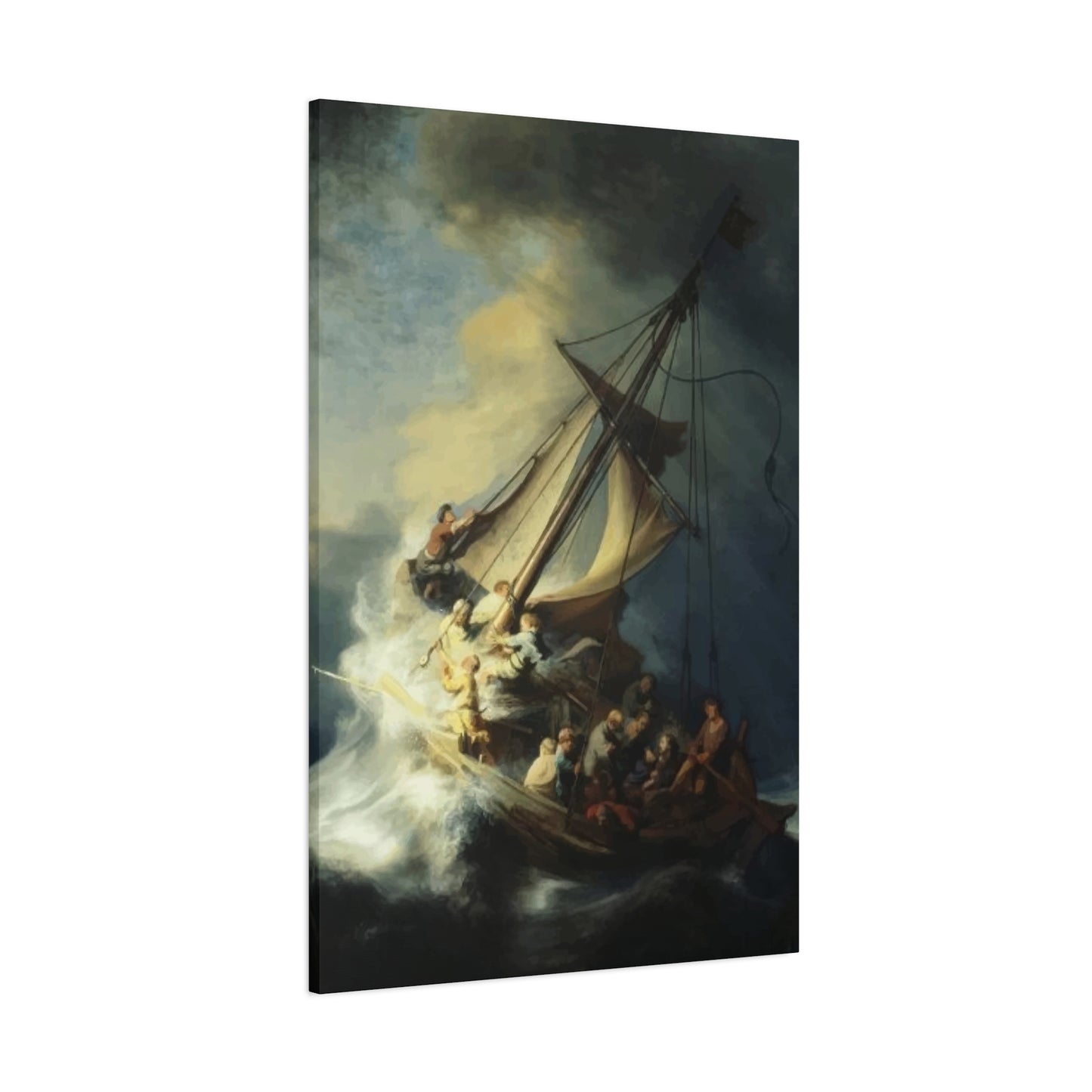
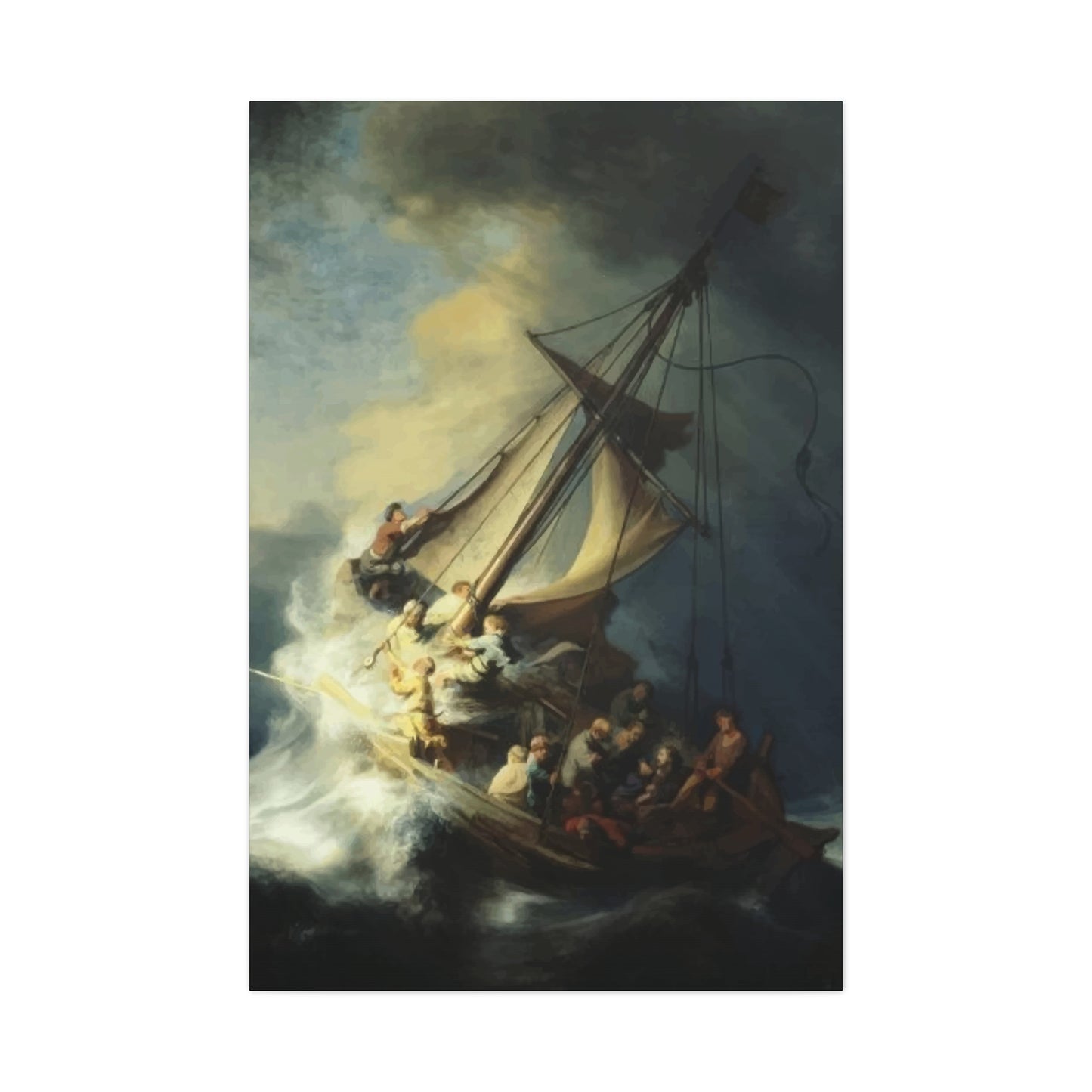
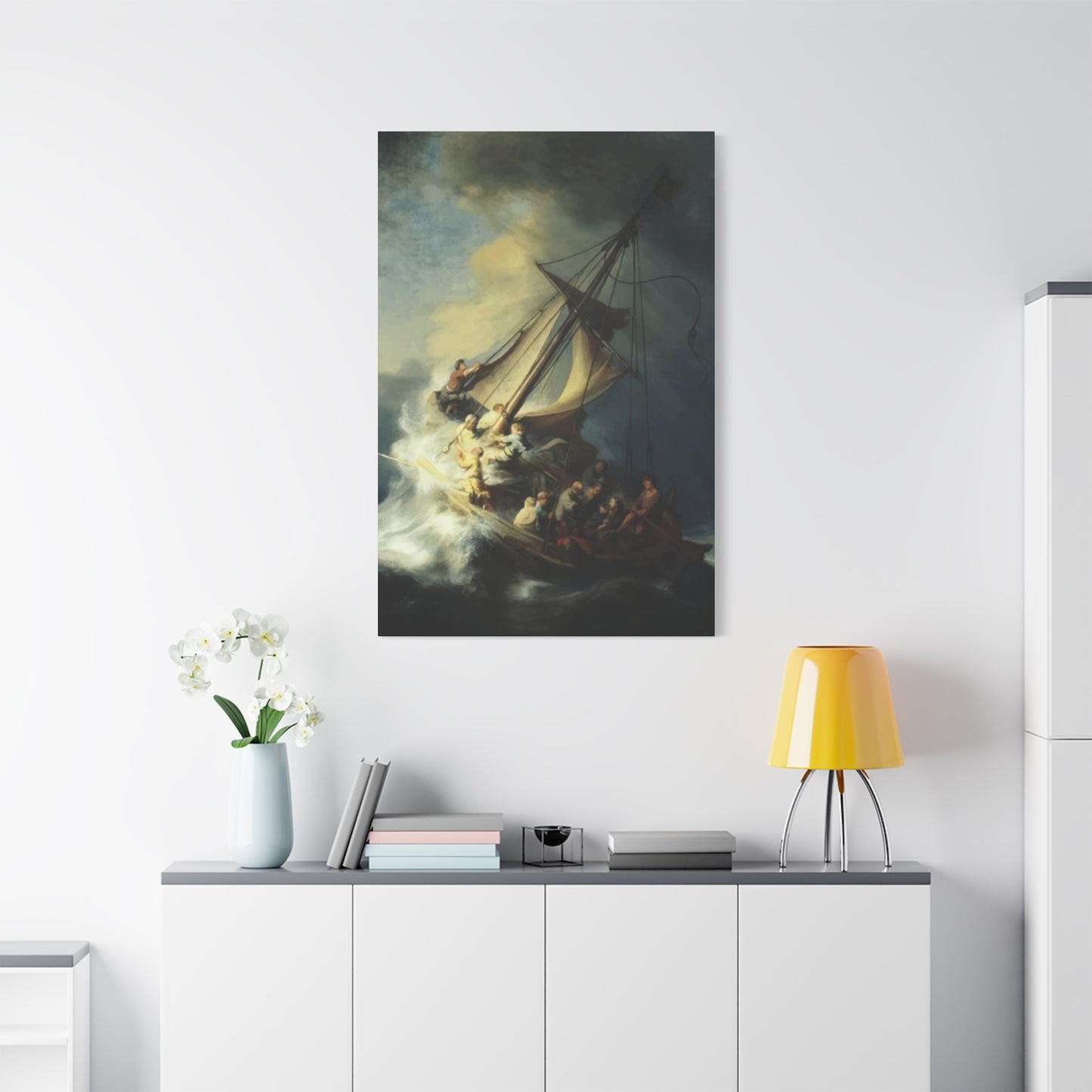
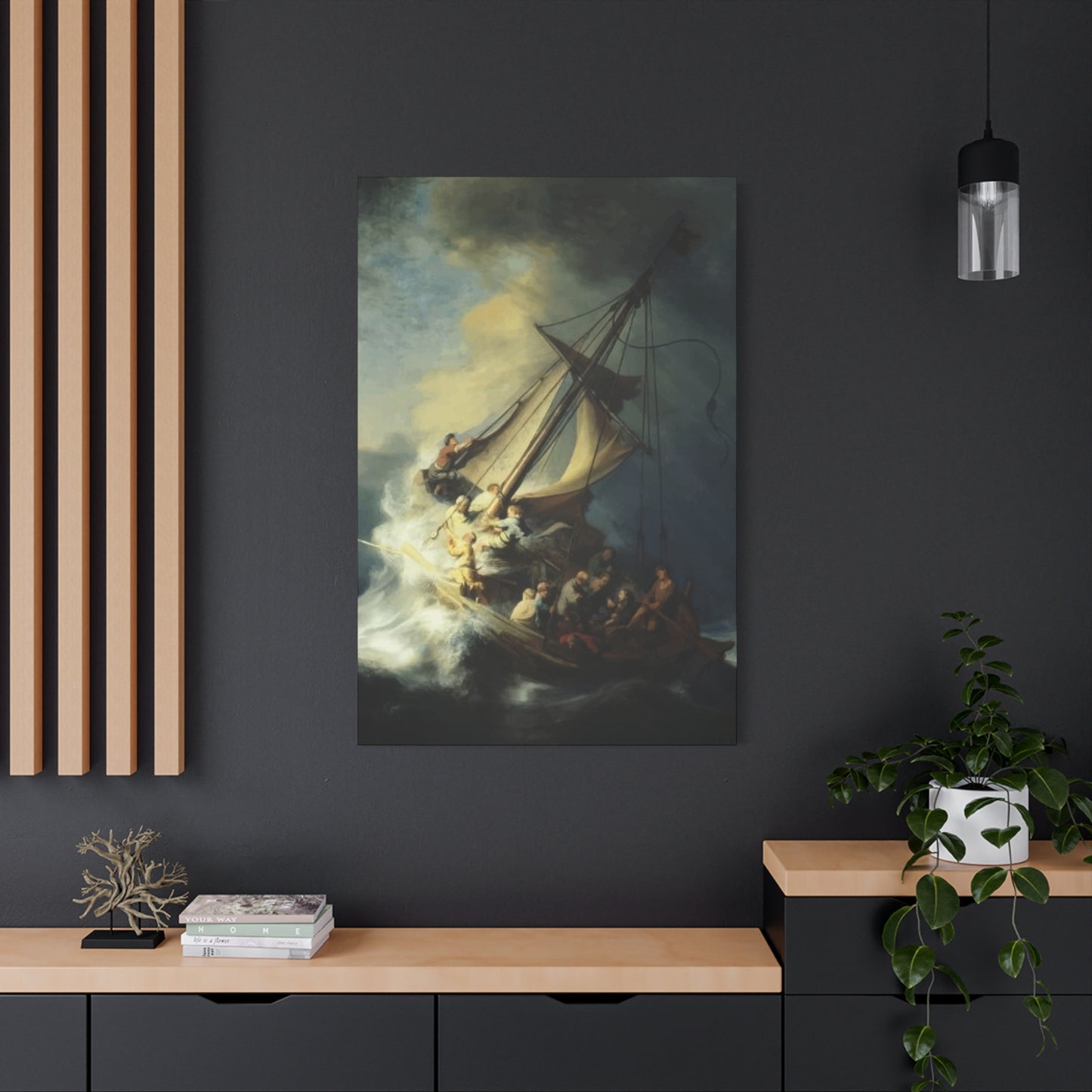
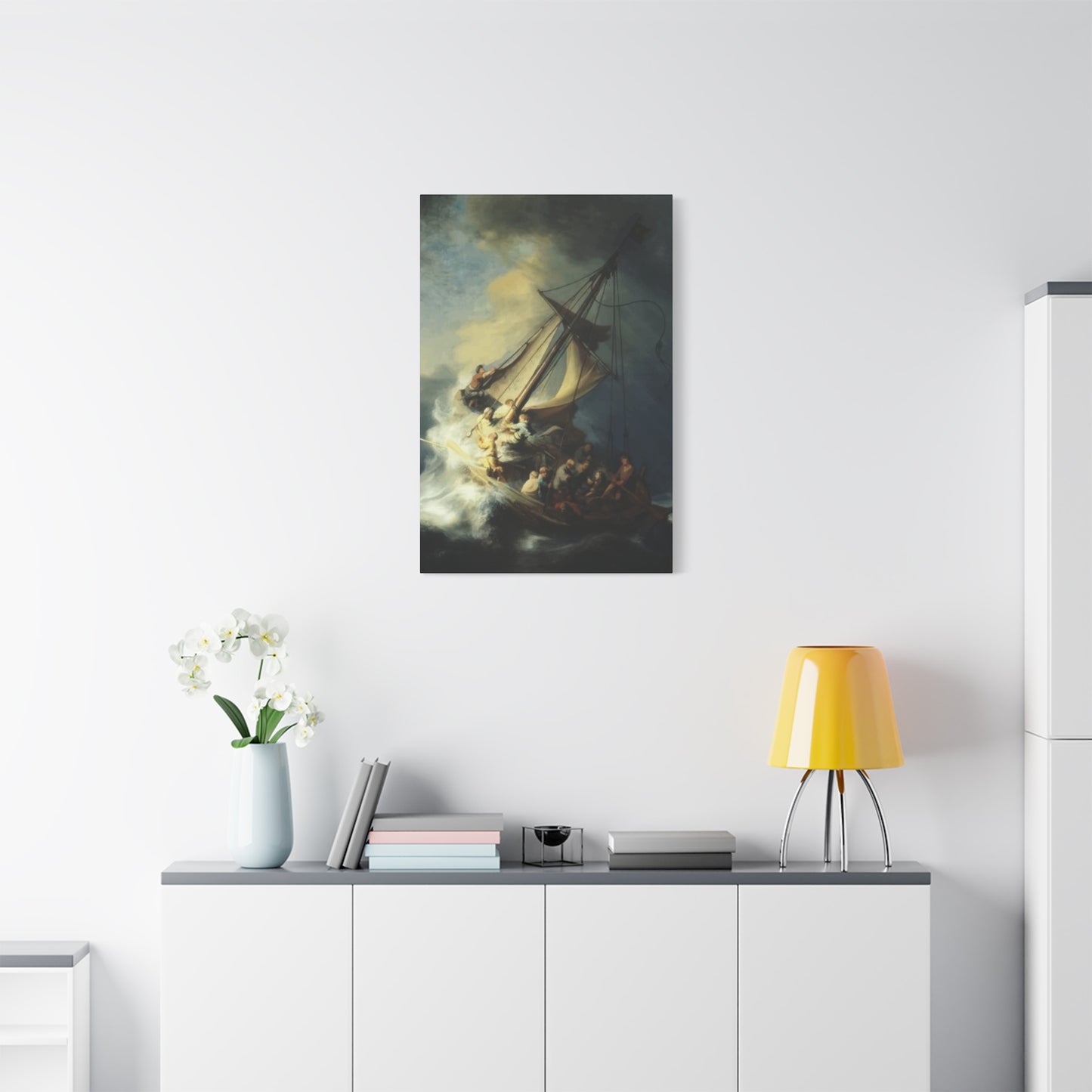
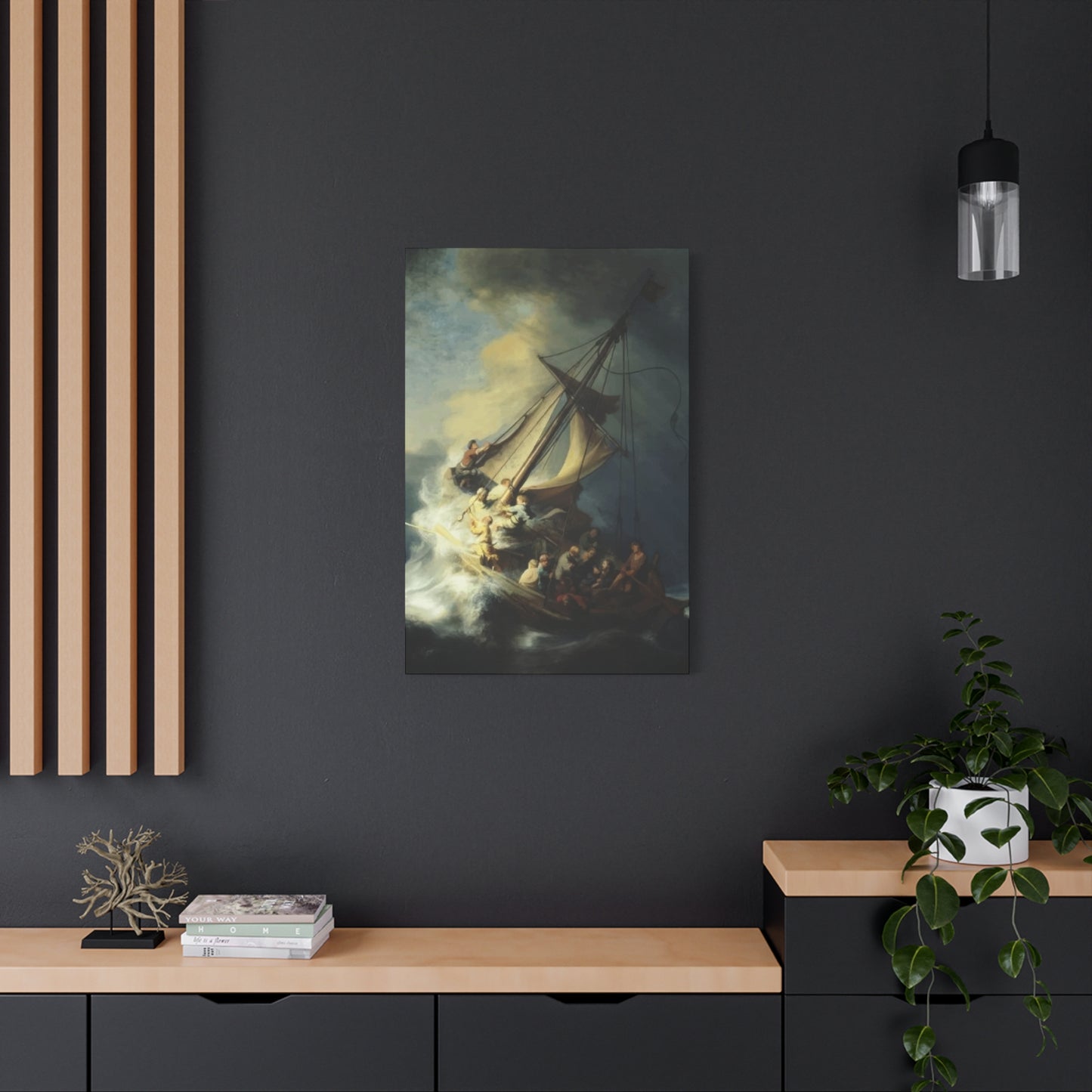
Boat in Storm Wall Art & Canvas Prints
Boat in Storm Wall Art & Canvas Prints
Couldn't load pickup availability
Dramatic Maritime Canvas: Exploring the Timeless Appeal of Boat in Storm Wall Art for Modern Spaces
The raw power of nature colliding with human determination creates an eternal visual narrative that has captivated artists and collectors for centuries. When turbulent waters meet vessels battling against overwhelming odds, the resulting imagery speaks to something primal within our collective consciousness. This particular genre of maritime decoration has evolved from classical oil paintings adorning aristocratic estates to contemporary prints enhancing minimalist apartments, yet the emotional resonance remains unchanged.
The Magnetic Pull of Tempestuous Seascapes in Contemporary Interior Decoration
Maritime artwork depicting vessels navigating through adverse weather conditions holds a distinctive position within the realm of home decoration. Unlike serene coastal scenes or calm harbor views, these dynamic compositions convey movement, struggle, and perseverance. The visual tension created by churning waves, darkened skies, and precarious vessels generates an atmosphere that transforms ordinary living spaces into contemplative sanctuaries.
The psychological impact of such imagery extends beyond mere aesthetic appreciation. When individuals select boat in storm wall art for their environments, they often seek representations of resilience, determination, and the human spirit's capacity to endure challenging circumstances. These pieces serve as daily reminders that turbulence eventually subsides and that navigating difficulties strengthens character.
Contemporary interior designers increasingly recognize the versatility of tempestuous maritime scenes. Whether displayed in corporate boardrooms symbolizing perseverance through market fluctuations, or positioned within residential studies representing personal growth journeys, these artworks communicate universal themes that transcend cultural boundaries. The dramatic contrast between threatening elements and vulnerable vessels creates focal points that anchor entire room designs while stimulating meaningful conversations among visitors.
Tracing the Artistic Lineage of Stormy Maritime Imagery Through Different Eras
The depiction of vessels struggling against hostile oceanic conditions stretches back through numerous artistic movements, each generation adding distinct interpretive layers to this enduring subject matter. Dutch Golden Age masters captured meticulous details of wooden ships battling North Sea tempests, their works reflecting the maritime nation's intimate relationship with unpredictable waters. These early compositions emphasized technical precision, documenting rigging configurations, sail management strategies, and wave formations with scientific accuracy.
Romantic period artists transformed storm-tossed vessel imagery into vehicles for exploring sublime terror and nature's overwhelming majesty. Painters during this era abandoned strict realism in favor of heightened emotional expression, exaggerating wave heights, intensifying atmospheric drama, and positioning human elements as insignificant specks against cosmic forces. Their canvases didn't merely document maritime incidents but sought to evoke visceral responses from viewers, forcing contemplation of mortality and human limitations.
Impressionist and post-impressionist creators approached turbulent maritime subjects through revolutionary lenses, fragmenting traditional compositional structures and experimenting with color theories. Rather than focusing on narrative clarity, these innovators captured fleeting atmospheric effects, the play of diminishing light through storm clouds, and the psychological sensation of witnessing natural fury. Their contributions shifted emphasis from literal representation toward subjective experience, opening pathways for subsequent abstract interpretations.
Contemporary artists working within this tradition blend diverse influences, incorporating photorealistic precision, digital manipulation capabilities, and conceptual frameworks that previous generations couldn't access. Some creators maintain reverence for classical approaches while others deconstruct traditional maritime imagery entirely, presenting fragmented vessels or abstracted storm elements that challenge viewers' perceptual expectations. This ongoing evolution ensures that boat in storm wall art remains relevant across changing aesthetic preferences and cultural contexts.
Decoding the Symbolic Language Embedded Within Turbulent Maritime Compositions
Beyond surface-level visual appeal, storm-tossed vessel imagery operates as complex symbolic language communicating multilayered meanings. The ship itself represents human endeavor, constructed order, and civilization's attempt to impose structure upon chaos. When positioned against overwhelming natural forces, this symbol becomes particularly potent, embodying vulnerability despite technological advancement or careful planning.
Waves function as multifaceted metaphors within these compositions. Their relentless motion suggests time's inexorable passage, life's cyclical nature, or the unconscious mind's turbulent depths depending upon interpretive frameworks. The scale relationship between waves and vessels communicates specific messages about proportion, humility, and realistic assessment of one's capacities when confronting circumstances beyond individual control.
Storm clouds and atmospheric turbulence introduce additional symbolic dimensions. Darkness encroaching from above suggests impending challenges, unknown futures, or external pressures threatening stability. The occasional break in cloud cover allowing light penetration becomes symbolic of hope, divine intervention, or the human capacity to perceive possibilities even amid dire circumstances. These luminous moments within predominantly dark compositions create emotional anchor points that prevent imagery from becoming oppressively bleak.
The absence or presence of visible crew members significantly alters interpretive possibilities. Compositions featuring anonymous sailors struggling with rigging or pumping water emphasize collective human effort and communal resilience. Conversely, vessels devoid of visible occupants transform into existential symbols representing isolated individuals navigating life's challenges without apparent support or guidance. This compositional choice profoundly affects viewer emotional responses and the artwork's suitability for various environments.
Selecting Maritime Storm Artwork That Harmonizes With Existing Spatial Characteristics
Choosing appropriate boat in storm wall art requires careful consideration of numerous factors beyond personal aesthetic preferences. Room dimensions, existing color palettes, lighting conditions, and functional purposes all influence which compositions will successfully enhance rather than overwhelm or clash with established environments. Strategic selection transforms potentially generic decoration into integral design elements that elevate entire spaces.
Color temperature constitutes a critical selection criterion often overlooked by casual purchasers. Cool-toned compositions dominated by blues, grays, and slate hues complement modern minimalist environments featuring metallic accents and neutral foundations. These cooler palettes create calming counterpoints to stark contemporary aesthetics while maintaining visual coherence. Warmer interpretations incorporating amber highlights, russet undertones, or golden atmospheric effects better suit traditional interiors featuring wood furniture, earth-toned textiles, and organic materials.
Scale relationships demand thoughtful assessment. Oversized maritime storm pieces command attention and establish dominant focal points appropriate for spacious areas with high ceilings and minimal competing visual elements. Medium-format works suit standard residential walls while allowing integration with complementary decorative objects or smaller companion pieces. Miniature compositions risk appearing insignificant when isolated but gain impact when grouped within gallery wall arrangements or positioned in intimate settings like reading nooks or personal offices.
Compositional orientation affects spatial perception and functional compatibility. Horizontal maritime scenes emphasizing expansive wave fields and distant horizons create illusions of increased width, making narrow rooms feel more spacious. Vertical compositions highlighting towering waves or dramatic cloud formations draw eyes upward, counteracting low ceiling oppression and adding perceived height to compact spaces. Understanding these spatial manipulation principles enables strategic artwork selection that addresses specific architectural limitations.
The Psychological Reverberations of Dramatic Maritime Imagery Within Living Environments
Environmental psychology research demonstrates that visual elements within inhabited spaces significantly impact occupant mood, productivity, and overall wellbeing. Artwork selections particularly influence these psychological dynamics, with storm-tossed maritime imagery generating distinct effects compared to alternative decorative categories. Understanding these subtle influences helps individuals make informed choices aligned with desired atmospheric qualities.
Dynamic compositions featuring diagonal lines, turbulent movement, and high contrast stimulate mental alertness and energetic engagement. Spaces decorated with such imagery tend to promote active thinking, problem-solving mindsets, and animated conversations. This makes boat in storm wall art particularly suitable for creative workspaces, collaborative meeting areas, or social gathering zones where stimulating energy proves desirable. However, these same qualities might create counterproductive restlessness in bedrooms or meditation spaces intended for relaxation and mental quietude.
The color palettes dominating storm imagery trigger specific emotional associations rooted in both biological programming and cultural conditioning. Deep blues and grays evoke introspection, contemplation, and intellectual focus while potentially introducing melancholic undertones if not balanced with warmer accents or sufficient natural light. The dramatic contrasts characteristic of storm scenes generate visual tension that some individuals find invigorating while others experience as stressful depending upon personal temperament and current life circumstances.
Thematic content addressing struggle, perseverance, and uncertainty resonates differently across viewers based on individual experiences and psychological states. For some observers, storm-tossed vessel imagery provides inspiring reminders of resilience and the rewards of persistent effort. Others might project personal anxieties onto these scenes, experiencing discomfort rather than motivation when confronting visual representations of precarious situations. This subjective variability underscores the importance of personal reflection before committing to such powerful imagery in frequently occupied spaces.
Navigating the Spectrum of Artistic Styles Within Maritime Storm Representations
The diversity of artistic approaches to boat in storm wall art ensures options suitable for virtually any aesthetic preference or interior design philosophy. From photorealistic precision to abstract interpretation, each stylistic category offers distinct visual characteristics and communicates different conceptual emphases. Familiarizing oneself with these variations facilitates more informed selection processes and deeper appreciation of chosen pieces.
Photorealistic renderings capture maritime storms with documentary precision, emphasizing accurate wave physics, authentic vessel details, and meteorologically plausible atmospheric conditions. These works appeal to viewers valuing technical skill, nautical authenticity, and representations grounded in observable reality. Such pieces particularly suit environments where credibility and expertise matter, including maritime industry offices, coastal property common areas, or collections emphasizing representational artistry.
Impressionistic interpretations prioritize capturing ephemeral qualities like shifting light, atmospheric haze, and the subjective experience of witnessing natural drama. These compositions employ loose brushwork, strategic color placement, and suggestive rather than definitive forms. The resulting ambiguity invites viewer imagination to complete visual narratives, creating more participatory aesthetic experiences. Impressionistic storm scenes complement transitional interior styles bridging traditional and contemporary sensibilities while softening stark modern environments.
Expressionistic approaches amplify emotional content through distorted proportions, exaggerated colors, and dynamic compositions that prioritize psychological impact over literal accuracy. These bold interpretations transform maritime storms into vehicles for exploring human emotional landscapes, with turbulent seas representing internal turmoil and struggling vessels symbolizing psychological states. Such powerful imagery suits personal spaces where emotional authenticity and raw expression take precedence over decorative restraint.
Abstract compositions deconstruct maritime storm elements into fundamental visual components like line, shape, color, and texture. These works abandon representational clarity entirely, instead evoking storm energy through gestural marks, color relationships, and compositional dynamics. Abstract maritime pieces offer maximum interpretive flexibility while providing sophisticated visual interest that complements cutting-edge contemporary interiors where conceptual depth and aesthetic innovation receive prioritization.
Material Considerations and Medium Choices for Maritime Storm Artwork Acquisition
The physical substrates and reproduction methods employed for boat in storm wall art significantly influence visual characteristics, longevity, and appropriate display contexts. Understanding these material distinctions enables collectors to make informed purchasing decisions aligned with quality expectations, budgetary constraints, and intended display environments. Each medium category presents unique advantages and limitations worth careful consideration.
Canvas prints replicate painted artwork's texture and visual depth while offering affordability and lightweight convenience. High-quality canvas reproductions featuring adequate ink saturation and proper stretching techniques deliver impressive visual impact rivaling original paintings at fraction of costs. The fabric substrate accepts various protective coatings that enhance moisture resistance and UV protection, making canvas suitable for diverse environmental conditions. However, canvas prints require proper mounting and occasional maintenance to prevent sagging or edge deterioration over extended periods.
Metal prints present maritime imagery with exceptional clarity, vibrant color saturation, and contemporary aesthetic appeal. The infusion printing process bonds inks directly to aluminum substrates, creating luminous effects particularly stunning when depicting water surfaces and atmospheric phenomena. Metal's inherent durability resists warping, fading, and moisture damage, making these prints ideal for humid environments like bathrooms or covered outdoor spaces. The sleek, frameless presentation complements modern interiors but may appear incongruous within traditional settings expecting conventional framing.
Acrylic face-mounting produces gallery-quality presentations with remarkable depth and protective properties. This process sandwiches photographic or printed imagery between acrylic sheets, creating dimensional effects and protecting artwork from environmental degradation. The resulting pieces exhibit museum-quality appearance suitable for prominent display locations and high-end interiors. However, acrylic-mounted works demand careful handling to avoid scratching and represent significant investments appropriate for serious collectors prioritizing longevity and premium aesthetics.
Wood-mounted prints offer organic warmth and rustic character particularly compatible with coastal cottage aesthetics or industrial urban lofts. Printing directly onto prepared wood surfaces or mounting prints to wooden panels creates unique textural combinations where material grain patterns interact with maritime imagery. These pieces celebrate materiality and handcrafted qualities increasingly valued as counterpoints to mass-produced decoration. Wood substrates require environmental stability to prevent warping and benefit from periodic conditioning to maintain appearance.
Framed paper prints represent traditional approaches offering maximum versatility in presentation styles. Archival-quality papers paired with proper matting and UV-protective glazing ensure longevity rivaling any alternative medium. Frame selection dramatically alters artwork perception, with options ranging from ornate gilded moldings suggesting classical elegance to minimalist metal profiles emphasizing contemporary simplicity. This presentation flexibility accommodates evolving interior aesthetics since frames can be replaced without disturbing artwork itself.
Strategic Placement Principles Maximizing Visual Impact and Spatial Harmony
Even exceptional boat in storm wall art fails to achieve full potential when poorly positioned within interior environments. Strategic placement considerations encompassing viewing angles, lighting conditions, surrounding elements, and functional traffic patterns separate professionally designed spaces from haphazard decoration attempts. Mastering these principles enables anyone to display maritime artwork with gallery-level sophistication.
Eye-level positioning establishes baseline hanging heights ensuring comfortable viewing without neck strain or awkward angles. For average adult viewers, artwork centers should align approximately fifty-seven to sixty inches from floor level. This standard accommodates standing viewers in hallways or social spaces while remaining accessible to seated individuals in dining or living areas. Adjust heights slightly when specific furniture arrangements or predominant viewing positions deviate from standard scenarios.
Lighting dramatically affects maritime storm artwork perception and should receive careful planning during placement decisions. Natural illumination enhances artwork vibrancy but requires managing direct sunlight exposure that accelerates fading and material degradation. Positioning pieces perpendicular to windows maximizes available light while minimizing UV damage. Artificial lighting offers precise control, with track lights or picture lights directing focused illumination that emphasizes textural qualities and color depths invisible under ambient lighting alone.
Negative space surrounding artwork influences visual impact and compositional balance. Overcrowded walls diminish individual pieces' presence while excessive emptiness can make artworks appear lost or insignificant. General guidelines suggest leaving margins equivalent to artwork dimensions between multiple pieces and maintaining clear zones around focal works. However, intentional clustering creates gallery wall effects or narrative sequences that benefit from tighter spacing when executed with compositional awareness.
Contextual relationships with nearby objects affect thematic coherence and stylistic harmony. Boat in storm wall art gains additional resonance when paired with complementary elements like nautical instruments, weathered wood accents, or oceanic color palettes in textiles and accessories. Alternatively, deliberate contrasts between turbulent imagery and serene surroundings create dynamic tensions that stimulate interest. Avoid accidental clashes where unrelated decorative themes compete for attention without intentional contrast strategy.
Functional space considerations prevent placement interfering with daily activities or safety requirements. Ensure adequate clearance above furniture preventing artwork damage from chair backs or careless movements. Avoid high-humidity locations near showers or cooking areas unless artwork features appropriate protective treatments. Consider traffic flow patterns ensuring hallway art doesn't create visual distractions at dangerous moments like stairway landings or busy intersections.
Preserving Maritime Artwork Integrity Through Proper Environmental Management
Investing in quality boat in storm wall art merits corresponding commitment to preservation practices that maintain aesthetic integrity and extend lifespan. While contemporary printing technologies and protective treatments resist degradation better than historical mediums, no artwork proves entirely immune to environmental threats. Implementing straightforward protective measures prevents premature deterioration and preserves investment value over decades.
Light exposure constitutes the primary degradation factor affecting pigments, substrates, and protective coatings. Ultraviolet radiation breaks molecular bonds in both organic and synthetic materials, causing color shifts, brittleness, and structural weakening. Minimize direct sunlight exposure through strategic placement, window treatments, or UV-filtering glazing for vulnerable pieces. Monitor cumulative light exposure in brightly illuminated spaces, rotating artworks periodically to distribute potential fading across collections rather than concentrating damage on perpetually displayed pieces.
Humidity fluctuations threaten artwork through multiple mechanisms including material expansion and contraction, mold growth, and adhesive failure. Canvas substrates absorb moisture from humid air then release it during dry periods, creating cyclical stresses that eventually manifest as sagging, warping, or paint cracking. Maintain relative humidity between forty and fifty-five percent for optimal preservation, employing humidifiers or dehumidifiers as needed to counteract seasonal variations. Avoid displaying artwork in bathrooms, laundry areas, or other high-moisture environments unless specifically treated for such conditions.
Temperature stability proves equally important for long-term preservation. Extreme heat accelerates chemical degradation processes while cold temperatures make materials brittle and prone to cracking. More importantly, rapid temperature fluctuations create expansion and contraction cycles damaging layered constructions like framed prints or canvas stretchers. Maintain display environments between sixty and seventy-five degrees Fahrenheit, avoiding placement near heating vents, fireplaces, or poorly insulated exterior walls experiencing significant temperature swings.
Atmospheric contaminants including dust, smoke, cooking vapors, and chemical off-gassing from building materials gradually accumulate on artwork surfaces, dulling colors and creating subtle discoloration. Regular gentle cleaning using appropriate methods for specific mediums removes surface deposits before they bond permanently. Canvas pieces tolerate light dusting with soft brushes, while glazed works accept careful wiping with lint-free cloths barely dampened with distilled water. Avoid commercial cleaners unless specifically formulated for artwork, as harsh chemicals damage protective coatings and pigments.
Physical security measures prevent accidental damage from common household incidents. Properly anchored hanging systems prevent falls during seismic events or accidental bumps. Acrylic glazing substitutes for glass in high-traffic areas or homes with children, eliminating shattering hazards while providing comparable protection. Corner guards or protective barriers shield valuable pieces in vulnerable locations prone to furniture impacts or careless traffic patterns.
Exploring Diverse Visual Narratives Within Stormy Maritime Compositions
While superficial observation might suggest limited variation within boat in storm wall art, careful examination reveals remarkable diversity in specific scenarios, vessel types, and narrative moments captured by different artists. These distinctions significantly affect emotional tone, symbolic resonance, and suitability for particular display contexts. Appreciating these nuances enables more sophisticated selection processes aligned with personal preferences and intended messages.
Departure scenes depicting vessels leaving protected harbors into deteriorating conditions emphasize transition, risk acceptance, and commitment to journeys despite foreseeable challenges. These compositions often feature calmer foreground waters contrasting with threatening horizons, symbolizing the threshold between safety and uncertainty. Such imagery resonates with viewers facing major life transitions, career changes, or personal growth endeavors requiring courage to abandon comfortable familiarity.
Mid-storm struggles showing vessels battling fully developed tempests communicate perseverance, immediate danger, and uncertain outcomes. These dramatic moments featuring towering waves, strained rigging, and desperate crew efforts create maximum visual and emotional intensity. The ambiguous outcomes inherent to such scenes allow viewers to project personal interpretations ranging from heroic triumph to tragic defeat depending upon individual perspectives and psychological states.
Post-storm imagery depicting battered vessels emerging into clearing conditions emphasizes survival, relief, and hard-won victories. These compositions often feature exhausted crews, damaged equipment, and subdued atmospheres contrasting sharply with mid-storm chaos. The narrative resolution implied by such scenes provides emotional closure and optimistic messaging appropriate for spaces celebrating completed challenges or recovered adversity.
Shipwreck depictions showing vessels succumbing to overwhelming forces explore themes of defeat, mortality, and nature's ultimate supremacy over human ambition. While potentially dark, these scenes remind viewers of limitations, consequences of hubris, and the importance of realistic self-assessment. Handled with sensitivity, shipwreck imagery can stimulate philosophical contemplation rather than oppressive pessimism, though such pieces require careful placement in appropriate contexts.
Fleet compositions featuring multiple vessels navigating storms together introduce themes of community, shared struggle, and collective resilience. These busier compositions suggest that challenges facing individuals also confront broader communities, normalizing difficulty while highlighting the value of mutual support. Fleet scenes suit collaborative work environments, community spaces, or family areas emphasizing interdependence over isolated individualism.
The Intersection of Maritime Storm Imagery With Contemporary Color Theory
Color choices within boat in storm wall art extend far beyond simple aesthetic preferences, engaging with sophisticated color theory principles that influence spatial perception, emotional responses, and design cohesion. Understanding these chromatic dynamics empowers viewers to make selections that strategically enhance specific environments while avoiding unintended psychological effects or visual conflicts.
Monochromatic storm scenes employing single color families with varied saturation and value levels create sophisticated, cohesive compositions particularly compatible with minimalist contemporary interiors. These restrained palettes prevent visual competition with existing design elements while maintaining dramatic impact through tonal contrasts and compositional dynamics. Blue-dominated monochromatic storms suggest contemplative coolness, while gray-scale versions emphasize form and texture over chromatic effects.
Analogous color schemes incorporating adjacent hues like blue-green-violet or blue-gray-purple generate harmonious compositions with subtle complexity. These related colors create gentle progressions that guide eye movement through compositions while maintaining overall unity. Analogous maritime palettes suit spaces seeking visual interest without jarring contrasts, bridging multiple existing colors within eclectic interiors.
Complementary contrast pairings like blue-orange or purple-yellow create maximum chromatic tension and visual vibrancy. Storm compositions employing complementary schemes often feature cool atmospheric dominance punctuated by warm highlights suggesting sunset illumination, lighthouse beacons, or ship lights. These high-energy palettes demand careful integration with surrounding elements but deliver unmatched visual excitement when successfully implemented.
Split-complementary variations maintain contrast energy while reducing harshness through adjacent rather than directly opposite hue pairings. A blue-dominated storm might incorporate yellow-orange and red-orange accents rather than pure orange, creating sophisticated color relationships that feel simultaneously dynamic and refined. This approach suits viewers attracted to bold color but hesitant about complementary schemes' potential intensity.
Neutral-dominant palettes featuring predominantly desaturated colors with strategic chromatic accents create flexible compositions compatible with virtually any interior style. These understated storm scenes emphasize compositional drama and tonal variation rather than chromatic impact, making them ideal foundation pieces that accommodate evolving design preferences without requiring replacement.
Commissioning Custom Maritime Storm Artwork for Personalized Expression
While commercially available boat in storm wall art offers impressive variety, commissioning custom pieces provides ultimate personalization and ensures absolute uniqueness. This approach particularly appeals to collectors seeking specific vessel types, particular locations, desired dimensions, or personalized symbolic elements unavailable through standard offerings. Understanding the commissioning process facilitates successful artist collaborations that fulfill creative visions while respecting artistic integrity.
Identifying appropriate artists requires researching portfolios, artistic philosophies, and previous commission experiences. Seek creators whose existing work demonstrates genuine affinity for maritime subjects and technical capabilities matching desired outcomes. Digital platforms showcase diverse artists globally, though local creators offer advantages including easier communication, potential studio visits, and supporting regional artistic communities. Review multiple candidates before committing, as artistic compatibility significantly affects satisfaction with final results.
Developing clear creative briefs communicates vision while allowing artistic interpretation. Specify critical elements including preferred vessel types, storm intensity, compositional orientation, size parameters, and color palette preferences. However, avoid micromanaging every detail, as excessive prescription stifles creativity and wastes artists' expertise. Frame requirements as desired outcomes and emotional qualities rather than rigid technical specifications, enabling artists to apply professional judgment in achieving objectives.
Establishing realistic timelines and budget expectations prevents misunderstandings that sour collaborative relationships. Original maritime paintings require substantial time investment encompassing research, preliminary sketches, execution, and drying periods potentially spanning months. Digital illustrations or photographic compositions complete faster but still demand adequate creative development time. Discuss payment structures including deposits, milestone payments, and final settlements before commencing work, ensuring mutual clarity regarding financial obligations.
Maintaining appropriate communication balance throughout projects supports productivity without becoming intrusive. Schedule periodic progress reviews at natural project milestones, allowing artists concentrated work periods between updates. Provide constructive feedback focusing on substantive concerns rather than trivial preferences, distinguishing between fundamental issues requiring adjustment and minor variations within acceptable tolerances. Remember that commissioned artwork involves collaborative partnership rather than vendor-customer transactions, with mutual respect ensuring optimal results.
Maritime Storm Artwork as Investment: Understanding Collector Markets and Value Considerations
Beyond decorative functions and emotional resonance, boat in storm wall art participates in broader art markets where pieces potentially appreciate financially over time. While most artwork purchases should primarily satisfy aesthetic and personal criteria, understanding market dynamics benefits collectors interested in acquisition quality, artist selection, and potential secondary market values should circumstances require eventual resale.
Original paintings by established maritime artists command premium prices reflecting unique status, artistic reputation, and documented provenance. These works appeal to serious collectors prioritizing authenticity, investment potential, and participation in established art markets. Prices vary enormously based on artist recognition, piece size, condition, and exhibition histories, ranging from thousands to millions for recognized masters. Original acquisition requires significant research, expert consultation, and authentication verification to avoid costly errors or fraudulent misrepresentation.
Limited edition prints offer intermediate collecting opportunities balancing affordability with scarcity value. These reproductions feature restricted production quantities with each print numbered and typically signed by artists, creating artificial scarcity that maintains value better than unlimited commercial reproductions. Edition sizes significantly affect both initial pricing and appreciation potential, with smaller editions commanding premiums but potentially limiting resale markets through reduced buyer populations.
Artist reputation and career trajectory substantially influence artwork value beyond intrinsic quality assessments. Emerging artists with growing recognition present opportunities for acquiring quality pieces before price escalation accompanying broader market acknowledgment. However, predicting which developing creators achieve lasting success proves notoriously difficult, making early acquisition somewhat speculative. Established artists offer greater value stability but correspondingly higher entry costs and limited appreciation potential compared to undiscovered talents.
Condition and provenance documentation critically affect resale values for investment-grade acquisitions. Maintain thorough records including purchase receipts, authenticity certificates, exhibition histories, and conservation treatments. Professional appraisals establish baseline values for insurance purposes and provide credible documentation supporting future transactions. Proper conservation and storage protect physical condition, as damage or deterioration dramatically reduces market values regardless of artistic merit.
Market trends and collecting preferences shift periodically, affecting demand for specific subjects, styles, and periods. Contemporary collecting emphasizes conceptual depth and innovative approaches over traditional technical mastery, potentially disadvantaging classical maritime styles despite superior craftsmanship. However, established subject categories like maritime imagery demonstrate remarkable resilience across changing fashions, as fundamental human connections to oceanic themes transcend temporary preference fluctuations.
Incorporating Maritime Storm Elements Into Broader Interior Design Narratives
Individual boat in storm wall art pieces gain amplified impact when integrated into comprehensive interior design schemes that reinforce thematic consistency and aesthetic cohesion. Rather than treating artwork as isolated decorative elements, thoughtful designers develop holistic environments where maritime storm imagery anchors broader conceptual frameworks expressed through complementary design choices across multiple categories.
Color palette coordination extends maritime artwork hues throughout spaces via textiles, painted surfaces, and decorative accessories. Extract dominant colors from storm compositions and deploy them strategically in throw pillows, area rugs, window treatments, or accent walls. This repetition creates visual rhythms that unify disparate elements while reinforcing artwork's design centrality. Subtle variations in saturation and value prevent monotonous repetition while maintaining color relationships.
Material selections can echo maritime contexts through weathered woods, rope accents, metallic finishes suggesting ship fixtures, or stone surfaces evoking coastal geology. These tactile connections complement visual maritime references, creating multisensory design narratives that deepen thematic resonance. However, exercise restraint to avoid heavy-handed nautical clichés that transform sophisticated spaces into themed novelty environments.
Furniture profiles and silhouettes might reference naval architecture through clean lines, functional simplicity, and visible structural elements reminiscent of boat construction. This approach works particularly effectively in modern industrial spaces where exposed mechanics and honest materials align with maritime aesthetic values. Alternatively, traditional furniture styles can complement classical maritime artwork through shared emphasis on craftsmanship and historical continuity.
Lighting design opportunities abound when coordinating with maritime storm themes. Incorporate fixtures suggesting ship lanterns, navigation lights, or industrial marine equipment. Layer lighting types to create dramatic contrasts echoing storm compositions' interplay between darkness and illumination. Dimmable systems enable atmospheric adjustments matching different activities and moods, from bright task lighting to subdued ambient glow suggesting moonlit seascapes.
Accessory collections provide opportunities for reinforcing maritime themes through carefully curated objects. Vintage nautical instruments, model ships, coastal found objects, or maritime literature create supporting details that contextualize primary artwork without overwhelming spaces. Maintain selective editing, as excessive accumulation dilutes impact and appears cluttered rather than thoughtfully designed.
Addressing Common Misconceptions About Maritime Storm Artwork Selection and Display
Despite maritime storm imagery's enduring popularity, numerous misconceptions persist regarding appropriate selection criteria, suitable display contexts, and proper presentation methods. Addressing these misunderstandings helps potential collectors make informed decisions unconstrained by unfounded assumptions or outdated conventions that limit creative possibilities.
A prevalent misconception suggests storm imagery suits only coastal properties or nautical-themed spaces. This limiting belief ignores maritime art's universal symbolic dimensions and emotional resonance transcending literal environmental connections. Boat in storm wall art successfully enhances urban apartments, mountain cabins, desert homes, and countless other contexts where thematic associations with perseverance, nature's power, or personal journeys resonate independently of geographical proximity to oceans.
Another common assumption holds that dramatic storm compositions prove too intense or depressing for residential environments, relegating them to commercial settings. While individual temperament variations affect personal preferences, most viewers find thoughtfully selected storm imagery inspiring rather than oppressive when properly contextualized. The key involves balancing dramatic artwork with complementary environmental elements that provide relief without neutralizing pieces' impact.
Many individuals erroneously believe quality maritime artwork requires prohibitive financial investment accessible only to affluent collectors. Contemporary reproduction technologies and diverse artist markets provide exceptional options across all budget ranges. Print-on-demand services, emerging artist platforms, and secondary markets offer affordable alternatives to gallery-priced originals without sacrificing visual impact or artistic merit. Budget constraints should inspire creative research rather than abandoned aspirations.
Some design enthusiasts assume maritime storm artwork demands traditional presentation with ornate frames and formal hanging arrangements. Contemporary display methods including frameless mounting, gallery-style hanging systems, and unconventional groupings successfully integrate storm imagery into cutting-edge interiors. Presentation styles should complement both artwork characteristics and surrounding environments rather than adhering to obsolete conventions.
The misconception that all maritime storm imagery appears essentially similar overlooks remarkable stylistic diversity, compositional variations, and artistic interpretations spanning multiple genres and approaches. From photorealistic precision to abstract interpretation, countless distinct visual languages express storm-tossed vessel themes. This variety ensures suitable options for virtually any aesthetic preference when collectors invest adequate time exploring available offerings.
Leveraging Digital Platforms for Maritime Artwork Discovery and Acquisition
The digital revolution has transformed artwork acquisition processes, providing unprecedented access to global artist communities, diverse stylistic options, and competitive pricing structures. Understanding how to effectively navigate online platforms maximizes discovery potential while avoiding common pitfalls that diminish satisfaction with remote purchasing experiences.
Dedicated art marketplaces aggregate works from thousands of creators, offering sophisticated search filters enabling specification of subjects, styles, sizes, colors, and price ranges. These platforms typically provide artist backgrounds, customer reviews, and satisfaction guarantees that reduce purchasing anxiety when acquiring unseen physical pieces. However, screen color reproduction limitations mean that received artwork may exhibit subtle variations from digital representations, particularly regarding saturation and tonal subtleties.
Individual artist websites and portfolio platforms offer direct access to creators, eliminating intermediary commissions and enabling personal relationships with makers. This direct engagement supports artistic communities while potentially reducing costs or enabling customization discussions. Research artists thoroughly before committing, examining multiple works, reading available information, and contacting creators with questions regarding processes, materials, or specific interests.
Social media platforms increasingly function as informal marketplaces where artists showcase work, announce availability, and conduct transactions through direct messaging or profile links. These casual environments provide glimpses into creative processes, works in progress, and artist personalities that inform purchasing decisions. However, transaction protections and dispute resolution mechanisms typically prove less robust than established marketplace platforms, requiring greater purchasing caution and seller verification.
Augmented reality visualization tools available through progressive platforms enable virtual artwork placement within photographed spaces before purchasing. These technologies dramatically reduce uncertainty regarding size appropriateness, color compatibility, and overall suitability for intended locations. While not perfectly accurate, these preview capabilities significantly improve remote purchasing confidence and reduce return rates from dimension or aesthetic mismatches.
Comparison shopping capabilities inherent to digital commerce enable efficient price and quality assessment across multiple vendors and artists. However, resist excessive price focus that sacrifices quality or artistic merit for marginal savings. Consider total value propositions including artwork quality, artist reputation, materials longevity, seller reliability, and customer service quality rather than simply identifying lowest available prices.
Conclusion
Beyond decorative functions and aesthetic appreciation, boat in storm wall art offers genuine well-being benefits through multiple mechanisms recognized within environmental psychology and arts-focused wellness disciplines. Understanding these therapeutic dimensions adds additional selection criteria prioritizing personal growth, emotional regulation, and mental health support alongside conventional aesthetic considerations.
Contemplative viewing practices transform artwork engagement from passive observation into active mindfulness exercises. Spending focused time with maritime storm compositions encourages present-moment awareness, reducing anxious future-focus or depressive past-rumination. The visual complexity of wave patterns, atmospheric details, and compositional elements provides anchoring points for wandering attention, facilitating meditative states without requiring formal practice expertise. Regular brief viewing sessions cultivate calm focus that extends into daily activities.
Symbolic processing offers cognitive reframing opportunities for individuals navigating challenging life circumstances. Viewing vessels successfully navigating overwhelming conditions provides metaphorical templates for personal resilience, suggesting that current difficulties represent temporary storms rather than permanent conditions. This subtle cognitive shift doesn't minimize genuine struggles but contextualizes them within broader life narratives where challenges eventually subside and growth emerges from adversity.
Emotional validation through imagery acknowledging life's difficulties counteracts toxic positivity and denial of genuine struggles. Storm-tossed vessel scenes affirm that turbulence constitutes normal human experience rather than personal failure or inadequacy. This validation proves particularly valuable for individuals feeling isolated in their challenges or pressured to maintain unrealistic cheerful facades regardless of circumstances.
Creative inspiration flows from engaging with powerful imagery that stimulates imagination and artistic impulses. Maritime storm compositions model drama, composition, color relationships, and emotional expression that inform viewers' creative endeavors across diverse mediums. Artists, writers, musicians, and other creators frequently maintain inspirational artwork collections that fuel their own practices through direct visual stimulation and atmospheric mood cultivation.
Stress reduction occurs through attention redirection away from immediate pressures toward aesthetic contemplation. The absorption afforded by compelling maritime imagery interrupts rumination cycles and activates different neural pathways than those engaged during stressful cognition. Brief aesthetic engagement breaks throughout demanding days provide restoration without requiring lengthy relaxation sessions, making artwork a practical wellness tool for busy individuals.
Selecting appropriate artwork dimensions relative to available wall space and surrounding furniture constitutes one of interior design's most challenging aspects. Maritime storm compositions particularly benefit from thoughtful scale consideration, as dramatic subjects demand sufficient presence to communicate power without overwhelming spaces or appearing insignificant through inadequate sizing.
Standard mathematical formulas provide useful starting guidelines for artwork sizing relative to furniture and architectural features. Popular guidelines suggest artwork displayed above furniture should span approximately two-thirds to three-quarters of furniture width to establish visual connection without excessive coverage. However, these proportional recommendations should serve as starting points rather than rigid rules, as compositional dynamics and visual weight affect perceived size independently of literal measurements.
Ceiling heights significantly influence appropriate artwork scale, with generous vertical spaces accommodating larger pieces that might overwhelm standard-height rooms. High ceilings invite vertical compositions that emphasize room height or substantial horizontal works that command attention without excessive vertical extension. Conversely, lower ceilings benefit from moderate-sized pieces that respect spatial constraints while maintaining adequate presence.
Viewing distances affect optimal sizing calculations often overlooked during selection processes. Artwork intended for close examination in intimate spaces can feature smaller dimensions with fine details rewarding careful observation. Conversely, pieces viewed primarily from across rooms require larger scales ensuring visibility and impact from distant perspectives. Consider typical viewing positions when determining minimum effective sizes for specific locations.
Share