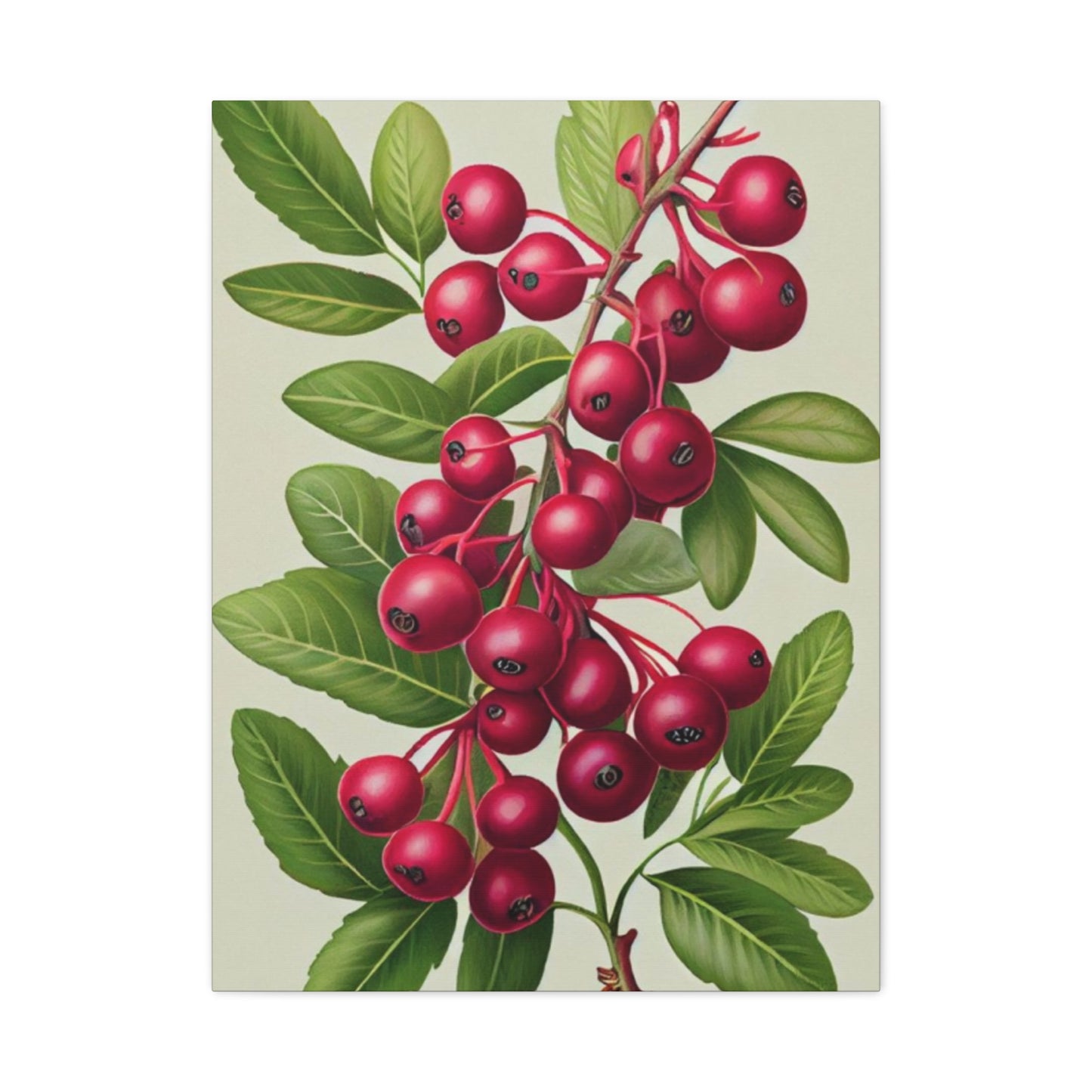
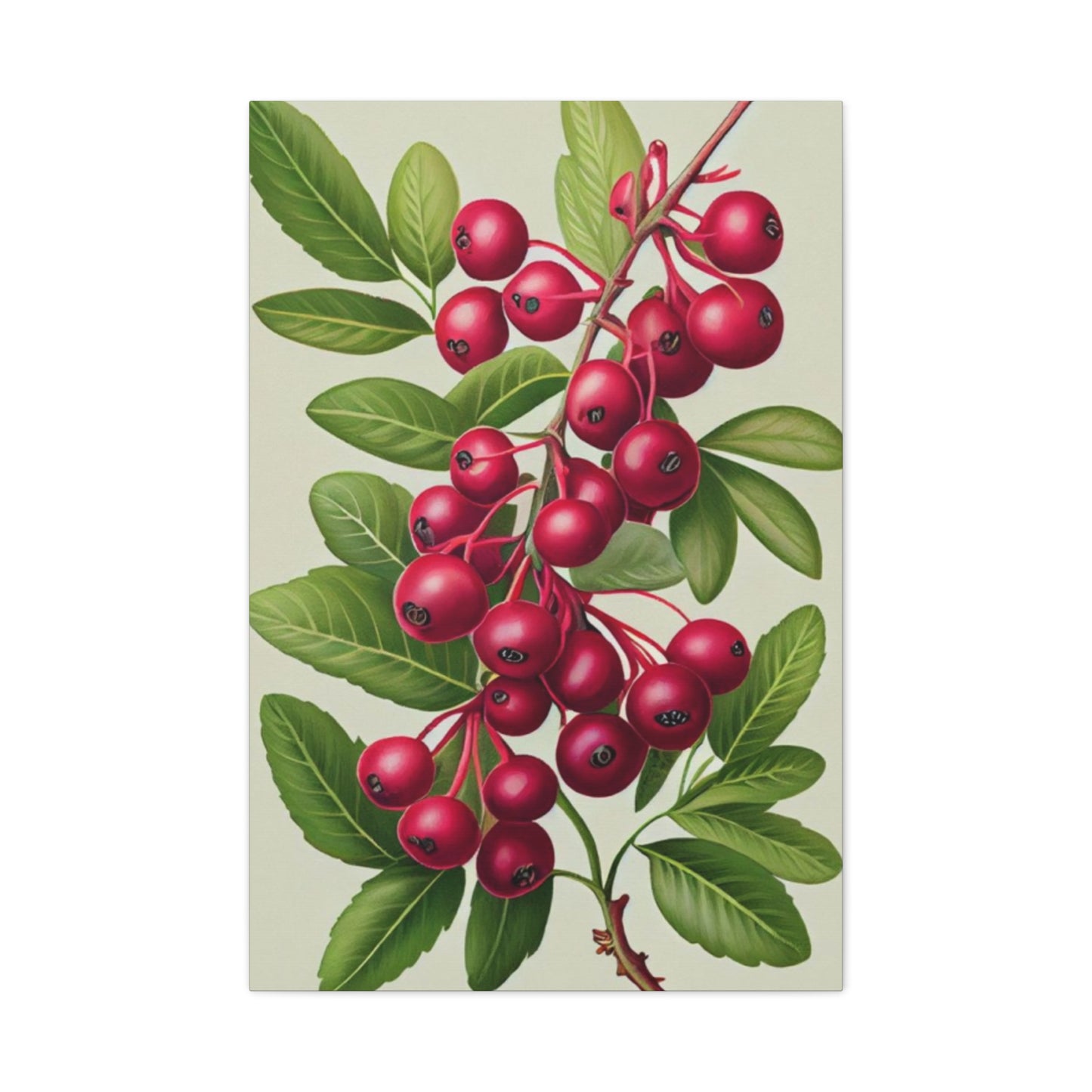
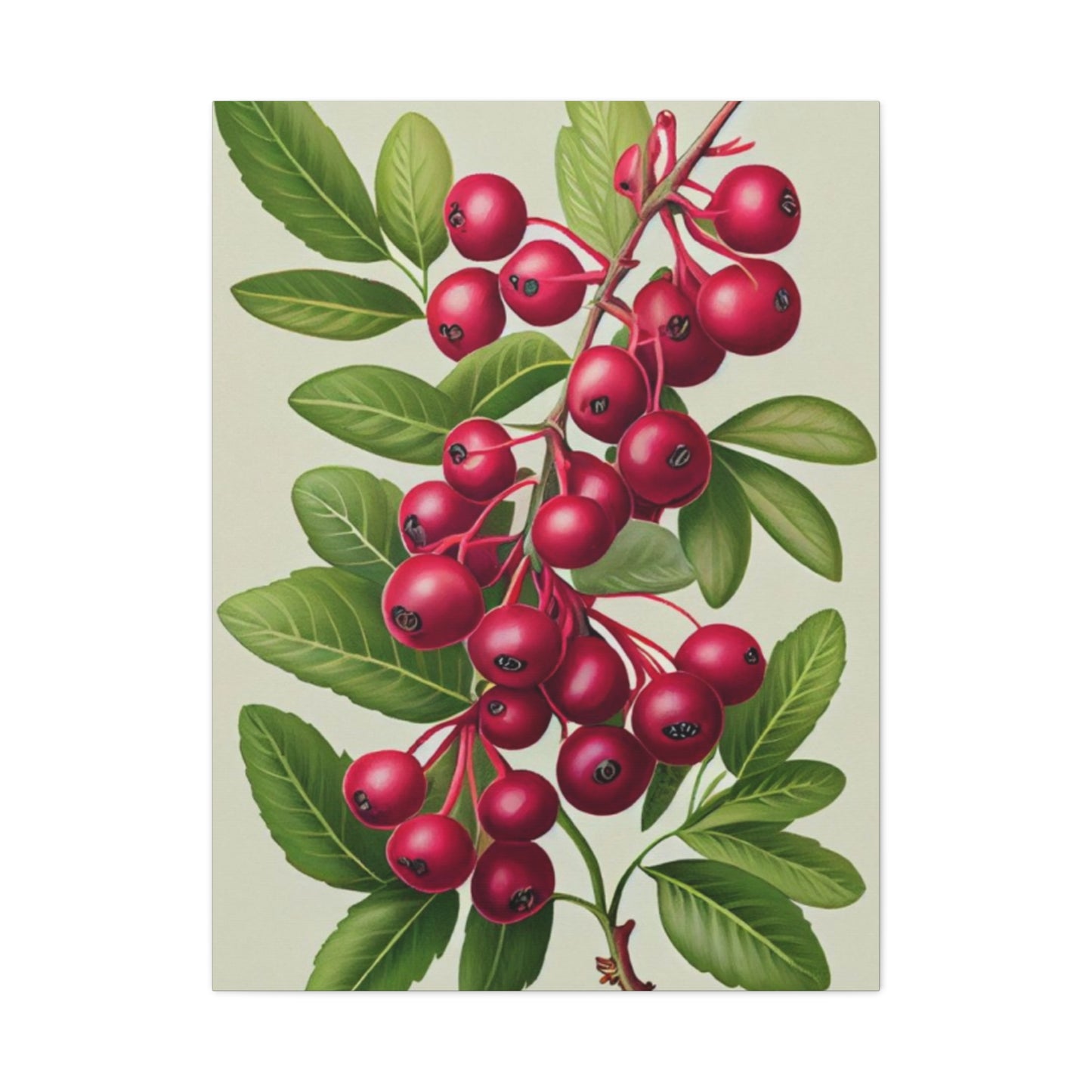
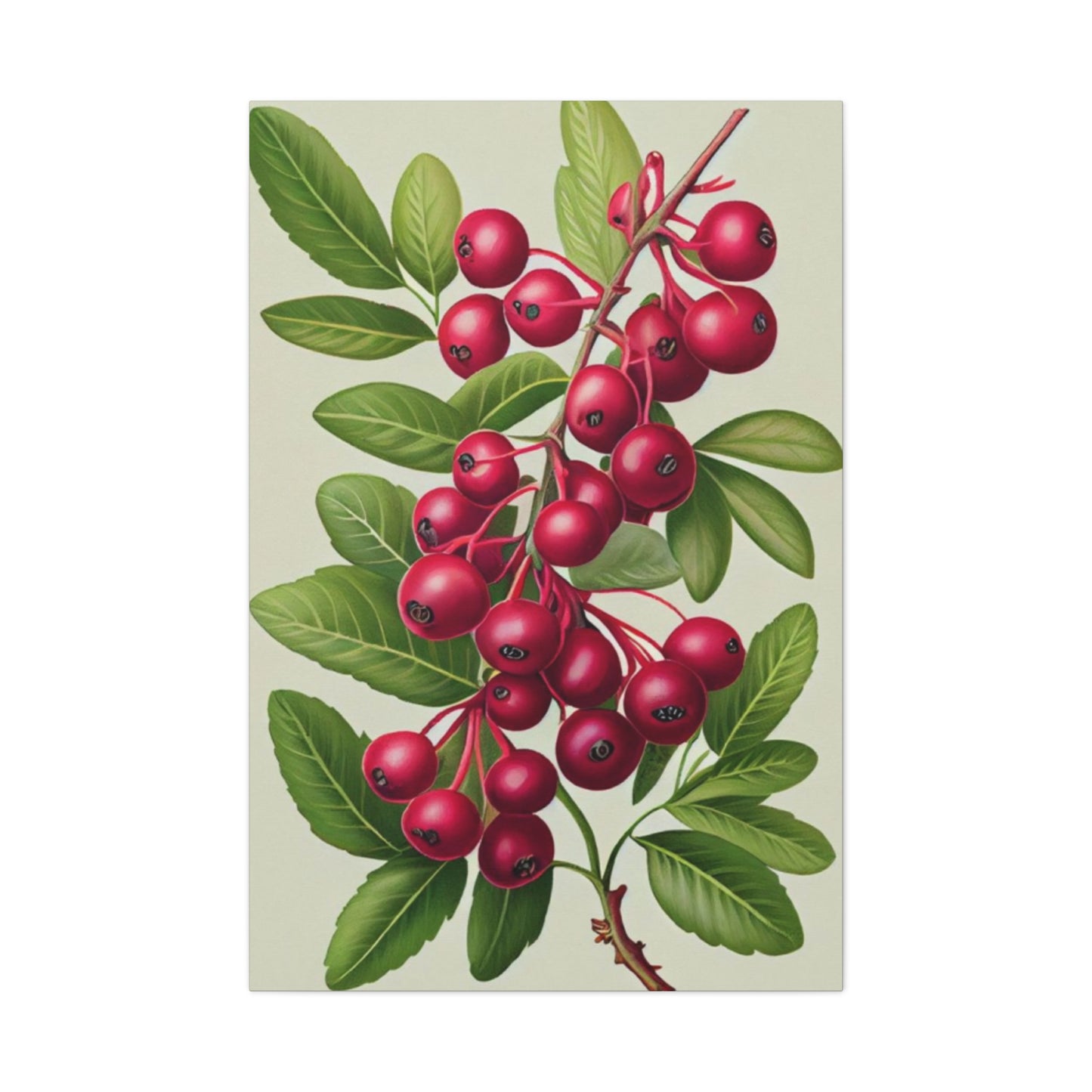
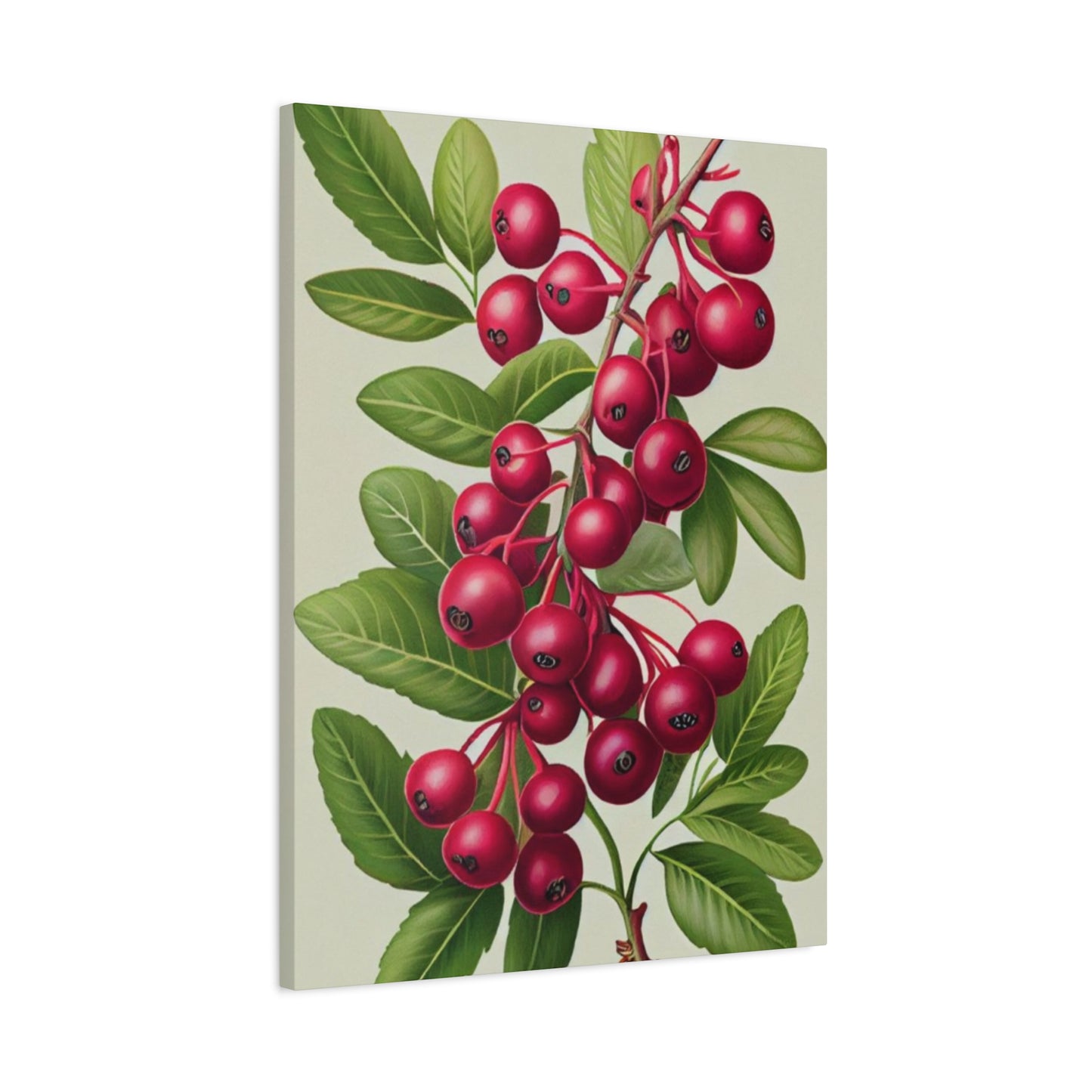
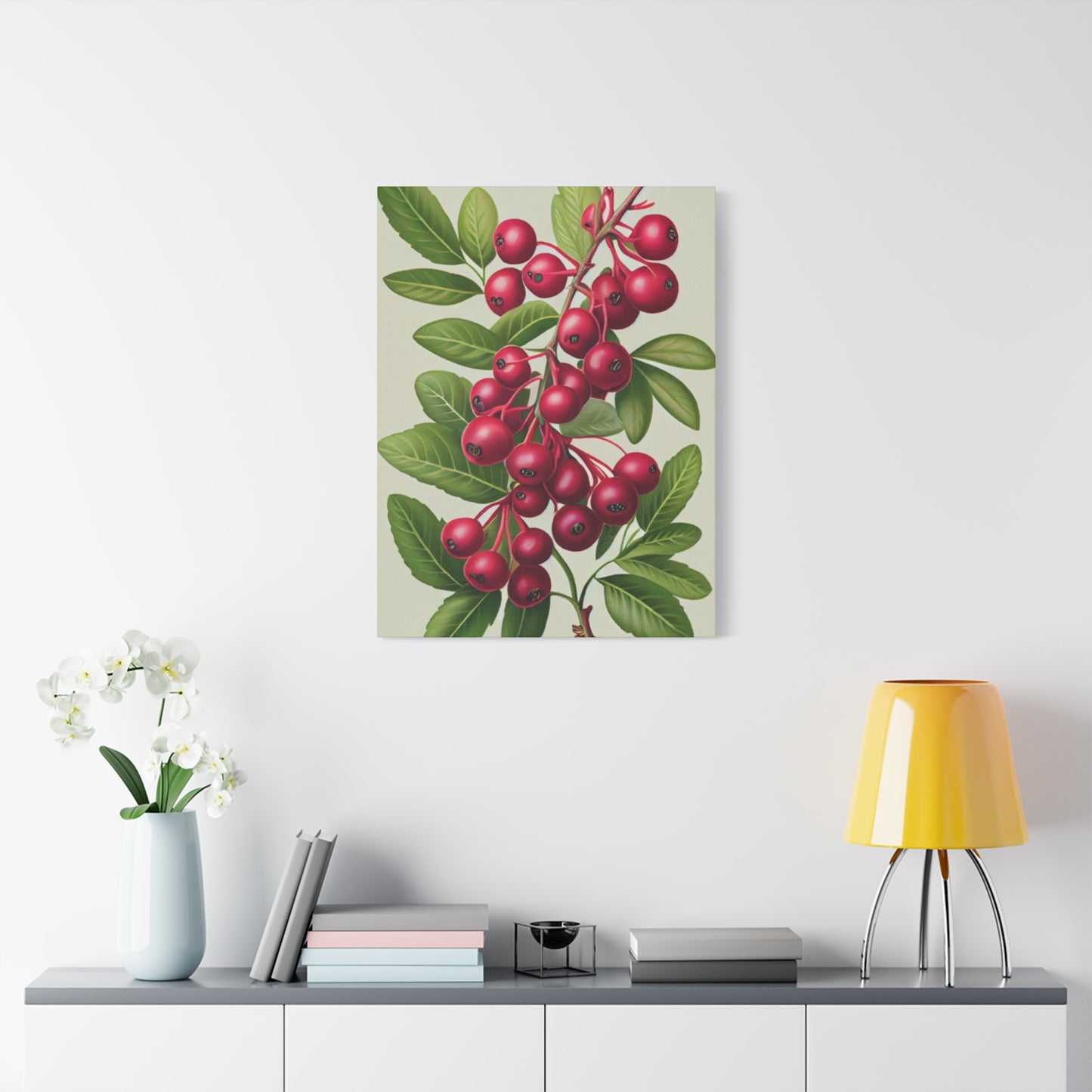
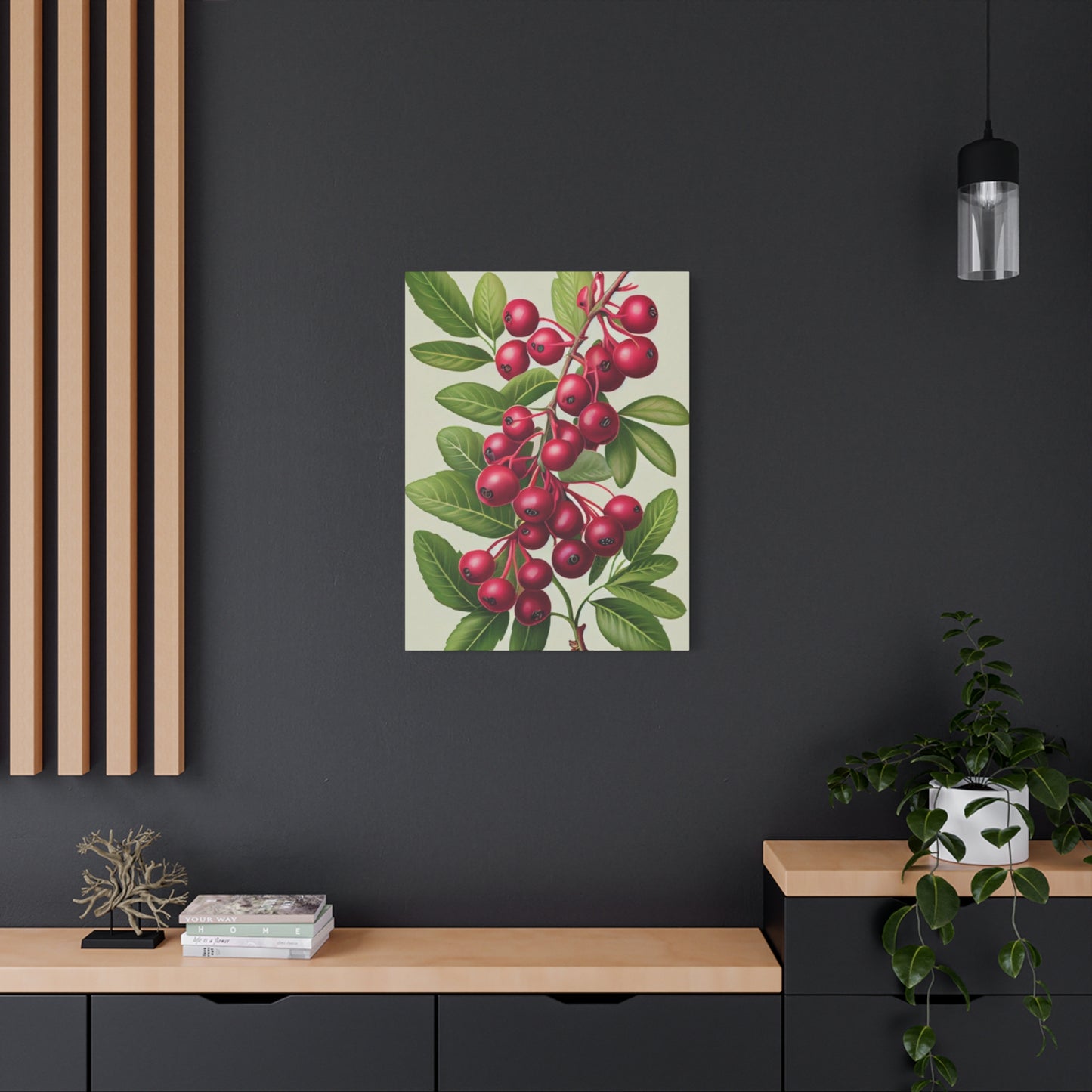
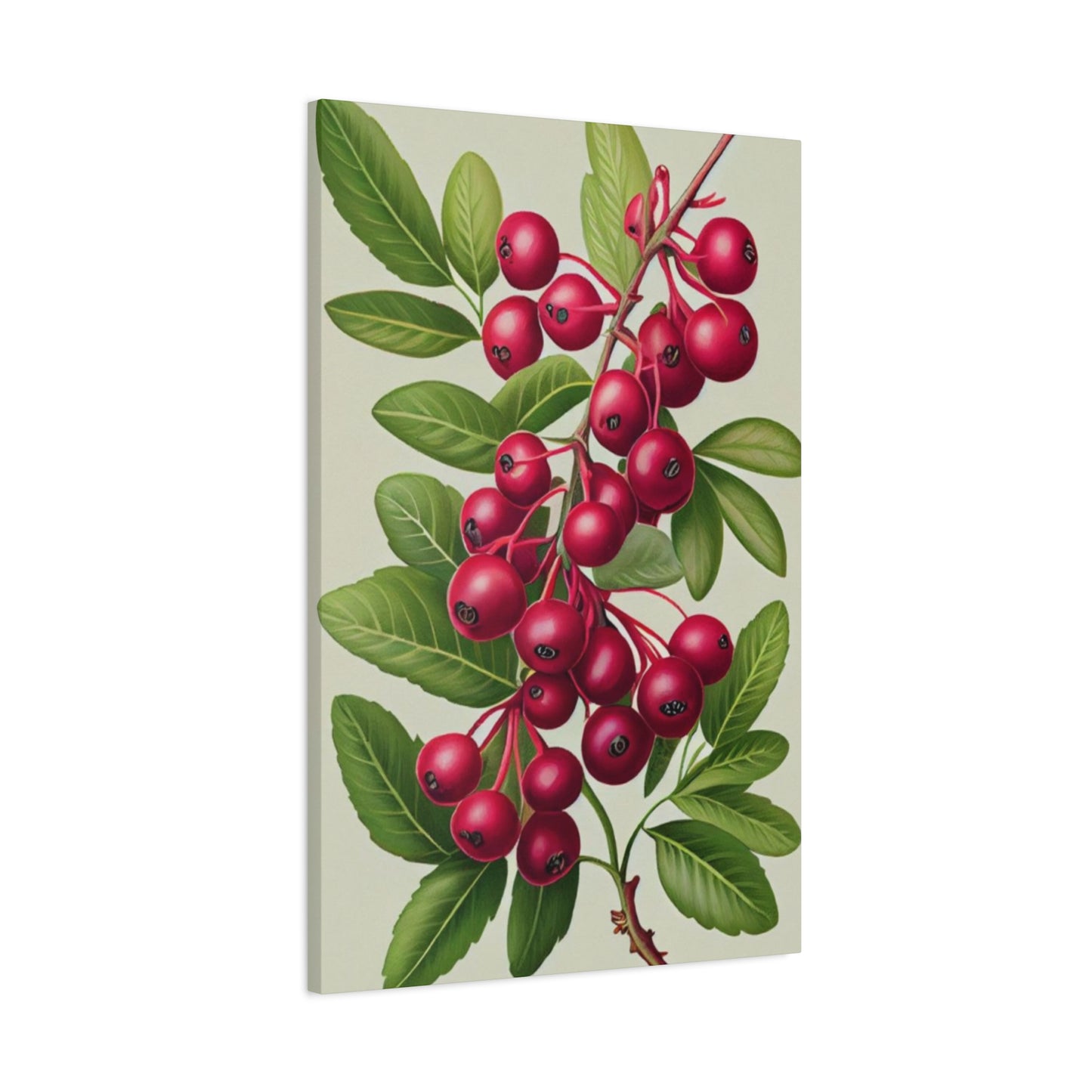
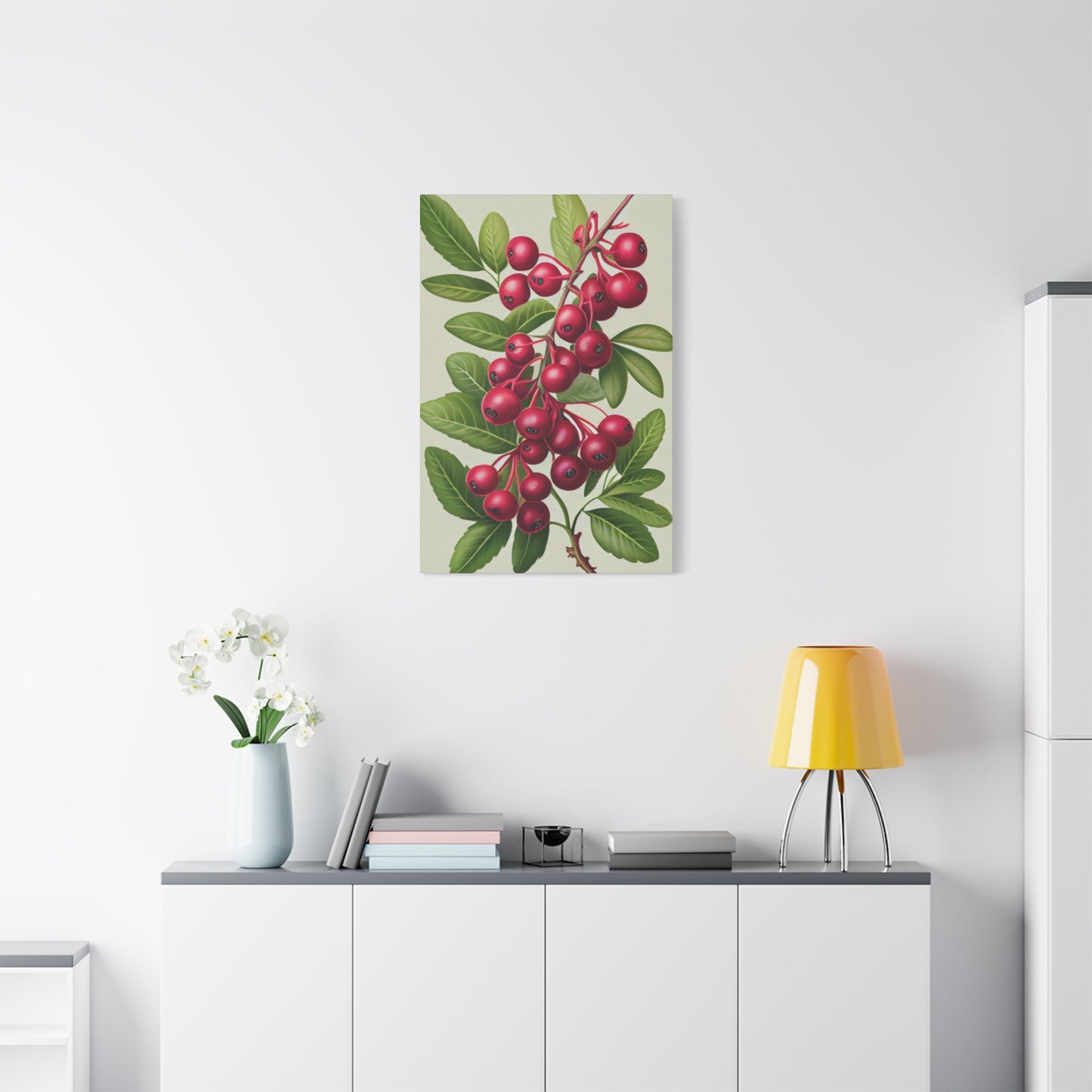
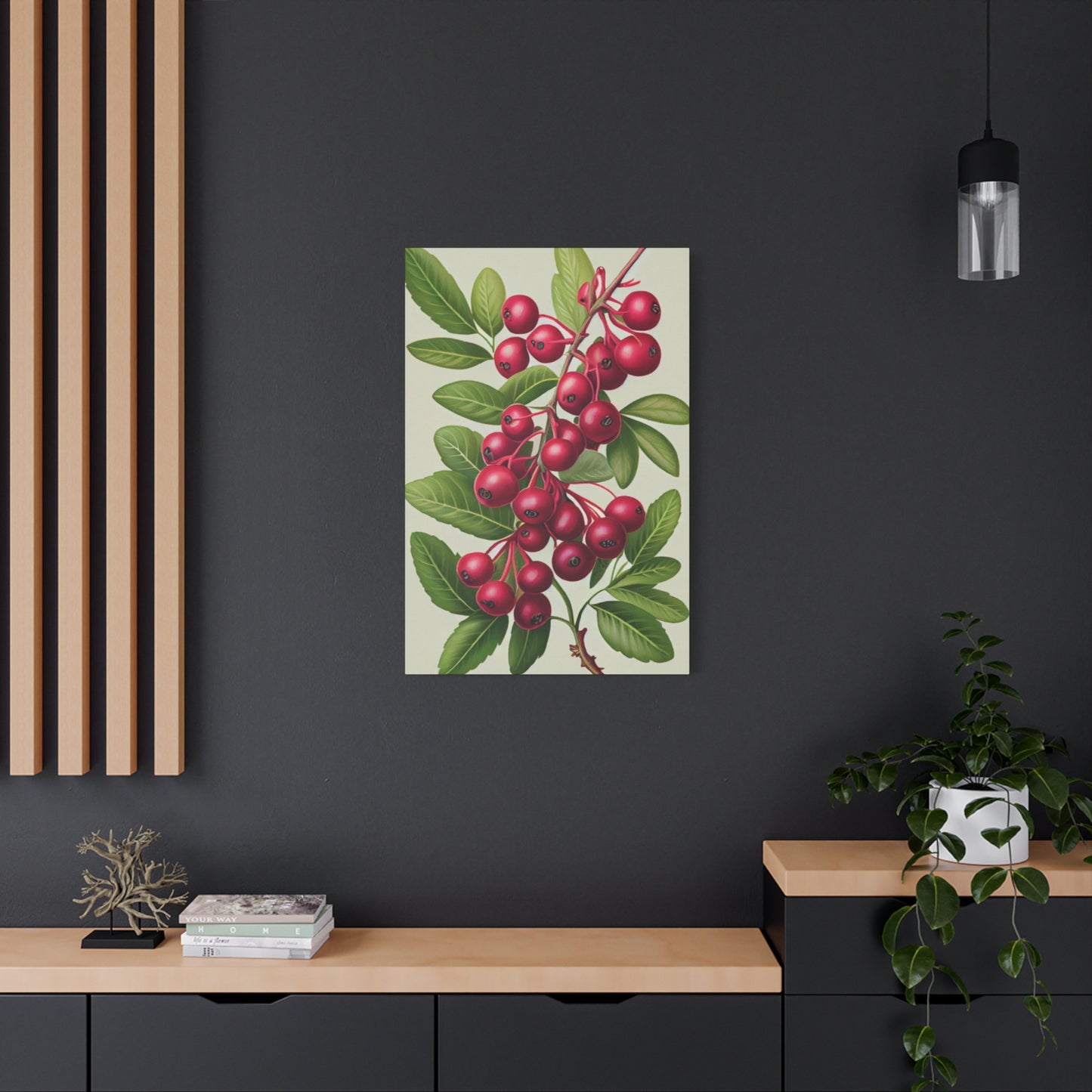
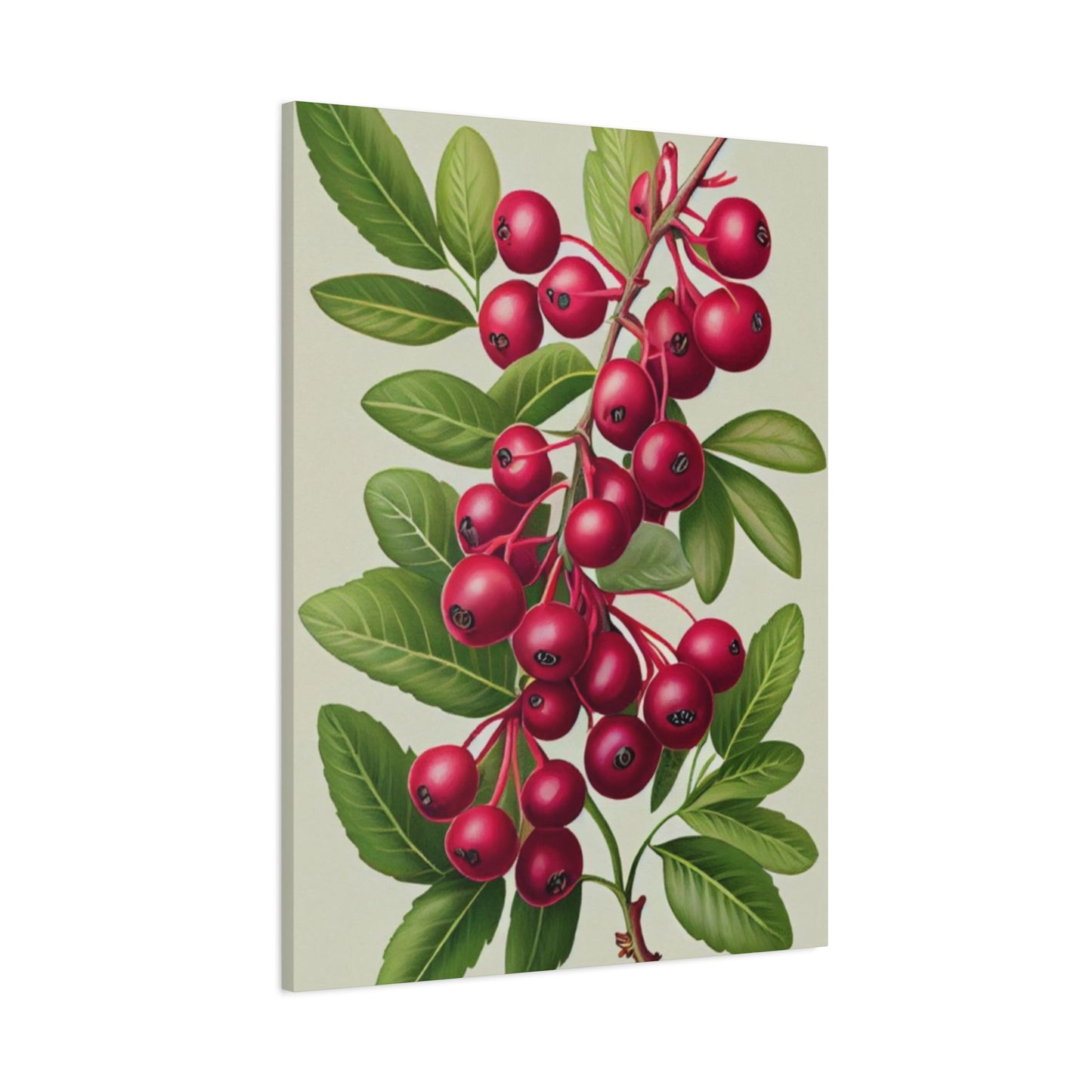
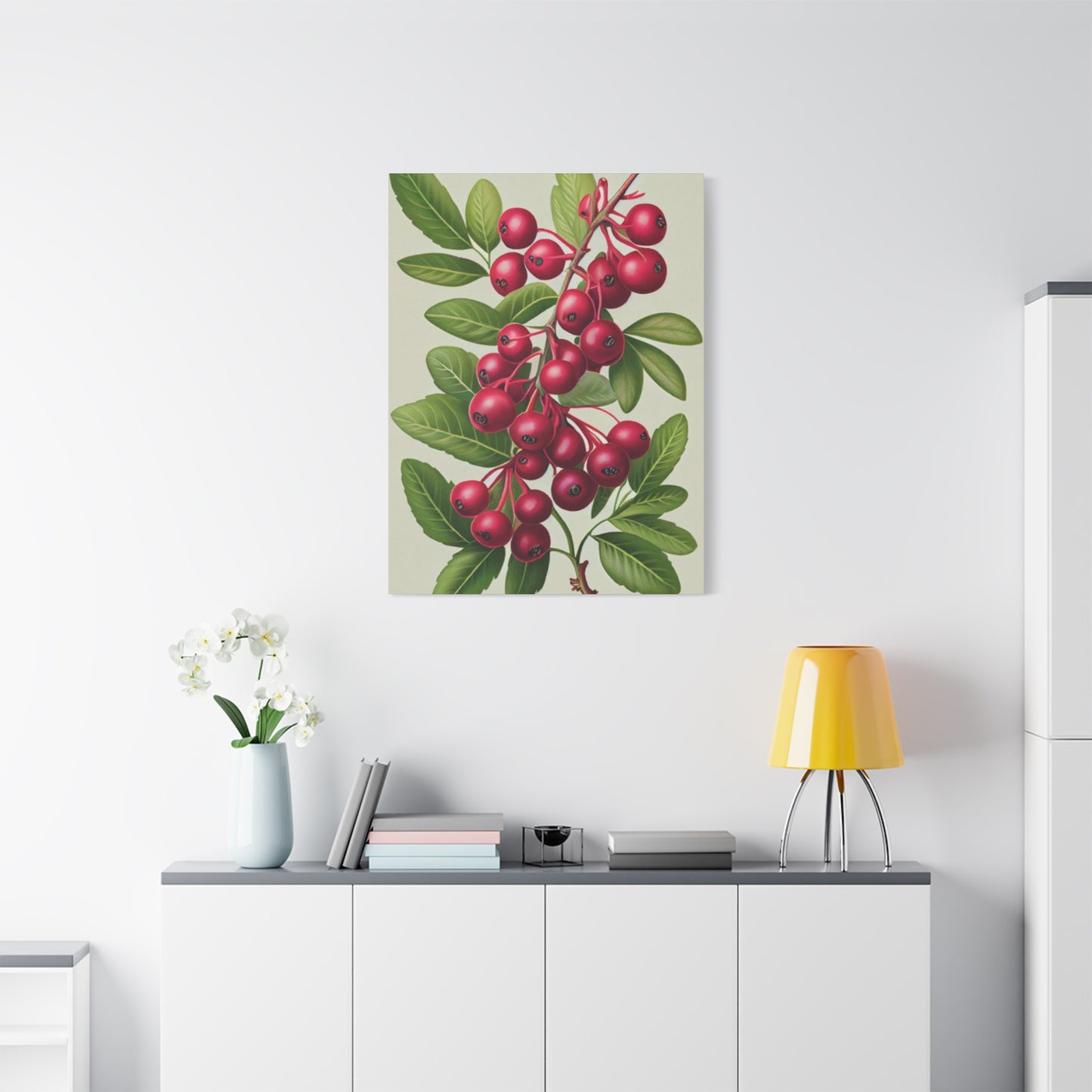
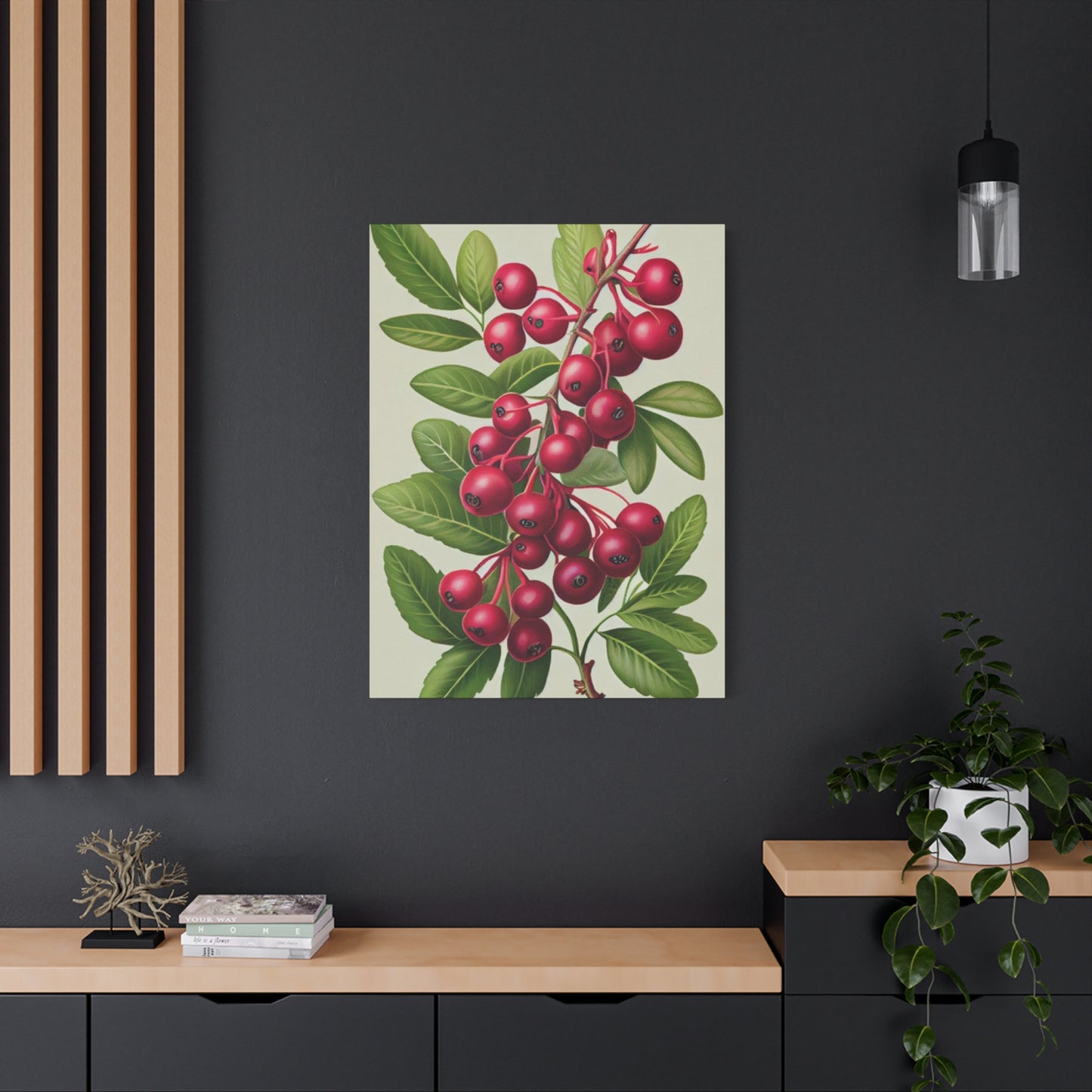
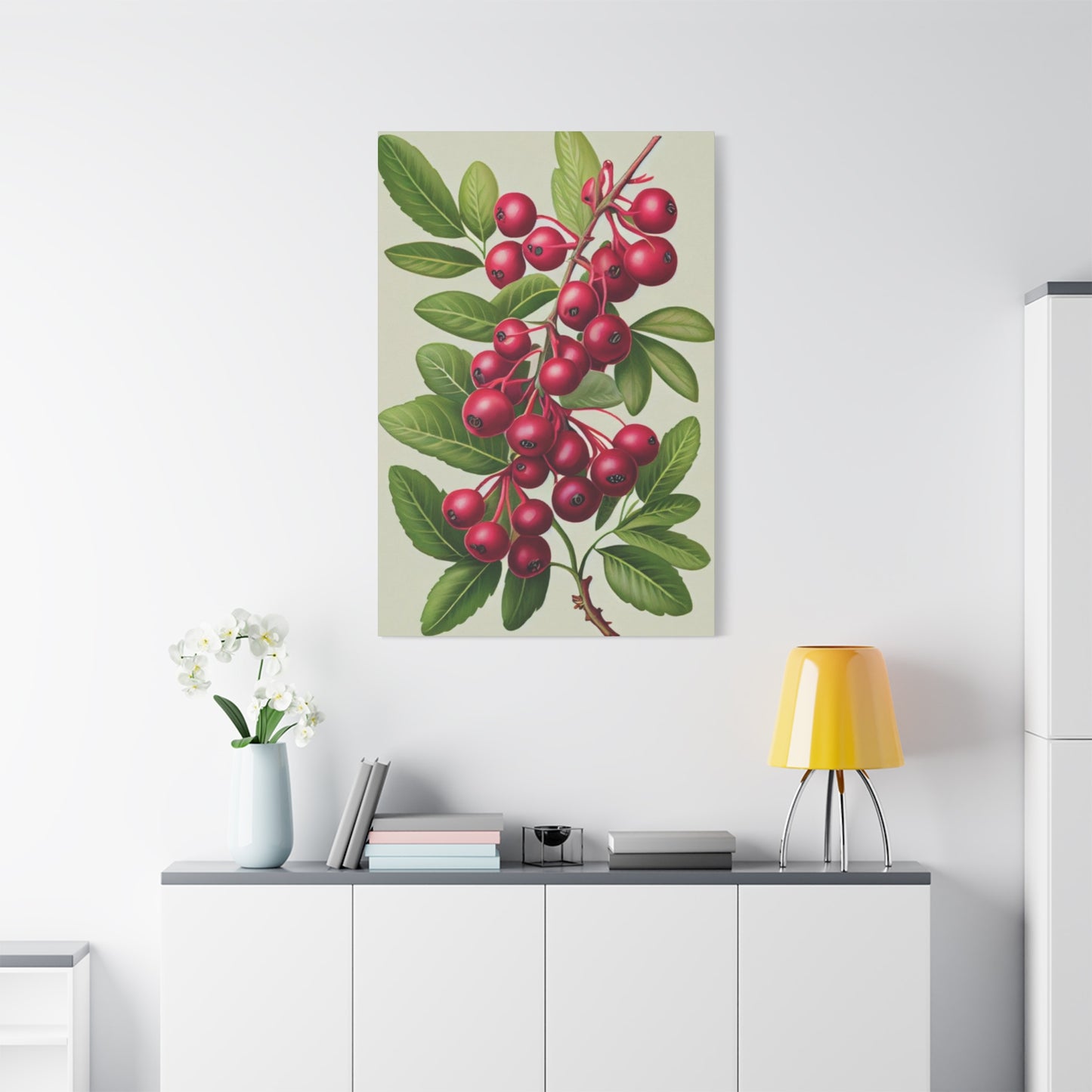
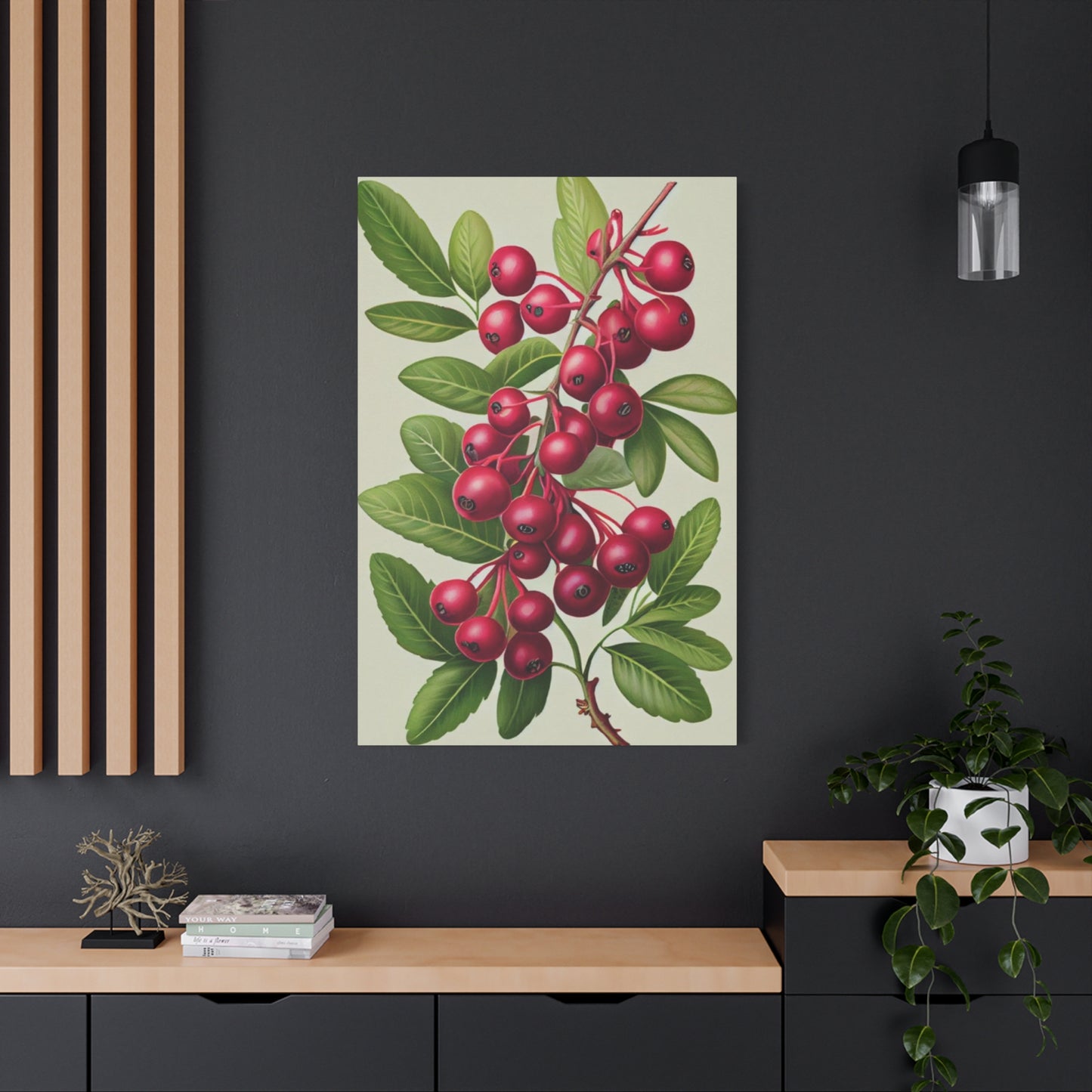
Blueberry Wall Art & Canvas Prints
Blueberry Wall Art & Canvas Prints
Couldn't load pickup availability
Adding a Touch of Nature: How Blueberry Wall Art Brings Vibrant Color and Creativity to Your Home
The charm of blueberries extends far beyond their culinary appeal. These small, vibrant spheres have captured the imagination of artists, interior designers, and homeowners who seek to infuse their living spaces with natural beauty and organic elegance. When you think about decorating your home, fruit-themed artwork might not immediately spring to mind, yet blueberry wall art has emerged as a sophisticated choice that bridges the gap between rustic farmhouse aesthetics and contemporary minimalist design.
The allure of blueberry-themed decorations lies in their versatility. Whether rendered in photorealistic detail, abstract interpretations, or vintage botanical illustrations, these deep purple fruits carry with them associations of wholesomeness, vitality, and natural abundance. Their color palette alone offers remarkable flexibility, featuring rich purples, deep blues, silvery greens, and warm earth tones that complement virtually any existing color scheme.
Why Blueberry-Themed Decorations Have Captured Modern Imagination
Contemporary interior design has witnessed a pronounced shift toward biophilic elements—incorporating nature into indoor environments to create calming, restorative atmospheres. Blueberry wall art fits perfectly within this movement, offering a subtle yet effective way to bring the outdoors inside. Unlike more common floral motifs, blueberry imagery provides a unique talking point while maintaining broad appeal across different age groups and design preferences.
The symbolism associated with blueberries adds another layer of meaning to these decorative choices. Across various cultures, berries represent nourishment, gathering, and the rewards of patience. In Native American traditions, blueberries held spiritual significance and were celebrated for their life-sustaining properties. When you display blueberry-themed artwork, you're not simply hanging a pretty picture—you're connecting with centuries of human appreciation for these remarkable fruits.
From a purely aesthetic standpoint, blueberry imagery offers remarkable depth. The contrast between the dusty bloom on fresh berries and their glossy skin underneath provides visual interest. The delicate structure of blueberry plants, with their bell-shaped flowers and intricate branching patterns, creates opportunities for both detailed botanical studies and simplified graphic representations. Artists working in diverse mediums—from watercolor to digital illustration, from photography to mixed media—have found endless inspiration in these humble fruits.
Exploring Different Artistic Styles for Berry-Themed Decorations
When selecting pieces featuring these purple gems, you'll encounter a stunning array of artistic approaches. Watercolor paintings capture the translucent quality of berries with soft washes and delicate details, perfect for spaces where you want to create a gentle, feminine atmosphere. The fluidity of watercolor lends itself particularly well to depicting the organic shapes and subtle color variations found in clusters of ripe fruit.
Photographic prints offer another avenue entirely. Close-up macro photography reveals the intricate texture of blueberry skin, the tiny star-shaped calyx at the fruit's crown, and the powdery bloom that protects fresh berries. These highly detailed images work beautifully in modern kitchens, dining areas, or even professional spaces where you want to make a statement without overwhelming the senses. Black and white photography of blueberry plants or harvests can create striking contrast in minimalist spaces.
Vintage botanical illustrations represent a category unto themselves. These scientific drawings, originally created for educational and identification purposes, have become highly sought after for their combination of precision and artistry. Original botanical prints from the 18th and 19th centuries command premium prices, but high-quality reproductions bring this classic aesthetic within reach. The aged paper, careful hand-coloring, and Latin nomenclature visible in these prints add scholarly sophistication to libraries, studies, or formal living rooms.
Abstract interpretations allow for more creative freedom. Some artists deconstruct the blueberry form into geometric shapes, color fields, or patterns that suggest rather than literally depict the fruit. These pieces work particularly well in contemporary settings where literal representation might feel too traditional. An abstract piece inspired by blueberry colors—deep purples fading to pinks, punctuated by silvery greens—can tie together an entire room's color palette while maintaining artistic intrigue.
Folk art styles bring playful charm to berry-themed decorations. Naive paintings, primitive designs, and rustic wooden signs featuring blueberries evoke farmhouse kitchens, country cottages, and simpler times. These pieces often incorporate text—recipe snippets, farm names, or cheerful sayings about summer and harvest—adding narrative elements to visual appeal. Hand-painted folk art pieces, whether original or reproduction, carry an artisanal quality that mass-produced items cannot replicate.
Materials and Mediums That Bring Blueberry Imagery to Life
The substrate and medium used for blueberry wall art significantly impact both its visual effect and practical considerations. Canvas prints remain enduringly popular, offering texture and depth that flat prints cannot match. Gallery-wrapped canvas, where the image extends around the frame edges, creates a finished look without requiring additional framing. Canvas works particularly well for larger pieces intended to serve as focal points in spacious rooms.
Paper prints span an enormous range of quality and finish. Museum-grade archival paper ensures longevity, resisting fading and yellowing for generations when properly displayed. Matte finishes minimize glare and work well in brightly lit spaces, while glossy finishes enhance color saturation and detail, making them ideal for photography. Textured papers—watercolor paper for watercolor reproductions, for instance—add authenticity and visual interest.
Metal prints have surged in popularity for contemporary spaces. The process involves infusing dyes directly into specially coated aluminum sheets, creating images that seem to glow from within. The sleek, modern appearance of metal prints makes them particularly suitable for minimalist kitchens, offices, or commercial spaces. Their durability and easy maintenance add practical advantages to their aesthetic appeal.
Wood panels and reclaimed barn wood offer rustic charm. Images can be printed directly onto wood surfaces or transferred using various techniques. The wood grain shows through the image, creating a distinctive layered effect. These pieces work beautifully in farmhouse-style kitchens, rustic cabins, or any space where natural materials and organic textures dominate the design scheme.
Fabric wall hangings represent yet another option. Tapestries, quilts, or fabric panels featuring blueberry motifs bring textile warmth to wall displays. These softer alternatives work particularly well in bedrooms, cozy reading nooks, or anywhere you want to dampen sound and create intimate atmosphere. Hand-embroidered pieces or appliqué works elevate blueberry imagery into fiber art worthy of display as standalone pieces.
Three-dimensional sculptural pieces take the concept beyond flat surfaces. Ceramic tiles arranged in patterns, metal sculptures suggesting berry clusters, or wooden relief carvings depicting blueberry plants add physical depth to walls. These pieces cast shadows, catch light, and create interplay with their surroundings in ways flat artwork cannot, making them conversation starters and focal points.
Selecting Color Schemes That Complement Berry Artwork
The color palette surrounding your blueberry wall art dramatically influences its impact. These fruits naturally contain deep purples, rich blues, and burgundy tones, often contrasted with silvery green foliage and warm brown stems. Understanding how these colors interact with your existing décor ensures harmonious results.
Neutral backgrounds provide the safest, most versatile option. Soft whites, warm creams, or gentle grays allow blueberry artwork to stand out without competing with wall colors. This approach works across virtually all design styles, from traditional to contemporary. The artwork becomes the star, drawing the eye immediately upon entering the room. Neutral palettes also offer flexibility—you can easily change accompanying décor elements without clashing with your artwork.
Complementary color schemes create vibrant, energetic spaces. Since blueberries sit on the blue-purple end of the spectrum, warm oranges and yellows serve as complementary opposites. A kitchen featuring blueberry artwork might incorporate copper cookware, golden oak cabinets, or terracotta accents. This combination feels lively and welcoming, perfect for gathering spaces where you want to stimulate conversation and appetite.
Analogous color schemes use adjacent hues on the color wheel for cohesive, harmonious rooms. Pairing blueberry purple with deeper plums, soft lavenders, or teal blues creates sophisticated, layered spaces. This approach works beautifully in bedrooms, bathrooms, or formal living areas where you want to evoke calm and visual flow. Adding various shades within the purple-blue family creates depth without jarring contrasts.
Monochromatic schemes explore different values and saturations of a single color. A room built around various shades of blue—from pale sky blue to deep navy—creates serene, cohesive spaces. Blueberry artwork fits naturally into this scheme while adding organic texture and interest. This approach particularly suits minimalist aesthetics where simplicity and restraint guide design choices.
Contrasting schemes make bold statements. Placing blueberry artwork against deep charcoal, forest green, or even dramatic black walls creates striking visual impact. The fruits and foliage pop dramatically against dark backgrounds, making them appear almost luminous. This daring approach works best in spaces where you want to make strong impressions—dining rooms, entryways, or accent walls in otherwise neutral rooms.
Room-by-Room Strategies for Displaying Berry-Themed Artwork
Different rooms in your home present unique opportunities and challenges for displaying blueberry wall art. Understanding each space's particular requirements ensures your artwork enhances rather than conflicts with the room's purpose and atmosphere.
Kitchens naturally welcome fruit imagery. Blueberry artwork feels immediately appropriate in food-preparation spaces, reinforcing themes of freshness, health, and natural abundance. Consider hanging a series of smaller prints in a grid pattern rather than one large piece—this approach better suits the typically busy visual environment of kitchens with their cabinets, appliances, and cookware. Above the breakfast nook or dining area within open-plan kitchens, larger statement pieces work well, creating a focal point that defines the eating space.
Dining rooms offer prime real estate for substantial artwork. Whether formal or casual, dining spaces benefit from pieces that stimulate appetite and conversation. Blueberry artwork checks both boxes—its colors are appetizing without being overwhelming, and its natural subject matter provides talking points without being controversial. Consider scale carefully in dining rooms; a piece should be substantial enough to anchor the room but not so large it dominates intimate dinner conversations.
Living rooms require considering sightlines and seating arrangements. Artwork should be positioned where guests naturally look while seated—typically above sofas, mantels, or console tables. Blueberry-themed pieces work particularly well in casual family rooms where their approachable, wholesome imagery creates welcoming atmospheres. In more formal living rooms, opt for sophisticated renderings—botanical illustrations or artistic photography rather than folk-art styles.
Bedrooms reward calming, restful imagery. The purple-blue tones dominant in blueberry art promote relaxation and peaceful sleep according to color psychology principles. Watercolor paintings with their soft edges and gentle palette work particularly well in sleeping spaces. Position artwork where you can enjoy it while relaxing in bed but where it won't stimulate excessive visual activity when you're trying to sleep—the wall opposite the bed often provides the ideal location.
Bathrooms present unique challenges with humidity and limited wall space. In these compact rooms, smaller pieces or collections of prints create impact without overwhelming. Look for moisture-resistant options—metal prints, sealed canvas, or framed prints with proper backing. Blueberry imagery brings natural freshness to bathrooms, echoing the cleansing, rejuvenating purposes of these spaces.
Home offices and studies benefit from artwork that inspires without distracting. Vintage botanical illustrations of blueberry plants bring scholarly sophistication while maintaining visual interest. The detailed, scientific nature of botanical drawings resonates with the intellectual activities typically conducted in these spaces. Position artwork within your sight line when you look up from your desk—providing mental rest stops during concentrated work sessions.
Entryways and hallways serve as transitional spaces that can accommodate bolder choices. Since people pass through rather than linger, you can experiment with larger scale, more dramatic pieces, or gallery walls featuring multiple blueberry-themed works. These spaces also offer opportunities to establish themes that carry throughout your home—introducing berry motifs in the entryway prepares visitors for similar elements in other rooms.
Creating Gallery Walls and Curated Collections
Rather than displaying a single piece, many homeowners opt for gallery walls or curated collections that tell more complex visual stories. Blueberry wall art lends itself beautifully to these arrangements, offering enough variety to create interesting collections while maintaining thematic cohesion.
Symmetric grid arrangements bring order and formality to collections. Choose prints of identical size and frame them uniformly, then hang them in precise rows and columns. This approach works particularly well with vintage botanical prints or photographic series. The repetition creates rhythm while the individual images provide variation. Grid arrangements suit traditional décor and formal spaces where order and balance are priorities.
Asymmetric salon-style galleries embrace eclectic mixing. Combine different sizes, frames, and even mediums—a large canvas painting might anchor the arrangement, surrounded by smaller prints, photographs, and perhaps a vintage sign or small shelf displaying blueberry-colored ceramics. This approach requires more planning and often benefits from laying out the arrangement on the floor before committing to wall placement. Salon walls work beautifully in casual living spaces, eclectic interiors, or anywhere you want to create personality-rich displays.
Linear arrangements work well in hallways or above long furniture pieces. Hanging three to five pieces in a row at consistent height creates visual flow that guides the eye along the space. You might choose a progression—blueberry flowers to green fruit to ripe berries—that tells a narrative story. Or vary the artistic styles while maintaining the berry theme, moving from realistic to abstract across the sequence.
Themed collections explore different aspects of blueberry cultivation and use. You might gather vintage seed packets, farming advertisements, recipe cards, botanical illustrations, and contemporary photography into a collection that celebrates berry culture comprehensively. This curatorial approach adds depth and educational interest to decorative choices, particularly appealing in farmhouse-style kitchens or country homes.
Seasonal rotations keep displays fresh and relevant. Create multiple collections of blueberry-themed pieces suitable for different seasons. Summer might feature bright, fresh imagery of ripe berries and harvest scenes. Autumn collections could include preserving and baking themes with muted, warm tones. This approach requires more artwork but prevents visual fatigue and celebrates the cyclical nature of fruit cultivation.
Pairing Berry Artwork with Complementary Decorative Elements
Blueberry wall art achieves maximum impact when thoughtfully coordinated with surrounding décor elements. Rather than existing in isolation, your artwork should converse with furniture, textiles, accessories, and architectural features.
Textile coordination creates cohesive spaces. If your blueberry artwork features prominent purple tones, echo these hues in throw pillows, curtains, or upholstery. This doesn't require exact color matching—in fact, slight variations create more sophisticated results. A print featuring lavender-tinged berries might pair beautifully with deep eggplant velvet pillows and soft gray-blue linen curtains. The repeated color family ties the room together while the varied shades prevent monotony.
Furniture selection influences how artwork registers visually. Light-colored furniture creates contrast that makes blueberry artwork pop, while darker pieces blend more subtly. Consider the mood you're creating—dramatic contrast energizes spaces, while tonal blending soothes. Wood furniture with warm undertones complements the natural subject matter of berry artwork, reinforcing organic, nature-inspired aesthetics.
Accessory styling offers opportunities for reinforcement without redundancy. Rather than filling your space with obvious blueberry replicas, choose accessories that echo colors, shapes, or themes. Purple glass vases, blue ceramic bowls, or silver candlesticks might complement your artwork more elegantly than literal berry figurines. However, a single carefully chosen piece—perhaps a vintage blueberry crate or a ceramic pitcher painted with berries—can make charming accent without overwhelming.
Lighting dramatically affects how artwork appears. Picture lights mounted above frames add gallery sophistication while ensuring colors display accurately. Track lighting allows you to adjust focus and intensity. Natural light considerations matter too—avoid hanging valuable prints in direct sunlight, which causes fading. Rooms with northern exposure provide consistent, cool light that shows colors accurately, while southern exposure brings warmth that can shift purple tones toward red.
Architectural features like molding, wainscoting, or exposed beams influence placement decisions. Blueberry artwork can emphasize these features—hanging a piece centered above a fireplace mantel draws attention to this architectural focal point. Alternatively, artwork can balance or counterweight architectural elements—a large piece on a plain wall opposite an ornate bookcase creates equilibrium.
Plants and natural elements extend the organic themes blueberry artwork introduces. Actual blueberry plants in containers, if climate permits, create delightful connections between art and life. More practically, any potted greenery reinforces nature themes. Consider foliage with purple undersides or silvery tones that echo colors in your artwork. Branches, stones, or other natural materials displayed on nearby surfaces carry forward the organic aesthetic.
Sourcing Unique and Quality Berry-Themed Pieces
Finding the perfect blueberry wall art requires knowing where to look and how to evaluate quality. The market offers everything from mass-produced prints to original paintings, each with distinct advantages and considerations.
Original artwork represents the ultimate in uniqueness. Paintings, drawings, or mixed media pieces created by individual artists carry inherent value beyond their decorative function. Commissioning an artist to create custom blueberry artwork ensures your piece fits your exact specifications regarding size, color, style, and composition. Local art fairs, gallery shows, and studio tours provide opportunities to meet artists and view their work in person. Many artists maintain online portfolios and accept commissions remotely, expanding your options beyond geographic limitations.
Limited edition prints offer middle ground between original art and mass production. Artists often create print runs of 25, 50, or 100 copies, numbering and signing each. These pieces maintain more value and exclusivity than unlimited prints while remaining more affordable than originals. Giclée printing on archival paper or canvas produces museum-quality reproductions that can rival originals in visual impact. When purchasing limited editions, verify authenticity and edition numbers.
Vintage and antique markets yield one-of-a-kind discoveries. Original botanical illustrations, vintage seed catalogs, old farmstand signs, and antique paintings featuring berries turn up at estate sales, antique stores, and online auction sites. These pieces carry patina and backstory that new productions cannot replicate. However, condition varies widely—expect some damage or wear consistent with age. Proper framing and conservation can preserve and display these treasures appropriately.
Print-on-demand services provide affordable access to diverse designs. Numerous platforms allow artists to upload designs that customers can order printed on various substrates. This model keeps costs down while offering tremendous variety. Quality varies between providers, so research printing methods, paper quality, and customer reviews before ordering. Many services offer sample prints so you can evaluate quality before committing to larger purchases.
Photography marketplaces connect you with professional and amateur photographers worldwide. Search for berry-themed images, then purchase printing rights or ready-to-hang prints. This approach works particularly well if you prefer photographic realism. Many photographers offer the same image in multiple crops and sizes, allowing you to create coordinated sets or choose proportions that fit your space.
Local artists and craftspeople often welcome custom orders. A neighborhood artist might paint blueberries in your preferred style and colors. A woodworker could create a carved relief or burned design. Supporting local creators builds community connections while ensuring truly unique pieces. Don't hesitate to discuss your vision, share inspiration images, and collaborate on designs.
Framing Considerations That Enhance Presentation
Even spectacular artwork can disappoint if poorly framed, while thoughtful framing elevates modest prints into gallery-worthy displays. Understanding framing fundamentals helps you make choices that protect and present your blueberry wall art optimally.
Frame style profoundly affects overall appearance. Traditional ornate frames with gilded details suit vintage botanical prints and formal spaces. Sleek, narrow metal frames complement contemporary artwork and modern interiors. Rustic wooden frames with visible grain or distressed finishes enhance farmhouse aesthetics. The frame should support rather than compete with the artwork—when someone compliments your display, they should notice the art first, frame second.
Mat selection deserves careful consideration. Mats create breathing room between artwork and frame while preventing the print from touching glass. White and cream mats suit nearly everything, offering clean, classic presentation. Colored mats can echo tones within the artwork—a soft purple mat might beautifully frame a watercolor of blueberries. However, trendy colored mats date more quickly than neutral choices. Mat width matters too—narrow mats suit smaller prints and casual spaces, while wider mats (3-4 inches) bring elegance appropriate for formal rooms.
Glass or acrylic glazing protects artwork from dust, humidity, and handling. Regular glass costs less but weighs more and breaks dangerously. Acrylic weighs less and resists shattering but scratches more easily. UV-protective glazing prevents fading, essential for valuable pieces or artwork in sunny locations. Museum glass eliminates virtually all glare while providing maximum UV protection—costly but worthwhile for important pieces. Non-glare glass reduces reflections through etching but slightly softens image clarity.
Conservation framing employs archival materials that won't degrade or damage artwork over time. Acid-free mats and backing prevent yellowing and deterioration. Archival tape and corners hold prints without introducing harmful adhesives. If your blueberry artwork has monetary or sentimental value, conservation framing is worthwhile despite higher costs. Many frame shops offer both preservation and budget options—understanding the differences helps you allocate your framing budget appropriately.
DIY framing works well for casual spaces and tight budgets. Ready-made frames in standard sizes keep costs down. However, ensure prints fit frames properly—forcing oversized prints damages them, while undersized prints look lost. Pre-cut mats available in standard sizes simplify DIY projects. If you enjoy hands-on projects, frame shops often sell supplies and can cut custom mats while you provide the labor of assembly.
Frameless mounting creates contemporary, minimalist presentations. Prints mounted on rigid backing or sandwiched between acrylic sheets achieve clean, modern looks without traditional frames. This approach works particularly well for bold graphic prints or photography. However, frameless mounting offers less protection and isn't recommended for valuable or irreplaceable pieces.
Caring for Your Artwork to Ensure Longevity
Proper care extends the life and beauty of your blueberry wall art for decades or even generations. Different materials require specific maintenance, but some principles apply universally.
Placement away from environmental hazards tops the priority list. Direct sunlight fades all artwork eventually, even with UV-protective glazing. If you must hang pieces in sunny spots, expect to rotate them periodically or accept gradual color shifts. Humidity damages paper, warps canvas, and promotes mold growth. Avoid hanging valuable prints in bathrooms or other high-moisture environments without proper protection. Extreme temperature fluctuations stress materials, causing expansion and contraction that cracks paint or loosens adhesives.
Cleaning methods vary by medium and surface. Framed pieces behind glass need only occasional gentle dusting of frames and careful glass cleaning. Use glass cleaner on a cloth rather than spraying directly onto frames—overspray can seep behind glass and stain mats or artwork. Canvas paintings should be dusted very gently with soft brushes; never use water or chemicals unless you have specific expertise. Metal and acrylic prints tolerate damp cleaning but should be dried immediately to prevent water spots.
Regular inspection catches problems early. Check frames annually for loose corners, backing that's pulling away, or tape failing. Look for signs of insect damage, especially in paper artwork—small holes or trails indicate active infestations requiring professional intervention. Watch for discoloration, foxing (brown spots on paper), or mold growth. Catching these issues early prevents permanent damage.
Professional conservation addresses serious problems. If valuable artwork shows deterioration, consult professional conservators rather than attempting repairs yourself. Paper conservation specialists can clean, de-acidify, and repair damaged prints. Painting conservators stabilize cracking, restore damaged areas, and preserve works on canvas or panel. While not cheap, professional conservation preserves artworks for future generations.
Documentation preserves provenance and value. Photograph your artwork and maintain records including purchase information, artist details, edition numbers, and any authentication documentation. These records prove ownership for insurance purposes and maintain value if you ever sell. Store digital copies of this information off-site in case of fire or disaster.
Rotation prevents display fatigue while protecting pieces. If you have multiple artworks, rotating what's displayed gives each piece rest time in dark storage. This approach particularly benefits works on paper, which are most susceptible to light damage. Rotation also keeps your décor feeling fresh—you'll appreciate pieces more when they reappear after absence.
Seasonal Displays and Rotating Décor Themes
Blueberry wall art adapts beautifully to seasonal decorating strategies, offering opportunities to refresh your spaces throughout the year without major overhauls or expense. Understanding the natural cycle of these fruits provides framework for thoughtful seasonal rotations.
Spring displays celebrate renewal and potential. Consider artwork featuring blueberry blossoms—the delicate white bell-shaped flowers that appear in late spring. These softer, more subtle pieces work beautifully during months when you're craving lightness and freshness. Pair spring blueberry artwork with pastel accents, fresh flowers, and light, airy textiles. The promise of fruit to come resonates with spring's themes of growth and anticipation.
Summer calls for exuberant celebration of abundance. This season suits bright, bold blueberry artwork—close-ups of ripe fruit, harvest scenes, or abstract pieces in saturated purples and blues. Summer artwork might be larger and more impactful than spring pieces. Surround it with fresh berries in bowls, blue glass, and crisp white linens that echo summer's clarity and intensity. This is the season to feature photography of farmers markets, berry picking, or fresh desserts.
Autumn transitions toward preservation and reflection. Artwork depicting jams, pies, and baked goods featuring blueberries fits autumn's harvest-celebration mood. Colors might shift toward warmer tones—the purple of berries against copper pots, wooden spoons, or golden pie crusts. Vintage advertising for preserved fruits or baking products works particularly well in fall when you're drawn toward nostalgia and comfort.
Winter invites quieter, more contemplative pieces. Consider bare branch studies of blueberry bushes, botanical drawings emphasizing plant structure over fruit, or misty, atmospheric photographs of berry farms in dormancy. Winter artwork might be smaller and more intimate, appropriate for the season's introspective mood. Monochromatic or limited palette pieces suit winter's reduced color landscape.
Holiday rotations add festive touches without abandoning your berry theme. During winter holidays, pair blueberry artwork with silver and blue ornaments, creating cool, elegant spaces. Summer patriotic holidays naturally incorporate the blue of berries alongside red and white elements. Thanksgiving's harvest theme embraces berry imagery wholeheartedly.
Non-seasonal core pieces remain displayed year-round, while rotating seasonal accents refresh the look. A large botanical illustration might anchor your dining room permanently, while smaller pieces surrounding it change with seasons. This approach maintains visual consistency while preventing stagnation.
Incorporating Berry Motifs into Children's Spaces
Blueberry wall art works wonderfully in nurseries and children's rooms, bringing nature indoors while maintaining age-appropriate charm. The approachable, non-threatening nature of fruit imagery creates welcoming environments for young ones.
Nursery applications favor soft, gentle renderings. Watercolor blueberries in pastel tones suit the peaceful atmosphere you're creating for infants. Consider whimsical illustrations—perhaps anthropomorphized berries with friendly faces, or fairy-tale scenes featuring berry picking. These pieces stimulate visual development while maintaining soothing atmospheres conducive to sleep.
Toddler rooms benefit from more vibrant, engaging artwork. Bold graphic prints featuring berries in simplified shapes help color recognition and vocabulary development. Interactive elements like textured pieces or dimensional artwork engage curious little hands (when safely mounted out of reach). Educational content—lifecycle illustrations showing flowers to fruit, or counting themed pieces—adds learning to decoration.
School-age children appreciate more sophisticated pieces. Photography of real berries, accurate botanical illustrations, or even vintage farmstand signs bridge the gap between childish décor and more mature aesthetics. As children develop individual tastes, involving them in selecting artwork fosters ownership and pride in their spaces. A child who loves science might treasure a detailed botanical illustration, while an artistic child might prefer watercolor interpretations.
Growth accommodation represents a key consideration in children's rooms. Choose pieces that won't feel too babyish as children mature. Classic botanical prints or beautiful photography can transition from nursery through teen years, simply paired with age-appropriate surrounding décor. This approach proves more economical than replacing artwork every few years as tastes evolve.
Safety requirements cannot be ignored. Secure all artwork firmly to walls, using appropriate hanging hardware for your wall type and frame weight. Avoid placing artwork above cribs, changing tables, or beds where it could fall onto a child. Use acrylic glazing rather than glass in rooms of active young children. Ensure no small hanging hardware parts could be accessed by curious fingers.
Themed rooms benefit from coordinated approaches. A nature-themed room might feature various fruit and plant artwork, with blueberries as one element. A purple-themed room uses berry artwork to reinforce the color scheme while adding natural elements. A farm or garden theme naturally incorporates berry imagery alongside vegetables and farm animals.
Blending Berry Artwork into Various Design Styles
Blueberry wall art's versatility allows it to enhance remarkably diverse design aesthetics. Understanding how to adapt berry-themed pieces to different styles ensures cohesive results regardless of your decorating preferences.
Farmhouse style embraces blueberry imagery most naturally. This aesthetic celebrates agricultural heritage, handmade items, and connection to the land—values perfectly embodied by berry artwork. Choose pieces with rustic frames, vintage advertising imagery, folk art renderings, or photography of working farms. Pair with shiplap walls, apron-front sinks, open shelving displaying stoneware, and reclaimed wood furniture. The berry artwork reinforces the kitchen-garden aesthetic central to farmhouse style.
Modern minimalism requires more restraint. In spaces dominated by clean lines, neutral palettes, and sparse decoration, blueberry artwork must be chosen carefully. Opt for simple, graphic representations—perhaps a single berry photographed against white background, or an abstract piece inspired by berry colors rather than literal depiction. Frame minimally or not at all. Let one striking piece provide the sole organic element in an otherwise austere space, creating powerful contrast.
Traditional formal styles accommodate botanical illustrations beautifully. The scholarly tradition of botanical art dates back centuries, making it appropriate for classic interiors with antique furniture, formal draperies, and rich wood tones. Choose prints that look authentically aged, frame them in gilded or dark wood frames with wide mats, and display them gallery-style. The scientific precision of botanical work suits traditional spaces valuing knowledge and refinement.
Cottage style delights in berry motifs. This cozy, comfortable aesthetic fills spaces with collections, patterns, and personal treasures—an environment where berry artwork thrives. Mix different berry pieces freely, combine them with floral prints and other garden imagery, and don't shy from chintz fabrics or vintage tablecloths featuring berries. Layer, cluster, and collect. Cottage style's maximalist tendencies accommodate as much berry imagery as you love.
Scandinavian design balances minimalism with warmth. This style uses natural materials, simple forms, and mostly neutral palettes punctuated by carefully chosen color accents. Blueberry artwork can provide those color accents—perhaps a single watercolor piece in soft blues and purples against white walls. Keep framing simple with light wood or white frames. The organic subject matter aligns with Scandinavian design's nature-connection while maintaining the aesthetic's essential restraint.
Industrial style might seem incompatible with soft berry imagery, but the contrast can be striking. Against exposed brick, concrete, and metal, a large photograph of fresh blueberries provides organic counterpoint. The juxtaposition emphasizes both the hardness of industrial materials and the softness of natural subjects. Frame industrial-space artwork minimally—perhaps just mounted to wood panels or held with metal clips.
Bohemian eclecticism welcomes all artistic expressions. This free-spirited style mixes cultures, eras, and aesthetics fearlessly. Blueberry artwork might hang alongside Moroccan textiles, vintage concert posters, and folk art from various countries. Choose berry pieces that speak to you personally rather than matching a specific aesthetic. The bohemian approach values personal meaning over coordinated design, so if you love it, it belongs.
Commercial Spaces and Professional Environments
Blueberry wall art extends beyond residential settings into commercial and professional environments where it serves both aesthetic and strategic purposes. Businesses ranging from restaurants to medical offices find berry imagery effective for creating welcoming, appropriate atmospheres.
Restaurants and cafés selling food featuring blueberries benefit obviously from themed artwork. Bakeries, smoothie shops, breakfast restaurants, and farm-to-table establishments use berry imagery to reinforce menu offerings and brand identity. Large-scale photography of fresh berries stimulates appetite while communicating commitment to quality ingredients. Vintage-style prints or chalkboard artwork listing berry varieties or recipes adds authentic, artisanal character. In these commercial settings, artwork does double duty—decorating while marketing.
Health-related businesses appreciate the wellness associations berries carry. Nutritionists' offices, health food stores, yoga studios, or medical practices specializing in preventive care might display berry artwork to reinforce health messages. Blueberries' well-documented antioxidant properties and health benefits make them perfect symbols for wellness-oriented businesses. Choose clean, fresh imagery that feels healing rather than clinical.
Retail environments use themed artwork to enhance shopping experiences and reinforce brand identities. Specialty food shops, kitchen stores, or home décor boutiques with country or natural themes incorporate berry artwork into store design. This creates Instagram-worthy spaces that customers photograph and share, providing free marketing. Artwork should complement rather than compete with merchandise—consider scale and placement carefully in retail contexts.
Professional offices balance approachability with competence. Blueberry artwork works well in reception areas, conference rooms, or private offices where you want to seem professional yet personable. Choose sophisticated pieces—fine art photography or elegant botanical illustrations rather than cute folk art. The natural subject matter provides talking points that put clients at ease without seeming too personal or controversial.
Hotels and bed-and-breakfasts use local imagery to create sense of place. Properties in blueberry-growing regions might feature artwork celebrating this local crop. This connects guests to their travel destination while supporting regional artists. Even properties outside berry country use fruit artwork to create homey, welcoming guest rooms that feel less sterile than typical hotel spaces.
Event venues benefit from versatile, broadly appealing artwork. Blueberry pieces work for diverse events from weddings to corporate meetings without seeming too specific to any one occasion. The natural imagery photographs well, important in an age where every event is documented and shared. Choose pieces that complement various color schemes and decoration styles guests might bring.
Creative DIY Projects for Personal Berry Artwork
Creating your own blueberry wall art offers satisfaction, personalization, and economy. Numerous approaches accommodate different skill levels and artistic inclinations, from simple crafts to ambitious projects.
Photography projects require only a camera or smartphone. Purchase fresh blueberries and experiment with arrangements, lighting, and backgrounds. Macro photography reveals fascinating details—the star-shaped calyx, the dusty bloom, the subtle color variations. Try different lighting—window light creates soft, natural results while dramatic side lighting emphasizes texture. Photograph berries in vintage bowls, on rustic wood, or against colorful backgrounds. Even simple snapshots can create charming artwork when enlarged and properly framed.
Pressed berry leaves and flowers preserve natural specimens under glass. While berries themselves don't press well, the delicate flowers and foliage do. Arrange pressed elements on archival paper, perhaps adding written names or dates. Frame under glass for botanical collections. This Victorian-era craft yields surprisingly sophisticated results and provides excellent projects for nature walks and gardening enthusiasts.
Final Thoughts
Blueberry wall art is a wonderfully creative and vibrant way to bring nature’s purple gems into your living spaces. With their rich hues and organic appeal, blueberries serve as a visual treat that can instantly elevate the atmosphere of any room. As simple as they are beautiful, blueberries carry a sense of freshness and abundance that evokes feelings of vitality, nourishment, and the beauty of nature. Whether displayed as a large statement piece or integrated into a gallery wall of smaller works, blueberry-inspired art brings a refreshing energy that connects your home to the natural world.
The beauty of blueberry wall art lies in its versatility and ability to blend seamlessly with various design styles. The deep, rich tones of blueberries make them ideal for creating a striking focal point in any room. In modern spaces, the contrast of the dark purple-blue hues against a neutral or minimalist background adds a sophisticated pop of color that catches the eye without overwhelming the senses. For those who lean toward a more rustic, farmhouse, or natural aesthetic, blueberry wall art adds an organic touch that evokes the simplicity and bounty of farm-to-table living. In spaces like kitchens or dining rooms, the fruit’s association with nourishment and health ties perfectly into the themes of food, family, and hospitality, making it a natural fit for areas where people gather and connect.
One of the joys of blueberry art is its timelessness. While it embodies the natural world, its abstract interpretations or minimalistic renderings ensure that it doesn’t date or feel overly seasonal. The deep blues and purples of blueberries feel both classic and fresh, evoking a sense of calm while also sparking energy. Moreover, blueberries are rich in symbolism. They represent abundance, renewal, and the beauty of small, everyday miracles. Displaying blueberry art in your home becomes a subtle but powerful reminder of nature’s generosity, as well as the joy of simple pleasures.
When thinking about how to incorporate blueberry art into your home, there are countless creative approaches. For those with a minimalist style, a single, large piece of blueberry wall art—perhaps an up-close shot of the fruit with its dewdrops glistening in the light—becomes an impactful focal point. Alternatively, you can opt for a series of prints that capture different facets of the berry—from artistic renderings of blueberries alongside leaves or twigs to abstract representations where the fruit becomes part of a larger composition. This approach creates a visual narrative and brings depth to your space.
In addition to wall art, there are other clever ways to incorporate blueberries into your home decor. Think about smaller decorative pieces, such as framed botanical prints or vintage-inspired berry crates filled with faux blueberries, that can add subtle accents to shelves, mantels, or tables. The playful nature of blueberries, with their spherical shape and burst of color, lends itself well to decorative vignettes, where a few carefully chosen pieces come together to evoke the spirit of nature. Textiles like throw pillows, curtains, or table linens featuring blueberry motifs can also carry the theme throughout the room without overwhelming it, adding layers of texture and visual interest.
The frame you choose for your blueberry artwork can also enhance the overall mood and style of the room. A sleek, contemporary frame—either white, black, or metallic—will maintain a modern look and keep the focus on the vibrant berries. For a more rustic or vintage-inspired space, a distressed wood frame or one with an antique finish can add a cozy, warm touch. The key is to select a framing style that complements the existing decor of your space and enhances the artwork’s natural elegance.
Blueberry wall art isn’t just about the visual appeal—it’s about creating a connection to nature and infusing your home with a sense of freshness and vitality. Whether you are drawn to the symbolism of the berry, its health-related associations, or simply its visual beauty, the art invites you to slow down and appreciate the richness of the natural world. The presence of blueberries in your living spaces evokes a feeling of abundance, growth, and harmony, making it a perfect choice for anyone looking to introduce both elegance and energy into their home decor.
In conclusion, blueberry wall art offers a creative and refreshing way to introduce nature’s vibrant and symbolic beauty into your living space. With its versatility, timeless charm, and deep connection to nature’s abundance, this artwork brings an organic and uplifting energy to any room. Whether you embrace it as a focal point, a subtle accent, or as part of a larger nature-inspired theme, blueberry art enhances your home with color, texture, and a deeper appreciation for the world around you. As nature’s little purple gems, blueberries make an effortless yet stunning statement, enriching your home with their organic elegance and quiet sophistication.
Share