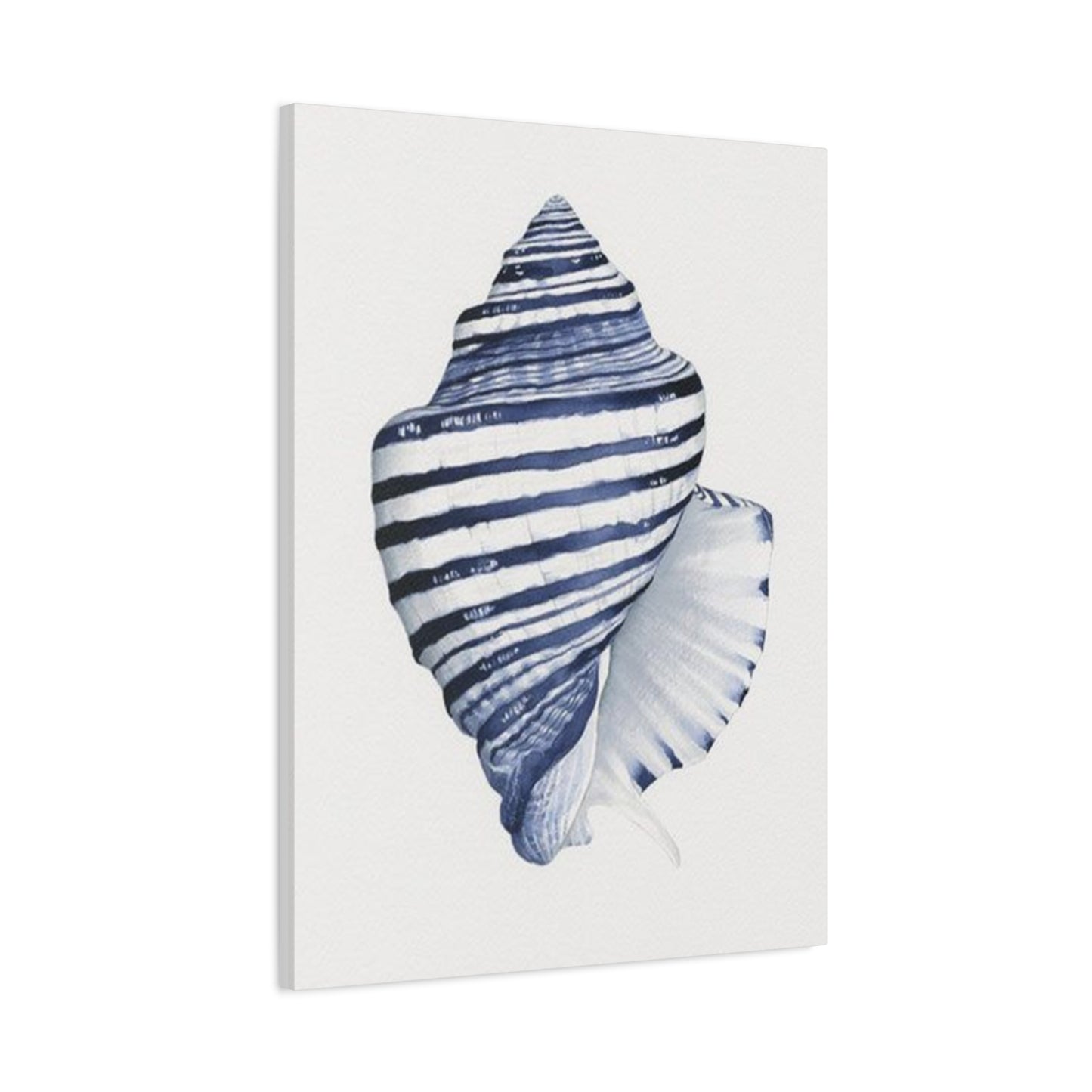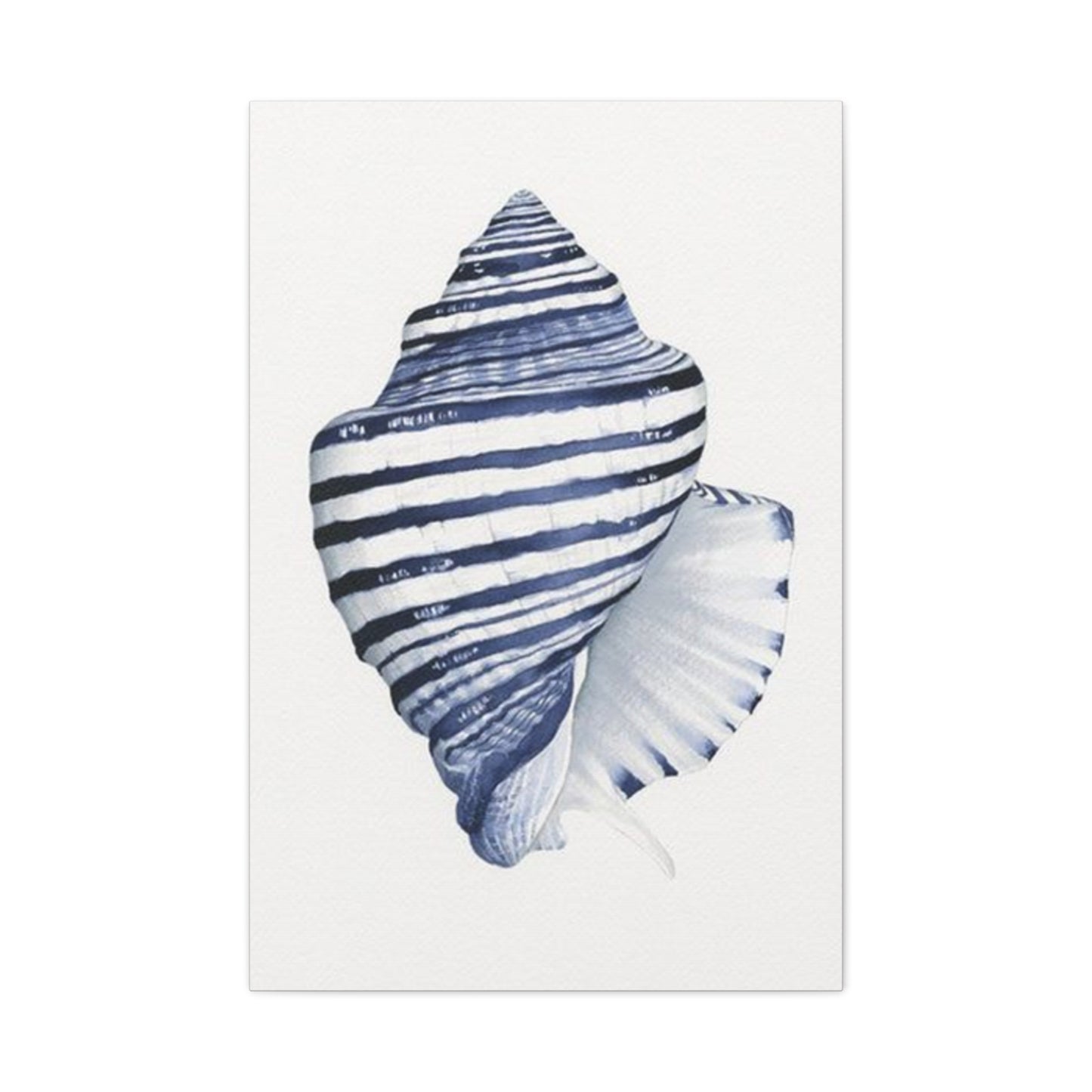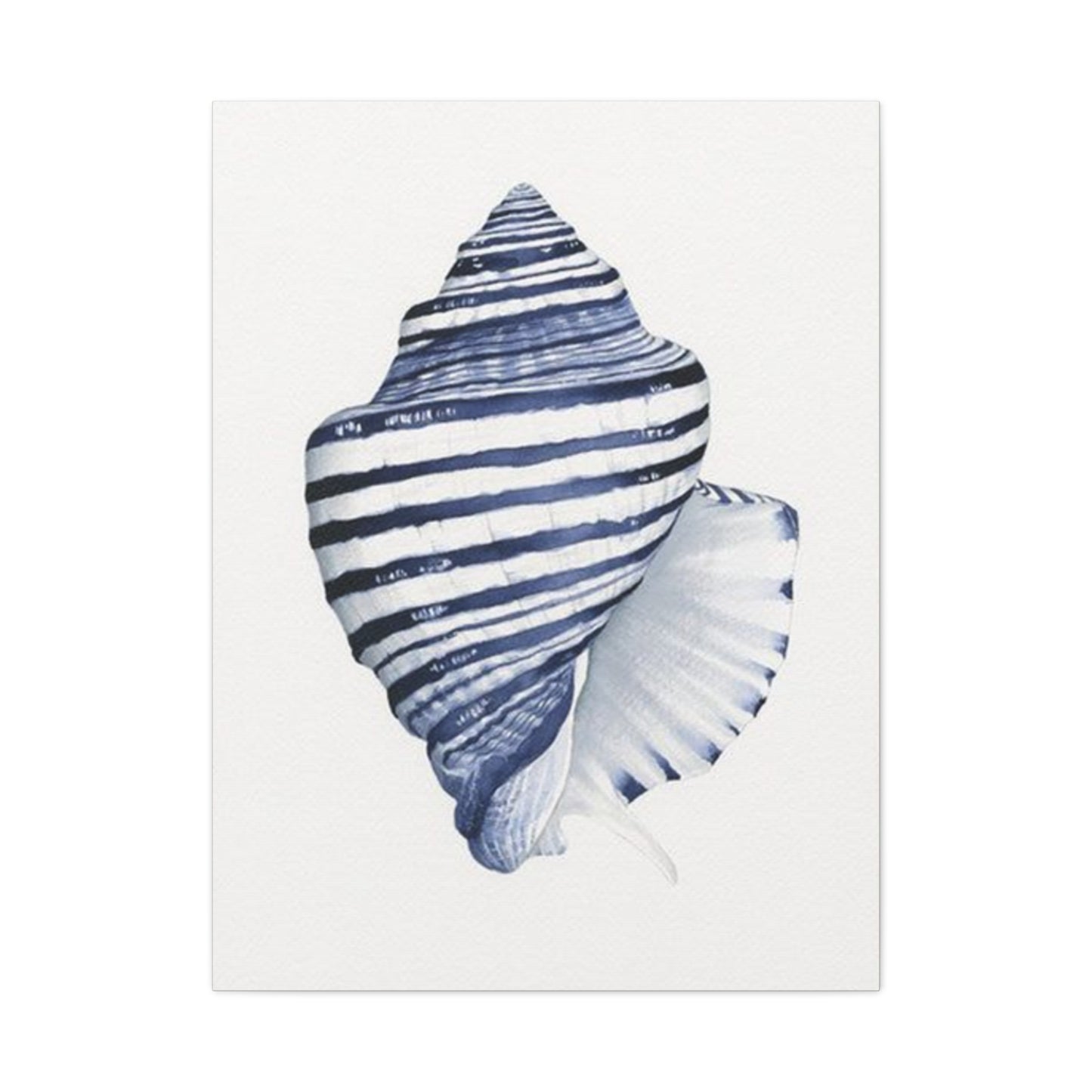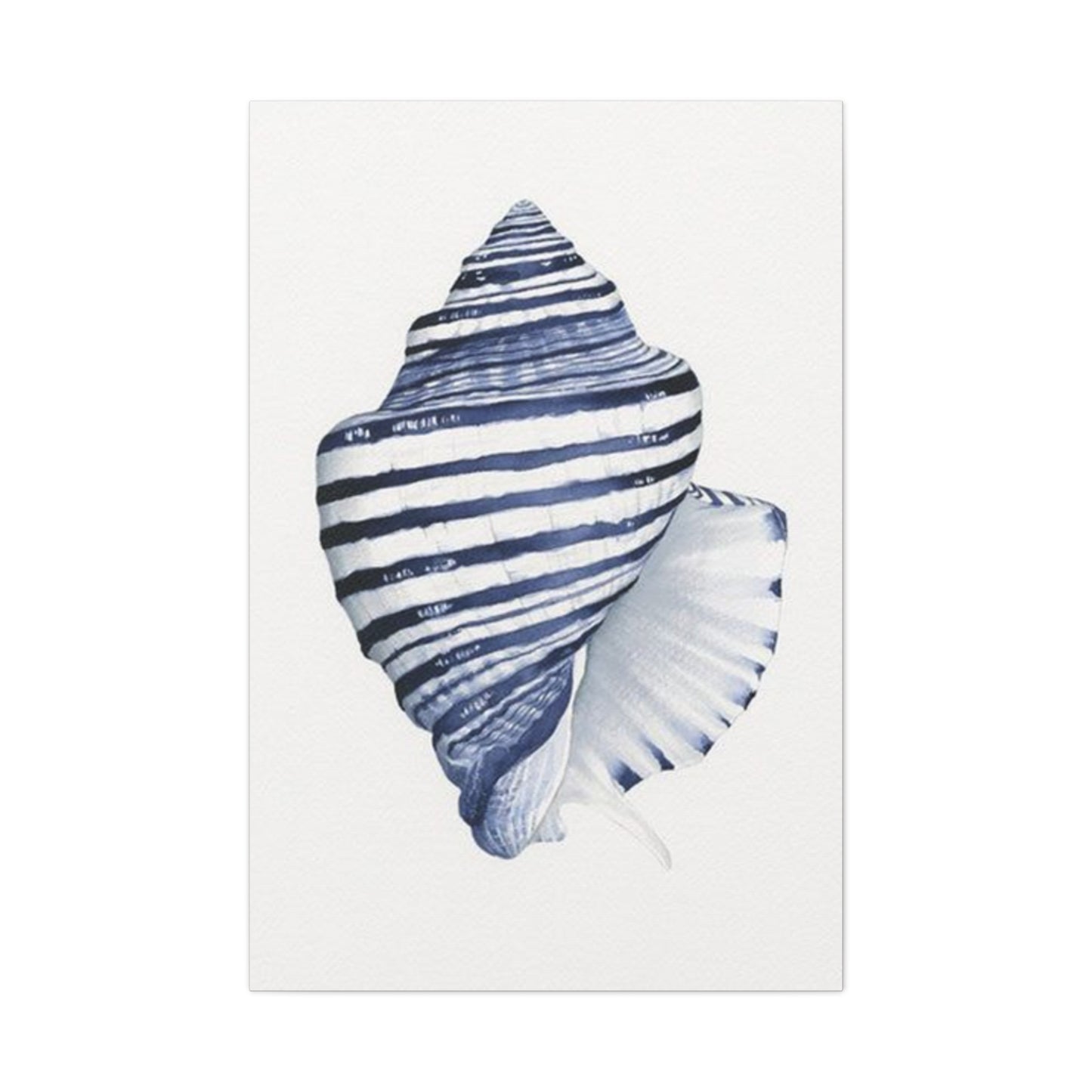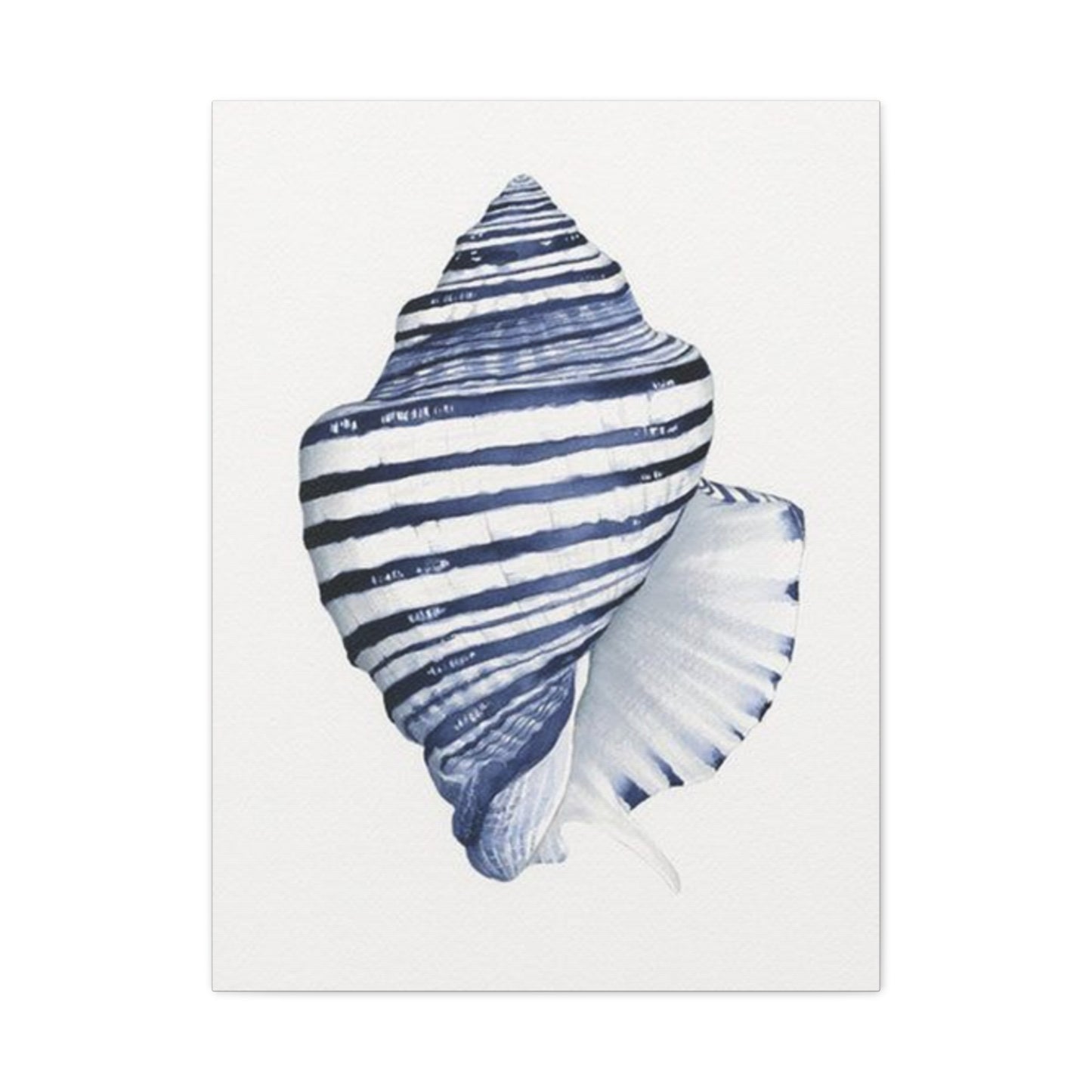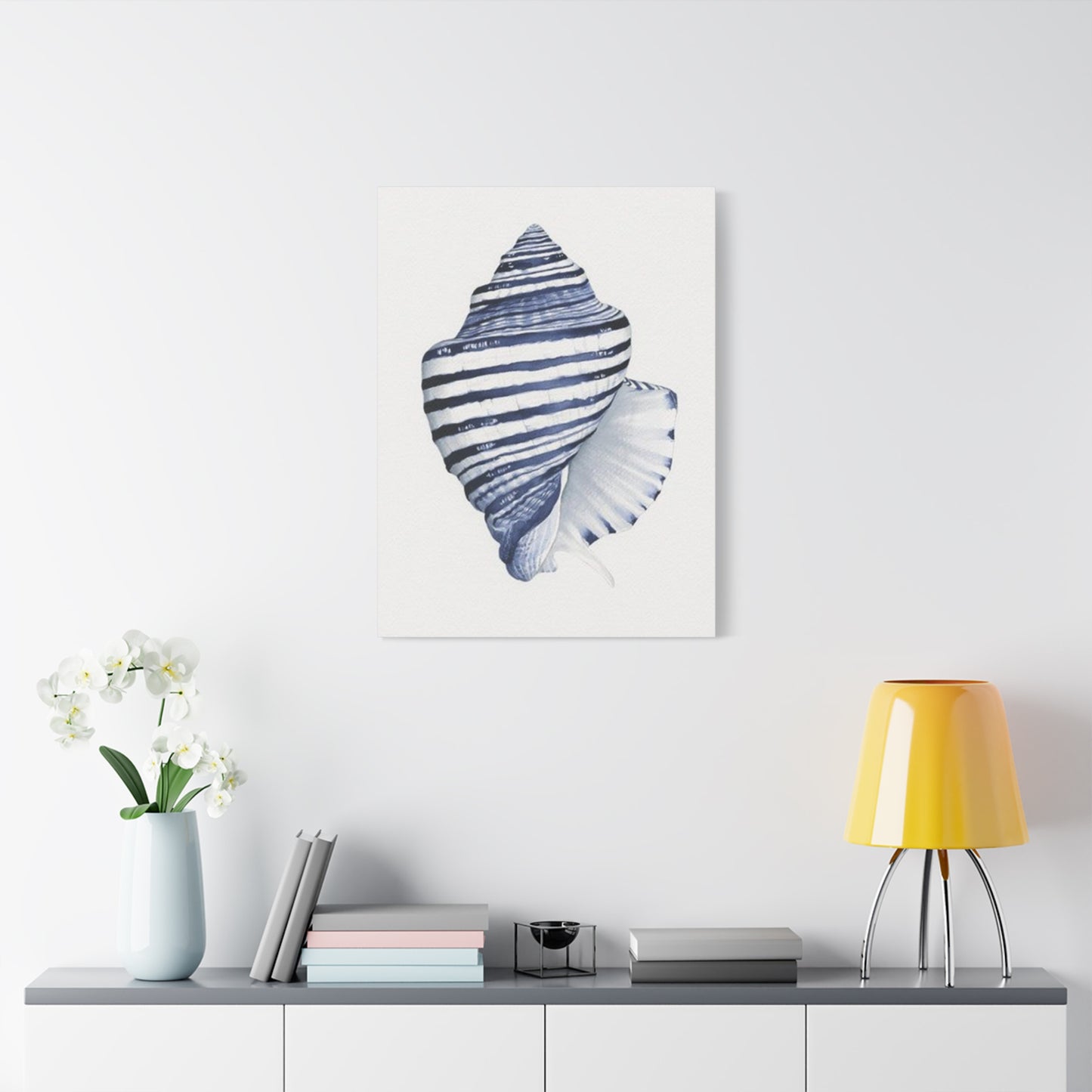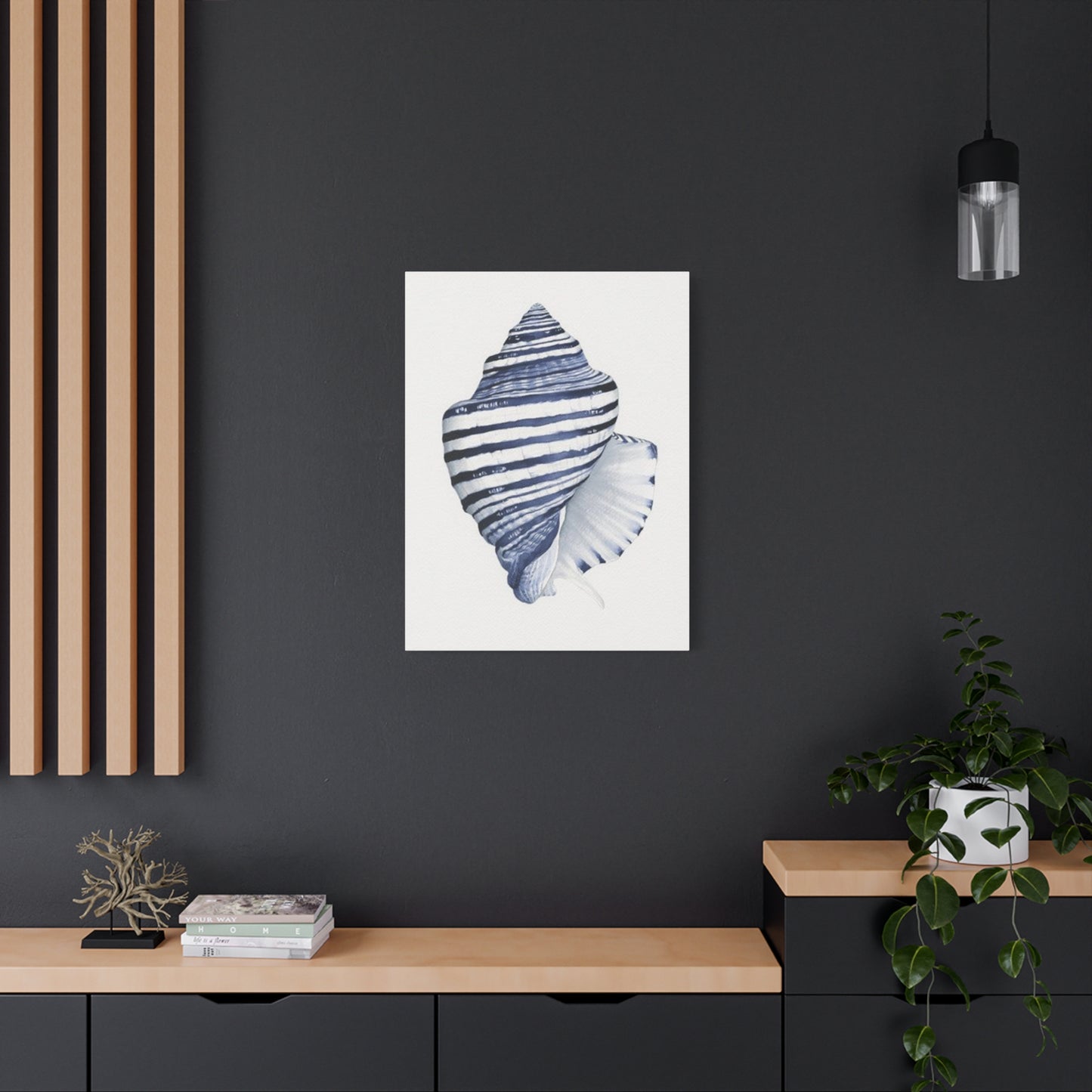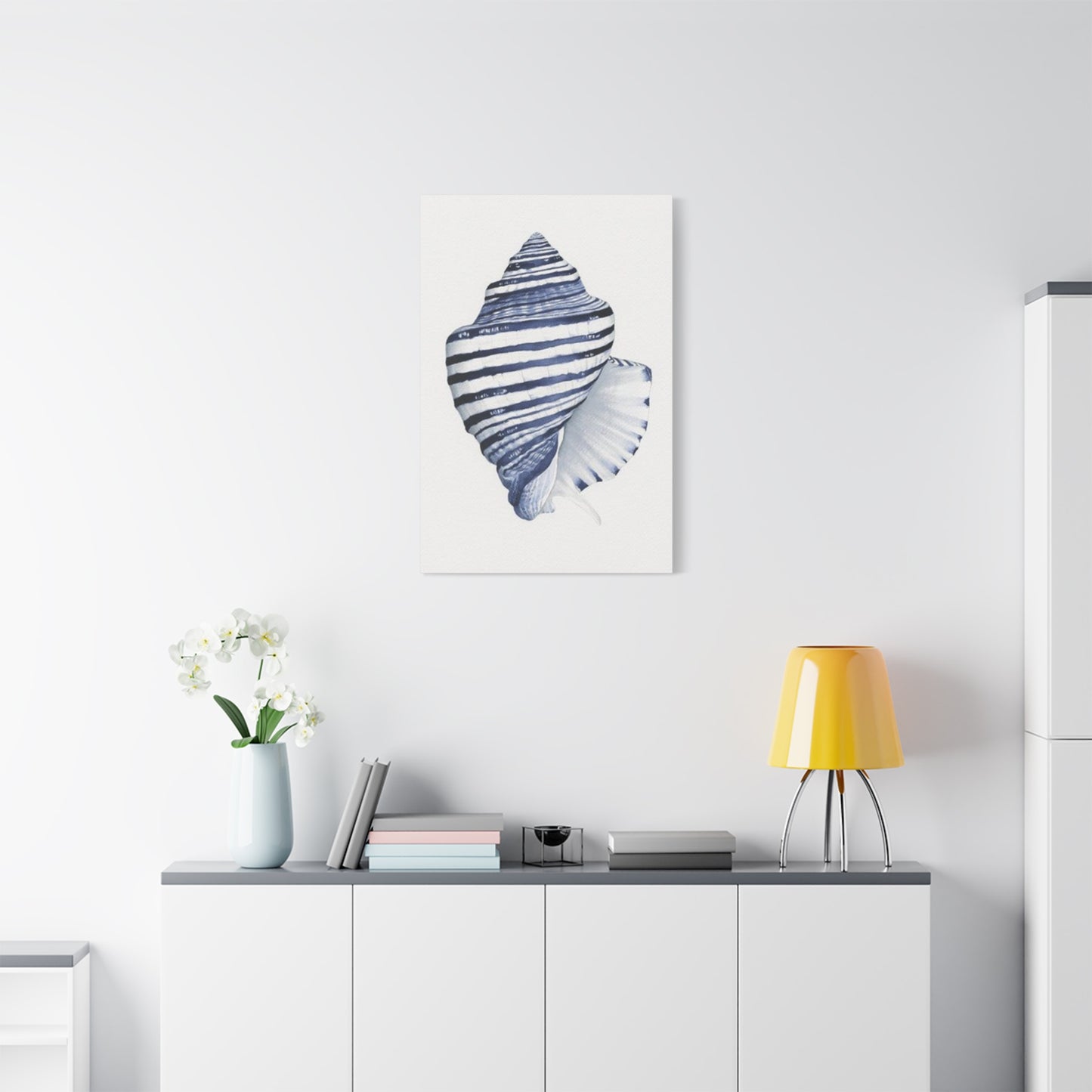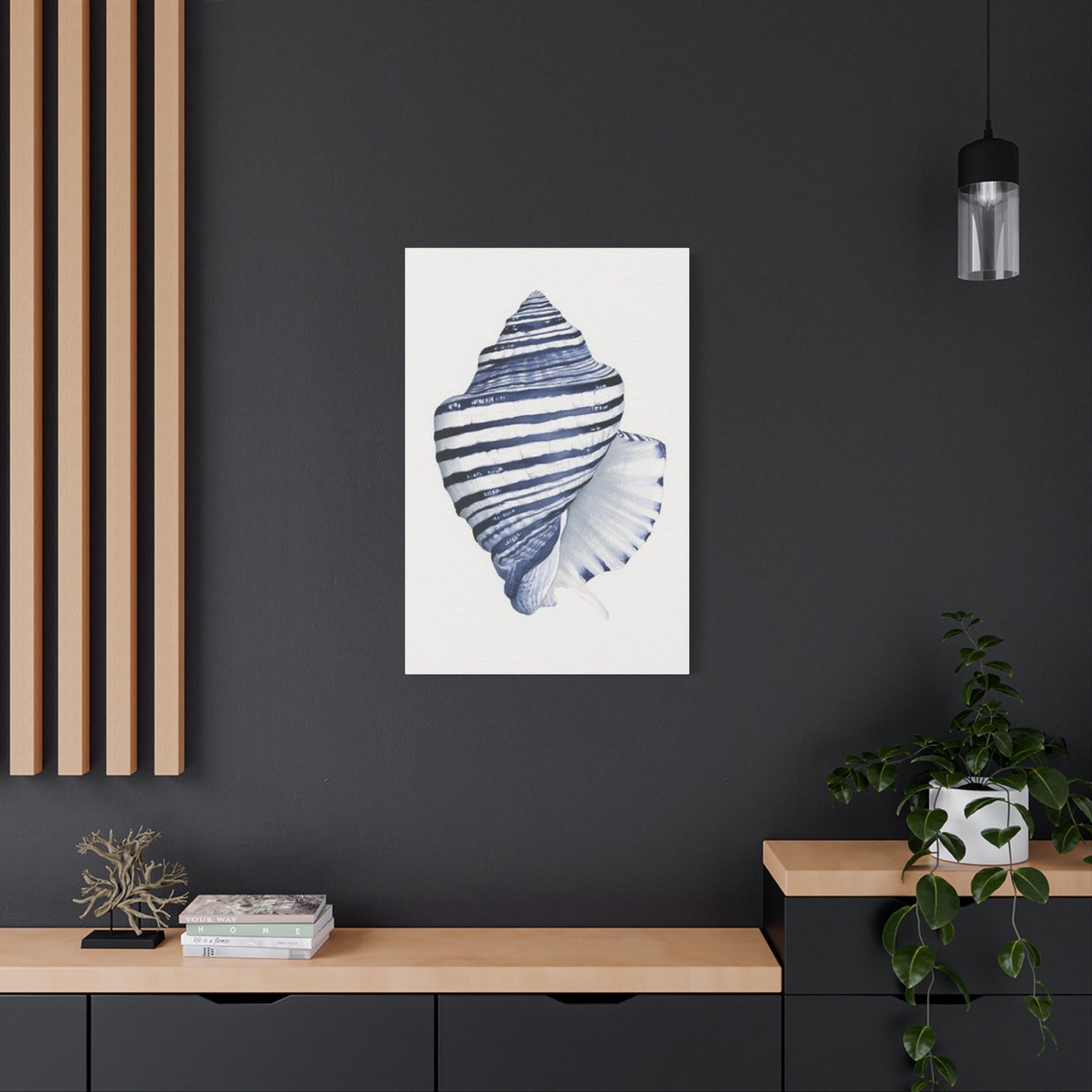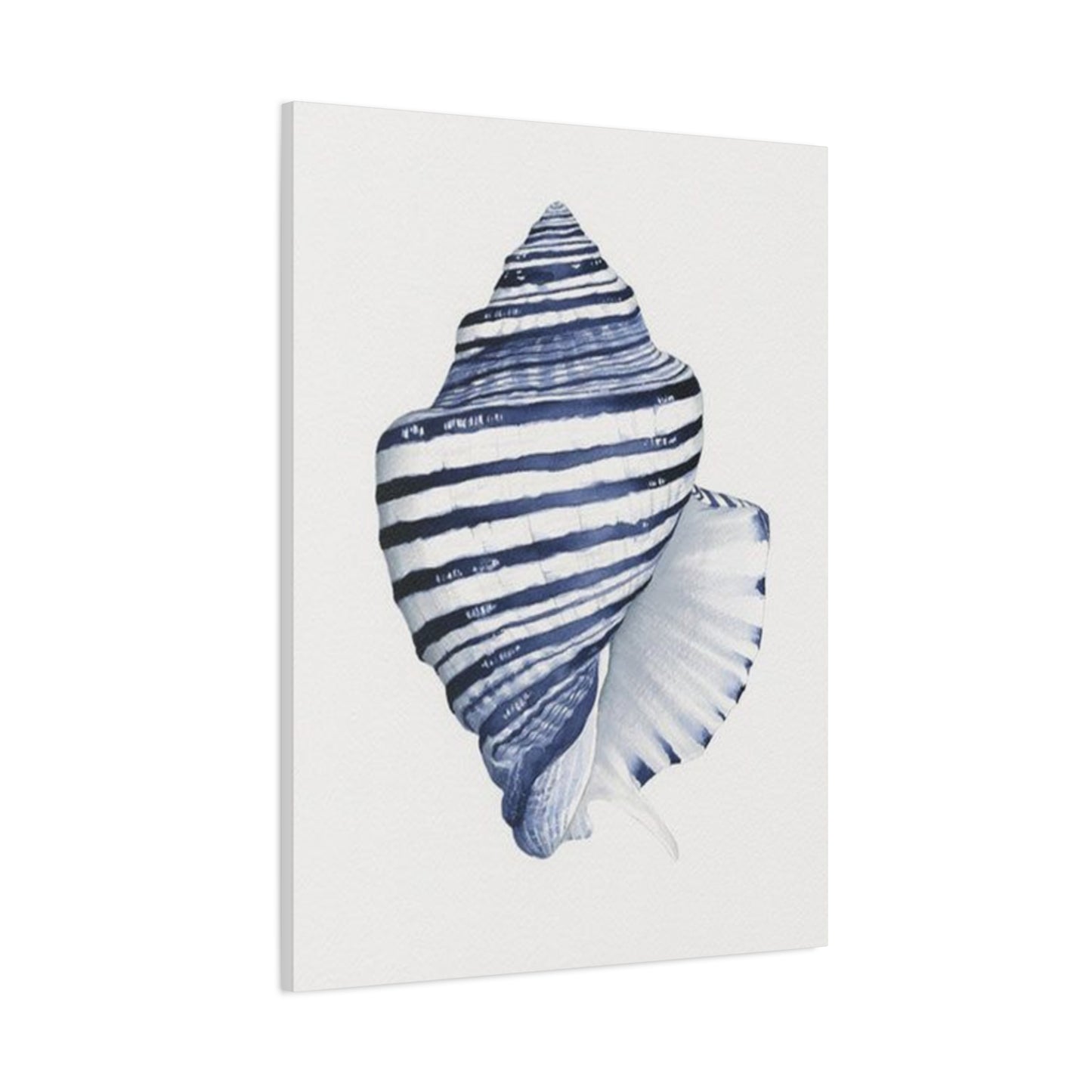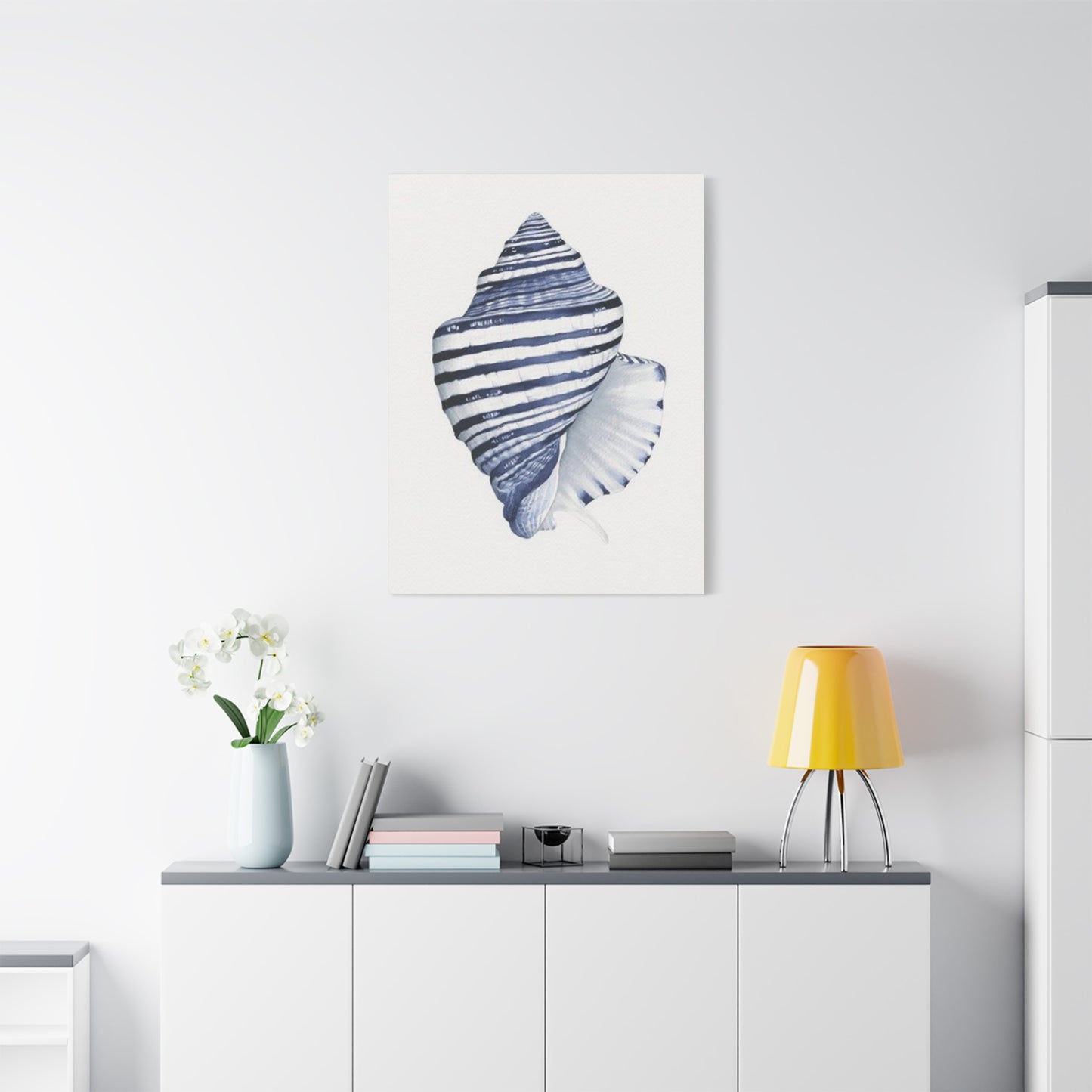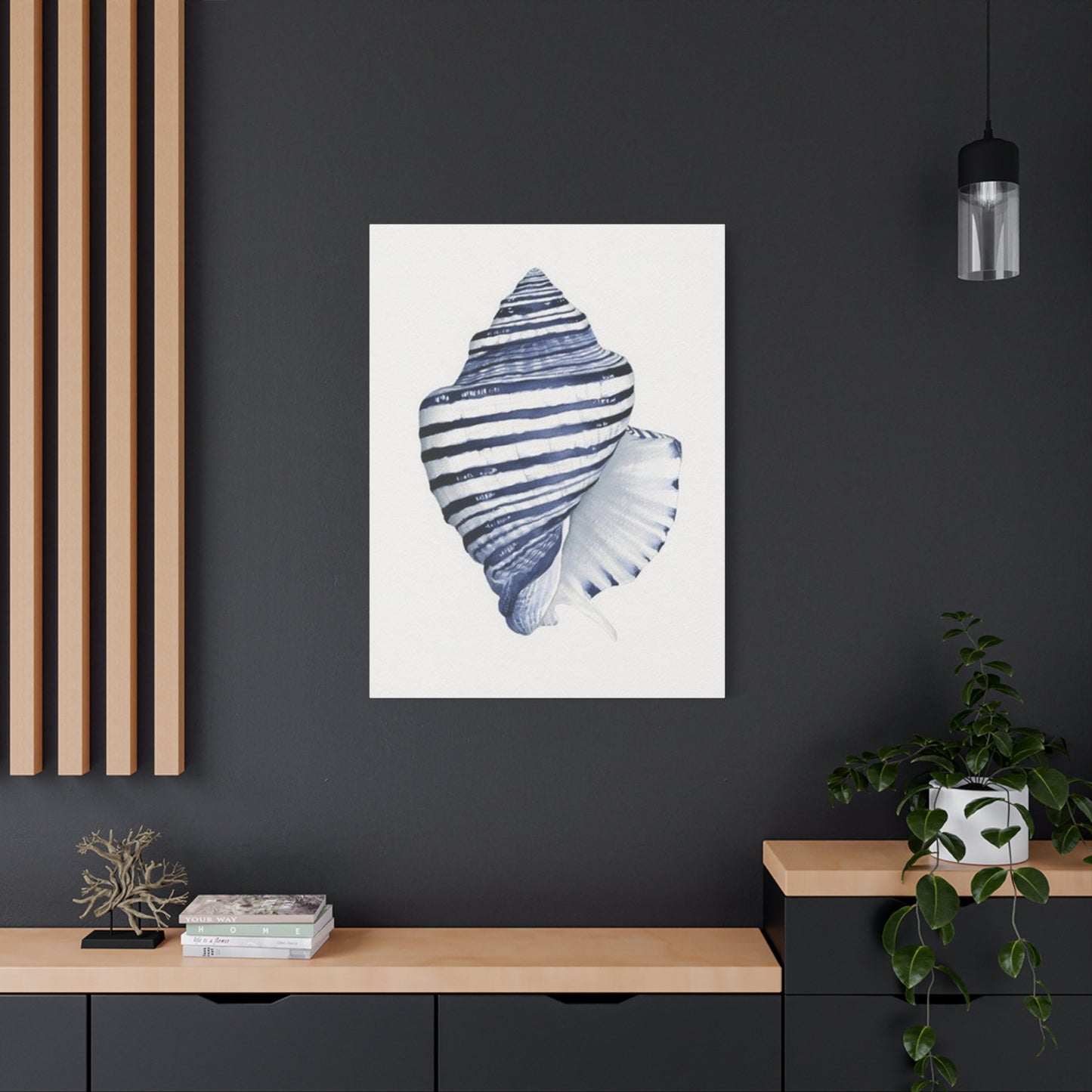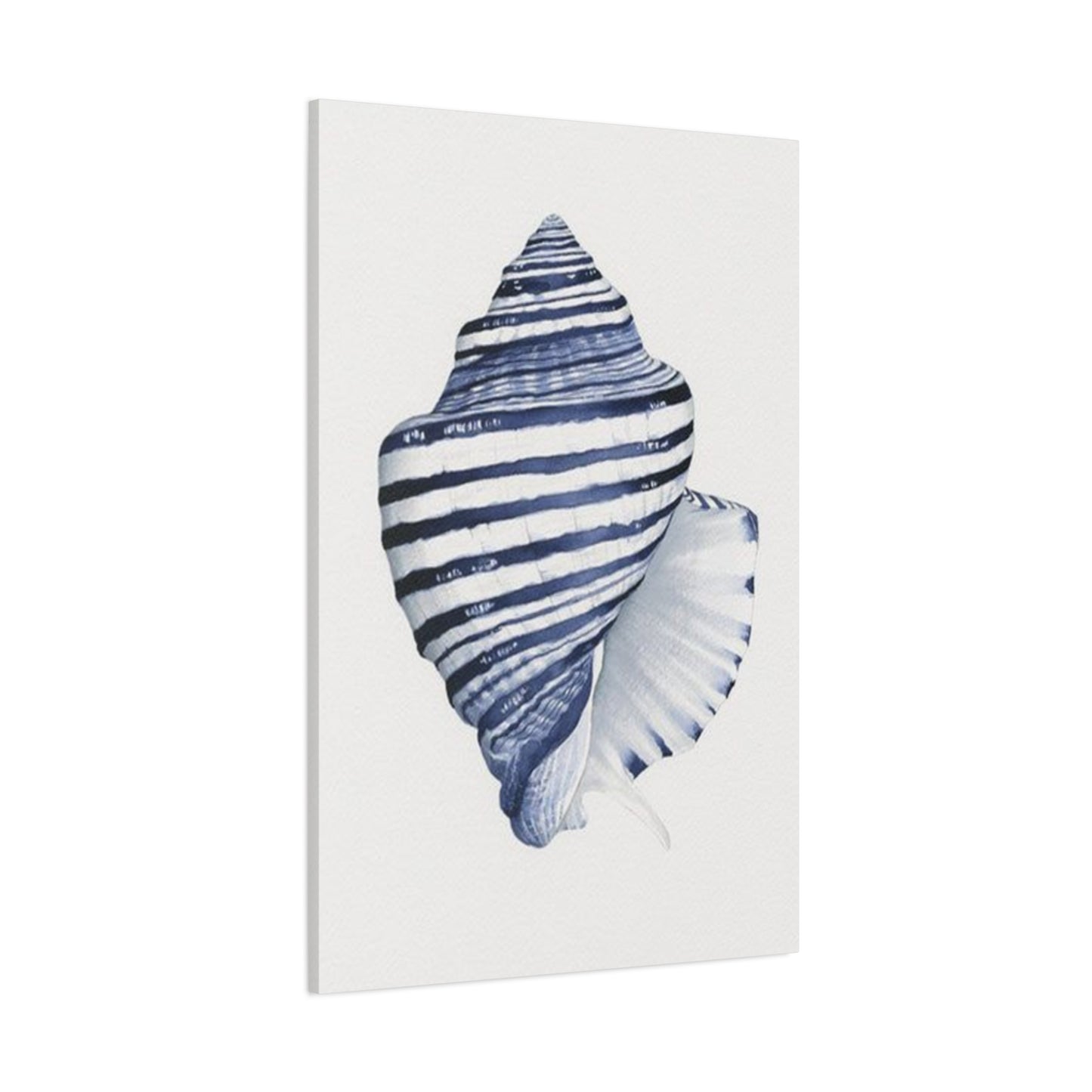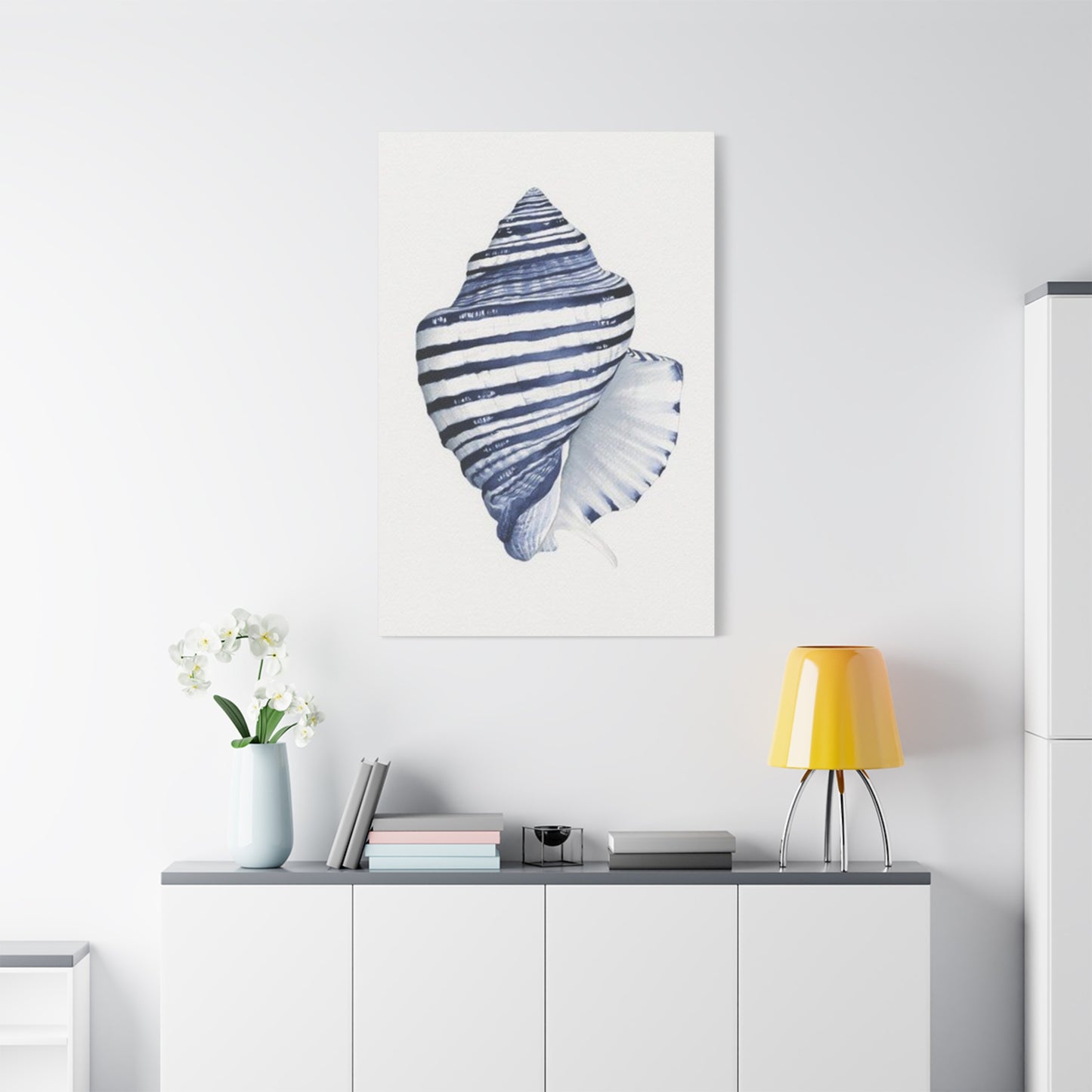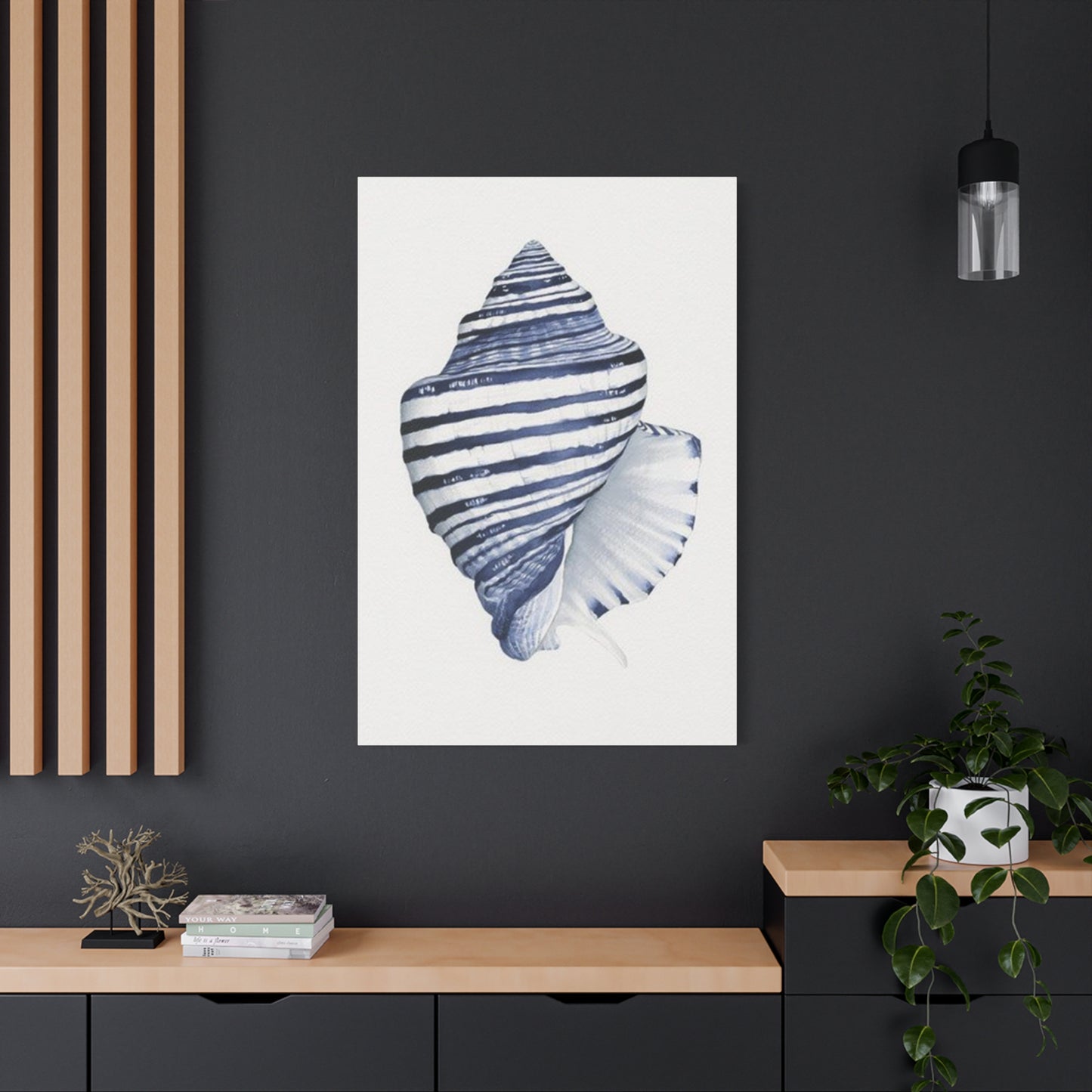


Blue & White Shell Drawing Wall Art & Canvas Prints
Blue & White Shell Drawing Wall Art & Canvas Prints
Couldn't load pickup availability
Exploring the Captivating Realm of Blue & White Shell Drawing Wall Art: A Comprehensive Aesthetic and Practical Guide
Blue & white shell drawing wall art represents a compelling fusion of classical artistic traditions and contemporary interior embellishment, creating a distinctive visual vocabulary that resonates across diverse residential and commercial spaces. This sophisticated amalgamation of marine imagery rendered in monochromatic tones has emerged as a preponderant force in aesthetic design philosophy, captivating discerning collectors and homeowners who seek to infuse their environments with both refinement and naturalistic beauty.
The cultivation of shell-inspired artwork transcends mere decorative embellishment, functioning instead as a conduit for emotional expression and spatial transformation. When rendered in the striking contrast of azure and alabaster pigmentation, these compositions achieve a remarkable equilibrium between tranquility and visual vibrancy, establishing themselves as multifaceted elements within contemporary interior ecosystems.
The Historical Trajectory and Cultural Significance of Marine-Inspired Artistic Expression
The veneration of mollusks and their shells permeates human civilization across millennia, with archaeological evidence demonstrating that coastal populations incorporated shell imagery into their aesthetic vocabulary since antiquity. Ancient Mediterranean societies revered these aquatic specimens, recognizing their inherent structural elegance and symbolic resonance. The Renaissance witnessed a resurgence of naturalistic observation, with artists meticulously documenting marine fauna with unprecedented precision and devotion to verisimilitude.
The proliferation of cabinet collections throughout European nobility during the seventeenth and eighteenth centuries established shells as objects of connoisseurship and refined taste. Wealthy patrons amassed extensive repositories of specimens, subsequently commissioning elaborate illustrations that captured their morphological peculiarities with exquisite detail. These compilations functioned as repositories of both scientific inquiry and aesthetic appreciation, reflecting the period's profound fascination with the natural world's inherent artistry.
The romantic era subsequently elevated marine imagery to unprecedented prominence within artistic circles, with painters and illustrators venturing to coastal environs to chronicle the kaleidoscopic diversity of mollusk specimens. This fervent engagement with oceanic subjects established a cultural precedent that persists contemporaneously, wherein shell imagery maintains its capacity to evoke wanderlust, serenity, and sophisticated appreciation for nature's architectural mastery.
The deliberate restriction of the chromatic palette to blue and white hues represents a distinctly modern interventional approach, one that synthesizes classical connoisseurship with minimalist sensibilities. This reductionist methodology amplifies the morphological intricacies of individual specimens while simultaneously cultivating an atmosphere of serene contemplation and visual restraint.
Physiological and Psychological Dimensions of Blue & White Chromatic Composition
The neuroscience of color perception elucidates why the azure and white configuration exercises such profound psychological influence upon human consciousness. Neuroimaging studies reveal that cerulean tonalities activate neural pathways associated with tranquility, spaciousness, and cognitive clarity. The cerebral cortex responds to these wavelengths by initiating parasympathetic nervous system activation, consequently reducing cortisol production and facilitating states of meditative repose.
The pigmentary dimension of whiteness functions as a complementary chromatic agent, serving to amplify the luminosity properties of surrounding space whilst simultaneously establishing visual boundaries and geometric definition. The interplay between these polarized chromatic extremes creates a dynamic tension that engages visual processing mechanisms whilst simultaneously promoting psychological restoration and environmental harmony.
Individuals residing within spaces dominated by blue and white chromatic schemes demonstrate measurably enhanced concentration capabilities, diminished anxiety manifestations, and augmented subjective wellbeing assessments according to quantitative psychological research. This empirical validation substantiates the contemporary design movement's predilection for these tonalities within therapeutic and residential contexts alike.
The contemplation of shell morphologies rendered in this austere chromatic vocabulary facilitates a peculiar form of meditative engagement, wherein the observer's consciousness oscillates between analytical appreciation of structural detail and intuitive aesthetic immersion. This bifurcated cognitive engagement produces a distinctive form of visual satisfaction that transcends conventional decorative functionalities.
Morphological Diversity Within Maritime Shell Taxonomies
The mollusk phylum encompasses extraordinary morphological variation, with shell structures evolving across millions of years to reflect adaptive pressures and environmental exigencies. Conch specimens present spiral geometries of breathtaking complexity, with chambers expanding sequentially according to logarithmic progressions that exemplify nature's mathematical precision. Nautilus shells similarly demonstrate this spiraling organizational principle, creating compositions of hypnotic symmetry and infinite recession.
Bivalve specimens present contrasting organizational paradigms, with paired shells articulating through specialized musculature to enclose soft tissue organisms. The surface textures of bivalves range from delicately ribbed configurations to bumpy protuberances, each morphological variation reflecting distinct ecological niches and foraging methodologies. Scallop shells, recognizable by their radiating ridges, possess particular aesthetic prominence and frequently occupy central positions within artistic compositions.
Gastropod shells represent perhaps the most ubiquitous category within maritime artistic traditions, encompassing the familiar snail and whelk species alongside more exotic varieties indigenous to tropical maritime zones. These univalve specimens frequently exhibit apertures and columellar projections that create sophisticated shadow play when illuminated from specific angularities.
The aesthetic selection among mollusk varieties reflects both individual predilection and compositional requirements. Larger specimens command greater visual authority within arrangements, whilst diminutive varieties provide textural intricacy and compositional counterbalance. Artists frequently amalgamate multiple species within unified compositions, creating visual narratives that celebrate mollusk diversity whilst maintaining chromatic and compositional cohesion.
Artistic Methodologies for Rendering Maritime Specimens in Monochromatic Palettes
The translation of three-dimensional mollusks into two-dimensional artistic representations necessitates considerable creative deliberation regarding perspectival orientation, shadow modulation, and spatial composition. Contemporary artists employing blue and white iconography must navigate the particular challenge of conveying volumetric form and surface texture through restricted chromatic vocabularies.
Traditional ink rendering methodologies remain prevalent within this artistic domain, wherein artists employ graduated wash techniques to establish dimensional illusion through graduated tonal progressions. Fine-tipped implements permit meticulous delineation of ornamental protuberances, whilst broader instruments facilitate the establishment of expansive tonal fields and atmospheric perspective.
Watercolor mediums offer distinctive advantages for maritime subject matter, permitting luminous effects and atmospheric diffusion that evoke aqueous environments and ethereal dreamscapes. The inherent transparency of aqueous pigments facilitates the creation of layered depth, wherein successive applications generate increasingly sophisticated chromatic relationships and illusionistic dimensionality.
Acrylic and tempera mediums provide enhanced chromatic saturation and rapid desiccation properties, facilitating expeditious production and installation within commercial contexts. These formulations permit impasto applications and textural complexity that engage tactile as well as visual sensory modalities.
Contemporary digital rendering practices have introduced entirely novel possibilities for maritime artistic composition, permitting artists to experiment with chromatic variations, morphological manipulations, and compositional permutations with unprecedented facility. Digital methodologies facilitate the creation of limited editions and customizable variants tailored to specific spatial and aesthetic requirements.
Compositional Frameworks and Spatial Arrangement Considerations
The successful integration of shell artwork within interior environments demands sophisticated comprehension of compositional principles, spatial proportionalities, and visual hierarchy establishment. Monospecimen compositions present singular subjects centered within framing devices, encouraging concentrated contemplation and intimate engagement with morphological intricacy. These configurations function optimally within bedroom environments or personal retreats wherein meditative atmospherics prove paramount.
Polyspecimen compositions distribute multiple mollusk varieties across compositional fields, establishing rhythm through dimensional variation and morphological contrast. These arrangements frequently employ grid formations or organic clustering patterns, generating visual interest through repetition and categorical differentiation. Such compositions demonstrate particular efficacy within living spaces and professional environments wherein visual stimulation and environmental dynamism enhance user engagement and creative cognition.
Thematic compositional frameworks organize shells according to explicit organizational principles, such as dimensional gradation, chromatic modulation, or taxonomic categorization. These sophisticated arrangements communicate intellectual engagement with subject matter and demonstrate curatorial sensibility that elevates decorative functionality toward aesthetic statement.
Negative space deployment constitutes a critical consideration within compositional methodology, as the vacuity surrounding depicted organisms generates psychological spaciousness and visual clarity. Excessive compositional density produces overwhelming perceptual experiences, whilst judicious implementation of negative space facilitates meditative engagement and contemplative repose.
Environmental Contextualization and Spatial Integration Strategies
The efficacy of shell artwork depends substantially upon judicious positioning within spatial configurations and careful consideration of ambient luminosity, architectural features, and complementary furnishings. Coastal-themed domestic environments provide intuitive contextual frameworks for maritime imagery, wherein shell art reinforces thematic coherence and environmental narratives of maritime leisure and oceanographic fascination.
Minimalist interior configurations benefit particularly from restrained shell compositions rendered in blue and white tonalities, as these artistic elements introduce organic visual interest without disrupting the aesthetic austerity fundamental to minimalist philosophy. The chromatic simplicity and naturalistic subject matter integrate harmoniously with uncluttered spatial configurations.
Eclectic domestic environments incorporating multifarious stylistic references warrant careful curation of shell artwork to ensure visual consonance rather than discordant juxtaposition. Strategic positioning within visual centers and judicious sizing prevent awkward aesthetic conflicts whilst permitting effective thematic reinforcement.
Professional environments including medical offices, therapeutic practice settings, and corporate headquarters benefit substantially from shell imagery's anxiolytic properties and associations with environmental restoration. The serene qualities inherent to properly contextualized maritime artwork facilitate client relaxation whilst communicating organizational investment in aesthetic environmental considerations.
Hospitality sectors including boutique hotels, sophisticated restaurants, and luxury retail establishments leverage shell artwork to cultivate atmospheric sophistication and destination-specific identity. Strategically positioned compositions transport visitors to maritime locales, fostering psychological escapism and experiential richness that enhance commercial interactions.
Chromatic Symbolism and Psychological Associations Within Contemporary Contexts
The azure pigmentation occupying primary visual territory within these compositions carries profound symbolic weight across diverse cultural frameworks and psychological paradigms. Western conceptual traditions typically associate cerulean tonalities with oceanic expanse, atmospheric boundlessness, and spiritual transcendence. These associations activate archetypal memory systems within human consciousness, evoking responses that precede intellectual processing and operate at instinctive neurological levels.
The alabaster component of this chromatic dyad represents purity, luminosity, and spiritual clarity within diverse symbolic vocabularies spanning multiple cultures and historical epochs. The juxtaposition of azure and white generates a chromatic dialectic wherein oceanic depth confronts celestial elevation, creating psychologically complex visual experiences that simultaneously evoke both terrestrial solidity and cosmic transcendence.
Contemporary psychological research substantiates the therapeutic efficacy of blue-dominant environments, documenting measurable reductions in physiological stress markers including heart rate elevation, blood pressure augmentation, and cortisol concentration increases. Exposure to appropriately contextualized azure imagery facilitates parasympathetic nervous system dominance, promoting sustained cognitive performance and emotional equilibration.
The symbolic associations between mollusk imagery and philosophical concepts of protection, introspection, and gradual developmental progression introduce metaphorical dimensionality to shell artwork beyond mere aesthetic embellishment. Observers frequently engage in unconscious symbolic interpretation, ascribing personal significance to depicted organisms and deriving psychological benefit from perceived analogies between shell structures and human existential narratives.
Material Considerations and Preservation Methodologies
The longevity and visual integrity of blue and white shell artwork depend substantially upon judicious material selection and appropriate environmental stewardship. Canvas substrates, when properly primed and sealed, provide durable foundations capable of supporting centuries-long pigment preservation under appropriate environmental conditions. Paper-based compositions require enhanced protective measures including archival-quality mounting and sealed framing configurations to mitigate photodegradation and atmospheric contamination.
Pigmentary formulations substantially influence long-term chromatic stability and preservation potential. Traditional cobalt-based blue pigments demonstrate exceptional permanence characteristics, maintaining chromatic vitality across extended temporal intervals. Contemporary synthetic pigments offer enhanced color saturation and reduced toxicity profiles whilst maintaining comparable permanence certifications.
Environmental factors including ultraviolet radiation exposure, humidity fluctuation, temperature variation, and atmospheric pollution necessitate thoughtful curatorial practices to ensure optimal preservation. Strategic positioning relative to solar radiation sources and judicious implementation of supplementary protective glazing systems diminish photodegradation risk considerably.
Regular examination and conservation assessment protocols enable early detection of potential preservation complications, facilitating timely interventional measures prior to substantive deterioration manifestation. Professional conservation services prove invaluable for addressing accumulated environmental damage and restoring compromised artworks to original aesthetic specifications.
Customization Possibilities and Personalization Frameworks
Contemporary artistic practitioners increasingly offer bespoke commission services permitting clients to specify particular mollusk species, compositional preferences, dimensional specifications, and framing options aligned with individual aesthetic vision and spatial requirements. This customization ethos reflects broader cultural movements toward personalized consumer experiences and individualized aesthetic expression.
Clients may specify particular shells possessing sentimental significance, whether representing geographic locations, personal experiences, or familial heritage elements. This commemorative dimension transforms shell artwork from generic decoration into personalized narrative repositories and memory preservation mechanisms.
Dimensional customization permits precise spatial accommodation, ensuring optimal visual integration within predetermined architectural niches and viewing contexts. Artists can scale compositions proportionally whilst maintaining morphological fidelity and compositional balance requisite for successful aesthetic integration.
Framing configurations substantially influence overall aesthetic presentation and environmental integration efficacy. Clients may select from diverse framing materials including natural wood species, metallic finishes, and minimalist linear profiles, each option generating distinctive visual effects and environmental complementarity characteristics.
Market Dynamics and Contemporary Valuation Frameworks
The contemporary art market demonstrates sustained enthusiasm for maritime-themed compositions, particularly those incorporating ecological and environmental consciousness within compositional narratives. Collectors increasingly recognize shell imagery as thematic vehicle for environmental advocacy and conservation consciousness expression.
Original hand-rendered compositions command substantive price premiums relative to reproductions or mass-manufactured variants, reflecting authentic artistic labor investment and individual creative engagement. Emerging artists establishing distinctive stylistic identities frequently experience accelerated market valuation as collector enthusiasm intensifies and institutional recognition increases.
Limited edition reproduction methodologies including giclée printing on archival substrates permit broader accessibility whilst maintaining premium positioning relative to mass-market alternatives. These production approaches democratize artistic access whilst preserving substantive financial remuneration for original artists.
Digital marketplaces have substantially transformed artistic distribution paradigms, enabling direct artist-to-consumer transactions that circumvent traditional gallery intermediaries and commercial markup structures. This disintermediation has democratized artistic access whilst generating novel revenue models and consumer engagement frameworks.
Ecological Dimensions and Environmental Consciousness Integration
Contemporary engagement with shell imagery frequently incorporates environmental consciousness and ecological stewardship philosophies reflective of broader cultural movements toward sustainability and planetary preservation. Artists increasingly employ shell subjects as vehicles for communicating conservation imperatives and celebratory recognition of marine biodiversity.
Educational components embedded within artistic compositions frequently illuminate mollusk lifecycles, habitat requirements, and ecological relationships demonstrating complex interconnections within marine ecosystems. This pedagogical dimension transforms aesthetically engaging compositions into consciousness-raising vehicles addressing ecological vulnerabilities and conservation necessities.
Sustainable artistic practices incorporating responsibly sourced materials, minimal environmental footprint production methodologies, and ecological certification compliance increasingly characterize contemporary artistic production. Consumers increasingly prioritize environmental stewardship considerations alongside aesthetic preferences, recognizing artistic choices as reflecting broader existential values.
Marine conservation advocacy through artistic practice demonstrates how aesthetic engagement intersects with environmental activism, leveraging beautiful imagery to communicate scientific understanding and foster emotional connection with threatened ecosystems. This fusion of artistic beauty and ecological advocacy represents emerging paradigmatic shifts within contemporary artistic communities.
Installation Methodologies and Wall Positioning Strategies
Optimal installation protocols substantially influence aesthetic efficacy and long-term preservation outcomes for shell artwork. Proper support mechanisms including appropriate wall anchoring systems, load-bearing capacity verification, and vibration-dampening installation prevent premature deterioration and potential safety complications.
Height positioning conventions typically situate focal compositions at approximately sixty-five to seventy inches from floor reference points, aligning with average human visual horizon and facilitating comfortable extended contemplation without neck strain or awkward viewing angles. Professional installers frequently adjust these baseline specifications in response to specific spatial configurations and furniture arrangements.
Illumination considerations profoundly impact chromatic perception and aesthetic presentation efficacy. Directional lighting sources positioned to minimize glare whilst establishing subtle shadow play enhance dimensional perception and material texture appreciation. Warm illumination color temperatures typically complement azure tonalities effectively, generating welcoming atmospheric effects.
Grouping methodologies distributing multiple compositions across unified wall surfaces require careful spacing calibration and visual balance consideration. Professional installation practitioners frequently employ geometric spacing protocols and visual weight distribution analysis to ensure harmonious compositional relationships.
Comparative Analysis Relative to Alternative Marine Artistic Traditions
Shell imagery occupies distinctive positioning within broader maritime artistic traditions, offering particular advantages and constraints relative to alternative oceanic subject matter. Seascape compositions incorporating expansive water vistas and atmospheric effects communicate boundless spatially and escapist fantasies, whilst concentrated shell renderings encourage intimate contemplative engagement and morphological appreciation.
Marine fauna portraiture depicting fish species, cephalopods, and crustaceans introduces zoological specificity and behavioral narrative potential, generating distinct psychological associations and ecological consciousness relative to immobile mollusk subjects. Shell compositions, conversely, emphasize architectural monumentality and geometric perfection inherent to skeletal structures.
Coral reef imagery incorporates vibrant polychromatic saturation and complex ecosystem relationships, delivering high visual stimulation and ecological education dimensions. The deliberate chromatic restriction of blue and white shell compositions generates contrasting effects emphasizing meditative calm and visual simplicity.
Nautical still-life traditions incorporating maritime implements, navigational instruments, and oceanographic paraphernalia communicate adventurous narratives and exploratory romanticism. Shell-specific compositions maintain focus upon natural forms and organic geometry, avoiding utilitarian object associations.
Collector Psychology and Aesthetic Preference Formation Mechanisms
Individuals accumulating shell artwork collections typically demonstrate particular psychological profiles characterized by environmental sensitivity, aesthetic discrimination, and contemplative introspection tendencies. Collectors frequently articulate profound emotional resonance with oceanic environments and maritime geographies, whether reflecting personal experiential histories or aspirational environmental ideals.
The acquisition impulse frequently originates from aesthetic epiphany experiences wherein particular compositions generate immediate emotional impact and perceived alignment with personal identity narratives. This intuitive appreciation dimension complements more analytical evaluation frameworks incorporating chromatic analysis, compositional evaluation, and technical execution assessment.
Collector communities frequently establish social networks facilitating shared knowledge exchange, exhibition participation, and mutual authentication services. These collegial frameworks enhance appreciation sophistication and facilitate informed curatorial decision-making.
Investment considerations increasingly factor within contemporary collecting practices, with collectors recognizing original artistic compositions as potentially appreciating assets capable of generating financial returns alongside aesthetic satisfaction. Market research capabilities have expanded substantially through digital platforms, enabling sophisticated collector analysis of market trends and valuation trajectories.
Thematic Narrative Possibilities and Conceptual Frameworks
Shell artwork accommodates diverse conceptual frameworks and thematic narratives extending beyond purely decorative functionalities. Compositions interrogating temporality frequently employ shell imagery representing cyclical time concepts, evolutionary processes, and historical continuity. The progressive chamber accretion evident in spiral shells provides visual metaphor for developmental progression and accumulated experience.
Environmental conservation narratives leverage shell imagery to communicate ecological vulnerability and anthropogenic threat dimensions affecting marine biodiversity. Artistic compositions may juxtapose pristine shell renderings against degraded or fragmented representations, generating visceral confrontation with conservation imperatives.
Philosophical meditations upon impermanence and transience recognize shells as skeletal remnants of deceased organisms, transforming aesthetic appreciation into memento mori contemplation. This existential dimension enriches aesthetic engagement with melancholic profundity and mortality consciousness stimulation.
Spiritual traditions incorporating oceanic metaphors and aquatic symbolism frequently adopt shell imagery as visual anchor for transcendental aspirations and consciousness elevation objectives. The architectural perfection inherent to mollusk structures serves as visible manifestation of divine mathematical principles operating throughout natural creation.
Contemporary Artistic Practitioners and Stylistic Evolution
Contemporary practitioners specializing in maritime artistic composition have cultivated distinctive stylistic vocabularies ranging from hyper-realistic scientific illustration toward abstract expressionist reinterpretation emphasizing gestural spontaneity and chromatic experimentation. This stylistic diversity permits consumers to access shell imagery across aesthetic spectrums and conceptual frameworks aligning with individual preferences.
Emerging artists frequently challenge conventional representational approaches through experimental methodologies incorporating mixed media components, sculptural elements, and installation frameworks transcending traditional framing boundaries. These innovative approaches expand shell artwork possibilities whilst maintaining thematic allegiance to mollusk subject matter.
Established practitioners continue refining technical virtuosity whilst exploring novel thematic territories and conceptual frameworks. Career trajectories frequently demonstrate progressive sophistication regarding compositional complexity, chromatic nuance, and philosophical depth embedded within artistic productions.
Collaborative artistic initiatives frequently unite multiple practitioners around shared environmental consciousness or aesthetic exploration objectives, generating exhibition frameworks and publication opportunities amplifying individual artist prominence and market visibility.
Digital Innovation and Technological Integration Possibilities
Digital rendering technologies have revolutionized artistic production possibilities, permitting complex morphological modeling, chromatic experimentation, and compositional iteration with unprecedented efficiency. Artists leverage three-dimensional modeling software to establish anatomically precise shell renderings subsequently translated into two-dimensional artistic representations.
Augmented reality applications increasingly incorporate shell artwork, permitting virtual visualization within specific spatial contexts prior to physical acquisition. This technological mediation diminishes acquisition uncertainty whilst enhancing consumer confidence regarding aesthetic compatibility.
Parametric design frameworks enable algorithmic generation of infinite shell composition variants maintaining fundamental stylistic coherence whilst introducing novelty through computational variation. This technological approach democratizes artistic access whilst exploring creative possibilities exceeding individual human ideation.
Projection technologies permit dynamic presentation of shell imagery, enabling color modulation, animation, and temporal variation introducing temporal dimensionality to traditionally static artistic forms. These technological innovations expand experiential possibilities and aesthetic engagement mechanisms.
Practical Considerations for Residential Implementation
Homeowners contemplating shell artwork integration should systematically evaluate spatial characteristics, existing décor elements, and established aesthetic preferences prior to acquisition. Preliminary site assessment including dimensional measurement, luminosity evaluation, and architectural feature documentation facilitates informed decision-making regarding composition selection and framing specifications.
Budget considerations require transparent reconciliation with aesthetic ambitions, as original compositions command substantive financial investments whilst quality reproductions provide accessible alternatives. Mid-range options including professionally printed limited editions offer intermediate positioning balancing cost considerations against authenticity and preservation potential.
Installation logistics including wall surface condition assessment, appropriate support hardware selection, and professional installation services require careful planning to ensure successful environmental integration. DIY installation approaches prove viable for lightweight compositions, whilst heavier framing configurations warrant professional installation services.
Maintenance protocols including periodic dust removal, humidity regulation, and ultraviolet protection implementation ensure sustained chromatic vitality and preservation integrity across extended temporal intervals.
Commercial Applications and Hospitality Industry Implementation
Hospitality enterprises increasingly recognize shell artwork's capacity to cultivate distinctive environmental atmospherics and facilitate customer experience enhancement. Strategic positioning within guest-accessible areas generates psychological comfort and aesthetic sophistication perception that differentiates competitive positioning.
Boutique hotel design frequently incorporates thematic shell artwork coordinating with destination-specific maritime heritage and environmental characteristics. This regionally responsive artistic deployment communicates curatorial attention and sophisticated aesthetic comprehension.
Restaurant establishments specializing in seafood preparation leverage maritime imagery to reinforce thematic coherence and culinary narrative authenticity. Shell artwork positioned within dining environments establishes contextual coherence and enhances gastronomic experience richness.
Spa and wellness facilities incorporate shell imagery within therapeutic environments capitalizing upon demonstrated anxiolytic properties and parasympathetic nervous system activation. These applications translate aesthetic appreciation into functional therapeutic benefit.
Medical practice environments benefit from serene maritime imagery facilitating patient anxiety reduction and creating welcoming clinical atmospherics. Waiting room positioning ensures patient exposure during potentially stressful anticipatory intervals.
Regional Variations and Cultural Significance Distinctions
Geographic positioning relative to maritime resources substantially influences cultural significance ascribed to shell imagery and artistic engagement prevalence. Coastal communities maintain historical traditions of shell collection, classification, and artistic commemoration reflecting millennia-long human-mollusk cultural interaction.
Asiatic artistic traditions incorporating shell motifs within ceramics, lacquerware, and decorative arts demonstrate extensive historical engagement with mollusk imagery. Contemporary blue and white aesthetic represents partial synthesis between classical Asian ceramic traditions and Western scientific illustration methodologies.
Indigenous coastal populations worldwide maintain distinctive artistic relationships with shell materials and imagery, frequently incorporating spiritual significance and ceremonial functionalities within artistic practices. Contemporary appropriation of these traditions warrants respectful acknowledgment and equitable compensation frameworks.
Mediterranean artistic traditions demonstrate historical predilection for shell subject matter, reflecting geographic proximity to prolific mollusk populations and extensive maritime commercial engagement. Contemporary Mediterranean artistic production continues demonstrating stylistic preferences recognizable through historical continuity.
Investment Potential and Market Trajectory Considerations
Collectors increasingly recognize original shell artwork as potential investment vehicles capable of appreciating substantially across multi-year intervals. Emerging artists demonstrating distinctive stylistic coherence and market momentum frequently experience accelerated valuation as institutional recognition and collector enthusiasm intensify.
Market research capabilities have expanded through digital platforms, enabling sophisticated analysis of price trajectories, auction results, and comparable sales data illuminating valuation trends. This enhanced transparency facilitates informed investment decision-making and portfolio optimization.
Rarity constitutes critical valuation determinant, with one-of-a-kind compositions commanding premium pricing relative to reproduction alternatives. Artist reputation, exhibition history, and provenance documentation substantively influence market valuation outcomes.
Long-term preservation potential affects investment attractiveness, as compositions demonstrating chromatic stability and resistance to environmental degradation maintain aesthetic and financial value across extended intervals. Archival material selection and appropriate preservation protocols substantially enhance investment return potential.
Aesthetic Discourse and Critical Reception Frameworks
Contemporary art criticism frequently addresses shell artwork within broader frameworks examining representational conventions, chromatic symbolism, and conceptual coherence. Critical discourse ranges from celebrations of technical virtuosity and formal elegance toward interrogations of potential kitsch dimensions and mass-market accessibility.
Institutional recognition including museum acquisition and curatorial inclusion legitimizes artistic practice and elevates market positioning considerably. Prestigious institutional endorsement signals aesthetic merit and collecting significance attracting serious collectors.
Academic analysis increasingly examines shell artwork as vehicle for environmental consciousness, ecological advocacy, and philosophical meditation upon human-natural relationships. This scholarly engagement elevates discursive sophistication and establishes artistic practice within intellectual frameworks transcending purely aesthetic considerations.
Popular reception frequently emphasizes emotional resonance and intuitive aesthetic appreciation rather than theoretical analysis, reflecting broader distinctions between professional art discourse and consumer aesthetic engagement. This dichotomy between critical and populist appreciation frameworks reflects broader cultural patterns regarding artistic legitimacy establishment.
Conclusion: Synthesizing Aesthetic, Philosophical, and Practical Dimensions of Blue & White Shell Drawing Wall Art
Blue & white shell drawing wall art represents a remarkable convergence of artistic tradition, scientific observation, psychological efficacy, and aesthetic sophistication, establishing itself as distinctive and substantive category within contemporary interior embellishment discourse. The deliberate chromatic restriction to cerulean and alabaster tonalities generates psychologically restorative environmental effects whilst simultaneously emphasizing morphological intricacy and geometric elegance inherent to mollusk specimens. These compositions transcend conventional decorative functionality, manifesting instead as multidimensional artistic statements incorporating environmental consciousness, philosophical inquiry, and technical excellence.
The historical trajectory spanning from Renaissance naturalistic observation through contemporary digital innovation demonstrates persistent human fascination with mollusk imagery and enduring cultural significance ascribed to marine subject matter. This historical continuity substantiates the contemporary vitality of shell artwork whilst positioning contemporary practitioners within extended artistic genealogies encompassing centuries of aesthetic engagement with oceanic imagery.
The psychological dimensions inherent to blue and white chromatic composition provide empirically substantiated rationales for widespread contemporary adoption, transcending subjective aesthetic preference toward demonstrable neurophysiological benefit. Research documentation establishing correlation between cerulean environments and parasympathetic nervous system activation validates the therapeutic potential of appropriately contextualized shell artwork within diverse environmental contexts.
The morphological diversity encompassed within mollusk taxonomies permits compositional flexibility and thematic variation, enabling artists to generate distinctive individual expressions whilst maintaining recognizable stylistic identity. From diminutive delicate specimens to expansive monumental shells, the diversity of available subject matter ensures considerable creative latitude and aesthetic possibility.
Contemporary customization capabilities democratize artistic access whilst enabling personalized expression aligned with individual aesthetic vision and spatial requirements. This shift toward consumer-directed customization reflects broader cultural movements prioritizing individualized experience and personalized environmental curation.
Market dynamics demonstrate sustained collector enthusiasm and investment potential increasingly characterizing contemporary artistic production. The recognition of shell artwork as appreciating asset alongside aesthetic satisfaction reflects maturing collector sophistication and institutional legitimization.
Environmental consciousness integration within shell artwork practice demonstrates how aesthetic engagement intersects with ecological stewardship, leveraging beautiful imagery to communicate conservation imperatives and foster emotional connection with threatened maritime ecosystems. This fusion of artistic beauty and environmental advocacy represents paradigmatic innovation within contemporary artistic communities.
Installation considerations, preservation methodologies, and environmental contextualization frameworks substantially influence aesthetic efficacy and long-term value maintenance. Thoughtful curatorial practice recognizing installation significance as integral to artistic presentation ensures optimal experiential engagement.
Commercial applications across hospitality, therapeutic, and professional environments substantiate shell artwork's capacity to facilitate customer experience enhancement, anxiety reduction, and aesthetic sophistication communication. These functional applications transcend purely decorative employment, establishing shell imagery as instrumentally significant for environmental optimization.
Regional variations and cultural significance distinctions demonstrate how geographic positioning and historical tradition shape contemporary engagement with shell imagery. Recognition of diverse cultural traditions and respectful acknowledgment of indigenous artistic practices enriches contemporary aesthetic discourse.
The convergence of technical excellence, conceptual sophistication, psychological efficacy, and aesthetic beauty establishes blue and white shell drawing wall art as remarkable artistic category commanding serious curatorial attention and continuing critical engagement. Whether selected for residential personalization, commercial environmental enhancement, therapeutic anxiety reduction, or investment portfolio diversification, shell artwork demonstrates remarkable versatility and enduring cultural resonance.
The meditative qualities inherent to appropriately contextualized shell compositions offer contemporary observers respite from environmental overstimulation and psychological fragmentation characteristic of accelerated modern existence. The opportunity for contemplative engagement with nature-inspired imagery presents particular significance within frenetic contemporary cultural contexts increasingly characterized by digital distraction and environmental alienation.
Future artistic development promises continued innovation regarding conceptual frameworks, technical methodologies, and experiential possibilities, ensuring sustained creative vitality and consumer relevance. The enduring human fascination with oceanic environments and natural morphological beauty suggests continued cultural significance for shell imagery spanning indefinite temporal horizons.
Ultimately, blue and white shell drawing wall art represents considerably more than superficial decoration, manifesting instead as multifaceted artistic category incorporating scientific observation, philosophical contemplation, psychological benefit, environmental consciousness, aesthetic refinement, and personal expression. The remarkable convergence of these diverse dimensions within unified artistic framework establishes shell artwork as distinctive and substantive category within contemporary creative discourse, worthy of serious appreciation, thoughtful collection, and continued cultural engagement.
Share