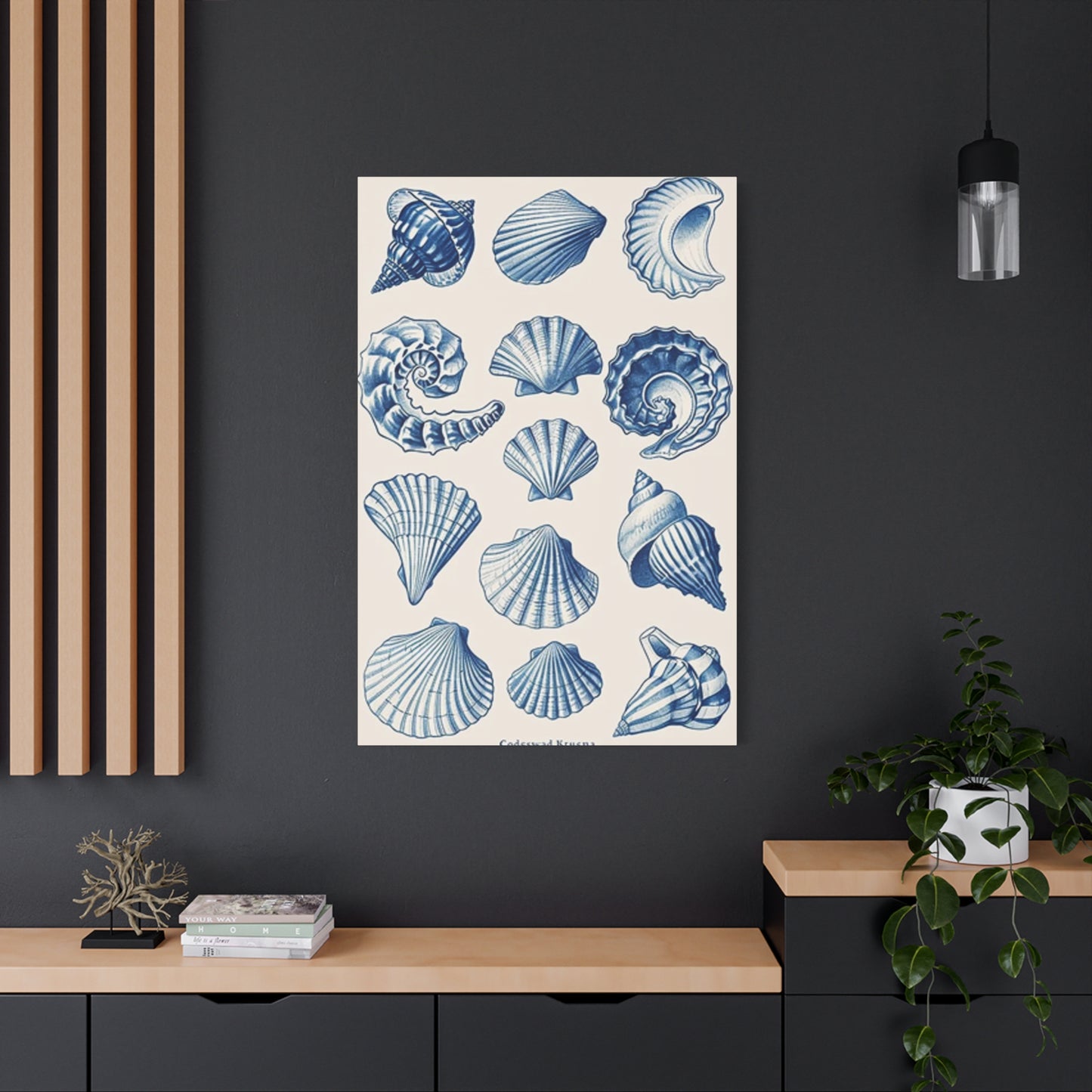
Blue Shell Shapes Wall Art & Canvas Prints
Blue Shell Shapes Wall Art & Canvas Prints
Couldn't load pickup availability
Coastal Bliss Awaits: Blue Shell Shapes Wall Art to Bring Ocean-Inspired Calm to Your Living Spaces
The allure of oceanic elements in interior design has captivated homeowners and decorators for generations. Among the most cherished natural motifs, blue shell shapes wall art stands as a timeless choice that infuses spaces with tranquility, sophistication, and a connection to the natural world. This distinctive form of decorative expression combines the organic beauty of marine life with contemporary aesthetic sensibilities, creating visual statements that resonate with diverse design philosophies while maintaining an enduring appeal that transcends fleeting trends.
Discovering the Captivating Appeal of Marine-Inspired Decorative Elements for Modern Homes
The human fascination with the ocean extends far beyond coastal regions, permeating inland communities and urban environments where residents seek to capture the essence of seaside serenity. Blue shell shapes wall art serves as a tangible connection to aquatic environments, offering a visual gateway to memories of beach vacations, the rhythmic sound of waves, and the peaceful atmosphere that accompanies time spent near water. This decorative genre encompasses an extraordinary range of interpretations, from photorealistic renderings of individual specimens to abstract compositions that evoke the spirit of marine life through color, form, and texture.
Contemporary designers recognize that incorporating oceanic motifs transcends mere aesthetic preference, tapping into deeper psychological responses that influence mood, stress levels, and overall well-being. The color blue itself carries profound associations with calmness, clarity, and expansiveness, while shell imagery introduces organic complexity and natural wonder. When combined, these elements create decorative pieces that function as focal points while simultaneously promoting atmospheric harmony within residential and commercial settings.
The versatility of blue shell shapes wall art manifests in its compatibility with numerous design frameworks. Coastal cottages naturally embrace these pieces as authentic expressions of their geographic identity, but urban lofts, suburban family homes, and even corporate environments discover surprising synergies when incorporating thoughtfully selected marine-inspired artwork. The key lies in understanding how these decorative elements interact with existing architectural features, color schemes, and furniture selections to create cohesive visual narratives that feel intentional rather than arbitrary.
Exploring the Diverse Varieties of Oceanic Decorative Pieces Available in Contemporary Markets
The marketplace for blue shell shapes wall art presents an astonishing diversity of options, each category offering distinct characteristics that appeal to different aesthetic sensibilities and functional requirements. Understanding these variations empowers consumers to make informed selections that align with their specific spatial needs, budgetary constraints, and decorative visions.
Photographic representations constitute one prominent category, featuring high-resolution images of actual shells captured through skilled macro photography. These pieces celebrate the intricate details inherent in natural specimens, showcasing the delicate ridges, spiraling formations, and subtle color variations that make each shell unique. Professional photographers often employ specialized lighting techniques to emphasize dimensional qualities and surface textures, resulting in images that possess almost three-dimensional depth despite their two-dimensional medium. These photographic works particularly appeal to naturalists, collectors, and those who appreciate scientific precision combined with artistic sensibility.
Painted interpretations represent another significant category, ranging from hyperrealistic renderings to impressionistic abstractions. Artists working in this medium enjoy complete creative freedom, manipulating colors, proportions, and compositions to achieve specific emotional effects or thematic statements. Watercolor paintings might emphasize transparency and fluidity, echoing the aqueous environments from which shells originate, while acrylic or oil paintings deliver bolder, more saturated presentations that command attention in larger spaces. The handcrafted nature of painted pieces adds inherent value, as each work represents unique artistic expression rather than mass-produced replication.
Three-dimensional sculptural installations push beyond traditional flat surfaces, incorporating actual shell specimens, resin castings, or metalwork that projects from walls to create dramatic shadow play and tactile interest. These pieces transform walls into interactive landscapes, inviting closer inspection and offering variable visual experiences depending on viewing angles and lighting conditions. Sculptural approaches particularly suit contemporary and eclectic design schemes that celebrate dimensional contrast and material diversity.
Digital art prints have democratized access to sophisticated marine imagery, allowing renowned artists and designers to distribute their work widely through high-quality reproduction methods. Giclée printing technology delivers museum-grade color accuracy and longevity, ensuring that prints maintain their visual integrity for decades when properly displayed and maintained. This category spans the aesthetic spectrum from minimalist line drawings to complex digital collages that layer multiple shell images with complementary graphic elements.
Mixed media compositions combine various materials and techniques, perhaps integrating painted backgrounds with affixed shell fragments, metallic accents, or textural elements like sand and sea glass. These hybrid approaches create richly layered visual experiences that reward prolonged viewing, as observers discover new details and relationships among component elements. Mixed media pieces often carry artisanal appeal, reflecting the maker's individual creative process and material experimentation.
Understanding How Ocean-Inspired Artwork Influences Room Atmosphere and Emotional Response
The placement of blue shell shapes wall art within interior environments triggers multifaceted responses that extend well beyond simple visual appreciation. Color psychology reveals that blue hues exert measurable effects on human physiology and emotional states, generally promoting relaxation, reducing heart rate, and encouraging contemplative mental states. These effects amplify in spaces designated for rest and rejuvenation, such as bedrooms and bathrooms, where the calming influence of blue tones supports functional intentions.
Shell imagery introduces additional layers of symbolic meaning and psychological resonance. Across cultures and throughout history, shells have represented protection, femininity, fertility, and the cyclical nature of existence. The spiral patterns evident in many shell structures correspond to mathematical principles found throughout nature, including the golden ratio that humans instinctively recognize as aesthetically pleasing. This subconscious recognition of natural order contributes to the satisfying visual harmony that well-designed shell artwork provides.
The organic irregularity inherent in shell forms offers welcome contrast to the geometric precision that dominates most built environments. Straight lines, right angles, and uniform surfaces characterize contemporary architecture and furnishings, creating spaces that, while functional and efficient, may feel sterile or emotionally distant. Introducing curved, asymmetrical, and texturally complex elements through shell-themed artwork humanizes spaces, making them feel more welcoming and comfortable for extended occupation.
Acoustic properties represent an often-overlooked consideration in interior design, yet they significantly impact comfort levels and stress perception. While flat artwork cannot directly modify sound dynamics, the presence of visually calming elements like blue shell shapes wall art can psychologically mitigate the perception of acoustic harshness, creating a more holistic sense of environmental tranquility. This phenomenon demonstrates how visual stimuli interact with other sensory inputs to shape overall experiential quality.
Seasonal affective patterns influence many individuals, particularly those residing in regions with long winters or limited sunlight exposure. Marine-themed artwork can serve as a psychological anchor, maintaining connection to bright, warm, outdoor experiences even when weather conditions prevent direct engagement with natural environments. The aspirational quality of such pieces provides mental escape routes, offering brief imaginative journeys to more pleasant settings during challenging periods.
Selecting the Perfect Dimensions and Placement Strategies for Maximum Visual Impact
Determining appropriate sizing for blue shell shapes wall art requires careful consideration of multiple spatial variables, viewing distances, and compositional balance. Undersized pieces disappear into expansive wall surfaces, failing to establish meaningful presence or contribute substantively to room atmosphere. Conversely, oversized selections overwhelm adjacent furnishings and architectural features, creating visual tension rather than harmony. Achieving the ideal proportion demands assessment of both absolute dimensions and relative scale within specific contexts.
Gallery walls represent a popular arrangement strategy that allows flexibility in accommodating diverse piece sizes while creating cohesive visual statements. This approach involves clustering multiple artworks, potentially varying in dimension, orientation, and frame style, according to deliberate compositional principles. Successful gallery walls maintain consistent spacing between elements, establish visual weight balance, and typically include at least one anchor piece that grounds the entire arrangement. When working with shell-themed artwork, maintaining thematic consistency through color palette or subject matter ensures unity despite variations in individual piece characteristics.
Statement pieces function as solitary focal points, commanding attention through substantial size or striking visual qualities. These singular selections work best in spaces with minimal competing visual elements, positioned at comfortable eye level for typical viewing scenarios. Living room installations often center statement pieces above sofas or fireplaces, while bedroom placements frequently target the wall behind bed headboards. The surrounding negative space becomes equally important as the artwork itself, providing visual breathing room that allows the piece to resonate without feeling cramped or crowded.
Vertical versus horizontal orientation considerations significantly influence how artwork interacts with surrounding spatial proportions. Tall, narrow pieces draw the eye upward, visually increasing ceiling height perception and adding grandeur to compact spaces. Wide, horizontal selections emphasize room breadth, making narrow spaces feel more expansive while complementing low-profile furniture like contemporary sofas or platform beds. Shell imagery adapts readily to either orientation, with spiral shells naturally suggesting vertical formats and collections of various specimens lending themselves to horizontal arrangements.
Lighting conditions dramatically affect how blue shell shapes wall art appears throughout daily cycles and seasonal variations. Natural daylight reveals colors most accurately but shifts in quality and intensity as the sun moves across the sky. Artificial lighting requires thoughtful consideration of both source type and placement angle. Warm-toned bulbs enhance yellow and orange undertones, while cool-spectrum lighting emphasizes blues and greens. Direct spotlighting creates dramatic emphasis but may introduce glare on glossy surfaces, while diffused ambient lighting delivers softer, more subtle presentation that changes minimally throughout evening hours.
Height placement follows general design guidelines suggesting that artwork centers should align with average eye level, typically calculated at approximately sixty to sixty-five inches from floor to artwork midpoint. However, these standards require adjustment based on ceiling heights, furniture arrangements, and specific viewing contexts. Pieces intended for appreciation while seated benefit from slightly lower positioning, while those in hallways or staircases accommodate standing viewers and may hang higher to account for sightline angles from various distances.
Crafting Harmonious Color Palettes That Complement Marine Decorative Themes
Successfully integrating blue shell shapes wall art into existing interior schemes requires thoughtful attention to color relationships and tonal balance. While blue serves as the dominant hue in these pieces, the specific shade variations span an extensive spectrum from pale ice tones through medium aquas to deep navy depths. Each position along this continuum carries distinct associations and interacts differently with surrounding colors.
Monochromatic schemes build upon various shades, tints, and tones of blue, creating serene, cohesive environments that feel particularly restful and unified. This approach works exceptionally well in bedrooms and bathrooms where relaxation remains paramount. Introducing textural variation through fabrics, finishes, and materials prevents monochromatic spaces from feeling flat or monotonous, adding visual interest while maintaining color harmony. Layering different blue values creates subtle depth, with darker tones typically grounding lower portions of rooms and lighter shades occupying upper regions to mimic natural sky-to-earth transitions.
Analogous color combinations pair blue with adjacent hues on the color wheel, including greens and purples. These relationships feel naturally harmonious, as they frequently occur together in natural settings. Teal and turquoise bridges blue and green, evoking tropical waters and Caribbean seascapes. Incorporating green elements through plants, textiles, or accent pieces reinforces connections to natural environments while adding warmth that pure blue schemes sometimes lack. Purple introductions, particularly in lavender or periwinkle ranges, add sophistication and unexpected elegance to marine-themed spaces.
Complementary contrasts pair blue with orange hues positioned directly opposite on the color wheel. This dynamic relationship creates vibrant energy and visual excitement, though it requires careful calibration to avoid overwhelming sensory experiences. Subtle implementations might include coral accent pillows, warm wood tones with orange undertones, or copper metallic accessories that add warmth while maintaining elegance. The key lies in establishing blue dominance while using orange sparingly as strategic accent notes that enliven rather than compete.
Neutral foundations provide versatile backdrops that allow blue shell shapes wall art to command attention without competing against busy backgrounds. White walls deliver crisp, clean presentations that emphasize artwork colors with maximum clarity. Warm neutrals like beige, cream, and taupe soften the cool influence of blue elements, creating balanced environments that feel inviting rather than stark. Gray serves as particularly effective partner for blue, as both colors share cool undertones that harmonize naturally while offering sufficient contrast for visual definition.
Metallic accents introduce reflective elements that enhance luminosity and add contemporary sophistication. Silver and chrome echo the cool tonality of blue while introducing modern edge. Gold and brass provide warming contrast, their rich tones creating luxurious juxtapositions particularly suited to more formal spaces. Pewter and brushed nickel occupy middle ground, offering subtle sheen without demanding excessive attention. When selecting frames and hanging hardware for blue shell artwork, metallic finish choices significantly impact overall aesthetic impression and should align with existing fixture finishes throughout the space.
Discovering Where to Source Authentic and High-Quality Marine Decorative Pieces
The marketplace for blue shell shapes wall art encompasses diverse retail channels, each offering distinct advantages regarding selection breadth, price points, and acquisition convenience. Understanding these options empowers consumers to navigate purchasing processes strategically, maximizing value while securing pieces that truly resonate with their aesthetic sensibilities and spatial requirements.
Local galleries and art boutiques provide opportunities for direct engagement with physical pieces before purchase, eliminating uncertainty regarding color accuracy, textural qualities, and actual dimensions that sometimes plague online shopping experiences. These establishments often showcase works from regional artists, offering unique pieces that reflect local creative communities while supporting independent makers. Gallery staff typically possess substantial knowledge regarding artistic techniques, material compositions, and care requirements, serving as valuable resources for both novice and experienced collectors. The personalized service available in these settings facilitates custom framing selections and professional hanging recommendations tailored to specific installations.
Online marketplaces have revolutionized art accessibility, connecting consumers with global networks of creators, galleries, and retailers. These platforms aggregate enormous selections spanning every conceivable style, size, and price range. Advanced search filters enable targeted browsing based on specific parameters including color dominance, subject matter, dimensions, and budget thresholds. Customer reviews provide peer insights regarding quality, shipping experiences, and satisfaction levels that inform purchase decisions. However, online shopping introduces challenges regarding color accuracy due to screen calibration variations, and the inability to assess textural qualities or see pieces in person before commitment requires accepting some degree of uncertainty.
Home décor retailers ranging from mass-market chains to specialty boutiques maintain curated selections of wall art designed to coordinate with broader product offerings. These environments allow shoppers to visualize how potential purchases might integrate with complementary furnishings, textiles, and accessories. Seasonal rotations introduce fresh inventory regularly, though selections may feel less unique compared to gallery offerings. Price points typically fall in moderate ranges, balancing affordability with reasonable quality standards.
Custom commission opportunities connect patrons directly with artists for bespoke creations tailored to precise specifications. This approach ensures perfect dimensional fit, color coordination with existing décor, and completely unique outcomes that cannot be duplicated. The commission process typically involves initial consultations to establish creative parameters, preliminary sketches or digital mockups for approval, and iterative refinement until the final vision achieves realization. While custom commissions require larger investments and longer timelines compared to ready-made purchases, the resulting pieces carry special significance as collaborative creations designed specifically for their intended environments.
Estate sales, antique markets, and vintage shops occasionally yield unexpected discoveries of older shell-themed artwork carrying historical character and patinated charm. These pieces introduce authentic age and story into contemporary spaces, serving as conversation starters while demonstrating appreciation for craftsmanship from earlier eras. The hunt for vintage treasures requires patience and regular reconnaissance, but dedicated seekers often develop relationships with dealers who alert them to relevant new acquisitions matching their interests.
Direct artist purchases through studio visits or online portfolios eliminate intermediary markups while establishing direct connections with creators. Many artists maintain web presences showcasing available works, accepting commissions, and offering limited edition prints of original pieces. These direct relationships often provide insights into creative processes and inspirations that deepen appreciation for acquired works. Supporting artists directly ensures that creative professionals receive fair compensation for their efforts, sustaining practices that enrich cultural landscapes.
Implementing Effective Hanging Methods That Ensure Secure and Level Installations
Proper mounting procedures for blue shell shapes wall art protect both displayed pieces and underlying wall surfaces while ensuring visually pleasing presentations that maintain intended orientations indefinitely. The specific approach varies based on artwork weight, frame construction, wall composition, and available tools, but fundamental principles apply across most scenarios.
Weight assessment constitutes the critical first step, as mounting hardware must accommodate not just current load but include substantial safety margins preventing future failures. Lightweight pieces under five pounds accept standard picture hooks hammered into drywall, while heavier selections require more robust anchoring systems. Medium-weight artwork between five and twenty-five pounds benefits from wall anchors that distribute load across larger wall surface areas, preventing the stress concentration that leads to anchor pullout or drywall crumbling. Heavy pieces exceeding twenty-five pounds demand locating wall studs for direct screw mounting into structural framing members capable of supporting substantial loads indefinitely.
Stud finders simplify the process of locating wooden framing behind drywall, though alternative methods exist for those lacking this specialized tool. Systematic wall knocking produces audibly different tones when striking over hollow drywall versus solid studs, though this technique requires practiced ears to interpret accurately. Measuring sixteen or twenty-four inches from known stud locations provides reasonable estimates of subsequent stud positions, as these represent standard framing intervals in residential construction. Once located, marking stud centers with light pencil marks guides subsequent hardware installation.
Level alignment prevents the visual dissonance of crooked artwork that disrupts spatial harmony and appears careless regardless of how carefully other design elements were considered. Basic bubble levels ensure horizontal alignment during initial positioning, while laser levels project perfectly straight reference lines across entire walls, facilitating multiple piece installations or gallery wall arrangements requiring coordinated alignment across numerous individual elements. Many smartphones include level functionality in default utility apps, providing convenient digital alternatives when dedicated tools remain unavailable.
Picture hanging wire attached to frame backs offers flexibility in final positioning adjustments after initial hook placement, as wire can shift slightly along hooks to achieve perfect leveling without requiring hardware repositioning. D-rings or sawtooth hangers provide more fixed mounting points, delivering cleaner back profiles and preventing the forward-tilting tendency that sometimes affects wire-hung pieces. However, these alternatives sacrifice post-installation adjustment flexibility, demanding greater precision during initial marking and mounting phases.
Protective strategies preserve wall surfaces during installation and potential future repositioning. Painter's tape prevents plaster chipping when hammering nails or drilling pilot holes, with tape removal immediately after hardware installation preventing adhesive residue accumulation. Pencil marks for positioning guidelines should remain light enough for easy removal yet sufficiently visible during installation work. When working with rental properties or situations where wall damage must be minimized, adhesive strips rated for appropriate weight loads provide damage-free alternatives to conventional hardware, though these products carry limitations regarding maximum supportable weights and may not perform reliably on all surface types.
Professional hanging services offer worthwhile investments for particularly valuable pieces, awkwardly large selections, or situations involving challenging wall compositions like brick, concrete, or plaster over lath. Experienced installers possess specialized equipment and material knowledge ensuring secure, level mounting while minimizing surface damage risks. Insurance considerations may also favor professional installation for high-value artwork, as improper amateur mounting leading to damage could complicate claims processes.
Preserving the Beauty and Longevity of Shell-Themed Artwork Through Proper Care Practices
Maintaining the visual appeal and structural integrity of blue shell shapes wall art over extended periods requires implementing appropriate care protocols that address environmental factors, cleaning needs, and handling procedures. Proactive preservation efforts ensure that cherished pieces continue delivering aesthetic pleasure for years or even decades beyond initial acquisition.
Ultraviolet radiation represents the primary environmental threat to most artwork, causing gradual fading of colors, yellowing of papers, and degradation of certain materials. Sunlight streaming through windows carries concentrated UV energy particularly destructive to organic pigments and dyes. Solutions include positioning artwork away from direct sunlight paths, installing UV-filtering window films, or utilizing museum-quality glazing materials that block harmful wavelengths while maintaining visual clarity. Even artificial lighting sources, particularly older fluorescent fixtures, emit UV radiation warranting consideration in long-term preservation planning.
Humidity fluctuations stress artwork materials through expansion and contraction cycles that eventually lead to warping, cracking, or delamination of layered components. Coastal environments where shell-themed artwork naturally resonates often present challenging humidity conditions, with salt-laden air introducing additional corrosion risks for metal components. Climate control systems maintaining consistent indoor humidity levels between forty and sixty percent protect artwork alongside human comfort. Dehumidifiers prove essential in particularly damp climates, while humidifiers prevent excessive dryness in arid regions or during winter months when heating systems drive indoor humidity to damaging lows.
Dust accumulation dulls colors and obscures fine details while providing habitat for insects that may damage organic materials. Regular gentle dusting using soft, dry microfiber cloths removes particulates before they embed into textured surfaces or accumulate sufficiently to require wet cleaning. Compressed air dislodges dust from intricate three-dimensional pieces or behind glass where cloth access proves difficult. Avoiding feather dusters prevents scratching from concealed quill fragments, while preventing oil transfer from fingers by wearing clean cotton gloves during handling protects both artwork surfaces and frame finishes.
Glass-covered pieces require different cleaning approaches than exposed surfaces. Standard glass cleaners work acceptably for conventional glazing but should never contact artwork directly. Spray applied to cleaning cloths rather than glass surfaces prevents overspray from reaching frames or seeping behind glazing. Anti-reflective or museum glazing requires specialized cleaning products, as improper cleaners may damage special coatings delivering optical properties. Reading manufacturer recommendations before attempting cleaning prevents inadvertent damage to premium materials.
Smoking indoors deposits yellowing residues on all surfaces including artwork, causing persistent discoloration essentially impossible to reverse without professional restoration. Cooking fumes, particularly from frying, likewise deposit oily films that attract dust and darken over time. Adequate ventilation through range hoods and air circulation systems mitigates these airborne contaminants, though the most effective protection simply involves excluding artwork from spaces where these activities occur regularly.
Temperature extremes stress materials similarly to humidity fluctuations, with particular concern for installations above heat sources like fireplaces or near air conditioning vents directing concentrated airflow across surfaces. Thermal cycling can crack brittle materials, loosen adhesives, and accelerate general deterioration processes. Maintaining moderate, stable temperatures protects artwork while contributing to overall home comfort.
Professional conservation becomes necessary when damage occurs despite preventive efforts, or when older pieces show deterioration from inadequate historical care. Conservators possess specialized knowledge and materials for stabilizing and repairing artwork using reversible techniques that don't compromise future treatment options. Insurance considerations may require professional assessment and documentation of valuable pieces, with restoration expenses potentially covered under appropriate policy terms.
Mixing Various Artistic Styles to Create Compelling Gallery Arrangements
Designing cohesive gallery walls featuring blue shell shapes wall art alongside complementary pieces demands thoughtful curation balancing diversity with unity. Successful arrangements feel intentional and harmonious despite incorporating varied subject matters, artistic styles, and physical formats.
Thematic connections provide invisible threads linking disparate pieces into conceptual wholes. Beyond obvious subject matter relationships like multiple marine specimens, consider broader themes encompassing ideas like natural patterns, coastal geography, or water in various forms. Abstract pieces suggesting wave motion or tidal patterns coordinate beautifully with representational shell imagery, united by aquatic inspiration despite divergent artistic approaches. Typography prints featuring relevant poetry, quotations, or song lyrics introduce verbal elements that deepen narrative dimensions.
Color harmony ranks as perhaps the most visually unifying factor in mixed collections. Even when individual pieces feature different subjects rendered in contrasting styles, shared color palettes create instant cohesion that pleases the eye and feels deliberately coordinated. Maintaining blue as the dominant or accent hue throughout arrangements ensures that shell-themed pieces integrate naturally rather than appearing as afterthoughts. Introducing varied blue shades prevents monotony while sustaining color consistency, with navy anchoring arrangements and pale aqua providing lighter relief.
Scale variation adds visual interest and dynamic energy to gallery walls, preventing the static uniformity of identically sized elements. Combining large anchor pieces with smaller supporting selections creates hierarchy and guides viewing sequences. Odd-numbered groupings, particularly threes and fives, feel more naturally balanced than even-numbered arrangements, though this principle admits exceptions when symmetrical presentations suit particular aesthetic goals. Leaving consistent spacing between pieces, typically two to four inches, maintains individual piece integrity while signaling their membership in unified collections.
Frame coordination contributes substantially to overall cohesion, with options ranging from identical frames creating strong unity to varied frames united by shared characteristics like finish, material, or profile width. White or black frames deliver neutral consistency allowing artwork diversity to predominate, while natural wood tones introduce warmth and organic character appropriate for nature-themed collections. Mixing frame styles successfully requires establishing clear parameters, perhaps varying color while maintaining consistent width, or alternating between wood and metal while keeping similar tones.
Geometric arrangement patterns impose order on potentially chaotic collections, with several established approaches offering starting points for custom configurations. Grid arrangements align pieces into neat rows and columns, delivering clean, contemporary aesthetics particularly suited to modern spaces. Salon-style installations embrace controlled chaos, filling walls edge-to-edge with varied pieces hung in seemingly organic yet carefully balanced arrangements. Linear sequences string pieces horizontally or vertically, working well in hallways or flanking architectural features. Template methods involve arranging pieces on the floor first, perfecting the configuration before transferring to walls, or creating paper templates matching piece dimensions for temporary wall positioning experiments.
Incorporating dimensional variety through sculptural elements or shadow boxes adds physical depth complementing visual depth within two-dimensional works. These projecting pieces create interesting shadow patterns and invite closer inspection, breaking the potential flatness of exclusively flush-mounted artwork. Three-dimensional shell specimens, whether natural or crafted, provide authentic material connections to depicted subjects while introducing textural contrasts.
Examining Current Design Movements Embracing Aquatic and Natural Motifs
Contemporary interior design witnesses renewed appreciation for biophilic principles emphasizing human connections to natural environments. This philosophical shift responds to increasingly urbanized, technology-saturated lifestyles that distance populations from regular nature contact. Blue shell shapes wall art aligns perfectly with this movement, introducing organic forms and natural color palettes that psychologically reconnect inhabitants with elemental environments.
Minimalist interpretations of coastal themes strip away cluttered, literal representations favoring clean lines and simplified forms. Rather than busy arrangements featuring numerous small shell specimens, contemporary minimalist approaches might showcase single, dramatically scaled shell images against expansive negative space. This reduction to essential elements amplifies visual impact while maintaining the calming influence associated with marine imagery. Color palettes remain restrained, often limiting themselves to two or three carefully selected hues presented in sophisticated relationships.
Maximalist counter-movements celebrate abundance, layering, and sensory richness. These exuberant spaces embrace collections of varied shell artwork alongside complementary decorative objects, textiles, and furnishings creating immersive environments that fully commit to coastal themes. Rather than subtle suggestions of marine influence, maximalist interpretations make bold statements through saturated colors, pattern mixing, and deliberately eclectic assemblages. This approach particularly suits vacation properties, entertainment spaces, or individuals whose personal style embraces expressive abundance over restraint.
Sustainable design consciousness increasingly influences consumer choices, with growing preference for ethically sourced materials and environmentally responsible production methods. Artwork featuring shells raises legitimate concerns regarding collection impacts on marine ecosystems and wildlife populations. Responsible consumers seek pieces created from naturally shed shells, sustainably harvested specimens, or photographic and artistic representations requiring no actual shell collection. Many artists now prominently communicate their environmental ethics and sourcing practices, recognizing that these considerations influence purchasing decisions alongside aesthetic qualities.
Artisan revival movements celebrate handcrafted objects produced through traditional techniques by skilled makers. This trend responds to mass production homogeneity, with consumers increasingly valuing the character, uniqueness, and human connection inherent in handmade pieces. Shell-themed artwork created through hands-on processes like painting, printmaking, or mixed media assemblage carries artisanal appeal that mass-produced prints cannot replicate. The slight irregularities and individual touches present in handcrafted work enhance rather than diminish value, signaling authentic human creativity and effort.
Global fusion approaches draw inspiration from worldwide coastal cultures, incorporating decorative traditions from Mediterranean, Caribbean, Pacific, and other maritime regions. These cross-cultural explorations introduce diverse perspectives on shell symbolism and presentation styles, creating richly layered aesthetic vocabularies that transcend single geographic or cultural traditions. Blue shell shapes wall art interpreted through various cultural lenses offers opportunities for meaningful decoration that acknowledges global interconnection while celebrating specific traditions.
Coordinating Furniture and Accessory Selections to Enhance Marine Decorative Schemes
Successfully integrating blue shell shapes wall art into comprehensive interior designs requires thoughtful furniture and accessory selections that reinforce rather than compete with marine themes. Creating cohesive environments involves strategic choices across multiple element categories, each contributing to unified atmospheric impressions.
Upholstered furniture in coordinating blue fabrics establishes immediate color harmony while providing substantial visual mass that anchors rooms and creates dialogue with wall-mounted artwork. Solid color selections in matching or complementary blue shades deliver clean, contemporary presentations, while patterned fabrics incorporating marine motifs like waves, coral, or stylized shells amplify thematic consistency. Textural variety through materials like linen, velvet, or performance fabrics prevents monotony while maintaining color coordination. Neutral upholstery provides versatile foundations accepting diverse accent colors, allowing blue artwork to establish color direction without demanding extensive matching throughout furnishings.
Wood furniture tones significantly impact overall aesthetic impressions, with various options creating distinct atmospheric effects. Whitewashed or bleached woods evoke driftwood and sun-weathered piers, delivering authentic coastal character particularly suited to casual, cottage-inspired spaces. Natural blonde woods maintain organic warmth while feeling fresh and contemporary, their honey tones complementing blue beautifully. Medium brown woods provide comfortable familiarity and grounding weight, while dark espresso finishes add drama and sophistication appropriate for more formal interpretations of marine themes.
Metallic fixtures and hardware contribute subtle but meaningful influence through their finish selections. Brushed nickel and chrome echo the cool tonality of blue while adding contemporary polish. Brass and gold introduce warming contrast, their rich tones preventing spaces from feeling too cold or austere. Oil-rubbed bronze delivers Old World character suited to traditional or transitional styles. Maintaining consistency in metal finishes throughout spaces creates cohesive polish, though intentionally mixed metals can work when unified by other design elements.
Textile layers including curtains, throw pillows, and area rugs provide opportunities for pattern introduction and textural variation. Window treatments in sheer white fabrics maximize natural light while maintaining privacy, their billowing movement suggesting ocean breezes. Heavier drapes in coordinating blues provide light control and acoustic softening. Throw pillows offer low-commitment opportunities for experimenting with bolder patterns, varied textures, and accent colors that enliven seating arrangements. Area rugs ground furniture groupings while introducing softness underfoot, with options ranging from natural fiber jutes and sisals suggesting beach grasses to plush wool piles in ocean-inspired hues.
Decorative accessories allow personality expression through curated collections reflecting individual tastes and experiences. Actual shell specimens displayed in glass vessels, shadow boxes, or open shelving provide dimensional authenticity complementing two-dimensional artwork. Coral branches, sea glass collections, and driftwood pieces introduce varied organic forms and textures. Ceramic vessels in reactive glazes suggesting water movement or sea foam add artisanal character. Books about marine biology, coastal geography, or beach destinations contribute both visual interest and intellectual substance to coffee tables and shelving displays.
Lighting fixtures serve functional necessities while contributing substantially to atmospheric quality. Fixtures incorporating natural materials like woven rattan, capiz shells, or rope detailing amplify coastal themes through material choices. Glass elements in blue tints or bubble textures suggest water and light interplay. Ceramic bases on table lamps provide additional opportunities for color and pattern introduction. Light temperature selection affects how blue tones appear, with warm bulbs (2700-3000K) creating cozy ambiance that may shift blues toward green, while cooler temperatures (3500-4100K) maintain truer blue rendition with crisper, more energizing quality.
Adapting Marine Themes Across Diverse Architectural Styles and Room Functions
Blue shell shapes wall art demonstrates remarkable adaptability across varied architectural contexts and functional spaces, though successful implementation requires tailoring approaches to specific circumstances rather than applying universal formulas regardless of context.
Traditional homes featuring classical architectural details like crown molding, wainscoting, and formal spatial arrangements accommodate marine themes through refined presentations that respect existing character. Artwork in substantial wood frames with traditional profiles harmonizes with period details, while subject matter selection might favor more formal compositions and muted color palettes over playful or overtly casual imagery. Symmetrical arrangements flanking fireplaces or centered above console tables align with classical design principles emphasizing balance and proportion.
Contemporary residences characterized by open floor plans, abundant glass, and minimalist detailing benefit from larger-scale, simpler compositions that hold their own within expansive spaces. Oversized single pieces make strong statements without requiring extensive collections, while clean, simple frames or frameless mounting methods maintain architectural consistency. Color palettes might embrace bolder, more saturated blues that provide sufficient contrast against white walls and neutral furnishings without disappearing into surroundings.
Cottage and bungalow styles naturally embrace coastal themes as authentic expressions of their often-seaside locations or nostalgic references to beach vacation memories. These casual, comfortable environments welcome more literal shell imagery, collections of varied pieces, and relaxed arrangement strategies that prioritize personal meaning over design rigidity. Painted furniture, slipcovered seating, and weathered finishes create appropriate contexts for similarly casual artwork presentations.
Urban lofts and converted industrial spaces present interesting opportunities for unexpected juxtapositions between raw architectural elements like exposed brick, concrete floors, and metal ductwork against refined natural imagery. This contrast creates dynamic tension that feels sophisticated and intentional rather than discordant. Oversized photographs of shells blown up to architectural scale transform delicate natural objects into powerful graphic statements appropriate for dramatic, high-ceilinged environments.
Bedroom applications particularly benefit from the calming influence of blue shell imagery, supporting restful atmosphere conducive to quality sleep. Positioning artwork as focal points above bed headboards creates clear spatial anchors while ensuring visibility from multiple room positions. Coordinating bedding textiles in complementary blues reinforces color harmony without demanding exact matching that might feel overly coordinated. Dimmer controls on lighting fixtures allow adjustment supporting various activities from energizing morning routines to relaxing bedtime transitions.
Bathroom installations embrace natural affinity between aquatic themes and water-centric spaces. Humidity-resistant framing and mounting methods protect artwork from moisture exposure, with sealed frames and appropriate backing materials preventing condensation damage. Smaller pieces suit compact powder rooms, while spacious master bathrooms accommodate more substantial selections or gallery arrangements. Coordinating tilework, fixtures, and textiles in compatible blues creates immersive spa-like environments promoting daily relaxation rituals.
Living spaces serving multiple functions from entertainment to relaxation benefit from versatile artwork that complements varied activities without dominating any single use. Scale appropriate to furniture arrangements ensures pieces maintain presence without overwhelming television viewing or conversation groupings. Positioning at comfortable viewing heights from primary seating accommodates both standing and seated appreciation.
Dining environments leverage artwork as conversation stimulation and atmospheric enhancement during meals and gatherings. Pieces positioned at seated eye level along main walls create engaging focal points without requiring excessive neck craning for appreciation during dining. More formal artwork selections suit traditional dining rooms, while casual interpretations work well in breakfast nooks or eat-in kitchens.
Crafting Seasonal Variations That Refresh Spaces Throughout the Year
While blue shell shapes wall art provides enduring appeal that transcends seasonal shifts, implementing subtle variations throughout the year maintains visual interest and acknowledges changing natural rhythms. These adaptations need not involve complete redecorating, instead focusing on strategic accent adjustments that refresh atmospheres while preserving core aesthetic identities.
Spring transitions welcome lighter, brighter blue shades suggesting renewal and emerging growth. Swapping heavier winter textiles for lighter fabrics in seafoam or aqua introduces seasonal freshness while maintaining marine themes. Adding floral elements in white or yellow provides nature-inspired contrast, with arrangements in ceramic vessels echoing shell colors. Opening window treatments to maximize natural light emphasizes the bright, optimistic qualities of blue artwork.
Summer embraces full coastal expression through vivid blue saturation and nautical accent incorporation. Striped textiles in navy and white classic combinations channel maritime flags and seaside umbrellas. Rope-wrapped accessories, anchor motifs, and additional shell specimens amplify beach house atmosphere appropriate for warm weather when coastal vacation associations feel most relevant.
Final Thoughts
Blue shell shapes wall art is a beautiful and evocative addition to any space, creating a stunning coastal-inspired atmosphere that brings the serene charm of the ocean into your home. The gentle curves of the shell combined with the calming shades of blue capture the essence of the sea, making it the perfect décor choice for those seeking to evoke a peaceful, beachy vibe in their living spaces. Whether it’s displayed in a living room, bedroom, or bathroom, this type of wall art immediately transforms a room into a soothing retreat that feels as tranquil as the ocean itself.
Seashells, with their natural and intricate shapes, symbolize beauty, protection, and the ever-changing rhythms of nature. The blue hues, known for their calming effects, enhance this symbolism, infusing the space with a sense of serenity and peacefulness. The cool tones of blue in shell art evoke the vastness of the ocean, helping to create a calming, stress-free environment. This makes it particularly suited for spaces where relaxation and tranquility are desired—whether you’re unwinding after a long day or looking to create a peaceful space for meditation or reflection.
The beauty of blue shell shapes wall art lies in its ability to complement various interior styles, adding elegance and charm without overwhelming the space. Its soft, organic form pairs beautifully with minimalist and coastal themes, while also offering a pop of color and texture to more contemporary or eclectic décor. The seamless blend of nature-inspired design with soothing blue tones means that it can be used to tie together a variety of design elements, from neutral tones to more vibrant, bold accents.
In addition to its aesthetic appeal, the presence of seashell imagery in wall art also invites a deeper emotional connection to nature and the sea. It evokes a sense of nostalgia and peacefulness—reminding us of beach vacations, the sounds of the surf, and the gentle breeze of the coast. This emotional resonance can transform your home into a sanctuary, creating an environment that feels comforting, grounding, and deeply connected to the natural world.
Furthermore, blue shell shapes wall art works wonderfully with different lighting, making it a dynamic addition to any room. As light shifts throughout the day, the subtle shades of blue in the artwork can appear to change, creating a sense of movement and depth. This interaction between light and color adds to the artwork’s allure, ensuring it remains visually captivating throughout the day and night.
In conclusion, blue shell shapes wall art is more than just a decorative piece; it is a way to bring the tranquility and beauty of the ocean into your home. With its soft blue tones, organic shapes, and symbolic connection to nature, it creates a serene and inviting atmosphere that enhances any room. Whether you’re drawn to coastal design or simply love the idea of incorporating calming elements into your décor, this wall art offers a stylish and meaningful way to transform your living spaces. It’s an ideal choice for anyone looking to create a peaceful, ocean-inspired environment, bringing the timeless serenity of the sea indoors.
Share