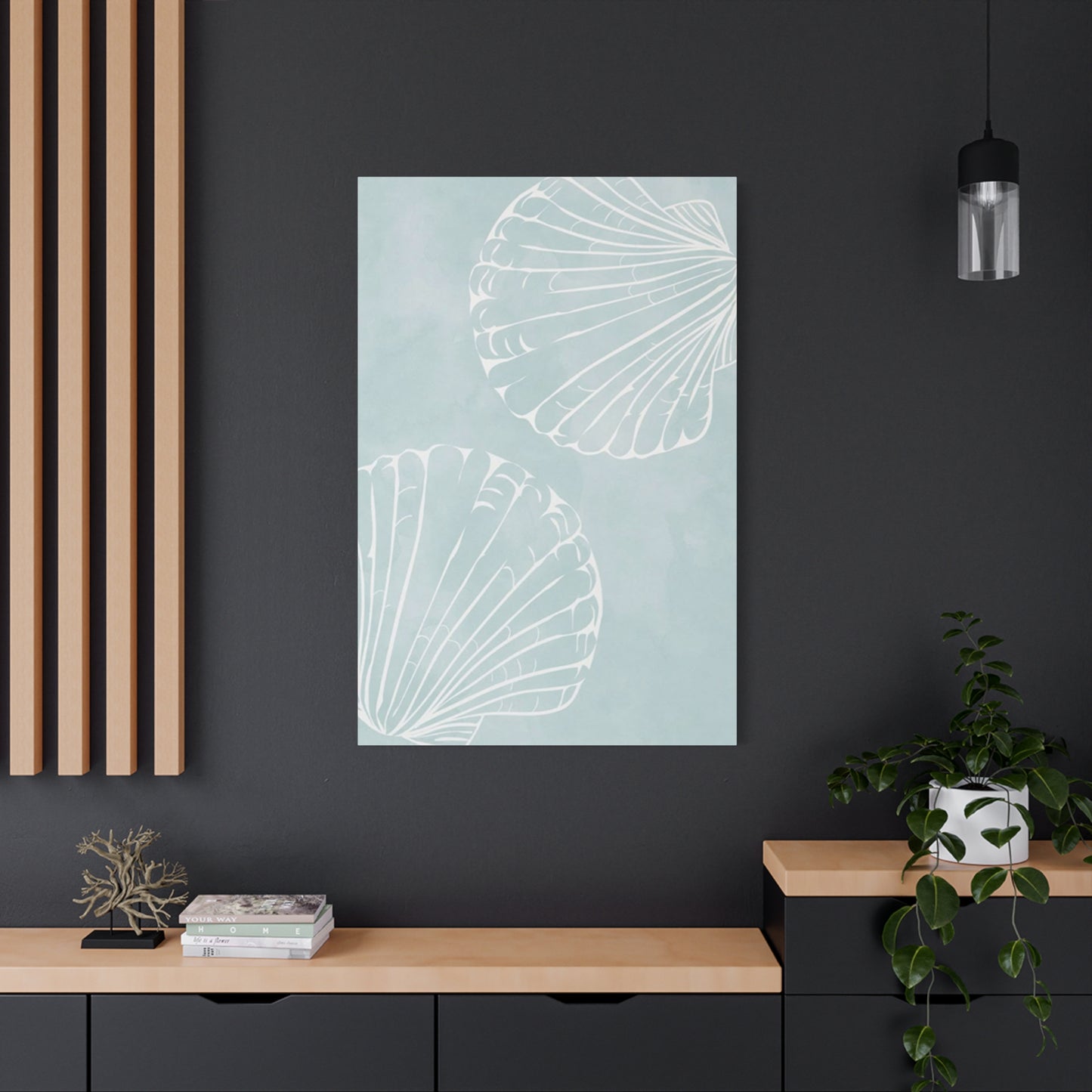


Blue Shell Painting Wall Art & Canvas Prints
Blue Shell Painting Wall Art & Canvas Prints
Couldn't load pickup availability
Blue Shell Painting Wall Art: A Comprehensive Exploration of Marine-Inspired Decorative Pieces for Modern Living Rooms
The world of interior decoration has witnessed a remarkable surge in the popularity of marine-themed artistic expressions, particularly those featuring cerulean-hued mollusk imagery that brings the tranquility of oceanic environments into residential and commercial settings. Blue shell painting wall art represents more than mere decorative elements; these pieces embody the serene essence of coastal living, the mysterious depths of aquatic realms, and the timeless beauty of nature's architectural marvels found beneath the waves. Throughout centuries, humans have maintained an intrinsic connection with the sea, and this relationship manifests beautifully through artistic representations that capture the delicate intricacies of marine life. The cobalt and azure tones found in these nautical treasures create visual symphonies that resonate with individuals seeking to establish calming, sophisticated atmospheres within their dwelling places.
Contemporary households increasingly embrace marine motifs as essential components of their aesthetic philosophy, recognizing how these natural elements contribute to psychological well-being and environmental harmony. The allure of sapphire-tinted seashell artwork transcends temporary decorating trends, establishing itself as a enduring choice for those who appreciate the intersection of natural beauty and artistic craftsmanship. These decorative pieces serve multiple purposes beyond visual appeal, functioning as conversation starters, mood enhancers, and symbolic representations of personal connections to aquatic environments. Whether displayed in minimalist arrangements or as focal points within elaborate gallery walls, cerulean shell imagery possesses the remarkable ability to transform ordinary spaces into sanctuaries of coastal elegance.
The creation and selection of blue shell painting wall art involves consideration of numerous factors ranging from color palette selection to spatial dynamics, from artistic style preferences to the emotional responses these pieces evoke. As we delve deeper into this fascinating subject, we shall explore the multifaceted dimensions of marine-inspired artwork, examining everything from the various artistic approaches employed in their creation to the profound impact these pieces exert on our living environments. This comprehensive examination will illuminate the pathways through which these aquatic treasures enhance our daily experiences, providing insights into selection criteria, display strategies, preservation methods, and the broader cultural significance of bringing oceanic beauty into terrestrial spaces.
The Captivating Allure of Ocean-Inspired Artistic Expressions in Contemporary Interior Spaces
Marine-themed decorative pieces have captivated human imagination since ancient civilizations first began adorning their dwellings with representations of aquatic life. The contemporary fascination with sapphire-hued mollusk imagery reflects our ancestral connections to coastal environments and the universal human attraction to water's calming properties. These artistic representations serve as windows to underwater worlds, allowing us to maintain visual and emotional connections with marine environments regardless of our geographic proximity to actual coastlines. The psychological impact of viewing oceanic imagery has been documented extensively, with research indicating that exposure to water-related visuals can reduce stress levels, lower blood pressure, and promote feelings of tranquility and mental clarity.
The specific appeal of cerulean shell artwork lies in its ability to evoke multiple sensory memories simultaneously. When individuals gaze upon these pieces, their minds often recall the sound of waves crashing against shores, the sensation of sand beneath their feet, the salty tang of ocean breezes, and the peaceful solitude found along secluded beaches. This multisensory activation creates profound emotional responses that extend far beyond simple visual appreciation. The azure tones predominant in these works resonate with our psychological need for calmness and stability, as blue remains one of the most universally appreciated colors across diverse cultural contexts. Studies in chromotherapy suggest that exposure to various shades of blue can promote relaxation, enhance creative thinking, and facilitate meditative states of consciousness.
Furthermore, seashells themselves carry rich symbolic significance across numerous cultural traditions. In many societies, these marine treasures represent protection, fertility, prosperity, and spiritual transformation. The spiral patterns found in many shell varieties have been associated with mathematical perfection, cosmic order, and the cyclical nature of existence. By incorporating blue shell painting wall art into living spaces, individuals tap into these ancient symbolic reservoirs, whether consciously or unconsciously. The artwork becomes more than decorative enhancement; it transforms into a conduit for deeper psychological and spiritual resonance. The protective qualities attributed to shells in various mythologies may subconsciously contribute to feelings of security and comfort within spaces where such artwork is displayed.
The aesthetic versatility of azure mollusk imagery allows these pieces to complement virtually any decorating scheme, from stark minimalist environments to lavishly appointed traditional settings. The natural geometry of shells provides visual interest without overwhelming other decorative elements, while the calming blue palette serves as a neutral anchor that can harmonize with bold accent colors or subtle monochromatic schemes. Contemporary artists working with this subject matter employ diverse stylistic approaches, ranging from photorealistic renderings that capture every minute detail of shell texture and coloration to abstract interpretations that distill the essence of marine forms into simplified shapes and color fields. This stylistic diversity ensures that individuals with varying aesthetic preferences can find pieces that resonate with their personal sensibilities while still enjoying the psychological benefits associated with marine imagery.
Diverse Artistic Approaches and Stylistic Variations in Cerulean Seashell Imagery
The realm of marine-themed decorative pieces encompasses an extraordinary range of artistic methodologies and stylistic expressions, each offering unique visual qualities and emotional resonances. Understanding these various approaches enables collectors and decorators to make informed decisions that align with their aesthetic goals and the specific atmospheric qualities they wish to cultivate within their spaces. The spectrum of artistic styles applied to azure shell imagery stretches from hyperrealistic portrayals that celebrate every textural nuance to boldly interpretive works that reimagine marine forms through contemporary artistic lenses.
Realistic and photographic representations constitute one significant category within this artistic domain. These works strive to capture the precise details of seashell specimens with scientific accuracy, often featuring meticulous renderings of surface textures, subtle color gradations, and the play of light across curved calcium carbonate surfaces. Artists working in this mode typically employ refined brush techniques or high-resolution photographic processes to achieve remarkable levels of detail. The resulting pieces appeal to viewers who appreciate natural history, scientific illustration traditions, and the meditative pleasure of contemplating nature's intricate designs. Such works often feature single shell specimens against neutral backgrounds, allowing the full complexity of the subject to command attention without competing visual elements. The cobalt and turquoise tones in these realistic portrayals appear with accurate intensity, sometimes revealing the surprising color variations that exist even within single shells.
Impressionistic interpretations offer a contrasting approach, emphasizing atmospheric qualities and emotional responses over precise detail. Artists working in impressionistic modes apply loose, expressive brushwork that suggests rather than delineates shell forms. These pieces capture the ephemeral qualities of light dancing across water-smoothed surfaces, the shimmer of iridescent nacre, and the dreamlike quality of underwater vistas. The blue tones in impressionistic shell paintings often appear more fluid and ethereal, with colors bleeding into one another to create soft, transitional effects. This approach resonates with viewers seeking decorative pieces that evoke moods and feelings rather than literal representations. The sketchy, spontaneous quality of impressionistic works can inject energy and vitality into spaces while maintaining the calming influence associated with marine themes.
Abstract and contemporary interpretations push the boundaries of traditional shell representation, deconstructing and reimagining marine forms through modernist lenses. These works might reduce shell shapes to essential geometric components, emphasizing the mathematical spirals and symmetries inherent in mollusk architecture. Color palettes in abstract pieces often venture beyond naturalistic representations, incorporating vivid sapphire hues alongside unexpected complementary tones. Some contemporary artists fragment shell images, creating collage-like compositions that challenge viewers to reconstruct forms mentally. Others employ minimalist approaches, distilling entire shell forms into single curved lines or simplified shapes against stark backgrounds. Abstract interpretations appeal to collectors with modernist sensibilities who appreciate conceptual complexity and visual sophistication. These pieces can serve as striking focal points in contemporary interiors, providing conversation-starting elements that elevate decorative schemes beyond conventional expectations.
Mixed media approaches combine multiple artistic materials and methods to create richly textured works that engage viewers on multiple sensory levels. Artists might incorporate actual shell fragments, sand, sea glass, or other marine materials into painted compositions, creating three-dimensional effects and tactile interest. Some practitioners combine painting with printmaking, collage, encaustic wax, or resin to achieve unique surface qualities that catch and reflect light in captivating ways. The dimensional aspects of mixed media works add shadow patterns and depth that change throughout the day as natural light shifts across their surfaces. Blue shell painting wall art executed in mixed media can become sculptural elements that blur boundaries between painting and three-dimensional art forms. These pieces particularly suit eclectic decorating schemes that celebrate artistic experimentation and material diversity.
Watercolor treatments bring distinctive qualities to marine shell imagery, with the medium's inherent fluidity and transparency perfectly suited to capturing the delicate, translucent qualities of certain shell varieties. Watercolor artists working with this subject matter often exploit the medium's tendency to pool and flow, creating organic patterns that echo the randomness of natural shell coloration. The luminous quality achieved through layered transparent washes can make blue tones appear to glow from within, suggesting the inner light of nacre or the luminescence of shallow tropical waters. Watercolor pieces typically possess an airy, light quality that makes them ideal for smaller spaces or rooms where maintaining visual openness is important.
Chromatic Considerations and the Psychological Impact of Sapphire Tones in Decorative Schemes
Color psychology plays a pivotal role in the effectiveness of marine-themed artwork within living environments, with the various shades of blue present in shell imagery exerting specific influences on mood, perception, and spatial experience. Understanding the nuanced effects of different blue tones enables more strategic selection and placement of azure seashell pieces to achieve desired atmospheric qualities. The spectrum of blue available in shell-themed artwork ranges from pale, almost ethereal sky blues to deep, rich navy tones approaching midnight darkness, with each gradation producing distinct psychological responses and serving different decorative purposes.
Lighter cerulean and aquamarine tones evoke feelings of openness, freshness, and clarity. These paler shades possess an airy quality that can make spaces feel more expansive and luminous, particularly beneficial in smaller rooms or areas with limited natural light exposure. Pale blue shell artwork creates visual breathing room within decorative schemes, offering restful focal points that don't overwhelm other elements. The gentle, receding nature of light blues makes them excellent choices for bedrooms, bathrooms, and other spaces where promoting relaxation and stress reduction is paramount. These softer tones pair beautifully with white, cream, and natural wood furnishings, creating cohesive coastal-inspired environments that feel both sophisticated and casually comfortable.
Medium-intensity blues including true cobalt, cerulean, and periwinkle shades strike a balance between calming influence and visual presence. These mid-range tones provide sufficient color saturation to create impact without dominating spaces or inducing feelings of coldness. Artwork featuring these balanced blue tones works well in living rooms, dining areas, and other social spaces where maintaining alertness alongside relaxation is desirable. The vibrancy of medium blues injects energy into neutral color schemes without introducing the stimulating intensity of warmer hues. These shades complement a wide range of accent colors, from warm coral and sandy beige tones to contrasting greens and purples that echo other marine and botanical elements.
Deeper, more saturated blues including navy, Prussian blue, and dark teal convey sophistication, depth, and contemplative gravitas. Rich blue shell artwork can anchor decorative schemes, providing bold focal points that command attention and establish strong visual hierarchies within rooms. These intense tones work particularly well in larger spaces where their dramatic presence won't overwhelm, and in rooms with abundant natural light that prevents them from making spaces feel excessively dark or confined. Deep blue pieces pair elegantly with metallic accents, particularly brass, gold, and copper finishes that create luxurious contrast. In bedroom settings, darker blue artwork can promote deeper, more restorative sleep by creating cocoon-like atmospheres conducive to rest.
The interplay between multiple blue tones within single artworks or across collections of pieces adds dimensional complexity to decorative schemes. Gradient effects that transition from pale to dark blues create visual movement and depth, drawing viewers' eyes through compositional journeys that mirror the experience of gazing from shallow coastal waters into deeper oceanic zones. This tonal variation prevents monotony while maintaining chromatic cohesion, allowing for visually interesting arrangements that don't sacrifice the calming qualities associated with monochromatic approaches. Artists who skillfully manipulate blue tonal ranges within shell imagery create pieces that reveal new subtleties upon repeated viewing, rewarding sustained attention and contemplation.
Complementary color relationships significantly impact how blue shell artwork functions within broader decorative contexts. Blue's position opposite orange on the color wheel means that introducing warm peachy, coral, or sandy tones alongside azure shell pieces creates dynamic visual tension that energizes spaces while maintaining balance. This complementary relationship explains why blue shell painting wall art pairs so naturally with warm wood tones, terracotta accessories, and golden sunset imagery common in coastal decorating schemes. The contrast between cool blue tones and warm accents prevents spaces from feeling excessively cold or sterile, a common pitfall when working with predominantly blue palettes.
Analogous color harmonies achieved by combining blues with neighboring greens and purples on the color wheel produce cohesive, visually soothing environments. Blue shell artwork displayed alongside sea glass green pieces or soft lavender accents creates seamless color transitions that feel natural and organic. These analogous schemes mirror the color relationships found in actual marine environments, where blues blend imperceptibly into aqua-greens and purple-tinged shadows. The resulting decorative approaches feel intuitive and restful, lacking the jarring transitions that can occur with less carefully considered color combinations.
Strategic Placement and Display Methods for Maximizing Visual Impact and Spatial Harmony
The effectiveness of blue shell painting wall art depends not only on the inherent qualities of individual pieces but equally on thoughtful consideration of placement, hanging methods, and spatial relationships. Strategic display approaches can dramatically amplify the visual and emotional impact of marine artwork while ensuring cohesive integration with existing furnishings and architectural features. Understanding principles of scale, proportion, sightlines, and compositional balance enables decorators to create arrangements that feel intentional and polished rather than haphazard or cluttered.
Scale relationships between artwork and surrounding elements constitute a primary consideration in successful placement. A fundamental guideline suggests that wall art should occupy roughly two-thirds to three-quarters of the furniture piece over which it hangs, creating proportional balance without overwhelming or appearing insignificant. This principle applies particularly to pieces displayed above sofas, console tables, beds, or other substantial furnishings. When hanging blue shell artwork above a sofa, for example, the piece or arrangement of pieces should span approximately two-thirds of the sofa's length, positioned centrally to maintain visual equilibrium. Violating this proportional relationship in either direction—with artwork too small or excessively large—creates uncomfortable visual tension that undermines decorative cohesion.
Vertical positioning significantly influences how artwork interacts with viewers and surrounding spaces. The standard recommendation places artwork so its center falls at average eye level, typically between fifty-seven and sixty inches from the floor. This positioning facilitates comfortable viewing without requiring viewers to crane necks upward or stoop downward. However, this guideline requires adjustment based on ceiling height, furniture relationships, and specific room functions. In dining rooms where viewers primarily experience artwork while seated, lower positioning ensures optimal viewing angles from table height. Conversely, in spaces with high ceilings, hanging pieces slightly higher than standard prevents them from appearing to float awkwardly in the lower portion of wall expanses.
Gallery wall arrangements offer creative opportunities for displaying collections of blue shell painting wall art in dynamic, visually engaging compositions. These multi-piece installations allow for mixing different sizes, orientations, and even artistic styles while maintaining thematic cohesion through shared color palettes or subject matter. Successful gallery walls require careful planning to achieve balanced compositions where negative space between pieces feels as considered as the artwork itself. One effective approach involves arranging pieces on the floor first, experimenting with various configurations before committing to wall placement. Maintaining consistent spacing between pieces—typically two to three inches—creates visual unity across the arrangement. Starting with the largest or most visually commanding piece as an anchor point and building outward helps ensure balanced weight distribution across the composition.
Symmetrical arrangements provide formal, orderly alternatives to more casual gallery wall approaches. Flanking a central architectural feature with matching or similarly sized shell paintings creates classical balance that suits traditional decorating schemes. This mirror-image approach can frame doorways, windows, or mantels while reinforcing spatial symmetry. Symmetrical displays convey stability, permanence, and deliberate design choices, making them appropriate for formal living areas and reception spaces where establishing polished first impressions matters.
Asymmetrical arrangements embrace more relaxed, organic compositional principles while still maintaining visual balance through careful weight distribution. These displays might feature a large primary piece offset by several smaller works grouped on the opposing side, achieving equilibrium through mass and placement rather than mirror symmetry. Asymmetrical approaches feel more contemporary and casual, suited to modern interiors and spaces where creating approachable, livable atmospheres takes precedence over formal presentation.
Lighting considerations profoundly affect how blue shell artwork appears and functions within spaces. Natural daylight reveals the full chromatic range and subtle tonal variations in pieces, but introduces challenges related to potential fading and damage over prolonged exposure. Positioning artwork perpendicular to windows rather than directly opposite them reduces glare while still allowing natural illumination. Artificial lighting requires careful consideration of both intensity and color temperature. Warm-toned lighting can alter blue hues, shifting them toward green or gray, while cooler lighting maintains chromatic accuracy. Picture lights mounted directly above frames provide focused illumination that highlights artwork while creating dramatic shadowing effects. Track lighting systems offer flexibility for adjusting light direction and intensity, while recessed spotlights can create museum-quality illumination that makes artwork focal points within rooms.
Material Substrates and Surface Treatments That Influence Aesthetic Character and Longevity
The physical materials used as bases for blue shell painting wall art significantly impact both the visual qualities of finished pieces and their durability over time. Understanding various substrate options and their respective characteristics enables informed decisions when selecting artwork or commissioning custom pieces. Each material brings distinct advantages and limitations regarding texture, weight, cost, and suitability for different artistic methods and display environments.
Canvas represents the most traditional and widely used substrate for painted shell imagery. Stretched over wooden frames or mounted to backing boards, canvas provides a responsive, slightly textured surface that accepts paint readily while maintaining flexibility. The woven texture of canvas adds subtle visual interest that can enhance certain artistic styles, particularly impressionistic and abstract approaches where surface texture becomes part of the overall aesthetic. Canvas pieces remain relatively lightweight even in larger sizes, simplifying hanging and reducing strain on walls. However, canvas requires proper preparation with sizing and priming to prevent deterioration, and its flexibility makes it susceptible to punctures or impressions from impacts. Quality canvas pieces feature archival-quality materials and professional stretching that maintains tautness without warping over time.
Wood panels offer rigid alternatives to canvas, providing stable surfaces that resist warping and dimensional changes. Many contemporary artists favor wood substrates for their smooth, nonporous surfaces that allow for refined detail work and luminous color application. Birch plywood and medium-density fiberboard represent common wood panel choices, each offering specific advantages. Properly prepared wood panels last indefinitely when protected from moisture and physical damage. The rigidity of wood substrates makes them ideal for pieces incorporating collage elements, resin coatings, or other mixed media components requiring stable foundations. Wood panels do weigh considerably more than canvas, necessitating more robust hanging hardware for larger pieces.
Paper and watercolor board serve as primary substrates for works in aqueous media including watercolor, gouache, and certain ink methods. High-quality watercolor papers possess specific characteristics related to weight, texture, and absorbency that influence how paint behaves and appears. Cold-pressed papers with moderate texture suit most watercolor approaches, providing enough tooth to hold pigment while allowing smooth washes. Hot-pressed papers with smoother surfaces enable finer detail and more controlled paint application. Watercolor pieces require protective framing behind glass or acrylic to prevent damage from environmental contaminants, touching, and moisture. The fragility of paper substrates demands careful handling and appropriate conservation framing using acid-free materials.
Metal panels including aluminum and copper provide contemporary alternatives that enable unique visual effects. Metal surfaces accept various paints and inks while contributing inherent luminosity and reflectivity that can enhance certain color qualities. The reflective properties of metal substrates can make blue tones appear more vibrant and internally illuminated, creating jewel-like effects particularly striking when pieces catch light at certain angles. Metal panels resist warping and offer excellent longevity, though they require proper surface preparation to ensure paint adhesion. The industrial aesthetic of metal edges can complement contemporary interiors while presenting challenges for more traditional settings.
Glass and acrylic surfaces enable reverse painting methods where artists apply paint to the back of transparent substrates, protecting finished work behind smooth, glossy surfaces. This approach creates distinctive visual qualities with saturated colors and gloss finishes impossible to achieve with other methods. Reverse painting on glass carries historical precedent in folk art traditions while lending itself to contemporary interpretations. The durability and ease of cleaning associated with glass and acrylic surfaces make these pieces practical for high-traffic areas or environments where dust and dirt accumulation pose concerns.
Surface treatments and protective coatings profoundly influence the final appearance and longevity of blue shell painting wall art. Varnishes and sealers serve multiple purposes including protecting painted surfaces from environmental damage, UV radiation, and physical abrasion while also modifying surface sheen. Gloss varnishes create reflective, light-catching surfaces that intensify colors and add depth through light play. The brilliant surface of gloss-varnished pieces suits vibrant, energetic works but can create glare issues in brightly lit spaces. Satin finishes offer compromise positions between matte and gloss, providing moderate sheen and light reflection without excessive glare. These balanced finishes suit most decorating contexts and lighting situations. Matte varnishes eliminate surface glare entirely, creating non-reflective surfaces that showcase colors without shine interference. Matte finishes suit spaces with complex lighting conditions where glare poses problems, though they may make colors appear slightly less saturated than gloss alternatives.
Curatorial Approaches for Building Cohesive Collections That Evolve With Personal Aesthetic Growth
Developing meaningful collections of blue shell painting wall art represents a journey rather than a destination, with thoughtful collectors building assemblages over time that reflect evolving tastes, meaningful memories, and aesthetic discoveries. Strategic collecting approaches balance immediate decorating needs with longer-term curatorial vision, creating flexibility for growth and change while maintaining thematic coherence. Understanding various collecting philosophies and practical strategies enables enthusiasts to build satisfying collections that enhance living spaces and provide enduring pleasure.
Thematic collecting focuses on assembling pieces united by specific subject matter, stylistic approaches, or conceptual frameworks. Collectors might concentrate exclusively on particular shell species, gathering representations of nautilus shells, sand dollars, or scallop varieties across multiple artistic interpretations. This focused approach creates depth of exploration within narrow parameters, revealing subtle variations and allowing appreciation of how different artists approach similar subjects. Alternatively, collectors might gather works united by artistic style, assembling abstract shell interpretations or building collections of watercolor pieces. Thematic coherence facilitates creating visually harmonious displays where individual pieces relate to each other while maintaining distinct identities.
Chromatic collecting strategies build assemblages around color relationships, with collectors seeking pieces that share specific blue tones or exploring the full range of blue variations from pale aqua to deep navy. This approach ensures automatic visual cohesion when displaying pieces together, with color serving as the unifying thread across diverse subjects and styles. Chromatic collectors might focus narrowly on monochromatic blue palettes or expand to include pieces incorporating complementary colors within predominantly blue compositions. The resulting collections offer flexibility for creating various display configurations while maintaining chromatic harmony.
Artist-focused collecting emphasizes supporting specific creators whose work resonates personally, building relationships with artists and following their creative evolution over time. This approach often leads to acquiring series or related works that document artistic development, technique experimentation, and thematic exploration. Collecting work from particular artists creates opportunities for deeper understanding of creative processes and philosophies while building coherent assemblages with consistent aesthetic sensibilities. Many collectors derive satisfaction from supporting living artists whose work they admire, knowing their patronage enables continued creative production.
Geographic collecting connects assemblages to specific locations, with pieces acquired during travels or representing particular coastal regions. These collections become visual diaries documenting personal journeys and connections to meaningful places. Collectors might gather artwork from multiple artists working within specific coastal communities, creating assemblages that capture regional aesthetic characteristics and artistic movements. Geographic collections carry special emotional resonance, triggering memories of experiences and places whenever pieces are viewed.
Budget-conscious collecting requires strategic approaches that maximize value while building satisfying assemblages. Beginning collectors might start with smaller pieces, prints, or works by emerging artists before progressing to larger, more expensive acquisitions as budgets allow. Attending art fairs, gallery openings, and studio tours provides opportunities to acquire work directly from artists, often at more favorable prices than retail gallery settings while enabling personal connections with creators. Online marketplaces and auction sites expand access to artwork from geographically distant artists, though requiring careful evaluation to ensure quality and authenticity. Many collectors balance limited edition prints with original works, creating varied collections that mix accessible pieces with special acquisitions. Building relationships with galleries and artists can lead to notification about upcoming works, exhibition openings, and special opportunities.
Documentation practices help collectors track acquisitions, maintain provenance records, and build knowledge about their holdings. Photographing pieces, recording purchase information, noting artist details, and documenting condition enables systematic collection management. This information becomes increasingly valuable over time, particularly if pieces appreciate significantly or collectors eventually sell or donate works. Digital tools including collection management apps simplify documentation while enabling virtual viewing of entire collections regardless of physical location.
Display rotation strategies prevent visual fatigue while protecting artwork from prolonged light exposure. Collectors with larger assemblages than available wall space can rotate displayed pieces seasonally, creating fresh visual experiences throughout the year. This approach allows collectors to build substantial holdings while maintaining manageable display requirements. Proper storage of rotated pieces requires climate-controlled environments, protective wrapping, and careful handling to prevent damage during transitions.
Preserving and Protecting Marine-Themed Artwork to Ensure Lasting Beauty and Value
Proper care and preservation practices dramatically extend the lifespan and maintain the aesthetic qualities of blue shell painting wall art. Understanding threats to artwork longevity and implementing protective measures prevents deterioration, fading, and damage that diminish both visual appeal and monetary value. Comprehensive preservation approaches address environmental factors, handling practices, cleaning methods, and storage conditions.
Light exposure represents the primary threat to artwork longevity, with both natural and artificial light sources capable of causing irreversible fading and material degradation. Ultraviolet radiation proves particularly damaging, breaking down pigments and causing colors to shift or fade over time. Blue pigments demonstrate varying lightfastness depending on specific chemical compositions, with some modern synthetic blues maintaining stability under light exposure while certain organic pigments prove more vulnerable. Minimizing light exposure through strategic placement away from direct sunlight provides basic protection. UV-filtering glass or acrylic in frames blocks harmful radiation while allowing visible light transmission. Window treatments including sheer curtains, UV-blocking films, or adjustable shutters reduce natural light intensity in rooms with significant sun exposure. For artificial lighting, using LED bulbs that emit minimal UV radiation and limiting daily illumination duration helps preserve artwork. Museum-quality lighting systems incorporate specialized bulbs and fixtures that provide illumination while minimizing damaging wavelengths.
Temperature and humidity fluctuations threaten artwork integrity through expansion, contraction, and moisture-related damage. Extreme temperatures can cause canvas to become brittle, adhesives to fail, and paints to crack or separate from substrates. High humidity promotes mold growth, particularly on organic materials including canvas and paper, while also causing metal components to corrode and wood to warp. Excessively dry conditions make materials brittle and prone to cracking. Maintaining stable environmental conditions with temperatures between sixty-five and seventy-five degrees Fahrenheit and relative humidity between forty and fifty-five percent provides optimal preservation conditions. Climate control systems, dehumidifiers, and humidifiers help maintain appropriate levels. Avoiding placement near heating vents, air conditioning outlets, fireplaces, or exterior walls subject to temperature fluctuations reduces environmental stress on artwork.
Physical damage from impacts, abrasion, and mishandling threatens artwork integrity. Hanging pieces away from high-traffic areas reduces collision risks, particularly important for homes with children or pets. Using proper hanging hardware appropriate for artwork weight prevents falls that can result in frame damage, torn canvas, or shattered glass. Regular inspection of hanging systems ensures wires, hooks, and mounts remain secure. When moving or transporting artwork, proper packing using acid-free tissue paper, bubble wrap, and sturdy containers prevents damage. Handling framed pieces by frames rather than touching glazing or exposed surfaces prevents fingerprints and surface scratches.
Cleaning approaches must balance removing accumulated dust and dirt with avoiding damage to painted surfaces. Dust accumulation attracts moisture and insects while dulling colors and obscuring details. For framed pieces behind glass or acrylic, gentle cleaning of glazing surfaces using soft, lint-free cloths and appropriate cleaning solutions removes dust without scratching. Avoiding ammonia-based cleaners on acrylic glazing prevents hazing. For unglazed canvas and panel paintings, very gentle dusting using soft natural-bristle brushes or specialized art cleaning cloths removes surface dust without abrading paint layers. Never using water, solvents, or commercial cleaners on painted surfaces prevents irreparable damage. Professional conservators should handle any cleaning beyond basic dusting, particularly for valuable or delicate works.
Professional conservation becomes necessary when artwork shows signs of significant deterioration including paint losses, substrate damage, mold growth, or structural issues. Conservators possess specialized training and materials for repairing damage while maintaining artwork integrity and value. Attempting DIY repairs using household adhesives, paints, or materials can cause additional damage and diminish value. Establishing relationships with qualified conservators before emergencies arise ensures access to expertise when needed. Many museums and art organizations maintain conservator referral lists.
Insurance considerations provide financial protection against loss, damage, or theft. Standard homeowners and renters insurance policies typically include limited coverage for artwork, often with sublimits that may not adequately protect valuable pieces. Separate fine art insurance policies or riders to existing policies provide comprehensive coverage including agreed value provisions that guarantee specific reimbursement amounts. Documentation including photographs, appraisals, and purchase records facilitates insurance claims and establishes values. Regular appraisal updates ensure coverage keeps pace with appreciation or market changes.
Sourcing Quality Pieces From Various Procurement Channels and Evaluating Artistic Merit
Acquiring blue shell painting wall art involves navigating various procurement channels, each offering distinct advantages regarding selection, pricing, authenticity assurance, and customer experience. Understanding these different sources enables informed decisions that balance budget constraints with quality expectations, supporting desired artist relationships, and obtaining appropriate documentation. Successful acquisition strategies combine marketplace awareness with discerning evaluation of artistic merit, material quality, and long-term value.
Traditional brick-and-mortar galleries provide curated selections, expert guidance, and opportunities to view artwork under controlled lighting conditions before purchasing. Gallery relationships offer personalized service, with staff providing insights about artists, techniques, and styling suggestions. Established galleries typically vet artists carefully, offering quality assurance regarding materials and craftsmanship. Galleries handling artwork properly maintain climate-controlled environments and professional presentation. Purchase agreements from reputable galleries include authenticity certificates, provenance documentation, and sometimes return privileges. The gallery experience allows viewing multiple pieces simultaneously, facilitating comparison and selection. Gallery pricing typically reflects overhead costs including prime retail locations, professional staff, and exhibition expenses. Building relationships with gallery owners can lead to early notification about new acquisitions, preview access to exhibitions, and potential pricing accommodations for serious collectors.
Art fairs and festivals gather multiple artists and galleries in single venues, providing opportunities to view diverse work, compare prices, and meet creators directly. These events range from casual outdoor markets featuring emerging artists to prestigious international fairs showcasing established names. The concentrated selection and time-limited nature of fairs can facilitate decision-making while creating environments conducive to discovering unexpected pieces. Many fairs feature artist demonstrations, talks, and interactive elements that deepen understanding of creative processes. Pricing at fairs varies widely depending on event prestige, artist recognition, and competition intensity. Direct artist interactions at fairs can lead to commission opportunities, studio visit invitations, and ongoing relationships.
Studio visits offer intimate artist encounters, revealing creative environments and processes while enabling acquisition of work directly from creators. Many artists welcome studio visitors by appointment, particularly serious collectors. Studio purchases often involve more favorable pricing than gallery acquisitions, with artists retaining larger profit percentages. Visiting studios provides context for understanding artistic philosophies, viewing works in progress, and discussing customization possibilities. The personal connection developed through studio interactions adds layers of meaning to acquired pieces. Locating artist studios requires research through artist websites, social media, art organization directories, and gallery referrals.
Online marketplaces have dramatically expanded access to artwork from geographically distant creators, with platforms ranging from general marketplaces to specialized art commerce sites. Major players in this space have developed sophisticated presentation systems with high-quality photography, detailed descriptions, and sometimes virtual room visualization tools. Online purchasing eliminates geographic limitations while enabling price comparison across multiple sources. However, assessing artwork quality, color accuracy, and scale from online presentations poses challenges. Detailed photographs from multiple angles, dimension specifications, and comprehensive material descriptions help inform remote purchasing decisions. Return policies vary significantly across platforms, with some offering satisfaction guarantees while others impose strict no-return terms. Established platforms often include seller verification systems, purchase protection programs, and dispute resolution mechanisms. Reading seller reviews and ratings provides insights into reliability, shipping practices, and customer service quality.
Direct artist websites and online portfolios enable purchasing work straight from creators, supporting artists maximally while offering competitive pricing. Many artists maintain robust online presences showcasing available work, accepting commissions, and facilitating direct transactions. Purchasing through artist sites eliminates intermediary costs while establishing direct communication channels for questions, customization discussions, and future acquisitions. Artist-direct purchases require more initiative regarding payment processing, shipping arrangements, and documentation, though many artists have established professional systems for handling transactions. Social media platforms have become important artist promotional and sales channels, with many creators conducting business entirely through these venues. Following favorite artists on social media platforms provides updates about new work, sales, and special opportunities.
Auction environments including traditional houses and online platforms offer opportunities to acquire artwork through competitive bidding. Auctions can yield favorable prices when competition remains modest, though popular pieces may exceed retail values. Estate auctions sometimes include artwork at below-market prices when heirs lack interest or awareness of value. Auction participation requires understanding bidding procedures, buyer's premium structures, and condition assessment processes. Preview periods before auctions allow in-person inspection, though online auctions may provide only photographic documentation. Auction purchases typically carry as-is provisions with limited return options, making careful pre-bidding evaluation essential.
Evaluating artistic merit involves subjective assessment combined with technical consideration. Personal emotional response remains paramount, as artwork failing to resonate personally rarely provides lasting satisfaction regardless of technical proficiency. Beyond emotional connection, assessing craftsmanship quality through examination of paint application, surface finish, and substrate preparation indicates professional execution. Compositional strength including balanced visual weight distribution, effective focal point creation, and harmonious color relationships distinguishes accomplished work. Color vibrancy and appropriate value ranges create visual impact while demonstrating color mixing skill. Originality of vision separating derivative work from authentic artistic voices adds lasting value. Signature presence, edition numbering for prints, and available documentation establish authenticity and future provenance trails.
Conclusion
Commissioning blue shell painting wall art enables obtaining unique pieces perfectly suited to specific spaces, color schemes, and personal preferences. Custom creation processes involve collaboration between collectors and artists, resulting in works impossible to find through ready-made acquisitions. Understanding commission procedures, communication strategies, and reasonable expectations facilitates successful projects that satisfy all parties while respecting creative processes.
Commission suitability depends on project scope, budget availability, and desired specificity. Commissioning works best when collectors have clear visions regarding size, color palette, and general subject treatment while maintaining flexibility for artistic interpretation. Overly restrictive specifications that dictate every detail can inhibit creativity and reduce artist enthusiasm. Successful commissions balance specific requirements with creative freedom, allowing artists to apply their expertise and vision within defined parameters. Projects involving unusual sizes, specific color matching requirements, or integration with existing collections particularly benefit from custom creation.
Share