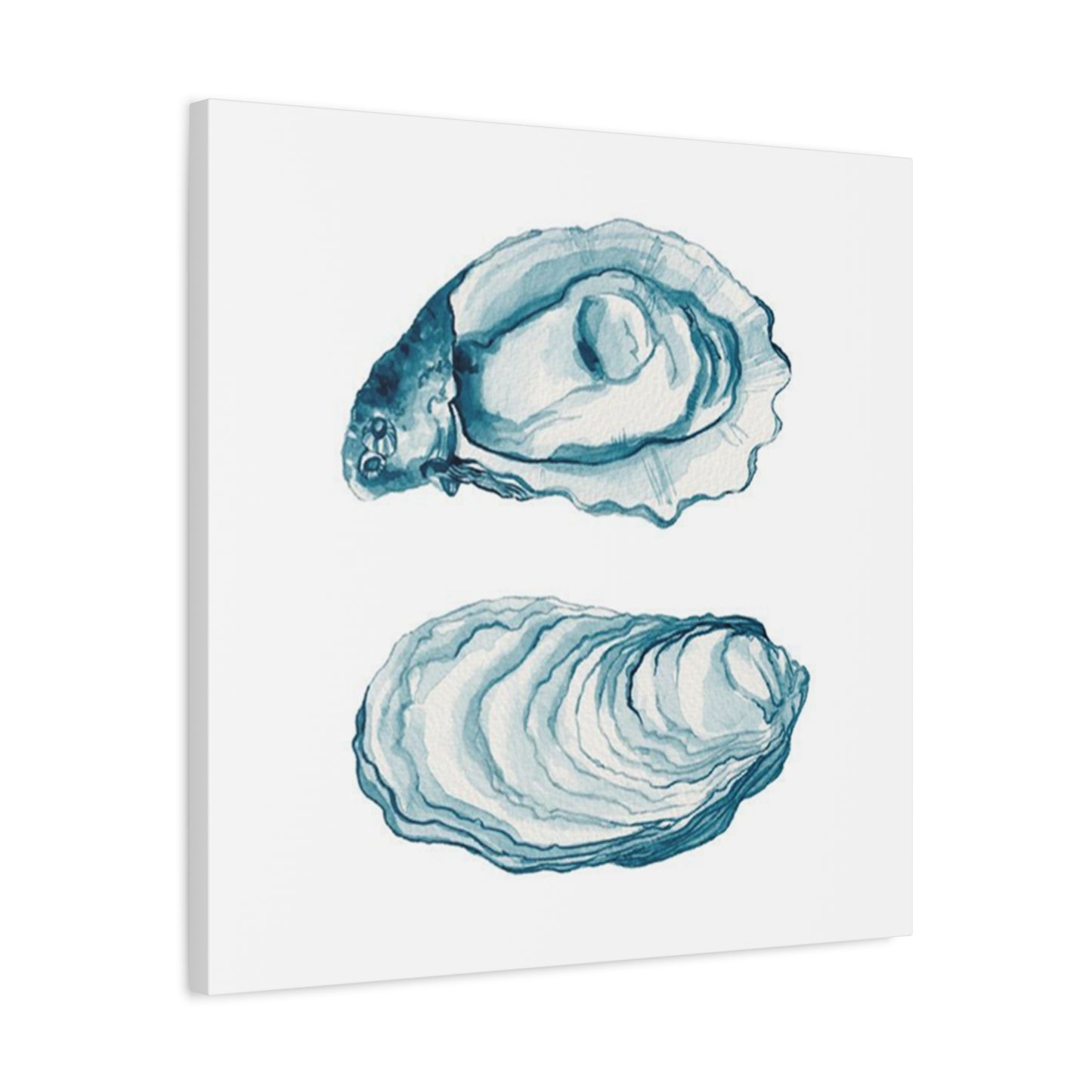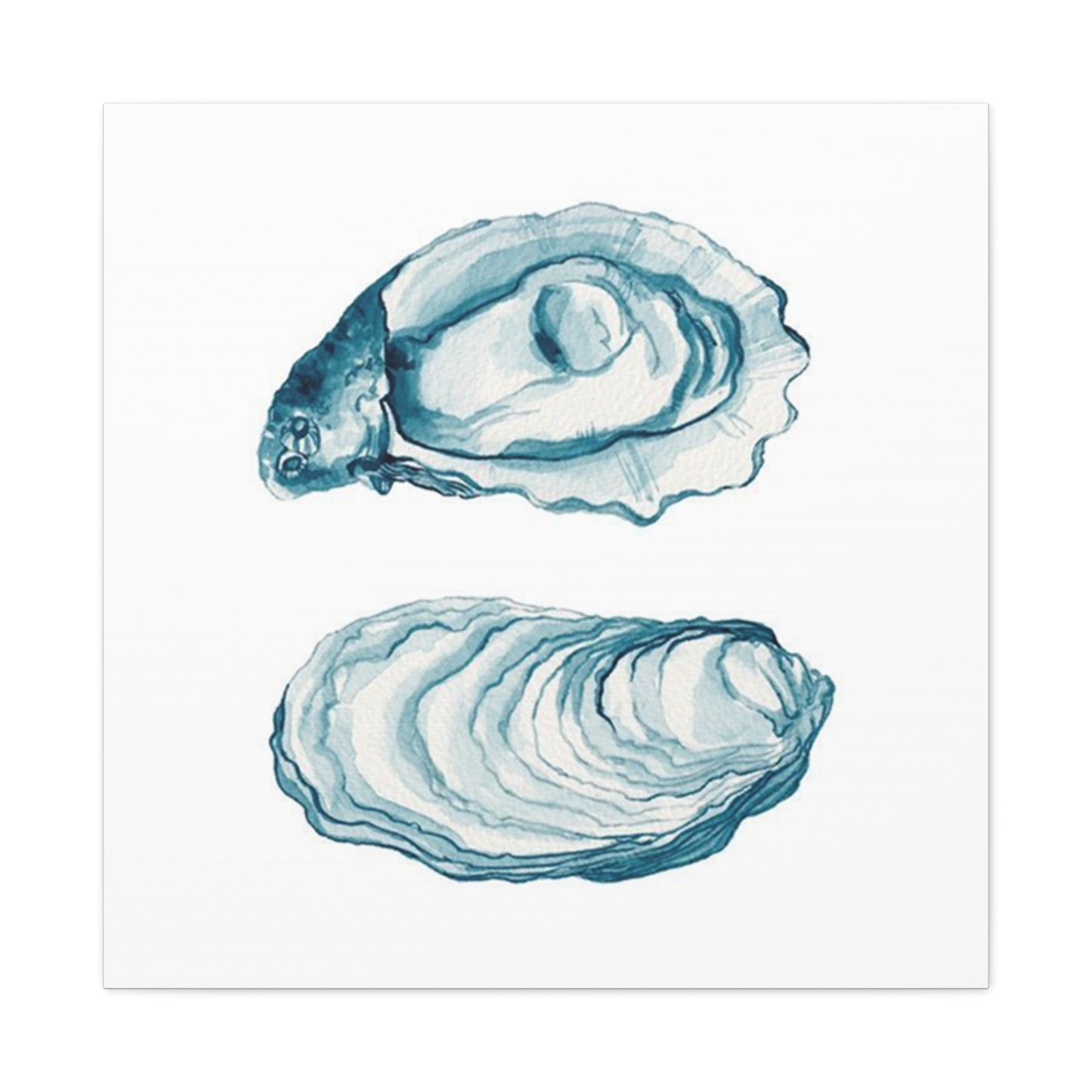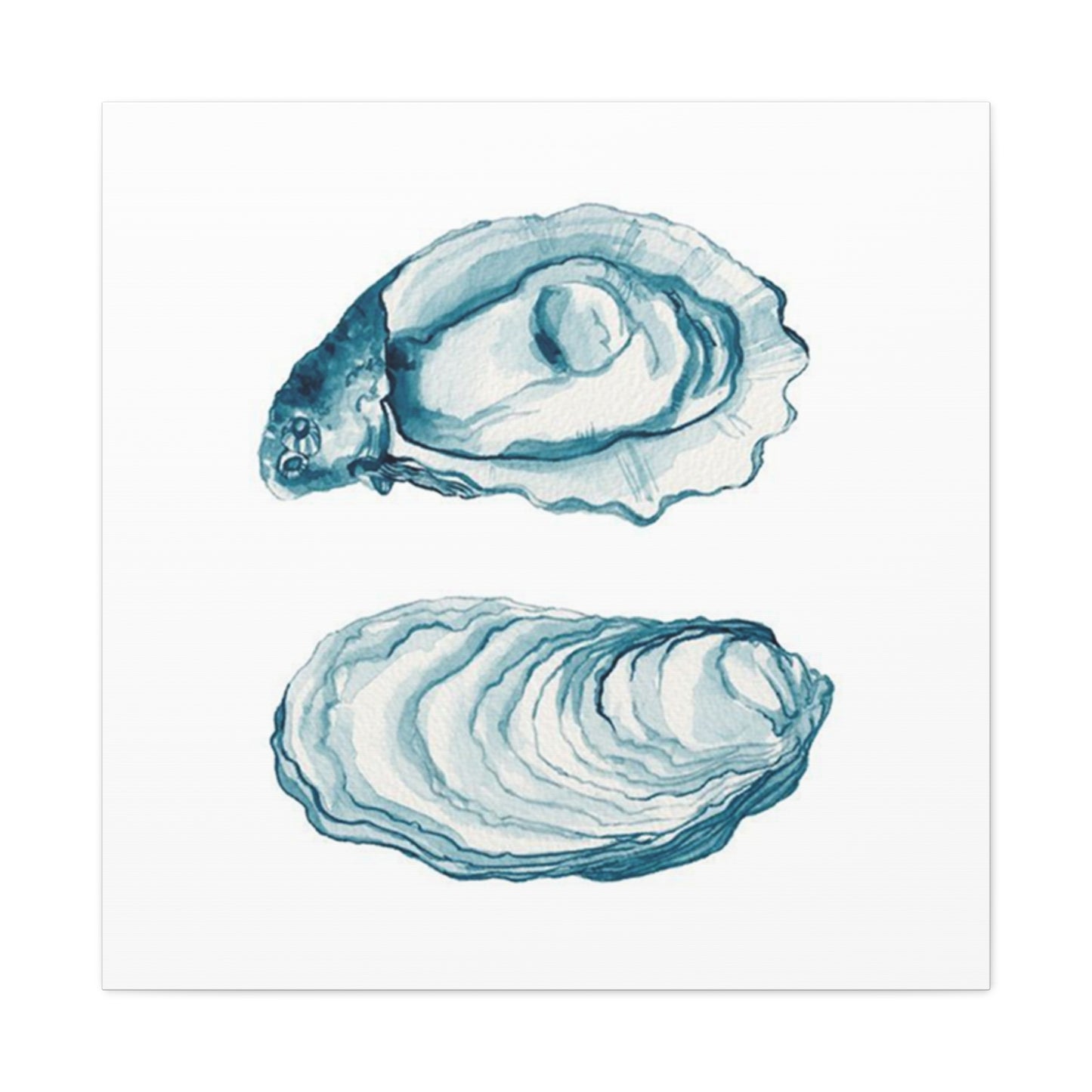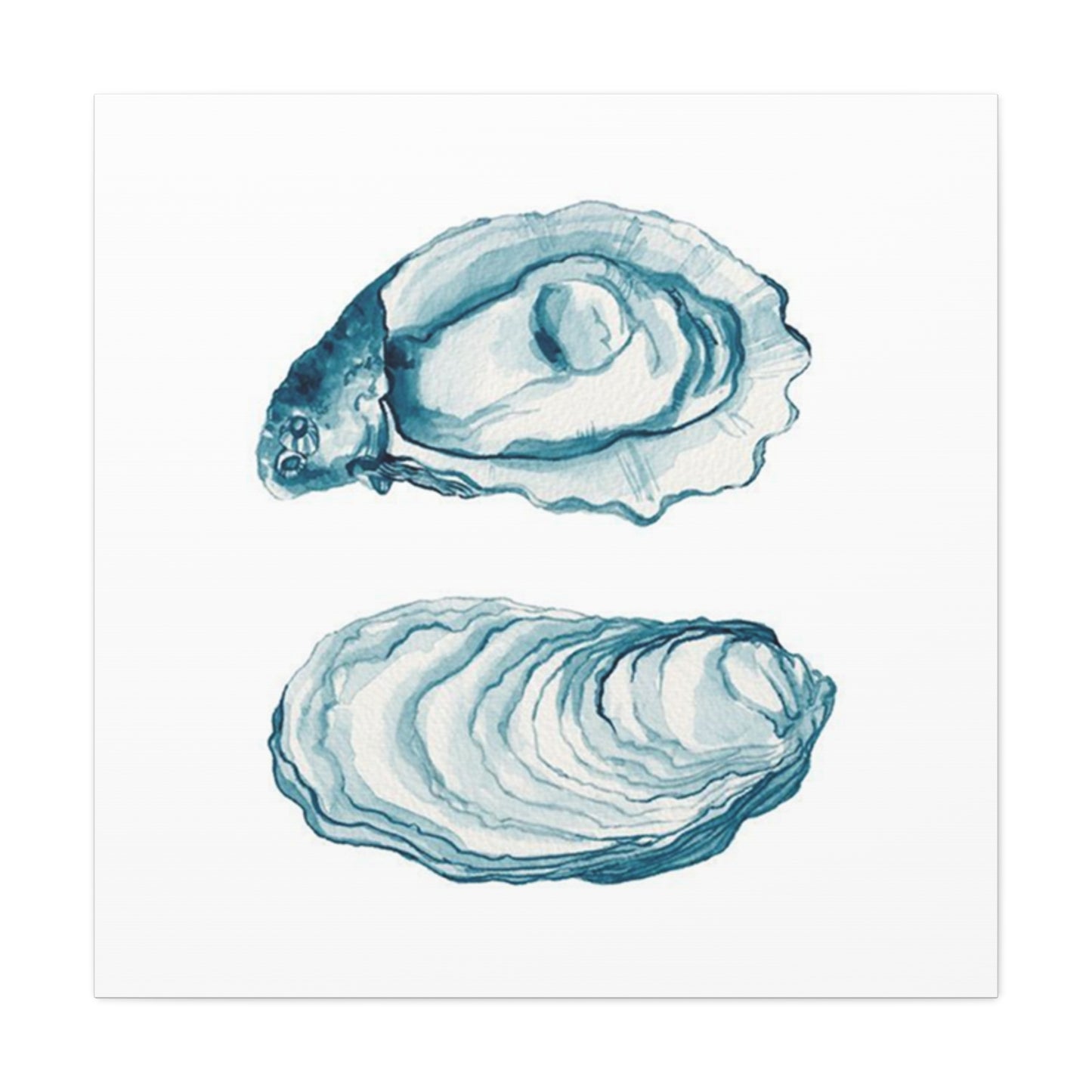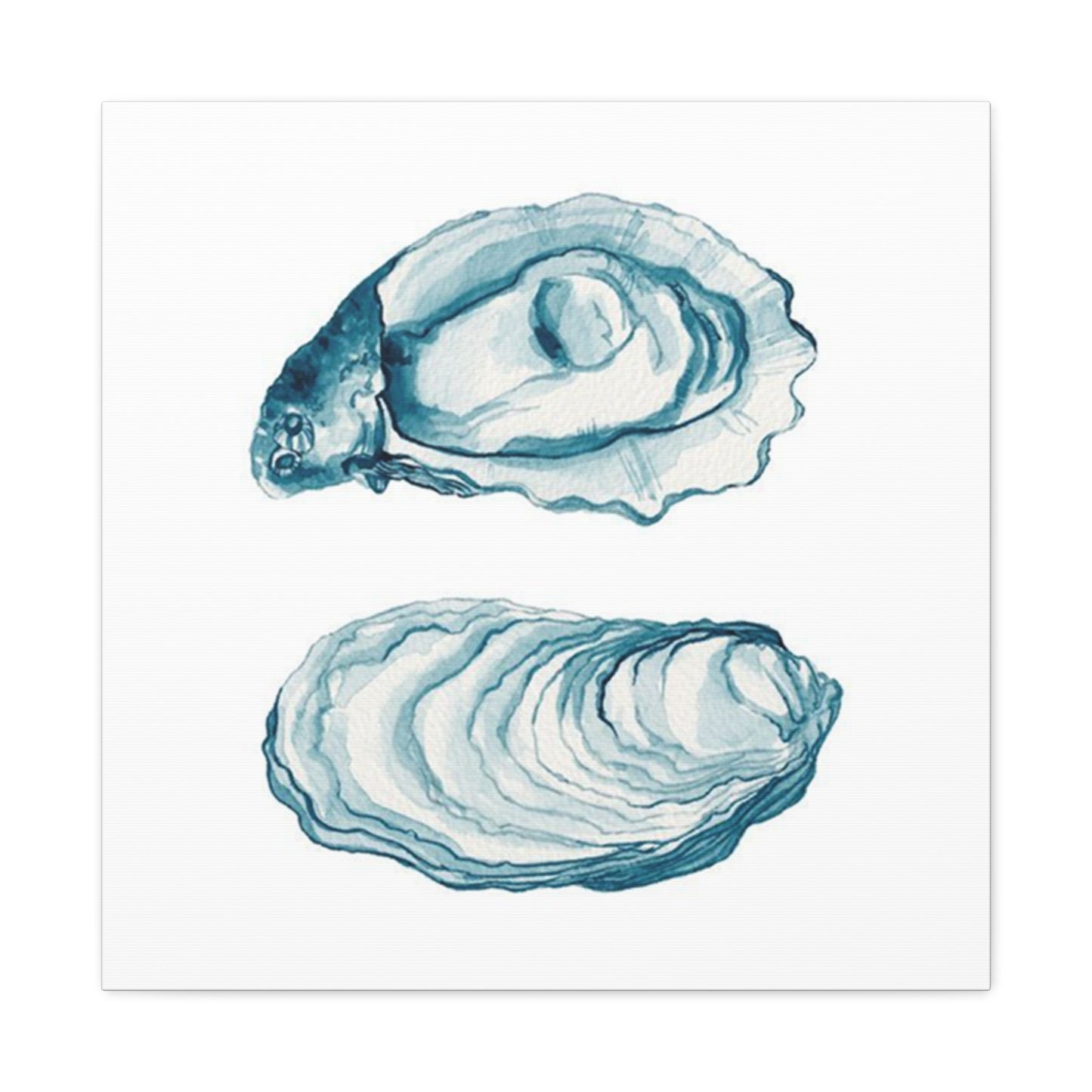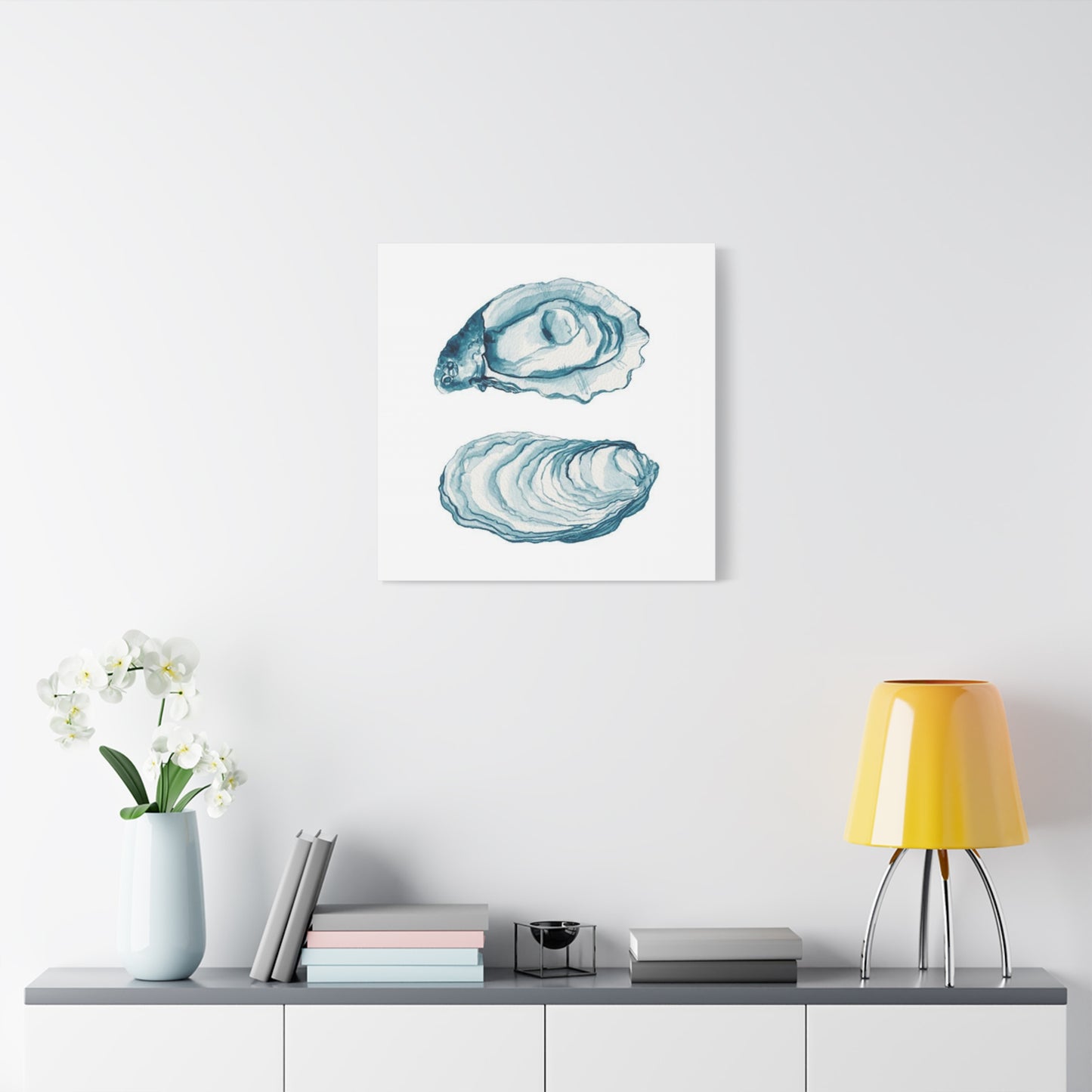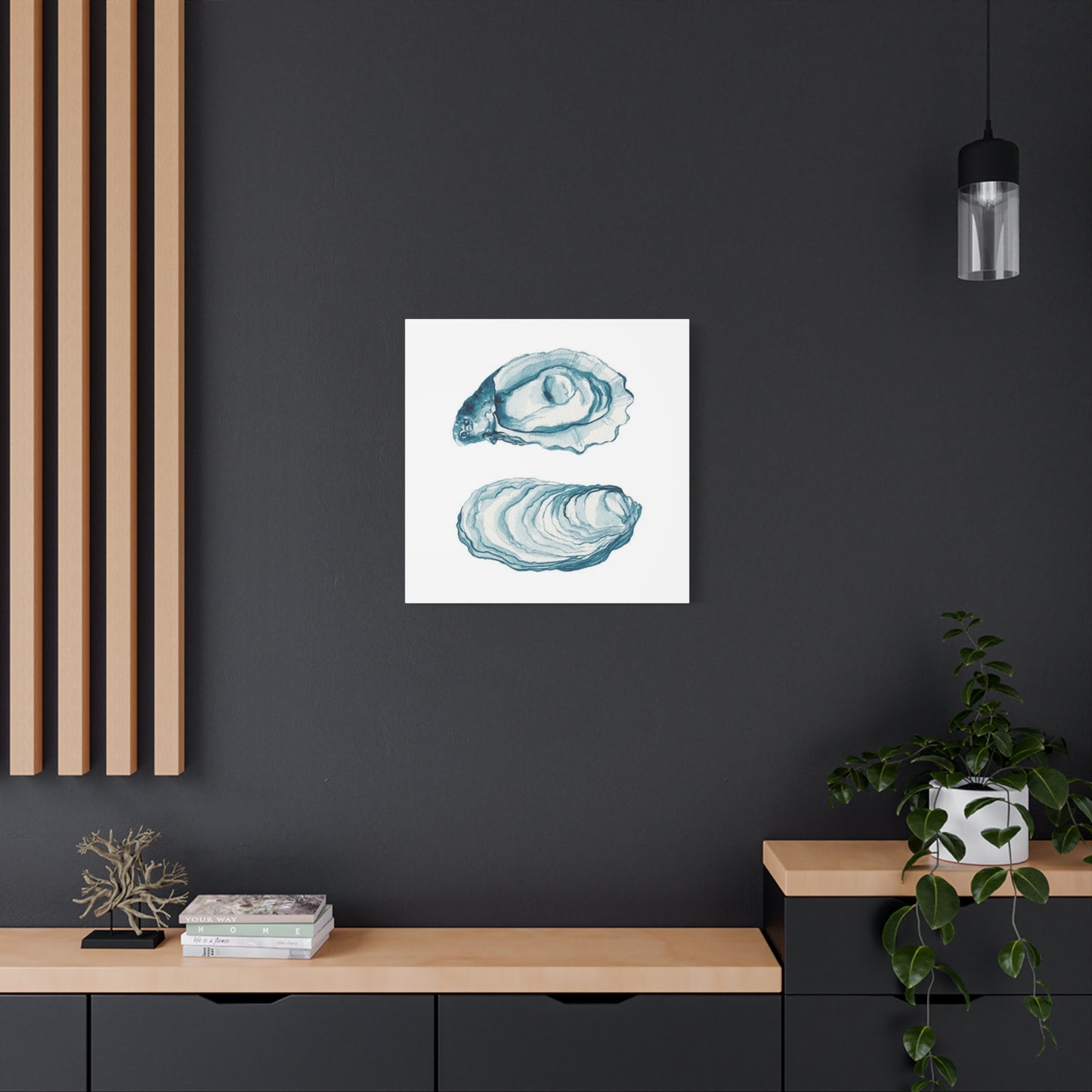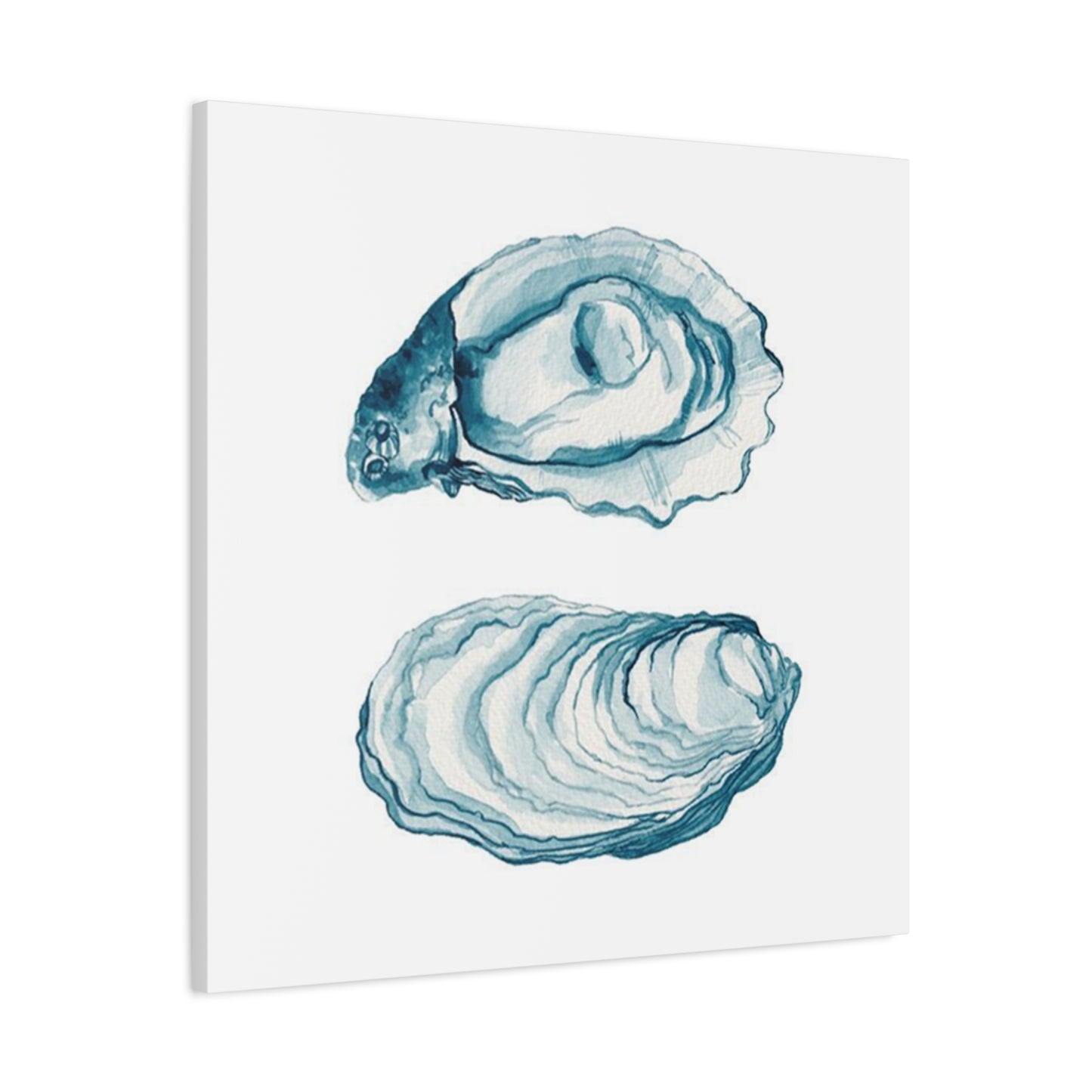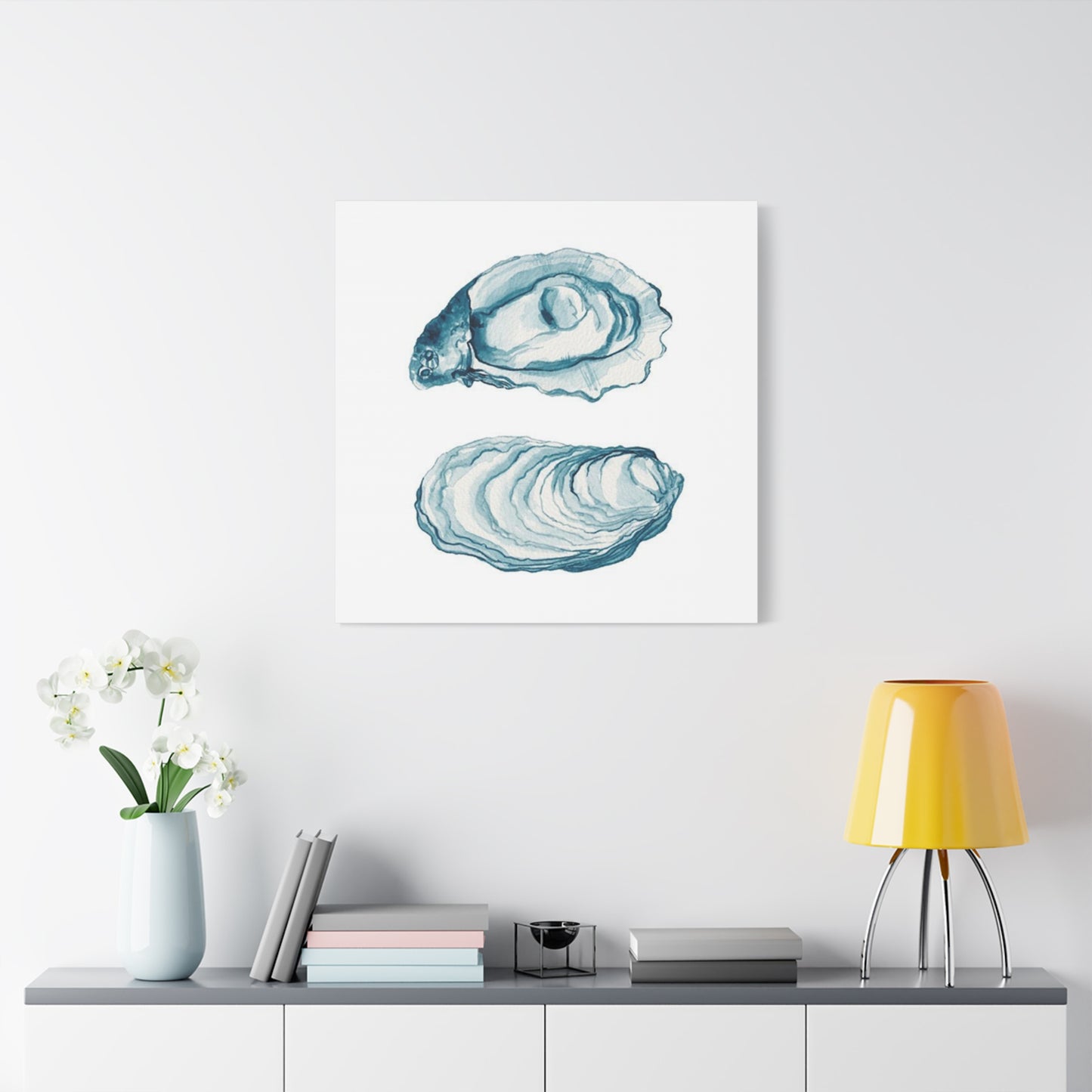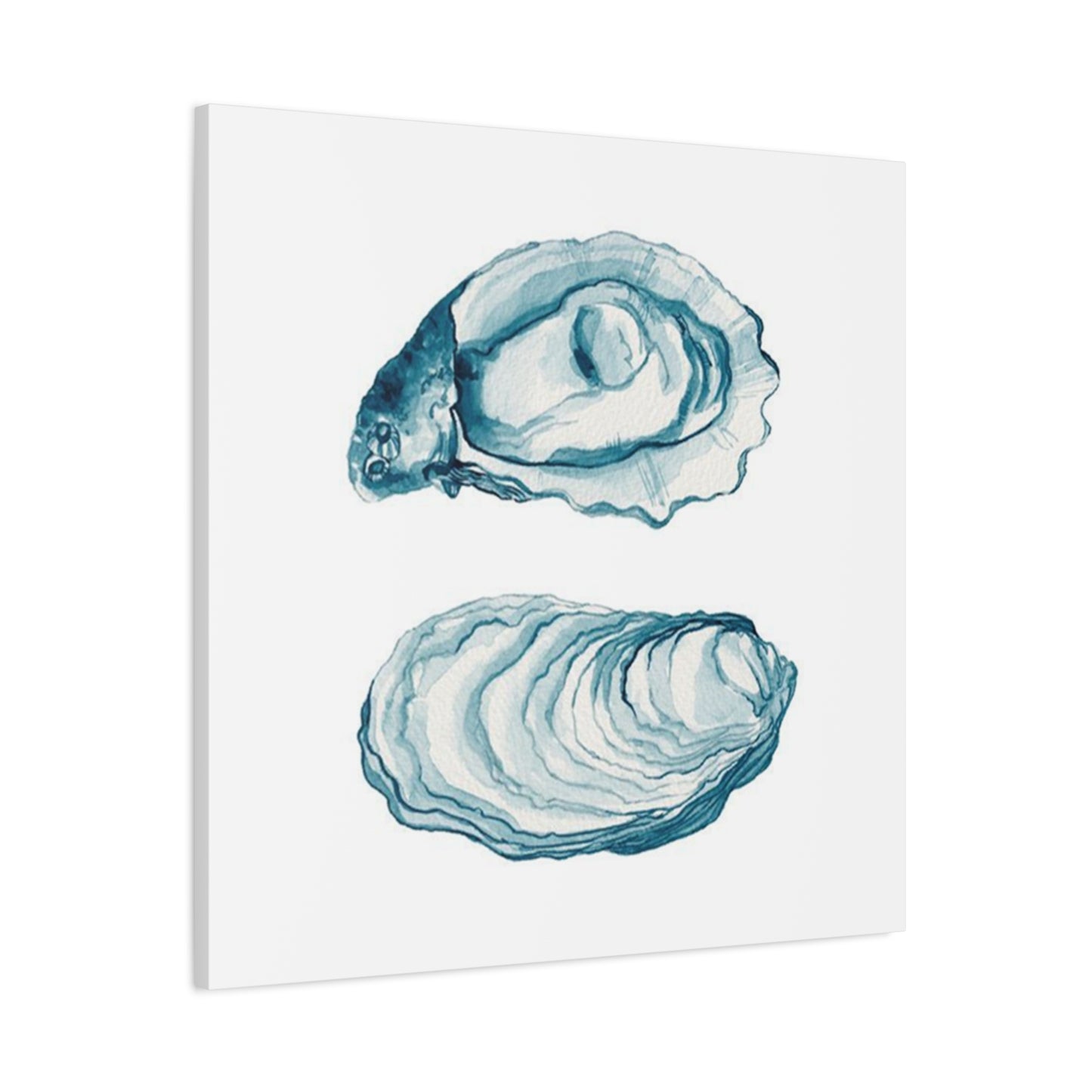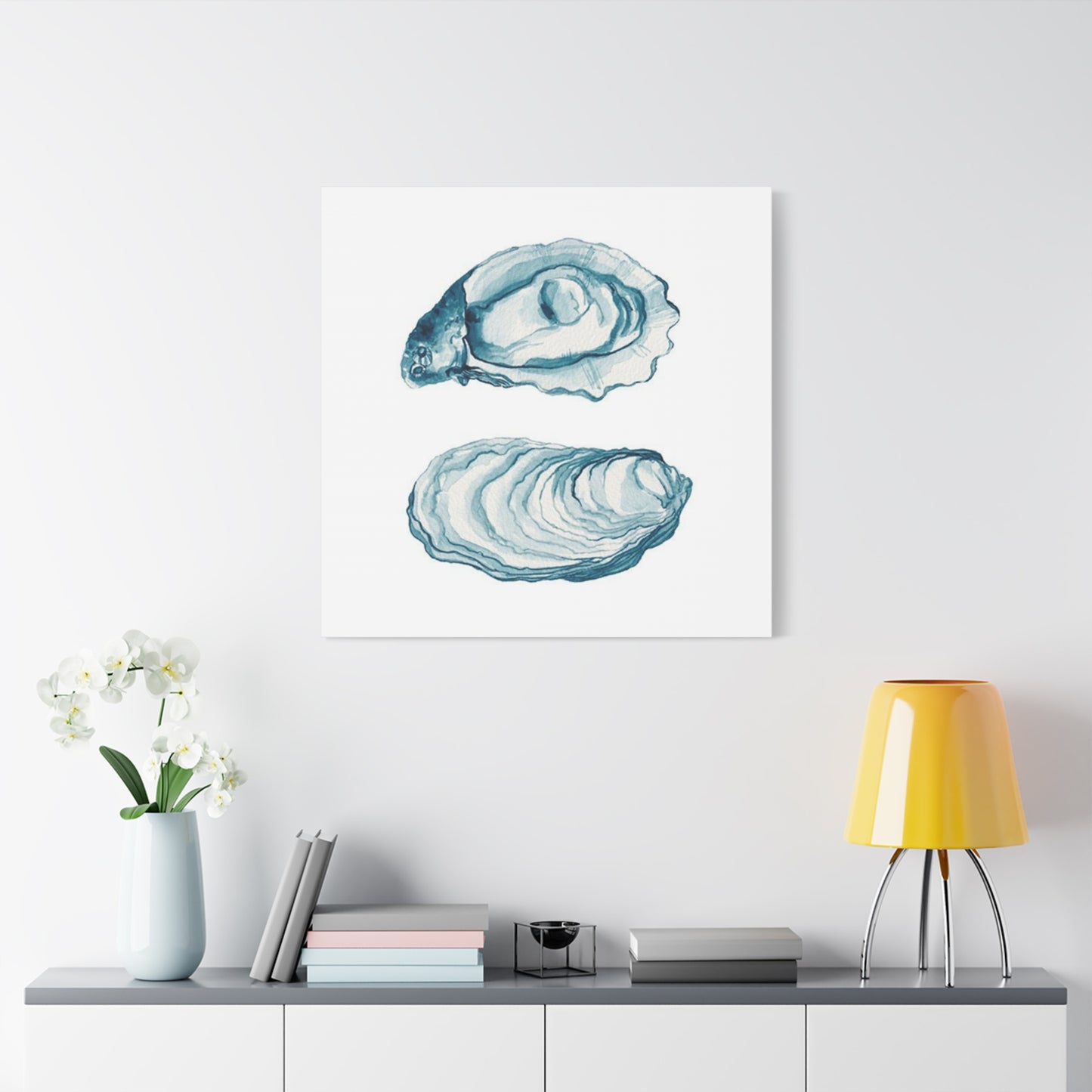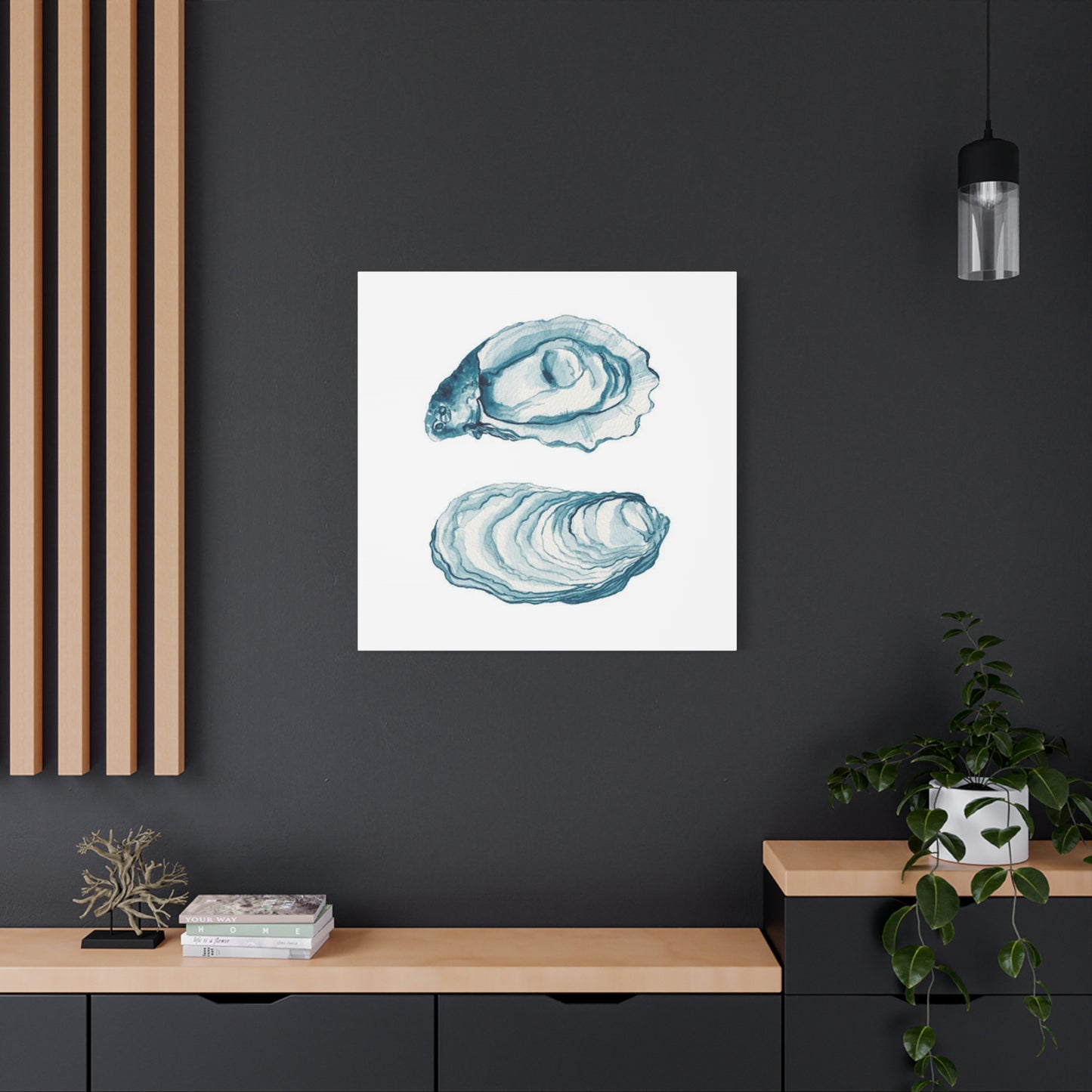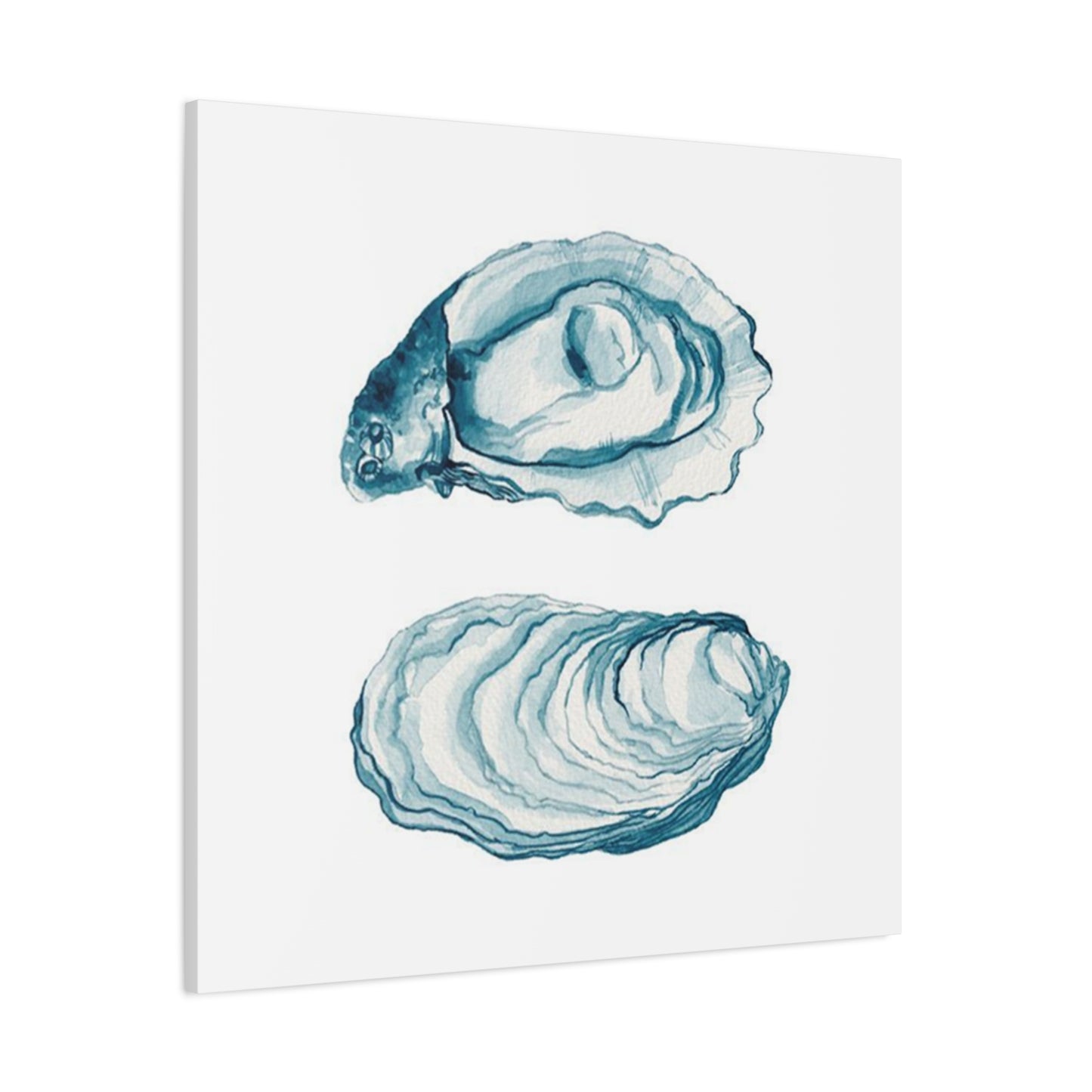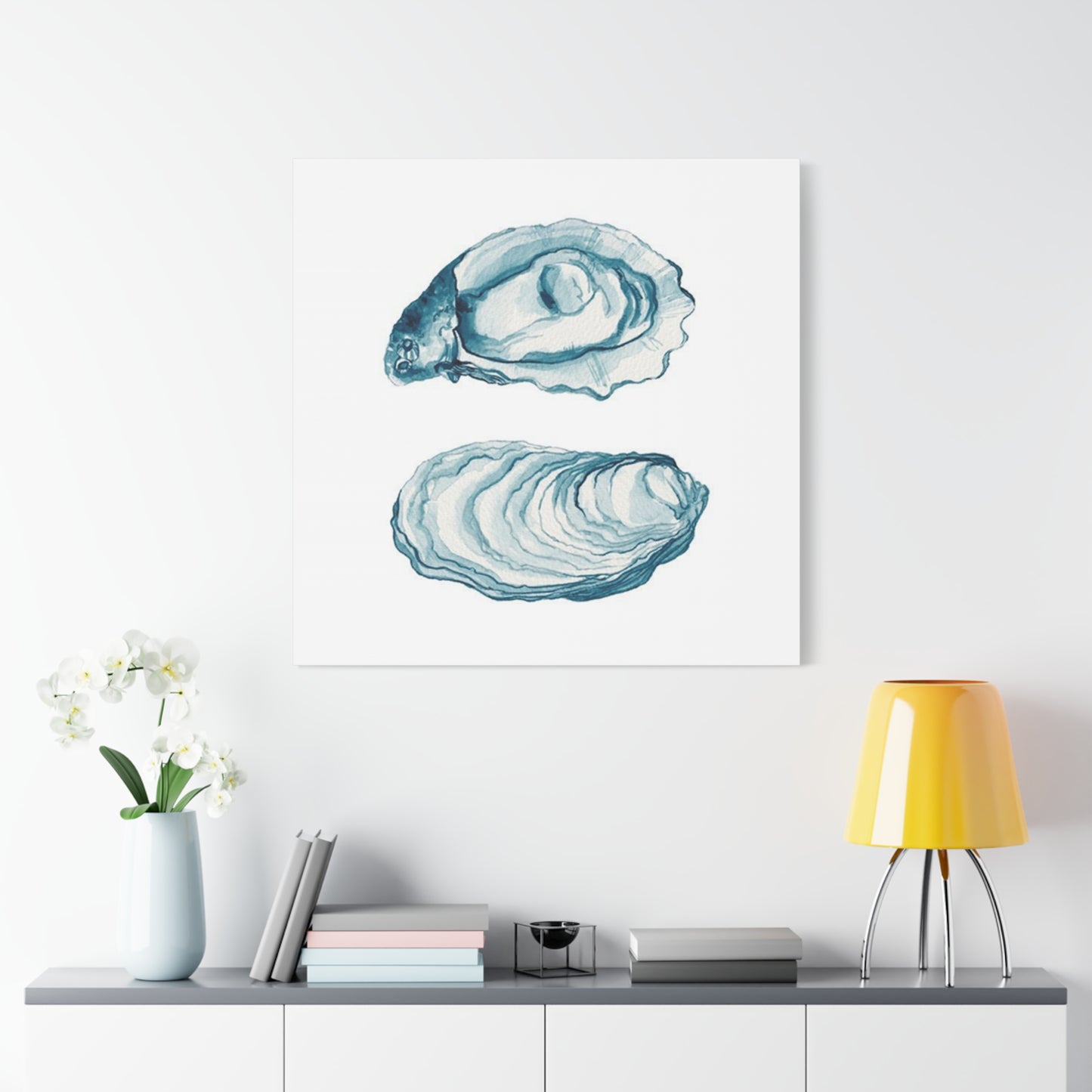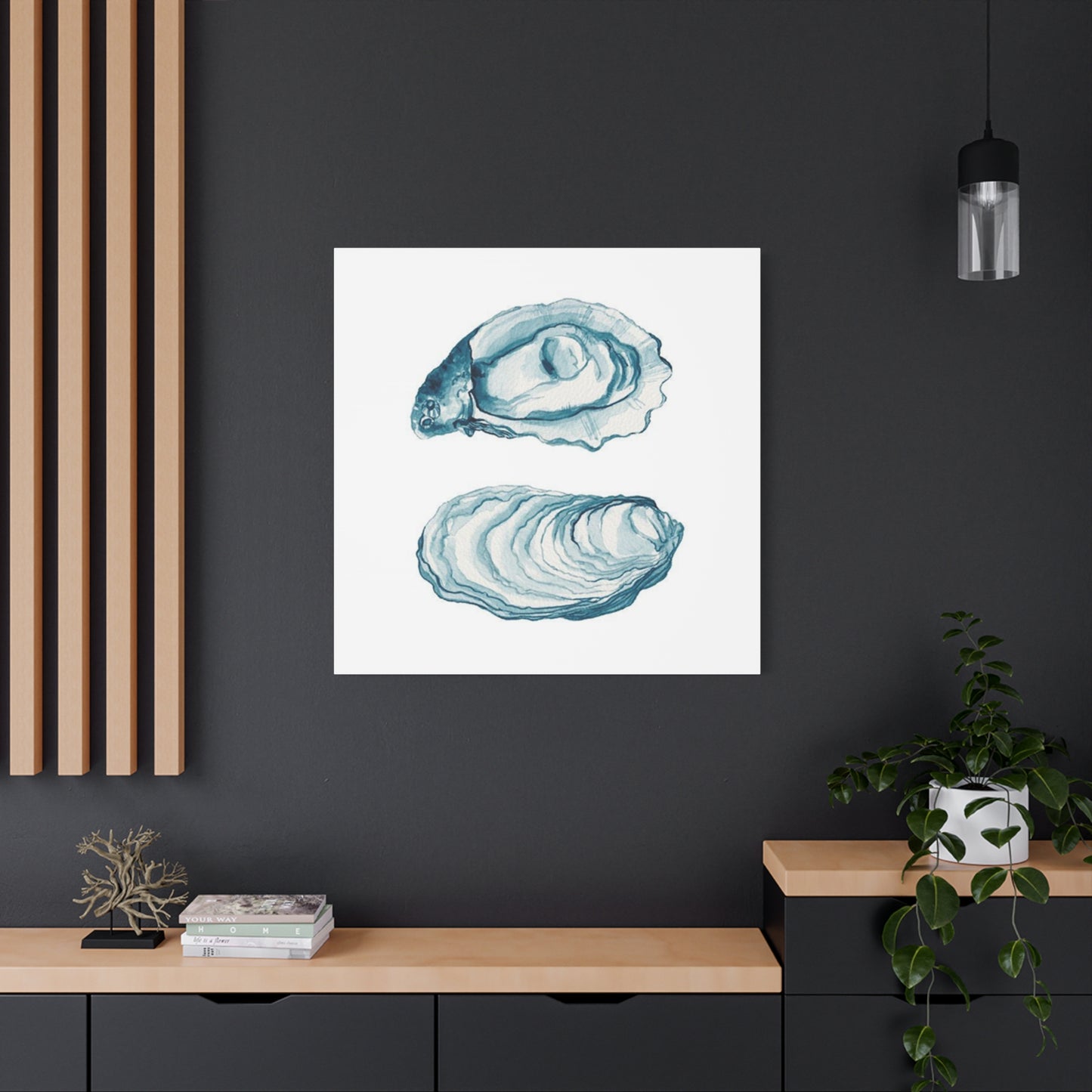


Blue Sea Shell Wall Art & Canvas Prints
Blue Sea Shell Wall Art & Canvas Prints
Couldn't load pickup availability
Discover the Timeless Beauty and Coastal Charm of Blue Sea Shell Wall Art for Your Living Space
The allure of ocean-inspired decor has captivated homeowners and interior design enthusiasts for generations, and among the most captivating elements that bring the serenity of coastal landscapes into indoor environments is blue sea shell wall art. This distinctive decorative medium combines the natural elegance of marine treasures with artistic vision, creating stunning visual statements that transform ordinary walls into extraordinary focal points. The appeal of these pieces extends far beyond mere aesthetics, as they evoke memories of sandy beaches, rhythmic waves, and the tranquil atmosphere that characterizes seaside retreats. When thoughtfully incorporated into residential or commercial spaces, blue sea shell wall art establishes an immediate connection to the natural world while introducing textures, colors, and organic forms that soften the harder edges of contemporary architecture.
The popularity of shell-themed decorative pieces has experienced remarkable growth in recent years, driven by increasing consumer interest in biophilic design principles that emphasize the human need for connection with nature. Blue sea shell wall art represents a perfect intersection of this trend, offering homeowners an accessible yet sophisticated means of bringing oceanic elements into their everyday surroundings. These artistic creations range from simple arrangements of collected shells mounted on driftwood to elaborate three-dimensional compositions featuring intricate patterns and mixed media elements. The color blue, particularly in its various marine-inspired shades, plays a crucial role in these pieces, as it reinforces the aquatic theme while providing a calming visual effect that research has consistently linked to reduced stress and enhanced mental clarity.
The Profound Impact of Marine-Inspired Decor on Interior Environments
The decision to incorporate blue sea shell wall art into a living space reflects more than just aesthetic preference; it represents a conscious choice to surround oneself with elements that carry symbolic meaning and emotional resonance. Throughout human civilization, shells have held significance across numerous cultures, often representing concepts such as protection, femininity, fertility, and the connection between earthly and spiritual realms. When these natural objects are transformed into artistic displays and adorned with blue hues reminiscent of ocean depths, they acquire additional layers of meaning that resonate with our collective unconscious associations with water and maritime environments.
Interior designers and environmental psychologists have long recognized the powerful influence that color and natural elements exert on human mood, productivity, and overall well-being. Blue, consistently identified in research studies as one of the most universally appreciated colors, possesses inherent qualities that make it particularly suitable for residential and professional environments. When this color is combined with the organic textures and forms found in seashells, the resulting artwork creates a multisensory experience that engages viewers on both conscious and subconscious levels. The tactile quality of shell surfaces, even when viewed rather than touched, activates neural pathways associated with memory and sensory experience, often triggering recollections of beach vacations, childhood explorations of tidal pools, or peaceful moments spent observing coastal landscapes.
The placement of blue sea shell wall art within a room can significantly alter the perceived atmosphere and energy of the space. In living rooms, these pieces serve as conversation starters that reflect the homeowner's appreciation for nature and artistic expression. In bedrooms, they contribute to creating restful environments conducive to relaxation and restorative sleep. In bathrooms, where moisture-resistant decor options are necessary, shell-based artwork provides thematically appropriate decoration that enhances the water-related function of the space. Even in professional settings such as spas, wellness centers, and medical offices, blue sea shell wall art helps establish calming atmospheres that put clients and patients at ease, demonstrating the versatility and broad applicability of this decorative medium.
Exploring the Diverse Varieties of Shell Species Used in Artistic Compositions
The creation of compelling blue sea shell wall art begins with careful selection of shell varieties, each possessing unique characteristics that contribute to the overall visual impact of the finished piece. Scallop shells, with their distinctive fan shape and radiating ridges, provide dramatic structural elements that catch light in interesting ways and create rhythmic patterns when arranged in multiples. These shells have been recognized throughout history as symbols of pilgrimage and spiritual journey, adding depth of meaning to contemporary decorative pieces. When treated with blue dyes or paints, scallop shells transform into striking components that balance their inherent symmetry with the organic irregularity that characterizes all natural objects.
Conch shells represent another popular choice for artists working in this medium, valued for their substantial size, sculptural presence, and the smooth, lustrous interiors that contrast beautifully with their rougher exteriors. The spiral form of conch shells embodies mathematical principles found throughout nature, creating visual interest that appeals to both artistic and analytical minds. When incorporated into blue sea shell wall art, these larger specimens often serve as anchor points around which smaller shells are arranged, establishing hierarchical relationships that guide the viewer's eye through the composition. The natural pink and cream tones found inside many conch shells create appealing color harmonies when juxtaposed with various shades of blue, from pale aquamarine to deep navy.
Cowrie shells, smooth and glossy with their distinctive opening surrounded by tiny teeth-like ridges, have been used as currency, religious objects, and decorative elements throughout human history. Their compact size and elegant simplicity make them ideal for creating detailed patterns within larger compositions of blue sea shell wall art. When glazed or painted in blue tones, cowrie shells develop an almost gem-like quality that adds refinement and sophistication to artistic arrangements. The cultural significance these shells have held across African, Asian, and Pacific Island societies lends additional resonance to contemporary pieces that incorporate them, connecting modern decorative practices to ancient traditions of ornamentation and symbolic expression.
Murex shells, characterized by their elaborate spines and intricate surface textures, provide dramatic contrast and visual excitement within shell-based artwork. These remarkable structures, created by marine mollusks as both protective housing and hydrodynamic aids, demonstrate nature's capacity for combining functionality with breathtaking beauty. When featured in blue sea shell wall art, murex shells add dimensional interest and create shadows that enhance the three-dimensional quality of the piece. Their complex forms reward close examination while also reading clearly from a distance, making them valuable components in compositions designed to function at multiple scales of viewing.
Olive shells, sand dollars, nautilus sections, and dozens of other shell varieties each bring distinctive qualities to artistic compositions. The diversity available to creators of blue sea shell wall art ensures that no two pieces need be identical, allowing for endless variation and personalization. This variety also enables artists to match their creations to specific design schemes, color palettes, and stylistic preferences, from minimalist contemporary aesthetics to elaborate traditional arrangements. The natural variations in size, shape, color, and texture found among shells harvested from different oceanic regions further expand the creative possibilities, ensuring that blue sea shell wall art remains a dynamic and evolving decorative medium.
Artistic Approaches and Creative Processes in Shell-Based Wall Decor
The transformation of raw shells into cohesive artistic statements requires both technical skill and creative vision. Artists working in this medium employ various approaches, ranging from naturalistic arrangements that mimic the random scattering of shells on a beach to highly structured geometric patterns that emphasize design principles over organic spontaneity. The choice between these aesthetic directions often reflects broader philosophical perspectives about the relationship between human creativity and natural beauty, with some artists believing their role is to showcase shells in their unaltered state while others view shells as raw materials to be transformed through creative intervention.
Mosaic techniques represent one of the most popular methods for creating blue sea shell wall art, involving the careful arrangement of shell fragments, small whole shells, and other materials into pictorial or abstract designs. This approach requires meticulous planning and execution, as artists must consider not only the visual effect of individual elements but also how they interact to create coherent overall compositions. The process typically begins with sketching or digital design work, followed by the careful preparation of a stable backing surface, often made from wood, canvas, or specialized craft boards. Shells are then attached using strong adhesives capable of maintaining bonds under varying environmental conditions, with particular attention paid to weight distribution to prevent the finished piece from warping or detaching from walls.
Three-dimensional sculptural approaches to blue sea shell wall art create striking visual effects by building outward from the wall surface, establishing dramatic shadow patterns and encouraging viewers to examine pieces from multiple angles. These relief sculptures may incorporate shells mounted at various depths, combined with other elements such as driftwood, rope, sea glass, or metal findings that enhance the maritime theme. The dimensional quality of these pieces makes them particularly effective as focal points in larger rooms where flat artwork might get lost, and their textural complexity adds tactile interest that engages additional sensory dimensions beyond pure visual appreciation.
Shadow boxes and display cases offer another avenue for presenting blue sea shell wall art, providing enclosed environments that protect delicate shells while creating defined spatial boundaries for viewing. These formats work particularly well for collections of rare or fragile specimens that might be damaged by direct handling or exposure to dust and environmental fluctuations. The backing surfaces within shadow boxes can be covered with materials that complement the shells, such as sand, linen fabric, or painted surfaces in appropriate blue tones. Some artists incorporate labels or descriptive text within shadow box presentations, adding an informational dimension that appeals to viewers interested in the scientific and ecological aspects of marine shells.
Mixed media approaches combine shells with paintings, prints, textiles, or other artistic elements to create layered compositions that tell more complex visual stories. In these pieces, blue sea shell wall art becomes part of a larger narrative that might reference specific coastal locations, maritime history, or abstract concepts related to the ocean's role in human experience. The combination of different materials and techniques within a single piece allows for greater expressive range and can result in artwork that transcends simple decorative function to achieve genuine artistic significance. These ambitious creations often command higher prices in galleries and art markets, reflecting the increased labor, skill, and conceptual depth they represent.
Color Theory and the Significance of Blue in Marine-Themed Artwork
The prominence of blue in shell-themed wall art reflects both practical considerations and deep-rooted cultural associations with this particular hue. From a purely visual standpoint, blue provides an ideal backdrop and accent color for showcasing the natural tones found in shells, which typically include whites, creams, tans, and various brown shades. The contrast between cool blue tones and warmer shell colors creates visual interest while maintaining overall color harmony. This complementary relationship ensures that individual shells remain visually distinct while contributing to a unified composition, a balance that distinguishes successful blue sea shell wall art from less effective arrangements where elements compete rather than cooperate.
The psychological effects of blue have been extensively documented in research examining color's impact on human emotion and behavior. Blue tends to lower blood pressure, reduce heart rate, and promote feelings of calm and tranquility, making it an excellent choice for spaces designated for relaxation and restoration. When incorporated into blue sea shell wall art, this color reinforces the peaceful associations people naturally make with ocean environments, creating synergistic effects that amplify the calming influence of both the color itself and the natural shells. This combination makes such artwork particularly suitable for spaces where stress reduction and mental clarity are desired, including bedrooms, meditation areas, and healthcare facilities.
Different shades and tones of blue convey distinct emotional qualities and aesthetic effects. Pale, almost white blues reminiscent of shallow tropical waters create airy, light-filled impressions that work well in smaller spaces or rooms with limited natural light. These delicate hues suggest warmth and accessibility, inviting viewers to imagine gentle waves lapping at pristine beaches. Medium blues, comparable to the color of open ocean water under clear skies, provide stronger visual presence while maintaining the calming qualities associated with the color family. These mid-range tones offer versatility, complementing both neutral and more colorful interior design schemes. Deep navy and indigo blues evoke the mysterious depths of the ocean, introducing drama and sophistication to blue sea shell wall art while creating stronger contrast with lighter shell colors.
Variations in color saturation also significantly impact the overall effect of shell-based artwork. Highly saturated blues create vibrant, energetic impressions that command attention and inject personality into spaces. These bold color choices work well in contemporary settings where strong design statements are valued. Desaturated or grayed blues produce more subtle, refined effects that integrate easily into classic and traditional interiors. The choice between saturated and muted blue tones should consider the existing color palette of the space, the amount and quality of available light, and the desired emotional atmosphere. Some artists working in this medium create pieces featuring gradients of blue tones, transitioning from light to dark or from saturated to desaturated, adding visual movement and complexity to their compositions.
The interaction between blue pigments or dyes and the natural surfaces of shells requires careful consideration of materials and methods. Some shells accept color readily, while others resist dyes due to their naturally waxy or non-porous surfaces. Artists must experiment with various coloring agents, including acrylic paints, fabric dyes, spray paints, and natural pigments, to achieve desired effects while maintaining the textural qualities that make shells visually interesting. Some creators of blue sea shell wall art prefer to preserve the natural colors of shells entirely, instead using blue backgrounds, frames, or surrounding elements to introduce the color theme. This approach maintains the authentic appearance of shells while still creating cohesive maritime-themed compositions.
Practical Considerations for Selecting and Positioning Shell-Based Artwork
The decision to incorporate blue sea shell wall art into a living space should be informed by careful consideration of various practical factors that will determine both the immediate impact and long-term satisfaction with the piece. Size represents one of the most critical variables, as artwork must be appropriately scaled to the wall space it will occupy and the room it will inhabit. A piece that appears impressive in a gallery or online image may overwhelm a small room or disappear on an expansive wall. As a general guideline, wall art should occupy roughly two-thirds to three-quarters of the available wall space to create visual balance, though this proportion can be adjusted based on the complexity of the artwork and the presence of other decorative elements.
The relationship between blue sea shell wall art and surrounding furnishings deserves thoughtful attention during the selection process. While these pieces generally complement coastal, nautical, and beach-themed decor schemes, they can also enhance more eclectic or contemporary spaces when chosen thoughtfully. The colors present in upholstery fabrics, window treatments, rugs, and other decorative items should inform artwork selection, with the goal of creating harmonious relationships rather than exact matches. Too much coordination can result in spaces that feel overly themed or one-dimensional, while complete disconnection between artwork and surrounding elements produces visual confusion and lack of cohesion.
Lighting conditions dramatically affect the appearance and impact of shell-based wall art. Natural daylight reveals the full range of colors and textures present in shells, highlighting the dimensional qualities that make these pieces visually engaging. However, rooms with limited natural light can still successfully showcase blue sea shell wall art when supplemented with appropriate artificial lighting. Picture lights mounted above or beside the artwork provide focused illumination that emphasizes textural details and creates attractive shadow patterns. Ambient room lighting should be considered as well, as warm-toned bulbs will shift the apparent color of blue elements toward purple or gray, while cooler bulbs maintain or even enhance the intended blue tones.
The architectural features of a room influence optimal placement for blue sea shell wall art. Focal walls, those immediately visible upon entering a space, represent prime locations for significant pieces that deserve attention and appreciation. Above sofas, beds, and mantels are traditional positions for wall art, offering eye-level viewing at comfortable distances. However, more creative placements can produce equally successful results, such as arranging multiple smaller pieces in gallery-style groupings, positioning artwork in unexpected locations like stairwell walls or narrow hallways, or incorporating shell-based pieces into built-in shelving displays alongside other decorative objects.
Practical concerns regarding moisture, temperature fluctuations, and exposure to direct sunlight should inform decisions about where to hang blue sea shell wall art. While shells themselves are durable natural materials, adhesives, backing materials, and any painted or dyed surfaces may be vulnerable to environmental conditions. Bathrooms and kitchens, where humidity levels fluctuate significantly, require careful consideration of artwork construction and protection methods. Direct sunlight can cause fading of dyes and paints over time, making UV-protective glass or framing materials advisable for pieces hung near windows. Temperature extremes, while unlikely in climate-controlled homes, can potentially cause expansion and contraction that loosens shells from their backing materials, a consideration particularly relevant for pieces displayed in seasonal homes or unheated spaces.
Methods for Creating Personalized Shell Artwork at Home
For individuals with creative inclinations, crafting personalized blue sea shell wall art offers rewards that extend beyond the finished product to include the satisfaction of hands-on creation and the opportunity to design pieces that perfectly align with personal aesthetic preferences and spatial requirements. The process begins with shell collection, which can take several forms depending on geographical location and available resources. Coastal residents may gather shells directly from beaches during walks or dedicated collecting expeditions, creating personal connections to specific locations and memories. Those living inland can purchase shells from craft suppliers, online vendors, or shell shops in coastal communities, often finding greater variety and larger specimens than would be available through personal collection.
Proper cleaning and preparation of shells represents an essential step in creating durable, attractive artwork. Shells collected from beaches typically contain organic matter, salt residue, and sometimes small creatures that must be removed before the shells can be used in artistic projects. A thorough initial rinse with fresh water removes loose sand and debris. Shells with persistent organic material may require soaking in a solution of water and bleach, typically at a ratio of three parts water to one part bleach, for several hours or overnight. This process kills bacteria and organisms while whitening shells, though care must be taken not to soak shells too long, as extended bleach exposure can weaken shell structures. After bleaching, shells should be thoroughly rinsed and allowed to dry completely, preferably in sunlight, which provides natural sterilization.
The selection of a backing surface for blue sea shell wall art depends on the intended size, weight, and style of the finished piece. Plywood provides sturdy support for larger, heavier compositions, while canvas boards offer lighter-weight alternatives suitable for smaller pieces or those incorporating fewer shells. Some crafters use shadow box frames as both backing and display mechanisms, providing defined boundaries and depth for three-dimensional arrangements. The backing surface should be prepared before shell attachment, which may involve painting, staining, or covering with fabric or specialty papers. For pieces emphasizing blue color themes, backgrounds are often painted in appropriate shades of blue or covered with materials such as burlap or linen in complementary tones.
Adhesive selection critically affects both the construction process and the longevity of finished artwork. Hot glue guns provide quick adhesion and work well for lighter shells and temporary or learning projects, though the bonds may weaken over time or under warm conditions. Two-part epoxy resins create extremely strong, permanent bonds capable of supporting heavier shells and withstanding environmental fluctuations, making them preferred choices for serious artistic pieces intended for long-term display. Clear-drying craft adhesives designed specifically for porous materials offer middle-ground solutions that combine reasonable strength with easier workability and cleanup. Testing adhesives on sample shells before committing to final artwork helps ensure compatibility and prevents disappointing results.
Compositional planning transforms random collections of shells into cohesive artistic statements. Before permanently attaching any shells, creators should arrange and rearrange elements on the backing surface, experimenting with different layouts until achieving satisfying visual balance. Photographs taken during this process provide records of promising arrangements that can be referenced during the assembly phase. Consideration should be given to visual weight distribution, color relationships, textural variety, and the creation of focal points that guide viewer attention. Some artists sketch their designs beforehand, while others prefer more intuitive, improvisational approaches that allow compositions to emerge organically during the creative process.
The actual assembly of blue sea shell wall art requires patience and attention to detail. Working from the background toward the foreground, or from the center outward, helps prevent accidentally disturbing already-placed shells. Adequate drying time between placing shells ensures strong bonds before additional weight is added. Tweezers or small pliers assist in positioning tiny shells with precision. For dimensional pieces with shells placed at various depths, temporary supports such as pins or small boxes can hold shells in position until adhesives cure. After the main composition is complete, finishing touches might include the addition of accent materials like small pieces of sea glass, tiny pearls, or glitter that enhances the maritime theme without overwhelming the shells.
The Role of Framing and Presentation in Enhancing Shell Artwork
The manner in which blue sea shell wall art is framed and presented significantly influences its visual impact and perceived value. While some shell compositions are designed to stand alone without traditional frames, many pieces benefit from the definition and visual completion that appropriate framing provides. The choice of frame style should complement both the artwork itself and the broader interior design context in which it will be displayed. For coastal-themed rooms, frames constructed from weathered wood or painted in distressed white or blue finishes reinforce the maritime aesthetic while adding texture and character. In more contemporary settings, clean-lined frames in metallic finishes or simple wood stains provide sophisticated presentations that allow the artwork to command attention without competing elements.
The dimension and profile of frames merit careful consideration. Deep shadow box frames work particularly well for three-dimensional shell arrangements, providing necessary space between the artwork and protective glazing while creating dramatic shadow effects that enhance visual depth. Shallow frames suit flatter compositions where shells are arranged in mosaic-like patterns with minimal dimensional variation. The width of frame moldings should be proportional to the size of the artwork, with larger pieces generally requiring more substantial frames to maintain visual balance. However, excessively wide or ornate frames can overwhelm delicate shell compositions, making it essential to view artwork and potential frames together before making final decisions.
The inclusion of glazing over blue sea shell wall art presents both advantages and challenges. Glass or acrylic glazing protects artwork from dust accumulation, moisture exposure, and accidental contact that might dislodge shells or damage delicate surfaces. UV-filtering glazing materials prevent fading of dyes and paints, extending the lifespan of colored elements. However, glazing also introduces reflective surfaces that can obscure viewing under certain lighting conditions and creates physical barriers that diminish the tactile quality that represents one of shell art's distinctive characteristics. Some artists and collectors prefer to display shell artwork without glazing, accepting increased maintenance requirements in exchange for unmediated visual and tactile access to the pieces.
Matting serves both aesthetic and practical functions in framed blue sea shell wall art. Aesthetically, mats create visual breathing room around compositions, preventing them from feeling cramped or crowded by frame edges. The color and texture of matting materials significantly affect overall presentation, with options ranging from traditional white and cream to colored mats that coordinate with shells or blue thematic elements. Linen and silk mats add textural sophistication that complements the organic qualities of shells. Practically, mats create space between artwork and glazing, preventing condensation-related moisture problems and ensuring that dimensional elements don't press against glass or acrylic surfaces. Multiple-ply mats, where several layers of matting material are stacked to create depth, work particularly well with shadow box presentations of shell collections.
Alternative presentation methods beyond traditional framing deserve consideration for certain types of blue sea shell wall art. Floating frames, which create the illusion that artwork hovers within frame boundaries without touching any edges, produce modern, gallery-like presentations suitable for contemporary spaces. Mounting shell compositions directly to canvas or backing boards that wrap around the edges of supporting structures eliminates the need for frames entirely while creating gallery-wrapped effects that work well in minimalist settings. Wire hanging systems that suspend artwork away from walls introduce dimensional qualities and allow pieces to be easily repositioned or changed, accommodating evolving design preferences.
Maintenance Practices for Preserving Shell-Based Wall Decor
Proper maintenance ensures that blue sea shell wall art retains its beauty and structural integrity over years of display. The specific requirements vary depending on whether pieces are glazed or exposed, the type of adhesives used, the environmental conditions in display locations, and the presence of any applied colors or finishes. Establishing regular maintenance routines prevents the accumulation of dirt and damage that can diminish the appearance and value of shell artwork.
For glazed pieces, maintenance primarily involves cleaning the glass or acrylic surfaces to maintain clarity and prevent dust buildup. Standard glass cleaning solutions work well, applied with soft, lint-free cloths to avoid scratching. The frames themselves require periodic dusting and, if made from wood, occasional treatment with appropriate wood care products that preserve finishes without leaving oily residues. Glazed pieces should be inspected occasionally for signs of moisture accumulation between the glazing and artwork, which might indicate seal failures that require professional attention.
Unglazed blue sea shell wall art demands more attentive care to maintain its appearance. Dust accumulation in the crevices and surfaces of shells detracts from visual appeal and can be surprisingly stubborn to remove once established. Soft brushes, such as those used for makeup application or watercolor painting, effectively remove dust without damaging shells or dislodging them from backing materials. Compressed air, used cautiously at low pressure and from appropriate distances, can dislodge dust from hard-to-reach areas. Some conservators recommend using small, handheld vacuum cleaners with soft brush attachments for maintenance of unglazed shell artwork, though care must be taken to ensure suction isn't strong enough to pull loosely attached elements from the piece.
Environmental control plays a crucial role in the long-term preservation of shell-based artwork. Excessive humidity can encourage mold growth on organic backing materials and weaken some types of adhesives, while extremely dry conditions might cause certain adhesives to become brittle. Maintaining relative humidity levels between forty and sixty percent provides ideal conditions for most shell artwork. Temperature stability matters as well, as significant fluctuations can cause expansion and contraction that stresses adhesive bonds. Pieces should be kept away from heating vents, air conditioning registers, and other sources of temperature variation.
The potential for shell elements to loosen from backing materials increases as pieces age or experience environmental stresses. Periodic inspection allows for early detection of loosening shells before they become dislodged and potentially lost. Gently testing shells by applying light pressure can reveal weakening adhesive bonds. Loose shells should be reattached promptly using appropriate adhesives, with care taken to clean away old adhesive residue before applying fresh material. For valuable or sentimentally significant pieces showing multiple adhesive failures, consultation with professional conservators may be advisable to address underlying causes rather than simply reattaching individual shells.
Fading represents an inevitable concern for any artwork incorporating dyes or pigments, including blue sea shell wall art featuring colored elements. While complete prevention of fading is impossible, its rate can be minimized through careful placement and protective measures. Avoiding direct sunlight remains the most effective strategy, with artwork positioned on walls that don't receive strong, direct solar exposure. When sun exposure is unavoidable, UV-filtering glazing provides significant protection, blocking the wavelengths most responsible for color degradation. Window treatments such as curtains or blinds can be used during times of day when sunlight would strike artwork directly. Some conservators recommend rotating artwork periodically, temporarily storing pieces with significant dye or paint content while displaying more color-stable alternatives, though this approach is practical only for collectors with multiple pieces.
Regional and Cultural Variations in Shell Artwork Traditions
Shell-based artistic practices emerge from cultures worldwide, reflecting diverse aesthetic traditions, symbolic systems, and relationships with marine environments. Examining these varied approaches enriches appreciation for contemporary blue sea shell wall art while providing inspiration for creative exploration and cultural education. Many indigenous and traditional shell art forms predate modern decorative trends by centuries or millennia, demonstrating humanity's enduring fascination with these beautiful natural objects.
Pacific Island cultures have developed particularly rich traditions of shell artwork, with practices varying among the numerous island nations and ethnic groups inhabiting this vast region. Hawaiian shell leis represent intricate forms of bodily adornment created by stringing tiny shells into elaborate necklaces, often incorporating specific shell species associated with particular islands or family lineages. While primarily worn during ceremonial occasions, vintage and antique shell leis are now displayed as wall art, preserved behind glass as precious cultural artifacts. The designs and patterns in traditional Hawaiian shell work demonstrate sophisticated understanding of color harmony, rhythmic repetition, and compositional balance, principles equally applicable to contemporary blue sea shell wall art.
Aboriginal Australian communities have incorporated shells into artistic and ceremonial contexts for tens of thousands of years, with archaeological evidence documenting shell bead production dating back more than thirty thousand years. Coastal Aboriginal peoples developed trading networks that carried shells hundreds of kilometers inland, where they served as valuable trade goods and ritual objects. Contemporary Aboriginal artists sometimes incorporate shells into mixed media pieces that combine traditional symbolic elements with modern artistic sensibilities, creating works that communicate cultural knowledge while engaging with contemporary art discourse.
West African artistic traditions have long featured cowrie shells as both aesthetic elements and symbols of wealth and fertility. Historically used as currency throughout much of Africa, cowries appear in textiles, sculptures, masks, and architectural decorations. The distinctive toothed opening of cowrie shells has given them associations with female anatomy and reproductive power across numerous African cultures, making them powerful symbols in ritual contexts. Contemporary African and African diaspora artists reference these traditional associations while creating shell-based artworks that speak to modern experiences and concerns, demonstrating how ancient symbolic systems remain vital and relevant.
European decorative arts traditions developed distinctive approaches to shell work during the seventeenth and eighteenth centuries, particularly in England and France. Grottoes, elaborate structures or rooms decorated extensively with shells, stones, and minerals, became fashionable features in aristocratic estates. The creation of grottoes required enormous quantities of shells, often exotic species imported from distant colonies, and the employment of specialized craftspeople who possessed the skills necessary to create intricate designs covering walls, ceilings, and architectural features. While full grottoes remain rare and primarily historical curiosities, the aesthetic principles they embodied continue to influence contemporary shell artwork, particularly pieces emphasizing elaborate patterns and comprehensive surface coverage.
American folk art traditions include various forms of shell work, from sailors' valentines, intricate geometric designs created by sailors during long voyages, to more utilitarian items like shell-decorated boxes and frames. Victorian-era enthusiasm for natural history and specimen collection prompted creation of elaborate shell displays that combined aesthetic arrangement with educational categorization. These historical American shell art forms demonstrate the medium's capacity to serve multiple functions simultaneously, providing beauty, documenting natural diversity, and expressing personal sentiment. Contemporary creators of blue sea shell wall art working in folk art traditions often reference these historical forms while adapting them to current tastes and contexts.
Commercial Markets and Valuation of Shell-Based Artwork
The market for blue sea shell wall art encompasses multiple segments, from mass-produced decorative items sold through home goods retailers to unique artist-created pieces sold through galleries and art fairs. Understanding this market landscape helps both buyers and creators navigate pricing, assess quality, and identify opportunities. Like most art markets, valuations depend on numerous factors including materials, craftsmanship, artistic merit, provenance, and market demand.
Mass-market shell artwork, typically produced overseas in countries with low labor costs, represents the most accessible price point for consumers seeking coastal-themed decor. These pieces generally feature common shell varieties arranged in simple patterns or designs, mounted on inexpensive backing materials, and framed in basic moldings. While such items lack the uniqueness and artistic sophistication of higher-end pieces, they serve important functions by making shell artwork accessible to broader audiences and satisfying demand for affordable decorative options. Quality varies considerably within this market segment, with some mass-produced pieces exhibiting surprising craftsmanship while others appear obviously cheap and poorly executed.
Artist-created blue sea shell wall art commands significantly higher prices, justified by superior materials, innovative designs, skilled execution, and the uniqueness of handmade objects. Individual artists working in this medium often develop distinctive styles that make their work recognizable, whether through signature compositional approaches, characteristic color palettes, or innovative uses of materials. Emerging artists typically price their work based primarily on materials and labor costs, while established artists with proven track records and collector followings can command premium prices that reflect not just production costs but also artistic reputation and market demand.
Several factors influence the valuation of individual pieces of shell artwork beyond basic artist recognition. The rarity and desirability of shells used in compositions affect value, with pieces incorporating uncommon species or particularly fine specimens commanding higher prices. The complexity and skill evident in construction matters considerably, as does the overall size and visual impact of finished work. Documentation of materials and processes can enhance value by providing collectors with information about what they own. Pieces with interesting provenance, such as shells collected from specific notable locations or artwork created to commemorate particular events, may carry value beyond their purely aesthetic and material worth.
The gallery and art fair system provides venues for artists to reach collectors and for collectors to view and purchase shell-based artwork. Coastal galleries often feature significant selections of maritime-themed art including blue sea shell wall art, recognizing the appeal such pieces hold for tourists and vacation home owners. Juried art fairs and craft shows provide additional marketing channels, allowing artists to present their work directly to potential buyers while receiving feedback about designs, pricing, and market preferences. Online marketplaces have dramatically expanded access to both artists and collectors, enabling artists to reach global audiences while allowing collectors to view vast selections without geographical limitations. However, the inability to physically examine artwork before purchase introduces challenges, particularly for assessing the quality, colors, and dimensional characteristics that significantly affect shell artwork.
Commissioning custom blue sea shell wall art represents another market segment, allowing collectors to obtain pieces tailored to specific requirements regarding size, colors, themes, and materials. Custom work typically commands higher prices than comparable ready-made pieces due to the design consultation, material selection, and bespoke production processes involved. However, commissioning offers advantages including perfect size matching for specific spaces, incorporation of personally meaningful shells or materials, and direct collaboration with artists. Clear communication between artists and clients regarding expectations, timelines, and pricing prevents misunderstandings and ensures satisfying outcomes.
The secondary market for shell artwork remains relatively undeveloped compared to markets for paintings, prints, or sculptures, with most pieces retaining value primarily as decorative objects rather than as appreciating collectibles. However, certain categories of historical shell work, particularly elaborate Victorian specimens and examples of traditional indigenous shell artistry, do attract serious collectors and can achieve significant prices at specialized auctions. Contemporary pieces by recognized artists may appreciate modestly over time, particularly if the artist achieves greater recognition or if particular styles or approaches become more sought after by collectors.
Conclusion
Behind the aesthetic appeal of blue sea shell wall art lie fascinating scientific realities about the marine organisms that create shells and the ecological systems they inhabit. Developing understanding of these dimensions enriches appreciation for shell-based artwork while raising important questions about sustainable sourcing and environmental responsibility. Shells represent the external skeletons of mollusks, a remarkably diverse phylum of animals that includes snails, clams, oysters, squids, and octopuses. The hard shells that protect many mollusk species are constructed primarily from calcium carbonate, which the animals extract from seawater and deposit in crystalline structures bound together by proteins.
The incredible diversity of shell shapes, sizes, colors, and textures reflects both evolutionary adaptation to different ecological niches and the genetic variation that generates biological diversity within species. Shells must fulfill multiple functions including protection from predators, provision of attachment surfaces for muscles, enabling of movement through water or substrate, and regulation of buoyancy. The specific requirements of different marine environments and the selective pressures exerted by predators, parasites, and competitors have driven the evolution of thousands of distinct shell forms, each representing a unique evolutionary solution to the challenges of marine existence. This diversity provides the raw material that makes varied and interesting blue sea shell wall art possible.
The colors and patterns visible on shells arise through several mechanisms. Some coloration comes from pigments, organic compounds that absorb certain wavelengths of light while reflecting others, producing the colors we perceive. Other colors result from structural effects, where microscopic arrangements of shell material create interference patterns that generate iridescent hues that shift depending on viewing angle and lighting conditions. The brilliant blues sometimes found naturally in certain shell species often result from these structural color mechanisms rather than from pigments. Patterns of stripes, spots, and bands serve various purposes including camouflage, warning coloration, or may represent byproducts of growth processes with no direct adaptive function.
Shell growth occurs at the shell's outer edge, where the mantle tissue of the mollusk secretes new shell material in incremental layers. This process continues throughout the animal's life, with shells generally growing larger as the resident mollusk increases in size. Growth rates vary seasonally and in response to environmental conditions such as food availability and water temperature, sometimes producing visible growth lines on shells comparable to tree rings. These growth patterns create textural features that add visual interest to shells used in artwork. Eventually, shell growth slows or ceases as animals reach maximum size or as age-related metabolic changes occur.
Share