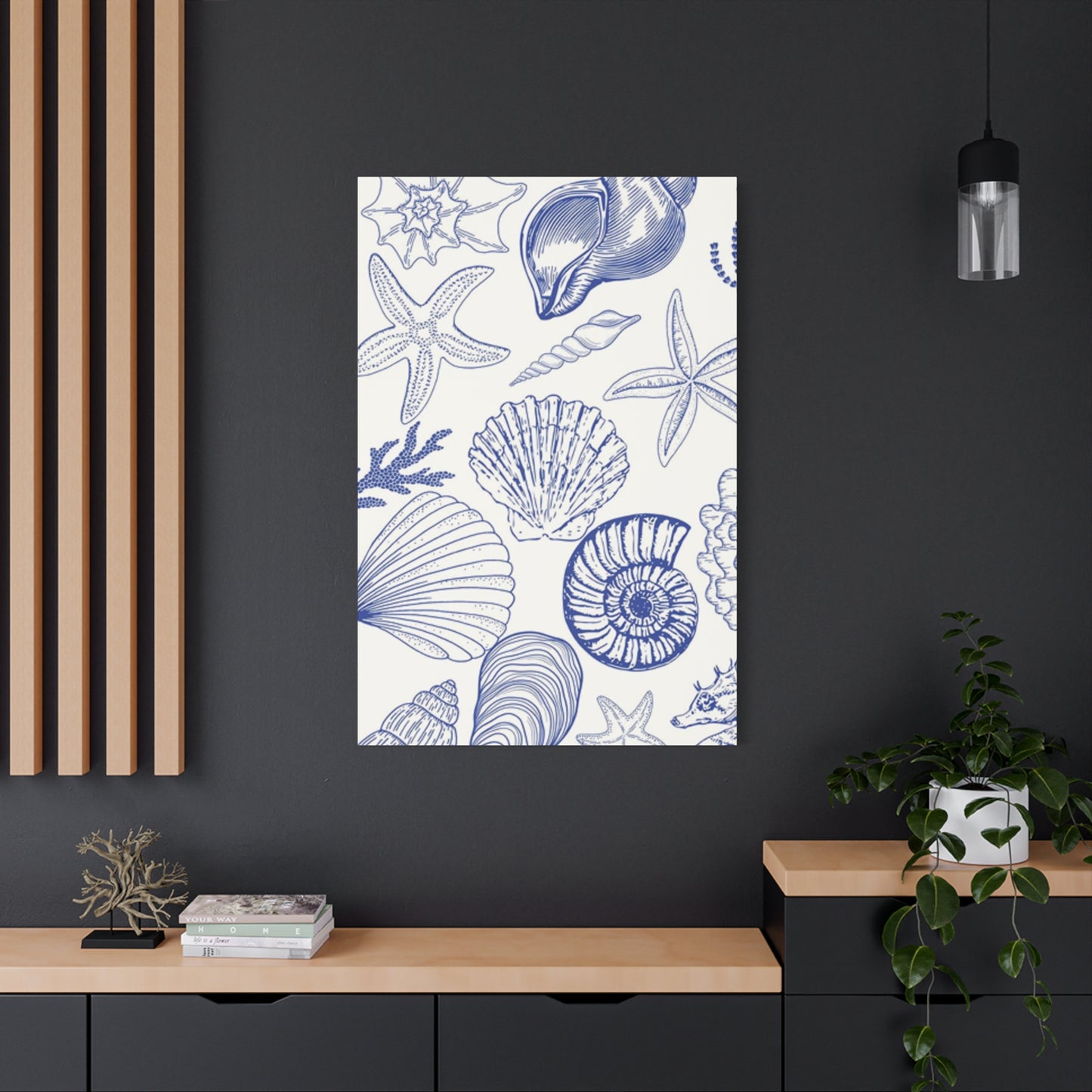
Blue Sea Shell Shape Poster Wall Art & Canvas Prints
Blue Sea Shell Shape Poster Wall Art & Canvas Prints
Couldn't load pickup availability
Infuse Your Home with Ocean Vibes: Blue Sea Shell Shape Poster Wall Art for Elegant Coastal Style
The allure of oceanic aesthetics has captivated interior design enthusiasts for generations, bringing the serene beauty of coastal landscapes into living spaces worldwide. Among the myriad of decorative elements that capture this maritime essence, the Blue Sea Shell Shape Poster Wall Art stands as a remarkable choice for those seeking to infuse their homes with tranquil, nature-inspired elegance. This comprehensive exploration delves into every facet of incorporating shell-themed artistic displays into your residential or commercial environments, offering insights that span from aesthetic considerations to practical implementation strategies.
Discovering the Captivating Appeal of Shell-Themed Decorative Displays
The human fascination with seashells transcends mere visual appreciation, connecting us to primordial memories of coastal exploration and the rhythmic tranquility of ocean waves. When we encounter a Blue Sea Shell Shape Poster Wall Art piece, our minds instantly transport to sun-drenched beaches where the tide gently deposits nature's treasures upon golden sands. This psychological connection makes shell-themed artwork particularly powerful in creating atmospheres of relaxation and contemplation within interior spaces.
Shell motifs carry symbolic significance across various cultures, representing prosperity, protection, and the cyclical nature of existence. The spiral formations found in many gastropod shells have long fascinated mathematicians and artists alike, embodying the golden ratio and Fibonacci sequences that appear throughout nature. When these organic geometries are translated into poster artwork with oceanic blue hues, they create visual harmony that resonates on both conscious and subconscious levels.
The color palette associated with marine-inspired shell artwork typically features variations of azure, turquoise, cerulean, and cobalt blues that evoke the depths and shallows of tropical waters. These chromatic choices aren't arbitrary; they're rooted in color theory principles that recognize blue as the most universally calming hue. When combined with the organic forms of shells, these tones create a synergistic effect that can lower stress levels, reduce anxiety, and promote mental clarity in viewers.
Contemporary interpretations of shell imagery in poster format allow for artistic flexibility that traditional shell collections cannot match. Artists can emphasize specific aspects of shell anatomy, play with scale to create dramatic impact, or abstract the forms into stylized representations that complement modern aesthetic sensibilities. The Blue Sea Shell Shape Poster Wall Art category encompasses everything from photorealistic depictions to minimalist line drawings, ensuring compatibility with diverse decorating preferences.
Exploring Various Stylistic Interpretations of Marine Shell Imagery
Within the broad category of shell-themed wall décor, numerous stylistic approaches offer distinct aesthetic experiences. Photorealistic representations capture every minute detail of shell surfaces—the ridges, striations, and subtle color variations that make each specimen unique. These detailed portrayals appeal to naturalists and those who appreciate scientific accuracy in their decorative choices. The precision of photographic or hyper-realistic painted shells creates focal points that command attention while maintaining the authentic beauty of these natural objects.
Watercolor interpretations of shell subjects introduce a dreamy, ethereal quality to marine-themed artwork. The translucent nature of watercolor pigments perfectly captures the delicate luminosity of shell surfaces, creating pieces that feel light and airy. When executed in blue tones, watercolor shells evoke the fluid movement of water itself, blurring the boundaries between subject and environment in ways that feel poetically appropriate for oceanic themes.
Abstract renditions of shell forms push creative boundaries, reducing these natural objects to their essential geometric components. Curved lines, spiral patterns, and angular chambers become compositional elements rather than literal representations. These stylized approaches work exceptionally well in contemporary interiors where traditional realism might feel incongruous. The Blue Sea Shell Shape Poster Wall Art in abstract styles can serve as conversation starters, inviting viewers to discover the shell forms within the artistic composition.
Vintage-inspired shell illustrations draw from the rich tradition of natural history documentation, evoking the meticulous engravings found in 18th and 19th-century scientific texts. These pieces carry an air of scholarly sophistication and pair beautifully with traditional or transitional interior schemes. The combination of antique aesthetic sensibilities with modern printing techniques creates artwork that feels both timeless and fresh.
Minimalist line-drawing interpretations reduce shell forms to their most essential contours, creating clean, uncluttered images that align with Scandinavian and Japanese design philosophies. These simplified representations maintain recognizability while occupying minimal visual space, making them ideal for smaller rooms or areas where subtlety is preferred over dramatic statement-making.
Selecting Optimal Locations Throughout Your Residential Spaces
The placement of Blue Sea Shell Shape Poster Wall Art significantly impacts both its visual effectiveness and the atmosphere it creates within a room. Strategic positioning considers factors including viewing angles, lighting conditions, surrounding décor elements, and the psychological effects desired in specific spaces.
Living rooms serve as primary gathering areas where shell-themed artwork can establish the overall aesthetic tone of your home. Above sofas, mantels, or console tables, larger shell posters create commanding focal points that anchor the room's design scheme. The calming nature of oceanic imagery makes these pieces particularly appropriate for spaces intended for relaxation and social interaction. When positioning artwork in living areas, consider sight lines from various seating positions to ensure the piece remains visible and impactful from multiple vantage points.
Bedroom environments benefit tremendously from the tranquil qualities inherent in marine-themed décor. Placing Blue Sea Shell Shape Poster Wall Art above headboards or on walls opposite the bed creates visual interest that doesn't overstimulate before sleep. The soothing blue tones associated with ocean imagery can actually promote better sleep quality by creating a restful atmosphere. Consider dimmer lighting options that allow you to adjust the prominence of wall art during evening hours without completely obscuring these decorative elements.
Bathroom spaces represent natural habitats for shell-themed artwork, as the aquatic associations feel thematically appropriate. The humid conditions typical of bathrooms require consideration regarding poster protection, but with proper framing and sealing, these pieces can thrive in moisture-rich environments. Positioning shell art near bathtubs or above vanities reinforces the spa-like atmosphere many homeowners seek in their bathing spaces.
Home offices and study areas can benefit from the concentration-enhancing properties of blue hues and organic forms. Shell imagery provides visual interest without the distraction of complex scenes or narratives, making it ideal for workspaces where focus is paramount. Positioning artwork at eye level when seated ensures that brief glances provide mental refreshment without encouraging prolonged distraction from tasks.
Entryways and hallways present opportunities to create memorable first impressions with shell-themed artwork. These transitional spaces often lack natural focal points, making them perfect candidates for statement pieces that guide visitors through your home. Gallery walls featuring multiple shell posters in varying sizes can transform otherwise bland corridors into engaging visual experiences.
Dining areas enriched with marine-themed artwork create sophisticated atmospheres for meal service and entertaining. The association between shells and coastal regions where fresh seafood abounds makes this imagery particularly appropriate for dining contexts. Consider how artificial and natural lighting will interact with your chosen pieces during both daytime and evening dining occasions.
Harmonizing Shell Artwork with Diverse Interior Design Schemes
The versatility of Blue Sea Shell Shape Poster Wall Art allows for successful incorporation across virtually every design aesthetic, from traditional to ultra-modern. Understanding how to bridge shell imagery with your existing décor ensures cohesive, intentional-looking interiors rather than haphazard assemblages.
Coastal and nautical themes represent the most obvious pairing with shell artwork, creating immersive environments that transport inhabitants to seaside locales. Within these schemes, shell posters complement striped textiles, rope accents, weathered wood furnishings, and other maritime motifs. The key to avoiding theme park excess lies in restraint—select high-quality pieces and allow each element breathing room rather than overwhelming spaces with oceanic references.
Contemporary minimalist interiors provide striking backdrops for shell artwork, where clean lines and neutral palettes allow the organic forms and blue tones to stand as singular focal points. In these pared-down environments, a single large-format shell poster can carry significant visual weight without competing against cluttered surroundings. The natural geometry of shells aligns beautifully with the intentional simplicity that defines minimalist aesthetics.
Traditional and classic interiors accommodate shell imagery through careful coordination with existing wood tones, fabric patterns, and ornamental details. Opt for shell artwork with more formal compositions or vintage-inspired rendering styles that echo the refined sensibilities of traditional design. Rich frame selections in gold, bronze, or dark wood create bridges between contemporary poster subjects and classical interior elements.
Scandinavian design principles emphasize natural materials, muted color palettes, and functional beauty—all qualities that align perfectly with shell-themed artwork. The organic origins of shell subjects resonate with the Scandinavian reverence for nature, while the typically uncluttered compositions of quality shell posters match the visual restraint characteristic of Nordic interiors. Select pieces with clean backgrounds and subtle color variations that won't disrupt the serene simplicity of Scandinavian spaces.
Bohemian eclectic schemes thrive on layered textures, global influences, and nature-inspired elements, making shell artwork a natural fit. Within these maximalist environments, shell posters can coexist with diverse patterns, collected objects, and vibrant textiles. Consider creating gallery walls that combine shell imagery with other natural subjects, travel photographs, and artistic prints for that characteristic boho abundance.
Industrial loft aesthetics might seem incompatible with delicate shell imagery, yet the contrast between rough textures and organic forms creates compelling visual tension. Large-scale shell posters with bold compositions hold their own against exposed brick, concrete surfaces, and metal fixtures. The blue tones typical of marine artwork provide cooling relief from the warm industrial palette of rust and aged wood.
Comprehending Frame Selection and Presentation Methods
The framing choices surrounding your Blue Sea Shell Shape Poster Wall Art profoundly influence both its visual impact and longevity. Thoughtful frame selection transforms simple prints into polished décor elements while providing essential protection against environmental damage.
Material composition represents the first major framing decision. Wood frames offer warmth and traditional appeal, with species ranging from light maple to rich walnut providing diverse aesthetic options. The natural origins of wooden frames create thematic harmony with shell subjects, reinforcing the nature-inspired character of the artwork. Metal frames deliver contemporary sophistication, with finishes including brushed silver, matte black, and antique bronze offering various levels of visual prominence. The sleek lines of metal framing particularly suit modern interiors while providing durability that exceeds wooden alternatives.
Frame color dramatically affects how artwork integrates with surrounding décor. White and light natural wood frames create airy, expansive feelings that work beautifully in smaller spaces or with minimalist schemes. These lighter frames prevent artwork from feeling heavy or imposing, maintaining the breezy quality associated with coastal themes. Dark frames in black, espresso, or charcoal provide strong contrast that makes artwork pop from walls, creating dramatic focal points. Navy or deep blue frames offer thematic continuity with oceanic subjects while adding depth without the starkness of black.
Mat boards introduce additional layers of visual sophistication while providing physical separation between poster surfaces and glazing materials. White mats remain the classic choice, offering clean transitions between artwork and frames. Colored mats in complementary or analogous hues can enhance specific tones within the shell imagery—soft grays might echo shell interiors, while sandy beiges connect to beach environments. The width of mat borders affects visual weight; wider mats lend formality and breathing room, while narrow mats maintain focus tightly on the imagery itself.
Glazing options protect poster surfaces from ultraviolet damage, moisture, and physical contact. Standard glass provides basic protection at economical price points but carries risks of shattering and offers no UV filtration. Acrylic glazing delivers impact resistance ideal for households with children or high-traffic areas, though it scratches more easily than glass. Museum-quality UV-protective glass represents premium protection, filtering harmful light rays that cause fading while maintaining optical clarity. For valuable or irreplaceable pieces, this investment ensures long-term preservation.
Float mounting creates contemporary presentation styles where artwork appears to hover within the frame, suspended slightly in front of the backing. This three-dimensional effect adds depth and sophistication while allowing the full extent of the poster to remain visible without mat obstruction. Float mounting particularly suits pieces with interesting edge treatments or those where every centimeter of the printed surface contributes to the composition.
Gallery-style presentation without frames offers ultra-modern aesthetics for certain interiors. Mounting posters directly to foam core or gator board creates clean-edged displays that can be hung with minimal hardware. This approach works best with high-quality prints on substantial paper stock, as thin posters may wrinkle or curl without frame support. The frameless approach maximizes the visible artwork area while creating seamless, wall-integrated appearances.
Investigating Size Proportions and Dimensional Considerations
Selecting appropriate dimensions for your Blue Sea Shell Shape Poster Wall Art requires balancing multiple factors including wall size, viewing distance, surrounding furniture, and desired visual impact. Misjudging scale represents one of the most common decorating mistakes, resulting in artwork that feels lost on expansive walls or overwhelming in confined spaces.
Small-format posters measuring approximately 8x10 or 11x14 inches suit intimate spaces, gallery wall compositions, or areas where subtle accent pieces are preferred over commanding focal points. These modest dimensions work beautifully in powder rooms, home office desk areas, or grouped arrangements where multiple pieces create collective impact. The reduced scale allows for closer viewing of fine details, making these sizes ideal for intricate or highly detailed shell renderings.
Medium-sized posters in the 16x20 to 24x36 inch range provide versatile options suitable for most residential applications. These dimensions offer sufficient presence to anchor wall spaces above furniture pieces while remaining manageable for standard residential wall heights. Medium formats strike balances between impact and subtlety, making them safe choices when scale uncertainty exists.
Large-format posters exceeding 30x40 inches make bold statements appropriate for spacious rooms with substantial wall areas. These commanding pieces can stand alone as singular focal points, eliminating the need for additional wall décor in their vicinity. Large shells rendered at significant scale create surreal, almost sculptural presences that transform artwork from mere decoration into architectural elements. Consider ceiling heights when selecting oversized pieces; nine-foot ceilings accommodate larger artwork more successfully than standard eight-foot heights.
Proportional relationships between artwork and furniture require attention to prevent awkward visual disconnections. As a general guideline, artwork hung above sofas, beds, or console tables should measure approximately two-thirds to three-quarters the furniture width. This proportion creates visual anchoring without complete symmetry, which can feel static. When hanging multiple pieces above a single furniture item, consider the collective width rather than individual dimensions.
Orientation choices between portrait (vertical) and landscape (horizontal) formats affect perceived space dimensions. Vertical orientations emphasize ceiling height, making rooms feel more expansive in the upward direction. This works beautifully in spaces with high ceilings or narrow wall sections. Horizontal formats emphasize width, creating stabilizing effects in long, narrow rooms or above horizontally-oriented furniture pieces. Some shell subjects lend themselves more naturally to specific orientations—elongated conch shells often suit vertical presentation, while scallop shells with radiating symmetry adapt well to either orientation.
Examining Color Palette Coordination and Chromatic Harmony
The chromatic character of Blue Sea Shell Shape Poster Wall Art extends beyond the artwork itself, influencing and being influenced by surrounding color schemes. Masterful coordination creates cohesive environments where every element reinforces the overall aesthetic vision.
Monochromatic schemes built around various blue tones create serene, sophisticated spaces with inherent visual unity. When shell artwork features predominant blues, surrounding elements in navy, teal, powder blue, and aquamarine create harmonious progressions without jarring contrasts. This approach works exceptionally well in bedrooms and bathrooms where tranquility is prioritized. Introduce textural variety through fabrics, finishes, and materials to prevent monochromatic schemes from feeling flat or monotonous.
Analogous color schemes incorporate hues adjacent on the color wheel, such as blue-green combinations that mirror tropical waters or blue-purple palettes evoking deeper ocean zones. Shell artwork featuring subtle green or purple undertones provides starting points for analogous schemes that feel cohesive yet more diverse than monochromatic approaches. These combinations maintain the calming qualities of blue while introducing additional chromatic interest.
Complementary contrasts pair blue shell artwork with orange or coral accents, creating vibrant, energizing environments. The opposition between cool blues and warm oranges generates visual excitement while maintaining balance through equal intensity. This scheme works particularly well in coastal themes where coral, starfish, or sunset references provide natural justifications for orange elements. Use complementary colors judiciously in accents rather than large expanses to prevent overwhelming sensory experiences.
Neutral backdrops in whites, grays, beiges, and taupes allow blue shell artwork to function as primary color sources within otherwise subdued environments. This approach offers flexibility for seasonal décor changes or evolving tastes, as neutral foundations accommodate diverse accent colors. The coolness of blue artwork provides refreshing contrast against warm neutral walls, while coordination with cool gray tones creates unified, contemporary aesthetics.
Metallic accents in silver, gold, or bronze introduce reflective elements that enhance the luminous qualities often depicted in shell surfaces. These metallic touches might appear in frame finishes, light fixtures, decorative objects, or textile details. The interaction between metallic sheens and blue tones creates sophisticated, slightly glamorous effects appropriate for formal spaces or master suites.
Natural wood tones provide warmth that balances the coolness of blue-dominant shell artwork. Light woods like maple, birch, or bleached oak maintain airy, coastal feelings, while deeper woods such as walnut or mahogany add richness and grounding weight. The organic origins of both shells and wood create thematic continuity that feels intentional and harmonious.
Curating Multi-Piece Arrangements and Gallery Wall Compositions
Single statement pieces certainly hold merit, but thoughtfully arranged collections of Blue Sea Shell Shape Poster Wall Art create dynamic visual experiences that singular images cannot match. Gallery walls and groupings require planning to achieve professional-looking results that appear intentional rather than haphazard.
Symmetrical arrangements appeal to those who appreciate order and balance, with identical or similar-sized pieces positioned in gridded patterns. This approach works beautifully with sets specifically designed to coordinate—perhaps various shell species rendered in consistent styles and dimensions. Symmetrical layouts suit formal spaces and traditional interiors where classical proportions feel appropriate. Ensure consistent spacing between frames, typically 2-4 inches, to maintain visual unity.
Asymmetrical salon-style arrangements embrace organic, collected-over-time aesthetics where diverse sizes and frame styles coexist. This approach requires more spatial planning but rewards with personality-rich displays that feel curated rather than purchased as sets. Begin with the largest piece as an anchor, then build outward with progressively smaller items. Maintain relatively consistent spacing despite varying frame dimensions to prevent the composition from feeling chaotic.
Linear horizontal arrangements work beautifully above long furniture pieces like sofas or sideboards, creating visual continuity that emphasizes width. Three to five pieces of varying or uniform sizes can be aligned along a central horizontal axis, creating rhythmic progressions that guide the eye across the composition. This approach suits narrow wall sections where vertical arrangements might emphasize unfortunate proportions.
Vertical stacking arrangements emphasize height, making them ideal for narrow wall sections between windows or in hallways. These vertical galleries can incorporate graduated sizing with larger pieces at the bottom transitioning to smaller ones above, creating stable pyramidal compositions. Alternatively, uniform sizing throughout vertical stacks creates columnar effects that draw the eye upward.
Themed groupings unite shell artwork through subject matter consistency while introducing variety through rendering styles, colors, or perspectives. A collection might feature the same shell species depicted through photography, watercolor, line drawing, and abstract interpretation, creating cohesive yet diverse displays. These themed arrangements work particularly well for enthusiasts of specific shell types or those building collections gradually over time.
Establishing visual weight balance prevents compositions from feeling lopsided or unstable. Distribute larger, darker, or more visually complex pieces to avoid clustering all visual weight in one area. Step back frequently during arrangement planning to assess overall balance from viewing distances typical of the space. Temporarily adhering pieces to walls with removable tape allows experimentation before committing to permanent hanging.
Implementing Proper Hanging Hardware and Mounting Practices
Even the most exquisite Blue Sea Shell Shape Poster Wall Art loses impact when poorly hung, making proper mounting essential to both aesthetics and safety. Understanding appropriate hardware and techniques ensures secure, level installations that showcase artwork optimally.
Wall composition determines suitable hanging hardware. Drywall, the most common interior wall material, requires specialized anchors or studs for secure mounting. Picture hanging strips with adhesive backing offer damage-minimizing options for renters or those hesitant to create wall penetrations, though weight capacities require careful observation. Traditional picture hooks in various weight ratings suit most lightweight to medium-weight framed posters, with the hook angle directing force toward wall surfaces rather than pulling outward.
Stud mounting provides maximum security for heavy pieces or valuable artwork warranting extra protection. Studs—the vertical wooden supports within walls—offer solid anchoring superior to hollow drywall alone. Electronic stud finders locate these supports, allowing precise hardware placement. When studs don't align with desired artwork positioning, rail systems mounted to studs allow horizontal adjustment flexibility.
Plaster walls, common in older homes, require drill bits and anchors specifically designed for this harder, more brittle material. Plastic anchors suitable for drywall may fail in plaster, necessitating metal anchors or toggle bolts for secure mounting. The increased density of plaster provides excellent holding strength when appropriate hardware is used.
Masonry walls in brick or concrete demand masonry bits and anchors designed to withstand drilling into these extremely hard surfaces. While these walls offer exceptional holding strength, the installation process requires more effort and specialized tools. Consider professional installation for valuable pieces when masonry mounting intimidates.
Leveling tools ensure artwork hangs perfectly horizontal, preventing the distracting visual discord of tilted frames. Simple bubble levels work for single pieces, while laser levels facilitate precise alignment across multi-piece arrangements. The centered-on-the-wall illusion can deceive; always confirm level status with tools rather than relying on visual estimation.
Hanging height follows general guidelines suggesting artwork centers should align approximately 57-60 inches from floor level, mirroring average human eye height in standing positions. This standard works well for hallways, dining rooms, and other spaces where viewers are typically standing. Seating-focused rooms like living areas might benefit from slightly lower positioning to accommodate seated sight lines. Above furniture, maintain 6-8 inches of clearance between the furniture top and frame bottom for visual connection without crowding.
Wire hanging systems offer adjustment flexibility, allowing precise leveling after initial installation. D-rings provide more stable, less adjustable alternatives that prevent artwork from shifting after positioning. Sawtooth hangers work well for lightweight frames but can gradually slide on their mounting hardware over time. Select hanging hardware based on frame weight, adjustment needs, and long-term stability priorities.
Preserving and Protecting Your Displayed Artwork
Proper stewardship ensures your Blue Sea Shell Shape Poster Wall Art retains its beauty and value for years or even decades. Understanding threats to poster longevity and implementing protective measures prevents deterioration that diminishes both aesthetic appeal and monetary worth.
Ultraviolet radiation represents the primary enemy of poster preservation, causing pigment fading, paper yellowing, and general deterioration. Sunlight streaming through windows delivers intense UV exposure, though even artificial lighting contributes to cumulative damage over time. Position artwork away from direct sunlight whenever possible, or utilize window treatments that filter UV rays. When lighting artwork directly, select LED bulbs that emit minimal UV radiation compared to incandescent or halogen alternatives.
Humidity fluctuations cause paper expansion and contraction that leads to warping, rippling, and adhesive failure in mounted pieces. Maintain consistent humidity levels between 40-50% to minimize these dimensional changes. Avoid hanging posters in bathrooms unless properly sealed within frames, as steam and moisture accumulation in these spaces accelerates deterioration. Dehumidifiers or humidifiers help maintain optimal atmospheric conditions in climates with extreme seasonal variations.
Temperature extremes and fluctuations similarly threaten poster integrity. Avoid positioning artwork near heating vents, radiators, fireplaces, or air conditioning units where temperature swings are most pronounced. Consistent temperatures between 65-70°F provide ideal preservation conditions. Attics and basements—spaces with poor climate control—make poor storage locations for valuable posters.
Pollutants including dust, cooking fumes, smoke, and chemical off-gassing from furnishings can deposit on poster surfaces or permeate through inadequate framing. Regular gentle dusting of frame exteriors prevents particle accumulation, but avoid allowing cleaning products to contact poster surfaces. Quality framing with sealed backing prevents airborne contaminants from reaching artwork from behind.
Physical damage from impacts, scratches, or mishandling can instantly destroy what environmental factors might take years to degrade. Hang artwork in locations with minimal collision risk—avoid high-traffic areas where people regularly brush against walls or carry large objects. When moving or storing framed pieces, protect glazing surfaces with corner protectors and wrap frames in soft materials.
Cleaning framed artwork requires careful approaches that minimize risk while removing accumulated dust and grime. For glazed pieces, spray cleaning solutions on lint-free cloths rather than directly on glass or acrylic to prevent liquid seepage behind glazing. Use gentle circular motions with minimal pressure. Avoid ammonia-based cleaners that can damage certain frame finishes. Frame exteriors can be dusted with soft brushes or slightly dampened cloths appropriate to the frame material.
Sourcing Quality Prints and Evaluating Artistic Merit
The proliferation of online marketplaces and print-on-demand services has democratized access to Blue Sea Shell Shape Poster Wall Art, yet this abundance brings challenges in identifying truly exceptional pieces worthy of display. Developing evaluative skills helps distinguish superior artwork from mediocre offerings.
Print resolution directly impacts visual quality, with higher DPI (dots per inch) counts producing sharper, more detailed images. Professional-quality prints typically feature 300 DPI or higher resolution, ensuring crisp details even at close viewing distances. Lower resolution prints may appear acceptable in small thumbnails but reveal pixelation and softness when printed at poster dimensions. Request resolution specifications before purchasing, particularly for large-format pieces where inadequate resolution becomes more apparent.
Paper quality varies dramatically across printing services, affecting both immediate visual appeal and long-term durability. Museum-grade archival papers resist yellowing and degradation far better than standard papers, justifying higher costs for pieces intended as long-term décor investments. Paper weight measured in GSM (grams per square meter) indicates thickness and durability; substantial papers typically measure 200+ GSM, providing rigidity that resists warping and damage. Matte finishes reduce glare and suit most interior applications, while glossy or satin finishes enhance color vibrancy at the cost of increased reflectivity.
Ink composition determines fade resistance and color accuracy. Pigment-based inks offer superior longevity compared to dye-based alternatives, maintaining color integrity for decades rather than years. Giclée printing using archival pigment inks represents the gold standard for fine art reproduction, delivering gallery-quality results with exceptional detail and color fidelity. While more expensive than standard printing methods, giclée produces heirloom-quality pieces justifying the investment.
Artistic composition separates memorable shell imagery from forgettable snapshots. Strong compositions exhibit intentional placement of subjects within the frame, effective use of negative space, and visual pathways that guide viewer attention. The rule of thirds—positioning key elements at intersections of imaginary gridlines dividing the frame into ninths—creates dynamic, engaging compositions. Evaluate whether shell subjects feel purposefully placed or randomly positioned within the frame boundaries.
Color treatment dramatically affects mood and compatibility with various interior schemes. Some shell artwork emphasizes naturalistic coloration, faithfully reproducing actual shell hues and patterns. Others take creative liberties, enhancing blues to surreal intensities or applying gradients that don't exist in nature. Neither approach is inherently superior, but each suits different aesthetic preferences. Consider whether color choices complement your existing palette and whether saturation levels match your tolerance for visual boldness.
Authenticity and originality matter when selecting artwork intended to make statements about personal taste. Mass-produced prints of ubiquitous shell photographs appear in countless homes, while original artwork or limited edition prints offer distinctiveness. Research artists whose work resonates with you, supporting independent creators while acquiring pieces with genuine uniqueness. Limited editions typically include numbering and artist signatures, adding collectible value beyond purely decorative function.
Embracing Seasonal Rotation and Refreshing Your Displays
While permanent installations certainly have merit, periodically rotating your Blue Sea Shell Shape Poster Wall Art maintains visual freshness and allows adaptation to seasonal moods. Strategic rotation maximizes the value of poster collections while preventing the visual fatigue that can accompany unchanging décor.
Summer months naturally complement shell-themed artwork, as warm weather heightens our connection to beaches and coastal environments. During these seasons, embrace full expression of marine themes with prominent positioning and coordinating accessories. Lighter, brighter shell imagery in whites, pale blues, and sandy tones amplifies the season's airy, carefree character. Consider pairing shell posters with other summery elements like botanical prints, beach photography, or abstract wave patterns.
Winter presents opportunities to maintain coastal connections while adapting to cooler-weather aesthetics. Deeper blues in navy or midnight tones align with winter's darker color palettes while preserving oceanic references. Alternatively, temporarily rotating shell artwork to storage makes room for seasonal themes like winter landscapes or holiday-specific décor. This cycling prevents marine motifs from feeling incongruous during months when beach activities feel distant.
Spring renewal aligns beautifully with refreshing wall displays, potentially reintroducing shell artwork that has been in storage or repositioning pieces to new locations. The season's emphasis on rebirth and natural beauty makes nature-inspired artwork particularly appropriate. Lighter blues and greens in shell prints echo spring's fresh, growth-oriented energy.
Autumn's transitional character accommodates shell artwork through thoughtful accessorizing. Warmer accent colors in rust, gold, or burnt orange create visual bridges between cool blue shell prints and the season's characteristic palette. This approach maintains year-round consistency while acknowledging seasonal shifts.
Rotating artwork between rooms rather than into storage maximizes utility while maintaining freshness. A shell poster that has become background noise in your living room might feel new and interesting when relocated to a bedroom or home office. This no-cost refresh strategy works particularly well for those with multiple pieces who want to avoid storage hassles.
Incorporating Complementary Decorative Elements and Accessories
While Blue Sea Shell Shape Poster Wall Art makes strong standalone statements, thoughtful accompanying elements create cohesive, fully-realized design schemes. These supporting pieces should enhance rather than compete with your focal artwork.
Actual shell collections displayed on shelves, coffee tables, or in glass cloches create dimensional continuity between flat artwork and three-dimensional space. The contrast between illustrated shells and physical specimens adds textural interest while reinforcing the coastal theme. Arrange collected shells with intentionality, grouping similar species or creating gradations from small to large for visual impact.
Textile selections in coordinating blues, nautical stripes, or natural linens amplify marine themes established by shell artwork. Throw pillows, blankets, and area rugs provide opportunities to echo colors and motifs from your posters while introducing tactile variety. Avoid literal shell-printed fabrics that might create heavy-handed theme overkill; instead, opt for complementary colors and organic patterns that suggest coastal environments without explicit references.
Lighting choices dramatically affect how shell artwork appears at different times of day. Picture lights mounted above frames provide focused illumination that makes artwork glow against surrounding walls, creating museum-quality presentations. Ambient lighting through table lamps with bases in glass, driftwood, or ceramic coordinates with coastal themes while providing functional illumination. Consider color temperature; warmer lights enhance coziness while cooler lights maintain the crisp, clean feeling associated with marine environments.
Plant selections introduce living elements that harmonize with nature-inspired artwork. Tropical species like palms, ferns, or bird of paradise plants reinforce coastal aesthetics, while succulents and air plants offer low-care alternatives with appropriate organic character. The greens of living plants provide color contrast that makes blue artwork pop while adding air-purifying functionality.
Furniture selections in natural materials like rattan, wicker, bamboo, or weathered wood echo the organic origins of shell subjects. These pieces create tactile and visual connections between artwork and surrounding environment, building cohesive spaces rather than isolated displays. Upholstered furniture in neutral linens or blues extends color schemes throughout rooms.
Decorative objects including coral fragments, driftwood pieces, nautical instruments, or glass fishing floats add collected, lived-in character to spaces featuring shell artwork. These accessories should be displayed intentionally rather than cluttered, with each piece having visual breathing room. Group items in odd numbers—threes or fives—for natural-looking vignettes that feel balanced without rigid symmetry.
Addressing Common Challenges and Problem-Solving Scenarios
Even well-planned décor schemes encounter obstacles requiring creative solutions. Understanding common challenges associated with displaying Blue Sea Shell Shape Poster Wall Art prepares you to address issues effectively.
Artwork appearing too small for its wall space represents a frequent miscalculation. Rather than purchasing entirely new pieces, create matting solutions with extra-wide borders that effectively increase the visual footprint. Alternatively, build gallery walls around initially too-small pieces, adding complementary artwork to fill the space more completely. Oversized frames with generous mats transform modest prints into substantial décor elements.
Clashing color schemes occur when existing room colors don't harmonize with newly introduced shell artwork. If repainting isn't feasible, introduce transitional elements that bridge incompatible hues. Throw pillows, area rugs, or decorative accessories incorporating colors from both the artwork and existing décor create visual pathways that ease discord. Alternatively, select different shell artwork with colors better suited to your established palette.
Inadequate lighting leaves artwork looking flat and underappreciated. Battery-operated LED picture lights offer installation-free solutions for renters or those avoiding electrical work. Position floor lamps or table lamps to cast light across artwork surfaces, creating highlighting that emphasizes texture and color. Natural lighting from windows can be enhanced or diffused through curtain selection, allowing sunlight to illuminate artwork without direct UV exposure.
Boring or damaged frames detract from otherwise beautiful shell posters. Frame replacement breathes new life into dated presentations without requiring new artwork purchases. Many frame shops offer replacement services, or DIY-inclined individuals can reframe pieces using supplies from craft stores. Updated frames in contemporary finishes or styles instantly modernize entire displays.
Overcrowded gallery walls where too many pieces compete for attention create visual chaos rather than cohesive displays. Edit ruthlessly, removing pieces that don't serve the composition or relocating them to other areas. Sometimes fewer, better-arranged pieces create more impact than comprehensive collections that overwhelm available space. Maintain consistent spacing and consider overall balance when editing arrangements.
Fading artwork suffering from UV exposure can't be restored once damage occurs, but protective measures prevent further deterioration. UV-filtering glazing retrofitted onto existing frames blocks harmful rays, while window films on glass panes provide room-wide protection. Relocating affected pieces to lower-light areas prevents continued fading while moving less vulnerable décor to brighter spots.
Exploring Limited Edition and Original Artwork Options
Beyond mass-produced prints, the world of Blue Sea Shell Shape Poster Wall Art includes limited editions and original pieces offering enhanced exclusivity and potential investment value. Understanding these markets helps collectors make informed acquisition decisions.
Limited edition prints feature restricted production numbers, often numbered and signed by artists. These constrained quantities create scarcity that maintains or increases value over time, particularly for works by sought-after artists. Edition sizes vary from just a few dozen to several hundred; smaller editions generally command higher prices reflecting greater exclusivity. Certificates of authenticity should accompany limited editions, documenting edition size, print number, and artist verification.
Original paintings, drawings, or mixed media works represent unique, one-of-a-kind pieces without reproductions. While substantially more expensive than prints, originals offer unparalleled exclusivity and potential appreciation. Shell-themed original artwork ranges from photorealistic oil paintings to abstract acrylic interpretations, with prices reflecting artist reputation, size, complexity, and materials.
Final Thoughts
Coastal elegance is effortlessly achieved with blue sea shell-shaped poster wall art, offering a striking way to bring the calming beauty of the ocean into your living spaces. The serene hues of blue, coupled with the delicate yet intricate design of seashells, create a coastal-inspired atmosphere that immediately transports you to a tranquil beachside retreat. This type of wall art not only enhances your interior décor but also evokes a sense of relaxation, making it perfect for creating an oasis-like vibe in any room.
The symbolism of seashells has long been associated with natural beauty, transformation, and the quiet power of the sea. Blue sea shell art emphasizes these themes by incorporating the soothing, restorative qualities of blue tones, which are known for their calming effects. The combination of these elements turns the artwork into more than just a piece of decoration—it becomes a reminder of the peaceful rhythms of the ocean and the timeless connection between nature and serenity.
One of the standout features of blue sea shell-shaped poster wall art is its versatility. It works beautifully in a wide variety of interior styles, from modern minimalist to more rustic, beachy décor. The gentle tones of blue complement neutral walls and furnishings, bringing depth to your space without overwhelming it. Additionally, the fluid, organic shape of the seashells adds a soft, natural element to the room, which balances out the sharper, more structured elements typically found in contemporary designs.
The calming shades of blue in the seashell art bring a sense of peace to any room, making it ideal for bedrooms, bathrooms, living rooms, or even hallways. It creates a soothing environment that encourages relaxation and reflection, making it the perfect addition to spaces where you seek tranquility and a connection to nature. When paired with light, the artwork can have an even more profound effect, as the blue tones subtly shift in response to changing natural or artificial light throughout the day. This dynamic interaction gives the artwork an ever-changing quality, keeping it visually engaging and enhancing the ambiance of your space.
Furthermore, the fluidity of the seashell shape in the artwork can create a sense of movement, as if you can almost hear the ocean waves gently lapping against the shore. This natural flow and organic form infuse the room with a sense of life and vitality, as though the ocean is present even within the confines of your home. It’s this ability to evoke the feeling of the coast that makes this art so powerful, especially for those who cherish the ocean and wish to bring a piece of it into their everyday environment.
In addition to its aesthetic appeal, blue sea shell-shaped wall art brings a deeper emotional connection to your space. Seashells are often associated with journeys, discovery, and the wonders of the natural world. Their timeless beauty invites a sense of nostalgia and reminds us of the vastness and beauty of the ocean. By incorporating this type of art into your home, you’re not just decorating a room—you’re creating a space filled with memories, calmness, and inspiration.
In conclusion, blue sea shell-shaped poster wall art is a perfect choice for anyone looking to infuse their home with coastal charm and elegance. Its soothing blue tones and symbolic representation of nature bring a sense of peace and beauty that complements a wide range of interior styles. Whether you live by the coast or simply want to bring the ocean’s calming influence indoors, this type of wall art provides a timeless, stylish way to transform your living space. With its combination of natural elegance, soothing colors, and emotional resonance, blue sea shell art is sure to make a lasting impression in your home.
Share