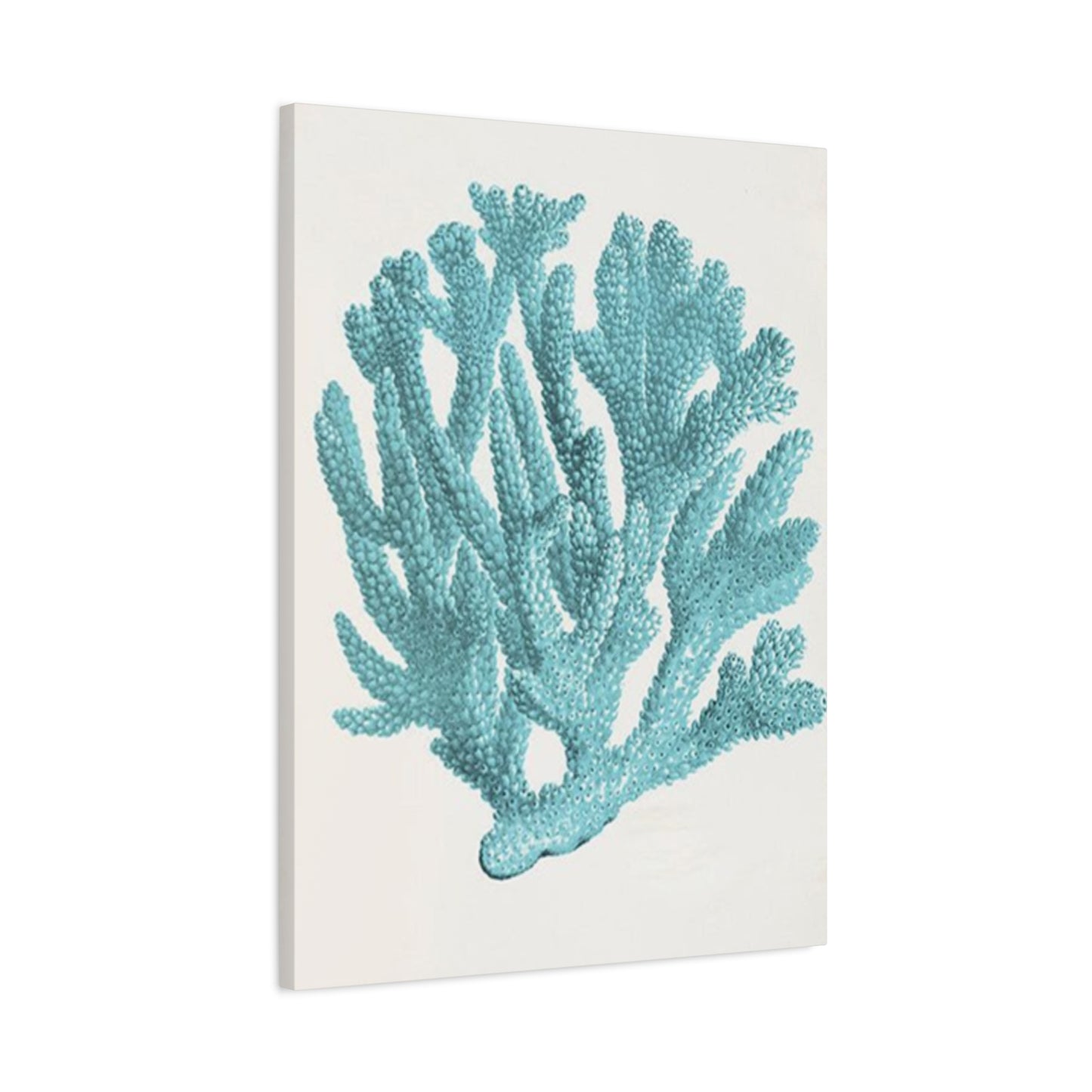
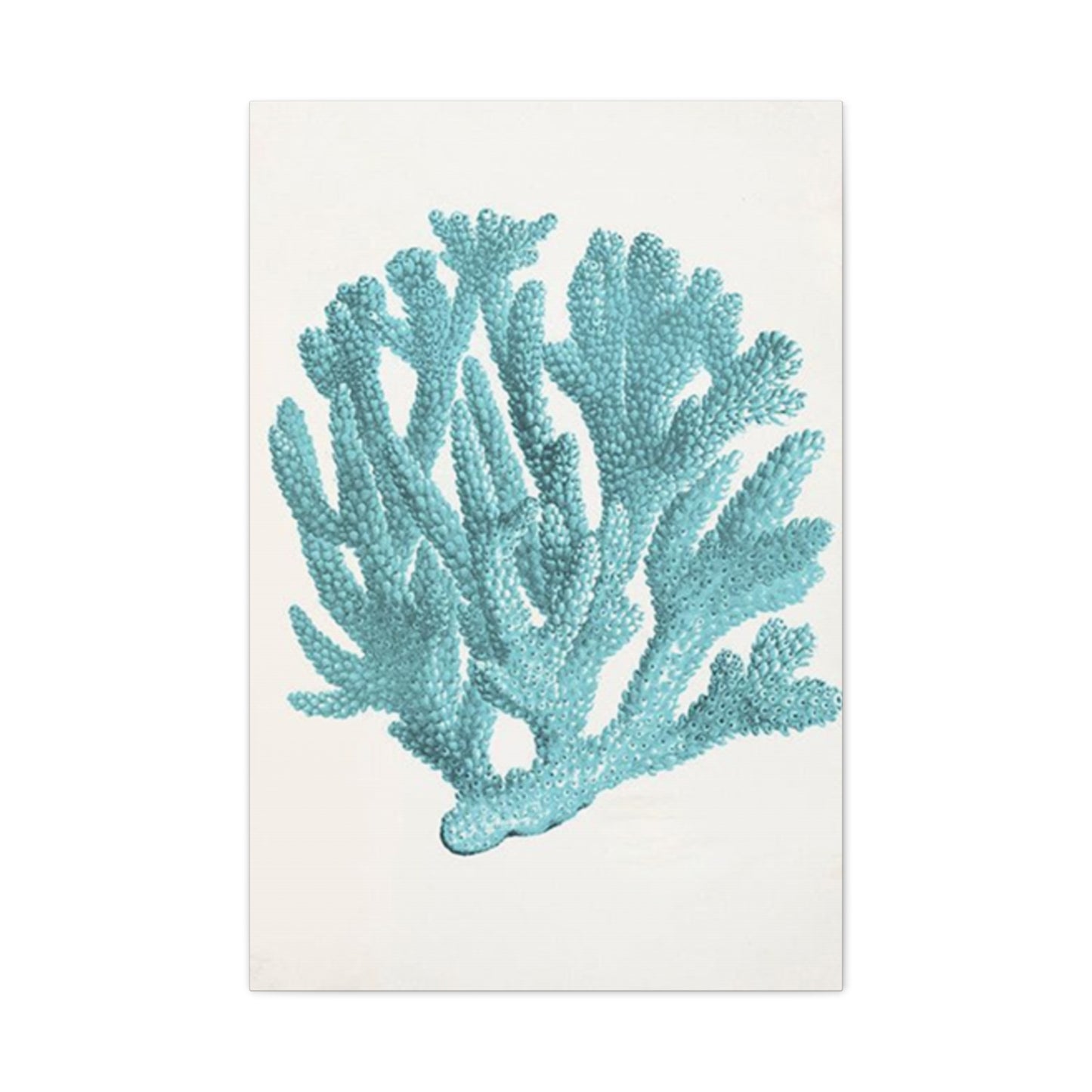
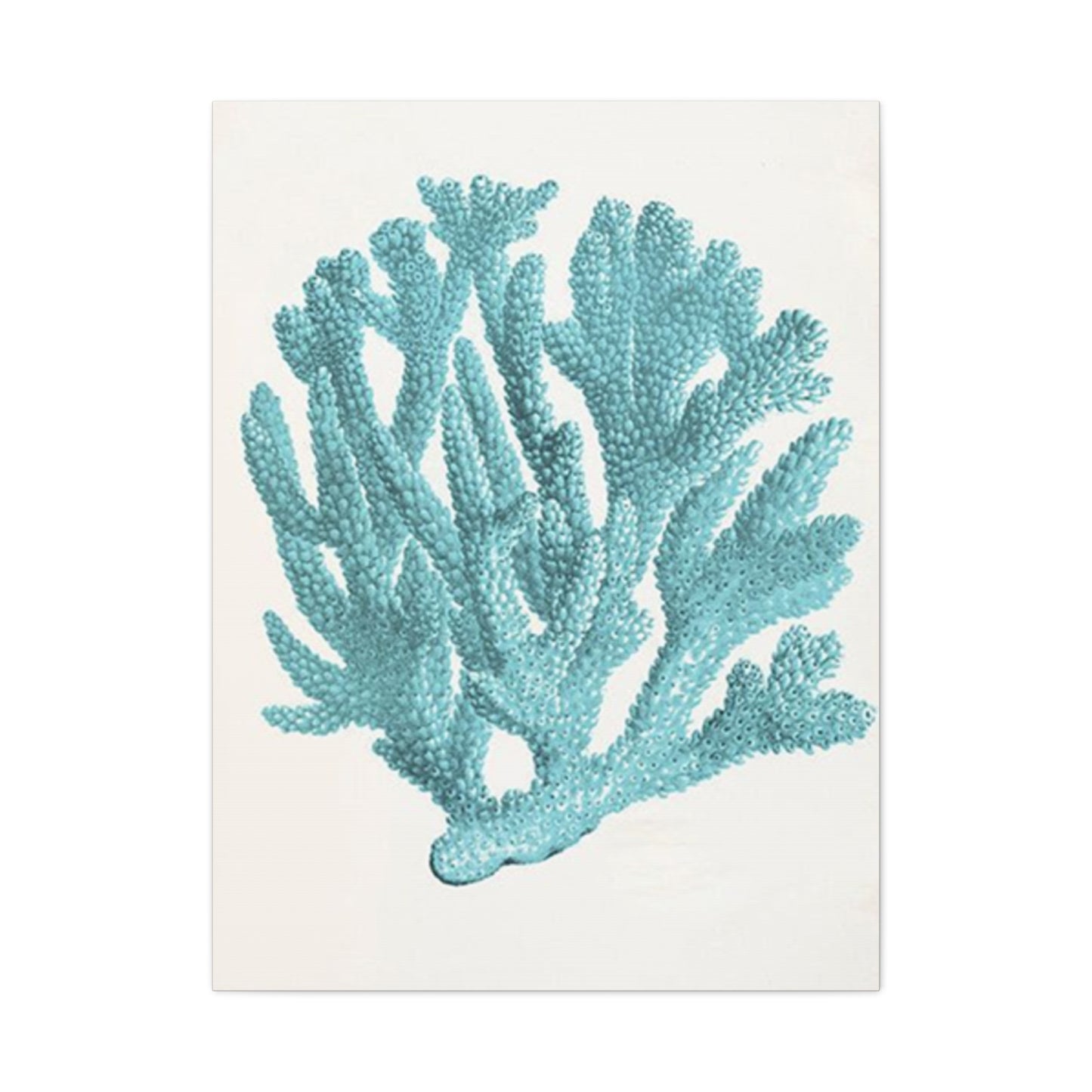
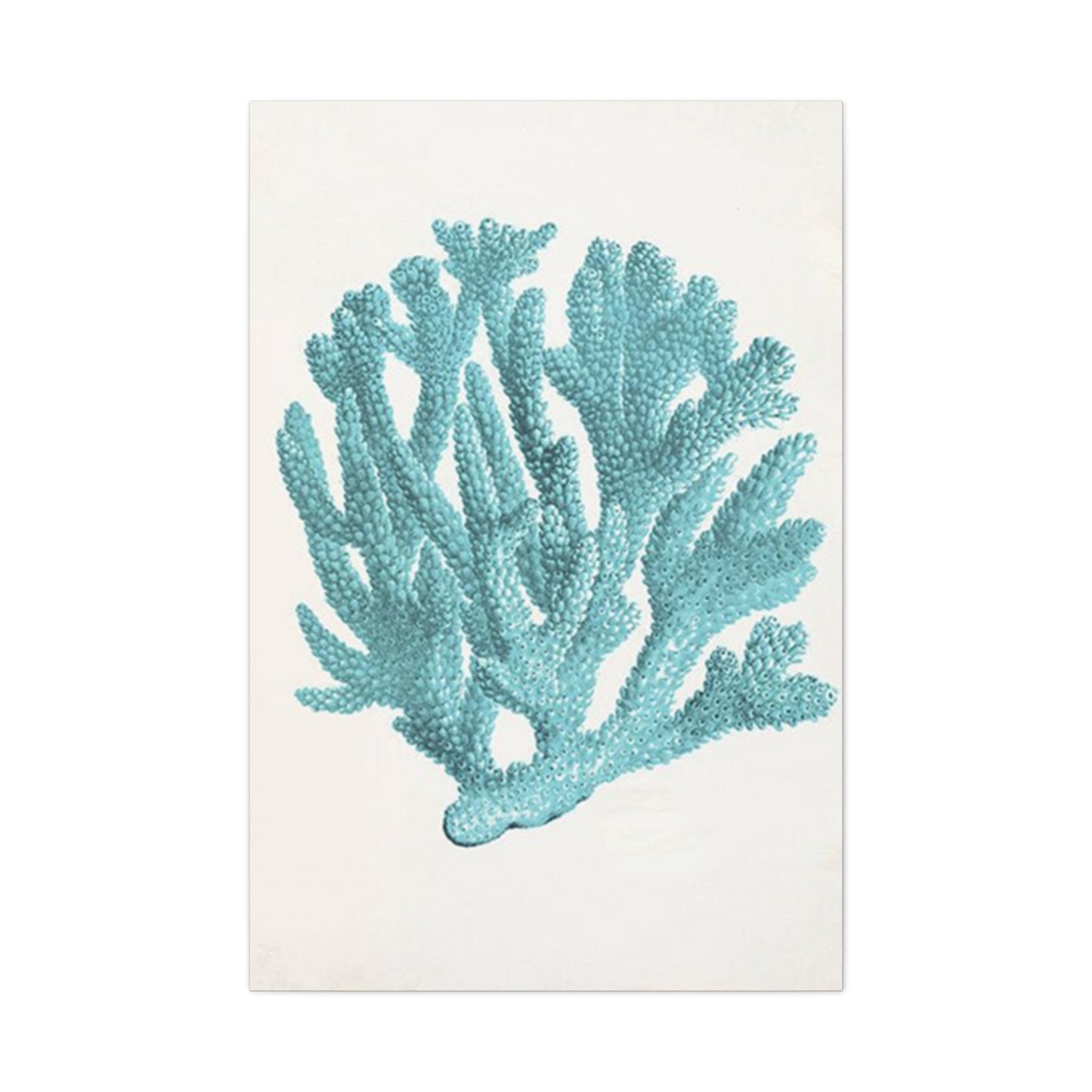
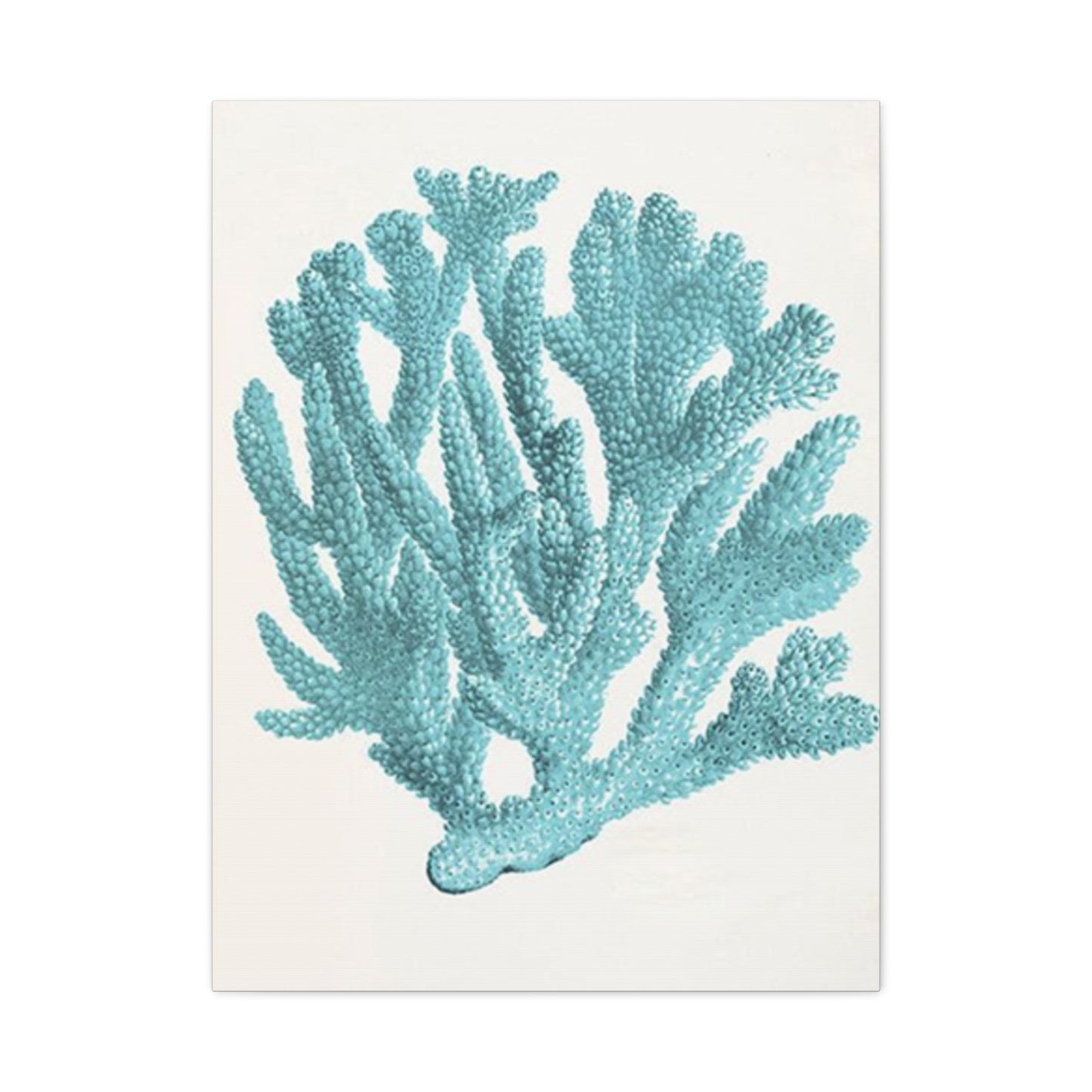
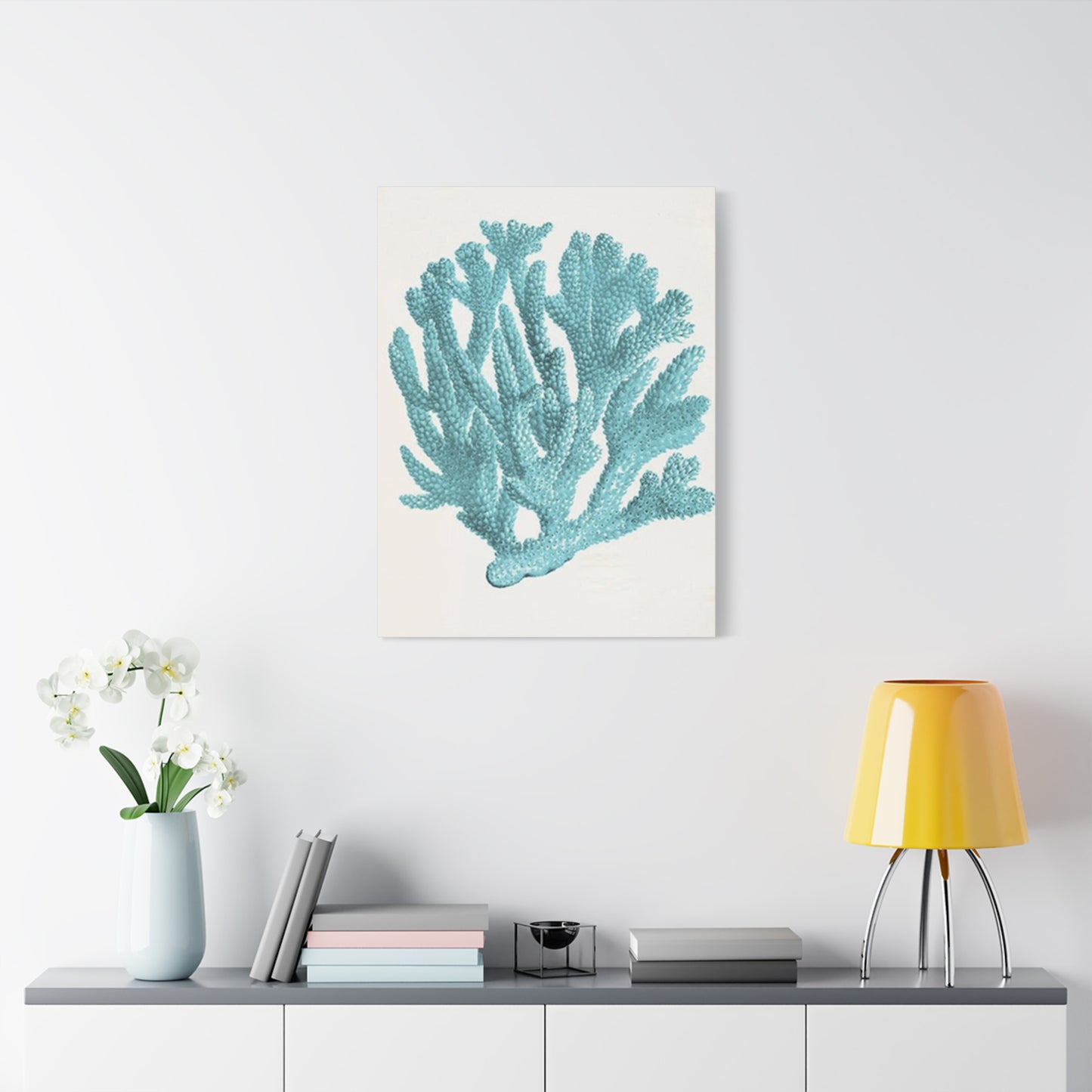
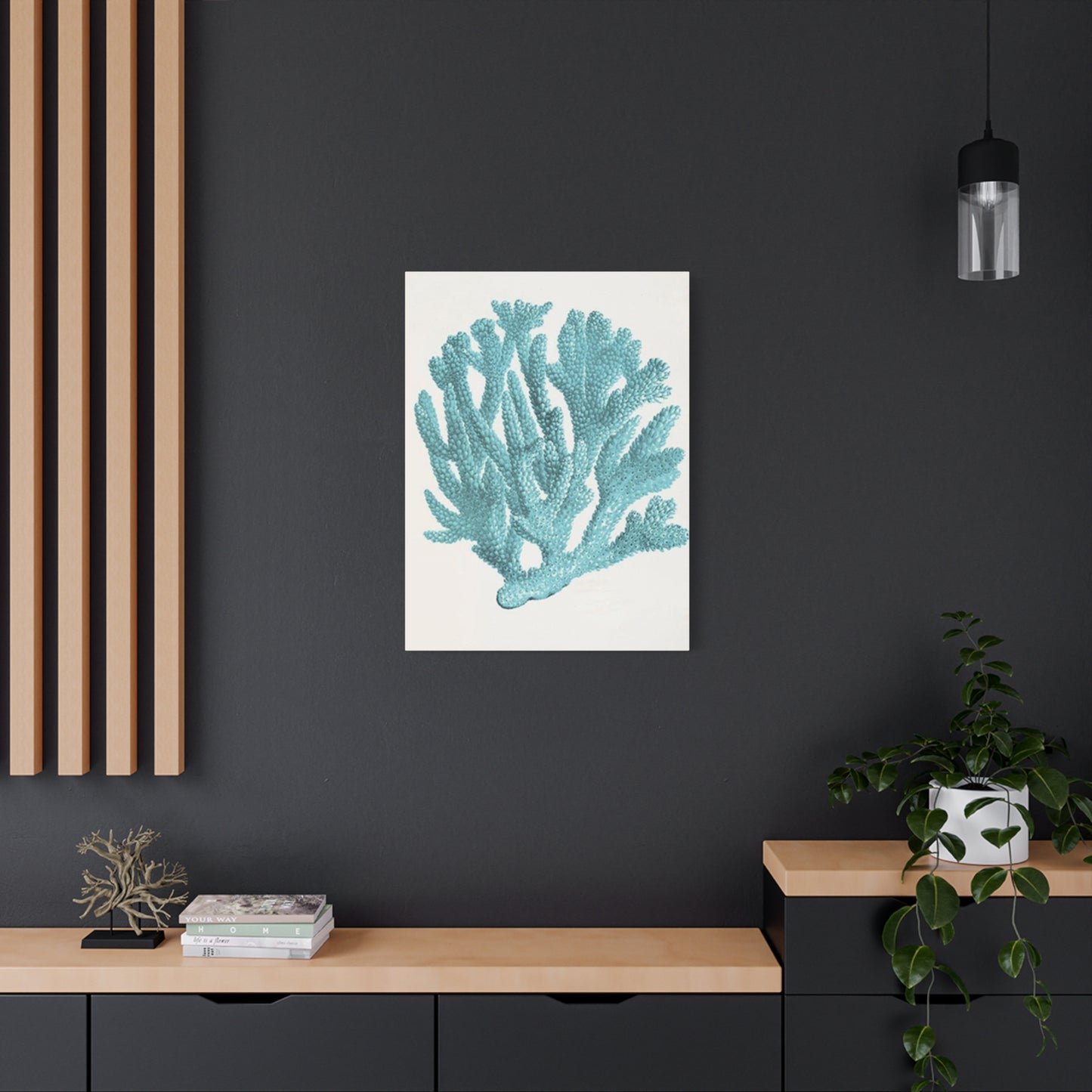
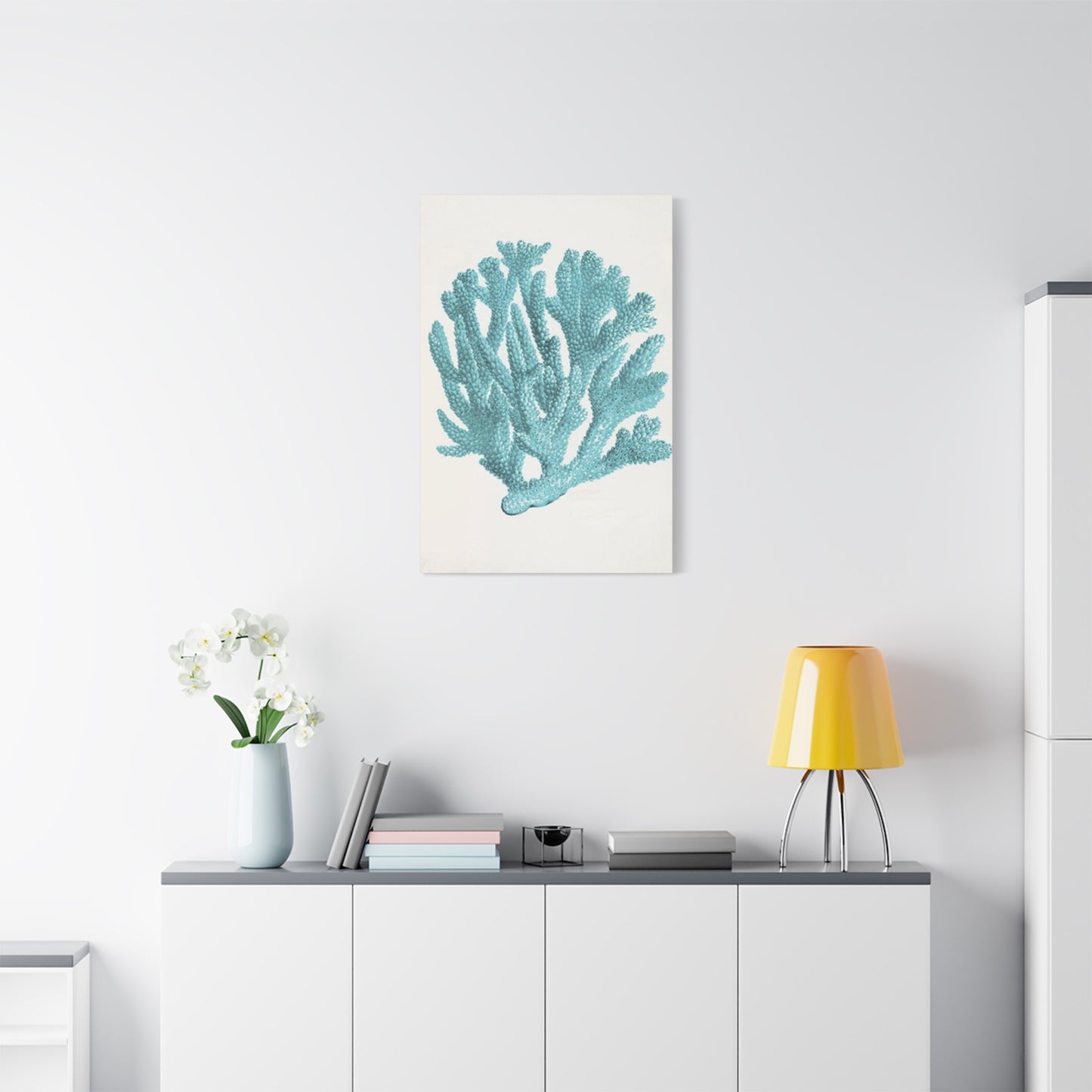
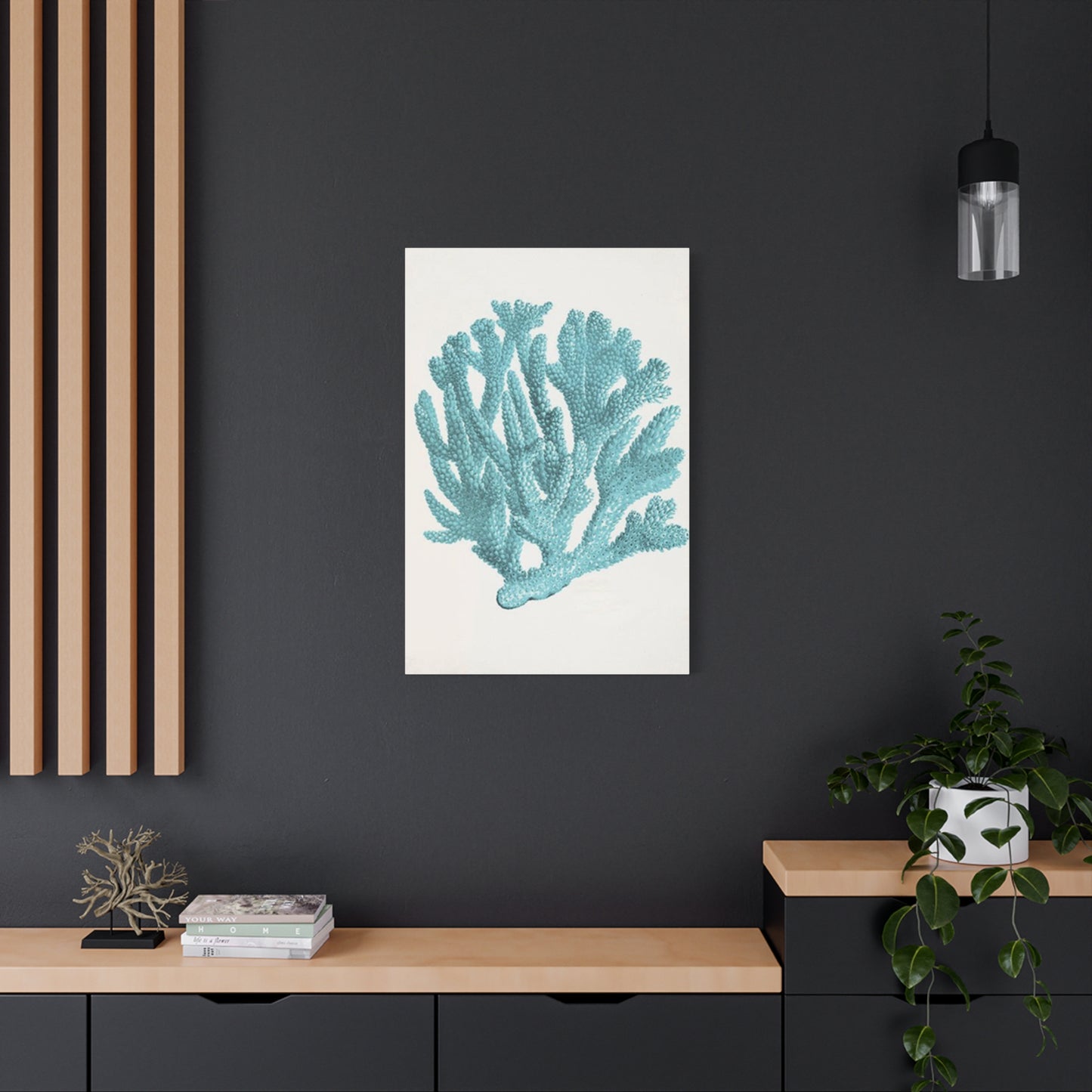
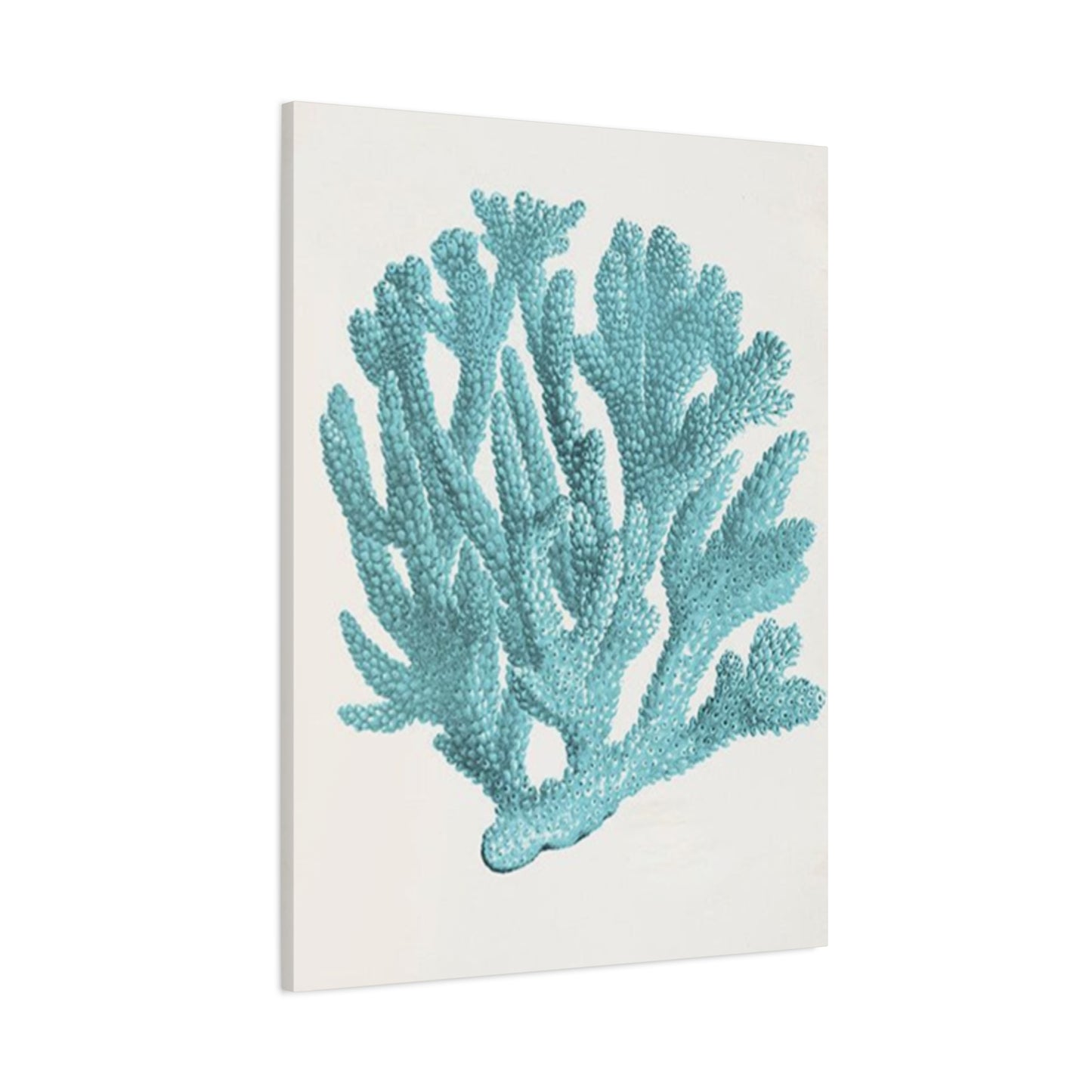
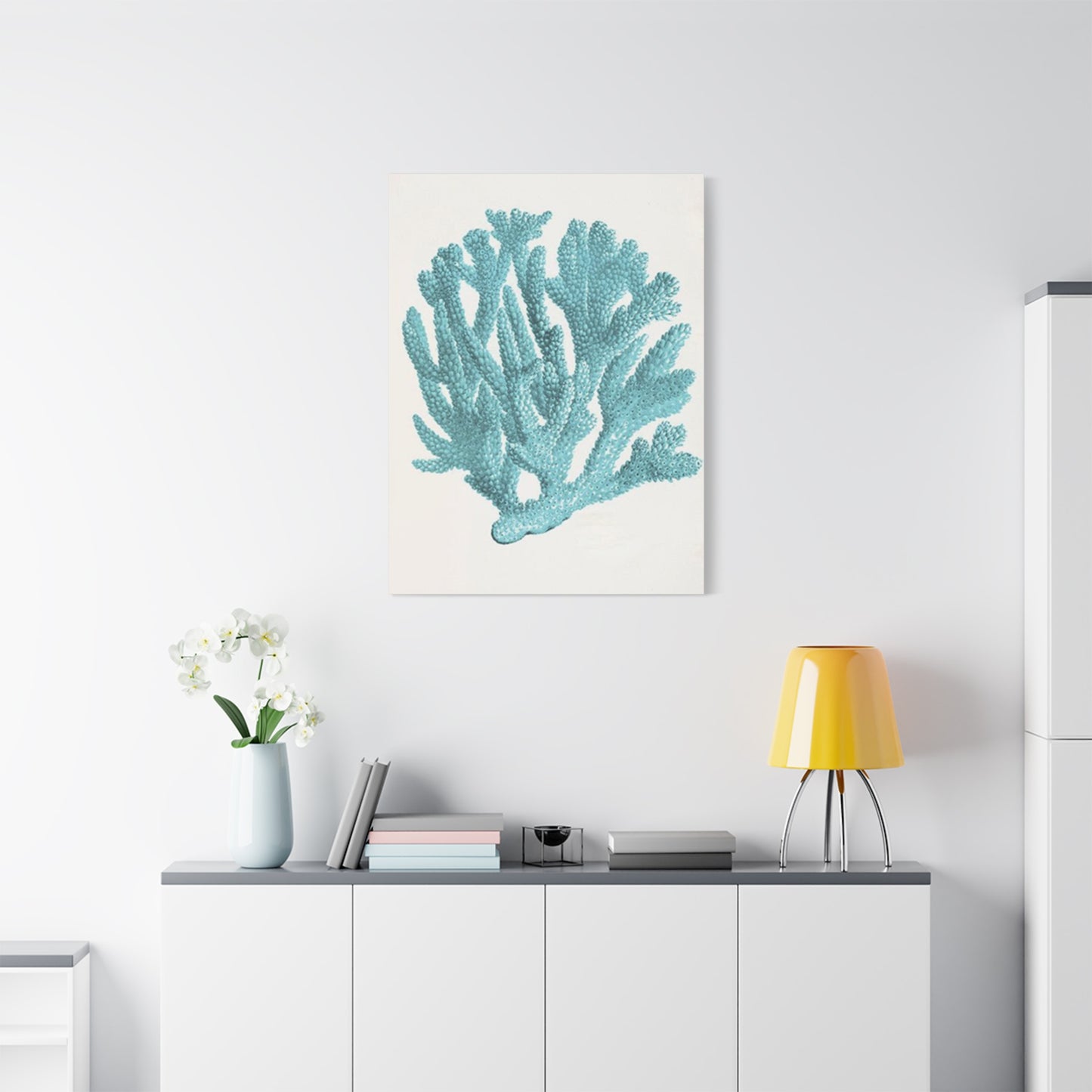
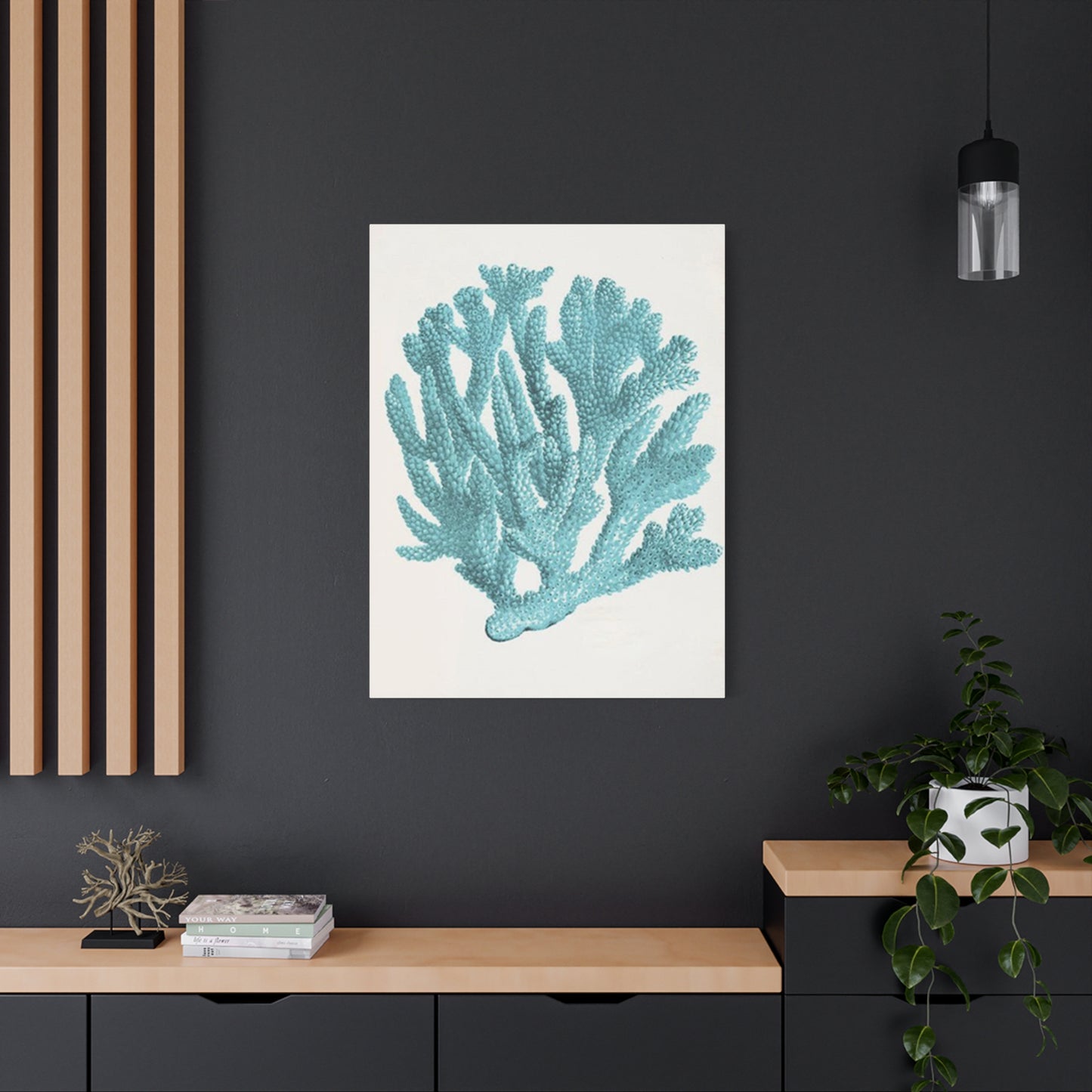
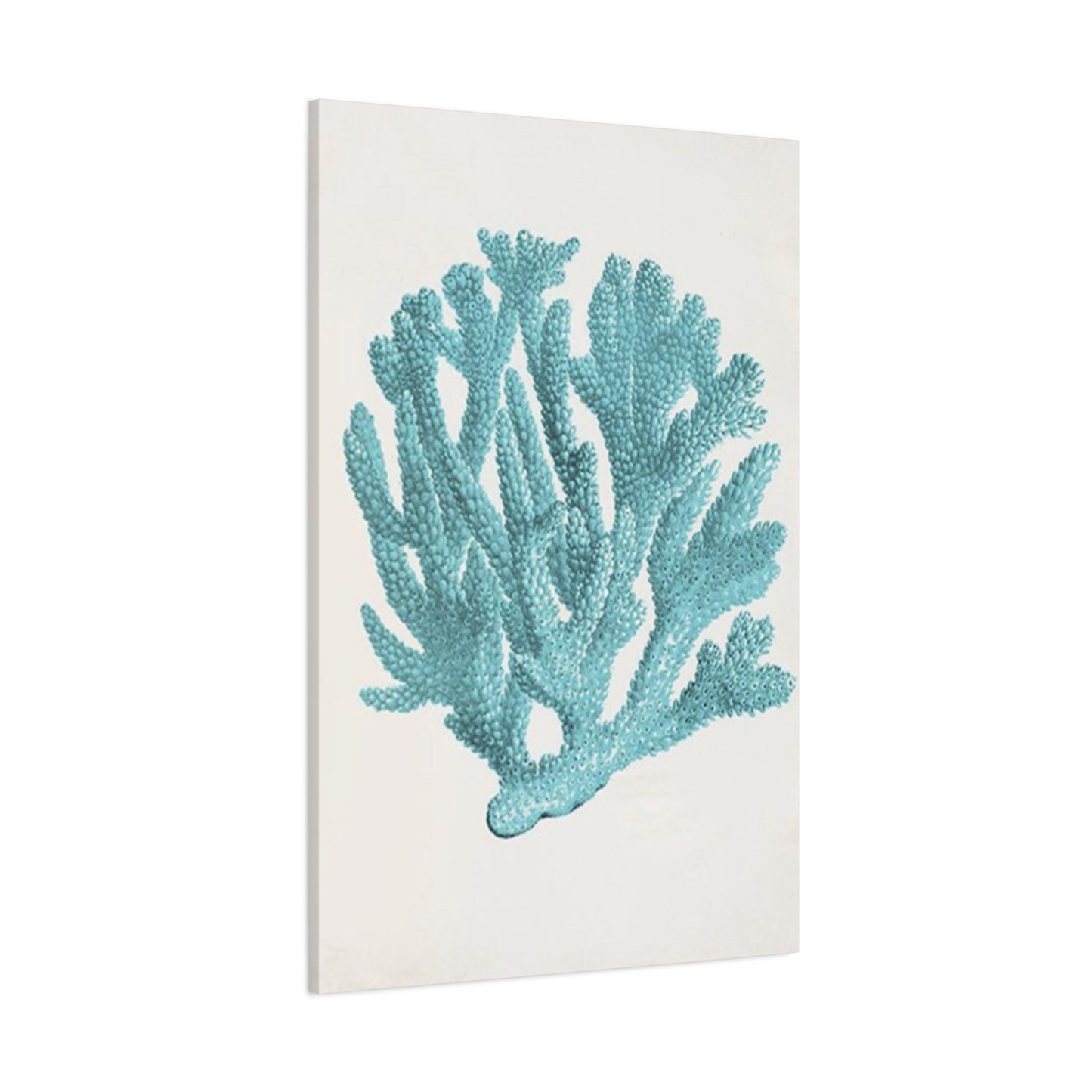
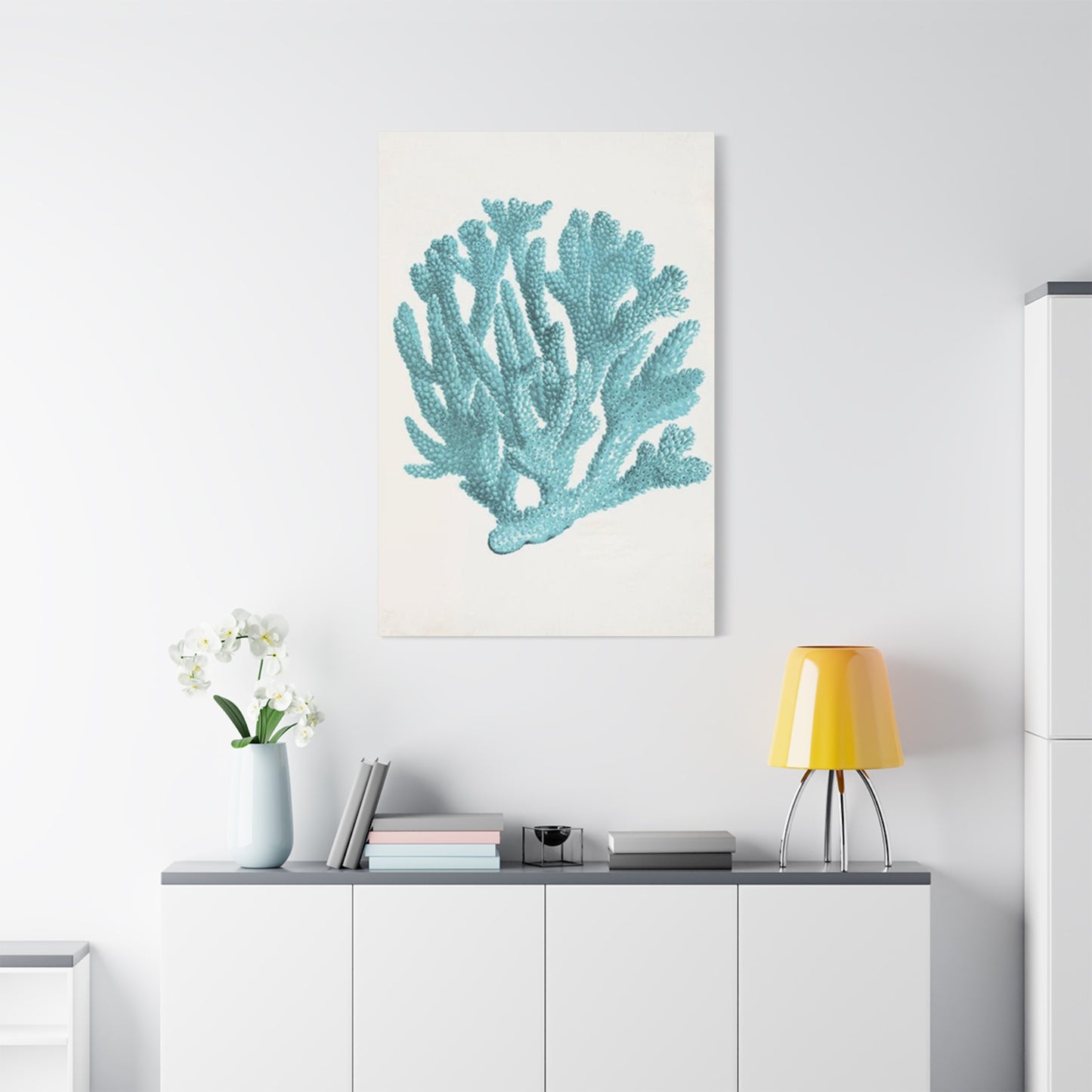
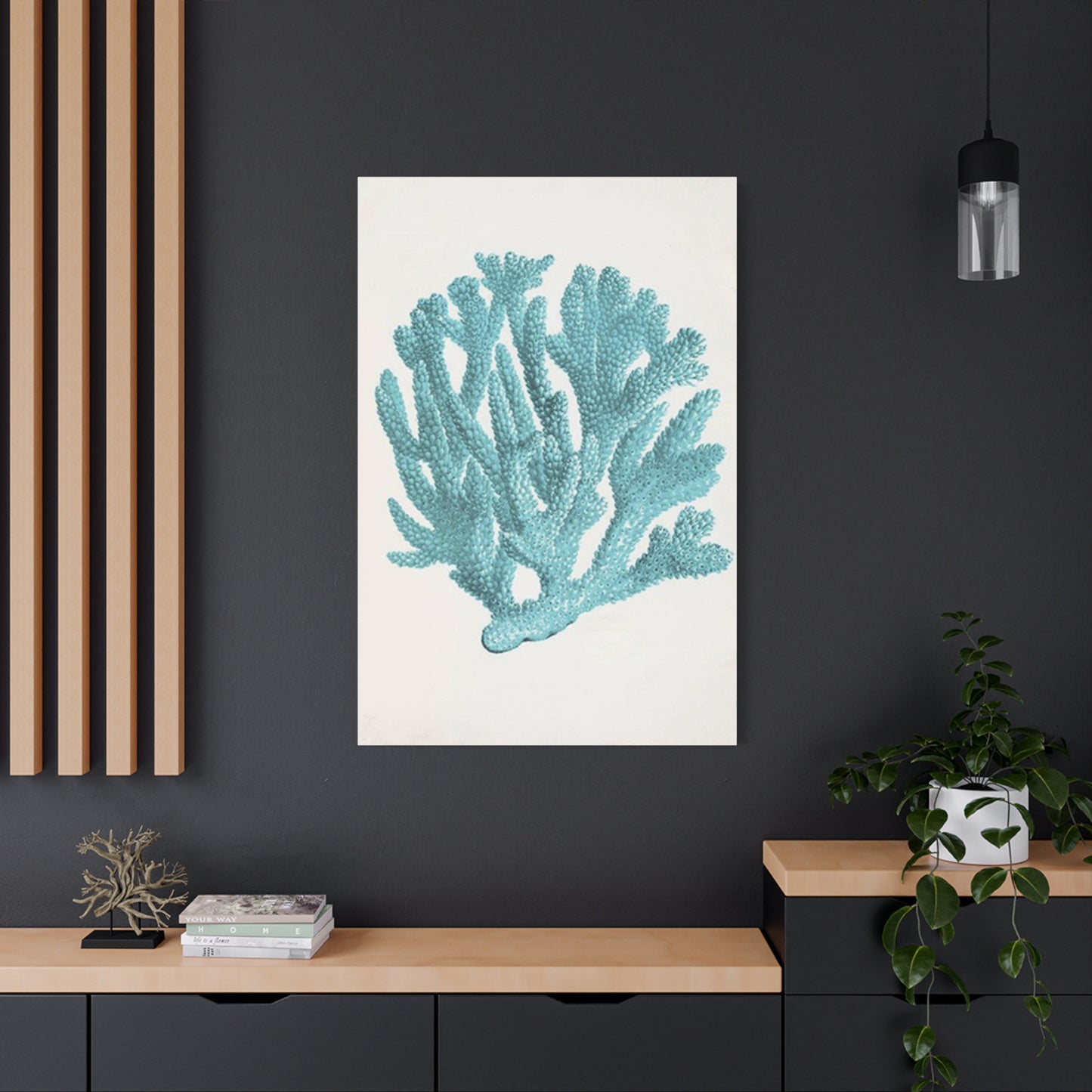
Blue Sea Herb Drawing Wall Art & Canvas Prints
Blue Sea Herb Drawing Wall Art & Canvas Prints
Couldn't load pickup availability
Elevating Your Living Quarters with Sophisticated Blue Sea Herb Drawing Wall Art Compositions
The convergence of maritime elements and botanical imagery has fostered a distinctive aesthetic paradigm within the contemporary interior design landscape. Blue sea herb drawing wall art represents an exquisite amalgamation of oceanic imagery intertwined with verdant plant life, creating visual narratives that transcend conventional decorative practices. This multifaceted art form encapsulates the serene qualities of aquatic environments while simultaneously celebrating the intricate beauty of herbaceous specimens, thereby establishing an environmental harmony that resonates with discerning homeowners and design enthusiasts alike.
The phenomenological appeal of blue sea herb drawing wall art extends beyond superficial beautification, venturing into the psychological dimensions of spatial perception and emotional resonance. When individuals contemplate maritime vistas juxtaposed with botanical representations, their consciousness engages with archetypal imagery associated with tranquility, renewal, and environmental consciousness. The chromatic palette inherent in such compositions—characterized by cerulean blues, jade greens, and seafoam neutrals—facilitates a cogitative environment conducive to relaxation and contemplative reflection.
Contemporary households increasingly gravitate toward decorative manifestations that embody both aesthetic sophistication and substantive significance. Blue sea herb drawing wall art satisfies this multivalent demand by synthesizing naturalistic representation with artistic refinement. The practitioners of this artistic modality demonstrate exceptional acumen in orchestrating visual elements to generate immersive spatial experiences that fundamentally transform residential environments into sanctuaries of natural beauty and contemplative serenity.
Comprehending the Multifaceted Dimensions of Oceanic and Botanical Artistic Expression
The emergence of blue sea herb drawing wall art as a predominant decorative vernacular necessitates a comprehensive examination of its constituent elements and underlying compositional principles. This artistic genre represents a convergence of multiple influences, encompassing classical naturalism, contemporary minimalism, and environmental consciousness. The practitioners who engage with this modality possess intimate knowledge of both aquatic ecosystems and terrestrial flora, enabling them to render authentic representations that simultaneously convey aesthetic refinement and ecological appreciation.
The foundational conceptualization of blue sea herb drawing wall art derives from humanity's perpetual fascination with natural phenomena. Throughout millennia, civilizations have endeavored to capture the ephemeral beauty of oceanic vistas and botanical specimens through artistic media. Contemporary iterations of this impulse manifest as sophisticated compositions wherein maritime imagery achieves seamless integration with herbal representations, creating unified visual statements that celebrate environmental diversity and aesthetic coherence.
The chromatic orchestration inherent in blue sea herb drawing wall art represents a critical compositional consideration. The utilization of aquamarine, teal, periwinkle, and cerulean hues establishes a foundational chromatic matrix that evokes aquatic environments. Subsequently, the incorporation of viridian, sage, seafoam, and chartreuse tonalities introduces botanical elements that establish visual complexity whilst maintaining chromatic cohesion. This stratified approach to coloration facilitates the creation of compositions that communicate multidimensional narratives through purely visual mechanisms.
Compositional frameworks employed in blue sea herb drawing wall art typically embrace principles of visual equilibration and asymmetrical arrangement. Rather than adhering to rigid symmetrical configurations, contemporary practitioners frequently employ dynamic compositional strategies that generate visual momentum and spatial tension. Such approaches necessitate sophisticated understanding of negative space, focal point establishment, and visual hierarchy, distinguishing accomplished practitioners from those engaging in superficial decorative endeavors.
The Profound Psychological Ramifications of Maritime and Botanical Aesthetic Encounters
The integration of blue sea herb drawing wall art into residential environments precipitates measurable psychological and physiological consequences that merit scholarly examination. Neuroscientific investigation has substantiated the hypothesis that exposure to naturalistic imagery, particularly representations of aquatic and botanical subjects, engenders significant amelioration of stress responses and facilitation of cognitive recuperation. The visual processing of such compositions engages parasympathetic nervous system activation, thereby reducing cortisol concentrations and promoting cardiovascular relaxation.
When individuals encounter blue sea herb drawing wall art within their domestic quarters, they experience a cognitive phenomenon whereby their consciousness registers environmental cues associated with natural sanctuaries. The human nervous system, conditioned through evolutionary processes to respond favorably to natural landscapes, interprets these artistic representations as signals of environmental safety and resource abundance. Consequently, the presence of such compositions contributes substantively to the psychological well-being of inhabitants, facilitating emotional stability and cogitative clarity.
The chromatic properties inherent in blue sea herb drawing wall art assume particular significance within the context of psychological influence. Blue frequencies, associated with calming neurotransmitter production, facilitate parasympathetic arousal and emotional equilibration. Green tonalities, corresponding to botanical representations, evoke associations with regeneration, vitality, and environmental stewardship. The sophisticated interweaving of these chromatic dimensions generates a composite psychological impact that transcends the consequences of isolated color exposure, establishing a synergistic beneficial influence on inhabitant consciousness and emotional states.
Research investigations examining the correlation between naturalistic artistic exposure and cognitive performance have documented significant improvements in attentional capacity, creative thinking, and problem-resolution capabilities among individuals situated within environments incorporating such compositions. The presence of blue sea herb drawing wall art appears to facilitate what cognitive scientists designate as "soft fascination"—a cognitive state wherein attention is gently engaged without demanding intensive executive function. This psychological modality permits neural recuperation whilst maintaining environmental awareness, thereby enhancing subsequent cognitive performance metrics.
Aesthetic Paradigms and Stylistic Manifestations within Blue Sea Herb Drawing Wall Art
The contemporary landscape of blue sea herb drawing wall art encompasses remarkable stylistic diversity, reflecting heterogeneous artistic philosophies and compositional approaches. Some practitioners embrace hyper-realistic representation, employing meticulous technical execution to render botanical and oceanic subjects with photographic verisimilitude. Such compositions demand extraordinary technical proficiency, requiring artists to comprehend botanical morphology, aquatic physics, and realistic light interaction phenomena. These highly detailed works function as visual documentation of natural phenomena whilst simultaneously serving decorative purposes.
Conversely, numerous contemporary practitioners favor abstracted or impressionistic interpretation, wherein blue sea herb drawing wall art operates primarily through chromatic suggestion and gestural mark-making rather than representational specificity. Such compositions leverage the viewer's imaginative capacities, inviting contemplative engagement wherein the observer participates actively in establishing visual meaning. This interpretive methodology frequently produces compositions of extraordinary poignance and psychological resonance, as viewers project personal environmental memories and emotional associations onto ambiguous visual structures.
Minimalist manifestations of blue sea herb drawing wall art represent a third significant stylistic category. Practitioners employing this approach distill compositions into essential formal elements, frequently utilizing restricted chromatic palettes and simplified morphological representations. Such works exemplify contemporary aesthetic sensibilities emphasizing clarity, restraint, and compositional integrity. Minimalist blue sea herb drawing wall art often achieves remarkable visual impact through deliberate understatement, demonstrating that aesthetic sophistication frequently correlates inversely with compositional complexity.
The meditative quality characteristic of many blue sea herb drawing wall art compositions reflects the influence of Eastern artistic philosophies, particularly principles derived from Zen Buddhist aesthetic principles. Such works frequently embrace concepts of negative space valorization, restraint in representational specificity, and the evocation of spiritual tranquility through visual parsimony. These compositions communicate not through visual abundance but through deliberate compositional economy, inviting viewers into meditative engagement with refined aesthetic contemplation.
Material Substrate Selection and Production Methodologies in Blue Sea Herb Drawing Wall Art
The realization of blue sea herb drawing wall art involves sophisticated considerations regarding material substrate selection, pigment chemistry, and production methodologies. Contemporary artists and manufacturers employ diverse substrate materials, each conferring distinctive visual and tactile characteristics upon finished compositions. Canvas remains a predominant substrate, offering versatile dimensional possibilities and established aesthetic conventions. The receptive quality of canvas surfaces permits nuanced pigment application, facilitating the creation of compositions exhibiting remarkable chromatic subtlety and textural complexity.
Paper substrates, frequently incorporating specialized aqueous media compatibility, constitute another significant category of artistic support. High-quality papers designed for fine artistic practice demonstrate exceptional capacity for pigment retention and chromatic fidelity. The subtle texture characteristic of archival papers contributes aesthetic dimensionality and tactile interest, distinguishing paper-based compositions from canvas counterparts. Certain practitioners deliberately select papers exhibiting pronounced surface characteristics, leveraging textural properties as compositional elements contributing to overall visual effect.
Contemporary manufacturing processes frequently incorporate digital methodology integration, wherein preliminary artistic concepts undergo computational analysis and refinement prior to physical manifestation. Digital imaging facilitates precise color matching, compositional proportion verification, and production quality assurance. Consequently, blue sea herb drawing wall art produced through contemporary industrial processes achieves consistency and technical refinement often exceeding hand-rendered compositions. Yet paradoxically, numerous consumers continue valuing hand-rendered aesthetic qualities, appreciating the imperfections and idiosyncratic characteristics attending manual artistic execution.
Pigmentation science represents a critical consideration within blue sea herb drawing wall art production. Artists and manufacturers must comprehend pigment composition, stability characteristics, light-fastness properties, and interactional dynamics between disparate pigment formulations. Marine-derived pigments, botanical extracts, and synthetic formulations each exhibit distinctive properties influencing chromatic expression and compositional longevity. The selection of archival-grade pigments ensures that blue sea herb drawing wall art compositions maintain chromatic fidelity and compositional integrity across extended temporal horizons, providing enduring aesthetic value and investment preservation.
Spatial Integration Methodologies and Environmental Contextualization
The successful incorporation of blue sea herb drawing wall art into residential environments requires sophisticated understanding of spatial dynamics, architectural characteristics, and environmental context. Compositional dimensions must correspond proportionally to available wall surfaces, ensuring visual harmony rather than compositional dominance or inadequate spatial presence. An oversized composition can generate visual dissonance within compact spatial configurations, whilst undersized artwork may fail to establish perceptual prominence warranting decorative significance.
Chromatic environmental considerations assume paramount importance when situating blue sea herb drawing wall art within predetermined spatial contexts. The coloration of surrounding architectural elements, furnishings, and pre-existing decorative manifestations influences perceptual reception of new compositional introductions. Blue sea herb drawing wall art incorporating cerulean tonalities may demonstrate enhanced chromatic resonance when positioned adjacent to complementary neutral backgrounds, facilitating chromatic focus and visual salience. Conversely, competitive chromatic environments necessitate compositional selections exhibiting more pronounced visual distinction or chromatic divergence.
Illumination conditions profoundly influence the visual manifestation and perceptual characteristics of blue sea herb drawing wall art compositions. Natural illumination, characterized by dynamic temporal variation, generates perpetually shifting visual experiences, enabling viewers to encounter compositional subtleties invisible under static artificial lighting. Strategically positioned artificial illumination facilitates composition-specific lighting optimization, enhancing chromatic saturation and textural visibility. Many contemporary practitioners and designers recommend directional illumination approaches that generate subtle shadow patterning across composition surfaces, enhancing three-dimensional perception and compositional depth.
The psychological spatial effects generated by blue sea herb drawing wall art placement warrant deliberate consideration. Compositions positioned at eye-level facilitate optimal contemplative engagement, enabling extended visual examination without physical strain. Strategic positioning relative to primary seating configurations or frequently traversed spatial corridors influences inhabitant interaction frequency and cumulative psychological benefit accrual. Some practitioners advocate positioning such compositions within focal spatial zones, employing them as architectural emphasis elements establishing room visual hierarchy and spatial organization.
Contextualizing Blue Sea Herb Drawing Wall Art within Emerging Interior Design Movements
Contemporary interior design demonstrates accelerating momentum toward naturalistic aesthetic integration, environmental consciousness manifestation, and psychological wellness prioritization. Blue sea herb drawing wall art emerges within this broader design paradigm as a compositional modality particularly resonant with contemporary aesthetic and philosophical sensibilities. The integration of such compositions within residential environments signals inhabitant commitment to environmental appreciation, aesthetic refinement, and psychological wellness cultivation.
Biophilic design philosophy, increasingly influential within contemporary spatial planning and interior aesthetics, emphasizes the incorporation of naturalistic elements within anthropogenic environments. Blue sea herb drawing wall art represents a sophisticated biophilic manifestation, facilitating nature connection without necessitating actual botanical specimens or aquatic installations. Such compositions enable the realization of biophilic benefits through two-dimensional artistic media, offering practical environmental modification strategies particularly applicable to spatial configurations precluding direct ecological element incorporation.
The minimalist aesthetic movement, continuing to demonstrate considerable contemporary influence, finds particular resonance through blue sea herb drawing wall art compositions embracing restraint and compositional economy. Such works epitomize minimalist principles emphasizing essential form, chromatic subtlety, and spatial clarity. The integration of minimalist blue sea herb drawing wall art within residential environments facilitates the realization of aesthetically sophisticated spaces characterized by visual clarity, psychological tranquility, and refined spatial organization.
Scandinavian design sensibilities, emphasizing functionality, naturalism, and psychological wellness, discover pronounced expression through blue sea herb drawing wall art incorporation. The characteristic chromatic palettes of Nordic aesthetics—pale blues, soft greens, neutral backgrounds—demonstrate natural affinity with maritime and botanical artistic compositions. Such integration facilitates the realization of characteristic Scandinavian spatial qualities: functional clarity, aesthetic refinement, and psychological comfort.
The Economic Dimensions and Market Manifestations of Blue Sea Herb Drawing Wall Art
The burgeoning consumer interest in blue sea herb drawing wall art has precipitated considerable commercial development within decorative art sectors. Contemporary marketplace offerings encompass extraordinary diversity, ranging from mass-produced industrial compositions to bespoke artisan productions executed by established contemporary practitioners. This stratification reflects heterogeneous consumer demographics, purchasing capacities, and aesthetic preferences, enabling market participation across diverse socioeconomic categories.
Mass-produced blue sea herb drawing wall art typically demonstrates superior accessibility regarding financial investment, enabling acquisition by consumers encountering budget constraints precluding purchase of singular artisan works. Industrial production facilitates consistent quality assurance, standardized dimensional specifications, and reliable availability. Contemporary manufacturing employs sophisticated digital printing methodologies, high-quality substrate materials, and archival pigmentation, ensuring that industrial compositions frequently exhibit remarkable durability and aesthetic fidelity comparable to substantially more expensive artisan productions.
The artisan marketplace for blue sea herb drawing wall art encompasses accomplished practitioners producing singular or limited-edition compositions, each manifesting individual artistic vision and technical mastery. These compositions, frequently commanding premium financial valuations, provide collectors with unique aesthetic experiences and investment vehicles with established appreciation trajectories. Artisan productions frequently demonstrate experimental compositional approaches, innovative material selections, and individual stylistic signatures establishing distinctive artistic identities within contemporary art contexts.
Market segmentation phenomena reveal pronounced differentiation between consumer categories attracted to blue sea herb drawing wall art. Interior design professionals frequently recommend such compositions as cohesive spatial elements, contributing to comprehensive design schemes establishing psychological comfort and aesthetic sophistication. Wellness practitioners increasingly recommend blue sea herb drawing wall art as complementary environmental modification supporting stress reduction and emotional equilibration. Environmental consciousness advocates appreciate such compositions as manifestations of ecological awareness and nature appreciation commitment.
The financial investment characteristics of blue sea herb drawing wall art continue demonstrating favorable trajectories, with established artisan compositions frequently appreciating substantially over extended temporal periods. Collectors engaging in deliberate acquisition strategies frequently accumulate blue sea herb drawing wall art compositions representing aesthetic diversity and artist diversity, establishing comprehensive collections that reflect sophisticated curatorial sensibilities. Market indices documenting contemporary art trajectories consistently demonstrate that nature-themed compositions, particularly those incorporating maritime and botanical imagery, sustain consistent demand and price appreciation across economic cycles.
Contemplating Compositional Authenticity and Artistic Integrity within Blue Sea Herb Drawing Wall Art
The proliferation of blue sea herb drawing wall art within contemporary marketplaces necessitates critical examination of authenticity parameters and artistic integrity considerations. Consumers navigating contemporary art commerce frequently encounter derivative or imitative compositions demonstrating questionable originality and artistic merit. Discernment regarding legitimate artistic expression versus superficial commercialization represents an increasingly essential consumer competency.
Authentic blue sea herb drawing wall art typically demonstrates distinctive stylistic signatures, consistent artistic philosophy implementation, and technical sophistication reflecting genuine artistic engagement. Accomplished practitioners frequently maintain publicly accessible documentation of artistic process, conceptual development, and production methodologies, facilitating consumer verification of authenticity and artistic integrity. Transparency regarding artistic methodology, material selections, and conceptual origins distinguishes legitimate practitioners from those employing superficial commercial exploitation.
The evaluation of blue sea herb drawing wall art compositions benefits from consideration of multiple authenticity parameters. Technical execution quality, demonstrating mastery of fundamental artistic principles and medium-specific proficiencies, represents an essential component of artistic legitimacy assessment. Compositional innovation, evidencing genuine artistic vision rather than slavish adherence to established commercial formulas, facilitates differentiation between substantive artistic expression and derivative commercial production. Conceptual sophistication, indicating engagement with complex thematic dimensions and artistic philosophy, distinguishes meaningful artistic endeavor from superficial aesthetic decoration.
Provenance documentation and artist attribution represent critical elements within blue sea herb drawing wall art evaluation frameworks. Reputable practitioners maintain detailed records regarding composition origin, production dates, material specifications, and exhibition history. Such documentation facilitates authentication, establishes composition legality, and verifies artist attribution. Consumers engaging in blue sea herb drawing wall art acquisition benefit substantially from insisting upon comprehensive provenance documentation, particularly for compositions representing significant financial investment.
The Therapeutic and Wellness Manifestations of Blue Sea Herb Drawing Wall Art Engagement
Contemporary wellness paradigms increasingly recognize the therapeutic potential inherent in aesthetic engagement with naturalistic imagery, particularly compositions incorporating aquatic and botanical elements. Blue sea herb drawing wall art, through multisensory psychological engagement mechanisms, facilitates therapeutic consequences extending beyond superficial beautification into substantive psychological benefit domains.
The phenomenon designated as "nature connectedness" encompasses psychological mechanisms whereby exposure to naturalistic imagery generates parasympathetic activation, stress hormone diminution, and emotional equilibration. Blue sea herb drawing wall art functions as a practical manifestation of such connectedness cultivation, facilitating the realization of nature exposure benefits within constrained spatial or climatic conditions. Individuals inhabiting urban environments or regions experiencing extended seasonal darkness frequently report substantial psychological benefit from blue sea herb drawing wall art incorporation, attributing emotional stability improvements and stress resilience enhancement to compositional presence.
Mindfulness practitioners increasingly integrate blue sea herb drawing wall art into contemplative practice environments, leveraging compositional qualities to facilitate meditative state induction. The visual gentleness characteristic of such compositions, combined with their associational connection to natural tranquility, facilitates the establishment of psychological prerequisites for meditative practice. Extended contemplative engagement with blue sea herb drawing wall art compositions frequently generates flow state experiences—profound psychological conditions wherein temporal awareness dissolution and activity complete absorption occur.
Psychologists specializing in environmental psychology recognize blue sea herb drawing wall art as a potentially significant variable within therapeutic spatial design. Healing environments, whether institutional or residential, increasingly incorporate such compositions as environmental design elements facilitating patient psychological states conducive to recovery. Research investigations examining the correlation between naturalistic artistic exposure and hospital patient outcomes have documented remarkable consequences including reduced analgesic medication requirement, diminished patient anxiety manifestations, and accelerated physiological healing trajectories.
Understanding Color Psychology and Chromatic Influence within Blue Sea Herb Drawing Wall Art
The chromatic dimensions inherent in blue sea herb drawing wall art assume profound psychological significance, operating through both conscious perceptual mechanisms and subconscious psychological processing phenomena. Comprehensive analysis of such compositional characteristics necessitates detailed examination of individual chromatic contributions and their interactive psychological consequences.
Blue chromatic frequencies exercise profound physiological and psychological influences, engaging neural systems responsible for emotional regulation and cognitive processing. Marine-associated blues, characteristic of oceanic imagery, activate neural networks associated with safety perception, environmental predictability, and psychological comfort. Such neurological engagement derives partly from evolutionary conditioning mechanisms whereby aquatic environments represented both resource accessibility and predatory hazards, establishing complex psychological responses to maritime imagery. Contemporary blue sea herb drawing wall art leverages these ingrained psychological associations, facilitating the induction of calm psychological states through chromatic exposure.
Green tonalities, corresponding to botanical imagery, engender distinctive psychological consequences reflecting evolved human responses to vegetation and environmental fertility. Exposure to green frequencies facilitates vegetative system activation, promotes emotional restoration, and facilitates recovery from cognitive fatigue. Preliminary neuroscientific investigation suggests that green exposure activates reward circuitry, generating neurochemical conditions associated with pleasure, satisfaction, and psychological well-being. The incorporation of diverse green tonalities within blue sea herb drawing wall art substantially amplifies composition wellness potential, creating chromatic complexity that engages multiple psychological response mechanisms.
The interplay between blue and green tonalities within blue sea herb drawing wall art generates composite chromatic experiences transcending isolated color exposure consequences. The simultaneous presence of both hues establishes psychological complexity wherein opposing psychological mechanisms interact, generating nuanced emotional states of considerable sophistication. Research investigation suggests that composite exposure to blues and greens produces synergistic psychological effects exceeding isolated color exposure, potentially accounting for the pronounced psychological appeal characteristic of blue sea herb drawing wall art compositions.
Chromatic saturation levels significantly influence psychological reception of blue sea herb drawing wall art compositions. Highly saturated colors generate visual vibrancy and psychological stimulation, potentially overwhelming sensitive individuals or unsuitable for contemplative environments. Conversely, desaturated or muted tonalities facilitate gentler psychological engagement, supporting extended contemplative attention without perceptual fatigue. Accomplished practitioners demonstrate sophisticated understanding of saturation manipulation, employing such technical competencies to calibrate composition psychological impact according to contextual requirements and intended psychological effects.
Evaluating Aesthetic Coherence and Compositional Harmony in Spatial Integration
The successful incorporation of blue sea herb drawing wall art within residential or professional environments necessitates sophisticated consideration of aesthetic coherence and compositional integration parameters. Compositions that achieve aesthetic magnificence within gallery or studio contexts may generate visual dissonance or environmental incompatibility when positioned within predetermined spatial configurations. Consequently, the evaluation of compositional suitability demands consideration of environmental context, architectural characteristics, and pre-existing aesthetic elements.
Chromatic harmony between blue sea herb drawing wall art compositions and surrounding environmental elements represents a primary integration consideration. Compositions exhibiting pronounced chromatic distinction from prevailing environmental tonalities may establish visual prominence without generating aesthetic discord, functioning as spatial focal points that organize perceptual attention. Conversely, compositional chromatic affinity with existing environmental elements may facilitate seamless spatial integration, creating unified aesthetic expressions wherein individual components exist in subtle chromatic relationship rather than pronounced distinction.
Stylistic coherence between blue sea herb drawing wall art compositions and pre-existing environmental aesthetic sensibilities assumes considerable importance for comprehensive spatial harmony achievement. Highly realistic botanical and oceanic compositions, for example, may experience stylistic incompatibility within minimalist spatial configurations emphasizing abstraction and compositional restraint. Similarly, abstract or impressionistic blue sea herb drawing wall art compositions may appear aesthetically discordant within traditional or classically-oriented spatial contexts prioritizing representational specificity and conventional aesthetic conventions.
The dimensional relationship between compositional scale and available spatial dimensions profoundly influences psychological reception and environmental integration success. Proportionate compositional sizing ensures that artworks achieve appropriate visual presence without generating environmental dominance or spatial insufficiency. Large-scale blue sea herb drawing wall art compositions function optimally within generous spatial configurations, facilitating extended viewpoint distances and comprehensive compositional comprehension. Conversely, intimate spatial configurations benefit from more modest compositional dimensions, enabling close-range aesthetic engagement and preventing overwhelming visual intensity.
Investigating the Cultural and Symbolic Dimensions of Marine and Botanical Imagery
Blue sea herb drawing wall art operates within extensive cultural and symbolic contexts, engaging archetypal imagery with profound historical roots and multifaceted contemporary significance. Comprehensive aesthetic appreciation necessitates understanding the symbolic and cultural dimensions underlying maritime and botanical representation traditions.
Maritime imagery, appearing throughout human artistic expression across diverse cultural contexts, embodies complex symbolic associations encompassing transcendence, mystery, contemplation, and environmental grandeur. Ancient maritime traditions recognized oceanic environments as simultaneously nurturing and perilous, generating profound psychological ambivalence toward aquatic imagery. Contemporary blue sea herb drawing wall art frequently channels such complex emotional associations, creating compositions that simultaneously convey tranquility and subtle tension, familiarity and boundless mystery. Such psychological complexity enhances compositional richness and contemplative depth, enabling viewers to engage with compositions at sophisticated interpretive levels.
Botanical imagery demonstrates similarly profound cultural and symbolic significance across human civilizations. Plants and herbs have functioned throughout history as cultural metaphors representing growth, renewal, resilience, and environmental connection. Herbaceous specimens appear extensively throughout religious iconography, pharmaceutical traditions, and environmental philosophy as symbolic manifestations of vital force, healing potential, and ecological interdependence. Blue sea herb drawing wall art incorporates such symbolically-laden imagery, creating compositions that communicate multivalent meanings extending far beyond superficial aesthetic decoration.
The contemporary convergence of maritime and botanical symbolism within blue sea herb drawing wall art compositions generates particularly meaningful cultural manifestations reflecting contemporary environmental consciousness and sustainability awareness. The juxtaposition of oceanic and terrestrial elements within singular compositions symbolically represents ecological interconnection, emphasizing the integrated functioning of diverse environmental systems. Such compositional strategies facilitate the communication of environmental philosophy through aesthetic media, enabling viewers to contemplate ecological relationships and humanity's environmental positioning through purely visual mechanisms.
Exploring Material Sustainability and Ecological Considerations in Blue Sea Herb Drawing Wall Art Production
Contemporary consumers increasingly prioritize environmental sustainability considerations when acquiring decorative compositions, reflecting broader cultural shifts toward ecological consciousness and sustainable consumption practices. Blue sea herb drawing wall art production encompasses considerable opportunity for sustainability implementation, with forward-thinking practitioners and manufacturers demonstrating increasing commitment to environmentally-responsible production methodologies.
Substrate material selection significantly influences compositional environmental footprint, with diverse substrate options presenting heterogeneous sustainability profiles. Canvas production typically necessitates cotton cultivation, generating substantial agricultural inputs and environmental consequences. Conversely, paper substrates derived from rapidly-renewable sources or recycled materials present potentially reduced environmental impacts compared to conventional canvas production. Sophisticated manufacturers increasingly explore innovative substrate alternatives incorporating agricultural residues, post-consumer waste materials, and sustainably-harvested fiber sources, expanding compositional possibilities whilst reducing environmental consequences.
Pigmentation sourcing and production methodology profoundly influence blue sea herb drawing wall art environmental sustainability profiles. Synthetic pigments frequently demonstrate complex manufacturing processes involving petroleum derivatives and heavy metal processing, generating substantial environmental consequences. Conversely, certain contemporary practitioners increasingly explore natural pigmentation derived from botanical sources, mineral origins, or post-industrial waste streams, creating compositions embodying reduced environmental footprints. Such material innovations frequently generate distinctive chromatic characteristics and aesthetic qualities differentiating naturally-pigmented compositions from conventional synthetic alternatives.
Manufacturing process optimization represents another critical sustainability consideration within blue sea herb drawing wall art production. Artisan-scale production, while generating unique compositions with exceptional aesthetic qualities, frequently exhibits elevated per-unit environmental impacts compared to industrial-scale manufacturing incorporating sophisticated efficiency optimization strategies. Contemporary manufacturers increasingly implement circular economy principles, waste minimization protocols, and energy conservation methodologies, substantially reducing compositional environmental footprints whilst maintaining production quality standards.
Packaging material selection and distribution logistics assume considerable environmental significance within comprehensive compositional sustainability assessment. Excessive packaging, distant distribution networks, and inefficient logistics protocols substantially amplify compositional environmental impacts throughout supply chains. Environmentally-conscious manufacturers increasingly implement minimal packaging strategies, regional manufacturing and distribution models, and carbon-offset programs, facilitating remarkable environmental consequence reduction across complete product lifecycles.
Navigating the Acquisition Process and Consumer Considerations for Blue Sea Herb Drawing Wall Art
Contemporary consumers encountering blue sea herb drawing wall art acquisition decisions confront heterogeneous marketplace offerings, pricing variations, authenticity considerations, and quality parameters demanding sophisticated evaluation capacities. Successful acquisition necessitates comprehensive understanding of marketplace characteristics, quality assessment methodologies, and consumer protection considerations.
Marketplace navigation commences with identification of reputable vendor sources demonstrating proven commitment to quality assurance, authentic artist representation, and transparent commercial practices. Established galleries, specialty art retailers, and artist-direct acquisition channels generally offer superior quality assurance and provenance verification compared to generic online marketplaces or mass-market retailers. Vendor reputation assessment through customer review examination, credential verification, and industry recognition investigation facilitates identification of trustworthy acquisition sources.
Quality evaluation parameters encompassing material authenticity, production methodology verification, and aesthetic integrity assessment enable consumers to differentiate legitimate compositions from derivative or substandard alternatives. High-quality blue sea herb drawing wall art typically demonstrates meticulous technical execution, authentic artistic vision manifestation, and compositional sophistication reflecting genuine artistic engagement. Detailed visual examination, material specification verification, and artist background investigation facilitate comprehensive quality assessment enabling informed acquisition decisions.
Budget considerations substantially influence blue sea herb drawing wall art acquisition possibilities, with marketplace stratification enabling entry-level consumer participation through mass-produced compositions alongside premium acquisition pathways encompassing artisan or established artist works. Consumers benefit from establishing realistic financial parameters, balancing aesthetic preferences against available resources and long-term ownership satisfaction considerations. Investment-grade compositions commanding substantial financial commitment warrant particularly careful deliberation, necessitating comprehensive evaluation and extended consideration periods prior to acquisition commitment.
Compositional selection methodologies benefit from intentional alignment between aesthetic preferences, environmental integration requirements, and psychological response anticipation. Extended contemplation of candidate compositions, environmental positioning consideration, and spatial context visualization facilitate acquisitions generating sustained satisfaction and meaningful environmental enhancement. Many successful consumers recommend extended selection periods, multiple viewing opportunities, and environmental mockup consideration prior to acquisition commitment, ensuring compositional selections reflect comprehensive deliberation rather than impulsive decision-making.
Comprehending Compositional Longevity and Preservation Considerations
Blue sea herb drawing wall art compositions represent investments warranting appropriate conservation and preservation attention to ensure aesthetic integrity and financial value protection across extended temporal horizons. Understanding compositional vulnerability factors and implementing effective preservation strategies facilitates remarkable longevity and sustained aesthetic fidelity.
Light exposure represents perhaps the most significant compositional degradation factor, with ultraviolet radiation and intense visible light generating progressive pigment deterioration and chromatic fading across extended periods. Archival-quality pigments demonstrate superior light-fastness characteristics compared to conventional pigmentation, substantially extending compositional chromatic preservation timelines. Consumers benefit from positioning blue sea herb drawing wall art compositions away from direct sunlight exposure, utilizing ultraviolet-filtering glass protective installation, and implementing appropriate illumination strategies limiting excessive light intensity.
Environmental humidity fluctuation generates substantial compositional stress, particularly for paper-based blue sea herb drawing wall art compositions sensitive to moisture-induced dimensional instability and material degradation. Stable environmental humidity maintenance within 35-55% relative humidity ranges facilitates optimal preservation conditions, protecting compositional materials from excessive moisture or desiccation consequences. Dehumidification or humidification equipment installation within storage or display environments enables sophisticated environmental regulation supporting extended compositional preservation.
Atmospheric pollutants, particularly gaseous contaminants and particulate matter, generate progressive compositional deterioration through chemical interaction with pigmentation and substrate materials. Air quality maintenance through appropriate filtration systems, regular environmental cleaning protocols, and pollution minimization strategies facilitates compositional preservation. Consumers residing in environmentally challenging circumstances may benefit from protective glass installation incorporating advanced filtration characteristics and anti-pollution properties.
Physical damage prevention necessitates appropriate installation methodologies and environmental protection from mechanical disturbance. Proper mounting and framing systems, secure wall installation, and vibration minimization protect compositions from accidental damage. Environmental control limiting temperature fluctuation extremes prevents material dimensional instability and structural compromise that could compromise compositional integrity.
Understanding Framing and Display Methodologies for Aesthetic Enhancement
The presentation strategy employed for blue sea herb drawing wall art substantially influences compositional aesthetic impact and environmental integration efficacy. Sophisticated framing and display methodologies enhance compositional visual presence whilst facilitating effective environmental integration and material preservation.
Framing material selection significantly influences overall aesthetic effect, with diverse frame styles generating markedly different environmental impacts and aesthetic manifestations. Minimalist frame designs emphasizing material simplicity and color restraint facilitate focus concentration on compositional content, supporting compositions prioritizing visual subtlety and artistic refinement. Conversely, more elaborate framing approaches incorporating decorative elements or substantive chromatic characteristics may establish pronounced environmental emphasis, generating compositional dominance within spatial contexts.
Matting considerations, frequently overlooked by casual observers, assume considerable aesthetic importance within compositional presentation strategies. Matting introduces chromatic and spatial separation between frame elements and compositional content, facilitating visual focus and compositional distinction. Subtle mat coloration demonstrating chromatic affinity with compositional elements typically generates superior aesthetic results compared to contrasting colorations potentially generating visual discord. Mat aperture dimensions and spacing measurements significantly influence compositional visual presence and framing visual harmony.
Glass protection selection encompasses important considerations regarding compositional preservation, aesthetic clarity, and environmental interaction. Standard glass provides basic protection whilst potentially introducing reflectivity complications disrupting compositional visual clarity. Museum-quality glass incorporating ultraviolet filtering characteristics and anti-reflective coatings substantially enhances compositional visual presence whilst providing superior preservation protection. Contemporary conservation specialists increasingly recommend specialized glass solutions incorporating advanced optical and protective properties.
Display methodology optimization facilitates optimal compositional visual presentation and psychological engagement. Wall positioning establishing eye-level centering enables comfortable extended viewing without physical strain. Lighting strategy implementation, whether incorporating directional accent illumination or ambient environmental illumination optimization, substantially influences compositional visual manifestation and aesthetic reception. Professional installation methodologies ensuring secure mounting and precise positioning facilitate compositional stability and environmental integration integrity.
Investigating Contemporary Trends and Future Directional Trajectories in Blue Sea Herb Drawing Wall Art
The contemporary blue sea herb drawing wall art landscape demonstrates remarkable dynamism, with emerging trends and evolving consumer preferences continuously reshaping compositional characteristics and marketplace manifestations. Comprehending such contemporary trajectories facilitates anticipation of future developments and informed consumer decision-making.
The contemporary trend toward environmental consciousness manifestation increasingly influences blue sea herb drawing wall art conceptualization, with contemporary practitioners emphasizing ecological themes and sustainability symbolism within compositional frameworks. Such compositions frequently incorporate maritime ecosystem imagery, threatened botanical species representation, or environmental restoration thematic elements, communicating environmental consciousness through aesthetic media. This philosophical trajectory reflects broader cultural movements toward environmental stewardship awareness and sustainability commitment integration within consumer choices.
Personalization and customization preferences increasingly influence blue sea herb drawing wall art marketplace dynamics, with consumers seeking compositional distinctiveness and environmental specificity accommodation. Contemporary practitioners and manufacturers increasingly offer customization services enabling consumers to specify dimensional parameters, chromatic variations, or personalized thematic elements. Such customization pathways facilitate the realization of compositional uniqueness whilst enabling environmental integration optimization and psychological preference accommodation.
Digital integration methodologies increasingly influence blue sea herb drawing wall art creation and presentation paradigms, with emerging technologies enabling unprecedented compositional possibilities and innovative artistic expression approaches. Augmented reality applications enabling compositional interactive engagement, digital dynamic display methodologies permitting temporal chromatic or representational variation, and computational artistic algorithms generating algorithmic compositions represent emerging trajectories within blue sea herb drawing wall art evolution. Such technological integration generates considerable aesthetic possibility expansion whilst maintaining fundamental artistic integrity and aesthetic sophistication.
The marketplace stratification phenomenon persists and likely continues intensifying, with affluent consumer segments increasingly seeking bespoke artisan compositions whilst mass-market consumers access sophisticated industrial productions at accessible price points. This heterogeneous marketplace structure enables unprecedented participation opportunities across diverse demographic categories, facilitating universal accessibility to blue sea herb drawing wall art compositional benefits.
Conclusion:
Blue sea herb drawing wall art represents a profound manifestation of contemporary aesthetic sophistication, environmental consciousness, and psychological wellness integration within residential and professional environments. The convergence of maritime and botanical imagery creates compositional forms simultaneously celebrating environmental beauty and facilitating profound psychological benefit accumulation through multivalent sensory and cognitive engagement mechanisms. These sophisticated artworks transcend conventional decorative categorization, functioning as meaningful environmental elements enriching inhabitant existence through aesthetic encounter and contemplative opportunity provision.
The proliferation of blue sea herb drawing wall art within contemporary marketplace contexts reflects fundamental cultural shifts toward nature appreciation, wellness prioritization, and aesthetically meaningful environmental modification. Consumers increasingly recognize compositional acquisition as investment in psychological well-being, environmental stewardship manifestation, and aesthetic refinement rather than superficial beautification pursuit. Such philosophical reorientation elevates blue sea herb drawing wall art beyond commodity status into meaningful cultural expression category encompassing artistic integrity, environmental consciousness, and personal value manifestation.
The multifaceted appeal characterizing blue sea herb drawing wall art derives substantially from compositional capacity to simultaneously satisfy heterogeneous consumer motivations and preferences. Environmental consciousness advocates appreciate such compositions as manifestations of ecological awareness and nature celebration. Aesthetic sophisticates value compositional potential for establishing refined spatial environments and cultivating contemplative psychological states. Wellness practitioners recognize compositional psychological benefits and stress-reduction facilitation potential. Interior design professionals leverage compositional versatility enabling integration within diverse aesthetic paradigms and spatial configurations.
The temporal dimension underlying blue sea herb drawing wall art acquisition and integration merits substantial contemplation, recognizing that such compositions function as extended occupants of residential environments, requiring thoughtful consideration of sustained satisfaction, long-term aesthetic relevance, and enduring environmental benefit provision. Successful compositional acquisitions generally reflect deliberate selection processes integrating aesthetic preference, environmental integration requirements, and psychological response anticipation.
Share