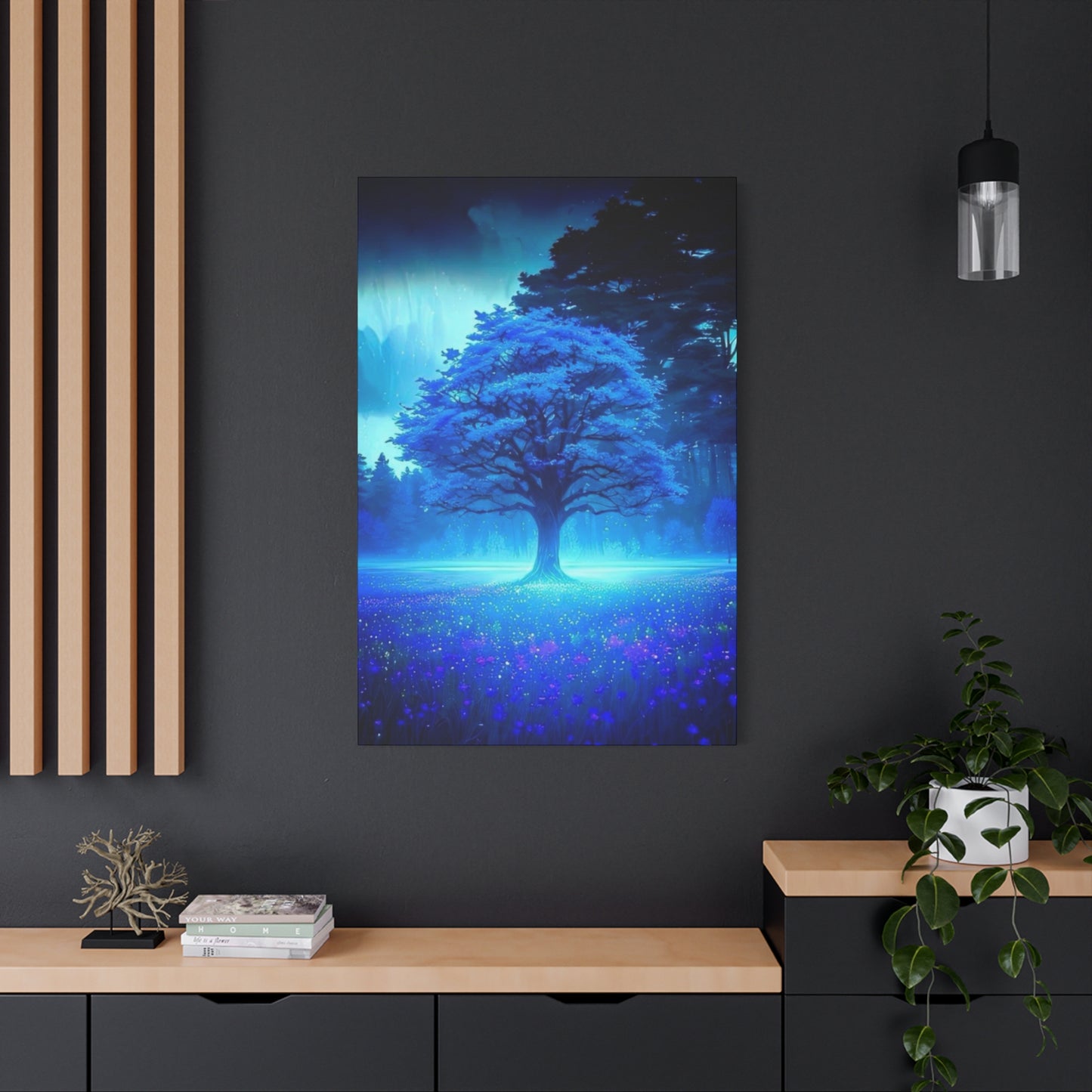


Blue Glowing Tree Wall Art & Canvas Prints
Blue Glowing Tree Wall Art & Canvas Prints
Couldn't load pickup availability
Ethereal Blue Glowing Tree Wall Art: Creating Luminescent Forest Ambiance Inside Your Living Rooms
The mesmerizing allure of luminescent forest imagery has captivated interior design enthusiasts worldwide, with blue glowing tree wall art emerging as a transformative element that bridges natural beauty with contemporary aesthetics. These radiant artistic installations channel the mystical essence of bioluminescent forests, casting enchanting azure luminosity throughout residential and commercial environments. The phenomenon of incorporating such ethereal decorative elements represents more than mere ornamentation—it embodies a philosophical connection between human habitation and primordial woodland sanctuaries.
Discovering the Enchanting World of Luminescent Woodland Imagery for Interior Spaces
Luminescent woodland imagery transcends conventional decorative boundaries, offering inhabitants an immersive visual experience that awakens primal connections to nature's nocturnal mysteries. The azure radiance emanating from these artistic representations mimics rare natural phenomena observed in specific ecological niches where particular fungal species, marine organisms, and chemical reactions produce otherworldly illumination. When translated into residential décor, blue glowing tree wall art becomes a portal through which urban dwellers can access the tranquil majesty of moonlit groves and mystical forests.
The psychological resonance of these luminous installations stems from humanity's ancestral relationship with woodland environments. Anthropological evidence suggests that forests served as both sanctuary and source for early human civilizations, creating deep-seated neural pathways that respond to arboreal imagery. Contemporary neuroscience reveals that exposure to natural motifs—particularly those featuring calming chromatic tones like azure and cerulean—triggers parasympathetic nervous system activation, reducing cortisol production and promoting restorative mental states.
The chromatic properties of azure luminescence hold particular significance in human perception. Unlike aggressive reds or stimulating yellows, blue wavelengths occupy a unique position within the visible spectrum, associated with twilight hours, celestial expanses, and aquatic depths. This color activates specific photoreceptors in human retinas, producing measurable effects on circadian rhythm regulation and melatonin synthesis. When incorporated into living environments through blue glowing tree wall art, these chromatic influences create ambient conditions conducive to relaxation, contemplation, and creative ideation.
Varieties and Manifestations of Illuminated Arboreal Artwork for Domestic Environments
The marketplace for luminescent woodland décor encompasses remarkable diversity, ranging from minimalist silhouettes to hyper-realistic representations of specific botanical species. Canvas-based implementations constitute the most accessible category, featuring printed imagery enhanced with phosphorescent pigments or LED backlighting systems. These installations typically employ archival-quality substrates capable of maintaining chromatic fidelity across decades, ensuring long-term aesthetic value.
Metal sculpture variations introduce three-dimensional complexity, utilizing copper, aluminum, or steel frameworks embedded with fiber-optic strands or electroluminescent wire. These sophisticated constructions create depth perception through parallax effects, with branches appearing to extend outward from wall surfaces. The interplay between metallic textures and ethereal illumination generates visual tension that captures attention without overwhelming spatial harmony.
Carved wood implementations represent the pinnacle of artisanal craftsmanship, where skilled woodworkers hollow specific portions of timber panels to accommodate lighting elements. These pieces often incorporate indigenous wood species, adding authentic organic textures that complement luminescent enhancements. The grain patterns of materials like walnut, cherry, or reclaimed barn wood create naturalistic complexity that synthetic materials cannot replicate.
Glass and resin formulations enable unique translucent properties, allowing ambient light to penetrate decorative elements while embedded luminescent components project azure radiance. These materials facilitate creative experimentation with opacity gradients, enabling designers to craft pieces where illumination appears to emanate from within branch structures themselves. The dimensional stability of modern resin compounds ensures these installations maintain geometric integrity across temperature fluctuations and humidity variations.
Textile-based approaches incorporate luminescent fibers into woven or embroidered compositions, creating flexible installations suitable for unconventional architectural surfaces. These fabric artworks can conform to curved walls, suspended ceilings, or temporary partition systems, offering versatility unmatched by rigid media. The tactile qualities of textile implementations add sensory dimensions beyond visual perception, inviting physical interaction with decorative elements.
Mechanisms Behind the Mystical Radiance of Artificially Illuminated Botanical Displays
Understanding the luminescent mechanisms underlying blue glowing tree wall art requires examination of various light-generation methodologies. Phosphorescent compounds represent the most passive approach, absorbing ambient light energy during daylight hours and gradually releasing it through molecular relaxation processes after darkness falls. These materials contain rare earth elements or doped aluminates that trap photons in excited electron states, creating sustained emission lasting several hours.
Light-emitting diode systems provide active illumination with exceptional energy efficiency, consuming minimal electrical current while producing intense, focused light output. Contemporary LED configurations utilize semiconductor junctions between N-type and P-type silicon layers, where electron recombination releases photons corresponding to specific wavelengths. Blue-spectrum LEDs employ gallium nitride compounds that generate emissions centered around 450-490 nanometers—the precise range perceived as azure by human vision.
Electroluminescent wire technology presents another illumination methodology, consisting of copper cores coated with phosphorescent materials and wrapped in protective outer sheaths. When alternating current flows through these assemblies, the phosphor layer emits uniform light along the entire wire length. This characteristic makes electroluminescent wire ideal for tracing branch networks and root systems in blue glowing tree wall art, creating continuous luminous pathways rather than discrete point sources.
Fiber optic implementations leverage total internal reflection principles, channeling light through transparent polymer or glass filaments from centralized sources to distributed endpoints. This approach enables precise control over illumination patterns, allowing designers to create twinkling effects resembling bioluminescent organisms or simulate wind-driven movement through programmed intensity variations. The absence of electrical current at display endpoints enhances safety profiles, particularly for installations in moisture-prone environments.
Cold cathode fluorescent lamp systems, though less common in contemporary designs, still appear in certain premium installations. These sealed tubes contain noble gases that ionize when subjected to high-voltage potentials, producing ultraviolet radiation that excites phosphorescent coatings on interior tube surfaces. The resulting visible light emission offers exceptional chromatic purity, though with higher energy consumption than LED alternatives.
Strategic Placement Considerations for Maximizing Visual Impact Throughout Your Dwelling
Optimal positioning of blue glowing tree wall art requires thoughtful analysis of architectural features, traffic patterns, and existing illumination sources. Primary viewing walls—those immediately visible upon entering spaces—offer maximum exposure frequency, making them prime candidates for statement installations. These focal walls should possess sufficient uninterrupted surface area to accommodate pieces without competing with windows, doorways, or other architectural interruptions.
Height placement significantly influences perceptual experience, with center-point positioning at approximately sixty inches from floor level aligning with average human eye height. However, towering vertical compositions benefit from extended elevation, creating upward visual trajectories that enhance perceived ceiling height. This approach proves particularly effective in spaces with lower ceiling clearances, where vertical emphasis counteracts potential claustrophobia.
Corner installations leverage often-underutilized spatial zones, wrapping luminescent imagery around angular junctions to create immersive environmental effects. This placement strategy works exceptionally well with sculptural pieces featuring three-dimensional branch extensions, allowing physical projection into room volumes. Corner positioning also facilitates dramatic shadow casting, where branch silhouettes dance across adjacent walls in response to viewing angle shifts.
Above-furniture placement demands careful consideration of functional clearances and visual hierarchy. Installations positioned over sofas, beds, or dining furniture should maintain minimum twelve-inch vertical separation to prevent physical contact while preserving aesthetic proportion. The horizontal span of blue glowing tree wall art in such contexts should approximate two-thirds to three-quarters of underlying furniture width, creating balanced visual relationships.
Alcove and niche environments provide natural frames for luminescent displays, with architectural recesses amplifying radiance through reflected light multiplication. These semi-enclosed spaces concentrate illumination while shielding it from competing ambient sources, enhancing perceived brightness and chromatic saturation. Adding reflective backing materials within alcoves—brushed aluminum or glossy white surfaces—further intensifies luminous effects through strategic light bouncing.
Chromatic Harmony and Aesthetic Coherence Within Existing Interior Design Schemes
Integrating blue glowing tree wall art into established decorative frameworks requires nuanced understanding of color theory principles and spatial psychology. Azure tones naturally complement neutral palettes dominated by whites, grays, and earth tones, providing chromatic punctuation without overwhelming visual fields. The coolness of blue emissions creates pleasing contrast against warm wooden furnishings, exposed brick surfaces, and terracotta accessories.
Analogous color schemes incorporating neighboring hue families—teals, turquoises, and aquamarines—establish flowing chromatic progressions that guide visual exploration throughout spaces. This approach proves particularly effective in open-plan environments where blue glowing tree wall art serves as an anchor point from which coordinated color waves emanate through textiles, carpeting, and accent pieces.
Complementary relationships pairing azure radiance with warm amber or golden accents generate dynamic visual tension that energizes environments. This high-contrast approach demands careful proportional control, with cooler blue tones typically occupying larger surface areas while warmer complements appear as strategic highlights. The resulting interplay mimics natural twilight transitions where residual sunlight warmth contrasts against deepening evening blues.
Monochromatic schemes exploring various blue saturation levels and value ranges create sophisticated, cohesive atmospheres. Pairing luminescent cerulean artwork with navy upholstery, powder blue walls, and cobalt decorative objects establishes thematic unity while maintaining visual interest through tonal variation. This approach suits minimalist aesthetic preferences, where chromatic restraint emphasizes form and spatial relationships.
Triadic color relationships incorporating orange and green alongside blue introduce vibrant complexity suitable for eclectic or maximalist environments. These three-hue configurations, evenly spaced around color wheels, create balanced dynamism that prevents any single tone from dominating perceptual experience. When implemented through blue glowing tree wall art paired with burnt orange cushions and sage green botanical prints, such schemes achieve energetic yet harmonious spatial character.
Material Selection and Construction Quality Indicators for Long-Lasting Visual Appeal
Discriminating consumers should evaluate substrate materials underlying luminescent artistic installations for durability, dimensional stability, and environmental resistance. Premium canvas implementations utilize heavyweight duck or linen fabrics with minimum twelve-ounce weight ratings, ensuring structural integrity that resists sagging and warping across decades. These substrates should feature polyester or cotton compositions treated with acid-free sizing agents that prevent yellowing and degradation.
Frame construction quality directly impacts longevity, with kiln-dried hardwood stretcher bars offering superior warp resistance compared to softwood alternatives. Proper joinery techniques—including mortise-and-tenon connections or reinforced corner braces—maintain geometric precision despite humidity fluctuations and temperature cycling. Gallery-wrap configurations, where canvas continues around frame edges, provide finished appearances suitable for frameless display while protecting vulnerable canvas edges.
Electrical components warrant particular scrutiny, especially for blue glowing tree wall art incorporating powered illumination systems. LED drivers should possess UL or ETL certification, indicating compliance with electrical safety standards for residential environments. Proper thermal management through aluminum heat sinks prevents premature LED degradation, with quality implementations maintaining ninety percent luminous output after fifty thousand operational hours.
Protective coatings applied to finished surfaces determine resistance to environmental contaminants, ultraviolet degradation, and physical abrasion. UV-resistant varnishes containing hindered amine light stabilizers extend chromatic fidelity by preventing photochemical breakdown of pigments and binders. These protective layers should cure to non-yellowing finishes that maintain transparency across extended timeframes.
Mounting hardware compatibility influences installation security and adjustability options. Heavy-duty D-rings, French cleats, or keyhole slots should accompany substantial pieces, with weight ratings exceeding actual artwork mass by minimum two-hundred-percent safety margins. Adjustable hanging systems accommodate post-installation leveling corrections without requiring complete remounting procedures.
Electrical Requirements and Power Management for Illuminated Decorative Installations
Powered luminescent artwork necessitates careful consideration of electrical infrastructure, voltage requirements, and energy consumption profiles. Most contemporary blue glowing tree wall art implementations operate on low-voltage direct current systems, typically ranging from five to twenty-four volts. These reduced voltage levels enhance safety profiles, minimizing shock hazards and allowing operation in proximity to flammable materials or moisture sources.
Power supply specifications should match illumination system requirements precisely, with amperage ratings providing adequate current capacity plus twenty-percent overhead for system stability. Switch-mode power supplies offer compact dimensions and high conversion efficiency, though linear regulators may provide cleaner output for installations sensitive to electrical noise. Proper supply selection prevents voltage sag under load, maintaining consistent brightness across illuminated elements.
Cord management solutions influence both aesthetic presentation and safety compliance. Braided fabric cord sleeves transform mundane electrical cables into design elements that complement installation themes, available in colors coordinating with blue glowing tree wall art palettes. Alternatively, in-wall routing through conduit systems conceals wiring entirely, though this approach requires professional electrical work ensuring code compliance.
Smart control integration enables sophisticated illumination management, with wireless dimming, scheduling, and color temperature adjustment accessible through smartphone applications or voice commands. These systems typically employ WiFi, Bluetooth, or Zigbee protocols, communicating with LED drivers through pulse-width modulation or digital addressing schemes. The resulting control flexibility allows inhabitants to adjust ambient lighting intensity according to time-of-day preferences or specific activity requirements.
Energy consumption profiles merit evaluation from both economic and environmental perspectives. LED-based blue glowing tree wall art typically consumes five to thirty watts depending on size and brightness specifications, translating to annual electricity costs measured in single-digit dollars at residential rates. This exceptional efficiency enables guilt-free continuous operation, maintaining ethereal ambiance throughout overnight hours when luminescent effects achieve maximum impact.
Environmental Factors Affecting Performance and Preservation of Luminescent Artworks
Temperature ranges significantly influence both luminescent material performance and structural component integrity. Most phosphorescent pigments exhibit optimal emission characteristics within fifty to eighty degree Fahrenheit ranges, with efficiency declining at temperature extremes. Electronic components similarly demonstrate temperature sensitivity, with LED junction temperatures directly affecting operational lifespan and spectral output stability.
Humidity levels impact organic substrate materials, particularly wood and natural fiber canvases vulnerable to dimensional changes accompanying moisture absorption and desorption cycles. Maintaining relative humidity between thirty and fifty percent prevents excessive expansion-contraction cycling that gradually loosens mechanical joints and distorts artwork geometry. Sealed frame backs employing kraft paper or rigid barriers minimize moisture ingress in climate-controlled environments.
Ultraviolet exposure represents the primary environmental threat to chromatic stability, causing photochemical degradation of pigments, binders, and protective coatings. Strategic placement away from direct sunlight minimizes UV damage, though even indirect natural illumination contains sufficient ultraviolet content to warrant protective measures. Window films, UV-filtering glazing, or protective varnish layers containing benzotriazole compounds mitigate degradation risks.
Atmospheric contaminants including cooking grease, tobacco smoke, and volatile organic compounds accumulate on artwork surfaces over time, creating yellowed films that diminish chromatic brilliance. Regular gentle cleaning using microfiber cloths dampened with distilled water removes particulate contamination before bonding occurs. Avoiding harsh chemical cleaners preserves protective coatings while eliminating deposited pollutants.
Electrostatic accumulation attracts dust particles to charged surfaces, particularly problematic for glass-fronted or resin-sealed blue glowing tree wall art installations. Periodic treatment with anti-static sprays formulated for electronics reduces particle attraction, though proper ventilation and air filtration provide superior long-term contamination control. HEPA filtration systems remove ninety-nine-point-nine-seven percent of particles exceeding point-three microns diameter, dramatically reducing airborne contamination sources.
Psychological and Emotional Responses Triggered by Azure Luminescent Woodland Imagery
The neural processing of blue luminescent imagery activates specific brain regions associated with memory formation, emotional regulation, and spatial navigation. Functional magnetic resonance imaging studies reveal increased activity in hippocampal formations and parahippocampal gyrus regions when subjects view natural landscapes, suggesting these stimuli trigger memory consolidation pathways. The addition of ethereal blue illumination enhances these effects through simultaneous activation of reward-processing dopaminergic circuits.
Chromatic psychology research demonstrates that blue wavelengths influence psychological states through multiple physiological mechanisms. Beyond circadian rhythm entrainment via melanopsin-containing retinal ganglion cells, blue light exposure modulates serotonin synthesis rates within pineal and hypothalamic structures. These neurochemical alterations produce measurable mood elevation, reduced anxiety expression, and enhanced cognitive flexibility—beneficial effects that blue glowing tree wall art installations can facilitate within domestic environments.
The archetypal symbolism of trees carries profound meaning across diverse cultural traditions, representing growth, stability, interconnectedness, and cyclical renewal. Jungian analytical psychology identifies tree imagery as a central component of collective unconscious representations, appearing spontaneously in dreams, mythology, and artistic expression worldwide. When combined with luminescent qualities suggesting vitality and transcendence, these symbols acquire additional dimensions of meaning that resonate with viewers at subconscious levels.
Prospect-refuge theory from environmental psychology explains human preference for spaces offering simultaneous views of open areas and protective enclosures—evolutionary adaptations maximizing safety while maintaining awareness of resources and threats. Blue glowing tree wall art installations satisfy refuge aspects through their suggestion of sheltering forest canopies, while maintaining prospect qualities through transparent or implied depth. This dual functionality explains the profound comfort many individuals experience in spaces featuring such decorative elements.
Attention restoration theory posits that natural environments facilitate cognitive recovery from mental fatigue through engagement of involuntary attention mechanisms that don't deplete limited voluntary attention resources. Representations of natural scenes—particularly those featuring complexity, coherence, and fascination elements—provide similar restorative benefits within built environments. The mysterious quality of luminescent blue glowing tree wall art creates fascination that holds attention effortlessly, allowing voluntary attention systems to rest and recover.
Diverse Styling Approaches for Incorporating Radiant Forest Imagery Across Various Décor Philosophies
Minimalist aesthetic frameworks emphasize clean lines, restrained ornamentation, and careful material selection, creating challenges for integrating decorative elements without compromising spatial purity. Blue glowing tree wall art suited to minimalist spaces typically features simplified silhouettes, monochromatic color palettes, and geometric regularity. Single-branch compositions against stark backgrounds exemplify this approach, where negative space receives equal consideration as positive imagery.
Industrial styling sensibilities embrace raw materials, exposed structural elements, and utilitarian aesthetics drawn from warehouse and factory environments. Luminescent woodland installations complement these frameworks through metal construction, visible electrical components, and deliberate contrast between organic forms and mechanical fixtures. Distressed finishes, salvaged wood integration, and Edison-style bulb illumination establish cohesive relationships with surrounding industrial elements.
Bohemian or eclectic environments thrive on layered complexity, cultural fusion, and individualistic expression through accumulated objects and diverse textiles. Within such contexts, blue glowing tree wall art functions as anchor points around which additional decorative elements accumulate. Pairing luminescent installations with macramé wall hangings, vintage textiles, and collected curiosities creates visually rich compositions that reflect inhabitant personalities.
Scandinavian design principles prioritize functionality, natural materials, and connection between indoor spaces and surrounding landscapes. Luminescent forest imagery aligns seamlessly with these values, particularly implementations utilizing light-colored woods, clean construction details, and subtle illumination intensities. The hygge philosophy central to Scandinavian living—emphasizing coziness, contentment, and intimate atmospheric qualities—finds perfect expression through gentle blue glowing tree wall art radiance.
Contemporary styling approaches embrace current trends while maintaining timeless elegance through balanced proportions and sophisticated material pairings. Blue glowing tree wall art implementations suited to contemporary spaces feature innovative materials like smart glass, programmable LED matrices, and interactive sensors responding to occupant presence. These pieces function as conversation starters while maintaining aesthetic restraint that prevents rapid stylistic obsolescence.
Rustic design sensibilities celebrate natural imperfection, handcrafted authenticity, and connections to agrarian traditions. Luminescent woodland installations complement rustic environments through incorporation of reclaimed wood, hand-forged metal elements, and deliberately irregular forms suggesting organic growth patterns. Combining contemporary illumination technologies with traditional craftsmanship creates intriguing temporal juxtapositions that enrich spatial narratives.
Procurement Considerations and Investment Evaluation for Luminescent Decorative Artworks
Price ranges for blue glowing tree wall art span remarkable breadth, from mass-produced poster prints with battery-powered LEDs costing under fifty dollars to custom-commissioned installations exceeding ten thousand dollars. Understanding value determinants enables informed procurement decisions aligned with budget constraints and quality expectations. Factors influencing pricing include material composition, construction complexity, illumination sophistication, artist reputation, and piece uniqueness.
Mass-market offerings typically employ digital printing onto standard canvas substrates with basic LED strip backlighting controlled through simple on-off switches. While accessible, these implementations often sacrifice chromatic accuracy, illumination uniformity, and structural durability compared to premium alternatives. However, for temporary installations, rental properties, or budget-conscious decorating, such options provide reasonable aesthetic impact at minimal investment.
Mid-tier products incorporate superior materials—heavyweight canvases, color-calibrated printing, properly heat-managed LED systems, and quality frame construction. These pieces typically retail between three hundred and one thousand dollars depending on dimensions, offering good value propositions for long-term residential installations. Warranties covering manufacturing defects and illumination component failures provide additional security for these moderate investments.
Premium handcrafted installations command higher prices justified through artistic merit, material excellence, and construction refinement. Limited edition pieces from recognized artists or designers carry additional value derived from scarcity and provenance. Custom commissions allowing specification of dimensions, color palettes, illumination patterns, and specific botanical species representation provide ultimate personalization at corresponding cost premiums.
Commissioning original blue glowing tree wall art enables perfect specification alignment with architectural constraints and aesthetic preferences. This process typically begins with consultation sessions establishing design parameters, followed by concept sketches or digital renderings for approval. Production timelines vary from weeks for straightforward implementations to months for complex sculptural pieces, with payment structures usually requiring deposits securing production slots and final balances upon completion.
Resale value considerations merit attention for significant artistic investments, particularly limited edition pieces from established artists. Documentation including certificates of authenticity, provenance records, and condition reports maintains maximum value through ownership transfers. Proper preservation following manufacturer recommendations ensures physical condition remains excellent, supporting strong resale prospects should future disposition become necessary.
Proper Handling and Preservation Protocols for Maintaining Pristine Condition Over Decades
Surface cleaning procedures for blue glowing tree wall art vary according to materials and protective coatings present. Canvas implementations tolerate gentle dusting with soft-bristle brushes or microfiber cloths, removing particulate accumulation without abrading sensitive surfaces. For stubborn contamination, slightly dampened cloths using distilled water prevent mineral deposit formation while avoiding excessive moisture introduction.
Glass or acrylic-fronted pieces accept standard glass cleaning solutions applied to lint-free cloths rather than sprayed directly onto surfaces where solutions might seep behind glazing materials. Ammonia-free formulations prevent clouding of anti-reflective coatings sometimes applied to premium glazing materials. Circular wiping motions minimize streak formation while ensuring complete coverage across viewing surfaces.
Metal components benefit from occasional treatment with appropriate protectants preventing oxidation and maintaining lustrous finishes. Paste waxes formulated for metal preservation create protective barriers against atmospheric moisture while enhancing visual appeal through subtle sheen enhancement. Avoid abrasive polishes that remove protective patinas deliberately created during manufacturing processes.
Illumination system inspection should occur annually, checking electrical connections for corrosion, examining wiring insulation for degradation, and testing control systems for proper operation. LED output monitoring identifies premature failures requiring component replacement before complete illumination loss occurs. Maintaining spare LED strips or modules enables prompt repairs minimizing artwork downtime.
Structural assessment examines frame joints for loosening, hanging hardware for secure attachment, and substrate materials for warping or delamination. Addressing minor issues promptly prevents progression into major damage requiring extensive restoration. Professional conservation consultation becomes advisable for valuable pieces exhibiting concerning deterioration symptoms beyond routine preservation scope.
Creative Combination Strategies for Building Cohesive Gallery Wall Compositions
Multi-piece arrangements featuring blue glowing tree wall art as central elements create dynamic visual narratives exceeding single-installation impact. Gallery wall compositions benefit from careful attention to sizing relationships, spacing intervals, and thematic coherence among constituent elements. Odd-numbered groupings—three, five, or seven pieces—typically produce more visually interesting compositions than even-numbered arrays through asymmetrical balance principles.
Size progression techniques establish hierarchical relationships among grouped artworks, with largest pieces anchoring compositions while smaller elements provide supporting detail. Gradual size transitions create flowing visual sequences guiding viewer attention through deliberate pathways. Alternatively, uniform sizing produces grid patterns emphasizing collective impact over individual piece prominence.
Spacing consistency maintains visual harmony, with gaps between adjacent pieces typically measuring two to four inches for closely grouped arrangements or up to twelve inches for more spacious compositions. Template creation using craft paper mockups enables experimentation with various arrangements before committing to permanent mounting, preventing wall damage from multiple hanging attempts.
Mixing media types introduces textural variety that enriches sensory experience beyond purely visual dimensions. Combining luminescent blue glowing tree wall art with conventional paintings, photographs, textile pieces, or three-dimensional objects creates dialogue between different artistic expressions. Thematic connections—shared color palettes, complementary subjects, or related emotional tones—unify diverse elements into coherent presentations.
Vertical versus horizontal orientation decisions influence spatial perception and visual movement patterns. Predominantly vertical arrangements draw eyes upward, enhancing ceiling height perception while creating elegant, refined atmospheres. Horizontal configurations encourage lateral visual scanning, expanding perceived wall width while establishing grounded, stable impressions. Balanced combinations incorporating both orientations achieve dynamic equilibrium preventing monotonous regularity.
Seasonal Adjustments and Adaptive Styling for Year-Round Visual Interest Preservation
Luminescent installations lend themselves to seasonal reinterpretation through strategic accessory modifications that refresh appearances without requiring complete reinstallation. Spring adaptations might incorporate pastel accent colors through surrounding textiles, fresh botanical specimens in coordinating vessels, or light-filtering sheers that soften natural illumination interactions with blue glowing tree wall art radiance.
Summer transformations embrace vibrant saturations and increased brightness levels, potentially adjusting dimmer settings to higher output positions that complement extended daylight hours. Pairing luminescent woodland imagery with tropical foliage plants, woven natural fiber accessories, and breezy linens establishes cohesive warm-weather aesthetics celebrating abundance and growth.
Autumn transitions introduce warmer accent colors—russets, golds, and burnt oranges—that create pleasing chromatic contrast against cool blue luminescence. Incorporating dried grasses, preserved leaves, or harvest-themed accessories builds visual bridges between evergreen luminescent installations and seasonal decorative elements. Adjusting illumination color temperature toward slightly warmer hues through RGB LED systems complements autumn's characteristic light quality.
Winter styling emphasizes cozy intimacy through increased reliance on artificial illumination as natural daylight diminishes. Blue glowing tree wall art achieves maximum impact during extended evening hours, creating magical ambiance that counteracts seasonal darkness. Pairing with reflective metallic accents, crystalline decorative objects, and plush textiles establishes luxurious retreat atmospheres perfect for cold-weather comfort.
Holiday-specific adaptations allow temporary thematic expressions without permanent alterations to core installations. Subtle additions like miniature ornaments suspended from branch elements, seasonal garlands draped along frame edges, or coordinated lighting effects create festive atmospheres while respecting artwork integrity. Post-holiday restoration to standard configuration maintains long-term aesthetic coherence.
Architectural Considerations for Maximizing Compatibility with Structural Features
Ceiling height variables dramatically affect optimal artwork dimensions and placement positions. Standard eight-foot ceilings benefit from vertically moderate pieces preventing visual top-heaviness, while taller cathedral or vaulted ceilings accommodate towering compositions that fill expanded vertical volumes. Proportional relationships between ceiling elevation and blue glowing tree wall art height maintain balanced spatial harmony.
Wall texture influences installation methodology and visual perception of luminescent effects. Smooth painted surfaces provide neutral backgrounds emphasizing artwork prominence, while textured finishes—exposed brick, rough plaster, or board-and-batten—create dynamic interactions between dimensional wall surfaces and illuminated imagery. Considering these relationships during selection prevents clashing between architectural elements and decorative additions.
Architectural lighting integration requires coordination between fixed illumination systems and artwork-specific lighting. Recessed downlights, track fixtures, or wall sconces should complement rather than compete with blue glowing tree wall art radiance. Dimming capabilities on ambient lighting allow emphasis shifting toward luminescent installations during evening hours while maintaining functional illumination for daytime activities.
Window proximity affects both artwork visibility and preservation concerns. Placement opposite windows maximizes natural illumination of non-luminous artwork elements during daytime while preventing direct sunlight exposure that threatens chromatic stability. Side lighting from windows creates dimensional modeling through shadow casting, though requires UV-filtering window treatments protecting against long-term degradation.
Doorway and hallway relationships influence viewing angles and distances, affecting ideal artwork sizing and compositional orientation. Pieces positioned facing room entries create immediate visual impact upon arrival, establishing spatial tone and thematic direction. Alternatively, placements visible primarily from seated positions emphasize intimate viewing experiences during extended occupation periods.
Unique Spatial Challenges Presented by Non-Traditional Architectural Environments
Open-concept living areas blur traditional room boundaries, requiring blue glowing tree wall art selection considering multiple viewing angles and functional zones. Installations visible from kitchens, dining areas, and living spaces simultaneously must maintain aesthetic coherence across diverse activity contexts. Scale increases proportionally with expanded visual fields, preventing insignificant appearance from distant viewing positions.
Sloped ceiling situations in attic conversions, loft spaces, or A-frame structures demand creative mounting solutions accommodating non-vertical wall surfaces. Tilted installations parallel to ceiling planes maintain proper orientation relative to wall surfaces, though require specialized hanging hardware distributing weight appropriately across angled substrates. Alternatively, constructing vertical false walls provides conventional mounting surfaces within angular architectures.
Basement environments present humidity management challenges from foundation moisture transmission and temperature differentials promoting condensation. Proper vapor barriers, dehumidification systems, and moisture-resistant mounting materials protect blue glowing tree wall art from accelerated degradation in potentially hostile conditions. Sealed frame backs and moisture-resistant substrate selections provide additional protection layers.
Commercial space installations encounter distinct requirements including fire safety code compliance, accessibility standard adherence, and durability expectations exceeding residential contexts. Commercial-grade components, reinforced mounting systems, and vandalism-resistant constructions ensure longevity in high-traffic public environments. Coordination with facility managers and safety inspectors prevents code violations requiring costly remediation.
Outdoor or covered patio installations demand weather-resistant construction withstanding moisture, temperature extremes, and UV exposure far exceeding interior conditions. Marine-grade stainless steel hardware, UV-stabilized enclosure materials, and waterproof electrical systems enable exterior deployment, though most conventional blue glowing tree wall art requires shelter from direct precipitation and extreme environmental conditions.
Innovations Shaping Contemporary Luminescent Artwork Production and Consumer Experience
Smart home ecosystem compatibility represents significant advancement, enabling voice-controlled operation, automated scheduling, and integration with broader residential systems. Blue glowing tree wall art incorporating WiFi-enabled controllers responds to commands through platforms like Amazon Alexa, Google Assistant, or Apple HomeKit, allowing effortless illumination adjustments without physical switch access.
Programmable illumination sequences create dynamic visual experiences impossible with static lighting. Slowly shifting color temperatures mimicking sunset progressions, twinkling effects suggesting breezes through foliage, or brightness variations synchronized to music playback transform passive decorative objects into interactive environmental elements. User-friendly smartphone applications enable custom sequence programming without requiring coding expertise.
Augmented reality preview capabilities assist procurement decisions through virtual placement simulations. Mobile applications overlay digital representations of blue glowing tree wall art onto live camera feeds showing actual walls, enabling accurate scale assessment and composition evaluation before purchasing. This capability reduces return rates while increasing consumer confidence in remote purchase decisions.
Sustainable production methodologies address environmental consciousness among contemporary consumers. Responsibly harvested wood substrates, non-toxic water-based inks, and recyclable packaging materials reduce ecological footprints associated with artwork manufacturing. LED illumination inherently supports sustainability through minimal energy consumption and extended operational lifespans reducing replacement frequency.
Customizable modular systems allow ongoing reconfiguration as aesthetic preferences evolve or living situations change. Component-based blue glowing tree wall art featuring interchangeable panels, adjustable branch positions, or replaceable illumination modules provides flexibility traditional monolithic installations cannot match. This adaptability extends effective lifespan while maintaining relevance through changing design trends.
Cultural Significance and Symbolic Interpretations Across Global Perspectives
Eastern philosophical traditions ascribe profound meaning to tree symbolism, particularly within Buddhist and Taoist contexts where trees represent enlightenment pathways and cosmic connections. The Bodhi tree under which Buddha achieved awakening remains central to Buddhist iconography, making luminescent tree imagery particularly resonant for practitioners. Blue coloration adds layers suggesting celestial realms and transcendent consciousness states.
Celtic mythology venerates sacred groves and individual trees as dwelling places for deities and ancestral spirits, with specific species carrying distinct symbolic associations. Oak represents strength and endurance, while ash symbolizes connection between earthly and divine realms. Blue glowing tree wall art incorporating these species references tap into deep cultural memory streams particularly meaningful for individuals with Celtic heritage.
Native American traditions across diverse tribal groups recognize trees as elder relatives deserving reverence and gratitude for their provision of shelter, fuel, medicine, and spiritual guidance. The concept of tree consciousness—sentience and wisdom residing within these beings—creates philosophical frameworks viewing luminescent arboreal imagery as representations of living intelligence rather than inanimate decoration.
Norse cosmology centers on Yggdrasil, the world tree connecting nine realms of existence through its branches and roots. This mythological construct establishes trees as fundamental cosmic organizing principles, making their representation particularly significant for individuals drawn to Nordic spiritual traditions. Luminescent enhancement suggests magical properties associated with these sacred beings.
Contemporary environmental movements embrace tree imagery as symbols of ecological consciousness, biodiversity preservation, and climate action imperatives. Blue glowing tree wall art within such contexts functions as daily reminders of humanity's interdependence with forest ecosystems and personal commitments toward sustainable living practices. This symbolic dimension adds ethical weight to aesthetic choices.
Practical Illumination Benefits Beyond Aesthetic Enhancement Within Residential Settings
Nighttime navigation assistance represents significant functional benefit, with gentle blue radiance providing sufficient illumination for safe movement through darkened spaces without harsh overhead lighting disruption. This capability proves particularly valuable in bedrooms, hallways, and bathrooms where full-intensity lighting disturbs sleep-wake cycles. Motion-sensing activation options enhance convenience while minimizing energy consumption.
Reading light supplementation from properly positioned blue glowing tree wall art installations reduces eye strain compared to focused task lighting alone. Diffuse ambient illumination from luminescent artwork fills visual fields with soft radiance that minimizes contrast ratios between printed materials and surrounding darkness. While insufficient as sole reading light sources, these installations provide valuable supplementary illumination.
Security enhancement through exterior-visible illumination deters potential intruders by suggesting property occupation and eliminating dark concealment areas. Blue wavelength light penetrates darkness effectively while appearing less intrusive than harsh white security lighting. This dual functionality combines aesthetic appeal with practical home protection, particularly for street-facing installations visible through windows.
Mood lighting flexibility supports various activities from romantic dinners to relaxed movie viewing, with adjustable blue glowing tree wall art brightness levels accommodating diverse requirements. Unlike fixed overhead fixtures designed for specific illumination levels, dimmable luminescent installations provide continuous adjustment ranges allowing precise atmospheric tuning.
Child comfort provisions address common nighttime anxiety through gentle illumination that prevents complete darkness while avoiding stimulating brightness preventing sleep onset. The naturalistic imagery of woodland scenes provides reassuring visual anchors for young imaginations, reducing fear responses to darkness. Parents appreciate functional solutions simultaneously addressing practical needs and aesthetic preferences.
Final Thoughts
Ethereal blue glowing tree wall art brings an enchanting and transformative energy into any living space. The combination of the glowing blue hues with the organic beauty of tree imagery creates a unique ambiance, infusing your home with a calming, almost magical atmosphere. This style of wall art is perfect for those looking to add depth, tranquility, and a touch of fantasy to their interiors, while still maintaining an elegant and modern aesthetic.
The use of glowing elements within the design makes these tree artworks particularly captivating, as the luminescence shifts and reflects light throughout the day. During the daytime, the artwork emits a soft, ethereal glow that adds a sense of tranquility to the room. As night falls, the glow becomes more pronounced, creating a stunning visual focal point that can make your space feel serene, mysterious, and inviting. This dynamic interplay with light enhances the visual interest of the piece, making it a living, breathing element in your home’s décor.
Blue, as a color, is well known for its calming and soothing properties. When paired with the imagery of trees—symbols of life, growth, and strength—the combination becomes even more powerful. The soft blues in the glowing tree wall art evoke feelings of peace, while the organic, natural forms of the trees add a grounding sense of nature and balance. This duality of tranquility and vitality creates a harmonious energy that can positively impact the atmosphere of any room, whether it's the living room, bedroom, or even a meditation space.
Moreover, the versatility of this type of art makes it easy to incorporate into various design schemes. Whether your home leans towards a minimalist, bohemian, or even a nature-inspired design, glowing tree wall art adds a touch of elegance and wonder without overpowering the space. The subtle glow can blend seamlessly with neutral tones, or it can act as a striking contrast against darker colors, creating a stunning focal point. The ethereal qualities of the art make it an ideal choice for anyone seeking to create an atmosphere of quiet reflection or peaceful inspiration.
Beyond its aesthetic charm, ethereal blue glowing tree wall art brings with it a deep emotional resonance. Trees, often considered symbols of life, resilience, and interconnectedness, add layers of meaning to the space. The soft blue hues enhance the calming effect, transforming your home into a sanctuary where you can relax, reflect, and recharge. Whether you're drawn to the natural world or simply want to evoke a sense of wonder and serenity, this artwork is an ideal choice for creating a peaceful haven in your home.
In conclusion, ethereal blue glowing tree wall art is more than just a decorative piece; it’s a way to infuse your living spaces with beauty, tranquility, and a touch of magic. The glowing blue tones and tree imagery create a serene atmosphere that resonates emotionally, while also providing a stunning visual focal point that can adapt to any interior style. Whether used to create a peaceful retreat or to bring a sense of wonder to your space, this type of wall art is a truly transformative addition to any home.
Share