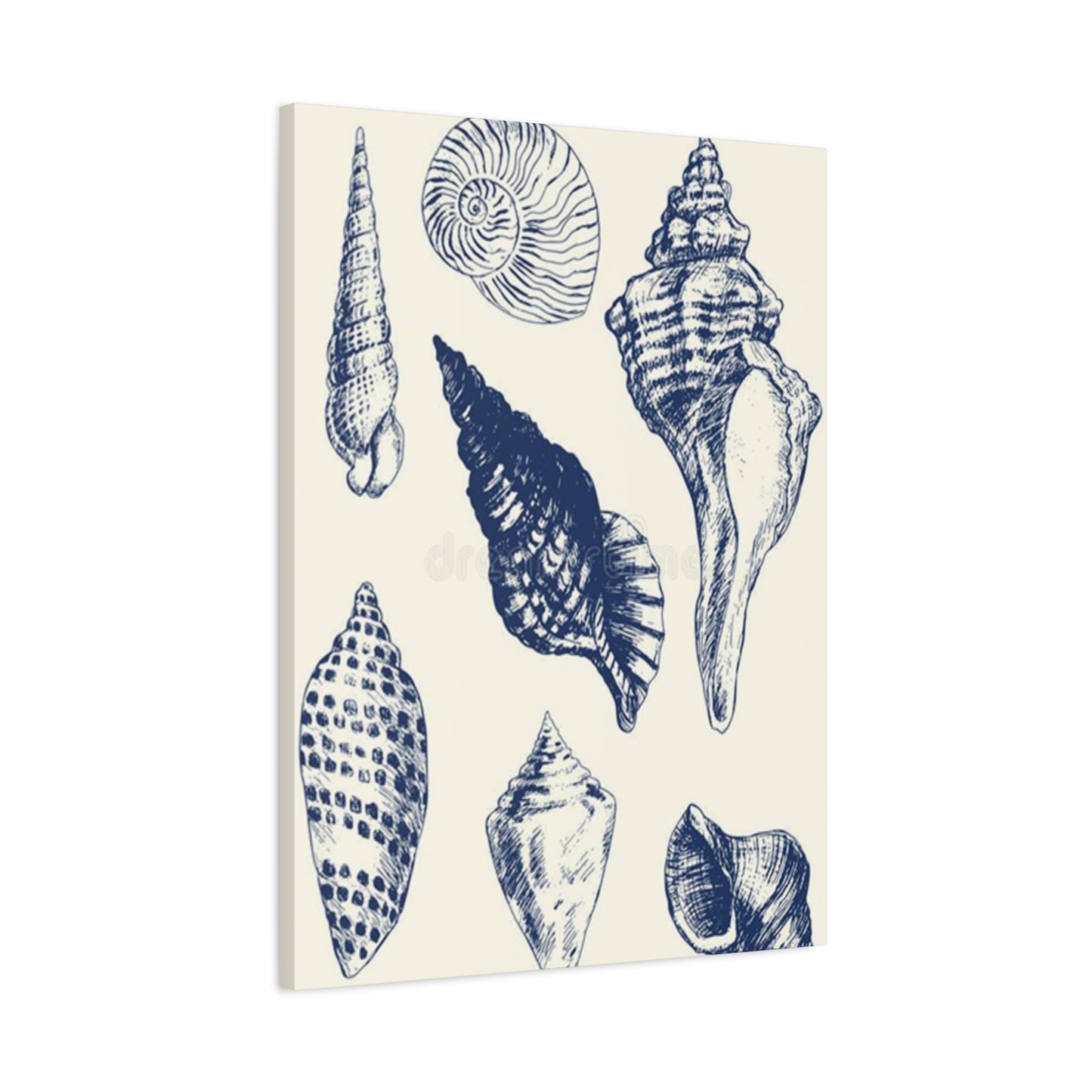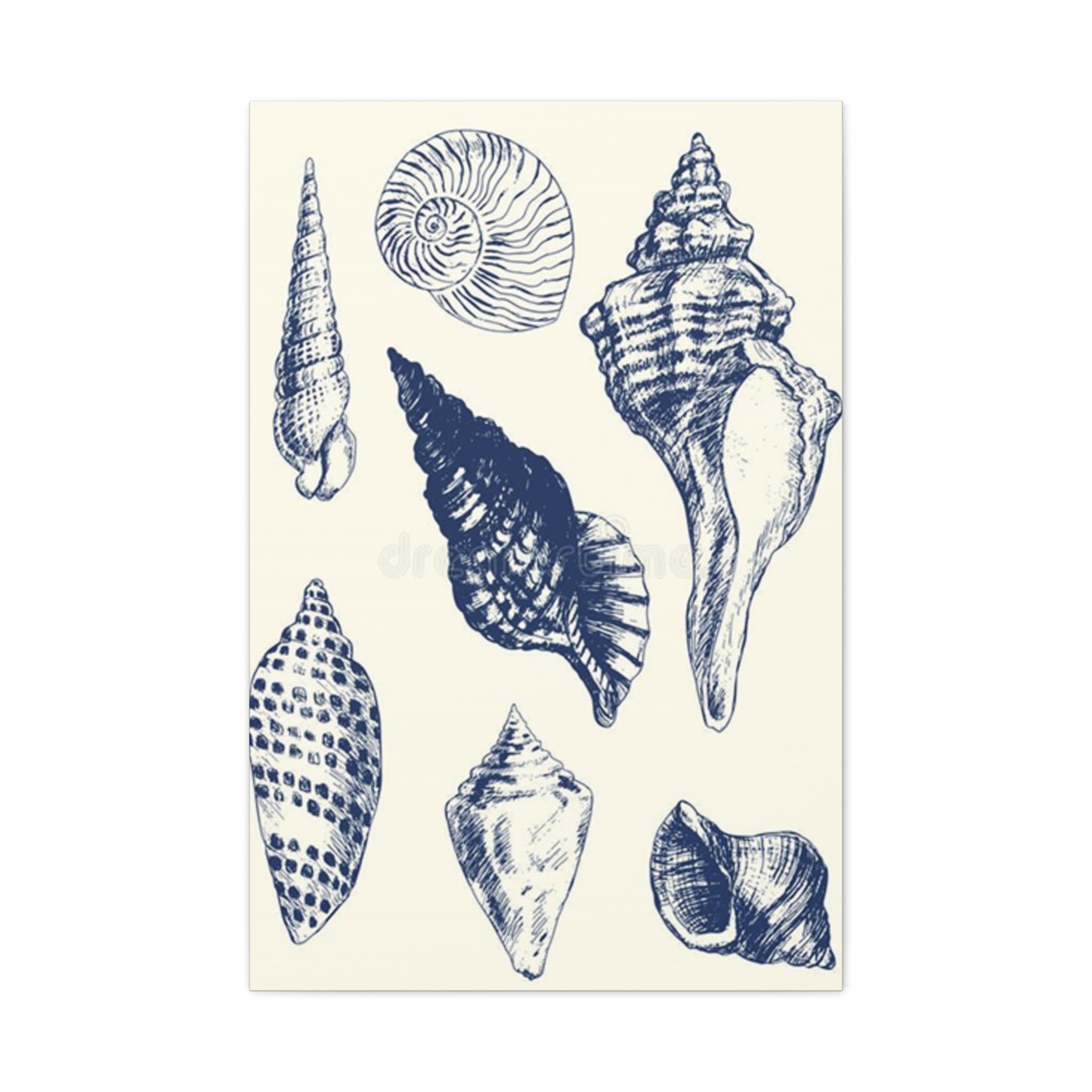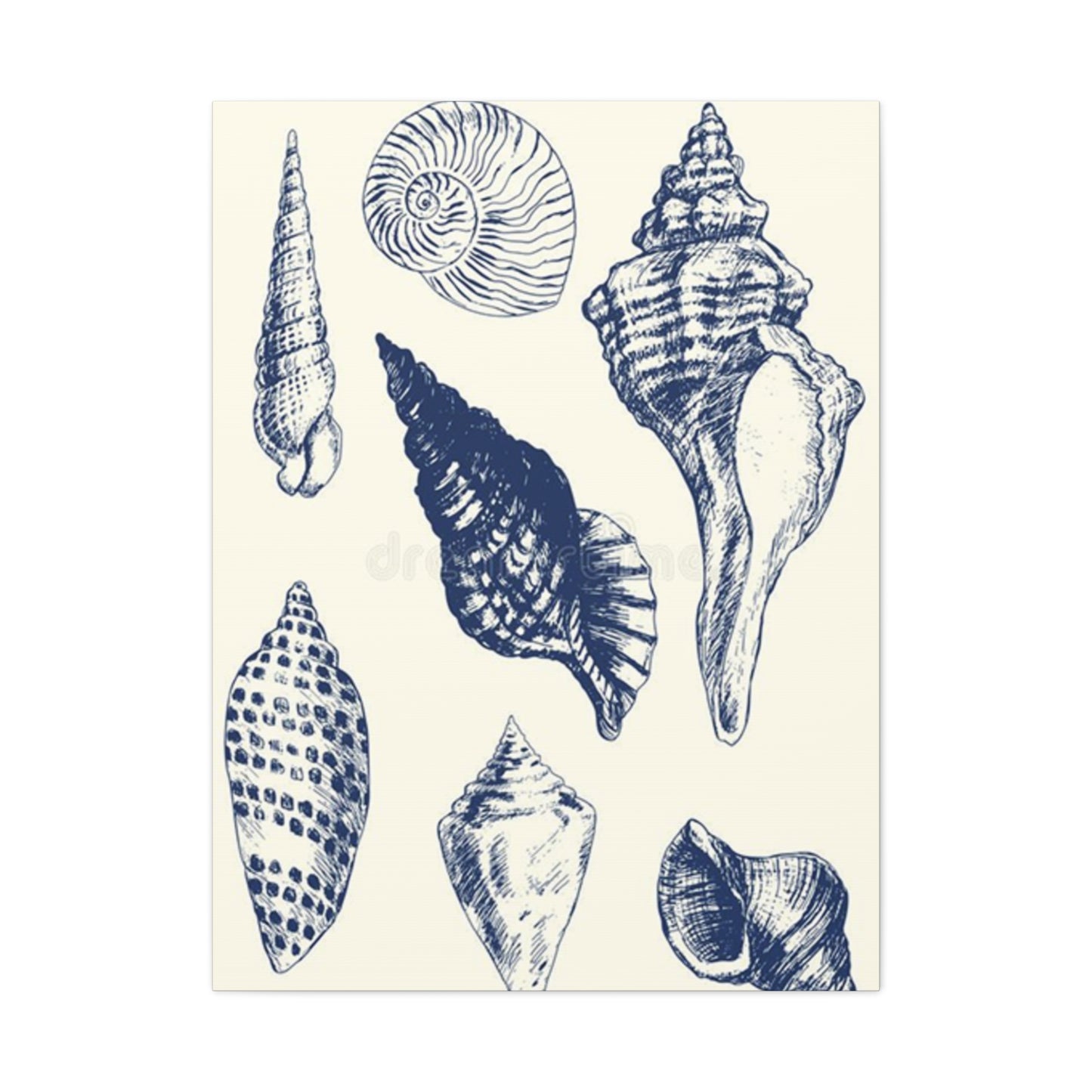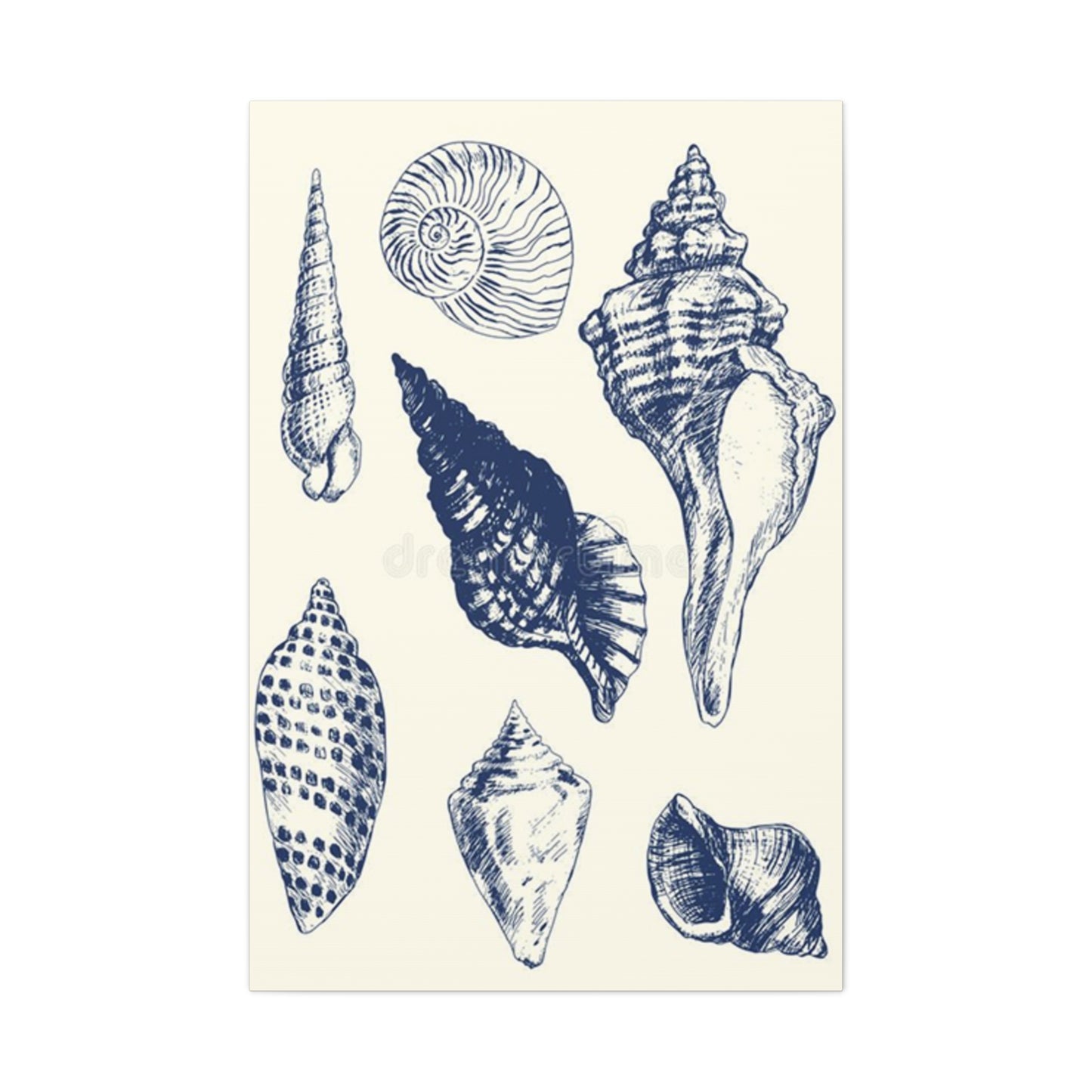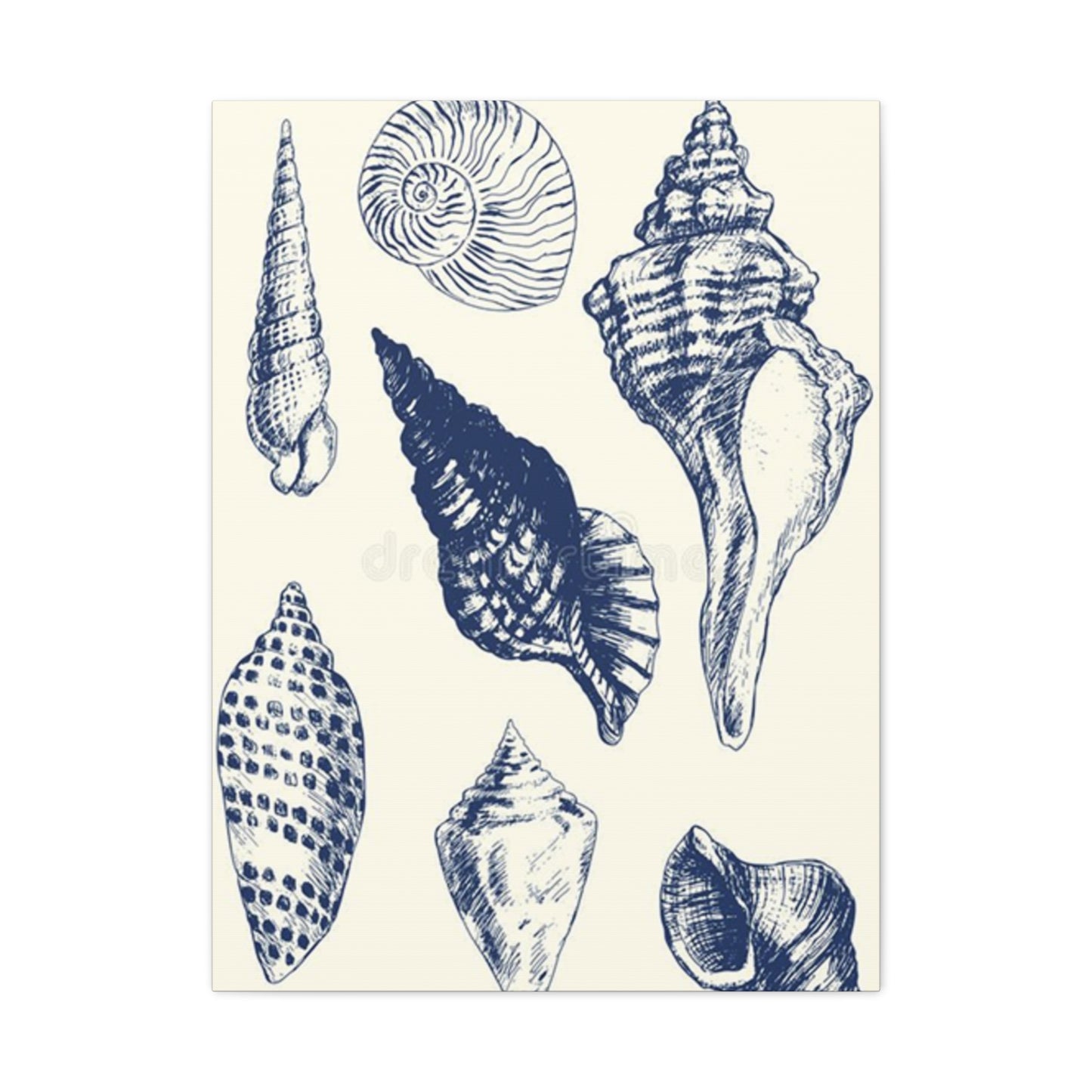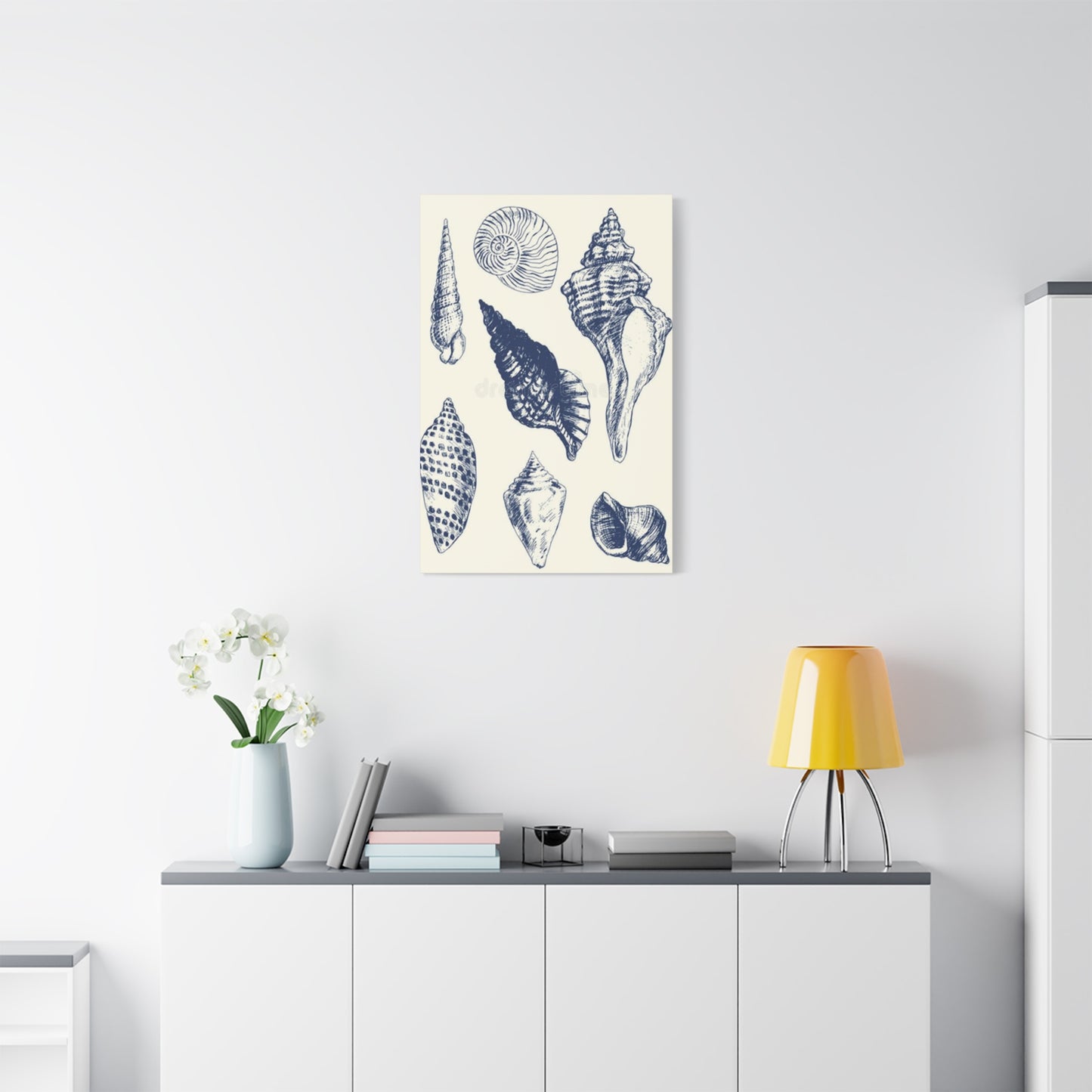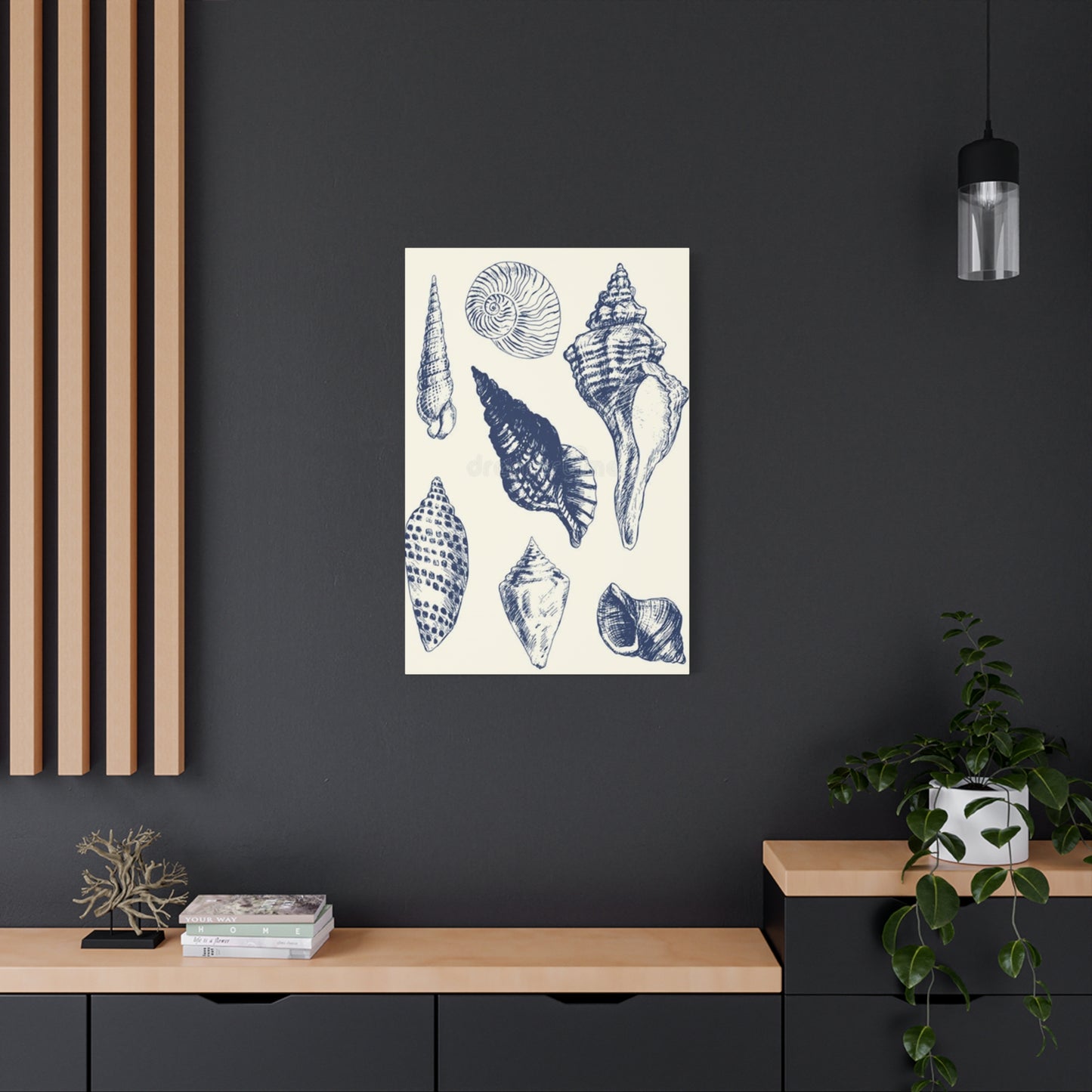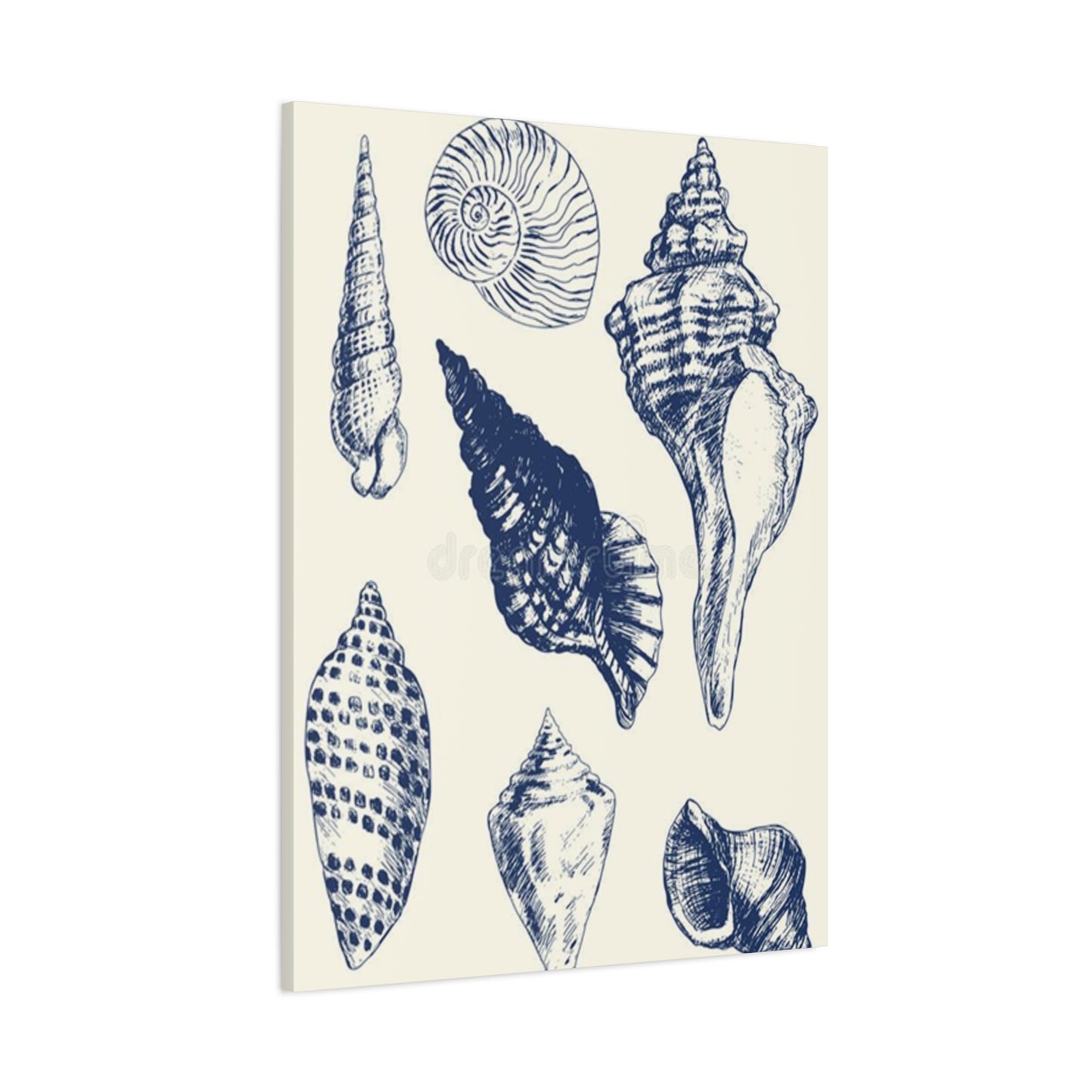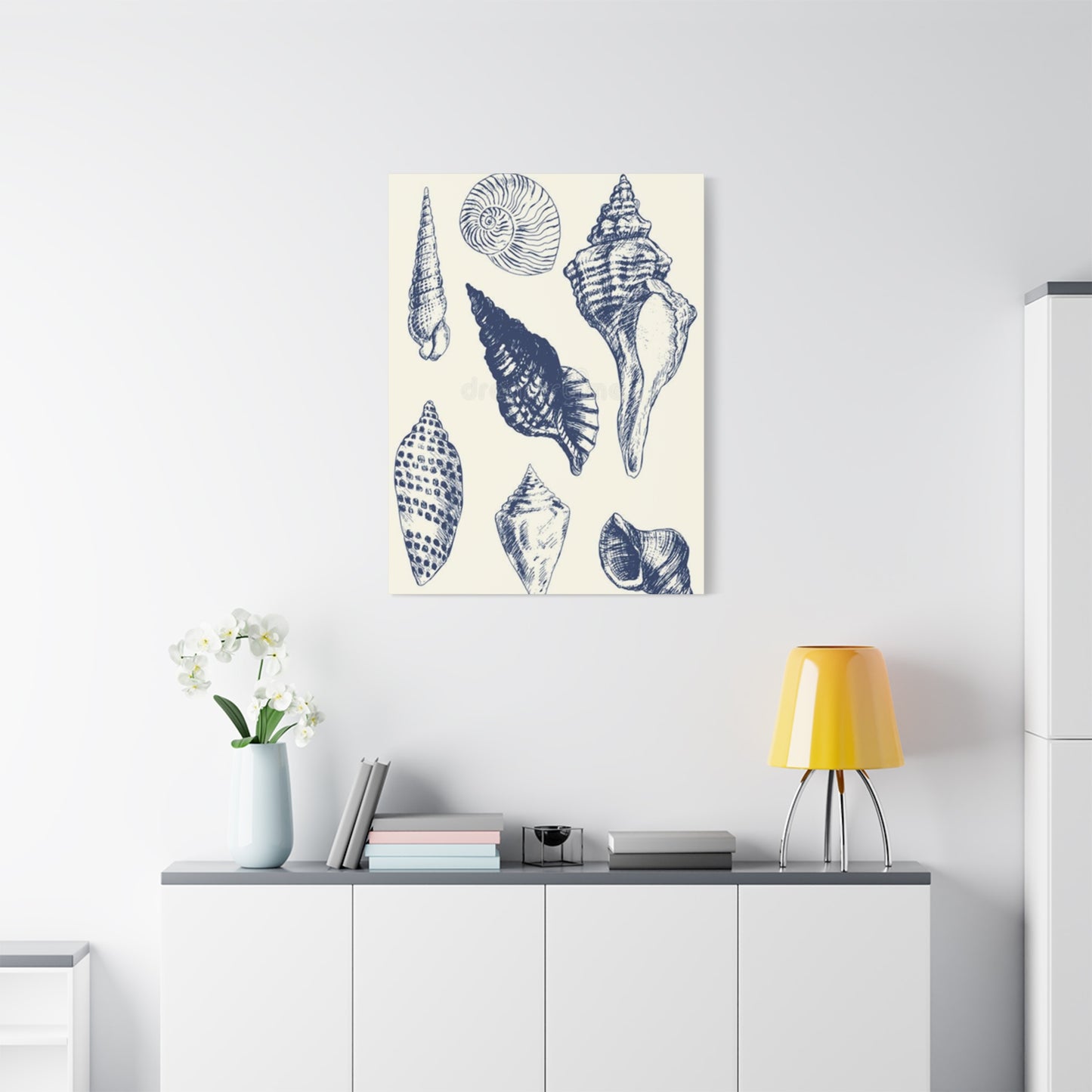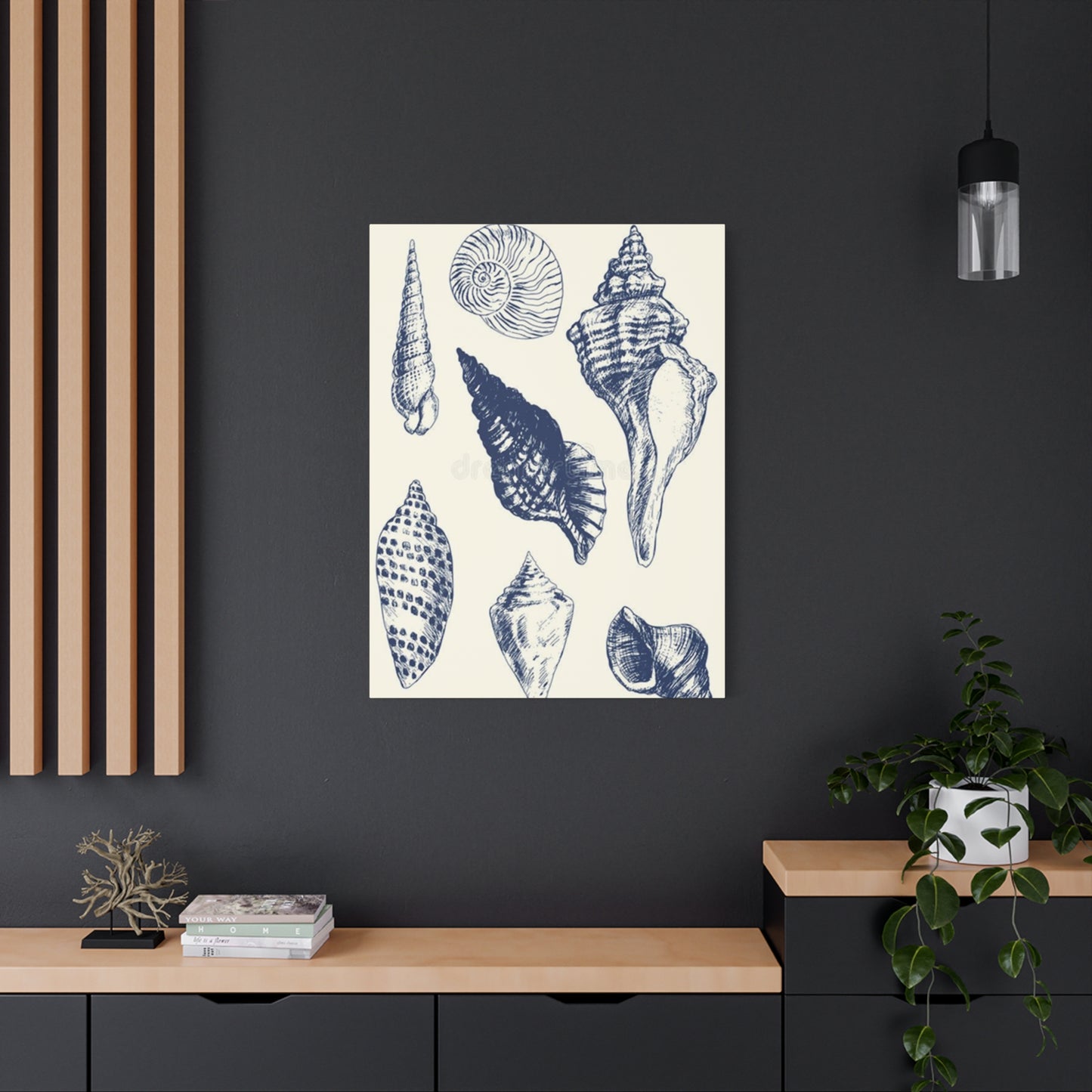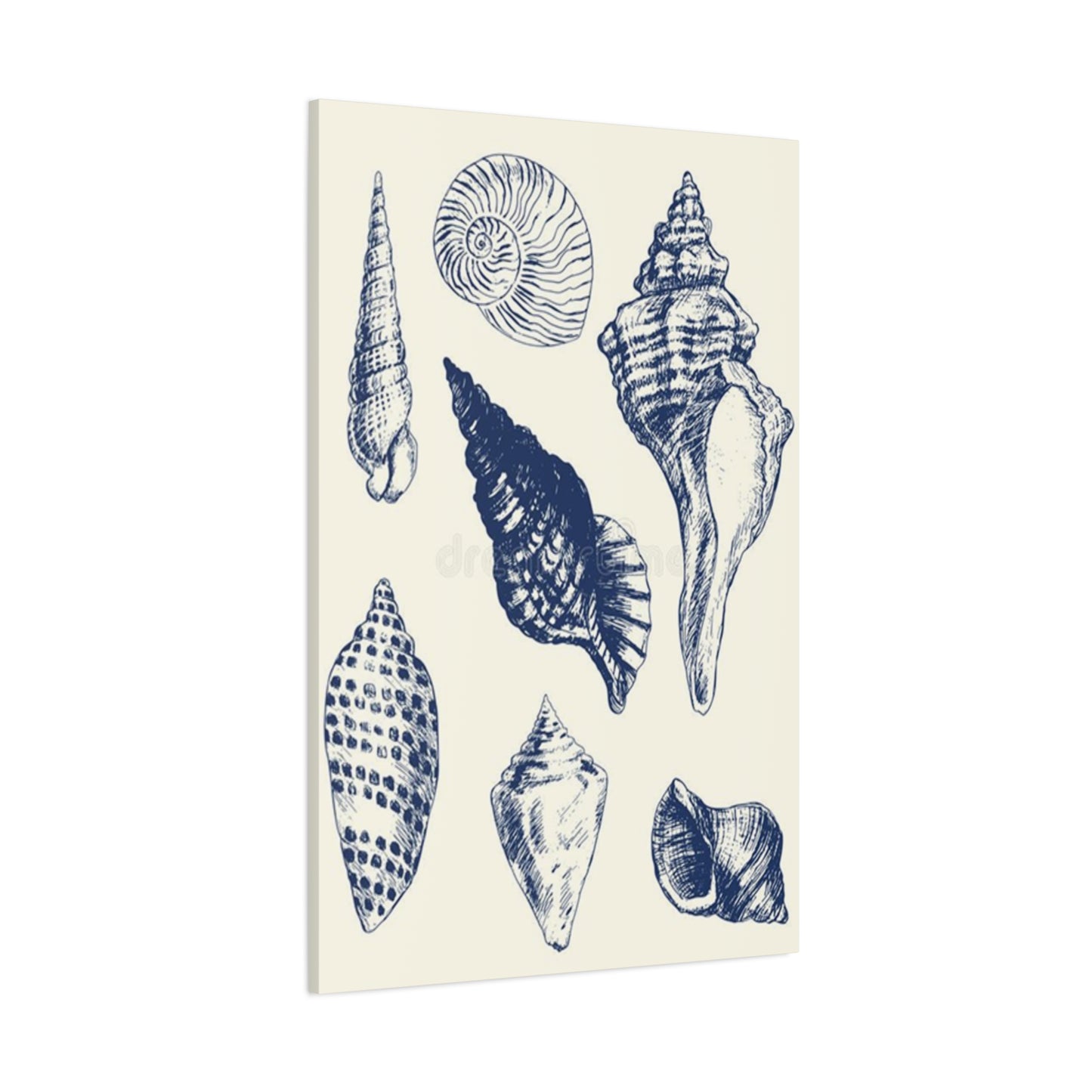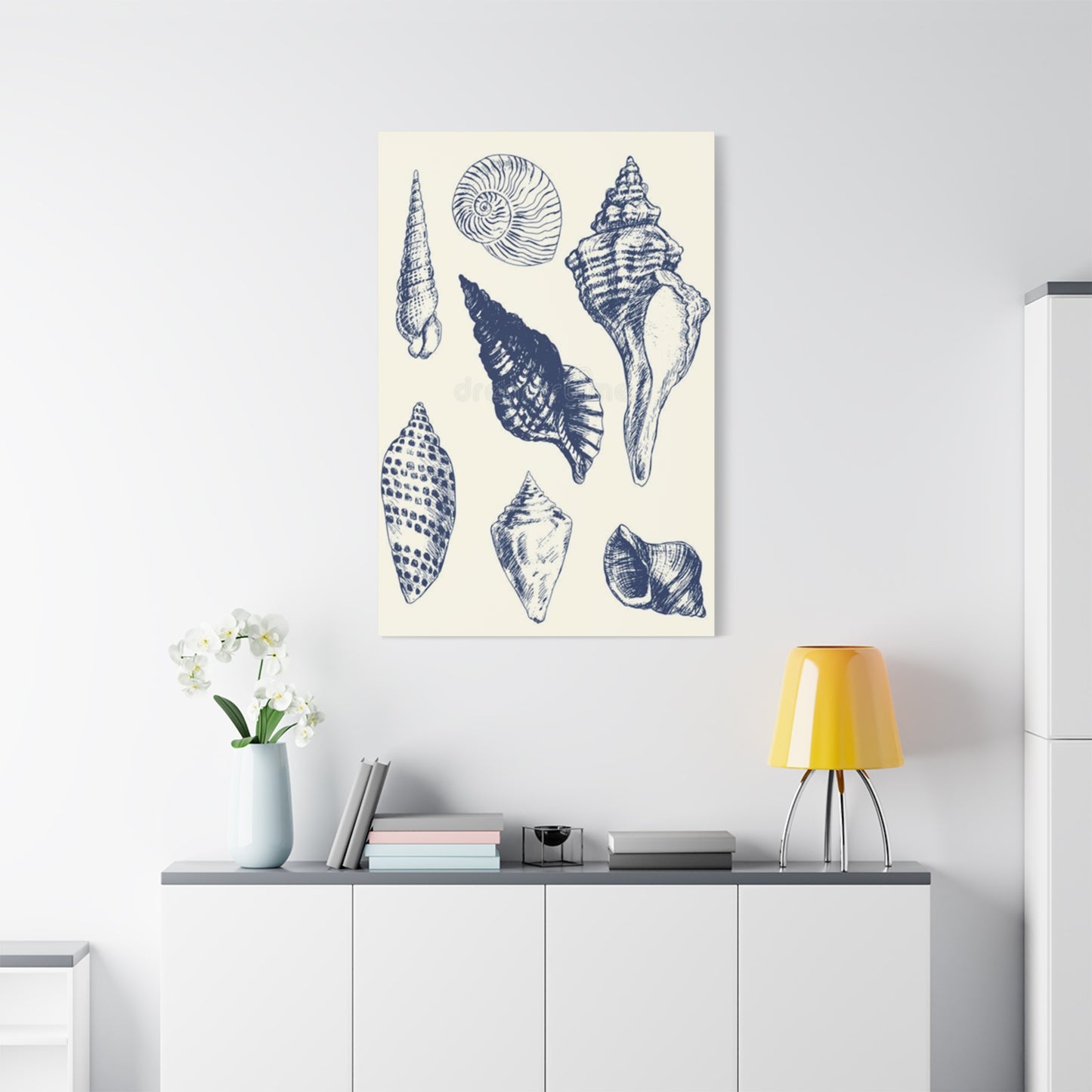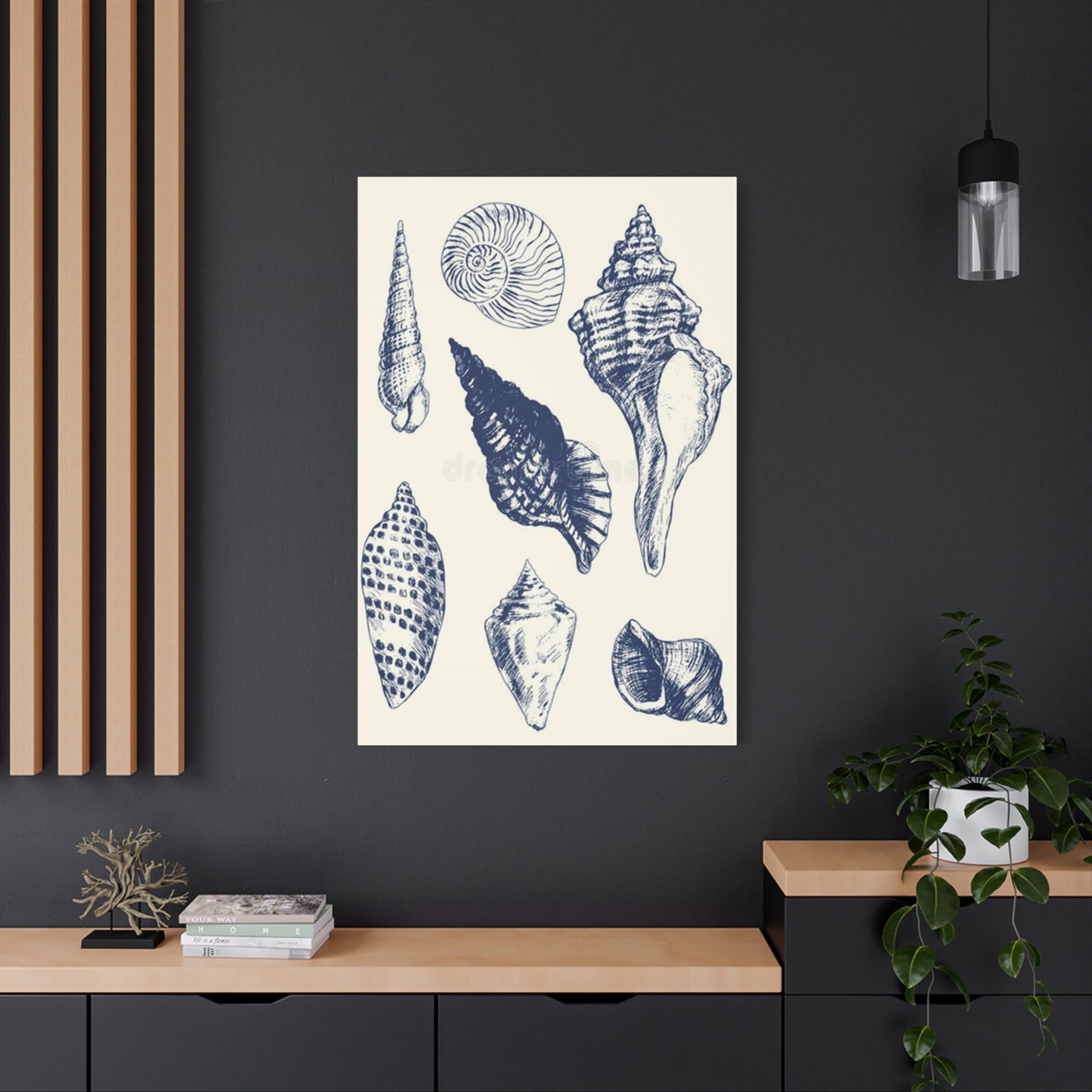


Blue Different Shell Shapes Drawing Wall Art & Canvas Prints
Blue Different Shell Shapes Drawing Wall Art & Canvas Prints
Couldn't load pickup availability
Discovering the Artistic World of Marine-Inspired Blue Different Shell Shapes Drawing Wall Art for Modern Living Spaces
The ocean has always captivated human imagination with its mysterious depths and the countless treasures it holds within its watery embrace. Among these natural wonders, seashells stand out as remarkable specimens that have inspired artists, designers, and decorators for centuries. The contemporary interpretation of these marine marvels through artistic renderings has given birth to a fascinating realm where nature meets creativity, specifically in the form of blue different shell shapes drawing wall art that transforms ordinary rooms into extraordinary sanctuaries of coastal elegance.
Exploring the Captivating Allure of Seashell Artwork in Contemporary Interior Design
The fascination with seashells extends far beyond their biological significance as protective homes for mollusks. These natural structures represent mathematical precision, evolutionary perfection, and aesthetic beauty rolled into one compact form. When translated into artistic expressions, particularly through carefully crafted drawings and illustrations, these shells become powerful decorative elements that can completely redefine the atmosphere of any living environment.
The blue different shell shapes drawing wall art phenomenon has gained tremendous momentum in recent years as homeowners and interior designers seek ways to bring the calming essence of coastal environments into urban dwellings. This particular artistic style combines the organic irregularity of various shell formations with the soothing psychological effects of blue hues, creating visual compositions that serve multiple purposes simultaneously. These pieces function not merely as decorative additions but as focal points that anchor entire design schemes, conversation starters that reflect personal taste, and meditative focal points that provide visual rest in busy modern lives.
The versatility of shell-themed artwork lies in its ability to adapt to numerous decorating philosophies while maintaining its distinct character. Whether your aesthetic leans toward minimalist Scandinavian simplicity, rustic farmhouse charm, sophisticated coastal luxury, or eclectic bohemian freedom, carefully selected shell drawings can seamlessly integrate into your existing scheme. The key lies in understanding how different shell varieties, artistic rendering styles, and color palettes interact with surrounding elements to create cohesive visual narratives.
Varieties of Shell Formations Featured in Decorative Drawing Compositions
The diversity found in nature's shell designs provides artists with an inexhaustible source of inspiration for creating compelling wall art. Each shell category possesses distinctive characteristics that translate into unique visual impacts when rendered in drawing form. Understanding these variations helps in selecting pieces that resonate with your personal aesthetic preferences and complement your spatial requirements.
Spiral shells, exemplified by nautilus and conch varieties, offer hypnotic geometric patterns that draw the eye inward through their mathematical precision. The Fibonacci sequence manifests beautifully in these formations, creating natural golden ratios that humans find inherently pleasing. When depicted in blue tones, these spiraling forms suggest movement and depth, adding dynamic energy to static wall surfaces. Artists often emphasize the internal chamber structures of these shells, revealing the architectural complexity hidden within their exterior curves.
Bivalve shells, including scallops, clams, and oysters, present symmetrical or asymmetrical fan-like structures with radiating ridges that create stunning textural interest. The undulating surfaces of these shells catch and reflect light in endlessly variable ways, a quality that skilled artists capture through careful shading and line work. Blue renderings of bivalve shells often emphasize their protective, sheltering quality, evoking feelings of security and comfort within domestic spaces.
Univalve shells beyond the spiral category, such as limpets and abalone, offer irregular, organic shapes that contrast beautifully with the rigid geometry of modern architecture. These asymmetrical forms introduce visual relief and natural randomness into spaces dominated by straight lines and right angles. The iridescent interior surfaces of abalone shells, when translated into blue-toned artwork, create shimmering effects that change appearance depending on viewing angle and lighting conditions.
Tusk shells, or scaphopods, provide elongated tubular forms that artists use to create vertical emphasis and directional flow within compositions. These less commonly depicted shells offer opportunities for creating unique, conversation-generating artwork that stands apart from more conventional shell imagery. Their simple, elegant curves work particularly well in contemporary settings where clean lines and uncluttered aesthetics prevail.
The Profound Psychological Impact of Blue Hues in Residential Environments
Color profoundly influences human emotion and behavior, with blue ranking among the most psychologically significant hues across cultures worldwide. This color's association with vast natural expanses—sky and ocean—triggers deep-seated responses in the human psyche that designers and homeowners can harness for specific atmospheric effects.
Blue tones typically induce feelings of calmness, tranquility, and mental clarity. Research in environmental psychology consistently demonstrates that exposure to blue environments reduces heart rate, lowers blood pressure, and decreases stress hormone production. When incorporated into residential spaces through wall art, these calming properties create sanctuaries where occupants can decompress from the demands of daily life. The blue different shell shapes drawing wall art specifically leverages this calming effect while adding the additional comfort of organic natural forms.
Different shades within the blue spectrum produce varying psychological responses that thoughtful decorators can employ strategically. Lighter, sky-inspired blues evoke openness, freedom, and expansiveness, making them excellent choices for smaller rooms where creating an illusion of greater space proves beneficial. These airy tones work exceptionally well in bedrooms where promoting relaxation and restful sleep remains paramount. Medium blues, reminiscent of tropical waters, balance energy and calm, making them suitable for multipurpose spaces like living rooms where both relaxation and social interaction occur.
Deeper navy and midnight blues introduce sophistication, depth, and grounding qualities into spaces. These richer tones pair beautifully with metallic accents and create dramatic contrasts against lighter walls, making artwork stand out as commanding focal points. When shell drawings incorporate these deeper shades, they gain gravitas and visual weight that can anchor airy, light-filled rooms or add much-needed substance to bland neutral schemes.
The cultural significance of blue varies across societies, but certain associations remain remarkably consistent. In Western contexts, blue represents trustworthiness, stability, and intelligence—qualities that make it appropriate for home offices and study areas. In many Asian cultures, blue symbolizes immortality and healing, adding layers of meaning to its decorative deployment. Understanding these cultural dimensions allows for more intentional selection of artwork that resonates with personal values and heritage.
Artistic Rendering Styles That Bring Shell Subjects to Life on Wall Surfaces
The manner in which artists translate shell forms into two-dimensional artwork significantly impacts the final aesthetic effect and suitability for different design contexts. Contemporary artists employ numerous approaches, each offering distinct visual characteristics and emotional resonances that appeal to different sensibilities.
Photorealistic rendering techniques capture shells with scientific precision, emphasizing every texture, shadow, and dimensional quality. These highly detailed works appeal to nature enthusiasts and those who appreciate technical artistic skill. The meticulous attention to anatomical accuracy creates a sense of intimacy with the subject, as if viewing an actual specimen under ideal conditions. When executed in blue monochromatic schemes, these realistic renderings take on an ethereal quality that distinguishes them from standard nature photography.
Line drawing approaches strip shells down to their essential contours and structural elements, creating minimalist interpretations that emphasize form over detail. This style particularly suits contemporary and Scandinavian design schemes where simplicity and negative space play crucial roles. Single continuous line drawings, where the artist never lifts the pen from paper, create fascinating visual puzzles that viewers can trace with their eyes, adding an interactive dimension to static artwork. Blue ink on white backgrounds or vice versa produces high contrast that makes these pieces stand out dramatically.
Watercolor interpretations introduce softness and fluidity that perfectly complement the aquatic associations of shell subjects. The transparent, layered nature of watercolor techniques creates depth and luminosity impossible to achieve with opaque media. Blue watercolor shells often feature organic bleeds and color variations that suggest the play of light through water, reinforcing the marine connection. These softer pieces work wonderfully in spaces where creating gentle, nurturing atmospheres takes precedence over bold visual statements.
Abstract and interpretive approaches deconstruct shell forms into their fundamental shapes, patterns, and energies, resulting in artwork that suggests rather than depicts. These pieces allow viewers to bring their own associations and interpretations to the work, creating more personal connections. Geometric abstractions based on shell spirals and symmetries bridge the gap between natural and mathematical beauty, appealing to those with interests spanning both domains. Blue abstract shell art often incorporates multiple shades and textures, creating complex visual fields that reward sustained attention.
Mixed media approaches combine various materials and techniques to create dimensional, tactured pieces that transcend traditional drawing boundaries. Artists might incorporate actual shell fragments, sand, or textured gels alongside drawn elements, creating artworks that engage multiple senses. These pieces add significant visual interest and tactile appeal to spaces, functioning almost as sculptural elements rather than flat artwork. The physicality of mixed media shell art makes it particularly suitable for spaces where creating conversation and engagement proves important.
Strategic Placement Considerations for Maximum Visual and Emotional Impact
The location where you display shell artwork dramatically influences both its aesthetic contribution and its psychological effects on space occupants. Thoughtful placement goes beyond simply filling empty wall space; it involves considering sightlines, lighting conditions, surrounding elements, and the intended function of each room.
In bedrooms, positioning shell artwork opposite the bed creates a calming focal point that greets you upon waking and provides a meditative image before sleep. The soothing qualities of blue shell drawings make them particularly appropriate for these intimate spaces where promoting rest and relaxation remains essential. Placing artwork at eye level when lying in bed ensures comfortable viewing angles that don't strain the neck. Flanking the bed with matching or complementary shell pieces creates symmetry that many find psychologically satisfying and visually balanced.
Living room placement demands consideration of multiple viewing angles since occupants and guests view the space from various positions. Above seating arrangements, artwork should hang high enough to clear heads but low enough to maintain visual connection with seated viewers. Large-scale shell compositions can anchor entire seating groups, while collections of smaller pieces create gallery walls that tell visual stories through curated arrangements. The conversational nature of living spaces makes them ideal for more complex, detailed shell drawings that invite closer examination and discussion.
Bathrooms represent natural homes for marine-themed artwork, where the thematic connection between water and ocean life reinforces the room's function. The humid environment of bathrooms requires consideration of artwork materials and framing to prevent moisture damage. Watercolor shell drawings under protective glass work beautifully in these spaces, as do giclee prints on moisture-resistant substrates. Positioning shell art near bathtubs or above vanities creates spa-like atmospheres that transform mundane daily rituals into more luxurious experiences.
Dining areas benefit from artwork that stimulates appetite and conversation without overwhelming the eating experience. Shell drawings in softer blues create sophisticated backdrops for meals while maintaining focus on the table itself. The organic forms of shells complement the social, communal nature of dining, suggesting abundance and natural generosity. Positioning a large shell artwork on the wall behind the head of the table creates a visual anchor point that defines the space and provides a backdrop for the person seated there.
Hallways and transitional spaces often receive less decorating attention than primary rooms, yet they offer excellent opportunities for displaying shell artwork. These passages between rooms can become miniature galleries where collections of shell drawings create visual narratives that guide movement through the home. The vertical emphasis of hallways suits arrangements of multiple smaller pieces or single elongated compositions featuring tusk shells or other vertically oriented specimens. Good lighting in these often-dim spaces ensures artwork remains visible and impactful rather than fading into obscurity.
Complementary Design Elements That Enhance Shell-Themed Decorating Schemes
Shell artwork rarely exists in isolation; its impact multiplies when surrounded by thoughtfully chosen complementary elements that reinforce the coastal aesthetic without creating thematic overload. The art of balanced decorating involves knowing when to echo themes and when to provide contrast.
Natural fiber textiles including jute, sisal, seagrass, and linen bring textural richness that complements the organic nature of shell subjects. These materials share the shell artwork's connection to natural processes and sustainable resources, creating cohesive narratives about bringing nature indoors. Jute rugs anchor seating areas while referencing beach grass and natural coastal vegetation. Linen curtains in cream or white soften harsh sunlight while maintaining the breezy, relaxed atmosphere associated with seaside living. These textiles provide neutral backdrops that allow blue shell artwork to command visual attention without competing with busy patterns or bold colors.
Driftwood elements introduce sculptural interest and reinforced marine connections through their weathered, organic forms. Coffee tables with driftwood bases, mirrors framed in silvered wood, or decorative driftwood pieces displayed on shelves echo the natural origins of shell subjects. The grayed, bleached tones of genuine driftwood complement blue artwork beautifully, creating sophisticated coastal palettes that avoid the cliched bright blues and sandy beiges of conventional beach decor. These wooden elements ground airy blue and white schemes, adding necessary visual weight and earthiness.
Glass and reflective surfaces multiply the impact of shell artwork through strategic reflection and light manipulation. Mirrors positioned to reflect shell drawings create the illusion of additional artwork while expanding visual space. Glass-topped tables, crystal accessories, and polished chrome fixtures catch and scatter light in ways that evoke water's sparkling surface, reinforcing aquatic associations without literal representation. The transparency and luminosity of glass elements keep spaces feeling light and open, preventing the cool tones of blue artwork from creating oppressive or cold atmospheres.
Live plants bring vitality and additional organic shapes that complement rather than compete with shell drawings. Tropical varieties with dramatic foliage like monstera, bird of paradise, or palm species reinforce exotic coastal associations while improving air quality and adding life energy to spaces. Succulents and air plants offer lower-maintenance alternatives that still provide natural elements. The living nature of plants creates dynamic balance with the static quality of artwork, ensuring spaces feel inhabited and vibrant rather than museum-like.
Lighting deserves special consideration when designing around shell artwork. Natural light variations throughout the day create constantly changing viewing experiences, with morning light bringing different qualities than afternoon or evening illumination. Artificial lighting allows for more controlled presentation, with picture lights, adjustable spotlights, or track lighting ensuring artwork remains visible and impactful after dark. Warm-toned lighting can counteract any coldness from blue artwork, while cooler LED lights emphasize the crisp, fresh qualities of marine themes.
Sourcing Authentic and Quality Shell Drawing Artwork for Lasting Satisfaction
The marketplace offers overwhelming options for shell-themed artwork, ranging from mass-produced prints to unique original pieces. Understanding the spectrum of availability and quality helps in making purchasing decisions that align with both budget constraints and aesthetic aspirations.
Original drawings created by working artists represent the pinnacle of uniqueness and artistic value. These one-of-a-kind pieces carry the energy and intention of their creators, making them particularly special additions to homes. Purchasing original art directly supports creative professionals and provides opportunities to commission custom pieces that perfectly match specific dimensions, color preferences, or shell varieties. The investment in original artwork often proves worthwhile not only for aesthetic reasons but also for potential appreciation in value as artists gain recognition. Building relationships with artists allows for ongoing collaboration and the creation of collections that evolve alongside personal taste.
Limited edition prints offer compromise between uniqueness and affordability, providing high-quality reproductions in controlled quantities that maintain some exclusivity. Numbered and signed prints from reputable artists hold more value than unlimited reproductions while remaining more accessible than original works. Giclée printing techniques produce archival-quality prints with color accuracy and longevity that rival original artwork when properly executed. Understanding edition sizes, printing methods, and paper quality helps in assessing whether limited edition prints represent good value for their asking prices.
Print-on-demand services democratize access to shell artwork by offering vast selections at modest prices, though quality varies considerably among providers. Higher-end services use archival inks and acid-free papers that ensure longevity, while budget options may fade or yellow within years. Reading specifications carefully and ordering samples before committing to larger pieces helps avoid disappointment. The convenience and affordability of these services make them excellent options for frequently refreshing decor or experimenting with different styles before investing in more permanent pieces.
Local art fairs, coastal galleries, and craft markets provide opportunities to view shell artwork in person before purchasing, eliminating the uncertainty of online shopping. The tactile experience of seeing texture, examining details, and assessing color accuracy in various lighting conditions proves invaluable for making confident decisions. These venues also offer chances to meet artists, learn about their processes, and discover emerging talents before they gain wider recognition. Supporting local art communities strengthens cultural ecosystems while potentially yielding undiscovered treasures at reasonable prices.
Antique and vintage markets occasionally yield unexpected treasures in the form of historical shell illustrations from scientific texts, Victorian nature studies, or mid-century decorative prints. These pieces carry nostalgic charm and historical character that distinguishes them from contemporary artwork. The patina of age adds authenticity and story that new pieces lack, though condition issues may require professional restoration. Framing vintage prints with conservation materials protects them for future generations while allowing current enjoyment.
Preservation Practices for Maintaining Artwork Quality and Longevity
Investing in quality shell artwork demands corresponding commitment to proper preservation practices that protect pieces from deterioration and damage. Understanding threats to artwork longevity and implementing preventive measures ensures pieces remain vibrant and intact for decades.
Light exposure represents the primary enemy of most artwork, with both natural sunlight and artificial illumination causing gradual fading and discoloration. Ultraviolet radiation proves particularly destructive, breaking down pigments and paper fibers over time. Positioning artwork away from direct sunlight prevents the most severe damage, while UV-filtering glass or acrylic in frames provides additional protection without obscuring visibility. Window treatments including sheer curtains or UV-blocking films allow natural light into rooms while screening harmful wavelengths. For artwork in unavoidably bright locations, creating rotation schedules that periodically move pieces to darker areas distributes exposure damage across multiple works rather than destroying single favorites.
Humidity fluctuations cause paper to expand and contract, leading to warping, cockling, and eventual structural failure. Marine climates where shell artwork naturally fits can paradoxically prove most damaging to paper-based pieces due to moisture levels. Maintaining stable humidity between forty and sixty percent protects artwork while remaining comfortable for human occupants. Dehumidifiers in damp climates and humidifiers in arid regions help achieve appropriate levels. Framing artwork with adequate space between the piece and glazing prevents condensation contact that causes mold growth and paper degradation.
Temperature extremes and rapid fluctuations stress artwork materials, accelerating aging processes and potentially causing immediate damage like cracking or delamination. Positioning artwork away from heating vents, radiators, fireplaces, and air conditioning outlets protects against localized temperature variations. Maintaining consistent room temperatures between sixty-five and seventy-five degrees Fahrenheit provides ideal conditions for both artwork and human comfort.
Physical handling requires caution to prevent oils, moisture, and dirt from hands transferring to artwork surfaces. When moving or examining pieces, wearing clean cotton gloves prevents contamination. Lifting framed works by their frames rather than touching glazing or artwork surfaces avoids fingerprints and smudges. Supporting larger pieces from the bottom rather than pulling from hanging wires prevents stress on mounting hardware and frames.
Cleaning demands gentleness and appropriate materials to avoid causing damage while removing accumulated dust and grime. Soft, dry brushes designed specifically for artwork gently remove loose surface dust without scratching. For glazed frames, microfiber cloths slightly dampened with distilled water clean glass without leaving streaks or introducing minerals that damage surfaces over time. Never spray cleaning solutions directly onto frames, as moisture can seep behind glazing and contact artwork. Professional conservation cleaners should handle valuable pieces or those showing signs of existing damage.
Curating Personal Collections That Reflect Individual Narratives and Experiences
Building a collection of shell artwork transforms individual pieces into cohesive visual stories that communicate personal interests, memories, and aesthetic evolution. Thoughtful curation creates greater impact than random accumulation, even when working with modest budgets or limited space.
Thematic coherence provides organizational frameworks that give collections intentional structure. Focusing on specific shell types—all spiral forms, all bivalves, or representative examples from different classifications—creates educational collections with built-in visual logic. Geographic themes centered on shells from particular regions connect artwork to travel memories or ancestral origins. Artistic technique collections might gather examples of different rendering approaches, from photorealistic to abstract, demonstrating the range of interpretive possibilities for similar subjects.
Color progression arrangements organize pieces along tonal gradients, creating visual journeys from palest sky blues through rich navy depths. These arrangements work particularly effectively in linear spaces like hallways or above long furniture pieces where sequential viewing occurs naturally. The gradual color shifts create soothing visual rhythms that guide the eye smoothly across multiple pieces rather than jumping abruptly between disparate tones.
Size variation adds visual interest and prevents monotonous uniformity in grouped arrangements. Mixing larger statement pieces with smaller intimate studies creates dynamic compositions that hold attention through contrast. Asymmetrical groupings following odd-numbered principles (three, five, or seven pieces) produce more visually engaging arrangements than even-numbered layouts, though symmetrical pairs flanking central focal points work beautifully in formal settings.
Matting and framing consistency unifies diverse artwork into cohesive collections even when pieces differ significantly in style, size, or origin. Selecting a single frame style and mat color for all pieces in a collection creates visual harmony that allows content to vary while maintaining overall coherence. Conversely, intentionally mixing frame styles while maintaining color palette unity can create eclectic collections that feel curated rather than random.
Personal significance elevates collections beyond mere decoration into meaningful expressions of identity and experience. Including pieces that commemorate specific events, trips, or relationships adds emotional depth that guests sense even without knowing specific stories. Artwork from meaningful places, created during significant life periods, or gifted by important people becomes more than visual enhancement—it becomes tangible memory storage that enriches daily life with layered associations.
Creating Harmonious Gallery Walls Featuring Multiple Shell Drawing Pieces
Gallery walls transform collections of individual artworks into commanding installations that become defining features of rooms. Successfully executing these complex arrangements requires planning, patience, and understanding of compositional principles that create cohesion from multiplicity.
Template planning eliminates guesswork and prevents wall damage from repeated nail holes. Creating paper templates cut to exact artwork sizes allows for experimentation with arrangements on floors or tables before committing to wall placement. Taping templates to walls permits further refinement and provides precise placement guides when ready to hang actual pieces. Digital planning tools and apps offer virtual arrangement capabilities that account for furniture placement and room dimensions, though physical templates often feel more intuitive for spatial decision-making.
Balanced asymmetry creates dynamic arrangements that feel intentionally designed rather than randomly assembled. Starting with the largest piece and building around it provides a natural focal point that anchors the composition. Imagining an invisible central axis running through the grouping helps maintain overall balance even when individual elements vary in size and position. Distributing visual weight evenly prevents arrangements from feeling lopsided or unstable, though perfect symmetry often feels rigid and overly formal.
Consistent spacing between pieces creates invisible grid structures that organize seemingly casual arrangements. Professional galleries typically maintain two to three inches between frames, creating clear delineation while maintaining visual connection. Wider spacing suits larger walls and pieces, while tighter arrangements intensify impact on smaller surfaces. Using spacers or measuring consistently ensures uniform gaps that contribute to professional appearance.
Sight line consideration accounts for primary viewing positions when determining arrangement heights. Gallery wall centers typically sit at fifty-seven to sixty inches from the floor, approximating average eye height for standing viewers. In rooms where seated viewing predominates, lowering arrangements ensures comfortable viewing angles. Considering sightlines from room entrances creates strong first impressions that draw people into spaces.
Color distribution prevents clustering of similar tones that creates visual hotspots or dead zones within arrangements. Scattering pieces with similar color intensities throughout the composition maintains even visual interest across the entire installation. This principle applies to both the blues within shell artwork itself and any backing mat or frame colors.
Seasonal Variations and Rotating Displays for Evolving Interior Environments
Static decorating schemes can feel stale and uninspiring over time, while seasonal rotations keep homes feeling fresh and responsive to changing conditions outside. Adapting shell artwork displays throughout the year maintains visual interest and allows for larger collections than wall space might otherwise accommodate.
Spring transitions call for lighter, brighter interpretations that celebrate renewal and awakening. Emphasizing pale aqua and sky blue shells reflects lengthening days and warming temperatures. Pairing shell artwork with fresh flowers, particularly in blue and white color schemes, reinforces seasonal themes. Opening curtains wider to flood rooms with natural light makes this the ideal time for displaying more delicate watercolors that show beautifully in bright conditions.
Summer presentations embrace the full intensity of coastal connections, when thoughts naturally turn to beaches and ocean activities. Richer turquoise and teal shell artwork captures the vivid colors of tropical waters. Creating outdoor display areas on covered porches or patios extends living space while positioning marine artwork in contextually appropriate settings. Weather-resistant framing and careful placement away from direct rain exposure protects pieces while allowing seasonal outdoor enjoyment.
Autumn shifts toward deeper, more contemplative tones as light grows softer and days shorten. Navy and midnight blue shell drawings align with the season's introspective quality while maintaining color palette consistency. Pairing shell art with warm metallic accents in copper or bronze creates sophisticated contrasts that feel appropriate for gathering seasons. The transition period offers opportunities to swap lighter summer pieces for more substantial works that anchor rooms against approaching winter darkness.
Winter months benefit from keeping some connection to natural water elements even as actual ocean swimming becomes less appealing. Icy pale blues in shell artwork echo winter color palettes while maintaining year-round coastal themes. Dramatic lighting becomes more critical as natural light diminishes, with carefully positioned picture lights ensuring artwork remains visible and impactful during long dark evenings. Layering shell artwork with rich textures—velvet pillows, wool throws, deep pile rugs—creates cozy contrasts between cool visual tones and warm tactile experiences.
Storage between rotations requires protective measures that prevent damage to artwork waiting for its next display period. Acid-free tissue paper wrapped around pieces prevents surface scratching, while flat storage in dark, dry locations away from temperature extremes preserves colors and materials. Labeling stored pieces with their optimal display seasons creates efficient rotation systems that don't require complete inventory reviews when making seasonal changes. Climate-controlled storage units serve collectors with larger accumulations than home storage spaces comfortably accommodate.
Commissioning Custom Shell Artwork Tailored to Specific Spaces and Preferences
While ready-made shell artwork offers convenience and immediate gratification, commissioning custom pieces ensures perfect alignment with unique spatial requirements, personal preferences, and existing design schemes. The collaborative process between patron and artist often yields results far exceeding what could be found through standard retail channels.
Dimensional precision represents one of the primary advantages of custom commissioning. Awkward wall spaces with unusual proportions, architectural features like built-in niches, or specific furniture dimensions can dictate artwork sizes that don't correspond to standard offerings. Commissioning allows specification of exact dimensions that maximize visual impact while fitting perfectly within available space. This precision proves particularly valuable for professional installations in commercial spaces or high-end residential projects where every detail matters.
Subject selection freedom allows incorporation of personally meaningful shell varieties that hold special significance. Perhaps a particular beach produced memorable shell collecting experiences, or a specific species connects to family history or regional identity. Artists can research and render these specific shells, creating artwork with deeper personal resonance than generic representations could achieve. Sharing photographs or actual specimens with artists ensures accurate depiction of desired subjects.
Color palette control ensures commissioned artwork harmonizes perfectly with existing decor, matching specific paint colors, fabric selections, or other design elements. While blue remains the overarching theme, the spectrum from pale aqua through midnight navy offers nearly infinite variation. Providing artists with color swatches, paint chips, or photographs of spaces allows for precise color matching that guarantees cohesion. Some patrons prefer giving artists creative freedom within general parameters, trusting their expertise to make effective choices.
Style specification communicates preferred artistic approaches, whether photorealistic, linear, abstract, or mixed media. Sharing examples of admired works from other artists helps clarify aesthetic preferences and ensures alignment between patron expectations and artist capabilities. Reviewing artists' portfolios before commissioning helps match projects with practitioners whose natural styles align with desired outcomes, reducing the need for extensive style modification.
Timeline establishment creates clear expectations around project completion and delivery. Complex pieces requiring significant research, multiple drafts, or elaborate techniques naturally require longer completion periods than simpler works. Building adequate time into projects prevents rushed work that fails to meet quality expectations. Rush fees for expedited completion may prove necessary for gifts or deadline-driven projects, though allowing natural working timeframes typically produces superior results.
Price negotiation reflects project scope, artist experience, and artwork's intended use. Emerging artists typically command lower prices than established professionals with strong market records, though working with newcomers can yield excellent value while supporting developing talents. Discussing budgets openly at project outset prevents misunderstandings and allows artists to propose scopes they can execute well within available resources. Payment structures typically involve deposits before work begins, with final payments upon satisfactory completion.
Revision processes should be established before work begins, clarifying how many rounds of changes are included in quoted prices and what additional revisions might cost. Clear communication throughout the creation process prevents major misalignments from developing unnoticed. Regular progress photos or video calls allow for course corrections before excessive time investment makes changes impractical.
Incorporating Shell Drawing Artwork into Various Design Styles and Aesthetic Movements
The versatility of shell subjects allows successful incorporation into diverse decorating philosophies, from traditional to cutting-edge contemporary. Understanding how to adapt presentations for different styles ensures shell artwork enhances rather than conflicts with overall design visions.
Coastal and nautical styles represent the most obvious contexts for shell artwork, where marine themes form the core design concept. However, avoiding cliché requires restraint and sophistication in execution. Rather than overwhelming spaces with every possible beach reference, refined coastal design uses shell artwork as one element within a larger natural material palette. Limiting color schemes to blues, whites, and natural wood tones creates elegant simplicity. High-quality shell drawings in distinguished frames elevate these schemes beyond souvenir shop aesthetics into genuinely sophisticated expressions of coastal appreciation.
Scandinavian minimalism embraces shell artwork when presentations remain clean and uncluttered. Simple line drawings of single shells against abundant white space align perfectly with Nordic design principles of essentialism and connection to nature. Light woods, white walls, and limited color palettes provide ideal backdrops for subtle blue shell illustrations that add interest without creating visual chaos. The organic forms of shells soften the geometric severity that can make pure minimalism feel cold, introducing necessary warmth while maintaining aesthetic restraint.
Bohemian eclecticism welcomes shell artwork as one element within rich, layered compositions that celebrate global influences and personal collections. Mixed media shell pieces fit naturally into boho schemes that value handcrafted items and artistic expression. Surrounding shell art with textiles from various cultures, vintage finds, and living plants creates the curated maximalism that defines this style. The free-spirited nature of bohemian design allows for creative framing choices and unconventional placement that would feel wrong in more structured styles.
Modern farmhouse aesthetics blend rustic simplicity with contemporary comfort, creating spaces that feel both grounded and fresh. Shell artwork in weathered frames or mounted on reclaimed wood connects to the style's appreciation for natural materials and aged character. Pairing blue shell drawings with white shiplap, exposed beams, and vintage-inspired furniture creates pleasing contrasts between land and sea references. The organic nature of shells complements the farmhouse emphasis on natural, authentic materials over synthetic alternatives.
Traditional formal interiors might seem incompatible with casual beach references, yet carefully selected shell artwork can enhance these sophisticated spaces. Scientific illustration styles with precise rendering and formal presentation align with traditional interiors' emphasis on craftsmanship and attention to detail. Ornate gilded frames elevate shell subjects to the status of serious botanical artwork, historically appropriate given Victorian-era shell collecting practices among upper classes. Deep navy shell prints against rich wall colors create dramatic impacts suitable for traditional dining rooms or libraries.
Contemporary minimalist spaces benefit from bold, oversized shell artwork that makes strong statements without requiring additional decorative support. Large-scale abstract interpretations of shell forms in limited blue and white palettes become sculptural focal points in otherwise spare rooms. The negative space so important in contemporary design surrounds these pieces, allowing them to breathe and command full attention. Clean-lined floating frames or frameless mounting methods complement contemporary furniture and architecture.
Industrial loft conversions present interesting opportunities for unexpected shell artwork placement. The contrast between rough brick, exposed ductwork, and organic marine forms creates tension that enlivens spaces and prevents them from feeling too heavy or masculine. Blue shell artwork softens industrial edges while the marine associations add unexpected personality to urban settings. Metal frames or raw wood mounting surfaces bridge the gap between refined artwork and rugged architectural elements.
Conclusion
Growing awareness of environmental issues and sustainable practices extends naturally into decorating decisions, including artwork selection. Conscientious consumers increasingly seek pieces that align with ecological values and minimize negative environmental impacts.
Ethical sourcing of shell specimens used in mixed media artwork deserves investigation before purchase. Responsible artists use shells collected from beaches as natural debris rather than harvested from living creatures. Some shells sold commercially come from unsustainable collection practices that damage marine ecosystems and threaten species survival. Asking artists about shell origins and seeking those who source exclusively from ethical suppliers supports conservation while obtaining desired artwork. Collectors who gather their own shells can commission artists to incorporate these personally meaningful specimens into custom pieces, ensuring complete transparency about materials' origins.
Sustainable printing methods and materials reflect environmental consciousness in reproduction artwork. Vegetable-based inks produce less pollution than petroleum-based alternatives while delivering equivalent color quality and longevity. Papers certified by Forest Stewardship Council ensure responsible forestry practices in raw material sourcing. Waterless printing techniques eliminate toxic chemical usage while reducing water consumption. Some printers now offer carbon-neutral production, offsetting unavoidable emissions through verified environmental projects. While these sustainable options may carry premium prices, many consumers willingly pay more for products aligned with environmental values.
Local production reduces transportation emissions while supporting regional artists and economies. Purchasing artwork from local creators minimizes shipping distances and associated carbon footprints. Many coastal communities have vibrant artist communities where shell-themed work naturally flourishes. Building relationships with local artists provides access to unique pieces unavailable elsewhere while strengthening cultural and economic resilience in home regions.
Framing materials and methods present numerous opportunities for environmental consideration. Reclaimed wood frames repurpose materials that might otherwise reach landfills, giving them extended useful lives while adding character and story. FSC-certified new wood ensures responsible forestry when reclaimed options don't suit aesthetic requirements. Low-VOC adhesives and finishes minimize harmful chemical off-gassing into home environments. Conservation-grade materials, while sometimes more expensive, last longer and therefore require less frequent replacement, ultimately reducing resource consumption.
Digital artwork represents the lowest environmental impact option, eliminating physical production entirely. High-resolution digital files displayed on screens, projected on walls, or printed individually as needed avoid the waste associated with unsold inventory. Digital galleries and NFT platforms allow collection and display of shell artwork without any physical materials, though the energy consumption of blockchain technologies used in some digital art platforms raises separate environmental concerns requiring consideration.
Long-term durability reduces environmental impact by preventing premature replacement of artwork that degrades quickly. Investing in quality pieces with proper archival materials and construction ensures decades of enjoyment from single purchases rather than repeatedly replacing inferior items. This approach aligns with sustainable living principles that favor quality over quantity and long-term thinking over disposable convenience.
While homes represent the primary market for decorative artwork, shell drawings can enhance numerous other environments where their calming, natural associations provide valuable atmospheric contributions.
Medical and dental offices benefit enormously from artwork that reduces patient anxiety and creates calming atmospheres. The stress-reducing properties of blue colors and organic natural forms make shell artwork ideal for waiting rooms and treatment spaces. Studies demonstrate that nature-based imagery in healthcare settings reduces blood pressure, decreases pain perception, and improves overall patient satisfaction. Shell artwork specifically connects to larger biophilic design movements in healthcare architecture that recognize nature's role in healing processes. Positioning shell drawings in patient sight lines during treatments provides focal points for meditation and distraction from uncomfortable procedures.
Hospitality environments including hotels, resorts, and vacation rentals naturally embrace coastal themes that shell artwork reinforces. Guest rooms featuring blue shell drawings create memorable atmospheres that distinguish properties in competitive markets. Public spaces including lobbies, restaurants, and spa areas benefit from shell artwork's conversation-starting qualities and universal appeal.
Share