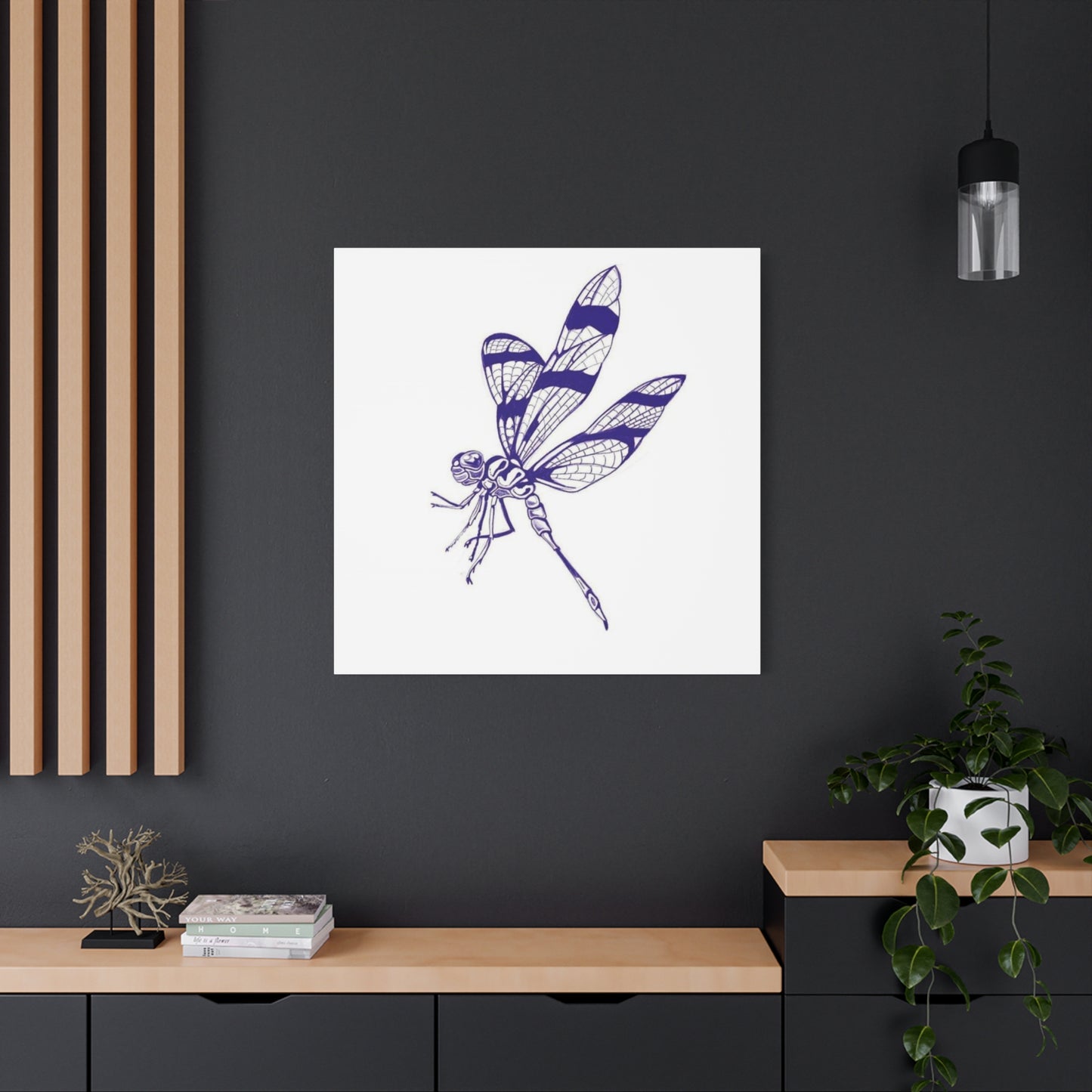


Blue Design Dragonfly Wall Art & Canvas Prints
Blue Design Dragonfly Wall Art & Canvas Prints
Couldn't load pickup availability
Elevating Your Interior Aesthetic Through Exquisite Blue Design Dragonfly Wall Art Selections
The resurgence of natural motifs within residential interiors has catalyzed unprecedented interest in sophisticated wall embellishments that seamlessly blend aesthetic refinement with conceptual depth. Blue design dragonfly wall art represents a particularly compelling manifestation of this broader movement, offering homeowners and design enthusiasts an extraordinary avenue through which to infuse their living environments with biological elegance, chromatic sophistication, and symbolic resonance. These meticulously crafted artistic pieces transcend mere decorative functionality, embodying philosophical dimensions that connect inhabitants with the natural world whilst simultaneously elevating the visual caliber of any designated space.
Dragonflies occupy a distinctive position within human consciousness, transcending their role as mere insects to assume significance as cultural emblems, spiritual metaphors, and aesthetic inspirations. When translated into blue design dragonfly wall art formats, these winged creatures become conduits for introducing iridescent chromatic elements into interior environments. The incorporation of azure, cerulean, cobalt, and periwinkle tonalities creates a harmonious resonance with contemporary design philosophies whilst maintaining timeless appeal that withstands the capricious fluctuations of prevailing fashion sensibilities.
The psychological ramifications of surrounding oneself with blue design dragonfly wall art warrant comprehensive examination. Environmental psychology scholars have consistently demonstrated that nature-derived imagery, particularly when incorporating tranquil chromatic palettes, engenders measurable reductions in physiological stress responses whilst simultaneously augmenting cognitive function and emotional equilibrium. The aqueous associations inherent to blue tonalities, when juxtaposed with the ethereal qualities embodied by dragonfly forms, collaboratively establish atmospheric conditions conducive to relaxation, introspection, and rejuvenation.
Contemporary interior design methodologies increasingly emphasize the significance of selecting wall embellishments that function as focal points whilst contributing meaningfully to the overarching aesthetic narrative of residential environments. Blue design dragonfly wall art fulfills these multifaceted prerequisites with remarkable efficacy, simultaneously operating as conversation-generating centerpieces and subtle atmospheric contributors depending upon installation positioning, size specifications, and surrounding contextual elements.
Investigating the Chromatic Dimensions and Visual Characteristics of Dragonfly Artistic Renderings
The chromatic palette employed within blue design dragonfly wall art compositions encompasses considerably more nuance than superficial observation might suggest. Contemporary artisans recognize that authentically capturing dragonfly essence necessitates sophisticated manipulation of multiple blue tonalities, encompassing everything from deep indigo foundations to luminous cyan highlights. This chromatic stratification creates dimensional illusions that imbue static artistic representations with apparent vitality and kinetic dynamism.
The iridescent properties characteristic of living dragonflies present distinctive conceptual challenges and opportunities for artistic interpretation. Real dragonflies exhibit structural coloration mechanisms wherein light refraction through microscopic wing structures generates the shimmering azure and emerald hues that captivate observers. Sophisticated blue design dragonfly wall art pieces attempt to replicate these optical phenomena through layered pigmentation, reflective materials, glazing techniques, or three-dimensional sculptural elements that catch and redirect ambient illumination.
The anatomical intricacies inherent to dragonfly morphology offer boundless possibilities for artistic exploration and reinterpretation. The elongated abdominal segmentation, the delicate latticed wings, the compound ocular structures, and the distinctive thoracic formation collectively constitute a fascinating study in bilateral asymmetry and functional elegance. Artists working within the blue design dragonfly wall art domain frequently emphasize particular anatomical features, amplifying their visual prominence or introducing stylized modifications that enhance aesthetic resonance whilst maintaining sufficient verisimilitude to preserve recognizable dragonfly characteristics.
Compositional arrangements within blue design dragonfly wall art extend from minimalist interpretations featuring solitary insects presented against unadorned backgrounds to elaborate assemblages incorporating multiple specimens arranged in dynamic flight formations or naturalistic habitat recreations. Some artistic approaches privilege anatomical accuracy and photorealistic rendering, whilst alternative methodologies embrace abstraction, geometric stylization, or impressionistic interpretation. This considerable diversity ensures that individuals possessing disparate aesthetic preferences, stylistic inclinations, and spatial constraints can discover blue design dragonfly wall art pieces accommodating their unique requirements and sensibilities.
The interplay between positive and negative spatial relationships within blue design dragonfly wall art compositions significantly influences the emotional tenor and visual impact of finished works. Compositions emphasizing expansive negative space surrounding minimally rendered dragonfly figures generate sensations of airiness, freedom, and contemplative quietude. Conversely, compositions incorporating abundant visual information, intricate background elements, and densely populated spatial arrangements convey impressions of vitality, dynamism, and environmental connectivity.
Exploring Material Substrates, Artistic Media, and Manufacturing Methodologies
The substrate upon which blue design dragonfly wall art achieves manifestation profoundly influences the ultimate aesthetic outcome, durability characteristics, maintenance prerequisites, and contextual compatibility with surrounding architectural elements. Canvas remains the preeminent substrate for traditional painterly approaches, offering forgiving surfaces conducive to gradual compositional development, chromatic layering, and subsequent modification. Acrylic and oil-based pigmentary systems applied to canvas provide luminous quality and considerable longevity when protected from excessive moisture exposure and direct solar irradiation.
Contemporary artisans frequently employ alternative substrate materials that expand the conceptual and technical possibilities available within the blue design dragonfly wall art domain. Wood panels, whether constructed from conventional lumber species or engineered composite materials, provide rustic textural qualities whilst accommodating multiple artistic techniques including drawing, painting, burning, carving, and surface embellishment. Metal substrates, encompassing aluminum, copper, steel, and bronze formulations, introduce industrial aesthetic dimensions whilst facilitating novel artistic approaches including oxidation patterning, patination processes, and luminous reflective properties.
Glass and acrylic mediums constitute increasingly popular substrate choices for blue design dragonfly wall art compositions, enabling artists to exploit transparency characteristics, dimensional lamination possibilities, and luminous transmission properties. These translucent and transparent materials, when positioned to receive natural or artificial illumination, generate nuanced chromatic variations throughout diurnal cycles, transforming static compositions into dynamic visual experiences that evolve throughout the day. The ethereal quality inherent to glass-based renditions particularly complements the inherently delicate and ephemeral aesthetic associated with dragonfly imagery.
Mixed media approaches frequently characterize contemporary blue design dragonfly wall art production, incorporating heterogeneous materials unified through cohesive artistic vision. Fabric elements, resinous compounds, metallic embellishments, natural botanical specimens, and reclaimed architectural components constitute common constituents within these eclectic assemblages. Such integrative approaches generate tactile complexity, visual layering, and multisensory engagement that elevates the artistic experience beyond purely ocular considerations.
The manufacturing methodologies encompassing blue design dragonfly wall art production span a considerable spectrum from entirely manual artisanal processes to hybrid approaches incorporating mechanical automation and digital precision. Hand-painted compositions represent the quintessential artisanal approach, enabling artists to manifest individual stylistic signatures, responsive chromatic decisions, and spontaneous compositional adjustments throughout the creative process. Each manually executed piece inherently constitutes a singular, unreproducible manifestation of artistic intention, consequently generating enhanced perceived value and aesthetic authenticity.
Contemporary digital imaging technologies and reproduction methodologies have democratized access to blue design dragonfly wall art, enabling wider population segments to acquire aesthetically sophisticated pieces at economically accessible price points. High-fidelity photographic reproduction, giclée printing, and chromatic transfer procedures facilitate accurate pigmentary rendition whilst maintaining substantial chromatic accuracy and visual resolution. These production methodologies enable artists to disseminate their creations to considerably broader audiences whilst preserving artistic integrity and compositional authenticity.
Three-dimensional sculptural approaches constitute another significant categorical division within blue design dragonfly wall art manifestations. Resinous castings, ceramic formations, metallic assemblies, and carved wooden constructions generate relief elements protruding from wall surfaces, establishing dramatic shadowing effects and pronounced tactile dimensionality. These sculptural approaches introduce kinetic visual interest, particularly when positioned to receive directional illumination generating pronounced chiaroscuro patterning.
Contextualizing Color Psychology and Chromatic Significance Within Interior Environments
The psychological ramifications associated with chromatic exposure constitute a well-established domain within environmental and cognitive psychology, demonstrating that color wavelengths stimulate differential neurological responses influencing mood, cognition, and physiological parameters. Blue tonalities, the predominant chromatic characteristic of dragonfly wall art selections, occupy particularly significant positions within chromatic psychology literature, consistently associating with tranquility, stability, intellectual contemplation, and emotional serenity.
The azure and cerulean tonalities prevalent within blue design dragonfly wall art compositions establish neurobiological associations with aqueous environments, celestial expanses, and profound atmospheric conditions. These associations activate parasympathetic nervous system engagement, consequently reducing sympathetic activation characterized by elevated cortisol production, accelerated cardiac function, and heightened vigilance states. Regular exposure to such compositions facilitates measurable reductions in subjective stress experience and anxiety symptomatology, particularly within individuals inhabiting environments characterized by considerable sensory overstimulation or occupational demands necessitating sustained cognitive concentration.
The symbolic associations accumulated through cultural evolution imbue blue tonalities with metaphorical significance transcending purely chromatic considerations. Across countless civilizations and historical epochs, blue has maintained associations with trustworthiness, stability, intellectual pursuit, and spiritual elevation. The incorporation of blue design dragonfly wall art within residential environments consequently communicates implicit messages concerning the inhabitant's aesthetic sensibilities, psychological dispositions, and value hierarchies prioritizing contemplative engagement and environmental attunement.
Individual chromatic preferences demonstrate considerable variation predicated upon developmental history, cultural contextualization, personal associations, and neurochemical predispositions. Certain individuals respond with pronounced preference and psychological benefit to saturated cobalt tonalities, whilst alternative individuals gravitate toward delicate periwinkle or ethereal cyan variations. This heterogeneity necessitates comprehensive personal assessment prior to acquiring blue design dragonfly wall art, ensuring that selected chromatic palettes resonate authentically with individual predispositions rather than conforming to externally imposed aesthetic standards.
The contextual chromatic environment surrounding blue design dragonfly wall art installations profoundly influences the perceived qualities of the artwork itself. Compositions displayed against warm-hued wall surfaces generate enhanced chromatic contrast, consequently amplifying visual distinctiveness and perceived chromatic saturation. Conversely, installations within environments featuring complementary cool tonalities create more subtle integration, emphasizing compositional and anatomical elements rather than chromatic intensity. Sophisticated interior designers consider these contextual relationships meticulously, ensuring that chromatic selections achieve optimal aesthetic coherence with encompassing environmental parameters.
Surveying Room Configurations and Spatial Considerations for Optimal Artistic Placement
The strategic positioning of blue design dragonfly wall art within residential environments warrants thoughtful deliberation regarding spatial proportionality, architectural particularities, luminous conditions, and functional room designations. Bedrooms and personal sanctuaries benefit considerably from dragonfly wall art compositions, wherein the inherently calming chromatic and morphological characteristics facilitate restorative sleep cycles and nocturnal psychological recovery. Positioning such compositions within direct sightlines from recumbent positions establishes visual engagement during pre-sleep phases, facilitating the progressive neurological deactivation prerequisite for sustainable sleep initiation.
Living environments and common gathering spaces accommodate diverse artistic approaches, from commanding singular focal installations to discretely positioned accent pieces contributing subtle visual interest without dominating spatial perception. Large-scale blue design dragonfly wall art compositions function effectively as primary focal points within living areas, anchoring furniture arrangements and establishing visual hierarchies that structure spatial flow and inhabitant movement patterns. Moderate-scale installations function optimally within secondary viewing contexts, accessible during peripheral observation whilst maintaining sufficient visual presence to generate meaningful aesthetic contribution.
Bathroom environments present exceptional opportunities for blue design dragonfly wall art integration, wherein the aquatic associations of dragonfly imagery establish intuitive thematic coherence with inherent environmental parameters. The frequent moisture exposure characteristic of bathroom environments necessitates selection of water-resistant artistic manifestations, privileging mediums such as acrylic-sealed compositions, moisture-tolerant lacquered finishes, or inherently water-resistant metallic substrates. The typically limited spatial parameters of bathroom installations encourage selection of moderate-scale compositions positioned to optimize visibility during routine ablutionary activities.
Kitchen and dining environments accommodate blue design dragonfly wall art selections promoting culinary appreciation and convivial social engagement. Positions above servicing areas or within peripheral viewing zones during meal preparation facilitate background aesthetic contribution without interfering with functional kitchen operations. The often-considerable ambient illumination characteristic of contemporary kitchen environments enables appreciation of luminous qualities and chromatic nuances inherent to sophisticated dragonfly compositions, particularly those incorporating reflective or translucent elements.
Home office and study environments benefit substantially from blue design dragonfly wall art selections promoting cognitive focus whilst circumventing the psychological fatigue and monotony associated with extended concentration periods. Strategic positioning within peripheral vision zones maintains beneficial aesthetic presence without generating visual distraction interfering with concentrated intellectual labor. The established associations between blue tonalities and intellectual contemplation establish particular thematic coherence within such environments, reinforcing psychological states conducive to sustained cognitive engagement.
Entryway and foyer spaces constitute strategically significant locations for blue design dragonfly wall art installation, establishing initial aesthetic impressions that communicate inhabitant aesthetic sensibilities and establish environmental tone for ensuing spatial experience. Substantial installations at entryway locations function as welcoming visual anchors, generating immediate aesthetic engagement that facilitates favorable initial impressions regarding the overall residential environment. The metaphorical associations of dragonfly imagery with grace, metamorphosis, and environmental adaptation establish symbolically resonant entryway installations.
Hallway and corridor environments frequently constitute underutilized artistic opportunities within residential planning. Serial arrangements of moderate-scale blue design dragonfly wall art compositions along extended passages generate contemplative voyages through residential interiors, establishing visual progression and rhythmic spatial patterning. Such installations transform typically transitional spaces into galleries of artistic significance, converting mundane circulation routes into meaningful experiential journeys.
The elevation at which blue design dragonfly wall art achieves installation profoundly influences visual engagement and aesthetic perception. Eye-level positioning within typical adult sightlines establishes direct observational relationships facilitating detailed compositional appreciation and chromatic assessment. Elevated positioning generates upward visual directing, establishing associations with transcendence, aspiration, and environmental elevation. Positioning below typical eye level generates alternative psychological associations, occasionally promoting intimate engagement with compositions whilst potentially encouraging psychological subordination depending upon contextual factors.
Examining Stylistic Variations and Artistic Interpretations Within the Dragonfly Artistic Domain
The extraordinary breadth encompassing contemporary blue design dragonfly wall art manifestations reflects heterogeneous artistic philosophies, cultural influences, technical methodologies, and aesthetic predilections amongst working artisans. Photorealistic renderings constitute one significant categorical division, wherein artists pursue exhaustive anatomical verisimilitude, precise chromatic matching with living specimens, and illusionistic spatial rendering. Such compositions privilege scientific accuracy alongside artistic refinement, generating compositions that simultaneously educate regarding dragonfly morphology whilst functioning as sophisticated aesthetic objects.
Abstract interpretations constitute an alternative categorical approach, wherein artists privilege conceptual essence and emotional resonance over anatomical literalism. Such compositions frequently employ geometric abstraction, non-representational chromatic relationships, and expressive mark-making characteristics prioritizing affective communication over visual documentation. Abstract dragonfly wall art compositions often integrate azure tonalities within non-literal arrangements, generating impressionistic suggestions of insectoid forms without demanding comprehensive recognizability.
Watercolor approaches generate delicate, ethereal renderings particularly conducive to dragonfly subjects, wherein pigmentary transparency and chromatic diffusion replicate the translucent, luminous qualities characteristic of actual dragonfly anatomy. The fluid characteristics of watercolor media facilitate the rendering of diaphanous wings and ethereal body forms, generating compositions that evoke the ephemeral quality and fleeting visibility associated with wild dragonfly encounters. Blue design dragonfly wall art rendered through watercolor methodologies frequently achieves remarkable luminosity, particularly when preservation procedures protect pigments from photodegradation.
Ink-based artistic approaches, encompassing both traditional calligraphic methodologies and contemporary illustrative techniques, generate distinctive linear qualities and tonal variations well-suited to dragonfly representation. Asian artistic traditions particularly emphasize ink-based dragonfly imagery, incorporating philosophical dimensions regarding impermanence, spontaneity, and environmental harmony. Contemporary blue design dragonfly wall art sometimes incorporates these philosophical and methodological traditions, generating compositions that synthesize traditional cultural approaches with contemporary aesthetic sensibilities.
Collage and assemblage methodologies constitute increasingly prevalent approaches within contemporary dragonfly wall art production, incorporating heterogeneous material constituents unified through compositional coherence and thematic resonance. Natural materials including pressed botanical specimens, insect wing components, crystalline formations, and organic fibers generate tactile complexity and multisensory engagement. Manufactured materials including metallic foils, photographic transfers, textured papers, and acrylic elements introduce contemporary aesthetic dimensions whilst maintaining recognizable dragonfly referentiality.
Digital artistic approaches represent an emerging categorical frontier within blue design dragonfly wall art manifestations, wherein computational processes and algorithmic rendering enable novel visual possibilities. Digital compositions facilitate precise chromatic control, complex spatial relationships, and dynamic visual effects impossible through conventional manual approaches. Such compositions frequently achieve manifestation through high-resolution printing upon gallery-quality substrates, generating museum-caliber presentations accessible at economically viable price points.
Minimalist approaches constitute another significant categorical division, employing reductive aesthetic principles to distill dragonfly essence into elemental linear forms, simplified chromatic relationships, and negative space utilization. Such compositions frequently achieve particular sophistication through meticulous spatial consideration and chromatic restraint, generating elegant manifestations that achieve pronounced visual impact through subtlety and understatement. Minimalist blue design dragonfly wall art selections prove particularly effective within contemporary interior environments emphasizing clean lines and sparse ornamentation.
Expressionistic interpretations prioritize emotional intensity, gestural mark-making, and chromatic intensity over anatomical precision or compositional balance. Such compositions frequently feature vigorous brushwork, non-naturalistic chromatic relationships, and distorted proportional relationships generating visceral psychological response. The energetic qualities characteristic of expressionistic dragonfly compositions generate dynamic visual presence, contributing pronounced atmospheric intensity to encompassing interior environments.
Investigating Material Durability, Preservation Considerations, and Longevity Factors
The temporal persistence of blue design dragonfly wall art investments constitutes a significant consideration warranting comprehensive evaluation prior to acquisition commitments. Pigmentary longevity varies considerably predicated upon constituent materials, application methodologies, environmental exposure parameters, and protective treatments applied subsequent to completion. Professional-grade pigments formulated for extended longevity demonstrate substantially superior resistance to photodegradation and oxidative processes compared to economical alternatives, consequently justifying enhanced acquisition expenditure through extended utility maintenance.
Ultraviolet irradiation constitutes the primary environmental factor compromising chromatic integrity and structural stability within wall-mounted artistic compositions. Direct solar exposure through window installations generates particularly pronounced degradative effects, accelerating pigmentary fading and substrate deterioration. Strategic positioning minimizing direct ultraviolet exposure, combined with implementation of ultraviolet-filtering window treatments or protective glazing technologies, substantially extends artistic longevity. Artists frequently recommend installations within interior wall positions receiving primarily indirect or diffuse illumination.
Ambient humidity fluctuations generate considerable stress upon artistic substrates, particularly those incorporating organic materials including canvas, wood, or paper-based components. Excessive moisture exposure facilitates fungal proliferation, surface efflorescence, and substrate warping, consequently compromising aesthetic integrity and structural stability. Conversely, excessively desiccated environments promote substrate brittleness, pigmentary cracking, and adhesive failure. Maintenance of stable relative humidity within conventional ranges between forty and sixty percent substantially mitigates such degradative processes.
Temperature fluctuations generate dimensional expansion and contraction cycles within substrate materials, particularly problematic within environments subject to pronounced seasonal variations or dramatic diurnal thermal cycling. Canvas and wooden substrates demonstrate particular vulnerability to thermal-induced distortion, potentially generating tensional cracking, adhesive separation, and warping phenomena. Climate-controlled interior environments with minimal temperature fluctuation considerably extend artistic longevity.
Surface dust accumulation constitutes an inevitable consequence of environmental exposure, requiring periodic gentle removal to maintain optimal aesthetic presentation. Specialized microfiber materials and minimal-moisture cleaning approaches facilitate dust elimination without damaging underlying pigmentation or substrate integrity. Excessive aqueous cleaning constitutes a significant risk, particularly for delicate pigmented surfaces lacking protective varnishing or glazing applications.
The selection of framings and mounting systems substantially influences preservation outcomes through provision of protective barriers, environmental buffering, and structural stability. Museum-quality framings incorporating acid-free materials, ultraviolet-filtering glazings, and archival-grade adhesives provide superior protection compared to economical framings utilizing conventionally sourced materials. Professional framing services frequently incorporate climate-buffering materials that moderate humidity fluctuations and stabilize temperature variations surrounding the artwork.
Varnishing and protective coating applications constitute significant conservation measures extending chromatic integrity and environmental resilience. Matte varnishes preserve original chromatic character whilst providing protective barriers against atmospheric contamination and moisture exposure. Gloss varnishes generate enhanced luminosity and visual intensity whilst providing superior environmental protection, though potentially introducing reflected glare under certain illumination angles.
Periodic professional conservation assessment enables early detection of incipient degradative processes prior to significant deterioration manifestation. Conservators possess expertise regarding specialized preservation methodologies, remedial interventions, and preventative measures potentially unavailable through conventional cleaning and maintenance approaches. Investment in periodic professional assessment proves economically justified through prevention of substantial deterioration requiring expensive restoration procedures.
Documentation regarding artwork creation date, artist identity, material specifications, and previous conservation interventions facilitates future preservation assessment and potential restoration planning. Comprehensive photographic documentation establishing baseline chromatic and structural conditions provides reference materials enabling assessment of subsequent degradation trajectories. Such documentation frequently proves invaluable subsequent to extended temporal intervals.
Exploring Aesthetic Integration Strategies and Compositional Coordination Within Diversified Interior Environments
Successful integration of blue design dragonfly wall art within residential environments necessitates thoughtful consideration of encompassing aesthetic frameworks, furniture arrangements, accessory selections, and encompassing chromatic palettes. Monochromatic design schemes emphasizing different tonalities within the blue spectrum generate coherent interior environments wherein dragonfly compositions integrate seamlessly as thematic culminations of comprehensive aesthetic strategies. Such environments establish pronounced chromatic unity whilst demonstrating sufficient tonal variation preventing monotonous visual perception.
Analogous color schemes incorporating adjacent chromatic tonalities including greens and purples generate harmonious environments wherein blue design dragonfly wall art achieves enhanced aesthetic resonance. The natural associations between dragonfly habitats and aquatic vegetation establish intuitive compatibility between blue, green, and complementary tonalities. Such color relationships generate sophisticated chromatic richness whilst maintaining visual cohesion through fundamental chromatic relationships.
Neutral base palettes incorporating achromatic tonalities including whites, grays, and blacks provide maximally versatile contexts for blue design dragonfly wall art installations. Such backgrounds emphasize chromatic and compositional qualities of artworks without competing aesthetic interference. Contemporary minimalist interior design philosophies frequently employ such neutral strategies, enabling artistic selections to achieve pronounced visual presence through chromatic distinction rather than environmental harmony.
Complementary color applications incorporating orange and coral tonalities generate striking chromatic contrasts that simultaneously emphasize and challenge blue design dragonfly wall art compositions. Such bold chromatic juxtapositions generate dynamic visual tension and pronounced perceptual interest, albeit potentially generating environmental intensity excessive for certain applications. Careful spatial distribution ensures that complementary relationships achieve sophisticated resonance rather than overwhelming cacophony.
Textural considerations extending beyond chromatic aspects influence integrated aesthetic coherence throughout interior environments. Wall surface textures, furniture upholstery characteristics, flooring materials, and accessory finishes collectively establish comprehensive tactile and visual environments. Blue design dragonfly wall art achieves enhanced integration within environments wherein material diversity generates interesting visual complexity without excessive eclecticism or chaotic accumulation.
Scale relationships between artwork dimensions and encompassing spatial parameters warrant deliberate consideration ensuring appropriate visual proportionality. Excessively diminutive compositions within expansive wall surfaces generate visually diminished impact, failing to establish effective focal presences. Conversely, oversized compositions within confined spaces generate overwhelming sensory imposition and psychological dominance. Optimal scale relationships typically encompass one-third to one-half of encompassing wall surface areas, though contextual flexibility accommodates exceptions.
Symmetrical and asymmetrical arrangement strategies generate alternative compositional organizations influencing spatial perception and visual balance. Symmetrically arranged installations, whether featuring singular centered compositions or balanced multiple-element arrangements, establish formal, ordered environments emphasizing stability and deliberate intentionality. Asymmetrical arrangements generate dynamic visual tension and contemporary aesthetic sensibilities, though requiring heightened compositional sophistication ensuring that apparent randomness achieves underlying visual coherence.
Multiple-element installations incorporating serial arrangements, clustering strategies, or gallery-wall configurations generate cumulative visual impact exceeding that achievable through solitary compositions. Such installations frequently incorporate heterogeneous artwork formats, dimensional variations, and diverse artistic approaches unified through thematic resonance, chromatic coordination, or complementary conceptual dimensions. Blue design dragonfly wall art functions effectively as thematic anchors within such diverse assemblages, providing chromatic and conceptual coherence to otherwise potentially disparate visual elements.
The interrelationship between wall-mounted artwork and situated furniture establishes visual hierarchies influencing habitant spatial perception and movement patterns. Artworks positioned above seating furnishings establish viewing relationships encouraging contemplation during occupancy periods. Artworks positioned above tables, consoles, or storage furniture generate focal emphasis promoting furniture prominence whilst subordinating artwork status through positional hierarchy. Sophisticated designers consider these relationships meticulously, orchestrating visual hierarchies communicating intended spatial functions and usage patterns.
Lighting design considerations profoundly influence artistic presentation, particularly for compositions incorporating depth, dimensionality, or chromatic complexity. Directional task lighting angled across compositions generates pronounced shadowing effects emphasizing relief qualities and textural dimensionality. Ambient illumination distributes light uniformly across compositions, emphasizing chromatic characteristics and compositional balance. Accent lighting specifically illuminating artworks against darker surrounding environments generates dramatic visual presence, particularly effective for gallery-installation contexts or emphasis upon particularly significant compositions.
Investigating Economic Considerations, Acquisition Pathways, and Investment Valuation Dynamics
The economic landscape encompassing blue design dragonfly wall art demonstrates considerable heterogeneity reflecting artistic renown, production methodology, material substrate selections, dimensional specifications, and market positioning factors. Entry-level compositions accommodating economically constrained acquisition budgets frequently employ reproduction methodologies including digital printing upon standard substrates or economical resinous castings, generating aesthetically acceptable compositions at price points commencing under one hundred monetary units. Such acquisitions democratize access to aesthetic sophistication, enabling broader population segments to incorporate artistic elements within residential environments.
Mid-range compositions encompassing price parameters from several hundred to thousands of monetary units frequently encompass original paintings, artisanal mixed-media constructions, or limited-edition printed manifestations utilizing premium substrates and enhanced production specifications. Such compositions frequently incorporate distinguishing characteristics including artist signatures, certification documentation, and limited production runs generating enhanced perceived value through scarcity cultivation.
Premium original compositions command considerably elevated price considerations, frequently exceeding ten thousand monetary units for museum-quality works demonstrating exceptional artistic merit, historical significance, or prominent artist reputations. Such acquisitions constitute investment undertakings necessitating substantial economic commitment, comprehensive due diligence regarding authenticity and provenance documentation, and professional acquisition consultation. Collectors acquiring such compositions frequently anticipate potential appreciation trajectories, viewing acquisitions as concurrent investments alongside aesthetic enjoyment.
Online commercial platforms specializing in artistic merchandise have revolutionized acquisition accessibility, enabling direct artist-to-consumer transactions circumventing traditional gallery intermediation and associated markups. Such platforms frequently feature heterogeneous artistic offerings from diverse creators, facilitating price comparison and comprehensive evaluation prior to commitment. However, such decentralized commercial environments necessitate enhanced purchaser diligence regarding artist credibility, composition authenticity, and vendor reliability.
Established commercial galleries and brick-and-mortar retail establishments continue functioning as significant acquisition pathways, providing professional curation, expert consultation, and enhanced purchase confidence through institutional reputation and return policies. Gallery associations frequently facilitate direct artist relationships, enabling commission arrangements for customized compositions addressing specific aesthetic requirements and spatial parameters.
Auction mechanisms constitute alternative acquisition contexts for established artworks and recognized artist compositions, wherein competitive bidding generates market-determined valuations reflecting current demand dynamics and collector interest hierarchies. Auction acquisitions necessitate sophisticated market understanding, authenticity verification capabilities, and capacity to execute rapid decisions within competitive bidding environments.
Valuation trajectories for blue design dragonfly wall art compositions demonstrate considerable variability reflecting artistic merit evolution, artist career development, and broader market demand fluctuations. Original compositions from emerging artists frequently experience modest value appreciation trajectories over extended temporal intervals, reflecting gradual market recognition and increasing artistic reputation. Established artists' works demonstrate more pronounced appreciation trajectories, though accompanied by correspondingly elevated initial acquisition expenditure.
Provenance documentation, authenticity certification, and artist signature presence substantially influence investment valuations and subsequent marketability. Compositions possessing comprehensive historical documentation regarding creation context, exhibition records, and previous ownership trajectories demonstrate enhanced valuation trajectories compared to compositions with ambiguous backgrounds. Professional appraisals conducted by recognized experts provide third-party valuation assessments facilitating insurance valuations and potential sale transactions.
The secondary market for blue design dragonfly wall art encompasses private sales, online resale platforms, and specialized artistic resale establishments. Resale prices frequently hover between fifty to eighty percent of original acquisition expenditure, reflecting standard market depreciation patterns and heterogeneous purchaser demographics. However, compositions demonstrating appreciated artistic status or artist career trajectory acceleration occasionally command resale values exceeding original acquisition prices, generating investment returns justifying original commitments.
Surveying Personalization Strategies and Bespoke Compositional Commissioning Procedures
The opportunity for personalized customization distinguishes original blue design dragonfly wall art acquisitions from mass-produced standardized alternatives, enabling manifestation of individual aesthetic preferences, spatial requirements, and conceptual visions. Commissioning processes typically commence with comprehensive consultations wherein collectors articulate visual preferences, spatial parameters, chromatic specifications, dimensional requirements, and symbolic dimensions desired within finished compositions. Such conversations establish collaborative frameworks enabling artists to translate abstract preferences into concrete compositional realities.
Size customization accommodates specific wall dimensions and spatial contexts, enabling optimal visual integration within predetermined environments. Dimensional selections influence compositional complexity possibilities, detail rendition capacity, and visual impact intensity. Large-scale commissions facilitate elaborate backgrounds, multiple specimen incorporations, and intricate anatomical detailing impossible within diminutive formats. Conversely, intimate compositions within modest dimensions require compositional restraint, selective emphasis, and judicious detail selection generating maximal visual impact within dimensional constraints.
Chromatic customization enables tonal adjustments accommodating encompassing environmental color schemes, personal chromatic preferences, and aesthetic objectives. Artists frequently offer palette variations emphasizing alternative blue tonalities ranging from intensely saturated cobalts to delicate periwinkles, enabling harmonization with specific interior environments. Incorporation of secondary chromatic elements including emerald greens, bronze accents, or golden highlights facilitates enhanced chromatic richness whilst maintaining primary blue designation.
Substrate selection customization enables manifestation of particular aesthetic sensibilities and durability requirements. Commission clients frequently select between canvas, wood panel, metal, glass, or specialized substrates reflecting individual preferences regarding presentation qualities, environmental resilience, and visual characteristics. Such selections substantially influence final compositional aesthetics, durability parameters, and maintenance requirements.
Stylistic direction during commissioning processes enables artists to interpret aesthetic intentions within established creative frameworks. Collectors specifying desired stylistic approaches including photorealism, abstraction, impressionistic rendering, or mixed-media incorporation communicate fundamental aesthetic directions enabling artists to generate conceptually congruent compositions addressing specified parameters. Effective commissioning dialogues balance prescriptive specificity ensuring client satisfaction with sufficient artistic autonomy enabling authentic creative expression and aesthetic innovation.
Timeline considerations during commissioning negotiations establish realistic completion projections accommodating artist production schedules, material procurement intervals, and drying or curing requirements. Original commissions typically require extended temporal intervals compared to standardized reproduction selections, reflecting the labor-intensive nature of authentic artistic creation. Transparent communication regarding production timelines, milestone completion stages, and provisional review procedures facilitates successful collaborative outcomes minimizing misunderstanding or disappointment.
Payment structures for commissioned compositions frequently employ phased arrangements distributing fiscal commitments across production intervals rather than demanding complete prepayment prior to initiation. Typical payment structures involve initial deposits establishing commitment and facilitating material procurement, intermediate payments acknowledging production progress, and final settlement upon completion satisfaction. Such arrangements provide financial security for both artists and clients whilst demonstrating mutual commitment to successful project completion.
Documentation and contractual arrangements accompanying commissioning undertakings establish explicit understandings regarding artist compensation, production specifications, timeline expectations, revision procedures, and ownership designation. Comprehensive written documentation prevents subsequent misunderstandings and provides reference materials for dispute resolution should disagreements emerge regarding conceptual interpretation or quality standards.
Examining Symbolic Dimensions and Metaphorical Significance Within Dragonfly Imagery
The profound symbolic associations accumulated through cultural evolution imbue dragonfly imagery with multivalent metaphorical significance extending considerably beyond superficial morphological appreciation. Across numerous cultural contexts spanning temporal epochs and geographic expanses, dragonflies maintain associations with illusion, metamorphosis, adaptability, and spontaneous manifestation. The remarkable transformation from aquatic larval forms to airborne adult insects generates symbolic resonance with profound personal evolution, spiritual development, and consciousness expansion trajectories.
Many spiritual and philosophical traditions recognize dragonflies as emblems of heightened perception, illusory reality navigation, and dimensional awareness transcending conventional sensory limitations. The compound ocular structures furnishing dragonflies with omnidirectional vision establish metaphorical associations with expanded consciousness, comprehensive perspective, and multidimensional awareness. The capacity to perceive and navigate simultaneously across diverse sensory dimensions generates symbolic parallels with spiritual maturation trajectories and enlightenment pursuits.
The ethereal, ephemeral qualities characterizing dragonfly existence generate poignant metaphorical associations with impermanence, momentary presence, and transient beauty. The restricted adult lifespan following extended larval development phases symbolizes the brief illumination of consciousness within expansive temporal dimensions, emphasizing significance of present-moment experience and mindful awareness. Such contemplative associations establish profound resonance with philosophical traditions prioritizing transcendent experience and temporal presence cultivation.
The aquatic habitat associations inherent to dragonfly life cycles establish metaphorical connections with emotional dimensions, unconscious psychological material, and intuitive wisdom sources. Water symbolism frequently encompasses emotional fluidity, psychological depth exploration, and subconscious material manifestation. Dragonfly imagery incorporating aquatic contextual elements generates multivalent symbolic layering addressing concurrent emotional and spiritual dimensions.
The swift, agile flight capabilities exemplified by dragonfly aerial maneuvers generate symbolic associations with freedom, spontaneity, and unimpeded potential manifestation. The capacity to traverse expansive spatial territories with remarkable velocity and directional flexibility establishes metaphorical parallels with liberation from restrictive circumstances and psychological constraint transcendence. Contemporary populations experiencing constrained circumstances frequently gravitate toward dragonfly imagery as symbolic affirmations of inherent freedom potential and liberation aspirations.
Asian artistic traditions particularly emphasize dragonfly symbolism within visual and conceptual frameworks, incorporating creatures into compositions addressing themes of harmony, natural attunement, and complementary duality principles. The integration of dragonfly imagery within interior environments frequently establishes aesthetic dimensions addressing philosophical principles concerning balance, adaptability, and environmental consonance.
The integration of blue tonalities with dragonfly symbolism generates compounded metaphorical richness wherein chromatic associations complement morphological significance. Blue's associations with tranquility, contemplation, and emotional equilibrium combine with dragonfly symbolism addressing transformation, expanded perception, and freedom manifestations, establishing comprehensive symbolic frameworks addressing multivalent existential dimensions.
Final Thoughts
Blue design dragonfly wall art is more than just a decorative choice for your home—it's an artistic statement that blends beauty, symbolism, and sophistication. This style of art has the power to completely transform any living space, infusing it with both natural elegance and emotional depth. The dragonfly, often regarded as a symbol of transformation, freedom, and resilience, carries deep meanings that elevate its presence on your walls. When combined with the serene hues of blue, these pieces become more than just decoration; they tell a story of growth, change, and connection to the natural world.
The calming effect of blue is universally appreciated for its ability to soothe the mind and create an atmosphere of peace. Whether you’re looking to create a serene sanctuary in your bedroom or add a touch of elegance to your living room, blue design dragonfly wall art offers the perfect solution. The subtle transitions of color—from pale blues to deeper shades of indigo or teal—help to bring a sense of balance and harmony to any room. These tones naturally complement a wide range of other colors and décor styles, making them incredibly versatile. Soft pastels work wonderfully in modern, minimalist interiors, while richer blues can enhance the drama and sophistication of a more eclectic or traditional design scheme.
One of the standout features of blue dragonfly wall art is its ability to work within various interior styles. Whether you prefer a contemporary, nature-inspired look or an elegant, minimalist design, this type of artwork fits seamlessly into any environment. The graceful image of the dragonfly—captured in intricate detail or stylized forms—adds texture and depth to your walls. The dynamic yet delicate nature of the dragonfly can evoke feelings of lightness and fluidity, making your space feel more expansive, open, and inviting.
Beyond its aesthetic appeal, dragonfly wall art with blue design serves as a constant reminder of nature's beauty and resilience. Dragonflies are fascinating creatures, known for their swift movements and ability to glide effortlessly between land and water. Their symbolism can inspire feelings of personal growth and transformation, making these pieces ideal for spaces where reflection and relaxation are essential. The connection to nature not only enhances the visual atmosphere but can also provide a sense of calm and mental clarity, offering an escape from the daily stresses of life.
Additionally, blue dragonfly wall art can serve as a conversation starter, sparking interest in the symbolism behind the design. For those who appreciate deeper meanings and a personal connection to their surroundings, this kind of art offers more than just beauty—it invites reflection on the cyclical nature of life and the beauty that can be found in change. The graceful form of the dragonfly, coupled with the peaceful qualities of blue, encourages introspection and mindfulness, making it a fitting addition to spaces where relaxation and inspiration are key.
In terms of versatility, blue design dragonfly wall art has the ability to harmonize with a variety of interior elements. Whether your home features modern, minimalist furniture or more traditional, vintage pieces, these artworks can bring cohesion and visual interest to your space. The intricate details of the dragonfly's wings and delicate lines in the design will not overwhelm your existing décor but will instead enhance it with their subtle elegance. You can pair it with complementary tones—such as soft whites, greys, or natural wood finishes—or even create striking contrasts with bolder accent colors like gold, black, or deep green. The result is a well-balanced space that is both calming and visually captivating.
For those who appreciate the beauty of nature, the elegance of fine art, and the serenity that color can bring, blue design dragonfly wall art offers a perfect blend of all these elements. It doesn’t just decorate a room—it transforms it into a space that feels connected to the natural world while exuding a sense of peaceful energy. Whether you are updating your home’s design or looking for a piece that speaks to your personal journey of growth and transformation, a blue dragonfly wall art selection is an excellent choice. It combines the power of art to inspire with the calming effect of nature, resulting in an exquisite, meaningful addition to your home that will continue to resonate with you for years to come.
Share