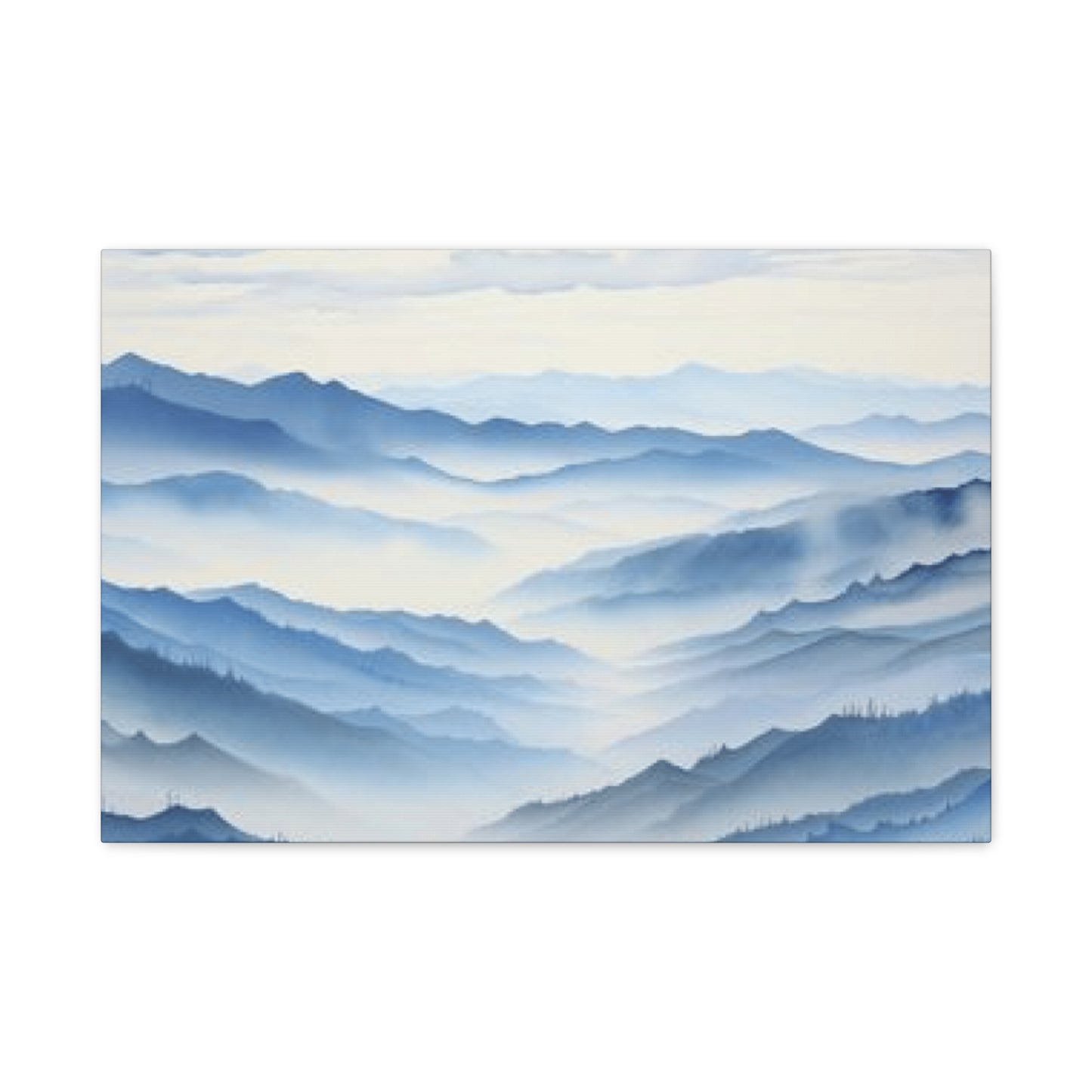
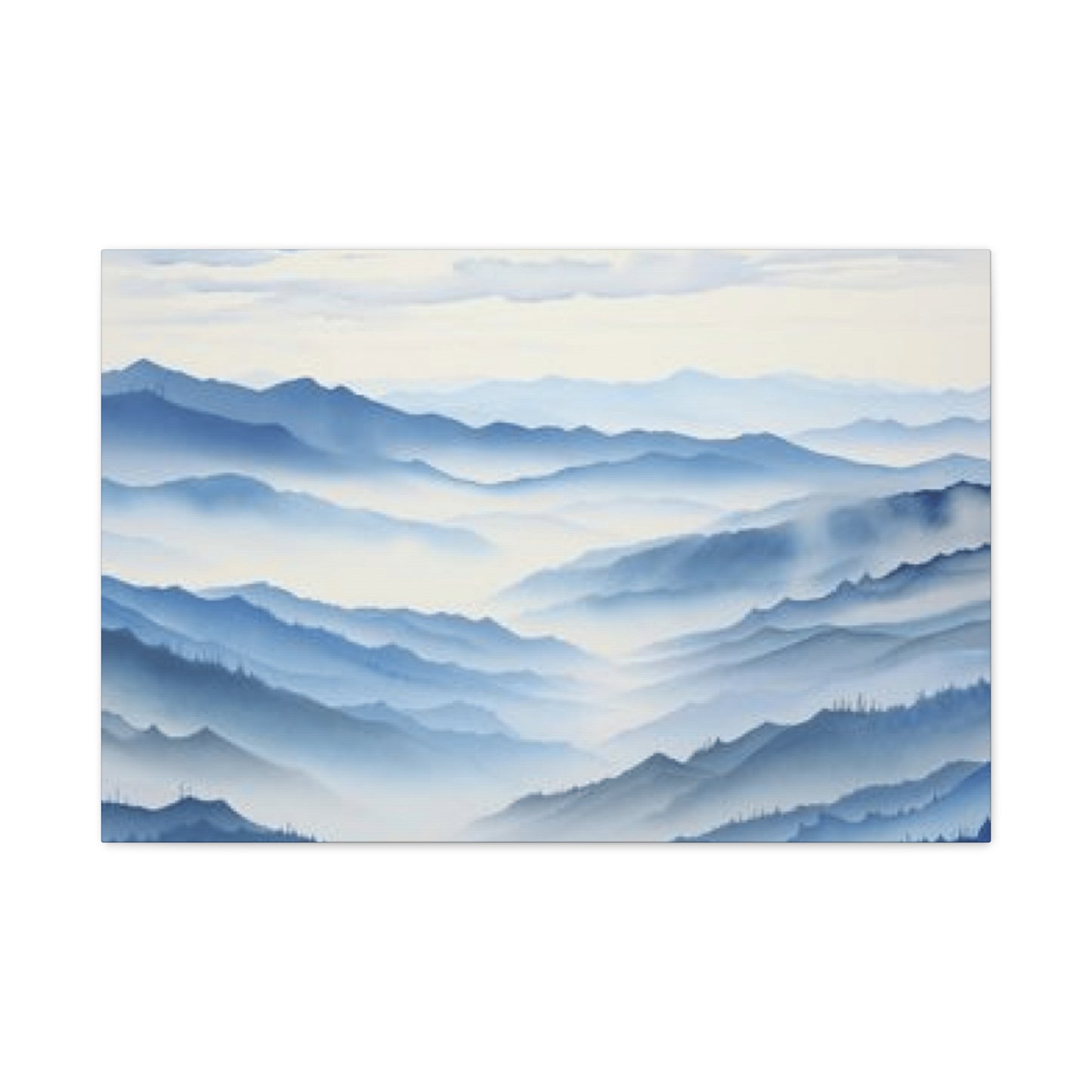
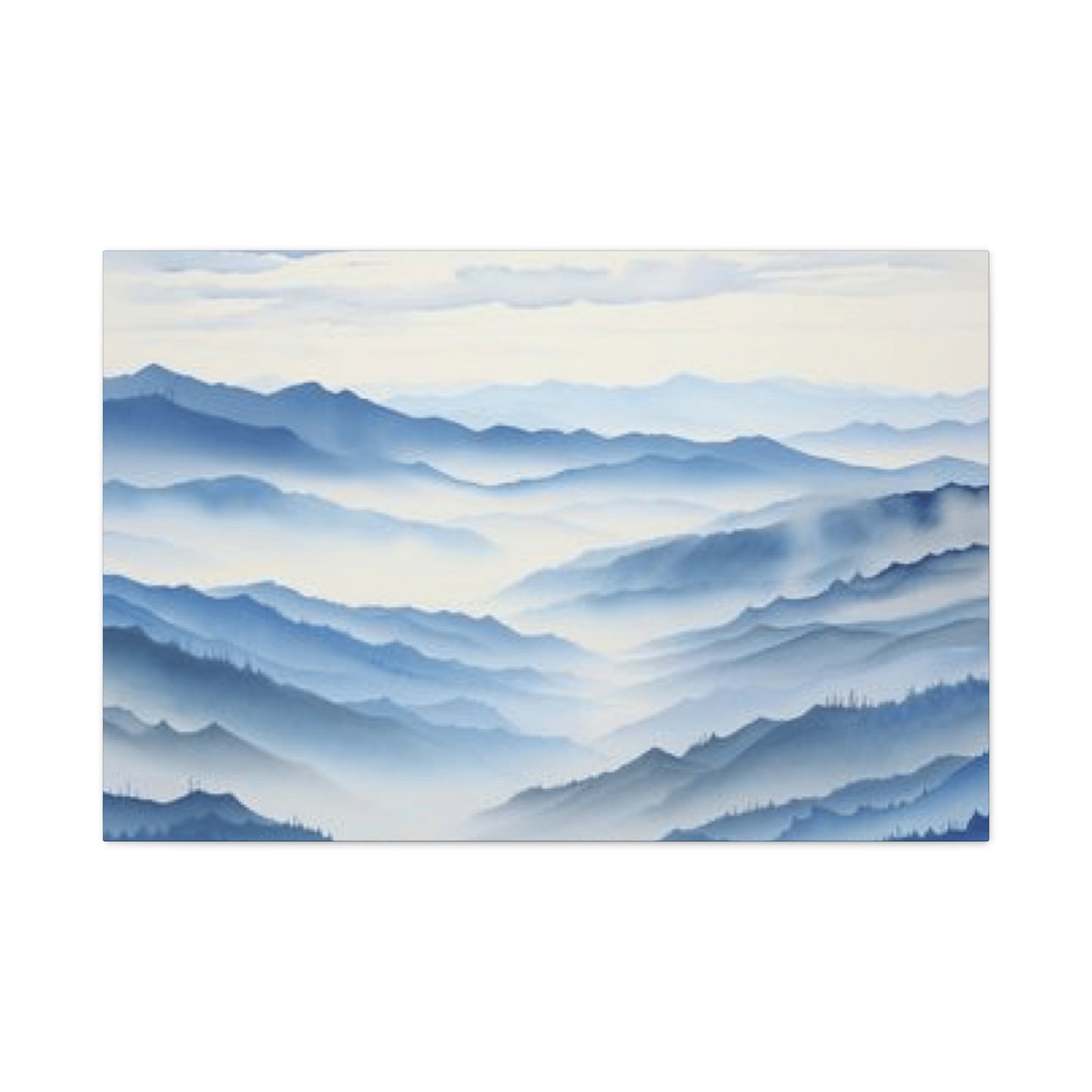
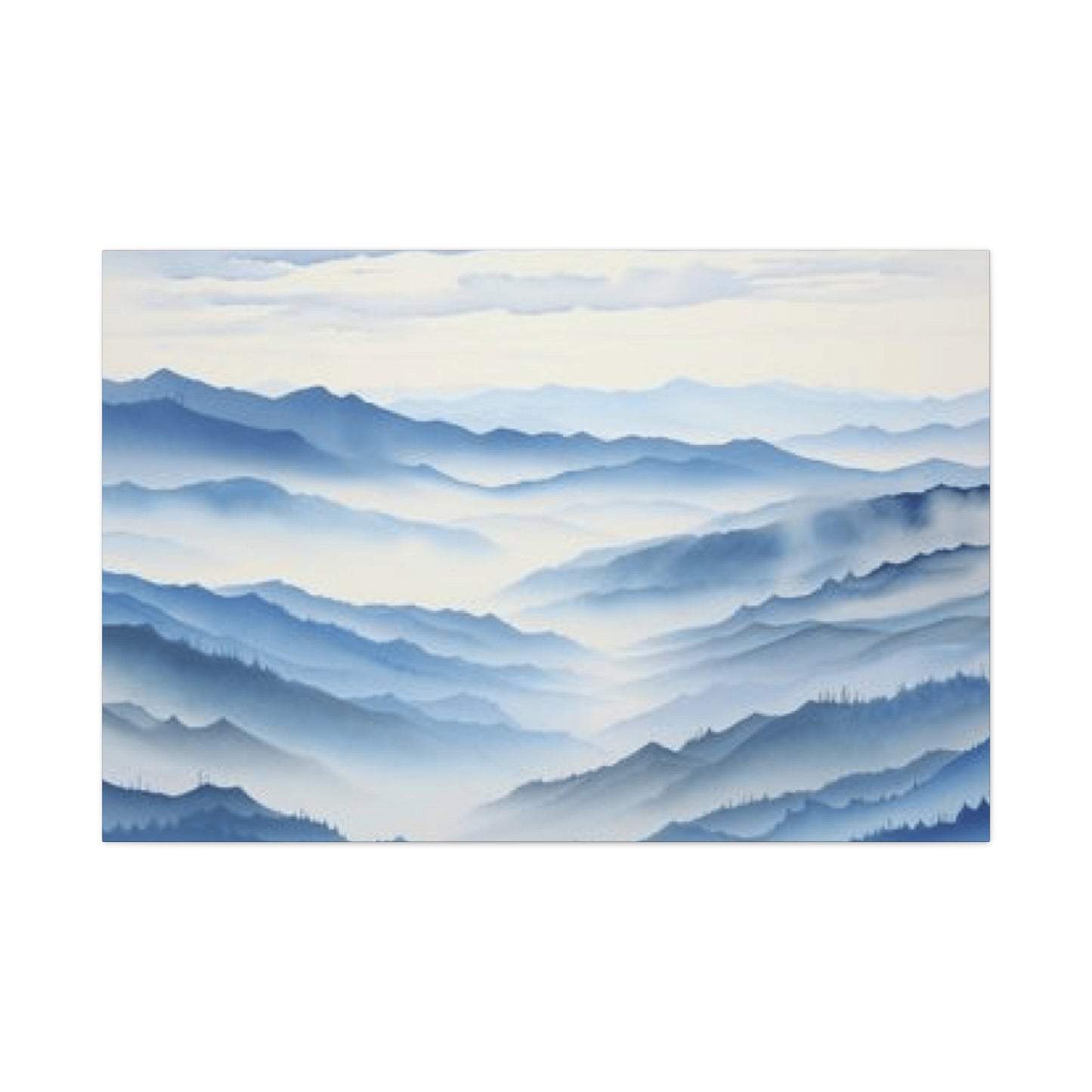
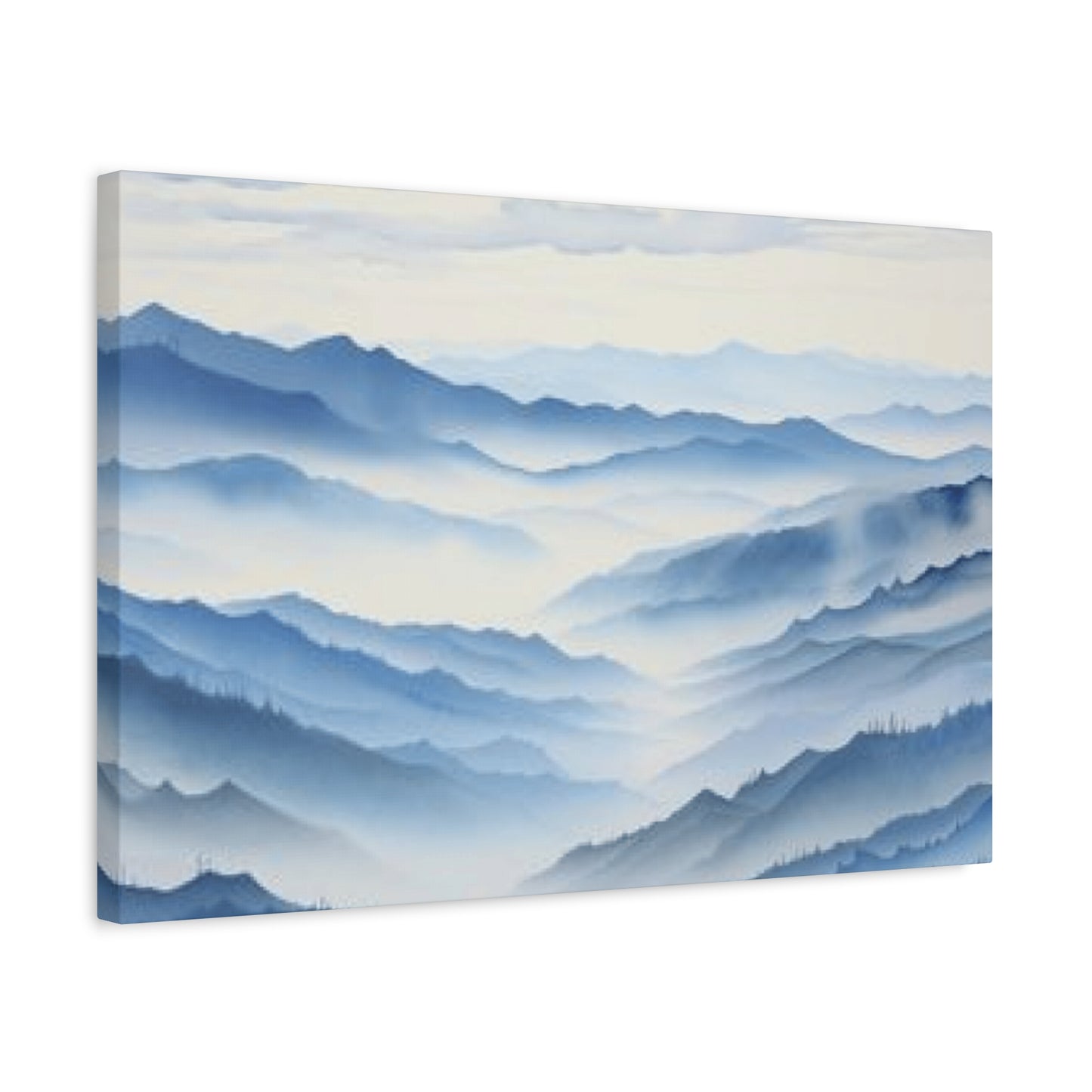
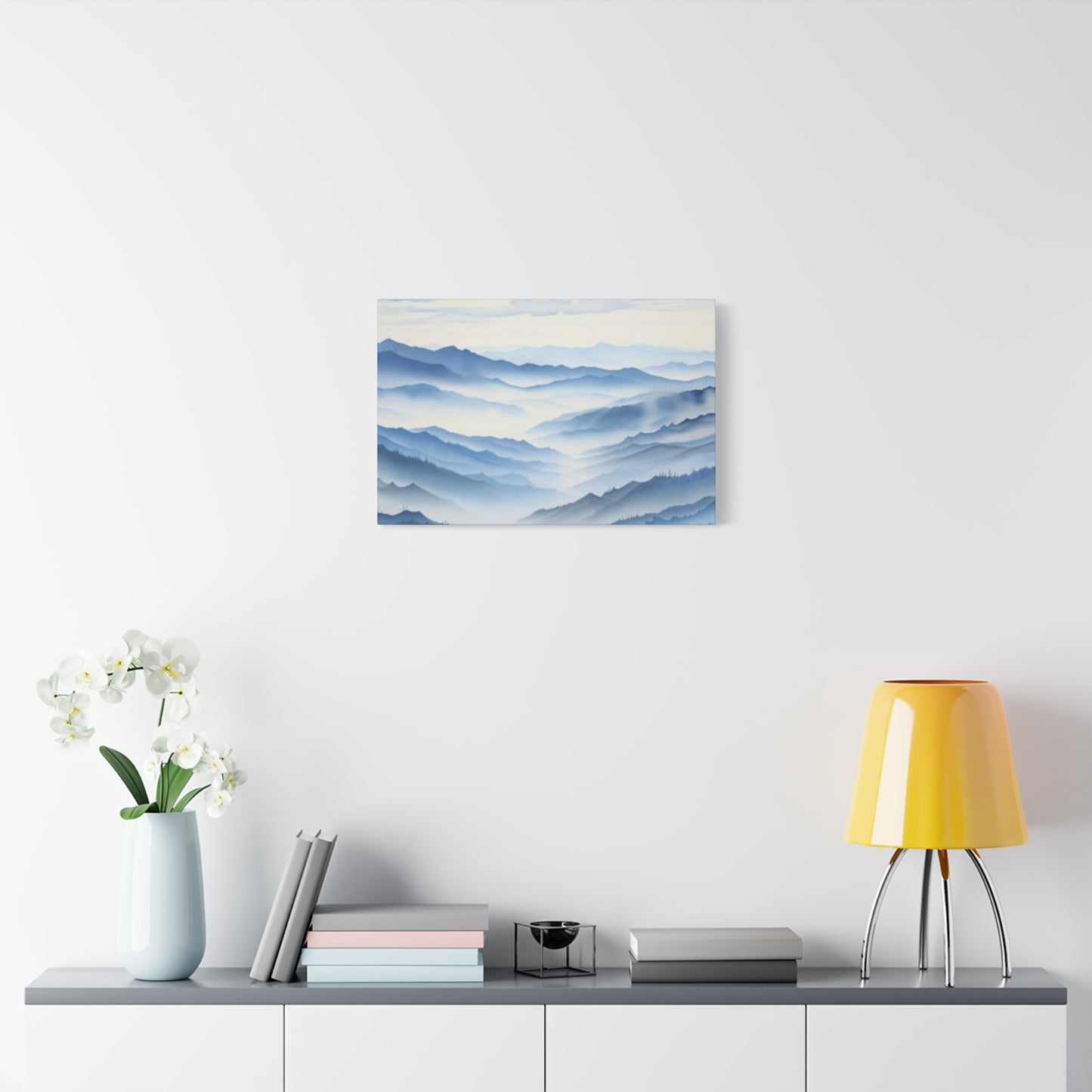
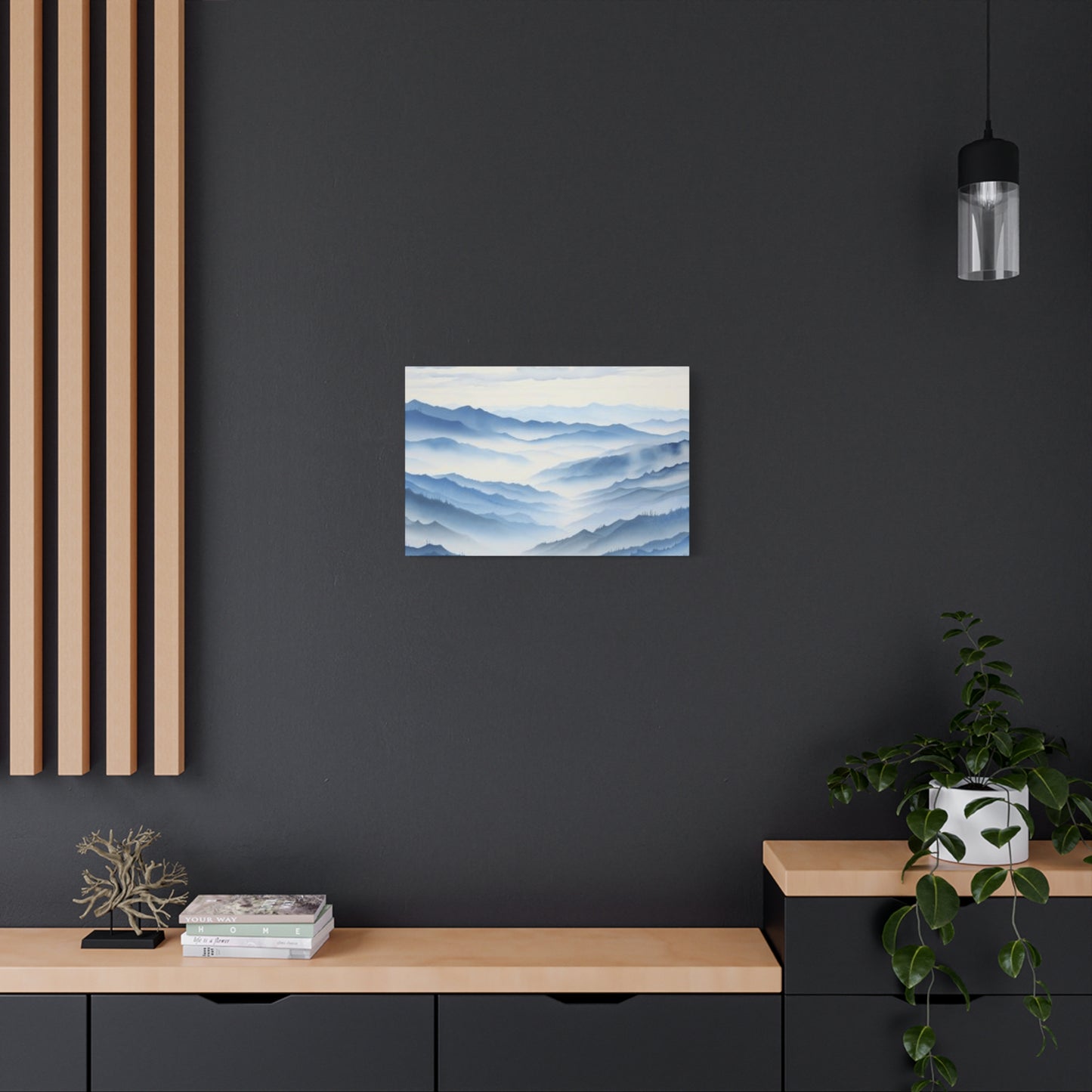
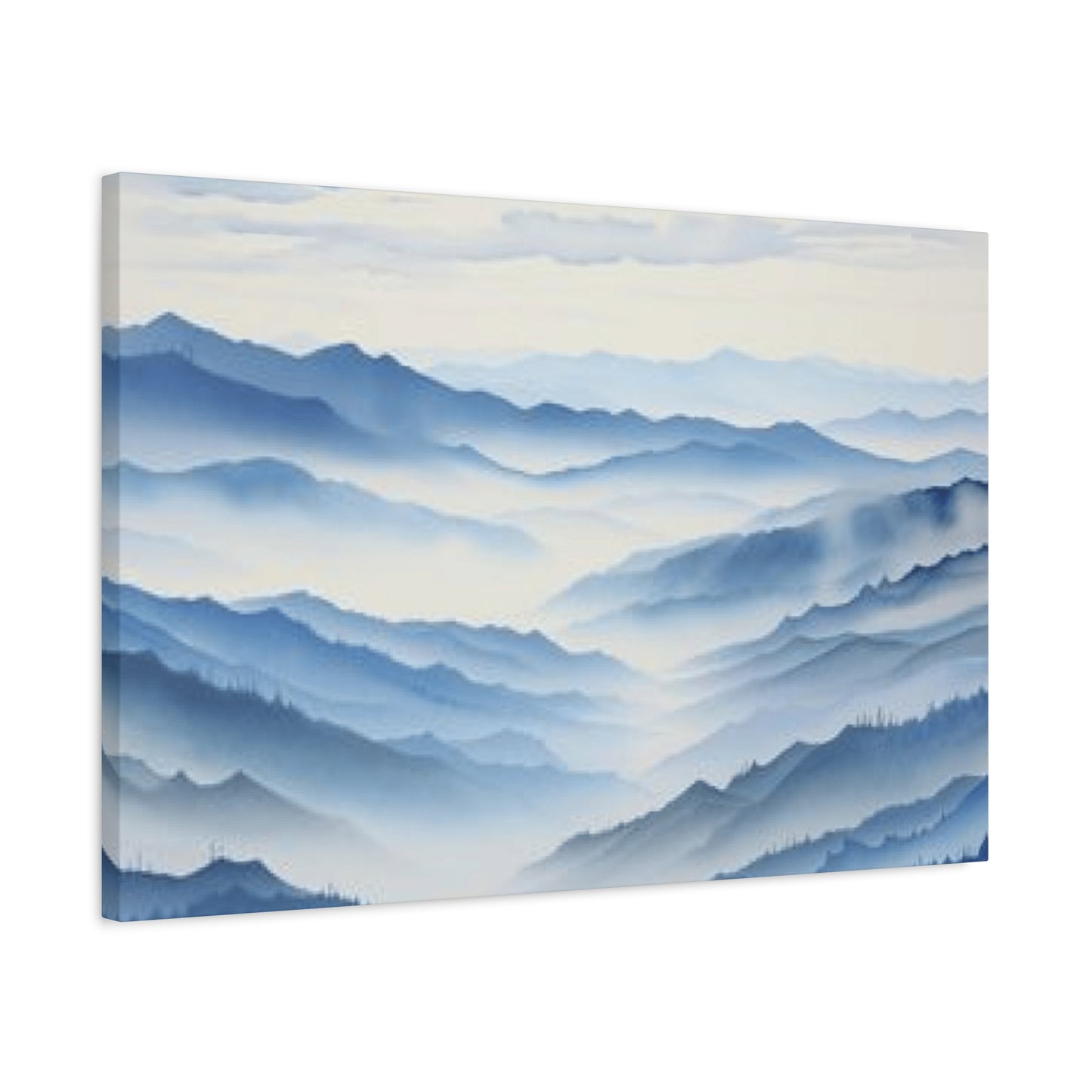
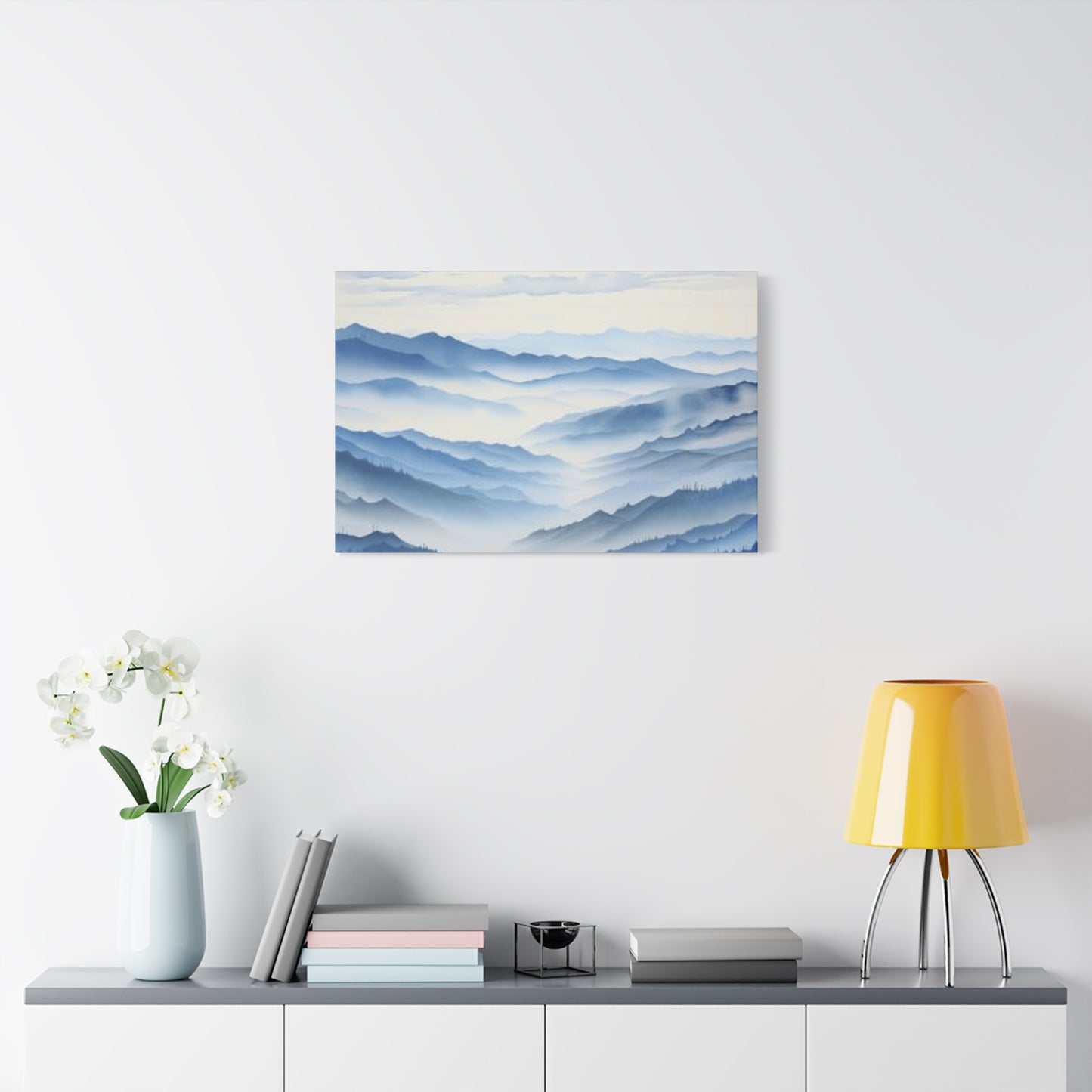
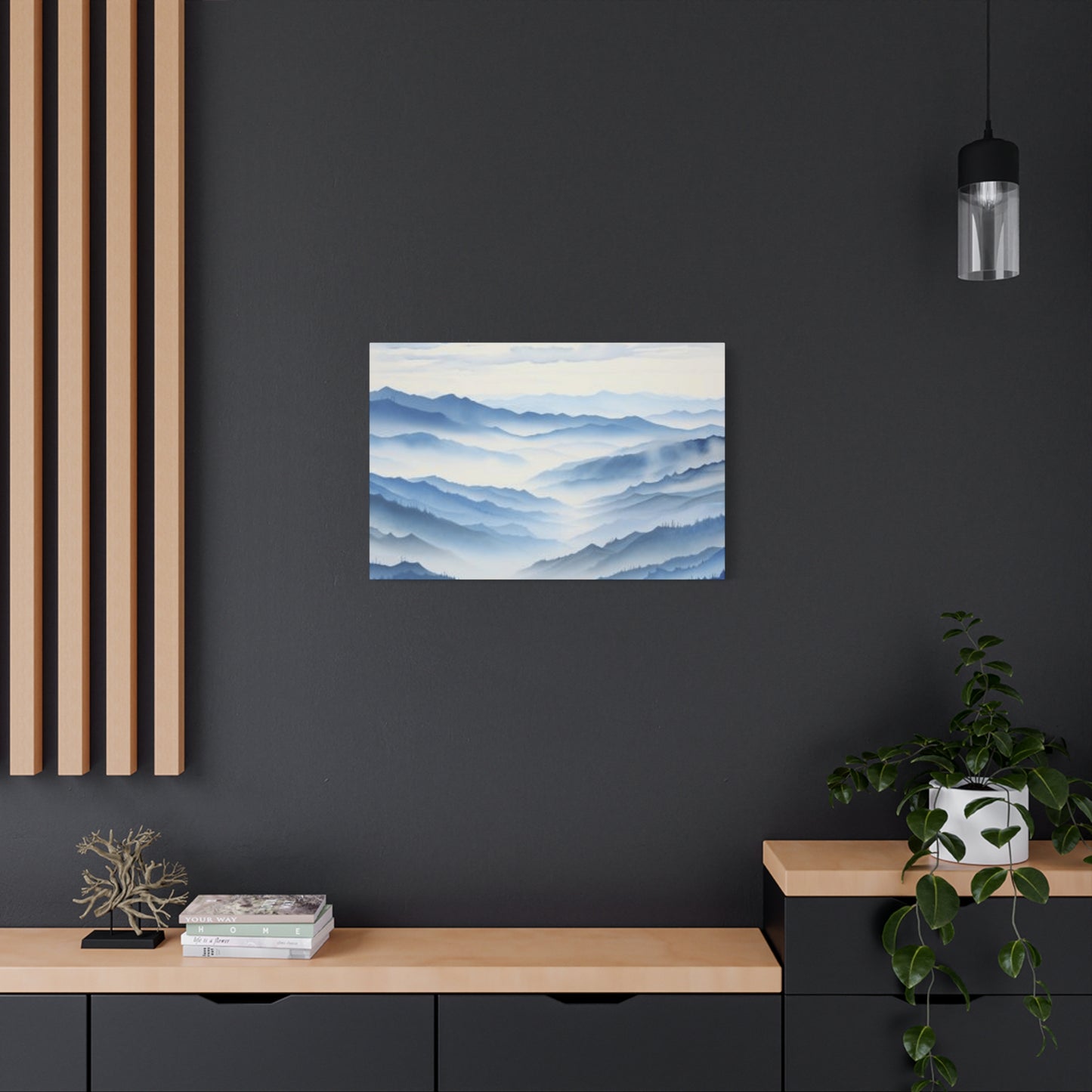
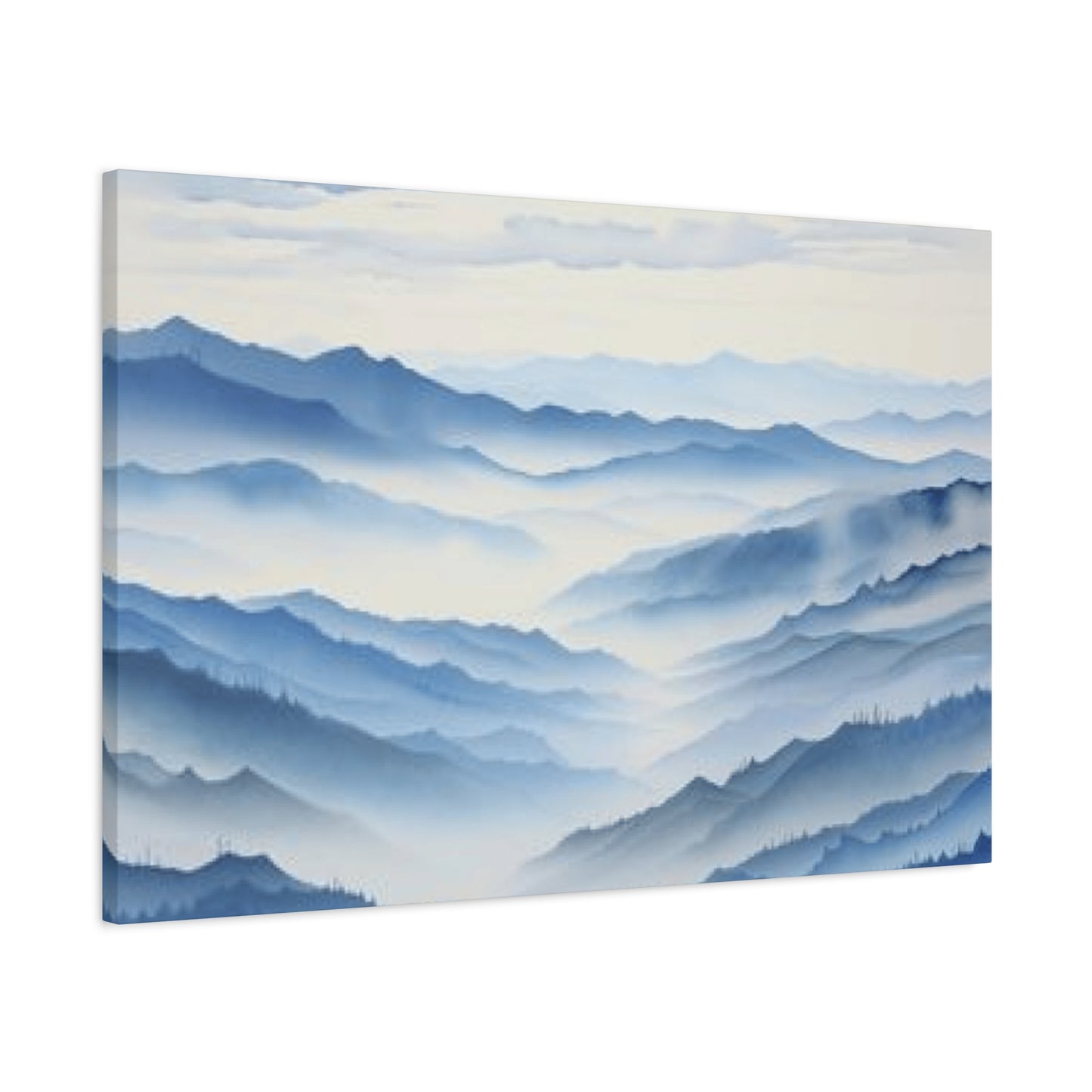
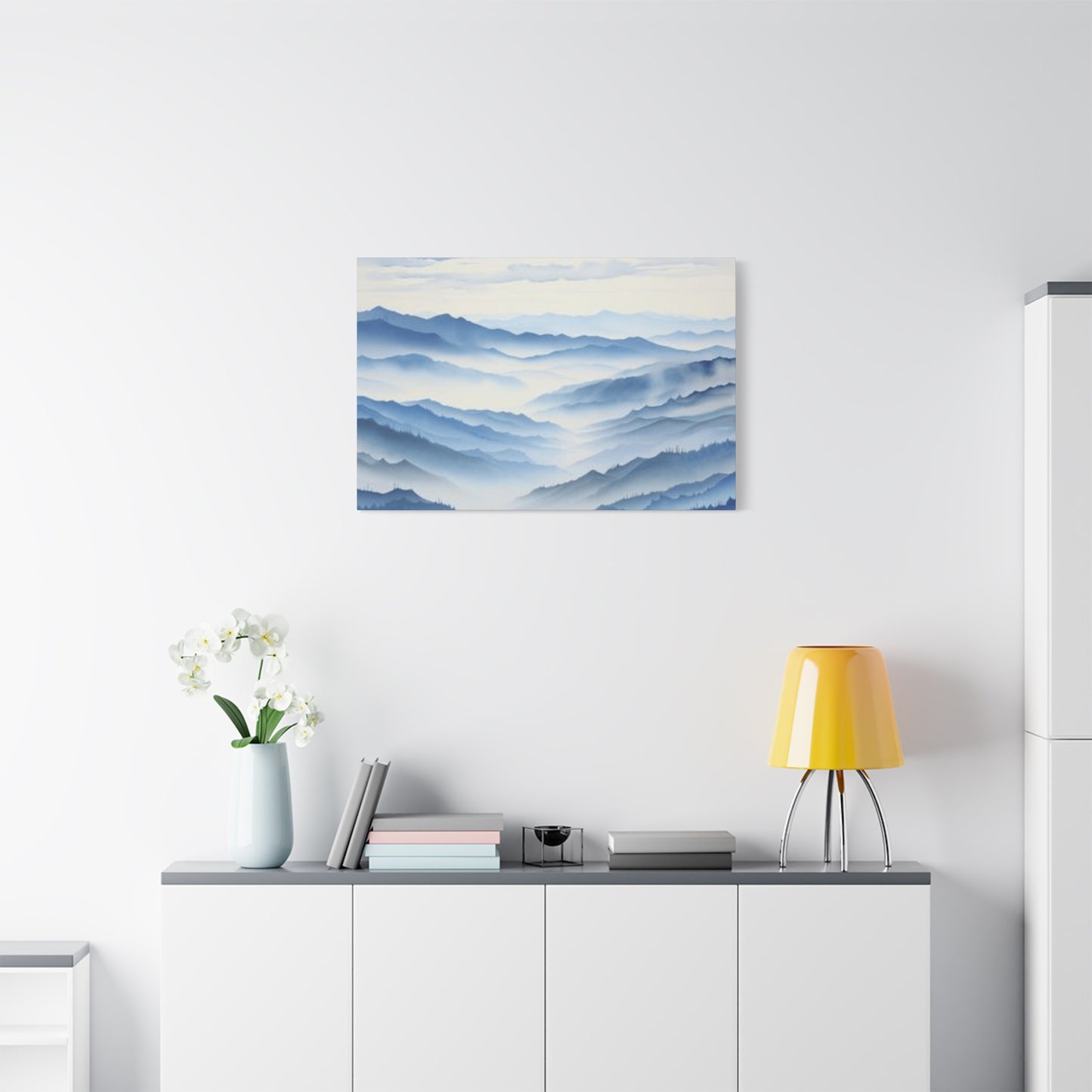
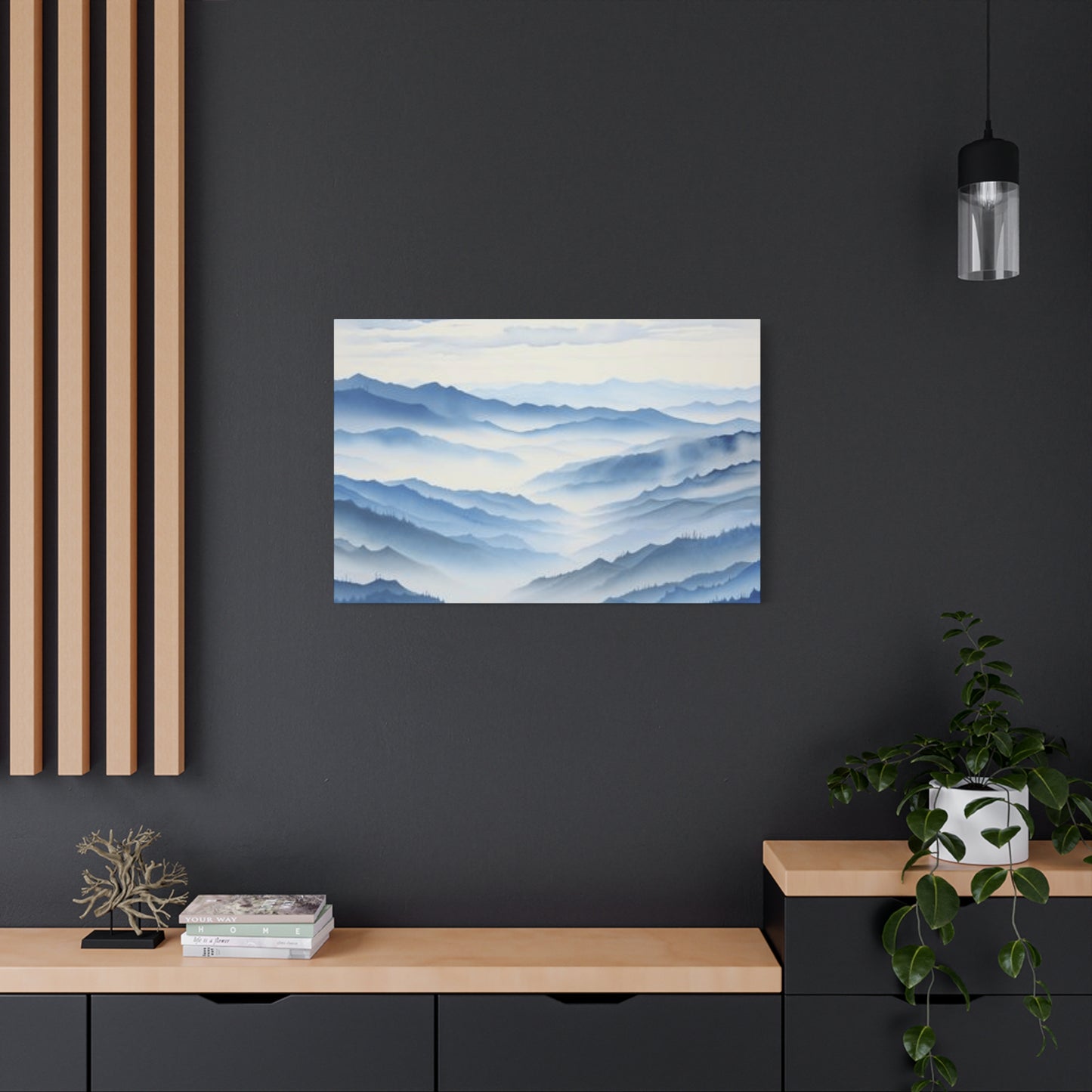
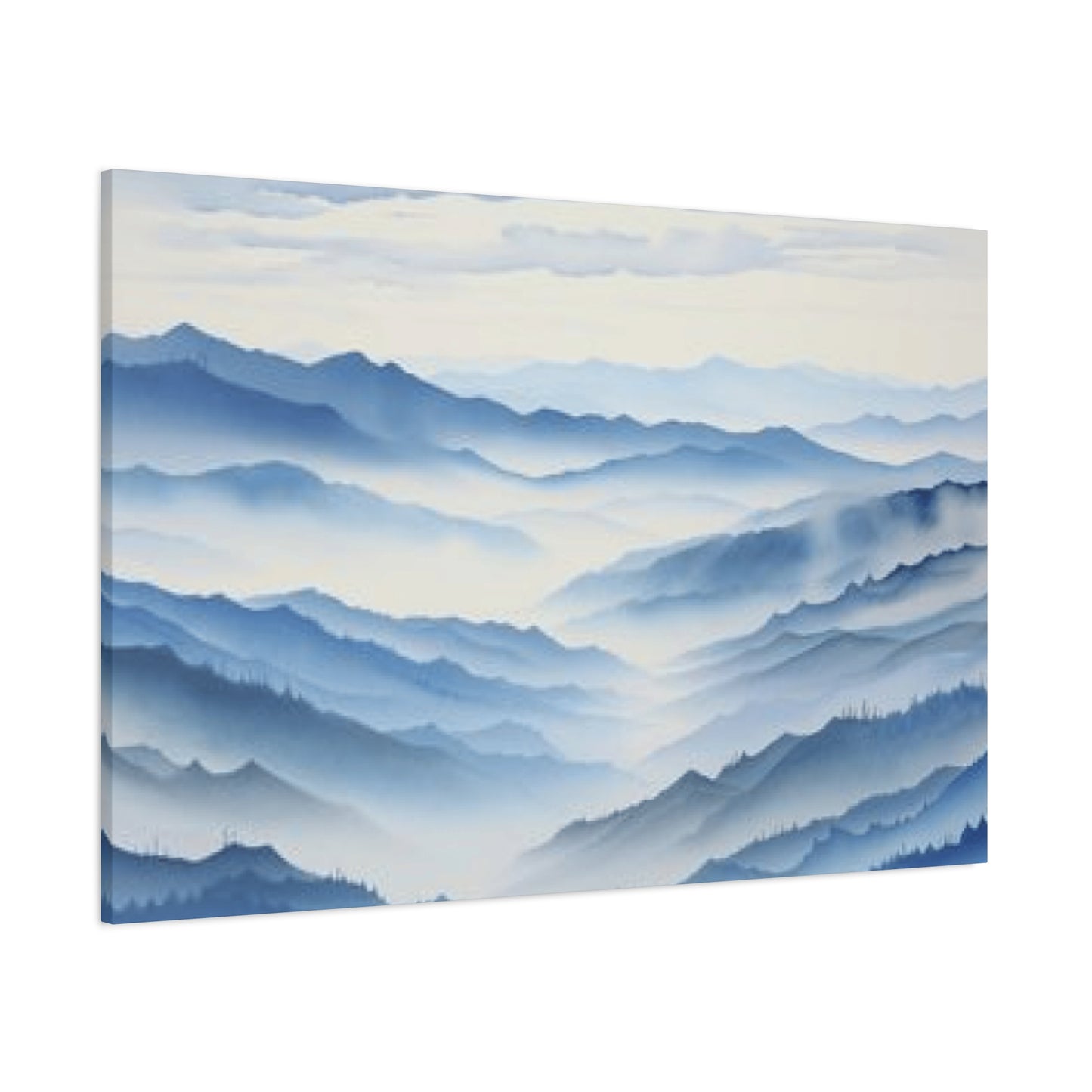
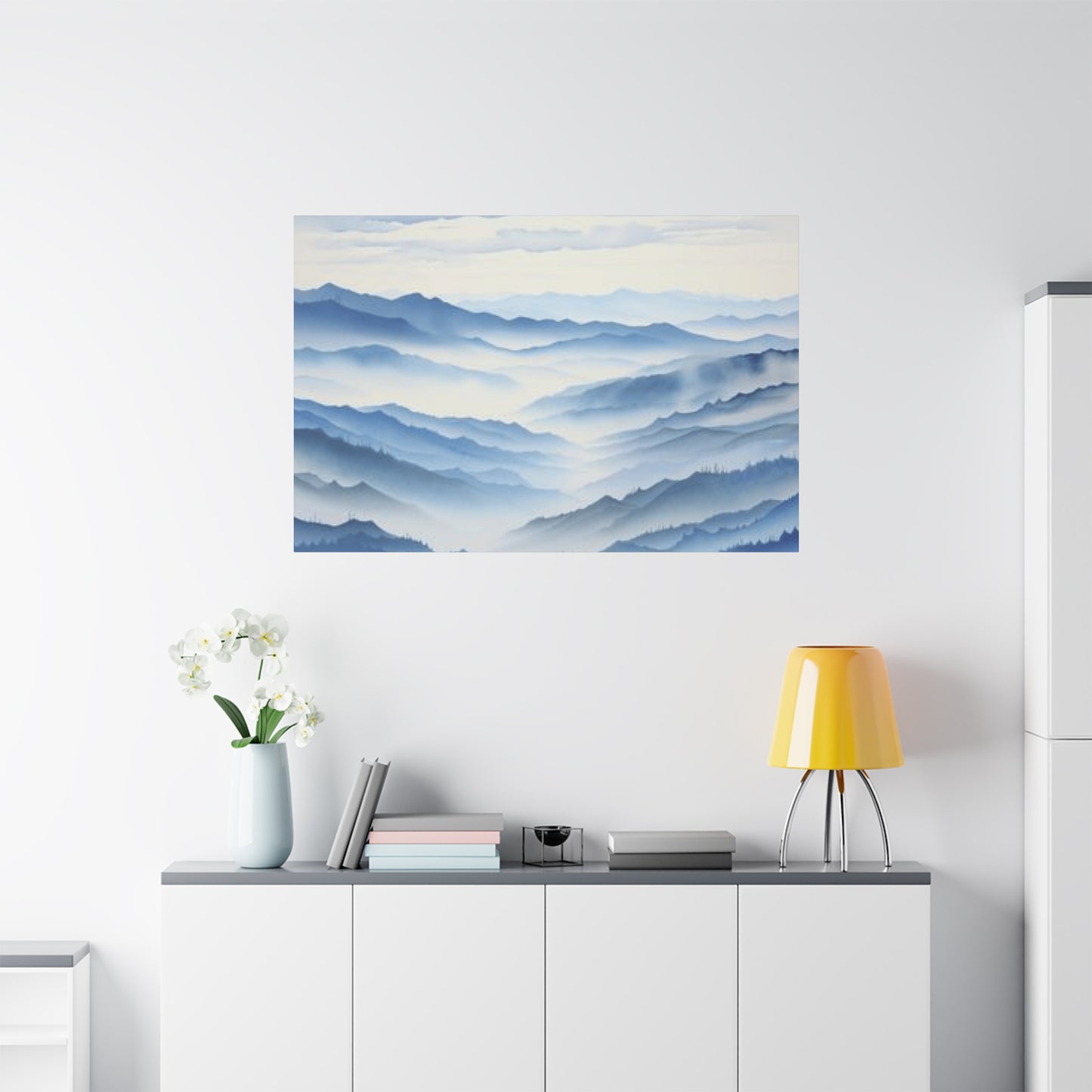
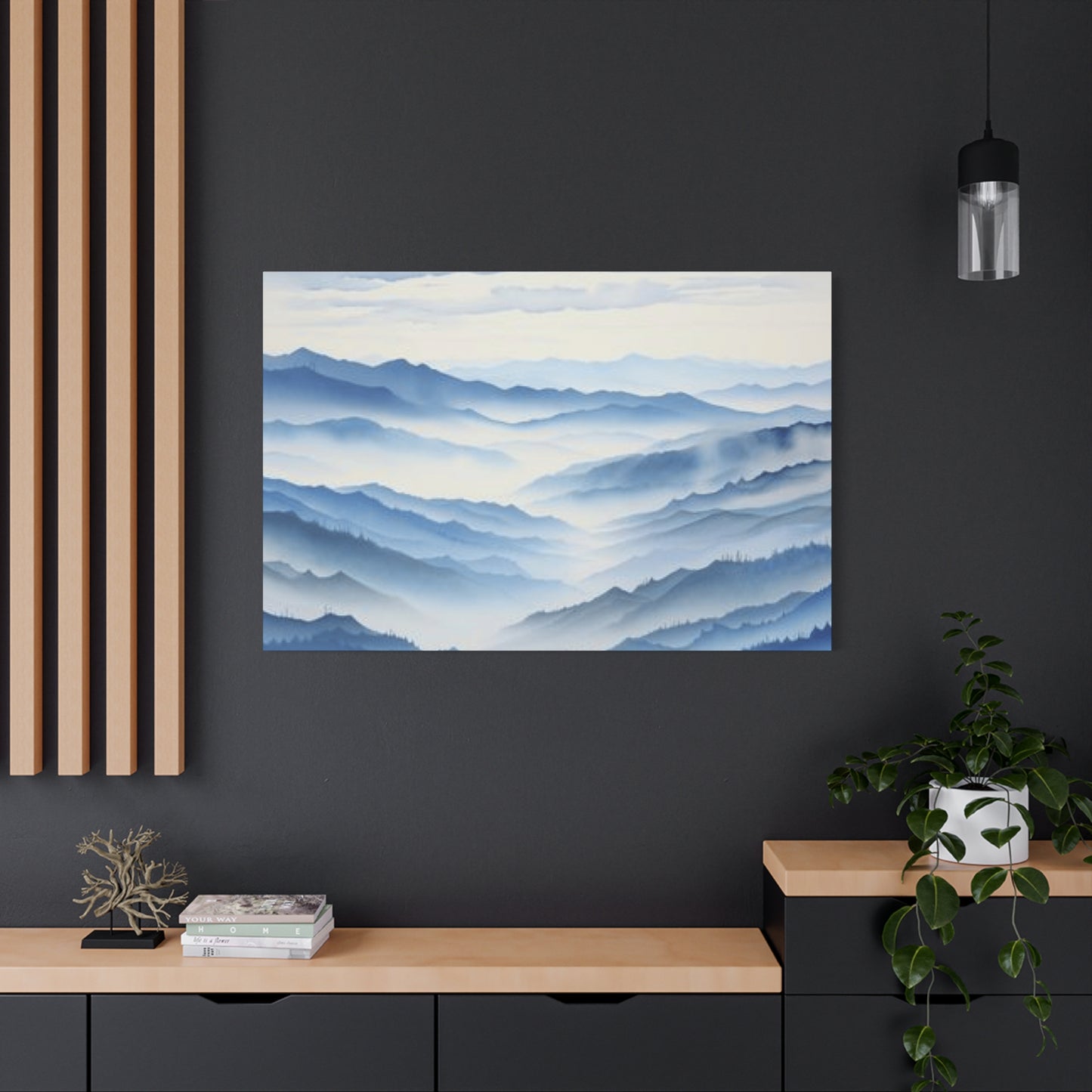
Blue Clouds and Ridge Painting Wall Art & Canvas Prints
Blue Clouds and Ridge Painting Wall Art & Canvas Prints
Couldn't load pickup availability
Discover the Timeless Beauty of Blue Clouds and Ridge Painting Wall Art for Your Living Spaces
The world of interior decoration has witnessed a remarkable surge in appreciation for nature-inspired artistic expressions that bring tranquility and sophistication into residential and commercial environments. Among the most captivating trends that have emerged in recent years is the incorporation of landscape-themed artwork, particularly pieces featuring serene atmospheric elements combined with majestic mountain formations. Blue Clouds and Ridge Painting Wall Art represents a distinctive category of decorative pieces that seamlessly blend the calming essence of sky-inspired hues with the commanding presence of mountainous terrain, creating visual narratives that resonate deeply with viewers across diverse aesthetic preferences.
The Profound Impact of Landscape-Inspired Artistic Expressions on Contemporary Interior Spaces
Throughout human civilization, individuals have sought ways to establish connections with the natural world, even within confined indoor settings. The human psyche possesses an inherent attraction toward elements that evoke memories of vast open spaces, untamed wilderness, and the raw magnificence of geological formations. This phenomenon, extensively studied by environmental psychologists and design theorists, explains why landscape-themed artwork continues to dominate preferences among homeowners, office managers, and hospitality industry professionals.
Blue Clouds and Ridge Painting Wall Art taps into this fundamental human inclination by presenting scenes that transport viewers to elevated vantage points where earth meets sky. The strategic use of azure tones, ranging from deep navy to soft cerulean, creates atmospheric depth that suggests distance and dimension. These chromatic choices are not arbitrary; they reflect the actual optical phenomena that occur when light interacts with atmospheric particles at various altitudes and times of day.
The ridges depicted in these artistic compositions serve as powerful visual anchors, grounding the ethereal quality of cloud formations with solid, tangible earthbound structures. This juxtaposition creates a balanced composition that appeals to both the rational and emotional aspects of human perception. The undulating lines of mountain ranges provide rhythmic visual interest that guides the eye through the composition, while the softer, more amorphous cloud formations introduce organic unpredictability that prevents the artwork from feeling rigid or mechanical.
Examining the Multifaceted Appeal of Azure-Toned Atmospheric Representations in Modern Decor
The color palette employed in Blue Clouds and Ridge Painting Wall Art holds particular significance for interior spaces. Blue, in its various manifestations, has been scientifically proven to exert calming influences on the human nervous system. Studies conducted by color theorists and neuropsychologists have demonstrated that exposure to blue-dominant visual stimuli can reduce heart rate, lower blood pressure, and promote states of relaxation and contemplation.
When incorporated into wall art featuring natural landscapes, these blue tones become even more effective at creating desired emotional atmospheres. The specific shade selections within Blue Clouds and Ridge Painting Wall Art typically include powder blue for distant atmospheric layers, slate blue for mid-range cloud formations, and sometimes indigo or midnight blue for dramatic shadow areas within mountain crevices. This gradation of related hues creates tonal harmony while maintaining sufficient contrast to keep the composition visually engaging.
The psychological impact of viewing mountain landscapes has been documented across numerous research initiatives. Individuals who regularly interact with mountain imagery report increased feelings of stability, groundedness, and perspective. Mountains have long served as metaphors for challenges overcome, lofty aspirations, and the majesty of forces larger than human concerns. When represented in artistic form, these associations transfer to the viewing experience, potentially influencing the emotional tenor of the space in which the artwork resides.
Exploring Various Stylistic Approaches to Depicting Mountainous Terrain and Atmospheric Elements
Artists working within the landscape genre employ diverse methods to represent natural phenomena, and Blue Clouds and Ridge Painting Wall Art encompasses multiple stylistic interpretations. Some creators favor hyperrealistic approaches that meticulously reproduce the exact appearance of specific geological locations, capturing every textural nuance of rock faces and the subtle gradations within cloud formations. These works appeal to viewers who appreciate technical mastery and the illusion of photographic accuracy in painted media.
Conversely, other artists embrace impressionistic or expressionistic methodologies that prioritize emotional resonance over literal representation. In these interpretations, brush strokes become more visible and gestural, color choices may deviate from naturalistic accuracy, and forms simplify into essential shapes that suggest rather than explicitly define landscape features. This approach allows for greater interpretive freedom and can create artwork that feels more personal and emotionally charged.
Abstract representations constitute another significant category within the Blue Clouds and Ridge Painting Wall Art spectrum. These pieces distill landscape elements into pure form, color, and compositional relationships. A ridge might be suggested by a bold horizontal band of contrasting color, while clouds become areas of gradated tone or texture. Such works require more interpretive engagement from viewers but offer the advantage of complementing a wider range of interior design schemes due to their non-specific nature.
Minimalist interpretations have gained considerable traction in contemporary design circles. These works feature simplified forms, limited color palettes, and generous negative space. A minimalist Blue Clouds and Ridge Painting Wall Art piece might depict a single mountain silhouette against a field of blue with subtle cloud suggestions. The restraint inherent in this approach creates artwork that feels sophisticated and uncluttered, ideal for modern and contemporary interior schemes.
Understanding the Material Considerations and Production Methods Behind Landscape Artwork
The physical creation of Blue Clouds and Ridge Painting Wall Art involves numerous material and methodological choices that significantly impact the final product's appearance, durability, and suitability for different display environments. Traditional oil painting remains a popular medium for landscape artwork, prized for its richness of color, versatility in blending, and archival properties when properly executed. Oil paints allow artists to achieve remarkable depth in atmospheric effects, particularly important when rendering the translucent qualities of clouds and the subtle color shifts in distant mountain ranges.
Acrylic painting has emerged as a contemporary alternative offering certain practical advantages. Acrylics dry more rapidly than oils, allowing for efficient layering and reduced production time. The water-based nature of acrylic media makes them less toxic and easier to work with in various studio conditions. Modern acrylic formulations can achieve effects remarkably similar to oils while offering enhanced flexibility in the finished paint film, reducing the risk of cracking over time.
Watercolor brings its own distinctive qualities to landscape representation. The transparent nature of watercolor washes creates luminous effects particularly well-suited to depicting atmospheric conditions. The unpredictable behavior of water-based pigments on paper surfaces introduces an element of spontaneity that can result in remarkably evocative cloud formations and atmospheric haze effects. However, watercolor works require careful handling and proper framing to ensure longevity.
Digital creation methods have revolutionized the production of Blue Clouds and Ridge Painting Wall Art in recent decades. Artists working with digital painting software can achieve effects impossible or impractical with traditional media while maintaining complete control over every aspect of the composition. Digital works can be reproduced with perfect fidelity, making them accessible at various price points. High-quality giclée printing on canvas or archival paper can produce results virtually indistinguishable from hand-painted originals to casual observation.
Mixed media approaches combine multiple materials and methods to achieve unique textural and visual effects. An artist might begin with acrylic underpainting, add collaged elements for textural interest, incorporate metallic leaf for highlights, and finish with oil glazes for depth. These experimental approaches result in one-of-a-kind pieces with distinctive character that commands attention in any setting.
Investigating the Relationship Between Artwork Scale and Environmental Impact
The dimensions of Blue Clouds and Ridge Painting Wall Art significantly influence its effect within a given space. Large-scale works measuring several feet in width and height create immersive experiences that can dominate a room and serve as the primary focal point. These substantial pieces work particularly well in spacious areas with high ceilings and minimal architectural detail where they can command attention without competing with other visual elements.
The psychological impact of scale should not be underestimated. Oversized landscape artwork can create the illusion of a window or portal, seeming to expand the boundaries of the physical space. When a viewer stands before a large Blue Clouds and Ridge Painting Wall Art piece, the peripheral vision becomes engaged, creating a more encompassing visual experience that approaches the feeling of actually viewing a distant mountain range. This immersive quality makes large-scale landscape artwork particularly valuable in urban settings where actual nature views may be limited or nonexistent.
Medium-sized works offer versatility and accessibility. Pieces measuring between two and four feet in their longest dimension can anchor a wall without overwhelming it, working effectively above furniture pieces like sofas, beds, or console tables. These dimensions also make the artwork more manageable in terms of transportation, hanging, and potential relocation. Medium-sized Blue Clouds and Ridge Painting Wall Art pieces often work well in groupings, allowing for the creation of gallery walls or diptych and triptych arrangements.
Small-scale landscape paintings possess an intimate quality that invites closer inspection. These pieces work well in more personal spaces like studies, bedrooms, or cozy reading nooks. The reduced scale encourages viewers to approach closely and appreciate subtle details that might be lost in larger formats. Collections of small landscape works can be arranged in creative configurations that evolve over time as new pieces are added.
The aspect ratio of the canvas or panel also contributes to the work's impact. Horizontal panoramic formats emphasize the expansive quality of mountain ranges and create a sense of breadth and scope. Vertical orientations can emphasize the height and majesty of peaks while creating interesting compositional challenges for artists. Square formats offer balanced, centered compositions that work well in modern interiors favoring geometric regularity.
Analyzing Compositional Principles That Elevate Landscape Artwork From Ordinary to Exceptional
The arrangement of visual elements within Blue Clouds and Ridge Painting Wall Art follows compositional principles refined over centuries of artistic practice. The rule of thirds, derived from Renaissance painting traditions and reinforced by photographic convention, suggests dividing the picture plane into a three-by-three grid and placing key elements along these divisions or at their intersections. In landscape contexts, this often means positioning the horizon line along the upper or lower third rather than bisecting the composition centrally, creating more dynamic and visually interesting results.
Leading lines constitute another powerful compositional tool frequently employed in landscape artwork. The natural contours of mountain ridges provide obvious linear elements that guide the viewer's eye through the composition. Artists working with Blue Clouds and Ridge Painting Wall Art often arrange these ridge lines to converge toward key focal points or to create rhythmic patterns that establish visual movement. Cloud formations can similarly be rendered to suggest directional flow, perhaps moving horizontally to create calm, stable feelings or diagonally to introduce dynamism and energy.
Atmospheric perspective represents a crucial principle for creating convincing depth in landscape compositions. This phenomenon, resulting from the way light scatters through atmospheric particles, causes distant objects to appear lighter, bluer, and less distinct than foreground elements. Masterful Blue Clouds and Ridge Painting Wall Art exploits this optical reality by rendering background ridges in pale, desaturated blues while depicting foreground elements in richer, more saturated tones. This gradation creates the illusion of vast distances existing within the flat picture plane.
Color harmony within landscape compositions requires careful consideration. Analogous color schemes, utilizing adjacent hues on the color wheel such as various blues and blue-greens, create cohesive, restful compositions. Complementary contrasts, introducing small amounts of orange or warm tones against dominant blues, can create focal points and prevent compositions from feeling monotonous. The specific color relationships within a Blue Clouds and Ridge Painting Wall Art piece should reflect both naturalistic observation and intentional design choices aimed at creating specific emotional responses.
Negative space plays an essential role in landscape composition, particularly in more contemporary or minimalist interpretations. Areas of sky or atmospheric void allow the eye to rest and create breathing room around more detailed or complex passages. Skilled artists understand that what is left out of a composition can be as important as what is included, using restraint to create elegance and prevent visual overcrowding.
Delving Into the Historical Precedents That Inform Contemporary Landscape Artwork
The tradition of landscape painting extends back thousands of years, with notable examples appearing in ancient Chinese scroll paintings, Roman frescoes, and illuminated medieval manuscripts. However, landscape art achieved independent recognition as a legitimate subject worthy of serious artistic attention during the Renaissance period in Europe. Dutch Golden Age painters elevated landscape painting to new heights of technical sophistication and market value during the seventeenth century.
The Romantic movement of the late eighteenth and early nineteenth centuries profoundly influenced how artists approached mountain landscapes. Romantic painters like Caspar David Friedrich and J.M.W. Turner depicted mountains as sublime and awe-inspiring phenomena that dwarfed human concerns. These artists used dramatic lighting, exaggerated scale relationships, and turbulent atmospheric conditions to evoke powerful emotional responses. The legacy of Romantic landscape painting continues to influence contemporary creators of Blue Clouds and Ridge Painting Wall Art, particularly those working in more expressionistic modes.
The Hudson River School, an American painting movement of the mid-nineteenth century, specialized in grand panoramic views of wilderness areas, including extensive mountain ranges. Artists like Thomas Cole, Frederic Edwin Church, and Albert Bierstadt created monumental canvases depicting the untamed American landscape with meticulous detail and often idealized grandeur. These works served both aesthetic and nationalistic purposes, helping to establish American wilderness as a source of cultural identity and pride. Their influence persists in contemporary landscape art that emphasizes the majesty and spiritual significance of natural formations.
Impressionist painters revolutionized landscape depiction by prioritizing immediate visual perception over detailed description. Claude Monet's series paintings of haystacks, poplars, and water lilies demonstrated how the same subject could be endlessly reinvented through attention to changing light conditions. This focus on atmospheric effects and the transient qualities of natural light directly informs contemporary Blue Clouds and Ridge Painting Wall Art that emphasizes mood and impression over topographical accuracy.
The twentieth century saw further diversification in landscape representation through movements like Abstract Expressionism, which transformed natural forms into vehicles for pure aesthetic experience, and Color Field painting, which explored emotional and spatial effects through large expanses of modulated color. Artists like Georgia O'Keeffe demonstrated how landscape elements could be abstracted and magnified to reveal hidden formal relationships. These modernist innovations expanded the possibilities for contemporary artists working with landscape themes.
Recognizing the Diverse Settings Where Mountain Landscape Artwork Achieves Maximum Effectiveness
Blue Clouds and Ridge Painting Wall Art finds appropriate placement across numerous residential and commercial contexts, each presenting unique opportunities and challenges. In living rooms, landscape artwork often serves as the dominant visual element, anchoring the space and setting the overall aesthetic tone. Positioning such artwork above a sofa creates a natural focal point that draws attention upon entering the room. The calming color palette of blue-toned mountain landscapes makes them particularly suitable for spaces intended for relaxation and social gathering.
Bedroom environments benefit enormously from the serene qualities inherent in well-executed Blue Clouds and Ridge Painting Wall Art. The restful color associations of blue combined with the stable, enduring symbolism of mountains create an atmosphere conducive to rest and rejuvenation. Positioning landscape artwork as the first thing visible upon waking can establish a positive, grounded mindset for the day ahead. The artwork's subject matter provides a contemplative focus point while lying in bed, potentially aiding in relaxation and sleep preparation.
Home offices and study spaces gain from the perspective-providing qualities of mountain landscape art. When mental work becomes challenging or stress levels rise, being able to glance at an expansive mountain vista can provide momentary escape and cognitive reset. The blue color palette has been shown to enhance focus and productivity, making Blue Clouds and Ridge Painting Wall Art particularly suitable for work environments. The symbolic association of mountains with challenges overcome can serve as subtle motivational reinforcement.
Dining rooms and kitchen areas might seem unconventional settings for landscape artwork, yet these communal spaces benefit from decorative elements that promote conversation and create pleasant atmospheres. A striking Blue Clouds and Ridge Painting Wall Art piece in a dining area provides a neutral conversational topic for guests while establishing a sophisticated ambiance. The calming qualities of the artwork can actually enhance the dining experience by promoting relaxation and mindful eating.
Entryways and hallways present opportunities to make strong first impressions through artwork selection. A commanding landscape piece immediately establishes the aesthetic sensibility of the home and creates an inviting atmosphere for those entering. The horizontal orientation common in landscape artwork works particularly well in corridor spaces where wall dimensions favor width over height.
Commercial environments including corporate offices, hospitality venues, healthcare facilities, and retail spaces increasingly recognize the value of thoughtfully selected artwork. In corporate settings, Blue Clouds and Ridge Painting Wall Art projects professionalism while avoiding controversial or potentially divisive imagery. The universal appeal of landscape art makes it suitable for diverse workplace populations. Healthcare facilities use landscape artwork specifically for its documented stress-reduction properties, with mountain and nature imagery helping to alleviate patient anxiety and promote healing environments. Hotels and restaurants employ landscape art to create distinctive atmospheres that enhance guest experiences and contribute to brand identity.
Examining the Practical Considerations Involved in Acquiring and Displaying Landscape Artwork
The process of selecting appropriate Blue Clouds and Ridge Painting Wall Art for a specific space requires attention to multiple factors beyond simple aesthetic preference. Color coordination with existing interior elements represents a primary consideration. While blue-dominant landscape art offers inherent versatility, the specific shades and accent colors within the artwork should harmonize with wall colors, furniture upholstery, flooring materials, and other decorative elements. Bringing paint chips or fabric samples when viewing artwork can help assess compatibility.
Lighting conditions in the intended display location significantly affect how artwork appears. Natural daylight varies throughout the day and across seasons, potentially causing artwork to appear differently at various times. Northern light provides consistent, cool illumination ideal for viewing artwork without dramatic color shifts. Southern exposure introduces warmer light that may enhance warm accent tones within the painting. Artificial lighting choices also impact appearance, with LED, incandescent, and fluorescent sources each rendering colors somewhat differently. Consider viewing artwork under lighting conditions similar to those in the intended display space.
Framing decisions substantially impact the presentation and preservation of Blue Clouds and Ridge Painting Wall Art. Traditional framed works typically include a mat border that separates the artwork from the frame, creating visual breathing room and preventing the image from feeling cramped. Mat colors should complement without overwhelming the artwork; neutral tones like white, cream, or pale gray work reliably well with blue landscape art. Frame selection depends on interior style, with ornate gilded frames suiting traditional decors, sleek metal frames complementing contemporary spaces, and natural wood frames bridging multiple aesthetic categories.
Canvas gallery wraps, where the image continues around the edges of a stretched canvas, offer a contemporary presentation style that eliminates the need for traditional framing. This approach creates a clean, modern appearance and reduces overall cost compared to custom framing. The exposed edges should be professionally finished, either with the image wrapped around or with complementary solid colors. Gallery-wrapped canvases typically hang with minimal hardware, sometimes requiring only a nail or hook.
Proper hanging techniques ensure both safety and optimal viewing experience. The center of the artwork should typically align with average eye level, generally between 57 and 60 inches from the floor, though this can be adjusted for spaces where viewers are typically seated or standing. When hanging artwork above furniture, maintain 6 to 12 inches of clearance between the furniture top and the artwork bottom to create visual connection while preventing the piece from appearing to float disconnected from its context.
Wall material and construction influence hanging methods and hardware selection. Drywall typically requires wall anchors to support significant weight, while stud mounting provides maximum security for heavy pieces. Masonry walls necessitate special masonry anchors and appropriate drill bits. Professional hanging services offer expertise in weight distribution, precise leveling, and secure mounting, worthwhile considerations for valuable or particularly large artwork.
Exploring the Market Landscape for Mountain Landscape Artwork Across Various Price Points
The marketplace for Blue Clouds and Ridge Painting Wall Art encompasses enormous price variation reflecting factors including artist reputation, production method, materials quality, size, and whether the piece is an original or reproduction. Original paintings by established artists with gallery representation can command prices ranging from hundreds to tens of thousands of dollars depending on the artist's market position, the work's size, and its place within the artist's oeuvre. These investment-grade pieces often appreciate in value over time and carry prestige beyond their decorative function.
Limited edition prints offer greater accessibility while maintaining some exclusivity. When an artist creates a limited run of prints from an original work, each print is numbered and typically signed by the artist. The smaller the edition size, the greater the potential value of each print. Limited edition Blue Clouds and Ridge Painting Wall Art might range from several hundred to a few thousand dollars, representing a middle ground between unique originals and mass-produced reproductions.
Open edition prints provide maximum accessibility, allowing appreciation of an artist's work at modest price points. Modern printing methods produce remarkably high-quality reproductions that capture the essential character of original artwork. Open edition prints of landscape artwork typically range from affordable entry-level prices to moderate amounts depending on size, printing method, and materials quality. While lacking the investment potential and exclusivity of originals or limited editions, they democratize access to beautiful artwork.
Commissioned custom works represent another acquisition avenue, allowing patrons to collaborate with artists to create pieces precisely suited to specific spaces and preferences. Commission prices vary enormously based on artist experience, work complexity, size, and materials. The commissioning process typically involves preliminary discussions, sketches or studies for approval, and a defined production timeline. This approach ensures perfect alignment between artwork and environment while supporting working artists directly.
Online marketplaces have dramatically expanded access to Blue Clouds and Ridge Painting Wall Art, connecting creators directly with consumers worldwide. These platforms host work ranging from student artists building portfolios to established professionals seeking broader markets. The elimination of gallery intermediaries can result in more favorable pricing for both artists and buyers. However, purchasing artwork sight unseen carries risks regarding color accuracy, quality assessment, and scale perception. Seeking detailed images, dimensions, and material information helps mitigate these concerns.
Auction venues, both traditional and online, offer opportunities to acquire artwork at potentially below-retail prices, though competitive bidding can sometimes drive prices beyond initial expectations. Estate sales and secondhand markets occasionally yield valuable discoveries, though such acquisitions require knowledge to assess quality, condition, and authenticity.
Investigating the Symbolic Meanings and Cultural Significance of Mountain Imagery Across Civilizations
Mountains have held profound symbolic significance across human cultures throughout recorded history, imbuing Blue Clouds and Ridge Painting Wall Art with layers of meaning beyond pure aesthetic appeal. In numerous spiritual traditions, mountains represent places where earth and heaven intersect, making them sacred sites for worship, pilgrimage, and revelation. Mount Sinai, Mount Olympus, Mount Kailash, and Mount Fuji exemplify this pattern of sacred mountain reverence spanning diverse belief systems.
The vertical dimension of mountains naturally suggests upward striving, spiritual ascension, and proximity to divine realms. This symbolism persists even in secular contexts, where mountains metaphorically represent challenges to overcome, goals to achieve, or vantage points offering expanded perspective. When individuals display mountain landscape art in their spaces, they may unconsciously or deliberately invoke these associations, surrounding themselves with symbolic reminders of aspirational values.
In Chinese painting tradition, mountains (shan) and water (shui) combine to form shanshui, landscape art that serves philosophical as well as aesthetic purposes. Traditional Chinese landscape paintings were not attempts to reproduce specific locations but rather to express fundamental principles underlying natural phenomena. Mountains in these works represented the yang principle: solid, stable, masculine, and enduring. The clouds and mists that often envelope these peaks suggested the mysterious and unknowable aspects of existence, the spaces between defined forms where transformation occurs.
Japanese aesthetic philosophy embraces concepts like wabi-sabi, finding beauty in impermanence and imperfection, and yugen, suggesting profound grace and subtle depth. Mountain landscapes, particularly those featuring atmospheric effects like clouds and mist, embody these principles by presenting forms that are simultaneously present and ephemeral, clearly defined yet mysterious. Blue Clouds and Ridge Painting Wall Art that incorporates these qualities can resonate with viewers seeking spaces that promote contemplation and acceptance of transience.
Western Romantic and Transcendentalist movements positioned wilderness landscapes, especially mountain regions, as sources of spiritual renewal and authentic experience in contrast to increasingly industrialized society. Writers like Ralph Waldo Emerson and Henry David Thoreau articulated philosophical positions valuing direct experience of nature as essential for human wellbeing and self-knowledge. This cultural thread persists in contemporary society, where many people feel disconnected from natural environments and seek to establish connections through surrogates including landscape artwork.
Indigenous cultures worldwide maintain specific relationships with local mountain ranges, often incorporating these landforms into creation narratives, seasonal ceremonies, and territorial definitions. The specificity of these relationships reminds us that mountains are not generic symbols but particular places with unique characteristics and meanings for those who live near them.
Analyzing Color Theory Principles as They Relate to Blue-Dominant Landscape Compositions
The dominance of blue within Blue Clouds and Ridge Painting Wall Art invites examination of how this color functions in perceptual, emotional, and compositional terms. Blue occupies a unique position in human color perception as one of the three primary colors that cannot be created by mixing others. Its wavelength characteristics position it at the shorter end of the visible spectrum, adjacent to ultraviolet. This physical reality influences how blue is perceived and processed by human vision.
The atmospheric scattering phenomenon known as Rayleigh scattering causes shorter wavelengths of light (blue) to scatter more efficiently in Earth's atmosphere than longer wavelengths (red), explaining why clear skies appear blue. This optical fact means that blue carries strong associative connections with sky, distance, and atmosphere. When artists incorporate various blues into landscape compositions, they tap into these inherent associations, using color to suggest depth, height, and vast open spaces.
The concept of color temperature divides hues into warm (reds, oranges, yellows) and cool (blues, greens, violets) categories based on their psychological effects and spatial properties. Cool colors like those dominant in Blue Clouds and Ridge Painting Wall Art tend to recede visually, creating impressions of depth and distance. This quality makes blue particularly effective for landscape backgrounds and atmospheric effects. Strategic placement of warmer accent colors within predominantly blue compositions creates focal points and prevents monotony.
Saturation levels significantly impact emotional tone. Highly saturated, vivid blues project energy and intensity, suitable for creating dramatic or stylized landscape interpretations. Desaturated, grayed blues convey subtlety, sophistication, and calm, appropriate for contemplative or minimalist aesthetic approaches. Many successful Blue Clouds and Ridge Painting Wall Art pieces employ a range of saturations, using intense blues for emphasis and muted tones for atmospheric depth.
Value contrast, the relationship between light and dark areas, creates visual drama and defines form within compositions. Mountain landscapes naturally provide opportunities for strong value contrasts: dark ridge lines against pale skies, deep shadow valleys against sunlit slopes, or light cloud formations against darker atmospheric depths. Artists manipulate these contrasts to control viewer attention and create specific moods ranging from serene and gentle to dramatic and powerful.
Color harmony systems provide frameworks for creating pleasing color relationships. Monochromatic schemes, using various tints, tones, and shades of blue, create cohesive, unified compositions that emphasize form and value over chromatic variety. Analogous schemes incorporate adjacent colors like blue-green and blue-violet, maintaining harmony while introducing subtle variety. Complementary schemes, pairing blue with orange accents, create vibrant contrasts that energize compositions. The specific color harmony approach employed in Blue Clouds and Ridge Painting Wall Art significantly influences its overall character and suitable interior contexts.
Examining Different Geographic Regions and Their Distinctive Mountain Landscape Characteristics
Mountain ranges worldwide exhibit distinctive characteristics reflecting their geological origins, climate zones, and ecological communities, providing diverse inspiration for Blue Clouds and Ridge Painting Wall Art. The Himalayas, Earth's highest mountain range, present dramatic vertical relief with snow-covered peaks piercing thin atmospheric layers. The extreme altitude and resulting atmospheric clarity create intense contrasts between brilliant blue skies and stark white summits. Artists depicting Himalayan landscapes often emphasize these qualities, creating compositions that convey overwhelming scale and purity.
The Rocky Mountains of North America extend across diverse climate zones, displaying varied characteristics from southern desert mountains to northern subarctic peaks. The Rockies feature distinctive sedimentary rock layers often visible in exposed cliff faces, creating banded patterns in various colors. Alpine meadows, coniferous forests, and barren high-altitude zones provide textural variety. Blue Clouds and Ridge Painting Wall Art inspired by Rocky Mountain landscapes might incorporate these diverse elements while maintaining the unifying presence of blue atmospheric effects.
The Alps, Europe's major mountain system, have influenced artistic representation for centuries. Their relatively accessible heights and proximity to major cultural centers made them subjects for early landscape painters. Alpine landscapes often feature dramatic interplays between rock, ice, and vegetation, with characteristic features like jagged peaks, glacial valleys, and pristine mountain lakes. The particular quality of Alpine light, especially during golden hour periods, creates distinctive atmospheric effects that artists often strive to capture.
Volcanic mountain ranges present unique visual characteristics. Isolated volcanic peaks like Mount Fuji in Japan or Mount Rainier in the Pacific Northwest rise dramatically from surrounding lowlands, creating iconic silhouettes. The geological youth of volcanic mountains often results in steep, symmetrical profiles. The cultural significance of these prominent landmarks makes them frequent subjects for artistic representation, with their distinctive shapes immediately recognizable even in stylized or abstract renderings.
Coastal mountain ranges where land meets sea create particularly dramatic landscape scenarios. Ranges like Norway's fjord country or New Zealand's Southern Alps feature mountains rising directly from water level, creating compressed elevation gradients and unique atmospheric conditions. Moisture-laden marine air interacting with steep topography produces distinctive cloud formations and lighting conditions. Blue Clouds and Ridge Painting Wall Art depicting coastal mountain environments might incorporate these unique qualities, perhaps suggesting water through compositional choices or color selections.
Desert mountain ranges exhibit characteristics shaped by arid conditions and extreme temperature variations. Sparse vegetation, exposed rock, and exceptional atmospheric clarity create landscapes where form and light dominate. The blue of desert skies often appears especially intense due to low atmospheric moisture. Cloud formations may be minimal or dramatically concentrated during monsoon periods. Artists working with desert mountain subjects often emphasize clean lines, stark contrasts, and the sculptural quality of weathered rock formations.
Investigating the Relationship Between Landscape Artwork and Biophilic Design Principles
Biophilic design, an approach that seeks to connect building occupants more closely with nature, has gained considerable traction in architecture and interior design circles. This framework recognizes that humans possess innate tendencies to seek connections with nature and other living systems, a propensity termed biophilia. Blue Clouds and Ridge Painting Wall Art directly supports biophilic design objectives by introducing natural imagery into built environments.
Research into biophilic design has identified specific attributes that strengthen nature connections in interior spaces. These include direct nature experiences like natural light and vegetation, indirect nature experiences such as natural materials and nature imagery, and spatial characteristics mimicking natural settings. Landscape artwork clearly falls within the indirect experience category, serving as a nature proxy when direct experiences are impractical or impossible.
Studies examining the effects of nature imagery in built environments have documented measurable benefits. Controlled experiments comparing identical spaces with and without nature artwork have shown that those featuring nature images promote faster stress recovery, as measured by physiological markers including heart rate, blood pressure, and cortisol levels. Subjects in spaces featuring landscape imagery also reported higher satisfaction levels and improved mood states compared to those in spaces lacking such elements.
The specific characteristics of landscape imagery influence effectiveness for biophilic purposes. Research suggests that scenes depicting depth and open vistas produce stronger positive responses than flat or enclosed views. Blue Clouds and Ridge Painting Wall Art inherently provides these depth cues through atmospheric perspective and the implied vastness of mountain landscapes. The presence of blue sky and clouds reinforces connections with natural phenomena that humans evolved viewing regularly throughout our species' development.
Prospect and refuge theory, a framework within environmental psychology, suggests humans prefer environments offering both open views (prospect) allowing surveillance of surroundings and enclosed spaces (refuge) providing safety and shelter. Landscape artwork depicting expansive views satisfies the prospect aspect of this preference, potentially explaining the universal appeal of vista-oriented landscape paintings. Positioning such artwork in spaces that also provide physical refuge elements creates environments that satisfy both aspects of this fundamental preference pattern.
The fractal patterns prevalent in natural landscapes, including the irregular but statistically repeating patterns found in mountain ridge lines and cloud formations, have been shown to produce positive psychological responses. Research by physicists and psychologists studying visual perception has suggested that fractal patterns with specific dimensional characteristics promote alpha brain wave states associated with wakeful relaxation. Many Blue Clouds and Ridge Painting Wall Art pieces naturally incorporate these fractal patterns, potentially contributing to their calming effects.
Conclusion
Mountain landscapes transform dramatically across seasons, providing diverse inspiration for Blue Clouds and Ridge Painting Wall Art. Spring mountain scenes often feature the contrast between lingering high-elevation snow and emerging lower-elevation vegetation. The quality of spring light, often characterized by clarity and slightly cooler color temperatures, creates distinctive atmospheric conditions. Cloud formations during spring may include dramatic convective systems as warming air masses interact with cooler mountain elevations.
Summer mountain landscapes typically feature peak vegetation growth, with alpine meadows displaying wildflowers and lower elevations showing full forest canopies. Summer skies in mountain regions often begin clear but develop afternoon convective clouds as solar heating drives upslope air currents. This predictable pattern creates distinctive cloud formations that experienced mountain observers recognize. The deep blue of summer skies at altitude, where less atmosphere exists to scatter light, provides ideal conditions for dramatic blue-dominant compositions.
Autumn transforms mountain landscapes through foliage color changes at lower and middle elevations. The combination of golden aspens or brilliant deciduous forests against evergreen conifers and blue skies creates spectacular color contrasts. Early season snow may dust high peaks while lower elevations remain snow-free, creating distinctive transitional zones. The clarity of autumn air, often enhanced by the passage of weather fronts, produces exceptional atmospheric transparency and distant visibility.
Winter mountain scenes embrace minimalism through snow coverage that simplifies landscape elements into essential forms. The blue shadows cast by snow in full sunlight create beautiful color contrasts against white surfaces. Overcast winter skies may produce subtle, high-value compositions approaching monochromatic character. The challenge of depicting white snow against pale skies requires sophisticated handling of subtle value and temperature shifts, testing an artist's technical capabilities.
Time of day dramatically influences mountain landscape appearance. Dawn light progresses from dark blue predawn skies through the warm colors of sunrise, gradually transitioning to daytime color temperatures. The alpenglow phenomenon, where high peaks catch first or last sunlight while valleys remain in shadow, creates spectacular effects that artists often seek to capture. Morning light generally provides cooler color temperatures and long shadows emphasizing topographical relief.
Midday light in mountains, especially at high elevations, can appear harsh with high contrast between sunlit areas and shadows. This lighting condition, often avoided by landscape photographers and painters, presents its own dramatic possibilities. The overhead sun position minimizes shadows and can create almost surreal clarity of form. The deep blue of midday high-elevation skies provides ideal conditions for dramatic color contrasts.
Afternoon and evening light progresses toward warmer color temperatures as the sun angle decreases. The magic hour period before sunset bathes landscapes in warm golden light that transforms the appearance of rock faces and vegetation. The blue of the sky begins shifting toward warmer tones near the horizon while remaining intensely blue overhead, creating beautiful gradations. Sunset itself may ignite clouds in spectacular color displays ranging from subtle pastels to intense saturated hues.
Single-panel compositions represent the traditional format for Blue Clouds and Ridge Painting Wall Art, presenting a unified scene within a single rectangular frame. This approach allows for focused compositional development with all elements working together to create a cohesive whole. Single-panel works range from small intimate studies to massive statement pieces, with scale appropriate to the intended display environment.
Diptych formats divide a composition across two panels, creating a subtle break that adds visual interest while maintaining compositional unity. The division might occur at a logical point within the landscape, perhaps separating foreground from background or creating a before-and-after temporal sequence. Diptychs work particularly well in spaces where architectural features like windows or doorways suggest natural division points. The format also allows for larger overall dimensions while keeping individual panels manageable in terms of handling and transportation.
Share