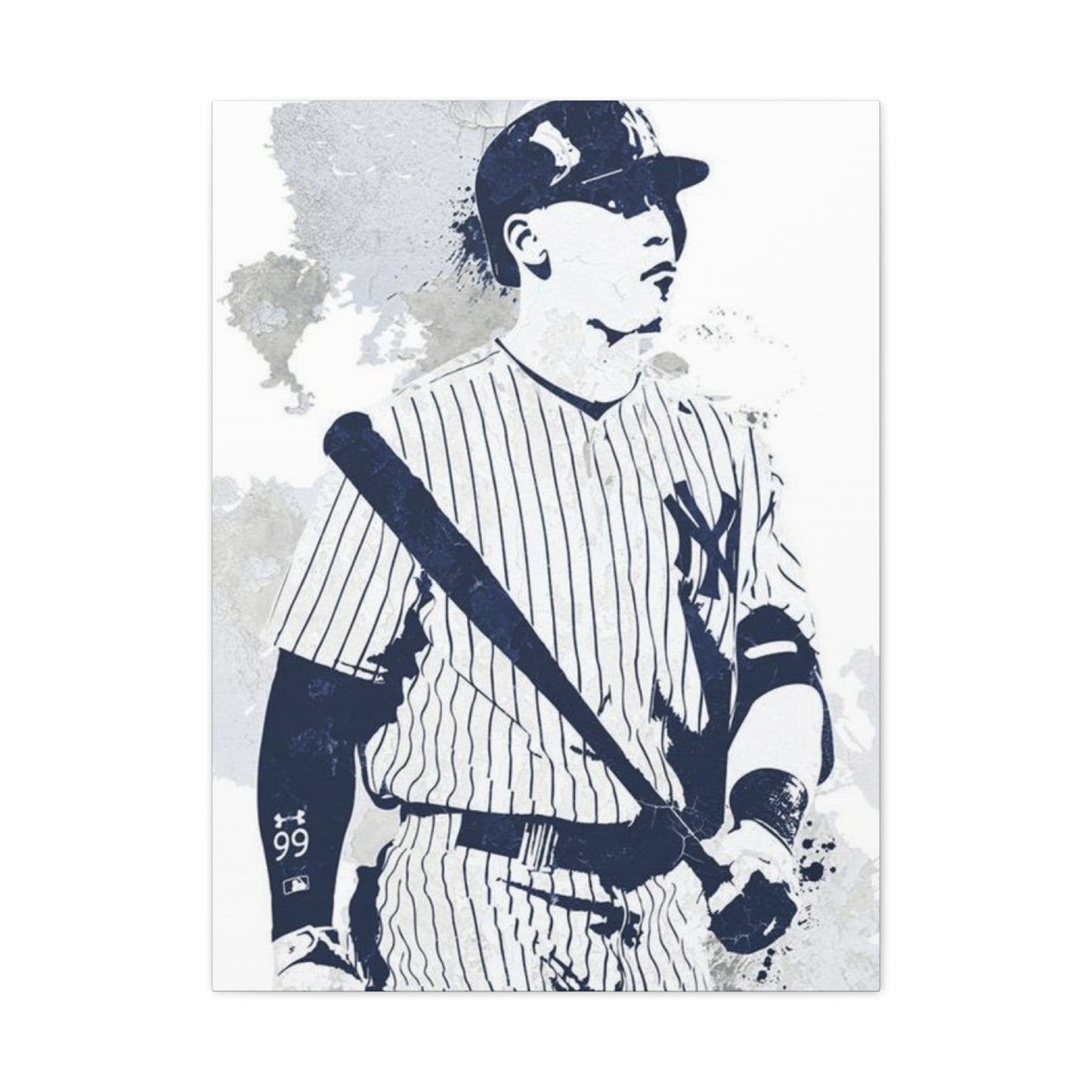
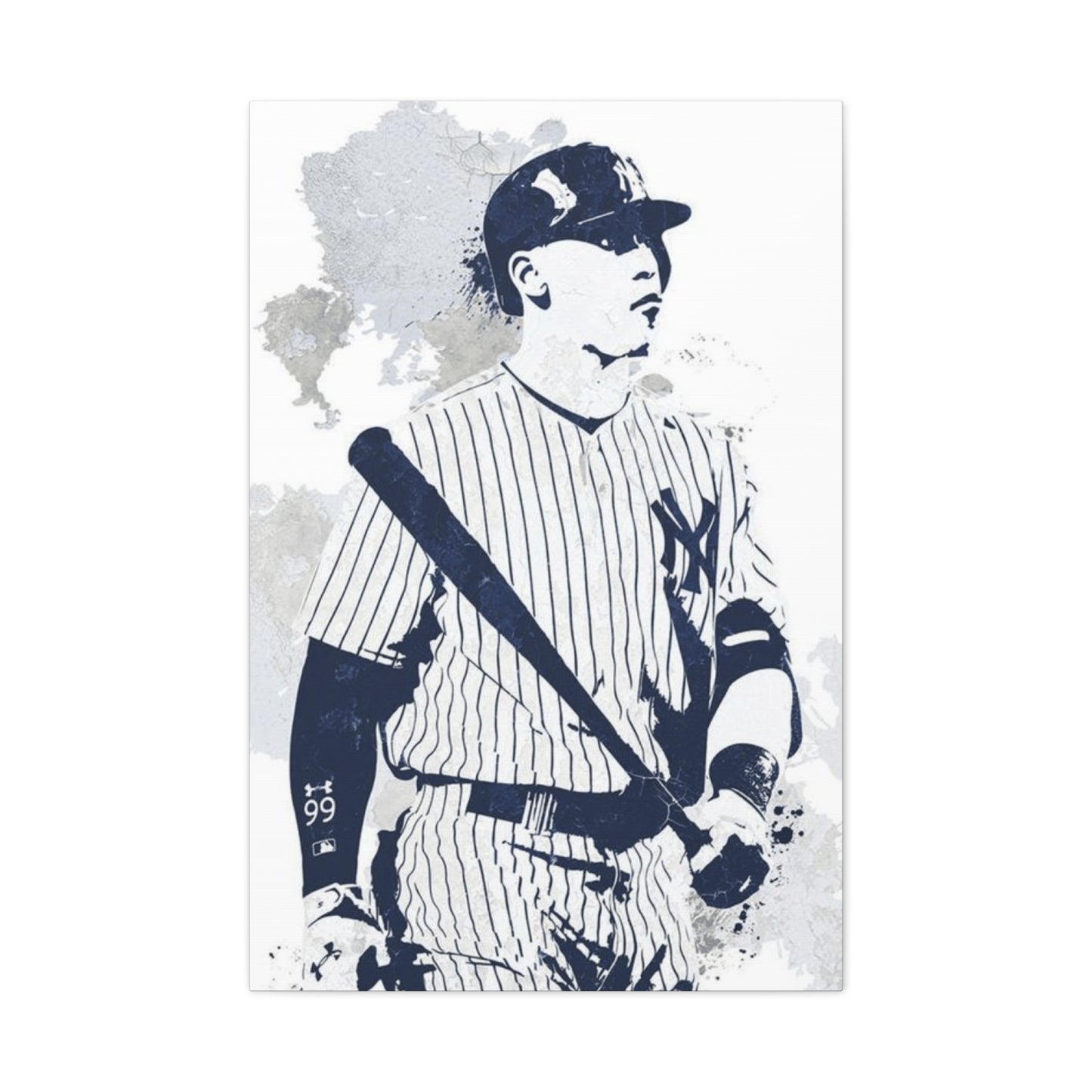
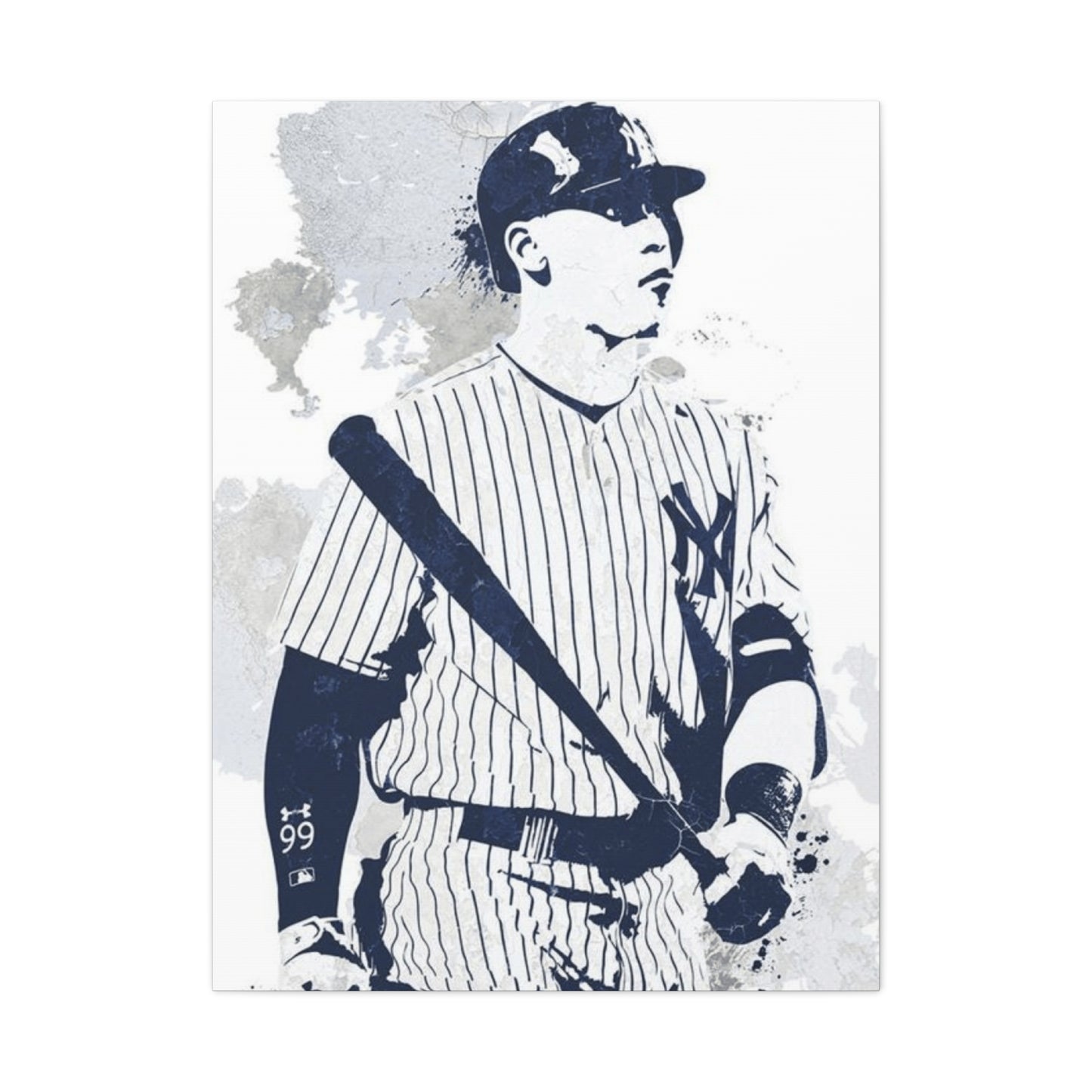
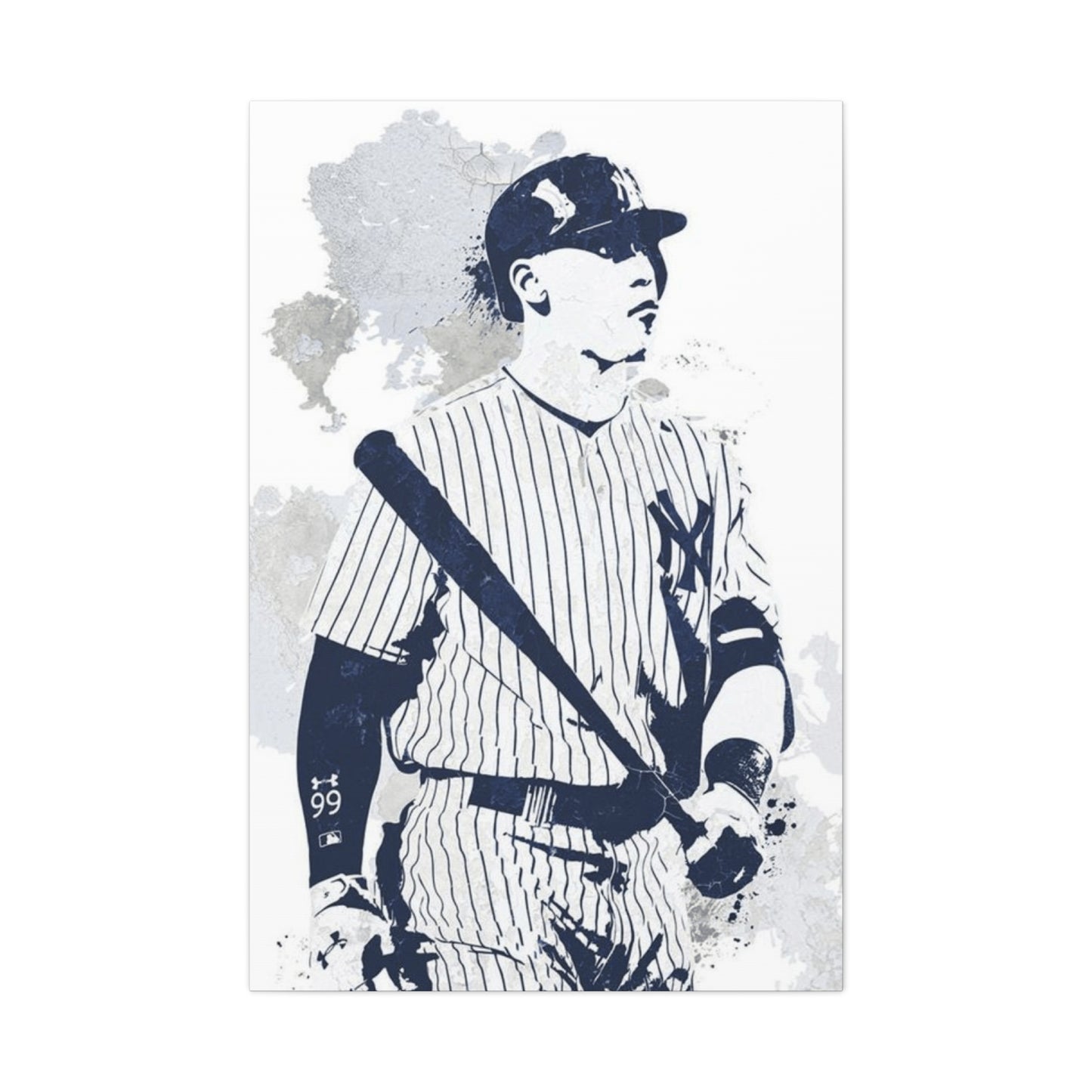
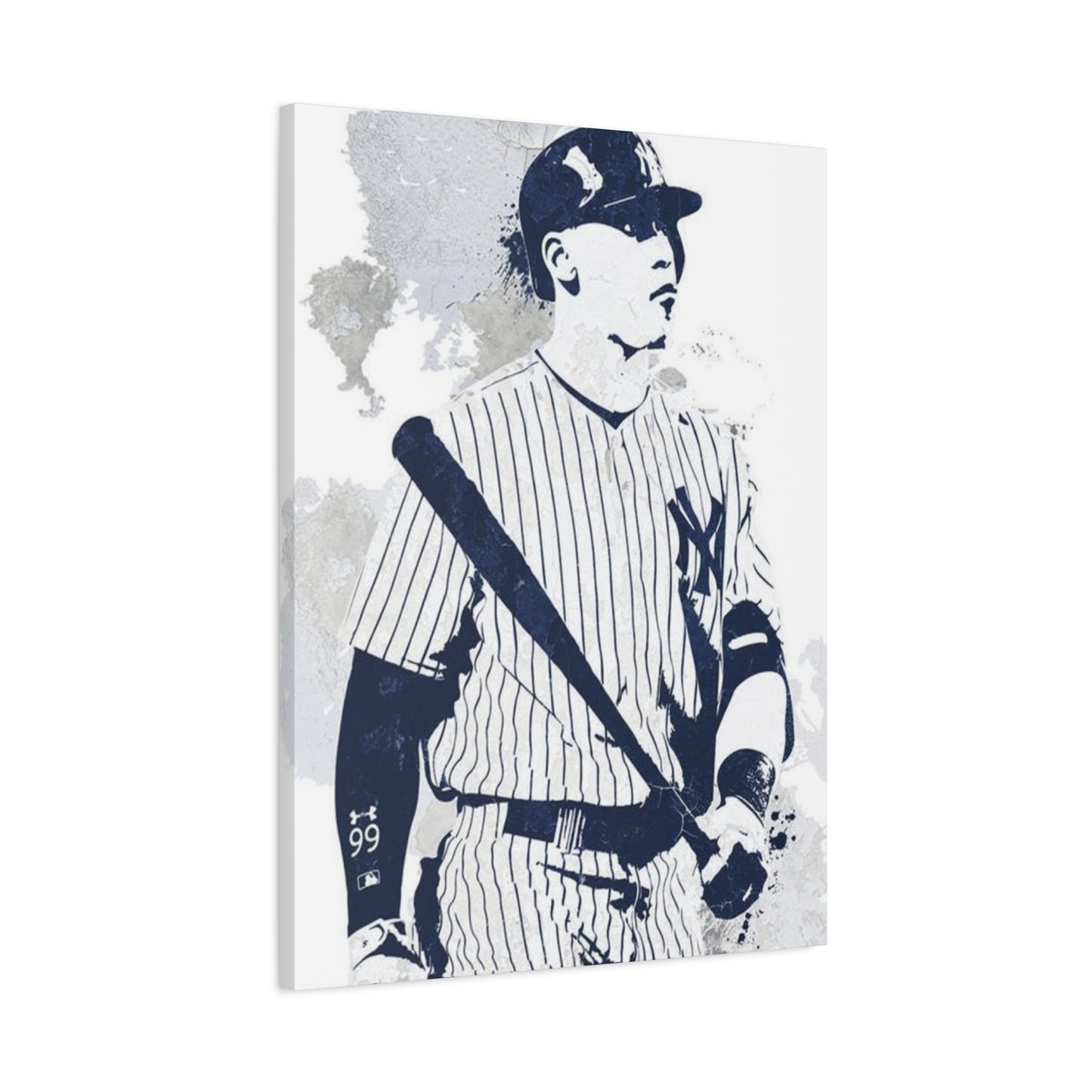
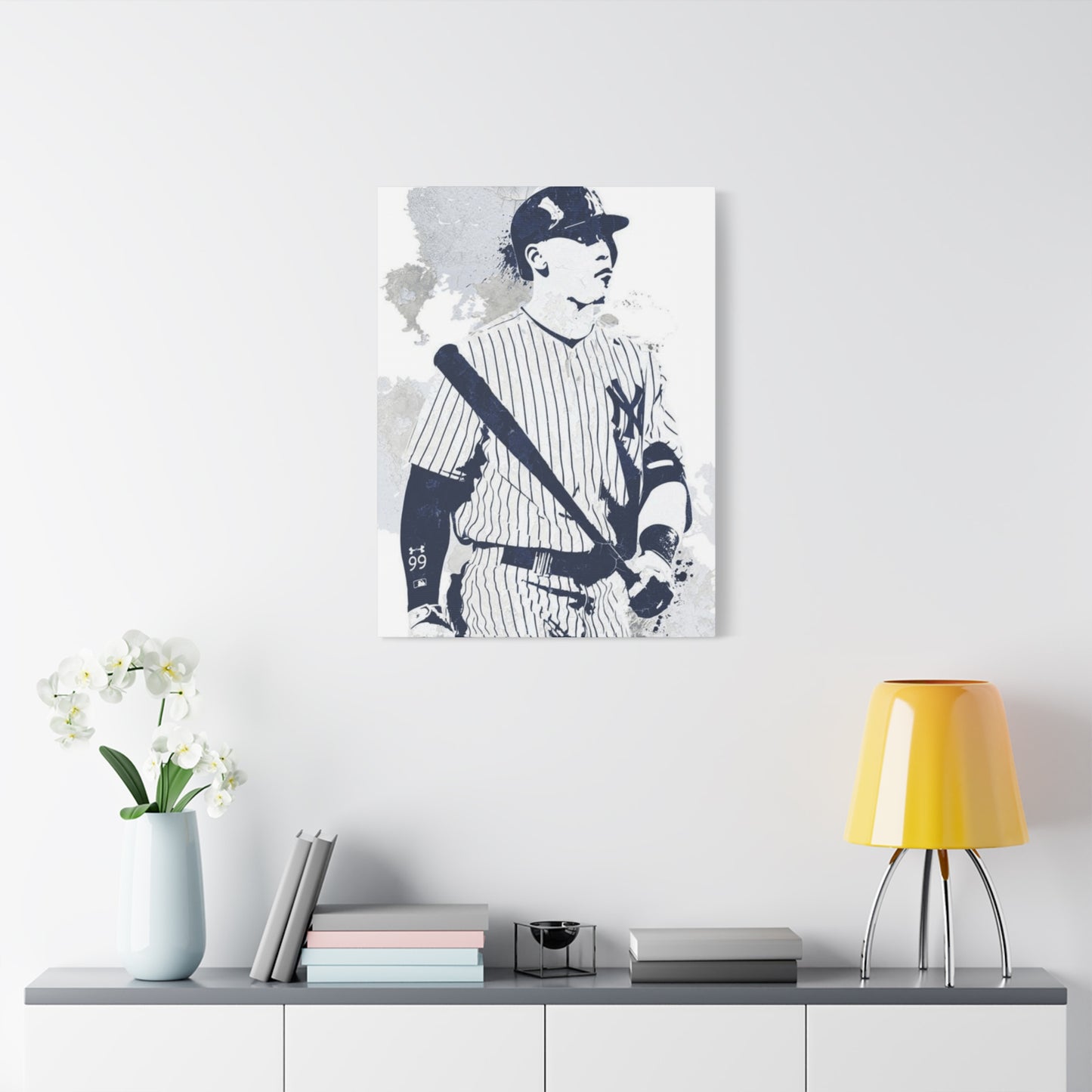
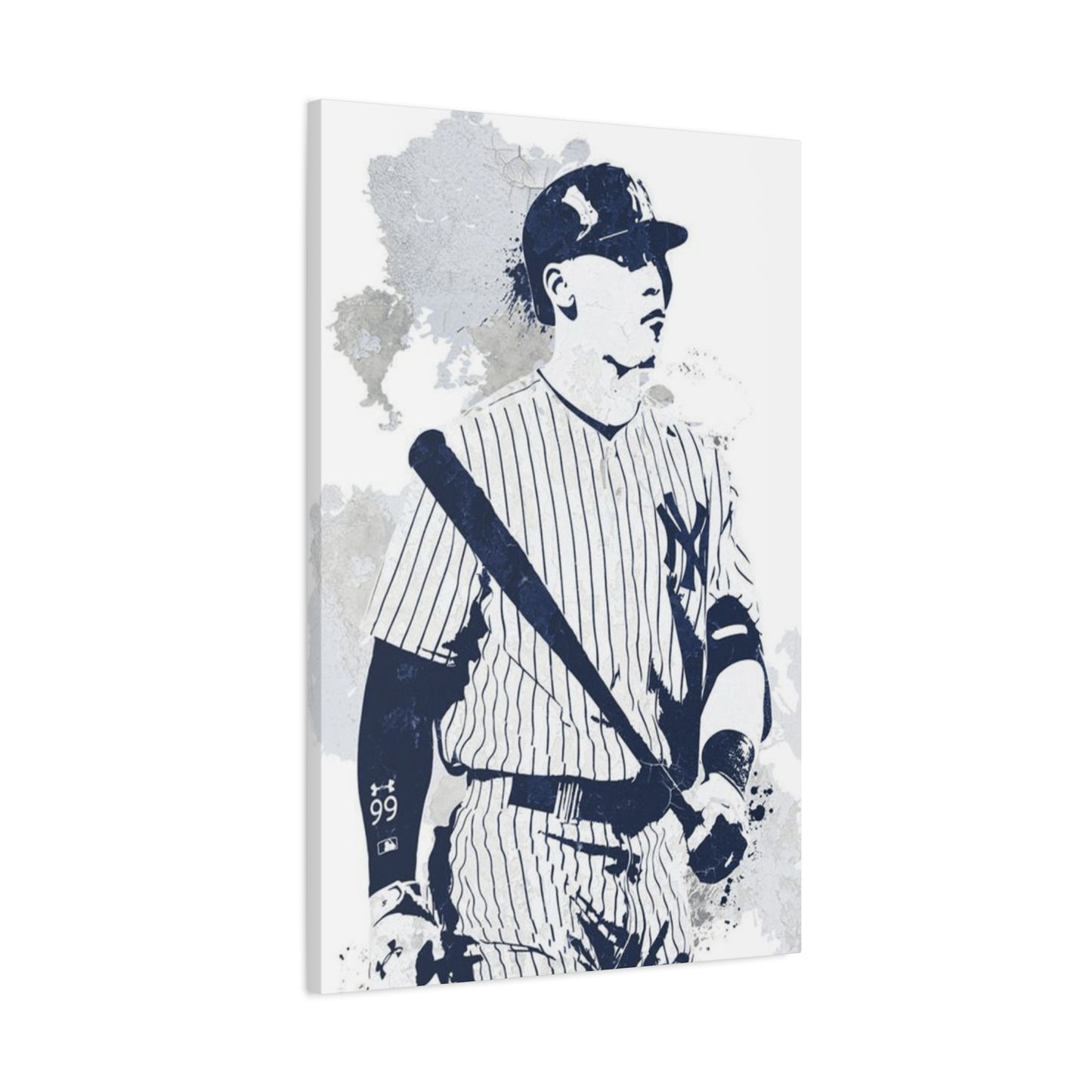
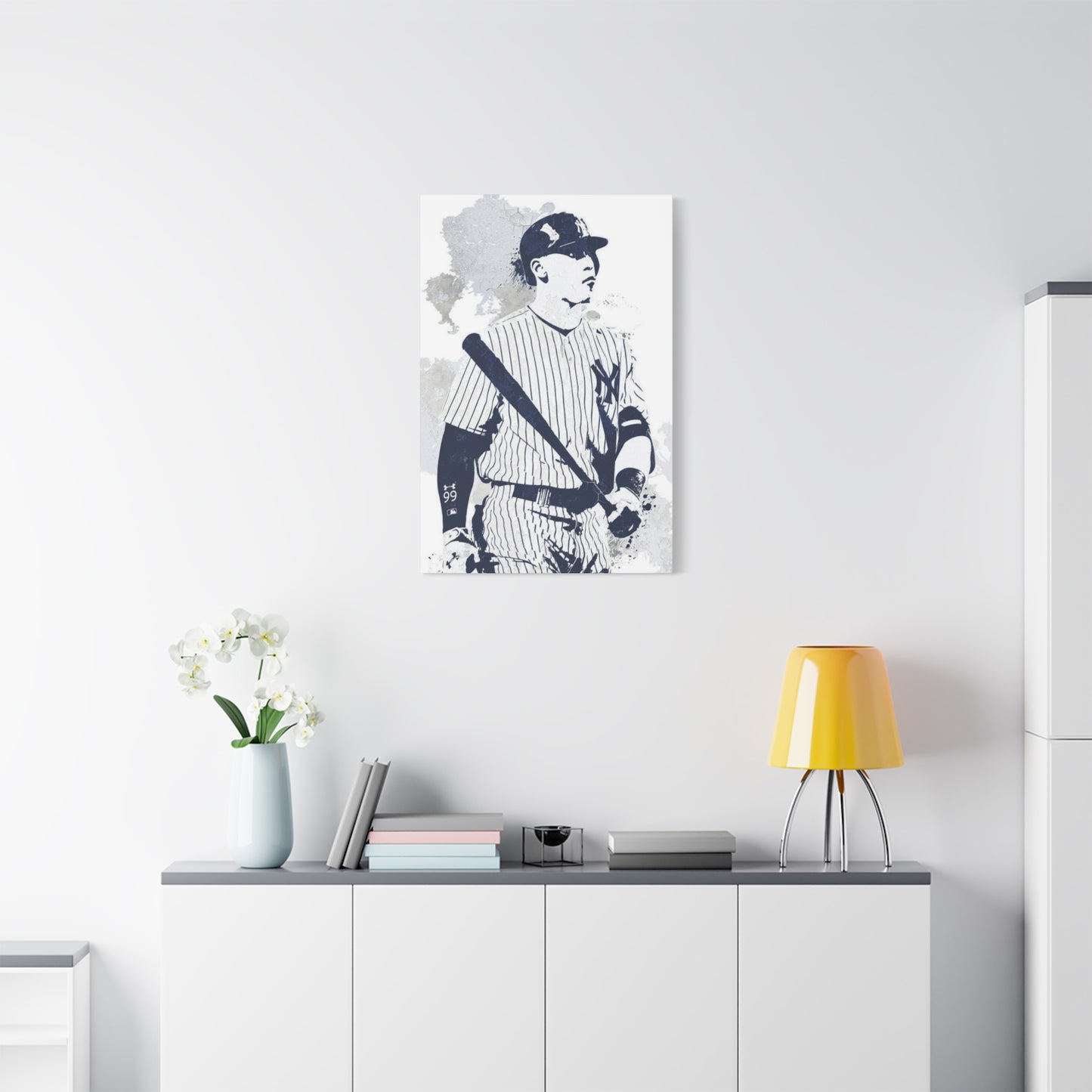
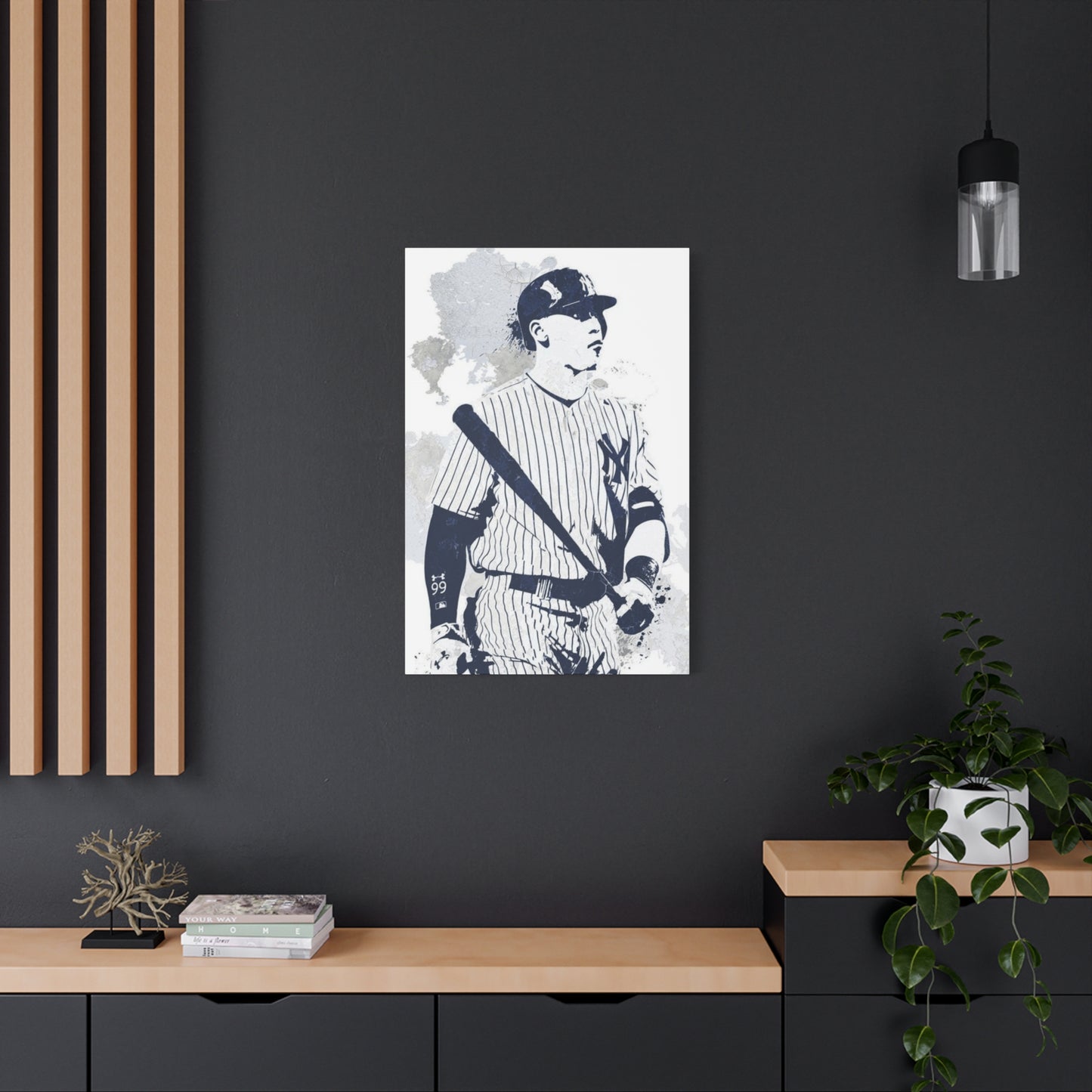
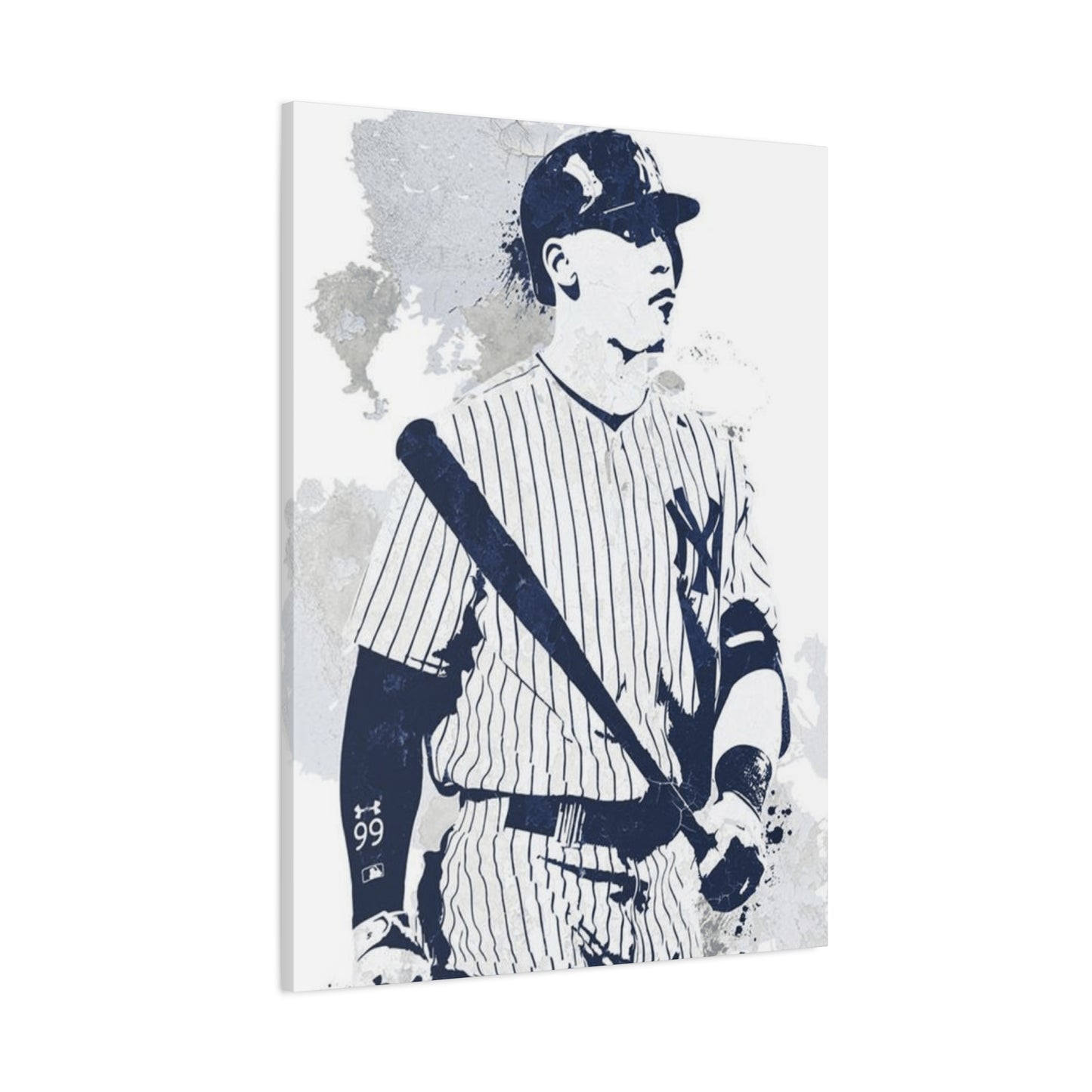
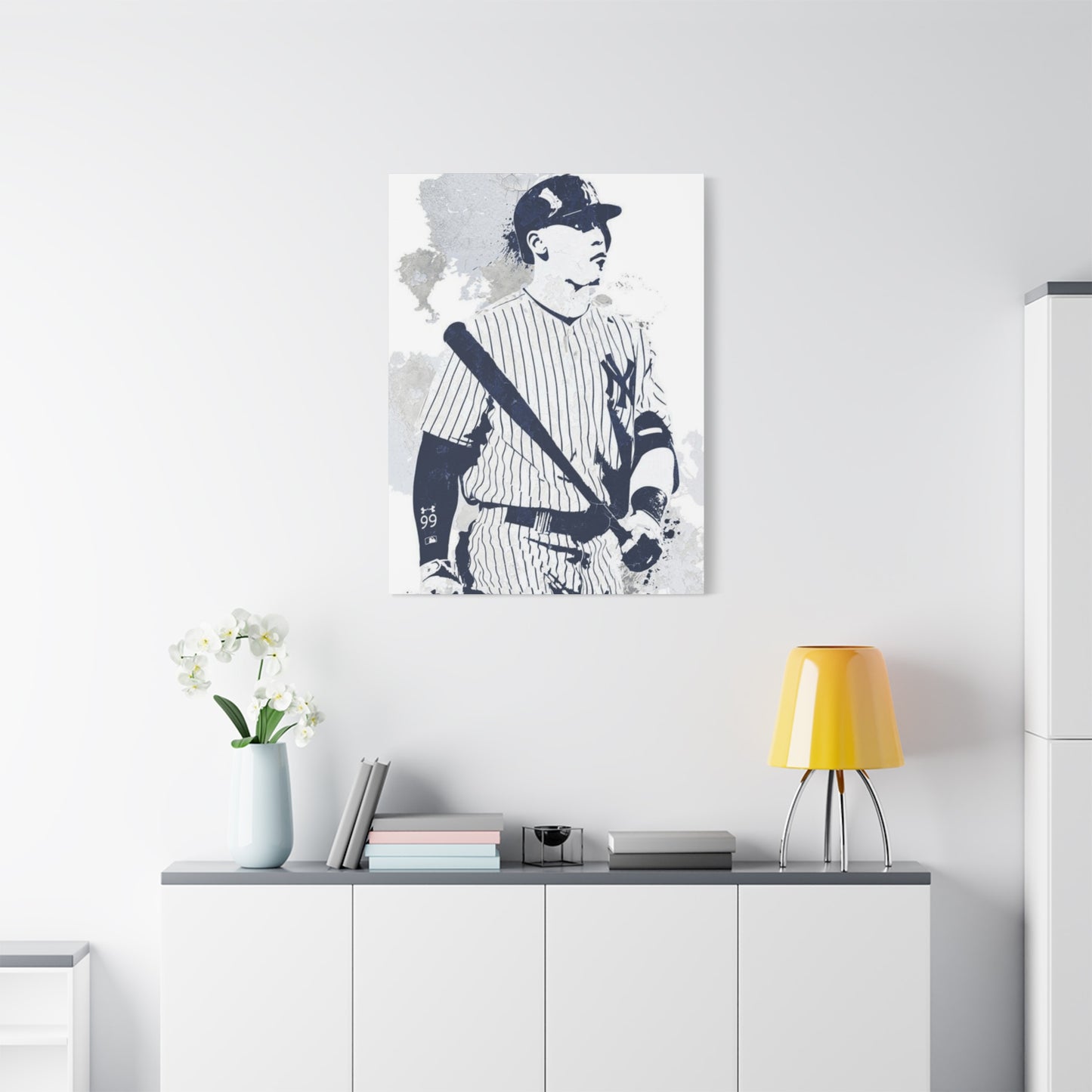
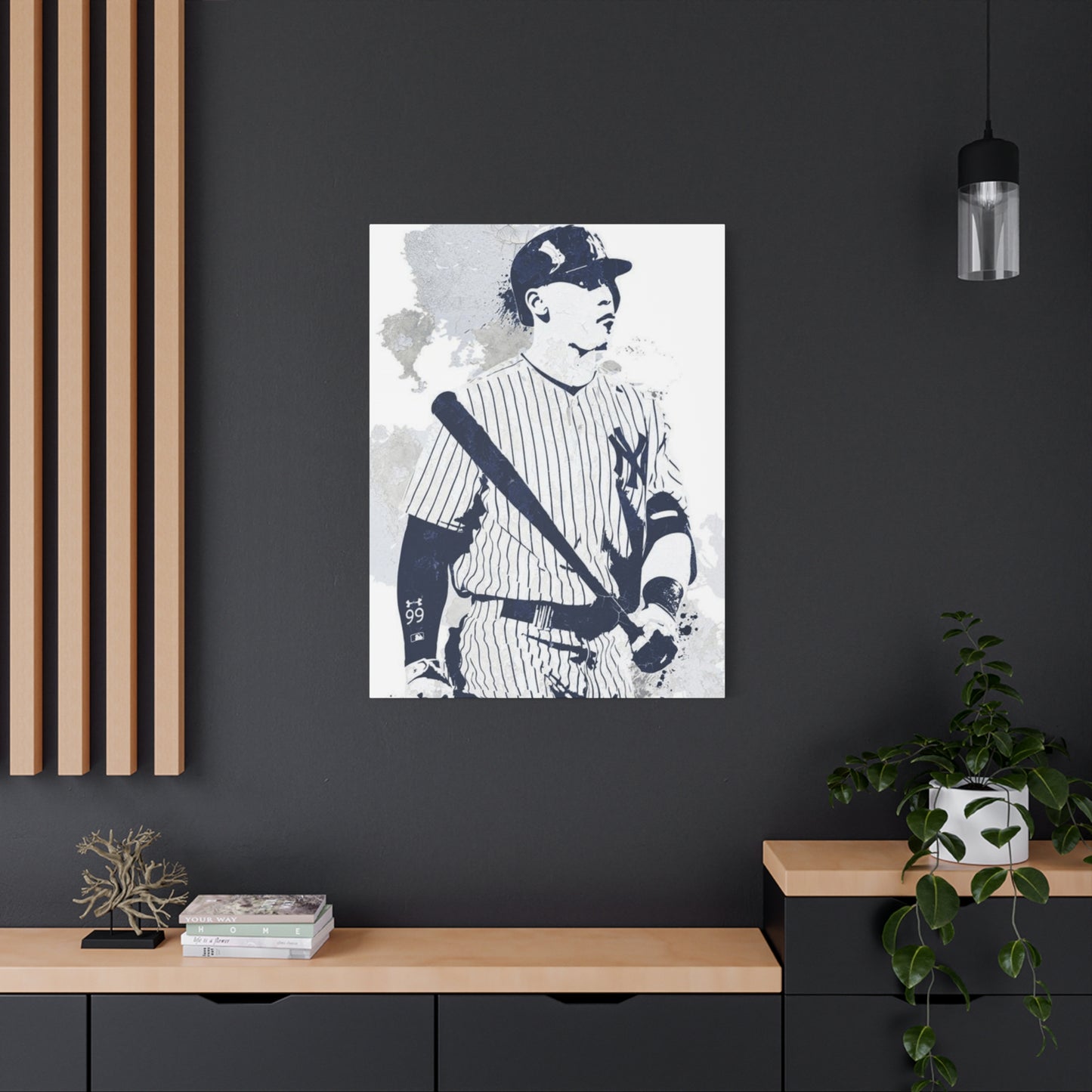
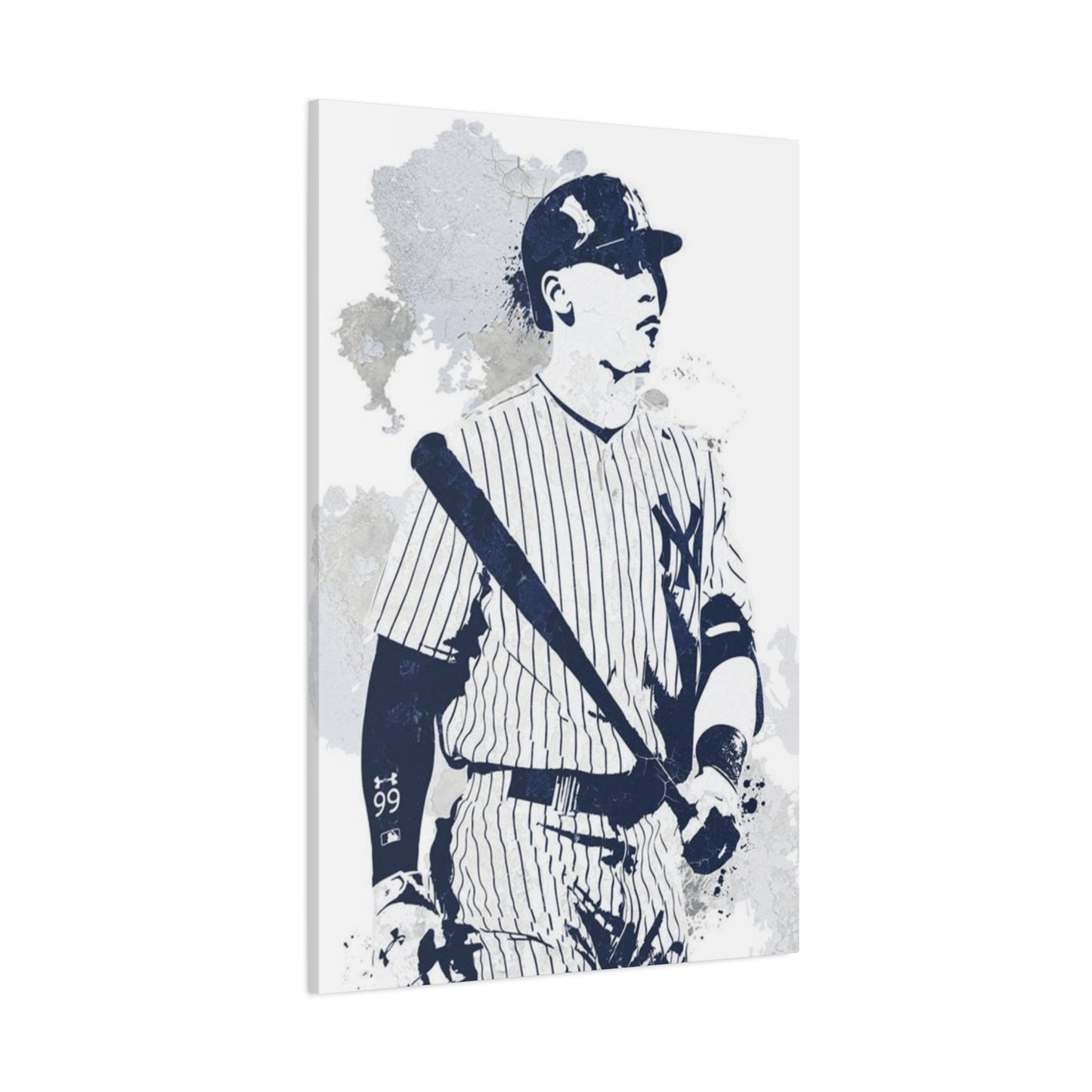
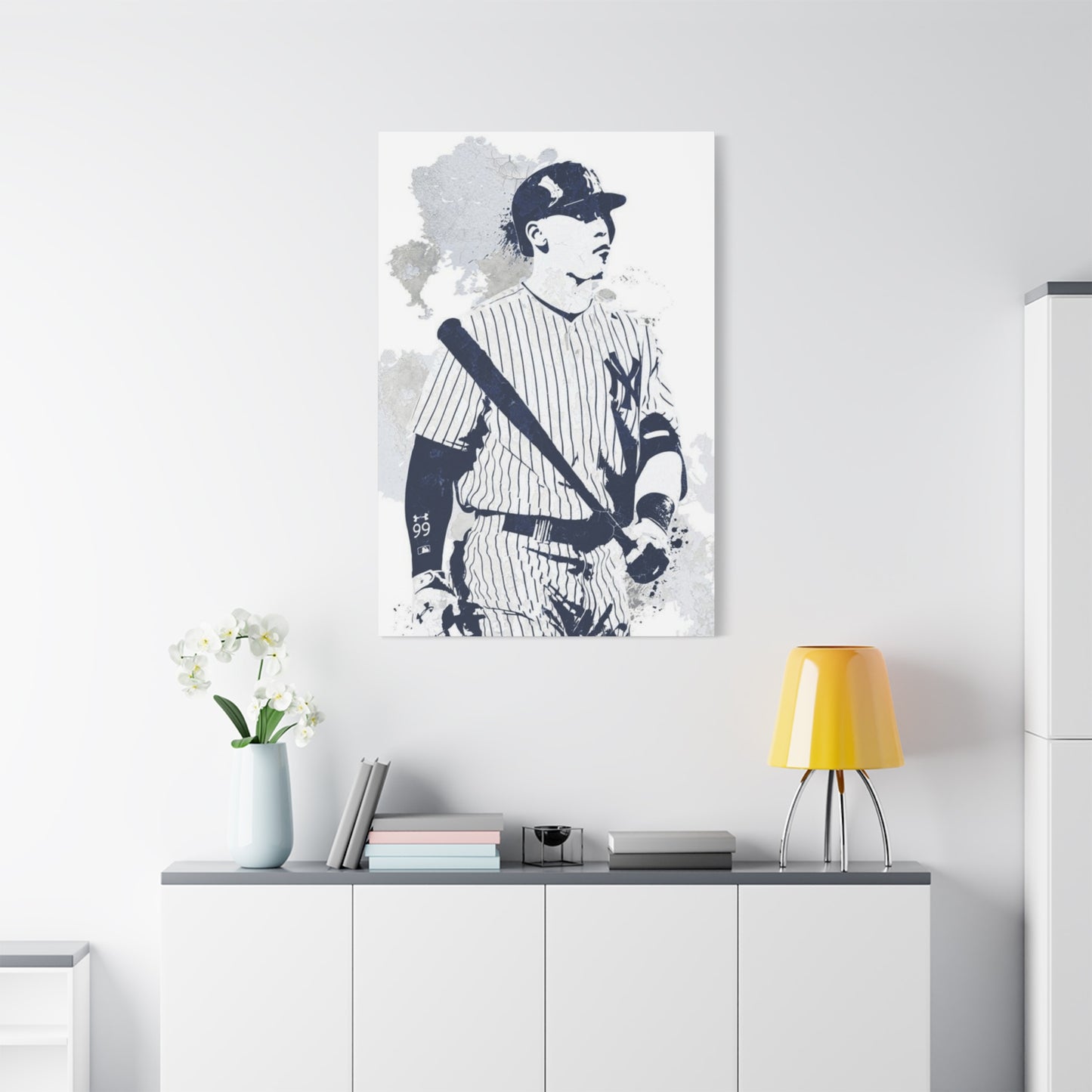
Blue Baseball Drawing Wall Art & Canvas Prints
Blue Baseball Drawing Wall Art & Canvas Prints
Couldn't load pickup availability
Blue Baseball Drawing Wall Art: Creative Expression Through America's Beloved Sport in Home Décor
The intersection of athletic passion and artistic creativity has given birth to a remarkable form of interior decoration that resonates with sports enthusiasts and art collectors alike. Visual representations of America's favorite pastime rendered in azure hues have become increasingly popular among homeowners seeking to infuse their living spaces with personality and character. These artistic pieces capture the essence of the diamond sport while adding a sophisticated chromatic element that complements various interior design schemes.
The allure of sporting imagery in residential environments extends far beyond mere decoration. These artistic expressions serve as conversation starters, memory keepers, and manifestations of personal interests that transform ordinary walls into galleries of individual passion. The specific choice of cobalt tones in baseball-themed artwork introduces a calming yet energetic aesthetic that bridges the gap between athletic vigor and artistic refinement.
The Cultural Significance of Baseball Imagery in Contemporary Interior Spaces
Baseball occupies a unique position in American cultural consciousness, representing more than merely a recreational activity. The sport embodies values of teamwork, perseverance, strategy, and tradition that have been woven into the fabric of society for over a century. When translated into visual art form, these symbolic representations carry profound meaning that extends beyond their decorative function.
The transformation of baseball elements into artistic compositions allows enthusiasts to maintain a constant connection with the sport they cherish. Whether depicting the precise moment of bat meeting ball, the anticipation of a pitcher's windup, or the geometric beauty of stadium architecture, these visual narratives capture the emotional intensity and aesthetic appeal of the game. The incorporation of cerulean pigmentation adds an unexpected dimension to traditional baseball imagery, creating pieces that feel simultaneously nostalgic and contemporary.
Homeowners who select baseball-themed artwork often do so as a reflection of personal history and emotional attachment. Perhaps they played the sport during their formative years, share memories of attending games with family members, or simply appreciate the graceful athleticism displayed on the field. These artistic pieces serve as tangible reminders of cherished experiences, transforming abstract memories into concrete visual focal points within the home environment.
The psychological impact of surrounding oneself with representations of beloved activities cannot be understated. Research in environmental psychology has demonstrated that personalized living spaces contribute significantly to overall well-being and life satisfaction. When individuals curate their environments to reflect their authentic interests and passions, they create sanctuaries that nurture their emotional and mental health. Baseball-themed artwork serves this exact purpose for countless enthusiasts who find comfort and joy in visual reminders of the sport that has shaped their lives.
Artistic Styles and Rendering Methods for Baseball-Themed Visual Compositions
The creation of baseball-inspired artwork encompasses a diverse spectrum of artistic approaches, each offering distinct aesthetic qualities and emotional resonances. From photorealistic renderings that capture every detail of a leather-stitched sphere to abstract interpretations that distill the sport's essence into geometric forms and color fields, the possibilities for artistic expression remain virtually limitless.
Realistic depictions of baseball scenes demand exceptional technical skill and observational precision. Artists working in this style meticulously render the texture of worn leather gloves, the grain pattern of wooden bats, and the subtle variations in stadium lighting. These hyper-detailed compositions appeal to purists who appreciate the faithful representation of beloved sporting elements. When executed in predominantly azure palettes, these realistic works gain an ethereal quality that elevates them beyond simple documentation into the realm of interpretive art.
Impressionistic approaches to baseball imagery prioritize emotional capture over literal accuracy. Artists employing this methodology use loose brushwork, atmospheric color transitions, and suggestive forms to evoke the feeling of being present at a game rather than precisely documenting its visual appearance. The movement of players becomes a blur of energy, stadium lights transform into glowing orbs of warmth, and the entire composition vibrates with the excitement of athletic competition. The dominance of sapphire tones in such works can create dreamlike qualities that transport viewers into idealized memories of perfect summer evenings at the ballpark.
Abstract interpretations push baseball imagery into more conceptual territories, reducing recognizable elements to their essential geometric components. A baseball might become a perfect circle of contrasting values, a bat transforms into a dynamic diagonal line cutting through the composition, and the diamond layout of the field provides a ready-made framework for compositional structure. These intellectually engaging pieces appeal to collectors who appreciate visual sophistication and metaphorical depth alongside their sporting enthusiasm.
Minimalist representations strip baseball imagery down to its most fundamental elements, creating compositions of elegant simplicity. A single seam curving across a field of cerulean might represent the entire sport, or a silhouetted batter against a monochromatic background captures the iconic moment of athletic readiness. These restrained works demonstrate remarkable power through their economy of means, proving that sometimes less truly communicates more.
Color Theory and the Psychological Impact of Azure Hues in Sporting Artwork
The selection of predominantly cobalt tones for baseball artwork involves more than arbitrary aesthetic preference. Color psychology reveals that different hues trigger specific emotional and physiological responses in viewers, making chromatic choices crucial elements in the overall impact of artistic compositions. The various shades within the blue spectrum carry particular associations that enhance the thematic content of baseball imagery.
Lighter azure tones evoke feelings of openness, tranquility, and expansiveness, qualities that mirror the experience of being in a stadium on a cloudless day. These softer hues create calming environments that reduce stress and promote relaxation, making them ideal for bedroom spaces or areas designated for unwinding. When applied to baseball scenes, these lighter blues can emphasize the pastoral, almost meditative aspects of the sport, particularly when depicting empty fields at dawn or players in moments of quiet preparation.
Deeper navy and cobalt shades convey authority, stability, and depth, lending artwork a more substantial presence. These richer tones command attention without overwhelming spaces, making them suitable for studies, home offices, or formal living areas where a sense of gravitas is desired. In baseball compositions, darker blues can emphasize the drama and intensity of competition, highlighting the serious dedication required to excel at the highest levels of athletic performance.
The contrast between different blue values within a single composition creates visual interest and dimensional depth. Strategic placement of lighter and darker tones guides viewer attention, establishes focal points, and creates the illusion of three-dimensional space on two-dimensional surfaces. Skilled artists manipulate these value relationships to direct the narrative flow within their compositions, ensuring that viewers experience the artwork in the intended sequence.
The compatibility of azure hues with other colors expands the decorative versatility of baseball artwork. Blue pairs harmoniously with warm earth tones like terracotta, ochre, and sienna, creating balanced compositions that feel both energetic and grounded. The classic combination of blue with crisp white echoes traditional baseball uniforms and creates clean, fresh aesthetic statements. Unexpected pairings with coral, gold, or sage green can position baseball artwork within contemporary design schemes that prioritize sophisticated color relationships over predictable sports-themed palettes.
Compositional Strategies for Maximum Visual Impact in Baseball Artwork
The arrangement of elements within baseball-themed artwork determines its effectiveness as both artistic expression and decorative element. Successful compositions employ time-tested principles of visual organization while allowing for individual creative interpretation and innovation.
The rule of thirds provides a foundational framework for creating balanced yet dynamic compositions. By dividing the picture plane into nine equal sections using two horizontal and two vertical lines, artists identify strategic positions for placing focal points that naturally attract viewer attention. In baseball artwork, this might mean positioning a pitcher at one intersection point, with the trajectory of the thrown ball leading the eye toward the batter occupying another key position. This creates a visual narrative that unfolds as viewers scan the composition.
Diagonal elements inject energy and movement into static images, counteracting the inherent stillness of two-dimensional artwork. The angle of a swinging bat, the trajectory of a flying ball, or the dynamic posture of a sliding player introduces directional force that makes compositions feel alive and immediate. These diagonal tensions can be balanced or emphasized depending on the emotional quality the artist wishes to convey.
Negative space serves as an active compositional element rather than merely empty background. The areas surrounding and between depicted objects contribute equally to the overall visual experience, providing breathing room that prevents compositions from feeling cluttered or overwhelming. In baseball artwork, expansive areas of solid azure can evoke the vast openness of sky above a field, while also allowing the eye to rest between areas of visual complexity.
Layering and overlapping create depth perception by establishing clear spatial relationships between foreground, middle ground, and background elements. A composition might feature a close-up glove in sharp detail at the front of the picture plane, players in moderate detail occupying the middle distance, and a softly rendered stadium structure receding into atmospheric perspective at the rear. This gradual transition through spatial zones creates the illusion that viewers could step into the depicted scene.
Symmetrical compositions convey stability, formality, and timeless classicism, making them appropriate for artwork intended to anchor a space or establish a dignified presence. A perfectly centered view down the first baseline toward home plate, with matching dugouts flanking the composition, creates a sense of order and permanence. Asymmetrical arrangements feel more spontaneous and contemporary, suggesting captured moments rather than carefully staged scenes.
Material Considerations for Creating Enduring Baseball Artwork
The physical substances used to create baseball-themed artwork profoundly influence both the aesthetic qualities of finished pieces and their longevity as decorative elements. Each medium offers distinct advantages and challenges that artists must navigate to achieve their creative visions.
Traditional oil paints remain the gold standard for artists seeking rich color saturation, smooth blending capabilities, and archival permanence. The slow drying time of oils allows for extended working periods and facilitating subtle gradations between values and hues. When applied to properly prepared canvas or wood panels, oil paintings can retain their vibrancy for centuries, making them worthwhile investments for serious collectors. The luminous quality of oil paint proves particularly well-suited to capturing the atmospheric effects of stadium lighting and the textural complexity of baseball equipment.
Acrylic paints offer faster drying times and greater versatility than oils, appealing to artists who work in layers or prefer more spontaneous, gestural approaches. Modern acrylic formulations achieve remarkable color intensity and, when properly sealed, provide excellent durability and resistance to environmental damage. The medium's flexibility allows artists to work in styles ranging from transparent watercolor effects to thick impasto applications, making acrylics an ideal choice for creating varied surface textures within baseball compositions.
Watercolor's inherent translucency and fluid nature produces effects uniquely suited to capturing the ephemeral qualities of light and atmosphere. The medium's tendency toward happy accidents and unpredictable flow can be harnessed to suggest the energy and spontaneity of athletic action. However, watercolors require careful handling and proper framing with UV-protective glazing to prevent fading over time. The delicate, ethereal quality of watercolor baseball scenes offers a marked contrast to the sport's physicality, creating intriguing aesthetic tension.
Graphite and charcoal permit artists to explore the full range of values from brilliant white to deepest black, creating dramatic compositions through light-dark contrasts alone. These monochromatic media excel at rendering form and volume, making them ideal for detailed studies of players, equipment, and architectural elements. When combined with blue-toned papers or selective application of blue pigments, graphite drawings can achieve the specific chromatic character desired in baseball artwork while maintaining the intimate, sketch-like quality that many collectors find appealing.
Mixed media approaches combine multiple materials within single compositions, leveraging the unique properties of each substance to achieve effects impossible through any single medium. An artist might use acrylic paints for broad areas of color, pen and ink for precise details, collaged elements from vintage baseball cards or game tickets, and even actual red stitching to enhance the tactile presence of depicted baseballs. These layered works reward close examination and create conversation pieces that blur boundaries between different artistic traditions.
Sizing and Scaling Strategies for Residential Display Environments
The physical dimensions of baseball artwork significantly impact its effectiveness within specific architectural contexts. Successful selection and placement require careful consideration of room proportions, viewing distances, and the psychological effects of scale.
Monumental pieces measuring several feet in height and width create commanding focal points that anchor entire rooms. These statement works demand significant wall space and work best in areas with adequate viewing distance, such as large living rooms, entry halls, or loft-style spaces with open floor plans. Oversized baseball compositions can transform otherwise bland walls into dramatic visual destinations, instantly communicating the homeowner's passion for the sport. The scale of such works allows for inclusion of extensive detail or, conversely, bold simplification that maintains impact even from across spacious rooms.
Medium-format pieces ranging from two to four feet in their longest dimension offer versatility for various residential settings. These adaptable works function well above sofas, beds, or consoles, providing visual interest without overwhelming their surroundings. Multiple medium-sized baseball artworks can be arranged in gallery-style groupings, creating cohesive visual narratives that explore different aspects of the sport or present varied artistic interpretations of similar themes.
Smaller works measuring under two feet suit intimate spaces like home offices, bathrooms, hallways, or cozy reading nooks. These modest pieces reward close viewing and work particularly well for detailed renderings or subtle compositions that might lose impact at larger scales. Collections of small baseball artworks can be arranged in grid formations or eclectic salon-style groupings, building visual complexity through multiplication rather than individual scale.
Vertical orientations emphasize height and create the illusion of increased ceiling elevation, making them valuable for rooms with low ceilings or narrow proportions. A vertically oriented composition might capture the full extension of a pitcher's windup or the soaring trajectory of a fly ball against an expansive sky. These upward-reaching formats naturally direct viewer attention and can help balance furniture arrangements that spread horizontally.
Horizontal formats complement most furniture configurations and feel intuitively balanced above sofas, beds, and long console tables. Panoramic baseball scenes depicting entire stadiums or expansive field views take advantage of wide formats to create immersive visual experiences. These extended compositions can help visually widen narrow rooms or balance tall ceilings by drawing attention across horizontal axes.
Square formats provide neutral, balanced presentations that work well in contemporary interiors and allow compositional elements to interact without the directional bias of rectangular formats. A square canvas depicting a baseball viewed straight-on, or a diamond-shaped field viewed from directly above, capitalizes on the format's inherent geometry to create satisfying formal relationships.
Framing Choices That Enhance Baseball Artwork Presentation
The frame surrounding artwork functions as a transitional element between the art itself and the surrounding architecture, profoundly influencing how viewers perceive and experience the composition. Thoughtful frame selection enhances artwork presentation while protecting valuable pieces from environmental damage.
Traditional wood frames with ornate molding profiles lend baseball artwork a sense of established importance and timeless value. Richly stained hardwoods in warm tones create pleasing contrasts with cool azure pigments, while the dimensional depth of carved or built-up moldings adds physical presence that elevates artwork beyond mere printed images. These classic frames work particularly well in traditionally furnished homes or for pieces that reference baseball's storied past.
Sleek metal frames in silver, black, or bronze finishes complement contemporary interiors and allow the artwork itself to dominate visual attention. The slim profiles of modern metal frames create clean boundaries without adding visual weight, making them ideal for minimalist compositions or spaces where architectural elements and furnishings already provide sufficient decorative interest. The reflective quality of polished metal can echo stadium lighting effects depicted within baseball artwork, creating subtle visual connections between frame and content.
Floating frames create the illusion that artwork hovers within the frame structure, separated from the backing by a visible gap. This dramatic presentation style works exceptionally well for pieces on thick canvas or panel supports, emphasizing their physical presence as objects rather than merely images. The shadow lines created by floating frames add sculptural dimensionality that enriches viewing experiences from multiple angles.
Shadow box frames accommodate three-dimensional elements or thick mixed-media pieces that extend beyond flat picture planes. For baseball artwork incorporating actual sporting equipment fragments, stadium memorabilia, or heavy impasto paint application, shadow boxes provide necessary depth while maintaining protective glazing. These substantial frames make bold architectural statements and work well as standalone focal points.
Raw edge or gallery wrap presentations eliminate frames entirely, allowing canvas edges to remain visible or even become decorative elements. This casual, contemporary approach suits modern interiors and emphasizes the handmade nature of original artwork. For pieces where the composition continues around the edges of stretched canvas, frameless presentation allows complete visibility of the artist's work without interruption.
Mat boards create visual breathing room between artwork and frame while allowing for decorative effects through color selection and dimensionality. Multiple layered mats in complementary shades can echo colors within the baseball composition, creating sophisticated presentations that unify disparate elements. Wider mats suit smaller artworks by providing proportional visual weight, while narrow mats or eliminated mats keep focus on larger pieces.
Placement Strategies for Optimal Visual Experience Throughout Living Spaces
The location where baseball artwork is displayed within residential environments affects both its visibility and its contribution to overall interior aesthetics. Strategic placement considers lighting conditions, sight lines, thematic appropriateness, and relationships with surrounding furnishings.
Living rooms serve as primary gathering spaces where families and guests spend significant time, making them ideal locations for substantial baseball artwork that reflects homeowner interests. Positioning pieces above seating arrangements ensures visibility from multiple vantage points while creating cohesive furniture groupings. The artwork should be centered on the wall space and hung at eye level when standing, typically placing the center of the piece between 57 and 60 inches from the floor. In rooms with particularly high ceilings, slight elevation helps maintain visual connection with architectural proportions.
Bedroom environments benefit from baseball artwork that promotes relaxation while maintaining personal significance. Pieces in calming azure tones create serene atmospheres conducive to restful sleep, while subject matter that holds positive associations supports mental wellbeing. Above the headboard represents the most common placement location, though large bedrooms might accommodate additional pieces on flanking walls or in seating areas. Scale should be carefully considered to avoid overwhelming intimate spaces while maintaining sufficient presence to register as intentional decorative choices.
Home offices and studies provide appropriate contexts for baseball artwork that might inspire motivation, focus, or creative thinking. Positioning pieces within the direct sight line from desk chairs offers frequent visual engagement throughout workdays, while avoiding placement on walls directly behind computer monitors prevents glare issues. The motivational aspects of sporting imagery can enhance productivity and maintain morale during challenging work sessions.
Hallways and transitional spaces offer opportunities to create gallery-like experiences through sequential artwork placement. A series of baseball pieces in varied sizes or depicting different aspects of the sport transforms utilitarian circulation areas into engaging visual narratives. Lighting becomes particularly important in hallways, where natural illumination may be limited. Picture lights or track lighting ensure artwork remains visible and impactful rather than fading into shadowy obscurity.
Dining areas accommodate baseball artwork that stimulates conversation and creates inviting atmospheres for shared meals. Pieces that capture the communal aspects of baseball, such as crowded stadium scenes or team celebrations, reinforce the social dimensions of dining experiences. The typically shorter viewing distances in dining rooms allow for artworks with finer details that reward prolonged observation during extended meals.
Bathrooms and powder rooms provide unexpected venues for playful baseball artwork that adds personality to purely functional spaces. Smaller pieces or humorous interpretations of sporting themes work well in these intimate environments. Proper framing and placement away from direct water exposure protect artwork while maintaining visibility and impact.
Staircases create unique viewing conditions where artwork is experienced from multiple angles and distances as people ascend or descend. Larger pieces work well on landing walls where they can be appreciated from stationary positions, while smaller works might be arranged in ascending or descending sequences that follow the stair progression. Attention to secure hanging methods becomes particularly important in high-traffic stairwell locations.
Illumination Techniques That Enhance Baseball Artwork Visibility and Atmosphere
Proper lighting transforms artwork from merely present to truly impactful, revealing colors, textures, and details while creating ambient effects that enhance overall interior environments. Thoughtful illumination considers both practical visibility requirements and aesthetic atmospheric contributions.
Natural daylight provides the most accurate color rendering and creates dynamic viewing experiences as conditions change throughout daily and seasonal cycles. However, direct sunlight poses significant conservation risks, causing irreversible fading and material degradation. Artwork displayed in naturally lit spaces benefits from UV-filtering window treatments, indirect light positioning, or protective glazing that blocks harmful wavelengths while permitting visible light transmission. The cool, north-facing illumination proves least problematic, while southern exposures require the most aggressive protective measures.
Dedicated picture lights mounted directly to frames or adjacent walls provide focused illumination that emphasizes artwork while minimizing impact on surrounding spaces. LED picture lights offer energy efficiency, minimal heat generation, and extended lifespans compared to traditional incandescent bulbs. Adjustable picture lights permit precise angle adjustments to eliminate glare from glazing while ensuring even illumination across entire compositions. The warm or cool color temperature of light sources should be selected to complement or contrast with the azure tones in baseball artwork, depending on desired effects.
Track lighting systems offer flexible illumination solutions that can accommodate multiple artworks or be repositioned as collections evolve. Directional spotlight fixtures mounted on ceiling or wall tracks allow independent aiming and intensity adjustment for each illuminated piece. This adaptability proves particularly valuable for collectors who regularly rotate displayed works or rearrange interior spaces. Contemporary track systems incorporate sleek, minimal profiles that integrate seamlessly with modern architectural aesthetics.
Recessed ceiling fixtures create clean, architectural lighting solutions that provide ambient illumination while highlighting specific artworks. Adjustable trim options allow beam angle and direction modification to optimize artwork visibility. When planning new construction or major renovations, incorporating dedicated artwork lighting circuits with independent switching provides maximum display flexibility.
Wall washing techniques employ precisely angled lighting to create even illumination across entire wall surfaces rather than highlighting individual artworks. This approach works well for gallery-style arrangements featuring multiple baseball pieces, creating cohesive visual experiences that unify separate works into comprehensive displays. Grazing light placed close to wall surfaces emphasizes texture in paintings with dimensional surfaces or visible brushwork.
Ambient room lighting contributes to overall artwork visibility while supporting functional activities within spaces. Layered lighting schemes combine multiple source types at various intensities and color temperatures to create rich, complex illumination that adapts to different times of day and usage scenarios. Dimming capabilities allow users to adjust lighting levels based on natural light availability, activities, and desired moods.
Conservation Practices for Long-Term Artwork Preservation and Value Retention
Valuable baseball artwork represents significant emotional and financial investments deserving proper care to ensure decades or centuries of enjoyment. Understanding conservation principles and implementing protective practices safeguard cherished pieces against preventable deterioration.
Environmental stability proves crucial for artwork longevity, with temperature and humidity fluctuations causing dimensional changes in materials that lead to cracking, warping, and paint delamination. Ideal conditions maintain temperatures between 65 and 75 degrees Fahrenheit with relative humidity levels around 50 percent, avoiding extreme fluctuations. Climate-controlled interior environments provide inherently better conservation conditions than unregulated spaces like garages, attics, or poorly insulated exterior walls.
Light exposure represents one of the most destructive forces affecting artwork, with ultraviolet radiation causing permanent color shifts and material breakdown. Even when displaying pieces in naturally lit spaces, minimizing cumulative light exposure through strategic positioning, window treatments, and periodic rotation protects valuable works. For particularly significant pieces, limiting display to lower-light environments or using museum-quality UV-filtering glazing provides enhanced protection. Some collectors maintain dark storage for highly sensitive works, displaying them only occasionally for special viewings.
Physical contact with artwork surfaces should be minimized and, when necessary, conducted only with clean hands or cotton gloves. Skin oils transfer acids and residues that can cause permanent staining or degradation, particularly on unprotected paper or canvas surfaces. Proper handling involves supporting pieces from below and along edges rather than touching decorated surfaces. When moving framed works, lifting points should engage sturdy frame components rather than hanging hardware.
Dust accumulation attracts moisture, harbors mold spores, and creates abrasive particles that can scratch delicate surfaces. Regular gentle cleaning using soft brushes or microfiber cloths removes surface dust without applying pressure that might damage artwork. Glazed pieces can be carefully cleaned with appropriate glass cleaners applied to cloths rather than sprayed directly onto glazing, preventing liquid infiltration behind protective barriers. Unglazed works require extra caution, with cleaning best performed by professional conservators for valuable pieces.
Proper storage protects artwork during periods when pieces are not displayed, maintaining conservation conditions while preventing physical damage. Acid-free materials including papers, boards, and boxes prevent chemical interactions that cause discoloration and deterioration. Artwork should be stored vertically rather than stacked horizontally, with protective interleaving materials preventing direct contact between pieces. Climate-controlled storage areas maintain stable conditions similar to display environments.
Professional conservation services become necessary when artwork sustains damage or exhibits signs of deterioration requiring intervention beyond routine maintenance. Trained conservators possess specialized knowledge and materials for addressing issues like tear repairs, paint loss, discoloration, or structural failures. While professional conservation services represent significant expenses, they prove far less costly than replacing irreplaceable or highly valued artwork lost to preventable deterioration.
Documentation creates permanent records of artwork identity, condition, and value for insurance, estate planning, and provenance purposes. Detailed photographs from multiple angles under good lighting conditions capture appearance at specific points in time, allowing future comparison to detect gradual changes. Written condition reports note existing imperfections, materials, dimensions, and relevant history. Professional appraisals establish fair market values for insurance coverage and tax purposes.
Sourcing Authentic Baseball Artwork from Reputable Artists and Galleries
Acquiring baseball artwork involves navigating varied marketplaces ranging from local art fairs to prestigious galleries and online platforms. Informed collectors understand evaluation criteria that distinguish valuable pieces from mass-produced decorations while identifying artists whose work resonates with personal aesthetic preferences.
Original paintings represent unique creations existing as singular works that cannot be exactly replicated. These one-of-a-kind pieces command premium prices reflecting the artist's invested time, skill, and creative vision. Original artwork appreciation often proves advantageous as artists gain recognition, making early acquisitions from emerging talents potentially lucrative alongside aesthetically rewarding. Certificates of authenticity and artist signatures provide documentation supporting originality claims and establishing provenance.
Limited edition prints offer more accessible price points while maintaining collectible value through controlled production quantities. Artists or publishers produce predetermined numbers of prints from original artwork, with each impression numbered and signed. Lower edition numbers and smaller total quantities generally command higher prices. Distinguishing between different print production methods proves important, as giclée prints on archival papers or canvas exhibit superior quality and longevity compared to poster-quality reproductions. Edition prints should include documentation specifying edition size, printing method, paper or substrate type, and whether the original artwork still exists.
Print-on-demand services have democratized access to baseball artwork designs, allowing consumers to order preferred images printed at selected sizes on various materials. While these offerings provide affordable decorating solutions, they lack the collectible value and exclusivity of original works or limited editions. Image quality varies significantly between providers, with premium services delivering superior color accuracy and material quality. Rights management concerns arise when designs incorporate copyrighted elements like team logos or player likenesses without proper licensing.
Emerging artists often offer compelling value propositions, combining technical proficiency with fresh perspectives at prices substantially below established names. Discovering promising talents before they gain widespread recognition allows collectors to acquire exceptional works affordably while supporting artistic careers. Regional art schools, local exhibitions, and online portfolio platforms provide venues for encountering emerging artists working in baseball themes. Direct communication with artists enables commission opportunities for customized pieces tailored to specific preferences.
Gallery representation provides assurance of artist legitimacy and facilitates professional transactions including proper documentation, authentication, and often flexible payment arrangements. Galleries curate selections based on aesthetic criteria and market positioning, simplifying choices for collectors overwhelmed by unlimited options. The gallery environment allows viewing artwork under proper lighting and scale, providing more accurate impressions than online images can convey. Establishing relationships with gallery professionals offers access to new acquisitions, private viewings, and expert guidance for building cohesive collections.
Online marketplaces have expanded access to artwork globally, connecting collectors with artists and dealers worldwide. Platforms specializing in original art provide verification processes, transaction protection, and detailed images showing artwork from multiple angles and lighting conditions. However, online purchasing prevents in-person examination, making return policies and accurate descriptions critical protections. Reading seller reviews and examining detailed images helps mitigate risks associated with purchasing unseen artwork.
Art fairs and exhibitions create concentrated opportunities for viewing numerous artists' works and comparing styles, quality, and pricing. These events often feature special pricing or show discounts, providing value for savvy collectors. Direct conversations with artists deepen appreciation for creative processes and build personal connections that enhance ownership satisfaction beyond mere aesthetic pleasure. Emerging from gallery walls into broader cultural contexts, art fairs facilitate serendipitous discoveries of unexpected favorites.
Commission arrangements allow collectors to obtain artwork precisely tailored to their specifications regarding subject matter, dimensions, color palette, and style. Working directly with artists on commissioned pieces creates collaborative creative processes resulting in deeply personal works. Clear communication regarding expectations, timelines, payment schedules, and revision opportunities prevents misunderstandings. Deposits typically secure commission commitments, with final payment upon satisfactory completion. Written agreements protect both parties by documenting mutually understood terms.
Thematic Variations Within Baseball Artwork Categories
Baseball imagery encompasses far more than simple representations of players and equipment. Thoughtful collectors recognize the rich thematic diversity available within sporting art, selecting pieces that resonate with specific interests or complement particular decorative intentions.
Stadium architecture provides visually compelling subject matter that bridges sporting enthusiasm with appreciation for built environments. These compositions might capture the timeless elegance of historic ballparks with their distinctive quirks and intimate atmospheres, or celebrate the sleek contemporary design of modern facilities incorporating cutting-edge engineering and vast scales. Stadium views from unusual vantage points, such as directly overhead or from deep within upper decks, offer fresh perspectives on familiar structures. Empty stadiums possess haunting beauty, emphasizing architectural forms without the distraction of crowds, while packed venues pulse with palpable energy.
Vintage baseball imagery taps into powerful nostalgia for earlier eras when the sport occupied different cultural positions. Sepia-toned or deliberately aged compositions reference daguerreotype photography and early illustration styles, creating connections with baseball's 19th-century origins. Mid-century aesthetics recalling the golden age of baseball cards, with their saturated colors and graphic compositions, appeal to collectors who came of age during that era or appreciate its distinctive visual character. Historical imagery documenting legendary players, memorable games, or vanished ballparks preserves collective cultural memory in artistic form.
Abstract baseball imagery distills sporting elements into pure visual relationships of form, color, and composition. These intellectually engaging pieces appeal to collectors who appreciate conceptual sophistication alongside athletic passion. A composition might reduce the sport to circular forms representing balls against linear elements suggesting bats, or explore the geometric perfection of diamond-shaped fields through non-representational mark-making. Color field paintings in baseball-appropriate hues create atmospheric evocations of the sport's emotional resonances without depicting recognizable imagery.
Equipment close-ups transform humble sporting goods into objects worthy of sustained aesthetic contemplation. The sculptural beauty of a well-worn leather glove, with its complex construction and evidence of extensive use, becomes worthy of monumental presentation. Crossed bats create satisfying symmetrical compositions while symbolizing teamwork and preparation. Collections of baseballs showing various states of wear document the physical toll of athletic use, creating metaphors for experience and perseverance. These intimate studies reward close examination and work well in smaller spaces where they can be appreciated from nearby.
Action sequences capture the kinetic energy and grace of athletic performance through representations of bodies in motion. Stop-action effects showing multiple positions of a swing trajectory analyze movement while creating dynamic compositions. Blurred figures suggest speed and urgency, emphasizing the sport's explosive moments. Frozen instants when bat meets ball, or a fielder extends impossibly to snag a line drive, celebrate peak human performance and split-second decision-making. These energetic pieces enliven spaces and metaphorically represent concepts like achievement, determination, and excellence.
Crowd scenes explore the communal dimension of baseball, examining the sport not from player perspectives but through the experiences of spectators. Dense masses of faces create pattern and texture while suggesting the collective energy of thousands sharing experiences. Individual vignettes within larger crowd compositions tell micro-narratives about diverse people united by common enthusiasm. These works resonate with collectors who value baseball's social dimensions and its capacity to bring together people across demographics.
Landscape approaches emphasize fields as spaces within broader natural or urban environments. Aerial perspectives show diamonds as geometric interventions in surrounding contexts, whether pastoral countryside or dense cityscapes. The golden light of late afternoon illuminating grass creates paintings celebrating landscape tradition as much as sporting culture. These works appeal to collectors appreciating environmental aesthetics alongside athletic interest.
Youth baseball themes capture innocence, learning, and the formation of lifelong passions. Imagery of children in oversized uniforms, concentrating intensely on fundamentals, evokes universal memories of early sporting experiences. Parents watching from bleachers, coaches providing patient instruction, and the simple joy of playground games connect personal histories with broader cultural narratives about childhood and development. These gentle, often humorous pieces work well in family-oriented spaces.
Conclusion
While azure dominates the chromatic scheme of featured baseball artwork, strategic incorporation of complementary, analogous, and contrasting colors creates visual complexity and emotional depth. Sophisticated color relationships elevate artwork beyond monochromatic predictability into nuanced expressions.
Warm earth tones including ochres, siennas, and umber create grounding counterbalances to cool blue dominance. These natural colors reference infield dirt, leather equipment, and wooden bats, anchoring compositions in baseball's physical realities. The temperature contrast between warm and cool hues generates visual vibration that activates compositions and prevents chromatic monotony. This pairing particularly suits realistic renderings where accurate color representation matters, though it equally serves abstract works through pure coloristic relationships.
Crisp white creates striking contrasts with deep blues while referencing baseball's traditional uniform color. Generous white space allows visual breathing room and emphasizes primary compositional elements. The psychological associations of white including purity, freshness, and clarity complement baseball's idealized status as a wholesome, accessible sport. High-contrast blue and white compositions possess graphic impact that registers immediately even from significant distances, making them effective for large spaces or areas with challenging lighting conditions.
Green represents baseball's natural grass playing surfaces, providing organic contrast to the artificiality of vivid blue dominance. Various green values from spring's fresh growth to late summer's sun-scorched fields offer descriptive and symbolic possibilities. Green also carries psychological associations with growth, renewal, and vitality that metaphorically connect with baseball's seasonal structure and regenerative annual cycles. Limited green accents prevent compositions from feeling overly naturalistic when stylization or abstraction is intended.
Red provides maximum color contrast to blue based on positioning opposite each other on traditional color wheels. This complementary relationship creates visual tension and excitement perfectly suited to capturing baseball's competitive energy. Red also references critical baseball elements including stitching on balls and team color schemes. However, red must be deployed judiciously, as its advancing visual properties and psychological intensity can overwhelm compositions when used excessively. Strategic red accents draw attention to focal points and create visual pathways guiding viewer engagement.
Metallic elements including gold, silver, and bronze introduce reflective surfaces that interact dynamically with ambient lighting. These precious material references elevate subject matter, suggesting excellence and achievement. In realistic works, metallics might represent trophy hardware, championship rings, or stadium lighting fixtures. Abstract compositions employ metallics for their inherent visual interest and contemporary sophisticated associations. Mixed media incorporating actual metallic leaf or paint creates three-dimensional surface variations that reward close inspection.
Neutral grays ranging from pale silver through charcoal provide transitional values between compositional extremes while suggesting concrete, steel, and the urban contexts where many stadiums exist. Gray's neutrality allows it to recede or advance based on surrounding color relationships, making it invaluable for creating spatial depth. Monochromatic blue and gray schemes create sophisticated, restrained palettes suitable for contemporary interiors prioritizing understatement over boldness.
Unexpected color pops in small percentages create memorable focal points and prevent predictability. A vivid orange baseball cap in an otherwise blue composition commands attention. Yellow stadium lights glow against twilight blue skies. Purple appears in shadow areas, demonstrating chromatic sophistication beyond literal representation. These surprise elements demonstrate artistic confidence and prevent work from feeling formulaic.
Share