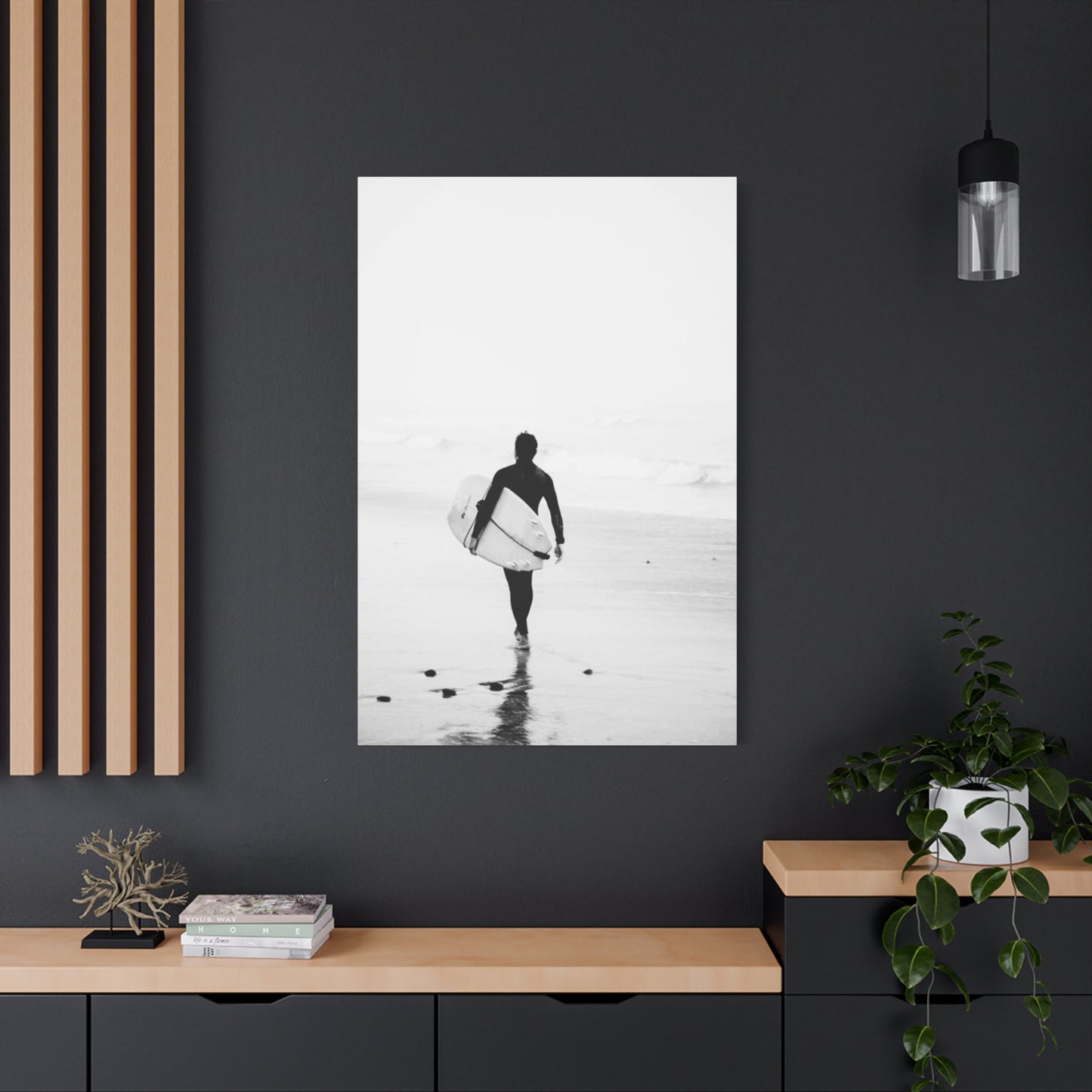
Black & White Surfing Photo Wall Art & Canvas Prints
Black & White Surfing Photo Wall Art & Canvas Prints
Couldn't load pickup availability
Sophisticated Monochrome Nature: How Black & White Sunflower & Butterflies In Jar Wall Art Redefines Your Living Room
The enchanting allure of monochromatic botanical imagery has captured the hearts of interior design enthusiasts worldwide, and nothing exemplifies this trend more beautifully than Black & White Sunflower & Butterflies In Jar Wall Art. This distinctive decorative style merges the timeless elegance of grayscale photography with the natural beauty of sunflowers and the delicate grace of butterflies, all artfully arranged within the charming confines of a jar silhouette. This comprehensive exploration delves into every aspect of this captivating art form, from its aesthetic principles to practical considerations for incorporating these pieces into your living spaces.
The Timeless Charm and Aesthetic Appeal of Monochrome Botanical Artwork
Monochrome botanical artwork represents a fascinating intersection between nature's inherent beauty and the sophisticated simplicity of black and white imagery. When we remove color from botanical subjects, we create an opportunity for viewers to focus on form, texture, shadow, and composition in ways that colored images cannot achieve. The absence of chromatic distraction allows the eye to appreciate the intricate patterns of sunflower petals, the delicate veining on butterfly wings, and the subtle gradations of light and shadow that give depth to these natural subjects.
The decision to present sunflowers and butterflies in monochrome creates a dramatic departure from their naturally vibrant appearance. In nature, sunflowers command attention with their brilliant yellow petals and dark centers, while butterflies display some of the most spectacular color patterns in the animal kingdom. By translating these subjects into grayscale, artists create pieces that feel simultaneously familiar and refreshingly novel. This artistic choice transforms common natural subjects into something more abstract and conceptual, inviting viewers to reconsider their relationship with these familiar elements of nature.
The jar element in Black & White Sunflower & Butterflies In Jar Wall Art adds another layer of meaning and visual interest. Jars carry connotations of preservation, collection, and careful curation. They suggest someone has taken the time to gather these beautiful natural elements and arrange them thoughtfully for display. This container motif creates a sense of intentionality and human interaction with nature that resonates with viewers on multiple levels. The transparency suggested by jar imagery also creates fascinating opportunities for depicting overlapping elements, creating visual complexity within a seemingly simple composition.
Grayscale imagery possesses an inherent sophistication that makes it appropriate for virtually any interior design scheme. Unlike colored artwork, which must harmonize with existing color palettes, monochrome pieces function as neutral elements that complement rather than compete with surrounding decor. This versatility makes Black & White Sunflower & Butterflies In Jar Wall Art an exceptionally practical choice for homeowners and designers who want statement pieces that won't clash with furniture, textiles, or paint colors.
The contrast inherent in black and white imagery creates visual drama that draws the eye and holds attention. Deep blacks provide anchor points that ground the composition, while brilliant whites create highlights that suggest light and dimension. The interplay between these extremes, mediated by various shades of gray, creates a sense of depth and three-dimensionality that makes flat images appear to have volume and presence. This tonal range is particularly effective when depicting subjects with varied textures, like the rough seeds of a sunflower center, the smooth curves of petals, and the delicate scales on butterfly wings.
Symbolic Meanings and Emotional Resonance Behind Sunflowers and Butterflies
Sunflowers have carried symbolic weight across cultures and throughout human history. These towering plants that turn their faces toward the sun have come to represent loyalty, longevity, and unwavering faith. In various spiritual traditions, sunflowers symbolize the human soul's orientation toward divine light and higher consciousness. Their remarkable ability to extract nutrients from contaminated soil while producing wholesome seeds has also made them symbols of resilience and the capacity to create beauty despite challenging circumstances.
The life cycle of sunflowers carries its own metaphorical richness. From tiny seeds, they grow into towering plants that can reach heights of ten feet or more, demonstrating the potential contained within small beginnings. Their abundant seed production speaks to fertility and the generous sharing of resources. When sunflowers appear in artwork, they bring these associations with them, enriching the viewing experience with layers of meaning that operate on both conscious and subconscious levels.
Butterflies represent transformation more powerfully than perhaps any other natural symbol. Their metamorphosis from earthbound caterpillars to airborne creatures with exquisite wings serves as a universal metaphor for change, growth, and the realization of hidden potential. This symbolism resonates deeply with human experiences of personal transformation, making butterflies meaningful subjects for artwork in spaces where people seek inspiration or contemplation.
The ephemeral nature of butterflies adds poignancy to their symbolic power. Their brief lifespans remind viewers to appreciate beauty in the present moment and to recognize that some of life's most magnificent experiences are also its most fleeting. When butterflies appear in artwork, they carry these reminders of impermanence and the preciousness of the present moment, creating emotional depth that extends beyond mere visual appeal.
The combination of sunflowers and butterflies in a single composition creates a rich symbolic dialogue. Both creatures share a deep connection to sunlight—sunflowers track the sun's movement across the sky, while butterflies need solar warmth to activate their flight muscles. This shared relationship with light creates thematic coherence in compositions featuring both subjects. Additionally, butterflies often visit sunflowers for nectar, so their pairing reflects actual ecological relationships observed in nature.
The jar container adds another dimension to this symbolic conversation. Jars traditionally serve preservation purposes, suggesting an attempt to capture and hold onto beauty that might otherwise be transitory. This preservation theme creates an interesting tension with the ephemeral nature of both sunflowers and butterflies, raising questions about memory, nostalgia, and our human desire to hold onto meaningful experiences. In Black & White Sunflower & Butterflies In Jar Wall Art, this symbolism operates subtly, enriching the piece without overwhelming its aesthetic appeal.
Various Artistic Styles and Rendering Methods for Botanical Mason Jar Compositions
The rendering style chosen for Black & White Sunflower & Butterflies In Jar Wall Art significantly impacts its overall aesthetic effect and suitability for different interior design contexts. Photorealistic rendering aims to capture subjects with maximum fidelity to their actual appearance, using careful attention to detail, accurate proportions, and subtle tonal gradations to create images that closely resemble high-quality photographs. This approach emphasizes the inherent beauty of natural forms without artistic interpretation or stylization.
Photorealistic botanical art requires exceptional skill in depicting fine details like the individual disk florets that make up a sunflower's center, the delicate scales that create color patterns on butterfly wings, and the subtle transparency and reflections characteristic of glass jars. Artists working in this style must master light behavior, understanding how it interacts with different surfaces and materials to create realistic shadows, highlights, and mid-tones. The result is artwork that celebrates the objective beauty of natural subjects, allowing viewers to appreciate details they might overlook in casual observation.
Illustrative styles offer artists greater freedom to interpret subjects through personal artistic vision. Rather than striving for photographic accuracy, illustrative approaches emphasize particular qualities or features through selective exaggeration, simplification, or stylization. An illustrative rendering of sunflowers might emphasize the geometric patterns in their seed arrangements or the rhythmic curves of their petals. Butterflies might be depicted with slightly enlarged wings to better showcase pattern details, or positioned in ways that create pleasing compositional balance rather than strict naturalistic accuracy.
Line art representations reduce subjects to their essential contours and structural elements, creating images through carefully placed lines rather than tonal gradations. This approach can produce remarkably elegant results, with flowing lines capturing the graceful curves of sunflower petals and the delicate structure of butterfly wings. Line art versions of Black & White Sunflower & Butterflies In Jar Wall Art often have a sketch-like quality that feels spontaneous and immediate, even when the final artwork results from hours of careful planning and execution.
Stippling and pointillism techniques create images through the accumulation of individual dots or points, with denser concentrations producing darker tones and sparse distributions creating lighter values. These labor-intensive methods can produce stunning results with distinctive textural qualities. When applied to botanical subjects, stippling can effectively convey the grainy texture of sunflower centers and the powdery appearance of butterfly wing scales. The meditative process of creating stippled artwork also imbues pieces with a sense of careful attention and artistic dedication that viewers can perceive even without understanding the technique involved.
Woodcut and linocut aesthetics draw inspiration from traditional relief printing methods, characterized by bold contrasts, simplified forms, and the elimination of subtle mid-tones in favor of stark blacks and whites. This approach creates dramatic, graphic images with strong visual impact. When applied to sunflower and butterfly subjects, the woodcut aesthetic emphasizes bold shapes and striking silhouettes, creating artwork that reads clearly even from a distance and makes powerful decorative statements.
Watercolor-style rendering, even in monochrome, can create soft, ethereal effects through the use of flowing tones and soft edges that suggest the behavior of pigment and water on paper. Monochrome watercolor interpretations of botanical subjects have a gentle, contemplative quality that works beautifully in serene spaces. The subtle bleeding of tones and the preservation of paper-white highlights create luminous effects that seem to glow with internal light.
Mixed media approaches combine multiple techniques within single compositions, perhaps using precise line work for structural elements while incorporating softer, wash-like tones for backgrounds or shadows. These hybrid methods allow artists to exploit the strengths of different approaches, creating complex, visually rich pieces that reward extended viewing. Black & White Sunflower & Butterflies In Jar Wall Art executed in mixed media often displays fascinating textural variety that adds tactile interest to visual appeal.
Sizing Considerations and Placement Strategies for Maximum Visual Impact
The physical dimensions of Black & White Sunflower & Butterflies In Jar Wall Art significantly influence both its visual presence and its appropriateness for specific spaces. Small-scale pieces, typically ranging from 8x10 inches to 12x16 inches, function beautifully as elements within gallery walls or vignettes where multiple pieces combine to create larger visual statements. These compact sizes work particularly well in intimate spaces like powder rooms, home offices, or cozy reading nooks where viewers experience them at close range.
Medium-sized pieces, roughly 16x20 inches to 24x36 inches, offer excellent versatility for various residential settings. These dimensions provide sufficient scale to function as standalone focal points while remaining manageable in terms of wall space requirements and visual weight. Medium-sized Black & White Sunflower & Butterflies In Jar Wall Art pieces work beautifully above console tables, in dining rooms, or as anchoring elements in bedroom arrangements. Their moderate scale allows the detailed beauty of the botanical subjects to be appreciated without overwhelming viewers or dominating spaces.
Large-scale pieces, measuring 30x40 inches or larger, create dramatic focal points that command attention and define spaces. These substantial artworks function as architectural elements that can visually expand rooms, create vertical emphasis, or serve as conversation-starting centerpieces. Large botanical artwork particularly suits spacious living rooms, master bedrooms, or commercial settings where bold decorative statements are desired. The increased scale allows for remarkable detail visibility, making every texture and tonal nuance clearly appreciable even from across rooms.
Vertical orientations, or portrait formats, naturally complement the growth patterns of sunflowers, which rise on tall stalks. Vertical pieces also create upward visual movement that can make rooms feel taller and more spacious. This orientation works particularly well in spaces with low ceilings or in narrow wall sections where horizontal pieces might feel cramped. Vertical Black & White Sunflower & Butterflies In Jar Wall Art draws the eye upward, creating a sense of lift and airiness that benefits many interior environments.
Horizontal orientations, or landscape formats, suggest spaciousness and tranquility. These proportions work beautifully above furniture pieces like sofas, beds, or buffets, where they can extend along the furniture's length without appearing top-heavy. Horizontal compositions might show multiple jars arranged in a row or a single jar composition that extends wider than it rises, creating different compositional possibilities than vertical formats offer.
Square formats create balanced, harmonious impressions that feel stable and complete. The equal dimensions prevent directional emphasis, making square pieces excellent choices for symmetrical arrangements or spaces where visual balance is paramount. Square Black & White Sunflower & Butterflies In Jar Wall Art can be particularly effective in pairs or sets, where their identical dimensions facilitate perfect alignment and spacing.
Placement height dramatically affects viewing experience and spatial perception. The general principle suggests hanging artwork so its center point aligns approximately 57-60 inches from the floor, corresponding to average human eye level. However, this guideline requires adjustment based on ceiling heights, furniture placement, and viewer positions. In dining rooms where people primarily view artwork while seated, slightly lower placement often works better. In hallways where people typically view art while walking, standard gallery height usually proves optimal.
Relationship to furniture pieces requires careful consideration for creating cohesive arrangements. When hanging Black & White Sunflower & Butterflies In Jar Wall Art above furniture, maintaining 6-8 inches between the furniture top and the artwork's bottom edge generally creates pleasing visual connection without making pieces appear to float disconnectedly or rest uncomfortably close to furniture surfaces. The artwork's width should typically span 50-75% of the furniture piece's width to maintain proportional harmony.
Grouping strategies offer creative possibilities for displaying multiple pieces of botanical artwork. Symmetrical arrangements with identical or similar-sized pieces create formal, orderly impressions suited to traditional interiors. Asymmetrical groupings with varied sizes and spacing feel more casual and contemporary, bringing dynamic energy to spaces. Grid arrangements with uniform spacing create modernist sensibilities, while salon-style displays with varied spacing and frame styles suggest collected, eclectic aesthetics.
Negative space surrounding artwork significantly impacts its visual effectiveness. Adequate empty wall space around pieces allows them to breathe and prevents compositions from feeling crowded or claustrophobic. In general, maintaining at least several inches of clear space on all sides allows artwork to command attention without competing with adjacent elements. In minimalist interiors, generous negative space becomes an integral part of the overall aesthetic strategy.
Frame Selection and Matting Options That Enhance Monochrome Botanical Imagery
Frame selection profoundly influences how Black & White Sunflower & Butterflies In Jar Wall Art appears and functions within interior spaces. The frame serves multiple purposes—protecting the artwork, creating a transition between the piece and surrounding walls, and contributing its own aesthetic qualities to the overall presentation. The choices made regarding frame style, material, color, and proportion can either enhance the artwork's impact or detract from its effectiveness.
Black frames create sophisticated, gallery-like presentations that complement monochrome artwork particularly well. The dark frame color harmonizes naturally with the black elements within the imagery, creating visual continuity between artwork and frame. Black frames also tend to recede visually, directing attention toward the artwork rather than the frame itself. This self-effacing quality makes black frames excellent choices when the goal is showcasing the artwork with minimal distraction. Modern black frames with clean lines and minimal ornamentation suit contemporary interiors, while more ornate black frames can coordinate beautifully with traditional or eclectic spaces.
White frames offer fresh, clean presentations that emphasize the lightest tones within monochrome artwork. White frames create bright, airy impressions that work particularly well in Scandinavian-inspired, coastal, or minimalist interiors where light, bright aesthetics predominate. The contrast between white frames and darker wall colors creates striking visual impact, making artwork pop dramatically against its background. White frames also convey a sense of modernity and simplicity that aligns well with contemporary design sensibilities.
Natural wood frames bring warmth and organic texture that complement the botanical subject matter of sunflower and butterfly imagery. Light woods like oak, maple, or ash create casual, approachable impressions suited to farmhouse, Scandinavian, or casual contemporary spaces. Medium-toned woods like walnut or cherry add richness while maintaining natural warmth. Dark woods like espresso-stained frames provide depth and sophistication similar to black frames but with additional textural interest and warmth. The natural grain patterns in wood frames add subtle visual interest that enhances rather than competes with artwork.
Metal frames, particularly in matte black, brushed silver, or gold finishes, contribute sleek, contemporary sophistication to presentations. Thin metal frames create minimalist profiles that barely interrupt the transition from artwork to wall, ideal for modern spaces where simplicity and clean lines are priorities. Thicker metal frames with more substantial profiles can create bold, architectural statements that add gravitas to presentations.
Frame width and profile significantly affect overall appearance and appropriateness for different styles. Narrow frames, typically less than an inch wide, create delicate, understated presentations that keep focus squarely on artwork. These subtle frames work beautifully in contemporary settings and with smaller artwork sizes. Medium-width frames, roughly 1-2 inches wide, offer balanced presentations suitable for most situations. Wide frames, exceeding 2-3 inches in width, create substantial presence and work particularly well with larger artwork or in spaces where bold decorative statements are desired.
Frame profiles range from flat, contemporary styles to deeply carved, ornate traditional designs. Flat profiles with square edges convey modern simplicity, while beveled or stepped profiles add subtle dimensional interest. Ornate profiles with carved or molded details suit traditional, vintage, or maximalist interiors where decorative abundance is celebrated. Scoop or concave profiles create gentle curves that soften presentations and add subtle shadow play around artwork perimeters.
Matting creates additional visual separation between artwork and frame while providing protective spacing that prevents artwork from contacting frame glass. Standard white or cream mats offer clean, classic presentations that brighten overall appearance and provide neutral transitions between artwork and frames. Wide mats, typically 3-4 inches or more, create generous breathing room that gives artwork prominence and formality. Narrow mats, around 1-2 inches, offer subtle separation without dominating presentations.
Double matting, using two mat layers in different colors or widths, creates dimensional depth and visual interest. A common approach uses a wider bottom mat in white or cream with a narrower top mat in a coordinating color that picks up tones from the artwork or surrounding decor. For Black & White Sunflower & Butterflies In Jar Wall Art, a double mat might combine a wide cream bottom mat with a narrow gray or black top mat, creating subtle sophistication.
Colored mats offer opportunities to introduce accent colors that coordinate with room palettes. Gray mats in various tones from light silver to charcoal can beautifully complement monochrome artwork while adding tonal sophistication. Warm neutrals like tan or taupe can add subtle warmth without introducing strong color. Black mats create dramatic presentations but require careful consideration to ensure they don't overwhelm lighter-toned artwork.
Mat texture provides another variable in presentation design. Smooth mats offer clean, contemporary appearances, while subtle fabric-textured mats add tactile interest. Some specialty mats feature linen or canvas textures that contribute natural, organic qualities particularly appropriate for botanical subjects.
Conservation considerations matter particularly for valuable or meaningful artwork. Acid-free mats and backing materials prevent chemical degradation that could damage artwork over time. UV-protective glass or acrylic shields artwork from harmful ultraviolet light that causes fading. Museum glass, while more expensive, virtually eliminates reflection while providing maximum UV protection, creating nearly invisible glazing that allows unobstructed artwork viewing.
Color Palette Coordination and Interior Design Harmony
While Black & White Sunflower & Butterflies In Jar Wall Art itself contains no color, its interaction with surrounding color schemes significantly impacts its effectiveness within interior spaces. The neutral quality of monochrome artwork makes it remarkably versatile, but strategic consideration of color relationships enhances its contribution to overall design cohesion.
In all-white or predominantly white interiors, monochrome botanical artwork provides crucial visual contrast that prevents spaces from feeling sterile or characterless. The blacks and grays within the imagery add depth and dimension to bright, airy rooms, creating focal points that anchor spaces without introducing chromatic complexity. White rooms benefit from the graphic strength of black and white artwork, which provides definition and visual interest while maintaining the clean, fresh aesthetic that makes white interiors appealing.
Gray color schemes, ranging from pale silver to deep charcoal, create sophisticated, contemporary environments where monochrome artwork feels perfectly at home. Black & White Sunflower & Butterflies In Jar Wall Art harmonizes effortlessly with gray walls, creating tonal continuity while offering sufficient contrast for visual interest. Layering various gray tones throughout furniture, textiles, and accessories creates depth within monochromatic palettes, preventing flatness while maintaining color restraint.
Beige and warm neutral palettes provide gentle, welcoming foundations that accommodate monochrome artwork beautifully. The slightly warm undertones of beige, tan, and cream create subtle contrast with the cooler tones typical of black and white imagery, resulting in balanced, harmonious impressions. These warm neutrals prevent monochrome artwork from feeling cold or austere, instead creating sophisticated, approachable environments.
Bold, saturated wall colors create dramatic backdrops that make monochrome artwork visually pop. Deep navy walls, for instance, provide rich contrast that causes black and white imagery to appear brilliantly crisp and eye-catching. Emerald green, deep burgundy, or charcoal walls create similar effects, with the neutral artwork standing out dramatically against intense color fields. This approach works particularly well in dining rooms, libraries, or bedrooms where dramatic, enveloping color creates desired moods.
Pastel environments benefit from monochrome artwork's grounding influence. In rooms featuring soft pinks, blues, or lavenders, black and white botanical pieces provide visual weight and sophistication that balances the sweetness of pastel hues. This combination creates spaces that feel both gentle and substantive, avoiding the potentially cloying effect of pastels used in isolation.
Rooms featuring multiple colors benefit from monochrome artwork's unifying influence. Black & White Sunflower & Butterflies In Jar Wall Art functions as a neutral element that coordinates with all surrounding colors without favoring any particular hue. This makes monochrome pieces excellent choices for transitional spaces like hallways that connect rooms with different color schemes, or for open-concept areas where multiple color stories exist within single sight lines.
Accent color strategies can deliberately echo tones present within monochrome artwork. While the artwork itself contains no color, its various gray tones can inspire coordinating accent choices. Medium grays might be picked up in throw pillows, dark grays in furniture pieces, and bright whites in accessories, creating subtle visual threads that tie spaces together.
Metallic accents interact interestingly with monochrome artwork. Silver and chrome finishes share the cool, neutral quality of black and white imagery, creating harmonious relationships. Gold and brass provide warm contrast that adds luxurious counterpoint. Copper and bronze offer richer, earthier warmth. The choice of metallic finishes throughout spaces influences whether monochrome artwork feels cool and contemporary or warm and traditional.
Natural material color relationships deserve consideration. Wood tones, whether light or dark, generally harmonize well with monochrome botanical artwork, with the organic qualities of both wood and botanical subjects creating natural affinity. Stone, whether in countertops, fireplaces, or accents, similarly coordinates well, with both stone and monochrome imagery sharing certain inherent gravitas and permanence.
Textile color and pattern choices significantly impact how monochrome artwork relates to overall spaces. Solid-colored fabrics in neutrals create calm, cohesive environments where monochrome artwork feels integrated. Patterned textiles introduce additional visual complexity that monochrome artwork can either complement or contrast with, depending on pattern scale and intensity. Small-scale patterns tend to read as texture from a distance and generally coordinate well with monochrome pieces. Large-scale, bold patterns create visual competition that requires careful balancing.
Surface Material Options and Their Respective Characteristics
The physical substrate on which Black & White Sunflower & Butterflies In Jar Wall Art appears significantly affects its appearance, durability, and suitability for different environments. Canvas remains one of the most popular surfaces for contemporary wall art, offering several appealing characteristics. Canvas prints display artwork with slight texture that adds dimensionality and visual interest. The woven fabric texture creates subtle variation in how light reflects from the surface, preventing the flat uniformity sometimes associated with glossy prints.
Gallery-wrapped canvas, where the image extends around the sides of stretcher bars, creates finished presentations that don't require framing. This frameless approach contributes to contemporary, streamlined aesthetics while reducing overall cost compared to framed presentations. The three-dimensional quality of gallery-wrapped canvases creates subtle shadow lines where they meet walls, adding architectural interest. Artists and manufacturers can choose to continue the image around the sides or use solid colors, with image continuation creating seamless appearances while solid sides offer cleaner, more controlled looks.
Canvas durability suits high-traffic areas and spaces where artwork might encounter incidental contact. Unlike paper behind glass, canvas surfaces resist damage from minor impacts and can be gently cleaned if they accumulate dust or dirt. This resilience makes canvas appropriate for family rooms, children's spaces, or commercial environments where maximum durability is valued.
Paper prints offer exceptional detail reproduction and tonal subtlety that many artists and collectors prefer for fine art presentations. High-quality art papers accept ink beautifully, rendering fine details and subtle tonal gradations with remarkable fidelity. Paper prints are typically framed behind glass or acrylic, which protects the print surface while allowing clear viewing.
Various paper types offer different characteristics. Smooth papers create sharp, precise detail reproduction suited to photorealistic or highly detailed artwork. Textured papers, including those with subtle linen or felt finishes, add tactile interest and can soften overly clinical precision. Weight and thickness affect how substantial papers feel and how resistant they are to warping or damage. Heavier papers generally suggest higher quality and provide better longevity.
Archival paper quality matters for artwork intended as lasting additions to homes or collections. Acid-free papers resist yellowing and degradation, maintaining their appearance for decades or longer with proper care. Cotton rag papers represent the highest quality tier, offering exceptional longevity and superior ink receptivity. These museum-quality papers are particularly appropriate when Black & White Sunflower & Butterflies In Jar Wall Art represents significant aesthetic or financial investment.
Metal prints create stunning, contemporary presentations with unique visual properties. The printing process infuses inks into specially coated aluminum panels, creating images that appear to glow with internal luminescence. The reflective quality of metal creates exceptional depth and dimensional appearance, with highlights appearing particularly brilliant and shadows maintaining rich density. Metal prints suit modern and contemporary interiors particularly well, where their sleek, high-tech aesthetic coordinates with current design trends.
Metal print durability exceeds most alternatives, with resistance to moisture, fading, and physical damage making them suitable for challenging environments. Bathrooms, kitchens, or even covered outdoor spaces can accommodate metal prints where paper would be inappropriate. The rigid surface eliminates concerns about warping or sagging, and cleaning requires only gentle wiping with appropriate cleaners.
Acrylic prints offer luxury presentations with spectacular visual impact. The printing process positions artwork between layers of clear acrylic, creating depth and causing images to appear three-dimensional. Light passes through the acrylic layers, creating luminous effects that make colors appear saturated and highlights seem to glow. For monochrome artwork, acrylic mounting creates exceptional depth and tonal richness.
The glossy, glass-like surface of acrylic prints contributes to their premium appearance, though this high gloss can create problematic reflections in brightly lit environments. The substantial weight and thickness of acrylic pieces create impressive physical presence that suggests quality and permanence. Acrylic prints float slightly away from walls on standoff mounts, casting subtle shadows that enhance their architectural quality.
Wood substrate prints offer rustic, organic presentations particularly suited to farmhouse, cabin, or natural aesthetic environments. Printing directly on wood planks creates artwork where the natural grain and texture of wood become integral to the presentation. Knots, grain patterns, and natural color variations add authentic character and ensure each piece is unique. The dimensional quality of wood planks adds architectural presence that flat prints cannot match.
Wood prints coordinate beautifully with botanical subjects, with both sharing organic, nature-derived character. The slight texture and irregularity of wood surfaces create casual, approachable presentations rather than precious, formal ones. This makes wood substrate prints excellent choices for relaxed spaces like family rooms, breakfast nooks, or covered patios.
Foam board mounting provides an economical yet effective presentation option for paper prints. Mounting prints on rigid foam core prevents warping while creating smooth, flat surfaces suitable for framing. Foam board mounting costs significantly less than canvas stretching or specialty substrates while still producing professional-looking results. This approach is particularly practical for frequently rotated artwork or budget-conscious projects.
Sourcing Options and Acquisition Strategies
Acquiring Black & White Sunflower & Butterflies In Jar Wall Art involves navigating various marketplace options, each with distinct advantages and considerations. Print-on-demand services have democratized access to wall art, allowing customers to order prints created specifically for them from vast digital catalogs. These services typically offer multiple size, substrate, and finishing options, allowing customization to specific needs and preferences.
Print-on-demand advantages include accessibility and convenience, with online ordering and direct shipping eliminating the need to visit physical stores. The variety available through digital catalogs vastly exceeds what any physical retailer could stock, providing tremendous selection. Competitive pricing reflects efficient production processes and minimal intermediary markups. The ability to preview artwork in virtual room settings helps customers evaluate whether pieces will suit their spaces before purchasing.
Print-on-demand limitations include variability in quality between providers, with production standards ranging from adequate to exceptional. Customers cannot physically evaluate pieces before purchase, requiring reliance on provider reputation and return policies. Shipping costs and times vary, with some orders requiring several weeks for production and delivery. Environmental concerns arise from shipping individual items, though some providers prioritize sustainable practices.
Independent artists selling through personal websites or platforms offer opportunities to acquire original designs while directly supporting creators. Purchasing from individual artists often provides more personal interactions, with possibilities for commissioning custom sizes, variations, or entirely personalized pieces. Customers can feel satisfaction from knowing their purchase directly benefits artists rather than corporate entities.
Artist considerations include establishing reputation and quality assurance, which might require research into portfolios and customer reviews. Pricing from individual artists varies widely, with emerging artists often offering more affordable options while established artists command premium prices reflecting their reputation and demand. Production and shipping times may be less predictable than with large commercial operations, though many artists pride themselves on customer service and communication.
Physical retail stores, including home goods shops, furniture stores, and specialty art galleries, allow customers to examine actual pieces before purchasing. This hands-on evaluation can be invaluable for assessing quality, color accuracy, and size appropriateness. Retail staff can provide design advice and styling suggestions based on experience and training. Immediate possession means taking pieces home the same day rather than waiting for shipping.
Retail limitations include more restricted selection compared to online options, with physical space constraints limiting inventory. Pricing at retail stores typically includes markups covering overhead expenses like rent, utilities, and staff salaries, often resulting in higher costs than online alternatives. Geographic location determines access to quality retailers, with rural or suburban areas having fewer options than urban centers.
Used and vintage marketplaces, including consignment shops, estate sales, and online resale platforms, offer potential for unique finds at reduced prices. These secondary markets can yield discontinued designs, vintage pieces, or gently used artwork at fractions of original costs. The hunt for secondhand pieces appeals to some shoppers as an engaging recreational activity. Sustainable shoppers appreciate giving existing items new life rather than purchasing new production.
Secondary market challenges include inconsistent availability, requiring patience and persistence to find desired items. Condition varies, with some pieces showing wear, damage, or outdated framing requiring renovation. Authentication and quality assessment require more expertise when purchasing used items. Return policies are typically more restrictive than retail or commercial platforms, increasing purchase risk.
Direct printing services, separate from artist relationships, allow customers to provide their own images for printing on various substrates. This option suits situations where customers possess digital artwork files, whether created personally, licensed, or legally obtained. Professional printing services offer quality control and material options exceeding typical home printing capabilities. Custom sizing and professional finishing create gallery-quality results from customer-provided files.
Custom printing considerations include copyright compliance, with customers responsible for ensuring they have rights to reproduce provided images. File quality requirements necessitate high-resolution images for optimal results, with low-resolution files producing disappointing output. Communication with printing services regarding specifications, color management, and expectations prevents misunderstandings. Costs vary based on size, substrate, and finishing, with larger pieces and specialty materials commanding premium prices.
Subscription services and rental programs offer alternative acquisition models where customers pay periodic fees for artwork access rather than outright ownership. These programs allow frequent rotation, preventing boredom and allowing spaces to evolve with changing tastes and seasons. Financial accessibility improves with lower upfront costs compared to purchasing. Exposure to diverse artwork broadens aesthetic experiences and helps customers discover preferences.
Subscription and rental considerations include ongoing costs potentially exceeding purchase prices over extended periods. Lack of ownership means building no equity in pieces displayed. Selection typically comes from provider inventory rather than unlimited options. Condition standards must be maintained to avoid damage fees, creating responsibility similar to ownership without the benefits.
Hanging Methods and Secure Mounting Techniques
Properly mounting Black & White Sunflower & Butterflies In Jar Wall Art ensures safe display while preventing wall damage and facilitating easy repositioning if desired. Different hanging methods suit different artwork types, weights, and wall constructions, requiring thoughtful selection for optimal results.
Traditional picture hanging wire remains a widely used suspension method, particularly for framed pieces. Wire attaches to D-rings or screw eyes installed on the frame's back, typically positioned one-third down from the top edge. The wire creates a triangular support system that distributes weight across two attachment points while allowing lateral adjustment for perfect leveling. Picture hooks attached to walls capture the wire, supporting the frame's weight. This system works well for medium-weight pieces and allows relatively easy height adjustment by repositioning hooks. Wire hanging does create slight standoff distance between artwork and walls, causing pieces to tilt slightly forward at the top.
Sawtooth hangers provide simpler mounting solutions for lightweight pieces. These small metal plates with serrated top edges attach to frame backs, hooking directly onto nails or screws in walls. Sawtooth hangers create clean, minimal hardware profiles while positioning artwork very close to walls. Their simplicity makes them popular for straightforward installations, though their single-point attachment provides no lateral adjustment once installed and concentrates all weight at one location.
French cleats create extremely secure mountings suitable for heavy pieces and situations where maximum stability is essential. This system uses two interlocking beveled strips, with one attached to the artwork back and the other mounted to the wall. When the wall-mounted cleat is precisely leveled, artwork hung on it automatically achieves perfect level alignment. French cleats excel at supporting heavy weights and provide exceptional security against accidental dislodgement. Their installation requires more effort than simpler methods, and the cleat system adds noticeable thickness between artwork and walls.
Command strips and similar removable adhesive systems offer damage-free mounting options particularly valued by renters and those unwilling to make permanent wall alterations. These products use specialized adhesives that bond strongly enough to support significant weights yet remove cleanly without damaging painted walls. Multiple strip configurations accommodate various weight ranges, with heavier pieces requiring more strips for adequate support. Proper installation involves carefully following manufacturer instructions regarding surface preparation, strip placement, and bonding time before hanging artwork.
Adhesive strip limitations include maximum weight capacities that make them unsuitable for very heavy pieces. Effectiveness depends on wall surface conditions, with optimal performance on smooth, painted surfaces and reduced reliability on textured walls. Temperature and humidity can affect adhesion strength over time. These systems position artwork very close to walls, which some prefer aesthetically while others favor slight standoff distance.
Gallery rail systems transform walls into flexible display surfaces where artwork can be hung, adjusted, and replaced without creating new holes. Rails mount near ceiling level, with cables or rods descending to support artwork at desired heights. Adjustable hooks and grippers on cables allow easy height modification and lateral positioning. Gallery systems suit situations where frequent artwork rotation is anticipated or where multiple pieces share wall space with regularly changing arrangements.
Final Thoughts
Captivating black and white sunflower and butterflies in jar wall art offers a delightful fusion of natural beauty, delicate symbolism, and timeless elegance. Combining the warmth and vibrancy of sunflowers with the freedom and grace of butterflies, this artwork creates a powerful narrative of growth, transformation, and the delicate balance of life. Rendered in monochrome, it strips down the scene to its essential elements—highlighting the intricate details of each flower petal, butterfly wing, and jar shape, allowing the viewer to focus on texture, form, and contrast. The result is a stunning, minimalist piece of art that transcends mere decoration, offering both a striking visual statement and deeper layers of meaning.
Sunflowers, often associated with positivity, vitality, and the sun’s life-giving energy, take on an added sense of elegance when portrayed in black and white. The absence of color allows the textures and details of the petals and stems to stand out, with the soft curves of the sunflower contrasting beautifully against the sharp edges of the jar and the delicate, fluttering wings of the butterflies. The juxtaposition of the bold sunflower with the fragile butterflies creates a sense of harmony, emphasizing the balance between strength and fragility in the natural world. This minimalist approach captures both the simplicity and complexity of life, making it a perfect piece to evoke a sense of calm and wonder in any room.
Monochrome art, by its very nature, allows for greater emotional resonance through contrast. The deep shadows and highlights bring a dramatic sense of depth to the artwork, highlighting the fine details of the sunflower’s structure, the subtle patterns of the butterflies’ wings, and the rustic texture of the jar. The black and white palette also gives the artwork a timeless quality, allowing it to feel both modern and classic, suitable for a wide range of interior styles. Whether your home leans toward the contemporary or the vintage, this artwork adapts to its surroundings with ease, enhancing the space with its graceful yet striking presence.
Symbolically, the sunflower and butterfly pairing brings additional depth to the piece. Sunflowers, as symbols of positivity, loyalty, and adoration, can brighten any space, while butterflies represent transformation, freedom, and the fleeting beauty of life. Together, they tell a story of growth, change, and hope—qualities that resonate deeply in our fast-paced world. The jar, often seen as a vessel of preservation, subtly hints at the act of cherishing and protecting the beauty of nature, adding a layer of introspection to the artwork. This combination of symbols makes the piece not only a beautiful visual statement but also a meaningful one, perfect for those who seek art that speaks to the heart.
The versatility of black and white sunflower and butterfly art allows it to blend seamlessly into a variety of interior design styles. In modern spaces, it adds a minimalist touch, creating a sophisticated focal point without overwhelming the room. In more traditional or rustic interiors, the piece evokes a sense of timeless elegance and nature-inspired beauty. The jar, often associated with vintage or farmhouse aesthetics, brings warmth and nostalgia to the piece, making it an ideal choice for homes that embrace a cozy, welcoming atmosphere. Additionally, the monochrome color scheme ensures that this artwork can easily complement existing decor, whether you’re working with vibrant colors or a more neutral palette.
When it comes to displaying this stunning botanical art, the possibilities are endless. A large-scale print can serve as a bold focal point above a sofa, in a dining room, or in a bedroom, drawing the eye with its intricate details and dynamic composition. Alternatively, a smaller print or a series of complementary pieces can be arranged in a gallery wall, creating a cohesive, dynamic display that brings energy and life to the room. The framing of the artwork plays an essential role in enhancing its overall aesthetic. A sleek black or white frame will complement the monochrome style, providing a clean and modern look, while a natural wood frame can add warmth and texture, creating a more organic, earthy vibe.
Ultimately, captivating black and white sunflower and butterflies in jar wall art is a perfect choice for those looking to introduce a blend of nature-inspired beauty, emotional depth, and sophisticated design into their living spaces. It captures the delicate interplay between strength and fragility, growth and transformation, offering a lasting reminder of life’s fleeting beauty and the power of nature. Whether you display it as a centerpiece or incorporate it into a larger collection, this monochrome artwork elevates any room with its timeless elegance and evocative symbolism, making it a beautiful and meaningful addition to your home decor.
Share