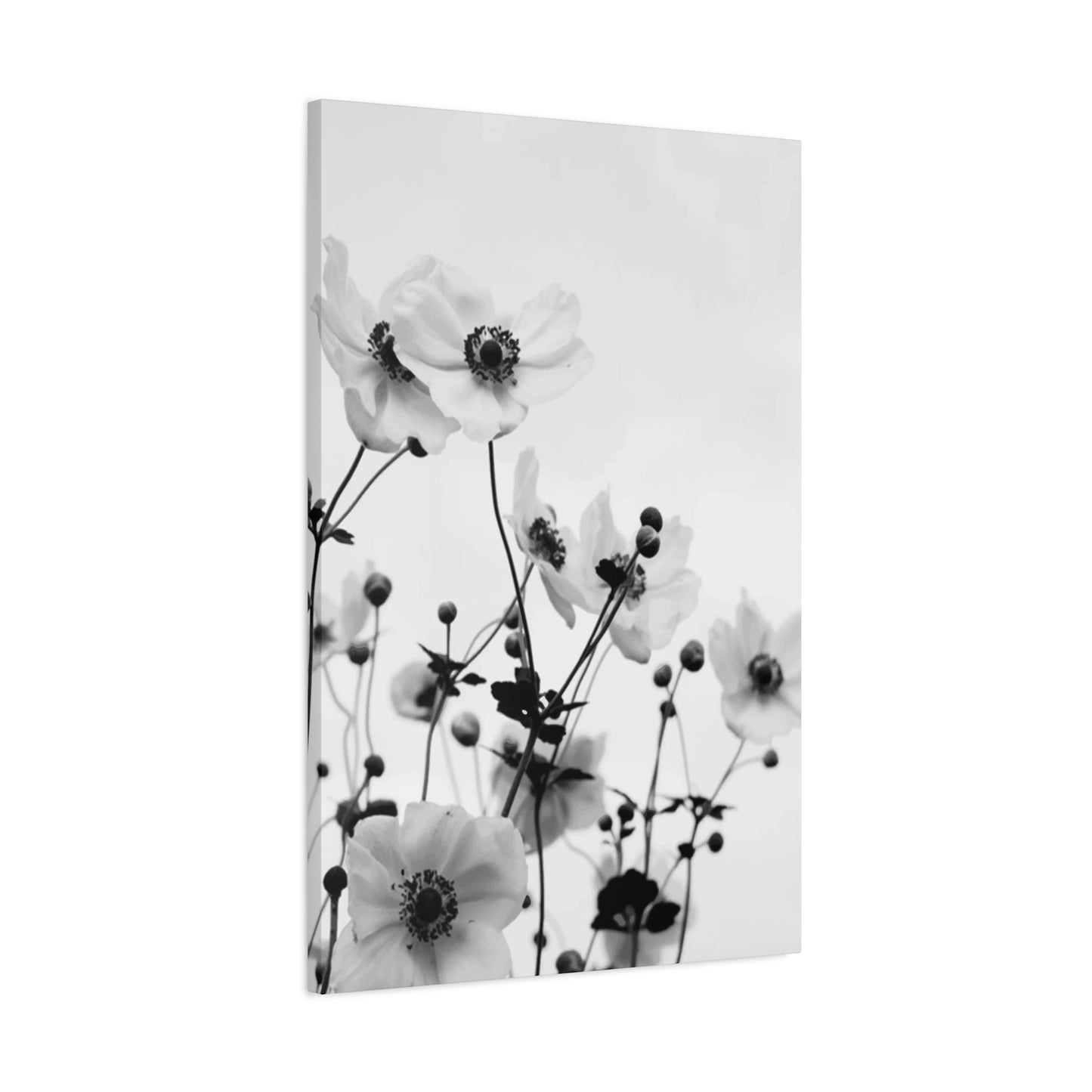
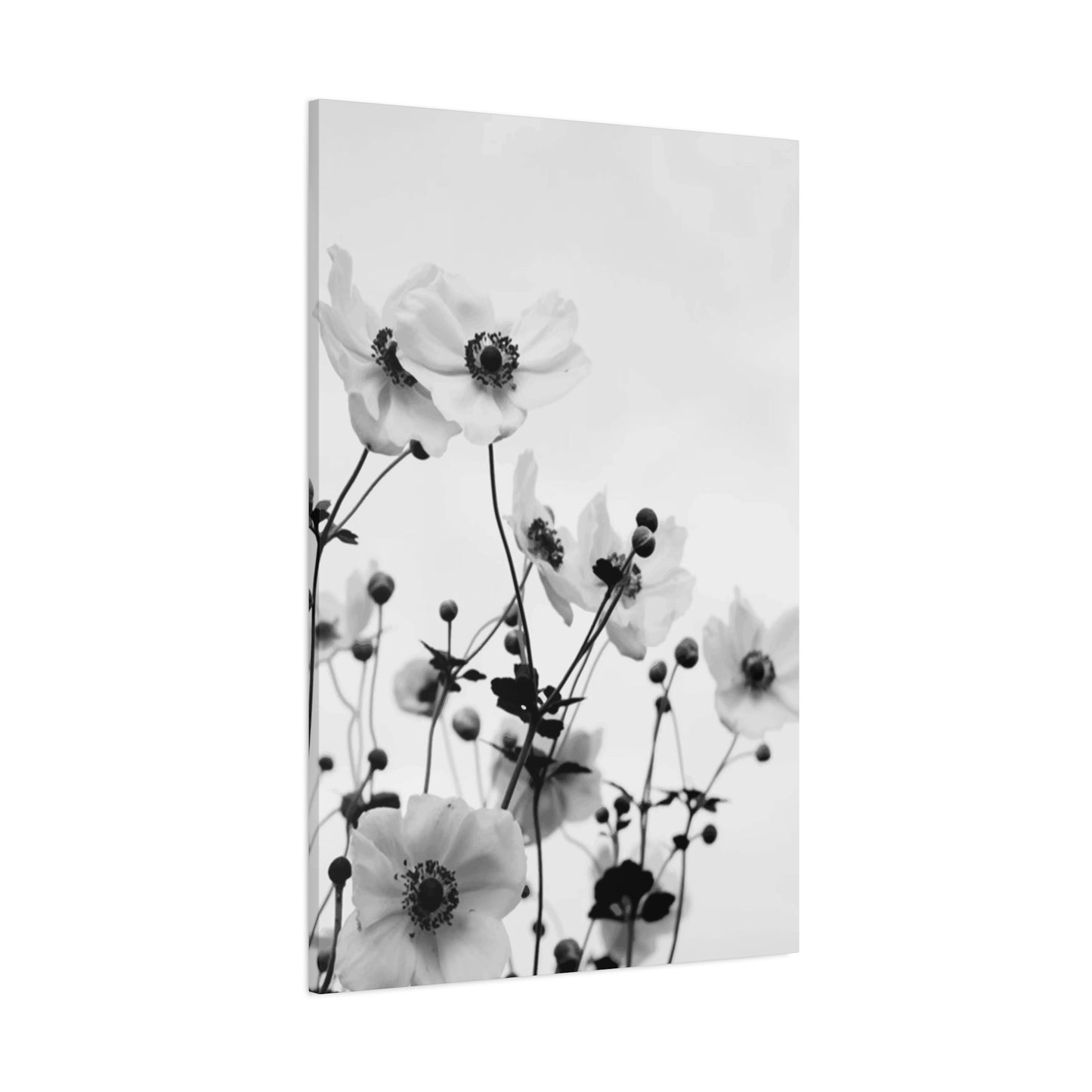
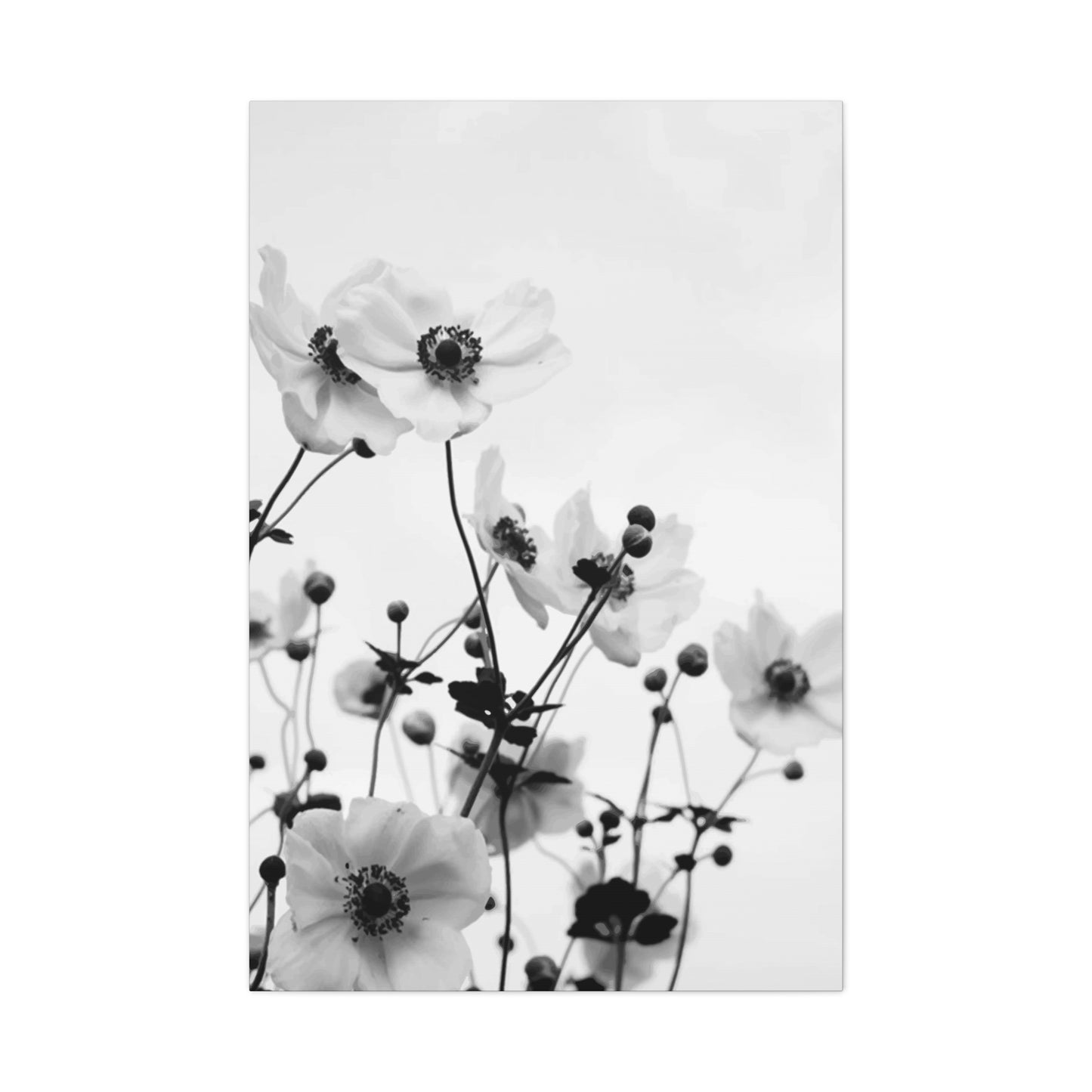
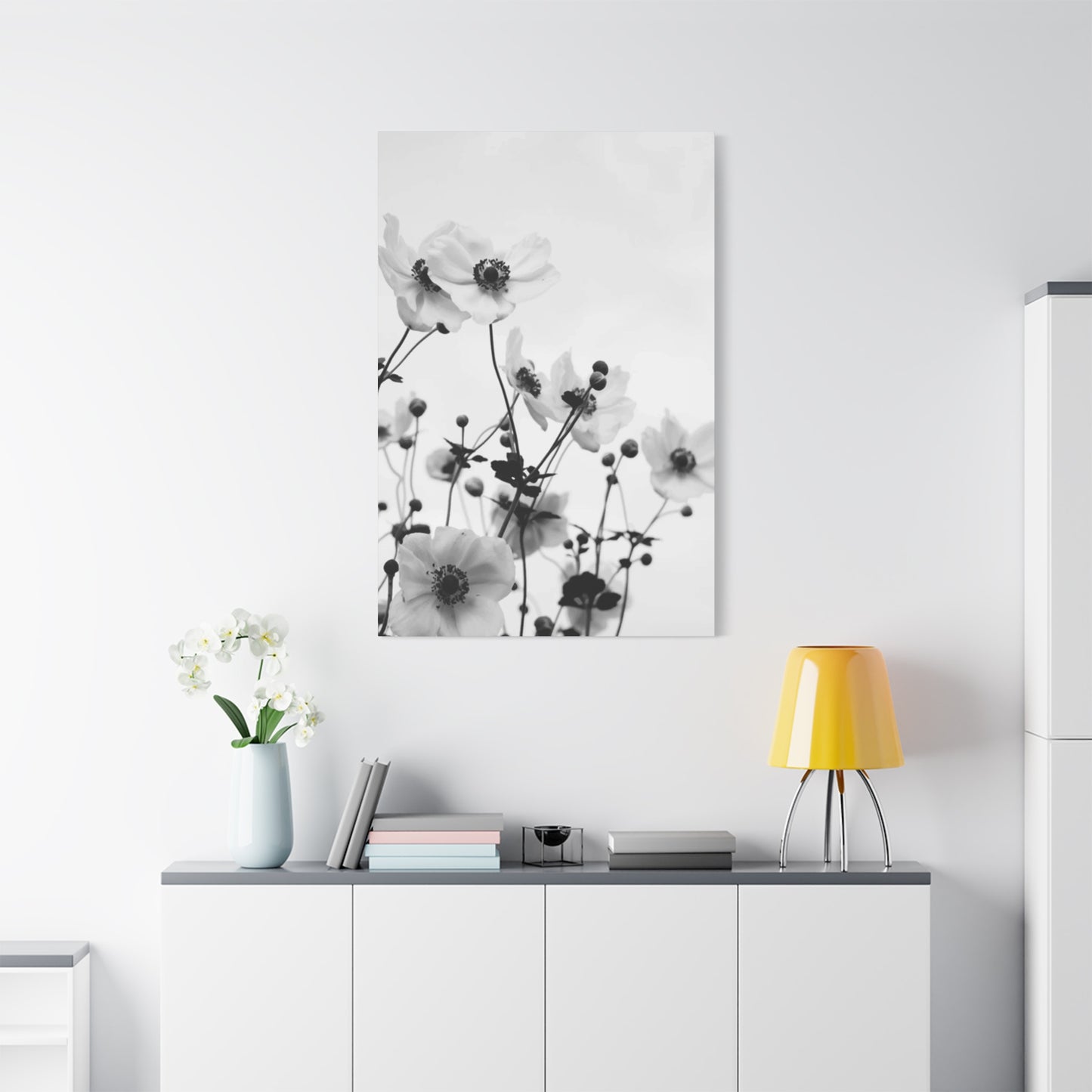
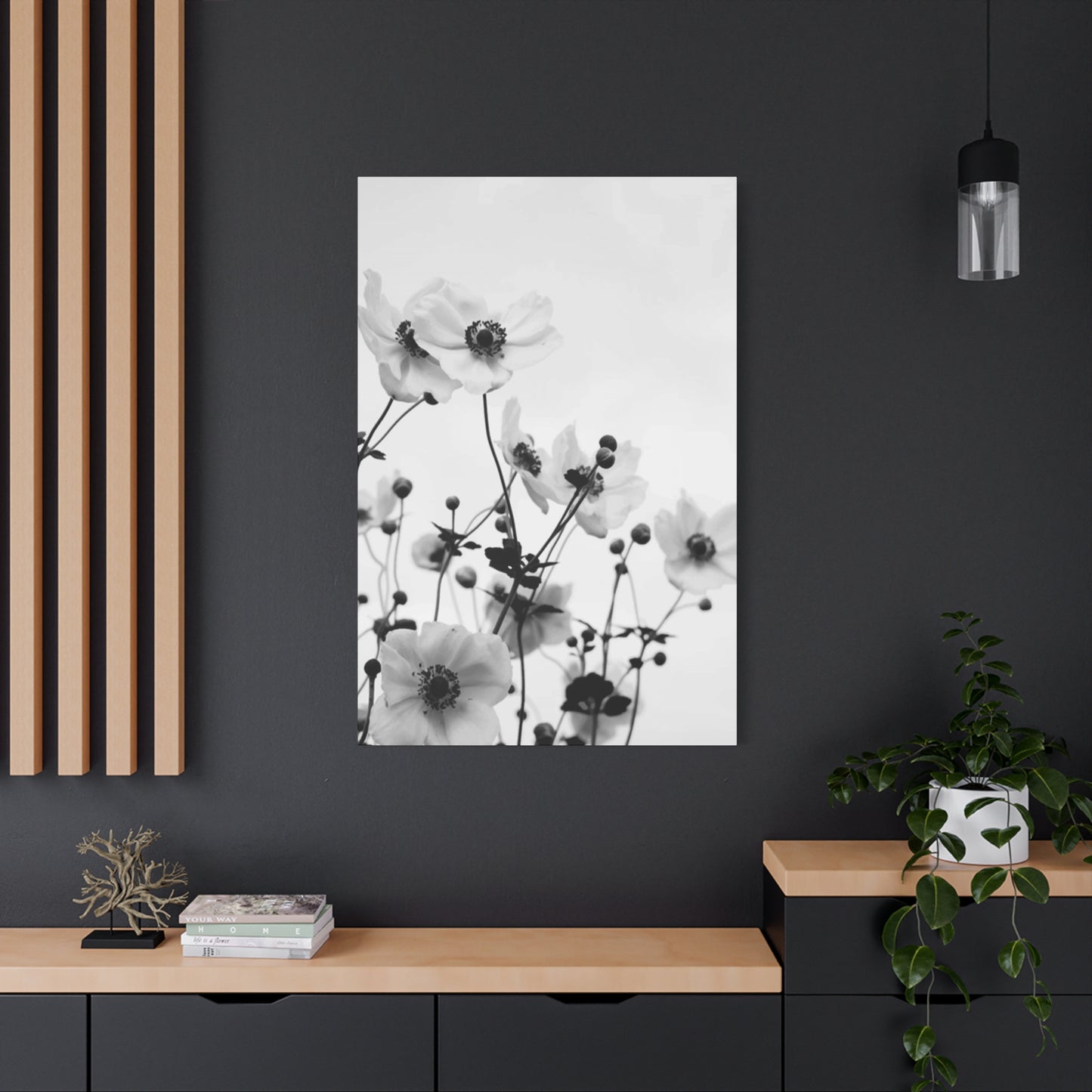
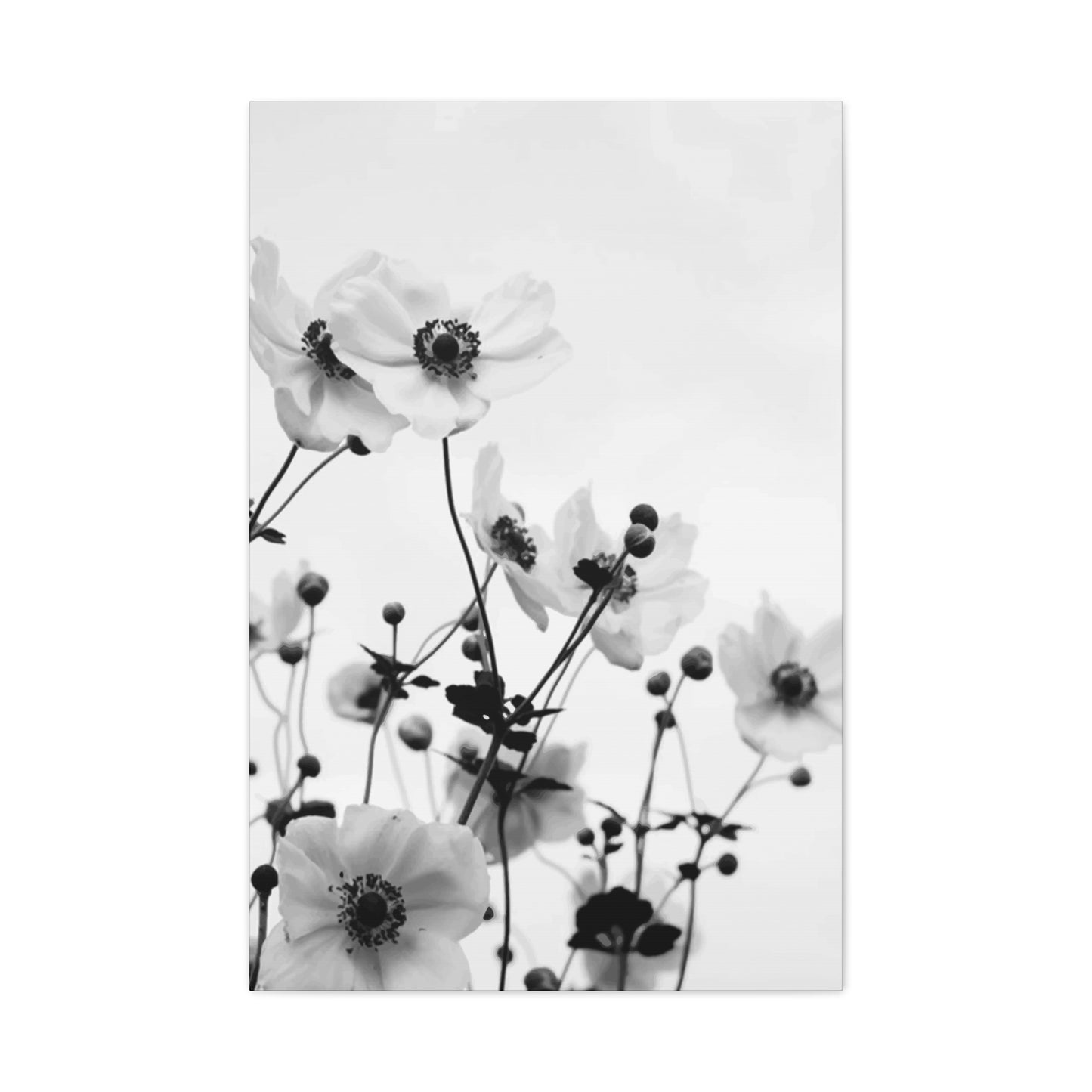
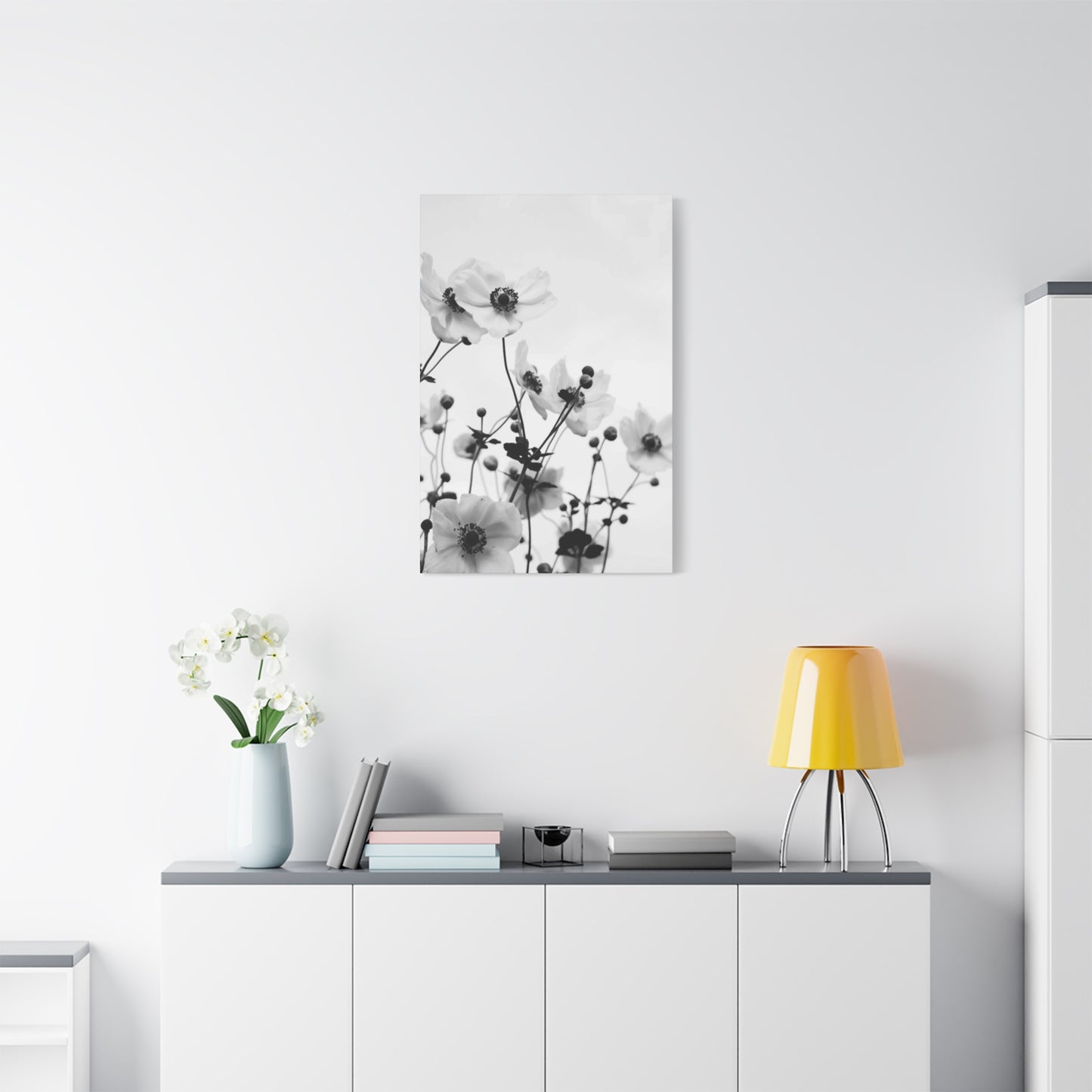
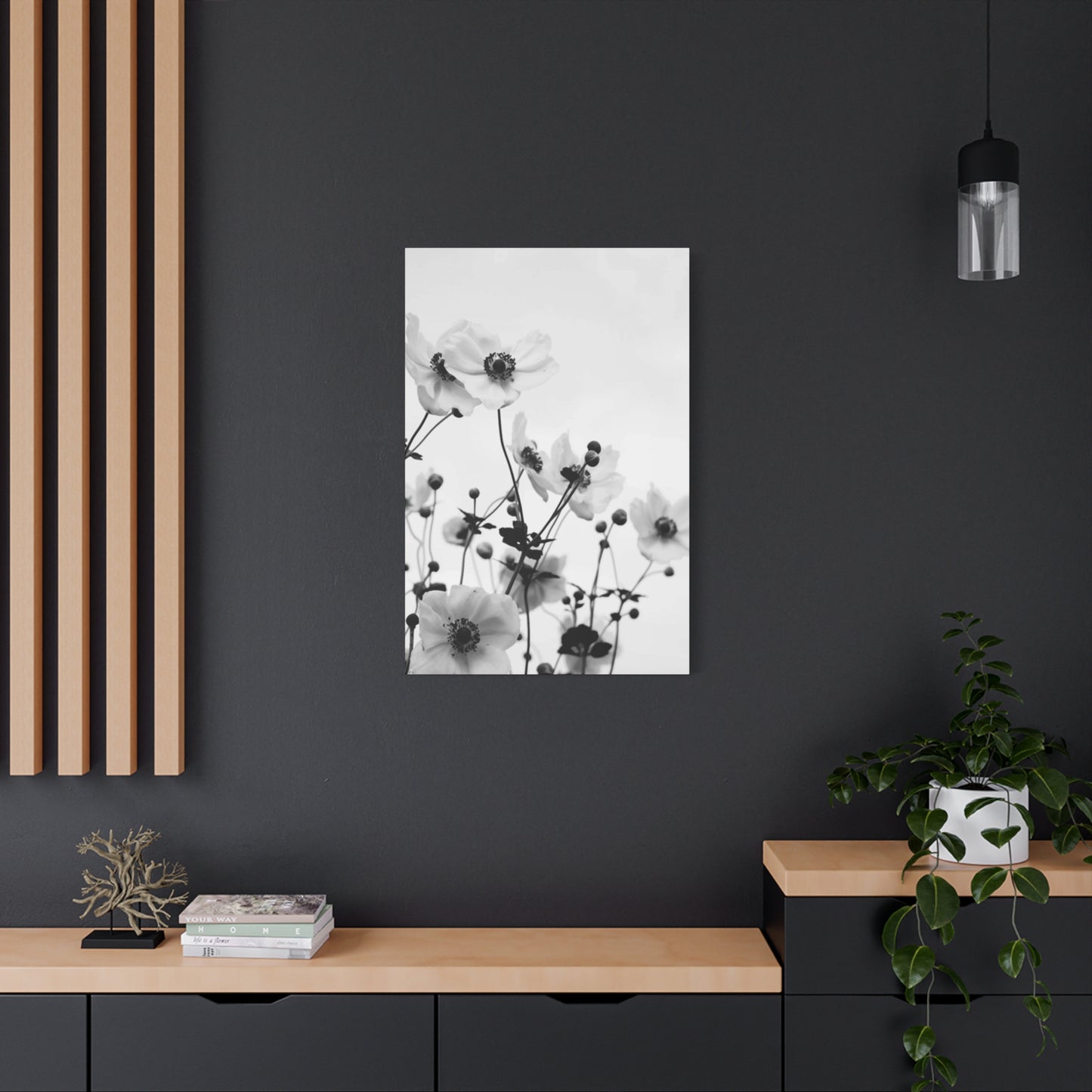
Black & White Small Flowers Wall Art & Canvas Prints
Black & White Small Flowers Wall Art & Canvas Prints
Couldn't load pickup availability
Discover the Timeless Elegance of Black & White Small Flowers Wall Art for Every Living Space
The world of interior decoration has witnessed a remarkable surge in the appreciation for monochromatic botanical artwork that brings sophistication and visual harmony to residential and commercial environments. Black & White Small Flowers Wall Art represents a distinctive aesthetic choice that transcends temporary design trends, offering homeowners and decorators an opportunity to create spaces filled with understated elegance and refined visual appeal. This comprehensive exploration delves into every aspect of incorporating these captivating pieces into your surroundings, examining their profound impact on spatial perception, emotional resonance, and the overall atmosphere of any room they grace.
The Enduring Appeal of Monochromatic Botanical Artwork in Contemporary Interior Spaces
Monochromatic floral imagery possesses a unique capacity to communicate both simplicity and complexity simultaneously. When examining Black & White Small Flowers Wall Art, one immediately recognizes the delicate balance between minimalism and intricate detail. These pieces eliminate the distraction of color, allowing viewers to focus intensely on form, texture, shadow, and composition. The absence of chromatic elements paradoxically intensifies the visual experience, creating a meditative quality that colored alternatives rarely achieve.
Throughout various design philosophies and architectural movements, the stark contrast between light and dark elements has served as a fundamental principle for creating visual interest. Monochromatic botanical representations particularly excel in this regard, offering viewers an opportunity to appreciate the natural architecture of petals, stems, leaves, and buds without the sensory competition that multiple hues introduce. This refined approach to decorative artwork has gained tremendous momentum among those who seek to establish living environments that feel both contemporary and timelessly elegant.
The psychological impact of viewing Black & White Small Flowers Wall Art extends beyond mere aesthetic appreciation. Research into visual perception suggests that simplified color palettes reduce cognitive load, allowing observers to process images more efficiently and experience greater relaxation. When delicate floral forms are rendered in shades of gray, black, and white, they create a soothing visual rhythm that can lower stress levels and promote mental clarity. This makes such artwork particularly valuable in spaces designated for rest, contemplation, or focused work.
Examining the Various Artistic Approaches to Creating Monochromatic Floral Representations
The creation of Black & White Small Flowers Wall Art encompasses numerous artistic methodologies, each bringing distinct characteristics and visual qualities to the finished piece. Photography stands as one of the most popular approaches, with skilled photographers capturing botanical subjects through specialized lenses and then converting the images to grayscale or shooting directly in monochrome mode. This photographic approach preserves extraordinary detail, revealing textures and structures that might escape casual observation when viewing actual flowers.
Ink drawings and pen illustrations offer another compelling avenue for creating monochromatic botanical artwork. Artists working in these mediums employ various mark-making strategies, from delicate stippling that builds tonal gradations through countless tiny dots to bold line work that emphasizes contour and form. The handcrafted quality of illustrated Black & White Small Flowers Wall Art adds an element of human touch and artistic interpretation that mechanically reproduced images cannot replicate.
Charcoal and graphite renderings bring yet another dimension to monochromatic floral artwork. These traditional drawing materials allow artists to achieve remarkable tonal ranges, from the deepest blacks to the most subtle grays. The physical interaction between drawing implements and paper surfaces creates unique textures that add depth and tactile interest to the finished work. When skillfully executed, charcoal and graphite pieces can rival photography in their realism while maintaining an unmistakable artistic quality.
Printmaking processes including etching, lithography, and screen printing have long been employed to produce botanical artwork with distinctive visual characteristics. These methods often introduce subtle imperfections and variations that enhance the organic feeling of the subject matter. Limited edition prints created through these traditional processes carry additional value for collectors who appreciate the craftsmanship involved in their production.
Digital illustration has emerged as a contemporary approach to creating Black & White Small Flowers Wall Art, with artists utilizing sophisticated software to render botanical subjects with precision and creativity. This modern methodology allows for extraordinary control over every aspect of the composition, from the finest details to the overall tonal balance. Digital works can be printed on various substrates and at multiple sizes without loss of quality, making them highly versatile for different decorative contexts.
Selecting the Perfect Monochromatic Floral Pieces for Various Room Configurations
The process of choosing appropriate Black & White Small Flowers Wall Art requires careful consideration of numerous factors related to the specific space where the artwork will reside. Room dimensions play a crucial role in determining appropriate piece sizes and arrangements. In compact spaces, smaller individual artworks or intimate groupings prevent visual overwhelming while still providing aesthetic impact. Conversely, spacious rooms with high ceilings can accommodate larger pieces or expansive gallery walls featuring multiple coordinated works.
Lighting conditions significantly influence how monochromatic floral artwork appears within a space. Natural illumination throughout daytime hours reveals subtle tonal variations and textural details that might remain hidden under artificial lighting alone. Rooms with abundant natural light can showcase Black & White Small Flowers Wall Art with particularly delicate gradations, while spaces relying primarily on artificial illumination benefit from pieces with stronger contrasts and bolder compositions.
The existing color scheme within a room should inform artwork selection decisions. Monochromatic floral pieces possess remarkable versatility, complementing nearly any color palette while adding visual interest without chromatic competition. In rooms dominated by neutral tones, Black & White Small Flowers Wall Art reinforces the sophisticated restraint of the overall design. In spaces featuring bold or vibrant colors, monochromatic botanical artwork provides visual respite and balance, preventing the environment from feeling overwhelming.
Furniture styles and architectural elements within a space should harmonize with chosen artwork. Contemporary minimalist interiors naturally align with clean, graphic interpretations of floral subjects, while traditional or vintage-inspired rooms might better accommodate more detailed, classic renderings. The materials and finishes present in furniture pieces can suggest complementary framing choices for Black & White Small Flowers Wall Art, creating cohesive visual relationships throughout the space.
Room function influences appropriate subject matter and compositional approaches. Bedrooms typically benefit from gentler, more serene floral imagery that promotes relaxation and peaceful rest. Home offices and study areas might feature more structured, geometric arrangements of botanical elements that encourage focus without distraction. Living rooms and common areas can accommodate a wider range of styles, from playful and whimsical to formal and dignified, depending on the atmosphere residents wish to establish.
Understanding the Diverse Botanical Subjects Featured in Monochromatic Floral Artwork
The botanical world offers endless possibilities for artistic interpretation in Black & White Small Flowers Wall Art. Different plant species present unique visual characteristics that translate distinctively when rendered in monochrome. Roses, perhaps the most iconic of all flowers, feature complex petal arrangements and varied textures that create stunning visual interest in grayscale. The intricate layering of rose petals produces beautiful tonal gradations, while thorny stems add contrasting linear elements.
Delicate wildflower varieties including daisies, forget-me-nots, and buttercups bring an informal, pastoral quality to monochromatic botanical artwork. These modest blooms often appear in clustered arrangements, creating rhythmic patterns and organic groupings that feel both spontaneous and carefully composed. Their simple forms allow viewers to appreciate fundamental floral architecture without excessive complexity.
Exotic blooms such as orchids, proteas, and birds of paradise introduce dramatic sculptural qualities to Black & White Small Flowers Wall Art. These species often feature bold shapes and unusual structures that remain visually striking even without the vibrant colors they display in nature. Monochromatic renderings of exotic flowers emphasize their architectural qualities and otherworldly forms.
Herbaceous plants and flowering vines offer opportunities for compositions emphasizing movement and flow. Species like sweet peas, morning glories, and jasmine naturally create curving lines and cascading arrangements that add dynamic energy to monochromatic artwork. These climbing and trailing plants introduce diagonal elements and directional movement that can guide the eye through a composition.
Seasonal blooms allow Black & White Small Flowers Wall Art to reflect specific times of year. Spring bulbs including tulips, daffodils, and hyacinths convey renewal and fresh beginnings. Summer blossoms like sunflowers, zinnias, and cosmos suggest abundance and vitality. Autumn flowers including chrysanthemums and asters evoke transition and change, while winter blooms such as hellebores and snowdrops represent resilience and hope.
Seed heads, dried flowers, and botanical specimens in various stages of their lifecycle add contemplative depth to monochromatic floral compositions. These subjects remind viewers of natural cycles, the passage of time, and the beauty present in all phases of growth and decay. Dandelion seed heads, dried hydrangeas, and skeletal leaves create particularly striking images when rendered in stark monochrome.
Exploring Frame Selections and Presentation Methods for Monochromatic Botanical Artwork
The manner in which Black & White Small Flowers Wall Art is framed and presented dramatically affects its visual impact and relationship to surrounding space. Frame selection represents a critical decision that can enhance or detract from the artwork itself. Classic black frames create strong definition and modern sophistication, establishing clear boundaries between artwork and wall while reinforcing the monochromatic theme. These frames work particularly well in contemporary settings and with bold, high-contrast images.
White and light-colored frames offer a softer, more ethereal presentation style. They allow artwork to blend more gently with its surroundings, creating a feeling of lightness and openness. White frames particularly complement delicate, high-key floral images with predominantly light tones and subtle details. These frames excel in bright, airy spaces where they maintain visual coherence with the overall environment.
Natural wood frames in various tones introduce warmth and organic texture to Black & White Small Flowers Wall Art presentations. Light woods like maple, birch, and ash provide gentle contrast without overwhelming delicate imagery, while darker woods including walnut, cherry, and ebony create rich, substantial borders that lend gravitas to the artwork. Wood frames create explicit connections between the depicted botanical subjects and natural materials.
Metal frames in finishes such as brushed aluminum, brass, copper, or steel bring contemporary industrial aesthetics to monochromatic floral artwork. These frames particularly suit modern and transitional interiors where mixed material palettes are embraced. Thin metal frames maintain a clean, minimalist appearance, while wider profiles make bolder statements.
Mat board selection provides another opportunity to influence how artwork appears. Wide mats create spacious, gallery-like presentations that allow pieces to breathe and prevent visual crowding. Colored mats can introduce subtle chromatic elements that bridge between purely monochromatic artwork and colored surroundings. Multiple mat layers with different widths add dimensional interest and formal sophistication.
Glass choices affect both the appearance and preservation of Black & White Small Flowers Wall Art. Standard clear glass provides basic protection while allowing straightforward viewing. Non-reflective or museum-quality glass eliminates glare and reflections, ensuring artwork remains visible from all angles and under various lighting conditions. UV-filtering glass protects against light damage that can fade or yellow artwork over time.
Alternative presentation methods beyond traditional framing offer creative possibilities. Canvas-wrapped prints eliminate the need for frames entirely, presenting artwork as substantial objects that project slightly from the wall. Mounting prints on rigid substrates like foam board or wood panels creates similar frameless presentations. Floating frames, where artwork appears suspended within a shallow box frame, add dimensional depth and contemporary flair.
Arranging Multiple Pieces of Monochromatic Floral Artwork for Maximum Visual Impact
Creating gallery walls or multi-piece arrangements with Black & White Small Flowers Wall Art requires thoughtful planning and spatial awareness. Symmetrical arrangements featuring identical or similar pieces in regular grid patterns create formal, orderly impressions suitable for traditional interiors and formal spaces. These layouts work particularly well with matching frames and uniform spacing between pieces.
Asymmetrical salon-style arrangements offer more dynamic, collected appearances. These organic groupings combine pieces of various sizes, creating visual movement and interest through intentional irregularity. Successful asymmetrical arrangements maintain overall balance while avoiding rigid predictability. Starting with a central focal piece and building outward often yields pleasing results.
Linear arrangements along hallways, staircases, or above furniture pieces create cohesive visual narratives. Series of Black & White Small Flowers Wall Art pieces at consistent heights guide the eye along architectural features and establish rhythmic patterns. Spacing pieces at regular intervals reinforces this linear quality, while varying intervals introduces subtle variation.
Vertical stacking of multiple pieces maximizes impact in spaces with limited horizontal wall area. Arranging three or five pieces in a vertical column creates elegant, space-efficient displays particularly suited to narrow wall sections beside doors, windows, or furniture. Varying piece sizes within vertical arrangements adds visual interest while maintaining overall coherence.
Paired arrangements featuring two complementary pieces create balanced, harmonious presentations suitable for spaces requiring symmetric anchor points. Placing matching Black & White Small Flowers Wall Art pieces on either side of windows, fireplaces, or beds establishes visual equilibrium and architectural emphasis. Pairs can feature identical images for formal symmetry or complementary subjects for subtle variation.
Triptych and multi-panel arrangements divide single compositions across multiple pieces, creating expanded visual presence and contemporary aesthetics. These connected works establish strong focal points and work particularly well above substantial furniture pieces or in large open wall areas. The spacing between panels affects perceived unity, with closer spacing emphasizing the connected nature of the composition.
Investigating the Influence of Scale and Proportion in Monochromatic Floral Artwork
Understanding scale relationships proves essential when incorporating Black & White Small Flowers Wall Art into interior spaces. Piece size relative to wall dimensions determines whether artwork feels appropriately scaled or visually awkward. General guidelines suggest artwork should occupy roughly two-thirds to three-quarters of the furniture width it hangs above, though these proportions can be adjusted based on specific circumstances and preferences.
Small-scale pieces measuring eight to twelve inches create intimate viewing experiences that draw observers closer for detailed examination. These modest works suit personal spaces like bedrooms, bathrooms, and home offices where viewing occurs at close range. Grouping multiple small-scale pieces creates greater visual impact while maintaining individual approachability.
Medium-scale pieces ranging from sixteen to twenty-four inches occupy a versatile middle ground suitable for most residential applications. These sizes work well as standalone focal points in smaller rooms or as components of larger arrangements in spacious areas. Medium-scale Black & White Small Flowers Wall Art balances detailed visibility with commanding presence.
Oversized pieces exceeding thirty inches make bold statements and serve as primary focal points within rooms. These substantial works anchor spaces and establish immediate visual hierarchies. Large-scale monochromatic floral artwork particularly suits contemporary interiors embracing dramatic gestures and statement pieces.
The depicted subjects' scale within compositions affects perceived intimacy and drama. Macro perspectives showing extreme close-ups of single blooms create abstract, immersive experiences emphasizing texture and form. Medium perspectives depicting whole flowers or small clusters maintain recognizable botanical qualities while allowing detailed appreciation. Wide perspectives showing extensive floral arrangements or botanical gardens in their contexts create environmental narratives and spatial depth.
Proportional relationships between depicted elements within compositions guide visual movement and establish focal hierarchies. Placing larger blooms alongside smaller supporting flowers creates natural focal points and depth illusions. Varying sizes of repeated elements throughout compositions establishes rhythm and prevents monotony.
Coordinating Monochromatic Floral Artwork with Diverse Interior Design Approaches
Black & White Small Flowers Wall Art demonstrates remarkable adaptability across diverse design philosophies and stylistic approaches. Minimalist interiors prioritizing simplicity and restraint find natural harmony with clean, uncluttered monochromatic botanical compositions. These spaces benefit from artwork featuring ample negative space, simple forms, and restrained detail that reinforces the overall aesthetic of thoughtful reduction.
Scandinavian-inspired spaces emphasizing light, natural materials, and functional beauty readily accommodate monochromatic floral artwork. The combination of white walls, light woods, and simple furnishings creates ideal backdrops for Black & White Small Flowers Wall Art that maintains the airy, peaceful quality central to Nordic design sensibilities. Artwork featuring delicate wildflowers or minimalist botanical forms particularly complements this aesthetic.
Industrial-style interiors combining raw materials, exposed structures, and urban aesthetics gain softness and organic relief through the addition of monochromatic botanical artwork. The contrast between hard surfaces like concrete, metal, and brick and the gentle curves of floral subjects creates pleasing visual tension. Bold, high-contrast Black & White Small Flowers Wall Art with strong graphic qualities best complements industrial environments.
Traditional and classic interiors benefit from more formal, detailed renderings of botanical subjects. Ornate frames, careful attention to botanical accuracy, and compositions referencing historical botanical illustration traditions suit these established aesthetic approaches. Black & White Small Flowers Wall Art featuring roses, peonies, and other cultivated garden flowers aligns with traditional sensibilities.
Bohemian and eclectic spaces embracing pattern mixing, global influences, and collected aesthetics can incorporate monochromatic floral artwork as grounding elements within visually complex environments. The neutral nature of black and white imagery provides visual rest amid abundant color and pattern while maintaining thematic connections to nature and organic forms.
Contemporary spaces featuring clean lines, mixed materials, and forward-looking design philosophies pair naturally with modern interpretations of botanical subjects. Abstract or stylized floral representations, experimental compositions, and unconventional perspectives on plant forms resonate with contemporary sensibilities. Black & White Small Flowers Wall Art incorporating geometric elements or digital manipulation particularly suits these environments.
Transitional interiors blending traditional and contemporary elements find perfect middle ground in monochromatic floral artwork. These versatile pieces bridge stylistic gaps, providing timeless appeal that complements both classic architectural details and modern furnishings. Moderate levels of detail and balanced compositions work particularly well in transitional settings.
Discovering Sources for Acquiring Quality Monochromatic Botanical Artwork
Numerous avenues exist for obtaining exceptional Black & White Small Flowers Wall Art suited to diverse preferences and budgets. Local art galleries and exhibition spaces showcase works by regional artists, offering opportunities to acquire original pieces and limited edition prints. Gallery purchases support local creative communities while providing access to unique works unavailable through mass market channels.
Art fairs and craft markets bring together multiple artists and makers, allowing browsers to compare diverse styles and approaches in single venues. These events often enable direct conversations with creators, fostering deeper understanding of artistic processes and intentions behind works. Many artists offer special event pricing or accept custom commission requests at these gatherings.
Artist studios and open studio events provide intimate access to creative spaces and direct relationships with makers. Purchasing directly from artists eliminates intermediary costs while ensuring creators receive fair compensation for their work. Many artists maintain websites showcasing available works and accepting direct orders.
Online marketplaces specializing in artwork connect buyers with vast selections of Black & White Small Flowers Wall Art from creators worldwide. These platforms typically offer various price points, sizes, and styles, making them valuable resources for finding pieces matching specific requirements. Customer reviews and detailed product descriptions aid selection processes.
Print-on-demand services allow customers to select images from extensive libraries and specify printing substrates, sizes, and framing options. These services democratize access to quality botanical artwork by eliminating edition limits and offering customization. While lacking the exclusivity of limited editions, print-on-demand offerings provide affordable alternatives for decorating multiple spaces.
Home decor retailers increasingly stock curated selections of monochromatic botanical artwork aligned with current design trends. These mainstream sources offer convenience and often bundle artwork with complementary decor items. Quality and uniqueness vary considerably across retailers, making careful evaluation essential.
Antique shops, estate sales, and vintage markets occasionally yield remarkable discoveries of authentic vintage Black & White Small Flowers Wall Art. These sources offer opportunities to acquire pieces with genuine age and character, though condition varies and restoration may be necessary.
Examining the Preservation and Longevity of Monochromatic Botanical Artwork
Proper care ensures Black & White Small Flowers Wall Art maintains its visual appeal and structural integrity across decades. Understanding factors that threaten artwork preservation enables proactive protective measures. Light exposure represents one of the most significant threats to artwork longevity, with both ultraviolet radiation and visible light causing gradual fading, yellowing, and degradation of paper substrates and inks.
Positioning artwork away from direct sunlight streaming through windows provides primary protection against light damage. When wall placement near windows proves unavoidable, UV-filtering glass in frames reduces harmful radiation exposure. Window treatments including curtains, blinds, and UV-filtering films on glass further minimize light exposure during peak sunshine hours.
Artificial lighting also affects artwork over time, with incandescent and fluorescent sources producing varying amounts of UV radiation. LED lighting systems emit minimal UV radiation while providing excellent illumination for viewing artwork. When illuminating Black & White Small Flowers Wall Art with directed light sources, maintaining appropriate distances prevents heat accumulation and excessive light exposure.
Environmental humidity significantly impacts paper-based artwork, with excessive moisture promoting mold growth, foxing, and dimensional changes. Extremely dry conditions cause paper to become brittle and inks to crack. Maintaining relative humidity between forty and sixty percent provides optimal conditions for artwork preservation. Dehumidifiers, humidifiers, and proper ventilation help regulate moisture levels.
Temperature fluctuations stress artwork materials through expansion and contraction cycles. Maintaining stable temperatures between sixty-five and seventy-five degrees Fahrenheit minimizes these stresses. Avoiding placement near heat sources including radiators, fireplaces, and heating vents prevents localized temperature extremes.
Air quality affects artwork longevity, with pollutants including smoke, cooking fumes, and volatile organic compounds from household products causing gradual degradation. Adequate ventilation, air filtration systems, and avoiding smoking indoors protect Black & White Small Flowers Wall Art from airborne contaminants.
Physical damage from impacts, abrasion, and careless handling poses immediate threats to artwork integrity. Secure hanging systems prevent accidental falls. Handling framed pieces by their frames rather than touching artwork surfaces prevents oils and moisture transfer from hands. Regular gentle dusting of frames and glass prevents accumulation that might obstruct viewing or trap moisture.
Professional conservation assessment proves valuable for particularly precious or vulnerable pieces. Trained conservators identify existing damage, recommend appropriate interventions, and suggest preventive measures specific to individual artworks. Many museums and cultural institutions offer conservation services or can recommend qualified professionals.
Understanding the Psychological and Emotional Effects of Monochromatic Botanical Imagery
The presence of Black & White Small Flowers Wall Art within living and working environments produces measurable effects on mood, cognition, and overall wellbeing. Botanical imagery of any type activates neural pathways associated with nature exposure, triggering relaxation responses and reducing stress markers even when actual plant life remains absent. This psychological phenomenon, sometimes called the biophilia effect, demonstrates humans' innate affinity for natural forms and patterns.
Monochromatic presentations of botanical subjects offer unique psychological advantages compared to full-color alternatives. The reduced visual complexity of black and white imagery requires less cognitive processing, allowing viewers to enter contemplative states more readily. This simplified visual input can lower mental arousal, promoting calmness and focus particularly valuable in overstimulating modern environments.
The specific emotional qualities conveyed through Black & White Small Flowers Wall Art depend significantly on compositional elements and tonal relationships. High-key images featuring predominantly light tones with limited dark accents create ethereal, uplifting impressions. These luminous pieces suggest delicacy, purity, and transcendence, making them particularly suitable for spaces intended for meditation, rest, or creative work.
Low-key compositions dominated by dark tones with strategic light highlights produce more dramatic, introspective moods. These shadowy renderings of botanical subjects evoke mystery, depth, and contemplation. They suit spaces designed for serious work, private reflection, or intimate gatherings where subdued atmospheres feel appropriate.
Balanced mid-tone compositions incorporating full tonal ranges from pure white through grays to deep black create harmonious, stable impressions. These technically accomplished pieces demonstrate mastery of tonal relationships while maintaining visual equilibrium. They work well in diverse settings where neither excessive drama nor extreme lightness suits the intended atmosphere.
The depicted flowers' cultural associations and symbolic meanings influence emotional responses to Black & White Small Flowers Wall Art. Roses carry romantic connotations across many cultures, while lotus flowers evoke spiritual purity in Eastern traditions. Cherry blossoms suggest transience and beauty's fleeting nature. Understanding these symbolic dimensions allows intentional selection of imagery aligned with desired emotional tones.
Pattern recognition and repetition within botanical compositions trigger satisfying cognitive responses. Humans find pleasure in identifying regularities and rhythmic patterns, with floral arrangements offering natural opportunities for such recognition. Spiraling petal arrangements, alternating leaf patterns, and clustered bloom distributions all provide pattern-based visual satisfaction.
Investigating the Creation Process Behind Various Forms of Monochromatic Botanical Artwork
Understanding how artists create Black & White Small Flowers Wall Art deepens appreciation for finished pieces and informs selection decisions. Photographers working in monochrome begin with either color digital files converted to grayscale or images captured directly in camera black and white modes. Direct monochrome capture allows real-time tonal visualization, enabling photographers to optimize lighting and composition specifically for black and white rendering.
The conversion from color to monochrome involves complex decisions about how different colors translate to grayscale values. Specialized editing software allows photographers to control these translations precisely, determining whether reds become dark or light grays, how greens render, and the treatment of blues. Skilled practitioners manipulate these tonal mappings to emphasize particular compositional elements and create desired dramatic effects.
Lighting proves crucial in botanical photography intended for monochrome presentation. Natural window light creates soft, graduated shadows perfect for revealing delicate petal textures. Overcast outdoor conditions provide diffused illumination that minimizes harsh contrasts. Artificial studio lighting allows complete control over highlight and shadow placement, enabling photographers to sculpt three-dimensional form through light manipulation.
Traditional illustration processes for creating Black & White Small Flowers Wall Art begin with careful observation of actual botanical specimens. Artists working from life studies develop intimate familiarity with plant structures, growth patterns, and characteristic details. This direct observation produces authentic representations that captured photography sometimes misses. Skilled botanical illustrators balance scientific accuracy with aesthetic appeal.
Drawing tools and mark-making approaches profoundly affect the visual character of illustrated monochromatic botanical artwork. Fine-tipped pens create precise, controlled lines suitable for detailed rendering of complex structures. Brush pens and markers produce varied line weights that add dynamism and expressiveness. Pencils ranging from hard grades creating fine light lines to soft grades yielding rich dark marks enable subtle tonal modeling.
Texture creation separates adequate illustrations from exceptional ones. Artists employ techniques including cross-hatching, where intersecting parallel lines build tonal density; stippling, using countless small dots to create graduated tones; and scumbling, applying layers of marks in varied directions to suggest surface textures. These hand-rendered textures give illustrated Black & White Small Flowers Wall Art distinctive character impossible to replicate mechanically.
Digital illustration combines traditional artistic principles with contemporary software capabilities. Artists working in digital mediums sketch initial compositions using pressure-sensitive tablets that mimic natural drawing experiences. Layered file structures allow non-destructive editing, letting artists experiment freely with compositional variations. Digital brushes simulate traditional media including pencils, ink, and charcoal while offering unique possibilities unavailable with physical materials.
Recognizing the Role of Negative Space in Monochromatic Botanical Compositions
Negative space, the empty areas surrounding depicted subjects, plays crucial roles in successful Black & White Small Flowers Wall Art compositions. Rather than representing merely unused areas, negative space actively shapes visual experiences and influences how viewers perceive positive elements. Generous negative space around botanical subjects creates breathing room that prevents visual claustrophobia and allows delicate floral forms to command attention without competition.
Minimalist compositions featuring single blooms surrounded by expansive negative space emphasize isolation, meditation, and focused contemplation. These spare arrangements direct complete attention to individual flowers' forms, textures, and details. The surrounding emptiness creates psychological space for reflection and prevents distraction, making such compositions particularly valuable in restful environments.
Negative space shapes and configurations contribute as significantly to compositions as depicted subjects themselves. Skilled artists consciously design negative space areas, ensuring they form pleasing shapes and maintain visual interest. Irregular, organic negative space shapes surrounding botanical elements feel natural and uncontrived, while geometric negative space configurations introduce formal structure and intentionality.
The relationship between positive and negative space determines compositional balance and visual weight distribution. Asymmetric arrangements placing subjects off-center with unequal negative space divisions create dynamic tension and visual movement. Symmetric arrangements with balanced negative space on either side of central subjects produce stable, calm impressions.
Edge relationships between botanical subjects and surrounding negative space affect spatial illusion and depth perception within Black & White Small Flowers Wall Art. Hard, clearly defined edges create separation between foreground elements and background space, emphasizing subjects' physical presence. Soft, graduated edges where tones transition gradually between subject and background suggest atmospheric depth and three-dimensional space.
Negative space influences perceived scale and importance of depicted elements. Small subjects surrounded by vast negative areas appear precious and significant, drawing disproportionate attention relative to their actual size. Conversely, larger subjects filling frames create immediate impact through their commanding presence.
Analyzing Tonal Range and Contrast Management in Monochromatic Floral Artwork
The manipulation of tonal values from pure white through mid-grays to absolute black distinguishes exceptional Black & White Small Flowers Wall Art from mediocre examples. Complete tonal range spanning the full spectrum from brightest highlights to darkest shadows produces rich, satisfying images with depth and dimension. Limited tonal range restricts visual information and flattens perceived depth.
High-contrast images featuring predominantly light and dark values with minimal mid-tones create dramatic, graphic impressions. Strong contrasts command attention and establish clear focal points through strategic value placement. These bold renderings work particularly well in contemporary settings and make strong statements from viewing distances.
Low-contrast images dwelling primarily in middle gray ranges with limited pure whites or blacks produce subtle, contemplative moods. These gentle renderings reward close viewing with nuanced details that emerge gradually. Low-contrast Black & White Small Flowers Wall Art suits intimate spaces where quiet reflection takes precedence over dramatic impact.
Selective contrast manipulation directs viewer attention within compositions. Areas of highest contrast attract eyes naturally, becoming focal points regardless of subject importance. Skilled artists exploit this principle, maximizing contrast around primary compositional elements while reducing contrast in secondary areas. This selective emphasis creates clear visual hierarchies guiding viewers through intended reading sequences.
Tonal gradation refers to the smoothness of transitions between different value areas. Gradual tonal progressions create modeling that suggests three-dimensional form and natural light fall-off. Abrupt tonal transitions produce flat, graphic qualities and hard edge definitions. Different gradation approaches suit different artistic intentions and aesthetic preferences.
Shadow quality profoundly affects mood in monochromatic botanical artwork. Soft, diffused shadows with gentle edges create romantic, ethereal atmospheres appropriate for delicate flower subjects. Hard-edged, dense shadows introduce drama and emphasize sculptural qualities. The direction, intensity, and spread of shadows provide essential information about light source characteristics and spatial relationships.
Highlight treatment determines whether Black & White Small Flowers Wall Art appears naturalistic or stylized. Realistic highlights follow expected light behavior, appearing on surfaces oriented toward light sources. Specular highlights on glossy petals add sparkle and life. Stylized highlight patterns may exaggerate or simplify natural light behavior for artistic effect.
Exploring Cultural Perspectives on Monochromatic Botanical Representations Throughout Different Societies
Various cultures worldwide have developed distinct traditions surrounding monochromatic floral imagery, bringing unique perspectives to Black & White Small Flowers Wall Art. East Asian artistic traditions, particularly those of China and Japan, have emphasized monochromatic ink painting for centuries. These traditions value simplicity, spontaneity, and spiritual expression over literal representation, approaching botanical subjects as vehicles for philosophical contemplation rather than mere decoration.
Japanese sumi-e ink painting demonstrates remarkable economy of means, creating evocative botanical representations through minimal brushstrokes. This aesthetic of refined simplicity aligns naturally with contemporary minimalist sensibilities, making traditional East Asian approaches to monochromatic floral imagery feel remarkably current. The emphasis on negative space, asymmetric composition, and implied rather than explicit detail resonates with modern design principles.
Chinese literati painting traditions treated botanical subjects as expressions of moral character and scholarly refinement. Specific flowers carried symbolic meanings within these traditions, with plum blossoms representing perseverance, orchids suggesting nobility, bamboo embodying integrity, and chrysanthemums symbolizing autumn dignity. Understanding these cultural associations adds interpretive depth to Black & White Small Flowers Wall Art drawing on East Asian aesthetic traditions.
European botanical illustration emerged from scientific inquiry during exploration and colonization periods. These detailed, accurate renderings served documentary purposes, cataloging newly discovered plant species. The precision and careful observation characterizing European botanical illustration established standards for representational accuracy that continue influencing monochromatic floral artwork today.
Victorian-era flower symbolism created elaborate language of flowers where specific blooms conveyed particular sentiments and messages. This tradition, while primarily concerning color examples, established cultural associations that persist in contemporary understandings of floral imagery. The romantic and sometimes melancholic associations surrounding Victorian flower symbolism influence emotional responses to certain subjects in Black & White Small Flowers Wall Art.
Indigenous botanical representations across various cultures worldwide approach plant subjects through unique cosmological and spiritual frameworks. Many indigenous traditions view plants as relatives and teachers rather than mere aesthetic subjects. Contemporary artists drawing on indigenous perspectives bring these alternative relationships to botanical subjects into monochromatic floral artwork, creating pieces resonant with deeper ecological and spiritual significance.
Contemporary global artistic exchange creates hybrid approaches blending multiple cultural traditions. Artists worldwide now access and incorporate diverse aesthetic philosophies, producing Black & White Small Flowers Wall Art that transcends singular cultural origins. This cross-cultural fertilization generates fresh perspectives on perennial subjects, keeping monochromatic botanical imagery vital and evolving.
Conclusion
Successful Black & White Small Flowers Wall Art demonstrates mastery of fundamental compositional principles that organize visual elements into coherent, compelling arrangements. The rule of thirds, a foundational guideline, suggests dividing composition areas into three equal sections both horizontally and vertically, then placing key elements along these division lines or at their intersections. This creates naturally pleasing, balanced arrangements that avoid static centering.
Leading lines guide viewer attention through compositions along deliberate paths. In botanical subjects, stems, vines, and leaf arrangements naturally create linear elements that direct eye movement. Thoughtful artists emphasize or create these linear features to establish viewing sequences that unfold compositional narratives.
Diagonal orientations introduce dynamic energy and movement compared to horizontal and vertical arrangements. Angled stems crossing compositions diagonally create visual tension and directional flow. This dynamism makes diagonal compositions particularly effective for Black & White Small Flowers Wall Art intended to energize spaces rather than promote tranquility.
Radial compositions organize elements around central points, creating mandala-like patterns that draw attention inward. Flowers viewed directly from above naturally suggest radial organization through their petal arrangements. These centrally organized compositions produce meditative, focusing qualities valuable in contemplative environments.
Overlapping elements establish spatial depth and layered complexity within two-dimensional compositions. Placing flowers at varying distances from viewers and allowing nearer elements to partially obscure distant ones creates convincing depth illusions. This spatial complexity adds visual interest and rewards extended viewing with discovered details.
Framing devices within compositions direct attention to specific areas while creating compositional structure. Natural framing using surrounding foliage, branches, or architectural elements focuses attention on featured blooms. These internal frames create pictures within pictures, adding organizational layers to Black & White Small Flowers Wall Art.
Pattern and repetition establish rhythm and unity within compositions. Repeating similar shapes, forms, or tonal values throughout artworks creates visual coherence and satisfying recognition. Varied repetition, where elements share similarities while differing in size, orientation, or detail, maintains interest while preserving unity.
Share