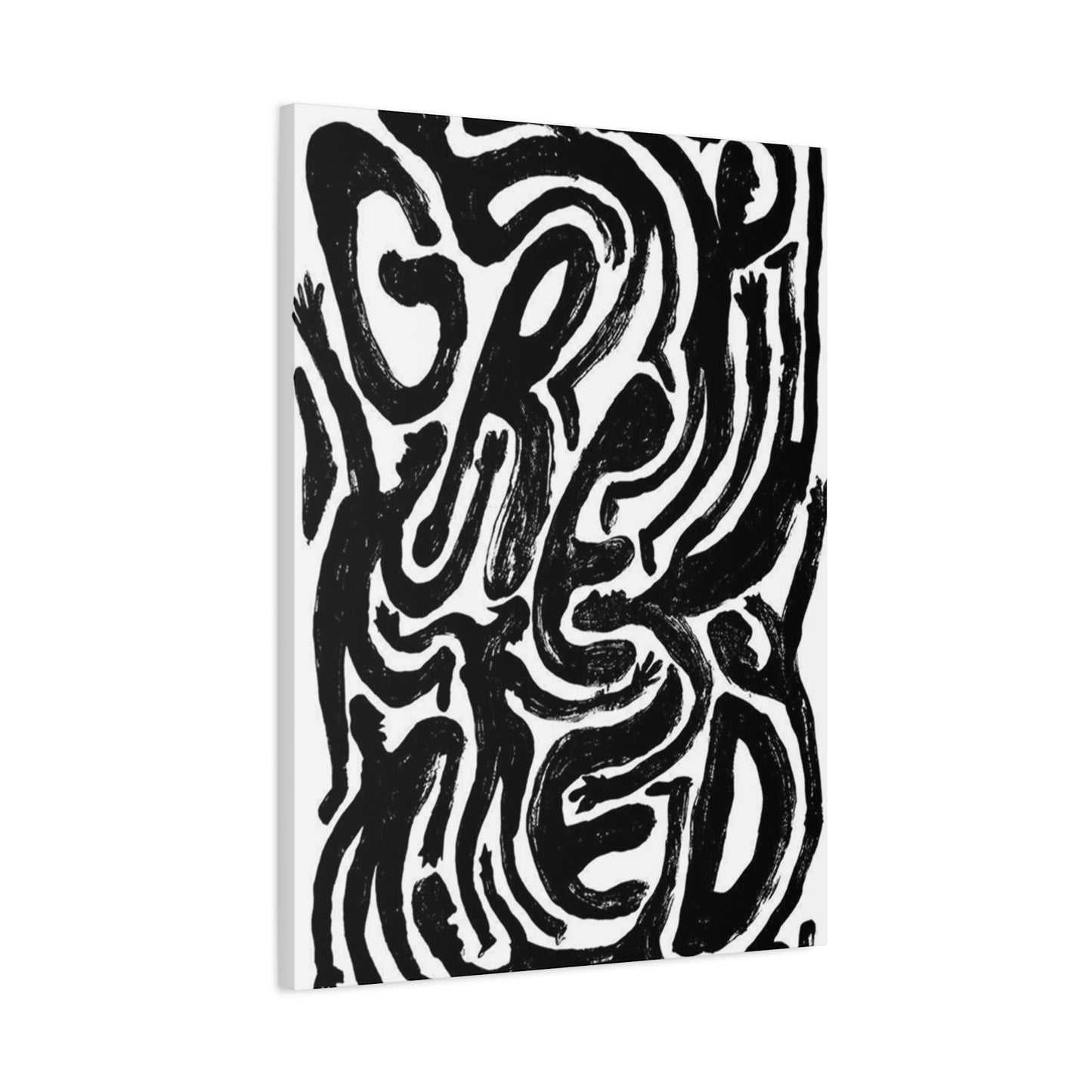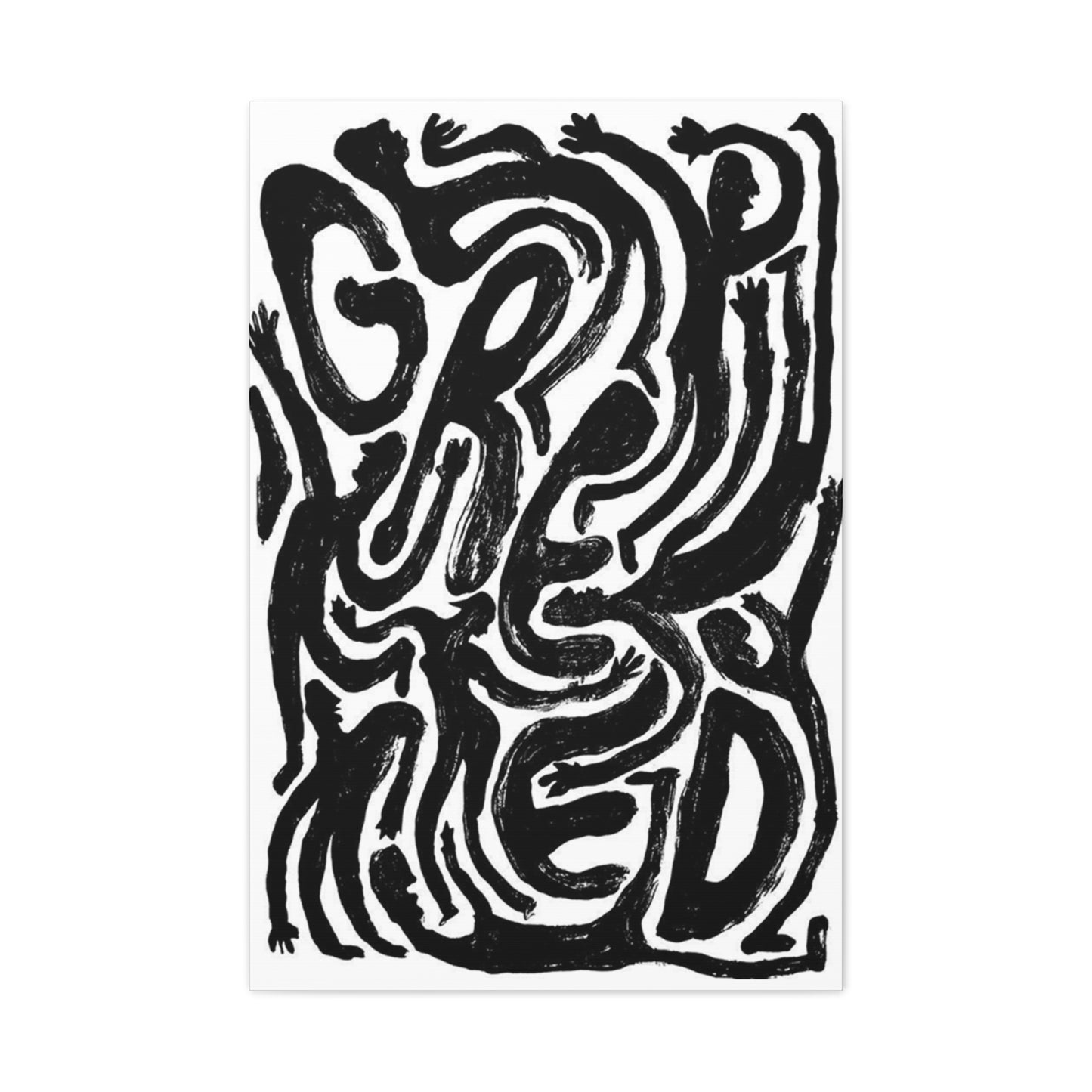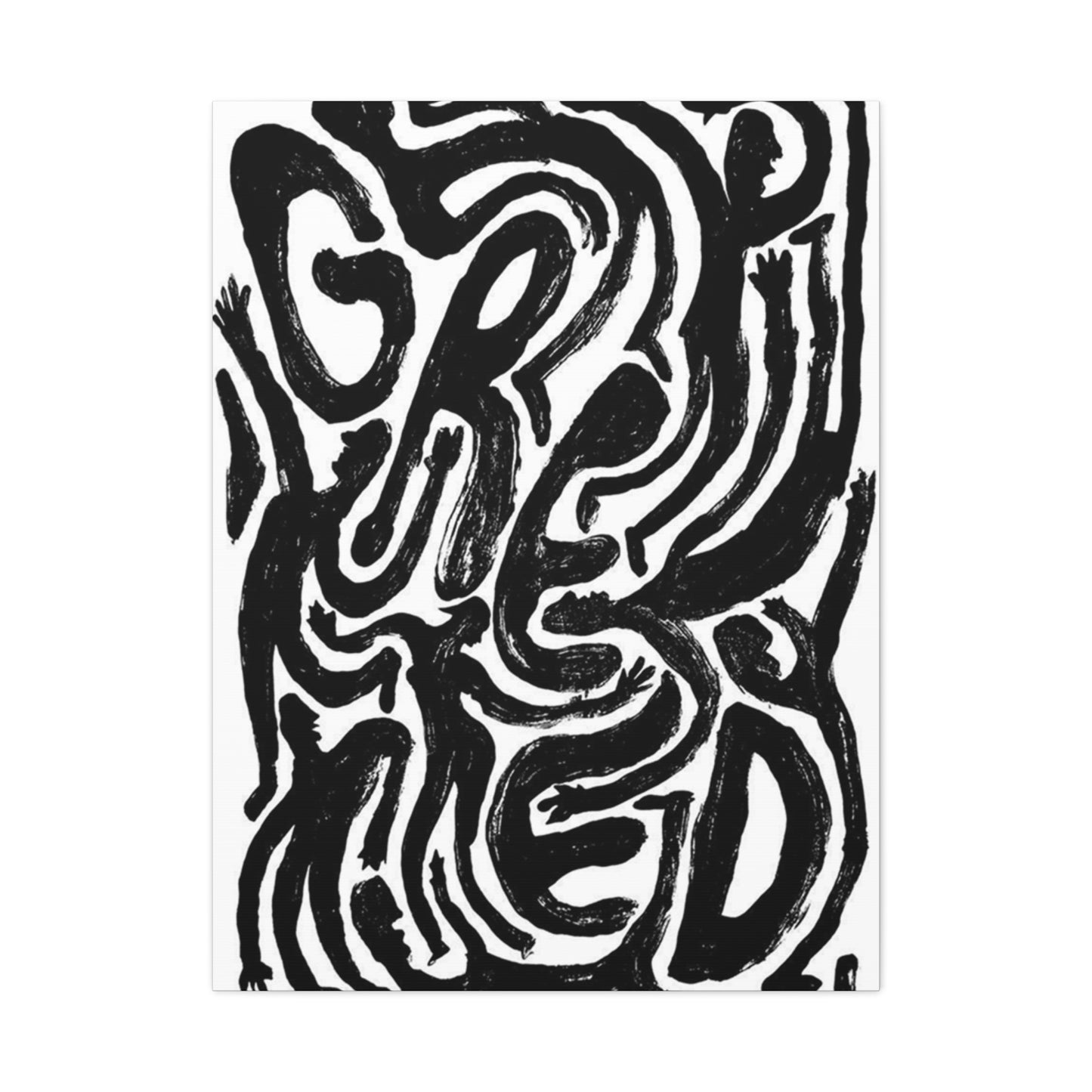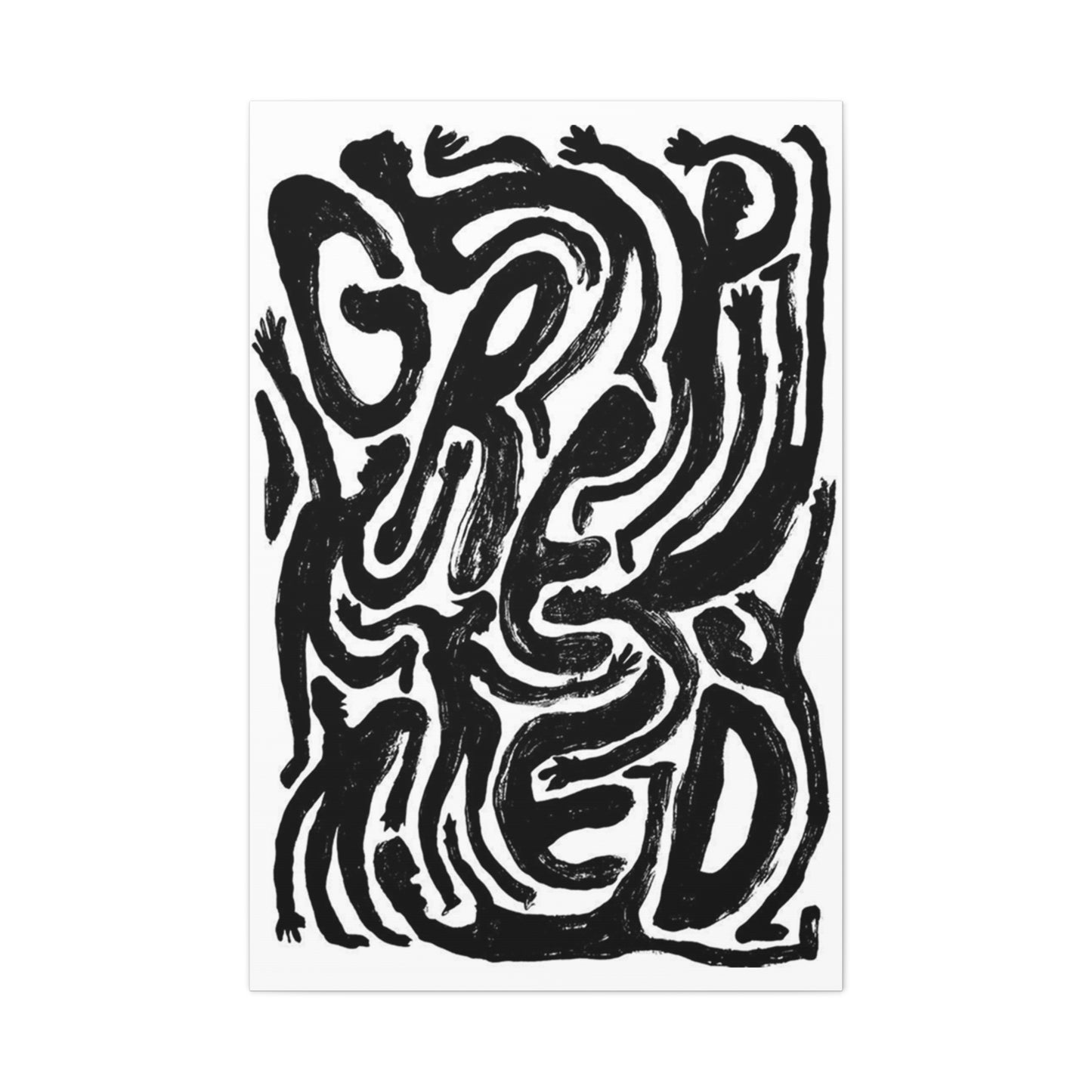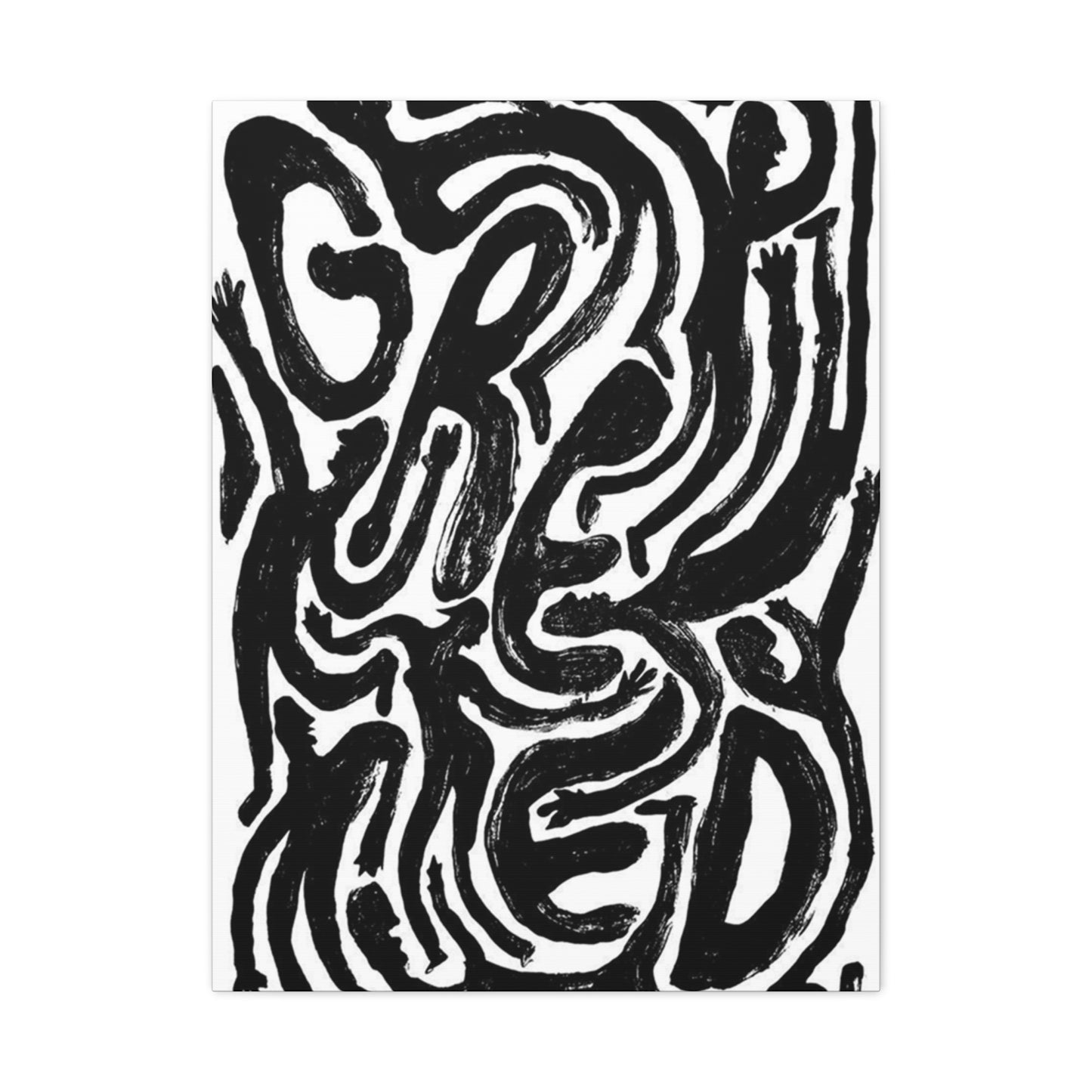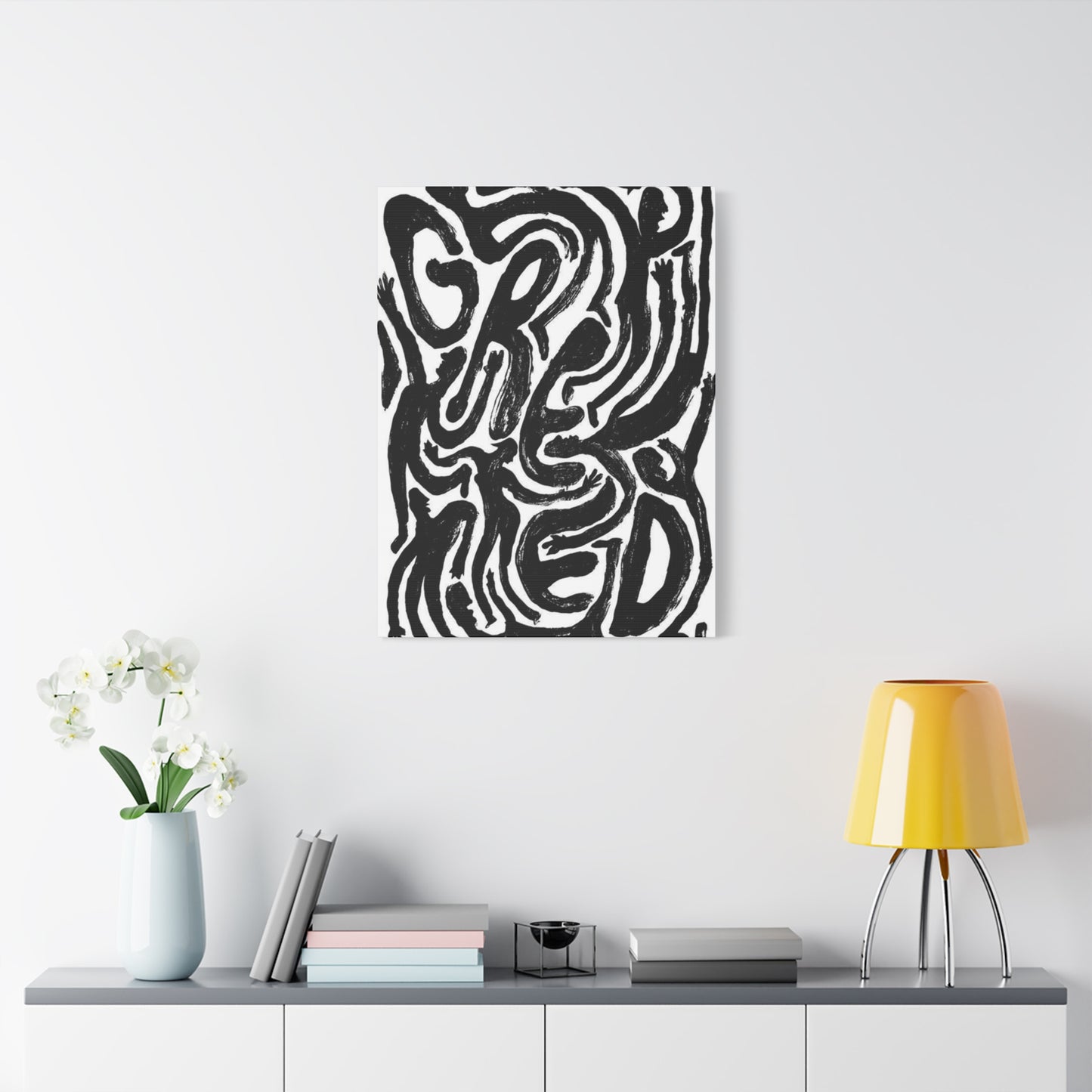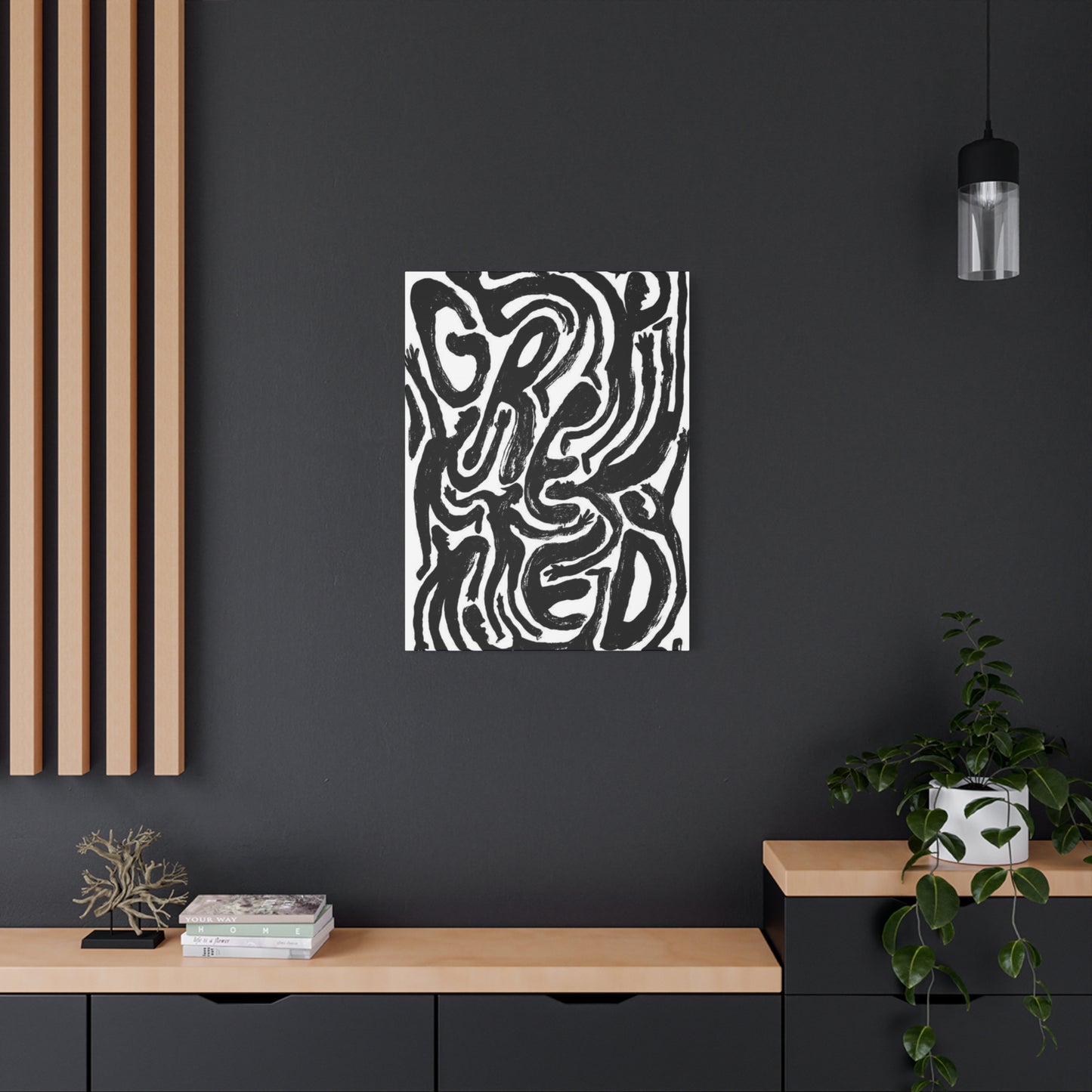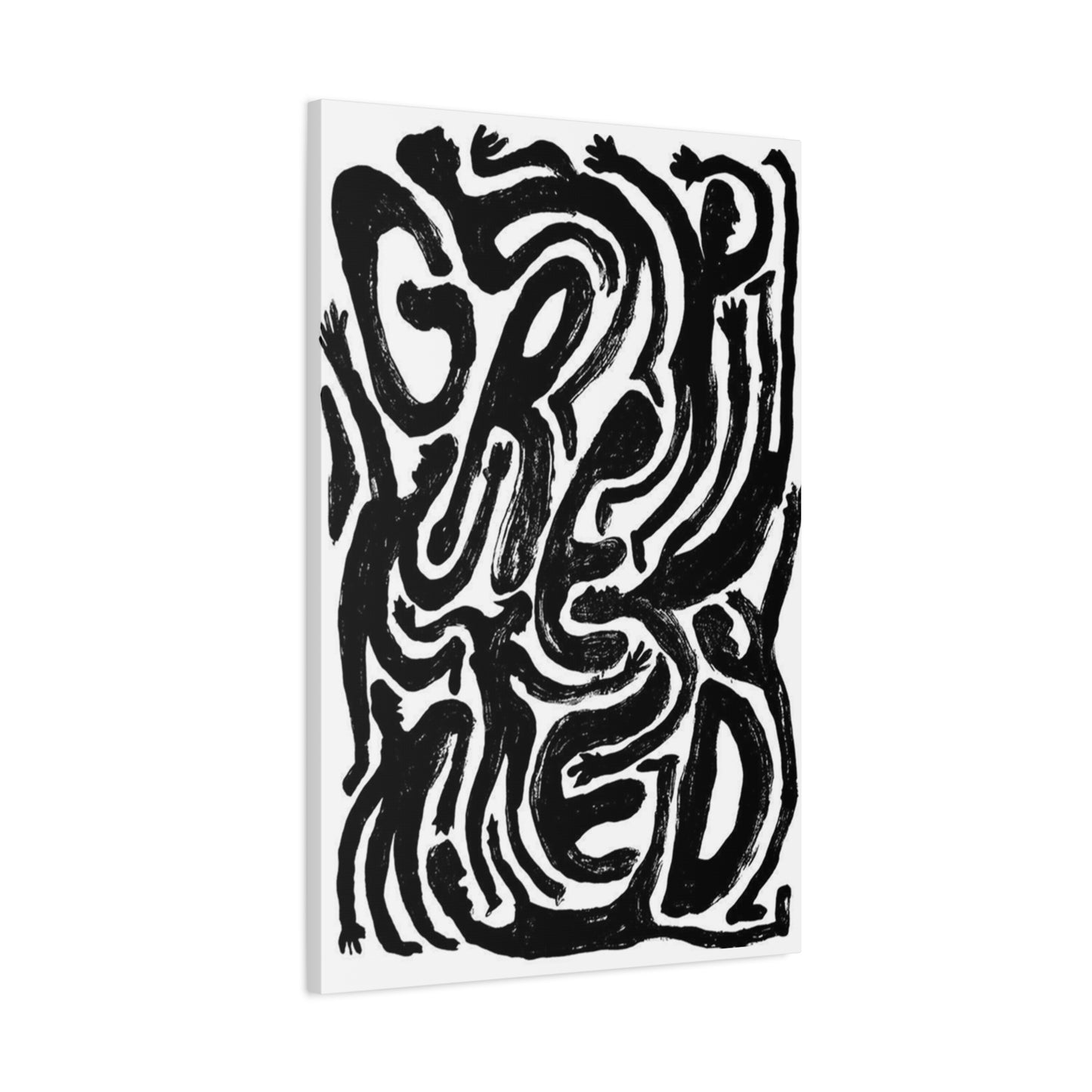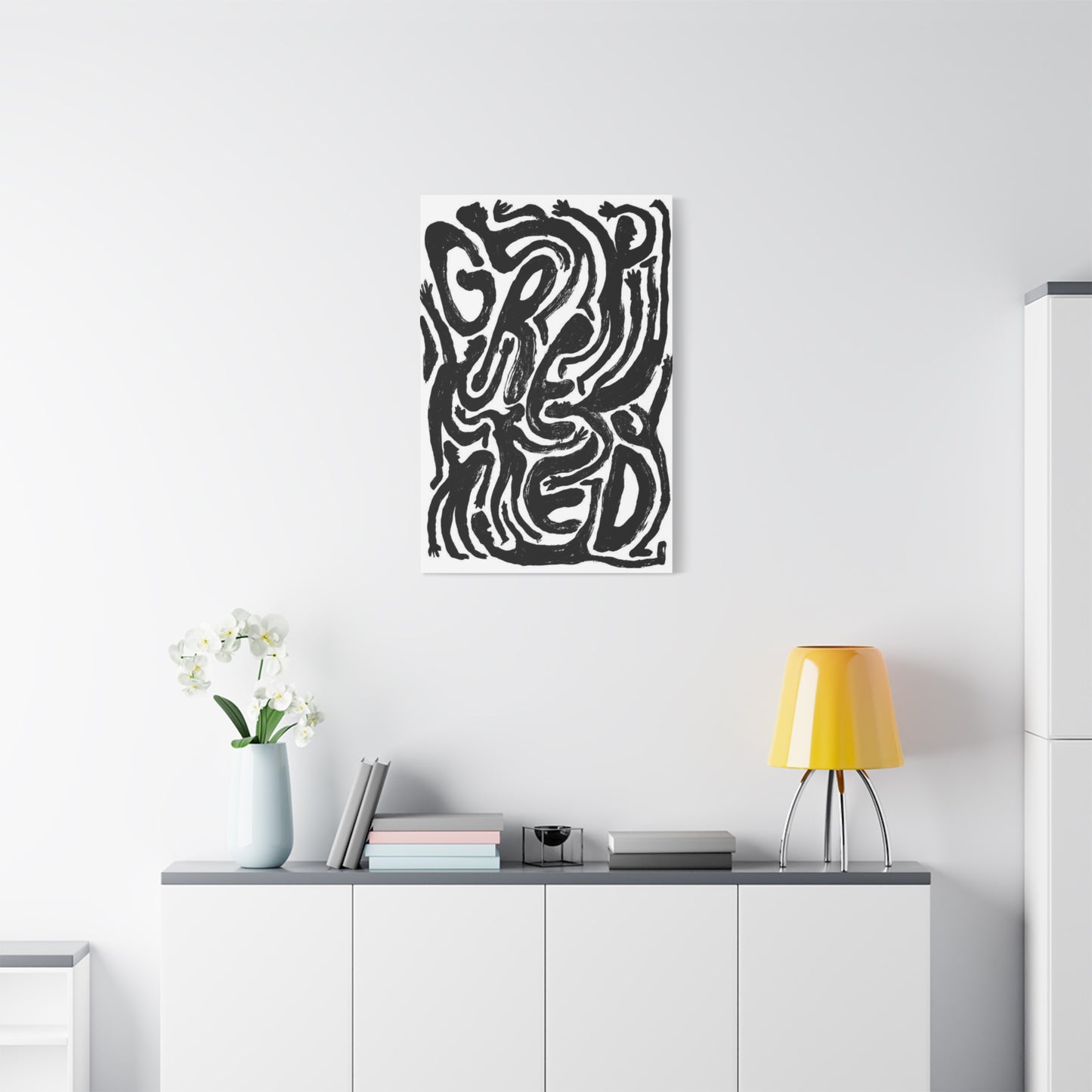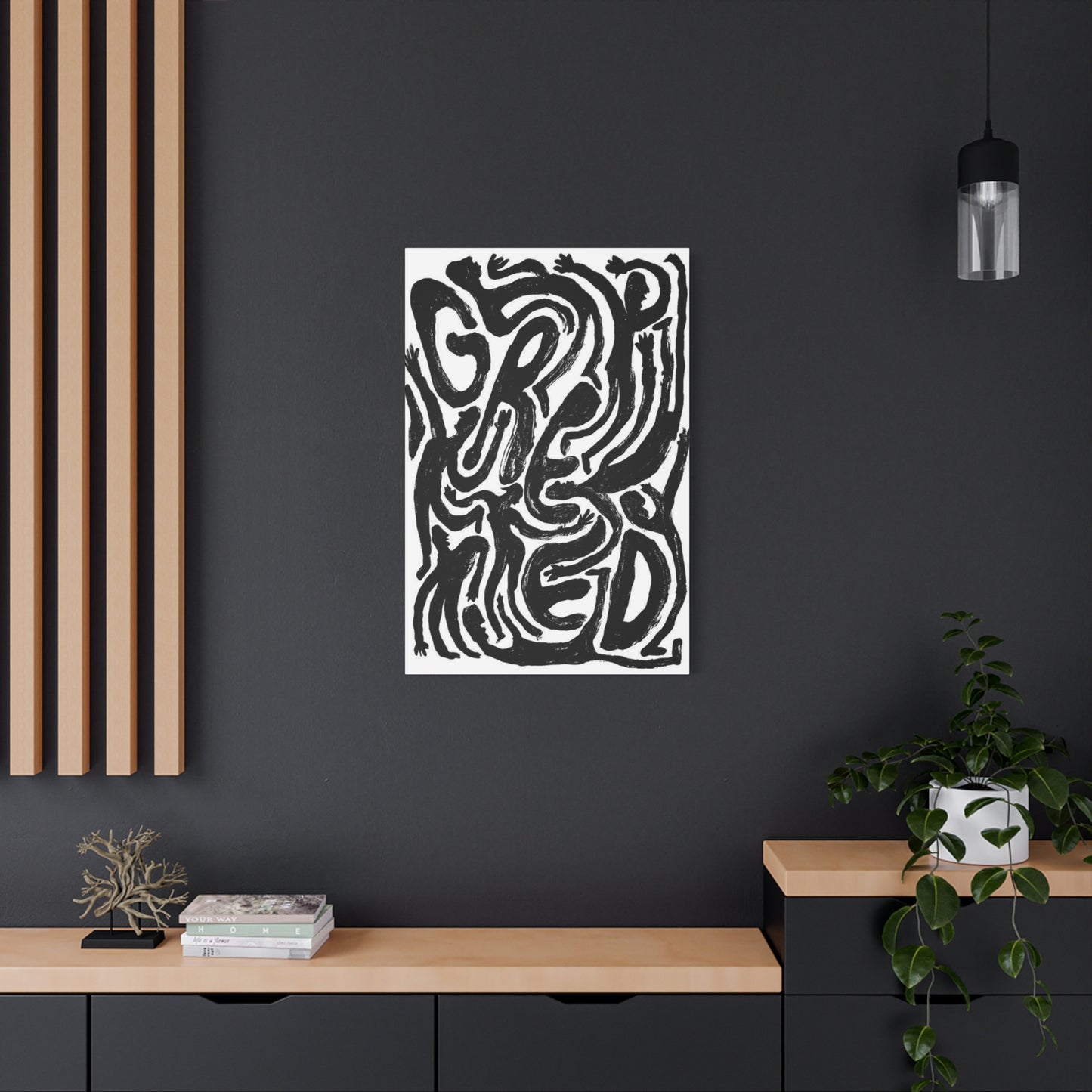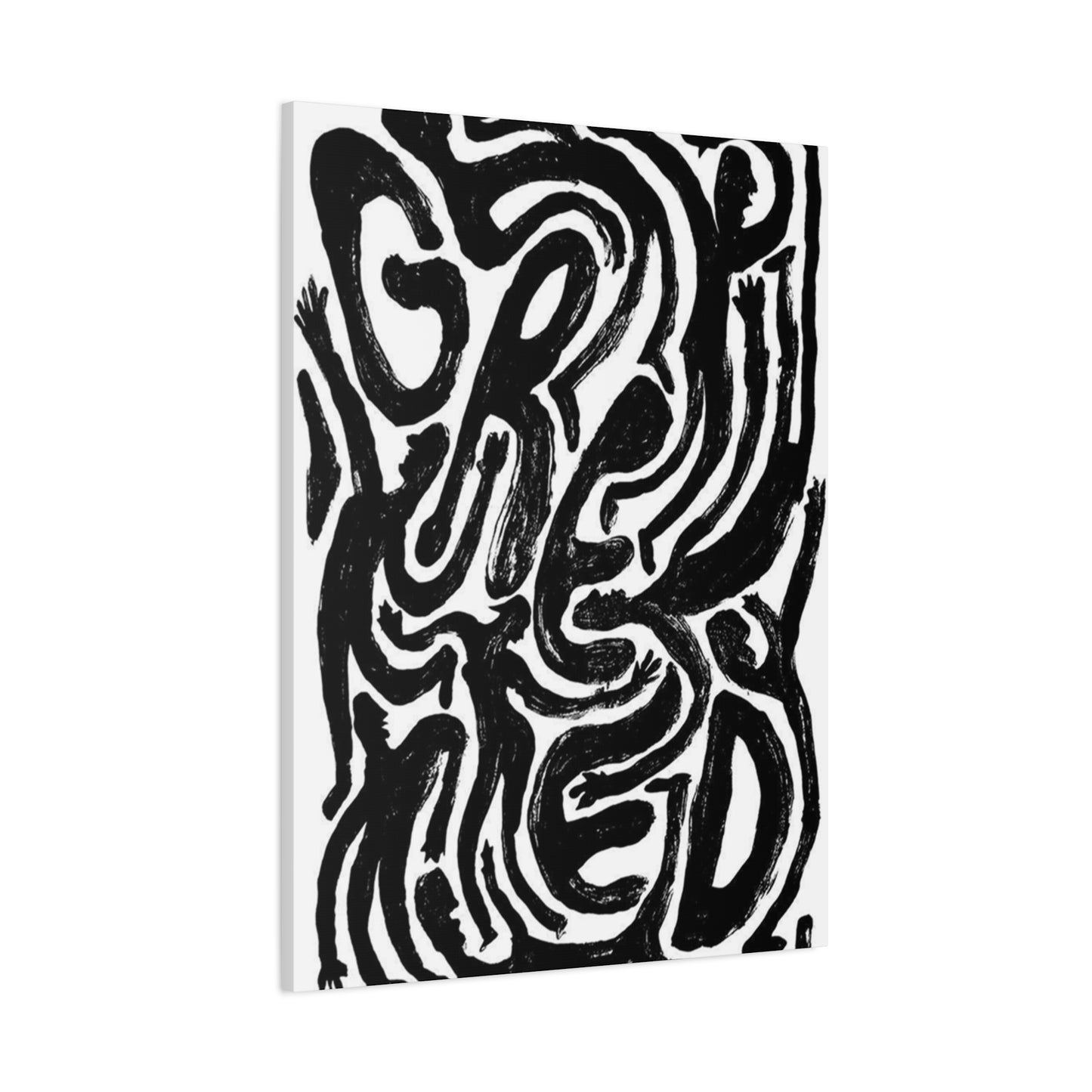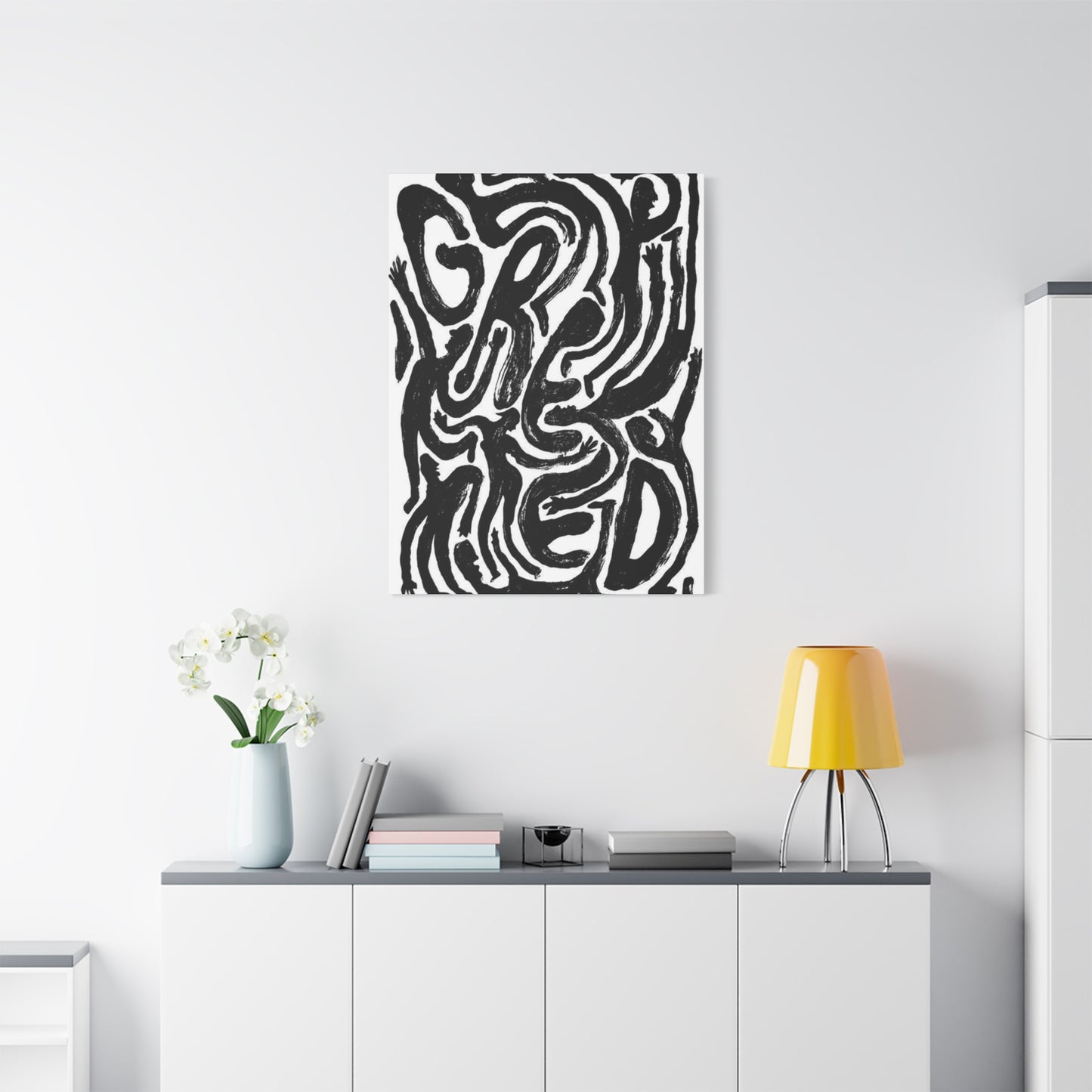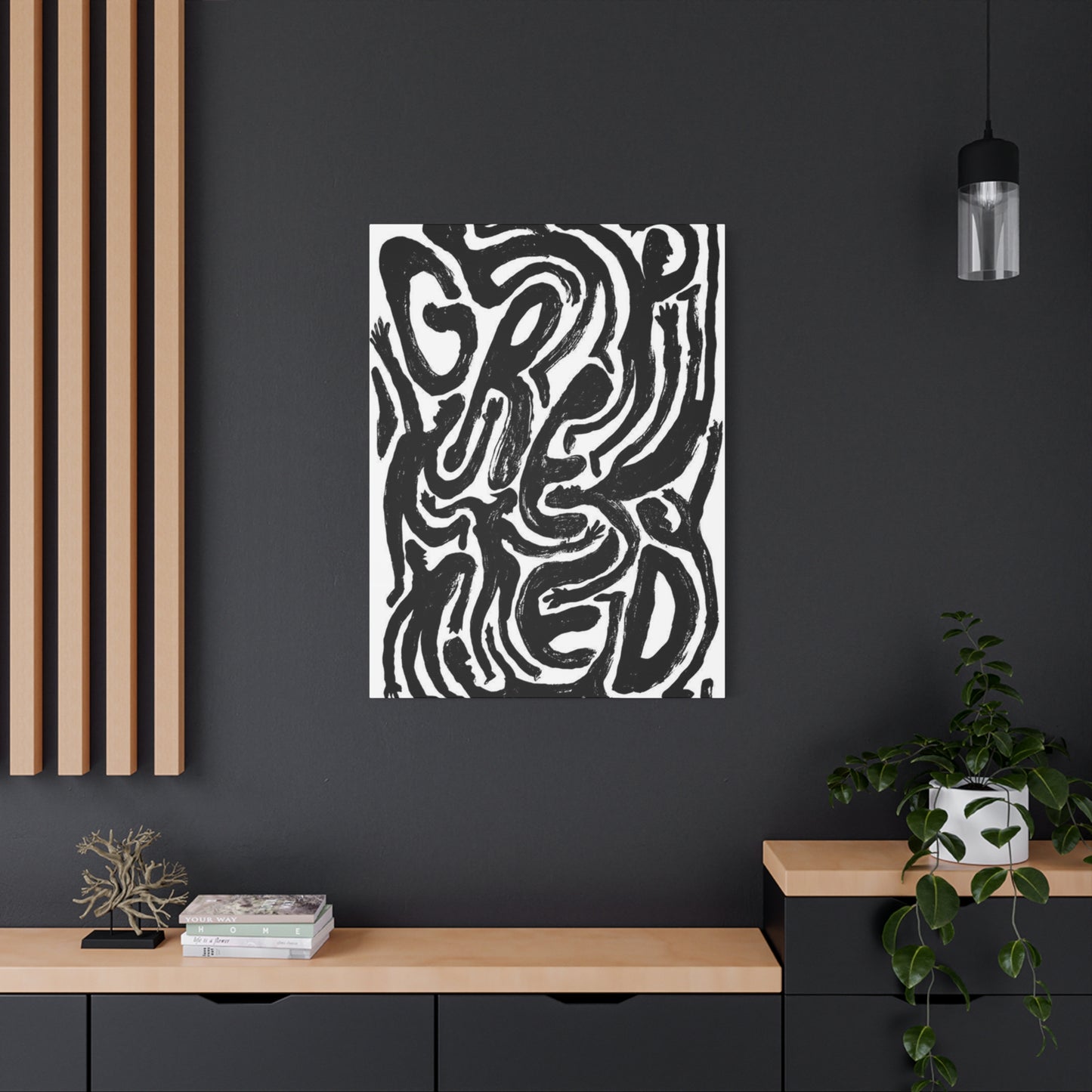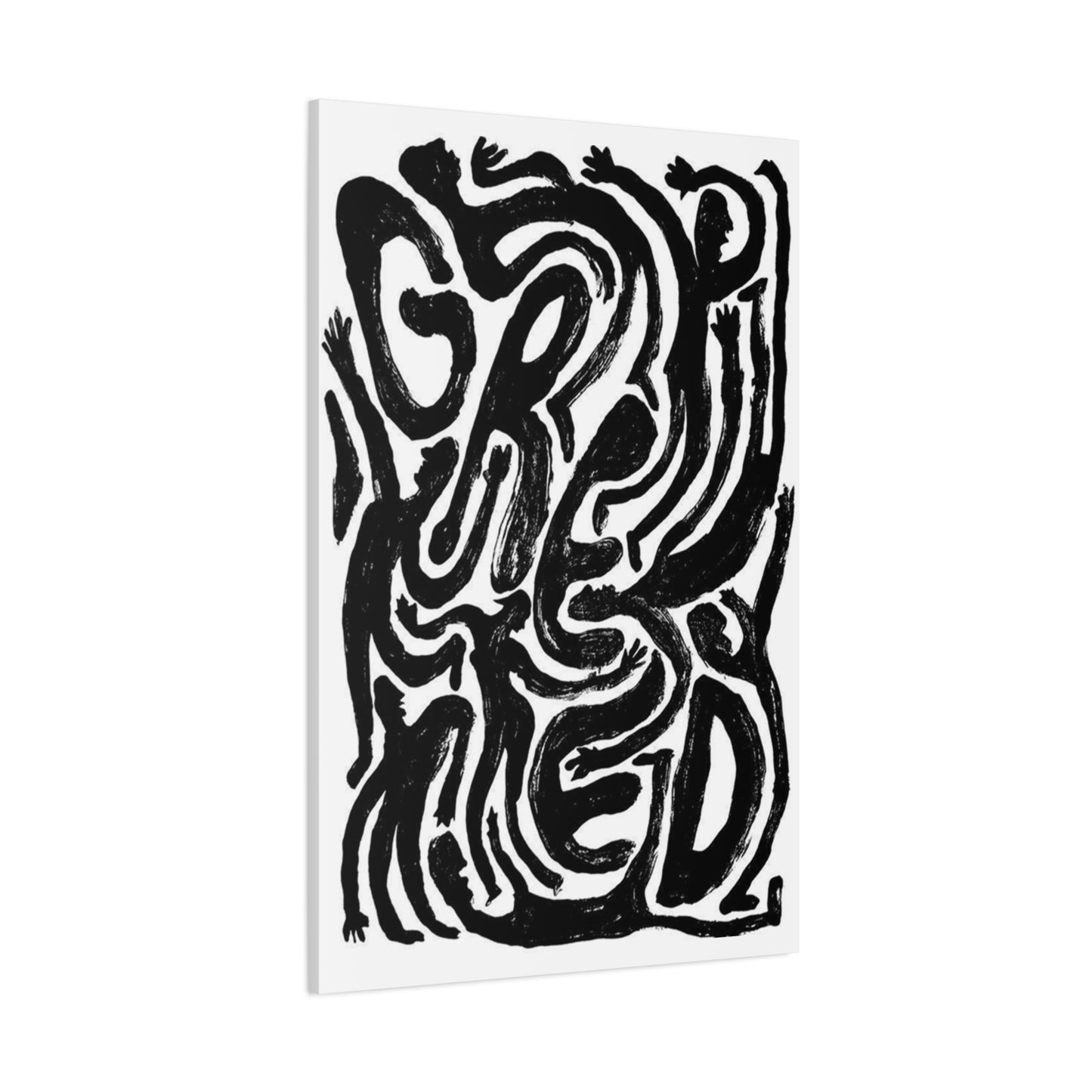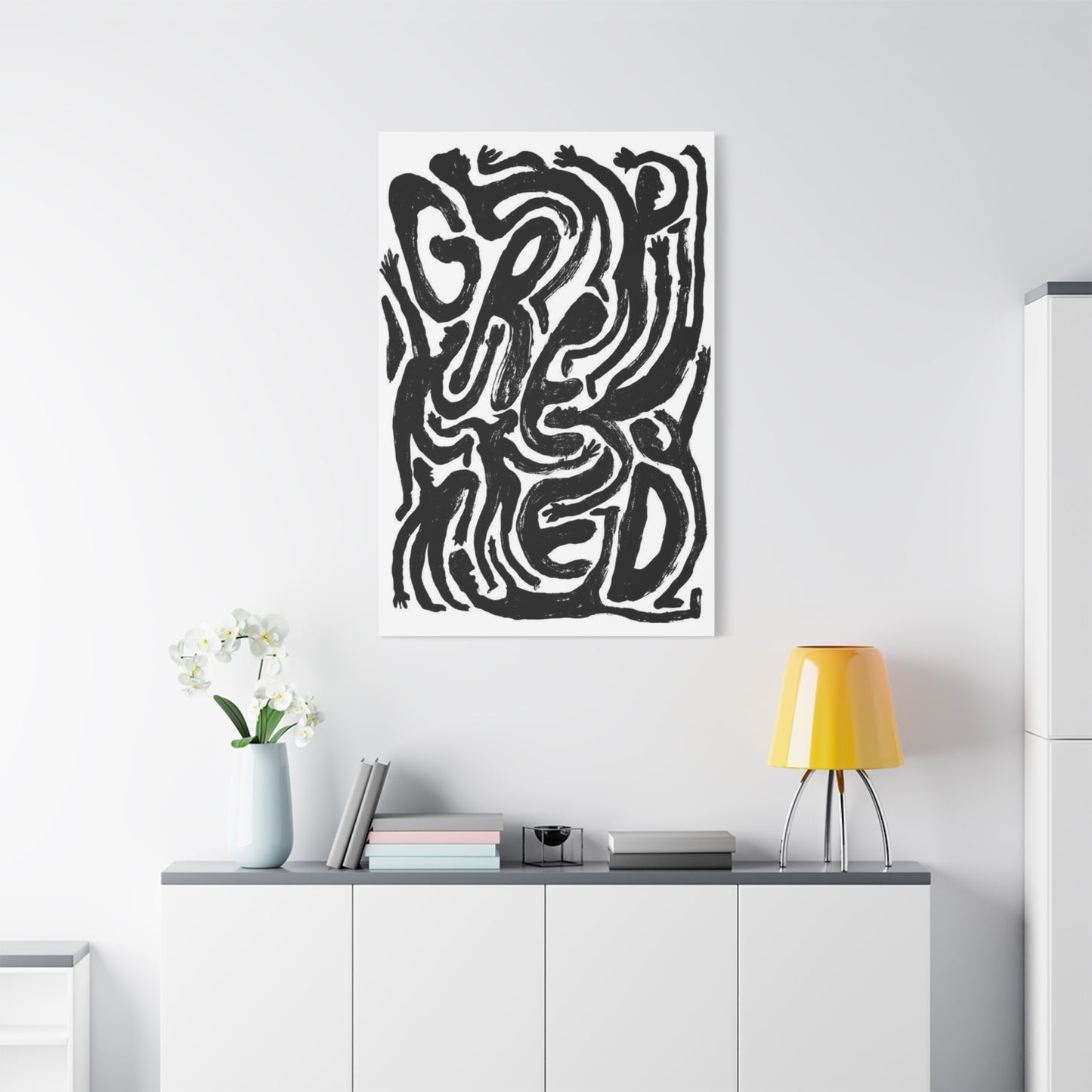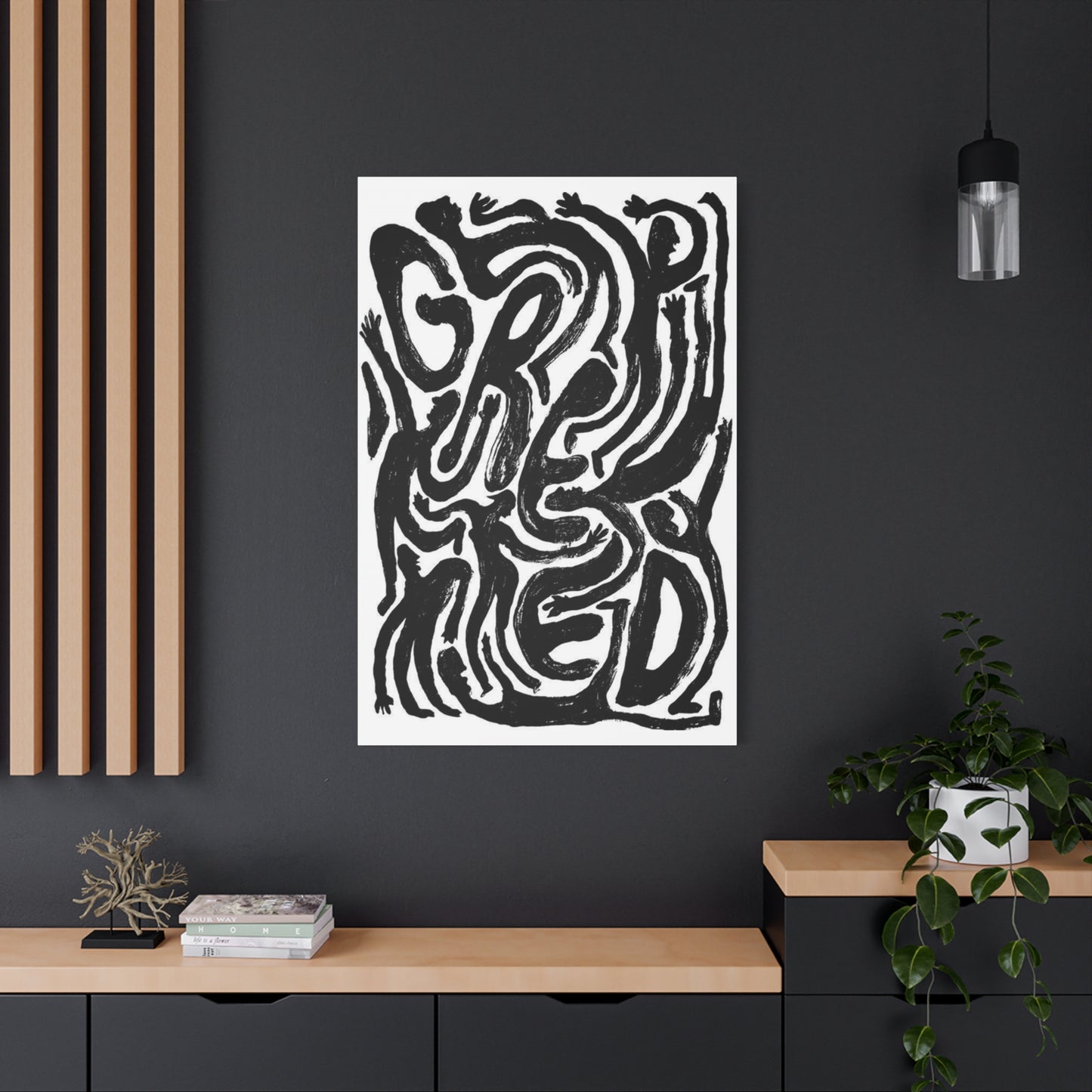


Black & White Greed Wall Art & Canvas Prints
Black & White Greed Wall Art & Canvas Prints
Couldn't load pickup availability
Breaking the Chains of Consumerism: Exploring Black & White Greed Wall Art and Its Bold Social Commentary
Black & White Greed Wall Art represents a fascinating intersection of minimalist aesthetics and profound social commentary. These striking monochromatic pieces capture the essence of human avarice, materialism, and insatiable desire through stark contrasts and bold imagery. The absence of color in these works paradoxically amplifies their emotional impact, forcing viewers to confront uncomfortable truths about contemporary society without the distraction of chromatic elements. Artists working in this genre deliberately strip away colorful embellishments to expose raw human emotions and societal critiques in their purest form.
The monochromatic palette serves multiple purposes beyond mere aesthetic choice. By limiting visual elements to black, white, and grayscale variations, creators direct viewer attention exclusively toward composition, symbolism, and thematic content. This reductionist approach mirrors the way excessive desire reduces complex human experiences to simple transactions and acquisitions. The stark binary of black and white reflects the polarizing nature of materialism in modern life, where individuals often find themselves caught between extremes of consumption and restraint.
Contemporary artists have embraced this visual vocabulary to explore themes that resonate deeply with audiences navigating consumer-driven societies. The imagery often features symbols universally associated with wealth, power, and accumulation: currency symbols, corporate logos, luxury items, and architectural monuments to capitalism. These elements appear rendered in dramatic chiaroscuro, creating visual tension that mirrors the psychological conflict experienced by individuals struggling with materialistic impulses versus more meaningful life pursuits.
Examining the Symbolic Representations That Define Contemporary Materialistic Imagery
The symbolic language employed in Black & White Greed Wall Art draws from centuries of artistic tradition while addressing distinctly modern concerns. Dollar signs, often rendered in elaborate typography or integrated into larger compositions, serve as universal shorthand for financial obsession. These symbols transcend linguistic barriers, communicating instantly across cultures about the global nature of monetary fixation. Artists manipulate these icons, distorting them, multiplying them, or placing them in unexpected contexts to critique their overwhelming presence in daily life.
Coins and currency notes appear frequently, sometimes meticulously detailed to showcase intricate engravings, other times abstracted into geometric patterns that suggest endless reproduction and circulation. The detailed rendering of paper money in monochrome reveals the artistic craftsmanship embedded in actual currency design, raising questions about the relationship between aesthetic beauty and monetary value. Some pieces feature cascading bills or overflowing treasure chests, visual metaphors for abundance that simultaneously suggest excess and waste.
Corporate skyscrapers and urban skylines dominate many compositions, their vertical lines suggesting both aspiration and imprisonment. These architectural elements represent institutional greed at massive scales, where individual desires aggregate into collective systems of accumulation. The glass and steel facades, when rendered in stark black and white, take on ominous qualities, transforming familiar cityscapes into monuments of unchecked ambition. Windows become vacant eyes staring outward, blind to human costs of relentless growth.
Human figures, when present, often appear as silhouettes engaged in endless pursuit, reaching toward unattainable objects or trapped within mazes of their own making. These shadow forms emphasize the dehumanizing aspects of excessive material pursuit, reducing individuals to generic shapes defined solely by their relationship to acquisition. Sometimes hands dominate the composition, grasping, clutching, or counting, becoming grotesque symbols of insatiability divorced from human faces or identities.
Analyzing the Cultural Commentary Embedded Within Monochromatic Artistic Expressions
Black & White Greed Wall Art functions as visual philosophy, offering critique without prescribing solutions. The artwork poses questions rather than providing answers, inviting viewers to examine their own relationships with material possessions and societal values. This interrogative approach distinguishes these pieces from simple moralistic statements, instead creating space for personal reflection and varied interpretations. The monochromatic presentation removes emotional manipulation through color psychology, allowing messages to communicate through form and content alone.
Many pieces incorporate textual elements—words, phrases, or entire passages integrated into visual compositions. These linguistic components might include advertising slogans twisted to reveal underlying manipulation, economic terminology presented in ways that expose its euphemistic nature, or philosophical quotations about wealth and happiness. The interplay between image and text creates layers of meaning, where visual and verbal elements comment upon and complicate each other.
Satire emerges as a dominant mode within this artistic movement, with creators employing irony, exaggeration, and juxtaposition to highlight absurdities in consumer behavior. A common approach involves presenting luxury items alongside symbols of poverty or environmental destruction, creating stark contrasts that reveal the true costs of opulence. These confrontational pairings force viewers to acknowledge connections they might prefer to ignore in daily life.
The gallery setting transforms these pieces into mirrors reflecting viewer psychology back upon itself. Observing artwork about materialism while standing in a commercial gallery space creates meta-commentary about the commodification of critique itself. Some artists intentionally embrace this paradox, pricing works at provocative amounts or creating limited editions that mimic scarcity marketing tactics, thereby highlighting the inescapability of market forces even within spaces supposedly dedicated to higher values.
Investigating the Historical Roots of Visual Critiques Concerning Material Excess
While Black & White Greed Wall Art appears distinctly contemporary, its thematic concerns echo throughout art history. Medieval morality paintings depicted Avaritia (Greed) as one of the seven deadly sins, often showing figures clutching money bags or sitting atop treasure hoards. These early works established visual conventions that persist today: the hunched posture of the miserly hoarder, the clutching hand, the pile of meaningless wealth. Renaissance artists explored similar themes, with figures like Hieronymus Bosch creating elaborate visions of humanity corrupted by material desire.
The Protestant Reformation intensified artistic engagement with themes of wealth and morality, as religious debates about proper relationships with material goods permeated culture. Dutch Golden Age painters created elaborate still life compositions featuring symbols of earthly vanity alongside reminders of mortality—skulls, extinguished candles, rotting fruit. These vanitas paintings communicated in visual language about the futility of material accumulation in face of inevitable death, messages that resonate strongly with contemporary concerns about meaningless consumption.
Satirical printmaking during the 18th and 19th centuries brought biting social commentary to wider audiences. Artists like William Hogarth created narrative sequences depicting the moral degradation accompanying financial speculation and conspicuous consumption. These works circulated broadly, democratizing access to critical perspectives on economic behavior. The black and white medium of printmaking established precedents for monochromatic social critique that continues influencing contemporary creators.
Early 20th century movements including Dadaism and Surrealism deployed visual strategies for questioning capitalist values and bourgeois pretensions. Artists incorporated found materials, commercial imagery, and absurdist juxtapositions to expose the irrationality underlying supposedly rational economic systems. These avant-garde movements pioneered many techniques visible in current Black & White Greed Wall Art, from collage methods to conceptual frameworks that prioritize idea over execution.
Exploring the Psychological Impact of Monochromatic Visual Statements on Viewer Experience
The human brain processes black and white imagery differently than color compositions, activating distinct neural pathways and emotional responses. Without chromatic information to categorize and interpret, viewers must engage more actively with formal elements like line, shape, texture, and composition. This cognitive demand creates more memorable experiences, as the brain works harder to extract meaning from limited visual data. Black & White Greed Wall Art exploits this neurological reality, embedding messages more deeply through enforced attentional focus.
Monochromatic presentations evoke nostalgia for earlier photographic and cinematic eras, lending gravitas and timelessness to contemporary subjects. Viewers unconsciously associate black and white imagery with documentary authenticity and historical significance, transferring these qualities onto depicted content. Artists leverage these associations, presenting critiques of current phenomena with the weight of established fact rather than mere opinion.
The absence of color also strips away potential distractions and pleasant aesthetics that might soften critical messages. Greed appears stark and ugly when rendered in harsh contrasts without beautifying chromatic elements. This uncompromising presentation forces viewers to confront uncomfortable realities without the cushioning effect of appealing palettes. The visual discomfort mirrors the ethical discomfort the artwork aims to provoke.
Dramatic lighting effects achievable through monochromatic rendering—deep shadows, brilliant highlights, subtle gradations—create emotional atmospheres ranging from ominous to revelatory. These tonal variations guide viewer attention, emphasize particular elements, and establish mood without a single hue. The chiaroscuro techniques borrowed from Old Master paintings lend classical dignity to contemporary commentary, suggesting continuity of human failings across centuries.
Investigating Various Stylistic Approaches Within Monochromatic Social Commentary Art
Photorealistic rendering represents one major stylistic category, with artists meticulously reproducing textures, reflections, and details that rival photographic precision. This hyperrealism serves multiple functions: demonstrating technical mastery, creating uncanny recognizability, and establishing credibility for the depicted critique. When symbols of excess appear rendered with painstaking accuracy, viewers cannot dismiss them as cartoonish exaggerations but must acknowledge their basis in observable reality.
Abstract expressionism offers contrasting approaches, with gestural marks, drips, and spontaneous compositions suggesting the chaos and irrationality of uncontrolled desire. These works communicate through emotional impact rather than representational accuracy, evoking feelings of anxiety, compulsion, and overwhelm that accompany materialistic obsession. The viewer experiences the psychology of greed viscerally rather than intellectually.
Graphic design aesthetics influence another significant category, with bold shapes, high contrast, and compositional strategies borrowed from advertising and propaganda. These works speak the visual language of commercial culture, subverting familiar forms to deliver anti-commercial messages. The ironic deployment of marketing techniques against marketing itself creates sophisticated commentary about how consumer culture colonizes even oppositional spaces.
Collage and mixed media approaches combine photographic elements, text, textured materials, and drawing to create complex, layered compositions. These assemblages mirror the fragmented, overwhelming nature of contemporary information environments where commercial messages bombard consciousness from multiple directions simultaneously. The visual cacophony reflects the mental state of individuals navigating consumer culture's constant demands.
Minimalist approaches reduce compositions to essential elements—a single symbol, a solitary figure, stark geometry—creating powerful statements through restraint. This visual economy suggests that commentary about excess need not itself be excessive. The breathing room in minimalist compositions allows contemplation, providing visual silence against the noise of consumer culture.
Examining Notable Creators Working Within This Monochromatic Commentary Genre
Numerous contemporary artists have built significant bodies of work exploring themes of material desire through monochromatic imagery. Their diverse approaches demonstrate the richness of possibilities within this seemingly restricted palette. Some creators focus on intimate scales, producing pieces suitable for residential spaces that bring critical perspectives into daily domestic life. Others work monumentally, creating immersive installations or public murals that command attention in shared spaces.
Street artists have embraced these themes, using urban environments as canvases for commentary about the cities themselves. Building facades become grounds for depicting the economic forces shaping architectural development. Abandoned structures receive treatments that memorialize displaced communities or critique real estate speculation. The impermanence of street art, subject to removal, weathering, and overpainting, mirrors the transience of material accumulation despite its appearance of solidity.
Digital artists contribute to this genre through computer-generated imagery, algorithmic compositions, and new media installations. These creators explore how greed manifests in virtual realms—cryptocurrency speculation, digital marketplaces, social media monetization. Their monochromatic works reveal that materialism persists regardless of whether coveted objects exist physically or digitally. The black and white palette becomes especially pointed when applied to screens and interfaces typically showcasing full spectrum color.
Printmakers continue traditions of social commentary through limited edition runs that balance artistic integrity with commercial viability. The reproducibility inherent to printmaking processes raises questions about originality, authenticity, and value that directly relate to themes of material culture. Each numbered print becomes both critique of and participant in systems of scarcity-based valuation.
Sculptors and installation artists translate these themes into three-dimensional space, creating objects and environments that viewers physically navigate. Walking through installations constructed from currency-shaped elements or architectural models of financial districts provides embodied experiences of the concepts depicted in two-dimensional works. The materiality of sculpture—its weight, substance, and spatial presence—creates ironic commentary when used to critique materialism itself.
Analyzing the Role of Symbolism in Communicating Complex Themes Through Visual Shorthand
Visual symbols function as concentrated meaning, communicating complex ideas instantaneously without requiring verbal explanation. Black & White Greed Wall Art relies heavily on symbolic language to transcend cultural and linguistic boundaries. The dollar sign, recognized globally regardless of local currency, serves as universal emblem of money's centrality in contemporary life. Artists manipulate this symbol endlessly, rendering it in countless variations that explore different facets of financial obsession.
Scales and balance beams appear frequently, referencing both commercial weighing of goods and metaphorical weighing of values. When depicted tilted heavily toward material goods while spiritual or ethical concerns rise weightlessly, these symbols communicate moral imbalance immediately. The simplicity of the image belies sophisticated commentary about priority systems and value hierarchies.
Chains and cages symbolize the imprisonment caused by material attachment, with figures shown literally shackled to possessions or trapped within gilded cells. These blunt metaphors effectively communicate how accumulation, rather than providing freedom as promised, creates new forms of bondage. The monochromatic rendering of these restraints makes them appear particularly heavy and inescapable.
Empty vessels—cups, bowls, bags with holes—represent the inability of material goods to provide lasting satisfaction. These containers drain as quickly as filled, visualizing the hedonic treadmill where each acquisition provides only temporary pleasure before requiring replacement. The futility of trying to fill bottomless vessels mirrors the futility of seeking fulfillment through consumption.
Mirrors and reflective surfaces frequently appear, inviting viewers to see themselves implicated in depicted behaviors. These reflective elements break the fourth wall, transforming passive observation into active self-examination. The monochromatic treatment of reflections creates ghostly, unsettling self-images that suggest how materialism distorts identity and self-perception.
Investigating How These Artworks Function Within Different Display Contexts and Environments
The context surrounding Black & White Greed Wall Art significantly influences how viewers interpret and receive its messages. In gallery settings, these works benefit from focused attention, controlled lighting, and the expectation that visitors will engage thoughtfully with challenging content. Gallery walls provide neutral backgrounds that allow monochromatic pieces to dominate visually without competing against colorful surroundings. The institutional validation of gallery display lends credibility to artistic critiques.
Corporate offices present fascinatingly contradictory contexts for displaying artwork about greed. When businesses hang such pieces in reception areas or conference rooms, multiple interpretations become possible. Do the artworks represent corporate self-awareness and willingness to question capitalist assumptions? Or do they function as inoculation, allowing companies to acknowledge critique without changing behavior? The presence of anti-materialistic art in spaces dedicated to profit generation creates productive tension.
Residential display transforms these works into daily companions, bringing critical perspectives into private life. Living with Black & White Greed Wall Art maintains ongoing dialogue between domestic space—where consumer goods accumulate—and philosophical questioning of that accumulation. The monochromatic pieces provide visual counterbalance to the colorful products, packaging, and advertising that otherwise dominate home environments.
Public installations reach audiences who might never enter galleries, democratizing access to artistic commentary. Murals on building exteriors, projections onto civic structures, or sculptures in plazas bring these themes into shared space where diverse populations encounter them. The scale possible in public contexts allows for monumental statements that command attention even from distracted passersby.
Digital display through screens introduces unique considerations, as artwork about materialism appears through devices central to contemporary consumer culture. The irony of viewing anti-commercial art on smartphones or computers used primarily for shopping and social media consumption creates meta-commentary. The ease of sharing digital images democratizes access while also raising questions about devaluation through infinite reproducibility.
Exploring the Compositional Strategies That Maximize Visual Impact in Monochromatic Works
Successful Black & White Greed Wall Art employs sophisticated compositional techniques to guide viewer attention and reinforce thematic content. The rule of thirds provides foundational structure, positioning key elements at intersection points where human eyes naturally gravitate. However, skilled artists know when to violate this rule, centering subjects to create confrontational directness or pushing elements to edges to suggest overabundance threatening to spill beyond frame boundaries.
Leading lines direct the eye through compositions, establishing visual pathways that mirror conceptual journeys. Lines might converge on symbols of wealth positioned as vanishing points, suggesting how material desire becomes singular focus that makes peripheral concerns invisible. Alternatively, lines might lead away from material objects toward empty space, proposing escape routes from consumer culture's gravitational pull.
Positive and negative space relationships gain particular importance in monochromatic work. The interplay between figure and ground, subject and absence, creates dynamic tension. Clever use of negative space can render it equally important as depicted subjects, suggesting the voids that material accumulation fails to fill. Silhouettes exploit this relationship, showing figures defined by absence rather than presence.
Symmetry and asymmetry serve different rhetorical purposes. Symmetrical compositions suggest stability, order, and inevitability—appropriate for depicting systems and institutions that present themselves as permanent fixtures. Asymmetrical arrangements create visual instability that mirrors the precariousness of economic systems and the anxiety of consumer culture participants.
Repetition and pattern creation emphasize the mechanical, dehumanizing aspects of mass production and consumption. When symbols repeat across compositions in grid formations or rhythmic sequences, they suggest automation, mass manufacture, and the reduction of individuals to interchangeable consumers. The hypnotic quality of pattern can seduce viewers before critical content registers consciously.
Examining the Relationship Between Subject Matter and Monochromatic Rendering Choices
The decision to present particular subjects in black and white rather than color carries specific implications. Currency rendered monochromatically loses the distinguishing features of different national bills—their characteristic colors—becoming universalized. This stripping of local identity suggests money's role as universal language that transcends borders and cultures, for better or worse.
Luxury goods shown without color lose some of their seductive appeal. Fashion items, jewelry, and consumer electronics typically rely on chromatic beauty to attract consumers. Removing color reveals underlying forms, sometimes exposing how objects of desire are less impressive than marketing suggests. The monochromatic treatment deflates manufactured allure.
Natural elements—trees, water, earth—when depicted in compositions alongside symbols of greed, appear mournful in black and white. The absence of living color suggests environmental death or degradation caused by extractive economic practices. These ecological elements become ghosts haunting compositions otherwise focused on human behaviors.
Human faces and bodies take on particular power when rendered monochromatically. Expressions become more legible without chromatic distraction, while skin tones equalize, emphasizing shared humanity across racial categories. This universalizing effect reinforces messages about greed as common human failing rather than characteristic of particular groups.
Architectural subjects—buildings, cities, monuments—gain dramatic presence through stark lighting and tonal contrast. The play of light across surfaces reveals or conceals details, suggesting transparency or opacity in institutions. The timeless quality of black and white architectural photography lends gravitas to critiques of contemporary economic structures.
Investigating the Market Paradoxes Surrounding Art That Critiques Materialism
Black & White Greed Wall Art exists in fascinating tension with art market economics. Pieces critiquing materialism become commodities themselves, bought and sold like any other goods. This paradox raises questions about whether critical art can exist outside systems it critiques or whether commodification neutralizes oppositional content. Some argue that market participation undermines anti-materialist messages; others contend that artists must work within existing systems to reach audiences and sustain practices.
Pricing strategies become particularly fraught. Setting high prices for artwork about greed risks accusations of hypocrisy, yet underpricing devalues artistic labor and suggests critical content lacks worth. Some artists address these tensions directly, creating pricing structures that comment on market absurdities—sliding scales based on purchaser wealth, prices that increase or decrease based on exhibition context, or refusal to sell work at all.
The rise of NFTs and digital marketplaces introduces new dimensions to these paradoxes. Digital versions of Black & White Greed Wall Art circulate freely online while tokenized versions sell for substantial sums, raising questions about artificial scarcity in realms of infinite reproducibility. The environmental costs of blockchain transactions add another layer of irony when applied to artwork with ecological consciousness.
Collectors of this genre might be genuinely engaged with critical content or might purchase pieces as status symbols demonstrating cultural sophistication. The collector's motivations remain invisible once artwork enters private collections, creating interpretive uncertainty. Does owning critical art indicate self-awareness or simply represent another form of conspicuous consumption?
Gallery representation and artist career building depend on commercial success, creating pressure to produce work that sells even while critiquing selling itself. Artists navigate these pressures differently—some embrace contradictions as conceptual elements, others seek alternative distribution models, still others separate commercial practice from critical engagement.
Analyzing the Influence of Graphic Novels and Sequential Art on Contemporary Visual Commentary
Comic books and graphic novels have established sophisticated visual vocabularies for social critique that influence Black & White Greed Wall Art. The bold contrasts and dynamic compositions of comic art translate effectively to monochromatic presentation. Many artists working in this genre acknowledge debts to sequential art traditions, borrowing panel structures, dramatic angles, and stylized rendering techniques.
Noir graphic novels particularly resonate, with their morally ambiguous characters, shadowy aesthetics, and urban settings. The noir sensibility—where everyone is complicit, nobody is innocent, and systems corrupt individuals—aligns well with nuanced perspectives on materialism that resist simple moralizing. The visual language of noir, all venetian blind shadows and rain-slicked streets, provides ready-made iconography for depicting the dark side of economic life.
Superhero comics offer another point of reference, with their larger-than-life characters and apocalyptic stakes. Some Black & White Greed Wall Art recasts corporate executives as supervillains, complete with dramatic poses and ominous backdrops. This treatment satirizes the cult of CEO personality while acknowledging the genuine power wielded by economic actors.
Underground comix traditions of the 1960s and 70s pioneered transgressive visual commentary on consumer culture, using crude drawings and offensive content to assault bourgeois sensibilities. While contemporary work typically employs more refined aesthetics, it inherits the underground's willingness to provoke and disturb. The DIY ethos of underground comix also influences approaches to production and distribution.
Manga and international comic traditions contribute visual strategies developed in different cultural contexts. The distinctive linework, compositional approaches, and symbolic vocabularies of Japanese, French, or Latin American comics offer alternatives to Western conventions, expanding the visual possibilities available to artists creating commentary through monochromatic imagery.
Exploring How These Artworks Engage with Philosophical Traditions Questioning Material Pursuit
Black & White Greed Wall Art visualizes philosophical positions with ancient roots. Buddhist teachings about attachment and suffering find expression in images of figures shackled to possessions. The concept that craving causes unhappiness—core to Buddhist philosophy—translates readily into visual metaphors of pursuit, grasping, and dissatisfaction. The monochromatic palette itself suggests the middle way between extremes.
Stoic philosophy's emphasis on controlling responses rather than external circumstances appears in compositions showing calm figures amid chaotic symbols of wealth. These works propose that freedom comes not from accumulation or renunciation but from detachment from outcomes. The visual restraint of black and white mirrors Stoic emotional restraint.
Existentialist concerns about authenticity versus bad faith manifest in artworks contrasting superficial material success with underlying emptiness or anxiety. The visual language of alienation—isolated figures, faceless crowds, fragmentary compositions—communicates existentialist themes about modern life's meaninglessness when organized around consumption rather than genuine choices and commitments.
Marxist critiques of capitalism, commodity fetishism, and false consciousness inform artworks depicting how economic systems shape consciousness and relationships. Visual metaphors of workers reduced to cogs in machines or consumers hypnotized by advertising translate theoretical concepts into accessible imagery. The black and white presentation suggests binary class divisions and exploitation.
Religious traditions across cultures have questioned material attachment while proposing alternative values. Christian teachings about camels, needles, and heaven; Islamic concepts of zakat and communal responsibility; Indigenous perspectives on reciprocity and gift economies—all find visual expression in contemporary artwork. The universal human struggle to balance material needs with higher aspirations provides endless subject matter.
Investigating Technical Approaches to Creating Black and White Imagery Across Different Media
Traditional drawing media—charcoal, graphite, ink—offer direct pathways to monochromatic expression. Charcoal's rich blacks and subtle gradations create atmospheric effects and dramatic contrasts. Artists working in charcoal often embrace its messiness, allowing smudges and irregular marks that suggest the chaotic, uncontrolled nature of materialistic impulses. Graphite provides more precise control, enabling detailed rendering suitable for hyperrealistic approaches.
Ink drawing, whether with brushes or pens, emphasizes decisive mark-making and bold contrasts. The permanence of ink—unable to be erased—mirrors irreversible consequences of certain economic choices. Cross-hatching and stippling create tonal variations through density of marks rather than blending, producing distinctive textures that engage viewers at multiple distances.
Printmaking techniques—lithography, etching, woodcut, screen printing—have long histories of social commentary. Each method imposes particular constraints and offers unique possibilities. Woodcut's bold blacks and whites suit graphic statements, while etching's fine lines enable elaborate detail. Screen printing's flat colors and hard edges reference commercial printing, appropriate for commenting on consumer culture.
Photography provides direct capture of reality, though artistic choices in lighting, composition, and post-processing shape messages significantly. Documentary photography's claim to objectivity lends authority to critical content, while obviously manipulated images acknowledge subjectivity. Film photography's grain structure differs from digital smoothness, each suited to different conceptual approaches.
Digital creation offers unlimited flexibility but requires thoughtful constraint to avoid generic results. Artists must make deliberate choices about brush textures, noise patterns, and tonal ranges to create distinctive voices. The ease of digital manipulation enables complex compositions impossible in physical media but risks sacrificing material presence that physical artworks possess.
Examining How Exhibitions and Curation Shape Interpretation of Anti-Materialistic Art
Curatorial decisions profoundly influence how audiences receive Black & White Greed Wall Art. Exhibition titles frame interpretations, suggesting whether works should be read as condemnations, lamentations, or neutral observations. Wall text and catalog essays provide context that guides understanding, potentially constraining or expanding possible readings. Curators must balance providing helpful information against prescribing interpretation.
Grouping artworks creates dialogues between pieces that might communicate different messages in isolation. Placing works in conversation with each other, with historical precedents, or with pieces from other genres constructs narratives that individual works cannot articulate alone. Sequential arrangement through gallery spaces can build arguments, create tension and release, or overwhelm viewers with accumulating evidence.
Gallery design elements—lighting, wall colors, spatial flow—affect emotional responses and attention patterns. Harsh lighting might emphasize confrontational aspects of content, while softer illumination encourages contemplation. Crowded installations create claustrophobia reflecting consumer culture's overwhelming nature, while sparse displays provide breathing room for reflection.
Educational programming around exhibitions—artist talks, panel discussions, workshops—extends engagement beyond visual contemplation. These programs create communities of viewers who process challenging content collectively rather than individually. However, such programming can also create barriers, suggesting that artwork requires expert mediation rather than speaking directly to audiences.
Digital exhibition formats expanded significantly in recent years, providing access to geographically distant audiences while sacrificing physical presence. Virtual galleries enable curatorial experiments impossible in physical spaces—impossible scales, gravity-defying arrangements, interactive elements. However, viewing artwork on screens diminishes material qualities and embeds critical work within platforms often serving commercial interests.
Analyzing the Relationship Between Scale and Impact in Monochromatic Social Commentary
Intimate scales create personal encounters where viewers lean close to examine details. Small works draw audiences into private relationships with content, appropriate for subtle messages or complex imagery requiring sustained attention. The modest size suggests humility and invites contemplative engagement rather than spectacle.
Medium scales, suitable for typical residential or office spaces, balance accessibility with presence. These works command attention without overwhelming environments, maintaining ongoing visibility in daily life. Their familiarity through repeated viewing allows meanings to unfold gradually rather than demanding immediate comprehension.
Monumental scales create unavoidable confrontations with content. Large works physically dominate viewers, using size to emphasize importance and urgency of messages. The immersive quality of big pieces can provoke visceral responses impossible in smaller formats. However, monumentality risks grandiosity or pretension if not handled skillfully.
Installation-scale works that fill entire rooms or buildings transform viewing into bodily experience. Walking through environments constructed from imagery about greed provides embodied understanding distinct from optical contemplation. The viewer's physical navigation through space mirrors conceptual navigation through ideas.
Public murals achieve scales visible from great distances, addressing audiences beyond art world participants. Their size makes statements impossible to ignore, inserting critical content into everyday urban experience. However, public scale also necessitates simplified messaging that remains legible from afar and communicates quickly to passing audiences.
Exploring How Black and White Photography Captures Material Culture's Visual Vocabulary
Photographic documentation of consumer environments—shopping malls, luxury boutiques, financial districts—takes on critical dimensions when presented in stark monochrome. The removal of color exposes underlying structures, patterns, and absurdities normally obscured by sensory overload. Empty shopping centers photographed in black and white appear dystopian, their commercial purpose drained along with chromatic vibrancy.
Street photography in monochrome captures moments of material transaction, possession, and display in public space. Photographs of shoppers laden with bags, homeless individuals beside luxury stores, or window shoppers pressing against glass become pointed commentary when presented without color's softening effects. The decisive moment, captured candidly, claims documentary authenticity.
Architectural photography reveals how physical spaces enforce and reflect economic relationships. Photographing bank headquarters, stock exchanges, or corporate campuses in monochrome emphasizes their imposing, fortress-like qualities. These structures appear as monuments to abstract financial forces, their aesthetic choices revealing ideologies about power and permanence.
Product photography subverted through monochromatic presentation deflates advertising strategies that rely on chromatic appeal. Consumer goods lose allure when deprived of signature colors carefully chosen by marketing departments. The black and white treatment reveals form divorced from branding, exposing sameness beneath superficial differentiation.
Portraiture of individuals defined by relationships to material goods—collectors, workers, consumers, homeless populations—humanizes abstract economic concepts. Faces marked by aspiration, satisfaction, anxiety, or resignation provide emotional entry points into intellectual critiques. The monochromatic rendering equalizes subjects, emphasizing shared humanity despite economic disparities.
Investigating Textural Variations Within Monochromatic Artistic Expressions
Surface texture significantly impacts how viewers experience Black & White Greed Wall Art despite color absence. Smooth, glossy finishes suggest slickness and superficiality associated with commercial culture. These surfaces reflect light dramatically, creating specular highlights that attract attention while remaining emotionally cold. The perfection of smooth surfaces can appear inhuman or manufactured.
Rough, matte textures communicate authenticity, labor, and materiality. These surfaces absorb light rather than reflecting it, appearing more approachable and humble. Hand-worked surfaces bearing marks of creation processes emphasize artistic labor, contrasting with commercial production's smooth anonymity. Rough textures can also suggest decay, wear, and the failure of material things to maintain pristine newness.
Layered surfaces built through multiple processes—painting over collage, printing on textured grounds, combining media—create complex visual and tactile experiences. These surfaces reward extended looking, revealing details invisible in casual glances. The archaeology of layers mirrors how personal and cultural values accumulate over time, with contemporary attitudes resting on historical foundations.
Reflective surfaces—actual mirrors, metallic elements, glossy varnishes—introduce viewer and environment into artworks. These reflective elements make viewers participants rather than external observers, implicating them in depicted behaviors. The monochromatic treatment of reflections creates ghostly, abstracted presences that suggest how materialism distorts self-perception.
Transparent or translucent elements allow imagery to overlap or underlie other compositional components. This layering creates visual complexity and suggests hidden dimensions beneath surface appearances. Transparency can communicate both honesty—nothing hidden—and vulnerability, as if protective surfaces have been stripped away.
Examining How Different Framing and Presentation Choices Affect Artwork Reception
Traditional framing in ornate gold or dark wood establishes connections with art historical traditions while potentially creating ironic contrasts with contemporary critical content. Elaborate frames can mock pretensions of high culture or suggest that even critical art becomes decoration for wealthy collectors. The frame's value might exceed or approach the artwork's worth, commenting on exchange values.
Minimalist framing—simple black or white borders, slim profiles, invisible mounting—directs attention exclusively toward artwork without decorative distraction. This approach suits content that shouldn't be prettified or made comfortable. The restraint of minimal framing mirrors the restraint of monochromatic presentation.
Frameless presentation, with works mounted directly to walls or floating away from surfaces, emphasizes immediacy and modernity. Without frames establishing separation between artwork and environment, pieces integrate more fully into surroundings. This approach can make critical content feel more urgent and present rather than safely contained within decorative borders.
Non-traditional framing using industrial materials—raw wood, metal, concrete—comments on labor, manufacture, and materiality. These choices ground artwork in physical reality of production rather than elevated aesthetic realms. The working-class associations of industrial materials align with populist critiques of elite wealth.
Shadow box frames that create depth between artwork and glazing add dimensional interest to flat works. This spacing emphasizes object-quality, reminding viewers of artwork's material existence as thing-in-world rather than pure visual experience. The shadows cast within boxes create additional tonal variations enhancing monochromatic effects.
Analyzing How Lighting Design Transforms Black and White Artwork's Visual Impact
Lighting intensity dramatically affects tonal perception in monochromatic art. Bright illumination reveals subtle gradations and details while creating strong contrasts between highlights and shadows. Dim lighting compresses tonal range, potentially losing subtle middle values but creating mysterious, atmospheric effects. Artists and curators consider intended viewing conditions when creating and displaying work.
Directional lighting—from single sources creating strong shadows—enhances three-dimensional qualities in textured surfaces while establishing mood through dramatic chiaroscuro. The angles and qualities of light suggest times of day, atmospheric conditions, and emotional tones. Harsh directional light suits confrontational content, while softer angles accommodate contemplative approaches.
Diffuse lighting from multiple sources or large soft sources minimizes shadows, revealing forms through subtle tonal shifts rather than dramatic contrasts. This even illumination suits detailed, complex compositions where shadow patterns might obscure important elements. However, flat lighting can also drain monochromatic work of visual interest dependent on contrast.
Colored lighting presents interesting possibilities for nominally black and white work. While artwork contains no chromatic pigments, colored illumination tints gray tones, introducing hues absent from surfaces themselves. This technique can create unsettling effects, suggesting contamination of pure monochrome or revealing hidden dimensions. However, it also risks undermining commitment to black and white vocabulary.
Final Thoughts
Black and white greed wall art offers a powerful visual statement that challenges the modern consumer culture in a unique and thought-provoking way. In a world where materialism and consumerism often dominate the landscape of our daily lives, this type of artwork serves as a compelling reminder to critically examine our desires, choices, and societal values. By stripping down the complexity of color and focusing solely on the stark contrast between black and white, this art style sharpens the focus on the raw emotions and social commentary the piece is designed to evoke. The monochromatic aesthetic amplifies the themes of excess, imbalance, and the consequences of unchecked greed, making it both visually arresting and intellectually engaging.
The beauty of black and white artwork, especially one that tackles complex themes like consumerism and greed, lies in its ability to convey powerful messages without the distractions of vibrant colors. The lack of color forces the viewer to focus on the symbolism and emotions embedded within the imagery. The bold contrast between dark and light highlights the tension between accumulation and emptiness, wealth and deprivation, creating a visual representation of the social and psychological impact of greed. Whether the image depicts a literal representation of material excess or employs abstract symbolism, the simplicity of the black-and-white palette enhances the artwork’s ability to provoke thought and stir reflection on the human condition.
By exploring greed through monochromatic visual expressions, this form of art engages with a core issue of modern society—the constant desire for more, whether it's more possessions, wealth, or status. Greed, often associated with excess and insatiability, is portrayed through minimalist but evocative imagery, allowing for a nuanced critique of the consumer-driven culture that thrives on the idea that happiness is tied to acquiring more. These pieces don’t just capture the superficial nature of consumerism; they delve deeper into the emotional impact it has on individuals and society, making us question the true value of what we pursue. The simplicity of black and white becomes a lens through which we can examine the deeper, often unseen consequences of living in a society obsessed with consumption.
In addition to its intellectual and social relevance, black and white greed wall art also provides a striking addition to contemporary interior spaces. Its monochromatic palette makes it adaptable to a wide range of decor styles, from modern minimalist spaces to more eclectic or industrial environments. The art can serve as both a focal point and a conversation starter, engaging guests and viewers in a deeper dialogue about the values that shape their lives. Its bold, graphic nature makes it an ideal choice for those who want to introduce meaningful art into their home or office, creating an atmosphere where art doesn’t just decorate but also inspires and challenges.
Moreover, the symbolic power of this type of artwork makes it a reflection of personal values. For those who are attuned to the pitfalls of modern capitalism or who seek to live more mindfully, black and white greed art can act as a daily reminder of the importance of moderation, gratitude, and intentional living. Its stark representation of excess offers a stark contrast to the frenetic pace of modern life, inviting us to pause and reconsider the true meaning of success and fulfillment. It encourages reflection on what really matters, offering a way to express personal beliefs through art in a space where we spend much of our time.
In conclusion, black and white greed wall art is more than just a visual statement; it’s an invitation to reflect on the values that shape our modern existence. By exploring the themes of excess, materialism, and societal pressure through a minimalist lens, this art form offers both beauty and intellectual depth. Whether used to challenge consumer culture or to spark deeper self-awareness, black and white greed art provides a thought-provoking addition to any space, encouraging reflection on what truly matters in a world often consumed by the desire for more.
Share