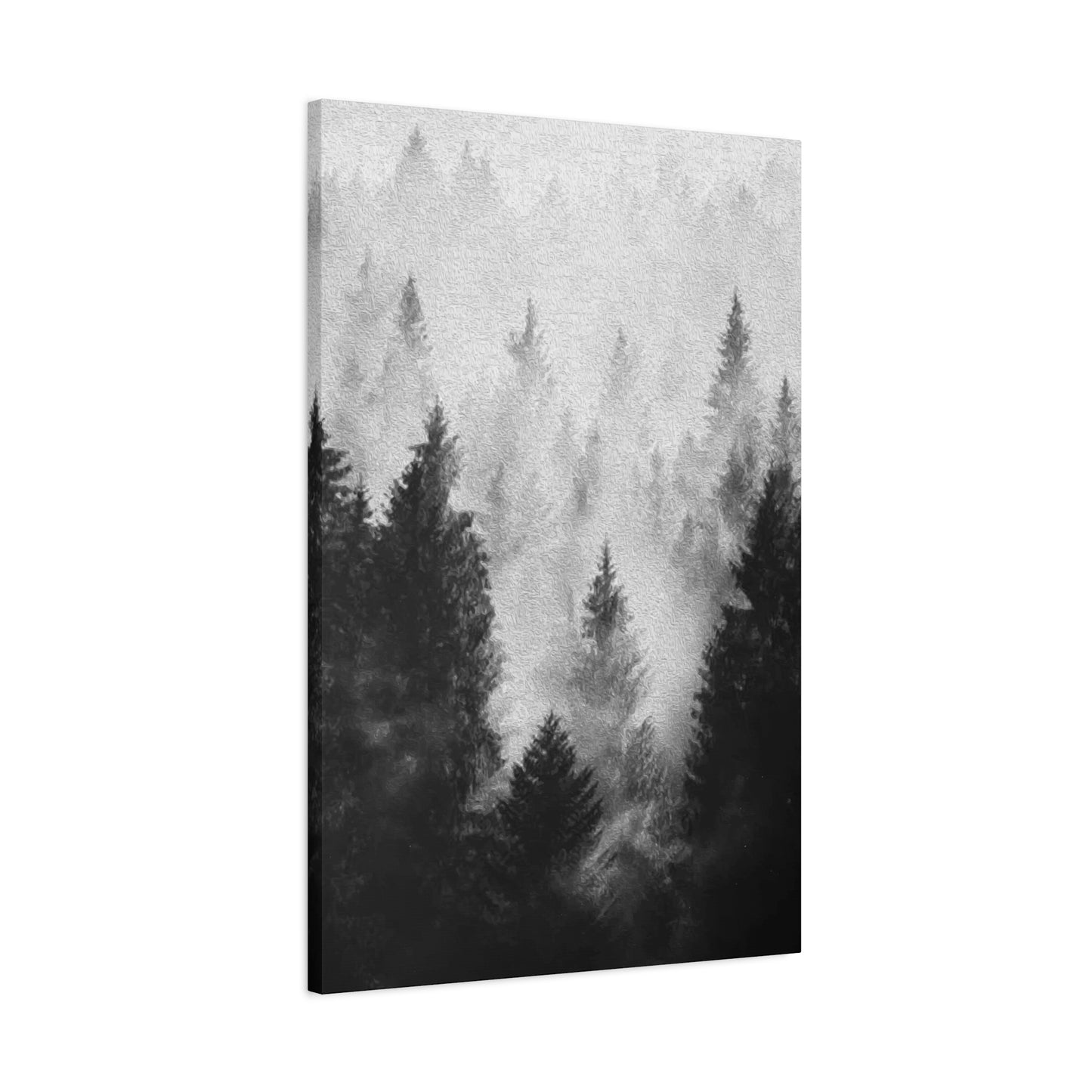
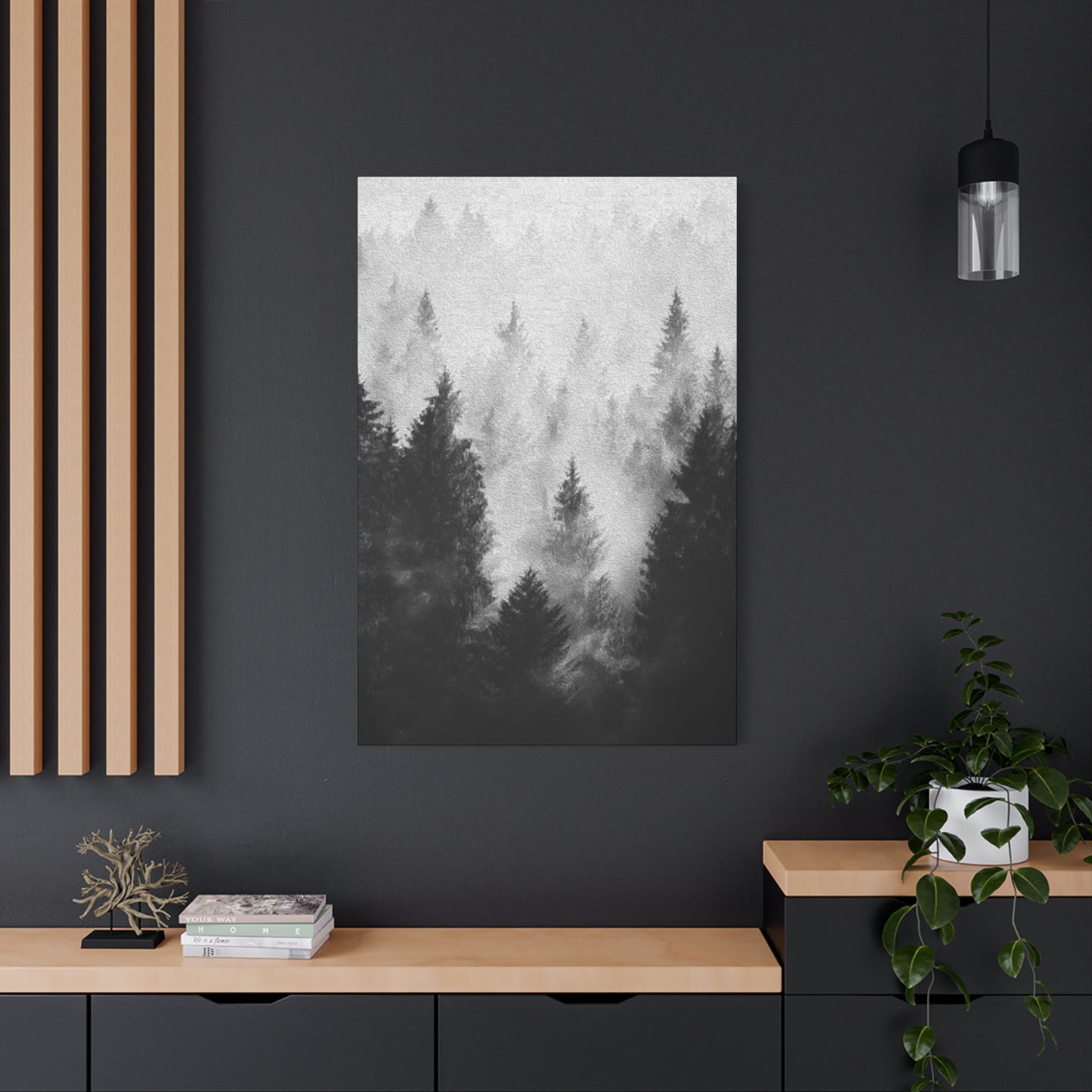
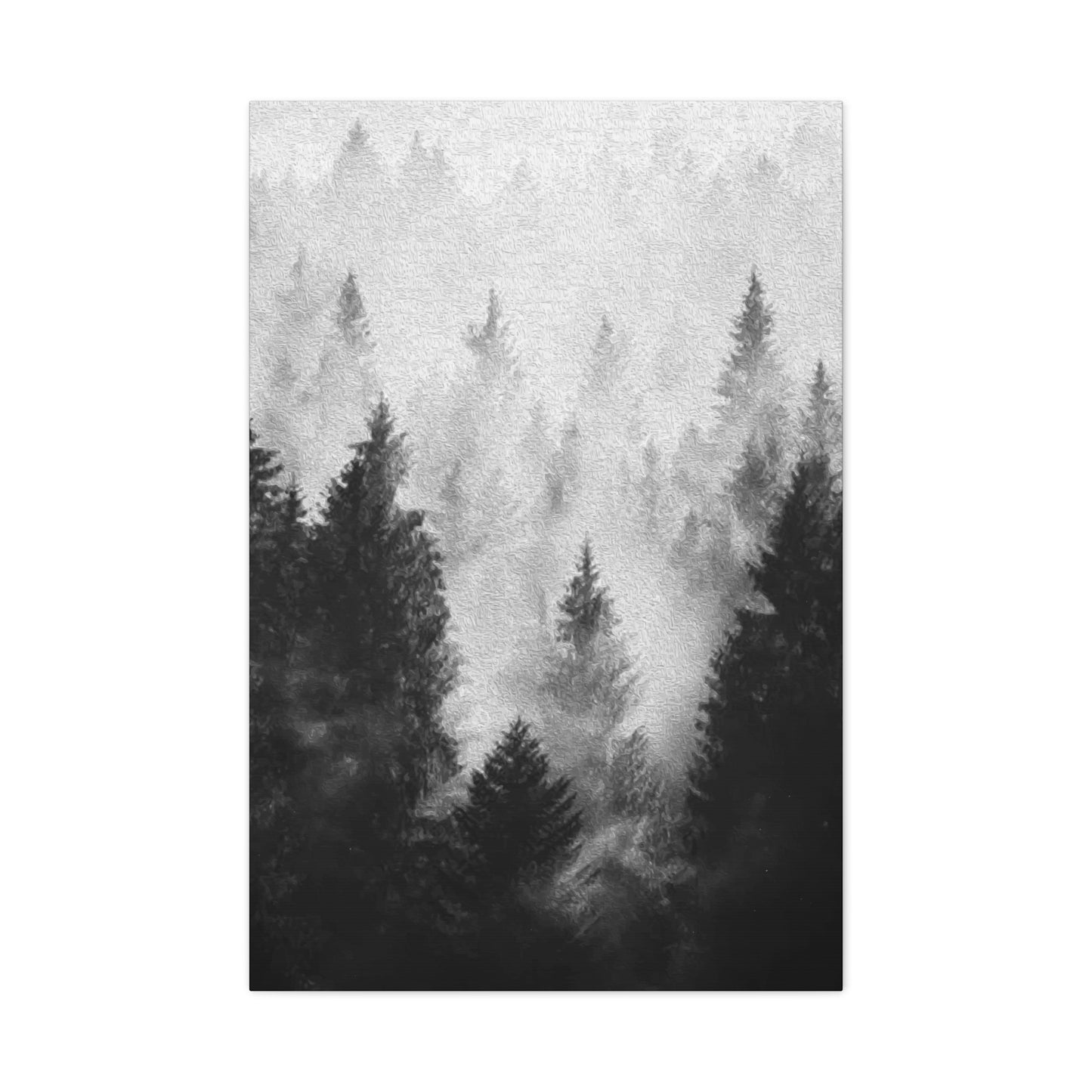
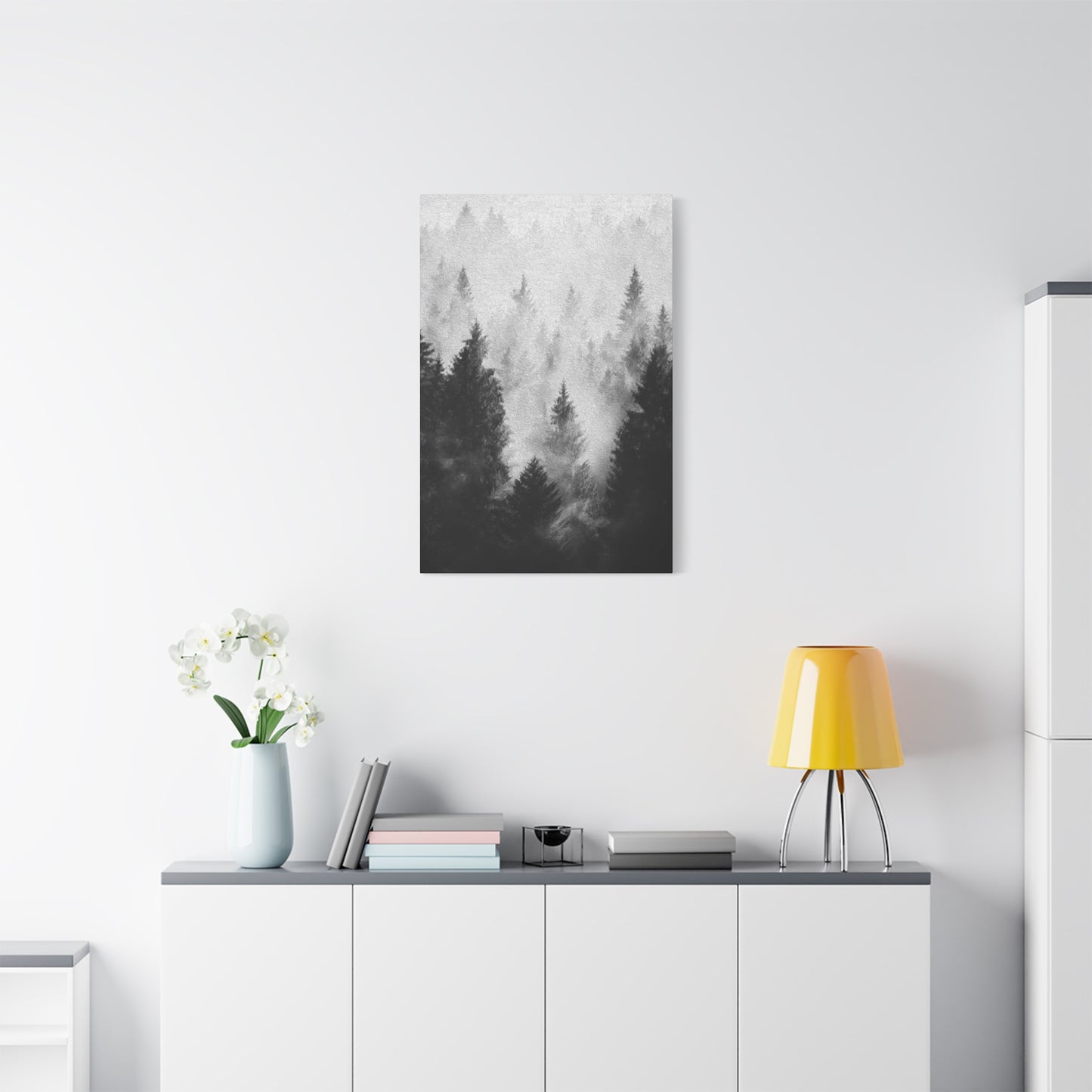
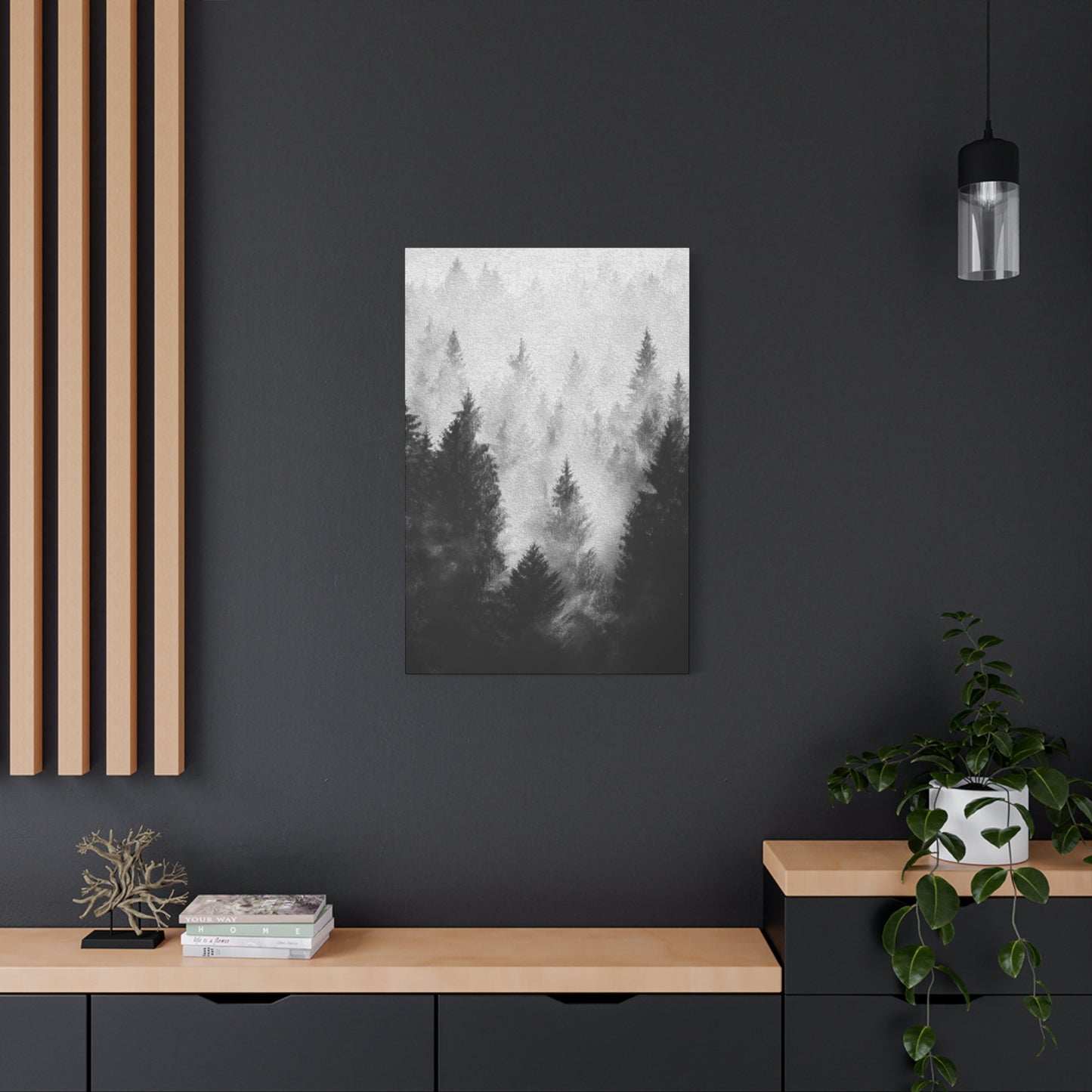
Black & White Forest Wall Art & Canvas Prints
Black & White Forest Wall Art & Canvas Prints
Couldn't load pickup availability
The Sophisticated Aesthetic of Black & White Forest Wall Art: A Definitive Exploration of Monochromatic Nature Imagery
Monochromatic forest imagery has emerged as one of the most compelling and versatile design elements in contemporary interior spaces, transcending traditional décor boundaries to become a statement piece that speaks volumes about refined taste and aesthetic sensibility. Black & white forest wall art represents far more than a simple decorative choice; it embodies a sophisticated interplay between contrast, emotion, and visual narrative that captivates viewers while seamlessly integrating into diverse architectural environments. The allure of these compositions lies in their inherent ability to communicate depth, dimension, and contemplative energy without the distraction of chromatic abundance.
The Profound Historical Evolution of Monochromatic Forest Imagery in Visual Arts
The representation of woodland landscapes through grayscale palettes possesses a rich and intricate lineage that extends back centuries through various artistic movements and philosophical frameworks. Before the advent of color photography and widespread chromatic printing, artists engaged extensively with black and white rendering techniques to capture the nuanced interplay of light and shadow within dense vegetation. Photographers like Ansel Adams revolutionized landscape documentation by demonstrating how grayscale imagery could convey emotional intensity and atmospheric profundity that sometimes exceeded color representations.
The Renaissance period witnessed master artists employing charcoal, ink, and pen techniques to render forest scenes with remarkable precision, utilizing graduated tonal variations to establish spatial recession and environmental depth. These foundational methodologies influenced successive generations of visual creators who recognized that the absence of color paradoxically increased the viewer's engagement with compositional structure, tonal harmony, and thematic substance. During the nineteenth century, romantic landscape art celebrated the solitude and mystique of woodland environments, frequently exploring monochromatic treatments to emphasize mood and introspection.
The twentieth-century modernist movement further refined these approaches, stripping away excessive detail to concentrate on essential compositional elements. Contemporary artists continue this legacy, understanding that monochromatic forest representations possess unique capacities to evoke nostalgia, contemplation, and architectural elegance. The theoretical underpinning of grayscale forest art recognizes that the human eye processes achromatic information differently than chromatic stimuli, triggering distinct neurological responses and emotional associations.
Understanding the Psychological Dimensions of Grayscale Woodland Décor
The psychological implications of incorporating monochromatic forest imagery into residential or commercial environments extend considerably beyond superficial aesthetic considerations. Neuroscientific research demonstrates that grayscale visual stimuli activate different neural pathways compared to color-saturated imagery, potentially eliciting enhanced contemplative states and reduced cognitive overstimulation. Individuals exposed to black and white forest artwork frequently report heightened sensations of tranquility, focus, and introspective clarity.
The absence of chromatic distraction allows viewers to concentrate on compositional nuance, tonal sophistication, and the intricate textural details inherent in forest environments. This focused attention cultivates a meditative quality that transforms wall art from mere decoration into an environmental catalyst for cognitive restoration. Environmental psychologists have identified that monochromatic natural imagery facilitates stress reduction comparable to direct exposure to woodland environments, offering urban dwellers valuable opportunities for restorative engagement with nature symbolism.
The contrast inherent in black and white compositions creates visual tension that paradoxically generates equilibrium and harmonic balance. This interplay of opposites resonates with fundamental human preferences for structured complexity, where the eye discovers endless visual interest within apparently simple tonal frameworks. Studies examining interior design preferences consistently demonstrate that viewers develop stronger emotional connections to artworks featuring pronounced tonal contrasts and sophisticated compositional arrangements.
Additionally, the psychological association between monochromatic imagery and concepts like clarity, truth, and authenticity contributes to the profound impact of forest art rendered without color embellishment. The visual honesty conveyed through grayscale representation connects with viewers on visceral levels, suggesting unmediated observation of natural phenomena. This perceived authenticity elevates the artwork beyond decorative status, positioning it as a philosophical statement about perception and reality.
Compositional Principles and Visual Structure in Forest Wall Compositions
Effective black and white forest wall art demonstrates meticulous attention to compositional hierarchy, spatial organization, and tonal orchestration that elevates the work beyond documentary representation into the realm of intentional artistic expression. Master compositions typically employ the rule of thirds, positioning significant forest elements at strategic intersections that maximize visual engagement and guide the viewer's eye through deliberate pathways of attention.
The establishment of compelling focal points within woodland imagery requires sophisticated understanding of how tonal gradation creates emphasis and dimensional recession. Foreground elements rendered in deep, saturated blacks establish proximal presence, middle-ground trees in medium grays suggest spatial middling, and background foliage fading toward white creates atmospheric perspective. This tripartite tonal structure replicates how human vision naturally processes spatial relationships and environmental depth.
Compositional balance in monochromatic forest art can manifest through symmetrical arrangements, asymmetrical equilibrium, or dynamic diagonal configurations that generate movement and visual momentum. Diagonally oriented tree trunks and branching structures create compelling visual trajectories that engage viewer attention and encourage extended contemplation. Symmetrical compositions exude formality and contemplative stillness, particularly effective in serene environments dedicated to relaxation or intellectual pursuits.
The interplay between positive and negative space achieves particular sophistication in grayscale forest imagery. Negative space rendered as white or light gray areas provides visual respite and establishes atmospheric context, preventing compositions from becoming visually overwhelming or emotionally exhausting. Strategic deployment of emptiness paradoxically strengthens compositional impact by creating intervals that amplify the presence of rendered elements.
Textural variation within monochromatic compositions introduces tangible richness that compensates for chromatic limitation. Bark texture rendered through varied linework, dappled light effects suggesting foliage density, and atmospheric gradient transitions all contribute to sophisticated visual complexity. These textural considerations transform potentially flat imagery into multidimensional viewing experiences that reward extended examination.
Thematic Narratives Embedded Within Woodland Wall Art
Black and white forest imagery frequently embodies profound thematic narratives that extend beyond representational depiction into symbolic and metaphorical territories. Dense woodland compositions often evoke feelings of mystery, solitude, and introspective journey, resonating with viewers seeking visual environments that encourage deeper contemplative engagement. The labyrinthine quality of densely packed trees suggests psychological navigation, personal discovery, and the complex pathways inherent in human experience.
Misty or obscured forest scenes convey atmospherics of uncertainty and nascent revelation, suggesting that profound truths often emerge gradually from obscurity into clarity. These compositions resonate particularly with individuals undergoing transformative life phases or seeking visual representation of internal psychological processes. The gradual transition from shadowed to illuminated areas within forest imagery symbolically parallels enlightenment, understanding, and progressive illumination of previously obscured perspectives.
Isolated trees or small clusters within expansive negative space communicate themes of resilience, solitary perseverance, and individual significance within vast, indifferent systems. These arrangements particularly appeal to viewers drawn to existential themes or seeking visual affirmation of personal agency and distinctiveness. The solitary tree standing against minimalist backgrounds becomes archetypal representation of persistent individuality.
Symmetrical forest rows or organized arboreal arrangements convey order, structure, and harmonious systems, appealing to individuals valuing stability, predictability, and systematic arrangement. These compositions create soothing visual environments through their implication of comprehensible, navigable landscapes. The structured nature of organized tree rows suggests possibilities for control and rational understanding of complex systems.
Dynamic compositions featuring windswept branches or storm-driven foliage communicate vitality, transformation, and the power of natural forces beyond human dominion. These arrangements resonate with viewers seeking to engage with themes of change, resilience, and adaptation. The turbulent energy suggests that transformation and growth often emerge through challenge and environmental pressure rather than passive acceptance.
Aesthetic Integration Within Diverse Interior Architectural Styles
The remarkable versatility of black and white forest wall art manifests in its harmonious integration across virtually every imaginable interior design aesthetic, from minimalist modernist environments to ornate traditional settings. The chromatic neutrality of monochromatic imagery ensures that forest artwork complements existing color palettes without introducing jarring chromatic conflicts or demanding stylistic accommodation from surrounding design elements.
Contemporary minimalist interiors benefit particularly from the restrained sophistication of grayscale forest imagery, where clean compositions featuring substantial negative space reinforce the aesthetic principles of essential form and eliminated ornamentation. Sparse woodland representations featuring isolated trees or minimal elements align seamlessly with minimalist philosophy, creating visual focal points that command attention through refined subtlety rather than elaborate embellishment.
Industrial design schemes derive considerable visual enhancement from black and white forest compositions, where the stark tonal contrast complements exposed brick, steel elements, and raw material finishes. The inherent grittiness and authentic quality conveyed through monochromatic representation resonates with industrial aesthetic values emphasizing authenticity and structural honesty. Forest imagery introduces organic counterpoint to mechanical and geometric industrial elements, generating compelling visual tension and atmospheric balance.
Scandinavian design traditions celebrate monochromatic natural imagery as quintessential décor element, reflecting cultural affinities for minimalism, nature connection, and functional beauty. Black and white forest artwork integrates seamlessly into these environments, enhancing the characteristic brightness and spatial openness while introducing contemplative depth and natural reference. The compatibility extends from residential applications through commercial hospitality settings embracing Nordic design principles.
Rustic and farmhouse aesthetics embrace forest imagery as authentic connection to rural heritage and natural environments. Black and white forest compositions achieve particular effectiveness in these settings when rendered with atmospheric qualities suggesting age, weathering, and temporal accumulated character. The grayscale treatment lends vintage sensibility that aligns perfectly with rustic design's valorization of historical authenticity and natural materials.
Classical and traditional interior schemes incorporate forest artwork as refined addition to sophisticated environments featuring ornate architectural detailing and fine furnishings. Grayscale forest imagery possesses inherent elegance that complements rather than competes with ornamental excess, providing visual anchor points and atmospheric depth without introducing stylistic discord. Framed woodland compositions achieve particular distinction when positioned as focal elements above mantels, credenzas, or accent walls.
Bohemian and eclectic interiors benefit from forest artwork's inherent flexibility and symbolic richness. Monochromatic forest representations introduce natural reference and contemplative qualities to spaces that might otherwise feel chaotic or overwhelming. The balanced sophistication of grayscale imagery prevents bohemian excess from deteriorating into visual cacophony while maintaining the aesthetic's celebratory embrace of diverse elements.
Material Considerations and Physical Substrate Selection
The selection of substrate material profoundly influences both the visual presentation and durability characteristics of black and white forest wall art, with various options offering distinct advantages aligned to specific environmental conditions and aesthetic preferences. Canvas remains among the most popular substrate choices, providing tactile richness and traditional artistic presentation that many viewers associate with fine art authenticity and curatorial significance.
Canvas varieties encompass stretched canvas featuring gallery wrap presentation for frameless display, as well as unframed canvas rolls suitable for custom mounting arrangements. The surface texture of canvas interacts with printed imagery to create subtle dimensional qualities, where the weave pattern becomes perceptible upon close examination, introducing unexpected visual complexity. High-quality canvas resists yellowing and degradation, maintaining chromatic neutrality across extended timeframes when produced through archival methodologies.
Photographic paper substrates deliver exceptional tonal range reproduction, capturing the full spectrum from profound blacks to luminous whites with technical precision. Fine art photographic papers featuring matte finishes eliminate reflective glare while emphasizing tonal subtlety and compositional details. Glossy photographic finishes introduce light reflection properties that enhance perceived contrast and visual impact, though at the expense of potential glare in brightly illuminated environments. Lustre and semi-gloss finishes offer aesthetic compromise positions, balancing contrast enhancement with glare reduction.
Wood substrates introduce rustic authenticity and dimensional warmth to forest imagery, creating compelling visual and tactile experiences. Wood panel mounting suggests gallery presentation and fine art treatment while introducing natural material qualities that subtly complement woodland subject matter. Variations in wood grain become incorporated into overall aesthetic, generating organic visual interest and material authenticity. Plywood, solid wood panels, and engineered wood products each offer distinct characteristics regarding durability, susceptibility to warping, and visual presentation.
Metal substrates, increasingly popular in contemporary art contexts, deliver exceptional durability and striking visual presence through aluminum or steel mounting. Metal presentation introduces industrial aesthetic qualities while providing superior protection against environmental degradation, moisture, and physical damage. The reflective properties of metal substrates interact with photographic imagery to create dynamic visual experiences where ambient light conditions influence perceived contrast and tonal relationships. Brushed metal finishes provide sophisticated matte appearance, while polished finishes maximize light reflection and visual drama.
Acrylic and plexiglass mounting present modern alternatives offering clarity, durability, and streamlined aesthetic presentation. These transparent materials create floating appearance, where imagery appears to hover above mounting surface, generating contemporary visual sophistication. The protective qualities of acrylic and plexiglass shield artwork from dust, fingerprints, and environmental contamination while maintaining chromatic fidelity and tonal accuracy across extended temporal spans.
Paper substrates remain viable for specific presentation contexts, particularly when seeking traditional fine art qualities or embarking on cost-conscious implementations. Premium art papers featuring acid-free composition and archival stability resist yellowing and deterioration, maintaining chromatic neutrality and tonal integrity across decades. However, paper substrates require careful environmental protection from moisture, direct sunlight, and physical handling to prevent damage and degradation.
Framing Solutions and Presentation Methodologies
The framing context significantly influences how viewers engage with black and white forest wall art, determining both aesthetic presentation and environmental protection considerations. Frame selection encompasses vast stylistic possibilities, from minimalist contemporary metal frames to ornate traditional wood frames, each establishing distinct visual contexts and philosophical statements regarding artistic presentation.
Minimalist metal frames featuring slim profiles and neutral finishes align with contemporary design aesthetics while providing clean visual containment that emphasizes artwork without introducing stylistic competition. Black metal frames establish dramatic contrast with lighter imagery, while brushed nickel or silver finishes provide subtle framing that allows imagery to command primary attention. These understated frames work particularly effectively with monochromatic forest compositions where compositional sophistication should receive primary emphasis.
Natural wood frames introduce warmth and organic qualities that complement forest subject matter while providing aesthetic continuity between imagery and frame context. Light wood frames such as oak, birch, or pine complement predominantly light forest compositions, while darker walnut or espresso frames establish stronger contrast with lighter imagery. Wood frames featuring visible grain patterns introduce natural texture that subtly echoes the woodland subject matter.
Ornate frames featuring elaborate moldings, gilded elements, or carved detailing elevate forest imagery into fine art territory, positioning compositions as gallery-worthy statements deserving formal presentation. These frames work particularly effectively with classical forest scenes or compositions evoking historical artistic movements. The ornamentation should remain visually restrained enough to avoid overpowering the artwork, requiring careful balance between frame prominence and compositional emphasis.
Frameless presentations featuring edge-mounted or gallery wrap presentations modernize artistic display, eliminating visible framing structures entirely. This approach maximizes artwork prominence while suggesting curatorial sophistication and contemporary aesthetic sensibility. Edge-mounted presentations where imagery wraps around panel edges create floating appearance and dimensional visual interest, particularly effective with textured substrates.
Matting considerations introduce additional aesthetic refinement and environmental protection through archival-quality materials positioned between artwork and framing elements. Neutral colored mats featuring subtle texture provide visual separation while maintaining chromatic harmony. Mat windows featuring decorative beveled edges introduce refined presentation detail without introducing stylistic excess or visual distraction. Double matting, where secondary mat provides colored accent layer beneath neutral primary mat, permits subtle chromatic introduction while maintaining overall monochromatic aesthetic.
Glass protective surfaces provide essential environmental shielding against dust, moisture, and physical contamination while introducing considerations regarding glare, reflectivity, and display logistics. Standard glass introduces minimal visual intervention while providing basic protective capabilities. Museum-quality glass featuring ultraviolet filtering properties protects artwork from photochemical degradation while maintaining exceptional optical clarity. Non-reflective coated glass eliminates troublesome glare while introducing subtle visual texture that some viewers perceive as aesthetic refinement while others find subtly distracting.
Spatial Positioning and Room-Specific Placement Strategies
Strategic placement of black and white forest wall art requires thoughtful consideration of spatial proportions, lighting conditions, viewing distances, and functional room purposes to optimize visual impact and atmospheric contribution. Large-format forest compositions function effectively as dominant focal points commanding substantial wall surfaces, establishing immediate visual presence and establishing contemplative ambiance through scale and compositional authority.
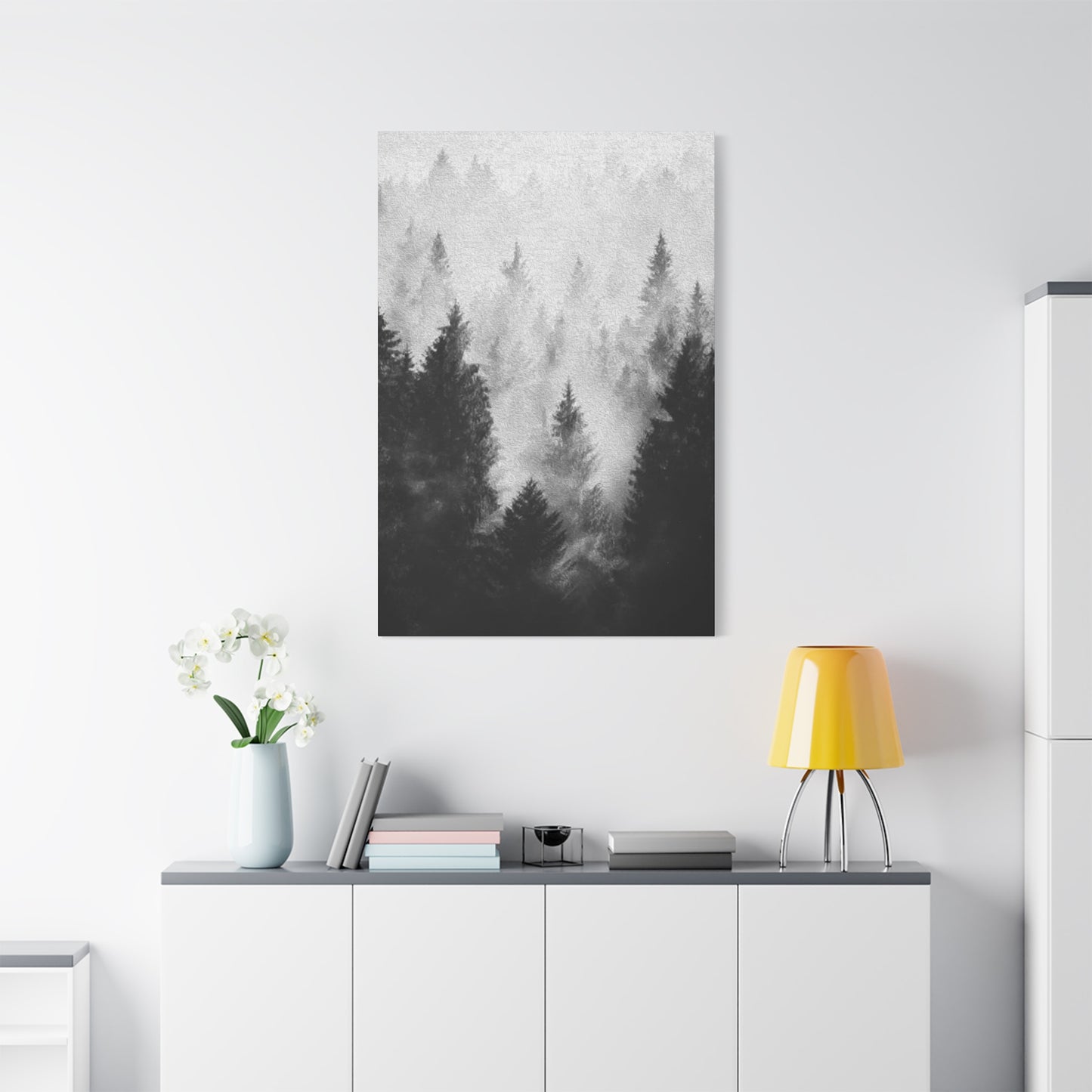
Living room environments benefit from strategically positioned forest artwork that encourages relaxation and contemplative engagement during leisure time. Wall positions above seating arrangements create optimal viewing contexts where inhabitants naturally orient attention toward imagery during extended residence periods. Positioning artwork at slight elevation above eye level establishes comfortable viewing angles that prevent neck strain during extended contemplation while maintaining compositional visual accessibility.
Bedroom environments receive particular atmospheric enhancement from monochromatic forest imagery, where tranquil woodland scenes promote relaxation and restorative sleep quality. Positioning artwork at end-wall locations opposite bed positions creates peaceful focal points visible during recumbent evening and morning periods. The calming psychological associations of forest imagery contribute to sleep quality and restful psychological states, particularly when compositions emphasize mist, soft lighting, or serene environmental qualities.
Home office and work environments benefit substantially from forest imagery featuring organizing compositional structures and intellectual visual interest that stimulates cognitive engagement without generating distraction. Diagonal compositional arrangements featuring movement and dynamic energy can enhance creative ideation, while symmetrical balanced compositions promote focus and organized systematic thinking. Strategic positioning where artwork remains visible during work sessions without directly competing with task-focused attention maintains beneficial background presence.
Entryway and foyer spaces leverage forest imagery as welcoming atmospheric element establishing spatial character and architectural intention immediately upon entry. Large-format compositions positioned on prominent wall surfaces create significant visual impact and establish sophisticated aesthetic tone for entire residential or commercial properties. The symbolic qualities of forest imagery suggesting journey, exploration, and transitional passages resonate with entryway functions as threshold spaces between exterior and interior environments.
Dining environments receive refined atmospheric enhancement when forest artwork complements but avoids direct competition with dining functionality. Positioning on non-functional wall surfaces or at peripheral visual positions maintains ambiance without introducing visual distraction during meal activities. The psychological associations of nature and natural sustenance evoked through forest imagery enhance dining experiences through subliminal environmental suggestion.
Bathroom environments, often overlooked in décor considerations, benefit from small to medium-format forest compositions that introduce spa-like ambiance and nature connection into utilitarian spaces. The moisture-resistant properties of certain printing methods and substrates make protective acrylic or metal mounting particularly suitable for bathroom positioning where humidity and temperature fluctuations occur regularly.
Lighting Considerations and Optimal Illumination Strategies
The photographic quality and visual impact of black and white forest wall art depends substantially on ambient lighting conditions, requiring thoughtful illumination planning to ensure optimal visibility and atmospheric contribution. Natural daylight, particularly diffused sunlight filtered through windows or architectural elements, provides exceptional illumination that enhances tonal distinction and compositional clarity while varying throughout day cycles.
North-facing wall positions receiving consistent indirect daylight offer stable illumination conditions that reveal tonal subtlety without introducing harsh shadows or excessive contrast. East-facing positions receive warm morning light, particularly effective during early hours, while introducing cooler afternoon lighting as sun trajectory shifts. West-facing positions experience intense afternoon illumination that may introduce excessive glare or wash out subtle tonal distinctions in lighter imagery areas. South-facing positions receiving intense sustained daylight may create lighting environments where high-contrast compositions achieve dramatic impact while subtly modulated imagery appears flattened or overexposed.
Artificial illumination through track lighting, picture lights, or directional fixtures provides supplementary or primary illumination in environments lacking sufficient natural daylight. Picture lights mounted above frames direct focused illumination downward onto artwork surfaces, establishing gallery presentation qualities while revealing tonal subtlety and compositional detail. The warm color temperature of incandescent lighting complements monochromatic imagery through subtle amber warmth, while cool LED lighting introduces clinical precision and heightened tonal contrast.
Ambient environmental lighting interacts with artwork visibility and perceived impact through principles of contrast and perceptual emphasis. Brightly illuminated rooms with abundant ambient light encourage viewers to perceive forest imagery within broader environmental context, while subtly illuminated spaces create concentrated attention on artwork through relative luminance emphasis. Dimly illuminated environments featuring focused artwork illumination establish theatrical presentation qualities and enhanced visual drama.
Lighting direction influences perceived compositional depth and tonal modeling through modeling light effects that enhance three-dimensionality and spatial recession. Directional illumination from upper angles replicates natural daylight conditions and enhances perception of surface texture and tonal gradation. Front-facing flat illumination may produce flatter visual appearance but ensures even visibility without harsh shadows or dramatic contrast variations.
Anti-glare considerations become paramount in high-luminance environments or positions receiving direct sunlight, where reflective surfaces create viewing challenges and visual discomfort. Matte-finish prints and non-reflective glass minimize glare while maintaining optimal visibility. In unavoidable glare situations, strategic positioning adjustments or supplementary lighting modifications may become necessary to preserve visual clarity and viewer comfort.
Scale and Dimensional Proportions in Compositional Effectiveness
The dimensional magnitude of black and white forest wall art profoundly influences visual impact, atmospheric contribution, and spatial integration, requiring careful calibration to room proportions and functional intentions. Small-format compositions, typically ranging from eight by ten inches to sixteen by twenty inches, function effectively as intimate artworks encouraging close examination and detailed compositional study while consuming minimal wall surface area.
Small-format forest pieces work particularly well in gallery-style arrangements where multiple compositions achieve collective visual impact through curated groupings rather than individual scale. These arrangements permit varied composition selections and thematic variations while establishing sophisticated aesthetic statements through curatorial arrangement principles. Small formats suit intimate spaces including bedrooms, home offices, or bathroom environments where expansive surface coverage would prove aesthetically overwhelming.
Medium-format compositions, encompassing dimensions from approximately twenty by thirty inches through thirty by forty inches, establish meaningful visual presence without demanding dominant wall surfaces or creating spatial overwhelm. These proportions suit most residential environments, providing substantial visual impact while maintaining balance with other architectural and furnishing elements. Medium-format pieces function effectively as focal points without monopolizing visual attention or disrupting spatial harmony.
Large-format compositions, exceeding forty inches in either dimension or approaching full wall surface coverage, establish immediate commanding presence and transform spatial experience through scale and compositional authority. Expansive forest imagery creates immersive environments where viewers experience visceral engagement with depicted landscapes. These monumental presentations suit contemporary galleries, commercial hospitality settings, executive offices, or residential spaces with proportionally generous dimensions.
Wall-to-wall formats, where imagery spans from floor to ceiling or wall corner to wall corner, establish maximally immersive visual environments that fundamentally alter spatial character and psychological atmosphere. These installations create environmental transformations where viewers momentarily suspend disbelief and experience psychological transportation into depicted woodland environments. The psychological impact of full-wall forest imagery operates at particularly profound levels for individuals seeking contemplative environmental immersion.
Aspect ratio considerations influence compositional effectiveness through relationships between width and height dimensions. Panoramic formats featuring elongated horizontal proportions emphasize landscape breadth and horizontal spatial extension, particularly effective for expansive forest vistas and horizontal tree arrangements. Tall vertical formats emphasize height and vertical spatial dimensions, particularly compelling for compositions featuring commanding vertical tree trunks or towering arboreal structures. Square formats provide balanced compositional possibilities while introducing contemporary aesthetic sensibility and non-traditional presentation approach.
Photographic Techniques and Artistic Rendering Methods
The aesthetic qualities and visual impact of black and white forest wall art emerge through varied photographic and artistic approaches, each contributing distinctive characteristics and interpretive possibilities. Fine art photography emphasizing documentary precision and naturalistic representation captures woodland environments with meticulous technical accuracy while revealing inherent beauty within actual landscape compositions. These approaches privilege authenticity and observed reality, presenting forests as they physically appear when rendered through sophisticated photographic practice.
High-contrast photography, deliberately elevating tonal separation and emphasizing boundary definition between light and shadow areas, generates dramatic visual impact and heightened visual tension. Increased contrast amplifies perceived depth and dimensional recession while introducing aesthetic theatricality. However, excessive contrast risks sacrificing subtle tonal gradations and nuanced atmospheric qualities, potentially creating harsh, uncomfortable visual experiences. Judicious contrast enhancement optimizes visual drama while preserving compositional sophistication.
Soft-focus and subtle diffusion techniques introduce dreamy, atmospheric qualities suggesting misty woodland environments or psychological reverie states. Intentional blur and focus softening create lyrical, emotionally evocative imagery that prioritizes ambience and psychological association over technical precision. These romantic approaches appeal particularly to viewers seeking contemplative and emotionally resonant aesthetic experiences rather than documentary environmental documentation.
Artistic rendering through digital illustration and painting techniques permits deliberate compositional modification, stylized representation, and imaginative interpretation transcending photographic realism. Digital artists employ varied brush techniques, exaggeration, abstraction, and compositional manipulation to transform observed woodland environments into artistic visions reflecting creative intention and subjective interpretation. These approaches liberate artists from photographic constraints, permitting exploration of emotional, symbolic, and compositional dimensions beyond documentary representation.
Long-exposure photographic techniques, employing extended shutter speeds that capture temporal progression, render moving foliage and wind effects as ethereal blur suggesting environmental dynamism and atmospheric vitality. Water features and flowing streams rendered through long exposure become luminous ribbons suggesting perpetual movement and environmental fluidity. These temporal capture techniques introduce metaphorical dimensions suggesting change, transition, and temporal progression within seemingly static forest environments.
Macro and close-up techniques, emphasizing textural detail and intimate environmental observation, transform seemingly ordinary forest elements into compositionally compelling subjects worthy of contemplative engagement. Bark texture, leaf arrangement, branching complexity, and natural pattern formations reveal extraordinary visual richness when enlarged and carefully examined. These approaches transform perception of familiar environments through magnified observation and focused attention.
Abstract and minimalist interpretations, stripping woodland environments toward essential compositional elements and simplified forms, engage viewers at conceptual and philosophical levels. Extreme abstraction suggesting forest environments through minimal linework or shadow indication encourages imaginative completion and psychological projection, where viewers participate actively in meaning generation rather than passively consuming predetermined representation.
Color Neutrality and Monochromatic Aesthetic Benefits
The deliberate restriction to achromatic palettes excluding chromatic variety distinguishes monochromatic forest artwork while delivering substantial aesthetic and psychological benefits differentiating these compositions from full-color alternatives. The elimination of color distraction redirects viewer attention toward compositional structure, tonal orchestration, and thematic substance, permitting deeper intellectual and emotional engagement with underlying artistic intentions and visual narratives.
Monochromatic presentation emphasizes universal design applicability, permitting seamless integration into diverse interior design schemes without introducing chromatic conflicts or requiring aesthetic accommodation from surrounding environments. This neutrality extends remarkable flexibility, enabling identical artwork to function successfully across minimalist, traditional, industrial, bohemian, and countless other design contexts. Commercial applications benefit particularly from this versatility, where single artworks must harmonize with varied client preferences and architectural environments.
The psychological perception of monochromatic imagery engages distinct perceptual processes compared to chromatic stimuli, potentially fostering enhanced contemplation and focused attention. Neuroscientific investigation suggests that achromatic visual processing activates different brain regions compared to color perception, potentially triggering enhanced analytical engagement and introspective psychological states. The absence of chromatic distraction may facilitate deeper visual engagement and prolonged viewer attention compared to color-saturated alternatives.
Historical and cultural associations connecting grayscale representation with artistic legitimacy, serious aesthetic intent, and refined sophistication derive partly from long-standing fine art traditions privileging monochromatic drawing, printmaking, and photography as foundational artistic disciplines. The monochromatic treatment subtly communicates curatorial seriousness and artistic intentionality, positioning work within respected artistic traditions while suggesting mastery of essential compositional and tonal principles underlying sophisticated visual creation.
Tonal relationships become paramount in monochromatic compositions where contrast between black, gray, and white areas generate visual interest absent color variety. The interplay between opposing tonal extremes creates visual tension and dynamic equilibrium, where the eye discovers compositional movement and depth through tonal progression rather than chromatic transition. This tonal sophistication permits remarkable visual complexity within apparently simple monochromatic frameworks.
Market Dynamics and Contemporary Acquisition Trends
The contemporary market for black and white forest wall art reflects substantial and expanding consumer interest in monochromatic nature imagery, driven by diverse demographic segments valuing aesthetic sophistication, environmental connection, and contemplative ambiance. Younger demographic cohorts, particularly millennials and Generation Z populations, demonstrate heightened receptivity to monochromatic aesthetic approaches, viewing grayscale imagery as sophisticated and philosophically aligned with minimalist and sustainable lifestyle preferences.
The accessibility of high-quality reproduction through digital printing technologies has democratized artistic forest imagery acquisition, enabling consumers across economic spectra to obtain museum-quality pieces at significantly reduced cost compared to original artistic works. The proliferation of online marketplaces featuring independent artists and small production enterprises has expanded compositional variety and aesthetic diversity available to consumers, fostering unprecedented selection possibilities.
Commercial interior design applications including hospitality, corporate workplaces, and healthcare environments have increasingly incorporated monochromatic forest imagery, recognizing aesthetic and psychological benefits contributing to environmental quality and user wellbeing. Designers appreciate the versatility and professional presentation qualities of grayscale forest artwork, positioning these compositions as refined solutions addressing diverse spatial and programmatic requirements.
The rise of minimalist and Scandinavian design aesthetic preferences globally has substantially elevated monochromatic nature imagery prominence and consumer receptivity. Design-conscious consumers seeking interior coherence and visual restraint gravitate toward forest artwork offering contemplative qualities and aesthetic sophistication without chromatic excess. Influencer culture and social media platforms featuring interior design aesthetics have accelerated mainstream adoption of monochromatic forest imagery through repeated exposure and aspirational lifestyle marketing.
Sustainability concerns and environmental consciousness increasingly motivate forest imagery acquisition among eco-aware consumers seeking symbolic nature connection and environmental advocacy through décor choices. Monochromatic forest artwork serves psychological function as nature representation alternative to actual environmental modification or resource consumption, permitting aesthetic environmental engagement without ecological footprint considerations.
Psychological Restoration and Biophilic Design Principles
The integration of black and white forest wall art within interior environments engages established biophilic design principles recognizing profound human psychological dependence on nature contact and natural environmental exposure. Evolutionary psychology perspectives suggest that human preferences for natural imagery reflect adaptive predispositions developed across millennia when survival depended on sophisticated environmental perception and nature comprehension. Contemporary environments substantially limiting direct nature contact create psychological deprivation conditions that biophilic design seeks to address through strategic natural imagery integration.
Research within environmental psychology demonstrates that exposure to nature imagery, even photographic or artistic representation, generates measurable physiological responses including reduced stress hormones, lowered blood pressure, and decreased heart rate variability compared to baseline conditions. The contemplation of forest imagery appears to activate restoration processes similar to those triggered by actual environmental immersion, offering urban inhabitants valuable mechanisms for psychological recovery and stress mitigation.
The psychological mechanism through which nature representation facilitates restoration remains incompletely understood, though theoretical frameworks suggest that natural imagery engagement activates attentional restoration processes through what researchers term soft fascination. Unlike demanding cognitive tasks requiring focused analytical engagement, nature contemplation permits mental wandering and gentle attentional processes that facilitate psychological recovery and restoration of directed attention capacity. The monochromatic quality of forest imagery may enhance these restorative effects by reducing cognitive stimulation and encouraging meditative engagement.
The symbolic associations of forest environments with refuge, sanctuary, and protective enclosure contribute psychological significance transcending visual aesthetics. Evolutionary perspectives suggest ancestral human populations experienced forests as survival resource providing shelter, sustenance, and protection from environmental hazards. These deep evolutionary associations continue influencing contemporary psychological responses to forest imagery, generating subtle but persistent comfort sensations and sense of environmental security even within urban contexts.
Narrative and metaphorical dimensions of forest environments resonate with universal human psychological themes including journey, exploration, transition, and personal discovery. These archetypal associations activate imaginative engagement and reflective contemplation, connecting individual viewer experiences with broader human narratives and universal psychological processes. The personal meaning individuals ascribe to forest imagery frequently exceeds literal representation, encompassing emotional symbolism, aspirational projection, and psychological metaphor.
Curatorial Arrangement Principles for Gallery-Style Presentations
When multiple black and white forest compositions are arranged within unified display contexts, curatorial principles governing arrangement, spacing, and compositional harmony become critical for establishing sophisticated aesthetic experiences and coherent visual narratives. The salon-style arrangement, featuring varied compositions of differing scales distributed across wall surfaces in informal asymmetrical configurations, creates dynamic visual environments encouraging extended examination and thematic discovery.
Tonal progression arrangements sequence compositions from predominantly light to increasingly dark imagery or vice versa, creating visual narratives suggesting temporal progression, environmental transitions, or psychological evolution. This sequential arrangement strategy engages viewers through narrative suggestion, where viewing progression traces implied storylines or environmental transformations. The compositional rhythm established through tonal variation prevents visual monotony while establishing coherent thematic structure.
Thematic groupings organize compositions by content emphasis, positioning depictions of isolated trees, dense woodland, misty environments, or storm-affected landscapes in proximity to create concentrated thematic exploration. This curation strategy facilitates deeper engagement with specific atmospheric or emotional qualities, permitting viewers to investigate subtle variations within focused thematic contexts.
Compositional symmetry or asymmetry considerations influence overall arrangement aesthetic and psychological impact. Symmetrical arrangements exude formality and structured elegance, creating serene visual environments through balanced component distribution. Asymmetrical arrangements introduce visual tension and dynamic equilibrium, generating more visually stimulating and psychologically engaging environments through unexpected spatial relationships and compositional surprise.
Negative space preservation between compositions becomes essential for preventing visual congestion and maintaining individual compositional autonomy within grouped arrangements. Excessive proximity between adjacent works generates visual competition where compositions engage in perceptual conflict rather than complementary dialogue. Adequate spacing permits individual compositional appreciation while establishing meaningful visual conversation between adjacent pieces.
Frame consistency or intentional variation influences arrangement coherence and thematic emphasis. Unified framing systems throughout groupings establish visual continuity and professional presentation quality, while deliberately varied framing introduces eclecticism and curated sophistication suggesting intentional compositional selection. The framing decisions reflect overall curatorial philosophy and aesthetic intention, communicating messages about artistic selectivity and design deliberation.
Conclusion
The successful implementation of black and white forest wall art requires careful attention to mounting methodology, installation procedures, and ongoing maintenance protocols ensuring optimal visual presentation and extended artwork preservation. Wall preparation constitutes fundamental installation phase requiring surface cleaning, imperfection resolution, and verification of structural integrity supporting artwork weight and mounting hardware.
Damage assessment including drywall repair, plaster patching, and paint touch-up ensures that mounting surfaces present clean, unified appearance preventing visual distraction from surrounding wall conditions. Surface leveling becomes particularly critical for large-format installations where slight wall irregularities become perceptible against uniformly rendered artwork surfaces, creating visual discord if left unaddressed.
Hardware selection encompasses varied options balancing artwork weight capacity, aesthetic visibility considerations, and specific mounting substrate requirements. Picture rails and hanging systems featuring decorative elements become acceptable primary installation methods when aesthetic compatibility exists with framing presentation. Concealed mounting hardware including adhesive strips, invisible hanging systems, and recessed mounting plates eliminate visible fasteners, creating floating appearance and contemporary aesthetic minimalism.
Weight-bearing capacity calculations become essential for larger installations, particularly in commercial applications where artwork durability, stability, and safety considerations assume heightened importance. Professional installation contractors possess expertise ensuring adequate structural support and installation procedures meeting building codes and safety standards. Improper installation risks artwork damage, injury risk, and structural compromise warranting professional assessment.
Leveling verification employing precision instruments ensures horizontal and vertical alignment meeting aesthetic requirements and psychological comfort considerations. The human visual system responds sensitively to compositional orientation, where even slight deviations from level horizontal or vertical alignment create subtle perceptual discomfort and visual distraction. Professional installation methodologies typically incorporate redundant leveling verification ensuring precise alignment.
Spacing coordination when installing multiple compositions requires mathematical calculation and template-based methodology ensuring consistent spacing and aligned positioning. Professional installers employ template systems and laser-based guidance facilitating rapid, accurate installation while minimizing wall surface damage through trial-and-error positioning approaches.
Share