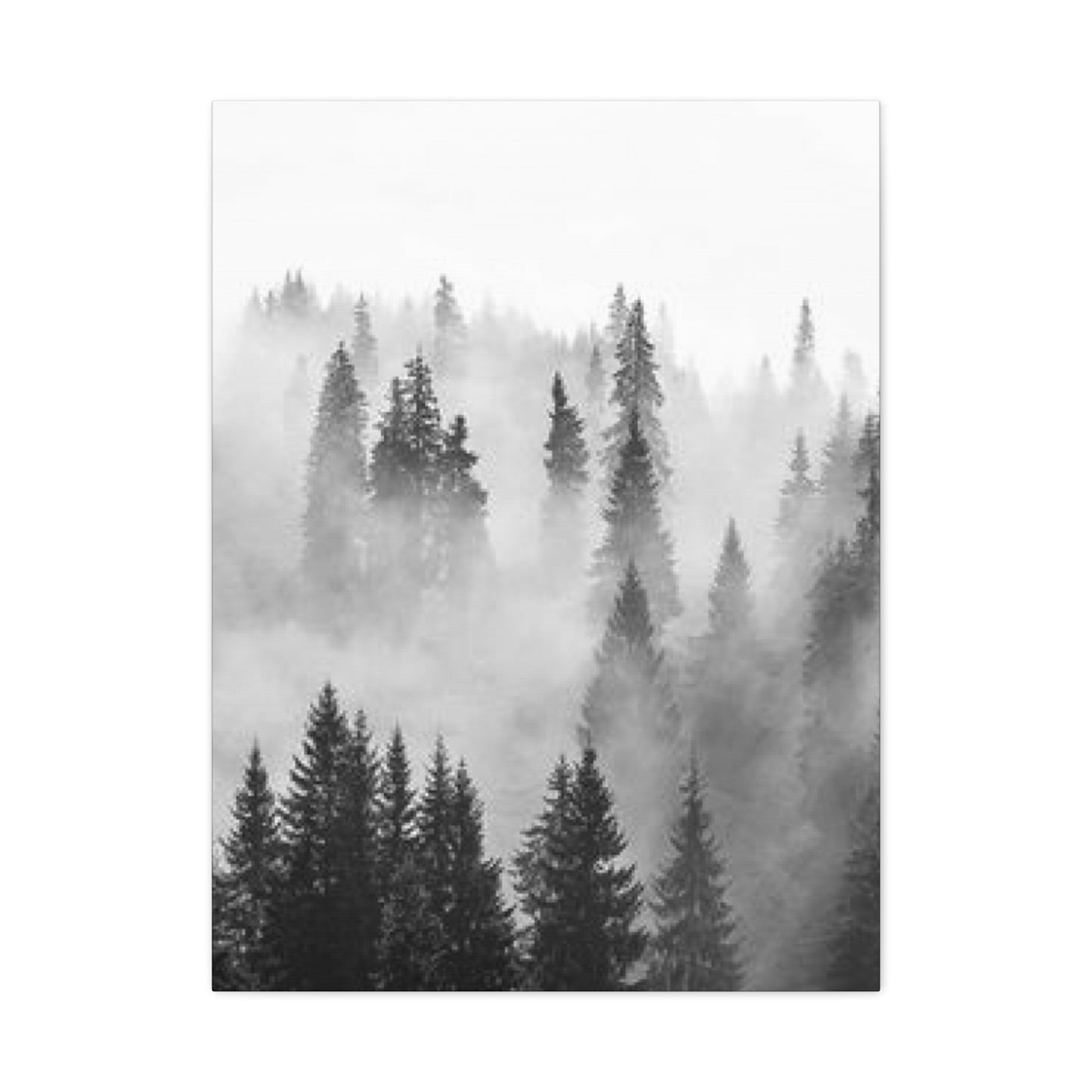
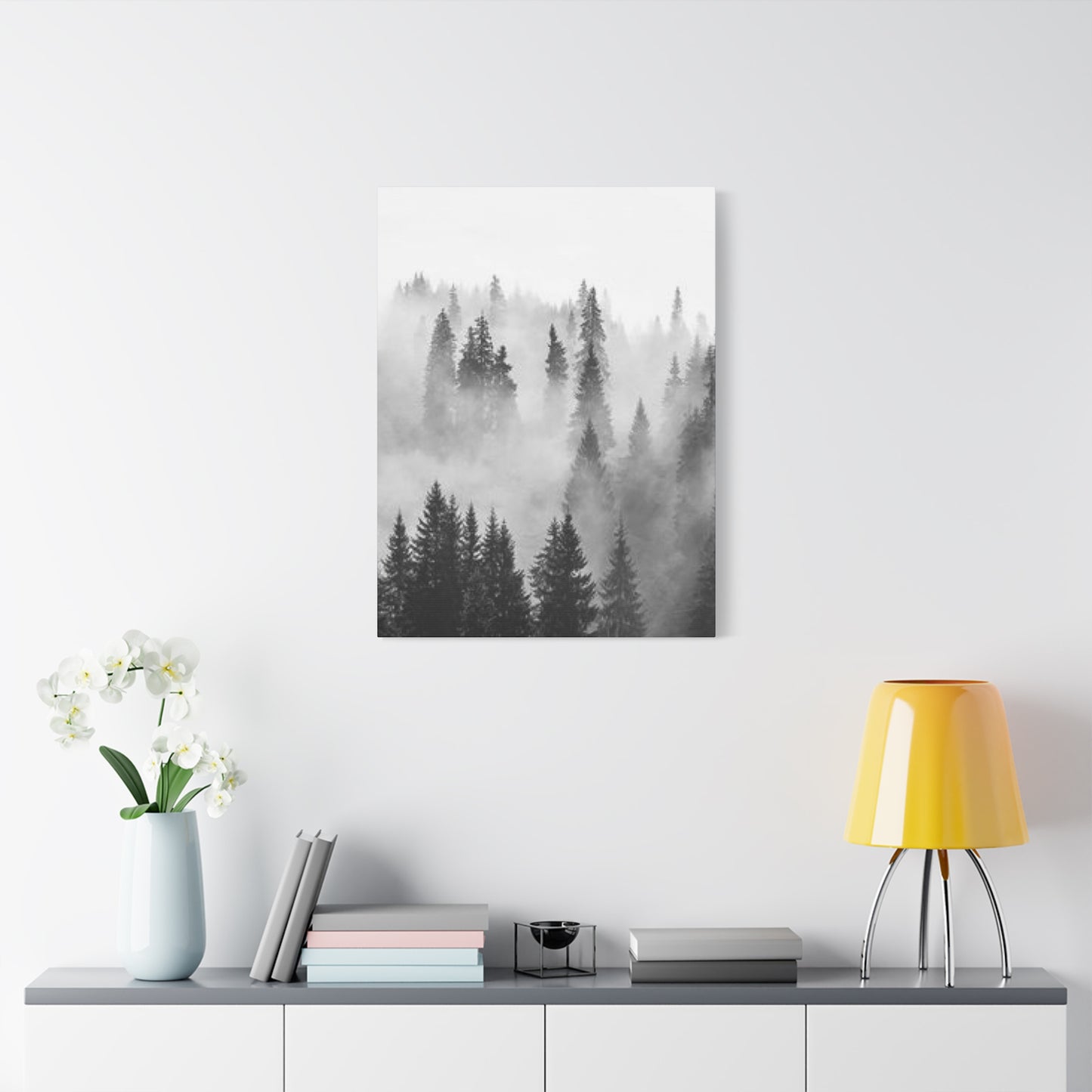
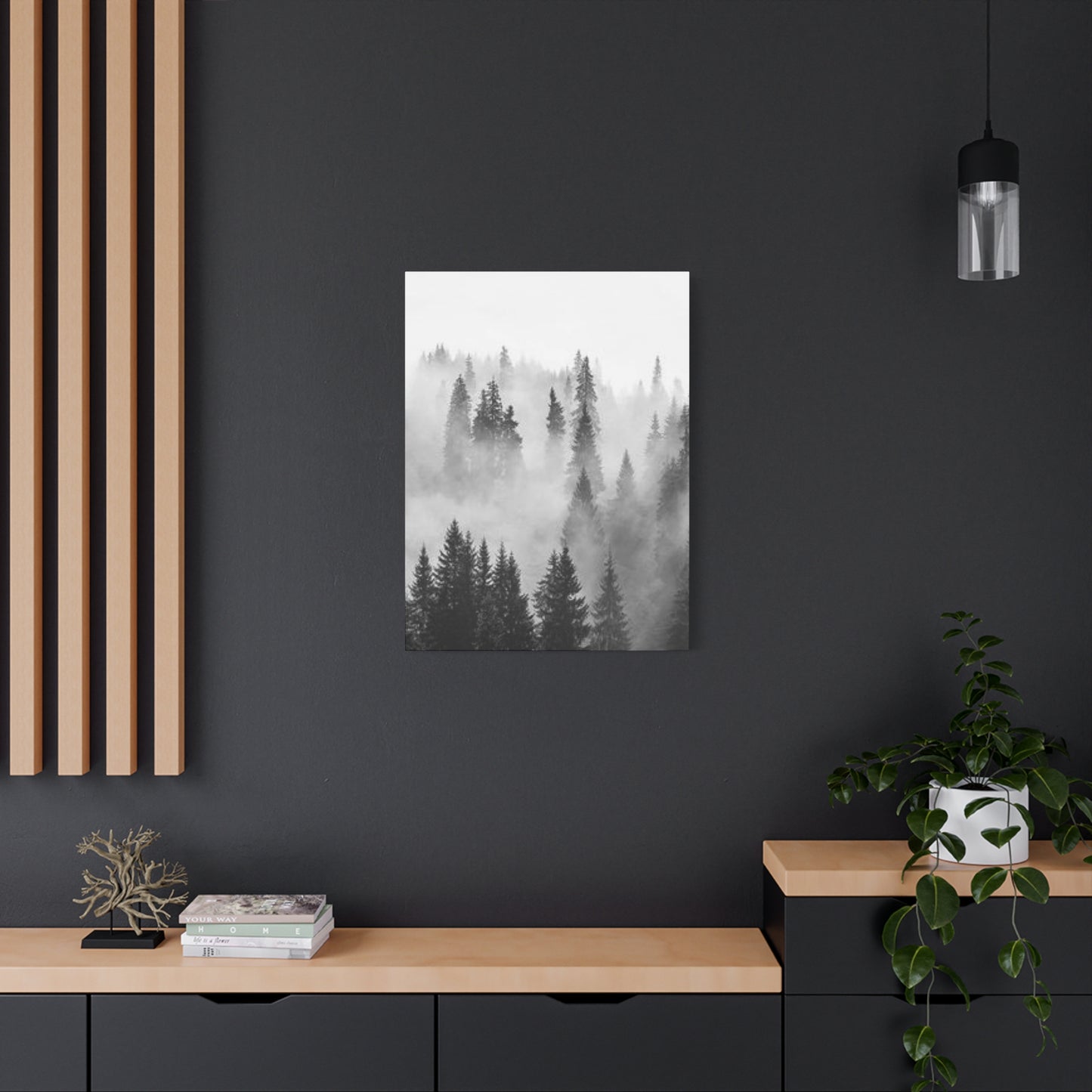
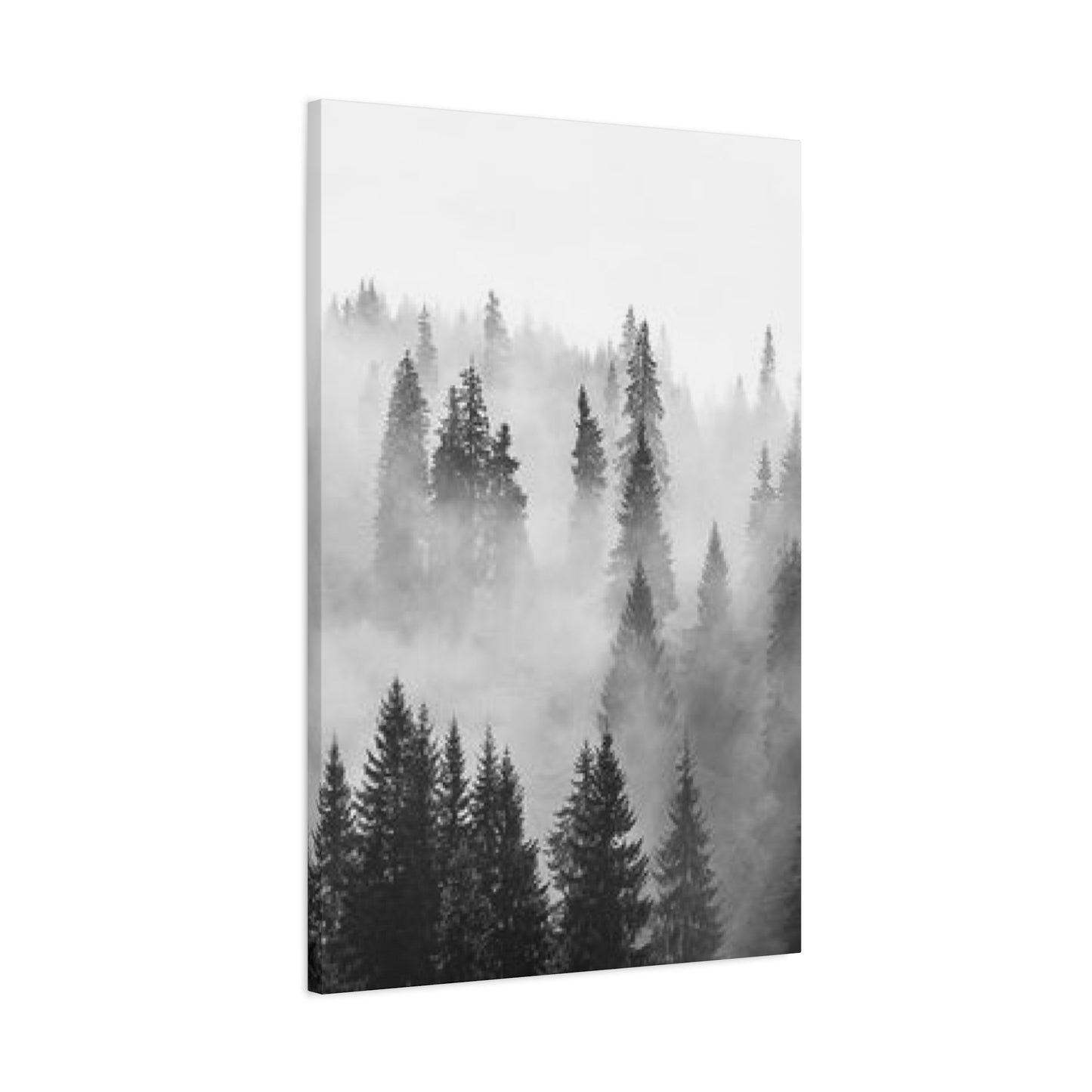
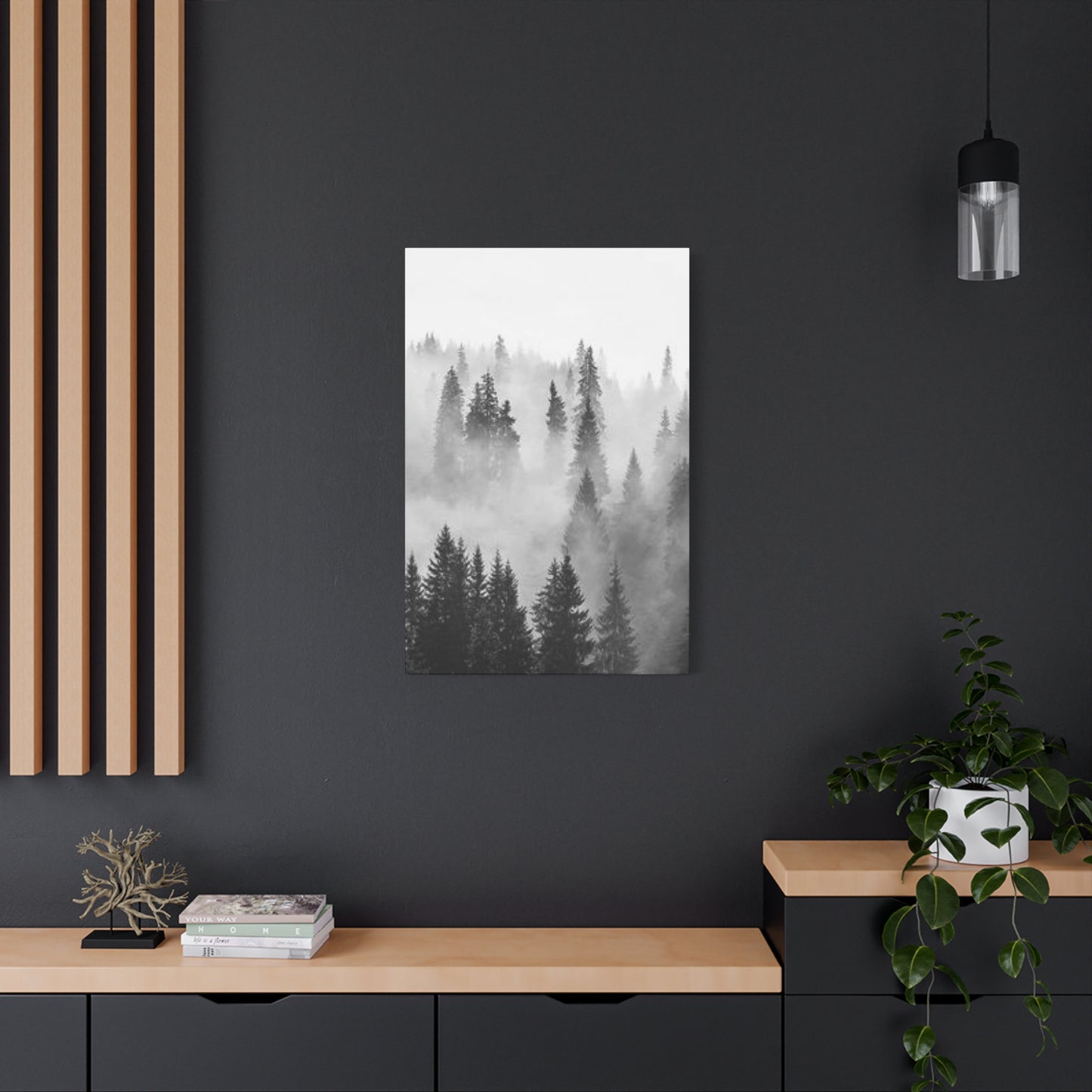
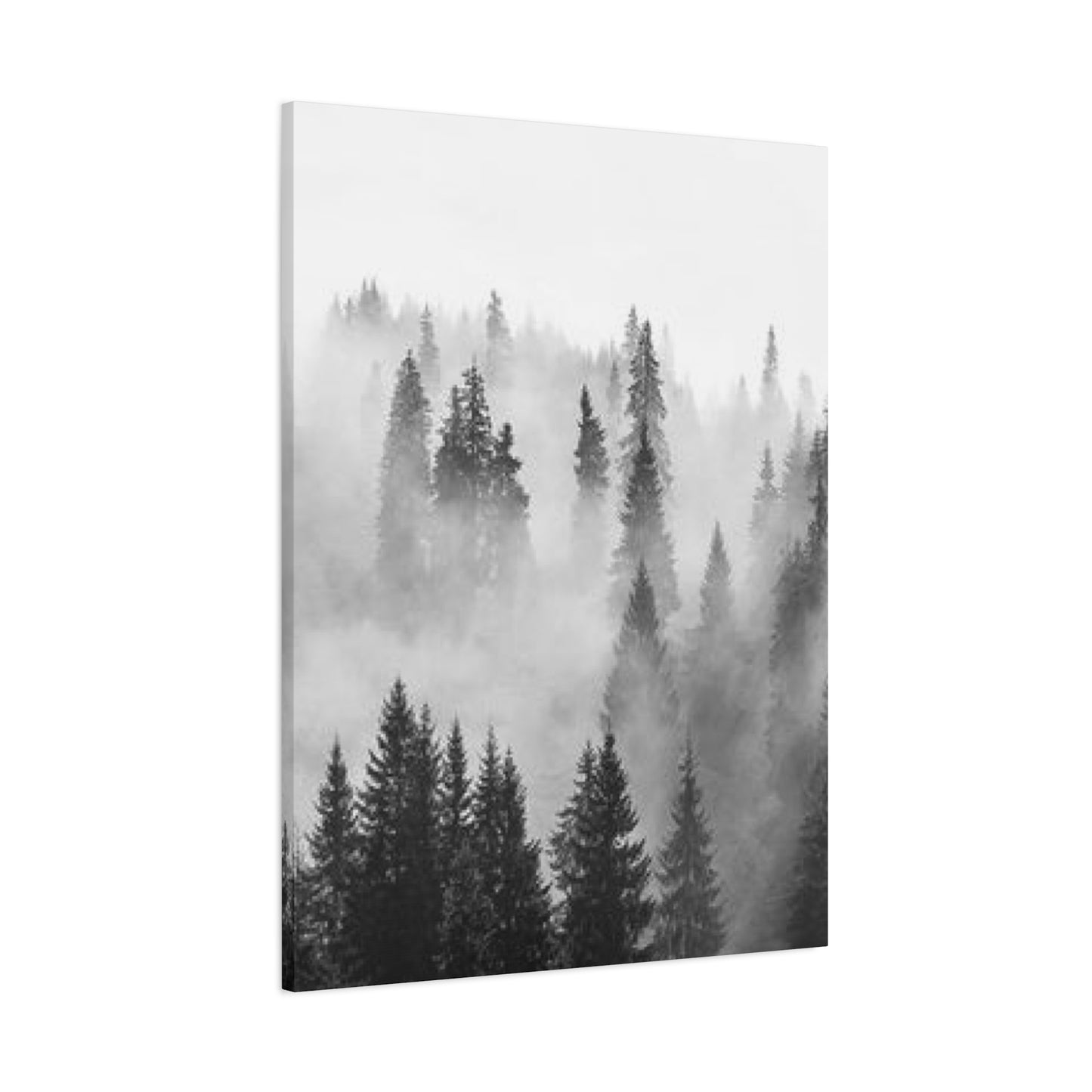
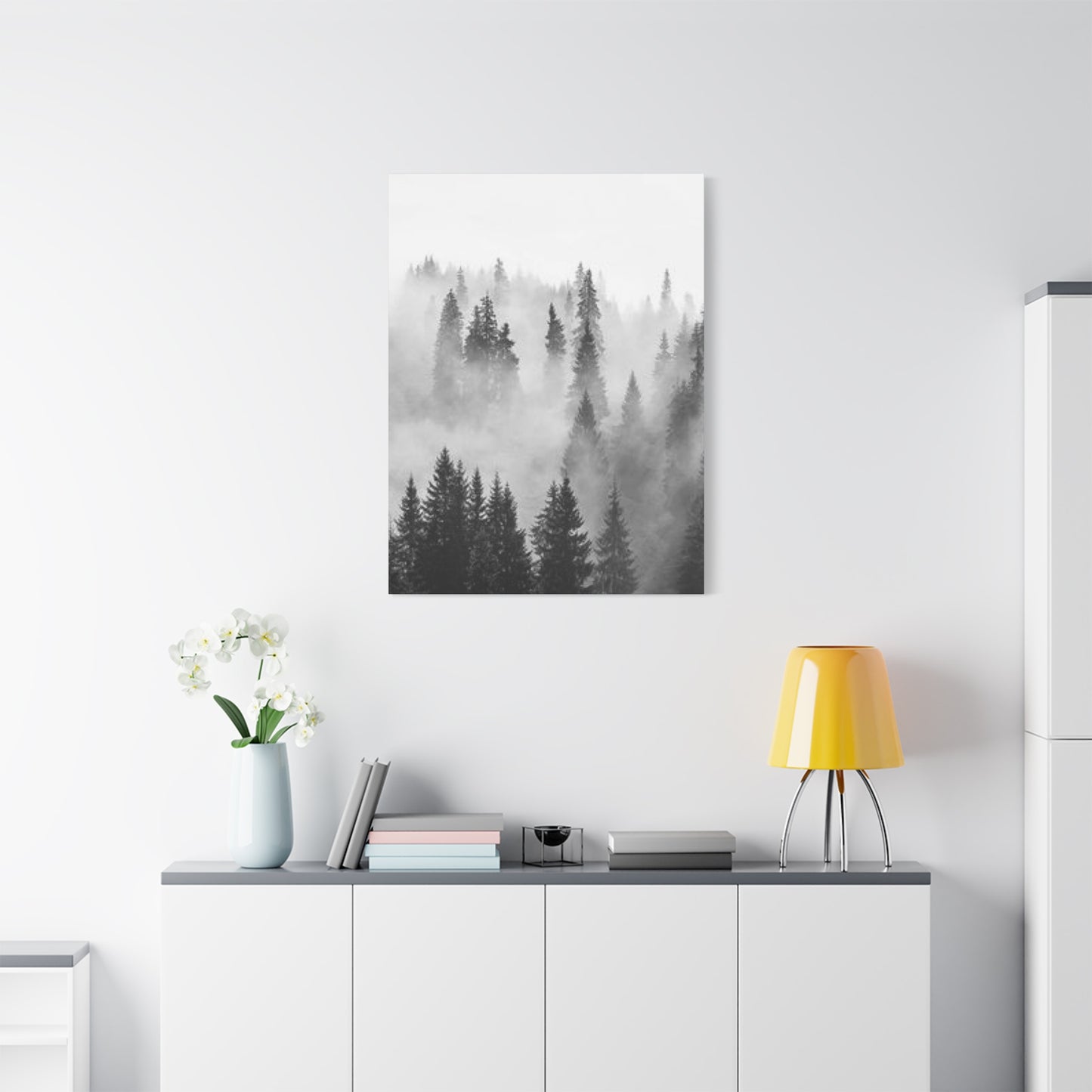
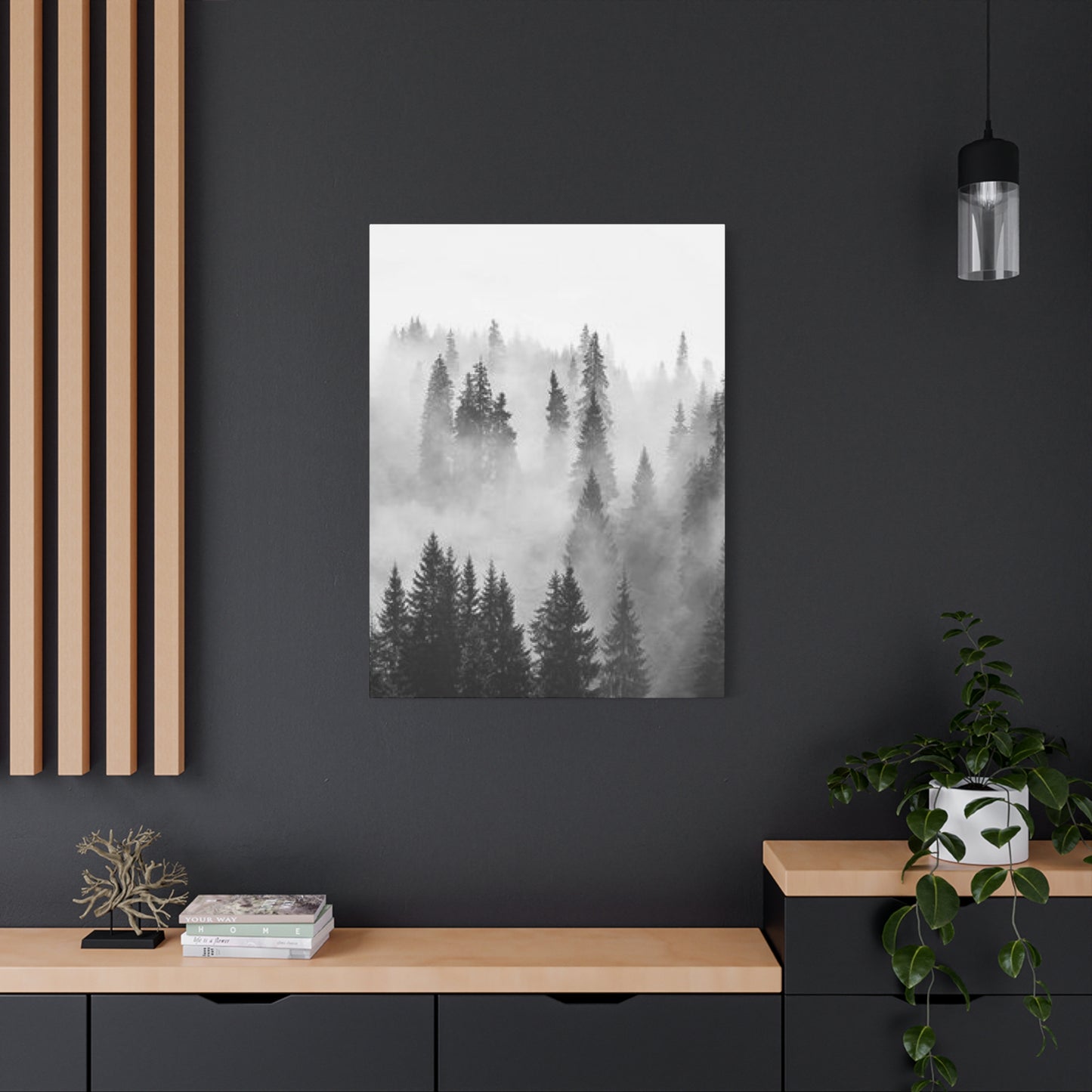
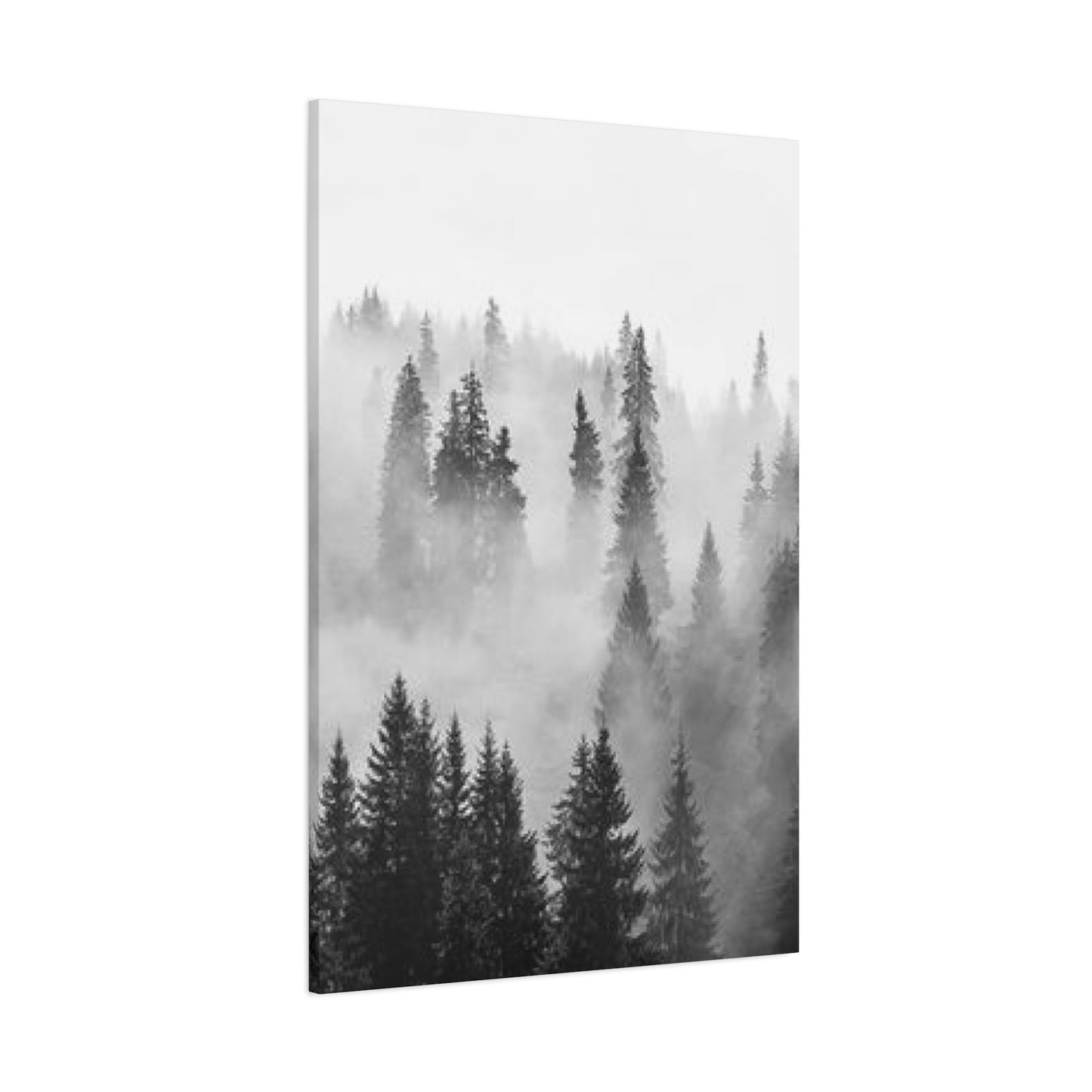
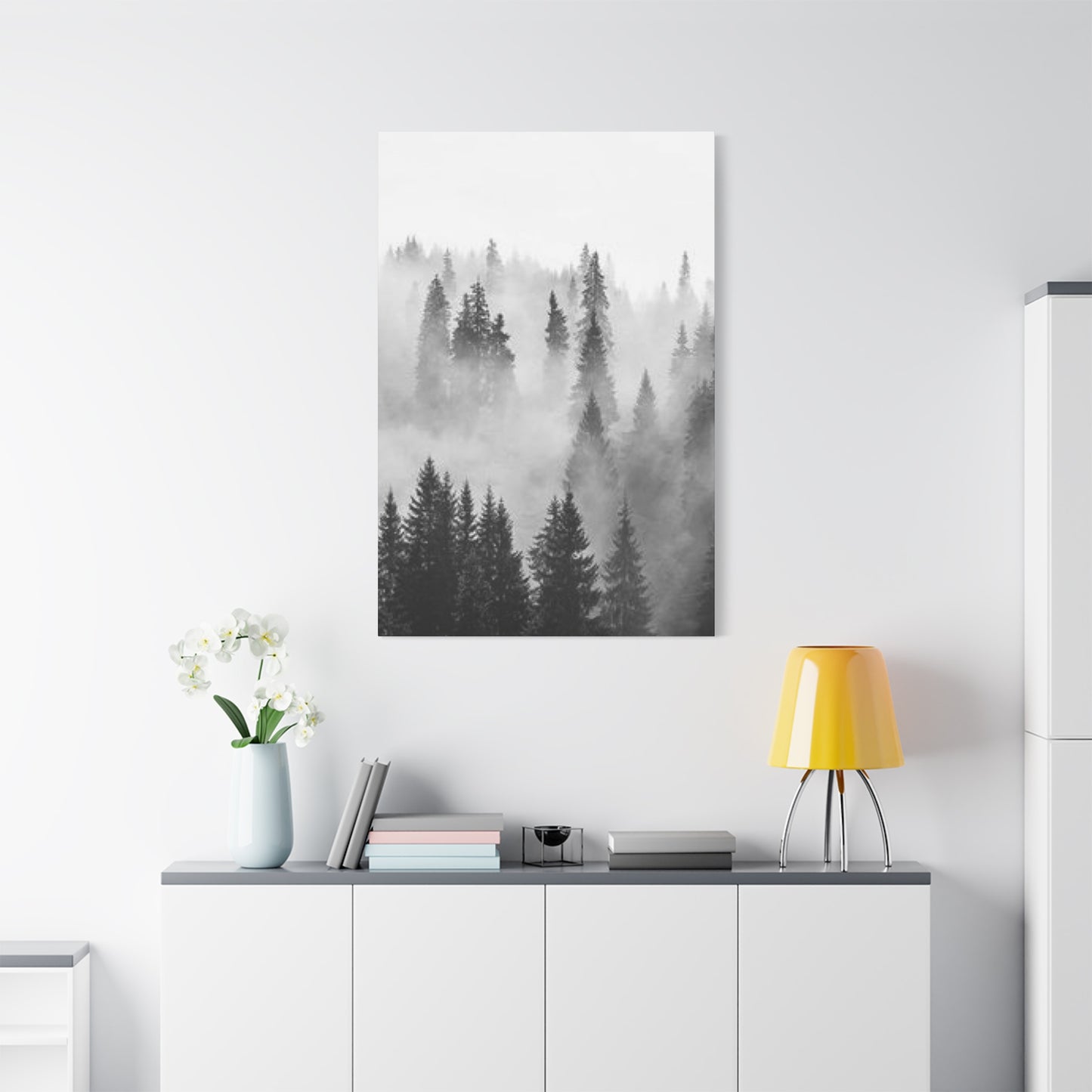
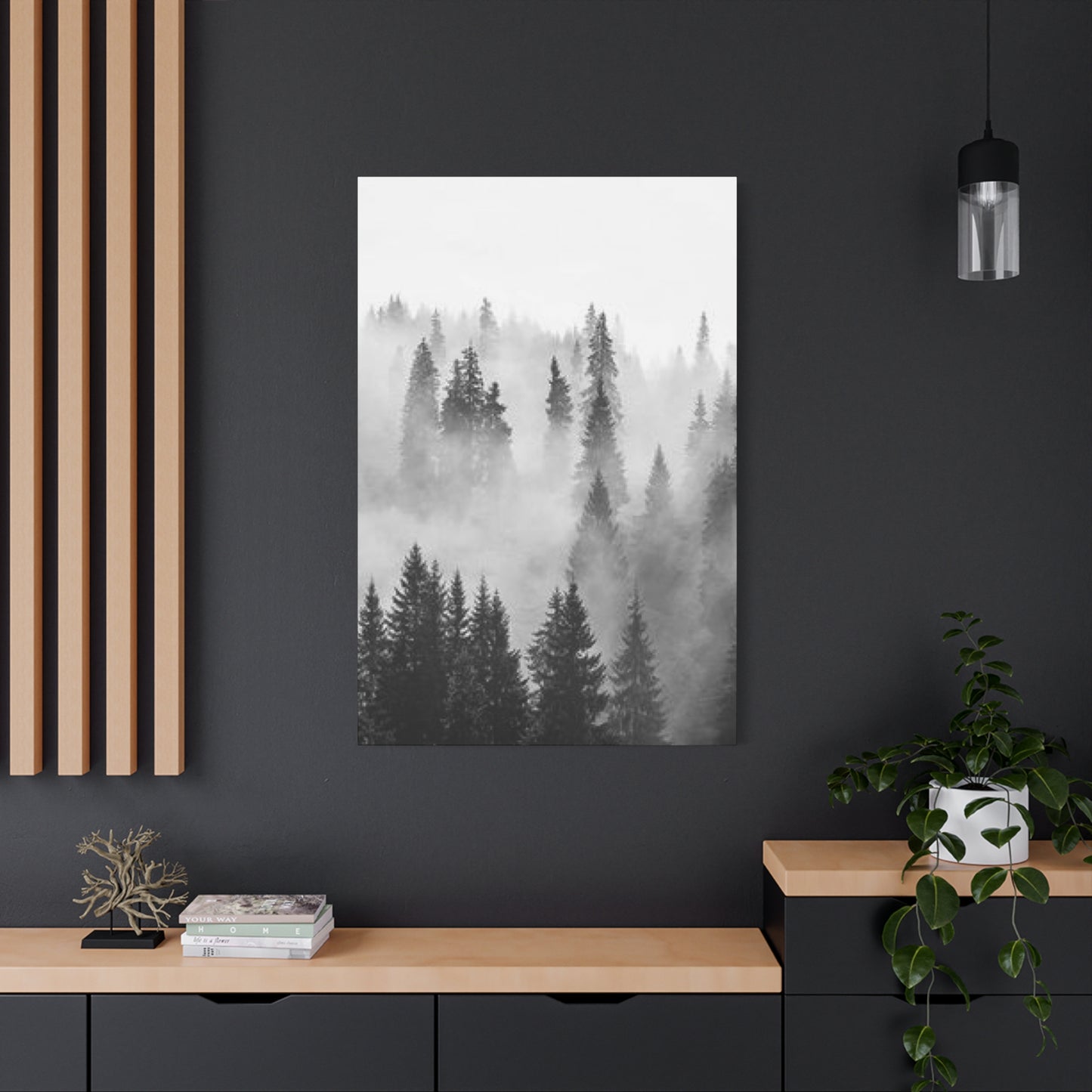
Black & White Fog Forest Fine Wall Art & Canvas Prints
Black & White Fog Forest Fine Wall Art & Canvas Prints
Couldn't load pickup availability
Captivating Black & White Fog Forest Fine Wall Art: A Journey Through Monochromatic Nature Photography
The allure of misty woodland scenes captured in monochromatic tones has captivated art enthusiasts and interior designers for generations. When photographers venture into foggy forests with their cameras, they discover ethereal landscapes where trees emerge from vaporous curtains, creating haunting silhouettes against diffused light. This artistic medium transforms ordinary woodland scenes into extraordinary visual narratives that speak to the soul. The absence of color forces viewers to focus on texture, form, contrast, and emotion, making each piece a profound statement in any living space.
Monochromatic forest photography represents more than mere documentation of nature. It embodies a philosophical approach to seeing the world, where simplification reveals complexity. The interplay between light and shadow becomes paramount, while the mysterious quality of fog adds layers of depth that color photographs often cannot achieve. Artists who specialize in this genre understand that stripping away chromatic information intensifies the emotional impact of their compositions.
The rising popularity of such artwork in contemporary homes reflects a broader cultural shift toward minimalism and mindfulness. People increasingly seek sanctuary from the overwhelming digital noise of modern existence. A carefully selected foggy woodland photograph on a wall serves as a portal to tranquility, inviting contemplation and offering respite from daily stressors. The timeless quality of these images ensures they remain relevant regardless of changing interior design trends.
Discovering the Enchantment of Monochromatic Woodland Imagery in Modern Spaces
The magnetic pull of grayscale forest scenes lies in their ability to transform architectural spaces into emotional sanctuaries. When sunlight filters through morning mist in a dense woodland, photographers capture moments that feel simultaneously ancient and immediate. These frozen instances of natural beauty possess a narrative quality that allows viewers to project their own stories and memories onto the canvas or print.
Interior designers have long recognized that monochromatic pieces serve as visual anchors in rooms, creating focal points without overwhelming other design elements. Unlike vibrant color photography that might clash with furniture or paint selections, grayscale forest art complements virtually any palette. The neutral tones allow the artwork to integrate seamlessly while still commanding attention through composition and subject matter.
The psychological impact of viewing such imagery extends beyond aesthetic appreciation. Research in environmental psychology suggests that visual connections to nature, even through photographs, can reduce stress hormones and promote relaxation. When that nature imagery features the softness of fog and the organic architecture of trees, the calming effect intensifies. Homeowners report feeling more grounded and centered in spaces adorned with these quiet, contemplative pieces.
Collectors appreciate the versatility of foggy forest photography across various room types. A bedroom benefits from the somnolent quality of mist-shrouded trees, promoting restful sleep and peaceful mornings. Living rooms gain sophistication and conversational intrigue from dramatic compositions featuring gnarled branches emerging from atmospheric haze. Even professional offices adopt this aesthetic to project creativity, thoughtfulness, and connection to natural rhythms.
The Artistic Craft Behind Capturing Ethereal Woodland Scenes in Grayscale
Creating compelling monochromatic forest photographs requires far more than simply converting color images to grayscale. Masterful photographers scout locations obsessively, returning to the same spots repeatedly to understand how light behaves across seasons and times of day. They study weather patterns, knowing that the most magical fog occurs under specific atmospheric conditions involving temperature differentials and humidity levels.
The technical demands of this genre challenge even experienced photographers. Exposing correctly in fog presents unique difficulties because the mist itself reflects light unpredictably. Photographers must decide whether to expose for the fog, which risks underexposing the trees, or to expose for the darker forest elements, potentially washing out the atmospheric quality. Many successful artists bracket their exposures, capturing multiple versions of the same scene at different exposure values to blend later during post-processing.
Composition in foggy forest photography follows both classical rules and intuitive departures from convention. Leading lines formed by tree trunks draw viewers' eyes into the misty depths, creating a sense of journey and discovery. Foreground elements anchor compositions while layers of progressively fainter trees in the background establish depth and atmospheric perspective. The rule of thirds often applies, though the most daring photographers sometimes center their subjects to emphasize symmetry and monumentality.
Lens selection profoundly impacts the character of the final image. Wide-angle lenses exaggerate spatial relationships, making forests feel vast and overwhelming, while telephoto lenses compress distances, creating abstract patterns from overlapping tree forms. Many photographers favor moderate focal lengths between 35mm and 85mm, which approximate human vision while allowing subtle manipulation of spatial perception. Prime lenses with wide apertures enable shooting in the dim light typical of foggy conditions while offering superior optical quality.
The decision to shoot in monochrome from the beginning versus converting during post-processing divides practitioners. Some cameras offer exceptional monochrome modes that help photographers visualize tonal relationships while composing. Others prefer capturing in color RAW format, preserving maximum information for careful conversion later. This latter approach allows independent control over how different colors translate to grayscale values, enabling photographers to darken skies or lighten foliage selectively for enhanced contrast.
Varieties and Styles Within the Realm of Misty Forest Wall Decoration
The world of monochromatic forest art encompasses numerous stylistic approaches, each resonating differently with viewers. High-contrast imagery emphasizes dramatic tonal separations, with deep blacks and bright whites creating powerful visual impact. These bold pieces suit modern interiors with clean lines and contemporary furniture, where their graphic quality reinforces minimalist aesthetics. Photographers achieve this look through careful exposure and aggressive post-processing that pushes tones toward the extremes of the tonal range.
Conversely, low-contrast or high-key imagery embraces subtle gradations within a narrower tonal range. These softer interpretations feature gentle transitions between light and dark, creating dreamlike atmospheres that feel introspective and meditative. The overall brightness and lack of harsh shadows make these pieces ideal for smaller rooms or spaces where a gentle presence is desired. They pair beautifully with Scandinavian or coastal design schemes that prioritize airiness and light.
Fine art prints versus canvas wraps represent another distinction in this category. Traditional photographic prints on paper stock appeal to purists who appreciate the crisp detail and archival qualities of museum-grade papers. These often include white borders and require framing behind glass, adding formality and protection. Canvas gallery wraps, where the image extends around stretcher bars, offer a more casual, contemporary presentation that works well in relaxed settings. The texture of canvas adds tactile dimension that some collectors prefer over the smooth surface of photographic paper.
Size considerations dramatically affect viewer experience and appropriate placement. Smaller prints ranging from 16x20 to 24x36 inches work beautifully in groupings, allowing collectors to create gallery walls that tell visual stories through multiple related images. Medium-sized pieces between 30x40 and 40x60 inches serve as substantial focal points above furniture or in hallways. Statement pieces exceeding five feet in any dimension command entire walls, transforming rooms into immersive environments that blur the boundary between interior space and natural world.
Limited edition prints carry additional appeal for serious collectors. When photographers release images in numbered, restricted quantities—often between 25 and 250 prints—they create scarcity that enhances value and exclusivity. Each print includes a certificate of authenticity signed by the artist, documenting its place within the edition. This approach aligns with traditional fine art market practices and allows photographers to price their work according to both artistic merit and rarity.
Some artists explore experimental processes that push beyond conventional photography. Platinum-palladium printing, an archaic technique experiencing renewed interest, produces exquisite tonal richness and permanence unmatched by modern methods. The labor-intensive process involves hand-coating papers with light-sensitive solutions containing noble metals, then contact-printing from large-format negatives. The resulting images possess a luminous quality and physical presence that digital printing cannot replicate, commanding premium prices from discerning collectors.
Selecting the Perfect Monochromatic Forest Piece for Your Environment
Choosing artwork that truly enhances a space requires thoughtful consideration of multiple factors beyond simple aesthetic preference. The first step involves assessing the room's existing character, including architectural features, color palette, furniture styles, and lighting conditions. A room with abundant natural light can support more subtle, high-key images, while spaces with limited illumination benefit from higher contrast pieces that remain visually engaging under artificial light.
Scale relationships between artwork and surrounding elements determine whether a piece feels appropriately proportioned or awkwardly sized. A common guideline suggests wall art should occupy roughly two-thirds to three-quarters the width of furniture it hangs above, though this rule flexes according to ceiling height and room dimensions. In rooms with soaring ceilings, vertically oriented pieces emphasize height and grandeur, while horizontal orientations suit rooms with lower ceilings or expansive wall spans.
The emotional tone you wish to establish influences which style of foggy forest imagery works best. Compositions featuring solitary trees evoke contemplation and individuality, appealing to those who value introspection. Dense forest scenes with multiple overlapping trees suggest community, complexity, and the layered nature of experience. Paths winding into misty depths invite viewers on metaphorical journeys, symbolizing exploration and the unknown.
Examining the photograph's tonal distribution helps predict its visual weight in a space. Images with predominantly light tones feel expansive and uplifting, making rooms appear larger and more open. Darker images create intimacy and coziness, ideal for spaces intended for relaxation or meaningful conversation. Balanced images with full tonal ranges from deep blacks through midtones to bright highlights offer versatility and visual completeness that works in diverse settings.
Viewing conditions in your home or office should inform your selection process. If possible, view potential purchases under lighting similar to where they'll ultimately hang. Colors in your wall paint can subtly influence how monochromatic art appears—warm beiges might add warmth to grayscale images, while cool grays maintain neutrality. The time of day when you most frequently occupy the room matters too, as morning light differs substantially from evening illumination.
Personal connection trumps all other considerations. The most successfully chosen art speaks to something within the viewer, whether triggering memories of childhood forests, representing aspirational serenity, or simply creating an inexplicable sense of rightness. Trust your visceral responses when evaluating pieces. If an image consistently draws your attention and evokes positive feelings during repeated viewings, it likely possesses the qualities necessary for long-term satisfaction.
Framing Choices and Presentation Methods for Monochromatic Nature Photography
The frame surrounding a photograph profoundly influences its impact and integration within a space. For monochromatic forest imagery, frame selection ranges from traditional ornate mouldings to sleek contemporary profiles, each imparting different character. Substantial wooden frames in dark finishes like espresso or ebony enhance the gravitas of dramatic, high-contrast images, creating borders that echo the trees themselves while providing visual containment.
Metal frames in black, silver, or champagne finishes offer modern sophistication that complements minimalist interiors. Thin profiles maintain focus on the image while providing structural support and polish. These work particularly well with architectural styles featuring clean lines and industrial elements like exposed ductwork or concrete floors. The reflective quality of metal surfaces can add subtle visual interest without competing with the photograph.
Float mounting, where the print appears suspended within the frame with space visible around all edges, creates dimensional intrigue and emphasizes the photograph as a precious object. This presentation style works beautifully with deckled-edge papers or prints with the artist's signature visible in the border. The shadow gap created by the floating effect adds literal depth that enhances the illusory depth within foggy forest imagery.
Matting decisions significantly affect perceived formality and breathing room around images. Wide white or cream mats create expansive borders that elevate the photograph to fine art status, appropriate for formal settings like dining rooms or offices. Narrow mats or frameless presentations feel more contemporary and immediate, allowing the image to dominate without intermediary space. Some collectors prefer double mats with contrasting colors in the reveal, though this approach requires careful color selection to avoid distracting from the monochromatic subject.
Acrylic glazing has largely replaced traditional glass in contemporary framing due to its lighter weight, greater shatter resistance, and superior clarity. Museum-grade acrylic includes UV-filtering properties that protect photographs from fading while maintaining exceptional transparency. Anti-reflective coatings minimize glare, crucial for rooms with bright lighting or windows opposite the artwork. The premium cost of these materials proves worthwhile for valuable prints intended as long-term investments.
Alternative presentation methods extend beyond traditional framing. Metal prints, where images are infused directly onto aluminum sheets, offer stunning luminosity and contemporary edge. The metal surface imparts a subtle sheen that makes fog appear to glow while providing exceptional durability and moisture resistance suitable for bathrooms or humid climates. Ready-to-hang systems with hidden mounting hardware create floating appearances directly against walls, appealing to those seeking minimalist presentations.
Proper Placement Strategies to Maximize Visual Impact of Forest Wall Art
Strategic positioning determines whether artwork becomes a cherished focal point or fades into background obscurity. The standard height for hanging art places the center approximately 57 to 60 inches from the floor, aligning with average eye level. However, this guideline requires adjustment based on ceiling height, furniture proximity, and viewing angles. In rooms where viewers are typically seated, lowering artwork by several inches ensures comfortable viewing without neck strain.
Above sofas and beds, maintaining 6 to 12 inches of space between furniture top and frame bottom prevents the piece from feeling disconnected while avoiding the appearance of crowding. Larger artworks can hang closer to furniture without visual problems, while smaller pieces require more breathing room to read as intentional rather than poorly placed. The artwork width should relate proportionally to furniture width, generally falling between two-thirds and full width of the piece below it.
Creating gallery walls with multiple monochromatic forest images allows storytelling through related compositions. Successful arrangements balance sizes, orientations, and tonal qualities while maintaining consistent spacing between frames. Many designers begin by arranging pieces on the floor, photographing successful layouts before transferring to walls. Maintaining uniform spacing of 2 to 3 inches between frames creates cohesion, while varying spacing can feel disjointed and haphazard.
Lighting artwork properly ensures it receives the attention it deserves while protecting it from damage. Picture lights mounted directly above frames provide focused illumination that enhances contrast and detail. LED options minimize heat output that could damage photographs over time. Alternatively, track lighting or adjustable recessed fixtures allow precise positioning of light beams. Avoiding direct sunlight preserves image quality, as even archival prints gradually fade when exposed to UV radiation.
Architectural features like mantels, alcoves, and built-in shelving offer natural locations for artwork display. Centering large pieces above fireplaces creates traditional symmetry, while off-center placements in modern interiors can feel more dynamic. In alcoves, sizing artwork to nearly fill the space maximizes impact and creates intimate viewing experiences. Shallow shelves allow layering of smaller prints for flexible arrangements that evolve as collections grow.
Unexpected locations often provide the most memorable viewing experiences. Stairway walls, typically underutilized, become dramatic galleries when adorned with vertically arranged forest images that ascend alongside the stairs. Narrow hallways transform into atmospheric corridors when lined with misty woodland scenes, creating transitional journeys between rooms. Even powder rooms, often overlooked, become conversation starters when graced with properly scaled foggy forest photographs.
Preservation and Longevity Considerations for Monochromatic Photographic Prints
Protecting valuable art investments requires understanding environmental factors that accelerate deterioration. Light exposure, particularly UV radiation from sunlight and fluorescent fixtures, remains the primary culprit in photographic fading. Even prints produced with archival inks and papers gradually lose density when exposed to light energy that breaks down chemical bonds in colorants. Museums limit light exposure to 50 lux or less for light-sensitive materials, though this creates viewing conditions too dim for residential settings.
Temperature and humidity fluctuations stress photographic materials through expansion and contraction cycles that eventually cause warping, cockling, or delamination of mounted prints. Maintaining consistent conditions between 65-75°F and 30-50% relative humidity preserves prints optimally. Avoid hanging art above heat sources like fireplaces or radiators, or in rooms with high humidity like bathrooms, unless prints are specially protected. Dehumidifiers in damp climates and humidifiers in arid regions help maintain stable conditions beneficial to art preservation.
Dust accumulation dulls image appearance and, more insidiously, holds moisture against surfaces where it can promote mold growth. Regular gentle dusting with soft, lint-free cloths or specialized microfiber dusters designed for art prevents buildup. For framed pieces behind glass or acrylic, anti-static sprays designed for glazing reduce dust attraction. Never use commercial glass cleaners directly on glazing, as overspray can seep under frames and damage prints; instead, lightly mist cloths before wiping.
Insects and mold represent serious threats in humid environments or poorly ventilated spaces. Silverfish consume the gelatin and starches in photographic papers, leaving irregular holes and surface damage. Mold appears as spots or fuzzy growth, particularly in dark areas with poor air circulation. Prevention through environmental control proves far easier than remediation. If infestation occurs, consult professional art conservators rather than attempting DIY treatments that might cause irreversible damage.
Handling prints during installation or relocation requires careful practice. Always grasp frames rather than touching print surfaces, as skin oils transfer readily and attract dirt. When handling unframed prints, wear clean cotton gloves and support pieces with both hands along edges, never allowing them to bend or crease. Store unframed prints flat in acid-free boxes with interleaving tissue to prevent surface-to-surface contact. Rolled storage should be avoided when possible, but if necessary, roll with the image side outward around large-diameter tubes to minimize stress.
Professional conservation becomes necessary when prints show signs of deterioration despite preventive care. Conservators possess specialized knowledge and tools to address issues like foxing (brown spots from iron impurities), mold removal, tear repair, and stabilization of degraded materials. Annual or biannual inspections of valuable pieces allow early detection of problems when intervention remains relatively simple and inexpensive compared to crisis situations requiring emergency treatment.
The Emotional Resonance and Symbolic Meaning of Foggy Forest Imagery
Forests have occupied central positions in human mythology and psychology since prehistoric times, representing the unknown, transformation, and the unconscious mind. When shrouded in fog, these symbolic associations intensify, creating visual metaphors for mystery, transition, and the veiled nature of truth. Artists working with this subject matter tap into ancient archetypes that resonate across cultures and personal experiences.
The solitary tree emerging from mist frequently symbolizes individual resilience and identity within larger communities or challenges. Viewers project their own narratives onto these compositions, seeing themselves as the distinct tree standing firm while surrounded by obscuring circumstances. This interpretation appeals particularly to those navigating life transitions, career changes, or personal growth phases where clarity feels elusive yet persistence remains essential.
Paths disappearing into foggy forests activate the journey archetype deeply embedded in human consciousness. These images speak to our universal experience of moving forward despite imperfect knowledge of what lies ahead. The obscured destination suggests faith in the process rather than fixation on outcomes, a philosophical stance that resonates with contemplative viewers seeking deeper meaning in daily existence. Such images serve as daily reminders to embrace uncertainty as inherent to life rather than something to be eliminated.
The absence of color in monochromatic forest photography removes temporal and geographic specificity, creating universal rather than particular statements. Color photographs anchor viewers in specific seasons, times of day, and locations, while grayscale imagery transcends these particulars to address timeless themes. This universality allows more viewers to find personal connections unmediated by whether they've visited similar actual locations or experienced comparable lighting conditions.
Psychologically, viewing nature imagery activates the brain's default mode network, associated with self-referential thought, memory, and envisioning the future. The soft focus and obscured details of foggy forests particularly engage imaginative processes as viewers mentally complete partially hidden scenes. This mental engagement creates deeper processing and emotional investment compared to fully revealed, highly detailed photographs that leave nothing to imagination.
The quietness inherent in foggy forest scenes—their muted tones, soft edges, and implied silence—offers counterbalance to the sensory overload of contemporary life. These images function as visual balms, places where eyes can rest without constant stimulation competing for attention. In spaces dominated by screens, notifications, and perpetual information flow, monochromatic forest art creates sanctuaries of stillness that support mental health and cognitive restoration.
Investment Value and Collectibility of Fine Art Nature Photography
The fine art photography market has matured significantly over recent decades, with nature photography claiming substantial market share among collectors. Monochromatic forest imagery by recognized artists appreciates steadily as edition numbers sell out and the photographer's reputation grows. Unlike mass-produced decorative prints available through furniture stores, limited edition fine art prints from established photographers represent legitimate alternative investments alongside traditional art forms.
Several factors determine a photograph's collectible value and investment potential. Artist reputation and exhibition history provide primary indicators—photographers whose work appears in museum collections, wins prestigious competitions, or receives critical acclaim in art publications command higher prices that appreciate more reliably. Provenance documentation that traces ownership history adds value, particularly for prints from early in an artist's career before they achieved recognition.
Edition size inversely correlates with value, with smaller editions commanding premium prices. Prints numbered as "artist's proofs" (typically 10% of the edition size, marked AP or A/P) hold special status as artist's personal copies offered for sale. These often appreciate faster than regular edition numbers. First prints from an edition, marked 1/25 or similar, attract collectors who value owning the earliest strike from the negative or digital file when image quality peaks.
Condition dramatically affects value, making preservation efforts essential for investment-minded collectors. Pristine prints in excellent condition with no fading, foxing, tears, or other damage retain full value, while compromised pieces sell at significant discounts. Professional appraisers assess condition using standardized criteria when establishing values for insurance or resale purposes. Maintaining detailed condition documentation and periodic professional assessments protects investment value.
Market trends influence which photographic subjects and styles appreciate most rapidly. Currently, monochromatic nature photography enjoys strong demand driven by interior design trends favoring minimalism and biophilic design principles. As younger collectors enter the market, digital-native photographers who skillfully blend traditional aesthetics with contemporary sensibilities gain traction. Geographic considerations matter too, with regional photographers often commanding premium prices in their home markets.
Acquiring work directly from photographers through their studios or websites often provides the most favorable pricing, as galleries typically add 50% markups to cover overhead and expertise. However, galleries offer advantages including curated selections, professional advice, and often easier return policies. Auction houses handle estate sales and collections, where bargains occasionally emerge, though bidding competition can drive prices above retail for desirable pieces. Online marketplaces have democratized access but require careful authentication to avoid purchasing unauthorized reproductions.
Environmental and Ethical Dimensions of Nature Photography Collecting
Thoughtful collectors increasingly consider the environmental impact and ethical implications of their purchasing decisions. The materials and processes used to produce photographic prints vary dramatically in sustainability. Traditional chemical darkroom processes, while producing exquisite results, involve toxic substances requiring careful disposal. Modern pigment-based inkjet printing uses less hazardous materials, though ink cartridges and electronic components present their own environmental challenges.
Paper selection significantly affects environmental footprint. Forest Stewardship Council (FSC) certified papers come from responsibly managed forests where harvesting balances with regeneration. Bamboo papers offer sustainable alternatives, as bamboo grows rapidly without pesticides or excessive irrigation. Cotton rag papers, made from textile industry waste, represent another eco-conscious choice, though production processes vary in sustainability. Asking photographers about their paper sourcing demonstrates values-aligned collecting.
The relationship between nature photography and conservation remains complex. Some argue that photographing pristine wilderness contributes to "loving it to death" as published images attract visitors whose cumulative impact degrades the very landscapes that inspired the art. Geotagging photographs on social media exacerbates this problem by providing precise coordinates to sensitive locations. Responsible photographers increasingly obscure exact locations and support conservation organizations through proceeds from their work.
Photographers' field practices during image capture reflect environmental ethics. Minimizing ecosystem disturbance while working—staying on established paths, not breaking branches for compositions, avoiding sensitive periods like nesting seasons—demonstrates respect for subjects. Some photographers actively participate in conservation, donating time and imagery to environmental organizations or using their platforms to advocate for habitat protection. Collectors who value these ethics seek out and support such photographers.
The carbon footprint of producing and shipping artwork deserves consideration. Large prints require significant materials and energy for production, plus transportation impacts when shipped internationally. Some photographers offer carbon-neutral shipping options or plant trees to offset their business's environmental impact. Local and regional artists reduce transportation impacts while supporting community creative economies, considerations that appeal to environmentally conscious collectors.
Cultural appropriation concerns arise when photographers from dominant cultures profit from imaging sacred or culturally significant landscapes belonging to marginalized communities without permission, collaboration, or benefit-sharing. Indigenous peoples worldwide have raised concerns about outsiders commercially exploiting their traditional lands. Ethical collectors investigate whether photographers have obtained appropriate permissions and how their work respects or benefits the communities connected to imaged landscapes.
Creating Cohesive Interior Schemes Around Monochromatic Forest Artwork
Designing rooms that harmonize with foggy forest photography involves thoughtful selection of colors, textures, and furnishings that complement rather than compete with the artwork. Neutral color palettes in whites, grays, beiges, and taupes create sophisticated backdrops that allow monochromatic photographs to shine as focal points. These achromatic or near-achromatic schemes echo the grayscale tones within the artwork, creating visual unity throughout the space.
Introducing natural materials strengthens the connection between interior spaces and the natural world depicted in the photography. Wooden furniture in varied grains and finishes—from pale ash to rich walnut—brings organic warmth that balances the coolness of grayscale imagery. Stone elements like marble coffee tables or slate fireplace surrounds add textural variety while maintaining tonal harmony. Natural fiber textiles including linen curtains, jute rugs, and wool throws layer tactile richness that engages senses beyond the visual.
Strategic accent colors, when desired, should be chosen carefully to avoid overwhelming the understated elegance of monochromatic art. Muted earth tones like sage, terracotta, or dusty blue add personality while respecting the calm aesthetic. Introducing color through easily changed elements like throw pillows and ceramics allows seasonal refreshment without committing to permanent installations. Metallic accents in brass, copper, or brushed nickel catch light and add glamour without chromatic competition.
Furniture style selections range across spectrum from modern to traditional, all capable of working beautifully with foggy forest photography. Mid-century modern pieces with clean lines and organic curves feel naturally aligned with nature-inspired art. Contemporary furniture in minimalist profiles emphasizes the artwork through restraint. Even traditional styles work when selections avoid excessive ornamentation that might create visual chaos competing with the photograph's subtle complexity.
Lighting design extends beyond illuminating the artwork itself to creating ambient conditions that harmonize with the mood the photograph establishes. Layered lighting schemes incorporating ambient, task, and accent sources allow flexibility for different activities and times of day. Dimmer switches enable adjustment from bright and energizing to soft and contemplative. Warm color temperature bulbs (2700-3000K) create cozy atmospheres for evening relaxation, while cooler temperatures (3500-4000K) suit productive daytime activities.
Plants and botanical elements create literal connections between the natural world depicted in photographs and the living space. Fiddle-leaf figs, monstera, and ferns bring dramatic foliage that complements forest imagery. Smaller succulents and air plants suit spaces where low-maintenance options work better. Seasonal branches in vases echo tree forms in photographs while adding dimensional elements that animate spaces. This biophilic approach supports wellbeing while reinforcing design cohesion.
Commissioning Custom Monochromatic Forest Photography for Personal Spaces
For collectors seeking truly unique pieces perfectly suited to their spaces and preferences, commissioning custom work from photographers offers unparalleled results. This process begins with identifying photographers whose existing work resonates stylistically and whose skills match the envisioned outcome. Reviewing portfolios carefully reveals whether a photographer excels at the specific aesthetic—high contrast versus subtle tones, particular compositional approaches, or preferred forest types.
Initial consultations establish the project scope, including size specifications, intended installation location, budget parameters, and aesthetic preferences. Bringing photographs of the space, paint samples, and mood boards helps photographers understand the context their work will inhabit. Discussing what emotions or qualities you want the piece to evoke—serenity, drama, mystery—guides the creative direction. Some collectors specify particular forest types or geographic regions holding personal significance.
Location scouting may involve the photographer proposing several options based on the established criteria, sometimes including the client in site visits when practical. Photographers familiar with multiple locations can match preferences to specific sites known for particular characteristics—ancient gnarled trees, uniform conifer forests, deciduous woods with interesting understory, or mixed forests offering varied textures. Seasonal timing gets scheduled based on when conditions best match the desired aesthetic.
Weather dependency means commissioned photography projects require patience and flexibility. The ephemeral nature of fog means photographers may need multiple attempts to capture ideal conditions. Clear contracts specify how many shooting sessions are included and whether additional fees apply if ideal conditions remain elusive. Some photographers charge day rates plus expenses, while others quote fixed project prices. Understanding these structures prevents misunderstandings.
Review processes vary among photographers. Some share rough proofs or contact sheets allowing clients to participate in selecting which captures to develop fully. Others prefer presenting a curated selection of finished images, believing their professional judgment serves clients best. Discussing preferences during initial consultations ensures alignment. Most custom projects deliver the commissioned piece plus potentially several alternates from the same shoot, offering unexpected bonus pieces.
Final deliverables should be clearly specified regarding file formats, print production, and framing. Some photographers include printing and framing in their commission fees, ensuring quality control throughout production. Others deliver high-resolution files with recommendations for trusted labs and framers. Discussing print longevity, archival standards, and edition status (whether the commissioned work remains unique or enters limited edition) protects both parties' interests and establishes value.
The Intersection of Mindfulness Practices and Contemplative Art Viewing
The intentional practice of viewing art mindfully deepens appreciation while offering mental health benefits increasingly recognized by wellness practitioners. Monochromatic forest photography particularly suits contemplative viewing due to its inherent quietness and invitation to slow observation. Rather than glancing at artwork while rushing past, mindful viewing involves stopping, breathing, and truly seeing what exists within the frame.
Beginning a mindful viewing practice starts simply: approach the artwork and take several deep breaths, releasing the mental chatter of daily concerns. Notice first impressions and emotional responses without judgment. What feelings arise when viewing the mist-shrouded trees? Does the image evoke calmness, melancholy, curiosity, or something else entirely? Acknowledging these responses without analyzing them allows authentic connection with the work.
Progressive observation moves from general impressions to specific details. How does light behave within the composition? Where do shadows fall deepest, and where does illumination break through? Trace the shapes of individual trees, noticing variations in trunk thickness, branch patterns, and canopy densities. Observe how fog creates layers of depth, with near trees sharp and distinct while distant forms fade into ethereal obscurity. This detailed observation grounds attention in the present moment.
Imaginative engagement invites viewers into the depicted scene. What sounds might accompany this visual—birdsong, rustling leaves, the profound silence of heavy fog? Imagine the temperature and humidity against skin, the smell of damp earth and decomposing leaves, the sensation of moisture-laden air filling lungs. This multi-sensory mental reconstruction creates immersive experiences that activate more brain regions than visual processing alone, deepening the practice's restorative effects.
Regular viewing practices, even brief daily sessions, compound benefits over time. Many practitioners establish morning or evening rituals centered on spending several minutes with a chosen piece. This consistency creates anchoring routines that support broader mindfulness practices and stress management strategies. The artwork becomes a teacher, repeatedly offering lessons in presence, patience, and finding beauty in subtlety.
Journaling about viewing experiences extends contemplative practice beyond the viewing moment. Recording observations, emotions, and insights that arise creates documentation of evolving relationships with artworks. Reviewing earlier entries reveals how changing life circumstances influence perception and what we notice in familiar images. This reflective practice adds another dimension to art ownership, transforming static objects into dynamic participants in personal growth.
Conclusion
While often associated with contemporary minimalism, foggy forest photography draws from diverse artistic traditions spanning centuries. Romanticism, which emerged in the late 18th century, celebrated nature's sublime power and emotional resonance. Caspar David Friedrich's mysterious forest paintings, with their atmospheric fog and solitary figures contemplating vast landscapes, established visual language that contemporary photographers consciously reference or unconsciously echo.
The pictorialist photography movement of the late 19th and early 20th centuries sought to elevate photography to fine art status by emulating painting's aesthetic qualities. Photographers like Edward Steichen created soft-focus woodland scenes using specialized lenses and printing processes that emphasized mood over sharp documentation. Their ethereal forest images blur boundaries between photography and painting, demonstrating medium fluidity that remains relevant to contemporary practitioners.
Modernist photography of the early-to-mid 20th century emphasized sharp focus, geometric compositions, and direct renderings of reality without pictorialist manipulation. Ansel Adams's crystalline landscape photographs set standards for technical excellence and tonal mastery. His zone system for controlling exposure and development influences how contemporary photographers approach monochromatic work, even when subjects and aesthetics differ dramatically from Adams's sweeping vistas.
Japanese aesthetic traditions profoundly influence contemporary monochromatic forest photography, particularly concepts like "ma" (negative space), "wabi-sabi" (finding beauty in imperfection and impermanence), and "yugen" (profound grace and subtlety). These philosophical frameworks align naturally with foggy forest imagery where much remains hidden, edges soften, and decay coexists with growth. Photographers schooled in these traditions create work that feels meditative and deeply attuned to natural cycles.
Abstract expressionism's emphasis on emotional authenticity and gesture finds photographic expression in foggy forest work that prioritizes feeling over documentation. Blurred motion, intentional camera movement, or extreme abstraction through telephoto compression creates images where tree forms become rhythmic patterns and emotional impressions rather than botanical records. These experimental approaches expand the genre beyond conventional representation.
Contemporary movements like slow photography and contemplative photography explicitly link image-making with mindfulness practices. Practitioners approach photography as meditation, spending extended time in single locations observing how light and conditions shift. The resulting images reflect this patient, present-centered process, inviting viewers into similarly contemplative states. This philosophical approach distinguishes fine art photography from casual snapshot culture.
Evolutionary biology offers compelling explanations for humans' profound attraction to forest scenes. The savanna hypothesis suggests ancestral humans evolved in semi-forested grasslands where scattered trees provided shelter, food, and elevated vantage points for spotting predators and prey. This evolutionary history wired human brains to find partially wooded landscapes inherently appealing and emotionally satisfying, preferences persisting across cultures and throughout history.
Biophilia, a term popularized by biologist E.O. Wilson, describes humans' innate tendency to seek connections with nature and other life forms. This deep-rooted affinity manifests in documented physiological responses when viewing natural scenes: lowered heart rate and blood pressure, reduced cortisol levels, increased parasympathetic nervous system activity, and improved immune function. Even photographs of nature trigger these beneficial responses, though less intensely than actual nature exposure.
Attention restoration theory explains why viewing forest imagery reduces mental fatigue and improves cognitive performance. Modern life demands constant directed attention as we navigate traffic, meet deadlines, and process information streams. This cognitive mode depletes mental resources, causing fatigue and reduced effectiveness.
Share