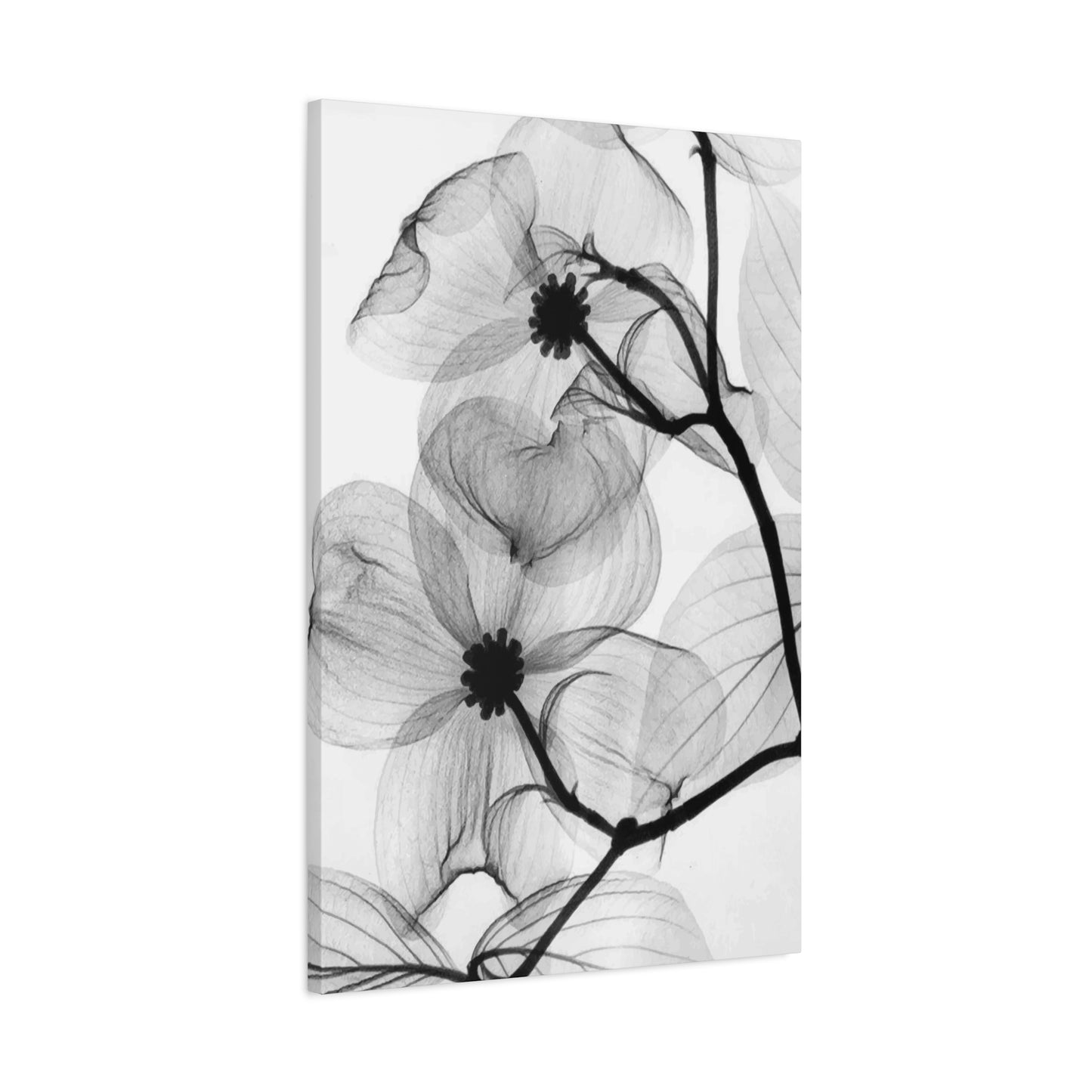
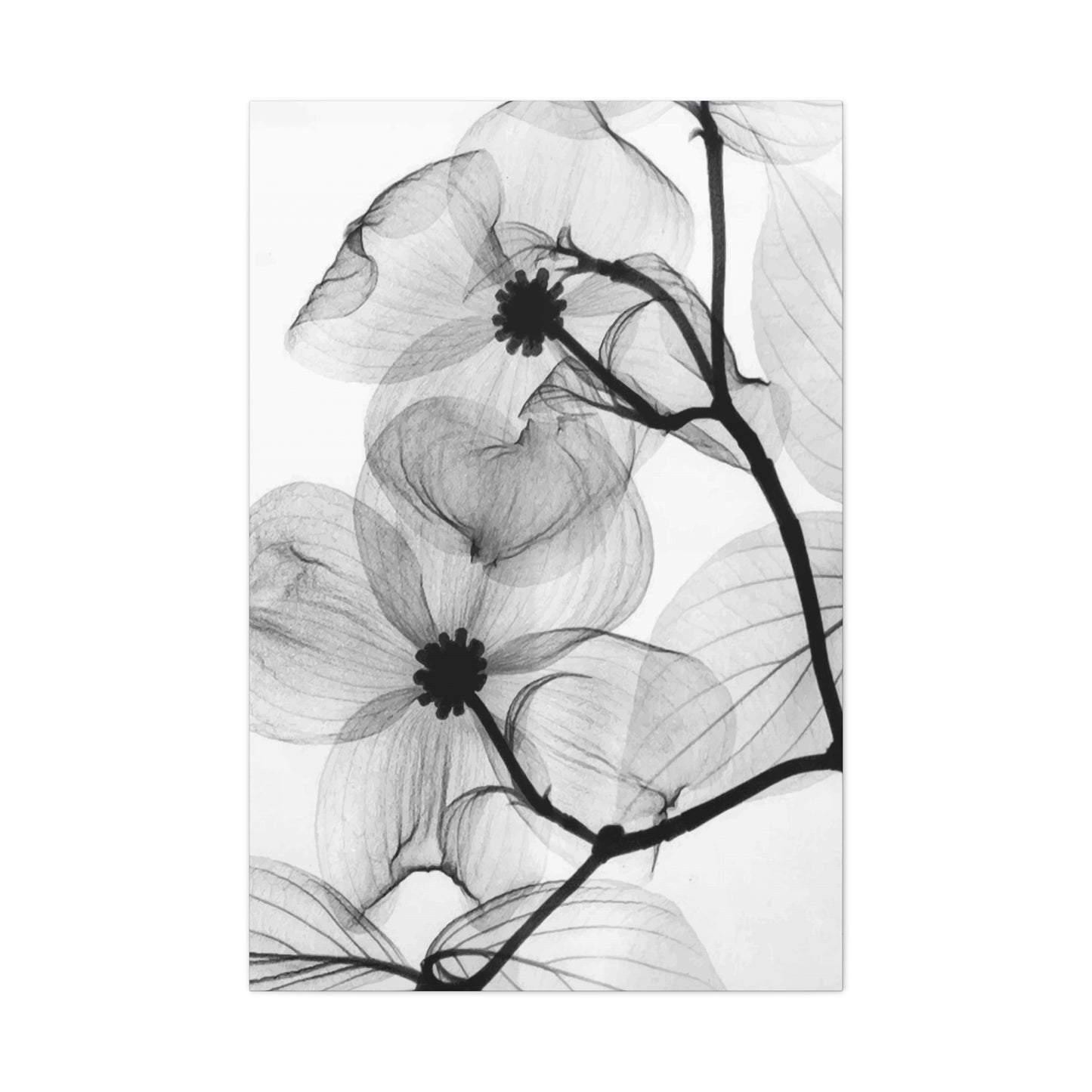
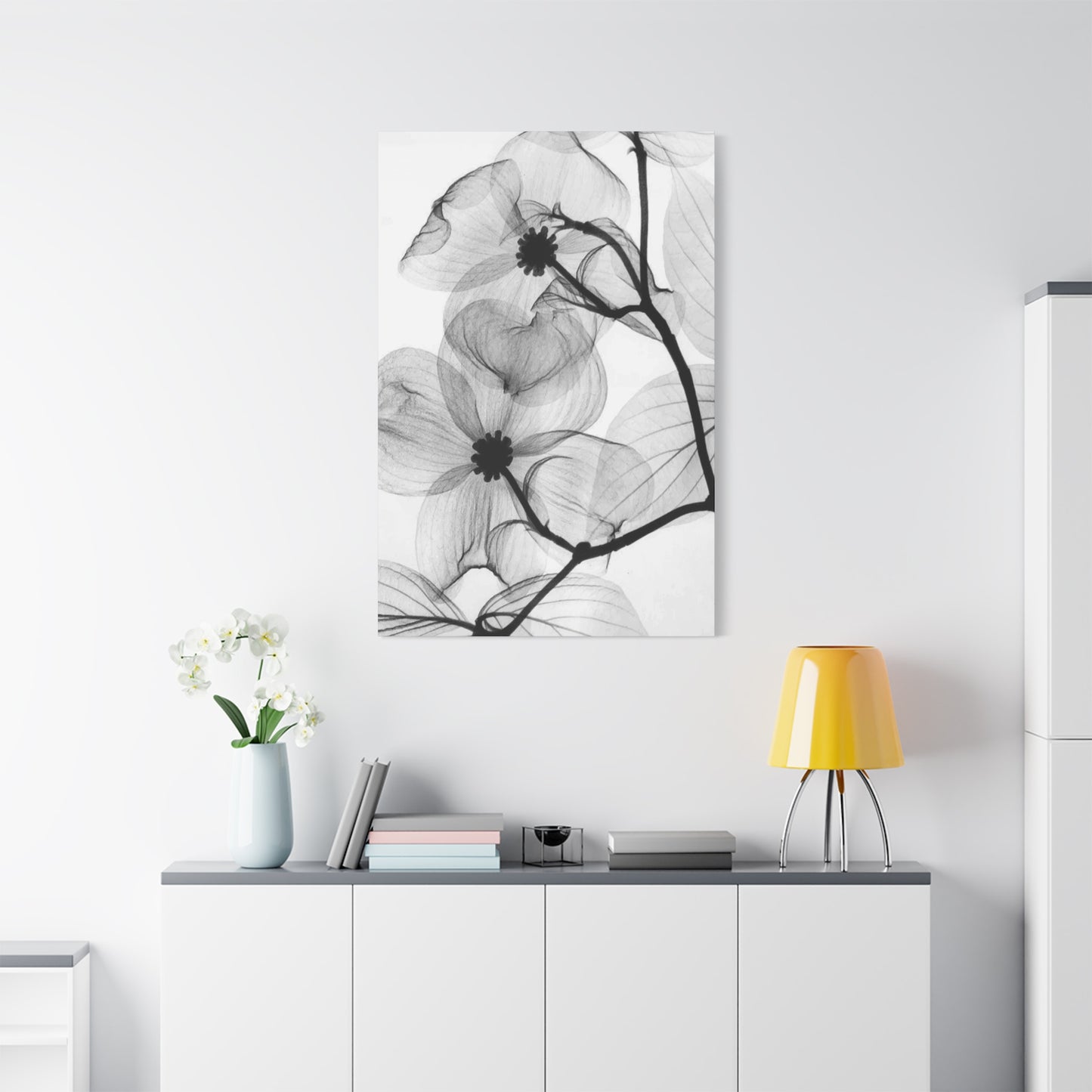
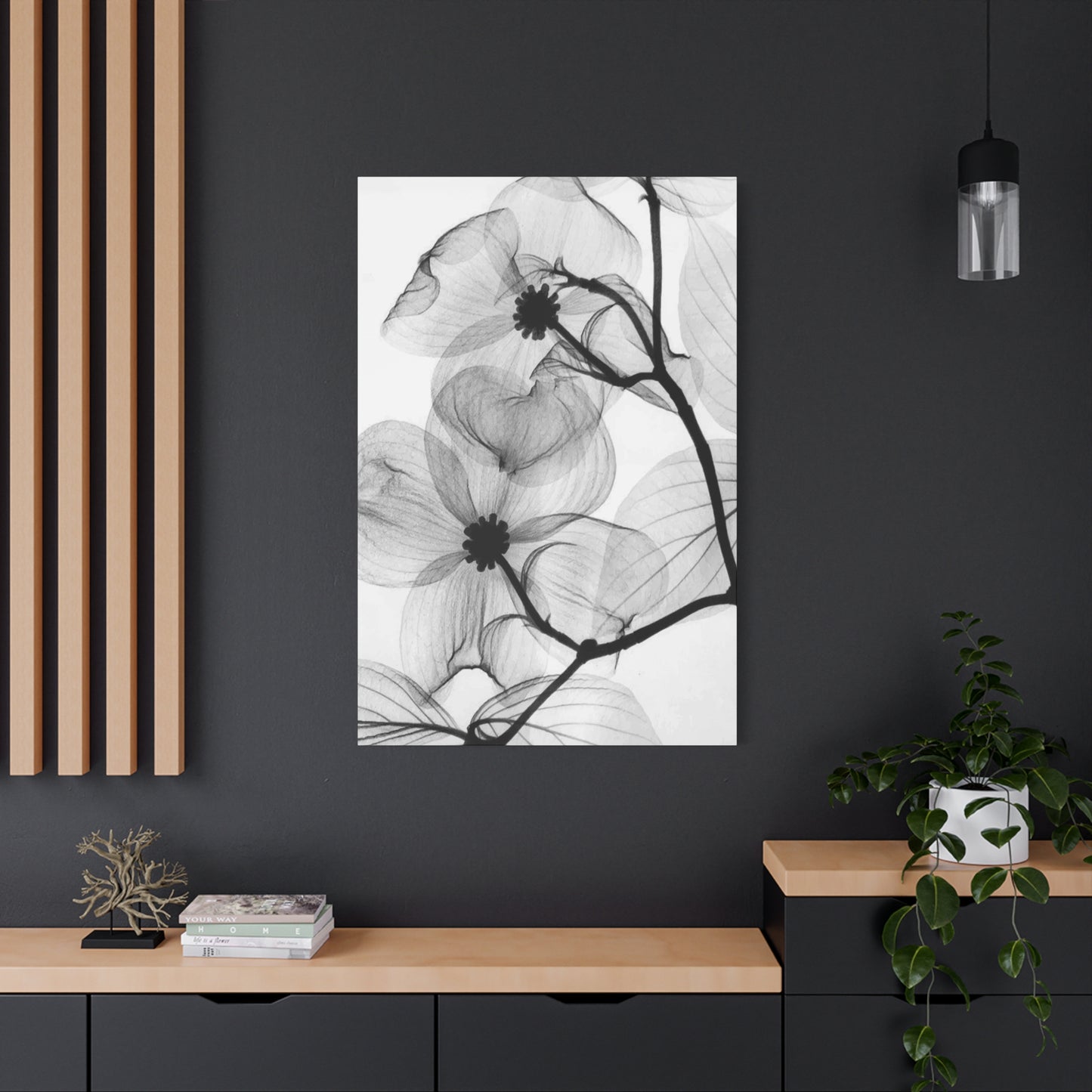
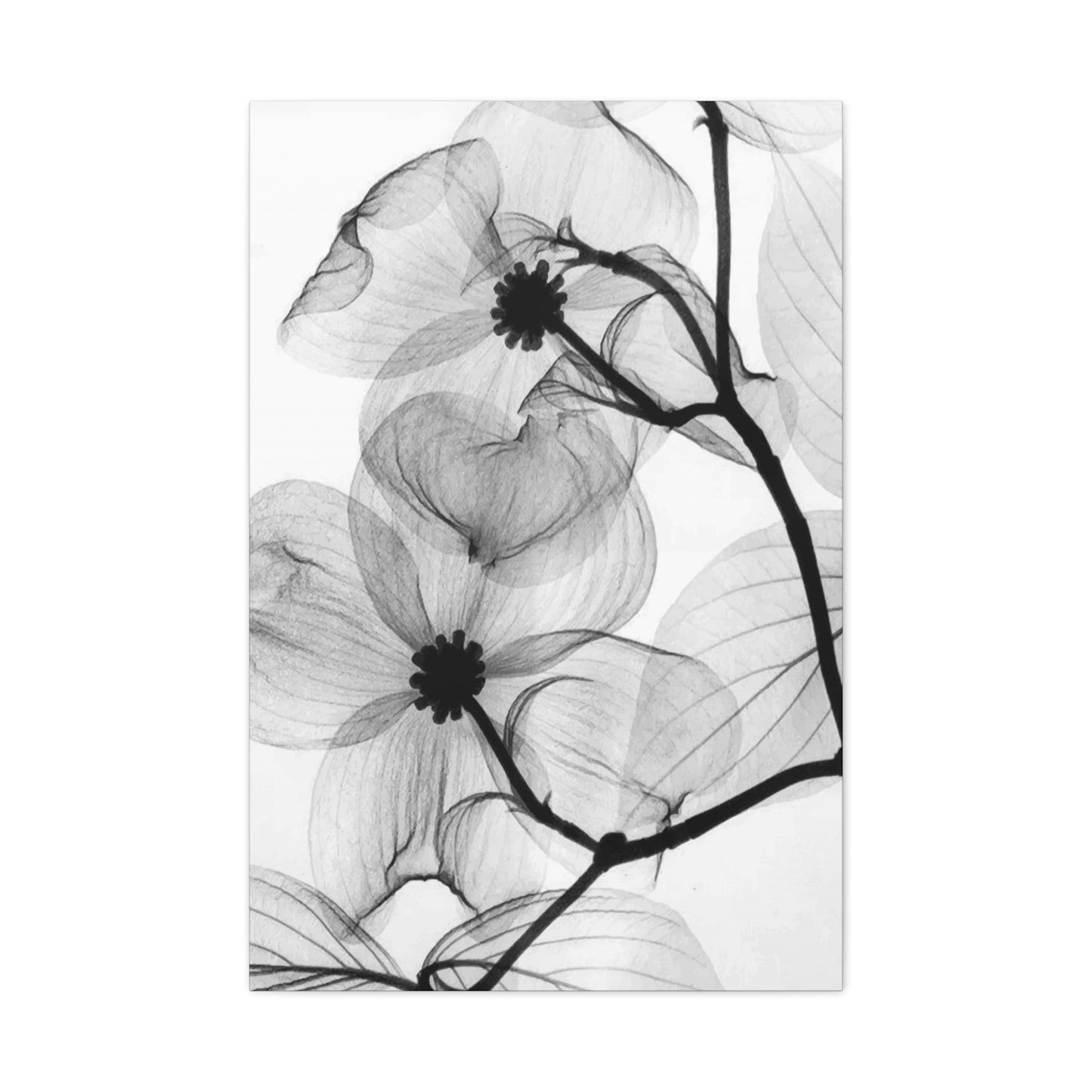
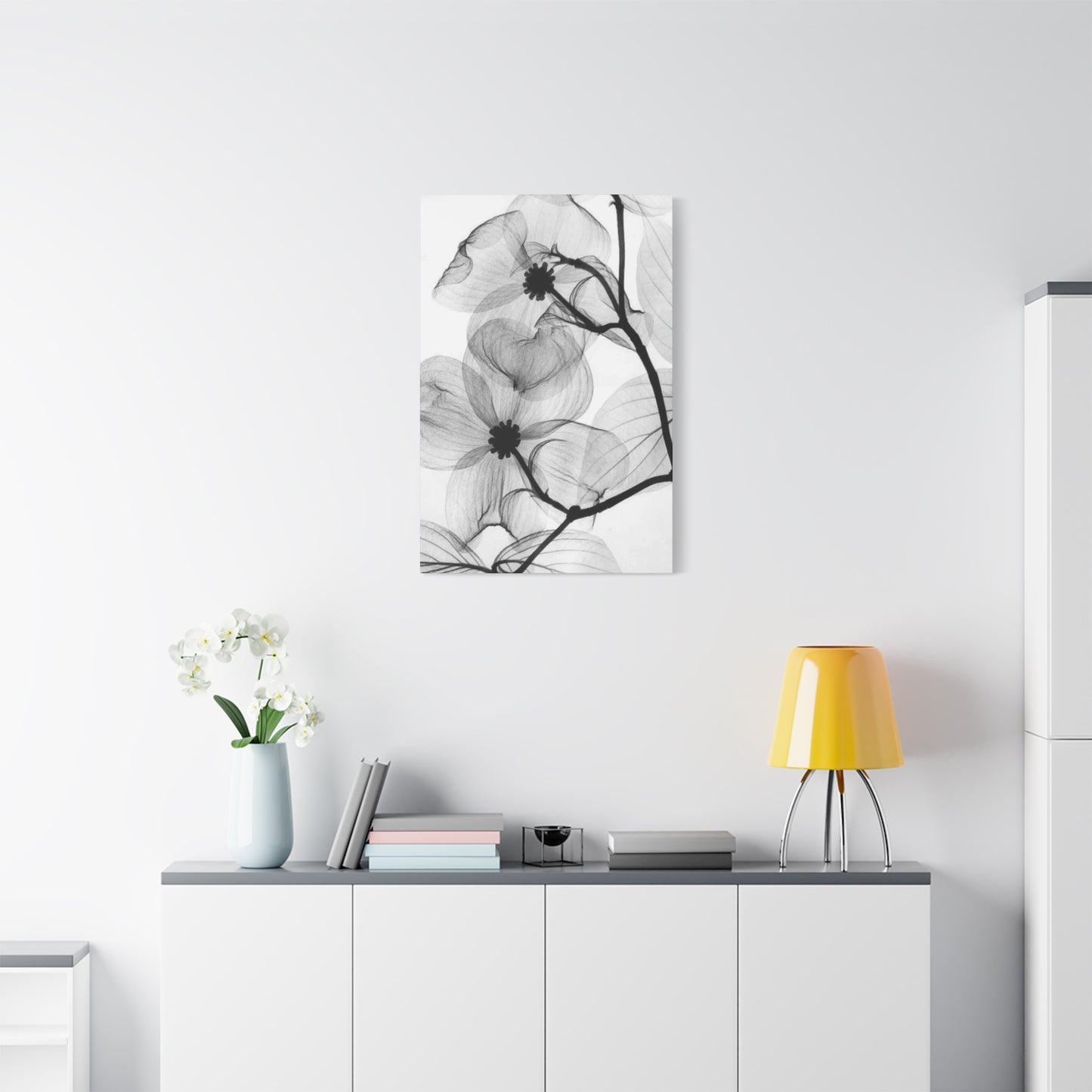
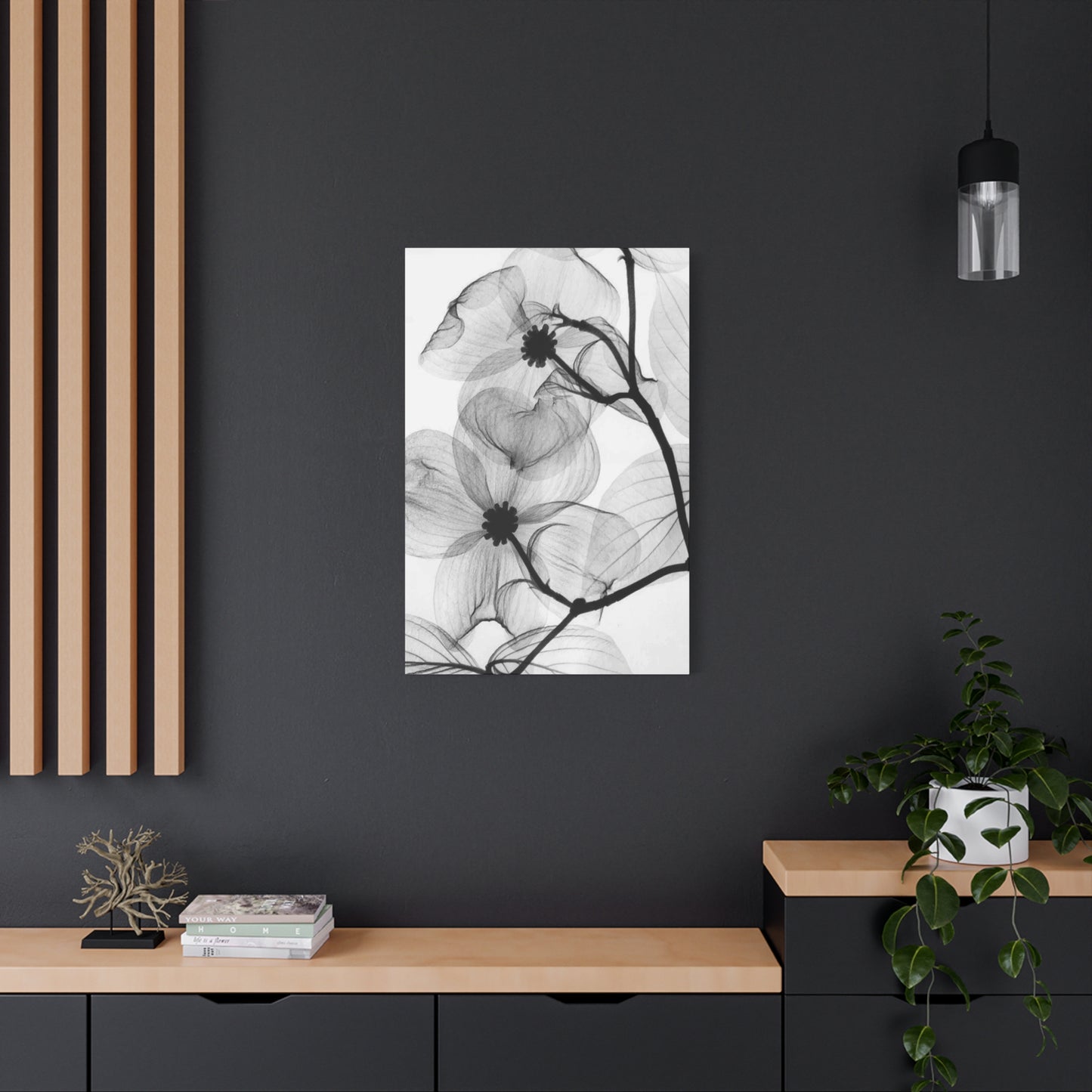
Black & White Flower Wall Art & Canvas Prints
Black & White Flower Wall Art & Canvas Prints
Couldn't load pickup availability
Elegant Monochrome Botanical Prints: Your Complete Resource for Black & White Flower Wall Art Selection and Display
The world of interior decoration has witnessed a remarkable surge in the popularity of monochrome botanical imagery adorning residential and commercial spaces. Black & White Flower Wall Art represents more than mere decorative elements; these pieces serve as profound statements of personal taste, architectural harmony, and aesthetic sophistication. The timeless appeal of grayscale floral compositions transcends fleeting design trends, offering enduring visual interest that complements virtually any interior design scheme while maintaining an air of understated elegance.
The inherent beauty of flowers captured in stark monochromatic contrasts creates visual drama that colored photography sometimes fails to achieve. When pigmentation is stripped away, the viewer's attention naturally gravitates toward form, texture, shadow, and composition—elements that constitute the fundamental building blocks of compelling visual art. This emphasis on structural beauty rather than chromatic vibrancy allows Black & White Flower Wall Art to integrate seamlessly into spaces where color coordination might otherwise present challenges.
Contemporary homeowners and design professionals increasingly recognize the versatility that monochrome botanical artwork brings to interior environments. Unlike vividly colored pieces that demand specific color palettes, grayscale floral imagery adapts effortlessly to evolving design schemes. Whether your aesthetic leans toward minimalist Scandinavian simplicity, industrial urban chic, traditional elegance, or eclectic bohemian warmth, monochromatic flower art serves as a unifying visual element that enhances rather than overwhelms the existing design narrative.
Why Monochrome Botanical Imagery Creates Lasting Visual Impact in Contemporary Spaces
The psychological effect of viewing floral subjects rendered in shades of gray, black, and white produces a contemplative response distinct from the emotional reactions elicited by color photography. Neuroscientific research suggests that our brains process monochromatic images differently than colored ones, engaging analytical and interpretive cognitive pathways that encourage prolonged viewing and deeper aesthetic appreciation. This phenomenon explains why galleries and museums frequently display black and white photography prominently—the format invites sustained engagement.
Black & White Flower Wall Art possesses an inherent ability to create focal points without dominating a room's visual landscape. The absence of competing colors allows these pieces to command attention through composition, contrast, and subject matter rather than through chromatic intensity. This subtlety makes monochrome botanical art particularly suitable for spaces where tranquility and contemplation are desired—bedrooms, meditation areas, professional offices, and therapeutic environments all benefit from the calming presence of grayscale floral imagery.
The architectural quality of well-composed monochrome flower photography reveals botanical structures in ways that colored images often obscure. Petals become sculptural forms, stems transform into elegant lines, and the interplay of light and shadow across floral surfaces creates depth and dimension that engage the eye. Photographers who specialize in this medium understand that successful Black & White Flower Wall Art relies heavily on lighting, composition, and the inherent geometry of botanical subjects.
From a practical standpoint, monochrome artwork offers tremendous flexibility for interior redesign. As paint colors change, furniture is replaced, and decorative accents evolve with personal taste and current trends, black and white floral art remains visually coherent with the updated scheme. This adaptability represents a sound investment for those who enjoy periodically refreshing their living spaces without replacing expensive artwork.
Exploring the Diverse Range of Botanical Subjects Captured in Grayscale Imagery
The botanical world offers an inexhaustible variety of subjects for monochrome interpretation, each possessing unique visual characteristics that translate distinctively when rendered in black and white. Roses, perhaps the most iconic floral subject, reveal extraordinary complexity when stripped of their traditional red, pink, or yellow hues. The layered petals create intricate patterns of light and shadow that showcase the flower's architectural perfection. The velvety texture of rose petals becomes particularly apparent in grayscale, with subtle tonal variations suggesting softness and depth.
Peonies, with their extravagantly ruffled petals and abundant blooms, offer visual richness that translates magnificently to monochrome photography. The dramatic contrast between tightly packed center petals and the looser, more flowing outer layers creates dynamic compositions that draw the eye inward, encouraging contemplation of the flower's natural geometry. Black & White Flower Wall Art featuring peonies often evokes romantic nostalgia while maintaining contemporary visual appeal.
Calla lilies present an entirely different aesthetic when rendered in grayscale. The smooth, almost architectural curves of these elegant flowers create bold, minimalist compositions that align perfectly with modern design sensibilities. The dramatic trumpet shape and clean lines of calla lilies make them ideal subjects for spaces where simplicity and elegance are paramount. The contrast between the smooth petal surface and the textured spadix at the flower's center adds visual interest without overwhelming the composition's essential simplicity.
Sunflowers, typically associated with vibrant yellow hues, undergo a remarkable transformation when photographed in black and white. The intricate spiral patterns in the flower's center, the texture of individual seeds, and the radiating petals create complex geometric compositions that reveal mathematical precision inherent in natural forms. Monochrome sunflower imagery appeals to those who appreciate the intersection of nature, mathematics, and art.
Orchids, already possessing an exotic, sculptural quality, become even more intriguing when presented in grayscale. The delicate petals, often featuring intricate patterns and unusual shapes, translate beautifully to monochrome photography. The various orchid species—from phalaenopsis to cymbidium—each offer distinct visual characteristics that monochrome rendering emphasizes. Black & White Flower Wall Art featuring orchids frequently appears in sophisticated, contemporary spaces where exotic beauty and refined taste converge.
Tulips, with their simple yet elegant form, provide clean, graphic compositions when photographed in black and white. The smooth curves of tulip petals and the flower's overall silhouette create images that work particularly well in modern, minimalist interiors. Whether captured in tight, abstract close-ups or displayed in grouped arrangements, monochrome tulip imagery offers versatility and timeless appeal.
Dahlias, characterized by their intricate petal arrangements and geometric precision, reveal extraordinary detail when rendered in grayscale. The concentric patterns formed by hundreds of individual petals create mesmerizing visual textures that invite close examination. The tonal variations across the flower's surface produce depth and dimension that transform what might be a flat image into a three-dimensional visual experience.
Magnolias, with their substantial, waxy petals and elegant simplicity, create bold, striking compositions in monochrome. The smooth petal surfaces reflect light in ways that create subtle gradations from pure white to deep gray, while the contrast with darker backgrounds emphasizes the flower's sculptural form. Black & White Flower Wall Art featuring magnolias often conveys a sense of southern elegance and timeless beauty.
Lotus flowers, laden with symbolic meaning across various cultures, present unique opportunities for monochrome interpretation. The layered petals, often captured emerging from dark water or positioned against contrasting backgrounds, create compositions rich with metaphorical resonance. The spiritual associations of lotus blooms add depth of meaning to their already compelling visual presence.
Hydrangeas, composed of clusters of small flowers forming spherical or domed shapes, create interesting textural compositions when photographed in black and white. The repetitive patterns of individual blooms within the larger cluster produce visual rhythms that engage the eye while maintaining overall compositional cohesion. Monochrome hydrangea imagery works particularly well in cottage-style or traditional interiors.
Selecting the Appropriate Dimensions and Proportions for Your Spatial Requirements
Determining the correct size for Black & White Flower Wall Art involves careful consideration of both the physical dimensions of your space and the visual impact you wish to achieve. A common mistake in artwork selection involves choosing pieces that are too small for the wall space they occupy, resulting in a disconnected, floating appearance that fails to anchor the space effectively. Conversely, oversized artwork in constrained spaces can feel overwhelming and claustrophobic.
For large, prominent walls—those spanning eight feet or more in width—substantial pieces measuring 40 by 60 inches or larger create commanding focal points that fill the space appropriately. Such dimensions work particularly well above sofas, beds, or in dining areas where the artwork serves as the primary visual anchor for the room. When selecting large-scale Black & White Flower Wall Art, consider pieces with bold, simple compositions rather than intricate, detailed imagery, as fine details become difficult to appreciate from typical viewing distances in spacious rooms.
Medium-sized walls, typically found in hallways, above console tables, or in cozy sitting areas, benefit from artwork measuring between 24 by 36 inches and 36 by 48 inches. These dimensions provide sufficient visual presence without overwhelming the space. Medium-sized monochrome floral pieces work well when they comprise approximately two-thirds to three-quarters of the furniture width below them, creating proportional harmony that feels balanced and intentional.
Smaller walls, such as those in powder rooms, narrow hallways, or above desks and dressers, require more modest artwork dimensions ranging from 16 by 20 inches to 24 by 30 inches. Despite their smaller size, well-chosen Black & White Flower Wall Art in these dimensions can create significant visual impact through compelling composition and strategic placement. In compact spaces, multiple small pieces arranged in gallery configurations often prove more effective than single diminutive works.
The relationship between furniture and artwork dimensions deserves careful attention. Design professionals typically recommend that artwork width measures between one-half and three-quarters of the width of the furniture piece below it. This proportion creates visual balance that feels natural and intentional. For instance, a sofa measuring 90 inches wide would pair well with artwork or an arrangement of pieces spanning 45 to 70 inches horizontally.
Vertical versus horizontal orientation significantly impacts how Black & White Flower Wall Art interacts with a space. Horizontal compositions, often called landscape orientation, tend to emphasize width, making rooms feel broader and more expansive. These orientations work particularly well above horizontal furniture pieces like sofas, beds, and long console tables. Vertical compositions, or portrait orientation, draw the eye upward, emphasizing ceiling height and creating a sense of elevation. These work beautifully in narrow wall spaces, flanking windows or doors, and in areas where you wish to emphasize vertical elements.
Square formats offer balanced, centered compositions that work well in both traditional and contemporary settings. The equal dimensions create visual stability and work particularly effectively when multiple square pieces are arranged in grid patterns. Black & White Flower Wall Art in square formats often features centered compositions that emphasize symmetry and balance, qualities that appeal to those who prefer orderly, harmonious interiors.
Panoramic formats, extremely wide and relatively short, create dramatic horizontal emphasis ideal for positioning above lengthy furniture pieces or spanning expansive wall spaces. These unconventional proportions work particularly well with subjects like flower fields, multiple blooms arranged horizontally, or abstract floral compositions that benefit from extended horizontal viewing.
Triptychs and multi-panel arrangements allow for creative flexibility in addressing challenging wall dimensions while creating visual narrative across multiple frames. Three-panel compositions work particularly well when the panels share visual continuity—perhaps showing different perspectives of the same flower, various stages of bloom, or complementary botanical subjects. The spacing between panels contributes to the overall composition, with narrow gaps creating cohesive unity and wider spacing allowing each panel greater independence.
Understanding Various Reproduction Methods and Their Impact on Visual Quality and Longevity
The method by which Black & White Flower Wall Art is reproduced significantly affects both the immediate visual impact and long-term durability of the piece. Each reproduction methodology possesses distinct characteristics, advantages, and limitations that inform selection based on aesthetic preferences, budget considerations, and intended placement.
Canvas printing represents one of the most popular reproduction methods for contemporary wall art. The process involves transferring photographic images onto canvas material using specialized inkjet printers equipped with archival-quality pigment-based inks. The canvas texture adds dimensionality to the image, creating a painterly quality that bridges photography and traditional painting. Modern canvas prints, when produced using proper materials and techniques, offer excellent color stability and can resist fading for decades when displayed away from direct sunlight. The wrapped canvas style, where the image extends around the frame edges, eliminates the need for additional framing, creating clean, contemporary presentations particularly suited to modern interiors.
The texture of canvas material interacts with monochrome floral imagery in ways that enhance perceived depth and dimensionality. The slight irregularity of canvas weave creates subtle variations in ink absorption that produce organic, authentic qualities distinct from the clinical precision of smooth paper prints. For Black & White Flower Wall Art, canvas reproduction works exceptionally well with images featuring strong contrasts and bold compositions, as the textured surface complements dramatic visual elements.
Fine art paper printing utilizing acid-free, archival-grade papers produces exceptionally sharp, detailed reproductions that preserve even the most subtle tonal gradations. Various paper types—from smooth, glossy surfaces to richly textured fine art papers—offer distinct aesthetic qualities. Smooth papers provide maximum detail resolution and crisp edges, ideal for images featuring intricate botanical details or subtle tonal transitions. Textured papers, including those simulating watercolor paper or traditional etching papers, add tactile dimension that complements certain compositional styles.
Giclée printing, a term derived from the French word meaning "to spray," refers to a specific high-quality reproduction process using professional-grade inkjet printers and archival materials. True giclée prints utilize at least eight separate ink colors (rather than the standard four) to achieve superior color accuracy and tonal range. For Black & White Flower Wall Art, this expanded ink palette translates to exceptional gradation between tones, producing smooth transitions from deep blacks through various grays to pure whites. Giclée prints on premium papers, when properly produced and displayed, can maintain their visual integrity for over a century.
Acrylic mounting creates striking contemporary presentations where photographic prints are face-mounted to clear acrylic panels. The acrylic layer adds depth, protects the print surface, and creates a luminous quality as light interacts with the transparent material. Black & White Flower Wall Art presented through acrylic mounting achieves exceptional visual impact with saturated blacks, brilliant whites, and a dimensional quality that creates the illusion of the image floating within the acrylic panel. This presentation method works particularly well in modern, minimalist spaces where clean lines and contemporary materials dominate.
Metal printing involves dye sublimation directly onto specially coated aluminum panels, creating extraordinarily durable, water-resistant artwork with exceptional clarity and vibrancy. The metal surface imparts a luminous quality to images, with highlights appearing particularly brilliant and whites achieving remarkable purity. For monochrome floral imagery, metal printing creates crisp, contemporary presentations with almost three-dimensional depth. The inherent durability of metal prints makes them suitable for humid environments like bathrooms or outdoor covered spaces where traditional paper-based artwork would deteriorate.
Framed photographic prints under glass remain the traditional choice for serious photographic artwork. This presentation protects the print surface while allowing various framing styles to complement both the artwork and interior design. Museum-quality framing incorporates acid-free matting, UV-protective glass or acrylic glazing, and proper spacing between print and glazing to prevent condensation damage. For Black & White Flower Wall Art destined for formal or traditional spaces, professional framing with carefully selected mats and frames often provides the most appropriate presentation.
The selection of UV-protective glazing deserves particular attention for artwork displayed in areas receiving natural light. Standard glass offers no protection against ultraviolet radiation, which causes gradual fading and deterioration of photographic prints. Museum glass incorporates UV filtering that blocks up to 99% of harmful wavelengths while maintaining exceptional clarity. Acrylic glazing alternatives offer similar UV protection with reduced weight and greater shatter resistance, making them preferable for large pieces or installations in seismically active regions.
Creating Cohesive Visual Narratives Through Thoughtful Arrangement and Grouping Strategies
The manner in which Black & White Flower Wall Art is arranged within a space profoundly influences the overall aesthetic impact and coherence of the interior design. Single statement pieces command attention through their individual presence, while grouped arrangements create visual conversations between multiple works, producing complexity and depth that exceed what any single piece could achieve.
Gallery wall arrangements offer tremendous creative flexibility while presenting certain compositional challenges. Successful gallery walls balance variety with cohesion, incorporating pieces that share common elements—whether thematic, stylistic, or related to visual characteristics like contrast, tone, or composition. For monochrome floral artwork, maintaining consistency in processing style, contrast levels, and overall tonal range helps diverse botanical subjects work together harmoniously.
Symmetrical gallery arrangements create formal, balanced compositions that convey order and classical elegance. These arrangements typically feature a central anchor piece with additional works positioned symmetrically around it. The resulting composition feels intentional and organized, suitable for traditional interiors and formal spaces. When creating symmetrical arrangements with Black & White Flower Wall Art, maintain equal spacing between pieces and ensure that visual weight distributes evenly across both sides of the central axis.
Asymmetrical arrangements embrace organic, less structured compositions that feel more casual and contemporary. These layouts often begin with a largest or most visually significant piece positioned off-center, with additional works arranged to create overall balance through careful consideration of visual weight, size, and positioning. Asymmetrical arrangements require more planning and often benefit from laying out the entire composition on the floor before committing to wall placement, allowing experimentation with various configurations.
Grid arrangements bring order and contemporary sensibility to multiple-piece displays. These compositions position equal-sized works in precise rows and columns with uniform spacing between each piece. The rigorous geometry of grid arrangements creates visual impact through repetition and order while allowing individual pieces to maintain distinct identity. For Black & White Flower Wall Art, grid arrangements work particularly well when featuring variations on a theme—different flowers photographed in similar styles, various perspectives of the same botanical subject, or a series exploring specific compositional approaches.
Linear arrangements position multiple pieces horizontally in a single row, creating visual emphasis on width and horizontal movement. This approach works exceptionally well in hallways, above lengthy furniture pieces, or spanning wide expanses of wall space. Maintaining consistent spacing between pieces—typically 2 to 4 inches—creates cohesion while allowing each work individual presence. Linear arrangements of monochrome floral art can tell visual stories through progression, perhaps showing various stages of bloom or different botanical subjects arranged by size or visual complexity.
Salon-style arrangements embrace dense, organic groupings inspired by 18th and 19th-century European gallery presentations. These compositions fill wall space generously with diverse pieces of varying sizes positioned close together. While challenging to execute successfully, salon walls create rich, layered visual environments that reward prolonged viewing. For Black & White Flower Wall Art, salon arrangements work best when maintaining consistency in framing style, mat dimensions, or processing approach, preventing the composition from appearing chaotic or disorganized.
Vertical stacking positions multiple pieces one above another, creating strong vertical emphasis that draws the eye upward and emphasizes ceiling height. This arrangement strategy works particularly well in narrow wall spaces, beside doorways or windows, and in areas where vertical architectural elements deserve emphasis. Stacked arrangements typically feature larger pieces below and smaller works above, creating visual stability through proper weight distribution.
Pairing strategies involve thoughtfully combining two pieces to create dialogues between subjects, compositions, or aesthetic approaches. Successful pairs balance similarity and contrast—perhaps featuring different flowers rendered in comparable styles, identical subjects captured from varying perspectives, or complementary compositions that create visual completion when viewed together. For Black & White Flower Wall Art, paired arrangements work beautifully flanking architectural features, above bedside tables, or in any context where symmetry and balance enhance the space.
The physical spacing between multiple pieces significantly impacts overall composition. Tight spacing—1 to 2 inches between frames—creates unified compositions where individual pieces merge into cohesive wholes. Moderate spacing—3 to 5 inches—maintains clear relationships between pieces while preserving individual identity. Wider spacing—6 inches or more—emphasizes each work's independence, requiring stronger individual impact and more deliberate compositional relationships to maintain overall cohesion.
Exploring Compositional Approaches That Define Monochrome Botanical Photography
The compositional strategies employed by photographers dramatically influence how Black & White Flower Wall Art engages viewers and integrates into interior spaces. Understanding these approaches helps in selecting pieces that align with personal aesthetic preferences and spatial requirements.
Macro compositions focus intensely on minute botanical details, often magnifying subjects beyond natural scale to reveal textures, patterns, and structures invisible to casual observation. These intimate perspectives transform flowers into abstract landscapes of curves, shadows, and subtle tonal variations. Macro monochrome floral photography excels at creating contemplative, meditative viewing experiences that reward close examination. The abstract quality of extreme close-ups allows these images to function equally well as recognizable botanical subjects or pure studies in form and texture.
Environmental compositions situate flowers within broader contexts, incorporating surrounding elements like foliage, stems, backgrounds, or even entire gardens. These wider perspectives tell more complete visual stories, providing context that pure floral portraits omit. For Black & White Flower Wall Art, environmental compositions work particularly well in spaces where connection to nature and outdoor environments resonates with the interior design narrative. The inclusion of contextual elements creates depth and spatial complexity that can enhance larger pieces intended as focal points.
Minimalist compositions embrace simplicity, often featuring single blooms or even isolated petals against neutral backgrounds. The deliberate absence of visual complexity focuses attention entirely on form, light, and shadow. These reductive approaches align perfectly with contemporary minimalist design philosophies, creating artwork that complements rather than competes with simplified interiors. Monochrome minimalist floral imagery achieves maximum impact through perfect execution of fundamental photographic elements—lighting, composition, and tonal range.
Abstract compositions prioritize visual elements over literal representation, sometimes rendering botanical subjects almost unrecognizable through extreme perspectives, dramatic lighting, or selective focus. These interpretations invite viewer interpretation and emotional response rather than straightforward recognition. Black & White Flower Wall Art utilizing abstract approaches works exceptionally well in contemporary spaces where provocative, thought-provoking artwork enhances intellectual and aesthetic environments.
Botanical portrait compositions photograph flowers much as one might photograph human subjects—emphasizing character, personality, and individual presence. These straightforward, often centered compositions present blooms in their full glory, capturing the essential character of each species. The direct, honest approach of botanical portraiture creates accessible, appreciable artwork that requires no specialized knowledge to enjoy while offering depth for those who engage more thoughtfully.
Dramatic lighting compositions leverage extreme contrasts between illuminated and shadowed areas to create theatrical, emotionally charged imagery. High contrast monochrome floral photography can evoke mood and atmosphere that softer, more evenly lit imagery cannot achieve. These dramatic interpretations work particularly well in spaces where bold, confident artistic statements align with overall design goals. The intense blacks and brilliant whites characteristic of dramatic lighting create visual impact that commands attention even in challenging viewing environments.
Soft, ethereal compositions employ gentle lighting and subtle tonal transitions to create romantic, dreamlike imagery. These softer interpretations of monochrome floral subjects evoke nostalgia, tranquility, and gentle beauty. For Black & White Flower Wall Art intended for restful spaces—bedrooms, meditation areas, or quiet reading nooks—soft, ethereal compositions provide appropriate visual comfort that encourages relaxation rather than stimulation.
Geometric compositions emphasize the mathematical precision inherent in botanical structures, highlighting symmetry, repetition, and pattern. Flowers naturally exhibit remarkable geometric properties—spiral seed arrangements, radial petal patterns, and proportions reflecting mathematical sequences. Monochrome renderings that emphasize these geometric qualities appeal to viewers who appreciate the intersection of natural beauty and mathematical order. These intellectually engaging compositions work particularly well in studies, libraries, or professional spaces where thoughtful, contemplative artwork enhances the environment.
Material Considerations and Substrate Selection for Different Environmental Conditions
The materials used in producing and presenting Black & White Flower Wall Art significantly impact both aesthetic qualities and practical durability. Thoughtful material selection considers display environment, desired visual effects, and longevity expectations.
Canvas substrates offer natural texture and painterly qualities that complement certain compositional styles while providing durability and flexibility. Museum-quality canvas materials utilize cotton or linen fibers in tight, consistent weaves that accept inks evenly while maintaining structural integrity over decades. Canvas stretching techniques affect the final presentation, with gallery wraps extending imagery around frame edges for contemporary frameless displays, while traditional stretching preserves image area entirely on the front surface for conventional framing.
The weight of canvas material, measured in ounces per square yard, influences both structural stability and surface texture. Lighter canvases, typically 8 to 10 ounces, work well for smaller pieces but may lack sufficient rigidity for large-format works. Heavier canvases, ranging from 12 to 16 ounces or more, provide superior stability for substantial pieces while offering richer texture that enhances perceived quality. For Black & White Flower Wall Art, medium to heavy canvas weights generally provide optimal balance between texture, stability, and image reception.
Fine art papers encompass diverse options ranging from smooth, glossy surfaces to heavily textured materials that simulate traditional artistic media. Smooth papers maximize detail resolution and create modern, crisp presentations ideal for images featuring intricate botanical details. Textured papers—including those mimicking watercolor paper, etching paper, or canvas—add tactile dimension that can enhance certain compositional styles. The choice between smooth and textured papers depends on the specific image characteristics and desired aesthetic outcome.
Archival quality represents a critical consideration for any fine art reproduction. Acid-free papers prevent yellowing and deterioration that plagued earlier photographic papers. Lignin-free materials ensure long-term stability by eliminating compounds that degrade over time. Archival inks, typically pigment-based rather than dye-based, resist fading dramatically better than conventional inks, maintaining color and tonal fidelity for decades or centuries when properly displayed and cared for.
Metal substrates create contemporary presentations with exceptional durability and unique visual characteristics. Aluminum panels coated for dye sublimation produce images with extraordinary clarity, brilliant highlights, and impressive depth. The metal surface naturally resists moisture, making these presentations suitable for bathrooms, kitchens, or covered outdoor areas where humidity would damage paper-based artwork. Black & White Flower Wall Art on metal achieves striking contemporary aesthetics with virtually three-dimensional depth perception.
Acrylic materials serve dual purposes in artwork presentation—as protective glazing for framed pieces and as mounting substrates for face-mounted prints. When used as glazing, acrylic offers advantages over glass including lighter weight, superior shatter resistance, and comparable optical clarity. UV-filtering acrylic provides excellent protection against light-induced fading while maintaining visual transparency. Face-mounted prints sandwiched between acrylic and backing materials create luminous, dimensional presentations where light interacts with transparent layers to produce unique visual depth.
Wood panels provide stable substrates for various mounting techniques, from direct printing to mounting of separately produced prints. Rigid panels eliminate concerns about sagging or warping that can affect fabric-based substrates over time. Various wood species and finishes create distinct aesthetic effects, with natural wood edges adding organic warmth that can complement monochrome floral imagery beautifully. Gallery-style presentations featuring artwork mounted on wood panels without frames create clean, contemporary displays particularly suited to modern interiors.
Backing materials contribute to overall stability and longevity despite remaining invisible in finished presentations. Acid-free foam core provides lightweight rigidity for framed pieces, preventing warping and supporting the print surface. Dibond, a composite material featuring polyethylene cores sandwiched between aluminum sheets, offers superior rigidity and stability for larger pieces while maintaining reasonable weight. Proper backing selection ensures that Black & White Flower Wall Art maintains flat, stable presentation throughout its display life.
Strategic Placement Approaches for Maximizing Visual Impact Across Diverse Room Types
The positioning of Black & White Flower Wall Art within specific spaces profoundly influences both the artwork's impact and the room's overall aesthetic character. Strategic placement considers viewing angles, lighting conditions, functional requirements, and design goals specific to each room type.
Living room placement typically centers on creating focal points above primary seating arrangements. The wall behind a sofa represents prime real estate for substantial artwork that anchors the seating area and draws the eye upon entering the room. For optimal visual impact, position the center of the artwork approximately 60 to 66 inches from the floor—roughly eye level for average-height adults when seated. This positioning allows comfortable viewing from both seated and standing perspectives while maintaining proper proportion relative to furniture dimensions.
In living spaces featuring fireplaces, the mantel wall presents another prominent location for Black & White Flower Wall Art. Artwork positioned above mantels should relate proportionally to the mantel width, typically measuring between one-half and two-thirds of that dimension. The vertical spacing between the mantel surface and artwork bottom should allow adequate clearance—usually 4 to 8 inches—providing visual separation while maintaining compositional relationship. Consider fireplace operation when selecting artwork for this location, as heat and smoke can potentially damage certain materials over time.
Bedroom environments benefit from artwork that promotes tranquility and personal connection. The wall behind the bed serves as the primary focal point in most bedroom layouts, making it ideal for substantial Black & White Flower Wall Art that creates visual interest without overwhelming the restful atmosphere. Soft, ethereal compositions with gentle contrasts often work better in bedrooms than dramatic, high-contrast pieces that might prove too stimulating for spaces intended for rest and relaxation.
Alternative bedroom placements include walls opposite the bed, visible upon waking, and spaces flanking windows where natural light can enhance viewing experience. Bedrooms offer opportunities for more personal, intimate artwork selections that might not suit public spaces, allowing expression of individual taste without concern for broader appeal. Monochrome floral imagery featuring meaningful species—perhaps flowers from wedding bouquets, favorite garden varieties, or blooms with personal significance—creates particularly resonant bedroom displays.
Dining room artwork should complement rather than compete with social interaction that defines these spaces. Positioning Black & White Flower Wall Art at appropriate height ensures visibility over dining tables and seated guests. The typical recommendation places artwork centers 60 inches from the floor, though this may require adjustment based on specific room proportions and furniture dimensions. Scale matters significantly in dining spaces—artwork should feel substantial enough to balance the visual weight of dining tables and chairs while avoiding overwhelming proportions that dominate the room.
Kitchen environments present challenges for artwork placement due to functional requirements, moisture, and temperature fluctuations. When incorporating Black & White Flower Wall Art in kitchens, select durable materials like metal prints or well-sealed canvas that resist humidity. Position artwork away from direct exposure to cooking steam, heat, and grease splatter. Breakfast nook walls, spaces above buffets or servers, and kitchen sitting areas offer suitable locations where artwork enhances ambiance while remaining protected from culinary hazards.
Bathroom placements require particular attention to moisture resistance. Metal prints, acrylic-protected pieces, or specially sealed canvas work well in bathroom environments where humidity might damage unprotected paper-based artwork. The intimate scale of most bathrooms suits smaller pieces or groupings that create interest without overwhelming limited space. Botanical subjects seem particularly appropriate for bathrooms, creating spa-like atmospheres that enhance the refreshing, restorative character of these private spaces.
Home office environments benefit from artwork that inspires, focuses attention, or provides visual respite during intensive work periods. Positioning Black & White Flower Wall Art within sight lines from desk positions allows brief viewing breaks that can refresh mental focus. Geometric compositions emphasizing botanical patterns appeal to analytical minds, while abstract interpretations provide imaginative stimulation. The calming influence of monochrome floral imagery can help mitigate work-related stress, contributing to more pleasant, productive work environments.
Hallway and corridor spaces often receive insufficient attention in design planning despite their significant potential for creating impactful visual experiences. Long, narrow walls characteristic of hallways suit linear arrangements of multiple pieces or panoramic single works that emphasize horizontal movement. Alternatively, vertical stacking draws the eye upward, emphasizing ceiling height in constrained spaces. Black & White Flower Wall Art in hallways creates visual interest in transitional spaces while maintaining cohesion with adjacent rooms.
Entryway placements make immediate impressions on arriving guests while setting aesthetic tone for the entire home. Artwork in entries should reflect personal style confidently while remaining accessible and welcoming. The scale should suit the specific entry dimensions—modest pieces for compact foyers, substantial works for grand entrance halls. Monochrome floral imagery in entries conveys sophisticated taste and timeless elegance that transcends momentary trends, suggesting thoughtful curation throughout the home.
Stairway walls provide extensive vertical space often underutilized in residential design. Ascending galleries following stair angles create dynamic visual narratives that reward movement through space. Proper placement requires careful measurement ensuring adequate clearance above stairs while maintaining comfortable viewing angles from various positions along the ascent. Black & White Flower Wall Art arranged along stairways transforms utilitarian circulation into engaging aesthetic experiences.
Lighting Strategies That Enhance Monochrome Artwork Viewing Quality
Illumination profoundly affects how Black & White Flower Wall Art appears to viewers, influencing perceived contrast, tonal subtlety, and overall visual impact. Thoughtful lighting design considers both aesthetic goals and preservation concerns, balancing optimal viewing conditions with protection against light-induced degradation.
Natural daylight offers beautiful, full-spectrum illumination that reveals subtle tonal variations and textural details magnificently. However, the ultraviolet component of natural light poses serious risks to artwork longevity, causing gradual fading and material deterioration. When displaying Black & White Flower Wall Art in naturally lit spaces, employ UV-filtering window treatments, position artwork away from direct sun exposure, and utilize UV-protective glazing for framed pieces. Morning light tends to be gentler than intense afternoon sun, making east-facing walls preferable to western exposures for light-sensitive artwork.
Artificial lighting provides controllable, consistent illumination without the preservation challenges of natural light. Picture lights—small fixtures mounted above or below artwork—create focused, dedicated illumination that highlights pieces while allowing independent control separate from ambient room lighting. Modern LED picture lights offer energy efficiency, minimal heat production, and long operational life while providing quality illumination. When selecting picture lights for monochrome artwork, prioritize fixtures with high Color Rendering Index (CRI) ratings above 90, ensuring accurate tonal representation.
Track lighting systems offer flexibility for illuminating multiple artworks or adjusting focal points as displays change. Adjustable fixtures allow precise positioning of light beams to minimize glare while providing even illumination across artwork surfaces. The directionality of track lighting creates dimensional shadows that can enhance textured substrates like canvas while potentially creating glare on glossy surfaces. Positioning track fixtures at approximately 30-degree angles relative to wall surfaces typically provides optimal illumination while minimizing glare.
Recessed ceiling lights (can lights) provide general ambient illumination that can highlight wall-mounted artwork when properly positioned. Adjustable trim options allow directing light beams toward specific features, including artwork. The primary limitation involves fixed positioning—once installed, recessed lights cannot be moved without ceiling modifications. Planning artwork placement before installing recessed lighting ensures alignment between light sources and display locations.
Ambient room lighting affects how artwork appears within the broader interior environment. Even indirect or general lighting influences perceived contrast and visibility of subtle tonal variations in Black & White Flower Wall Art. Dimmable lighting systems allow adjusting overall light levels to suit various activities and times of day while providing flexibility to emphasize artwork during viewing-focused moments and recede into background during other activities.
Light temperature, measured in Kelvin, significantly impacts how monochrome artwork appears to viewers. Warm light (2700-3000K) creates cozy, traditional atmospheres but can impart yellow casts that may conflict with pure black and white imagery. Neutral white light (3500-4100K) provides balanced illumination that represents tones accurately without color bias. Cool white light (5000-6500K) mimics daylight and can enhance the crispness of high-contrast monochrome images but may feel harsh in certain residential settings. For Black & White Flower Wall Art, neutral white to slightly warm lighting typically provides optimal tonal representation while maintaining pleasant viewing environments.
Lighting intensity affects both artwork visibility and viewing comfort. Insufficient illumination obscures subtle details and tonal variations that give monochrome images depth and interest. Excessive brightness creates uncomfortable glare and may accelerate deterioration in light-sensitive materials. General guidelines suggest that artwork illumination should measure approximately two to three times ambient light levels, creating comfortable emphasis without harsh contrast. Light meters allow precise measurement of illumination levels, though visual assessment often suffices for residential installations.
Final Thoughts
Elegant monochrome botanical prints offer a refined way to celebrate nature’s beauty while maintaining the sophistication of a modern, minimalist design. By using black and white as the central palette, these artworks elevate the natural world into a realm of timeless elegance. The intricate details of each flower, leaf, and stem are brought into sharper focus, creating a visual balance between simplicity and complexity. This type of art captures the essence of botanical forms in a way that is both striking and serene, making it an ideal addition to any space that seeks to blend organic beauty with refined decor.
The appeal of black and white floral prints lies in their versatility. Their neutral color scheme allows them to seamlessly integrate into a variety of interior styles, whether you prefer clean, contemporary lines or a more classic, vintage-inspired atmosphere. In a modern living room, bedroom, or even a dining area, these botanical prints act as sophisticated focal points without overwhelming the space. The monochrome palette makes it easy to pair with a wide range of other decor elements, whether you're working with bold, vibrant colors or a more muted, neutral scheme. This adaptability ensures that your botanical prints remain relevant and aesthetically pleasing, no matter how your interior style evolves over time.
In addition to their versatility, monochrome botanical prints have a calming, almost meditative quality. The balance of light and shadow in the artwork draws attention to the fine details of each flower, transforming it into something more than just a decorative piece. The absence of color allows the natural textures and shapes to take center stage, creating a sense of depth and movement within the artwork. Whether it’s the delicate curvature of a petal or the symmetry of a leaf, each print becomes a study in the beauty of nature’s design. These prints can act as visual anchors in a space, encouraging contemplation and providing a soothing backdrop to everyday life.
The symbolic meanings behind flowers add another layer of richness to the appeal of these artworks. Each flower can carry a unique emotional significance—whether it’s the symbolism of a rose representing love or the quiet elegance of a lotus evoking purity and enlightenment. By choosing specific floral prints, you can infuse your space with personal meaning or convey a broader message about growth, beauty, or the transient nature of life. This symbolic depth adds an emotional connection to the artwork, making it more than just a decoration but an integral part of your living environment.
Finally, when it comes to selecting and displaying your monochrome botanical prints, there are countless ways to integrate them into your home. For a bold statement, a single large-scale floral print can dominate a wall, drawing the eye and acting as a central focal point. For a more subtle effect, consider grouping several smaller prints in a gallery-style arrangement, creating a cohesive narrative while maintaining a sense of balance. Framing options also play an important role in the overall presentation—black, white, or natural wood frames complement the monochrome art beautifully, while minimalist metal frames can enhance the modern aesthetic.
In conclusion, elegant monochrome botanical prints offer a sophisticated, timeless way to enhance your living space. Whether you’re drawn to the intricate beauty of a single bloom or the symmetry of a collection, these prints bring an organic, natural element into the home, balancing modernity with classic charm. Their versatility, emotional depth, and ability to blend seamlessly with different interior styles make them a perfect choice for anyone looking to add a touch of nature’s elegance to their decor. Through careful selection and thoughtful display, black and white flower art can become a lasting, beautiful feature in your home, evoking a sense of tranquility and grace.
Share