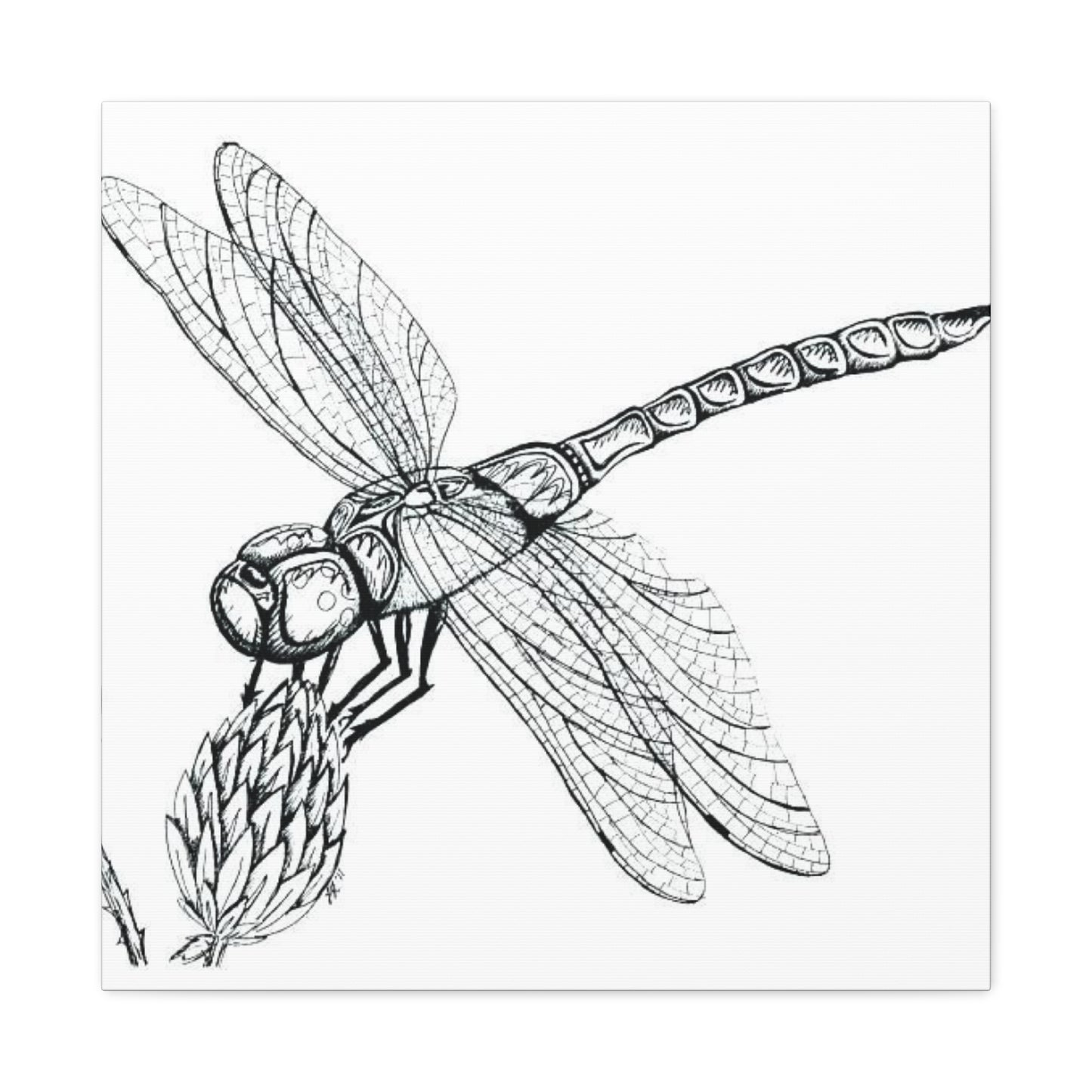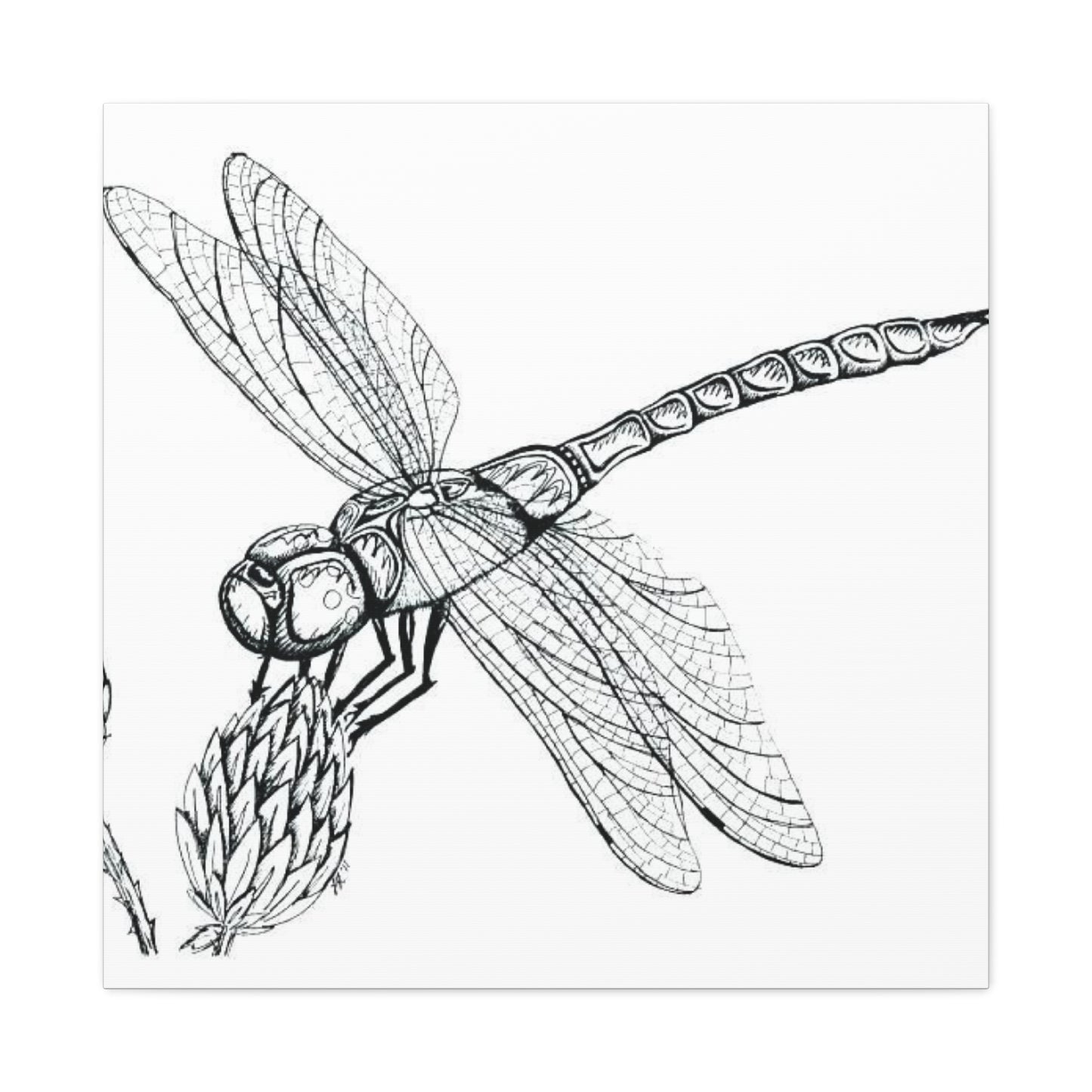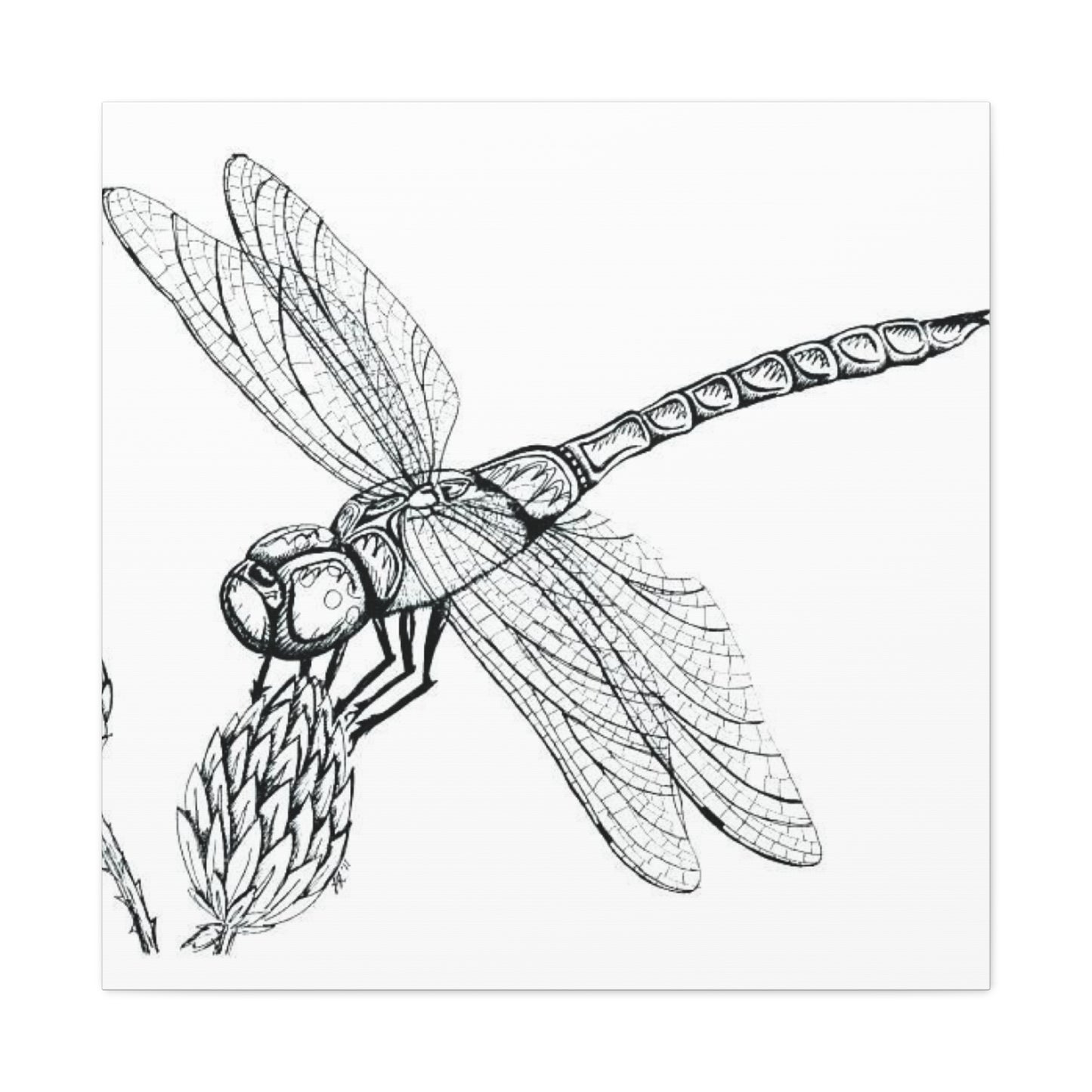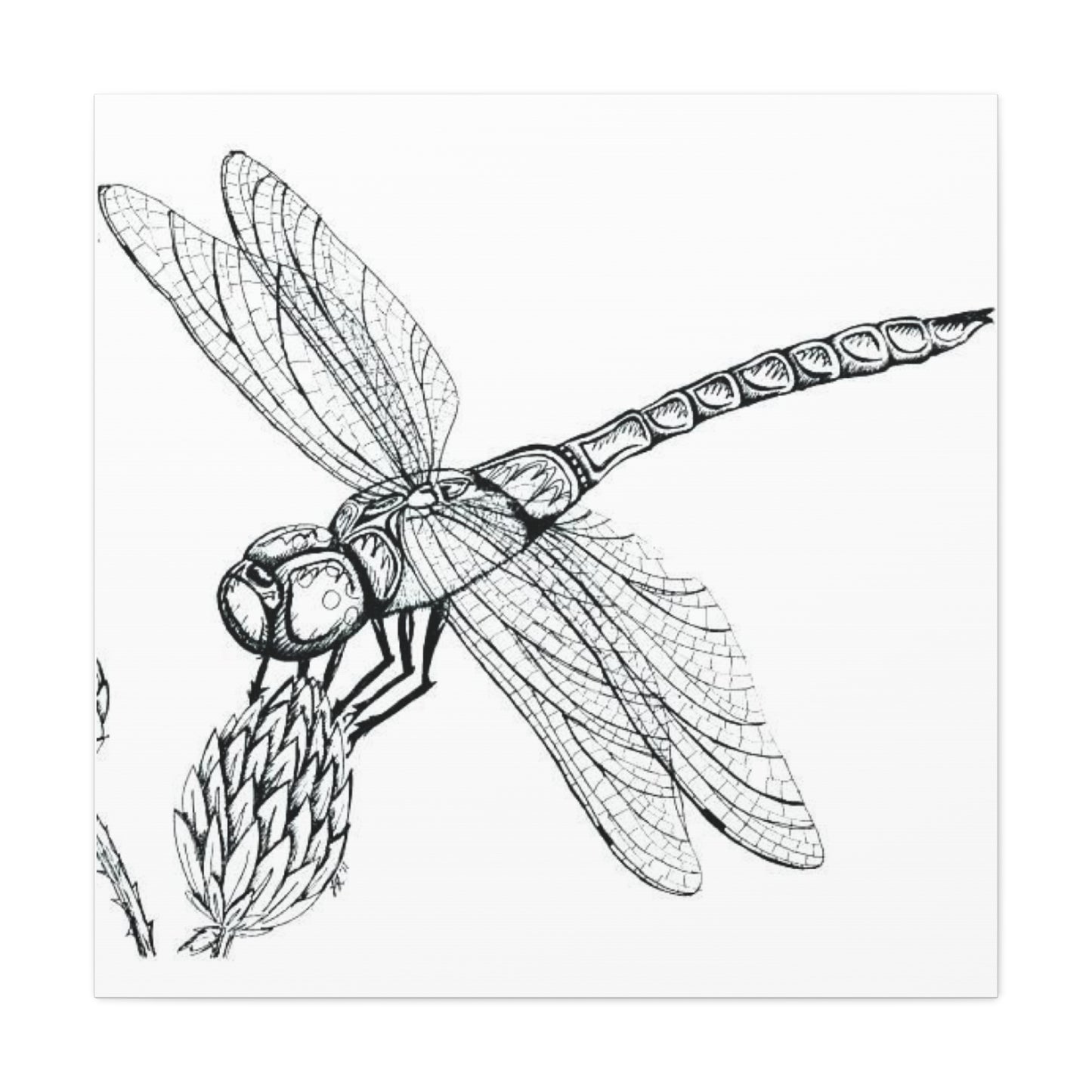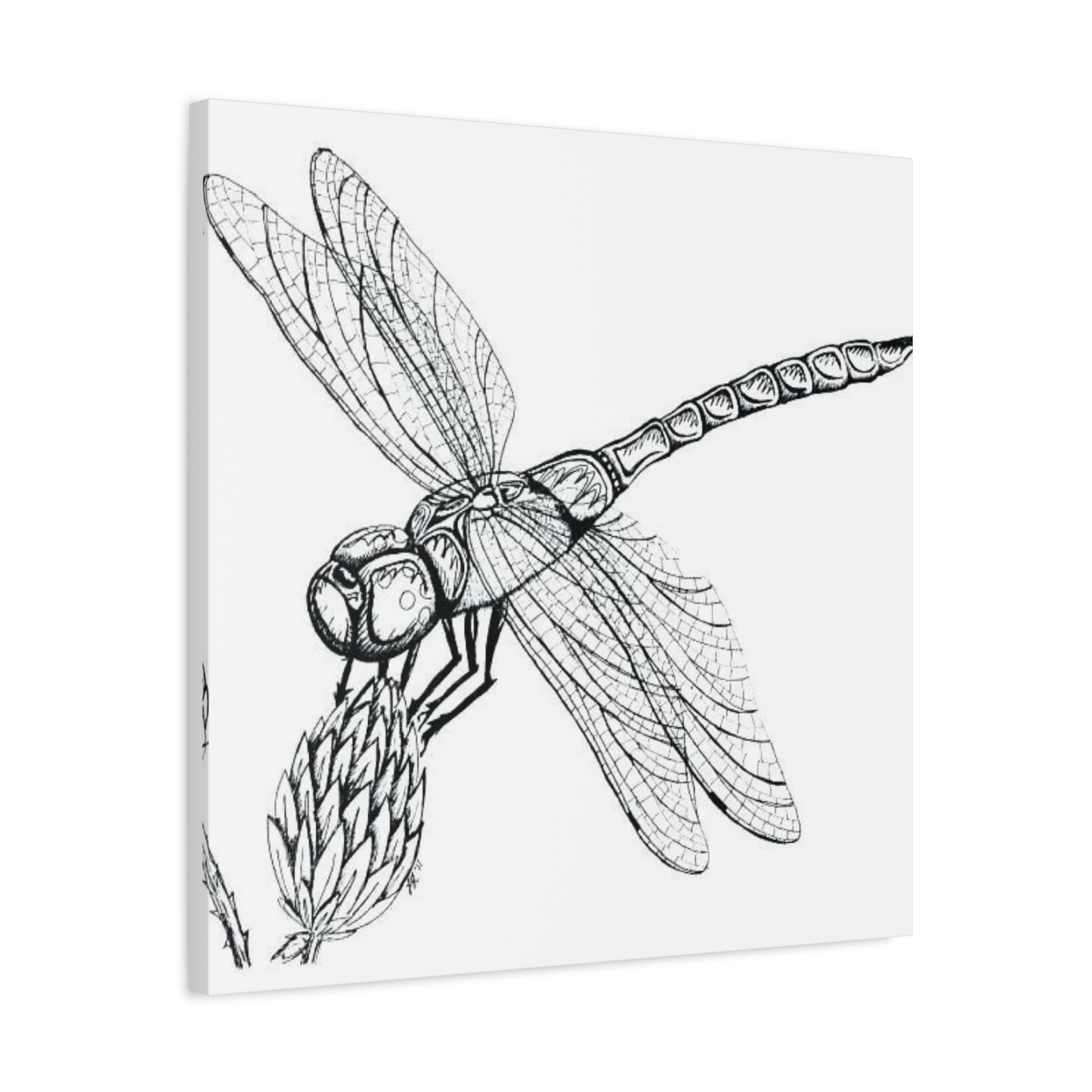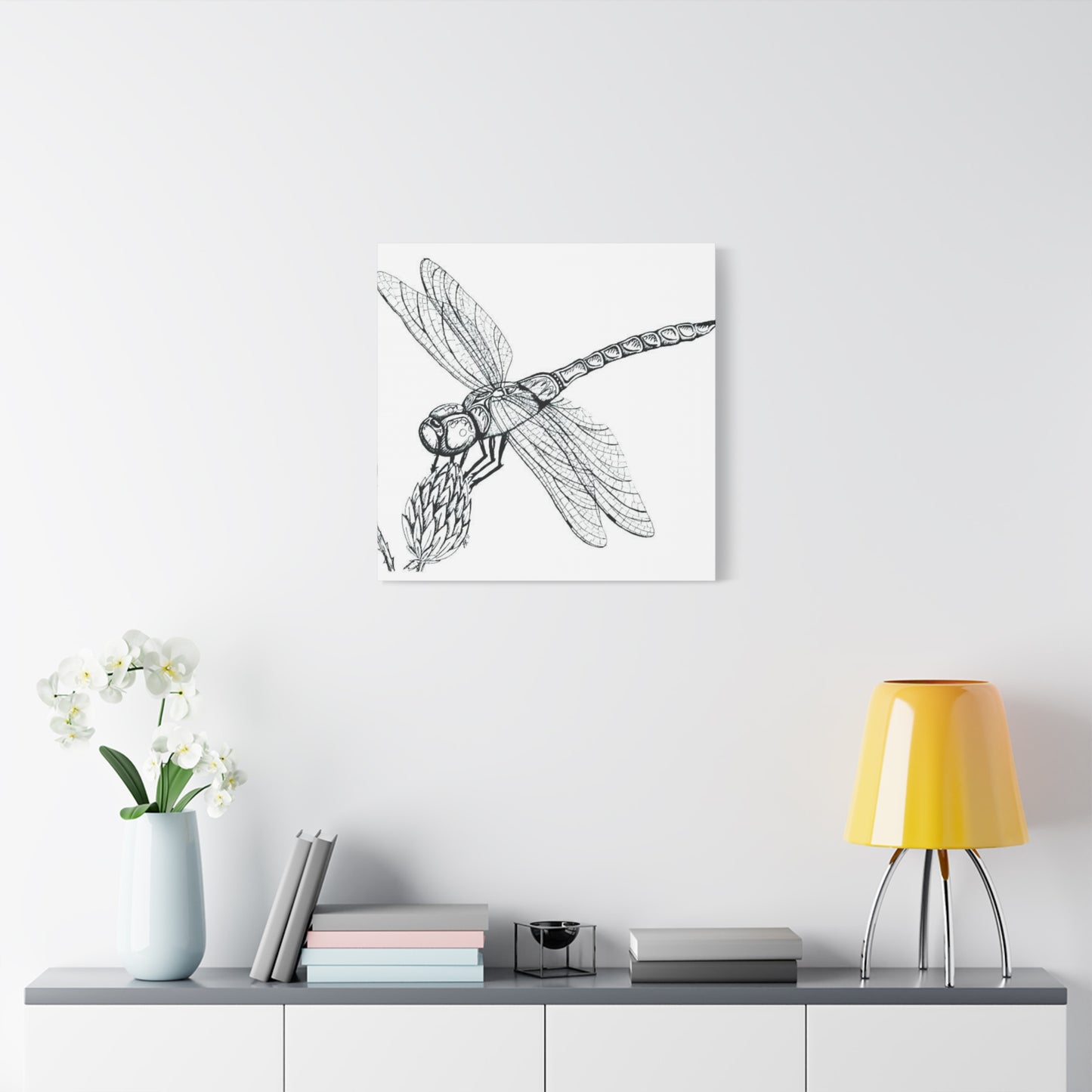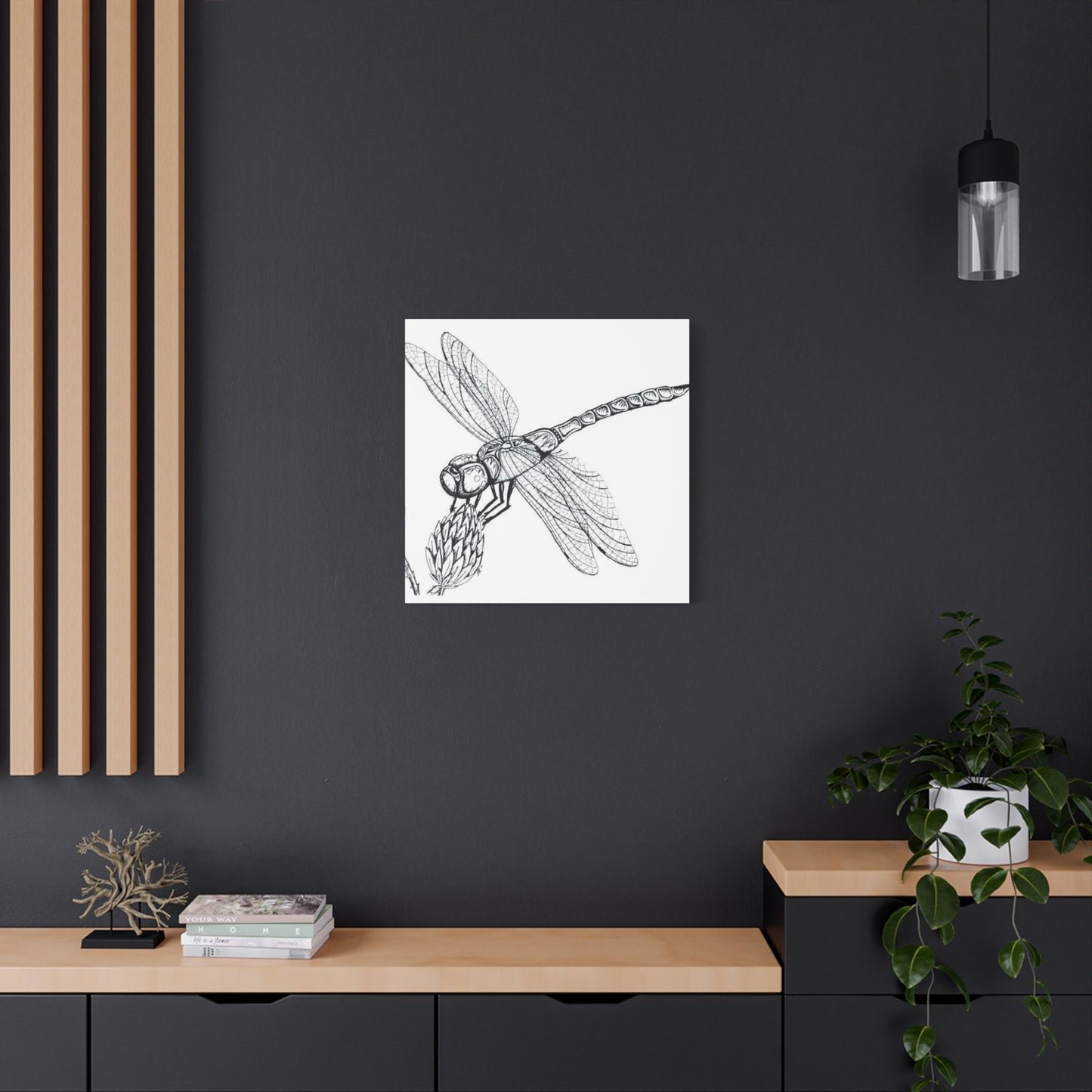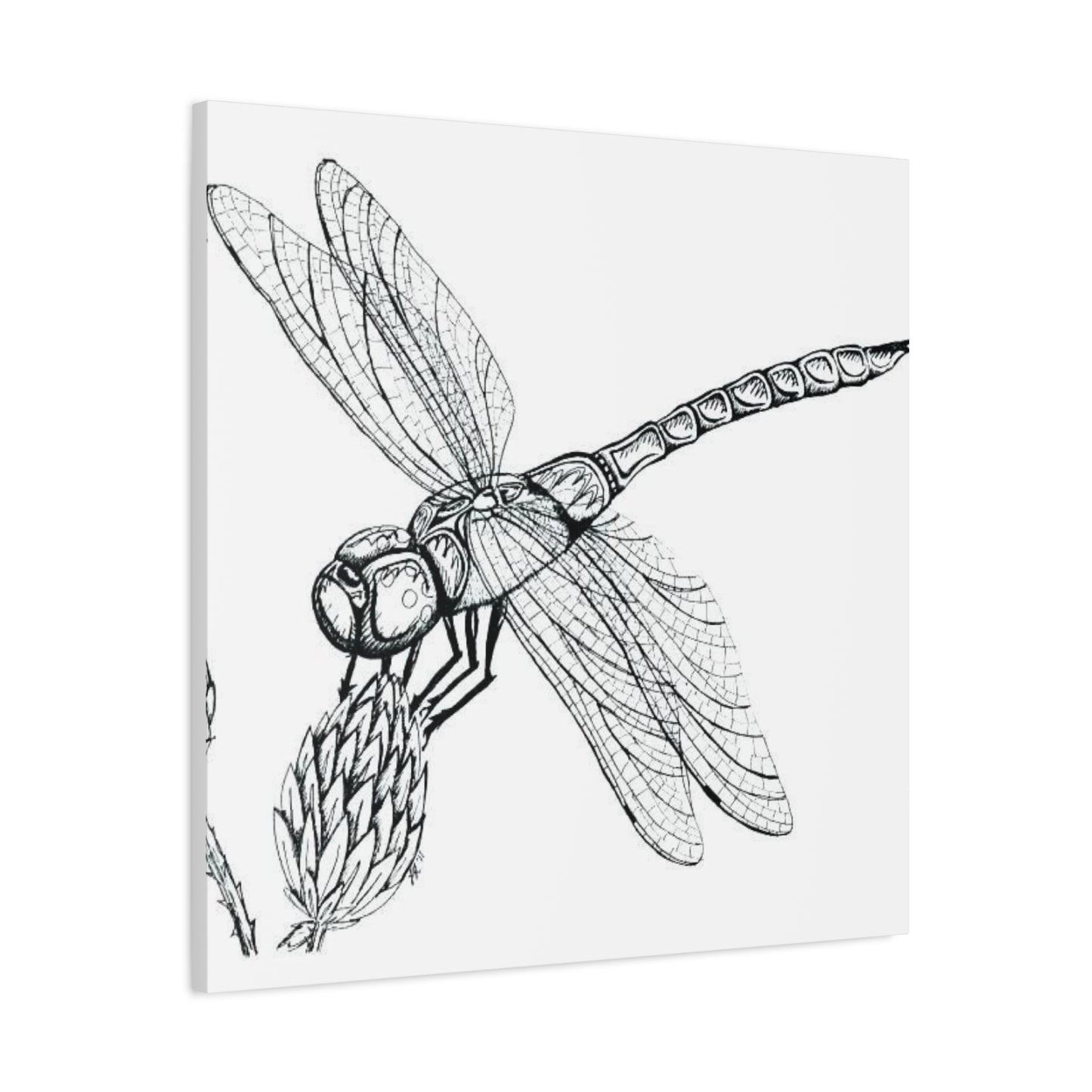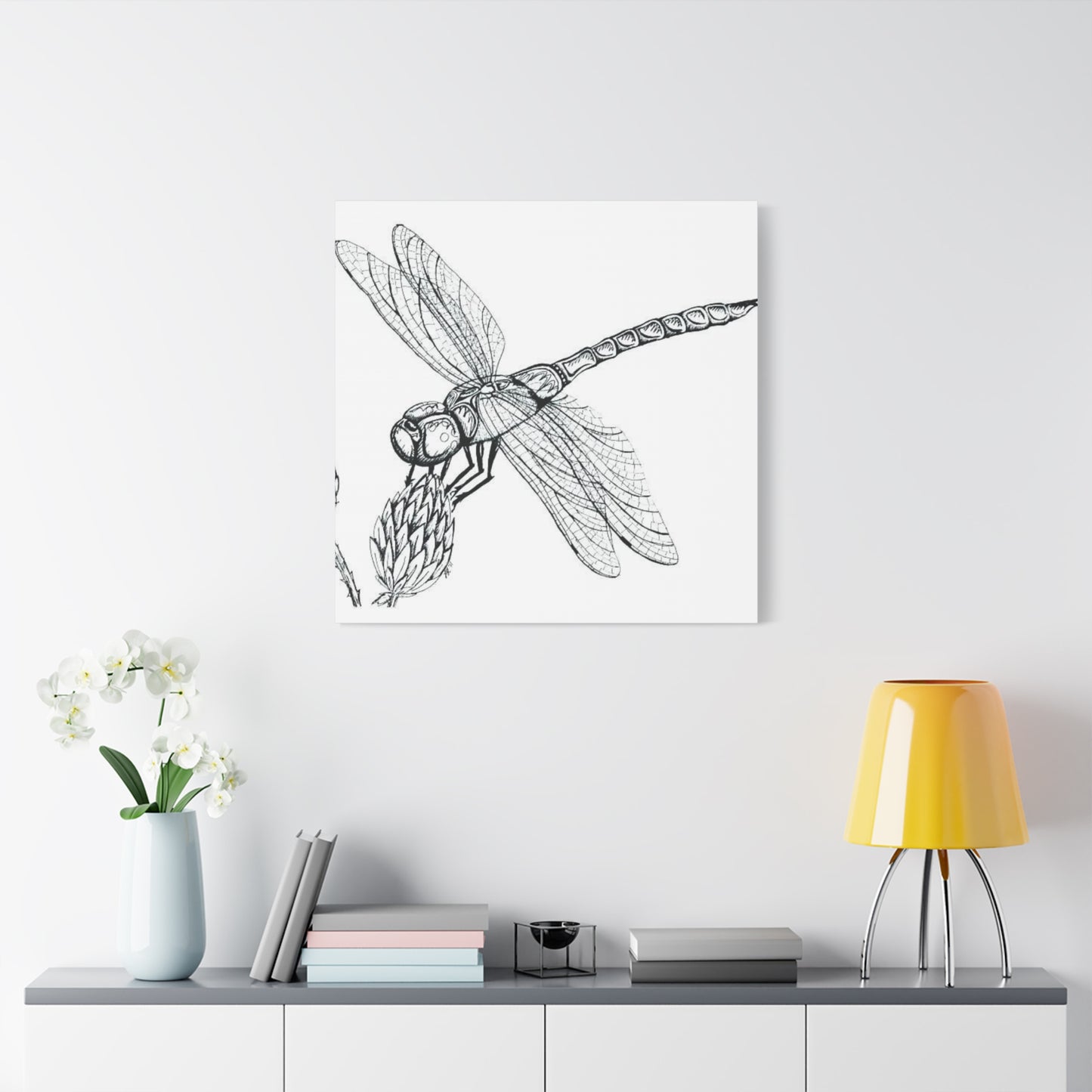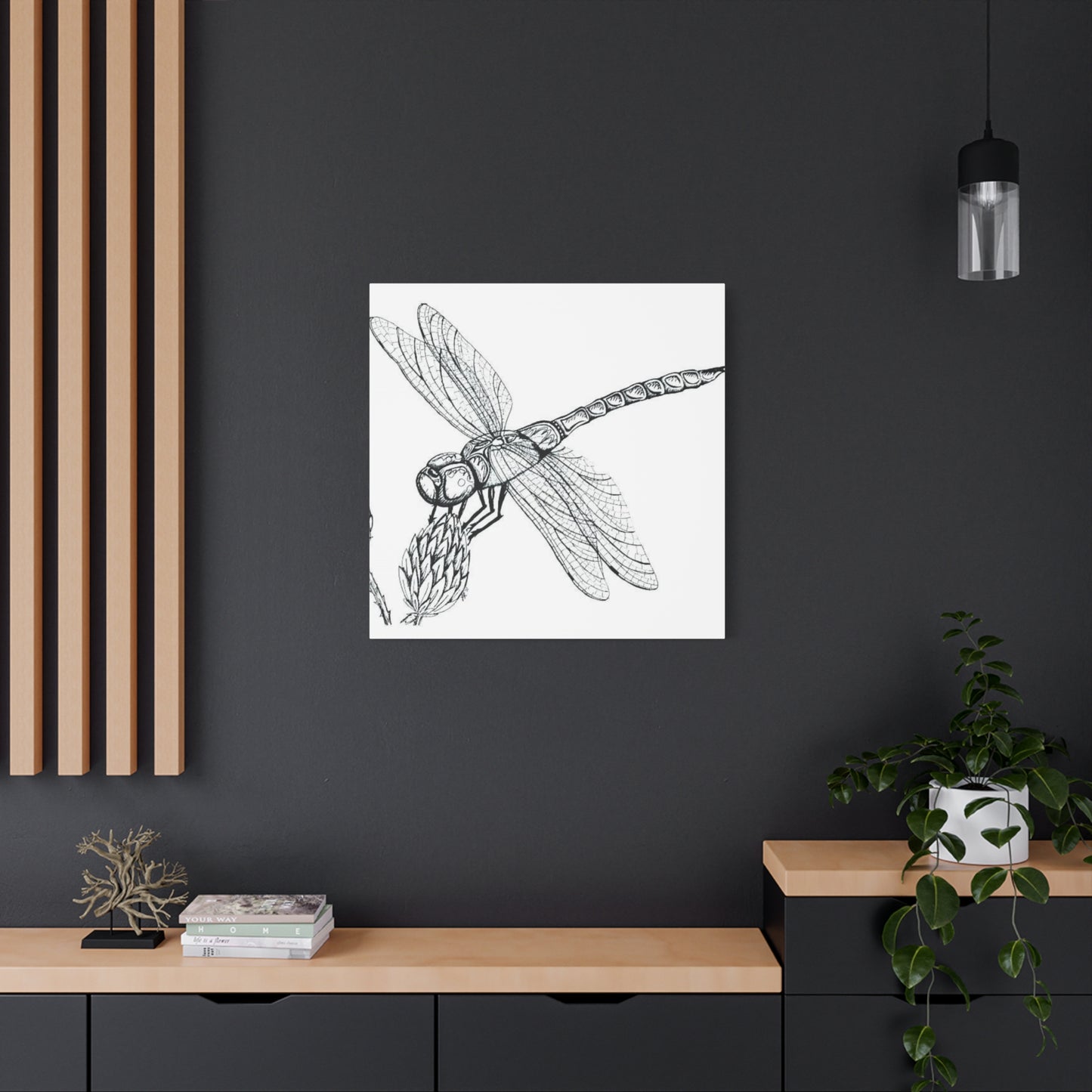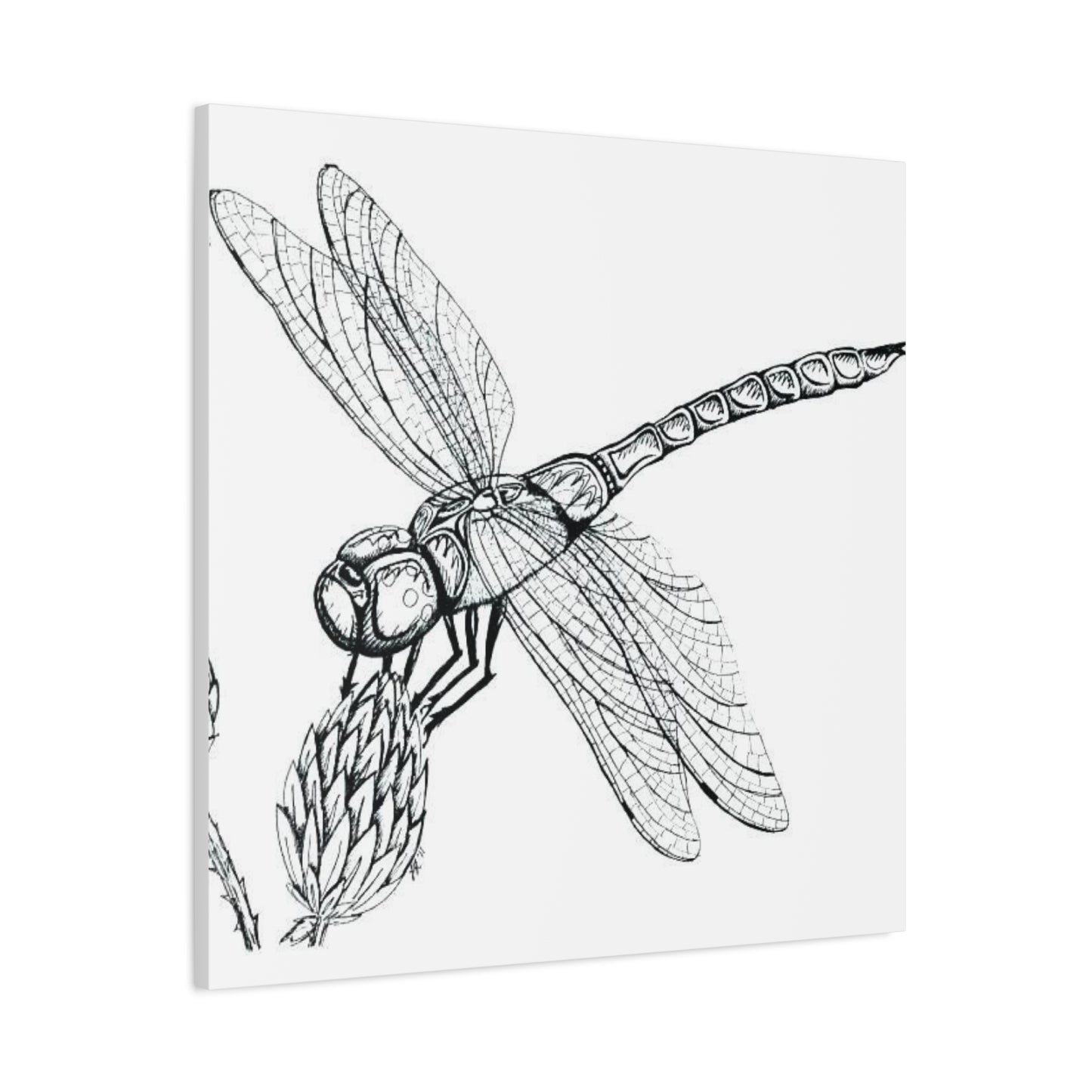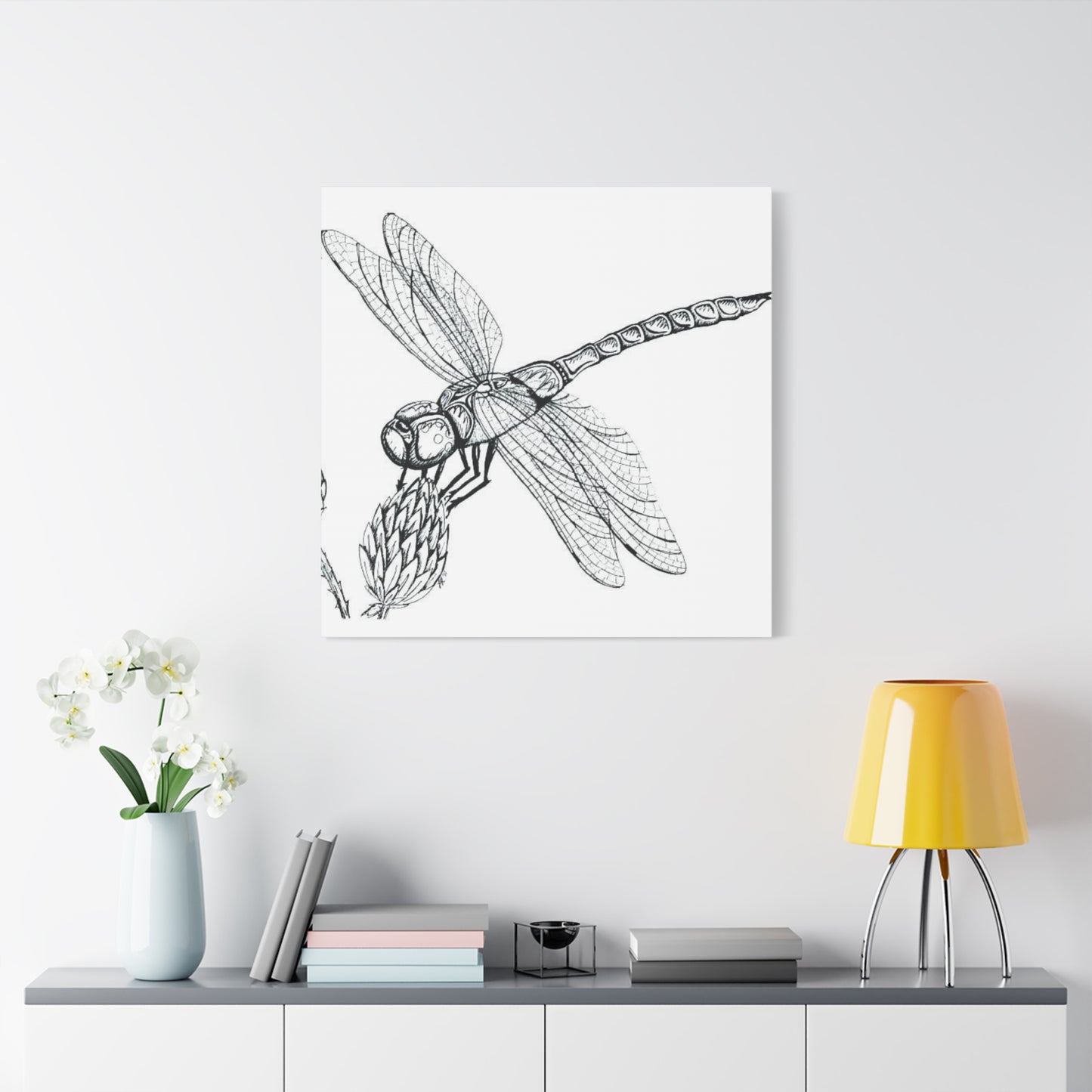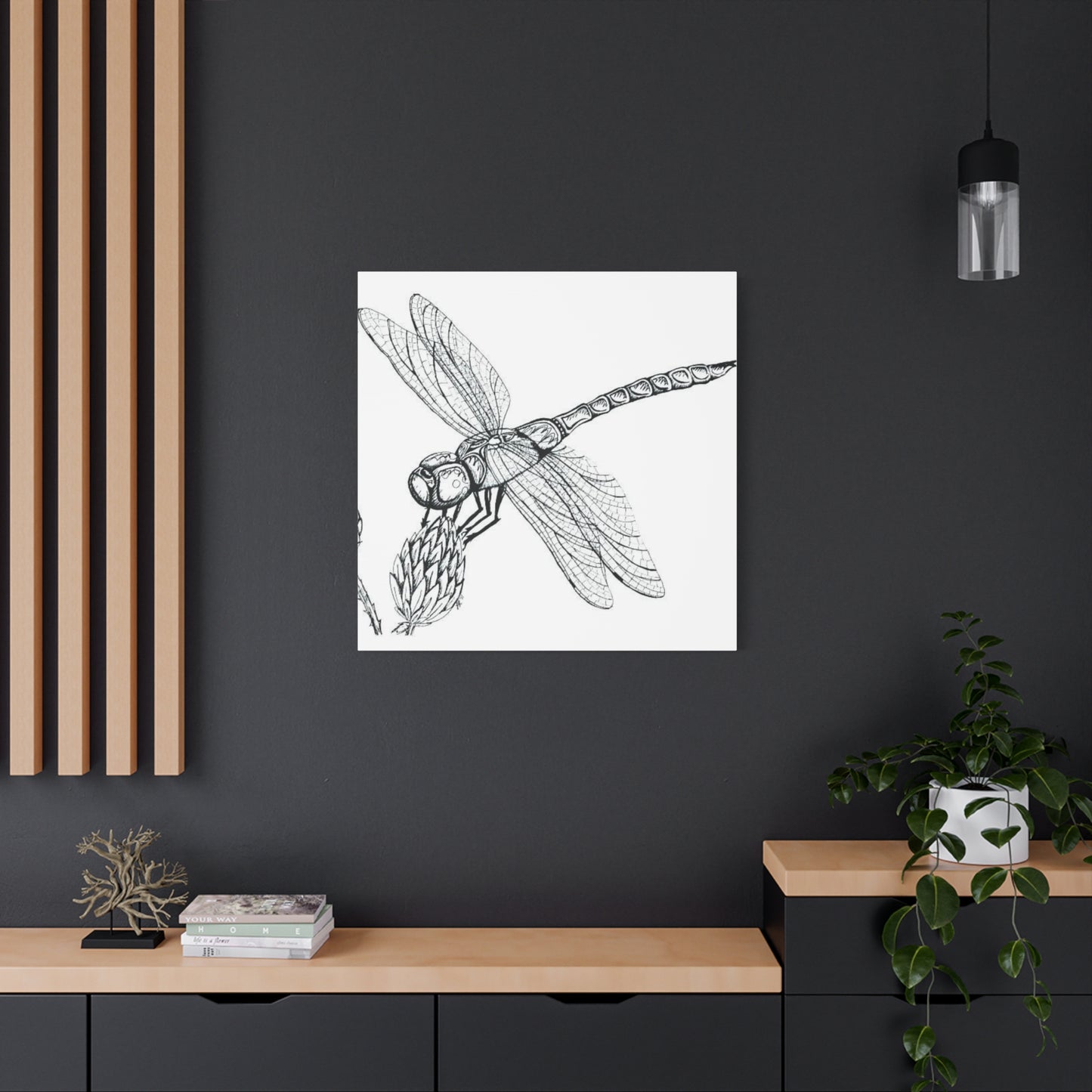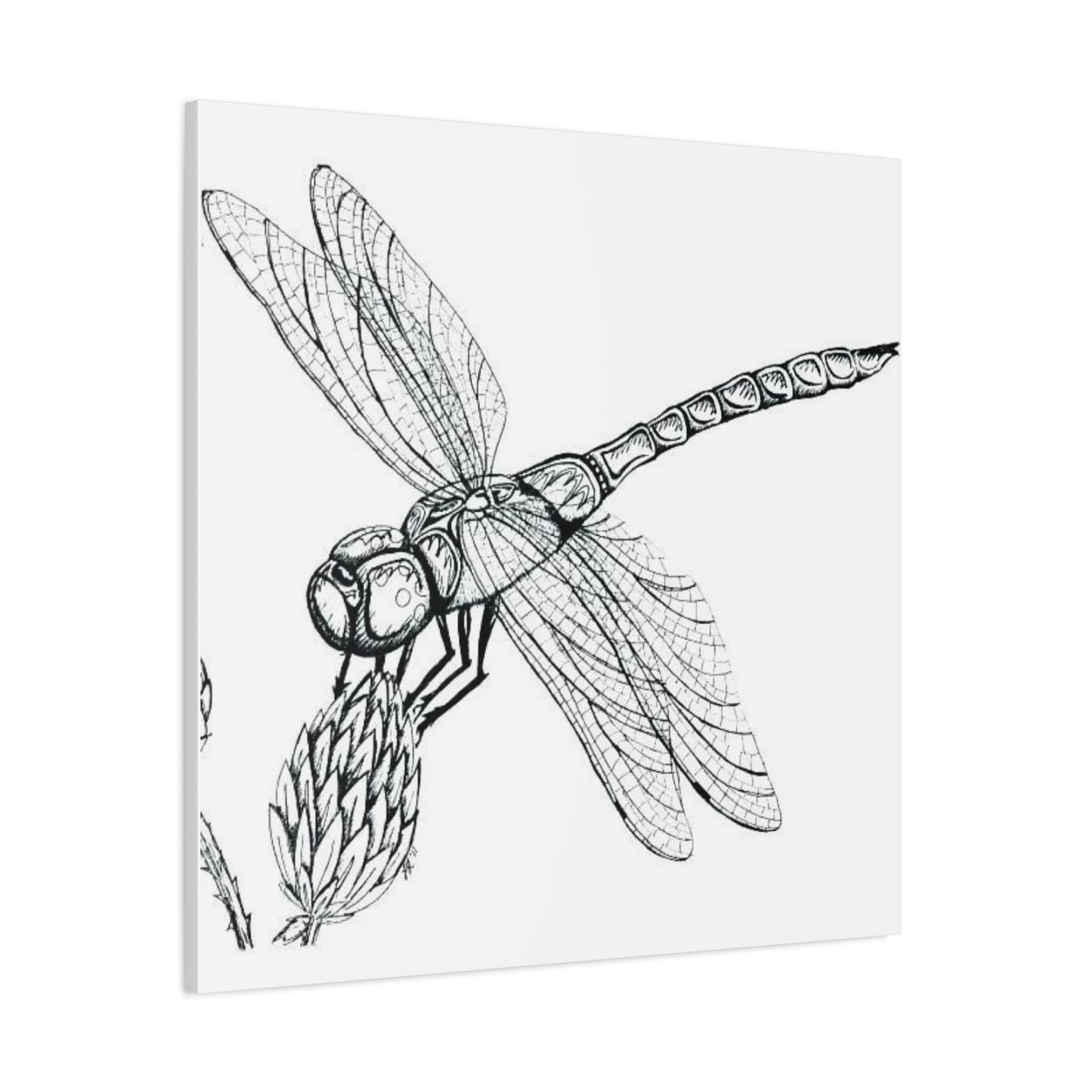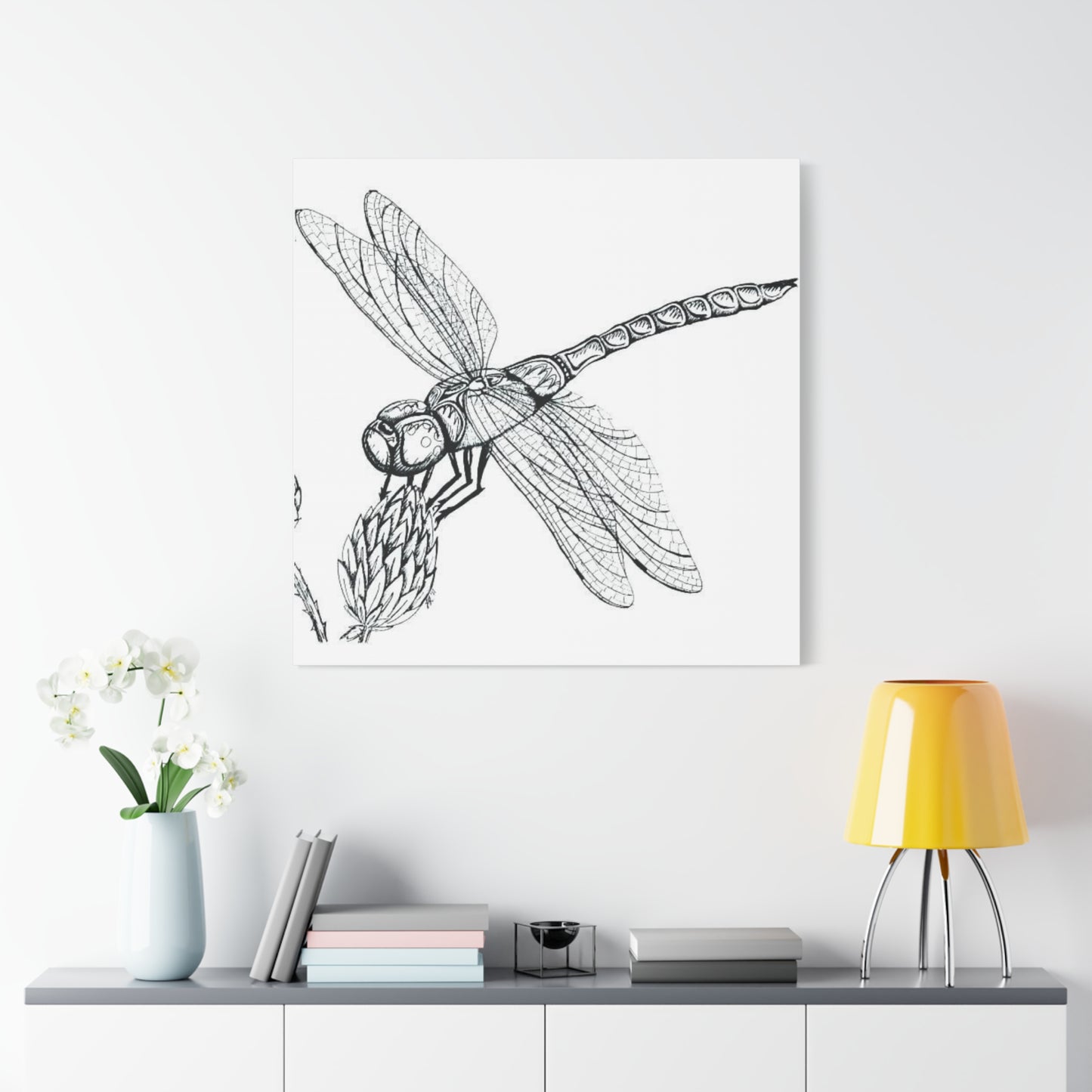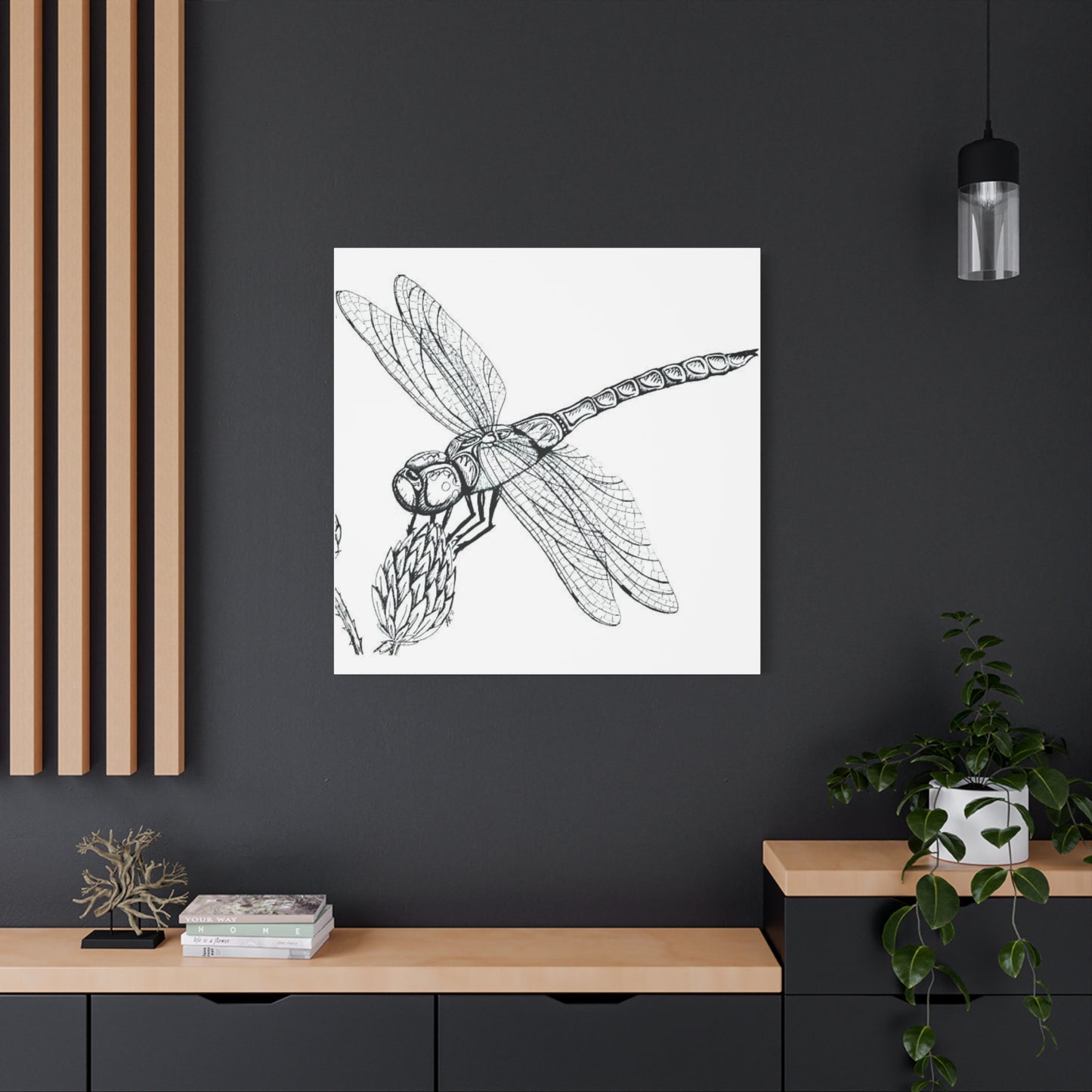


Black & White Dragonfly Wall Art & Canvas Prints
Black & White Dragonfly Wall Art & Canvas Prints
Couldn't load pickup availability
Striking Black & White Dragonfly Wall Art: Decorative Elegance for Modern Living Spaces
The ethereal beauty of dragonflies has captivated human imagination for centuries, and their representation in monochromatic artwork brings a sophisticated charm to contemporary interiors. Black & White Dragonfly Wall Art represents more than mere decoration; it embodies a harmonious blend of natural wonder and artistic expression that transforms ordinary walls into captivating visual narratives. This comprehensive exploration delves into every facet of incorporating these mesmerizing pieces into your living environment, from understanding their aesthetic appeal to selecting the perfect placement within your home.
Monochromatic dragonfly imagery carries a timeless quality that transcends fleeting design trends. The stark contrast between light and shadow creates depth and dimension, allowing these delicate creatures to appear almost three-dimensional against your walls. Whether rendered through photography, illustration, or mixed media, each piece tells a unique story of metamorphosis, grace, and the fleeting beauty of nature captured in a single frozen moment.
The Captivating Allure of Monochromatic Insect Imagery in Contemporary Interior Design
Monochrome artwork possesses an inherent sophistication that colored pieces sometimes struggle to achieve. When we examine black & white dragonfly wall art specifically, we discover layers of meaning and visual interest that make these pieces particularly compelling for modern homes. The absence of color forces the viewer's eye to focus on form, texture, and composition rather than being distracted by chromatic elements.
Dragonflies themselves are remarkable creatures, with their gossamer wings displaying intricate vein patterns that resemble delicate lace or stained glass windows. When these details are captured in monochromatic media, the emphasis shifts entirely to these structural elements. The translucency of their wings becomes more apparent, the segmentation of their elongated bodies gains prominence, and the compound structure of their eyes reveals fascinating geometric patterns.
The symbolic significance of dragonflies adds another layer of depth to these artistic representations. Across various cultures, these aerial acrobats symbolize transformation, adaptability, and living in the moment. In Japanese culture, dragonflies represent strength, courage, and happiness. Native American traditions view them as messengers between worlds, while European folklore associates them with change and self-realization. When you incorporate black & white dragonfly wall art into your space, you're not simply adding decoration; you're inviting these powerful symbolic meanings into your daily environment.
The versatility of monochromatic dragonfly imagery allows it to complement virtually any interior design scheme. From minimalist Scandinavian aesthetics to industrial lofts, from traditional farmhouse charm to sleek metropolitan apartments, these pieces adapt seamlessly. The neutral palette ensures they won't clash with existing color schemes, while their subject matter adds organic interest to even the most contemporary spaces.
Diverse Artistic Interpretations: Exploring Various Styles of Dragonfly Representations
The world of black & white dragonfly wall art encompasses an impressive spectrum of artistic approaches, each offering distinct visual characteristics and emotional resonances. Understanding these various styles helps you select pieces that truly speak to your personal aesthetic preferences and complement your existing décor.
Photography-based dragonfly art captures these creatures in their natural habitat with stunning realism. Macro photography reveals microscopic details invisible to the naked eye—the tiny hairs along their legs, the crystalline structure of individual wing cells, the reflective quality of their compound eyes. When rendered in black and white, these photographs take on a documentary quality reminiscent of nature journals from bygone eras, lending an air of scientific curiosity and exploration to your space. High-contrast photographic prints emphasize dramatic lighting, creating bold silhouettes that make powerful visual statements.
Illustrative approaches offer entirely different aesthetics. Pen and ink drawings showcase the artist's hand, with each line and cross-hatch mark visible, creating texture and depth through patient, meticulous work. These pieces often have a vintage quality, evoking Victorian naturalist illustrations or medieval manuscript illuminations. The human touch evident in every stroke creates warmth and personality that purely photographic images sometimes lack.
Watercolor and ink wash techniques produce softer, more ethereal representations. These pieces balance precision in certain areas—perhaps the dragonfly's body or head—with loose, fluid backgrounds that suggest movement and atmosphere. The gradations from deep black through various grays to pure white create a sense of dimensionality and atmosphere that draws viewers into contemplative states.
Abstract interpretations deconstruct the dragonfly form into essential elements—curves, lines, patterns. These pieces might feature fragmented wings, stylized bodies, or geometric patterns inspired by dragonfly anatomy rather than literal representations. Such artwork appeals to those who appreciate modern art movements and prefer suggestion over explicit representation. The abstract approach allows for larger scale pieces that make bold statements without overwhelming spaces with excessive detail.
Silhouette-based artwork strips away all detail, presenting dragonflies as pure black shapes against white backgrounds or vice versa. This reductive approach creates dramatic, high-contrast pieces that read clearly from across rooms. Silhouette art works particularly well in series, where multiple dragonflies in various poses create dynamic compositions suggesting movement and life.
Mixed media pieces combine multiple techniques—perhaps photography with painted elements, or illustrations enhanced with textural materials. These hybrid works offer visual complexity that rewards closer examination, revealing new details upon repeated viewing. The interplay between different media creates unique surfaces that catch light differently throughout the day, making the artwork appear to change subtly as natural light shifts.
Selecting the Perfect Size and Format for Your Available Wall Space
Choosing appropriately sized black & white dragonfly wall art requires careful consideration of your space's dimensions, architectural features, and intended visual impact. A piece that works beautifully in one setting might feel lost or overwhelming in another, making thoughtful selection crucial to achieving desired aesthetic results.
For expansive walls in living rooms, dining areas, or master bedrooms, statement-sized pieces measuring 40 by 60 inches or larger create commanding focal points. These substantial artworks anchor spaces, providing visual weight that balances large furniture pieces and prevents walls from feeling empty or incomplete. When selecting large-scale dragonfly art, consider pieces with simpler compositions—perhaps a single dragonfly rendered in striking detail, or a minimalist composition featuring just two or three subjects. Overly complex imagery can become visually chaotic when scaled up dramatically.
Medium-sized pieces, typically ranging from 20 by 30 inches to 36 by 48 inches, offer versatility for various wall spaces. These proportions work well above furniture like sofas, beds, or console tables, where they need to command attention without overwhelming the pieces below. Medium formats also allow for more detailed compositions—perhaps a dragonfly perched on a cattail, surrounded by suggested aquatic vegetation, or multiple dragonflies captured in flight at various depths.
Smaller prints, from 8 by 10 inches up to 16 by 20 inches, excel in creating gallery walls, filling narrow wall spaces like hallways, or adding interest to powder rooms, home offices, or reading nooks. The beauty of smaller dragonfly artwork lies in its ability to be arranged in multiples, creating cohesive collections that tell visual stories. You might group several small prints showing different dragonfly species, various life stages, or diverse artistic interpretations of the same subject.
Panoramic formats, with their elongated horizontal dimensions, suit specific architectural situations beautifully. These pieces work exceptionally well above headboards, sofas, or console tables where vertical space is limited but horizontal expanse is available. A panoramic composition might depict several dragonflies in flight across a wetland scene, or show the lifecycle stages of a dragonfly arranged linearly from left to right.
Vertical orientations, conversely, suit narrow wall spaces beside windows, doors, or built-in shelving. Tall, narrow dragonfly compositions draw the eye upward, making rooms with lower ceilings feel more spacious. These formats work particularly well when depicting dragonflies hovering vertically or climbing emergent vegetation.
Square formats offer balance and symmetry that some find particularly pleasing. These proportions work well in modern, geometric interior designs and suit spaces where multiple pieces will be arranged in grids or symmetrical patterns. Square dragonfly compositions often feature centered subjects with balanced negative space surrounding them, creating calm, meditative aesthetics.
When determining appropriate sizing, apply the general guideline that artwork above furniture should span roughly two-thirds to three-quarters of the furniture's width. For standalone wall art with no furniture below, consider the wall's overall dimensions—a piece occupying about one-quarter to one-third of the wall space typically feels balanced without appearing either lost or cramped.
Understanding Print Methods and Material Substrates for Dragonfly Artwork
The medium through which black & white dragonfly wall art is produced significantly impacts its appearance, longevity, and price point. Familiarity with various printing methods and substrates enables informed decisions that ensure satisfaction with your purchase.
Canvas prints remain among the most popular choices for dragonfly wall art. The textured surface of canvas adds dimensionality to images, with the weave creating subtle visual interest that enhances the organic subject matter. Gallery-wrapped canvas, where the printed image continues around the stretcher frame edges, eliminates the need for additional framing, offering a contemporary, finished look straight from the package. Canvas prints withstand minor impacts better than glass-fronted alternatives, making them practical for high-traffic areas or homes with active children or pets.
Fine art paper prints deliver exceptional detail and tonal range, making them ideal for dragonfly images where delicate wing structures and subtle gradations matter. Archival-quality papers resist fading and deterioration when properly displayed away from direct sunlight and excessive humidity. Rag papers, made from cotton fibers rather than wood pulp, offer museum-quality permanence and beautiful matte surfaces that minimize reflective glare. These prints require framing behind glass for protection, but the glass can create reflections that interfere with viewing from certain angles.
Metal prints represent a contemporary option gaining popularity for nature-themed artwork. The printing process infuses dyes directly into specially coated aluminum panels, creating vibrant images with remarkable depth and luminosity. For black & white dragonfly wall art, metal prints offer exceptional contrast and a unique, almost three-dimensional quality. The metal surface catches and reflects light, making the artwork appear to glow subtly from within. Metal prints resist fading, moisture, and scratches exceptionally well, making them suitable for bathrooms, kitchens, or other challenging environments where traditional paper prints might deteriorate.
Acrylic prints sandwich printed images between clear acrylic panels, creating artwork with incredible depth and a glossy, glass-like finish. Light travels through the clear acrylic layer, illuminating the image from within and creating remarkable vibrancy. For dragonfly imagery, this format emphasizes translucency in wing structures, creating an almost lifelike quality. Acrylic prints make bold, modern statements particularly suited to contemporary interiors. They're also remarkably durable, resisting damage from moisture, UV exposure, and handling.
Wood-mounted prints combine rustic charm with contemporary aesthetics. Images are transferred directly onto wood panels, allowing the natural wood grain to show through subtly, adding warmth and texture. For black & white dragonfly wall art, the interaction between the monochromatic image and natural wood tones creates unique character. Each piece becomes slightly different due to variations in wood grain patterns, offering one-of-a-kind appeal. These prints suit farmhouse, rustic, industrial, and eclectic décor schemes particularly well.
Framed prints behind glass offer traditional presentation that never goes out of style. The framing process allows extensive customization—selecting from hundreds of frame styles, mat options, and glass types to create precisely the look you envision. Museum glass eliminates virtually all glare and provides UV protection that preserves artwork for generations. The depth created by matting adds elegance and draws focus to the central image. Framed pieces convey formality and permanence appropriate for studies, libraries, formal dining rooms, and other dignified spaces.
Strategic Placement Considerations Throughout Your Living Environment
Where you position your black & white dragonfly wall art dramatically affects both its visual impact and your daily enjoyment of the piece. Strategic placement considers lighting, viewing angles, room function, and relationship to surrounding furnishings and architectural elements.
Living rooms typically serve as primary display spaces for significant artwork. Above the sofa represents the most common placement, where dragonfly art becomes a focal point visible immediately upon entering. Position the piece's center approximately 60 to 66 inches from the floor, or 6 to 12 inches above the sofa back. This height ensures comfortable viewing whether you're standing or seated. If your living room features a fireplace, the wall above the mantel provides another prominent location, though you'll need to ensure adequate clearance from heat sources—maintain at least 12 inches between the mantel top and artwork bottom.
Bedrooms benefit from calming dragonfly imagery, particularly above the bed's headboard. The gentle, natural subject matter promotes relaxation conducive to restful sleep. Alternatively, position artwork on walls facing the bed, creating something beautiful to contemplate while lying down. In master suites with seating areas, consider placing dragonfly art above chairs or love seats, creating intimate viewing experiences separate from the sleeping area.
Dining rooms offer wonderful opportunities for dramatic dragonfly displays. Long, narrow dining room walls accommodate panoramic compositions beautifully, while the wall behind a buffet or sideboard provides another excellent location. In formal dining spaces, the artwork contributes to conversational ambiance during meals, offering beautiful visuals that enhance dining experiences without distracting from food or company.
Home offices and studies benefit from the symbolic meanings associated with dragonflies—transformation, focus, and living presently. Position artwork at eye level when seated at your desk, creating an inspiring view during work sessions. The monochromatic palette won't distract from tasks requiring concentration, while the natural subject matter provides mental refreshment during breaks.
Hallways and entryways often present challenging narrow spaces that smaller or vertically oriented dragonfly pieces fill perfectly. Create gallery walls featuring multiple related pieces, or arrange a series of dragonfly images in a linear progression along the hallway's length. In entryways, welcoming dragonfly art sets tones for the entire home, immediately establishing your aesthetic sensibility for arriving guests.
Bathrooms, particularly powder rooms, offer intimate spaces where smaller dragonfly pieces create spa-like atmospheres. The association between dragonflies and water makes them thematically appropriate for these spaces. Ensure artwork is positioned away from direct water spray and excessive humidity if possible, or select moisture-resistant substrates like metal or acrylic.
Staircases provide vertical wall space ideal for showcasing multiple dragonfly pieces arranged in ascending patterns that follow the stairs' upward progression. This approach guides the eye naturally and makes climbing stairs more visually engaging.
When hanging artwork, avoid positioning pieces where direct sunlight streams onto them for extended periods, as UV exposure causes fading over time, even in black and white images. Similarly, avoid hanging artwork directly above heat sources like radiators or fireplaces, as temperature fluctuations accelerate deterioration.
Coordinating Dragonfly Artwork with Existing Color Palettes and Décor Themes
One of the greatest advantages of black & white dragonfly wall art is its remarkable adaptability to diverse color schemes and design aesthetics. However, thoughtful coordination ensures these pieces enhance rather than merely coexist with your existing décor.
In monochromatic or neutral spaces dominated by whites, grays, blacks, and beiges, dragonfly artwork provides visual interest without introducing chromatic complexity. These settings allow the artwork's forms, textures, and compositions to shine without competition from surrounding colors. In such environments, consider varying textures throughout the room—pair smooth, sleek dragonfly prints on metal with rough, nubby textiles, polished wood furniture, and matte wall finishes. This textural variety prevents monochromatic spaces from feeling flat or monotonous.
Spaces featuring bold, saturated colors benefit from the visual respite that monochromatic artwork provides. If your room includes vibrant jewel tones, bright primary colors, or rich, deep hues, black & white dragonfly wall art offers areas where the eye can rest. The neutral palette won't clash with any color scheme, providing harmonious balance regardless of your chromatic choices. In these colorful environments, the dragonfly art grounds the space, preventing it from feeling chaotic or overwhelming.
Cool-toned rooms dominated by blues, greens, silvers, and purples pair naturally with dragonfly imagery due to these creatures' aquatic associations. The monochromatic treatment maintains the room's cool temperature while adding organic shapes that soften angular furnishings and architectural elements. In such spaces, consider incorporating additional natural elements—potted plants, natural fiber textiles, or wood accents—to enhance the nature-inspired theme suggested by the dragonfly artwork.
Warm-toned environments featuring reds, oranges, yellows, golds, and warm browns might seem less obvious partners for dragonfly art, yet the combination works beautifully. The cool neutrality of black and white balances warm hues, preventing spaces from feeling too hot or overwhelming. The natural subject matter introduces organic elements that soften and humanize warm-toned spaces that might otherwise feel too energized or stimulating.
Minimalist interiors, characterized by sparse furnishings, clean lines, and uncluttered surfaces, welcome black & white dragonfly wall art as one of few decorative elements. In these pared-down environments, each piece carries significant visual weight, making quality and intentional selection paramount. Choose dragonfly artwork with simple, elegant compositions that echo the room's uncluttered aesthetic—perhaps a single dragonfly rendered with exquisite detail against a pure white background.
Maximalist spaces, conversely, feature abundant patterns, colors, textures, and decorative objects. In these visually rich environments, black & white dragonfly wall art provides neutral anchoring points that unify diverse elements. The monochromatic palette reads as a single visual unit even if the piece contains considerable detail, helping to organize and structure busy spaces. In maximalist rooms, don't hesitate to go large with dragonfly art—substantial pieces hold their own amid visual competition.
Rustic and farmhouse aesthetics naturally complement dragonfly imagery due to shared nature themes. Wood-mounted dragonfly prints particularly suit these styles, as does artwork framed in weathered wood or distressed finishes. The combination of delicate, refined dragonfly forms with rough, rustic textures creates pleasing contrasts that add depth and interest.
Industrial spaces featuring exposed brick, metal fixtures, concrete, and utilitarian elements pair surprisingly well with dragonfly art. The juxtaposition between organic natural forms and hard industrial materials creates dynamic tension that makes both elements more interesting. Metal or acrylic dragonfly prints particularly suit industrial aesthetics, as their contemporary production methods echo the style's machine-age appreciation.
Creating Cohesive Gallery Walls and Artistic Collections with Dragonfly Themes
Gallery walls transform individual artworks into unified visual statements greater than the sum of their parts. When featuring black & white dragonfly wall art within gallery arrangements, several approaches create cohesive, professional-looking results.
The symmetric grid arrangement offers clean, organized aesthetics particularly suited to modern and contemporary spaces. Select dragonfly pieces of identical or very similar sizes, then arrange them in perfect rows and columns with consistent spacing between pieces. This approach works best when the individual artworks share stylistic consistency—perhaps all photographs, all illustrations, or all similar compositional approaches. The rigid organization of the grid format creates calm, orderly impressions while allowing viewers to compare and contrast individual pieces easily.
Asymmetric gallery walls create more dynamic, casual aesthetics. Mix various sizes of dragonfly artwork, arranging them in balanced but non-uniform patterns. Start by positioning your largest or most visually striking piece first—this becomes the anchor around which other pieces orbit. Build outward, balancing visual weight across the entire arrangement. While individual pieces vary in size and positioning, maintain consistent spacing between all frames, typically 2 to 4 inches, to unify the collection. Asymmetric galleries suit eclectic, bohemian, and transitional interiors particularly well.
Horizontal line arrangements work beautifully in spaces with limited vertical room but ample horizontal span—above sofas, beds, or long console tables. Align multiple dragonfly pieces along their top or bottom edges, creating a continuous horizontal line even if piece heights vary. This approach guides the eye laterally across the composition, emphasizing the room's width.
Vertical column arrangements use the opposite principle, stacking dragonfly artwork vertically along narrow wall sections. Align pieces along their left or right edges, or center each piece along a vertical axis. This approach draws the eye upward, making rooms feel taller—particularly valuable in spaces with low ceilings.
Salon-style arrangements take inspiration from 18th and 19th-century exhibition practices, featuring artworks hung frame-to-frame with minimal spacing between pieces. These dense, floor-to-ceiling arrangements create dramatic, museum-like effects. When attempting salon-style displays with dragonfly art, maintaining thematic consistency becomes crucial—perhaps featuring only dragonfly subjects, or expanding to include other insects and natural specimens. The style suits maximalist, eclectic, and bohemian interiors, adding dramatic flair to dining rooms, libraries, or studies.
Themed collections group dragonfly artwork based on shared characteristics beyond subject matter. You might collect pieces showing dragonfly life cycles, various species, different artistic styles interpreting the same subject, or dragonflies in various habitats. Clearly communicated themes give collections purposeful narratives that engage viewers intellectually as well as aesthetically.
When creating gallery walls, consider incorporating three-dimensional elements alongside flat artwork—perhaps displaying preserved dragonfly specimens in shadow boxes, sculptural dragonfly representations, or natural objects like interesting branches or stones that complement the artwork thematically. This dimensional variety creates more engaging, dynamic displays.
Frame selection significantly impacts gallery wall cohesion. For unified looks, select identical frames for all pieces, varying only in size. This approach creates visual harmony even when the artwork styles vary. Alternatively, choose frames in varying styles within a controlled palette—perhaps all black frames in different profiles, or all natural wood frames in various finishes. The limited palette unifies despite variation. For eclectic galleries, mix frame styles more freely, but establish some common element—similar colors, proportional relationships, or finish types—to prevent total chaos.
Before committing to arrangements, create full-scale paper templates of each frame and arrange them on the wall using removable adhesive. This allows experimentation with various configurations without creating unnecessary holes. Once you've finalized the arrangement, photograph it with your phone as a reference while hanging the actual pieces. Mark the top center of each frame location lightly in pencil, then hang pieces one at a time, working from the center outward.
Practical Considerations Regarding Preservation and Longevity of Artwork
Black & white dragonfly wall art represents an investment in your home's aesthetics, making proper care essential to preserving its beauty for years or even decades. Understanding factors that affect longevity and implementing protective measures ensures your artwork remains as striking as the day you hung it.
Light exposure represents the primary threat to artwork longevity. UV radiation breaks down pigments, papers, and substrates over time, causing fading, yellowing, and brittleness. While black and white images generally resist fading better than colored ones, they're not immune. Position artwork away from direct sunlight whenever possible. If sunny locations are unavoidable, install UV-filtering window films or blinds that you can close during peak sunlight hours. For framed pieces, specify UV-protective glass or acrylic glazing during framing—museum-quality options block up to 99% of UV radiation while remaining virtually invisible.
Humidity extremes damage artwork through multiple mechanisms. High humidity encourages mold growth, particularly on paper and canvas substrates, while causing paper to buckle and warp. Low humidity makes papers brittle and prone to cracking. Maintain consistent relative humidity between 40% and 50% in rooms housing artwork. Avoid hanging pieces in bathrooms without adequate ventilation, directly above humidifiers, or in damp basements without dehumidifiers. Similarly, avoid extremely dry environments near heating vents or in arid climates without humidity control.
Temperature fluctuations stress artwork materials, causing expansion and contraction cycles that degrade structural integrity over time. Maintain stable temperatures between 65°F and 75°F in rooms displaying artwork. Avoid hanging pieces directly above heat sources like radiators, fireplaces, or heating vents where temperature swings occur dramatically throughout the day.
Physical damage from impacts, scratches, and handling threatens all artwork. When hanging pieces, ensure hanging hardware is appropriate for the artwork's weight—undersized hangers eventually fail, sending artwork crashing down. Use wall anchors when hanging on drywall without studs. Check hanging hardware annually to ensure screws haven't loosened and wires haven't frayed.
During cleaning, gentleness is paramount. For canvas prints, dust regularly using soft, dry microfiber cloths or soft-bristled brushes designed for artwork. Never apply water or cleaning solutions directly to canvas. For framed pieces behind glass, clean glass surfaces using minimal amounts of glass cleaner sprayed onto the cloth, never directly onto the glass where it might seep behind and damage the artwork. For metal and acrylic prints, follow manufacturer-specific cleaning recommendations—typically involving only dry or slightly damp microfiber cloths.
Insects occasionally target artwork, particularly pieces using natural materials. Monitor regularly for signs of insect activity—small holes, powdery residues, or visible insects. If infestation occurs, isolate the piece immediately and consult professional conservators about treatment options.
For paper-based artwork, acid-free matting and backing materials prevent acid migration that causes yellowing and deterioration. If purchasing pre-framed pieces, inquire about mat and backing materials' quality. When custom framing, specify archival-quality materials throughout.
Canvas pieces benefit from occasional tension adjustments. As canvas relaxes over time, imagery may appear slightly slack. Most gallery-wrapped canvases include expandable keys in their corners—small wooden wedges that can be gently tapped deeper into corner slots to restore proper tension.
If moving or storing artwork temporarily, never wrap pieces in regular plastic, which traps moisture and encourages mold. Use acid-free tissue paper for protection, then wrap in glassine or Tyvek. Store artwork vertically, never flat, to prevent pressure damage to lower pieces in stacks. Climate-controlled storage maintains stable temperature and humidity.
For valuable or irreplaceable pieces, consider professional conservation framing. While more expensive initially, conservation techniques using highest-quality, archival materials ensure maximum longevity, protecting your investment over decades.
Budgetary Factors and Value Propositions Across Different Price Points
Black & white dragonfly wall art spans remarkable price ranges, from affordable mass-produced prints to investment-worthy original artworks. Understanding what drives these price differences helps you make informed purchasing decisions aligned with your budget and priorities.
At entry-level price points, typically under fifty dollars, you'll find mass-produced prints, often utilizing digital printing methods on paper or thin canvas. These accessible pieces allow you to enjoy dragonfly artwork without significant financial commitment. Quality varies considerably in this range—some inexpensive prints rival more expensive options in visual appeal, while others appear obviously cheap with poor detail resolution, color-shifted grays, or flimsy construction. When shopping budget-friendly options, scrutinize product reviews and enlarged product images when purchasing online. Inexpensive prints work well for renters, those decorating temporary spaces, or anyone wanting to experiment with styles before committing to pricier pieces.
Mid-range options, roughly fifty to three hundred dollars, typically offer noticeably superior quality. Prints in this bracket often feature better paper stocks, archival inks, professional color calibration, and more substantial substrates. Canvas prints at this level typically use thicker, more durable canvas properly stretched over solid wood stretcher frames. Framed pieces may include better construction and potentially UV-protective glass. Some pieces in this range represent limited edition prints—numbered series with restricted production runs that offer greater exclusivity than unlimited prints. Mid-range pieces suit most residential situations well, providing good quality that will last for years with proper care.
Premium pieces ranging from several hundred to several thousand dollars reflect exceptional quality in materials, printing processes, and often the artist's reputation. Original photographs or artworks—one-of-a-kind pieces created by hand—command prices in this range, as do very limited edition prints from recognized photographers or artists. Conservation-quality framing, oversized formats, or unusual substrates like metal or acrylic also push pieces into premium territories. Collectors, those furnishing permanent homes, or anyone prioritizing longevity and investment value gravitate toward premium selections.
Several factors beyond base production costs influence pricing. Artist reputation significantly affects values—work by recognized, exhibited, or published artists commands higher prices than equivalent pieces by unknowns. Limited availability, whether through small edition sizes or discontinued designs, increases desirability and prices. Larger sizes cost more due to increased material costs, but price doesn't scale linearly with size—a piece twice as large might cost three or four times as much. Exclusive sales venues, whether high-end galleries or premium online retailers, price higher than mass-market outlets, though they often provide superior curation, presentation, and customer service.
When evaluating value propositions, consider cost-per-viewing rather than absolute price. Artwork you'll enjoy daily for decades represents excellent value even at higher initial costs. Calculate rough cost-per-day by dividing the purchase price by expected years of ownership times 365. Suddenly, a five-hundred-dollar piece you'll cherish for twenty years costs less than seven cents daily—comparable to a single premium coffee monthly.
Balance quality against budget realistically. Exceptional fifteen-dollar prints exist, as do overpriced thousand-dollar pieces. Research purchases thoroughly, comparing similar items across multiple vendors. For significant purchases, request detailed specifications regarding paper types, ink systems, and construction methods. Don't hesitate to ask sellers questions—reputable vendors welcome inquiries and provide comprehensive information about their offerings.
Consider building collections gradually rather than furnishing entire spaces immediately. Purchase one exceptional piece rather than several mediocre ones. As budget allows, add complementary pieces over time, creating curated collections reflecting personal taste rather than rushed compromises forced by strict budgets and tight timelines.
Commissioning Custom Artwork Featuring Specific Dragonfly Species or Compositions
For those seeking truly unique black & white dragonfly wall art perfectly tailored to their vision, commissioning custom pieces directly from artists offers unparalleled personalization. The custom commission process allows you to specify subjects, compositions, sizes, and stylistic approaches, resulting in one-of-a-kind artwork created exclusively for your space.
Begin by clarifying your vision as specifically as possible before approaching artists. Consider which dragonfly species appeals most—common green darners, blue dashers, dragonhunters, or jewel-toned skimmers? Would you prefer accurate natural history illustration, creative interpretation, abstract representation, or photographic realism? What size format suits your intended display space? What mood or atmosphere should the piece evoke—serene and contemplative, dynamic and energetic, dramatic and bold, or subtle and delicate?
Research artists whose existing work aligns with your aesthetic preferences. Browse artist websites, social media profiles, online galleries, and juried art shows. When you discover work that resonates, examine multiple pieces to understand the artist's range, consistency, and signature style. Read about their processes, materials, and artistic philosophies. Consider whether their approach suits your vision or if you're asking them to work outside their strengths.
Contact selected artists through their preferred communication channels—usually email or contact forms on their websites. Introduce yourself briefly and explain your interest in commissioning work. Describe your vision clearly but avoid being overly prescriptive—artists create best when allowed creative freedom within general parameters. Mention practical requirements like intended dimensions, display location, and timeline needs. Ask about their commission process, typical timelines, and pricing structures.
Professional artists typically charge for custom work through several models. Some quote flat project fees based on size, complexity, and materials. Others charge hourly rates plus materials costs. Some require deposits before beginning work, with remaining balance due upon completion. Most established artists won't begin work without signed agreements outlining scope, compensation, timeline, revision policies, and ownership rights.
Timeline expectations must be realistic. Custom artwork takes time—from weeks to months depending on size, complexity, medium, and the artist's current workload. Rush jobs generally incur premium fees, if artists accommodate them at all. Respect artists' timelines rather than pressuring them to work faster, as hurrying typically compromises quality.
Revision policies vary among artists. Some include limited revisions in base fees; others charge for changes beyond the initially agreed scope. Clarify these policies upfront to avoid misunderstandings. Provide thoughtful, consolidated feedback rather than numerous small changes over many interactions—this respects the artist's time while helping them understand your vision comprehensively.
Copyright considerations matter when commissioning artwork. Generally, artists retain copyrights to their creations even when you purchase the physical piece. This means you own the artwork object itself but not reproduction rights. If you want rights to make prints, use images commercially, or otherwise reproduce the work, negotiate these terms explicitly in your initial agreement—artists typically charge additional licensing fees for expanded rights.
During the creation process, professional artists usually provide progress updates or work-in-progress images at predetermined milestones. These checkpoints allow you to ensure the piece is developing according to your vision and to request adjustments before work proceeds too far. Respond to update requests promptly to avoid delaying completion.
Upon completion, examine the finished piece carefully against your agreement's specifications. Minor variations from initial concepts are normal and often improvements as artists respond creatively to developing works. However, significant departures from agreed parameters warrant discussion. Professional artists stand behind their work and address legitimate concerns appropriately.
Custom artwork represents significant investments that yield highly personal pieces impossible to find elsewhere. The satisfaction of owning original art created specifically for your space according to your vision offers rewards far beyond mass-produced alternatives.
The Relationship Between Dragonfly Artwork and Feng Shui Principles in Home Design
For those who incorporate feng shui principles into home design, understanding how black & white dragonfly wall art interacts with energy flow enhances intentional space creation. While traditional feng shui originates from Chinese culture where dragonflies carry specific symbolic meanings, Western feng shui adaptations offer guidance for incorporating these nature-inspired pieces beneficially.
In classical feng shui thought, dragonflies embody transformation, prosperity, harmony, and adaptability. Their association with water and air elements connects them to wealth, communication, and free-flowing chi energy. Their remarkable metamorphosis from aquatic nymphs to aerial adults symbolizes personal transformation and spiritual evolution—themes that resonate powerfully in mindful living spaces.
The monochromatic nature of black & white dragonfly wall art relates to specific feng shui elements. Black represents the Water element, associated with career, life path, wisdom, and social connections. White represents Metal element, connected to clarity, precision, focus, and helpful people. Artworks featuring both colors in balanced proportions harmonize these elemental energies, supporting corresponding life areas.
Placement according to the bagua map—feng shui's energy mapping system—allows strategic positioning for specific intentions. Hang dragonfly art in the Career area (north facing wall or front-center of spaces) to support professional advancement and life purpose clarity. The transformation symbolism particularly suits career contexts, as professional growth inherently involves change and adaptation.
The Creativity and Children area (west facing or front-right portion of spaces) benefits from dragonfly imagery representing joy, play, and creative expression. The Metal element's white tones naturally support this area's energy. Position black & white dragonfly wall art here to encourage creative endeavors, support children's growth, or activate fertility intentions.
The Helpful People and Travel area (right-front or northwest) resonates with dragonfly symbolism around community, support, and movement between worlds. Dragonfly art here invites beneficial assistance, supportive relationships, and travel opportunities.
The Health and Family area (east or left-center) welcomes dragonfly imagery representing life cycles, family bonds, and harmonious relationships. While this area traditionally corresponds to Wood element rather than Water or Metal, dragonflies' connection to living plants and their role in healthy ecosystems creates thematic resonance.
Final Thoughts
Striking black and white dragonfly wall art brings a perfect blend of nature-inspired beauty and modern sophistication to your living spaces. The delicate yet dynamic form of the dragonfly, captured in monochrome, offers a refreshing way to elevate the aesthetic of any room. Dragonflies, often symbolic of transformation, adaptability, and self-realization, bring a sense of elegance and serenity to the home. By pairing this intricate symbolism with the stark contrast of black and white, this art form invites a sense of timeless beauty that is both captivating and calming, making it an ideal addition to contemporary interiors.
What makes dragonfly wall art particularly special in modern living spaces is its versatility. The elegance of the insect, with its detailed wings and graceful flight, can seamlessly blend into a variety of design styles. Whether you're outfitting a minimalist apartment, a boho-inspired living room, or a sleek, industrial-style loft, the simplicity of black-and-white art enhances the atmosphere without overwhelming it. The contrasting tones of black and white provide depth and focus, while allowing the delicate intricacies of the dragonfly’s wings and body to stand out. These details often tell their own story, adding an organic, natural element to spaces dominated by modern, geometric furnishings.
Additionally, dragonfly artwork in black and white holds a sense of timelessness. The choice of monochrome tones allows the design to remain fresh and sophisticated for years, regardless of changing trends. In a world where vibrant colors often take center stage in decor, the quiet elegance of black and white stands apart, offering a minimalist beauty that doesn’t detract from other design elements. Instead, it complements them, whether you're pairing it with neutral tones or more dramatic accents. This timeless quality ensures that black and white dragonfly art will remain a treasured piece in your home for years to come.
The symbolic meanings associated with dragonflies further enhance the emotional resonance of this type of wall art. Known to represent transformation, adaptability, and living in the moment, the dragonfly speaks to a deeper sense of personal growth and renewal. Placing such an art piece in a living room or personal space can serve as a reminder of the power of change and the beauty found in embracing new phases of life. It encourages mindfulness, offering a quiet yet powerful focal point for reflection. Whether you're drawn to its symbolic meanings or simply enchanted by its beauty, the dragonfly offers a spiritual layer that enhances the room's atmosphere.
In conclusion, black and white dragonfly wall art is an excellent way to introduce natural elegance and symbolic depth into your home. It captures the delicate balance between modern design and nature’s timeless beauty, providing a sophisticated yet calming presence in any room. With its versatility, timeless appeal, and powerful symbolism, this artwork is sure to make a lasting impression and elevate your living space. Whether as a striking focal point or part of a larger collection, a dragonfly piece can turn any space into a serene sanctuary of style and meaning.
Share