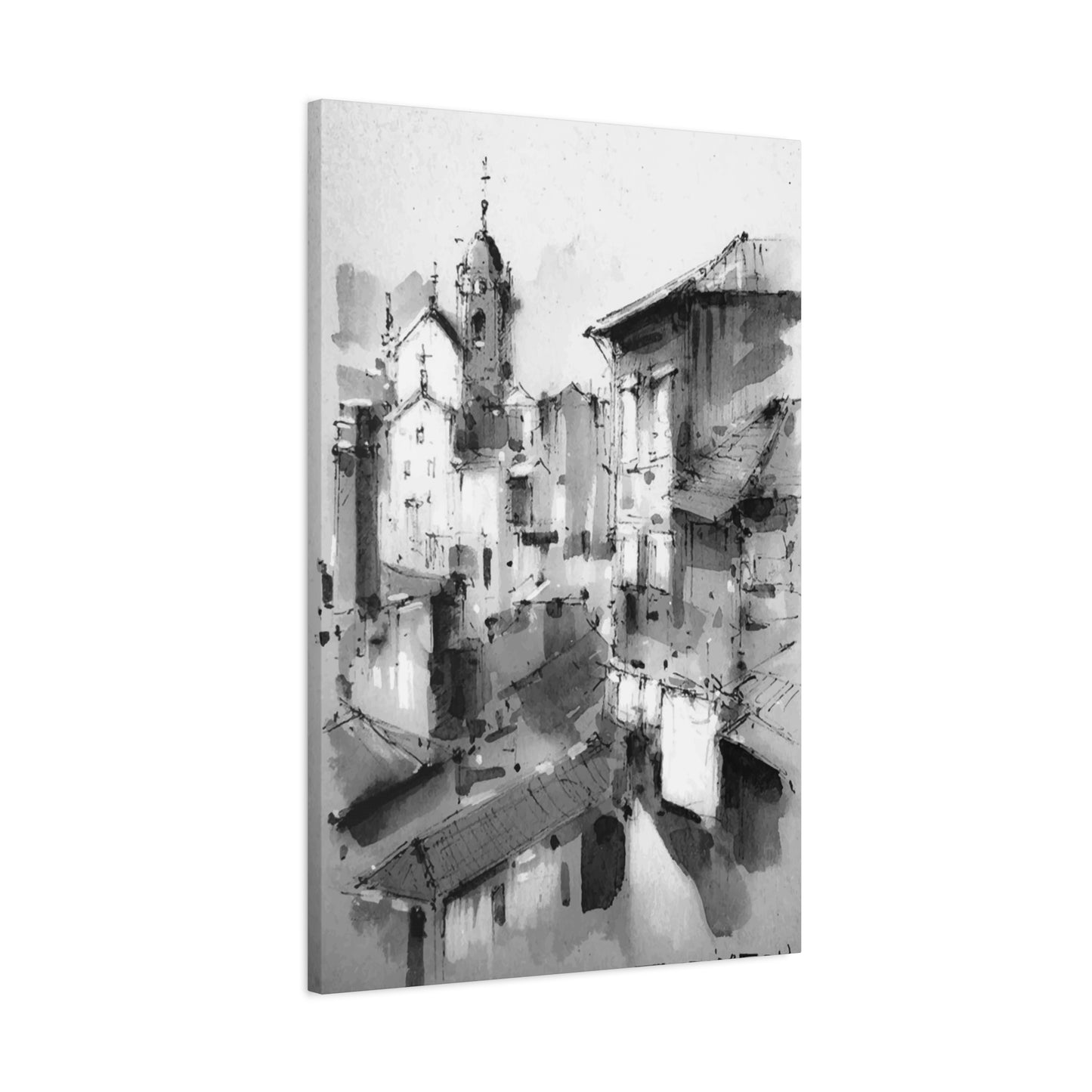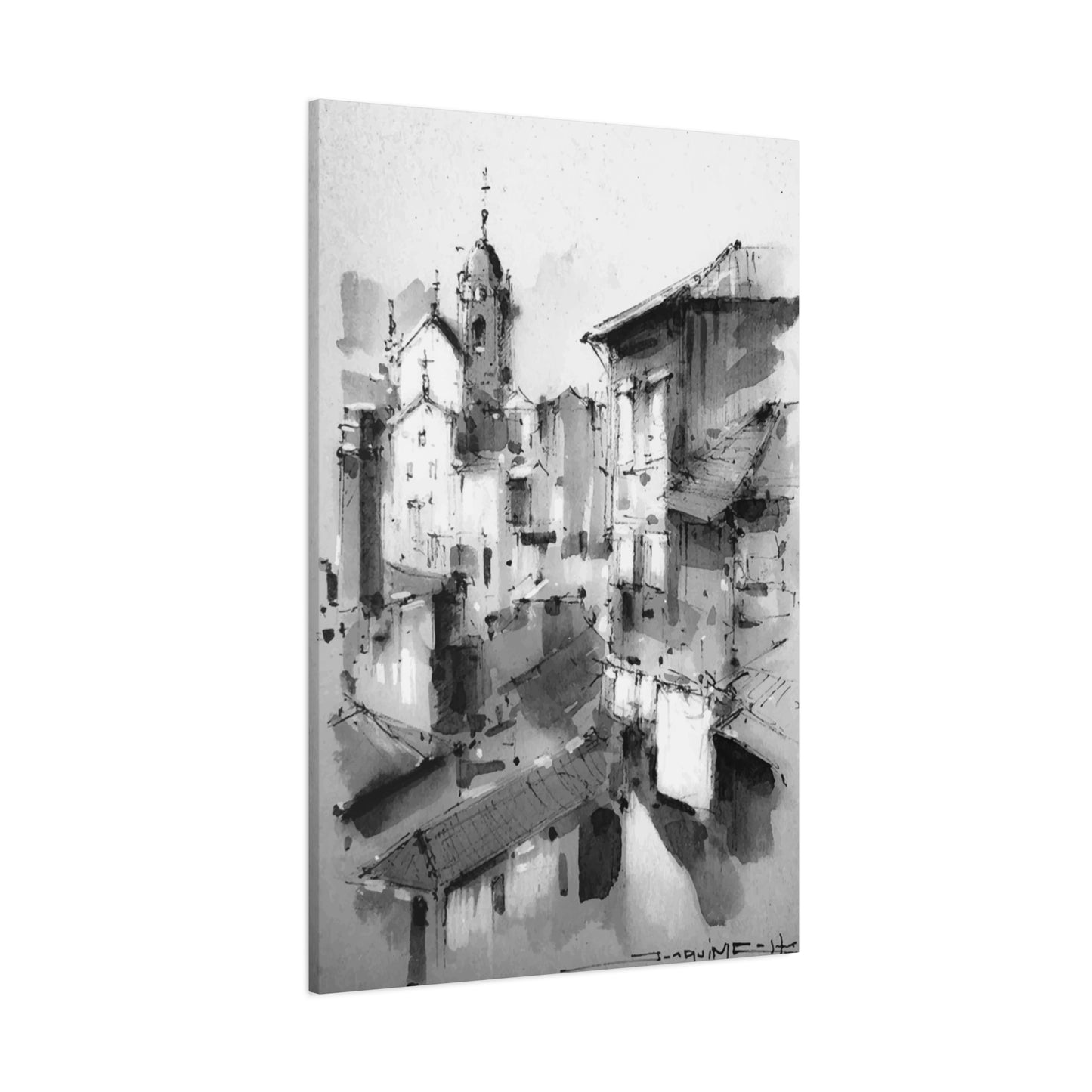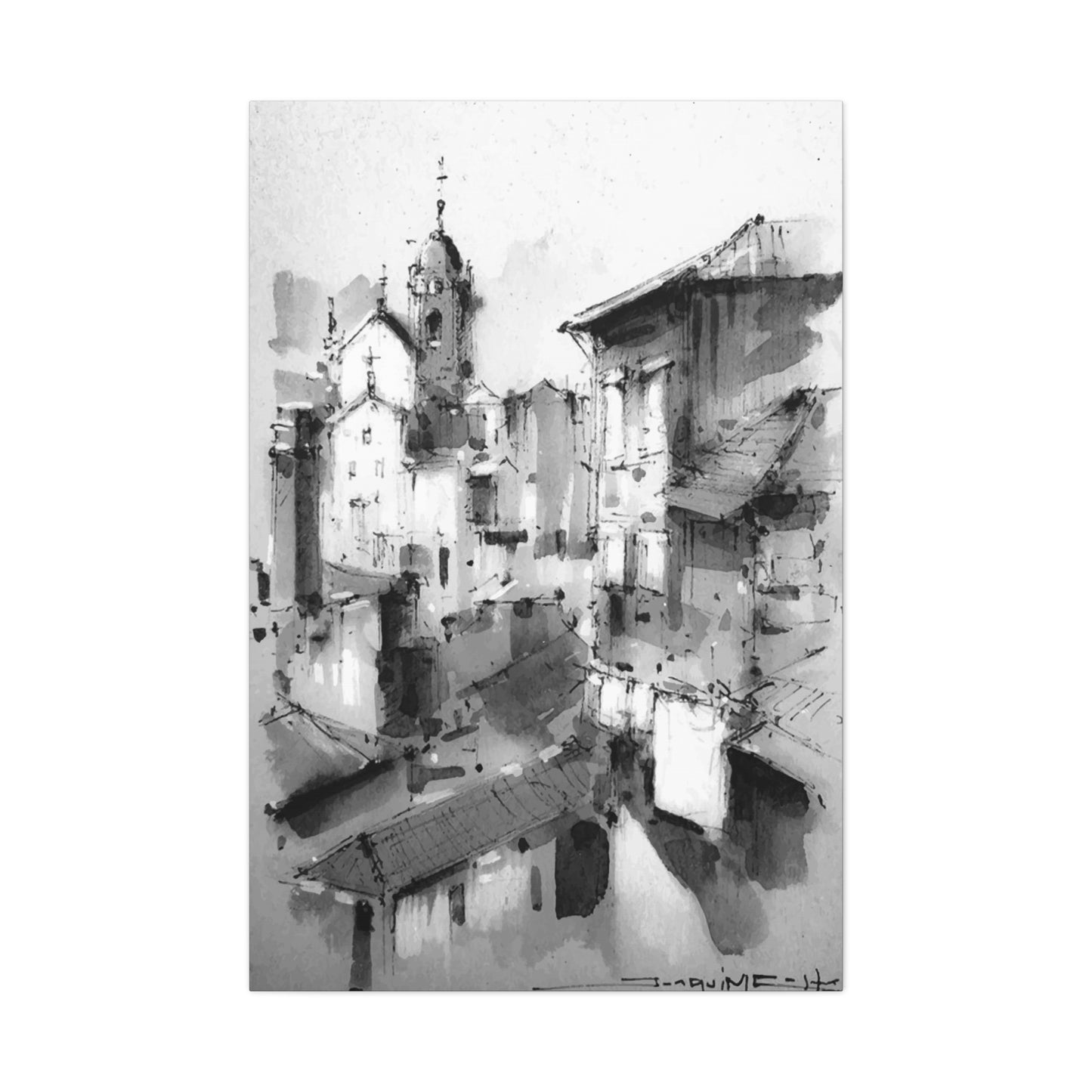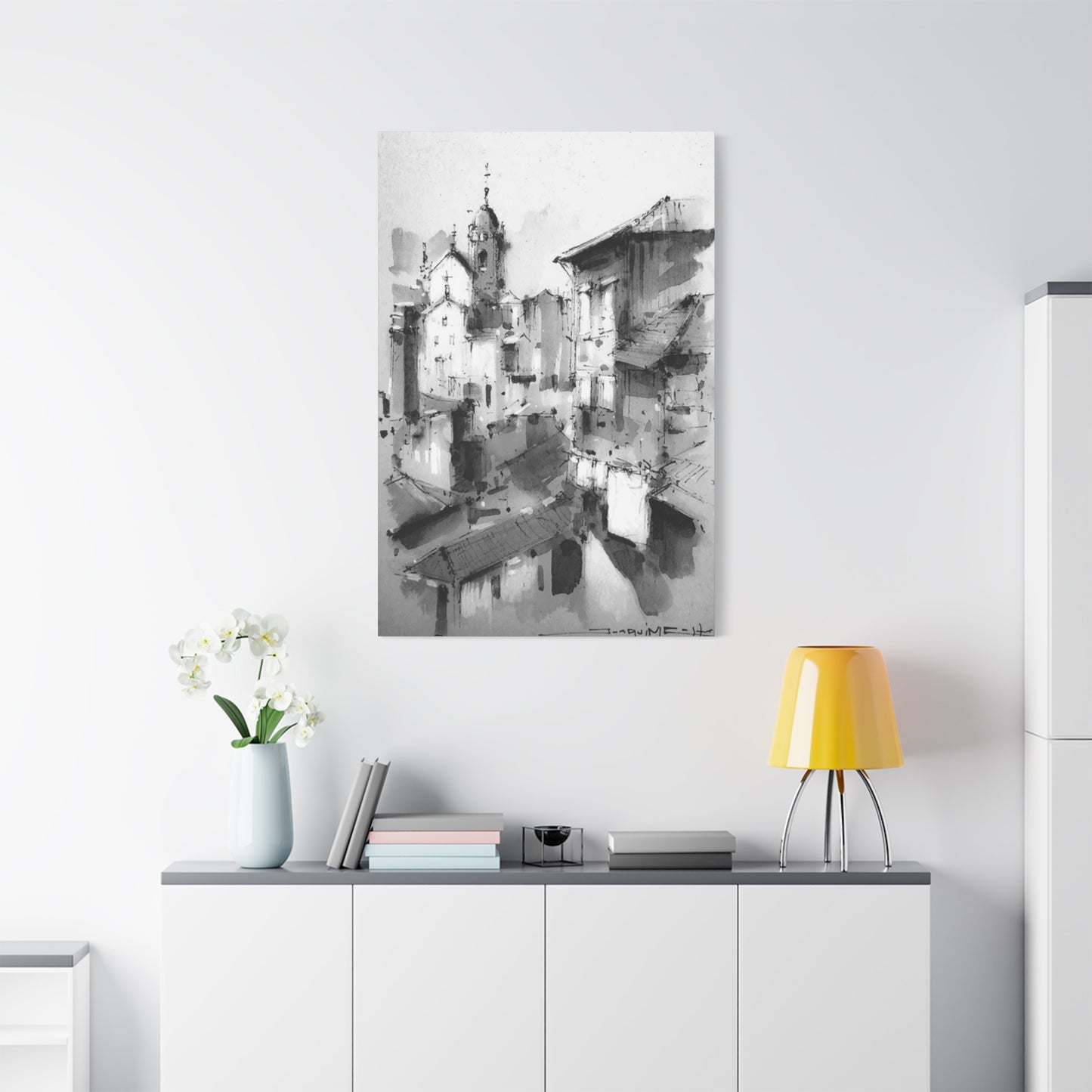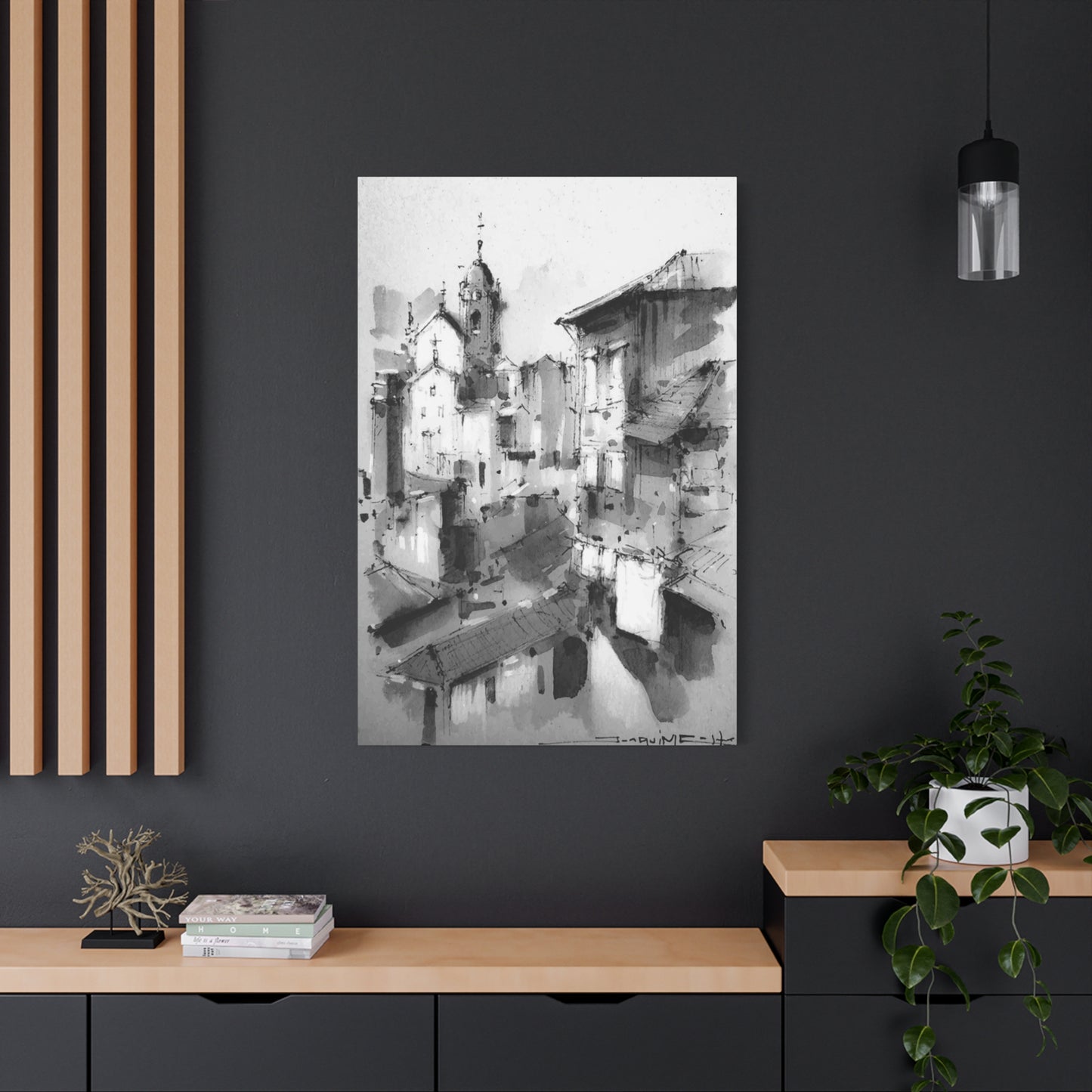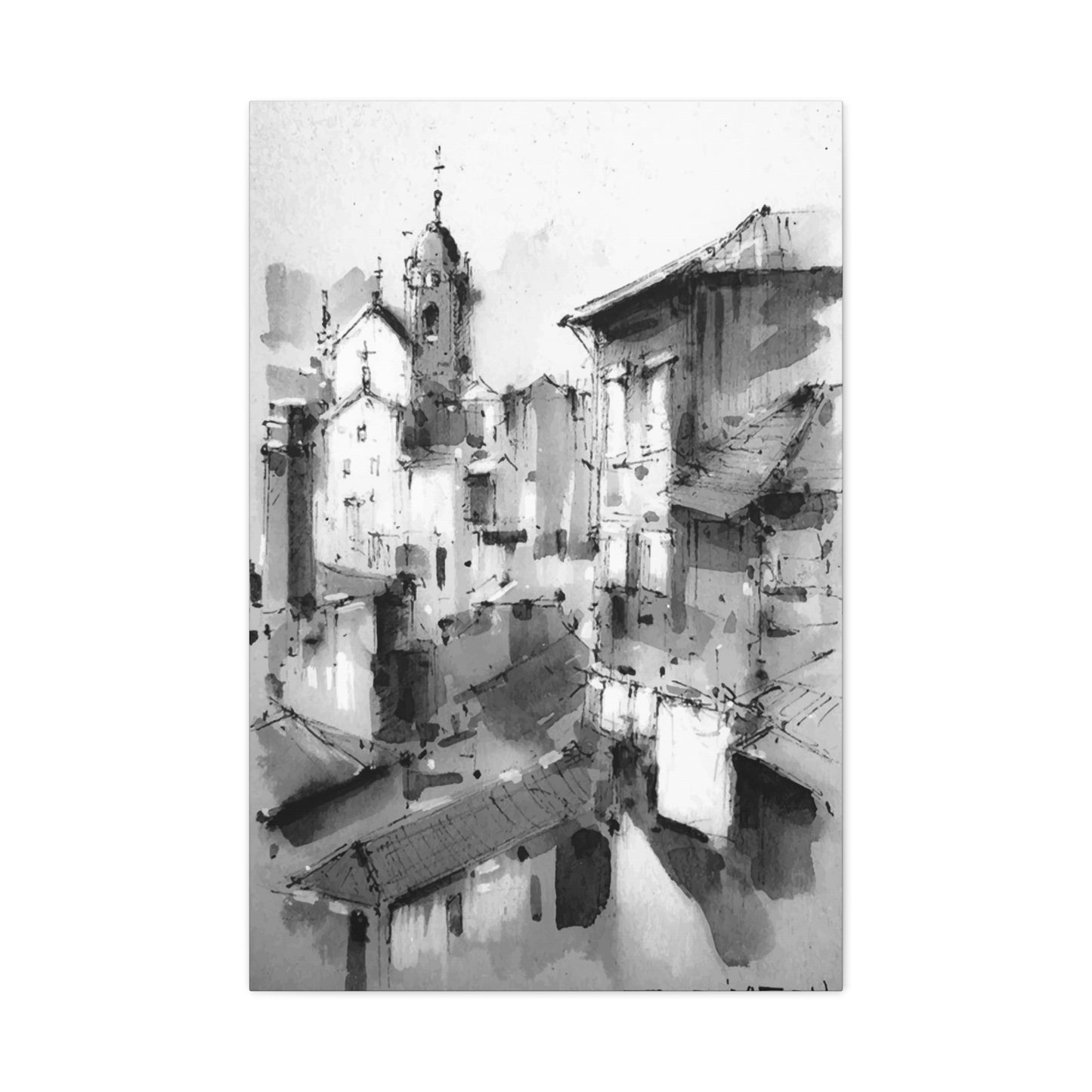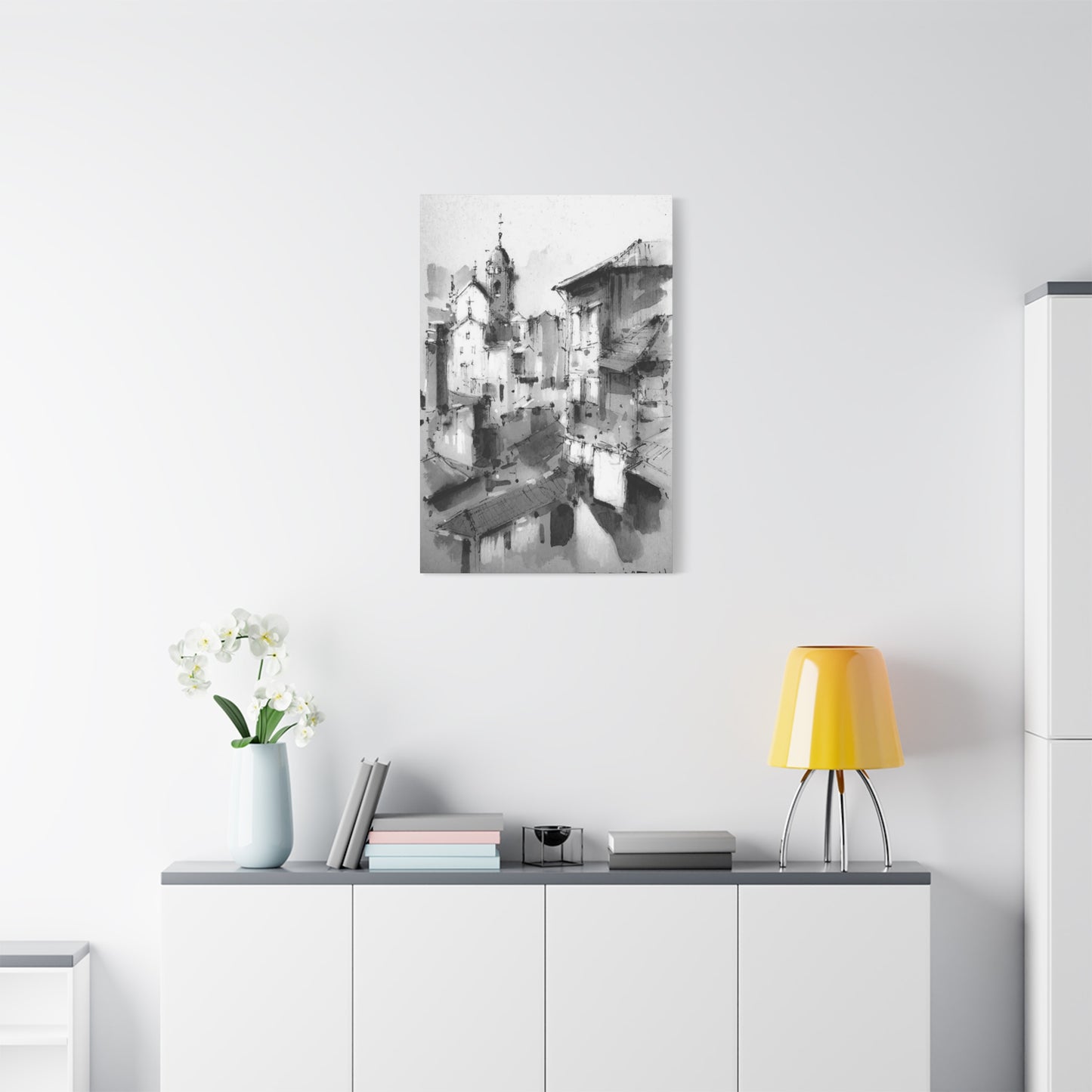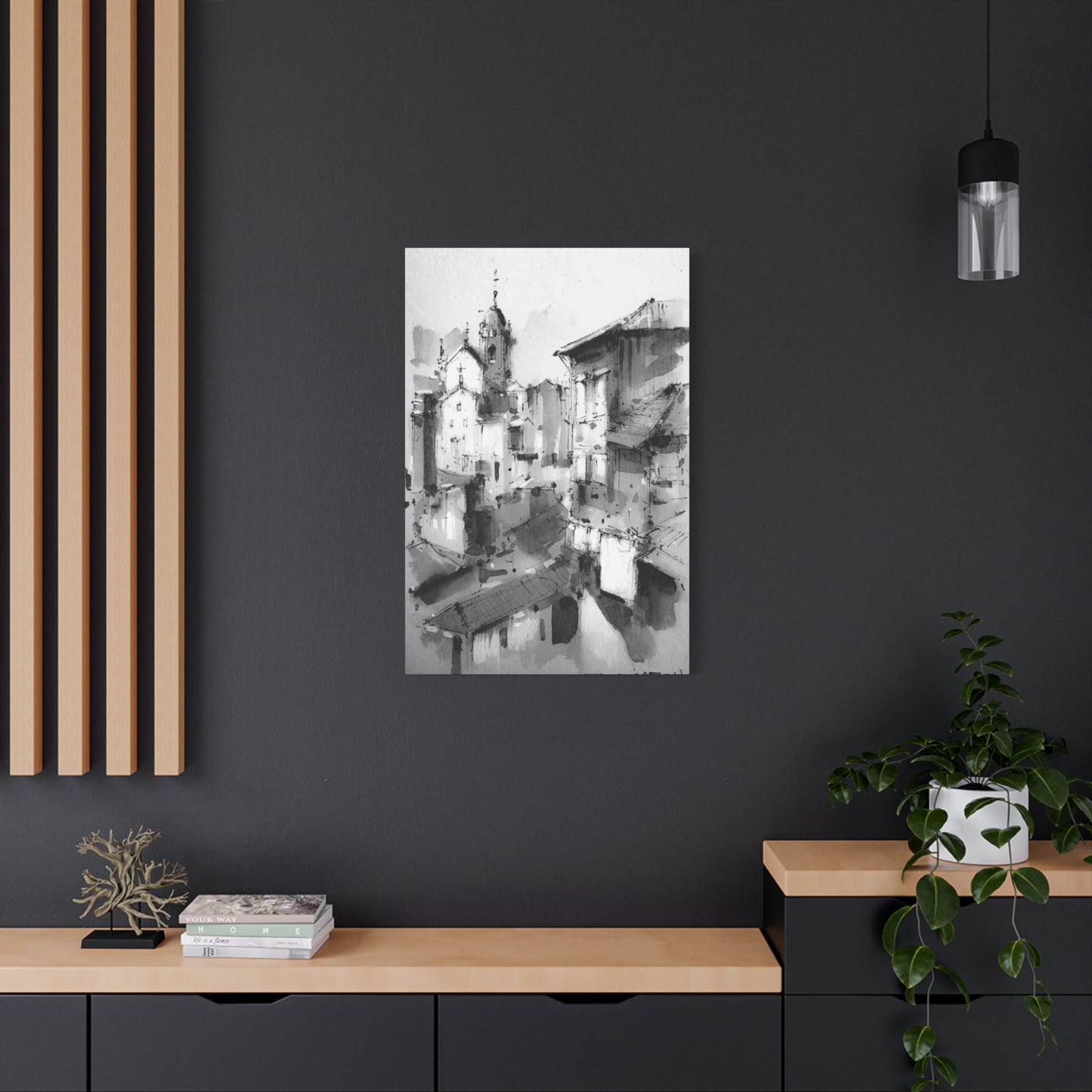


Black & White City Wall Art & Canvas Prints
Black & White City Wall Art & Canvas Prints
Couldn't load pickup availability
Monochrome Urban Views: How Black & White City Wall Art Transforms Contemporary Interiors
The aesthetic magnetism of monochromatic urban photography has captivated homeowners, decorators, and art enthusiasts for generations. Black & White City Wall Art represents more than mere decoration; it embodies a sophisticated visual language that communicates elegance, nostalgia, and metropolitan energy simultaneously. This distinctive form of artistic expression strips away the distractions of color, allowing viewers to focus on composition, contrast, texture, and the raw emotional essence of cityscapes. The absence of chromatic elements creates a universal appeal that transcends temporal boundaries and design trends, making these pieces perpetually relevant in evolving interior aesthetics.
Urban landscapes captured in grayscale possess an inherent drama that colored photographs often struggle to achieve. The interplay between shadows and highlights becomes the primary narrative tool, guiding the eye through architectural marvels, bustling streets, and quiet alleyways with deliberate precision. This reductionist approach paradoxically reveals more about a city's character than full-spectrum imagery might convey. The elimination of color forces the observer to engage with fundamental elements: form, line, perspective, and the relationship between light and darkness. These components work harmoniously to evoke memories, stimulate imagination, and transport viewers to distant metropolitan centers without ever leaving their living spaces.
The popularity of monochrome cityscapes in residential and commercial settings stems from their remarkable versatility. Unlike vibrant color schemes that demand specific complementary palettes, grayscale artwork harmonizes effortlessly with virtually any interior design philosophy. Whether adorning minimalist lofts, traditional brownstones, industrial warehouses converted to living spaces, or ultramodern penthouses, these pieces maintain their visual impact while adapting to surrounding aesthetics. This chameleon-like quality makes them invaluable to decorators working with diverse clientele or homeowners who frequently refresh their living environments without replacing major decorative elements.
Furthermore, monochromatic urban art carries profound emotional resonance. Cities themselves represent human ambition, collective achievement, and the beautiful chaos of civilization. When rendered in black and white, these metropolitan scenes acquire a timeless quality that suggests both historical significance and contemporary relevance. A photograph of New York's skyline might simultaneously recall the jazz age, film noir classics, and yesterday's commute. This temporal fluidity allows each viewer to project personal experiences and associations onto the artwork, creating individualized connections that deepen over time rather than diminish through familiarity.
How Monochrome Metropolitan Artwork Influences Psychological Responses and Spatial Perception
The impact of visual stimuli on human cognition and emotional states has been extensively documented across numerous scientific disciplines. Black & White City Wall Art specifically triggers distinctive neurological and psychological responses that differ markedly from those elicited by color photography or abstract compositions. The human brain processes grayscale imagery through different neural pathways than those engaged when viewing chromatic content, creating unique perceptual experiences that interior designers and homeowners can leverage strategically.
Research indicates that monochromatic visual content promotes contemplation and introspection. Without the immediate sensory stimulation that color provides, viewers naturally spend more time examining compositional details, textural variations, and tonal gradations. This extended engagement transforms casual observation into active participation, encouraging deeper cognitive processing and emotional investment. In residential settings, this quality proves particularly valuable in spaces designated for relaxation, study, or creative work, where sustained focus and mental clarity enhance the room's functionality.
The absence of color also reduces visual complexity, creating a calming effect that contrasts beautifully with the chromatic chaos of modern life. Our daily experiences bombard us with competing colors from screens, advertisements, packaging, and countless other sources. Returning to a living space adorned with serene grayscale cityscapes provides psychological respite, allowing the mind to decompress without sacrificing visual interest. This effect proves especially beneficial in urban apartments where external environments offer little natural scenery or visual tranquility.
Spatial perception undergoes fascinating alterations when monochrome artwork occupies wall space. Dark, high-contrast images tend to recede visually, creating an illusion of expanded depth that can make smaller rooms feel more spacious. Conversely, lighter compositions with subtle tonal variations can brighten areas lacking natural illumination without introducing jarring color contrasts. Strategic placement of these pieces allows homeowners to manipulate perceived room dimensions, balance architectural irregularities, and direct attention toward or away from specific features.
The nostalgic quality inherent in black and white photography triggers memory-associated neural networks, often evoking feelings of comfort, continuity, and connection to the past. Even when depicting contemporary urban scenes, the monochromatic treatment lends images a historical gravitas that resonates with our collective cultural memory. This phenomenon explains why such artwork frequently features in spaces designed for social gathering—restaurants, hotel lobbies, and home entertainment areas—where creating emotional connections between people and place enhances the overall experience.
Selecting Appropriate Monochrome Urban Pieces for Diverse Living Environments and Architectural Styles
Choosing the perfect Black & White City Wall Art requires thoughtful consideration of multiple factors beyond simple aesthetic preference. The relationship between artwork and its surrounding environment determines whether a piece enhances or detracts from a space's overall character. Room dimensions, lighting conditions, existing furnishings, architectural features, and intended atmospheric qualities all influence selection decisions, transforming what might seem like a straightforward decorating choice into a nuanced exercise in spatial composition.
For compact urban apartments where square footage comes at a premium, vertical compositions depicting towering skyscrapers or narrow cobblestone alleys create visual height that counteracts feelings of confinement. These upward-leading images draw the eye toward ceiling lines, exploiting perspective to generate an illusion of expanded space. Conversely, sprawling suburban homes with generous wall expanses benefit from horizontal panoramas showcasing broad city skylines, bustling street scenes, or expansive architectural vistas. These wide-format pieces fill substantial areas without overwhelming viewers, maintaining visual balance in larger rooms.
Lighting conditions dramatically affect how monochrome artwork appears throughout the day and evening hours. Spaces with abundant natural illumination can accommodate darker, more dramatic images with deep shadows and pronounced contrast without risking visual heaviness. The changing quality of sunlight throughout the day animates these pieces, revealing different details as angles shift and intensity fluctuates. Rooms with limited natural light, however, require careful selection. Mid-tone compositions with balanced highlights and shadows prevent spaces from feeling oppressive while maintaining the sophisticated aesthetic that draws people to grayscale imagery initially.
Architectural style provides crucial context for artwork selection. Industrial lofts with exposed brick, visible ductwork, and concrete floors find natural companions in gritty urban photography showcasing aging infrastructure, weathered building facades, and raw metropolitan energy. The artwork echoes and amplifies the space's inherent character rather than fighting against it. Traditional homes with crown molding, wainscoting, and classical proportions, however, might better accommodate refined cityscapes emphasizing elegant architecture, symmetrical compositions, and timeless monuments. The artwork should engage in dialogue with its environment, creating harmonious relationships rather than jarring contradictions.
Personal connections to specific cities profoundly influence artwork selection and ultimate satisfaction. A piece depicting a birthplace, former residence, or location of significant life events carries emotional weight that generic urban imagery cannot replicate. These personal landmarks transform wall decorations into narrative elements that communicate aspects of the homeowner's identity and history to visitors. Even absent personal connections, certain cities project distinctive characters that resonate with individual temperaments: Paris suggests romance and artistic heritage, Tokyo conveys technological prowess and ordered complexity, while London evokes literary tradition and cultural depth.
Scale considerations extend beyond matching artwork dimensions to available wall space. The visual weight of an image—determined by tonal density, compositional complexity, and subject matter—influences how substantial a piece feels regardless of physical size. A densely detailed photograph of crowded streets packed with figures and signage commands attention differently than a minimalist composition featuring a single architectural element against empty sky. Understanding these nuances prevents overcrowding in small spaces or creating underwhelming focal points in large ones.
The Diverse Range of Urban Subjects Available in Monochrome Photographic Art
The universe of Black & White City Wall Art encompasses extraordinary subject diversity, offering collectors and decorators virtually limitless options for personal expression and spatial enhancement. Beyond simple skyline silhouettes, this genre includes countless thematic categories, each projecting distinct moods, narratives, and aesthetic qualities. Understanding these subcategories helps buyers identify pieces that genuinely resonate with their sensibilities while serving their decorative objectives effectively.
Architectural portraiture forms a cornerstone of urban monochrome photography. These pieces isolate individual buildings or structural details, celebrating human engineering prowess and design innovation. From Art Deco spires to contemporary glass towers, Gothic cathedrals to Brutalist monuments, architectural subjects offer endless variation. Detail-focused compositions highlighting ornamental elements, geometric patterns, or material textures appeal to viewers who appreciate precision and craftsmanship. Wide-angle perspectives capturing entire structures in relationship to their surroundings suit those drawn to grandeur and spatial relationships.
Street photography represents perhaps the most dynamic category within urban imagery. These candid captures of daily metropolitan life preserve fleeting moments: commuters hurrying through rain-slicked plazas, vendors arranging market displays, children playing amid urban landscapes, or solitary figures silhouetted against illuminated storefronts. The human element infuses these images with narrative potential, inviting viewers to construct stories around frozen instants. The spontaneity inherent in street photography contrasts beautifully with more formal architectural studies, offering warmth and relatability.
Infrastructure and transportation subjects celebrate the systems that enable urban existence. Bridges spanning waterways, subway platforms hosting waiting passengers, empty highways stretching toward vanishing points, or intricate railway junctions viewed from above all communicate themes of connectivity, movement, and engineered solutions to logistical challenges. These pieces often incorporate strong linear elements that can guide visual flow within interior spaces, making them valuable compositional tools for decorators managing challenging room layouts.
Atmospheric cityscapes prioritize mood over documentary accuracy. Fog-shrouded streets, rain-soaked avenues reflecting neon signs, snow-blanketed parks surrounded by buildings, or cities captured during the golden hour all emphasize emotional resonance over factual representation. These images exploit weather conditions, time of day, and photographic manipulation to create dreamlike qualities that transport viewers beyond literal urban experience into more poetic interpretations of metropolitan life.
Aerial perspectives offer unique vantage points impossible in daily experience. Bird's-eye views transform familiar cities into abstract patterns of streets, buildings, and green spaces, revealing organizational principles invisible from ground level. These god's-eye perspectives can make even well-known locations feel fresh and mysterious, satisfying viewers who crave novelty while maintaining recognizability. The geometric patterns prevalent in aerial photography also serve decorative functions, providing visual rhythm and structure to interior spaces.
Abandoned urban environments present haunting beauty through decay. Photographs of derelict factories, empty lots reclaimed by vegetation, graffiti-covered walls, or demolished neighborhoods awaiting reconstruction explore themes of impermanence, neglect, and nature's resilience. While potentially melancholic, these images resonate with viewers drawn to authentic urban experience beyond sanitized tourist perspectives. They acknowledge that cities are living entities undergoing constant transformation rather than static monuments.
Understanding Print Quality, Material Selection, and Longevity Factors for Monochrome Urban Artwork
The visual impact and durability of Black & White City Wall Art depend critically on production quality, material choices, and proper handling. Unlike original paintings where the artist directly controls every aspect of creation, photographic prints involve numerous variables that significantly affect final results. Educated consumers recognize these factors and make informed purchasing decisions that ensure their investments maintain aesthetic and monetary value over decades rather than deteriorating within years.
Print quality begins with source image resolution and capture methodology. Superior urban photography originates from high-resolution digital sensors or properly scanned film negatives containing sufficient information to produce large-format prints without visible pixelation or detail loss. Images intended for substantial wall displays require exponentially more data than those destined for magazine reproduction or screen viewing. Reputable sellers provide transparency regarding resolution specifications, allowing buyers to match image files to intended display sizes appropriately.
Paper selection profoundly influences how monochrome images appear and how they withstand environmental stressors over time. Museum-grade archival papers manufactured from cotton fiber rather than wood pulp resist yellowing, brittleness, and chemical degradation indefinitely when properly maintained. These acid-free substrates ensure that today's pristine whites remain bright decades hence rather than shifting toward dingy beige. Surface finish—matte, semi-gloss, or glossy—affects both visual presentation and practical considerations like glare reduction and fingerprint visibility.
Canvas prints offer textural interest and eliminate glass-related reflections, making them popular for certain settings. Quality canvas materials appropriate for photographic reproduction differ from those used for painting, requiring specific coatings that accept inkjet pigments while preventing absorption that dulls tonal range. Properly produced canvas prints stretched over wooden frames create three-dimensional objects that project from walls, adding physical depth that enhances the spatial illusion within the image itself.
Metal prints represent a contemporary alternative gaining popularity for urban imagery. Photographs infused into specially coated aluminum sheets acquire luminosity and depth impossible with paper-based media. The inherent rigidity eliminates concerns about sagging or warping, while the impermeable surface resists moisture, mold, and most physical damage. The modern aesthetic of metal substrates harmonizes naturally with industrial and contemporary design philosophies, though they may feel incongruous in traditionally decorated spaces.
Acrylic face mounting—where prints are pressure-bonded to transparent acrylic sheets—creates stunning depth and color saturation. Light penetrates the acrylic before reflecting off the print surface, producing a luminous quality that seems to emanate from within the image. This premium presentation format commands higher prices but delivers unparalleled visual impact for statement pieces in high-visibility locations. The substantial weight and fragility of large acrylic-mounted prints necessitate professional installation to ensure secure, level mounting.
Framing choices extend beyond mere aesthetic preferences to encompass preservation functions. Quality frames incorporate UV-filtering glass or acrylic that prevents harmful ultraviolet radiation from fading prints over time. Mat borders create airspace between print surfaces and glazing, preventing moisture condensation that encourages mold growth. Acid-free materials throughout the framing package prevent chemical migration that discolors prints. While frameless presentations suit certain contemporary aesthetics, properly framed pieces generally maintain superior condition throughout their lifespan.
Ink composition determines fade resistance and color stability. Pigment-based inks outlast dye-based alternatives by decades, resisting both UV degradation and atmospheric pollutants. Prints produced on professional-grade equipment using archival inks can maintain their original appearance for over a century when displayed under reasonable conditions. Budget-conscious buyers tempted by inexpensive prints should investigate production methods, as initial savings often prove false economy when replacement becomes necessary within a few years.
Strategic Placement Principles for Maximizing Visual Impact and Spatial Harmony
Acquiring exceptional Black & White City Wall Art represents only the first step toward successful interior enhancement. Thoughtful placement decisions determine whether pieces achieve their full potential as focal points, spatial manipulators, and emotional touchstones. The relationship between artwork, architectural features, furniture arrangements, and traffic flow patterns creates complex visual ecosystems where every element influences others. Mastering placement principles transforms random decoration into intentional design.
Eye-level positioning forms the foundation of proper artwork placement, yet this seemingly simple guideline requires nuanced interpretation. The standard recommendation—center artwork approximately sixty inches from floor level—assumes average viewer height and typical viewing distances. However, rooms where people predominantly sit, such as dining areas and home theaters, warrant lower placement to accommodate seated sightlines. Conversely, pieces intended for viewing from across large spaces can hang higher without feeling inaccessible. The artwork's own composition also influences ideal height; bottom-heavy images feel more stable positioned slightly lower than top-heavy compositions.
Creating gallery walls with multiple monochrome urban pieces allows for ambitious storytelling and substantial visual impact. Successful multi-piece installations require careful planning to achieve cohesion without monotony. Thematic consistency—grouping images from a single city, focusing on specific subjects like bridges or doorways, or maintaining uniform tonal ranges—provides unity. Varying sizes and orientations within consistent themes generates visual rhythm that holds attention without overwhelming viewers. Maintaining consistent spacing between frames, typically two to three inches, creates organized grids that feel intentional rather than haphazard.
Balancing artwork with furniture arrangements prevents visual competition and creates harmonious relationships between functional and decorative elements. Pieces hung above sofas should span roughly two-thirds to three-quarters of the furniture's width, providing sufficient visual weight without extending awkwardly beyond edges. Console tables, dressers, and sideboards benefit from similar proportional relationships. When artwork and furniture wildly mismatch in scale, both elements suffer diminished impact regardless of individual quality.
Lighting dramatically affects how monochrome artwork appears and how effectively it commands attention. Picture lights mounted directly on frames or projected from above provide consistent illumination independent of ambient conditions. Track lighting offers flexibility for highlighting multiple pieces, with adjustable heads allowing precise beam direction. Natural light creates dynamic viewing experiences as conditions change throughout the day, though prolonged direct sunlight accelerates fading even with UV-protective glazing. Successful lighting schemes balance adequate illumination with preservation concerns.
Negative space—the empty wall area surrounding artwork—serves crucial compositional functions. Crowding pieces against ceilings, corners, or adjacent elements diminishes their impact and creates visual claustrophobia. Adequate breathing room allows artwork to command its territory confidently while maintaining relationships with nearby features. Minimalist spaces often employ generous negative space to emphasize individual pieces, while maximalist environments might reduce spacing to create dense, salon-style displays that celebrate abundance.
Architectural features like windows, doorways, fireplace mantels, and built-in shelving influence placement decisions significantly. Rather than fighting these permanent elements, successful installations incorporate them into overall compositions. Flanking features with symmetrical artwork creates classical balance, while asymmetrical arrangements generate contemporary dynamism. Narrow walls between windows or doorways become opportunities for vertical compositions that might feel cramped elsewhere. Above fireplace mantels, artwork serves as traditional focal points, though heat considerations require adequate clearance to prevent damage.
Combining Monochrome Urban Art with Various Interior Design Philosophies and Color Schemes
The remarkable adaptability of Black & White City Wall Art enables seamless incorporation into virtually any design philosophy, from stark minimalism to lavish maximalism and everything between. Understanding how these pieces interact with different aesthetic approaches helps buyers select and display artwork that enhances rather than conflicts with existing decor. The grayscale nature of these images functions as a neutral element that paradoxically maintains strong visual presence while harmonizing with diverse color palettes and stylistic vocabularies.
Minimalist interiors, characterized by restraint, clean lines, and edited palettes, embrace monochrome cityscapes as natural allies. The reductionist approach inherent in both minimalism and black-and-white photography creates philosophical alignment that manifests visually. In these spaces, single large-format pieces often serve as sole decorative elements, their impact amplified by surrounding emptiness. The absence of competing visual stimuli directs complete attention to the artwork, allowing subtle tonal variations and compositional nuances to receive full appreciation. Quality trumps quantity in minimalist applications, making investment in exceptional pieces worthwhile.
Industrial aesthetics celebrating raw materials, exposed infrastructure, and utilitarian functionality find perfect companions in gritty urban photography. Images showcasing aging architecture, weathered surfaces, and unromanticized city life echo the honest materiality of industrial spaces. Factory windows, metal accents, and concrete surfaces provide textural counterpoints to photographic smoothness while maintaining tonal harmony. Oversized prints on canvas or metal reinforce the substantial, unpretentious character of industrial design, creating cohesive environments that feel authentic rather than styled.
Scandinavian design principles emphasizing simplicity, functionality, and natural light benefit from carefully selected monochrome cityscapes. The Nordic palette of whites, light woods, and muted tones provides a serene backdrop against which grayscale photography creates subtle contrast without jarring disruption. Images featuring clean architectural lines, organized urban spaces, and balanced compositions align with Scandinavian values of order and thoughtful design. The resulting interiors feel calm, collected, and culturally sophisticated—qualities central to Scandinavian aesthetic philosophy.
Traditional and transitional spaces incorporating classic furniture, rich wood tones, and established design conventions accommodate monochrome urban art surprisingly well. The timeless quality of black-and-white photography bridges historical periods, allowing contemporary cityscapes to coexist comfortably with antique furnishings. Formal framing with substantial mats and ornate moldings helps integrate modern photography into traditional contexts. Selecting images that emphasize historical architecture, classical monuments, or vintage street scenes reinforces period aesthetics while maintaining contemporary relevance.
Maximalist interiors packed with pattern, color, and decorative abundance might seem incompatible with monochrome photography, yet strategic placement creates visual anchors amid controlled chaos. Grayscale images function as rest areas for the eye, providing relief from chromatic intensity without diminishing overall visual energy. The neutrality of black-and-white pieces allows them to complement any color scheme without clashing, making them versatile elements in frequently refreshed, eclectically decorated spaces. Bold frames and creative mounting methods help artwork hold its own against competing decorative elements.
Contemporary design embracing current trends, innovative materials, and forward-thinking aesthetics naturally accommodates monochrome urban photography. The genre's emphasis on form, perspective, and graphic impact aligns with contemporary values of boldness and visual clarity. Large-scale installations, unconventional orientations, and experimental presentation formats like metal prints or frameless mounting reflect contemporary design's willingness to challenge conventions. Selecting cutting-edge subject matter—innovative architecture, emerging urban centers, or digitally manipulated cityscapes—ensures artwork feels current rather than retrospective.
Monochrome Metropolitan Photography as Investment and How to Evaluate Artistic Merit
Approaching Black & White City Wall Art as potential investment requires different evaluation criteria than when selecting pieces solely for decorative purposes. While personal enjoyment should never be discounted, understanding factors that influence artistic reputation, market value, and long-term appreciation helps buyers make informed decisions that satisfy both aesthetic and financial objectives. The art market remains complex and occasionally unpredictable, but certain principles consistently distinguish investments from mere purchases.
Artist reputation forms the foundation of investment value. Established photographers with documented exhibition histories, critical recognition, and institutional collections command premium prices that generally appreciate over time. Research into an artist's background reveals career trajectory, stylistic evolution, and market positioning. Early works by emerging photographers sometimes offer acquisition opportunities before reputations solidify and prices escalate, though this strategy requires informed speculation about future success. Limited edition prints signed and numbered by artists carry greater value than open editions or reproductions lacking artist involvement.
Provenance—the documented ownership history of specific pieces—significantly impacts investment value. Artwork with clear chain of custody, especially pieces previously owned by notable collectors or exhibited in prestigious venues, carries enhanced desirability. Proper documentation including certificates of authenticity, exhibition history, and publication records should accompany investment-grade purchases. The absence of reliable provenance raises concerns about authenticity and legitimacy, potentially rendering pieces worthless regardless of visual appeal.
Rarity and edition size directly correlate with value. Limited editions strictly capped at low numbers—typically under fifty prints—maintain scarcity that supports price appreciation. Extremely limited editions of ten or fewer prints can command substantial premiums. Conversely, open editions produced without quantity restrictions rarely appreciate significantly regardless of image quality or artist reputation. Buyer's should verify edition parameters and confirm artist commitment to honoring stated limitations, as unscrupulous sellers occasionally produce unlimited prints despite claims of rarity.
Subject matter popularity fluctuates with cultural trends and global events. Iconic cities like New York, Paris, London, and Tokyo consistently attract collector interest, supporting stable markets for quality images of these locations. Emerging cities gaining cultural prominence—Dubai, Shanghai, Singapore—may represent speculative opportunities as their global profiles expand. Images capturing historically significant moments or locations take on documentary value beyond purely aesthetic considerations, particularly as time increases separation from depicted events.
Print quality and preservation condition critically affect investment value. Museum-quality prints on archival materials properly framed and maintained retain value indefinitely, while deteriorating pieces rapidly depreciate. Collectors should prioritize preservation from acquisition forward, implementing proper display conditions, climate control, and handling protocols. Restoration of damaged pieces, while sometimes possible, rarely fully recovers lost value and may actually diminish worth if improperly executed.
Market liquidity—the ease with which artwork can be sold—varies dramatically across price points and artist recognition levels. Blue-chip photographers with international reputations enjoy robust secondary markets where buyers can exit positions relatively easily. Lesser-known artists may produce equally compelling work at lower prices, but finding subsequent buyers requires more effort and time. Collectors should match liquidity expectations to personal circumstances, avoiding illiquid investments if future flexibility seems important.
Emotional resonance and personal connection, while not strictly financial considerations, influence long-term satisfaction with artwork investments. Pieces that deeply move owners regardless of market performance justify their presence based on subjective value. Conversely, artwork acquired purely for speculative appreciation may disappoint if price expectations fail to materialize. Balanced approaches considering both aesthetic appeal and investment potential typically yield the most satisfying outcomes, as owners enjoy their purchases daily while maintaining hope for financial appreciation.
Creating Custom Monochrome Urban Photography Through Commissioning and Personal Creation
While pre-existing Black & White City Wall Art offers extensive selection, commissioning custom pieces or creating personal urban photography provides unique satisfaction and ensures complete originality. Custom creation guarantees that no identical pieces exist elsewhere, transforming wall decorations into genuine one-of-a-kind artworks reflecting individual vision and personal connections to specific locations. The process requires more involvement than simple purchasing but rewards participants with distinctive results impossible to achieve through standard retail channels.
Commissioning professional photographers allows buyers to specify exact subjects, perspectives, and stylistic approaches. Detailed conversations about intended display locations, desired emotional tones, and compositional preferences help photographers understand client visions. Site visits to discuss specific architectural features, lighting conditions, and spatial relationships ensure final pieces integrate seamlessly into intended environments. Professional commissions typically involve significant financial investment but deliver bespoke artwork precisely tailored to requirements.
Finding appropriate photographers for commissions requires research into portfolios, artistic styles, and professional reputations. Photographers specializing in architectural or urban imagery bring relevant expertise, though talented generalists may excel at specific projects. Reviewing previous work reveals technical capabilities, aesthetic sensibilities, and range of approaches. Direct communication assessing personality fit and collaborative potential prevents mismatched expectations that undermine project success.
Contract negotiations should address deliverable specifications including image dimensions, resolution requirements, print quantities, usage rights, timelines, and payment schedules. Clear agreements prevent disputes and ensure both parties understand obligations. Intellectual property considerations deserve particular attention, as photographers typically retain copyrights unless specifically transferring them through contract provisions. Usage rights granting buyers permission to print and display images for personal purposes usually suffice without requiring full copyright transfer.
Personal creation of monochrome urban photography offers profound satisfaction for hobbyists and aspiring artists. Modern smartphone cameras possess sufficient quality for impressive prints when wielded skillfully, democratizing photography beyond those able to afford professional equipment. Understanding fundamental concepts like composition, perspective, lighting, and post-processing enables motivated amateurs to produce compelling images worthy of prominent display. The personal investment in creation imbues resulting artwork with emotional significance beyond aesthetic value.
Learning resources for urban photography abound across multiple formats. Online courses provide structured curricula covering technical skills and creative approaches. Photography books by accomplished practitioners reveal thought processes behind successful images. Local workshops offer hands-on guidance and immediate feedback from experienced instructors. Photography clubs and online communities provide peer support, constructive criticism, and motivation. Committed learners can achieve impressive skill levels through dedicated practice and study.
Equipment selection ranges from smartphones to professional camera systems, with optimal choices depending on ambition levels and budgets. Entry-level mirrorless cameras and basic lenses enable serious hobbyists to produce quality results without massive expenditure. Prime lenses with wide apertures excel in low-light urban environments, while wide-angle zooms capture expansive cityscapes. Tripods stabilize cameras during long exposures that capture motion blur and light trails. Post-processing software transforms raw captures into polished final images, with options spanning from free programs to professional subscriptions.
Subject selection for personal urban photography should balance technical feasibility with emotional resonance. Photographing familiar neighborhoods, daily commute routes, or personally significant locations ensures authentic connections to subject matter. Exploring cities during travel documents experiences while developing observational skills. Seasonal variations, weather conditions, and times of day offer endless opportunities to photograph identical locations with dramatically different results, building diverse portfolios from limited geographic areas.
Preserving and Maintaining Monochrome Urban Photography for Generational Longevity
Proper preservation and maintenance protocols ensure Black & White City Wall Art maintains pristine condition across decades, potentially becoming treasured heirlooms passed through generations. While high-quality prints begin with inherent durability advantages, environmental conditions, handling practices, and periodic maintenance dramatically influence ultimate lifespan. Understanding deterioration mechanisms and implementing protective measures represents responsible stewardship of valuable possessions.
Environmental control forms the foundation of long-term preservation. Relative humidity levels between forty and fifty-five percent prevent both excessive dryness that embrittles paper fibers and high moisture that encourages mold growth. Temperature stability matters as much as absolute values, with dramatic fluctuations causing expansion and contraction cycles that stress materials. Climate-controlled living spaces naturally provide appropriate conditions, though artwork in garages, basements, or attics faces elevated risks requiring additional protective measures.
Light exposure represents the most significant threat to photographic longevity. Ultraviolet radiation breaks down chemical bonds in both print substrates and ink pigments, causing irreversible fading and discoloration. Even with UV-filtering glazing, prudent collectors avoid hanging valuable pieces in direct sunlight. Ambient room lighting should employ LED bulbs that emit minimal UV radiation compared to older incandescent or fluorescent alternatives. Rotating displayed artwork periodically distributes light exposure across collections rather than concentrating damage on constantly exhibited pieces.
Air quality affects preservation through pollutant exposure. Atmospheric contaminants including sulfur dioxide, nitrogen oxides, and ozone initiate chemical reactions that degrade photographic materials. Urban environments with heavy traffic or industrial activity present elevated risks. High-quality framing with sealed backing boards creates barriers against atmospheric pollutants. Air filtration systems improving overall indoor air quality benefit both artwork and inhabitants. Storage areas should avoid proximity to furnaces, water heaters, or other equipment generating combustion byproducts.
Physical damage from handling, accidents, or inadequate mounting causes immediate harm unlike gradual environmental deterioration. Touching print surfaces deposits skin oils that attract dirt and initiate chemical reactions. Proper handling always involves clean hands or cotton gloves, with contact limited to print edges or backing boards. Secure mounting prevents artwork from falling, while proper storage protects pieces not currently displayed. Custom storage boxes manufactured from archival materials safely house prints horizontally, preventing creasing, scratching, or light exposure.
Pest prevention protects against insect and rodent damage. Paper-eating insects including silverfish and booklice thrive in humid conditions with access to organic materials. Regular inspection of artwork storage areas detects infestations before serious damage occurs. Cleanliness and moisture control eliminate conditions favorable to pests. Framing with sealed backing boards prevents insect access to print surfaces. Artwork stored long-term benefits from periodic inspection and climate verification.
Professional conservation assessment provides expert evaluation when damage occurs or questions arise about proper care. Conservators trained in photographic preservation diagnose condition issues and recommend appropriate interventions. Attempting DIY repairs on valuable artwork risks causing additional damage that professionals could have prevented. Documentation of conservation treatments maintains provenance records and informs future caretakers about previous interventions. Establishing relationships with qualified conservators before emergencies arise ensures access to expertise when needed.
Disaster preparedness planning protects collections against fires, floods, and other catastrophic events. Documented inventories with photographs facilitate insurance claims if losses occur. Offsite storage of inventory records ensures information survives disasters affecting primary residences. Evacuation prioritization lists identify most valuable or irreplaceable pieces for rescue during emergencies requiring rapid departure. Fireproof and waterproof storage containers protect smaller pieces or especially valuable items. Regular review and updates maintain plan relevance as collections and circumstances evolve.
Emerging Trends Reshaping the Monochrome Urban Photography Landscape
The world of Black & White City Wall Art continues evolving as photographers explore new subjects, experiment with innovative presentations, and leverage advancing technologies. Understanding emerging trends helps buyers anticipate shifts in aesthetic preferences while identifying potential investment opportunities. Contemporary artists push boundaries established by previous generations, expanding the genre's definition and introducing fresh perspectives that challenge conventional approaches to urban imagery.
Drone photography has revolutionized accessible aerial perspectives, enabling photographers to capture overhead cityscapes previously requiring helicopter charters or building access. These bird's-eye views reveal geometric patterns, urban planning principles, and relationships between constructed and natural environments invisible from ground level. The relative novelty of drone imagery maintains contemporary currency, though rapid proliferation risks oversaturation. Distinctive compositions transcending novelty toward genuine artistic vision will likely maintain value as drone photography becomes commonplace.
Digital manipulation and composite imaging blur lines between photography and digital art. Artists combine multiple exposures, selectively adjust tonal ranges, or introduce surreal elements that transform documentary images into interpretive visions. While purists debate whether heavily manipulated images constitute legitimate photography, markets embrace compelling results regardless of categorical concerns. Transparency about manipulation extent allows buyers to make informed decisions aligned with personal philosophies regarding photographic authenticity.
Minimalist urban abstraction reduces cityscapes to essential geometric forms, emphasizing shapes, lines, and tonal relationships over representational accuracy. Extreme close-ups of architectural details, deliberate defocusing, or unconventional perspectives transform recognizable subjects into semi-abstract compositions. This approach appeals to viewers drawn to formal beauty independent of narrative content, functioning decoratively similarly to abstract painting while maintaining photographic roots.
Environmental and social documentation within urban contexts infuses monochrome city photography with advocacy and awareness-raising purposes. Images highlighting inequality, environmental degradation, or rapid urban transformation combine aesthetic impact with commentary. Collectors increasingly value artwork addressing substantive issues beyond pure decoration, viewing purchases as aligned with personal values. Successful examples balance message with artistry, avoiding didacticism that undermines aesthetic appeal.
Vintage process revivals celebrate historical photographic techniques adapted to contemporary subjects. Platinum-palladium printing, wet plate collodion, and other antiquated processes produce distinctive aesthetic qualities impossible with digital methods. These labor-intensive approaches appeal to collectors valuing traditional craftsmanship and unique physical characteristics. The inherently limited production capacity maintains scarcity supporting premium pricing, though appreciation requires understanding the qualities distinguishing these processes from conventional printing.
Augmented reality integration creates hybrid experiences combining physical prints with digital enhancements viewed through smartphone applications. Static images activate layered information, animations, or related content when viewed through AR interfaces. This experimental frontier remains nascent but suggests potential futures where physical artwork serves as portal to expanded digital experiences. Market acceptance and long-term viability remain uncertain as technologies and artistic applications evolve.
Hyperlocal focus on neighborhood-scale subjects provides counterpoint to landmark-dominated urban photography. Documenting ordinary streets, local businesses, residential architecture, and daily routines celebrates overlooked aspects of city life. These intimate portraits of specific communities appeal to residents with personal connections to depicted locations while offering outsiders authentic glimpses beyond tourist perspectives. The trend reflects broader cultural movements valuing authenticity and local identity against homogenizing globalization forces.
Final Thoughts
Monochrome urban landscapes offer an unparalleled way to enhance your interior design with striking contrast, elegance, and a touch of modern sophistication. Black and white city wall art captures the essence of urban life in its rawest form, emphasizing the stark beauty of cityscapes while drawing attention to the intricate details that often go unnoticed. The power of monochrome art lies in its ability to distill the energy, movement, and structure of cities into a simple yet captivating visual statement. Whether you’re drawn to the sleek lines of modern skyscrapers, the dynamic hustle and bustle of city streets, or the historical charm of an older town, these artworks transcend the typical, offering a refined and timeless depiction of urban life.
One of the key strengths of black-and-white urban landscape art is its versatility. The neutral color palette allows the artwork to fit seamlessly into any interior design style, whether you're outfitting a contemporary loft, a minimalist apartment, or even a more eclectic, vintage-inspired space. Because black and white tones are inherently flexible, they work well with nearly every color scheme, enabling the art to either complement or contrast with the rest of your decor. The monochrome design, with its emphasis on light, shadow, and contrast, adds depth to the space without overwhelming it, making it an ideal addition to living rooms, entryways, hallways, or even office spaces where you want to introduce a touch of sophistication.
The aesthetic appeal of urban landscapes rendered in black and white is in part due to the way these artworks highlight the geometry and structure of the city. The bold contrast between light and dark enhances the architectural features of buildings, streets, and bridges, transforming everyday city scenes into captivating works of art. This process of reducing a bustling city to its essential lines, angles, and shadows not only creates a visually arresting image but also allows the viewer to experience the city in a more intimate and reflective way. It brings attention to elements like the reflection of light on glass windows, the curve of a bridge, or the rhythm of a street grid—details that often go unnoticed in the constant rush of urban life.
In addition to its visual impact, monochrome city art brings a sense of timelessness and nostalgia. Black-and-white photography or illustrations of cities evoke memories of past decades, creating a sense of connection to history and culture. These artworks allow you to capture the essence of a particular place, whether it’s a nostalgic representation of a favorite city, a famous landmark, or a specific era in time. This sense of history gives the art an emotional resonance, making it more than just decoration, but a piece that tells a story.
Ultimately, incorporating monochrome urban landscapes into your home brings an effortless elegance and a sophisticated edge to your living space. Whether you’re a lover of architecture, a city dweller at heart, or someone who simply appreciates the beauty of urban life, this style of wall art is the perfect way to reflect your passions and enhance your environment. It allows you to infuse your home with the energy and dynamism of the city, while keeping the visual balance and simplicity that monochrome art so uniquely offers. With its ability to evoke a sense of timeless beauty and modern charm, black and white city wall art is a lasting addition to any interior, providing a captivating focal point and an enduring connection to the city’s pulse.
Share