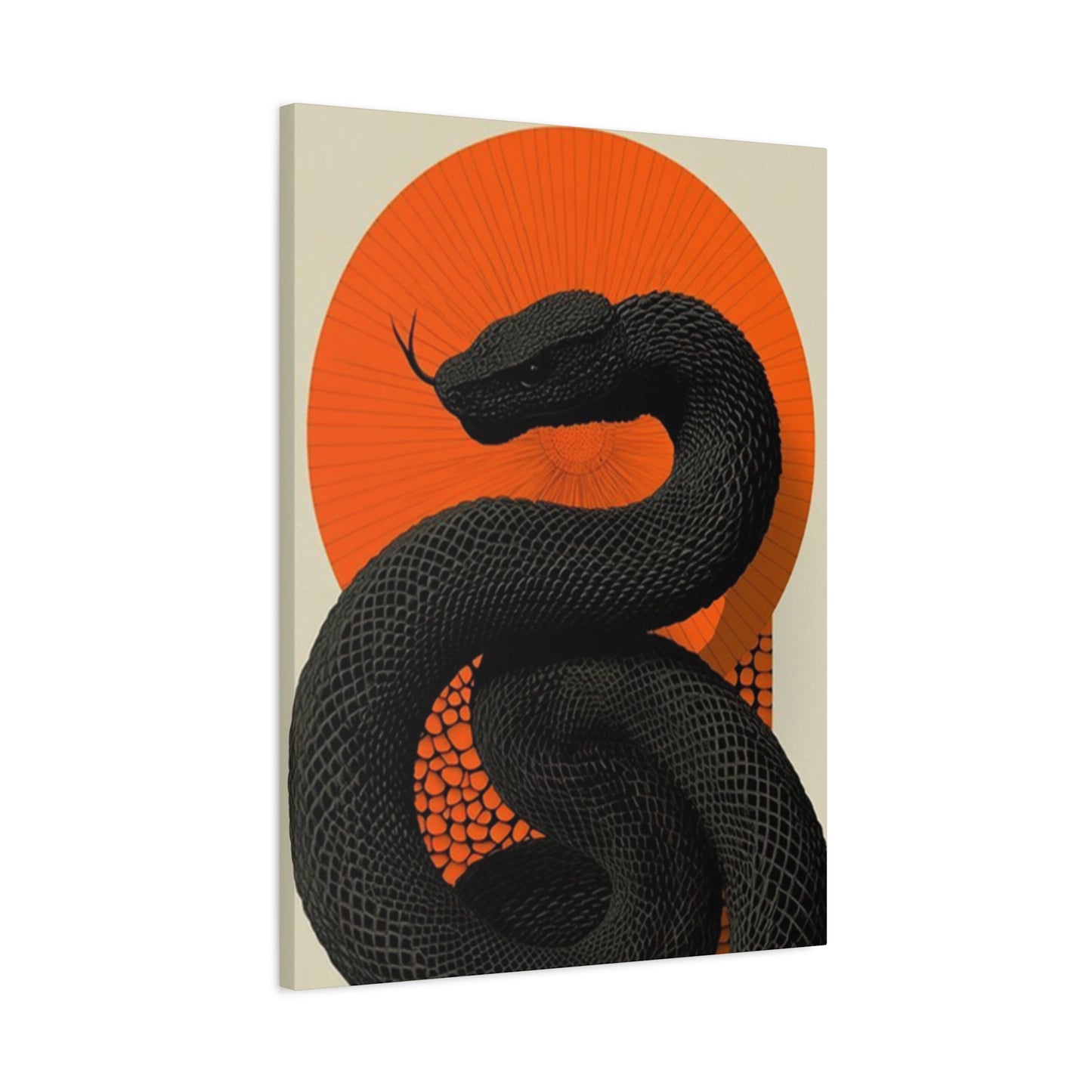
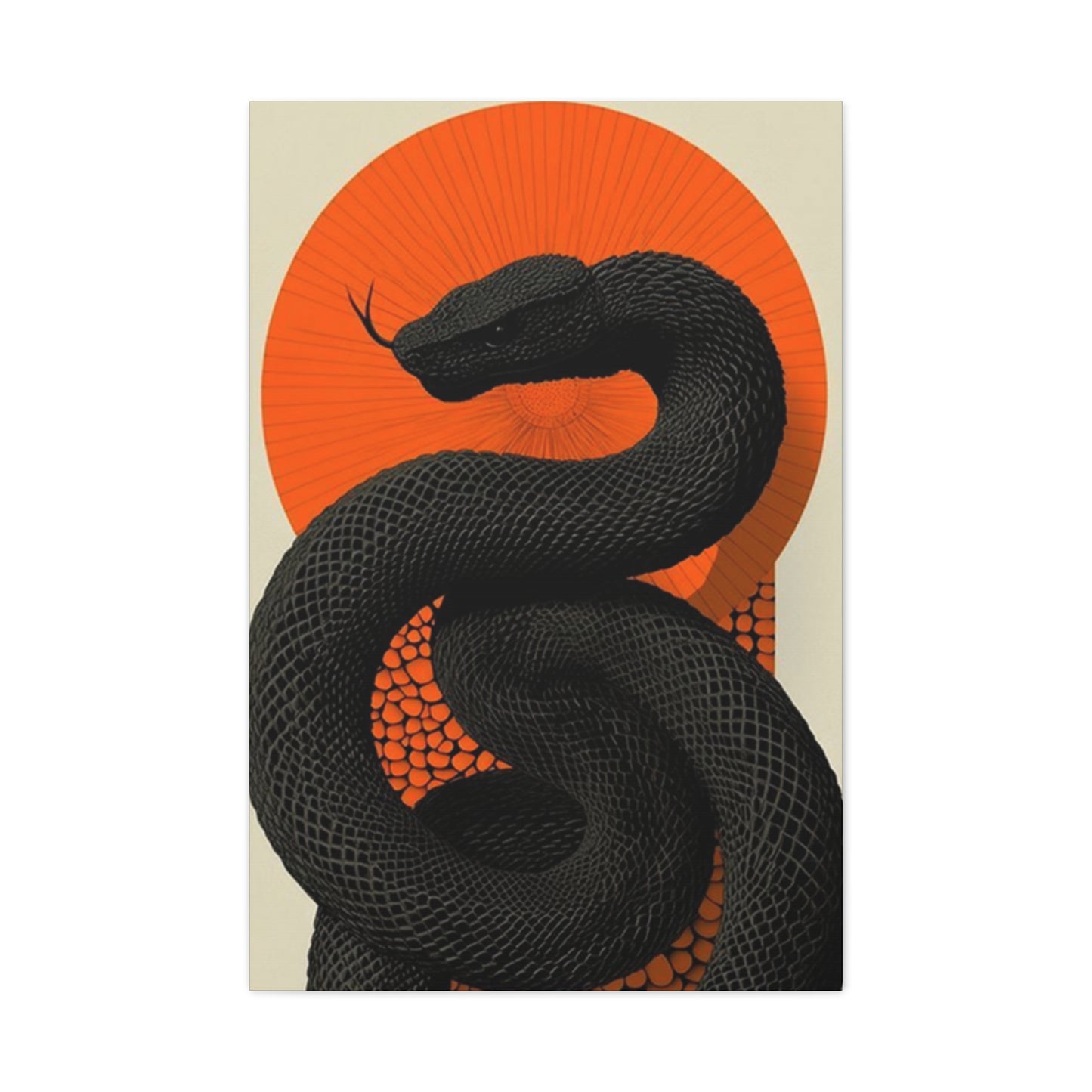
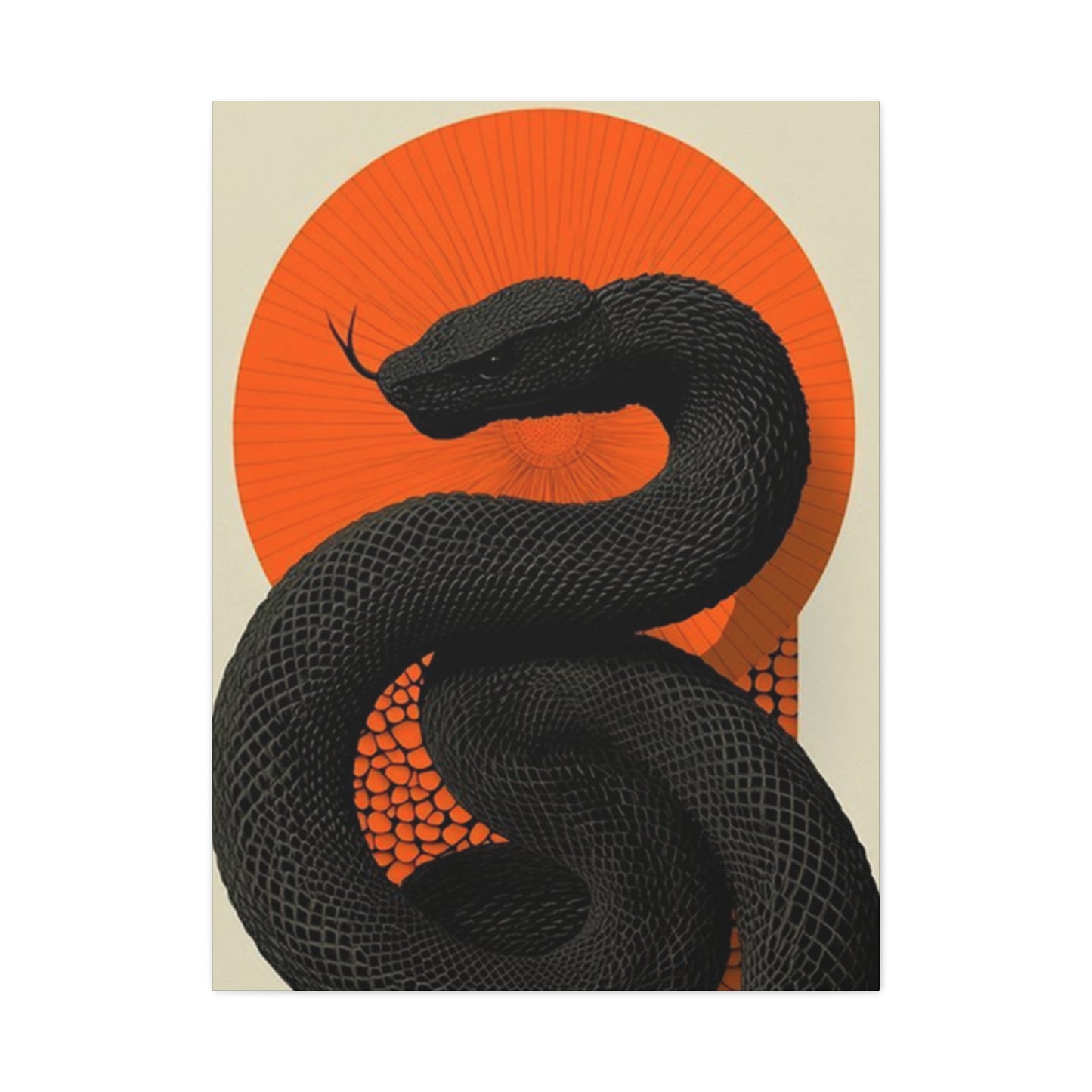
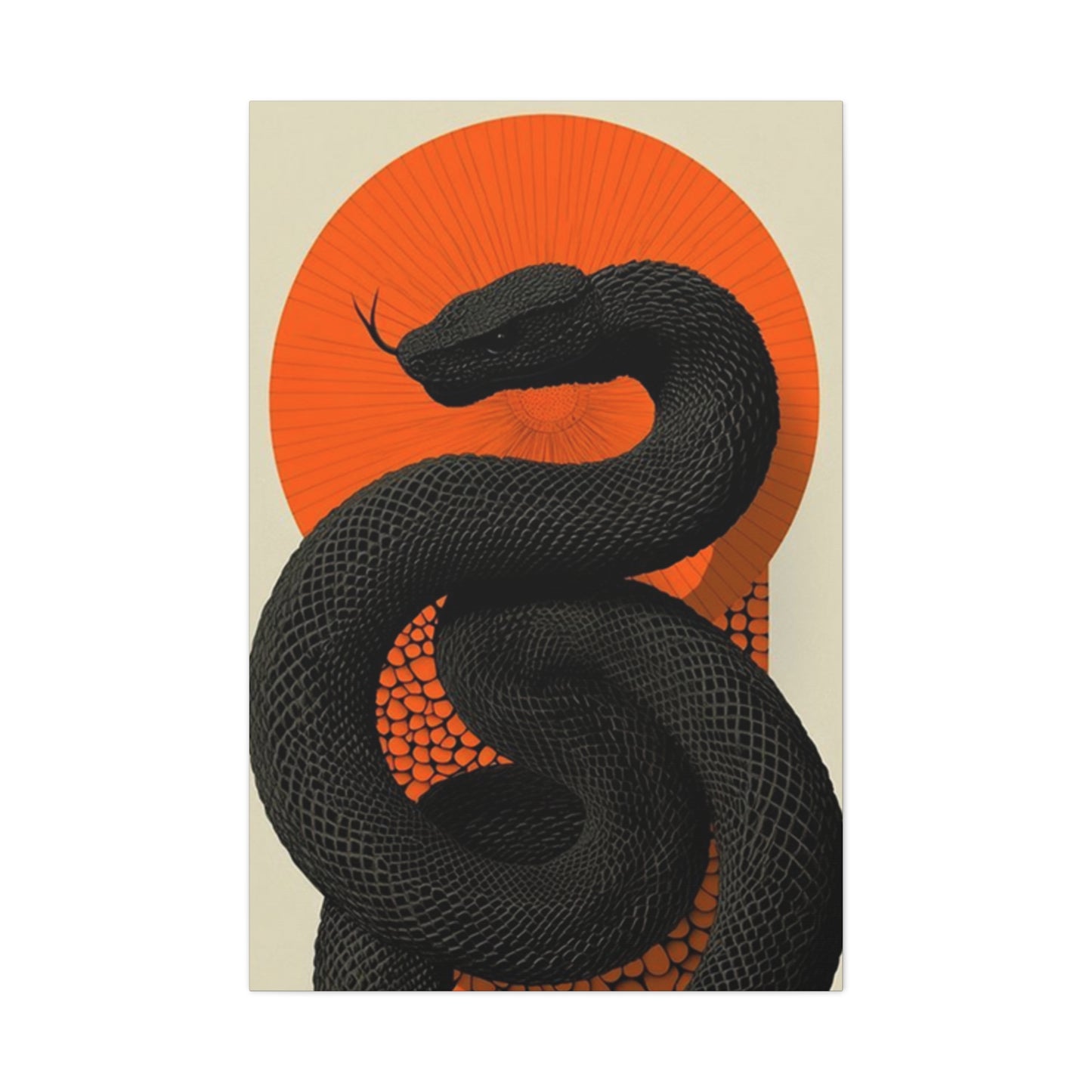
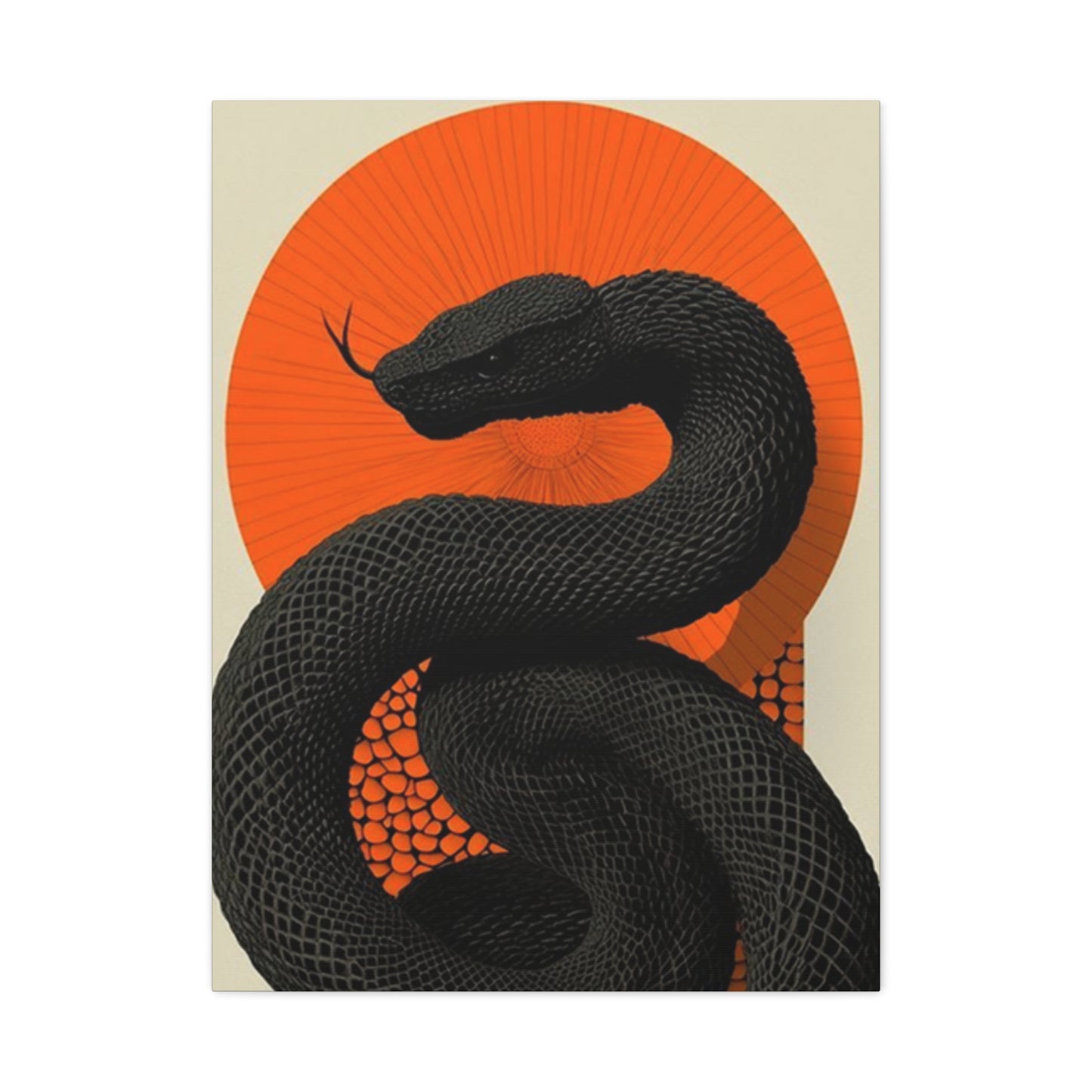
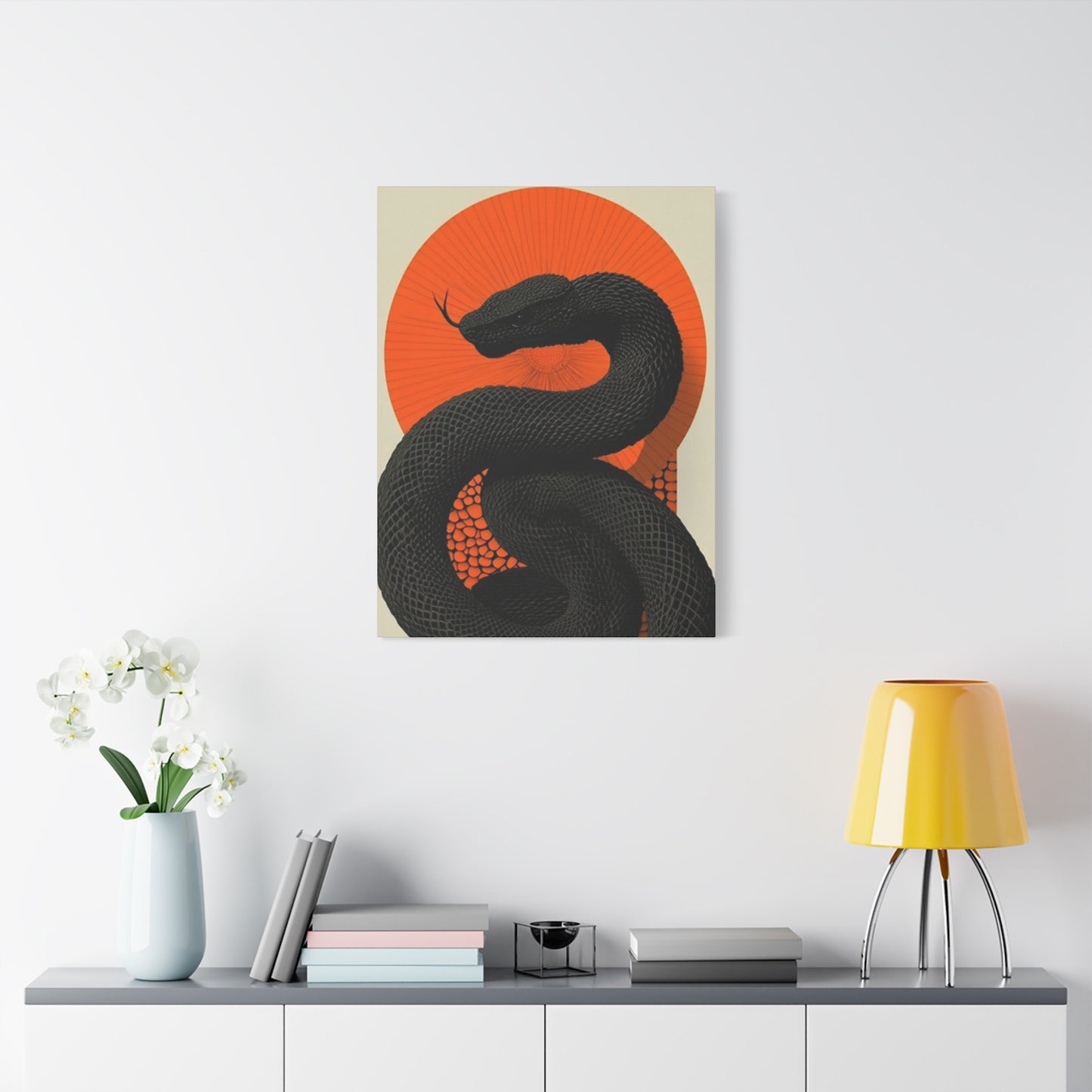
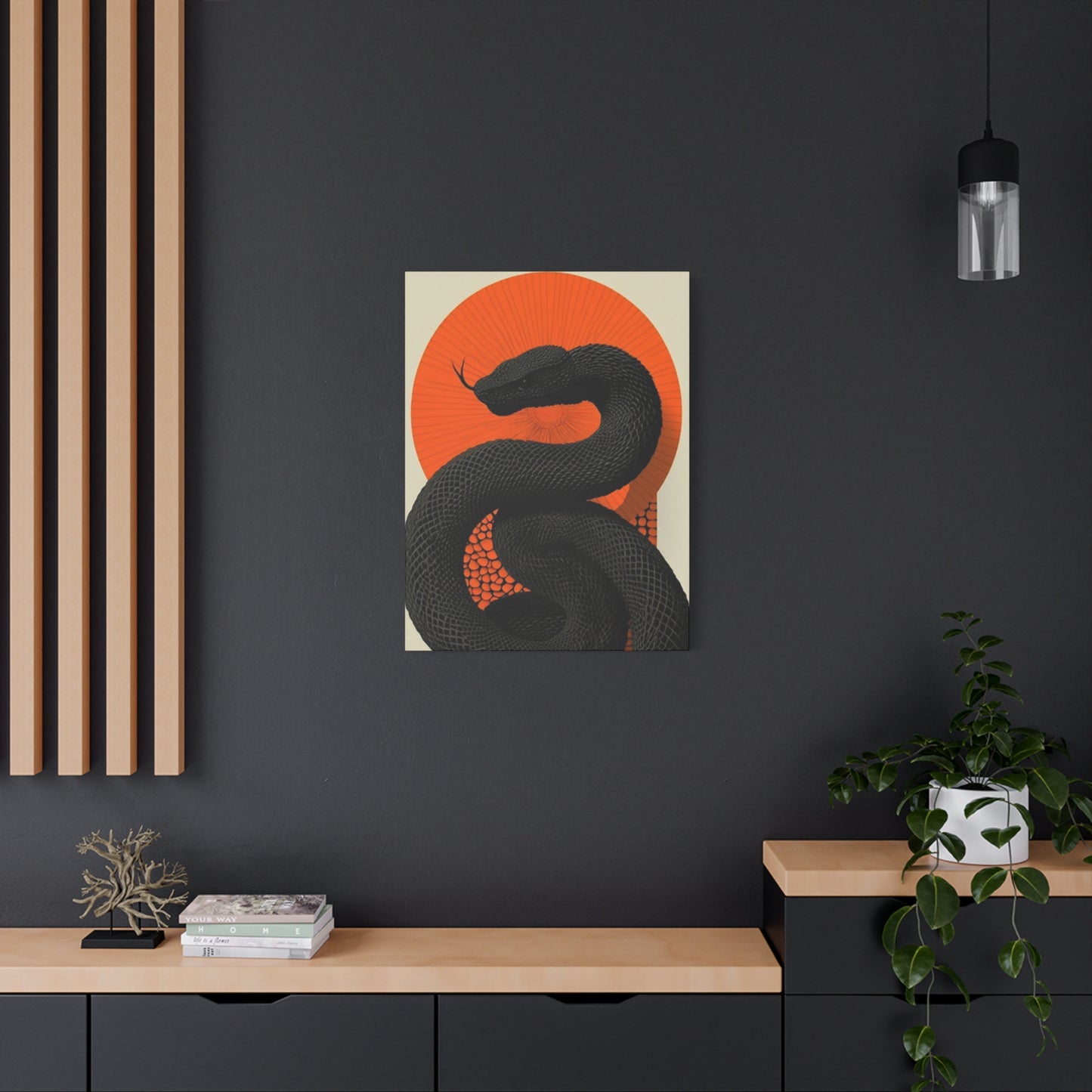
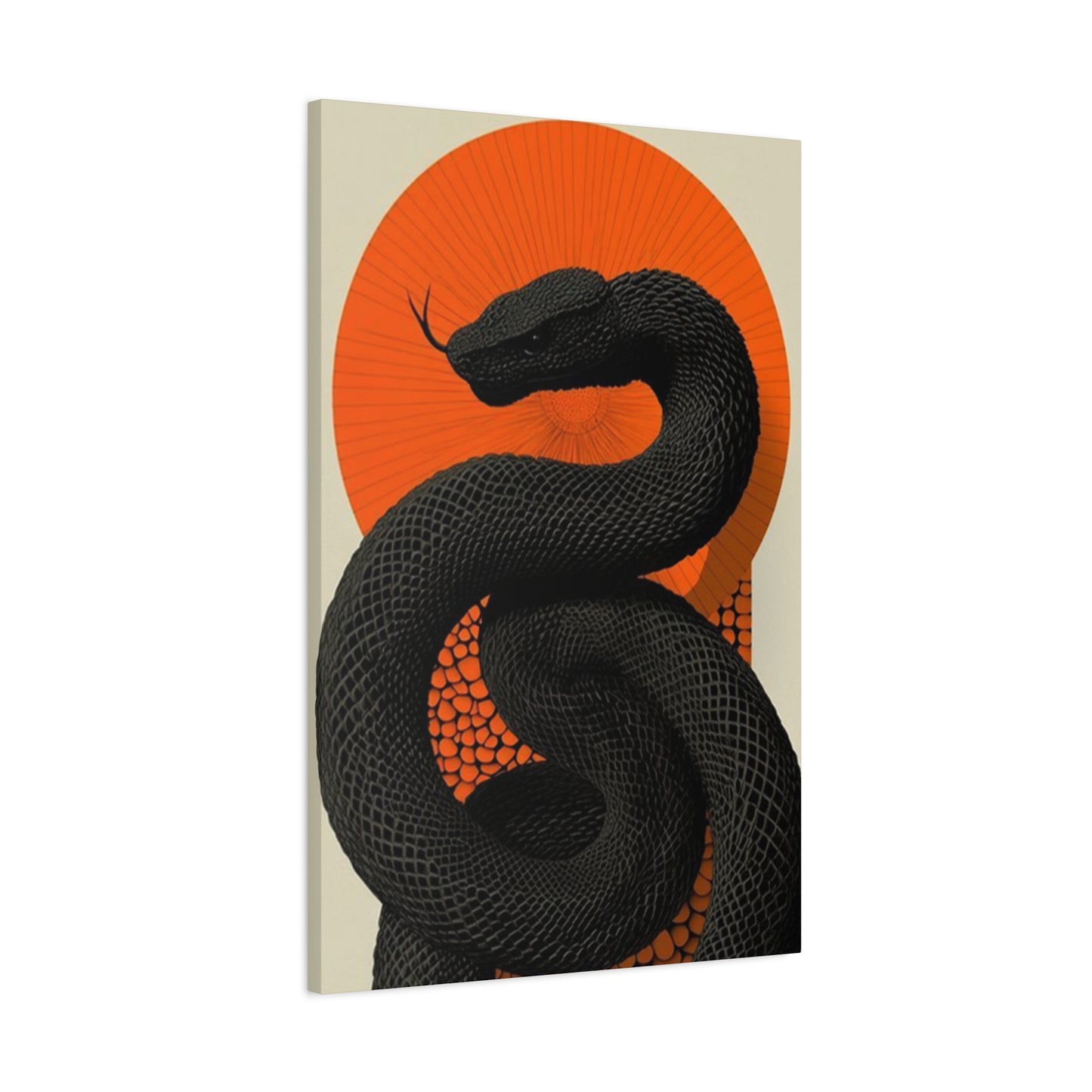
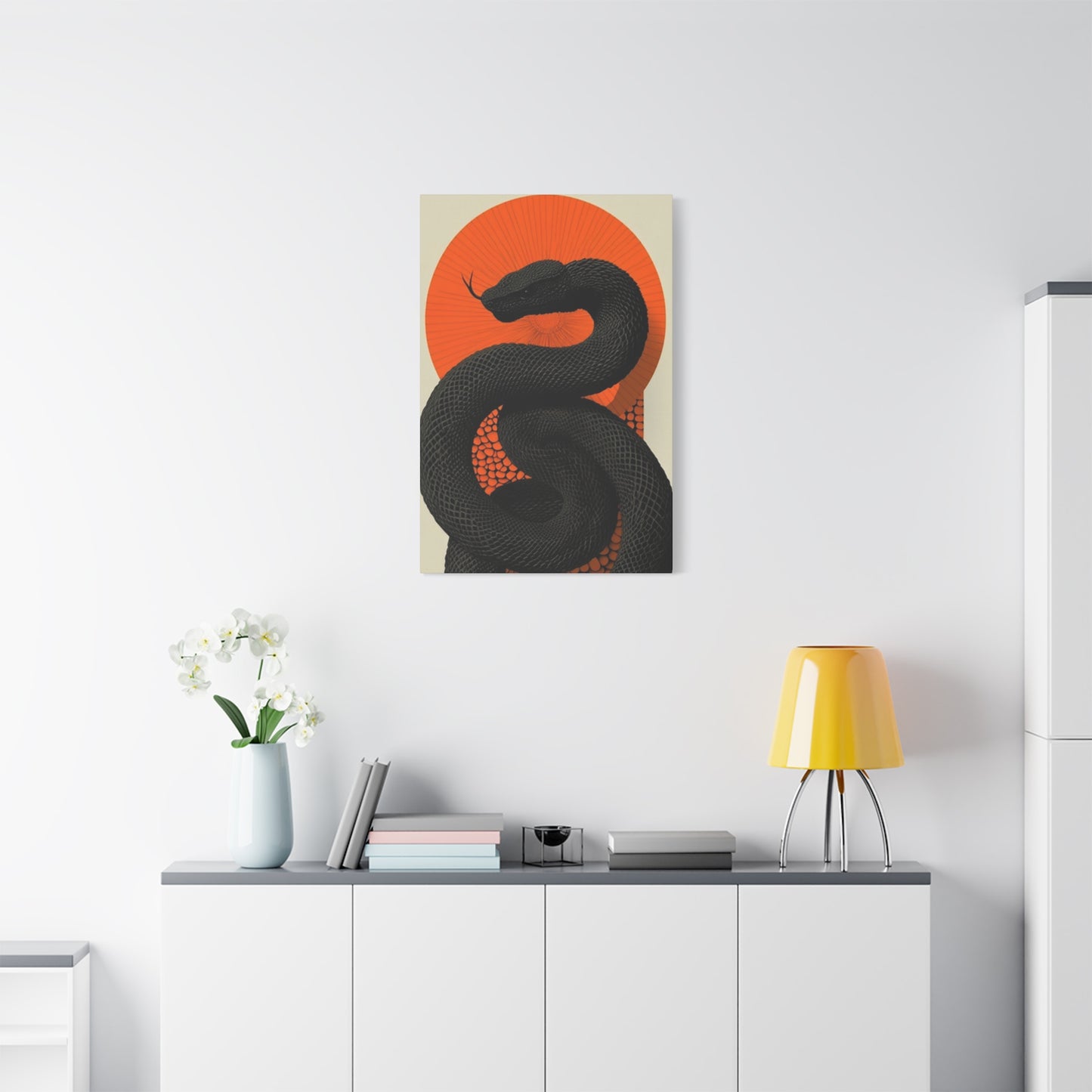
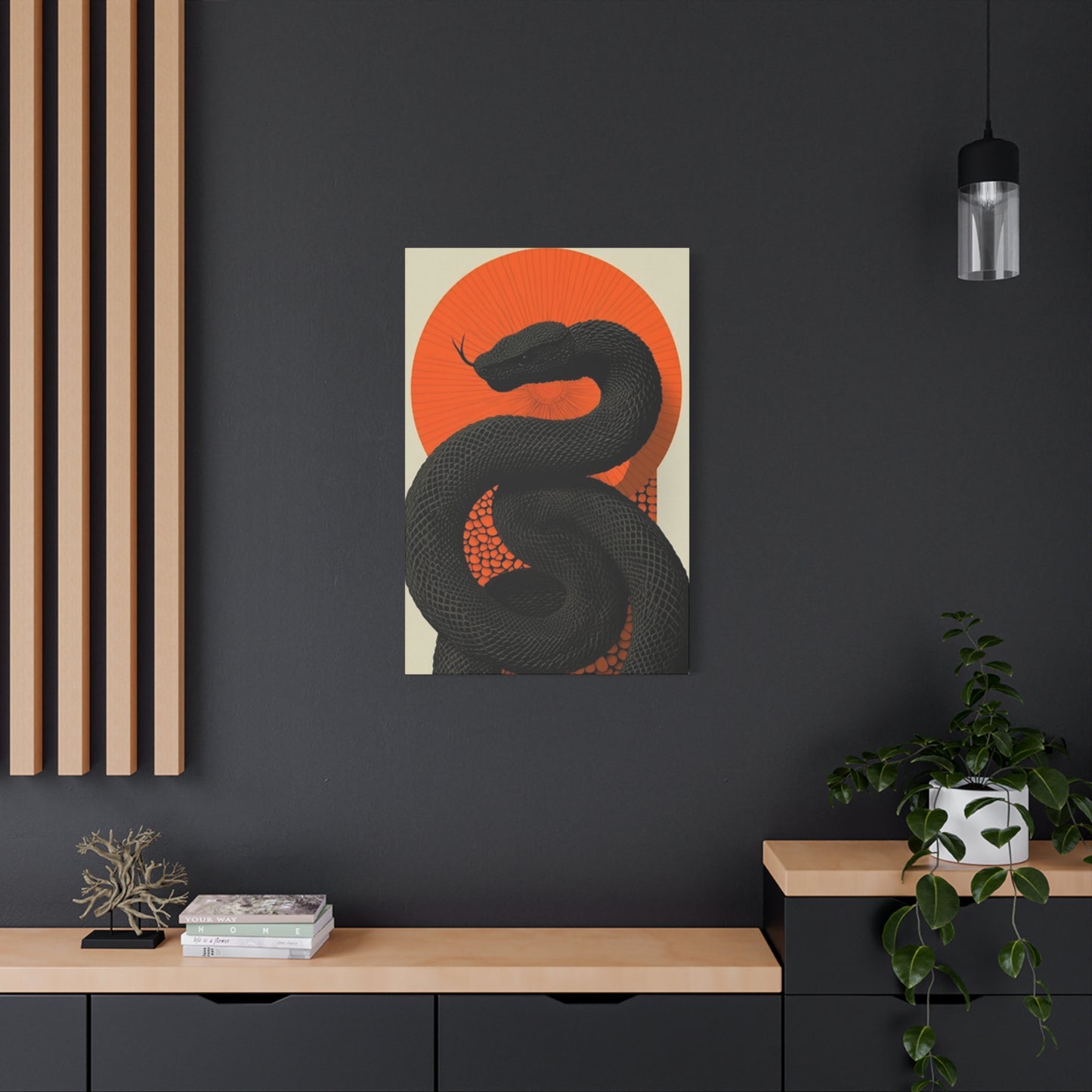
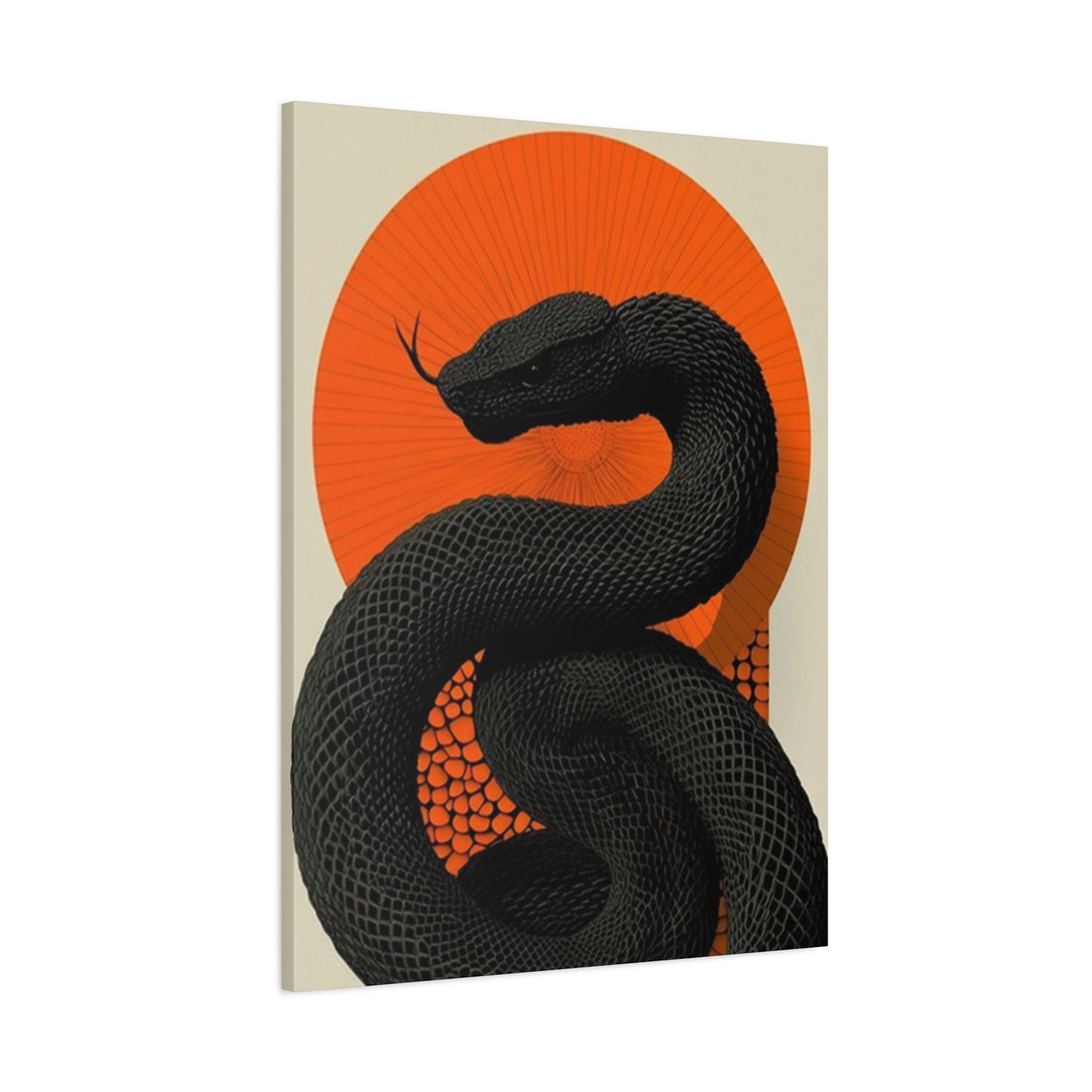
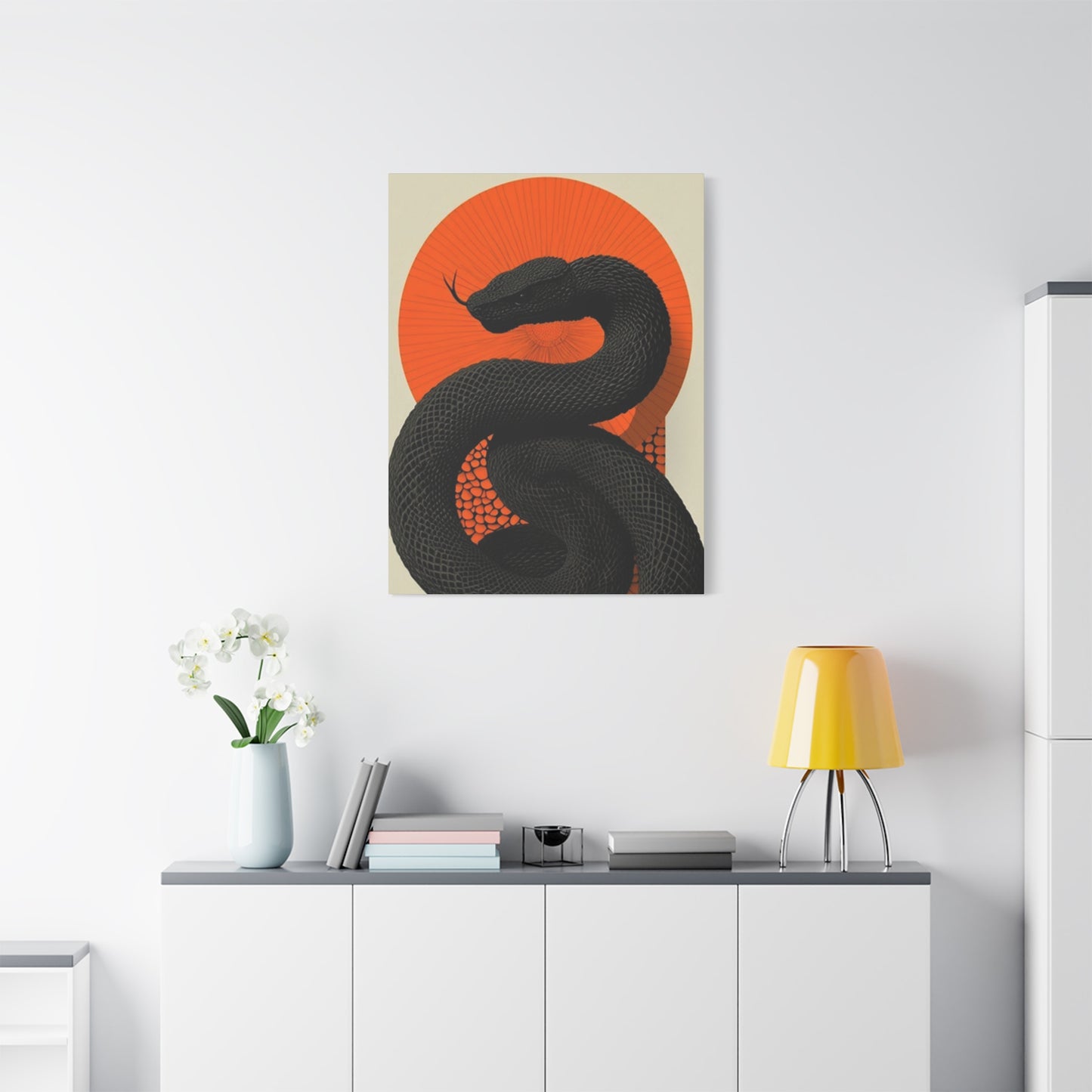
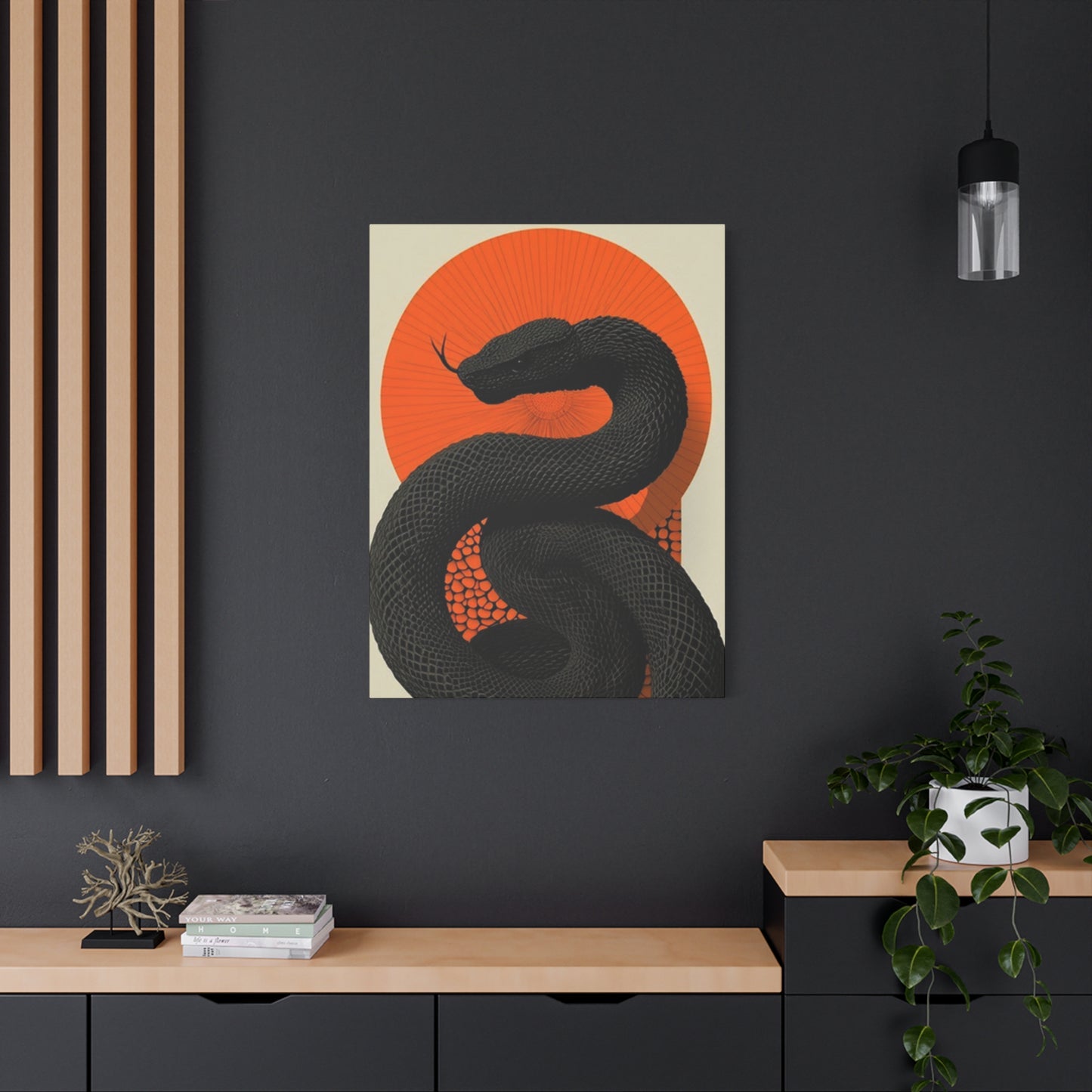
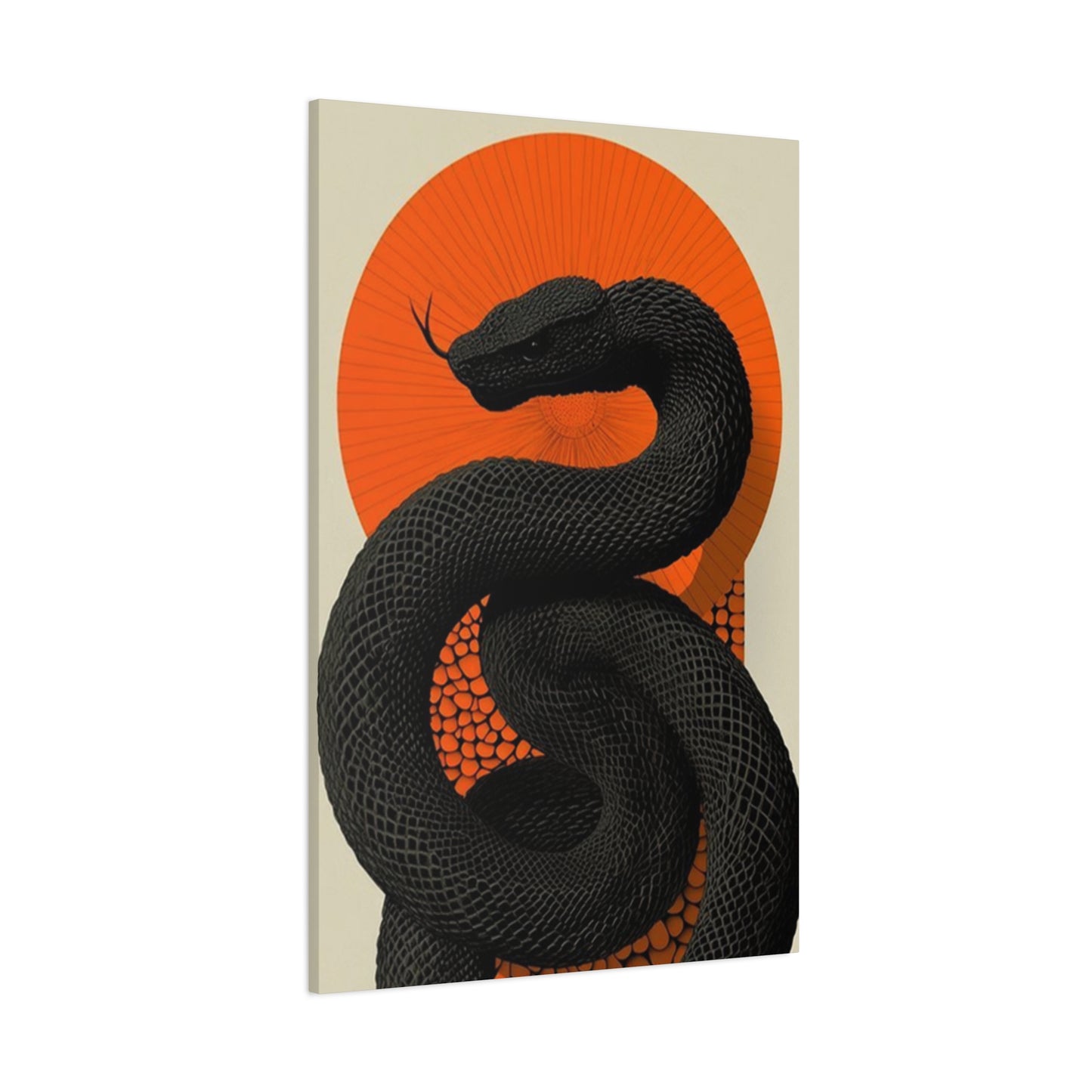
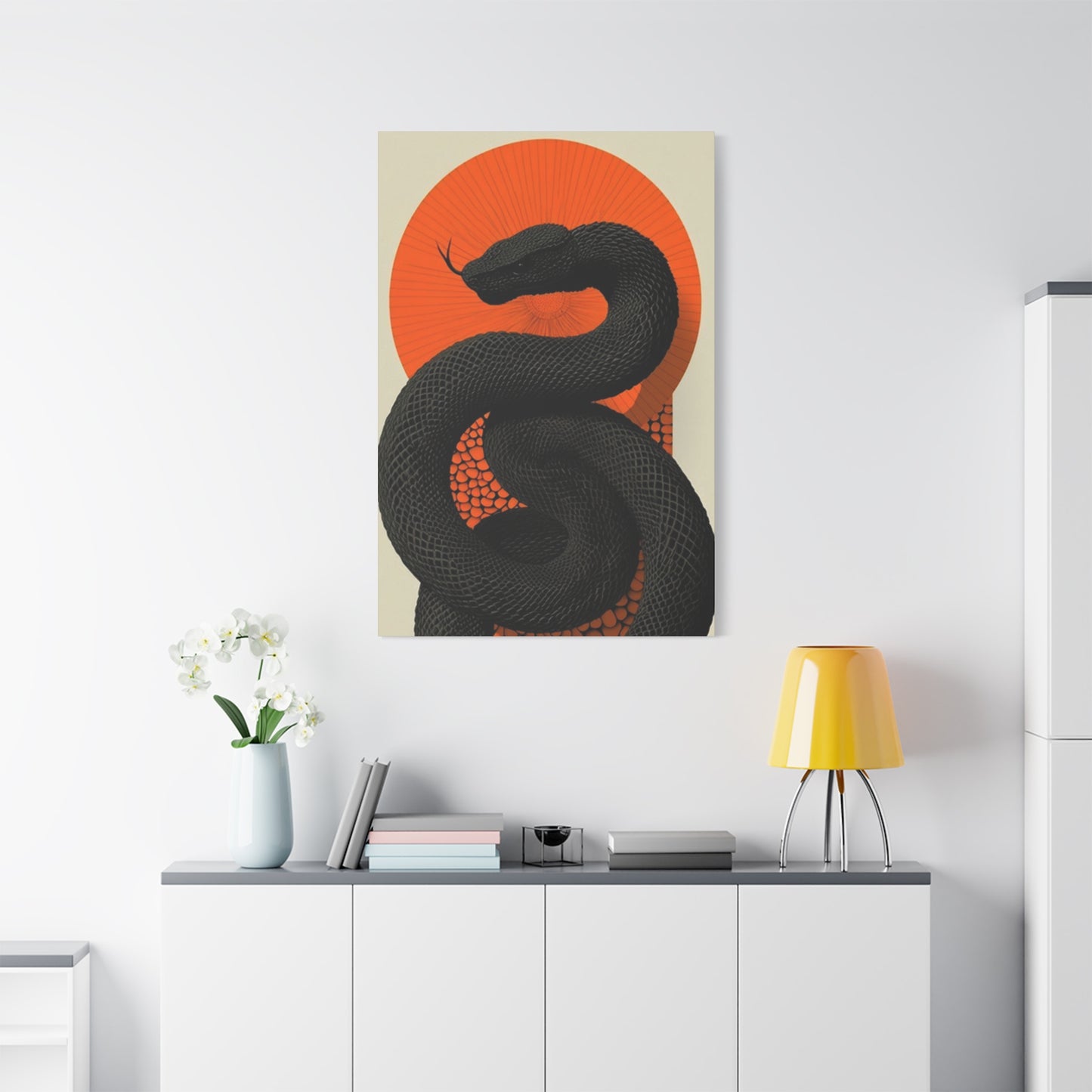
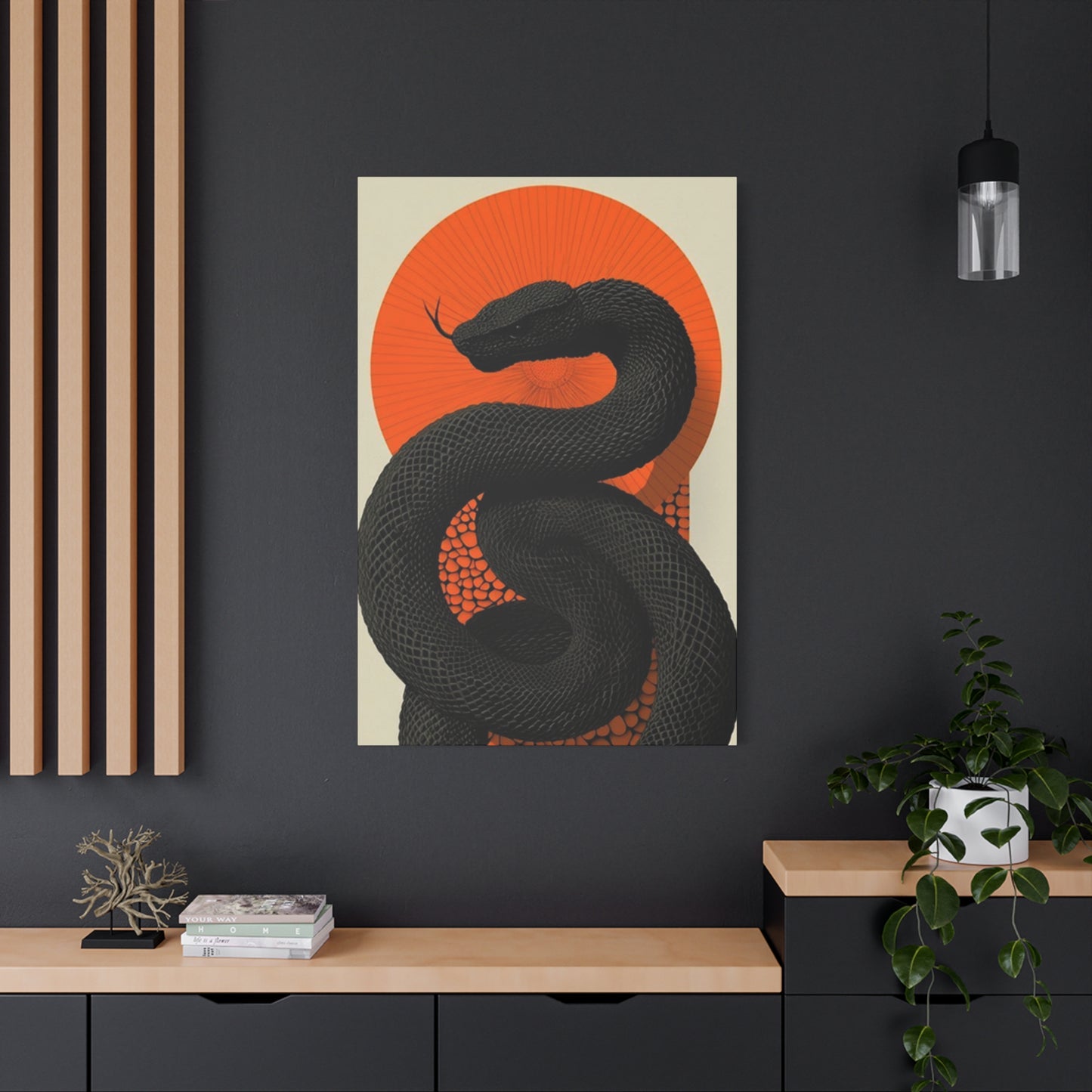
Black Snake Wall Art & Canvas Prints
Black Snake Wall Art & Canvas Prints
Couldn't load pickup availability
Serpentine Sophistication: The Timeless Charm of Black Snake Wall Art in Modern Home Decor
The allure of serpentine imagery has captivated human imagination for millennia, weaving its way through countless cultures, belief systems, and artistic expressions. When it comes to home decor and interior embellishment, black snake wall art stands as a particularly striking choice that merges primal energy with sophisticated aesthetics. This form of decorative expression transcends mere ornamentation, offering homeowners and design enthusiasts a gateway to infuse their living spaces with symbolism, mystery, and undeniable visual impact.
The serpent, rendered in the deep, enigmatic hues of midnight, carries with it an inherent duality that speaks to the human condition. It embodies both danger and protection, transformation and permanence, earthly concerns and spiritual transcendence. Within the context of wall-mounted artistic pieces, this creature becomes a focal point that commands attention while simultaneously inviting contemplation. Whether depicted in realistic detail or abstracted into flowing forms, the black serpent on your wall serves as more than decoration—it becomes a conversation starter, a reflection of personal philosophy, and an anchor point for the entire aesthetic scheme of a room.
Why Serpentine Imagery Resonates So Deeply Within Modern Living Spaces and Personal Sanctuaries
The enduring appeal of snake imagery in residential and commercial spaces stems from multiple interconnected factors that speak to both our conscious preferences and subconscious associations. Serpents have occupied prominent positions in human storytelling since our earliest recorded narratives, appearing in creation myths, cautionary tales, and wisdom traditions across virtually every civilization that has left its mark on human memory.
In contemporary settings, black snake wall art functions as a bridge between ancient symbolism and modern sensibility. The color black itself carries profound significance—it represents mystery, elegance, formality, and power. When combined with the sinuous form of a serpent, these associations multiply and deepen. The resulting artwork speaks to viewers on multiple levels simultaneously, engaging both intellectual understanding and visceral response.
From a purely aesthetic standpoint, the natural curves and flowing lines of serpentine forms complement a wide range of interior design philosophies. The organic shapes provide visual relief in spaces dominated by angular furniture and straight architectural lines, while the dramatic coloration ensures the piece maintains prominence without overwhelming the surrounding elements. This balance between integration and distinction makes snake-themed artwork remarkably versatile across different room types and decorative schemes.
The psychological impact of displaying such imagery should not be underestimated. For individuals drawn to these creatures, having their representation prominently displayed creates an environment that feels personally meaningful and authentic. This personal connection to one's surroundings contributes significantly to overall well-being and satisfaction with one's living space. The artwork becomes not just something to look at, but something to live with—a daily reminder of chosen values, interests, and aesthetic preferences.
Different Artistic Styles and Rendering Methods for Capturing Serpentine Forms on Canvas and Other Mediums
The world of black snake wall art encompasses an astonishing variety of artistic approaches, each offering distinct visual characteristics and emotional resonances. Realistic portrayals aim to capture the creature with scientific accuracy, showcasing the intricate scale patterns, the subtle gradations of color even within monochromatic schemes, and the characteristic postures that make each species recognizable to the informed viewer. These pieces often appeal to nature enthusiasts, wildlife conservationists, and those who appreciate the inherent beauty of the natural world without significant artistic interpretation.
Abstract interpretations take a decidedly different approach, distilling the essence of serpentine form into flowing lines, geometric patterns, or expressionistic compositions that suggest rather than depict. These works might reduce the snake to its most fundamental characteristic—the curve—and explore how that single element can create visual interest, movement, and emotional impact. Abstract snake art often incorporates negative space in sophisticated ways, allowing the viewer's imagination to complete the image or discover new aspects with repeated viewing.
Minimalist renderings embrace simplicity and restraint, presenting the snake through the most economical means possible. A single brushstroke might suggest an entire body, or a few carefully placed lines might evoke the creature's presence without explicit depiction. This approach aligns particularly well with contemporary design philosophies that emphasize clean lines, uncluttered spaces, and intentional simplicity. The resulting pieces often carry significant visual weight despite—or perhaps because of—their apparent simplicity.
Traditional cultural interpretations bring region-specific artistic conventions to serpentine subjects. Asian artistic traditions might render snakes with the flowing brushwork and symbolic elements characteristic of ink painting, while African artistic traditions might employ bold patterns and stylized forms that connect to tribal aesthetic conventions. Indigenous artistic styles from various continents each bring their own unique perspective to snake imagery, informed by centuries of cultural association and artistic evolution.
Mixed media approaches combine multiple materials and methods to create textured, layered compositions that engage viewers through tactile as well as visual appeal. These pieces might incorporate metal elements, fabric, dimensional paint, or found objects alongside traditional paint or print methods. The resulting artwork exists at the intersection of painting, sculpture, and craft, offering physical depth that enhances the three-dimensional quality already inherent in well-executed serpentine forms.
Symbolic Meanings and Cultural Significance Attached to Serpent Imagery Across Different Civilizations and Time Periods
Throughout human civilization, serpents have accumulated an extraordinary array of symbolic associations, many of which directly contradict each other depending on cultural context. In ancient Egypt, the cobra served as a protective emblem, adorning the crowns of pharaohs as the uraeus—a symbol of divine authority and sovereignty. The snake represented both the destructive power of the sun and the protective force that defended against chaos and disorder.
Greek mythology presents serpents in multiple guises, from the healing serpent of Asclepius (still recognized today in medical symbolism) to the deadly Gorgons with their serpentine hair. The ouroboros—the snake consuming its own tail—emerges from Greek thought as a symbol of cyclical time, eternal return, and the unity of all things. This particular symbol has enjoyed renewed popularity in contemporary contexts, appearing frequently in modern interpretations of black snake wall art.
Eastern philosophical traditions often view serpents through different lenses entirely. In Hindu cosmology, the naga represents powerful serpent deities associated with water, fertility, and protection. The kundalini—envisioned as a coiled serpent residing at the base of the spine—represents dormant spiritual energy that, when awakened, leads to enlightenment. These associations lend snake imagery a spiritual dimension that resonates with those pursuing meditative practices or spiritual growth.
Indigenous peoples of the Americas developed their own rich serpentine symbolism, with feathered serpents like Quetzalcoatl occupying central positions in Mesoamerican religious systems. These beings represented the union of earth and sky, matter and spirit, embodying wisdom, creation, and the cyclical nature of time. The visual representation of these feathered serpents, while often colorful in original contexts, translates powerfully to monochromatic black renderings that emphasize form over chromatic detail.
In Judeo-Christian traditions, the serpent famously appears in the Garden of Eden narrative, representing temptation, forbidden knowledge, and the origin of human mortality. This association has contributed to the snake's reputation as a symbol of wisdom acquired through transgression, making it particularly appealing to those who value intellectual independence and questioning of established norms. However, the serpent also appears in positive contexts within these traditions, such as the bronze serpent that Moses raised in the wilderness as an instrument of healing.
The accumulated weight of these diverse symbolic associations means that black snake wall art inevitably carries meaning beyond its immediate visual impact. Viewers bring their own cultural backgrounds and personal associations to their interpretation of such imagery, creating a dynamic interaction between artwork and observer that evolves based on individual experience and knowledge.
Materials and Production Methods Used to Create Lasting and Visually Striking Serpentine Wall Pieces
The physical creation of black snake wall art involves numerous materials and production methods, each contributing distinct characteristics to the final piece. Canvas prints remain among the most popular formats, offering excellent reproduction quality for photographically-based or digitally created images. High-quality canvas printing can capture extraordinary detail, from individual scale textures to subtle lighting effects, while the texture of the canvas itself adds a traditional fine art quality that many collectors appreciate.
Metal prints have gained considerable popularity in recent years, particularly for modern and contemporary interior schemes. The process of infusing dyes directly into specially coated aluminum sheets produces images of exceptional clarity, vibrancy, and durability. For black snake art specifically, metal substrates can create stunning effects, with the metallic surface lending subtle luminosity to darker tones and creating a sleek, polished appearance that complements minimalist and industrial design aesthetics.
Acrylic prints offer another contemporary option, mounting images behind clear acrylic panels that create depth and protect the print surface. The resulting pieces have a glossy, high-end appearance with colors that appear particularly saturated and vivid. The reflective quality of acrylic can add an extra dimension to black snake imagery, with viewing angles affecting how light interacts with the darker tones.
Wood-mounted prints bring warmth and organic texture to snake imagery, creating an appealing juxtaposition between the natural material of the substrate and the creature depicted. This format works particularly well for rustic, natural, or bohemian interior schemes. Some artists create original paintings directly on wood panels, allowing the grain and texture of the wood to show through certain areas or inform the composition in meaningful ways.
Hand-painted originals represent the pinnacle of uniqueness, with each piece being truly one-of-a-kind. Artists working in oils, acrylics, watercolors, or mixed media bring their individual style and interpretation to serpentine subjects, resulting in works that cannot be exactly replicated. Oil paintings in particular can achieve extraordinary depth and richness in black tones, with careful layering creating luminous darks rather than flat, lifeless shadows.
Textile-based wall hangings offer yet another approach, with woven tapestries, embroidered pieces, or printed fabrics providing softness and texture that contrasts with harder mounting surfaces. These pieces add acoustic benefits to visual appeal, helping to soften sound in rooms with many hard surfaces. The flexible nature of fabric also allows for interesting display options, including hanging from decorative rods or creating draped effects.
Three-dimensional wall sculptures push beyond two-dimensional representation, creating serpentine forms that project from the wall surface. These might be crafted from metal, wood, resin, ceramic, or other materials, offering viewers the ability to appreciate the artwork from multiple angles and creating dramatic shadow effects that change throughout the day as light conditions shift.
Selecting the Ideal Serpentine Artwork to Complement Your Existing Interior Design and Personal Aesthetic Preferences
Choosing the perfect black snake wall art for your space requires careful consideration of multiple factors, beginning with an honest assessment of your existing decor style and color scheme. While black is famously versatile, the way it interacts with surrounding elements varies considerably based on room characteristics and accompanying colors. In spaces dominated by light, neutral tones, black snake artwork provides dramatic contrast and serves as a bold focal point. In darker or more intensely colored spaces, the piece integrates more subtly, adding to the overall mood rather than standing in stark opposition to it.
Room size and ceiling height significantly impact which pieces will function most effectively in a given space. Large-scale serpentine artwork can make a powerful statement in spacious rooms with high ceilings, drawing the eye upward and helping to visually fill vertical space that might otherwise feel empty. Conversely, in more intimate settings or rooms with standard ceiling heights, oversized pieces may feel overwhelming or claustrophobic. Medium-sized works often provide the sweet spot for typical residential rooms, large enough to command attention without dominating the entire visual field.
The intended mood and function of the room should guide selection as well. Bedrooms, being personal sanctuaries for rest and introspection, might benefit from more contemplative or spiritual interpretations of snake imagery—perhaps abstract pieces that suggest rather than explicitly depict, or symbolic representations that carry meanings aligned with personal beliefs. Living rooms and gathering spaces can accommodate bolder, more dramatic pieces that serve as conversation starters and reflect the homeowner's personality to guests.
Consideration of viewing distance proves important when evaluating detail levels and composition. Pieces intended for hallways or areas where viewers will pass relatively close should maintain visual interest at near distances, with details that reward closer inspection. Artwork destined for the far wall of a large room needs to read clearly from a distance, with strong composition and clear forms that remain comprehensible even when viewed from twenty feet away.
The frame or mounting method constitutes an often-overlooked but crucial element of the final presentation. Traditional frames with matting suit certain artistic styles and interior design philosophies, particularly those leaning toward classical or traditional aesthetics. Frameless mounting, canvas gallery wraps, or modern floating frames align better with contemporary and minimalist approaches. The frame or mounting should enhance rather than compete with the artwork itself, directing attention toward the image rather than the surrounding structure.
Personal resonance ultimately trumps all other considerations. An artwork that speaks to you on an emotional or intellectual level will bring ongoing satisfaction far exceeding that provided by a piece chosen solely for its theoretical suitability to a design scheme. If a particular representation of serpentine form captivates you—whether through its execution, its symbolic associations, or its aesthetic qualities—that genuine connection will sustain your appreciation long after initial installation.
Proper Placement and Display Strategies to Maximize Visual Impact and Room Harmony
The positioning of black snake wall art within a room dramatically affects both its impact and how it interacts with the surrounding space. Eye level remains the general rule of thumb for center point placement, typically falling between 57 and 60 inches from the floor to the center of the artwork. This positioning ensures comfortable viewing for standing adults without requiring upward or downward gaze adjustment. However, this guideline should flex based on specific circumstances—artwork intended primarily for viewing while seated might hang lower, while pieces in rooms with unusually high ceilings might rise higher to maintain proper scale relationships with architectural features.
Wall space selection requires strategic thinking about traffic patterns, furniture arrangements, and existing focal points. The most effective placement often positions the artwork as the primary focal point on a given wall, avoiding competition with windows, fireplaces, or other architectural features that naturally draw attention. However, deliberate placement near complementary elements can create intentional relationships—a snake artwork positioned above a low bookshelf might appear to be emerging from or disappearing into the books, for instance.
Lighting deserves careful attention, as it profoundly influences how black artwork appears and how effectively it commands attention. Direct lighting from track lights, picture lights, or spotlights can create dramatic effects, emphasizing textures and creating shadows that enhance three-dimensional qualities. However, overly harsh or poorly angled lighting can create glare on glossy surfaces or wash out subtle tonal variations. Indirect lighting that illuminates the wall around the artwork creates a glowing effect that can be particularly striking with dark pieces against lighter walls.
Gallery walls and grouped arrangements offer opportunities to incorporate black snake art within larger compositions that tell more complex visual stories. When combining serpentine imagery with other artwork, consider thematic connections, stylistic consistency, and visual balance. The flowing, organic forms of snake art often pair beautifully with botanical subjects, abstract landscapes, or other nature-inspired works. Maintaining consistent framing or mounting styles helps unify disparate images into a cohesive whole.
Seasonal rotation provides an often-overlooked opportunity to refresh spaces and keep visual interest high. Maintaining a small collection of different serpentine pieces allows you to change out artwork based on mood, season, or simply the desire for something different. This approach also protects pieces from prolonged exposure to light and environmental factors, extending their longevity.
Negative space—the empty wall area surrounding the artwork—plays a crucial role in allowing pieces to breathe and maintain their impact. Overcrowding walls with too many competing elements dilutes the power of each individual piece. Generally, leaving space equivalent to at least one-third to one-half of the artwork's dimensions on all sides provides sufficient breathing room, though this can vary based on artistic style and room characteristics.
Color Theory Considerations When Incorporating Dark Serpentine Imagery Into Various Design Schemes
Black, while often categorized simply as the absence of color, actually functions as a powerful design element that interacts complexly with surrounding hues. When incorporating black snake wall art into color-planned spaces, understanding these interactions enables more intentional, harmonious results. The high contrast between black artwork and light-colored walls creates dramatic, eye-catching displays particularly suited to modern and contemporary aesthetics that embrace bold visual statements.
Monochromatic schemes built around black, white, and gray provide a sophisticated backdrop for serpentine art, allowing form, composition, and texture to take precedence over chromatic considerations. Within this restrained palette, subtle variations in tone become more noticeable and significant—the difference between charcoal gray and true black, or between cool and warm grays, registers more prominently in the absence of competing colors. Black snake artwork becomes the anchor point around which these tonal relationships organize themselves.
Jewel tones—deep emeralds, rich sapphires, amethyst purples, and ruby reds—create sumptuous, luxurious environments that complement black serpentine imagery beautifully. These saturated, intense colors match the visual weight of black artwork, creating balanced compositions where neither element overwhelms the other. The combination evokes baroque opulence or Gothic romanticism, depending on specific shade selections and accompanying design elements.
Earth tones establish natural, grounded environments that resonate with the organic origins of snake subjects. Terracotta, ochre, burnt sienna, and various browns create warm backdrops that help black artwork feel integrated rather than starkly separate from its surroundings. This combination works particularly well in spaces aiming for rustic, southwestern, or organic modern aesthetics.
Pastel environments present an interesting challenge and opportunity when paired with black snake art. The extreme contrast between delicate, light tints and deep black creates striking juxtapositions that can feel either jarring or intentionally edgy depending on execution. This combination works best when the contrast is embraced as a deliberate design choice rather than an accident of circumstance, with the black artwork serving as a bold, grounding element within an otherwise ethereal space.
Metallic accents—gold, silver, copper, or bronze—introduce luminosity and luxury that plays beautifully against matte black serpentine forms. The reflective quality of metallics creates movement and light that animates spaces and prevents all-dark elements from feeling heavy or oppressive. This combination particularly suits Art Deco, Hollywood Regency, or contemporary glamour design schemes.
Understanding undertones becomes crucial when working with black in designed spaces. Not all blacks are created equal—some lean toward blue, others toward brown, red, or green. Matching or deliberately contrasting these undertones with surrounding colors creates intentional harmony or dynamic tension. A blue-black snake print, for instance, pairs naturally with cool grays and blues, while a warmer black integrates more seamlessly with earth tones and warm neutrals.
Complementary Decor Elements That Enhance and Elevate Serpentine Wall Art Presentations
The immediate environment surrounding black snake wall art significantly influences its overall impact and how effectively it integrates into the room's design narrative. Furniture selection and placement should account for visual relationships with the artwork, creating harmonious arrangements rather than competing elements. Low-profile furniture below serpentine wall pieces allows the artwork to extend visually downward, appearing to flow into the physical space. Alternatively, positioning furniture at a distance maintains clear sight lines and emphasizes the artwork's role as a distinct focal point.
Textile selections throughout the room contribute to the overall success of incorporating dark serpentine imagery. Smooth, lustrous fabrics like silk, satin, or polished cotton echo the scales and smooth skin of actual snakes, creating subtle thematic resonance. Conversely, rough, nubby textures like raw linen, jute, or wool create pleasing contrasts that prevent spaces from feeling too uniform or one-note. Patterns in textiles should be chosen with care—overly busy patterns can compete visually with the organic curves of snake art, while complementary patterns (particularly those incorporating curves or natural motifs) enhance the overall aesthetic.
Sculptural objects and decorative accessories provide opportunities to reinforce serpentine themes without overwhelming spaces with literal snake representations. Curved, flowing forms in vases, bowls, or abstract sculptures echo the lines of snake artwork without redundantly depicting the same subject. Natural elements like driftwood, river stones, or dried branches bring organic textures and forms that harmonize with wildlife imagery.
Lighting fixtures deserve consideration not just for their illumination functions but also for their forms and finishes. Sinuous, curved lighting designs naturally complement snake art, while the finish (matte black, brushed metals, clear glass) should coordinate with the overall color scheme and the artwork's framing or mounting. Dimmer switches provide valuable flexibility, allowing lighting levels to be adjusted based on time of day, activity, and desired mood.
Flooring materials and patterns influence how grounded or elevated black wall art appears. Dark floors create continuity between lower and upper portions of the room, while light floors emphasize the artwork's position on the wall. Patterned rugs should be selected carefully to avoid creating visual chaos—either choose rugs that complement the color palette without introducing competing patterns, or embrace pattern as a deliberate design element by selecting rugs with serpentine, curved, or organic patterns that consciously echo the wall art.
Window treatments affect both the lighting conditions around artwork and the overall mood of the space. Heavy, dark curtains or drapes create dramatic, cocooning environments where black snake art feels at home, while light, airy window treatments maintain brightness and prevent the space from feeling too heavy despite the presence of dark artwork. The choice depends entirely on the desired atmosphere and how the room is used.
Plant life introduces living elements that connect to the natural subject matter of snake imagery while providing color, texture, and air-purifying benefits. Large-leafed tropical plants create jungle-like atmospheres that suit the habitat associations of many snake species, while sculptural succulents or air plants maintain the natural connection with a more contemporary, minimal aesthetic. Hanging plants can create interesting relationships with wall art, appearing to grow around or interact with the artwork in visually dynamic ways.
Psychological Effects and Emotional Responses Evoked by Serpentine Imagery in Living Environments
The presence of snake imagery in living spaces triggers complex psychological responses rooted in evolutionary biology, cultural conditioning, and personal experience. Humans possess an apparently innate tendency to notice and attend to snakes, a trait believed to result from millions of years of evolution during which our ancestors who quickly spotted snakes enjoyed survival advantages. This deep-seated attention capture means that serpentine art naturally draws and holds viewer attention, making it inherently powerful as a focal point.
For some individuals, this evolutionary heritage manifests as ophidiophobia—fear of snakes—which can create discomfort even with artistic representations. However, many people who report being uncomfortable around living snakes find they appreciate snake art, experiencing the visual interest and symbolic power without the visceral fear response triggered by actual creatures. The controlled, aesthetic presentation of serpentine forms in artwork provides psychological safety that allows engagement with the subject matter on different terms.
The specific qualities attributed to snakes—patience, precision, stealth, power, transformation—become associated with spaces featuring their imagery. Individuals drawn to these characteristics may find that serpentine art serves as a daily reminder and affirmation of qualities they value or aspire to embody. This psychological reinforcement can be subtle but meaningful, contributing to identity formation and self-concept maintenance.
The flowing, curved forms of snakes provide visual movement that the brain processes differently from angular, geometric shapes. These organic curves are generally experienced as more calming and natural than hard edges and straight lines, contributing to feelings of flow and ease within a space. However, when rendered dramatically or paired with other intense design elements, the same curves can create feelings of energy, dynamism, and even slight unease—the positive stress of encountering something powerful and untamed.
Color plays a crucial role in emotional response, and the choice of black for serpentine artwork carries specific psychological implications. Black is simultaneously associated with elegance and danger, mystery and certainty, emptiness and fullness. It commands authority while maintaining enigmatic quality. These dualities make black snake art psychologically complex and endlessly interesting—there's always more to discover, more meanings to unpack.
The transformative symbolism of snakes—their ability to shed skin and emerge renewed—resonates particularly strongly with individuals experiencing or seeking personal transformation. Having this symbol prominently displayed serves as a constant reminder of growth potential, the possibility of reinvention, and the natural cycles of release and renewal. For those in recovery, major life transitions, or conscious self-improvement efforts, this symbolic support can prove genuinely meaningful.
Matching Serpentine Art Styles to Specific Rooms and Their Intended Functions Within the Home
Different rooms within a living space serve distinct purposes and create different psychological contexts, making the selection of appropriate snake art style particularly important for achieving desired effects. The bedroom, as a sanctuary for rest, intimacy, and personal reflection, benefits from serpentine artwork that leans toward the contemplative rather than the aggressive. Abstract interpretations, spiritual symbols like the ouroboros, or realistic but peaceful compositions of coiled or resting snakes complement the room's function without introducing excessive stimulation before sleep.
Living rooms and common areas, designed for gathering and conversation, can accommodate bolder, more dramatic serpentine imagery that serves as a conversation catalyst and reflects the host's personality to guests. Dynamic compositions showing movement, large-scale pieces that command attention, or striking artistic interpretations make excellent choices for these more public spaces. The artwork becomes part of the home's story, an element that guests remember and discuss.
Home offices and workspaces present opportunities to incorporate serpentine imagery aligned with focus, wisdom, and strategic thinking—qualities traditionally associated with snakes in many cultural traditions. Minimalist or symbolic representations work particularly well in these contexts, providing visual interest without becoming distracting. The clean lines and strong forms of well-executed snake art can actually enhance concentration by providing a clear focal point during brief mental breaks.
Dining areas benefit from artwork that stimulates conversation without disturbing digestion or appetite. More artistic, stylized interpretations of serpentine forms tend to work better here than extremely realistic representations, which some diners might find disquieting. The key is finding pieces that intrigue and interest without overwhelming the social and sensory experience of sharing meals.
Bathrooms, often overlooked as spaces for significant artwork, actually provide excellent venues for smaller serpentine pieces. The private, contemplative nature of these spaces allows for more personal, potentially edgier choices that might feel too intense in more public rooms. The symbolic associations between snakes and transformation, shedding, and renewal make them thematically appropriate for spaces devoted to cleansing and personal care.
Entryways and hallways serve as transitional spaces that benefit from artwork that reads quickly and makes immediate impact. Strong, clear compositions with bold forms work better here than subtle, detail-rich pieces that require extended viewing. The snake's elongated form naturally complements the linear quality of hallways, while the dramatic presence of well-chosen serpentine art in an entryway immediately establishes the home's aesthetic tone for arriving visitors.
Children's rooms require special consideration, as responses to snake imagery vary widely among young people. Some children find snakes fascinating and would thrive with age-appropriate serpentine art that feeds their interest in nature and wildlife. Others might find such imagery frightening or unsettling. The decision should account for the specific child's interests and comfort level, with educational, friendly interpretations being preferable to dark or menacing representations if snake art is included at all.
Creating Cohesive Design Narratives Using Multiple Serpentine Pieces Throughout a Living Space
For those particularly drawn to snake imagery, incorporating multiple pieces throughout a home allows for the creation of a cohesive design narrative that carries through different spaces while respecting each room's unique function and character. This approach requires careful planning to avoid redundancy or overwhelming the space with too much of the same visual theme. Variation in style, scale, and composition across different pieces maintains interest while reinforcing the overall theme.
A thoughtful approach might feature a large, dramatic statement piece as the primary artwork in the main living area, establishing the serpentine theme prominently. Secondary spaces could then incorporate smaller or more subtle pieces that reference the theme without competing with the main statement. These might include abstract interpretations, detail shots, or different artistic styles that maintain connection to the central theme while bringing fresh perspectives.
The concept of visual storytelling across rooms offers rich possibilities. Imagine a progression from energetic, dynamic serpentine imagery in active, public spaces to calm, contemplative representations in private, restful areas. This creates a narrative arc that visitors and residents experience as they move through the home, with the design itself guiding emotional response and environmental perception.
Seasonal variation provides another layer of engagement, with different serpentine pieces displayed at different times of year. This approach keeps the environment fresh and evolving while allowing for a larger collection without overwhelming any single space. Summer might call for more vibrant, energetic pieces, while winter invites more introspective, symbolic representations. The rotation itself becomes a ritual that marks changing seasons and allows renewed appreciation for pieces that have been temporarily stored.
Color consistency across pieces helps unify disparate works into a coherent collection. When working primarily with black snake art, this might involve ensuring all pieces share similar undertones (warm blacks versus cool blacks) or that accompanying colors across different pieces relate harmoniously. Even when pieces come from different artists or feature different styles, color relationships can create visual bridges that help them feel like parts of a intentional whole.
Frame and mounting consistency serves a similar unifying function. While not every piece needs identical framing, establishing patterns—perhaps all large pieces share one framing style while smaller works share another, or all pieces in public spaces use frames while private spaces feature frameless mounting—creates visual structure that helps multiple pieces coexist without chaos.
The negative space and breathing room between pieces in the same room or visual sight line requires attention when working with multiple serpentine artworks. Each piece needs adequate space to register individually before the brain processes the collective impact. Overcrowding diminishes each work's power, while thoughtful spacing allows each to shine while contributing to the larger narrative.
Sourcing Options for Acquiring High-Quality Black Serpentine Wall Art That Suits Your Budget and Preferences
The marketplace for black snake wall art spans a remarkably wide range of price points, quality levels, and sourcing options, offering something for virtually every budget and preference. Understanding the landscape helps buyers make informed decisions that balance cost, quality, uniqueness, and personal values regarding art acquisition.
Online marketplaces dedicated to art and home decor provide extensive selection with the convenience of browsing from home. These platforms typically feature work from numerous artists and producers, allowing easy comparison of styles, prices, and specifications. High-quality photographs and detailed descriptions help buyers assess pieces before purchase, though the inability to see works in person remains a limitation. Customer reviews provide valuable insights into quality, color accuracy, and seller reliability.
Direct purchase from living artists through their personal websites or studio spaces offers the opportunity to acquire original works or limited edition prints with the satisfaction of directly supporting creative professionals. This approach often allows for some degree of customization and provides access to the artist's full portfolio, making it easier to find pieces that genuinely resonate. The relationship between artist and collector can be personally meaningful, adding another dimension to the acquisition beyond the purely transactional.
Local art fairs, markets, and gallery shows provide the crucial advantage of seeing and sometimes touching works before purchase. The ability to assess quality, scale, color accuracy, and physical presence in person eliminates much of the uncertainty inherent in online shopping. These venues also offer opportunities to meet artists, ask questions about their work and process, and discover emerging talents before their work becomes widely known or expensive.
Commission work from artists creates truly custom pieces tailored precisely to your specifications, space, and vision. While typically more expensive and requiring patience as the work is created, commissioned art offers uniqueness that cannot be achieved through any other means. The collaborative process of working with an artist to bring a vision to life can be deeply rewarding, resulting in a piece with profound personal meaning.
Print-on-demand services offer affordable access to a vast library of designs, with pieces produced only when ordered. This model reduces waste and overhead costs, translating to lower prices for consumers. Quality varies significantly between providers, so research into printing methods, material quality, and customer satisfaction is essential. These services work well for those seeking to try a style or look without significant investment or for those who enjoy changing their decor frequently.
Auction sites and secondhand marketplaces occasionally yield exceptional finds at prices below retail, though this route requires patience, timing, and willingness to accept that the perfect piece might not be available exactly when desired. The hunt itself becomes part of the pleasure for many collectors, with unexpected discoveries adding elements of serendipity and story to acquisitions.
High-end galleries and established art dealers provide curated selections of investment-quality works, often from recognized artists with established reputations. While prices at this level substantially exceed other options, buyers receive assurance of authenticity, quality, and potential for appreciation. Gallery staff often provide valuable expertise, helping clients understand the work's context, the artist's career, and how pieces might fit within existing collections.
Caring for and Preserving Your Serpentine Wall Art to Ensure Longevity and Continued Visual Appeal
Proper maintenance extends the life and preserves the appearance of black snake wall art, protecting your investment and ensuring continued enjoyment for years or even decades. The specific care requirements vary based on materials and construction, but certain principles apply broadly across different types of artwork.
Light exposure represents one of the primary threats to artwork longevity. Ultraviolet radiation causes fading, discoloration, and material degradation over time. While black pigments are generally more lightfast than many colors, prolonged exposure to intense direct sunlight should be avoided. Positioning artwork away from windows receiving direct sun, using UV-filtering window films, or choosing UV-protective glazing for framed pieces all help mitigate light damage. Indoor lighting, particularly LED bulbs which emit minimal UV radiation, poses less risk than natural sunlight.
Temperature and humidity fluctuations stress artwork materials, causing expansion and contraction that can lead to warping, cracking, or delamination. Maintaining relatively stable environmental conditions—ideally between 65-75 degrees Fahrenheit and 40-50 percent relative humidity—protects artwork from these stresses. Avoid hanging pieces near heating vents, air conditioning units, fireplaces, or humidifiers that create localized environmental extremes.
Dust accumulation dulls surfaces and can scratch artwork if wiped away improperly. Regular gentle dusting with soft, clean, dry microfiber cloths prevents buildup. For glass or acrylic-covered pieces, appropriate glass cleaners can be used sparingly, sprayed onto the cloth rather than directly on the artwork to prevent moisture seeping into frames. Never use water or cleaning solutions directly on unprotected canvas, paper, or fabric artworks.
Canvas pieces benefit from occasional attention to their stretched condition. Over time, canvas can loosen slightly, causing the surface to become less taut. Some stretcher bars include adjustment keys that allow for re-tensioning without professional intervention. If a canvas piece develops significant sag or other structural issues, professional restoration services can re-stretch and restore proper tension.
Framed works require periodic inspection of frame integrity and mounting security. Hardware can loosen over time, posing risk of the piece falling and becoming damaged. Check mounting brackets, wire, and hooks periodically, replacing any components showing wear or weakness. Frames should be inspected for separation at corners, loosening of backing materials, or degradation of mats, addressing issues promptly before minor problems become major damage.
Smoke, cooking fumes, and other airborne contaminants gradually deposit residues on artwork surfaces. In homes where these issues are significant, protective glazing becomes particularly important. Regular air filtration and adequate ventilation reduce the accumulation of harmful substances. Pet hair and dander require more frequent dusting and cleaning, though the basic principles remain the same.
Final Thoughts
Black snake wall art is more than just a striking visual element in contemporary interior design; it is a piece that encapsulates mystery, elegance, and a sense of raw natural beauty. By incorporating serpentine imagery into your home, you invite a level of intrigue and depth that is often missing in more traditional decor. The snake, with its symbolic associations ranging from transformation and renewal to danger and wisdom, brings an added layer of meaning to the space. It’s not just an image on a wall, but a symbol that speaks to our primal instincts, spiritual growth, and our deep connection to nature.
In modern design, where minimalism often takes precedence, the black snake wall art stands as an unexpected yet bold statement. Its dark, sleek lines and sinuous form lend themselves beautifully to clean, contemporary spaces, creating a focal point that contrasts strikingly against lighter walls and neutral tones. It serves as a powerful counterpoint to the sleek, geometric shapes often found in modern design, adding an organic, fluid element to a space that feels both luxurious and untamed. This unexpected juxtaposition makes black snake wall art ideal for adding complexity and balance to interiors that might otherwise feel too sterile or predictable.
Beyond its aesthetic appeal, the black snake also carries a rich symbolic weight that resonates in today’s cultural context. Snakes are often associated with rebirth, wisdom, and transformation, particularly in cultures that view them as guardians of the soul or as creatures that facilitate healing. For those who appreciate art that encourages deeper reflection, a black snake wall art piece acts as a constant reminder of life’s cycles and the potential for growth, change, and renewal. The snake’s shedding of its skin symbolizes letting go of the past and embracing new possibilities, a theme that resonates deeply in personal and professional contexts.
Moreover, the elegance of a black snake as an art piece is undeniable. The use of dark tones against softer textures and hues brings sophistication and refinement to any room. Whether placed in a minimalist living room, a cozy reading nook, or even a bedroom, this artwork adds an air of quiet drama and grace. Its versatility allows it to blend seamlessly with a variety of interior themes, from industrial chic to more bohemian or vintage-inspired designs.
In conclusion, black snake wall art offers a unique opportunity to explore the intersection of nature, symbolism, and design. It’s a piece that transforms a space, adding both visual intrigue and emotional depth. By choosing this form of serpentine decor, you’re embracing an art form that celebrates beauty in its most elemental form—elegant, mysterious, and endlessly fascinating. As an enduring symbol in both nature and culture, the black snake continues to captivate and inspire, making it a perfect choice for anyone looking to infuse their home with meaning, style, and an unforgettable visual presence.
Share