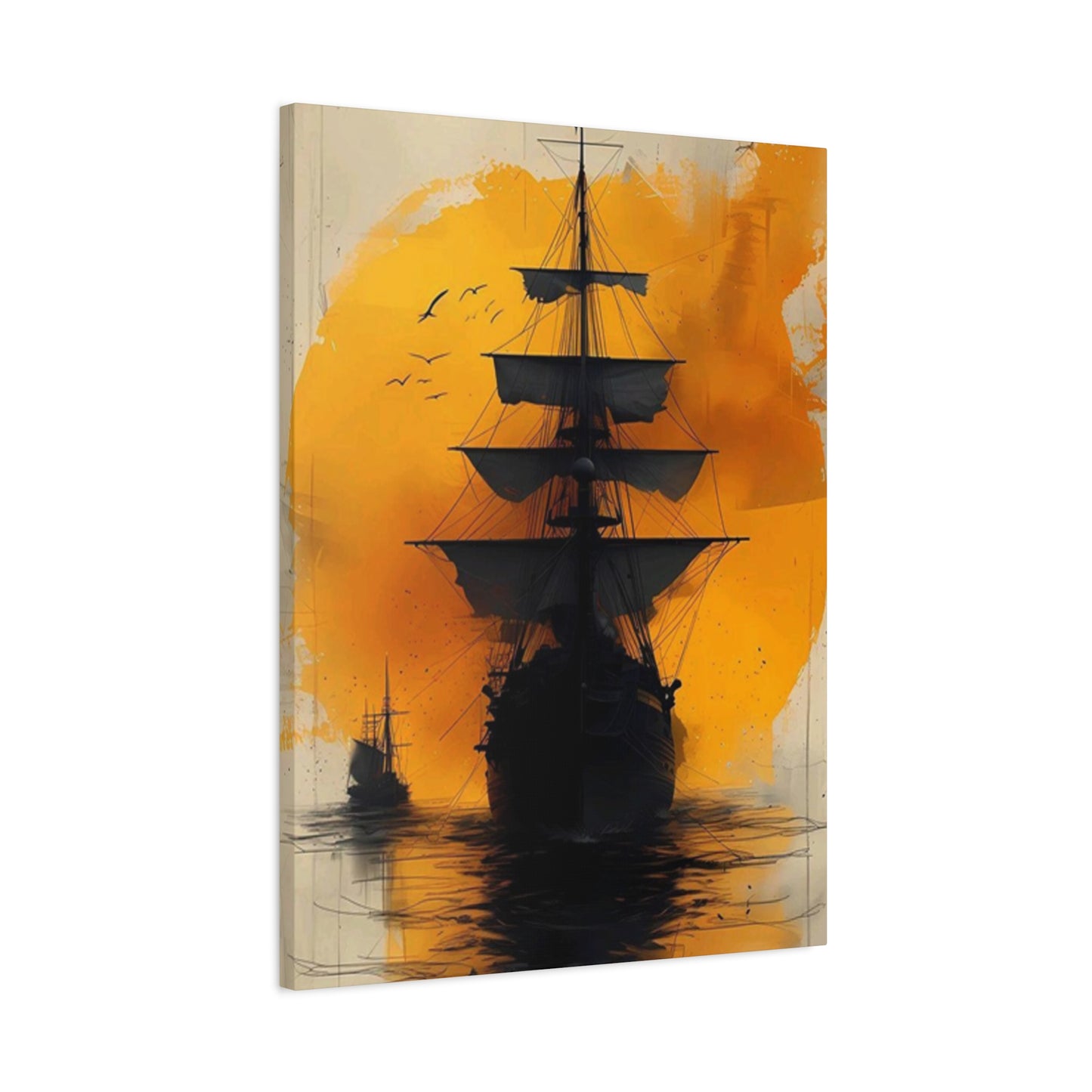
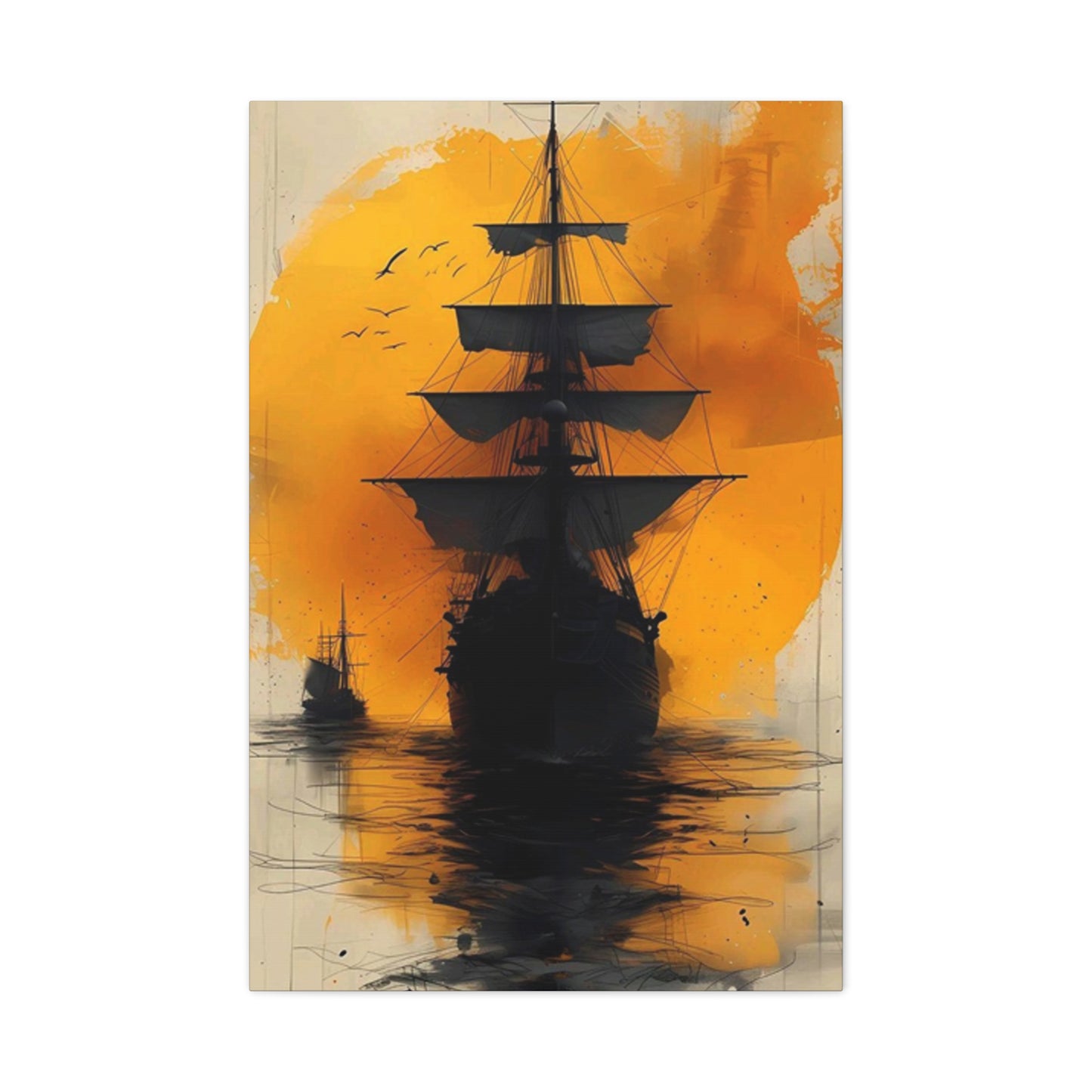
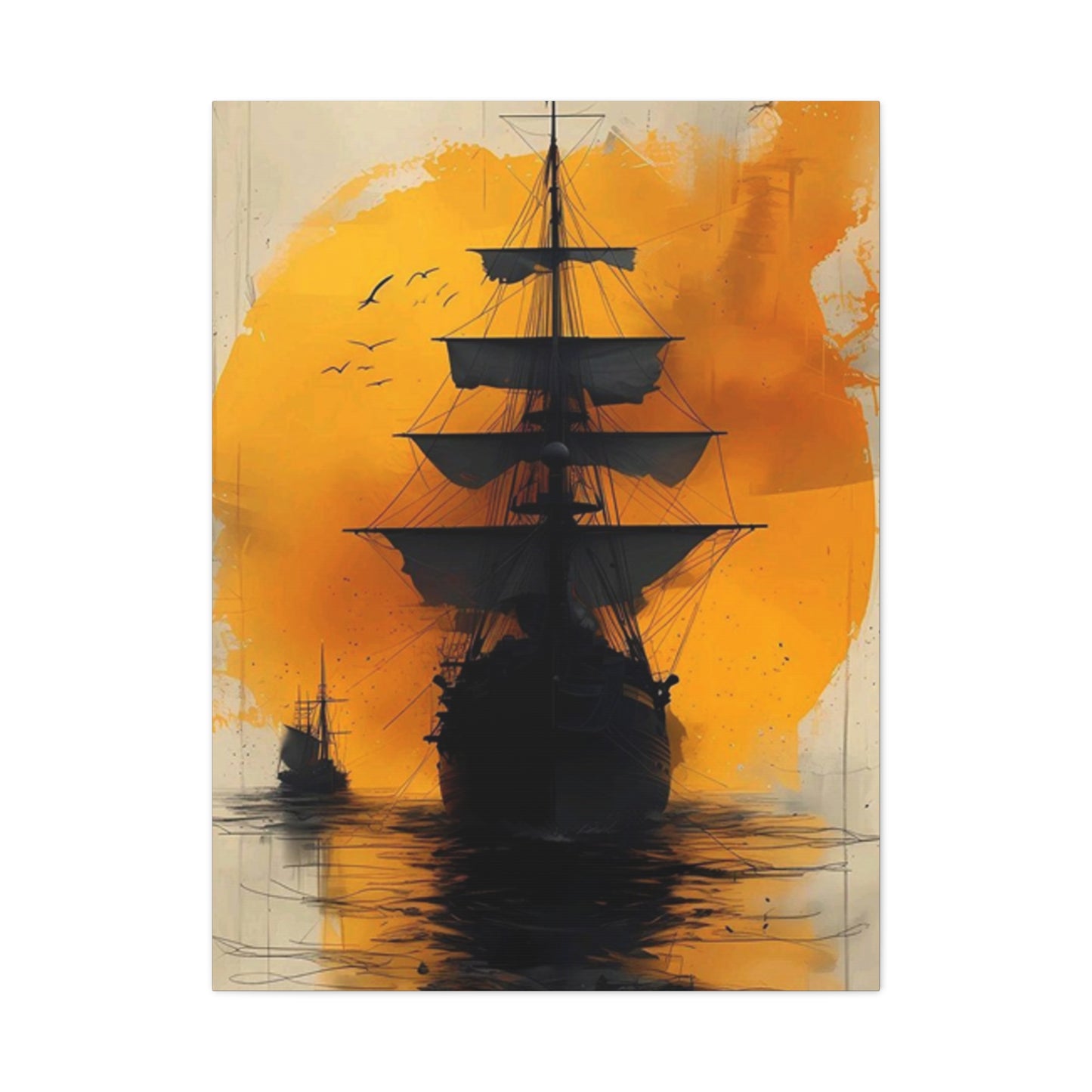
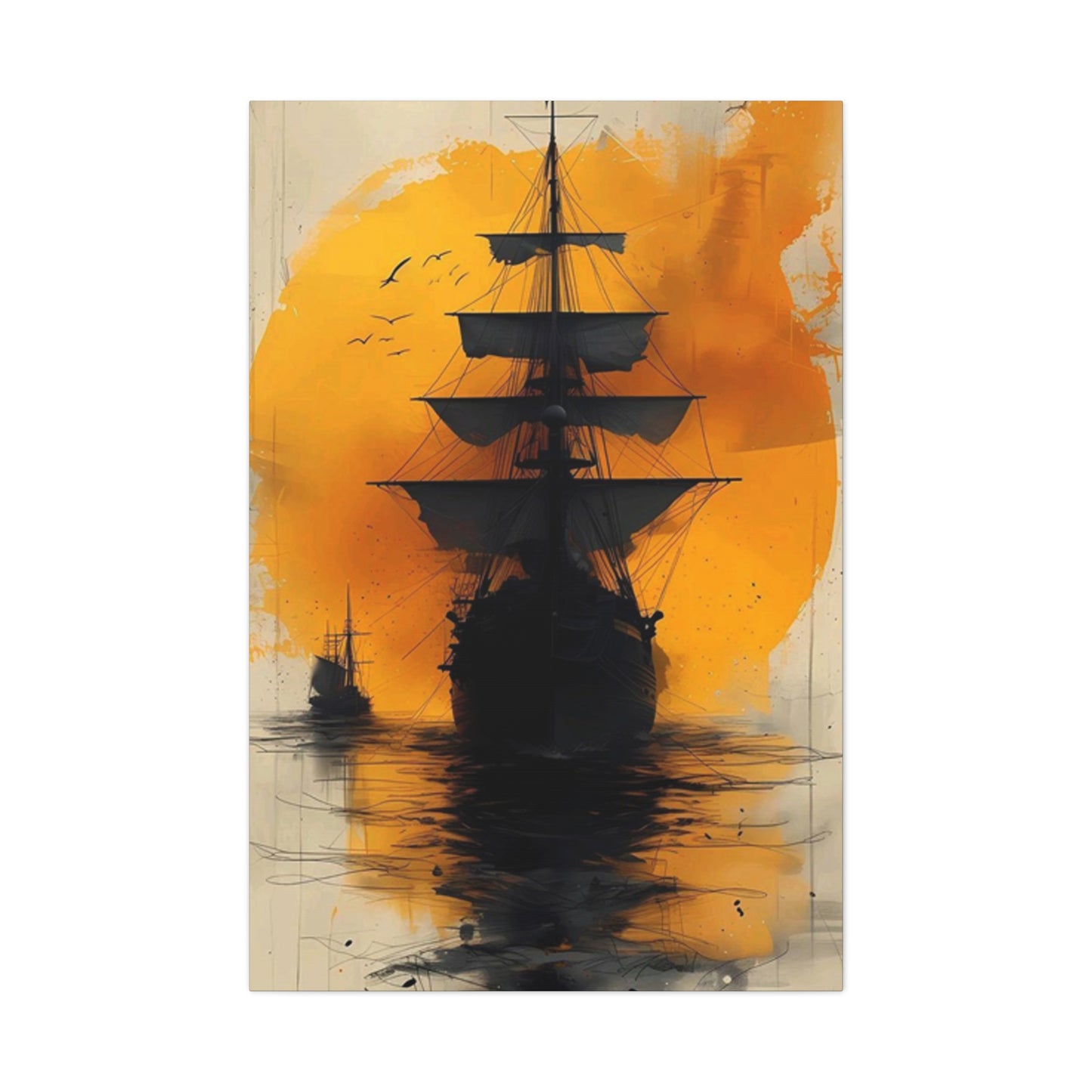
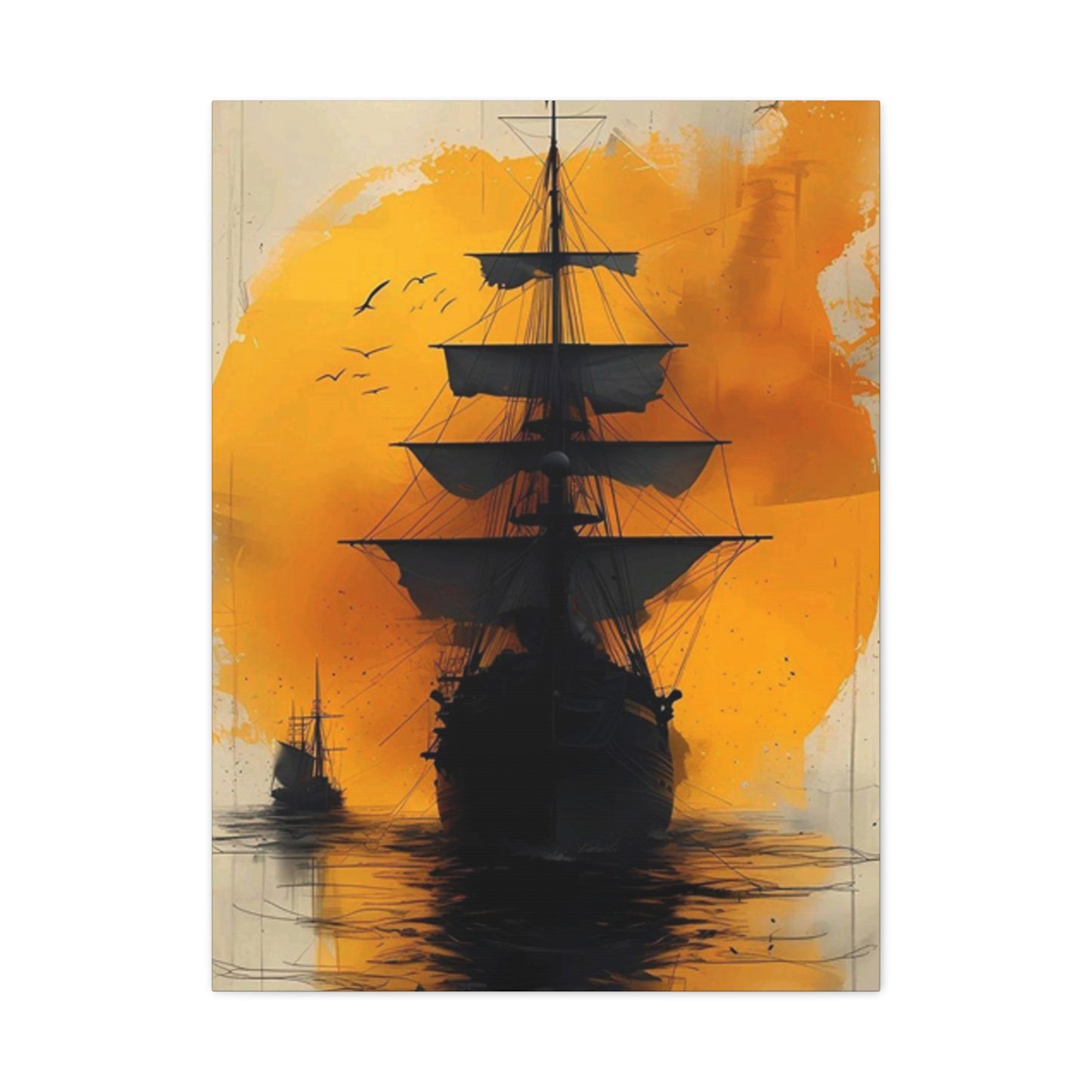
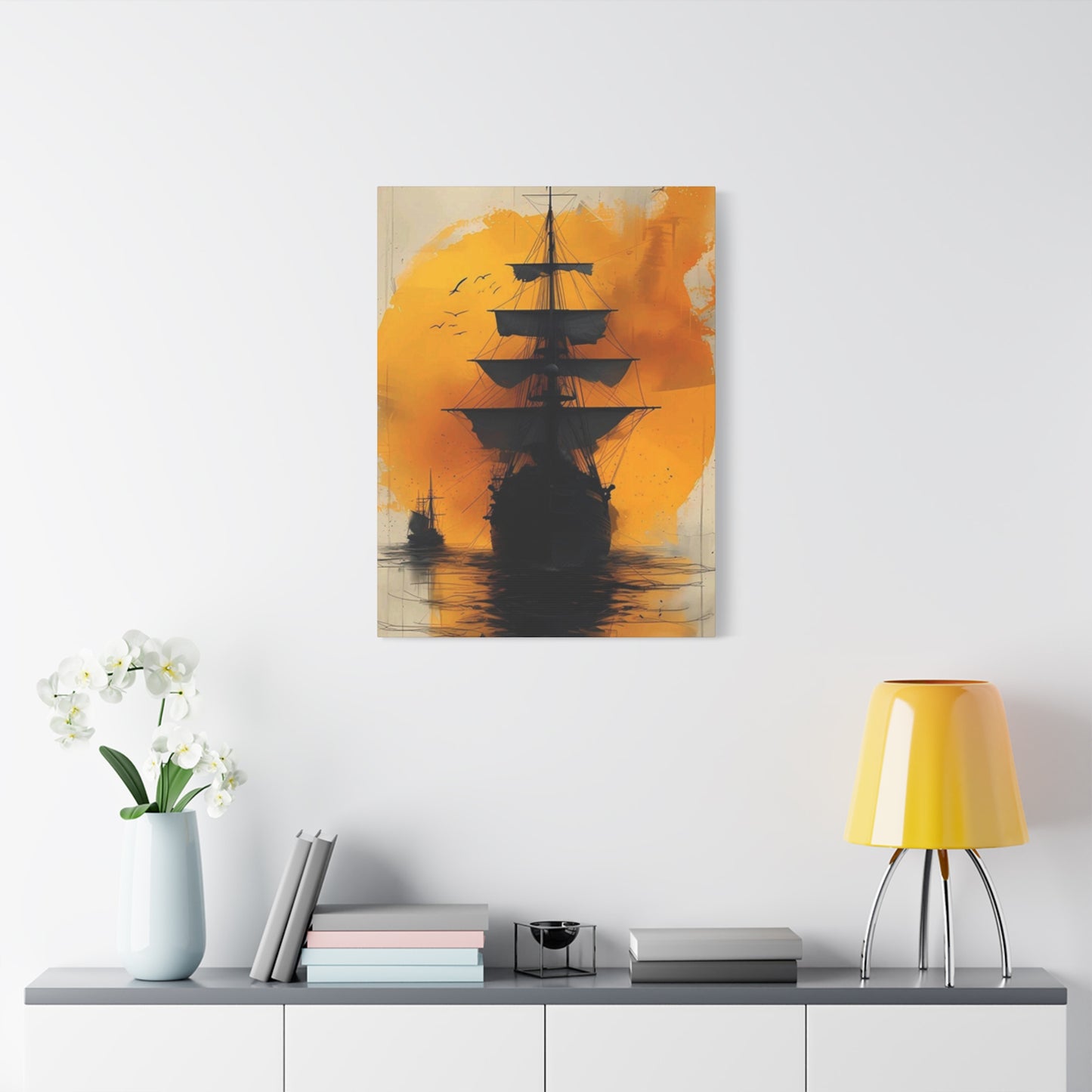
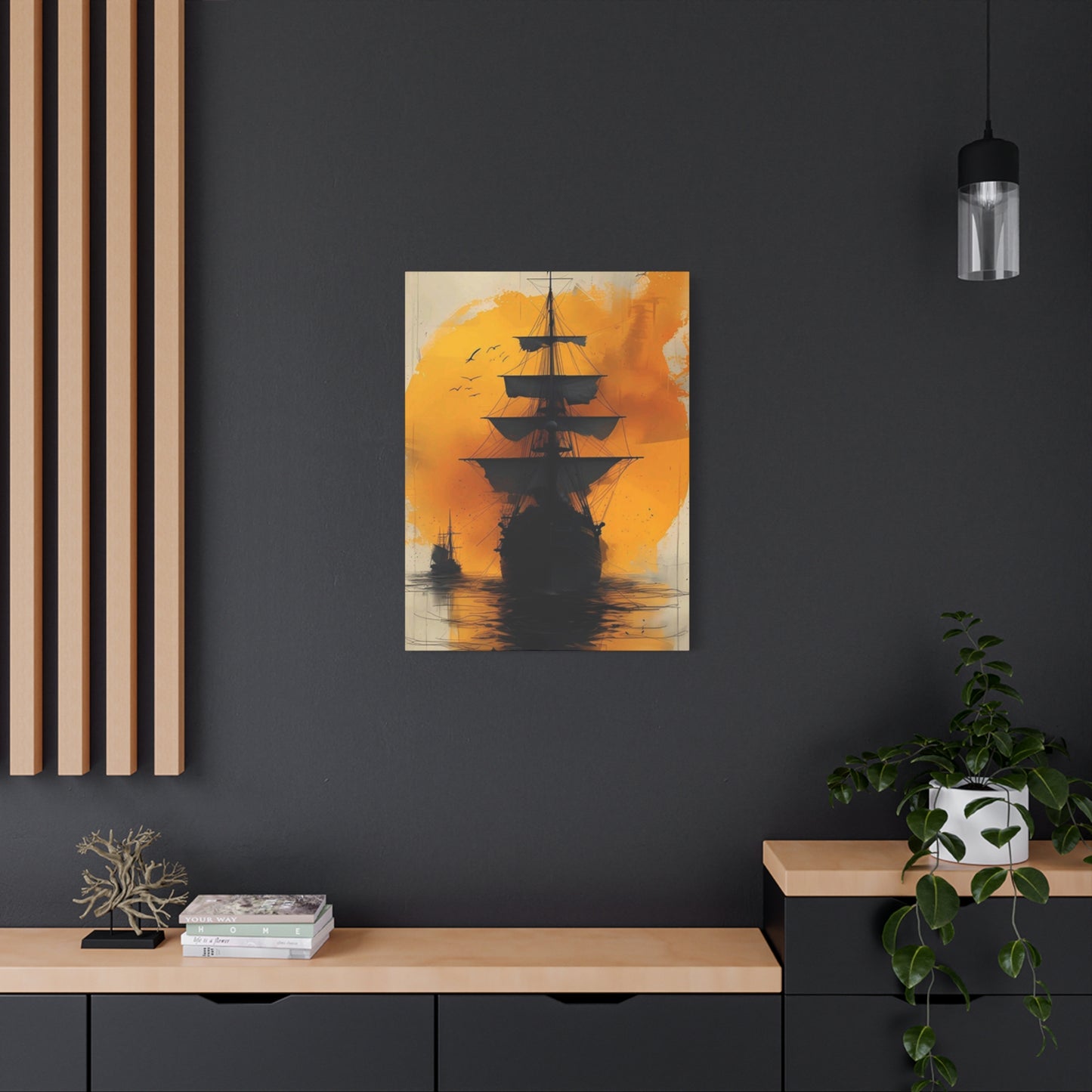
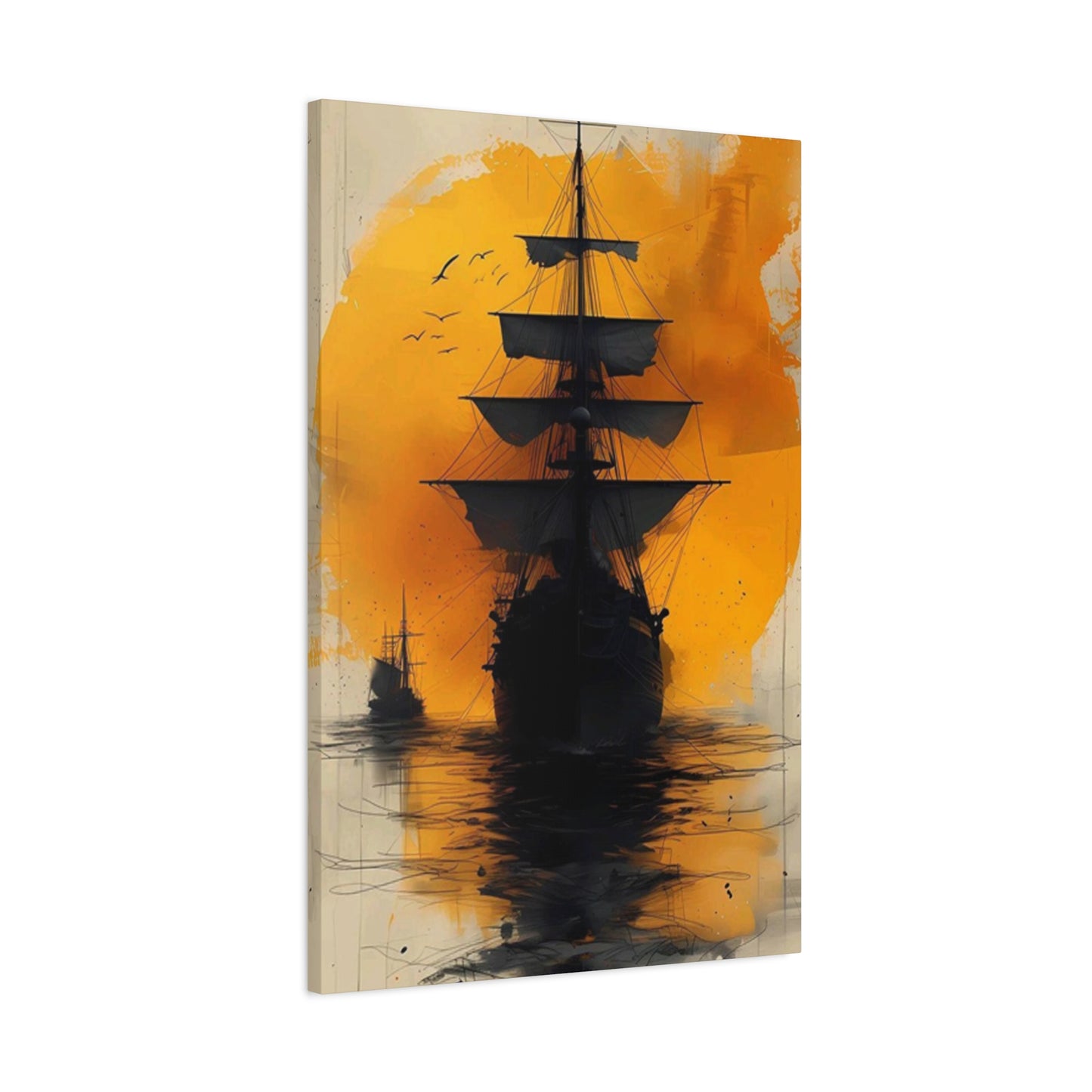
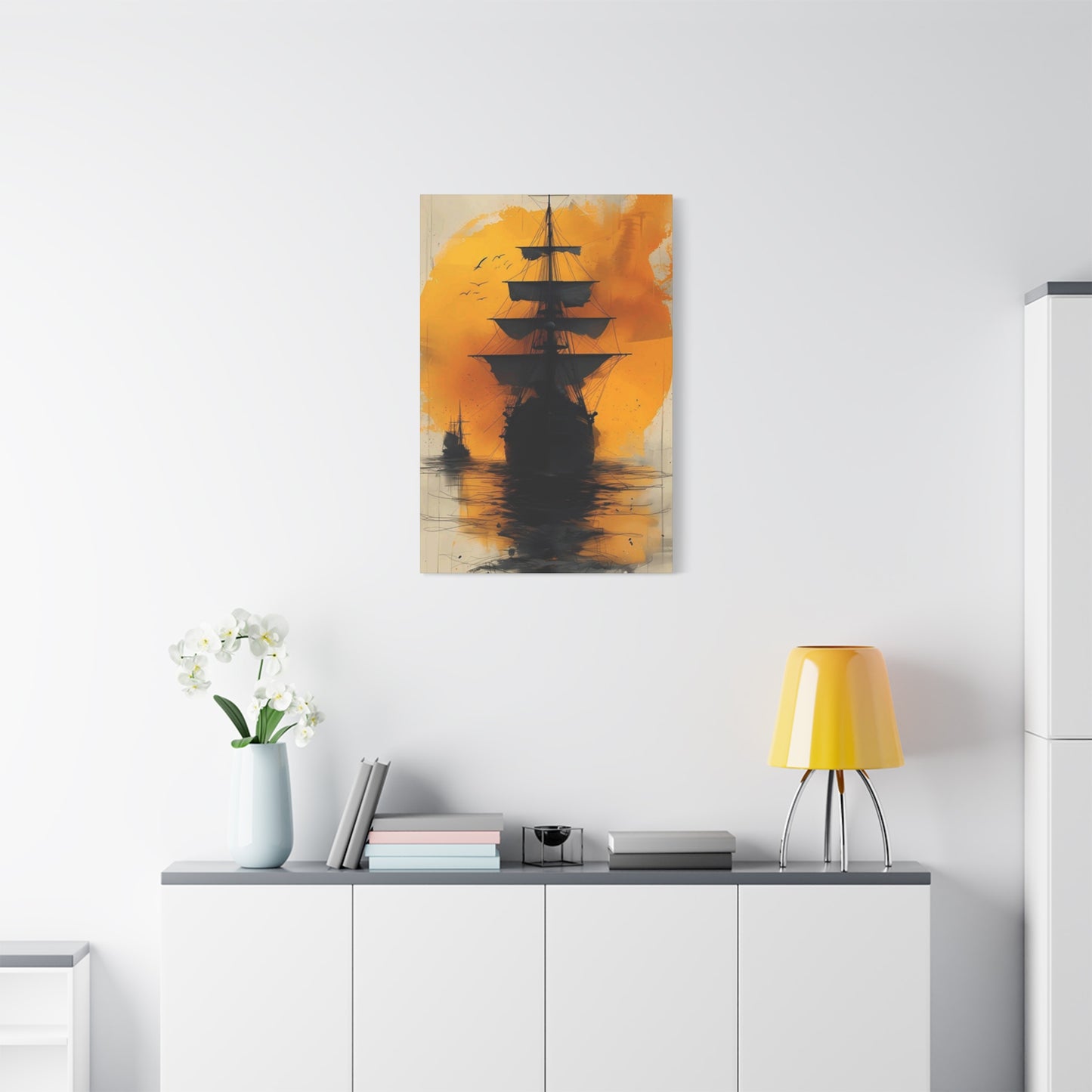
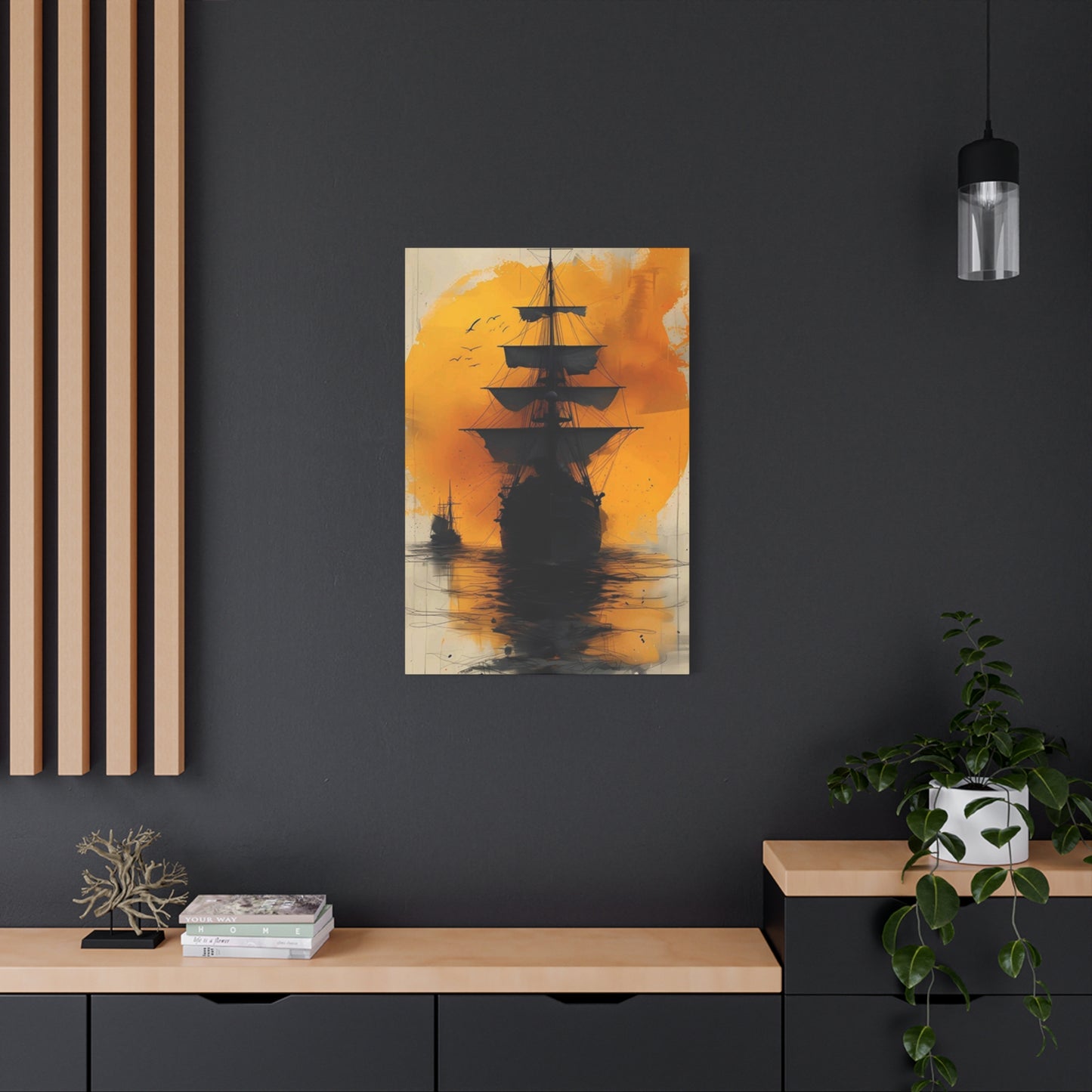
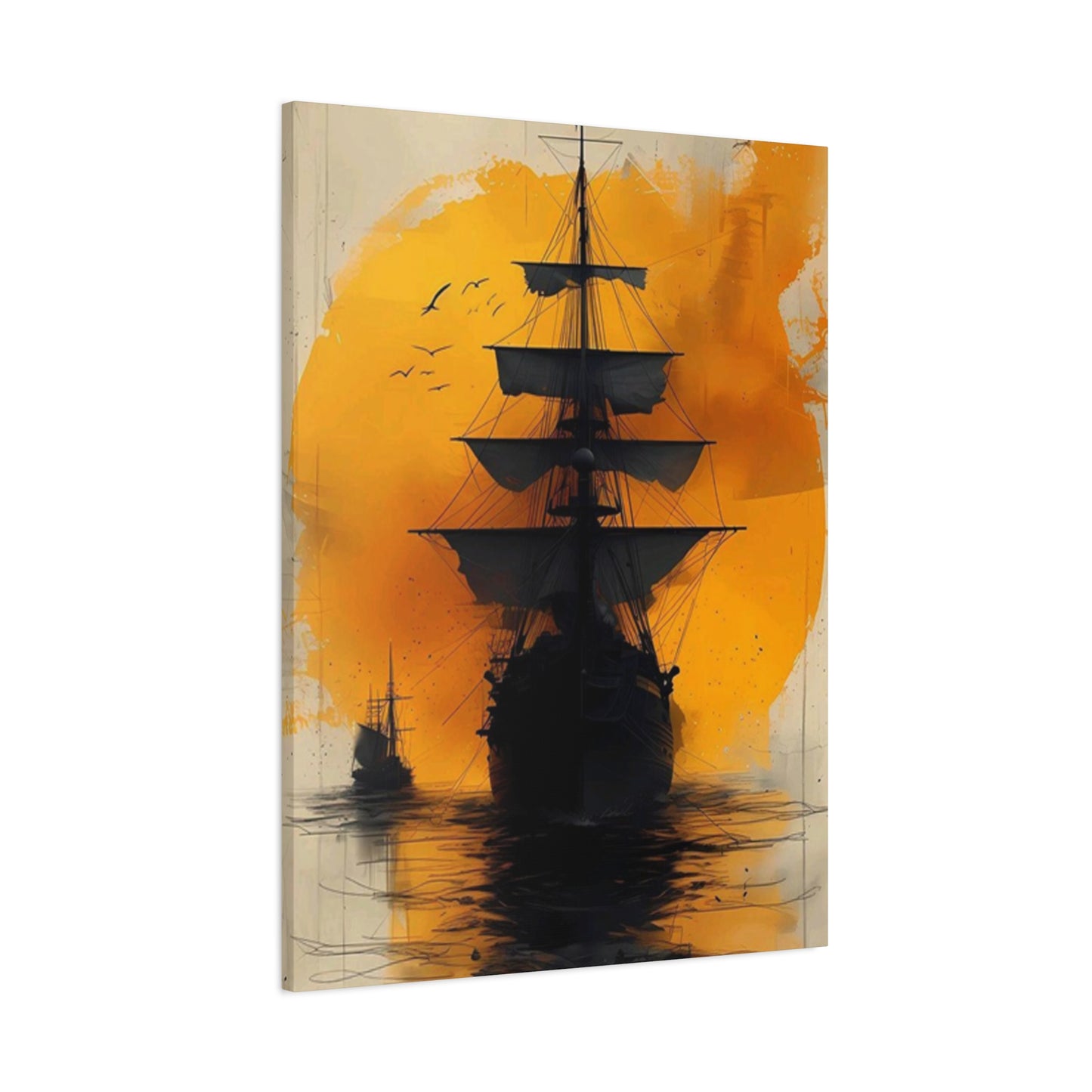
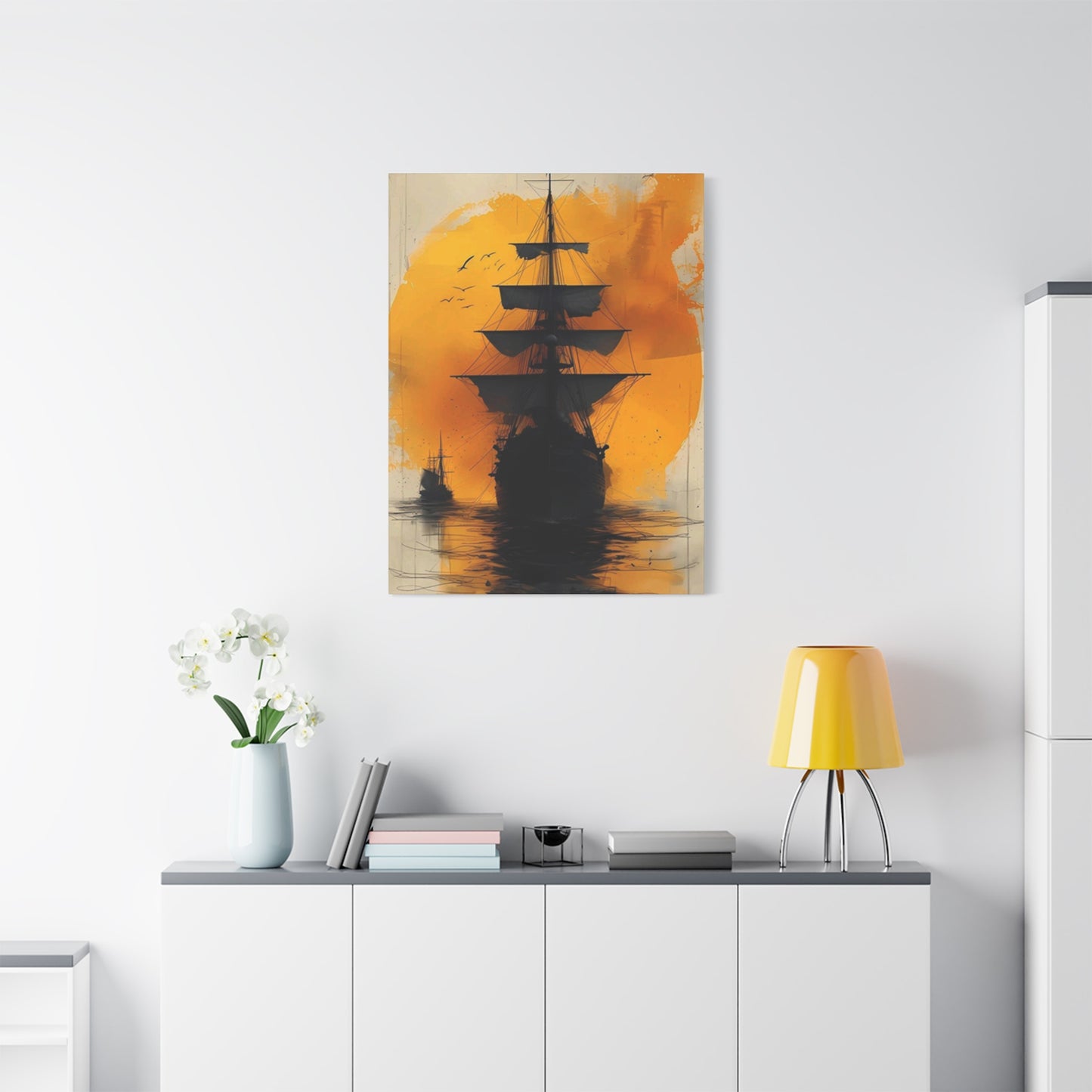
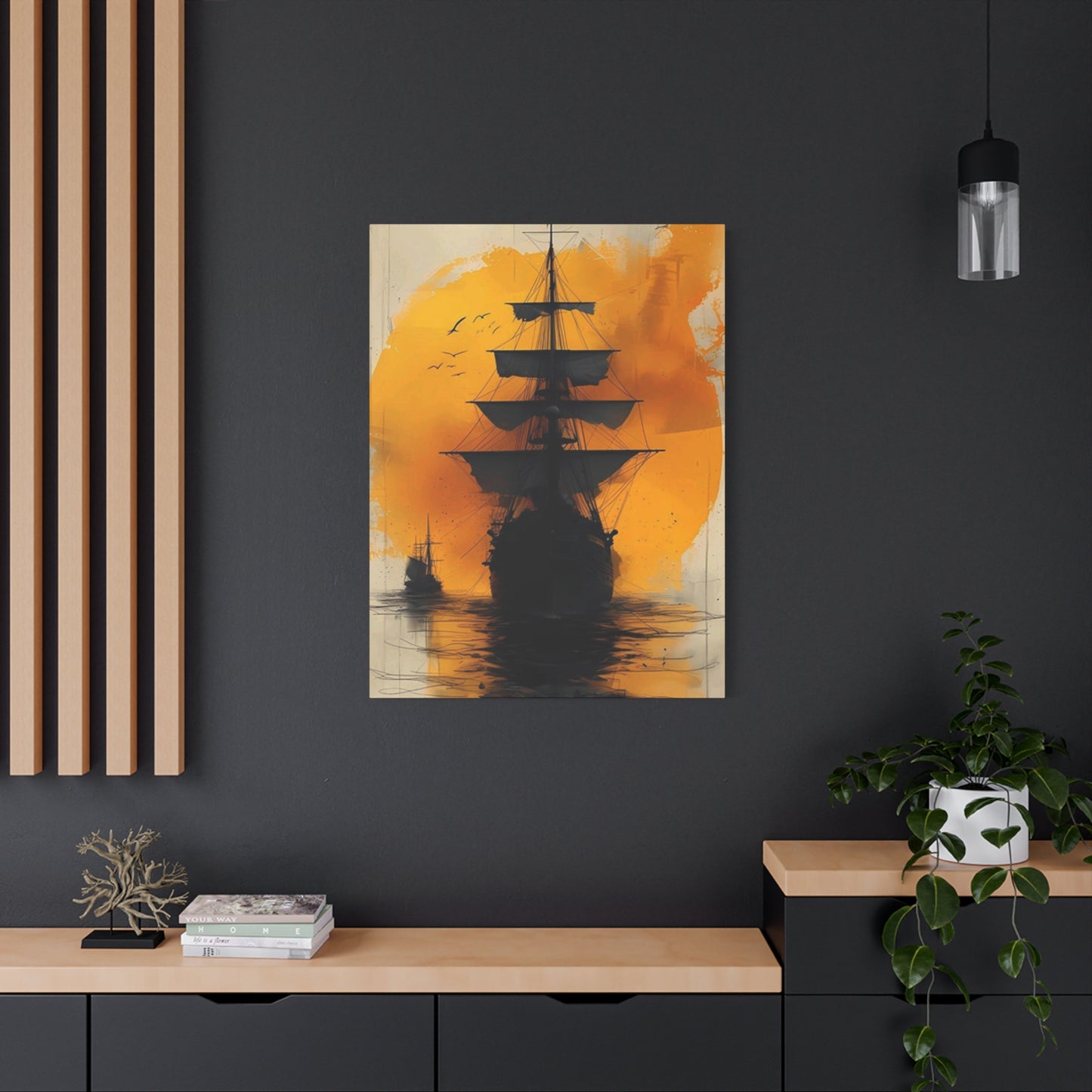
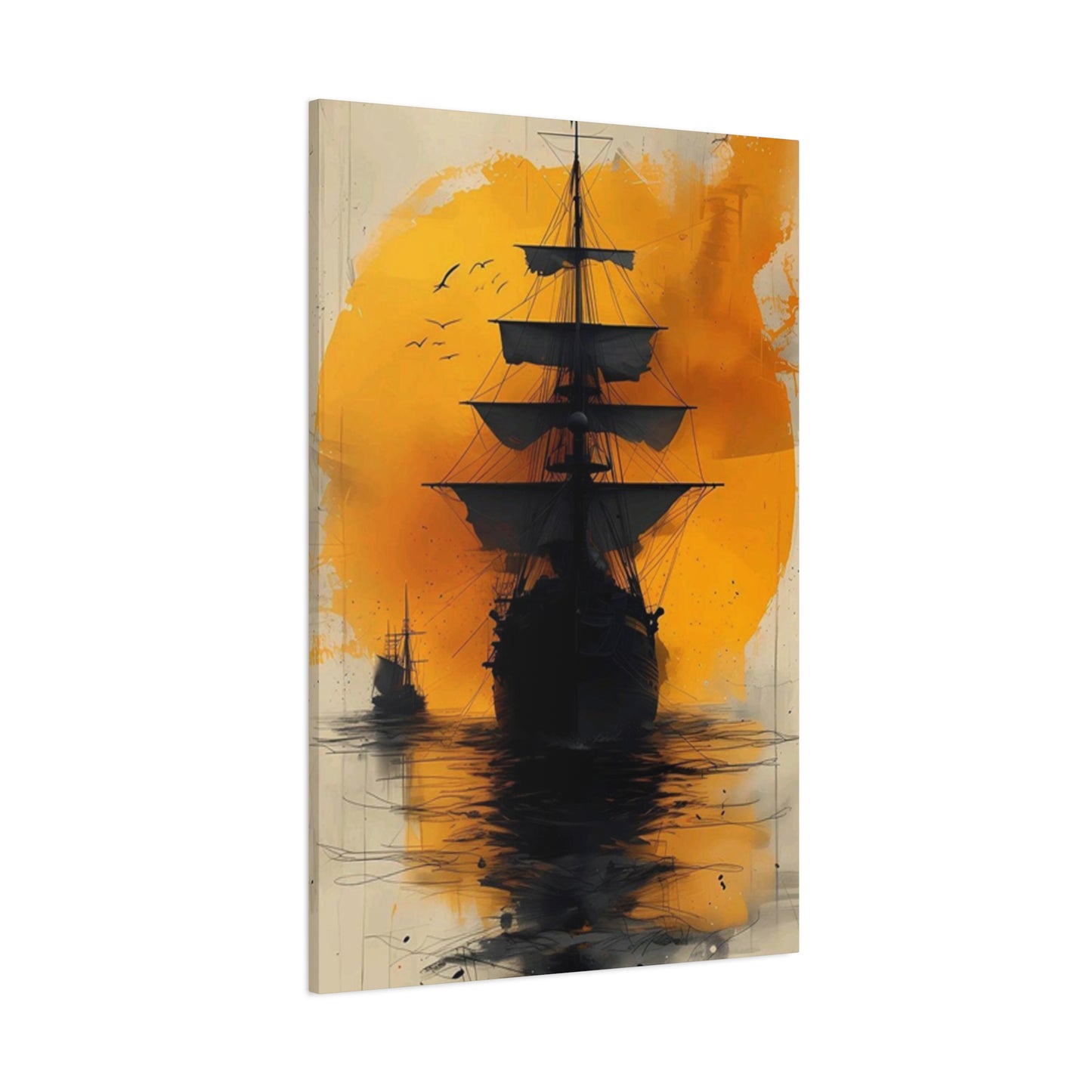
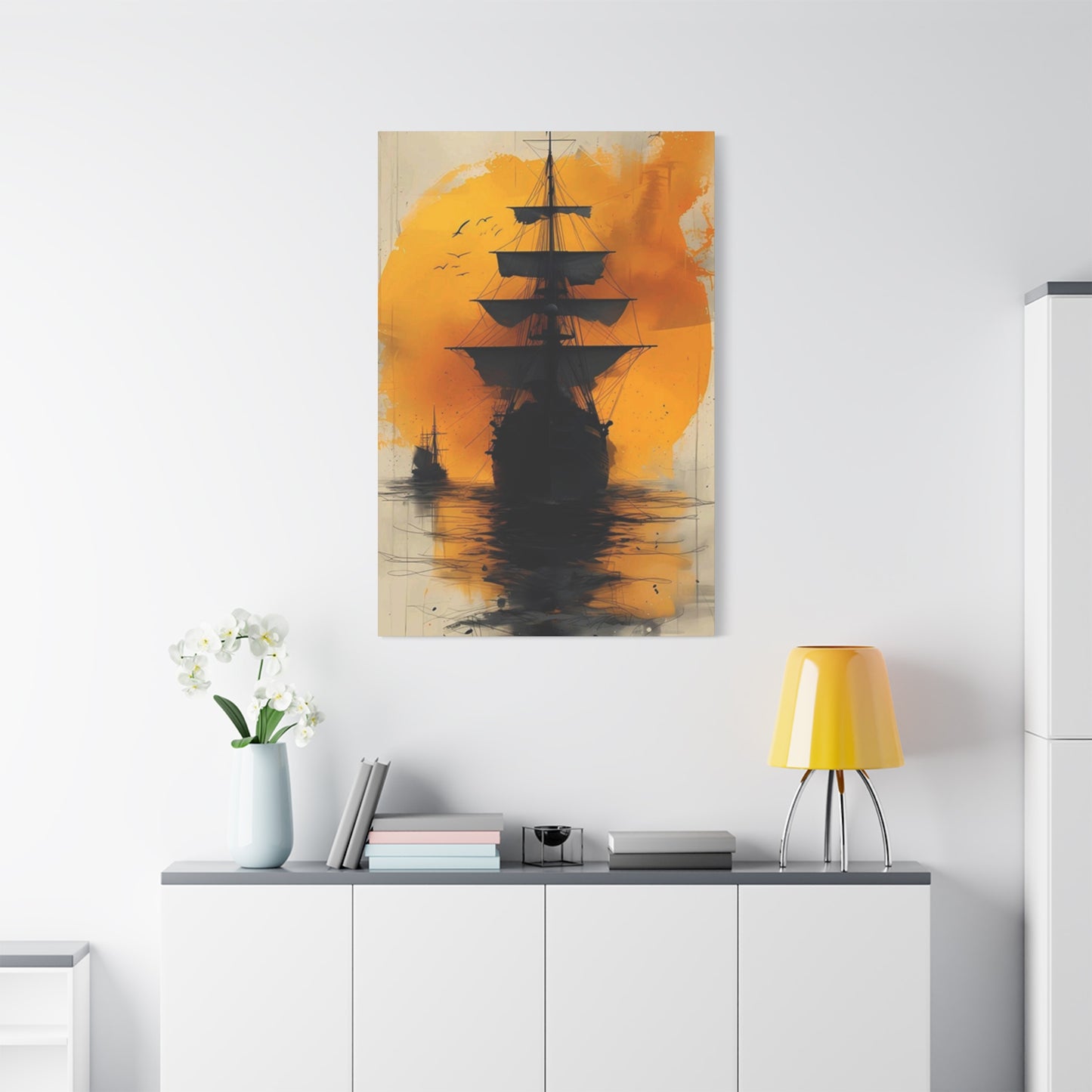
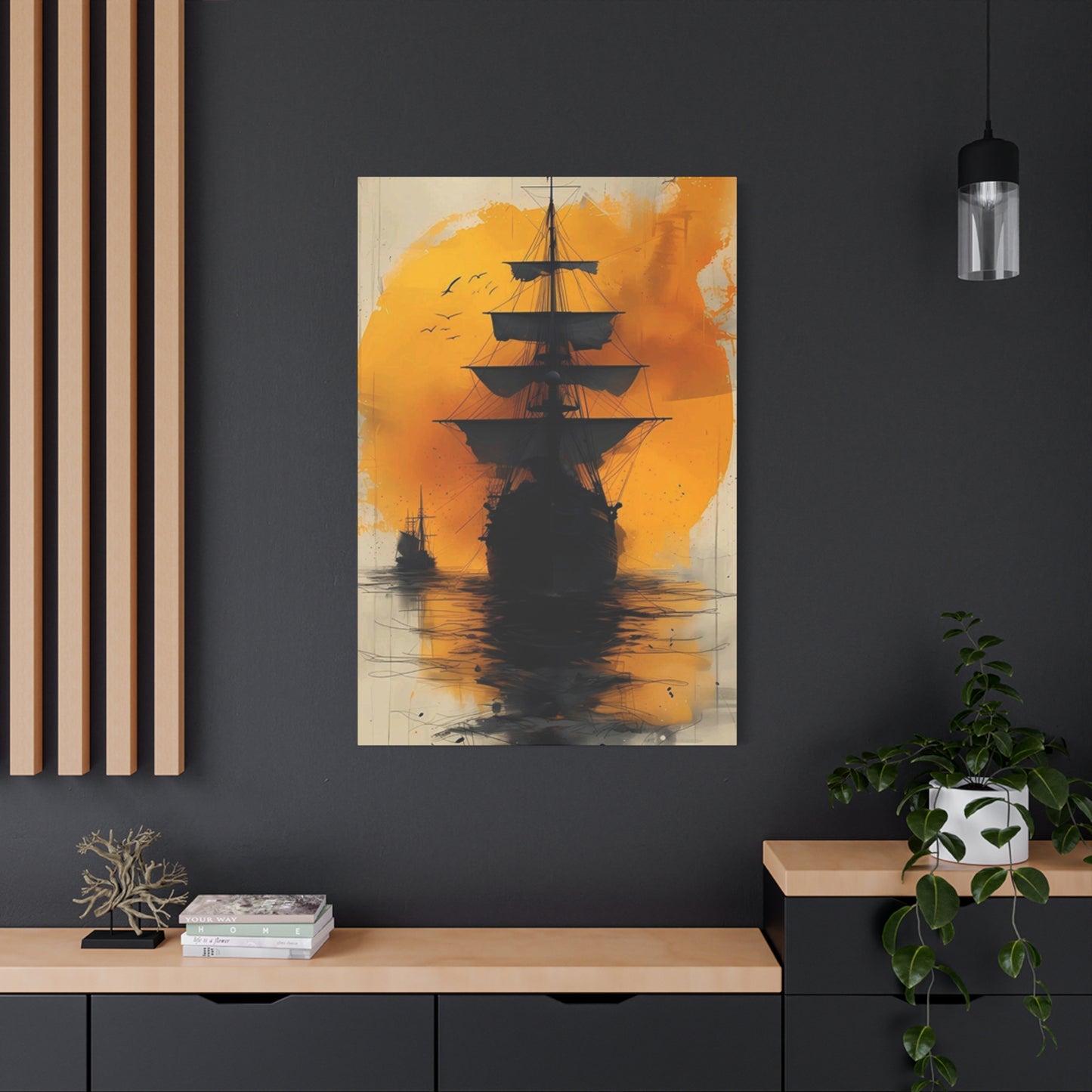
Black Sailing Ship Poster Wall Art & Canvas Prints
Black Sailing Ship Poster Wall Art & Canvas Prints
Couldn't load pickup availability
How to Infuse Maritime Charm into Your Home: The Power of Black Sailing Ship Poster Wall Art
The allure of maritime imagery has captivated human imagination for centuries, and among the most striking representations of seafaring heritage stands the majestic silhouette of a sailing vessel against contrasting backdrops. A black sailing ship poster wall art piece serves as more than mere decoration—it embodies the spirit of adventure, exploration, and the indomitable human desire to conquer vast oceanic expanses. These artistic representations carry profound symbolic weight while simultaneously offering aesthetic versatility that complements diverse interior design philosophies.
When considering the placement of nautical artwork within residential or commercial environments, the dramatic visual impact of a monochromatic sailing vessel cannot be overstated. The stark contrast created by dark maritime imagery against lighter wall surfaces generates immediate focal points that draw the eye and spark conversation. This particular style of decorative art transcends temporary trends, maintaining relevance across generations due to its connection with fundamental human experiences—journeying into the unknown, navigating challenges, and seeking distant horizons.
The cultural significance of sailing vessels extends far beyond their practical function as transportation mechanisms. Throughout human civilization, these magnificent crafts have represented freedom, commerce, discovery, and the pursuit of dreams. By incorporating a black sailing ship poster wall art into living spaces, homeowners create visual anchors that resonate with these deeper meanings while enhancing the overall atmospheric quality of their environments. The psychological effect of such imagery should not be underestimated, as it can evoke feelings of wanderlust, nostalgia, and contemplative reflection.
Discovering the Visual Power Behind Monochromatic Maritime Artwork in Contemporary Interior Design
The minimalist aesthetic of black silhouettes against neutral or contrasting backgrounds has gained substantial popularity among design enthusiasts who appreciate clean lines and uncluttered visual statements. This approach to maritime artwork strips away unnecessary details, focusing instead on the essential form and recognizable profile of classic sailing vessels. The result is artwork that communicates its message with clarity and directness while leaving room for personal interpretation and emotional connection.
Interior designers frequently recommend monochromatic pieces for spaces that require sophisticated visual elements without overwhelming existing color schemes. A black sailing ship poster wall art functions exceptionally well in this capacity, providing strong visual interest while maintaining chromatic restraint. This characteristic makes such artwork particularly valuable in environments ranging from minimalist Scandinavian-inspired rooms to more eclectic bohemian settings where various design elements coexist harmoniously.
The versatility of maritime silhouettes extends to their compatibility with numerous decorating styles. Whether your aesthetic leans toward coastal cottage, industrial loft, traditional nautical, or contemporary minimalist, the stark beauty of a sailing vessel rendered in black adapts seamlessly. This adaptability stems from the universal recognition of ships as symbols and the timeless quality of their classic forms, which have remained largely unchanged in our collective visual vocabulary despite technological evolution.
Beyond aesthetic considerations, the psychological impact of maritime imagery deserves attention. Studies in environmental psychology have demonstrated that artwork depicting journeys, horizons, and expansive vistas can positively influence mood and mental state. The presence of a black sailing ship poster wall art may subtly encourage feelings of possibility, adventure, and personal growth—qualities particularly valuable in workspaces, creative studios, or areas designated for contemplation and planning.
Selecting the Perfect Maritime Artwork Dimensions and Placement Strategies for Maximum Visual Impact
Determining appropriate sizing for wall-mounted maritime artwork requires careful consideration of multiple factors including room dimensions, ceiling height, furniture scale, and the intended role of the artwork within the space. A properly proportioned piece creates balance and harmony, while incorrectly sized artwork can disrupt the visual flow of an entire room. Understanding these principles helps homeowners make informed decisions that enhance rather than detract from their interior environments.
For expansive walls in living rooms or open-concept areas, larger format pieces ranging from 36 to 60 inches in width provide substantial visual presence without overwhelming the space. These substantial works function best as primary focal points, particularly when positioned above sofas, console tables, or fireplace mantels. The commanding presence of a generously sized black sailing ship poster wall art anchors furniture arrangements and establishes clear visual hierarchy within the room.
Medium-sized pieces measuring approximately 24 to 36 inches work exceptionally well in bedrooms, home offices, and dining areas where more intimate scales feel appropriate. These dimensions allow the artwork to command attention without dominating smaller spaces or competing excessively with other decorative elements. When selecting artwork for these environments, consider the viewing distance—pieces that will be observed primarily from seated positions may benefit from slightly smaller dimensions than those viewed while standing.
Smaller maritime prints measuring 16 to 24 inches excel in creating gallery wall arrangements or adorning transitional spaces like hallways, entryways, and powder rooms. Multiple smaller pieces can be combined to create cohesive collections that tell visual stories about seafaring heritage, exploration, or maritime commerce. This approach offers flexibility for future rearrangement and allows for gradual collection building over time.
Placement height significantly affects how viewers perceive and interact with artwork. The standard guideline suggests positioning the center of artwork at approximately 57 to 60 inches from the floor—the average human eye level. However, this rule should be adjusted based on ceiling height and furniture placement. When hanging a black sailing ship poster wall art above furniture, maintain 6 to 12 inches of clearance between the furniture top and the artwork's lower edge to create visual connection without crowding.
Exploring the Rich Symbolism and Cultural Significance Embedded in Nautical Vessel Imagery
Throughout human civilization, seafaring vessels have carried profound symbolic meanings that transcend their utilitarian purposes. These meanings have been encoded in literature, art, mythology, and cultural traditions across virtually every maritime society. Understanding these symbolic layers adds depth to the appreciation of a black sailing ship poster wall art and enriches the personal connection viewers develop with such pieces.
The ship as symbol of life's journey represents perhaps the most universal interpretation of vessel imagery. This metaphor appears consistently across cultures, religions, and philosophical traditions. The vessel navigating through unpredictable waters mirrors the human experience of moving through life's challenges, opportunities, and unknown circumstances. By incorporating this imagery into living spaces, individuals create daily reminders of resilience, adaptability, and purposeful navigation through existence.
In many spiritual and religious contexts, ships symbolize the soul's journey toward enlightenment, salvation, or transcendence. Ancient Egyptian funeral ships carried souls to the afterlife, while Christian iconography frequently employs ships to represent the church guiding believers through turbulent worldly seas. These associations lend gravitas to maritime artwork, transforming it from simple decoration into potential meditation focal points or contemplative aids.
The sailing vessel also embodies themes of discovery, exploration, and the pursuit of knowledge. The Age of Exploration fundamentally altered human understanding of geography, cultures, and possibility through the courage of seafarers who ventured beyond known horizons. A black sailing ship poster wall art can serve as homage to this spirit of curiosity and brave inquiry—qualities that remain valuable in contemporary life despite our vastly expanded maps and satellite navigation systems.
Maritime imagery frequently symbolizes freedom and escape from constraints. The open ocean represents limitless possibility, uncharted territory, and release from terrestrial restrictions. For individuals feeling confined by routine, responsibility, or circumstance, the presence of sailing vessel artwork offers psychological escape and reminder that vast expanses of possibility exist beyond immediate surroundings. This symbolic function provides particular value in urban environments where natural landscapes may be scarce.
Commerce and prosperity constitute another significant symbolic dimension of ship imagery. For centuries, maritime trade formed the backbone of economic systems, with merchant vessels literally carrying wealth between distant ports. The prosperous ship became shorthand for success, abundance, and fruitful endeavors. Consequently, maritime artwork in business environments or home offices may subconsciously evoke associations with successful ventures and profitable outcomes.
Examining Various Artistic Styles and Rendering Approaches for Maritime Vessel Artwork
The artistic treatment of sailing vessels varies enormously across different styles, periods, and cultural contexts. Understanding these variations helps collectors and decorators select pieces that align with their aesthetic preferences and spatial requirements. From photorealistic renderings to abstract interpretations, the range of approaches offers something for every taste and interior design philosophy.
Silhouette-based artwork represents one of the most powerful and recognizable approaches to maritime imagery. By reducing the vessel to its essential outline against a contrasting background, artists create instantly recognizable forms that communicate clearly without extraneous detail. This reductive approach aligns perfectly with contemporary minimalist aesthetics while retaining the symbolic weight of the subject matter. A black sailing ship poster wall art rendered as silhouette maximizes visual impact through stark contrast and simplified form.
Vintage and antique-inspired maritime prints evoke nostalgia for bygone eras of sail-powered commerce and exploration. These pieces often incorporate aged paper effects, sepia tones, or distressed finishes that suggest historical documents or period illustrations. Such treatments appeal to collectors who appreciate patina, heritage, and the romance of maritime history. When executed skillfully, vintage-style pieces complement traditional, industrial, and eclectic interior schemes.
Photorealistic maritime artwork captures vessels with meticulous attention to detail, rigging, and environmental context. These pieces showcase artistic technical skill while providing educational value through accurate representation of ship anatomy and sailing mechanics. Photorealistic treatments work particularly well in spaces where detailed observation and appreciation support the room's purpose, such as libraries, studies, or nautical-themed collections.
Abstract and impressionistic interpretations of sailing vessels prioritize emotional impact and atmospheric quality over literal representation. These approaches use color, brushwork, and compositional dynamics to convey the feeling of maritime experience rather than precise documentation. Abstract maritime pieces offer excellent opportunities for color coordination with existing interior palettes while maintaining thematic connection to seafaring subjects.
Line art and sketched maritime illustrations present vessels through economical mark-making that suggests form without complete rendering. This approach carries connotations of draftsmanship, planning, and the preparatory work that preceded actual shipbuilding. Line-based pieces feel lighter and less visually dense than fully rendered alternatives, making them suitable for spaces requiring subtle decorative touches rather than commanding focal points.
Contemporary digital artwork brings new dimensions to maritime imagery through manipulation of scale, repetition, color grading, and compositional experimentation. Digital artists can create striking effects impossible through traditional media, such as multiple exposures, selective colorization, or geometric overlays. These modern interpretations bridge classic subject matter with cutting-edge aesthetic sensibilities, appealing to collectors who appreciate both maritime heritage and contemporary art movements.
Understanding Material Substrates and Printing Methods That Influence Artwork Quality and Longevity
The physical characteristics of a black sailing ship poster wall art—including substrate material, printing method, and finishing treatments—significantly impact both visual quality and long-term durability. Educated consumers recognize that understanding these technical aspects helps ensure satisfaction with purchases and appropriate care of investments in decorative artwork.
Paper remains the most traditional and widely used substrate for poster-format artwork. However, not all papers perform equally. Acid-free archival papers resist yellowing and degradation over time, making them superior choices for pieces intended as long-term installations. Paper weight, measured in pounds or GSM (grams per square meter), indicates thickness and durability—heavier weights generally produce more substantial, longer-lasting prints that resist curling and handling damage.
Canvas substrates offer texture and presence that paper cannot match, creating artwork with gallery-quality appearance and dimensional interest. Stretched canvas pieces eliminate the need for framing, though many collectors add floating frames for enhanced presentation and protection. The woven texture of canvas adds visual depth to printed images, particularly benefiting pieces with painterly qualities or impressionistic rendering styles.
Metal prints represent an increasingly popular alternative substrate offering exceptional durability, vivid color reproduction, and contemporary aesthetic appeal. The printing process infuses dyes directly into specially coated aluminum sheets, creating artwork that resists fading, moisture damage, and physical wear. Metal prints featuring maritime subjects achieve particular visual impact through their luminous quality and modern presentation style.
Wood substrates bring natural warmth and organic texture to printed artwork. Various wood species and surface preparations create different visual effects—from smooth birch panels to rustic reclaimed barn wood. Maritime imagery printed on wood creates interesting juxtapositions between the natural terrestrial material and aquatic subject matter, appealing to collectors who appreciate these conceptual layers.
The printing method employed significantly affects image quality, color accuracy, and longevity. Giclée printing, which uses archival inks and high-resolution inkjet technology, produces museum-quality results with exceptional detail and color range. These prints, when properly executed on quality substrates with archival inks, can last decades or even centuries without significant fading or degradation.
Offset lithography, while less expensive than giclée printing, can still produce high-quality results suitable for decorative purposes. This traditional printing method works particularly well for limited edition pieces and larger production runs. However, ink and paper quality vary significantly among offset printers, making source reputation and specifications important considerations.
Screen printing offers unique aesthetic qualities including bold colors, precise registration, and the option for specialty inks like metallics or fluorescents. Hand-pulled screen prints carry artisanal appeal and often command premium prices due to labor-intensive production methods. For a black sailing ship poster wall art, screen printing can create striking contrast and visual depth through layered applications of ink.
Protective finishes and coatings extend artwork lifespan while enhancing visual presentation. UV-resistant coatings protect against light-induced fading—particularly important for pieces displayed in bright environments. Matte finishes reduce glare and create subtle, sophisticated appearances, while gloss finishes enhance color vibrancy and create more dramatic visual impact. Lamination provides additional protection against moisture, fingerprints, and minor abrasions, though it may slightly alter color perception.
Developing Cohesive Interior Design Schemes That Successfully Incorporate Maritime Artwork
Successfully incorporating a black sailing ship poster wall art into broader interior design requires understanding color theory, style compatibility, and spatial composition principles. Thoughtful integration ensures the artwork enhances the environment rather than appearing as an afterthought or stylistic outlier. These considerations apply whether designing entire rooms around maritime themes or incorporating nautical elements as accent pieces within diverse aesthetic frameworks.
Color palette coordination forms the foundation of cohesive design schemes. Monochromatic black maritime artwork pairs naturally with neutral color foundations including whites, grays, beiges, and taupes. These combinations create sophisticated, timeless environments with broad appeal. For added interest without overwhelming the space, introduce accent colors through textiles, accessories, and smaller decorative objects in shades that complement rather than compete with the maritime focal point.
Coastal and nautical themes provide obvious contexts for sailing vessel artwork, but avoiding clichéd or overly literal interpretations requires restraint and editing. Rather than overwhelming spaces with anchors, rope, and nautical flags, select a few quality pieces that suggest maritime connections without announcing them loudly. A single striking black sailing ship poster wall art often communicates theme more effectively than numerous smaller nautical accessories scattered throughout the room.
Industrial and loft-style spaces provide excellent settings for dramatic maritime silhouettes. The combination of exposed architectural elements—brick walls, visible ductwork, concrete floors—with elegant ship imagery creates compelling contrasts between raw and refined, utilitarian and romantic. Metal or wood substrates work particularly well in these environments, complementing the material honesty characteristic of industrial design aesthetics.
Scandinavian and Nordic design philosophies emphasize simplicity, functionality, and connection to nature—principles that align beautifully with maritime imagery. The clean lines and minimalist approach of a monochromatic sailing vessel complement the uncluttered aesthetic and natural material palette typical of Nordic interiors. These combinations create serene, contemplative environments that honor both land and sea.
Traditional and classic interior styles successfully accommodate maritime artwork when selected and presented appropriately. Within these contexts, vintage-inspired or historically accurate vessel representations often feel more congruous than contemporary abstract interpretations. Substantial wooden frames, gallery-style matting, and formal hanging arrangements help maritime pieces integrate seamlessly with traditional furnishings and architectural details.
Eclectic interiors that combine elements from multiple periods and styles provide opportunities for creative maritime artwork incorporation. In these diverse environments, the artwork can serve as bridge between disparate elements, particularly when its color palette or compositional structure relates to multiple surrounding pieces. The universal recognition of ship imagery helps maritime artwork function as unifying element within complex, layered design schemes.
Investigating the Psychological and Emotional Effects of Maritime Imagery in Inhabited Spaces
Environmental psychology research consistently demonstrates that visual elements within inhabited spaces significantly influence mood, behavior, and psychological wellbeing. Understanding these effects helps explain why certain artwork resonates deeply with individuals and supports informed decisions about decorative selections. A black sailing ship poster wall art carries specific psychological associations and potential effects worth examining.
The presence of horizon lines in maritime imagery—whether explicit or implied—can induce feelings of expansiveness and mental clarity. Psychological studies indicate that views toward distant horizons help reduce mental fatigue and restore attention capacity. While a poster cannot replicate the restorative effects of actual ocean vistas, maritime artwork that suggests depth and distance may provide milder versions of these beneficial effects, particularly in confined urban environments lacking natural prospect views.
Journey and navigation metaphors embedded in ship imagery resonate with fundamental human psychological frameworks for understanding life experiences. Cognitive linguistics research demonstrates that humans naturally conceptualize abstract concepts like careers, relationships, and personal growth through journey metaphors. Maritime artwork that depicts vessels in motion can subconsciously reinforce productive mental models about progress, direction, and purposeful advancement through challenges.
The archetype of the vessel crossing water appears throughout mythology, literature, and collective unconscious symbolism. Depth psychology, particularly Jungian approaches, recognizes ships as symbols of ego consciousness navigating the unconscious depths. For individuals engaged in self-reflection, personal growth, or therapeutic work, maritime imagery may function as meaningful visual companion to internal journey processes. The daily presence of a black sailing ship poster wall art in living or working spaces can serve as gentle reminder of ongoing inner navigation.
Nostalgia and memory associations frequently attach to maritime imagery, particularly for individuals with personal connections to seafaring, coastal living, or water-based recreation. These positive associations create emotional warmth and comfort through repeated viewing. Even without direct maritime experience, cultural exposure through literature, film, and collective narratives creates shared nostalgia for seafaring eras many individuals never experienced directly—a phenomenon sometimes termed cultural memory or collective nostalgia.
The aesthetic pleasure derived from balanced composition, pleasing proportions, and harmonious contrast provides measurable psychological benefits. Neuroaesthetic research demonstrates that viewing aesthetically pleasing artwork activates reward centers in the brain and can elevate mood. Well-executed maritime artwork that achieves visual balance through compositional structure, tonal relationships, and proportional harmony contributes to environmental aesthetics that support psychological wellbeing.
For individuals experiencing stress or anxiety, maritime imagery suggesting calm waters or solitary vessels can promote feelings of tranquility and peaceful solitude. The association between water and emotional states appears across languages and cultures—we speak of troubled waters, smooth sailing, and emotional depths. Visual representations of ships navigating peacefully can subtly influence emotional regulation and stress response, particularly when viewed during transitional moments like morning routines or evening wind-down periods.
Exploring Proper Care, Preservation, and Display Practices for Long-Term Artwork Enjoyment
Protecting investment in quality decorative artwork requires understanding proper care and preservation practices. While a black sailing ship poster wall art typically costs less than original paintings or sculptures, appropriate handling and environmental management extend lifespan and maintain visual quality. These practices apply whether caring for inexpensive mass-produced prints or limited edition pieces with significant monetary value.
Light exposure represents the primary environmental threat to printed artwork. Ultraviolet radiation from sunlight causes irreversible fading and color shift, particularly affecting organic dyes and pigments. Artwork displayed in direct sunlight may show visible degradation within months, while even indirect natural light causes gradual damage over years. Positioning maritime artwork away from windows or installing UV-filtering window treatments provides substantial protection. For particularly valuable pieces, consider using UV-filtering glazing in frames to block harmful wavelengths while allowing visible light transmission.
Humidity fluctuations damage paper-based artwork through dimensional changes that stress fibers and can lead to warping, cockiness, or separation of paper layers. Relative humidity between 40 and 50 percent generally provides optimal conditions for paper preservation, though slight variations outside this range rarely cause immediate problems. Avoid displaying artwork in bathrooms, kitchens, or other high-humidity environments. If moisture exposure occurs, allow the piece to dry naturally at room temperature rather than using heat sources that might cause additional damage.
Temperature stability contributes to long-term preservation, though moderate fluctuations typical of climate-controlled homes rarely cause significant damage. Extreme heat accelerates chemical deterioration processes and can soften adhesives used in mounting or framing. Avoid displaying artwork directly above heat sources like radiators, fireplaces, or heating vents. Similarly, avoid cold exterior walls that might promote condensation formation behind framed pieces.
Dust accumulation dulls artwork appearance and can promote mold growth under humid conditions. Regular gentle cleaning with soft brushes or microfiber cloths maintains visual quality and removes particulate matter before it becomes embedded. For unframed pieces, dust carefully using downward strokes that move particles off the artwork rather than across its surface. Never use cleaning chemicals or moisture on paper artwork unless specifically recommended by conservation professionals.
Framing provides substantial protection against environmental threats while enhancing presentation. Quality framing includes several protective layers: glazing (glass or acrylic) blocks dust and moisture while filtering harmful light; matting creates airspace that prevents the artwork from contacting glazing where condensation might form; backing boards provide structural support and seal the frame package against dust and pest infiltration. Acid-free materials throughout the framing package prevent degradation caused by acidic components leaching into the artwork over time.
For unframed pieces or prints mounted directly to substrates, periodic inspection helps identify emerging problems before they become severe. Look for signs of insect activity, mold growth, adhesive failure, or substrate warping. Catching these issues early allows for less invasive interventions than would be required after significant damage occurs. Store backup prints or documentation in cool, dry, dark locations to protect against loss of displayed originals.
When relocating or storing maritime artwork temporarily, proper packaging prevents transport damage. Sandwich paper prints between acid-free tissue or glassine sheets, then place in rigid containers or portfolios that prevent bending. Canvas pieces should be wrapped in acid-free paper or cotton sheets before boxing. Never stack heavy objects on packaged artwork, and store in climate-controlled environments rather than attics, basements, or garages where temperature and humidity extremes occur.
Examining the Relationship Between Maritime Artwork and Various Room Functions
Different spaces within homes and commercial environments serve distinct purposes, influencing appropriate artwork selection and placement. Understanding these functional relationships helps ensure that a black sailing ship poster wall art enhances rather than conflicts with room activities and intended atmospheres. Thoughtful matching of artwork to space function creates cohesive environments that support their intended uses.
Living rooms function as social gathering spaces where families relax, entertain guests, and engage in recreational activities. Maritime artwork in these environments should command attention without overwhelming conversation or creating visual stress. Larger-scale pieces positioned as focal points work well above seating areas or fireplace mantels, establishing thematic anchors around which furniture arrangements and secondary decorative elements organize. The symbolic associations of sailing vessels—journey, adventure, freedom—provide universally accessible talking points that facilitate social interaction.
Bedrooms require calming, personal atmospheres conducive to rest and intimate connection. Maritime imagery suggesting peaceful waters, solitary vessels at anchor, or serene horizons supports relaxation better than stormy seas or battle scenes. Positioning maritime artwork where it becomes visible upon waking creates opportunity for positive morning associations and gentle transition into wakefulness. The bedroom's private nature allows for more personally meaningful maritime pieces that reflect individual experiences, aspirations, or memories without requiring broader audience appeal.
Home offices and workspaces benefit from artwork that stimulates focus, creativity, and productive mindset without creating distraction. A black sailing ship poster wall art positioned within occasional sight lines—requiring slight head movement to view—provides brief mental breaks that can restore attention during extended concentration periods. The symbolic associations of ships with navigation, journey, and reaching destinations may subconsciously support goal-directed work behavior and project completion.
Dining spaces where families share meals and guests gather for social eating benefit from artwork that facilitates conversation without demanding constant attention. Maritime pieces in dining areas work particularly well when they reference trade, abundance, or the social dimensions of seafaring life. Historical maritime commerce involved exotic spices, foods, and goods, creating thematic links between ship imagery and dining activities. Medium-sized pieces positioned where seated diners can comfortably view them without neck strain optimize enjoyment during lengthy meals.
Entryways and foyers create first impressions that set expectations for entire homes or offices. Maritime artwork in these transitional spaces communicates hospitality and suggests the interior journey guests will experience. Ship imagery resonates particularly well in entries because thresholds represent beginnings—visitors embark on the experience of entering your space just as sailors embark on voyages. Substantial pieces that command attention without blocking sightlines function best in entry areas.
Bathrooms present challenging environments for artwork due to humidity and temperature fluctuations, but proper framing allows maritime pieces to thrive even in these spaces. The natural association between ships and water makes nautical imagery particularly appropriate in bathrooms. Smaller pieces or collections of maritime prints can transform utilitarian bathrooms into thematic escapes. Ensure adequate ventilation and use sealed frames with moisture-resistant backing to protect artwork from bathroom conditions.
Hallways and corridors benefit from artwork that creates visual interest along transitional paths without impeding traffic flow. Gallery wall arrangements featuring multiple maritime pieces at varying scales establish rhythm and movement through these spaces. The journey metaphor inherent in ship imagery aligns perfectly with the function of hallways as passages between spaces. Consider creating chronological or thematic progressions that unfold as viewers move through the corridor.
Analyzing Cost Considerations and Value Assessment for Maritime Wall Artwork Purchases
Understanding the factors that influence pricing for decorative artwork helps consumers make informed purchasing decisions aligned with budgets and quality expectations. Maritime artwork, including pieces featuring black sailing ship imagery, ranges from inexpensive mass-produced prints to significant investments in limited editions or original works. Recognizing what drives these price differences enables appropriate value assessment.
Reproduction quantity significantly impacts per-piece pricing, with mass-produced prints costing substantially less than limited edition releases. Open edition prints produced in unlimited quantities offer maximum affordability but lack exclusivity and potential appreciation value. Limited editions numbered and signed by artists command premium prices reflecting scarcity and collectibility. Understanding edition size and your priorities regarding exclusivity helps determine appropriate price ranges for your circumstances.
Substrate and printing quality dramatically affect both pricing and long-term value. Museum-quality giclée prints on archival substrates using pigment-based inks cost considerably more than basic poster-grade productions but offer superior appearance and longevity. For pieces intended as temporary decoration, standard printing may suffice. However, for artwork planned as long-term installations or potential heirlooms, investing in superior materials and printing pays dividends through extended lifespan and sustained visual quality.
Artist reputation and recognition influence pricing, particularly for limited edition pieces and original works. Established artists with exhibition records, critical recognition, and collector followings command prices reflecting their market positions. Emerging artists offer opportunities to acquire quality work at accessible prices while potentially supporting appreciation as reputations develop. For mass-produced decorative prints, brand reputation of retailers and manufacturers provides quality indicators even when specific artists remain anonymous.
Size directly correlates with production costs and typical pricing structures. Larger pieces require more material, greater ink quantities, and more complex handling during production and shipping. However, price-per-square-inch often decreases at larger sizes, making substantial pieces relatively economical compared to smaller works. Balance size considerations against available wall space and desired visual impact rather than selecting solely based on pricing.
Framing substantially increases total investment in artwork but provides protection and presentation benefits that justify the expense. Custom framing costs vary based on materials, complexity, and regional markets but typically range from moderate to significant percentages of artwork purchase price. Ready-made frames offer budget-friendly alternatives, though selection limitations may compromise optimal presentation. For valuable pieces, professional custom framing represents worthwhile investment that protects and enhances artwork while providing personalized aesthetic control.
Original artwork versus reproductions represents the most significant pricing distinction in art markets. Original paintings, drawings, or mixed media works command prices reflecting unique status, artist labor, and creative vision. Reproductions of originals or digitally created works produced in multiple copies cost substantially less but still offer aesthetic value and decorative function. For budget-conscious consumers, high-quality reproductions provide access to maritime imagery that would otherwise remain financially inaccessible.
Secondary market considerations matter for collectors treating artwork as investment. Limited edition pieces from recognized artists may appreciate over time, while mass-produced decorative prints rarely gain monetary value beyond initial purchase price. If resale potential matters, research artists' secondary market performance and limit editions' sold-out status before purchasing. However, if personal enjoyment constitutes primary value, secondary market considerations become less relevant to purchase decisions.
Shipping and handling costs for larger or framed pieces can surprise unprepared buyers, sometimes adding substantial percentages to artwork prices. Secure packaging and insured shipping for fragile items justifies these expenses but requires budget consideration. Local pickup options eliminate shipping costs when geographically feasible. Some retailers include shipping in advertised prices, while others add it during checkout—clarify total costs before completing purchases.
Discovering Where to Source Quality Maritime Artwork From Reliable Vendors and Artists
Locating quality maritime artwork requires knowing where to search and how to evaluate vendors and artists. The marketplace for decorative wall art has expanded dramatically through online commerce, while traditional retail channels continue serving specific needs. Understanding the advantages and limitations of various sourcing options helps buyers find pieces that meet aesthetic preferences and quality standards.
Dedicated online art marketplaces aggregate works from numerous artists and vendors, providing vast selection with convenient searching and filtering capabilities. These platforms often include customer reviews, detailed product specifications, and return policies that reduce purchasing risks. However, the inability to physically inspect artwork before purchase requires careful attention to product descriptions, sample images, and vendor ratings. Look for platforms that support independent artists while maintaining quality standards and customer protections.
Individual artist websites and online portfolios allow direct purchases that maximize artist compensation while eliminating middleman markups. Many maritime artists specialize in nautical subjects and maintain online presences showcasing available works, commission options, and limited edition releases. Direct artist relationships enable custom requests, personalized service, and supporting creative professionals whose work resonates personally. Research artists through social media, art fair participation, and online exhibitions to discover individuals whose maritime interpretations align with your aesthetic sensibilities.
Print-on-demand services offer enormous selection by creating products only after orders are received, eliminating inventory costs that traditional retailers must recoup. These platforms feature designs from global artists across every conceivable style and subject, including extensive maritime categories. Customization options often include substrate selection, size variations, and framing choices. Quality varies among print-on-demand providers—research production methods, material specifications, and customer experiences before ordering.
Local art galleries, particularly those in coastal communities or with nautical specializations, provide opportunities to physically examine maritime artwork before purchasing. Gallery staff often possess deep knowledge about represented artists and can facilitate connections between collectors and creators. Supporting local galleries strengthens community arts ecosystems while providing expert guidance. However, gallery prices typically exceed online alternatives due to overhead expenses and curated selection processes that ensure quality.
Home decor retailers, both physical stores and online operations, stock wall art including maritime themes. These sources emphasize decorative function and broad appeal rather than artistic uniqueness or investment value. Pricing typically remains accessible, and extensive selection allows mixing and matching pieces within design schemes. Quality varies significantly among retailers—examine product specifications and reviews carefully to avoid disappointment.
Antique shops and vintage markets occasionally yield authentic maritime artwork from earlier eras, including genuine ship portraits, naval paintings, and period lithographs. These pieces carry historical value and authentic patina that reproductions cannot match. However, condition issues common in aged artwork may require restoration, and authenticity verification protects against reproductions misrepresented as originals. Collectors willing to hunt through unpredictable inventory may discover unique treasures unavailable through contemporary channels.
Custom commission arrangements with working artists produce entirely unique pieces tailored to specific preferences and spatial requirements. Commissioners collaborate with artists to determine subject matter, composition, size, and materials, resulting in one-of-a-kind works unavailable elsewhere. While typically more expensive than purchasing existing pieces, commissions guarantee perfect alignment with vision and space while supporting artists directly. Establish clear communication about expectations, timelines, and pricing before committing to commission relationships.
Art and craft fairs provide opportunities to meet artists personally, examine work quality directly, and discuss maritime subjects with creators who possess specialized knowledge. These events often feature regional artists producing work inspired by local maritime heritage and environments. Purchasing at fairs supports individual makers while allowing negotiation opportunities rarely available through retail channels. Seasonal timing and geographic specificity limit access, but enthusiasts near coastal regions often find multiple annual opportunities to attend maritime-focused art events.
Considering the Environmental and Sustainability Dimensions of Artwork Production and Consumption
Growing awareness of environmental impacts influences purchasing decisions across consumer categories, including decorative artwork. Understanding the ecological dimensions of maritime poster production helps environmentally conscious consumers align purchases with sustainability values. Multiple factors throughout production chains—from raw material sourcing through disposal—carry environmental implications worth considering.
Paper production traditionally involves significant environmental impacts including deforestation, water consumption, chemical usage, and energy demands. However, the paper industry has made substantial improvements through sustainable forestry practices, recycled content utilization, and reduced chemical processing. Look for artwork printed on papers certified by responsible forestry organizations, which verify that fiber sources come from well-managed forests where harvest rates don't exceed growth rates. Recycled content papers reduce virgin fiber demands, though quality considerations sometimes favor papers with at least partial virgin fiber content for superior printing characteristics.
Ink formulations present another environmental consideration, with traditional solvent-based inks releasing volatile organic compounds that contribute to air pollution and health concerns. Water-based and soy-based inks offer more environmentally friendly alternatives that reduce harmful emissions while maintaining acceptable color quality and durability. Pigment-based archival inks, while potentially more resource-intensive to manufacture, extend artwork lifespan and reduce replacement frequency—a sustainability benefit through extended product utility.
Printing process efficiency affects environmental impact through energy consumption and waste generation. Digital printing methods like giclée produce individual pieces without the setup waste characteristic of traditional offset printing, making small runs more environmentally efficient. However, offset printing becomes more efficient at larger quantities through amortized setup impacts. Some printers invest in renewable energy, waste reduction programs, and environmental certifications that demonstrate commitment to minimizing ecological footprints.
Framing materials and processes introduce additional environmental considerations. Tropical hardwoods used in some picture frames may originate from unsustainable logging operations contributing to habitat destruction and biodiversity loss. Alternatively, frames made from sustainably harvested woods, reclaimed materials, or responsibly manufactured composites offer lower-impact options. Glass and acrylic glazing both require energy-intensive manufacturing but provide long-term protection that extends artwork life. Acrylic offers lighter weight reducing shipping impacts but may be petroleum-derived, while glass uses readily available silica but weighs more.
Shipping and packaging environmental costs scale with distance and protection requirements. Heavy framed pieces shipped internationally generate substantial carbon emissions through transportation while requiring protective packaging materials that may not be recyclable. Purchasing from local or regional sources reduces transportation impacts. Minimal packaging using recycled and recyclable materials demonstrates vendor commitment to reducing environmental harm. Some sellers offer carbon offset programs that fund emissions-reduction projects to compensate for unavoidable shipping impacts.
Product longevity represents a crucial but often overlooked sustainability dimension. Well-crafted maritime artwork using quality materials lasts decades with proper care, while cheaply produced pieces may deteriorate within years, requiring replacement and generating waste. From lifecycle perspective, investing in higher-quality pieces that endure reduces long-term environmental impact despite higher initial resource consumption and cost. This principle suggests that sustainable consumption sometimes means buying less frequently at higher quality rather than repeatedly purchasing disposable alternatives.
End-of-life disposal considerations complete the environmental picture. Paper-based artwork theoretically degrades naturally and can be recycled if not contaminated with non-recyclable elements. However, mixed materials in framed pieces complicate disposal, as glass, wood, metal, and paper must be separated for proper recycling. Design for disassembly allows easier material separation, though few decorative framing systems prioritize this principle. Supporting artists and vendors who consider full product lifecycles demonstrates preference for responsible production approaches.
Final Thoughts
Incorporating maritime elements into your home decor can be a truly transformative experience, and the black sailing ship poster wall art stands as an iconic piece to bring the spirit of the sea into your living space. Whether you're drawn to the timeless beauty of sailing ships or simply appreciate the nautical allure of the open ocean, this style of wall art offers a unique blend of sophistication and mystery. It’s not just about the aesthetic; it’s about the mood and atmosphere these artworks evoke. From the graceful silhouette of a tall ship on the horizon to the way the ink-black tones create depth and drama, the impact of such a piece can truly change the energy of a room.
When we think of the sea, it conjures images of adventure, freedom, and exploration—concepts that resonate deeply within our daily lives. Infusing your home with maritime charm through such art forms helps transport you to a space where those feelings of escapism are brought into the comfort of your home. The visual weight of a black sailing ship poster adds a level of elegance, transforming an otherwise plain wall into a narrative-driven focal point. It’s a reminder that the world is vast, full of endless possibilities and stories waiting to be discovered, much like the journey of a sailor crossing uncharted waters.
Furthermore, the beauty of this particular design—using shades of black and the contrast of light against it—works well with a wide range of interior styles. Whether you lean toward minimalism, vintage-inspired themes, or even modern rustic vibes, the black sailing ship is versatile enough to complement your existing aesthetic. The simplicity of the black-and-white contrast allows the art to be striking without overwhelming the space, offering a calm yet commanding presence.
The allure of nautical decor lies in its versatility. It speaks to those who are drawn to the adventurous spirit of the sea, to those with a love for history and exploration, and to those who simply want to add a touch of timeless elegance to their home. The power of a black sailing ship poster is not just in its visual appeal but in the way it connects us to the vastness of the ocean and the stories of those who sailed before us. It’s more than a decoration—it’s a piece of art that tells a story, evokes emotions, and serves as a constant reminder of the beauty of the sea.
Ultimately, this piece of art can be a powerful tool for setting the tone of your living space, encouraging you to dream of faraway lands while making your home feel cozy and inviting. It stands as a tribute to the enduring appeal of the ocean and the timeless allure of sailing.
Share