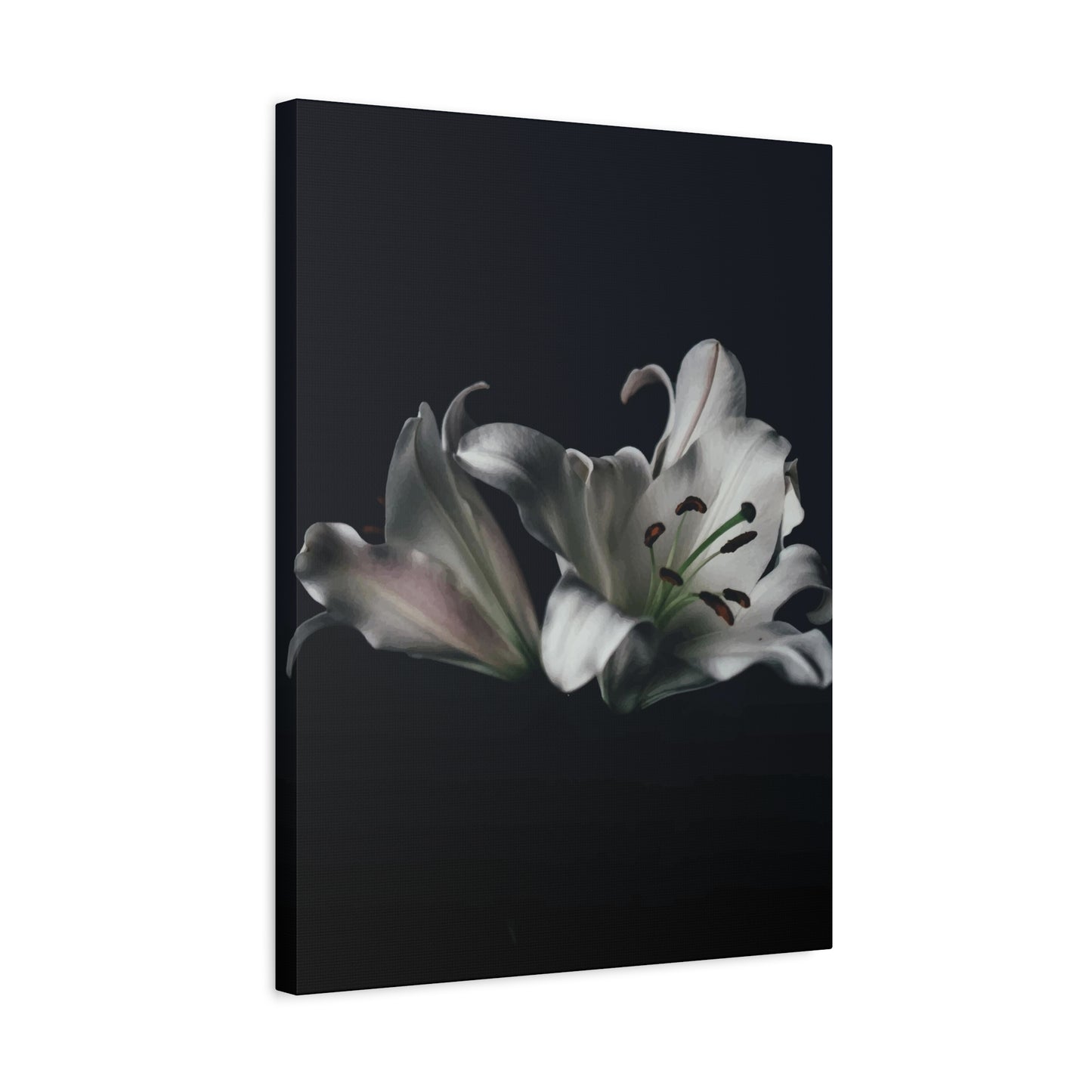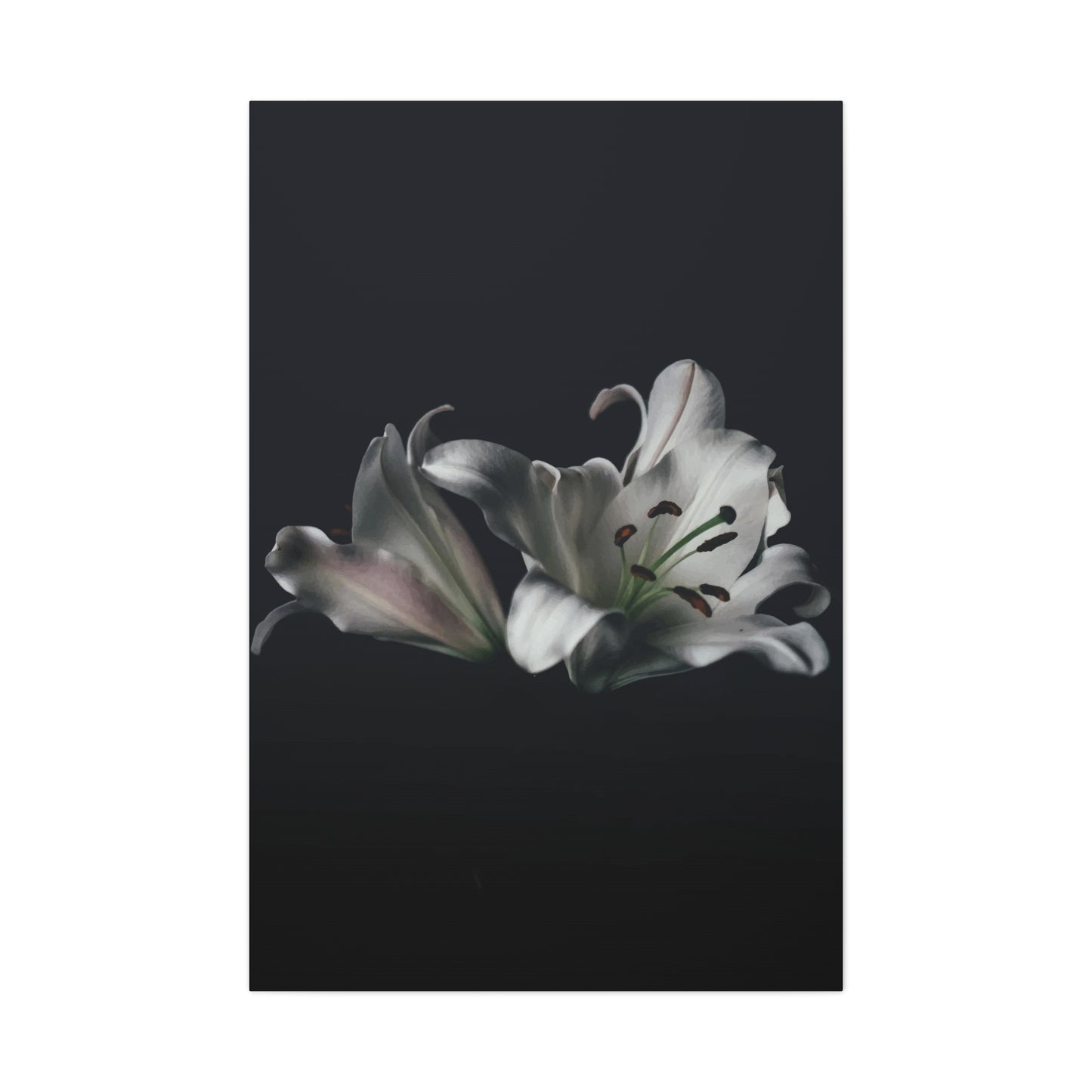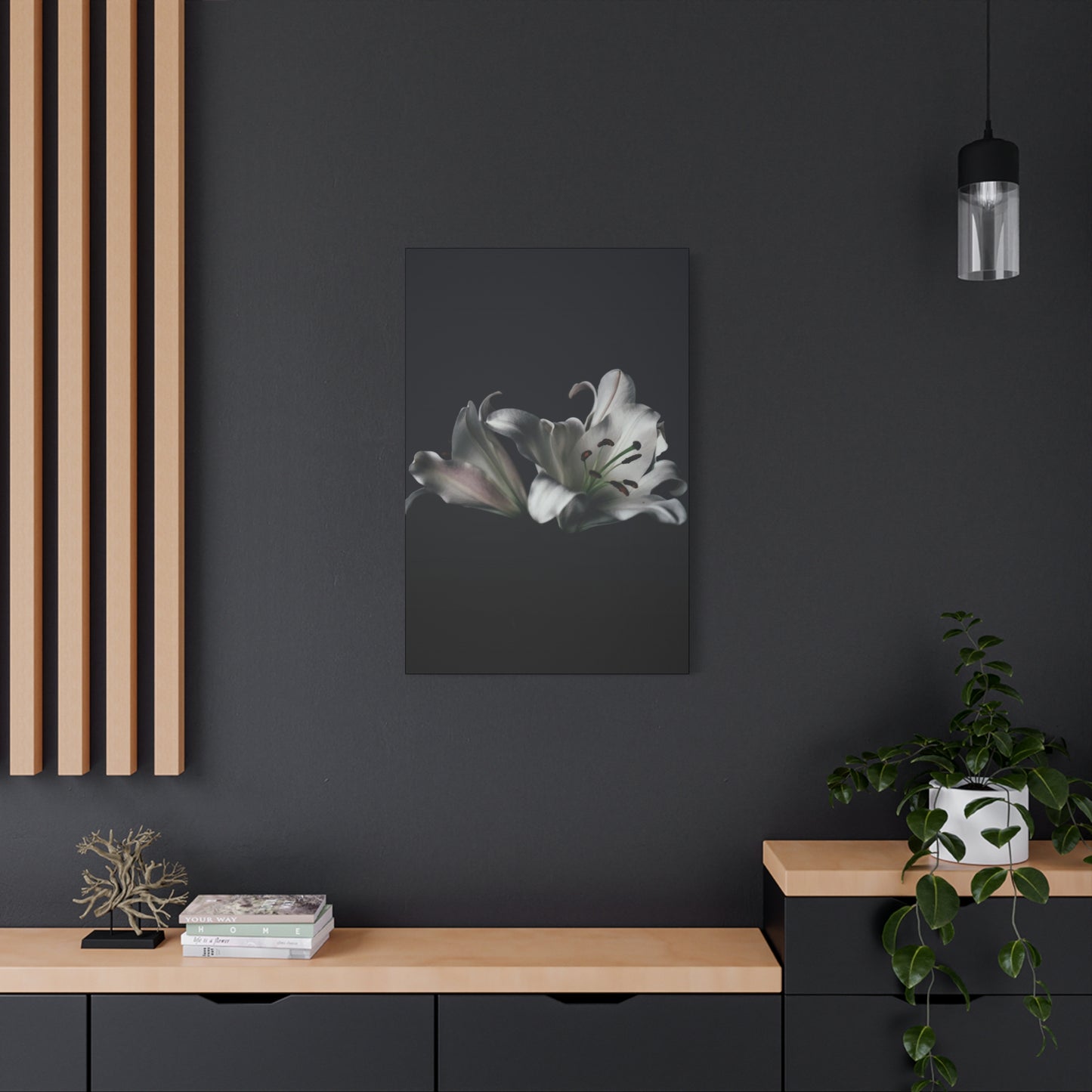


Black Flower Wall Art & Canvas Prints
Black Flower Wall Art & Canvas Prints
Couldn't load pickup availability
Refining Interior Aesthetics with Black Flower Wall Art: A Modern Approach to Stylish Home Design
The contemporary home décor landscape has witnessed a remarkable resurgence in the appreciation for monochromatic floral representations, particularly those rendered in ebony tones. Black Flower Wall Art has emerged as a quintessential element in sophisticated interior design schemes, transcending mere decorative purpose to become a statement of refined taste and architectural sensibility. This comprehensive exploration delves into the multifaceted dimensions of incorporating botanical imagery in charcoal hues into residential and commercial spaces, examining the aesthetic, psychological, and practical considerations that render these pieces increasingly indispensable in modern domestic environments.
The aesthetic transformation that occurs when one introduces Black Flower Wall Art into a living space extends far beyond superficial embellishment. These darkened floral compositions possess an inherent sophistication that distinguishes them from their polychromatic counterparts, offering visual gravitas and understated elegance that resonates with contemporary design sensibilities. The interplay between negative space and silhouetted botanical forms creates a contemplative atmosphere, inviting observers to appreciate the intricate details of petals, stamens, and foliage rendered in monochromatic splendor. The psychological impact of such pieces manifests through their capacity to evoke tranquility while simultaneously commanding attention, a delicate equilibrium rarely achieved through conventional ornamentation.
From a philosophical standpoint, the adoption of ebony botanical imagery reflects a broader cultural movement toward minimalism, authenticity, and deliberate curation of one's immediate environment. The deliberate choice to embrace monochromatic floral presentations signals a departure from ostentatious maximalism, instead championing the notion that restraint and thoughtful selection constitute the ultimate expressions of refined sensibility. This paradigm shift has precipitated substantial shifts in consumer preferences, with discerning homeowners increasingly gravitating toward pieces that offer both aesthetic magnetism and intellectual substance.
Architectural Integration and Spatial Considerations
The successful incorporation of Black Flower Wall Art necessitates a nuanced understanding of spatial dynamics, chromatic relationships, and the fundamental principles governing visual balance within three-dimensional environments. The juxtaposition of ebony floral representations against various wall surfaces—whether alabaster, beige, sage, charcoal, or jewel-toned backgrounds—produces dramatically distinct visual outcomes, each contributing uniquely to the overall atmospheric quality of the space.
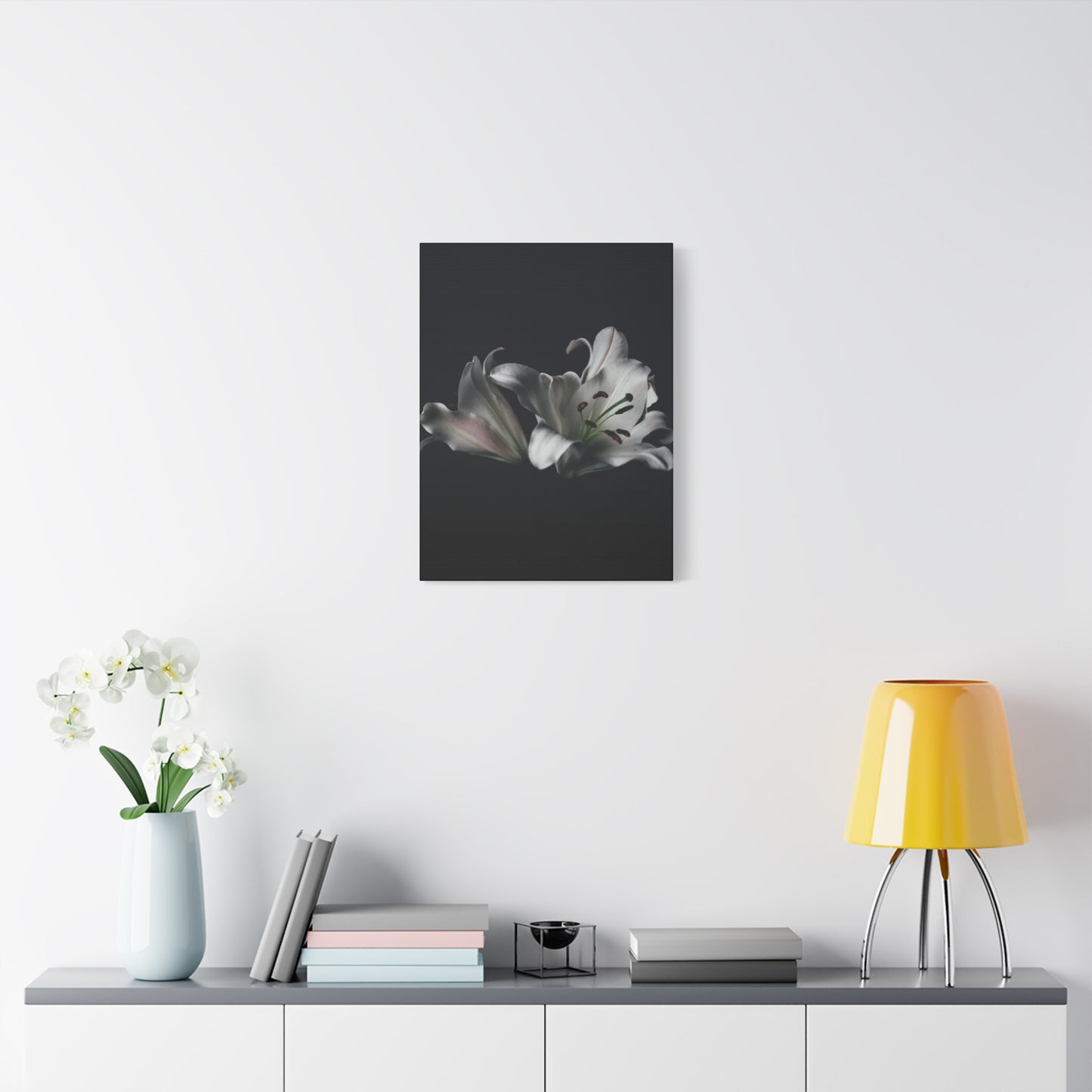
When positioning Black Flower Wall Art upon pale or neutral wall surfaces, the pieces achieve remarkable prominence, their silhouetted forms creating striking visual punctuation against expansive backdrops. This juxtaposition establishes commanding focal points that organically draw the observer's gaze, rendering these areas particularly effective for gallery wall compositions, hallway installations, or bedroom accent walls. The contrast generated through such placements amplifies the perceived dimensionality of the artwork, imbuing relatively flat surfaces with surprising depth and visual complexity.
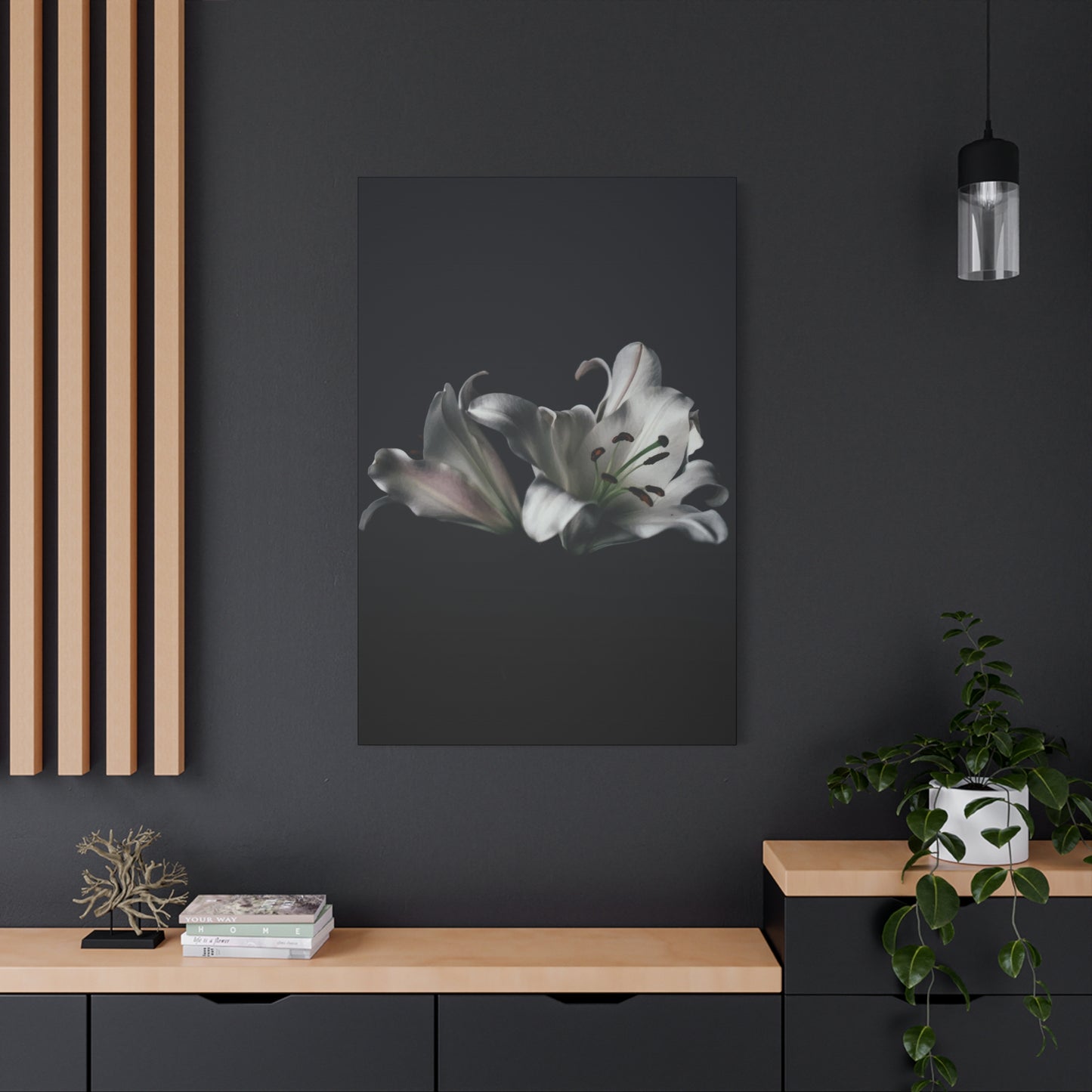
Conversely, positioning these botanical compositions against darker wall tones generates entirely disparate aesthetic consequences. Deep charcoal, slate, or midnight-hued backdrops provide sophisticated frameworks that allow Black Flower Wall Art to recede slightly into the atmospheric continuum, creating nuanced layers of visual interest. This approach proves particularly efficacious in creating immersive, gallery-caliber environments that feel intentionally curated rather than casually arranged. The interplay between artwork and background establishes a cohesive chromatic narrative that elevates the entire spatial composition.
The dimensional proportions of any given space profoundly influence optimal sizing and placement strategies for Black Flower Wall Art. Within intimate chambers such as powder rooms or compact bedrooms, smaller to medium-scaled pieces generally produce harmonious results, avoiding visual overwhelming while contributing meaningful aesthetic enhancement. Conversely, expansive living areas, commercial galleries, or vaulted spaces accommodate substantially larger compositions, enabling these pieces to achieve their full expressive potential without appearing diminished or inconsequential.
Vertical placement considerations warrant equal attention to dimensional calculations. Positioning artwork at eye level, roughly sixty inches from floor to center point, conforms to conventional curatorial standards while ensuring optimal visual engagement. However, creative deviations from these established parameters can generate compelling alternative arrangements. Strategic positioning above furniture arrays, spanning entire wall surfaces, or creating intentional offset arrangements can yield innovative aesthetic consequences that reflect the inhabitant's distinctive sensibilities and spatial preferences.
Compositional Varieties and Stylistic Manifestations
Black Flower Wall Art encompasses an expansive spectrum of compositional approaches, each conveying distinct aesthetic messages and accommodating diverse interior schemes. Understanding these various manifestations enables discerning individuals to select pieces that genuinely resonate with their particular sensibilities and environmental contexts.
Photorealistic renderings represent one prominent category, wherein botanical specimens achieve photographic fidelity through meticulous attention to anatomical detail, textural subtlety, and luminous gradation. These pieces captivate through their remarkable verisimilitude, inviting prolonged observation as viewers discover intricate particulars previously unnoticed. Roses rendered with velvety depth, orchids capturing delicate translucence, and dahlias revealing complex petal architecture exemplify the extraordinary visual impact achievable through sophisticated representational methodologies. Such compositions appeal particularly to individuals drawn toward naturalistic aesthetics and those seeking to infuse their environments with botanical authenticity.
Abstract botanical interpretations constitute another vital category, wherein recognizable floral forms undergo considerable stylization, fragmentation, or reinterpretation. These pieces liberate viewers from expectations of literal representation, instead inviting imaginative participation in the creative vision. Gestural marks, fragmented silhouettes, geometric abstractions, and semi-representational approaches generate pieces possessed of intellectual complexity and aesthetic dynamism. Such compositions frequently resonate most powerfully with progressive thinkers, artistic practitioners, and individuals predisposed toward conceptual rigor.
Minimalist botanical presentations employ radically simplified visual vocabularies, reducing floral subjects to their most essential formal characteristics. Single-line drawings, negative-space compositions, and starkly economical representations achieve remarkable expressive capacity despite—or perhaps because of—their austere visual restraint. These pieces exemplify the principle that sophisticated expression often necessitates the elimination of superfluous elements, creating spaces wherein meaning emerges through absence as meaningfully as through presence. Such minimalist approaches particularly appeal to those embracing contemporary design sensibilities and those seeking serene, uncluttered atmospheric qualities.
Vintage and antiquarian botanical illustrations constitute yet another manifestation, wherein historical scientific drawings, naturalistic studies, or classical artistic traditions receive new vitality through monochromatic reinterpretation. These pieces establish dialogues between historical artistic legacies and contemporary sensibilities, offering layered temporal resonance that enriches their significance. Collectors drawn toward historical consciousness, scientific inquiry, or artistic lineage frequently experience profound appreciation for such compositions.
Mixed-media presentations combine monochromatic floral imagery with textural elements, dimensional components, or supplementary materials. Canvas, paper, embossed surfaces, gilt accents, or other incorporations generate multisensory experiences that transcend purely visual dimensions. These pieces possess particularly pronounced tactile presence, inviting not merely ocular engagement but physical interaction within permissible parameters.
Psychological Dimensions and Emotional Resonance
The human psychological response to botanical imagery, particularly when rendered in monochromatic schemes, engages complex neurobiological and emotional processes that warrant serious consideration. Research in environmental psychology demonstrates that exposure to floral representations, even abstractions thereof, produces measurable physiological responses including reduced stress hormones, normalized blood pressure, and enhanced psychological wellbeing. The specific choice of monochromatic black configurations introduces additional psychological dimensions distinct from polychromatic alternatives.
The color black carries profound symbolic associations across diverse cultures, philosophical traditions, and psychological frameworks. Within Western contemporary contexts, black frequently signifies sophistication, formality, gravitas, and intellectual substance—associations that elevate Black Flower Wall Art beyond mere decorative function toward symbolic communication. The juxtaposition of this austere chromatic presence with the inherent vitality and sensory richness of botanical imagery creates fascinating psychological tensions. Observers experience simultaneous sensations of botanical warmth and chromatic restraint, creating emotionally nuanced responses that encourage contemplation and introspection.
Neurobiological responses to botanical imagery engage ancient evolutionary mechanisms wherein human brains developed predispositions toward natural phenomena. Even highly abstracted or monochromatic representations activate these primordial recognition systems, generating positive affective states and attention-restoration effects. The particular elegance of Black Flower Wall Art resides in its capacity to deliver these biologically mediated benefits while maintaining intellectual sophistication and contemporary aesthetic relevance.
The contemplative quality fostered by Black Flower Wall Art derives partially from the invitation toward sustained observation these pieces extend. Unlike more obvious or visually aggressive compositions, monochromatic floral works encourage patient examination, rewarding attentive viewers with gradually disclosed particularities. This capacity to sustain interest through subtle complexity rather than chromatic bombast or melodramatic effects creates healthier relationships between inhabitants and their immediate environments. Regular exposure to such pieces correlates with enhanced cognitive function, improved mood stability, and greater psychological resilience according to emerging environmental psychology research.
Furthermore, the personal significance individuals attribute to specific botanical specimens infuses Black Flower Wall Art with deeply autobiographical dimensions. Individuals selecting representations of their favorite flowers, plants of personal significance, or botanicals connected to cherished memories introduce layers of meaning inaccessible to external observers. These personal narratives transform generic decorative elements into intimate psychological documents, enriching inhabitants' experiential relationships with their spaces while communicating subtle biographical information to perceptive visitors.
Material Composition and Artisanal Considerations
The physical substantiality of Black Flower Wall Art—the specific materials comprising these pieces, the methodologies governing their creation, and the craftsmanship evident in their execution—profoundly influences both durability and aesthetic impact. Discerning consumers benefit from cultivating sophisticated understanding of these material dimensions, enabling more informed acquisition decisions aligned with individual preferences and budgetary parameters.
Canvas-based compositions represent perhaps the most prevalent manifestation, utilizing either cotton or synthetic fibers as foundational substrates upon which botanical imagery receives application through painting, printing, or mixed-media processes. High-quality canvas possesses durability spanning decades or even centuries when subjected to appropriate environmental conditions and maintenance protocols. The textural quality of canvas itself contributes materially to the visual and tactile experience, its woven surface creating subtle luminous variations that enhance perceived dimensionality.
Paper-based works—encompassing framed prints, watercolor renderings, graphite drawings, or sophisticated printing processes—offer distinct aesthetic and economic considerations. Premium archival papers resist degradation far more effectively than conventional alternatives, maintaining chromatic integrity and structural stability across extended temporal horizons. The translucent or luminous qualities certain papers possess render monochromatic botanical imagery particularly compelling, creating subtle tonal gradations often imperceptible in more opaque substrates.
Photographic renderings on specialized materials—including metal, acrylic, or glass substrates—introduce contemporary sophistication and distinctive visual properties. Metal substrates create lustrous, nearly luminescent presentations wherein botanical imagery achieves remarkable chromatic depth. Acrylic and glass presentations offer museum-quality preservation and pristine clarity, allowing unbuffered appreciation of underlying imagery.
Wood-based presentations, whether rendered directly on wooden surfaces or mounted upon wooden substrates, introduce warmth and organic authenticity particularly harmonious with botanical subjects. The interplay between wooden materiality and monochromatic botanical representation creates compelling aesthetic dialogues between cultural artifacts and natural materials.
Artisanal hand-creation versus mechanized reproduction methodologies exert profound influence upon piece uniqueness, inherent value, and collector desirability. Individually hand-painted, drawn, or otherwise manually created works possess irreplicable qualities and singular existence—attributes that many collectors find profoundly meaningful. Conversely, high-quality mechanical reproductions democratize access to exceptional designs, enabling broader populations to acquire aesthetically sophisticated compositions at more accessible price points.
The artistic background and professional credentials of creators substantially influence work quality, authenticity, and market valuation. Works by established contemporary artists, historically significant creators, or specialists recognized within curatorial communities frequently command premium valuations while offering intellectual and aesthetic depth proportionate to their economic investment. Emerging artists and independent creators frequently offer exceptional quality at more modest price points, representing particularly astute acquisitions for those seeking contemporary vitality and innovative sensibilities without incumbent institutional prestige.
Durability, Preservation, and Environmental Resilience
The longevity of Black Flower Wall Art depends upon multifaceted environmental and maintenance considerations that conscientious owners would be prudent to address preemptively. Understanding and implementing protective measures ensures that chosen pieces retain their aesthetic excellence and monetary value across extended temporal horizons.
Luminous conditions constitute perhaps the most significant environmental factor influencing artwork preservation. Prolonged exposure to intense direct sunlight precipitates chromatic fading, structural degradation of certain materials, and accelerated aging processes generally. Positioning Black Flower Wall Art in locations receiving diffused indirect illumination rather than sustained direct solar exposure substantially enhances longevity. North-facing walls naturally provide ideal luminous conditions, while east or west orientations necessitate strategic window treatments or repositioning to mitigate photodegradation risks.
Moisture and humidity fluctuations create substantial preservation challenges, particularly for paper-based works, canvas compositions, and non-sealed materials. Environments experiencing extreme humidity variations—such as bathrooms, kitchens, or basements—introduce risks of mold proliferation, paper warping, adhesive failure, and structural compromise. Positioning Black Flower Wall Art in climate-controlled, stable humidity environments substantially extends preservation horizons. Dehumidifiers, moisture-resistant framing, or sealed protective glazing provide practical interventions where less-than-ideal placement becomes necessary.
Atmospheric pollutants, dust accumulation, and ambient particulate matter gradually degrade artwork surfaces through adhesion and micro-abrasion mechanisms. Gentle dusting utilizing soft natural-bristle implements or specialized microfiber cloths removes surface particulates without introducing scratching, chemical damage, or aggressive intervention. Avoiding harsh chemical cleaners, acetone-containing solvents, or abrasive implementations preserves surface integrity indefinitely.
Temperature stability contributes to material preservation, as thermal cycling stresses adhesives, substrates, and overall structural integrity. Environments maintaining relatively consistent temperatures—avoiding dramatic daily or seasonal fluctuations—prove substantially more conducive to artwork longevity than those experiencing pronounced thermal variation. Central heating and cooling systems prove highly protective, maintaining environmental stability that naturally supports preservation imperatives.
Framing considerations dramatically influence preservation efficacy. Archival-quality framing materials—including acid-free mats, UV-protective glazing, and inert backing materials—constitute investments substantially enhancing artwork lifespan. Non-archival framing materials introduce chemical degradation risks that may prove irreversible across temporal horizons. Professional framers specialized in artwork preservation can provide invaluable guidance regarding optimal framing approaches aligned with specific piece characteristics and individual preservation priorities.
Mounting methodologies warrant careful consideration to ensure permanent damage avoidance. Adhesive systems should never contact artwork surfaces directly; instead, professional mounting systems employ reversible techniques that preserve substrate integrity. Avoid pushing tacks, nails, or fasteners directly through artwork surfaces, instead utilizing backing systems or mounting rails distributing stress across structural components rather than concentrated puncture points.
Climate-controlled storage protocols protect artwork during periods of non-display, renovations, or relocations. Acid-free archival boxes, tissue separations, and stable environmental conditions ensure that stored pieces maintain their condition awaiting reinstallation or eventual acquisition by successive collectors.
Aesthetic Coherence and Interior Design Integration
Successfully incorporating Black Flower Wall Art into existing interior schemes necessitates sophisticated understanding of design principles, chromatic relationships, and compositional harmonics operative within three-dimensional domestic spaces. The achievement of genuinely cohesive, intentional aesthetic environments results from deliberate strategic consideration rather than haphazard or impulsive placement decisions.
Identifying dominant chromatic themes already established within any given space provides essential foundation for strategic artwork selection. Spaces featuring warm undertones, earth pigmentation, or golden atmospheric qualities often harmonize beautifully with Black Flower Wall Art, the monochromatic botanical imagery establishing sophisticated contrast against warmer background chromatics. Conversely, cool-toned environments featuring silvery, slate, or blue-inflected atmospheric qualities achieve different but equally compelling effects when juxtaposed against ebony botanical compositions.
Contemporary minimalist interior schemes achieve particularly compelling results when incorporating Black Flower Wall Art. The restraint, simplicity, and deliberate curation characteristic of minimalist philosophy align naturally with monochromatic floral imagery. These pieces function as singular focal points within purposefully empty expanses, commanding attention while respecting the atmospheric clarity minimalism prizes. The result proves simultaneously arresting and serene—a rare achievement producing spaces that feel simultaneously dynamic and tranquil.
Transitional design schemes blending traditional and contemporary sensibilities accommodate Black Flower Wall Art particularly effectively. The botanical subject matter itself carries traditional associations through centuries of botanical illustration legacies, while the monochromatic contemporary rendering introduces modernist sensibilities. This hybrid positioning enables seamless integration into environments negotiating between historical reference and contemporary immediacy.
Industrial and urbane aesthetic schemes featuring exposed brick, concrete, metal finishes, or warehouse-like characteristics achieve remarkable sophistication when adorned with Black Flower Wall Art. The juxtaposition between raw, austere materiality and delicate botanical imagery generates compelling visual tensions that enrich environmental complexity. Such arrangements often appear intentionally curated and intellectually sophisticated.
Eclectic interior schemes, provided they maintain certain foundational chromatic or stylistic coherence, can exceptionally incorporate Black Flower Wall Art as integrative elements. These pieces' visual autonomy and monochromatic self-containment enable them to function as unifying elements within otherwise visually heterogeneous environments. Thoughtful placement, scale considerations, and spatial distribution across diverse rooms create coherent aesthetic threads connecting otherwise disparate design elements.
Residential Context Applications and Room-Specific Considerations
Different domestic spaces pose distinct environmental, functional, and aesthetic considerations influencing optimal Black Flower Wall Art selection, placement, and scale. Understanding these room-specific imperatives enables more sophisticated and contextually appropriate installation decisions.
Bedroom environments particularly benefit from Black Flower Wall Art's capacity to foster contemplation and psychological tranquility. Positioning pieces opposite bed headboards creates serene focal points encouraging peaceful repose. The monochromatic, understated quality proves inherently conducive to restorative sleep environments, avoiding visual overstimulation while maintaining aesthetic sophistication. Medium-scale compositions often prove most effective in bedroom contexts, achieving visual prominence without overwhelming intimate spaces.
Living room installations accommodate larger, more ambitious compositions given these spaces' typically generous dimensional parameters and social function as primary gathering areas. Gallery wall arrangements featuring multiple complementary Black Flower Wall Art pieces establish sophisticated focal points encouraging contemplation and aesthetic appreciation. The living room context permits more dramatic scale choices and complex arrangement schemas, transforming these spaces into intimate gallery environments.
Dining room applications introduce interesting considerations regarding appetite stimulation and atmospheric tone. While black tones might superficially appear counterintuitive for dining contexts traditionally emphasizing warmth and conviviality, thoughtfully scaled Black Flower Wall Art actually creates sophisticated atmospheres encouraging relaxed sociability and contemplative dining experiences. Medium-scale pieces positioned above buffet areas or complementing existing artwork prove particularly effective.
Kitchen and bathroom placements require particular attention to moisture, humidity, and luminous stability considerations discussed previously. Canvas-based works prove less advisable in these moisture-prone environments unless specifically sealed or treated for moisture resistance. Metal, acrylic, or sealed wood-based compositions prove more resilient in bathrooms and kitchens. Smaller, focused compositions work best in these typically smaller rooms.
Hallway and corridor installations utilize Black Flower Wall Art to establish visual interest within otherwise potentially bland transitional spaces. Linear arrangements of smaller related pieces, oversized singular compositions, or gallery-style arrays transform hallways from functional necessities into engaging visual experiences. These liminal spaces benefit particularly from artwork encouraging contemplative passage rather than cursory transit.
Home offices and studies achieve remarkable aesthetic coherence and psychological support through strategic Black Flower Wall Art placement. These productivity-focused environments benefit substantially from nature-derived botanical imagery, research demonstrating that natural element exposure enhances focus, creativity, and cognitive performance. Positioning pieces within direct sightlines during work activity provides regular attentional breaks and psychological refreshment.
Commercial and Professional Applications
Beyond residential contexts, Black Flower Wall Art has achieved increasing prevalence within commercial, professional, and institutional environments, where these pieces serve multifaceted functional and aesthetic purposes extending beyond domestic decoration.
Healthcare environments—including physician offices, therapist suites, counseling centers, and wellness facilities—benefit substantially from Black Flower Wall Art's demonstrated stress-reduction properties and psychological supports. Patient waiting areas adorned with botanical imagery demonstrate reduced anxiety levels, lower blood pressure readings, and enhanced satisfaction ratings according to environmental psychology research. The monochromatic renderings maintain clinical professionalism while providing humanizing botanical elements.
Corporate environments increasingly recognize that sophisticated workspace aesthetics substantially impact employee productivity, psychological wellbeing, and organizational culture perception. Strategic placement of Black Flower Wall Art throughout corporate offices, conference chambers, and common spaces establishes refined atmospheres communicating organizational sophistication while supporting employee psychological wellbeing. The pieces prove particularly effective in high-stress corporate contexts where environmental psychological support yields documented performance improvements.
Hospitality environments—encompassing hotels, boutique accommodations, restaurants, and destination establishments—leverage Black Flower Wall Art to establish distinctive aesthetic identities and create memorable guest experiences. These pieces communicate refined sensibilities to clientele while contributing substantially to atmospheric quality influencing customer satisfaction and repeat patronage. Boutique hotels frequently employ botanical artwork as signature design elements differentiating establishments within competitive hospitality markets.
Retail environments featuring lifestyle products, luxury goods, or art-forward merchandising employ Black Flower Wall Art as strategic marketing elements enhancing brand perception. These pieces communicate aesthetic values, establish aspirational atmospheres, and subtly influence consumer psychology toward premium purchasing decisions. Fashion boutiques, jewelry retailers, and upscale home furnishing establishments particularly leverage botanical artwork for atmospheric enhancement.
Gallery and museum contexts naturally accommodate Black Flower Wall Art within curatorial frameworks emphasizing contemporary botanical representation or contemporary floral themes. These institutional settings validate artistic merit while exposing broader audiences to sophisticated botanical imagery. Museums increasingly feature contemporary botanical artwork exhibitions, elevating the cultural profile and perceived significance of these representational traditions.
Selecting and Sourcing Appropriate Pieces
The process of identifying and acquiring suitable Black Flower Wall Art requires systematic consideration of numerous variables including artistic merit, compositional alignment with existing décor, budgetary parameters, and authenticity verification. Establishing clear selection criteria facilitates more satisfying acquisitions and reduces decision-related uncertainty.
Establishing visual preferences constitutes the essential preliminary step. Determining whether one gravitates toward photorealistic renderings, abstract interpretations, minimalist approaches, or historical botanical illustrations clarifies the directionality of subsequent search endeavors. Considering which specific botanical subjects inspire personal resonance—whether roses, orchids, peonies, succulents, or more esoteric specimens—further refines selection parameters. Creating inspiration boards through digital platforms or physical collation proves remarkably effective for clarifying personal aesthetic preferences and communicating these visions to sources, advisors, or purchasing specialists.
Evaluating spatial requirements and dimensional parameters ensures selected pieces achieve intended aesthetic impacts. Measuring intended installation spaces, noting existing furniture scale, and considering surrounding décor prevent common acquisition mistakes wherein purchased pieces prove either disproportionately overwhelming or disappointingly diminutive relative to their spatial contexts.
Establishing realistic budgetary parameters prevents impulsive expenditures while maintaining quality standards. Original artwork by established artists commands premium valuations, high-quality limited-edition prints occupy intermediate price tiers, and mass-produced reproductions offer the most economical options. Understanding one's financial constraints and acceptable value propositions clarifies purchasing possibilities within specific economic parameters.
Researching creators, artists, and production methodologies establishes confidence in purchase authenticity and quality standards. Established artists frequently possess publicly accessible portfolios, professional credentials, and exhibition histories verifiable through institutional affiliations or recognized curatorial bodies. Emerging creators and independent artists warrant similar research efforts despite potentially less extensive public documentation. Independent artist websites, social media platforms, and artist statements provide invaluable authenticity verification mechanisms.
Sourcing considerations encompass diverse acquisition channels including established art galleries, specialized botanical art retailers, online marketplaces, museum gift shops, artist studios, art fairs, and international auction venues. Each sourcing channel offers distinct advantages and considerations. Galleries provide expert consultation and assured authenticity verification; online sources offer convenience and expanded selection; direct artist acquisition ensures authenticity while supporting creative practitioners; auction venues provide access to rare historical pieces and investment-grade works.
Requesting detailed condition reports, provenance documentation, and material specifications before purchase finalizes acquisition decisions. Understanding whether pieces represent original artworks, limited-edition prints, open-edition reproductions, or digital renderings clarifies value propositions and authenticity parameters. Certification documents, artist signatures, and numbered print specifications provide verifiable authenticity markers.
Considering long-term value retention and investment potential influences acquisition decisions for economically significant purchases. Original artwork by established contemporary artists frequently appreciates monetarily across temporal horizons, functioning simultaneously as aesthetic investments and cultural documents. Conversely, mass-produced reproductions typically depreciate in monetary terms though may retain significant personal value. Understanding these economic trajectories informs purchasing decisions aligned with individual financial and aesthetic priorities.
Compositional Arrangement and Installation Methodologies
The physical installation of Black Flower Wall Art requires careful attention to mounting methodologies, spatial arrangement considerations, and technical execution ensuring both aesthetic success and structural longevity. Even exceptional artwork produces disappointing results if subjected to inadequate installation practices.
Determining optimal wall mounting locations necessitates considering eye-level positioning standards, spatial flow patterns, and existing architectural features. The conventional eye-level standard positioning artwork centers approximately sixty inches from floor—a measurement providing comfortable viewing angles for standing observers. However, variations prove entirely permissible depending upon furniture arrangements, architectural features, or deliberate design intentions. Positioning artwork above furniture—sofas, credenzas, beds—often necessitates adjusted heights aligned with furniture dimensions rather than pure eye-level standards.
Creating gallery walls featuring multiple Black Flower Wall Art pieces requires systematic arrangement planning. Establishing consistent spacing between adjacent frames, determining overall arrangement geometry—whether rectangular grids, organic clusterings, or linear progressions—and visualizing completed arrangements prior to installation puncture prevents regrettable outcomes. Paper templates, digital visualization applications, or temporary placement using adhesive strips enable experimentation and visualization before permanent mounting.
Professional installation services prove judicious investments for significant artwork, valuable pieces, or complex arrangement schemas. Specialized installers possess specialized equipment, expertise, and fastening knowledge ensuring structural security and aesthetic optimization. For economically modest pieces or straightforward single-composition installations, conscientious DIY approaches suffice provided appropriate hardware, wall composition understanding, and safety protocols receive attention.
Fastening methodologies vary based upon substrate characteristics, artwork weight, and wall composition. Drywall-mounted pieces require appropriate anchoring systems distributing weight across sufficient surface area preventing anchor failure. Concrete, brick, or masonry walls necessitate entirely different fastening approaches utilizing specialized anchors or adhesive systems. Plaster walls, particularly in historic properties, warrant specialized handling approaches preventing damage to vulnerable substrates. Consulting hardware specialists or professional installers clarifies optimal fastening approaches aligned with specific wall compositions.
Framing considerations substantially influence final aesthetic impact and preservation efficacy. Selecting frame materials, colors, and styles aligned with existing décor while providing archival-quality protection optimizes both aesthetic and preservation outcomes. Consultation with professional framers familiar with botanical artwork preservation standards ensures that framing selections enhance rather than compromise artistic intention or material longevity.
Lighting considerations substantially enhance Black Flower Wall Art appreciation and visual impact. Strategic accent lighting positioned to illuminate artwork without producing glare, reflection, or unwanted shadow patterns substantially enhances nighttime visibility and atmospheric contribution. Picture lights mounted above frames provide traditional solutions, while contemporary recessed lighting, track systems, or LED strip lighting offer more subtle contemporary approaches. Dimmer-compatible lighting enables atmospheric adjustment aligned with temporal variations and activities within spaces.
Contemporary Trends and Evolving Aesthetic Perspectives
The market for Black Flower Wall Art continues evolving as contemporary sensibilities shift, design movements progress, and technological innovations enable novel artistic possibilities. Understanding emerging trends provides valuable contextual knowledge for those seeking contemporary relevance and current aesthetic currency.
Increasingly, sustainability considerations influence collector preferences and artistic production methodologies. Artists and manufacturers increasingly emphasize eco-conscious material sourcing, low-impact production processes, and recyclable or compostable components. Consumers increasingly align purchasing decisions with environmental values, preferring sustainably-produced artwork minimizing ecological footprints. This trend toward conscientious consumption reshapes market dynamics, elevating sustainably-produced works while diminishing appeal of environmentally problematic alternatives.
Digital artistry and algorithmic generation introduce novel dimensions to Black Flower Wall Art creation. Artists increasingly employ digital tools, computational processes, or artificial intelligence collaboration in artwork genesis, creating hybrid human-machine aesthetic objects challenging traditional authorship categories. While philosophical debates persist regarding algorithmic artistry's legitimacy, market acceptance continues expanding as generation methods achieve greater sophistication and aesthetic merit becomes clearly dissociable from production methodology.
Personalization and customization constitute increasingly prevalent trends, with consumers desiring unique variations reflecting individual characteristics rather than generic mass-produced options. Artists and manufacturers respond through offering customizable options enabling clients to select specific botanical specimens, modify compositional elements, or incorporate personalized elements. This trajectory toward individualization reflects broader cultural movements privileging authenticity, personal expression, and resistance toward homogenized mass consumption.
Multisensory and immersive installation approaches increasingly supplement traditional wall-mounted compositions. Contemporary artists experiment with kinetic elements, interactive components, augmented reality applications, or multisensory environmental installations transforming botanical artwork into experiential phenomena transcending conventional contemplation. These innovative approaches particularly appeal to progressive collectors and cultural institutions seeking avant-garde expressions.
Interdisciplinary artistic collaboration increasingly characterizes contemporary botanical artwork production. Artists from diverse backgrounds—photographic practitioners, sculptors, environmentalists, scientists—increasingly collaborate on hybrid projects synthesizing distinct perspectives and expertise. Such collaborative efforts yield conceptually complex, visually compelling works resonating across diverse audience segments.
The Emotional and Philosophical Significance of Botanical Representation
Beyond aesthetic and decorative dimensions, Black Flower Wall Art engages profound emotional and philosophical territories, serving as vehicles for expressing complex human relationships with the natural world and existential contemplations regarding impermanence, beauty, and meaning.
Floral imagery throughout human cultural history carries deeply encoded symbolic significance often articulated through botanical specificity. Roses signify passion and romantic devotion; lilies represent purity and spiritual elevation; orchids embody exoticism and refined aesthetics; sunflowers communicate optimism and vitality. The deliberate selection of specific botanical subjects infuses artwork with intended symbolic messaging, enabling artists and collectors to communicate nuanced philosophical positions and emotional states through botanical vocabulary.
The monochromatic rendering introduces philosophical dimensions regarding absence, loss, and temporal progression. The removal of chromatic variation evokes notions of mortality, suggesting that even life's most vibrant manifestations ultimately surrender their coloration and vitality. This melancholic undertone, paradoxically, frequently enhances rather than diminishes artwork appeal, providing contemplative counterweight to superficial decorative functions. Collectors drawn to such darker philosophical implications often appreciate how Black Flower Wall Art forces genuine confrontation with fundamental existential realities rather than offering comforting escapism.
Contemporary floral art frequently engages environmental consciousness, serving as subtle advocacy for botanical preservation and ecological awareness. Artists increasingly employ botanical imagery to communicate environmental concerns, celebrate botanical diversity, or memorialize endangered species. Collectors purchasing such works implicitly align themselves with environmental stewardship values, their aesthetic choices communicating philosophical commitments to ecological preservation and sustainable living.
The contemplative silence that Black Flower Wall Art often evokes creates psychologically vital counterbalance to contemporary culture's relentless sensory overstimulation and informational saturation. In accumulating art encouraging sustained attention, patient observation, and quiet appreciation rather than demanding recognition, collectors implicitly reject contemporary culture's acceleration and distraction trajectories. These pieces function as psychological sanctuaries providing respite from contemporary noise and chaos.
Many collectors experience profound personal significance through botanical artwork relating to specific life chapters, cherished individuals, or formative experiences. A piece featuring a cherished grandmother's favorite flower, for instance, transcends commercial transaction to become intimate biographical document. Such deeply personal associations prove entirely inaccessible to external observers yet substantially enrich collectors' experiential engagement with artwork inhabiting their personal environments.
Investment Potential and Value Appreciation
For collectors approaching artwork acquisition with economic considerations alongside aesthetic appreciation, understanding Black Flower Wall Art's value proposition and investment potential warrants serious consideration. While no artwork investment guarantees appreciation, certain categories and acquisition strategies demonstrate documented historical patterns suggesting value preservation or enhancement probability.
Original artwork by established, recognized contemporary artists possesses the strongest historical patterns supporting value appreciation. Artists whose work appears in museum collections, substantial gallery exhibitions, or recognized retrospectives frequently experience significant appreciation across multi-decade horizons. Establishing collectors' reputations through consistent exhibition history, critical recognition, and institutional legitimacy substantially correlates with subsequent market value appreciation.
Limited-edition prints and fine art photography from recognized practitioners similarly demonstrate value stability and appreciation potential, particularly within clearly numbered, documented limited editions. First-edition prints, particularly smaller edition runs, generally command stronger appreciation profiles than later iterations or open-edition reproductions. Provenance documentation and authenticity verification substantially enhance investment-grade potential.
Mass-produced reproductions and commercial artwork generally depreciate monetarily, though such considerations prove irrelevant for purchasers prioritizing aesthetic satisfaction and psychological benefit over financial return. The distinction between investment-grade artwork pursued for economic appreciation and decorative artwork acquired for lifestyle enhancement constitutes important clarification preventing misaligned expectations.
Market awareness, trend comprehension, and artist trajectory following substantially influences investment success. Collectors purchasing emerging artists at early career stages occasionally benefit substantially if subsequent recognition elevates artist reputation and corresponding market valuations. Conversely, speculative investments in unknown artists frequently yield disappointing results. Balancing speculative potential against financial risk warrants careful consideration aligned with individual risk tolerance.
Geographic market variations substantially influence artwork valuations, with artwork commanding premium valuations in major international art markets while more modest valuations prevail in secondary markets. Collectors strategically acquiring work in emerging markets occasionally benefit from subsequent international recognition and attendant valuation increases.
Integrating Black Flower Wall Art Into Contemporary Living
Black Flower Wall Art represents far more than decorative expedience or aesthetic affectation; these pieces constitute meaningful expressions of refined sensibility, environmental consciousness, and philosophical commitment to intentional living. The trajectory of contemporary interior design increasingly privileges artistic sophistication, psychological wellbeing, and authentic personal expression over superficial ornamentation and commercial prescription. Within this evolving cultural landscape, monochromatic botanical imagery occupies increasingly prominent positions as vehicles for achieving these multifaceted objectives simultaneously.
The sophisticated allure of Black Flower Wall Art derives fundamentally from its paradoxical simultaneous achievement of aesthetic excellence and psychological benefit, visual impact and contemplative restraint, decorative function and conceptual substance. These pieces gracefully negotiate between tradition and innovation, botanical authenticity and artistic interpretation, commercial accessibility and investment-grade legitimacy. Few artistic categories demonstrate comparable versatility, capable of seamlessly integrating into minimalist contemporary interiors, transitional design schemes, eclectic arrangements, or institutional contexts while maintaining consistent aesthetic coherence.
The process of selecting, acquiring, and installing appropriate Black Flower Wall Art constitutes far more than transactional commercial interaction; it represents deliberate curation of one's immediate environment in service of personal wellbeing, aesthetic satisfaction, and authentic self-expression. Conscientious individuals investing time in understanding spatial dynamics, artistic merit, preservation imperatives, and personal aesthetic preferences frequently discover that such dedication yields substantially more gratifying results than impulsive acquisitions or passive acceptance of commercial recommendations.
Beyond individual satisfaction, widespread adoption of Black Flower Wall Art reflects broader cultural movements toward sustainability, mindfulness, and deliberate resistance against undifferentiated consumer culture. Selecting thoughtfully-produced botanical artwork communicates commitment to quality, authenticity, and meaningful aesthetic experience rather than accumulation of mass-produced commodities. This philosophical positioning increasingly resonates with environmentally conscious, culturally engaged individuals seeking to align lifestyle practices with deeply held values.
Final Thoughts
Black flower wall art is a stunning and sophisticated choice for those looking to elevate their interior aesthetics with a unique, contemporary touch. While flowers often symbolize beauty, growth, and vibrancy, black flower art introduces an unexpected twist, transforming the usual floral motifs into a bold, dramatic statement. The deep, rich hues of black, combined with the intricate details of floral design, create a striking visual contrast that brings a sense of elegance, mystery, and refinement to any space. This type of artwork is perfect for modern home décor, where it can serve as both a focal point and a subtle accent, depending on the desired effect.
One of the key attributes of black flower wall art is its versatility. The stark contrast between black flowers and lighter backgrounds makes it an ideal choice for a wide variety of interior styles. Whether your home embraces minimalist décor with clean lines and neutral tones, or you lean toward more eclectic or bohemian vibes, black flower art fits seamlessly into any aesthetic. Its neutral yet bold color scheme allows it to blend well with other design elements, while also standing out as a captivating piece on its own. This versatility makes it an excellent choice for living rooms, bedrooms, dining rooms, and even offices, where it can inject a sense of sophistication without overwhelming the space.
The symbolism of black flowers adds another layer of intrigue to this type of wall art. Traditionally, flowers in black or dark hues are associated with mystery, elegance, and even mourning, creating a deeper, more contemplative meaning. In some cultures, black flowers are seen as symbols of resilience, transformation, and rebirth, offering a reminder of the cyclical nature of life. The use of black flowers in home décor can evoke feelings of introspection, strength, and renewal, making it an excellent choice for those who wish to infuse their space with both beauty and meaningful symbolism. Whether you view the black flowers as a metaphor for growth through adversity or simply appreciate their dark, poetic nature, their presence in your home can foster a deeper emotional connection to your surroundings.
Additionally, black flower wall art can add a layer of luxury and sophistication to your décor. The use of black, often associated with elegance, chic minimalism, and opulence, transforms the floral imagery into something refined and high-end. The simplicity of black flowers can contrast beautifully with other materials and textures in the room, such as plush fabrics, gleaming metals, or smooth wood finishes. The piece can introduce an understated yet impactful elegance, elevating the overall design of the room without being too overpowering. Whether the flowers are rendered in high-contrast black and white or subtly shaded with gradients of gray and charcoal, the sophisticated feel they impart can complement a wide range of modern interior styles, from industrial and contemporary to more traditional and transitional spaces.
Another significant aspect of black flower wall art is its ability to introduce a sense of drama and contrast to a room. Flowers, often associated with soft, pastel hues, take on a completely different energy when depicted in deep, dark tones. The resulting artwork exudes a sense of power, elegance, and mystery, which can be especially effective in spaces where you want to make a bold statement. Whether you opt for a single, striking flower or a more intricate pattern of multiple blooms, the overall effect is one of depth and visual interest. This dramatic flair makes black flower art a perfect addition to spaces that need a focal point or an eye-catching piece that draws attention without overwhelming the room.
For those who appreciate artistic nuance, black flower wall art often showcases intricate details that bring the flowers to life. These designs can range from highly realistic portrayals of petals and leaves to more abstract interpretations that focus on shape, texture, and form. Artists may use fine lines, bold strokes, or even mixed media to create depth and movement, allowing the flowers to feel as though they are growing or unfolding before your eyes. Whether the piece is a hand-painted canvas, a print, or a digital creation, the attention to detail in the flower petals, stems, and leaves can add a layer of sophistication and craftsmanship that enhances the overall aesthetic of your room.
In terms of placement, black flower wall art can be used in a variety of ways to elevate the atmosphere of your space. In a minimalist room, a single piece of black flower art can serve as a striking centerpiece, commanding attention while remaining sleek and understated. In a more eclectic room, multiple pieces of black flower art or a gallery wall can create a visual narrative, with each artwork adding layers of contrast and intrigue. Additionally, the timeless nature of floral imagery ensures that the art will remain relevant, regardless of changing design trends. Whether displayed in a modern home, a rustic retreat, or a transitional space, black flower art has the flexibility to evolve with your décor while always maintaining its appeal.
The psychological impact of black flower wall art can also play an important role in the overall atmosphere of a room. The deep tones of black, often associated with calmness and grounding, can help create a sense of tranquility and serenity in spaces like bedrooms or meditation areas. The presence of nature, even in a darker, more subdued form, brings a connection to the natural world that has a soothing effect on the mind. At the same time, the dramatic contrast between dark florals and a lighter background can create an uplifting effect, transforming the space into one that feels both grounded and energized.
Furthermore, the flexibility in design allows black flower wall art to pair well with various other décor elements. It works beautifully with both warm and cool color palettes, acting as a visual bridge between different hues. If your room features rich, warm tones like gold, terracotta, or burgundy, black flower art can provide a sophisticated contrast that enhances the richness of the room. Similarly, in a space with cool tones like blues, grays, or silvers, the black flowers can ground the design and bring balance to the room’s color scheme.
In conclusion, black flower wall art is a sophisticated and versatile choice for those seeking to elevate their home décor with both beauty and depth. Its ability to add drama, symbolism, and elegance to a room makes it a perfect addition to any modern interior. Whether used as a bold centerpiece or as part of a larger gallery, black flower art enhances the visual appeal of your space, offering a unique blend of luxury, nature, and meaningful design. The combination of dark tones with intricate floral imagery provides a timeless aesthetic that will remain captivating for years to come, making it a worthwhile investment for any home.
Share