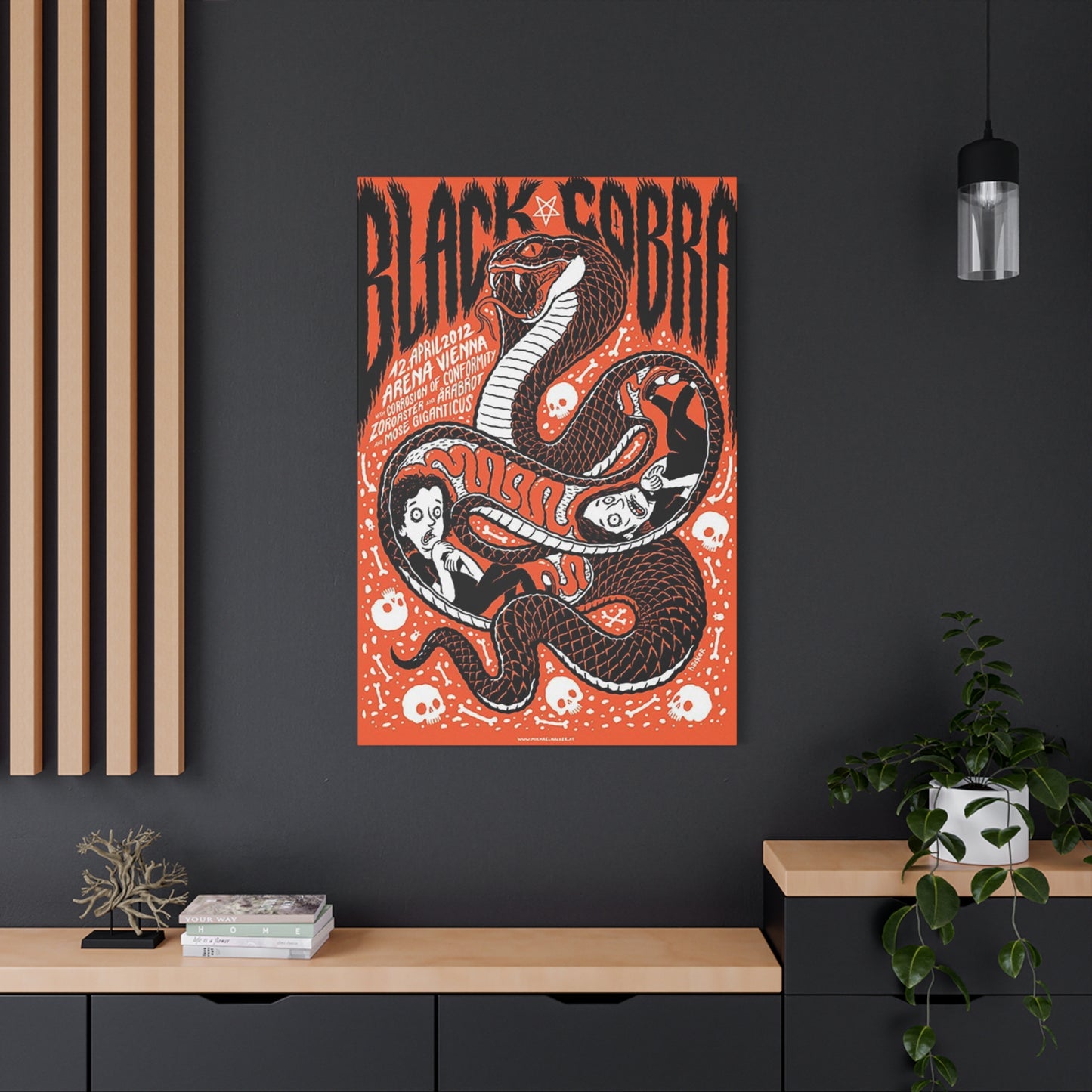
Black Cobra Wall Art & Canvas Prints
Black Cobra Wall Art & Canvas Prints
Couldn't load pickup availability
The Allure of Black Cobra Wall Art: Bold Serpent Imagery Perfect for Modern Interiors
The allure of serpentine imagery has captivated human imagination for millennia, and among the most striking manifestations of this fascination is the black cobra wall art phenomenon that has swept through contemporary interior design circles. These magnificent representations of one of nature's most formidable creatures bring an element of mystique, power, and exotic beauty into living spaces, transforming ordinary walls into conversation-starting focal points. The obsidian-hued serpent, with its distinctive hood and penetrating gaze, has become more than mere decoration; it represents a confluence of natural wonder, cultural symbolism, and artistic expression that resonates deeply with homeowners, collectors, and design aficionados worldwide.
The emergence of black cobra wall art as a dominant trend in interior decoration stems from humanity's ancient and complex relationship with these remarkable reptiles. Unlike generic animal artwork that might fade into the background, cobra representations command attention through their inherent drama and symbolic weight. The serpent's sleek, muscular form rendered in deep blacks creates a visual impact that few other subjects can match, while the cobra's iconic defensive posture—hood flared, body coiled, ready to strike—conveys a sense of alertness and controlled power that viewers find simultaneously intimidating and irresistible.
Why Serpent-Themed Artwork Continues To Dominate Contemporary Wall Decoration Preferences
The sustained popularity of serpent-themed artwork, particularly black cobra representations, reflects deeper currents in human psychology and aesthetic preferences. Snakes occupy a unique position in our collective consciousness, triggering primal responses that transcend cultural boundaries. This universal recognition makes cobra imagery immediately impactful, requiring no cultural translation or explanatory context. When visitors enter a room adorned with black cobra wall art, they experience an immediate emotional response—whether that's fascination, respect, or even a slight unease—that creates memorable interior experiences.
From a design perspective, the sinuous curves of a cobra's body offer artists and designers endless compositional possibilities. The serpent's form can be arranged to complement virtually any space configuration, from vertical installations that draw the eye upward in rooms with high ceilings to horizontal arrangements that emphasize breadth in wider spaces. The creature's natural S-curves introduce organic movement into geometric environments, softening hard architectural edges while maintaining visual strength. This versatility explains why interior designers consistently recommend serpent-themed pieces for spaces ranging from minimalist lofts to opulent traditional homes.
The color choice itself—focusing specifically on black cobras rather than their naturally colored counterparts—amplifies the artistic impact. Black functions as a design neutral, allowing these pieces to integrate seamlessly with virtually any color palette while maintaining their commanding presence. A black cobra rendered against a light background creates dramatic contrast that anchors a room's visual hierarchy, while the same image on darker backgrounds produces a subtle, sophisticated effect that reveals itself gradually to viewers. This chromatic flexibility makes black cobra wall art exceptionally adaptable to changing design schemes, protecting the investment even as surrounding decor evolves.
Exploring Various Artistic Mediums That Bring Cobra Representations To Life On Your Walls
The diversity of artistic mediums available for black cobra wall art ensures that enthusiasts can find pieces perfectly suited to their aesthetic preferences and practical requirements. Canvas prints remain the most accessible option, offering excellent quality at reasonable price points. Modern printing processes can reproduce cobra imagery with stunning detail, capturing every scale pattern and the subtle play of light across the serpent's glossy skin. Canvas also provides textural interest that flat paper cannot match, with the fabric weave adding dimensionality that enhances the three-dimensional illusion of a coiled cobra.
Metal wall art has gained tremendous traction among collectors seeking contemporary, industrial-chic interpretations of cobra imagery. Craftspeople working in steel, aluminum, or copper can create striking silhouettes that cast intriguing shadows, effectively creating two artworks—the piece itself and its shadow projection. Some metalworkers employ laser-cutting techniques to achieve impossibly intricate details, rendering individual scales and the fine musculature visible beneath the cobra's skin. Others embrace a more abstract approach, using flowing metal forms to suggest the cobra's essence rather than documenting its physical reality. The reflective properties of polished metal add another dimension, with the artwork subtly changing appearance as lighting conditions shift throughout the day.
Wood-based cobra artwork appeals to those who prefer natural materials and warmer aesthetic tones. Skilled woodworkers can carve three-dimensional cobra reliefs that invite tactile interaction, with the serpent's form emerging from the background panel in varying degrees of relief. These pieces often incorporate the wood's natural grain patterns into the design, allowing the material's inherent beauty to enhance the cobra representation. Stained or painted wooden pieces offer yet another aesthetic variation, combining the warmth of natural wood with the visual impact of color contrast. For rustic or cabin-style interiors, weathered barn wood assemblages featuring cobra imagery create fascinating juxtapositions between the exotic subject matter and humble materials.
Photography-based cobra wall art occupies its own niche, particularly for enthusiasts who appreciate nature documentation and wildlife artistry. Exceptional wildlife photographers spend countless hours in challenging environments to capture cobras in their natural habitats, documenting behaviors that most people never witness. These images provide windows into the cobra's world, showing the reptile navigating its environment, hunting, or engaging in mating rituals. When printed at large scale, such photographs achieve museological quality, transforming residential spaces into personal natural history exhibitions. The authenticity inherent in photographic representations appeals particularly to nature enthusiasts and those who value documentary approaches to art.
Decoding The Rich Symbolic Meanings Associated With Cobra Imagery Across Different Cultures
Understanding the symbolic dimensions of cobra imagery enriches appreciation for black cobra wall art beyond its purely aesthetic qualities. Throughout human history, cobras have accumulated layers of symbolic meaning that vary dramatically across different cultural contexts. In certain Eastern traditions, the cobra represents spiritual awakening and transformation, with the serpent's ability to shed its skin serving as a metaphor for personal renewal and the shedding of limiting beliefs. The raised hood symbolizes expanded consciousness, while the cobra's alert, unblinking gaze represents the focused awareness sought by spiritual practitioners.
Ancient Egyptian civilization revered cobras as protective deities, with the uraeus—a stylized cobra—appearing on pharaonic headwear as a symbol of sovereignty and divine authority. This association with royalty and protection persists in modern symbolic interpretations, making cobra imagery particularly appealing for those who view their homes as personal sanctuaries requiring metaphorical guardianship. The Egyptian goddess Wadjet took cobra form, representing the protective power of the Nile Delta and serving as a defender of the pharaoh and all Egypt. This protective aspect resonates with contemporary homeowners who appreciate artwork that conveys strength and security.
In certain Eastern belief systems, particularly within yogic traditions, the cobra holds special significance as a representation of kundalini energy—the dormant spiritual power believed to reside at the base of the spine. Practitioners describe this energy as a coiled serpent that, when awakened through dedicated practice, rises through energy centers to produce expanded consciousness and spiritual realization. Wall art depicting cobras with raised hoods thus symbolizes this awakened state, making such pieces particularly meaningful for meditation spaces, yoga studios, or personal sanctuaries dedicated to contemplative practices.
The cobra's association with danger and mortality creates another symbolic layer that attracts individuals drawn to memento mori themes—artistic reminders of life's fragility and the importance of living authentically. Unlike sentimental animal artwork, cobra imagery confronts viewers with nature's harsh realities, acknowledging that beauty and danger often coexist. This philosophical dimension appeals to those who reject sanitized representations of the natural world, preferring artwork that acknowledges life's complexity and the role that challenging elements play in creating authentic beauty.
Strategic Placement Considerations For Maximizing The Visual Impact Of Your Cobra Artwork
Where you position black cobra wall art within your living or working space dramatically influences its effectiveness as a design element. The entryway or foyer presents an ideal location for bold cobra artwork, creating an immediate impression on visitors that sets the tone for the entire interior experience. A striking cobra image positioned opposite the entrance door becomes the first thing guests see upon entry, establishing your space as distinctive and thoughtfully curated. This placement also works symbolically, with the protective cobra serving as a metaphorical guardian at the threshold between public and private spheres.
Living rooms offer perhaps the greatest flexibility for cobra artwork placement, with the space above the sofa representing traditional prime real estate for statement pieces. A horizontally oriented cobra composition can span the sofa's length, creating visual connection between furniture and wall while adding sophisticated drama to the room's main gathering area. Alternatively, positioning cobra artwork on the wall opposite seating arrangements ensures that the piece remains visible to people using the space, rather than being positioned behind them where it goes unseen. Consider sightlines carefully—artwork should be positioned where people naturally look while engaged in the room's primary activities.
Home offices and personal workspaces benefit from cobra imagery's associations with focus, alertness, and controlled power. A cobra in defensive posture—hood flared, body coiled, eyes fixed—embodies the intense concentration required for demanding intellectual work. The serpent's patient stillness before striking mirrors the focused preparation that precedes significant professional achievements. These symbolic associations create subtle psychological reinforcement that may enhance productivity and mental clarity. Position such artwork within your natural line of sight when seated at your workspace, allowing brief visual breaks to rest your eyes on the powerful imagery.
Bedroom placement requires more nuanced consideration, as cobra imagery's intensity may prove too stimulating for spaces dedicated primarily to rest and relaxation. However, for individuals who find power symbols energizing rather than agitating, a carefully selected cobra piece can work beautifully. Consider positioning such artwork on walls not directly visible from the bed—perhaps on the wall behind the headboard or in a separate seating area if your bedroom includes one. This arrangement allows you to engage with the artwork intentionally while preventing it from dominating the space during rest periods.
Dining areas present intriguing opportunities for cobra artwork, particularly in homes where dinner parties and entertaining play central roles in social life. A dramatic cobra piece becomes a conversation catalyst, providing guests with something unexpected to discuss and admire. The cobra's exotic nature pairs interestingly with the domestic ritual of shared meals, creating pleasant cognitive dissonance that makes dining experiences more memorable. Ensure that any dining room artwork, including cobra pieces, is positioned high enough to remain visible above seated guests rather than being blocked by heads and shoulders.
Harmonizing Cobra Artwork With Various Interior Design Styles And Aesthetic Approaches
The versatility of black cobra wall art allows it to complement an impressive range of design styles when selected and positioned thoughtfully. In minimalist interiors characterized by clean lines, neutral color palettes, and restrained decoration, a single striking cobra piece can serve as the room's sole artistic statement. The minimalist approach's emphasis on negative space actually amplifies the cobra's impact, with the sparse surroundings directing complete attention to the serpent image. Choose simplified, graphic representations rather than highly detailed renderings to maintain consistency with minimalist principles of reduction and clarity.
Industrial spaces with exposed brick, visible ductwork, and metal fixtures provide natural homes for cobra artwork, particularly pieces executed in metal or incorporating industrial materials. The cobra's inherent toughness aligns perfectly with industrial aesthetics' celebration of raw materials and functional forms. A laser-cut steel cobra silhouette mounted against weathered brick creates powerful visual synergy, with the organic serpent form providing counterpoint to the geometric patterns of brickwork. The contrast between the living creature's graceful curves and the industrial environment's hard edges generates visual tension that prevents industrial spaces from feeling cold or unwelcoming.
Bohemian interiors, with their eclectic mix of patterns, textures, and global influences, welcome cobra imagery as another layer in their maximalist tapestry. Here, cobra artwork contributes to the collected-over-time aesthetic that defines successful bohemian spaces. Pair black cobra pieces with other global artifacts—perhaps textiles from various regions, carved wooden pieces, or ceramic works from different traditions—creating curated groupings that feel intentional rather than haphazard. The cobra's exotic origins fit naturally within bohemian interiors' world-traveler narrative, suggesting the owner's broad aesthetic interests and cultural curiosity.
Contemporary spaces characterized by bold color choices, geometric patterns, and statement furniture pieces can incorporate cobra artwork as part of their overall dramatic approach. In such environments, don't shy away from large-scale cobra pieces or unconventional representations that push artistic boundaries. A contemporary space already committed to bold design decisions has established permission for eye-catching artwork, so the cobra piece needn't apologize for commanding attention. Consider how the cobra artwork relates to other bold elements in the space—does it echo their color palette, contrast with their forms, or introduce a new textural quality?
Traditional interiors might seem unlikely candidates for cobra artwork, yet carefully selected pieces can work beautifully within classic design frameworks. The key lies in choosing cobra representations that incorporate traditional artistic techniques—perhaps oil paintings with classical chiaroscuro lighting, detailed naturalistic renderings reminiscent of natural history illustrations, or prints styled after vintage botanical and zoological documentation. Frame such pieces in substantial wood or gilded frames consistent with traditional interior conventions, and position them among other classical artwork to create eclectic galleries that honor both heritage and contemporary interests.
Size And Scale Considerations That Determine Artwork's Presence Within Different Room Dimensions
Selecting appropriately sized cobra artwork for your specific space requires careful consideration of room dimensions, ceiling height, wall expanse, and surrounding furnishings. Oversized pieces command attention and work brilliantly as focal points in spacious rooms with generous wall areas and high ceilings. A cobra image spanning six feet or more in width or height achieves nearly architectural presence, transforming from mere decoration into a defining spatial characteristic. Such substantial pieces work particularly well in great rooms, lofts, or formal living areas where dramatic statements enhance rather than overwhelm the environment.
Medium-sized cobra artwork—typically ranging from two to four feet in either dimension—offers the greatest versatility, working successfully in most residential spaces. These pieces provide significant visual interest without dominating their surroundings, making them suitable for bedrooms, dining rooms, home offices, and standard living rooms. Medium pieces can function as focal points in smaller spaces or as supporting elements in larger environments where they join other artworks in creating gallery-style arrangements. This size range also tends to be more accessible in terms of pricing, placing quality cobra artwork within reach for more collectors.
Smaller cobra pieces, while individually less dramatic, enable creative clustering and arrangement strategies that produce complex, layered visual effects. A collection of smaller cobra images—perhaps depicting the serpent from different angles, in various poses, or rendered in different artistic styles—can be arranged gallery-wall fashion to fill substantial wall expanses. This approach works particularly well in transitional spaces like hallways or stairwells, where multiple smaller pieces maintain visual interest across longer sightlines better than a single large work might. Small pieces also allow for easier rotation and rearrangement, enabling you to refresh your space's appearance without major investment.
The relationship between artwork size and viewing distance demands consideration when selecting cobra pieces. Highly detailed works with intricate scale patterns, subtle color gradations, or fine textural elements require closer viewing distances to be fully appreciated. Position such pieces in spaces where viewers will approach closely—perhaps flanking doorways, in hallways, or in intimate seating areas. Conversely, bold, high-contrast cobra images with clear silhouettes and minimal detail remain readable from greater distances, making them suitable for placement in larger rooms where viewers may be seated 15 or 20 feet away.
Ceiling height influences optimal artwork proportions, with vertical pieces generally working better in rooms with taller ceilings and horizontal compositions suiting standard ceiling heights. A cobra depicted in a vertical striking pose, body extended upward with head near the top edge of the composition, draws the eye upward and emphasizes room height—an effect particularly desirable in spaces with impressive ceiling clearances. Horizontal compositions featuring the cobra in profile or arranged across the picture plane tend to make rooms feel wider and work well above furniture pieces where vertical arrangements might create awkward proportions.
Material Quality And Craftsmanship Markers That Distinguish Superior Cobra Artwork
Discerning collectors recognize that not all black cobra wall art offers equal quality, with significant variations in materials, construction methods, and artistic execution separating exceptional pieces from mediocre offerings. When evaluating canvas prints, examine the substrate quality—premium pieces utilize artist-grade canvas with tight, uniform weaves that prevent the printed image from appearing pixelated or textured in unintended ways. The canvas should be properly stretched across substantial wooden frames with adequate corner support to prevent sagging over time. Gallery-wrapped edges, where the image continues around the canvas sides rather than ending at the front edge, create more polished presentations suitable for hanging without additional framing.
Print quality itself varies enormously depending on the reproduction process employed. Giclée printing represents the gold standard for fine art reproductions, utilizing archival-grade inks and sophisticated inkjet systems capable of rendering subtle color gradations and fine details that lesser processes cannot achieve. These prints resist fading far better than standard reproductions, maintaining their visual impact for decades when displayed away from direct sunlight. Examine cobra prints closely for evidence of banding (visible lines in areas of gradual color change) or registration issues (where different color layers don't align perfectly)—both indicate lower-quality reproduction processes.
Metal artwork quality depends heavily on the base material thickness and finishing processes. Premium metal pieces utilize substantial gauge metal that resists warping and maintains dimensional stability over time. Thinner metals may develop waves or bends, particularly in larger pieces, compromising the artwork's appearance and potentially creating safety hazards if mounting hardware fails under unexpected stress. Surface treatments—whether powder coating, painting, or chemical patinas—should be uniform and durable, without evidence of chipping, flaking, or uneven coverage. Hand-finishing touches, where artisans individually treat each piece, produce character and uniqueness that mass-produced items cannot replicate.
Carved wooden cobra artwork demands evaluation of both the wood quality and carving execution. Premium pieces utilize hardwoods with interesting grain patterns and proven stability—woods that won't crack, warp, or develop splits as humidity levels fluctuate seasonally. The carving itself should display crisp edges, smooth surfaces in finished areas, and intentional tool marks in textured regions. Amateur or rushed carving reveals itself through rough surfaces, inconsistent depth, and lack of refinement in details. Examine areas where the cobra's form creates delicate projections—the tips of raised hoods, extended fangs, or curved tail sections—as these challenging areas separate skilled craftspeople from less accomplished workers.
Photography-based cobra artwork quality hinges on image resolution, printing processes, and presentation materials. Inquire about the source image's resolution—professional wildlife photography captured with high-end equipment provides far more detail than images shot with smartphone cameras or heavily cropped from larger scenes. The print medium matters enormously; metallic photo papers produce stunning vibrancy and depth that standard photo papers cannot match, with the metallic substrate creating an internal glow that brings the cobra image to life. Acrylic face mounting, where the photographic print is adhered to the back of clear acrylic, creates contemporary presentations with exceptional depth and color saturation, though at premium price points.
Color Palette Integration Strategies That Ensure Cobra Artwork Enhances Your Existing Decor
While the term "black cobra wall art" suggests monochromatic imagery, most cobra representations incorporate additional colors that require thoughtful coordination with existing room palettes. The cobra's eyes typically introduce color—golden yellows, piercing greens, or warm ambers—that can be echoed in throw pillows, area rugs, or decorative accessories to create cohesive color relationships. Even subtle repetition of the cobra's eye color elsewhere in the room strengthens visual connections between the artwork and its surroundings, making the piece feel integrated rather than arbitrarily placed.
Background colors in cobra artwork provide another integration opportunity. Pieces featuring black cobras against neutral backgrounds—soft grays, warm beiges, or creamy whites—coordinate effortlessly with virtually any color scheme, functioning as near-neutrals themselves. These understated backgrounds allow the cobra form to dominate without competing coloristically with surrounding elements. Conversely, cobra artwork incorporating vibrant backgrounds—perhaps jewel-toned blues, deep purples, or sunset oranges—makes bolder statements that work best in rooms with relatively neutral overall palettes where the artwork can command color attention without creating visual chaos.
Consider creating intentional contrasts rather than perfect matches when positioning cobra artwork within colored environments. A black cobra piece against a white background provides stunning contrast in a room with dark walls, creating a luminous focal point that draws the eye and lightens the overall atmosphere. The reverse arrangement—a black cobra with minimal background against dark walls—produces sophisticated, moody effects that reveal themselves gradually as viewers' eyes adjust to the subtle tonal variations. These low-contrast approaches work particularly well in intimate spaces like dens or bedrooms where dramatic visibility isn't the primary goal.
Metallic accents in cobra artwork open additional coordination possibilities, particularly in spaces incorporating metallic finishes in fixtures, furniture hardware, or decorative objects. A cobra piece with golden or brass accents harmonizes beautifully with warm metallic finishes found in lamps, picture frames, or furniture details. Similarly, silver, chrome, or steel elements in cobra artwork coordinate with cool-toned metallics prevalent in contemporary fixtures and accessories. Repeating metallic finishes creates unity that helps disparate elements feel like components of a unified design scheme rather than random accumulations.
The interplay between the cobra's glossy, scale-textured surface and surrounding material finishes creates subtle but significant visual relationships. Cobra artwork emphasizing the reptile's inherent shininess pairs well with rooms incorporating other reflective surfaces—mirrors, glass-topped furniture, or polished stone materials. These multiple reflective elements create visual dialogue, with light bouncing between surfaces in ways that energize the space. Alternatively, positioning glossy cobra imagery within predominantly matte environments creates focal emphasis through textural contrast, with the shiny serpent demanding attention within its more subdued surroundings.
Framing And Mounting Options That Protect Your Investment While Enhancing Visual Presentation
Proper framing and mounting not only protect cobra artwork from environmental damage but also dramatically influence how viewers perceive and respond to the piece. Traditional picture frames with glass or acrylic glazing provide maximum protection for works on paper or canvas, shielding the artwork from dust accumulation, humidity fluctuations, and harmful UV radiation that causes fading over time. When selecting frames for cobra artwork, consider how the frame style relates to both the artwork itself and the surrounding interior—ornate frames suit traditional representations and classic interiors, while simple, minimalist frames complement contemporary cobra images and modern spaces.
Float mounting creates striking presentation effects particularly well-suited to contemporary cobra artwork. This technique suspends the artwork slightly away from the backing board, creating subtle shadows that add dimensionality and visual interest. The float effect emphasizes the artwork as a precious object worthy of special presentation, subtly elevating its perceived value and importance. Float mounting works exceptionally well for cobra images with irregular edges or interesting border treatments that deserve visibility rather than being hidden beneath frame overlaps.
Canvas stretching quality significantly impacts how canvas-based cobra artwork presents itself on your walls. Museum-quality stretching employs thick, kiln-dried wooden stretcher bars that prevent warping and provide substantial depth that creates impressive shadow lines along the canvas edges. These deep-profile stretchers—often 1.5 to 2 inches thick—give canvas pieces sculptural presence that standard thin stretching cannot achieve. For gallery-wrapped canvases where the image continues around the sides, quality stretching ensures corner integrity, preventing the unsightly puckering or looseness that develops when inferior stretching methods are employed.
Metal cobra artwork requires specialized mounting systems that support the piece's weight while maintaining clean, contemporary presentations. Standoff mounting hardware—metal posts that project the artwork several inches from the wall—creates dramatic floating effects that emphasize the metal sculpture's three-dimensionality while allowing shadows to become part of the artwork's expression. These mounting systems must be precisely calibrated to the artwork's weight, with heavier pieces requiring more substantial hardware and careful distribution of mounting points to prevent stress concentration that might damage the artwork over time.
For renters or those reluctant to drive large nails or screws into walls, adhesive mounting systems and picture hanging strips offer alternatives that minimize wall damage while providing adequate support for lighter cobra artwork. These products have improved dramatically in recent years, with some systems now capable of supporting substantial weight when properly applied. However, carefully assess your specific artwork's weight and follow manufacturer guidelines religiously—undersupporting pieces creates fall risks that could damage both the artwork and anything it strikes. Reserve adhesive methods for pieces under recommended weight limits and consider them temporary solutions rather than permanent installations.
Creating Striking Gallery Wall Arrangements Featuring Cobra Artwork And Complementary Pieces
Gallery wall arrangements allow cobra artwork to participate in larger visual narratives that tell stories, explore themes, or simply create engaging visual complexity on expansive wall surfaces. When designing cobra-inclusive gallery walls, establish a focal point—typically the largest piece or the most visually compelling—and build the surrounding arrangement to support and frame this anchor piece. A dramatic black cobra image naturally serves as an excellent focal point, with its inherent visual power drawing attention and organizing the viewer's exploration of the surrounding pieces.
Thematic coherence strengthens gallery walls, preventing them from appearing as random accumulations of unrelated images. With cobra artwork as one component, consider several thematic approaches: a natural history theme incorporating various animal and botanical illustrations creates scientific cabinet-of-curiosities effects; a symbolic theme grouping spiritually significant imagery from various traditions allows the cobra to converse with other meaningful symbols; or a purely formal theme organized around color, composition, or medium creates visual unity despite disparate subject matter. Whatever thematic approach you choose, ensure each piece contributes meaningfully to the overall concept rather than simply filling space.
Arrangement strategies for gallery walls range from rigid geometric grids to organic, asymmetrical compositions that feel casually assembled. Grid arrangements work best when using identically sized frames and pieces, creating orderly, museum-like presentations that suit formal spaces and traditional interiors. The cobra artwork within such grids should be carefully positioned to balance visual weight across the overall composition—placing a particularly dramatic cobra image dead-center might create unwanted symmetry, while positioning it slightly off-center generates more dynamic tension. Asymmetrical arrangements offer greater flexibility and often feel more contemporary, but they require careful planning to achieve balance despite irregularity.
Physical arrangement processes benefit from preliminary planning using paper templates. Trace each frame's outline onto kraft paper, cut out the templates, and arrange them on the wall using removable tape until you've achieved a satisfying composition. This trial-and-error approach allows unlimited repositioning without creating excessive nail holes in your walls. Photograph promising arrangements with your phone so you can compare options later, and don't hesitate to sleep on significant decisions—arrangements that seem perfect in the moment may reveal flaws after fresh consideration. Once you've finalized the layout, mark nail positions through the paper templates before removing them, ensuring accurate artwork placement.
Spacing between pieces in gallery arrangements significantly impacts the overall effect. Tighter spacing—perhaps 1 to 2 inches between frames—creates unified, cohesive groupings that read as single artistic statements despite comprising multiple pieces. This approach works particularly well when creating gallery walls in smaller spaces where individual pieces might get lost if too widely dispersed. Wider spacing—3 to 6 inches or more—allows each piece greater independence and suits situations where you want viewers to appreciate individual artworks rather than experiencing them as an undifferentiated group. Consider your cobra artwork's visual weight when determining spacing; more dramatic pieces may require greater surrounding space to prevent them from overwhelming neighbors.
Lighting Strategies That Dramatically Enhance Cobra Artwork's Visual Impact And Presence
Proper illumination transforms cobra artwork from mere decoration into commanding presence that fundamentally shapes room atmosphere and emotional character. Picture lighting—small fixtures mounted directly above or below artwork—provides focused illumination that spotlights the cobra image while allowing surrounding areas to recede into relative darkness. This approach creates museum-quality presentation in residential settings, subtly communicating that the artwork deserves serious attention. Modern picture lights employ LED technology that minimizes heat production and eliminates the UV radiation that traditional bulbs emit, protecting artwork from light-induced degradation while maintaining excellent color rendering.
Track lighting systems offer flexibility for spaces housing multiple artworks or arrangements that change periodically. Adjustable fixtures can be precisely aimed at cobra artwork, with beam angles selected to illuminate the piece evenly without creating hot spots or glare. Dimmer controls allow you to vary illumination intensity to suit different occasions—perhaps brighter lighting during gatherings when you want artwork to command attention, and subtler illumination during quiet evenings when atmosphere matters more than visibility. Quality track systems with multiple circuits enable independent control of different fixtures, allowing you to highlight specific pieces while leaving others in relative shadow for dramatic effect.
Accent lighting embedded in architecture—recessed ceiling fixtures, wall-mounted sconces, or cove lighting—can be strategically positioned to wash cobra artwork in illumination while contributing to overall ambient lighting schemes. This integrated approach creates seamless presentations where the artwork lighting doesn't announce itself as separate from room illumination generally. When installing architectural lighting with artwork illumination as a consideration, work with lighting designers during planning phases to ensure fixtures land in optimal positions relative to intended artwork locations. Retrofitting accent lighting after construction proves more challenging and may require surface-mounted conduit or wireless, battery-powered fixtures that compromise aesthetic purity.
Natural daylight interacts with cobra artwork in complex ways that change throughout the day and across seasons. Morning light streaming through east-facing windows creates dramatically different effects than afternoon sun from western exposures, with the changing angle and color temperature of natural light continuously altering the artwork's appearance. This variability can be viewed as a feature rather than a bug, with the cobra image revealing different aspects as lighting conditions evolve. However, direct sunlight poses serious conservation risks, with UV radiation and heat causing irreversible fading and material degradation. Position valuable cobra artwork away from direct sunlight paths, or employ UV-filtering window films and solar shades that mitigate damage while preserving natural light's benefits.
Color temperature in artificial lighting significantly influences how cobra artwork appears and feels emotionally. Warm white light—typically 2700K to 3000K on the Kelvin temperature scale—creates cozy, intimate atmospheres that suit residential spaces and enhance warmer colors in artwork. Cooler light—4000K and above—produces crisper, more energetic effects that emphasize blues and can make spaces feel more expansive. For black cobra artwork featuring primarily neutral colors, the color temperature choice matters less for color accuracy and more for the overall emotional tone you wish to establish. Experiment with different color temperatures using adjustable LED bulbs to discover which creates the atmosphere you prefer.
Commissioning Custom Cobra Artwork That Reflects Your Personal Vision And Specifications
For collectors seeking truly unique pieces perfectly tailored to their spaces and preferences, commissioning custom cobra artwork offers creative possibilities that mass-produced pieces cannot provide. The commissioning process typically begins with research to identify artists whose existing work demonstrates relevant skills and aesthetic sensibilities. Study potential artists' portfolios carefully, looking specifically at how they handle subjects similar to cobras—do their animal representations capture authentic anatomical details, or do they tend toward stylized interpretations? Both approaches have merit, but matching your preference with the artist's natural inclination produces better results than asking artists to work against their instincts.
Initial consultations with prospective artists should explore your vision in detail while remaining open to their creative input and expertise. Share reference images that capture the feeling you're seeking, even if they don't depict cobras specifically—perhaps photos of spaces you love, artwork in other mediums that resonates with you, or even music and poetry that evokes the emotional quality you're pursuing. Describe how you'll use the space where the cobra artwork will hang and what you hope viewers will experience when encountering it. Artists appreciate clients who provide clear direction while trusting them to make professional decisions about technique, composition, and execution details.
Discuss practical specifications explicitly, including exact dimensions, color palette preferences, desired medium, and any environmental factors the artist should consider. Will the artwork hang in bright sunlight requiring UV-resistant materials? Does your space's humidity level vary seasonally in ways that might affect certain materials? Are there architectural features—fireplaces, built-in shelving, prominent moldings—that the artwork needs to relate to compositionally? Thorough discussion of these practical considerations prevents disappointing surprises when the finished piece doesn't quite fit its intended location despite being beautiful in isolation.
Pricing for custom cobra artwork varies enormously depending on the artist's reputation, the piece's size and complexity, materials employed, and the time required for completion. Emerging artists may charge a few hundred dollars for modest pieces, while established artists with strong reputations command thousands or even tens of thousands for significant works. Understand what the quoted price includes—is framing included, or will that be an additional expense? Who handles shipping and insures the piece during transit? What happens if the finished work doesn't meet expectations—does the artist offer revision opportunities, or are sales final? Written agreements covering these points protect both parties and prevent misunderstandings that can sour creative relationships.
Timelines for commissioned work often exceed what clients accustomed to immediate online purchases expect. Quality artwork cannot be rushed; the physical process of painting, carving, or constructing takes time, and artists juggle multiple projects and commitments. Typical timelines for custom pieces range from several weeks for simpler works to months or even years for ambitious projects by sought-after artists. Establish clear timing expectations upfront and build buffer time into your planning—if you need the cobra artwork for a specific event or deadline, communicate that clearly and confirm the artist can meet your schedule before committing.
Caring For And Preserving Your Cobra Artwork To Ensure Decades Of Enjoyment
Proper care extends cobra artwork's lifespan and maintains its visual impact for generations, protecting your investment while ensuring continued enjoyment. Dust accumulation represents the most common threat to artwork, with airborne particles settling on surfaces and potentially scratching protective glazing or embedding themselves in textured surfaces. Regular gentle dusting using microfiber cloths or soft-bristled brushes removes accumulation before it becomes problematic. For glazed, framed pieces, wipe glass or acrylic surfaces with appropriate cleaners—regular glass cleaners work fine for glass glazing, while acrylic requires specialized cleaners that don't contain ammonia or other chemicals that cause yellowing or hazing.
Environmental control prevents numerous artwork deterioration mechanisms from progressing. Humidity levels dramatically affect organic materials—excessive humidity encourages mold growth and causes wood and paper to expand, while insufficient humidity makes these materials brittle and prone to cracking. Maintain relative humidity between 40-60% for optimal artwork preservation, using humidifiers during dry seasons and dehumidifiers when conditions become too moist. Temperature stability matters almost as much as absolute temperature, with repeated expansion and contraction from temperature swings stressing materials and joints. Avoid hanging cobra artwork near heating vents, radiators, or air conditioning units that create extreme local conditions.
Light exposure, particularly UV radiation, causes irreversible damage through a process called photodegradation that breaks down color pigments and weakens material structures. Even if your cobra artwork doesn't hang in direct sunlight, ambient room light contributes to gradual fading over years and decades. UV-filtering glazing for framed works blocks harmful radiation while remaining virtually invisible, providing insurance against fading with no aesthetic compromise. For unglazed pieces—canvas, metal, or wooden cobra artwork—position them away from windows or employ window treatments that filter UV radiation before it enters the room. LED lighting has largely eliminated UV concerns from artificial sources, but older incandescent and fluorescent fixtures emit UV that compounds natural light's effects.
Physical damage from impacts, scratches, or handling requires vigilance and preventive measures. When moving cobra artwork for cleaning or rearrangement, handle pieces by their frames rather than grabbing artwork surfaces. Wear clean cotton gloves when handling unframed works to prevent skin oils from transferring to surfaces where they attract dirt and potentially cause staining. Position artwork away from high-traffic areas where collisions with people, furniture, or vacuum cleaners become likely. In homes with active children or pets, consider mounting pieces higher on walls or in rooms where supervision ensures appropriate care.
Final Thoughts
Black cobra wall art offers a striking and powerful aesthetic that can deeply influence the atmosphere of modern interior spaces. With its sleek, mysterious presence and the raw energy it embodies, the black cobra represents both danger and grace, making it an intriguing focal point for any room. For design enthusiasts, this type of artwork offers more than just an interesting visual—it taps into symbolic meanings, cultural significance, and the intense beauty of one of nature’s most feared yet revered creatures. The black cobra, with its hypnotic shape and dramatic contrast, is an art piece that transforms spaces and evokes powerful emotions, making it perfect for those looking to make a bold statement in their homes.
One of the most compelling aspects of black cobra wall art is the symbolism that accompanies the image of the serpent. Historically, snakes, especially cobras, have represented a variety of themes, such as transformation, power, and wisdom. In some cultures, the cobra is linked to royalty and divinity, as seen in ancient Egypt where the cobra was a symbol of protection and sovereignty. The hypnotic movements of the cobra and its ability to strike with precision imbue the animal with qualities of stealth, control, and strength. These symbolic elements make black cobra wall art more than just a decorative piece—it becomes a representation of inner strength, resilience, and the capacity for change, perfect for spaces where a sense of empowerment or transformation is desired.
The dramatic, bold appearance of black cobra art also lends itself beautifully to modern interior design. The monochromatic color scheme, often rendered in deep black tones with subtle highlights, makes this type of art suitable for a wide variety of interior styles. Whether your space embraces minimalist design with clean lines and neutral tones, or you lean toward more eclectic or industrial aesthetics, the stark contrast of a black cobra can anchor a room’s visual composition. The intense presence of the serpent demands attention but, at the same time, offers a refined elegance that doesn’t overpower the room. This balance of boldness and sophistication allows the art to fit seamlessly into contemporary living rooms, dining areas, bedrooms, and even offices.
Another remarkable quality of black cobra wall art is its versatility in artistic interpretation. Cobra art can range from highly detailed, realistic representations to more abstract or stylized versions. For instance, a realistic depiction may highlight the snake’s intricate scales, sinuous body, and poised stance, adding an element of nature’s raw beauty to the space. Alternatively, a more abstract or geometric interpretation of the cobra can introduce a sense of modernity and intrigue, allowing the viewer to connect with the piece on a more emotional or intellectual level. These diverse artistic renditions ensure that black cobra wall art can be personalized to reflect your unique taste while still making a powerful impact on your space.
The cobra also brings a sense of dynamism and movement into a room. Its coiled body and striking posture create a visual rhythm that guides the eye across the artwork. The fluidity and tension in the cobra’s form can give the room a sense of energy, even in spaces where stillness and quietness are key. Whether the cobra is depicted mid-strike or coiled in preparation, its posture suggests readiness and alertness—qualities that are both invigorating and contemplative. This makes cobra-themed art a great choice for rooms where you want to introduce a sense of energy and anticipation, such as a home office or creative studio.
In addition to its visual appeal and symbolism, black cobra wall art has the ability to elevate the ambiance of your living space by connecting it to the natural world. The cobra, as a creature of the wild, invokes a sense of primal power and beauty, helping to create a connection between the indoors and the natural environment. Even in an urban or industrial setting, a black cobra on the wall can serve as a reminder of nature’s raw force, grounding the space in something more elemental. This can help create a balanced atmosphere, especially in spaces where you want to foster a connection with both nature and modern life.
Moreover, black cobra art can serve as an anchor piece in a room that celebrates boldness and individuality. For those who appreciate the beauty of sharp contrasts and visual drama, the black cobra's ability to captivate and command attention makes it an ideal centerpiece. It works especially well when framed or displayed as part of a larger gallery wall, where it stands out as a central focus while still complementing surrounding pieces. Whether it's the only artwork in a minimalist room or part of an eclectic display, the cobra brings a sense of power and significance that adds depth and character to your décor.
The unique combination of elegance and danger inherent in the black cobra also makes this artwork a conversation starter. Its rich symbolism, paired with its dramatic visual appeal, encourages viewers to engage with the piece, inviting discussions about its cultural meanings, the mythology surrounding snakes, and the animal’s representation in various art forms. The cobra, as a subject of fascination and intrigue, creates a captivating point of interest in any space, making it ideal for areas where social interaction or intellectual engagement takes place, such as living rooms, libraries, or home offices.
In terms of placement, black cobra wall art can be an ideal choice for larger spaces with high ceilings, where it can hang above a sofa, fireplace, or feature wall, creating a stunning focal point. For smaller rooms, a carefully placed print or canvas can also bring a sense of drama without overwhelming the space. It’s particularly effective in areas where you want to create a bold, masculine, or sophisticated atmosphere, like in a home bar, den, or media room. Its inherent intensity can anchor a space, offering both style and substance.
Finally, the enduring appeal of black cobra wall art lies in its timeless nature. The cobra’s symbolism and powerful presence transcend fleeting design trends, making it a piece that will remain relevant and captivating for years to come. Whether you’re drawn to its aesthetic for its raw beauty, its cultural meaning, or simply its ability to make a strong visual statement, the black cobra will continue to captivate and inspire, adding layers of significance to your home.
In conclusion, black cobra wall art is a powerful and captivating way to infuse your living space with strength, symbolism, and timeless beauty. Its striking presence, combined with rich cultural meaning and diverse artistic interpretations, makes it a perfect choice for modern interior design enthusiasts who are looking to add sophistication, energy, and personality to their homes. Whether as a central statement piece or a subtle accent, black cobra wall art can transform any space into one that resonates with power, mystery, and elegance.
Share