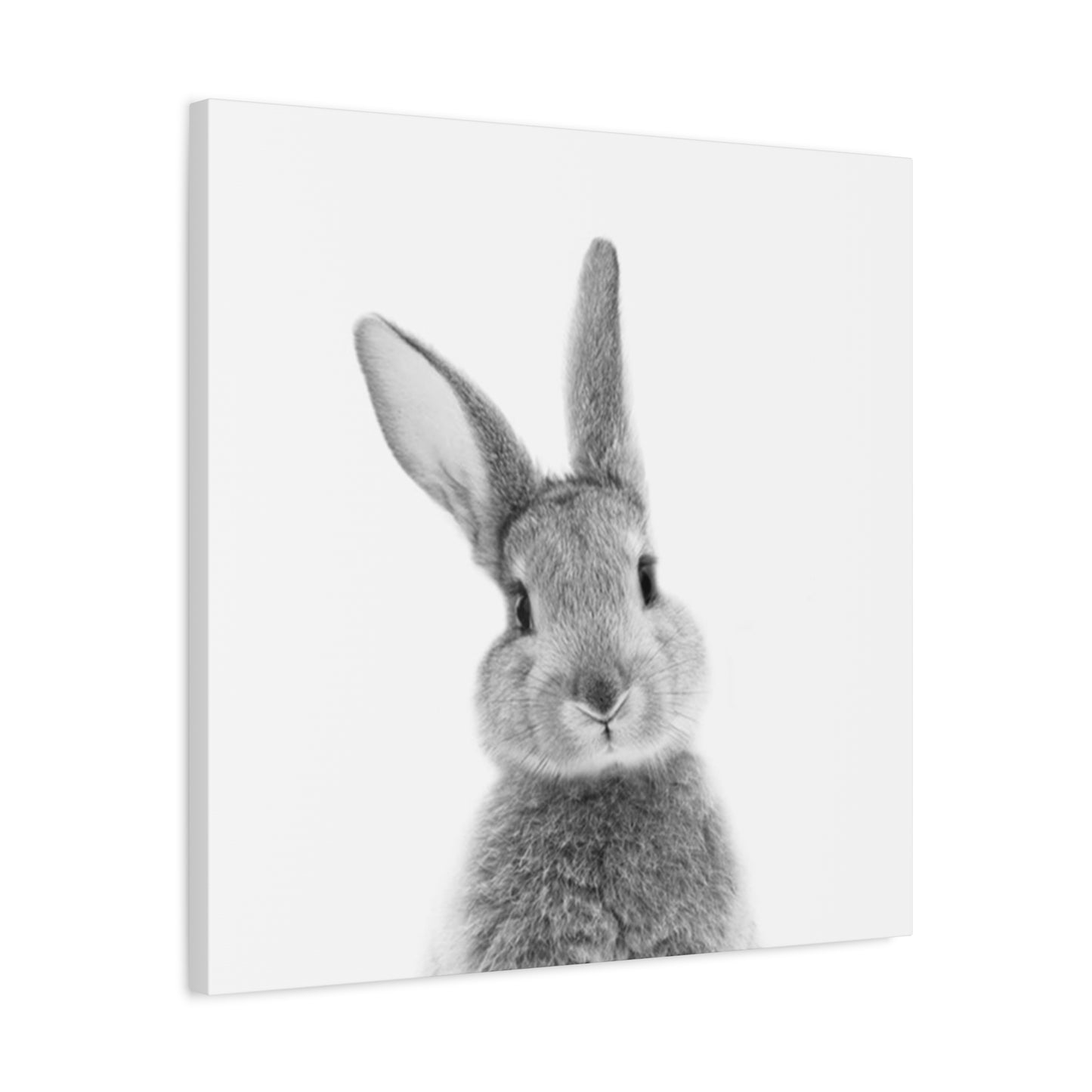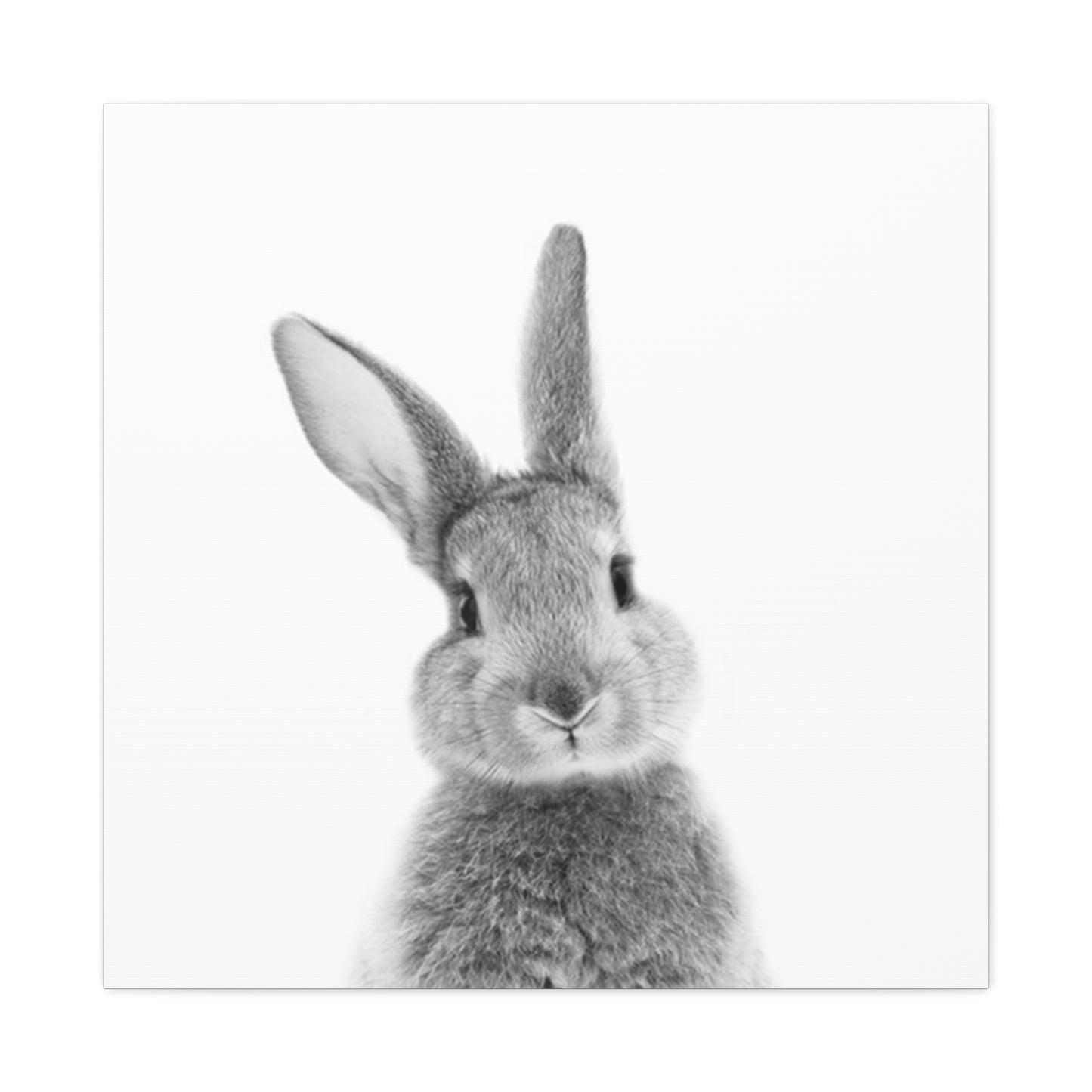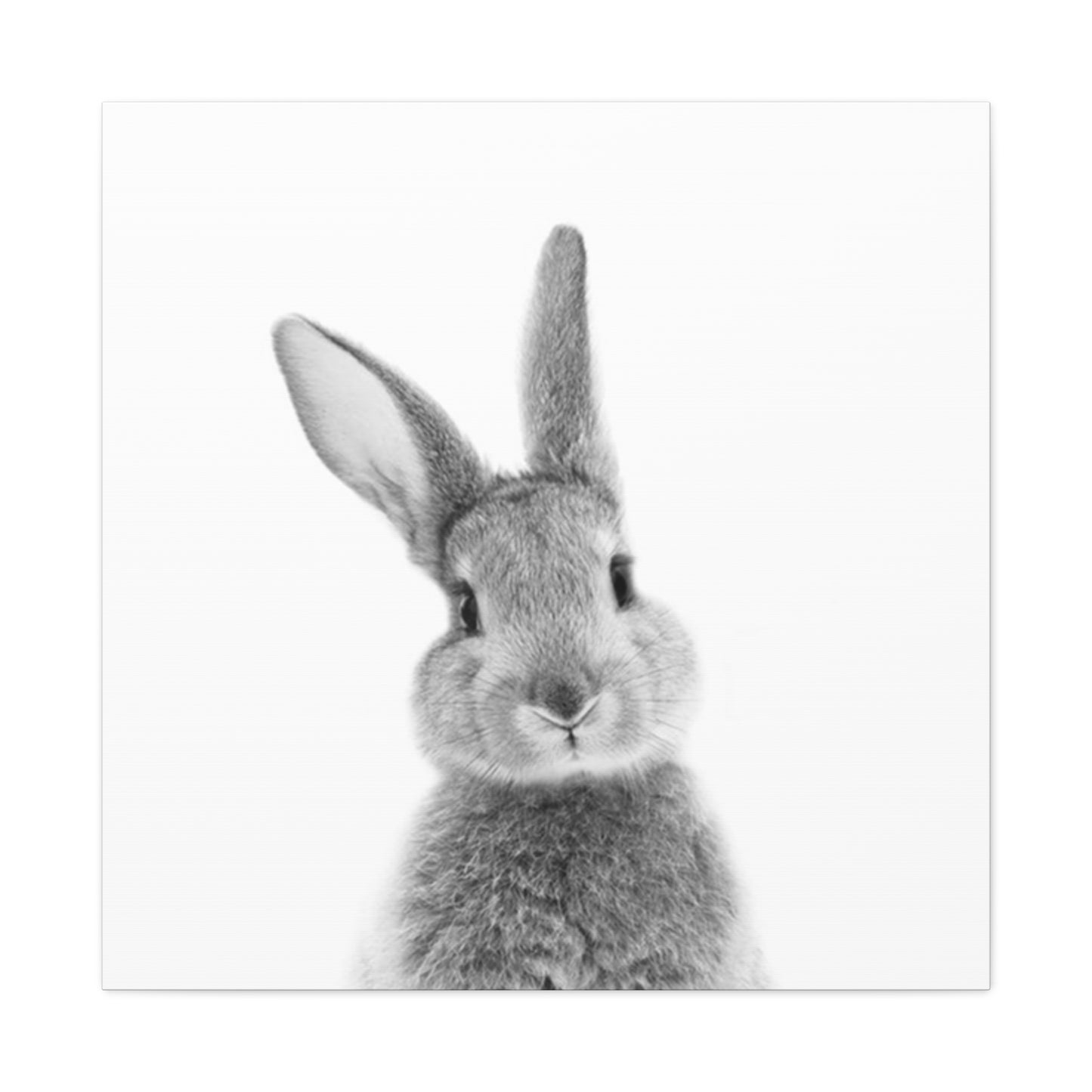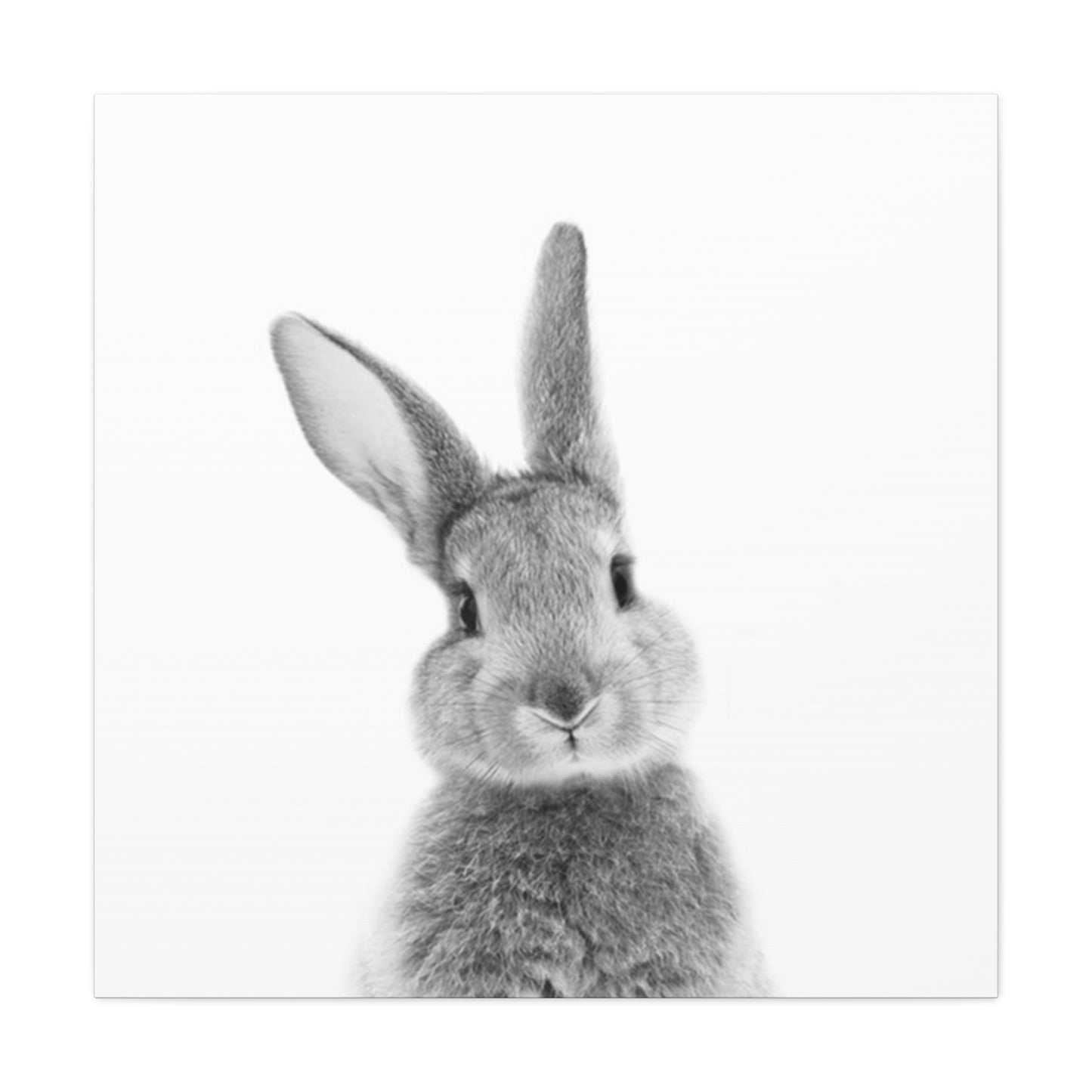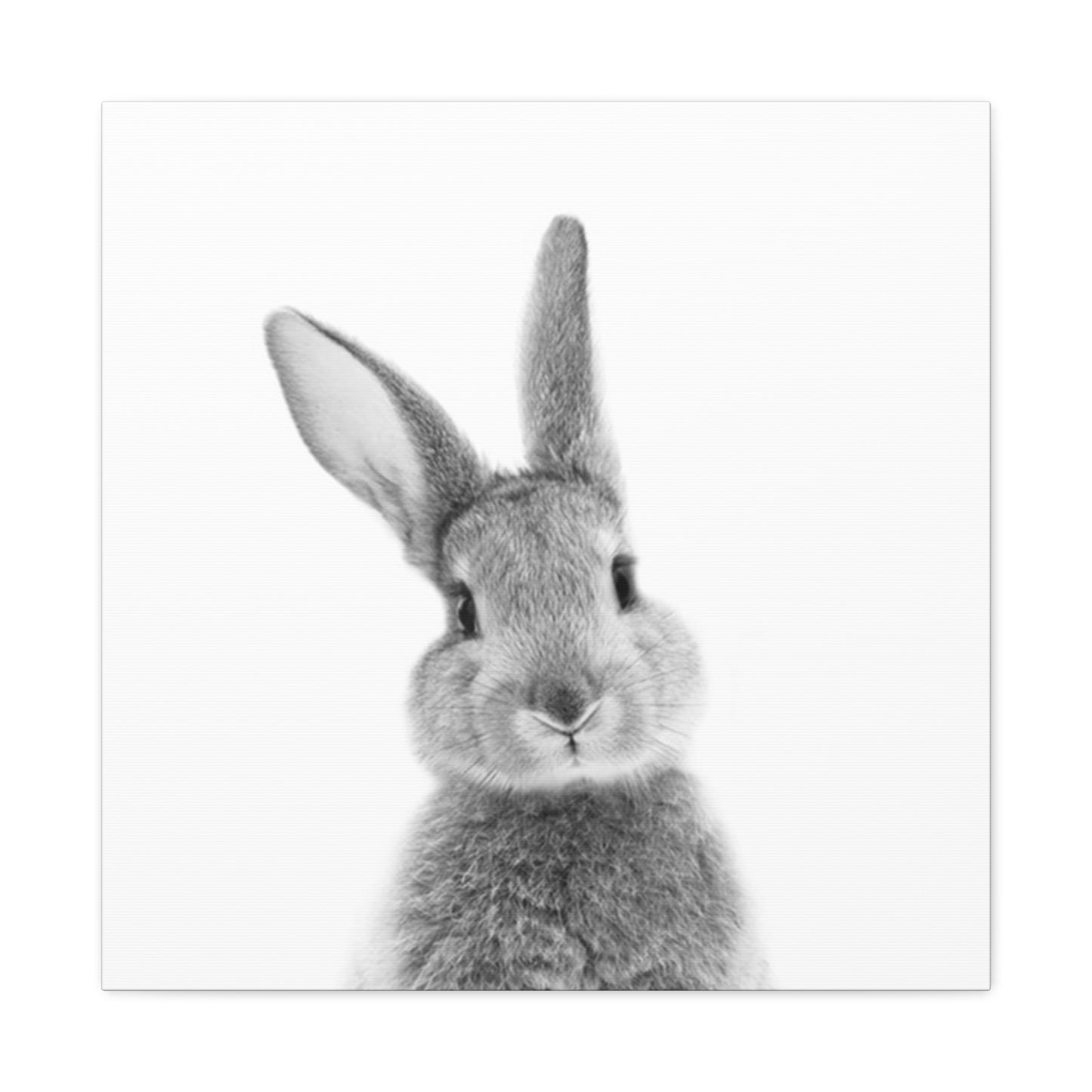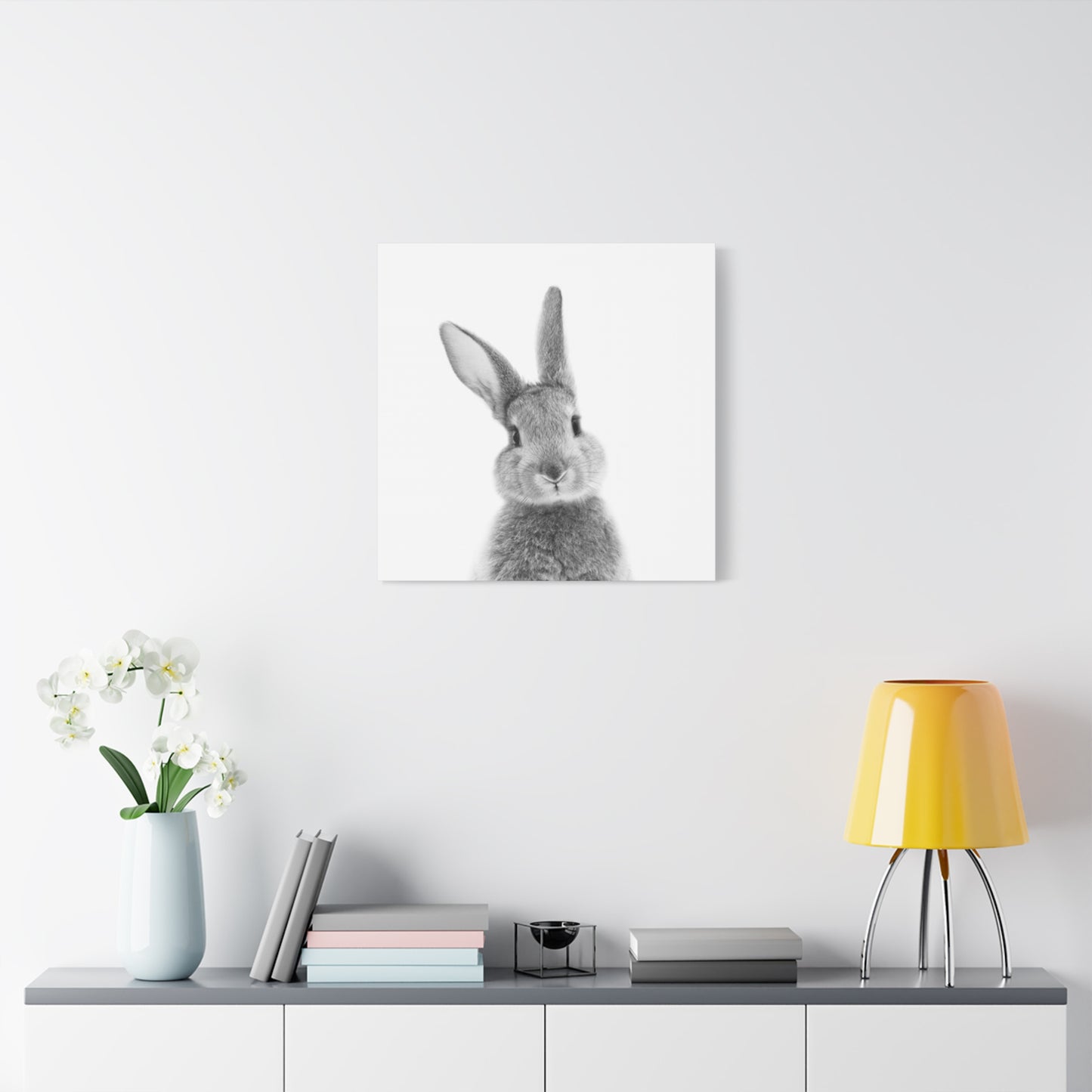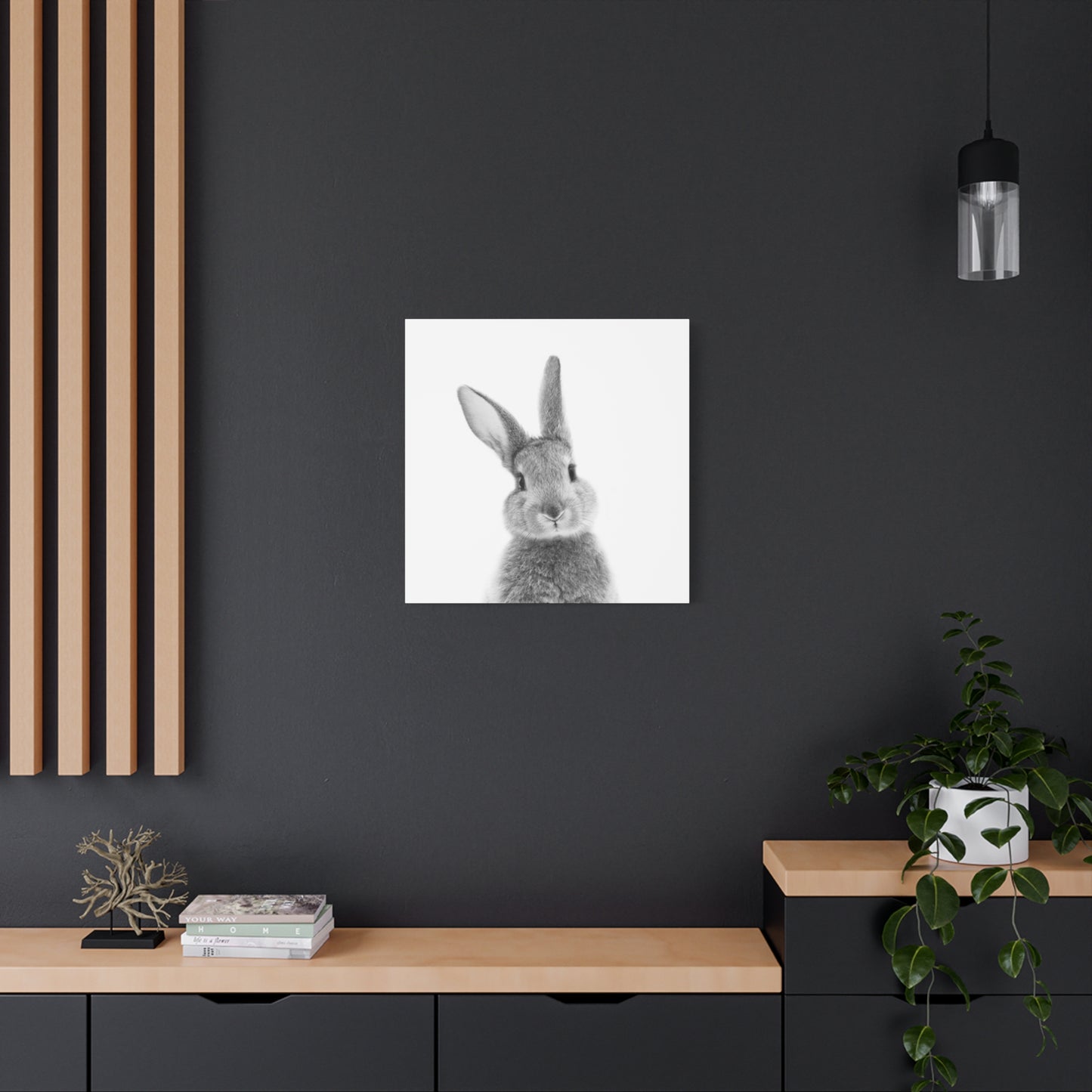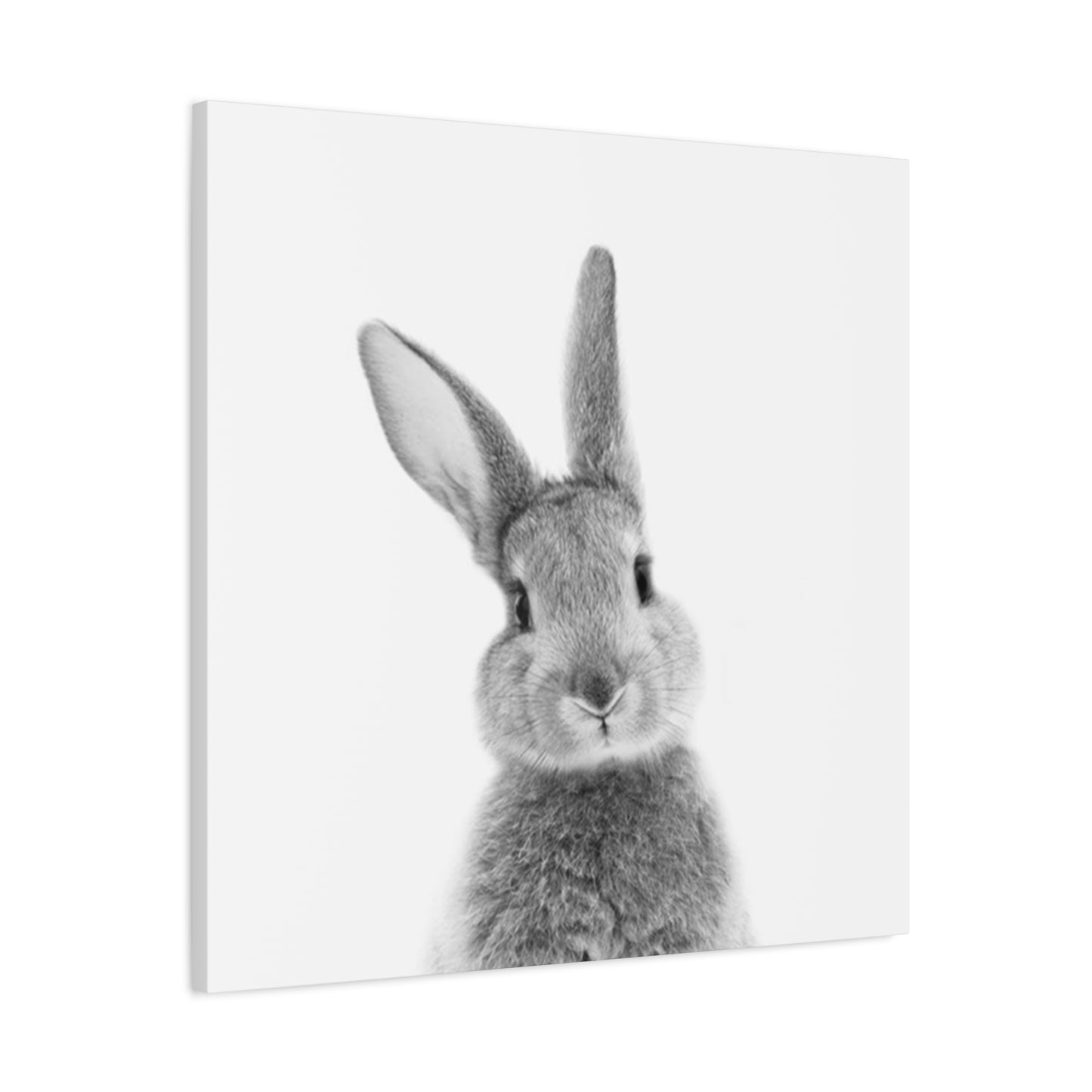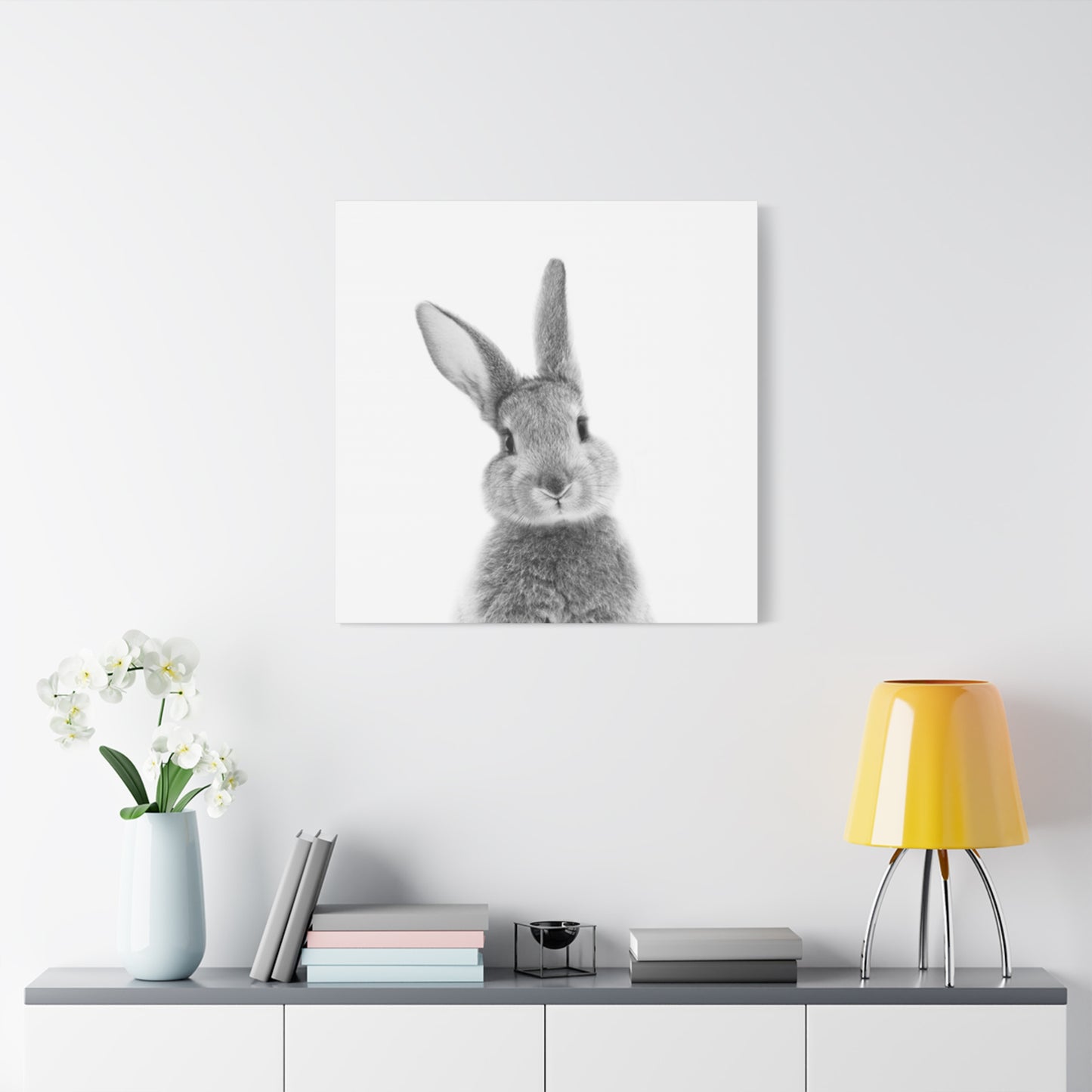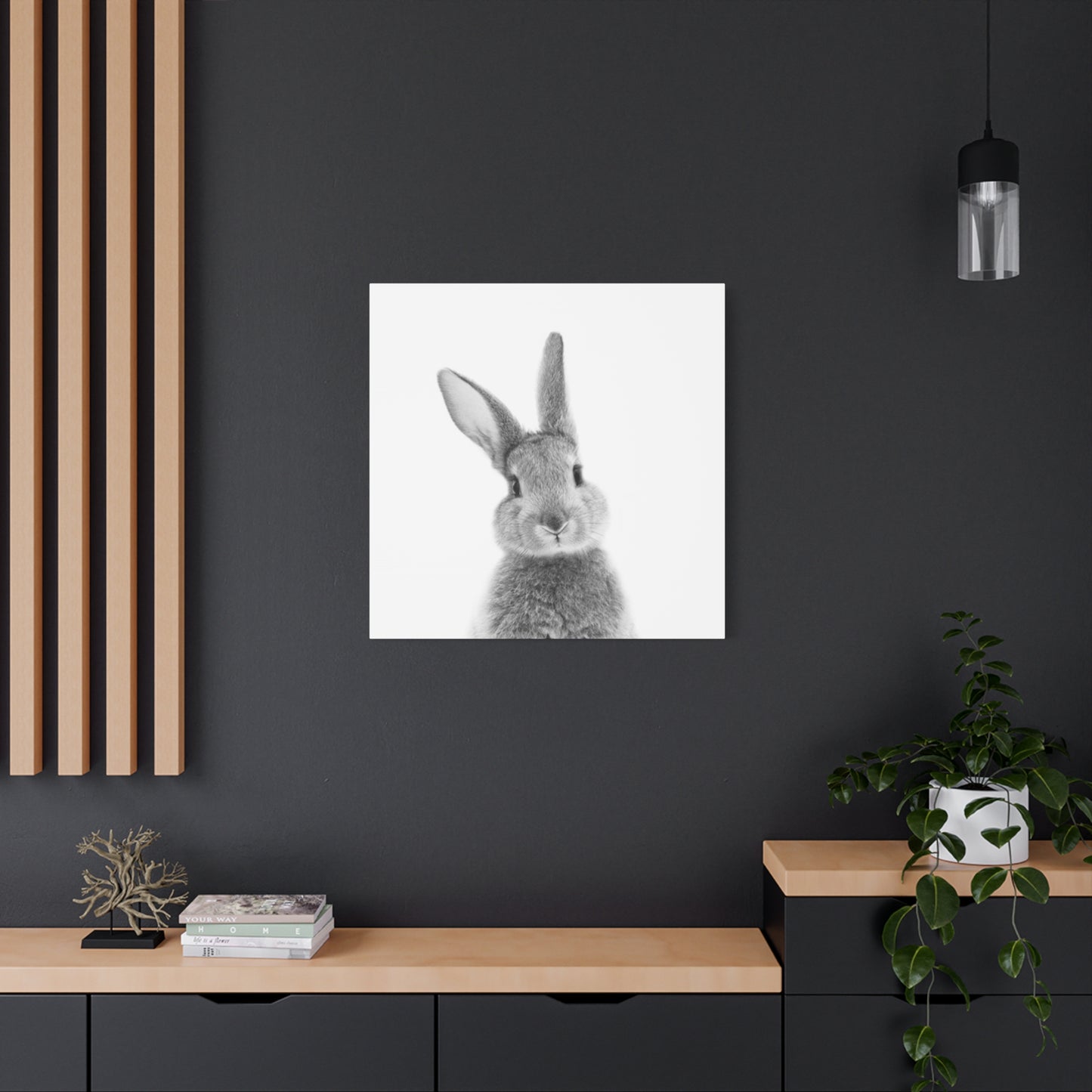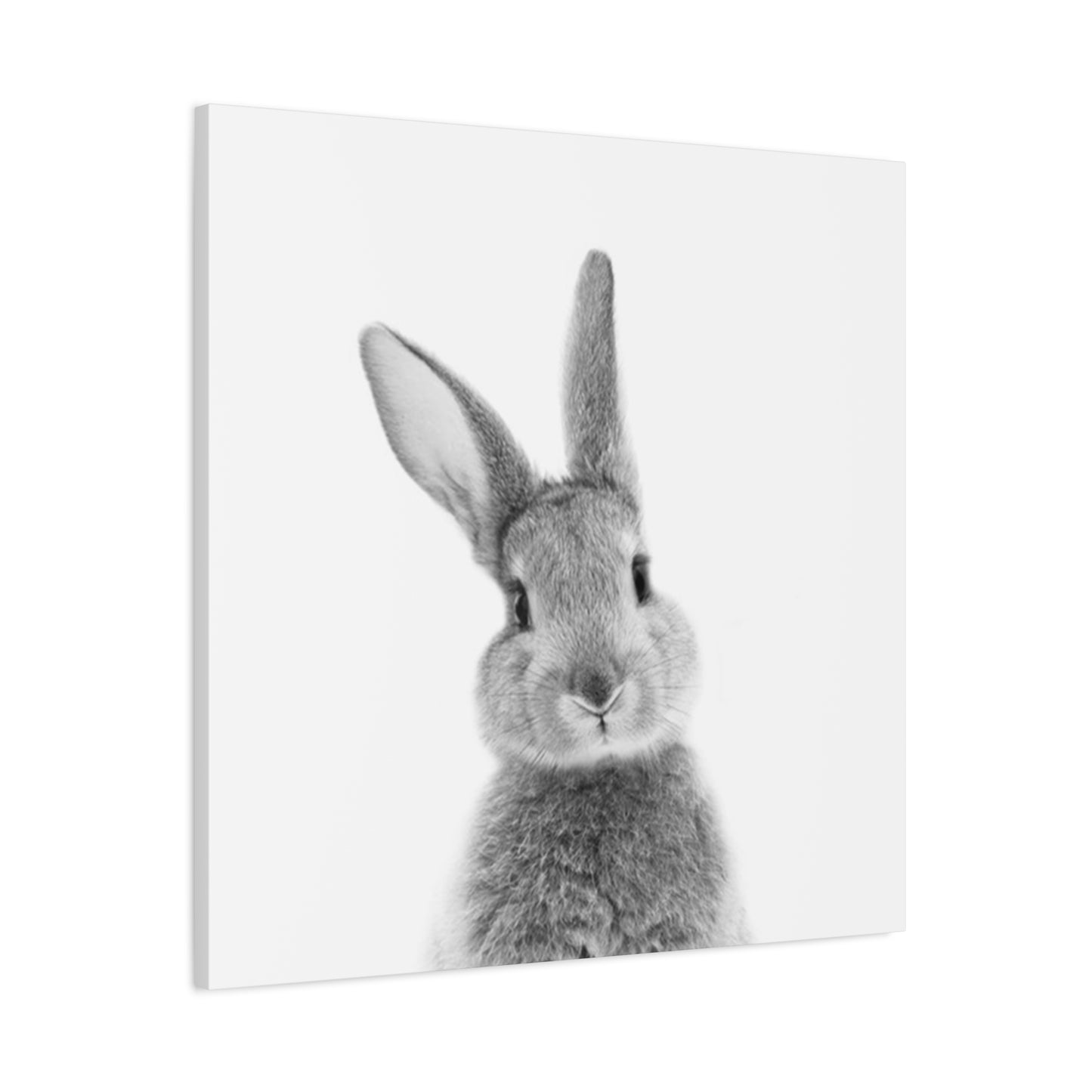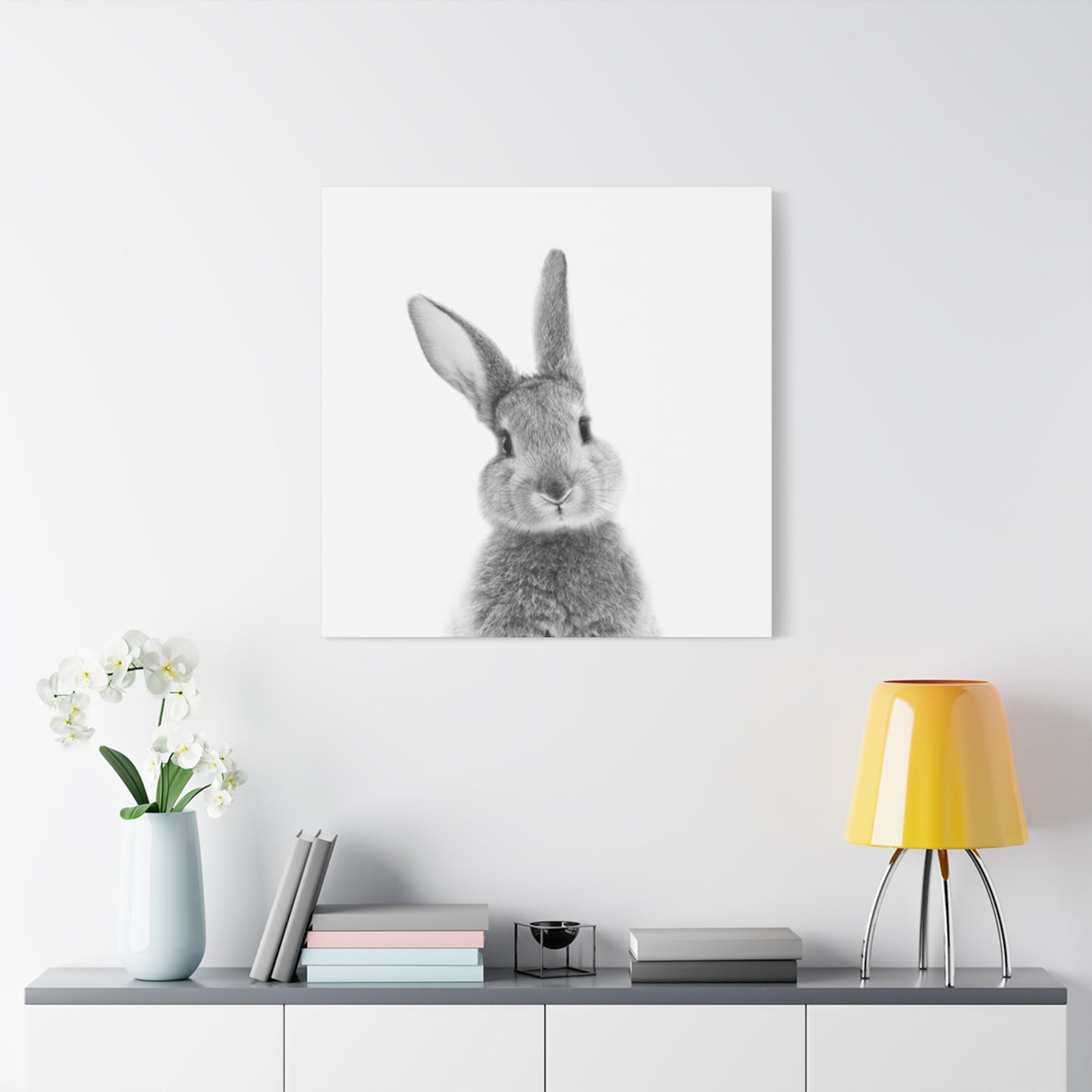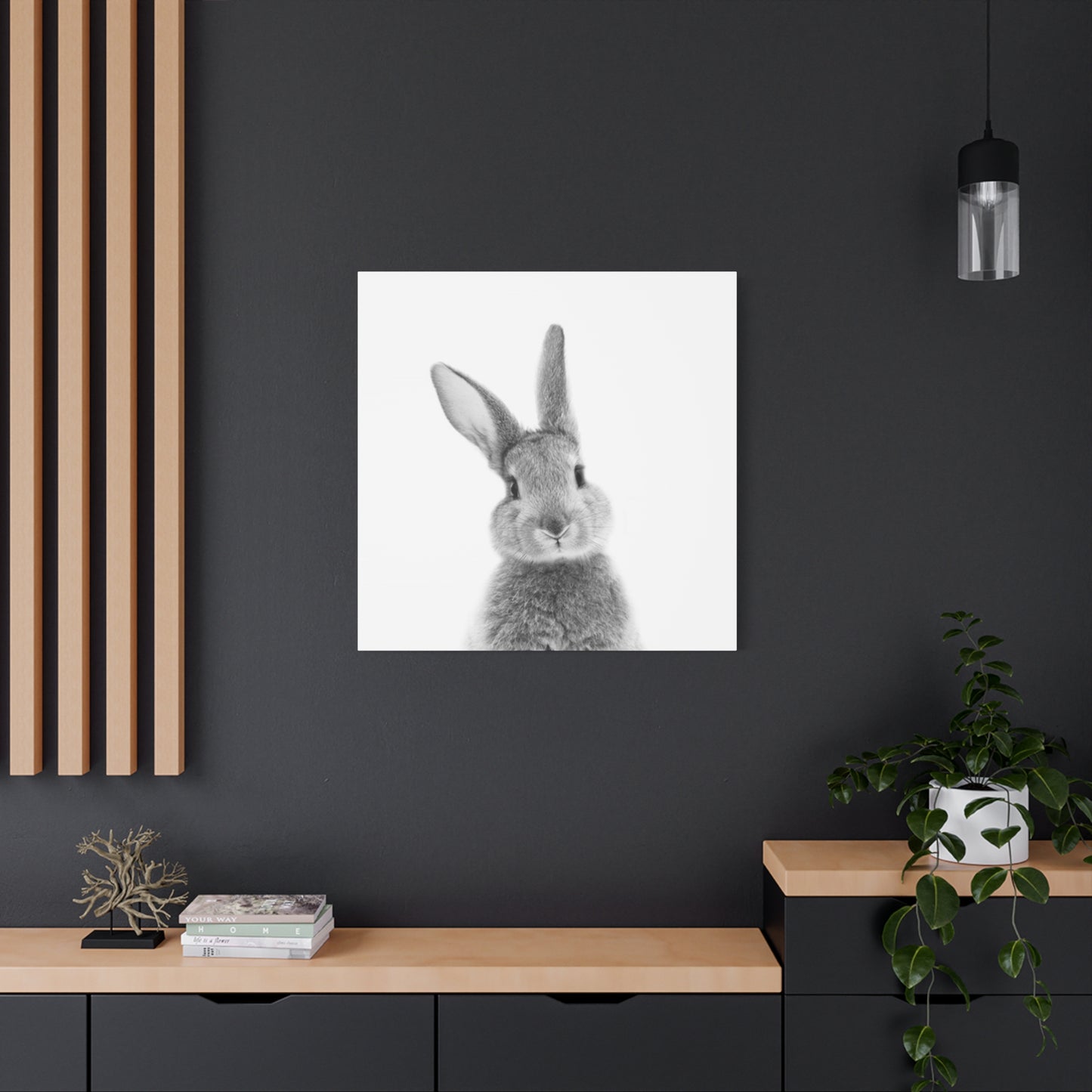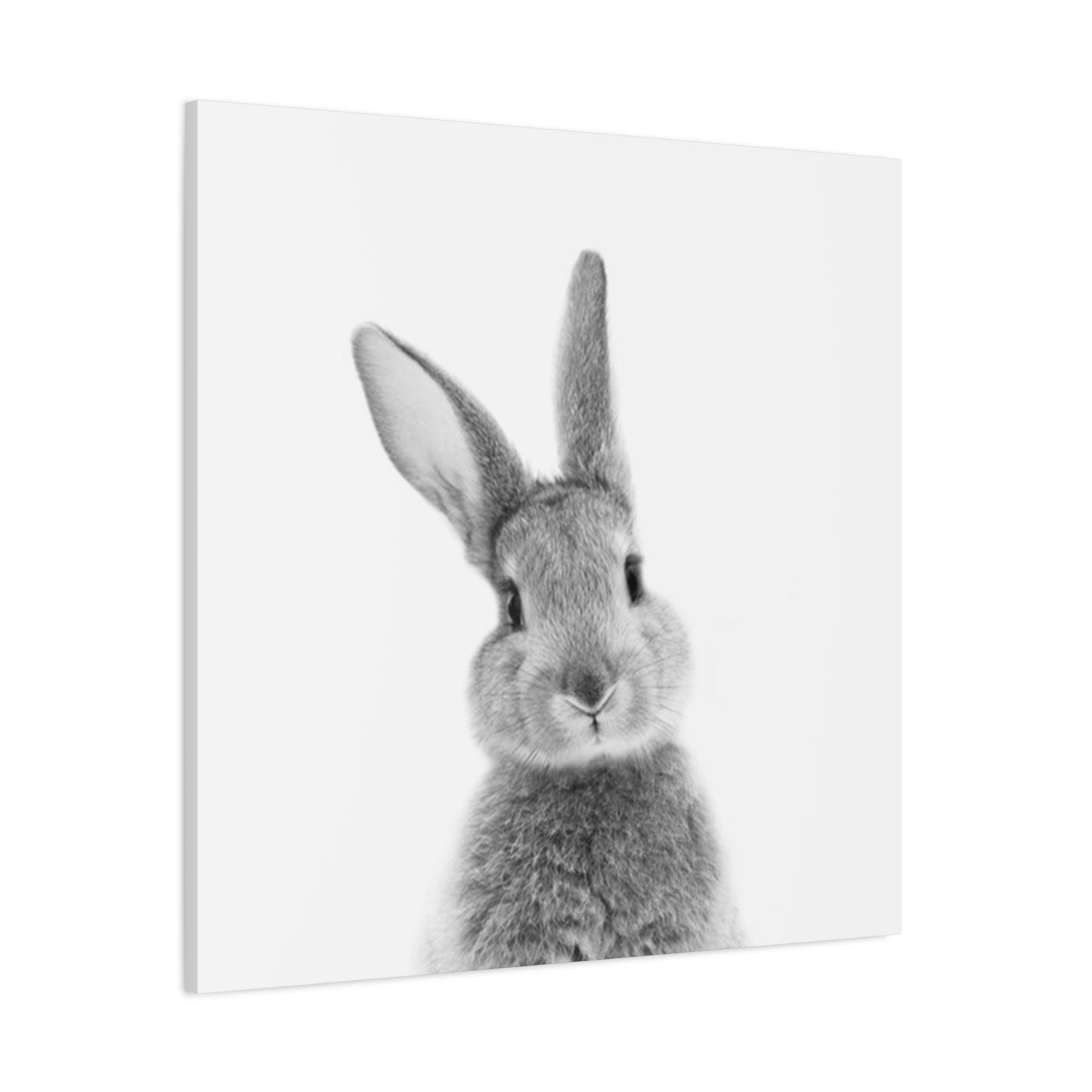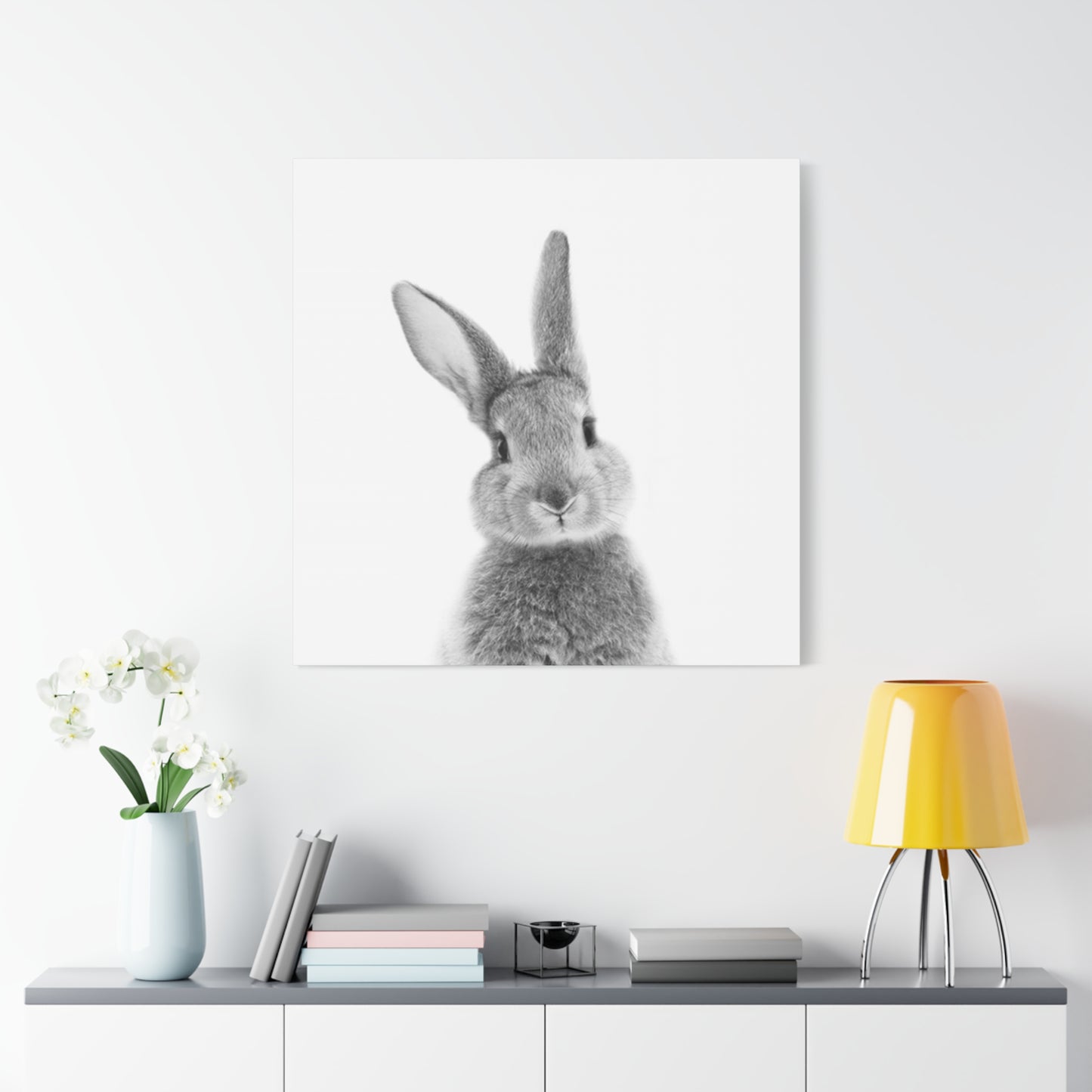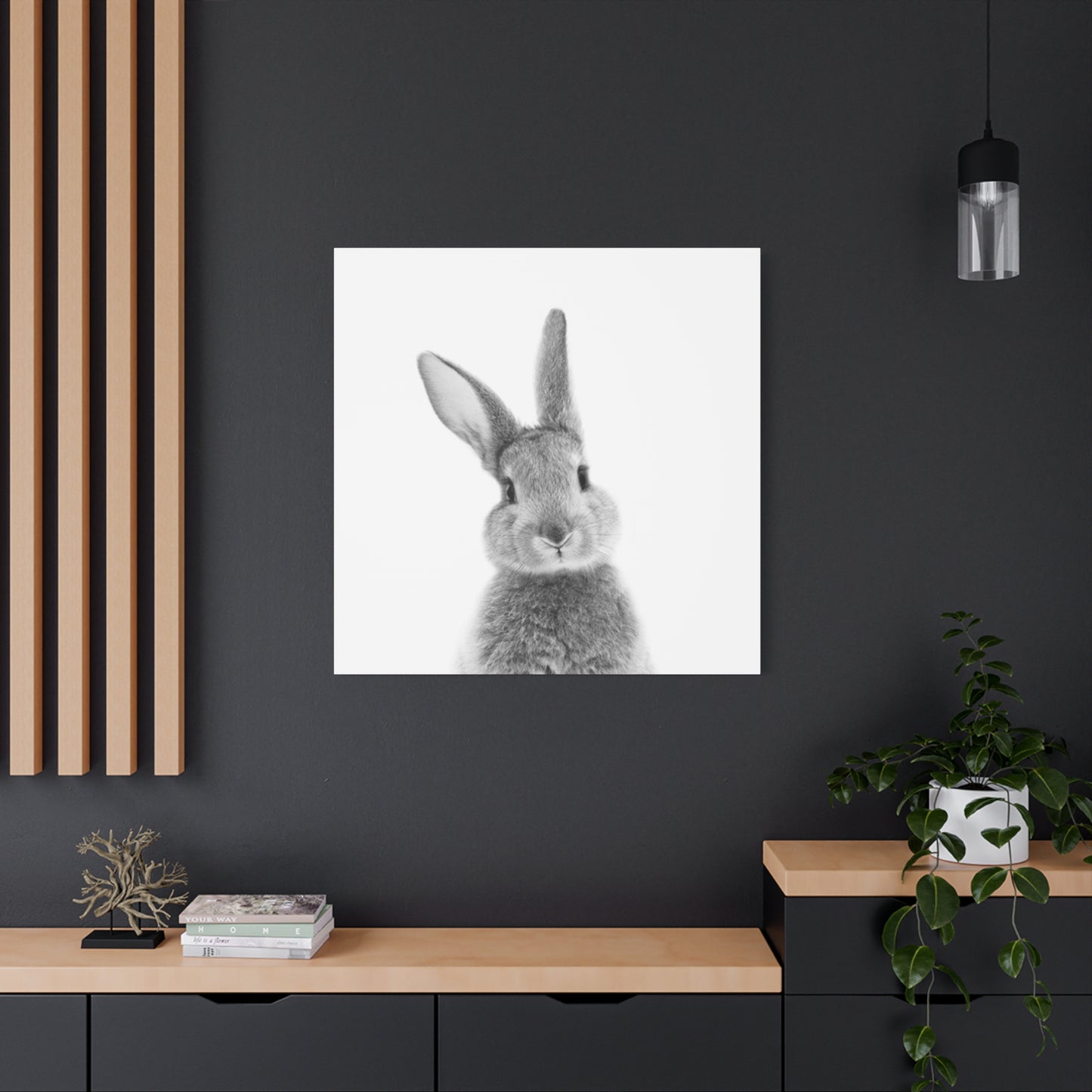


Black And White Rabbit Wall Art & Canvas Prints
Black And White Rabbit Wall Art & Canvas Prints
Couldn't load pickup availability
Elegant Monochrome Bunny Décor: Stunning Black And White Rabbit Wall Art For Modern Living Spaces
Creating a captivating atmosphere within your residence requires careful consideration of decorative elements that speak to your personal aesthetic while enhancing the overall ambiance. Among the myriad options available for adorning interior walls, monochrome animal-themed pieces have emerged as particularly compelling choices for homeowners seeking sophistication without overwhelming visual complexity. The timeless appeal of black and white rabbit wall art represents an exquisite intersection of natural beauty, artistic expression, and versatile design that seamlessly complements diverse interior styling approaches.
The Compelling Allure Of Monochrome Animal Imagery In Contemporary Interior Design
Monochrome artwork possesses an inherent ability to command attention while maintaining a sense of refined elegance that colored pieces sometimes struggle to achieve. When examining the specific appeal of rabbit-themed decorations rendered in stark black and white contrasts, we discover multiple layers of meaning and aesthetic value that resonate with homeowners across various demographic segments and design preferences.
The psychological impact of viewing animal imagery within domestic environments has been extensively documented by researchers studying human spatial behavior and emotional responses to decorative elements. Rabbits, specifically, evoke associations with gentleness, fertility, prosperity, and natural vitality—qualities that many individuals consciously or subconsciously wish to invite into their living quarters. When these symbolic creatures are depicted through the lens of monochromatic artistry, they acquire an additional dimension of timeless sophistication that transcends fleeting decorating trends.
Black and white compositions eliminate the potential distractions that sometimes accompany multicolored artworks, allowing viewers to focus intently on form, texture, shadow, and compositional balance. This reduction to essential visual elements creates a meditative quality that can transform an ordinary room into a contemplative sanctuary. The absence of chromatic information paradoxically intensifies the emotional resonance of the subject matter, as our minds fill the perceptual gaps with personal associations and memories.
Furthermore, monochrome rabbit wall art demonstrates remarkable adaptability across various architectural contexts and existing color schemes. Whether your residence features bold jewel tones, soft pastels, earthy neutrals, or dramatic dark hues, black and white pieces function as visual anchors that tie disparate elements together without competing for attention. This chameleon-like quality makes such artwork an exceptionally prudent investment for homeowners who anticipate evolving their interior palettes over time.
Diverse Artistic Styles Within The Realm Of Rabbit-Themed Monochrome Wall Décor
The category of black and white rabbit wall art encompasses an impressive spectrum of artistic approaches, each offering distinct visual characteristics and emotional tones that cater to different preferences and interior contexts. Understanding these various manifestations allows discerning decorators to select pieces that authentically reflect their personal aesthetic sensibilities while fulfilling specific functional requirements within their spaces.
Photorealistic renditions capture rabbits with meticulous attention to anatomical accuracy and textural detail, celebrating the intricate beauty of these creatures as they exist in nature. These pieces often showcase the delicate interplay of light across fur, the subtle gradations of shadow that define muscular structure, and the penetrating intelligence visible in the subject's eyes. Such works appeal particularly to nature enthusiasts and those who appreciate the technical mastery required to translate three-dimensional reality onto two-dimensional surfaces with such fidelity.
Alternatively, minimalist interpretations distill the essence of rabbit forms into simplified geometric shapes and clean lines, creating compositions that emphasize negative space and visual breathing room. These abstract or semi-abstract representations align beautifully with Scandinavian, Japanese-inspired, and contemporary modernist interior schemes that prioritize uncluttered simplicity and intentional restraint. The power of such pieces lies not in exhaustive detail but in their ability to suggest rather than explicitly depict, engaging viewers' imaginative faculties.
Vintage-inspired illustrations that evoke early naturalist drawings or antique children's book artwork represent another popular category within this genre. These pieces often incorporate elements of nostalgia and whimsy while maintaining the graphic punch that monochrome presentation provides. The deliberately aged quality of such artwork introduces a sense of established history and cultural continuity that many homeowners find emotionally grounding in our rapidly changing world.
Silhouette-based designs offer perhaps the most dramatic interpretation of rabbit imagery, reducing subjects to pure shape against contrasting backgrounds. This approach can range from delicate, intricate profiles that showcase the distinctive contours of rabbit anatomy to bold, graphic statements that function almost as iconic symbols rather than literal representations. Silhouettes work exceptionally well in spaces where strong visual impact is desired without the complexity of detailed rendering.
Contemporary artistic movements have also produced fascinating experimental approaches to rabbit imagery, including geometric fragmentation, stippling techniques that build form through accumulated dots, crosshatching methods that create tonal variation through line density, and mixed-media compositions that incorporate collage elements or textural components. These innovative interpretations appeal to collectors and design-forward individuals seeking conversation-starting pieces that challenge conventional expectations.
Strategic Placement Considerations For Maximizing Visual Impact Of Rabbit Wall Decorations
The effectiveness of any wall decoration depends substantially upon thoughtful placement decisions that account for viewing angles, lighting conditions, surrounding architectural features, and the psychological functions of different residential zones. When integrating black and white rabbit wall art into your living environment, several strategic considerations can dramatically enhance both the artwork's impact and the overall coherence of your interior design scheme.
Entryways and foyers present ideal opportunities for establishing immediate aesthetic tone as guests cross the threshold into your home. A striking monochrome rabbit piece positioned at eye level creates a welcoming yet sophisticated first impression that signals your design sensibility without overwhelming visitors. The symbolic associations of rabbits with hospitality and abundance make such placement particularly appropriate from both decorative and metaphorical perspectives.
Living rooms and primary gathering spaces benefit from larger-scale rabbit artwork that can serve as focal points around which furniture arrangements naturally organize. Positioning such pieces above sofas or mantels creates visual anchors that draw the eye and establish hierarchical relationships among room elements. When selecting artwork for these high-traffic areas, consider pieces with sufficient visual weight and compositional complexity to maintain interest during extended viewing periods, as these spaces typically experience the most sustained occupation.
Bedroom environments call for gentler, more contemplative rabbit imagery that promotes relaxation and restorative rest. Soft-focus photographic pieces or simplified illustrations rendered in subtle tonal gradations work beautifully in these intimate spaces, contributing to the calming atmosphere essential for quality sleep. Positioning artwork where it can be comfortably viewed from the bed creates opportunities for meditative contemplation during quiet morning and evening moments.
Dining areas present unique opportunities for incorporating rabbit wall art that celebrates abundance, natural cycles, and communal gathering. Groupings of smaller pieces arranged in deliberate compositions can create dynamic visual interest that stimulates conversation without distracting from social interaction. The monochromatic nature of black and white artwork ensures that food presentation remains the primary visual focus during meals while the surrounding décor provides sophisticated context.
Home offices and creative workspaces benefit from inspirational rabbit imagery that balances focused productivity with imaginative thinking. Rabbits' associations with fertility and proliferation can symbolically encourage generative creativity and abundant output. Positioning artwork within peripheral vision rather than direct sightlines allows for occasional contemplative breaks that refresh mental energy without becoming constant distractions.
Hallways and transitional spaces often suffer from decorative neglect despite their potential for creating cohesive visual narratives throughout a residence. Gallery-style arrangements of multiple black and white rabbit pieces in varied sizes and styles can transform these utilitarian corridors into engaging artistic experiences that reward movement through the home. Consistent framing or matting approaches help unify disparate images into coherent collections.
Bathroom environments, frequently overlooked in decorative planning, can be dramatically enhanced by carefully selected rabbit wall art that introduces personality and visual interest to purely functional spaces. Smaller pieces positioned away from direct water exposure add whimsical charm while maintaining the clean, spa-like atmosphere many homeowners desire in these private sanctuaries.
Material Substrates And Production Methods That Define Quality In Monochrome Rabbit Artwork
The physical characteristics of rabbit wall art extend far beyond mere visual composition, encompassing substrate materials, production methodologies, and finishing treatments that collectively determine longevity, visual impact, and appropriateness for specific environmental conditions. Developing familiarity with these technical aspects empowers consumers to make informed acquisition decisions that align with both aesthetic preferences and practical requirements.
Canvas prints represent perhaps the most ubiquitous format for photographic and digitally rendered rabbit artwork, offering texture, depth, and gallery-worthy presence at accessible price points. High-quality canvas productions utilize acid-free materials and archival inks that resist fading even when exposed to indirect natural light over extended periods. Gallery-wrap construction, where printed canvas extends around frame edges, creates a finished appearance that eliminates the need for additional framing while providing a contemporary, minimalist presentation.
Fine art paper prints cater to collectors seeking maximum detail retention and tonal subtlety in their rabbit imagery. Museum-grade papers manufactured from cotton rag or alpha cellulose possess exceptional longevity when produced using pigment-based inks that form molecular bonds with paper fibers. These prints typically require protective framing behind conservation-grade glazing materials that filter harmful ultraviolet radiation while minimizing reflective glare that could obscure viewing.
Metal prints have emerged as cutting-edge alternatives that infuse rabbit imagery with luminous depth and contemporary industrial aesthetics. This production method involves dye-sublimation processes that transfer images directly onto specially coated aluminum panels, creating waterproof, scratch-resistant surfaces with extraordinary color saturation—or in the case of monochrome work, remarkably nuanced tonal gradations. The inherent reflective properties of metallic substrates interact dynamically with ambient lighting, causing images to subtly transform throughout the day.
Acrylic prints mount photographic images behind clear acrylic panels, creating stunning depth and vibrancy through light refraction. This format works exceptionally well for high-contrast black and white rabbit photography, as the dimensional quality enhances the illusion of three-dimensionality. The glossy, contemporary appearance of acrylic presentations suits modern and transitional interior schemes while providing durable, easily maintained surfaces ideal for humid environments.
Wood-mounted prints combine natural material warmth with photographic precision, transferring rabbit images directly onto prepared wooden panels through specialized processes. This approach introduces organic texture that complements the natural subject matter while providing rustic charm that suits farmhouse, cottage, and eclectic design schemes. The dimensional stability of wooden substrates prevents warping concerns that can affect paper and canvas over time.
Original hand-drawn and painted rabbit artwork naturally commands premium pricing while offering absolute uniqueness that reproduction methods cannot replicate. Graphite drawings, charcoal renderings, ink illustrations, and monochromatic paintings each possess distinctive aesthetic qualities reflecting individual artists' techniques and interpretive visions. Collectors drawn to one-of-a-kind pieces often commission custom rabbit portraits incorporating specific breeds or personal pets, creating deeply meaningful additions to their art collections.
Dimensional Specifications And Scaling Principles For Harmonious Wall Compositions
Selecting appropriately sized rabbit wall art requires careful evaluation of available wall space, viewing distances, surrounding architectural elements, and intended visual impact. Misjudgments in scale represent among the most common decorating mistakes, resulting in pieces that either disappear into their surroundings or overwhelm spatial proportions. Applying established design principles regarding artwork dimensions helps ensure balanced, professionally finished results.
The fundamental guideline for artwork positioned above furniture suggests that pieces should span approximately two-thirds to three-quarters the width of the furniture item beneath. For rabbit wall art displayed above a standard sofa measuring seventy to eighty inches wide, this translates to artwork dimensions ranging from forty-eight to sixty inches across. This proportional relationship creates visual harmony while preventing the awkward appearance of undersized pieces floating in excessive empty space.
Vertical wall expanses, such as narrow spaces flanking windows or between doorways, call for taller, more slender rabbit compositions that complement rather than fight against architectural proportions. Portrait-oriented pieces measuring perhaps twenty-four inches wide by thirty-six inches tall utilize vertical space efficiently while maintaining comfortable viewing relationships. These formats work particularly effectively for standing rabbit poses or compositions that emphasize the creatures' elongated body structures.
Gallery walls comprising multiple rabbit pieces in varied dimensions offer flexibility for filling irregular or expansive wall areas while creating dynamic visual interest. Successful multi-piece arrangements typically maintain spacing of approximately two to three inches between adjacent frames, creating breathing room that allows each piece to retain individual identity while contributing to the collective composition. Planning gallery arrangements on floor surfaces before committing to wall mounting prevents frustrating repositioning efforts.
Statement pieces intended to function as undisputed focal points within rooms typically measure forty by sixty inches or larger, commanding immediate attention through sheer physical presence. Such oversized rabbit artwork works best in spacious rooms with adequate viewing distances—generally at least eight to ten feet—that allow viewers to comfortably absorb the entire composition without excessive head movement or physical repositioning.
Conversely, intimate spaces such as powder rooms, reading nooks, or narrow hallways benefit from scaled-down rabbit artwork measuring perhaps twelve by sixteen inches or smaller. These compact pieces provide visual interest appropriate to confined quarters without overwhelming limited square footage. Groupings of small pieces can collectively achieve visual weight comparable to single larger works while offering greater compositional flexibility.
The height at which rabbit wall art is mounted significantly influences viewing comfort and perceived room proportions. Professional designers typically position artwork center points at approximately fifty-seven to sixty inches from floor level, corresponding to average human eye height. This standard applies regardless of ceiling height, though particularly tall ceilings may warrant proportionally higher placement to maintain visual connections with surrounding architectural features.
Framing Options That Enhance And Protect Monochrome Rabbit Artwork
Framing decisions profoundly influence the ultimate presentation and longevity of black and white rabbit wall art, offering opportunities to either amplify or diminish the inherent qualities of the underlying imagery. The frame functions as a transitional element mediating between artwork and surrounding environment, potentially harmonizing disparate elements or creating jarring disconnections depending upon selection appropriateness.
Simple black frames represent classic choices for monochrome rabbit artwork, creating clean boundaries that contain compositions without competing for visual attention. Matte black finishes suit contemporary and minimalist interiors, while glossy black frames introduce subtle elegance appropriate for more formal settings. The neutral quality of black framing ensures compatibility with virtually any color scheme while reinforcing the monochromatic nature of the artwork itself.
White frames offer contrasting alternatives that brighten presentations and create airy, gallery-like atmospheres particularly suited to Scandinavian, coastal, and cottage design schemes. Crisp white framing emphasizes the graphic qualities of high-contrast rabbit imagery while visually expanding apparent artwork dimensions. This approach works especially well when wall colors echo the frame color, creating seamless visual flow between artwork and architecture.
Natural wood frames introduce organic warmth that complements the living subject matter depicted in rabbit artwork while establishing connections with nature-inspired interior themes. Light oak, maple, and ash frames suit contemporary and transitional spaces, while richer walnut, mahogany, and cherry tones enhance traditional and eclectic environments. The grain patterns and tonal variations inherent in wooden frames add textural interest that prevents visual monotony.
Metallic frames in silver, gold, brass, or copper finishes provide opportunities for introducing subtle luxury and visual sophistication to rabbit wall art presentations. Thin metallic profiles maintain contemporary sensibilities while adding reflective highlights that draw attention to framed pieces. These options work particularly effectively when coordinated with existing metallic accents present in lighting fixtures, hardware, or decorative accessories throughout the space.
Floating frames create the illusion that rabbit artwork hovers within the frame structure, introducing dimensional depth and contemporary flair. This mounting approach works exceptionally well for canvas and wood-panel pieces, as the visible edges become integral compositional elements. The shadow gap between artwork edge and frame creates visual breathing room that prevents the claustrophobic feeling sometimes associated with traditional framing.
Matting considerations prove equally important in achieving polished presentations that appropriately showcase rabbit imagery. Generous mat borders—typically three to four inches on sides and top, with slightly wider bottom borders following classical proportions—create breathing room that prevents artwork from feeling cramped within frames. White and off-white mats maintain clean, gallery-like presentations, while black mats can create striking drama for high-contrast rabbit photography.
Conservation-quality materials assume critical importance when framing valuable or irreplaceable rabbit artwork intended for long-term display. Acid-free mats and backing boards prevent chemical degradation that causes yellowing and brittleness over time. UV-filtering glazing materials protect against light-induced fading while museum-grade acrylic alternatives offer superior clarity and shatter resistance compared to traditional glass.
Color Palette Coordination Strategies For Integrating Monochrome Rabbit Artwork Into Existing Schemes
While black and white rabbit wall art inherently contains no chromatic information, its successful integration into decorated spaces requires thoughtful consideration of surrounding color relationships, tonal values, and visual balance. The apparent simplicity of monochrome artwork belies the sophisticated color coordination principles that govern its effective deployment within chromatically complex environments.
Neutral-dominated interiors featuring whites, grays, beiges, and taupes provide natural homes for black and white rabbit artwork, as the absence of competing colors allows monochrome pieces to function as primary focal points. Within these restrained palettes, rabbit imagery introduces visual interest through form and composition rather than chromatic stimulation. The tonal variations present in quality monochrome artwork—from deepest blacks through mid-tones to brightest whites—create sufficient complexity to prevent visual blandness while maintaining overall palette cohesion.
Bold, saturated color schemes benefit from the visual respite that monochrome rabbit artwork provides, offering eyes resting points amid chromatic intensity. When positioned within environments featuring jewel tones, primary colors, or vibrant accent walls, black and white pieces function as palate cleansers that prevent overwhelming visual stimulation. This juxtaposition creates dynamic tension that energizes spaces while maintaining compositional balance.
Monochromatic room schemes built around single color families in varied shades and tones can incorporate black and white rabbit wall art as deliberate contrast elements that prevent monotony. For instance, a room decorated entirely in blue variants gains dimensional interest from the introduction of stark monochrome pieces that break chromatic uniformity while maintaining tonal harmony. The key lies in ensuring sufficient value contrast between artwork and immediate backgrounds to prevent pieces from visually receding.
Complementary color schemes pairing opposite hue-wheel positions—such as blue and orange or purple and yellow—can successfully accommodate black and white rabbit artwork when the monochrome pieces share similar value relationships with surrounding colors. Ensuring that artwork placement considers these tonal harmonies prevents pieces from appearing as jarring afterthoughts disconnected from overall design intentions.
Analogous color schemes utilizing adjacent hue-wheel positions benefit from black and white rabbit artwork that provides neutral grounding for subtle chromatic variations. The absence of competing colors in monochrome pieces allows analogous relationships to remain primary focal points while rabbit imagery contributes visual interest through subject matter and composition rather than chromatic information.
The specific tonal distribution within black and white rabbit artwork—whether predominantly dark, predominantly light, or balanced between extremes—should inform placement decisions relative to surrounding wall colors. High-key rabbit images featuring predominantly light tones with minimal dark accents create visual expansion and airiness when positioned against medium-value walls, while low-key images dominated by dark tones with sparking highlights generate drama and intensity.
Symbolic Meanings And Cultural Significance Associated With Rabbit Imagery
Beyond their immediate aesthetic appeal, rabbits carry rich symbolic freight accumulated across diverse cultural traditions, religious systems, and folkloric narratives spanning millennia. Understanding these associative dimensions adds depth to the experience of living with black and white rabbit wall art, transforming decorative objects into meaningful talismans that resonate with personal values and aspirations.
Fertility and abundance represent perhaps the most universally recognized symbolic associations with rabbits, stemming from their prodigious reproductive capacity and rapid population growth under favorable conditions. Many cultures have historically viewed rabbits as emblems of prosperity, creative generativity, and life's proliferating energies. Incorporating rabbit imagery into domestic spaces can function as visual affirmations of these qualities, subtly encouraging mindsets aligned with growth and plenty.
Spring, renewal, and cyclical rebirth connect rabbits with seasonal transformations and nature's regenerative powers. Numerous cultural traditions associate these creatures with vernal equinoxes and the return of vitality following winter dormancy. This symbolism makes rabbit wall art particularly appropriate for spaces dedicated to new beginnings, personal transformation, or healing processes, where the visual presence of these creatures serves as gentle reminders of inherent renewal capacities.
Lunar associations appear in various mythological systems that perceive rabbit shapes within moon surface markings, creating symbolic links between these earthbound creatures and celestial rhythms. Chinese, Native American, Aztec, and other traditions incorporate rabbit-moon connections into their cosmological frameworks, often attributing qualities of intuition, receptivity, and subtle power to rabbits through these celestial associations. Monochrome rabbit artwork can thus evoke these lunar qualities, particularly when displayed in spaces designated for contemplation or dreamwork.
Trickster qualities appear in numerous folkloric traditions that depict rabbits as clever, resourceful beings who overcome challenges through wit rather than force. African-American, Native American, and European folk tales feature rabbit protagonists who navigate complex situations through intelligence and adaptability. This symbolic dimension makes rabbit imagery potentially inspirational for creative workspaces or children's areas where problem-solving and innovative thinking are encouraged.
Gentleness, sensitivity, and vulnerability constitute another layer of rabbit symbolism reflecting these creatures' actual behavioral characteristics. Their alert, watchful nature and tendency toward cautious movement through environments make them emblems of heightened awareness and careful attention. For individuals valuing these qualities or seeking to cultivate greater mindfulness, rabbit wall art serves as visual anchors for intentional living.
Luck and fortune connect with rabbit imagery in various cultural contexts, most famously through the tradition of carrying rabbit's feet as talismans. While contemporary sensibilities rightfully reject practices involving animal harm, the underlying symbolic association between rabbits and fortunate outcomes persists in purely representational forms. Black and white rabbit wall art can thus function as hopeful symbols without ethical complications.
Sourcing Channels And Acquisition Strategies For Finding Exceptional Rabbit Wall Art
Locating black and white rabbit wall art that perfectly aligns with your aesthetic preferences, quality standards, and budgetary parameters requires familiarity with diverse sourcing channels ranging from mass-market retailers to exclusive artist studios. Each acquisition pathway offers distinct advantages regarding selection breadth, customization possibilities, investment requirements, and ownership satisfaction.
Online marketplaces have democratized art acquisition by connecting consumers with vast inventories spanning price points from remarkably affordable to investment-grade premium. These platforms aggregate offerings from numerous vendors, enabling efficient comparison shopping and exposing buyers to artists and styles they might never encounter through traditional channels. The primary challenges involve accurately assessing quality through digital representations and navigating return policies when physical products fail to meet expectations established by screen viewing.
Artist websites and portfolio platforms provide direct access to creators specializing in rabbit imagery, eliminating intermediary markups while supporting working artists. This direct relationship often enables custom commissions incorporating specific rabbit breeds, poses, compositional preferences, or dimensional requirements. The personal connection with artwork origins adds intangible value for collectors who appreciate knowing the hands and vision behind pieces adorning their walls.
Gallery exhibitions and art fairs offer immersive experiences where prospective buyers can examine rabbit wall art under optimal lighting conditions while experiencing actual scale and material qualities. These curated environments provide expert guidance from gallery personnel who understand both artistic context and technical specifications. The social dimension of gallery visits—including interactions with artists, curators, and fellow collectors—enriches the acquisition experience beyond transactional exchanges.
Home furnishing retailers increasingly stock affordable rabbit wall art alongside furniture and decorative accessories, providing convenient one-stop shopping for complete room designs. While these mass-produced pieces may lack the uniqueness of limited editions or original works, they offer immediate availability and hassle-free return policies that reduce acquisition risks. Coordinated collections featuring matching frames and complementary pieces simplify the design process for those seeking turnkey solutions.
Antique shops and vintage dealers occasionally yield remarkable rabbit-themed prints, illustrations, and artwork reflecting historical artistic movements and production techniques. These discovered treasures carry authentic patinas and design characteristics impossible to replicate in contemporary productions, appealing to collectors drawn to genuine aged materials. The unpredictable nature of vintage hunting transforms acquisition into adventure, with exceptional finds delivering disproportionate satisfaction relative to their monetary cost.
Print-on-demand services enable consumers to transform personally selected rabbit photographs or illustrations into wall-ready artwork through straightforward digital submission processes. This approach grants access to vast image libraries while allowing precise control over sizing, substrate selection, and finishing treatments. Quality varies substantially among service providers, making research and sample ordering prudent preliminary steps before committing to final productions.
Commissioned original artwork represents the ultimate personalization opportunity, resulting in truly unique rabbit pieces that perfectly embody individual visions. Whether engaging painters, illustrators, photographers, or mixed-media artists, commissioning processes involve collaborative dialogue that shapes artistic outcomes. While timelines and investments exceed those associated with ready-made purchases, commissioned pieces deliver unmatched emotional resonance and bragging rights regarding authentic originals.
Preservation Practices That Extend The Lifespan Of Rabbit Wall Decorations
Proper stewardship of black and white rabbit wall art ensures that these investments retain their visual appeal and structural integrity across decades of display, potentially transforming contemporary purchases into cherished heirlooms appreciated by future generations. Environmental factors, handling protocols, and maintenance routines collectively determine whether artwork ages gracefully or succumbs prematurely to preventable deterioration.
Light exposure represents the primary environmental threat to most rabbit wall art formats, with ultraviolet radiation causing irreversible fading, yellowing, and material breakdown. Positioning artwork away from direct sunlight streaming through windows provides fundamental protection, though even indirect natural light contains damaging UV components. When sun exposure proves unavoidable, UV-filtering window films or specialized glazing materials intercept harmful wavelengths before they reach artwork surfaces.
Humidity fluctuations stress artwork materials through expansion and contraction cycles that eventually cause warping, buckling, cracking, and delamination. Maintaining stable relative humidity levels between forty and fifty percent prevents these destructive processes while inhibiting mold growth that flourishes in excessively moist conditions. Dehumidifiers, humidifiers, and climate control systems help regulate atmospheric moisture in environments prone to seasonal extremes.
Temperature stability proves equally important, with ideal ranges falling between sixty-five and seventy-five degrees Fahrenheit. Dramatic temperature swings accelerate chemical degradation processes while creating condensation risks when warm, moisture-laden air contacts cooler surfaces. Avoid positioning rabbit wall art near heating vents, radiators, fireplaces, or air conditioning outlets where localized temperature extremes occur.
Air quality considerations include minimizing exposure to pollutants, cooking fumes, cigarette smoke, and other airborne contaminants that deposit residues on artwork surfaces and accelerate deterioration through chemical interactions. Adequate ventilation dilutes indoor pollutants while air filtration systems remove particulate matter before it settles on displayed pieces. Regular dusting using soft, dry microfiber cloths prevents accumulation of surface debris.
Handling protocols prove critical during installation, relocation, and periodic maintenance activities. Always grasp framed rabbit artwork by frame edges rather than touching artwork surfaces, as skin oils transfer residues that attract dirt and promote deterioration. Wearing clean cotton gloves when handling valuable or unframed pieces provides additional protection against contamination. Never stack unframed or unprotected artwork, as contact between surfaces causes abrasion and transfer damage.
Cleaning approaches must match specific substrate and surface characteristics to avoid inadvertent harm. Canvas prints generally tolerate gentle vacuuming using soft brush attachments to remove surface dust, while glazed frames accept careful wiping with slightly dampened microfiber cloths. Never apply liquid cleaners, glass sprays, or chemical solvents to artwork surfaces without explicit manufacturer guidance, as even seemingly innocuous products can cause irreparable damage.
Periodic inspection routines enable early detection of emerging problems before they progress to irreversible stages. Examining rabbit wall art quarterly under good lighting conditions helps identify issues such as fading, discoloration, pest damage, frame degradation, or loosening mounting hardware. Addressing problems promptly through professional conservation services prevents minor concerns from escalating into major restoration projects.
Storage protocols for rabbit artwork not currently displayed should emphasize protection from environmental extremes, physical damage, and pest intrusion. Wrapping pieces in acid-free tissue or glassine paper before placing them in sturdy portfolios or storage boxes prevents surface abrasion and contamination. Store artwork flat when possible to avoid warping, and elevate storage containers above floor level to protect against flooding risks.
Complementary Décor Elements That Harmonize With Rabbit Wall Art
Black and white rabbit wall art rarely exists in isolation but rather integrates within broader decorative ecosystems comprising furniture, textiles, accessories, and architectural features. Thoughtfully selecting complementary elements that echo, contrast, or otherwise relate to rabbit artwork creates cohesive design narratives that feel intentional rather than haphazard.
Textile selections offer prime opportunities for reinforcing themes established by rabbit wall art while introducing textural variety that prevents visual flatness. Throw pillows featuring subtle rabbit motifs or geometric patterns echoing artwork compositions create dialogue between wall and furnishing surfaces. Natural fiber fabrics such as linen, cotton, and wool harmonize with the organic subject matter while contributing tactile richness. Monochromatic or neutral textile palettes allow rabbit artwork to remain focal while providing supporting context.
Sculptural objects and three-dimensional rabbit figurines establish physical manifestations of the creatures depicted in wall art, creating multi-dimensional engagement with the rabbit theme. Ceramic, wood, metal, or stone rabbit sculptures positioned on shelves, mantels, or side tables echo wall art subjects while providing interesting form contrasts between two-dimensional and three-dimensional representations. Varying scales among sculptural elements prevents repetitive monotony while building thematic cohesion.
Botanical elements connect with the natural habitats rabbits occupy, reinforcing organic themes and introducing living components that complement static artwork. Potted plants, fresh flower arrangements, or preserved greenery bring nature indoors while creating visual bridges between rabbit imagery and actual natural elements. Selecting plants with soft, rounded forms echoes rabbit shapes, while varieties featuring gray-green foliage harmonizes with monochrome color schemes.
Lighting fixtures merit careful consideration for their dual roles in illuminating rabbit wall art while functioning as sculptural design elements themselves. Adjustable picture lights mounted above artwork optimize viewing while creating dramatic emphasis during evening hours. Table and floor lamps with neutral bases and natural fiber shades distribute ambient illumination without competing visually with wall art. Metallic finishes on lighting fixtures can coordinate with frame materials, creating subtle material echoes throughout spaces.
Furniture selections influence how rabbit wall art integrates within overall room compositions through scale relationships, style alignments, and material dialogues. Mid-century modern furniture pieces with clean lines and organic curves complement contemporary rabbit artwork while maintaining uncluttered aesthetic sensibilities. Traditional furnishings with ornate details pair effectively with more classical rabbit illustrations, creating harmonious period alignments. Furniture upholstery in neutral tones prevents chromatic competition with monochrome artwork.
Flooring materials and area rugs establish foundational contexts against which rabbit wall art and all other design elements exist. Natural wood flooring in light to medium tones creates warmth without overwhelming visual fields, while stone or tile surfaces in neutral colors provide clean backdrops suitable for diverse decorating directions. Area rugs featuring subtle patterns or solid neutral colors ground furniture arrangements while connecting disparate room elements, including wall art, into unified compositions.
Window treatments influence both the physical preservation of rabbit artwork through light control and the aesthetic harmony of interior spaces. Sheer curtains filter harsh sunlight while maintaining views and natural illumination, protecting artwork from UV damage without creating cave-like darkness. Heavier drapes in neutral fabrics provide nighttime privacy and additional light control while introducing vertical elements that balance horizontal artwork orientations.
Architectural details such as crown molding, wainscoting, and wall paneling create structural contexts that either enhance or detract from rabbit wall art depending upon design sympathies. Simple, understated millwork allows artwork to command attention, while elaborate architectural ornamentation competes for visual dominance. Painting architectural details in colors that coordinate with artwork frames creates cohesive visual flow that feels professionally designed.
Seasonal Rotation Strategies For Maintaining Fresh Visual Interest In Decorated Spaces
While quality black and white rabbit wall art possesses timeless appeal suitable for permanent display, many homeowners enjoy periodically refreshing their interior environments by rotating artwork collections. This practice prevents visual habituation—the psychological process through which constantly viewed stimuli gradually fade from conscious awareness—while allowing owners to enjoy varied pieces from accumulated collections.
Seasonal rotation approaches align artwork selections with changing natural conditions and cultural observances throughout the calendar year. Spring naturally invites rabbit imagery given the creatures' traditional associations with vernal renewal and Easter symbolism. Displaying rabbit wall art prominently during March through May creates thematically appropriate seasonal connections that feel intuitively aligned with external environmental changes.
Summer rotations might shift toward lighter, higher-key rabbit images that reflect the season's bright, energetic qualities. Photographs capturing rabbits in sun-drenched meadows or minimalist illustrations emphasizing negative space create visual coolness that psychologically counteracts warm temperatures. Pairing summer rabbit artwork with light, airy textiles and pale color accents reinforces seasonal theming.
Autumn transitions could introduce rabbit artwork with richer tonal contrasts and perhaps slightly more serious compositional qualities reflecting the season's contemplative character. Images showing rabbits amid fallen leaves or rendered in deeper shadow tones harmonize with harvest associations and the gradual retreat toward winter introspection. Coordinating artwork rotation with textile changes to warmer fabrics and deeper accent colors creates comprehensive seasonal transformations.
Winter displays might feature rabbit artwork emphasizing pristine forms against stark backgrounds, evoking snowy landscapes and crystalline purity. High-contrast silhouettes or minimalist compositions suit the season's stripped-down aesthetic while maintaining visual interest during months when outdoor views offer less chromatic variety. Pairing winter rabbit artwork with metallic accents and cool-toned textiles reinforces seasonal connections.
Holiday-specific displays offer opportunities for temporarily incorporating rabbit wall art into festive decorating schemes without permanent commitment. Easter celebrations naturally accommodate rabbit imagery, though thoughtful styling prevents childish or overtly commercial appearances. Positioning sophisticated black and white rabbit artwork amid fresh flowers, natural eggs, and understated seasonal décor creates elegant vernal celebrations appropriate for adult aesthetics.
Mood-based rotation approaches respond to personal emotional states and household energy rather than external calendar considerations. During periods craving tranquility and calm, selecting gentle, soft-focus rabbit imagery supports stress reduction and peaceful atmospheres. When seeking invigoration and creative stimulation, rotating to more dynamic, graphically bold rabbit compositions energizes environments and mental states.
Practical rotation systems might designate specific storage locations for artwork not currently displayed, using acid-free portfolios or padded storage boxes that protect pieces from damage during dormant periods. Creating digital inventories documenting collection contents prevents forgotten pieces from languishing indefinitely in storage. Scheduling quarterly rotation sessions on calendar reminders ensures regular refreshment without requiring constant attention.
Guest-responsive rotation strategies involve temporarily displaying particularly impressive rabbit artwork during periods when visitors will be present, saving everyday pieces for routine family viewing. This approach allows homeowners to showcase collection highlights during social occasions while maintaining comfortable familiarity through consistent displays during ordinary periods.
Creative Arrangements And Gallery Wall Compositions Featuring Multiple Rabbit Pieces
While single statement pieces deliver undeniable impact, thoughtfully composed multi-piece arrangements offer opportunities for creating complex visual narratives and dynamic compositions that evolve as viewers move through spaces. Mastering gallery wall principles specific to black and white rabbit wall art enables ambitious collectors to showcase multiple pieces in professionally finished displays.
Symmetrical grid arrangements impose formal order through precise spacing and alignment, creating calm, rational compositions suited to traditional and transitional interiors. Equal-sized rabbit pieces mounted in identical frames establish visual rhythm through repetition, while consistent spacing between frames generates geometric precision. This approach works particularly effectively for series of related rabbit images—perhaps showing different breeds or capturing sequential movements—where thematic connections justify uniform presentation.
Asymmetrical organic arrangements embrace visual variety through mixed frame sizes, orientations, and spacing relationships. This looser approach suits contemporary and eclectic interiors while accommodating diverse rabbit artwork styles within single compositions. The key to successful asymmetrical arrangements lies in achieving visual balance—the sense that compositional weight distributes evenly despite lacking formal symmetry—through careful consideration of piece sizes, tonal values, and spatial relationships.
Final Thoughts
Elegant monochrome bunny décor, particularly in the form of stunning black and white rabbit wall art, offers a unique way to bring both charm and sophistication to modern living spaces. The minimalist appeal of black and white tones combined with the playful yet graceful imagery of a rabbit creates a striking balance between nature and design. Whether you're an animal lover, an admirer of minimalist art, or simply looking to add a touch of whimsical elegance to your home, rabbit wall art in these classic tones has a timeless quality that can enhance any room.
One of the key reasons black and white rabbit wall art stands out is its versatility. The simplicity of the monochrome color scheme allows it to seamlessly fit into a wide range of interior styles, from sleek, contemporary apartments to more cozy, eclectic homes. The neutral tones of black and white offer a visual flexibility that allows the artwork to complement almost any existing color palette without clashing. Whether displayed on a light-colored wall to create contrast, or hung against a darker background for a more subtle, integrated look, rabbit wall art can effortlessly elevate the ambiance of any room.
The symbolism of rabbits further enhances the appeal of this artwork. Rabbits have long been associated with themes of fertility, rebirth, and abundance, but they also embody qualities of gentleness, grace, and agility. These associations make rabbit-themed art a perfect addition to spaces that seek to evoke feelings of renewal, peace, and natural beauty. Whether placed in a bedroom, living room, or even a home office, rabbit wall art can help foster a serene, calming environment while also inviting a sense of optimism and vitality.
Additionally, rabbits in art often convey a sense of movement and playfulness. The depiction of a rabbit in motion, whether in a simple, elegant line drawing or a more detailed, stylized form, brings energy and life to the space. This sense of lightheartedness is perfectly suited for modern interiors that embrace clean lines, open spaces, and a minimalist aesthetic. It also adds a subtle touch of nature, helping to create a connection between the indoors and the natural world. In this way, rabbit wall art becomes a harmonious blend of organic and modern design elements.
Beyond aesthetics, monochrome bunny wall art offers a sense of balance and harmony that can create a peaceful focal point in any room. The contrast between the black and white tones, paired with the soft, organic shape of the rabbit, draws the eye without overwhelming the surrounding décor. Whether you're curating a gallery wall or opting for a single statement piece, this type of art is able to stand out in a room while maintaining a sense of understated elegance. It invites the viewer to take a moment to pause and appreciate the delicate beauty and simplicity of the subject, creating a peaceful atmosphere that encourages relaxation and contemplation.
In modern design, where minimalist principles often dominate, black and white rabbit wall art strikes the perfect balance between simplicity and character. The clean lines and abstracted forms of the artwork create visual interest without detracting from the minimalist feel of the space. Whether you choose an abstract rendering of a rabbit or a highly detailed illustration, the artwork serves as a visual anchor that adds a layer of personality to your home while maintaining a sense of calm and clarity.
For those looking to make a bold design statement, a large-scale piece of black and white bunny wall art can become the centerpiece of a room. Its striking contrast draws attention, creating a focal point that commands the space without overwhelming it. In a living room, dining area, or even an entryway, the artwork can create an inviting atmosphere, setting the tone for the entire home. For smaller rooms or spaces with subtle décor, a smaller rabbit art piece still provides the same level of visual interest, becoming an intimate detail that enhances the room’s overall design.
Furthermore, the playful nature of the rabbit image can bring a sense of joy and lightheartedness to a space. This whimsy is especially fitting for family homes or spaces designed for relaxation and creativity, such as children’s rooms or home offices. The rabbit’s gentle, endearing quality makes it a universally appealing subject, inviting a sense of warmth and affection while maintaining an air of sophistication.
Lastly, the timeless appeal of black and white art ensures that your rabbit wall art will never go out of style. The monochrome palette and the enduring charm of the rabbit symbol make it a piece that will resonate with you for years to come. Whether you’re updating your décor or simply adding a new piece to refresh the room, rabbit wall art in black and white can seamlessly adapt to changing design trends without losing its charm. It’s a timeless investment in both aesthetic beauty and emotional resonance.
In conclusion, elegant monochrome bunny décor in the form of black and white rabbit wall art offers an incredible opportunity to enhance your living spaces with a combination of sophistication, symbolism, and whimsy. The minimalist design, paired with the deep meaning and charm of the rabbit, creates an art piece that adds both beauty and emotion to any room. Its versatility allows it to complement a wide range of interior styles, from minimalist modern spaces to more eclectic or vintage-inspired rooms. Whether you're drawn to its graceful form, its gentle symbolism, or simply its timeless beauty, black and white rabbit wall art is a perfect way to bring a touch of nature and elegance into your home.
Share