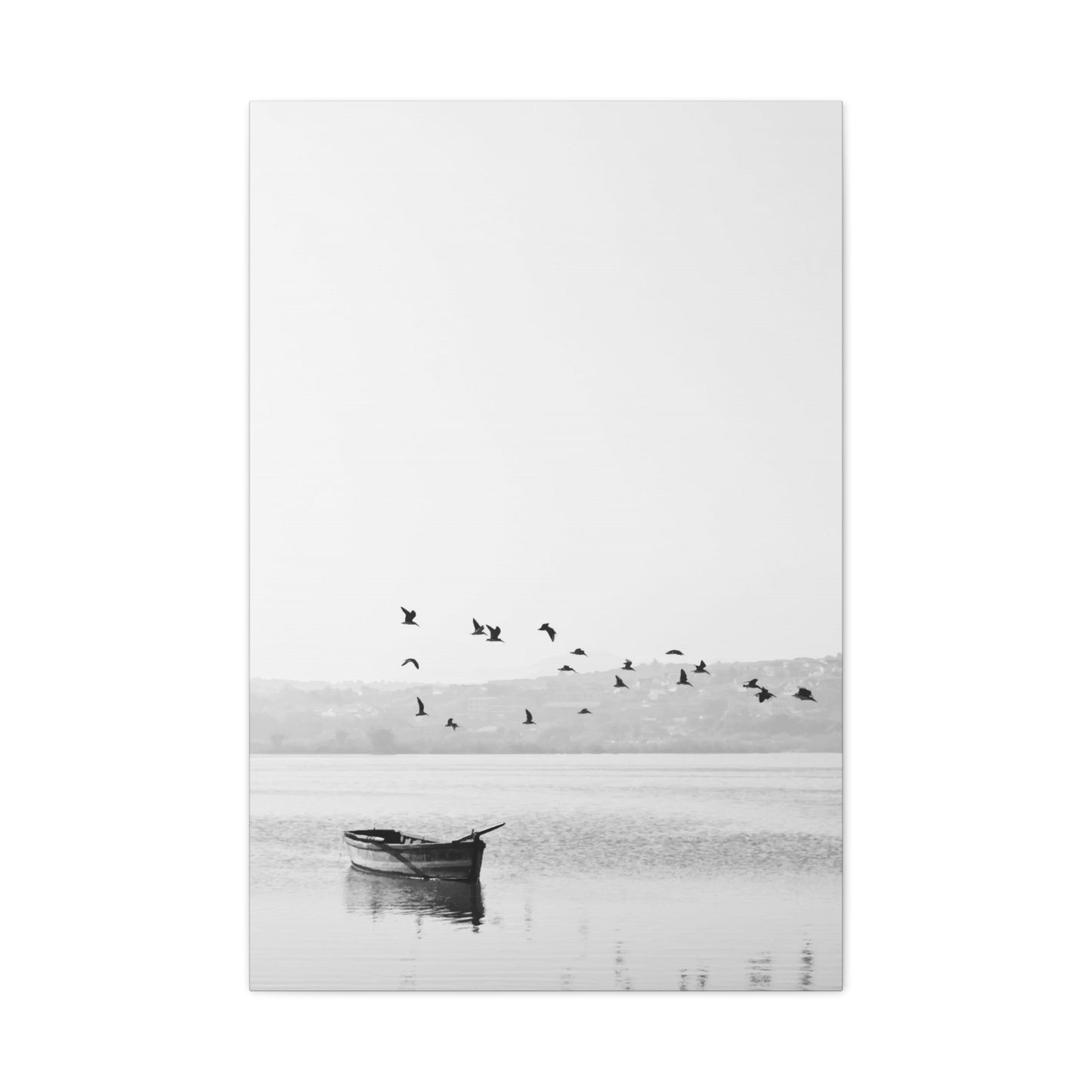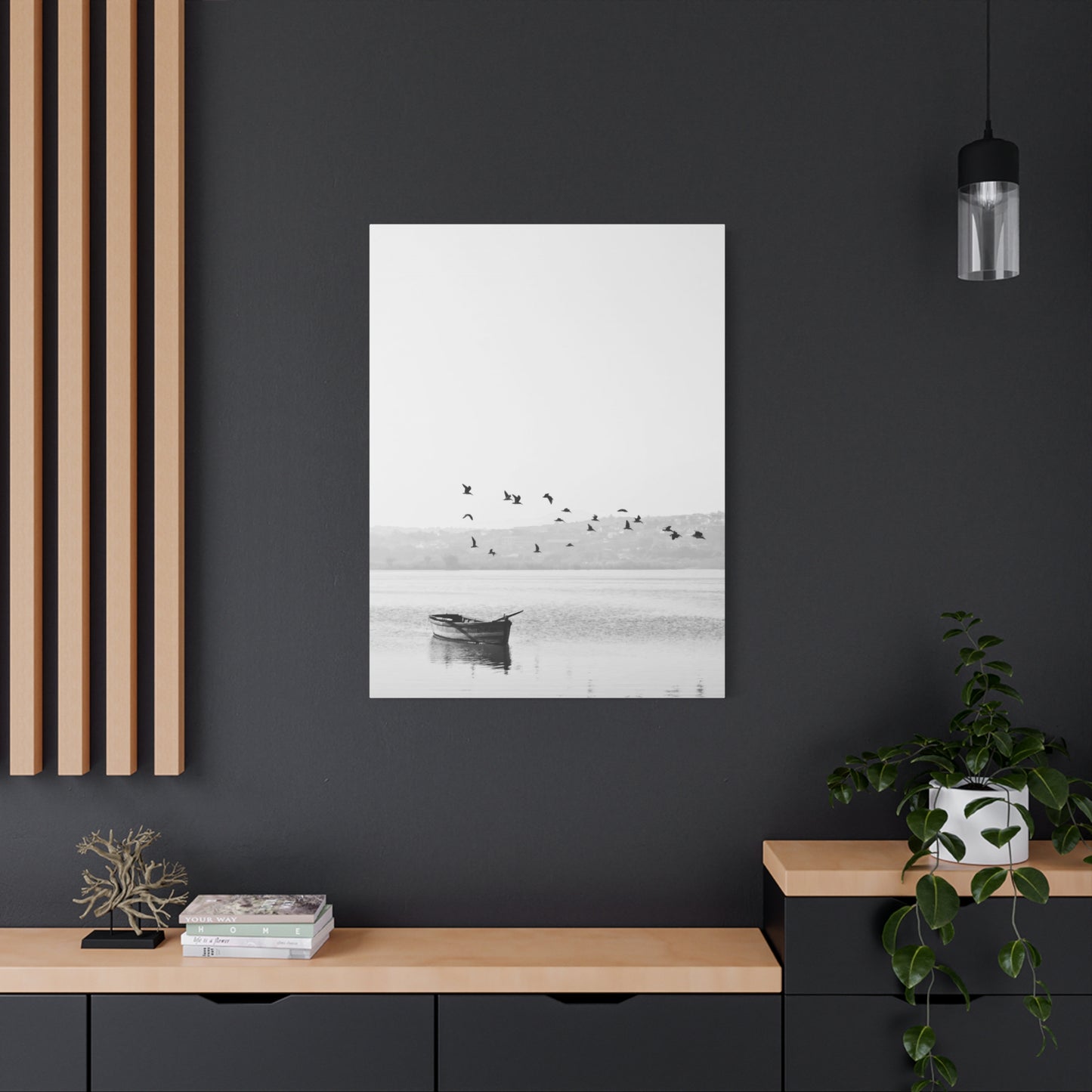


Black and White Wall Art & Canvas Prints
Black and White Wall Art & Canvas Prints
Couldn't load pickup availability
A Detailed Exploration of Timeless Black and White Wall Art: Perfect for Elevating Any Living Space
The world of interior decoration has witnessed countless trends come and go, yet monochromatic visual aesthetics continue to captivate homeowners, designers, and art enthusiasts across generations. Black and white wall art represents more than mere absence of color; it embodies sophistication, versatility, and timeless elegance that transcends fleeting design movements. This profound exploration delves into every conceivable aspect of monochromatic artwork, from its philosophical underpinnings to practical implementation strategies that can revolutionize your living environment.
The Enduring Appeal and Perpetual Relevance of Monochromatic Artistic Expressions
Monochromatic visual compositions have maintained their prestigious position in the hierarchy of aesthetic choices throughout human civilization. The stark contrast between darkness and light creates a visual dialogue that speaks directly to our perceptual instincts, bypassing the sometimes overwhelming stimulation of chromatic diversity. When you incorporate black and white wall art into your surroundings, you're not merely decorating empty surfaces; you're engaging with a design philosophy that has withstood the test of centuries.
The human eye naturally gravitates toward contrast, and nothing provides more dramatic visual tension than the interplay between absolute darkness and pristine brightness. This fundamental principle of visual perception explains why monochromatic pieces continue to dominate galleries, museums, and private collections worldwide. The absence of color paradoxically amplifies other visual elements—texture becomes more pronounced, composition gains emphasis, and emotional content intensifies without chromatic distraction.
Photographers, painters, and graphic artists have long recognized that stripping away color forces both creator and viewer to focus on essential elements: form, shadow, light, composition, and emotional resonance. Black and white wall art distills visual storytelling to its purest essence, creating pieces that communicate across cultural boundaries and personal preferences. Whether depicting urban landscapes, natural phenomena, abstract concepts, or human portraits, monochromatic works possess an immediacy and clarity that colored versions often lack.
Exploring the Multifaceted Dimensions of Grayscale Artistic Creations
The realm of monochromatic artwork extends far beyond simple photography or sketches. Contemporary artists and designers have expanded this genre into countless subcategories, each offering unique aesthetic possibilities. Photographic prints remain perhaps the most accessible entry point, ranging from dramatic landscape vistas captured during golden hour to intimate street photography documenting human experiences. These images gain particular power when rendered without color, as viewers focus entirely on moment, emotion, and compositional excellence.
Abstract compositions in monochrome challenge viewers differently, inviting personal interpretation unencumbered by associations that specific colors might trigger. Geometric patterns, fluid forms, and textural experiments become meditative focal points that complement rather than compete with surrounding decor elements. Black and white wall art in abstract forms serves as a visual anchor, providing sophistication without demanding attention, making such pieces ideal for spaces requiring both presence and subtlety.
Illustrative works and line drawings represent another fascinating dimension of monochromatic expression. From minimalist single-line portraits to intricate stippled compositions requiring thousands of individual marks, these pieces showcase technical mastery while maintaining visual accessibility. Botanical illustrations, architectural renderings, and figurative studies all gain particular elegance when executed in monochrome, their details emerging with crystalline clarity against neutral backgrounds.
Typography-based artwork has experienced remarkable resurgence, with inspirational quotes, meaningful phrases, and single powerful words transformed into striking visual statements. When executed in black and white wall art formats, these pieces combine linguistic and visual communication, making them particularly effective in personal spaces where daily reinforcement of values or aspirations proves beneficial. The graphic clarity of letterforms against contrasting backgrounds creates instant visual impact while conveying explicit meaning.
Harmonizing Monochromatic Pieces Within Diverse Interior Design Paradigms
One of the most remarkable attributes of monochromatic artwork lies in its chameleon-like ability to enhance virtually any design aesthetic. Minimalist spaces, characterized by clean lines, uncluttered surfaces, and restrained color palettes, find perfect companionship in carefully selected pieces. Black and white wall art amplifies the minimalist philosophy, adding visual interest without introducing complexity or disrupting the deliberate simplicity that defines this approach.
Scandinavian-inspired interiors, celebrated for their hygge-inducing warmth despite predominantly neutral palettes, benefit enormously from monochromatic additions. These pieces provide necessary visual weight and character while maintaining the airy, uncluttered atmosphere essential to Nordic design principles. Natural materials like wood and linen gain emphasis when paired with stark visual contrasts, creating spaces that feel simultaneously cozy and sophisticated.
Industrial aesthetics, with their exposed brick, metal fixtures, and raw concrete surfaces, achieve perfect balance through strategic placement of monochromatic artwork. The organic imperfection of black and white wall art complements rather than conflicts with industrial materials, softening harsh architectural elements while respecting the raw, unfinished character that defines this style. Oversized pieces particularly excel in these environments, matching the dramatic scale typical of converted lofts and warehouse spaces.
Contemporary design schemes, constantly evolving yet perpetually chic, embrace monochromatic pieces as foundational elements upon which other design choices build. Whether your contemporary space leans toward bold geometric forms or flowing organic shapes, appropriate selections provide visual continuity and sophisticated restraint. These neutral artworks allow seasonal decor updates without requiring complete redecoration, offering both flexibility and timeless appeal.
Even traditional interiors, rich with ornate details and classical references, can incorporate monochromatic pieces with stunning results. Black and white wall art provides breathing room within potentially overwhelming traditional spaces, offering visual rest areas that prevent sensory overload. Antique frames housing contemporary monochromatic photographs create intriguing temporal juxtapositions, bridging historical and modern sensibilities with unexpected grace.
Strategic Placement Principles for Maximizing Visual Impact and Spatial Harmony
Successful incorporation of artwork extends beyond selecting appealing pieces; placement strategy significantly influences how these works function within your environment. The conventional wisdom of hanging pieces at eye level serves as useful baseline guidance, but this general principle requires nuanced adjustment based on room function, viewer positioning, and surrounding architectural features. In spaces where people typically sit—dining rooms, living rooms, bedrooms—slightly lower placement ensures comfortable viewing from seated positions.
Creating gallery walls with multiple pieces demands careful consideration of spacing, arrangement patterns, and visual flow. Black and white wall art particularly excels in grid arrangements, where uniform frames and consistent matting create satisfying symmetry. Alternatively, organic arrangements mimicking salon-style hanging offer dynamic visual interest, with varying sizes and orientations creating rhythmic movement across wall surfaces. Maintaining consistent spacing between frames—typically two to three inches—provides cohesion while allowing individual pieces to maintain distinct identities.
Vertical arrangements draw eyes upward, emphasizing ceiling height and creating illusions of expanded space—particularly valuable in rooms with lower ceilings. Horizontal arrangements encourage lateral eye movement, making narrow spaces feel wider while providing grounding visual weight. Understanding these directional influences allows strategic manipulation of perceived spatial dimensions through deliberate placement choices.
Architectural features offer both opportunities and challenges for artwork placement. Positioning pieces above furniture requires careful measurement to ensure visual connection without creating awkward gaps. Generally, maintaining six to twelve inches between furniture tops and frame bottoms creates pleasing proportions. However, this guideline flexes based on artwork scale and furniture height. Monochromatic pieces flanking windows or doors create attractive symmetry while emphasizing architectural features rather than competing with them.
Lighting considerations dramatically affect how viewers experience artwork. Natural light brings vibrancy and depth to monochromatic pieces, but direct sunlight causes fading and damage over time. Strategic placement avoids direct sun exposure while maximizing ambient natural illumination. Artificial lighting, whether through dedicated picture lights, track systems, or strategically positioned lamps, can transform pieces from passive decoration into illuminated focal points. Black and white wall art particularly benefits from directional lighting that emphasizes textural qualities and tonal gradations invisible under flat illumination.
Navigating Size and Scale Considerations for Proportionate Visual Presence
Artwork dimensions profoundly influence spatial perception and decorative impact. Undersized pieces disappear against expansive walls, creating unfortunate insignificance rather than intended sophistication. Oversized works overwhelm intimate spaces, inducing claustrophobia rather than grandeur. Finding proportionate balance requires considering wall dimensions, furniture scale, and room volume collectively rather than isolation.
Large-scale pieces—those exceeding forty inches in any dimension—command attention and anchor spaces with authoritative presence. These statement works function best on prominent walls with adequate breathing room, unencumbered by competing visual elements. Black and white wall art at this scale transforms bare walls into architectural features, eliminating emptiness while maintaining sophisticated restraint. Living rooms, master bedrooms, and entryways particularly benefit from bold-scale selections that establish immediate visual hierarchy.
Medium-sized works, typically ranging between twenty and forty inches, offer versatility for various spatial contexts. These dimensions work individually or grouped, adapting to changing design needs as your aesthetic evolves. Collections of medium pieces create dynamic visual arrangements without requiring the commitment level of single massive works. This flexibility proves particularly valuable in transitional life stages when residential permanence remains uncertain.
Smaller pieces, though individually modest, gain significance through strategic grouping and thoughtful curation. Grid arrangements of uniformly sized small works create striking geometric impact, while varied small pieces in asymmetric arrangements offer casual sophistication. Black and white wall art in miniature scale particularly suits hallways, powder rooms, and cozy nooks where larger works would prove oppressive. Collections of smaller pieces allow gradual accumulation, building galleries that document personal aesthetic evolution over time.
Framing Options and Presentation Formats That Enhance Visual Coherence
The frame surrounding artwork significantly influences how viewers perceive and appreciate the piece itself. Frame selection ranges from ornate gilt moldings evoking classical grandeur to sleek minimalist edges nearly invisible against white walls. Monochromatic pieces offer remarkable framing flexibility, as the neutral palette complements virtually any frame style without chromatic clashing concerns.
Black frames provide dramatic definition, creating clear boundaries between artwork and surrounding space. This approach particularly suits bold graphic pieces where crisp edges enhance compositional impact. The frame becomes part of the overall visual statement rather than mere functional housing. White or light natural wood frames offer softer transitions, particularly effective with delicate subjects or when maintaining airy, uncluttered atmospheres. These lighter frames allow black and white wall art to float ethereally rather than commanding with forceful presence.
Matting introduces additional visual layers, creating breathing room between image and frame while adding perceived value and sophistication. White mats remain perpetually popular for their clean, gallery-appropriate appearance, but cream, gray, or even black mats offer alternative aesthetic effects worth considering. Double matting, with contrasting mat colors layered for dimensional depth, elevates presentation while highlighting specific tonal qualities within the artwork itself.
Frameless presentations, including canvas wraps, acrylic mounts, and metal prints, offer contemporary alternatives to conventional framing. Canvas wraps extend imagery around stretcher edges, creating dimensional objects rather than flat pictures. This format suits casual environments where traditional framing might feel overly formal. Acrylic mounts encase prints between clear acrylic layers, producing luminous depth and contemporary sophistication. Metal prints, where images transfer directly onto aluminum sheets, generate remarkable tonal depth and durability, particularly suitable for modern or industrial interiors.
Photographic Genres Within Monochromatic Visual Storytelling
Landscape photography stripped of color reveals geological drama and atmospheric conditions with startling clarity. Mountain ranges, desert expanses, and coastal formations gain sculptural quality when rendered in grayscale, their forms defined purely by shadow and highlight. Black and white wall art featuring natural landscapes brings wilderness grandeur into urban dwellings, providing visual escape and contemplative focus. The timeless quality of monochromatic landscapes ensures they remain aesthetically relevant regardless of surrounding decor trends.
Urban photography documents architectural marvels and metropolitan energy with graphic intensity. Cityscapes, building details, and street scenes gain noir-esque drama when color disappears, emphasizing geometric forms, light patterns, and human interactions. These images capture urban sophistication while avoiding the visual chaos that colored city photography sometimes produces. Monochromatic urban scenes particularly suit contemporary and industrial interiors, reinforcing modern aesthetic sensibilities.
Portrait photography achieves profound emotional depth in grayscale formats. Without color to distract, viewers focus intensely on facial expressions, body language, and psychological presence. Black and white wall art featuring human subjects creates intimate connections, transforming anonymous faces into compelling characters. Whether depicting anonymous strangers or beloved family members, monochromatic portraits communicate universal human experiences that transcend individual identities.
Wildlife and nature photography gains unexpected intensity through monochromatic treatment. Animal forms, plant structures, and natural patterns emerge with renewed appreciation when color ceases to dominate visual perception. The textures of fur, feathers, bark, and stone become tactile presences rather than mere visual information. These pieces satisfy both aesthetic and biophilic needs, connecting indoor spaces with natural world beyond walls.
Abstract and Conceptual Expressions Within Monochromatic Frameworks
Geometric abstraction finds natural home in monochromatic palettes, where shapes, angles, and spatial relationships generate visual interest without chromatic embellishment. These compositions range from precise mathematical renderings to loose, gestural approximations of geometric principles. Black and white wall art featuring geometric abstraction brings order and rationality to spaces, providing visual satisfaction through balanced proportions and harmonious relationships. Such pieces particularly suit analytical minds appreciating systematic beauty and mathematical elegance.
Organic abstraction explores natural forms, fluid movements, and biomorphic shapes through non-representational approaches. These works evoke rather than depict, suggesting clouds, water, growth, or decay without explicit illustration. Monochromatic treatment emphasizes formal relationships and compositional dynamics rather than literal subject identification. The ambiguity inherent in abstract works invites personal interpretation, making them conversation starters and meditation points simultaneously.
Textural abstraction prioritizes surface quality and material presence over representational content. Heavy impasto, scratched surfaces, layered materials, and dimensional elements create physical presence extending beyond traditional flat picture planes. Black and white wall art emphasizing texture engages multiple senses, inviting (though often prohibiting) tactile exploration alongside visual appreciation. These pieces particularly suit spaces where sensory richness enhances experiential quality.
Minimalist abstraction reduces visual elements to essential components, embracing negative space and compositional restraint. Single marks, simple forms, or subtle tonal gradations create calm, meditative presences that respect surrounding space rather than demanding dominance. These understated works suit environments where tranquility, focus, and mental clarity take precedence over visual stimulation. The quietness of minimalist pieces paradoxically amplifies their presence through restraint rather than assertion.
Botanical and Natural Subjects Rendered in Timeless Monochrome
Plant life has inspired artists throughout human civilization, and monochromatic botanical illustrations maintain distinguished positions in both historical and contemporary contexts. Scientific precision meets aesthetic beauty in detailed renderings of leaves, flowers, stems, and seeds. Black and white wall art featuring botanical subjects brings nature's complexity indoors while maintaining sophisticated restraint inappropriate for chromatic garden scenes. These pieces satisfy both intellectual curiosity and aesthetic appreciation simultaneously.
Floral photography in monochrome transforms potentially sentimental subjects into studies of form, light, and ephemeral beauty. Roses, peonies, tulips, and wildflowers gain sculptural presence when color ceases to dominate perception. Petal textures, subtle tonal gradations, and organic curves become primary subjects, revealing overlooked beauties typically obscured by chromatic intensity. Monochromatic floral images suit nearly any interior context, from romantic bedrooms to professional offices, adapting through scale and presentation format to diverse functional needs.
Tree and forest imagery provides both grandeur and intimacy depending on perspective and composition. Ancient trees become portraits of resilience and time's passage, their gnarled bark and massive trunks testifying to decades or centuries of existence. Forest interiors create depth and mystery, inviting viewers into shadowed worlds where light filters through layers of foliage. Black and white wall art featuring arboreal subjects brings strength, groundedness, and natural majesty into built environments, reconnecting inhabitants with botanical world beyond windows.
Microscopic and macro perspectives reveal hidden universes within familiar natural objects. Extreme close-ups of leaves, petals, seeds, or bark transform recognizable subjects into abstract patterns and unfamiliar landscapes. These images challenge perception while celebrating nature's infinite complexity across all scales. Monochromatic treatment emphasizes structural elements and spatial relationships that color photography might obscure through chromatic distraction.
Architectural Photography Celebrating Built Environment Beauty
Architectural photography documents humanity's constructed world, from ancient temples to contemporary skyscrapers. Monochromatic treatment emphasizes structural lines, geometric relationships, and spatial volumes with particular clarity. Black and white wall art featuring architectural subjects brings urban sophistication and design appreciation into residential and commercial spaces. These images celebrate human creativity and engineering prowess while providing visually satisfying compositions through their inherent geometric order.
Exterior views capture buildings within their environmental contexts, showing how constructed forms interact with natural light, surrounding landscapes, and adjacent structures. Dramatic perspective, unusual vantage points, and careful timing capture familiar buildings from fresh perspectives. Iconic structures—bridges, towers, monuments—gain renewed appreciation through monochromatic interpretation, their forms revealed with clarity impossible when color competes for attention.
Interior architectural photography explores designed spaces, highlighting material choices, spatial flows, and lighting effects. Empty rooms become studies in proportion and light, celebrating architectural vision without human occupation's inevitable clutter. These images inspire design aspirations while providing aesthetic satisfaction through their formal qualities. Monochromatic interior photography particularly suits design-conscious homeowners and commercial spaces projecting professional sophistication.
Architectural details—ornamental elements, material junctions, structural connections—reveal craftsmanship and design intelligence often overlooked in comprehensive views. Close examination of stonework, metalwork, woodworking, or modern materials celebrates both historical and contemporary building arts. Black and white wall art featuring architectural details provides intellectual engagement alongside visual pleasure, rewarding prolonged contemplation with continued discovery.
Capturing Human Experience Through Candid and Posed Portraiture
Portrait photography ranges from formal studio compositions to spontaneous street captures, each approach offering distinct aesthetic and emotional qualities. Formal portraits emphasize technical mastery, controlled lighting, and deliberate positioning to reveal character while flattering subjects. These images often become treasured family heirlooms, documenting loved ones across generations. Black and white wall art featuring formal portraits brings gravitas and timelessness, connecting present with photographic traditions extending back to medium's earliest days.
Environmental portraits place subjects within meaningful contexts—workplaces, homes, landscapes—that reveal personal narratives beyond facial features alone. These images tell richer stories by incorporating surroundings that reflect personality, profession, or lifestyle. Monochromatic treatment prevents environmental details from overwhelming human subjects while maintaining contextual information essential to narrative depth.
Candid street photography captures unguarded human moments, documenting authentic experiences rather than posed performances. These images reveal emotional truths—joy, sorrow, contemplation, connection—that formal sessions rarely access. Black and white wall art featuring street photography brings urban vitality and human authenticity into spaces, serving as windows into diverse lives and shared experiences. The documentary quality of street work provides both aesthetic pleasure and sociological interest.
Character studies focus intensely on individual faces, often elderly subjects whose features record life's accumulated experiences. Deep wrinkles, weathered skin, and penetrating eyes create powerful psychological portraits that transcend mere physical documentation. Monochromatic rendering emphasizes textural richness and tonal subtlety, creating images that reward extended contemplation with continued revelation.
Creating Cohesive Visual Collections Through Thematic Curation
Building meaningful artwork collections transcends random accumulation, requiring intentional selection around unifying themes or concepts. Thematic coherence transforms disparate pieces into unified visual narratives that strengthen through collective presence. Black and white wall art lends itself particularly well to themed collections, as the consistent monochromatic palette provides inherent visual unity regardless of subject diversity.
Geographic themes document specific locations—cities, regions, countries—creating visual travelogues celebrating personal connections or aspirational destinations. Collecting multiple images from single locations builds comprehensive portraits that individual pieces cannot achieve alone. These collections satisfy wanderlust while providing conversation starting points for sharing travel experiences and memories.
Subject-based collections focus on specific content categories—flowers, animals, architecture, portraits—allowing deep exploration of particular interests. Specialized collections reflect personal passions while developing sophisticated visual vocabularies around chosen subjects. Over time, these focused collections gain value beyond individual pieces, becoming cohesive bodies of work that document evolving aesthetic sensibilities.
Stylistic collections emphasize particular artistic approaches—minimalism, abstraction, photojournalism—rather than specific subjects. These collections celebrate artistic methods and visual philosophies, appealing to viewers interested in creative processes alongside finished products. Black and white wall art collections organized by style demonstrate aesthetic discernment and curatorial thoughtfulness, projecting sophisticated taste rather than casual decoration.
Temporal collections document specific eras, whether historical periods or personal life stages. Historical collections might focus on particular decades or movements, while personal collections document family histories, childhood memories, or milestone events. These chronological arrangements create visual timelines connecting past with present, serving both decorative and memorial functions.
Material Substrates and Printing Methods Affecting Final Presentation
Artwork reproduction technology has advanced dramatically, offering numerous printing methods and substrate options affecting final appearance, longevity, and price points. Understanding these variables enables informed decisions balancing aesthetic preferences, budgetary constraints, and longevity requirements. Black and white wall art particularly benefits from quality printing methods that preserve tonal nuances and textural details essential to monochromatic excellence.
Traditional photographic prints, produced through chemical processes on light-sensitive paper, offer unmatched tonal depth and archival stability when properly processed. These prints display rich blacks, detailed highlights, and smooth tonal gradations that digital methods struggle matching. Fiber-based papers provide textured surfaces and archival permanence, while resin-coated papers offer convenience and durability at lower price points. For serious collectors prioritizing quality and longevity, traditional photographic printing remains gold standard.
Giclée printing employs archival pigment inks and specialized printers to produce museum-quality reproductions on various substrates. This method accurately reproduces original artworks while offering size flexibility and reasonable costs compared to traditional printmaking. Giclée prints on fine art papers create sophisticated presentations suitable for serious collections. The archival quality of pigment inks ensures decades of display without fading when properly protected from direct sunlight.
Canvas printing transfers images onto canvas material, creating textured surfaces reminiscent of painted works. This substrate suits casual presentations and contemporary aesthetics, though image quality slightly suffers compared to paper prints. Canvas's texture can enhance certain subjects while detracting from detailed photographic works requiring smooth surfaces for optimal clarity. Black and white wall art on canvas offers affordable large-scale options for budget-conscious decorators.
Metal printing directly infuses images into aluminum sheets, creating luminous depth, incredible durability, and contemporary appearance. This method produces stunning results with high-contrast monochromatic images, emphasizing tonal depth and graphic impact. Metal prints resist moisture, UV damage, and physical wear better than paper or canvas alternatives, making them practical for challenging environments. Their modern aesthetic particularly suits contemporary and industrial design schemes.
Acrylic mounting sandwiches prints between acrylic sheets or mounts prints behind acrylic faces, creating dimensional depth and glossy, gallery-quality appearance. This presentation method amplifies contrast and tonal depth while protecting underlying prints. Acrylic-mounted pieces project contemporary sophistication suitable for professional environments and design-conscious homes. The dimensional quality creates subtle shadows that enhance perceived value and physical presence.
Historical Perspectives on Monochromatic Visual Arts Through Centuries
Monochromatic visual arts predate color reproduction by millennia, making grayscale imagery humanity's original artistic language. Ancient cave paintings, though occasionally colored, predominantly employed carbon-based blacks and earth-tone monochromes. Early civilizations created monochromatic works through practical necessity—available pigments limited chromatic possibilities—but recognized aesthetic power in stark contrasts and tonal subtlety.
Classical antiquity celebrated monochromatic expression through sculpture, where white marble or bronze patinas created single-tone works emphasizing form over color. Greek and Roman sculptors achieved remarkable expressiveness without chromatic variation, proving color's dispensability for powerful artistic communication. This sculptural tradition influenced painting, where monochromatic underpainting established compositional frameworks before color application.
Medieval manuscripts featured intricate monochromatic illustrations alongside illuminated pages, demonstrating parallel appreciation for both chromatic richness and restrained grayscale work. Pen and ink drawings communicated religious narratives and scientific information with remarkable clarity, their linear precision and tonal control establishing standards that influence contemporary illustration practice.
Renaissance masters employed monochromatic studies—grisaille paintings and preparatory drawings—developing compositional solutions before committing to full-color works. These studies reveal artistic thinking processes while standing as finished artworks possessing aesthetic merit independent of their preparatory functions. Leonardo da Vinci's silverpoint drawings and Michelangelo's chalk studies remain treasured masterworks despite monochromatic restrictions.
Photography's invention in the nineteenth century established monochromatic imagery as dominant visual medium for documentation and artistic expression. For photography's first century, monochrome remained technical default rather than aesthetic choice, yet photographers exploited this limitation brilliantly. Ansel Adams, Edward Weston, Henri Cartier-Bresson, and countless others proved monochromatic photography's artistic validity and expressive power. Black and white wall art traditions stem directly from this rich photographic heritage.
Even after color photography became technically and economically viable, many photographers deliberately chose monochrome for its aesthetic qualities rather than accepting it as technical limitation. This conscious choice elevated monochromatic work from default option to intentional artistic statement. Contemporary photographers continuing this tradition honor historical precedent while exploring monochrome's ongoing relevance in color-saturated visual culture.
Psychological Effects and Emotional Responses to Monochromatic Imagery
Color psychology receives extensive attention in design discussions, yet monochromatic imagery's emotional impact deserves equal consideration. Absence of color doesn't eliminate emotional content; rather, it focuses emotional communication through composition, subject matter, and tonal relationships rather than chromatic associations. Black and white wall art engages viewers differently than colored works, often producing contemplative, focused responses rather than immediate visceral reactions.
High-contrast images with deep blacks and bright whites create dramatic, energetic feelings. These compositions project confidence, clarity, and decisiveness—qualities explaining their popularity in professional environments. Stark contrasts demand attention and project authority, making high-contrast monochromatic pieces effective in spaces requiring psychological presence and impact.
Low-contrast, predominantly gray images create calm, contemplative atmospheres. Subtle tonal gradations encourage quiet observation rather than immediate reaction, making these pieces ideal for bedrooms, meditation spaces, and environments prioritizing tranquility over stimulation. The softness of low-contrast works provides visual rest, reducing psychological pressure and promoting relaxation.
Dark-toned images dominated by black and shadow create mysterious, intimate, sometimes somber moods. These works suit spaces intended for evening use or contexts where dramatic atmosphere enhances functional purpose. Dark monochromatic pieces absorb rather than reflect light, creating visual weight that grounds spaces while introducing sophisticated moodiness. Black and white wall art emphasizing darkness particularly suits masculine spaces, wine cellars, home theaters, and intimate dining areas where atmospheric lighting enhances experience.
Light-toned images emphasizing whites and pale grays create airy, expansive feelings. These works brighten spaces while maintaining sophisticated restraint impossible with overtly cheerful colored images. Light monochromatic pieces suit small rooms requiring spatial expansion through visual lightness, or any environment where brightness and openness enhance functionality or emotional tone.
Seasonal Considerations and Year-Round Versatility of Neutral Artwork
Many decorative elements require seasonal rotation to maintain aesthetic relevance and prevent visual staleness. Brightly colored florals feel discordant during winter months, while cozy autumn imagery clashes with summer's brightness. Monochromatic artwork circumvents these seasonal limitations, maintaining appropriateness throughout annual cycles. Black and white wall art provides year-round versatility that colored alternatives rarely match, offering economic and practical advantages alongside aesthetic benefits.
Winter's stark beauty finds perfect expression in monochromatic imagery. Snow-covered landscapes, bare tree branches, and dramatic skies rendered in grayscale capture cold season's austere elegance without feeling seasonally restrictive. These images work equally well during summer months, their coolness providing psychological relief from heat rather than atmospheric mismatch. The year-round functionality eliminates storage requirements and seasonal switching labor while maintaining fresh, appropriate aesthetic presence.
Spring and summer subjects—flowers, leaves, gardens—avoid saccharine sentimentality through monochromatic treatment. Botanical images that might feel overwrought in color gain sophisticated restraint in grayscale, making them suitable for year-round display. The structural beauty of plants emerges clearly without chromatic distraction, creating scientific precision alongside aesthetic pleasure.
Autumn's rich colors seem impossible to capture without chromatic palette, yet monochromatic autumn imagery succeeds brilliantly by emphasizing texture, light, and form rather than foliage colors. Harvest scenes, architectural details, and landscape compositions communicate seasonal character through content and composition rather than relying on orange and gold hues. These pieces transition smoothly through seasons, maintaining relevance when calendar contradicts imagery.
Holiday seasons present particular challenges for permanent artwork, as overtly festive pieces become inappropriate burdens during off-seasons. Subtle seasonal references work better than explicit holiday imagery for pieces intended for prolonged display. Black and white wall art avoids chromatic holiday associations—no Christmas reds and greens, no Easter pastels—allowing winter or spring imagery to complement rather than compete with seasonal decorations.
Caring for and Preserving Your Monochromatic Artwork Investment
Quality artwork represents significant financial investment deserving proper care to ensure longevity and preserved appearance. Environmental factors—light, humidity, temperature, pollutants—gradually damage even archival materials, making preventive protection essential. Black and white wall art, though generally more fade-resistant than colored prints due to stable pigments, still requires thoughtful care practices.
Light exposure, particularly ultraviolet radiation, poses greatest threat to artwork longevity. Direct sunlight rapidly fades prints, yellows papers, and degrades materials regardless of initial quality. Positioning artwork away from direct sun exposure provides primary protection. When sunlight exposure proves unavoidable, UV-filtering glazing or window treatments protect underlying artwork while maintaining visibility. Even artificial lighting contributes to gradual degradation; using LED bulbs generating minimal UV radiation and heat reduces damage accumulation.
Humidity fluctuations cause paper expansion and contraction, eventually leading to warping, cockling, and material degradation. Maintaining stable indoor humidity between 40-50% protects both artwork and frames. Dehumidifiers in damp climates and humidifiers in arid regions stabilize environmental conditions, preserving organic materials' structural integrity. Avoid hanging valuable pieces in bathrooms or other high-humidity spaces where moisture exposure proves inevitable.
Temperature stability matters less than humidity control but contributes to overall preservation. Extreme heat accelerates chemical degradation, while cold causes brittleness and potential cracking. Maintaining comfortable human temperatures—between 65-75 degrees Fahrenheit—generally protects artwork adequately. Avoid positioning pieces above heat sources like fireplaces or radiators where localized temperature extremes accelerate deterioration.
Air quality affects artwork longevity more than many realize. Pollutants, cooking oils, tobacco smoke, and general particulates gradually soil surfaces and chemically interact with materials. Regular dusting with clean, dry microfiber cloths removes surface particulate accumulation. More substantial cleaning requires professional conservation services, as improper cleaning attempts often cause irreversible damage. Black and white wall art behind glazing gains significant protection from atmospheric pollutants, making framing under glass or acrylic advisable for valuable pieces.
Physical damage from impact, abrasion, or improper handling threatens artwork despite careful environmental controls. Using appropriate hardware rated for artwork weight prevents falling accidents. Bumpers or spacers between wall and frame prevent frame backs from abrading walls while maintaining air circulation preventing mold growth. When moving or cleaning around artwork, conscious care prevents accidental impacts causing frame damage or dislodged hanging hardware.
Sourcing Authentic and High-Quality Monochromatic Pieces for Your Collection
Building meaningful artwork collections requires identifying reliable sources offering quality pieces at fair prices. The marketplace for art spans from bargain prints at big-box retailers to exclusive gallery offerings at premium prices. Understanding this spectrum enables strategic acquisition balancing quality, authenticity, and budgetary constraints. Black and white wall art availability spans this entire range, offering options for every collector regardless of financial resources.
Online marketplaces have democratized art acquisition, connecting artists directly with consumers while eliminating traditional gallery intermediaries and associated markups. Photographers, illustrators, and graphic artists sell original works and limited editions through personal websites and established platforms. These direct purchases support working artists while often providing superior value compared to retail intermediaries. Certificate of authenticity, edition numbering, and artist signatures add value while ensuring purchase legitimacy.
Print-on-demand services offer affordable reproduction options, though quality varies dramatically between providers. Examining sample prints before committing to large purchases prevents disappointing results. Premium print-on-demand services using archival materials and professional color management deliver quality rivaling traditional galleries at fraction of costs. Budget providers sacrifice quality for affordability, producing acceptable decorative pieces unsuitable for serious collections.
Traditional galleries maintain relevance despite online competition through expertise, curation, and personal service. Gallery professionals provide guidance, installation services, and authentication guaranteeing investment protection. Established galleries build reputations over decades, staking business viability on quality and honesty. While prices reflect overhead costs and profit margins, the security and service justify premiums for significant purchases.
Art fairs and festivals provide opportunities for discovering emerging artists, examining work personally, and negotiating directly with creators. These venues offer unique pieces unavailable through commercial channels while supporting local and regional art communities. The tactile examination possible at physical events reveals quality details invisible in online images, enabling confident purchase decisions.
Auction houses handle estate sales, collection dispersals, and consignment pieces from established artists. Bidding processes potentially yield bargains below retail prices, though competitive bidding sometimes escalates prices beyond market value. Auction catalogs provide provenance information and authenticity documentation valuable for insurance and resale purposes. Black and white wall art from recognized photographers or artists often appears at auction, offering collecting opportunities for patient, informed bidders.
Antique shops and estate sales occasionally yield vintage photographic prints and historical artwork at bargain prices. These venues require knowledge and careful examination, as condition issues, authenticity questions, and quality variations demand expert assessment. Discovered treasures justify search efforts, making these sources rewarding for knowledgeable, adventurous collectors willing to invest time and research energy.
Final Thoughts
Elevating your living spaces with timeless black and white wall art offers a unique opportunity to transform your home into a gallery of elegance, simplicity, and enduring style. The beauty of black and white art lies in its ability to convey profound meaning and visual interest through a minimalistic color palette that transcends trends. Whether it’s abstract, photography, or classic portraits, this style of wall art effortlessly complements various décor styles while making a bold statement that is both refined and powerful.
One of the key reasons black and white wall art remains so timeless is its versatility. These pieces can seamlessly integrate into virtually any interior design style, from modern and minimalist to vintage or bohemian. The contrast between black and white creates a sense of balance and harmony, allowing the artwork to stand out without overwhelming the room. This makes it an ideal choice for spaces that require a focal point or a visual anchor, such as above a fireplace, in a hallway, or as a centerpiece in the living room.
In addition to its versatility, black and white art also has the ability to evoke a wide range of emotions. The stark contrast of light and dark can create drama, mystery, and depth, while softer monochromatic shades can impart a sense of calm and serenity. For example, black and white photography captures moments frozen in time—each shadow and highlight speaks to the richness of life, from the quiet elegance of a still life to the intense emotion captured in a portrait. These images resonate with viewers, inviting them to contemplate the layers of meaning beneath the surface.
What makes black and white wall art so special is its timeless appeal. Unlike more trend-driven designs, monochromatic pieces are not tied to fleeting color fads, making them a reliable investment for anyone looking to create a lasting, sophisticated atmosphere. The absence of color allows the viewer to focus more on the composition, textures, and subject matter, drawing attention to the finer details of the art. This kind of simplicity allows the artwork to age gracefully, remaining just as striking and relevant years after it’s first displayed.
Another element that enhances the appeal of black and white wall art is its ability to create a sense of continuity across different spaces within your home. Whether your living room leans towards a contemporary, mid-century, or industrial style, the monochrome palette of black and white art ensures that the pieces will complement your other design elements, while maintaining their visual impact. You can create a cohesive look by incorporating black and white art in multiple rooms, each piece contributing to a unified theme or atmosphere throughout the house.
Black and white wall art also serves as a great way to highlight other aspects of your décor. When paired with bold furniture or vibrant accessories, monochromatic artwork provides a visual contrast that draws the eye to the unique details in your design. In a room filled with colorful décor, black and white art acts as a grounding force, allowing other elements to shine while still maintaining a sense of visual interest. On the flip side, in a more neutral or subdued space, black and white art can add the perfect pop of sophistication and focus without overwhelming the room.
Moreover, the emotional depth and symbolism conveyed through black and white art often resonate more strongly than colorized pieces. The absence of color allows the viewer to connect with the subject matter on a more personal and introspective level. A black and white photograph of a person’s face or a still life composition can evoke a sense of nostalgia, vulnerability, or raw emotion, making the artwork feel more intimate and reflective. The simplicity of the monochrome palette invites the viewer to fill in the emotional blanks, making the piece feel more universal, while still maintaining a sense of individual connection.
For those who appreciate minimalist design, black and white art is an ideal choice for creating a clean, uncluttered environment. The stark simplicity of the color scheme reinforces a sense of order and calm, promoting a peaceful atmosphere in any room. When placed in a carefully curated space, black and white wall art adds a layer of sophistication and refinement, often becoming a subtle yet powerful statement piece. Whether it’s a series of abstract shapes or a dramatic portrait, the minimalist nature of these pieces allows them to enhance the space without detracting from other design elements.
In addition, black and white wall art works particularly well in spaces that aim to evoke a sense of timelessness and classic beauty. From the classic elegance of black and white photography to the bold simplicity of modern geometric art, these pieces can suit a wide range of aesthetic preferences, ensuring that they continue to bring beauty and meaning to your home for years to come. Whether you're curating a modern art collection, embracing the clean lines of Scandinavian style, or incorporating vintage charm, black and white artwork seamlessly adapts to your changing design needs.
In conclusion, black and white wall art is the perfect way to elevate your living spaces with a touch of timeless elegance and understated sophistication. Its ability to blend with virtually any décor style, evoke deep emotional responses, and transcend passing trends makes it an invaluable addition to any home. Whether you choose a striking abstract piece, a soulful photograph, or a classic portrait, black and white art brings clarity, balance, and refinement into your home. By embracing the simplicity and depth of monochrome art, you create a visually stimulating yet calming atmosphere that fosters creativity, reflection, and connection. So, no matter your personal style or the mood you want to create, black and white wall art offers the versatility and lasting appeal to truly elevate your space.
Share