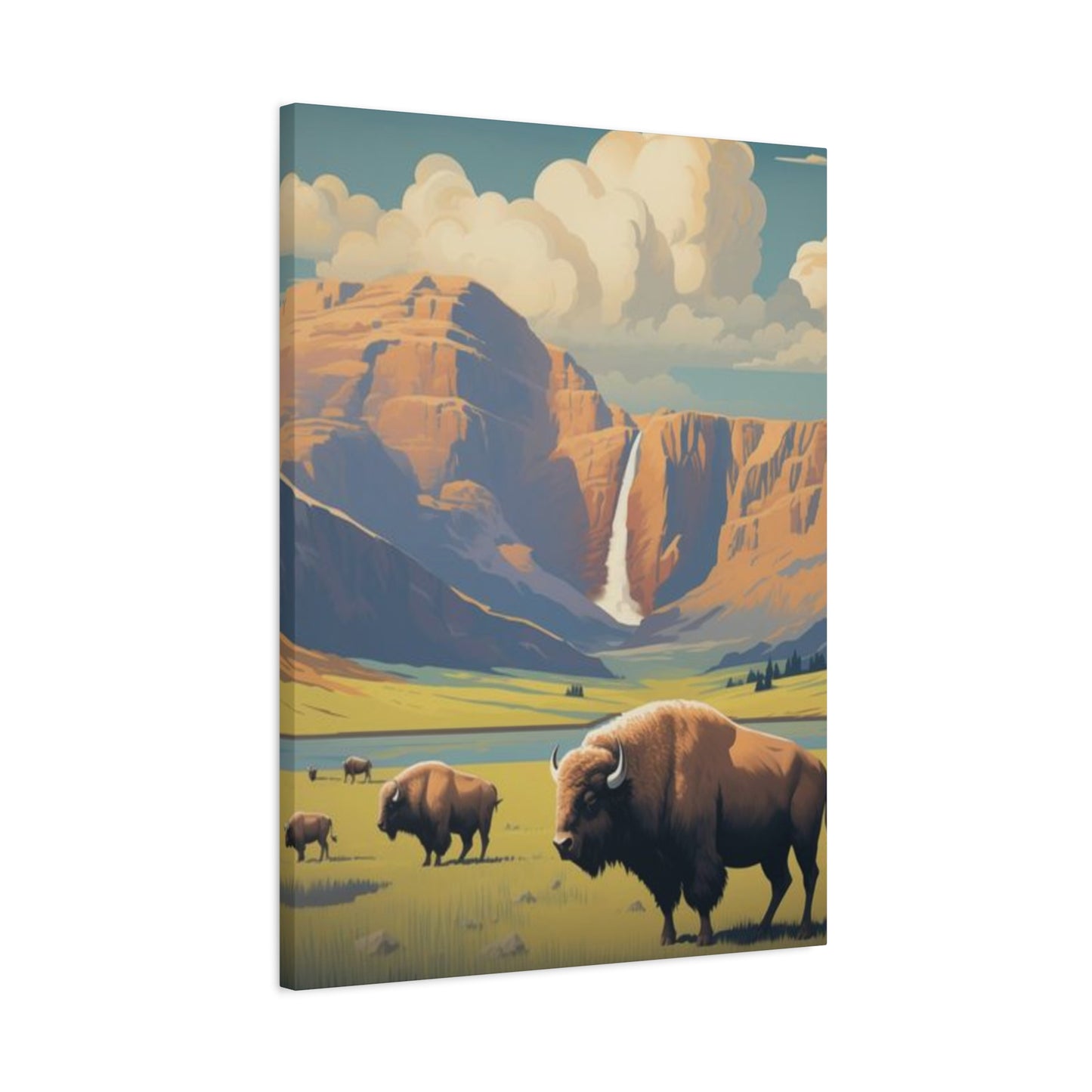
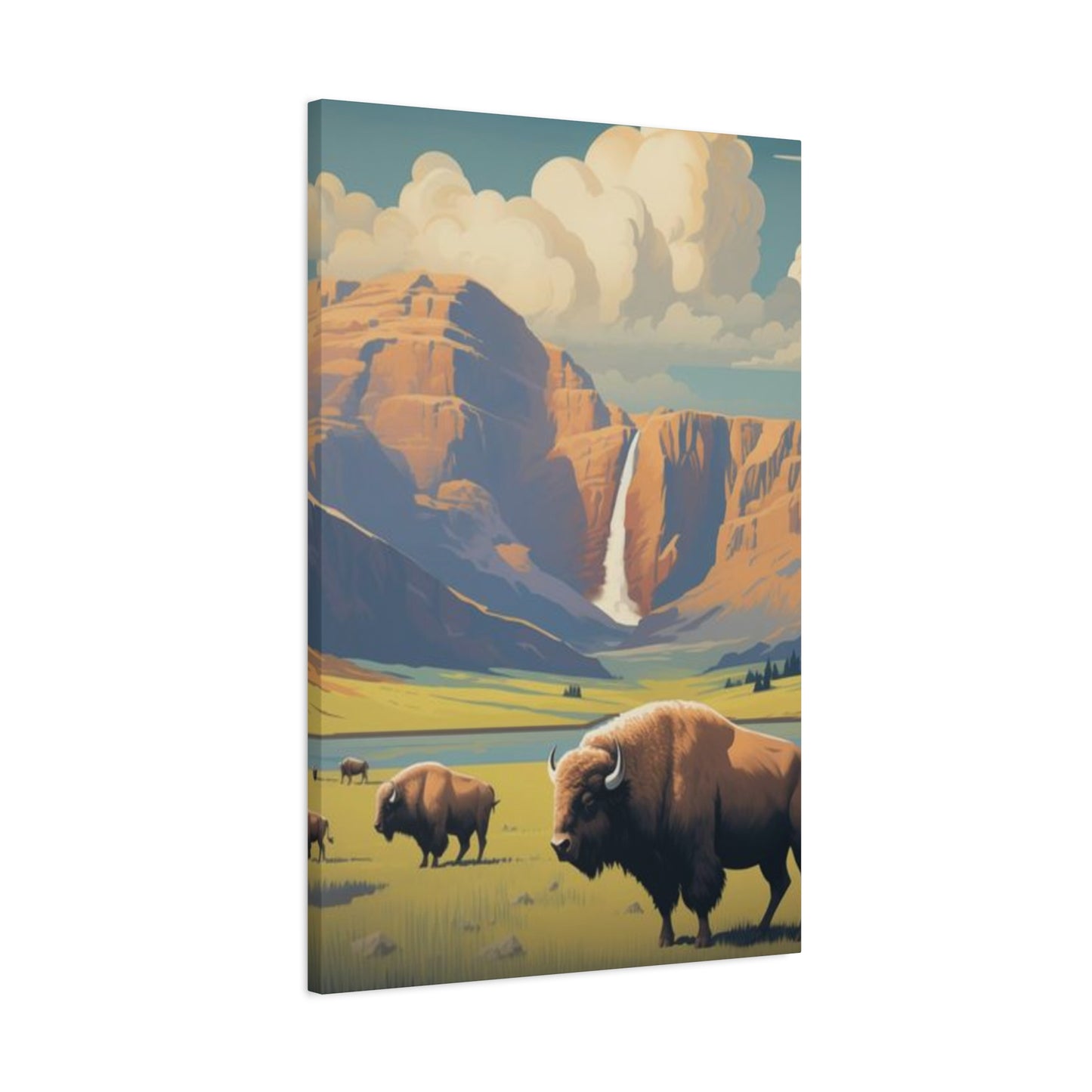
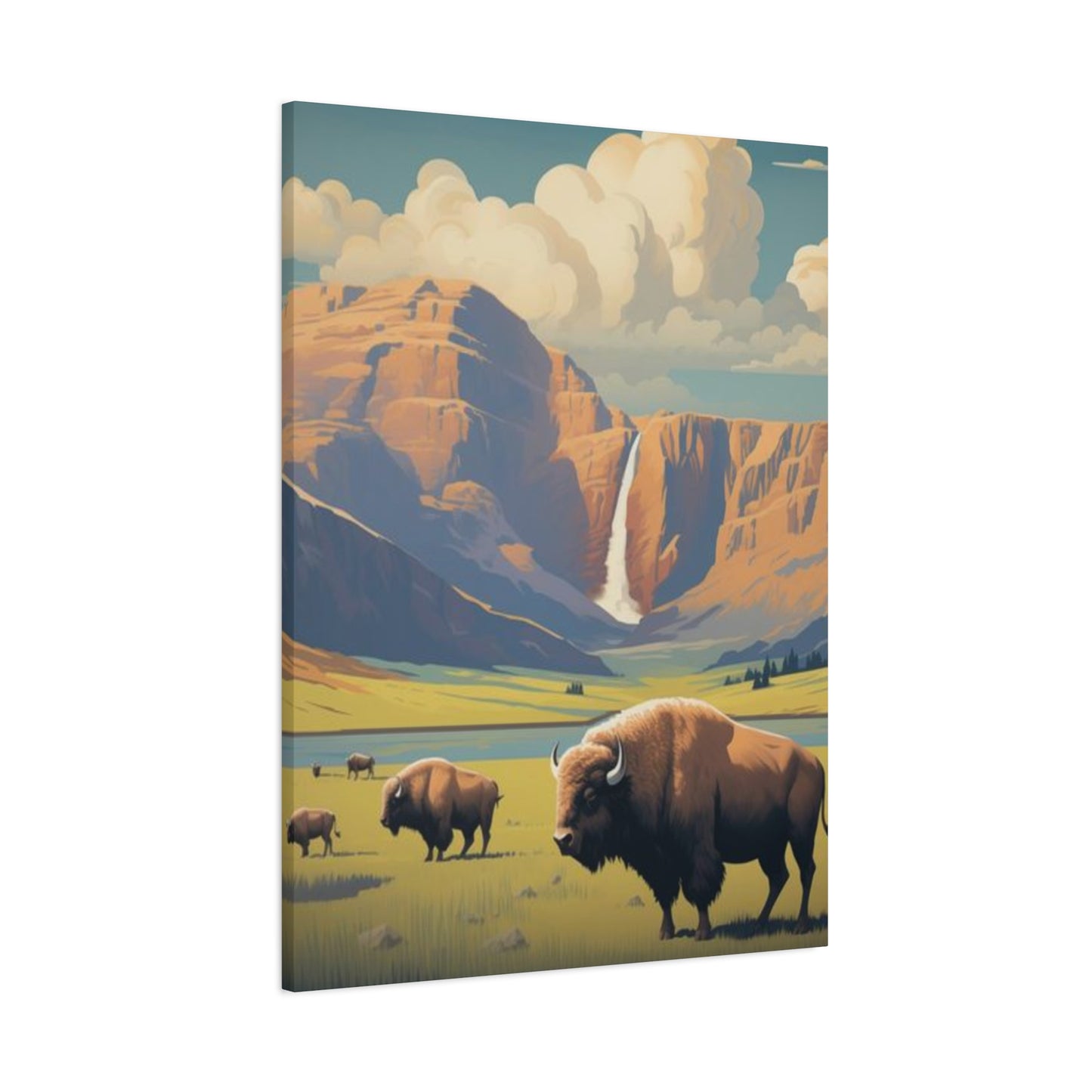
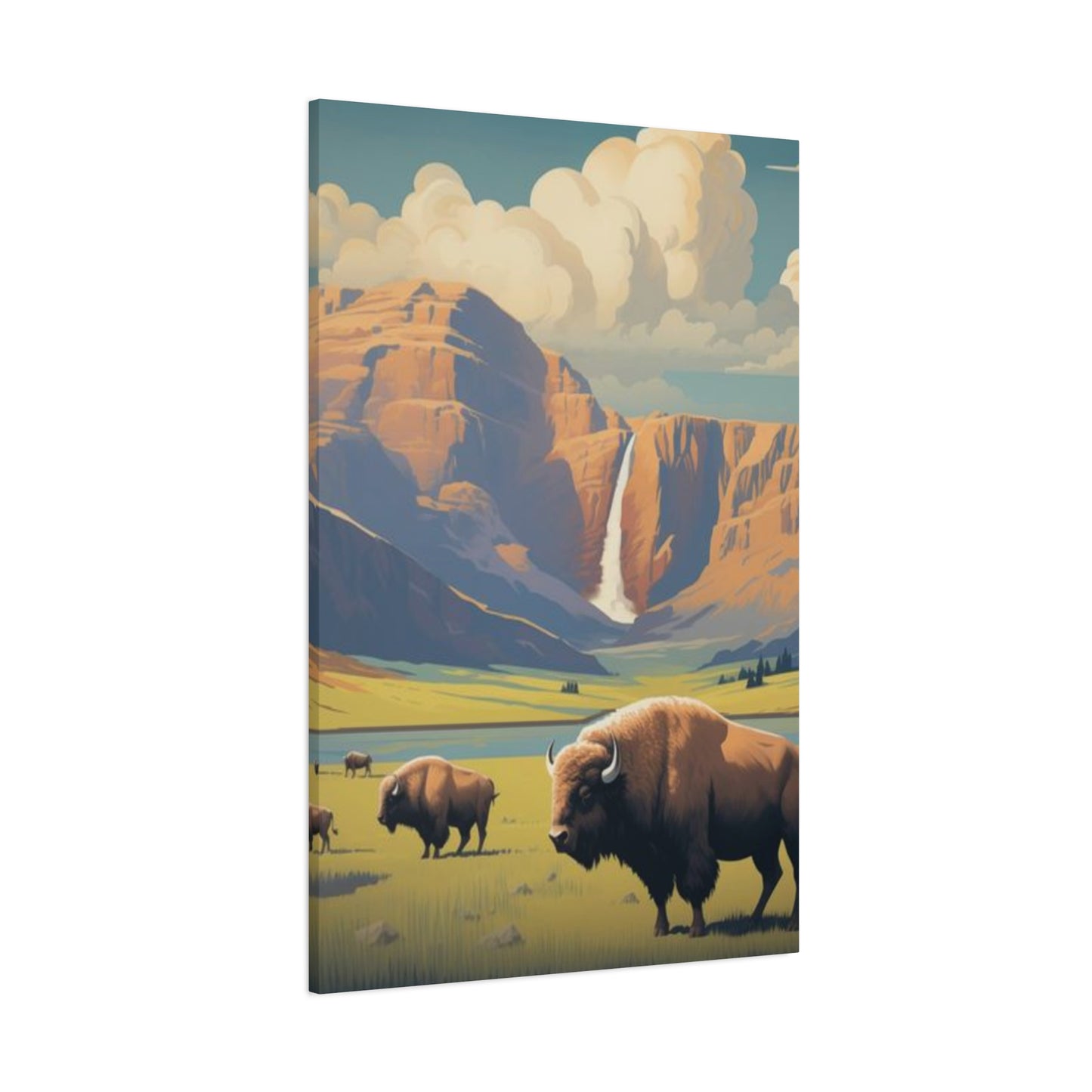
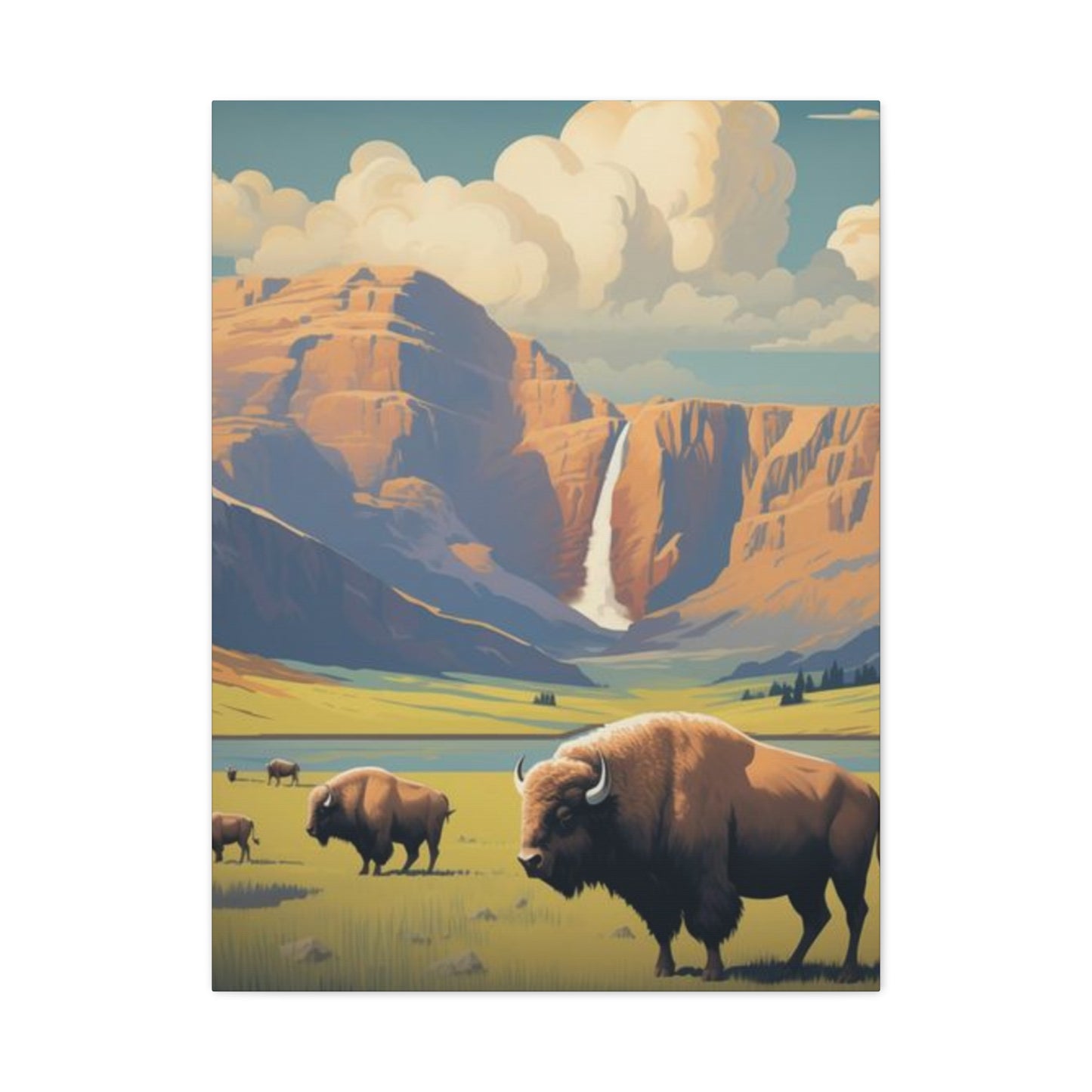
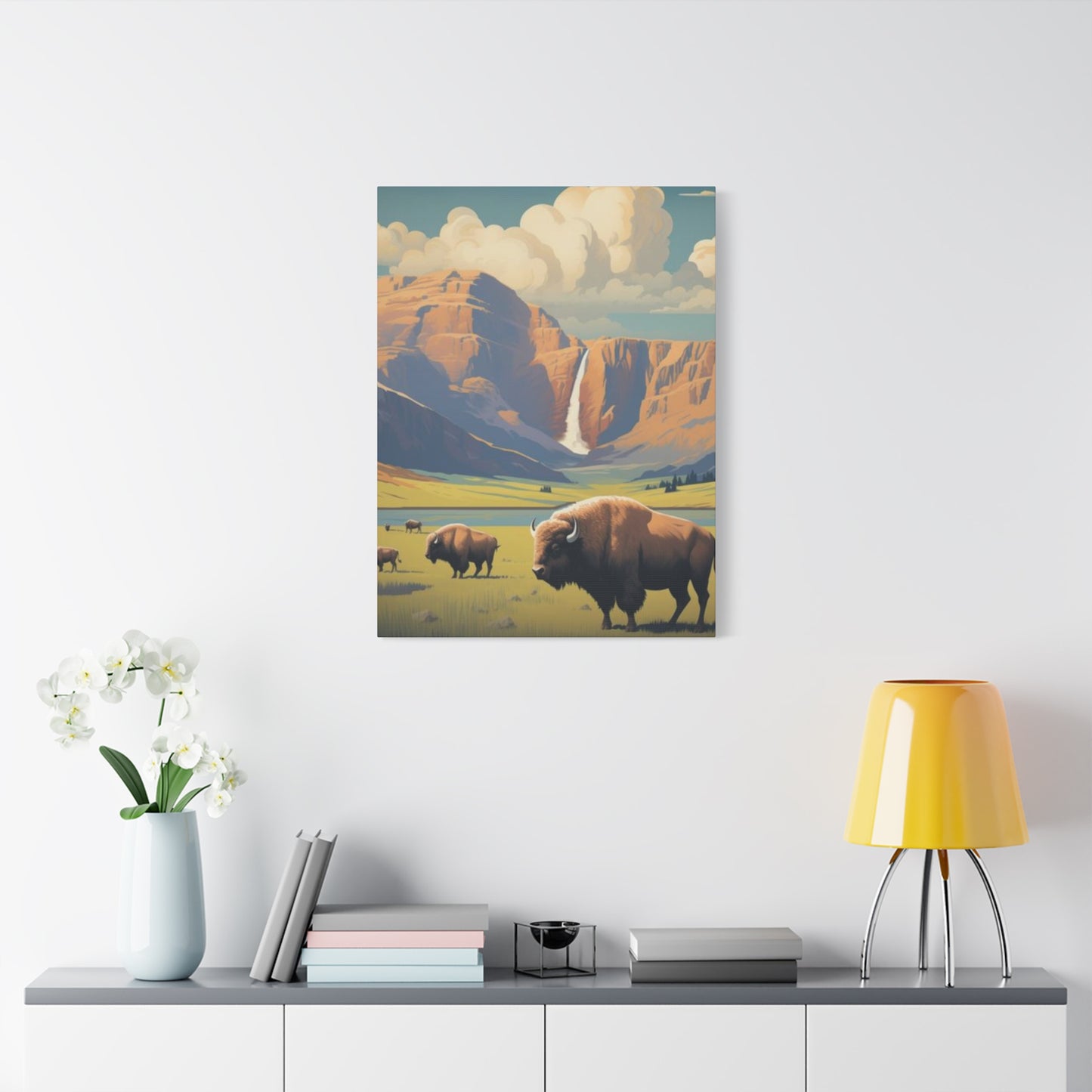
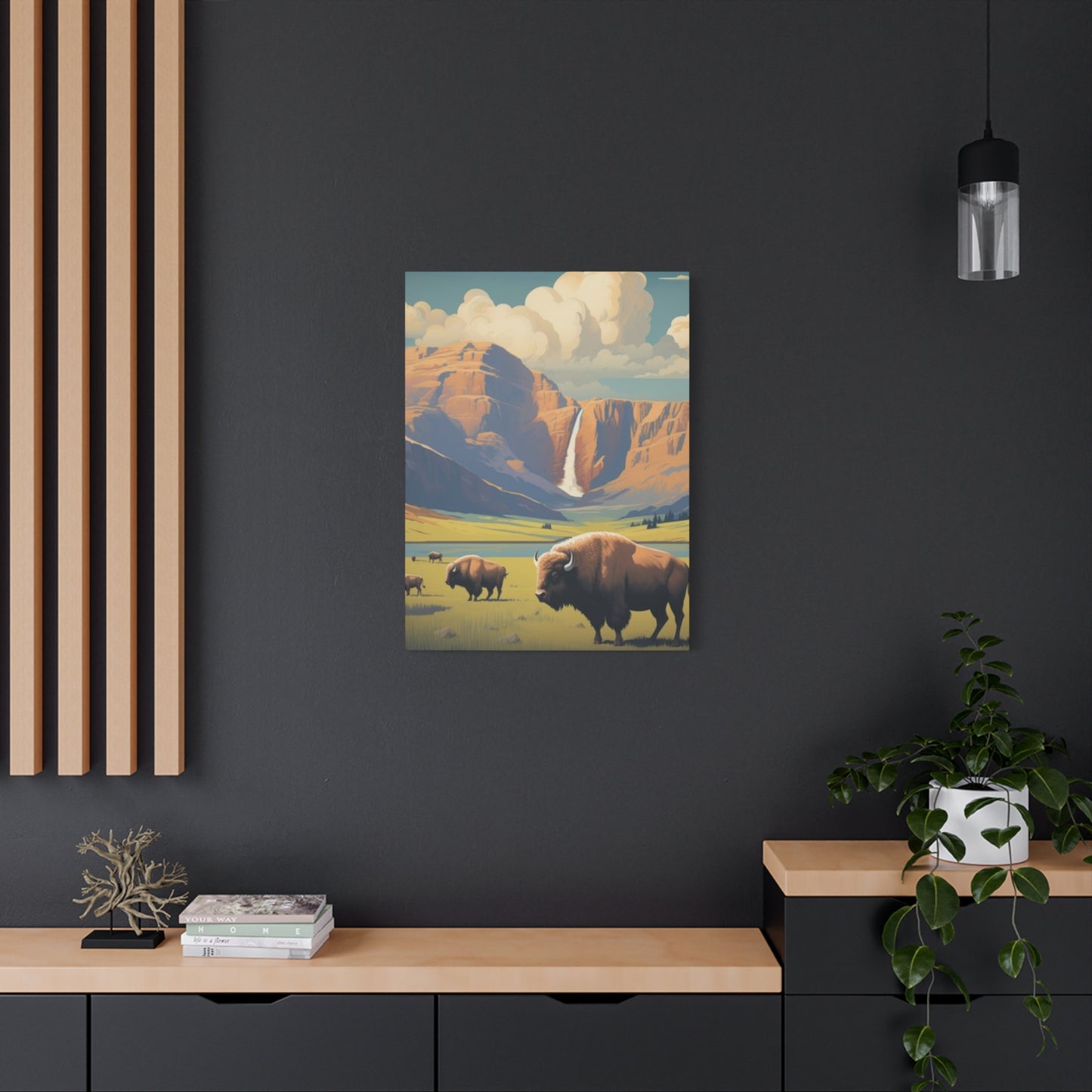
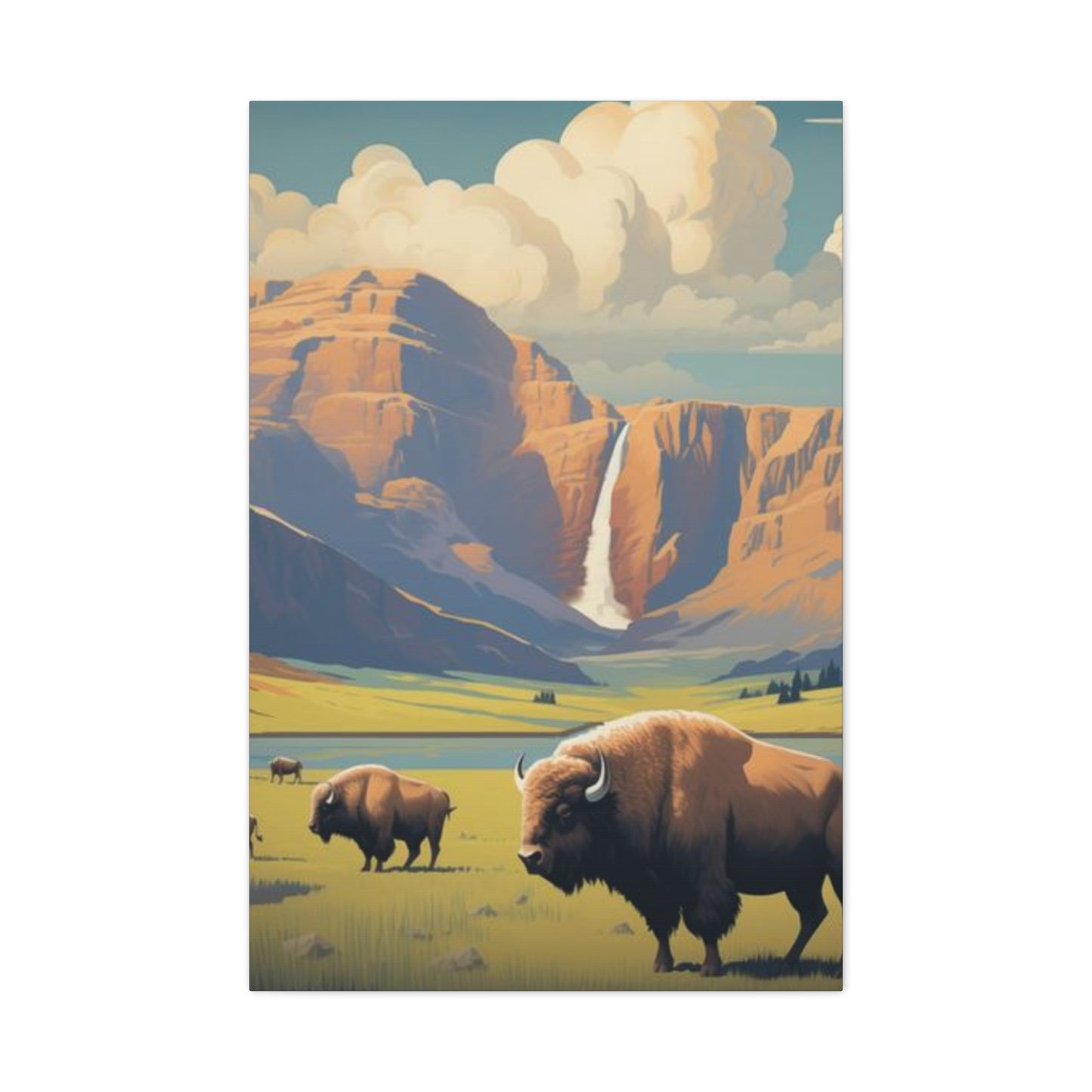
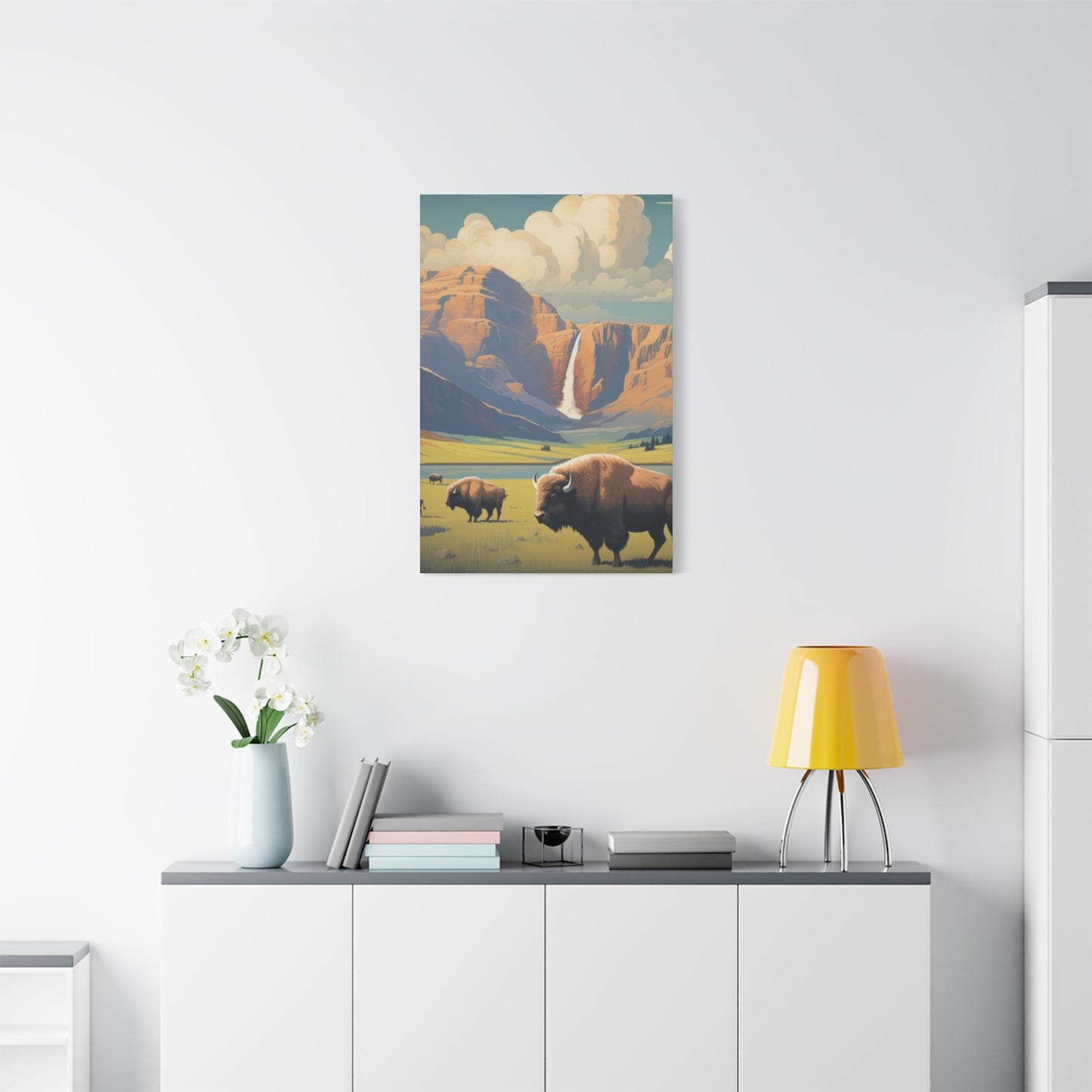
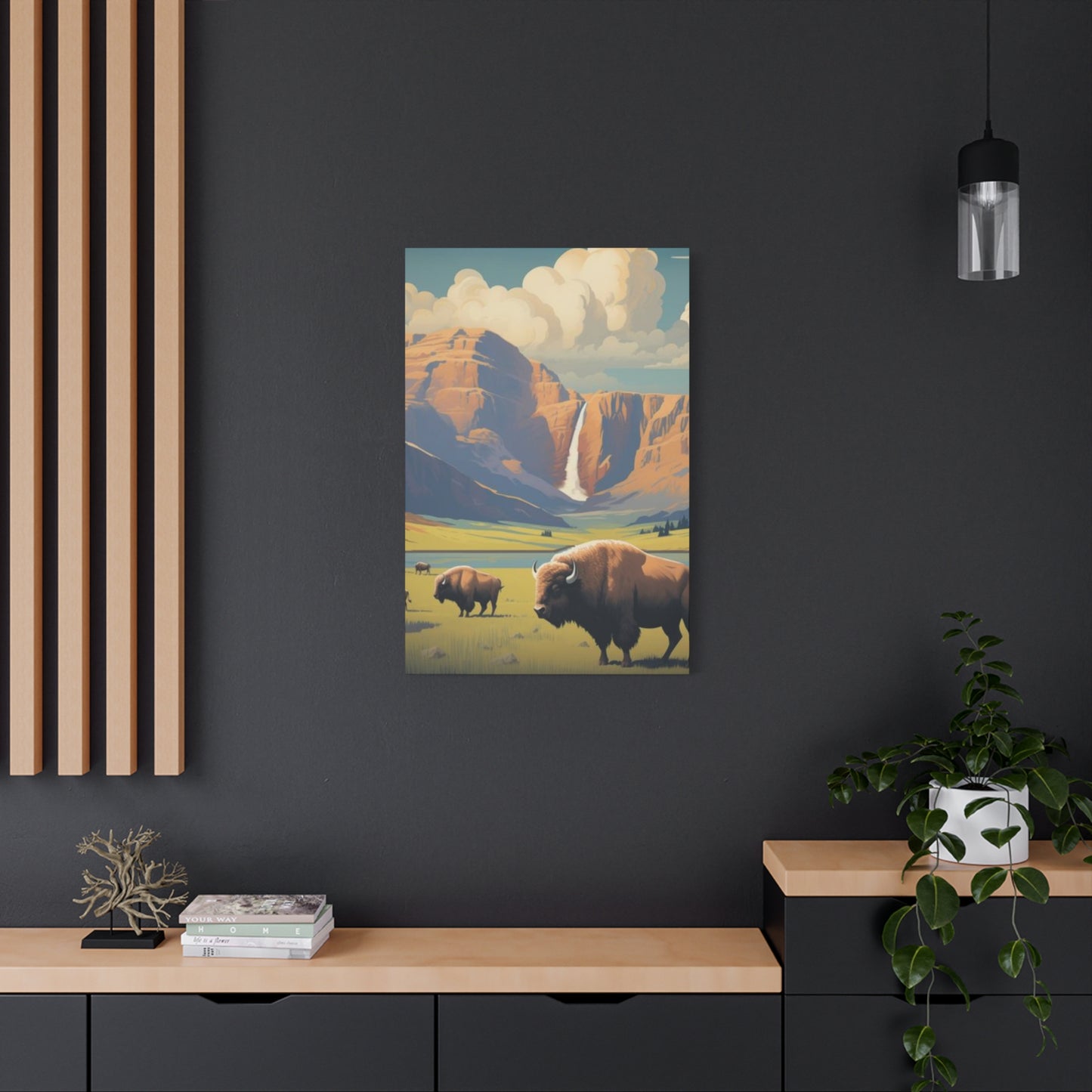
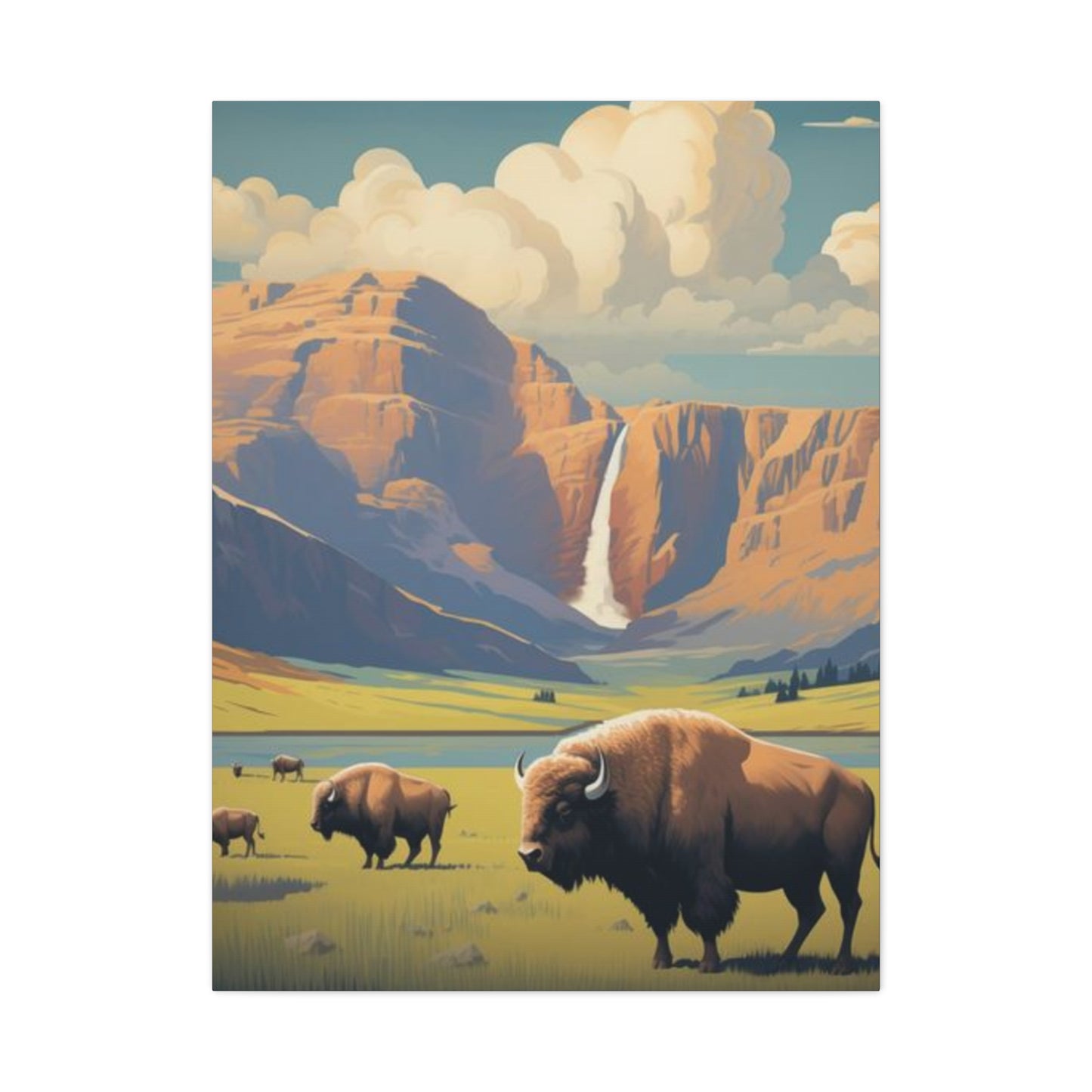
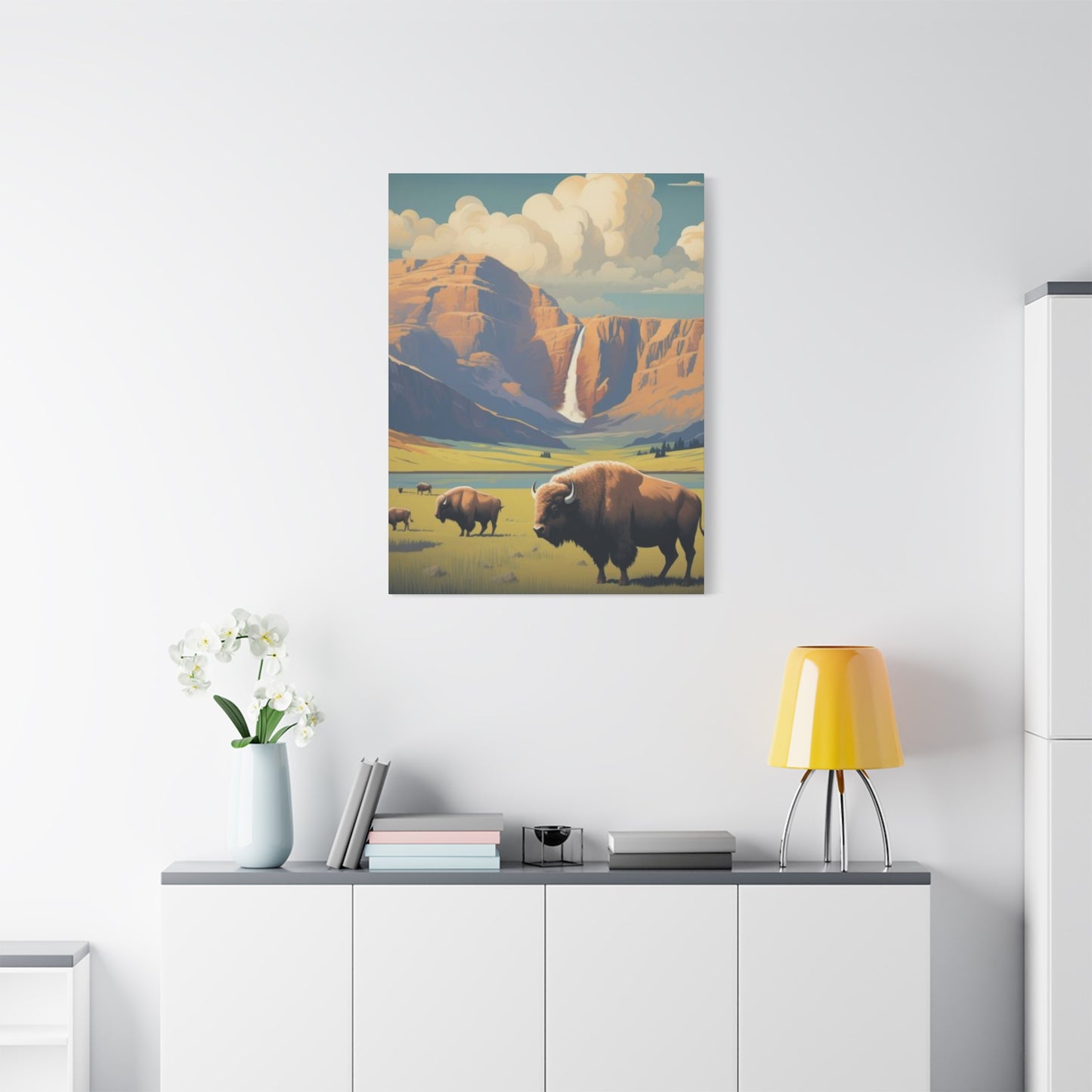
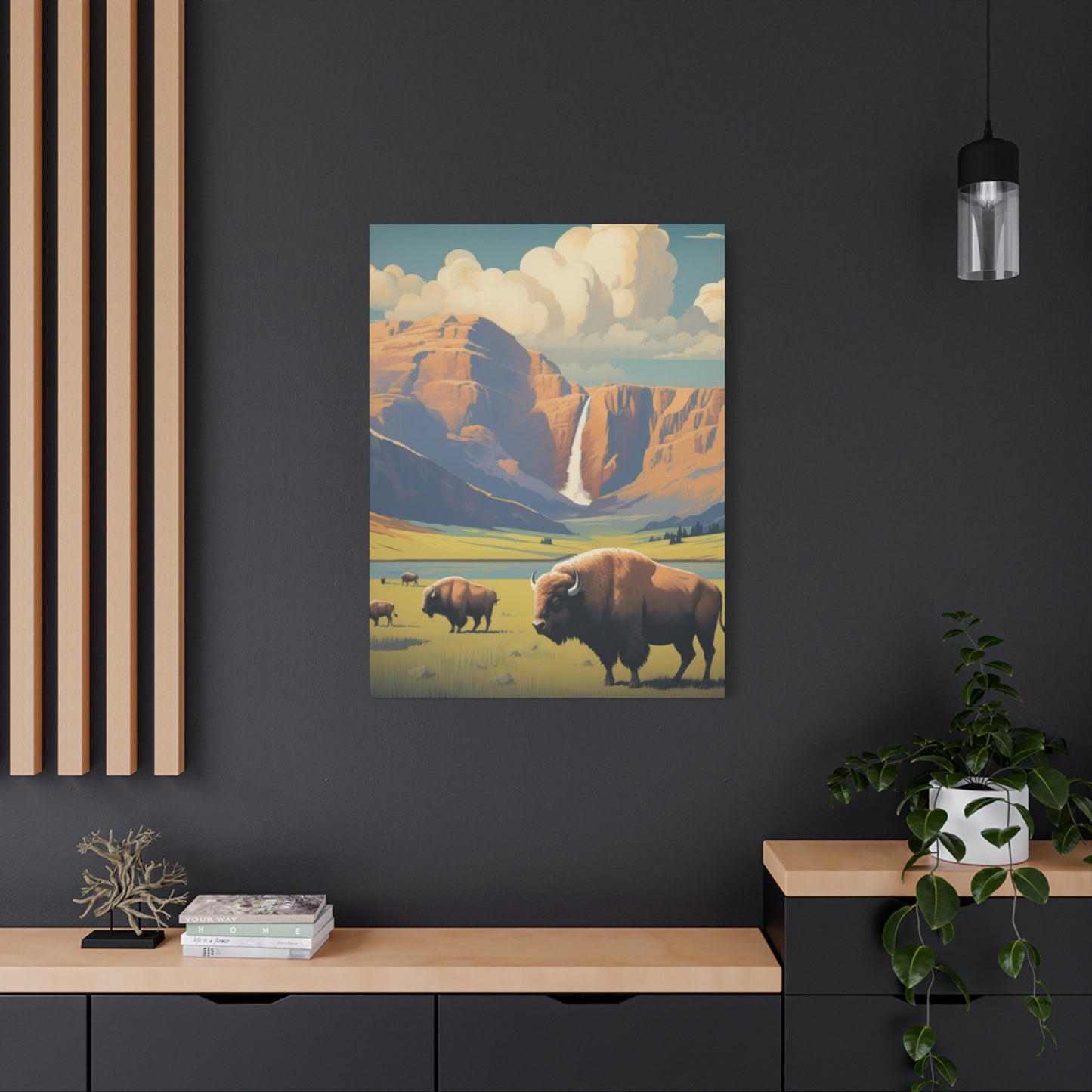
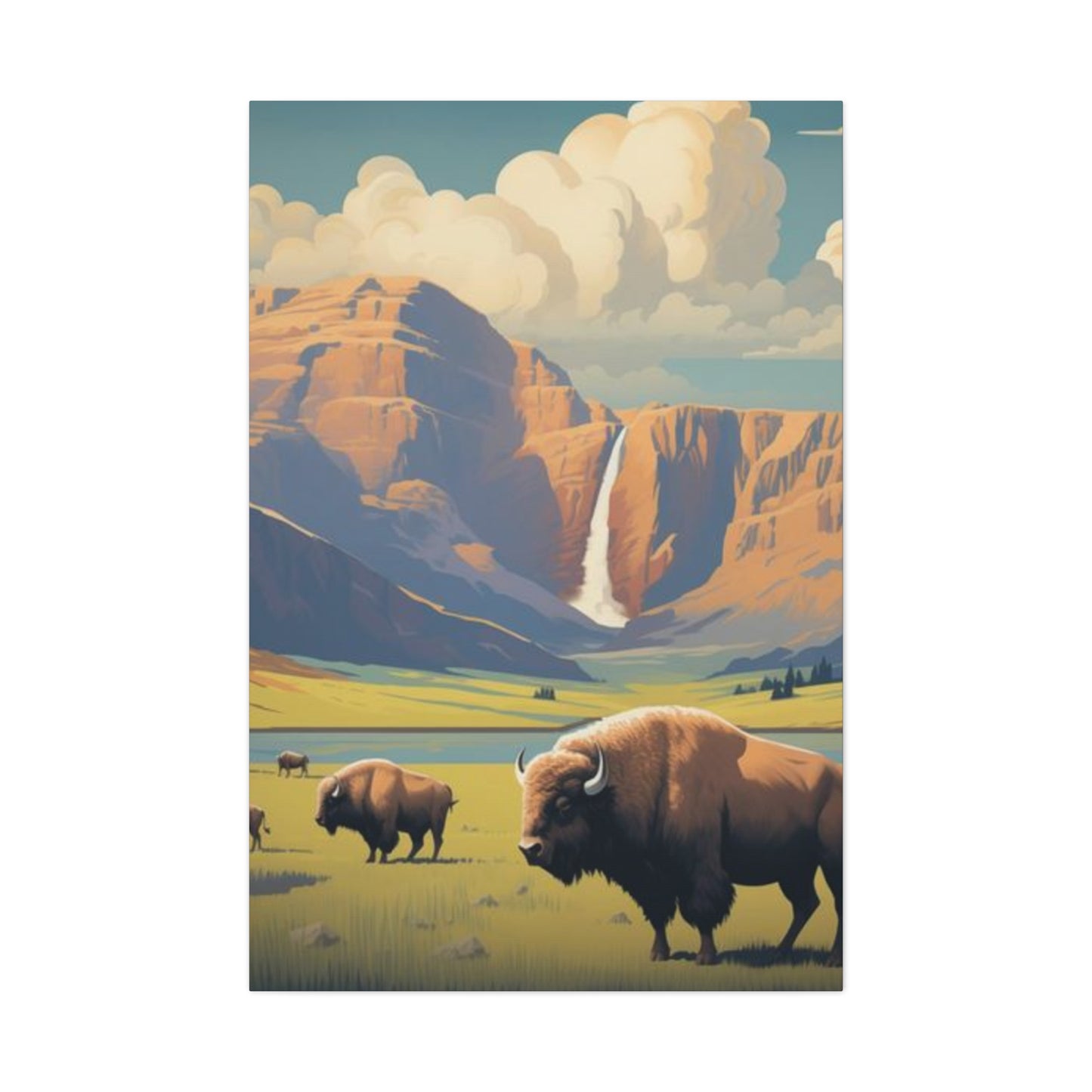
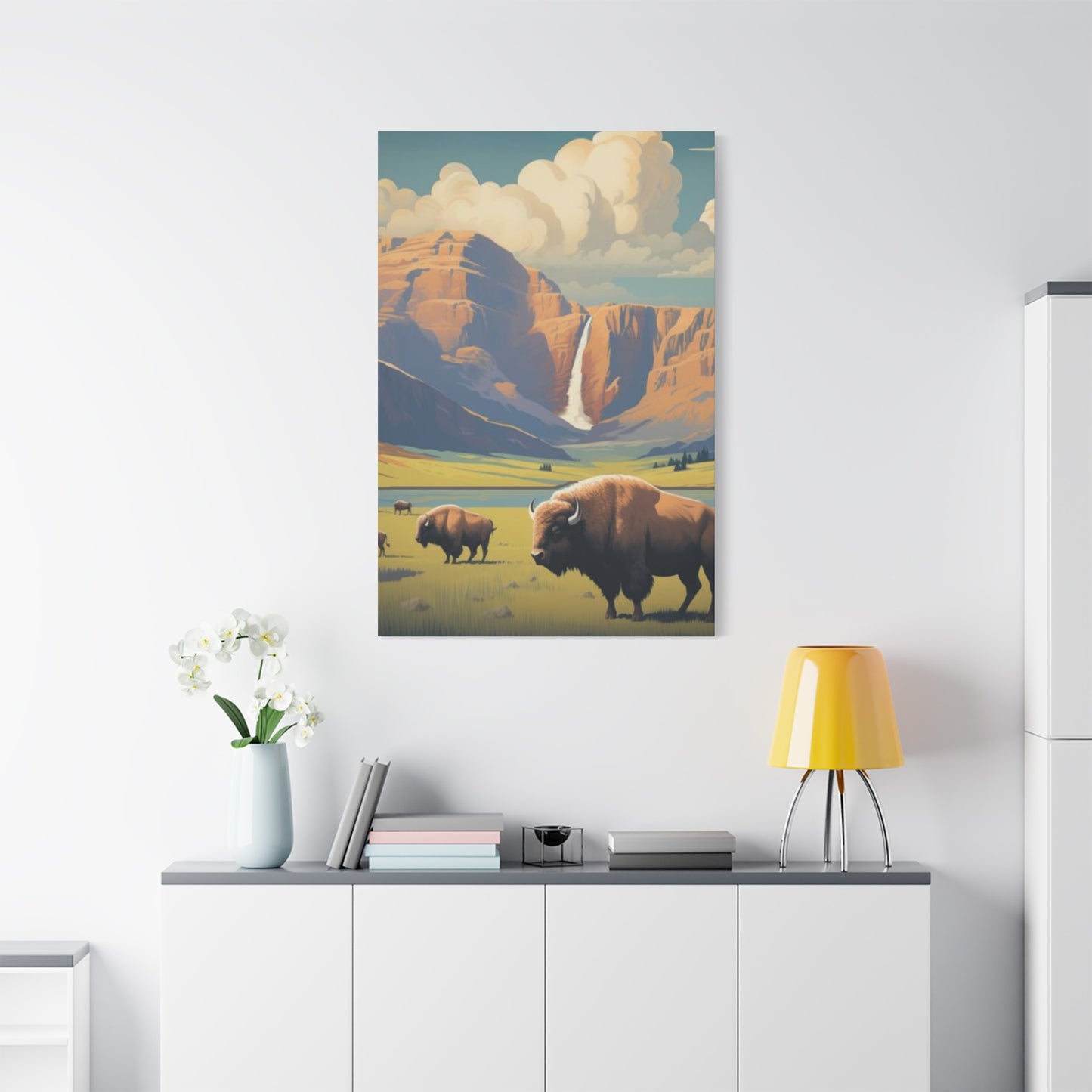
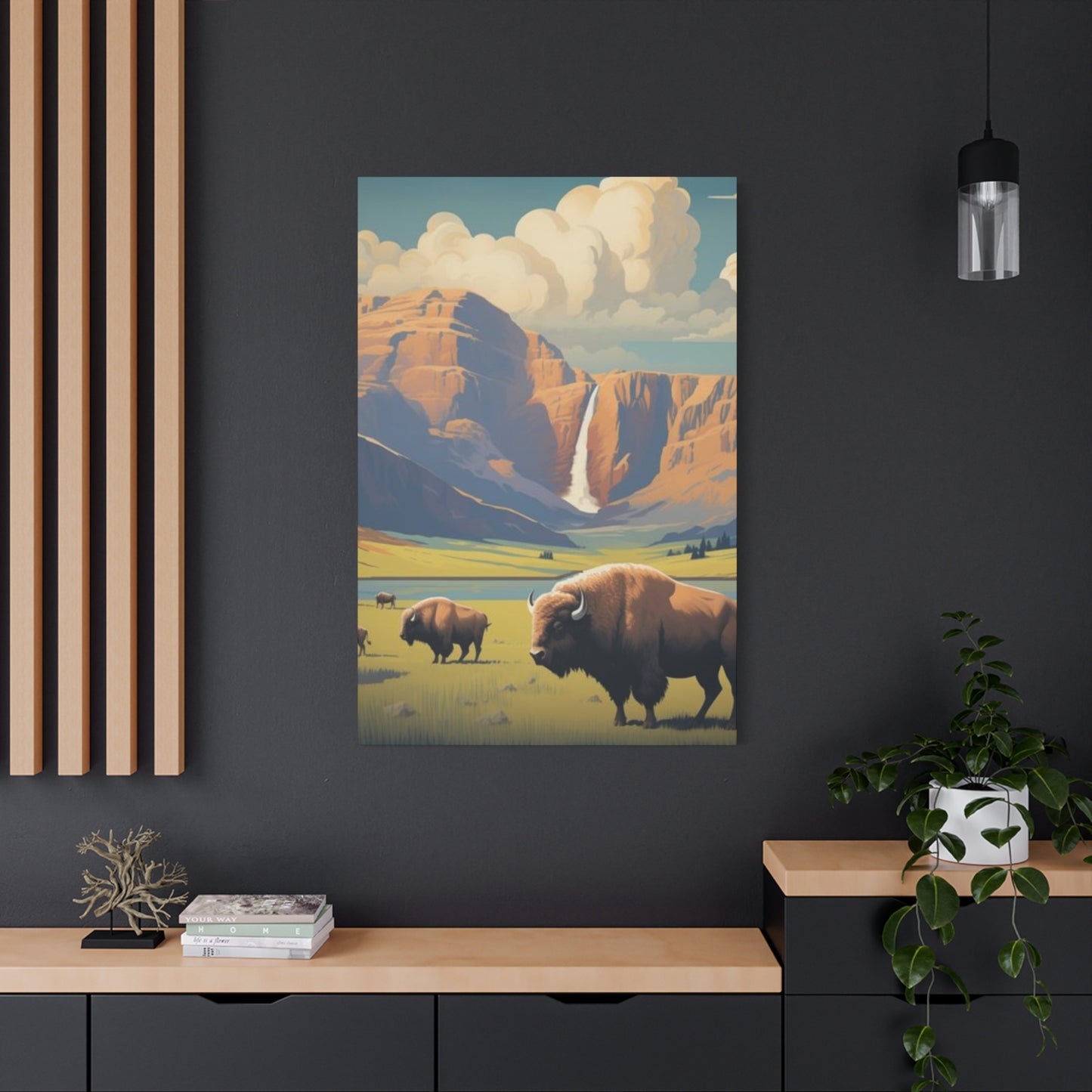
Bisons Grazing in Open Field Wall Art & Canvas Prints
Bisons Grazing in Open Field Wall Art & Canvas Prints
Couldn't load pickup availability
Bisons Grazing in Open Field Wall Art: Bringing the Majestic Spirit of the Prairie into Your Living Space
The magnificent sight of bisons roaming freely across vast grasslands has captivated human imagination for centuries. Today, this powerful imagery finds its way into modern homes through stunning wall art that captures the essence of these remarkable creatures in their natural habitat. Bisons Grazing in Open Field Wall Art represents more than just decorative pieces; they embody the untamed spirit of the American wilderness, offering homeowners a window into a world where nature reigns supreme and ancient beasts still traverse the plains as they have for millennia.
When you bring a piece featuring these noble animals into your home, you're not merely hanging a picture on your wall. You're inviting a conversation about conservation, wilderness, and the enduring connection between humanity and the natural world. These artistic representations serve as daily reminders of the beauty that exists beyond our concrete jungles, the importance of preserving wild spaces, and the awe-inspiring majesty of creatures that once numbered in the tens of millions across North America.
Discovering the Raw Beauty and Power Captured in Bison Grassland Imagery
The artistic depiction of bisons in their natural environment offers viewers a glimpse into a world that few experience firsthand. These massive animals, weighing up to 2,000 pounds and standing six feet tall at the shoulder, possess a presence that photographers and artists strive to capture in every frame. The challenge lies not just in documenting their physical form but in conveying the atmosphere, the mood, and the profound sense of wildness that surrounds them as they graze peacefully across endless fields.
Contemporary artists and photographers who specialize in wildlife imagery spend countless hours observing these creatures, waiting for that perfect moment when light, composition, and behavior align to create something truly extraordinary. The resulting pieces showcase bisons against backdrops of golden grasses swaying in the wind, dramatic storm clouds gathering overhead, or the soft glow of sunrise painting the landscape in warm hues. Each image tells a story of survival, resilience, and the enduring spirit of the American West.
What makes these artworks particularly compelling is their ability to transport viewers to these remote locations without leaving their homes. The texture of the bison's shaggy coat, the determination in their eyes, and the vastness of the landscapes they inhabit all combine to create visceral, emotional responses in those who view them. This connection transcends mere aesthetics; it taps into something primal within us, a recognition of our shared existence with these magnificent beasts and the wild places they call home.
Exploring Various Artistic Styles That Bring Prairie Giants to Life on Your Walls
The representation of bisons in wall art spans an impressive spectrum of artistic interpretations, each offering unique perspectives on these iconic animals. Photorealistic renderings capture every detail with stunning accuracy, from individual hairs in their woolly coats to the dust particles kicked up by their hooves. These pieces appeal to those who appreciate documentary-style imagery that preserves the authentic appearance of bisons in their natural state, creating a sense that you could reach out and touch these creatures through the canvas.
Impressionistic interpretations take a different approach, using bold brushstrokes and vibrant color palettes to convey the emotional essence of bison encounters rather than exact physical details. These pieces often feature bisons rendered in unexpected hues—deep purples, brilliant oranges, and striking teals—that capture the feeling of witnessing these animals in various lighting conditions and weather phenomena. The artistic freedom in these works allows creators to emphasize movement, atmosphere, and emotional resonance over literal representation.
Minimalist designs strip away extraneous details to focus on the fundamental forms and silhouettes of grazing bisons. These pieces, often rendered in monochromatic schemes or limited color palettes, possess a timeless quality that complements modern interior design sensibilities. The simplicity of these works doesn't diminish their impact; rather, it distills the essence of these creatures into their most recognizable and powerful forms, creating pieces that command attention without overwhelming their surroundings.
Abstract interpretations push boundaries even further, deconstructing the bison form into geometric shapes, splashes of color, or symbolic representations that suggest rather than depict. These works invite viewers to engage more actively with the art, projecting their own experiences and emotions onto the pieces. Some artists incorporate mixed media elements, combining painting with photography, digital manipulation, or even sculptural components to create multi-dimensional works that challenge conventional notions of wall art.
Watercolor renditions offer yet another dimension to bison imagery, with their soft edges and translucent layers creating dreamlike quality. The fluidity of this medium perfectly captures the graceful movement of these animals and the ever-changing nature of the grassland environments they inhabit. Meanwhile, charcoal and pencil sketches provide intimate, contemplative interpretations that emphasize line, form, and texture through masterful shading and mark-making.
Selecting the Perfect Dimensions and Scale for Maximum Visual Impact in Your Space
Determining the appropriate size for your bison wall art requires careful consideration of multiple factors, beginning with the dimensions of the room where it will hang. A common mistake homeowners make is choosing pieces that are too small for their intended spaces, resulting in artwork that gets lost on large walls and fails to make the intended impression. As a general guideline, wall art should occupy roughly two-thirds to three-quarters of the available wall space above furniture pieces, creating visual balance without overwhelming the area.
For statement walls or focal points in living rooms and great rooms, large-scale pieces measuring 48 inches wide or greater create dramatic impact. These substantial works command attention and serve as anchoring elements around which entire room designs can be built. When featuring multiple bisons across an expansive field, larger canvases allow viewers to appreciate the detail and scope of the scene, immersing them in the landscape in ways that smaller pieces simply cannot achieve.
Medium-sized pieces, typically ranging from 24 to 40 inches in width, offer versatility for various spaces including bedrooms, dining areas, and home offices. These dimensions provide sufficient presence to make a statement while remaining appropriate for rooms with more modest proportions. They work particularly well in groupings or gallery wall arrangements, where multiple pieces can be combined to create cohesive visual narratives about bison life and prairie ecosystems.
Smaller artworks, under 24 inches, excel in intimate settings like hallways, bathrooms, or cozy reading nooks where space constraints make larger pieces impractical. These compact works can pack significant visual punch when properly positioned and lit, especially when featuring close-up portraits of individual bisons or tightly composed grazing scenes. Consider creating collections of smaller pieces that can be arranged in grids or organic clusters to build visual interest across larger wall expanses.
The shape of your wall art also matters considerably. Horizontal orientations naturally complement landscape scenes featuring herds spread across prairies, while vertical formats work beautifully for portraits of standing bisons or compositions emphasizing the height and stature of these imposing creatures. Square formats offer balanced, contemporary appeal that works well in modern interiors, while panoramic pieces stretching three or four feet wide create cinematic viewing experiences that pull observers into the scene.
Examining Material Options and Print Quality Considerations for Long-Lasting Beauty
The substrate on which your bison imagery is printed or painted profoundly affects both the visual presentation and longevity of the artwork. Canvas remains the most popular choice for reproducing nature photography and wildlife art, offering a textured surface that adds depth and dimension to images. Gallery-wrapped canvases, where the image continues around the edges of the stretcher bars, eliminate the need for framing and provide a clean, contemporary presentation that many collectors prefer. The fabric texture of canvas also helps diffuse reflections and glare, making the artwork easily viewable from multiple angles.
Metal prints have surged in popularity for nature photography, including bison imagery, due to their vibrant color reproduction and unique aesthetic qualities. The infusion printing process bonds inks directly to aluminum panels, creating images with remarkable clarity, contrast, and color saturation. The slight sheen of metal prints adds a modern, gallery-quality appearance while the rigid construction eliminates concerns about sagging or warping over time. These prints prove particularly effective for high-contrast images featuring bisons backlit by dramatic skies or captured during golden hour.
Acrylic prints offer another contemporary option, mounting photographic prints behind clear acrylic sheets that add depth and luminosity to images. The acrylic creates a glossy, glass-like finish that makes colors appear more vibrant and blacks more intense. Light penetrates the acrylic and reflects back through the image, creating an almost three-dimensional effect that brings bison scenes to life. The substantial weight and premium appearance of acrylic prints make them excellent choices for modern, upscale interiors.
Wood prints present rustic, organic alternatives that particularly suit bison imagery given the naturalistic subject matter. Printing directly onto wood planks or panels preserves the wood grain beneath the image, creating unique pieces where natural wood characteristics become part of the artwork itself. This medium works exceptionally well for cabin-style decor, rustic lodges, or spaces embracing farmhouse aesthetics where the combination of wildlife imagery and natural materials creates harmonious visual statements.
Traditional framed prints under glass remain timeless options offering maximum protection for valuable artworks. Museum-quality matting and UV-protective glazing shield images from environmental damage while creating formal presentations appropriate for collections of significant artistic or monetary value. Frame selection dramatically impacts the overall appearance, with options ranging from ornate gilded frames that add classical elegance to sleek metal frames complementing contemporary interiors.
The quality of printing itself deserves equal attention regardless of chosen substrate. Giclée printing, utilizing archival inks and high-resolution output, produces museum-quality reproductions that faithfully capture every detail of original photographs or paintings. These prints resist fading for decades when properly cared for, maintaining their vibrancy and detail for generations. Inferior printing methods may initially appear acceptable but will fade, shift colors, or deteriorate relatively quickly, making the investment in quality printing worthwhile for pieces you intend to display long-term.
Understanding Color Palette Selection to Harmonize With Existing Room Designs
The colors present in your chosen bison wall art should complement rather than clash with your existing interior color scheme. Natural bison imagery typically features earthy tones—browns, tans, greens, and golds—that inherently work well with warm, neutral color palettes common in many homes. These organic hues create calming, grounded environments that many homeowners find appealing, particularly in spaces designed for relaxation like bedrooms and living areas.
For rooms dominated by cool color schemes featuring blues, grays, or purples, seek bison artworks that incorporate sky elements, water reflections, or atmospheric effects in complementary cool tones. Images captured during blue hour, featuring storm clouds, or set against snow-covered prairies can bridge the gap between the naturally warm tones of bisons and cooler interior palettes. Some artists specifically create interpretations of bison scenes using non-naturalistic color palettes designed to coordinate with various interior design schemes.
Monochromatic or black-and-white bison photography offers maximum versatility, working seamlessly with virtually any color scheme. These pieces emphasize form, texture, and composition rather than color, creating dramatic statements that never compete with surrounding decor. The timeless appeal of black-and-white imagery also ensures your wall art won't feel dated as design trends evolve, making it a wise choice for those who regularly update their interior aesthetics.
Consider the mood you wish to create when evaluating color choices. Warm sunset scenes bathing bisons in golden light generate cozy, inviting atmospheres perfect for gathering spaces. Cooler images featuring misty mornings or overcast skies create contemplative, peaceful environments suited to bedrooms or meditation spaces. High-contrast, saturated images inject energy and vitality into rooms, while softer, muted tones promote tranquility and calm.
The amount of color versus neutral space in your artwork also affects how it integrates with your room. Images featuring bisons as relatively small elements within vast landscapes dominated by sky or grassland allow wall color to remain prominent in the overall visual composition. Conversely, close-up portraits filling the frame with the rich browns of bison coats make the artwork itself the primary color element, requiring careful coordination with surrounding furnishings and paint choices.
Positioning Strategies That Maximize the Emotional and Visual Impact of Your Artwork
Proper placement of your bison wall art significantly influences its effectiveness as a design element and its ability to create desired emotional responses. The conventional wisdom of hanging artwork at eye level remains sound advice, with the center of pieces typically positioned 57 to 60 inches from the floor—the average human eye level in standing position. This placement ensures comfortable viewing without requiring people to crane their necks upward or downward, creating natural engagement with the imagery.
Above furniture arrangements, particularly sofas and beds, wall art should maintain proportional relationships to avoid appearing disconnected or poorly scaled. Leave roughly 6 to 12 inches of space between the top of furniture and the bottom of artwork, creating visual connection without the piece appearing to rest directly on the furniture. For pieces hung above sofas, ensure the width spans at least two-thirds of the furniture's width to maintain appropriate scale relationships.
Lighting considerations prove crucial for maximizing the impact of your bison wall art. Natural light streaming through windows can beautifully illuminate artwork during daylight hours, but be cautious about direct sunlight striking pieces for extended periods, as this accelerates fading even with UV-protective treatments. Position artwork on walls perpendicular to windows rather than directly across from them to minimize glare while still benefiting from natural illumination.
Dedicated picture lighting elevates artwork presentation significantly, particularly for pieces you consider centerpieces of your collection. LED picture lights mounted to frames or walls create focused illumination that makes colors more vibrant and details more visible while generating minimal heat that could damage artworks. Track lighting or adjustable spotlights offer flexibility for highlighting multiple pieces or accommodating rearrangements over time.
The surrounding wall space influences how viewers perceive your bison artwork. Leaving adequate breathing room around pieces prevents visual clutter and allows each work to command appropriate attention. As a guideline, maintain at least 3 to 6 inches between individual pieces in gallery wall arrangements, with smaller pieces requiring less separation than larger works. Single statement pieces benefit from generous empty space on all sides, emphasizing their importance and allowing them to fully dominate their wall.
Consider sight lines from various positions within rooms when determining placement. Position important pieces where they'll be visible from primary seating areas, entryways, or circulation paths to maximize viewing opportunities. Don't restrict yourself to obvious locations—unexpected placements can create delightful surprises, such as positioning a dramatic bison scene at the top of a staircase where it greets you upon reaching the landing, or placing a piece in a hallway where it draws people through the space.
Creating Compelling Gallery Walls and Multi-Panel Arrangements Featuring Prairie Scenes
Gallery walls featuring multiple bison and prairie-themed artworks create dynamic visual narratives that single pieces cannot achieve. These curated collections allow you to explore different aspects of bison life, various artistic interpretations, or seasonal changes across grassland environments. The key to successful gallery walls lies in creating cohesion through shared elements—color palettes, framing styles, or thematic content—while maintaining enough variety to keep the arrangement visually interesting.
Begin planning your gallery wall by laying pieces on the floor in your desired arrangement before committing to nail holes in your walls. Photograph various configurations to evaluate how they'll appear from normal viewing distances. Consider starting with your largest or most visually striking piece as an anchor, then building the arrangement around it with complementary works of varying sizes. Symmetrical arrangements create formal, orderly impressions, while organic, asymmetrical layouts feel more casual and contemporary.
Triptychs and multi-panel arrangements offer another approach to displaying bison imagery, breaking single scenes across multiple canvases to create expansive visual statements. Three-panel compositions work particularly well for horizontal prairie scenes, with each panel showing a portion of a herd spread across grasslands. The slight separation between panels adds visual interest while the continuous scene creates cohesion. These arrangements suit large wall spaces where single pieces might not provide sufficient coverage.
Vertical multi-panel arrangements can depict different aspects of bison behavior or seasons, stacking images to tell stories over time. Imagine a three-panel vertical arrangement showing bisons during spring calving season, summer grazing, and winter survival—creating a narrative that educates viewers about the annual cycle of these remarkable creatures while providing substantial visual impact across vertical wall spaces like narrow hallways or the space between windows.
Mixed media gallery walls incorporating bison photography, paintings, and related elements like maps of bison ranges, vintage posters, or three-dimensional objects create rich, layered presentations. These eclectic arrangements work particularly well in casual spaces like family rooms or dens where personality and character take precedence over formal design principles. Ensure visual connection through repeated colors, similar frame profiles, or consistent matting to prevent the arrangement from appearing haphazard.
Salon-style gallery walls, densely packing walls with artworks of various sizes, create dramatic, collection-like presentations reminiscent of traditional museums. This approach suits serious collectors or those passionate about bison conservation and prairie ecosystems. When executed well, these walls become destinations within homes—places where guests linger to examine individual pieces and appreciate the scope of the collection. The density of imagery creates immersive environments where the cumulative impact of multiple works exceeds what any single piece could achieve.
Incorporating Complementary Decor Elements That Enhance the Prairie Wildlife Theme
Building a cohesive design scheme around your bison wall art involves selecting furnishings, textiles, and accessories that reinforce the prairie wildlife theme without creating overly literal or heavy-handed presentations. The goal is suggesting connection to the American West and natural world rather than creating theme park environments that lack sophistication. Begin with a foundation of natural materials and organic textures that echo the outdoor environments bisons inhabit.
Leather furniture, particularly in tan, brown, or worn cognac tones, naturally complements bison imagery through shared color families and associations with Western heritage. A quality leather sofa anchors living spaces while nodding to the rustic American aesthetic connected with bison and prairie landscapes. Pair leather with other natural materials like wood, stone, and metal to create layered, textured environments that feel authentic rather than contrived.
Textile choices significantly impact how successfully your space embraces the prairie theme. Natural fiber rugs in jute, sisal, or wool ground rooms with organic textures while their neutral tones allow bison artwork to remain focal. Layer smaller hide rugs or faux fur throws for added textural interest and warmth. Window treatments in linen or burlap maintain the natural materials theme while their relaxed appearance suits the casual, approachable nature of wildlife-themed spaces.
Wood furnishings in weathered or reclaimed finishes reinforce connections to nature and rustic Western sensibilities. Coffee tables crafted from barn wood, benches made from railway ties, or shelving units featuring live-edge wood slabs introduce organic, irregular forms that contrast pleasingly with the geometric precision of framed artwork. These pieces add character and authenticity to spaces while their inherent imperfections celebrate natural beauty rather than manufactured perfection.
Decorative accessories provide opportunities to reinforce your theme through smaller, easily changed elements. Ceramic pottery in earth tones, woven baskets for storage, and metal sculptures or candle holders in wrought iron or bronze finishes all contribute to cohesive design schemes. However, exercise restraint—a few carefully chosen accessories make stronger statements than cluttered collections that overwhelm spaces and detract from your primary wall art.
Plant selections can subtly reinforce prairie connections through the inclusion of native grasses, wildflowers, or succulents reminiscent of plants bisons encounter. Large potted grasses in corners soften spaces while visually connecting to grassland scenes in your artwork. Dried flower arrangements featuring wheat, ornamental grasses, or wildflowers make beautiful seasonal displays that extend the prairie theme into three-dimensional space without requiring living plant maintenance.
Lighting fixtures in metal with industrial or rustic styling complete the aesthetic while serving practical functions. Black iron chandeliers, copper pendant lights, or fixtures incorporating wood elements reinforce the natural, Western-inspired design direction. Avoid overly ornate or traditional fixtures that conflict with the straightforward, honest nature of wildlife imagery and prairie landscapes.
Exploring the Symbolic Meanings and Cultural Significance Behind Bison Imagery
Bisons carry profound symbolic weight in North American culture, representing strength, resilience, abundance, and the wild spirit of the frontier. For Indigenous peoples, particularly Plains tribes, bisons held and continue to hold sacred status as providers of food, clothing, shelter, and spiritual sustenance. Displaying bison wall art connects your space to these deep cultural traditions, acknowledging the animal's importance throughout human history on this continent while honoring its continuing significance in contemporary conservation efforts.
In broader American mythology, bisons symbolize the untamed West—vast landscapes where nature's power remained undiminished by human development. They represent a connection to our nation's pioneering past while simultaneously pointing toward conservation-minded futures where humans and wildlife coexist sustainably. This duality makes bison imagery particularly resonant for those seeking to balance modern lifestyles with environmental consciousness and respect for the natural world.
The near-extinction and subsequent conservation success story of American bisons adds another layer of meaning to their representation in art. From populations estimated at 30 to 60 million in the early 1800s, bison numbers crashed to fewer than 1,000 by 1889 due to overhunting and habitat destruction. Their recovery through conservation efforts represents one of the most significant wildlife success stories in history, making bisons powerful symbols of hope, perseverance, and humanity's capacity to correct past mistakes.
Personally, viewers may connect with bison imagery through associations with strength and steadfastness. These massive animals endure harsh prairie winters, face down predators, and traverse difficult terrain with determination—qualities many people aspire to embody in their own lives. Displaying bison art can serve as daily reminders to remain strong through challenges, persist when facing difficulties, and maintain dignity regardless of circumstances.
The communal nature of bison herds also carries symbolic significance, representing community, family bonds, and collective survival. Unlike solitary predators, bisons thrive through herd dynamics where individuals support group welfare. This aspect resonates with those who value community connection, family relationships, and collaborative approaches to life's challenges. A piece showing a protective mother with her calf or a herd moving together across the landscape speaks to these universal themes of connection and mutual support.
From a spiritual perspective, many traditions associate bisons with abundance, gratitude, and respect for nature's provision. Their presence in art can remind viewers to appreciate what they have, approach natural resources mindfully, and recognize their place within larger ecological systems. These spiritual dimensions need not be explicitly religious—they can simply reflect philosophical positions valuing harmony with nature and conscious, sustainable living.
Investigating the Role of Photography Versus Painting in Capturing Bison Majesty
The choice between photographic and painted representations of bisons significantly affects the character and impact of wall art. Photography offers documentary authenticity, capturing specific moments with accuracy that paintings cannot match. The ability to freeze a bison mid-gallop, preserve the exact quality of light at a particular time, or document genuine behaviors and interactions lends photography unique credibility and emotional immediacy. Viewers recognize they're witnessing actual events rather than artistic interpretations, creating different forms of connection to the subject matter.
Modern wildlife photography employs sophisticated equipment and techniques to capture bisons in ways impossible even decades ago. High-speed shutters freeze action with crystalline clarity while telephoto lenses bring viewers close to animals without disturbing them. Many contemporary photographers spend weeks or months in the field studying bison behavior, anticipating moments, and waiting patiently for conditions to align—dedication that shows in the extraordinary images they produce.
Painting, conversely, frees artists from slavish adherence to reality, allowing them to emphasize particular qualities, combine elements from multiple observations, or inject emotional content through color and brushwork. A painter might exaggerate the muscularity of a bison to emphasize strength, enhance weather conditions for dramatic effect, or adjust compositions to improve visual balance—creative decisions that elevate artworks beyond mere documentation into realms of interpretation and expression.
Impressionist and expressionist painters working with bison subjects use loose brushwork and bold color choices to convey the experience of encountering these animals rather than their exact appearance. The emotional impact of standing meters from a massive bull, the dust and energy of a stampeding herd, or the quiet dignity of animals silhouetted against sunset skies—these experiential qualities sometimes translate more effectively through painterly approaches than photographic documentation.
Abstract painters take interpretation further still, deconstructing bison forms into essential shapes, colors, and energies that suggest rather than depict. These works ask viewers to engage imaginatively, completing images in their minds while responding to color relationships, compositional dynamics, and symbolic content. Though less immediately recognizable, abstract bison paintings often communicate profound truths about these animals and their environments through metaphor and association rather than literal representation.
Mixed media artists combine photographic and painted elements, perhaps beginning with actual bison photographs then overlaying them with paint, ink, or digital effects. These hybrid approaches leverage photography's documentary power while adding interpretive layers through painting, creating complex, multi-dimensional works. Some artists print photographs onto canvas then paint over portions, blending mediums seamlessly to achieve effects possible through neither medium alone.
The choice between photography and painting ultimately depends on personal preference and the specific qualities you seek in your wall art. Photography satisfies those who value authenticity, precision, and the documentation of actual moments. Painting appeals to those who appreciate interpretive freedom, artistic expression, and the visible hand of the creator in finished works. Both approaches can produce extraordinary bison imagery that enriches living spaces and creates meaningful connections with these remarkable animals.
Seasonal Variations in Prairie Landscapes and How They Affect Your Artwork Selection
Bison imagery varies dramatically across seasons, offering distinct aesthetic qualities and emotional tones depending on when photographs were captured or when artists observed their subjects. Spring scenes featuring new calves and fresh green grasses bursting across prairies convey renewal, hope, and new beginnings. The bright, saturated colors of spring landscapes create cheerful, optimistic atmospheres in homes, making these pieces excellent choices for spaces where you want to encourage positive, forward-looking mindsets.
Summer bison scenes showcase these animals in their most robust condition following months of abundant grazing. The rich golden tones of sun-baked grasslands create warm, glowing imagery perfect for creating cozy, inviting environments. Summer pieces often feature dramatic storm clouds building over herds, capturing the raw power of prairie weather systems and the stoic endurance of bisons who face these elements without shelter. The play of light and shadow during summer's long days provides exceptional photographic opportunities, resulting in images with strong contrasts and dynamic compositions.
Autumn offers perhaps the most visually spectacular bison imagery, with golden grasses creating stunning backdrops for animals whose brown coats harmonize perfectly with fall color palettes. The slanting light of autumn creates long shadows and warm illumination that photographers prize, while the sense of seasons changing adds contemplative qualities to images. Many artists consider fall the ideal time for bison photography, and this shows in the abundance of exceptional autumn pieces available.
Winter bison scenes possess stark, powerful beauty as these massive animals endure frigid temperatures and deep snows. Seeing bisons with frost coating their shaggy winter coats, steam rising from their breath in sub-zero air, or herds trudging through snowdrifts creates visceral appreciation for their toughness and adaptation to harsh environments. Winter pieces typically feature muted color palettes dominated by whites, grays, and browns—creating calm, minimalist aesthetics that suit contemporary interiors while telling stories of survival and endurance.
Consider how seasonal imagery aligns with your own connections to different times of year. Those who love winter sports and snowy landscapes might particularly appreciate winter bison scenes that celebrate cold weather's stark beauty. Gardeners and nature enthusiasts who eagerly await spring might prefer renewal-themed images featuring calves and green growth. Matching artwork to your personal seasonal preferences creates stronger emotional connections with pieces you'll live with daily.
Some homeowners rotate bison artwork seasonally, displaying spring pieces during those months, transitioning to summer imagery as weather warms, and so forth. This approach keeps wall art fresh and interesting while maintaining thematic consistency around prairie wildlife. Rotating artwork also allows you to own and display more pieces than wall space would otherwise permit, building more extensive collections over time while preventing individual works from becoming overly familiar through constant exposure.
Considering Limited Editions and Original Artworks Versus Mass-Produced Prints
The decision between investing in limited edition prints, original artworks, or mass-produced reproductions involves balancing budget considerations against desires for exclusivity and potential investment value. Limited edition prints, typically numbered and signed by photographers or artists, offer middle ground between affordability and collectibility. Editions might be limited to 50, 100, or 500 copies with certificates of authenticity documenting edition size and individual print number—creating pieces that feel more special than open-edition reproductions while remaining more accessible than original works.
Limited editions appeal to collectors who value owning pieces that relatively few others possess. The artificial scarcity created by edition limits theoretically maintains or increases value over time, particularly for works by recognized artists whose reputations and market demand grow. Lower-numbered prints within editions, particularly those under ten, often command premium prices based on collector preferences for early impressions. Whether this investment potential materializes depends on numerous factors including artist reputation, edition management, and overall market conditions.
Original paintings and drawings represent the ultimate in exclusivity—one-of-a-kind pieces that no other collector can own. Commissioning original bison paintings allows you to work directly with artists to realize your specific vision, whether you want particular animals, specific locations, certain lighting conditions, or stylistic approaches. Original works require significantly higher investment but offer unique ownership experiences and potential for substantial appreciation if artists' reputations and markets develop favorably.
Mass-produced prints available from major retailers and online marketplaces offer maximum affordability, allowing budget-conscious decorators to incorporate bison imagery into their spaces without significant financial commitment. While these pieces lack the collectibility and potential investment value of limited editions or originals, they serve decorative functions admirably and permit experimentation with different styles, sizes, and placements without anxiety about damaging valuable artworks.
For many homeowners, mixing approaches makes sense—perhaps investing in one or two limited edition pieces or an original work for primary living spaces while using more affordable reproductions in secondary areas like guest rooms or home offices. This strategy allows you to own pieces you're genuinely passionate about without requiring you to allocate excessive budgets toward wall decor.
When purchasing limited editions or originals, verify authenticity through certificates, artist signatures, and gallery provenance documentation. Reputable sellers provide these materials automatically, while their absence should raise concerns about legitimacy. Research artists whose work you're considering, examining their backgrounds, exhibition histories, and market performance to inform your investment decisions. For significant purchases, consider consulting with art advisors who can provide expert guidance.
Maintaining and Protecting Your Wall Art Investment Over Time
Proper care ensures your bison wall art maintains its beauty and value for years or decades. The primary threats to artwork longevity include ultraviolet light exposure, humidity fluctuations, physical damage, and environmental pollutants—all of which require specific protective measures. Beginning with light exposure, even LED and fluorescent bulbs emit UV radiation that gradually fades inks and pigments. Position artwork away from direct sunlight whenever possible, using window treatments to control natural light exposure during peak sun hours.
For unavoidable light exposure situations, UV-protective glazing on framed works or UV-protective coating sprays for canvases provide critical defense against fading. Museum-quality UV glass or acrylic blocks up to 99% of harmful radiation while remaining virtually invisible, making it worthwhile investment for valuable pieces. Similarly, UV-protective varnishes applied to canvas prints create invisible barriers against light damage without altering artwork appearance.
Humidity control prevents various deterioration issues including mold growth, paper buckling, and canvas warping. Maintain relative humidity between 40% and 55% through climate control systems or standalone humidifiers and dehumidifiers as needed. Avoid hanging artwork in bathrooms, laundry rooms, or other high-moisture environments unless pieces are specifically constructed to withstand those conditions, such as metal or sealed acrylic prints.
Temperature stability matters nearly as much as humidity control, with fluctuating temperatures causing expansion and contraction that damages materials over time. Avoid positioning artwork near heating vents, air conditioning registers, fireplaces, or exterior walls with poor insulation where temperature swings are most pronounced. Maintaining consistent temperatures between 65 and 75 degrees Fahrenheit protects most artwork adequately.
Regular cleaning prevents dust and pollutant accumulation that can degrade artwork surfaces. For framed pieces under glass, clean glass surfaces with appropriate streak-free cleaners and soft, lint-free cloths, avoiding spray bottles that might accidentally coat frames or leak behind glass. Canvas prints and paintings require gentler approaches—use soft-bristled brushes or microfiber cloths to gently remove dust without applying pressure that could damage paint or printing surfaces.
Professional conservation services provide deeper cleaning, repair of damage, and protective treatments beyond what homeowners can safely perform. Consult professional conservators for valuable pieces showing signs of damage, pieces requiring cleaning beyond simple dusting, or when considering restoration of aging works. While professional conservation involves expense, protecting valuable artwork through expert care often proves wise investment compared to allowing deterioration to progress.
Insurance coverage for valuable artwork protects your investment against loss or damage from theft, fire, water damage, and other catastrophes. Document your collection through photographs, receipts, certificates of authenticity, and appraisals to support insurance claims if necessary. For particularly valuable pieces, consider scheduled coverage that specifically itemizes individual artworks rather than relying solely on general contents coverage, which may limit reimbursement.
Conclusion
The bison imagery gracing your walls originates from specific locations where these animals still roam freely—places worth understanding to deepen your appreciation for the artworks themselves. Yellowstone National Park harbors one of America's most significant bison populations, with roughly 5,000 animals roaming the park's diverse ecosystems. The dramatic geothermal features, vast meadows, and dense forests of Yellowstone provide spectacularly varied backdrops for bison photography and painting, making it a preferred destination for wildlife artists.
Theodore Roosevelt National Park in North Dakota protects bison herds within the rugged badlands landscape that shaped the conservation ethic of its namesake president. The colorful rock formations, eroded buttes, and prairie expanses of this park create distinctive settings for bison imagery quite different from the more familiar mountain and forest scenes associated with Yellowstone. Artists working in Theodore Roosevelt capture the stark beauty of badlands environments and the tenacious creatures that inhabit them.
Wind Cave National Park in South Dakota's Black Hills manages another significant bison population within mixed-grass prairie and ponderosa pine forest environments. The relatively open terrain permits exceptional wildlife viewing and photography, while the proximity of forested hillsides to grassland valleys creates compositionally interesting juxtapositions of ecological zones. Many bison images featuring trees are captured in locations like Wind Cave where prairies meet forests.
Custer State Park, also in South Dakota, conducts famous annual bison roundups where hundreds of animals are driven across prairies by mounted riders—events that attract photographers from around the world. The park's scenic wildlife loop winds through prime bison habitat with regular viewing opportunities, making it accessible location for those hoping to witness these animals firsthand. The rolling hills and dramatic sky formations of this region provide classic Great Plains imagery.
The National Bison Range in Montana preserves bison habitat within the Mission Valley, backed by spectacular mountain scenery. The juxtaposition of massive animals against equally imposing mountain peaks creates dramatic visual statements about the grandeur of the American West. Photographers working in this refuge capture images that emphasize scale and the relationship between wildlife and their expansive habitats.
Share