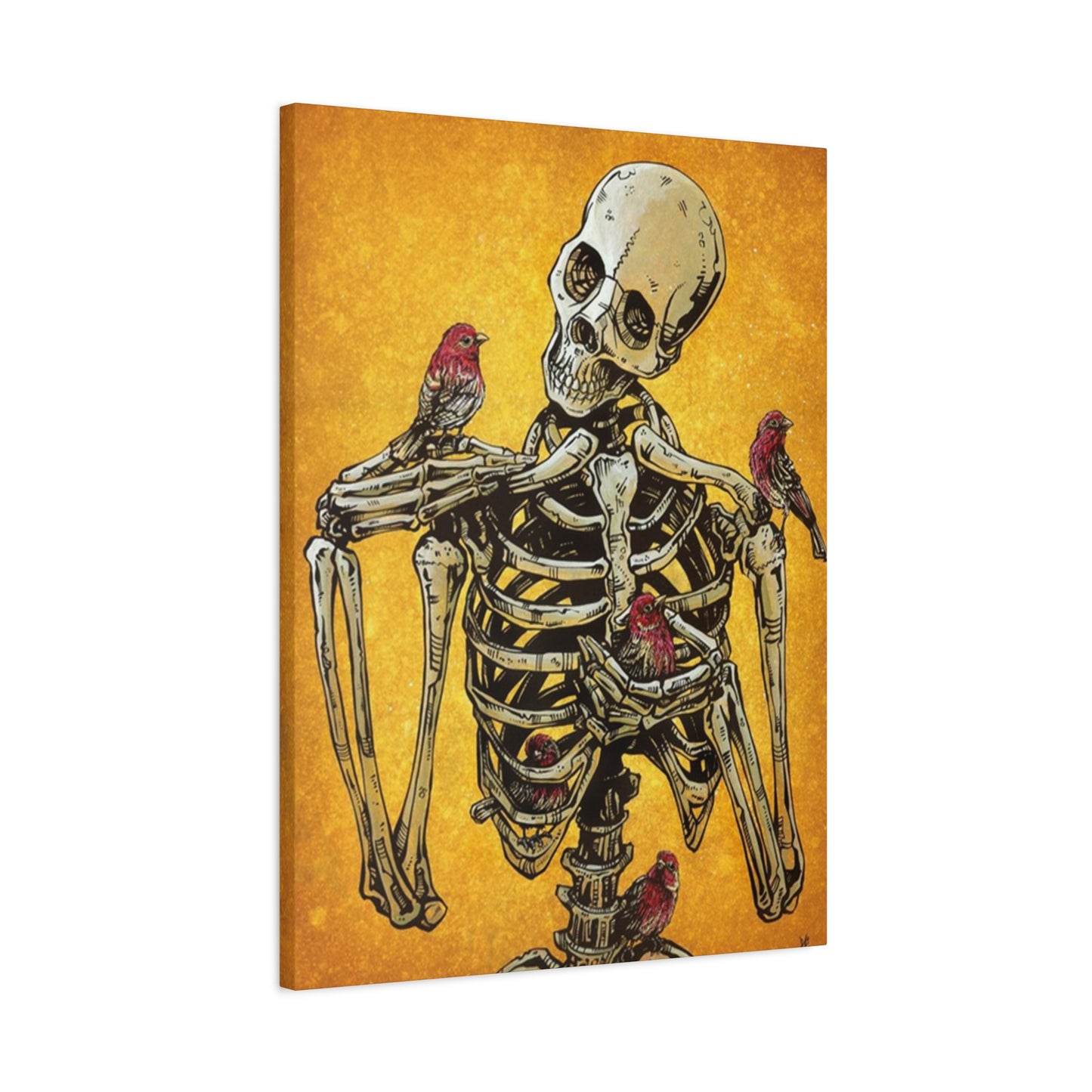
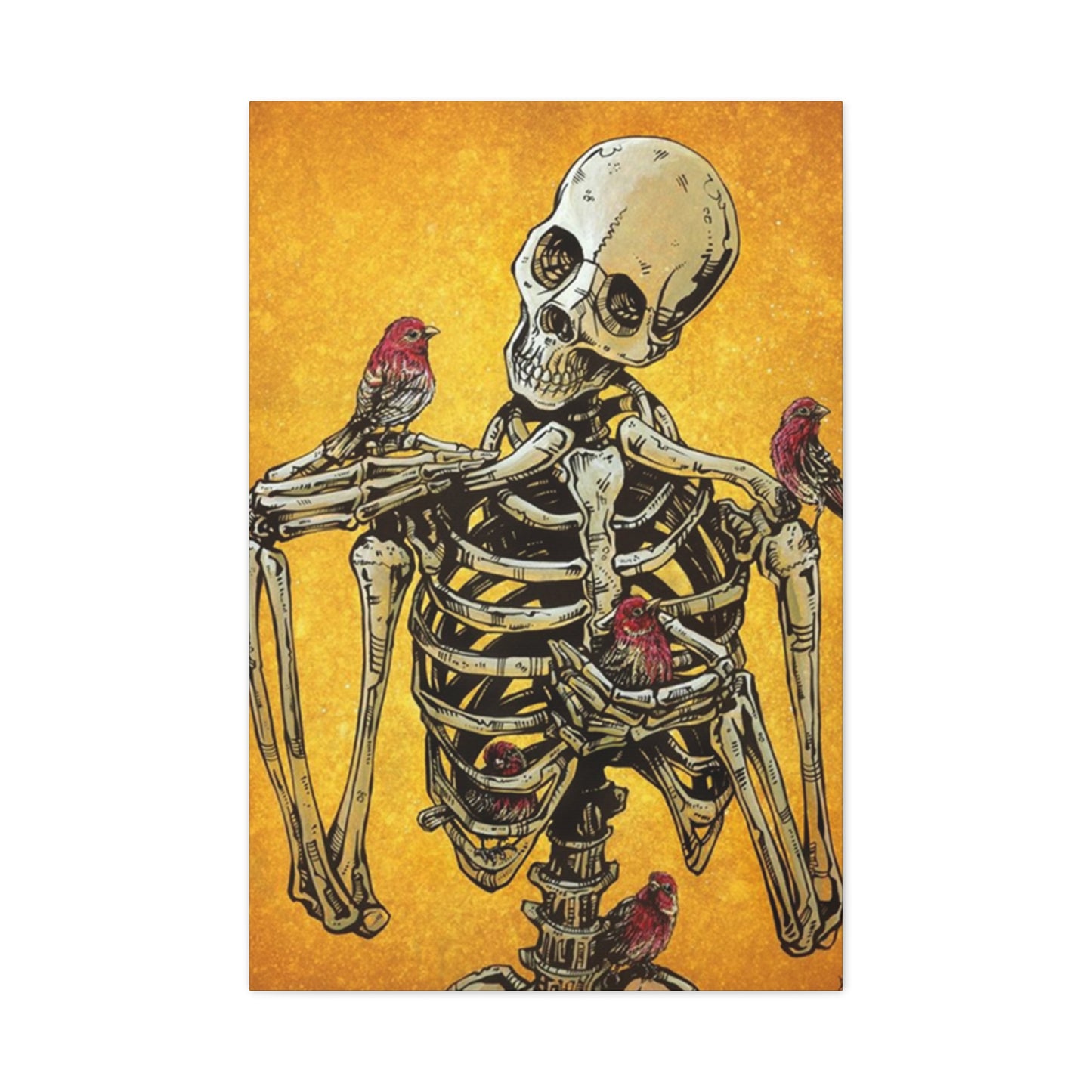
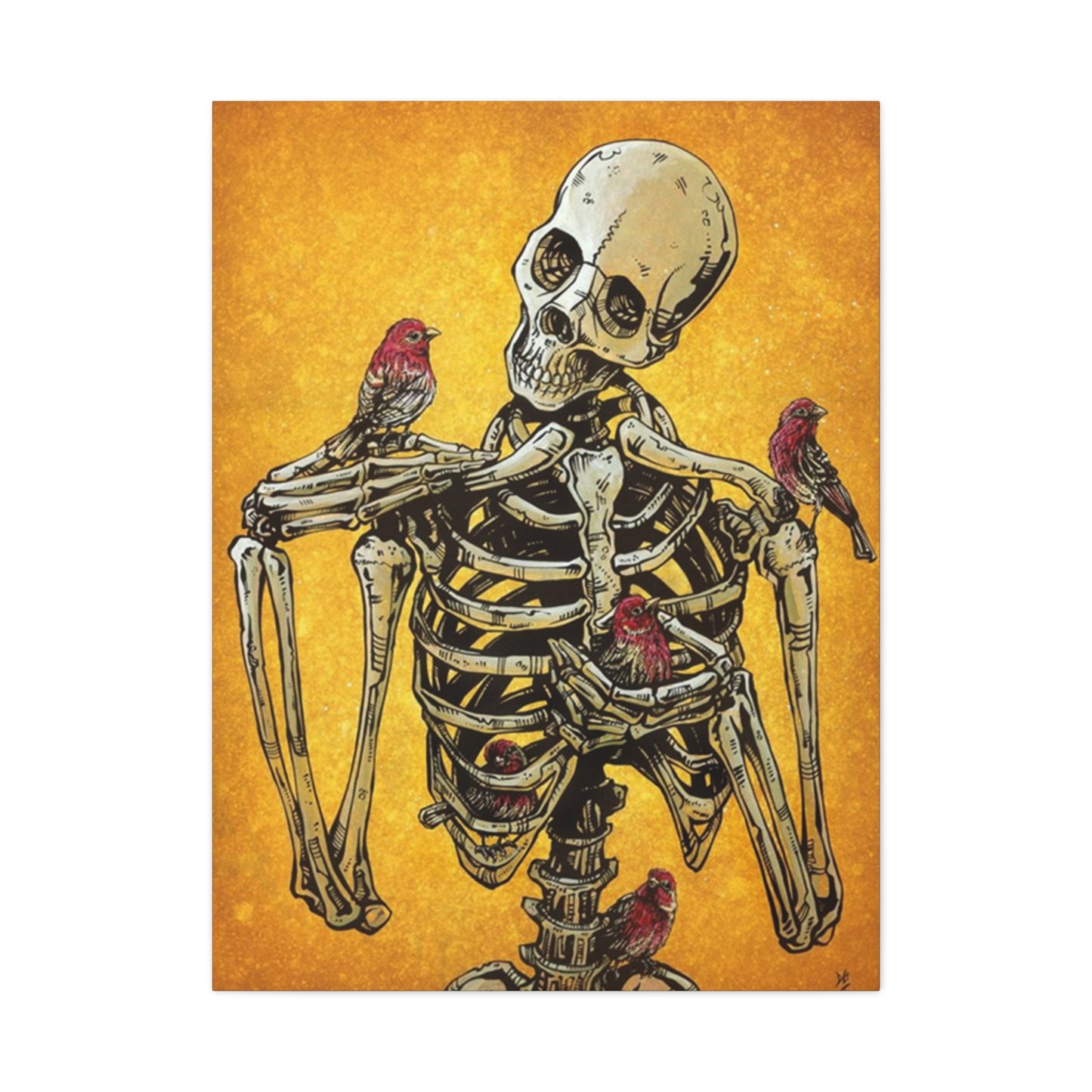
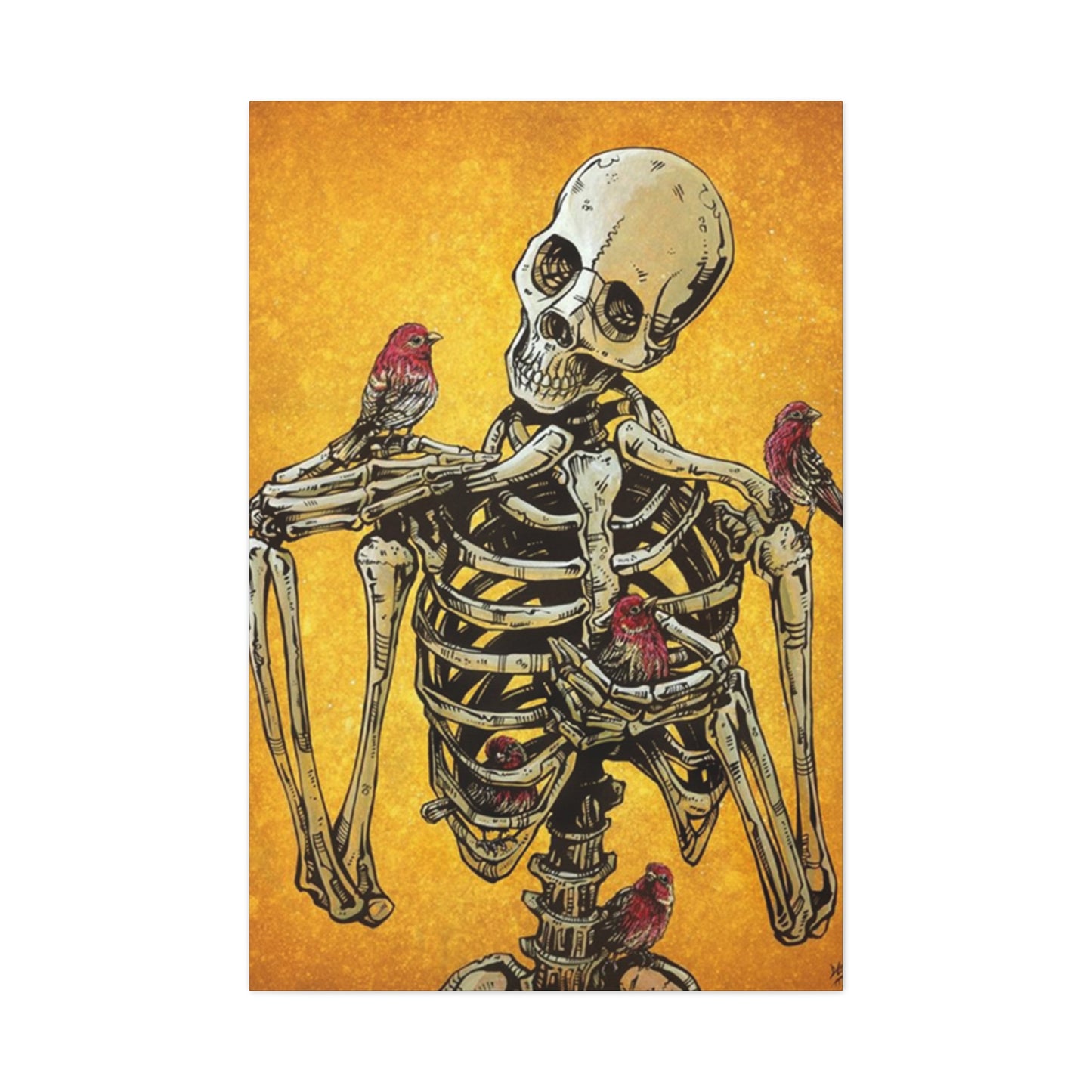
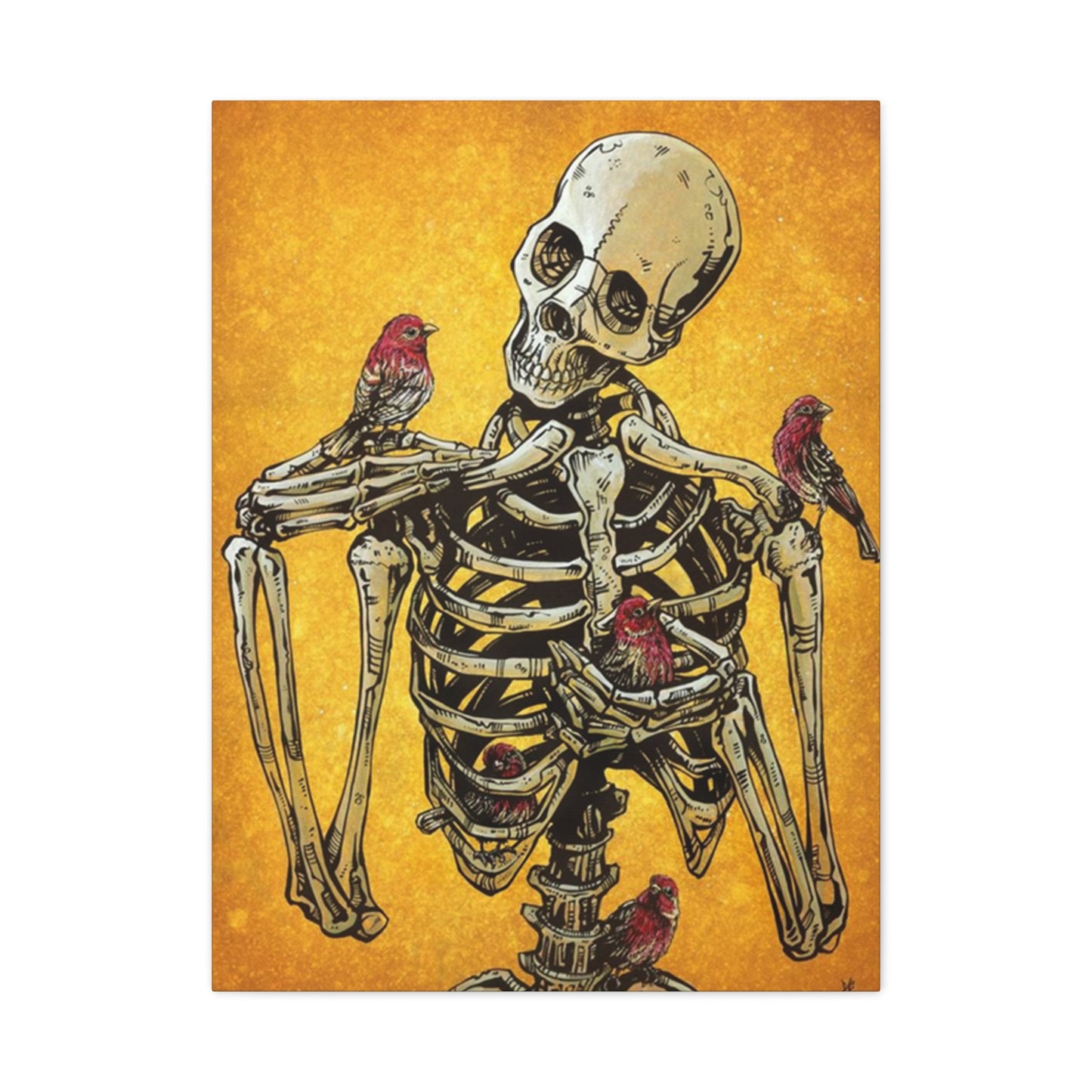
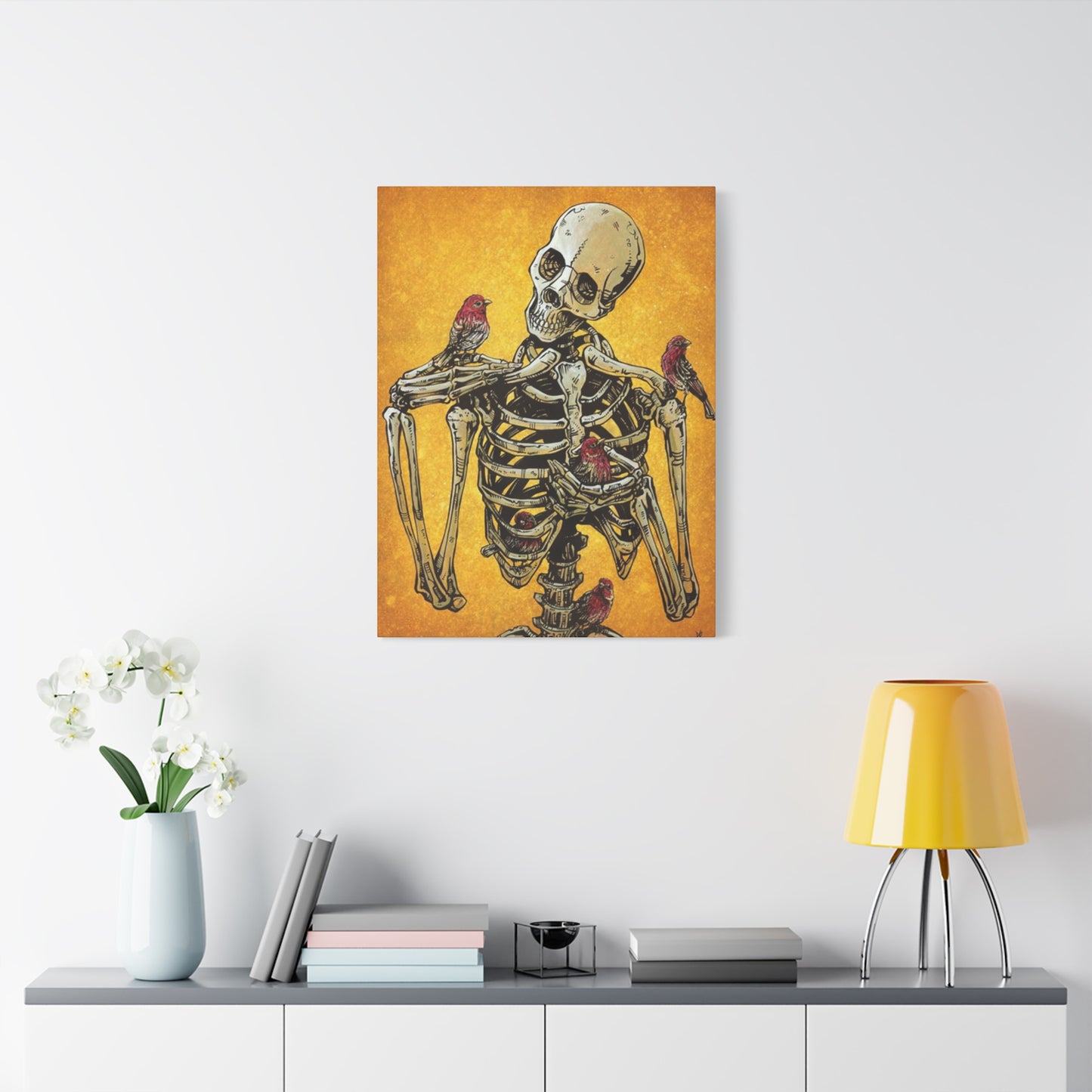
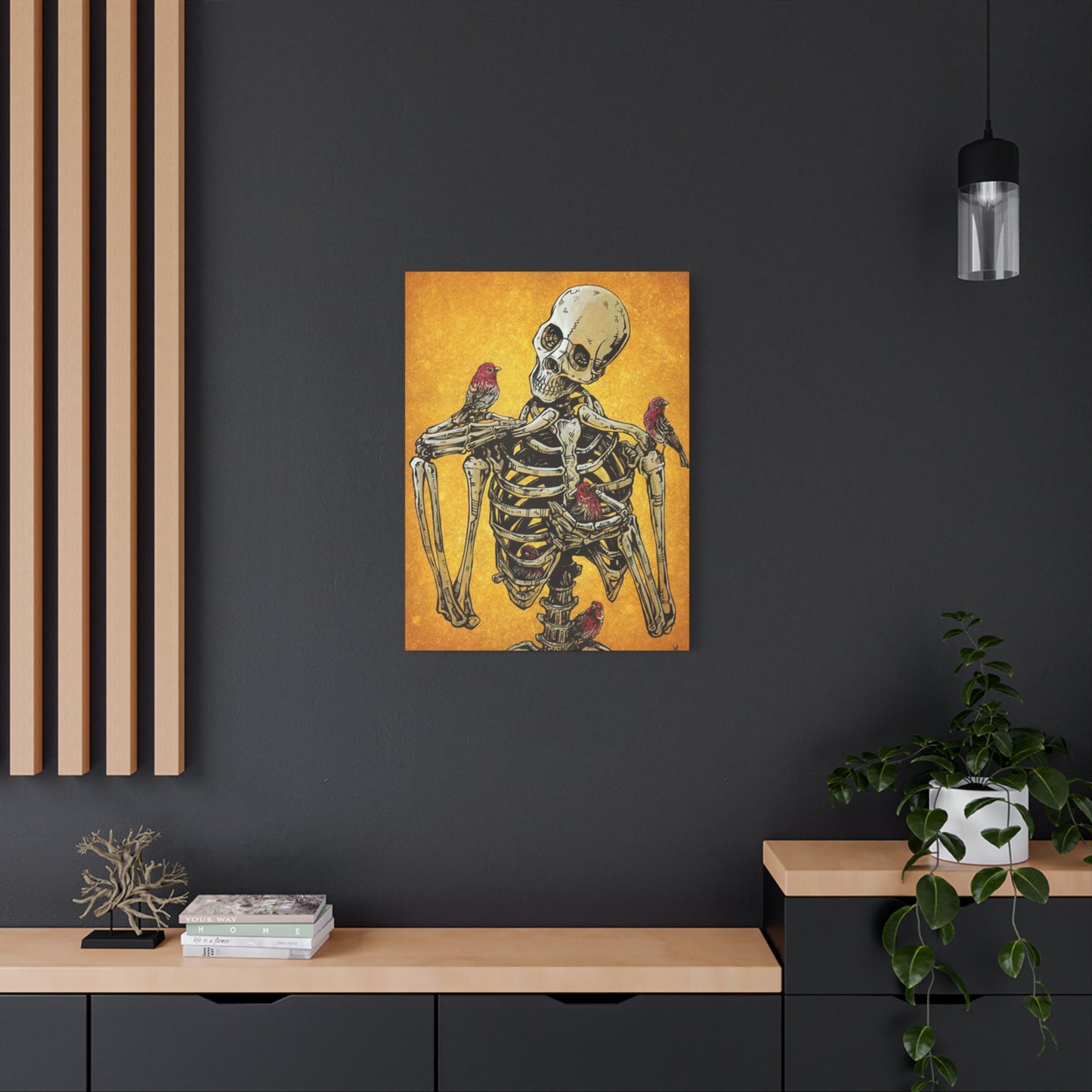
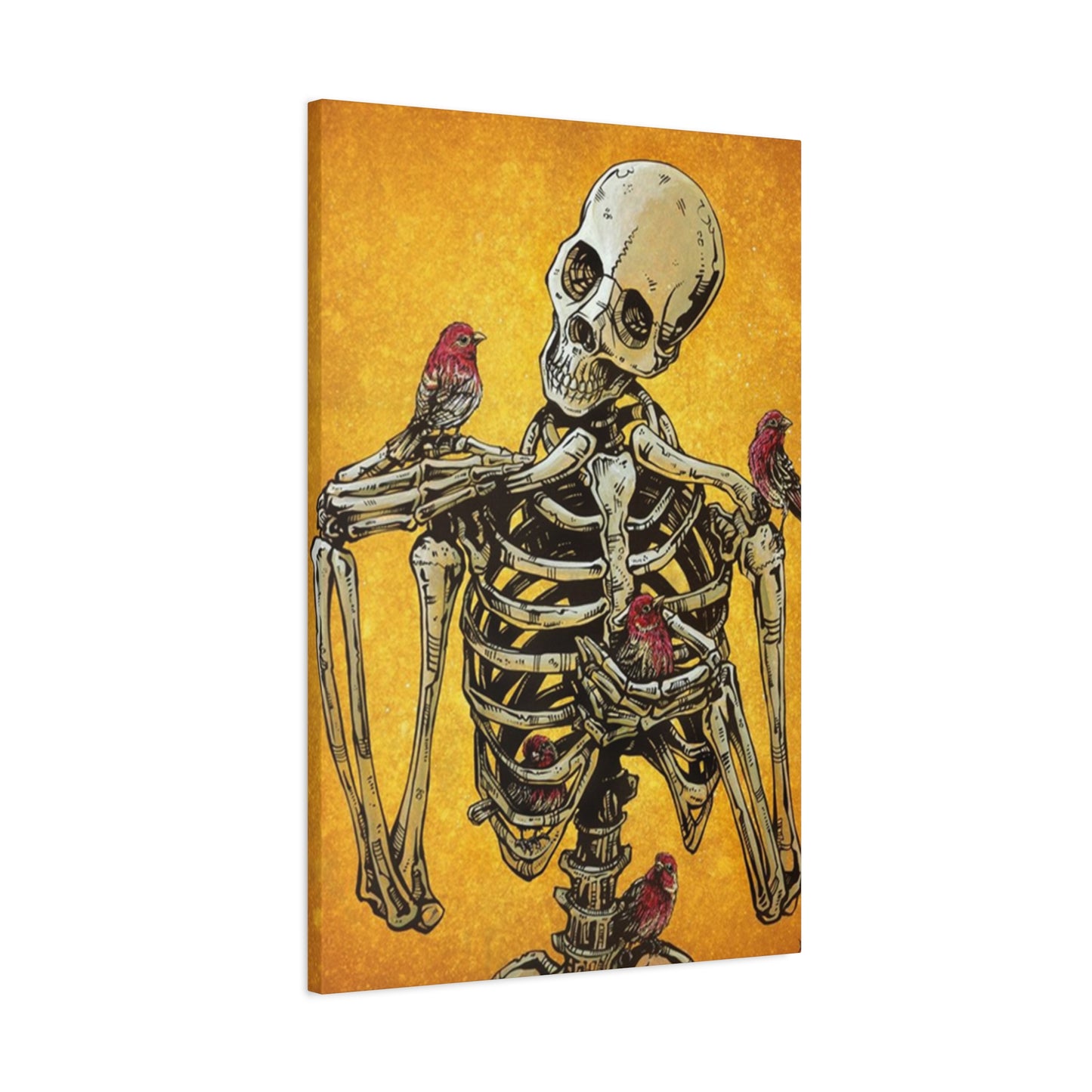
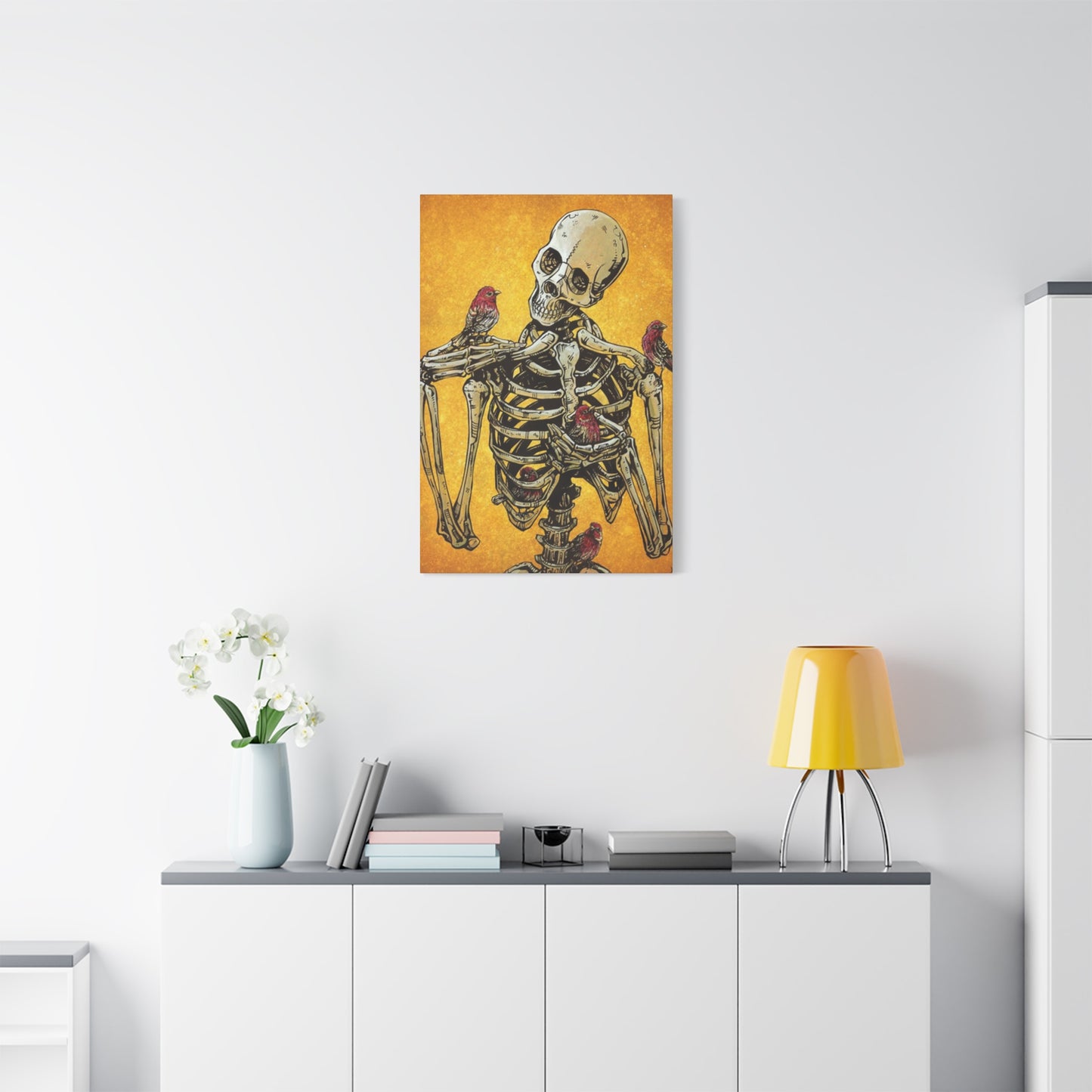
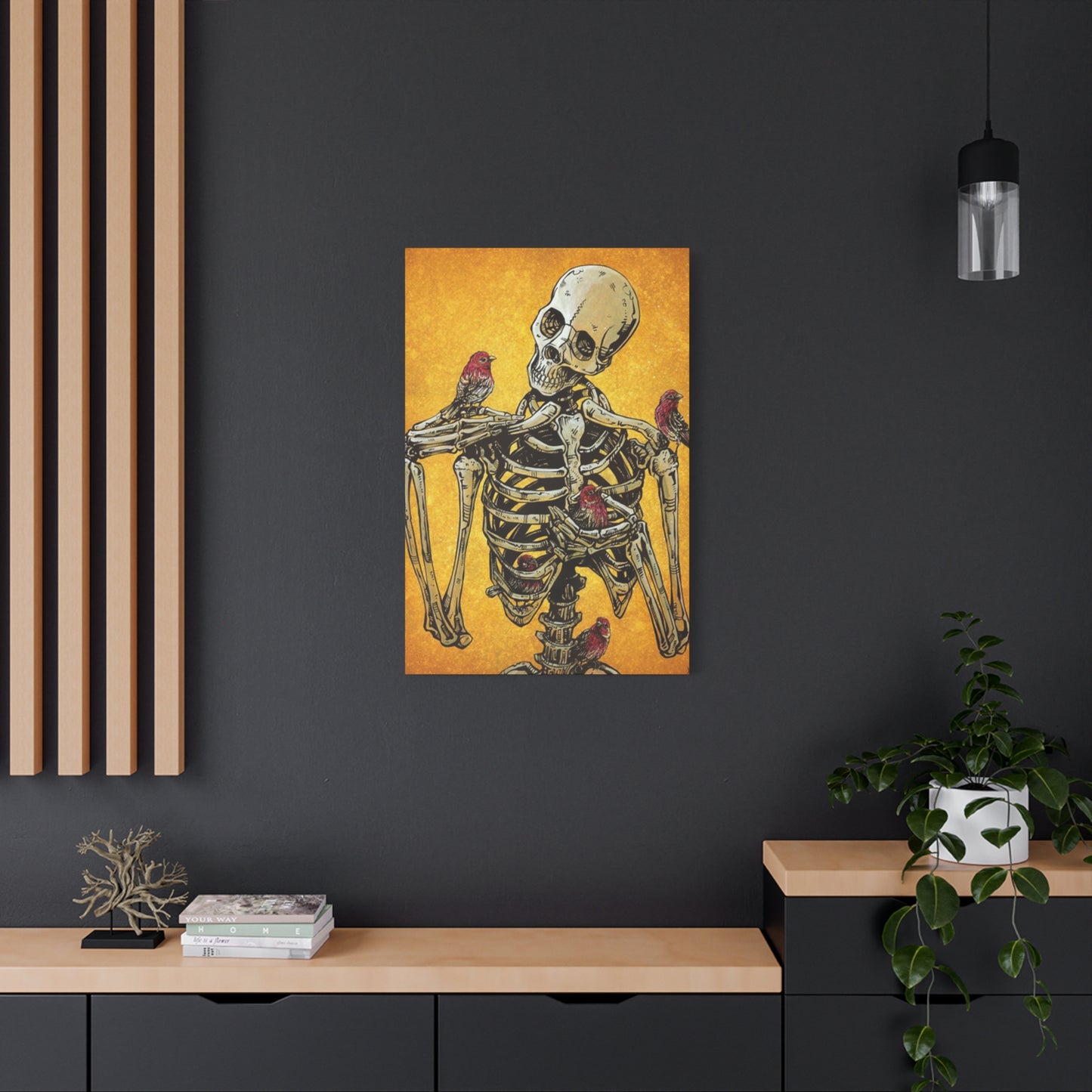
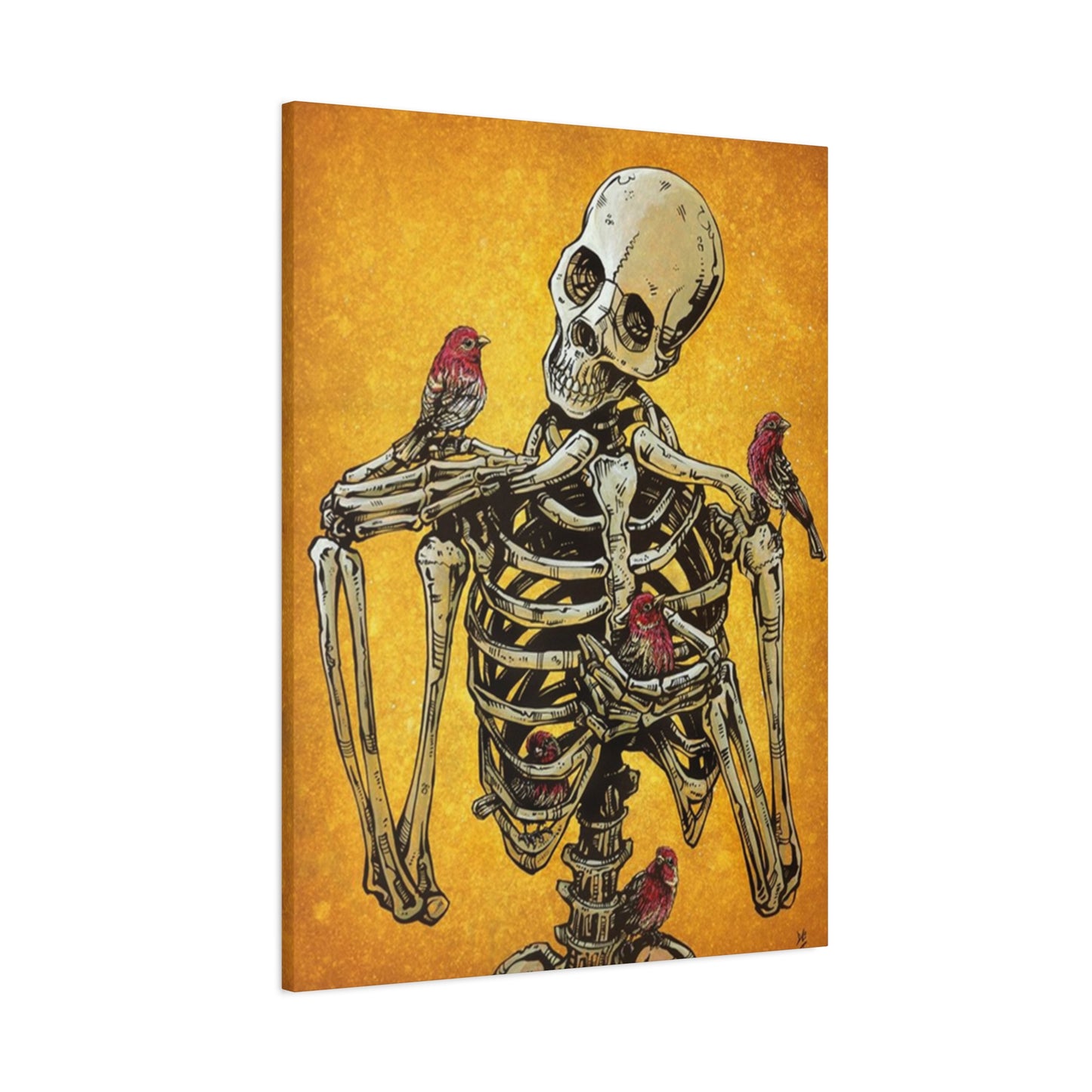
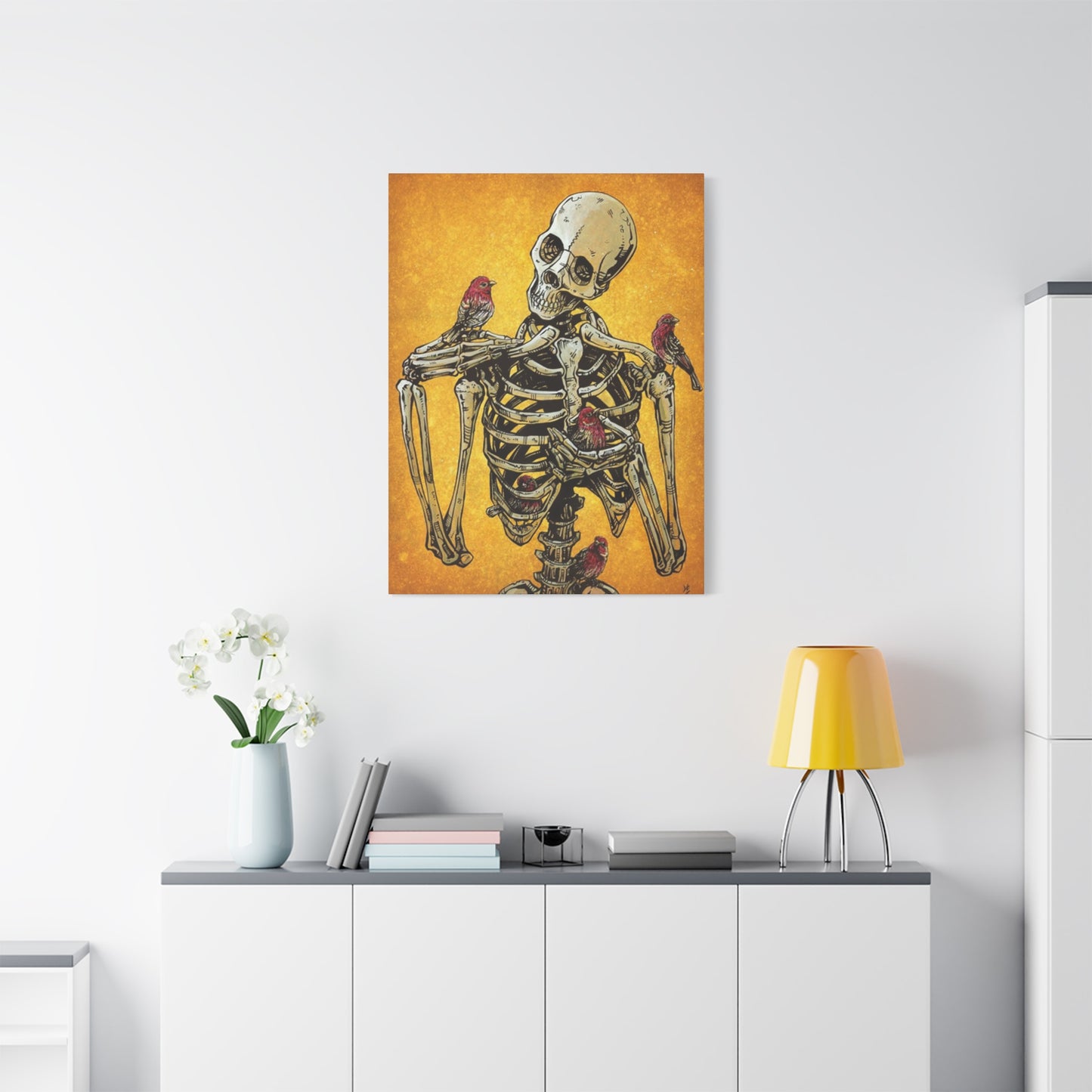
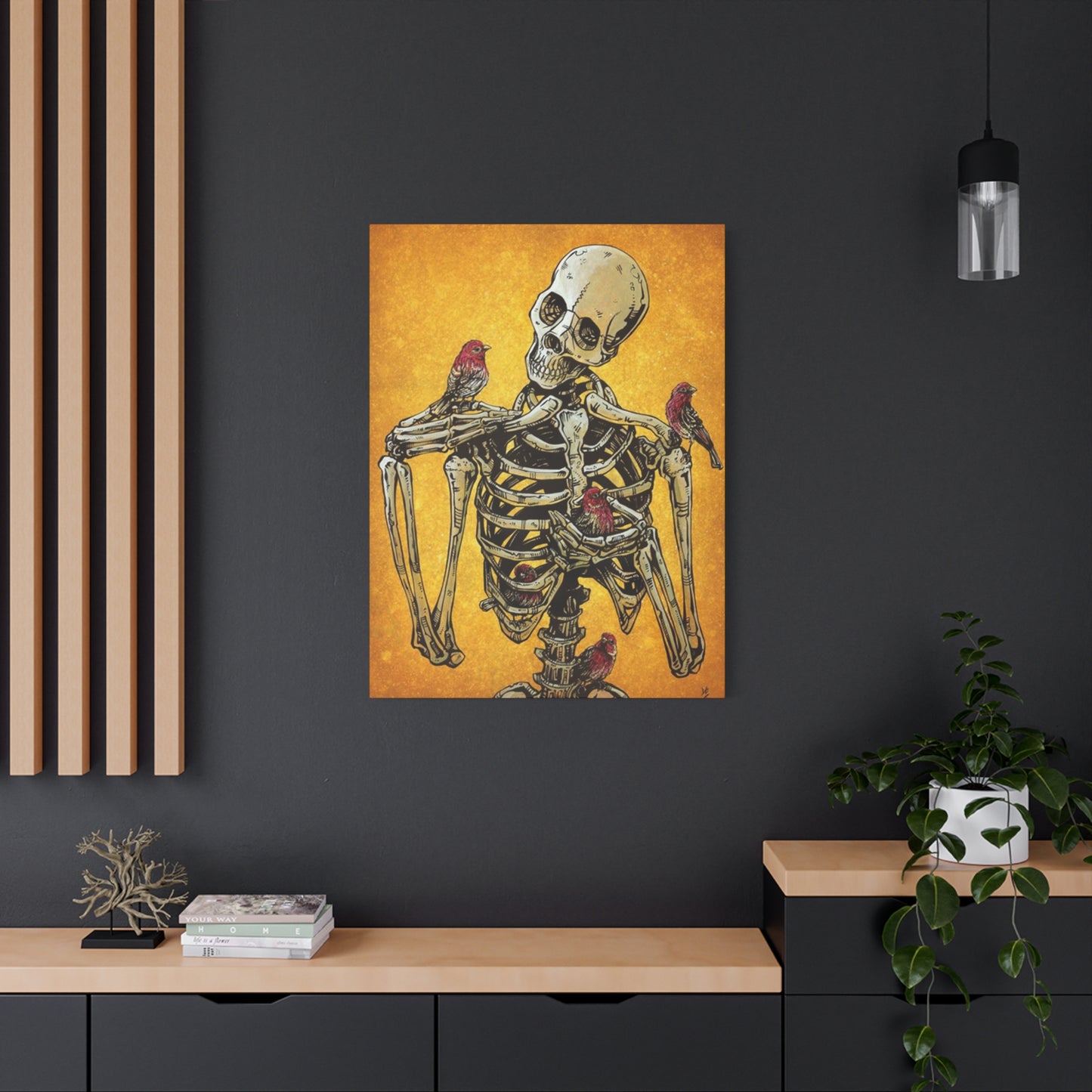
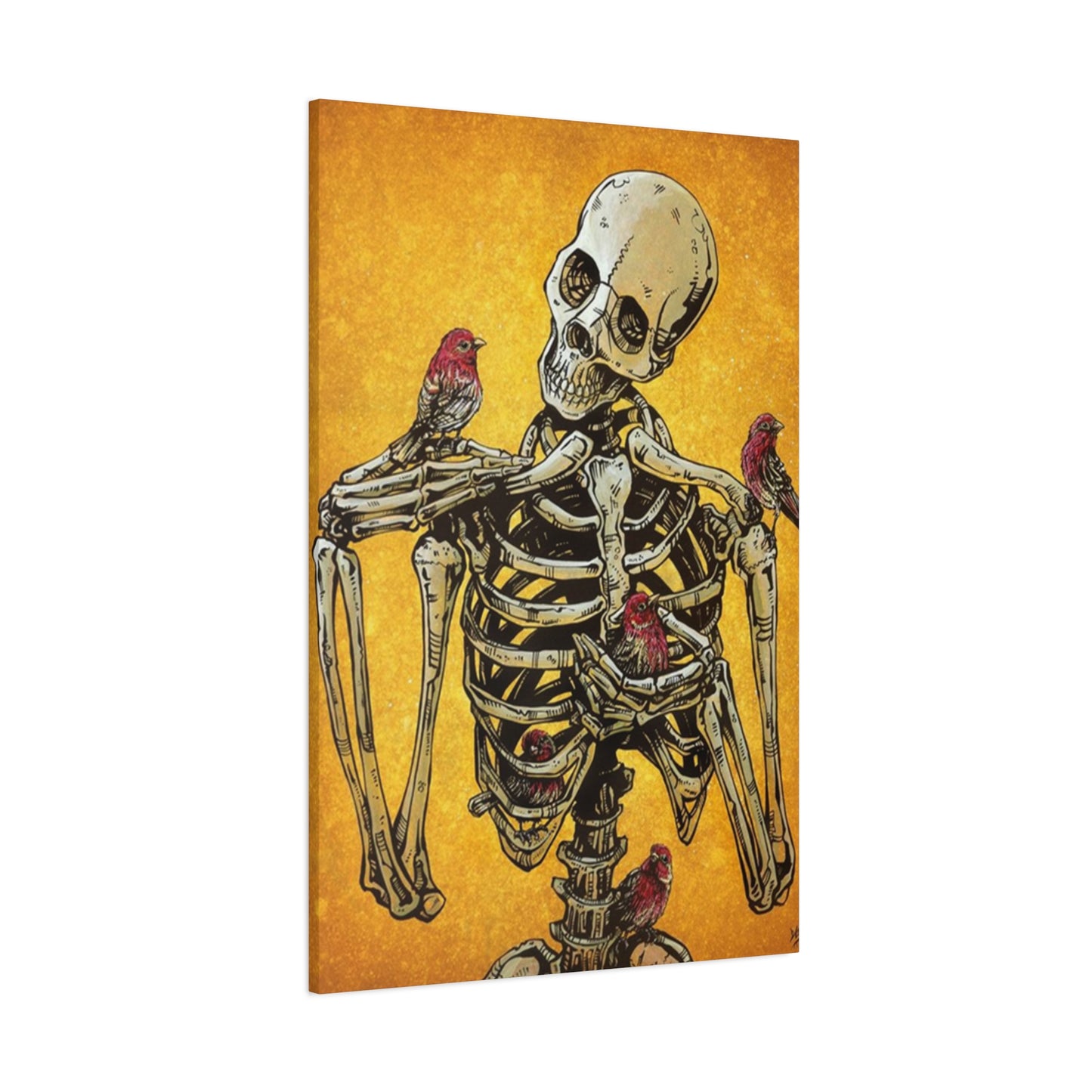
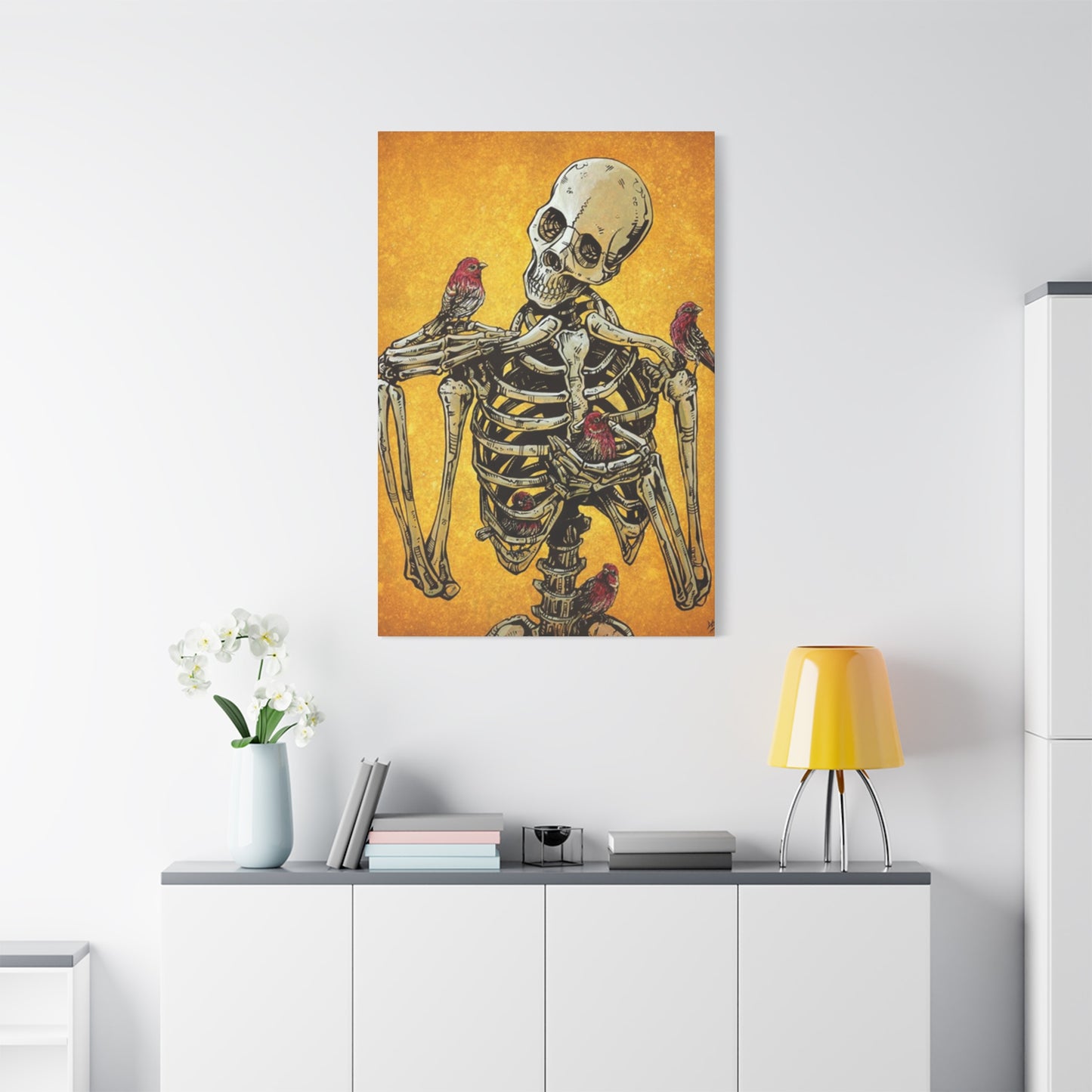
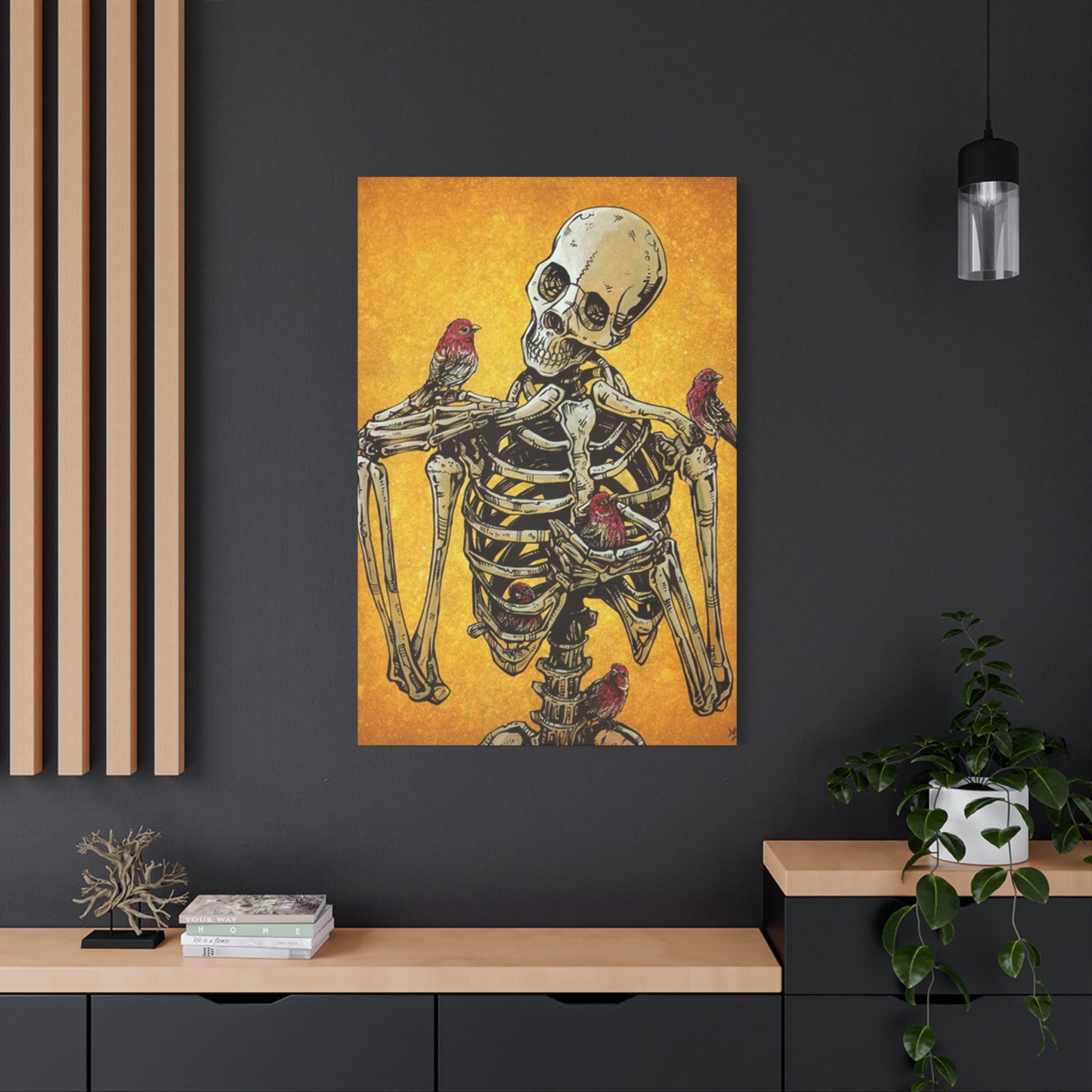
Bird On Skeleton Wall Art & Canvas Prints
Bird On Skeleton Wall Art & Canvas Prints
Couldn't load pickup availability
A Complete Exploration of Bird on Skeleton Wall Art: Unveiling Its Captivating and Unconventional Design
The realm of decorative interior design has witnessed a remarkable surge in the popularity of gothic-inspired and anatomically detailed artistic pieces. Among these striking visual elements, Bird On Skeleton Wall Art has emerged as a compelling choice for those seeking to infuse their living spaces with a blend of natural beauty and macabre elegance. This distinctive artistic genre combines the delicate grace of avian creatures with the stark, haunting presence of skeletal frameworks, creating a visual dialogue that speaks to themes of mortality, transformation, and the cyclical nature of existence.
The Symbolic Resonance Behind Avian and Skeletal Imagery in Contemporary Art
The fusion of birds and skeletal structures in decorative pieces carries profound metaphorical weight that resonates across cultures and philosophical traditions. Throughout human civilization, feathered creatures have symbolized freedom, transcendence, and the human soul's journey beyond physical constraints. Meanwhile, skeletal imagery has long served as a memento mori—a reminder of life's transient nature and the inevitability of mortality. When these two powerful symbols converge in Bird On Skeleton Wall Art, they create a visual narrative that explores the intersection between life and death, beauty and decay.
This artistic combination invites viewers to contemplate deeper existential questions while maintaining aesthetic appeal. The juxtaposition of a vibrant, living bird perched upon or intertwined with skeletal remains creates a striking contrast that captures attention and provokes thought. Many who incorporate such pieces into their homes find that they serve as conversation starters, prompting discussions about philosophy, natural cycles, and the meaning we ascribe to existence itself.
The symbolism extends beyond mere representation of death. In many interpretations, the bird represents the spirit or soul that persists beyond physical dissolution. The skeleton, rather than signifying an ending, becomes a foundation or launching point for transformation. This reading aligns with numerous spiritual traditions that view death not as a termination but as a transition to another state of being. Such multilayered symbolism makes Bird On Skeleton Wall Art particularly appealing to those who appreciate depth and meaning in their decorative choices.
Exploring Various Artistic Styles Within Skeletal and Avian Decor
The market for Bird On Skeleton Wall Art encompasses an impressive diversity of artistic approaches, each offering distinct aesthetic qualities and emotional impacts. Understanding these various styles can help collectors and decorators select pieces that best complement their existing interior design schemes and personal preferences.
Gothic-inspired interpretations often feature dark, dramatic color palettes dominated by blacks, deep purples, and charcoal grays. These pieces typically emphasize the macabre elements, presenting skeletal structures with meticulous anatomical detail while rendering birds in similarly somber tones. The overall effect evokes Victorian mourning culture and romantic notions of beautiful death, appealing to those drawn to darker aesthetic sensibilities.
Victorian naturalism represents another prevalent approach, drawing inspiration from the scientific illustrations and curiosity cabinets of the 19th century. These pieces often present skeletal structures with scientific accuracy, resembling museum specimens or anatomical studies. Birds in these compositions may appear taxidermied or preserved, creating an atmosphere of scholarly inquiry rather than purely decorative intent. This style particularly appeals to those fascinated by natural history and scientific exploration.
Contemporary minimalist interpretations strip away excessive detail, focusing on clean lines and simplified forms. These versions of Bird On Skeleton Wall Art might feature silhouettes or geometric representations of birds and bones, rendered in monochromatic palettes. Such pieces integrate seamlessly into modern interior design schemes, offering symbolic depth without overwhelming visual complexity.
Surrealist approaches take considerable creative liberty, blending realistic elements with fantastical or impossible arrangements. Birds might emerge from skeletal eye sockets, bones might transform into branches, or multiple temporal states might exist simultaneously within a single composition. These imaginative pieces appeal to those who appreciate the unexpected and enjoy art that challenges conventional perception.
Watercolor and ethereal styles soften the potentially harsh nature of skeletal imagery through delicate rendering techniques and gentle color transitions. These pieces often feature birds in flight or motion, with skeletal elements dissolving into abstract washes of color. The effect suggests transience and impermanence while maintaining visual beauty, making such pieces accessible to those who might find more realistic skeletal depictions unsettling.
Materials and Construction Methods for Skeletal Avian Artwork
The physical composition of Bird On Skeleton Wall Art significantly impacts both its visual presentation and longevity. Various materials and construction techniques offer distinct advantages, and understanding these differences enables informed purchasing decisions.
Metal fabrications have gained considerable popularity for their durability and dimensional qualities. Steel, iron, and aluminum can be cut, welded, and finished to create intricate skeletal structures with impressive detail. Powder coating or patina treatments provide color and protection against environmental degradation. Metal pieces often feature substantial visual weight and presence, making them ideal statement pieces for larger wall spaces or outdoor installations in covered areas.
Wood-based creations offer warmth and organic texture that complement the natural subject matter. Laser-cut plywood, carved hardwoods, and layered constructions can achieve remarkable detail while maintaining the inherent beauty of wooden materials. Staining, painting, or leaving wood in its natural state provides various aesthetic options. Wooden pieces tend to integrate particularly well with rustic, bohemian, or nature-inspired design schemes.
Canvas and fabric prints remain among the most accessible and versatile options for Bird On Skeleton Wall Art. Contemporary printing technologies enable exceptional color reproduction and detail rendering on canvas surfaces. Gallery-wrapped canvases provide depth and eliminate the need for separate framing, while traditional stretched canvases offer classic presentation. The lightweight nature of fabric-based pieces simplifies hanging and repositioning.
Acrylic and glass substrates create sleek, contemporary presentations with excellent color vibrancy. Direct printing on acrylic sheets produces stunning depth and luminosity, with light seeming to emanate from within the image. Glass substrates offer similar visual qualities with the addition of reflective properties that can enhance ambient lighting effects. These materials suit modern and minimalist interior design approaches particularly well.
Mixed media constructions combine multiple materials to achieve complex visual and textural effects. A piece might incorporate metal skeletal elements, resin-cast birds, fabric backgrounds, and found objects, creating a three-dimensional assemblage rather than a flat representation. Such pieces often qualify as sculptural wall art, offering substantial visual interest and uniqueness.
Selecting the Perfect Bird On Skeleton Wall Art for Your Living Environment
Choosing appropriate skeletal avian artwork for your home involves considering numerous factors beyond simple aesthetic preference. The relationship between artwork and environment significantly impacts the overall effect and satisfaction with your selection.
Scale constitutes a primary consideration when selecting wall art. A small piece mounted on a large, empty wall will appear lost and fail to make its intended impact, while an oversized piece in a confined space can feel overwhelming and claustrophobic. As a general guideline, artwork should occupy roughly two-thirds to three-quarters of the available wall space in the area where you intend to display it. For Bird On Skeleton Wall Art above furniture pieces like sofas or credenzas, the artwork width should measure between half and three-quarters of the furniture width.
Color coordination requires thoughtful consideration of your existing palette. While Bird On Skeleton Wall Art often features neutral tones that integrate easily with various color schemes, accent colors within the piece should complement or deliberately contrast with your room's dominant hues. Consider whether you want the artwork to blend harmoniously with existing elements or serve as a bold focal point that commands attention through contrasting colors.
Stylistic coherence ensures that your selected piece enhances rather than conflicts with your established interior design. A highly ornate Victorian-style skeletal bird piece might clash with ultra-modern minimalist furniture, while a geometric, simplified version might seem out of place in a richly decorated traditional setting. This doesn't mean you must match styles exactly—thoughtful contrast can create compelling visual interest—but there should be some unifying elements that create cohesion.
Lighting conditions dramatically affect how Bird On Skeleton Wall Art appears throughout the day. Natural light brings out subtle color variations and dimensional qualities but can cause fading over time if excessively intense. Artificial lighting can be positioned to highlight specific aspects of the artwork, creating dramatic shadows or emphasizing textural elements. Consider how lighting changes throughout the day and whether your piece will benefit from dedicated accent lighting.
Personal resonance ultimately determines whether a piece will provide lasting satisfaction. Beyond aesthetic considerations, reflect on what draws you to Bird On Skeleton Wall Art conceptually. Does the symbolism align with your philosophical outlook? Does the piece evoke emotions or memories that feel meaningful? Artwork that connects with you on a personal level will maintain its appeal far longer than pieces selected purely for decorative purposes.
Positioning and Display Strategies for Maximum Visual Impact
The placement and presentation of Bird On Skeleton Wall Art significantly influences its effectiveness as a decorative element and its ability to enhance your living space. Strategic positioning transforms artwork from mere decoration into a integral component of your interior design narrative.
Central focal points in main living areas provide ideal locations for particularly striking or meaningful pieces. The wall behind a sofa in your living room, the space above a fireplace mantel, or the primary wall visible when entering a room all serve as natural focal points where artwork receives maximum attention. Placing Bird On Skeleton Wall Art in these positions establishes it as a deliberate statement about your aesthetic preferences and personal interests.
Gallery wall arrangements allow you to incorporate skeletal avian artwork within a curated collection of complementary pieces. Rather than displaying a single large piece, you might combine several smaller Bird On Skeleton Wall Art pieces with related imagery—botanical prints, anatomical drawings, vintage photographs, or abstract pieces in coordinating colors. This approach creates visual rhythm and allows for more complex storytelling through the relationship between individual elements.
Hallways and transitional spaces often receive insufficient attention in decorating schemes, yet they present excellent opportunities for displaying artwork. The linear nature of hallways naturally suggests sequential arrangement of pieces, and Bird On Skeleton Wall Art can establish thematic coherence throughout these connecting spaces. The surprise of encountering such distinctive imagery in unexpected locations adds an element of discovery to moving through your home.
Bedroom and personal sanctuary spaces allow for more intimate, personally meaningful artwork selections. Bird On Skeleton Wall Art with calmer color palettes or more contemplative compositions can enhance the reflective quality appropriate for private spaces. These rooms provide opportunities to display pieces with personal significance that might not suit more public areas of your home.
Unconventional locations such as above doorways, on ceiling areas, or in alcoves and nooks can create memorable visual moments. These unexpected placements draw attention through their unusual positioning and demonstrate creative confidence. Bird On Skeleton Wall Art benefits particularly from unconventional display, as its already distinctive nature amplifies the impact of surprising placement.
The Evolution and Origins of Skeletal Imagery in Decorative Arts
Understanding the lineage of skeletal imagery in artistic expression provides valuable context for appreciating contemporary Bird On Skeleton Wall Art. This motif draws from rich traditions spanning centuries and cultures, each contributing to the symbolic vocabulary we recognize today.
Medieval and Renaissance European art extensively employed skeletal imagery as cautionary reminders of mortality. The "Dance of Death" or "Danse Macabre" tradition depicted skeletons leading people from all social stations in a communal dance toward inevitable death, emphasizing social equality in the face of mortality. These works served didactic purposes, encouraging viewers to contemplate their spiritual preparation for the afterlife while death remained an ever-present reality in daily life.
Mexican Day of the Dead traditions, or Día de los Muertos, transformed skeletal imagery from somber memento mori into celebratory representations of deceased loved ones. Colorful skeletal figures engaged in joyful activities conveyed the belief that death represents not an ending but a continuation of existence in another realm. This cultural tradition significantly influences contemporary skeletal art, introducing elements of whimsy and celebration alongside reflection.
Victorian mourning culture produced elaborate memorialization practices that included hair jewelry, post-mortem photography, and decorative objects incorporating mortality symbols. Natural specimens including skeletal elements, preserved birds, and botanical arrangements under glass domes populated parlors and sitting rooms. This era established aesthetic frameworks that continue influencing gothic and vintage-inspired decorative arts.
Anatomical illustration traditions from medical and scientific contexts contributed precise, detailed representation of skeletal structures. These educational drawings, originally intended for studying human and animal anatomy, possess striking visual appeal that transcends their utilitarian origins. Contemporary artists frequently reference these scientific illustrations when creating Bird On Skeleton Wall Art, particularly in pieces emphasizing naturalistic accuracy.
Vanitas still life paintings from Dutch Golden Age art incorporated skulls, dying flowers, and other mortality symbols alongside representations of wealth and luxury. These compositions reminded viewers that material accumulation ultimately proves meaningless in the face of inevitable death. The aesthetic principles established in these paintings—careful composition, symbolic layering, and beautiful rendering of macabre subjects—continue influencing how artists approach skeletal imagery today.
Psychological and Emotional Responses to Mortality-Themed Artwork
The decision to display Bird On Skeleton Wall Art in one's home involves navigating complex emotional and psychological territory. Understanding why such imagery resonates with some viewers while disturbing others illuminates the deeper appeal of mortality-themed decorative pieces.
Confronting mortality through art can serve as a form of existential inoculation, allowing individuals to process anxieties about death in a controlled, aesthetic context. Rather than avoiding thoughts of mortality, displaying skeletal imagery normalizes death as a natural component of existence. This approach aligns with philosophical and spiritual traditions emphasizing acceptance of impermanence as essential for genuine appreciation of life.
The concept of "terribilità" from Renaissance aesthetics describes the pleasure derived from experiencing awe mixed with fear. Skeletal imagery possesses this quality, simultaneously attracting and unsettling viewers. Bird On Skeleton Wall Art that successfully balances beauty and memento mori creates this delicious tension, engaging viewers more deeply than purely pleasant imagery might achieve.
Countercultural identification motivates some individuals to embrace macabre aesthetics as statements of individuality. Mainstream interior design tends toward safe, conventionally pleasant imagery, making Bird On Skeleton Wall Art an expression of nonconformity. Displaying such pieces signals intellectual sophistication, comfort with difficult subjects, and rejection of sanitized, death-denying cultural attitudes.
Narrative and metaphorical thinking finds rich material in the juxtaposition of birds and skeletons. The human mind naturally seeks meaning and story in visual symbols, and the combination of living bird and skeletal remains prompts interpretive engagement. Viewers might construct narratives about the relationship between the elements, contemplate metaphorical meanings, or project personal experiences onto the imagery. This active engagement creates deeper connection than passive appreciation of purely decorative art.
Aesthetic appreciation divorced from symbolic content allows some viewers to enjoy Bird On Skeleton Wall Art purely for its visual qualities—the elegance of skeletal curves, the delicacy of feather details, the composition of elements, the palette choices. This formalist approach values artistic execution regardless of subject matter, finding beauty in technical skill and design principles rather than symbolic meanings.
Pairing Skeletal Avian Artwork with Complementary Decorative Elements
Creating harmonious interior environments involves thoughtfully relating Bird On Skeleton Wall Art to surrounding decorative objects and furnishings. Strategic pairing amplifies the impact of individual pieces while establishing cohesive visual narratives throughout your space.
Natural specimens and curiosities create thematic resonance with skeletal avian artwork. Displaying minerals, fossils, preserved insects, antlers, shells, or botanical specimens echoes the natural history aesthetic that many Bird On Skeleton Wall Art pieces reference. Glass cloches or bell jars elevate these objects to cabinet-of-curiosities status, establishing your space as one that celebrates natural wonder and scientific inquiry.
Vintage books and manuscripts contribute atmosphere and intellectual gravitas to spaces featuring mortality-themed artwork. Stacks of antique medical texts, natural history volumes, or leather-bound classics suggest erudition and curiosity about the world. These objects need not be readable or valuable; their visual presence and connotations of accumulated knowledge complement the contemplative nature of skeletal imagery.
Metallic accents in finishes like aged brass, oxidized copper, or brushed steel echo the material qualities of many Bird On Skeleton Wall Art pieces while adding dimensional variety. Candlesticks, trays, frames, and sculptural objects in these finishes establish visual connections between artwork and functional objects, creating subtle patterns of repetition that unify a space.
Textile choices significantly impact how skeletal artwork registers within a room. Luxurious velvet in deep jewel tones or matte black creates gothic opulence that complements dramatic skeletal pieces. Alternatively, natural linen and cotton in neutral tones establish calm, contemplative environments where Bird On Skeleton Wall Art provides visual interest without overwhelming the senses. Consider both upholstery fabrics and decorative textiles like throw pillows and blankets when coordinating with your artwork.
Lighting fixtures serve functional needs while contributing to aesthetic narratives. Edison-bulb pendants, antique-style sconces, or industrial metal fixtures complement the vintage scientific or gothic sensibilities common in skeletal avian artwork. Alternatively, sleek contemporary fixtures can create compelling contrast, positioning Bird On Skeleton Wall Art within decidedly modern contexts that emphasize its artistic qualities over period associations.
Creating Thematic Collections Around Avian and Skeletal Motifs
For those deeply drawn to Bird On Skeleton Wall Art, developing a curated collection creates opportunities for more complex visual storytelling and personal expression. Thoughtful collection-building transforms individual pieces into components of a larger aesthetic and philosophical statement.
Species-specific collections focus on particular bird types across multiple pieces, allowing for deep exploration of specific avian symbolism. A collector might acquire various interpretations of ravens, each emphasizing different aspects of this bird's rich symbolic associations—intelligence, prophecy, death, transformation. This focused approach demonstrates commitment to understanding symbolic nuances while creating cohesive visual impact through repetition with variation.
Artistic progression collections document stylistic range within the skeletal avian genre. Such collections might include Victorian scientific illustrations, gothic romantic interpretations, contemporary minimalist versions, and surrealist reimaginings of the bird-and-skeleton motif. This approach celebrates artistic diversity while maintaining thematic coherence, transforming your walls into an exploration of how different aesthetic movements and individual artists approach shared subject matter.
Size gradient arrangements create dynamic visual experiences through systematic variation in scale. You might display a large central Bird On Skeleton Wall Art piece flanked by progressively smaller versions, creating a sense of movement and rhythm across your wall. This approach works particularly well in larger spaces where multiple pieces might otherwise compete for attention rather than creating unified impact.
Color spectrum collections explore tonal variations within the skeletal avian theme. While many pieces emphasize neutral palettes, others incorporate colors ranging from sepulchral blues to oxidized greens to warm sepia tones. Arranging pieces to create gradual color transitions or contrasting palettes demonstrates sophisticated curatorial thinking and adds complexity to your collection's visual presentation.
Medium diversity collections showcase the range of materials and construction methods available in Bird On Skeleton Wall Art. Combining metal sculptures, canvas prints, woodwork, and mixed media pieces emphasizes the versatility of the motif while creating textural interest that flat prints alone cannot achieve. This approach requires careful attention to how different materials relate spatially and visually, but successfully executed medium diversity collections possess remarkable visual richness.
Commissioning Custom Bird On Skeleton Wall Art for Personal Spaces
While ready-made Bird On Skeleton Wall Art offers numerous options, commissioning custom pieces ensures perfect alignment with your specific vision, space requirements, and symbolic intentions. Understanding the commission process enables successful collaborations with artists.
Artist selection begins with researching creators whose existing work demonstrates aesthetic sensibilities aligned with your preferences. Examine portfolios carefully, noting not just finished pieces but also range of styles, materials expertise, and ability to execute detailed work. Social media platforms, online marketplaces, and local galleries provide venues for discovering artists working in skeletal and avian imagery. Consider both established artists and emerging talents, as newer creators often offer more affordable rates while bringing fresh perspectives.
Initial consultations establish whether artist and client share compatible visions. Prepare for this conversation by collecting reference images—not necessarily Bird On Skeleton Wall Art specifically, but examples of colors, compositions, styles, and moods that appeal to you. Articulate what draws you to skeletal avian imagery and any specific symbolic meanings you hope the piece will embody. Discuss practical requirements including dimensions, materials, timeline, and budget parameters.
Conceptual development involves collaborative refinement of ideas into concrete plans. Artists typically provide sketches or digital mockups showing composition, proportions, and major design elements. This stage allows for adjustments before significant time and materials are invested. Provide constructive feedback that explains your reactions and preferences rather than simply approving or rejecting proposals. Remember that artists bring expertise to the process; remain open to their suggestions while ensuring your voice remains central.
Material selection significantly impacts the finished piece's appearance, durability, and cost. Discuss options thoroughly, asking about advantages and limitations of different materials. Request samples when possible, as photographs rarely capture materials' true character. Consider long-term factors including maintenance requirements, environmental sensitivity, and whether materials might change appearance over time through patination or aging.
Progress updates during creation maintain communication and allow for course corrections if necessary. Establish expectations about frequency and format of updates during initial discussions. Some artists readily share work-in-progress photographs, while others prefer revealing finished pieces. Respect artists' creative processes while ensuring you'll have opportunities to address concerns before completion makes changes impractical.
Caring for and Preserving Your Skeletal Avian Artwork
Proper maintenance ensures that Bird On Skeleton Wall Art retains its visual appeal and structural integrity for years or decades. Different materials require specific care approaches, and understanding these needs prevents avoidable degradation.
Canvas and fabric-based pieces benefit from regular dusting using soft, clean brushes or microfiber cloths. Avoid applying moisture directly to canvas surfaces, as water can damage inks and weaken fabric. Keep canvas artwork away from direct sunlight, which causes fading over time. If more thorough cleaning becomes necessary, consult professional art conservators rather than attempting aggressive cleaning yourself. Canvas pieces should be stored flat or hanging, never rolled, if you need to temporarily remove them from display.
Metal artworks generally prove quite durable but may require specific care depending on finishes and treatments. Powder-coated metals resist environmental degradation well and require only occasional dusting. Bare or minimally finished metals may develop patina over time, which some owners appreciate for added character while others prefer preventing through application of protective waxes or clear coats. Outdoor display, even in covered areas, exposes metal Bird On Skeleton Wall Art to moisture and temperature fluctuations that accelerate corrosion unless pieces specifically receive treatment for exterior use.
Wooden pieces require protection from moisture extremes that cause warping, cracking, or finish deterioration. Maintain relatively stable humidity levels in rooms displaying wooden artwork, avoiding placement near heating vents, radiators, or sources of steam. Dust regularly using soft cloths, and periodically treat finished wood with appropriate conditioners or polishes matching the specific finish type. Unfinished or minimally finished wood may benefit from occasional oil treatment to prevent drying and cracking.
Glass and acrylic substrates show fingerprints and dust prominently, requiring frequent cleaning to maintain clarity. Use cleaners specifically formulated for the substrate type—standard glass cleaners work for glass but may damage acrylic. Apply cleaner to your cloth rather than directly onto the artwork to prevent liquid seeping behind edges. Microfiber cloths effectively remove smudges without scratching. Handle these pieces carefully during cleaning to avoid applying pressure that might crack or break the substrate.
Mixed media pieces require consideration of all incorporated materials. Before cleaning, identify all components and research appropriate care for each. When in doubt, limit yourself to gentle dusting with soft brushes, avoiding moisture entirely. If a mixed media piece shows signs of degradation or damage, consult a professional conservator familiar with contemporary assemblage art rather than attempting repairs yourself.
Commercial Venues and Resources for Acquiring Skeletal Avian Artwork
Locating high-quality Bird On Skeleton Wall Art involves exploring various marketplaces and vendor types, each offering distinct advantages regarding selection, pricing, and purchasing experience.
Online marketplaces specializing in handmade goods connect buyers directly with independent artists and small studios. These platforms host thousands of creators offering unique pieces unavailable through mass-market retailers. Benefits include supporting individual artists, accessing truly original work, and often communicating directly with creators about customization possibilities. Browse artist profiles and reviews carefully to assess reliability and quality standards before purchasing.
Print-on-demand services offer extensive design selections at accessible price points. These companies maintain libraries of artwork from contributing designers, printing pieces only after orders are placed. This model eliminates inventory costs, translating to lower prices, though it may sacrifice some quality compared to dedicated art prints. Print-on-demand works well for trying out skeletal avian imagery before investing in higher-end pieces or for decorating spaces like dorm rooms or rental properties where permanent installation isn't feasible.
Specialty retailers focusing on gothic, alternative, or natural history aesthetics curate selections aligned with these sensibilities. Shopping with specialty retailers means encountering pieces specifically chosen for audiences appreciating darker or more unusual artwork. Staff at these establishments typically possess knowledge about the genre and can provide informed recommendations. Pricing tends toward the middle range—higher than mass-market but lower than original art or limited editions.
Local galleries and art fairs provide opportunities to view artwork in person before purchasing, offering significant advantages when assessing quality, scale, and color accuracy. Gallery staff can provide background on artists and pieces, and purchasing through galleries supports local creative communities. Art fairs in particular expose you to numerous artists in single visits, making them efficient venues for discovering new creators and comparing options directly.
Direct artist purchases establish relationships with creators while ensuring they receive full compensation for their work. Many artists maintain websites or social media presences showcasing available pieces and commission opportunities. Buying directly often means more flexibility regarding customization, sizing, and materials. Building relationships with particular artists whose work resonates with you creates opportunities for first access to new pieces and input on future creations.
Seasonal and Occasional Contexts for Skeletal Avian Imagery
While Bird On Skeleton Wall Art functions primarily as permanent decorative elements, certain seasonal and occasional contexts provide particular appropriateness for featuring such imagery, and understanding these associations enriches appreciation of the motif.
Autumn months naturally align with skeletal imagery through associations with harvest culmination, leaf death, and nature's dormancy preparation. The thinning veil between seasons mirrors metaphorical boundaries between life and death that skeletal art explores. Many who display Bird On Skeleton Wall Art year-round find it particularly resonant during autumn, while others might add seasonal pieces during these months, removing them as winter approaches.
Halloween celebrations embrace macabre imagery, making October prime time for highlighting skeletal decorations. However, Bird On Skeleton Wall Art generally possesses too much sophistication and permanent quality for treatment as mere Halloween decoration. Those who appreciate skeletal aesthetics year-round sometimes feel frustrated by Halloween's commercialization of imagery they value for deeper reasons. Consider whether you want your pieces associated with holiday contexts or prefer emphasizing their artistic and philosophical dimensions.
Day of the Dead observances in late October and early November provide culturally specific contexts for skeletal imagery. These celebrations honor deceased loved ones with colorful, joyful representations of death, and Bird On Skeleton Wall Art incorporating bright colors or folkloric elements particularly suits these occasions. Creating temporary altars or ofrendas that incorporate skeletal avian artwork alongside photographs, candles, and favorite foods of departed family members bridges contemporary art and traditional practice.
Winter solstice and darkest months carry associations with death and dormancy that skeletal imagery naturally evokes. Some individuals find comfort in acknowledging darkness during these periods rather than insisting on forced cheerfulness. Displaying Bird On Skeleton Wall Art during winter months can create spaces that honor natural cycles and accept darkness as a necessary component of existence rather than something to be overcome or ignored.
Memorial contexts provide personally meaningful occasions for engaging with mortality-themed artwork. Some people find that Bird On Skeleton Wall Art helps process grief by providing focal points for contemplation and remembrance. The bird component may represent the departed person's spirit or continuing presence, while skeletal elements acknowledge physical loss. Creating personal memorial spaces incorporating such artwork can support healthy grieving processes while honoring those who have died.
The Intersection of Gothic Subculture and Skeletal Avian Aesthetics
Gothic subculture has significantly influenced and embraced Bird On Skeleton Wall Art, creating important context for understanding this artistic genre's contemporary resonance and meanings.
Romantic darkness central to gothic sensibilities finds natural expression in skeletal imagery. Gothic philosophy embraces melancholy, mortality awareness, and finding beauty in aspects of existence that mainstream culture deems morbid or inappropriate. Bird On Skeleton Wall Art embodies these values, offering visual representation of gothic worldviews. For those identifying with gothic subculture, such artwork serves as external manifestation of internal orientation toward the world.
Victorian gothic revival influences contemporary gothic aesthetics significantly, and much Bird On Skeleton Wall Art draws inspiration from Victorian scientific illustrations, mourning practices, and decorative arts. Gothic subculture participants often appreciate historical depth in their aesthetic choices, preferring elements with lineage and cultural weight over merely shocking imagery. The connection between Victorian naturalism and contemporary skeletal avian art provides this desired substance.
Musical associations link gothic subculture to specific sonic landscapes, and visual aesthetics often parallel musical sensibilities. Bands within gothic, darkwave, and post-punk genres frequently incorporate skeletal and avian imagery in album artwork, merchandise, and stage designs. Fans of these musicians naturally gravitate toward similar imagery in their personal spaces, creating environments that reflect their musical identities. Bird On Skeleton Wall Art serves as visual analog to the atmospheric, contemplative qualities of gothic music.
Literary connections run deep within gothic subculture, with communities formed around Gothic literature classics and contemporary inheritors of these traditions. Edgar Allan Poe's raven, the symbolic deaths throughout Victorian Gothic novels, and contemporary dark fantasy works all contribute imagery and themes that resonate with Bird On Skeleton Wall Art. Readers who immerse themselves in these literary traditions often seek visual art reflecting similar sensibilities.
Community identity functions importantly within subcultures, with aesthetic choices signaling belonging and shared values. Displaying Bird On Skeleton Wall Art communicates to other gothic-inclined individuals that your space is welcoming to those who appreciate darker aesthetics and non-mainstream perspectives. This community-building function makes such artwork social as well as personal, creating visual language that facilitates connection with like-minded others.
Birds as Spirit Messengers in Mythology and Their Skeletal Representations
The spiritual and mythological significance of birds across cultures adds profound depth to Bird On Skeleton Wall Art, with specific species carrying particular symbolic weight that informs artistic interpretations.
Ravens and crows occupy special positions in numerous mythological traditions. Norse mythology depicts ravens as Odin's messengers, gathering information across the world. Celtic traditions associate crows with the Morrigan, goddess of war and fate. Native American traditions variously characterize ravens as tricksters, creators, and transformers. In Bird On Skeleton Wall Art featuring corvids, these rich associations layer onto skeletal symbolism, creating pieces that speak to wisdom, prophecy, and the boundary-crossing nature of spiritual messengers.
Owls represent wisdom, hidden knowledge, and connection to nocturnal mysteries across many traditions. Greek mythology linked owls to Athena, goddess of wisdom and strategy. Various cultures viewed owls as psychopomps—guides for souls transitioning from life to death. Skeletal owl imagery combines mortality acknowledgment with suggestion that death itself carries wisdom or reveals truths hidden during life. These pieces appeal particularly to those valuing intellectual pursuit and esoteric knowledge.
Vultures and carrion birds possess obvious associations with death through their ecological roles as consumers of deceased creatures. Egyptian mythology venerated vultures, associating them with maternal protection and purification. Zoroastrian sky burial practices involved vultures, seeing these birds as agents of transition rather than mere scavengers. Bird On Skeleton Wall Art featuring vultures confronts viewers with life-death cycles' biological realities while potentially invoking spiritual interpretations of decay as transformation rather than mere destruction.
Doves and white birds generally symbolize peace, purity, and spiritual ascension across Christian and other traditions. When rendered in skeletal forms, these typically positive symbols gain complexity and tension. Skeletal dove imagery might represent peace found through accepting mortality, purity achieved through releasing physical attachments, or ironic commentary on innocence and its inevitable loss. These pieces often carry more conceptual weight than skeletal representations of birds already associated with death.
Phoenix mythology, while not typically featuring actual skeletal imagery, thematically connects to Bird On Skeleton Wall Art through its death-and-rebirth cycle. Some artists create pieces showing phoenixes in skeletal states before resurrection, visualizing the mythological creature's transformation process. These works emphasize regeneration and cyclical renewal, offering more optimistic interpretations of skeletal imagery than pieces focusing purely on mortality's finality.
Photographic and Illustrative Approaches to Skeletal Avian Subject Matter
The creation process and source material for Bird On Skeleton Wall Art varies considerably, with distinct approaches producing different aesthetic and emotional effects.
Direct photography of taxidermied birds and actual skeletal specimens creates starkly realistic pieces with undeniable presence. Photographers working in this mode often arrange subjects in cabinet-of-curiosities style presentations, sometimes incorporating antique props, vintage botanical elements, or aged papers that establish Victorian naturalism aesthetics. The tangible reality of photographed specimens creates different viewer responses than illustrated or digitally created pieces, emphasizing mortality's physical reality rather than abstract concept.
Digital illustration and painting allow for imaginative combinations impossible in physical reality. Artists can merge bird and skeleton in surreal configurations, create anatomically impossible structures, or manipulate scales and proportions for symbolic or compositional purposes. Digital media offers precision and the ability to create multiple variations exploring different color palettes or compositional arrangements. These pieces emphasize artistic vision and symbolic communication over documentary representation.
Traditional illustration using ink, watercolor, or other analog media possesses inherent warmth and humanity that digital creation sometimes lacks. Visible brushstrokes, paper texture, and subtle irregularities communicate the artist's hand directly. Many viewers find traditionally created pieces more emotionally accessible despite potentially less technical precision than digital work. Hand-drawn Bird On Skeleton Wall Art often incorporates influences from scientific illustration, botanical art, or comic and graphic novel traditions.
Mixed media combinations integrate multiple creation approaches within single pieces. An artist might begin with photographed skeletal elements, digitally manipulate and combine them with hand-painted birds, then output the result on textured paper or canvas. This layered approach can create complex visual and textural richness while combining strengths of various media. Mixed media pieces often possess experimental, contemporary qualities that appeal to those seeking cutting-edge artistic expression.
Linocut, woodblock, and other printmaking traditions offer distinctive graphic qualities with bold contrasts and carved textures. These processes require different artistic thinking than painting or drawing, as artists must envision their images through subtractive mark-making—removing material to create light areas while leaving material for dark regions. Printmaking-based Bird On Skeleton Wall Art often possesses striking visual impact and connection to folk art and political poster traditions.
Architectural Considerations for Displaying Large-Scale Skeletal Artwork
Installing substantial or particularly heavy Bird On Skeleton Wall Art requires attention to structural factors beyond aesthetic considerations, ensuring safe, secure mounting that protects both artwork and inhabitants.
Wall composition determines appropriate mounting hardware and weight limits. Drywall or plasterboard walls require specialized anchors to support significant weight, as these materials alone cannot bear heavy loads. Locate wall studs—the wooden or metal vertical supports behind drywall—and mount heavy pieces directly into studs whenever possible. Studs typically space sixteen or twenty-four inches apart in North American construction; stud finders or careful knocking can reveal their locations. When stud placement doesn't align with desired artwork positioning, use heavy-duty drywall anchors rated for appropriate weight.
Weight distribution matters especially for large pieces. A ten-pound artwork concentrated on a single mounting point creates more stress than the same weight distributed across multiple points. Use multiple mounting hardware points whenever possible, positioning them to distribute weight evenly. For particularly heavy or large Bird On Skeleton Wall Art pieces, consider French cleat systems that distribute weight across horizontal mounting strips rather than concentrating it on individual hooks or screws.
Ceiling mounting presents alternative solutions for spaces where wall mounting proves impractical or where suspended display creates desired aesthetic effects. This approach requires locating ceiling joists and using appropriate hanging hardware. Consider sightlines when suspending artwork from ceilings—pieces should hang at heights allowing comfortable viewing without neck strain. Suspended pieces also move with air currents unless stabilized, which may or may not suit your preferences.
Final Thoughts
Discovering the captivating world of bird on skeleton wall art offers a fascinating and unique way to bring both depth and meaning into your living spaces. This genre of art blends the delicate beauty of birds with the intriguing and often eerie symbolism of skeletons, creating pieces that challenge traditional boundaries and evoke complex emotions. Whether you're drawn to the symbolism, the striking visuals, or the fusion of nature and the macabre, bird on skeleton art serves as a powerful tool for transforming your space into a haven of personal expression and aesthetic intrigue.
One of the most compelling aspects of this style of wall art is the interplay of contrasts—life and death, fragility and strength, freedom and mortality. Birds are traditionally symbols of freedom, lightness, and transcendence, while skeletons often evoke themes of mortality, the passage of time, and the unseen structures that support life. When combined, these elements create a thought-provoking juxtaposition, inviting the viewer to reflect on the nature of existence, the balance between life and death, and the beauty found in both. For those who appreciate art that challenges perceptions and provokes introspection, bird on skeleton pieces are a perfect way to elevate your space with a message that resonates on a deeper level.
These artworks also have a distinctly gothic and surreal quality, which appeals to those who are drawn to the darker side of art. The skeleton, often depicted in a delicate or even graceful pose, can create a hauntingly beautiful visual that adds drama and intensity to a room. The bird, whether in flight or perched on the bones, can offer a sense of hope or liberation amidst the skeletal form, symbolizing the balance between life’s fragility and the possibility of transformation. This duality makes bird on skeleton wall art not only a visual centerpiece but also an intellectual one—encouraging you to look beyond surface appearances and delve into the symbolism and deeper meanings that the artwork conveys.
Visually, bird on skeleton art can range from stark, monochromatic designs to vibrant, surreal interpretations that blend vivid colors with detailed anatomical drawings. The combination of natural imagery with the anatomical precision of skeletons creates a striking aesthetic, whether it's a minimalist representation or a more elaborate, highly detailed work. The contrast between the organic beauty of birds and the rigid structure of skeletons can be depicted in a way that is both visually arresting and subtly symbolic, appealing to a wide range of artistic sensibilities.
In terms of interior design, bird on skeleton art adds a unique and bold statement to your home. Its unconventional nature means it can serve as a striking focal point in any room, whether it’s a living room, bedroom, or even a hallway. The artwork can set the tone for the entire space, introducing an element of mystery and intrigue. In a more traditional setting, these pieces can create an unexpected contrast, adding modern edge to a room's design. In a contemporary, industrial, or bohemian space, bird on skeleton art can seamlessly blend with other eclectic décor elements, making the artwork feel at home within a varied design aesthetic.
Moreover, the versatility of this art style allows it to fit in with multiple interior styles. For a more minimalistic approach, you could choose a simple black-and-white rendering of a bird perched on a skeleton, allowing the clean lines and stark contrast to complement your room's modern or Scandinavian look. Alternatively, a colorful and fantastical piece could brighten up an eclectic space, adding whimsy and intrigue. Whether you prefer dark, muted tones or bold, saturated colors, bird on skeleton wall art can be tailored to suit any design preference.
Additionally, these art pieces often evoke a sense of mystery and the supernatural, making them ideal for spaces that embrace alternative or mystical aesthetics. They can enhance the atmosphere of a room with a sense of enchantment, connecting with themes of transformation, spiritual transcendence, and the cyclical nature of life. Whether you view them as a metaphor for personal growth, a celebration of life’s impermanence, or simply as a striking visual statement, these artworks can infuse your space with a sense of wonder, contemplation, and depth.
For those who love art that tells a story or invites exploration, bird on skeleton wall art provides an opportunity to delve into layers of meaning. The combination of bird and skeleton speaks to the fragility of life and the inevitable passage of time, while also reminding us of the beauty that exists even in dark or unconventional places. These pieces often leave room for interpretation, allowing each viewer to derive their own personal understanding and connection to the artwork.
In conclusion, bird on skeleton wall art offers a captivating way to elevate your living space with thought-provoking symbolism and striking visuals. It’s a unique fusion of life and death, beauty and mortality, that challenges conventional art forms and invites introspection. Whether you're drawn to its surreal beauty, its philosophical depth, or its ability to make a bold statement, this art style can transform any room into a captivating environment. It’s not just a piece of décor—it’s a conversation starter, an intellectual stimulus, and an emotional anchor. Embrace the striking beauty and symbolic power of bird on skeleton art to create a space that resonates with meaning and aesthetic intrigue.
Share