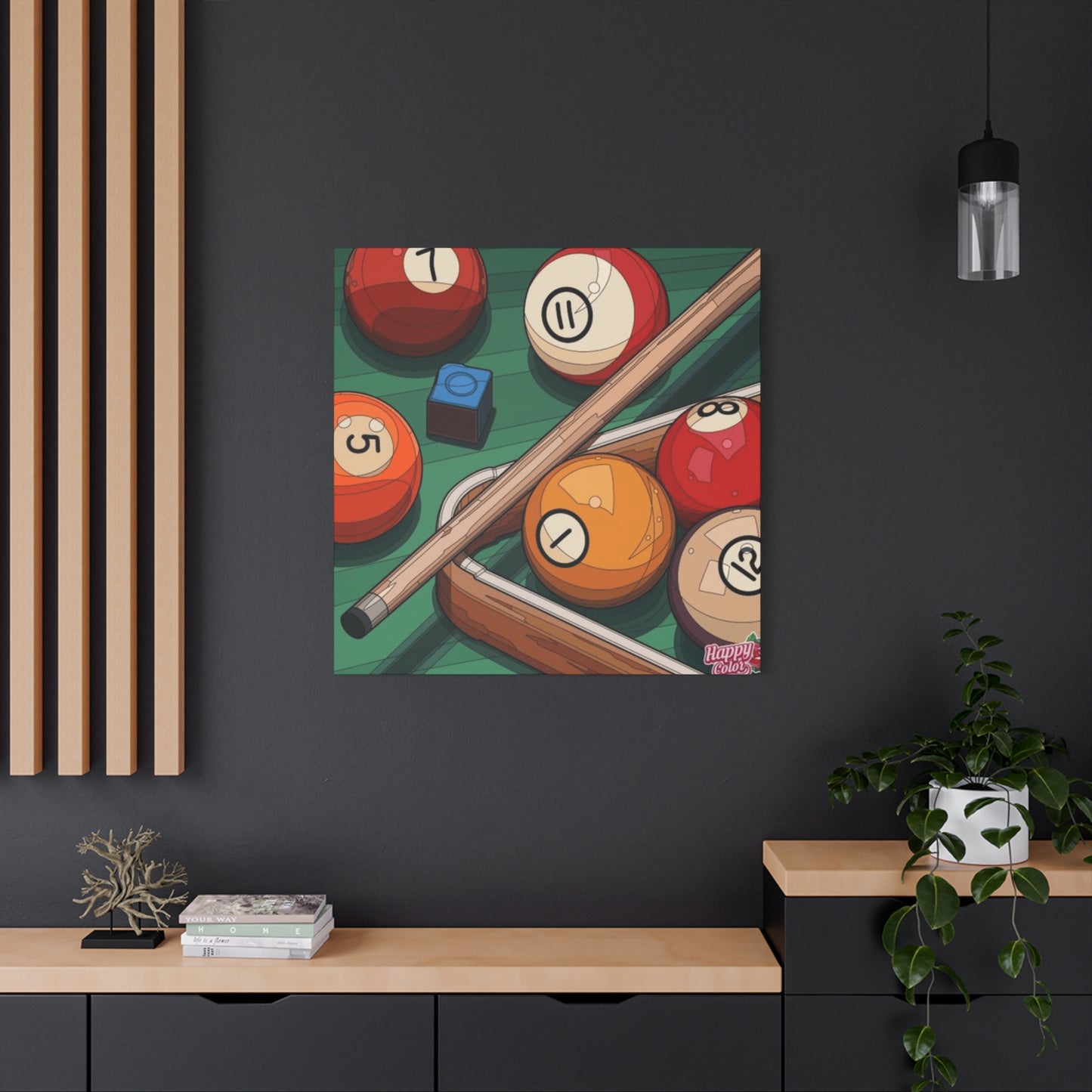
Billiard table, Balls and Cue Wall Art & Canvas Prints
Billiard table, Balls and Cue Wall Art & Canvas Prints
Couldn't load pickup availability
Elevating Your Space: The Complete Narrative of Billiard Table, Balls and Cue Wall Art for Contemporary Interiors
The aesthetic representation of billiard culture through wall-mounted artistic installations has undergone a profound metamorphosis throughout the past several decades. What once served merely as utilitarian markers within recreational establishments has transformed into sophisticated decorative elements that reflect personal preferences and cultural appreciation. These embellishments encapsulate the essence of leisure pursuits while simultaneously functioning as conversation catalysts in modern living environments. The journey from simple recreational signage to elaborate artistic expressions demonstrates society's evolving relationship with recreational pastimes and their symbolic significance in our domestic spaces. Contemporary collectors and enthusiasts increasingly recognize the cultural weight carried by these visual representations, understanding them as manifestations of nostalgic sentiment combined with artistic merit.
The progression of these decorative pieces mirrors broader cultural shifts toward celebrating subcultures and recreational traditions previously relegated to back rooms and dimly lit venues. What transpired was a cultural elevation that transformed pool halls from stigmatized locations into destinations of social significance. This transition naturally extended into residential settings as individuals sought to recreate the ambiance and energy associated with these establishments within their own homes. The recognition of billiard aesthetics as legitimate artistic expression coincided with the mainstream acknowledgment of pool as a respectable recreational pursuit requiring considerable skill and strategic thinking.
Understanding the Historical Context Behind Recreational Room Décor
To fully appreciate contemporary wall art celebrating billiard pursuits, one must excavate the historical foundations upon which these aesthetic traditions rest. The sport of billiards itself stretches back centuries, with documented evidence suggesting its emergence in fifteenth-century Europe as an indoor adaptation of lawn games. The transformation from outdoor activities to indoor entertainment necessitated specially constructed tables, cues, and spherical objects designed for striking. This evolutionary process created an entirely new cultural apparatus surrounding the sport, complete with its own venues, social hierarchies, and symbolic representations.
The nineteenth and twentieth centuries witnessed billiards ascending to prominence across diverse socioeconomic strata. Public establishments dedicated to this pastime proliferated in urban centers throughout North America and Europe, becoming gathering spaces for working-class individuals seeking affordable entertainment and social connection. These venues developed distinctive visual identities, featuring neon signage, period-appropriate décor, and artistic representations celebrating the sport. The iconic imagery associated with pool halls became embedded in popular consciousness through cinema, literature, and visual media, creating archetypal representations that persist in contemporary artistic interpretations.
The aesthetic components of these historical environments gradually transitioned from temporary commercial installations into permanent residential expressions. Individuals who had experienced the distinctive atmosphere of classic pool halls yearned to replicate these sensibilities within private domains. This desire catalyzed the emergence of specialized manufacturers and artisans who recognized commercial potential in producing historically-informed wall decorations. What began as relatively straightforward reproductions has evolved into a diverse marketplace offering interpretations ranging from historically accurate recreations to contemporary artistic reinterpretations.
Exploring the Multifaceted Purposes Served by Pool-Inspired Wall Installations
Wall-mounted artistic pieces celebrating billiard pursuits serve numerous functions extending well beyond mere aesthetic embellishment. These installations function as expressions of personal identity, communicating to visitors the aesthetic preferences and recreational interests of inhabitants. For enthusiasts of the sport, displaying such artwork represents an affirmation of their engagement with this particular recreational tradition and its associated culture. The selections individuals make regarding which specific representations to display reveal nuanced understandings of symbolism, historical significance, and personal narrative.
The atmospheric contributions of these decorative elements cannot be understated, as they fundamentally alter the sensory experience of physical spaces. The presence of billiard-themed imagery instantaneously establishes a recreational ambiance suggestive of leisure, social engagement, and relaxation. This atmospheric transformation proves particularly valuable in residential spaces designated for entertainment and social gathering, as the visual cues communicate the intended function of the environment. The imagery reminds inhabitants and visitors alike of the recreational purpose underlying the space's designation.
Furthermore, these installations frequently serve as nostalgic anchors, transporting viewers to remembered experiences and cherished moments associated with billiard pursuits. For many individuals, recreational pool represents formative experiences from earlier life stages, evoking memories of social connection, friendly competition, and carefree enjoyment. Wall art celebrating this recreational tradition provides tangible connections to these historical experiences, enabling ongoing communion with valued memories. The emotional resonance accompanying such displays often exceeds the aesthetic merit of the pieces themselves, as they function as vessels containing personal significance.
The Compositional Elements Distinguishing Premium Wall Decorations
The most accomplished and sought-after wall installations celebrating billiard culture demonstrate exceptional attention to compositional sophistication and technical execution. Superior examples incorporate layered visual narratives that reward careful examination with increasingly nuanced observations. The interplay between figural elements, negative space, chromatic selections, and dimensional aspects creates multidimensional visual experiences transcending simplistic representational approaches. Accomplished artisans understand that authenticity emerges not from slavish replication of historical precedents but rather from sophisticated interpretation informed by deep comprehension of cultural contexts.
Chromatic considerations substantially influence the emotional register and atmospheric contribution of these pieces. Classical renderings frequently incorporate jewel tones and metallurgical finishes evoking period authenticity, while contemporary interpretations might employ bold chromatic juxtapositions creating visual tension and dynamism. The interplay between warm and cool tones, saturated and muted chromatic registers, and reflective and matte surfaces collectively determines the visual impact within specific architectural contexts. Sophisticated selections account for surrounding décor, lighting conditions, and existing color palettes to ensure harmonious integration rather than jarring incongruity.
The representational choices embedded within these compositions communicate implicit narratives regarding the sport's significance and associated cultural meanings. Selections depicting competitive scenarios emphasize strategic elements and intense focus, while representations showcasing leisure scenarios highlight relaxation and social pleasure. Some pieces isolate specific equipment elements—spheres, striking implements, or table components—permitting extended contemplation of their formal properties. Others construct complex arrangements incorporating multiple figures, suggesting community and interpersonal engagement. Each compositional choice functions narratively, articulating particular perspectives on the sport's cultural positioning.
The Distinctive Characteristics of Vintage Reproductions and Period-Accurate Representations
Authentic vintage reproductions require meticulous scholarly investigation and technical expertise to achieve legitimate historical accuracy. Accomplished restoration specialists and knowledgeable manufacturers dedicate themselves to comprehending original production methodologies, chromatic formulations, and material compositions prevalent during specific historical periods. This scholarly approach distinguishes genuine historical reproductions from superficial imitations attempting merely to approximate period aesthetics through surface-level visual simulation. The distinction carries substantial implications for discerning collectors seeking pieces embodying historical authenticity.
The manufacturing processes employed during various historical eras fundamentally shaped the visual and tactile properties of resulting creations. Earlier periods frequently relied upon lithographic printing methods, hand-painting processes, and traditional signage fabrication approaches producing distinctive characteristics unmistakable to knowledgeable observers. The imperfections, material patina, and subtle irregularities inherent in these methodologies contributed authenticity that contemporary industrial processes struggle replicating. Understanding these technical distinctions enables collectors to differentiate authentic period pieces from modern reproductions regardless of purported claims.
The material substrates chosen for vintage reproductions substantially influence their sensory properties and durability characteristics. Tin signage, porcelain enamel surfaces, wood substrates, and canvas compositions each possessed distinctive aging characteristics and environmental responses. Tin deteriorates through oxidative processes creating distinctive patinas, porcelain enamel develops characteristic crazing patterns, wood undergoes dimensional changes through moisture absorption and release, and canvas fibers gradually degrade through UV exposure and environmental stressors. Understanding these material trajectories enables discerning observers to assess piece authenticity and historical provenance through careful material analysis.
Navigating the Contemporary Marketplace and Acquisition Pathways
The modern marketplace offering billiard-themed wall embellishments encompasses remarkably diverse sources ranging from specialized retailers dedicated exclusively to recreational venue aesthetics to general home décor establishments and online marketplaces. Each acquisition channel presents distinct advantages and disadvantages regarding inventory selection, price accessibility, authenticity verification, and customer support. Sophisticated purchasers recognize the necessity of strategic channel selection aligned with specific acquisition objectives and discernment levels.
Specialized retailers maintaining dedicated focus upon pool hall aesthetics and recreational venue environments typically demonstrate superior expertise regarding product provenance, manufacturing methodologies, and historical context. The personnel at such establishments generally possess comprehensive knowledge enabling meaningful consultations regarding piece selection, placement strategies, and collection development. While pricing at specialized venues frequently exceeds mass-market alternatives, the supplementary value provided through expertise and curated selection often justifies premium pricing structures. These establishments frequently maintain relationships with accomplished artisans and limited-production manufacturers enabling access to exclusive pieces unavailable through conventional distribution channels.
General home décor retailers increasingly recognize market demand for billiard-themed decorations, incorporating such items into broader product categories celebrating recreational interests and nostalgic aesthetics. The advantages accompanying this marketplace expansion include improved accessibility and price competitiveness, though corresponding disadvantages encompass diminished expertise among sales personnel and reduced curation regarding authenticity and quality. Purchasers employing these channels bear heightened responsibility for conducting independent research and verification regarding products under consideration.
Digital marketplace platforms have revolutionized acquisition possibilities by enabling direct connections between individual collectors and specialized manufacturers worldwide. The globalization of commerce has expanded available options exponentially while simultaneously complicating verification processes for purchasers lacking substantive expertise. The decentralized nature of online acquisition necessitates heightened diligence regarding seller credibility, product authenticity, and consumer protection mechanisms. Nevertheless, access to previously inaccessible inventory and direct connections with accomplished artisans has substantially democratized collection development opportunities.
Analyzing Design Elements and Aesthetic Considerations for Space Integration
The successful integration of billiard-themed wall installations within contemporary residential environments demands sophisticated understanding of design principles and compositional relationships. The selection process extends beyond simple aesthetic preference to encompass considerations including spatial dimensions, architectural characteristics, existing décor frameworks, and intended functional purposes. Thoughtful integration produces harmonious environments where decorative elements enhance rather than overwhelm their surroundings.
Scale considerations fundamentally determine whether specific pieces function appropriately within particular spatial contexts. Oversized installations appropriate for expansive recreation rooms or commercial establishments may prove oppressively dominant within modest residential spaces, conversely, diminutive pieces may disappear ineffectually within voluminous environments lacking adequate visual context. The mathematical relationships between piece dimensions, wall surface areas, and surrounding architectural elements collectively determine perceptual scale independent of absolute measurements. Sophisticated placement strategies account for sightline trajectories, visual hierarchies, and compositional balance when determining optimal positioning and scale parameters.
The chromatic compatibility between selected pieces and existing environmental palettes substantially influences whether installations function as integrated components or jarring intrusions. Harmonious chromatic relationships emerge through deliberate selection of pieces featuring color schemes complementary to existing furnishings, wall treatments, and architectural finishes. Conversely, intentional chromatic contrast may serve creative purposes when employed strategically to establish visual focal points or emphasize particular architectural elements. Understanding color theory principles enables sophisticated decision-making regarding chromatic integration strategies.
The architectural vocabulary of residential spaces establishes contextual frameworks within which decorative elements must function. Industrial loft environments featuring exposed brick and metallic components accommodate aesthetic sensibilities divergent from those appropriate within traditional colonial residences or minimalist contemporary interiors. Accomplished designers recognize the necessity of selecting pieces whose stylistic vocabularies harmonize with encompassing architectural languages. Attempting to force incongruous aesthetic traditions into mismatched architectural contexts produces discord undermining both the decorative piece and its surroundings.
Examining Material Compositions and Construction Methodologies
Contemporary billiard-themed wall installations employ remarkably diverse material compositions ranging from traditional options to innovative contemporary alternatives. Each material category presents distinctive advantages, disadvantages, and maintenance prerequisites influencing long-term ownership satisfaction. Informed acquisition decisions necessitate comprehensive understanding of material properties and their implications for durability, aesthetic evolution, and preservation requirements.
Metal substrates, particularly tin and steel, provide durable foundations capable of withstanding extended environmental exposure while developing distinctive patinas that enhance authentic character over time. Metal compositions facilitate vibrant color application and reflective surface qualities creating dynamic visual properties particularly effective in varied lighting conditions. The oxidation processes inherent to certain metal compositions introduce gradual aesthetic evolution suggesting genuine aging, although this same oxidation process necessitates protective interventions preventing corrosion progression. Protective coatings, periodic cleaning regimens, and environmental humidity management preserve metal pieces while permitting controlled patina development.
Wooden substrates provide warmth and organic aesthetic qualities particularly valued within residential environments. Wood accommodates diverse artistic techniques including painting, carving, marquetry, and staining, enabling rich artistic expression unavailable through other material options. However, wood's vulnerability to moisture absorption, environmental temperature fluctuations, and UV degradation necessitates stringent preservation measures including climate control maintenance and protective finishes. Wooden pieces require more intensive stewardship than metal alternatives yet reward diligent care through increasing visual richness across extended temporal periods.
Canvas and textile substrates provide flexibility and dimensional possibilities unavailable through rigid material alternatives. Contemporary artistic reinterpretations frequently employ canvas compositions permitting abstract approaches and experimental artistic vocabularies diverging from traditional representational approaches. Canvas-based pieces integrate seamlessly within residential environments where fine art traditions predominate, facilitating aesthetic coherence within eclectic collecting approaches. The inherent vulnerability of textile materials to environmental stressors necessitates careful climate control and UV protection safeguarding piece longevity.
The Intersection of Artistic Expression and Commercial Representation
The distinction between purely artistic interpretations of billiard culture and commercial signage representations creates productive tension generating remarkable creative diversity. Artists utilizing billiard imagery as thematic foundation frequently transcend literal representation to explore abstract concepts, social commentary, and formal experimentation. These interpretations may employ billiard elements symbolically, deconstructing familiar forms to investigate philosophical questions regarding competition, chance, strategy, and community. The reduction of literal content permits expanded conceptual exploration and intellectual engagement distinguishing artistic endeavors from purely commercial communication.
Commercial signage traditions, conversely, prioritize clear communicative function within recreational venue contexts, establishing visual identities and advertising functional services. The constraints inherent to commercial purposes generate distinctive aesthetic vocabularies characterized by bold graphic elements, high legibility, and chromatic schemes maximizing visibility under challenging environmental conditions. The apparent simplicity of commercial signage frequently masks sophisticated design thinking responding to practical commercial constraints while achieving memorable visual impact. The most accomplished commercial examples transcend functional minimalism to achieve genuine artistic merit through compositional sophistication and visual originality.
Contemporary wall art celebrating billiard culture frequently bridges these seemingly dichotomous traditions, incorporating commercial aesthetic vocabularies within artistic frameworks or employing artistic sensibilities to revitalize commercial visual languages. This productive hybridization generates pieces simultaneously resonating with nostalgic commercial familiarity while demonstrating intellectual rigor and conceptual sophistication. The most compelling contemporary interpretations acknowledge their relationship to commercial tradition while transcending those origins through expanded conceptual frameworks and innovative formal exploration.
Investigating Symbolic Resonances and Cultural Significance
Billiard culture carries substantial symbolic weight extending far beyond literal recreational practice, functioning within broader cultural narratives regarding working-class identity, American mythology, and countercultural traditions. The sport's association with particular historical moments, social groups, and economic conditions has embedded it within broader cultural meanings that inform contemporary artistic representations. Understanding these symbolic dimensions enriches appreciation and clarifies the motivations impelling collection and display of billiard-themed wall art.
The poolroom fixture within American cultural mythology represents spaces of authentic human connection unmediated by formal social hierarchies or superficial pretenses. Artistic representations celebrating billiard culture frequently evoke this associated mythology, suggesting possibilities for genuine social engagement and meaningful interpersonal connection. The nostalgic impulse underlying collection of such artwork frequently contains implicit desire to preserve this idealized communal space, even as contemporary reality increasingly diverges from these historical models. The wall art functions as aspirational representation of valued social possibilities.
Gender dynamics constitute additional symbolic dimensions complicating straightforward interpretation of billiard imagery. Historical exclusion of women from many billiard establishments created gendered significance whereby participation represented transgressive social positioning or deliberate identity affirmation. Contemporary artistic representations increasingly interrogate these historical exclusions, centering female participation and challenging masculine dominance historically characteristic of pool hall environments. These reinterpretations constitute meaningful cultural interventions revising historical narratives and asserting alternative contemporary possibilities.
Socioeconomic symbolism embedded within billiard imagery reflects the sport's historical positioning as accessible entertainment for working-class populations. The contrast between poolrooms as modest, unpretentious spaces and their contemporary domestication within middle-class residences generates intriguing tensions regarding cultural meaning-making and appropriation. Wall art celebrating billiard culture navigates these tensions, simultaneously acknowledging working-class origins while functioning within contemporary middle-class aesthetic frameworks. This productive ambiguity frequently generates visual richness rewarding extended contemplation.
Exploring Compositional Strategies and Visual Narrative Construction
The most compelling billiard-themed wall installations employ sophisticated compositional strategies transcending literal subject representation to construct complex visual narratives inviting extended observation. Accomplished artisans recognize that memorable artistic experiences require engagement rather than passive recognition, generating pieces that systematically reveal increasingly nuanced observations through deliberate compositional relationships.
Focal point establishment through compositional emphasis, chromatic contrast, or dimensional dimensionality creates visual entry points organizing observer perception. Strategic focal point positioning guides viewers through intended narrative sequences, establishing hierarchical relationships between composition elements. Sophisticated compositions frequently employ multiple focal points at varying visual levels, creating layered narrative possibilities permitting divergent observer trajectories and personalized meaning-making. The most accomplished pieces accommodate diverse observational approaches while maintaining compositional integrity regardless of individual viewing strategy.
Negative space utilization frequently distinguishes accomplished compositions from simplistic approaches cluttering visual fields with excessive representational content. Strategic negative space deployment permits visual respiration, emphasizing figural elements through contrast with surrounding emptiness. This compositional approach paradoxically generates greater visual power through restraint, permitting observers to project imaginative elaboration upon suggestive imagery. The implicit content emerging through observer imagination frequently exceeds the explicit representational content in perceptual immediacy and personal significance.
Dimensional considerations introduce tactile qualities supplementing visual information in immediate and memorable ways. Surface texture variation, dimensional layering, and formal relief create multisensory engagement exceeding flat representational approaches. The interplay between light and shadow across dimensional surfaces generates constant aesthetic transformation responding to environmental lighting changes. This temporal dimensionality introduces ongoing novelty to familiar compositions as observers encounter them under varying atmospheric conditions generating fresh perceptual experiences.
Assessing Quality Differentials and Valuation Frameworks
Meaningful distinctions in quality among billiard-themed wall installations reflect differences in artistic vision, technical execution, material selections, and conceptual sophistication. Sophisticated purchasers benefit from developing discernment enabling accurate quality assessment independent of pricing structures or marketing claims. Quality evaluation requires investigation across multiple dimensions rather than superficial aesthetic judgment.
Technical execution encompasses the fundamental competency with which artists and manufacturers realize conceptual intentions through chosen media. Superior technical execution demonstrates mastery of material properties, achieving seamless integration of form and content without evidence of technical struggle or compromise. Poorly executed pieces frequently reveal hesitation, material incompetency, or inadequate planning through visible flaws and unconvincing resolution. The distinction between intentional artistic choices and accidental technical limitations requires nuanced judgment informed through extended observation and comparative analysis.
Conceptual originality distinguishes derivative work from innovative artistic contributions. While homage to historical precedents remains entirely legitimate within artistic traditions, merely replicating established approaches without contributing novel perspectives or technical innovations generates diminished artistic interest. Accomplished contemporary work either introduces genuinely novel visual approaches, interrogates existing traditions through critical reinterpretation, or extends established aesthetic vocabularies through sophisticated technical advancement. The distinction between respectful tradition continuation and creatively bankrupt repetition determines meaningful artistic significance.
Material quality substantially influences both immediate sensory properties and long-term ownership experience. Superior materials demonstrate appropriate selection for intended purposes, exhibit premium manufacturing standards, and promise extended environmental resilience. Premium materials frequently cost considerably more than utilitarian alternatives, yet their enhanced longevity and aesthetic evolution justify investment costs across extended ownership periods. Conversely, inferior materials may appear initially attractive through pricing accessibility yet deliver disappointing long-term performance warranting replacement within abbreviated timeframes, ultimately incurring hidden costs exceeding premium alternative pricing.
Developing Acquisition Strategies and Collection Building Approaches
Systematic collection development requires strategic decision-making transcending impulse acquisition. Collectors benefit substantially from establishing coherent acquisition frameworks reflecting personal values, aesthetic preferences, and spatial constraints. These frameworks guide subsequent decisions, generating collections characterized by internal coherence rather than random accumulation.
Thematic coherence represents one legitimate collection-building strategy whereby individual pieces function as components within overarching conceptual frameworks. Some collectors focus upon specific historical periods, maintaining acquisitions representing particular eras with archaeological precision. Others organize around stylistic affinities, establishing collections celebrating specific artistic movements or aesthetic vocabularies. Thematic coherence generates intellectual interest supplementing aesthetic appreciation, as individual pieces acquire additional significance through relationship to encompassing frameworks.
Spatial integration considerations fundamentally influence realistic acquisition parameters. Ruthless honesty regarding available display surfaces, environmental conditions, and functional requirements prevents accumulation of acquisitions that never achieve satisfying integration. Successful collection development requires reconciling aspirational acquisition impulses with practical spatial constraints through deliberate prioritization. Quality integration of limited pieces substantially exceeds cluttered environments featuring numerous insufficiently appreciated possessions.
Financial stewardship demands establishing sustainable acquisition rates preventing financial overextension or accumulation of regrettable hasty purchases. Patient acquisition strategies permitting extended consideration periods before finalization generate more satisfying collections than impulse-driven acquisition. Establishing realistic budgetary parameters and adhering to predetermined spending limits prevents collection development from devolving into financially destabilizing behaviors. The most accomplished collectors frequently emphasize acquisition quality over quantity, recognizing that single outstanding pieces provide greater satisfaction than numerous pedestrian acquisitions.
Examining Preservation and Longterm Stewardship Imperatives
Successful collection ownership extends substantially beyond acquisition, encompassing ongoing stewardship ensuring piece preservation and aesthetic maintenance across extended temporal periods. Inadequate preservation approaches rapidly undermine investment value and personal satisfaction, rendering initially excellent acquisitions troublesome liabilities. Proper stewardship requires environmental management, periodic maintenance, and strategic intervention preventing deterioration.
Environmental control represents the fundamental prerequisite for piece preservation, as fluctuating humidity, temperature extremes, and UV exposure constitute primary deterioration mechanisms. Maintaining stable humidity levels prevents wood dimensional changes, canvas fiber degradation, and metal corrosion. Temperature stability minimizes material stress from contraction and expansion cycles damaging adhesives and structural integrity. UV filtering through window treatments or strategic piece positioning prevents chromatic fading and photochemical degradation progressively undermining aesthetic properties. Sophisticated collectors frequently invest substantially in environmental controls recognizing their foundational importance for preservation success.
Periodic inspection regimens enable early deterioration detection permitting preventive intervention before substantial damage accumulation. Regular observation habits develop familiarity with baseline conditions facilitating rapid recognition of adverse changes. Systematic documentation through photography creates comparative reference materials enabling precise deterioration tracking across extended periods. Early intervention frequently prevents minor issues from escalating into serious problems requiring extensive remediation.
Selective restoration interventions occasionally prove necessary for pieces experiencing use-related deterioration or age-related damage. However, restoration approaches should prioritize preservation of historical authenticity and material integrity over comprehensive aesthetic renovation. Thoughtful restoration distinguishes between conservatorship aimed at stability from intrusive restoration undermining historical character through excessive refinishing. Professional restoration consultation proves valuable for pieces possessing significant monetary or sentimental value, as professional expertise prevents common restoration errors producing permanent damage.
Investigating Procurement Sources and Authenticity Verification
Distinguishing authentic vintage pieces from reproductions and detecting counterfeits demands systematic investigation and knowledge accumulation regarding production histories, manufacturing signatures, and material characteristics. Informed purchasers benefit substantially from developing authentication competencies enabling independent verification rather than uncritical reliance upon seller representations.
Provenance research tracing ownership histories and previous locations establishes contextual frameworks supporting authenticity assessment. Pieces with documented histories, photographic records, and institutional affiliations carry significantly enhanced credibility. Museum acquisition records, published collections documentation, and historical exhibition records provide objective verification exceeding individual seller claims. Conversely, pieces lacking clear provenance trails warrant heightened scrutiny regardless of superficial appearance suggesting authenticity.
Manufacturer marks, production codes, and artist signatures furnish objective evidence regarding piece origins and production chronologies. Comprehensive knowledge of signature variations, mark evolution, and production methodologies enables authentication through technical analysis. Discrepancies between purported production dates and actual manufacturing signatures frequently reveal counterfeit pieces or misattributions. Reference materials documenting legitimate manufacturer marks and signature variations prove invaluable authentication resources.
Material analysis through physical examination and occasionally laboratory testing establishes baseline authenticity confirmation. Aged materials exhibit distinctive characteristics distinguishing authentic antiquity from artificial aging. Patina patterns, material aging characteristics, and surface weathering follow predictable trajectories enabling assessment of temporal authenticity. Conversely, material inconsistencies, anachronistic manufacturing traces, and artificial aging techniques frequently betray modern reproductions masquerading as vintage originals. Skeptical observation of material properties often reveals deceptive attempts misrepresenting piece chronologies.
Exploring Contemporary Artistic Reinterpretation and Innovative Approaches
Contemporary artists increasingly draw upon billiard imagery as thematic foundation for innovative work transcending traditional representational approaches. These reinterpretations employ billiard elements symbolically, formally, or conceptually to investigate broader artistic questions regarding perception, randomness, systems, and human competition. The conceptual flexibility inherent to billiard subject matter accommodates remarkably diverse artistic vocabularies generating multifaceted creative possibilities.
Abstract expressionist interpretations frequently deconstruct recognizable billiard forms into fragmented compositions emphasizing formal properties over literal representation. These approaches interrogate observer assumptions regarding subject recognition, demanding active perceptual engagement rather than passive consumption. The reduced reliance upon explicit reference enables expanded conceptual exploration and heightened formal emphasis. Contemporary observers increasingly appreciate these sophisticated approaches valuing intellectual engagement and aesthetic innovation alongside traditional representational concerns.
Multimedia installations incorporating billiard elements alongside video, sound, and interactive components generate immersive environments extending artistic experience beyond visual contemplation. These expanded approaches frequently incorporate participatory elements inviting observer engagement transcending traditional artwork spectatorship. The temporal dimensionality of multimedia compositions generates artistic experiences fundamentally divergent from static visual art traditions, introducing narrative progression and environmental transformation as artistic parameters.
Conceptual approaches interrogating billiard culture's social significance and historical positioning generate work functioning simultaneously as artistic expression and social commentary. These pieces frequently destabilize comfortable historical narratives, introducing critical perspectives complicating nostalgic romanticism. The most accomplished conceptual work maintains aesthetic integrity while advancing substantive intellectual content, avoiding polemical heavyhandedness that privileges ideological messaging over artistic vision.
Analyzing Market Dynamics and Valuation Trends
The specialized market for authentic billiard-themed wall installations demonstrates distinctive valuation patterns reflecting scarcity, historical significance, artistic merit, and collector demand. Understanding these market dynamics enables informed acquisition decisions and realistic valuation assessments. Specialized market participants benefit substantially from developing market analysis competencies.
Rarity substantially influences valuation among vintage originals, as pieces produced in limited quantities or from particular historical moments command premium pricing. Pieces surviving environmental pressures with minimal deterioration introduce additional scarcity dimension, as conditions issues eliminate significant percentage of surviving examples from serious consideration. Museums and institutional collections frequently pay premium prices for exceptional examples, establishing valuation benchmarks influencing private market pricing. The specialized knowledge regarding scarcity levels remains concentrated among serious collectors and professional dealers, creating informational advantages for market participants with substantive expertise.
Artist attribution and provenance establishment substantially influences valuation among contemporary pieces and reproductions. Work by accomplished artisans commanding reputation and critical recognition commands pricing premiums exceeding comparable work by anonymous or lesser-known producers. Gallery representation, exhibition history, and published critical evaluation all contribute to artistic credibility and valuation enhancement. Conversely, pieces lacking documented creation history or artist attribution frequently face market undervaluation regardless of inherent aesthetic merit.
Condition substantially influences valuation across both vintage and contemporary pieces. Pieces exhibiting minimal deterioration and cosmetic imperfection command substantial valuation premiums over comparable examples displaying use-related wear or environmental damage. Restoration history influences valuation calculations, as invasive restoration potentially detracts from authenticity and monetary value. Market participants increasingly recognize that apparent restoration investments frequently fail delivering proportionate valuation returns, creating situations where restoration costs substantially exceed valuation increments achieved.
Considering Spatial Environments and Contextual Appropriateness
Successfully integrating billiard-themed wall art demands sophisticated spatial analysis ensuring aesthetic coherence with encompassing environments. The interplay between decorative pieces and architectural frameworks, existing furnishings, and ambient conditions determines whether installations achieve harmonious integration or produce discordant visual results.
Recreation room environments deliberately designed as entertainment spaces accommodate billiard imagery particularly naturally, as thematic coherence between architectural purpose and decorative content generates intuitive visual relationships. Recreation rooms featuring actual billiard tables benefit substantially from complementary wall art establishing cohesive aesthetic frameworks. The combination of functional recreation equipment and thematic decoration establishes unmistakable environmental purpose while generating visual richness exceeding single-element approaches.
Home bar environments incorporating beverage service, seating arrangements, and social gathering functions benefit from billiard-themed decoration establishing distinctive recreational character. The association between billiard pursuits and social leisure establishes natural connections with bar service functions, generating integrated recreational environments. Careful chromatic and stylistic coordination between billiard imagery and bar furnishings establishes environmental coherence.
Bedroom environments present more complicated integration challenges, as recreational imagery may establish tonalities misaligned with bedroom functional purposes emphasizing rest and repose. However, carefully selected pieces celebrating quieter contemplative aspects of billiard pursuits may introduce recreational elements without compromising bedroom functionality. Intimate scale pieces and subdued chromatic registers prove particularly appropriate for bedroom environments, whereas bold commercial signage aesthetic approaches typically prove excessively stimulating for restful space functions.
Understanding Collecting Psychology and Emotional Significance
The motivations impelling billiard-themed art collection extend substantially beyond rational aesthetic calculation, encompassing emotional resonances, nostalgic impulses, and psychological significance. Understanding these underlying psychological dimensions enriches comprehension of collection behaviors and clarifies individual acquisition patterns.
Nostalgic impulses frequently drive collection development, as billiard imagery evokes cherished memories and formative experiences associated with recreational engagement. The tangible presence of such artwork creates temporal bridges connecting present experience with valued historical periods, introducing continuous communion with treasured remembrances. This nostalgic function provides emotional sustenance occasionally exceeding rational aesthetic appreciation, explaining why certain acquisitions hold disproportionate personal significance despite modest objective artistic merit.
Identity expression through collection development enables public articulation of personal values, recreational interests, and aesthetic preferences. Display of billiard-themed artwork communicates to visitors substantive information regarding inhabitant identity and cultural positioning. For enthusiastic practitioners, such display announces membership within recreational communities and connection to historical traditions. The identity affirmation function of collections provides psychological significance extending beyond decorative contribution.
Community connection through shared aesthetic appreciation establishes social bonds among individuals recognizing mutual interest in billiard culture. Collection discussion, acquisition recommendations, and shared enthusiasm generate social relationship foundations transcending geographical limitations through internet-facilitated connections. The contemporary collector community spans continents, enabling meaningful engagement despite physical separation. This community dimension frequently proves personally significant, establishing social contexts validating individual aesthetic preferences and collection development choices.
Exploring Emerging Trends and Contemporary Market Evolution
Contemporary billiard-themed wall art markets demonstrate evolving patterns reflecting broader cultural shifts, artistic innovations, and marketplace transformations. Awareness of emerging trends enables collectors to anticipate market developments and position acquisitions strategically.
Digital production methodologies increasingly supplement traditional manufacturing approaches, enabling artistic experiments previously technically or economically infeasible. Three-dimensional printing, digital rendering, and computational design introduce novel aesthetic possibilities expanding artistic vocabularies. These technological innovations democratize production by reducing manufacturing barriers, enabling individual artists to achieve professional-quality results without access to expensive equipment previously necessary for competitive market participation.
Sustainable material emphasis reflects broader cultural consciousness regarding environmental impact. Contemporary collectors increasingly prioritize acquisitions employing ecologically responsible materials and manufacturing processes. Artists responding to this preference frequently highlight material sustainability credentials, introducing ethical dimensions supplementing aesthetic appreciation. This emerging preference demonstrates how shifting cultural values reshape market demand and artistic production priorities.
Inclusive representation emphasis corrects historical gender and racial exclusions characterizing traditional billiard culture. Contemporary artistic reinterpretations prominently feature previously marginalized participants, interrogating historical exclusionary practices through assertive inclusion. This corrective impulse generates meaningful cultural work simultaneously acknowledging historical injustices and envisioning alternative possibilities. Market receptivity to these inclusive reinterpretations suggests broader cultural readiness for historical reevaluation and contemporary representation democratization.
Synthesizing Billiard Table, Balls and Cue Wall Art Significance
The universe of billiard-themed wall art encompasses multifaceted dimensions extending substantially beyond superficial aesthetic decoration, encompassing historical documentation, artistic expression, cultural commentary, and personal significance. The evolution from simple commercial signage to sophisticated artistic interpretations reflects broader cultural shifts toward celebrating recreational traditions and acknowledging subcultural contributions to mainstream aesthetic consciousness. Contemporary collectors engaging with these materials participate in meaningful cultural work preserving historical memory while facilitating ongoing dialogue regarding community, identity, and recreational values.
The acquisition and stewardship of billiard-themed artwork requires systematic knowledge development, discriminating judgment, and thoughtful decision-making extending across multiple dimensions. Successful collectors balance passionate enthusiasm with critical analysis, allowing emotional resonances to coexist with pragmatic considerations regarding authenticity, quality, and sustainable collection development. The distinction between accumulation and meaningful curation emerges through deliberate strategic approaches and consistent prioritization of substantive aesthetic merit over quantity accumulation.
The contemporary marketplace offers unprecedented access to diverse billiard-themed creations spanning historical reproductions through innovative artistic reinterpretations. This marketplace diversity accommodates remarkably divergent collecting philosophies and aesthetic preferences, enabling individualized collection development reflecting personal values and specific circumstances. Whether motivated by nostalgic sentiment, historical interest, artistic appreciation, or identity affirmation, contemporary collectors benefit substantially from the expanded options and global marketplace connectivity enabling acquisition of previously inaccessible materials.
Looking toward the future, billiard-themed wall art will likely continue evolving through technological innovation, artistic experimentation, and cultural reinterpretation. Emerging artistic voices will introduce novel perspectives interrogating traditional representations while preserving valuable historical dimensions. Technological advancement will enable aesthetic possibilities exceeding contemporary imagination, expanding artistic vocabularies and collection possibilities. Simultaneously, heightened historical consciousness regarding exclusionary practices will generate corrective reinterpretations ensuring fuller representation of marginalized participants previously absent from dominant narratives.
For individuals considering collection engagement or existing collectors seeking continued education, the pursuit of billiard-themed wall art provides enduring satisfaction transcending monetary considerations or fashion cycles. The combination of historical significance, artistic merit, cultural resonance, and personal meaning-making generates collections functioning simultaneously as decorative enhancements and repositories of valued significance. The most successful collecting journeys emerge through patient investment, systematic knowledge development, and authentic engagement with material and community. Whether acquisitions occur through specialized dealers, marketplace platforms, or fortuitous discoveries, thoughtful engagement with these materials enriches aesthetic appreciation and deepens cultural understanding. The billiard-themed wall art domain continues offering remarkable possibilities for individuals seeking meaningful engagement with recreational traditions, artistic expression, and personal identity affirmation through deliberate aesthetic choice and informed stewardship.
Final Thoughts
Elevating your space with billiard table, balls, and cue wall art is a compelling way to bring both style and personality into your home, especially for those with a love for the game or those who appreciate dynamic, visually captivating décor. The timeless appeal of billiards, with its blend of skill, precision, and elegance, makes it an ideal subject for contemporary wall art. Incorporating these elements into your interior not only creates a striking visual focal point but also invites a sense of playfulness, energy, and movement into the room.
One of the most striking aspects of billiard-inspired wall art is its ability to transcend the traditional boundaries of game-related décor. While billiards, pool, and snooker are often associated with bars, game rooms, or recreational spaces, their visual elements can be reinterpreted into sleek, sophisticated pieces of art that suit a wide range of contemporary interior designs. A large, vivid painting of a well-posed cue ball striking a group of others, or an abstract representation of the swirling motion around a pool table, can add a modern, creative touch to any living room, home office, or even dining space. Whether you’re a seasoned player or someone who simply admires the beauty of the game, these art pieces capture both the motion and the strategy involved in billiards, translating that energy into a timeless visual form.
Billiard table, balls, and cue wall art have a unique ability to draw attention through their simplicity and intricacy. A single ball with the glint of light on its surface can be as captivating as the dramatic motion of balls colliding and scattering across a table. These dynamic representations embody a sense of movement, which can bring life to even the most static of spaces. For larger rooms with open, neutral walls, a piece featuring a full pool table scene or an action shot of a game in progress can make a bold statement, energizing the space and creating an exciting focal point.
In addition to its aesthetic appeal, billiard-themed art also serves as a conversation starter, especially in living or entertainment spaces. The game itself has long been a symbol of strategy, precision, and social interaction, and these elements can infuse a room with a sense of camaraderie and sophistication. The image of a cue ball in mid-motion or the geometric beauty of a meticulously arranged rack of balls can evoke thoughts of classic games, competition, and the thrill of a well-played shot. It’s an excellent way to inject a bit of personal flair into your space, reflecting your interests or hobbies while also adding a touch of classic elegance.
The inclusion of billiard art also allows for a fun, yet refined, approach to contemporary design. A traditional pool room or man cave may immediately come to mind when considering billiard décor, but these art pieces can seamlessly transition into more formal settings as well. A minimalistic, monochromatic art piece depicting a billiard table or cue sticks can fit perfectly in modern, industrial, or even Scandinavian-inspired interiors. Alternatively, vibrant, high-contrast pieces with splashes of color in the form of the billiard balls can brighten up a contemporary space with a playful touch.
Another benefit of billiard-themed wall art is its versatility. It works well in a variety of room types, from a home game room or entertainment lounge to more unexpected places like a study, hallway, or even a chic living room. The visual impact of a beautifully framed piece of billiard art can dramatically change the tone of a room. For example, in a home office, it could inspire focus and determination, serving as a reminder of the precision required in both games and work. In a social setting, such as a living or dining room, it could evoke fun memories of friendly competition and game nights with friends, helping to create a warm, inviting atmosphere.
Moreover, billiard-inspired art offers an exciting opportunity to merge multiple forms of artistic expression. The intricate textures of the billiard balls, the smooth surface of the cue sticks, and the striking lines of the table can all lend themselves to different artistic styles—whether it’s realistic photography, abstract expressionism, or graphic design. This flexibility means that you can choose a piece that resonates most with your aesthetic, whether it’s a hyper-realistic shot capturing the essence of the game or a more stylized, abstract interpretation that focuses on the geometry and patterns of the game elements.
Ultimately, incorporating billiard table, balls, and cue wall art into your home serves more than just a decorative function. It brings a piece of your personality and interests into the space, inviting both a sense of fun and an appreciation for the strategy and artistry involved in the game of billiards. Whether you’re drawn to the game’s symbolism of precision, camaraderie, or even the thrill of competition, such wall art creates a lasting impression, adding a sense of movement and depth to your interiors.
In conclusion, incorporating billiard-inspired wall art into your living space is an excellent way to elevate the ambiance of any room while expressing your personality and passions. From sophisticated depictions of the game’s elements to dynamic representations of its energy, billiard-themed art offers a versatile and captivating addition to contemporary décor. It transforms any space by blending artistry, precision, and playful sophistication, creating an environment that feels both lively and refined. Whether you're an avid player or simply an admirer of the sport's timeless beauty, this type of wall art adds a unique and personal touch to your home.
Share