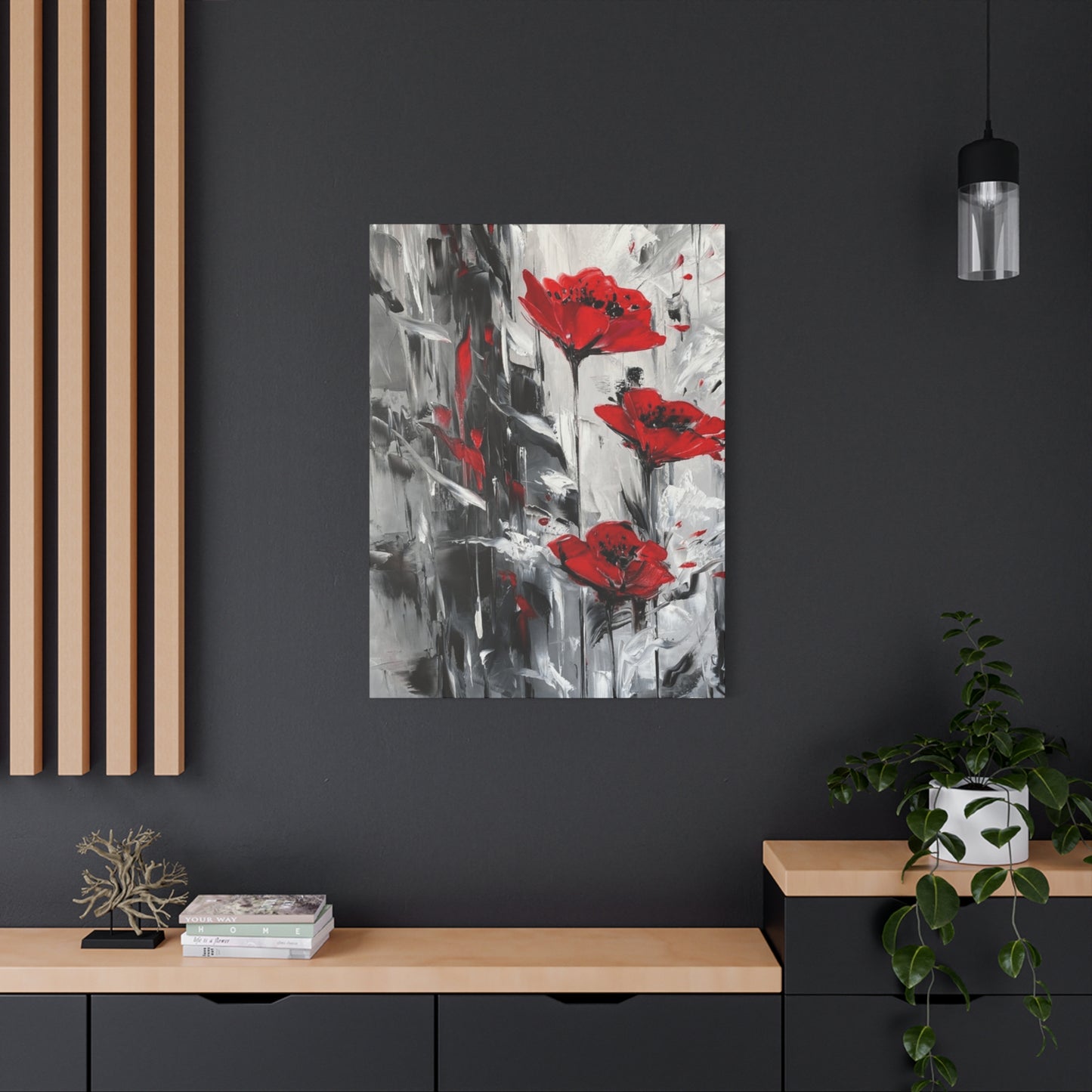
Big Wall Decor Wall Art & Canvas Prints
Big Wall Decor Wall Art & Canvas Prints
Couldn't load pickup availability
Spectacular Big Wall Decor Wall Art: Creating Breathtaking Visual Statements That Redefine Your Living Spaces
When discussing the realm of oversized artistic installations for residential and commercial settings, we enter a domain where creativity meets spatial awareness. Big wall decor wall art represents more than mere decorative elements; these substantial pieces serve as architectural anchors that fundamentally reshape how we perceive and interact with our surroundings. The magnitude of these installations commands attention, drawing the eye upward and across vast expanses of previously barren surfaces, converting them into compelling focal points that captivate viewers and stimulate conversation.
The psychological impact of substantial artistic installations cannot be understated. Research in environmental psychology demonstrates that humans respond profoundly to scale, particularly when confronted with imagery or compositions that exceed their typical field of vision. Large-format pieces create immersive experiences, transporting observers beyond the confines of their immediate physical space into realms dictated by the artwork itself. This phenomenon occurs because our brains process oversized visual stimuli differently than smaller objects, triggering emotional responses that range from awe to contemplation, depending on the subject matter and execution.
Contemporary interior designers increasingly recognize the strategic value of incorporating big wall decor wall art into their projects. These substantial pieces function as sculptural elements that define entire rooms, establishing mood, reinforcing color schemes, and providing visual weight that balances other furnishings. Unlike smaller decorative items that require careful clustering to achieve impact, large-scale pieces make bold statements independently, simplifying design decisions while maximizing dramatic effect. This efficiency makes them particularly valuable in open-concept living areas, commercial lobbies, and hospitality venues where creating memorable impressions matters significantly.
The evolution of manufacturing capabilities has democratized access to substantial artistic installations. Where once only wealthy patrons could commission murals or acquire gallery-worthy canvases measuring several feet across, contemporary consumers now access diverse options spanning multiple price points and stylistic categories. Digital printing innovations enable reproduction of masterworks, original photography, and custom designs at scales previously impossible, while traditional painting, textile work, and mixed-media constructions continue thriving in galleries and studios worldwide. This abundance empowers individuals to curate spaces reflecting personal aesthetics without compromising on impact or quality.
Diverse Manifestations of Monumental Visual Elements Across Stylistic Boundaries
The spectrum of available options when selecting substantial decorative pieces encompasses traditional paintings executed on canvas, contemporary photography printed on various substrates, metal fabrications that incorporate three-dimensional elements, textile creations including tapestries and fiber art, wooden constructions ranging from carved panels to geometric assemblages, and mixed-media compositions that blur categorical distinctions. Each medium brings unique characteristics that influence how pieces interact with surrounding environments.
Traditional canvas paintings remain perennial favorites among collectors and decorators alike. These works carry historical gravitas, connecting contemporary spaces with centuries of artistic tradition. Whether featuring realistic landscapes, abstract compositions, or figurative studies, painted canvases possess textural qualities that photographs and prints cannot replicate. Brushstrokes create subtle variations in surface topology, catching light differently depending on viewing angle and illumination conditions. This dynamism ensures paintings never appear static, revealing new details as ambient conditions shift throughout days and seasons.
Photography represents another dominant category within the oversized decorative realm. Modern printing capabilities allow photographers to showcase their work at scales that enhance detail and emotional impact. Nature photography benefits particularly from large-format presentation, immersing viewers in wilderness scenes, underwater vistas, or celestial phenomena. Urban photography similarly gains power when buildings, streets, and cityscapes expand beyond typical print dimensions. Portrait photography takes on gallery-quality gravitas when subjects appear life-sized or larger, creating almost confrontational intimacy between viewer and subject.
Metal artwork introduces industrial aesthetics and three-dimensional possibilities into decorative schemes. Laser-cut steel, aluminum, and copper pieces cast dramatic shadows, adding depth and movement as lighting conditions change. Oxidized finishes provide organic coloration, while powder-coated surfaces deliver vibrant, durable hues that resist fading. Metal constructions range from delicate geometric patterns to bold silhouettes of natural forms, architectural elements, or abstract designs. Their durability makes them particularly suitable for outdoor installations, covered patios, and high-traffic commercial environments where traditional materials might suffer premature wear.
Textile-based installations encompass hand-woven tapestries, macramé creations, quilted compositions, and fabric collages. These soft materials introduce tactile warmth that counterbalances harder architectural surfaces like concrete, glass, and metal. Textiles absorb sound rather than reflecting it, contributing to improved acoustic comfort in spaces prone to echo. Cultural traditions from around the world inform textile arts, with techniques passed through generations yielding works that carry historical significance alongside aesthetic appeal. Contemporary fiber artists push boundaries, incorporating unconventional materials and sculptural techniques that challenge preconceptions about what textile art can achieve.
Wooden panels and constructions bring natural beauty and warmth to interior environments. Carved reliefs depicting landscapes, wildlife, or abstract patterns showcase craftsmanship while highlighting wood's inherent beauty. Reclaimed wood assemblages tell environmental stories, transforming salvaged materials into compelling compositions that celebrate sustainability. Geometric wooden constructions play with shadow and depth, creating optical effects that shift as viewers move around them. The variety of available wood species ensures designers can match virtually any color palette, from pale birch to rich walnut, each bringing distinctive grain patterns that make every piece unique.
Mixed-media works defy simple categorization, combining multiple materials and techniques within single compositions. These pieces might incorporate painting, photography, found objects, fabric, metal, wood, and unconventional materials into cohesive wholes greater than their constituent parts. Mixed-media artists enjoy unprecedented creative freedom, unrestricted by medium-specific conventions. Results range from subtle combinations that enhance particular themes to wildly eclectic assemblages that celebrate diversity itself. This category particularly appeals to collectors seeking conversation-starting pieces that resist easy interpretation.
Strategic Placement Considerations That Maximize Visual Impact and Spatial Harmony
Selecting appropriate locations for substantial decorative installations requires careful consideration of architectural features, traffic patterns, viewing distances, and lighting conditions. The goal extends beyond simply filling empty surfaces; properly positioned pieces enhance entire rooms, creating cohesive environments where furnishings, architectural elements, and artwork exist in harmonious relationship.
Living rooms naturally accommodate large-scale pieces, particularly on primary focal walls opposite main seating arrangements. Positioning substantial artwork above sofas creates vertical emphasis, drawing eyes upward and making rooms feel taller. This placement also provides comfortable viewing from typical seated positions, allowing observers to appreciate details without straining. When selecting pieces for living areas, consider how they complement or contrast with upholstery colors, flooring materials, and window treatments. Harmonious color relationships create serene environments, while strategic contrasts inject energy and visual excitement.
Dining rooms benefit tremendously from statement pieces that anchor spaces and provide visual interest during meals. Positioning artwork along walls adjacent to dining tables ensures visibility from all seated positions while avoiding placement directly behind diners where pieces might go unnoticed during conversations. In formal dining settings, artwork sets tones for gatherings, with serene landscapes promoting relaxed conversation and bold abstracts stimulating lively discourse. Scale matters critically in dining environments; pieces should feel substantial without overwhelming tables and chairs competing for visual attention.
Bedrooms offer opportunities for more personal expression through big wall decor wall art selections. Positioning large pieces above headboards creates luxurious hotel-like atmospheres while maximizing visibility from both within rooms and immediately upon entry. Bedroom artwork might reflect calming themes promoting restful sleep or energizing subjects that inspire morning motivation. Consider how natural and artificial lighting affects artwork throughout daily cycles, ensuring pieces remain visible and appealing regardless of time or lighting conditions.
Hallways and corridors, often overlooked in decorating schemes, transform into gallery-like spaces when adorned with substantial pieces. Long, narrow passages particularly benefit from horizontal compositions that complement architectural proportions. Gallery-style arrangements featuring multiple large pieces create visual journeys, rewarding movement through spaces with successive viewing experiences. In commercial settings, corridor artwork reinforces branding, communicates corporate values, and provides wayfinding assistance through distinctive visual markers.
Staircases present unique challenges and opportunities for dramatic installations. Tall vertical pieces positioned along stairwell walls guide movement while making architectural features feel intentional rather than merely functional. Ascending stairs provides continuously changing perspectives, revealing new details as viewers climb. Large pieces visible from both upstairs and downstairs locations unify multi-level spaces, creating visual connections between separated areas. Consider sightlines carefully, ensuring pieces remain visible and impactful from all relevant vantage points.
Commercial spaces including reception areas, conference rooms, and office corridors leverage substantial artwork to communicate brand identity, inspire employees, and impress visitors. Lobby installations make immediate impressions, setting expectations for entire organizations. Conference room pieces might subtly reinforce corporate values or provide neutral beauty that facilitates diverse meetings. Office corridors benefit from serene imagery that provides mental breaks during stressful workdays, contributing to employee wellness and satisfaction.
Material Substrate Options That Influence Durability, Appearance, and Maintenance Requirements
The surface onto which imagery transfers significantly impacts final appearance, longevity, and care requirements. Contemporary printing and manufacturing capabilities offer numerous substrate choices, each presenting distinct advantages and considerations.
Canvas remains the most traditional substrate, beloved for its artistic heritage and textured surface. Gallery-wrapped canvas, where fabric extends around frame edges, creates frameless presentations that feel contemporary while maintaining artistic credibility. Canvas accepts paints beautifully, allowing artists to build up layers and textures impossible with smooth surfaces. Printed canvas reproduces photography and digital art with slight texture that reduces glare and adds perceived depth. Canvas requires periodic dusting and protection from direct sunlight to prevent fading, but generally demands minimal maintenance when properly displayed.
Acrylic substrates provide ultra-modern aesthetics with remarkable clarity and depth. Face-mounted acrylic, where images sandwich between acrylic sheets, creates luminous presentations that seem to glow from within. This construction protects images from environmental damage while eliminating need for glass that might create reflections. Acrylic withstands impacts better than glass, making it suitable for high-traffic areas and households with children. Cleaning requires only gentle wiping with appropriate cleaners, avoiding abrasive materials that might scratch surfaces.
Metal prints represent cutting-edge presentation methods that infuse images with metallic sheen and extraordinary detail. The dye-sublimation process bonds inks with aluminum surfaces, creating scratch-resistant, waterproof installations suitable for bathrooms, kitchens, and outdoor protected areas. Metal prints exhibit exceptional color vibrancy, particularly with images featuring strong contrast and saturated hues. Their lightweight nature simplifies hanging, while their durability ensures decades of beauty with minimal maintenance.
Wood panels provide rustic warmth that complements farmhouse, cabin, and natural design aesthetics. Images printed directly onto wood incorporate grain patterns into compositions, creating unique pieces where natural wood characteristics become part of artwork itself. Wood substrates work particularly well with landscapes, wildlife imagery, and vintage-style compositions where textural variations enhance rather than distract from subject matter. Sealed wood resists moisture and requires only occasional dusting to maintain appearance.
Fabric substrates beyond traditional canvas include polyester blends, silk, and specialty textiles designed for dye-sublimation printing. These materials create soft, lightweight installations that drape beautifully when unmounted or stretch taut when framed. Fabric prints absorb rather than reflect light, eliminating glare issues in bright rooms. They pack efficiently for transport, making them popular choices for temporary installations, trade show displays, and seasonal decorating. Some fabric prints feature removable, washable designs that allow periodic cleaning without professional services.
Color Theory Principles That Guide Successful Artwork Selection for Cohesive Interiors
Understanding how colors interact psychologically and visually empowers better artwork selection that enhances rather than conflicts with existing décor. Color relationships within big wall decor wall art profoundly influence perceived room ambiance, making color considerations paramount during selection processes.
Monochromatic schemes featuring variations of single hues create sophisticated, cohesive environments. Black and white photography exemplifies monochromatic artwork that complements virtually any color scheme while adding dramatic contrast. Sepia-toned images inject warmth into neutral spaces, while blue-toned pieces create cooling effects beneficial in sunny, warm rooms. Monochromatic artwork simplifies design decisions, ensuring pieces never clash with furnishings or architectural finishes while maintaining strong visual presence.
Analogous color schemes incorporate hues adjacent on color wheels, creating harmonious combinations that feel naturally cohesive. Artwork featuring blues, greens, and teals complements spaces with similar color palettes while introducing subtle variation that prevents monotony. Analogous schemes feel serene and unified, making them excellent choices for bedrooms, bathrooms, and spaces intended for relaxation. When existing décor features warm tones, selecting artwork incorporating reds, oranges, and yellows maintains thermal consistency while expanding color variety.
Complementary colors sit opposite each other on color wheels, creating high-contrast combinations that energize spaces. Blue and orange, purple and yellow, red and green pairings generate visual excitement that stimulates conversation and activity. Complementary color artwork works well in social spaces like living rooms, game rooms, and casual dining areas where lively atmospheres suit functional purposes. However, excessive complementary contrast can feel overwhelming in bedrooms or meditation spaces where calm dominates desired experiences.
Neutral-dominant artwork featuring beiges, grays, taupes, and creams provides flexibility that accommodates evolving décor. As furnishings change over years, neutral artwork continues coordinating rather than requiring replacement. Neutrals create sophisticated backdrops that allow colorful furnishings to command attention while maintaining visual interest through textural variation, compositional complexity, and subtle tonal shifts. This versatility makes neutral pieces smart long-term investments.
Accent color artwork introduces specific hues designed to complement existing accent colors in pillows, throws, rugs, and accessories. When rooms feature predominantly neutral furnishings with strategic color pops, artwork echoing those accent colors unifies schemes and reinforces design intentions. This approach creates cohesion without requiring monolithic color stories, allowing layered complexity that sophisticated interiors demand.
Temperature considerations influence perceived room comfort. Cool-toned artwork featuring blues, greens, and purples makes spaces feel larger, calmer, and more serene. These pieces suit sunny rooms where cooling visual effects offset warm natural light. Warm-toned artwork featuring reds, oranges, and yellows creates cozy, inviting atmospheres particularly welcome in north-facing rooms that receive limited direct sunlight. Understanding color temperature helps select pieces that enhance rather than contradict natural room characteristics.
Subject Matter Categories That Appeal to Diverse Aesthetic Preferences and Functional Requirements
The content depicted within substantial decorative pieces ranges from representational imagery capturing recognizable subjects to entirely abstract compositions celebrating form, color, and texture without referential content. Understanding available categories helps narrow overwhelming options into manageable selections aligned with personal preferences and spatial requirements.
Landscape imagery remains perpetually popular, offering windows onto natural beauty that urban dwellers particularly crave. Mountain vistas, forest scenes, coastal views, desert panoramas, and pastoral countryside compositions bring outdoor serenity indoors. Large-format landscape presentations create immersive experiences, making viewers feel transported to depicted locations. Seasonal landscapes allow symbolic connections to nature's cycles, while exotic locations satisfy wanderlust and inspire travel aspirations. Landscape pieces suit virtually any room, though they particularly enhance spaces dedicated to relaxation and contemplation.
Seascape imagery captures oceans, beaches, waves, and marine life with emotional resonance that speaks to humanity's ancient connection with water. Crashing waves inject dynamic energy, while calm waters promote serenity. Beach scenes evoke vacation memories and carefree summer days. Underwater photography reveals alien worlds teeming with colorful creatures and surreal formations. Seascapes work beautifully in coastal homes where they reinforce regional identity, but they equally enhance landlocked properties where they provide visual escapes and moisture-associated freshness perceptions.
Urban and architectural imagery celebrates human-built environments through skylines, street scenes, landmark buildings, and infrastructure elements. Black and white urban photography emphasizes geometric patterns and dramatic contrasts inherent in city structures. Color urban scenes capture energy, diversity, and constant motion defining metropolitan life. Architectural close-ups highlight design details often overlooked in daily life, encouraging appreciation for craftsmanship and engineering. Urban imagery suits contemporary, industrial, and minimalist interiors where celebrating human achievement feels thematically appropriate.
Floral and botanical subjects bring garden beauty indoors through oversized blooms, foliage studies, and cultivated landscape imagery. Macro photography reveals intricate details invisible to naked eyes, transforming familiar flowers into abstract patterns. Traditional botanical illustrations combine scientific accuracy with artistic beauty, appealing to nature enthusiasts and history buffs. Tropical foliage introduces bold shapes and vibrant greens that enliven neutral spaces. Floral subjects suit feminine-coded spaces but also work beautifully in gender-neutral environments when styling emphasizes botanical rather than traditionally decorative qualities.
Wildlife imagery connects viewers with animal kingdom's majesty through portraits, behavioral studies, and habitat scenes. Majestic predators like lions, wolves, and eagles convey strength and freedom. Gentle creatures including deer, rabbits, and birds inspire tenderness and environmental stewardship. Exotic species from distant ecosystems educate while entertaining. Wildlife pieces appeal broadly across age groups and particularly engage children, making them excellent choices for family spaces and pediatric offices.
Abstract compositions liberate artists from representational constraints, exploring pure visual relationships through color, form, gesture, and texture. Geometric abstracts emphasize structure, pattern, and mathematical relationships. Expressionistic abstracts prioritize emotion, spontaneity, and gestural mark-making. Minimalist abstracts embrace restraint, using limited elements to maximum effect. Abstract pieces accommodate diverse interpretations, allowing viewers to project personal meanings onto open-ended compositions. This flexibility helps abstract works integrate into varied design schemes while maintaining strong presence.
Typography-based pieces feature words, phrases, quotes, and letterforms as primary visual elements. Motivational phrases inspire and encourage. Song lyrics evoke musical memories. Poetry fragments stimulate literary contemplation. Oversized letterforms become abstract shapes divorced from linguistic content. Typography works particularly well in commercial spaces reinforcing brands and missions, but residential installations increasingly embrace word-based pieces that articulate household values and aspirations.
Cultural and ethnic imagery celebrates global artistic traditions through representations of traditional dress, ceremonies, patterns, symbols, and lifeways. These pieces honor heritage, educate about diverse cultures, and add distinctive character resisting mass-market homogeneity. When selecting cultural imagery, consider authenticity and respectful representation, seeking works by culture members or those created with deep understanding and permission. Cultural pieces create meaningful connections and conversation opportunities while adding unique beauty.
Framing and Mounting Solutions That Enhance Presentations While Ensuring Structural Integrity
How substantial pieces mount to surfaces significantly impacts both aesthetic presentation and physical security. Understanding available options helps achieve desired appearances while ensuring installations remain safely affixed through years of display.
Traditional wooden frames with glass or acrylic glazing provide classic presentations that suit conservative tastes and formal environments. Frame profiles range from ornate gilded moldings evoking museum galleries to simple clean-lined borders that barely distinguish themselves from surrounding walls. Wood species including oak, walnut, maple, and painted finishes allow matching or contrasting with existing woodwork. Frames add weight and cost but provide unmatched protection for valuable originals and irreplaceable pieces. Mat boards within frames create breathing room between images and glass while adding color accents or neutral buffers.
Floater frames create illusions that artworks hover within frame perimeters, with small gaps between piece edges and frame interior edges. This mounting style works beautifully with gallery-wrapped canvas and thick panel substrates. Floater frames add modern sophistication while protecting edges and providing hanging mechanisms. Available in metal and wood finishes, they bridge traditional and contemporary aesthetics.
Gallery wraps eliminate frames entirely by extending images around stretcher bar edges. This frameless presentation feels contemporary and maximizes image area relative to overall dimensions. Gallery wraps work best with images that tolerate edge cropping or feature subjects centered enough that wrap-around doesn't truncate important content. Mirror wraps reflect edge imagery rather than continuing it, creating symmetrical patterns that work well with geometric compositions.
Metal prints often mount directly to walls using standoffs—small cylindrical spacers that hold prints slightly away from surfaces. This floating presentation creates sophisticated shadow gaps while allowing air circulation behind prints. Standoffs suit modern and industrial interiors where their exposed hardware complements rather than detracts from overall aesthetics. Alternative hanging systems include French cleats and concealed brackets for seamless appearances.
Textile pieces employ various hanging methods depending on weight and construction. Lightweight fabrics might staple to stretcher bars like canvas. Heavier woven pieces often hang from decorative rods inserted through sewn casings. Extremely heavy tapestries may require professional installation with multiple anchoring points distributing weight safely. Some textile pieces incorporate grommets allowing hanging directly from hooks or decorative chains.
Mounting hardware selection impacts installation success and safety. Drywall anchors spread weight across larger surface areas, preventing pullout in walls lacking studs at desired locations. Heavy-duty picture hangers rated for specific weights ensure adequate support. French cleat systems distribute weight along entire hanging rails, providing exceptional security for very large or heavy pieces. Professional installers use laser levels ensuring perfect alignment and proper anchoring techniques that protect both walls and artwork.
Illumination Strategies That Showcase Artworks While Preventing Damaging Exposure
Proper lighting transforms good artwork into stunning focal points while improper illumination hides details, creates glare, or causes permanent damage through excessive heat or ultraviolet exposure. Strategic lighting design considers both aesthetic enhancement and preservation concerns.
Natural light provides beautiful, cost-free illumination that shifts throughout days and seasons, creating ever-changing presentations. However, direct sunlight contains ultraviolet radiation that fades pigments, yellows papers, and degrades fibers over time. Position sun-exposed pieces thoughtfully, accepting gradual fading as acceptable or implementing UV-filtering window films and protective glazing. North-facing walls receive steady indirect light without harsh sun exposure, making them ideal for valuable or fade-susceptible pieces.
Picture lights mount directly above or below artworks, directing focused beams onto surfaces. Battery-operated wireless models simplify installation by eliminating hardwiring requirements. LED picture lights generate minimal heat while providing excellent color rendering that accurately reproduces artwork hues. Adjustable heads allow precise beam focusing. Picture lights work well in spaces lacking overhead fixtures or where highlighting specific pieces matters more than general room illumination.
Track lighting systems offer flexibility through adjustable heads that redirect as needs change. Tracks mount to ceilings or walls, accommodating multiple heads along single runs. This versatility suits gallery-style arrangements featuring multiple pieces requiring individual illumination. Modern LED track systems consume minimal electricity while producing powerful, focused beams. Dimming capabilities allow adjusting intensity to suit occasions and moods.
Recessed ceiling fixtures provide clean, architectural lighting solutions that don't compete visually with displayed artwork. Directional trims allow angling light toward walls from ceiling positions. Spacing fixtures properly ensures even illumination without hot spots or dark zones. Recessed lighting works best during initial construction or major renovations when ceiling access simplifies installation.
Accent lighting from table and floor lamps supplements overhead systems, adding dimension and shadow play that reveals three-dimensional elements in sculptural pieces. Uplights behind large pieces create dramatic silhouettes and glowing effects. Side lighting emphasizes textures in paintings, metal works, and dimensional constructions. Layered lighting combining multiple sources at different heights creates sophisticated, museum-quality presentations.
Color temperature significantly impacts how artwork appears. Warm white bulbs (2700-3000K) enhance warmth in traditional paintings and landscapes but may distort cooler-toned contemporary pieces. Neutral white (3500-4100K) provides balanced rendering suitable for diverse artwork. Cool white (5000-6500K) emphasizes detail and works well with black and white photography. Using consistent color temperatures throughout spaces prevents jarring transitions between differently-lit zones.
Glare management ensures artwork remains visible from all angles without annoying reflections. Position light sources outside reflection zones where viewer positions, light source angles, and glass surfaces combine creating mirror-like effects. Use matte or non-glare glazing when framing prevents glare while maintaining image clarity. Adjust light intensity so illuminated artwork appears slightly brighter than surrounding areas without overwhelming contrast.
Proper Installation Procedures Ensuring Secure Mounting and Long-Term Stability
Installing substantial decorative pieces requires careful planning, appropriate hardware, and attention to safety. Improper mounting risks property damage, artwork loss, and personal injury should inadequately secured pieces fall.
Wall composition determines mounting approaches. Drywall requires anchors distributing weight across larger areas since nails alone pull out easily. Locate studs using electronic stud finders whenever possible, driving heavy-duty screws directly into solid wood framing. Plaster walls, common in older buildings, require gentler drilling to prevent cracking and specialized anchors designed for brittle materials. Masonry and concrete walls demand masonry bits and anchors engineered for dense, hard surfaces.
Weight considerations guide hardware selection. Manufacturer specifications indicate maximum capacities for various anchor types. Always exceed estimated piece weights when selecting anchors, building in safety margins accounting for mounting plate weight, frame weight, and dynamic forces from doors slamming or seismic activity. When total weight exceeds fifty pounds, consider professional installation ensuring proper techniques and adequate security.
Hanging height follows general guidelines positioning artwork center points at average eye level, typically 57-60 inches from floors. This standard accommodates most viewer heights comfortably. In dining rooms, lower placements account for seated viewing. In hallways, consider sightlines from both approaching and receding directions. Stairwells require calculations accounting for ascending floor heights. Very large pieces might hang slightly lower, allowing viewers to appreciate both upper and lower portions without excessive head tilting.
Leveling ensures professional appearances. Small spirit levels check horizontal alignment before drilling final anchors. Laser levels project visible lines across entire walls, simplifying alignment when hanging multiple pieces. Mark proposed positions with painter's tape before making permanent holes, stepping back to evaluate positioning from multiple angles. Making adjustments during planning phases prevents unsightly abandoned holes requiring patching.
French cleat systems provide exceptional security and easy removal for cleaning or repositioning. These systems employ interlocking beveled rails, with one rail mounted to walls and another attached to artwork backs. When engaged, gravity locks pieces in place while weight distributes along entire rail lengths. French cleats accommodate very heavy pieces and simplify leveling during installation. They work particularly well with large wooden panels and framed pieces.
Wire hanging systems provide flexibility but require careful execution. Attach D-rings or eye hooks one-third down from top edges, stringing vinyl-coated picture wire between them. Leave slight slack so hooks engage wire centers rather than D-rings. Wrap wire ends multiple times through loops before twisting, creating secure connections that won't slip. Test wire strength before hanging valuable pieces. Note that wire systems allow slight tilting, which some viewers find objectionable.
Professional installers bring expertise, specialized tools, and insurance coverage protecting against damages during mounting processes. They assess wall structures, recommend appropriate hardware, execute precise leveling, and ensure secure mounting. For extremely valuable pieces, fragile antiques, or very large installations, professional services provide peace of mind worth their costs.
Curatorial Approaches for Creating Gallery-Style Arrangements with Multiple Large-Scale Pieces
When incorporating several substantial pieces into single spaces, thoughtful arrangement prevents visual chaos while creating intentional collections greater than individual parts. Gallery walls, salon-style groupings, and sequential installations each offer distinct aesthetic experiences.
Symmetrical arrangements create formal, balanced compositions through mirror-image positioning. Identical pieces flanking doorways or fireplaces establish visual equilibrium. Pairs of complementary images in matching frames produce unified statements. Symmetry suits traditional interiors, formal dining rooms, and spaces where order and restraint feel appropriate. While visually satisfying, strict symmetry can feel static; introducing subtle variations prevents monotony.
Asymmetrical arrangements generate dynamic tension through intentional imbalance. Larger pieces anchor compositions while smaller works orbit around them. Varying heights creates visual movement, encouraging eyes to travel across arrangements. Asymmetry feels contemporary and spontaneous, suiting casual living spaces and creative environments. Despite appearing effortless, successful asymmetrical arrangements require careful planning ensuring overall balance despite individual asymmetries.
Grid layouts impose mathematical order on multiple pieces, creating walls of systematically spaced works. Grids work beautifully with photography series, print collections, or coordinating abstracts. Consistent spacing and alignment produce clean, modern aesthetics. Grids require careful measurements and leveling but reward precision with professional results. This approach suits contemporary interiors, offices, and spaces emphasizing order and clarity.
Salon-style arrangements, inspired by 19th-century exhibition practices, densely pack walls with overlapping frames creating maximalist visual experiences. Eclectic frame styles, varying artwork sizes, and minimal negative space generate energy and abundance. Salon arrangements celebrate collecting passions, telling visual stories through juxtaposed imagery. This approach suits bohemian, eclectic, and vintage-inspired interiors where more-is-more philosophies prevail.
Sequential arrangements guide viewers through narratives or progressions by positioning related pieces along paths of movement. Chronological photo series document changes over time. Travel photography follows geographic progressions. Abstract series explore formal variations. Sequential installations work beautifully in hallways, staircases, and circulation spaces where movement naturally occurs. Clear relationships between successive pieces clarify intended narratives.
Spacing considerations balance visual breathing room with wall coverage. Closer spacing creates intensity and visual richness but risks overwhelming viewers. Generous spacing allows individual appreciation while potentially feeling sparse. Standard gallery spacing maintains 2-6 inches between frames, though larger pieces tolerate wider gaps. Step back frequently during planning, evaluating overall effect from typical viewing distances.
Thematic unity ensures collections feel intentional rather than haphazard. Color coordination, subject matter relationships, stylistic consistency, or conceptual connections create cohesion. Unity doesn't require identical pieces; varied works sharing underlying relationships generate interest while maintaining clarity. Determine unifying themes before acquiring multiple pieces, ensuring additions strengthen rather than dilute intended effects.
Maintenance Protocols That Preserve Beauty and Extend Display Lifespans
Proper care ensures substantial decorative pieces retain beauty through decades of display. Maintenance requirements vary by medium, substrate, and display location but generally remain minimal when incorporating basic preservation practices into regular housekeeping routines.
Dusting represents the primary maintenance requirement for most pieces. Microfiber cloths gently remove accumulated dust without scratching surfaces. For delicate surfaces, soft brushes or compressed air dislodge particles without contact. Dust regularly before accumulation becomes visible, typically weekly in dry climates and monthly in humid regions. Avoid feather dusters which may scratch or leave oils, and never use furniture polish or household cleaners unless specifically formulated for artwork.
Canvas paintings require gentler handling than printed canvases. Original paintings feature delicate paint layers that improper cleaning can damage irreversibly. Dust gently with soft brushes, avoiding pressure that might crack aged paint. Never use liquid cleaners on painted surfaces without professional guidance. Structural issues like sagging or cracking require professional conservation. Printed canvases tolerate slightly more aggressive cleaning but still demand gentle approaches avoiding excessive moisture.
Acrylic surfaces clean easily with soft cloths and water or specialized acrylic cleaners. Avoid ammonia-based products that can craze or cloud acrylic over time. Wipe gently in circular motions, buffing dry with clean cloths. Microfiber cloths prevent scratching while effectively removing fingerprints and smudges. For stubborn marks, slightly dampen cloths rather than spraying directly onto pieces, preventing moisture infiltration behind acrylic layers.
Metal artwork resists moisture and tolerates routine cleaning with damp cloths. Oxidized finishes develop character through aging, requiring no polishing to maintain appearances. Powder-coated finishes remain vibrant with simple wiping. Avoid abrasive scrubbers that scratch protective coatings. Outdoor metal pieces withstand weather but benefit from periodic inspection ensuring mounting hardware remains secure and finishes show no deterioration.
Textile pieces pose unique challenges since fabrics attract dust while resisting conventional cleaning methods. Vacuum gently using upholstery attachments, holding vacuum slightly away from surfaces to prevent damaging fibers. Some textile pieces tolerate professional dry cleaning but verify before attempting. Protect textiles from direct sunlight that fades dyes and weakens fibers. Rotate occasionally if possible, distributing light exposure and mechanical stress.
Wood pieces sealed with protective finishes require only dusting and occasional conditioning with wood-appropriate products. Unsealed wood may benefit from specialized wax applications that protect while enhancing natural beauty. Monitor humidity levels, as extreme dryness causes cracking while excessive moisture encourages warping. Maintain stable indoor environments between 40-60% relative humidity for optimal preservation.
Environmental monitoring prevents damage before it occurs. Keep pieces away from heating vents, fireplaces, and radiators where temperature fluctuations and heat exposure cause deterioration. Avoid humid locations like bathrooms and basements where mold and mildew threaten. Monitor for pest activity, particularly in textiles and unfinished wood susceptible to insect damage. Address environmental problems promptly, preventing minor issues from escalating into major damages.
Protective glazing shields valuable pieces from dust, pollutants, and handling damage. UV-filtering glass or acrylic blocks damaging radiation while maintaining visibility. Anti-reflective coatings reduce glare, improving viewing experiences. Museum-quality glazing provides maximum protection for irreplaceable pieces. While adding cost, protective glazing simplifies maintenance while significantly extending display lifespans.
Seasonal Rotation Strategies That Refresh Spaces and Preserve Collections
Rotating displayed pieces seasonally provides multiple benefits including renewed visual interest, protection from prolonged light exposure, and opportunities to showcase larger collections. Strategic rotation keeps spaces feeling fresh without requiring permanent decorating changes.
Seasonal themes align displays with natural cycles and holiday celebrations. Warm autumn landscapes replace bright summer beaches as temperatures cool. Winter scenes featuring snow and bare trees suit cold months. Spring florals herald renewal. Rotating seasonally prevents visual stagnation while responding to changing outdoor environments visible through windows. This practice particularly suits homes with ample storage accommodating pieces between display periods.
Protective rotation limits cumulative light exposure, particularly important for sun-exposed walls and valuable pieces. Rotating every six months distributes fading across multiple pieces rather than concentrating damage on constantly-displayed works. This strategy extends collection lifespans while maintaining overall display quality. Document rotation schedules and accumulated display times, informing future preservation decisions.
Mood-based rotation responds to personal needs and preferences that shift throughout years. Summer might favor vibrant, energetic pieces supporting active lifestyles. Winter could warrant calm, contemplative works matching quieter seasons. Rotating based on emotional needs rather than calendars allows displays responding to psychological requirements.
Occasion-based rotation celebrates life events, achievements, and gatherings. Display family photography during reunion seasons. Showcase travel photography recalling recent adventures. Rotate pieces highlighting hosting when entertaining frequently. Occasion-based displays personalize spaces while commemorating meaningful experiences.
Storage considerations ensure rotated pieces remain protected between display periods. Clean thoroughly before storing, removing all dust that attracts pests and causes discoloration. Wrap in acid-free tissue or specialty storage materials preventing scratches and yellowing. Store flat when possible, avoiding leaning that stresses frames and causes warping. Maintain stable storage environments, avoiding attics and basements subject to temperature and humidity extremes. Inspect stored pieces periodically, ensuring no deterioration occurs during dormancy.
Inventory systems track collections, preventing pieces from languishing forgotten in storage. Photograph all works, documenting dimensions, media, and condition. Note storage locations and rotation schedules. Digital inventory systems facilitate quick reference when planning seasonal changes. Proper documentation also provides valuable records for insurance and estate purposes.
Commissioning Custom Pieces That Perfectly Align with Specific Design Visions
While abundant ready-made options satisfy most needs, custom commissioned big wall decor wall art ensures perfect alignment with unique spaces and personal visions. Understanding commissioning processes empowers confident collaboration with artists yielding truly personalized results.
Finding appropriate artists begins with identifying desired styles and media. Browse online portfolios, visit galleries, attend art fairs, and explore social media platforms where artists showcase work. Note artists whose existing work resonates aesthetically while demonstrating capabilities relevant to envisioned projects. Reach out to multiple candidates, discussing projects and obtaining estimates before committing.
Initial consultations establish project parameters including dimensions, subject matter, color preferences, stylistic direction, timelines, and budgets. Share reference imagery illustrating desired aesthetics. Discuss intended display locations, providing photographs and room dimensions. Communicate honestly about budgets, allowing artists to propose realistic scopes.
Final Thoughts
Spectacular big wall décor wall art has the incredible power to transform any living space into a dynamic and captivating environment. By choosing large-scale artworks that make a bold visual statement, you not only enhance the aesthetic appeal of your home but also create a focal point that anchors the room and sparks conversation. Whether it’s an abstract masterpiece, a vibrant landscape, or a striking portrait, big wall art redefines the very essence of your space, turning plain walls into showcases of creativity, emotion, and style.
One of the most compelling aspects of big wall décor is its ability to set the tone and atmosphere of a room. A large artwork can instantly evoke a mood, whether you want to create a calm and tranquil environment, a vibrant and energetic space, or a sophisticated and elegant vibe. The size of the art allows it to take center stage, commanding attention and drawing the eye to the key elements of the room. This makes it the perfect solution for rooms that need a visual anchor, such as living rooms, dining rooms, or even large entryways. Big wall décor not only fills the space but also fills the room with emotion, making the artwork an integral part of the room’s identity.
Big wall art can also help define your personal style and express your unique taste. It allows you to go beyond the typical, small-scale art pieces and take a more daring, creative approach to decorating your space. Whether you choose a minimalist design, a statement-making piece with bold colors and patterns, or a classic representation of nature or architecture, large art pieces have the ability to reflect who you are and what you value. This is especially important in creating a home that feels truly personal—your home should tell your story, and big wall décor serves as a powerful tool for communicating that narrative.
Moreover, big wall art has the ability to visually expand a space. Whether you’re in a smaller apartment or a larger, open-concept home, the right piece of big wall décor can make the room feel more expansive and cohesive. For example, panoramic landscape photography or large abstract art can make a room appear bigger, especially when hung thoughtfully to draw the eye across the room. In spaces with high ceilings, a large piece of art fills the vertical space, balancing the room's proportions and enhancing its architectural features. Similarly, in smaller rooms, a bold piece of art can create a sense of depth and drama, making the space feel more curated and sophisticated.
One of the most exciting aspects of big wall décor is its ability to serve as a conversation starter. Whether it’s a captivating abstract painting that prompts thought or a vibrant depiction of a cultural scene that sparks dialogue, large wall art naturally becomes the centerpiece of attention. It can invite curiosity, exploration, and reflection, making it not just an aesthetic choice but an interactive element of your home. Guests will often find themselves drawn to the piece, discussing its meaning or marveling at its size and craftsmanship. This gives your space a dynamic and engaging energy, making it feel alive with creative expression.
The impact of big wall décor extends beyond visual appeal—it can be emotionally resonant as well. Art has the power to inspire, heal, and uplift, and large-scale pieces amplify this effect. Imagine coming home after a long day to an expansive piece of art that radiates calmness or strength, depending on the theme you’ve chosen. Or picture a bright and colorful painting that infuses your living room with joy and energy. Big wall art can enhance your well-being by surrounding you with visuals that make you feel a certain way—motivated, relaxed, or inspired. This emotional connection adds depth to the décor, making it not just visually pleasing, but deeply meaningful.
When it comes to interior design, big wall décor is versatile and adaptable. It can easily complement a wide range of interior styles, from modern and contemporary to traditional and rustic. In a minimalist room, a large piece of art adds visual interest without overwhelming the space. In a bohemian or eclectic setting, big art can act as the bold statement piece that ties together diverse elements of the room. You can experiment with various types of big art, from gallery-style framed prints to large canvas paintings, depending on the effect you want to achieve. With the right artwork, you can elevate the room’s ambiance and make a lasting impression.
Finally, big wall décor is not just about aesthetics—it’s about creating an environment that reflects your values and personality. By choosing art that resonates with you, whether it’s a piece inspired by nature, a cultural representation, or a timeless masterpiece, you are surrounding yourself with visuals that uplift, inspire, and bring you joy. Art can be a source of comfort and motivation, transforming your living space into a place of personal refuge and inspiration.
In conclusion, spectacular big wall décor wall art is more than just an interior design trend—it’s a powerful tool for redefining your living spaces. With its ability to create focal points, define personal style, expand visual space, and foster emotional connection, large art pieces bring both beauty and purpose into your home. Whether you want to make a bold statement or create a serene, reflective space, big wall art offers endless possibilities for enhancing your home’s aesthetic and atmosphere. Embrace the power of large-scale art to transform your walls into a vibrant expression of creativity, style, and personality.
Share